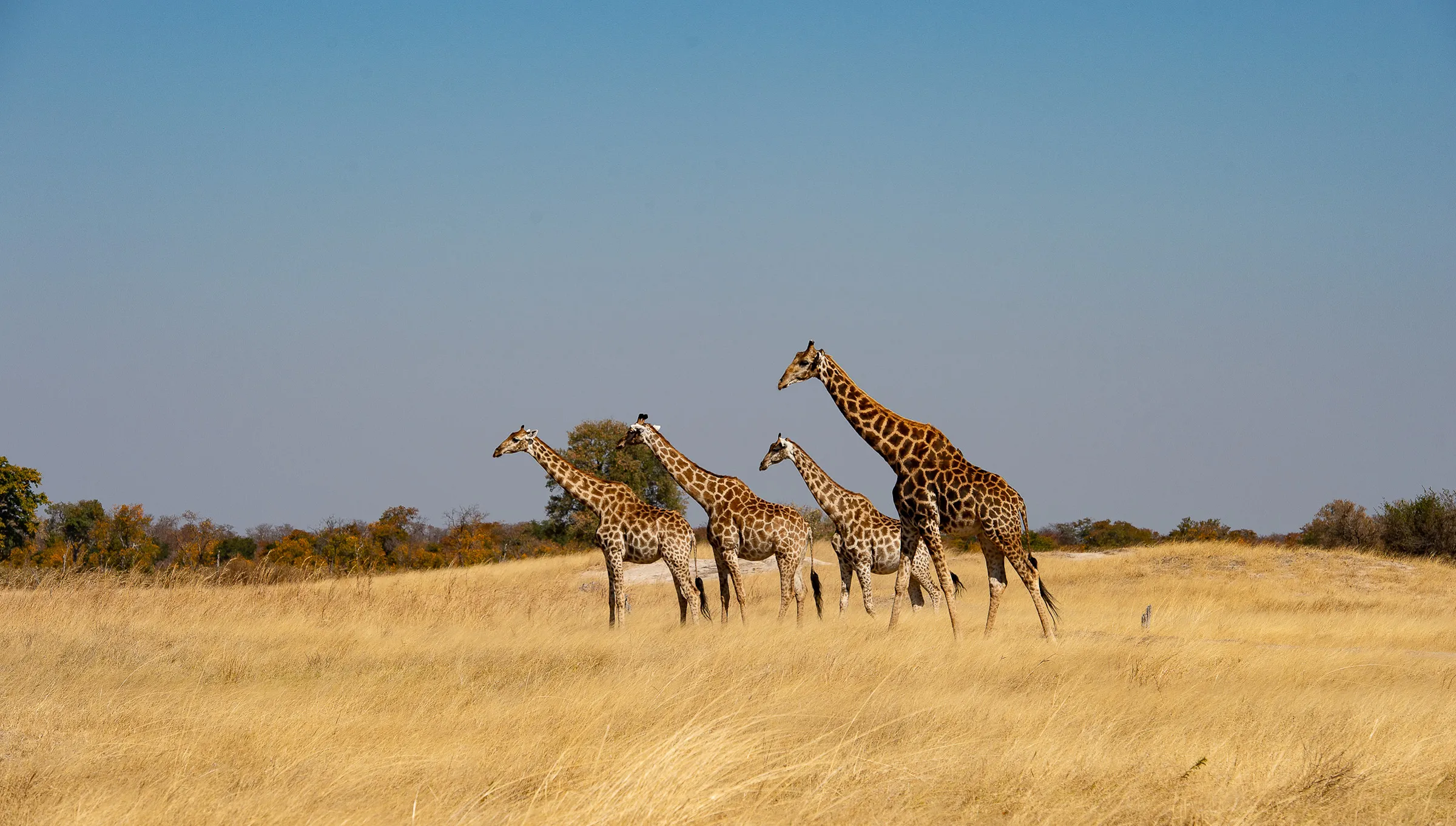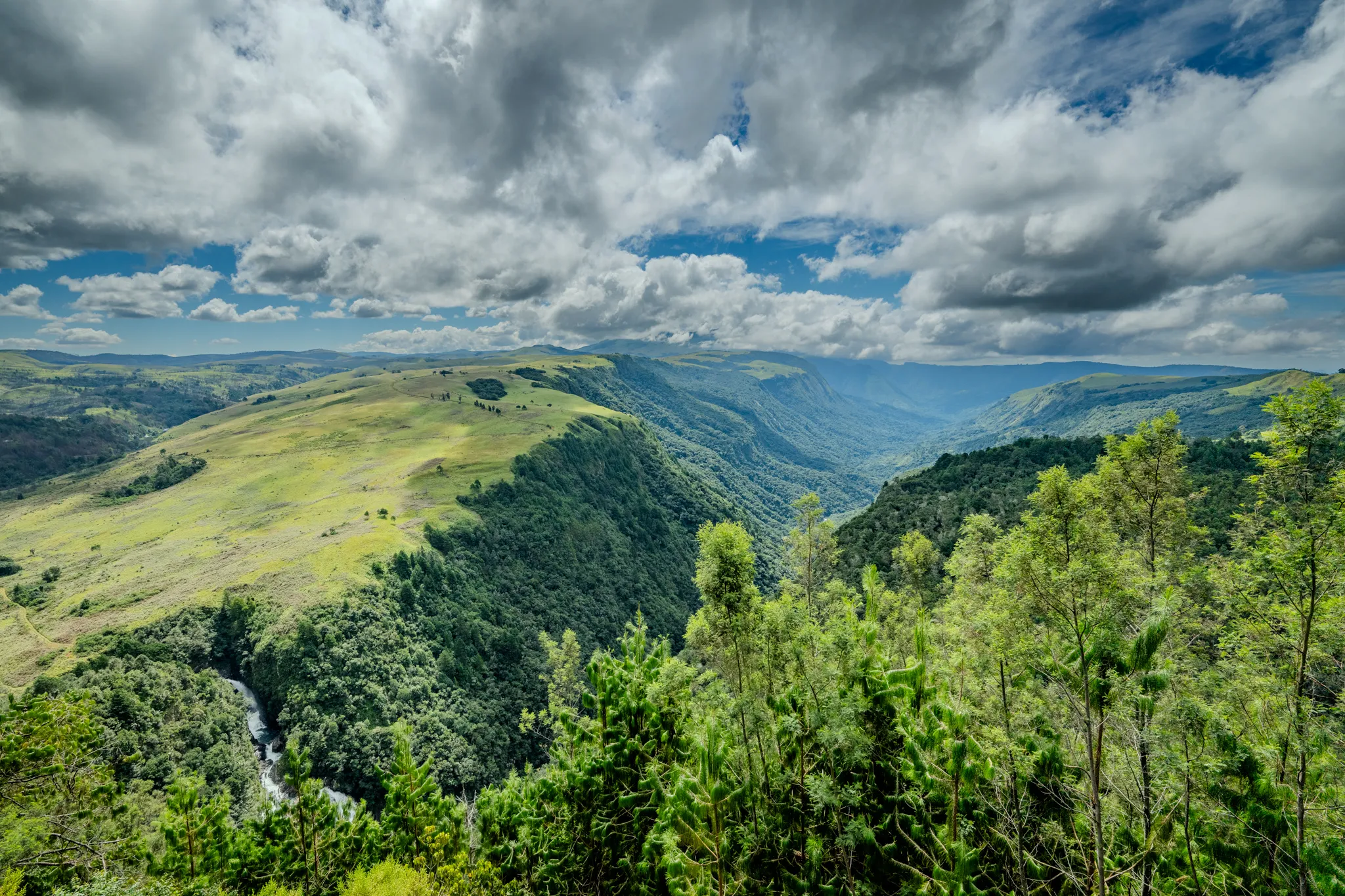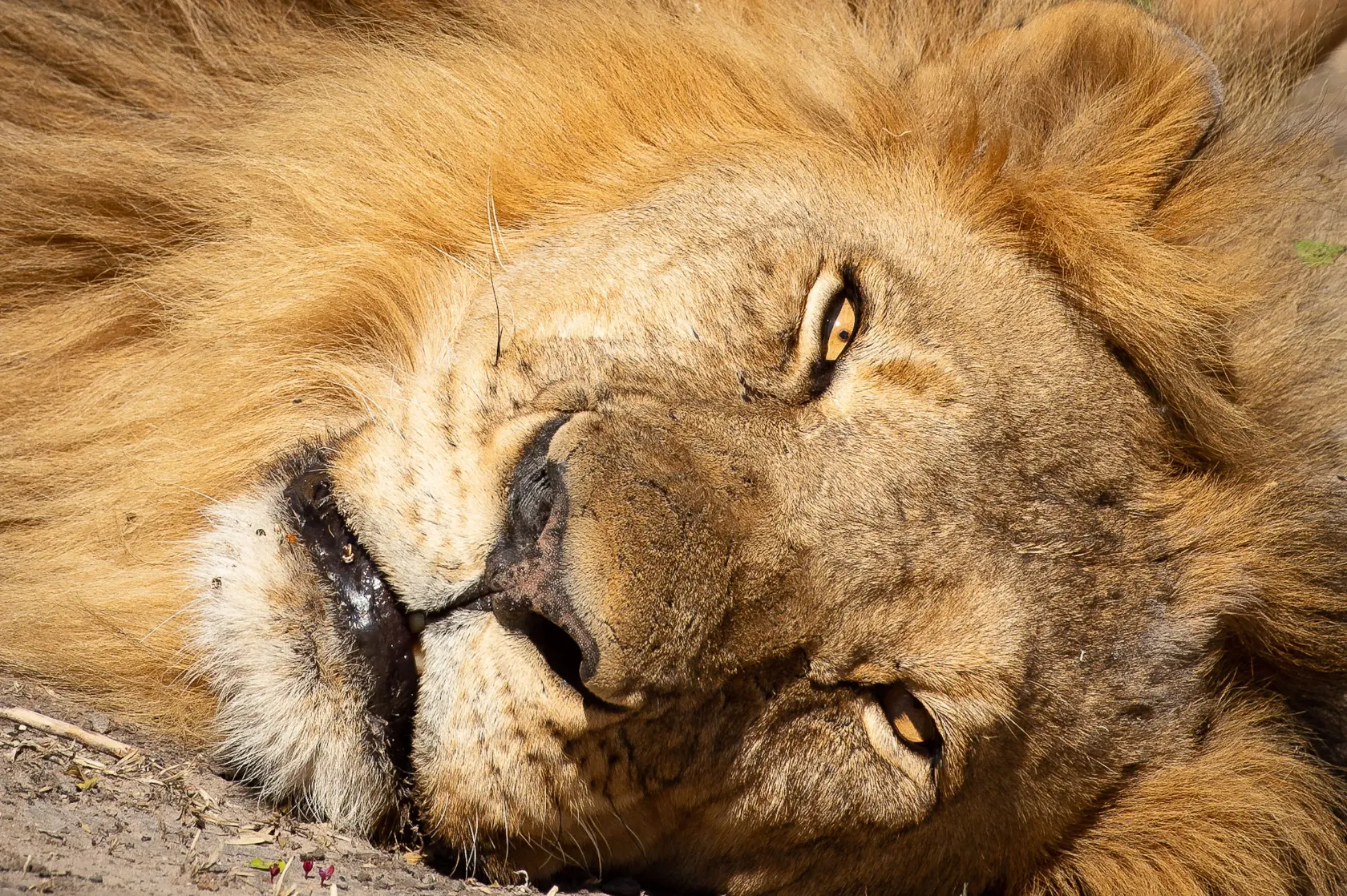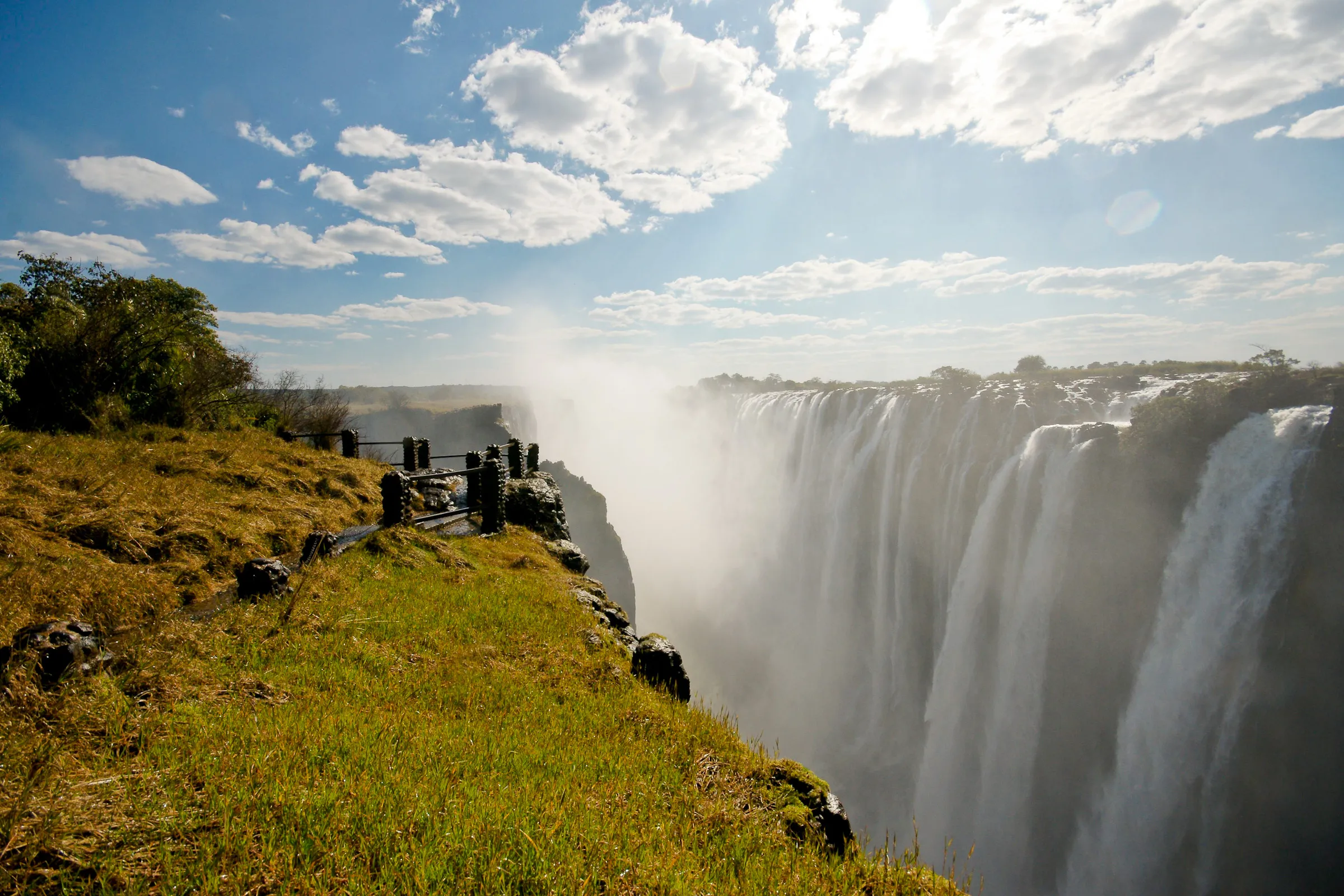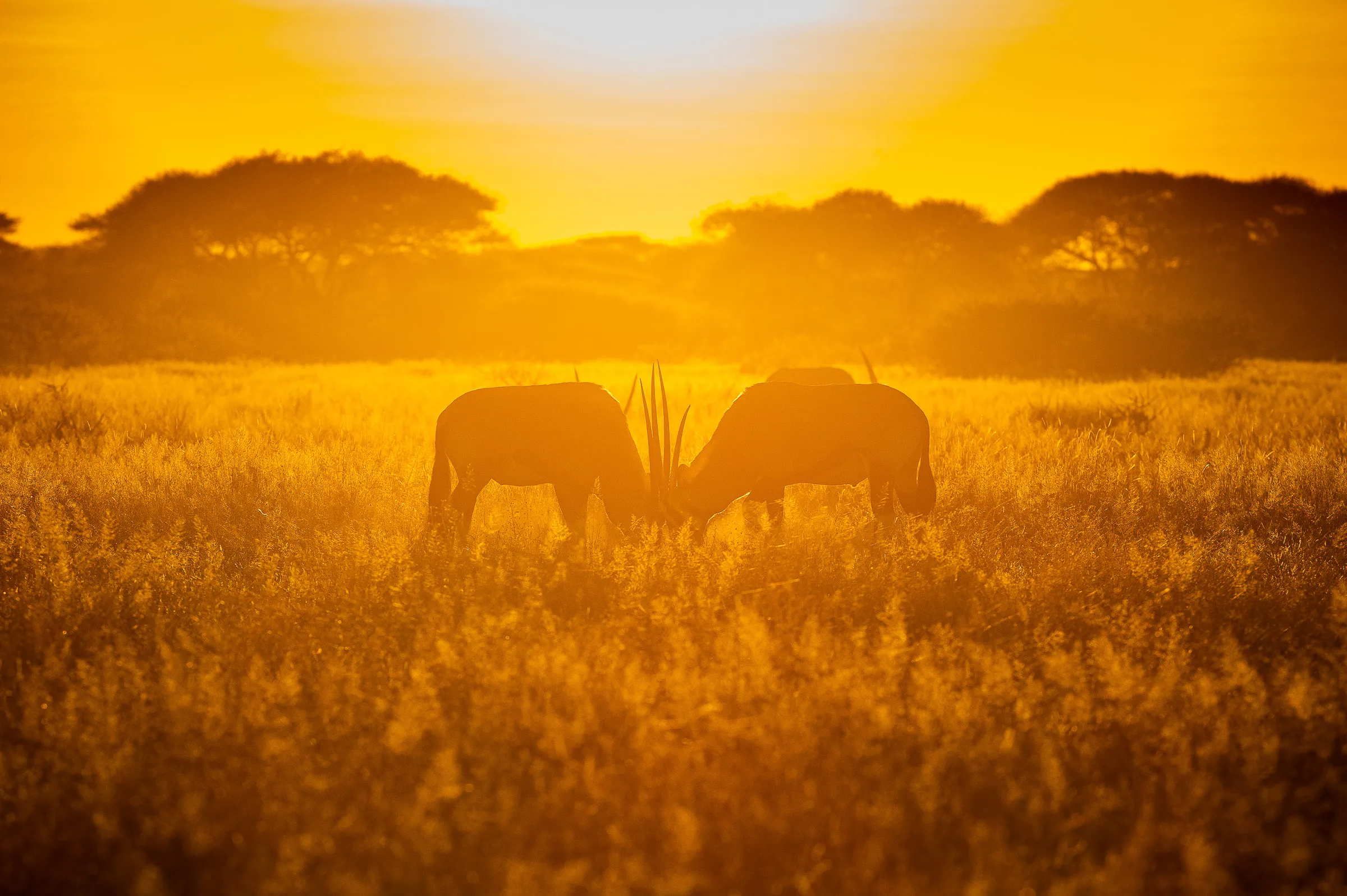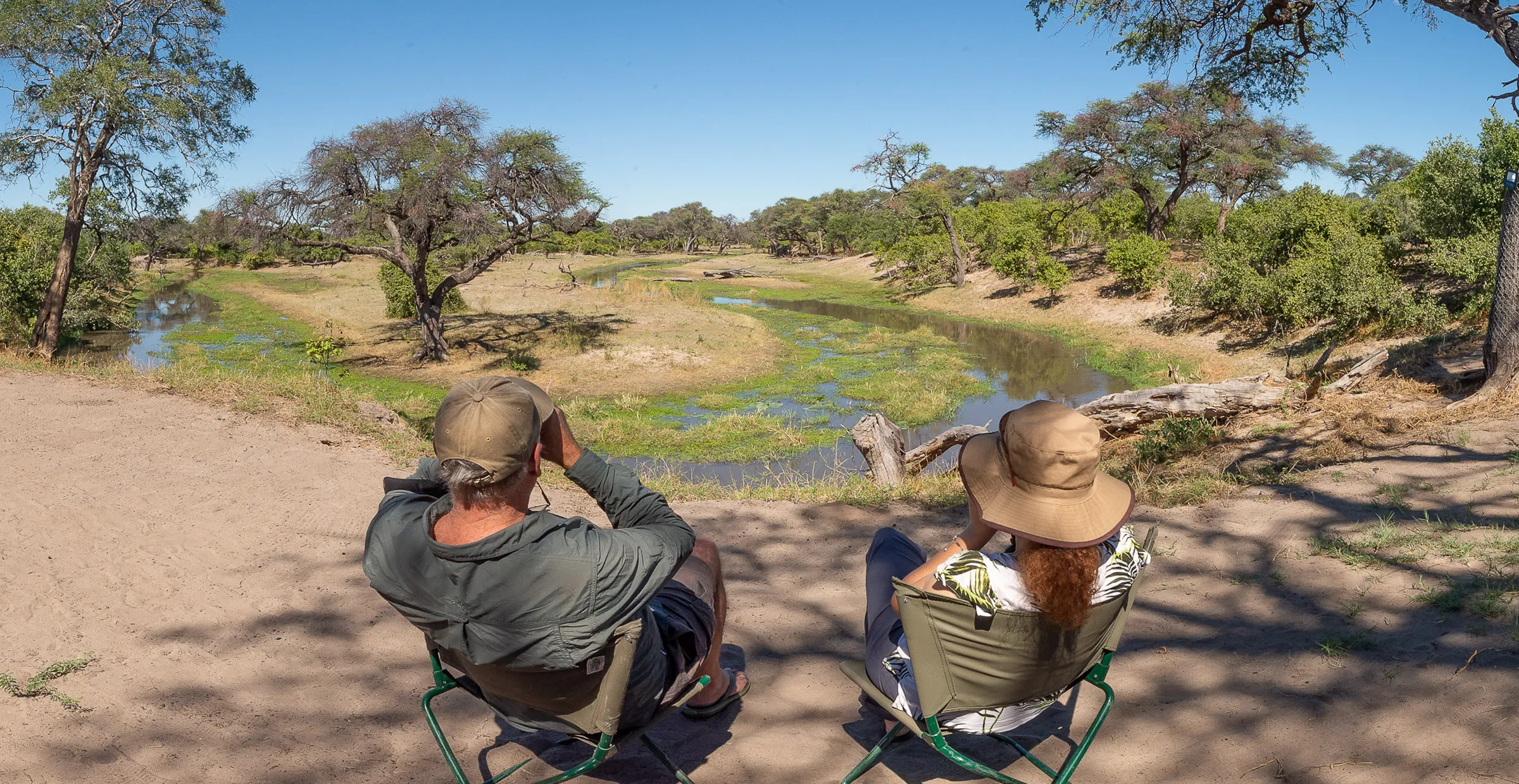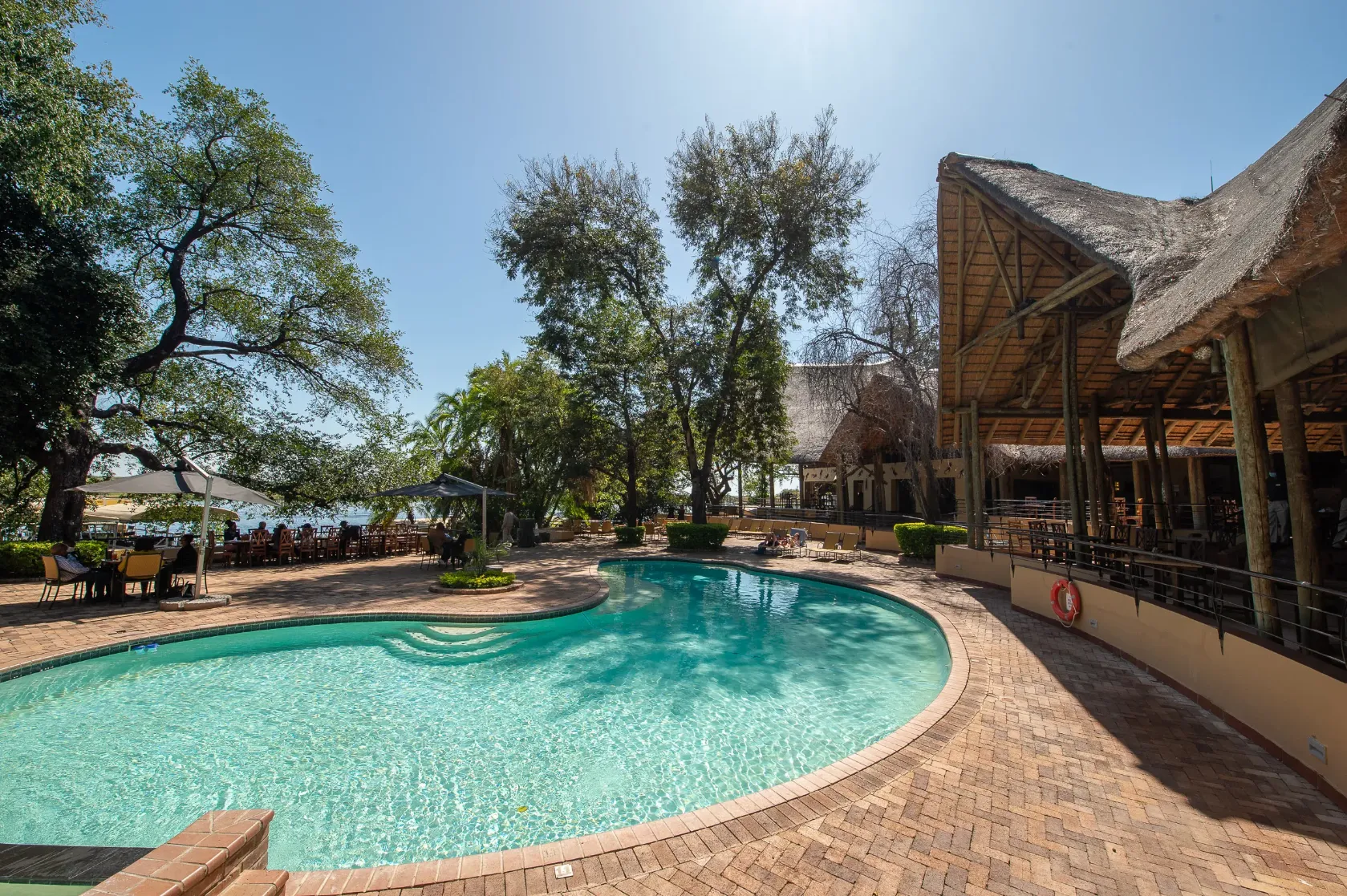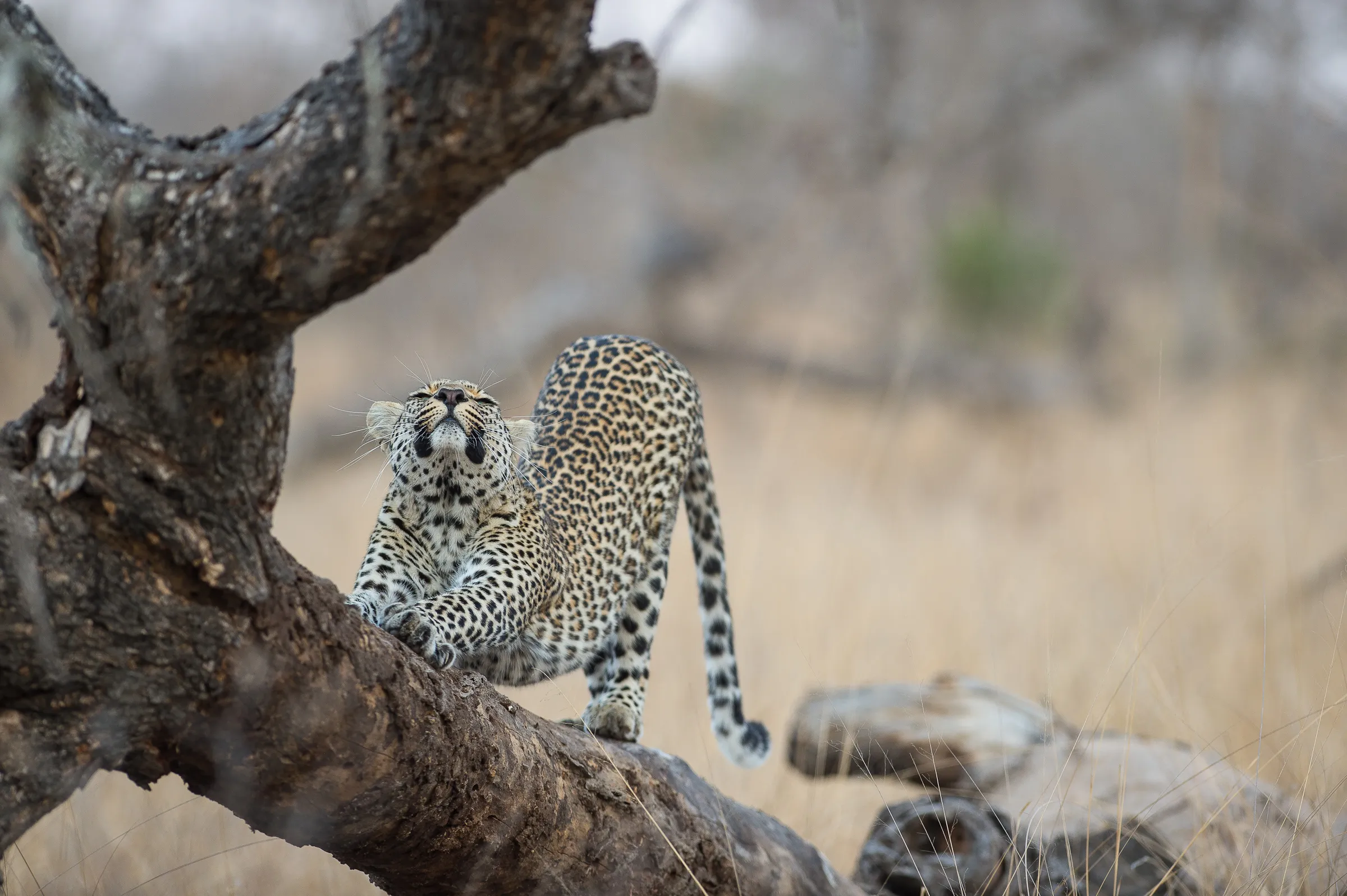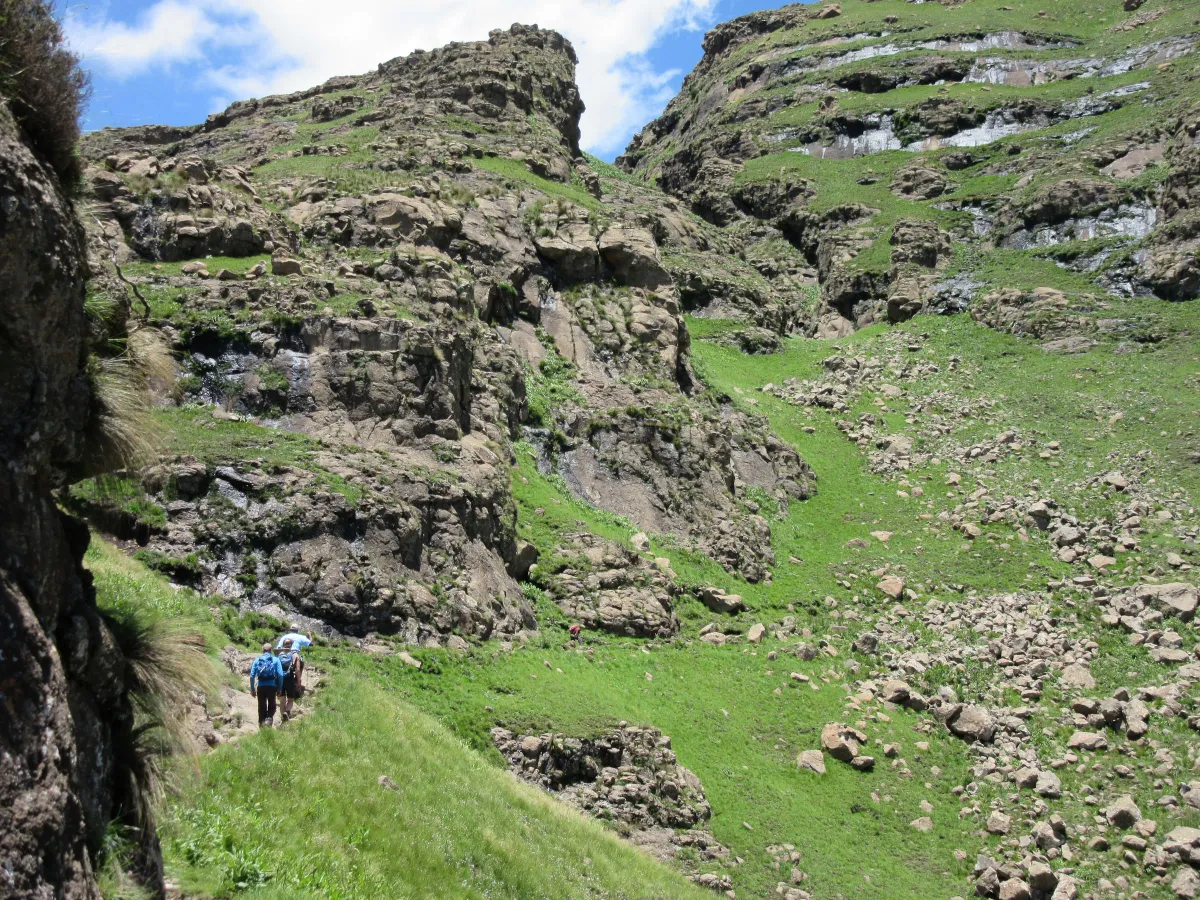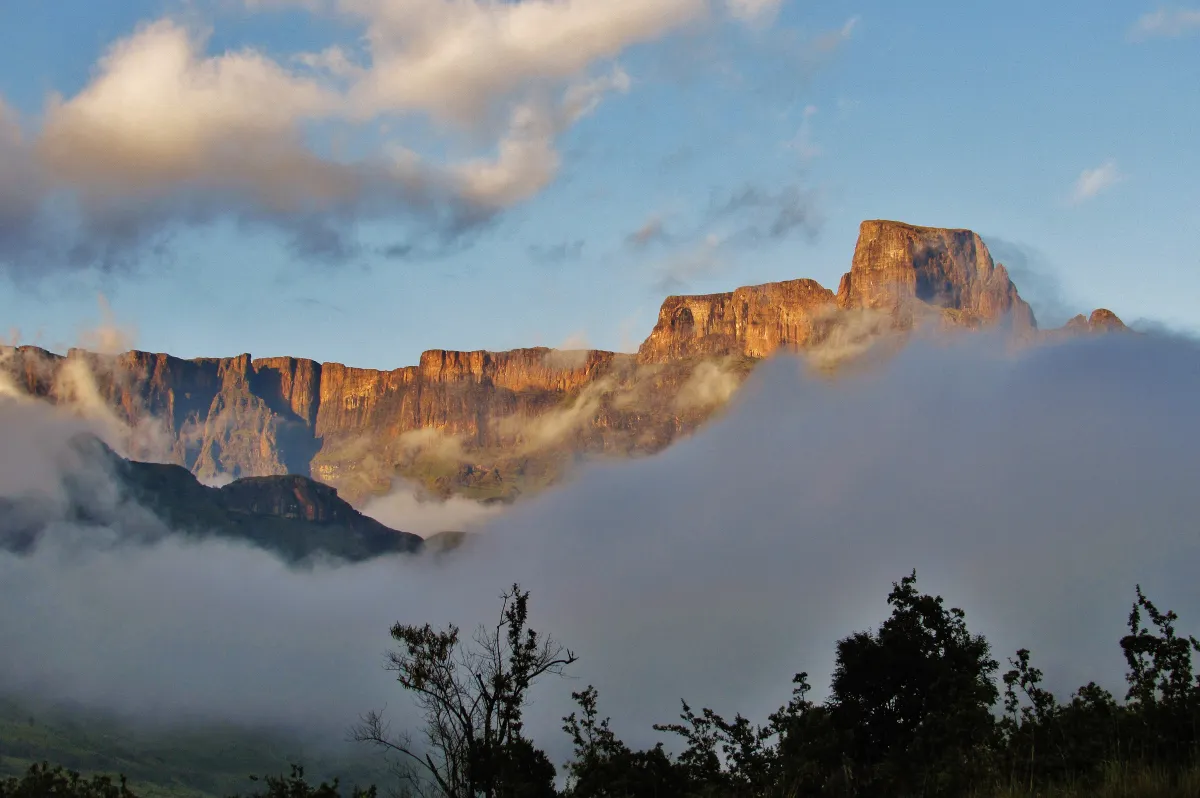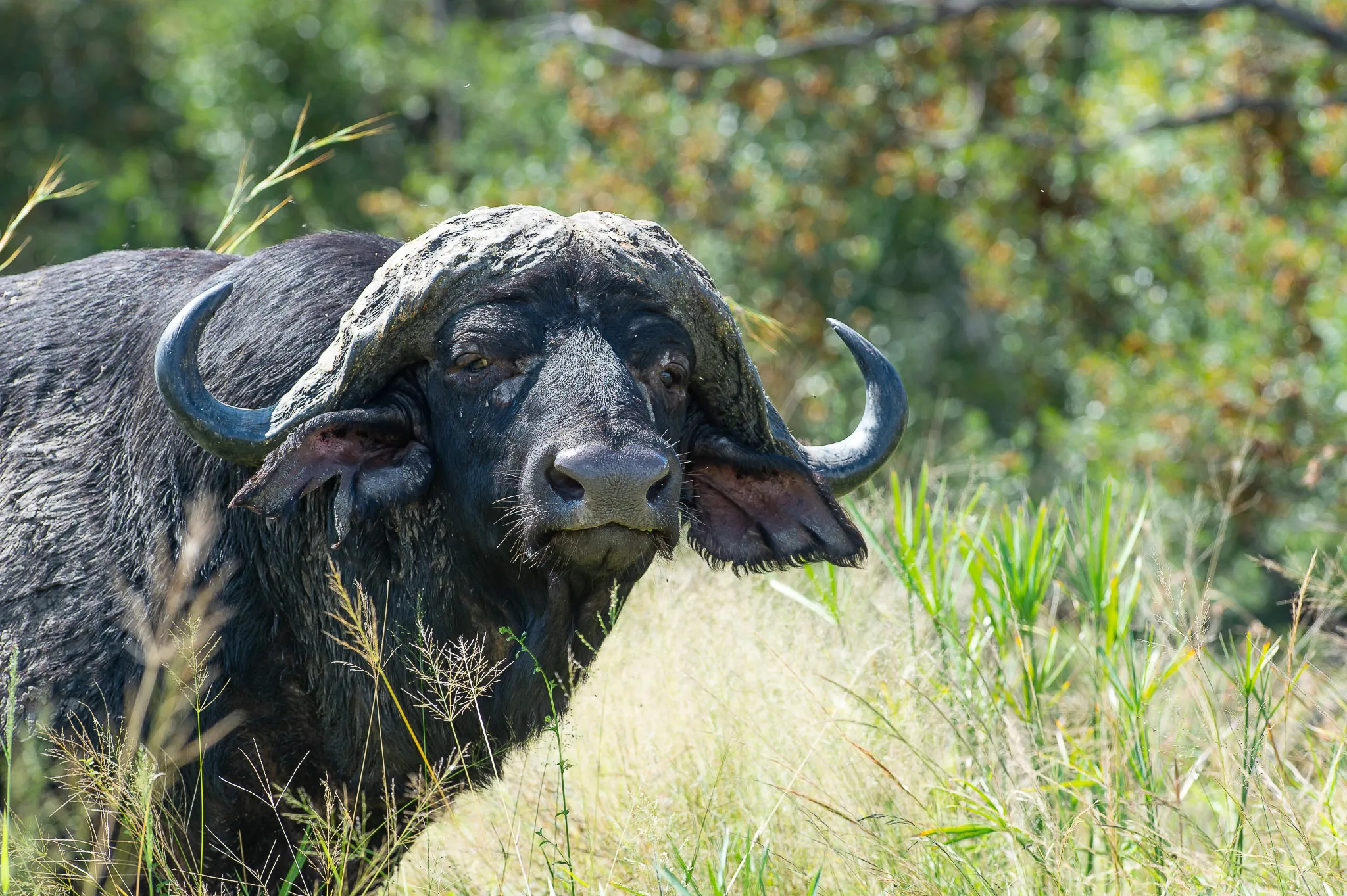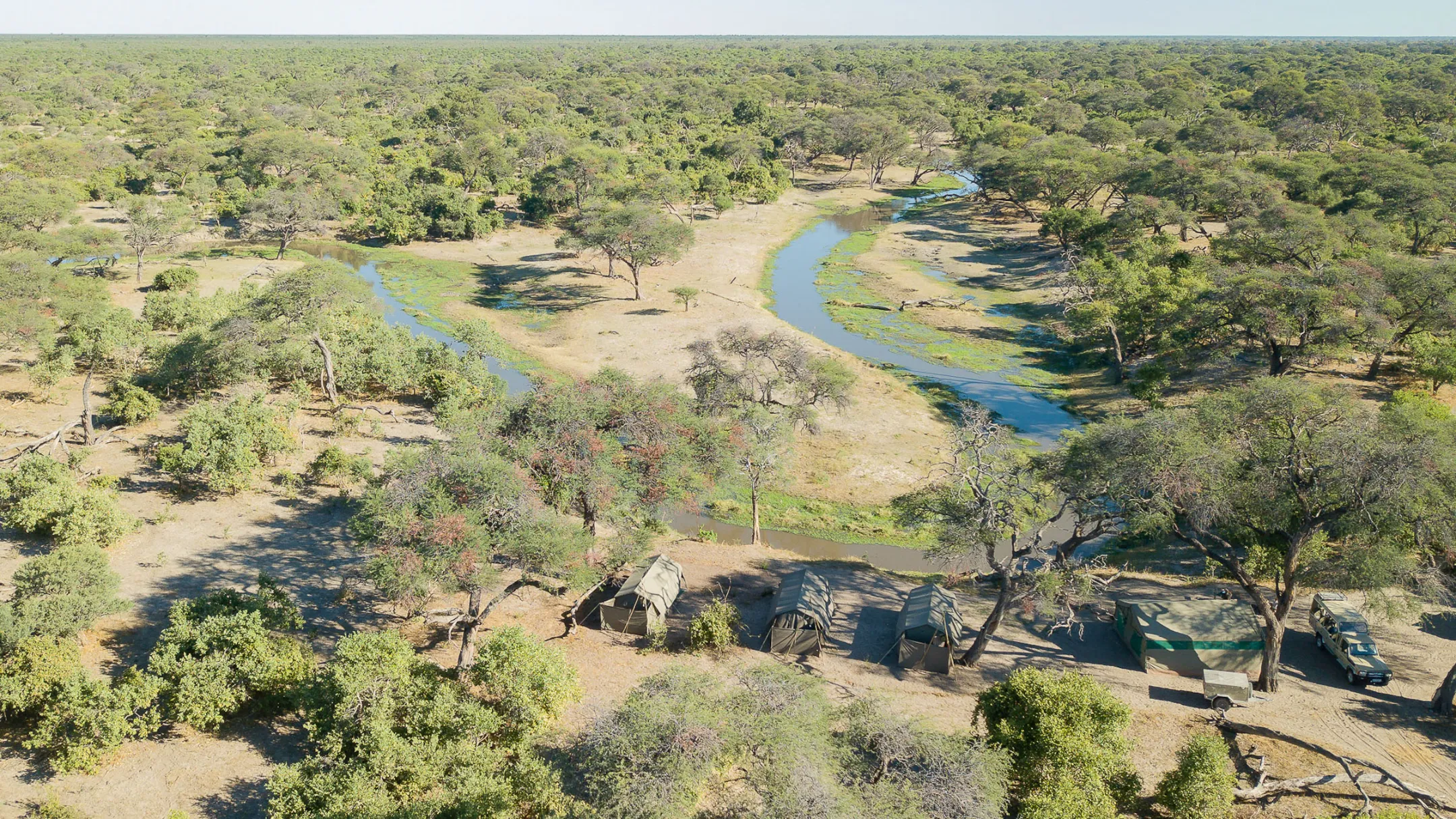


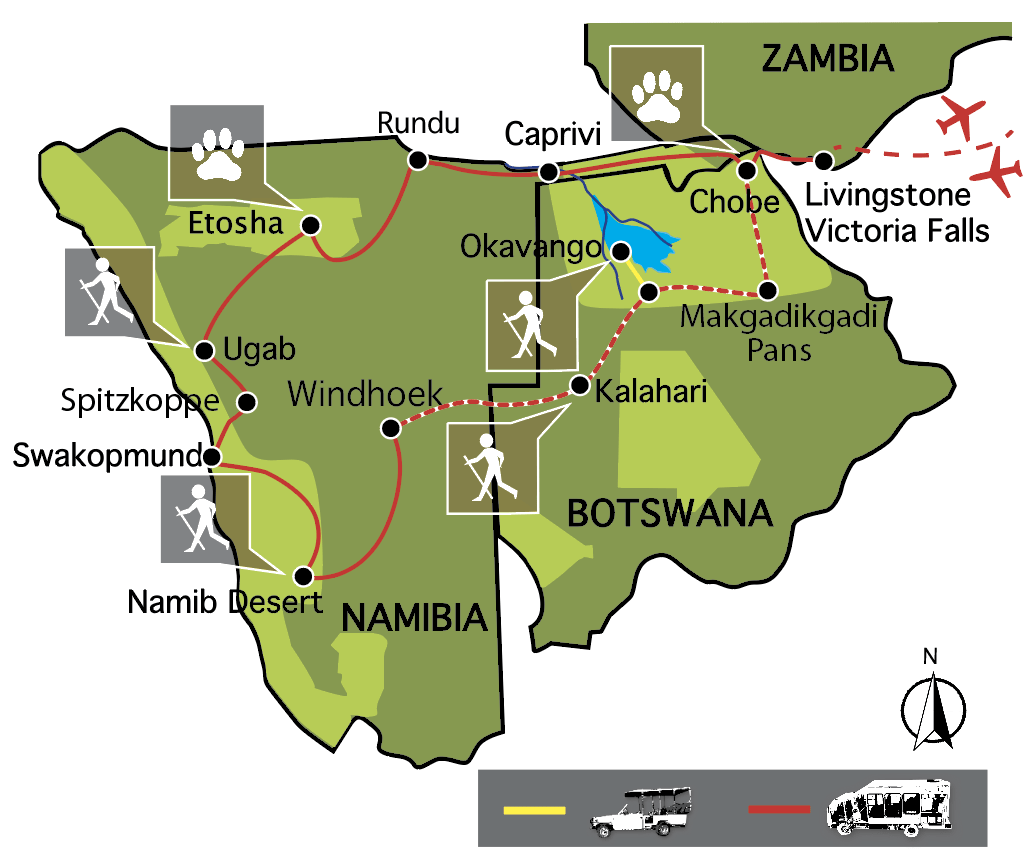
This is a 15 day camping adventure through some of the most spectacular areas in Southern Africa.
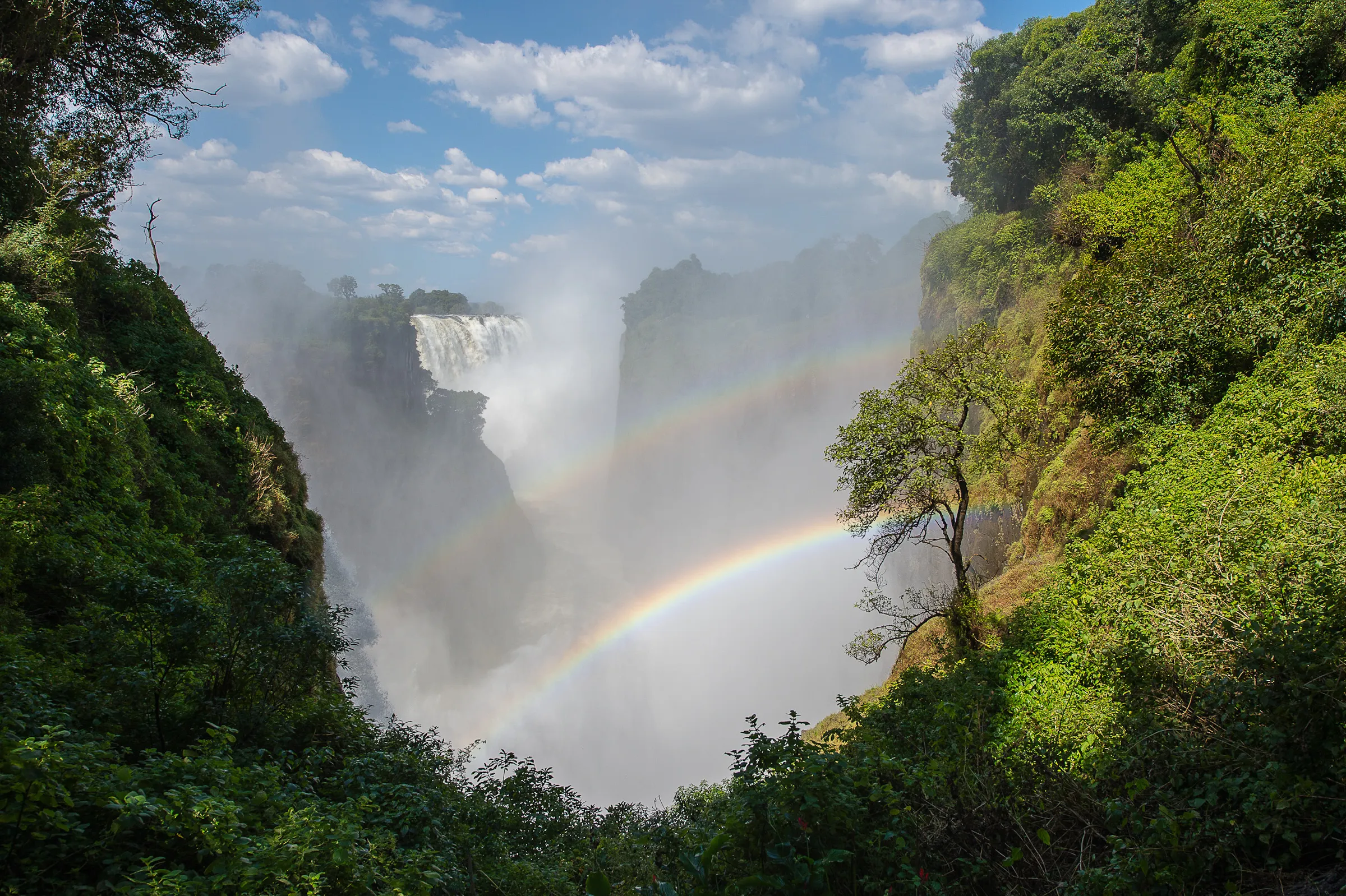
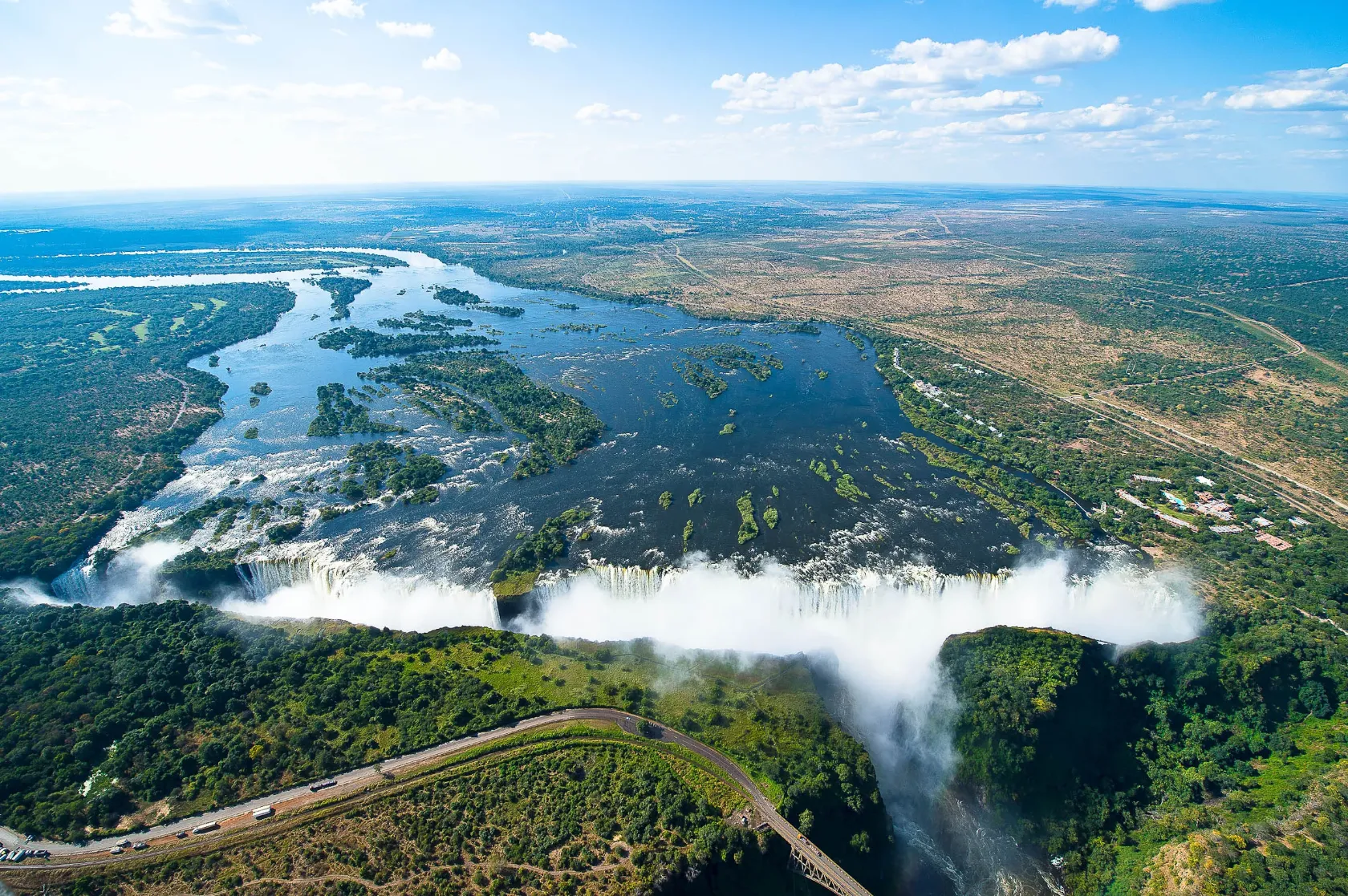
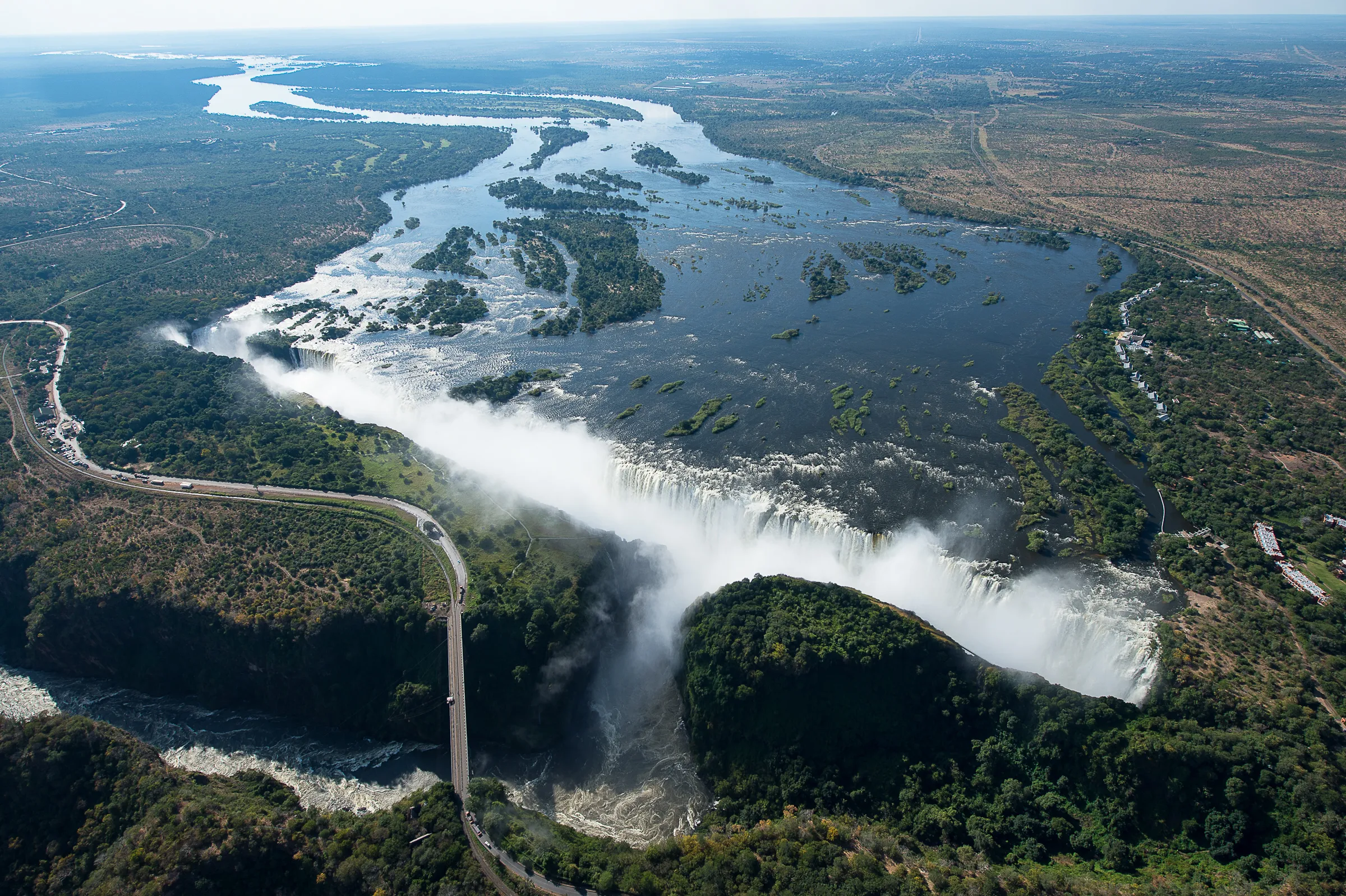
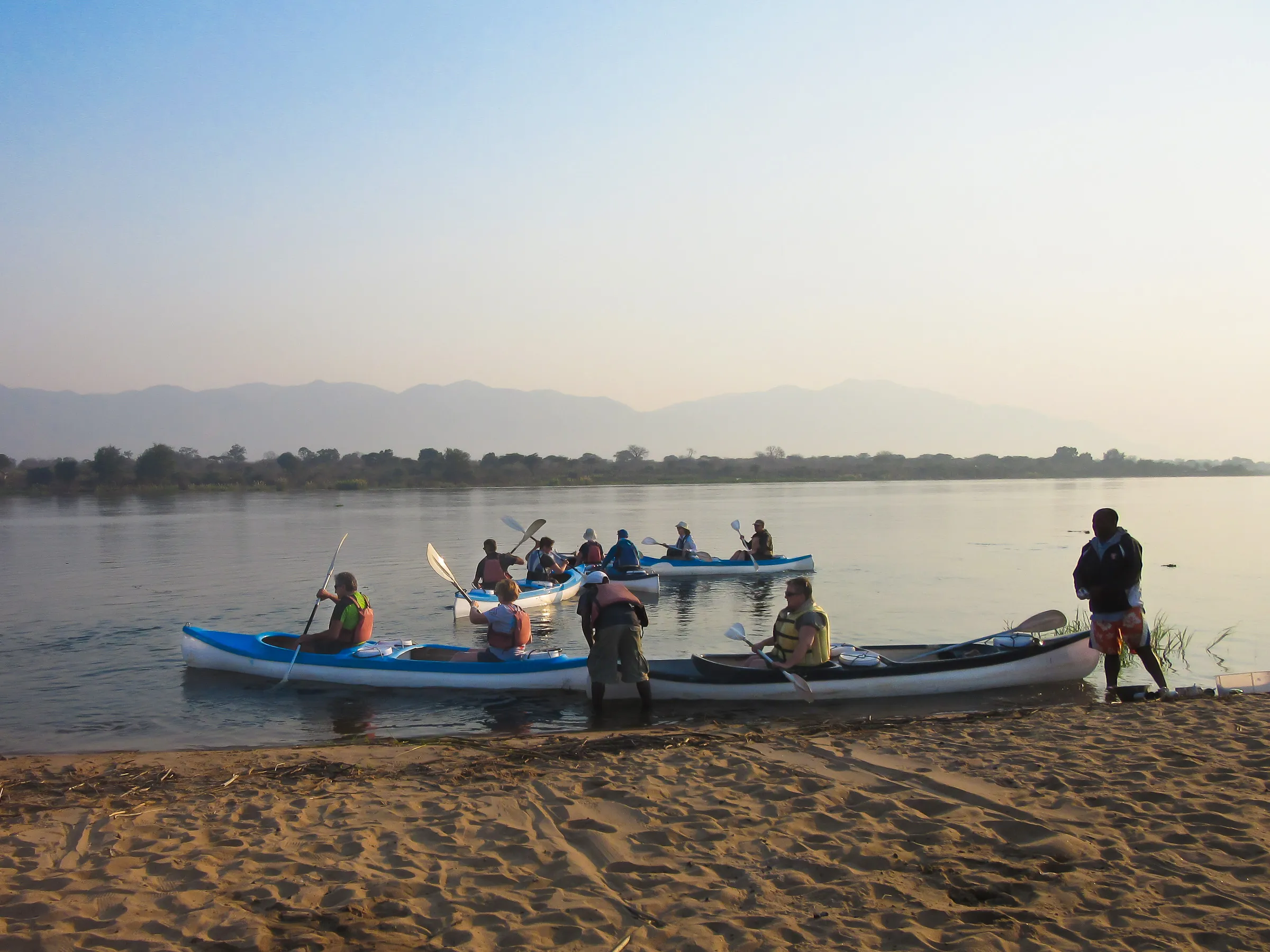
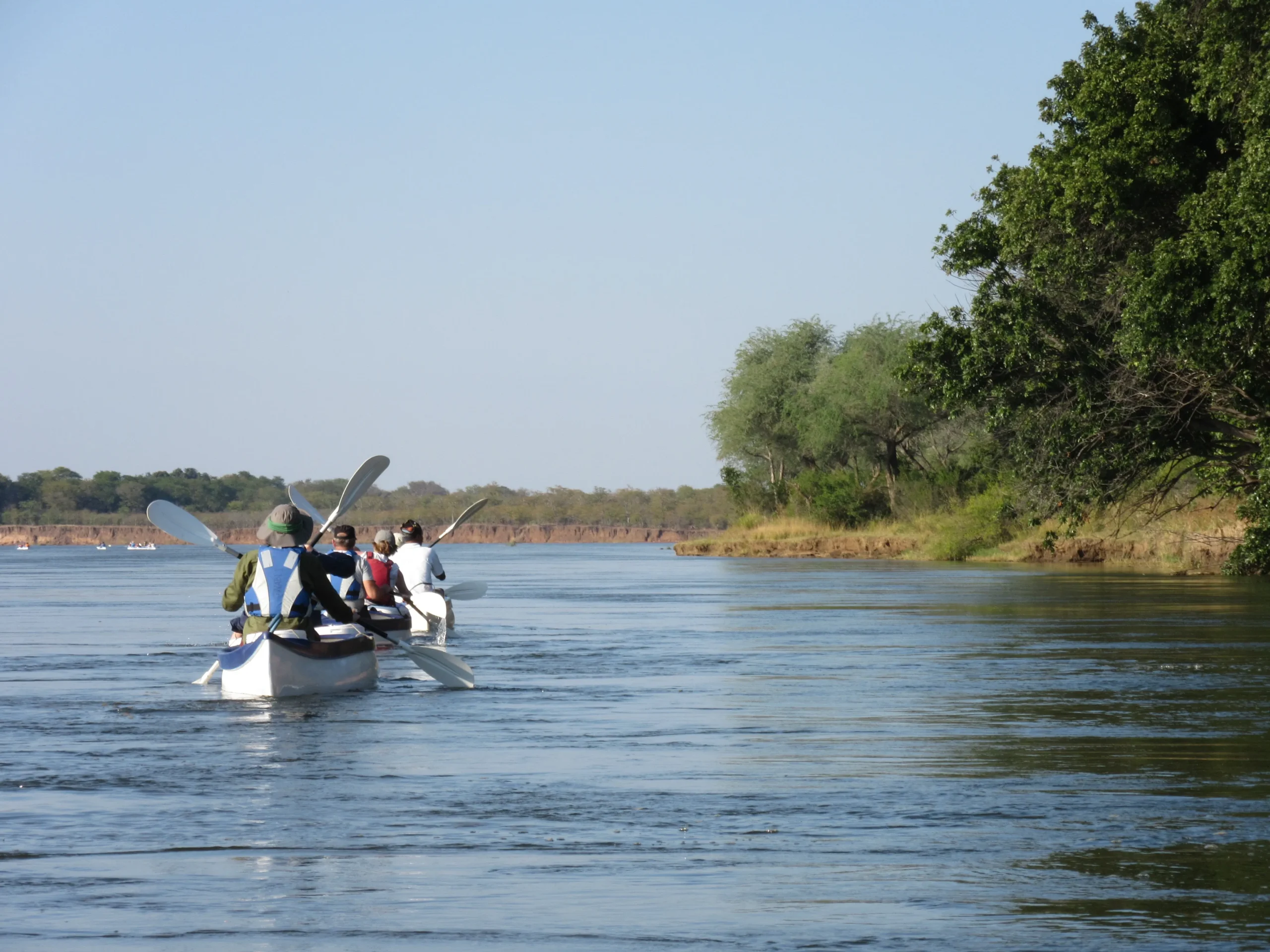
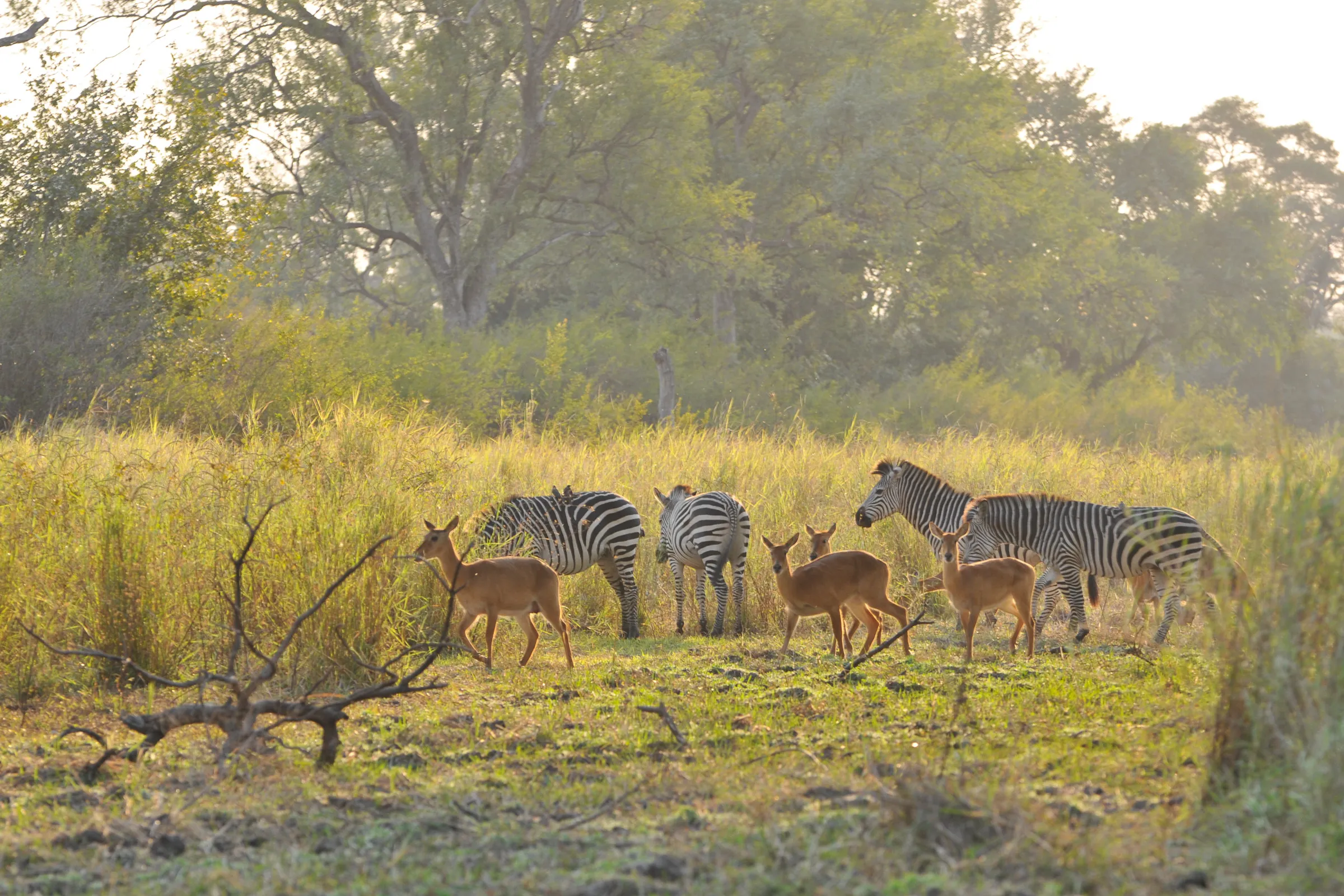
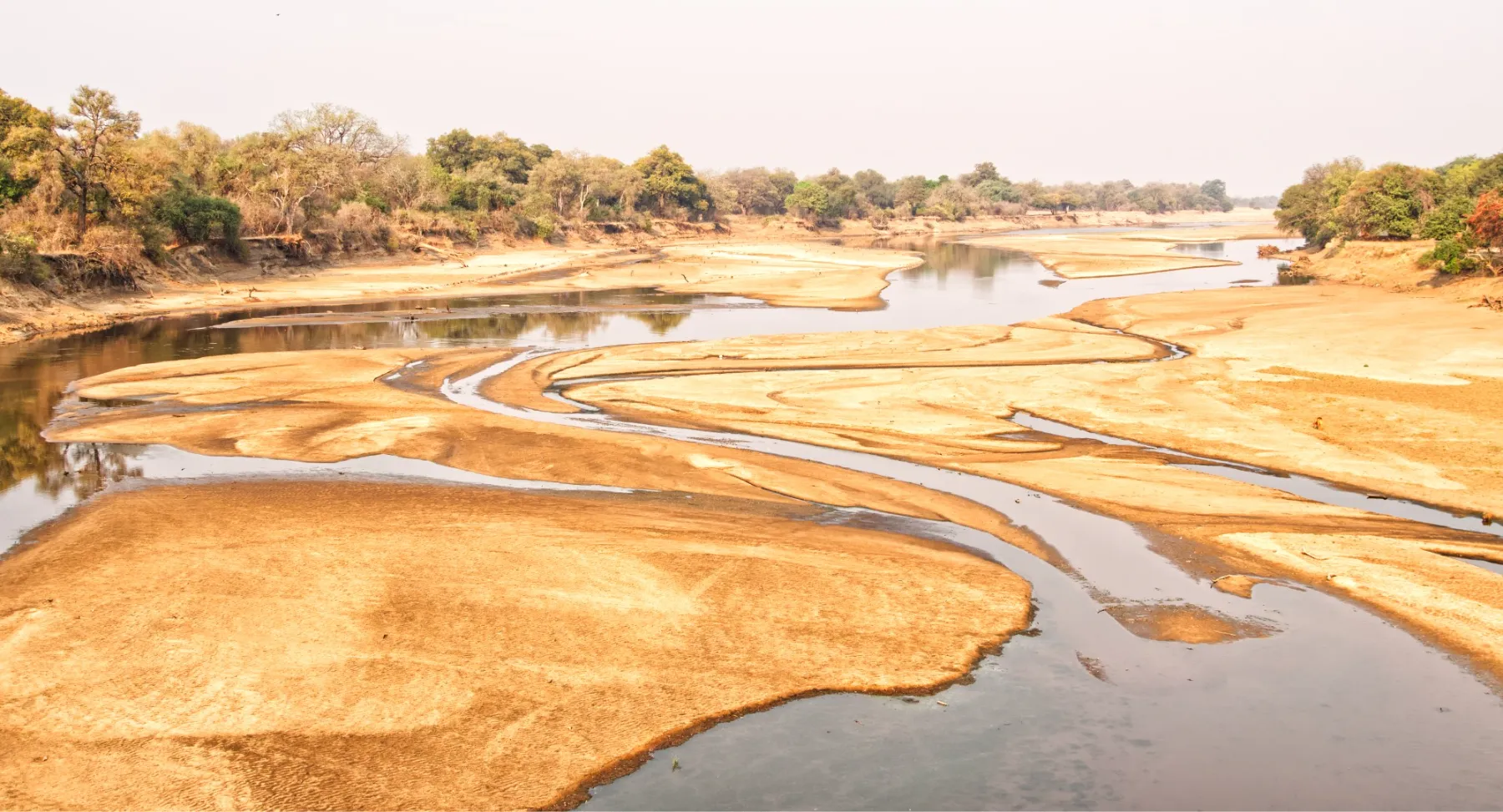
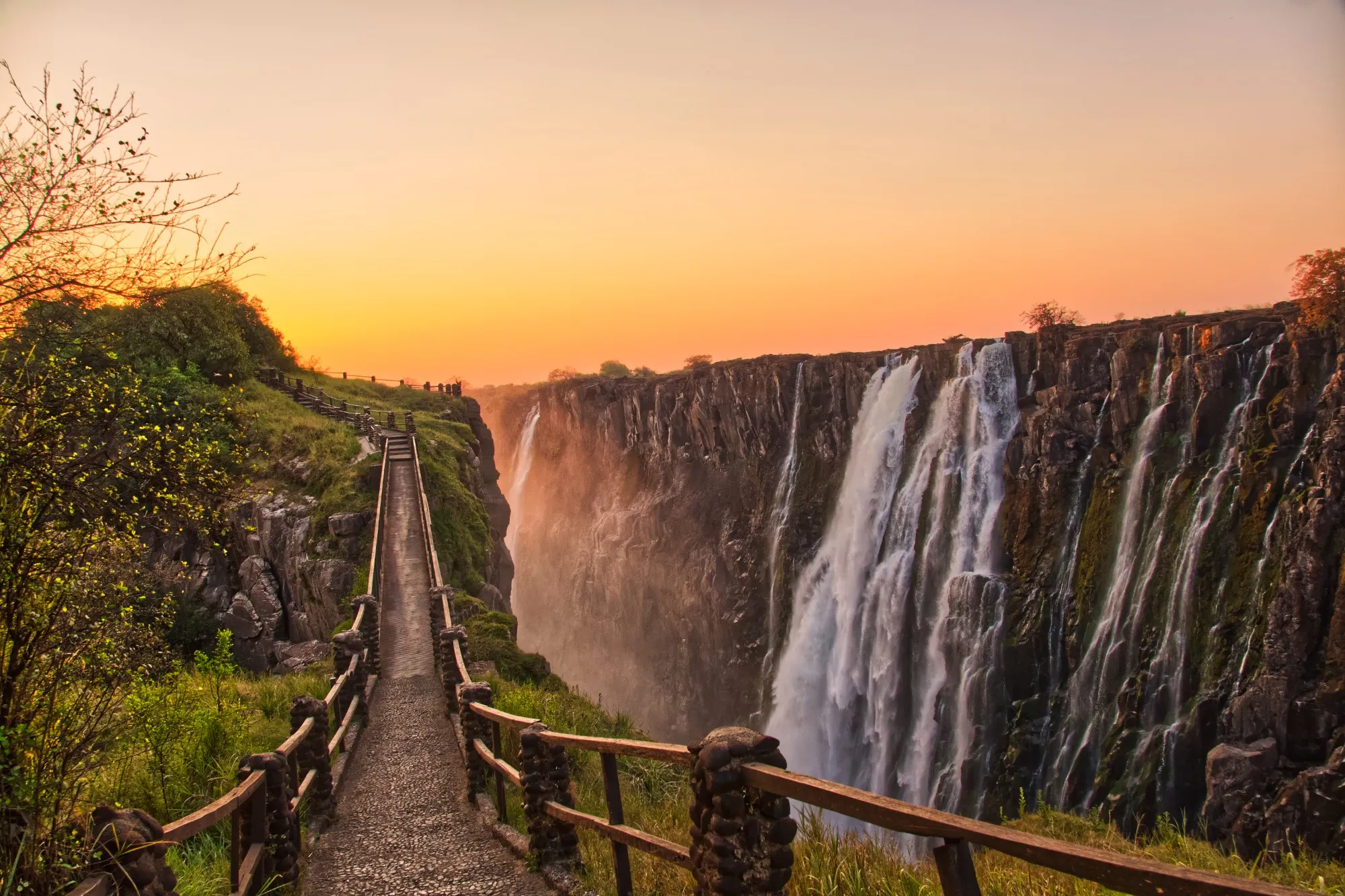
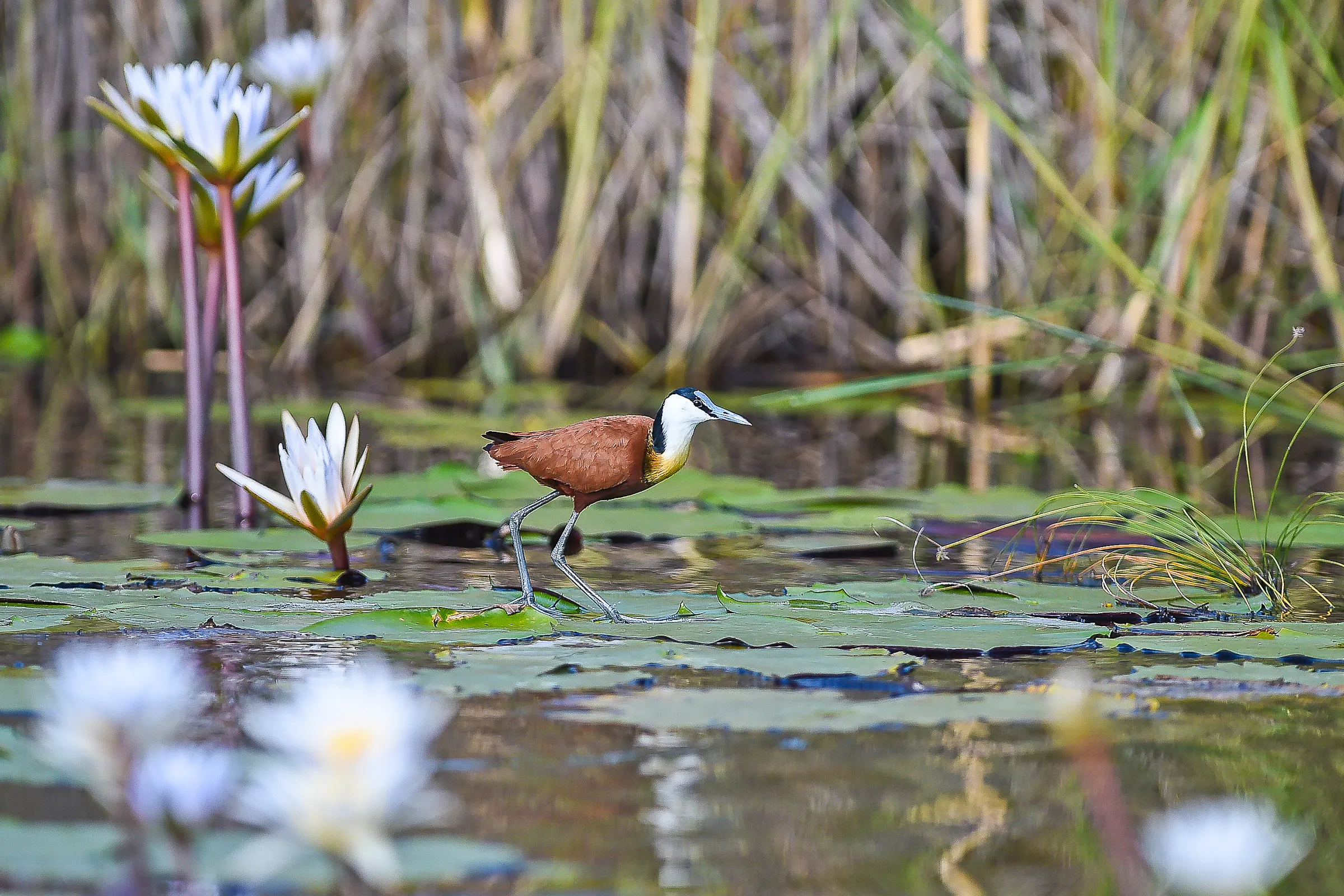
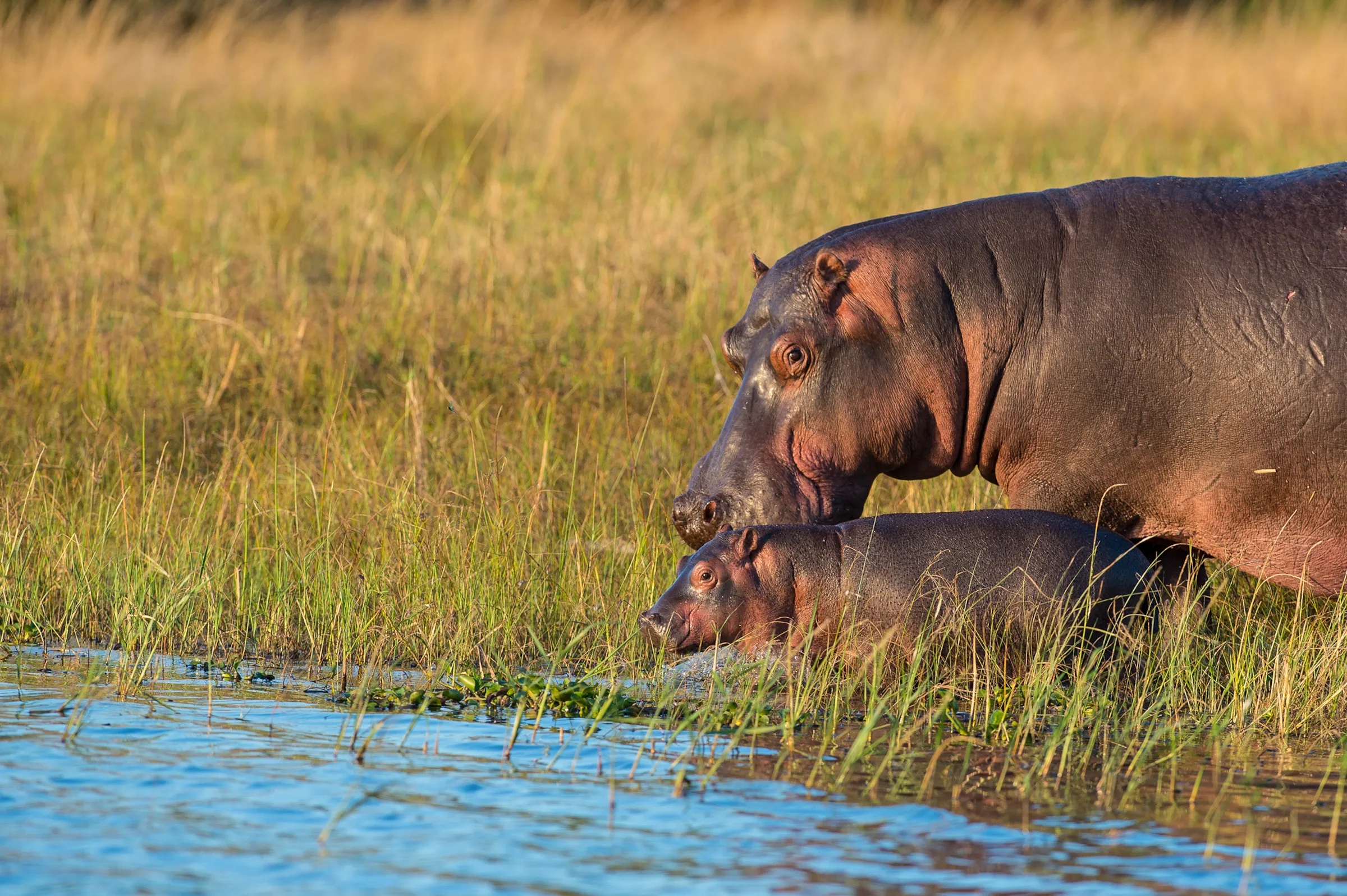
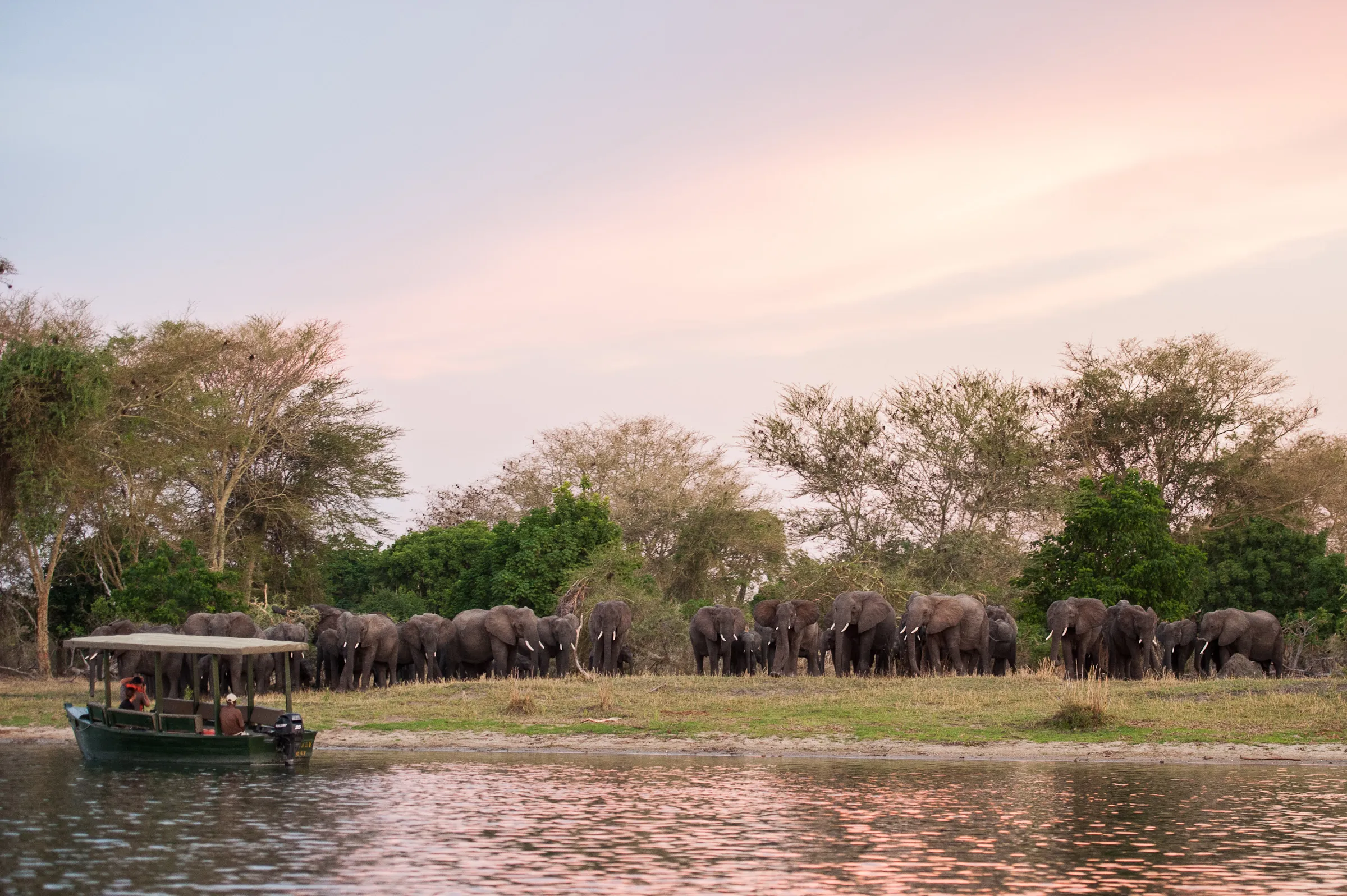
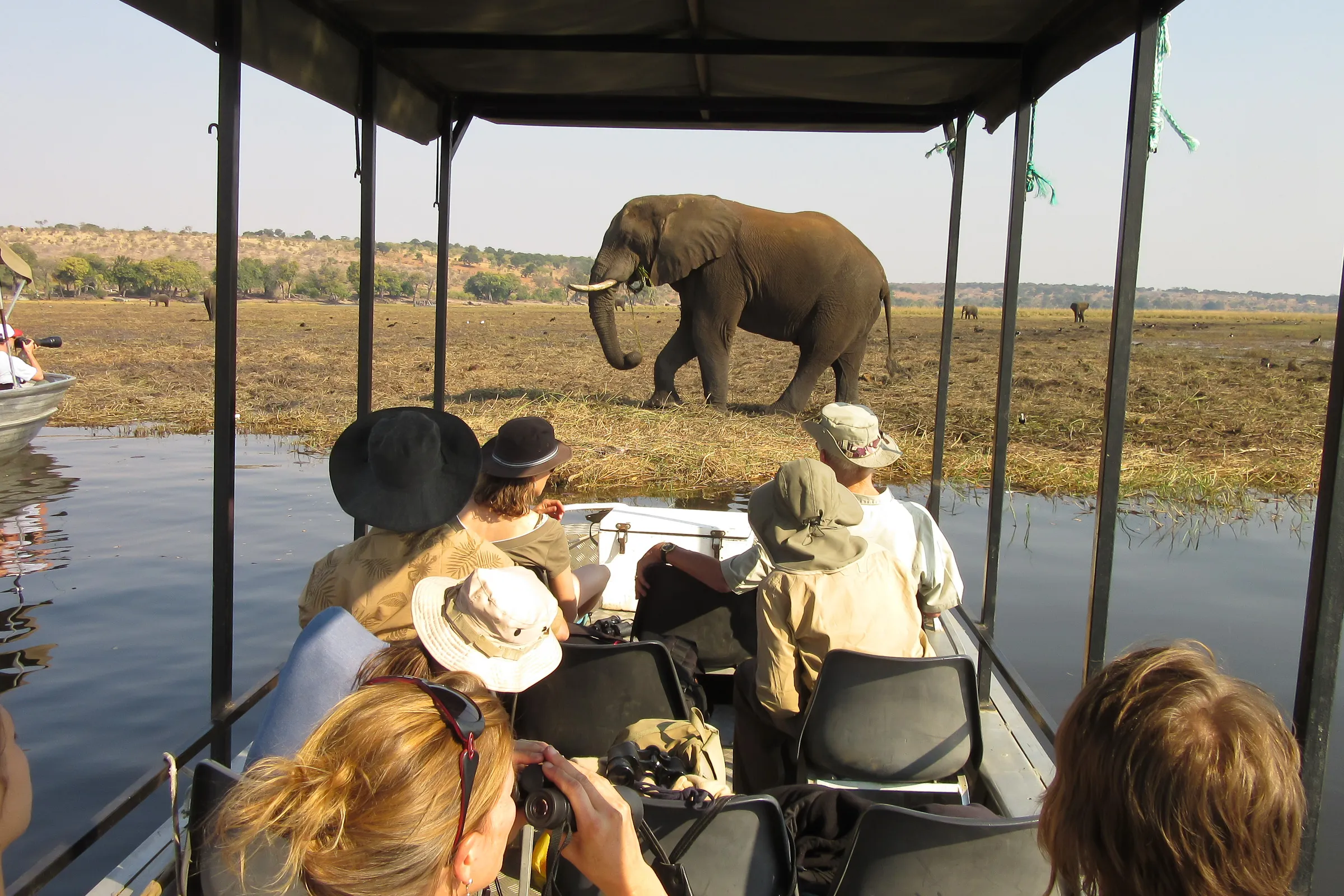
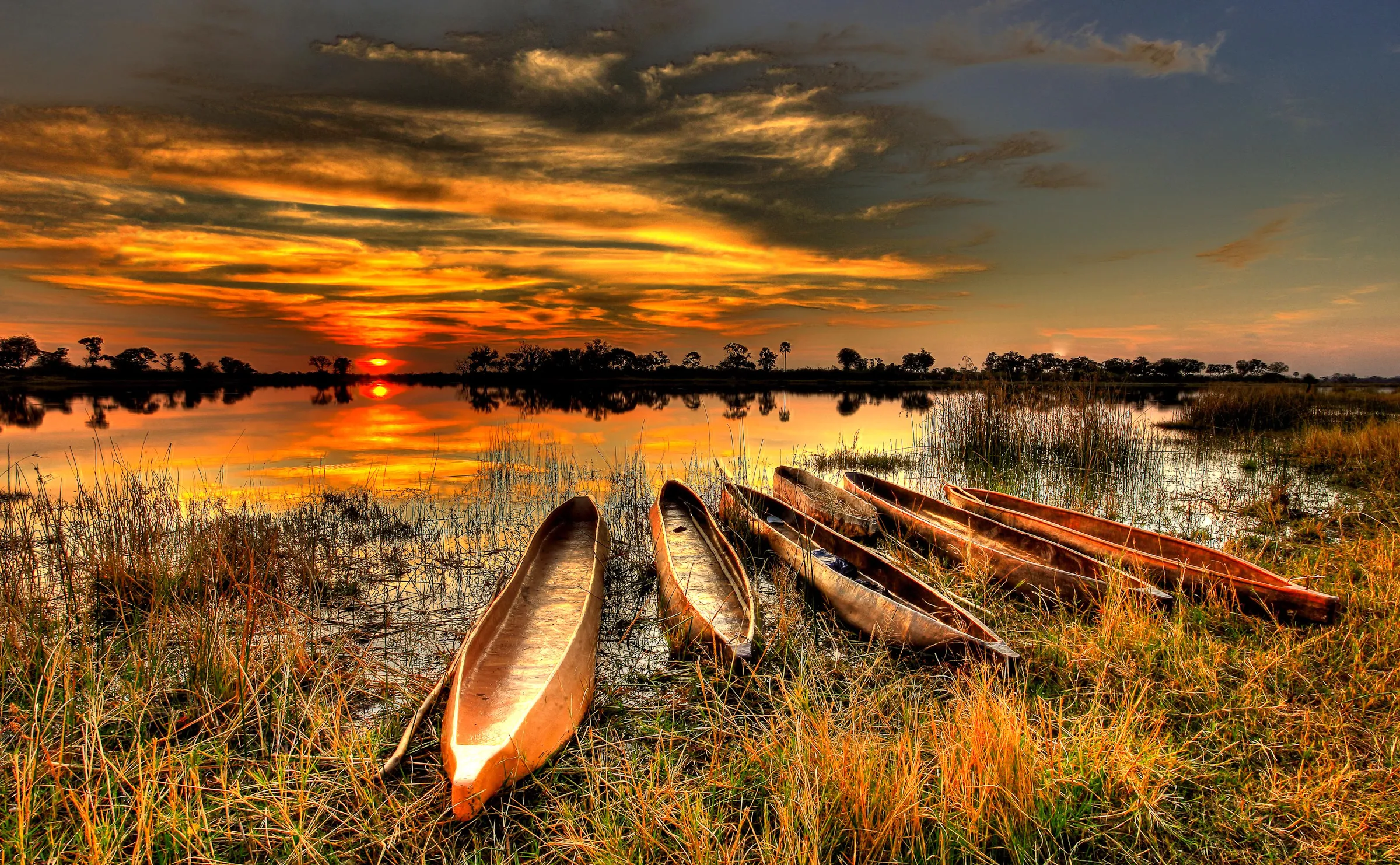
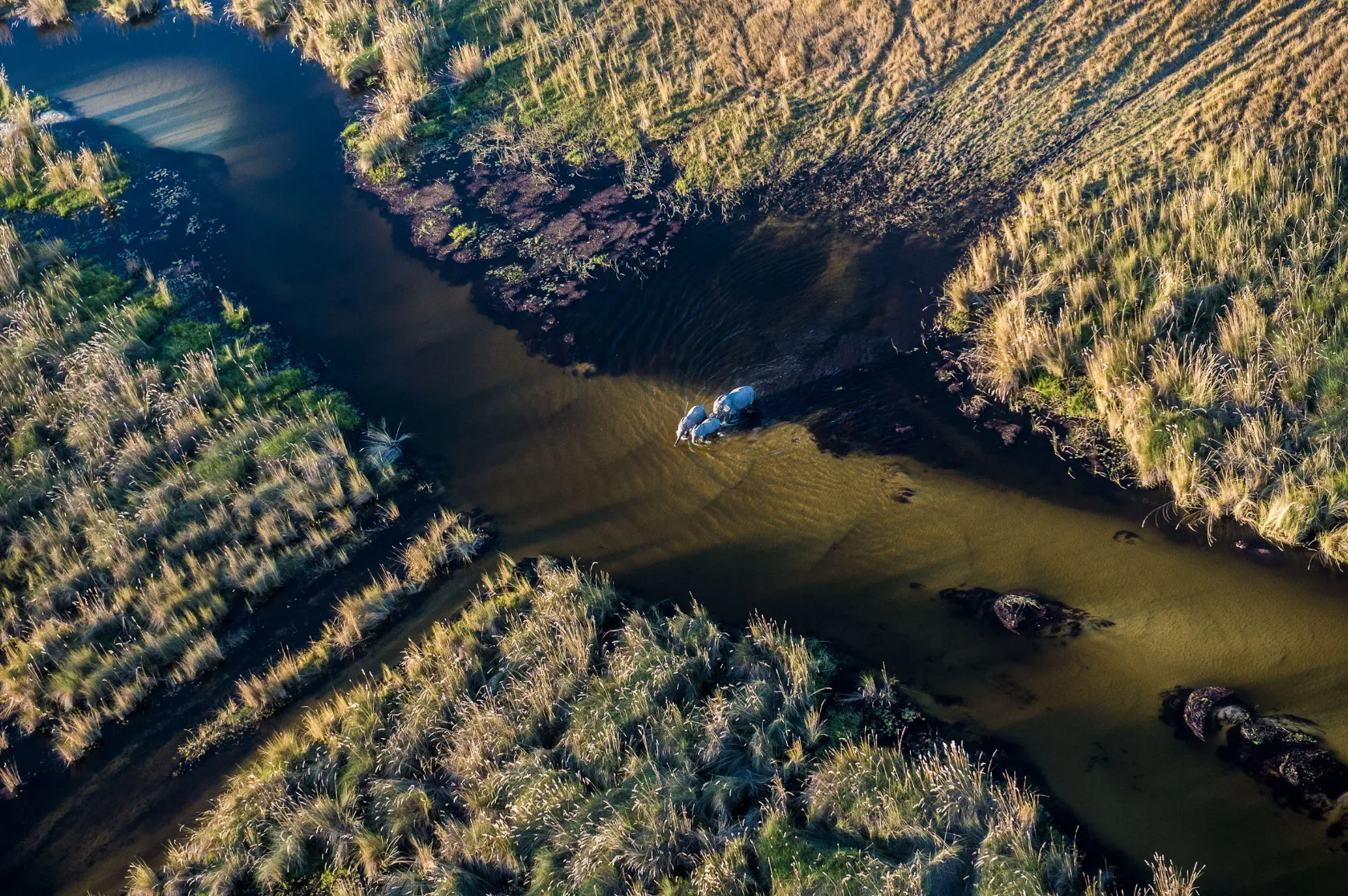
Travel from Zambia’s iconic Victoria Falls through the lush Caprivi, enjoying game drives and a river cruise.
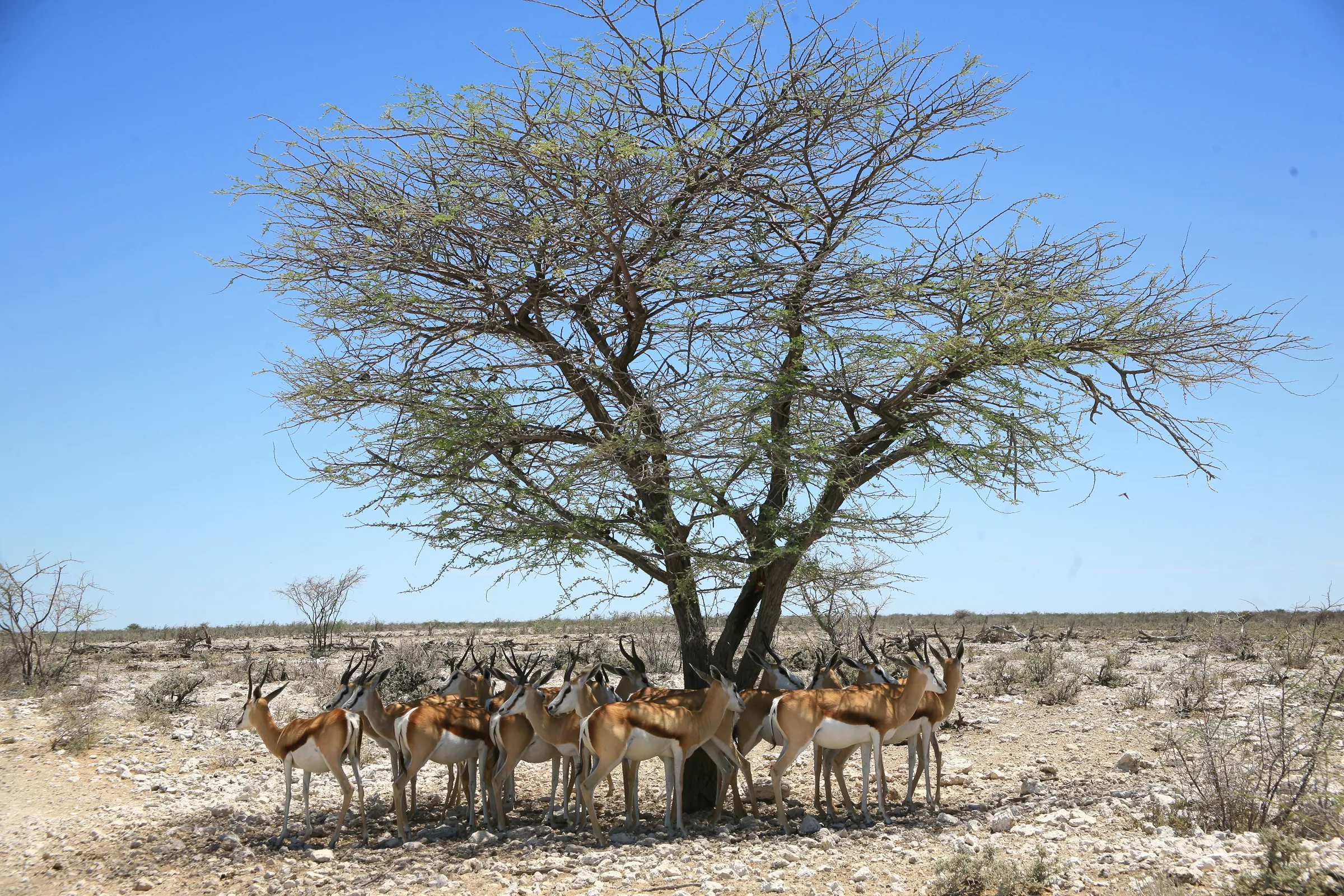
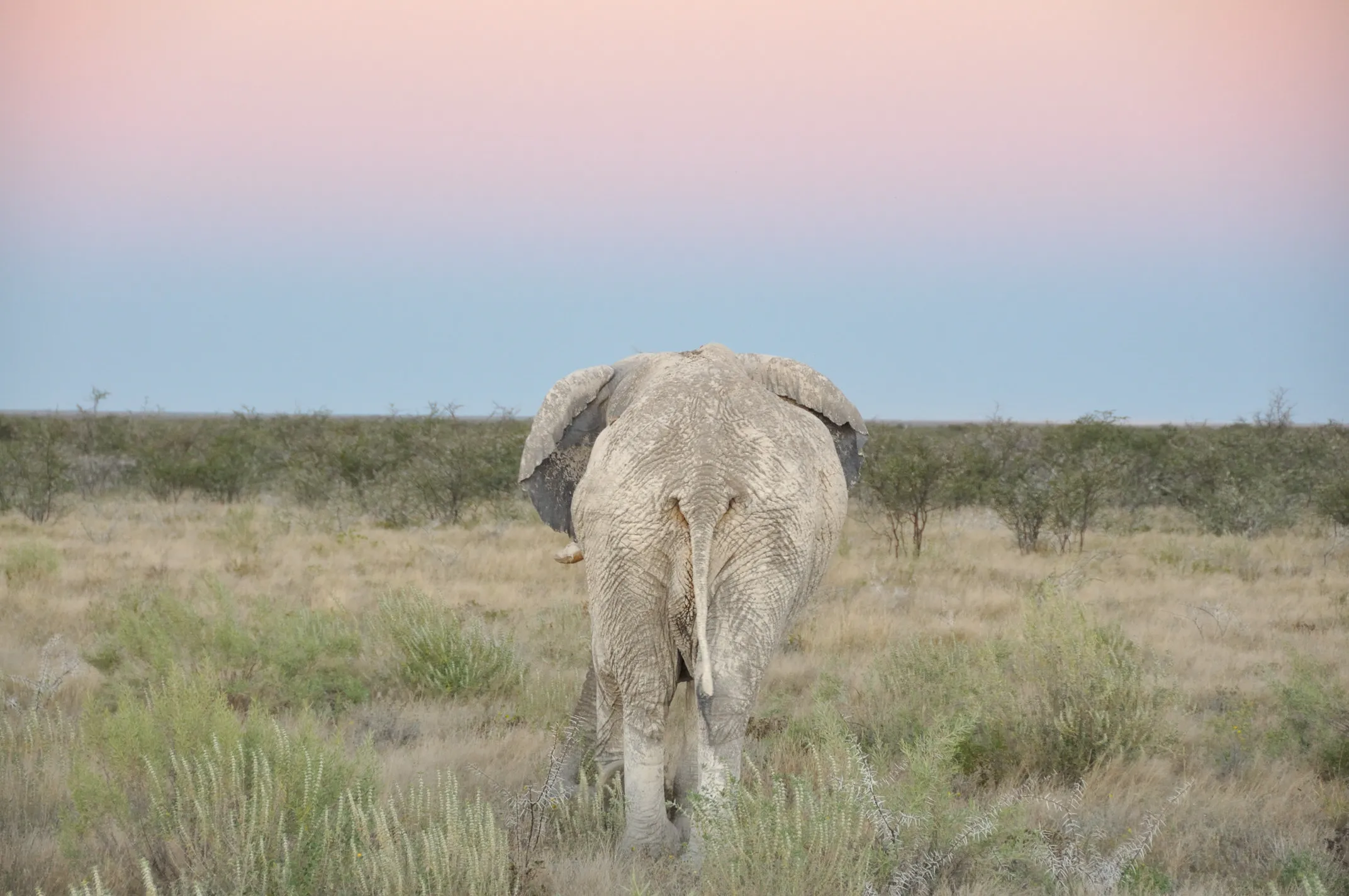
Cross into northern Namibia for wildlife viewing in Etosha National Park, explore ancient rock paintings at Brandberg, and embrace adventure in Swakopmund with dune boarding and quad biking.
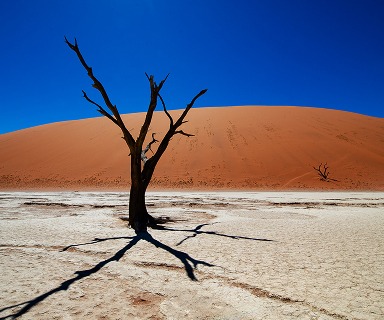
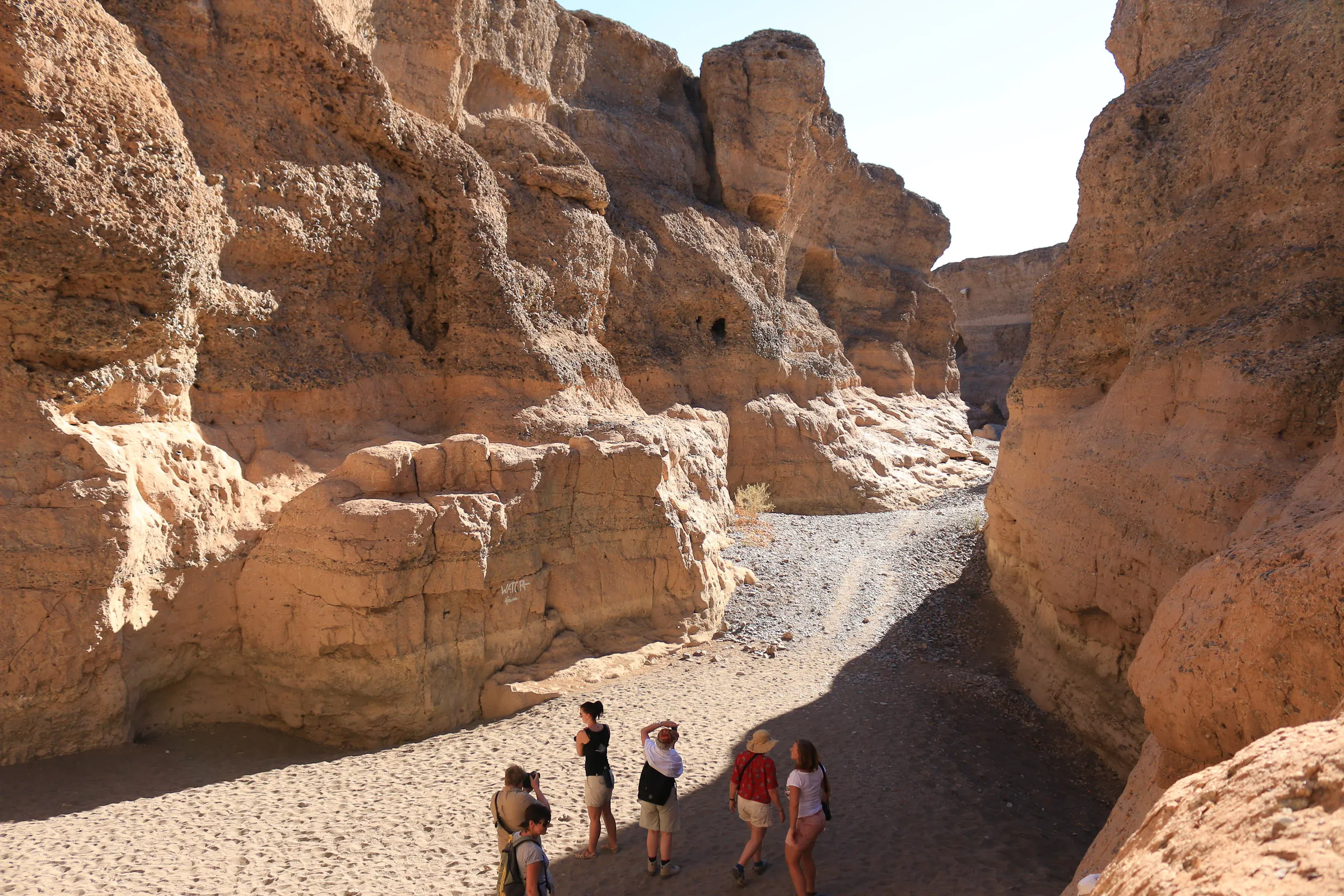
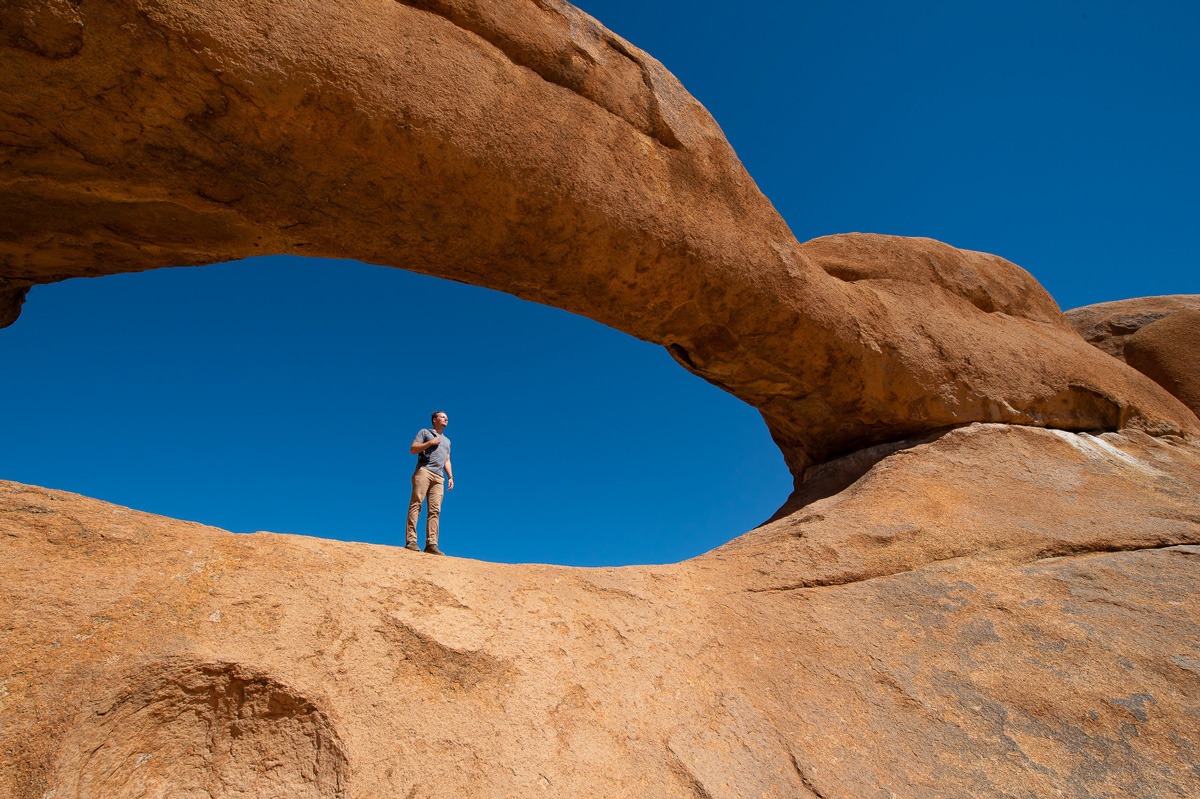
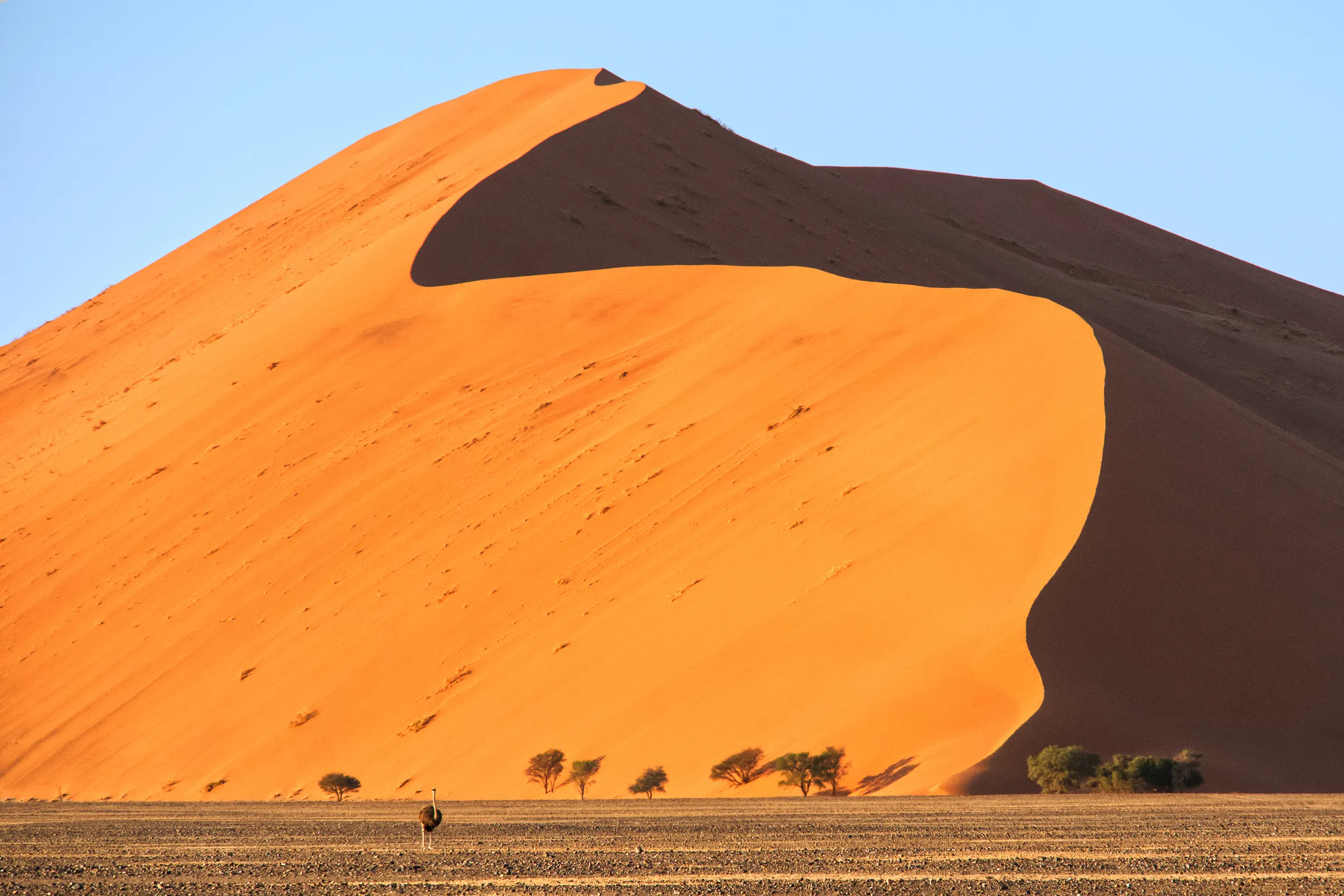
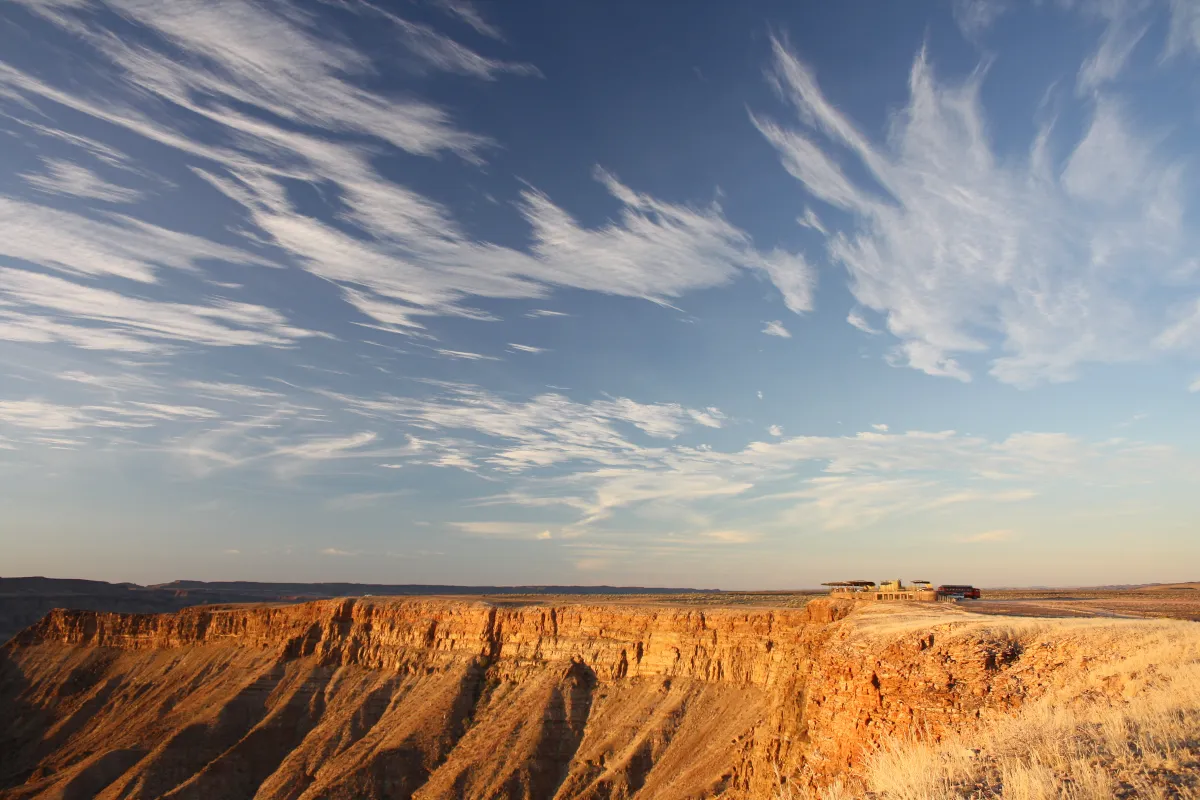
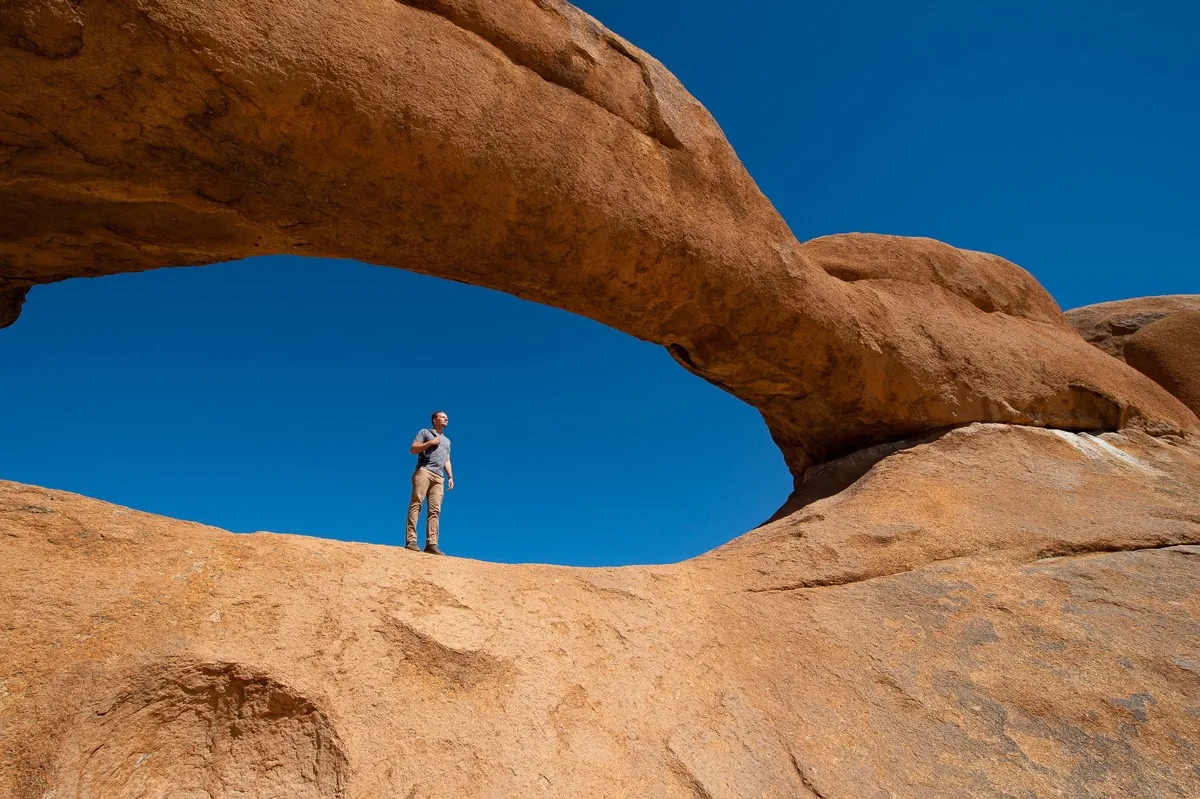
Finally, walk the towering Sossusvlei dunes in the Namib Desert.
- Max 12 people
- Professional Safari Guides
- Safari truck / Minibus & 4WD
- 14 Breakfasts, 11 Lunches & 9 Dinners
- Entrance Fees
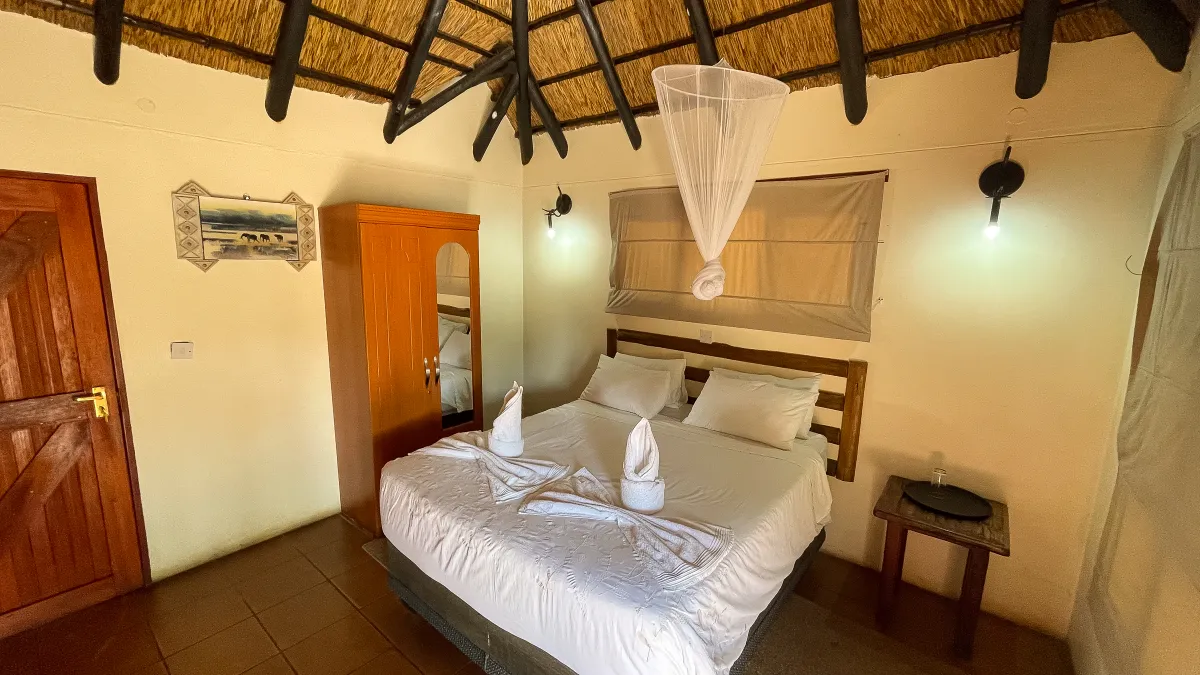
- 3 nights in guesthouse; 11 nights camping
- Use of camping equipment (except sleeping bag & pillow)
Highlights
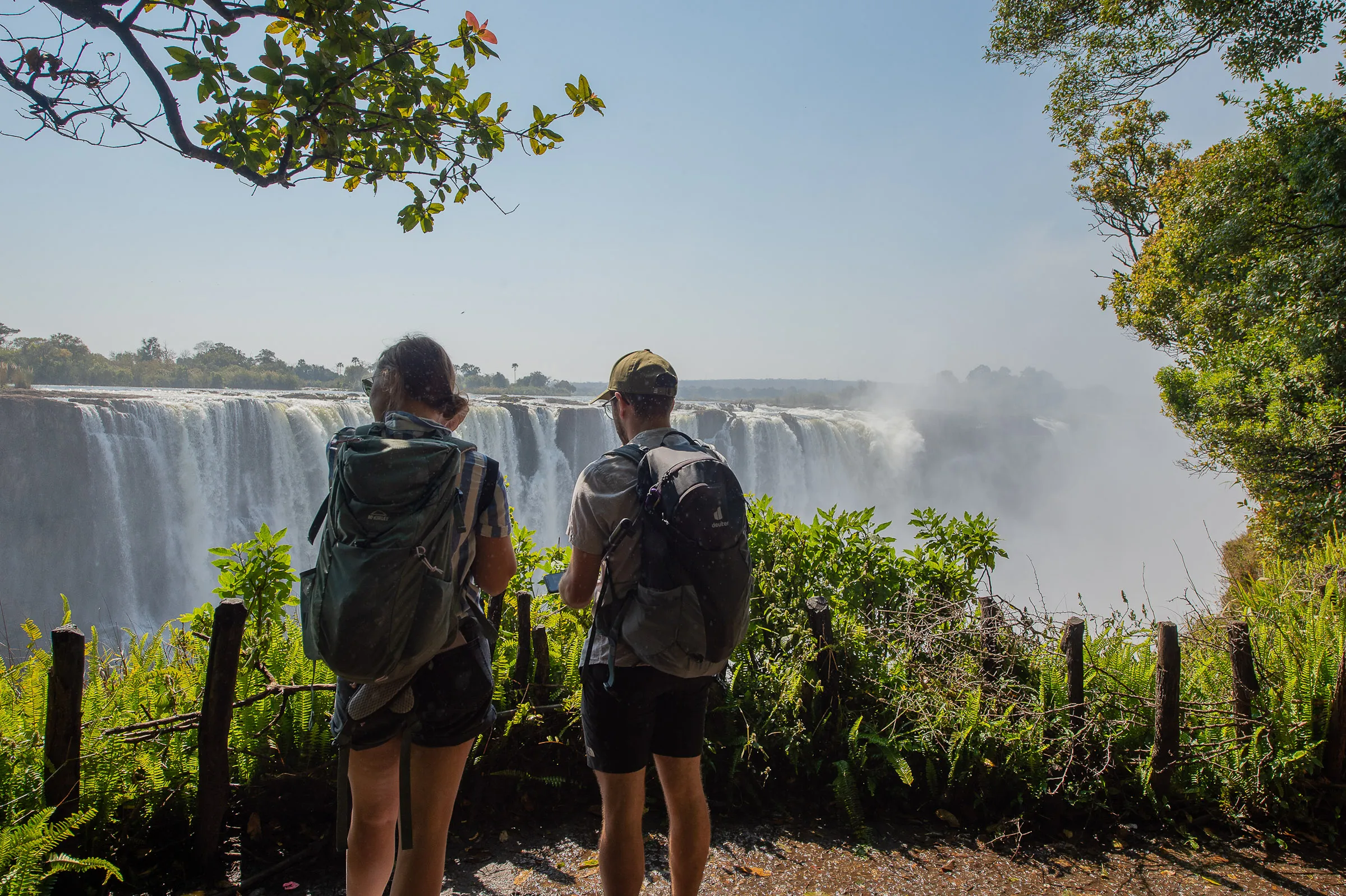
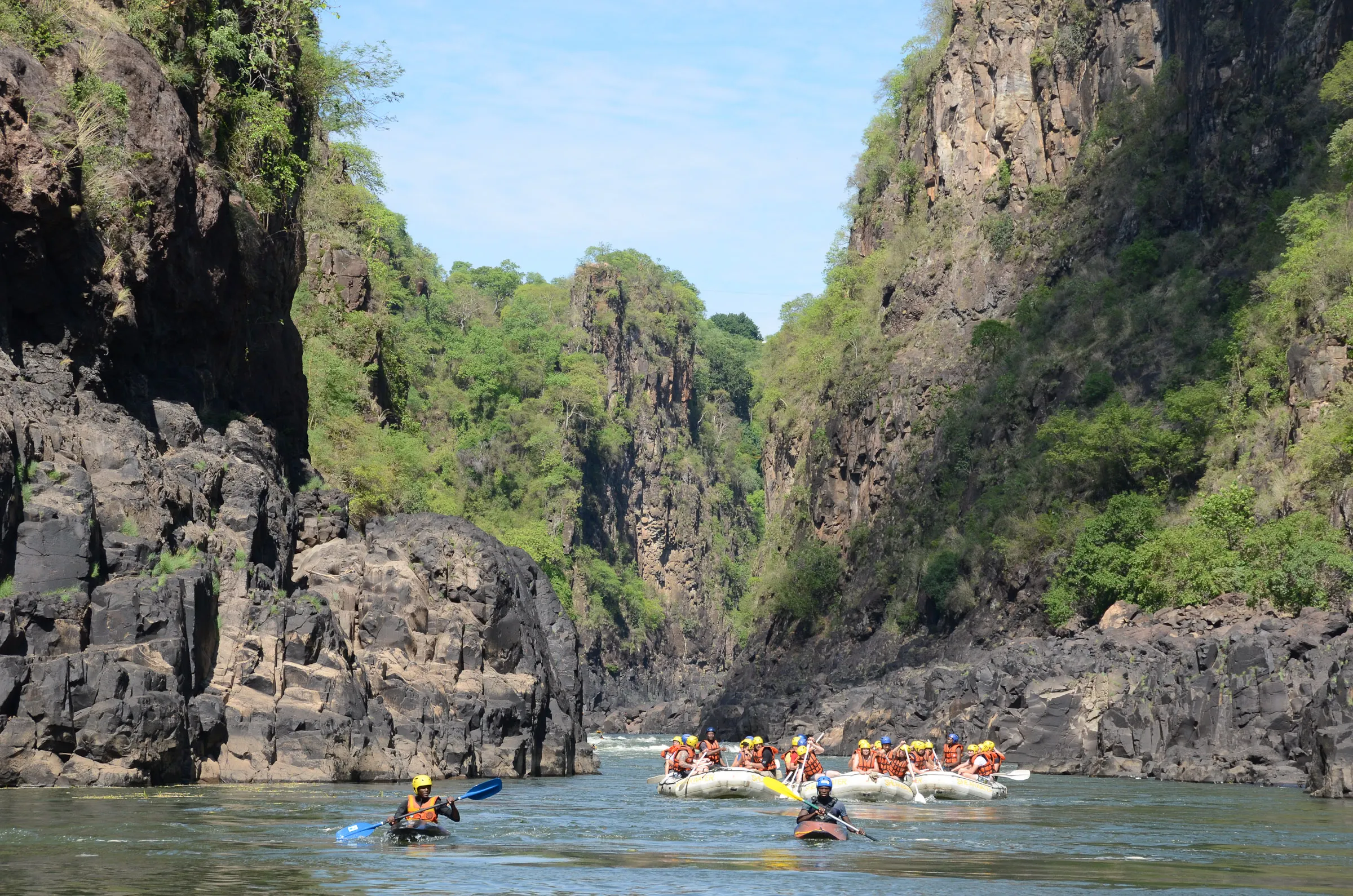
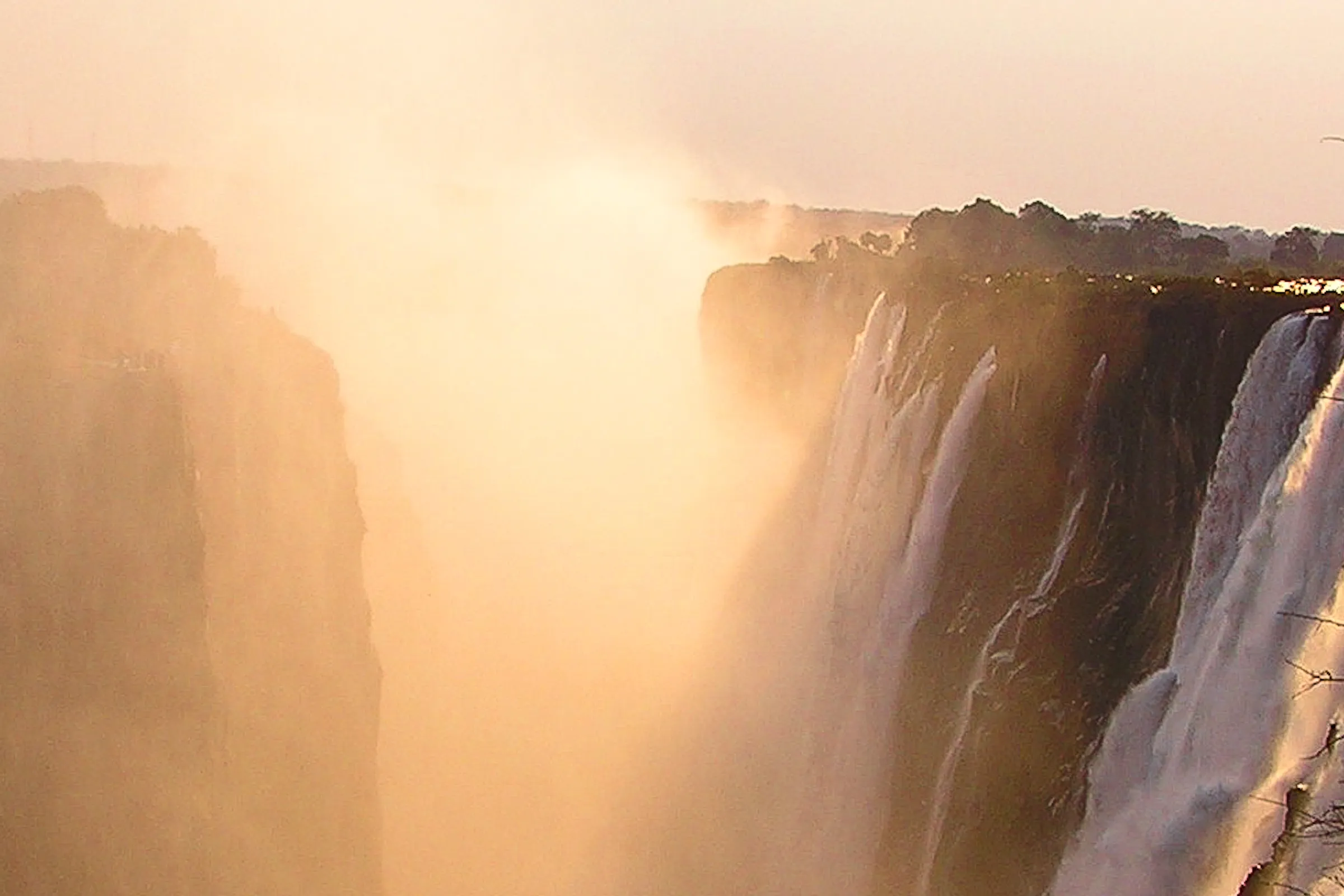
- Victoria Falls – natural wonder of the world
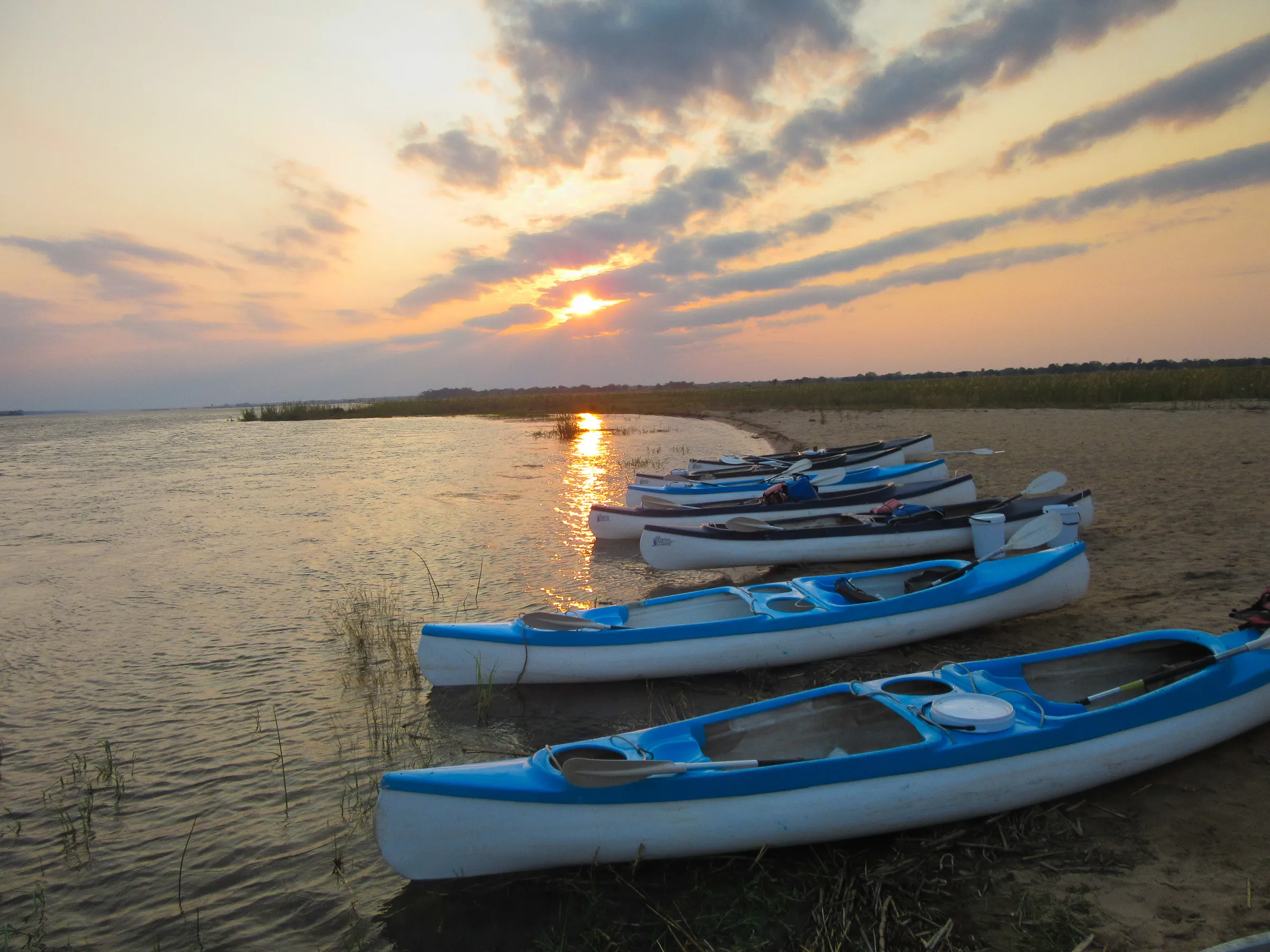
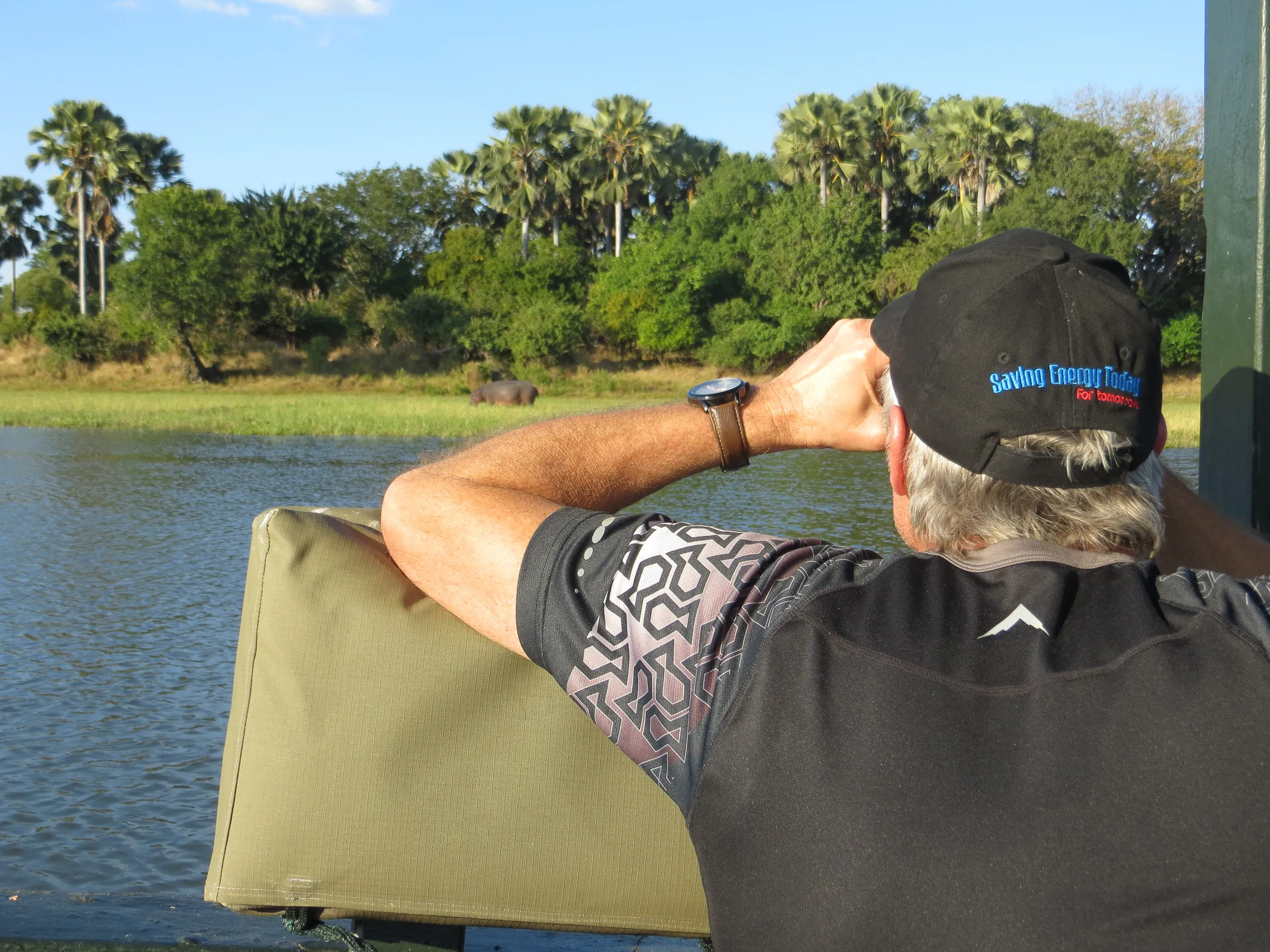
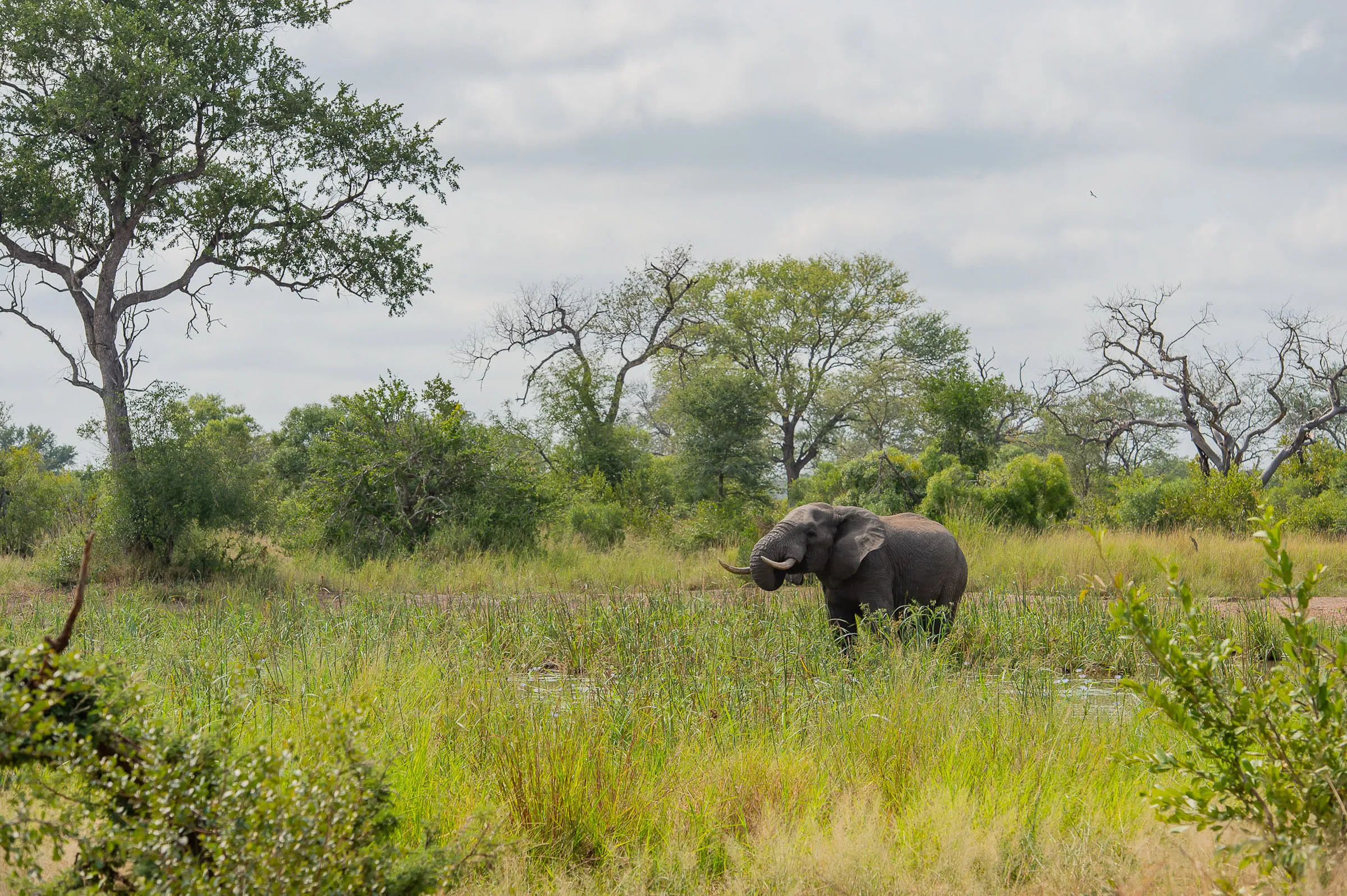
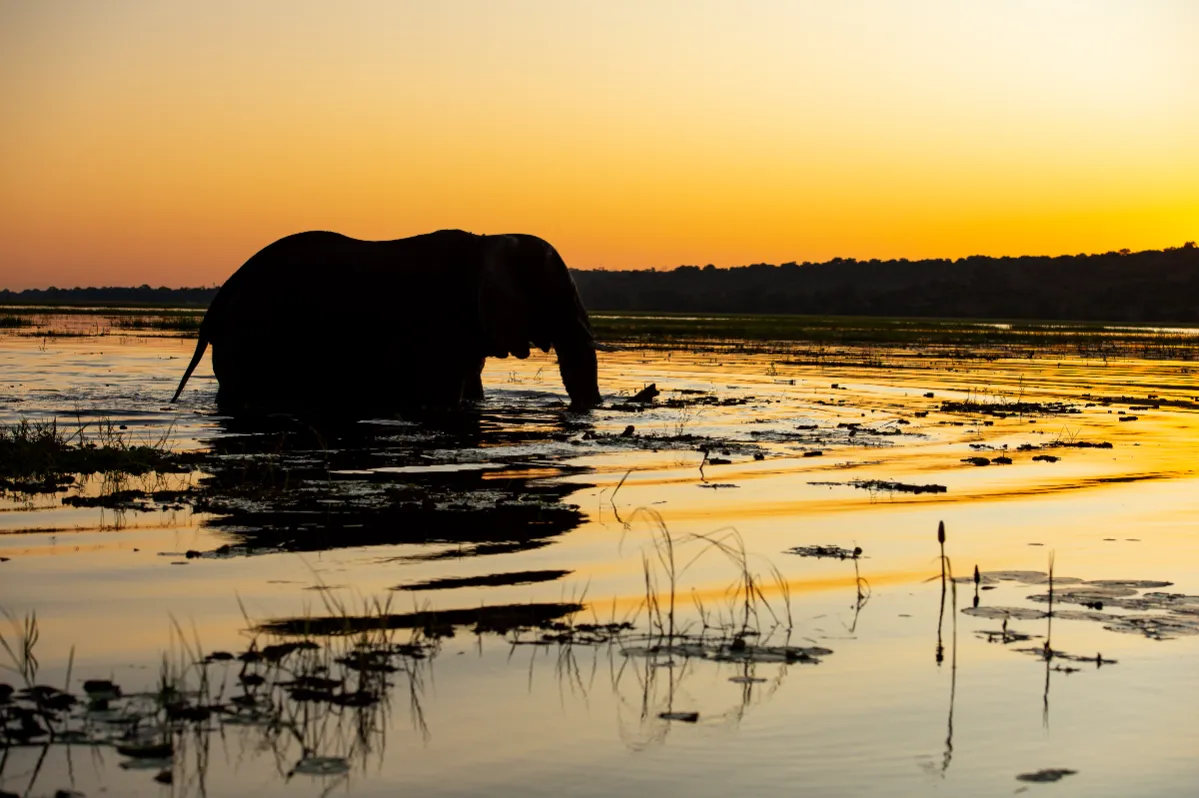
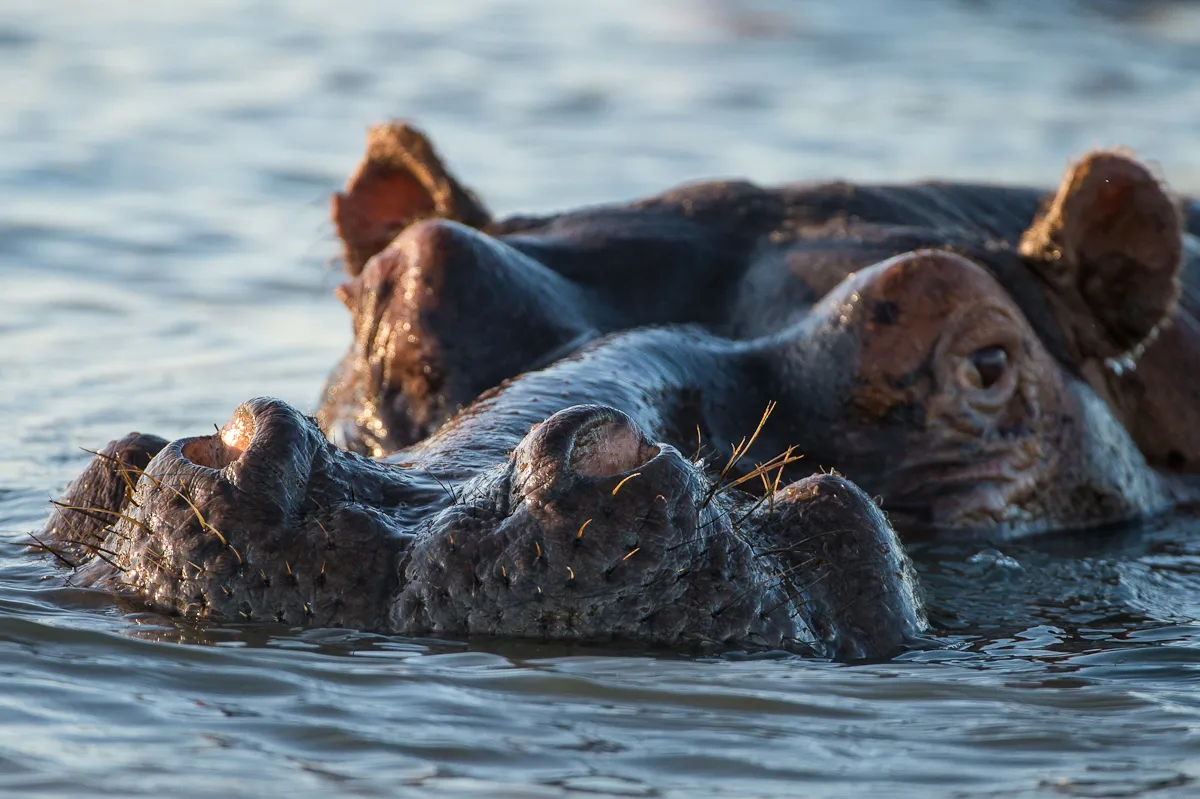
- Caprivi – game drives & boat cruise
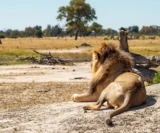
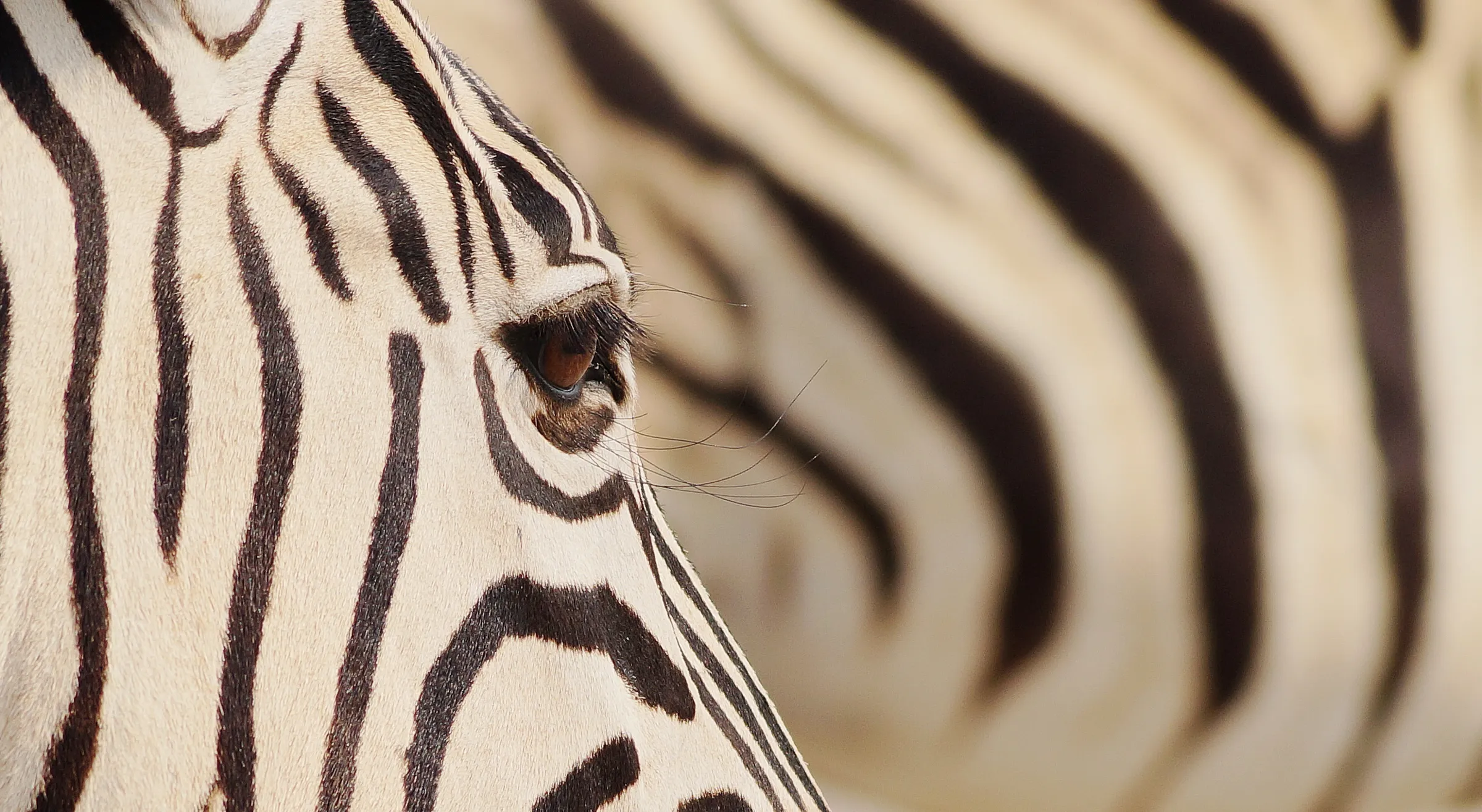
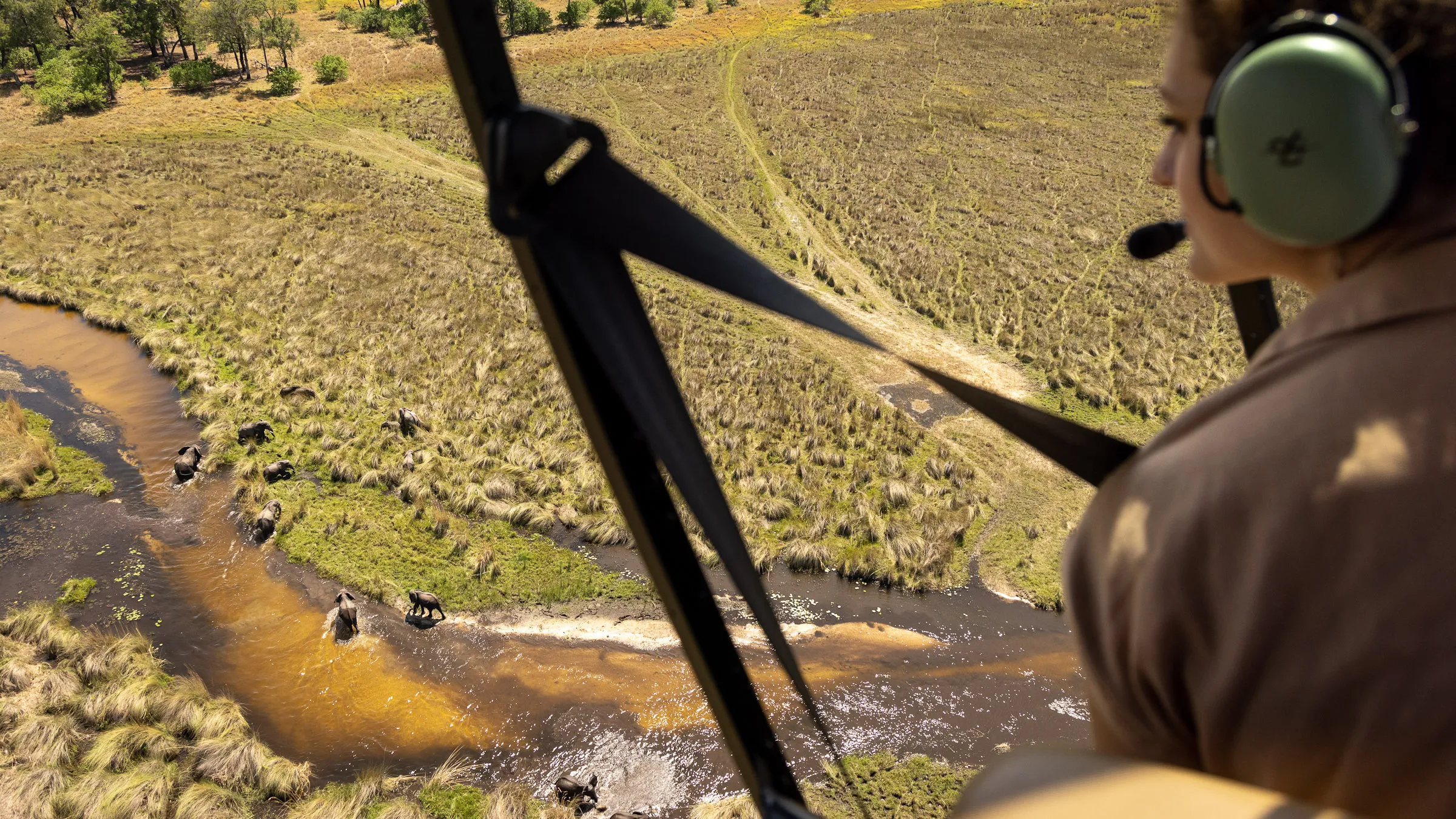
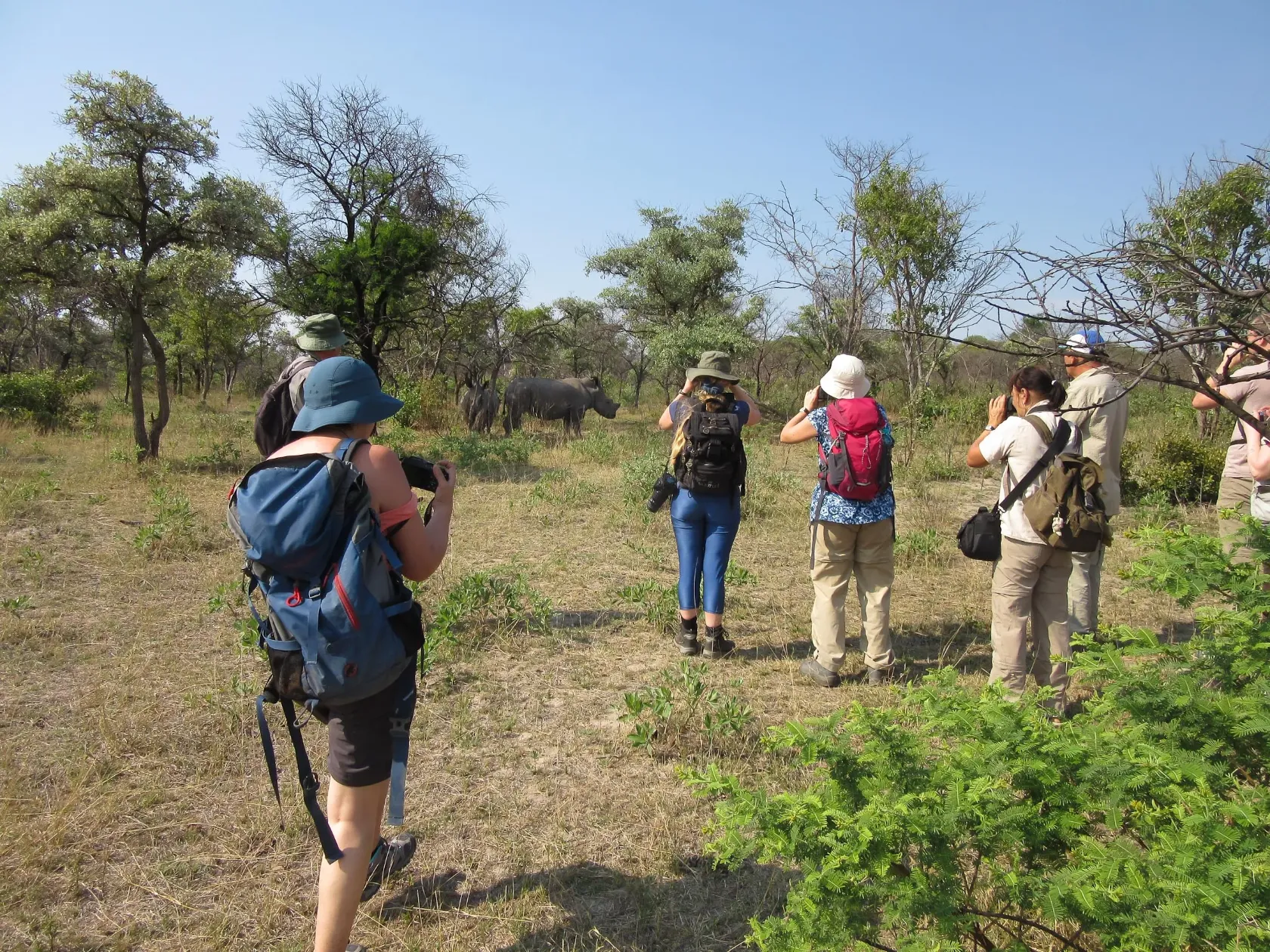
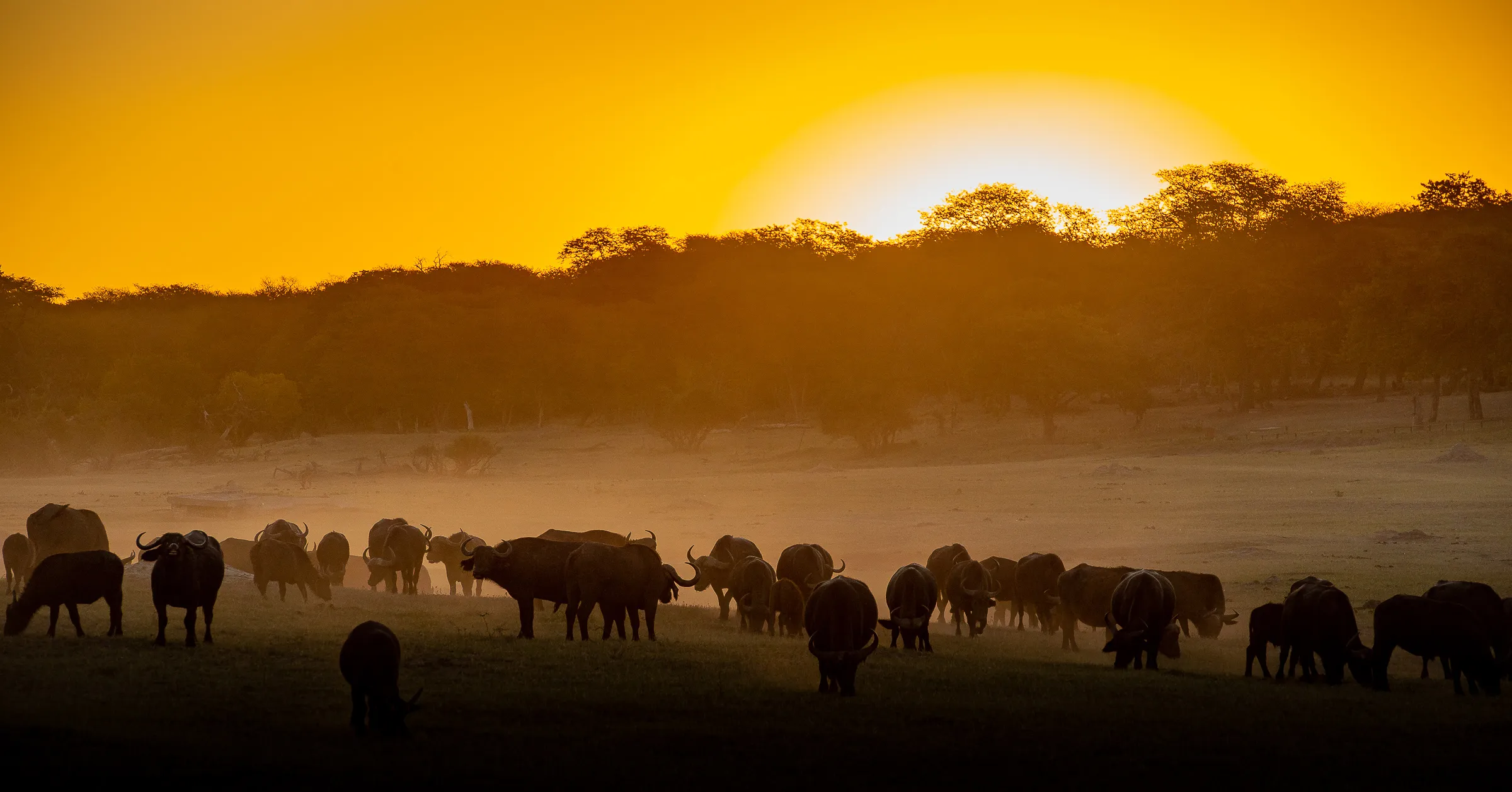
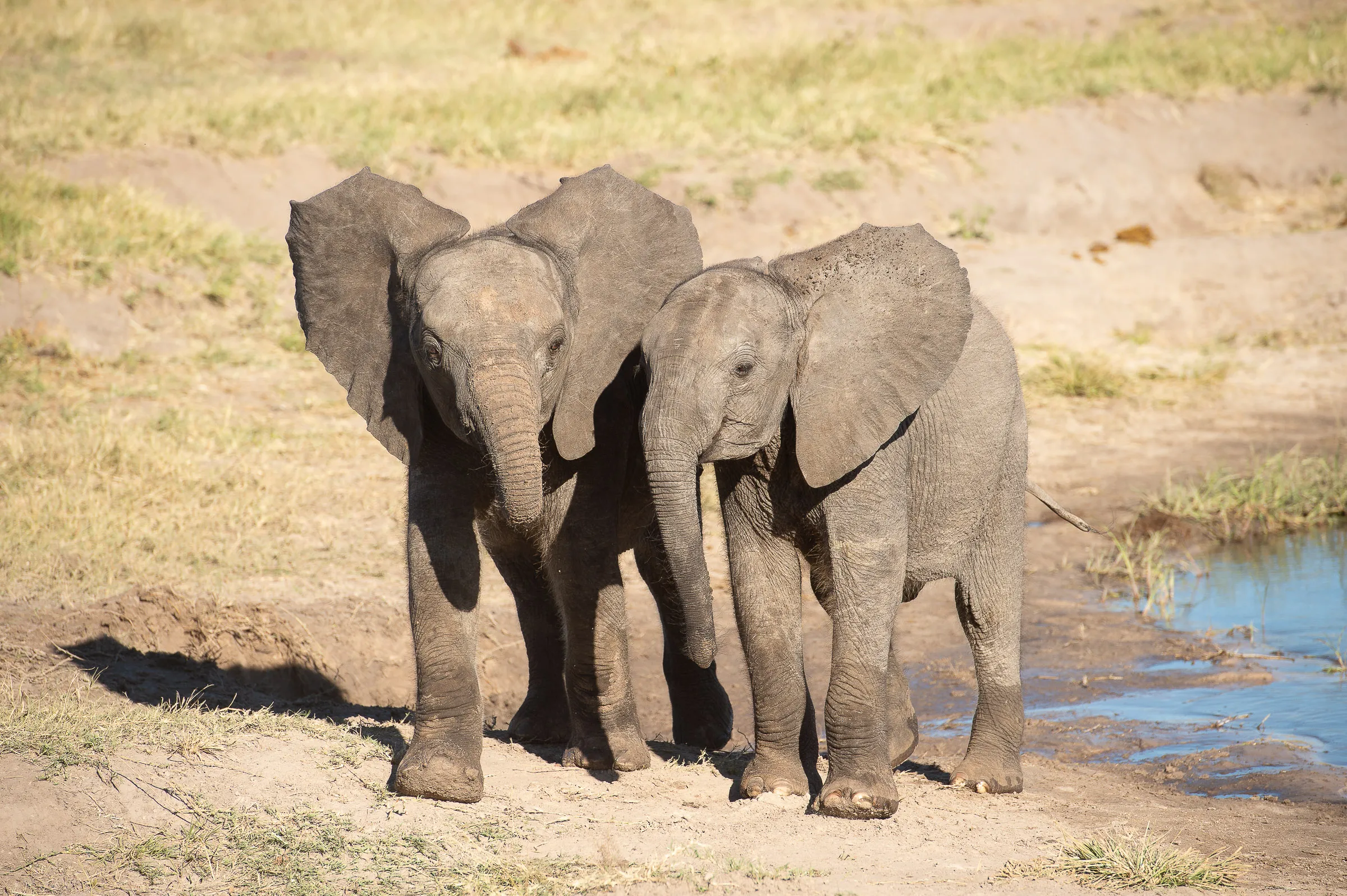
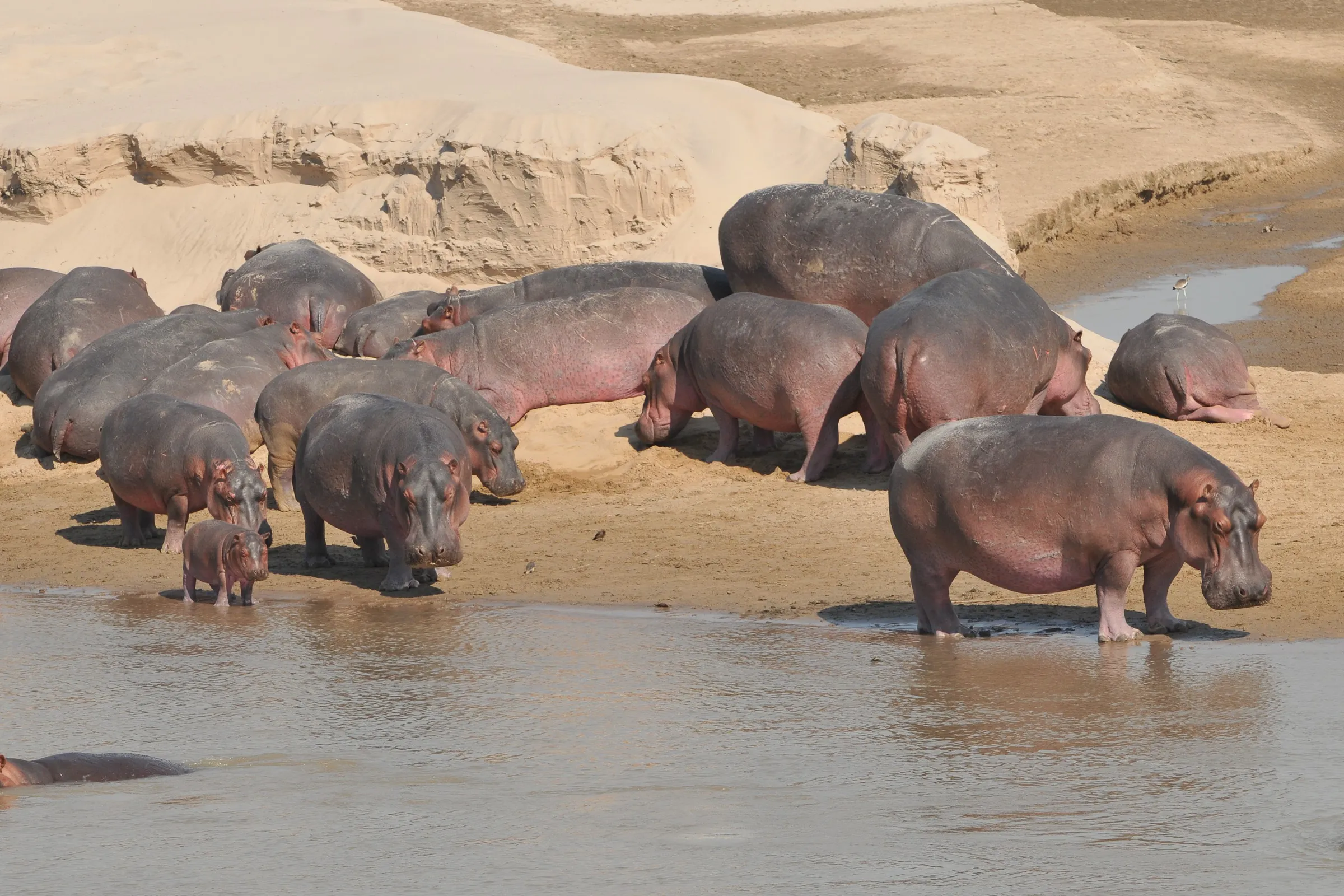
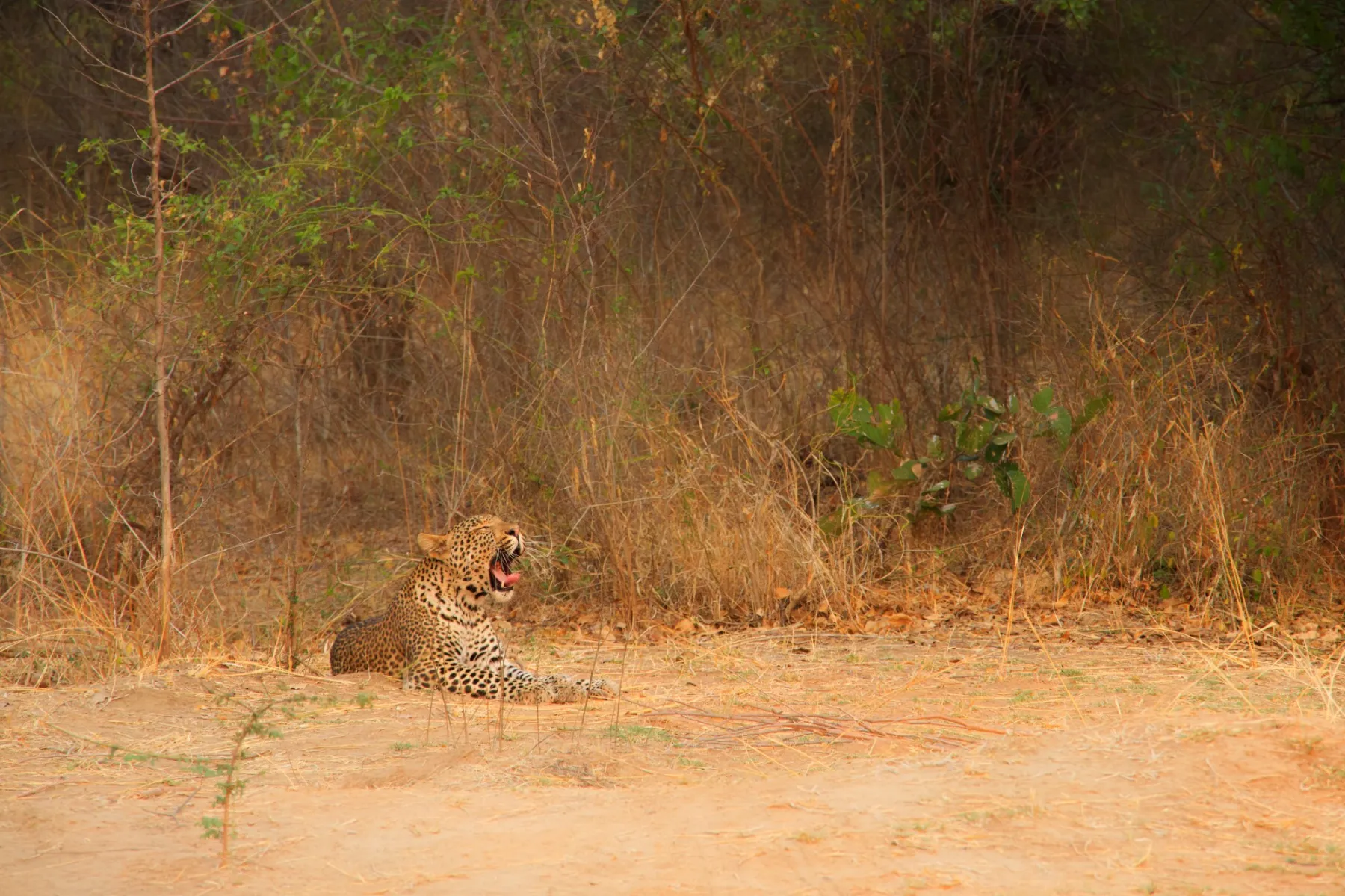
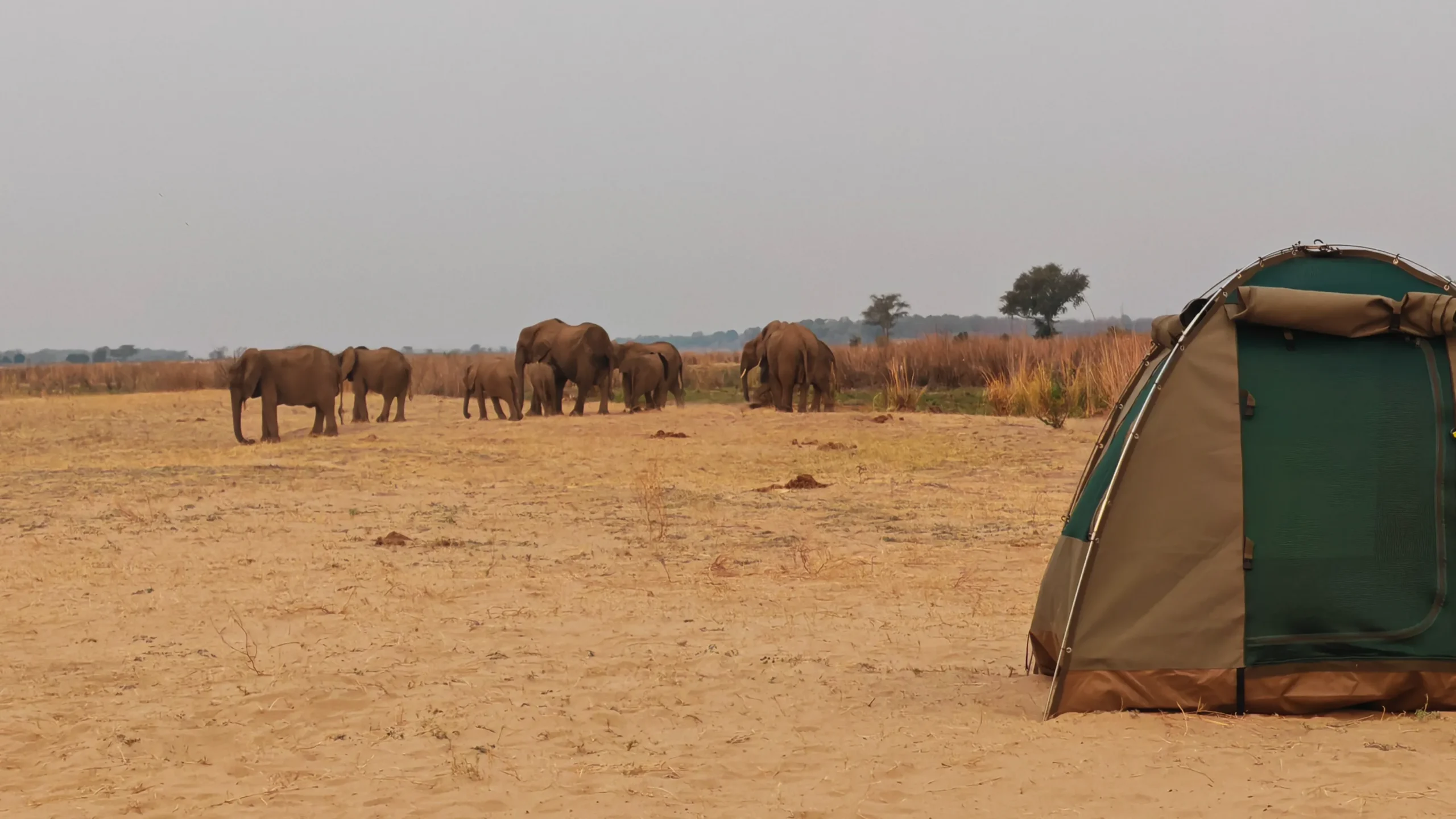
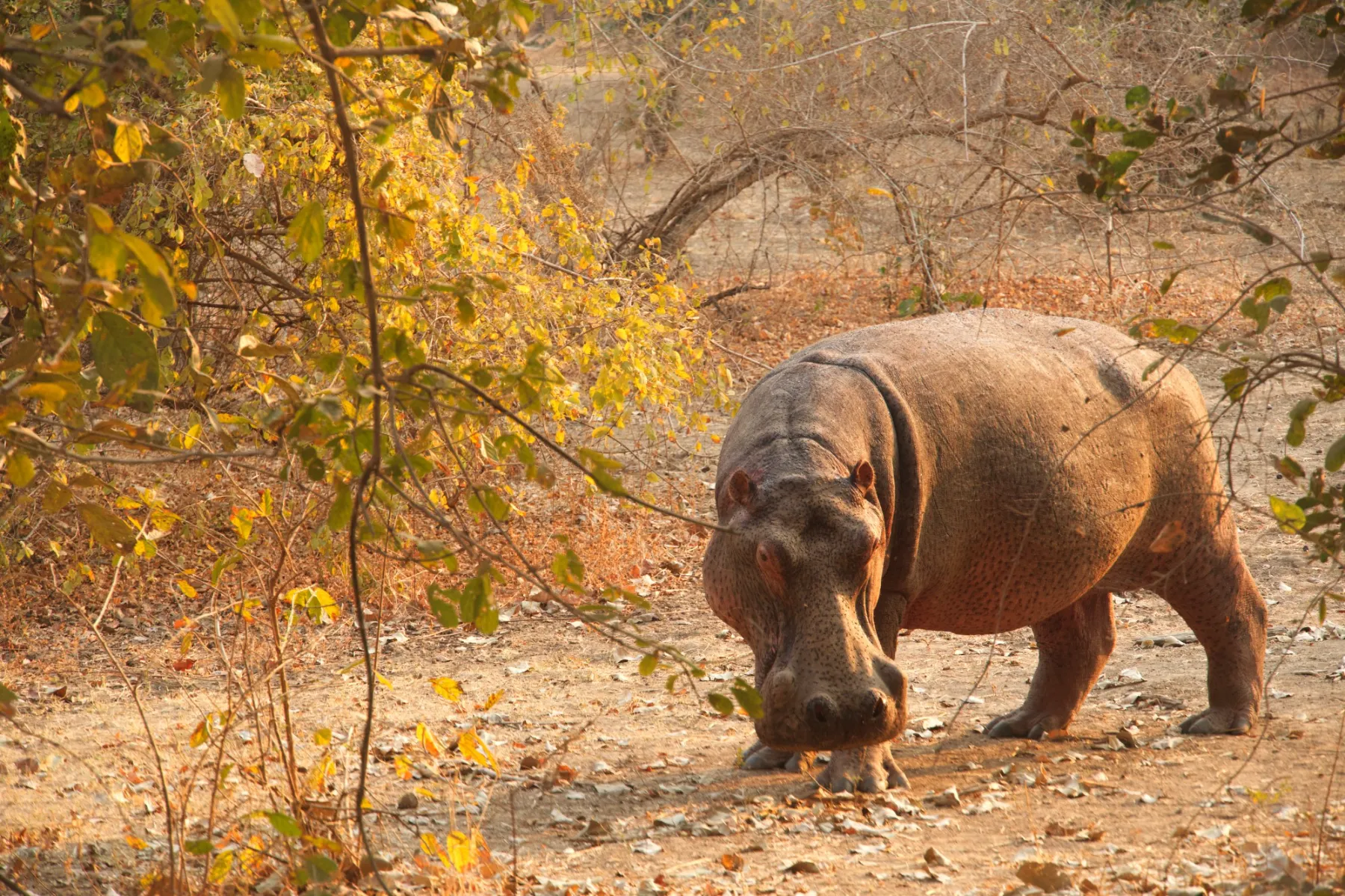
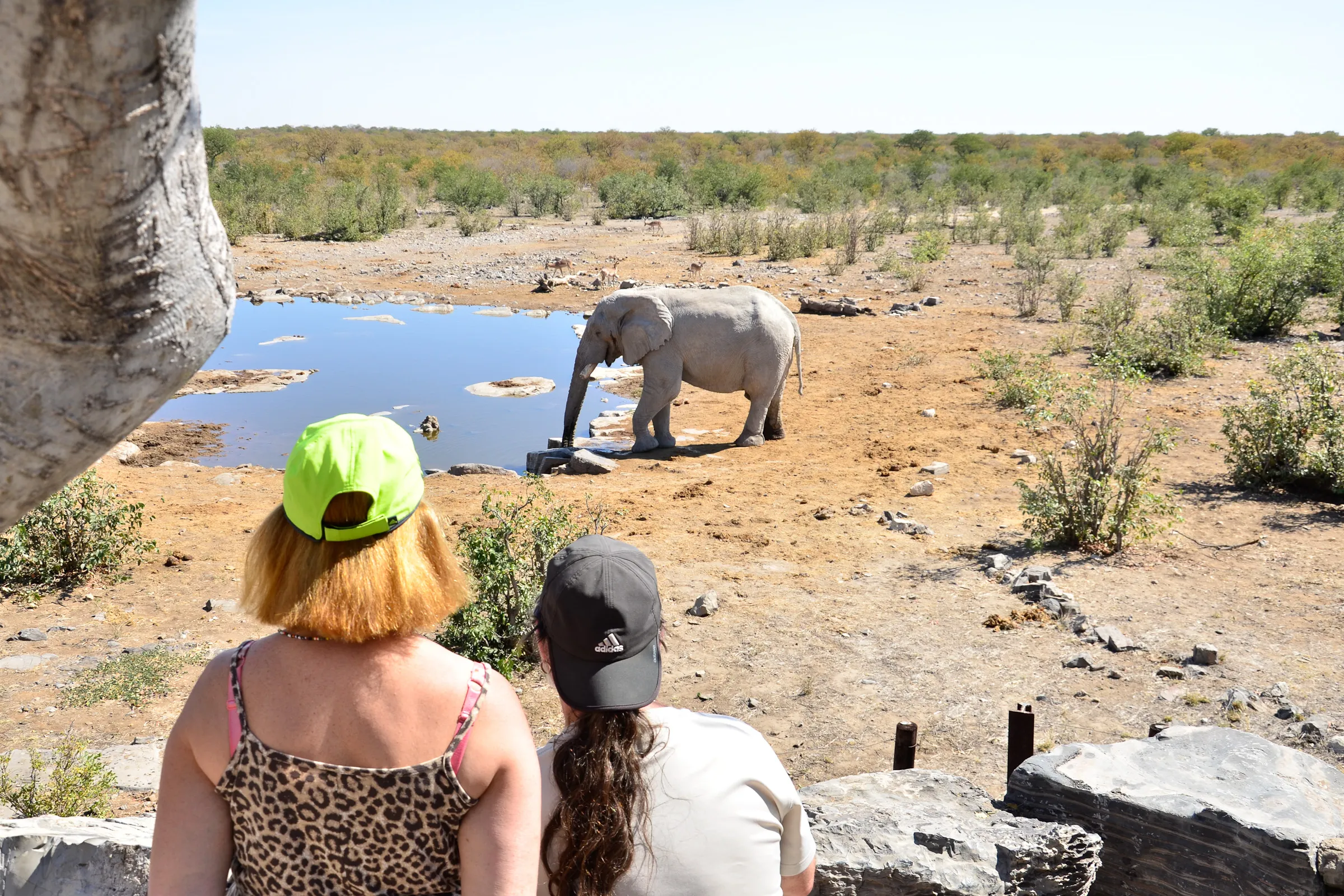
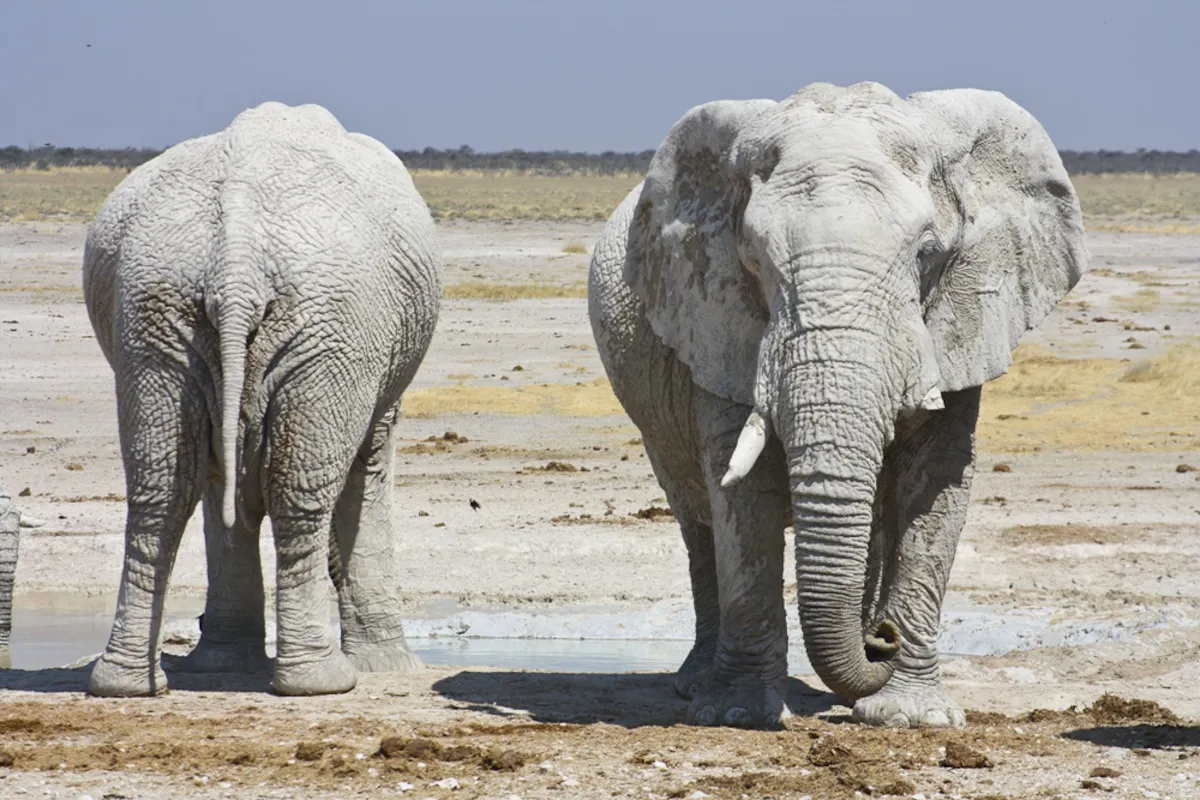
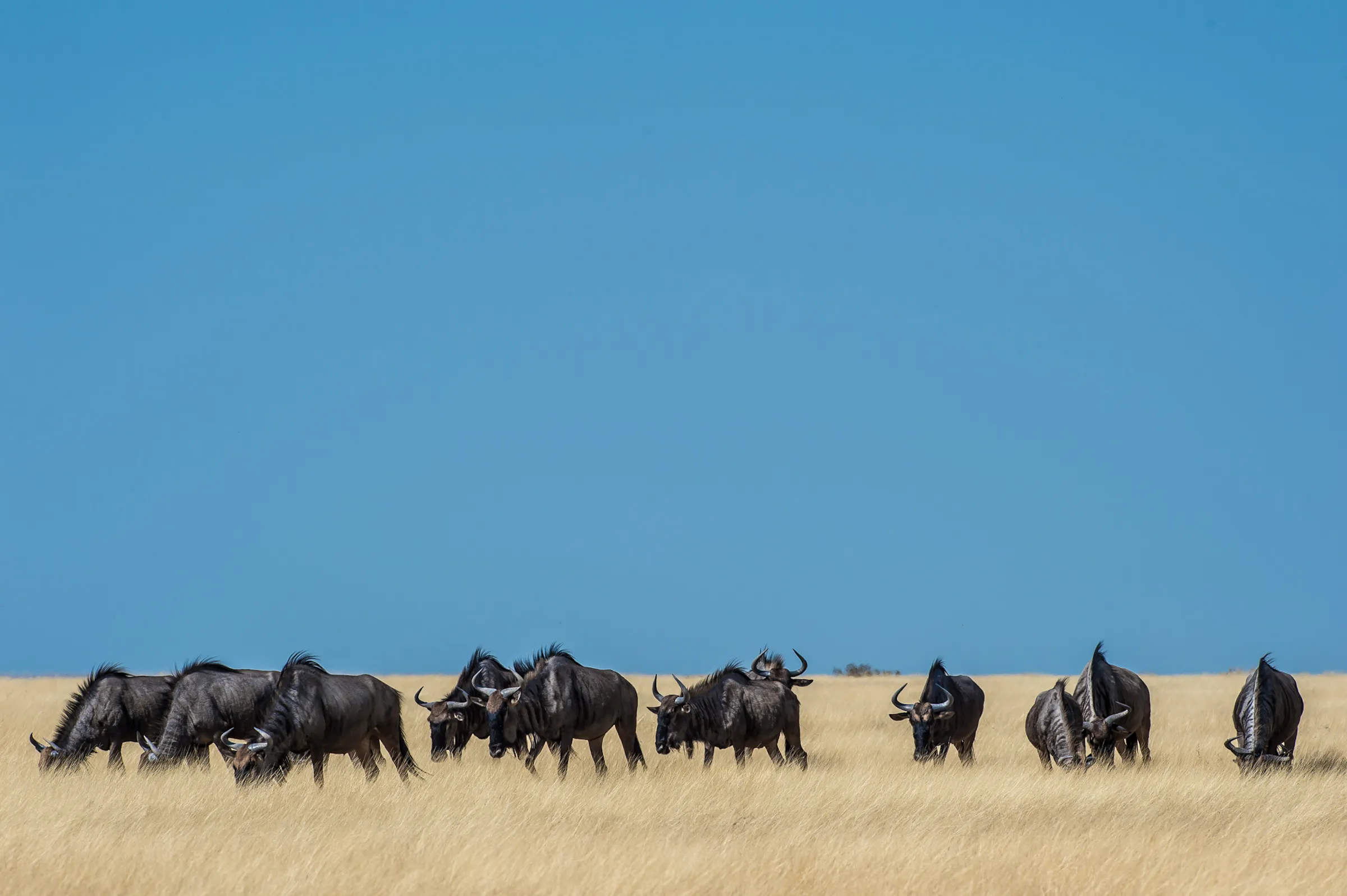
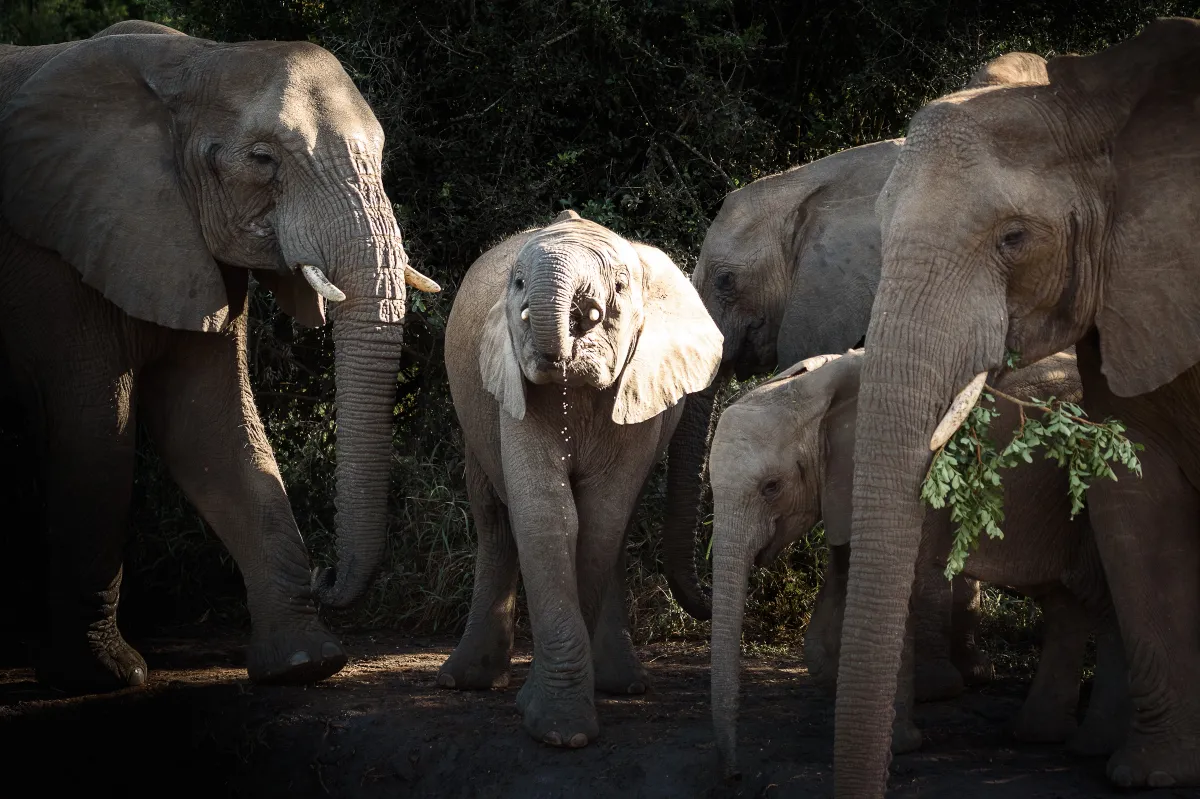
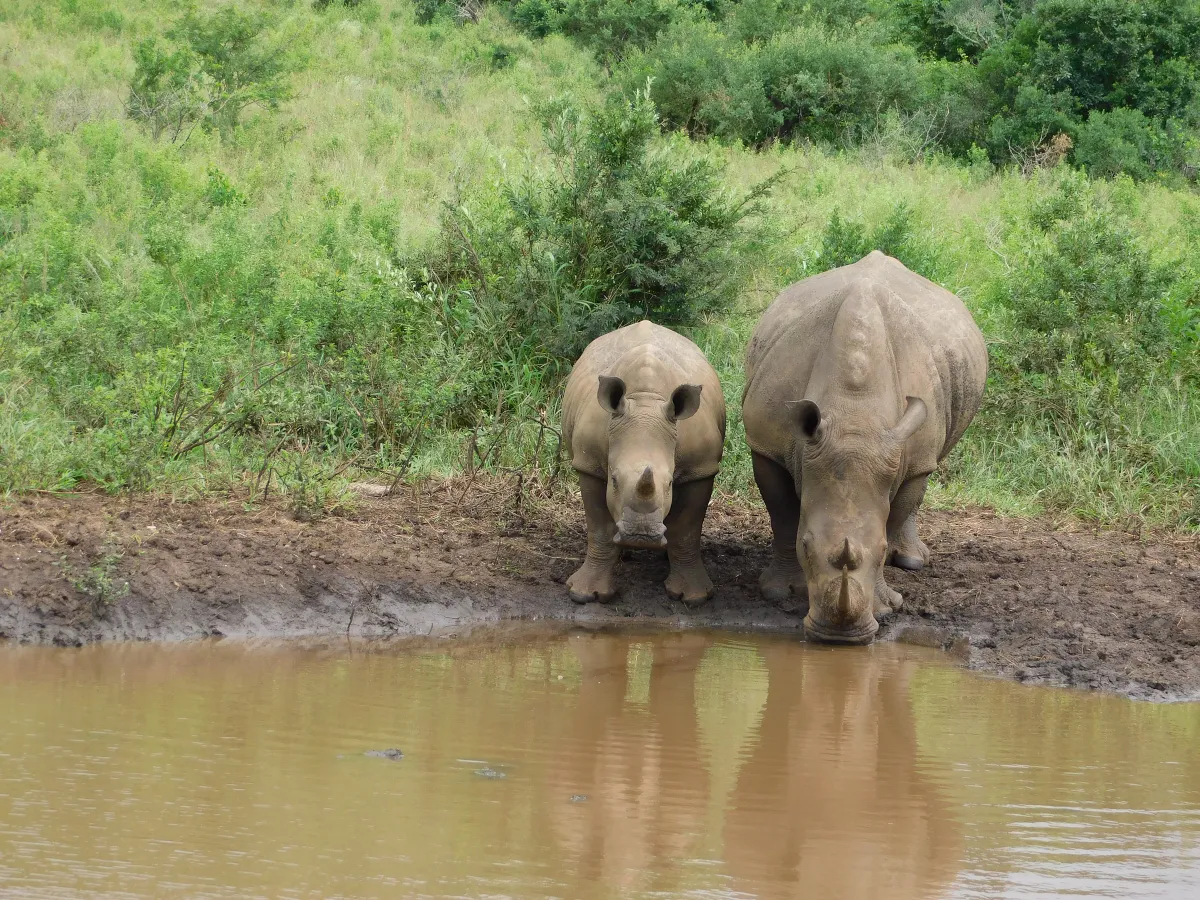
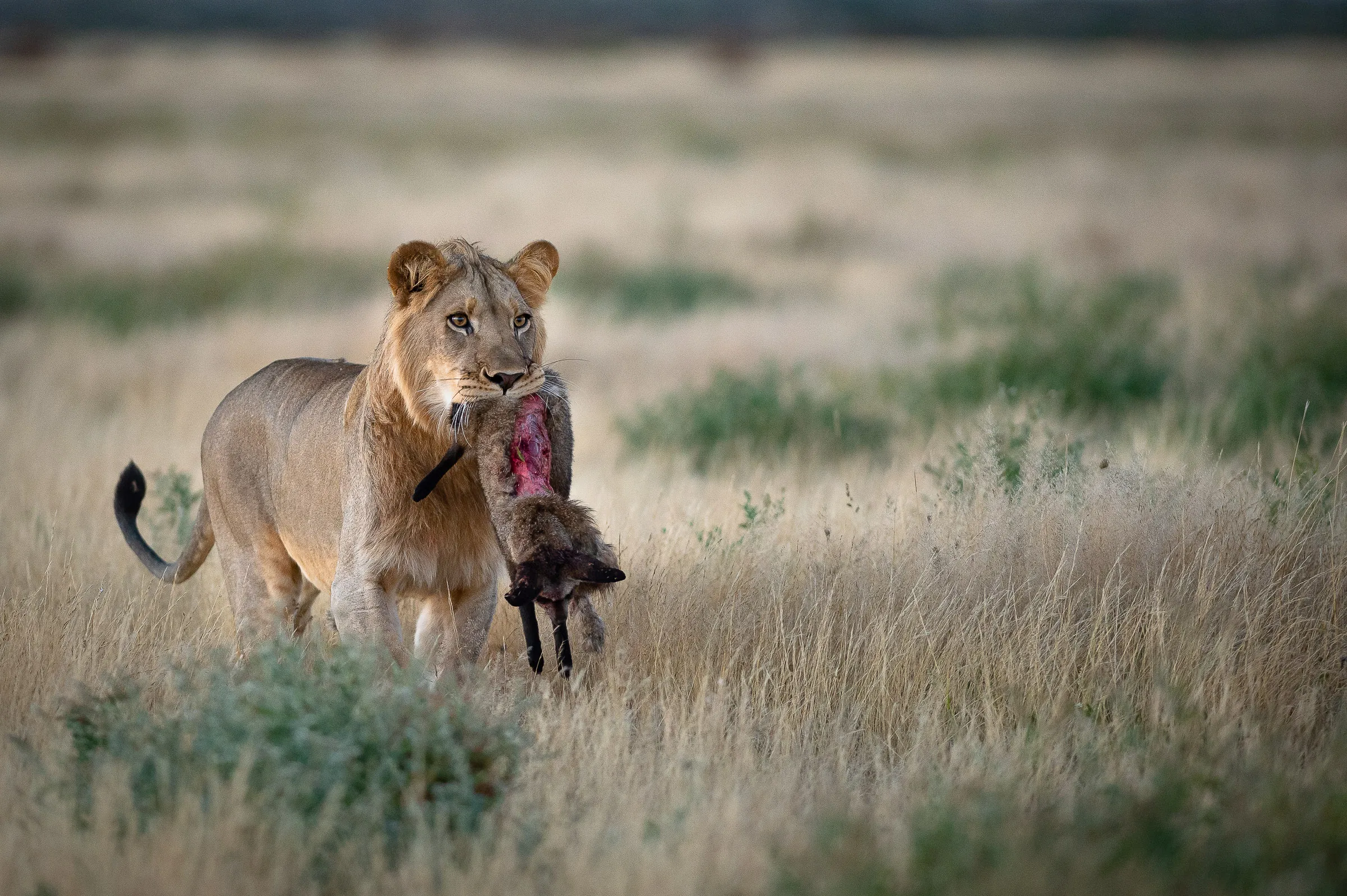
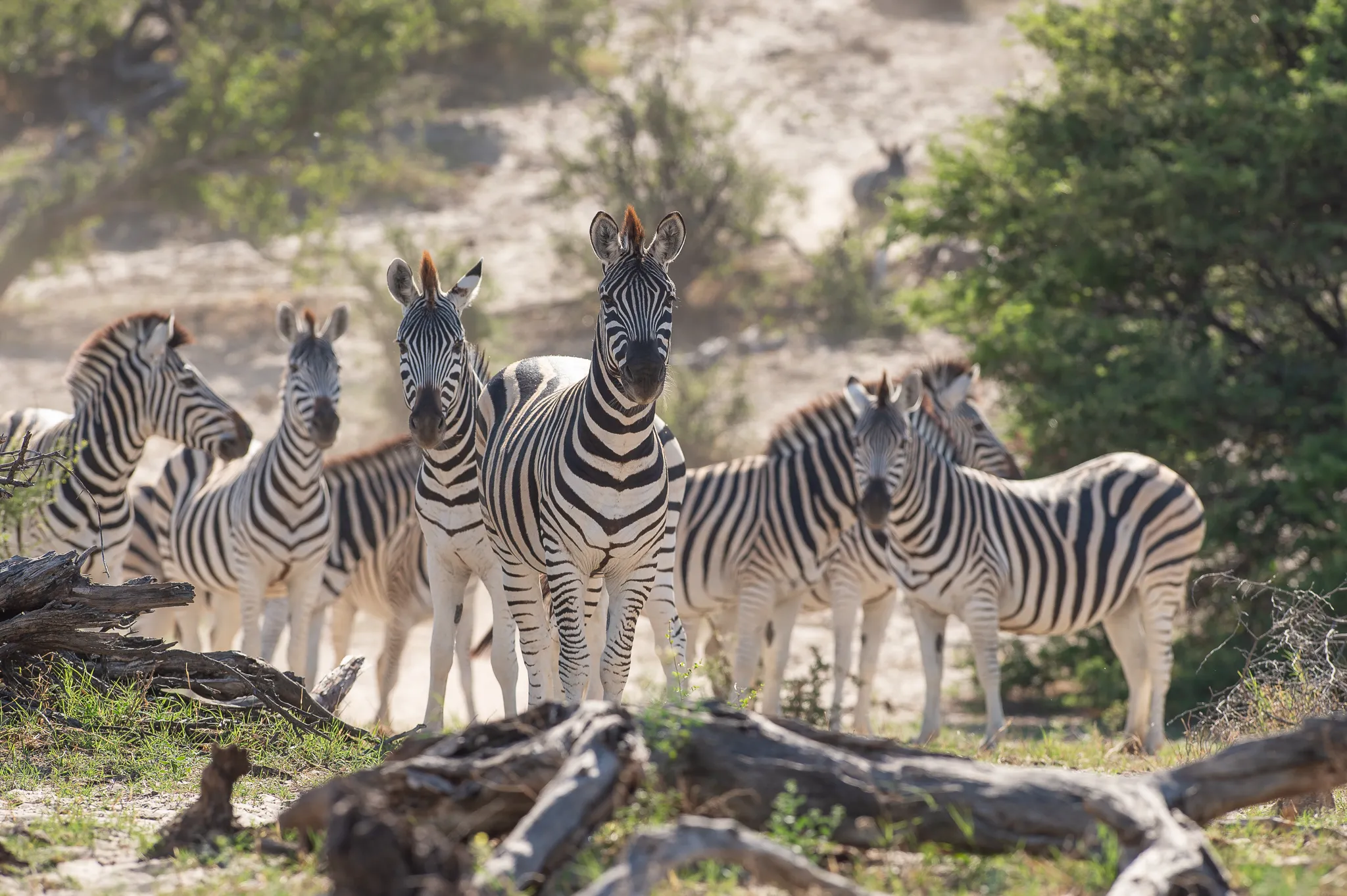
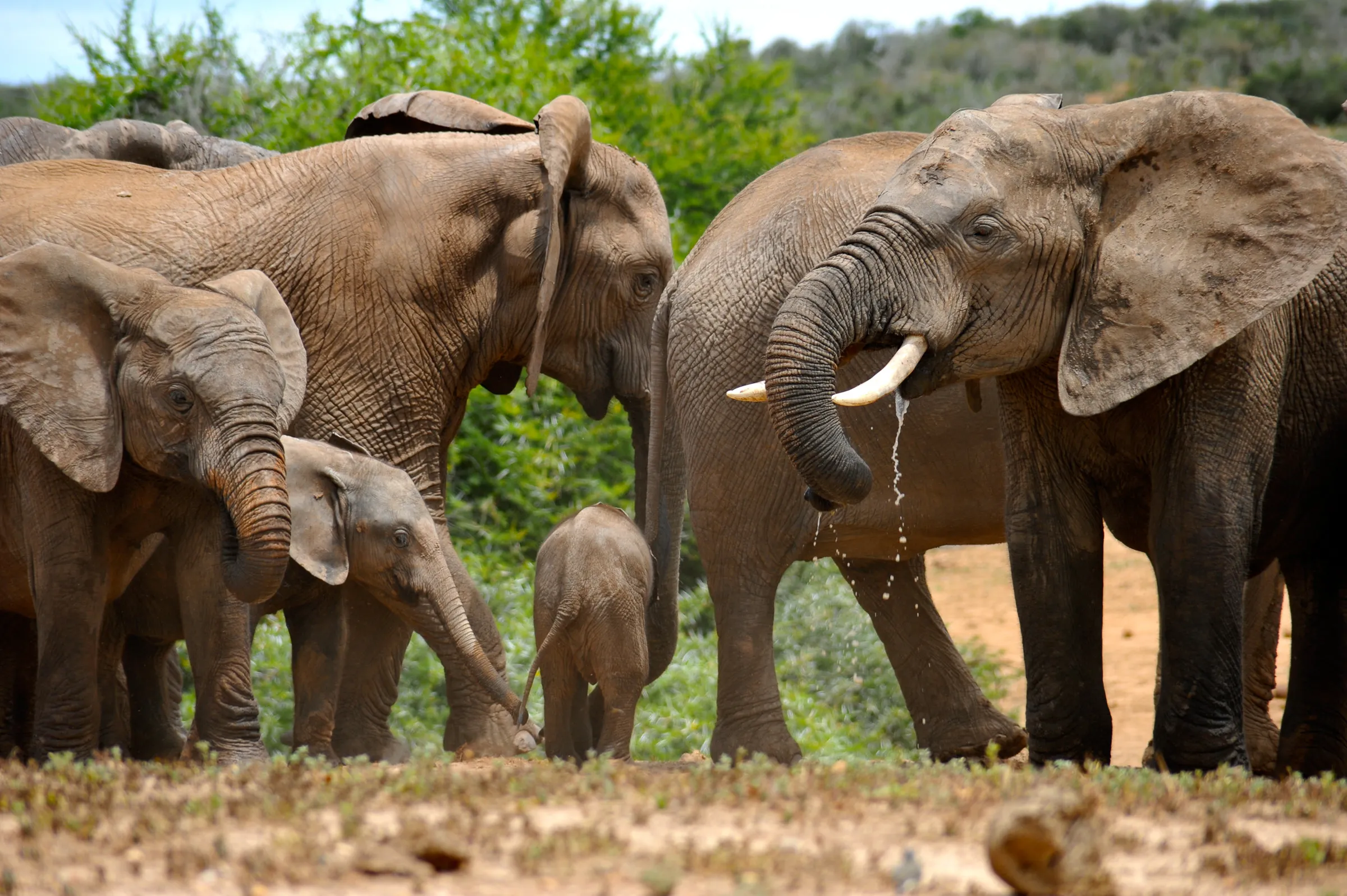
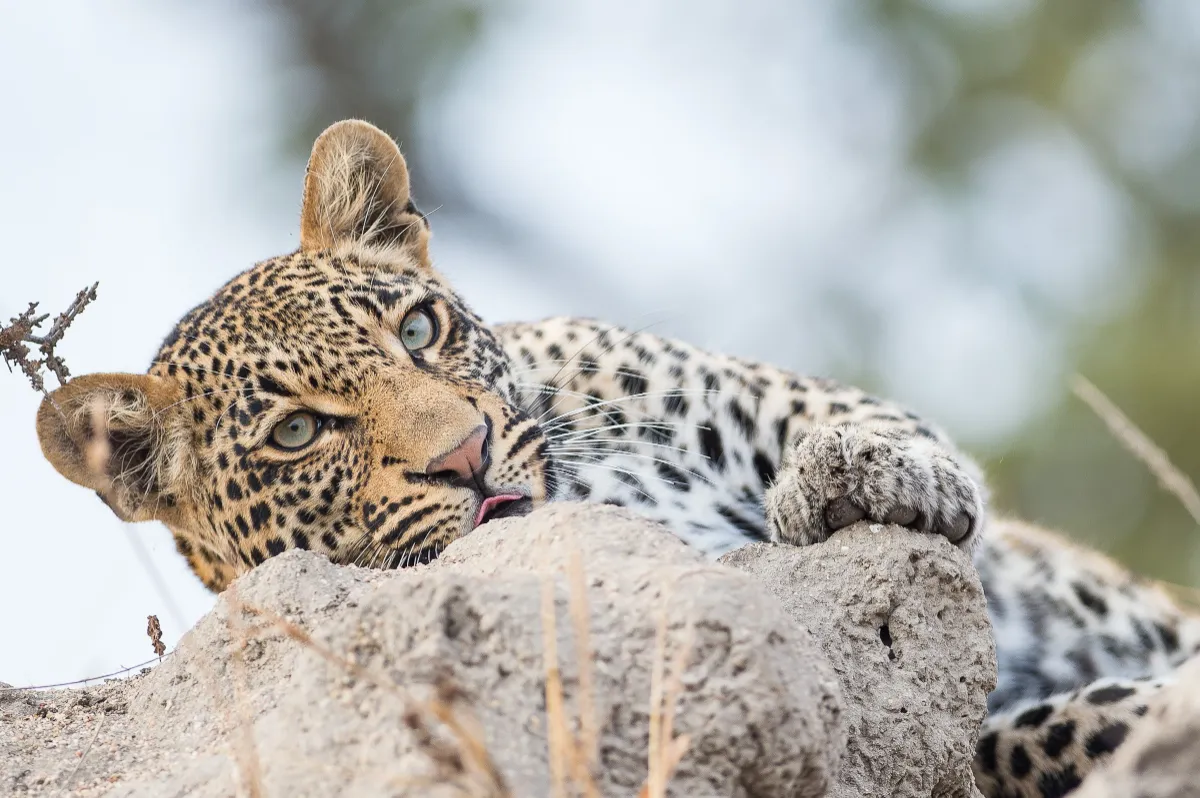
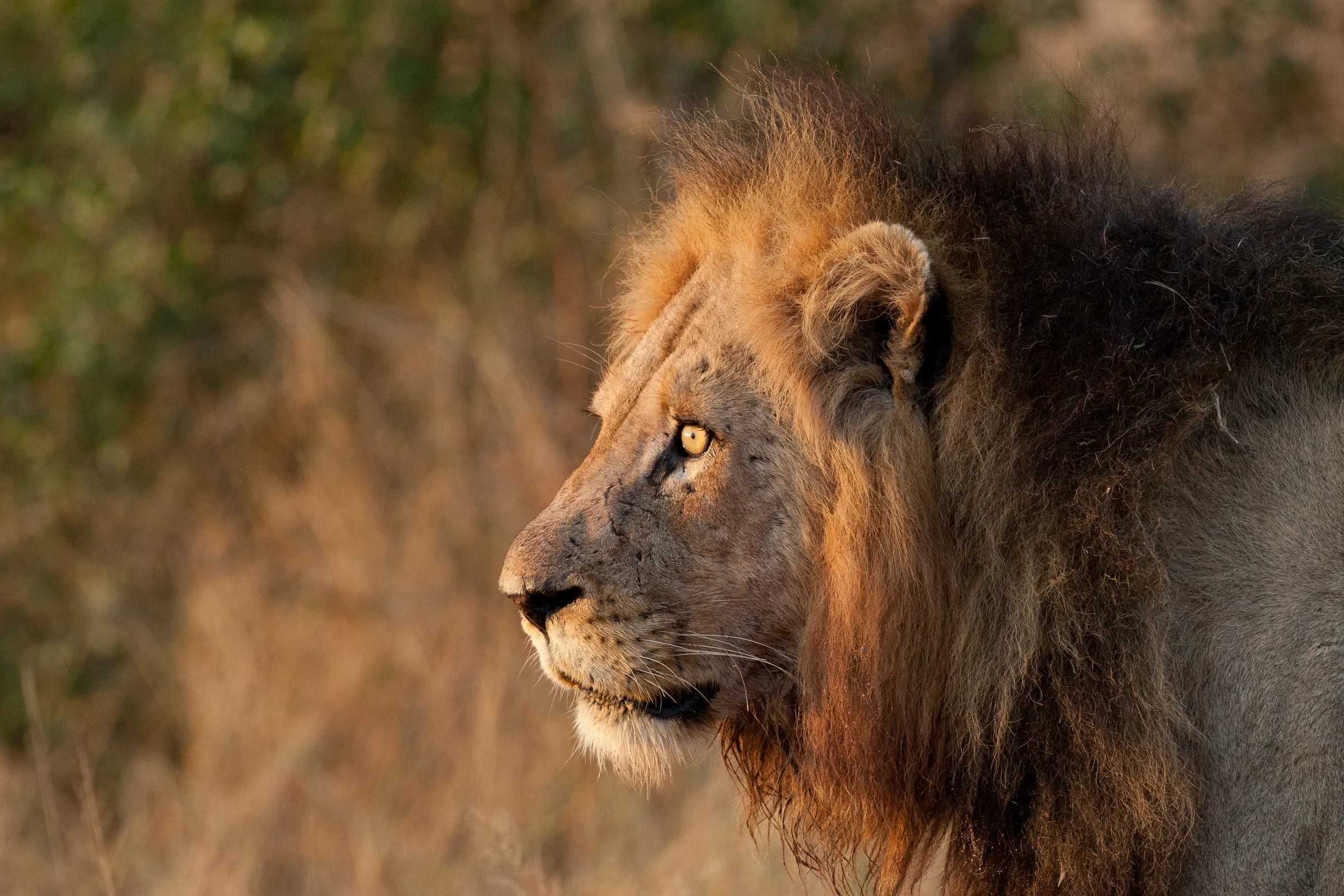
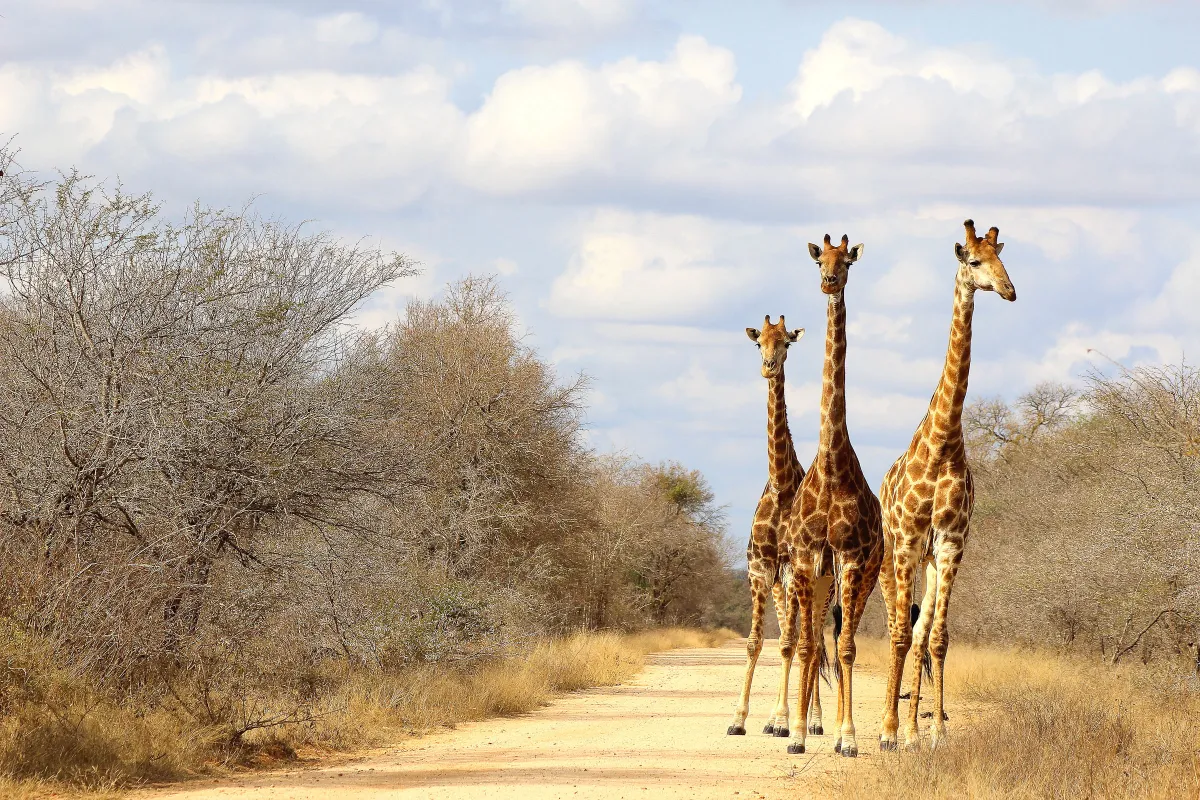
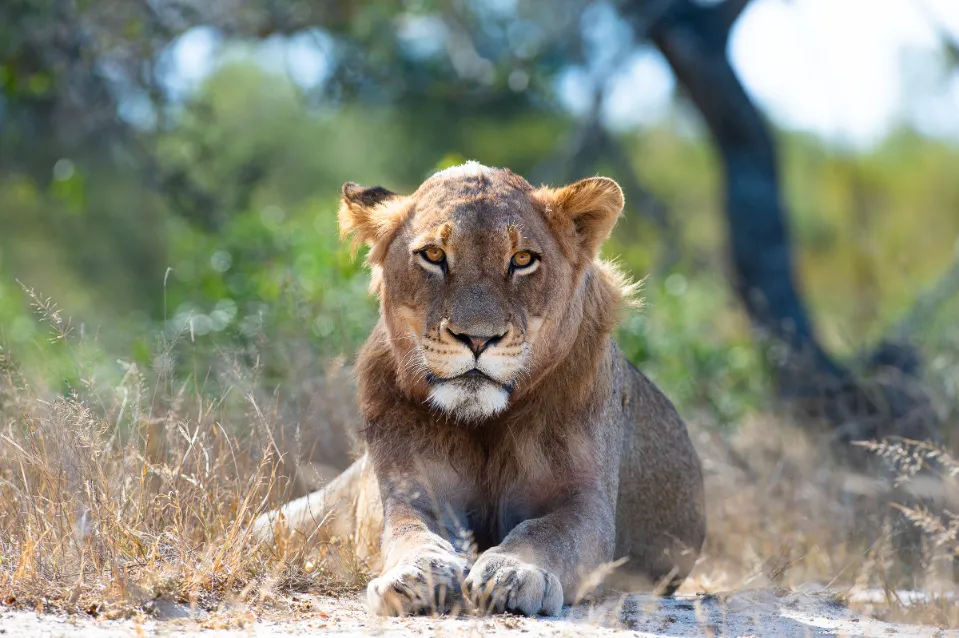
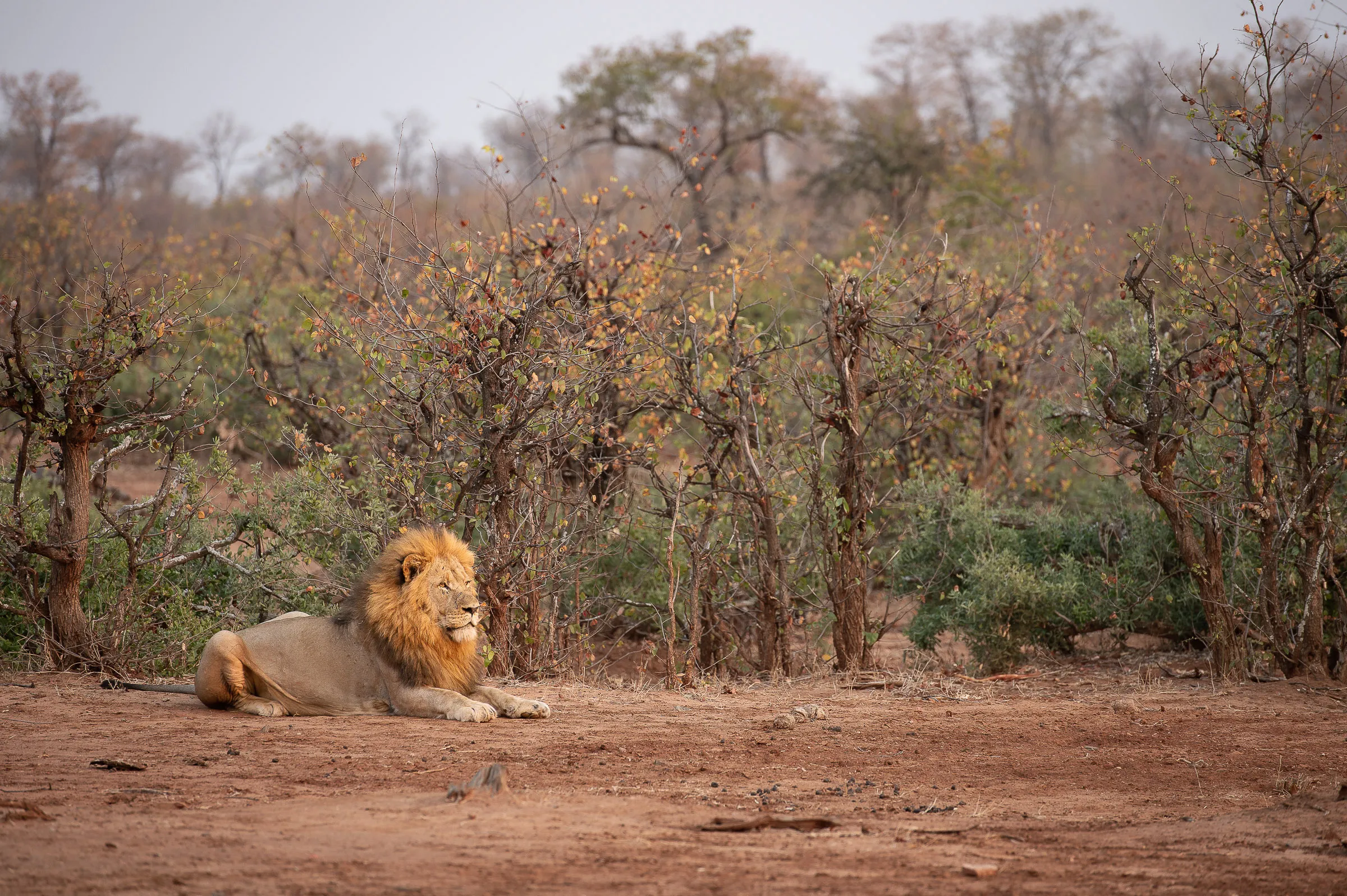
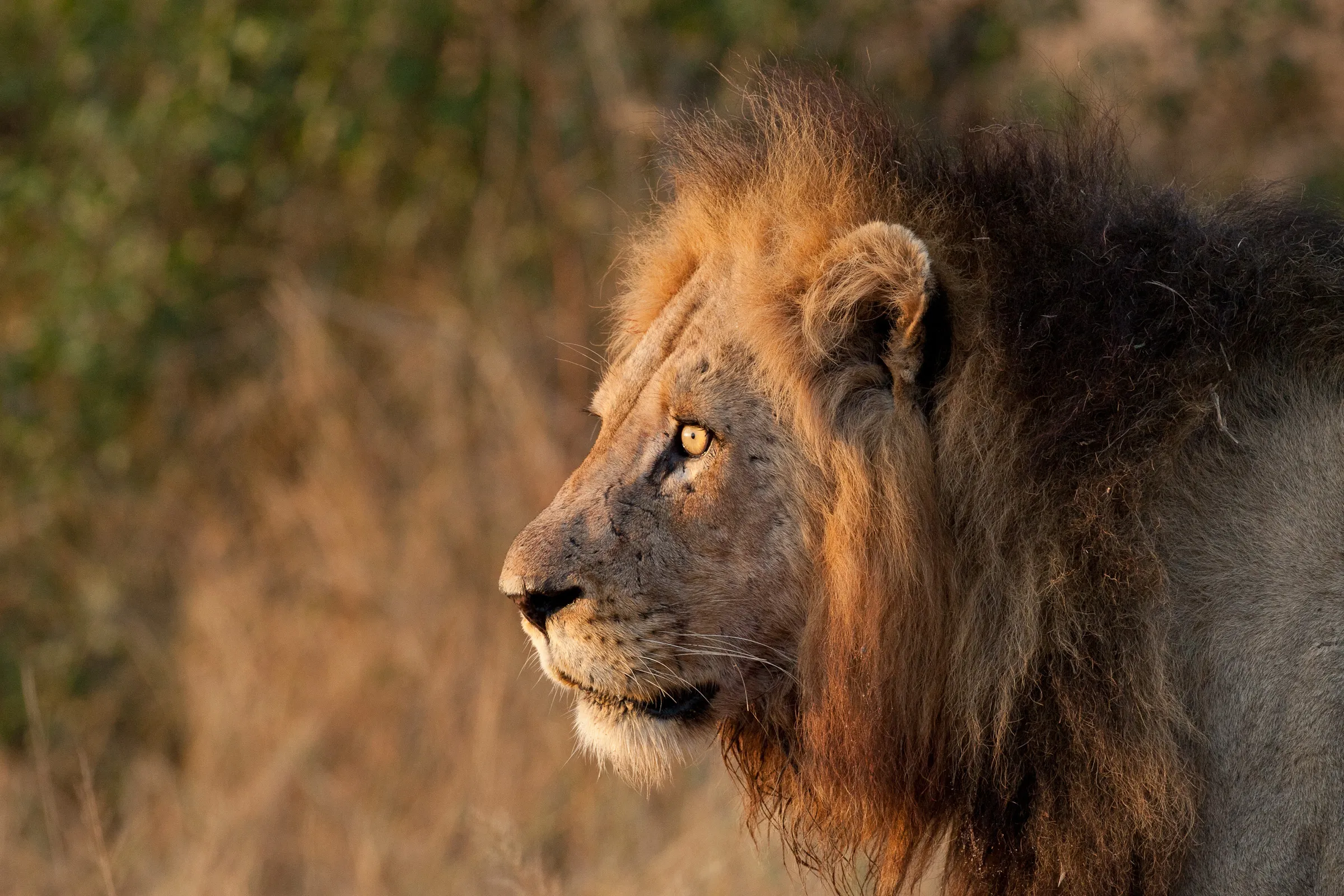
- Etosha NP – game viewing from camp & on game drives
- Brandberg – rock paintings
- Swakopmund – dune boarding & quad biking
- Namib Desert – walk Sossusvlei dunes
Information
Overnight
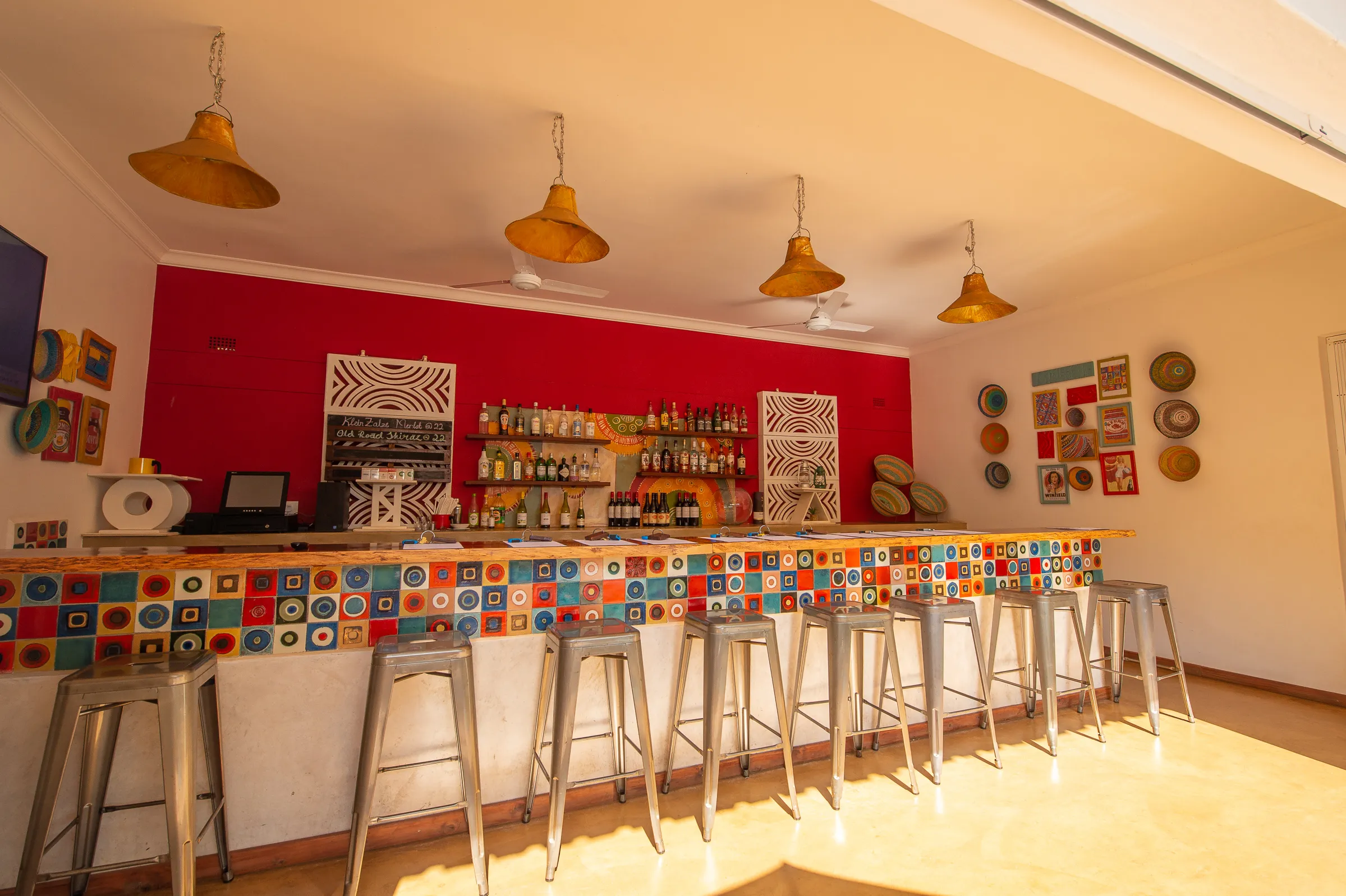
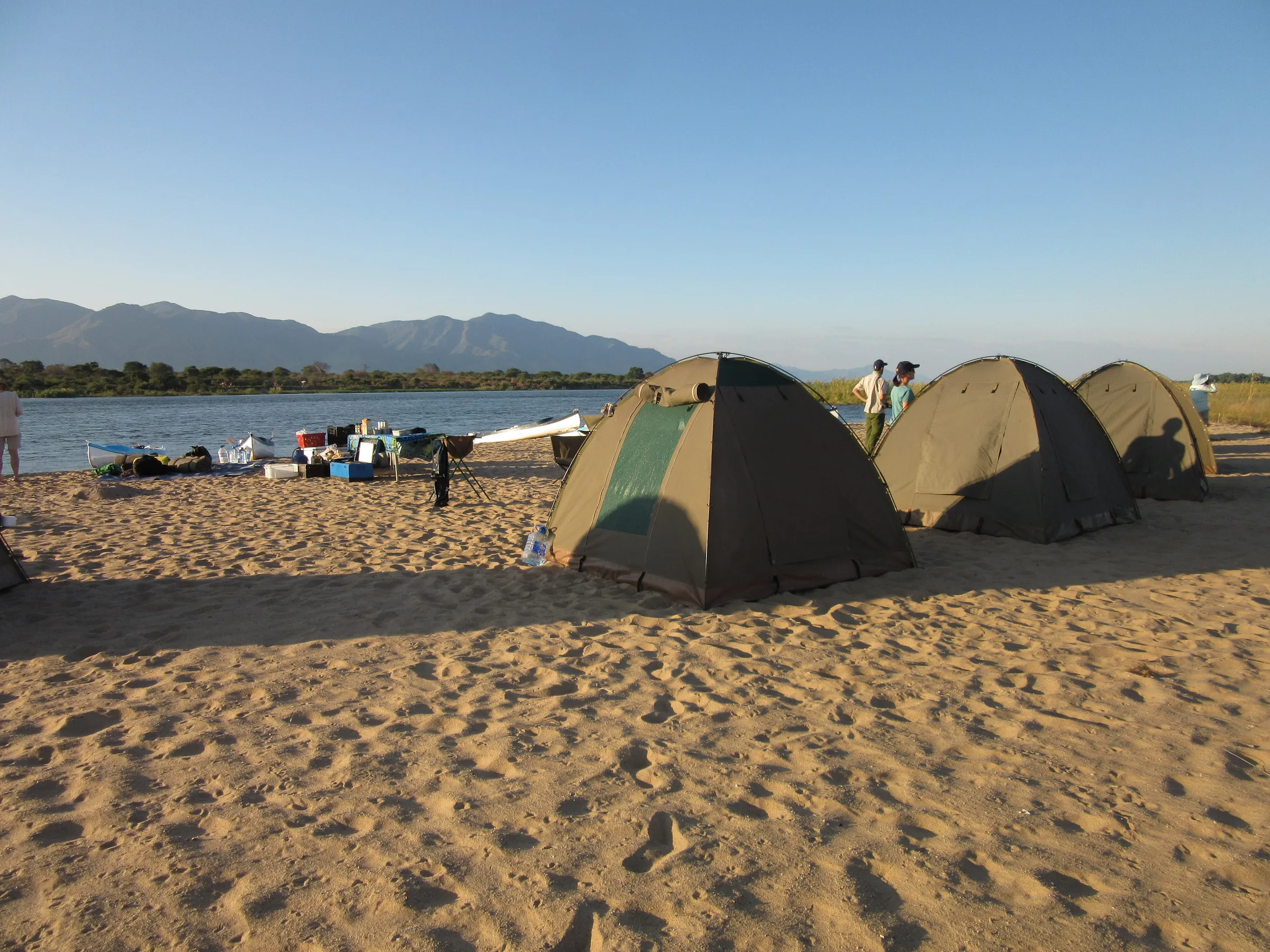
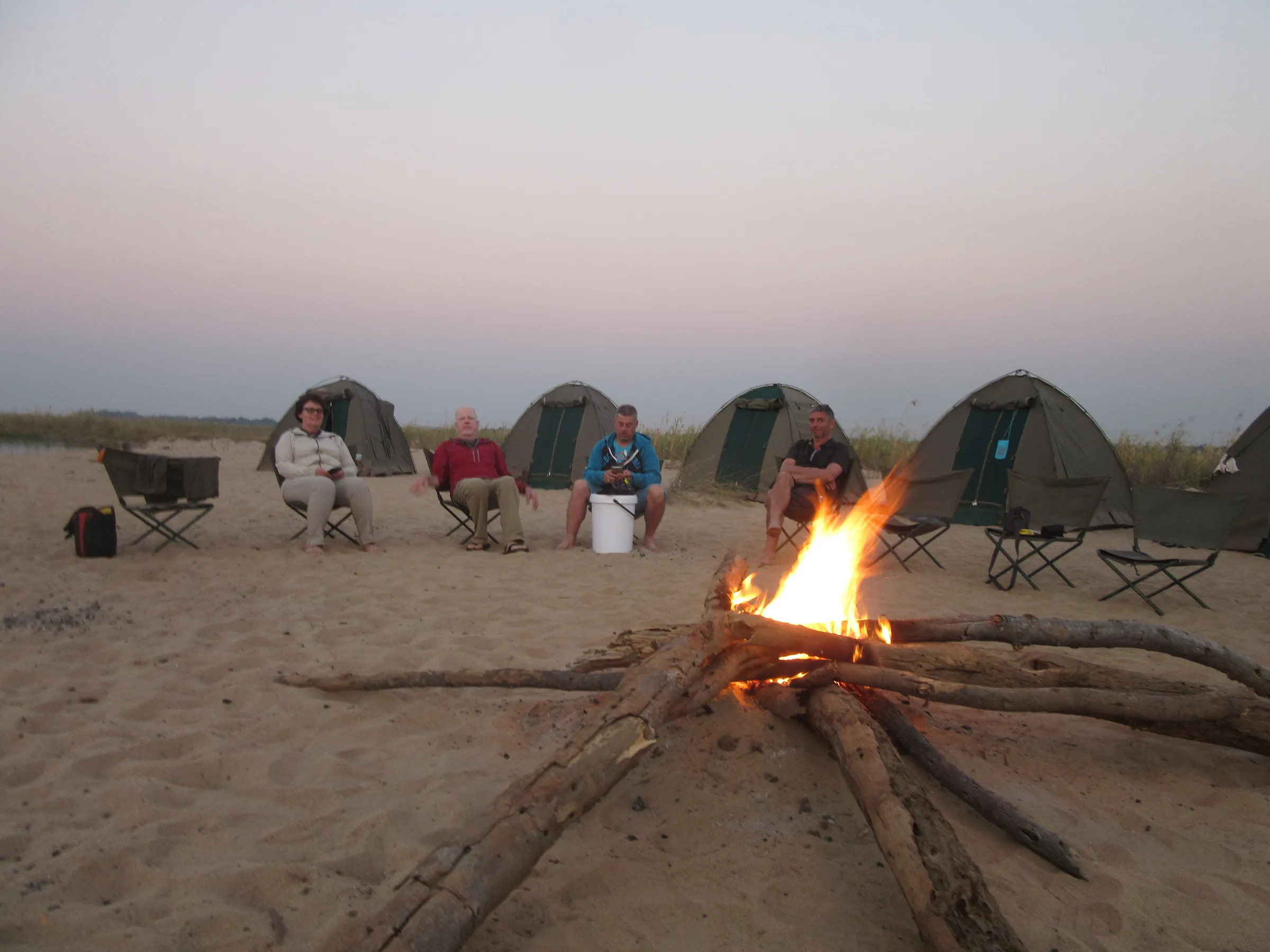
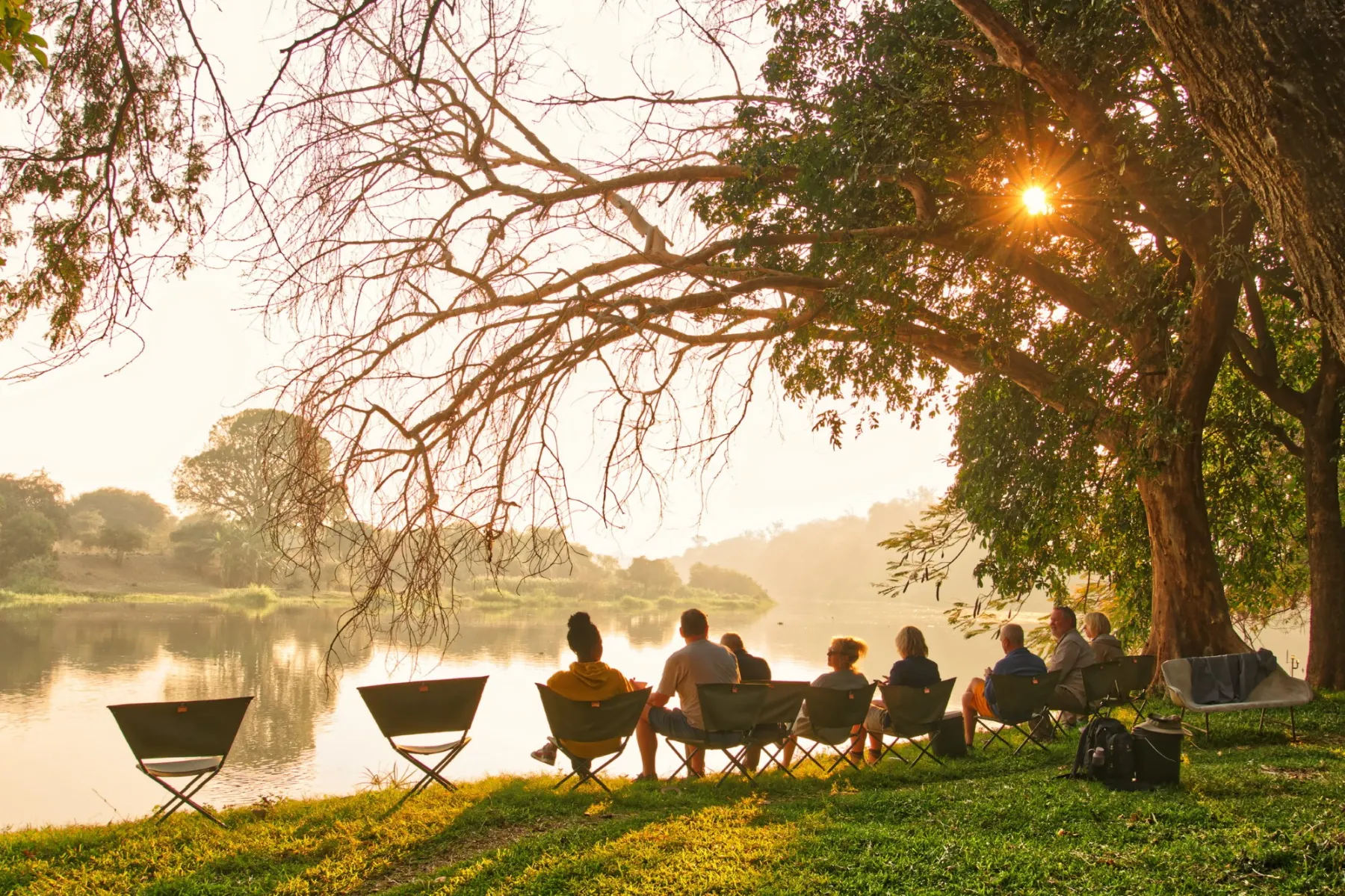
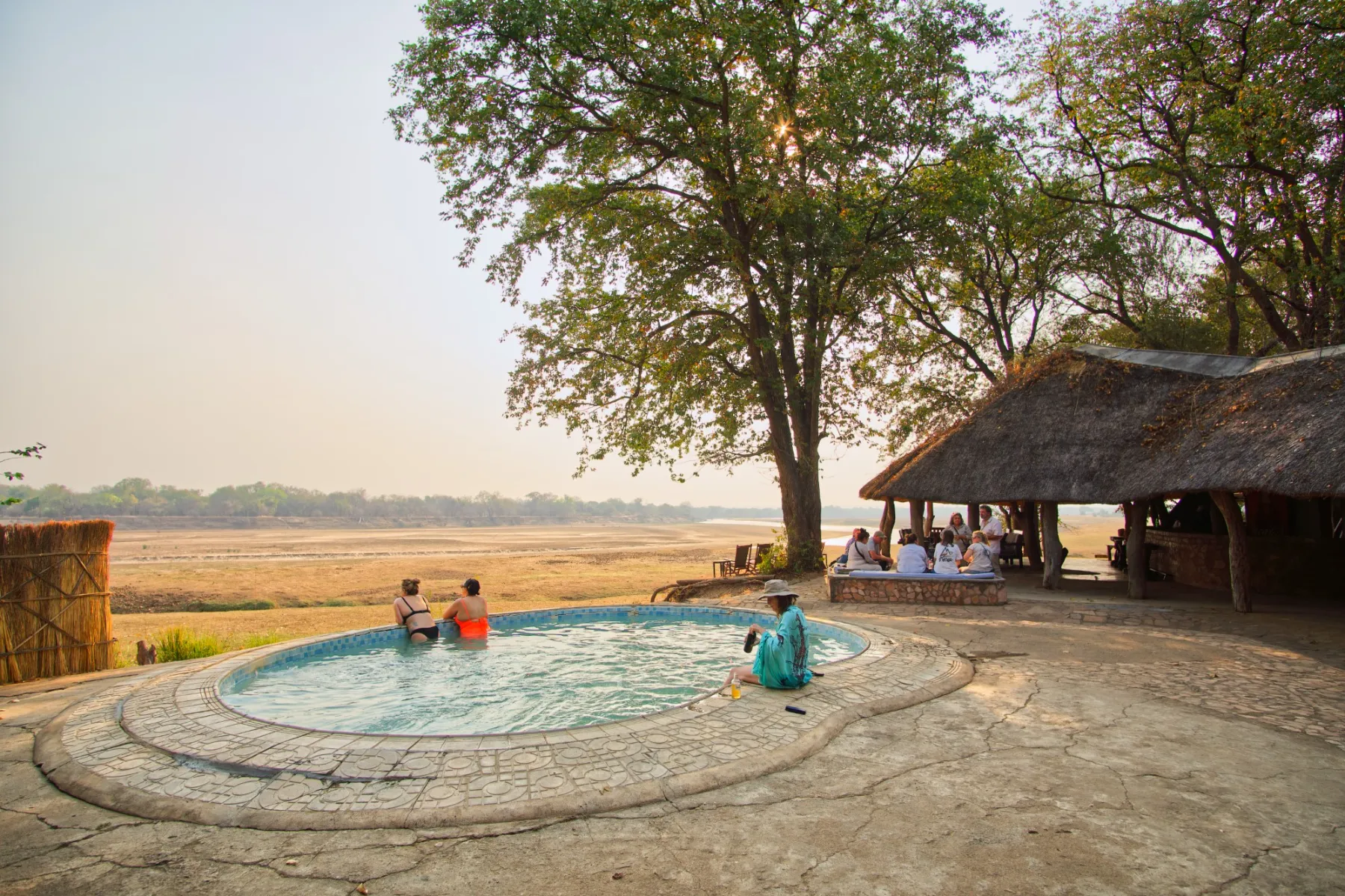
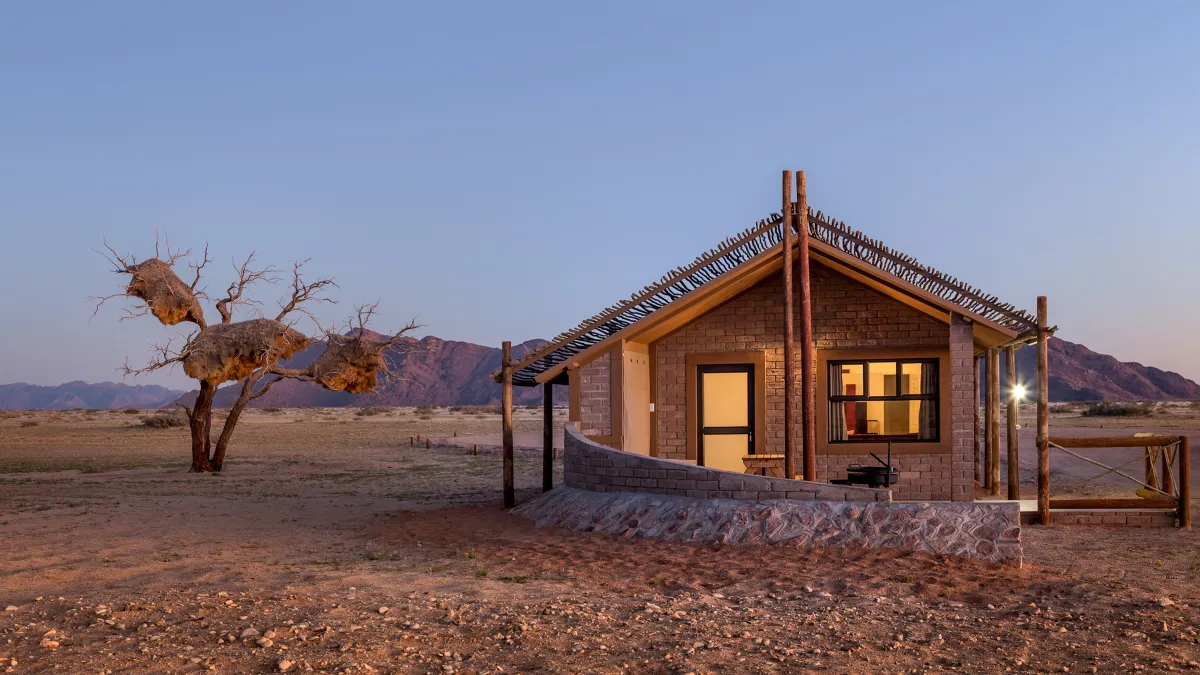
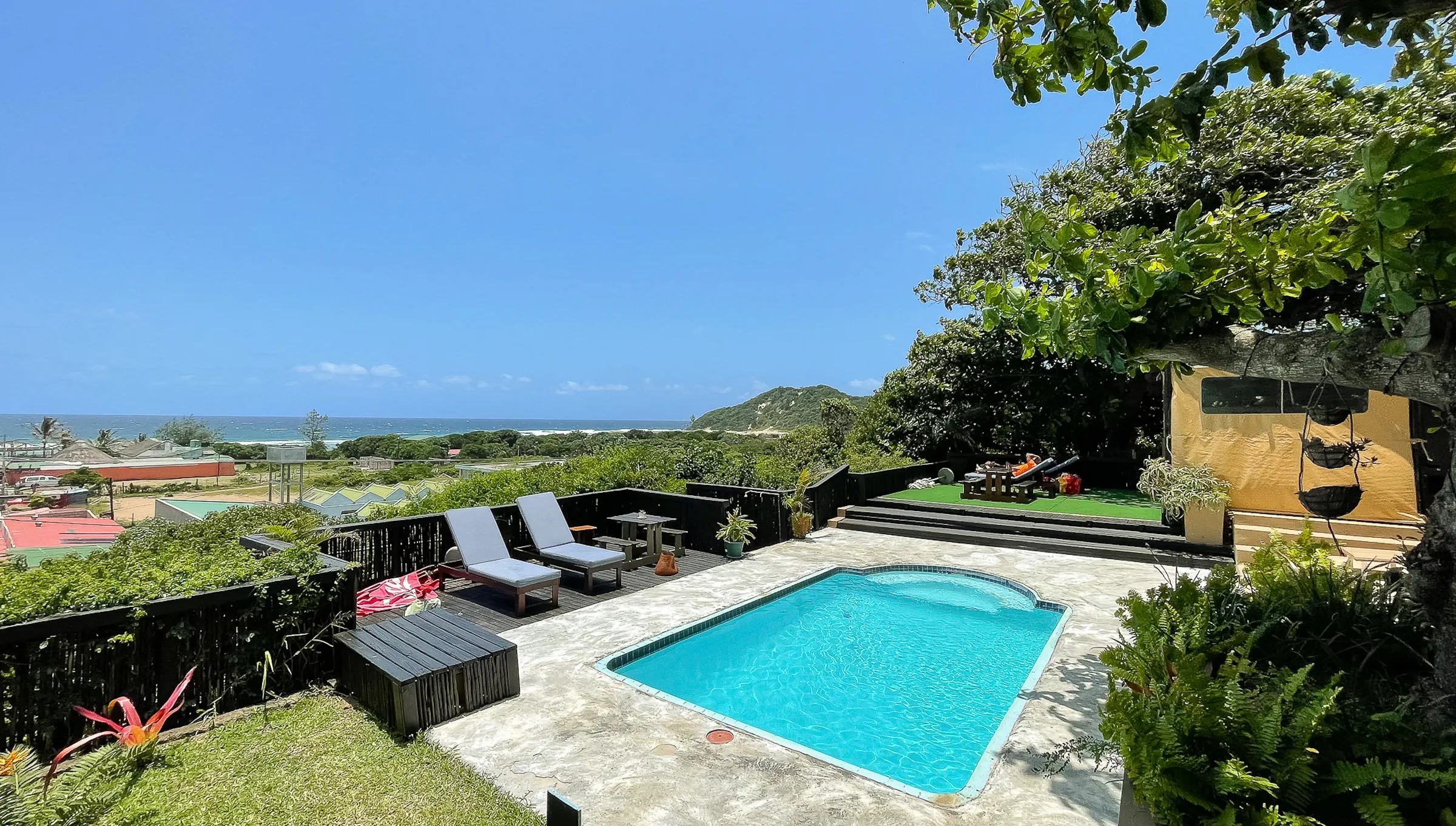
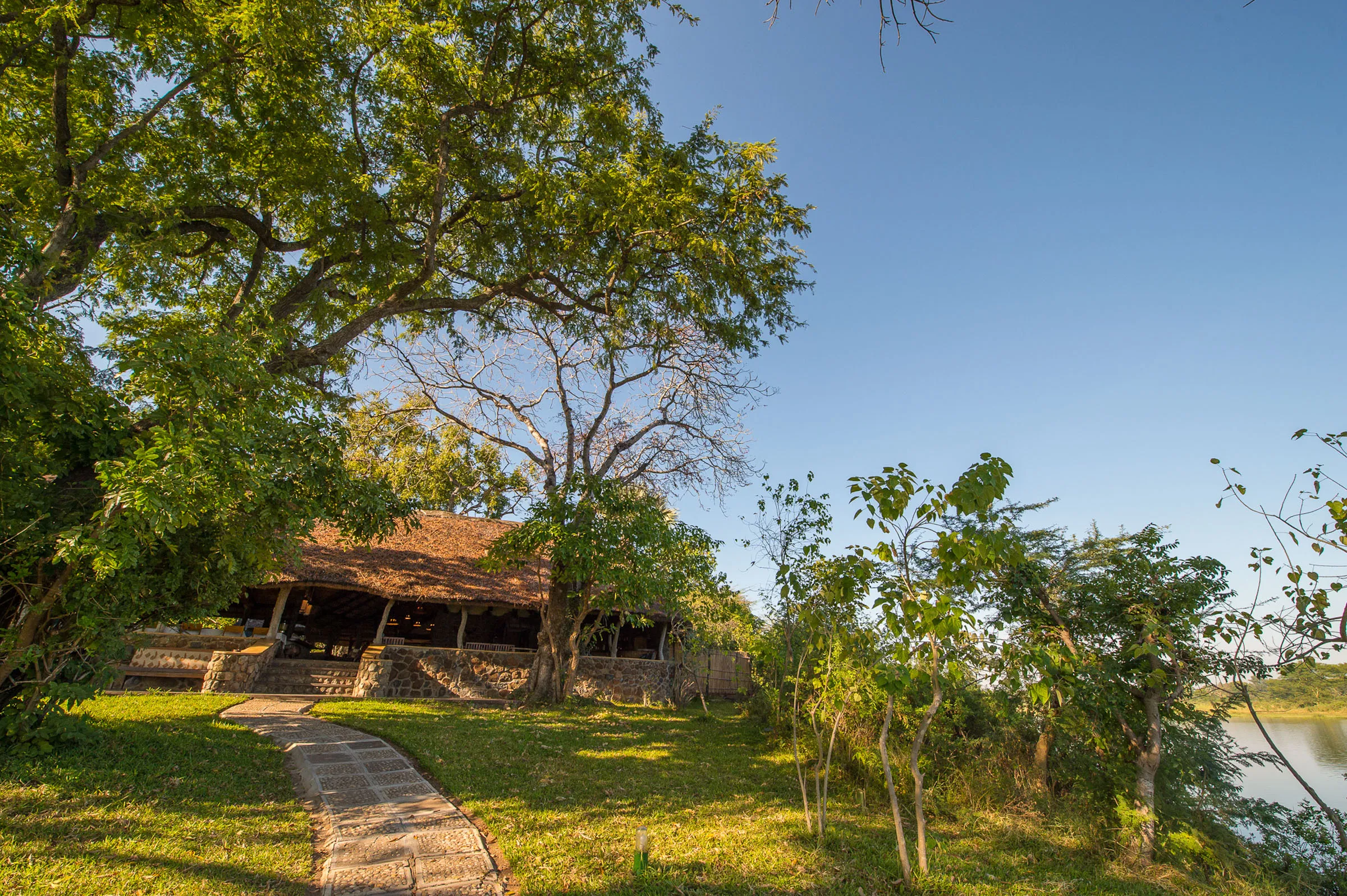
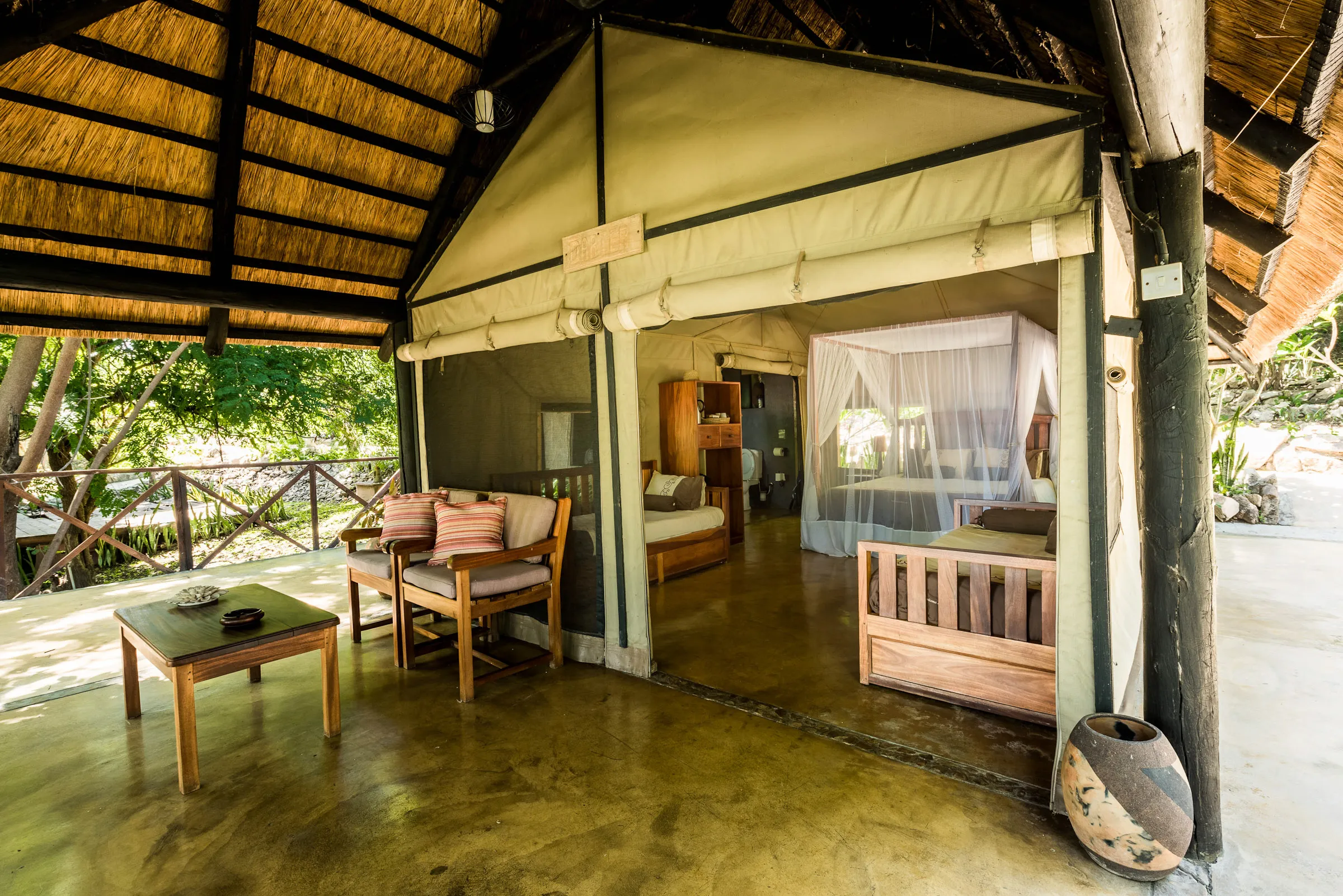
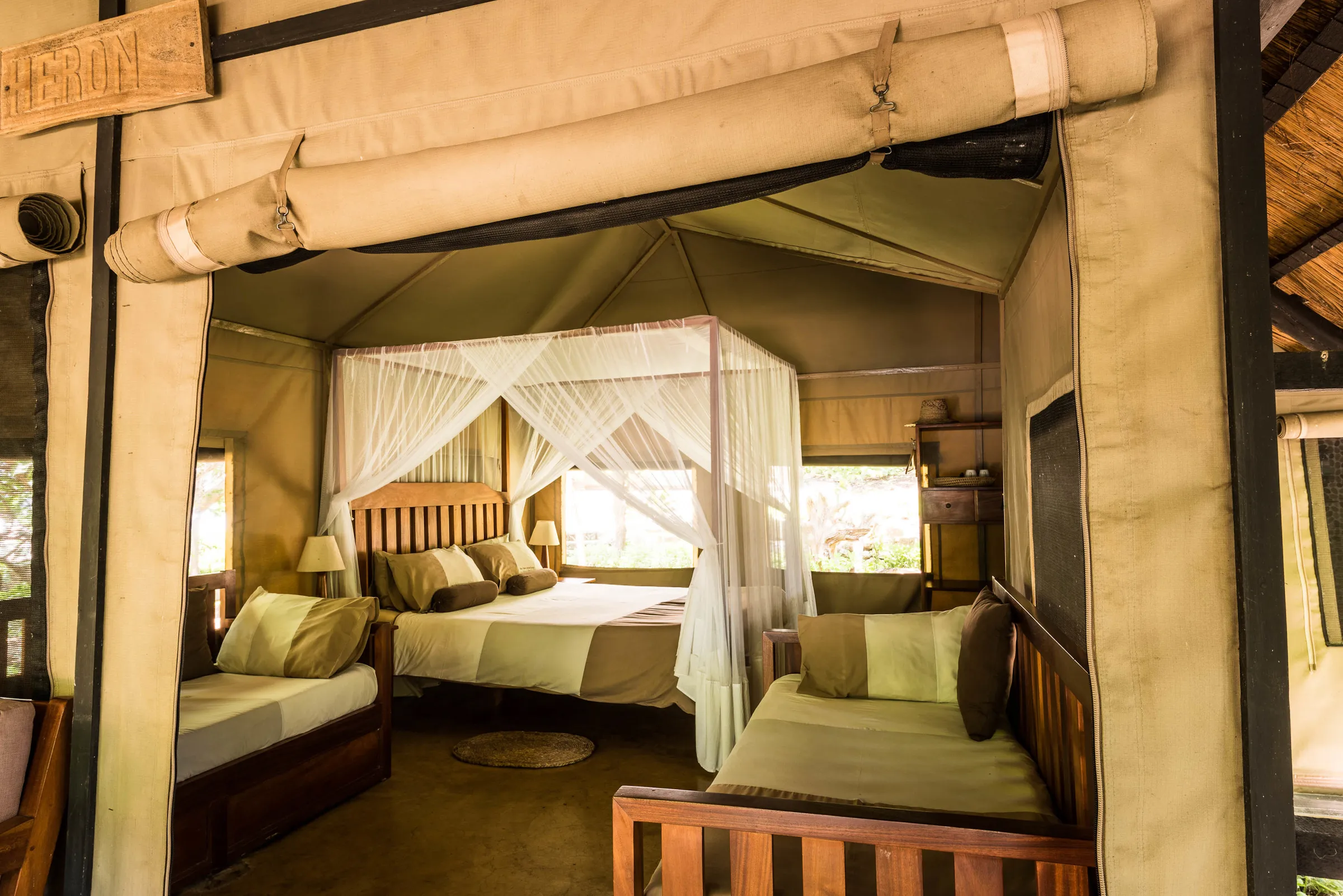
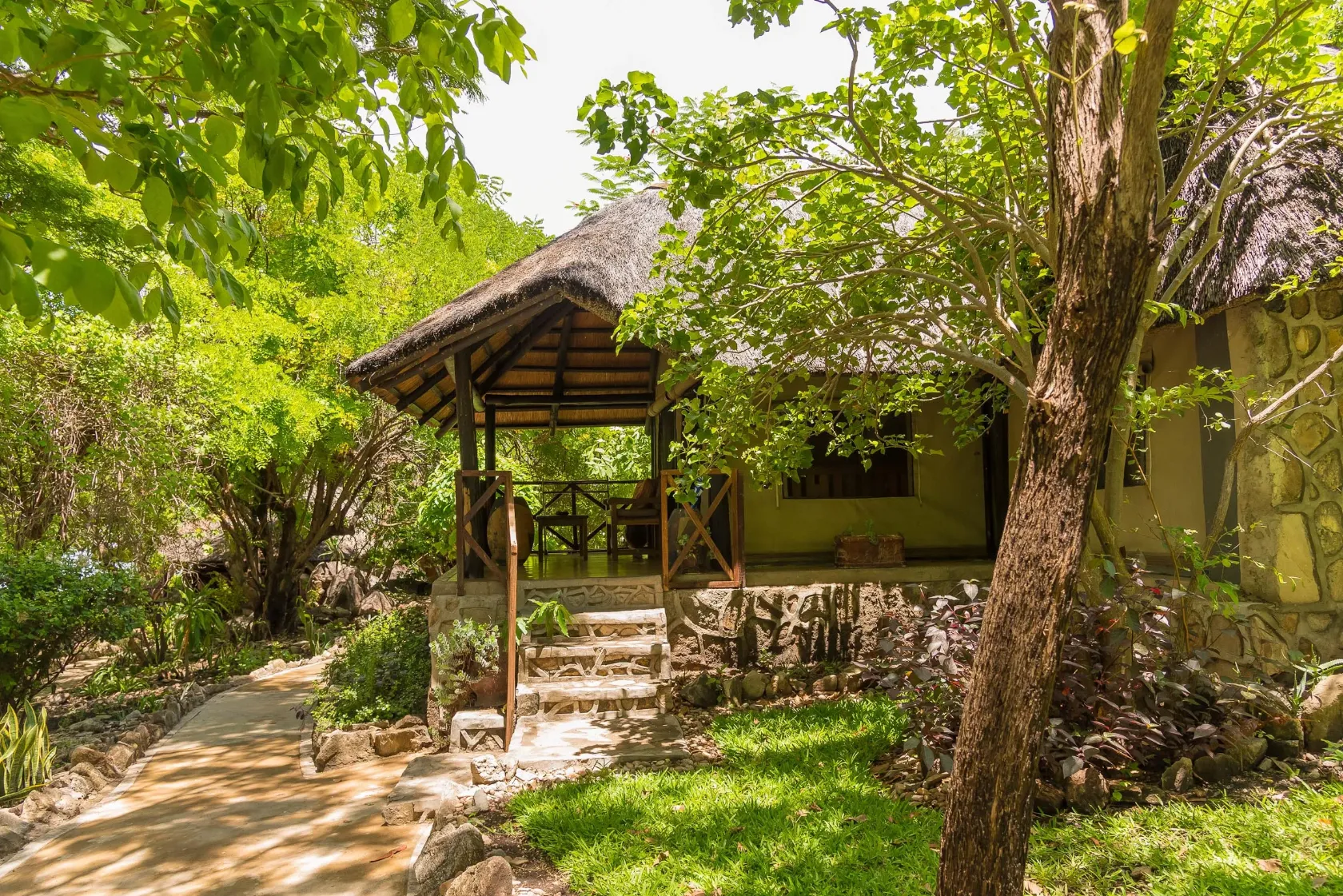
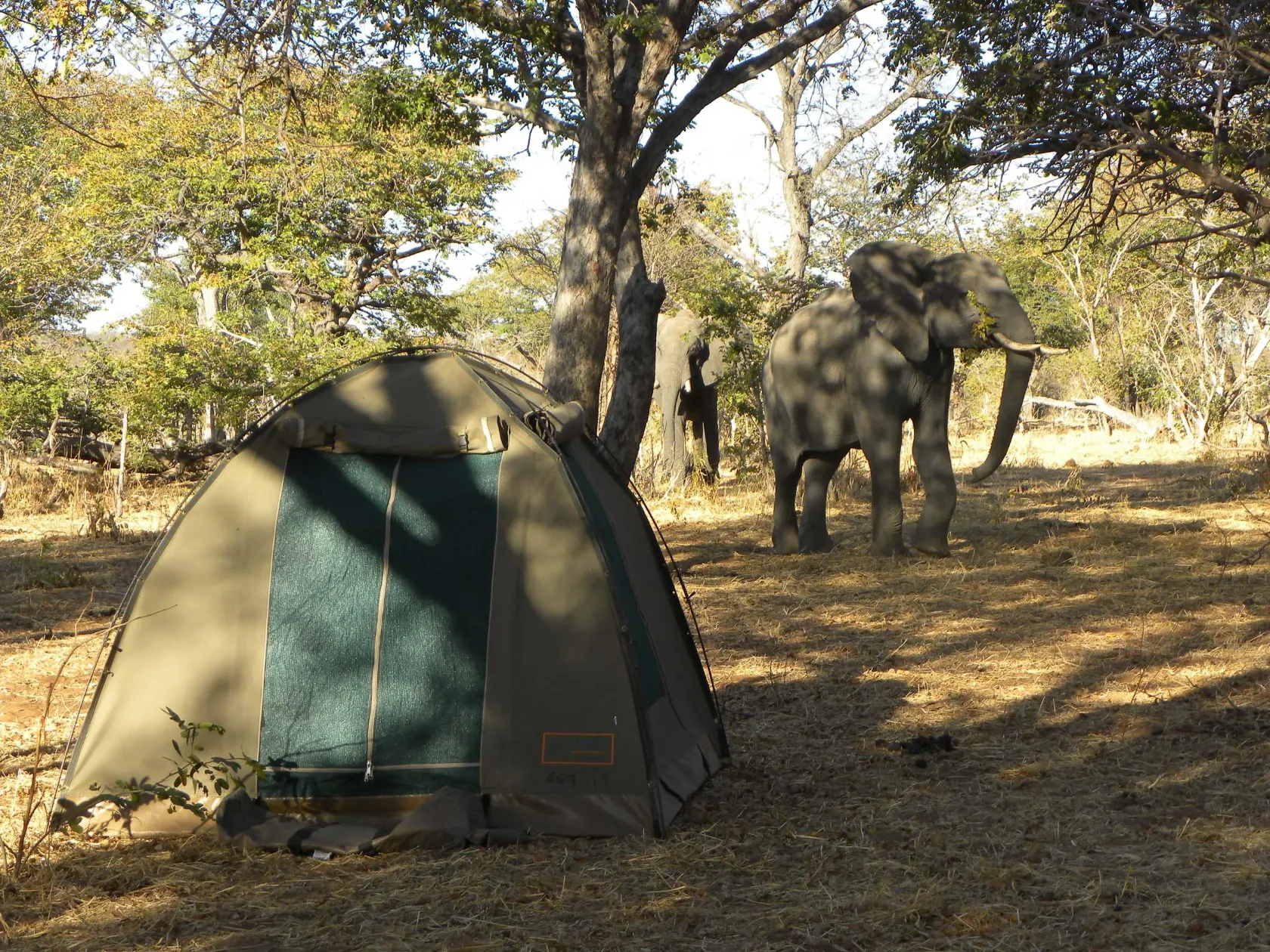
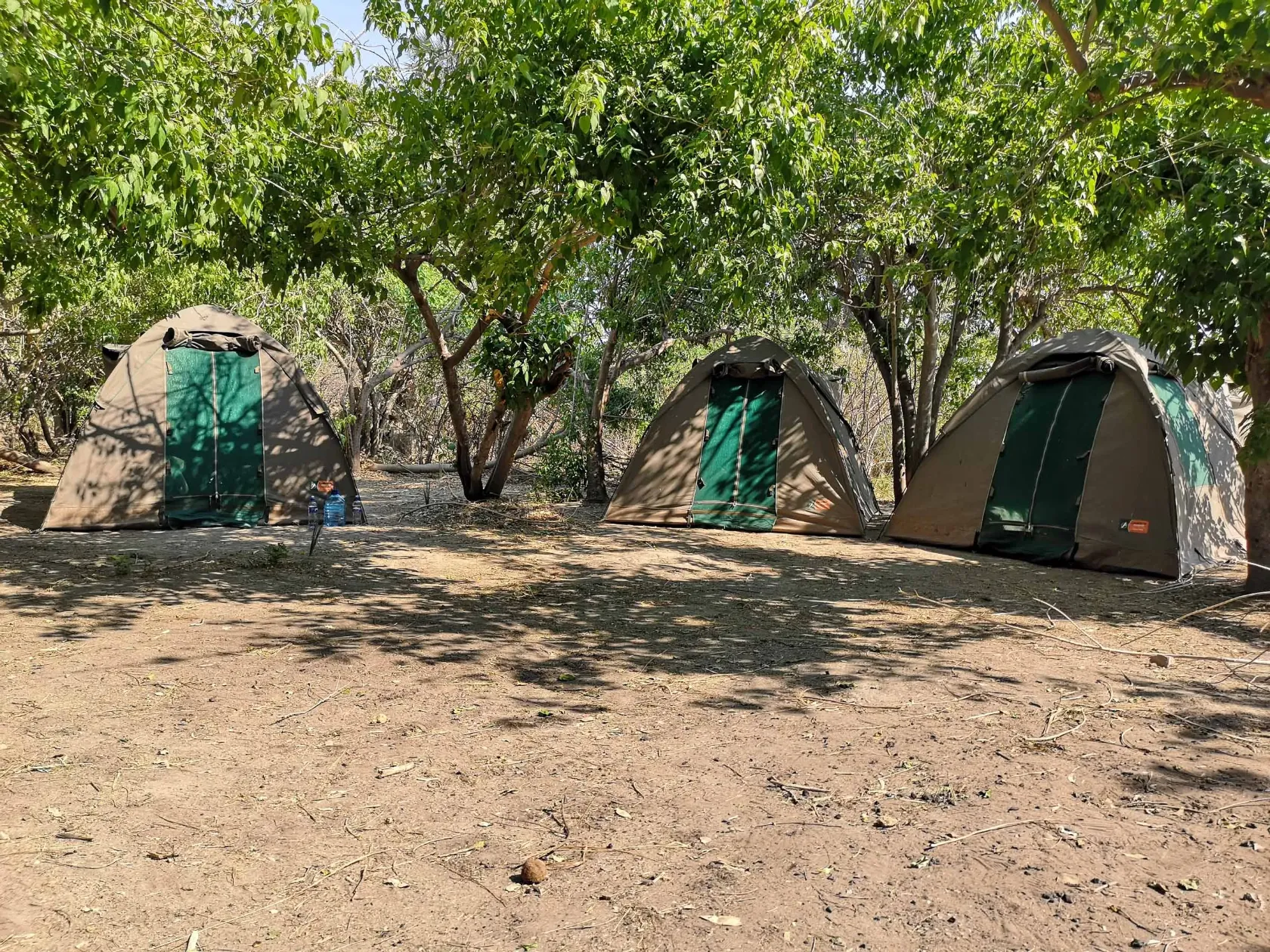
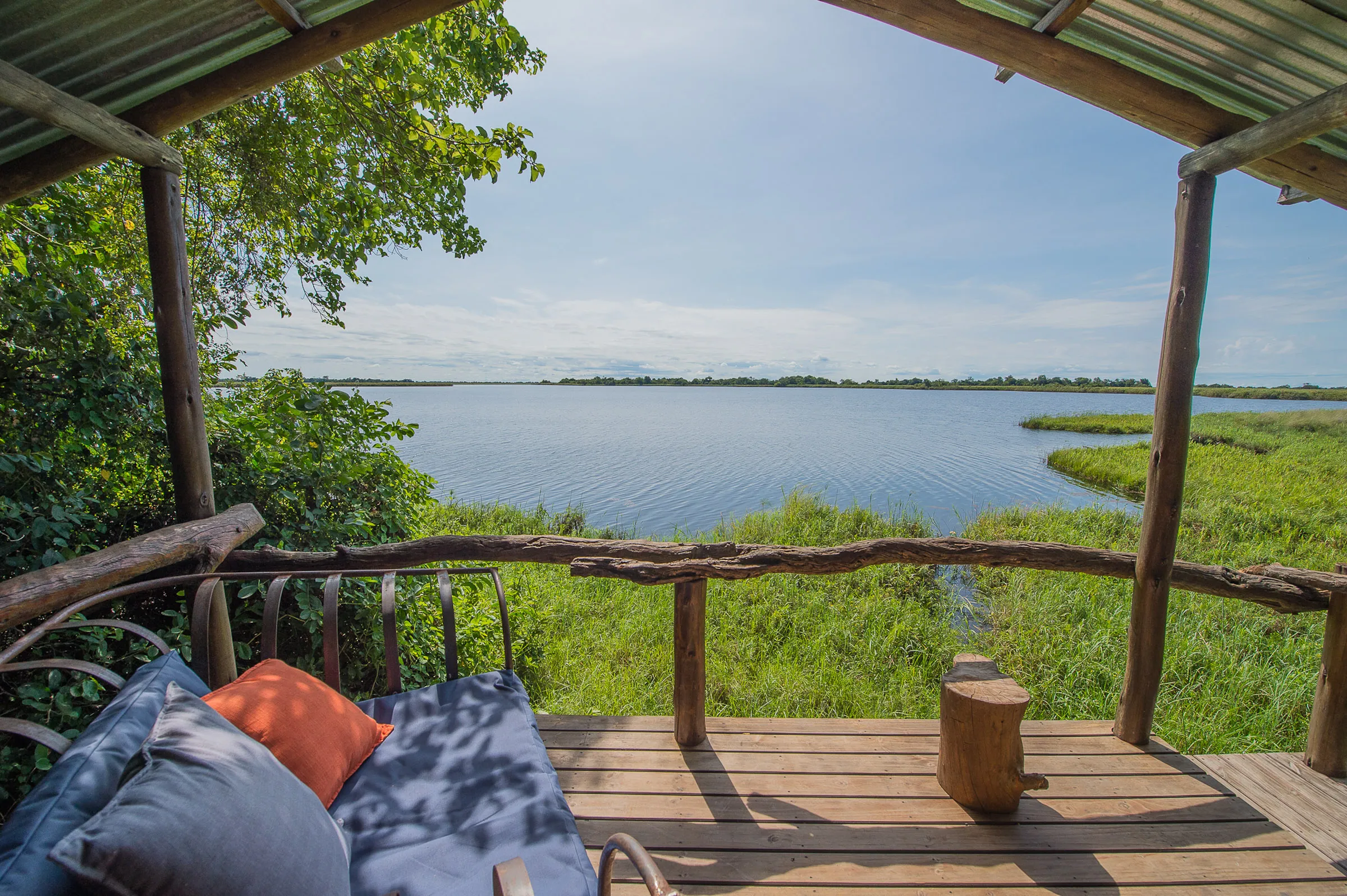
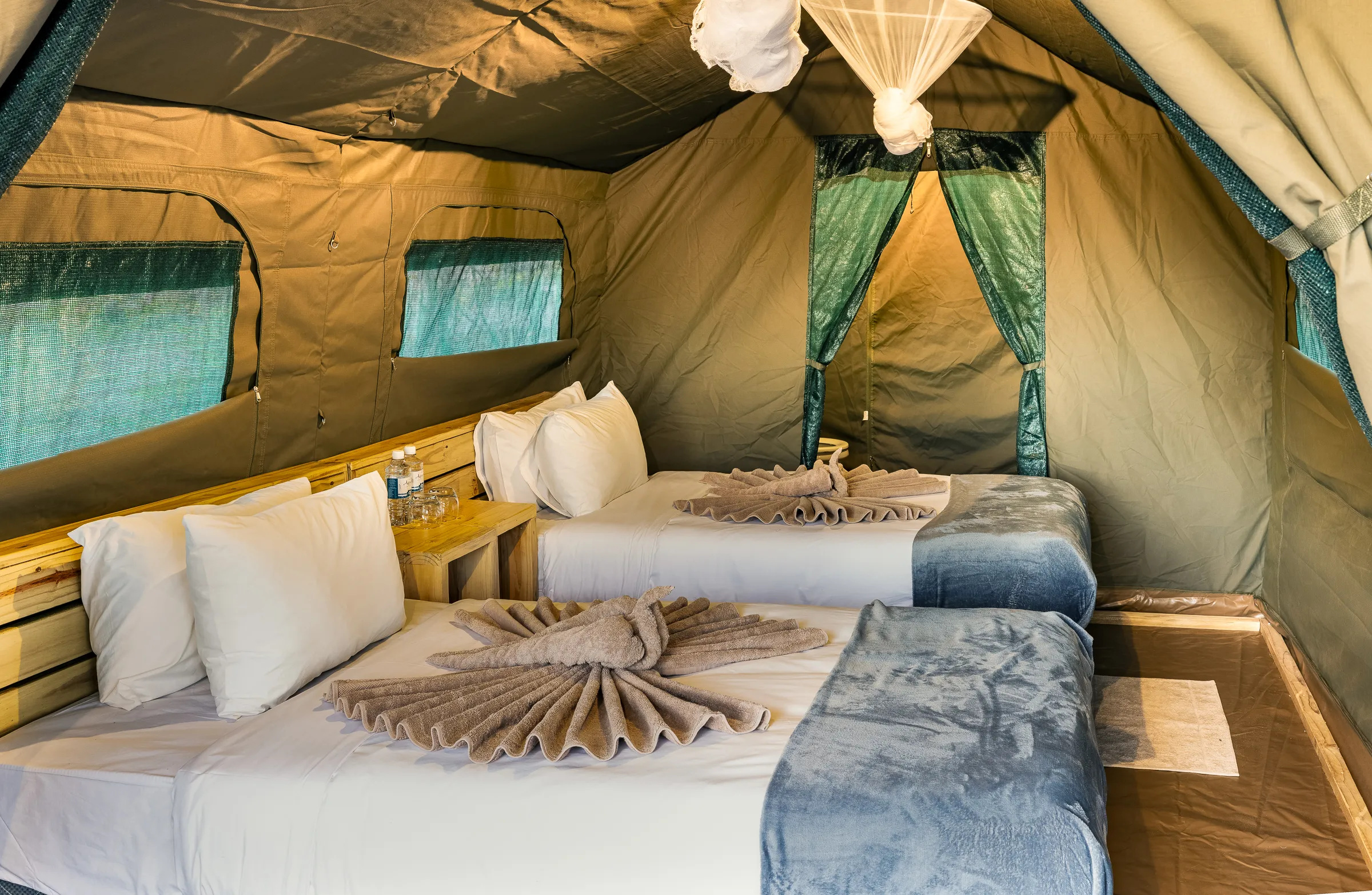
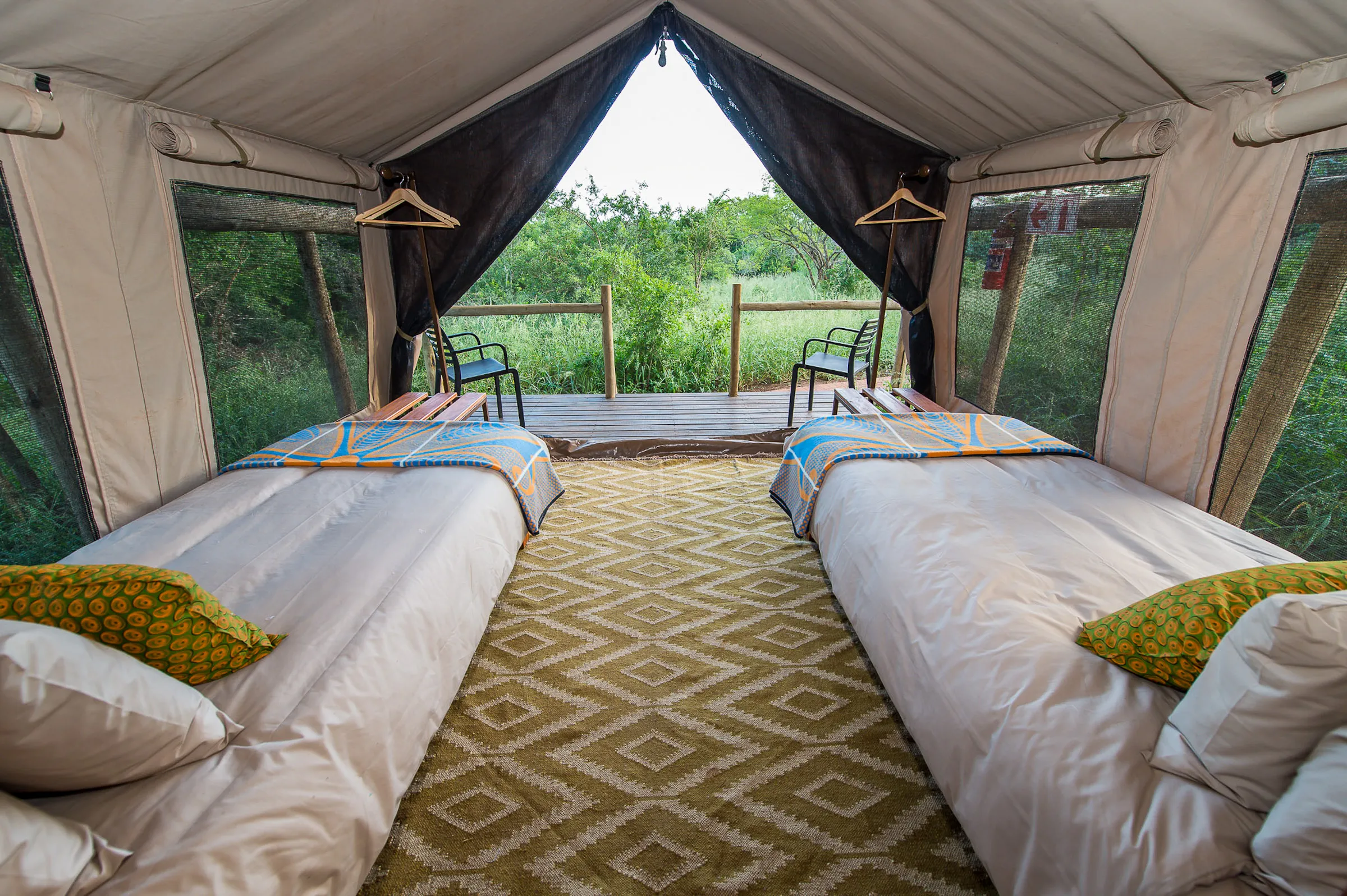
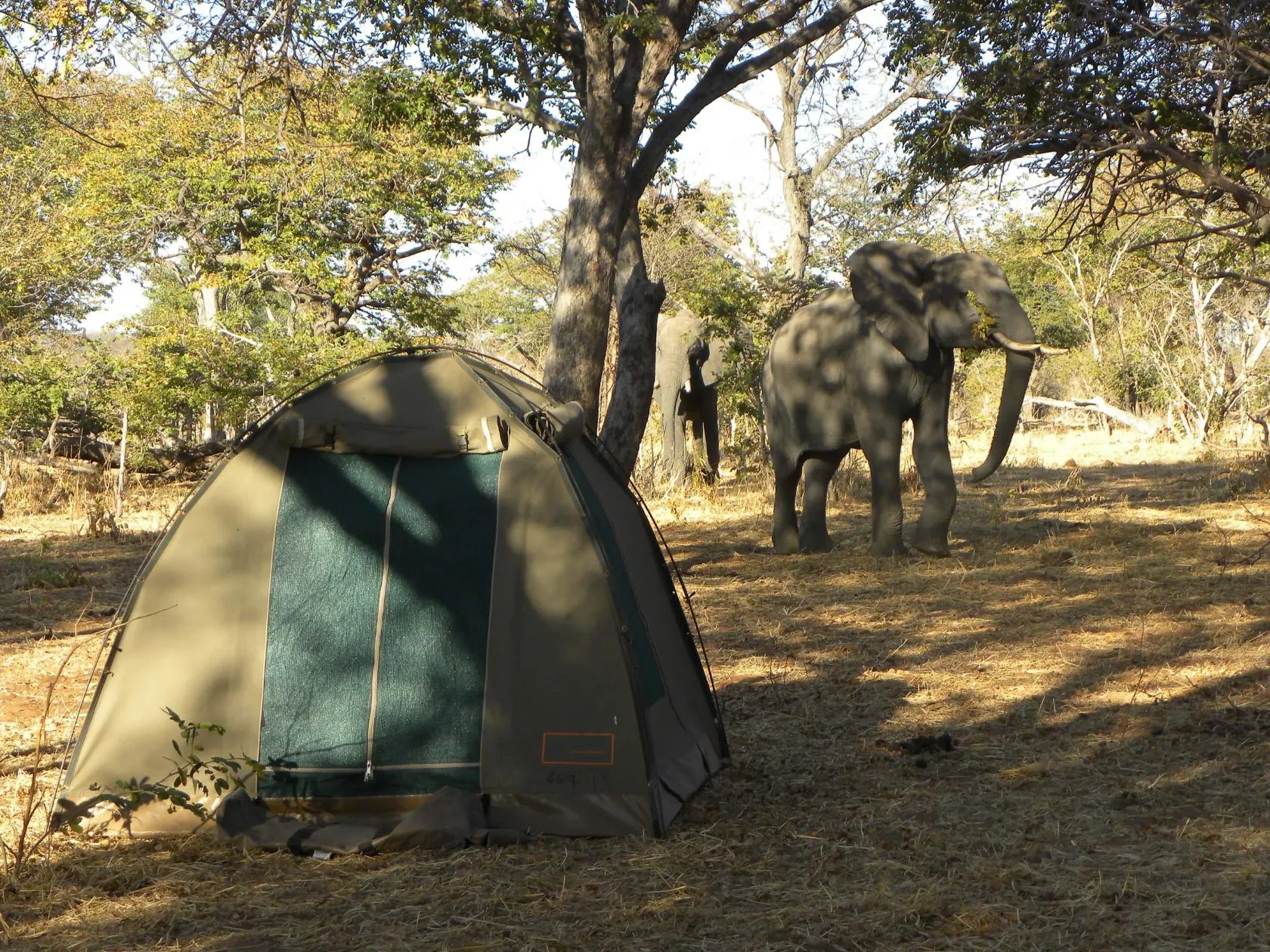
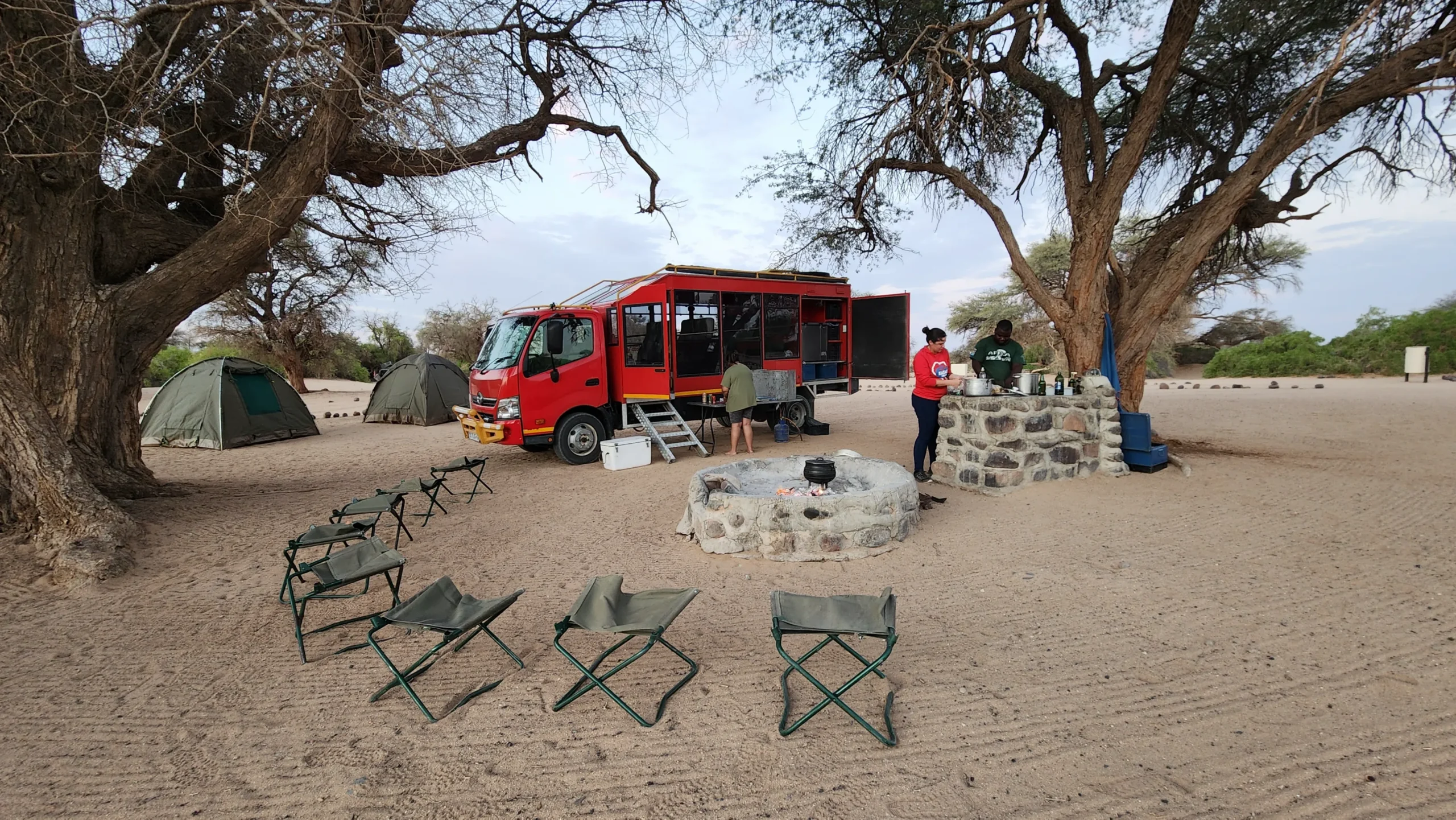
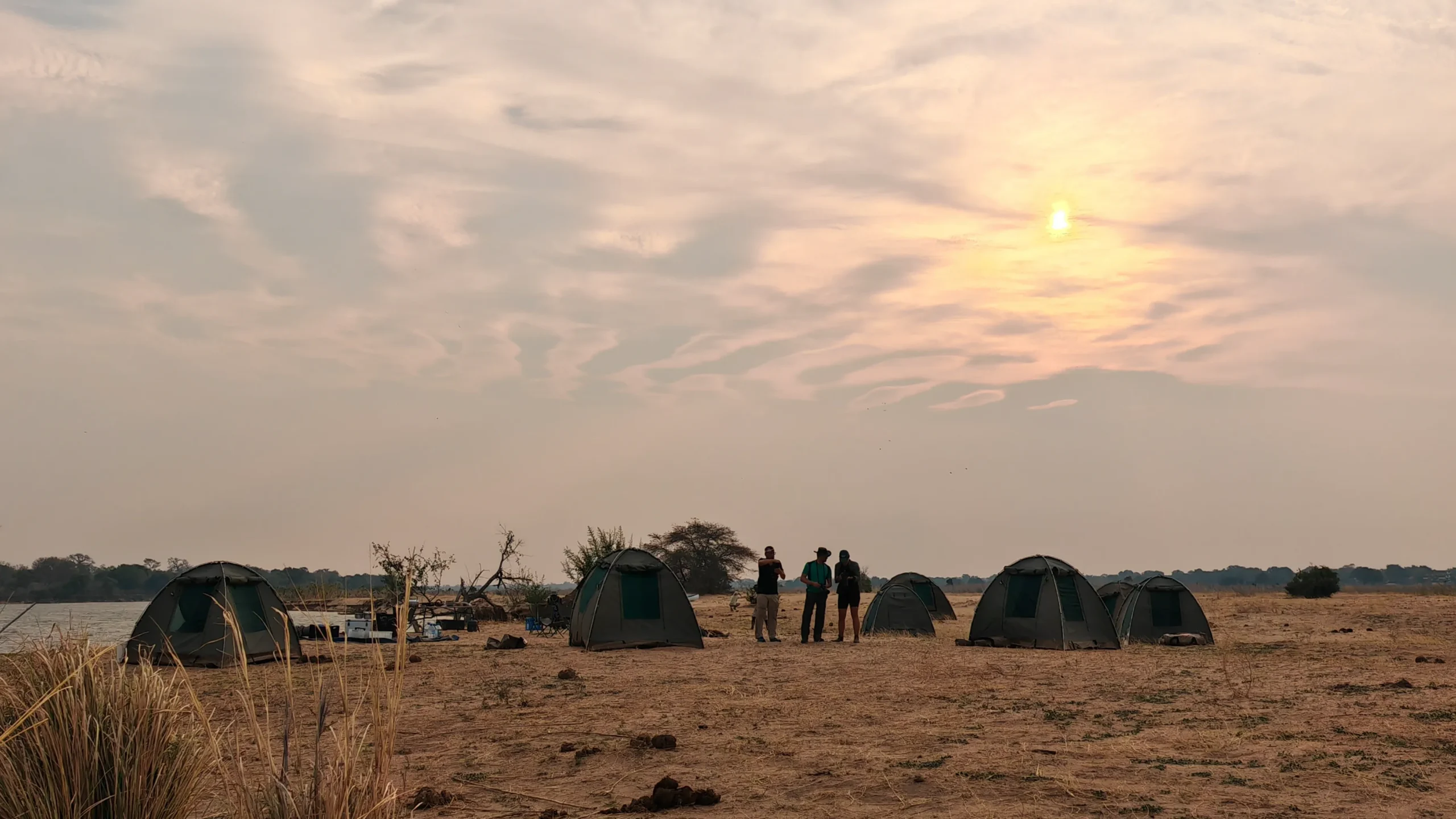
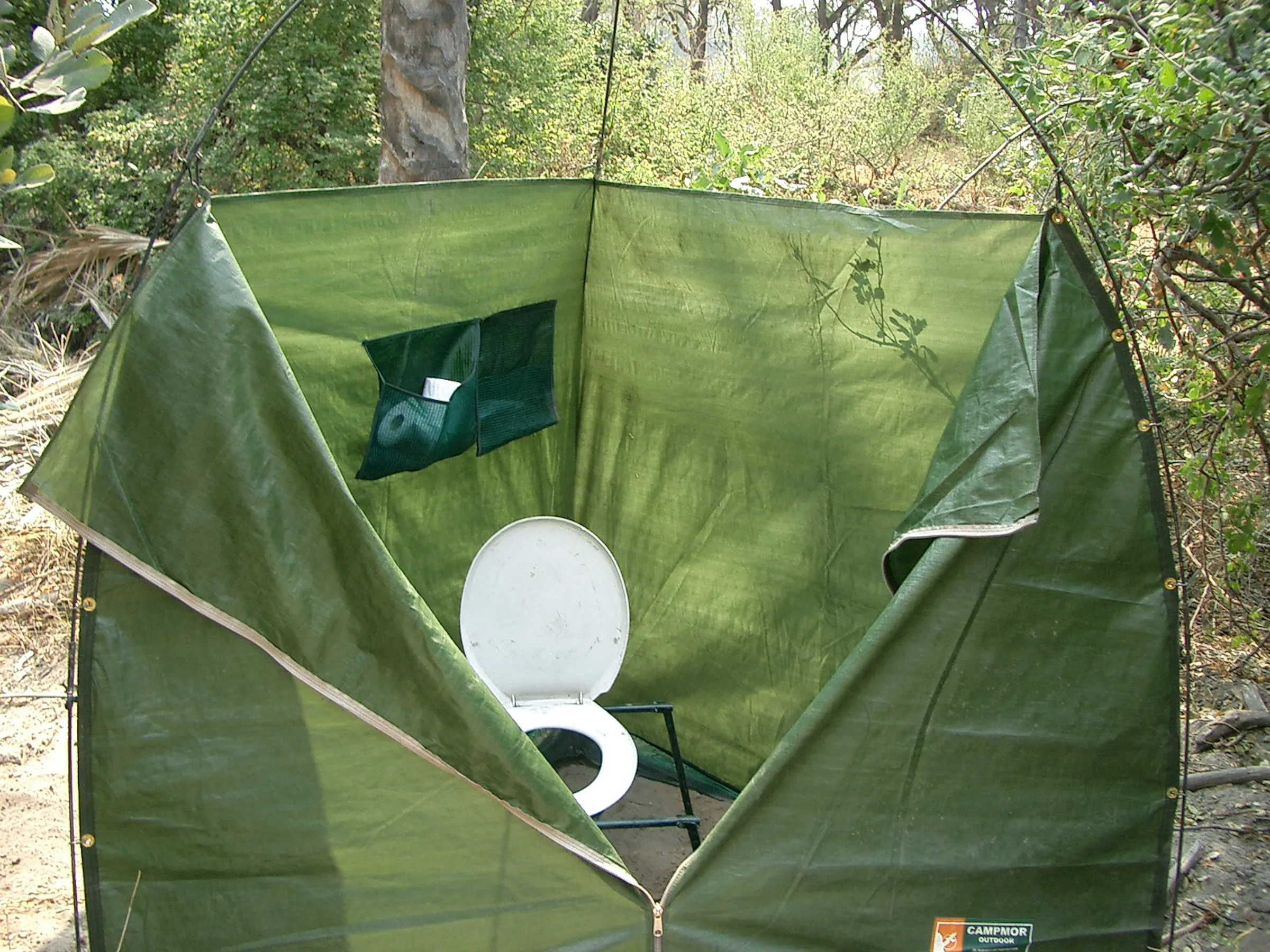
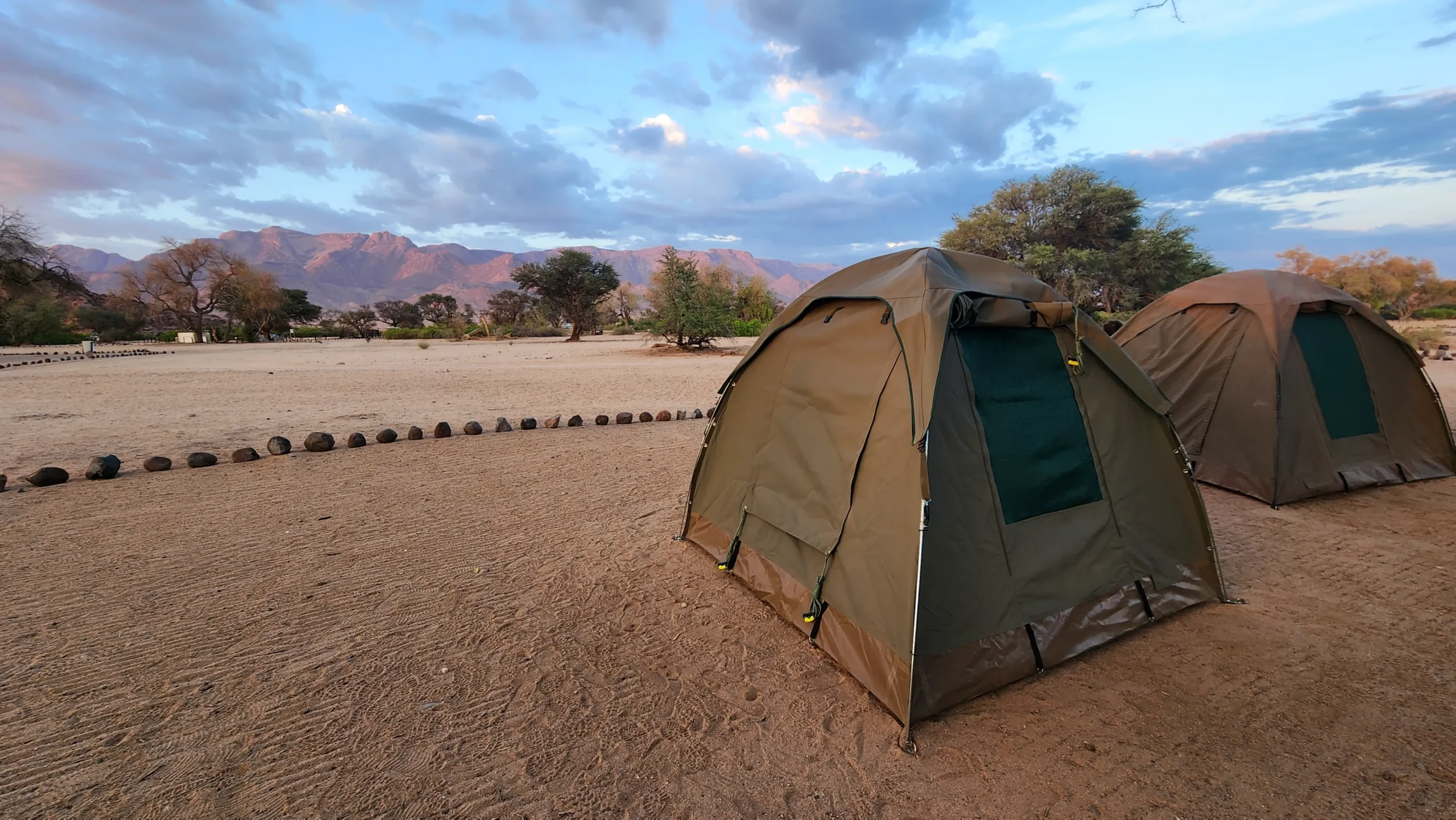
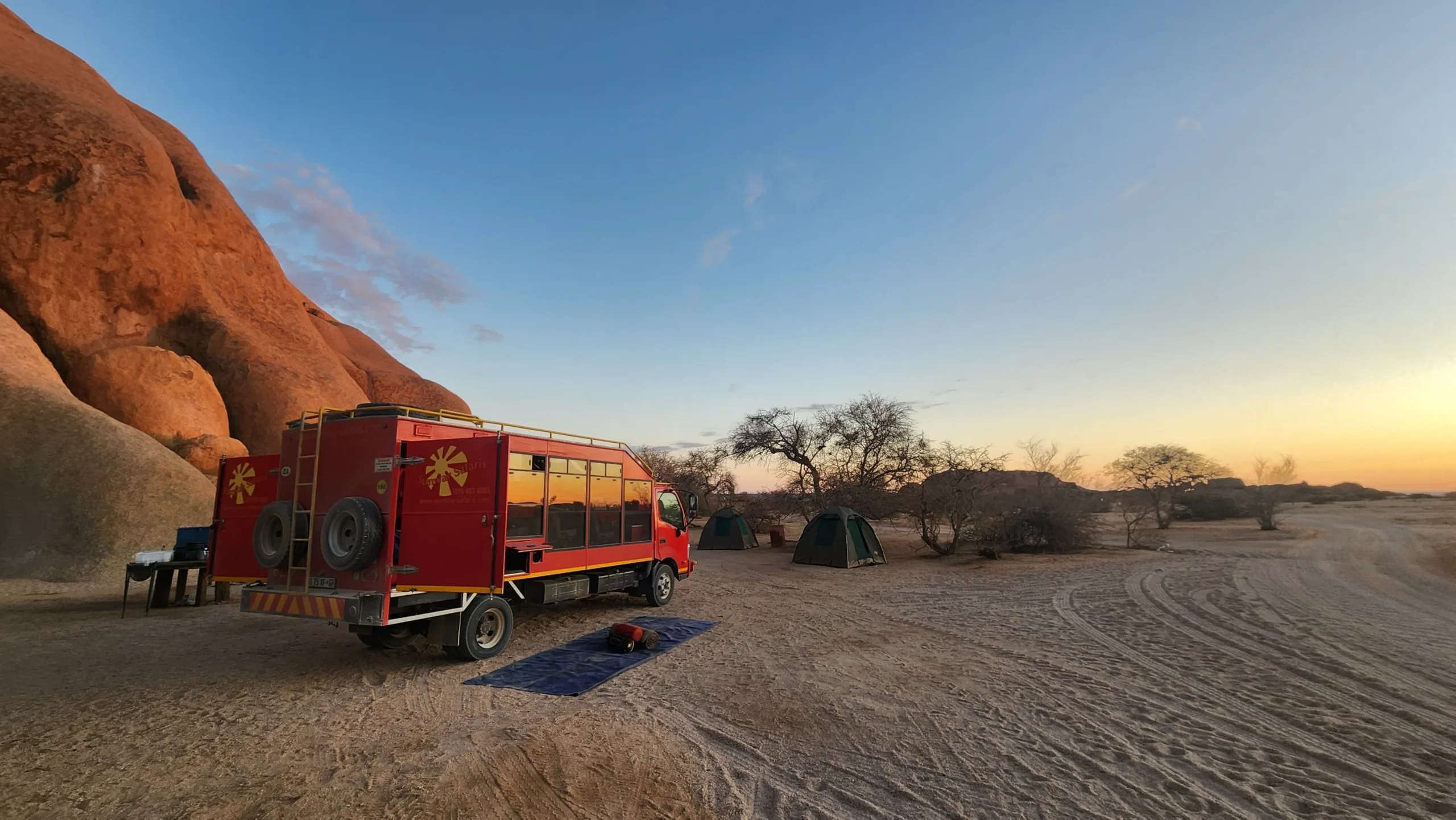
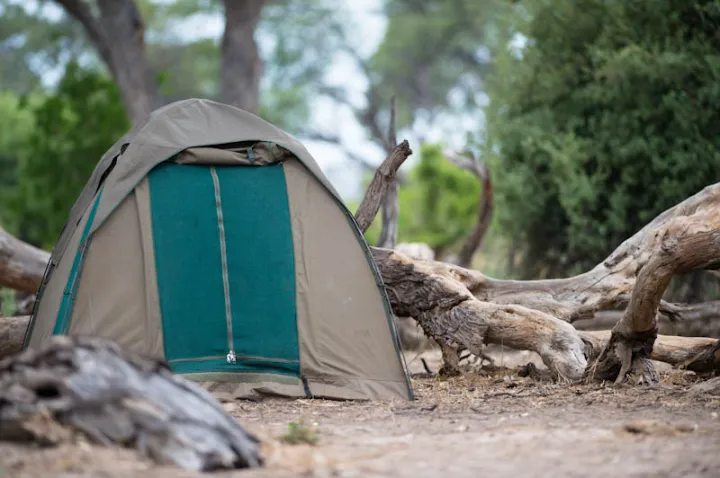
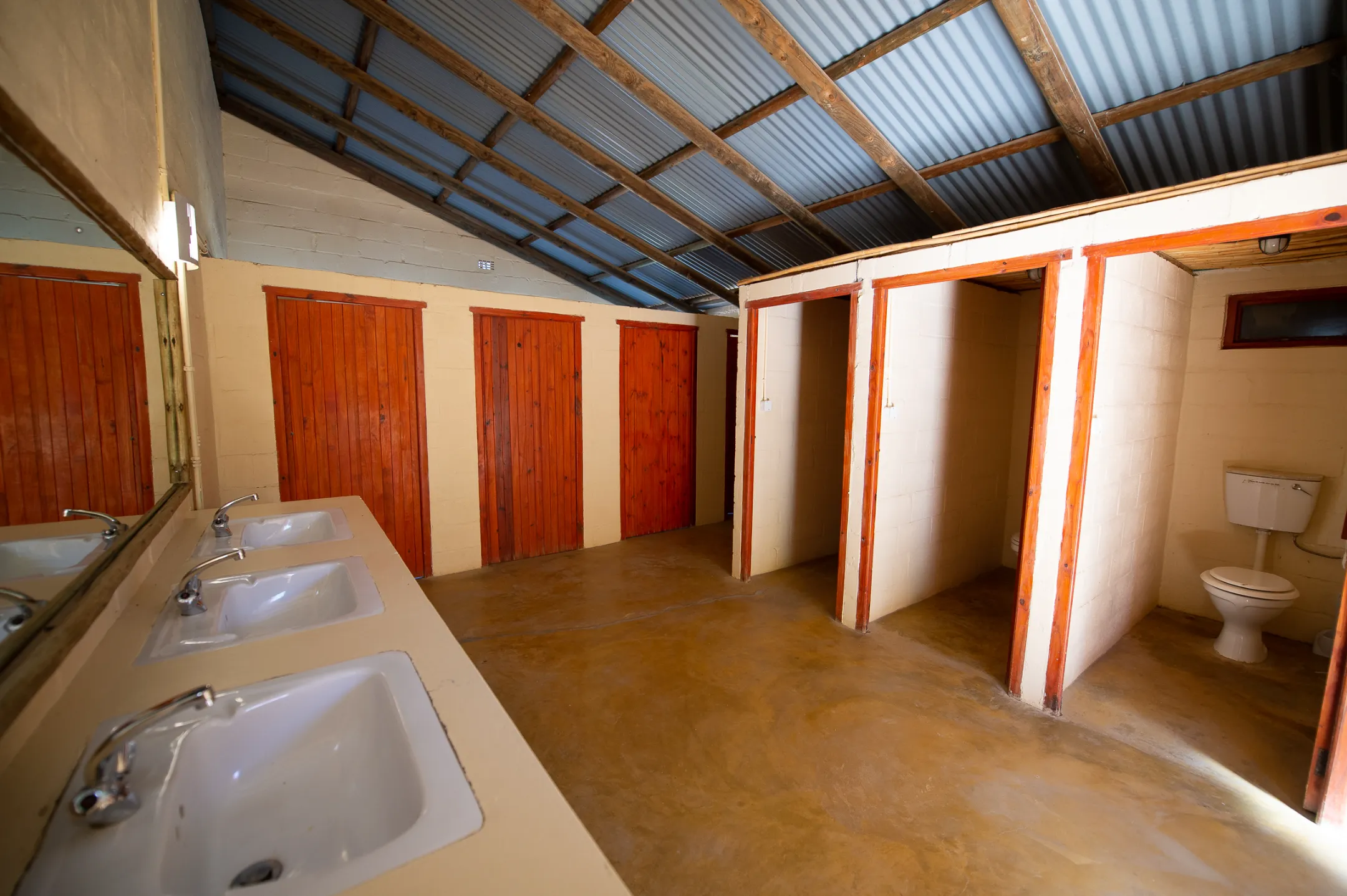
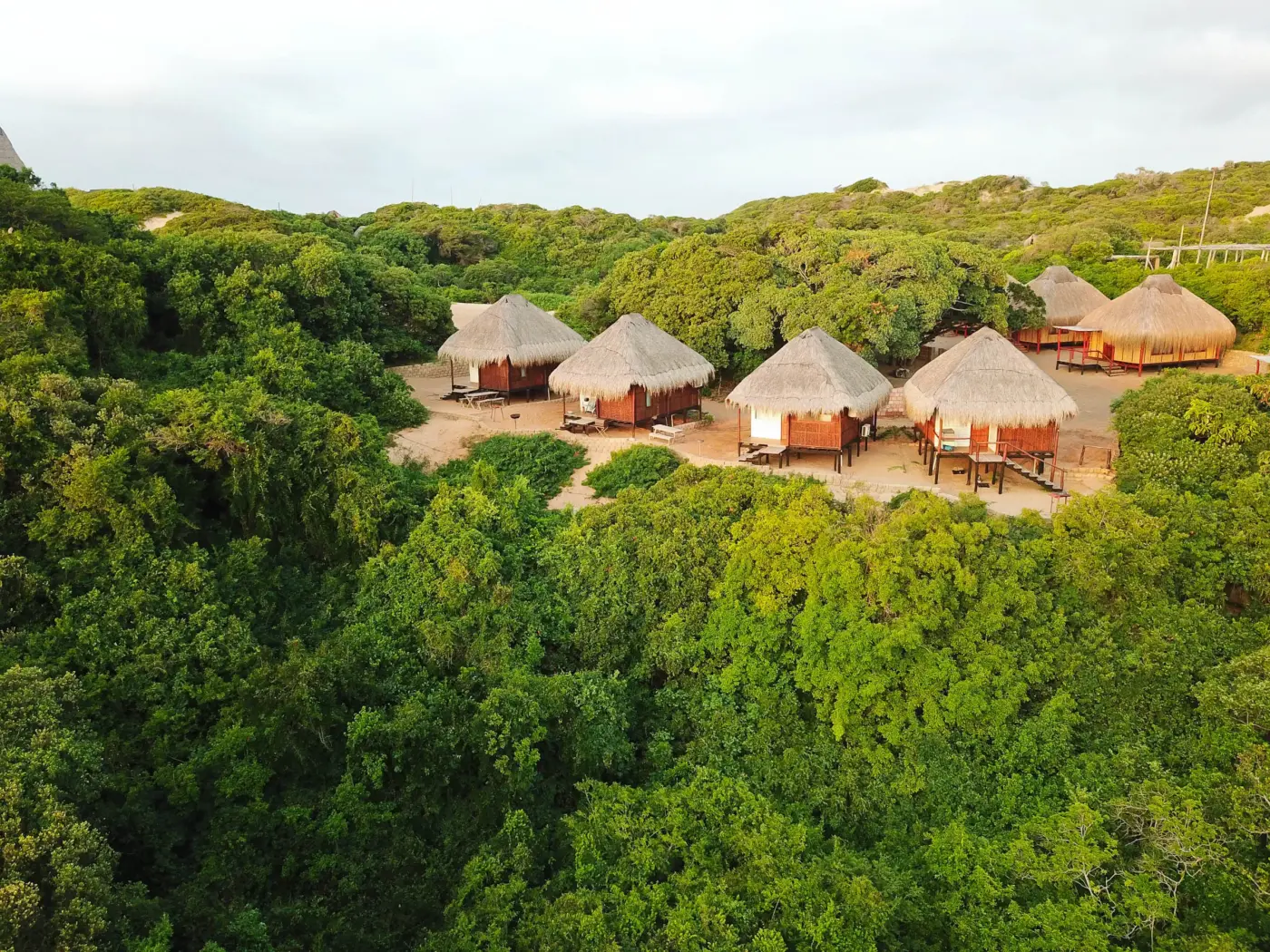
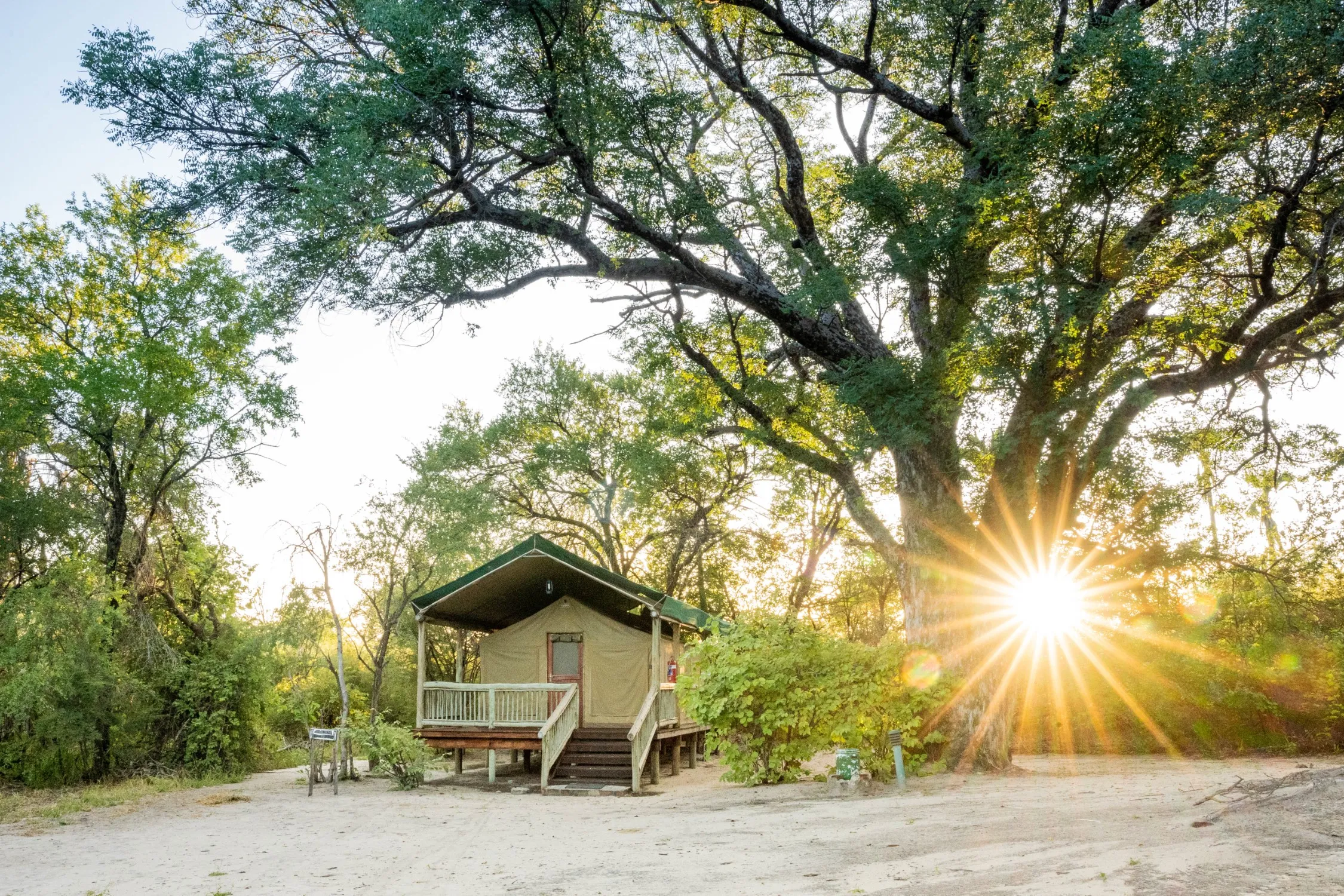
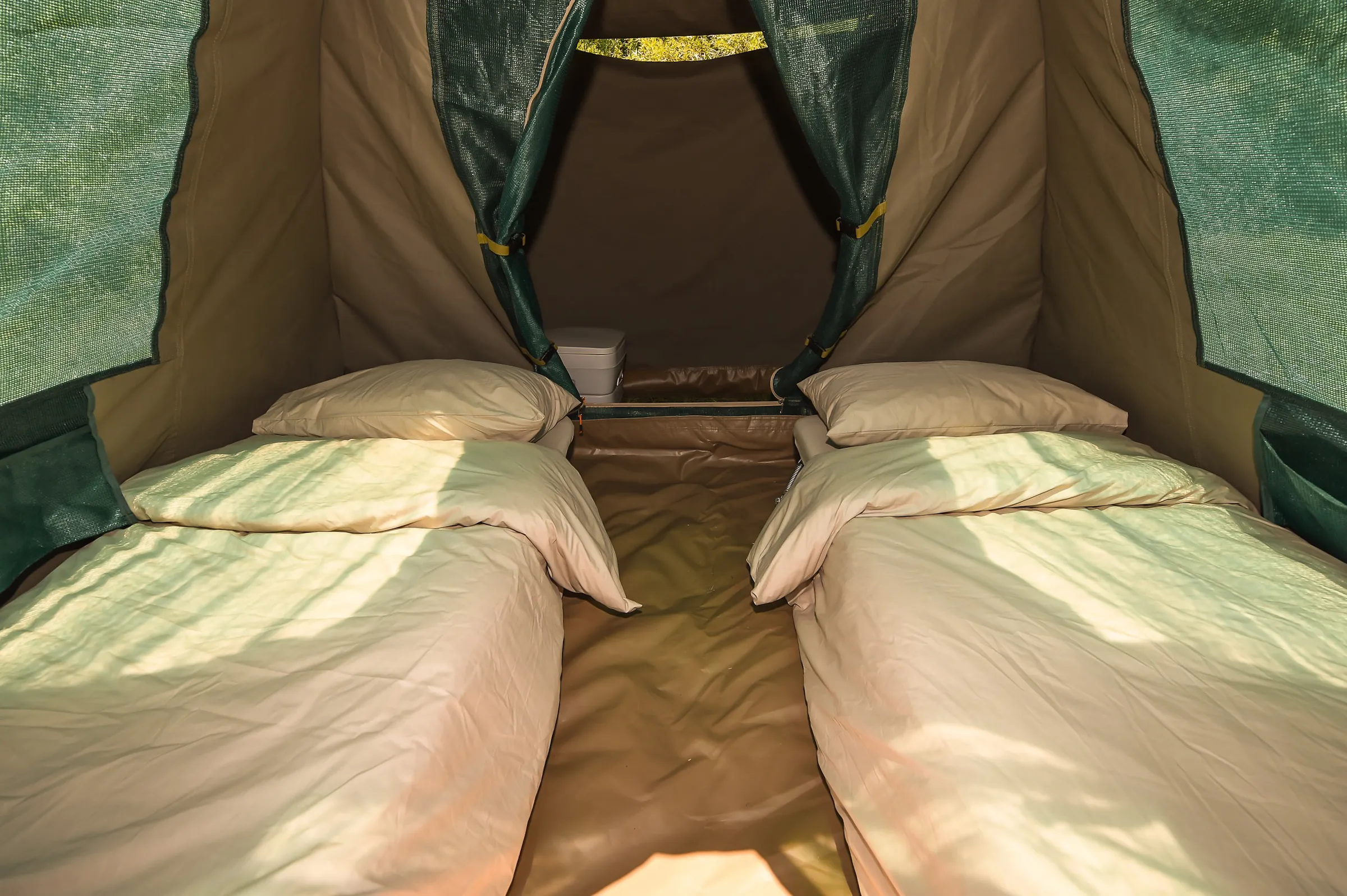
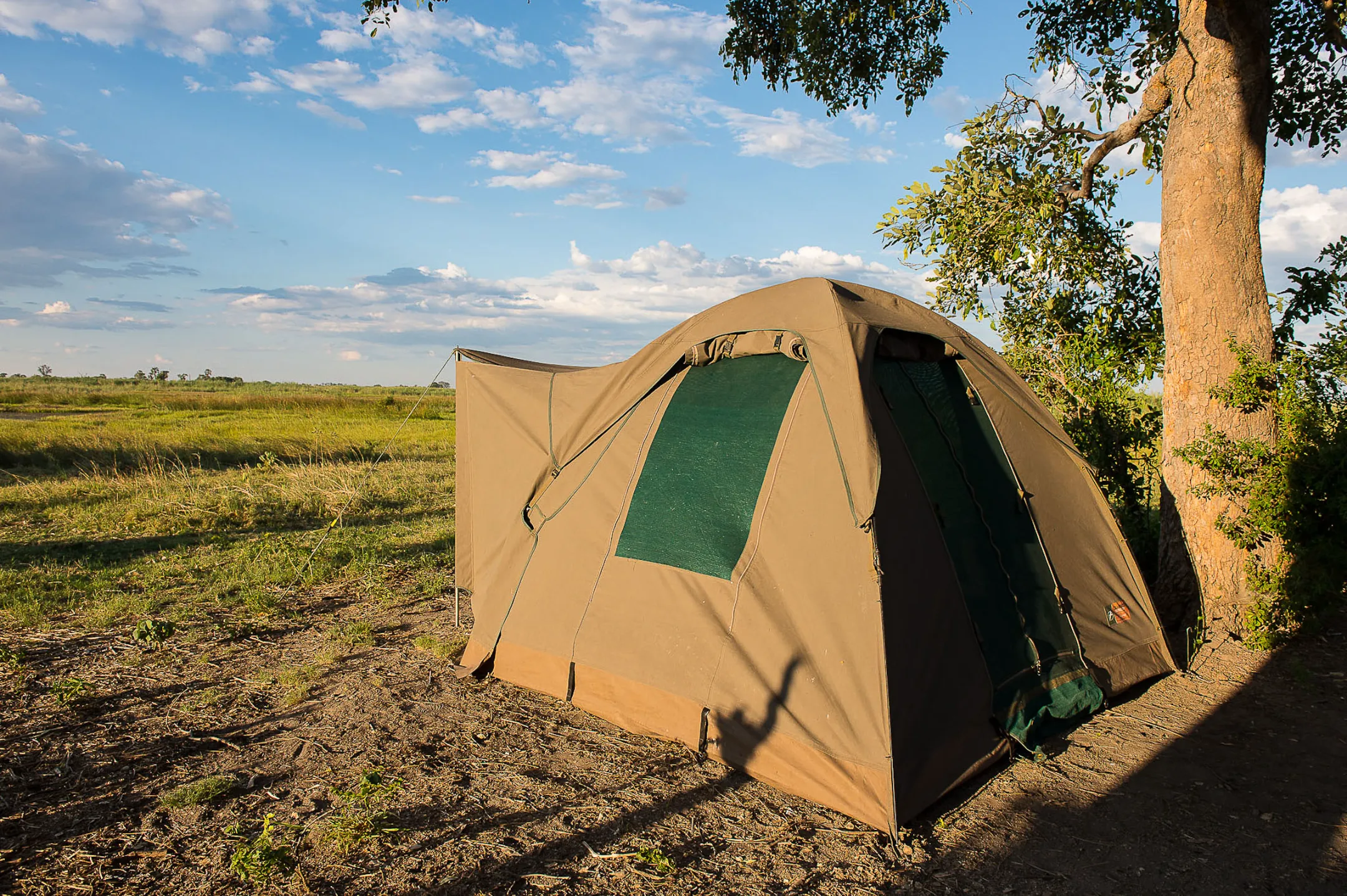
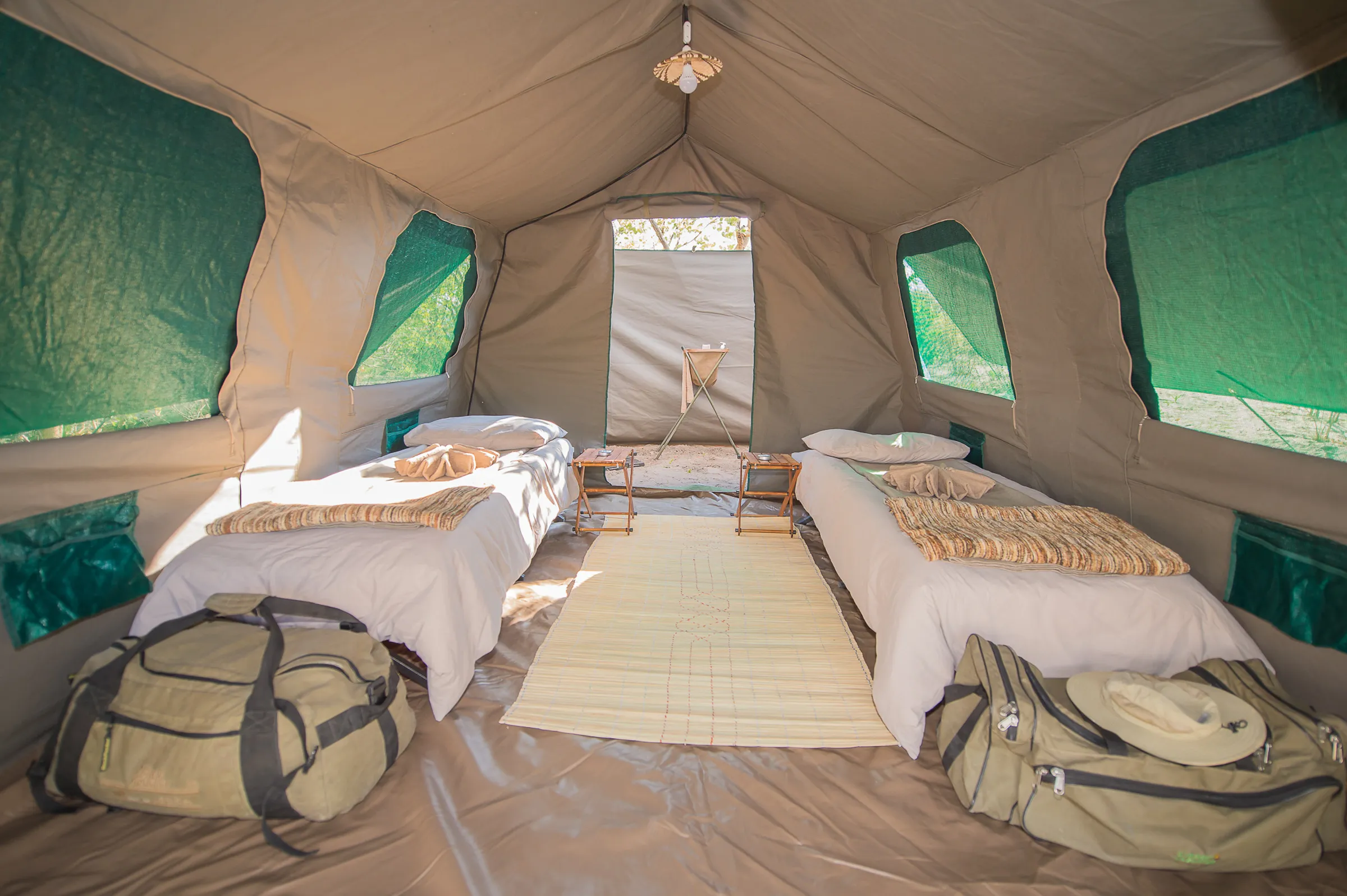
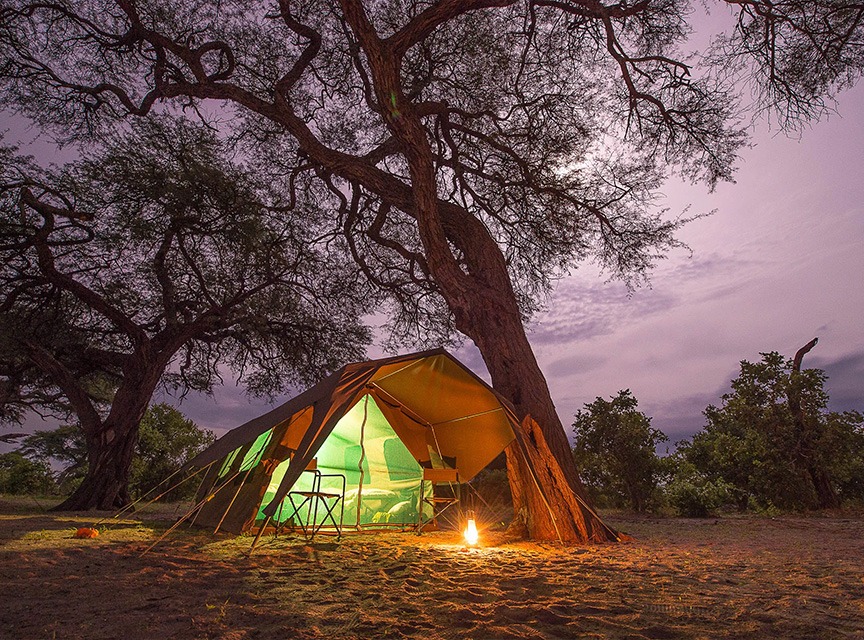
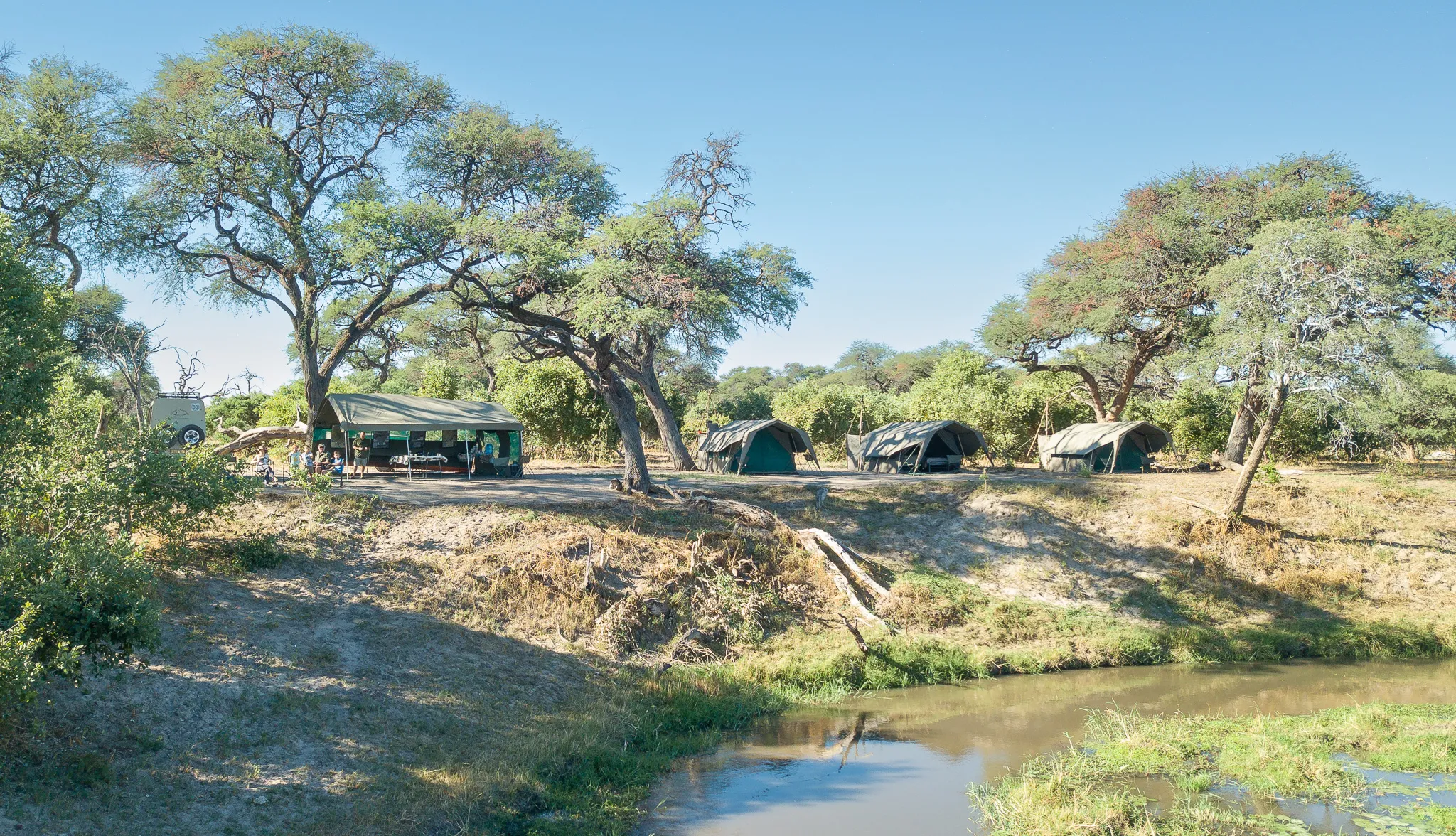
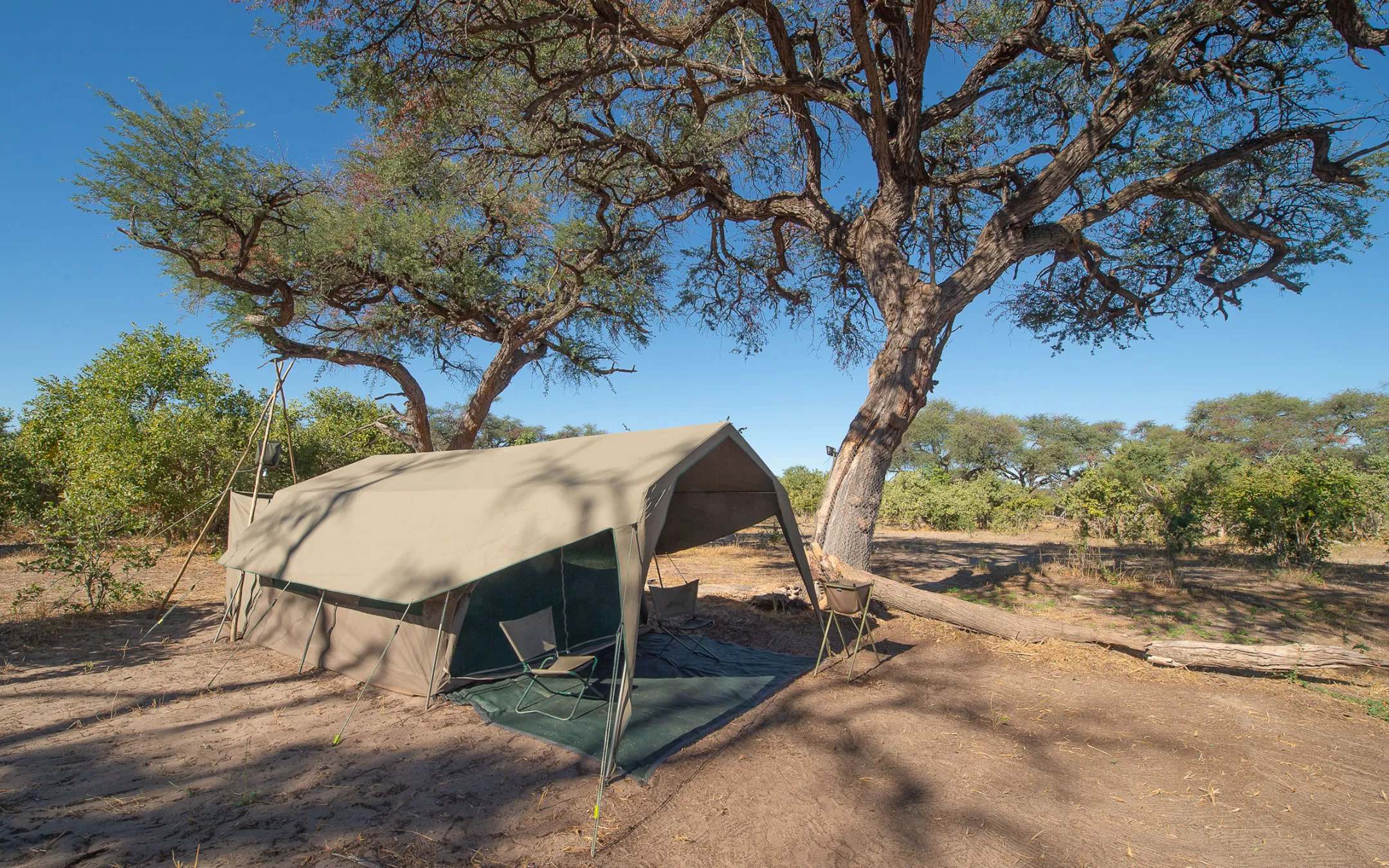
11 nights participation camping with hot showers. Sunway provides mats and chairs with backrests. Tents are large and easy to erect.
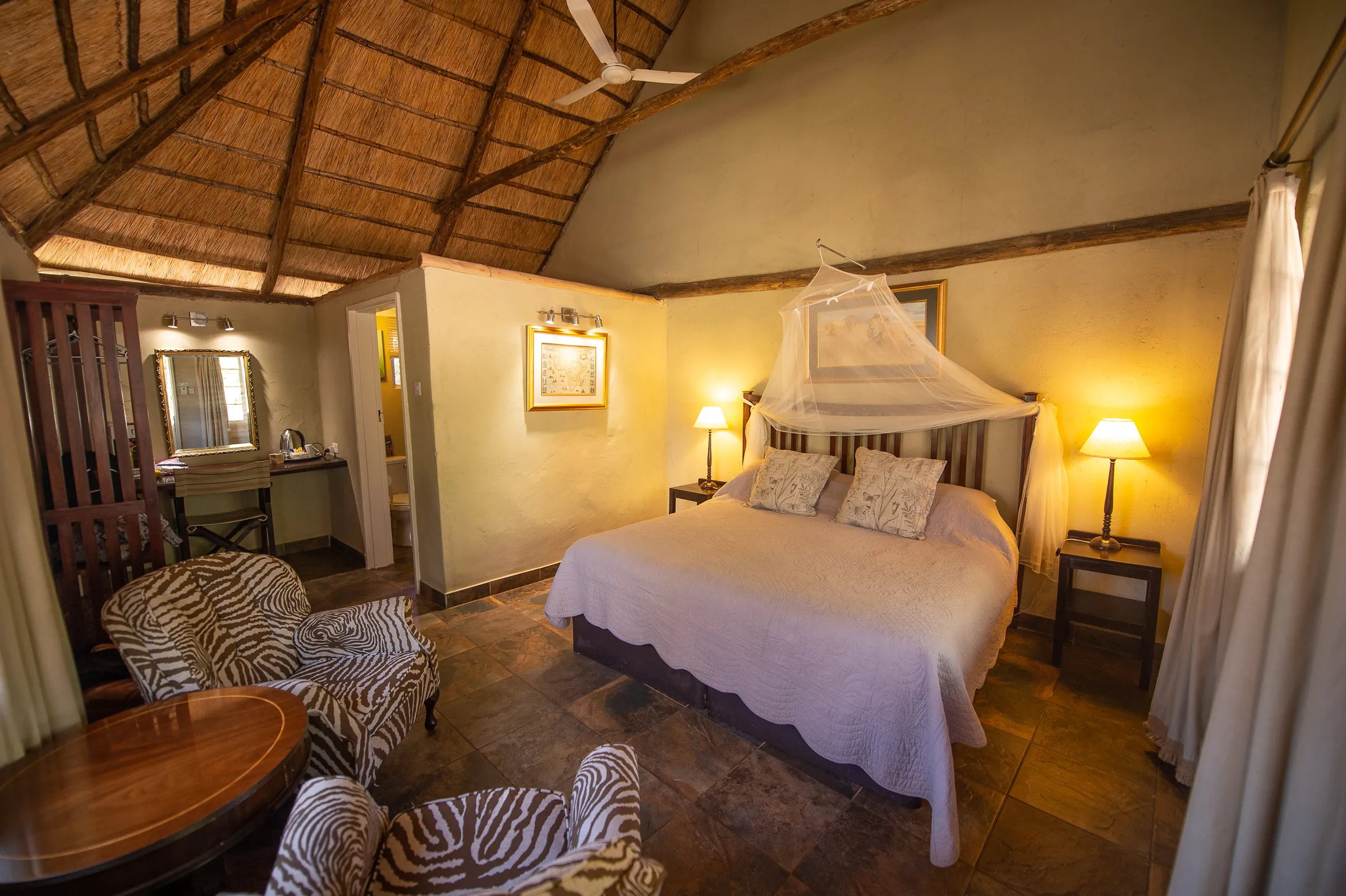
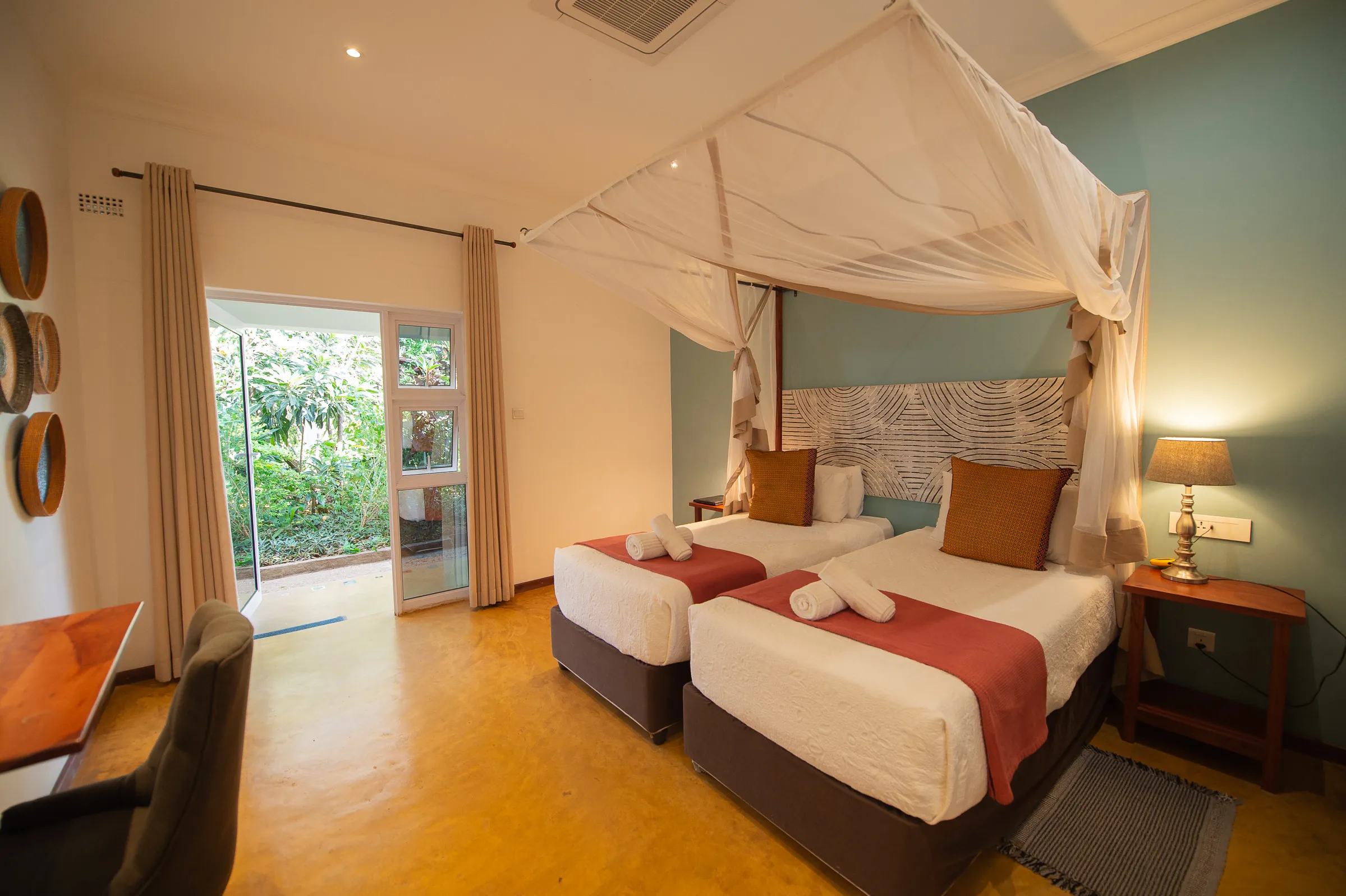
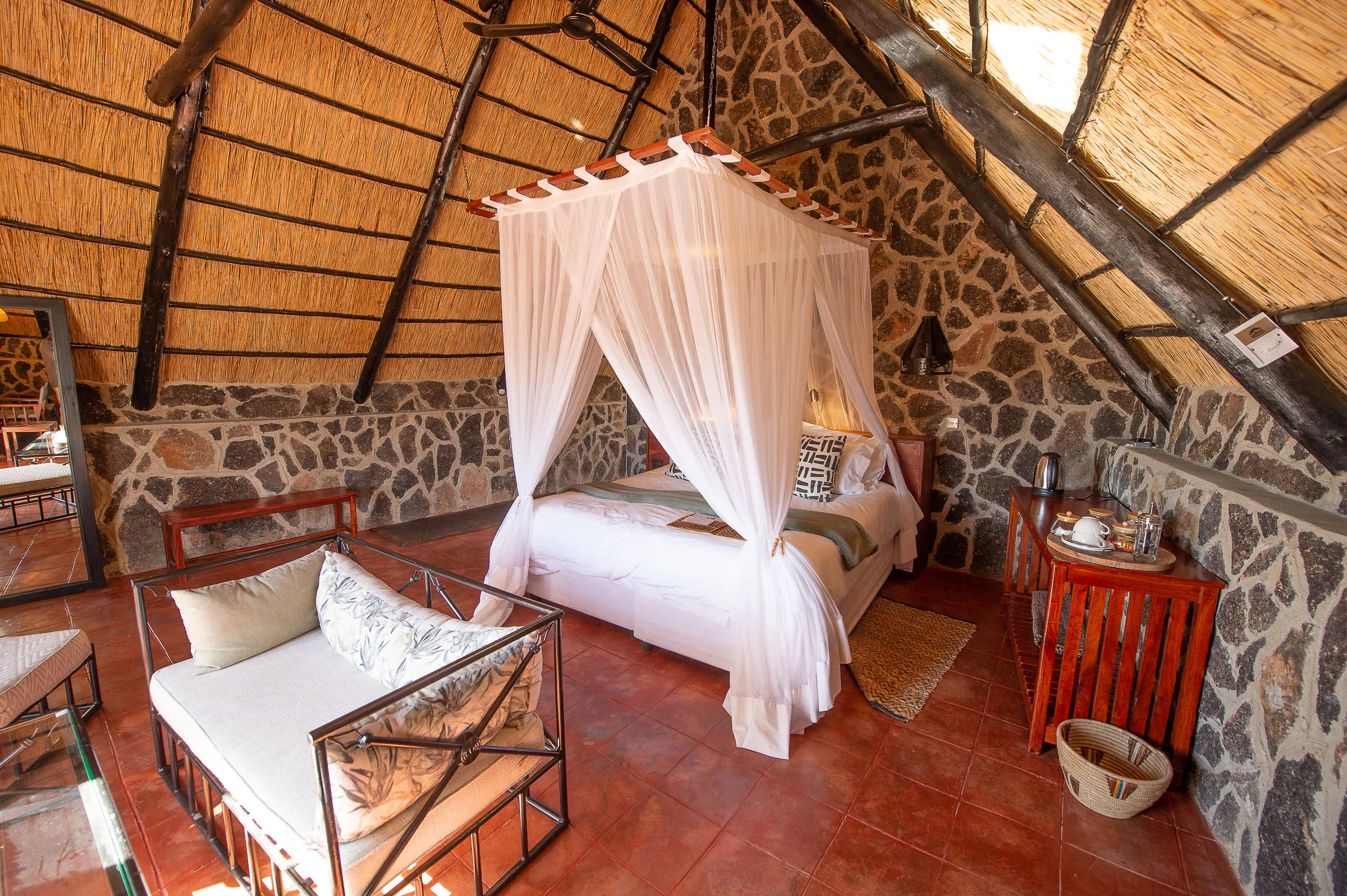
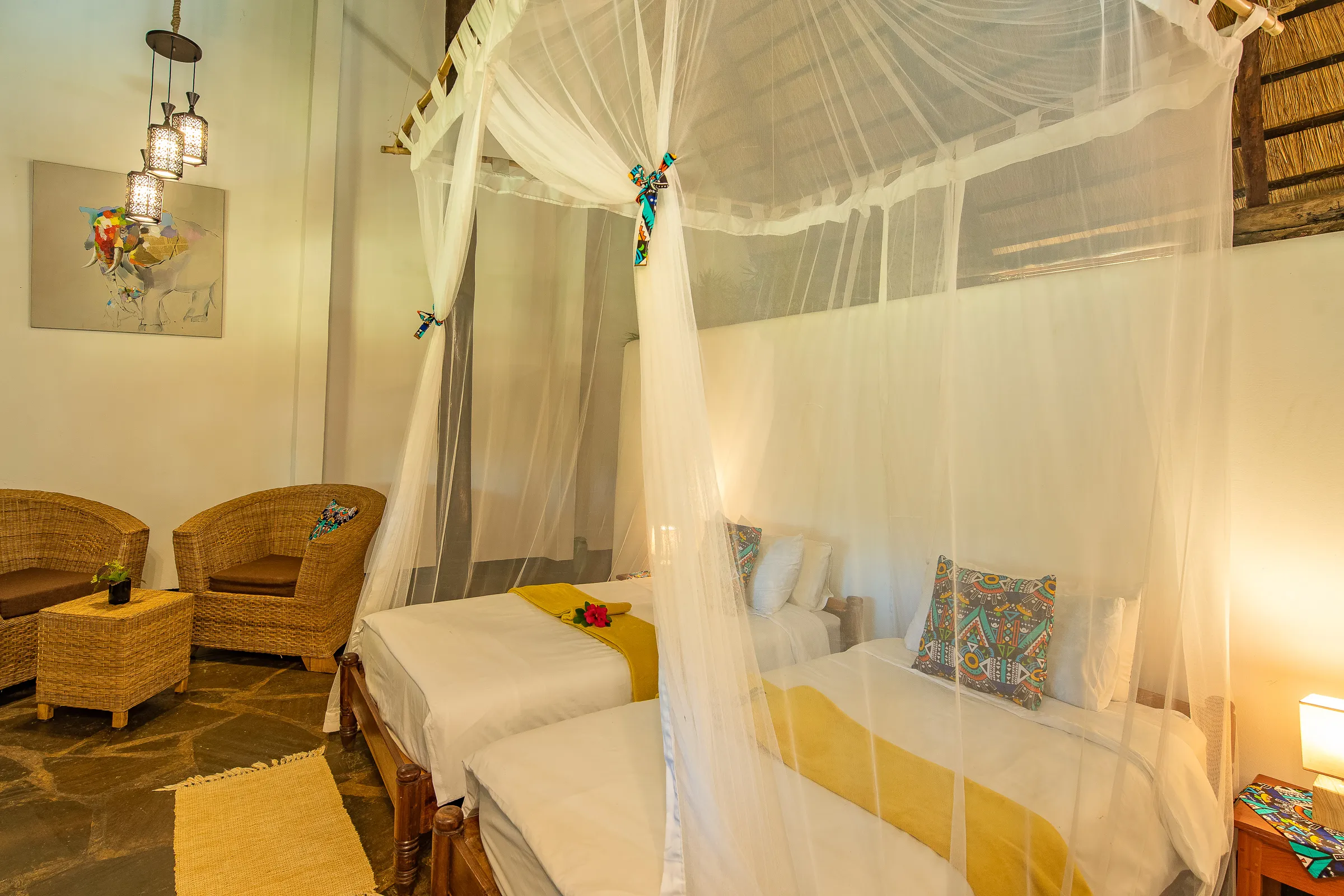
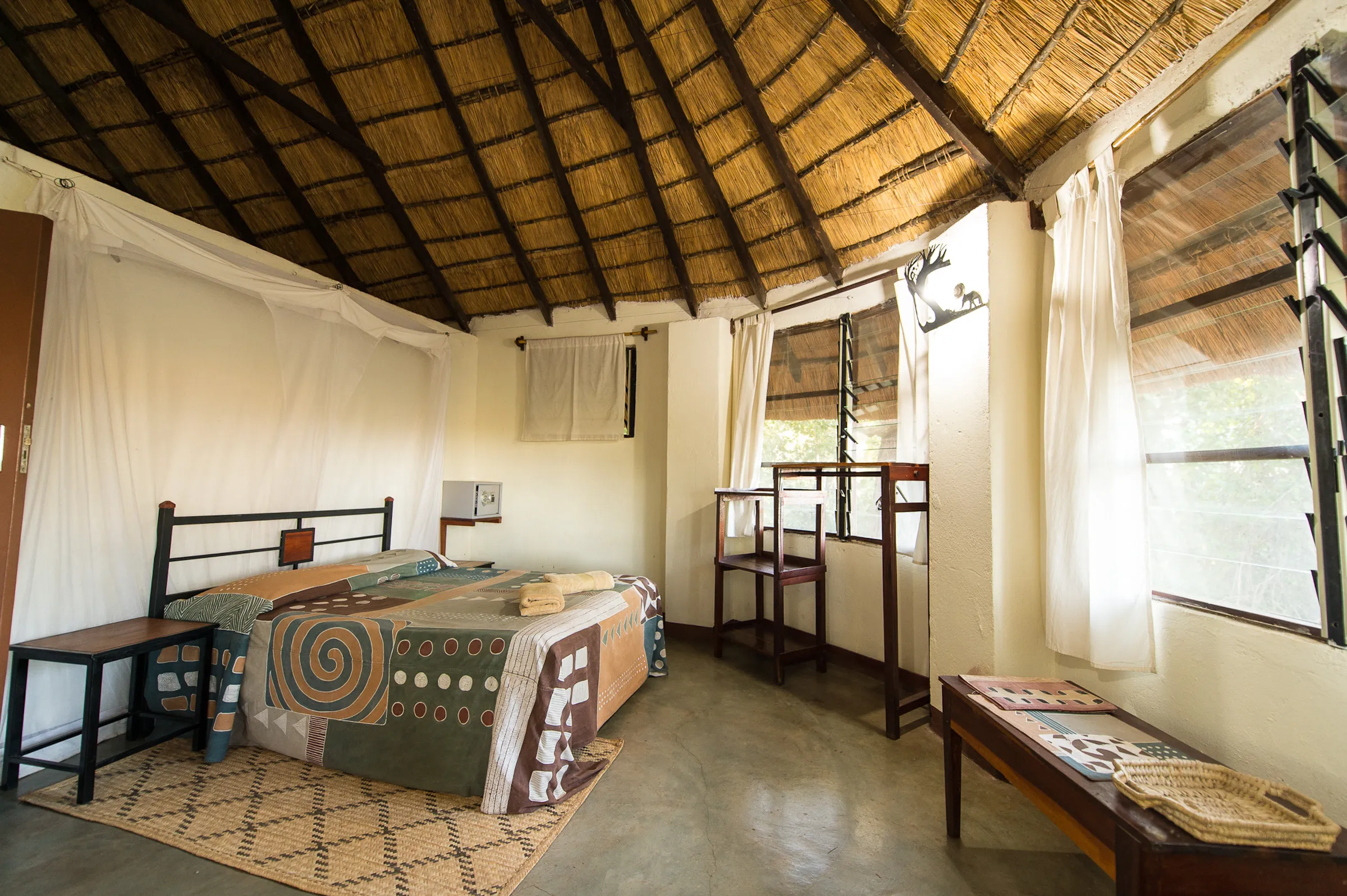
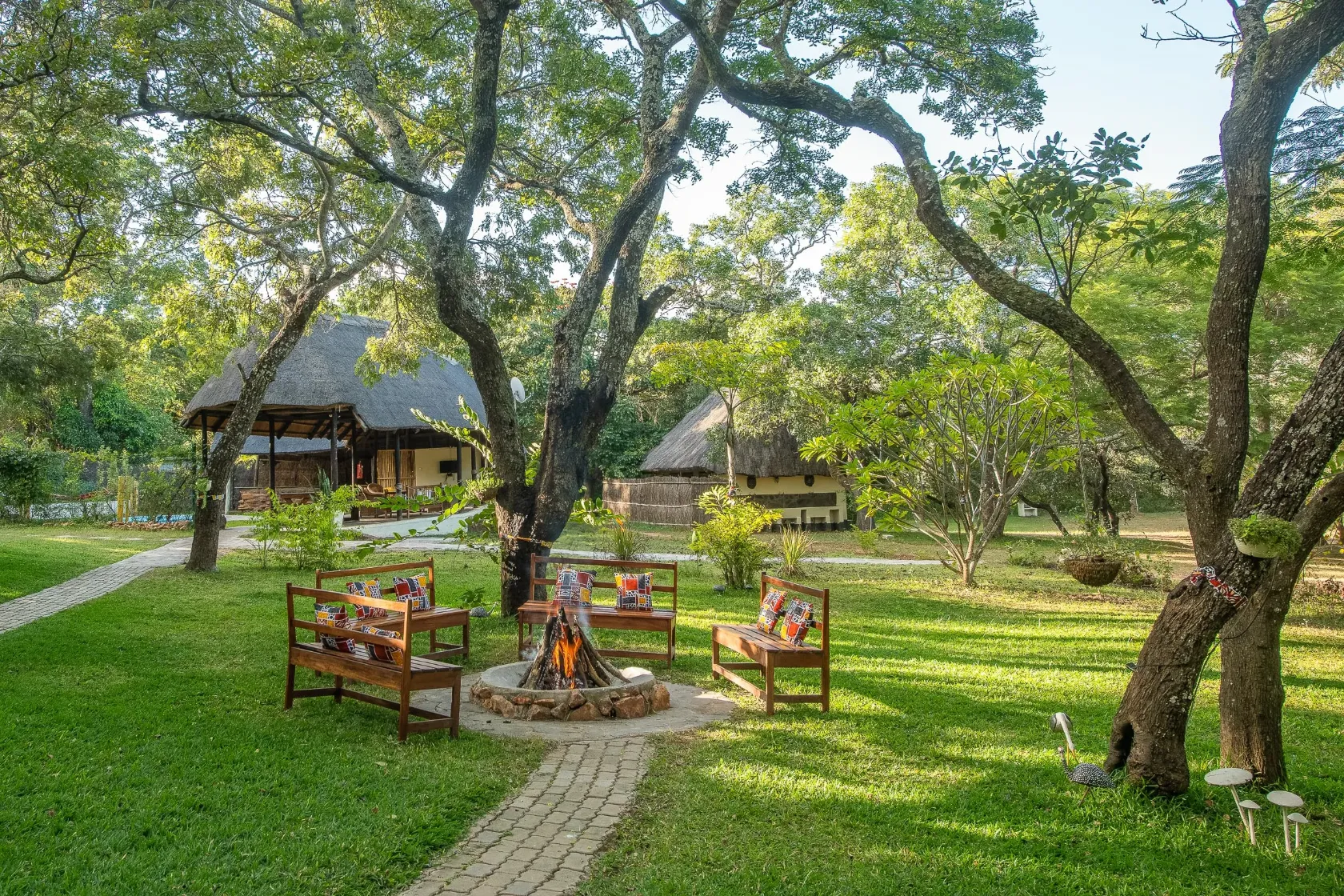
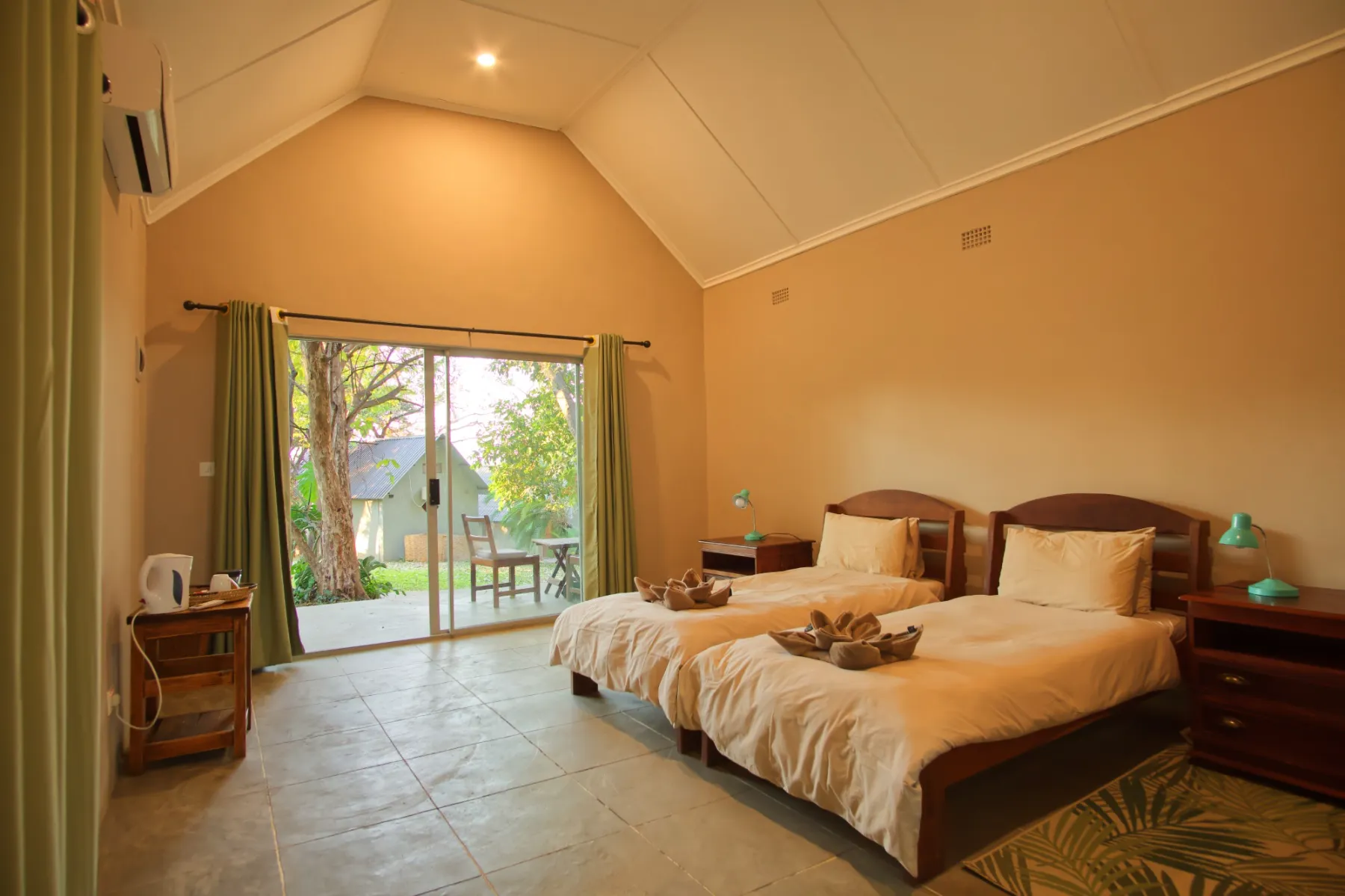
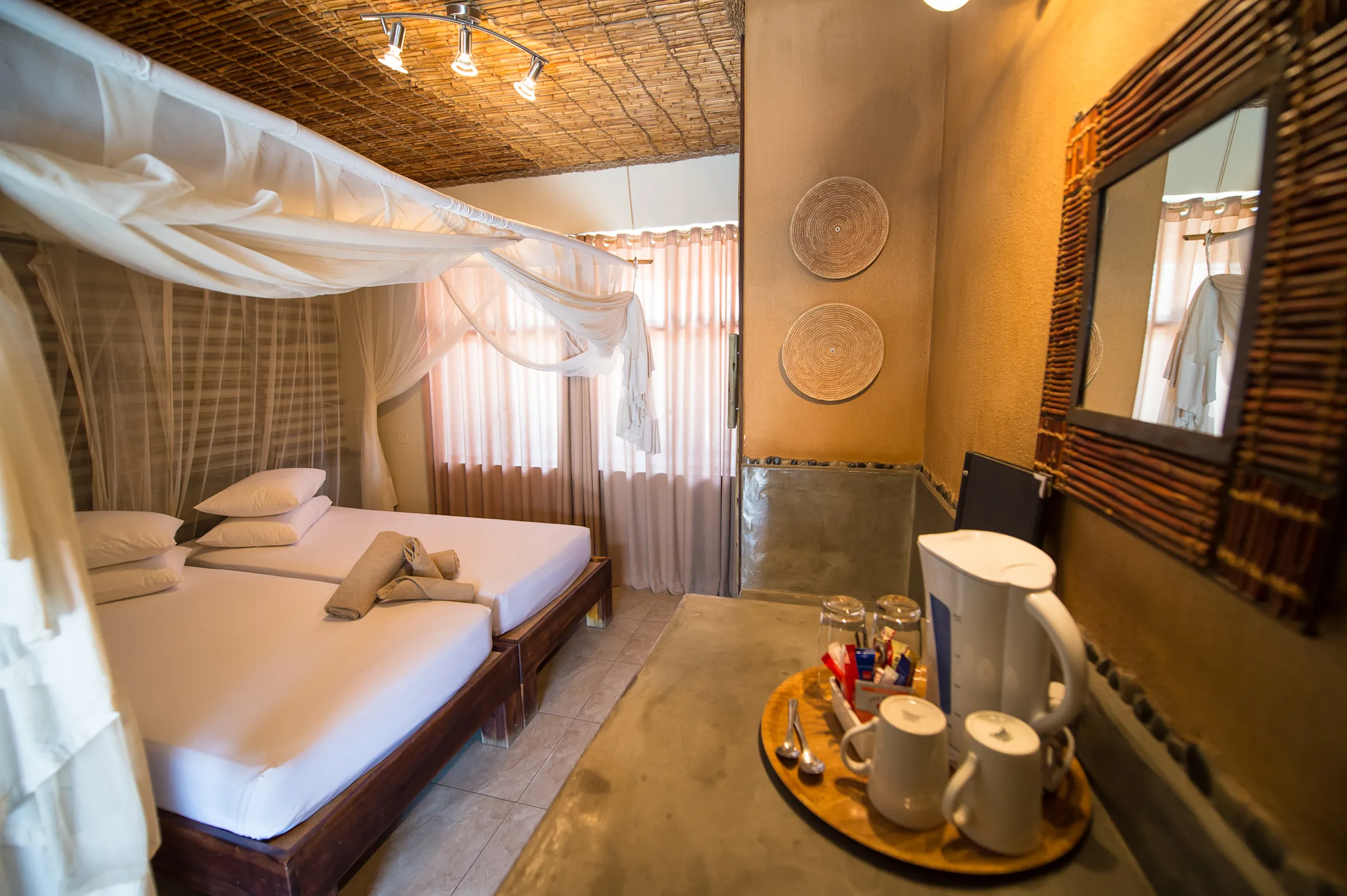
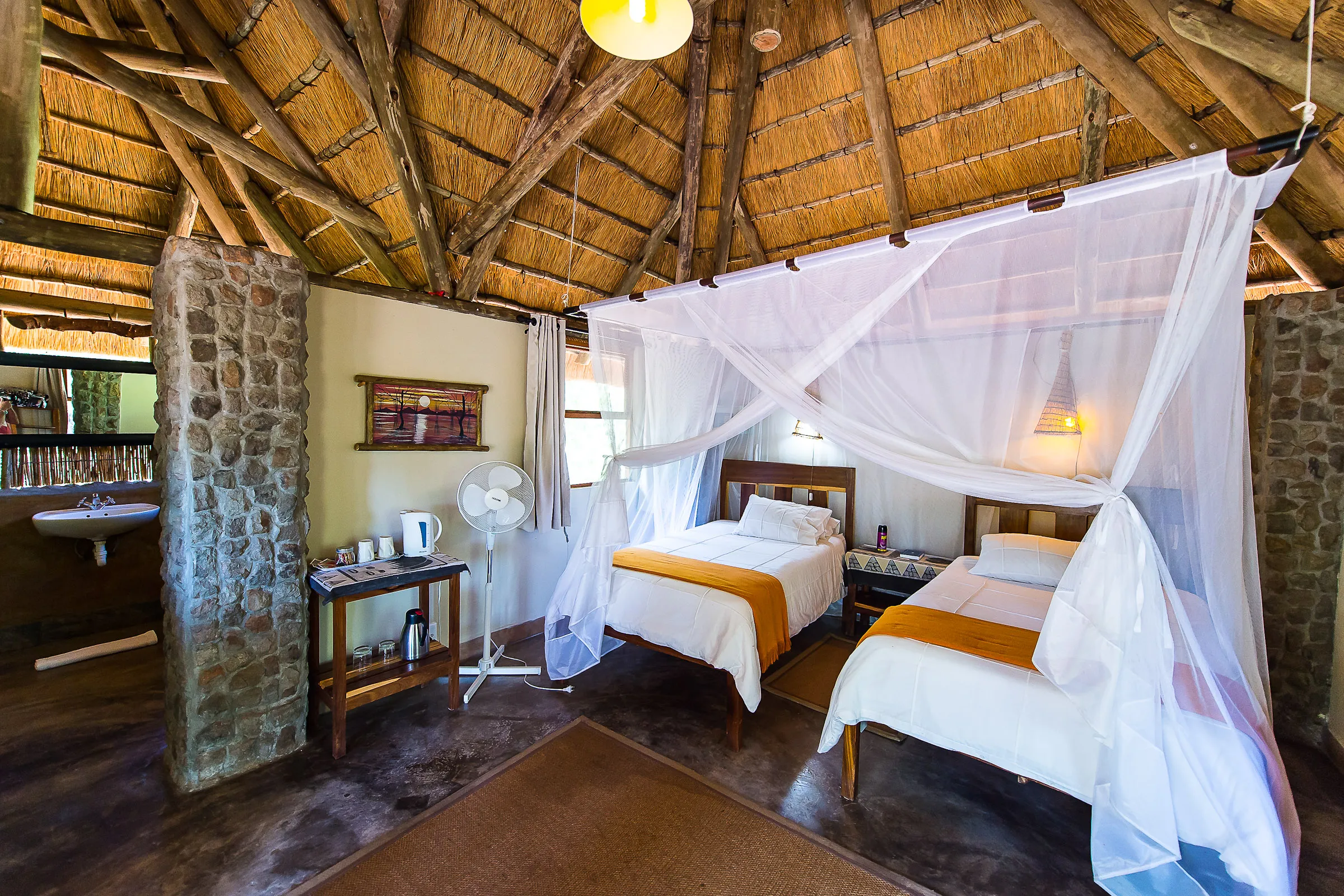
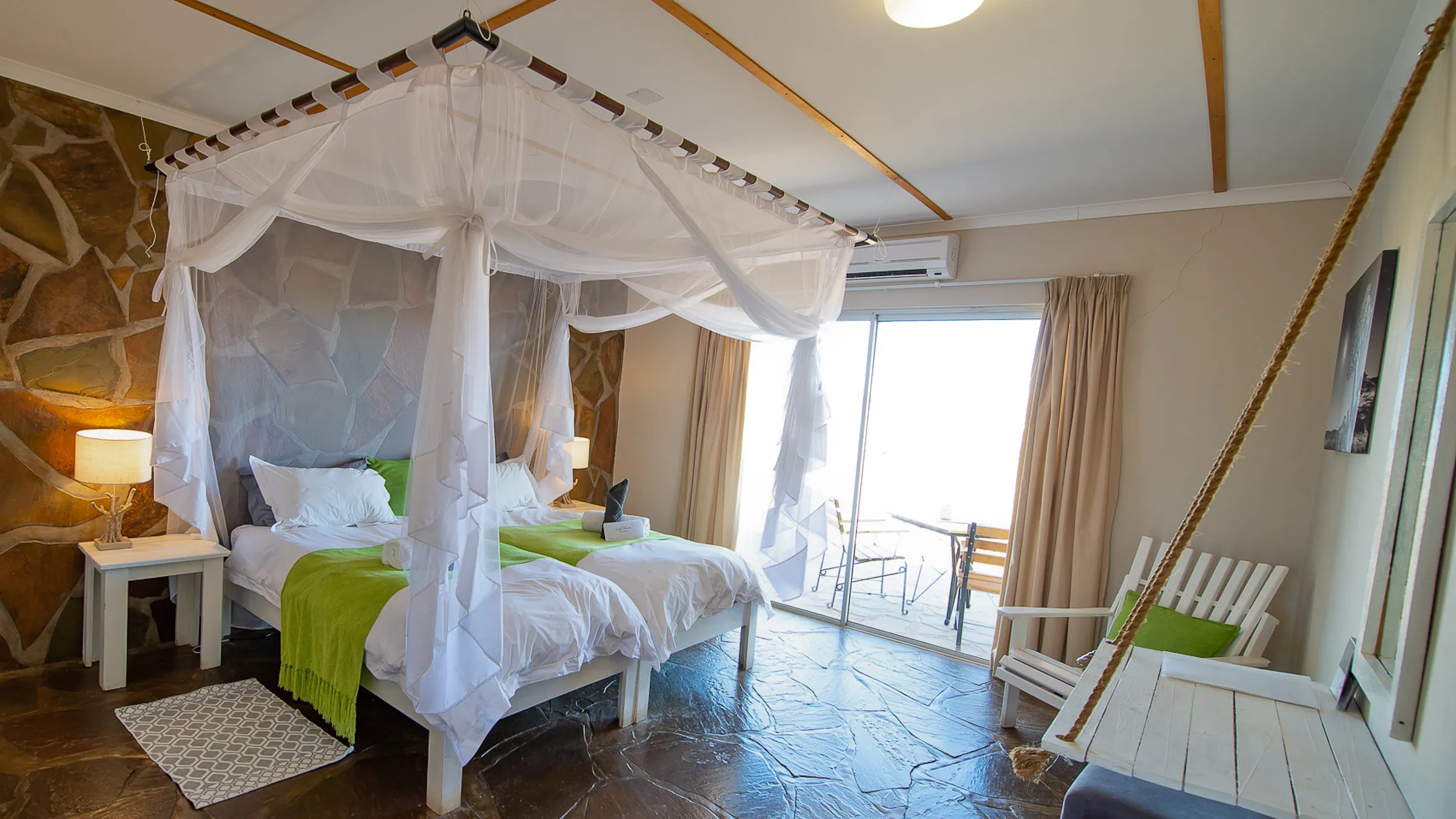
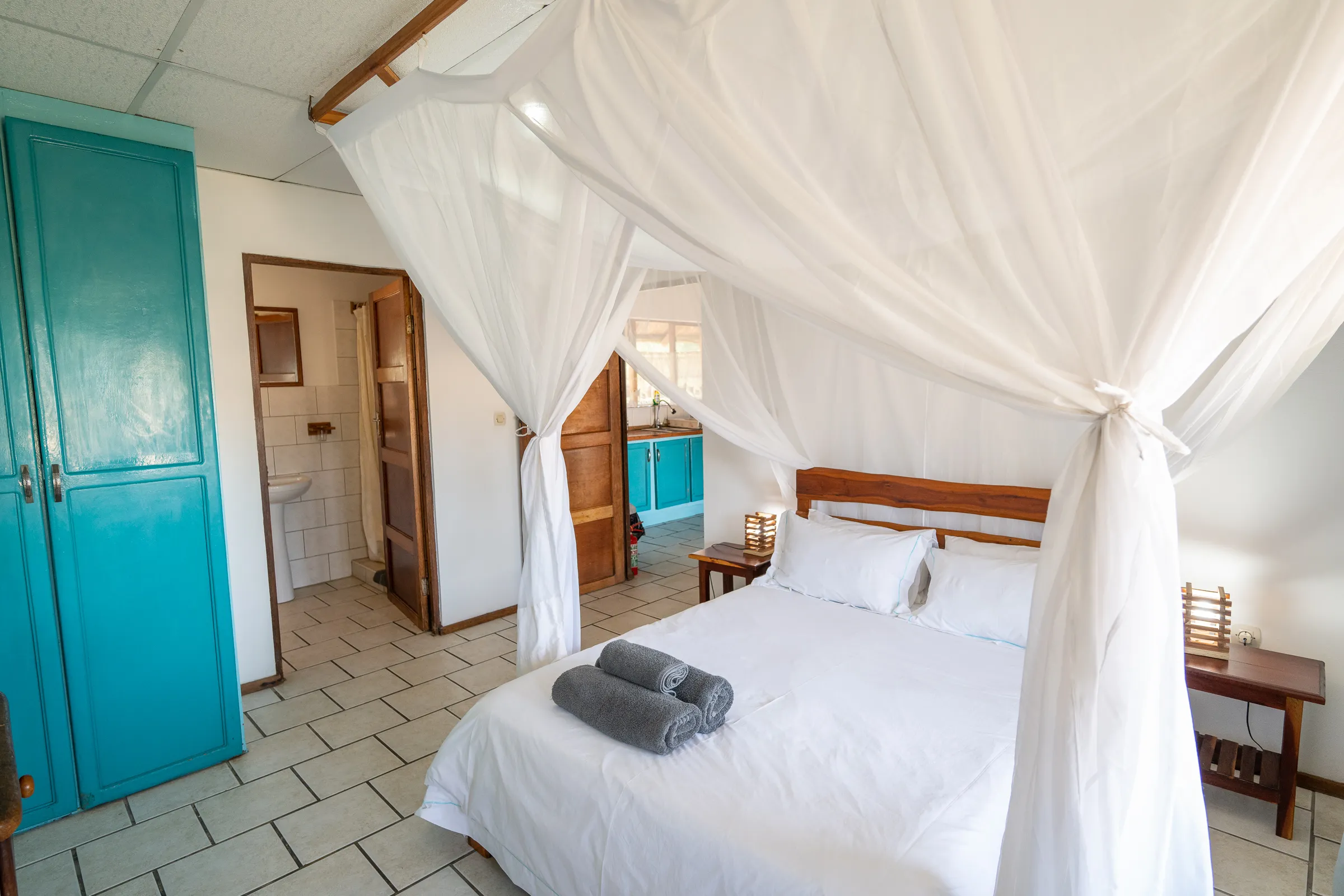
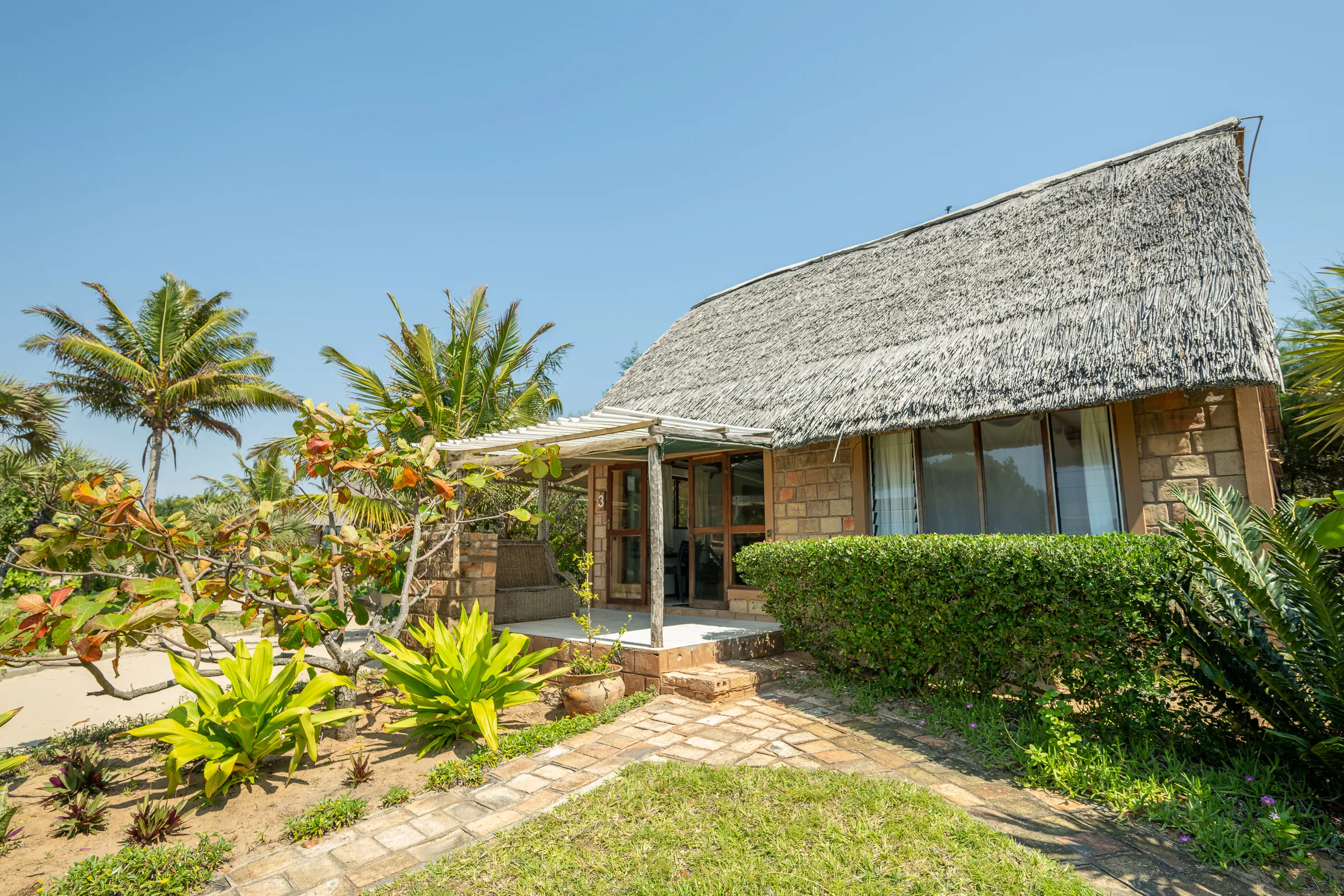
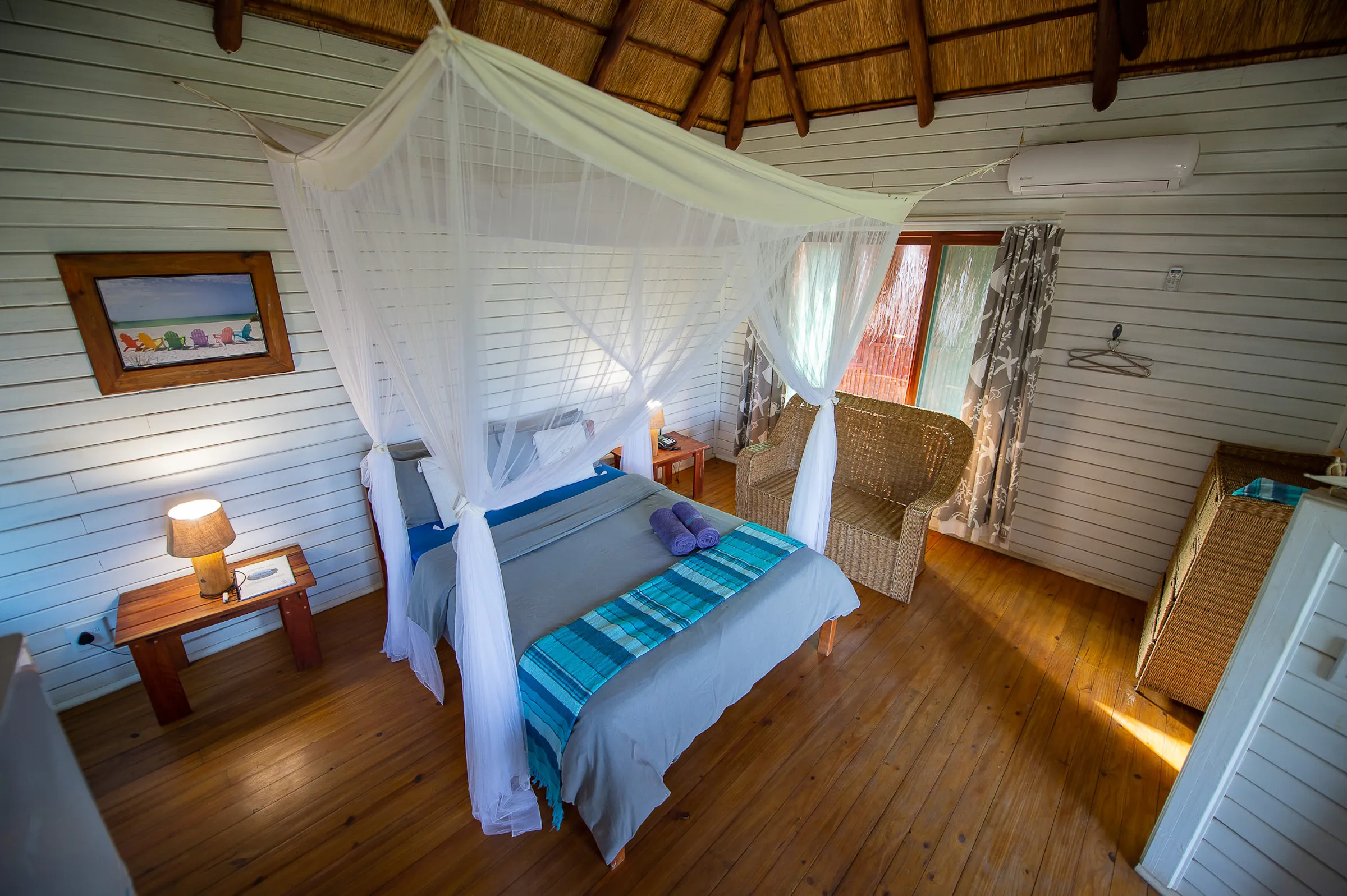
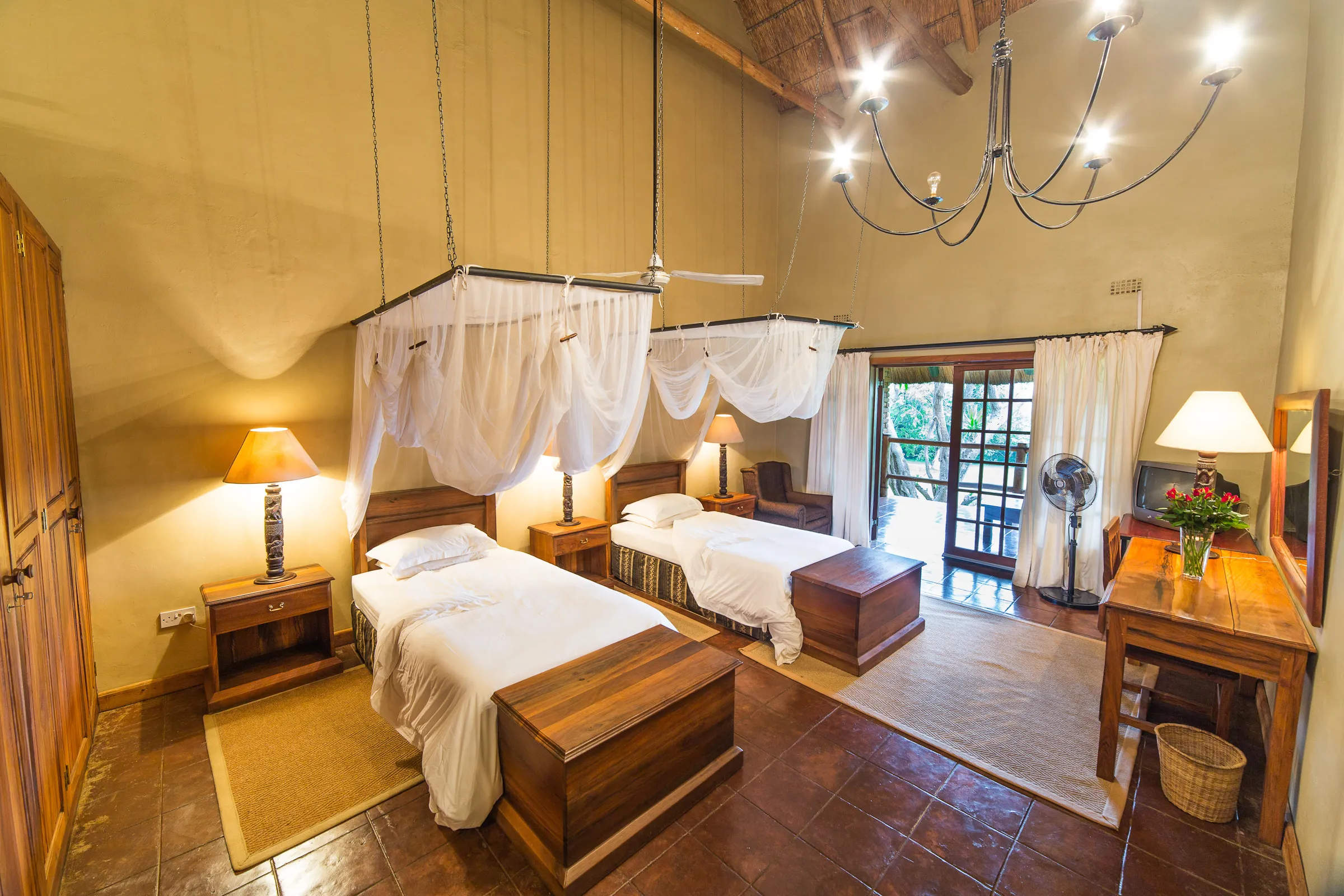
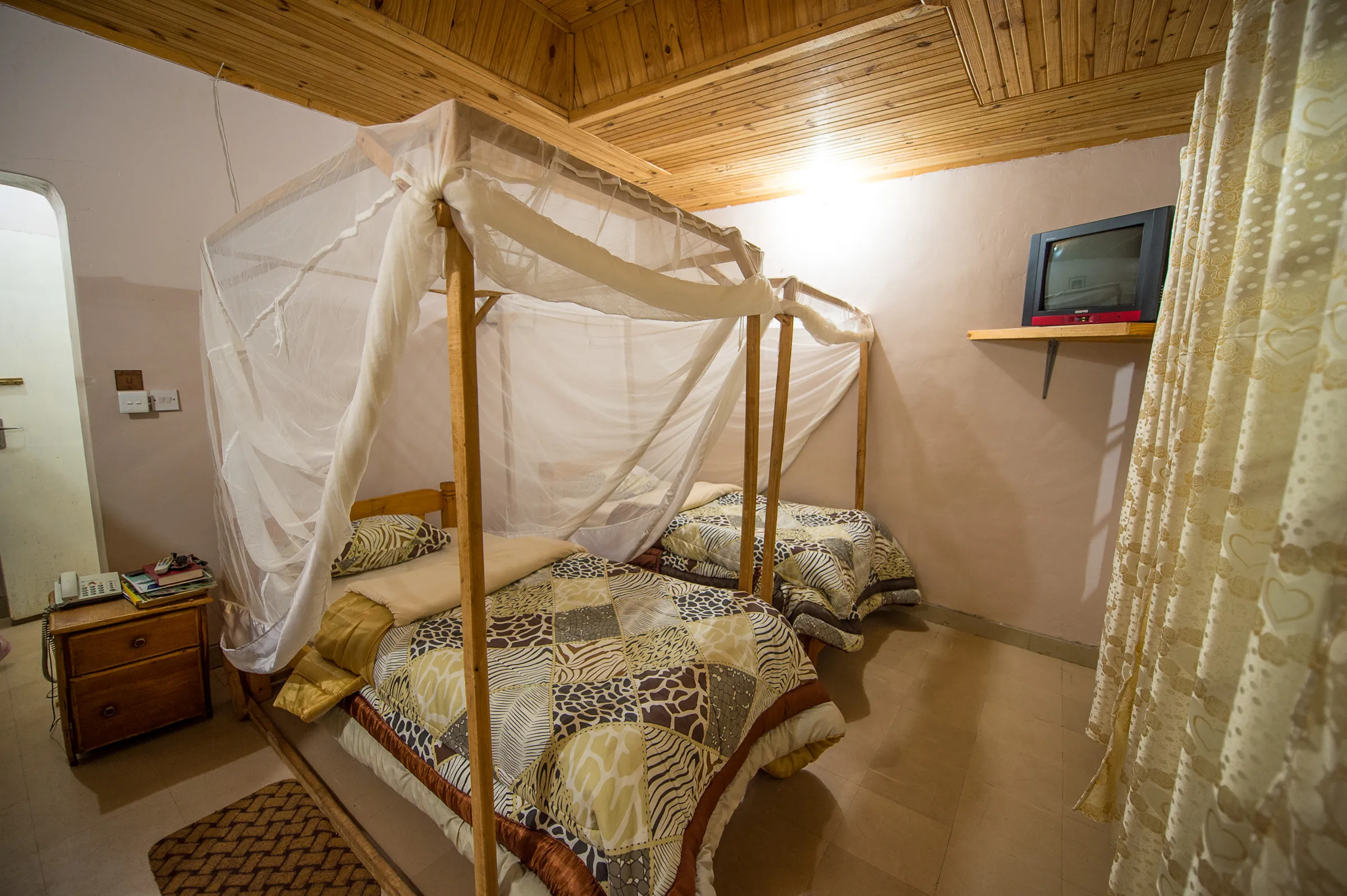
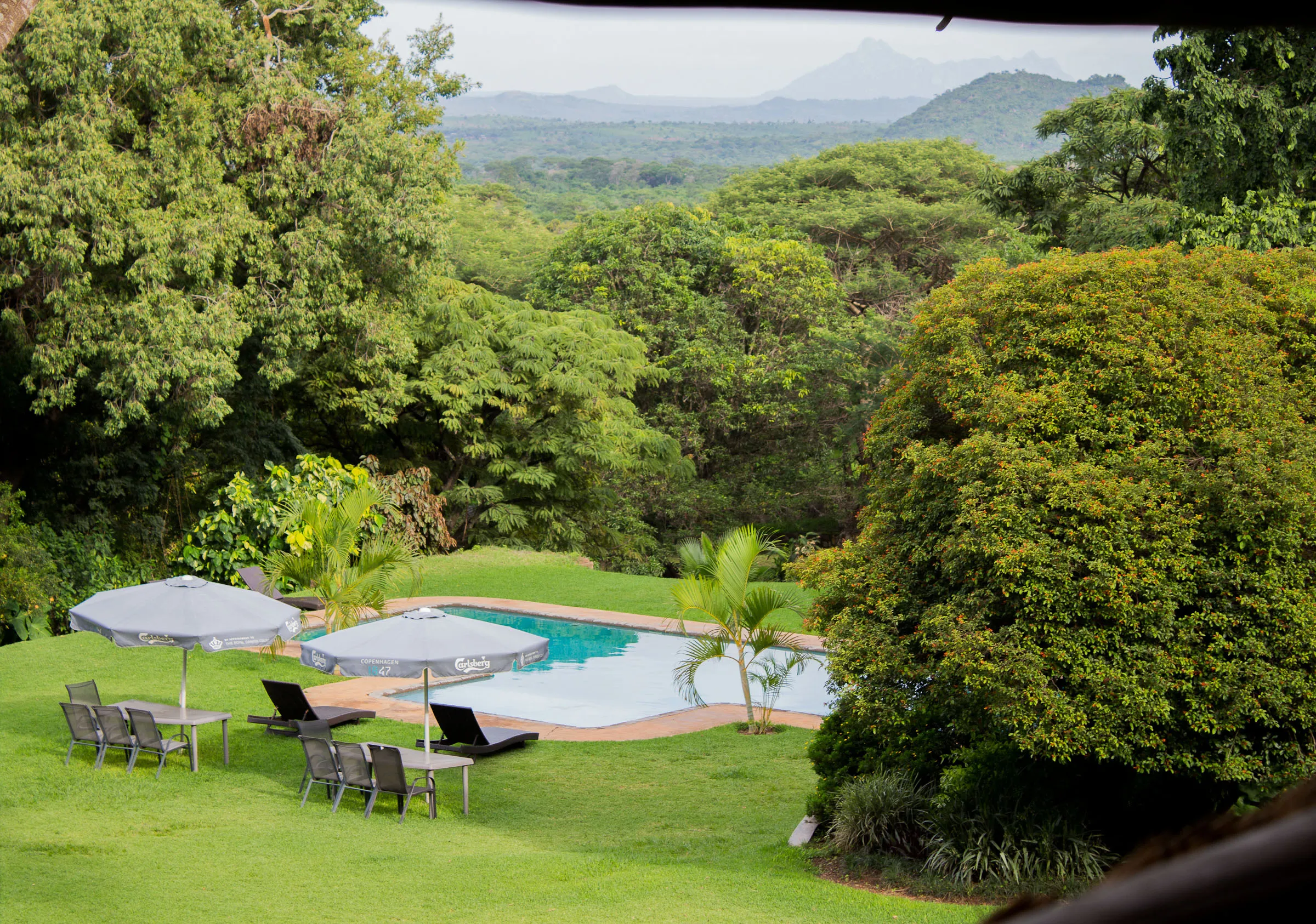
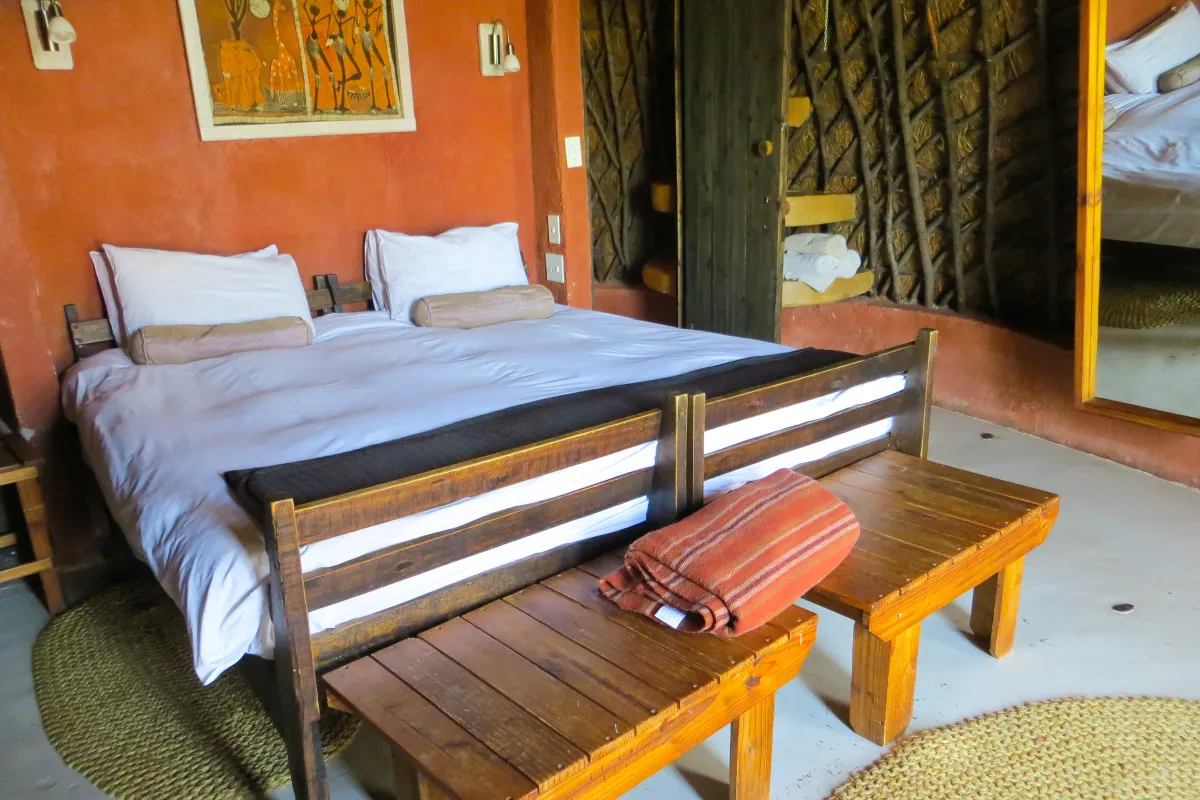
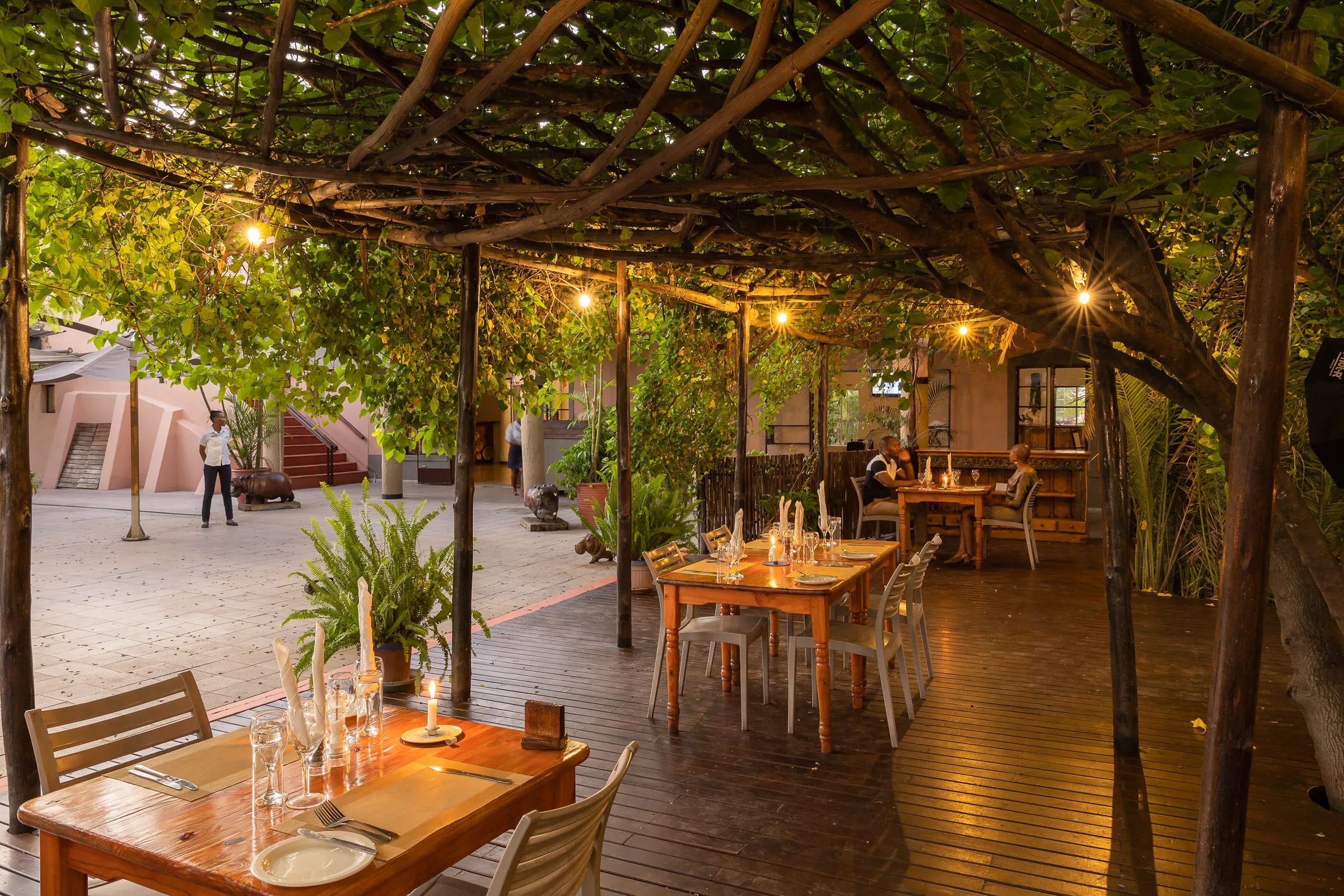
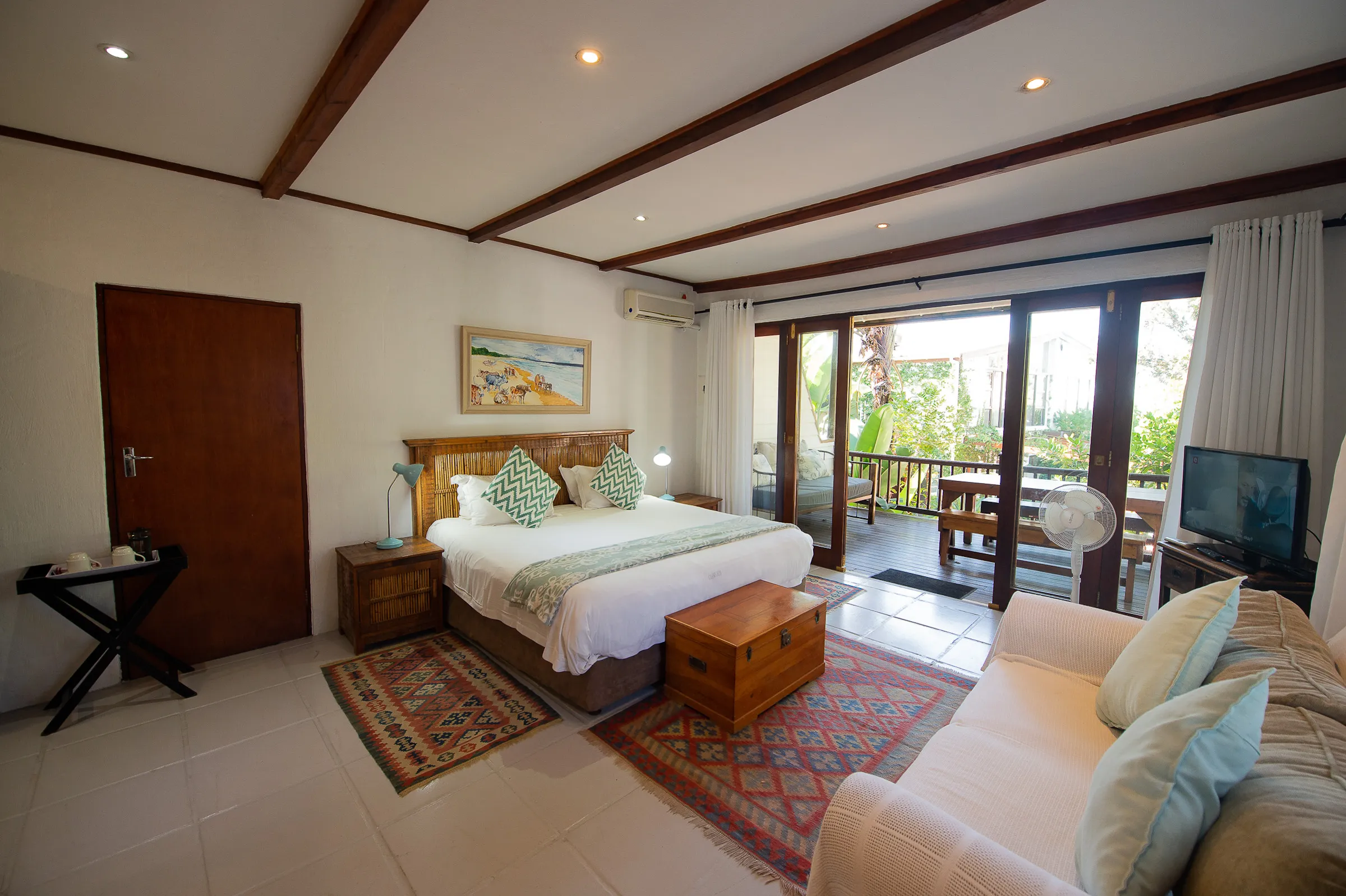
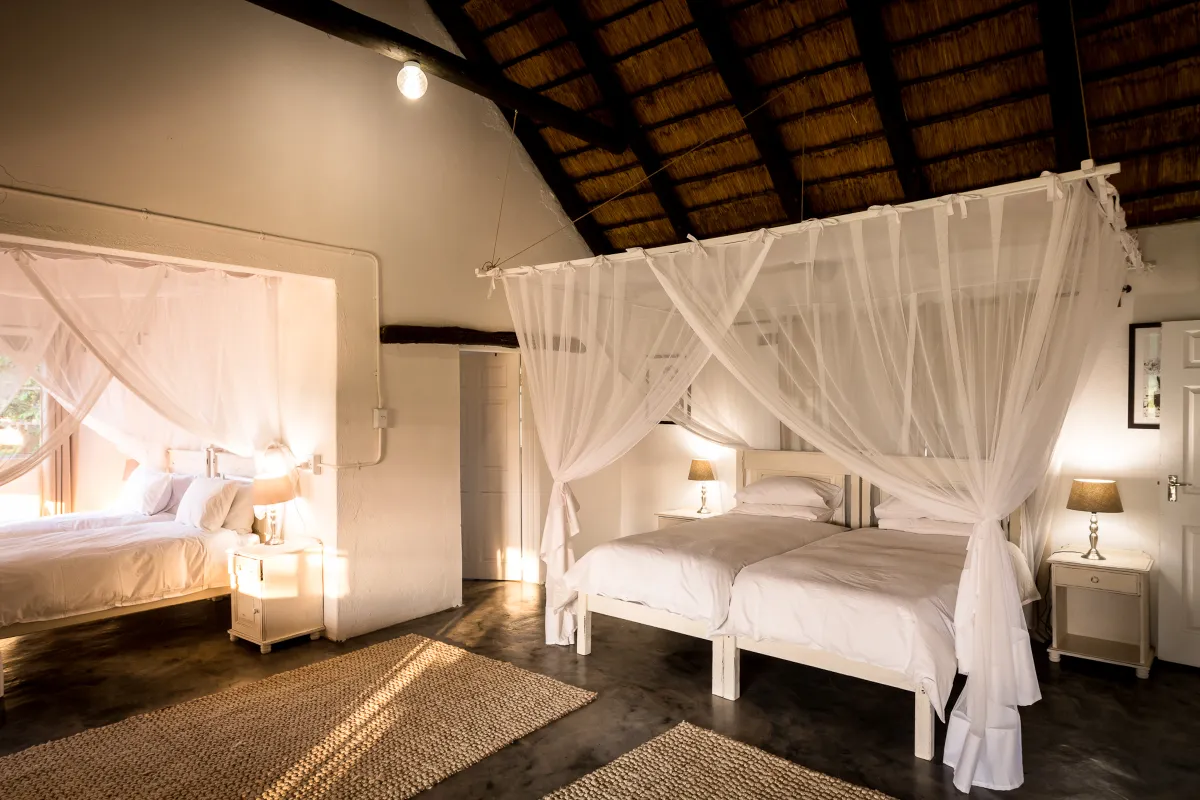
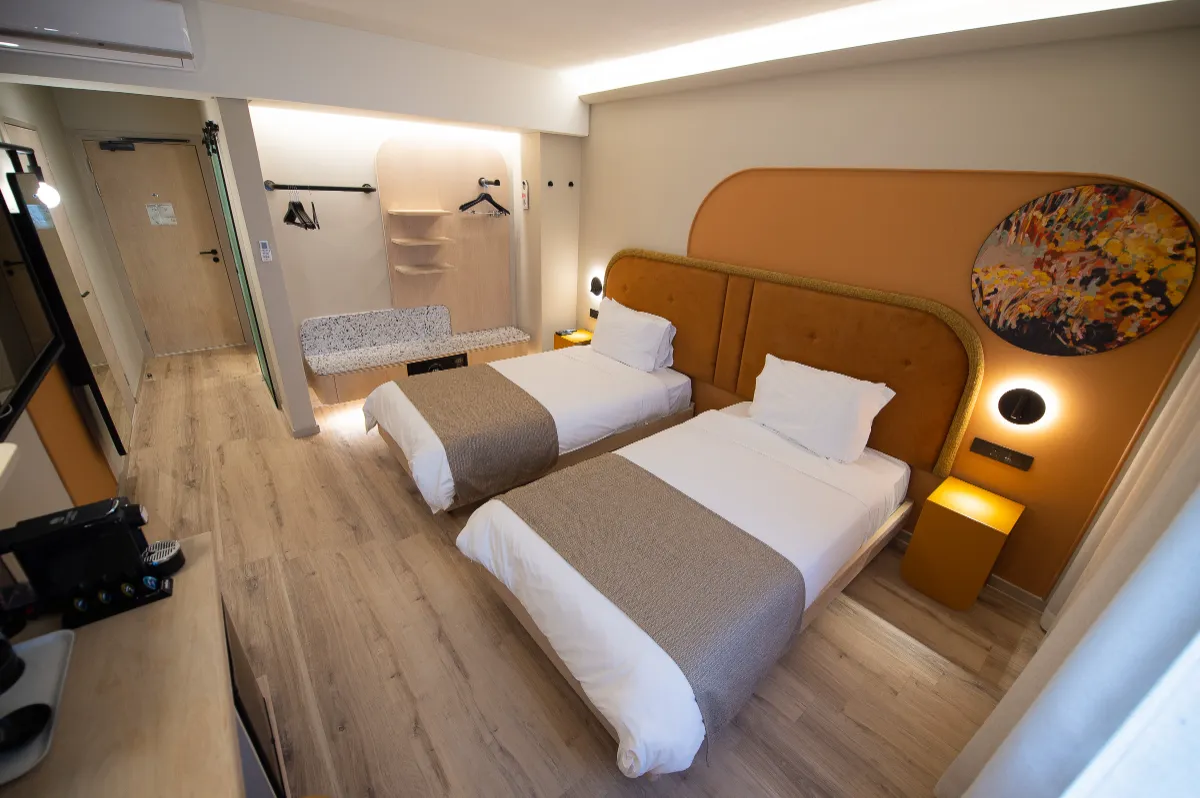
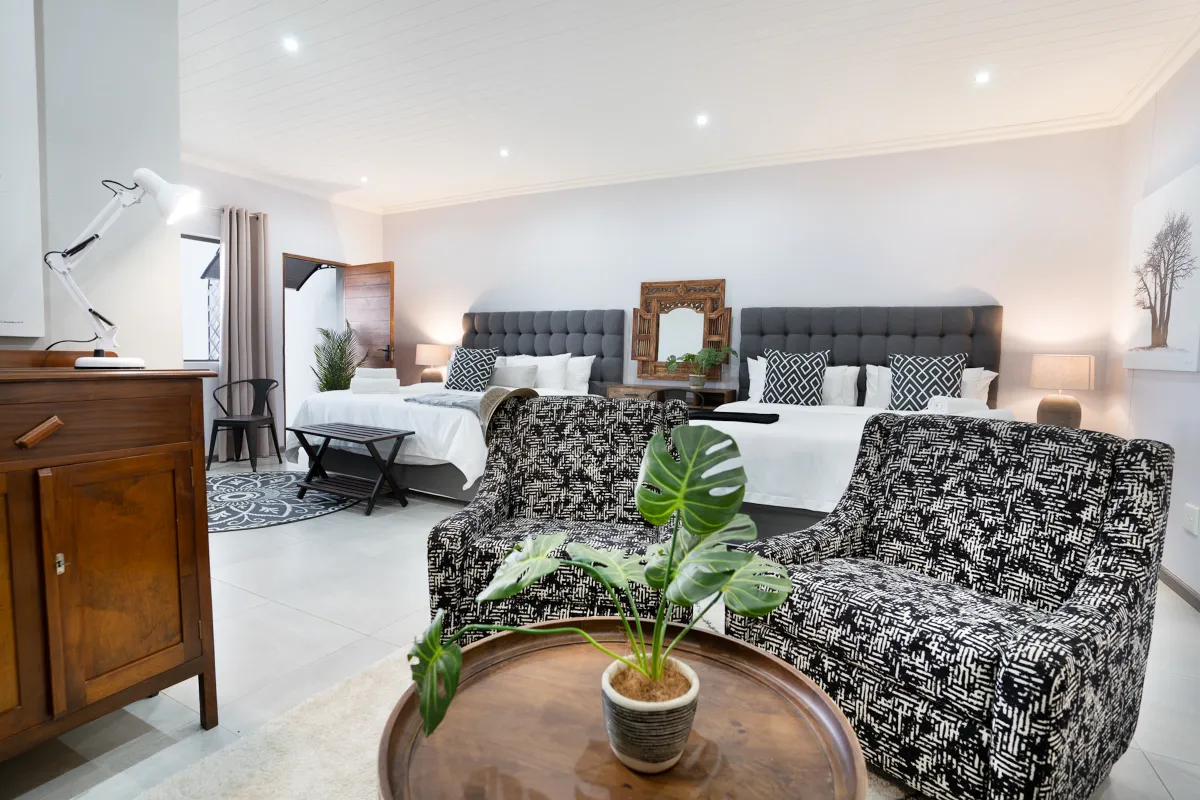
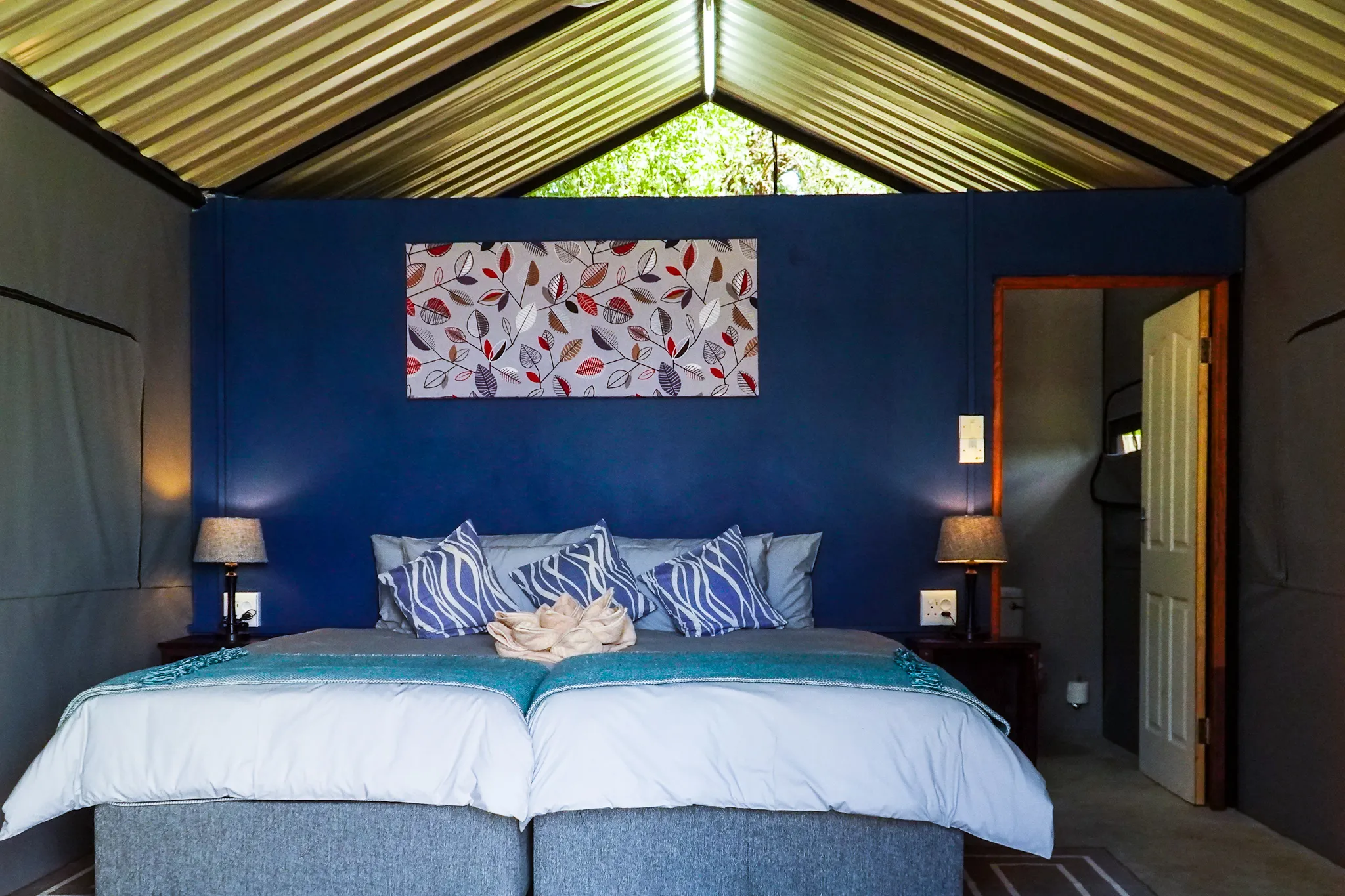
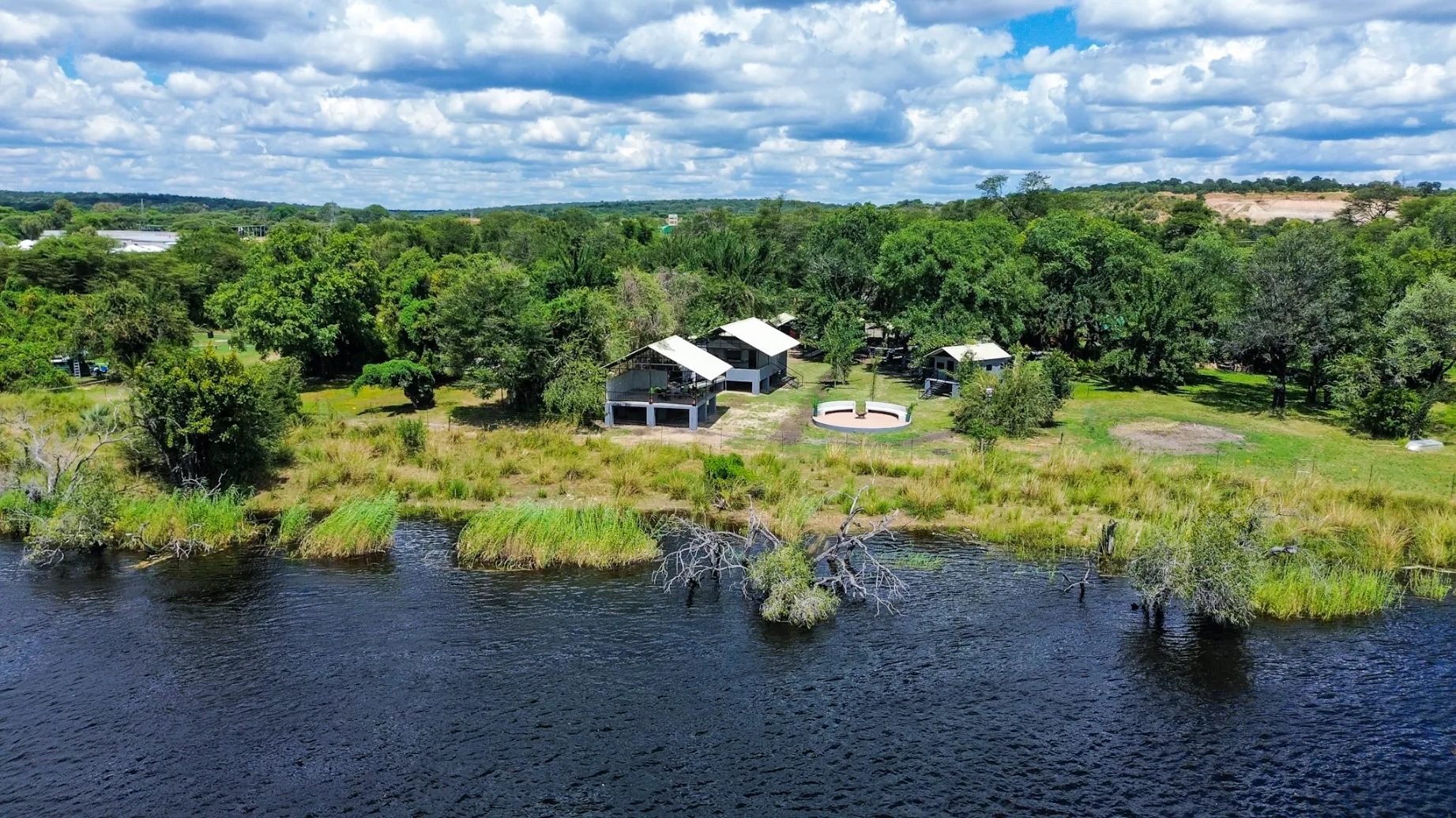
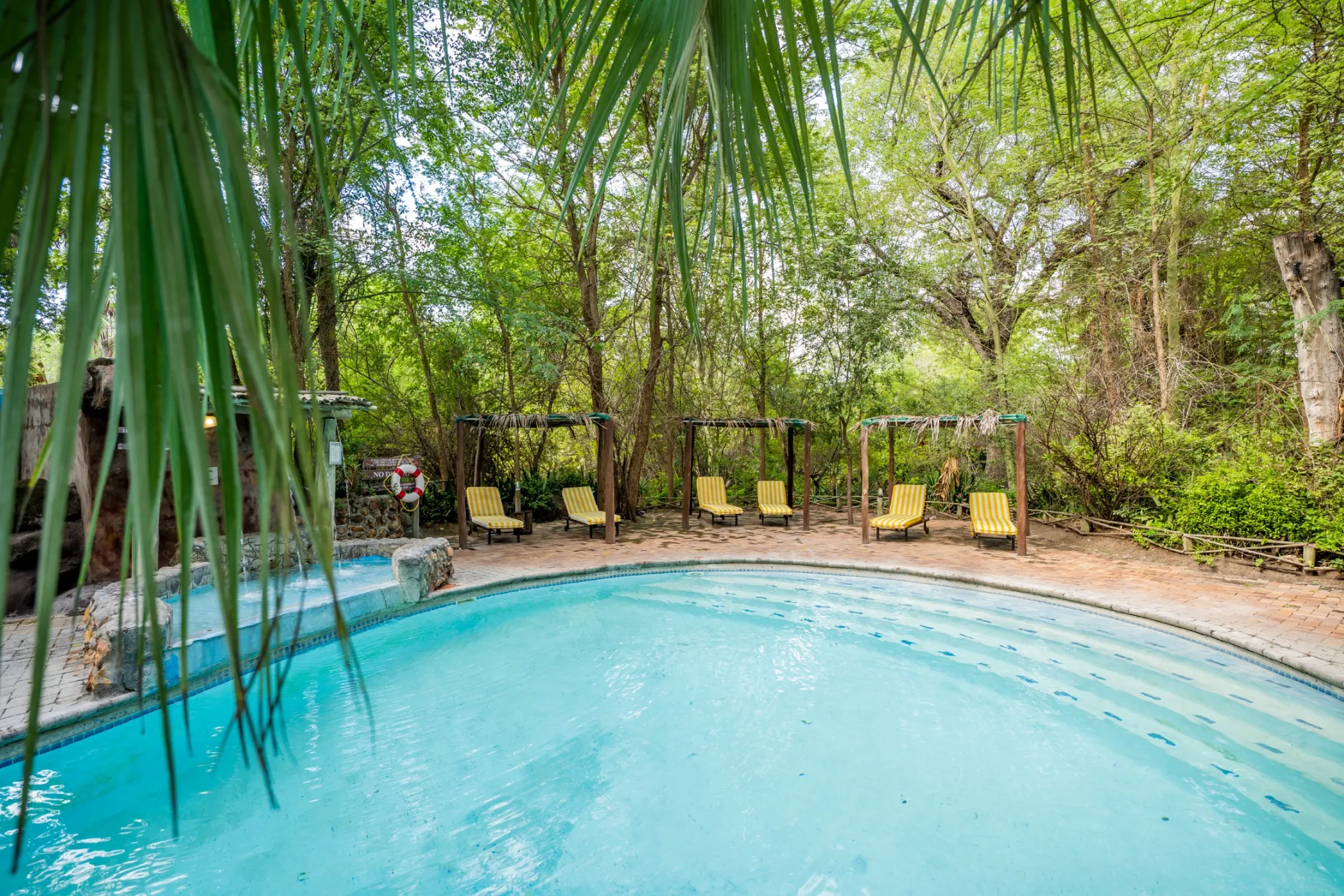
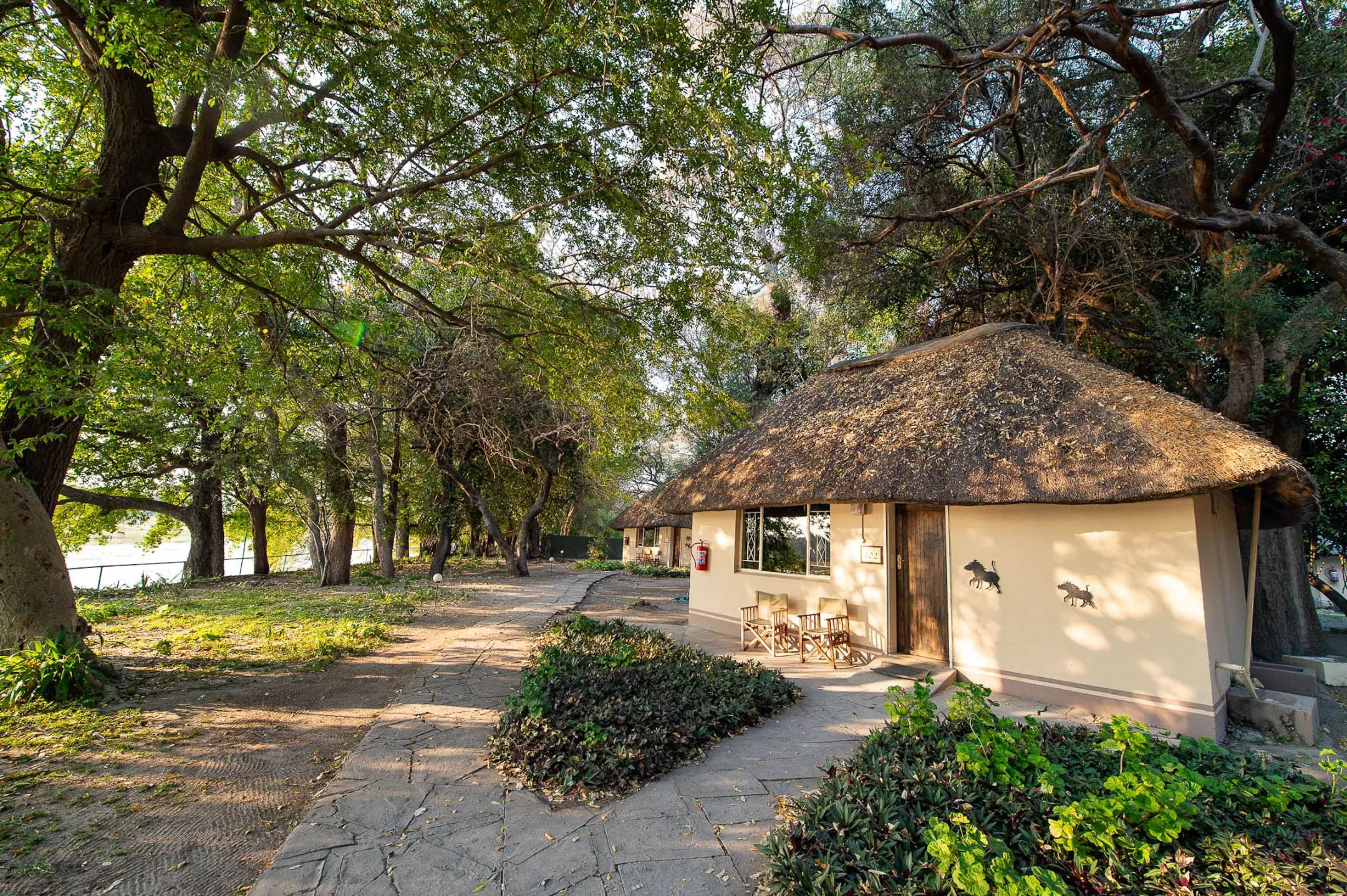
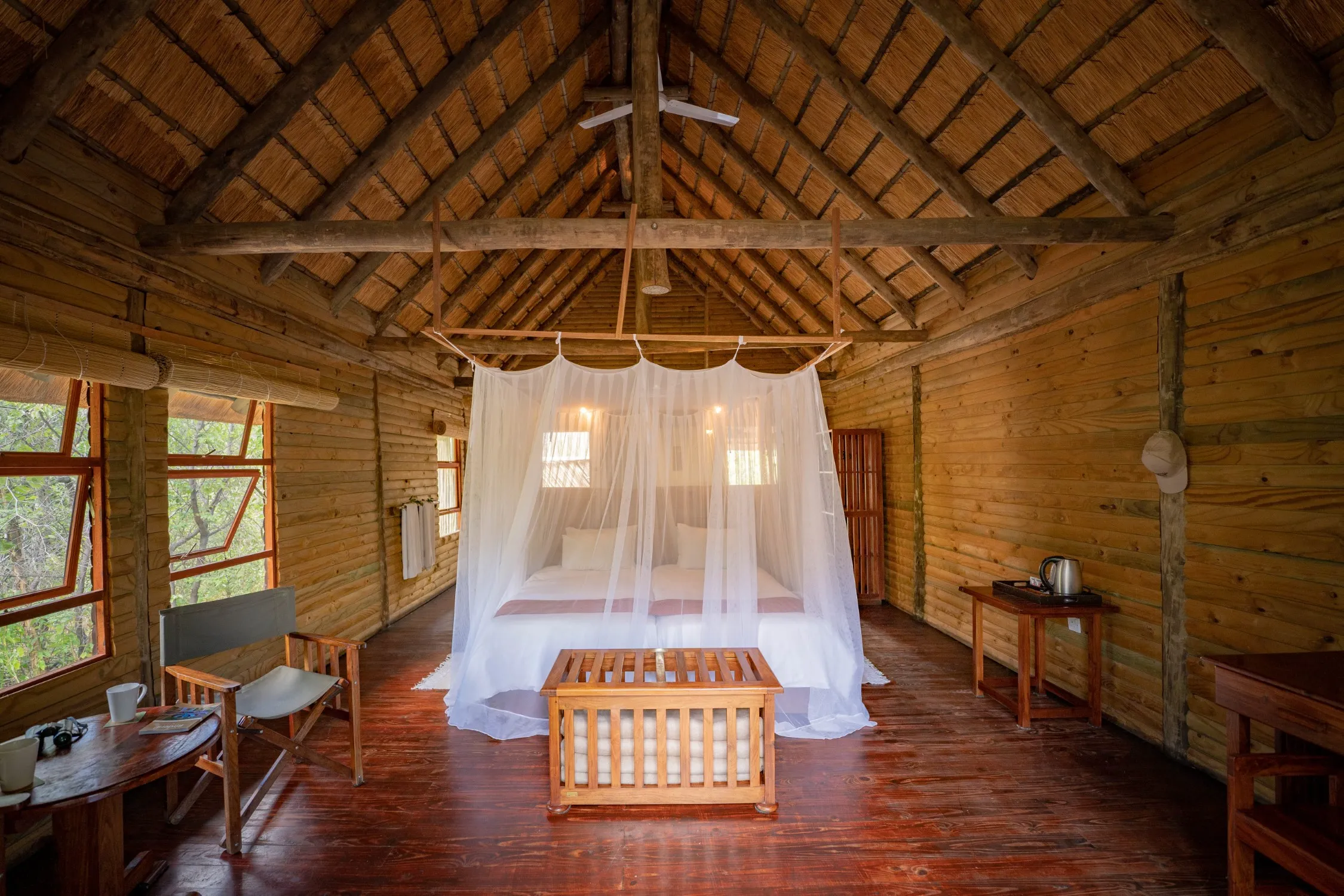
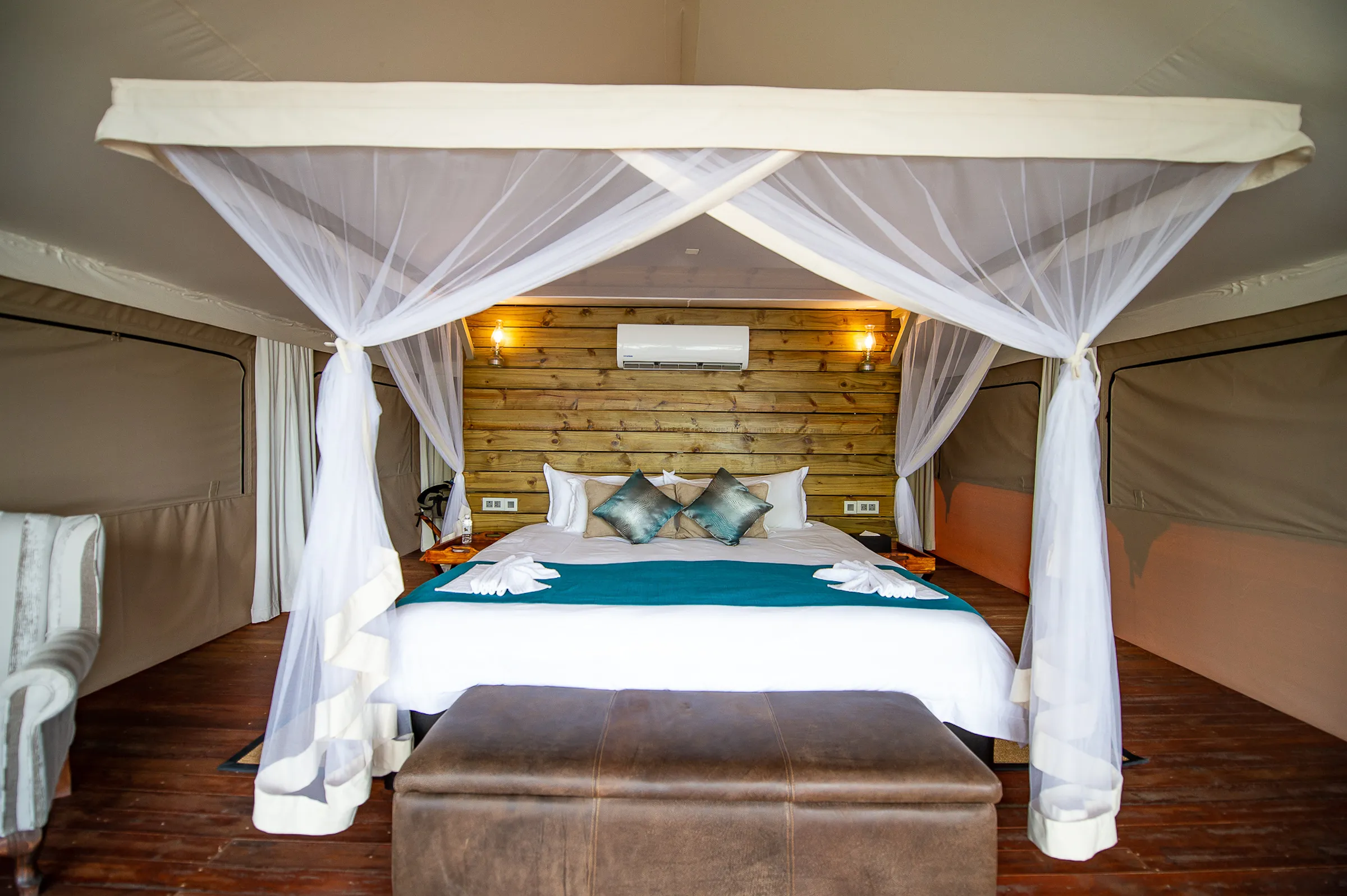
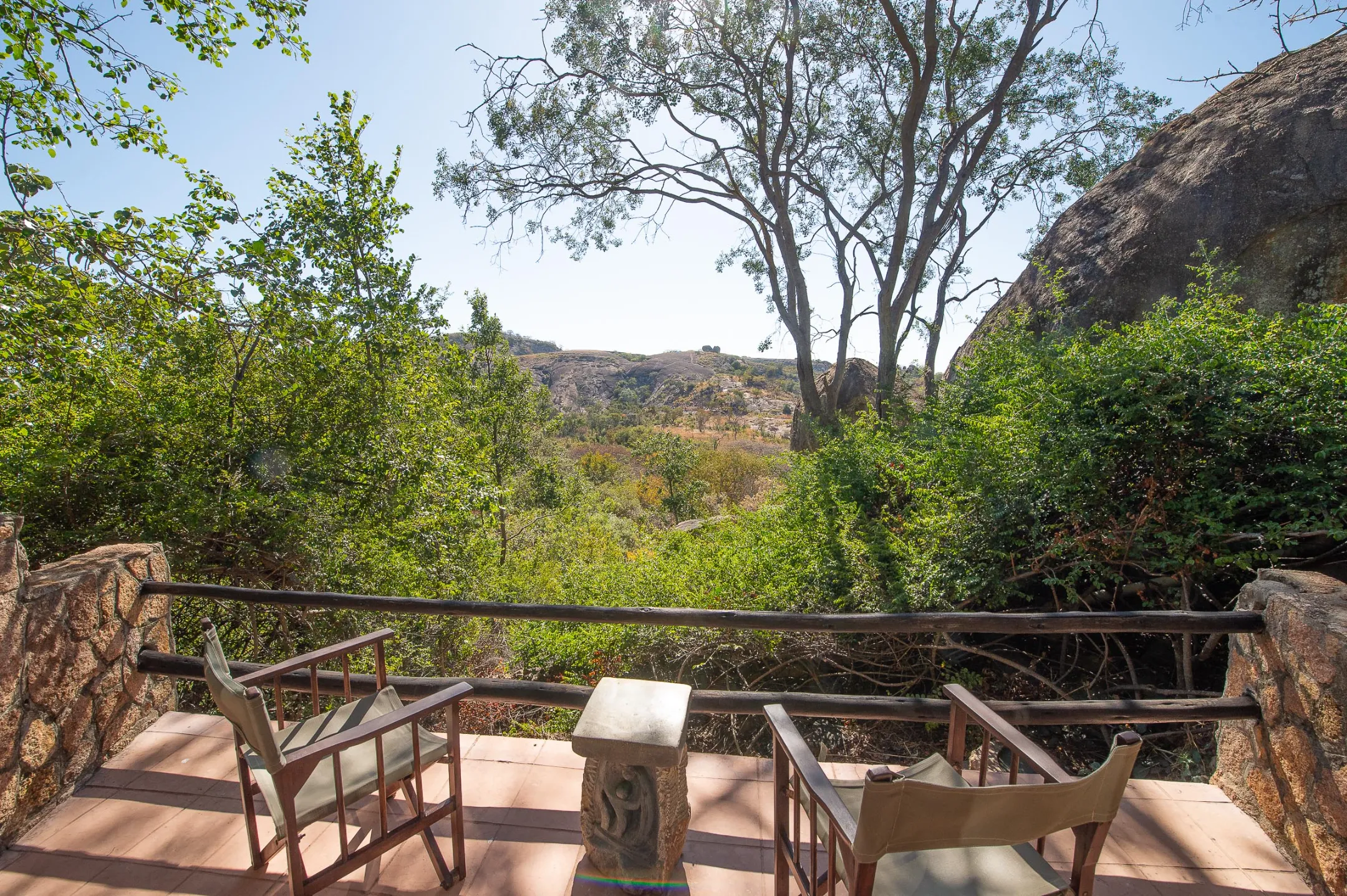
1x night in Windhoek and 2x nights in Swakopmund in a lodge with en suite twin bedrooms.
Meals
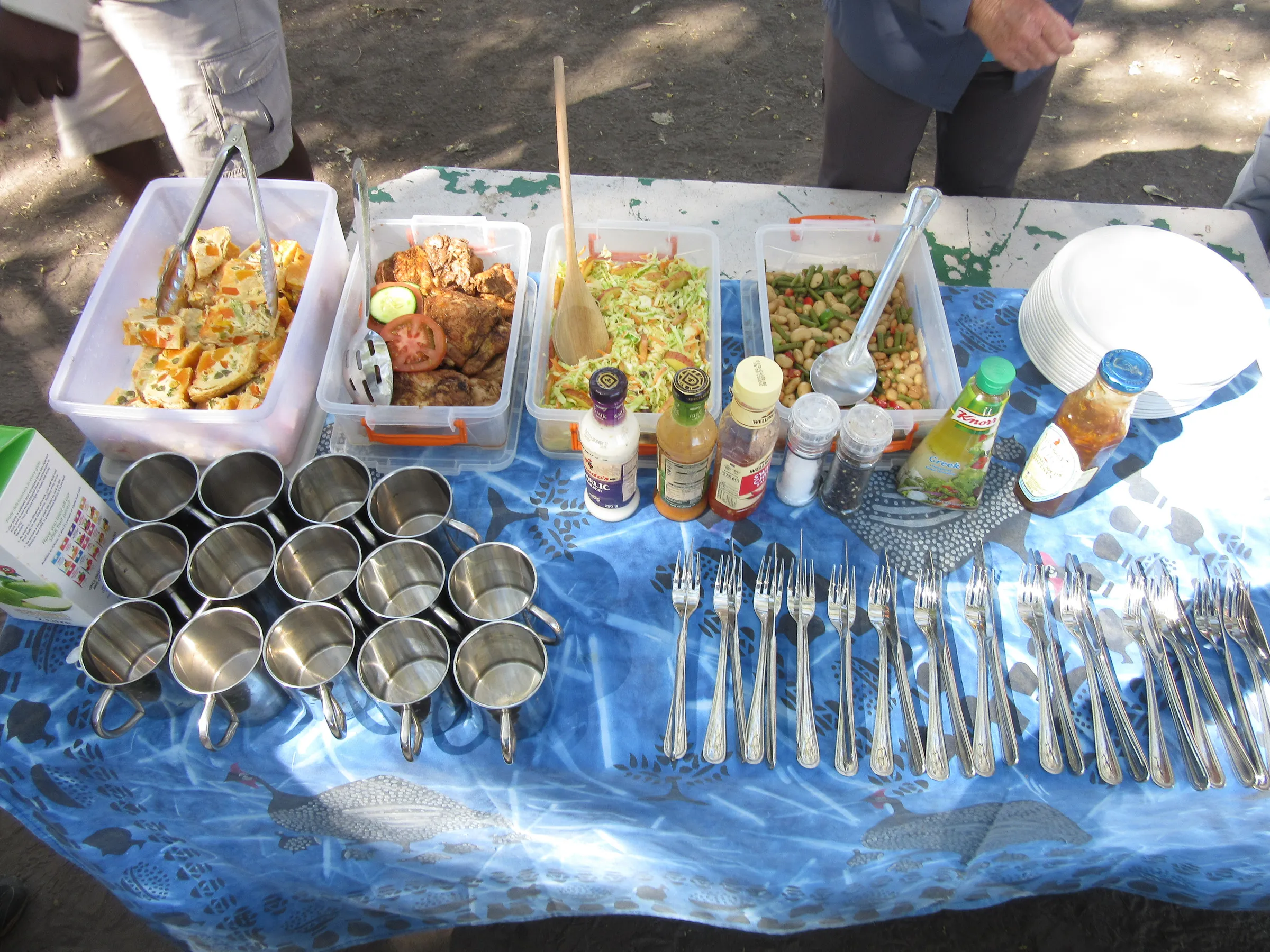
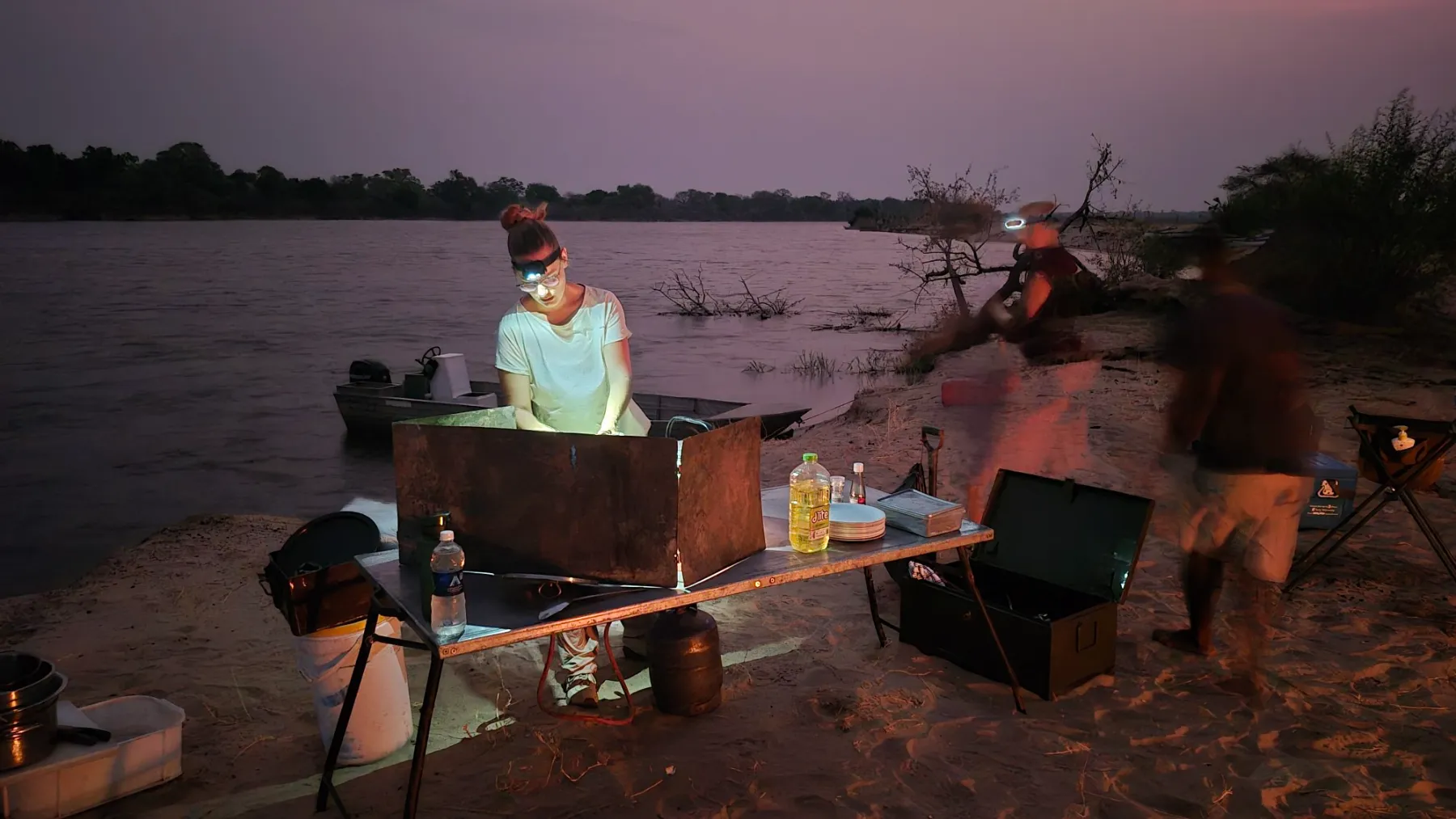
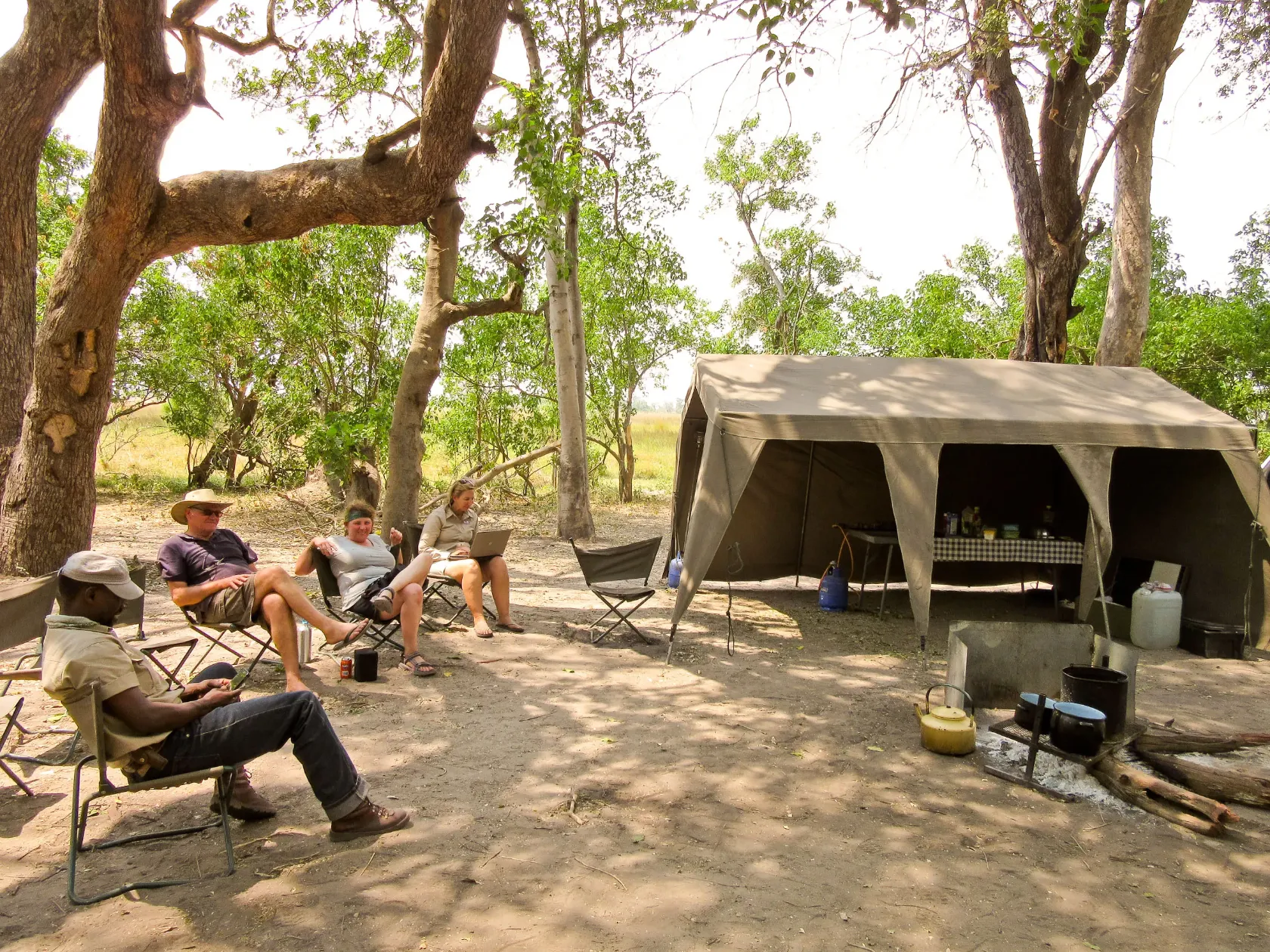
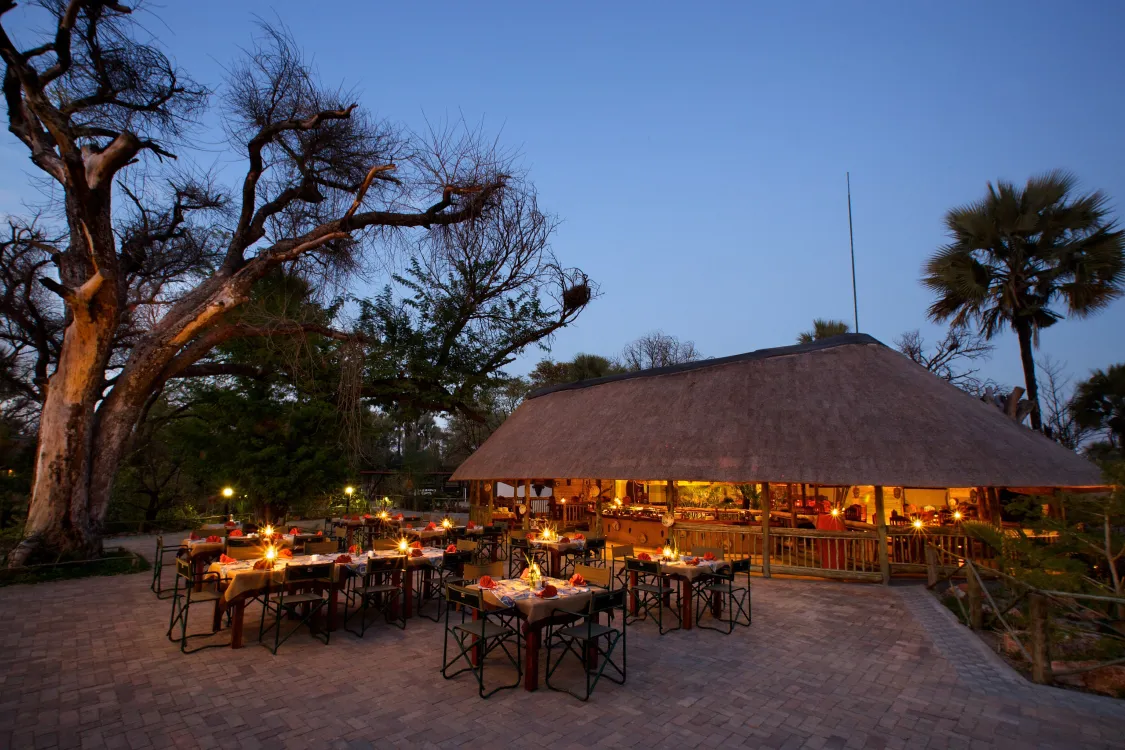
14 breakfasts, 11 lunches and 9 dinners will be provided by the Sunway crew, prepared at the vehicle and eaten around the camp fire or in a boma.
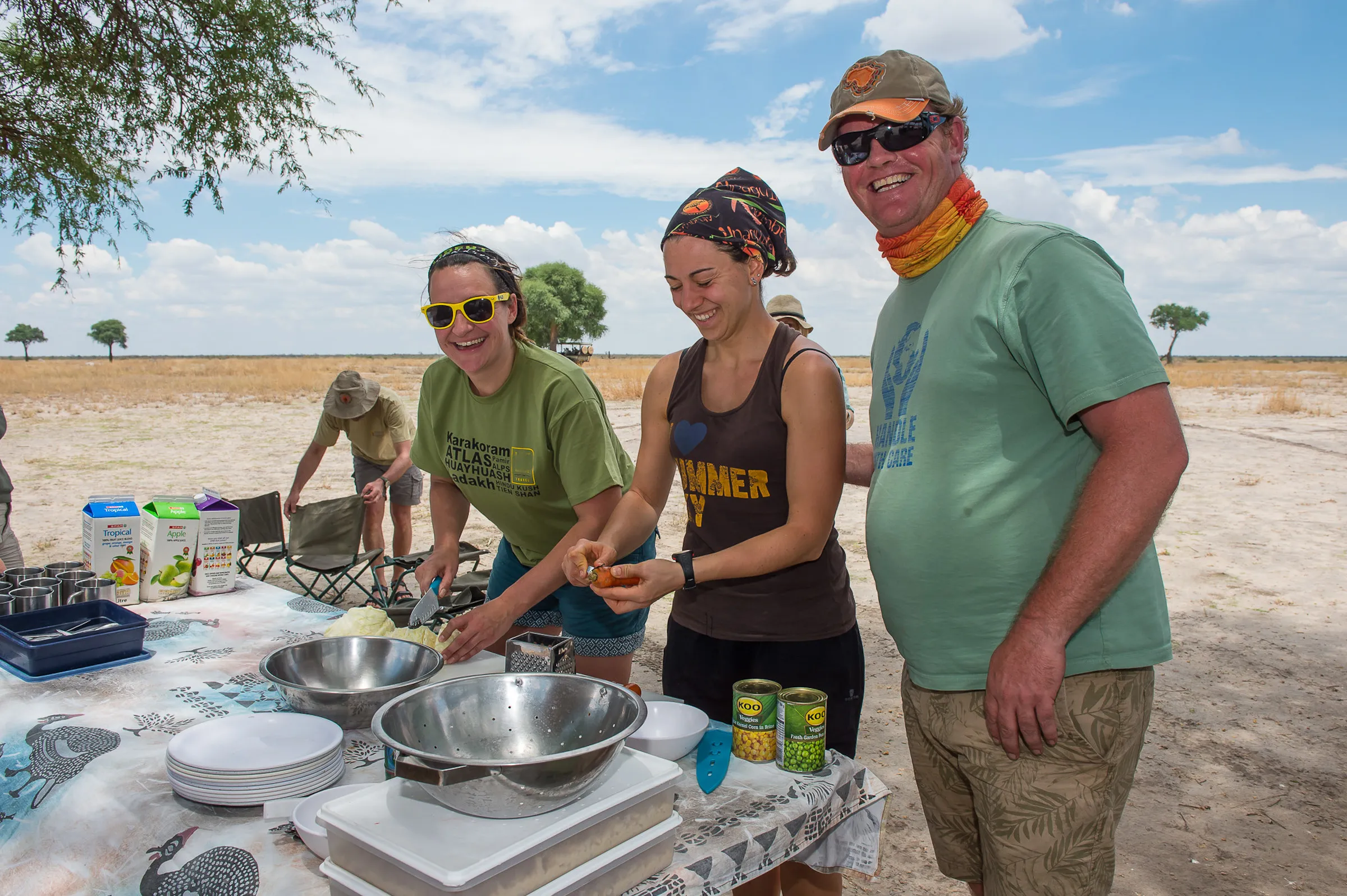
Tour guide will shop and prepare meals and group participation in camp chores is required.
Transport
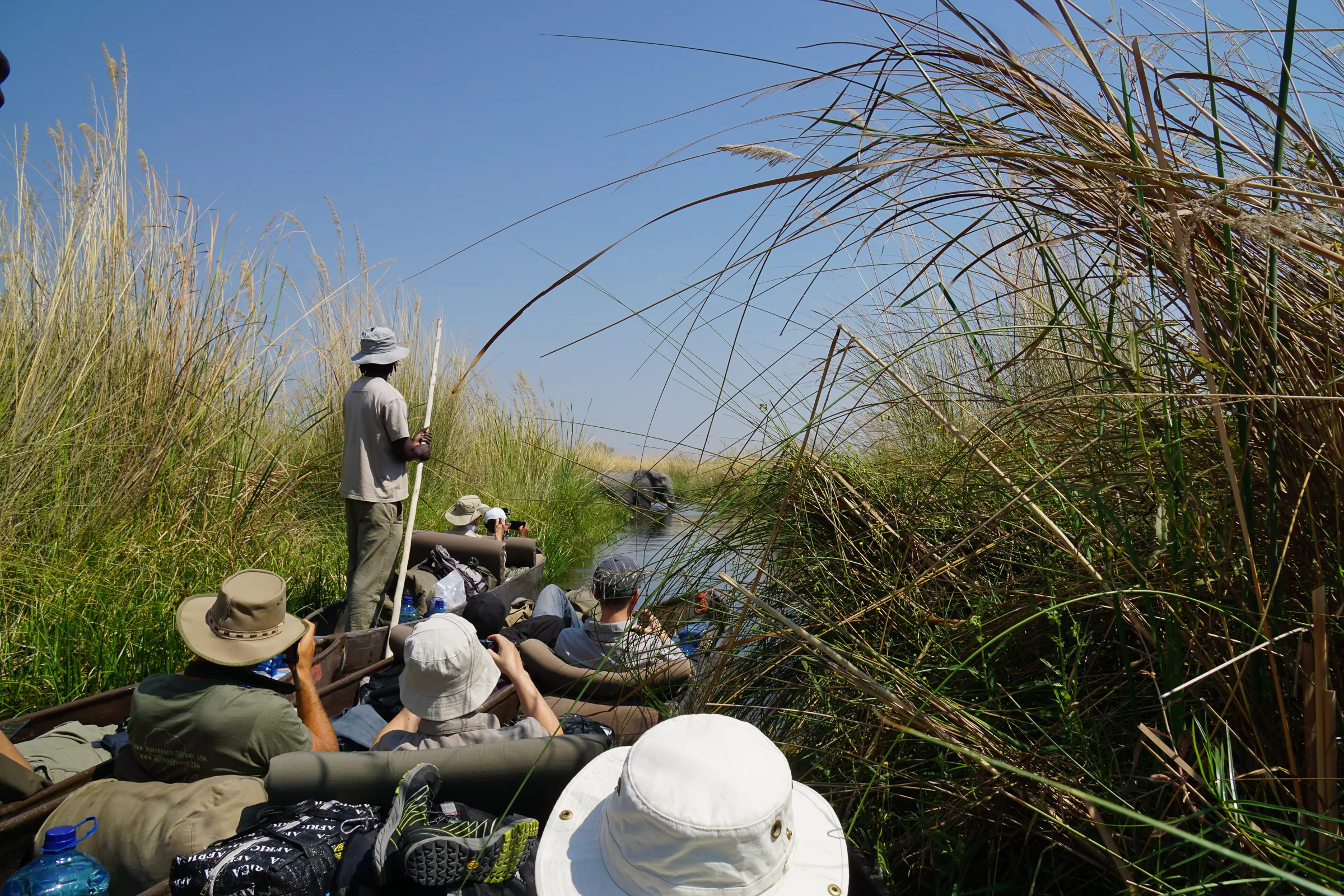
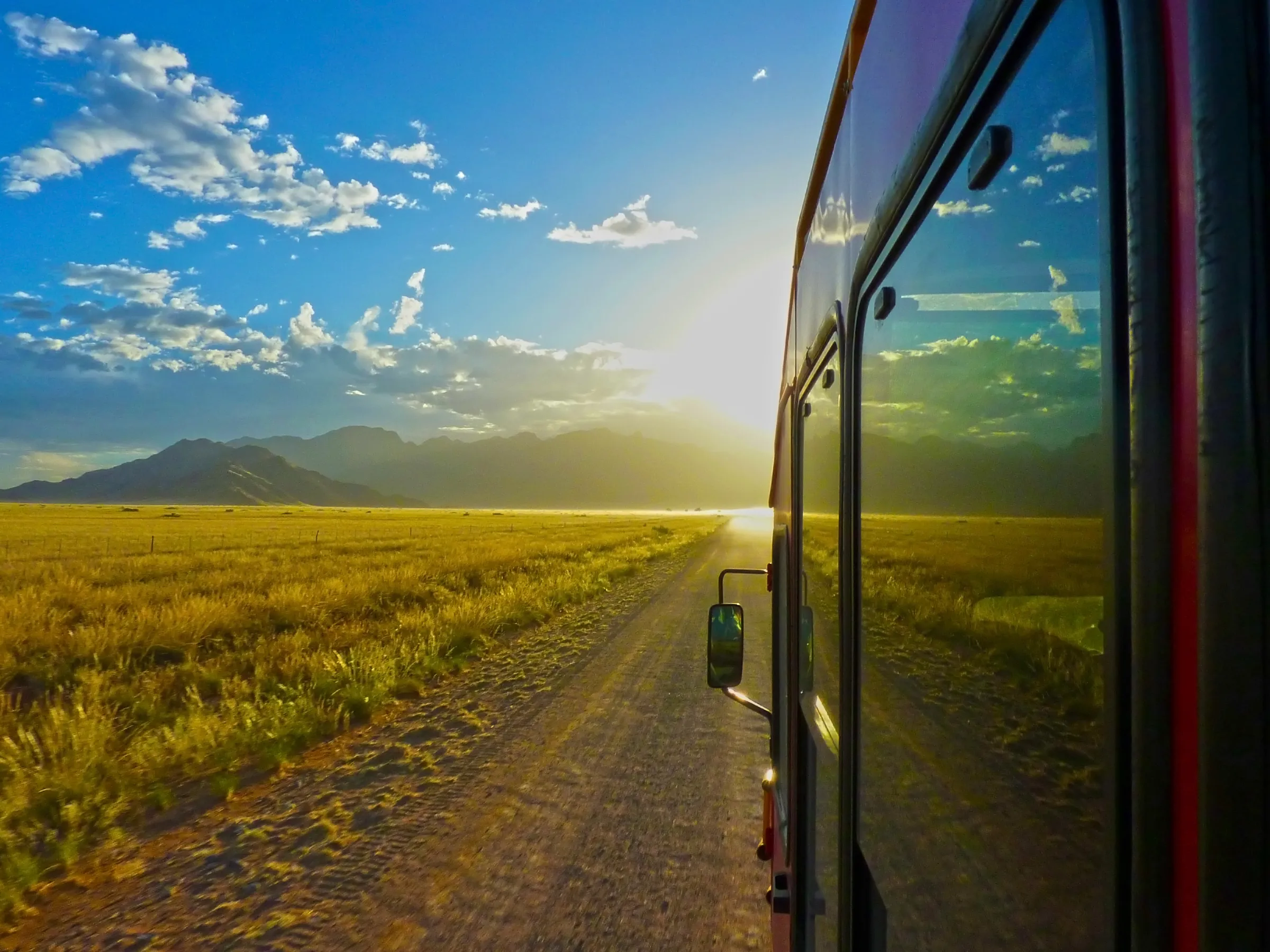
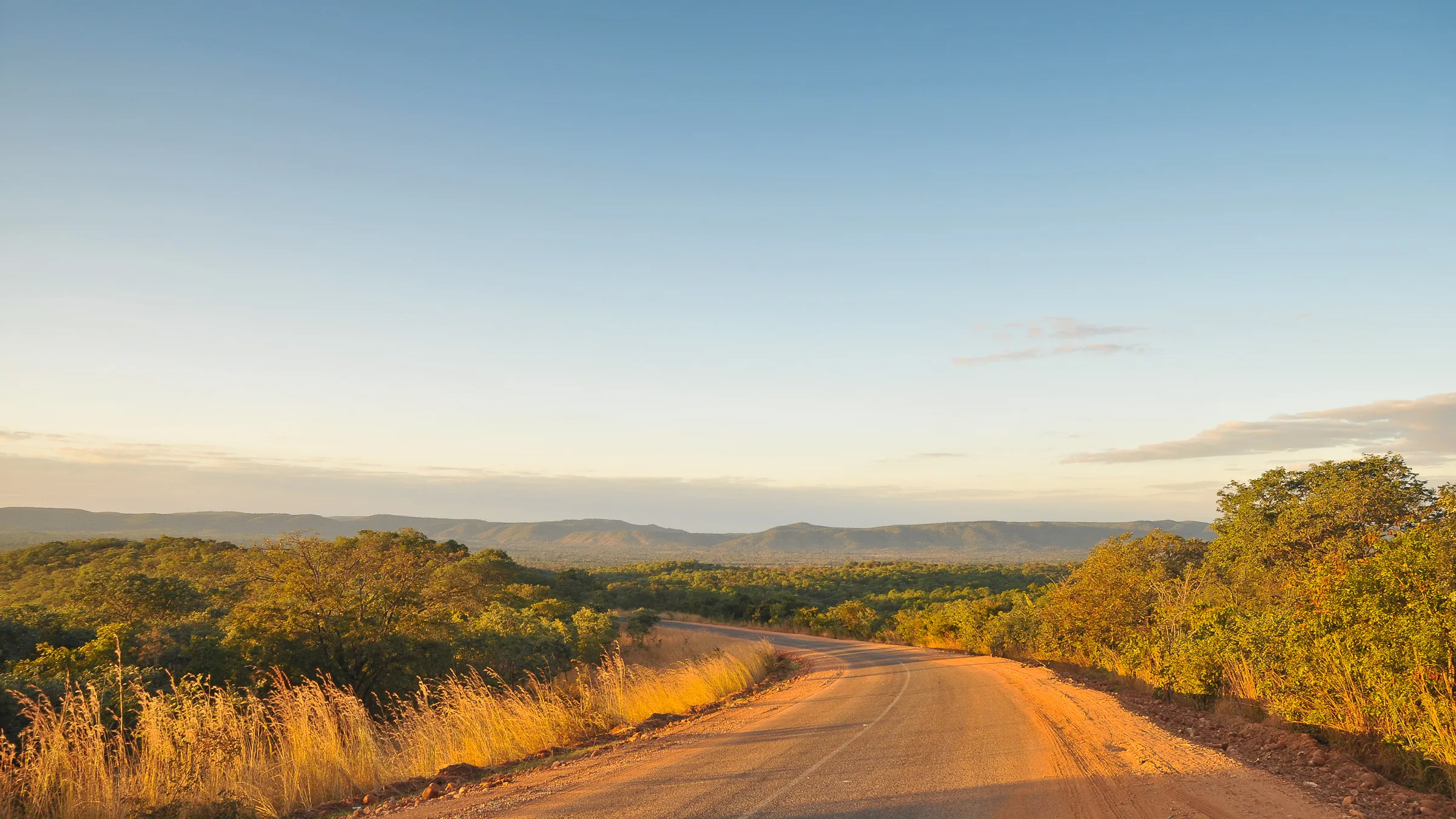
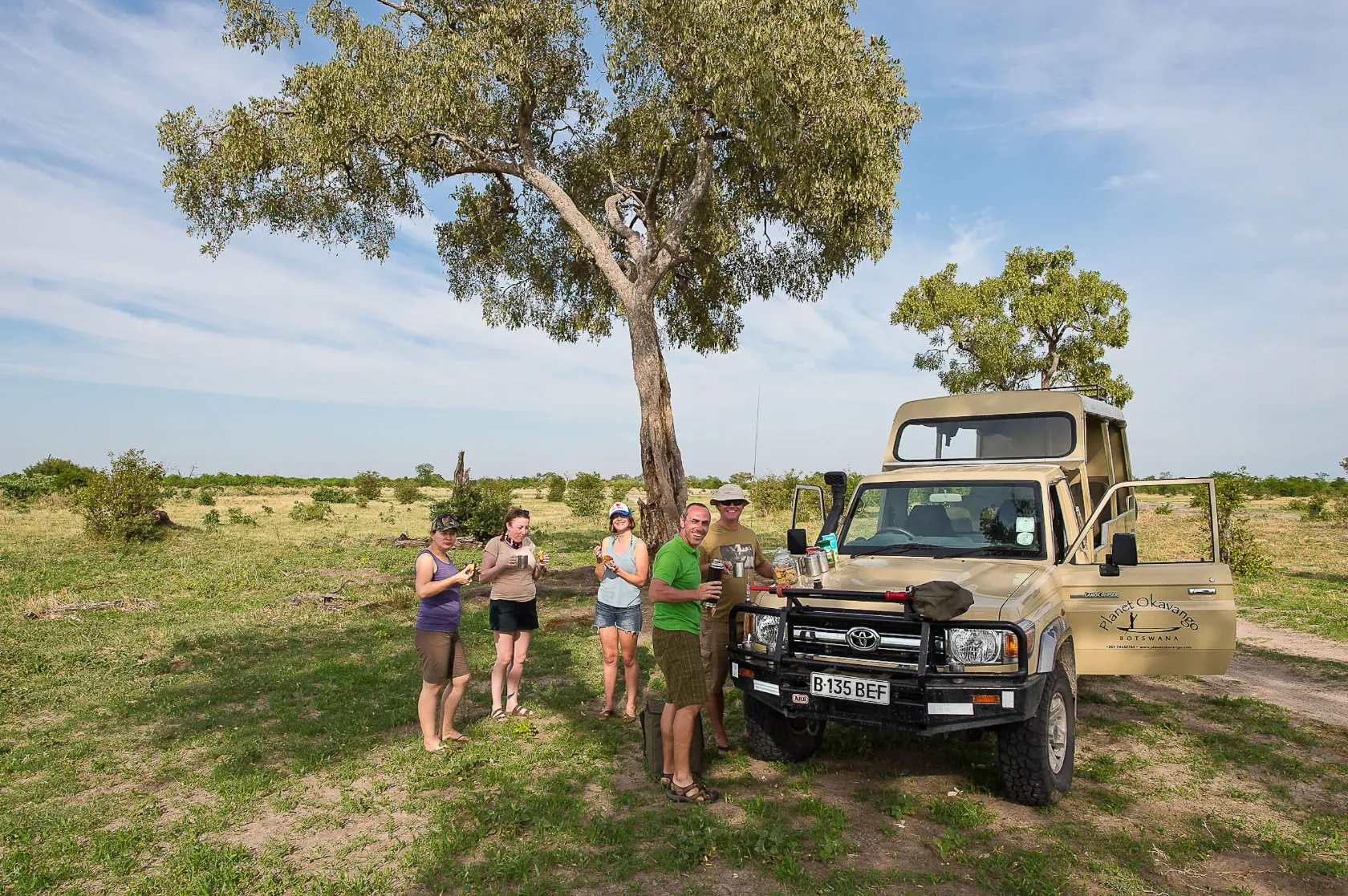
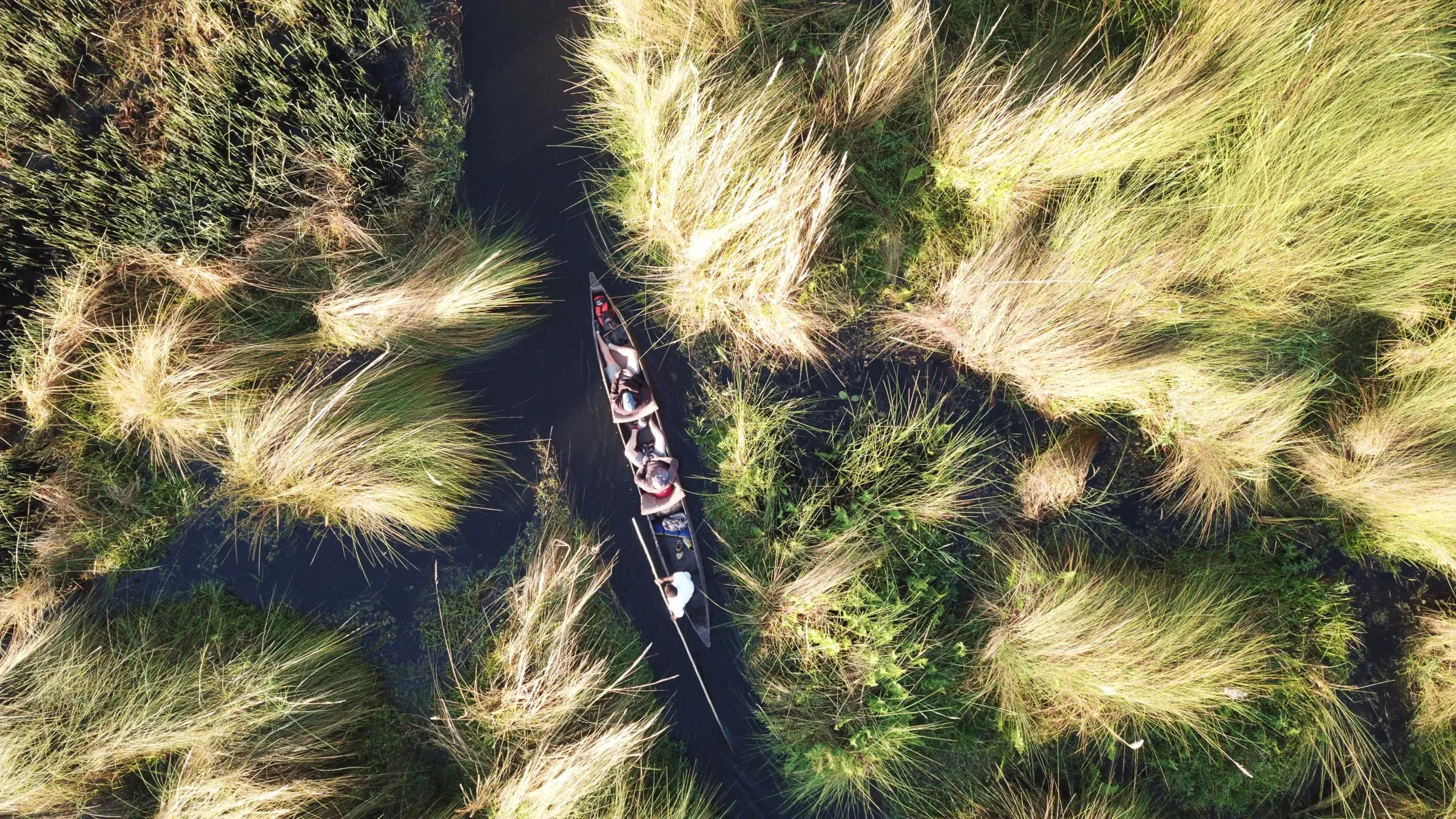
We use safari trucks with 12 seats for this tour. Potholes, corrugated gravel roads and livestock on the roads can make travel slow. There are some long drives, so sit back and enjoy the scenery! For the transfers into the Okavango Delta we use open 4WD vehicles with local guides.
Limited Participation
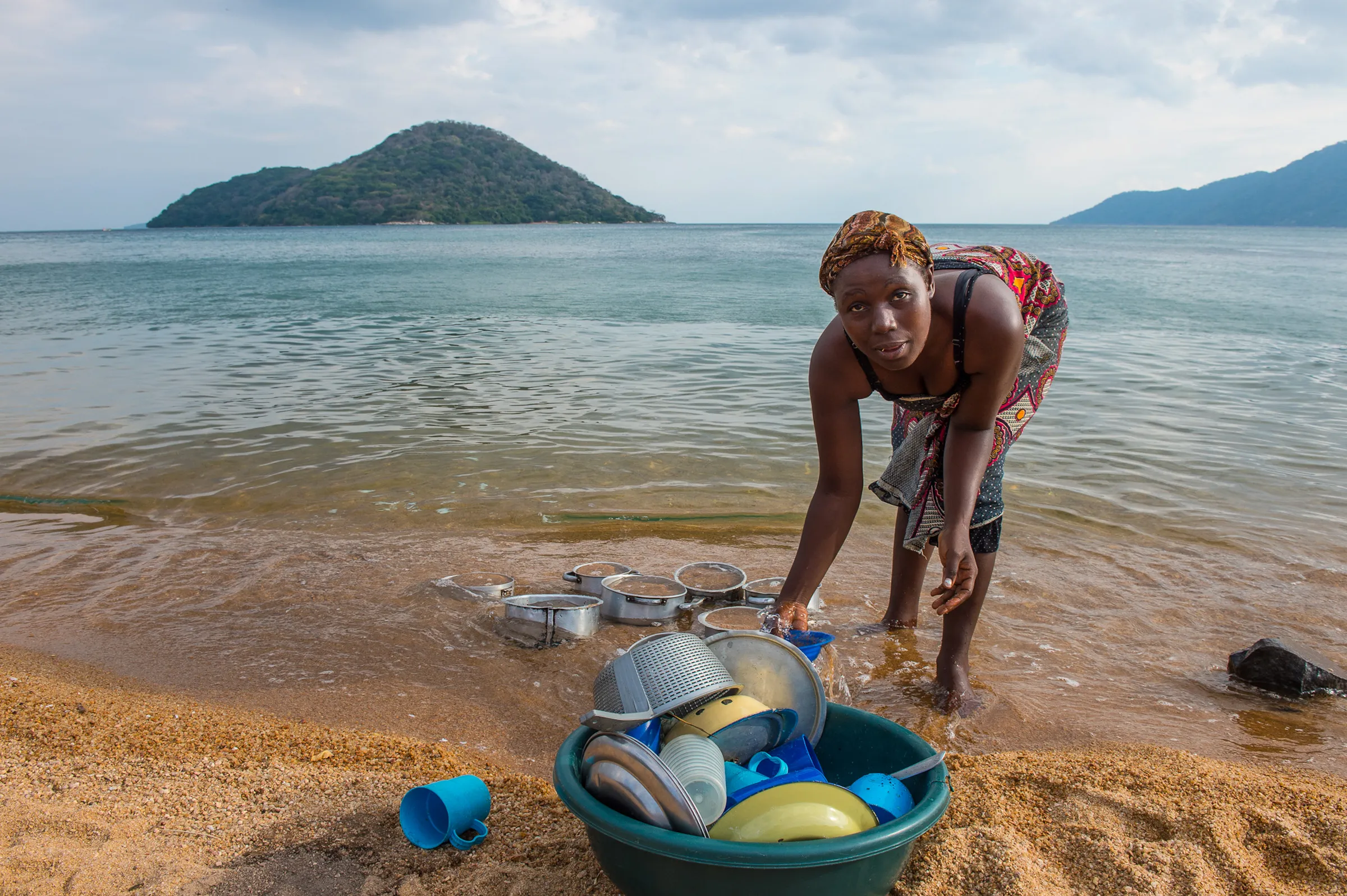
An essential part of your safari is participation. From putting up your tent to packing the truck in the morning – it’s all part of your adventure. Your tour leaders will do all the meal preparation but we do ask for your help (on rotation) with the washing up. There are some long travel days which means early morning starts so we all need to get involved to make the day run efficiently.
Responsible Tourism
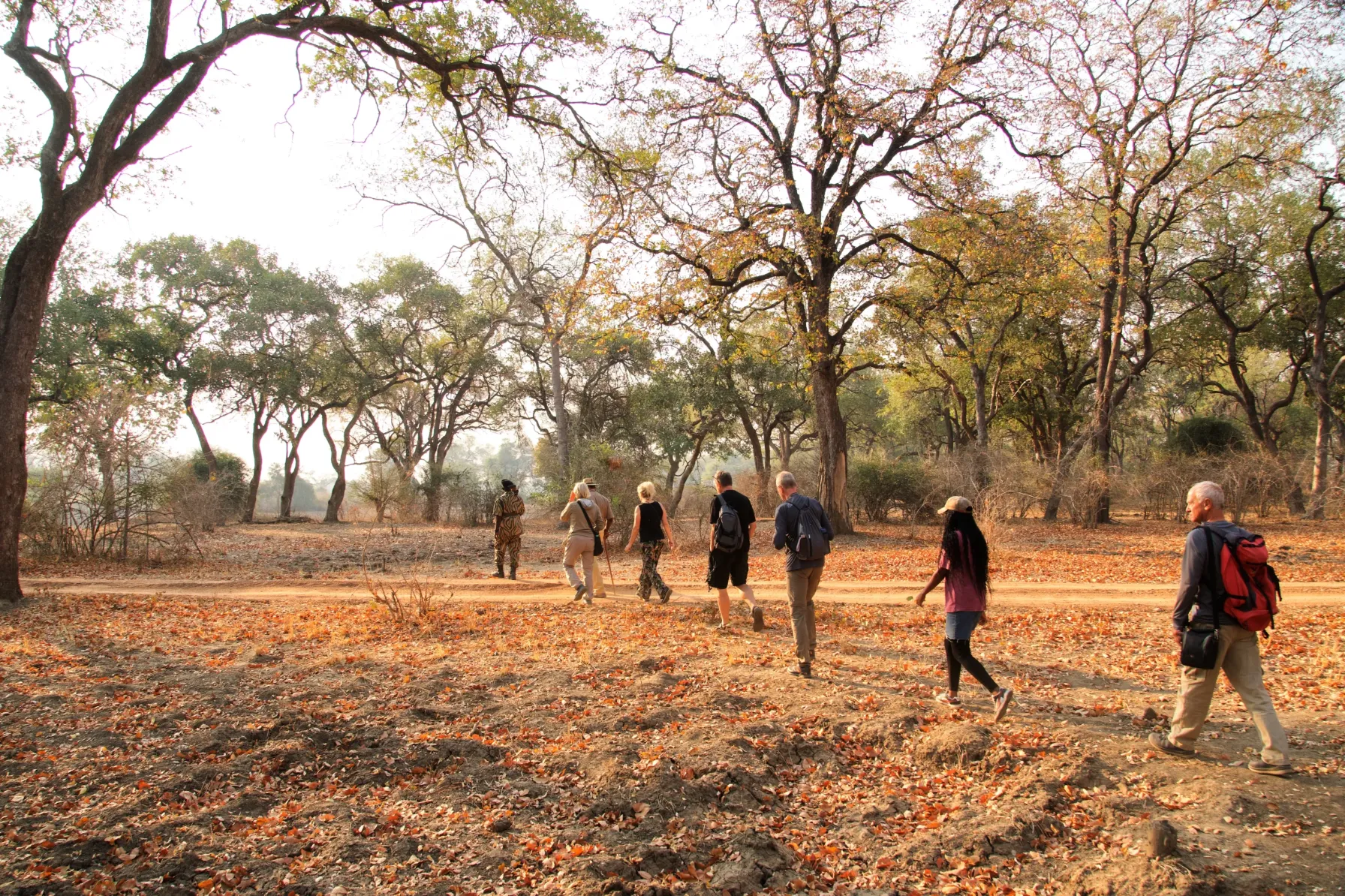
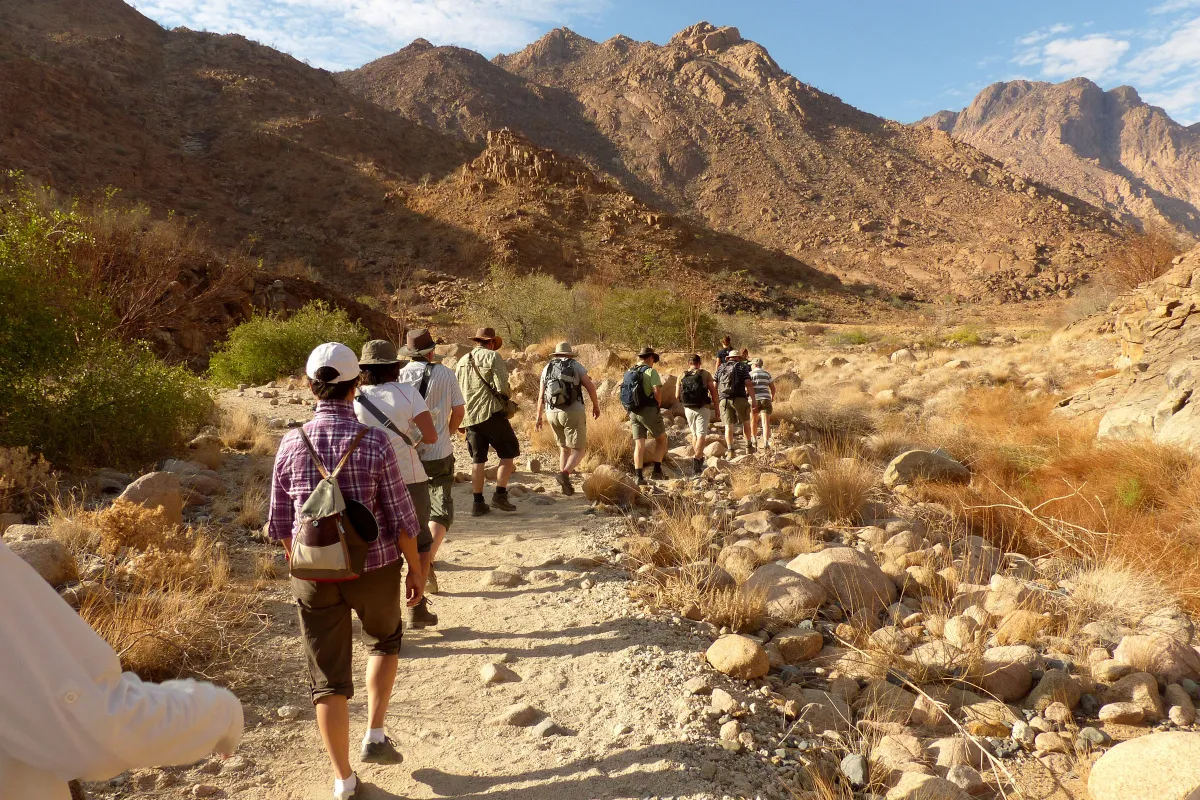
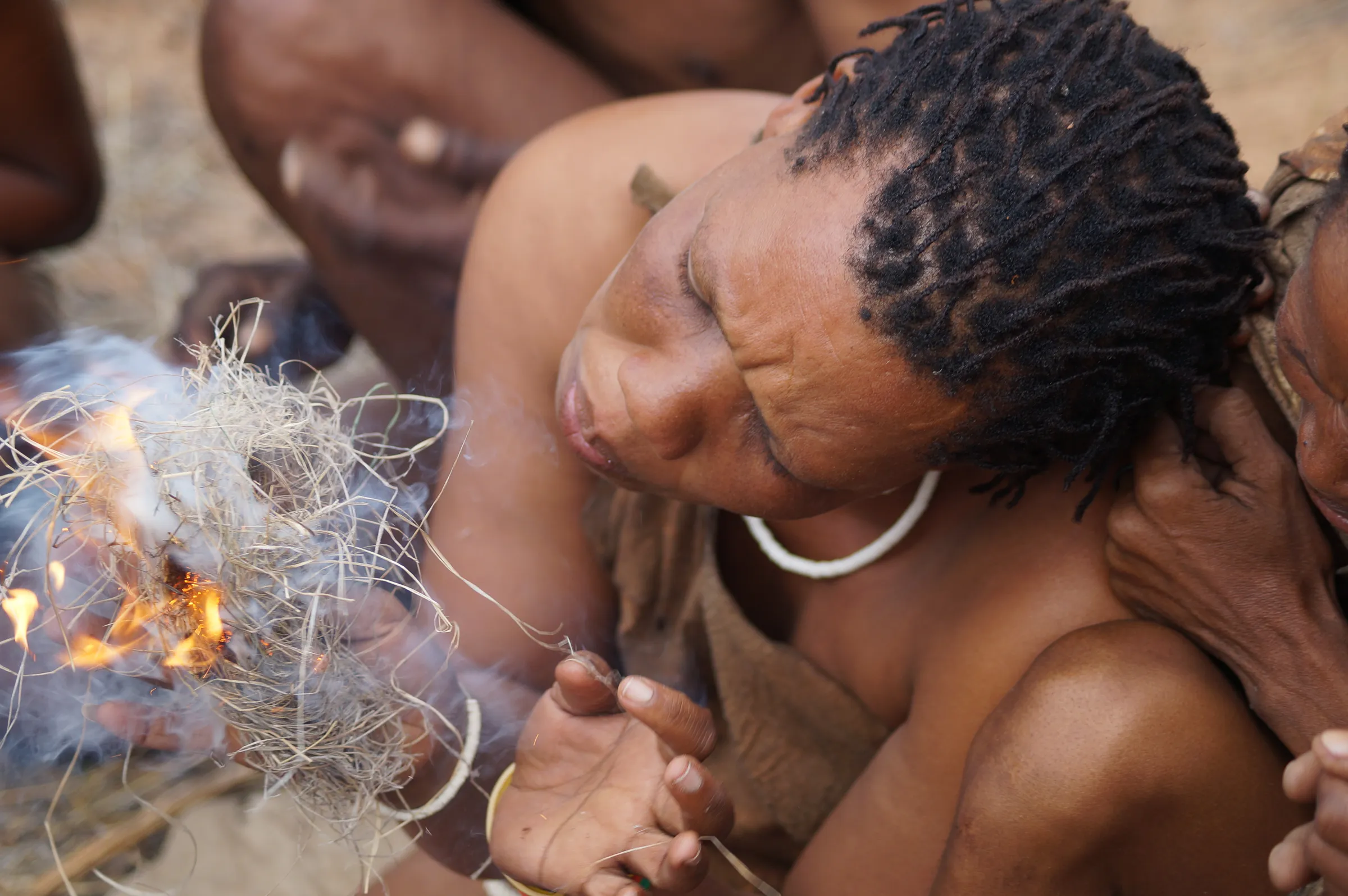
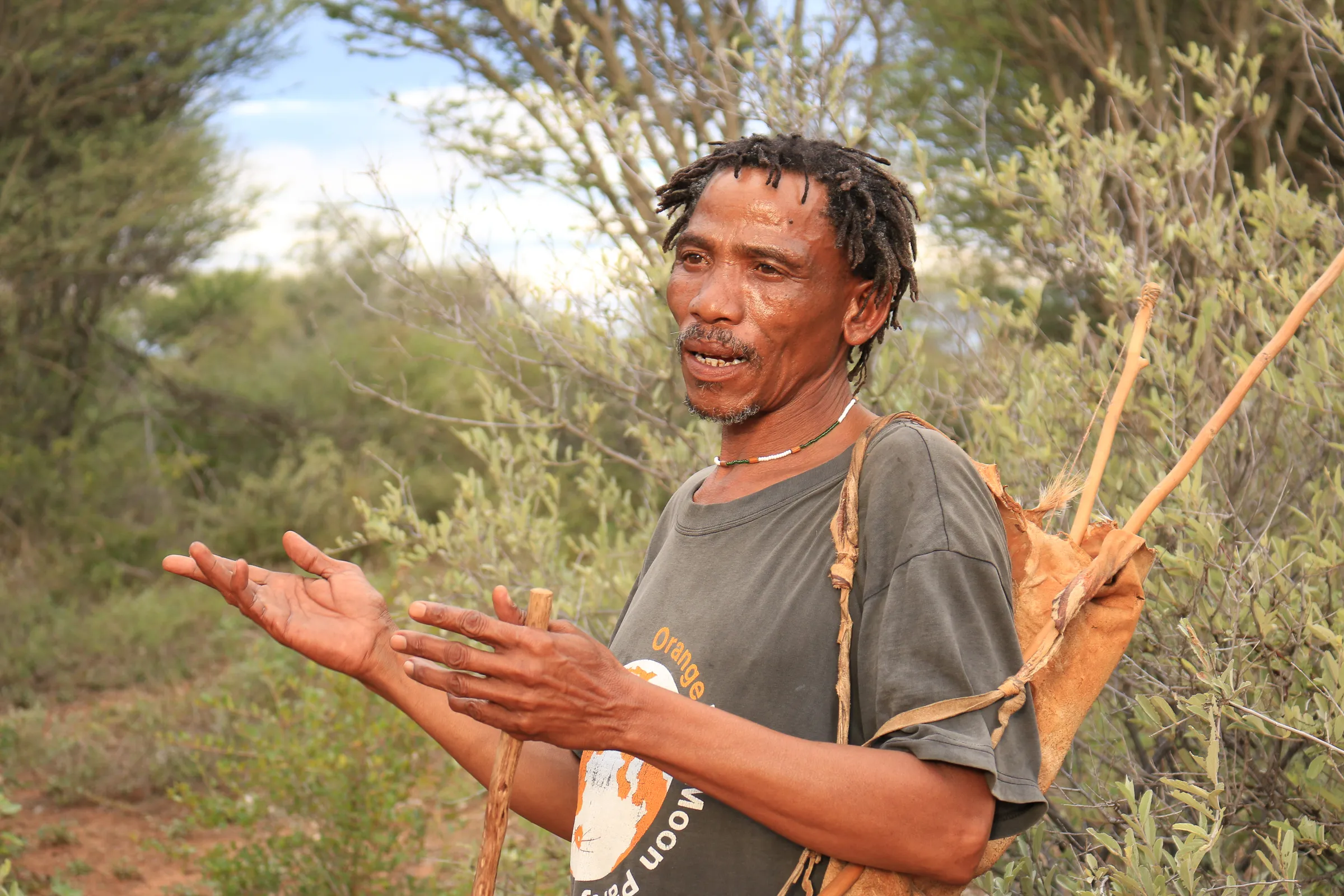
In the Ugab wilderness region we camp at the White Lady Lodge campsite. A partnership was signed in 2003 and the community benefit through employment and a percentage of the income of the lodge. Our walks to view the busman rock art are lead by a local community guide. Along with the guide, the community has also set up a small museum that provides more information of the area.
The local community directly benefits from your visit through the employment of the local guide and the entrance fees. Without the local communities involvement these amazing rock art sites would not be preserved.

Age Policy
We accept children 12-18 with accompanying adults on scheduled tours (for private groups we can accept younger children).
If the clients are older than 65 years, then we require a medical certificate too (stating client is fit and healthy to embark on a multi-day tour covering long distances etc).
The best time to visit Zambia
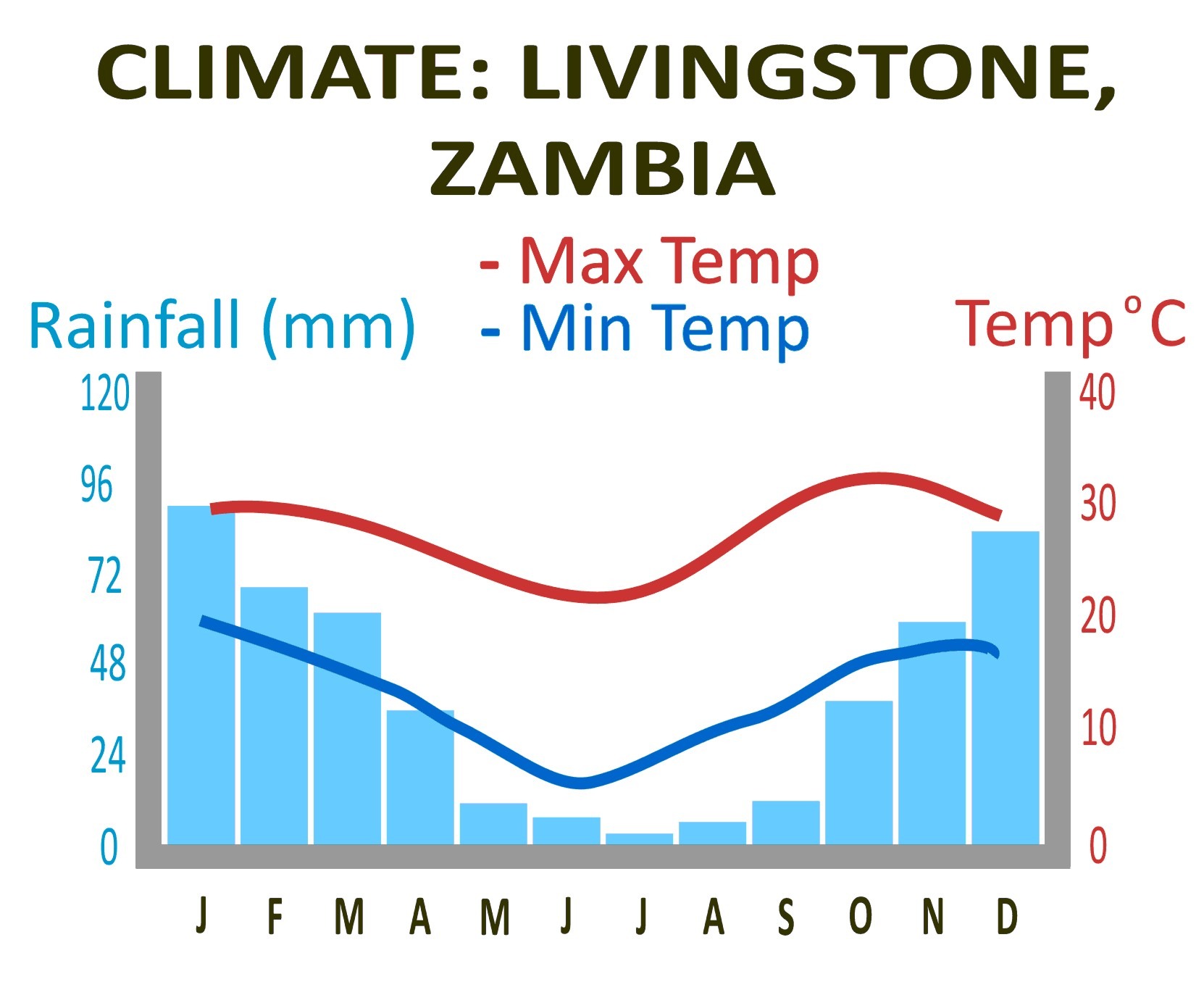
This safari starts in Livingstone, Zambia, which has an average temperature of 22.6°C which ranges lows of 15°C to mid thirties in summer. Summer rains fall in November to March. Moving through the Zambezi Region (Caprivi) you’ll experience similar climate before moving into the desert proper of Namibia.
The best time to visit Namibia
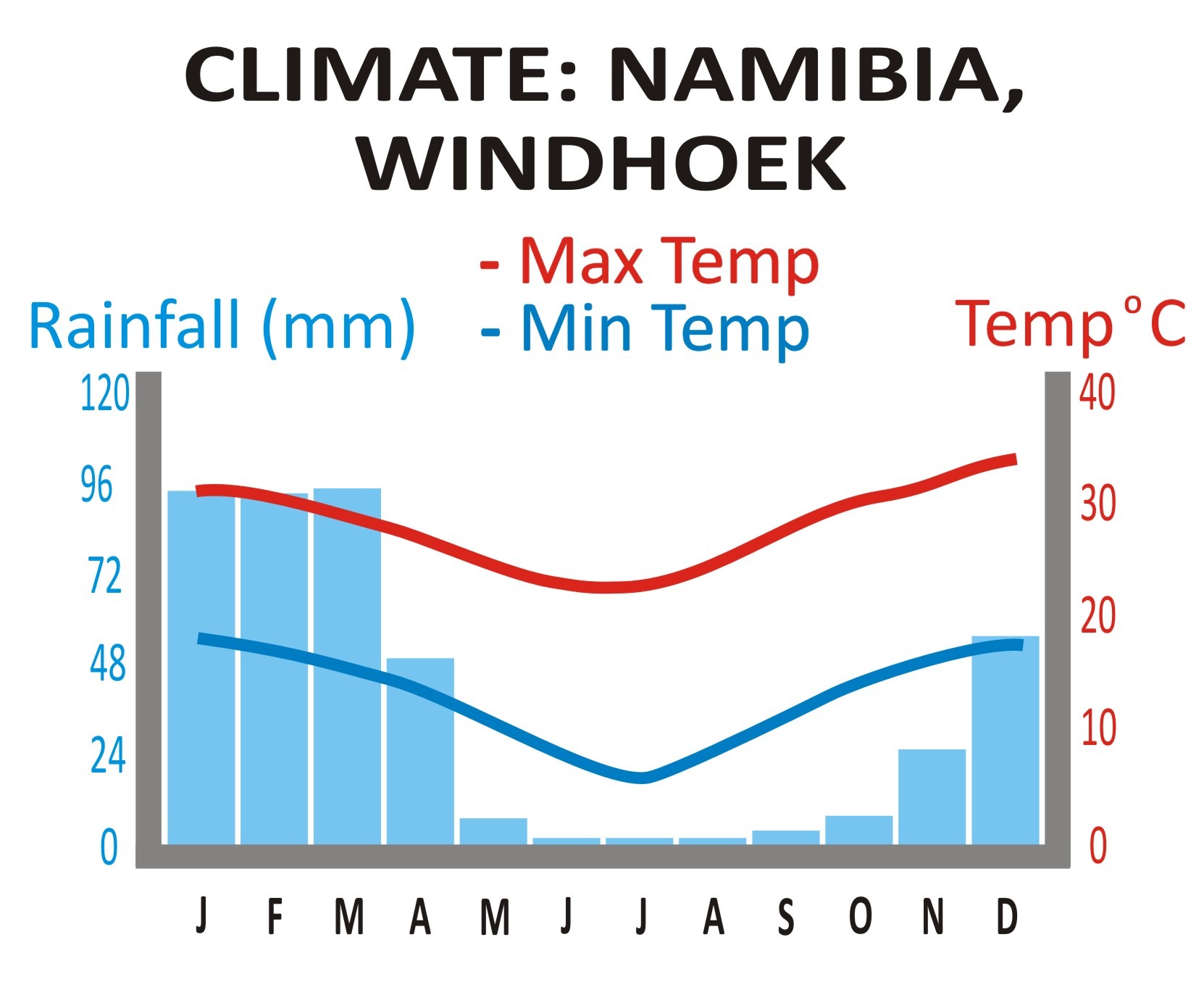
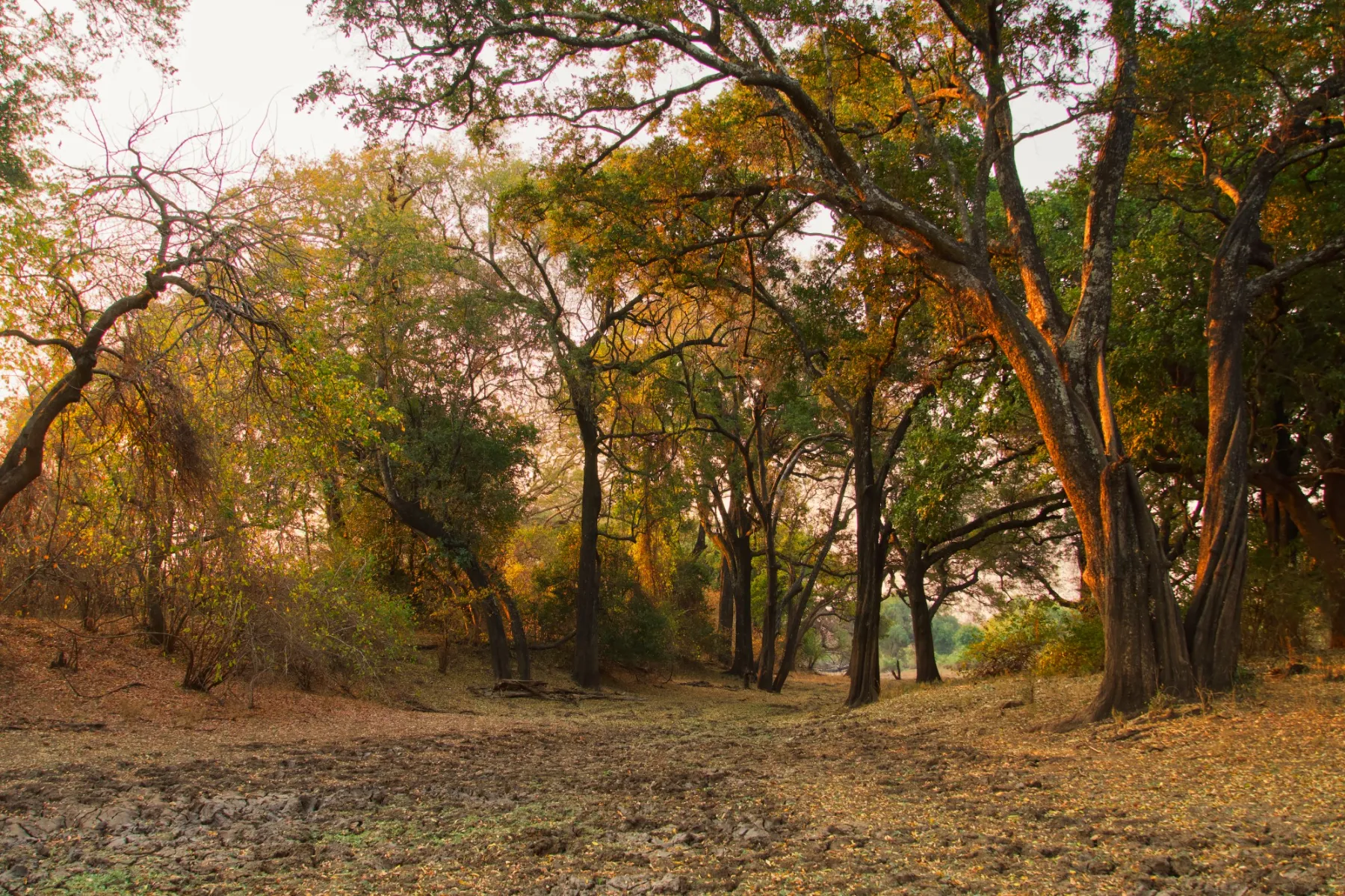
The Namib desert landscapes form a magnificent backdrop for a spectacular safari. Lying on the Tropic of Capricorn, and flanked by the cold Atlantic Ocean, Namibia has a desert climate for the most part and there can be large differences in day and night temperatures, low rainfall and overall low humidity.
Dry season is from May to October: Wildlife gathers around remaining water resources, against starkly beautiful landscapes. There is little to no rainfall during the entire winter and humidity is low.
May:- is Autumn and the infrequent rains have stopped, but the vegetation is still lovely and can be green. The nights aren’t cold yet and day temperatures on average are around 24-28°C/75-82°F.
June:– The nights are colder and can drop below 10°C/50°F. In desert areas, it can be freezing. Days are still pleasant around 20-24°C/68-75°F with clear blue skies.
July & August:– Winter morning game drives can be cold at an average minimum of 7°C/45°F, so dress in layers with a windproof jacket and beanie. The average daily temperature reaches 21-25°C/70-77°F but can fall to below freezing at night in the deserts and higher altitude areas.
September & October:– Spring is lovely. It isn’t too hot, but the mornings are less chilly. The skies are clear and during October the green vegetation is fading as the heat builds up. October can be extremely hot.
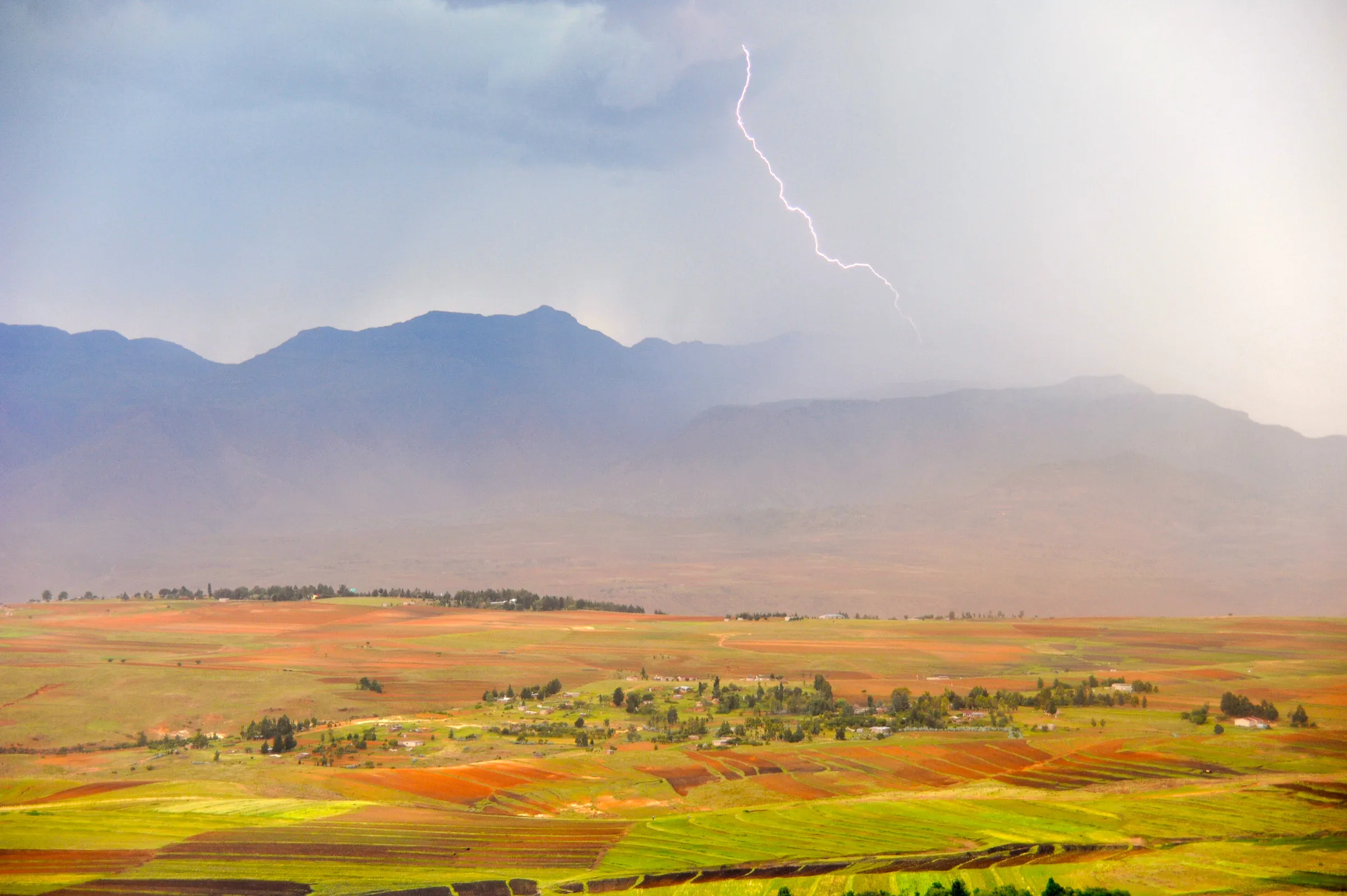
Green season is from November to April: Photography is amazing at this time, with wonderful light, dramatic lightning, and thunders storm cloud formations. Wildlife revels in the bounty of summer and life is good.
November:– By now it is hot, but with the humidity still low, it is pleasant. On average, the days are above 30°C/86°F, but it can be a lot higher in the desert.
December:– The first rains arrive and the temperature drops. The landscape changes after the first rains and everything comes to life. For the lucky you might experience the rare phenomenon of rain in the Namib Desert.
January & February:– Tends to be hot and humid with temperatures around 30-35°C/86-95°F and over 40°C/104°F in the desert. There may be downpours in the afternoon but not every day. Mornings are usually clear.
March & April:– Rainfall stops around April. It cools down and the nights start to get cold. Average day temperatures are around 25-30°C/77-86°F.