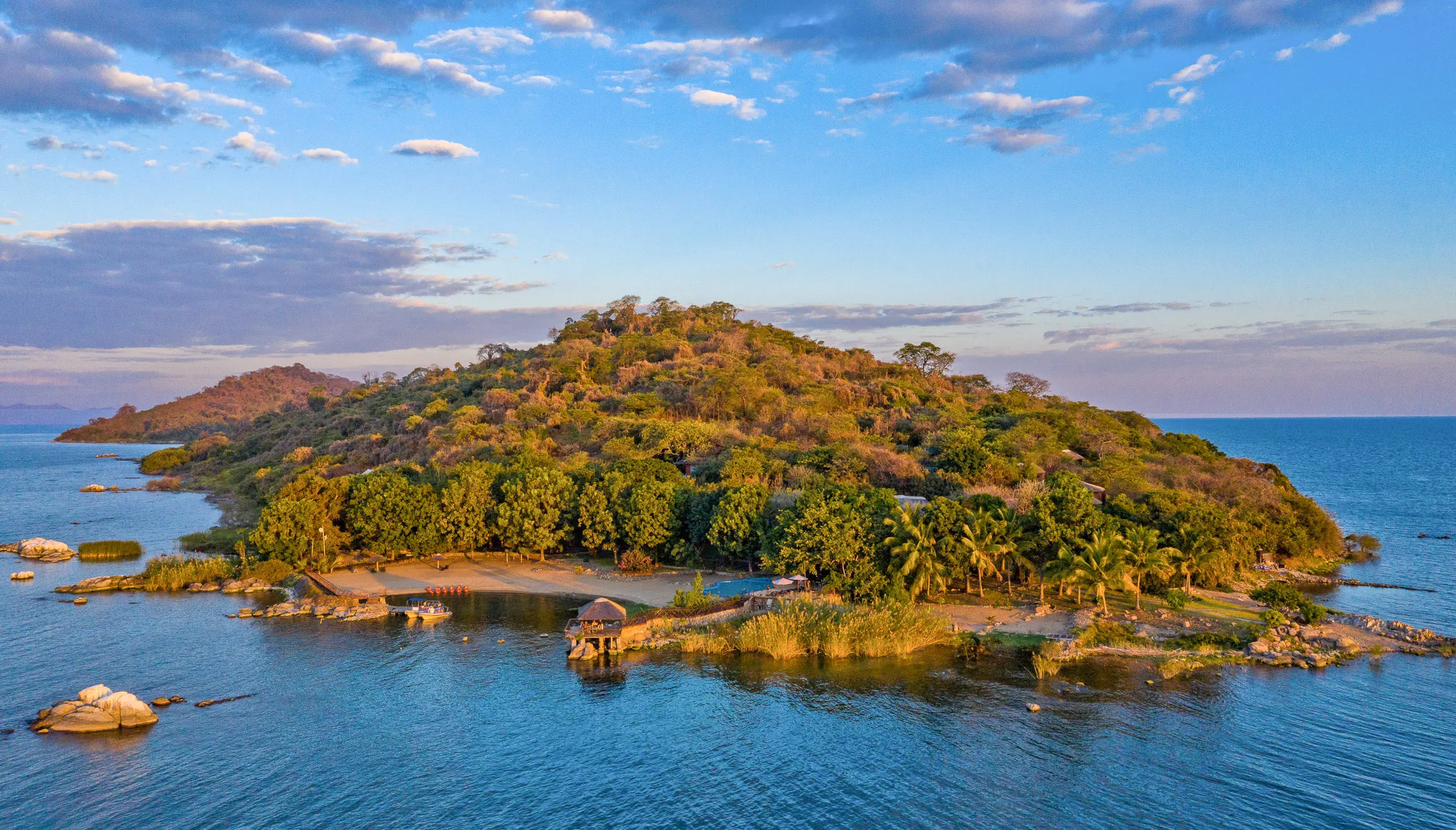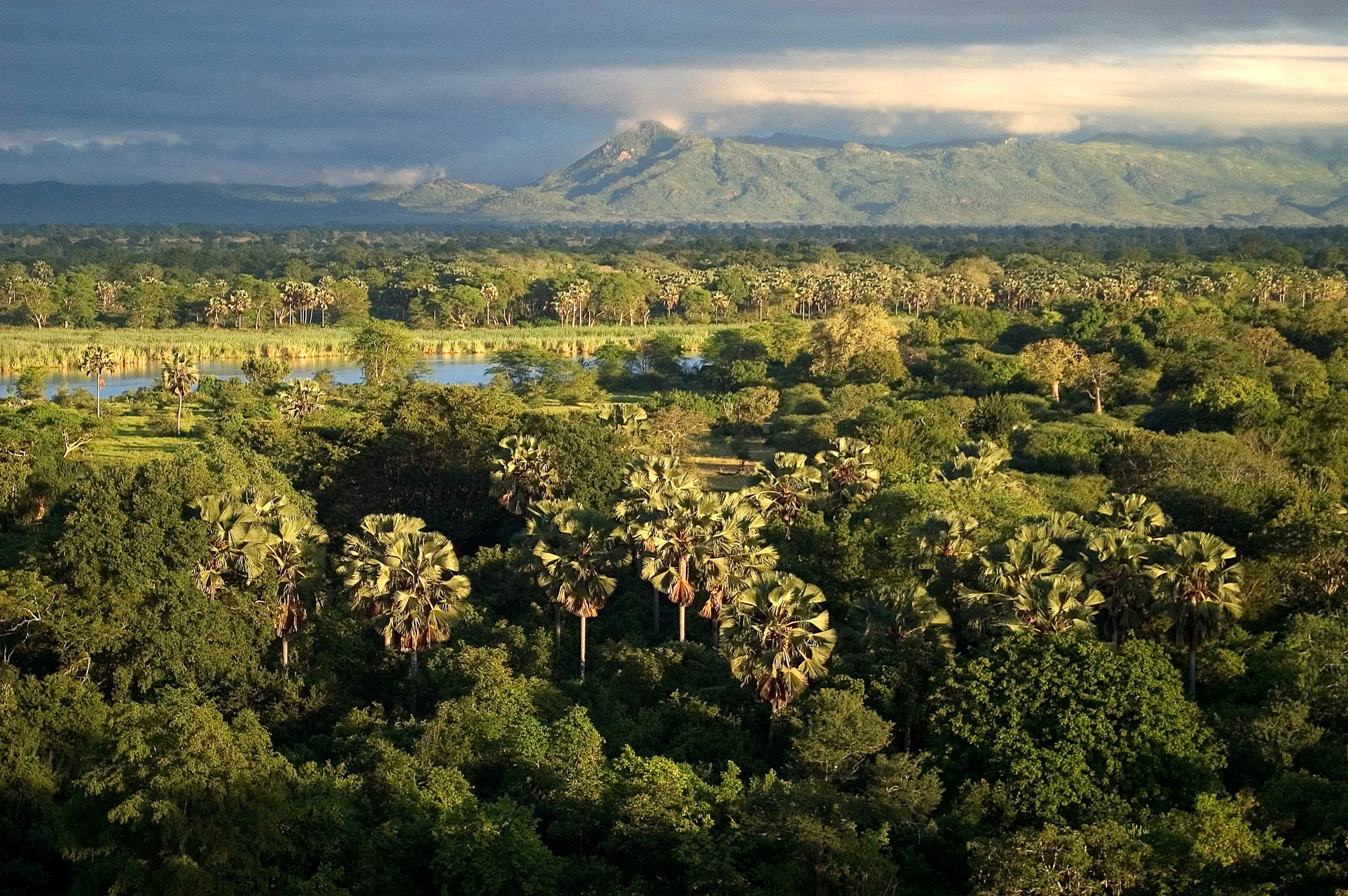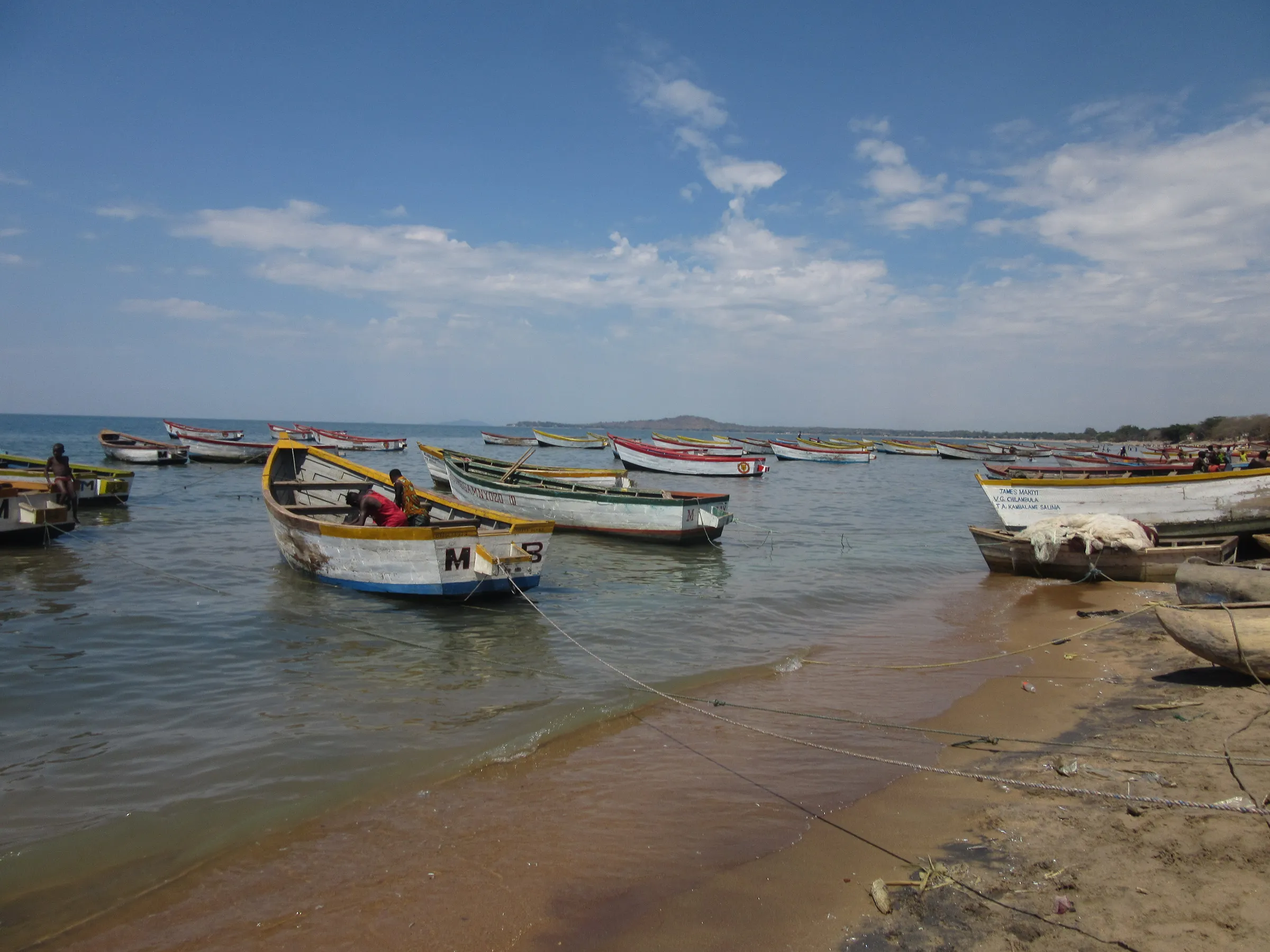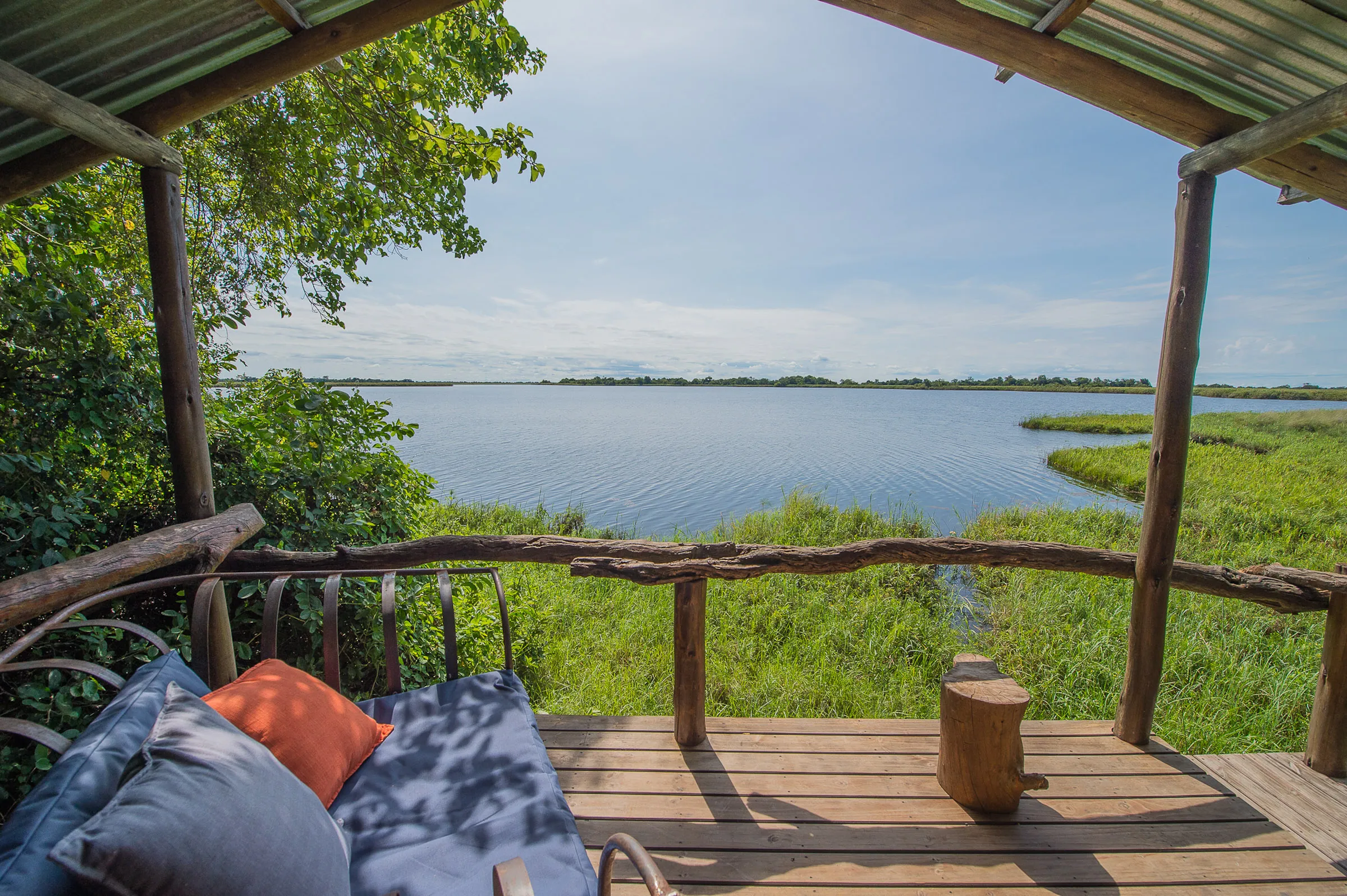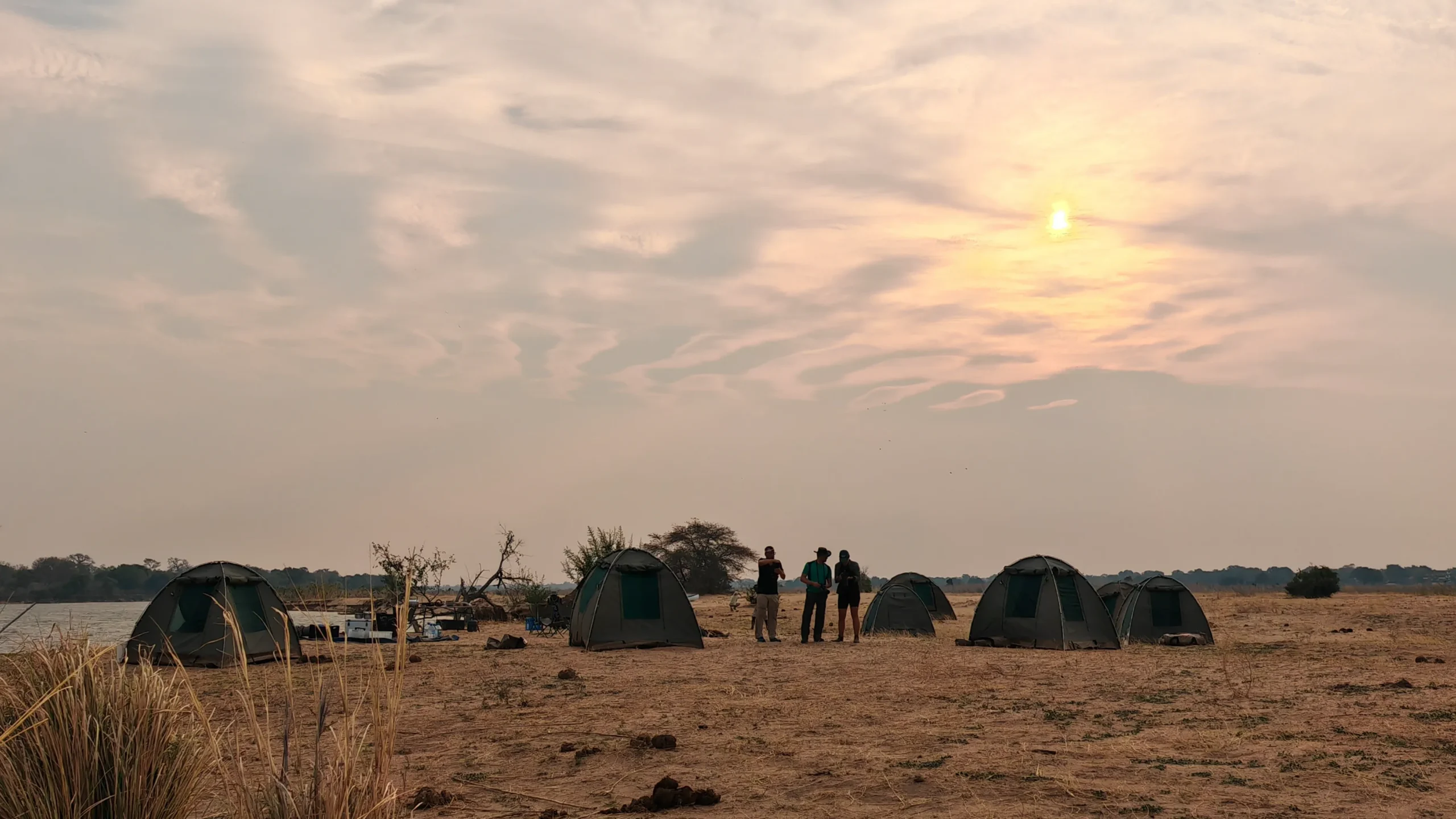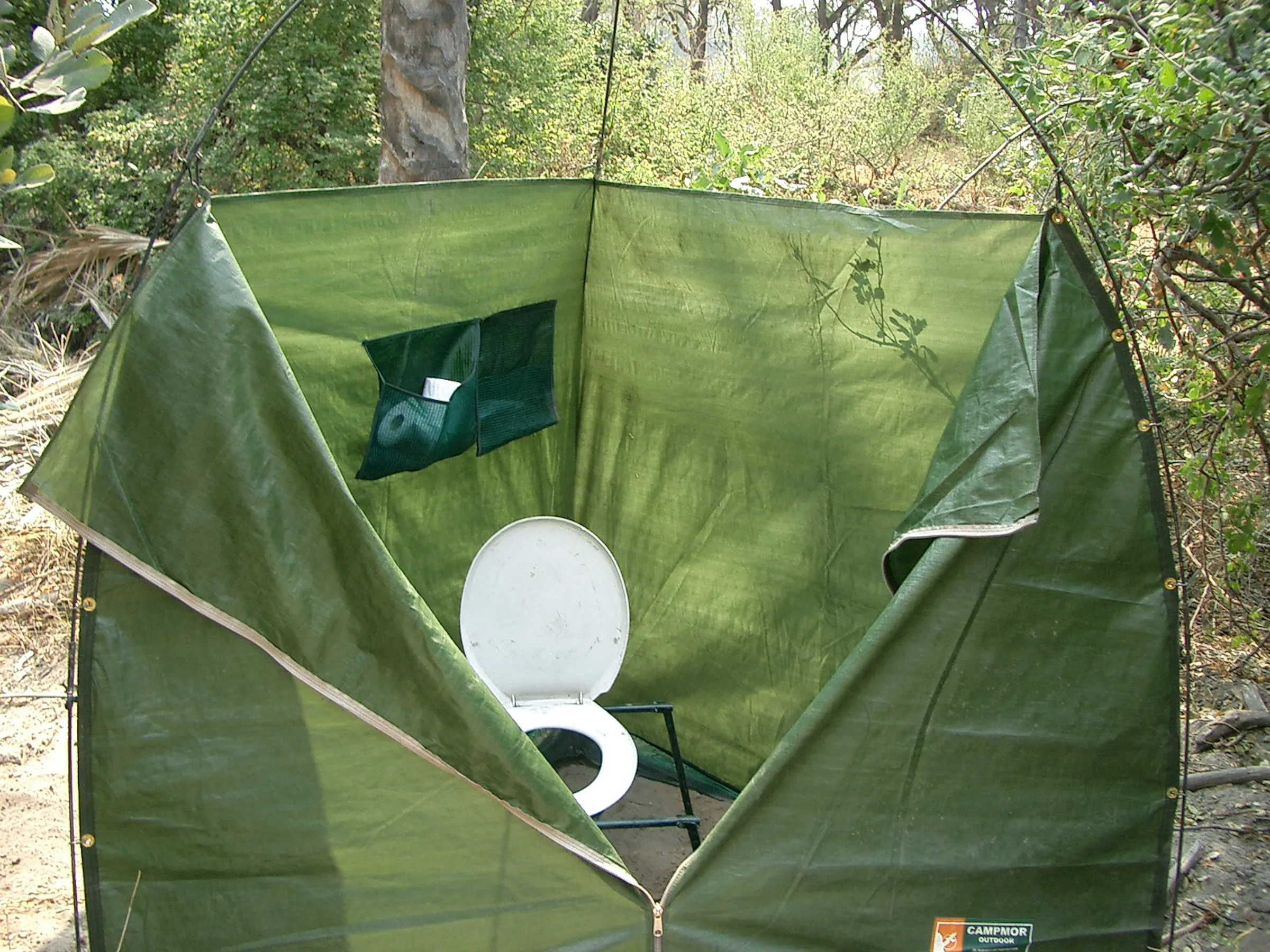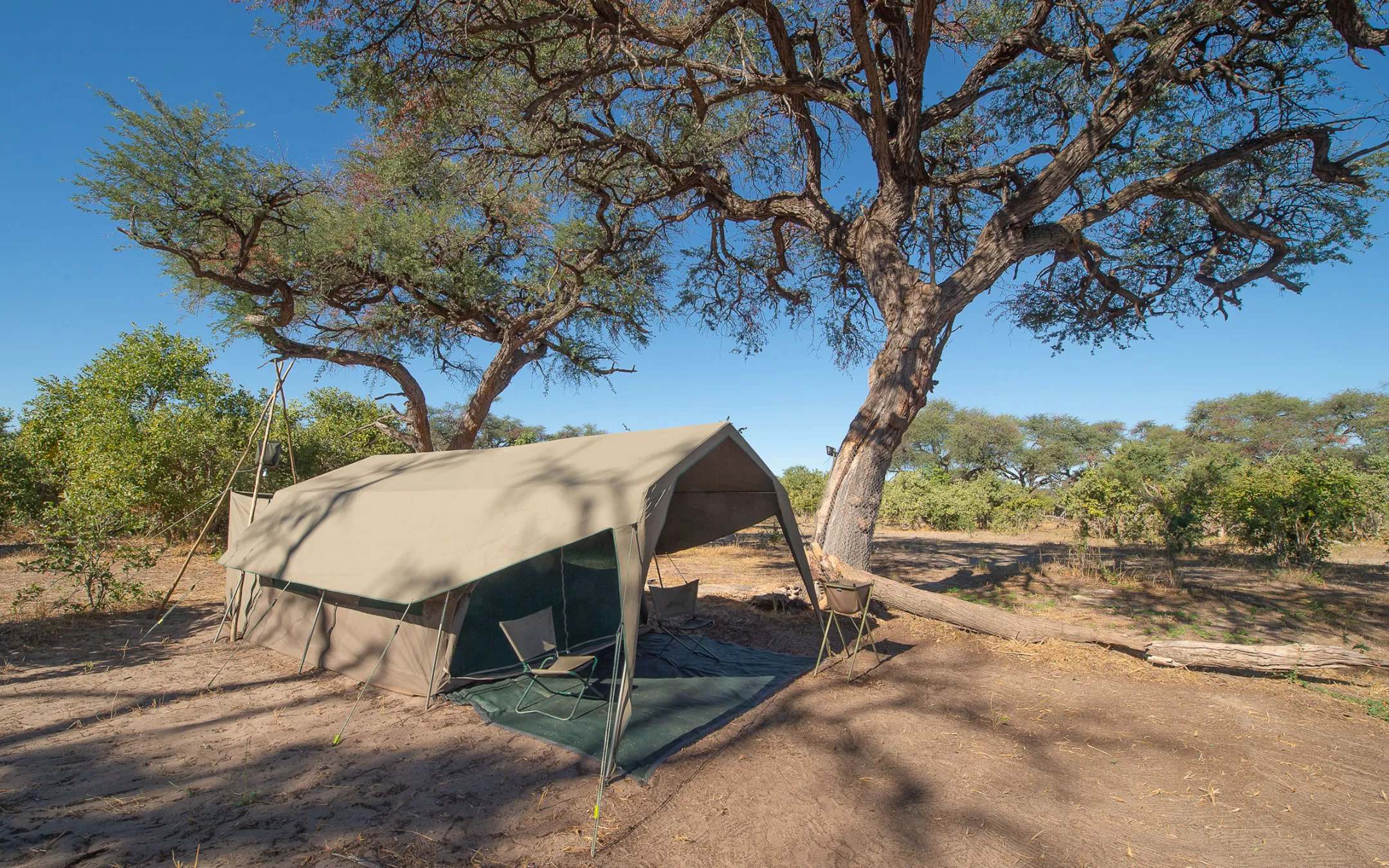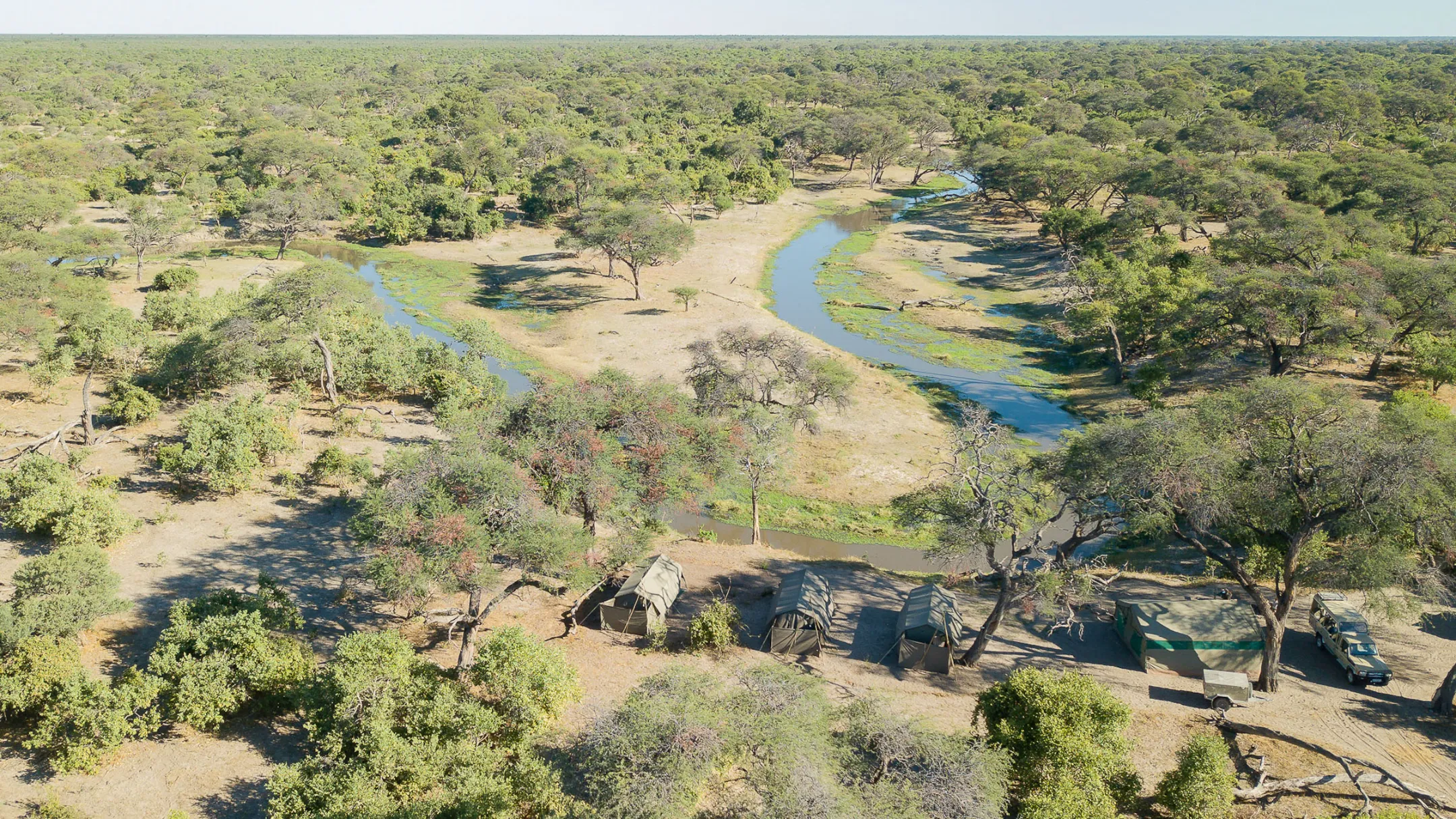


Zimbabwe offers a rich combination of cultural heritage and diverse natural landscapes.
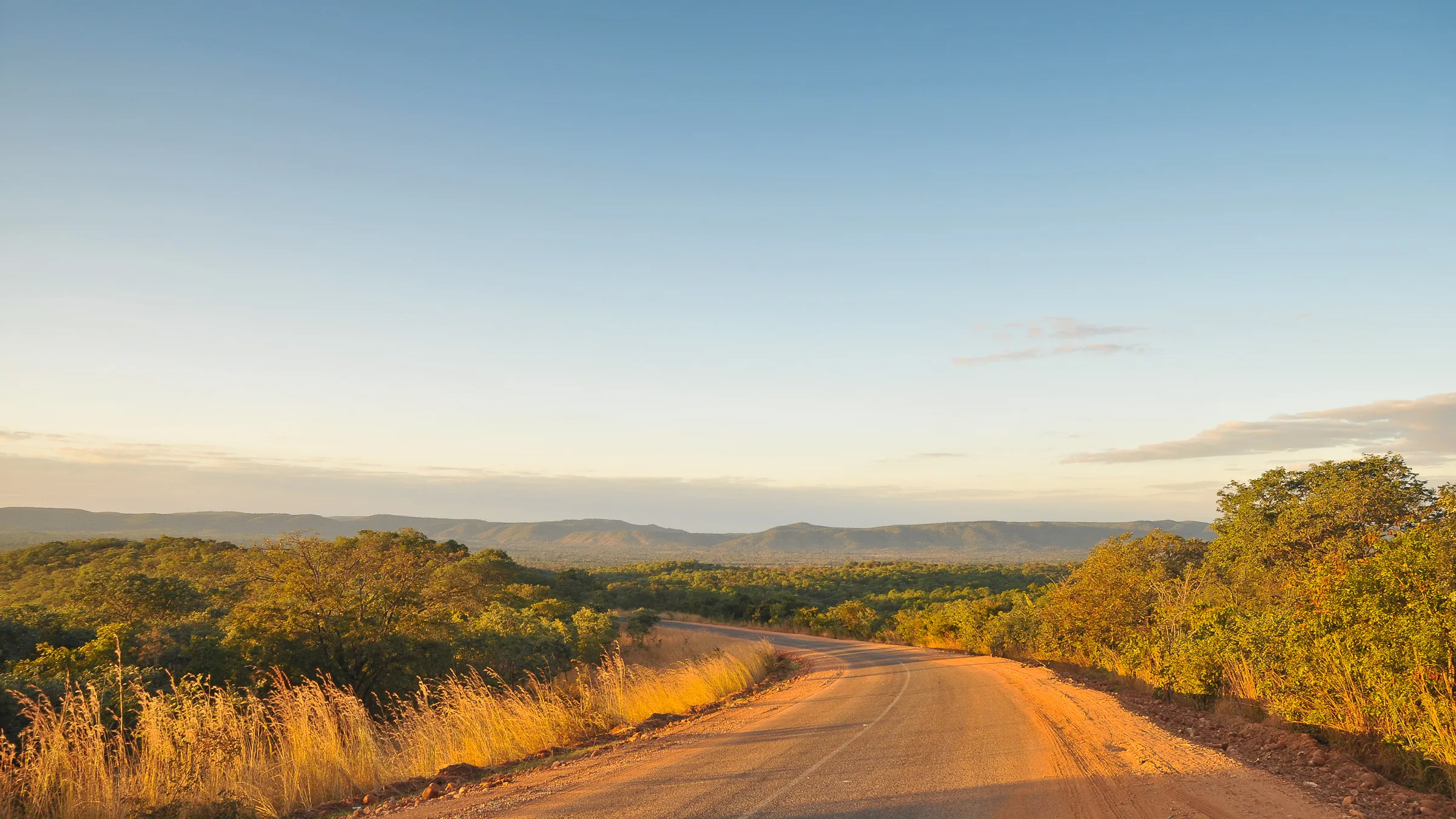
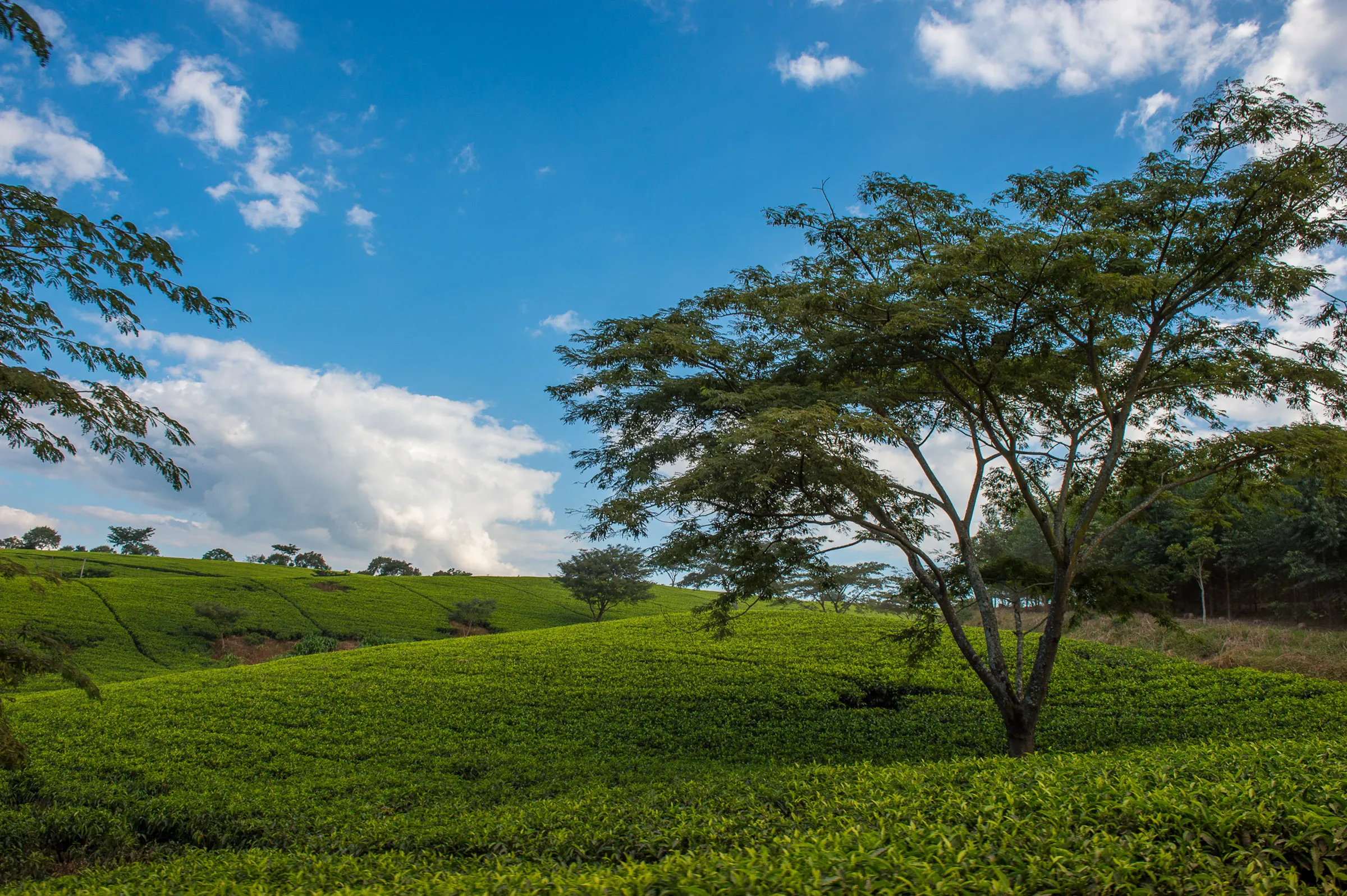
Zimbabwe is one of Southern Africa’s most varied safari destinations. It is a country defined by contrast, from green rolling countryside and rugged wilderness areas to ancient archaeological sites and vast wildlife ecosystems.
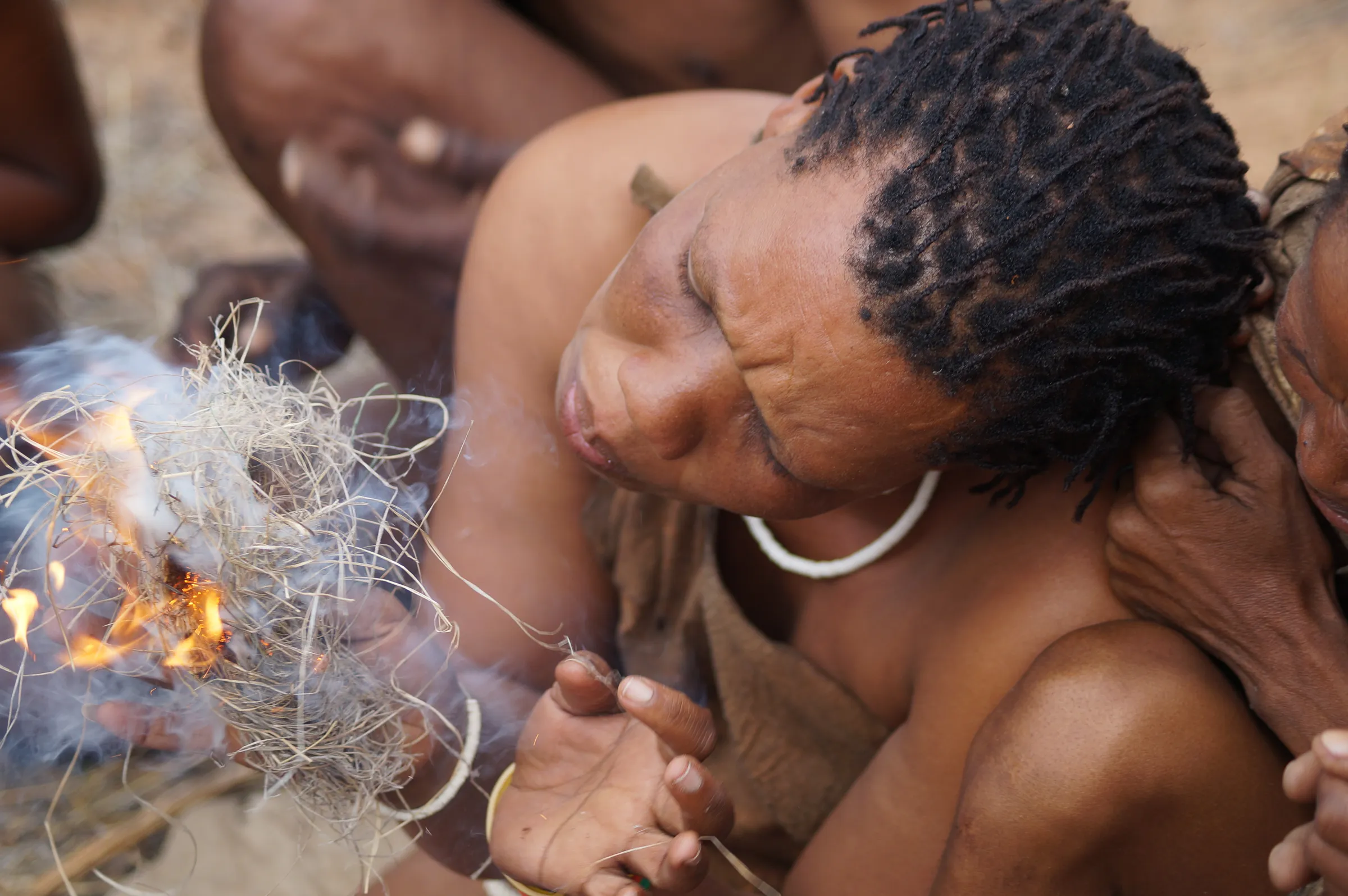
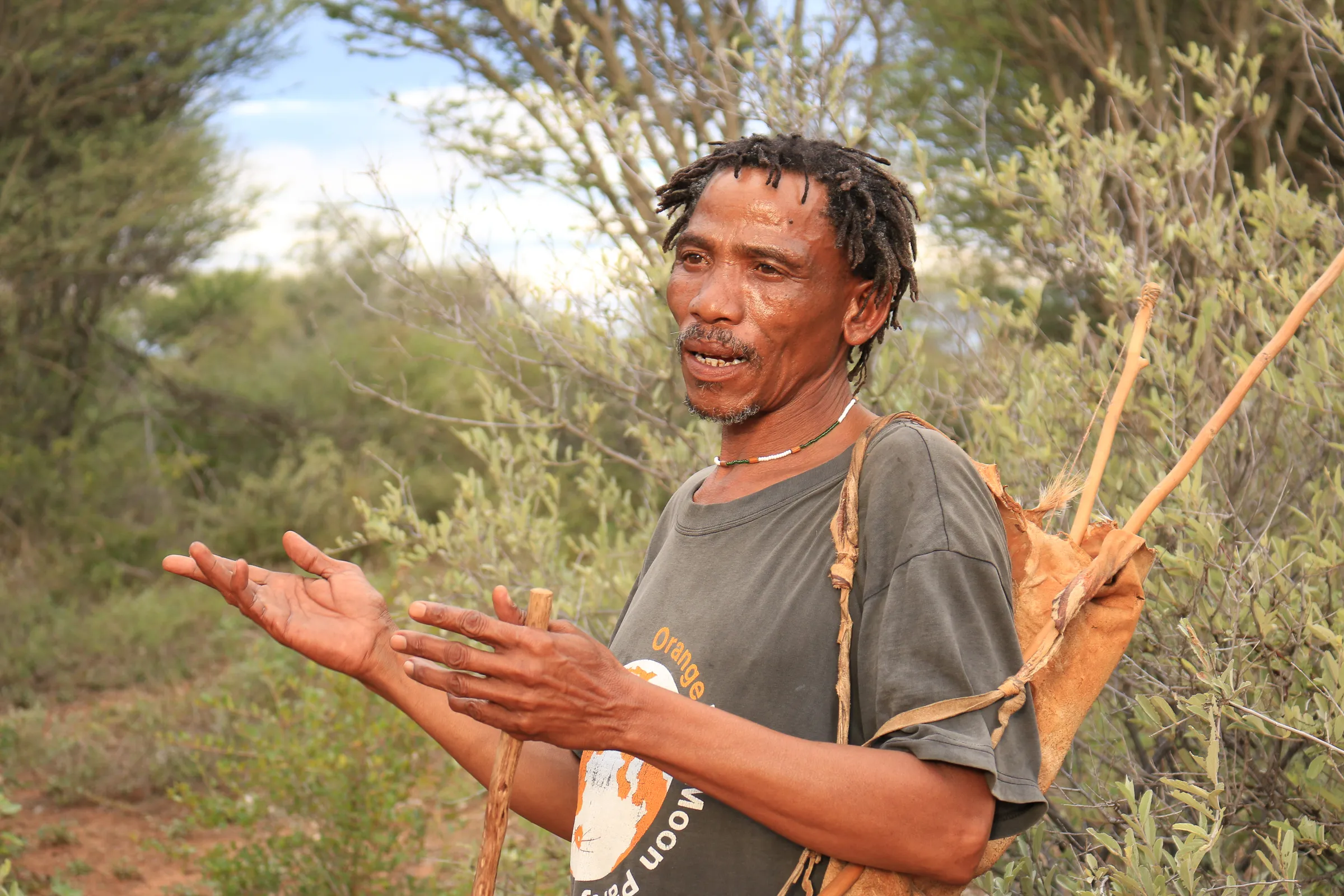
The country is known for its friendly people, strong cultural identity and remarkable natural heritage. Visitors can explore ancient ruins such as Great Zimbabwe, view centuries old rock art in the Matobo Hills region and encounter iconic African landscapes dominated by granite formations and baobab trees.
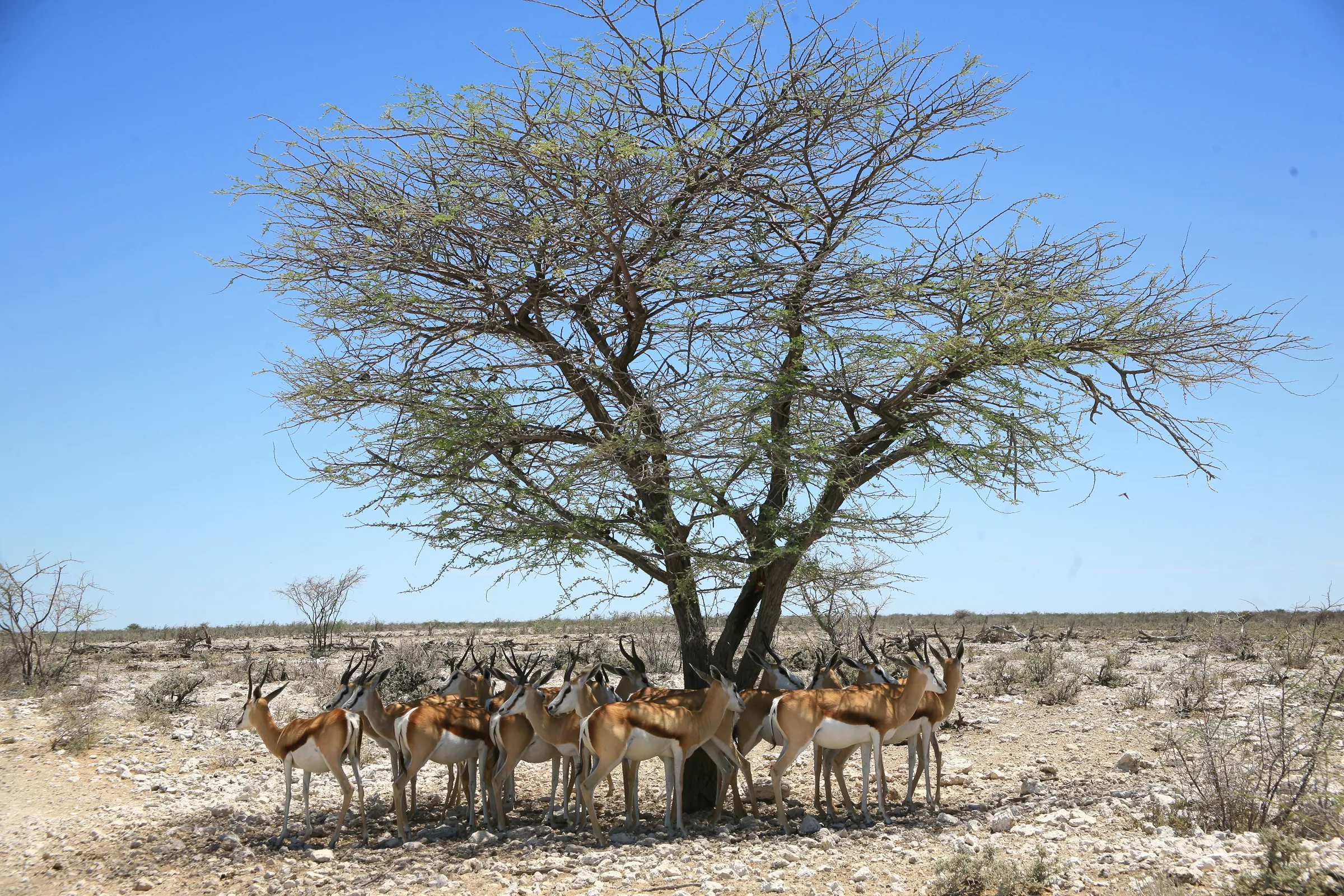
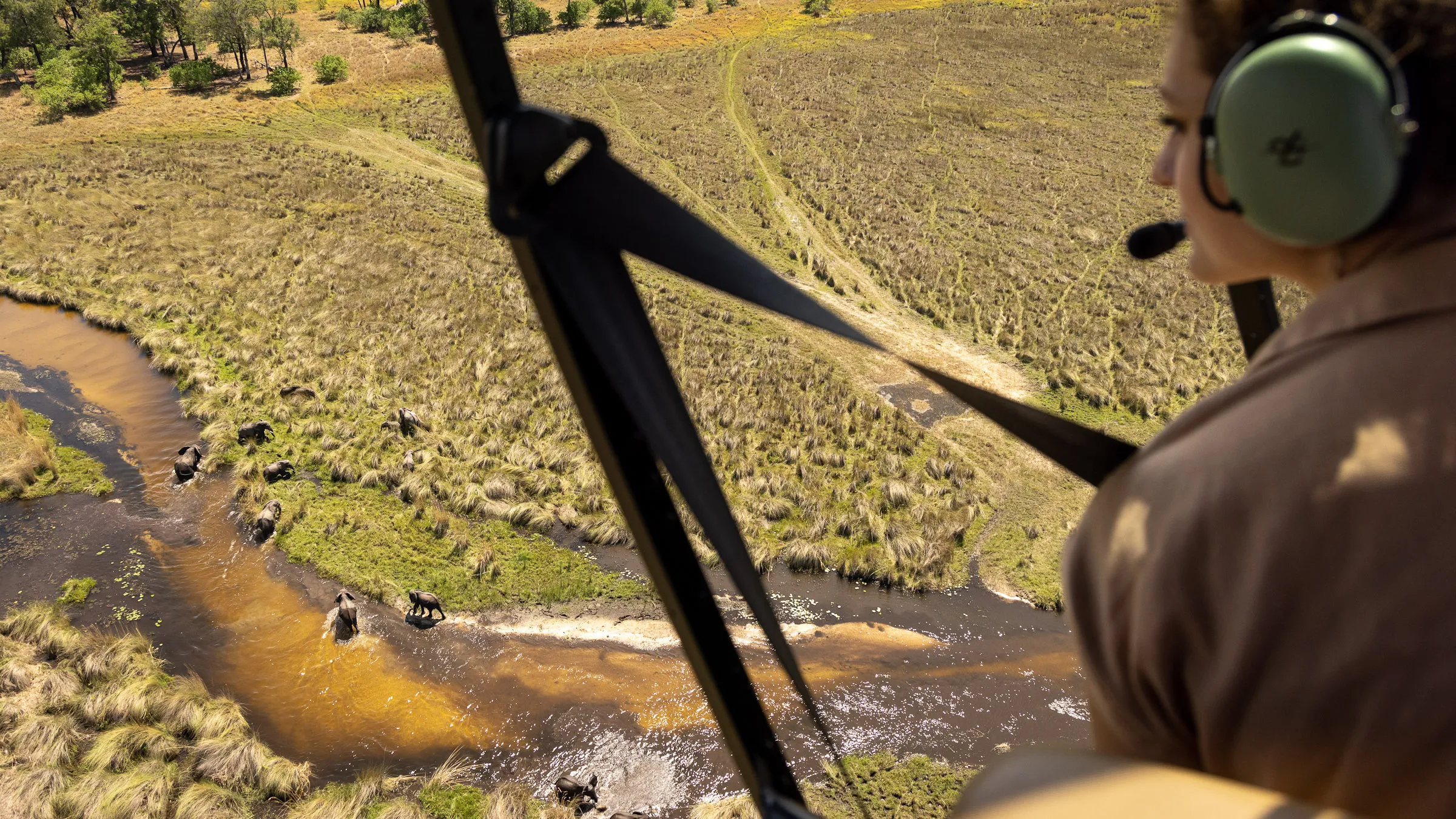
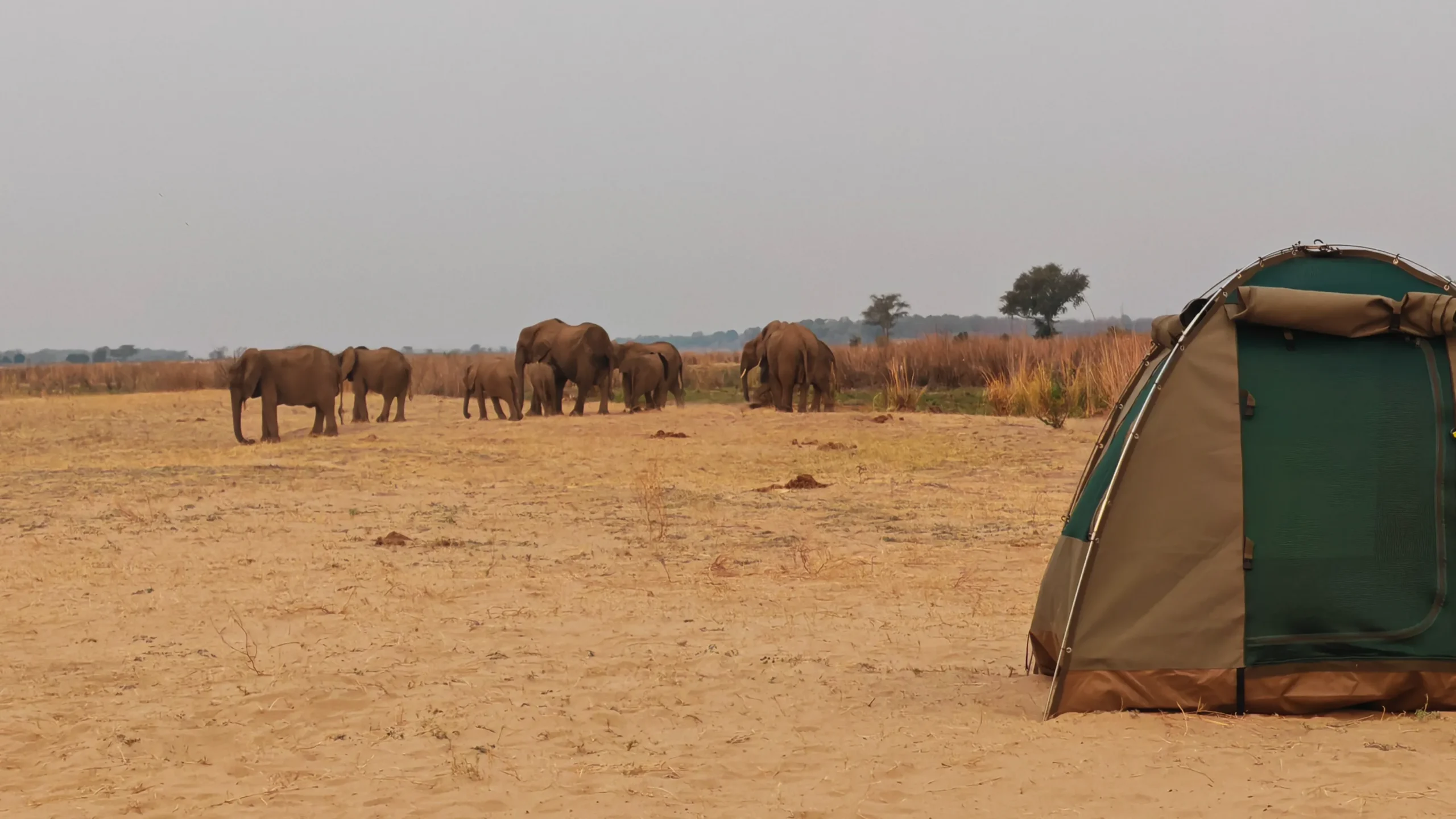
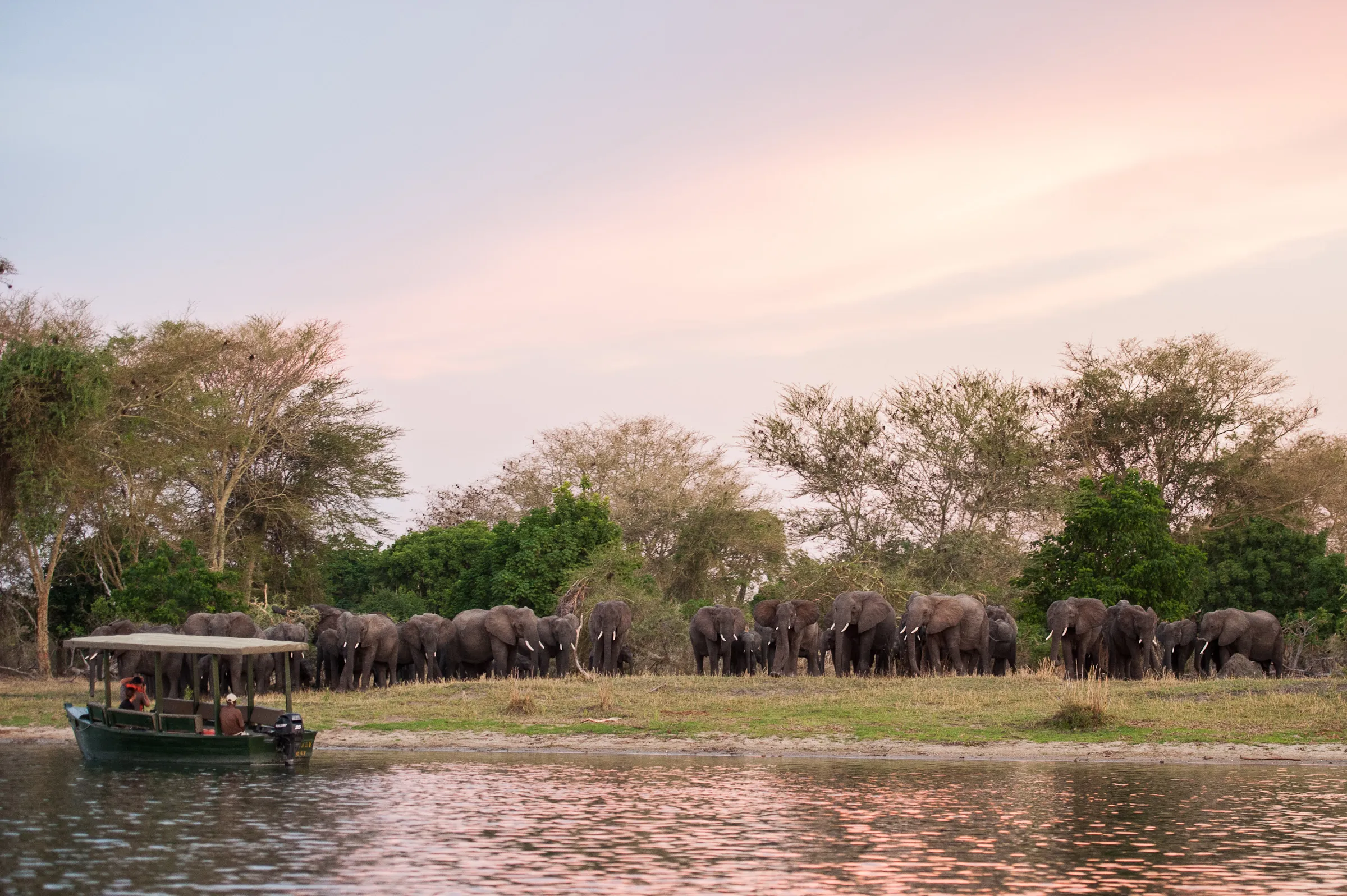
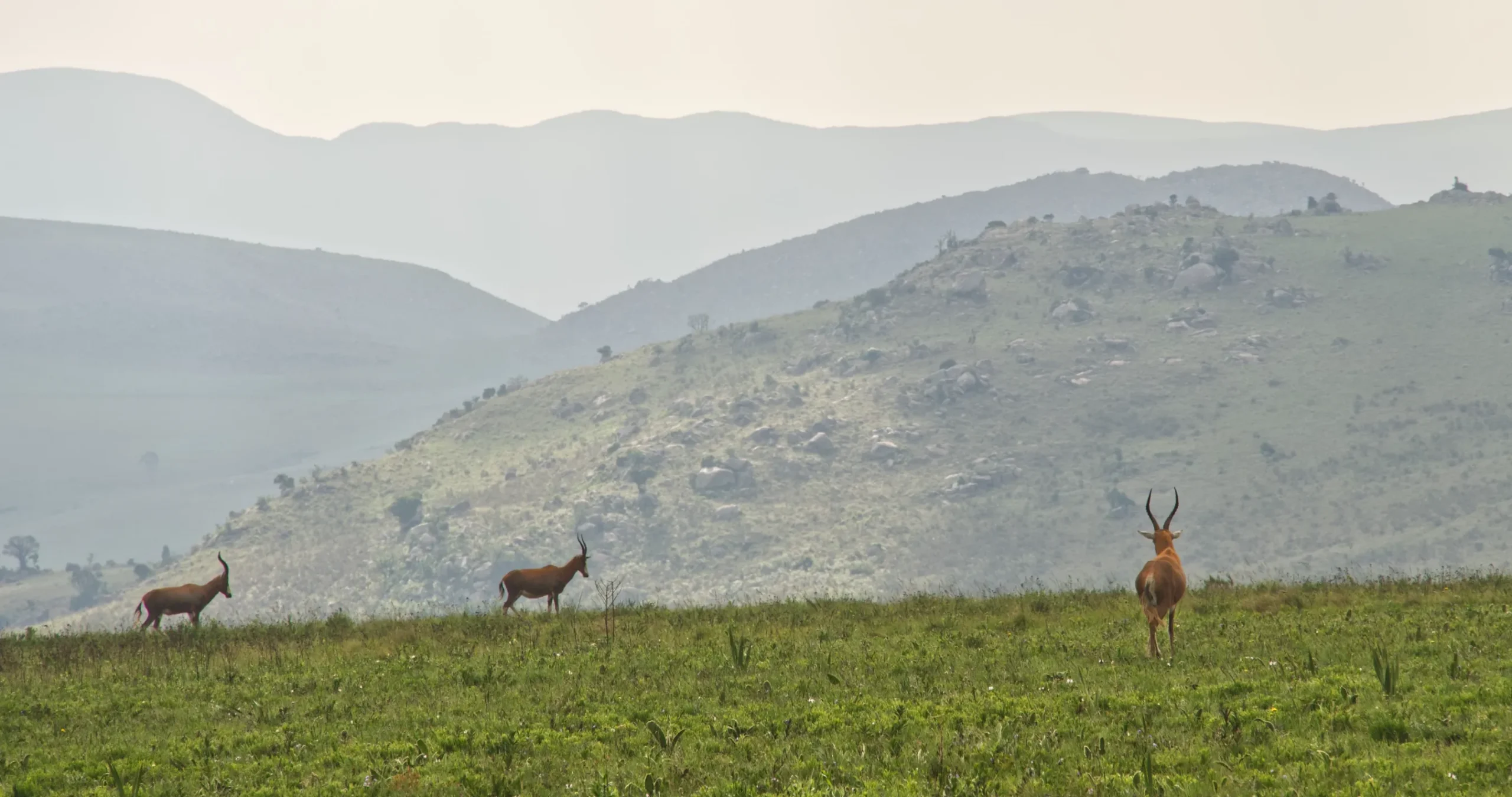
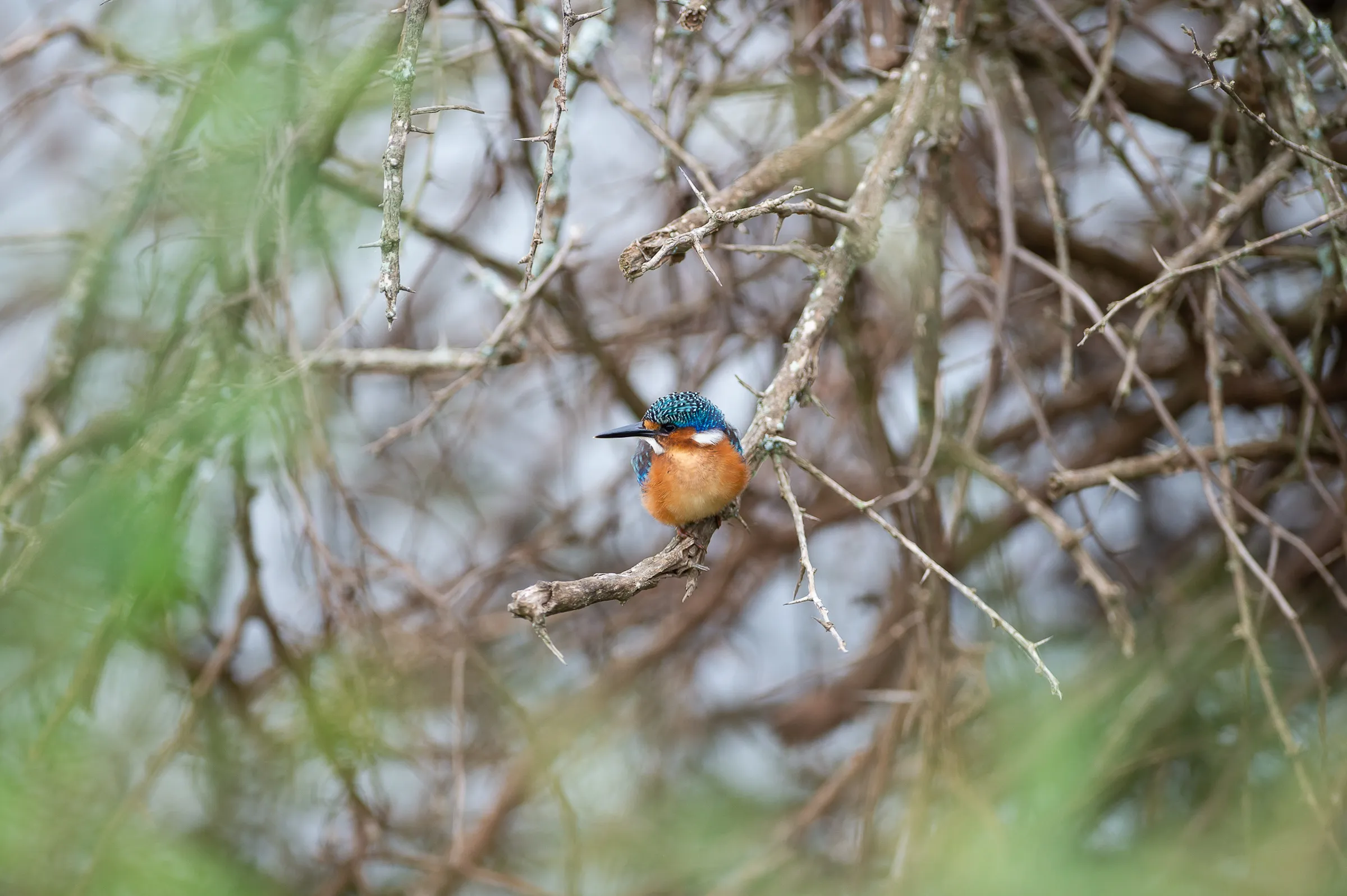
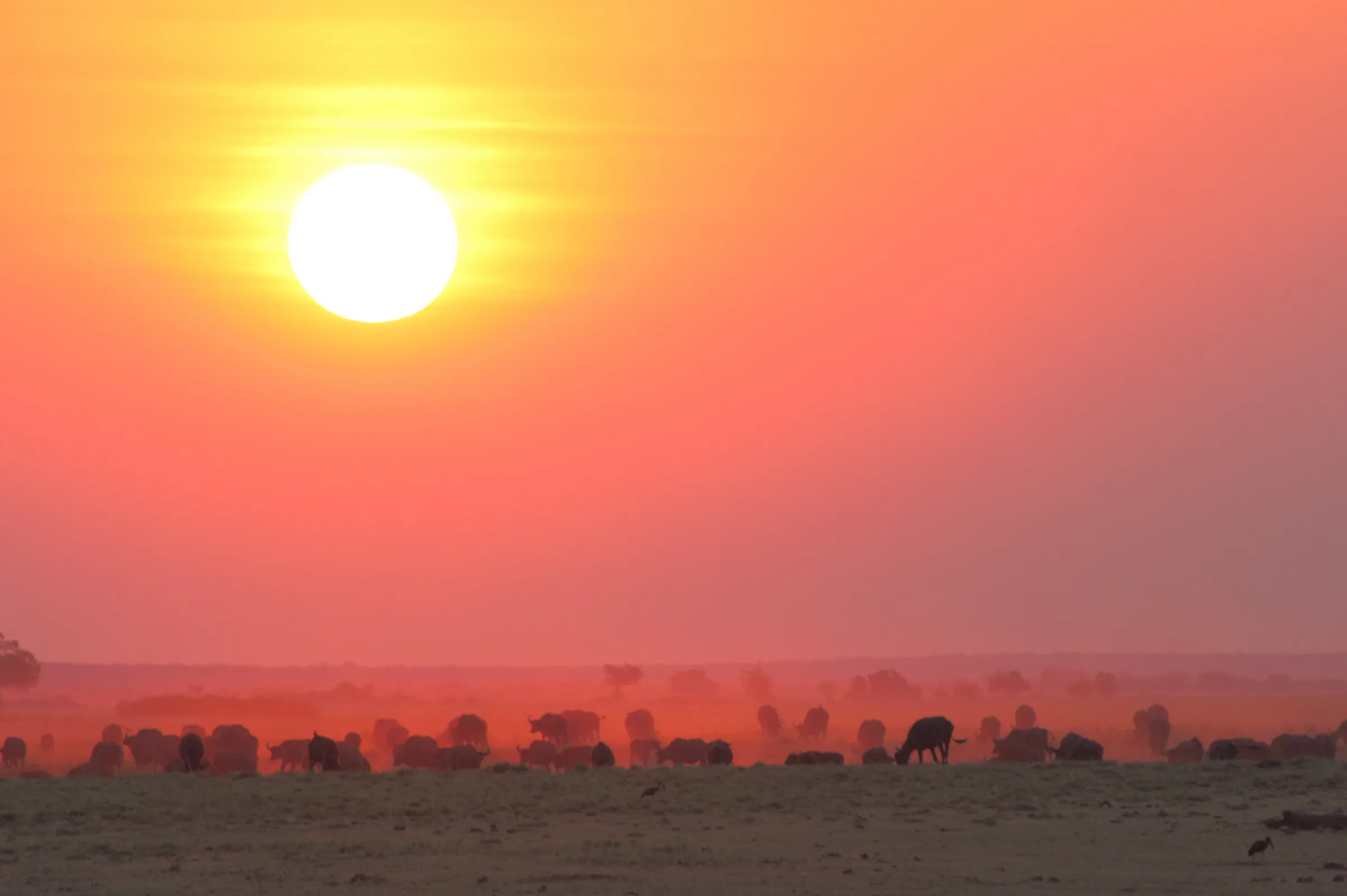
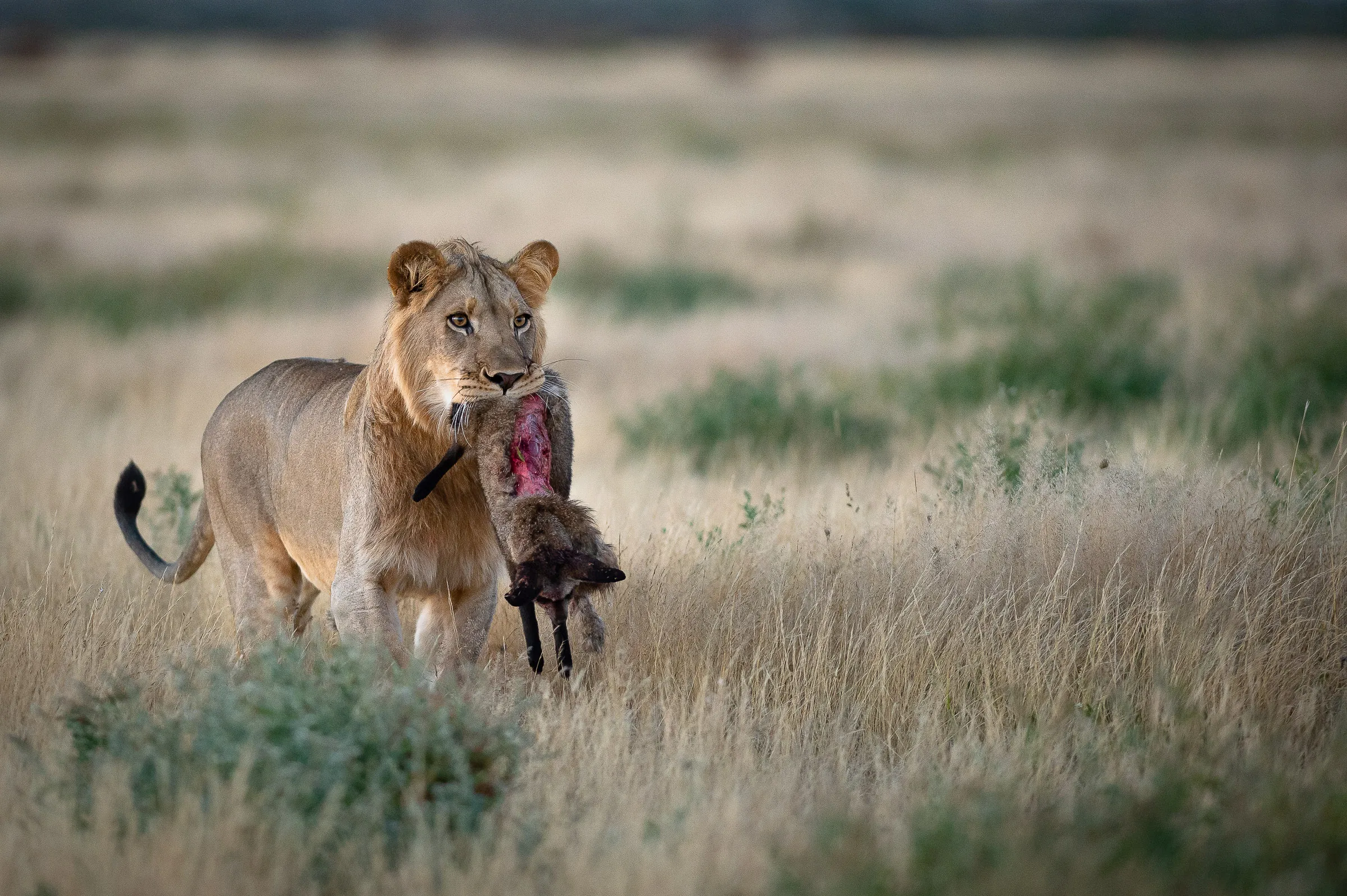
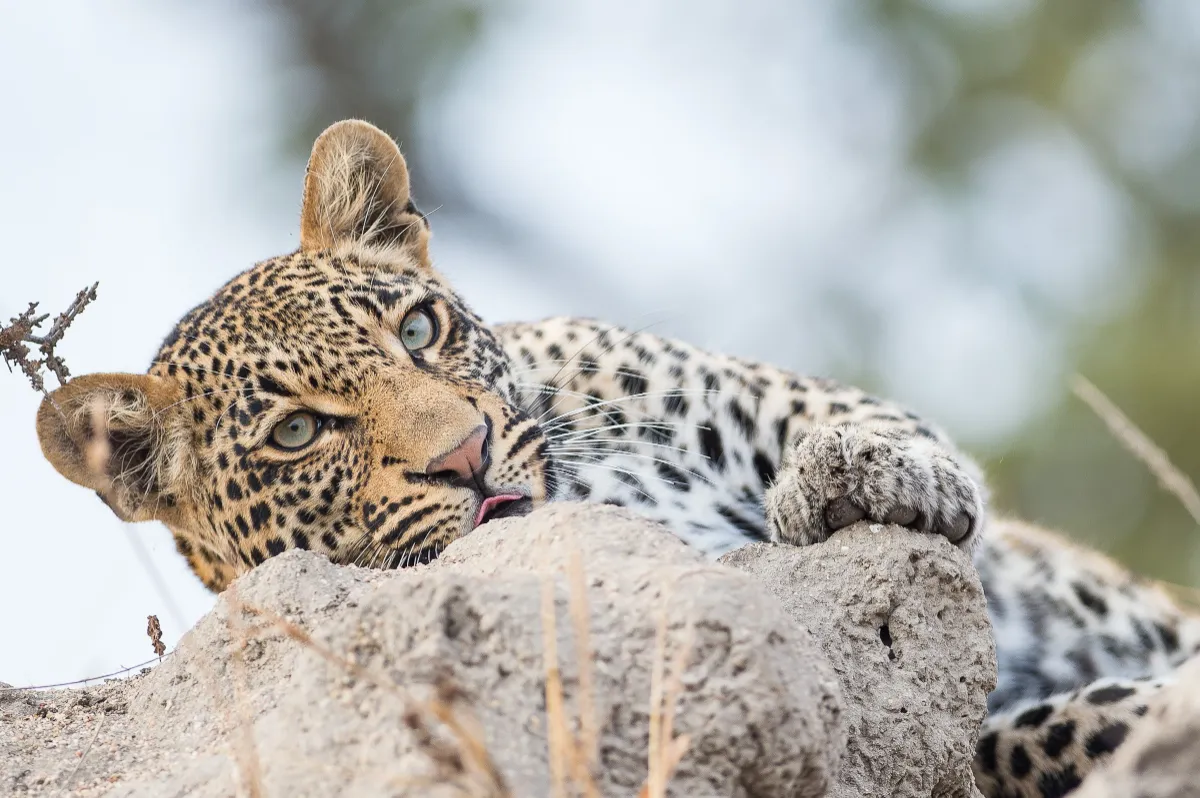
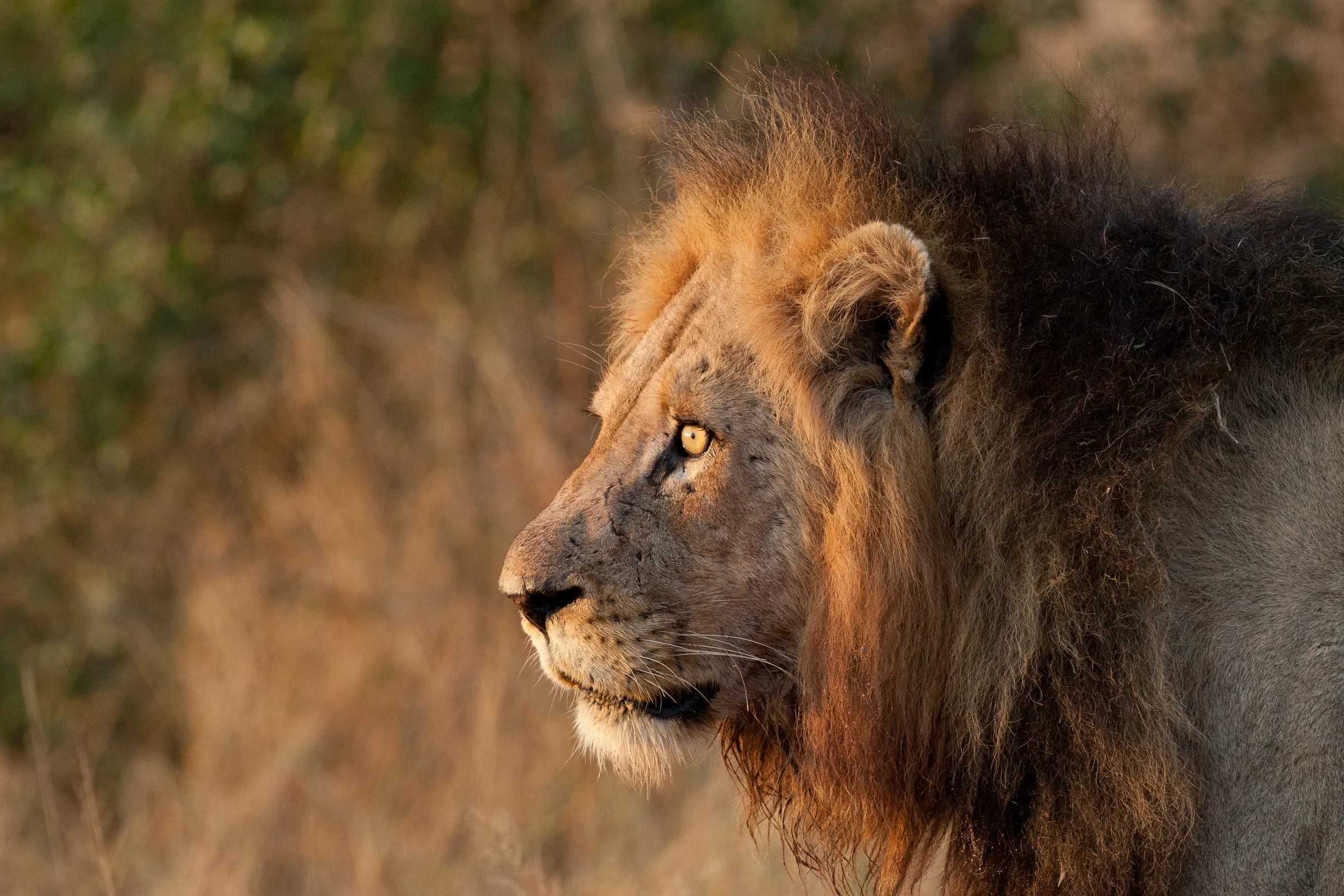
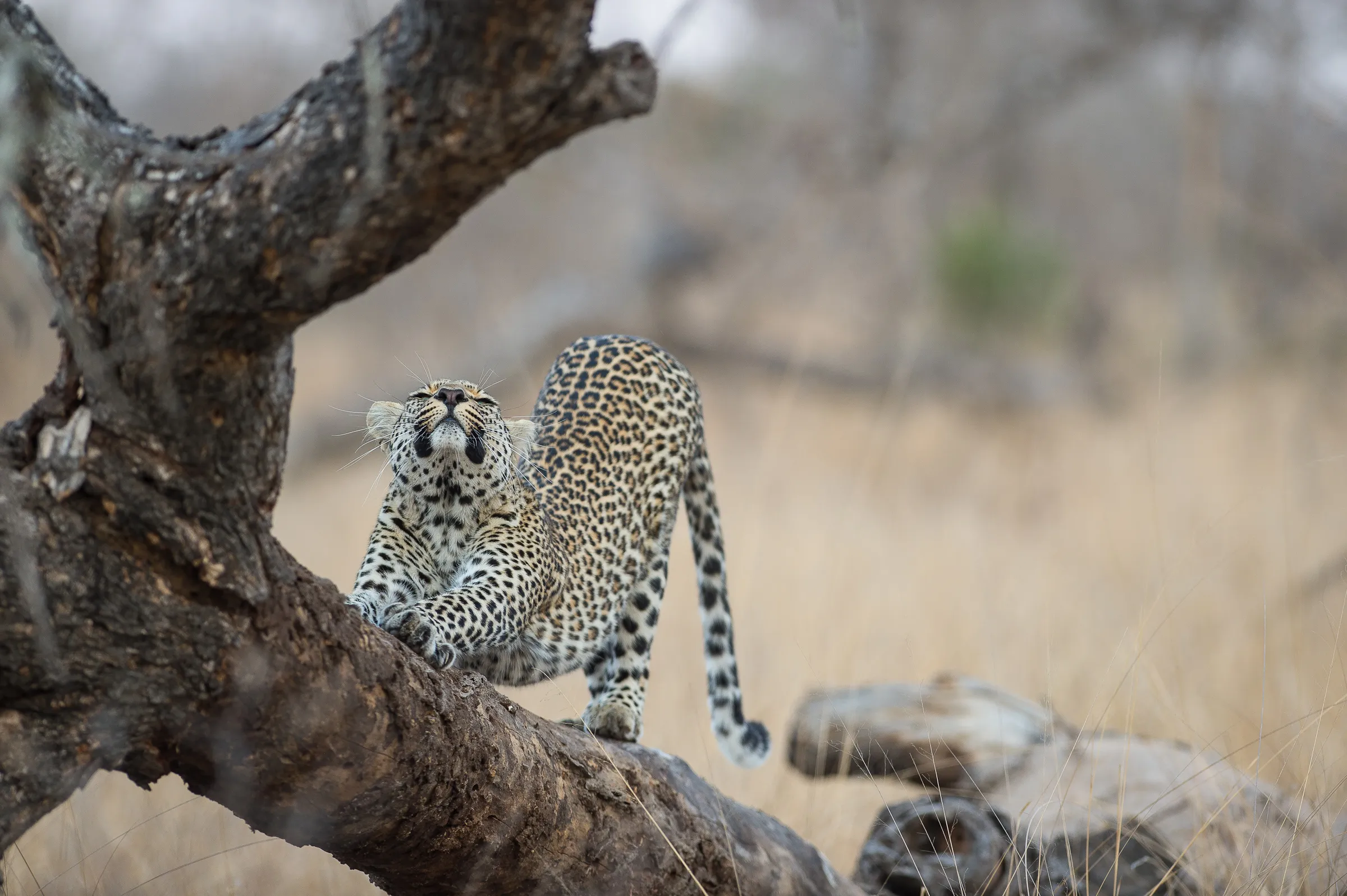
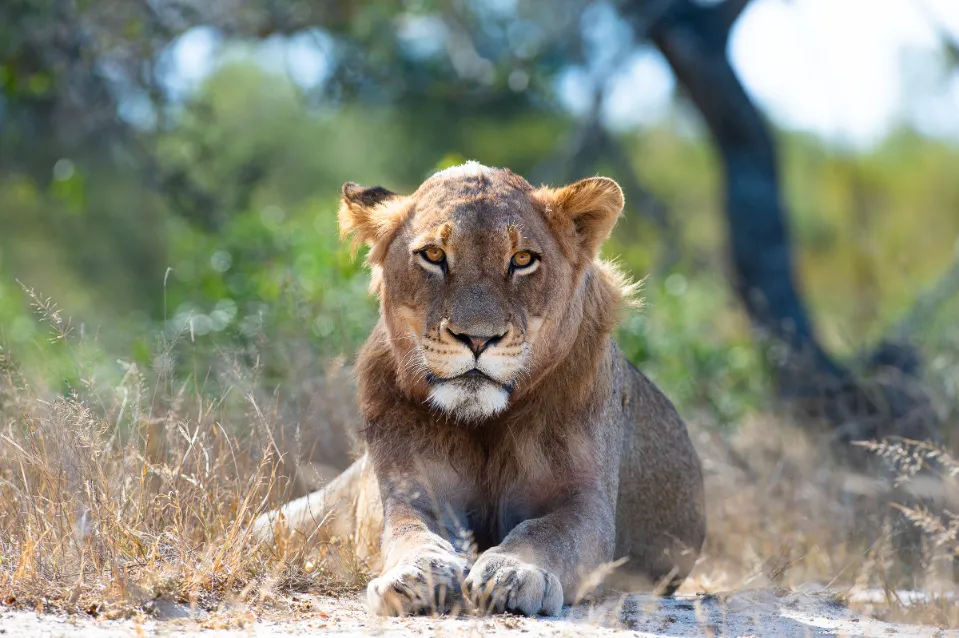
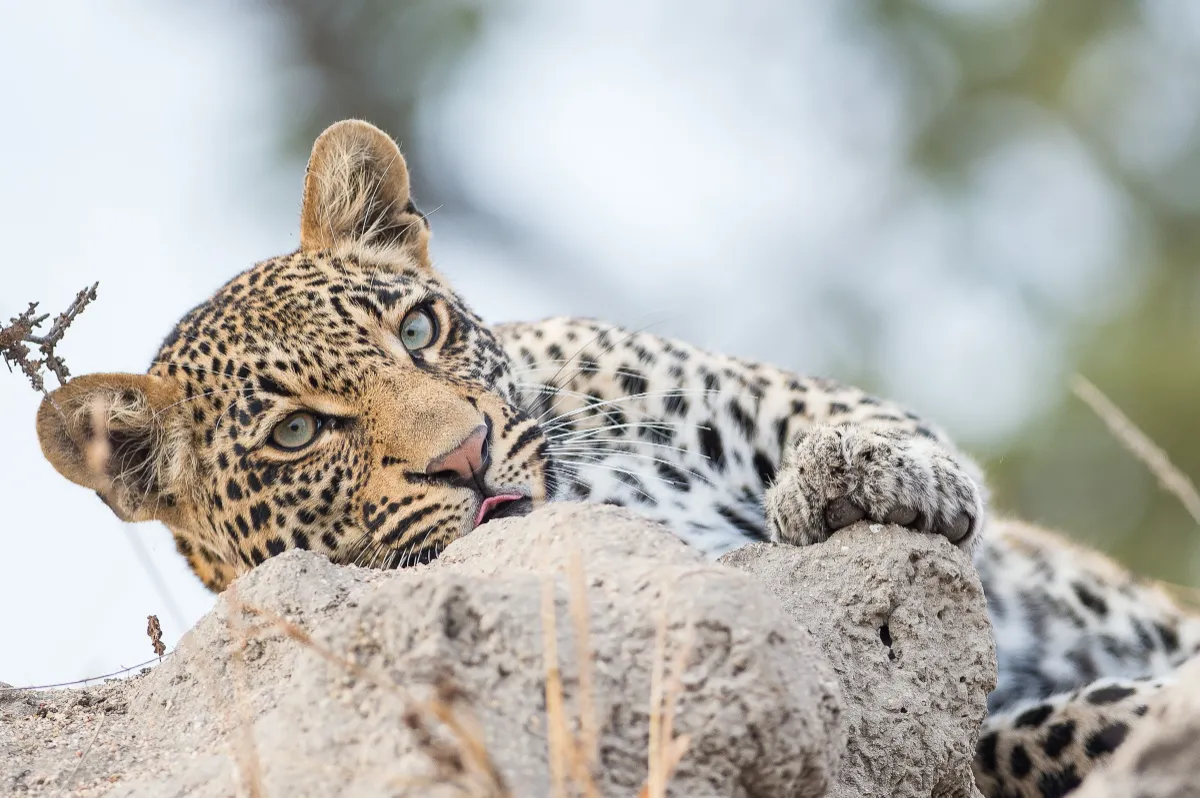
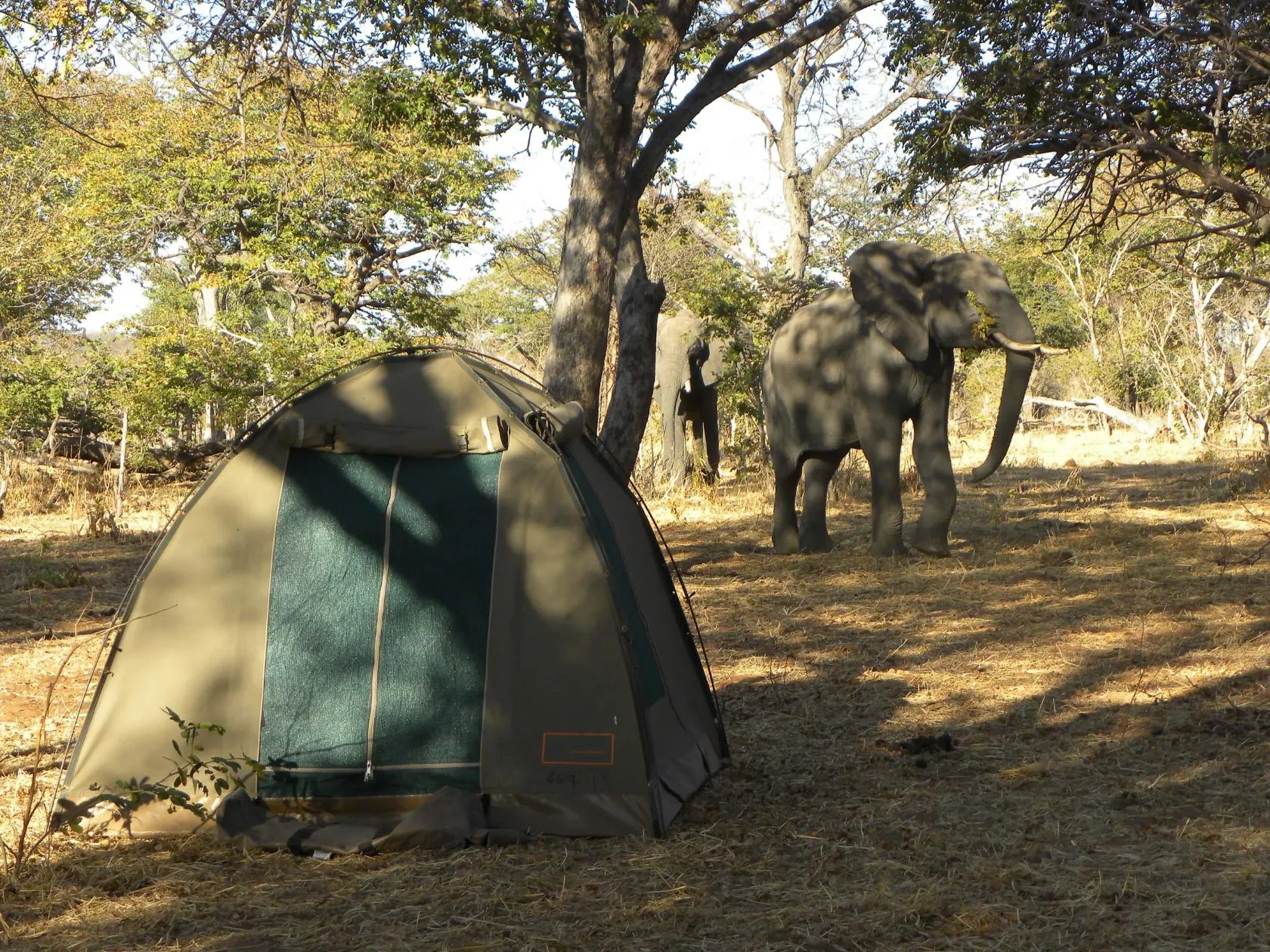
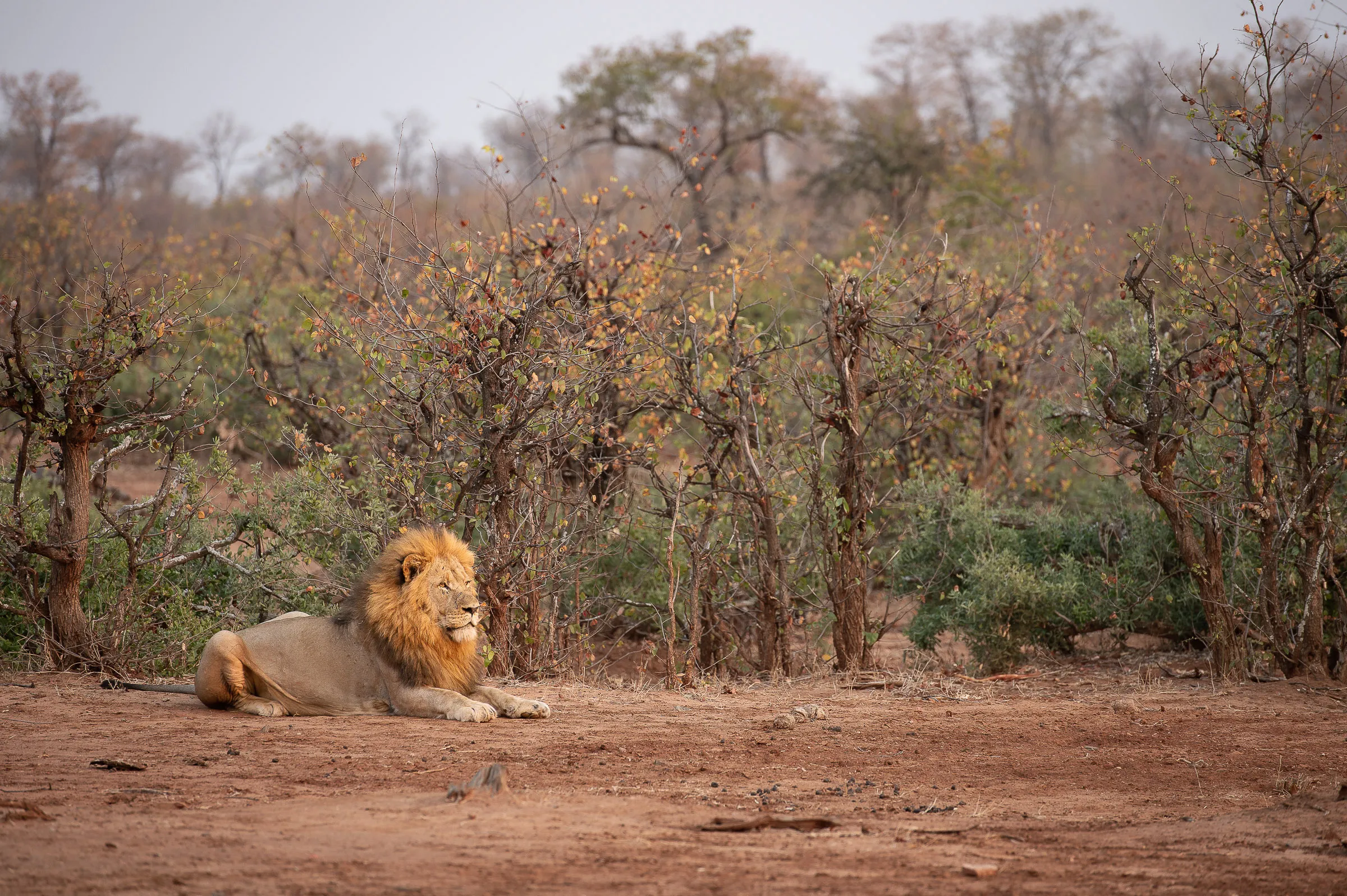
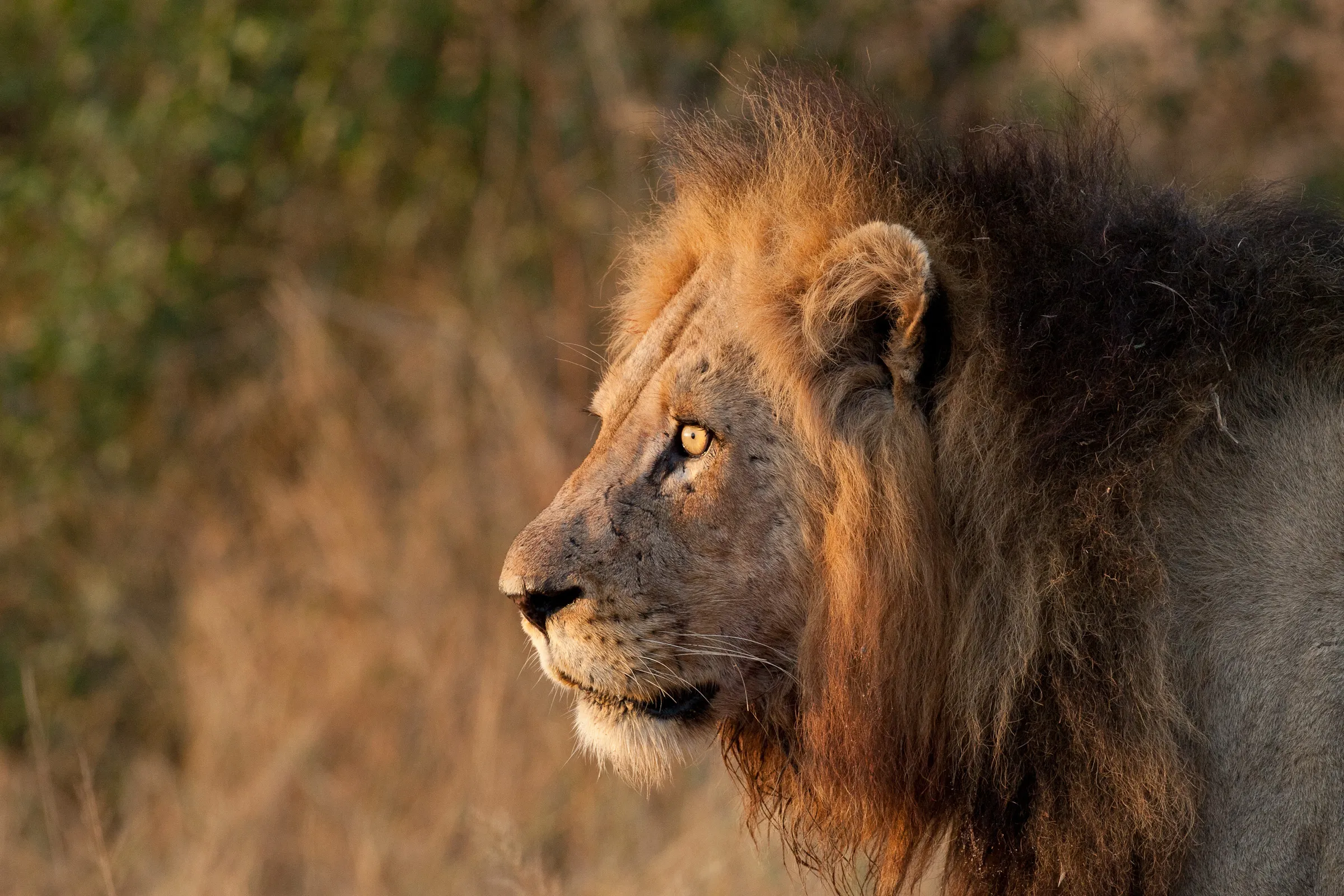
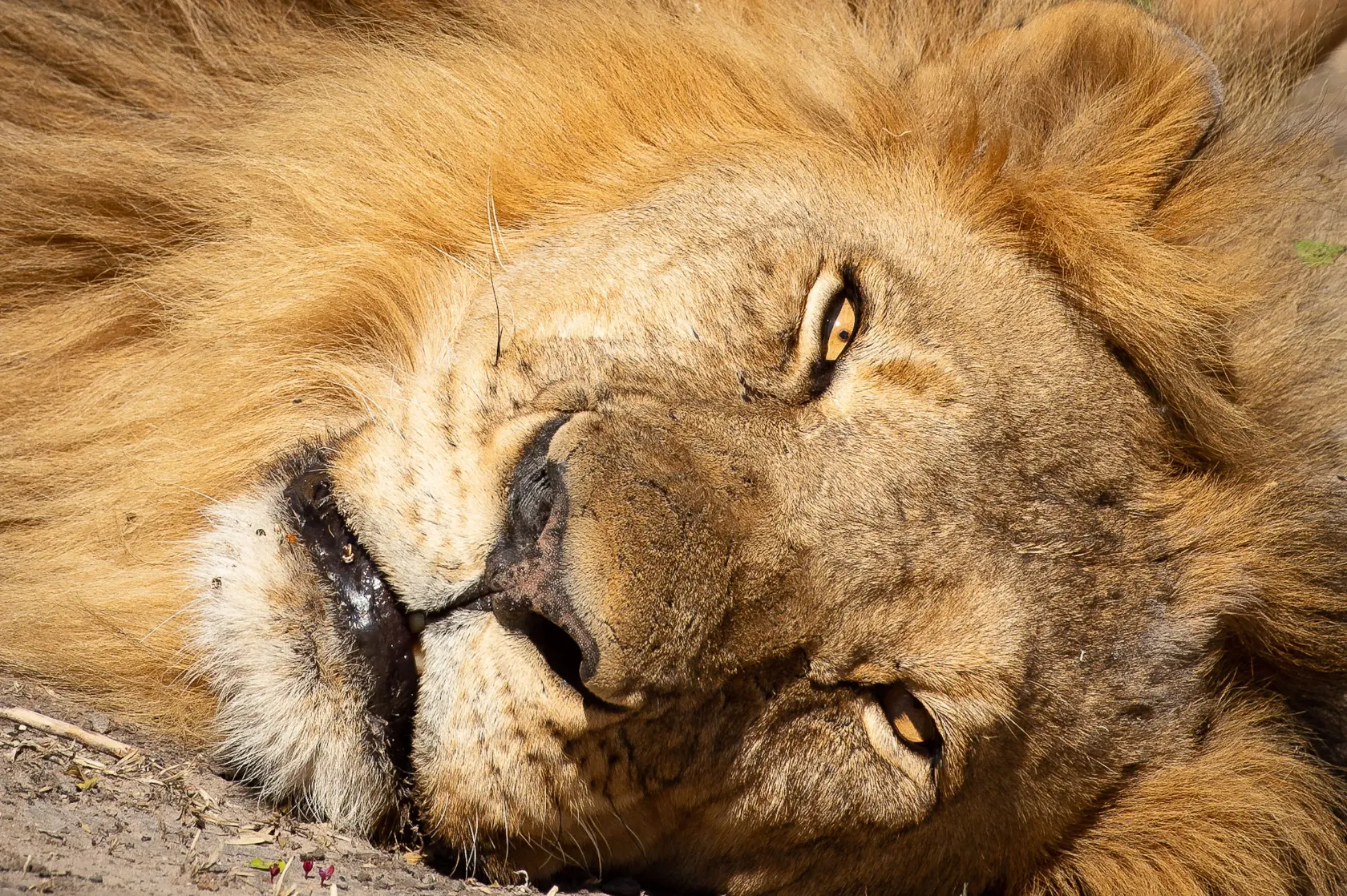
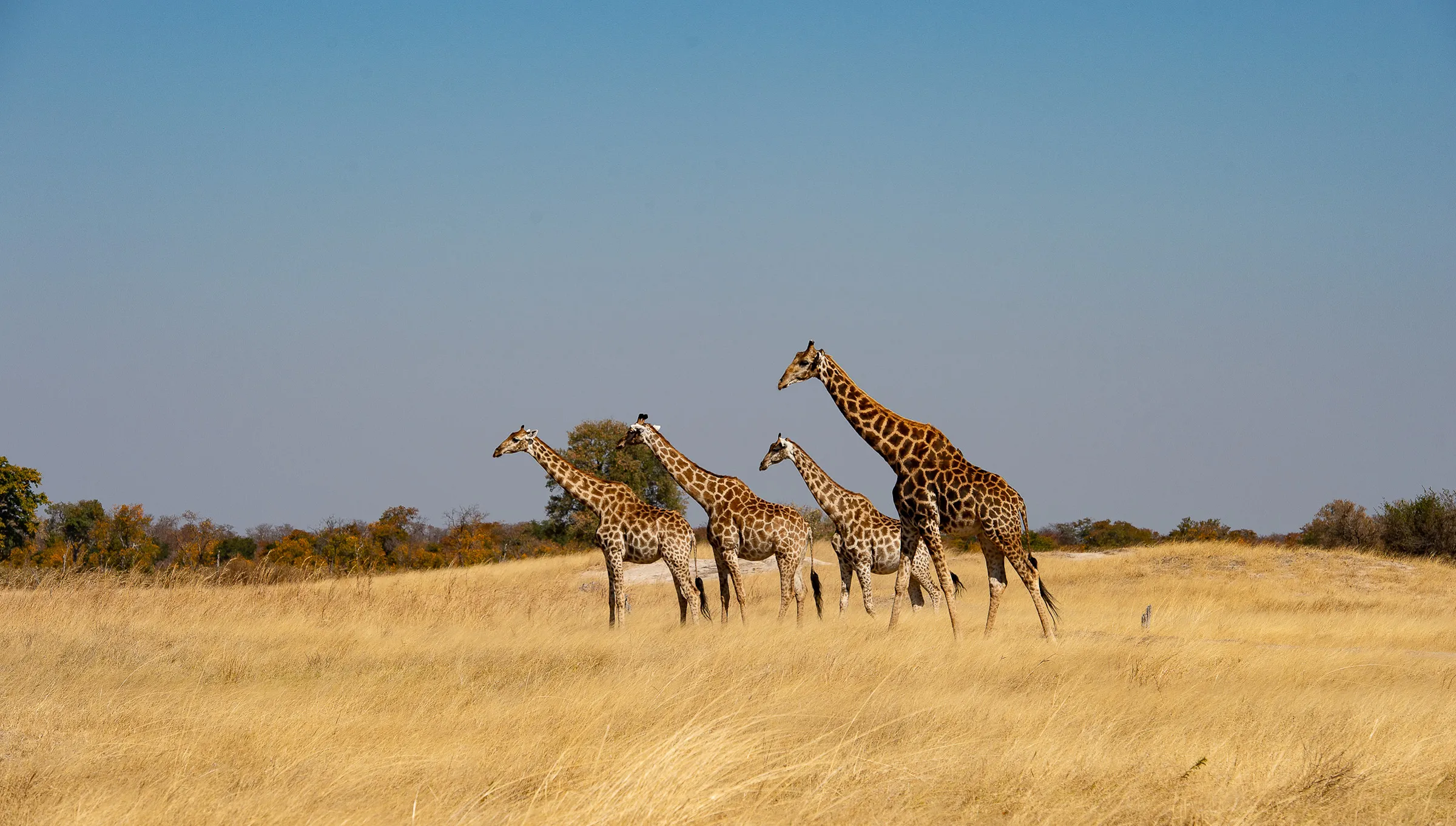
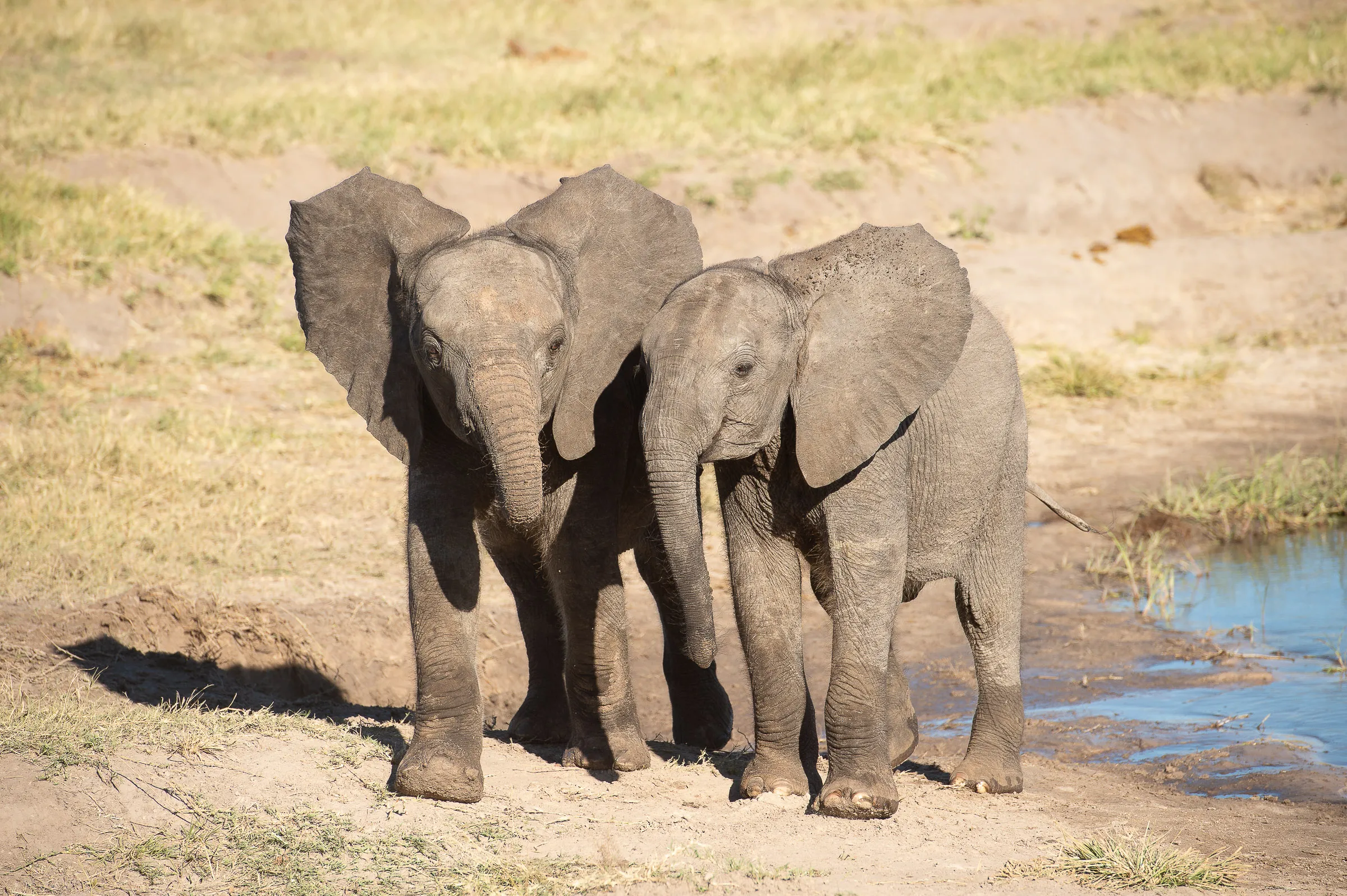
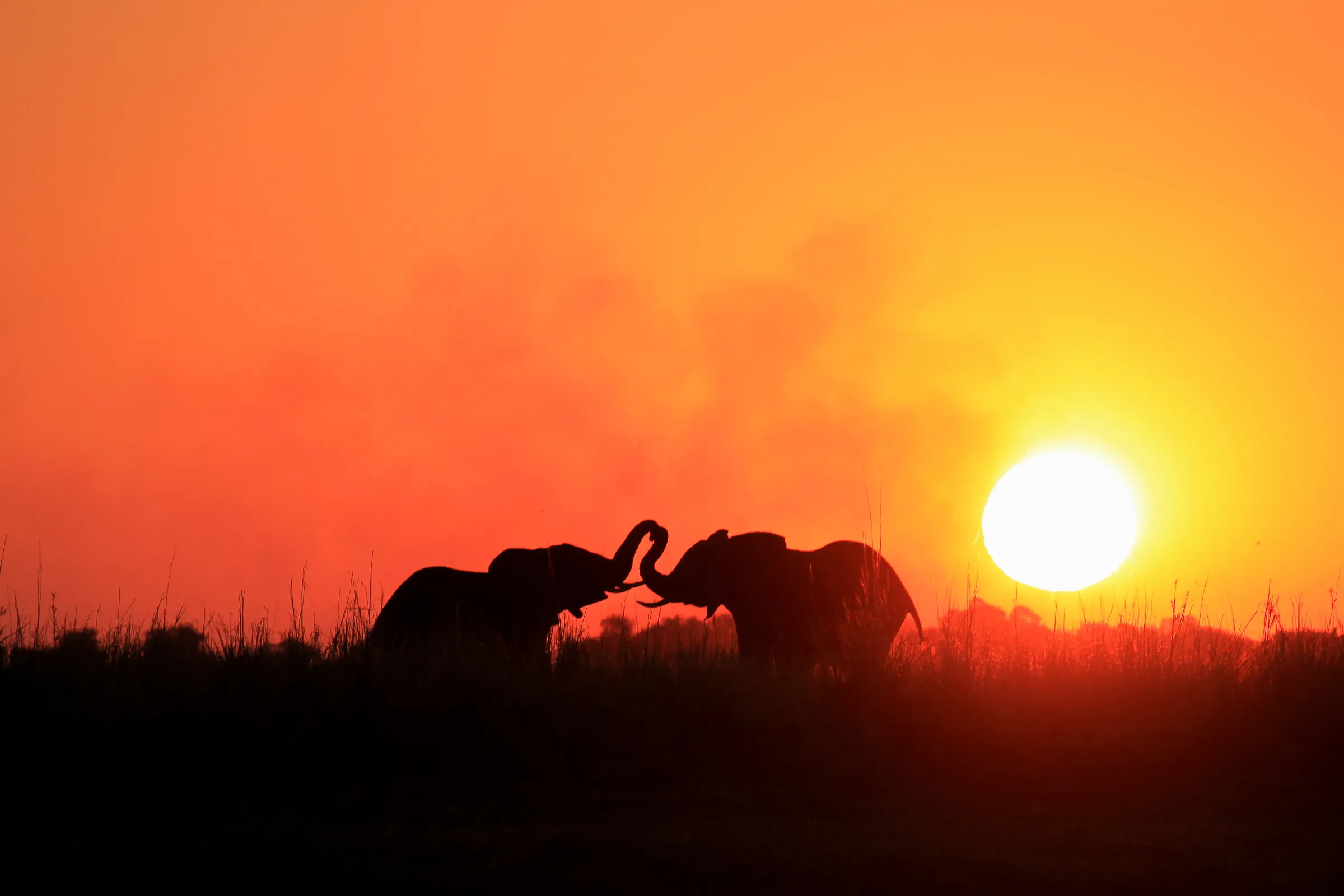
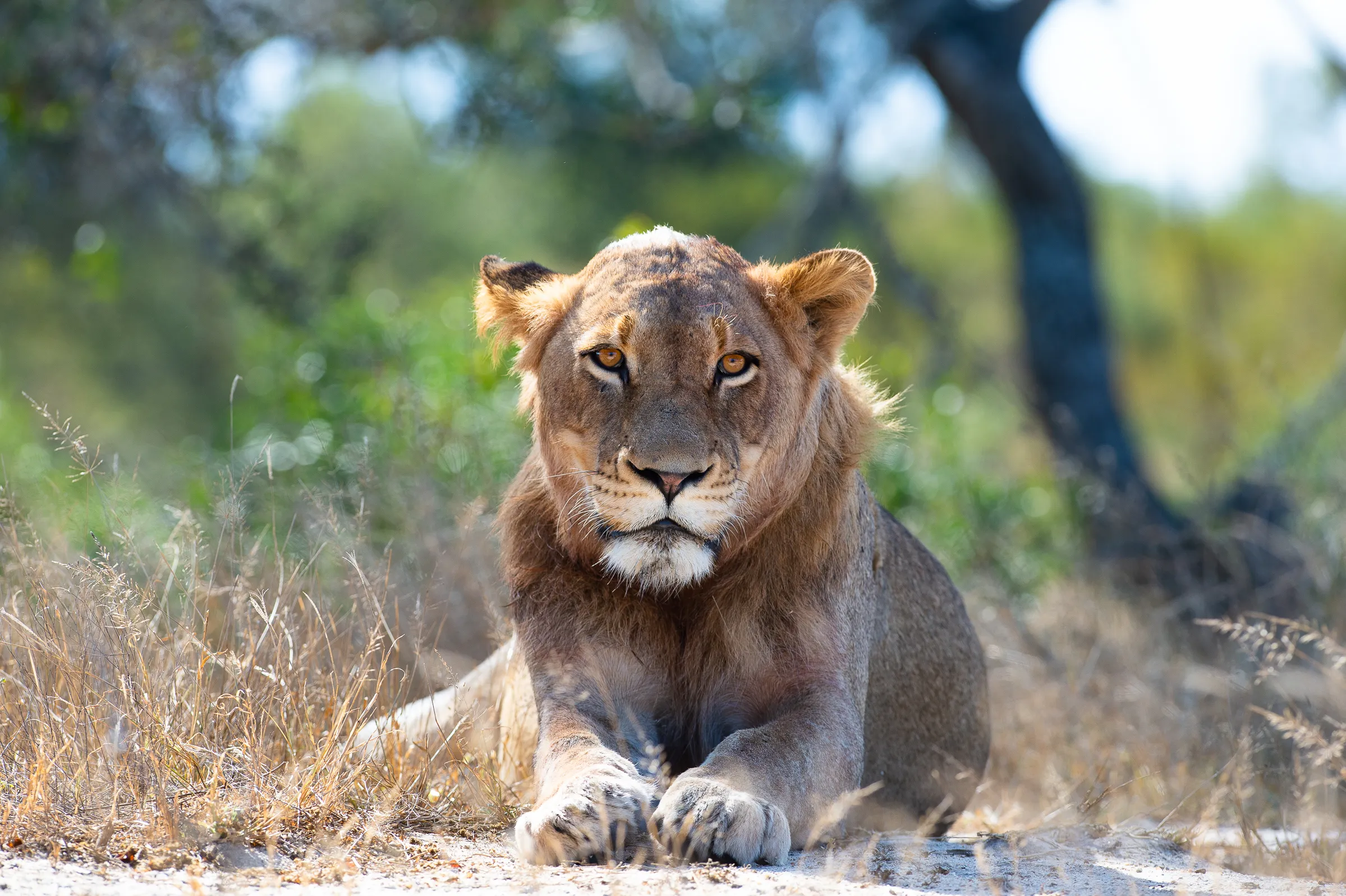
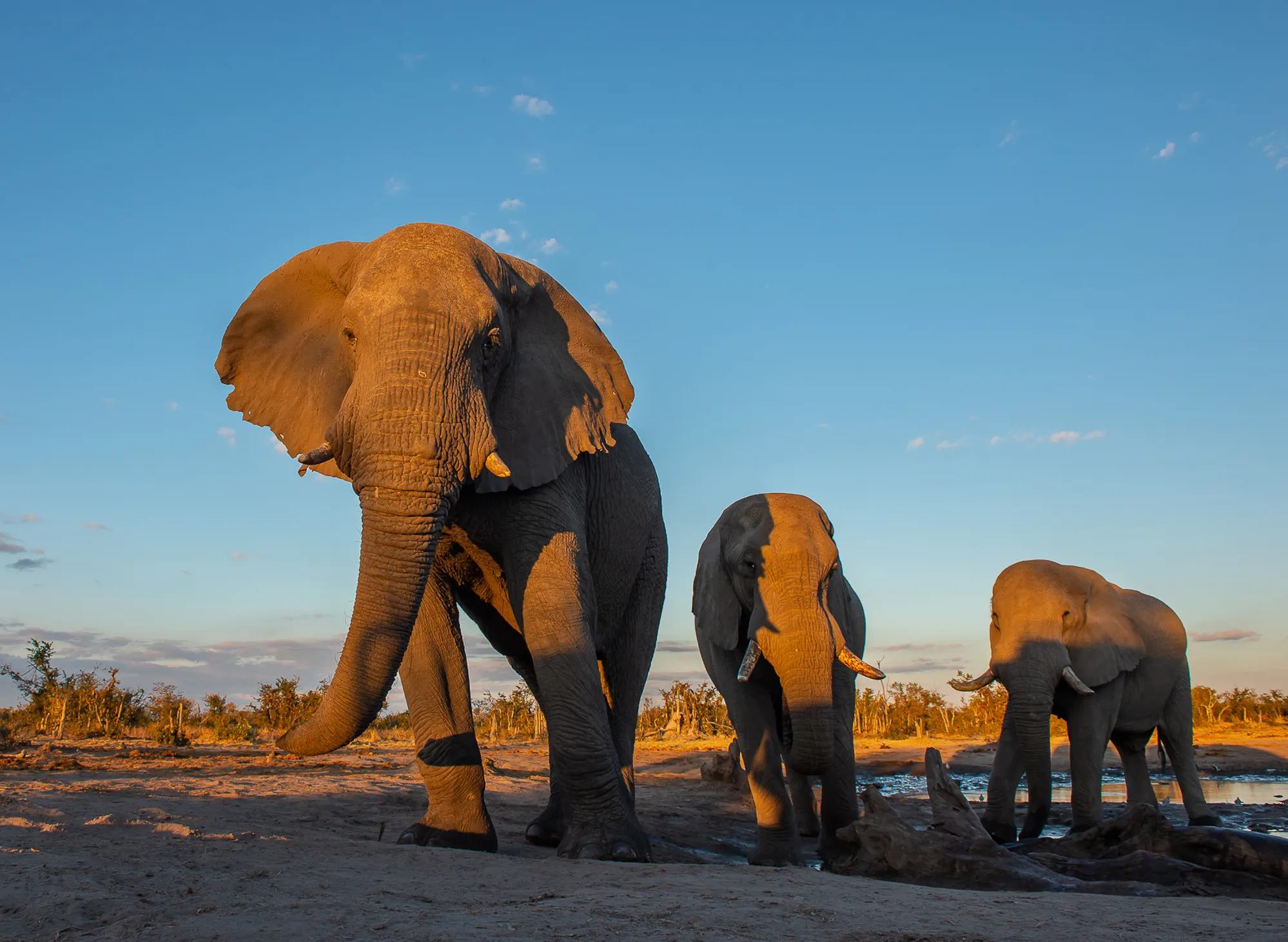
Zimbabwe is also a highly regarded safari destination, with a network of national parks and protected areas that support exceptional wildlife viewing. Game reserves across the country are home to large elephant populations, predator species including lion and leopard, as well as abundant plains game and over 400 bird species.
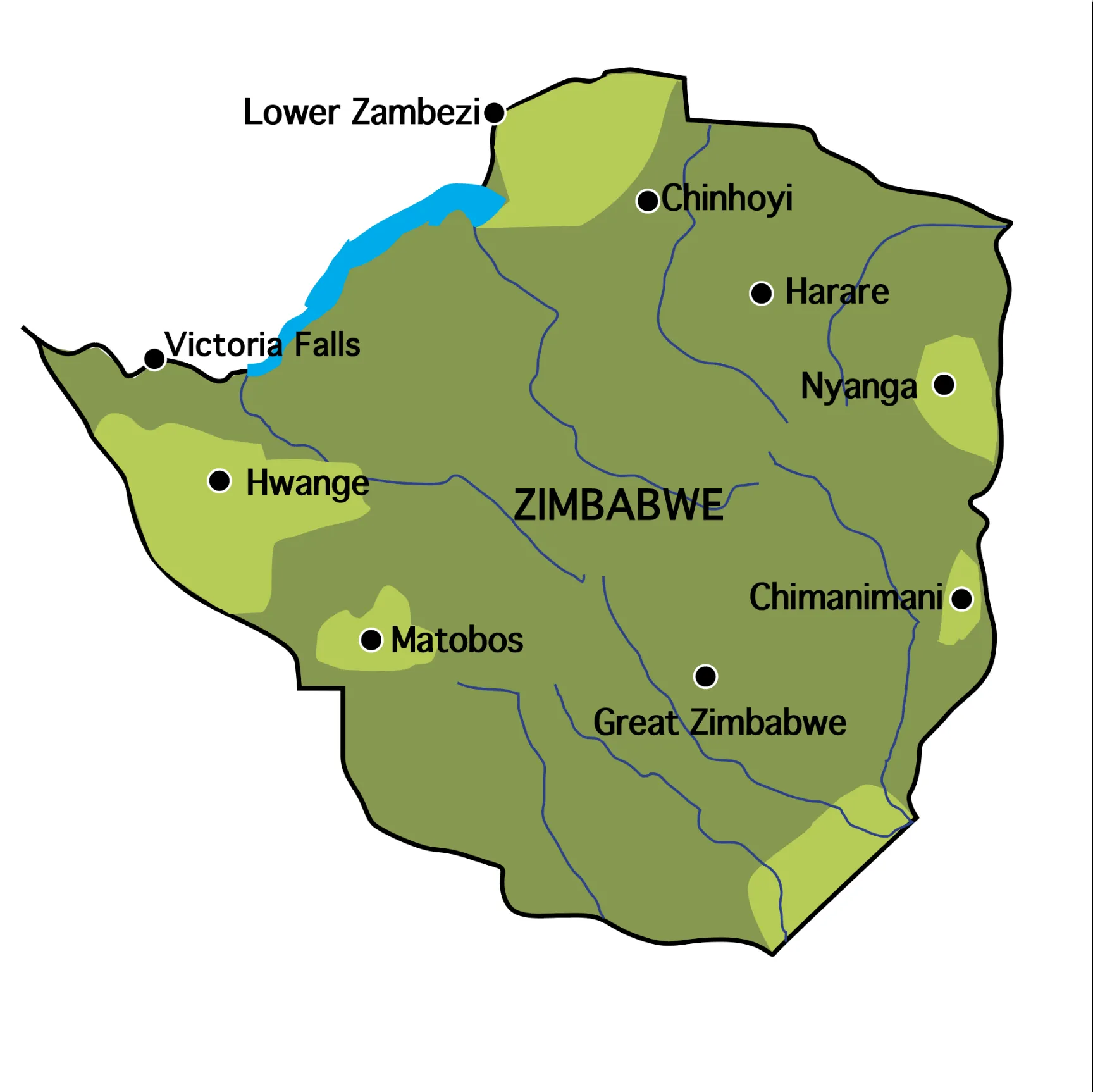
Key safari regions include Hwange National Park, Zimbabwe’s largest wildlife reserve and one of Africa’s most important elephant strongholds, Mana Pools National Park, a UNESCO World Heritage Site known for walking safaris and Zambezi River scenery, and the Matobo Hills, an area combining dramatic granite landscapes with rhino tracking and cultural heritage.
Victoria Falls
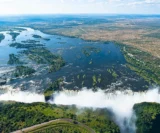
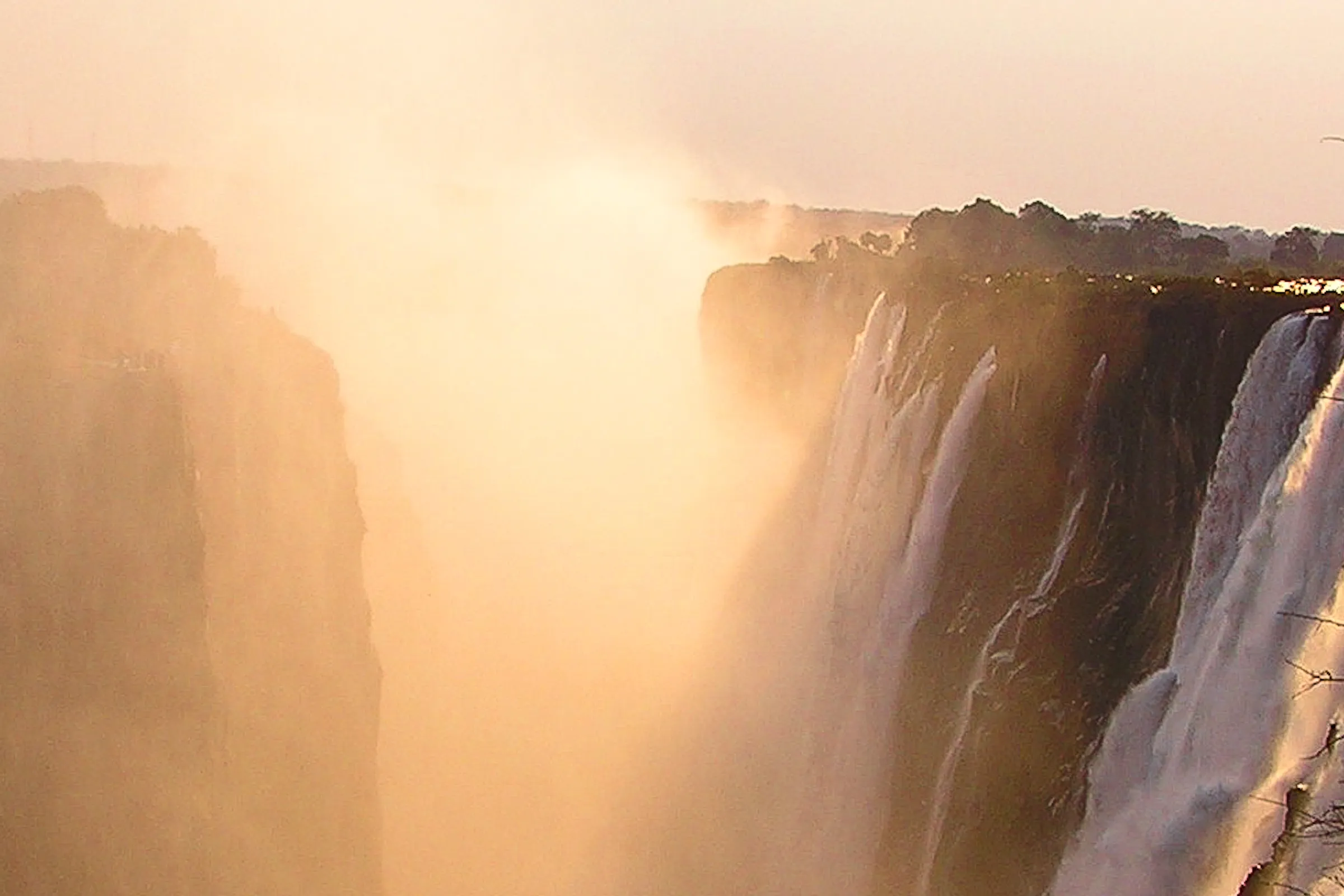
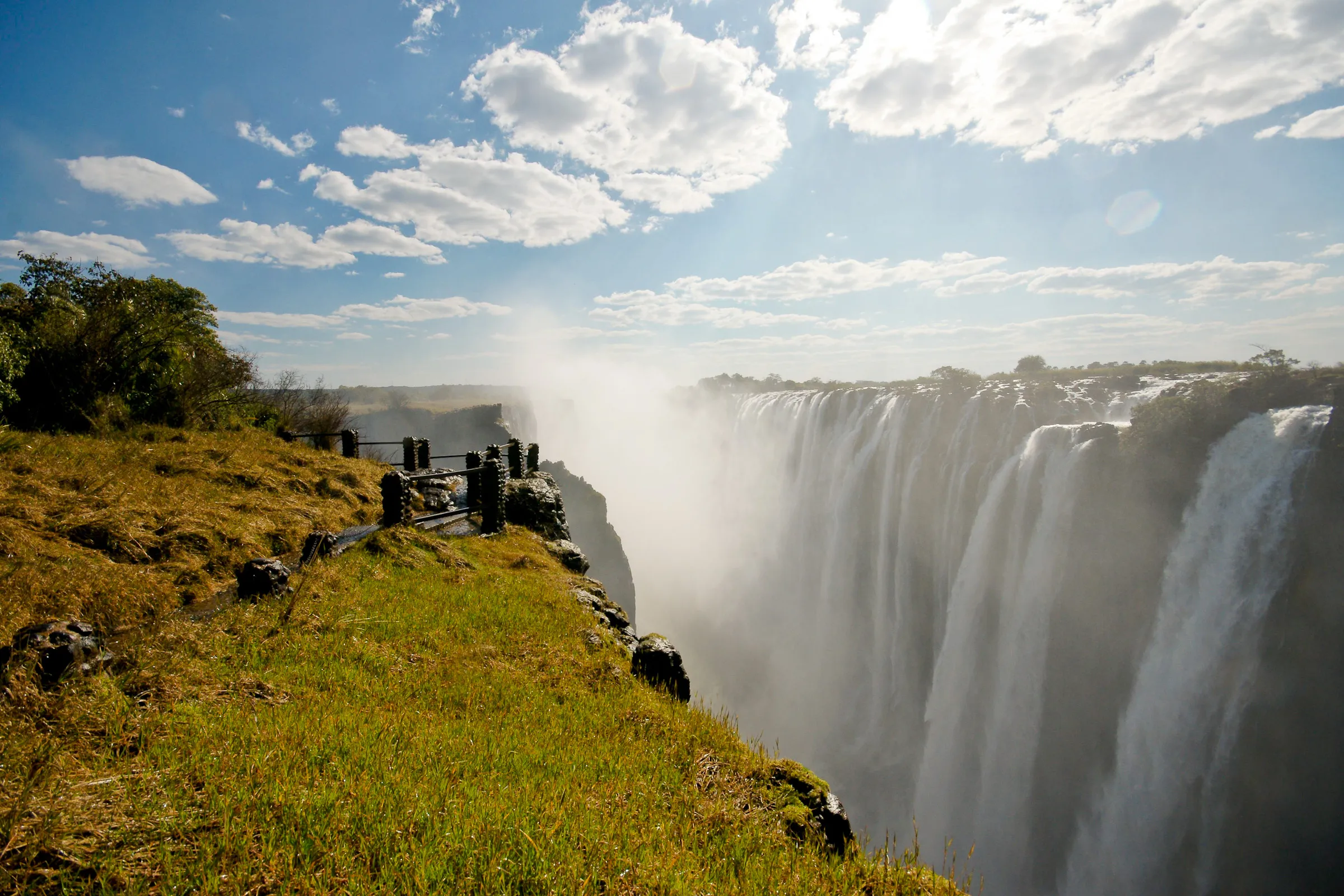
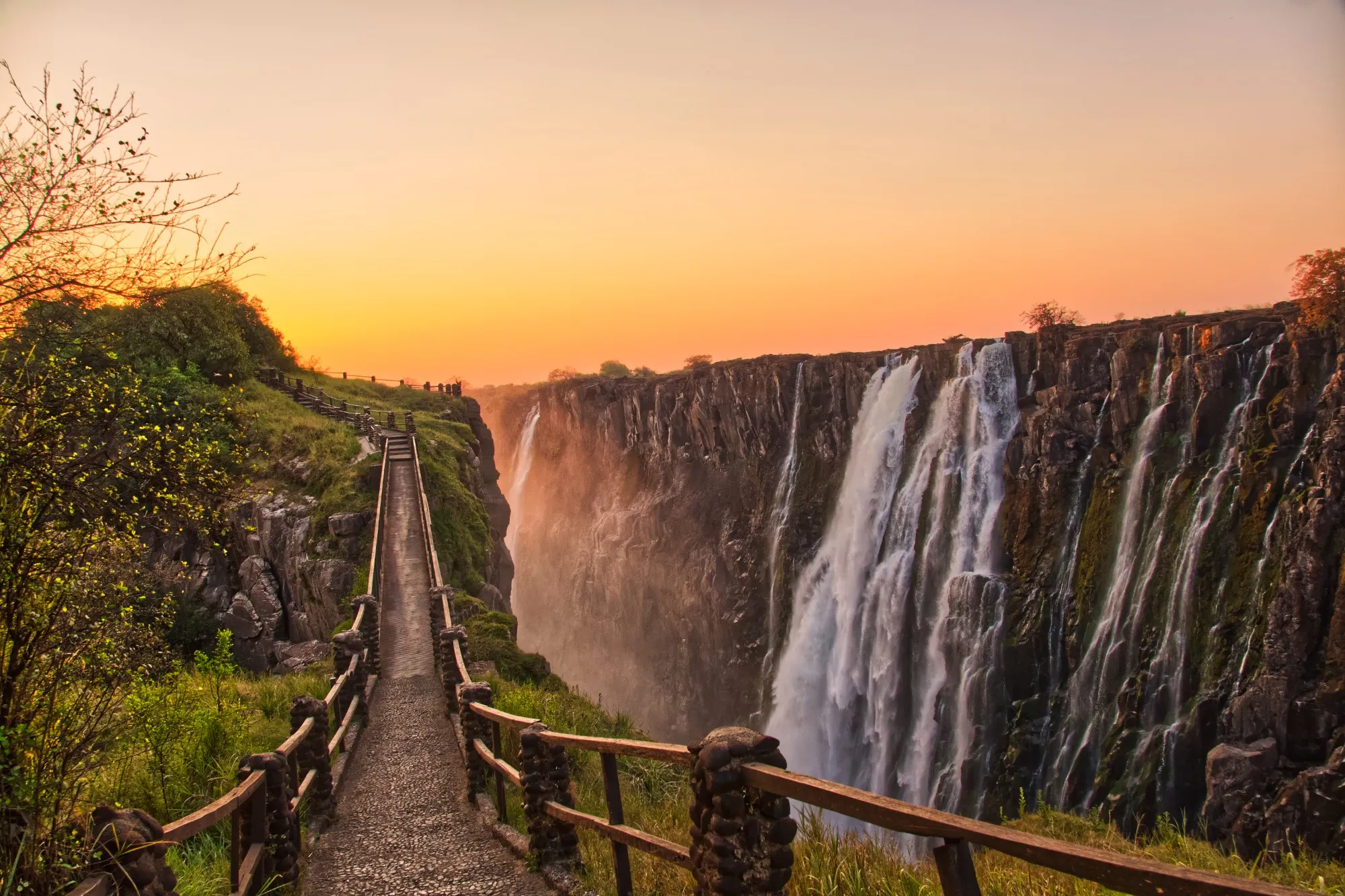
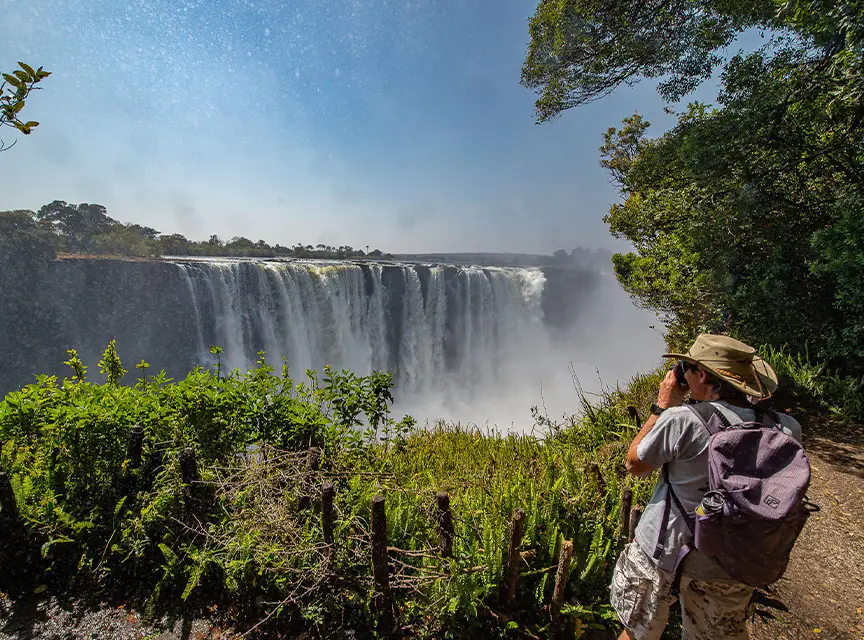
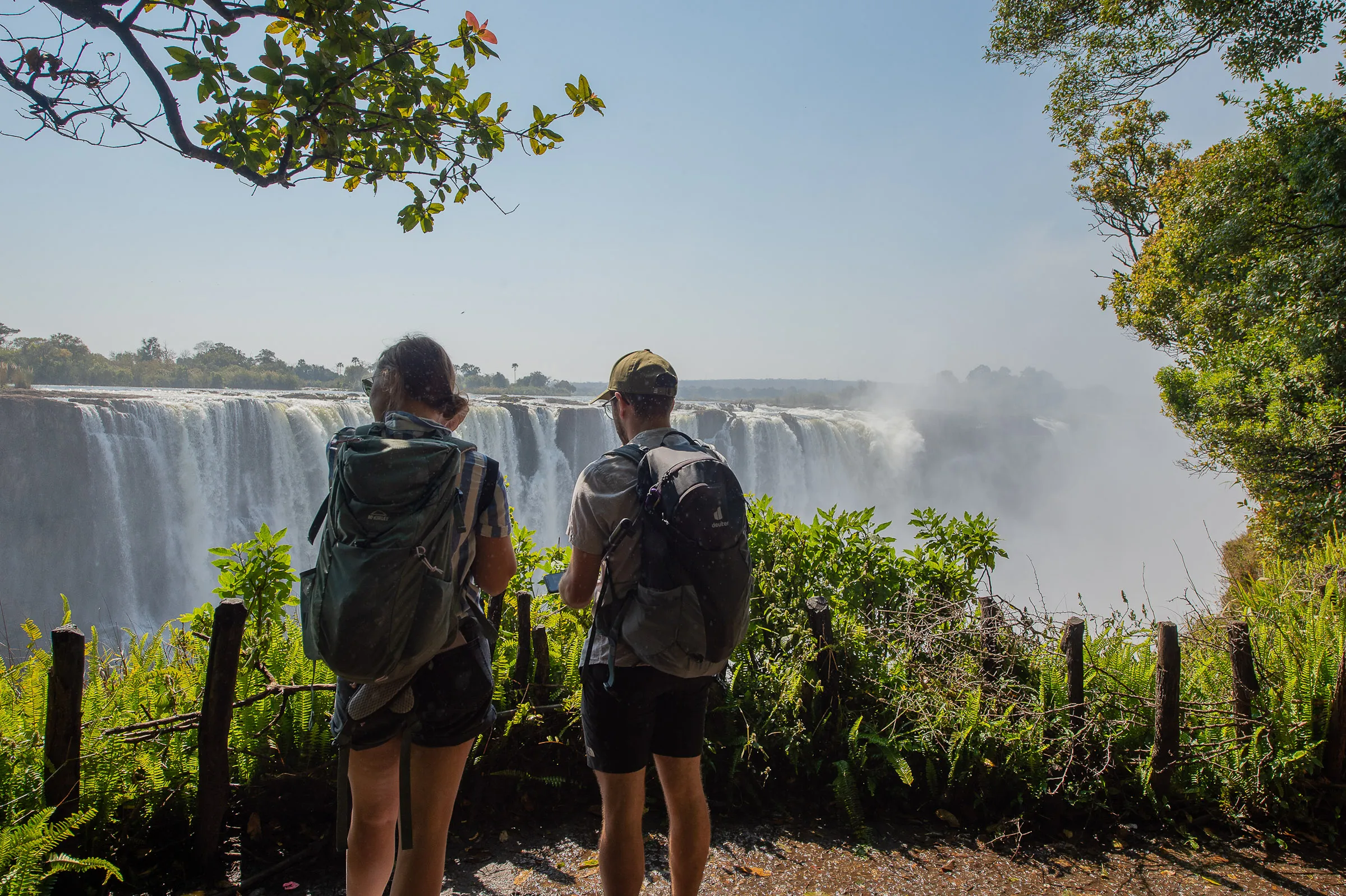
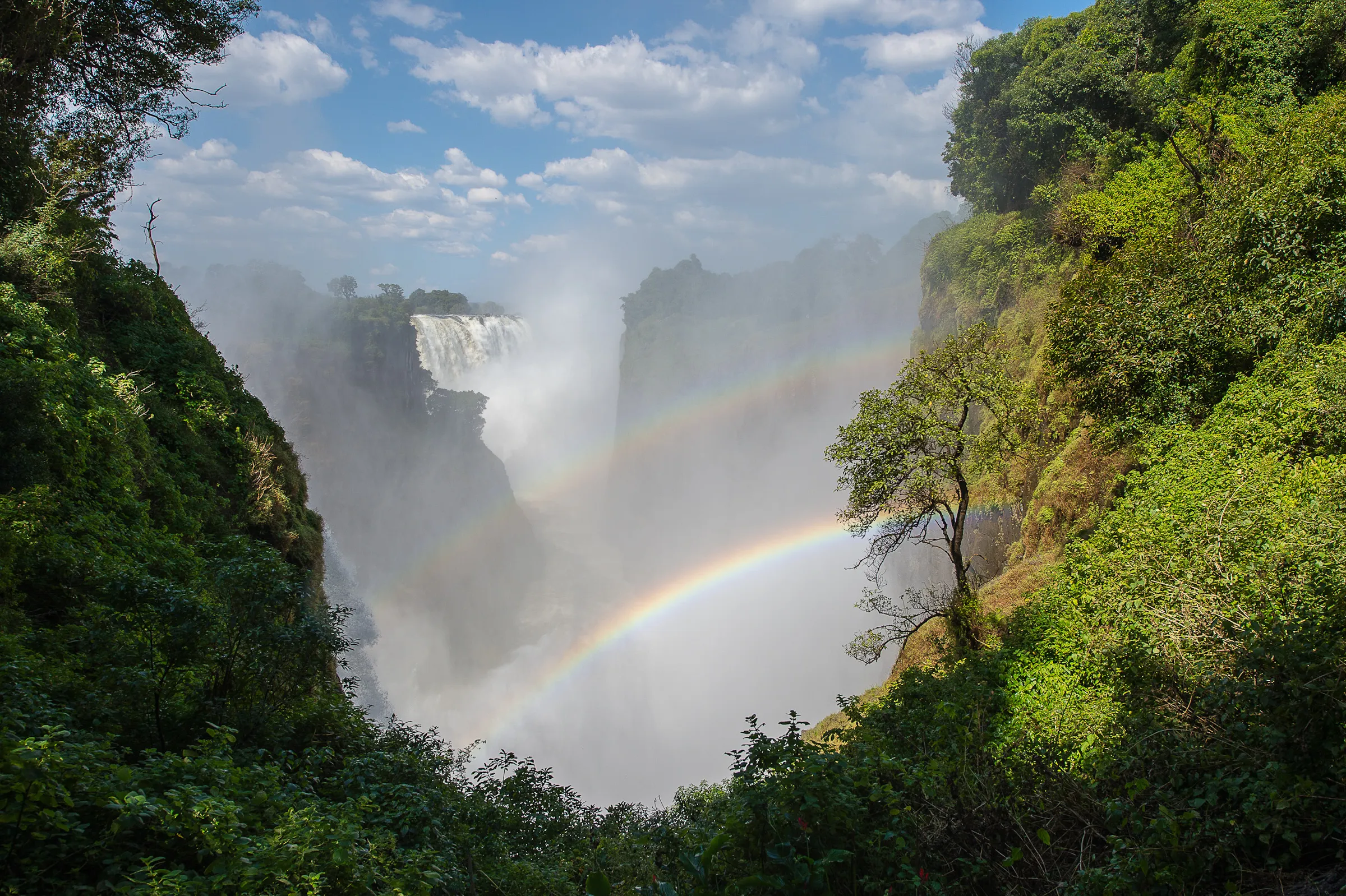
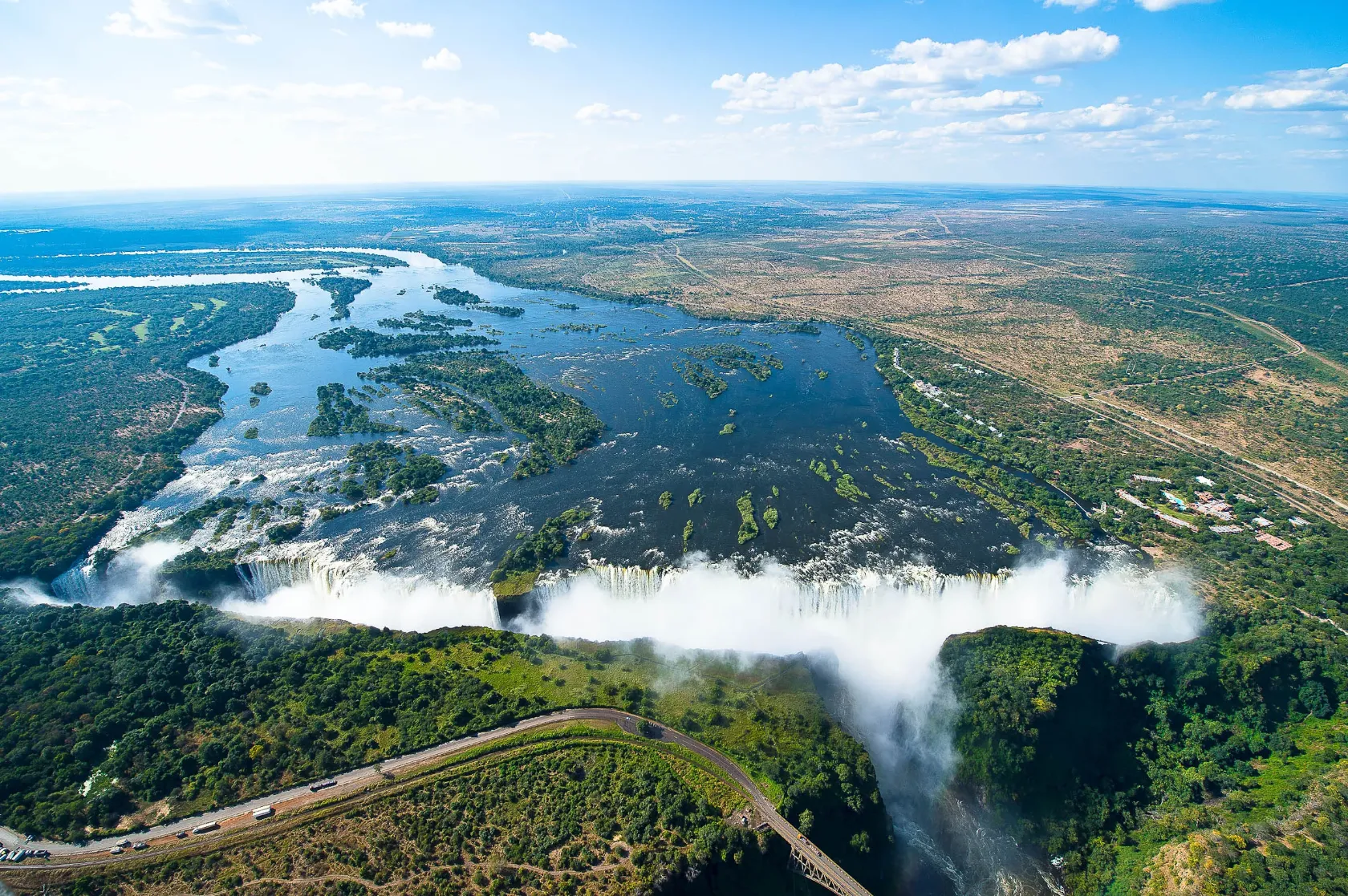
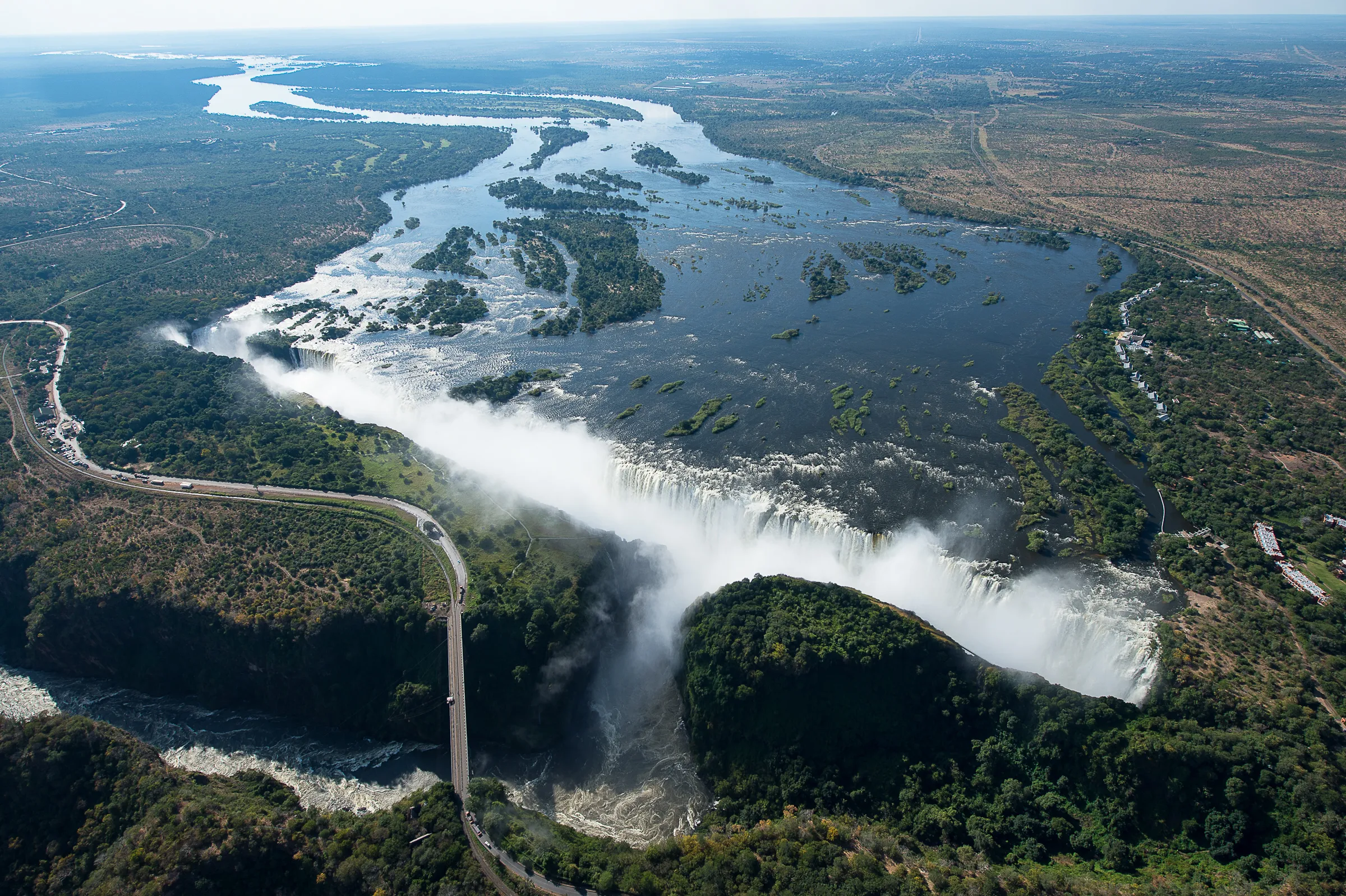
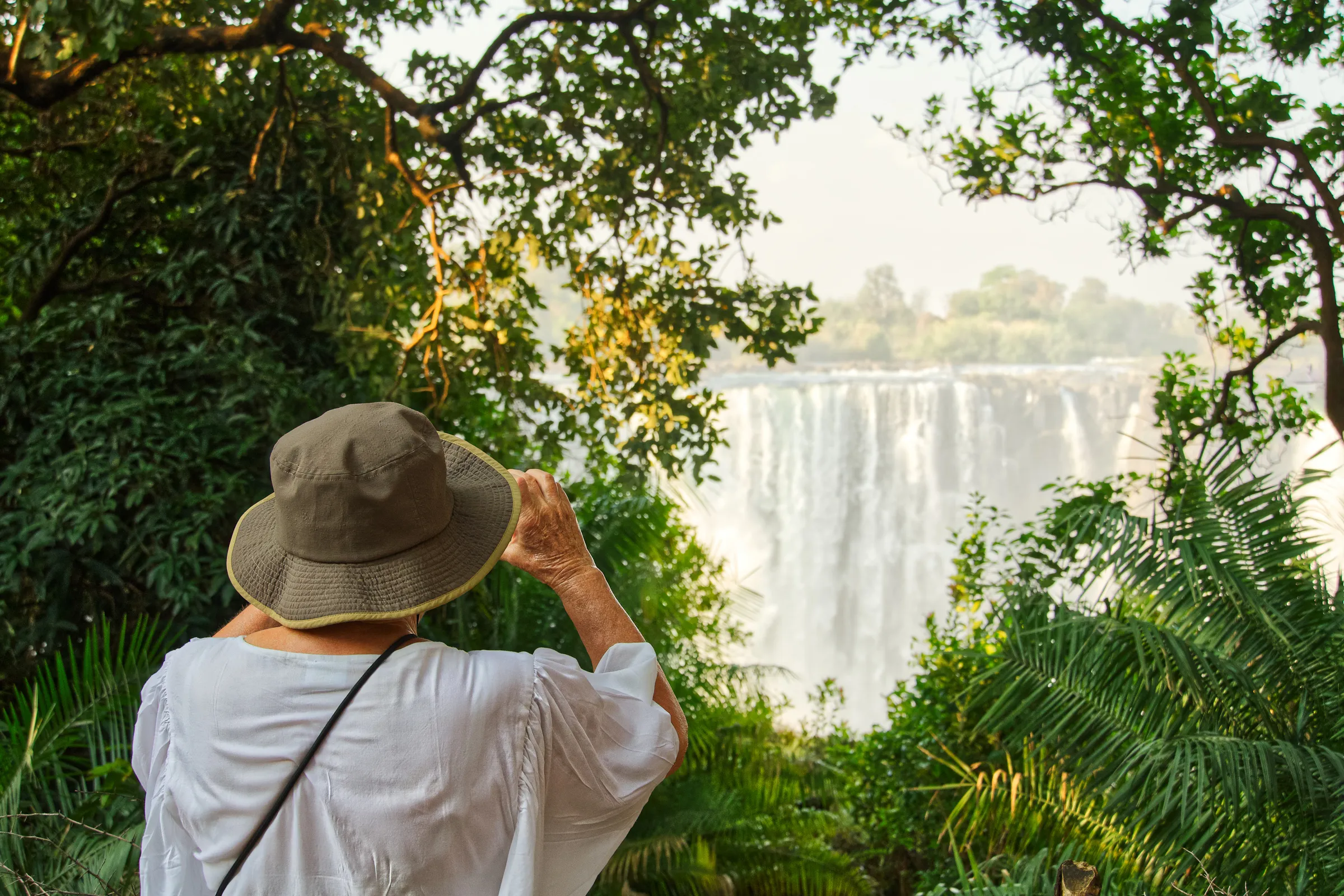
Victoria Falls is one of the largest and most famous waterfalls in the world, located on the Zambezi River along the border between Zimbabwe and Zambia. It is known locally as “The Smoke that Thunders” due to the vast spray created when the river plunges into a narrow basalt gorge.
The falls are a UNESCO World Heritage Site and are considered one of the Seven Natural Wonders of the World. Visitors can explore multiple viewpoints along the Zimbabwean side, which offers some of the most dramatic and continuous panoramic views of the falls.
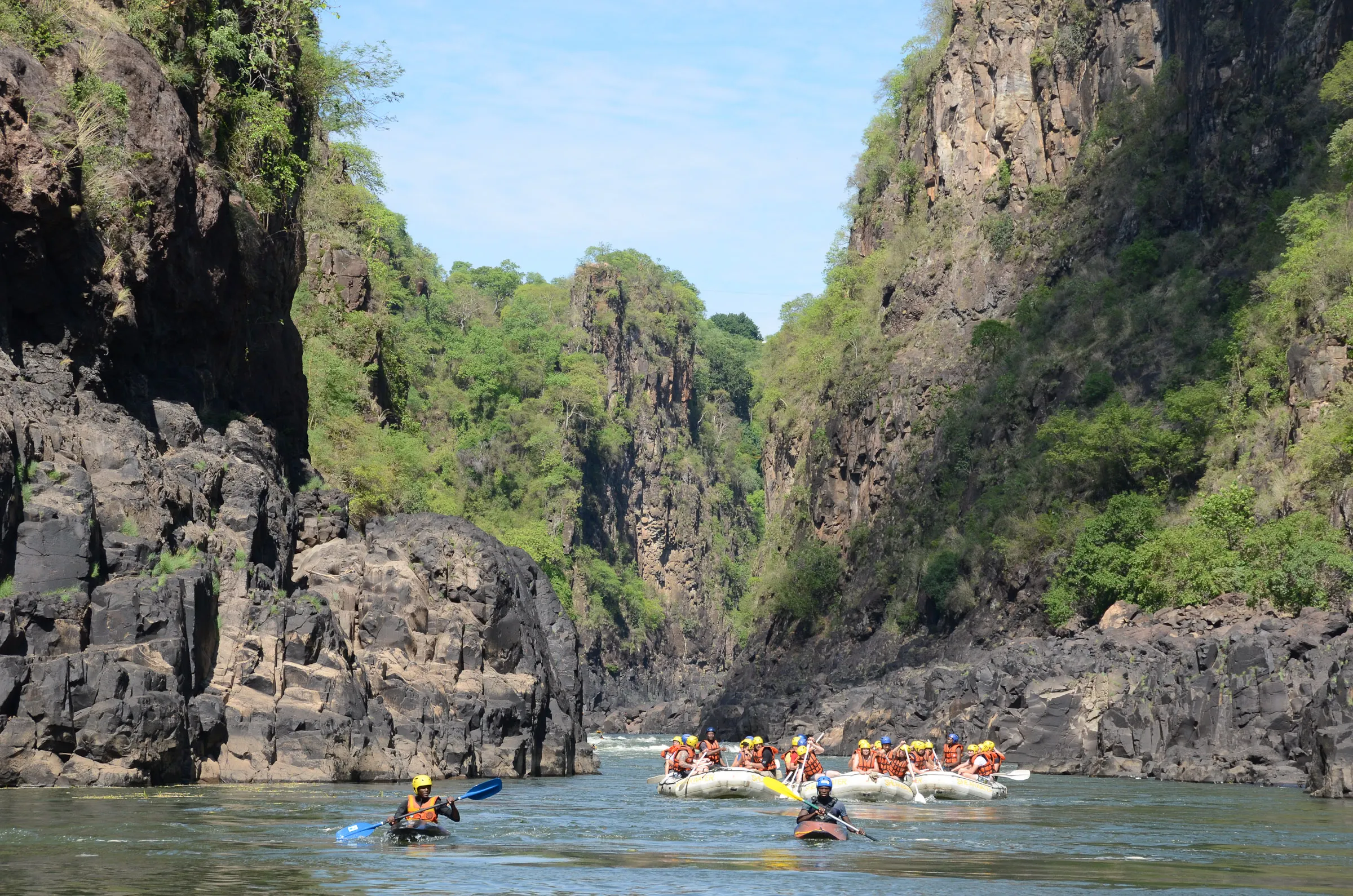
Beyond the viewpoints, Victoria Falls is also a hub for adventure and river based activities, including Zambezi River cruises, guided rainforest walks, and optional activities such as white water rafting and scenic flights. It is commonly used as a starting or ending point for safari itineraries through Zimbabwe and the wider region.
Hwange National Park
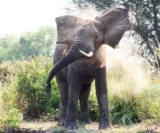
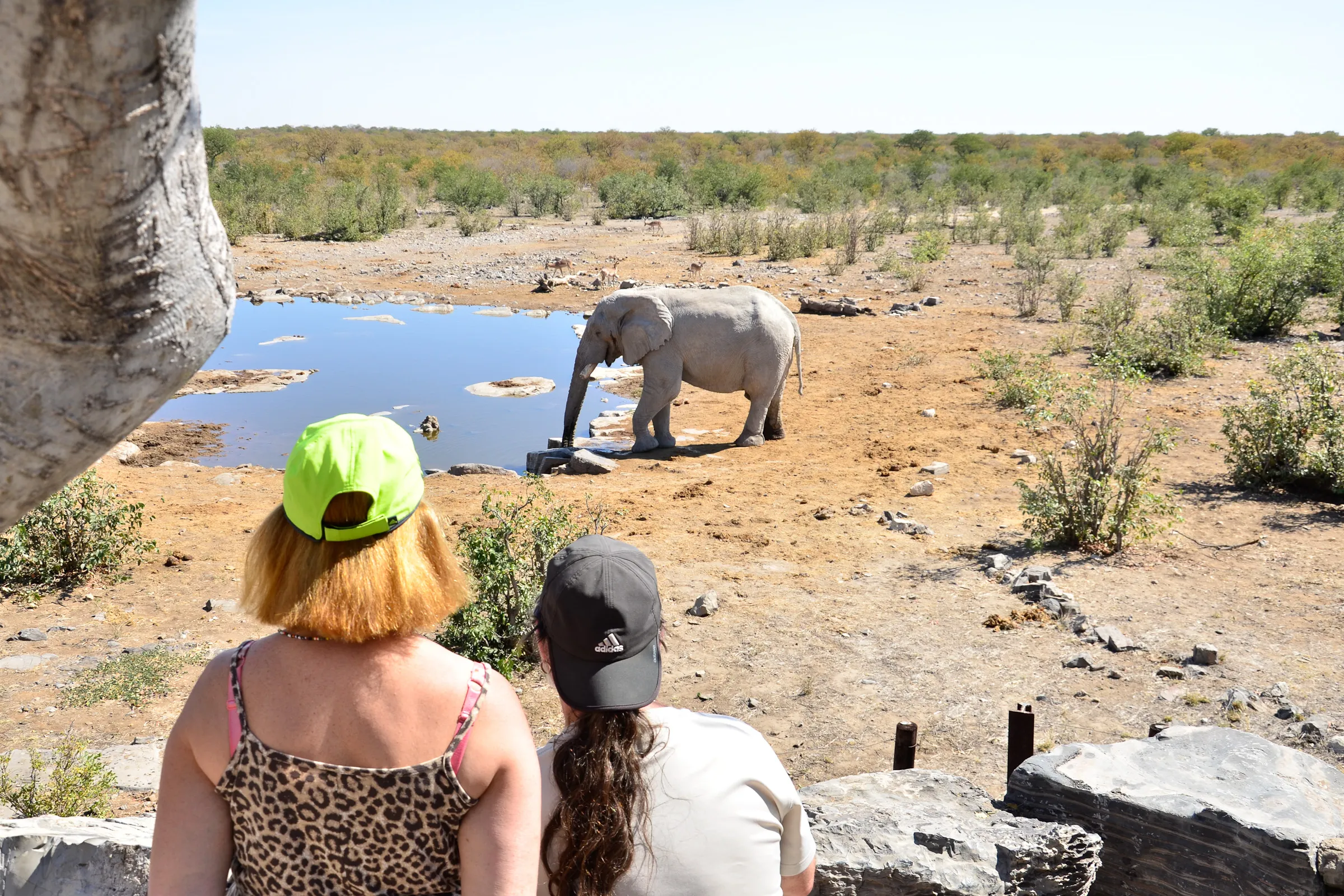
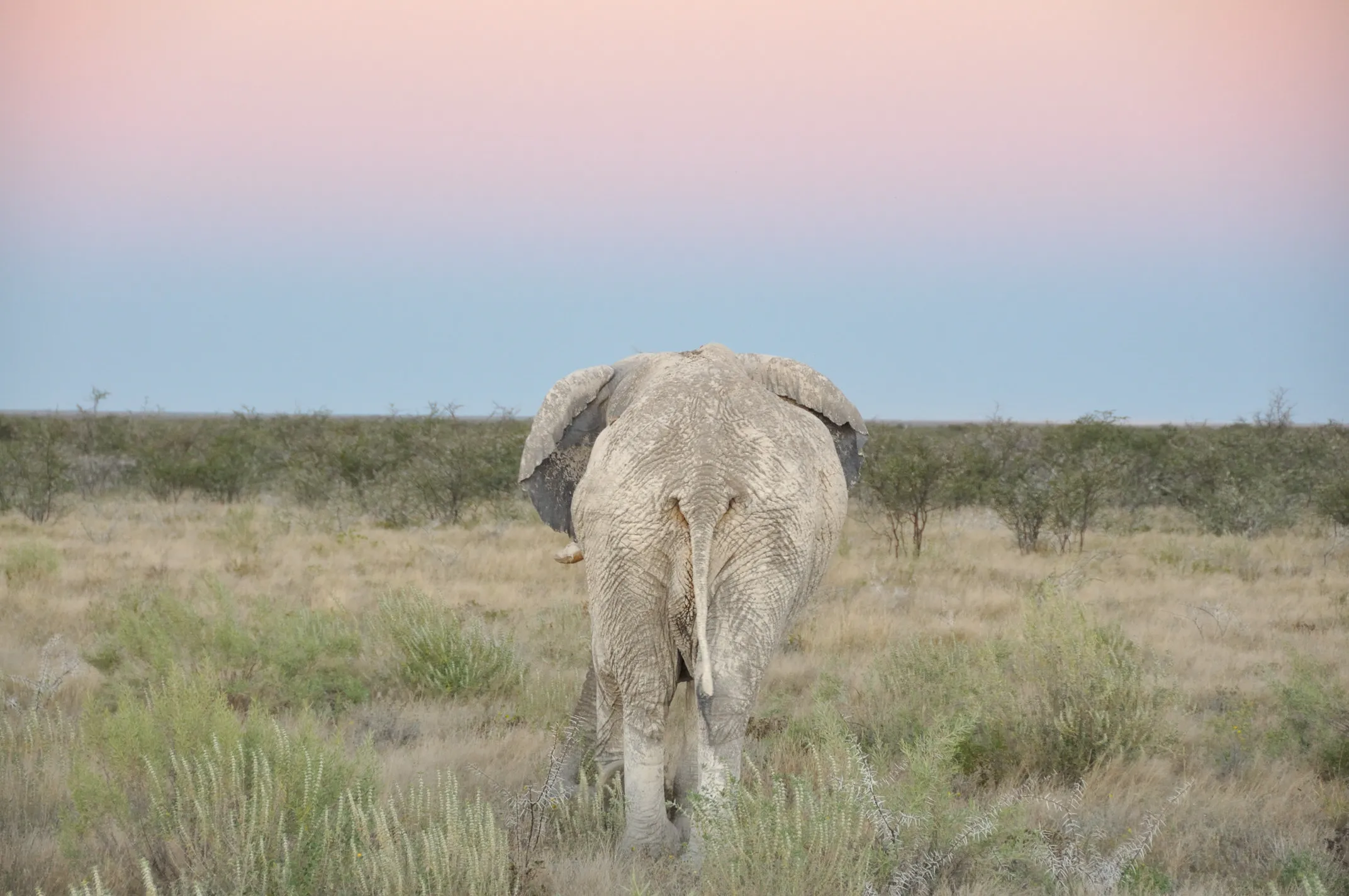
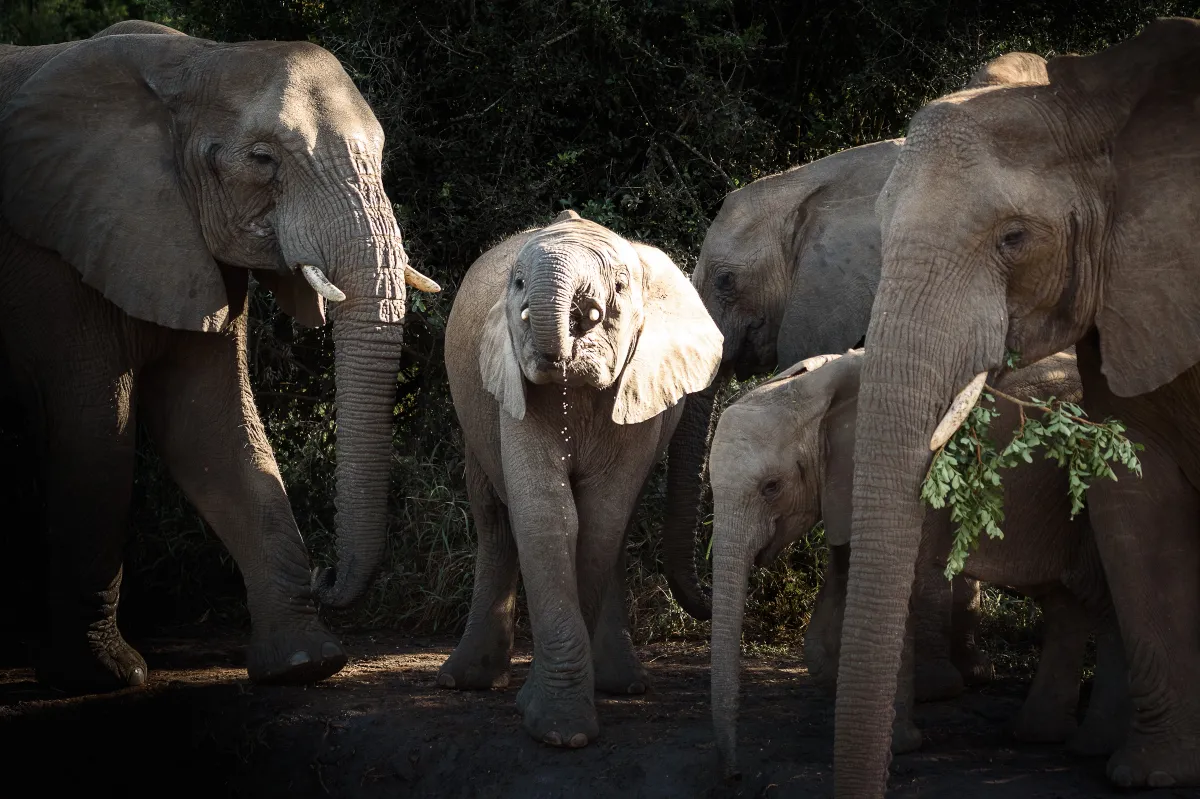
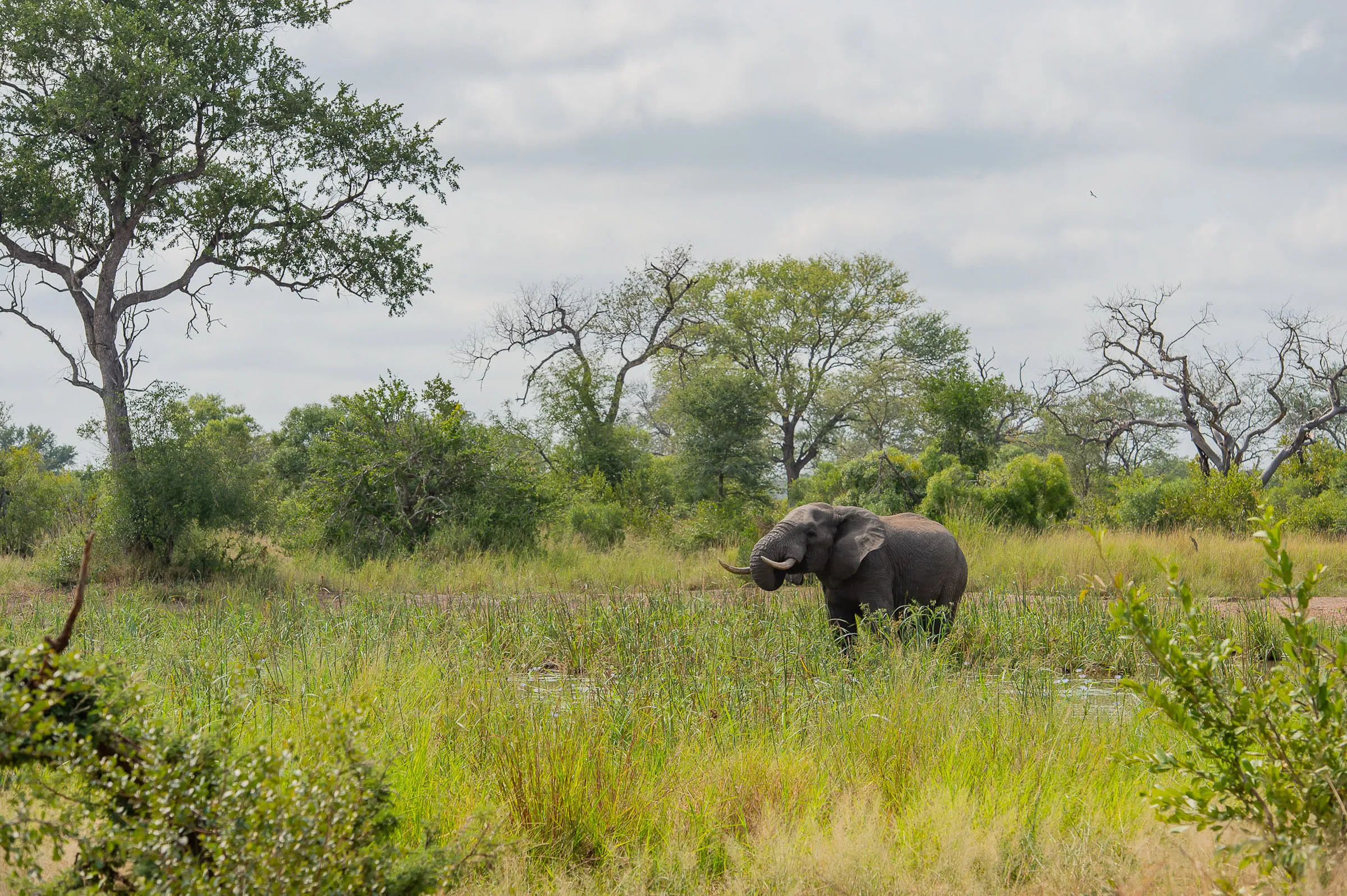
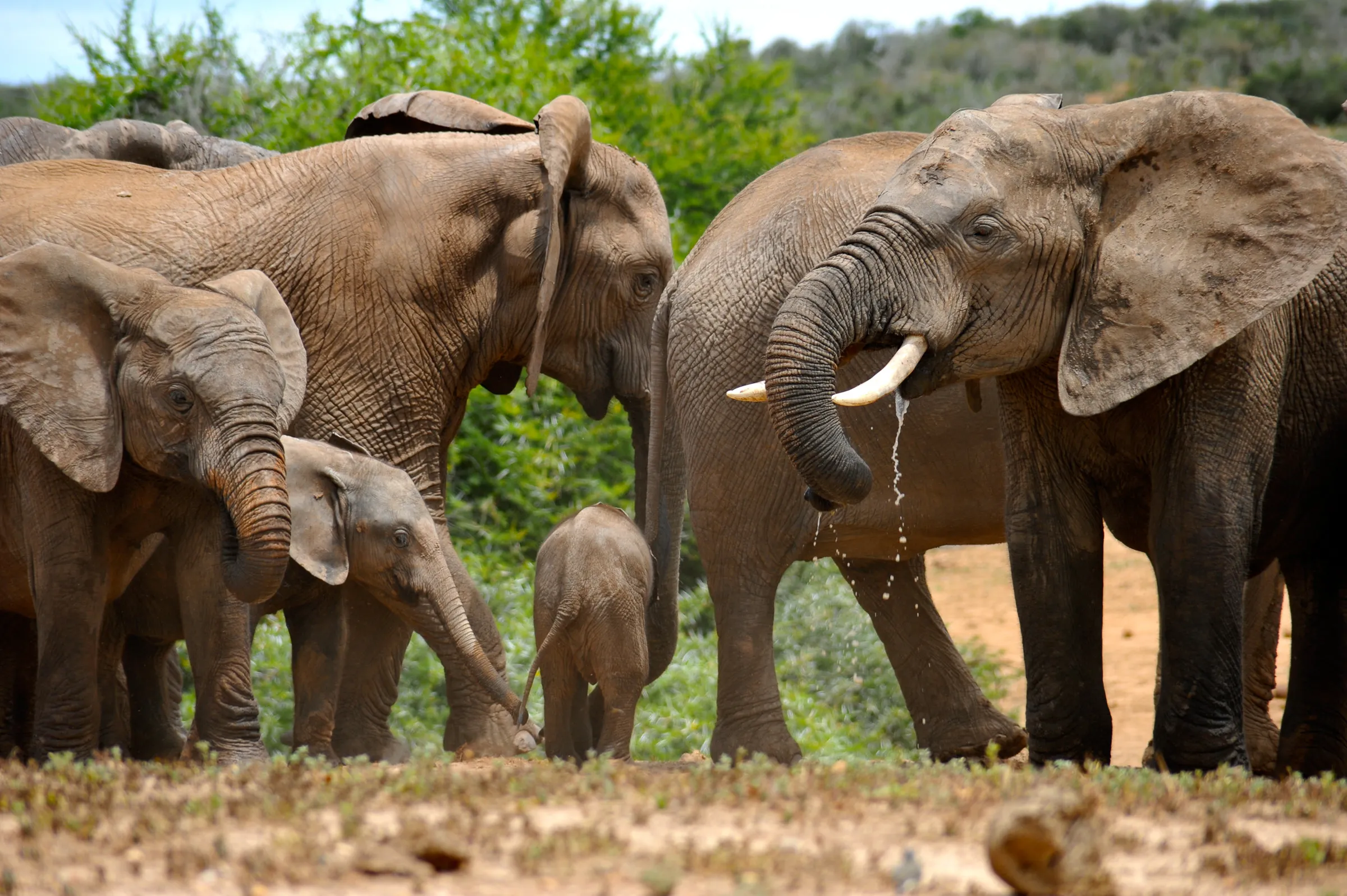
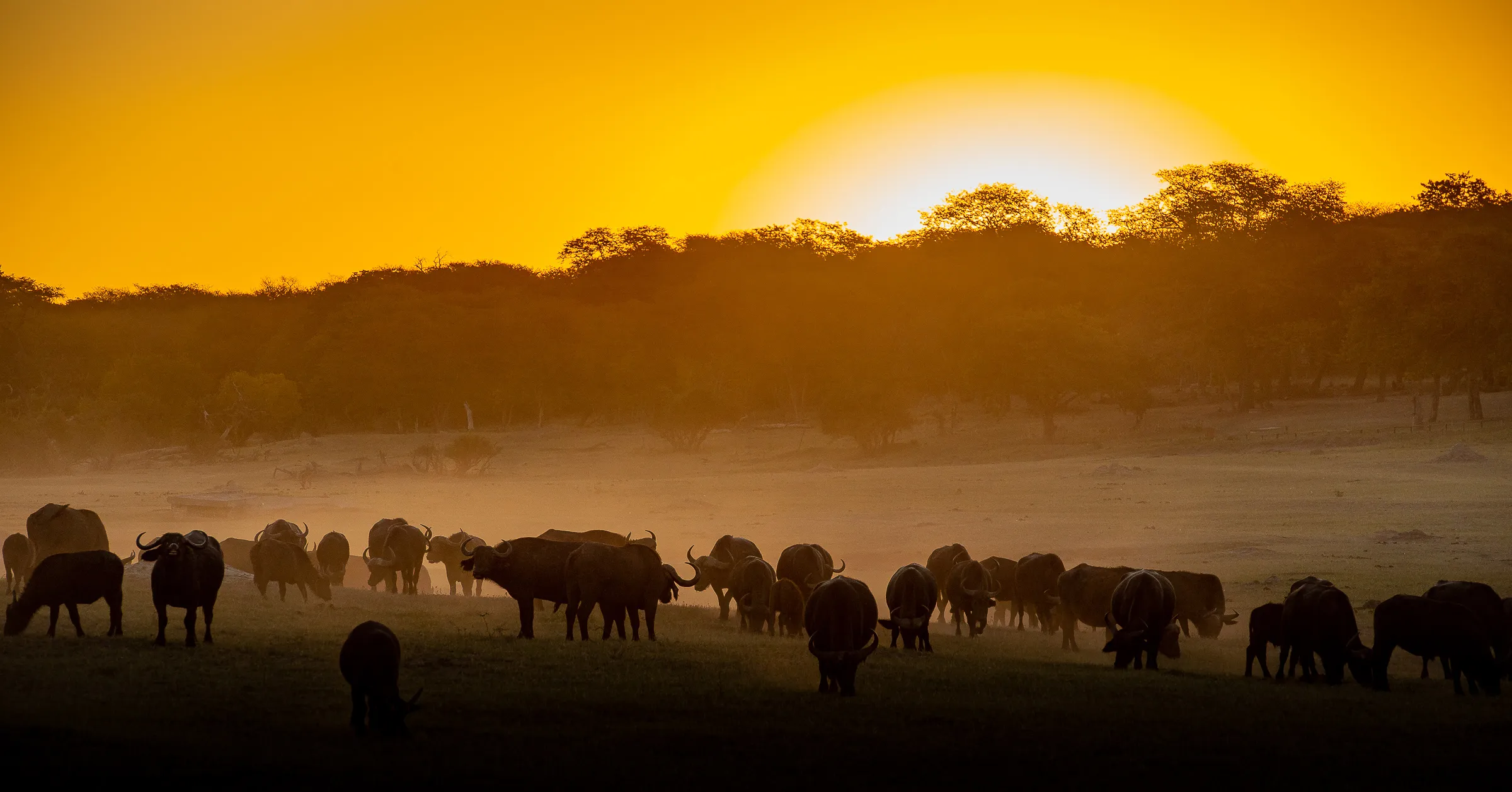
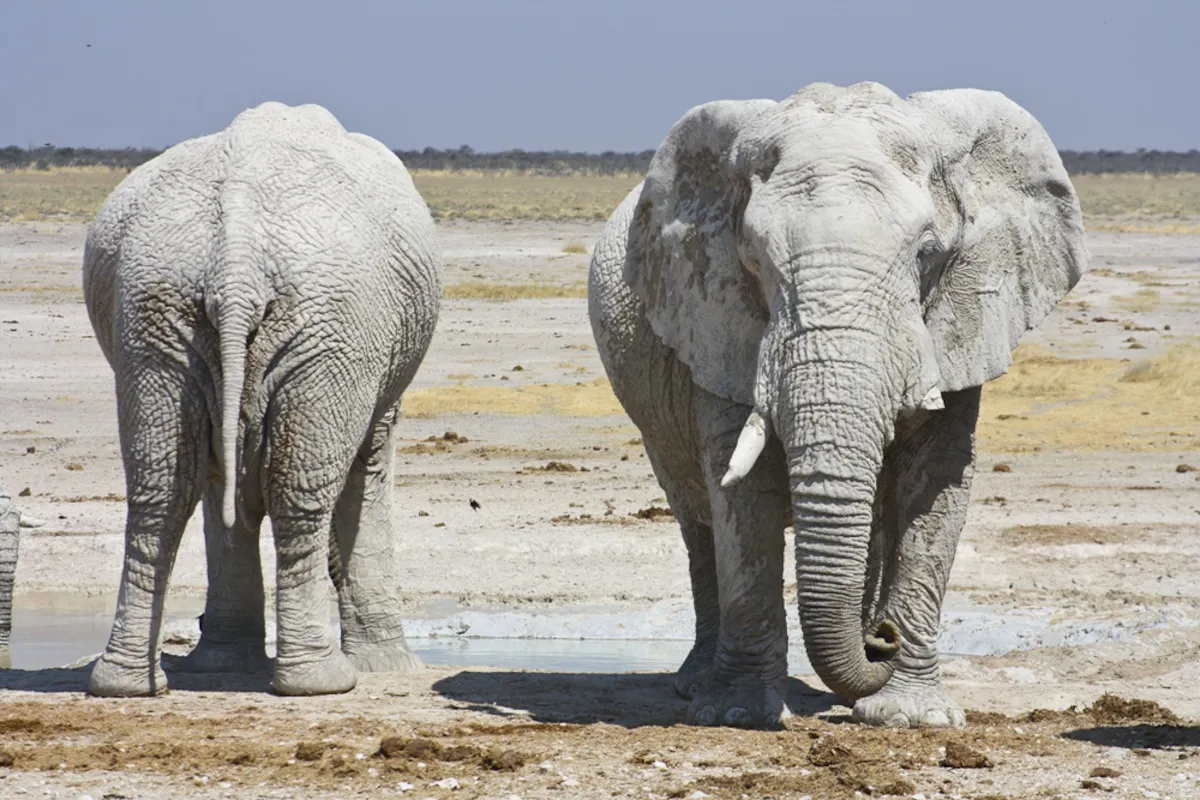
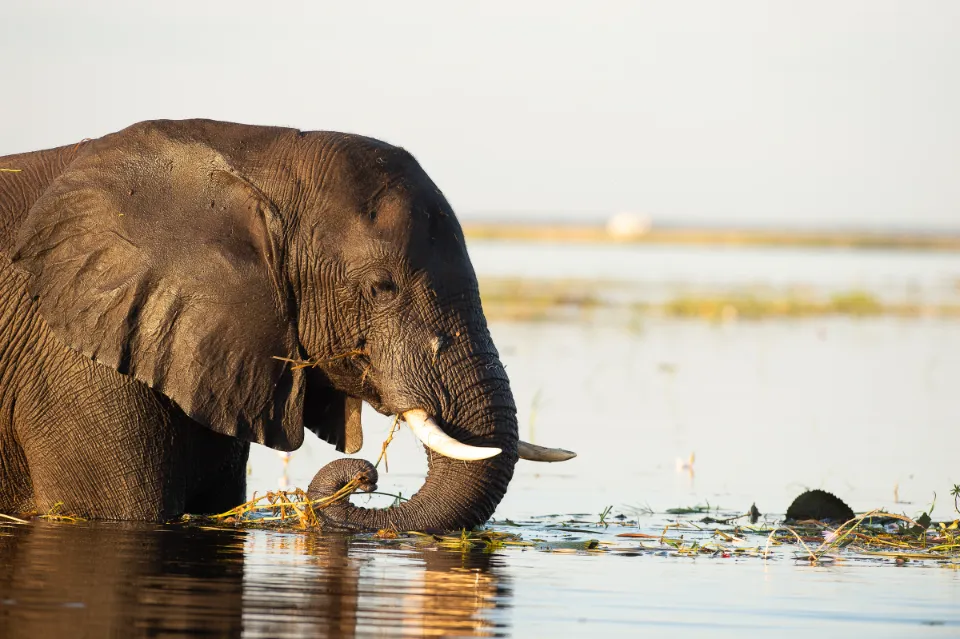
Hwange National Park is Zimbabwe’s largest national park and one of Africa’s premier wildlife destinations, best known for its large elephant population and wide variety of large mammals and bird species.
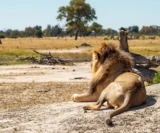
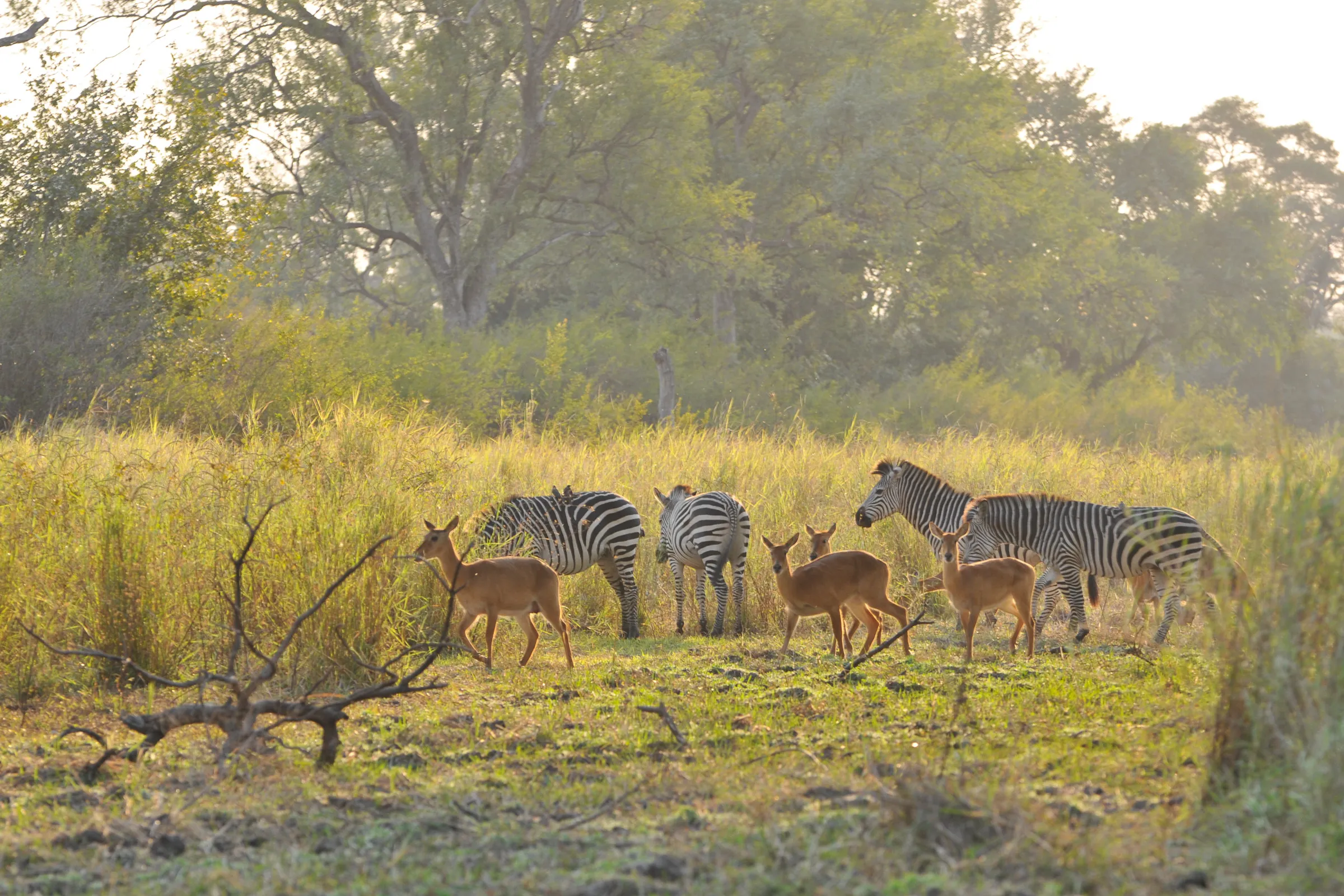
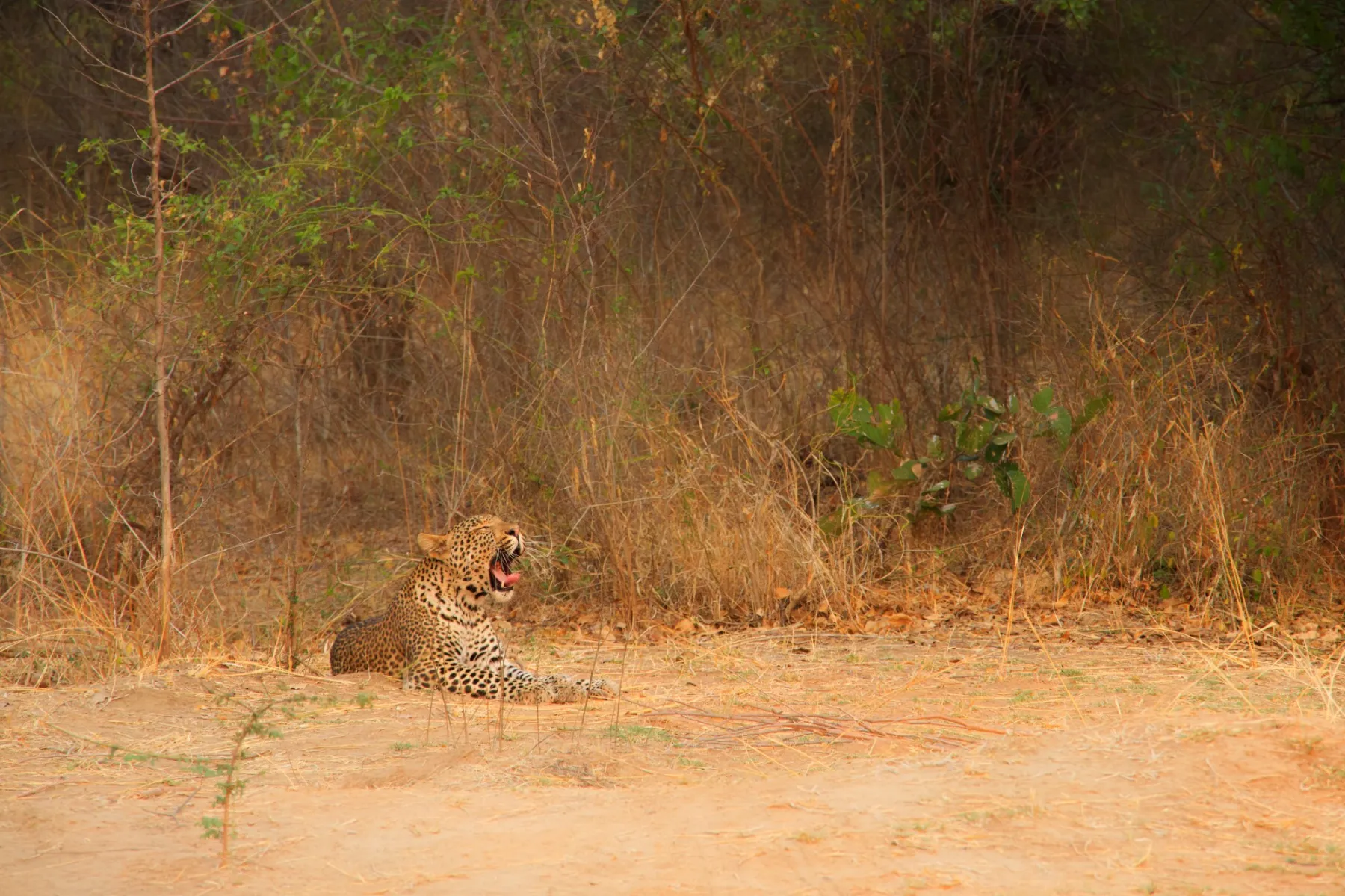
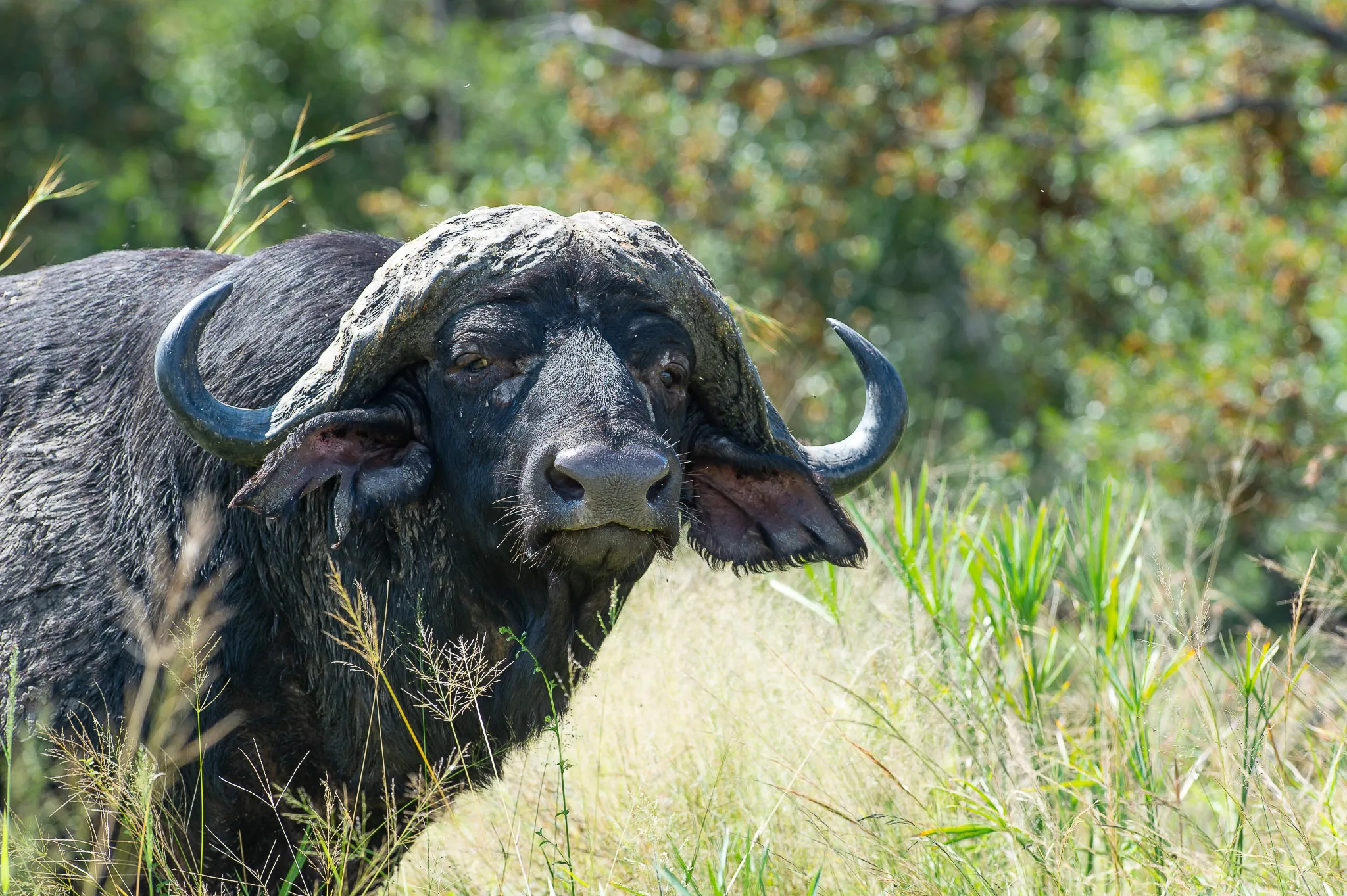
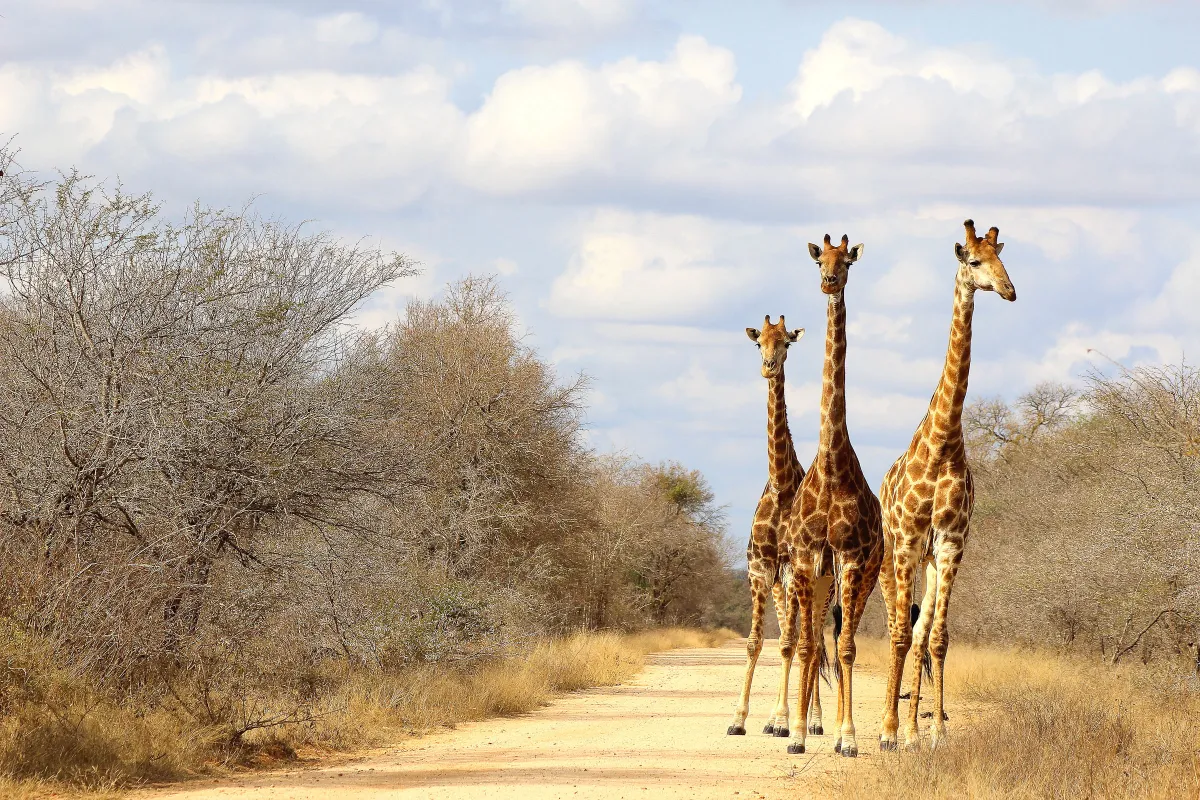
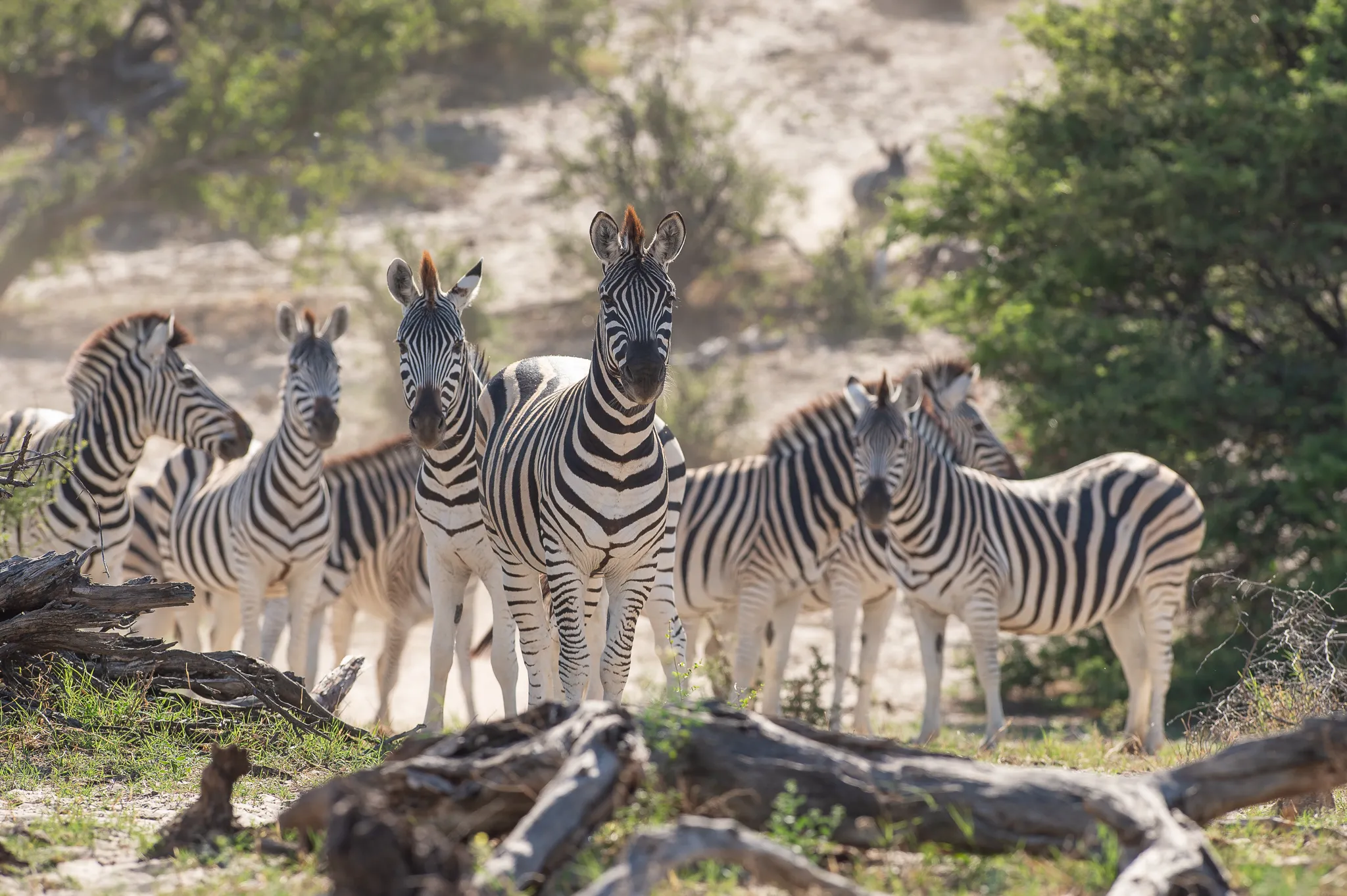
The park supports excellent game viewing throughout the dry season when animals concentrate around natural waterholes and pumped pans. Visitors can expect sightings of elephant, lion, buffalo, giraffe, zebra and a range of antelope species, as well as predators such as leopard and wild dog.
Hwange National Park is also known for its remote feel, with vast open landscapes and fewer vehicles compared to more heavily visited safari destinations, making it ideal for immersive game drives and photography focused safaris.
Matobo Hills and Matobo National Park
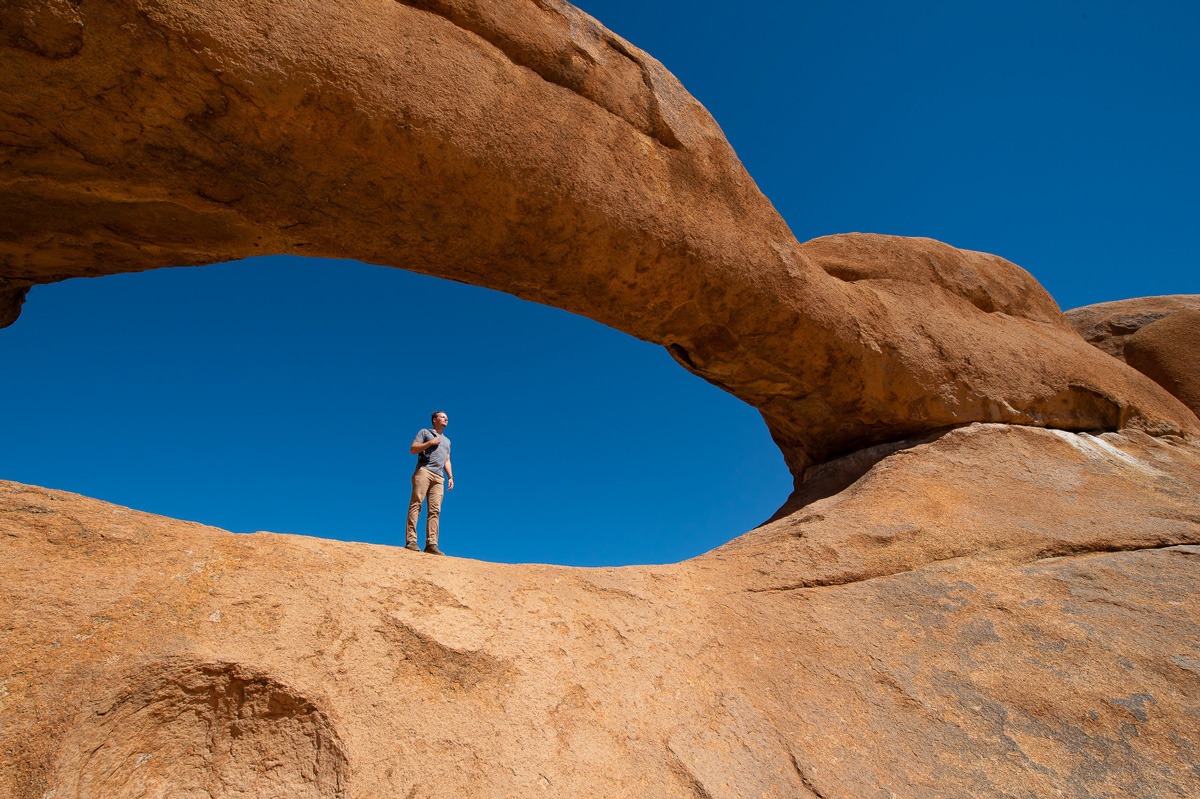
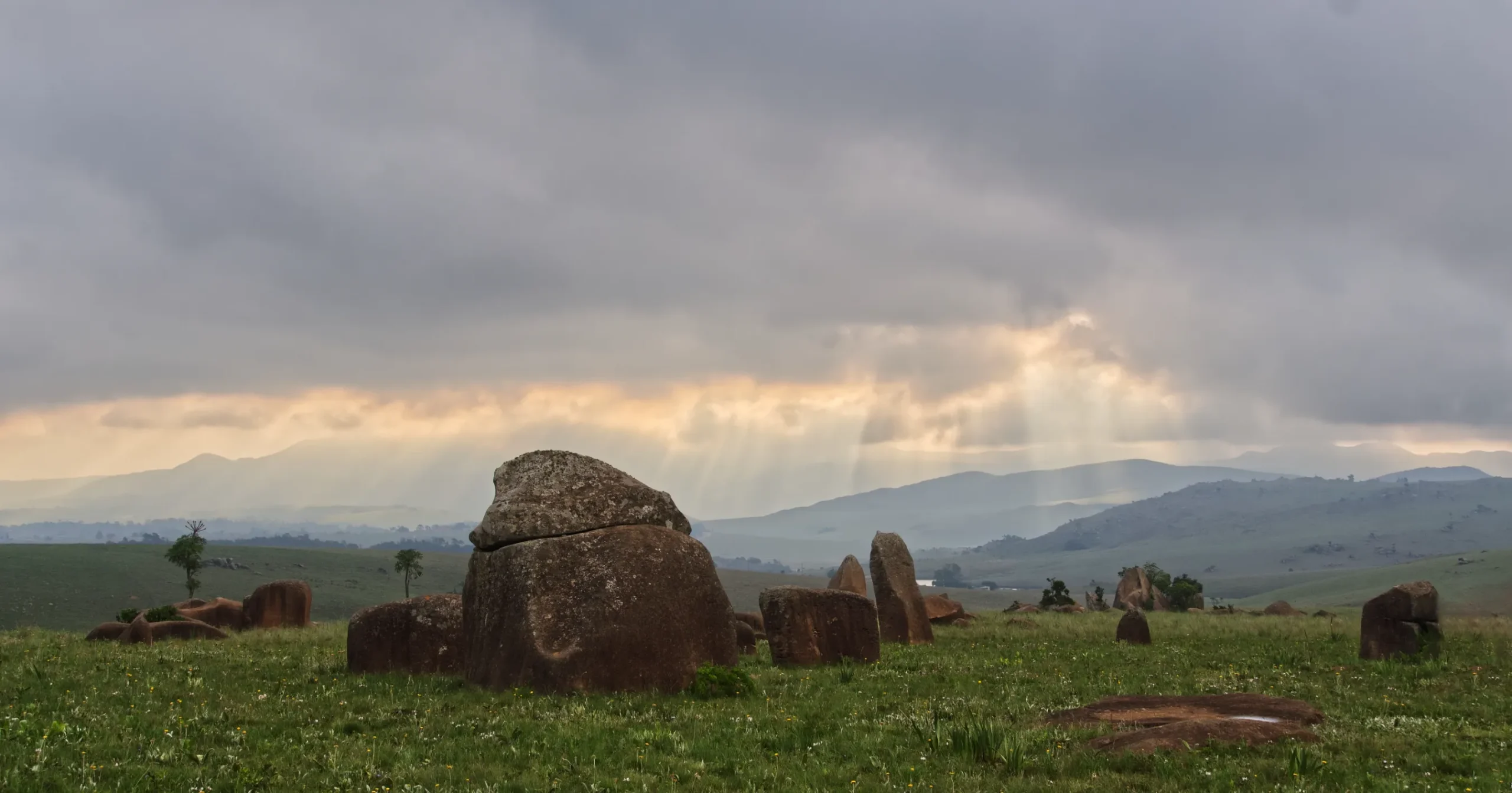
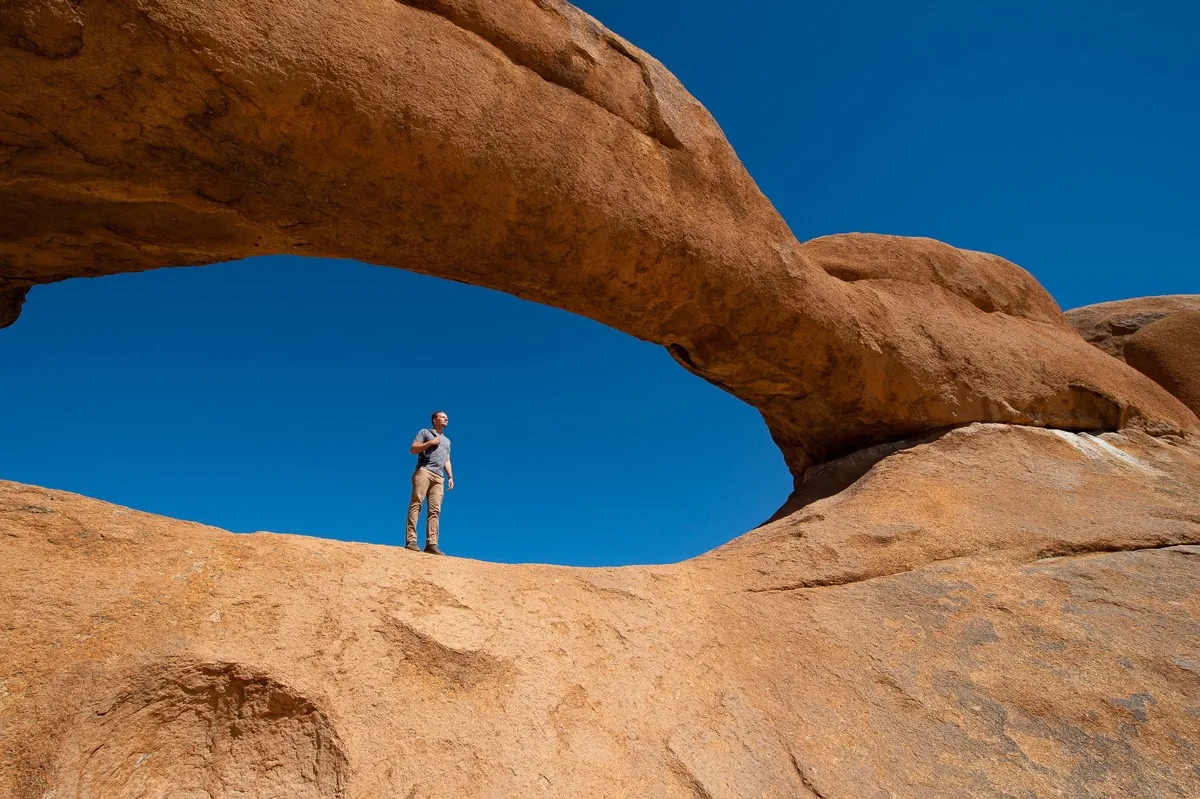
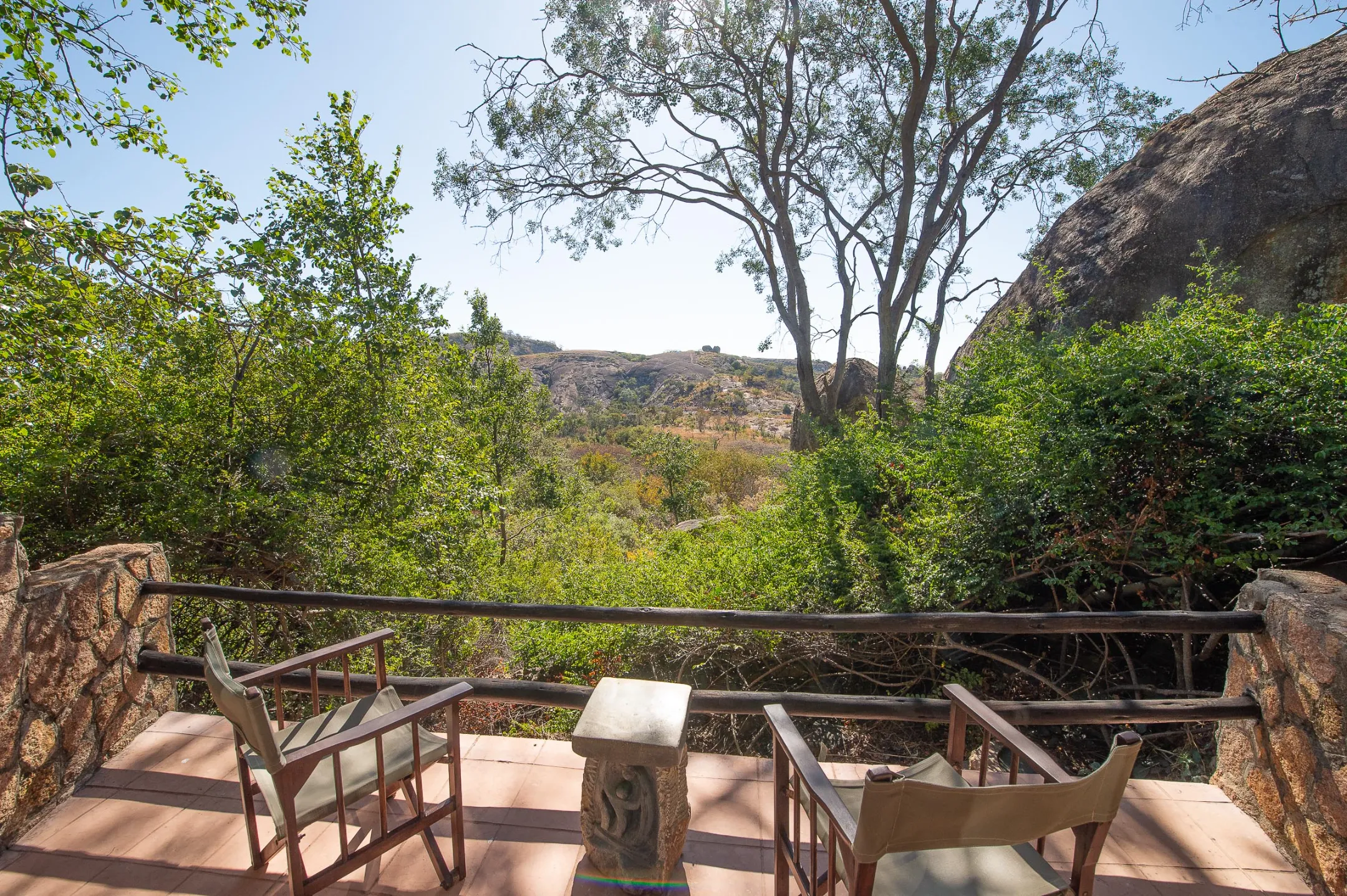
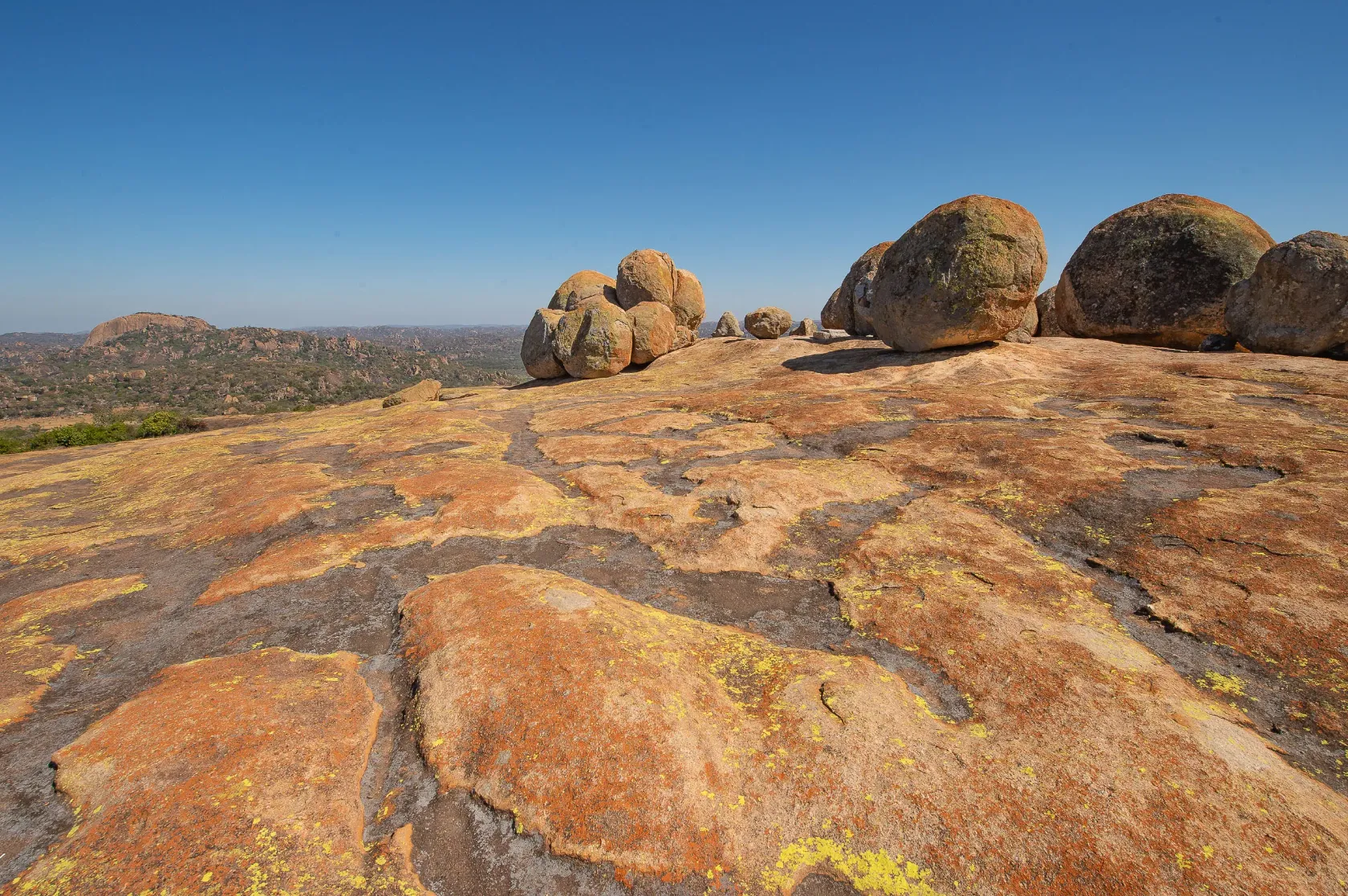
The Matobo Hills, also known historically as Matopos, is a UNESCO World Heritage Site in southern Zimbabwe renowned for its dramatic granite rock formations, balancing boulders and deep cultural history. Within this landscape lies Matobo National Park, a protected wildlife area that forms part of the greater Matobo Hills region.
The area is one of Africa’s most important cultural landscapes, featuring extensive San rock art sites that date back thousands of years. It also has strong historical significance in Zimbabwe’s colonial and post colonial history, adding to its cultural depth.
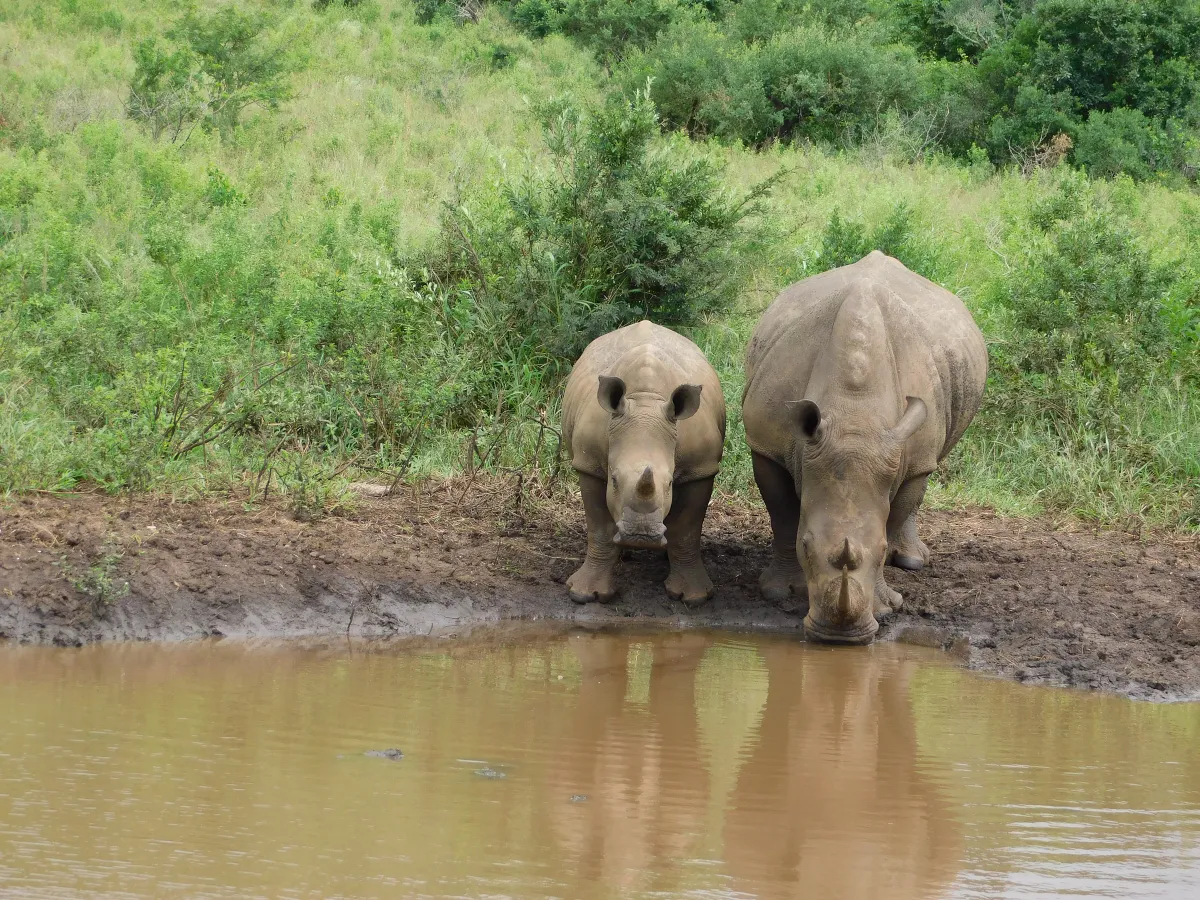
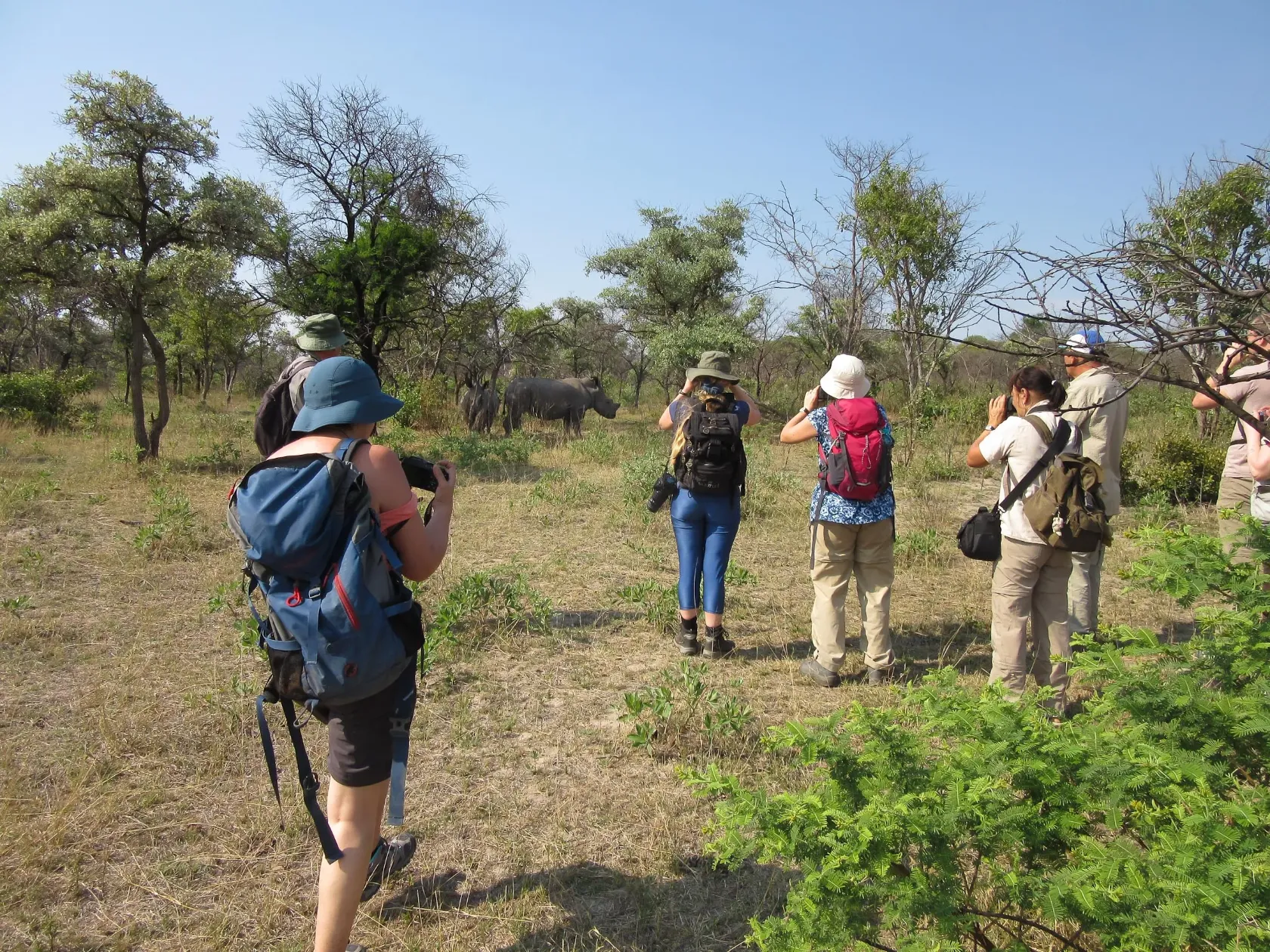
Matobo National Park is one of the best locations in Zimbabwe for rhino tracking on foot, offering guided walking experiences focused on conservation and close range wildlife viewing. Both black and white rhino are found in the area, alongside a variety of bird species, including one of the highest concentrations of black eagles in the world.
Great Zimbabwe
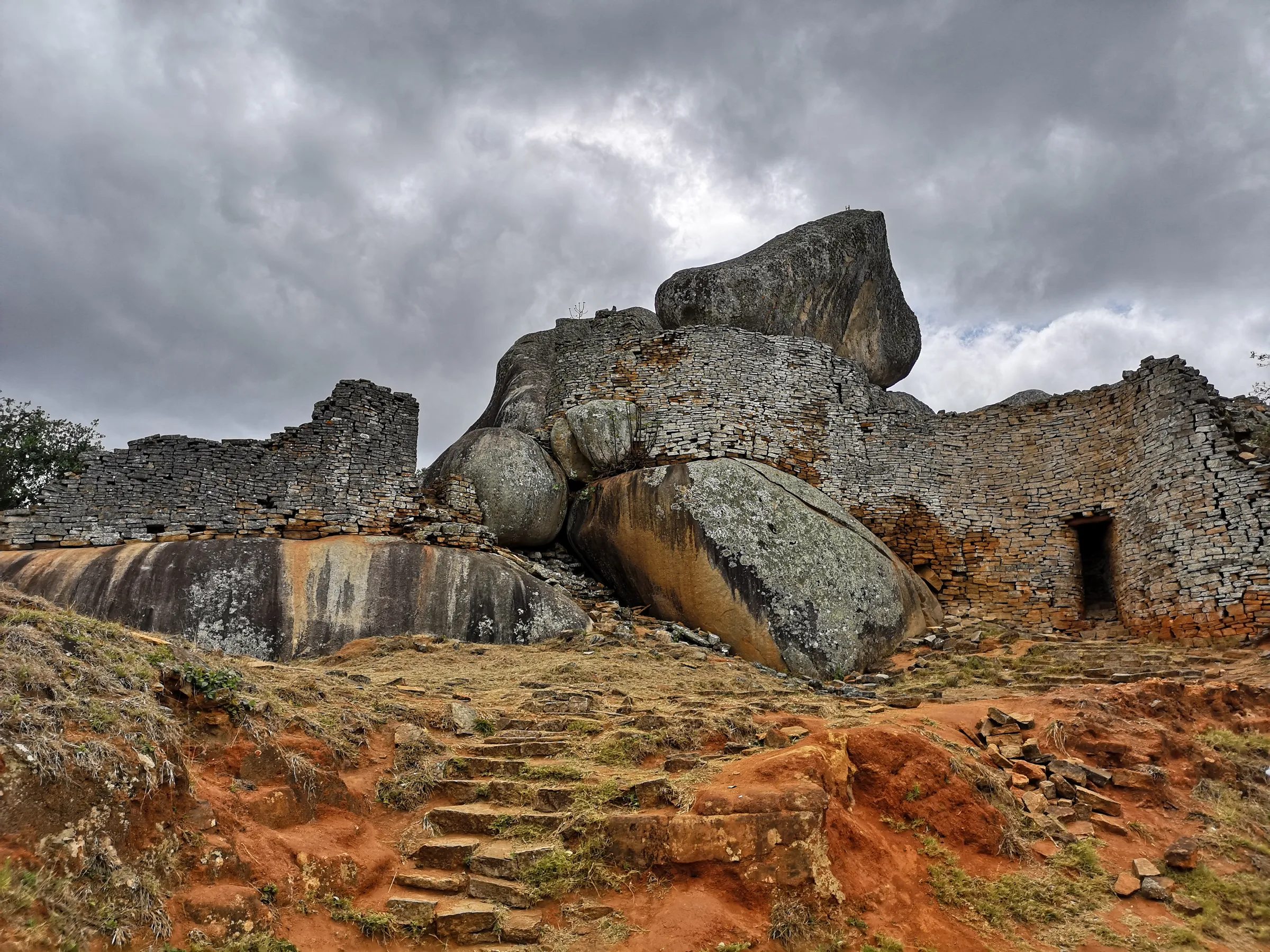
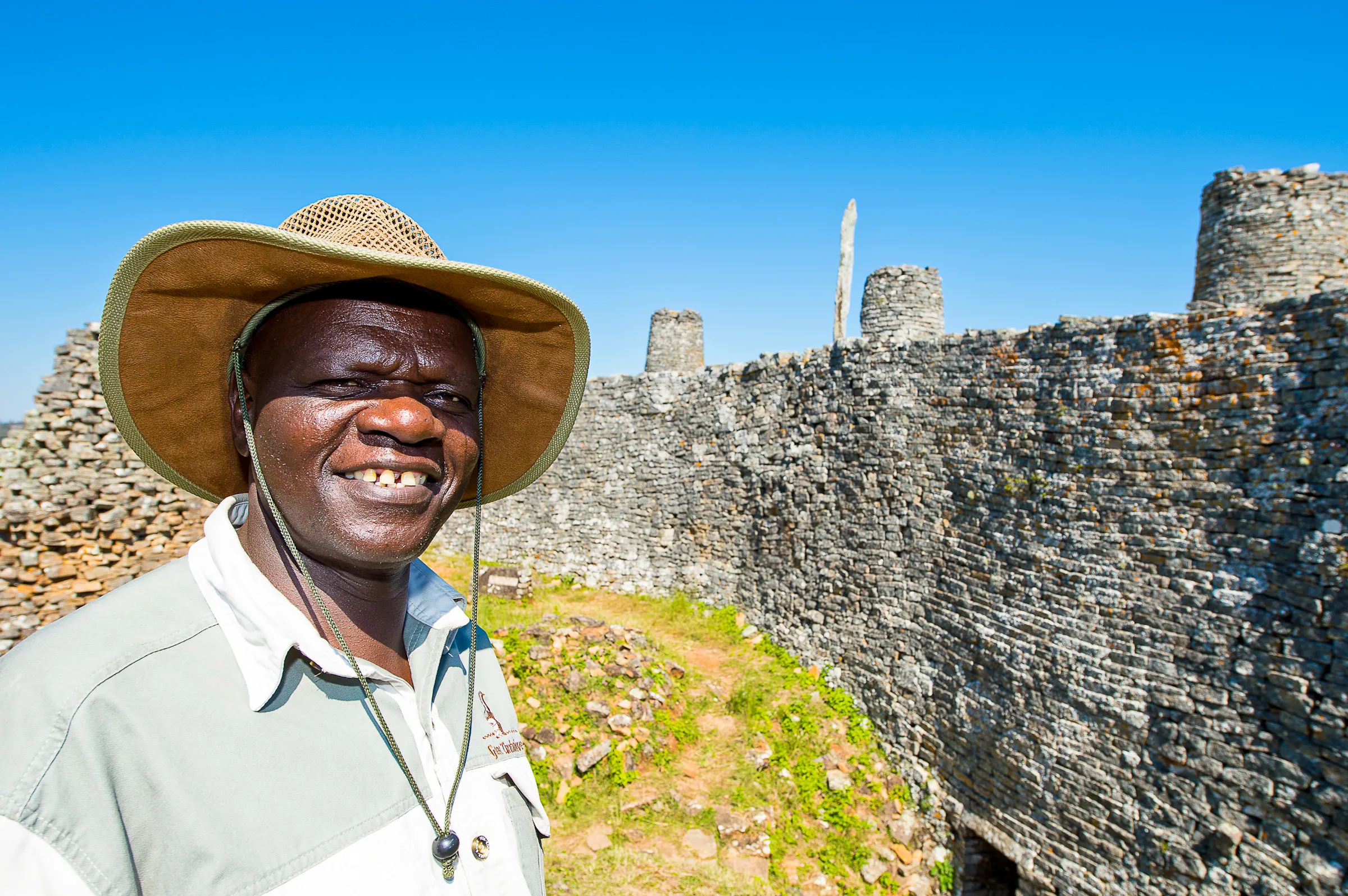
Great Zimbabwe is the largest ancient stone structure in sub Saharan Africa and a UNESCO World Heritage Site that represents the remains of a powerful medieval city built between the 11th and 15th centuries.
The site was the capital of the Kingdom of Zimbabwe and is famous for its impressive dry stone architecture, including the Great Enclosure and Hill Complex, constructed without mortar using carefully fitted stone blocks.
Visitors can explore the ruins and learn about the historical, cultural and archaeological significance of the site, which is central to the origin of the country’s name.
Eastern Zimbabwe Highlands (Chimanimani and Nyanga National Parks)
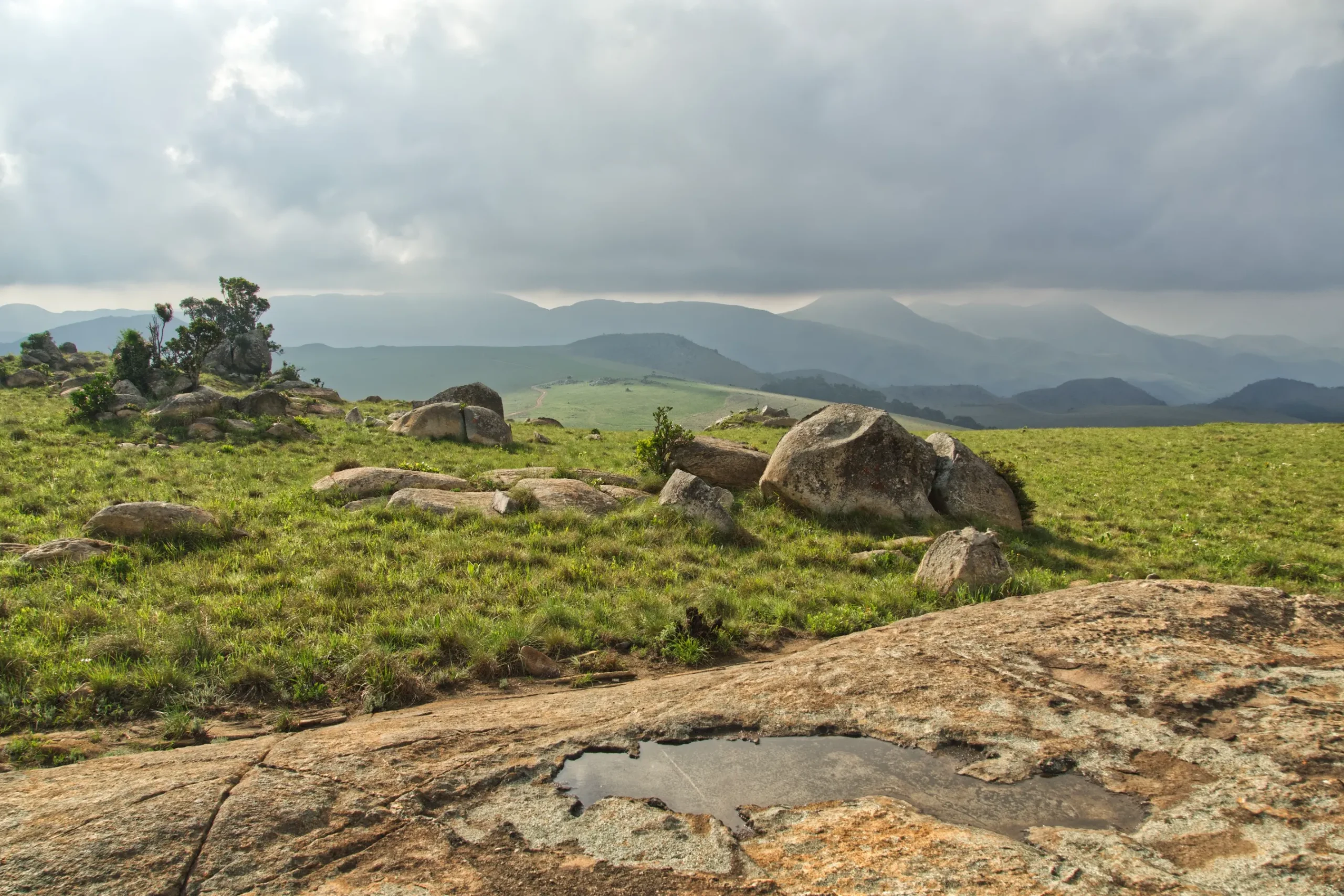
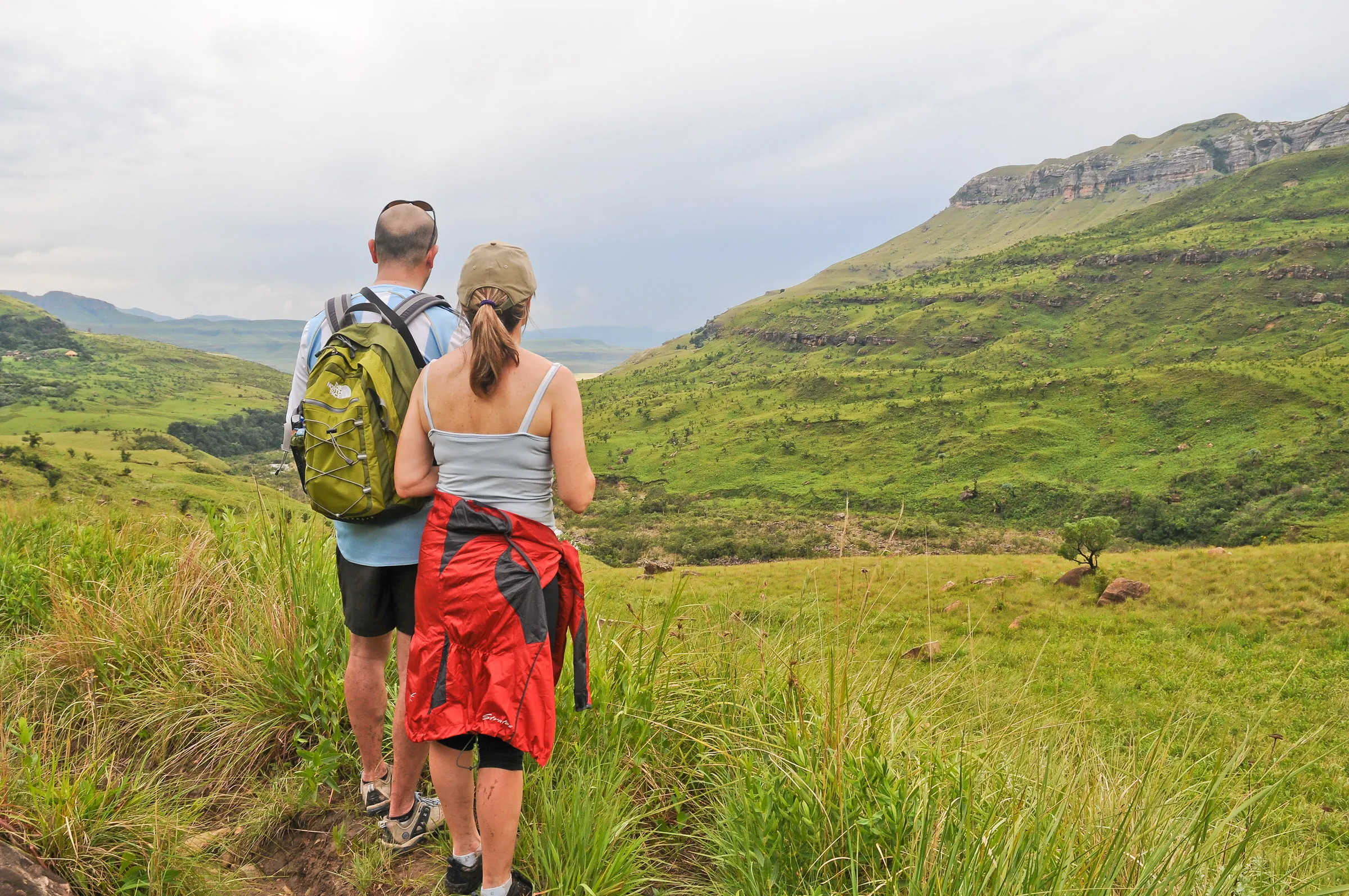
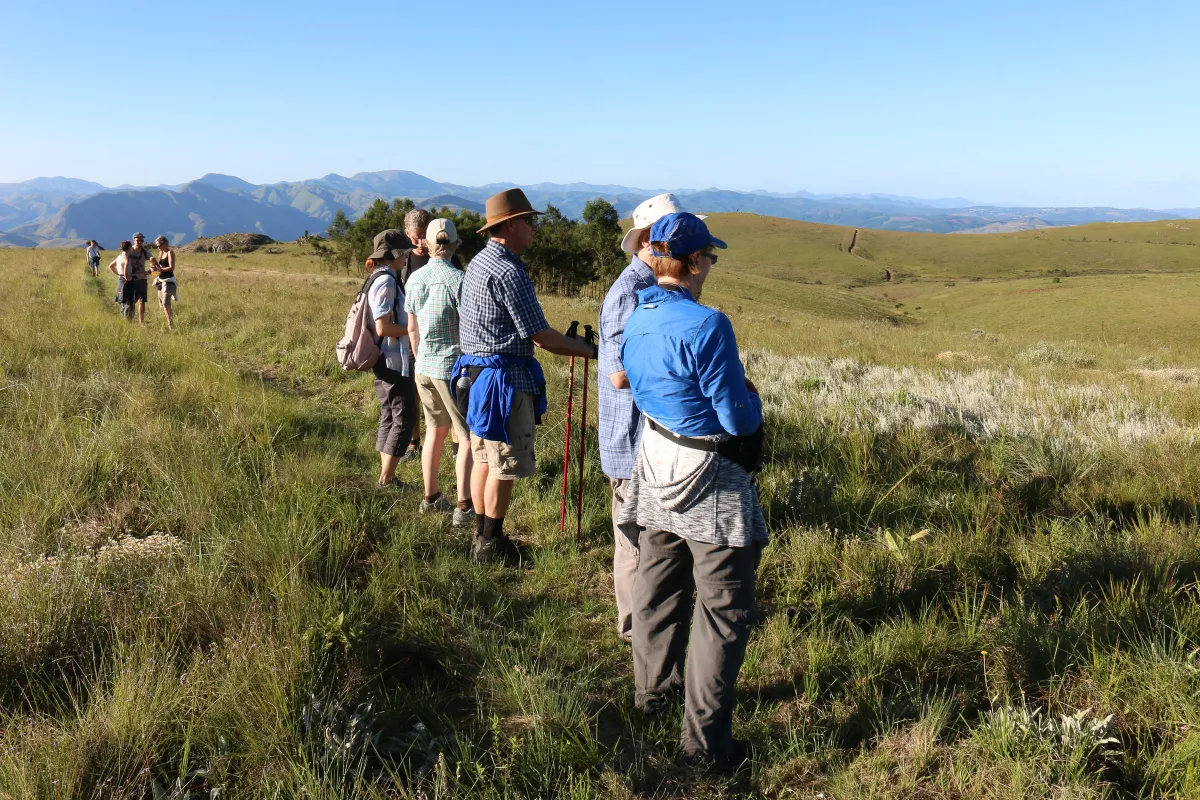
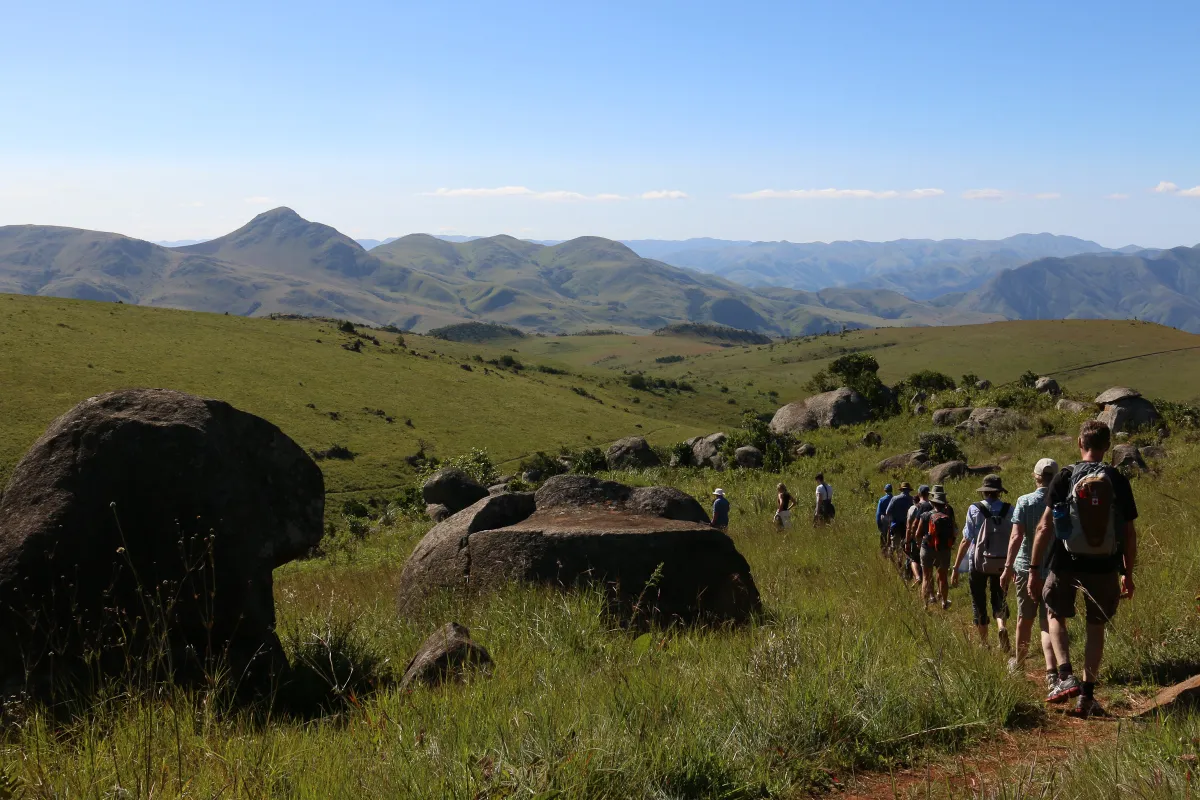
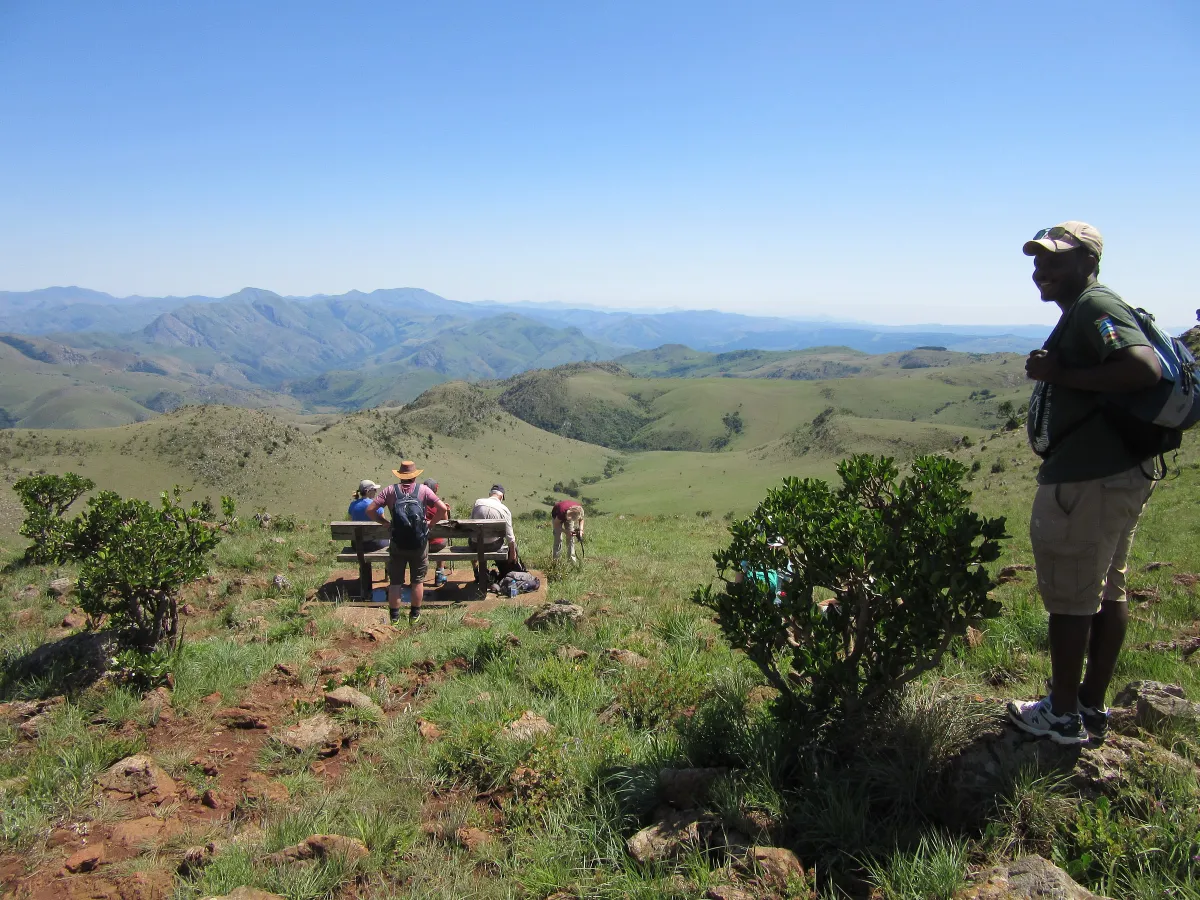
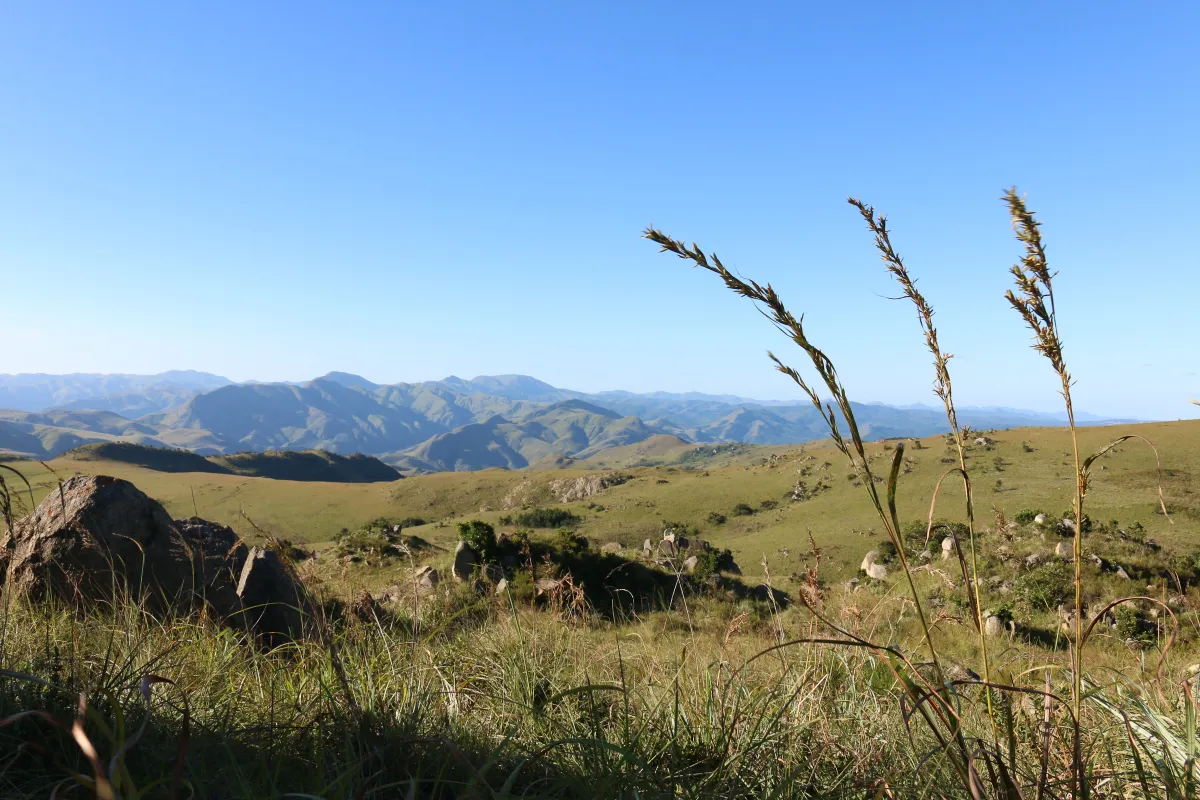
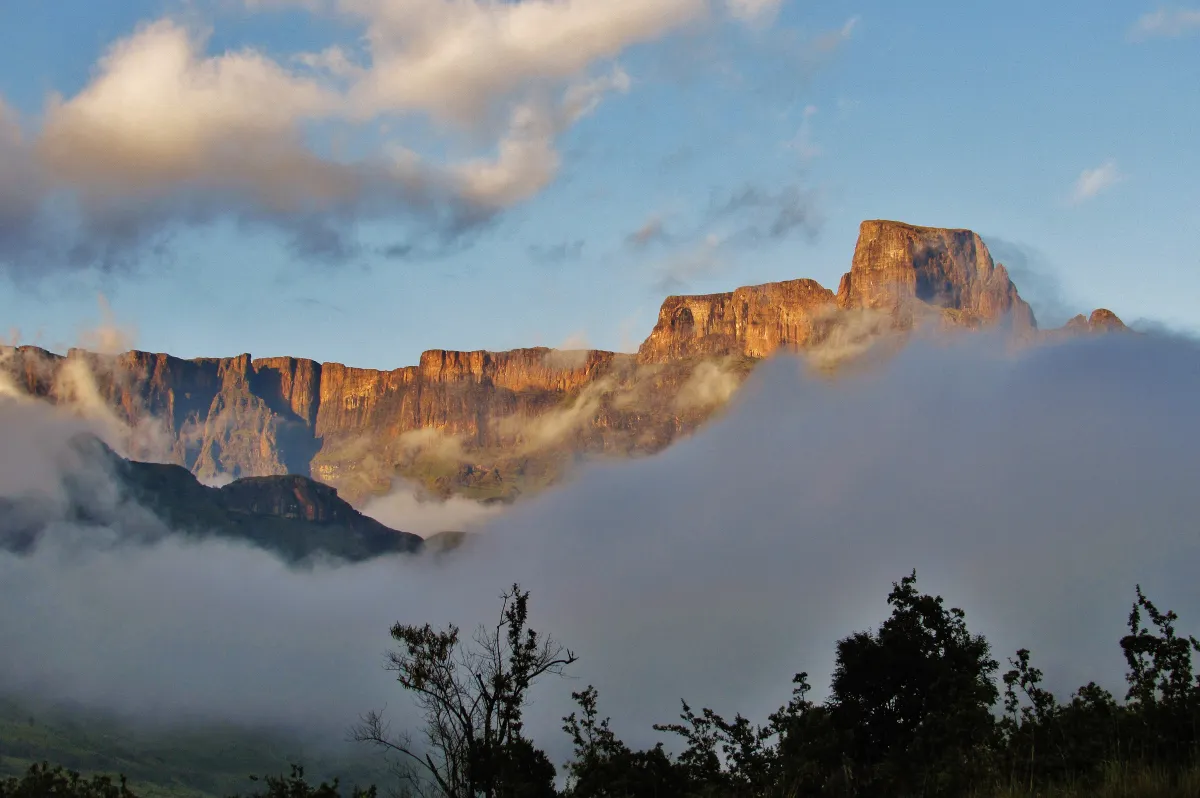
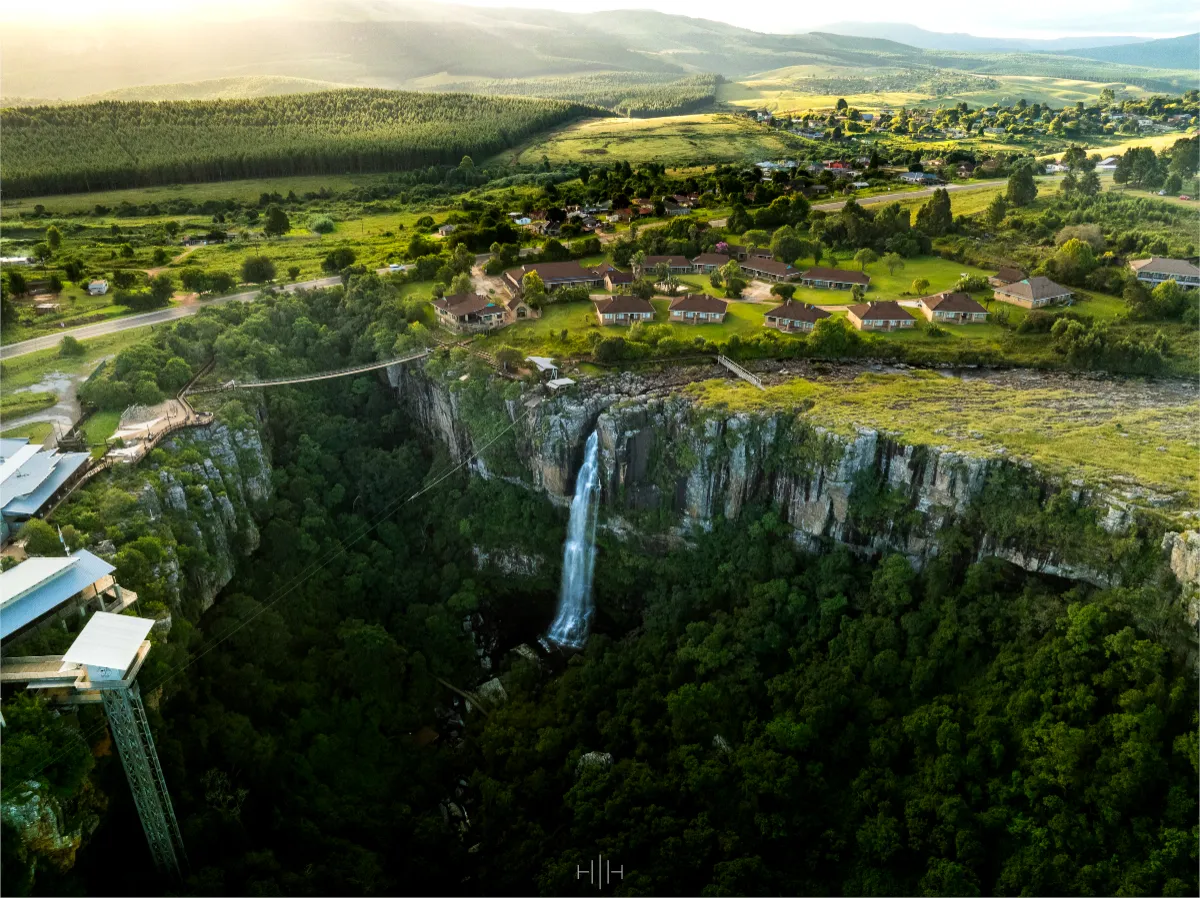
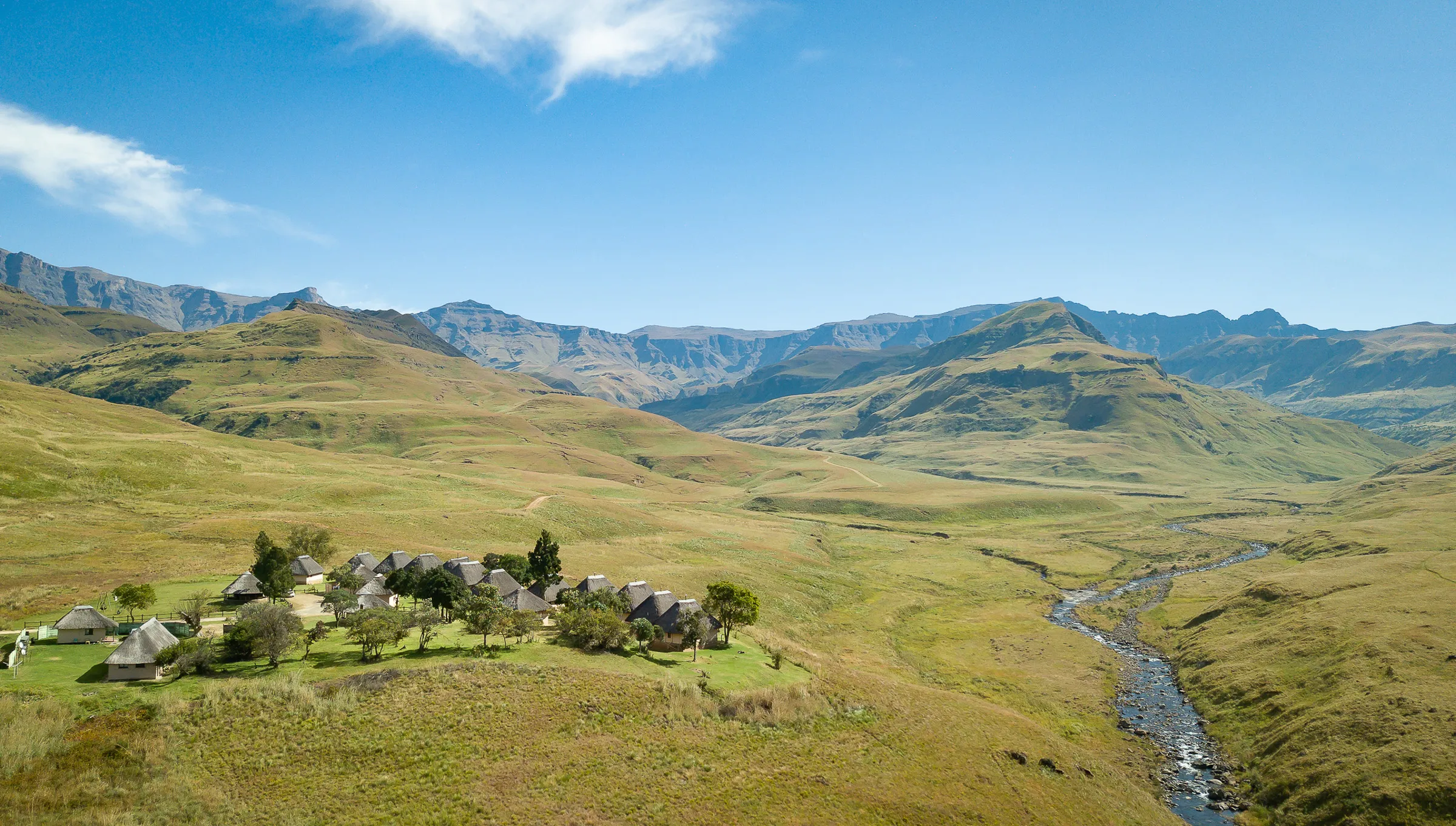
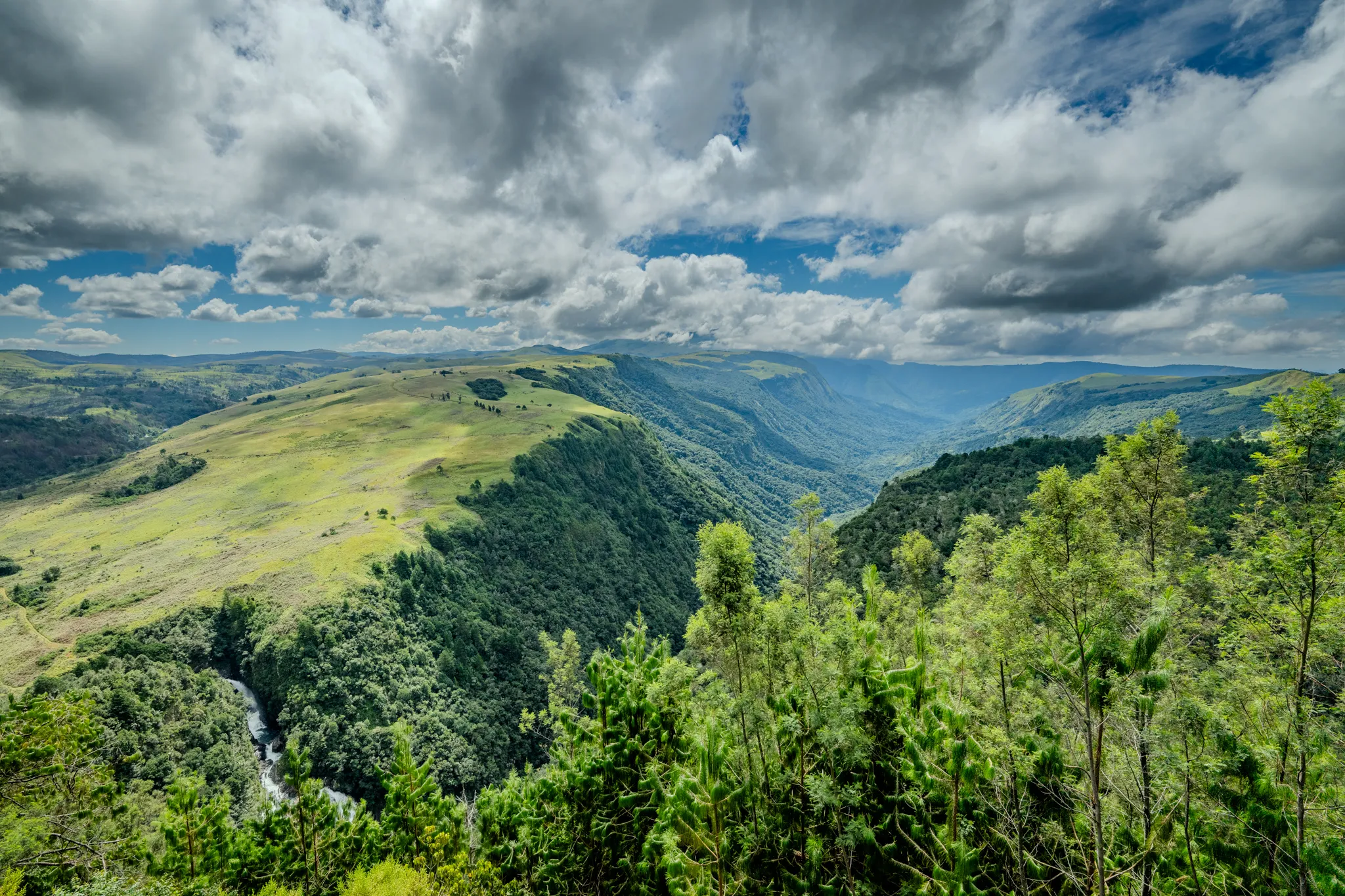
The Eastern Zimbabwe Highlands are a scenic mountainous region in eastern Zimbabwe, best known for their cool climate, dramatic landscapes and outdoor adventure opportunities. This area includes Chimanimani National Park and Nyanga National Park, both of which offer a different experience from Zimbabwe’s savannah based safari regions.
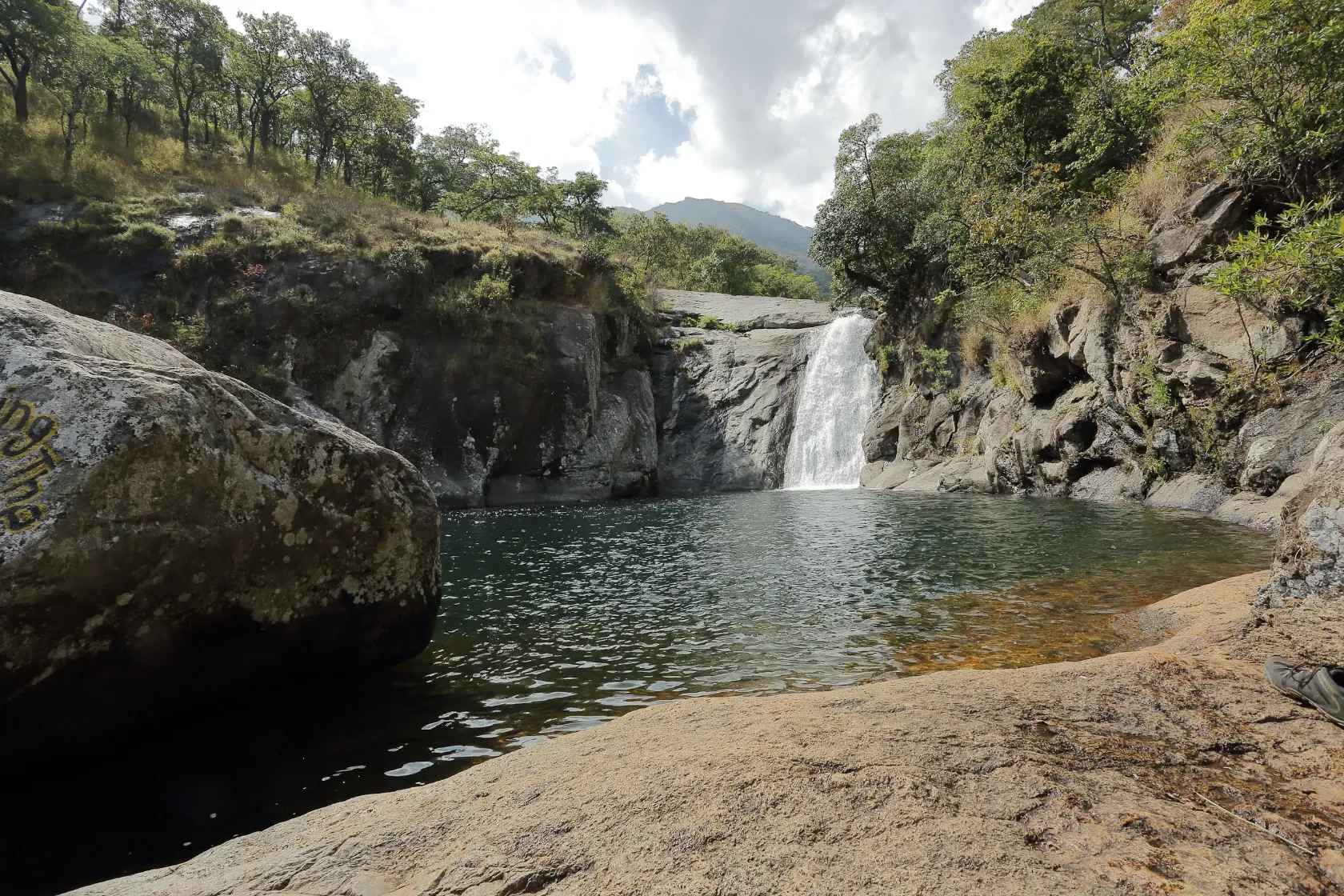
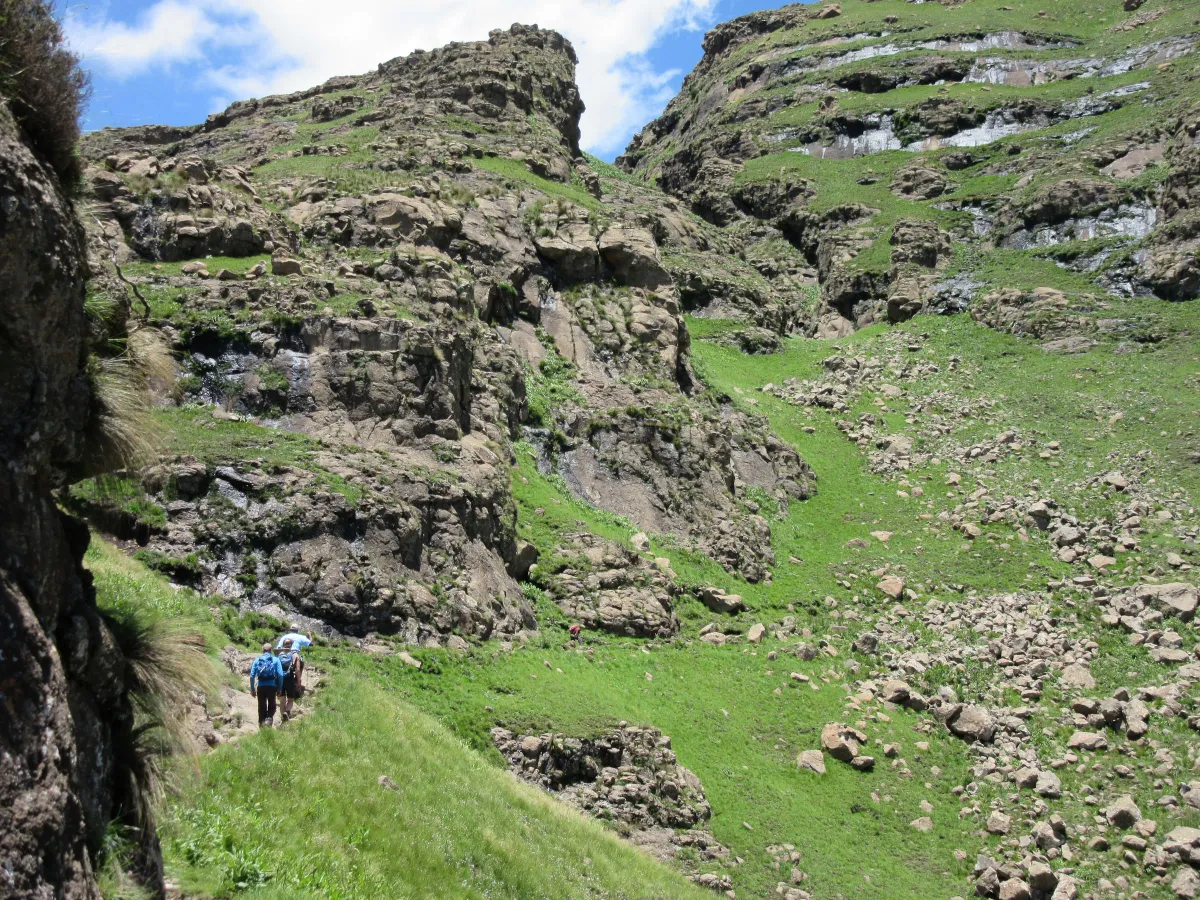
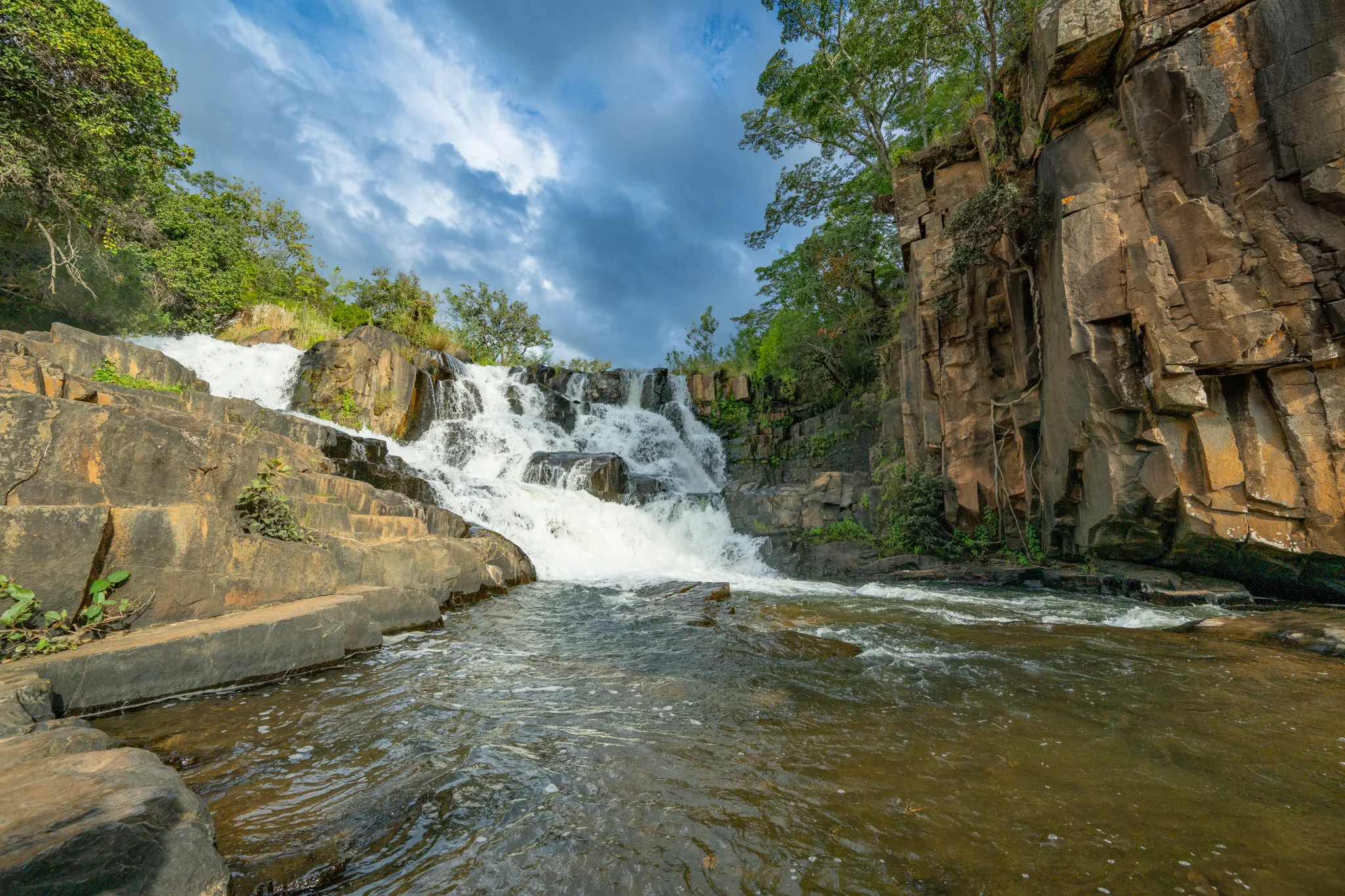
Chimanimani National Park is characterised by rugged mountain peaks, deep valleys, waterfalls and indigenous forests. It is a popular destination for hiking, birdwatching and nature focused travel, with trails that explore remote and unspoiled wilderness areas along the border with Mozambique.
Nyanga National Park is located further north in the Eastern Highlands and is known for its rolling hills, rivers and montane scenery. It is home to Mount Nyangani, the highest peak in Zimbabwe, as well as waterfalls, trout fishing streams and a variety of hiking routes. Wildlife is more limited compared to savannah parks, but the region is valued for its scenery, cool climate and outdoor recreation.
Together, Chimanimani and Nyanga form Zimbabwe’s premier highland escape, offering a contrast to the country’s lowveld safari areas such as Hwange National Park and Mana Pools National Park.
Mana Pools National Park
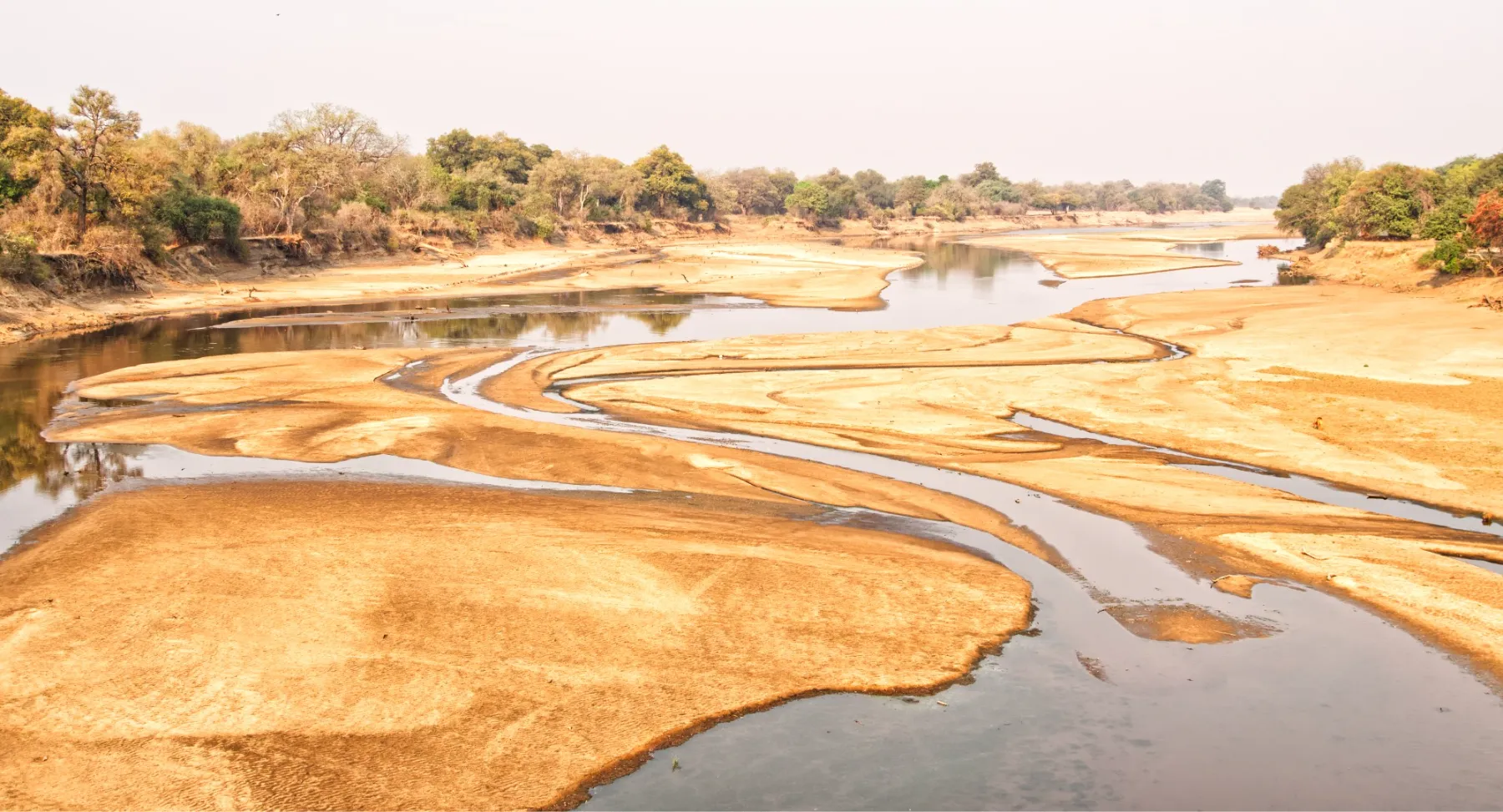
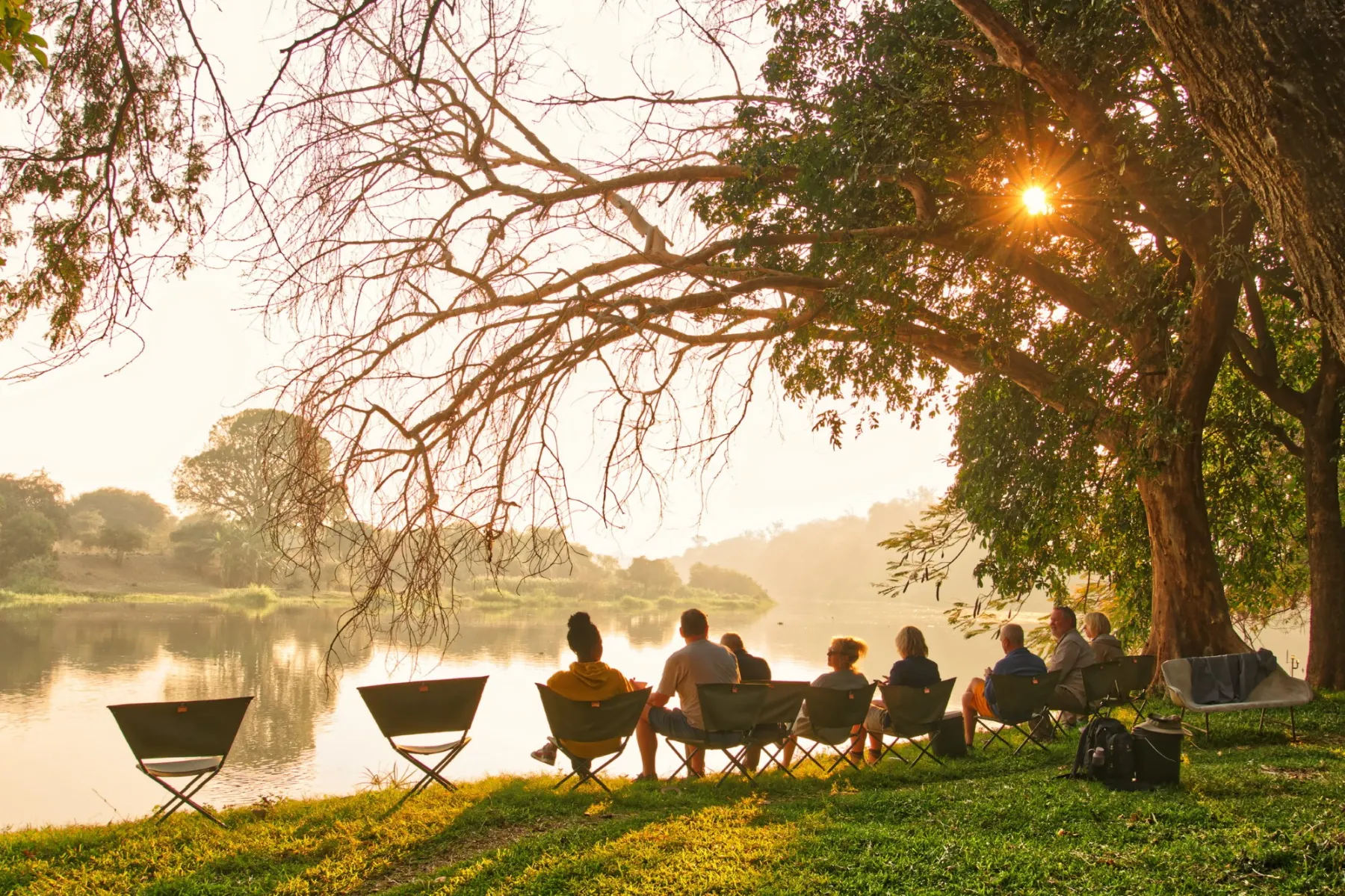
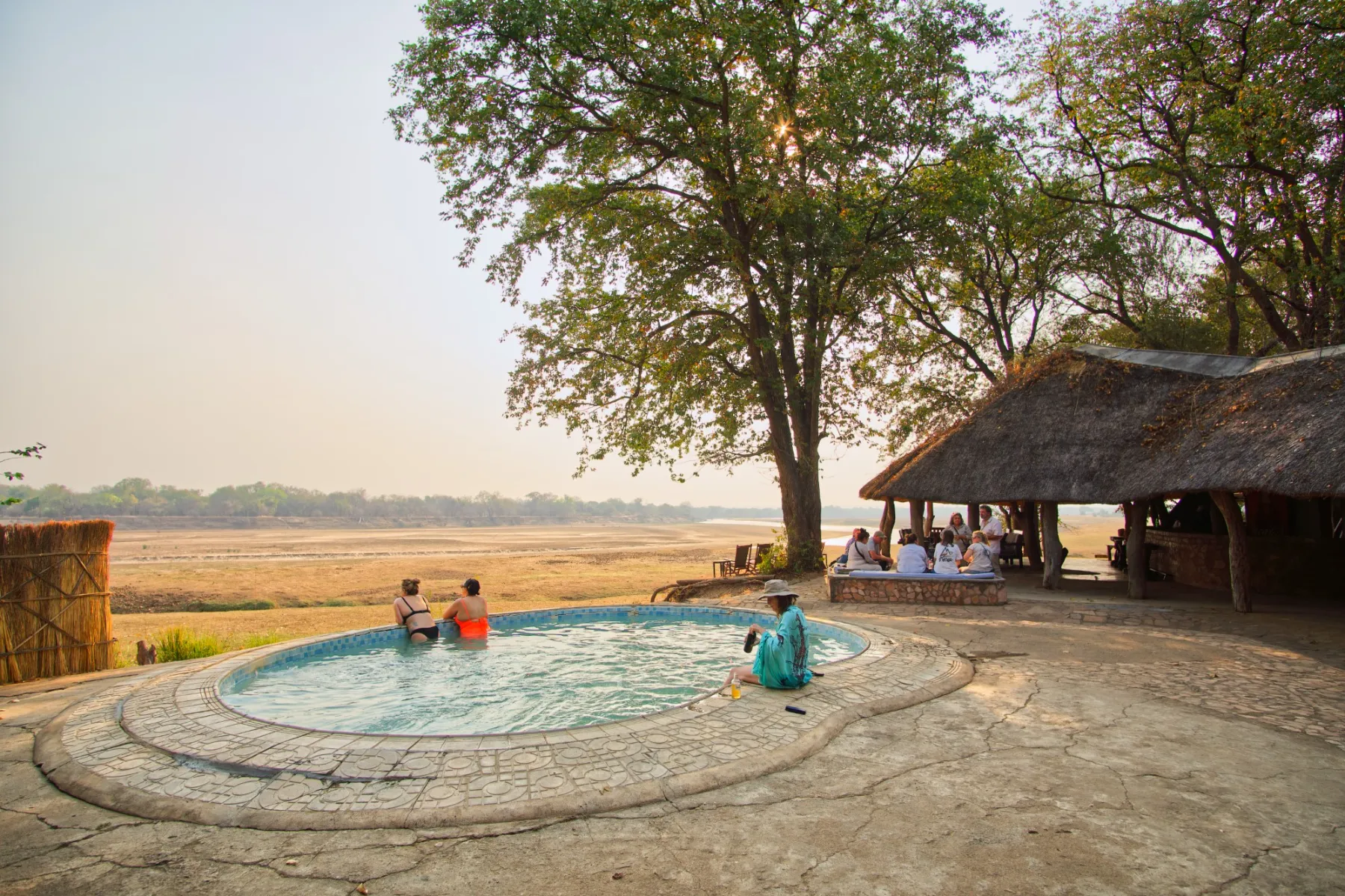
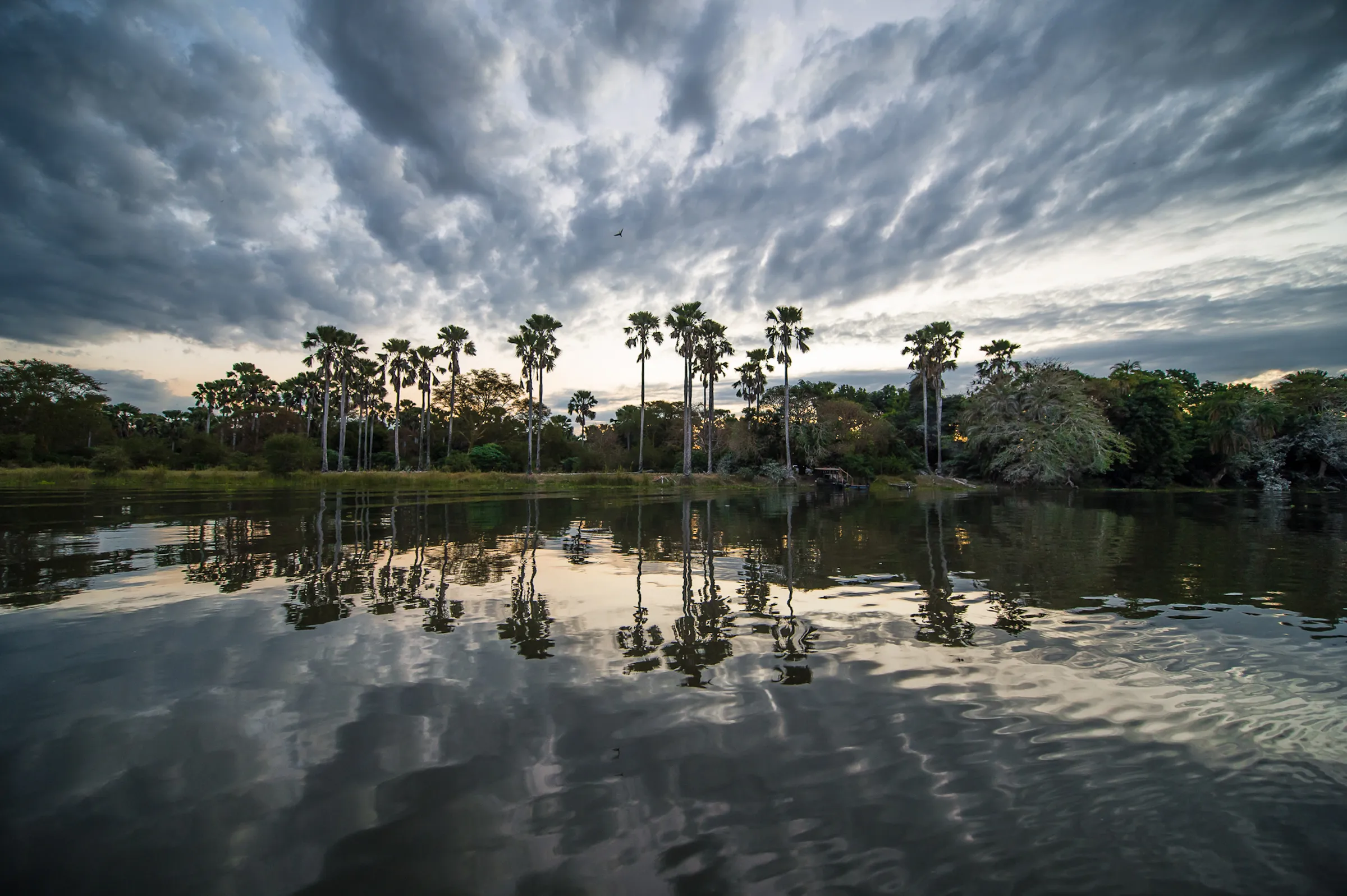
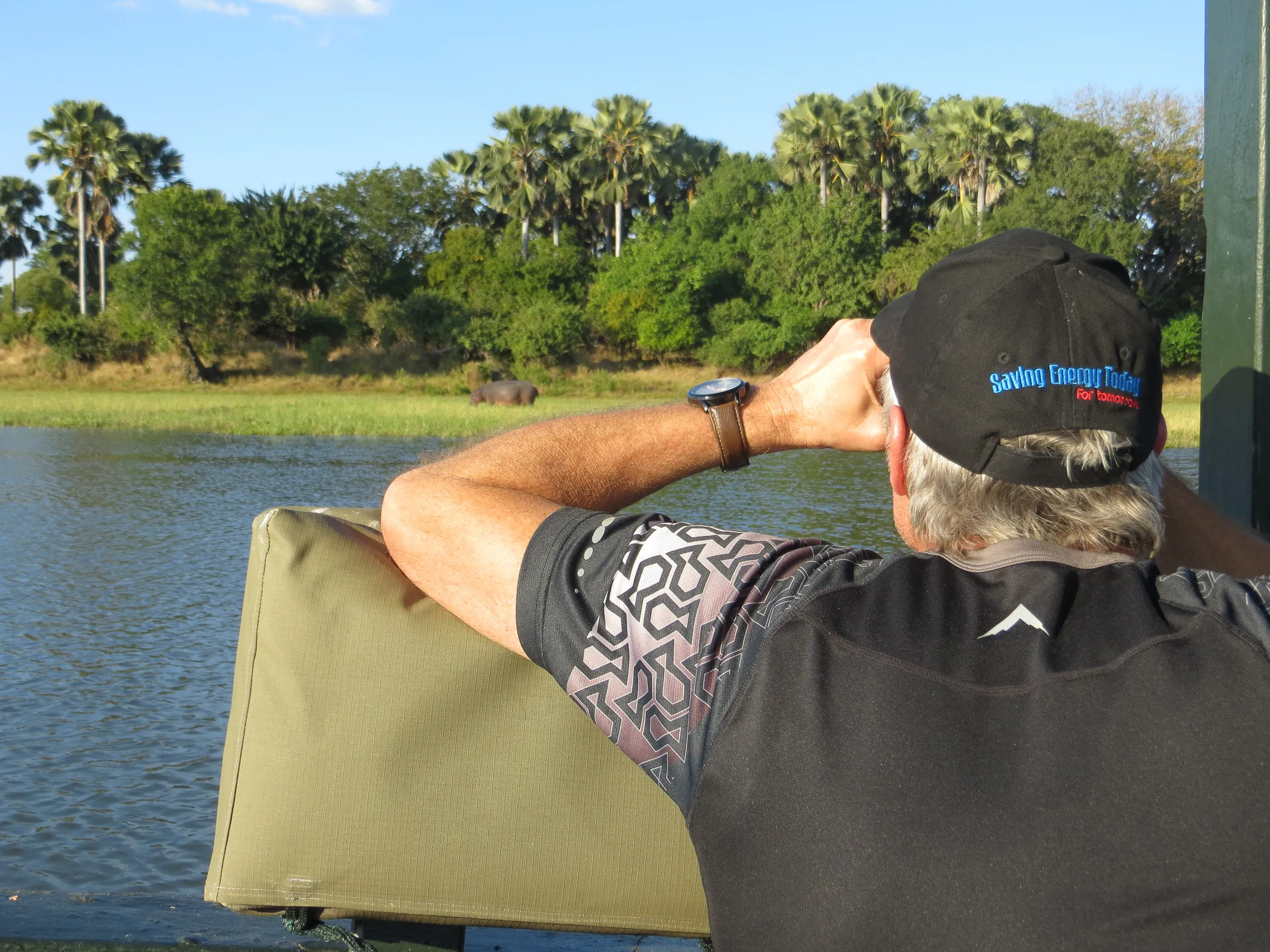
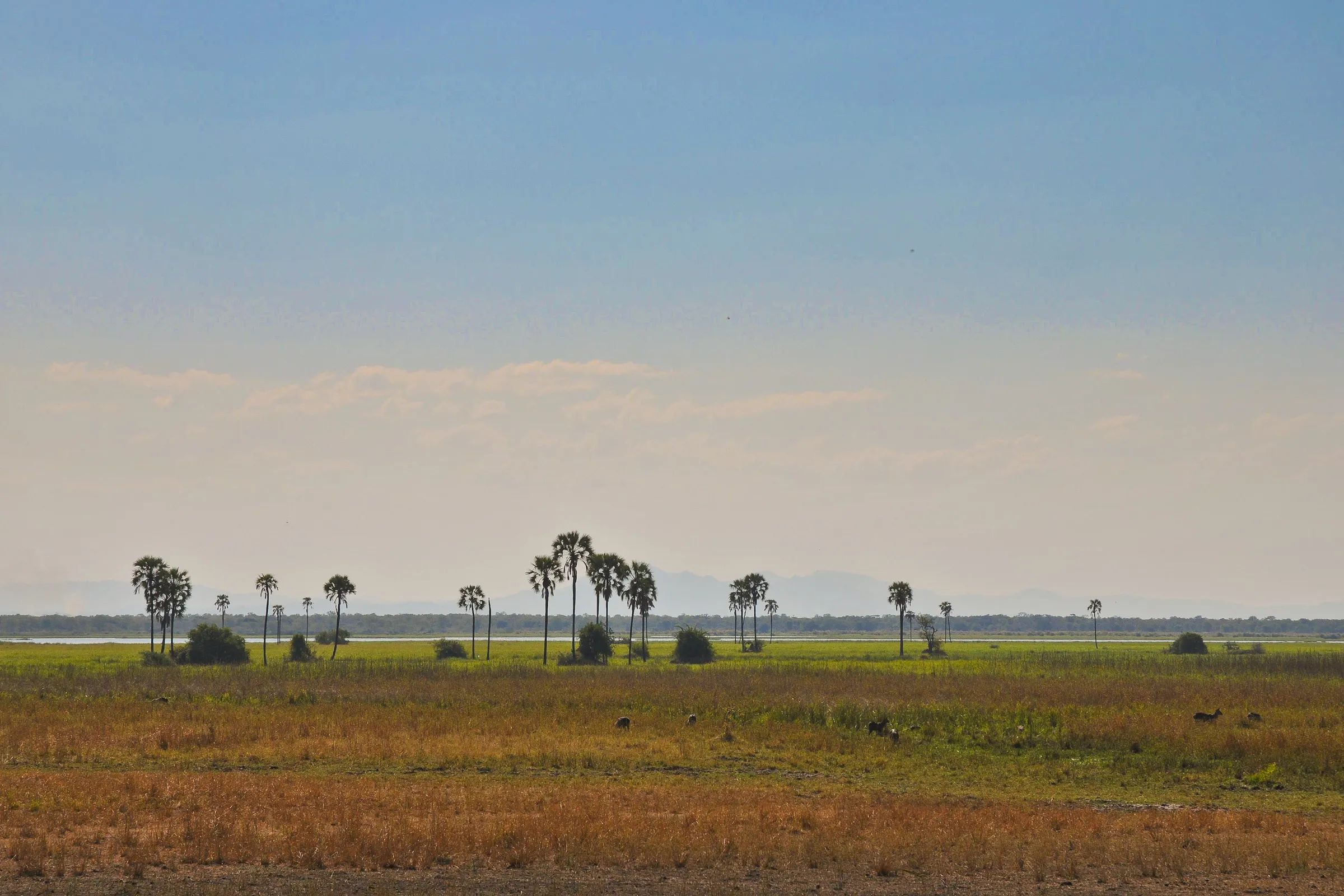
Mana Pools National Park is a UNESCO World Heritage Site in northern Zimbabwe, located along the lower Zambezi River. It is one of Africa’s most iconic wilderness areas, known for its remote setting, seasonal floodplains and exceptional wildlife encounters.
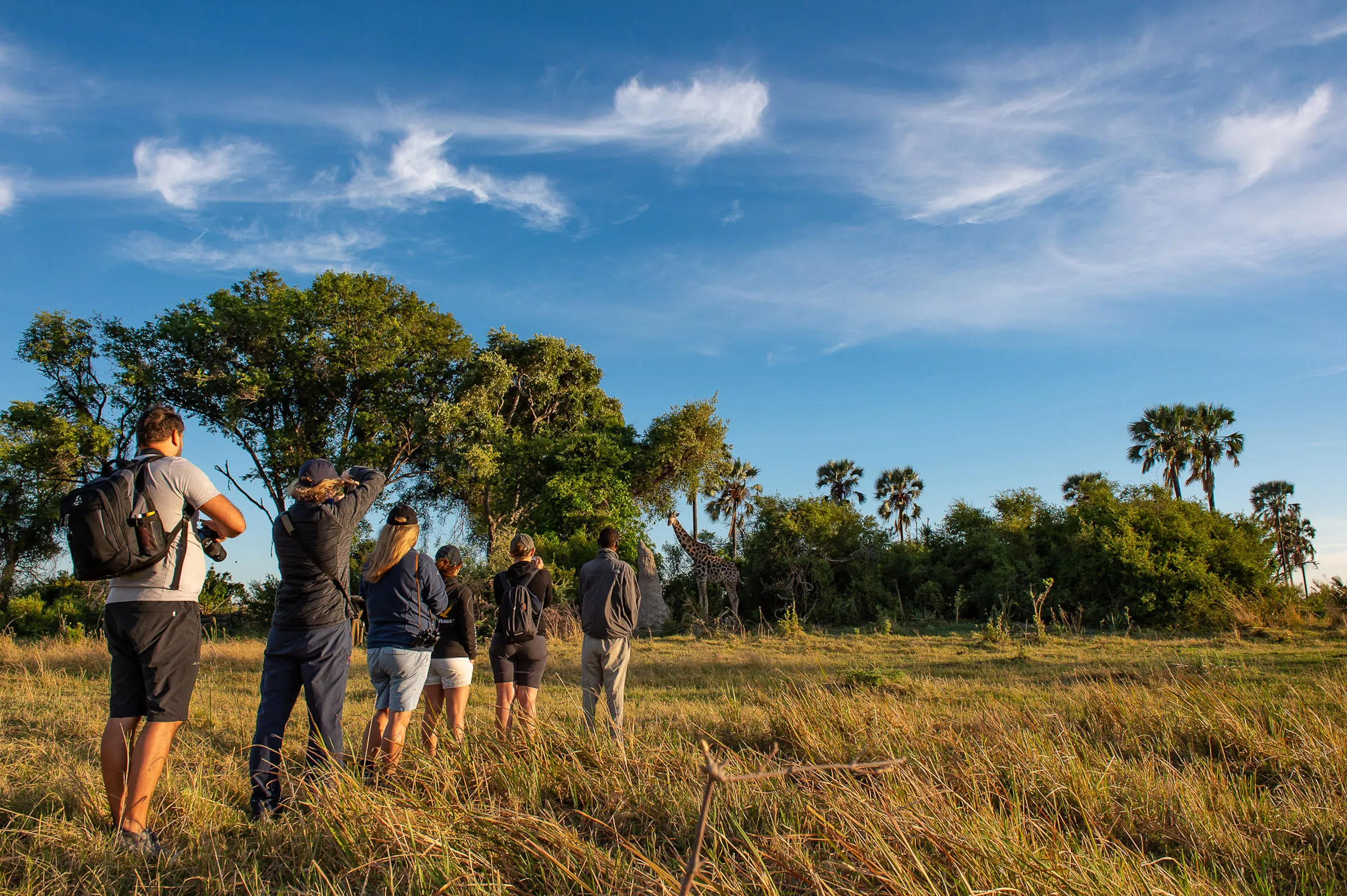
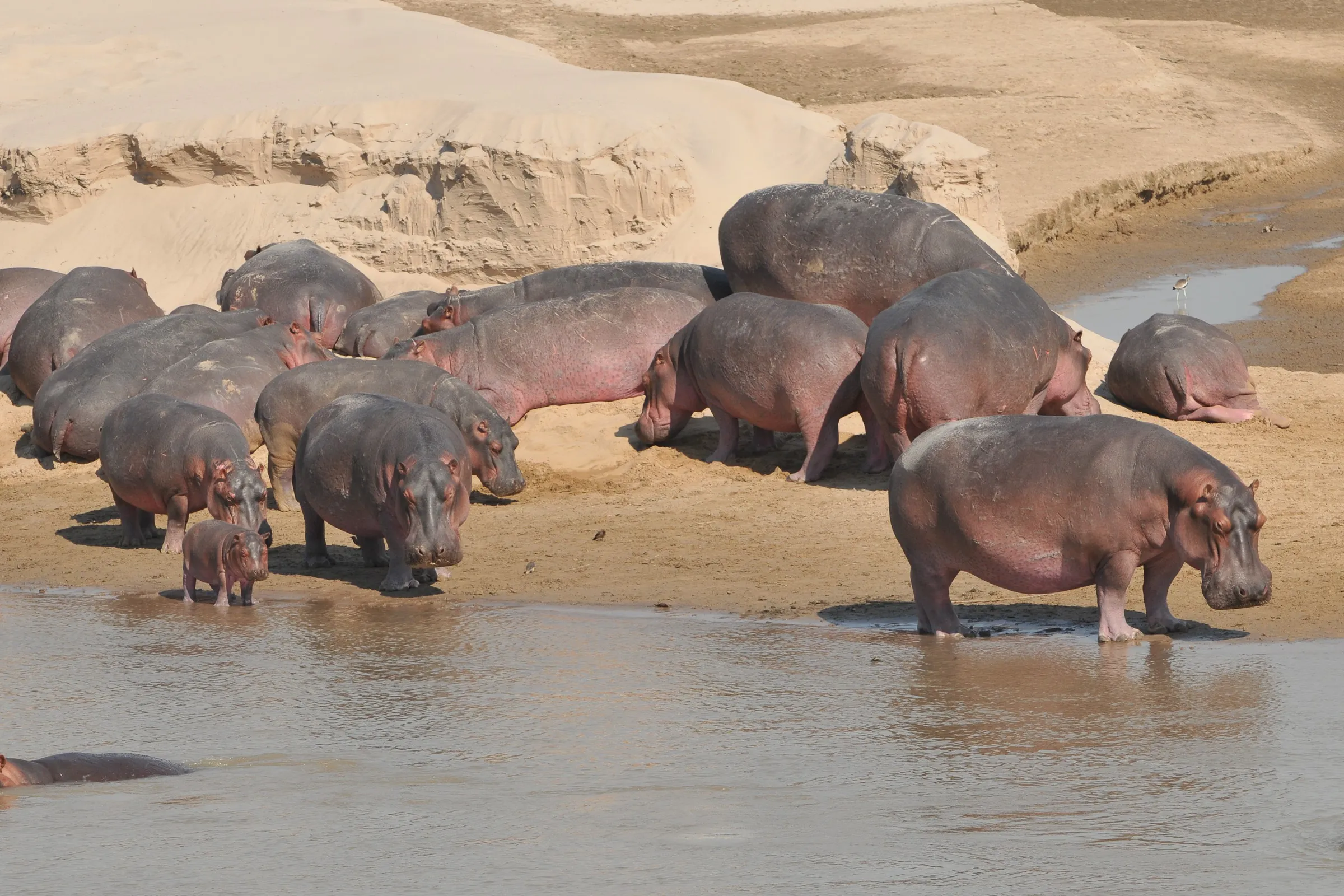
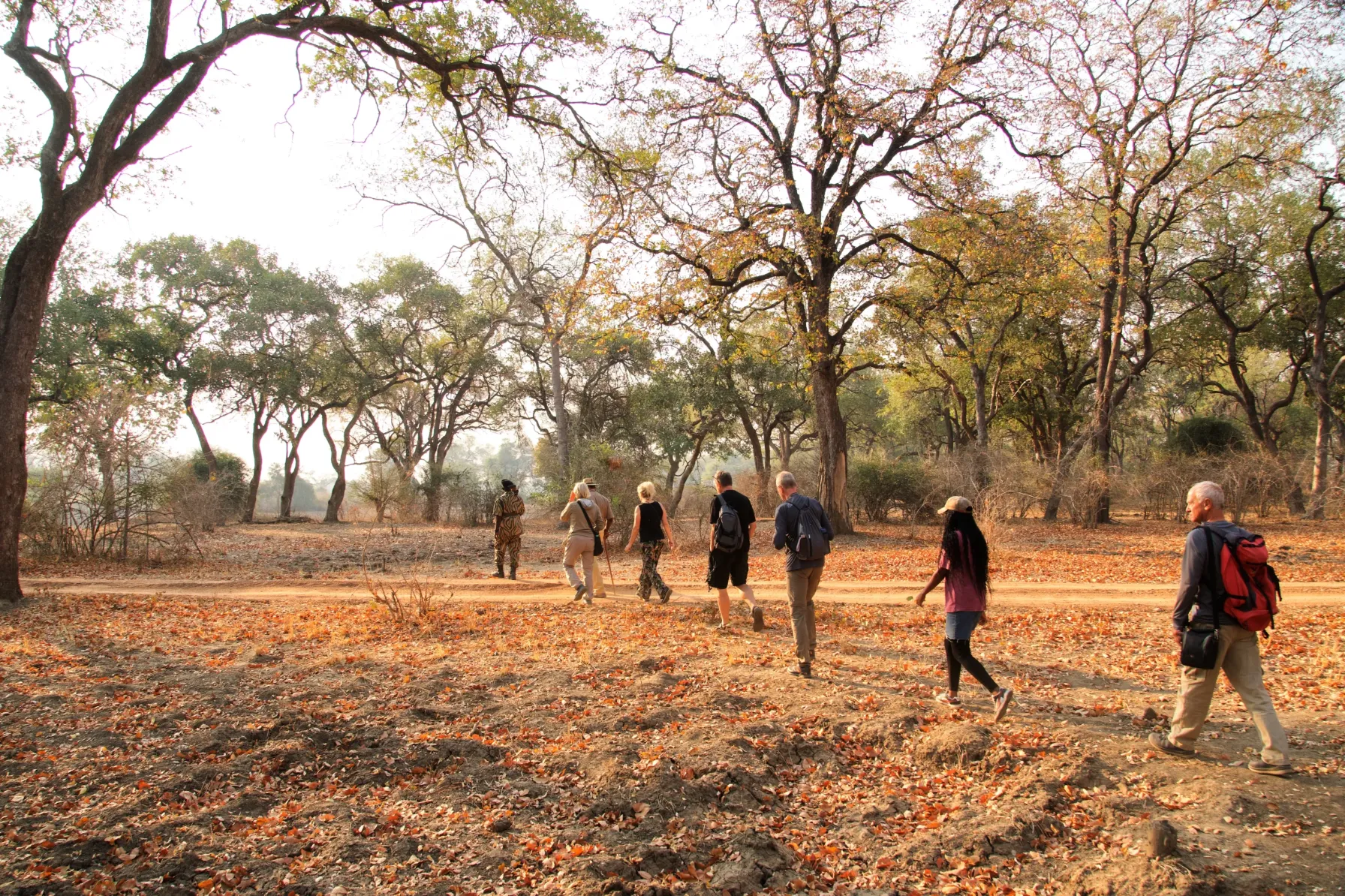
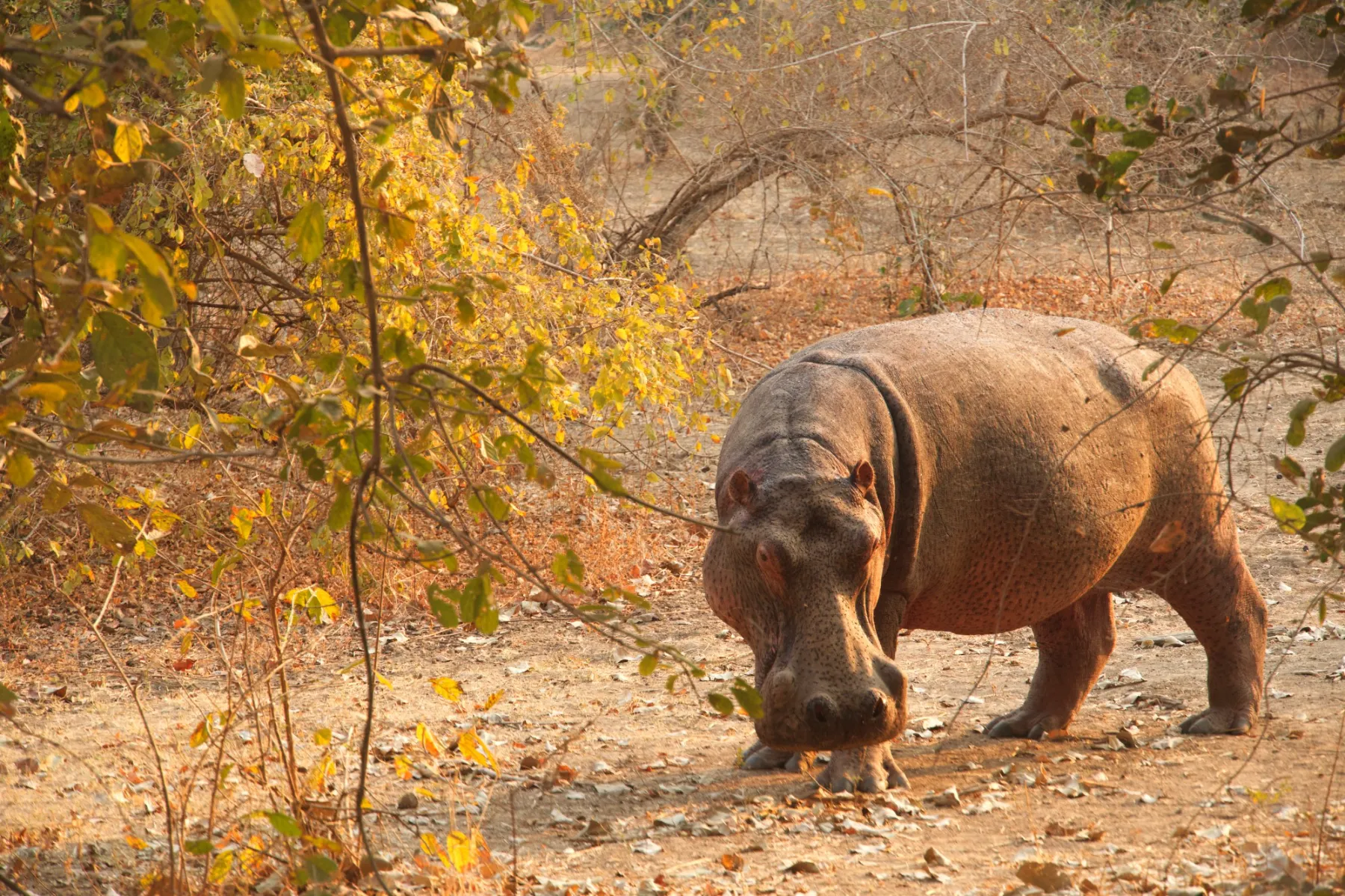
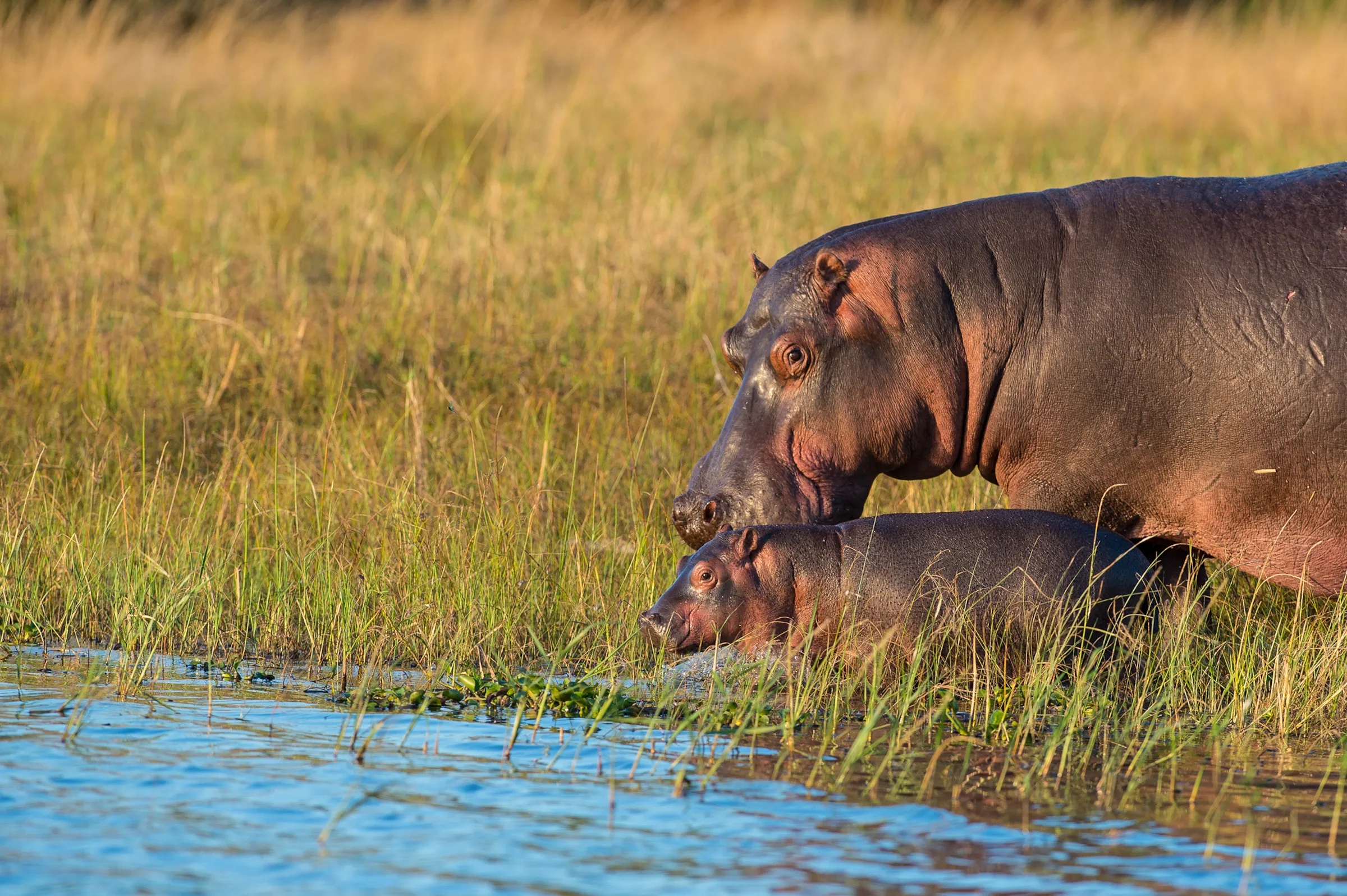
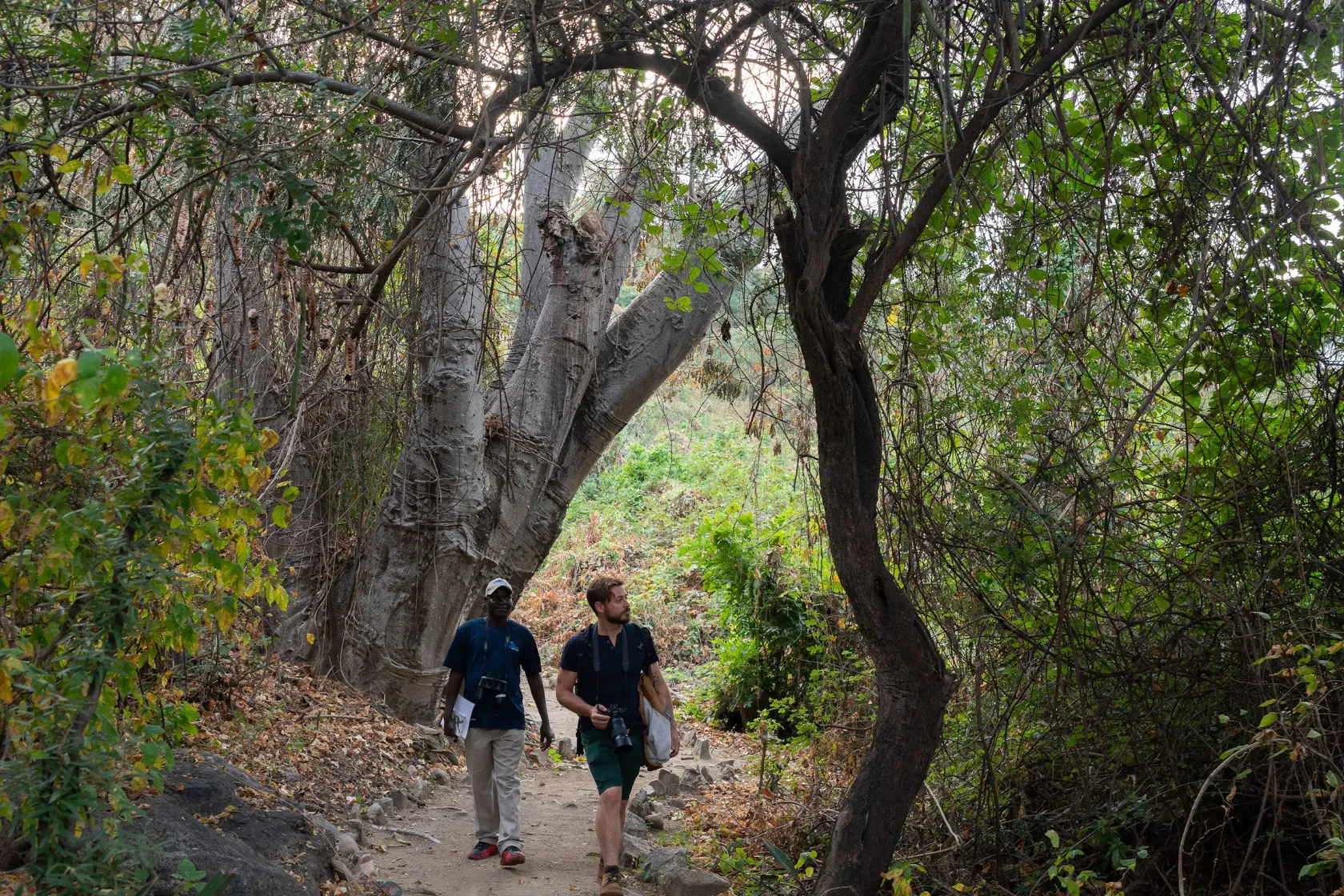
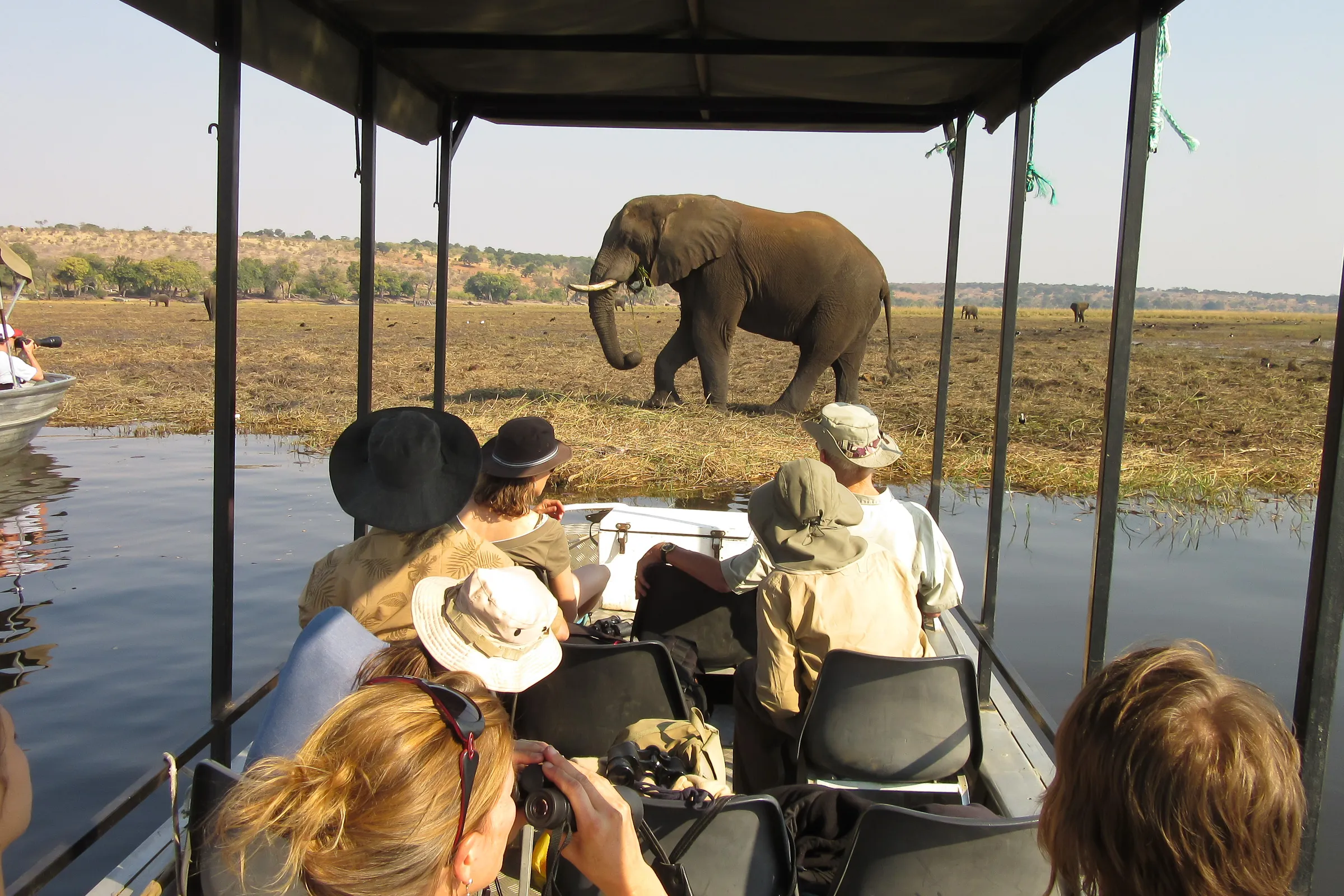
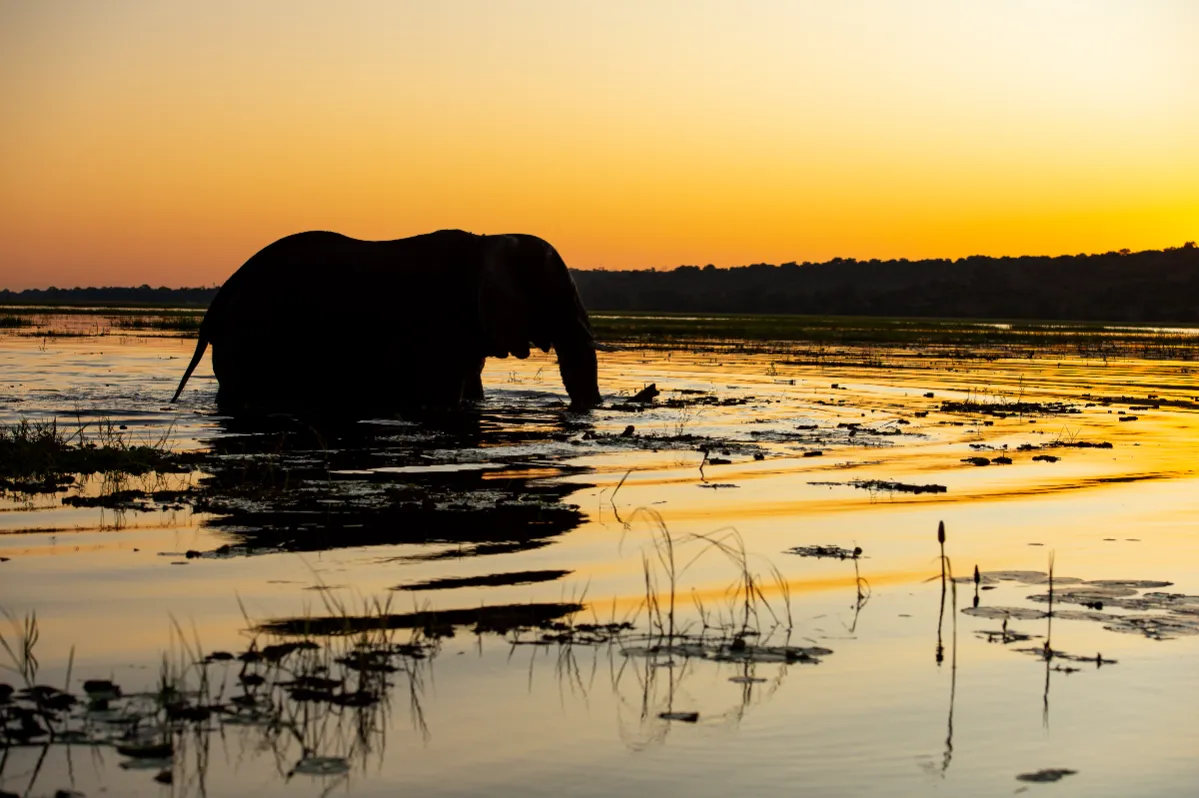
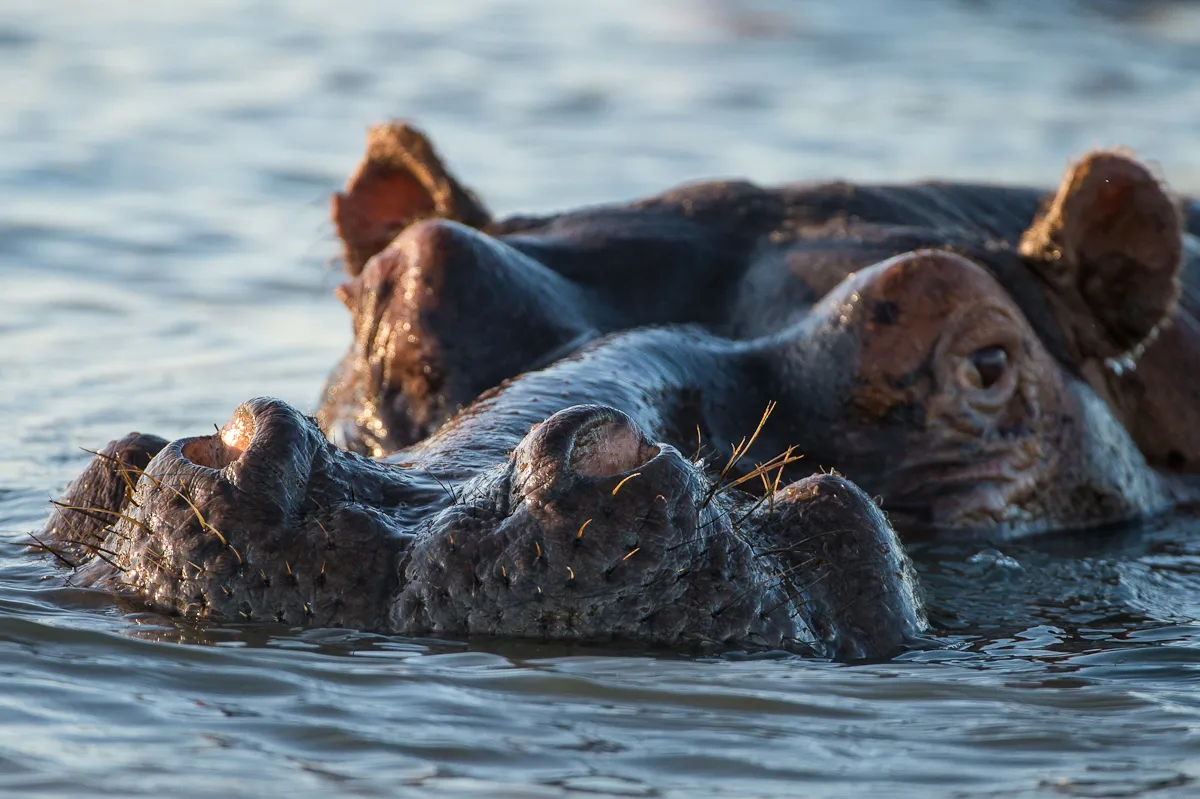
The park is particularly famous for walking safaris, where experienced guides lead small groups on foot through open wilderness areas, offering close but controlled wildlife viewing. Large elephant herds are commonly seen, along with lion, leopard, wild dog, buffalo and hippo, especially during the dry season when animals concentrate along the river.
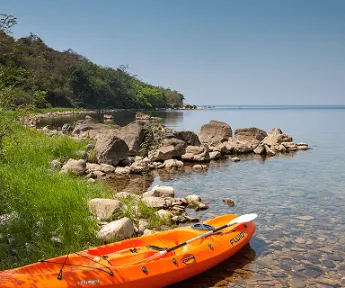
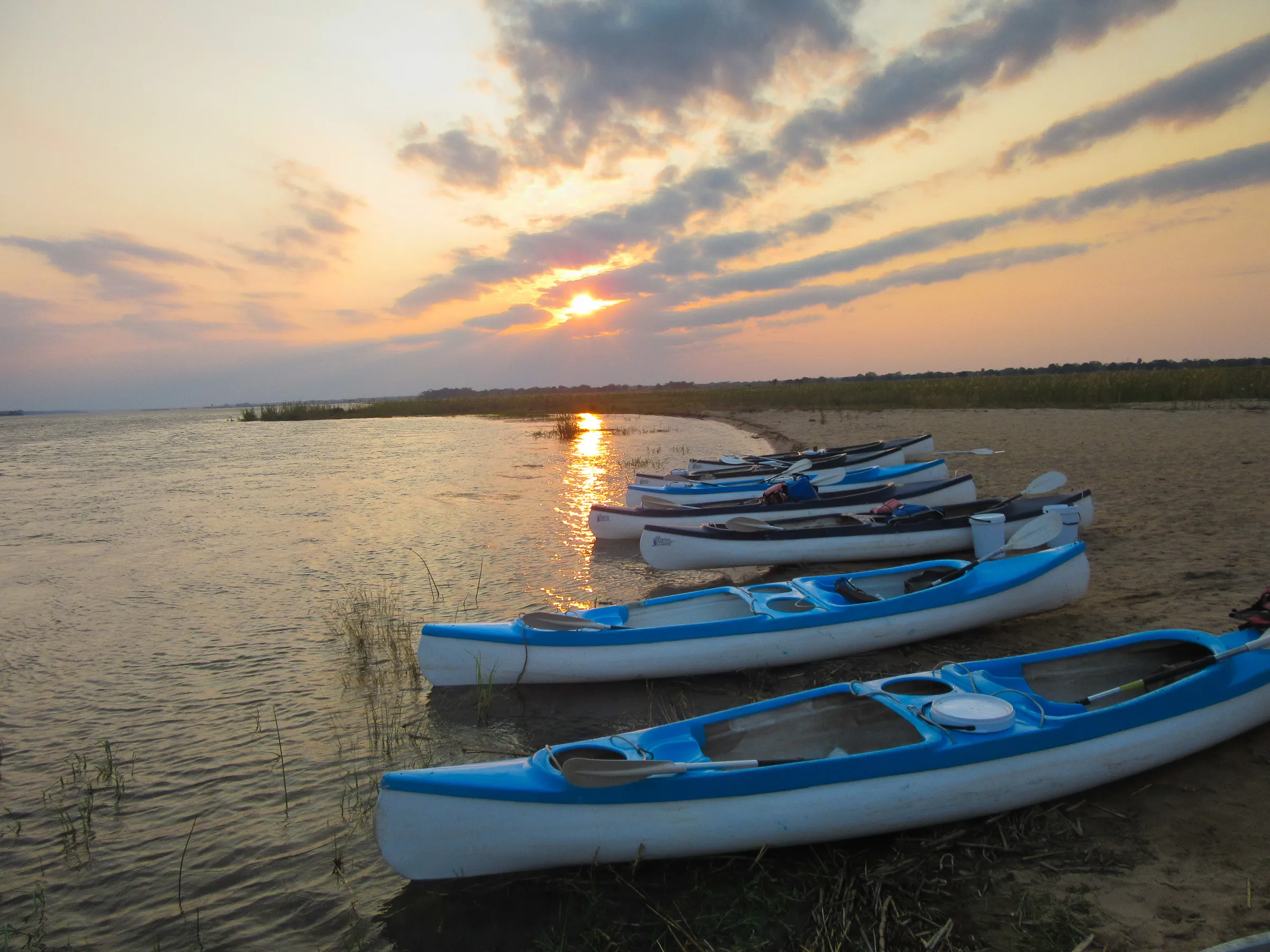
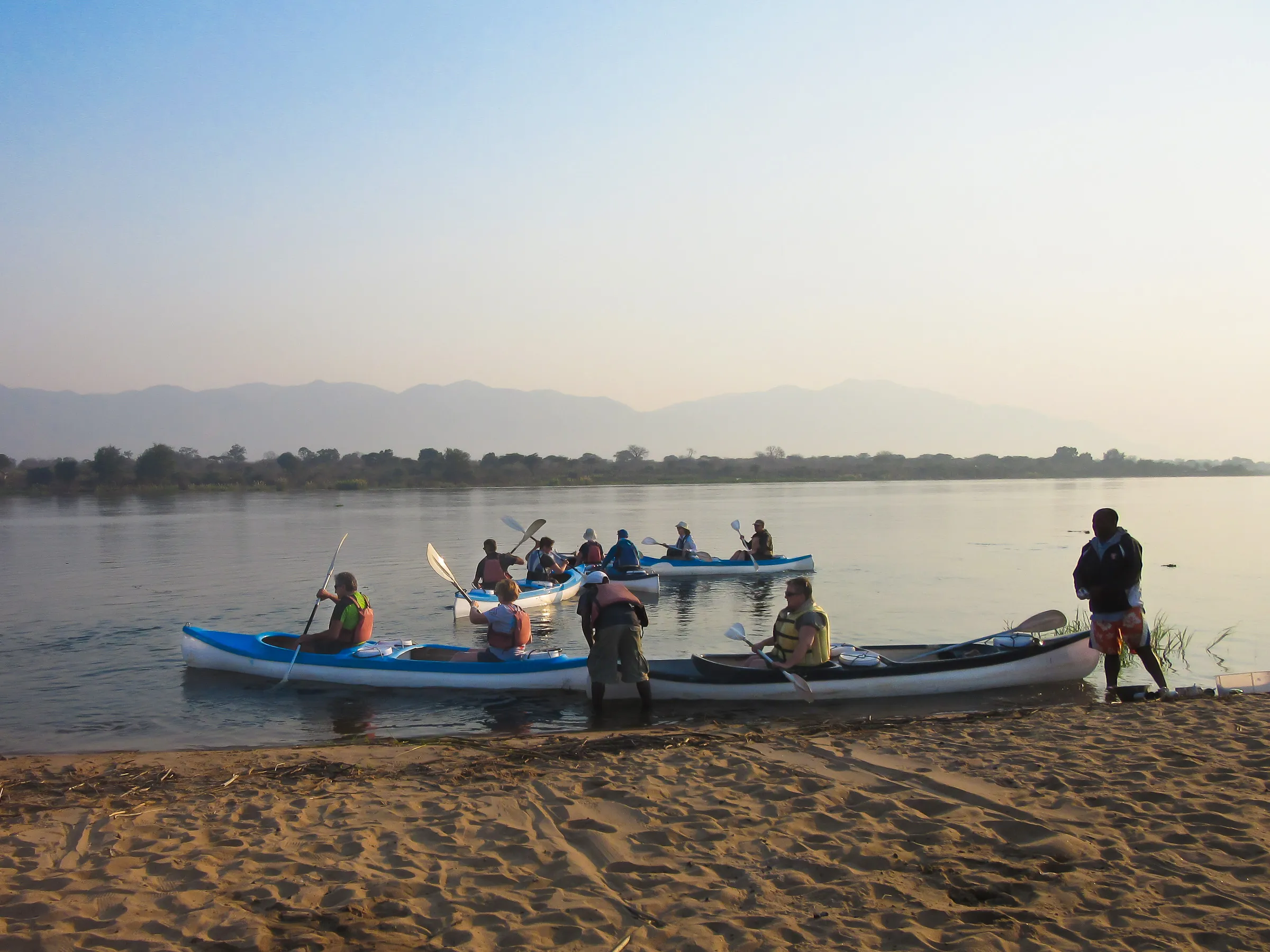
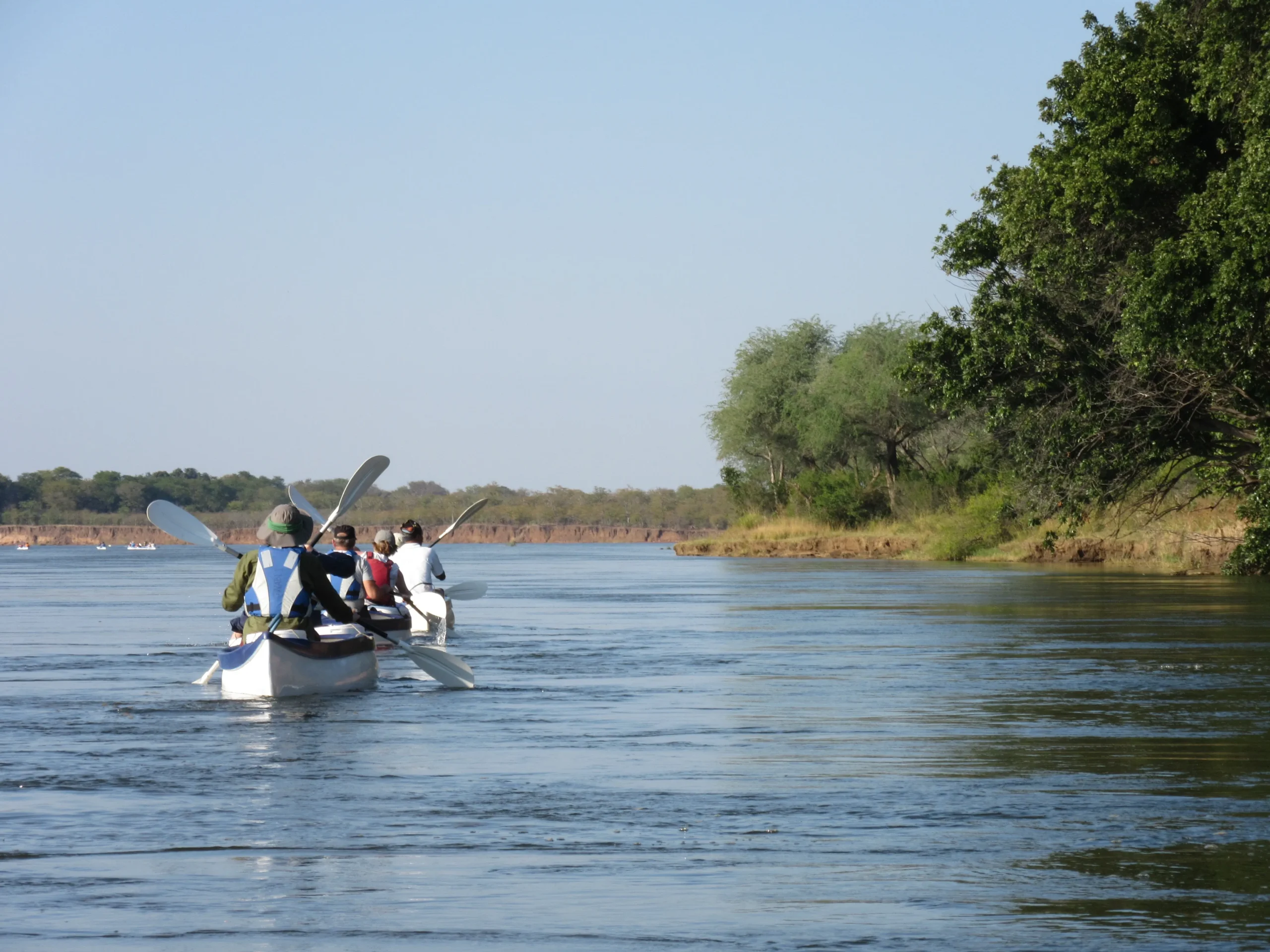
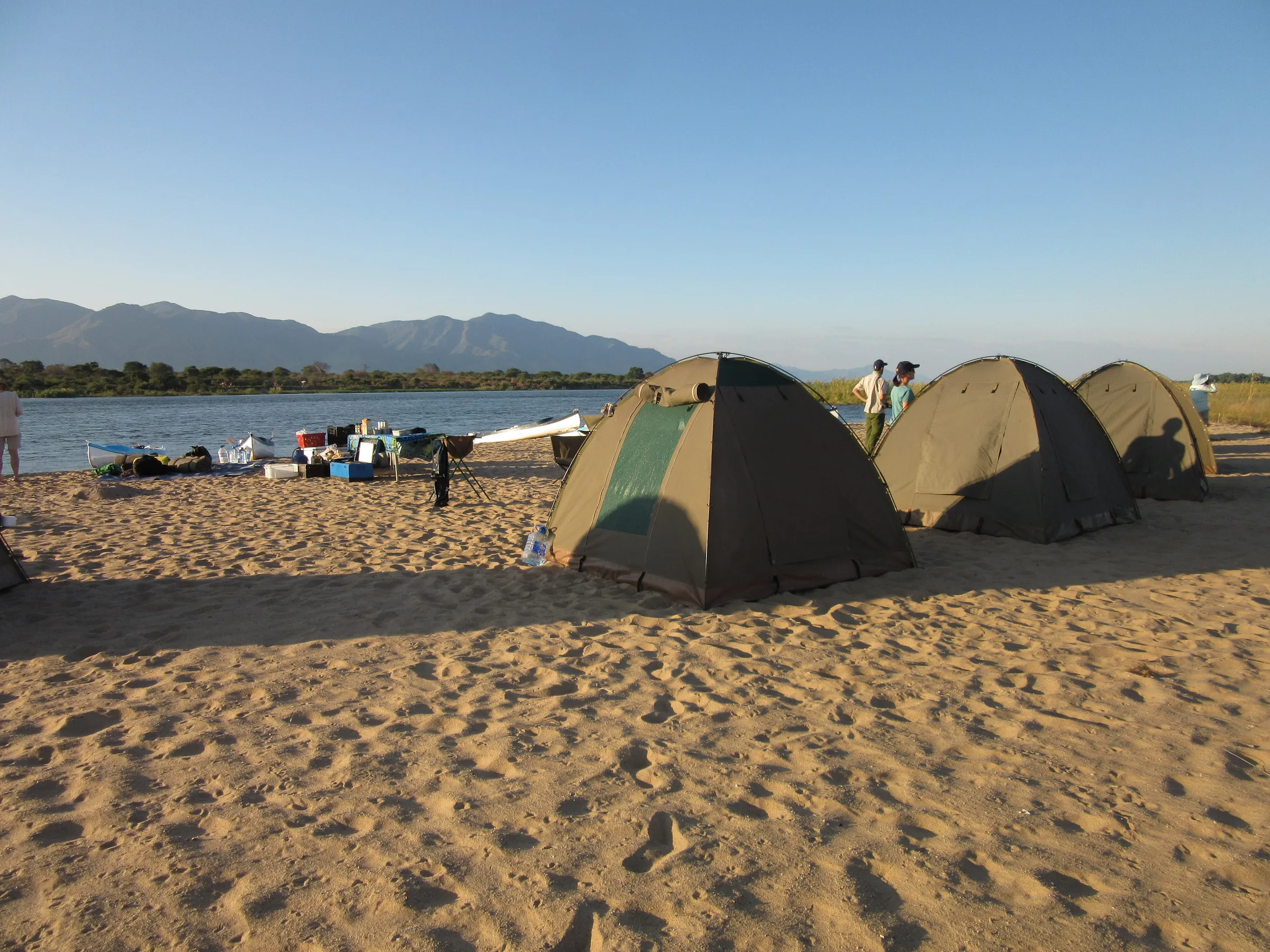
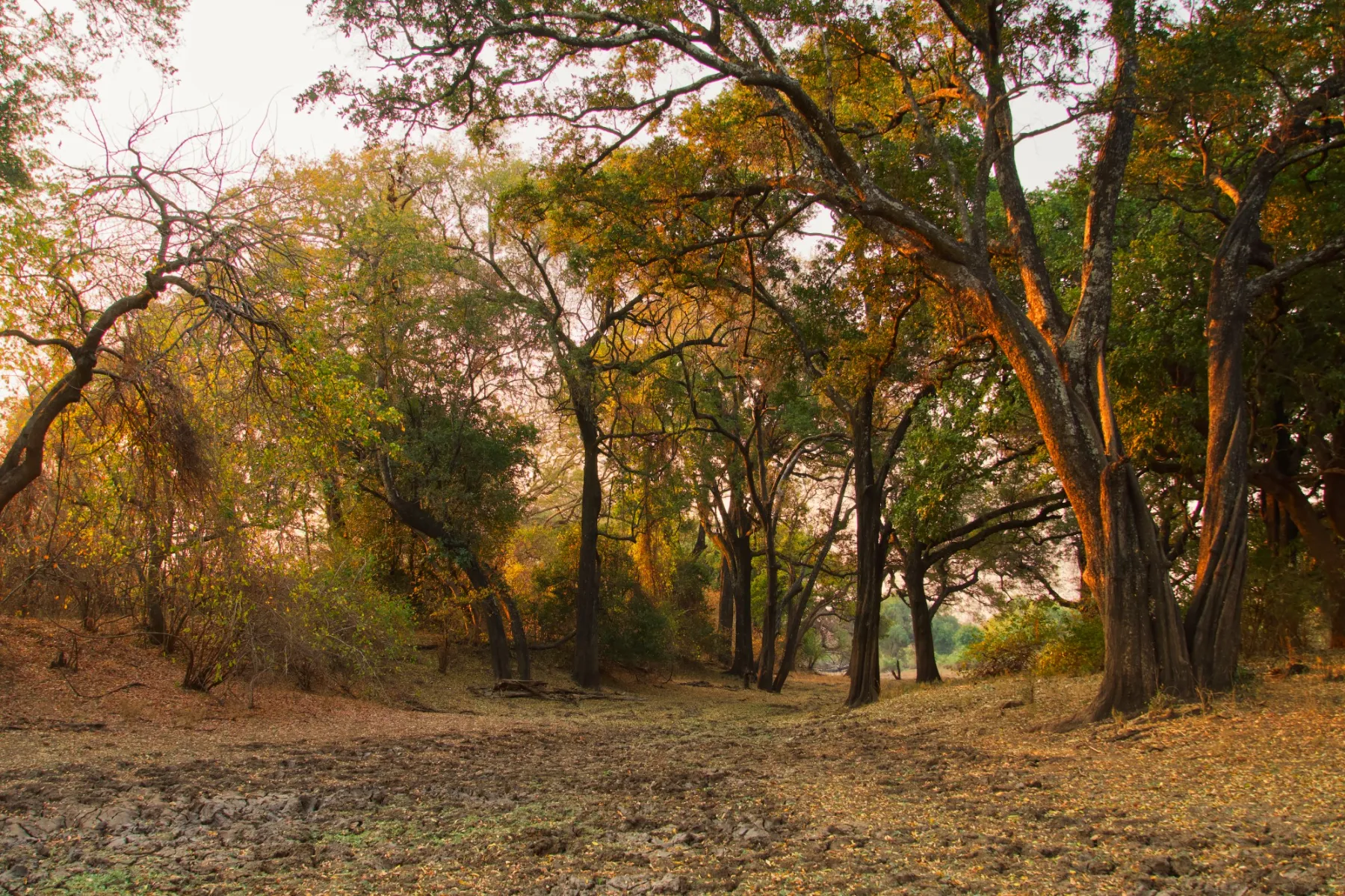
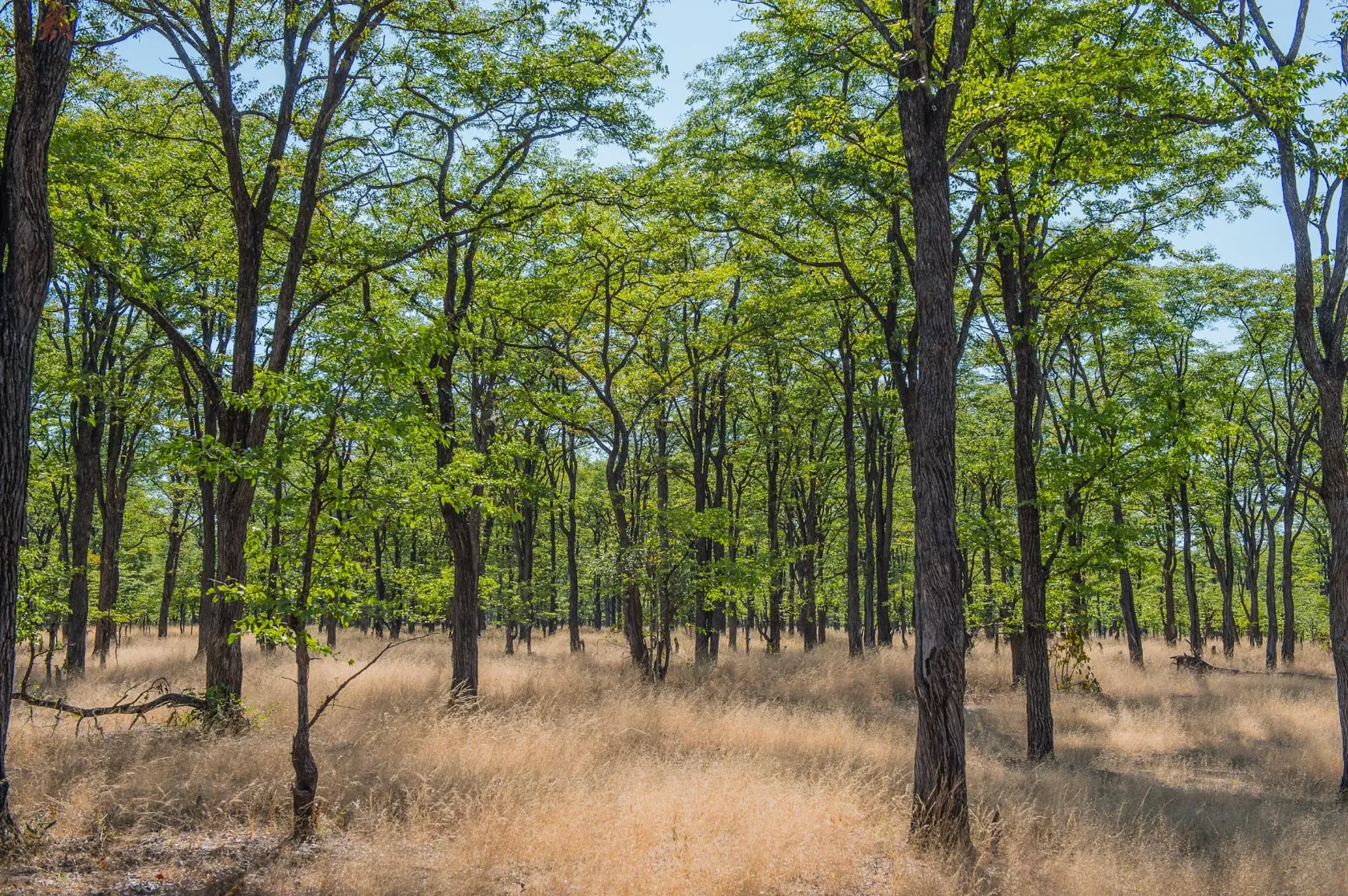
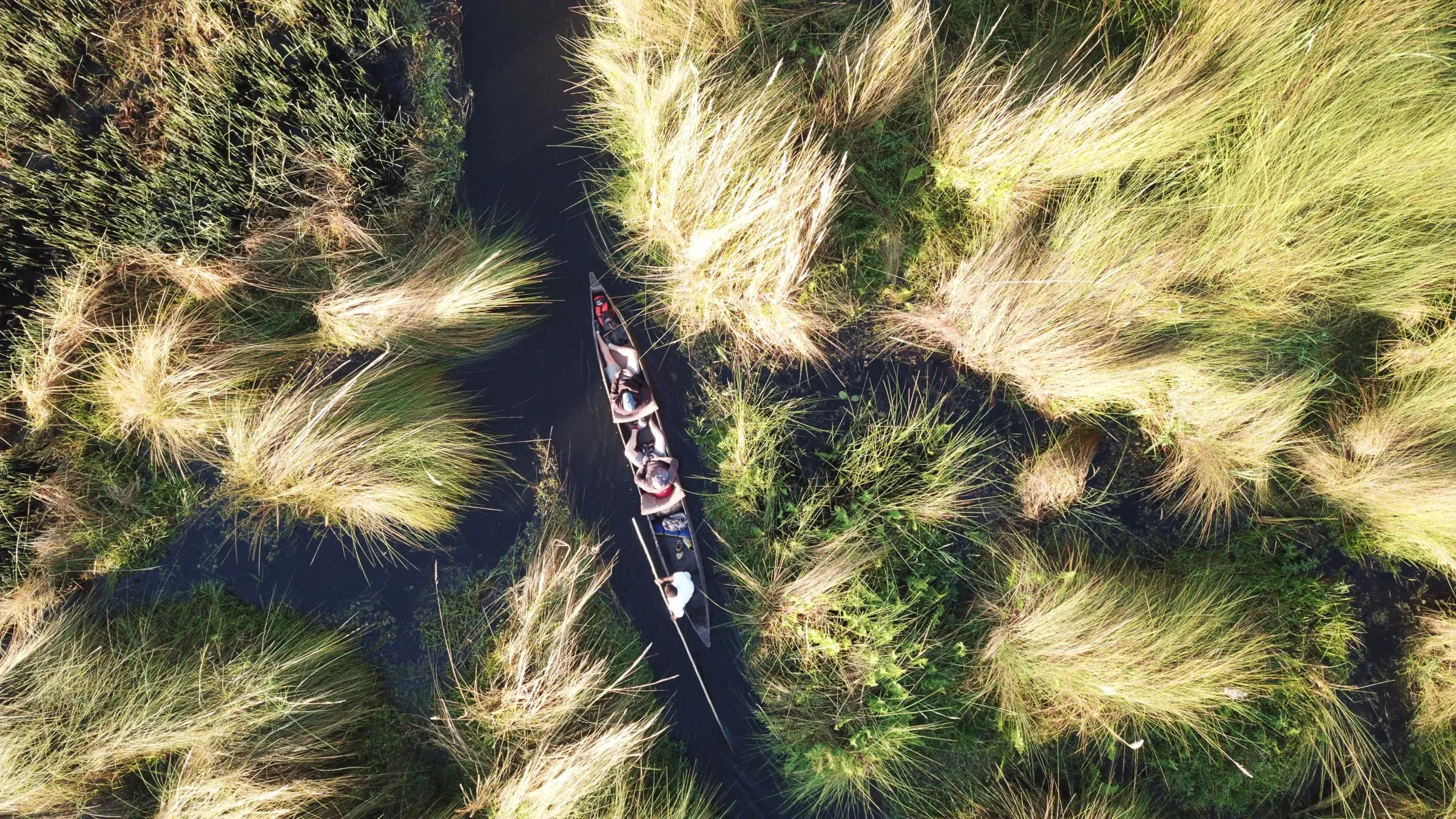
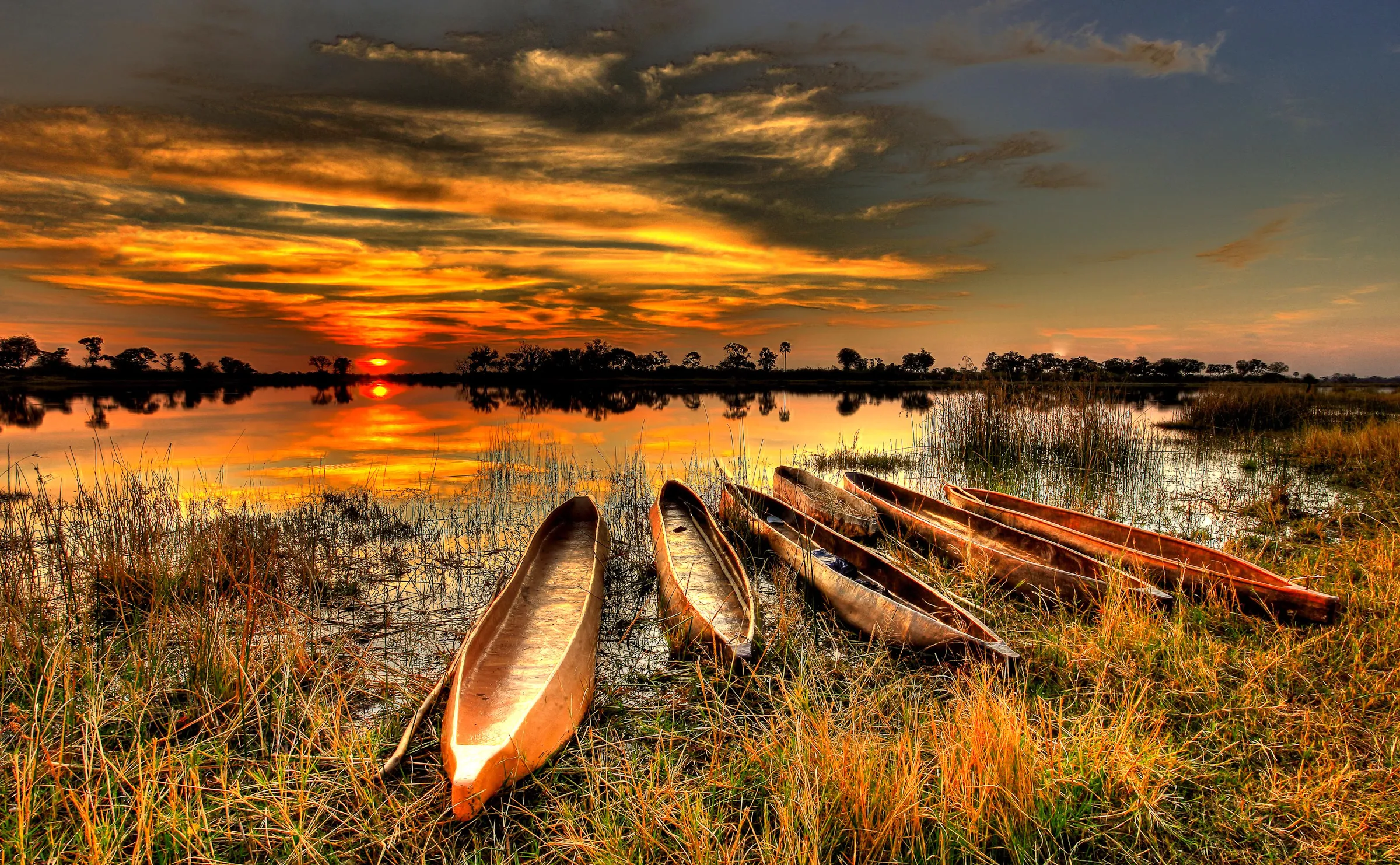
Mana Pools is also known for its unique landscapes, with large mahogany and fig trees, wide open plains and seasonal pools that attract diverse birdlife and game. Canoeing and river based safaris along the Zambezi River provide an additional perspective on the ecosystem and its wildlife.
Safaris in Zimbabwe
Frequently Asked Questions
What is Zimbabwe best known for?
Zimbabwe is best known for Victoria Falls, one of the largest waterfalls in the world, and its excellent safari regions such as Hwange National Park and Matobo National Park. It also has significant cultural heritage sites including Great Zimbabwe and the rock art of the Matobo Hills.
Is Zimbabwe a good safari destination?
Yes, Zimbabwe is a strong safari destination with high quality wildlife viewing, fewer crowds than many neighbouring countries and experienced guiding. Sunway Safaris focuses on key regions such as Hwange National Park, Victoria Falls and Matobo National Park.
What wildlife can I see in Zimbabwe?
Zimbabwe offers excellent wildlife viewing including elephant, lion, leopard, buffalo and rhino. Hwange National Park is especially known for its large elephant herds, while Matobo National Park offers rhino tracking experiences on foot.
What are the best national parks in Zimbabwe?
The main safari areas featured on Sunway Safaris itineraries include Hwange National Park and Matobo National Park. Hwange is known for big game and wide open landscapes, while Matobo combines wildlife with dramatic granite scenery and cultural history.
When is the best time to visit Zimbabwe for safari?
The best time for a Zimbabwe safari is during the dry season from May to October. Wildlife is easier to spot as animals concentrate around water sources in places like Hwange National Park, and conditions are ideal for game drives.
Is Victoria Falls included in Zimbabwe safaris?
Yes, Victoria Falls is included in Sunway Safaris itineraries that travel through Zimbabwe. It is one of the highlights of the journey and is often combined with safari experiences in Hwange National Park.
What makes Hwange National Park special?
Hwange National Park is Zimbabwe’s largest national park and is known for its large elephant population, diverse wildlife and excellent game viewing. It offers classic safari experiences with open vehicle game drives and seasonal waterhole viewing.
What is Matobo National Park known for?
Matobo National Park is known for its unique granite rock formations, ancient San rock art and guided rhino tracking experiences on foot. It is one of the best places in Zimbabwe to see both black and white rhino in a natural environment, combining wildlife viewing with cultural heritage.
What is Great Zimbabwe?
Great Zimbabwe is a UNESCO World Heritage Site and the largest ancient stone structure in sub Saharan Africa. It represents the remains of a powerful historical kingdom and is an important cultural landmark in Zimbabwe.
How many days do you need for a Zimbabwe safari?
A Zimbabwe safari typically ranges from 7 to 14 days depending on the route. Sunway Safaris itineraries combine Victoria Falls with Hwange National Park and cultural highlights such as Matobo National Park and Great Zimbabwe.
Can I do a guidede safari in Zimbabwe?
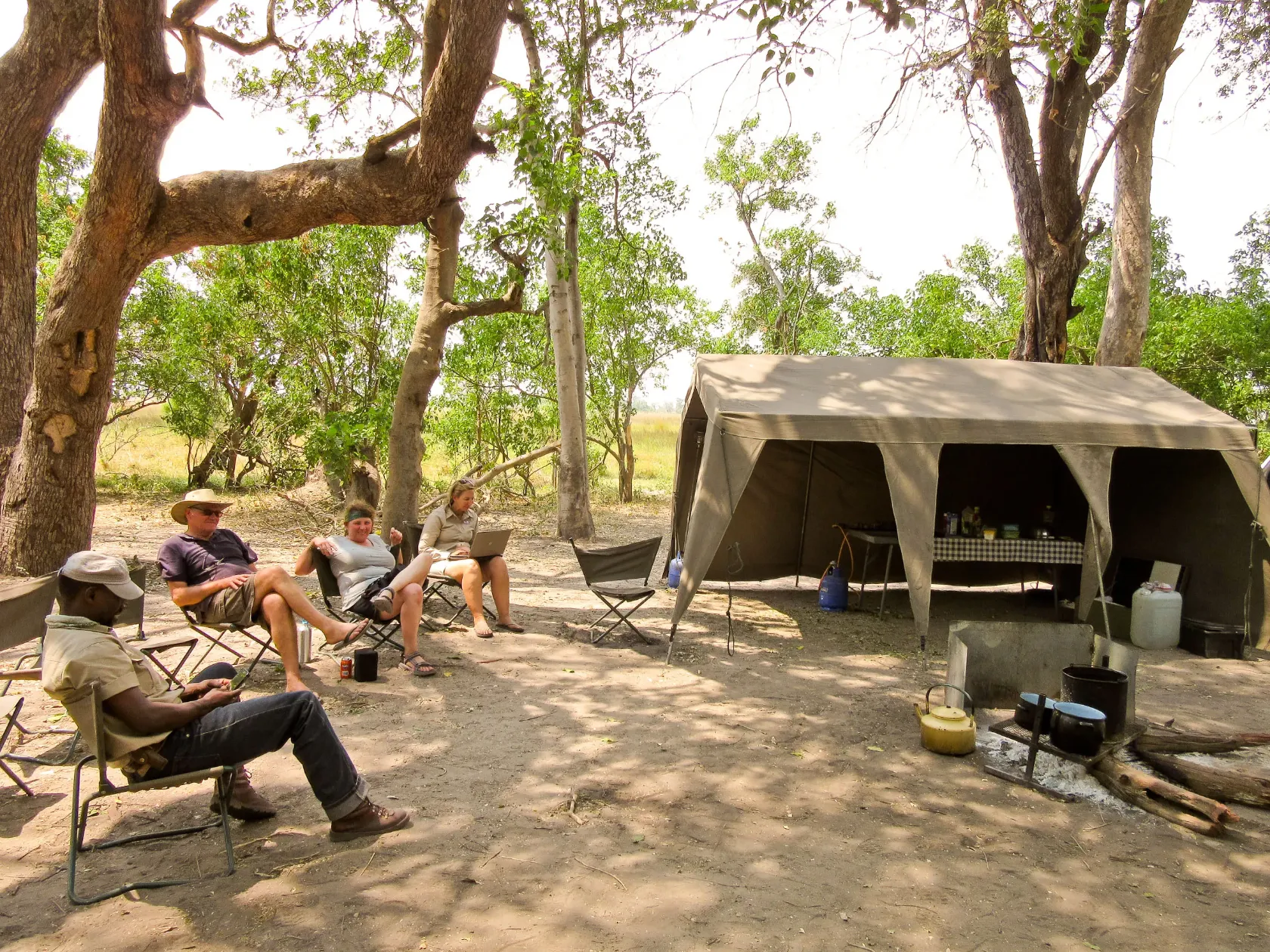
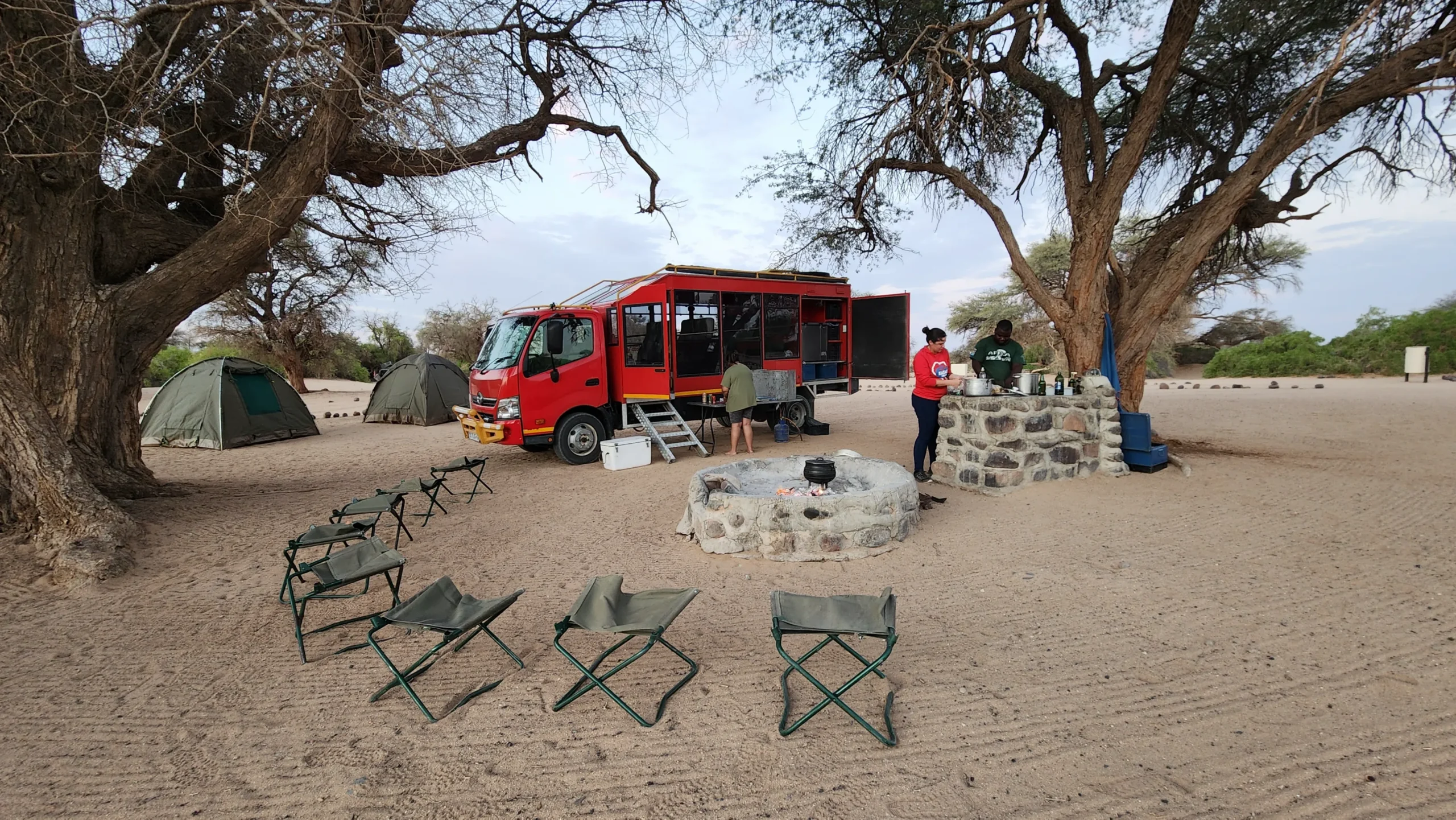
Yes, Sunway Safaris operates fully guided small group safaris. Guests travel with experienced guides who handle driving, wildlife interpretation and logistics throughout the journey.
Is Zimbabwe safe for safari travel?
Zimbabwe is generally considered safe for travel in its main tourism regions, including Victoria Falls, Hwange National Park and Matobo National Park. These areas are well established for safari tourism and are regularly visited on guided overland safari itineraries.
Travelling with an organised operator such as Sunway Safaris adds an additional layer of safety, as guests are accompanied by experienced guides who manage logistics, routing and wildlife viewing conditions throughout the journey.
As with all safari destinations, safety is highest when following guide instructions, particularly in wildlife areas where animals move freely in natural environments.