

Known as the warm heart of Africa.
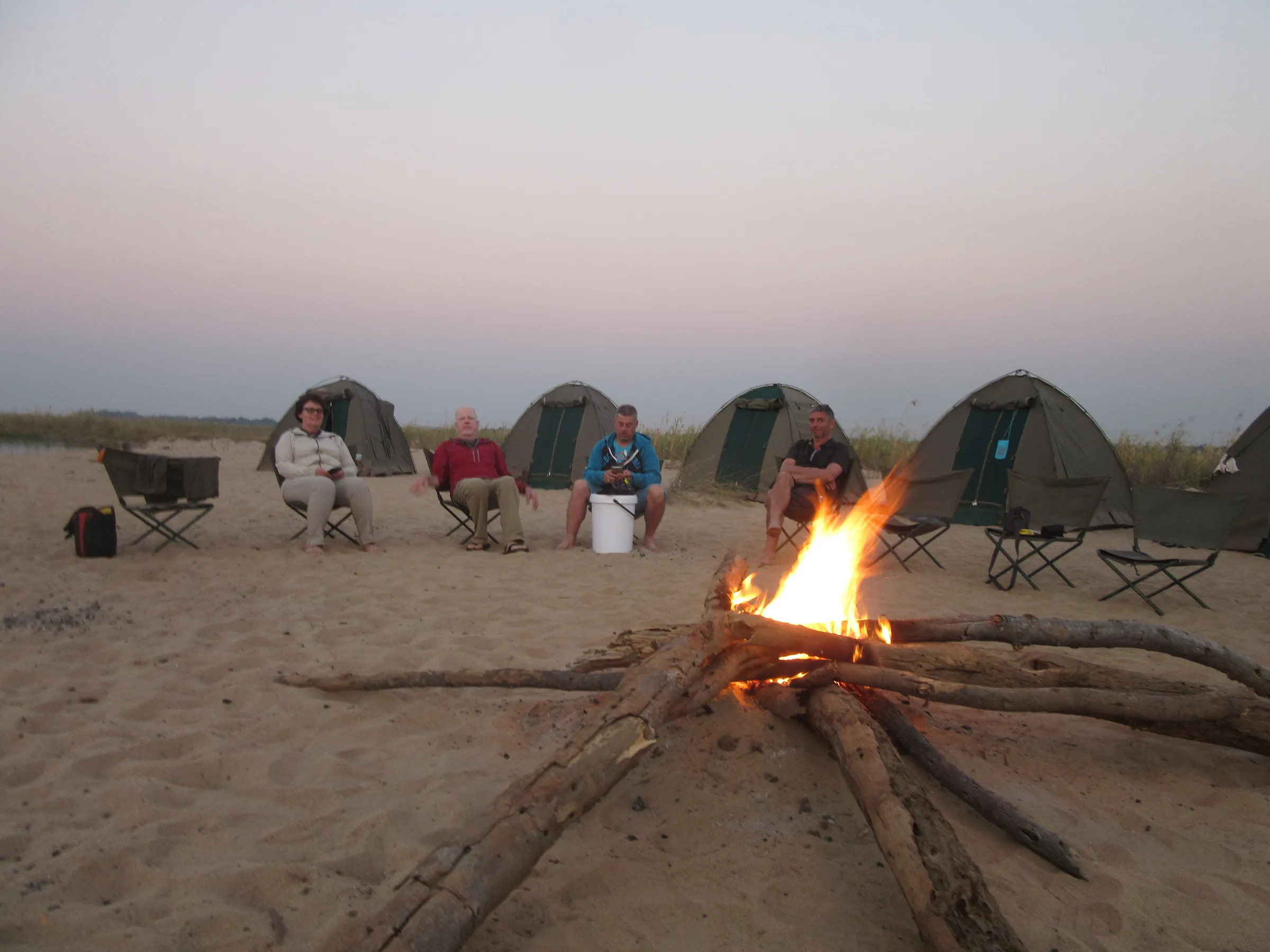
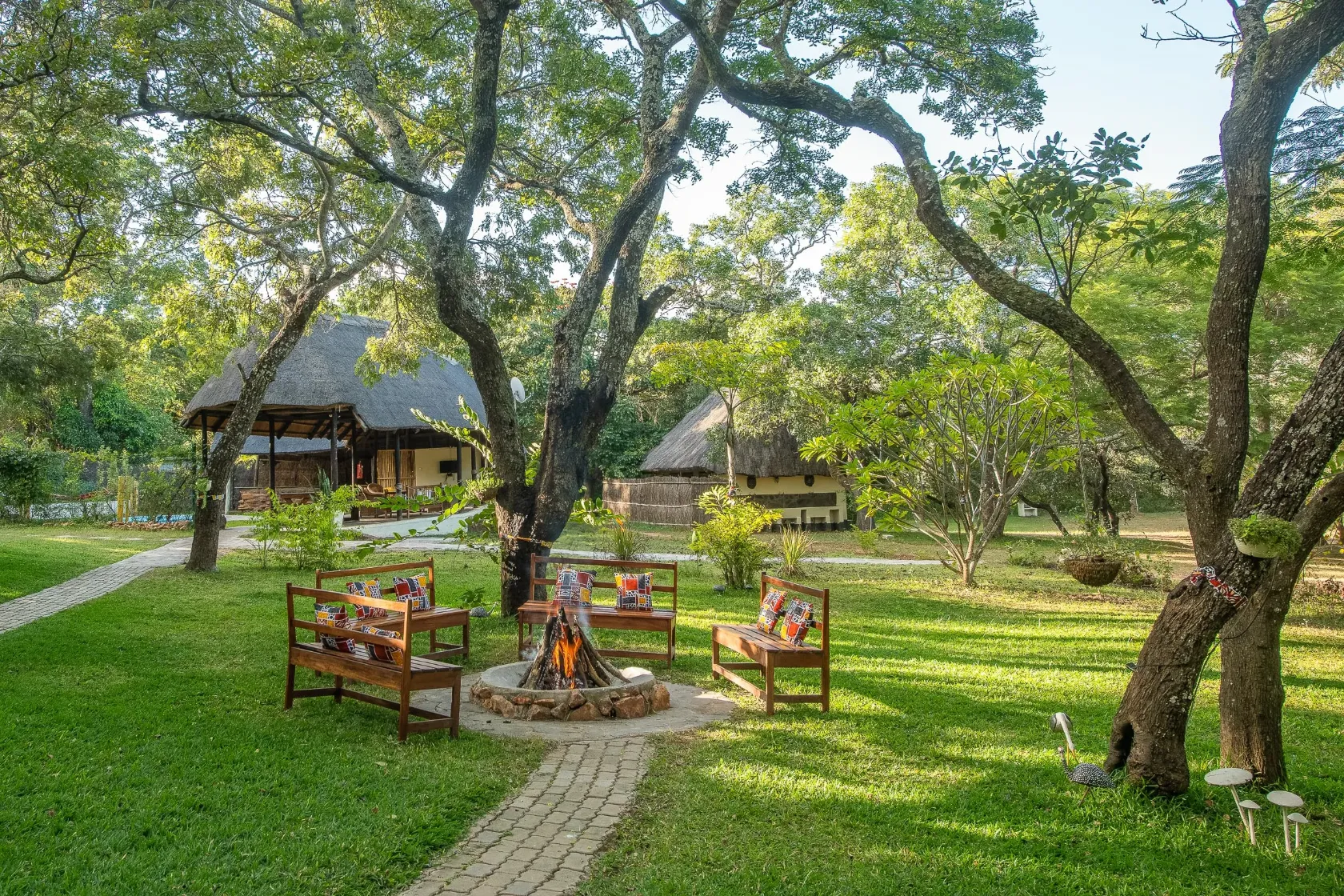
Malawi is one of Southern Africa’s most welcoming destinations, offering a combination of wildlife, scenery and cultural warmth that makes it ideal for safari and overland travel.
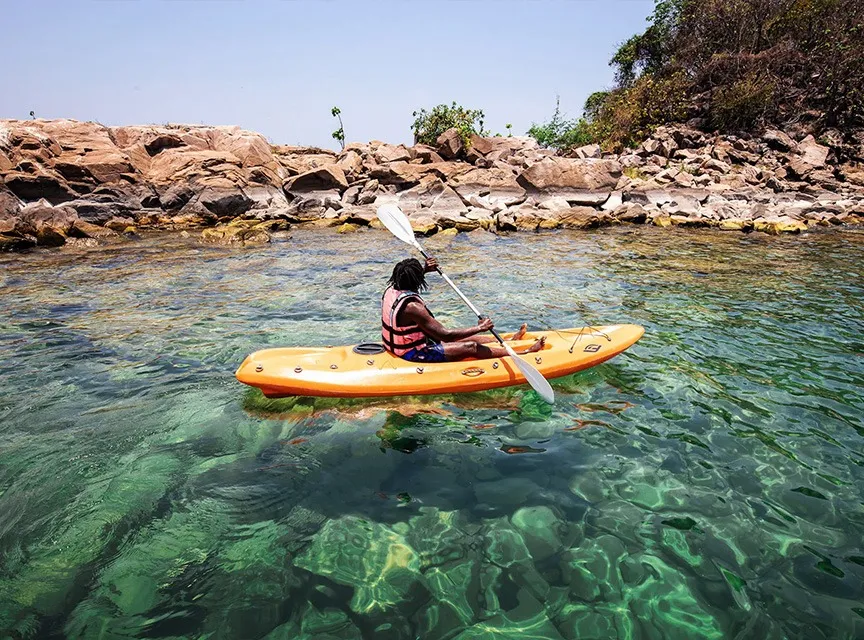
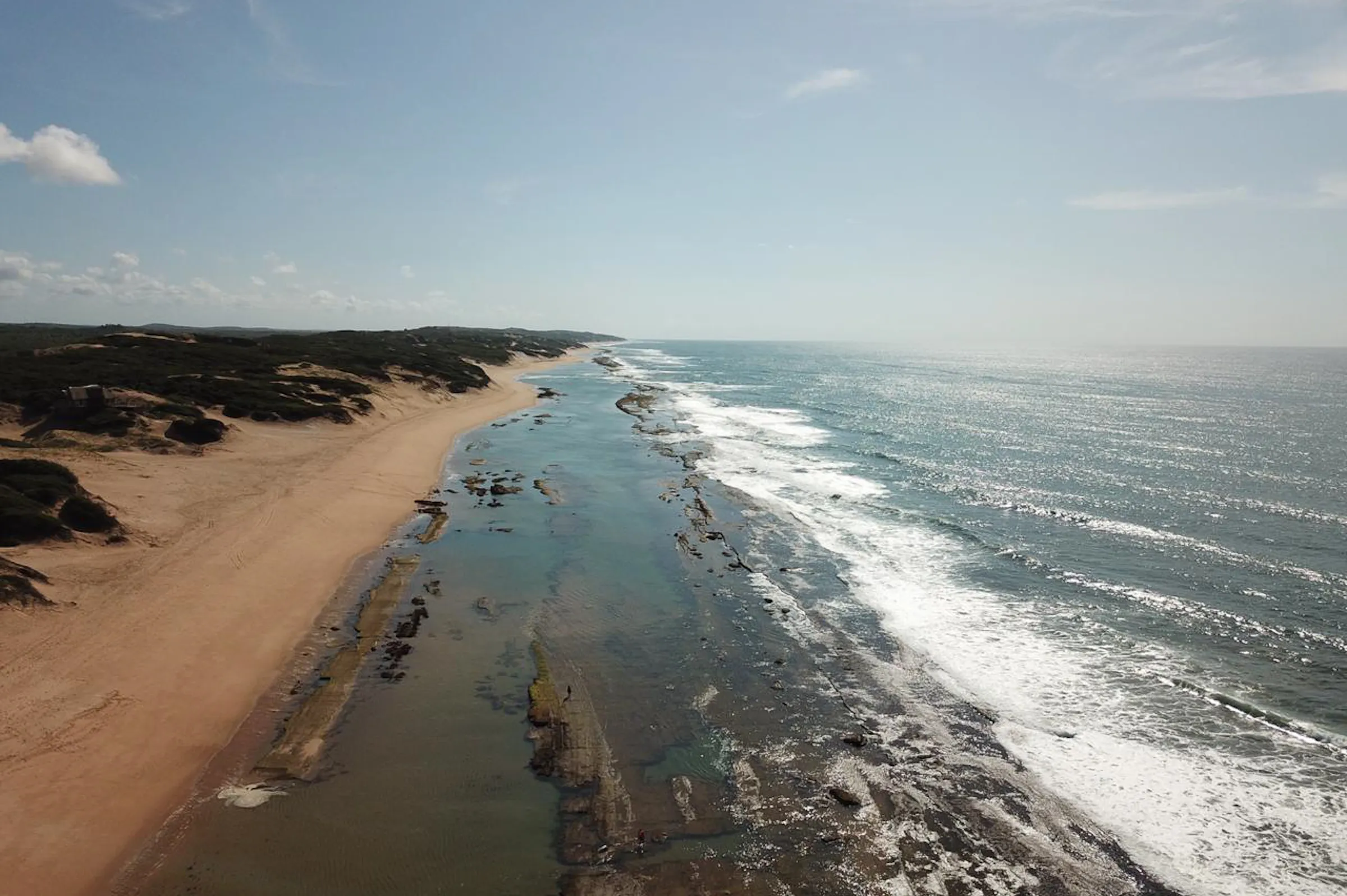
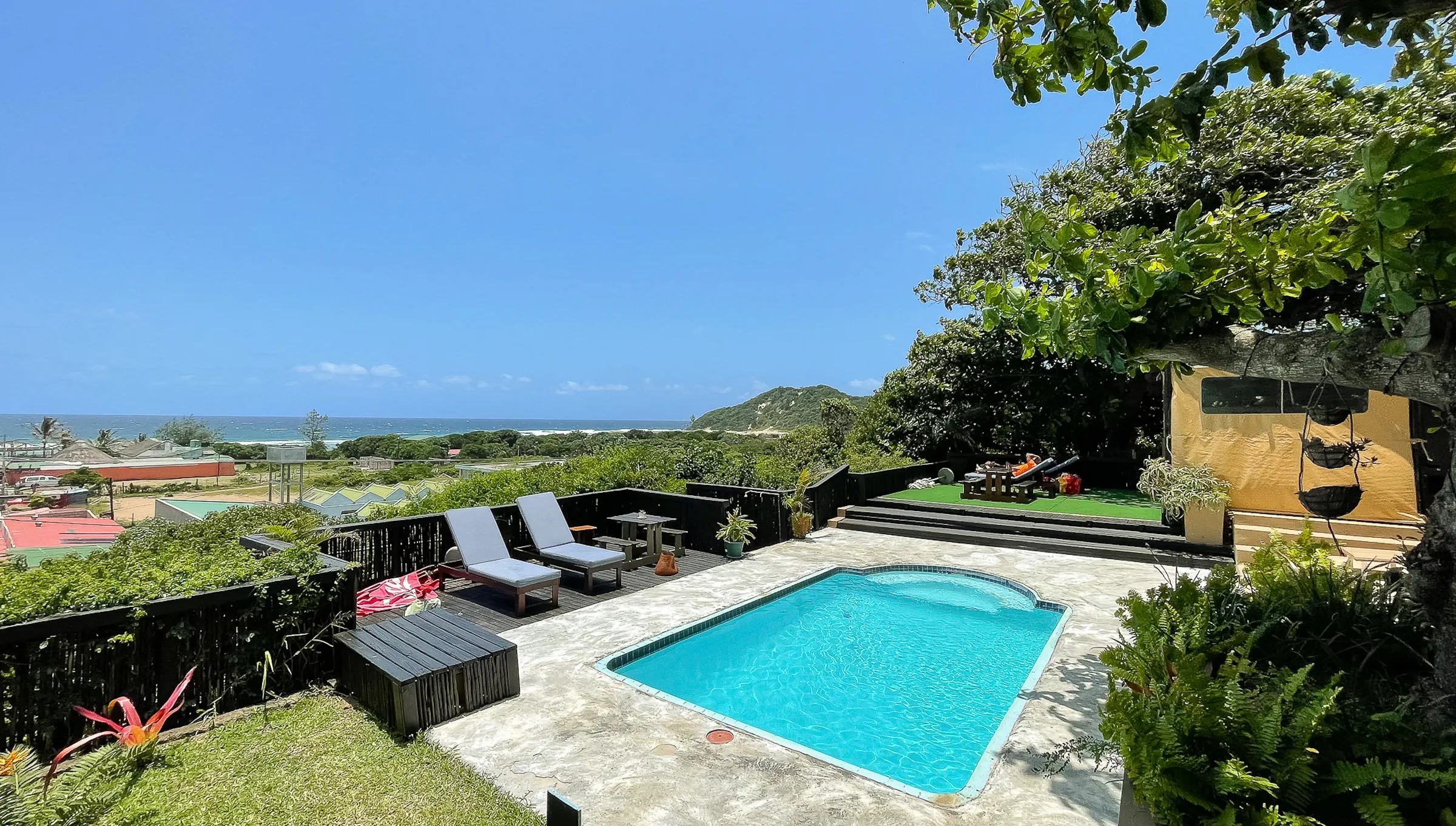
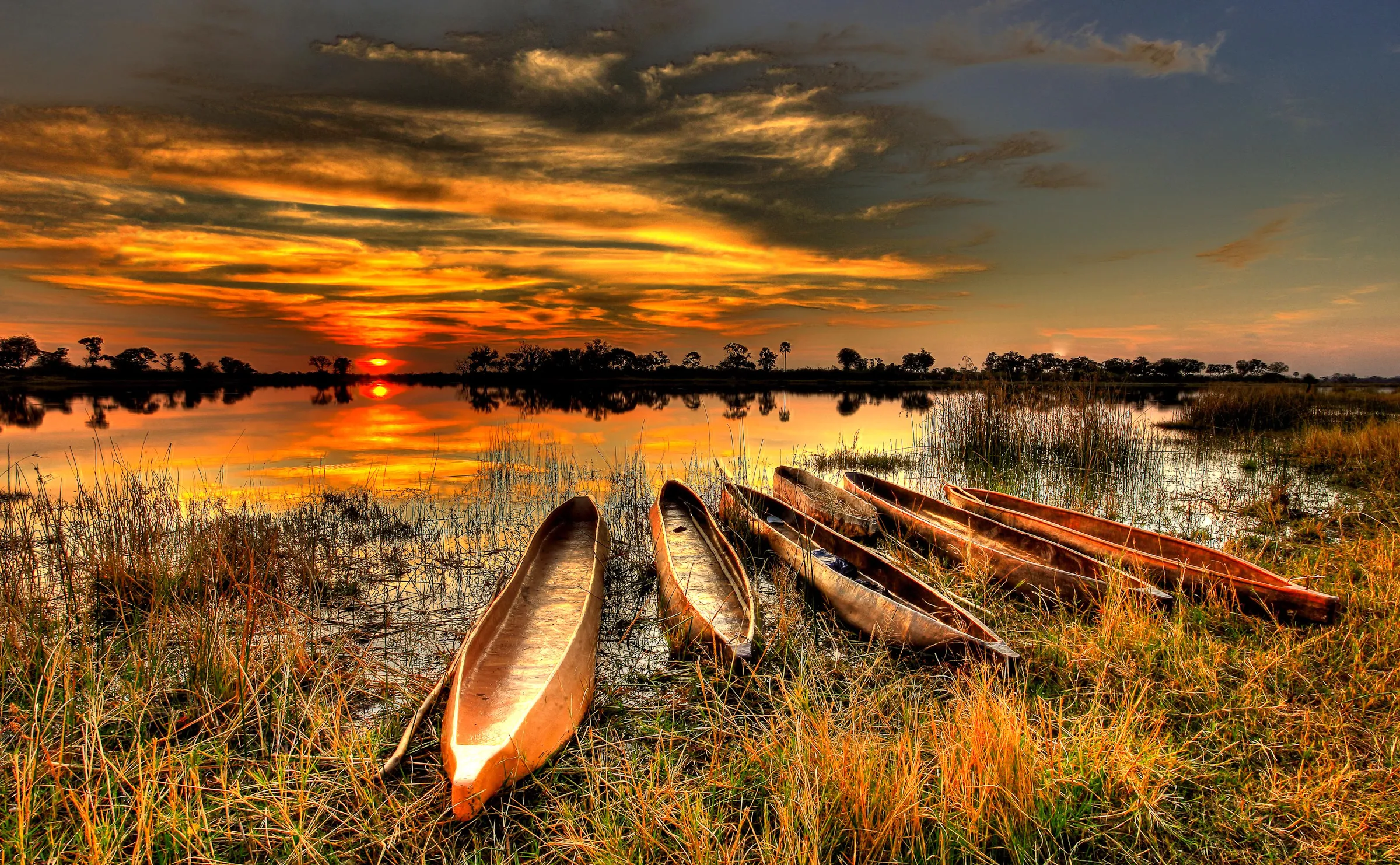
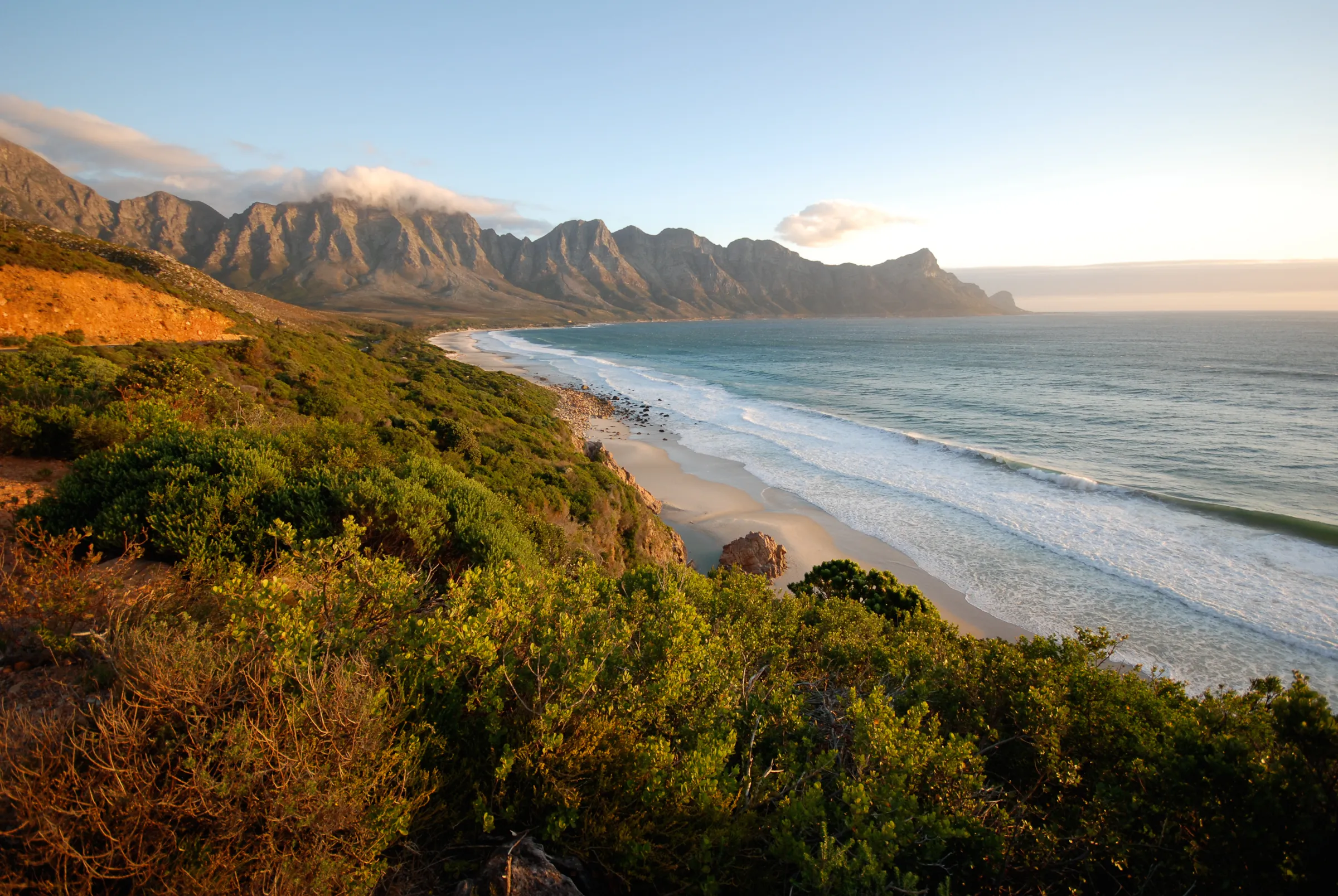
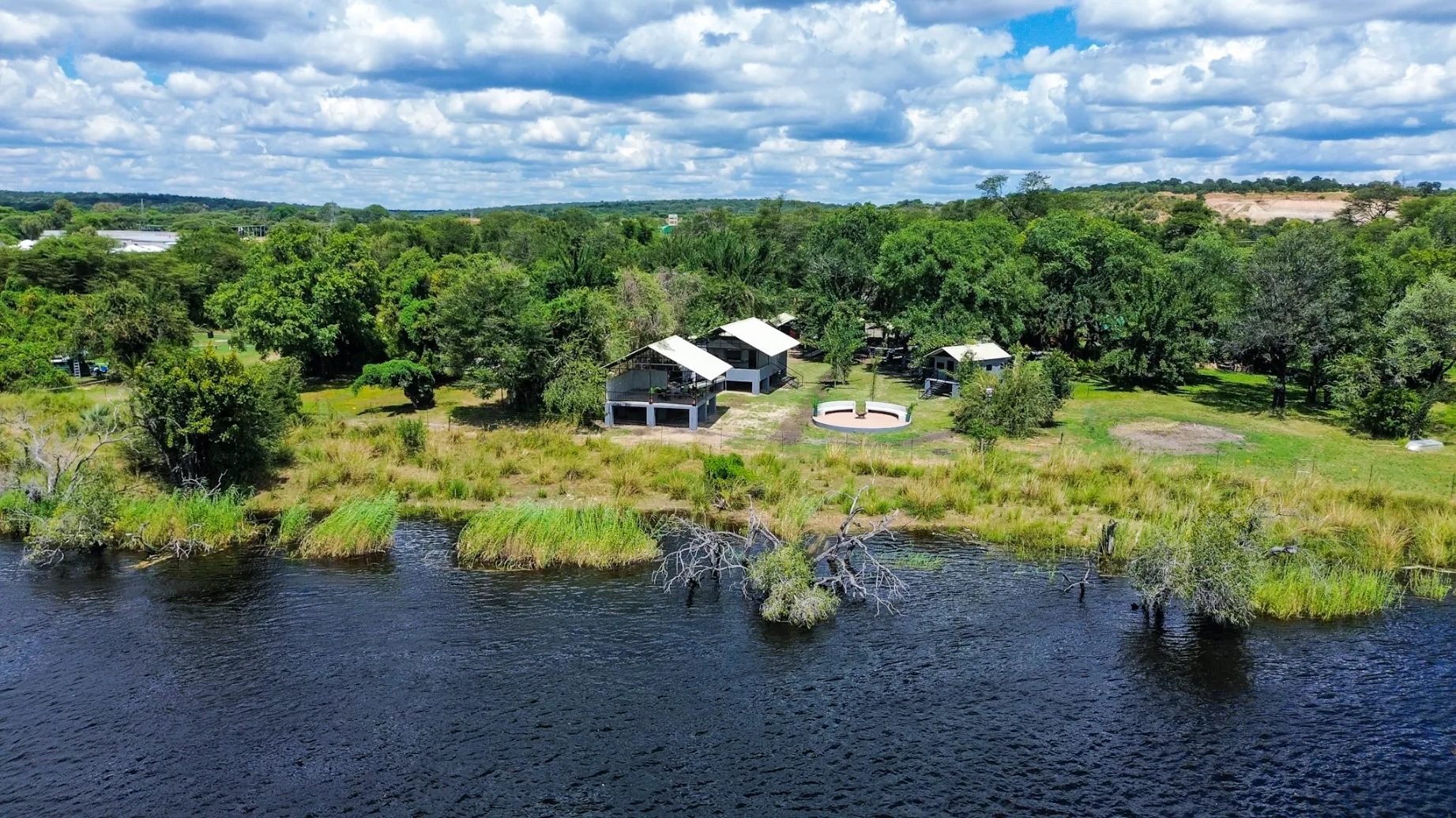
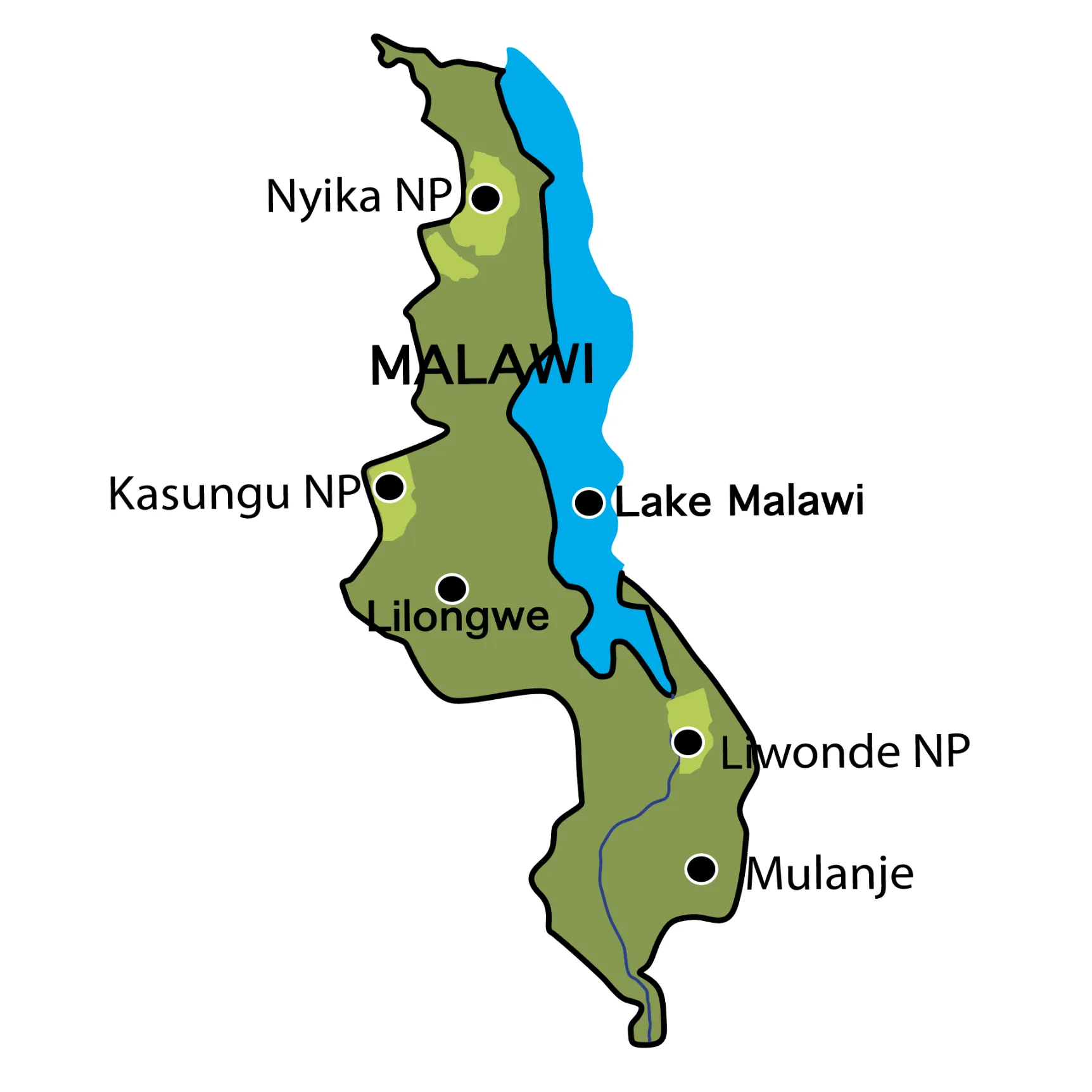
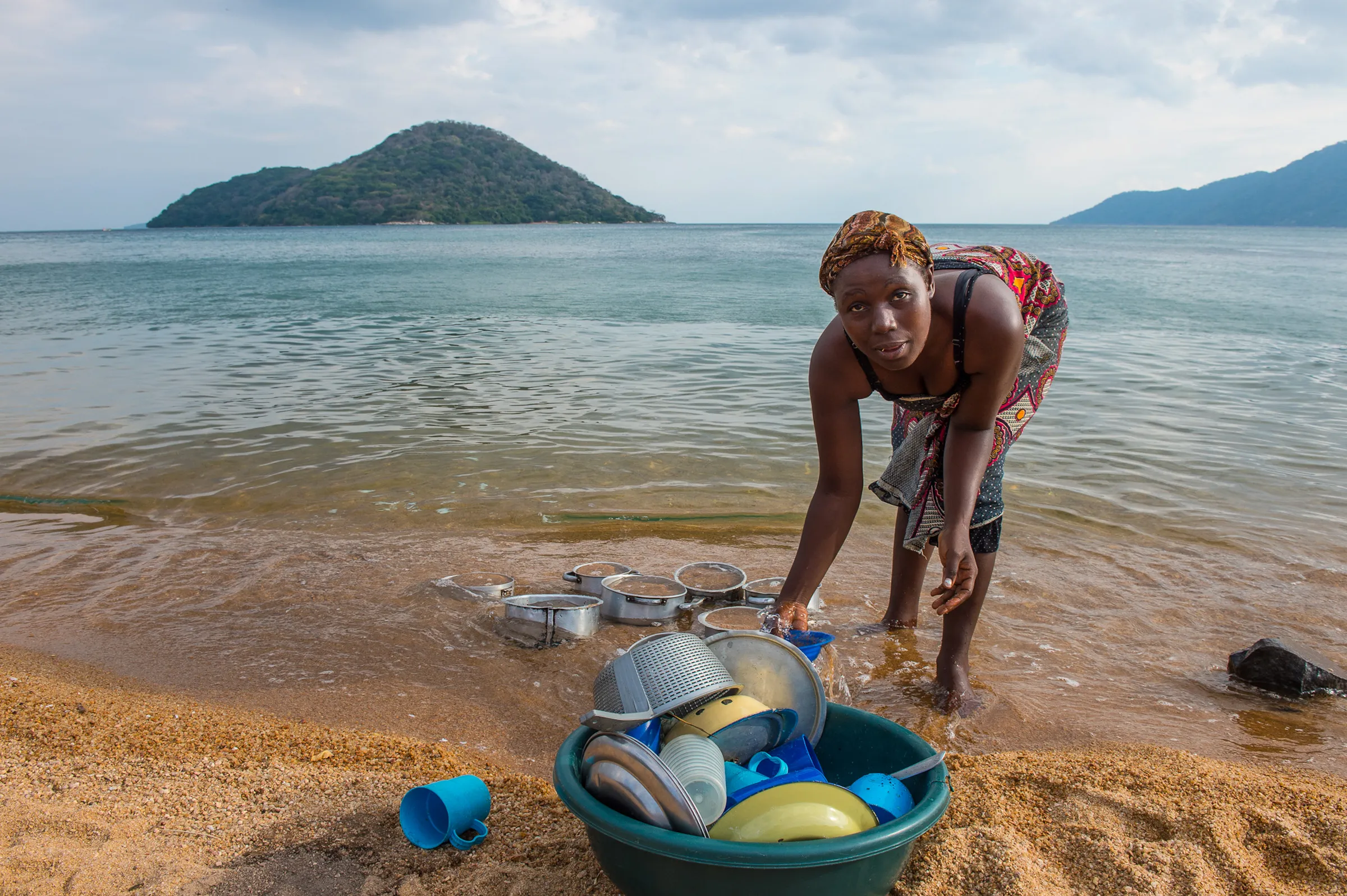
Malawi is dominated by the vast Lake Malawi, one of Africa’s largest and most important freshwater lakes. Formed by the Great Rift Valley, the lake stretches for approximately 560 kilometres and defines much of the country’s landscape and travel experience.
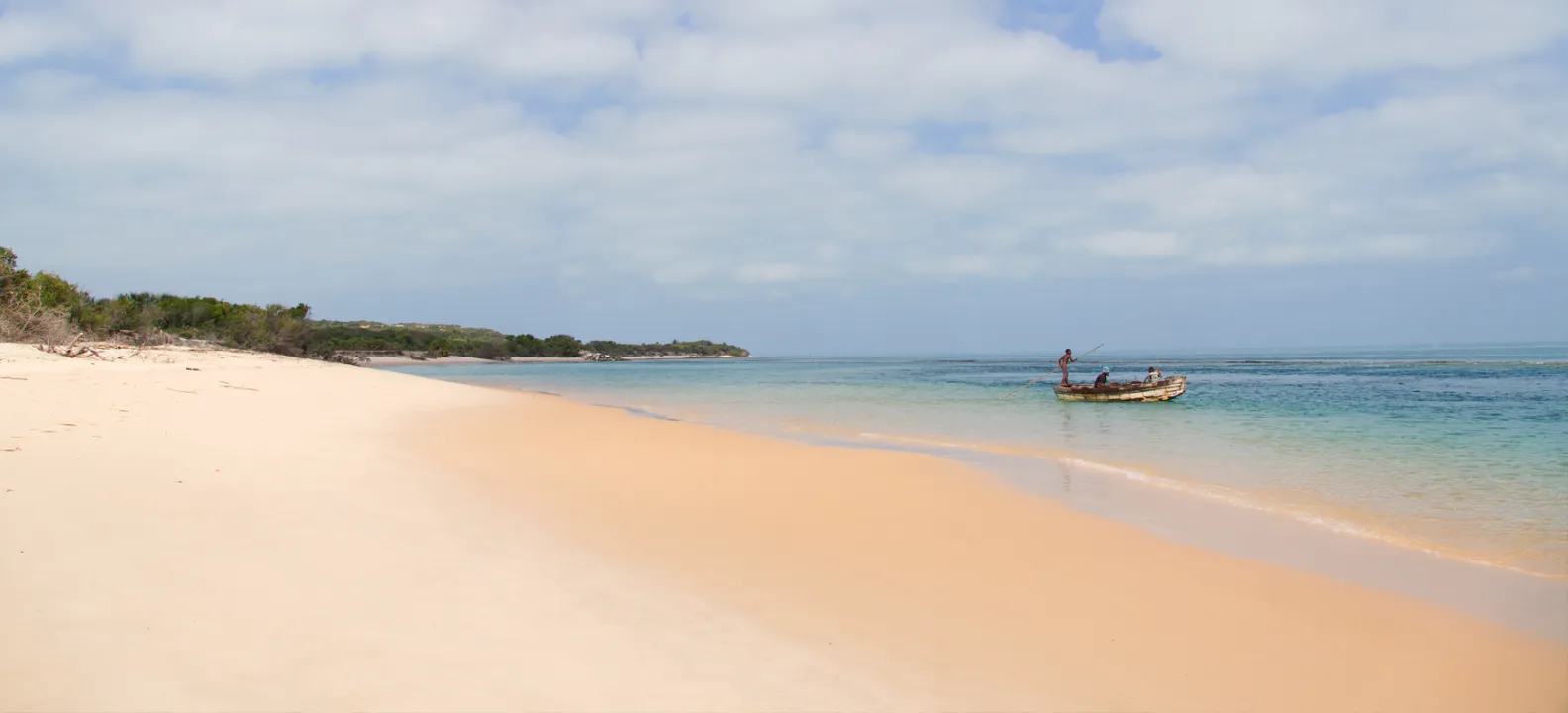
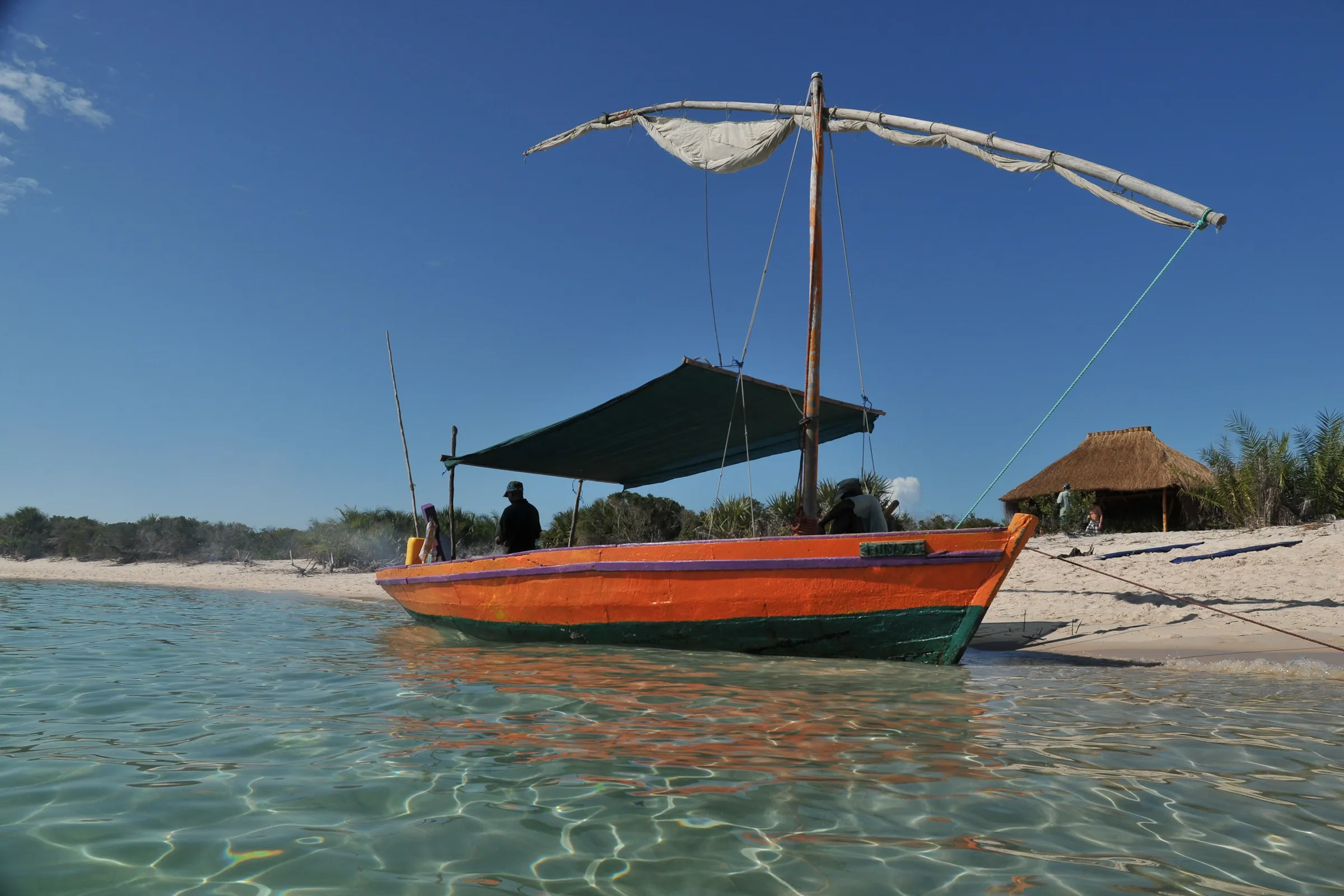
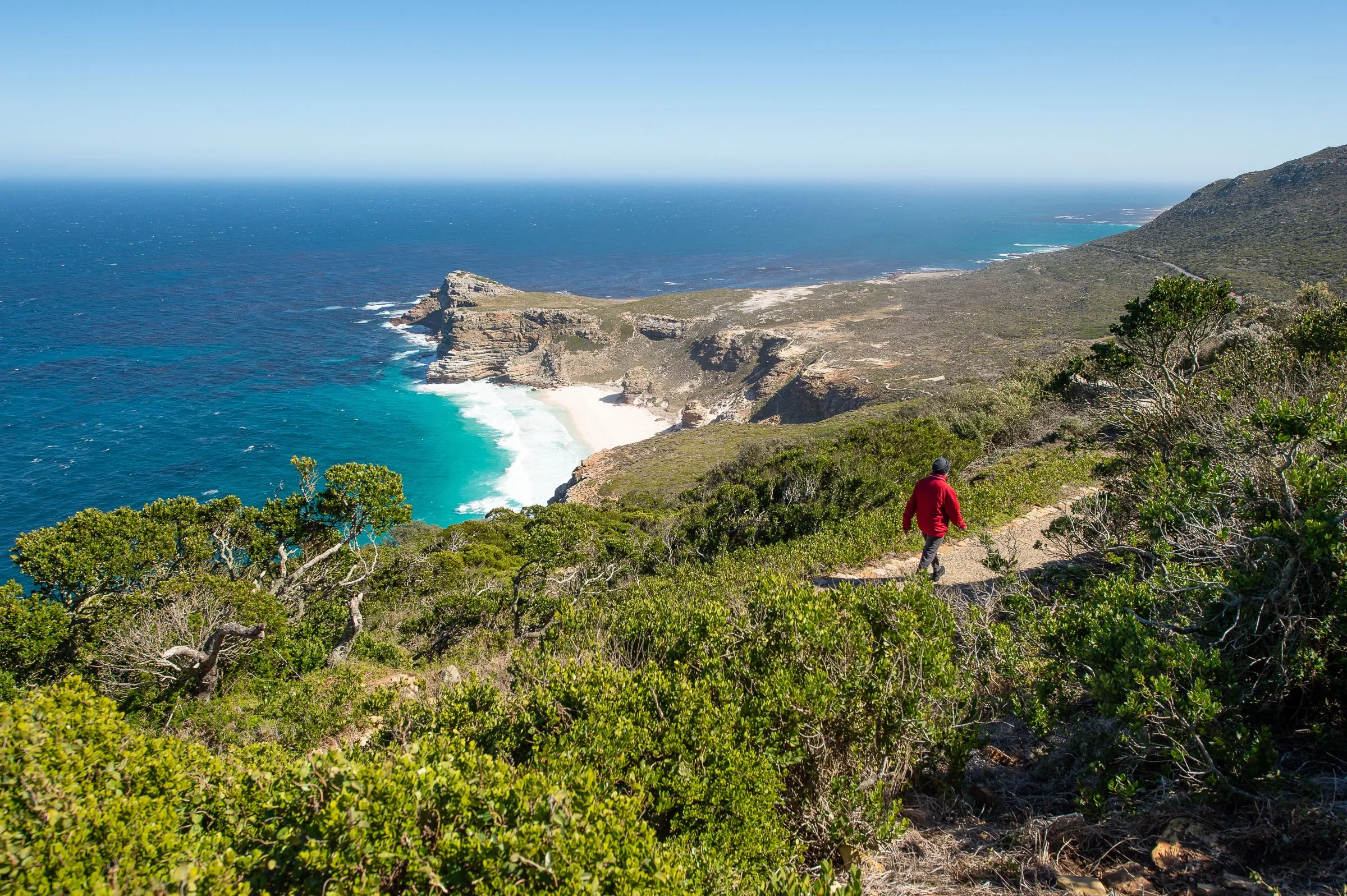
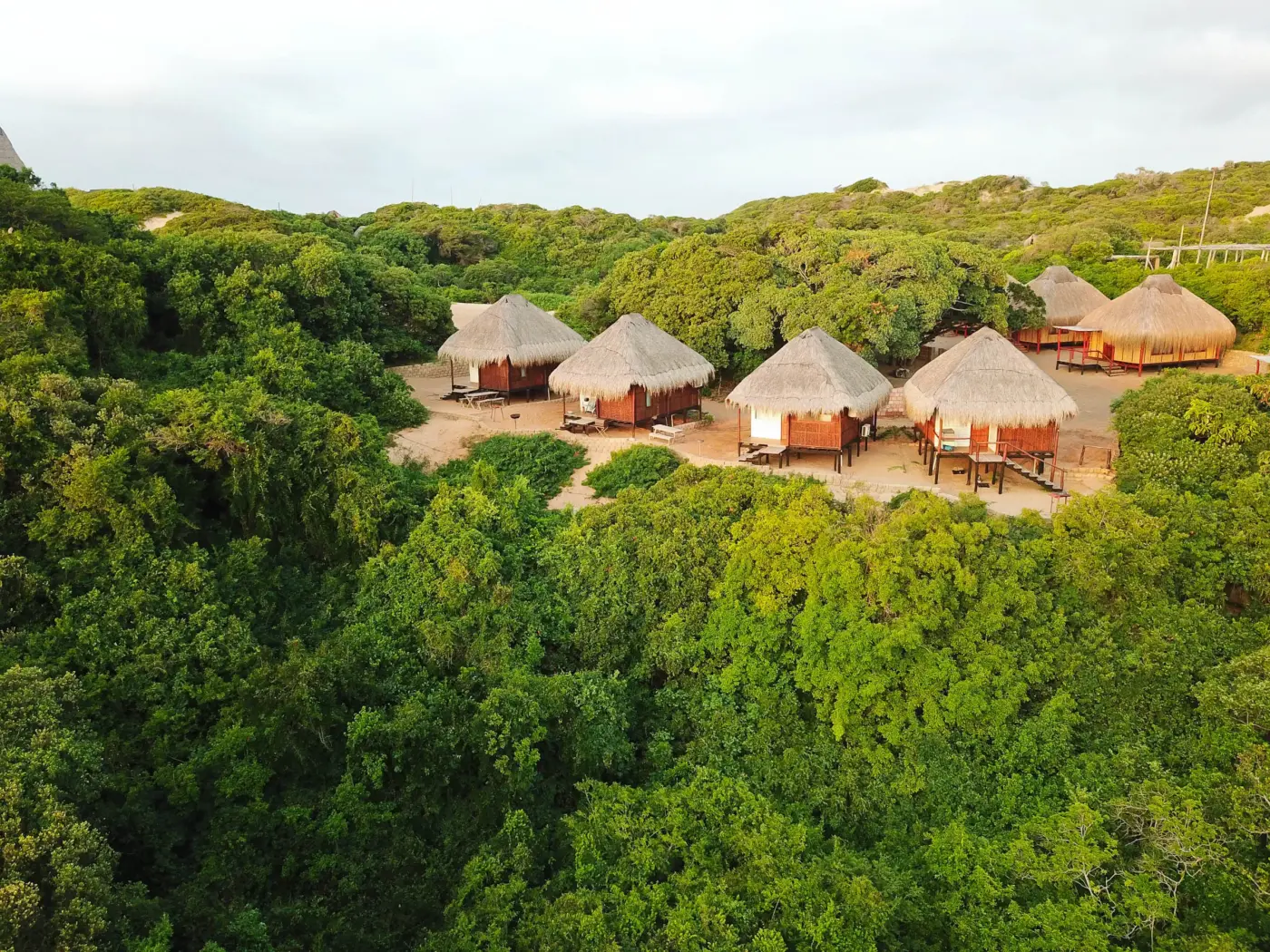
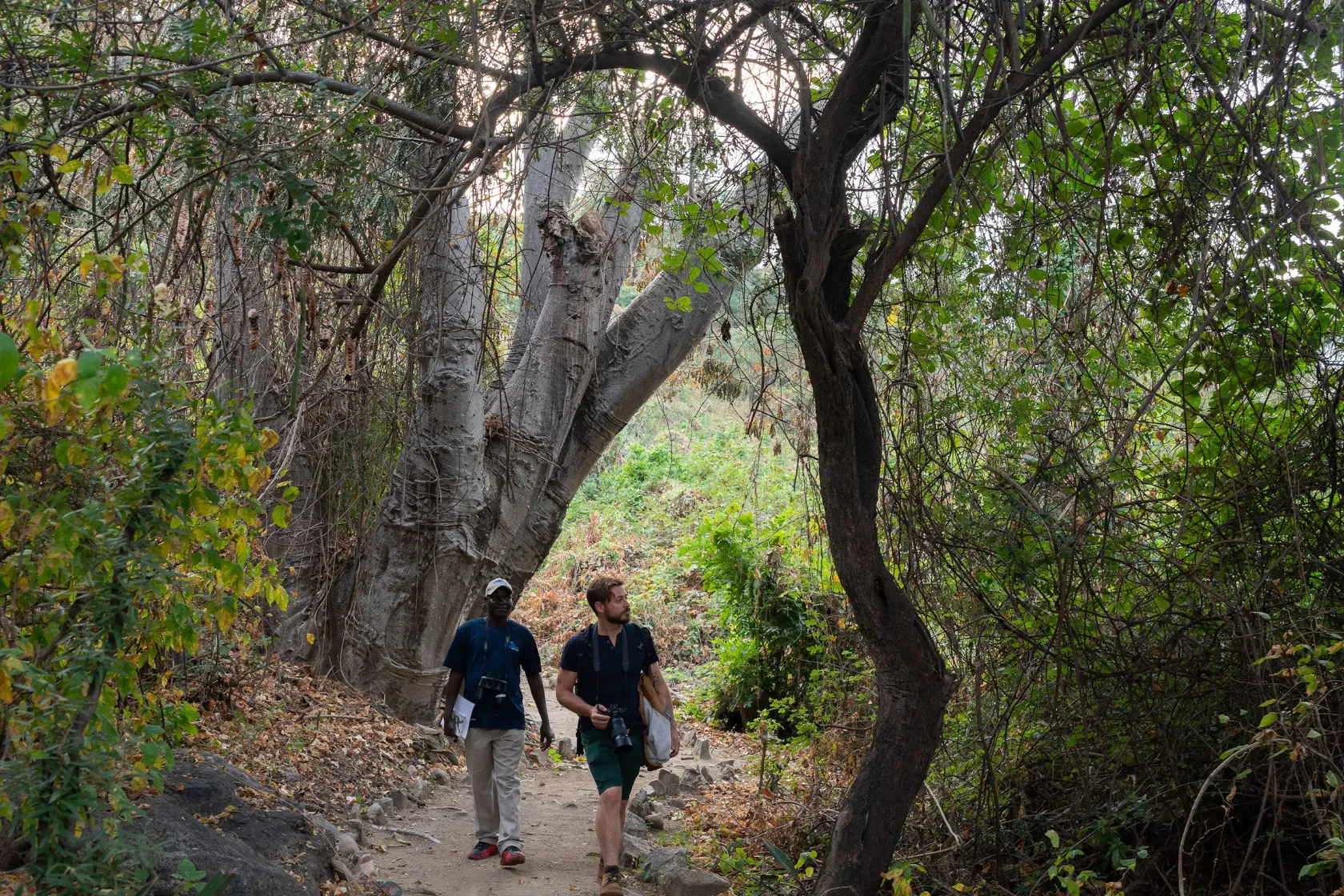
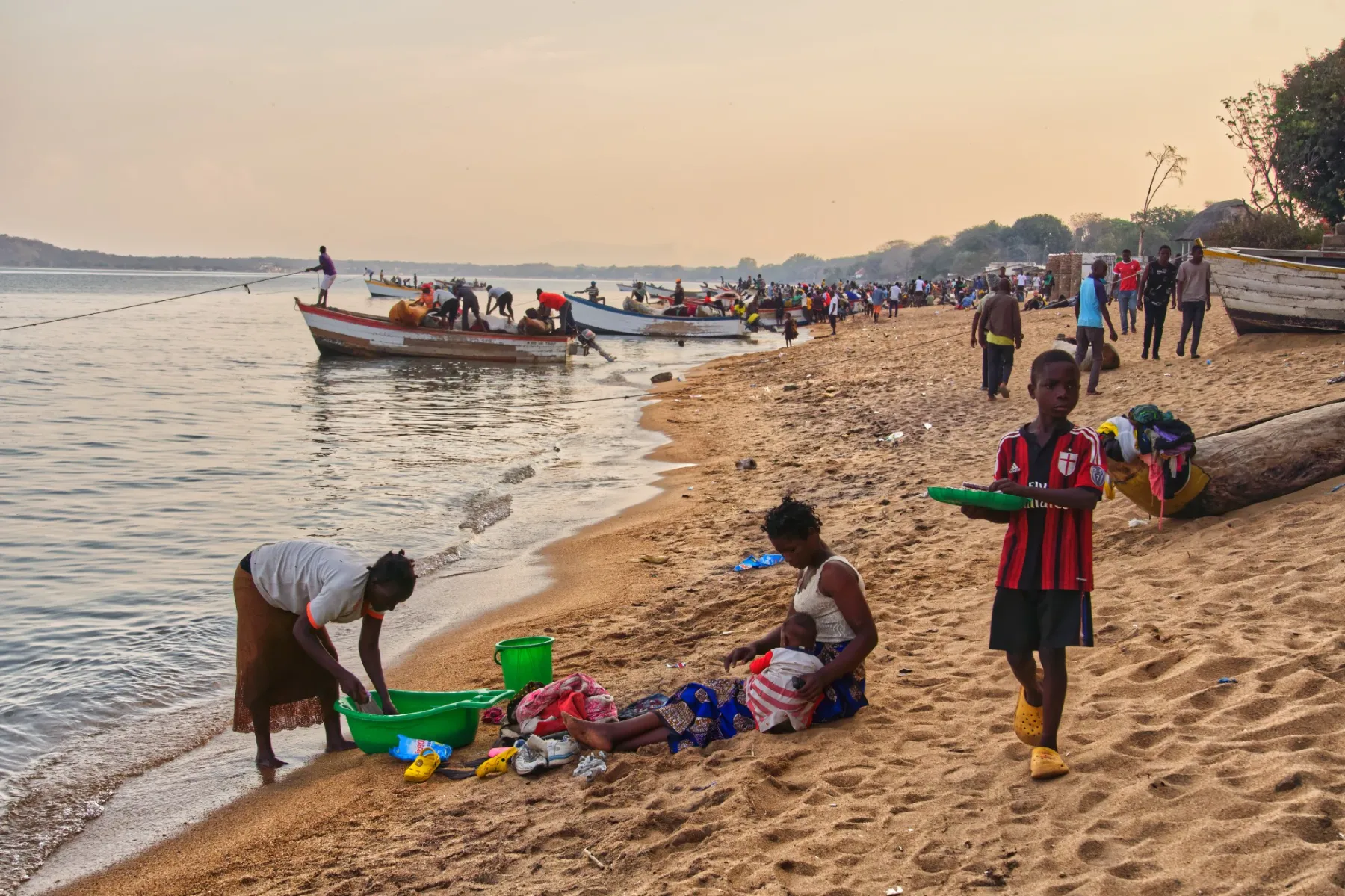
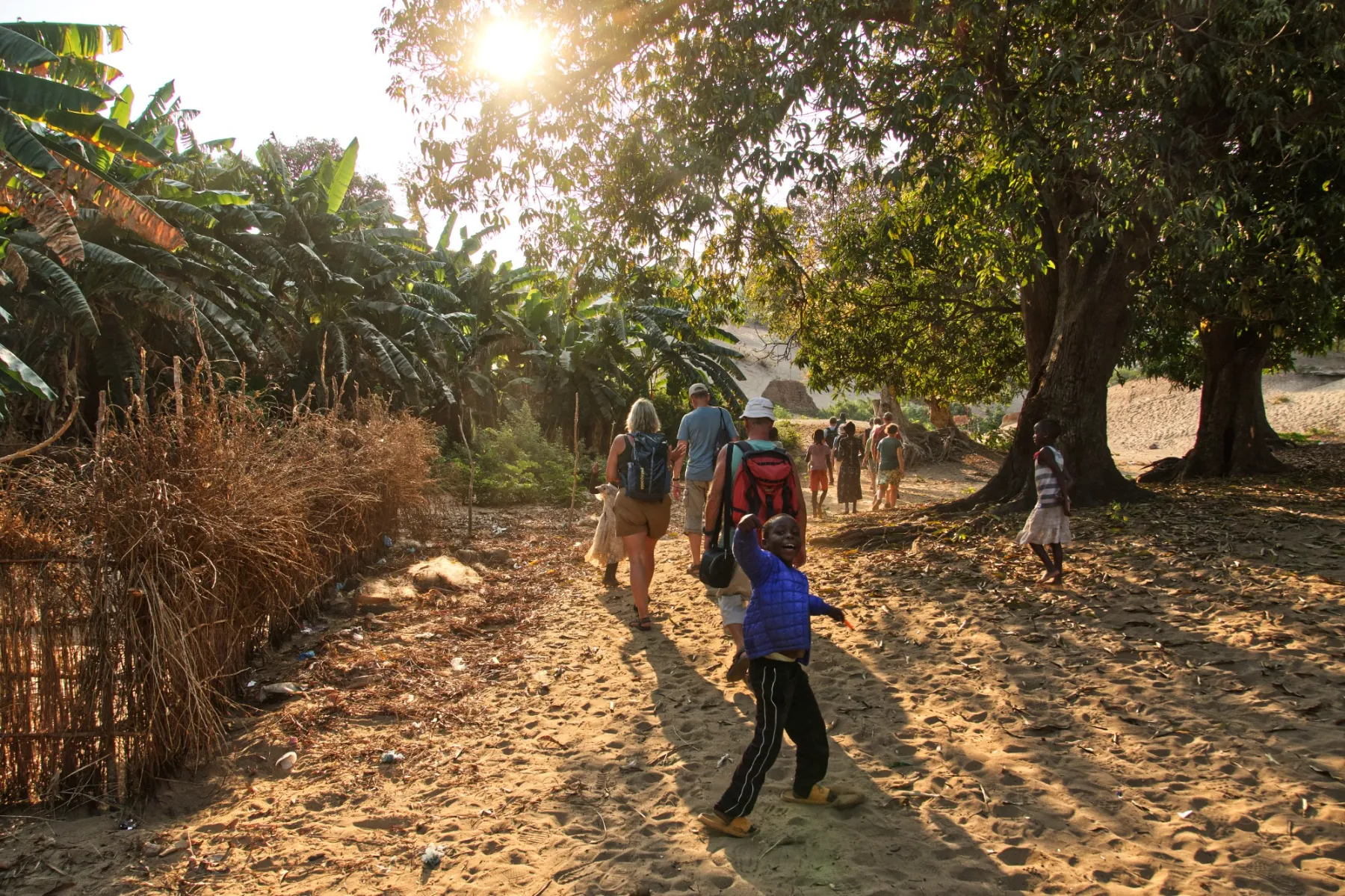
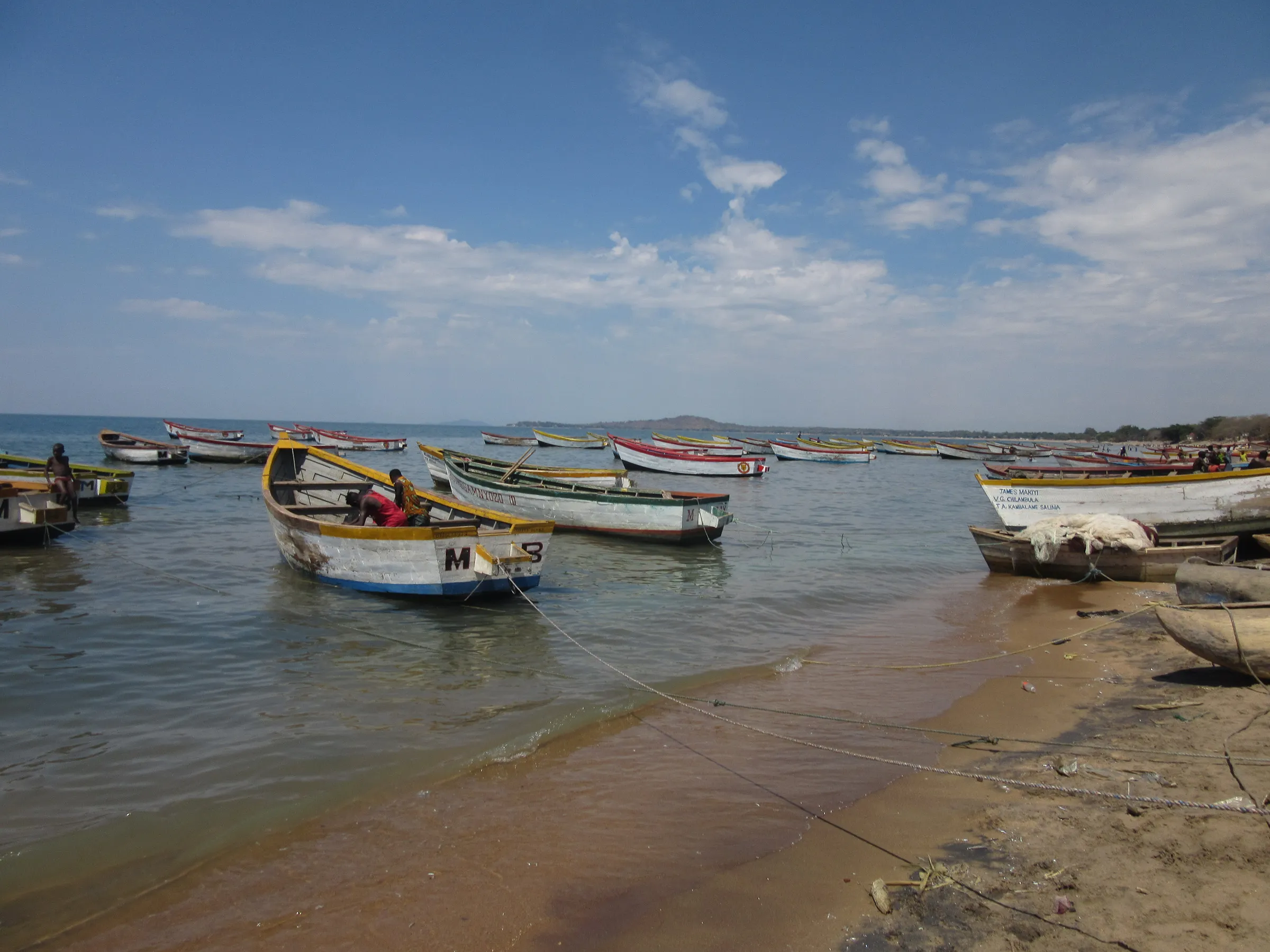
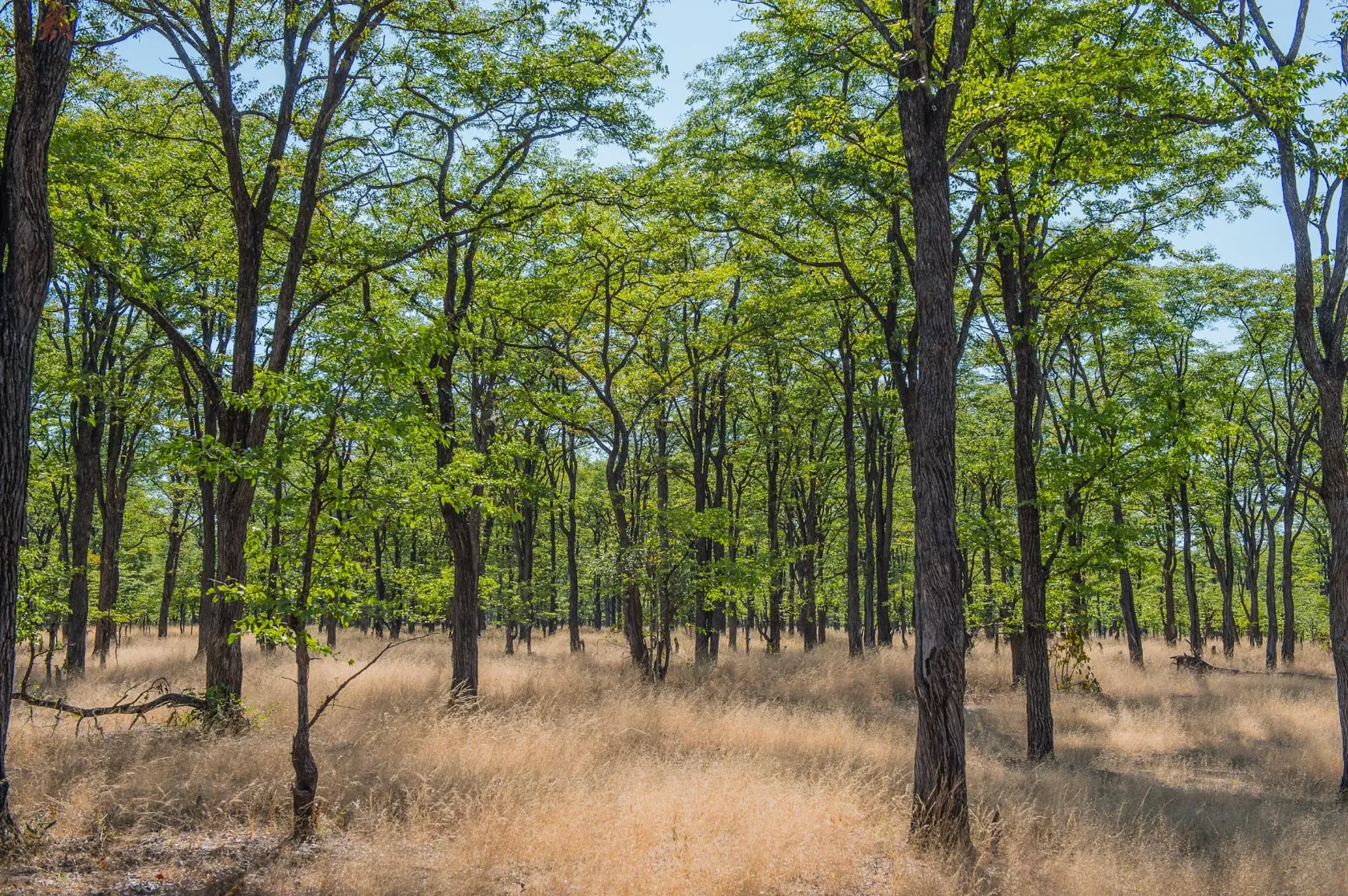
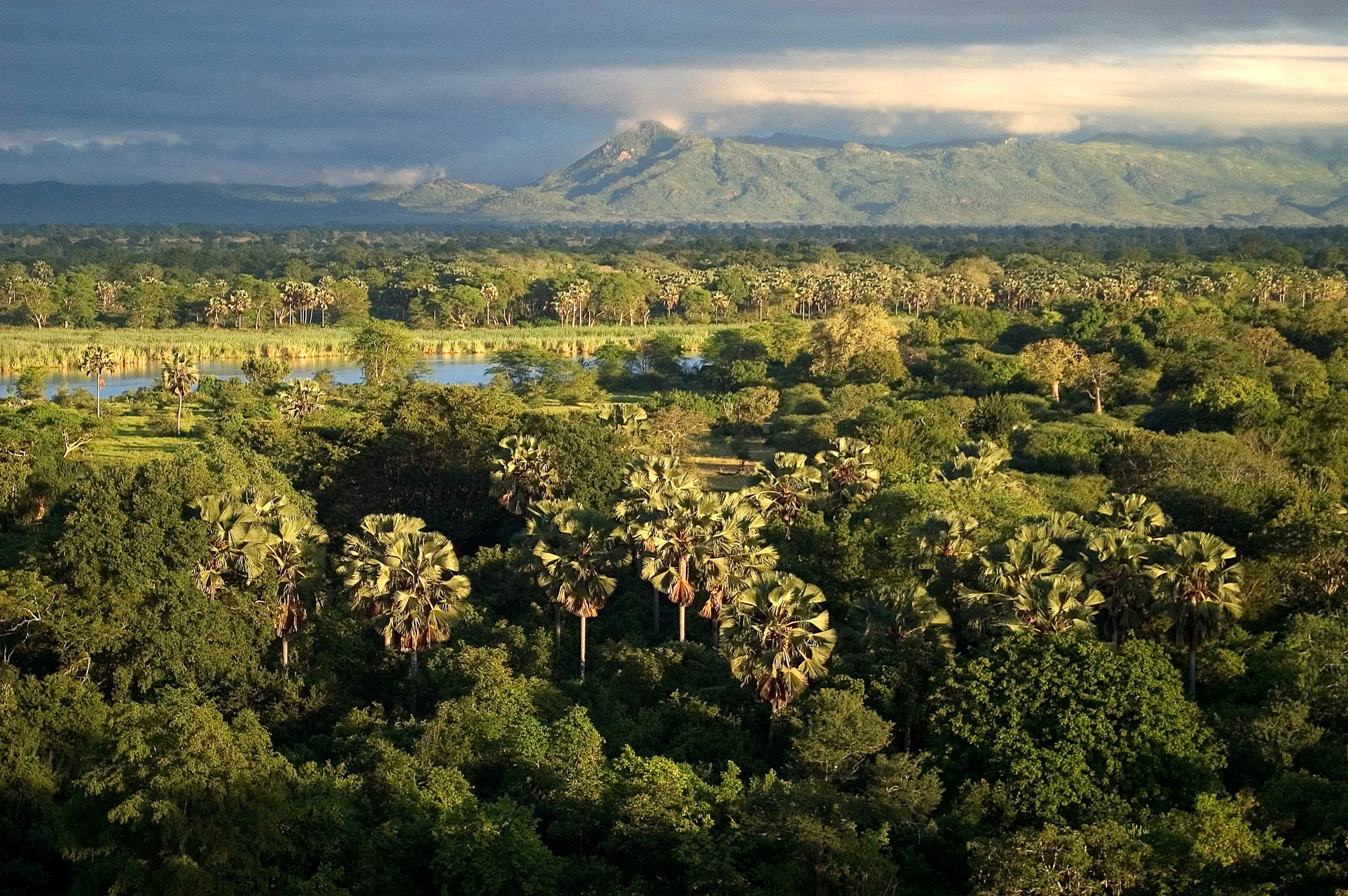
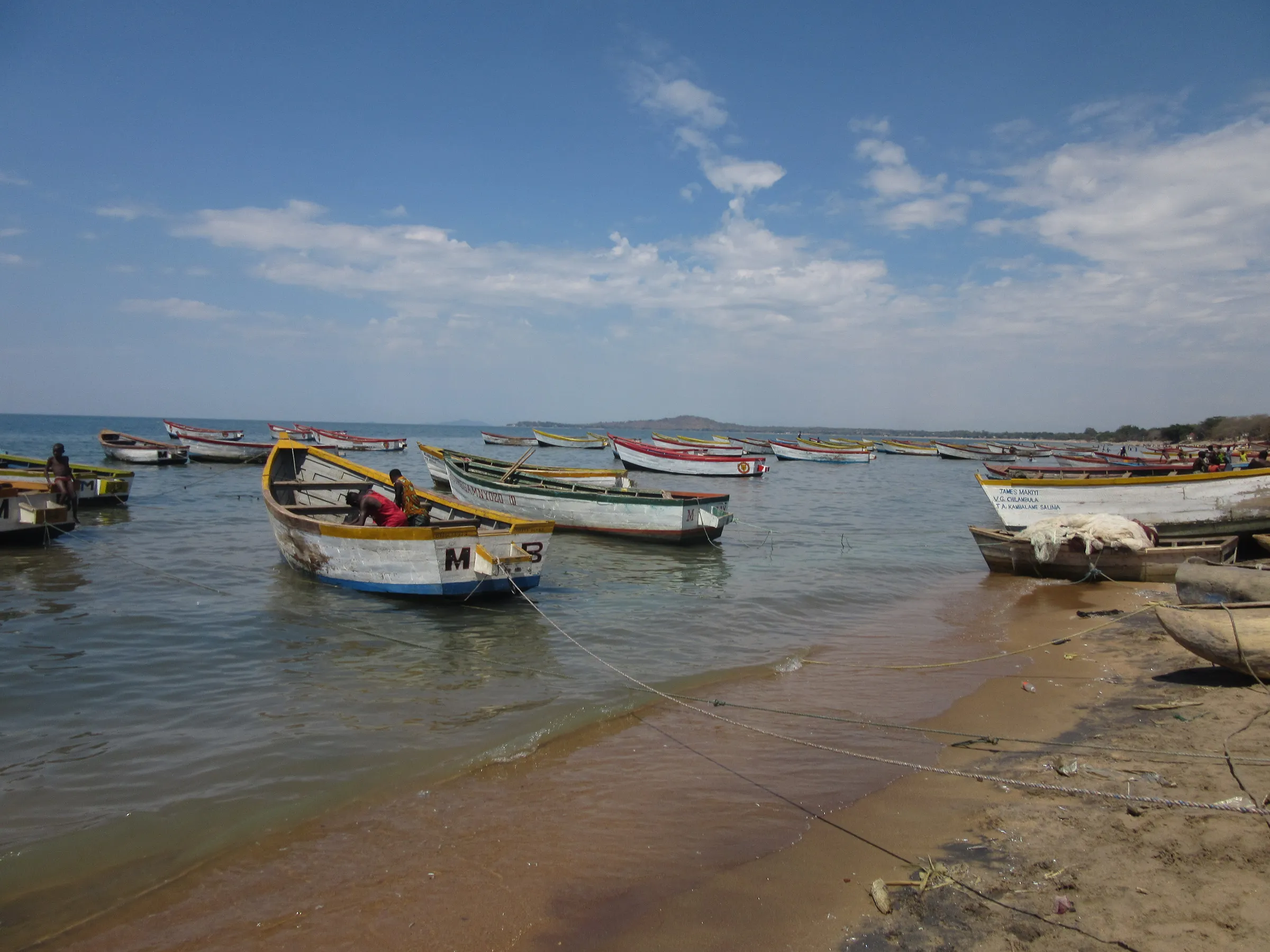
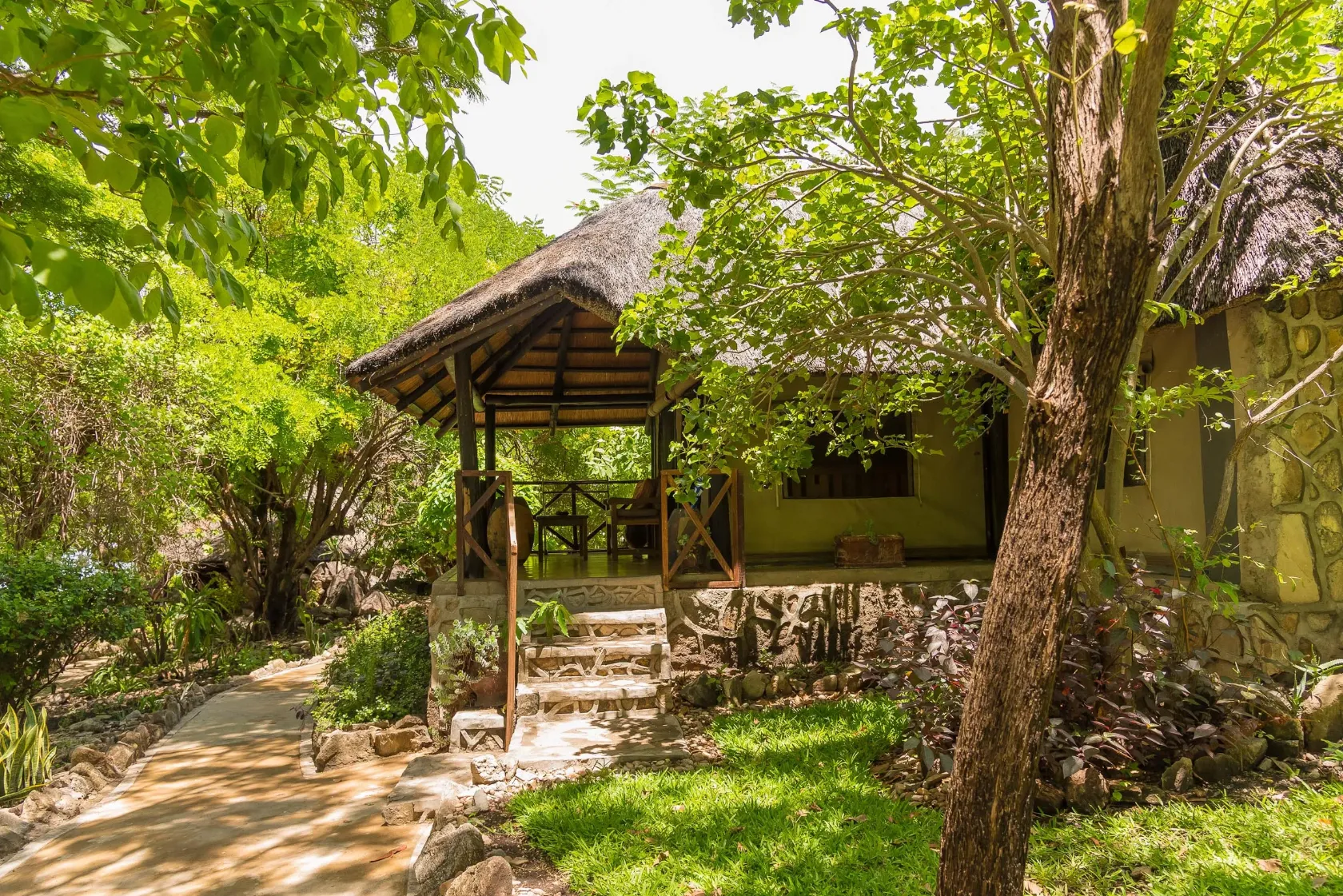
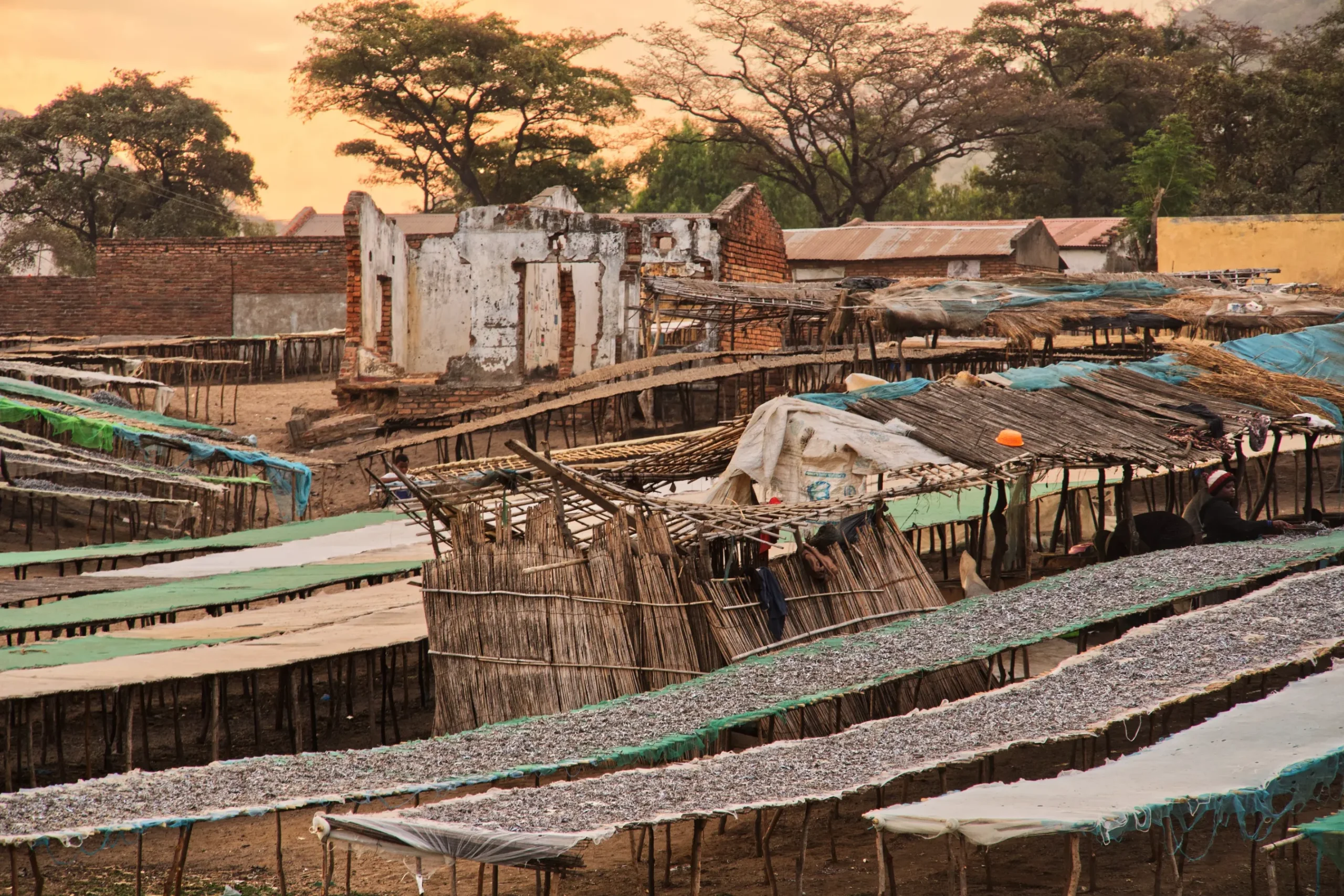
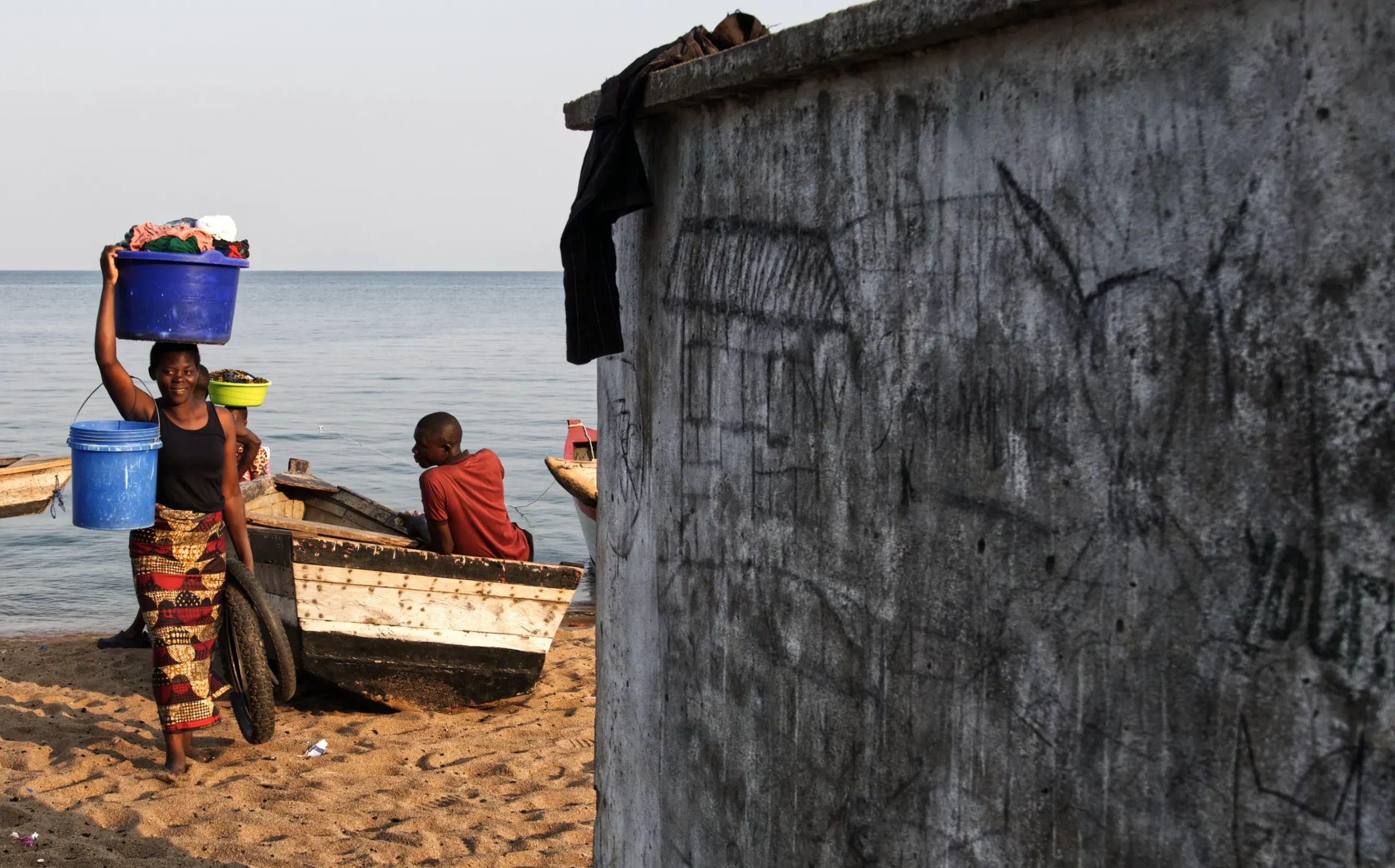
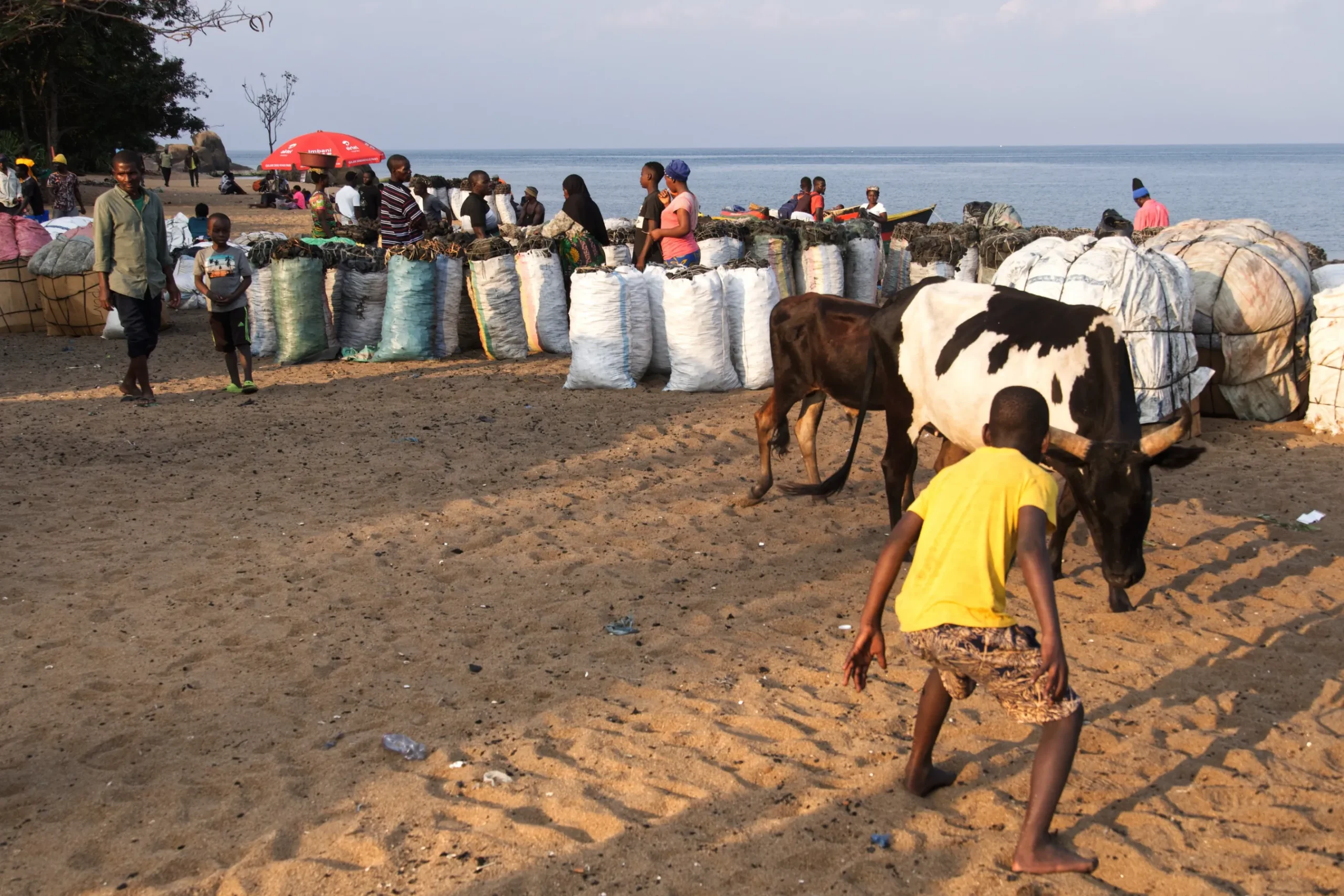
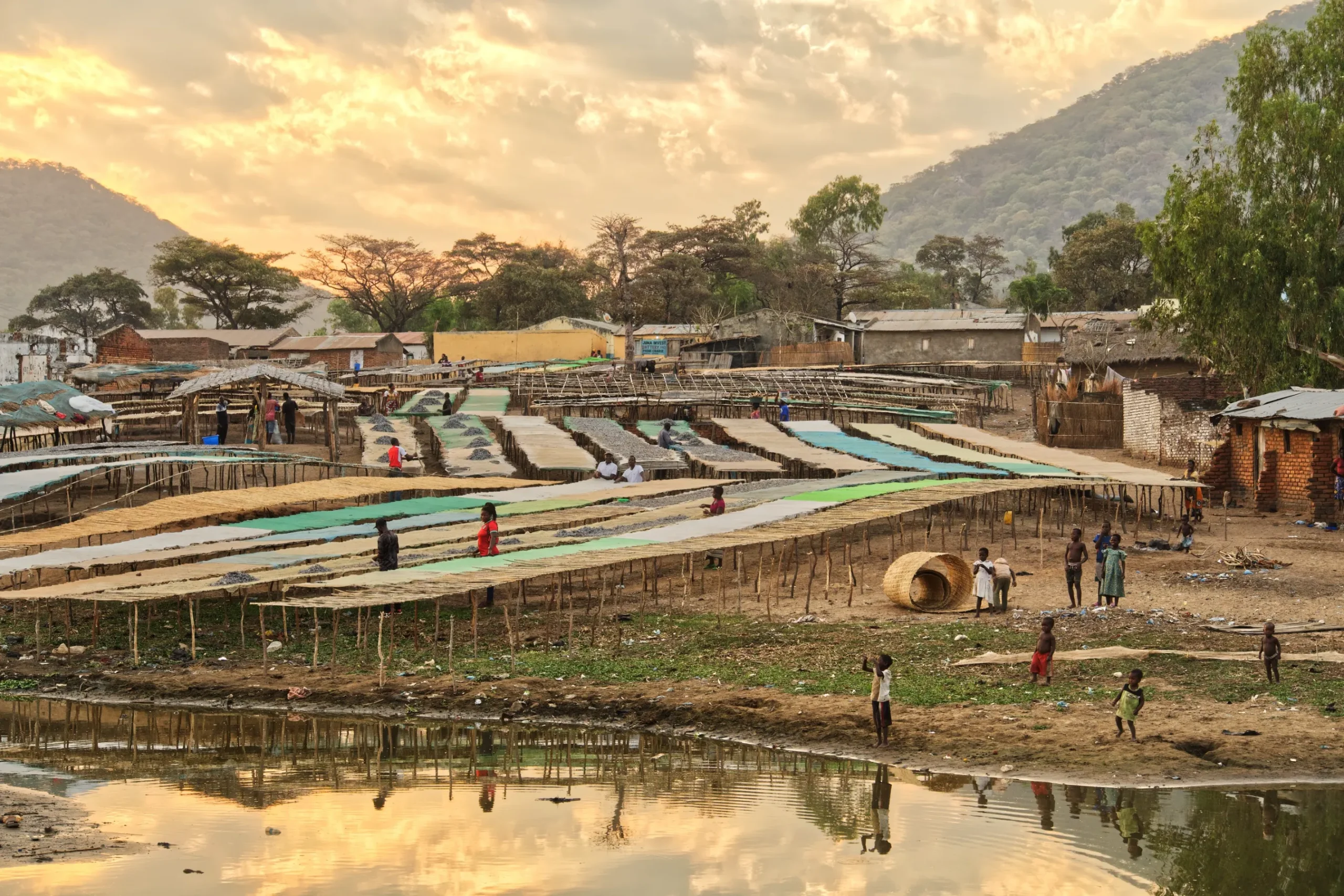
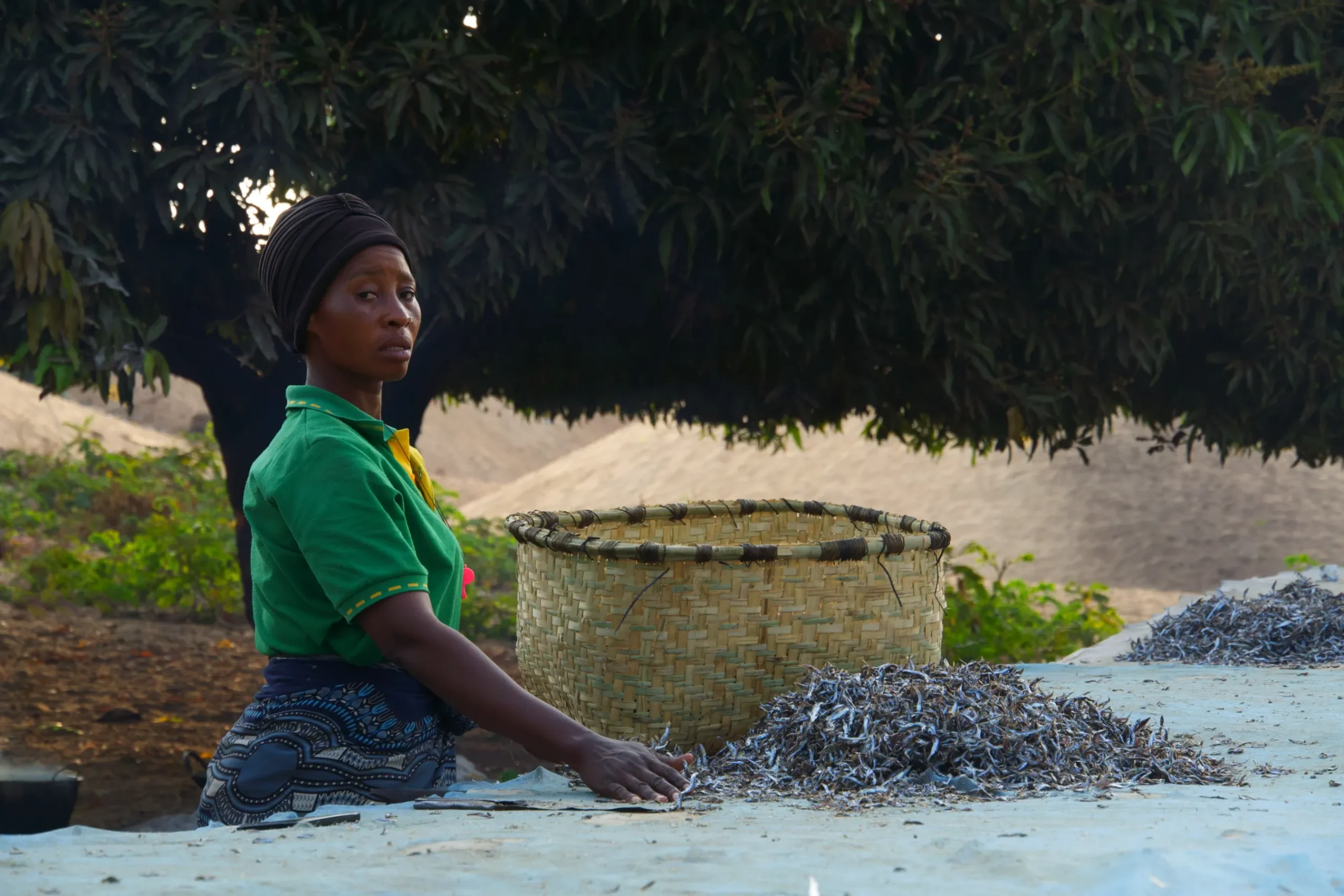
Along its shoreline, traditional fishing villages sit beside sandy beaches, while inland areas feature sugar and cotton plantations, mango and baobab forests, and fertile agricultural land.
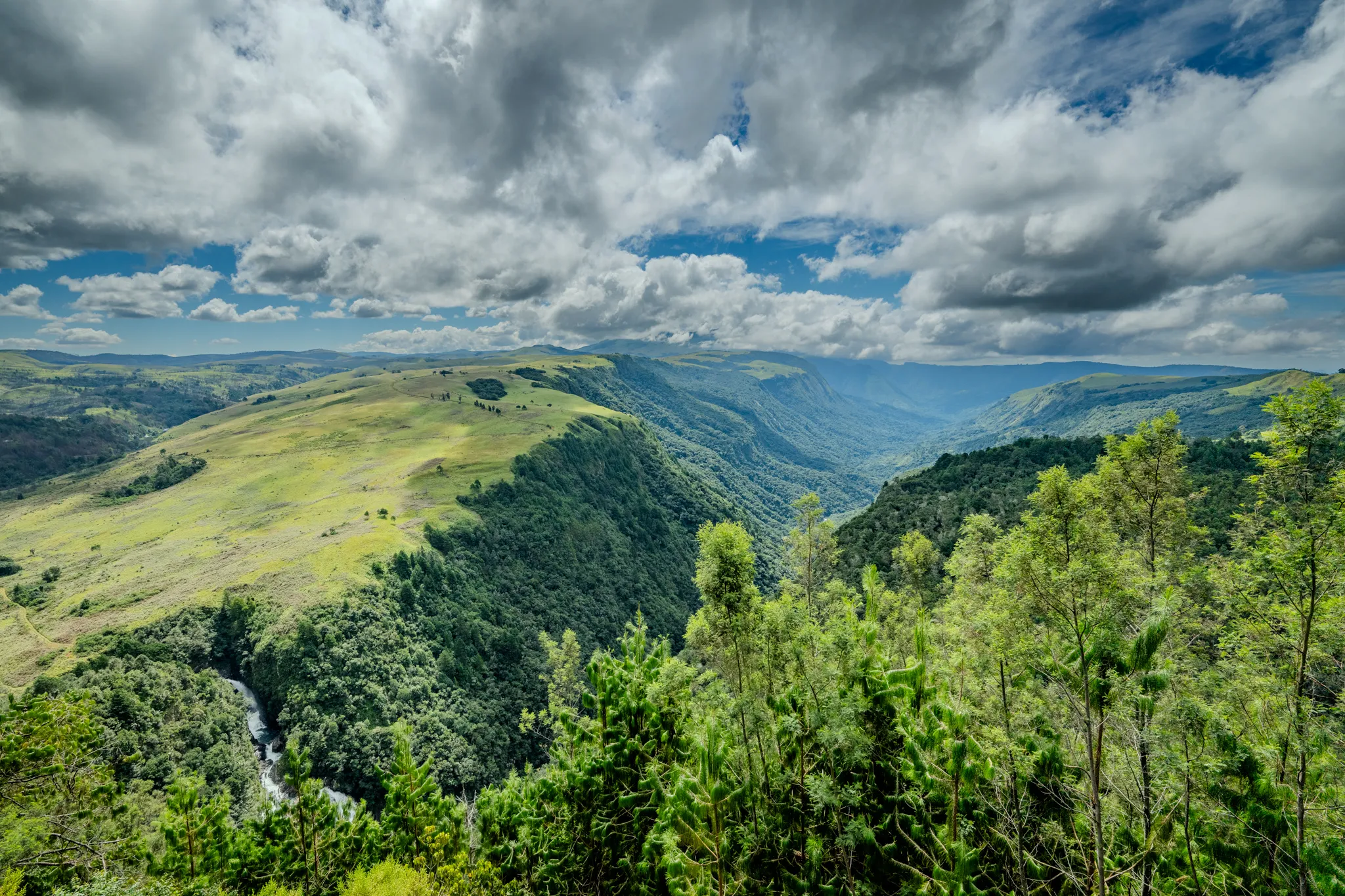
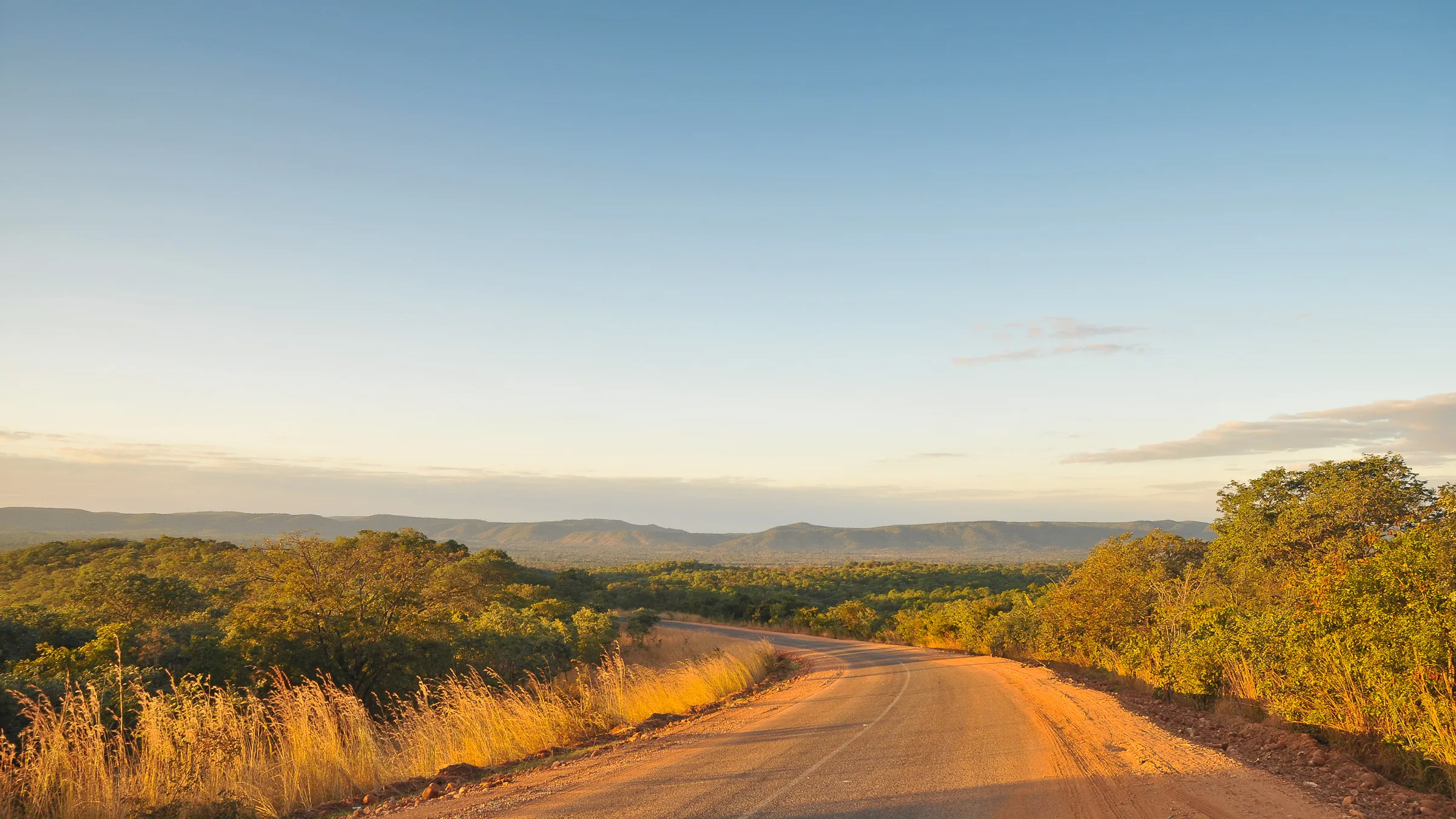
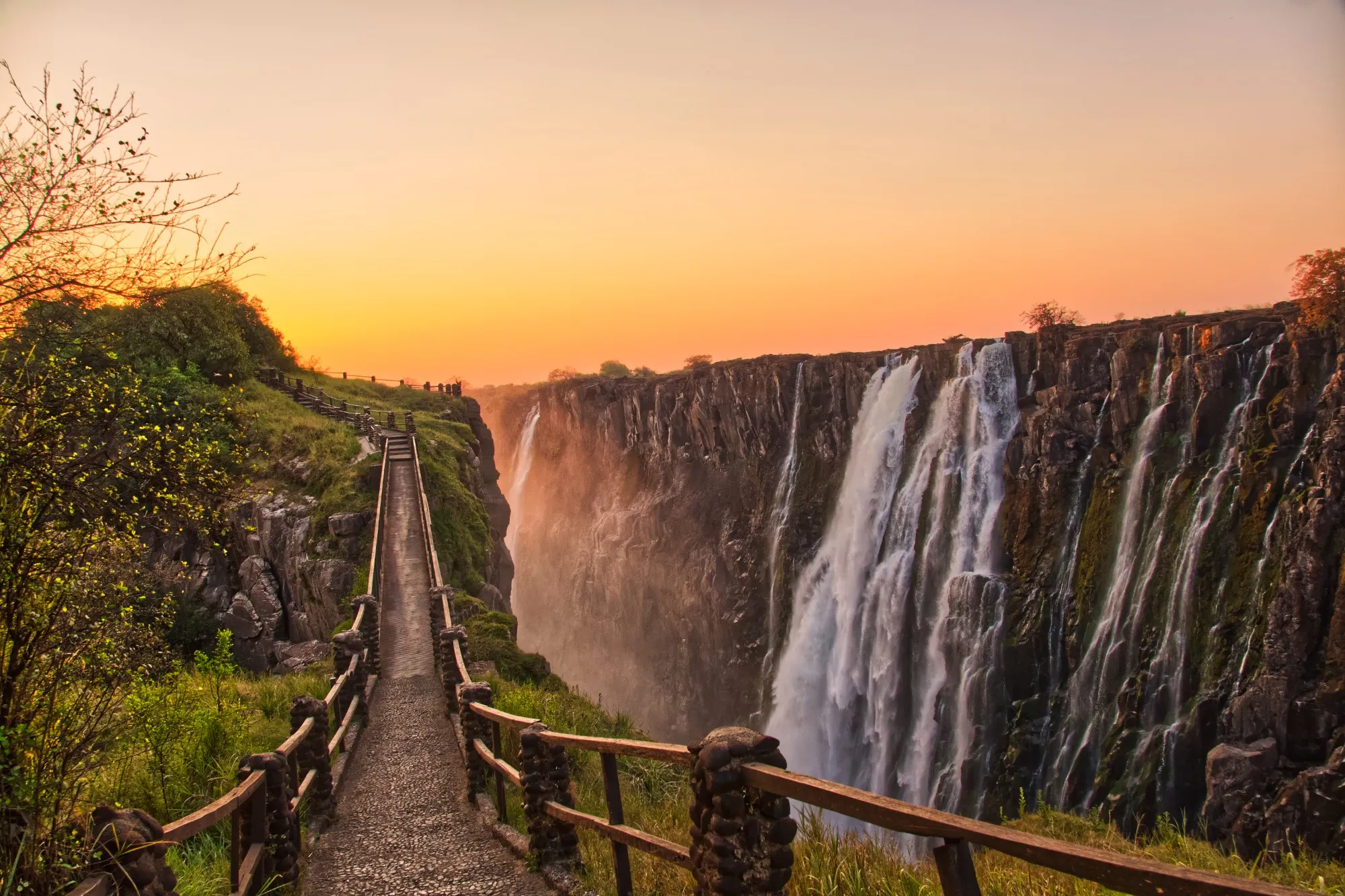
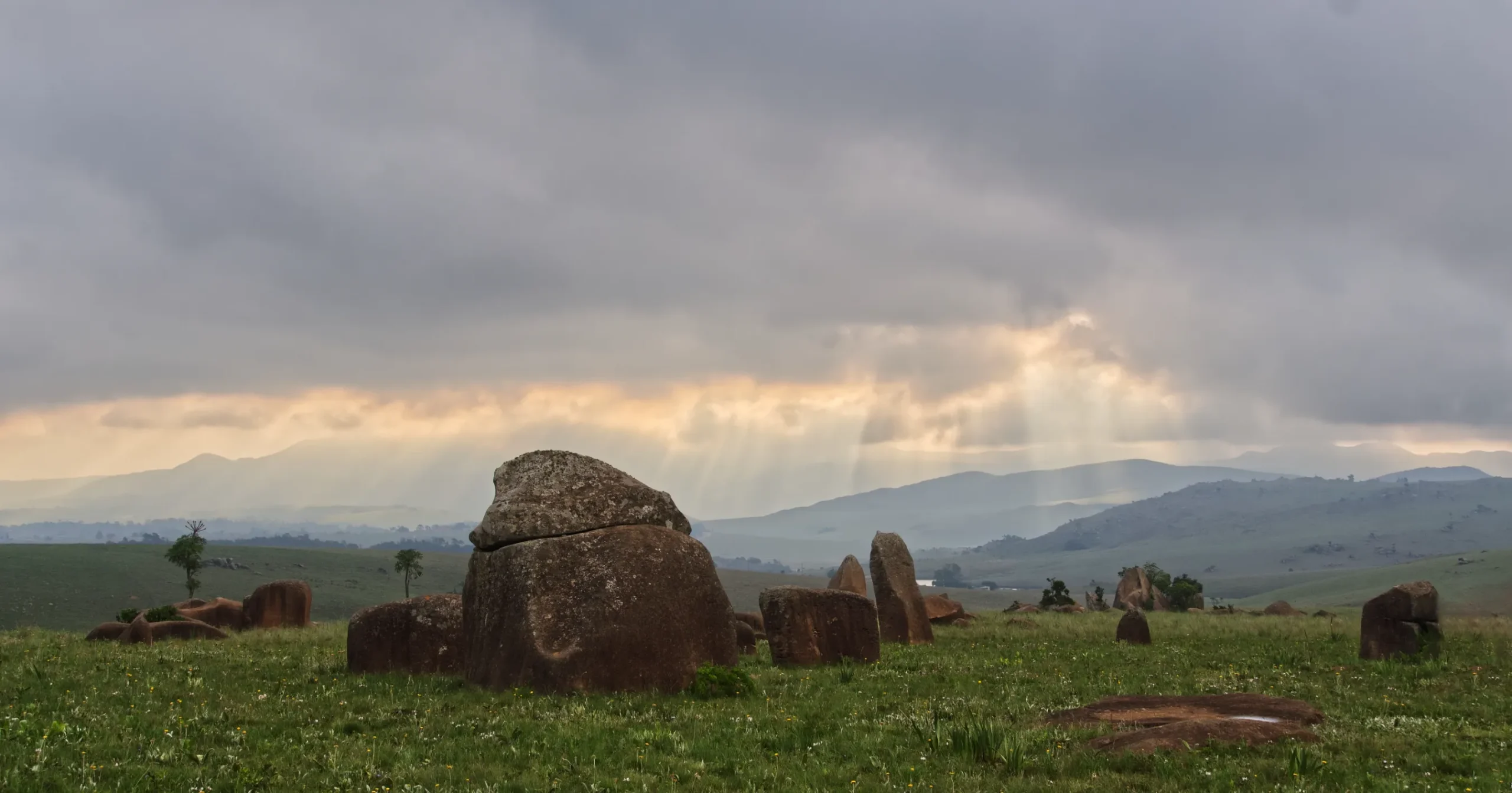
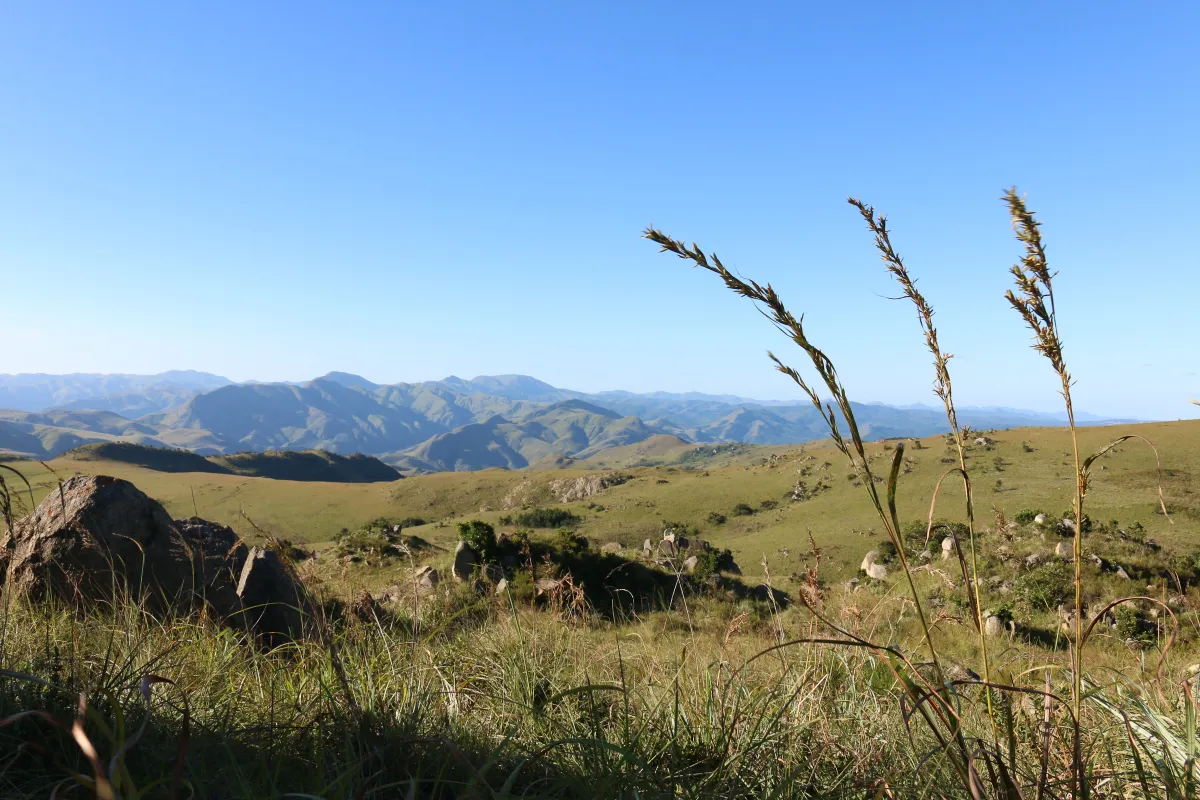
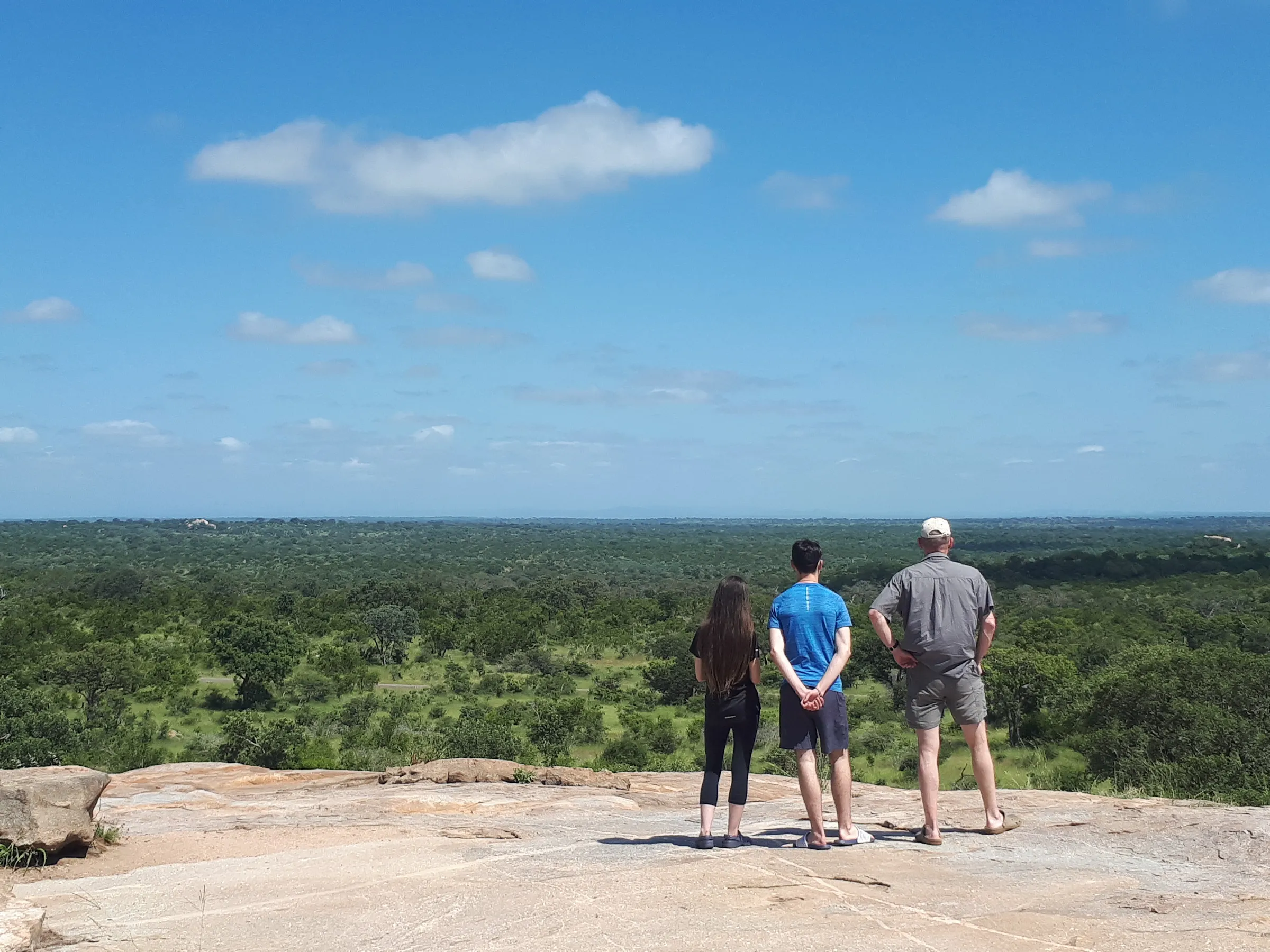
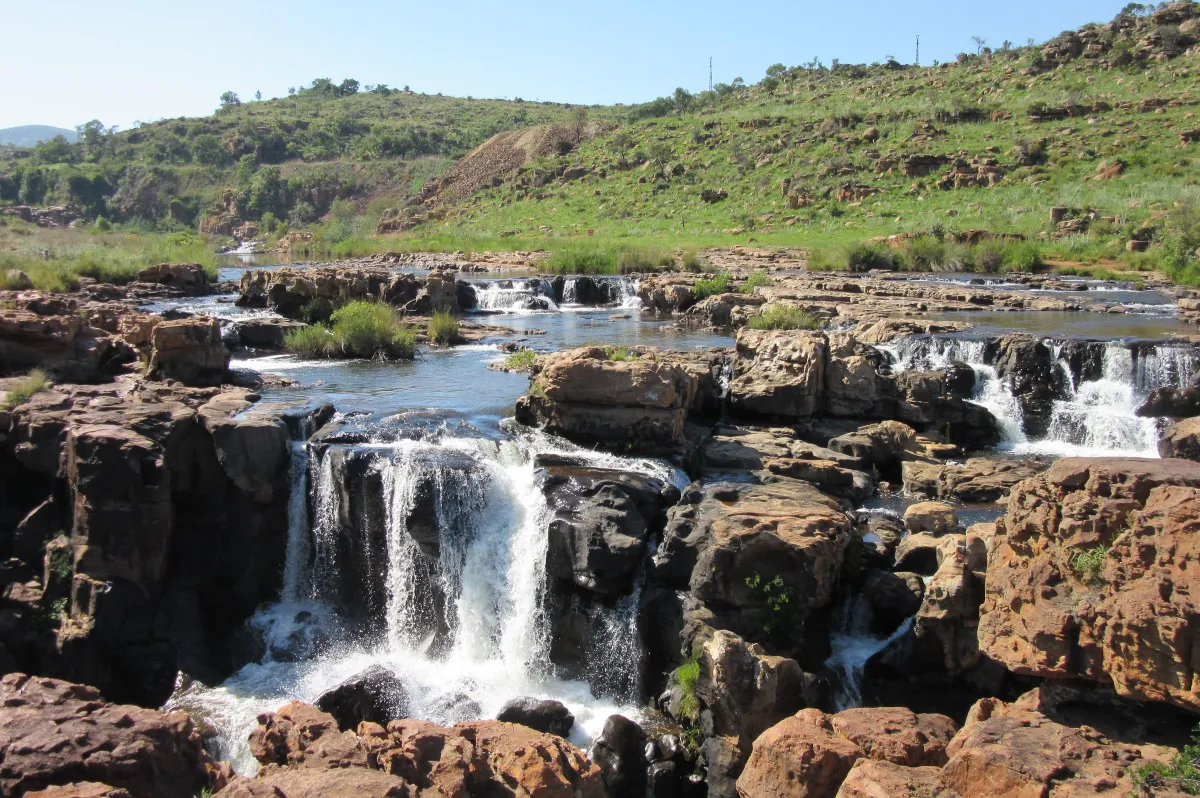
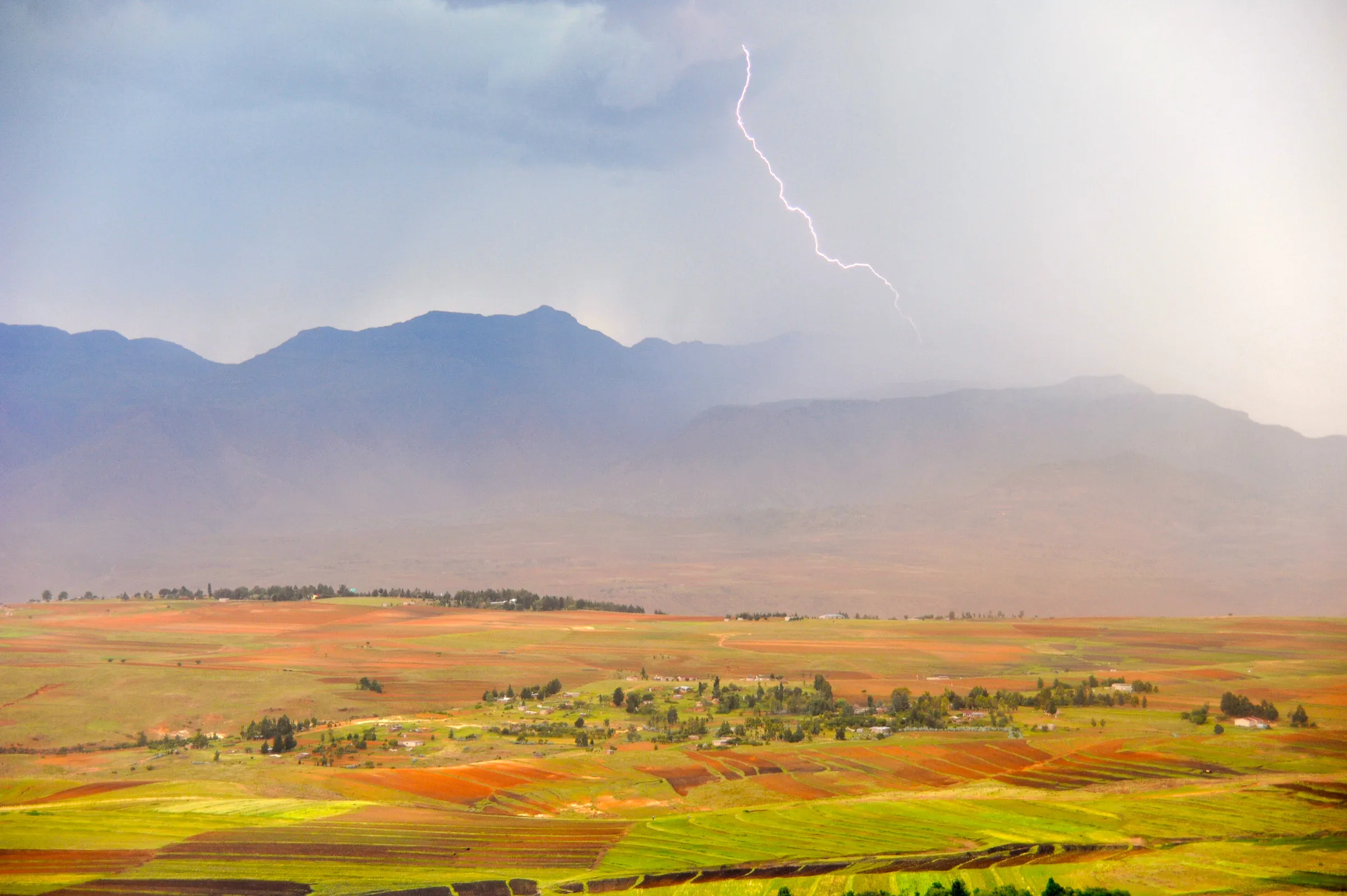
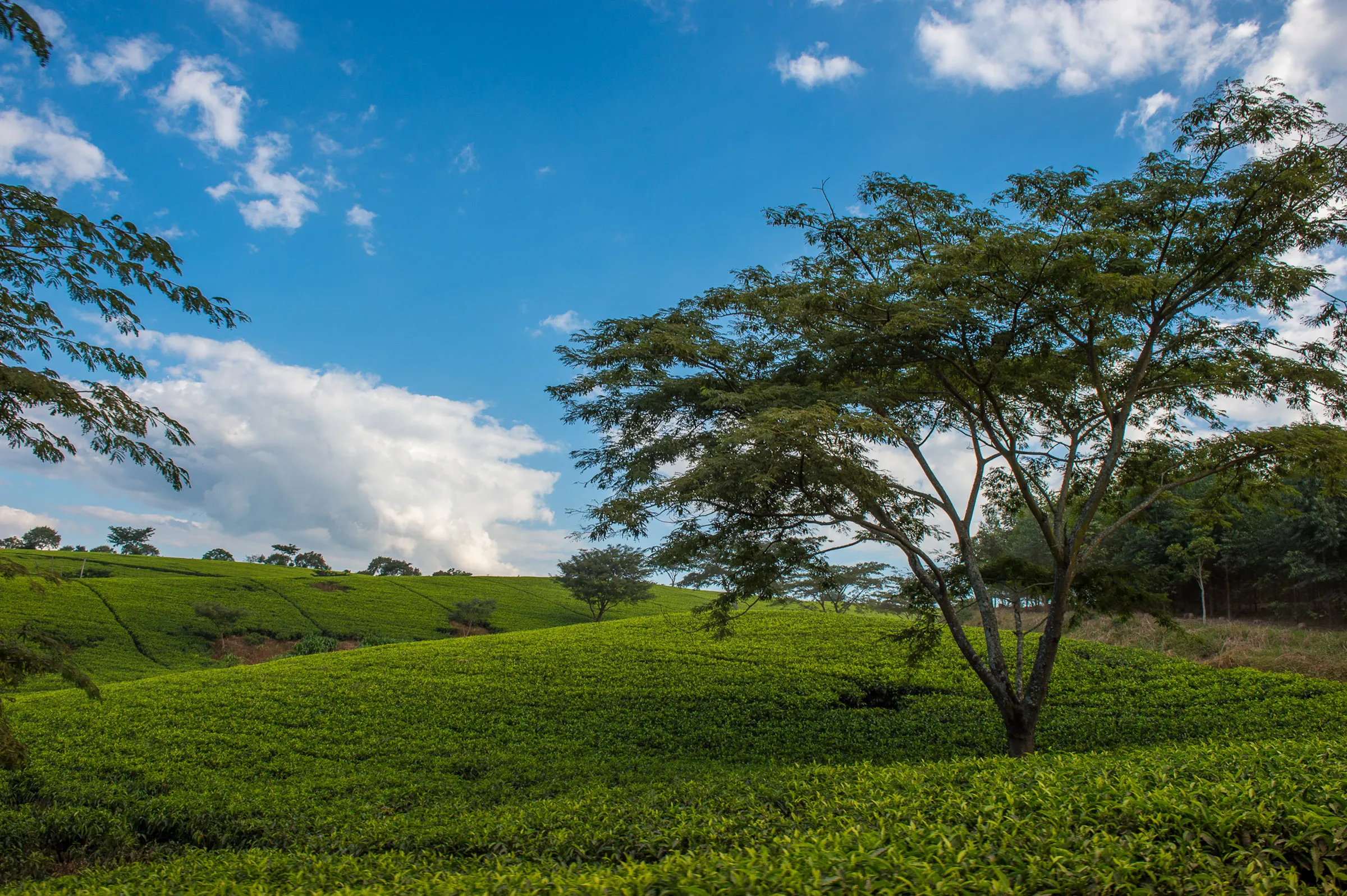
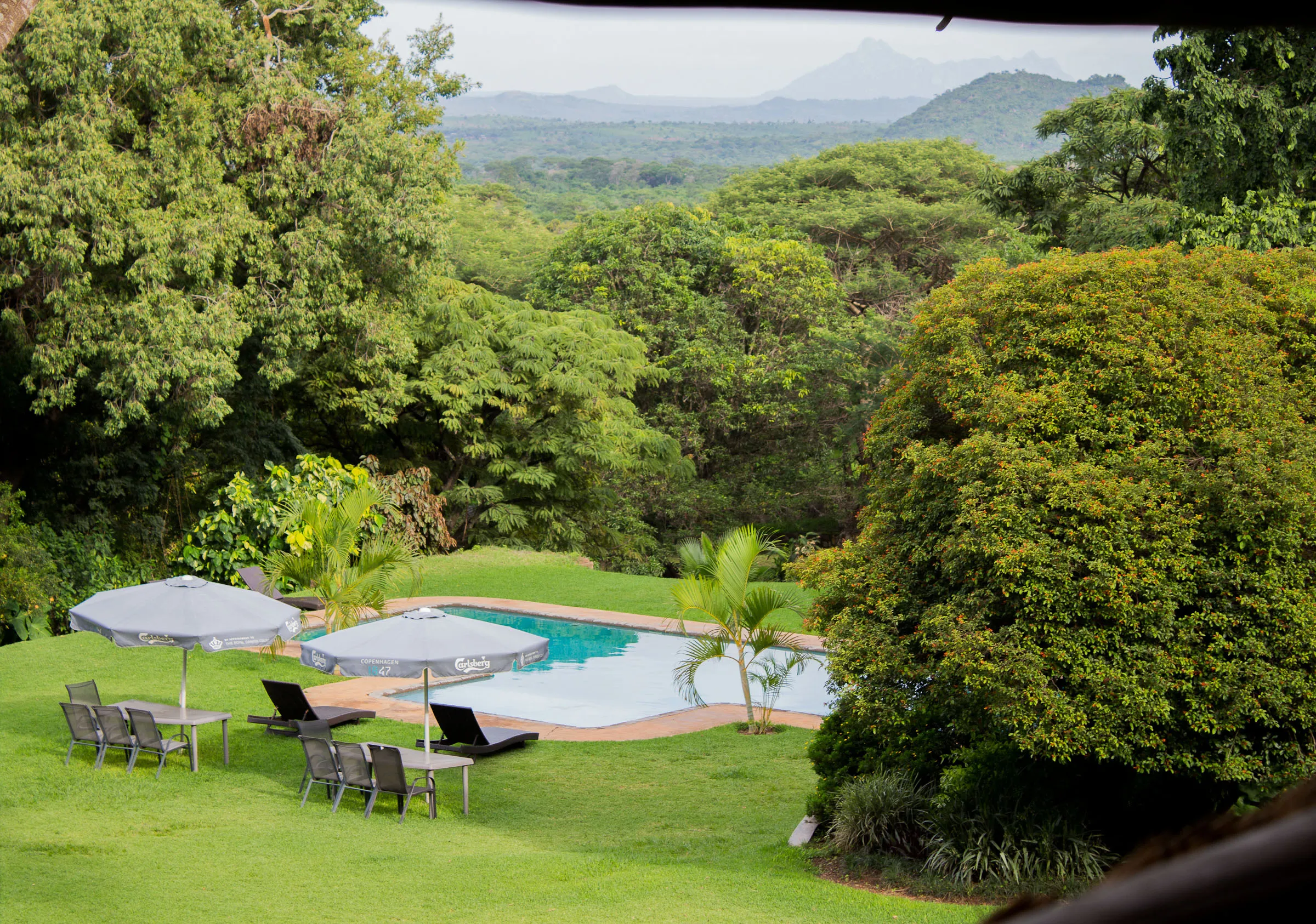
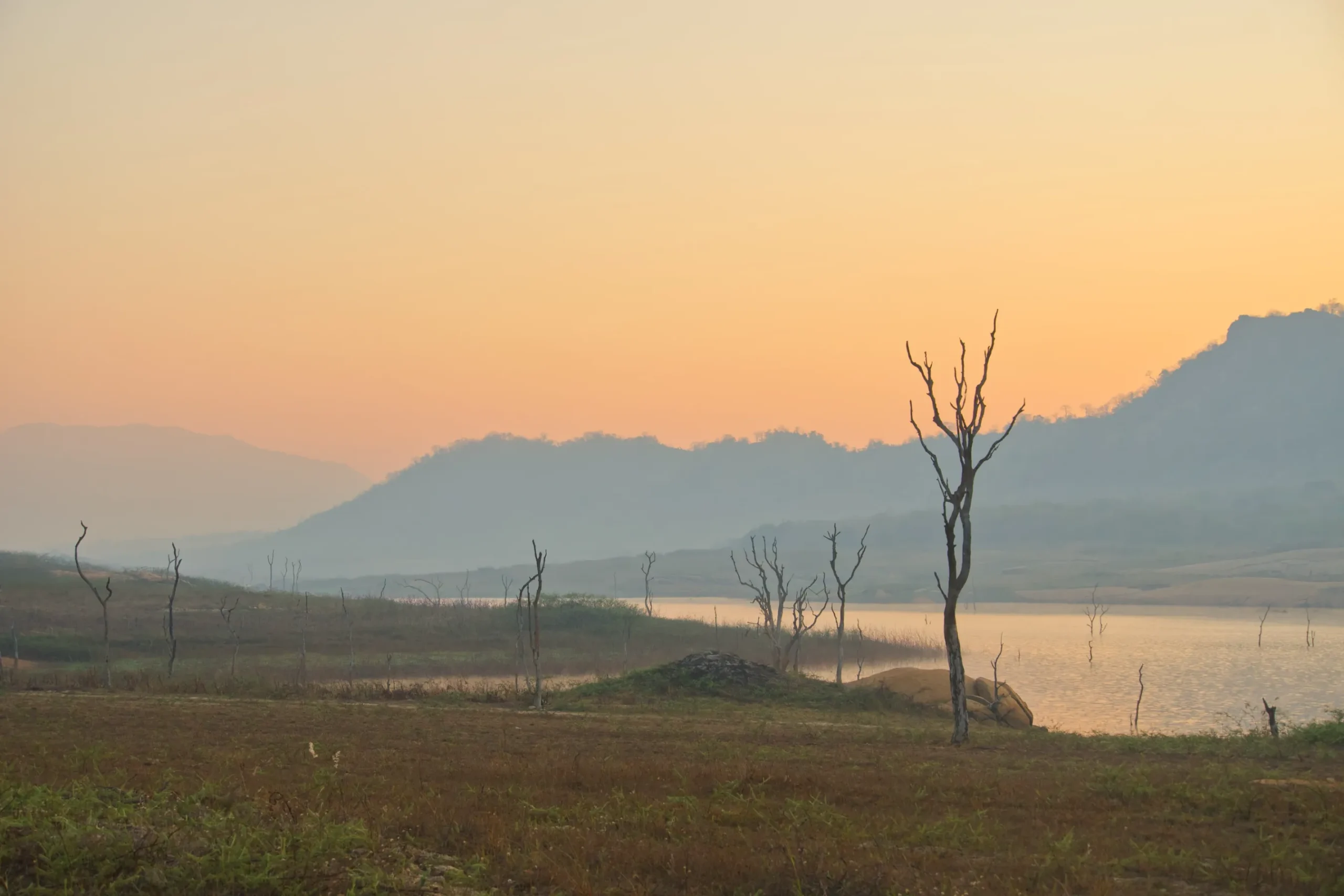
In the higher regions, dramatic escarpments rise into plateaus where tea plantations thrive, creating a striking contrast to the lowland lake scenery. Malawi also includes a diverse mix of plains, wetlands and mountain landscapes, making it one of the most geographically varied destinations in Southern Africa.
Lake Malawi
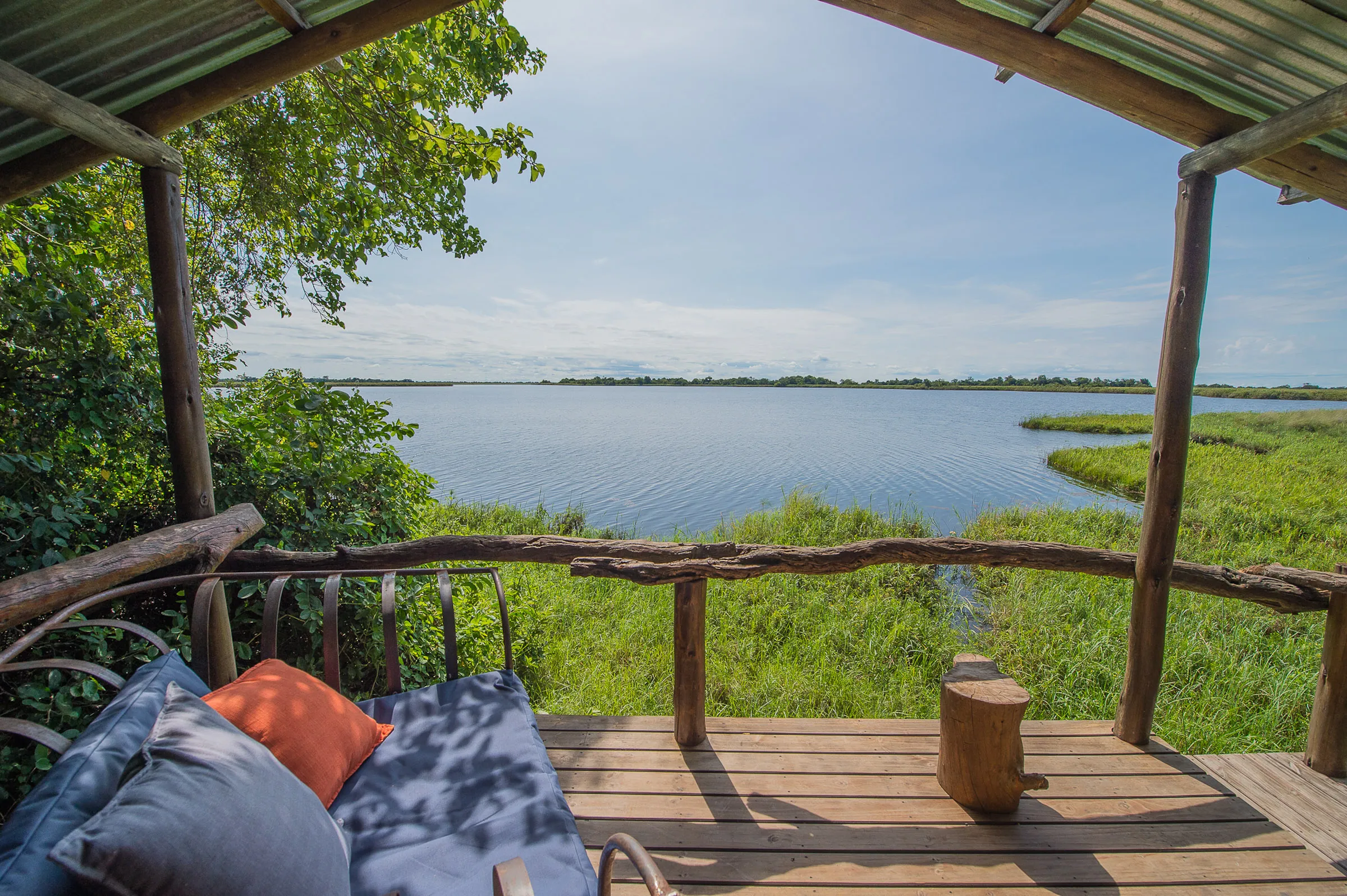
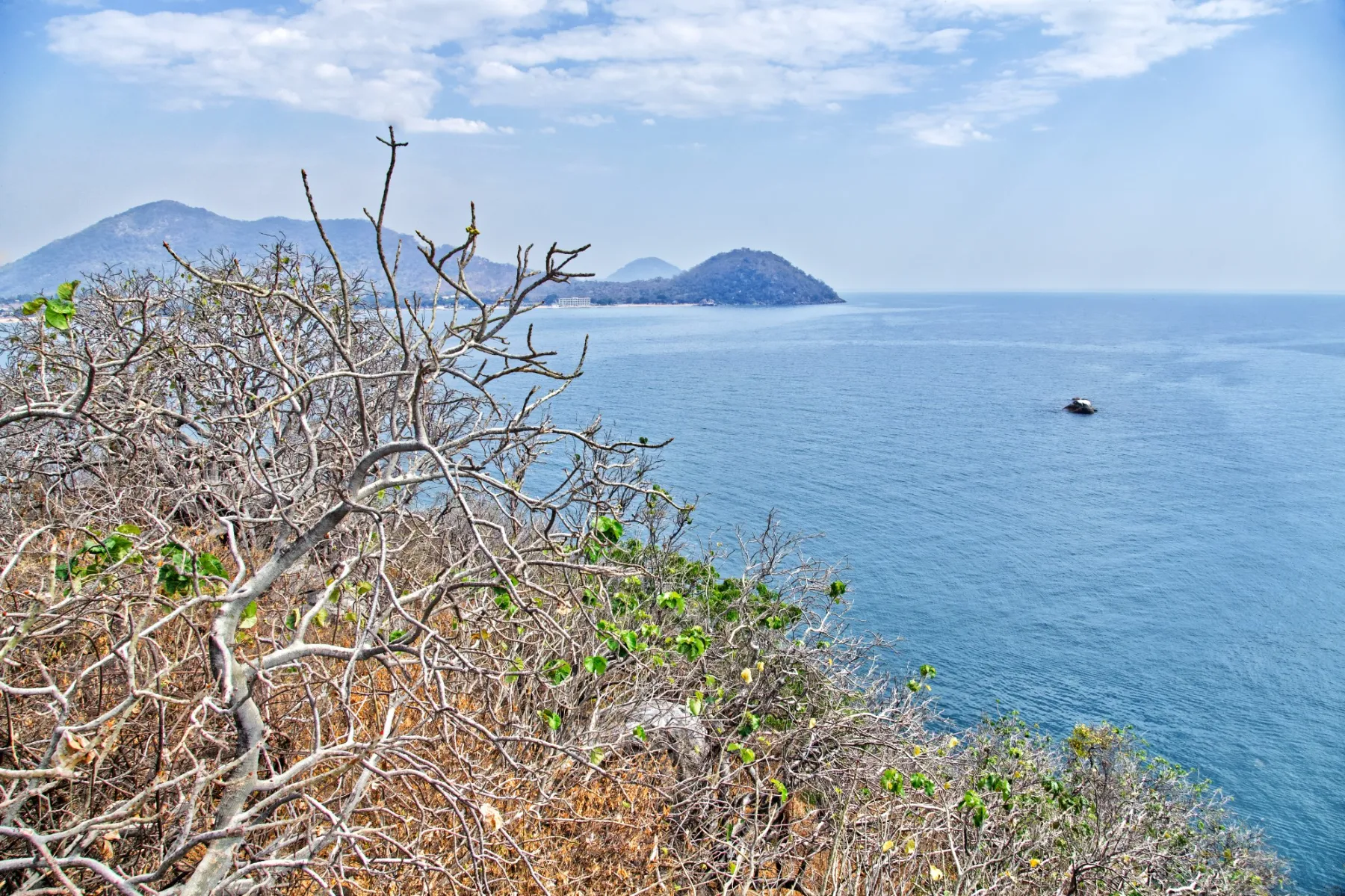
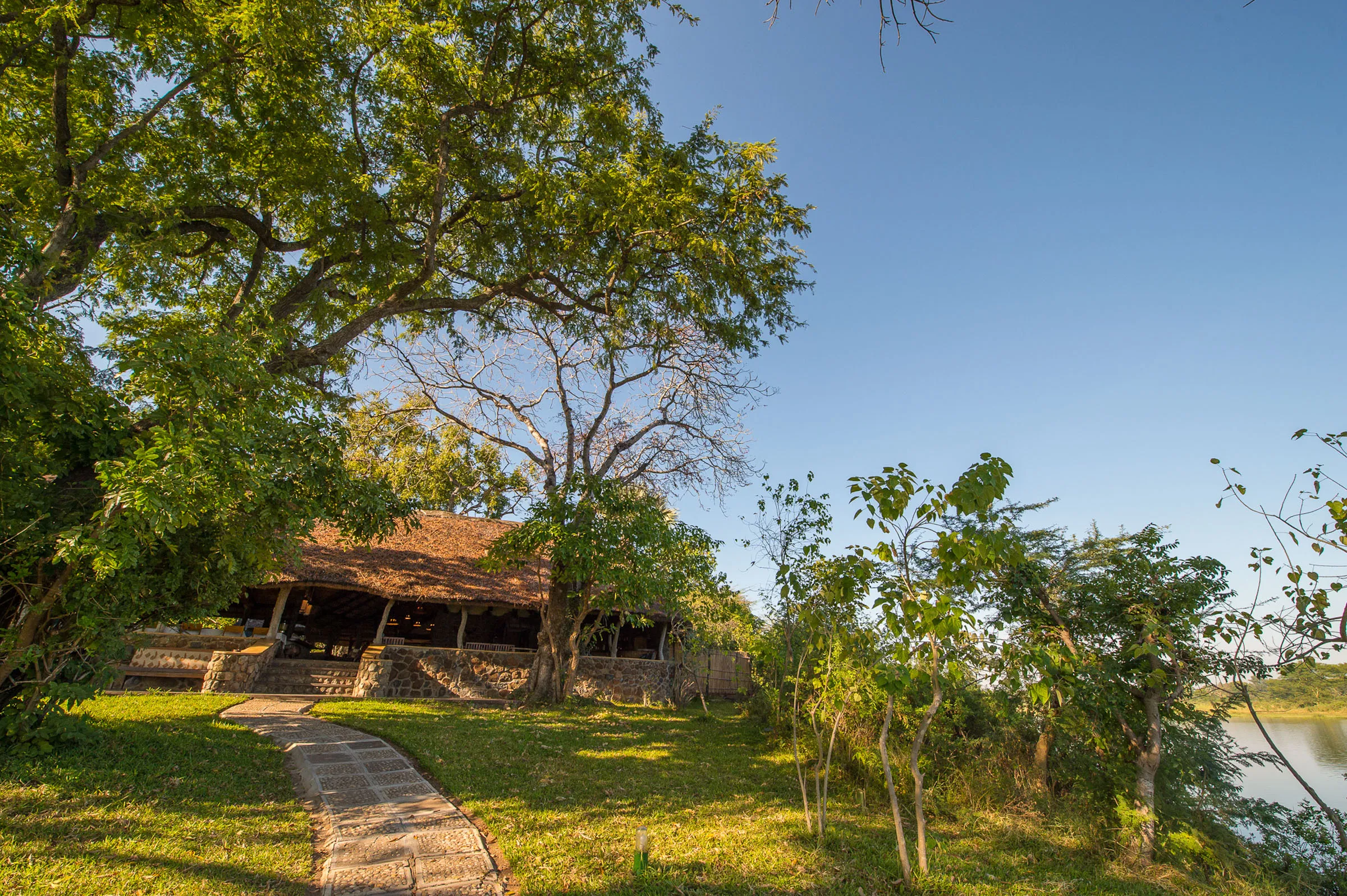
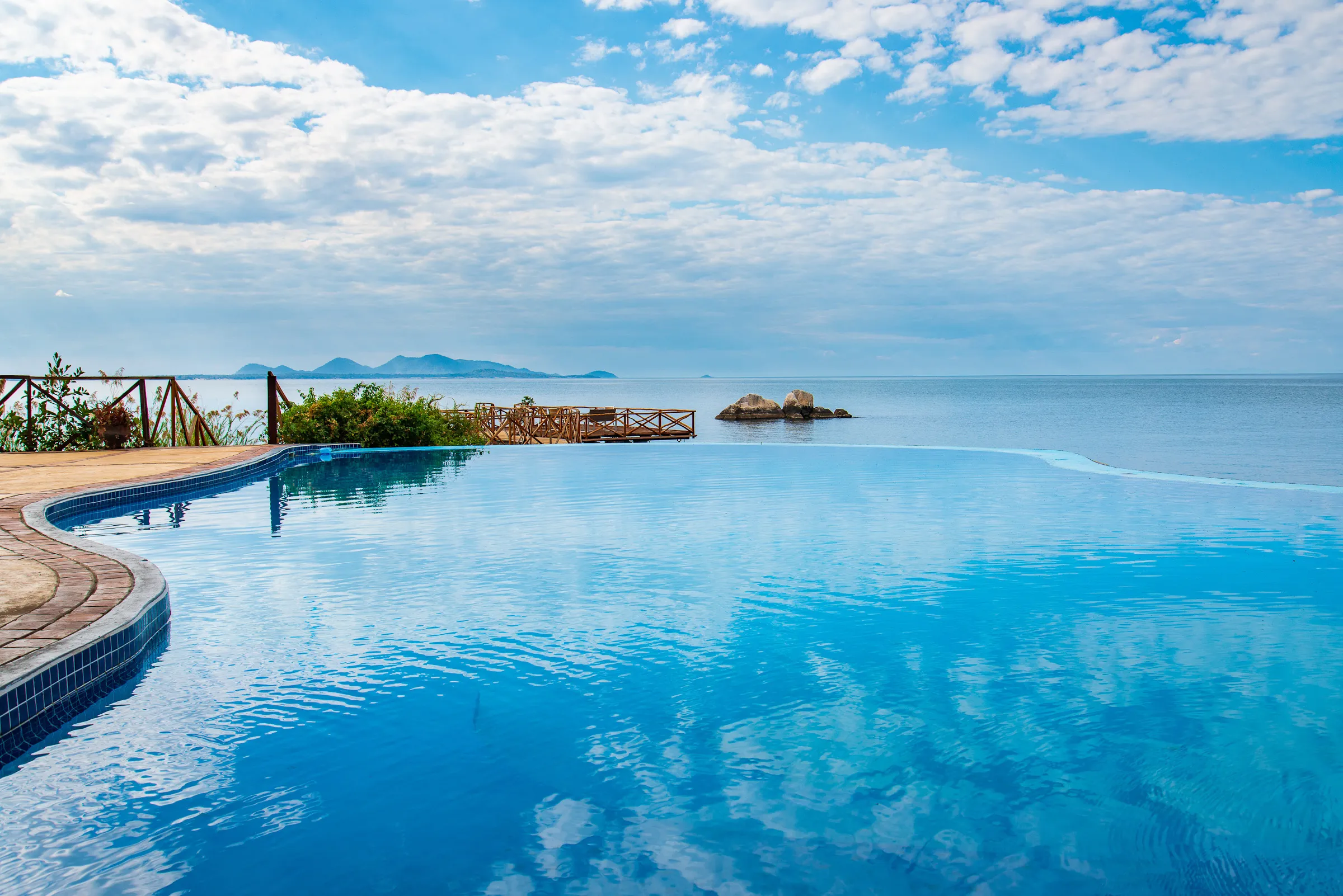
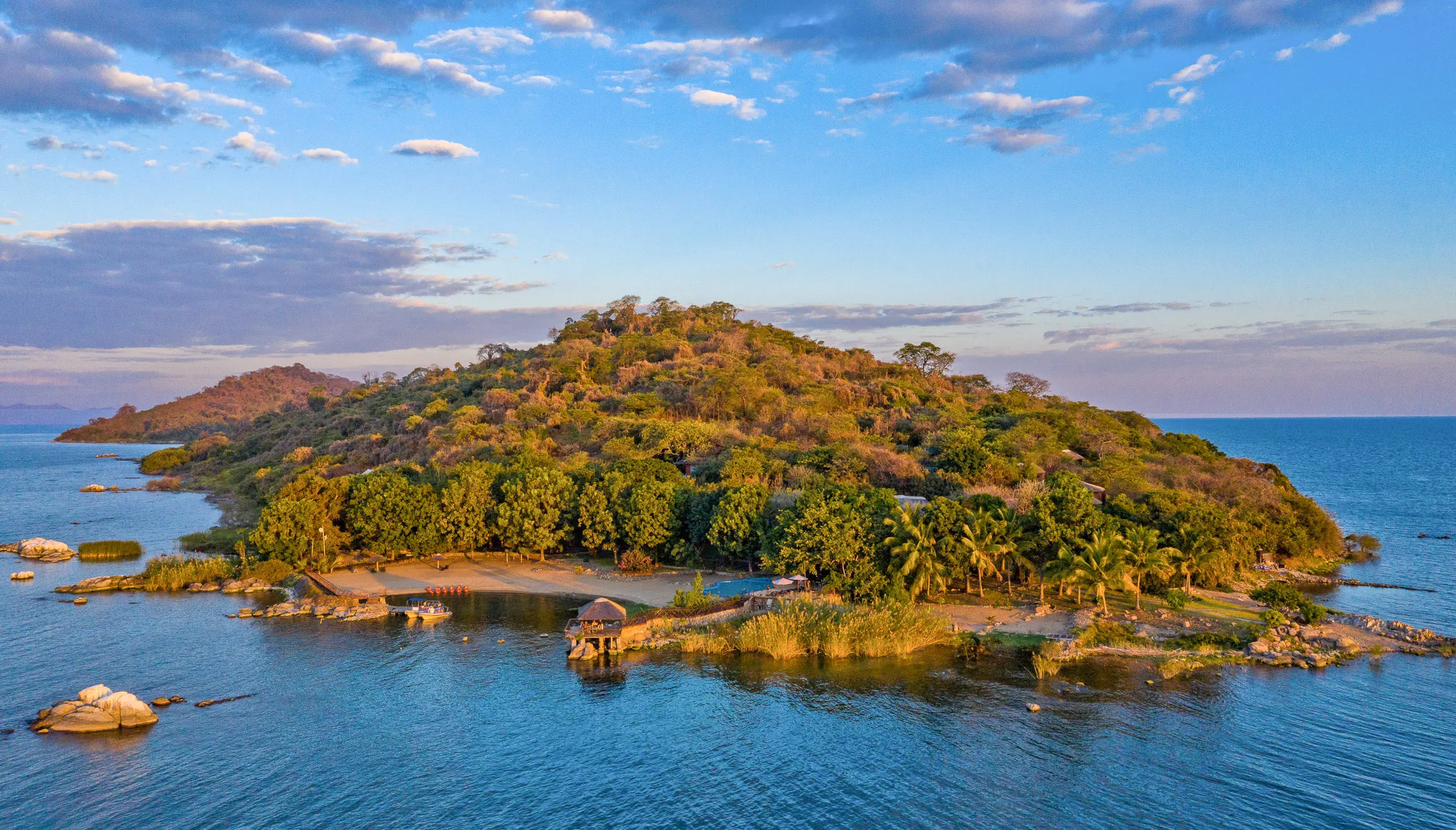
Lake Malawi is one of Africa’s great lakes and a defining feature of Malawi’s safari and travel experience. It fills a deep section of the Great Rift Valley and is surrounded by mountains, creating a striking combination of water, shoreline and highland scenery.
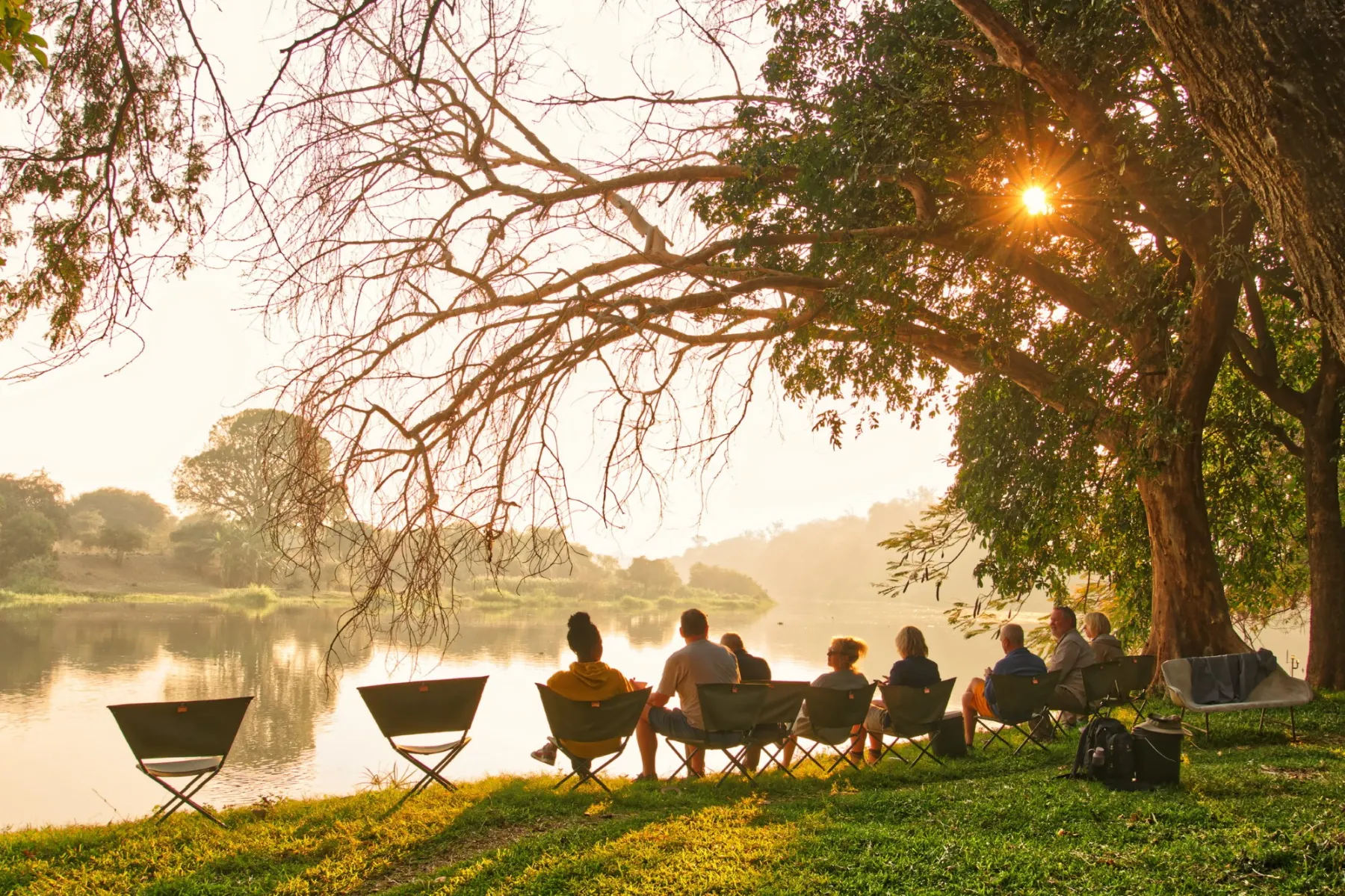
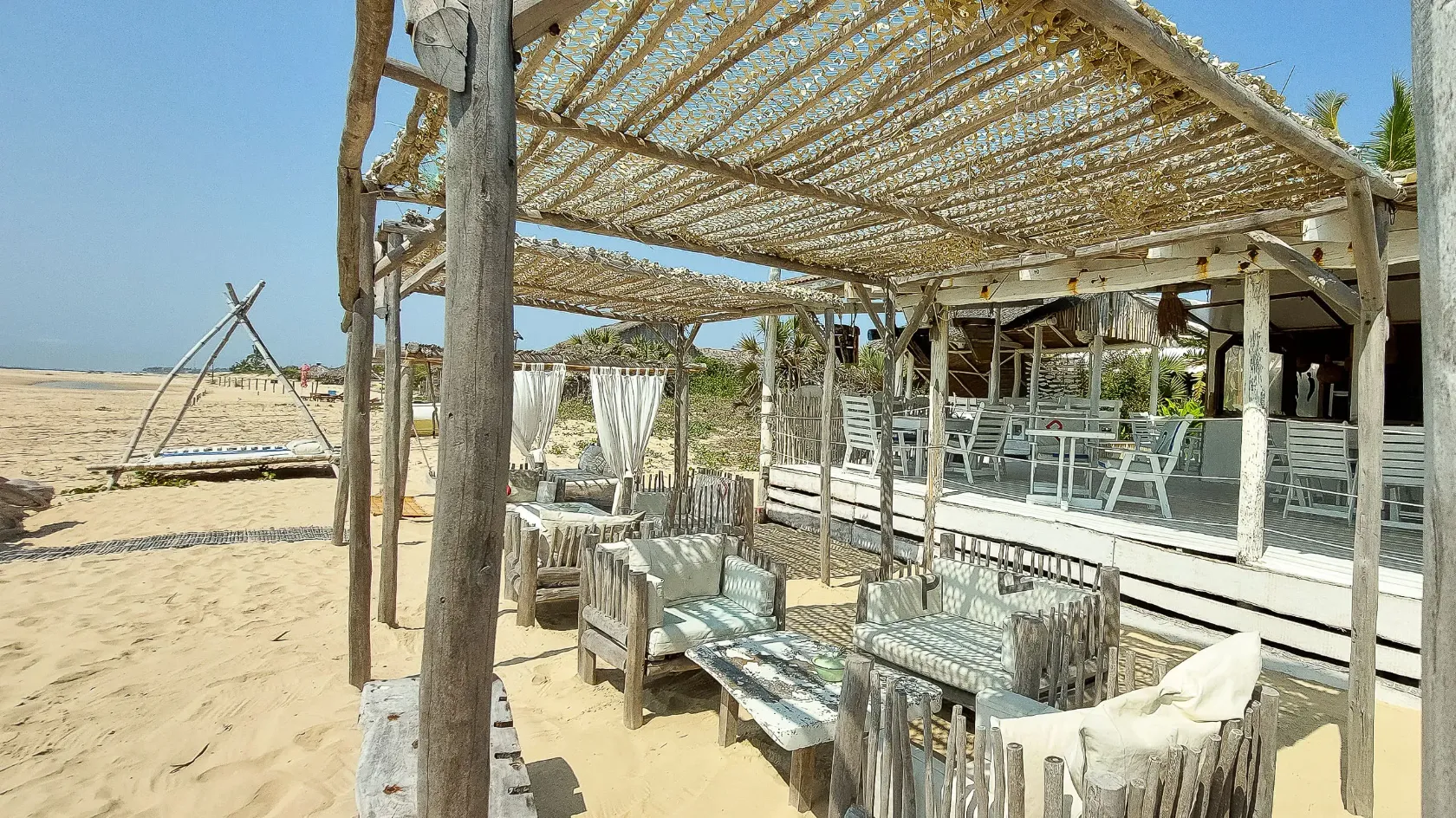
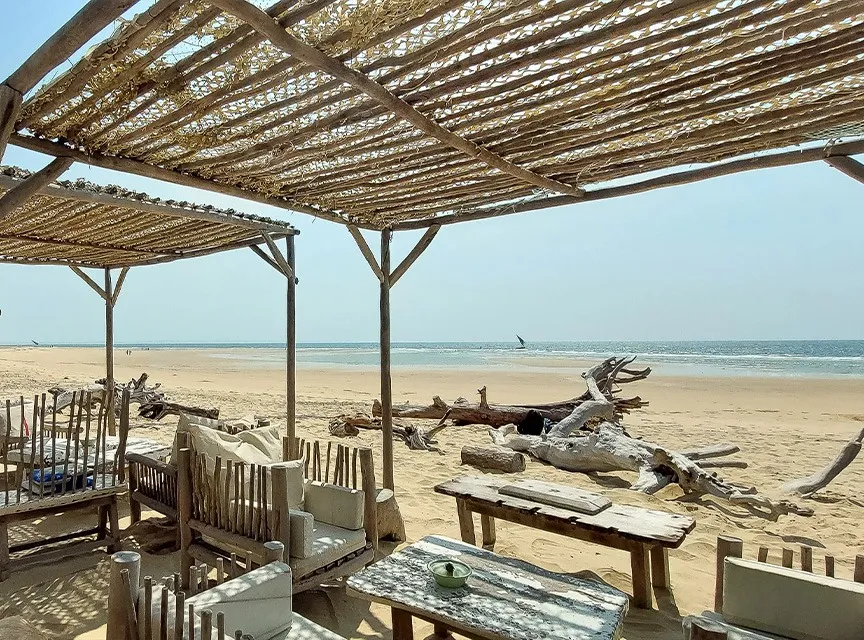
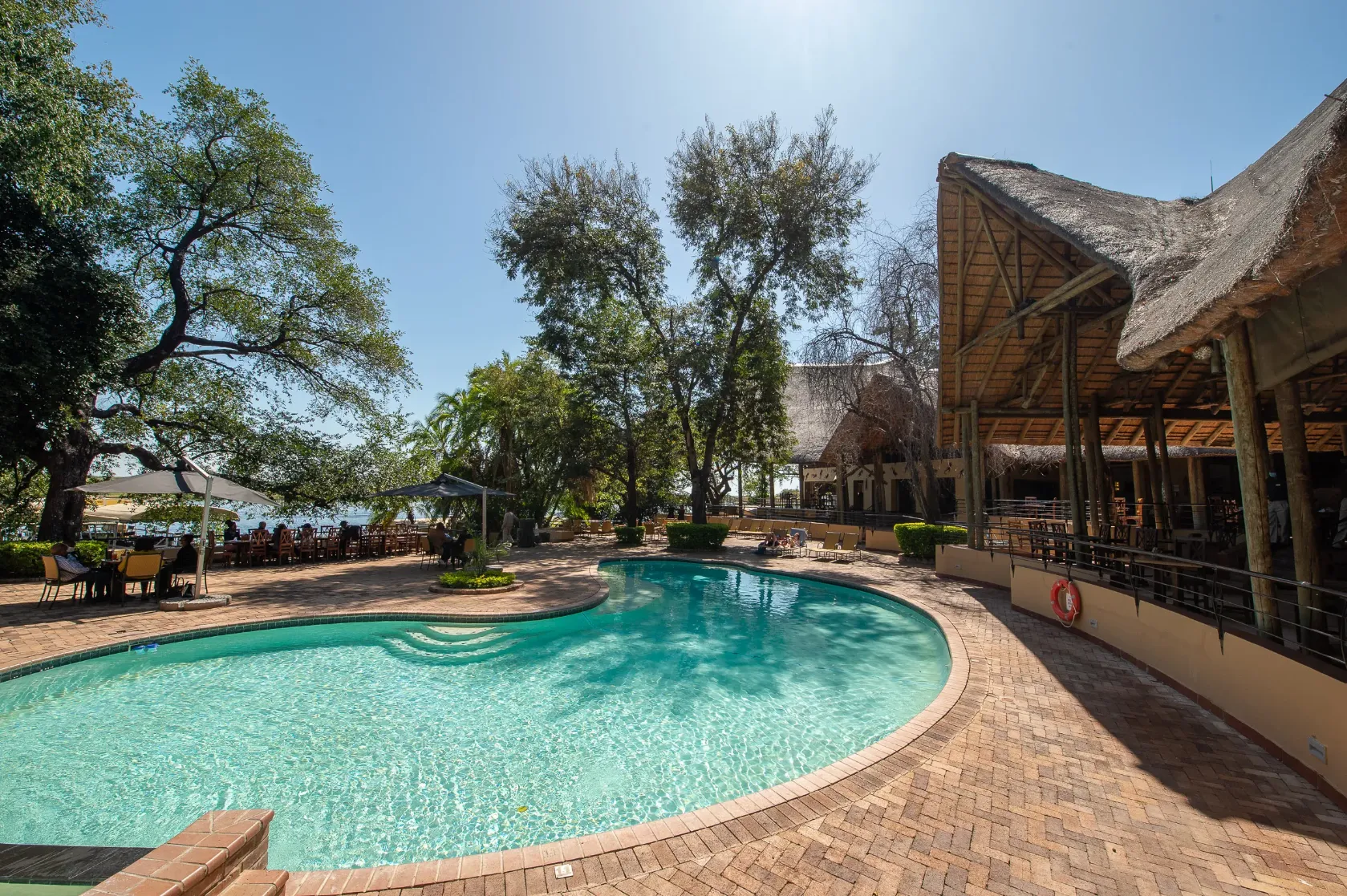
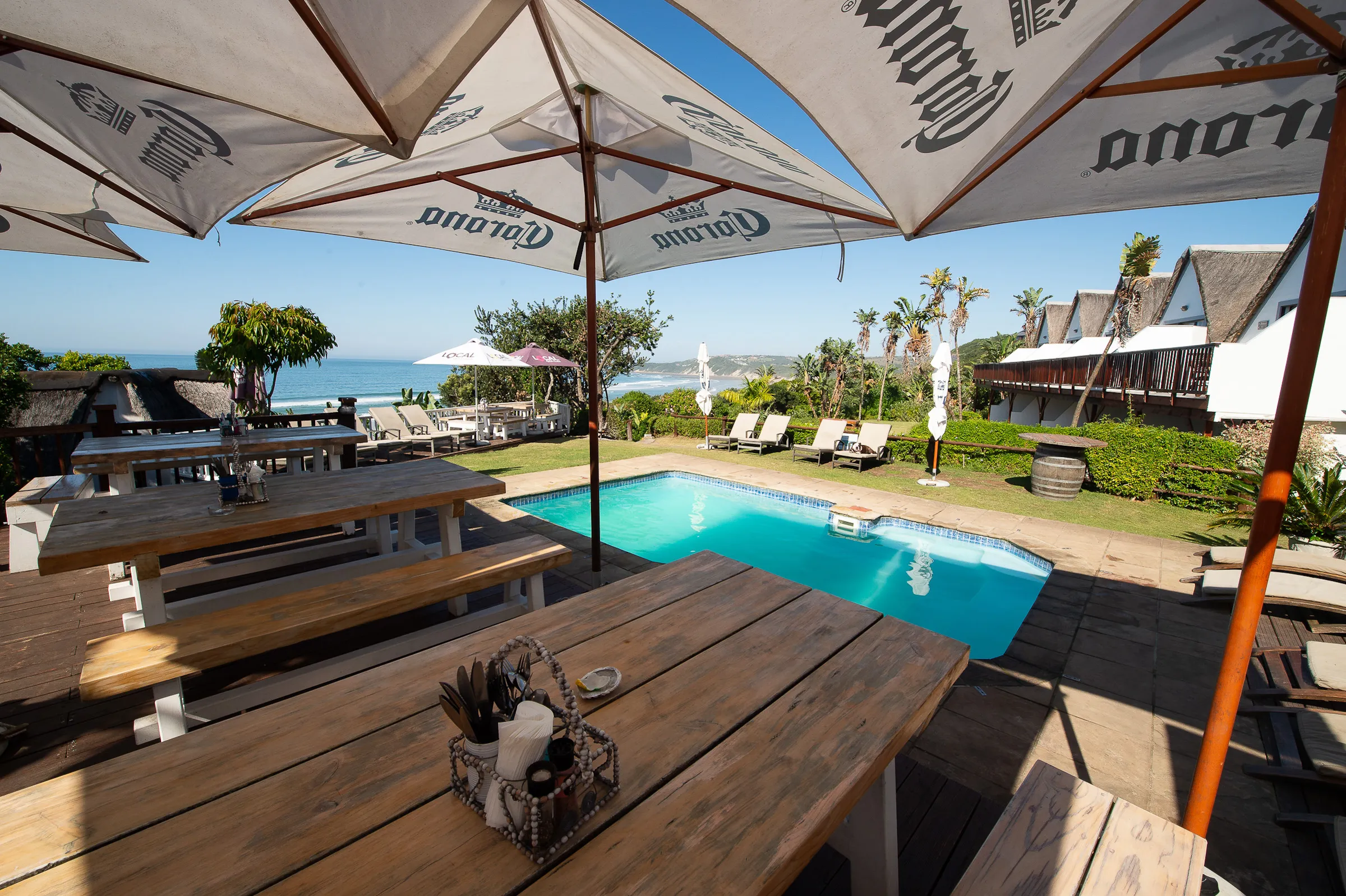
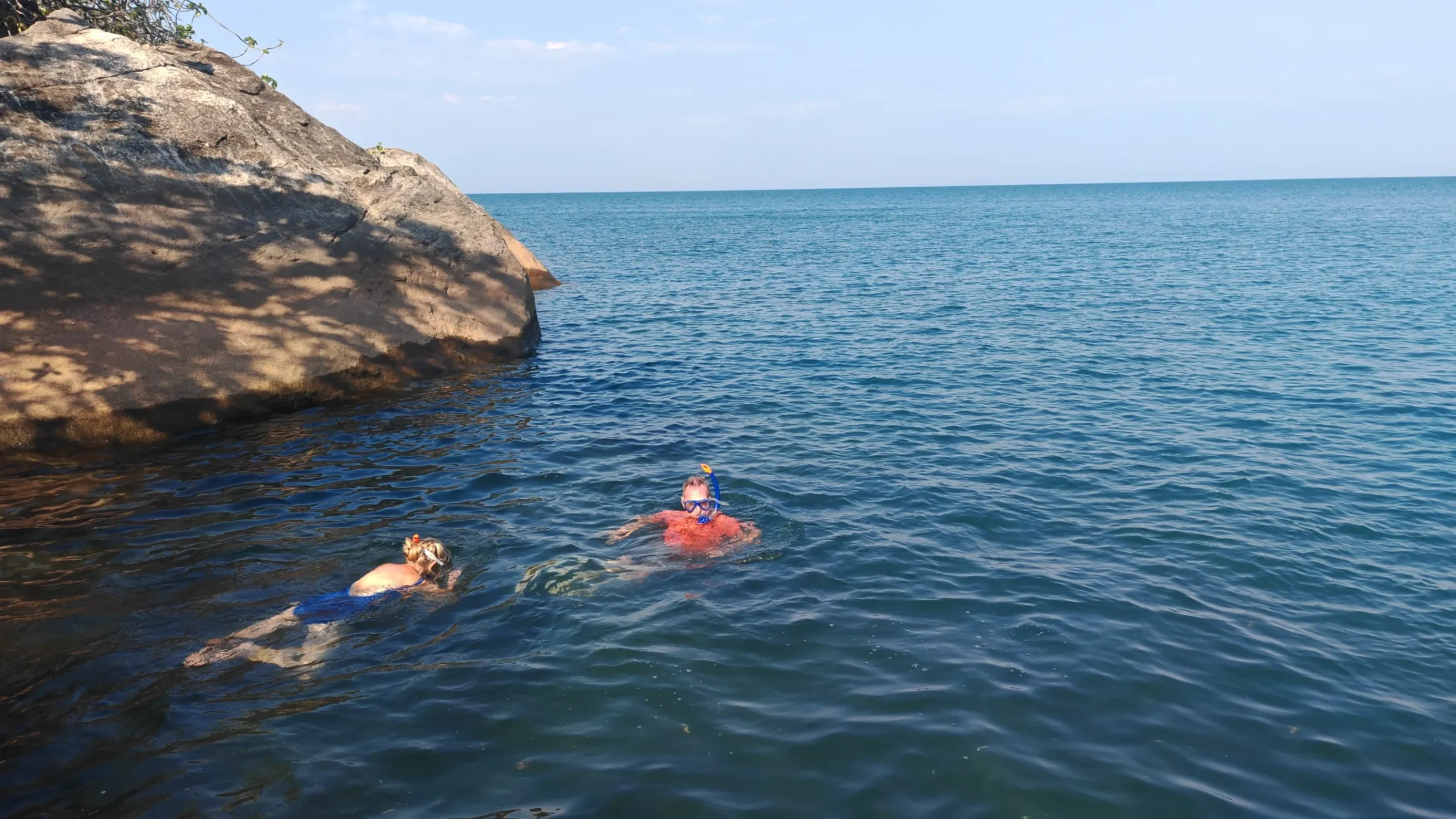
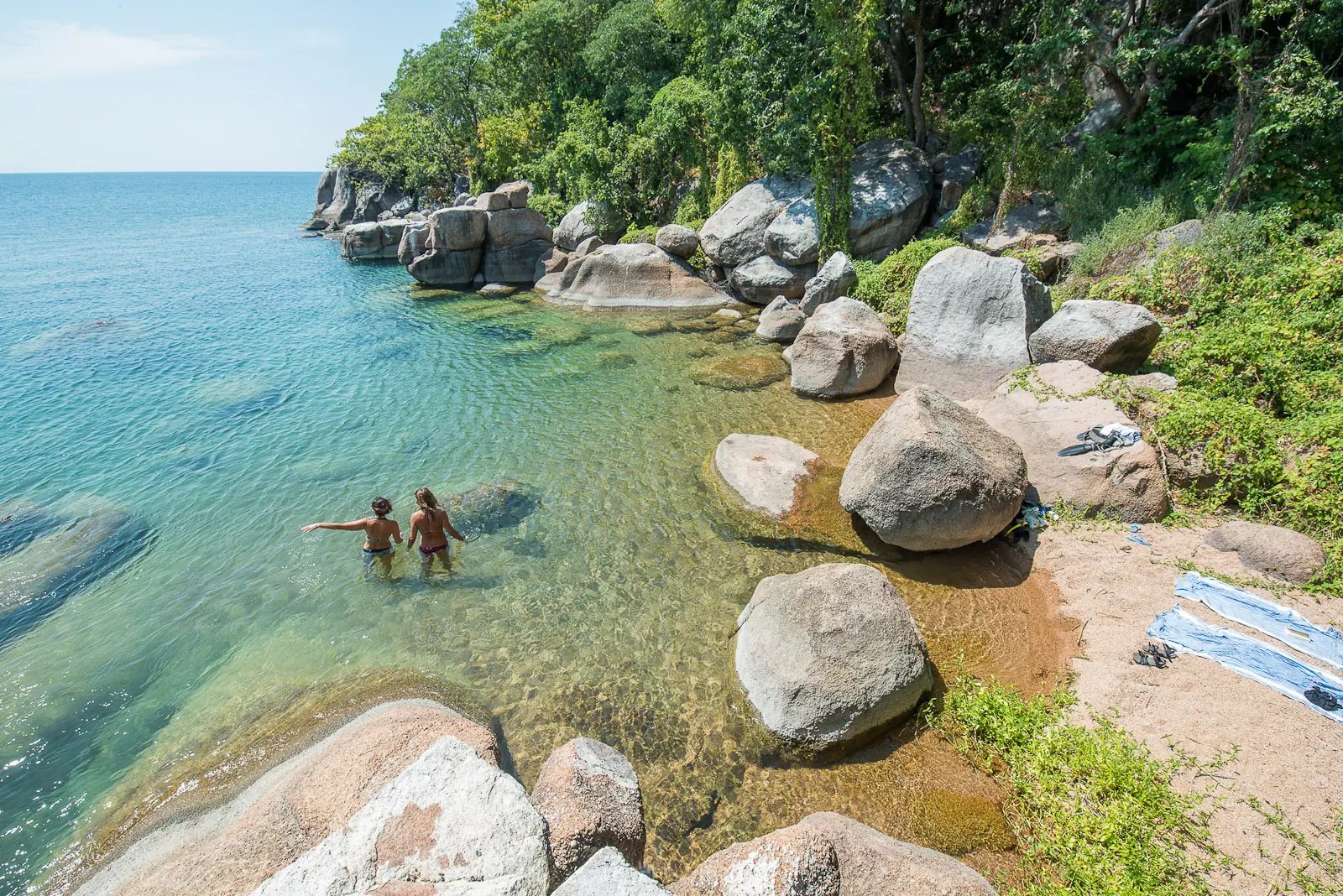
The lake is well known for its clear, warm freshwater and its long stretches of sandy beaches, making it a popular destination for relaxation after safari travel in Southern Africa.
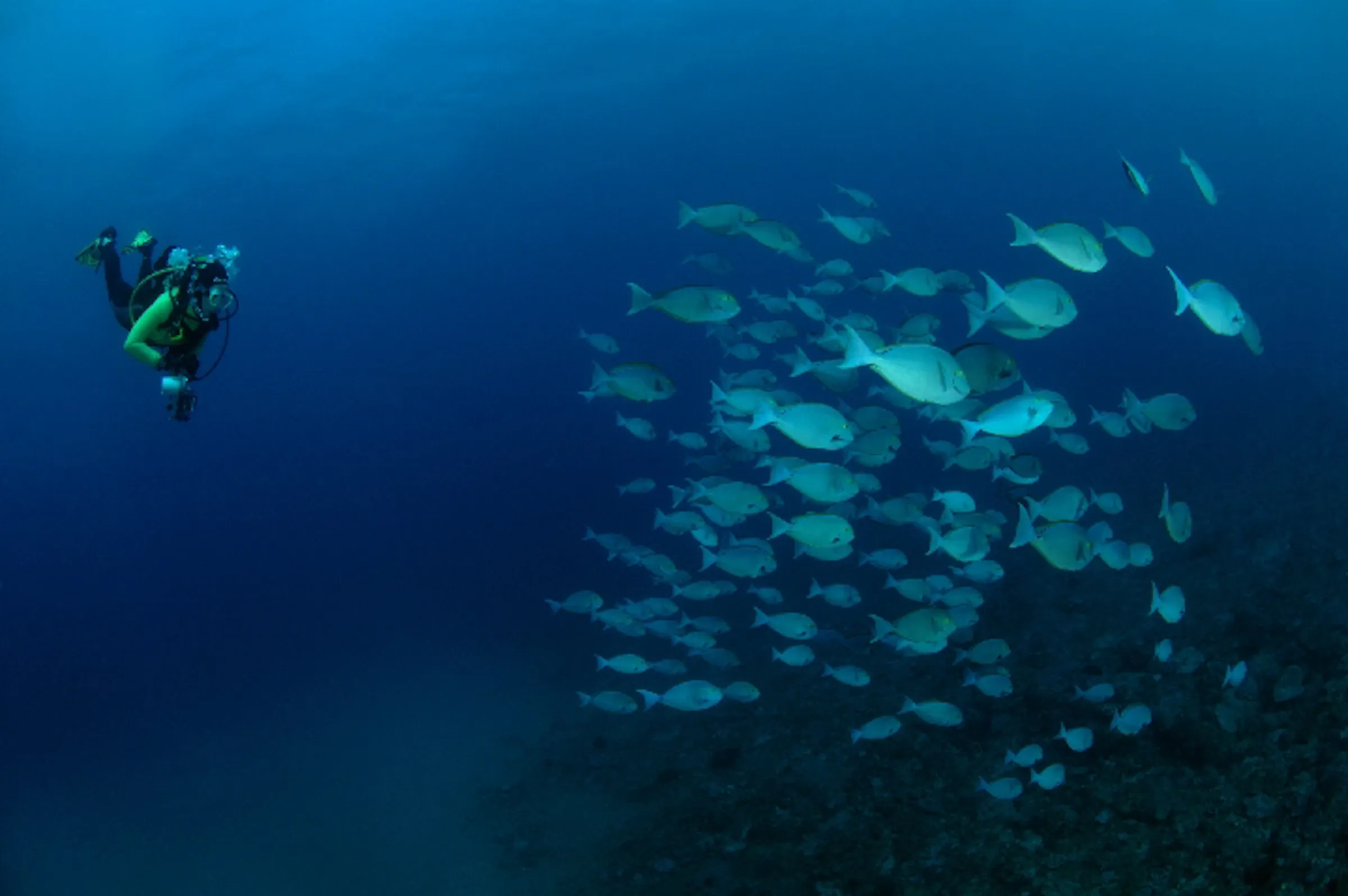
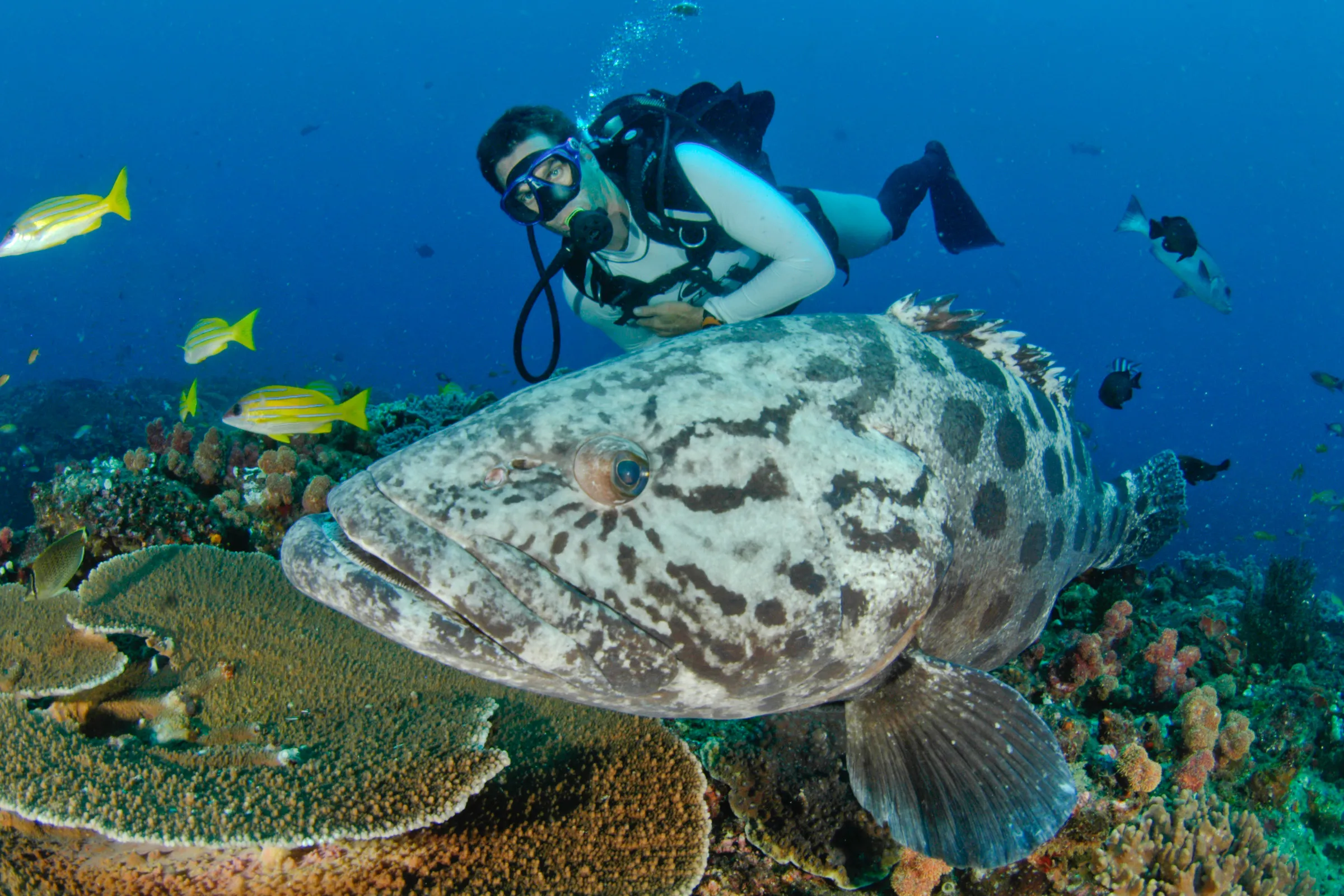
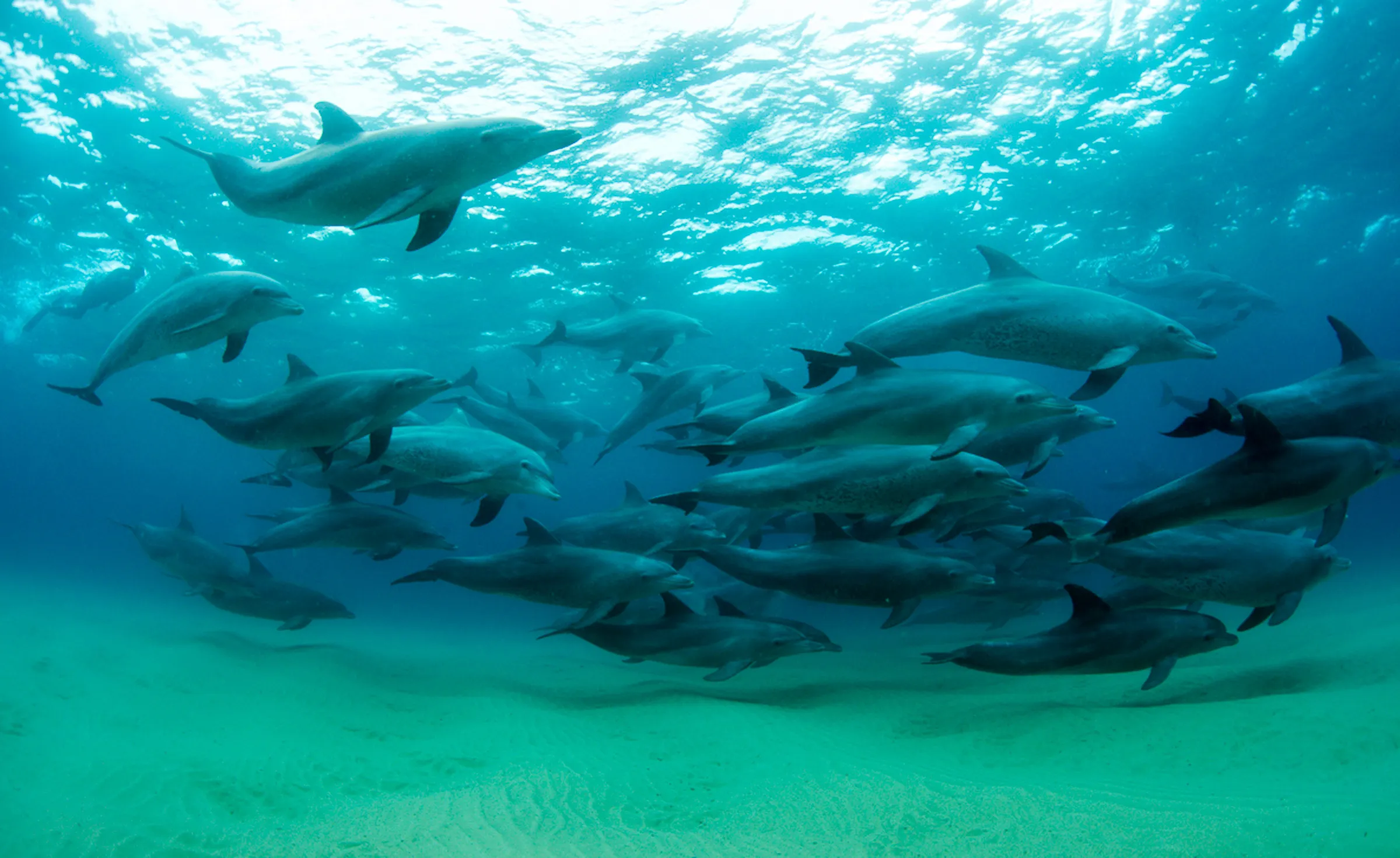
Lake Malawi is also one of the most biologically diverse freshwater ecosystems in the world. It is home to an estimated 1,000 species of fish, including around 225 endemic species of colourful cichlids found nowhere else on earth.
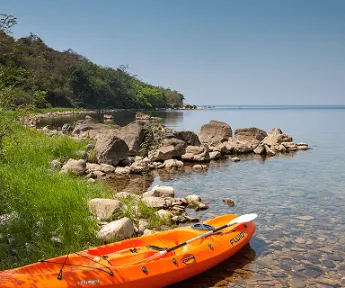
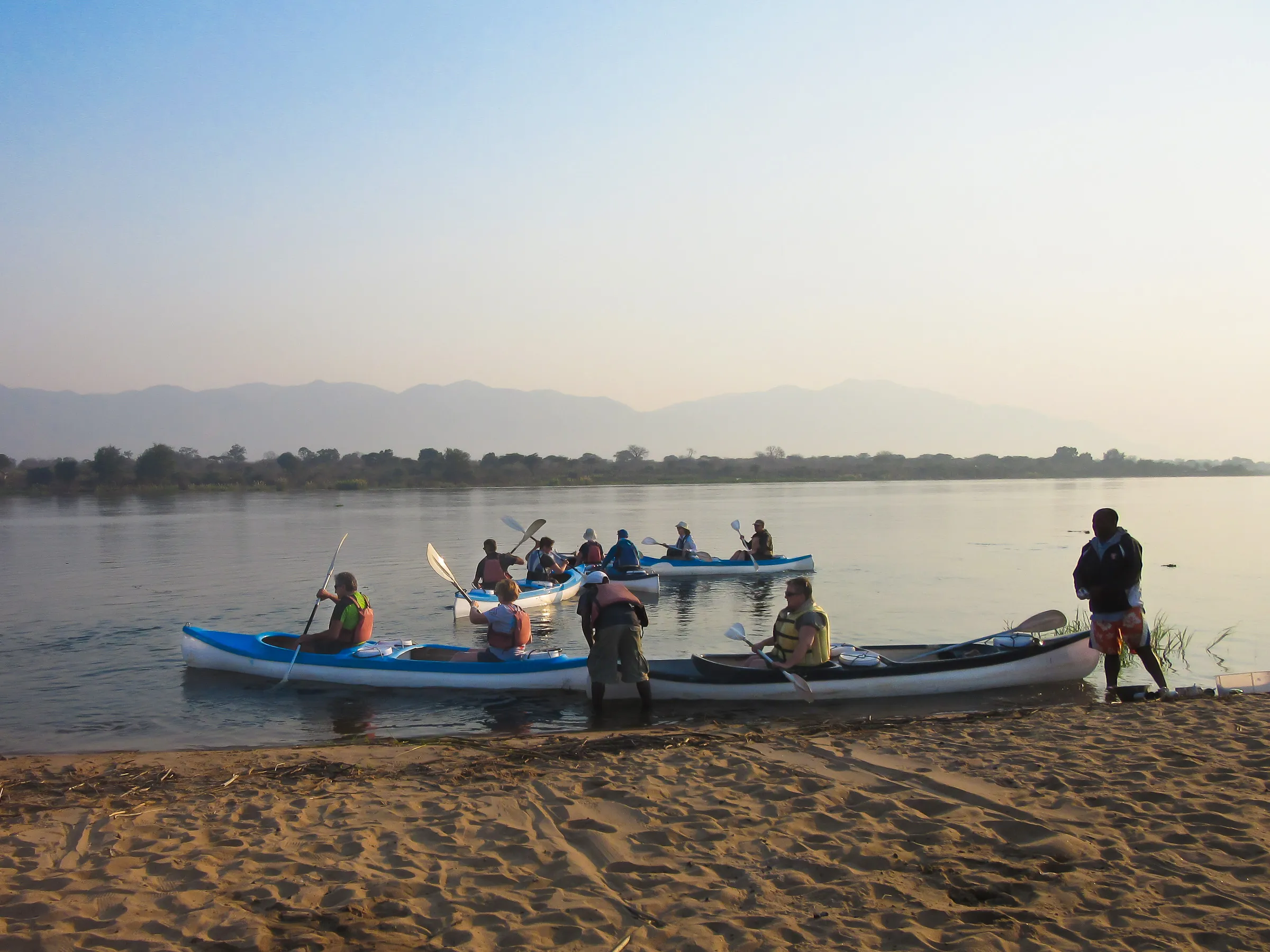
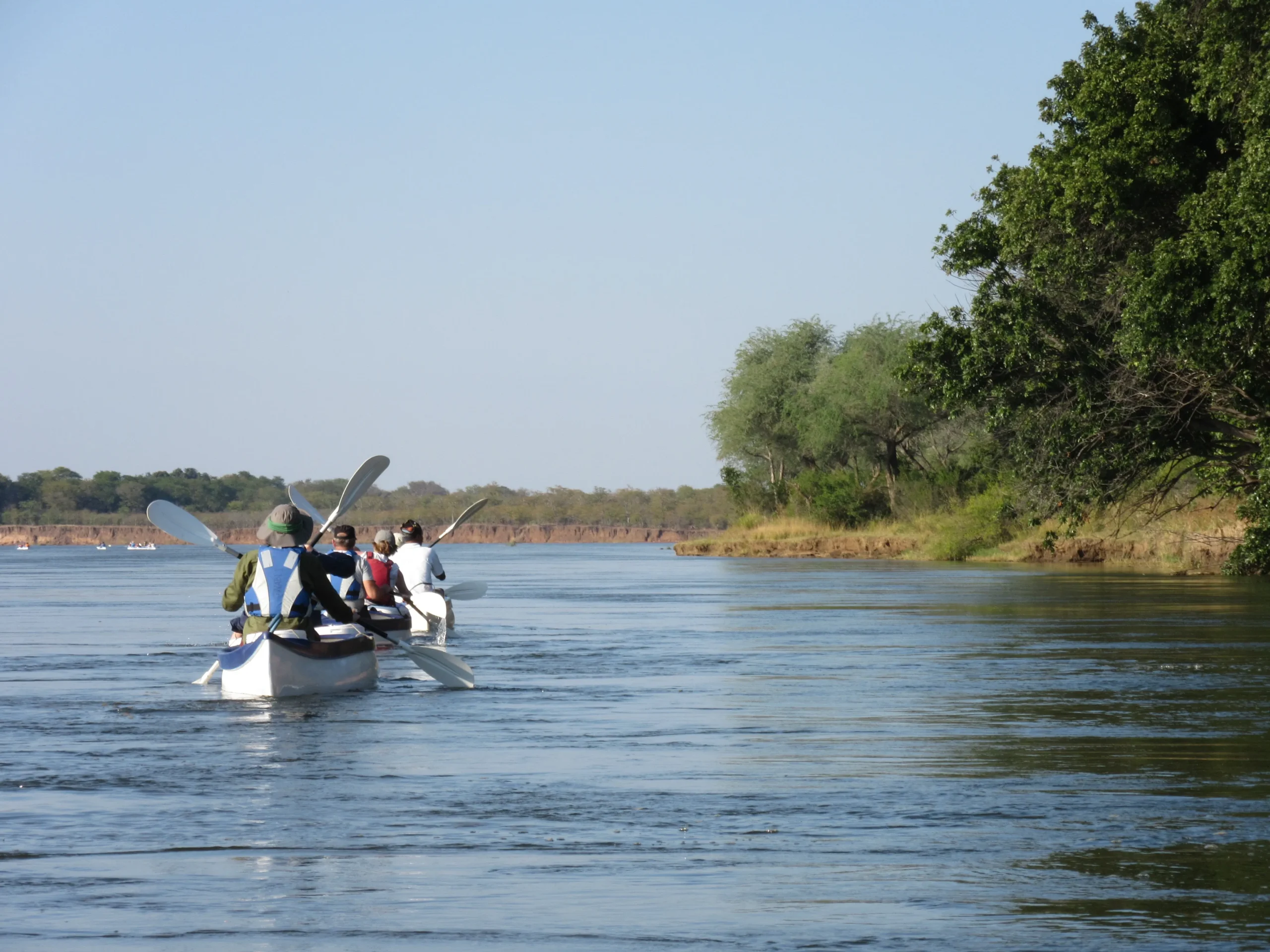
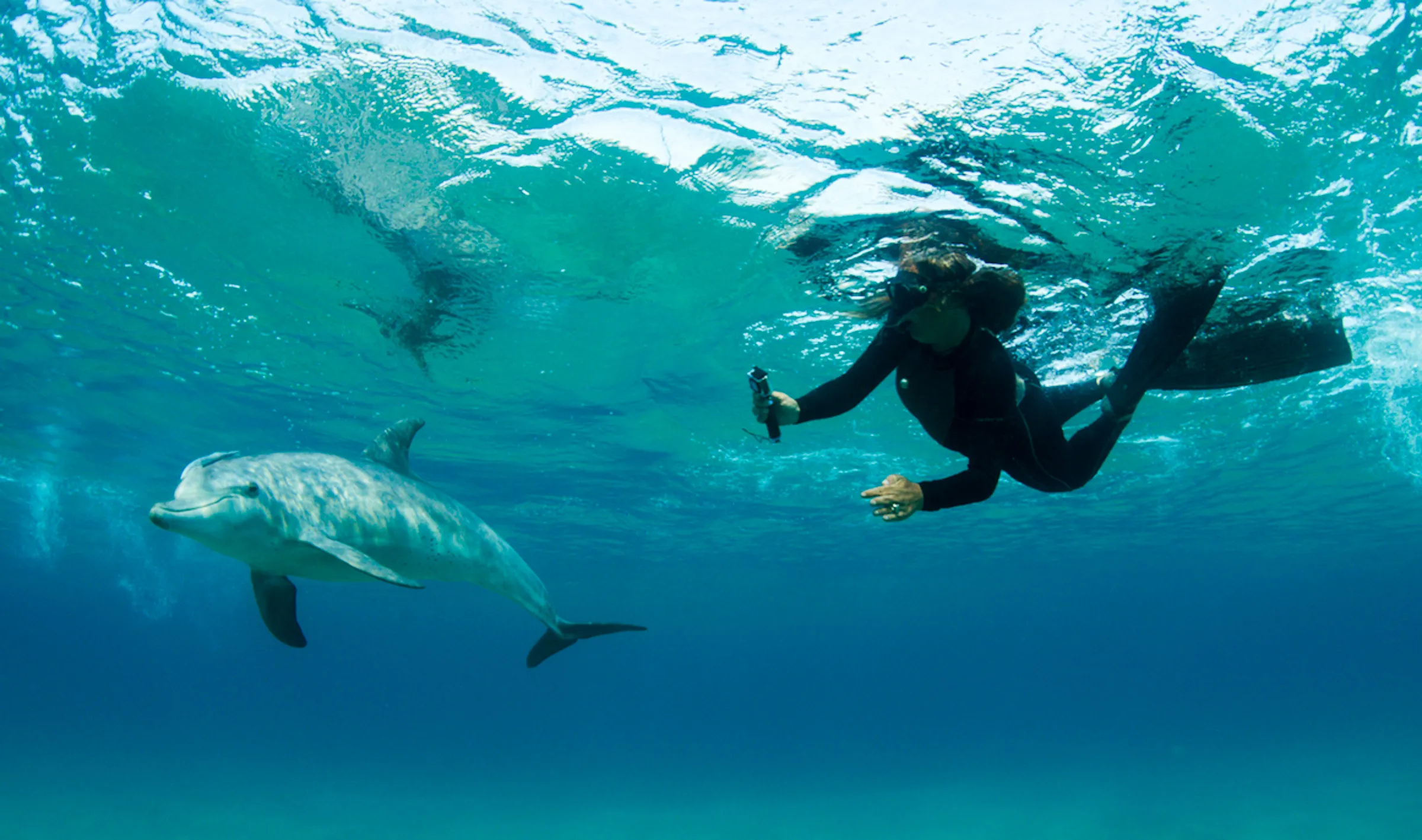
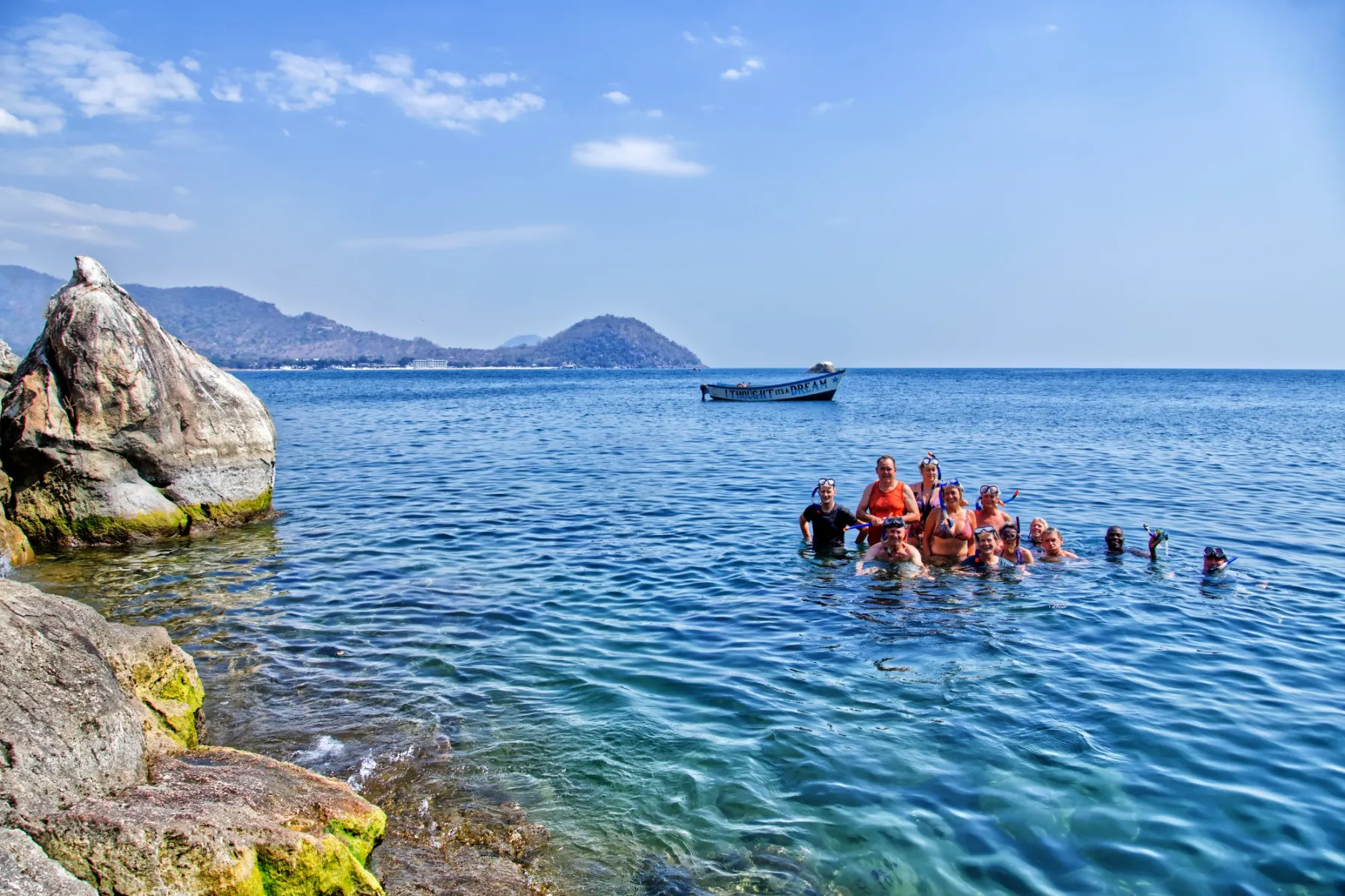
Travellers can enjoy swimming, snorkelling and kayaking in the calm waters, with excellent visibility and a generally relaxed coastal atmosphere.
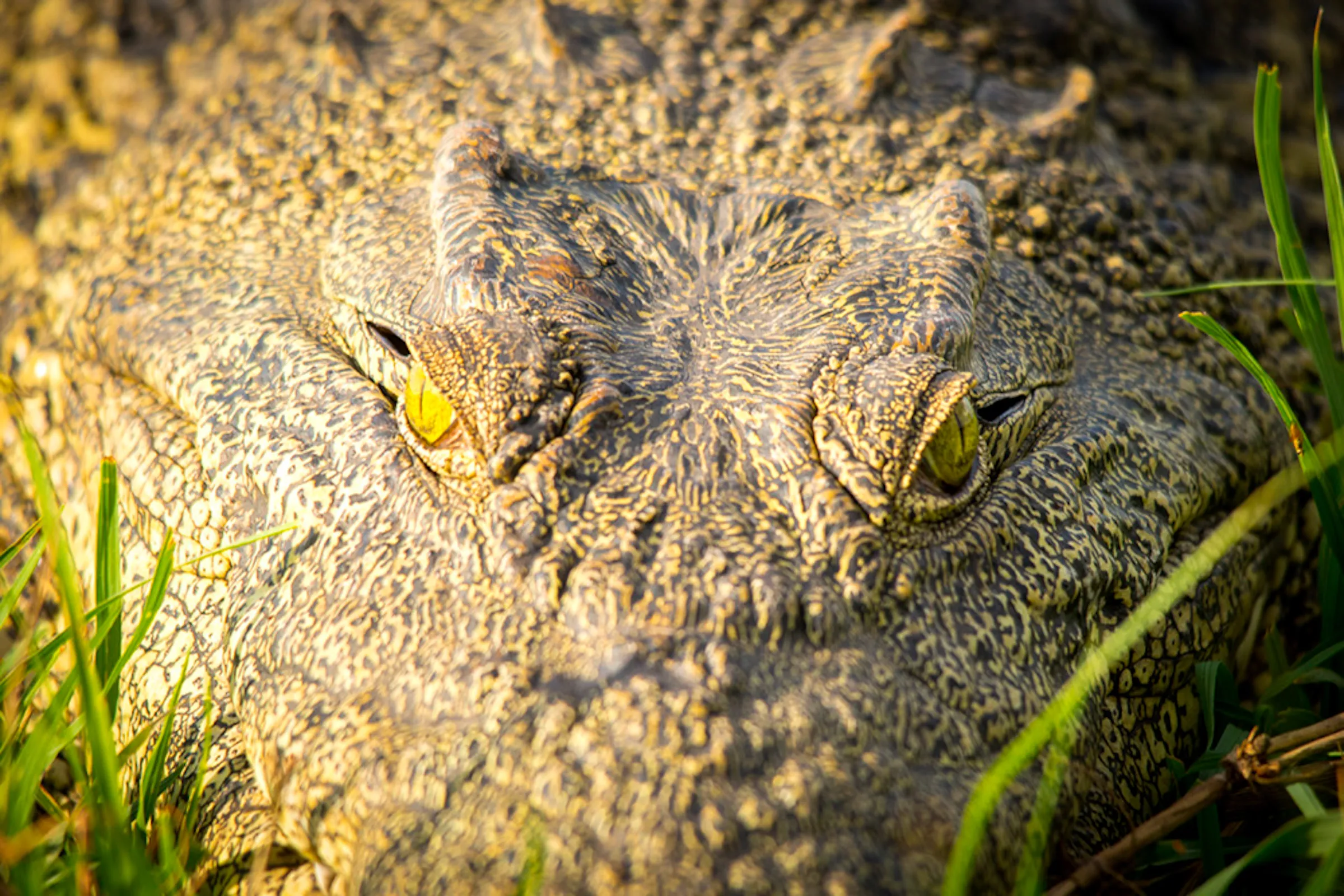
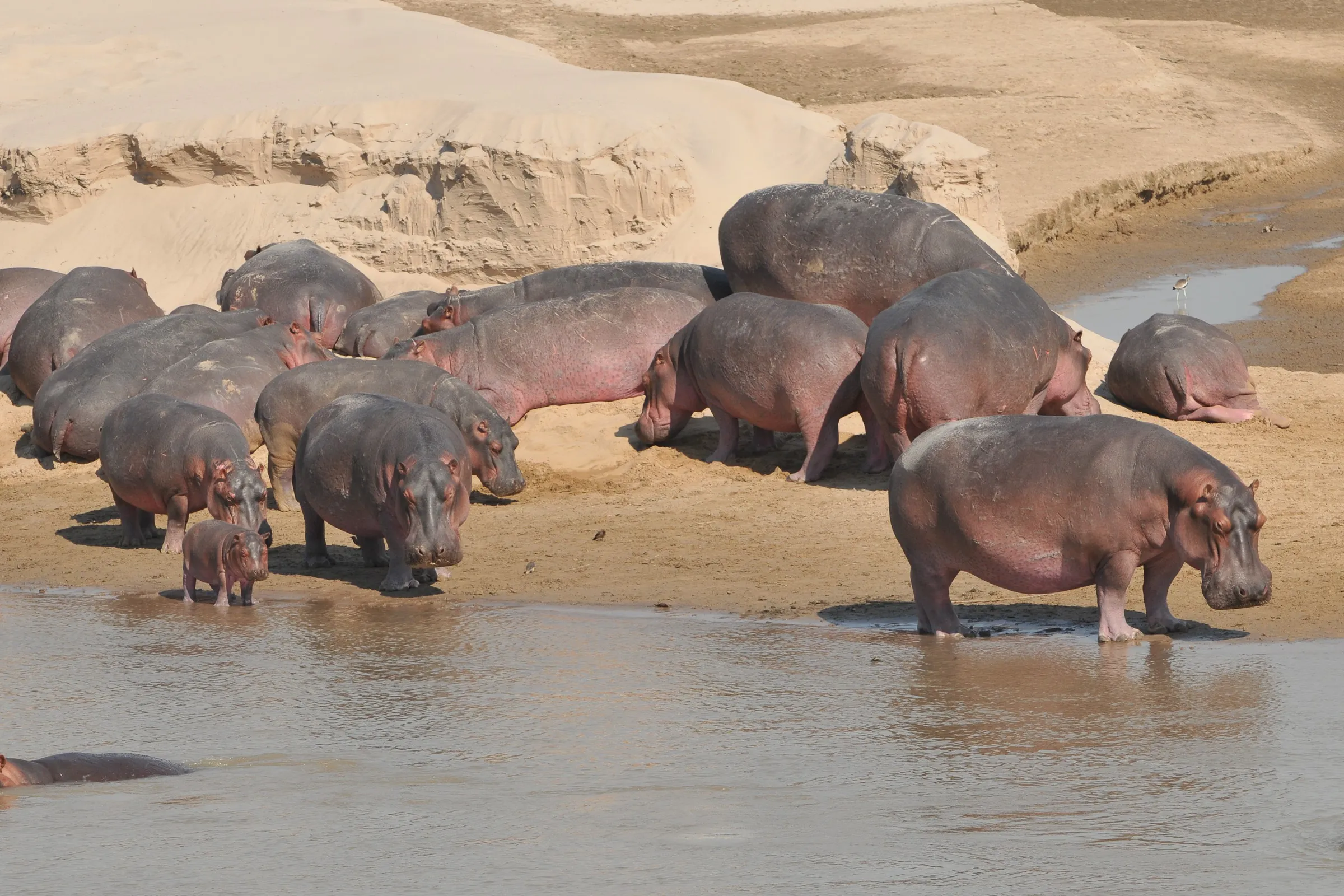
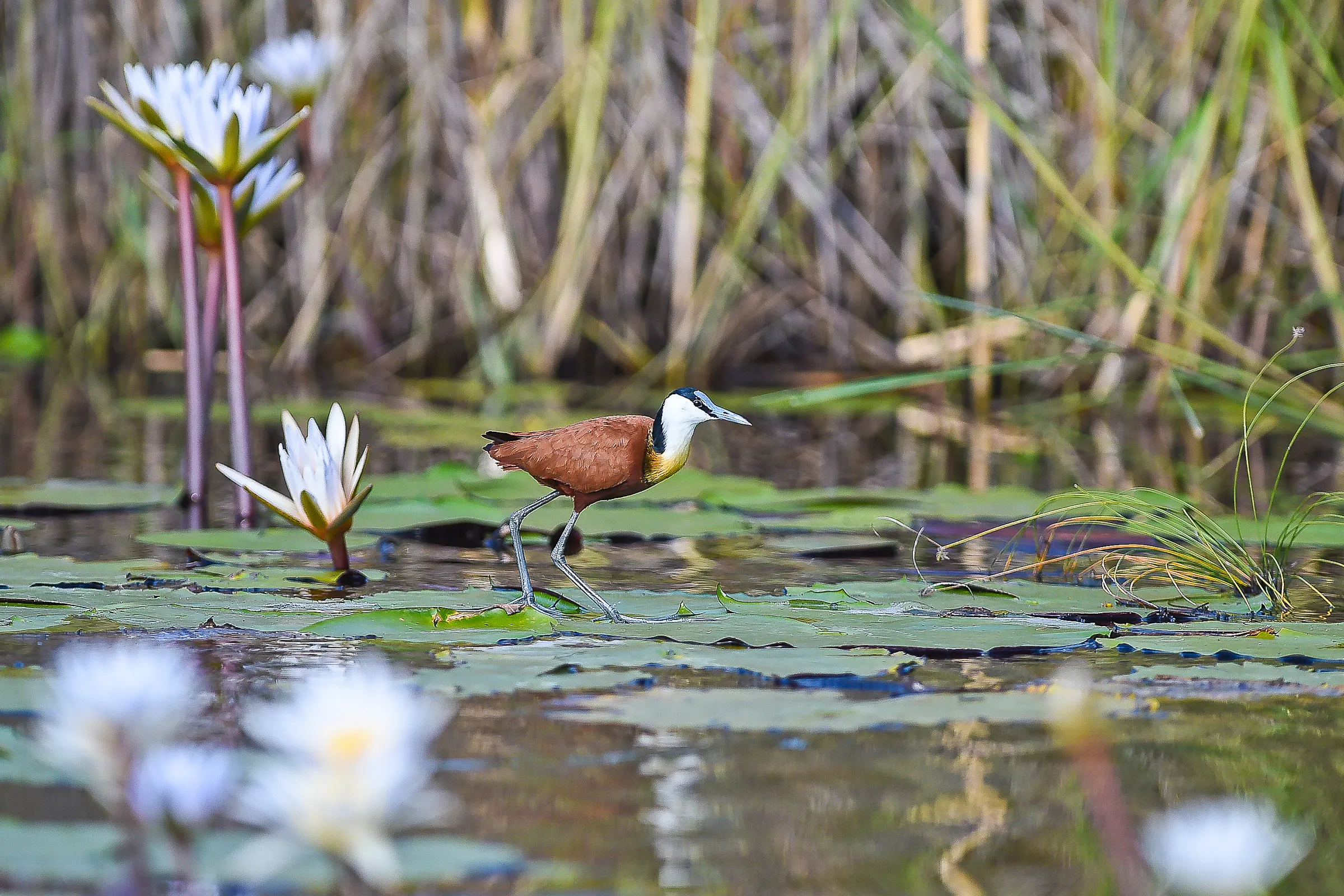
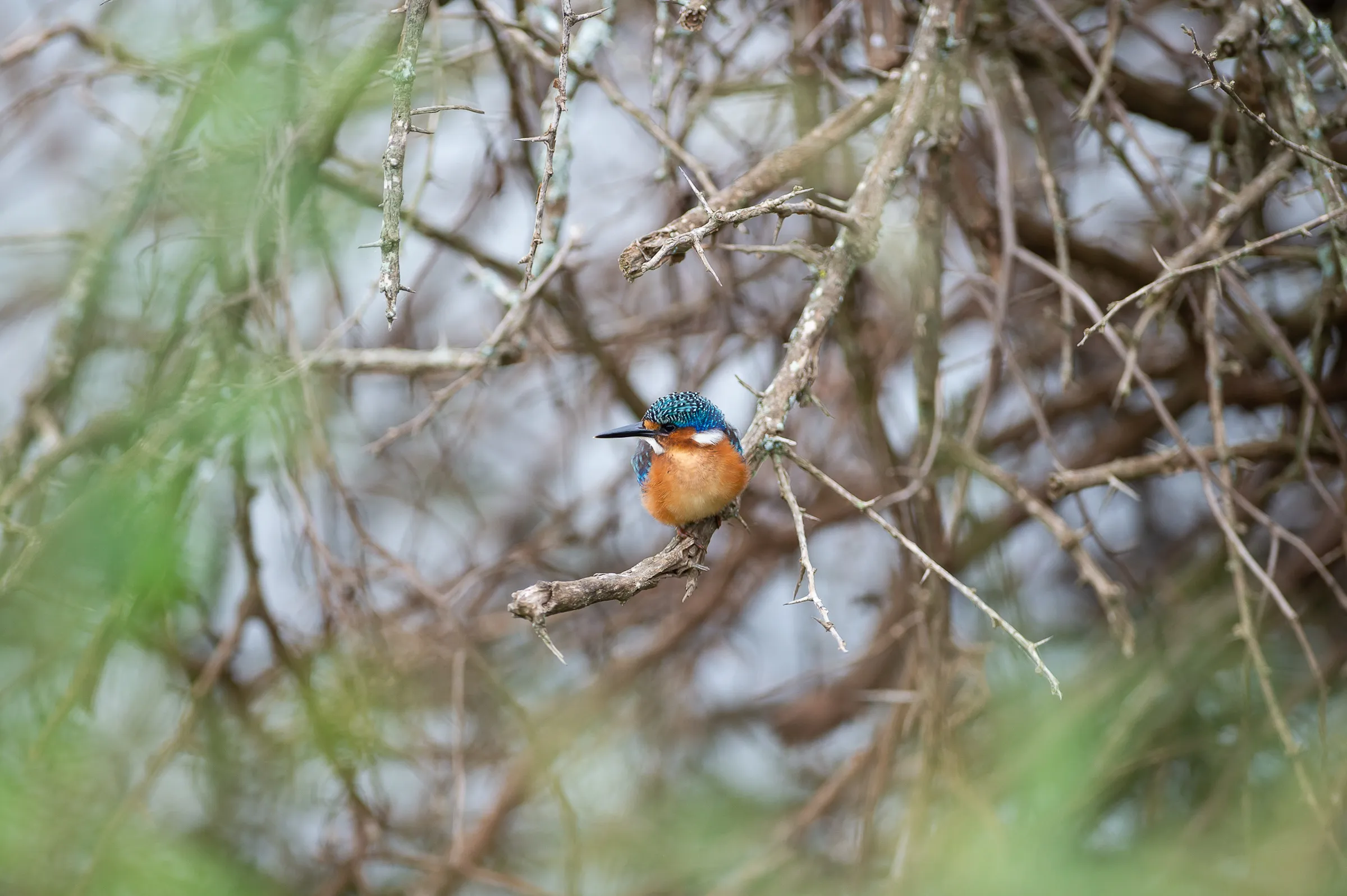
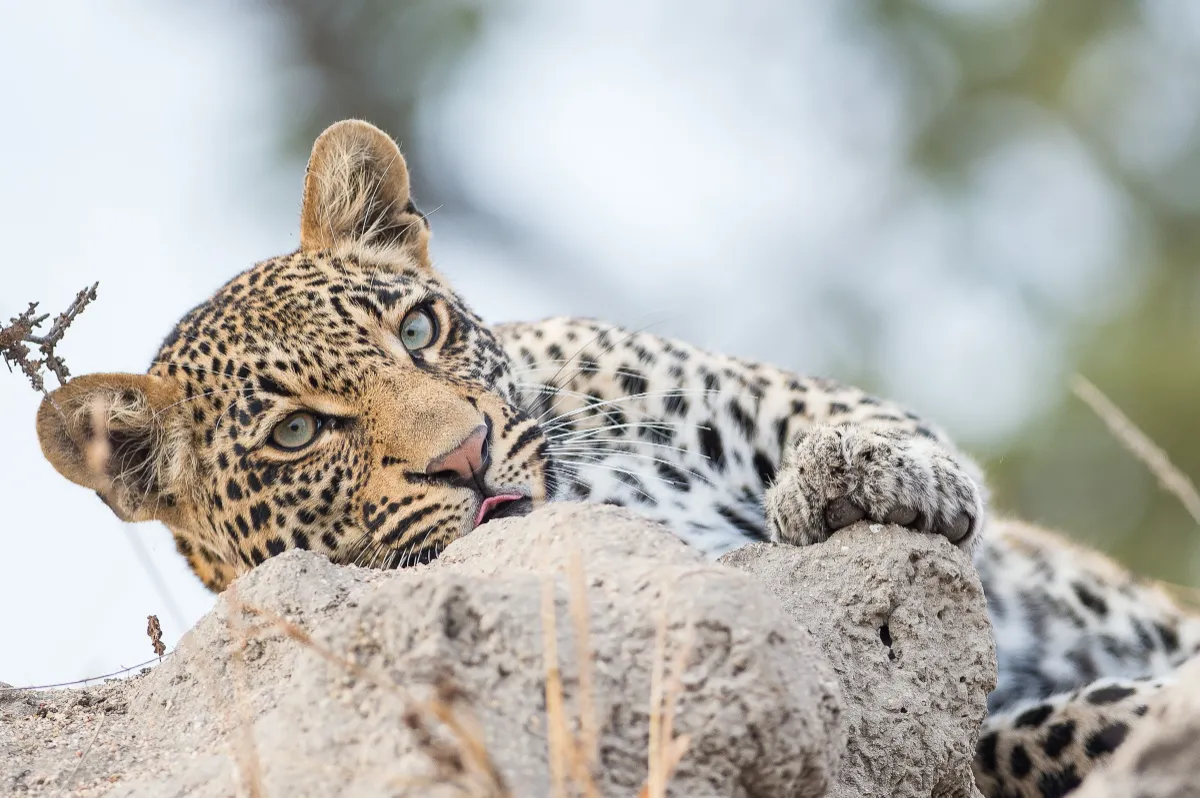
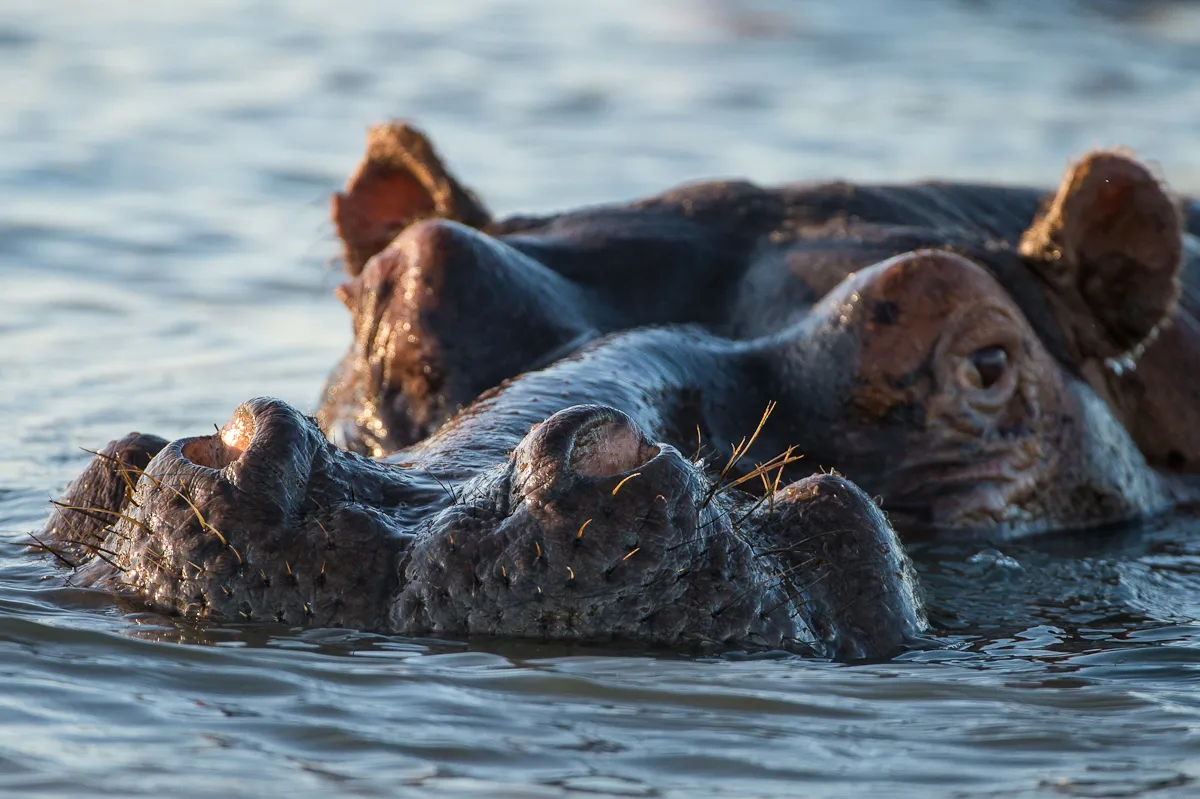
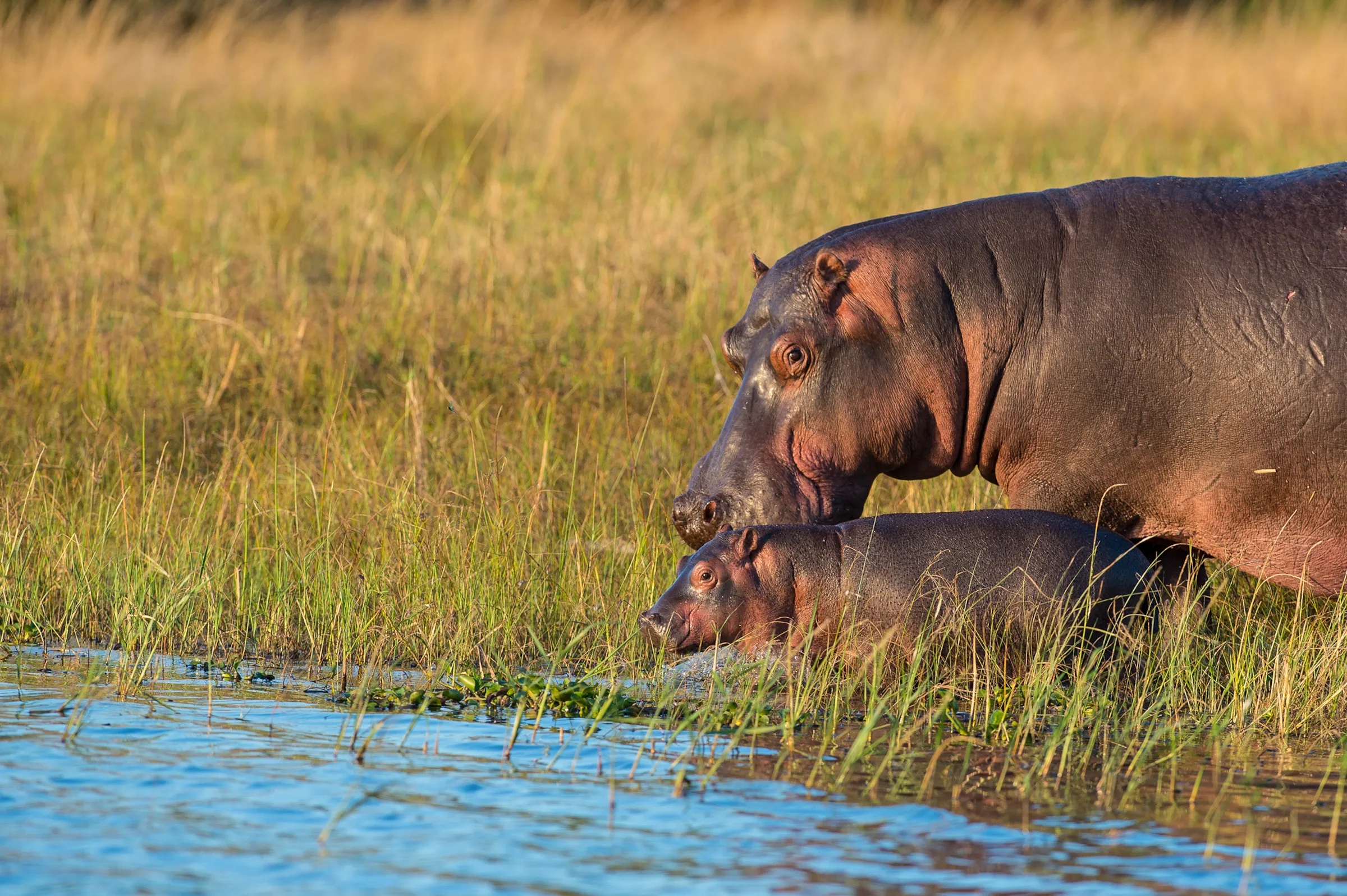
Wildlife is also present around the lake. Hippos and crocodiles inhabit deeper waters and river inlets, while birdlife is abundant, including African fish eagles, kingfishers and a wide range of waterbirds.
Liwonde National Park
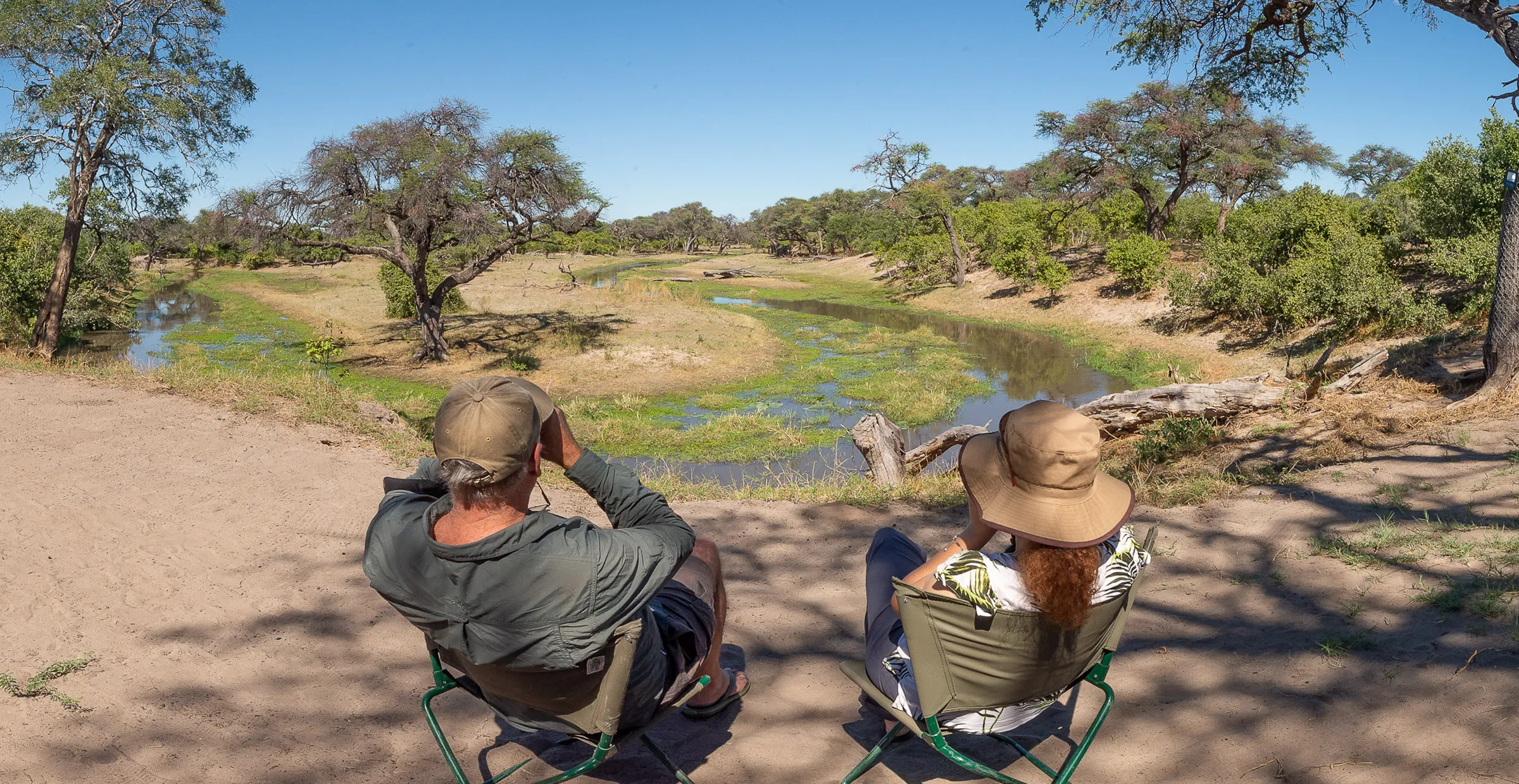
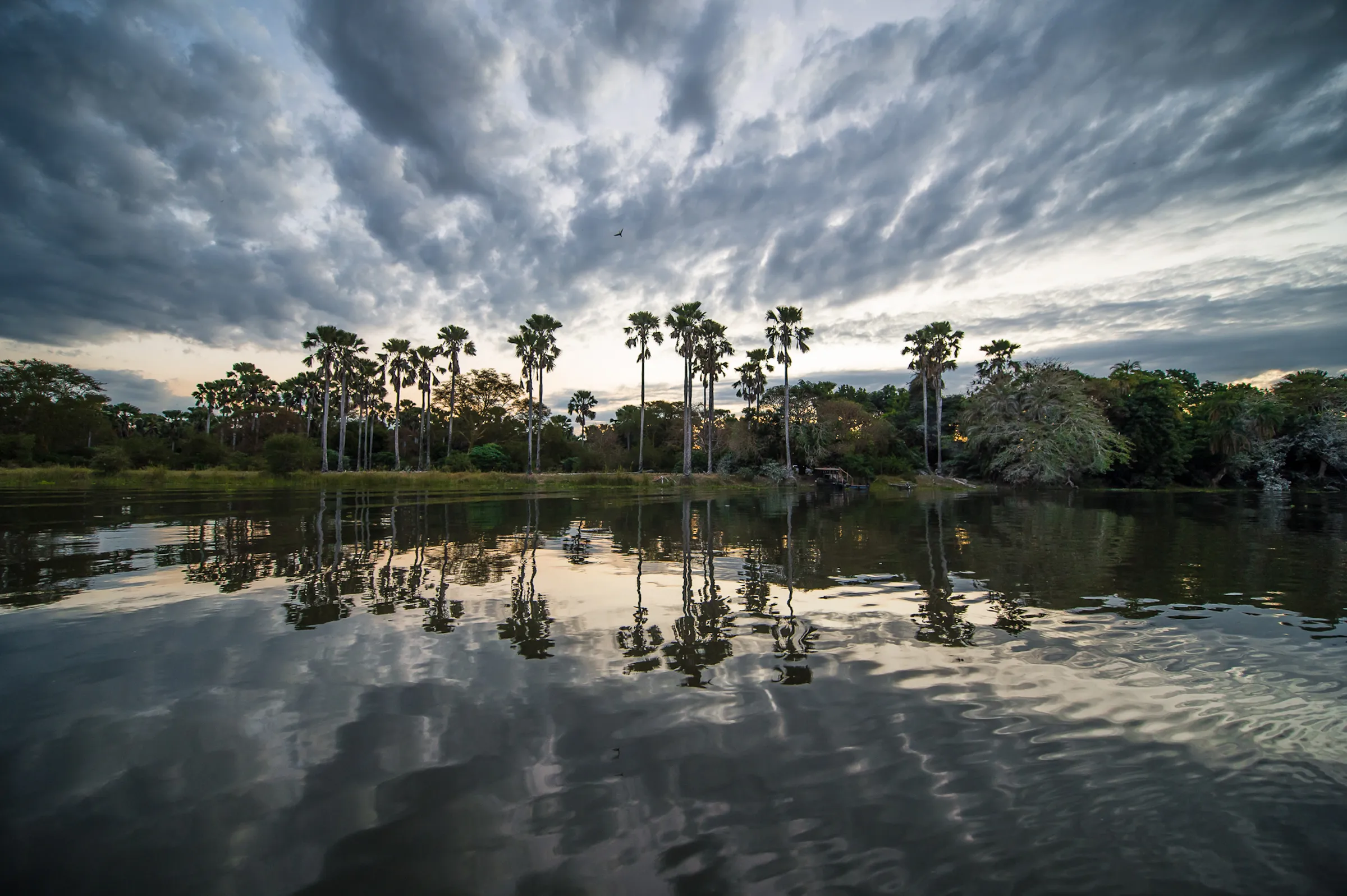
Liwonde National Park is one of Malawi’s premier wildlife destinations, located in the south of the country along the Shire River as it flows out of Lake Malawi.
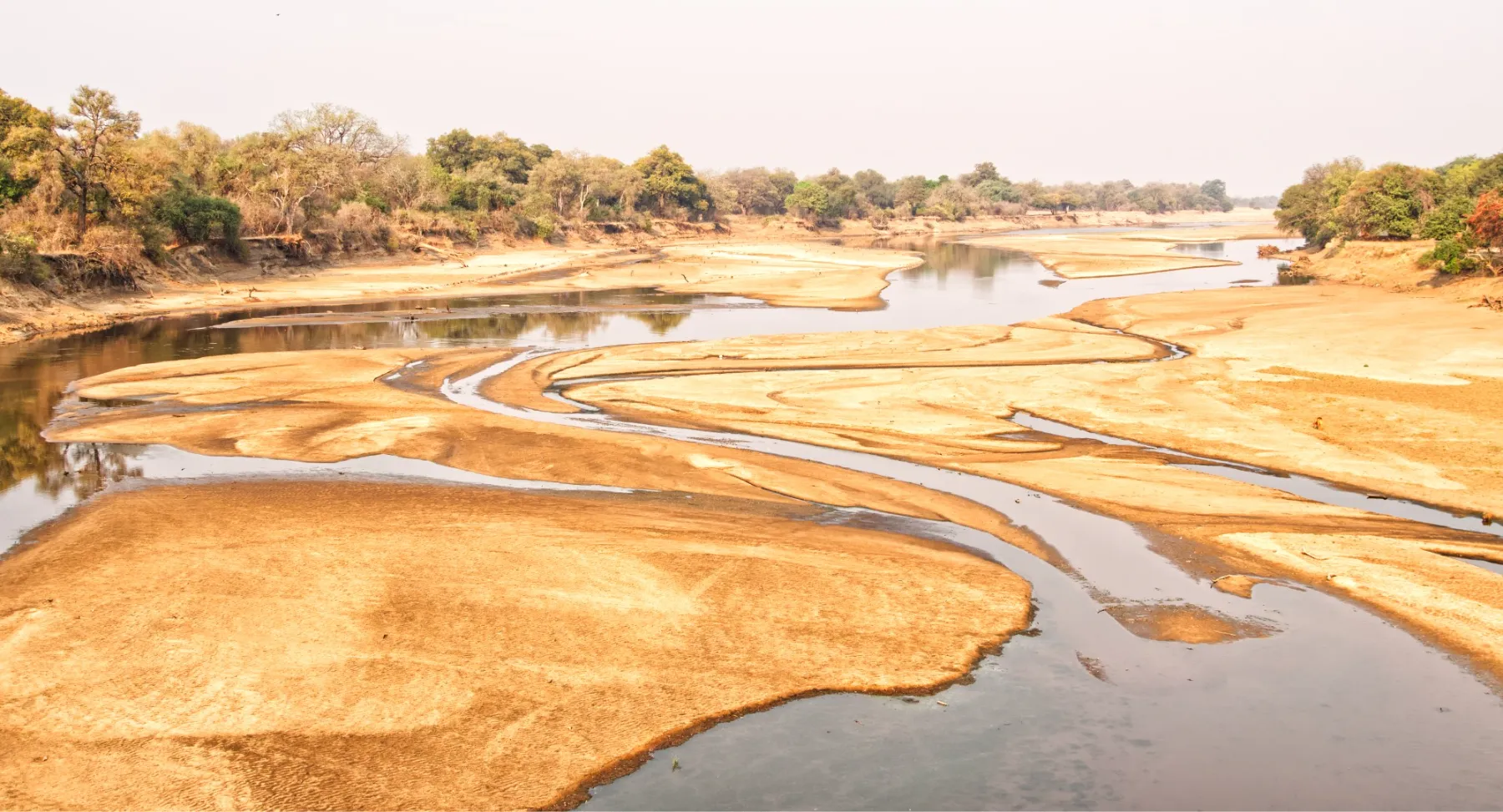
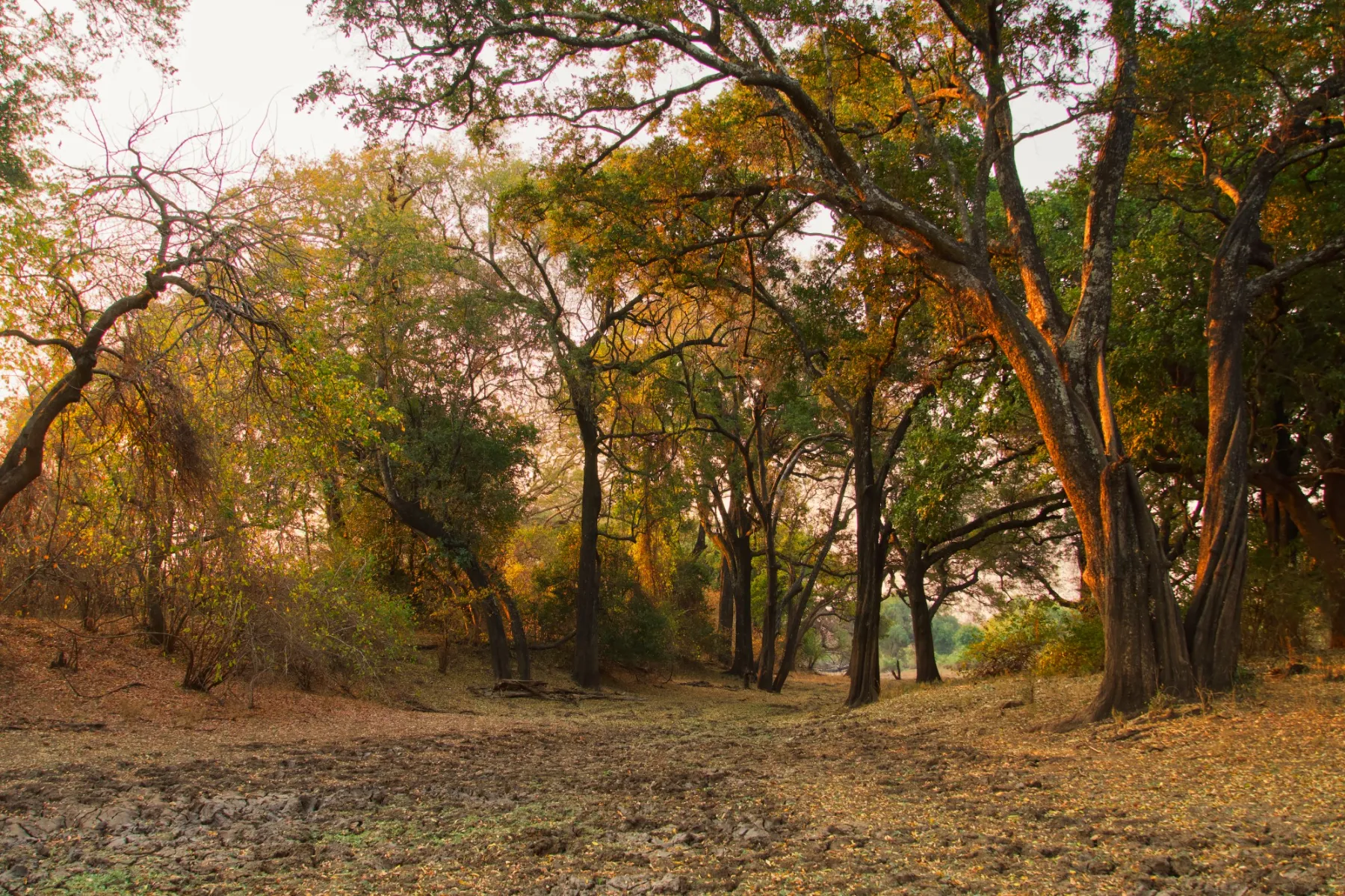
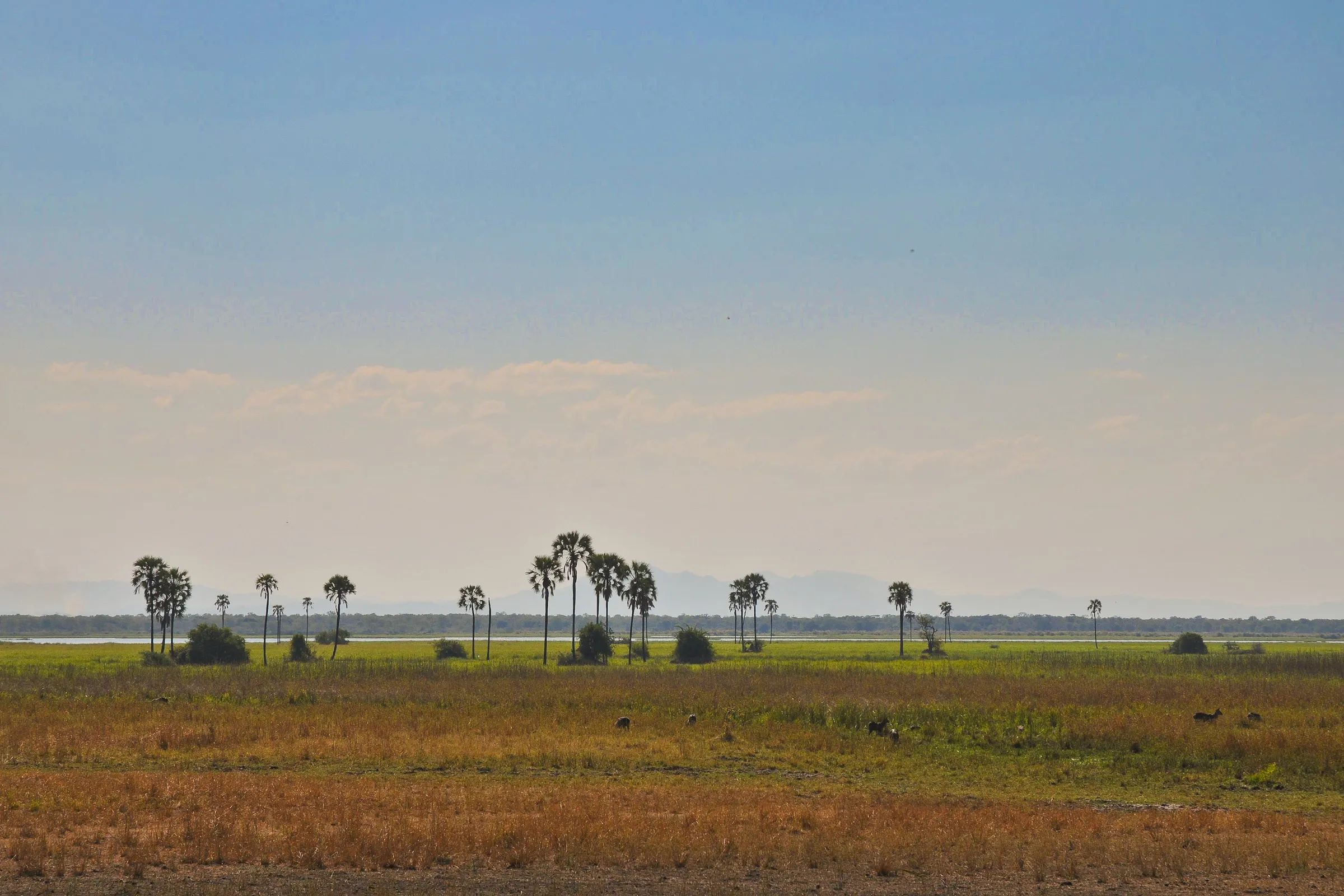
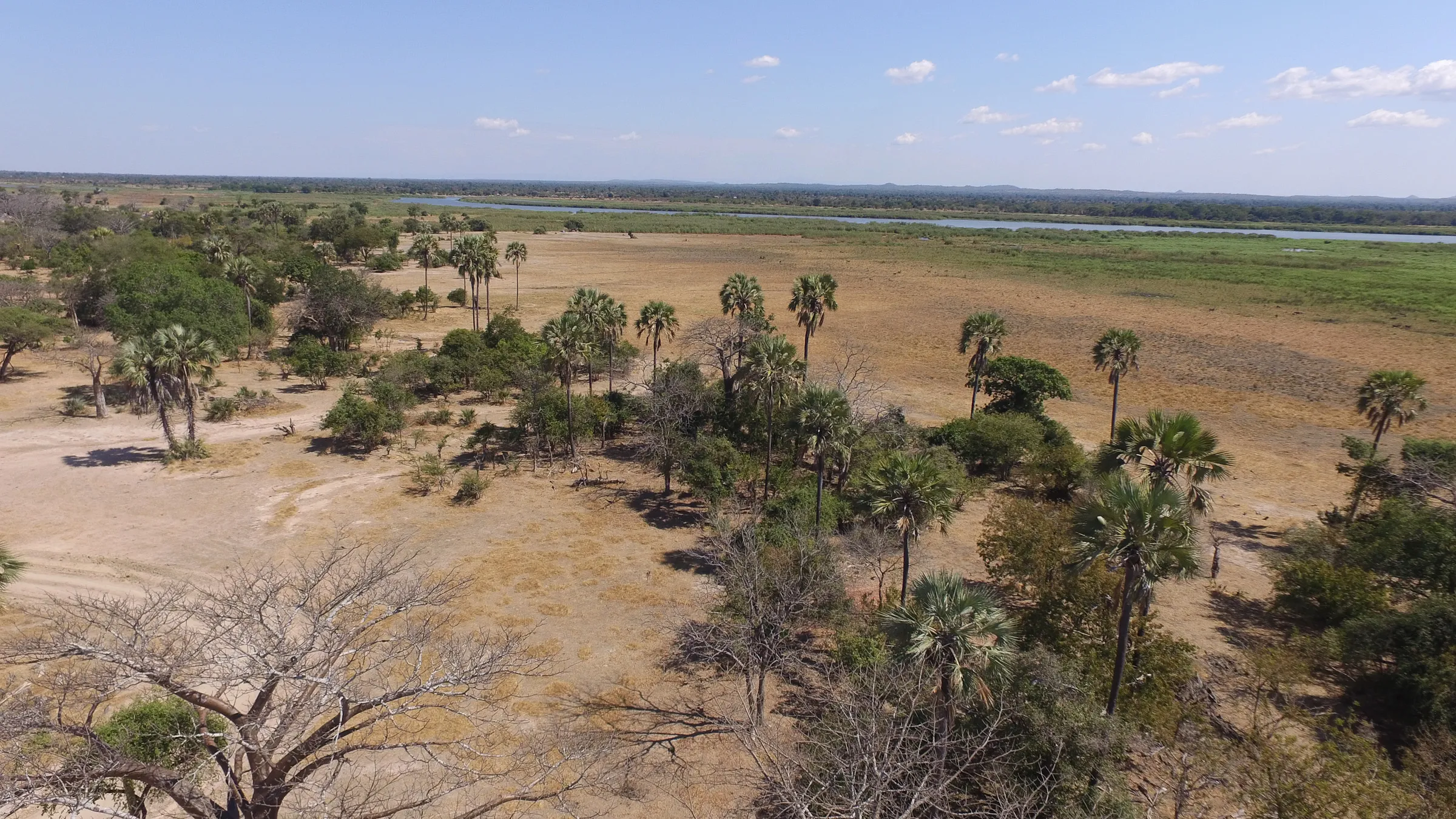
The park is defined by its river ecosystem, which includes floodplains, swamps, woodlands and riverine forest. This diverse landscape supports one of the most successful wildlife conservation areas in Malawi.
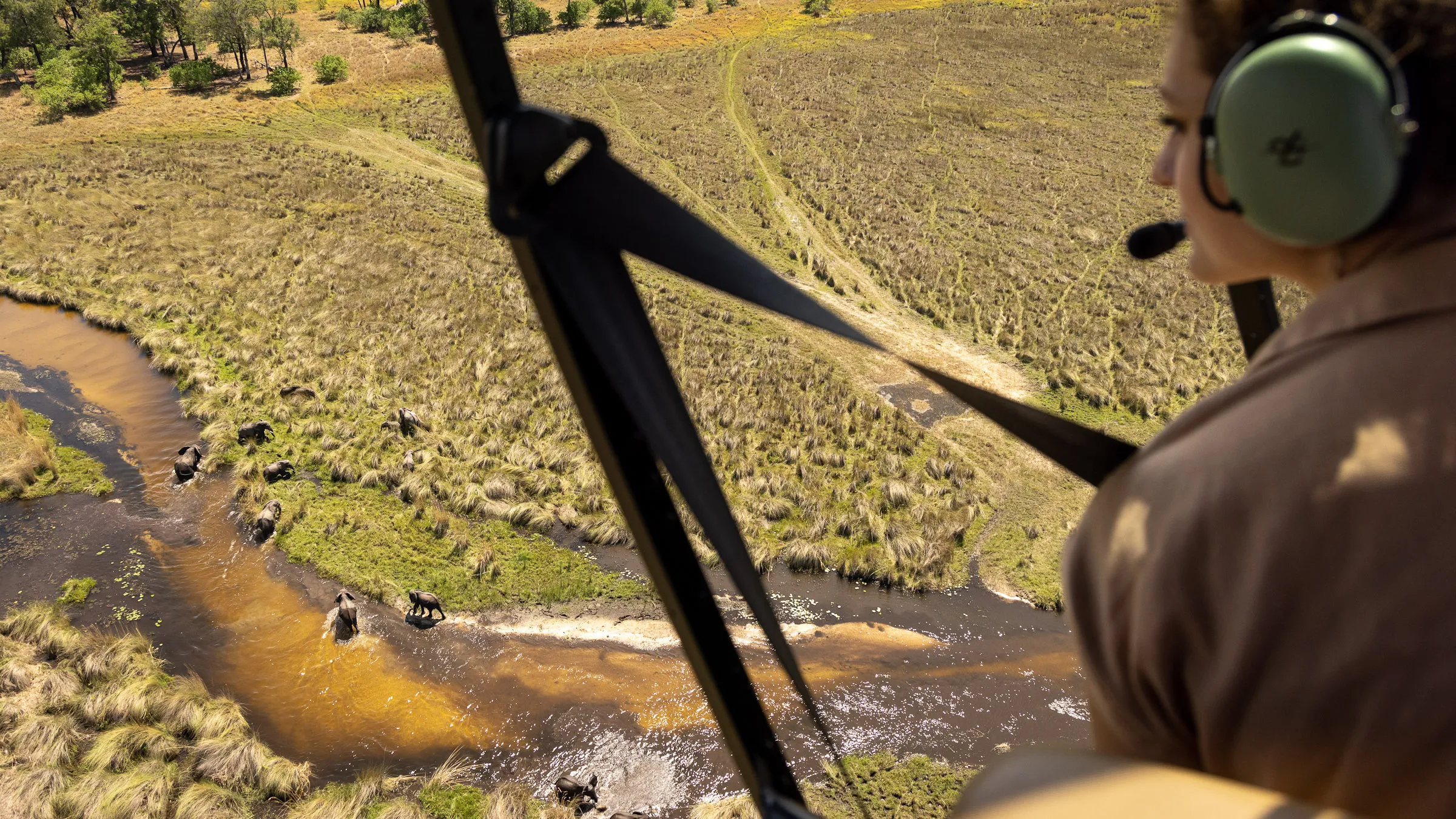
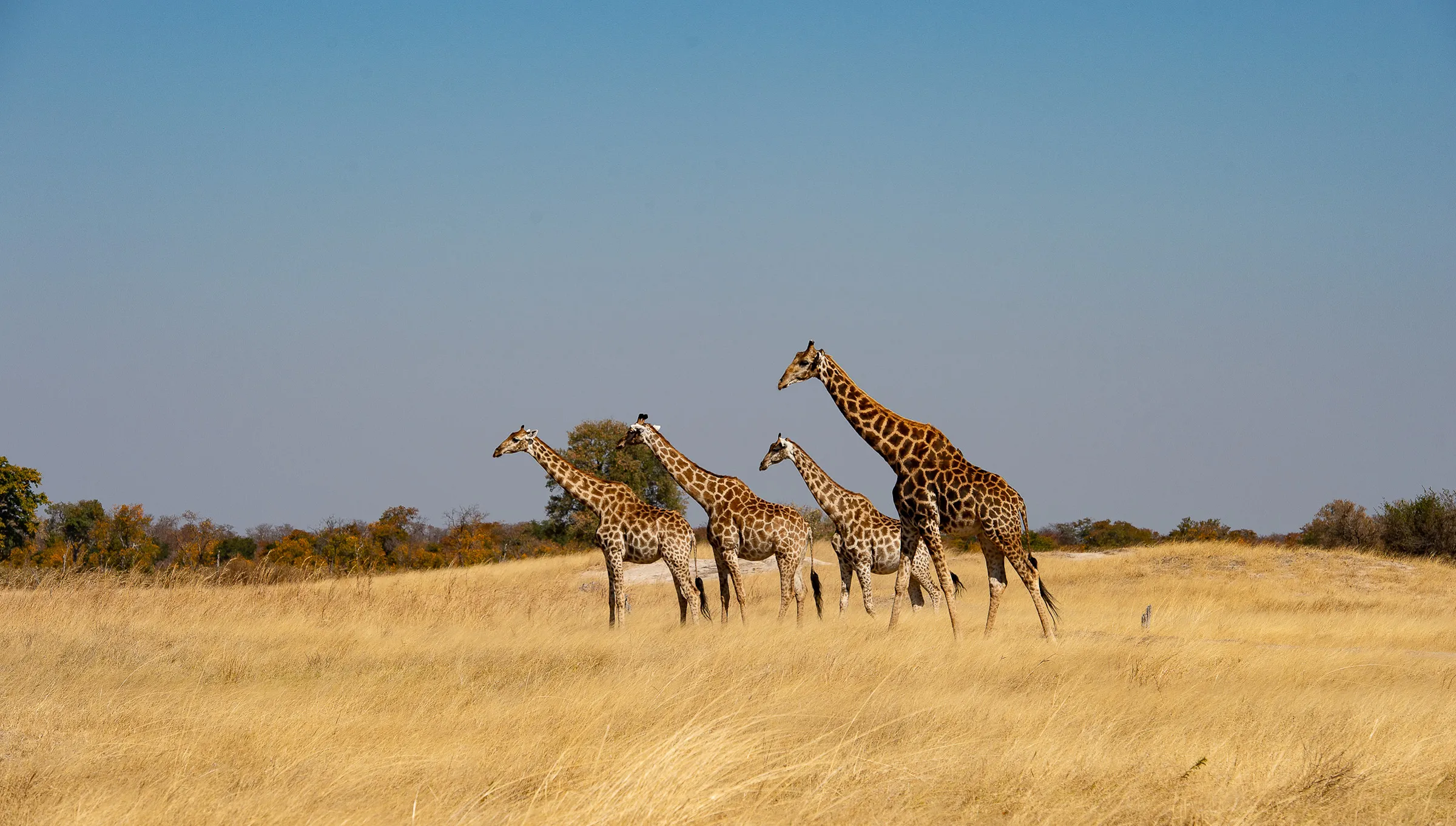
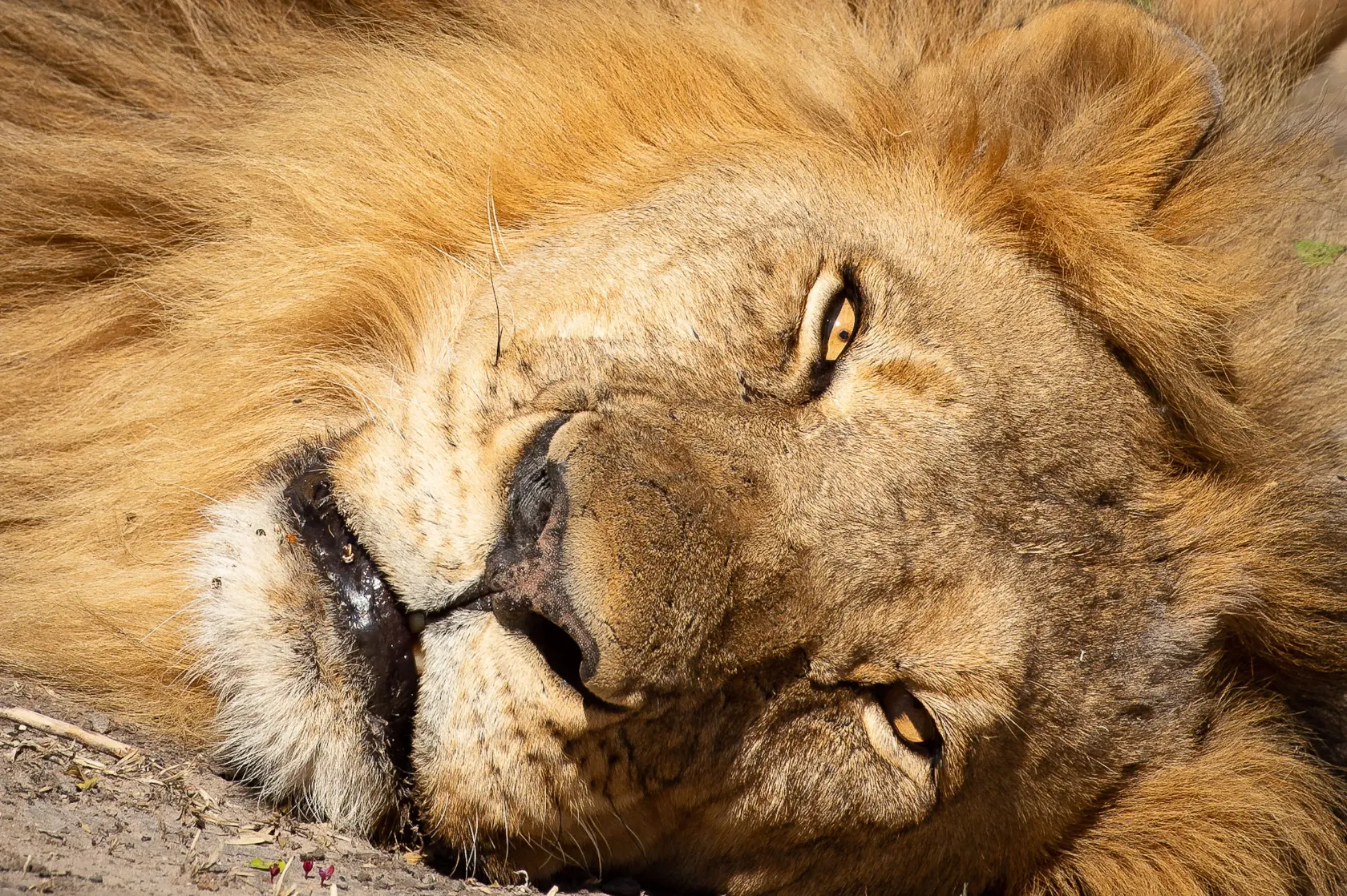
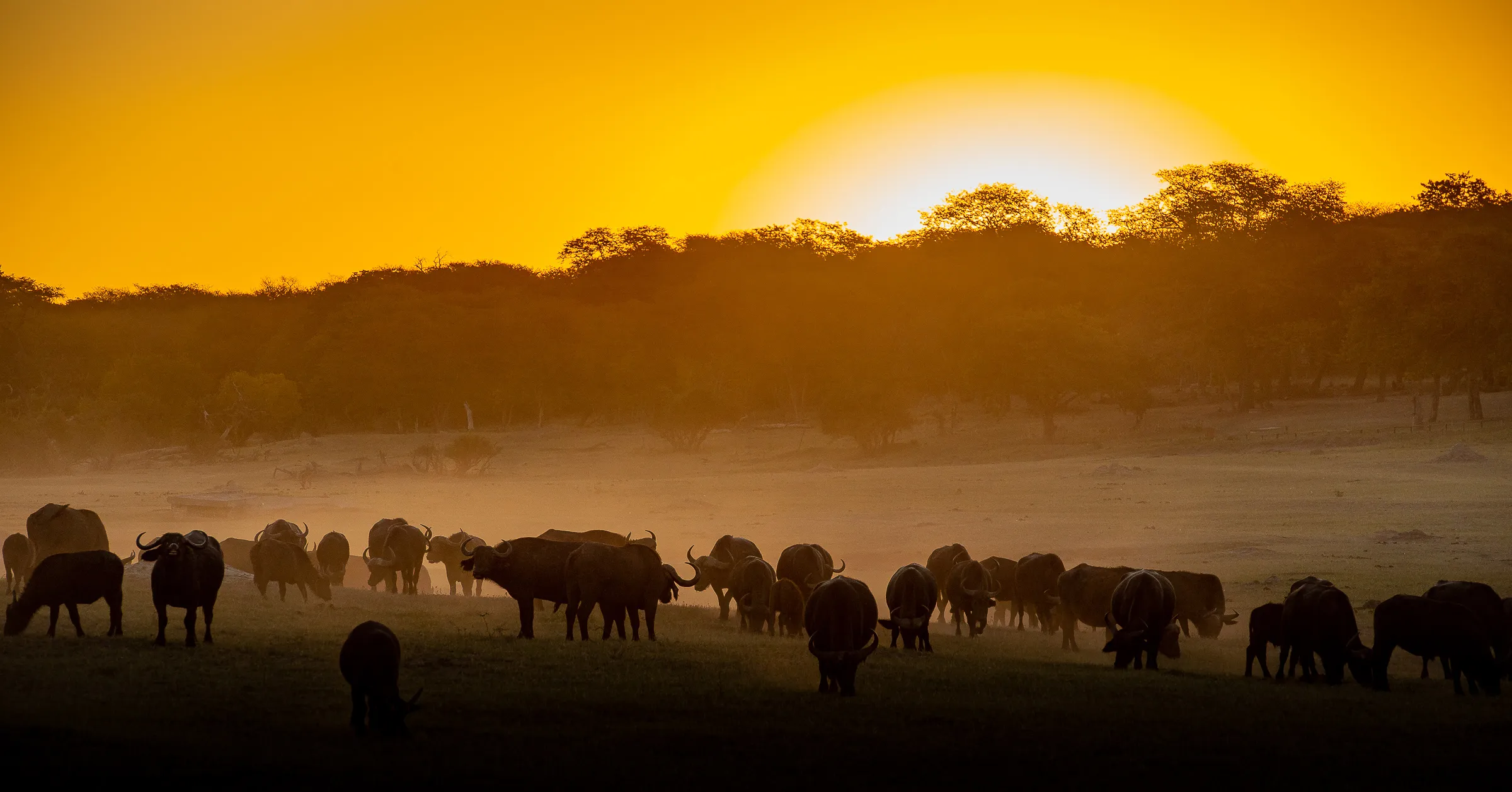
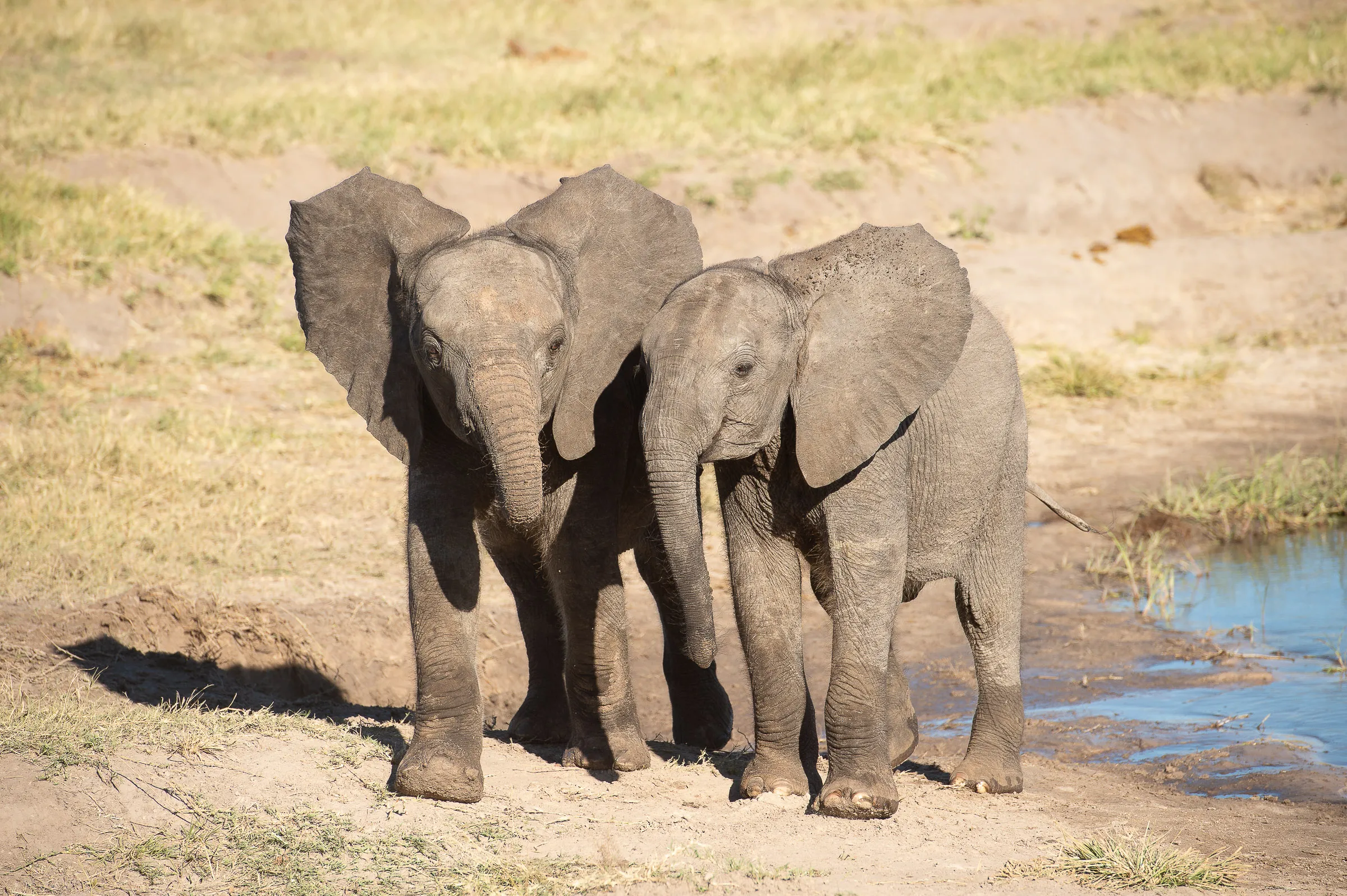
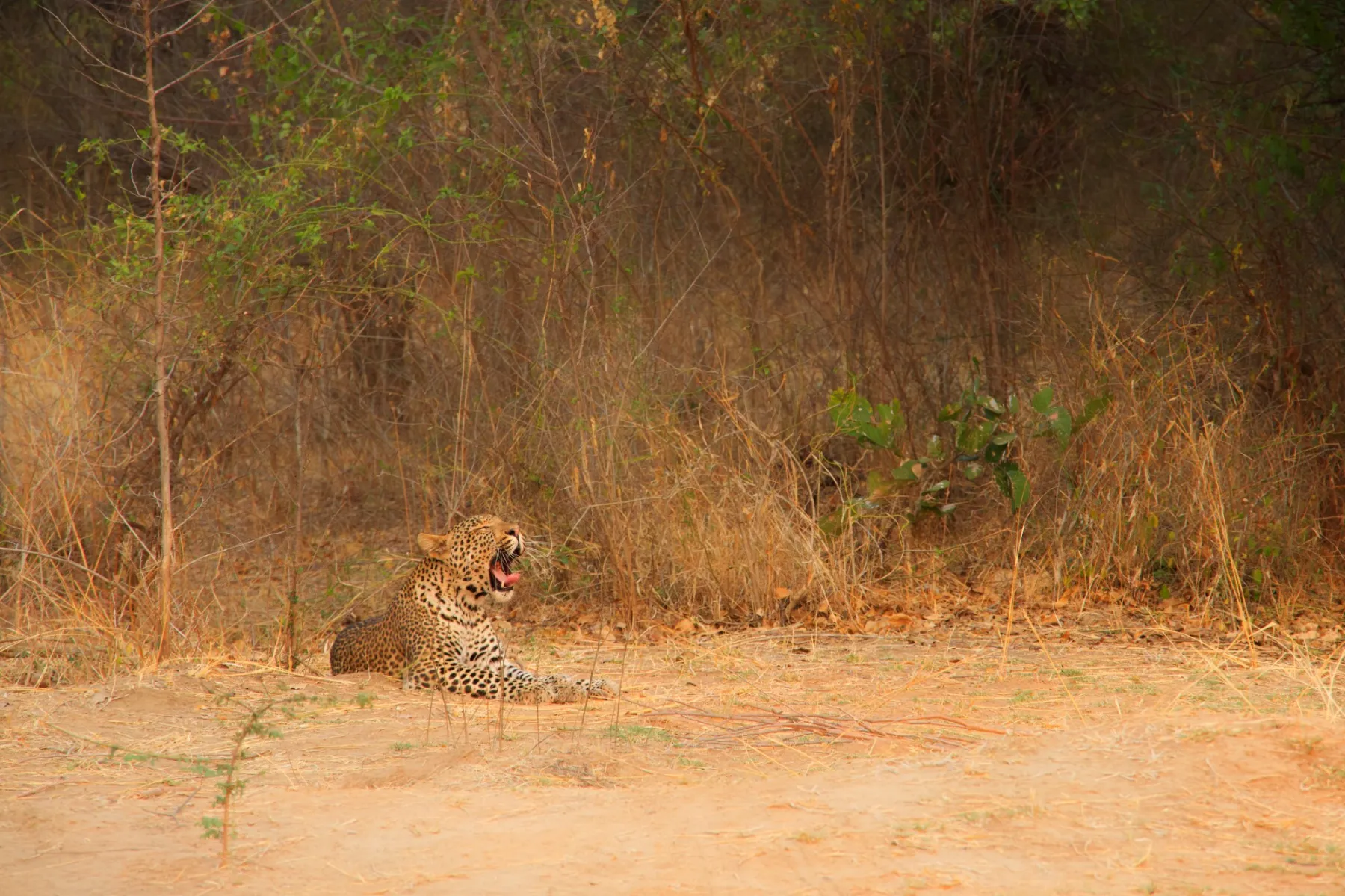
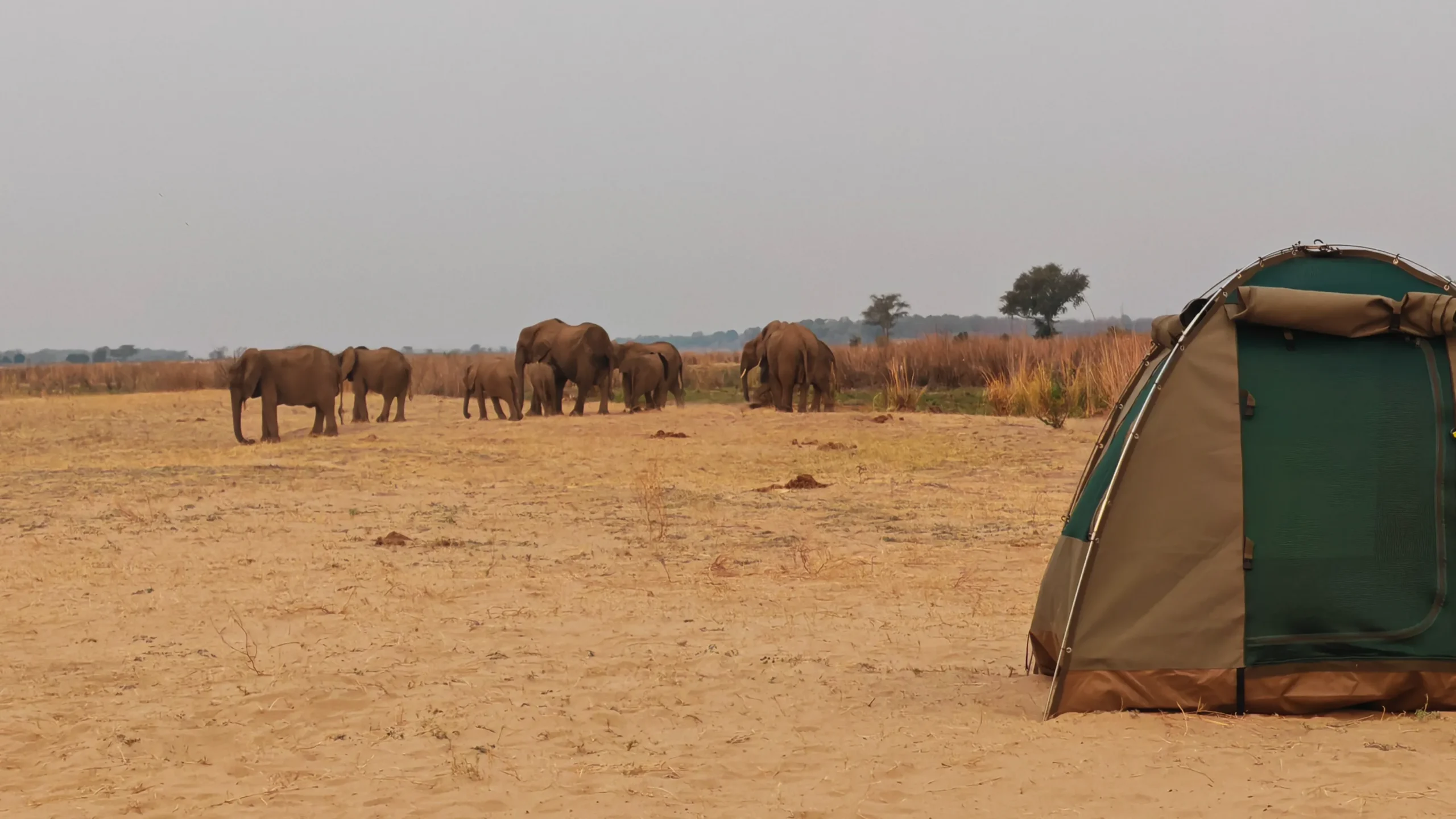
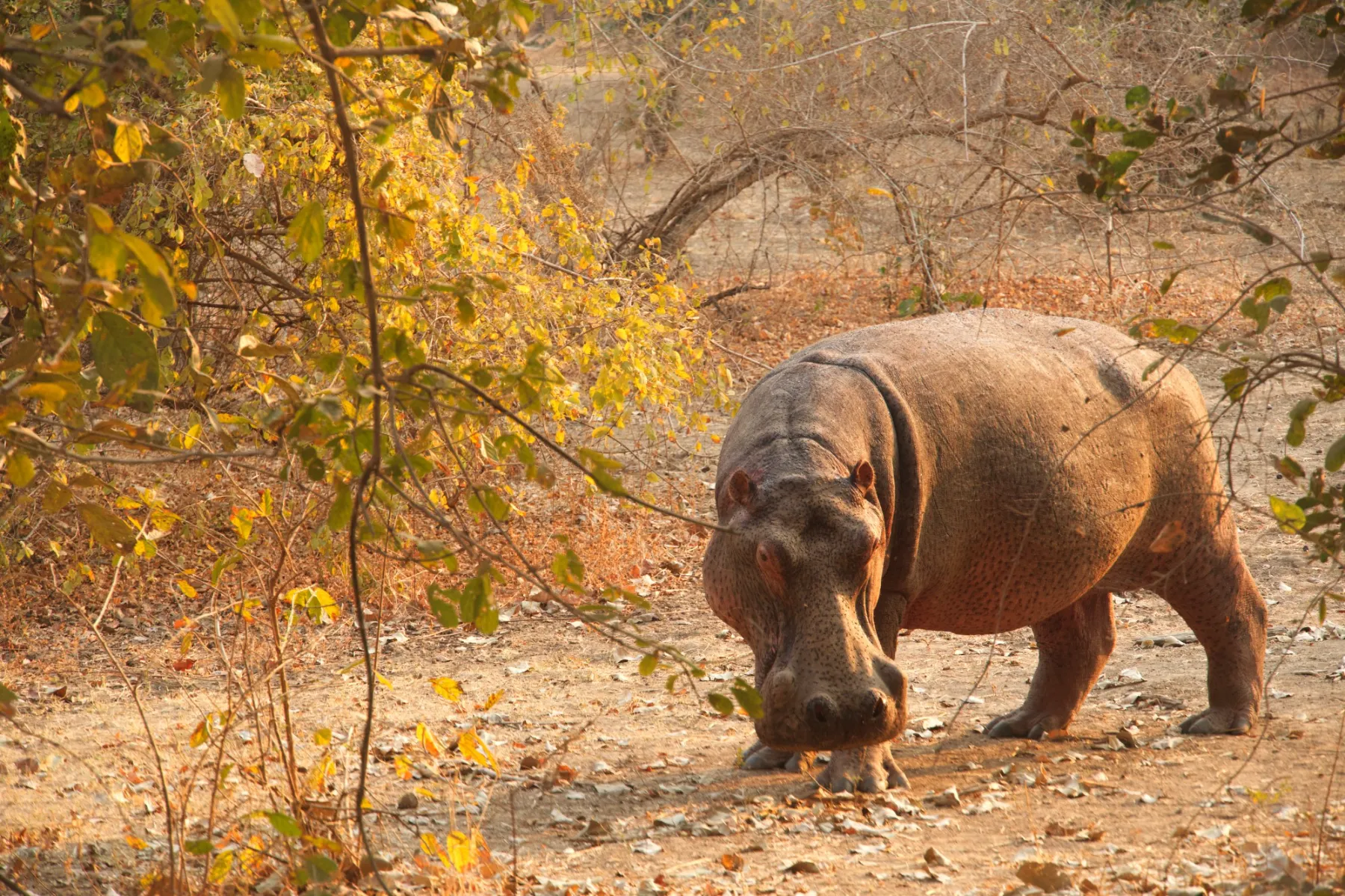
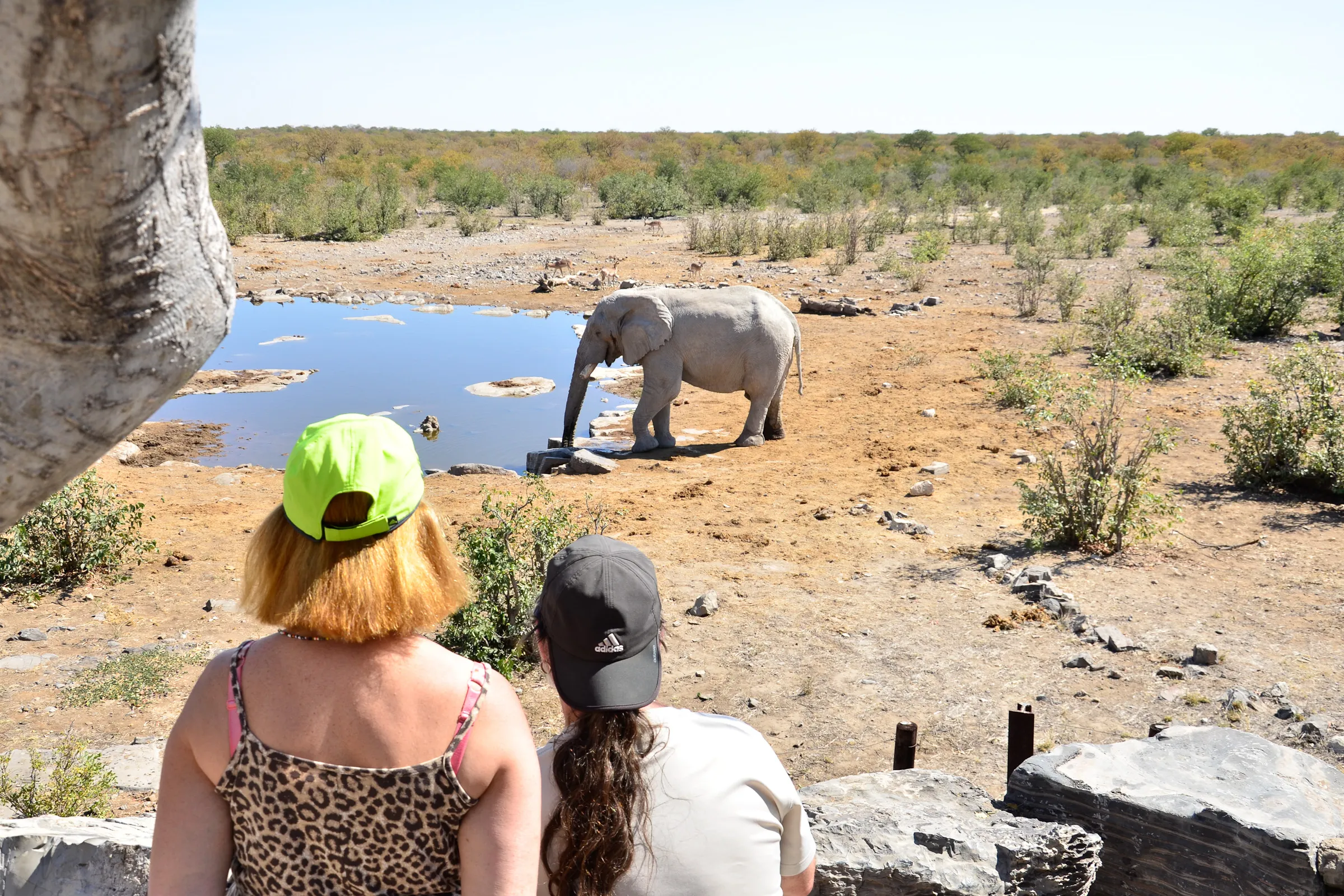
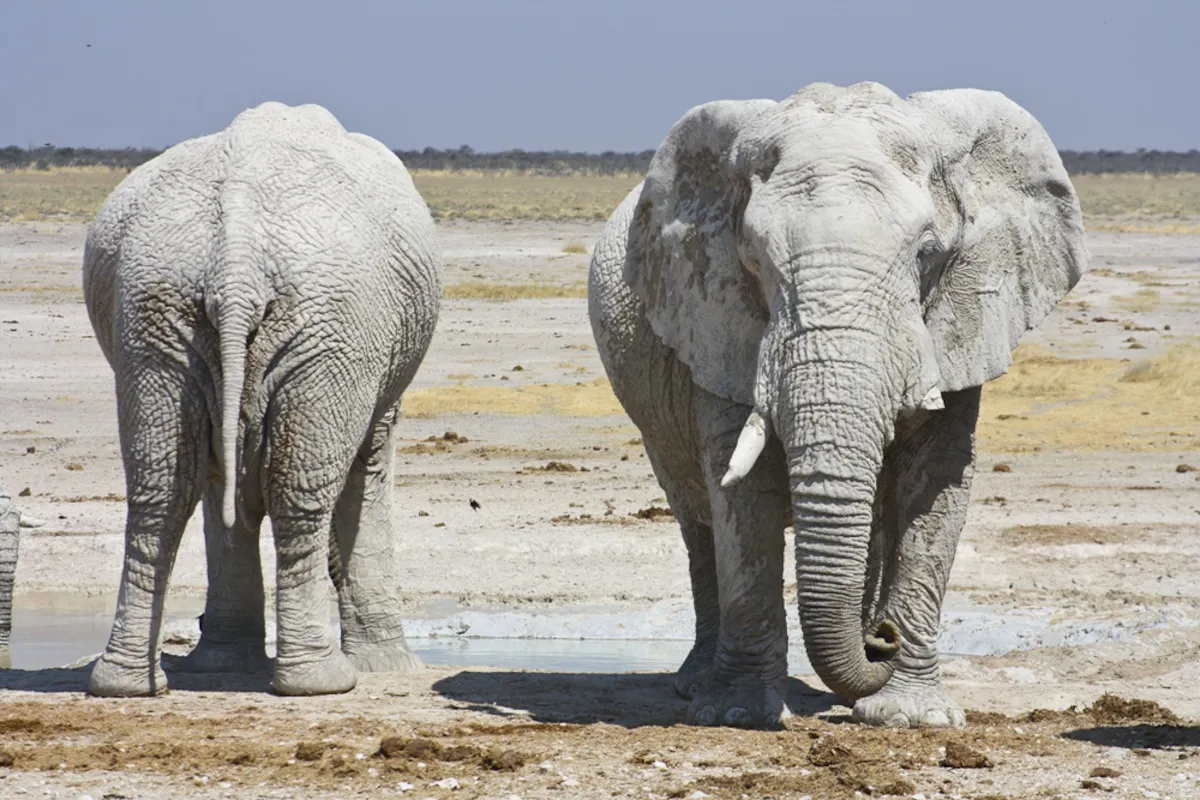
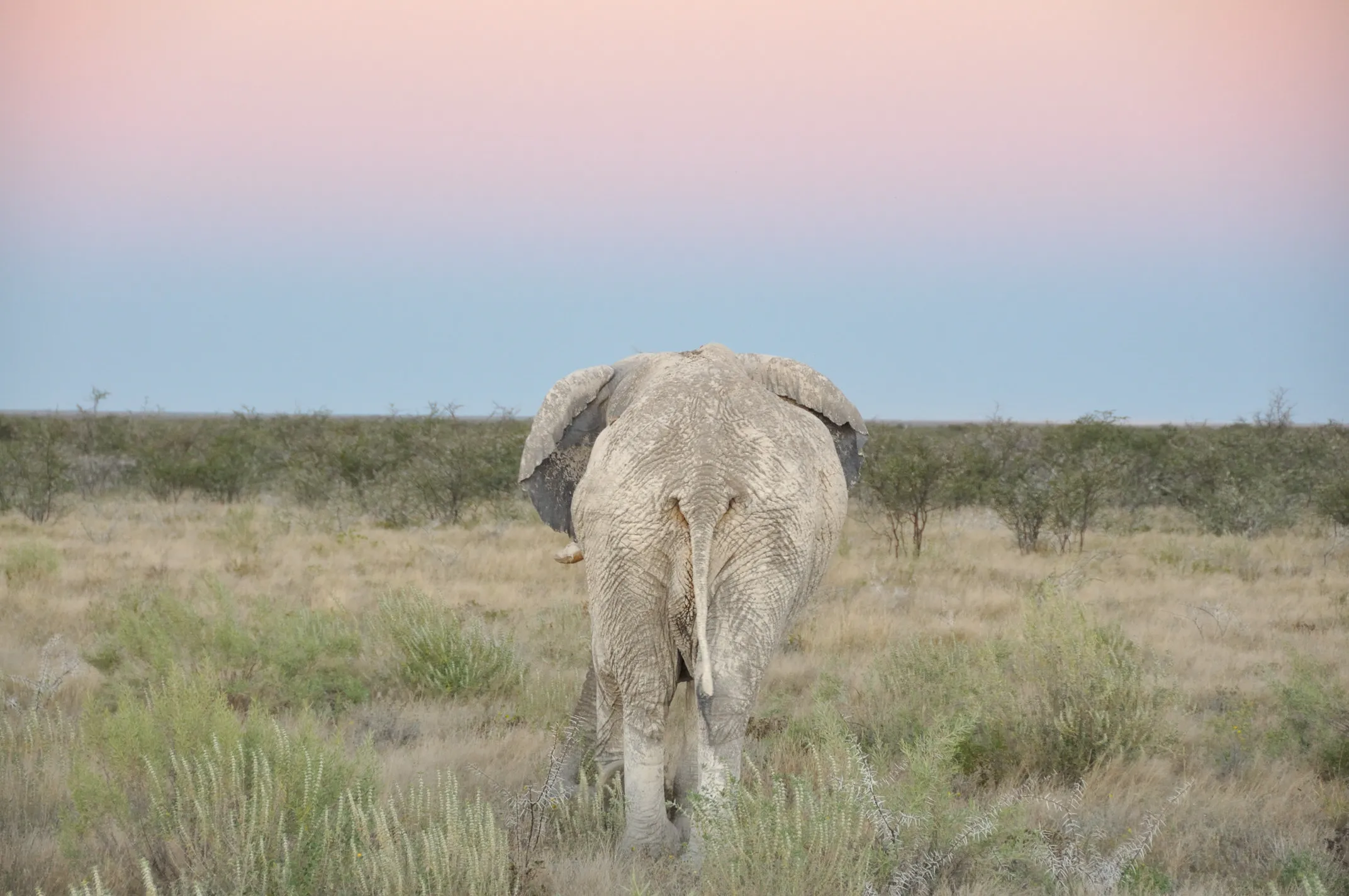
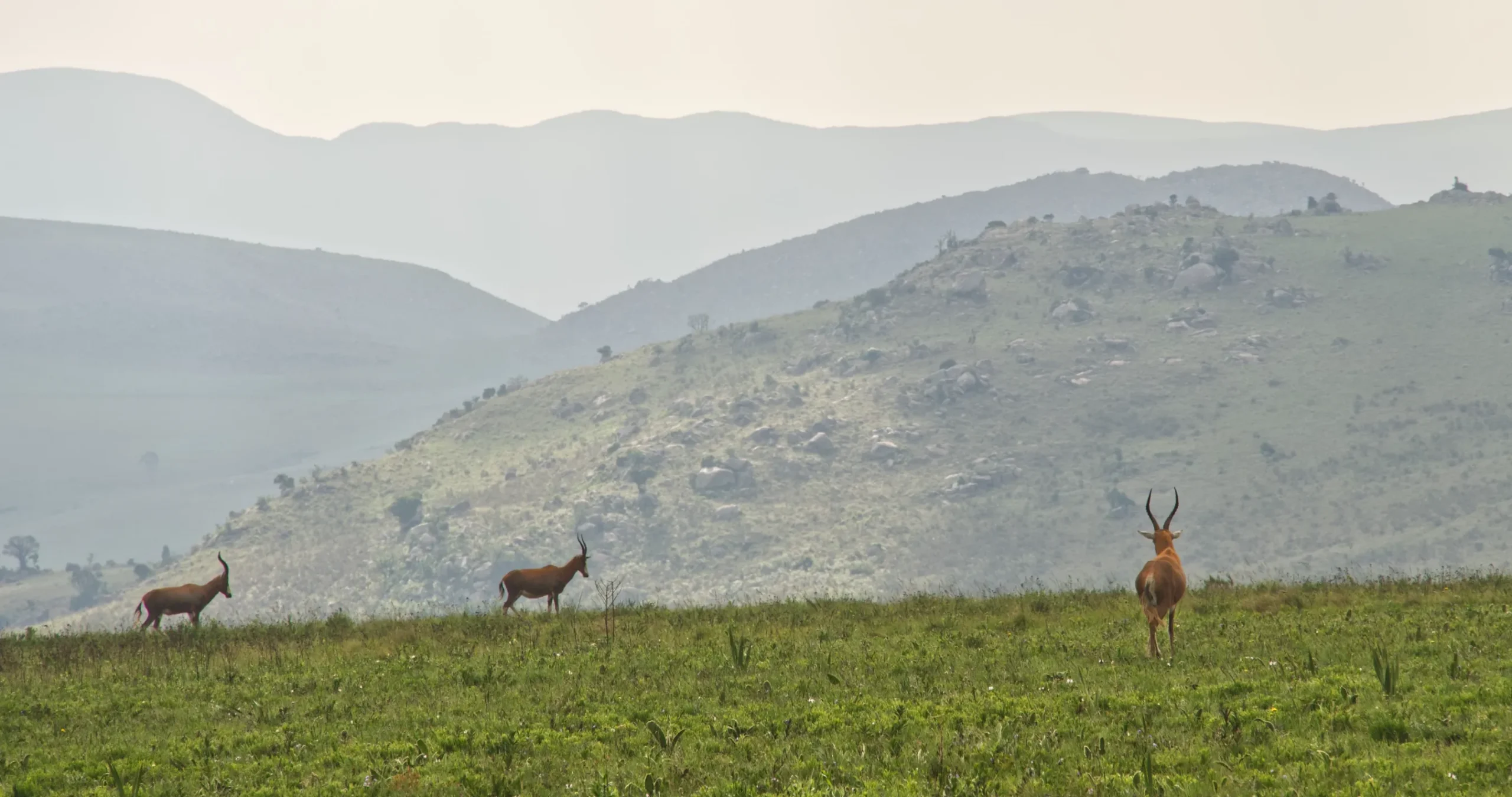
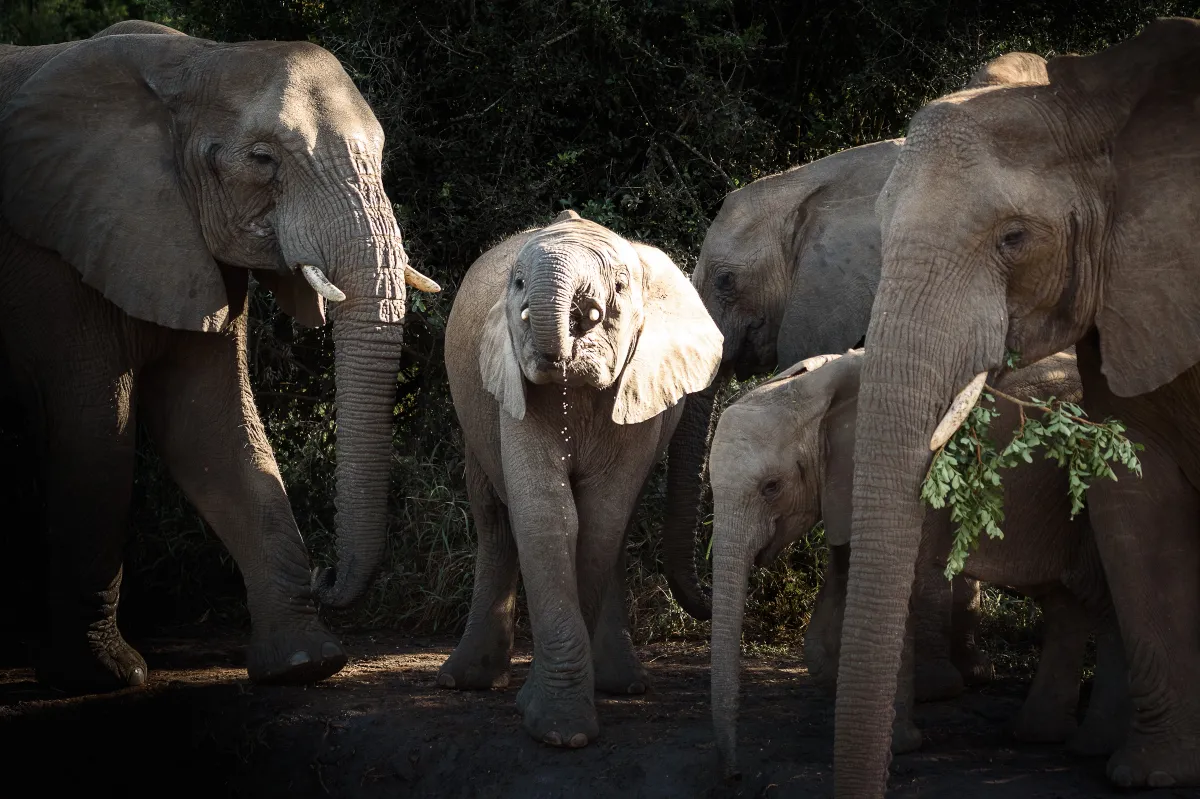
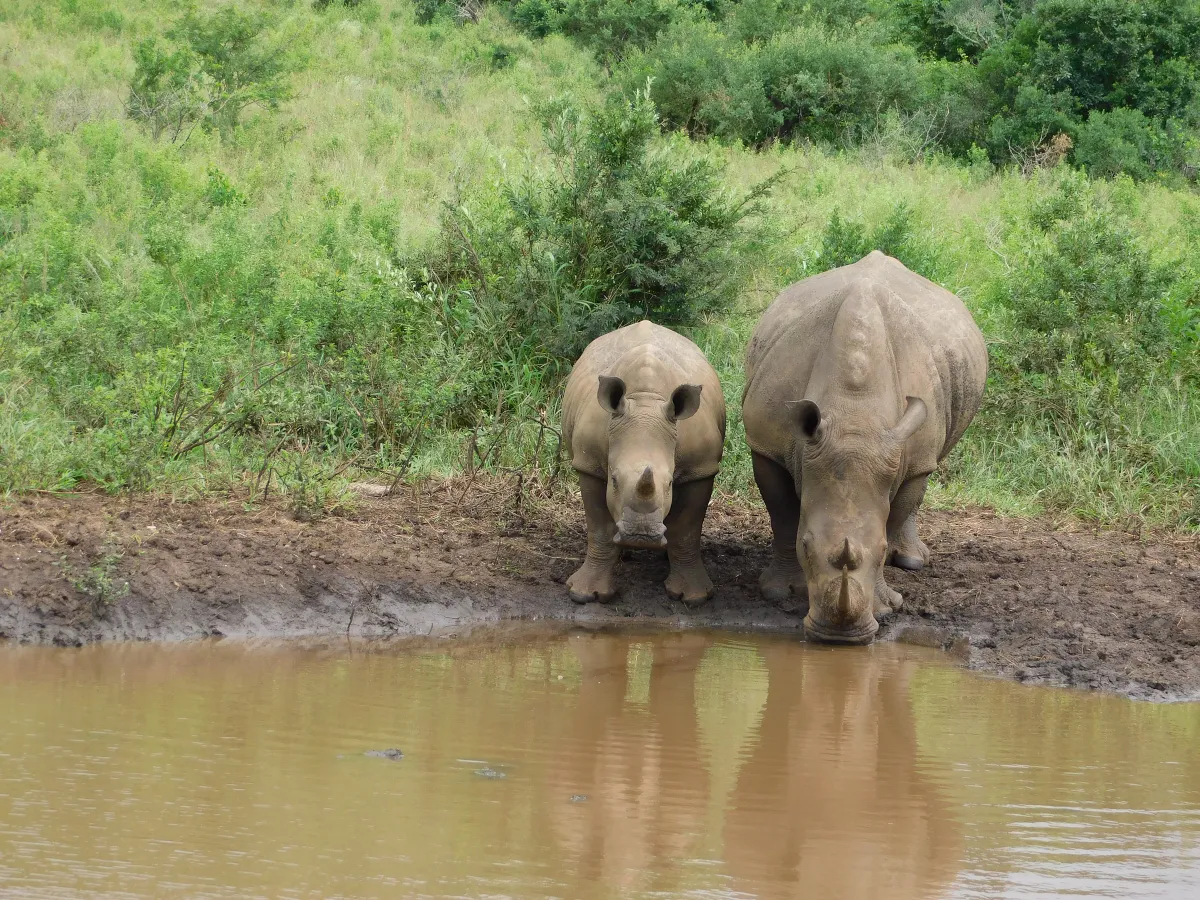
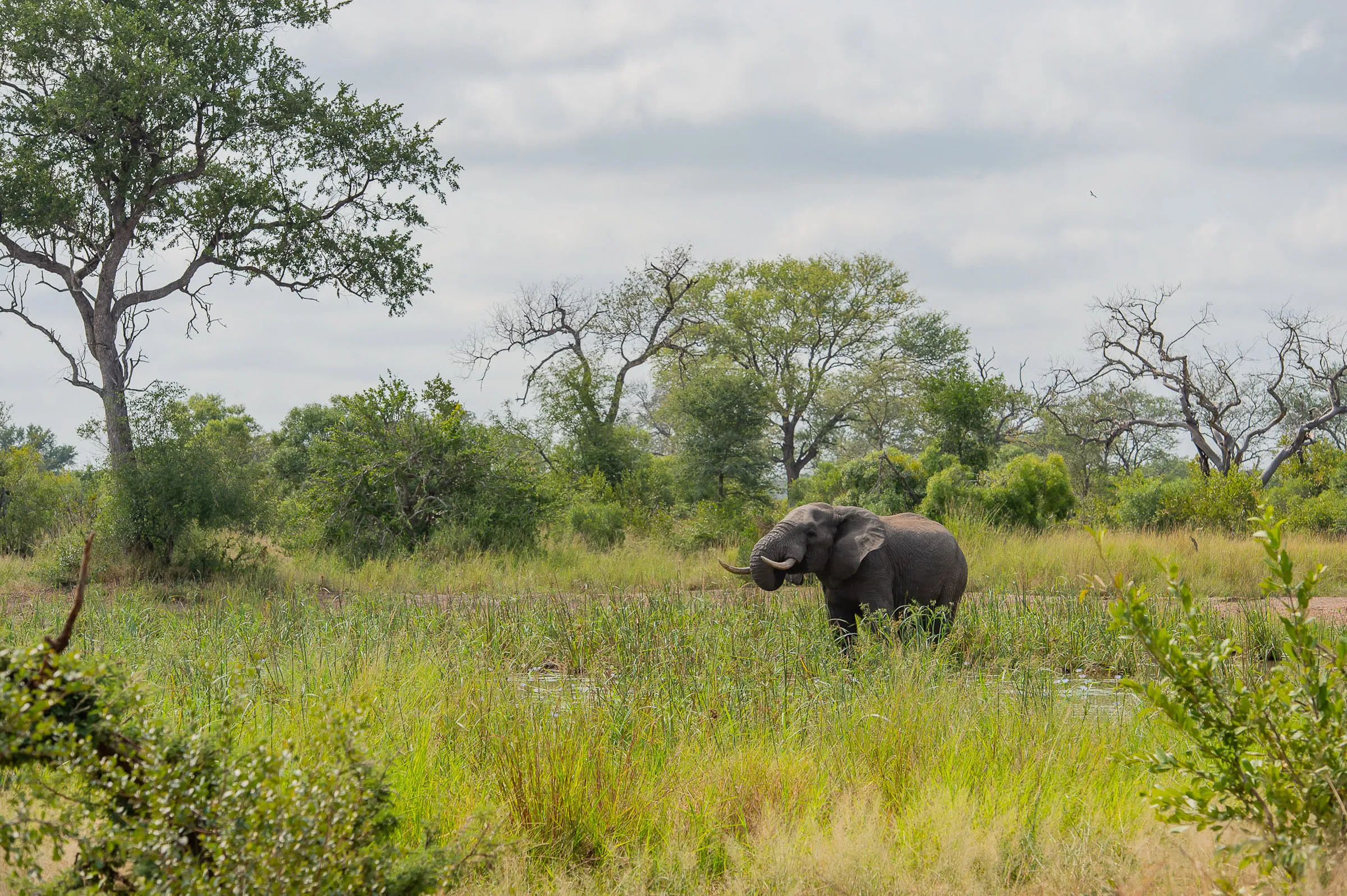
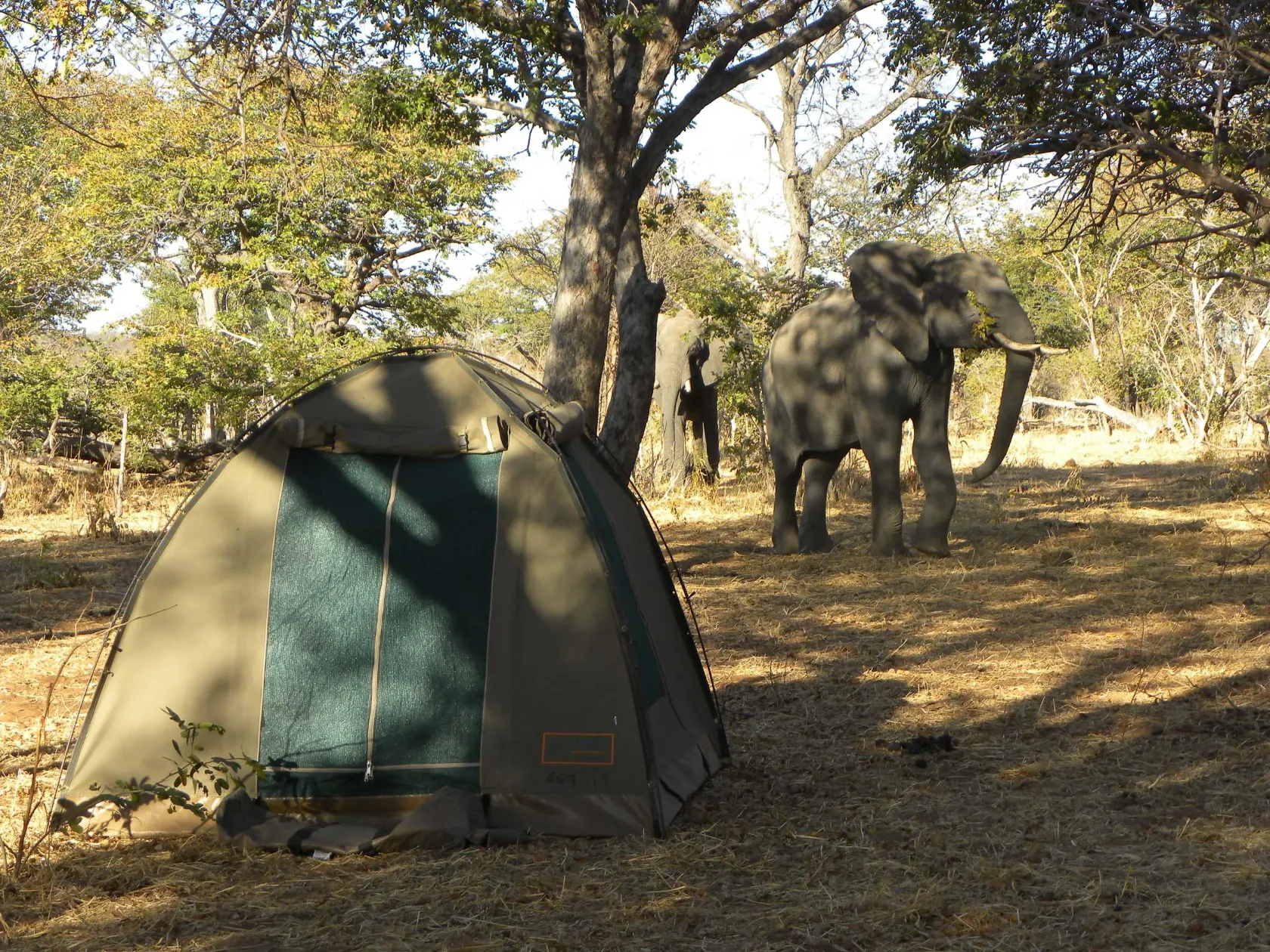
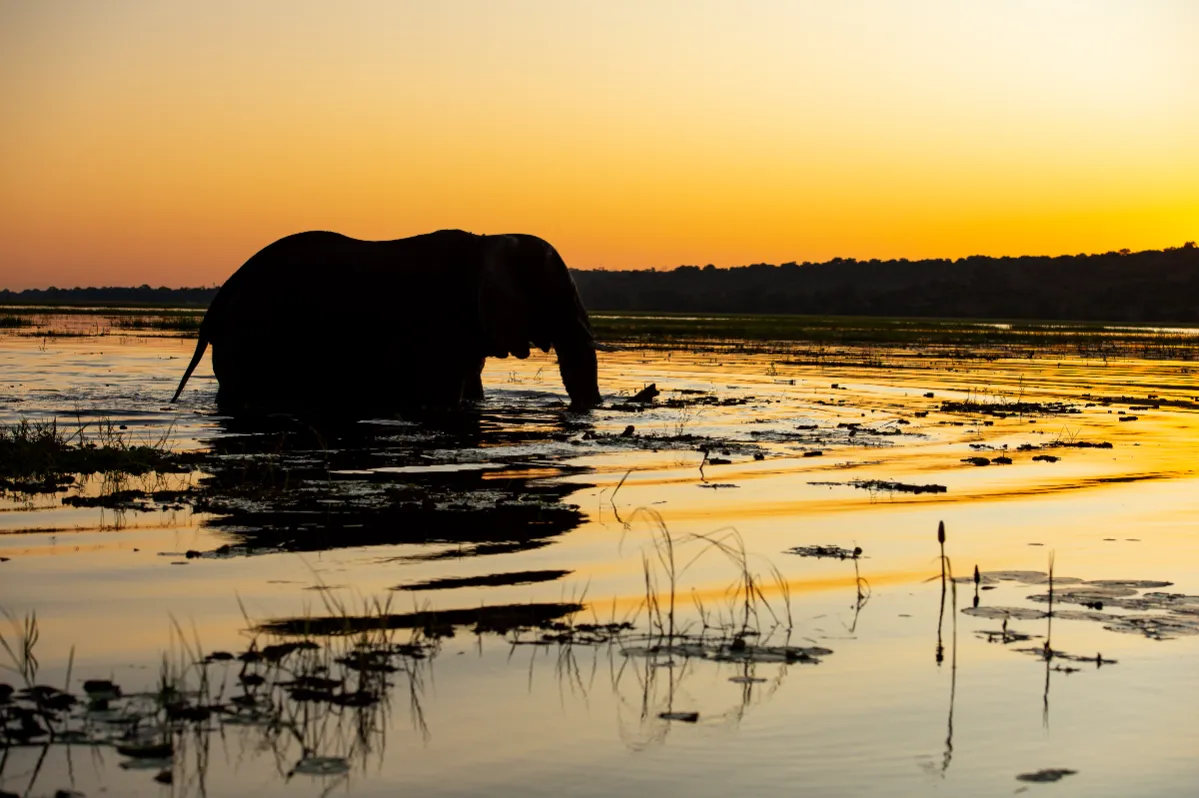
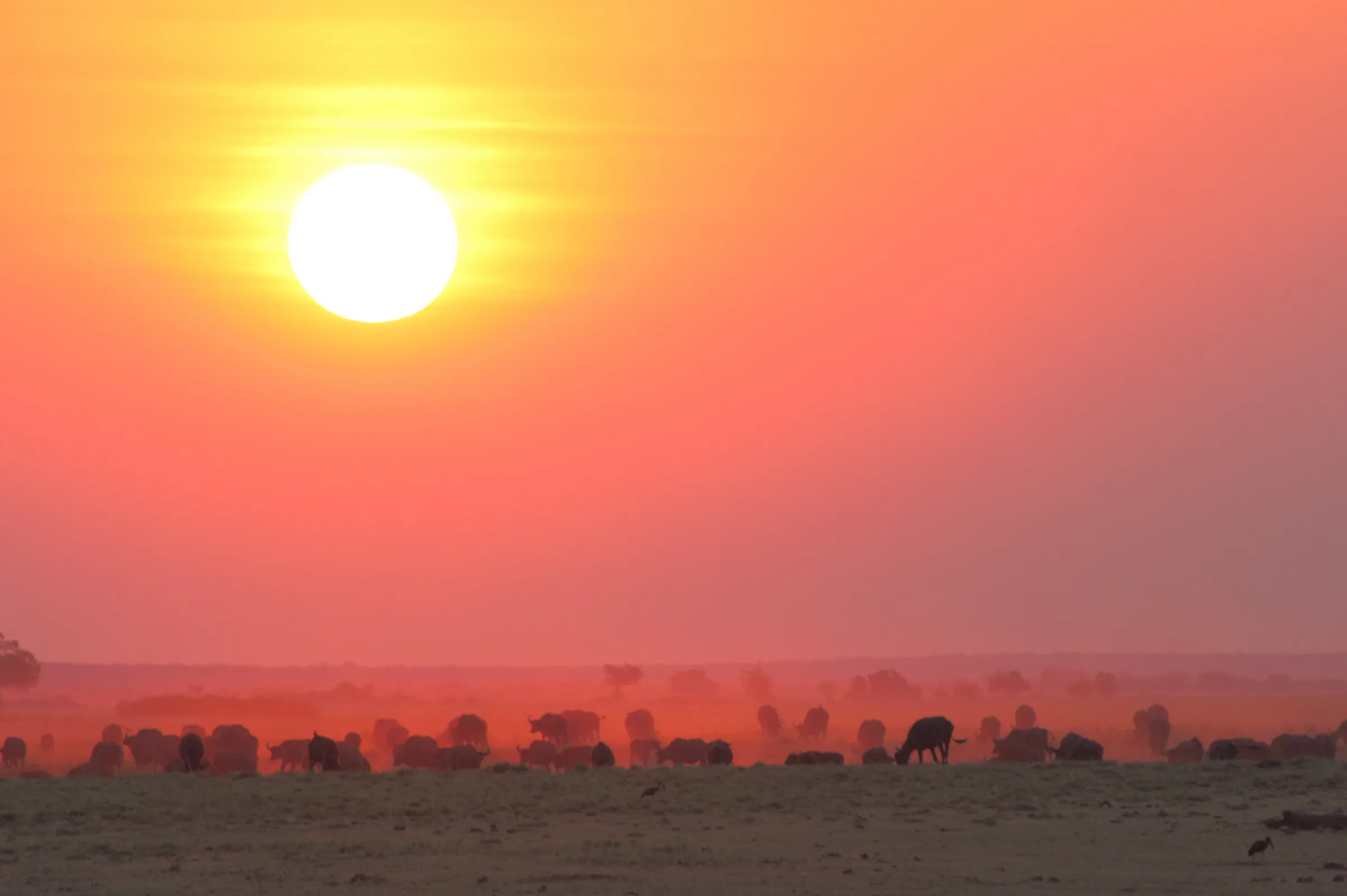
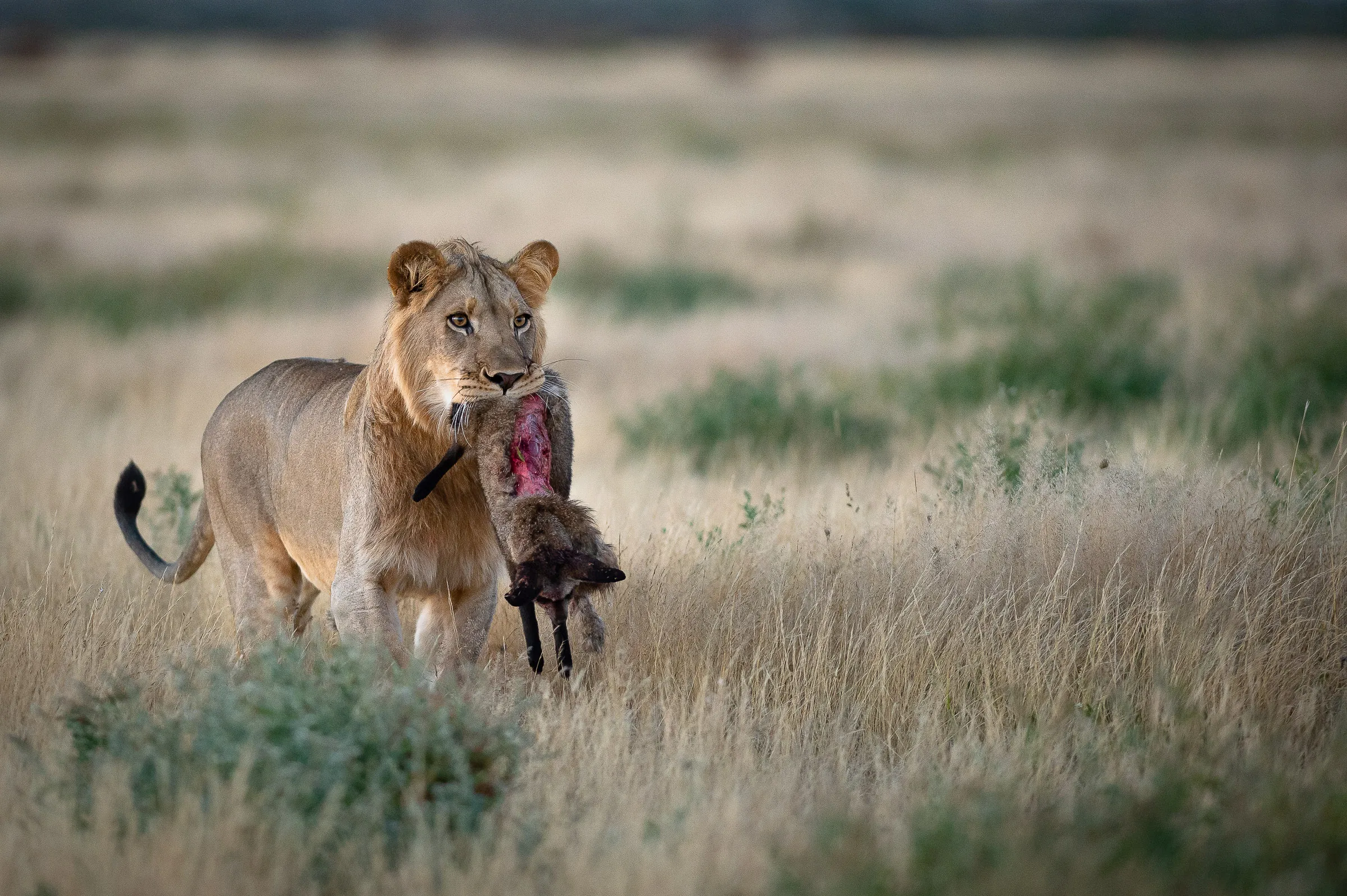
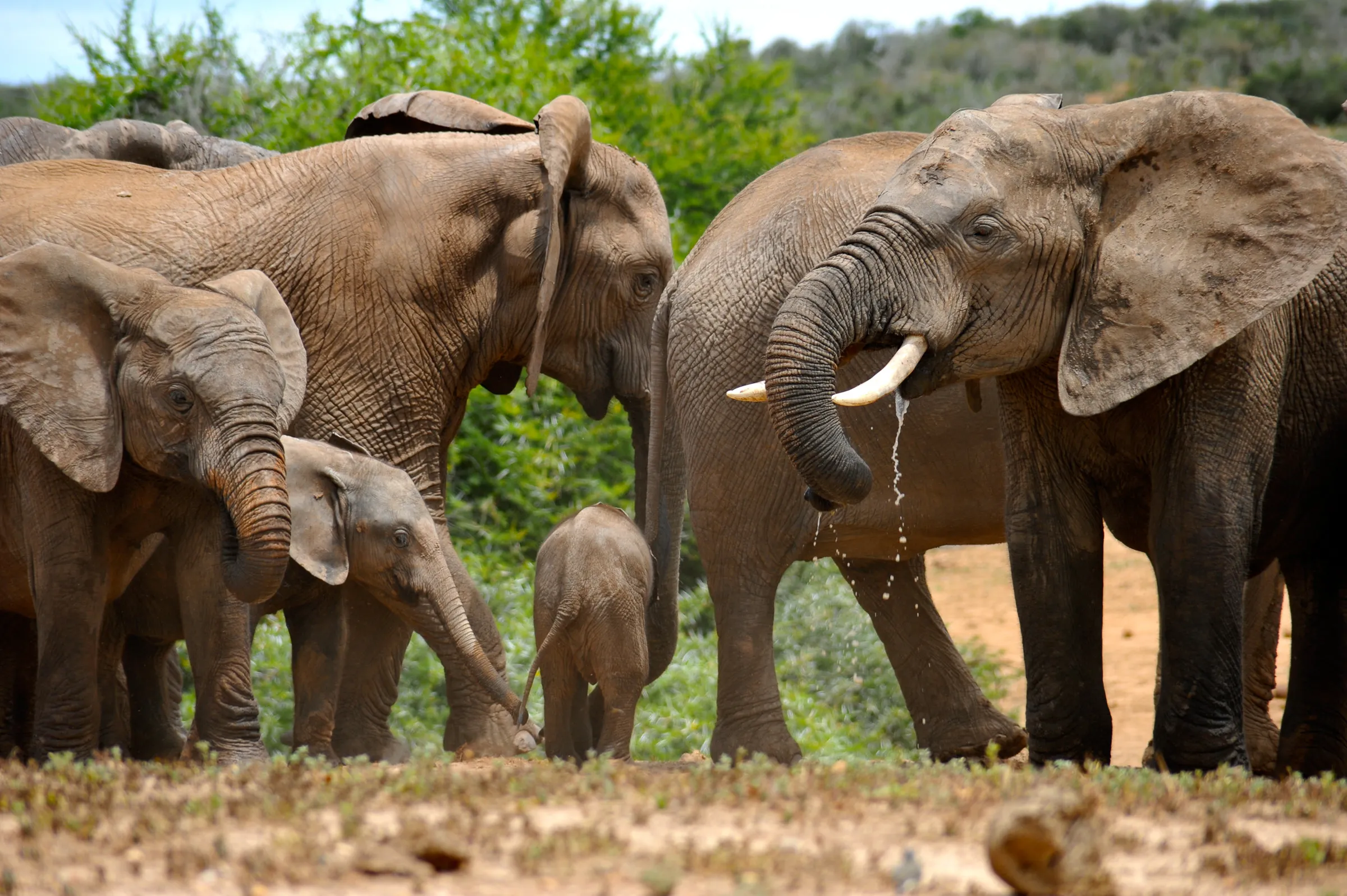
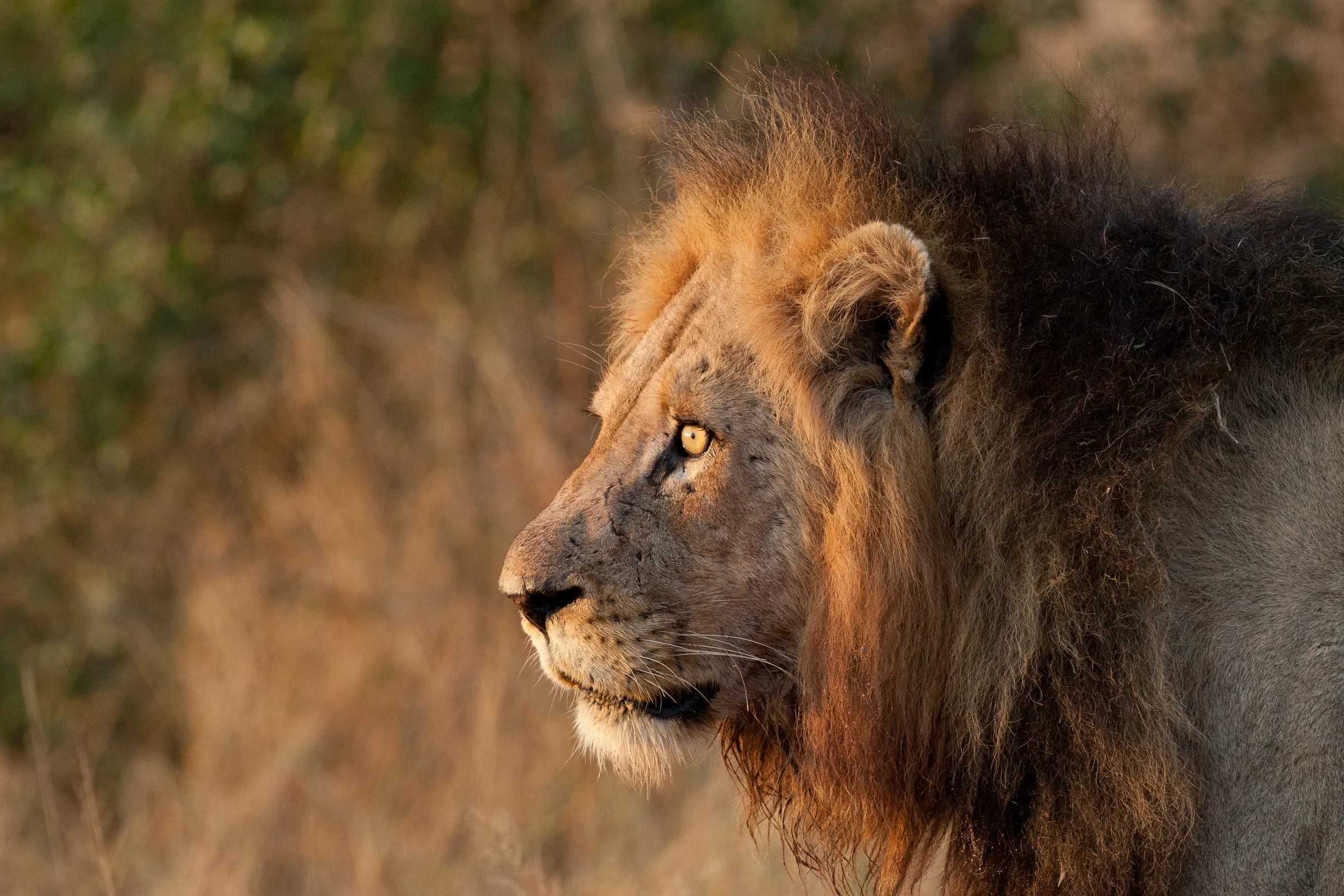
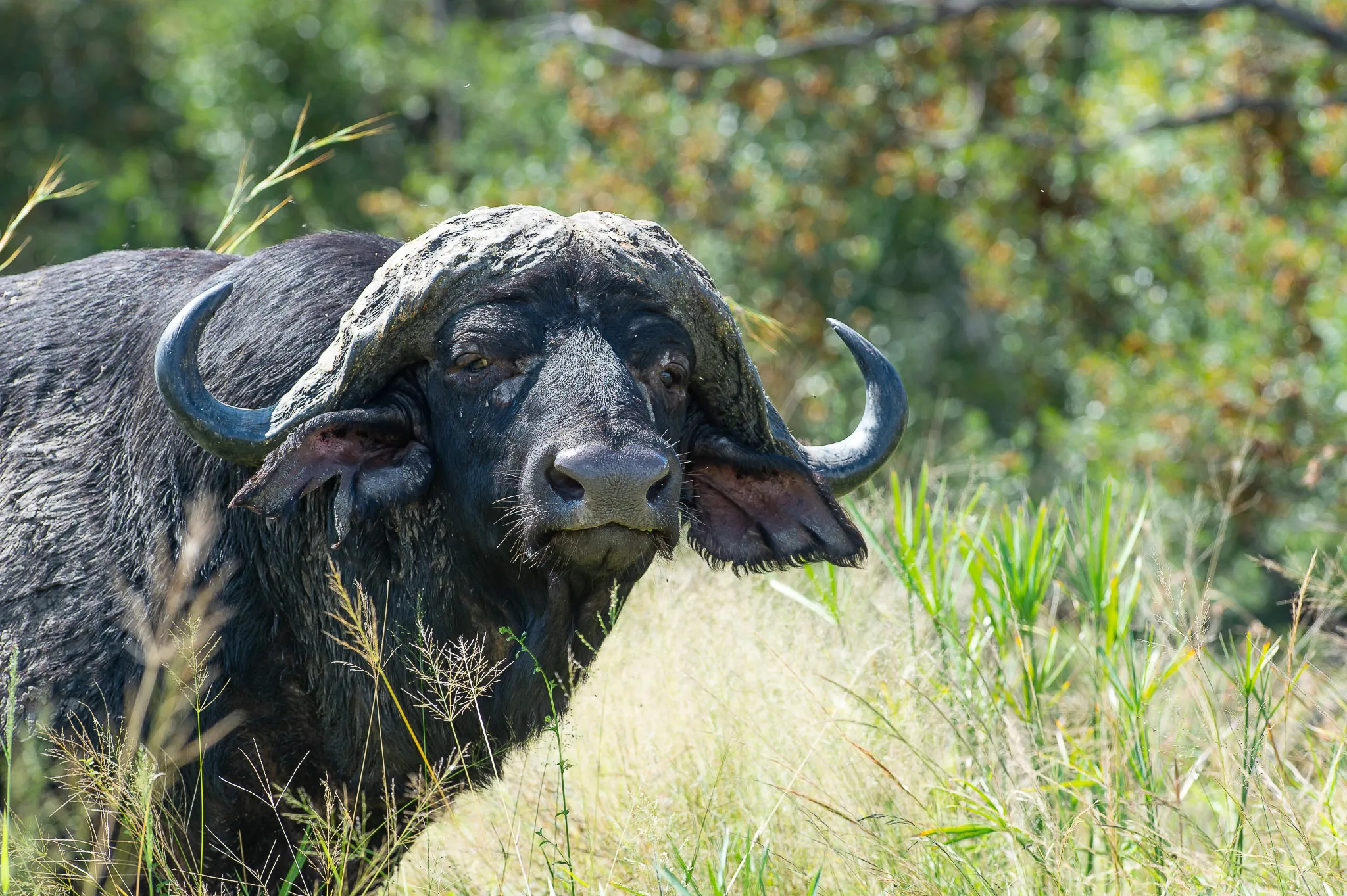
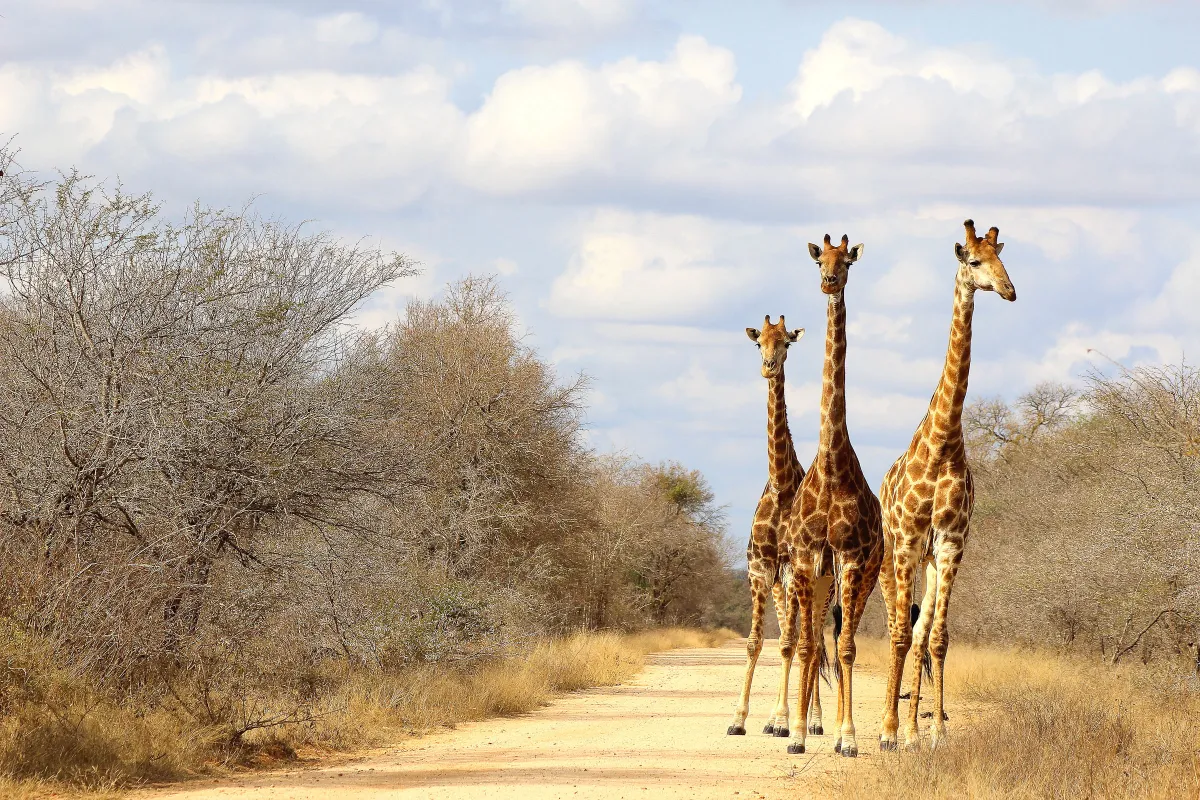
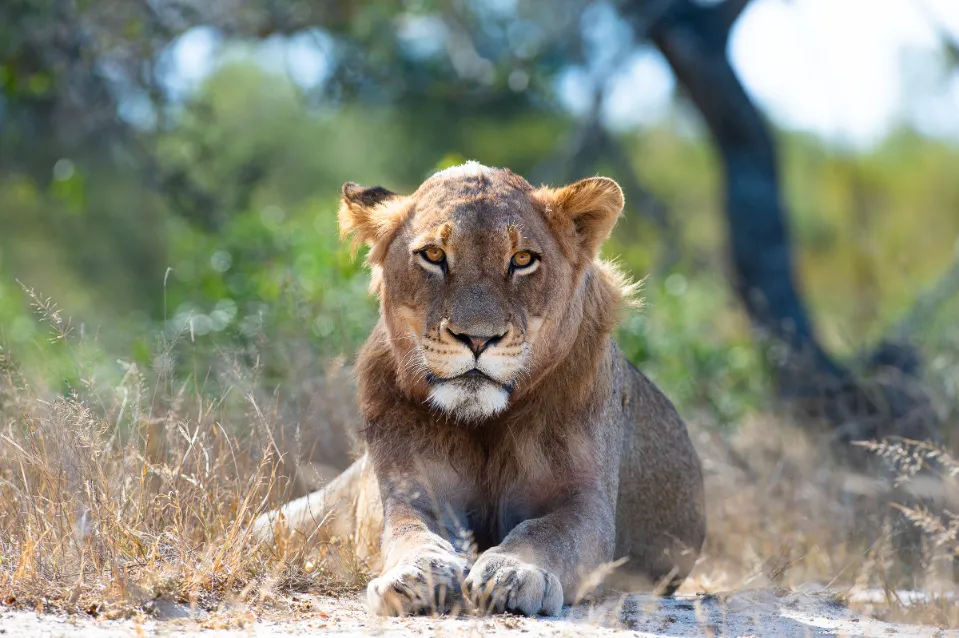
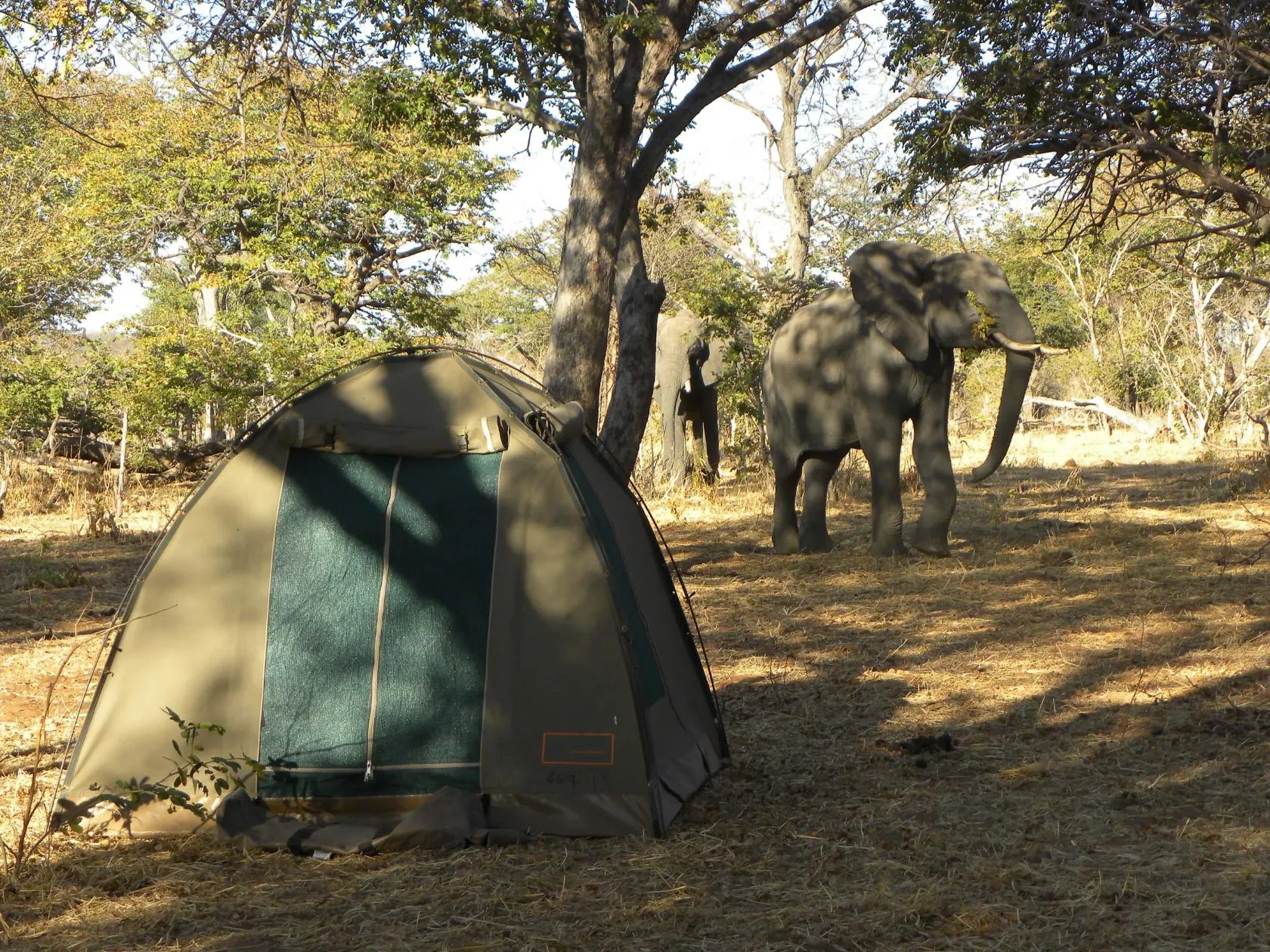
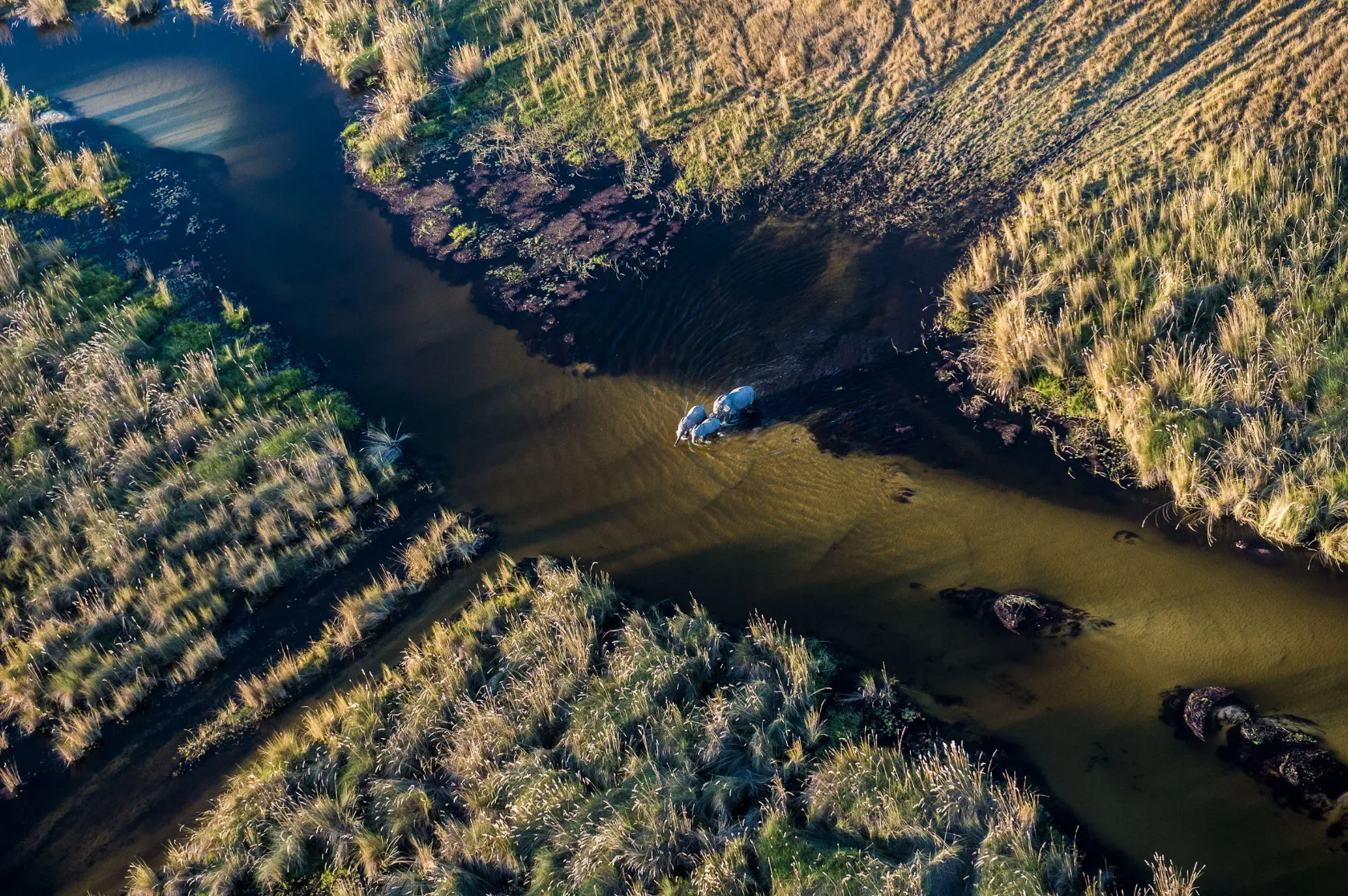
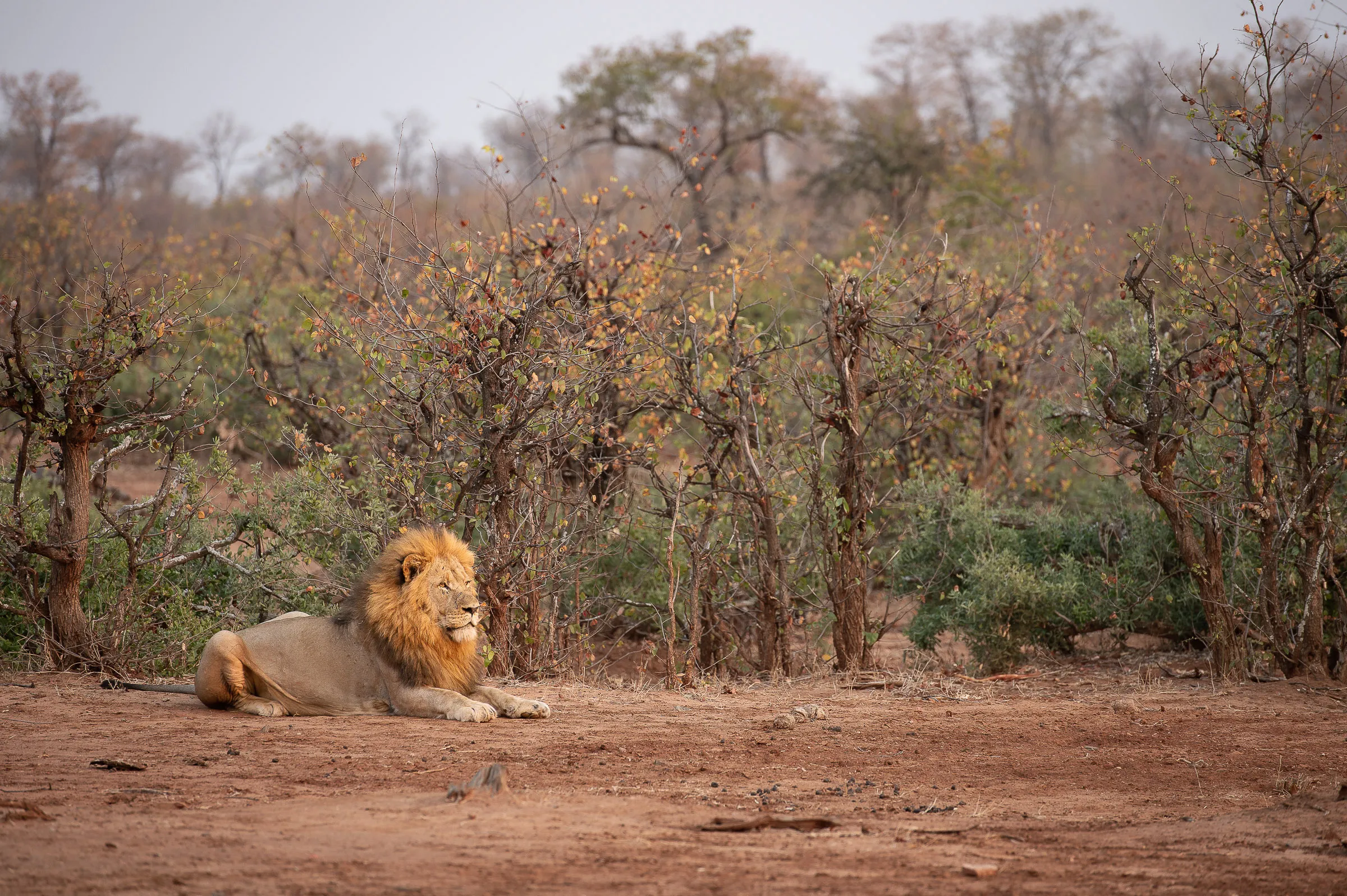
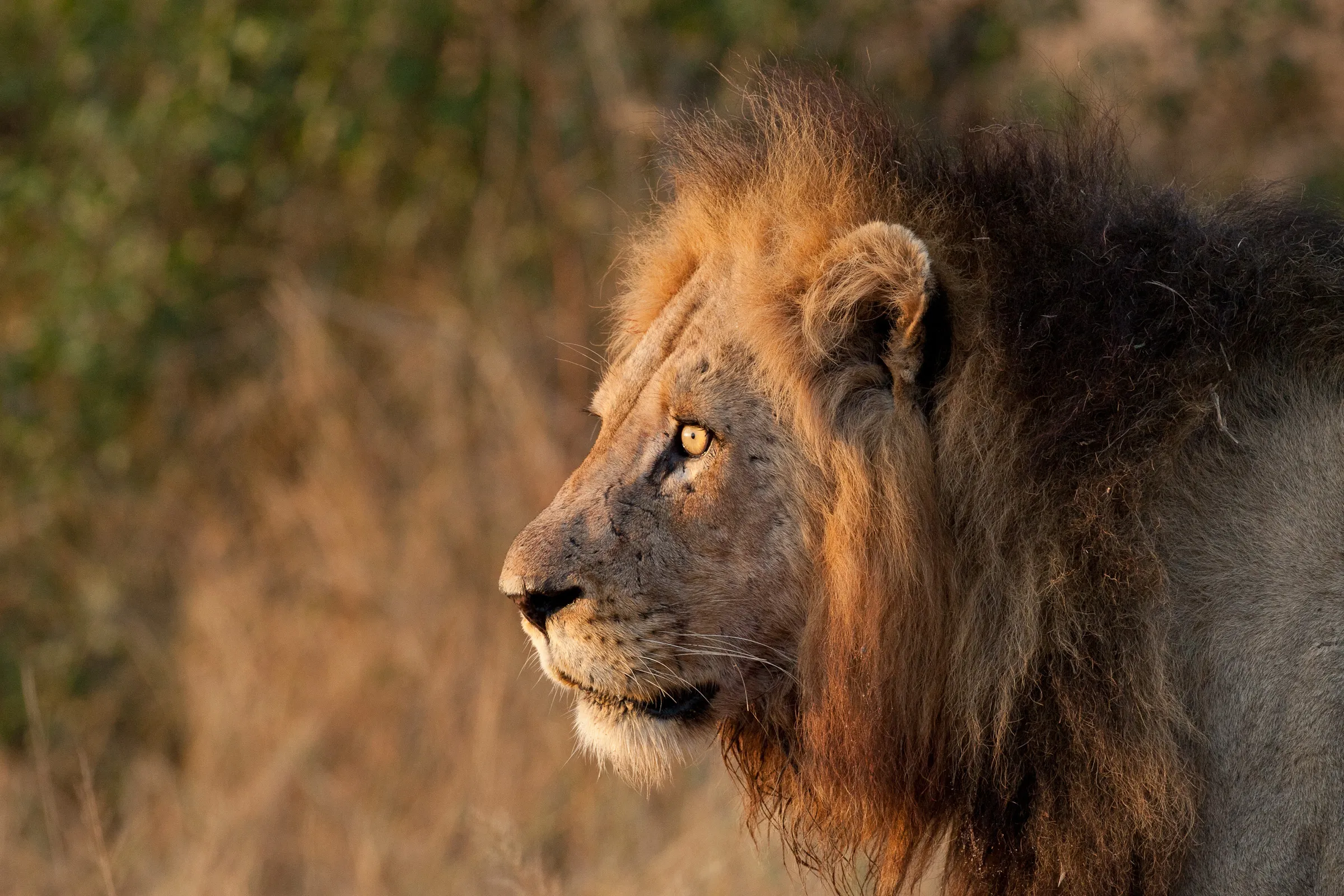
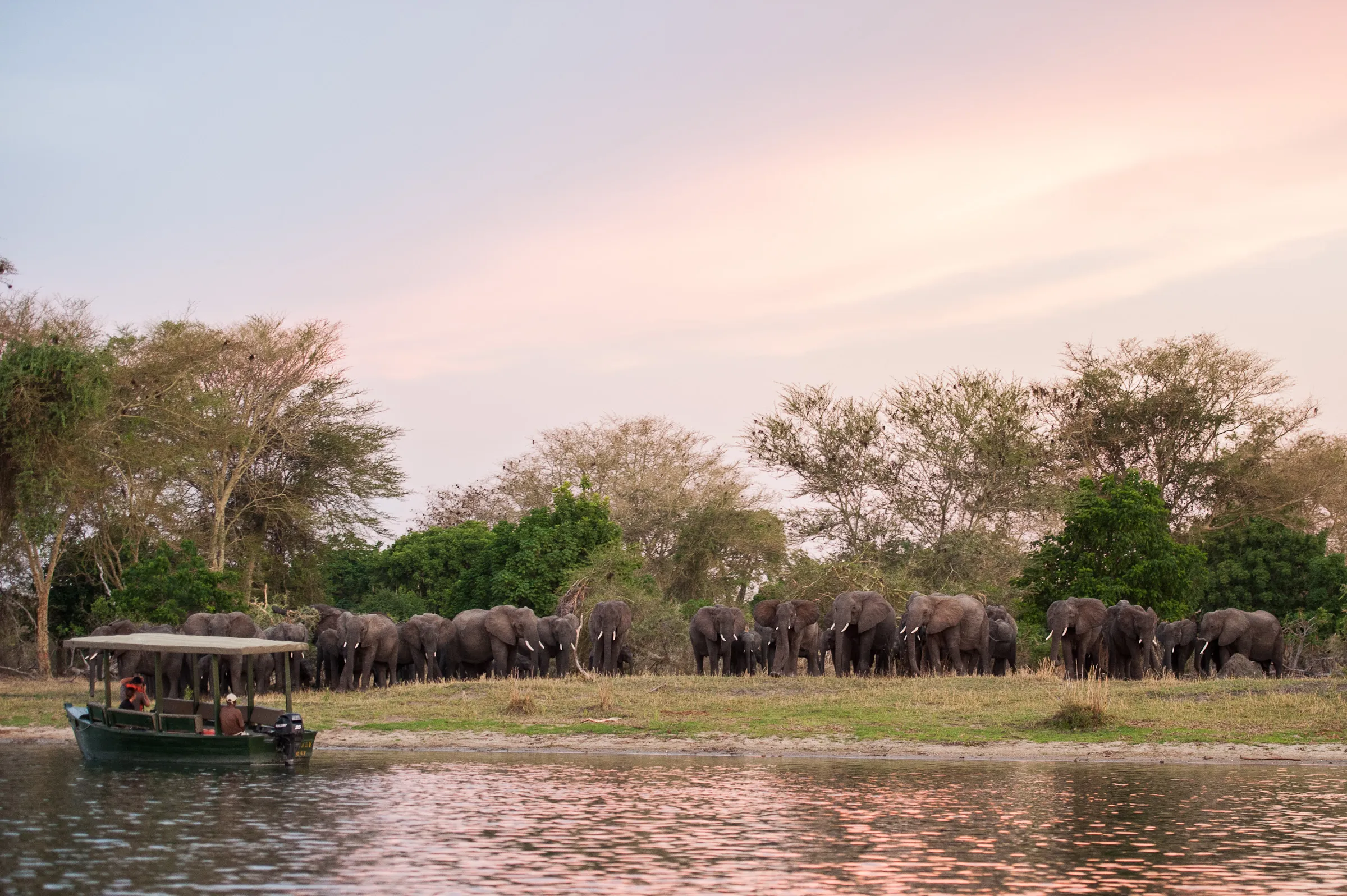
Liwonde is best known for its elephant populations, along with sightings of hippo, crocodile, buffalo and a growing range of reintroduced predators such as lion and black rhino in protected areas.
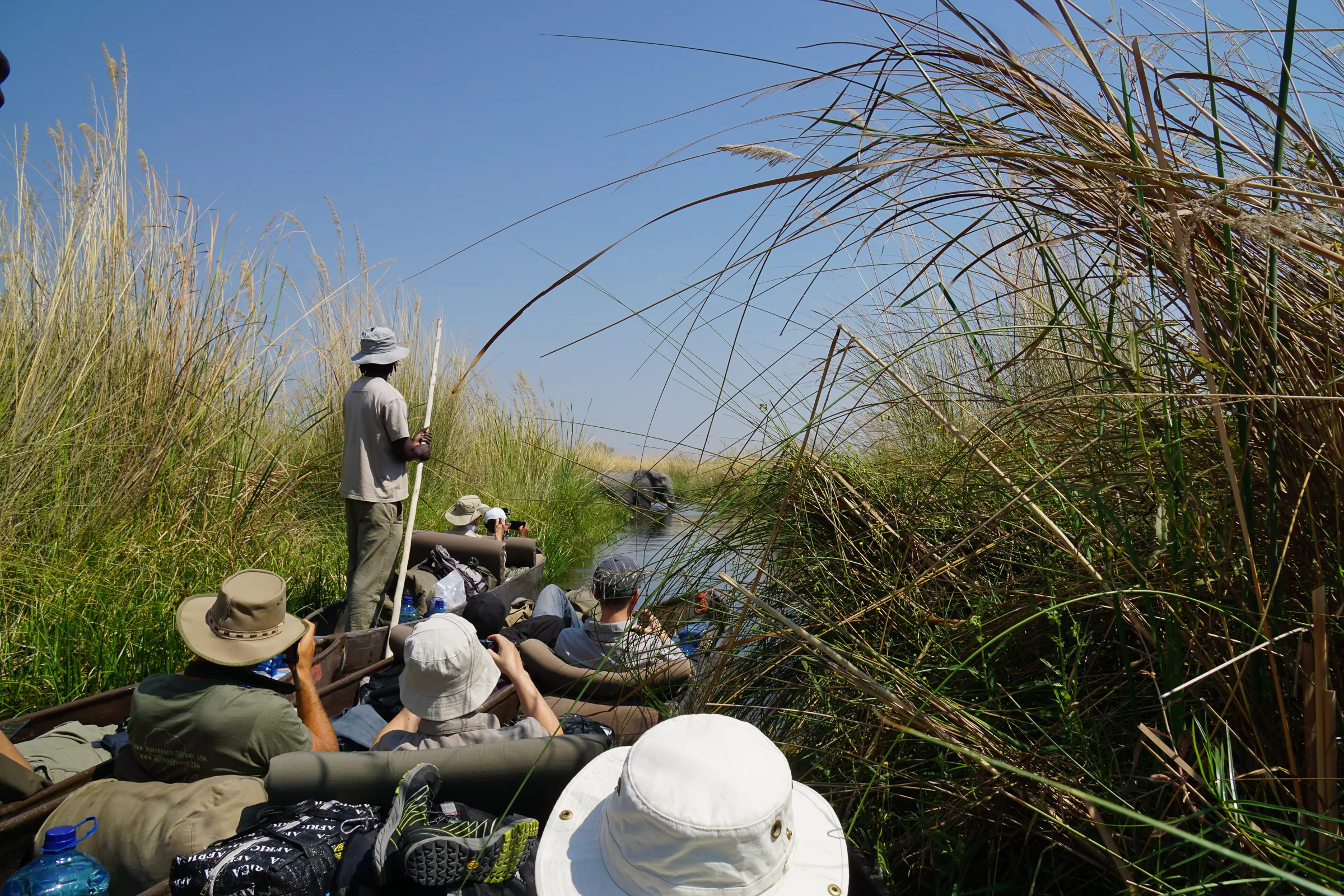
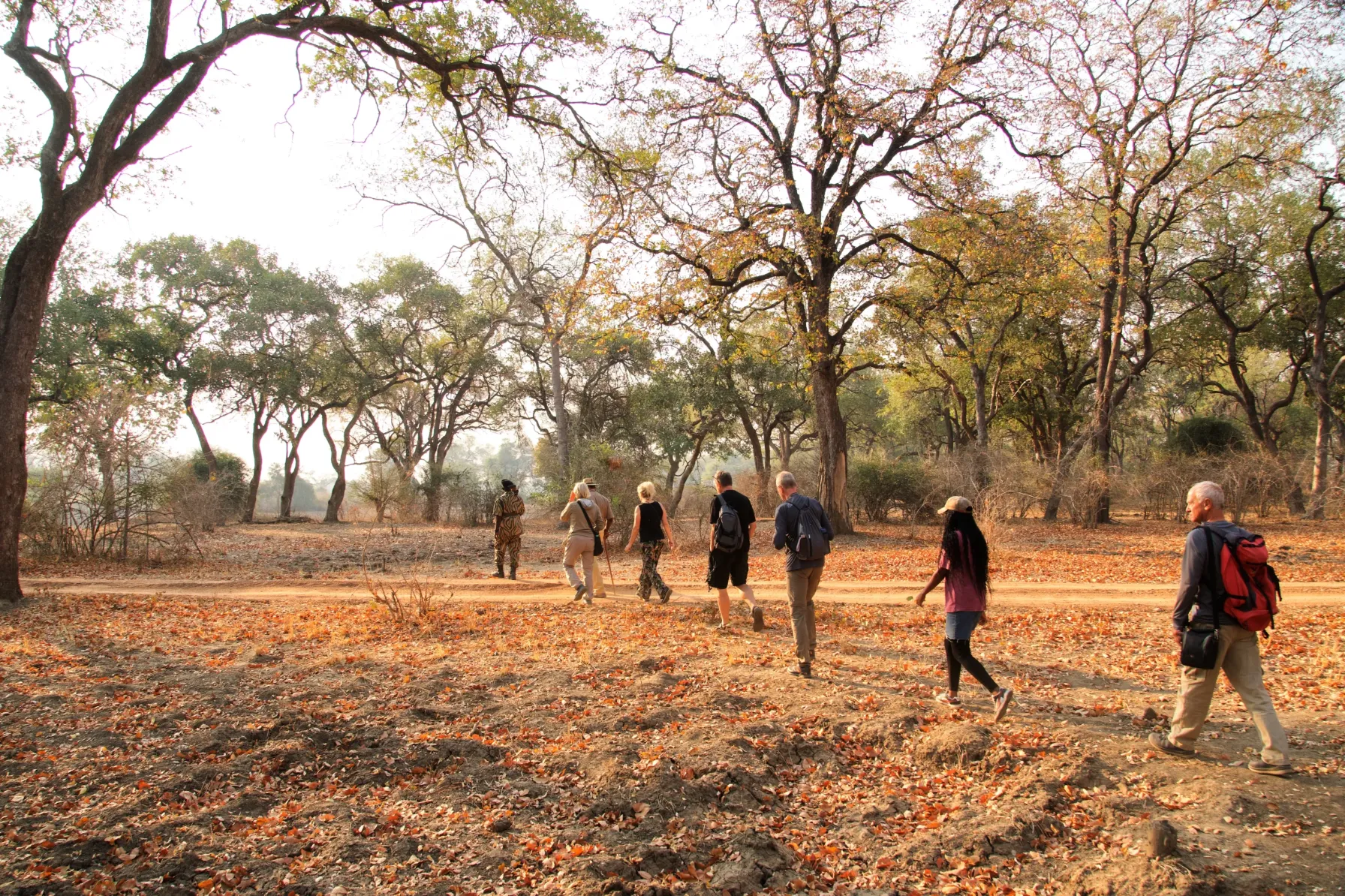
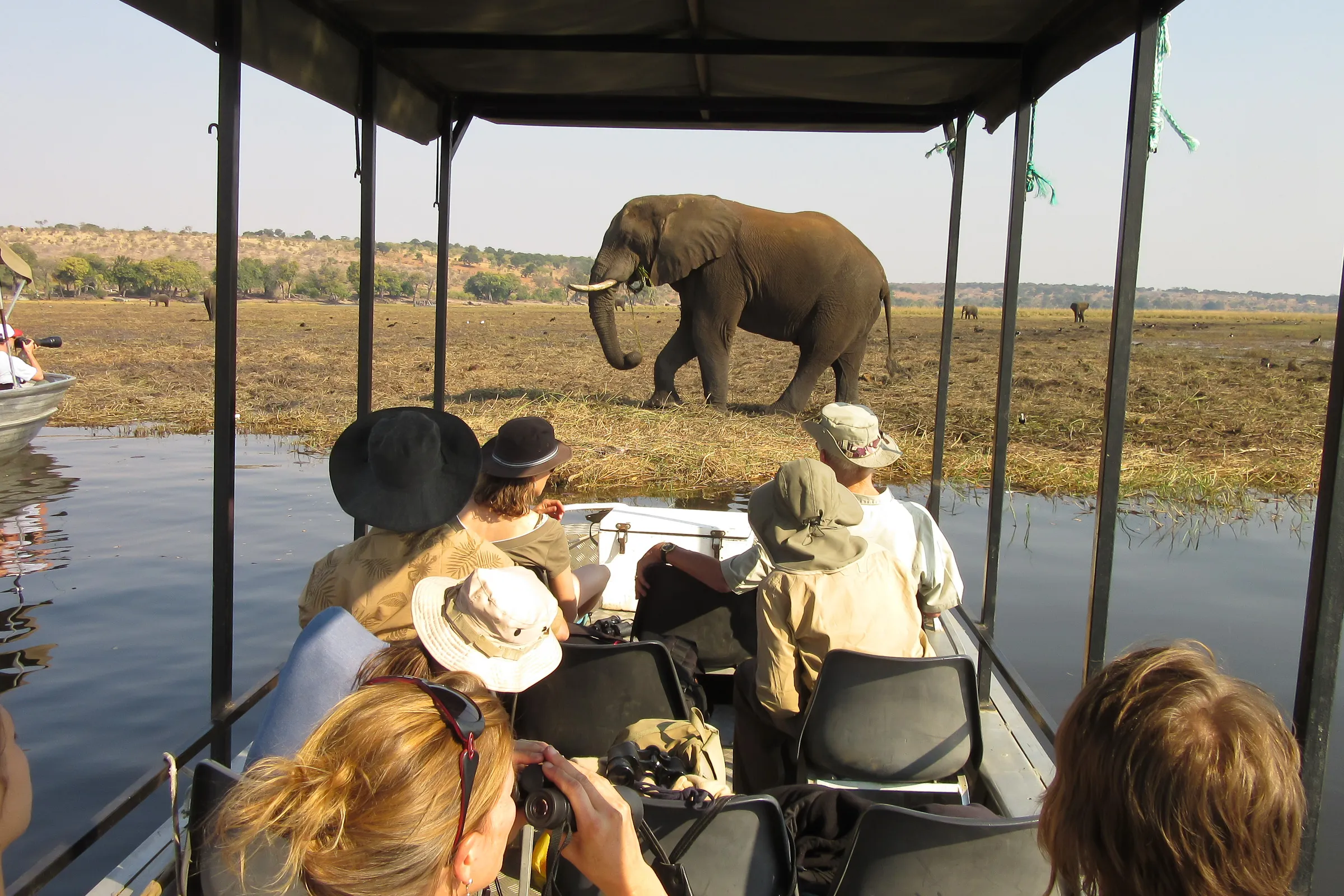
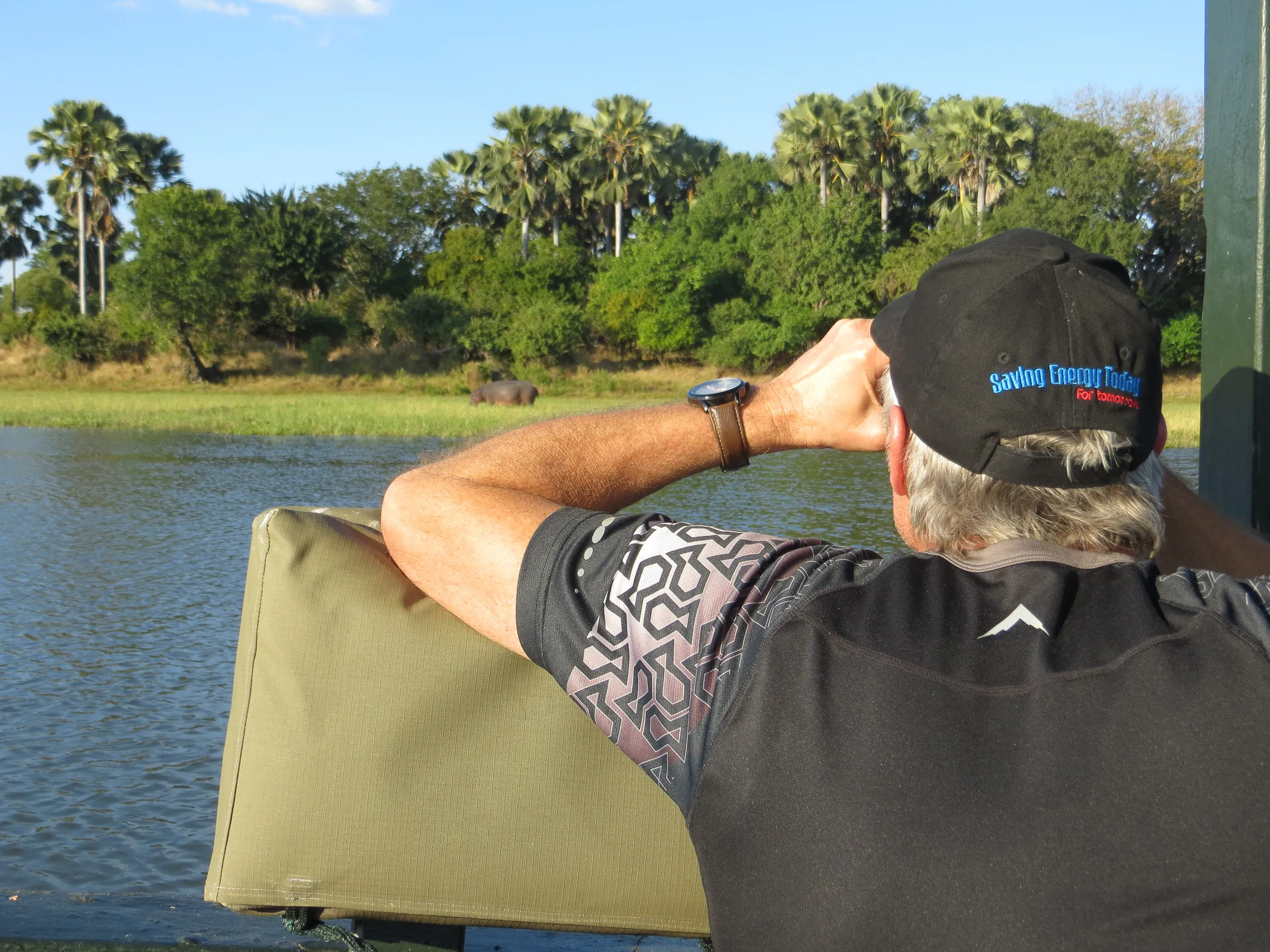
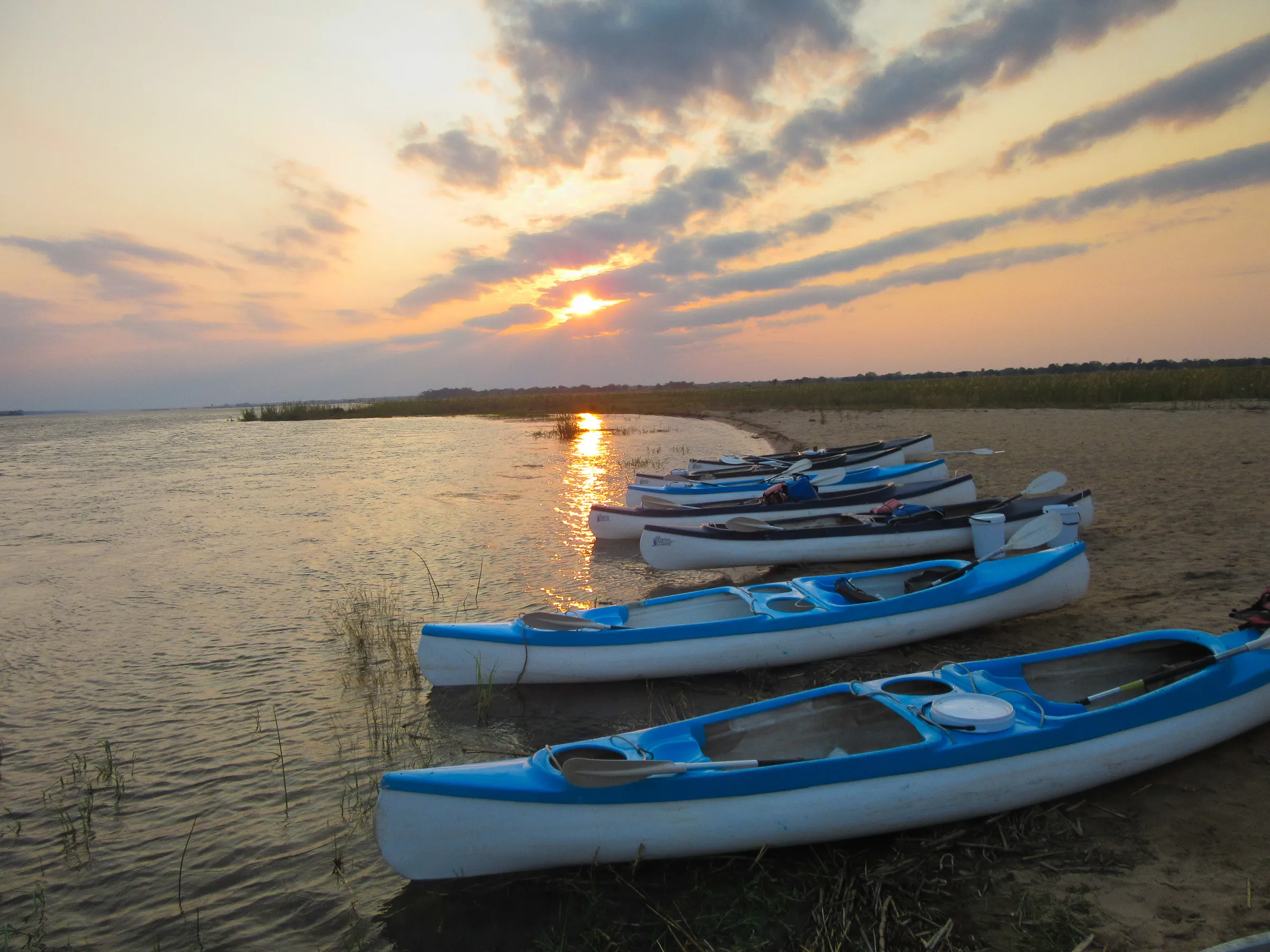
Game viewing in Liwonde is unique compared to many Southern African parks. In addition to traditional game drives, boat safaris on the Shire River offer close encounters with wildlife along the riverbanks, particularly elephants, hippos and birdlife.
The park is also one of the most important birding areas in Malawi, with species such as African fish eagle, Pel’s fishing owl and a wide variety of waterbirds regularly recorded.
Mulanje Massif
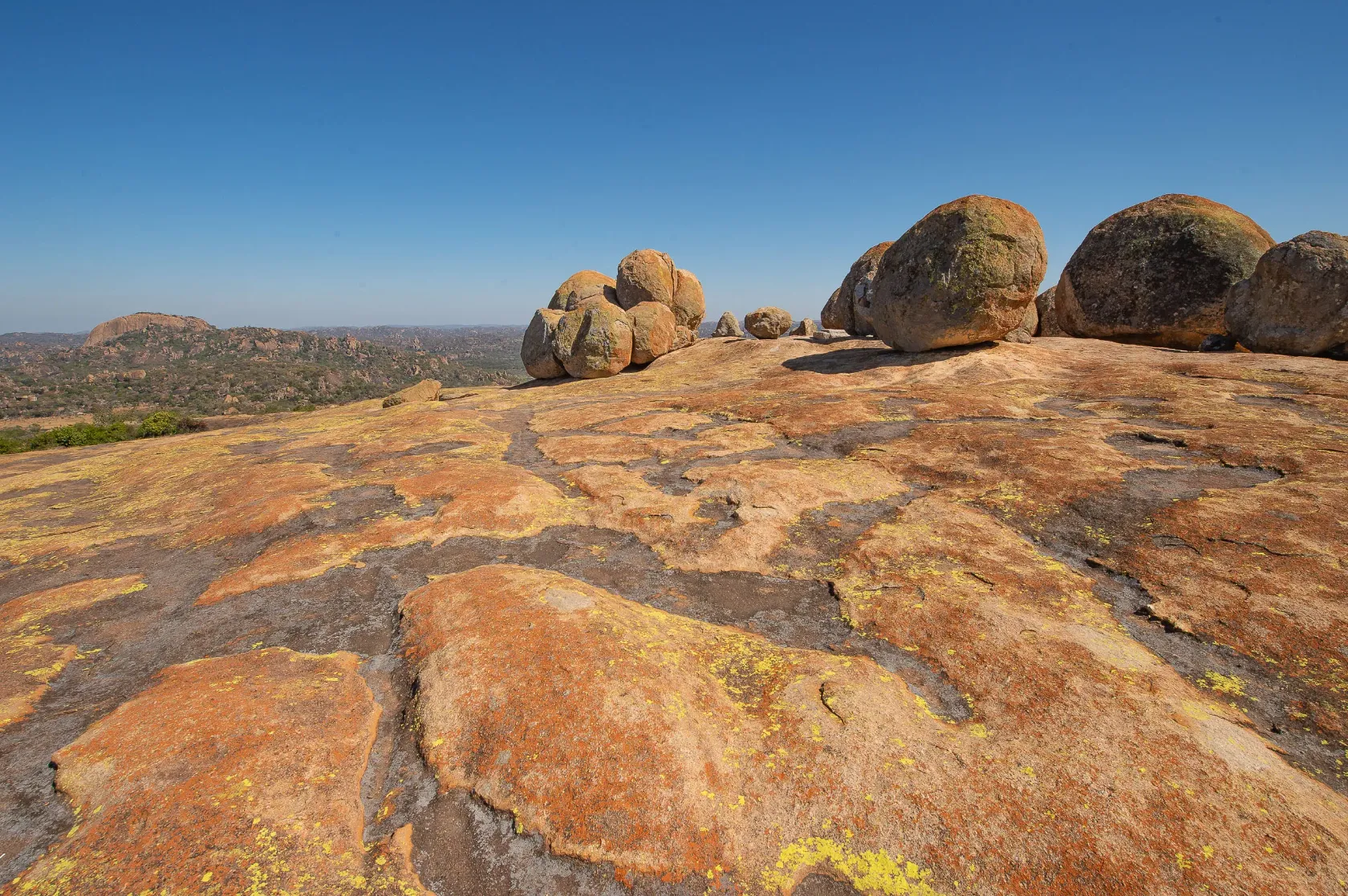
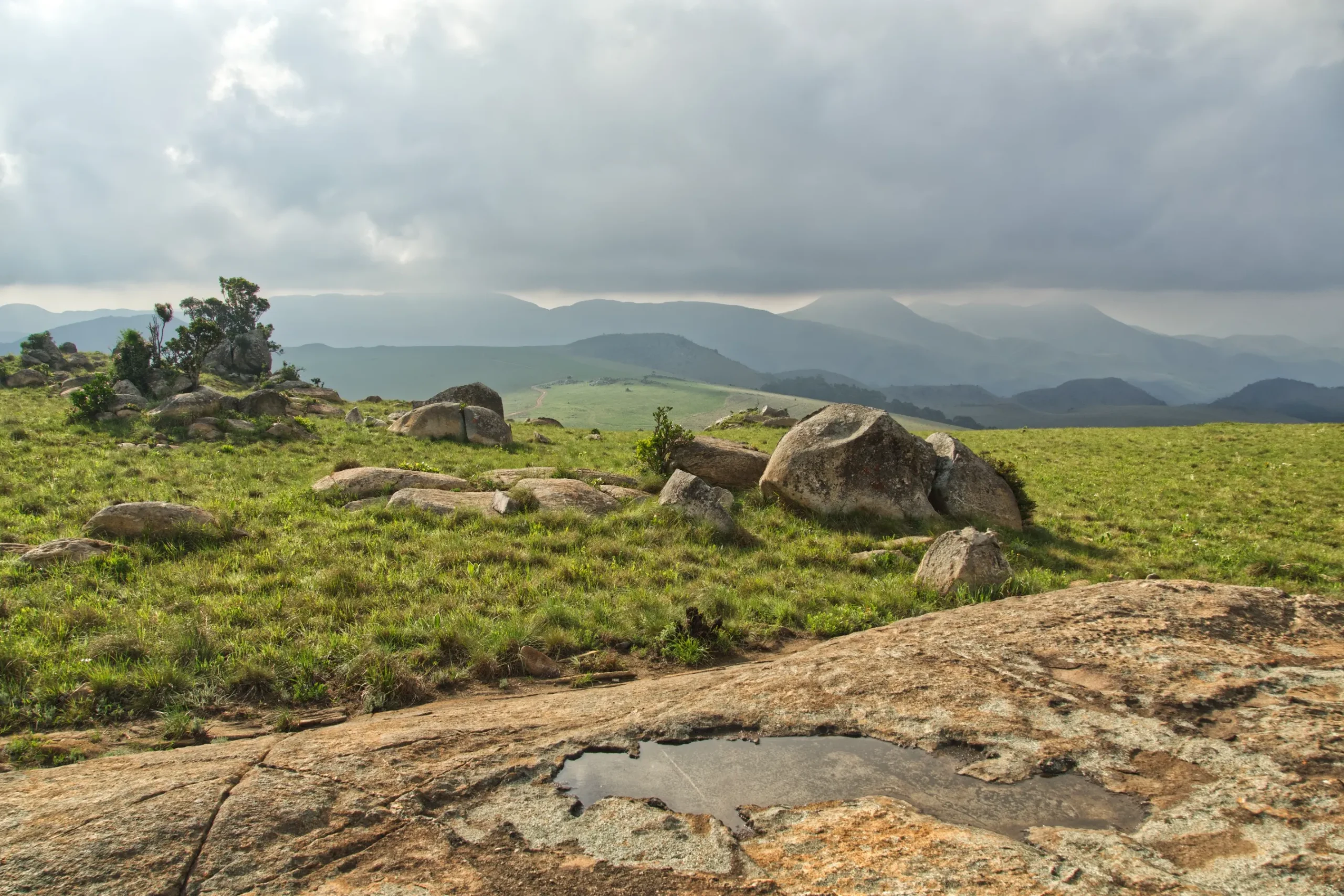
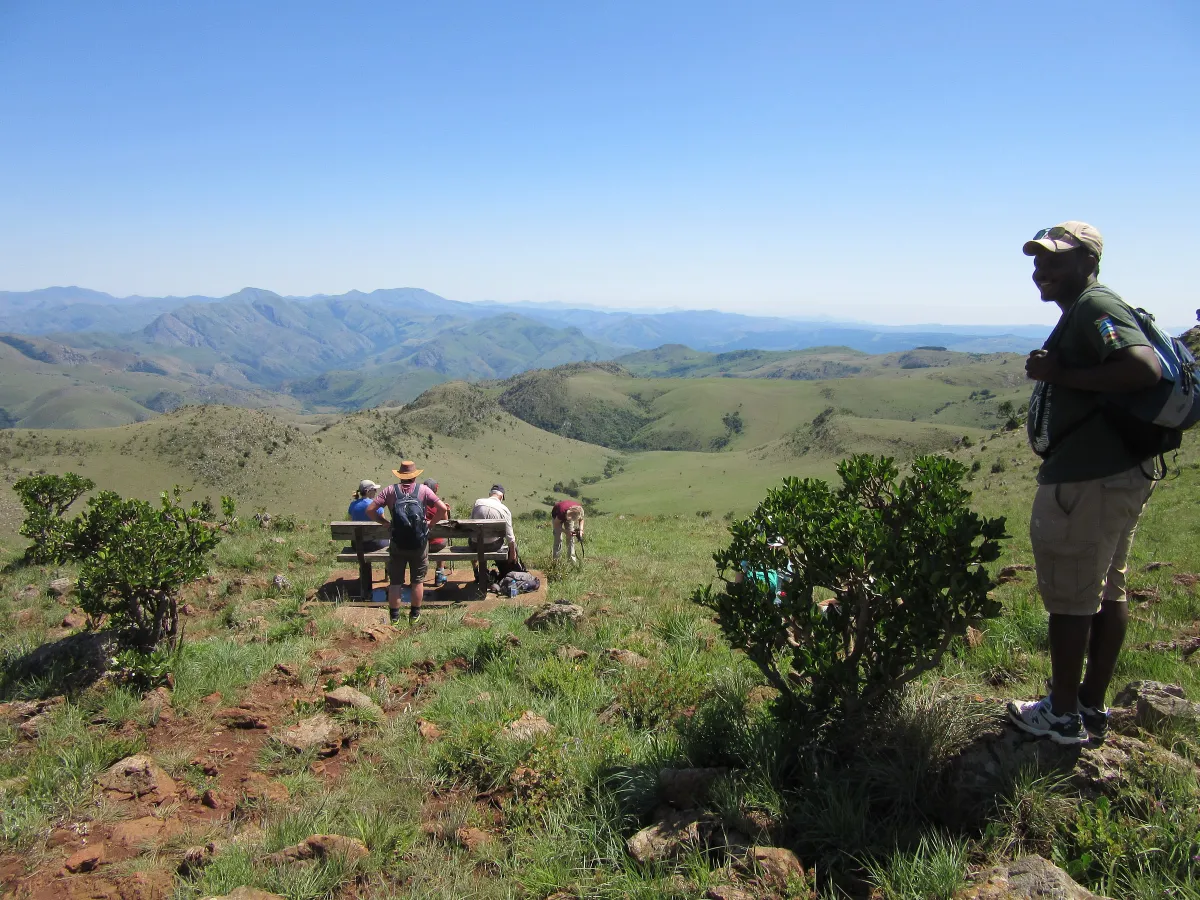
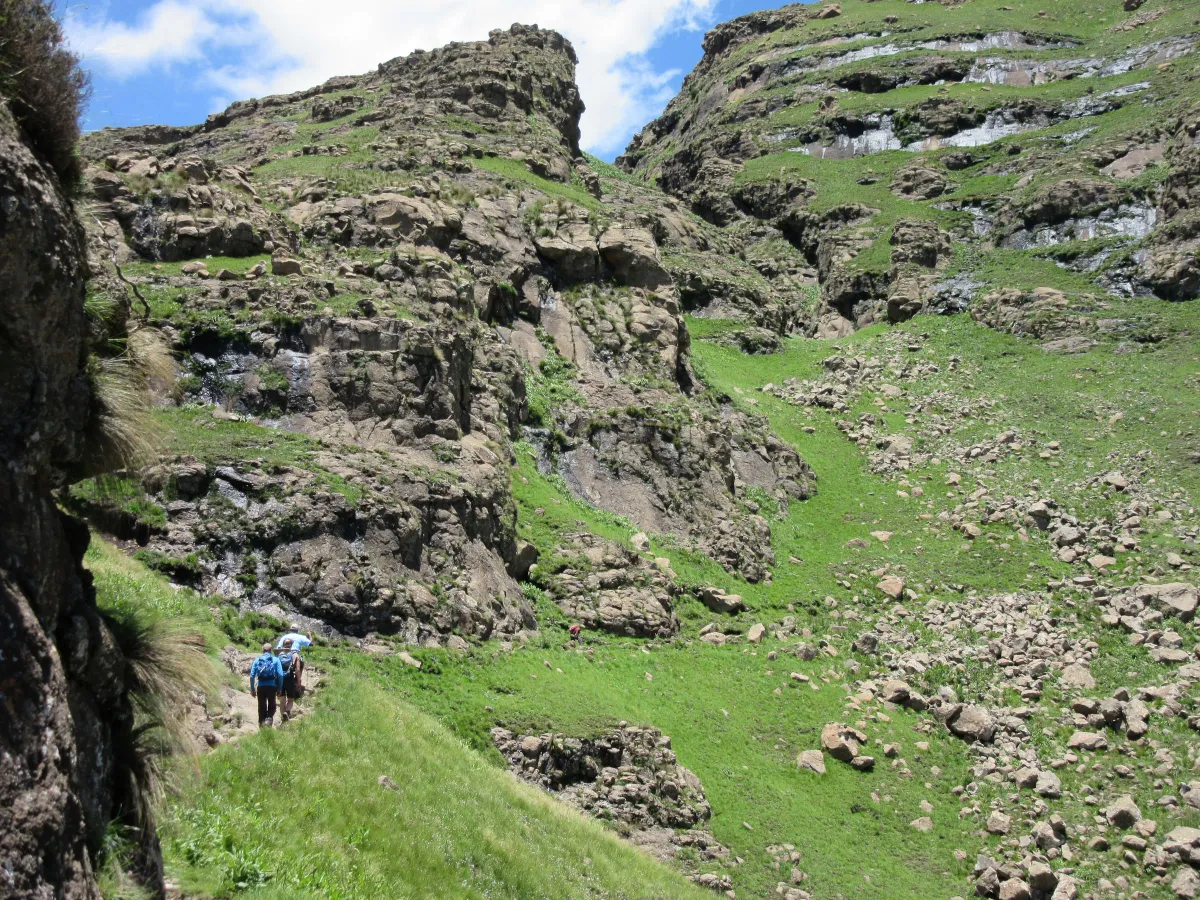
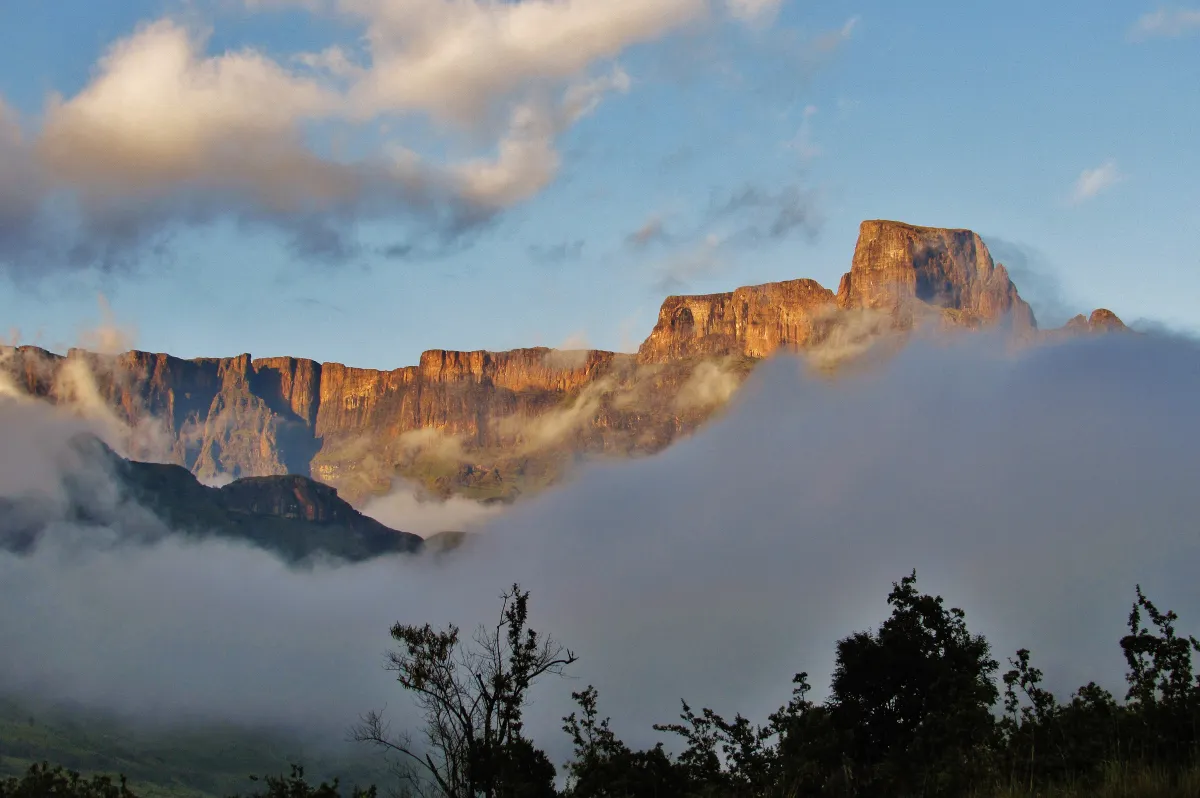
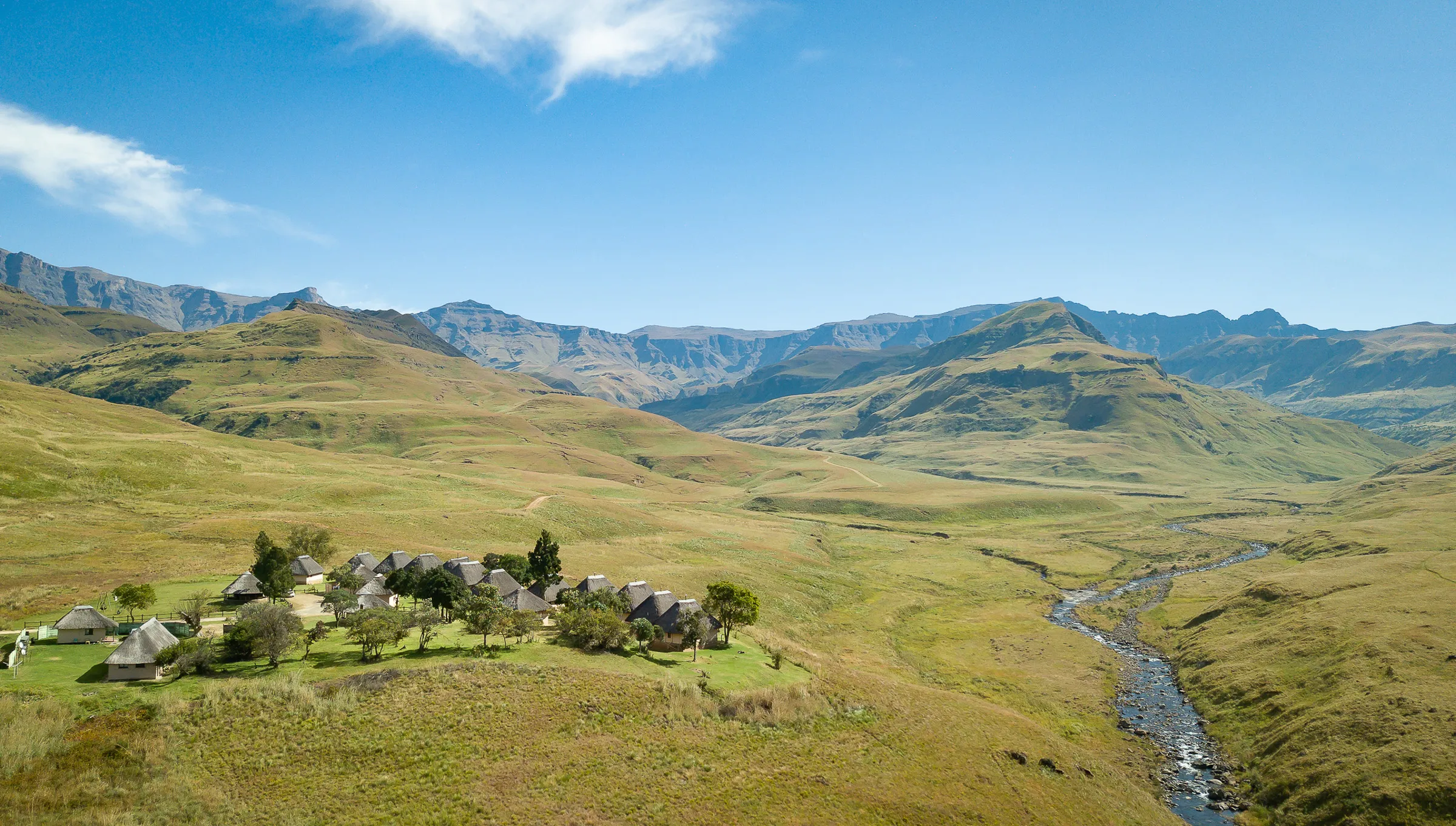
The Mulanje Massif is a vast granite mountain range in southern Malawi and one of the most dramatic natural landmarks in the country.
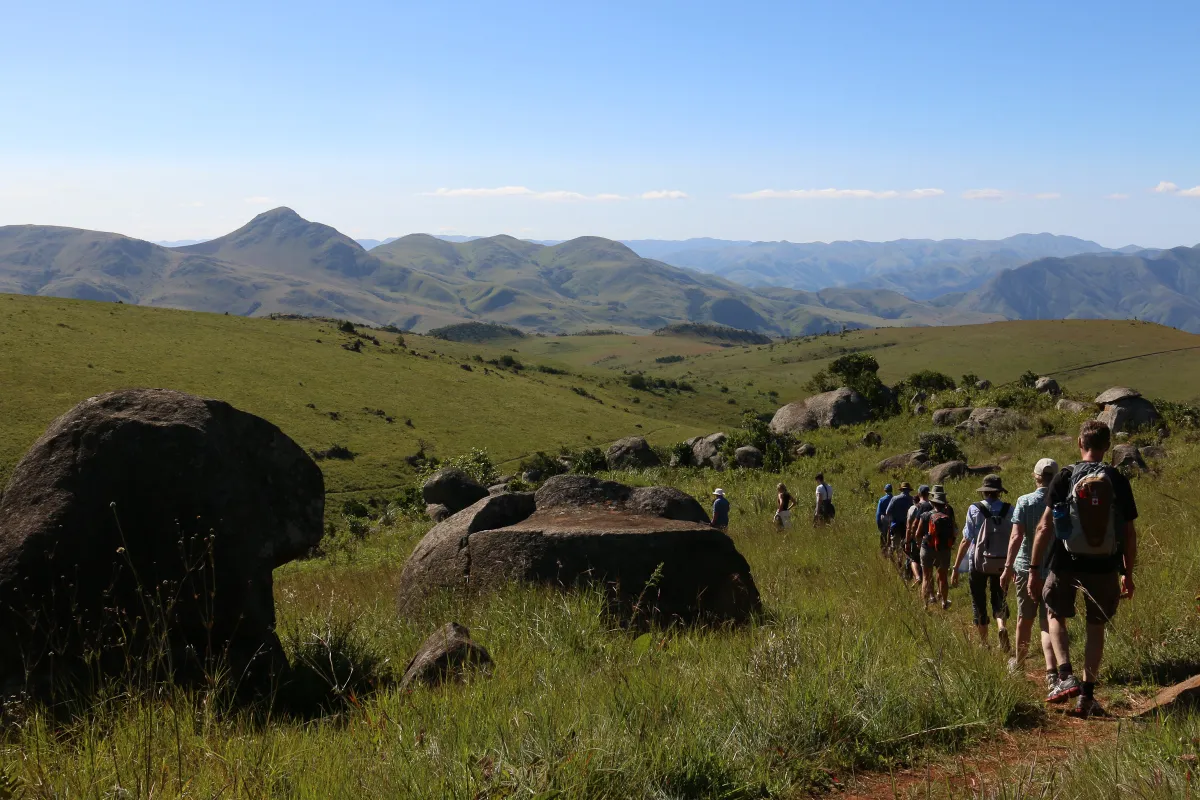
Rising sharply from the surrounding plains, it forms a massive inselberg landscape with deep valleys, forested slopes and high mountain plateaus. The highest peak, Sapitwa, reaches just under 3,000 metres, making Mulanje the highest point in Malawi.
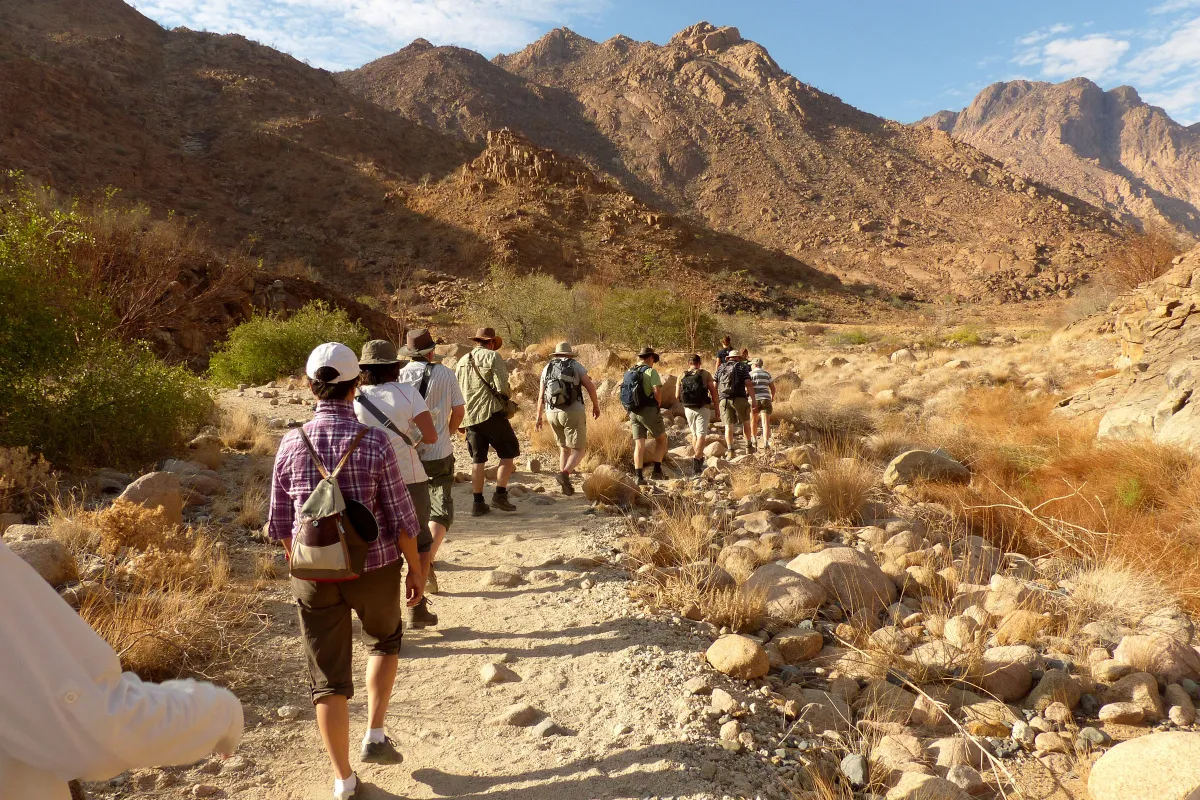
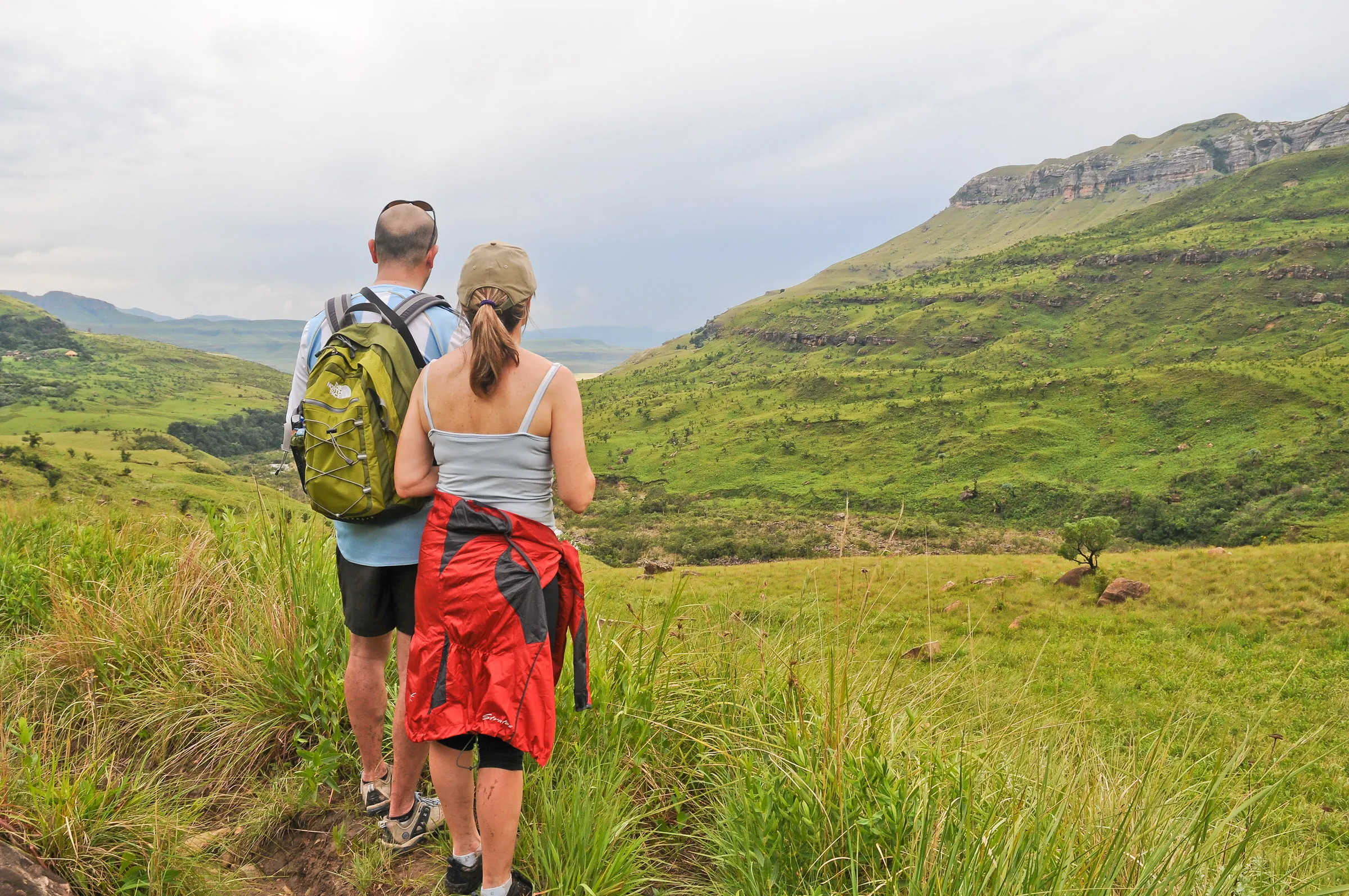
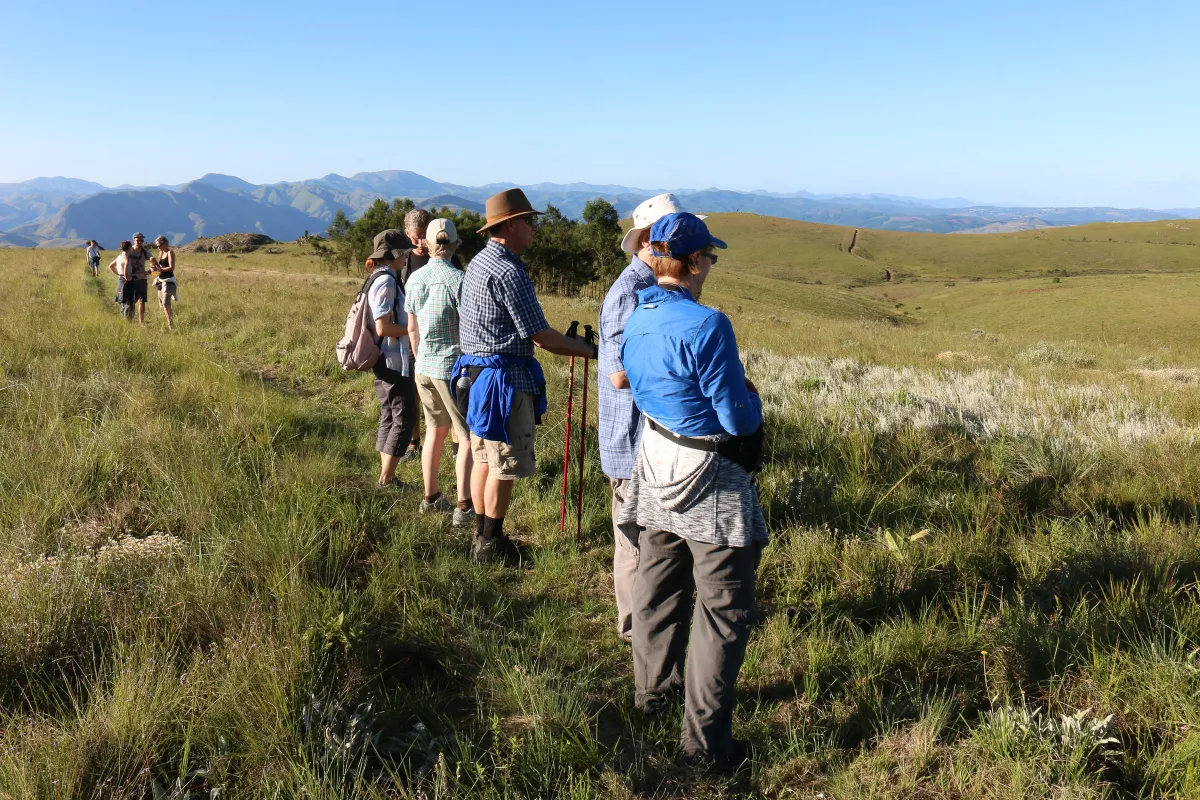
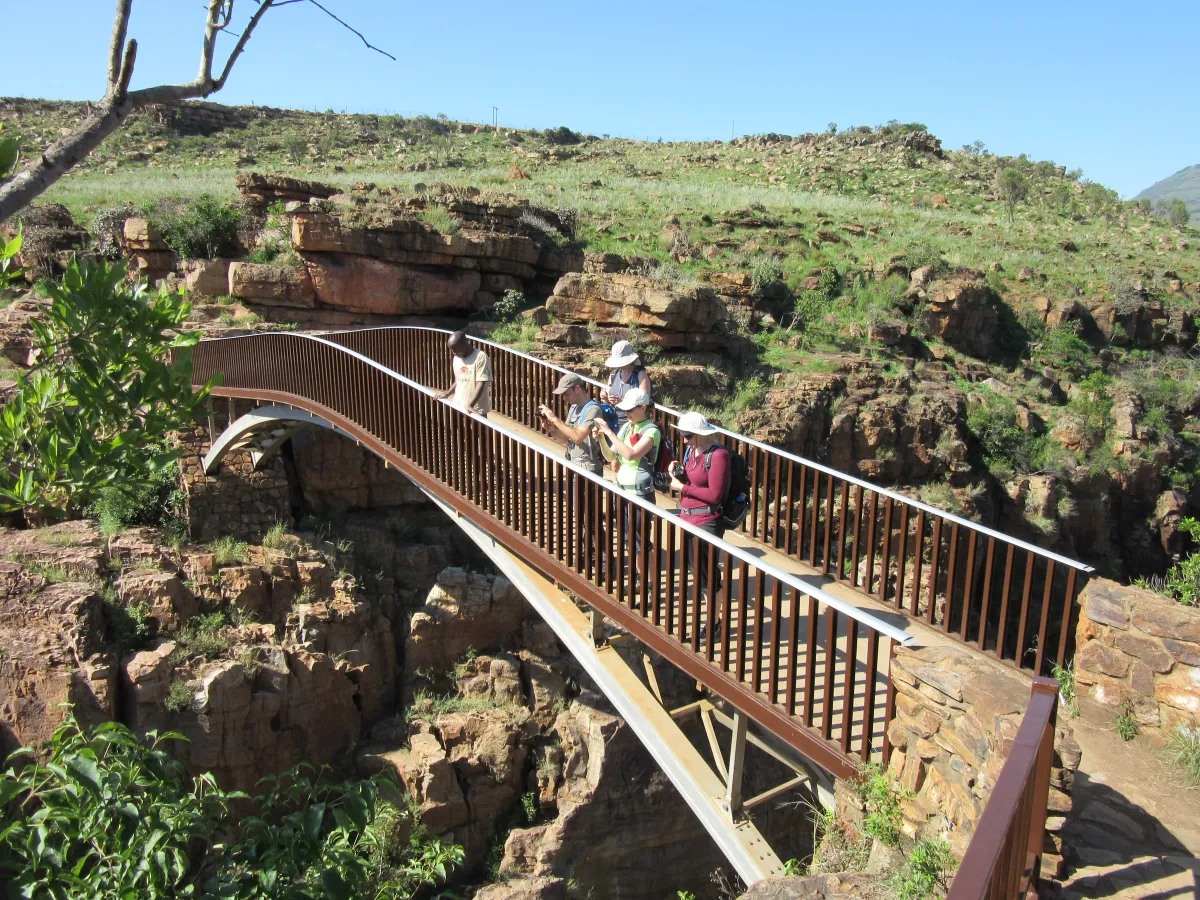
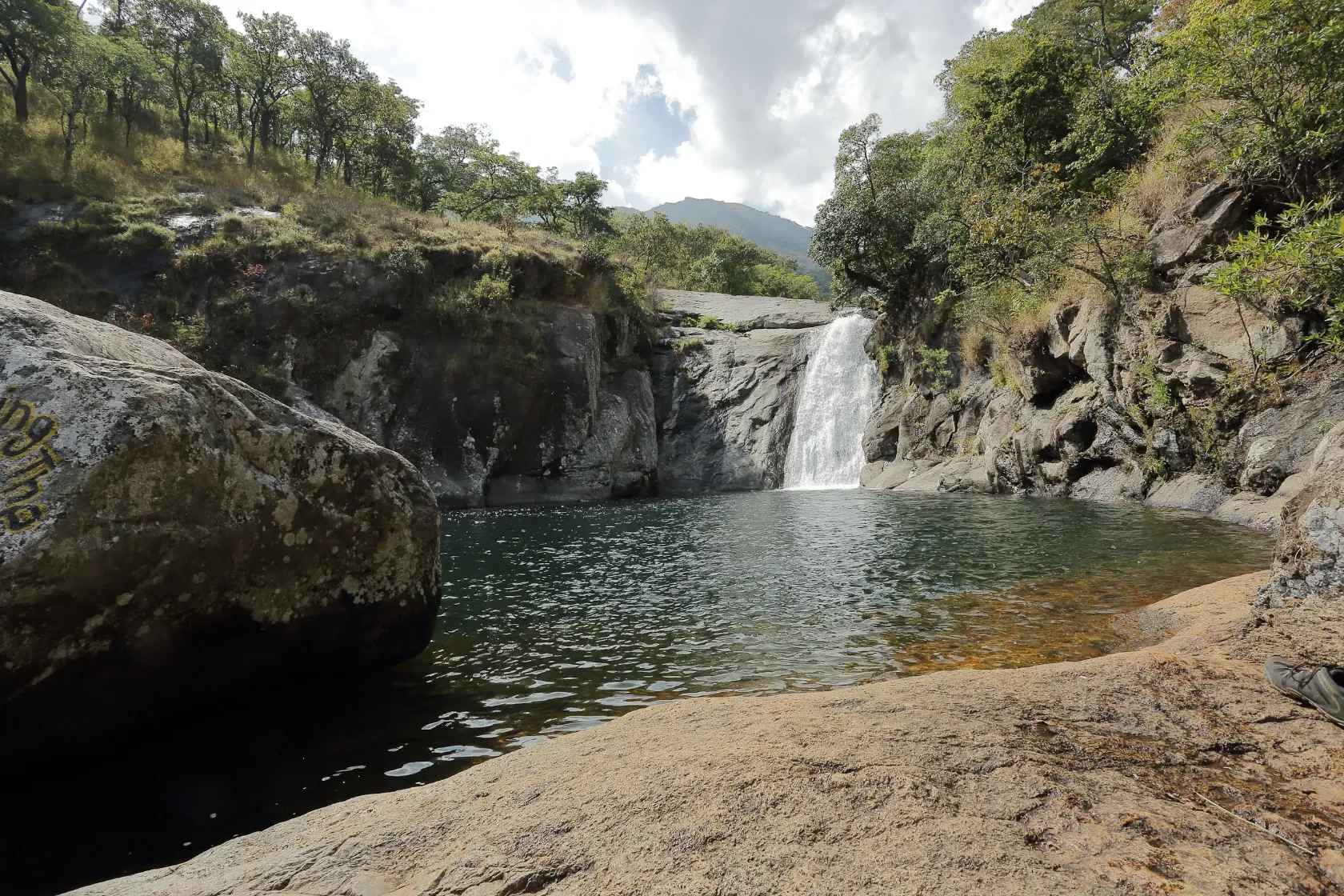
The massif is a popular destination for hiking and trekking, offering multi day routes through mountain forest, waterfalls and remote highland villages. Trails are typically guided and provide access to both scenic viewpoints and culturally significant local communities.
Mulanje is also an important biodiversity area, with indigenous forest supporting a range of plant, bird and small mammal species found only in these high altitude environments.
For travellers, Mulanje offers a completely different perspective of Malawi, contrasting strongly with the lakeshore relaxation of Lake Malawi and the wildlife focused experience of Liwonde National Park.
Blantyre & Lilongwe
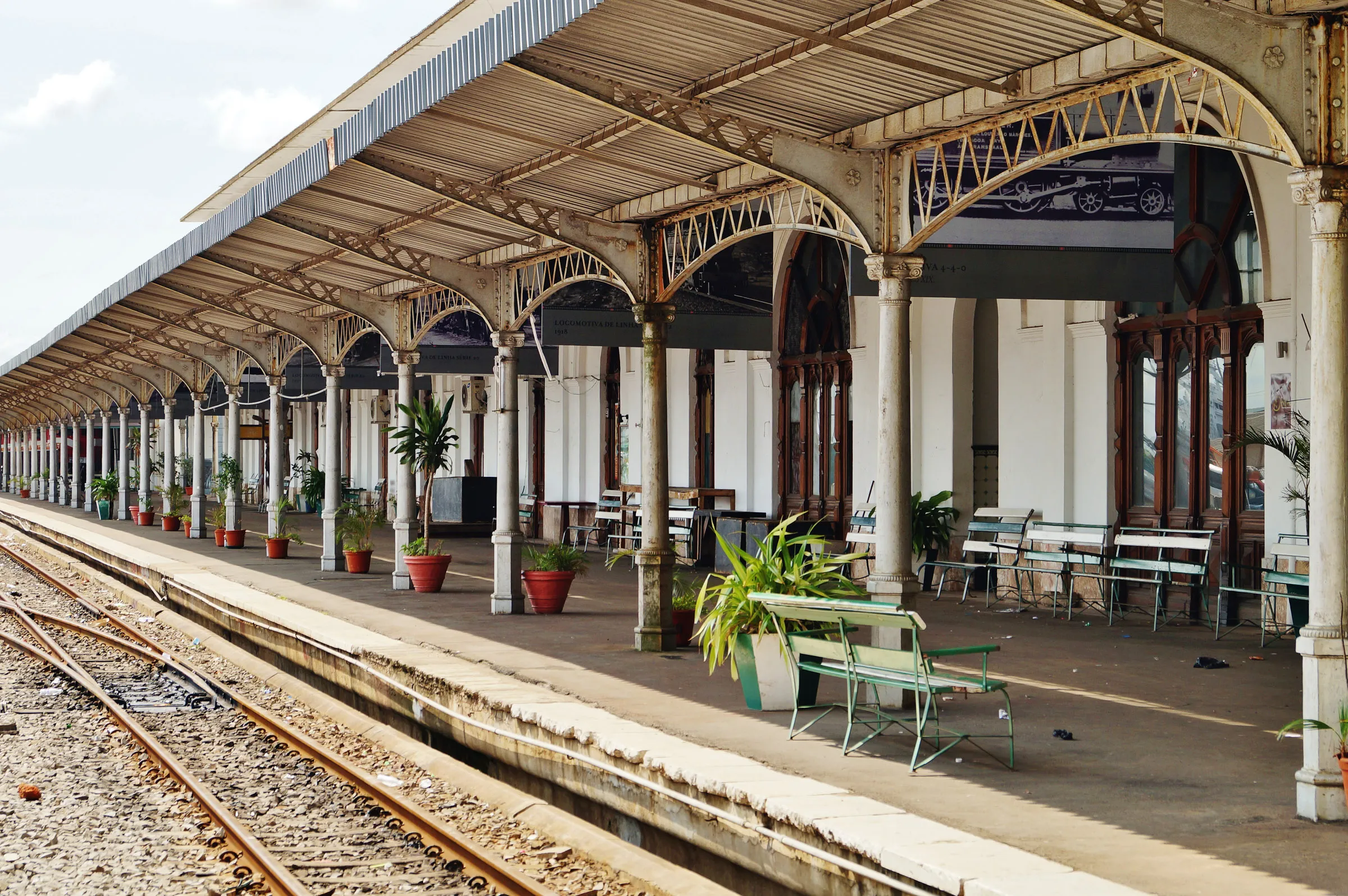
Blantyre and Lilongwe are Malawi’s two major cities and serve as important gateways for travel throughout the country.
Blantyre, located in southern Malawi, is the country’s commercial centre and one of its oldest urban areas. Lilongwe, the capital city, is situated in central Malawi and functions as the main administrative and transport hub.
Both cities have historical roots dating back to the colonial era, and today they offer insight into modern Malawian urban life alongside cultural and craft experiences.
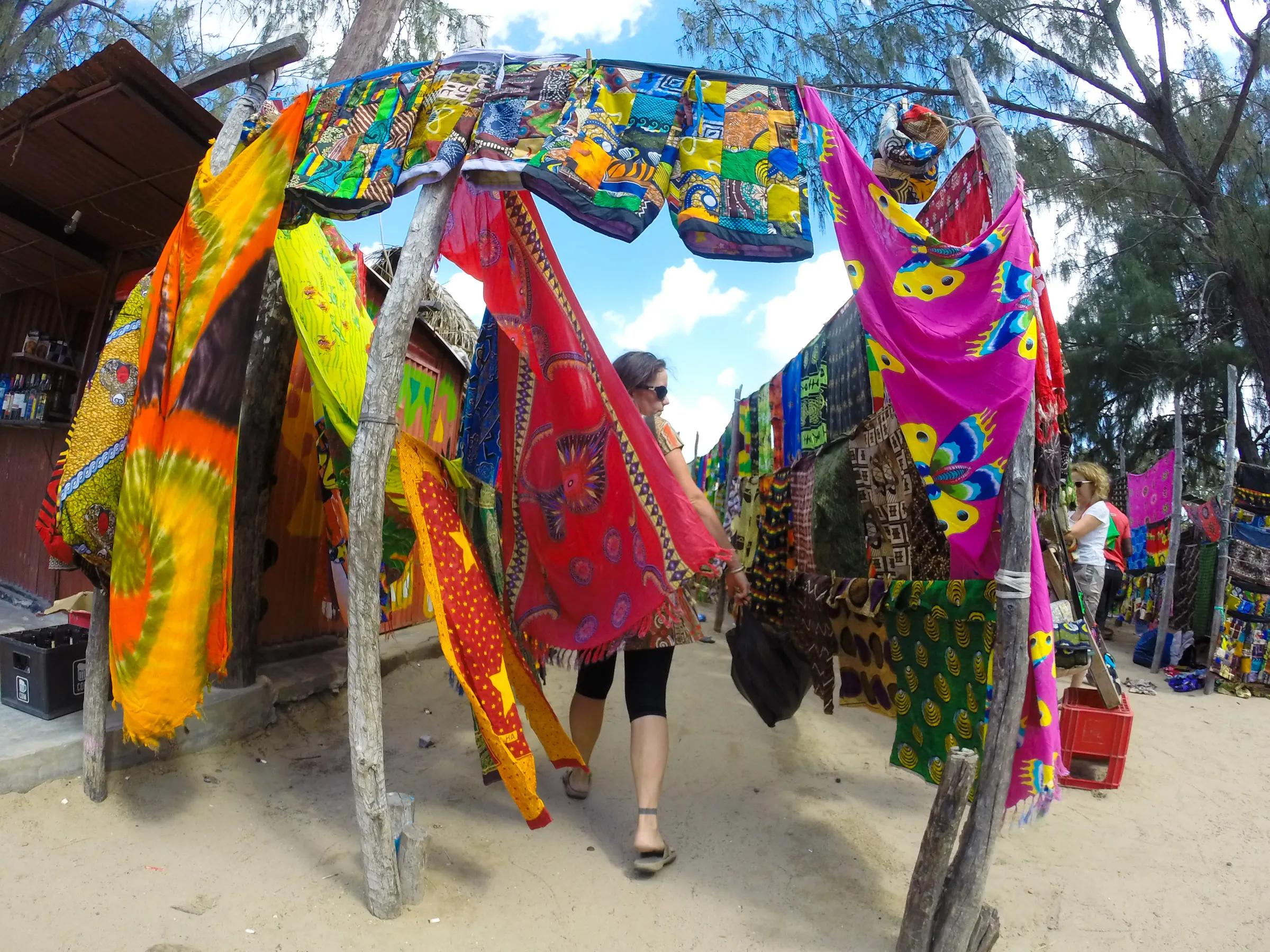
Travellers passing through Blantyre and Lilongwe can visit local craft markets, which are known for traditional wood carvings, handmade artwork and the iconic Malawi chair, a distinctive example of local design and craftsmanship.
These cities are often used as entry or exit points for Malawi safari itineraries, connecting travellers to Lake Malawi, Liwonde National Park and the country’s highland regions.
Safaris in Malawi
Frequently Asked Questions
What is Malawi best known for?
Malawi is best known as the “Warm Heart of Africa” due to its friendly people, relaxed atmosphere and scenic landscapes. The country is dominated by Lake Malawi, one of Africa’s largest freshwater lakes, and also offers wildlife areas such as Liwonde National Park and mountainous regions like the Mulanje Massif.
Is Malawi a good safari destination?
Malawi is a developing safari destination that offers a mix of wildlife experiences, scenic landscapes and lake based travel. While it is not a traditional Big Five safari hub, it is known for Liwonde National Park, which offers elephant, hippo, crocodile and reintroduced predator populations, often combined with river based game viewing.
What can you do in Malawi?
Malawi offers a combination of wildlife, cultural and outdoor experiences. Visitors can enjoy boat safaris on the Shire River in Liwonde National Park, relax on the shores of Lake Malawi, explore local villages, or hike in the highland regions such as the Mulanje Massif.
What is Lake Malawi known for?
Lake Malawi is one of Africa’s largest and most important freshwater lakes and defines much of the country’s landscape. It is known for its clear waters, sandy beaches and exceptional biodiversity, including hundreds of endemic fish species found nowhere else in the world.
What wildlife can you see in Malawi?
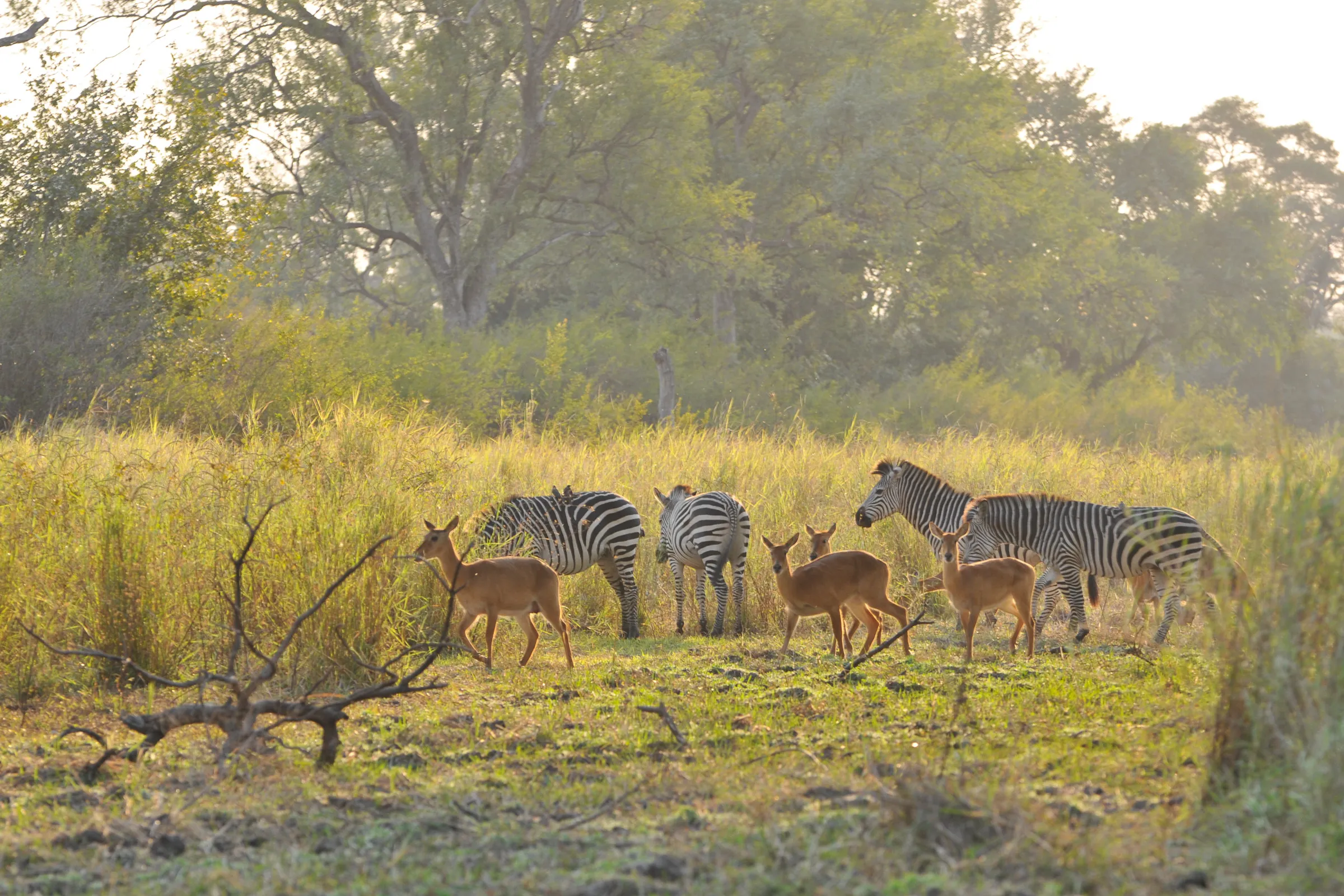
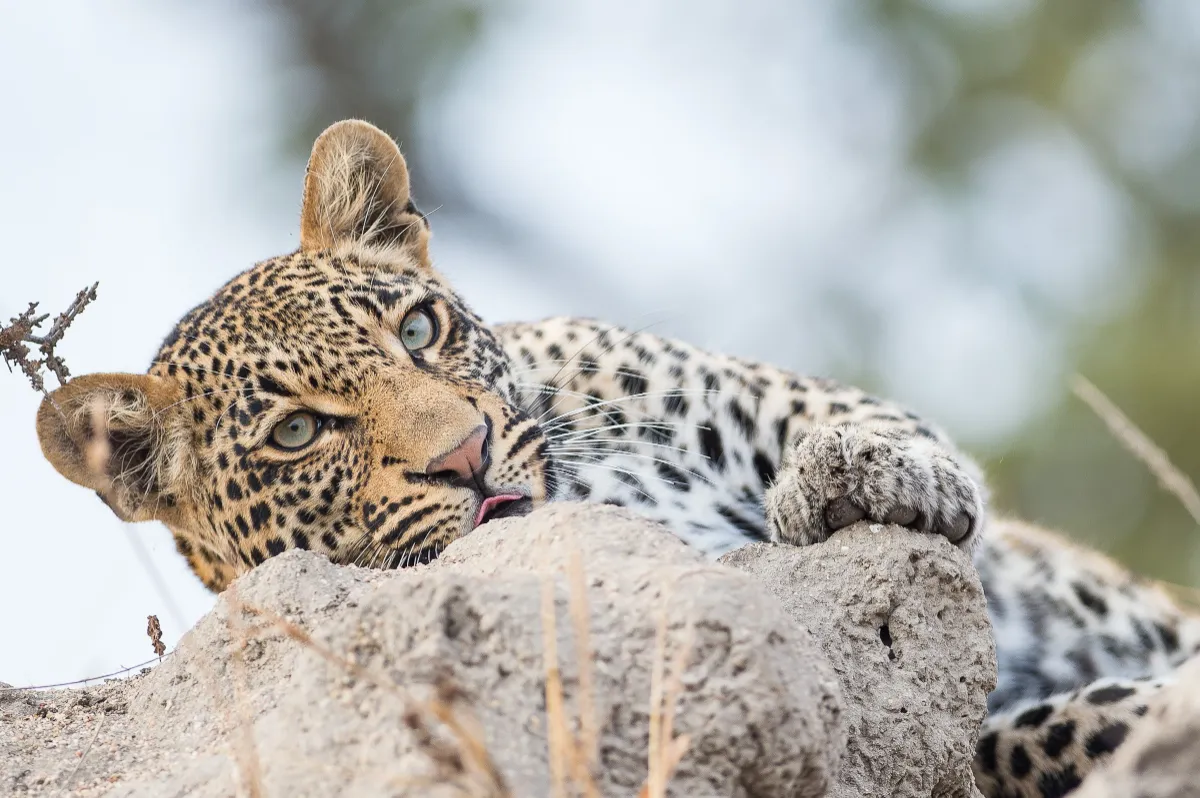
Wildlife in Malawi is concentrated mainly in Liwonde National Park and surrounding conservation areas. Species include elephant, hippo, crocodile, buffalo and a growing number of predators such as lion and black rhino in protected zones. The lake and rivers also support abundant birdlife.
When is the best time to visit Malawi?
The best time to visit Malawi is during the dry season from May to October when wildlife viewing in Liwonde National Park is at its best and travel conditions are more comfortable. The lake region remains accessible year round, with warm temperatures throughout the year.
Is Malawi safe for travel?
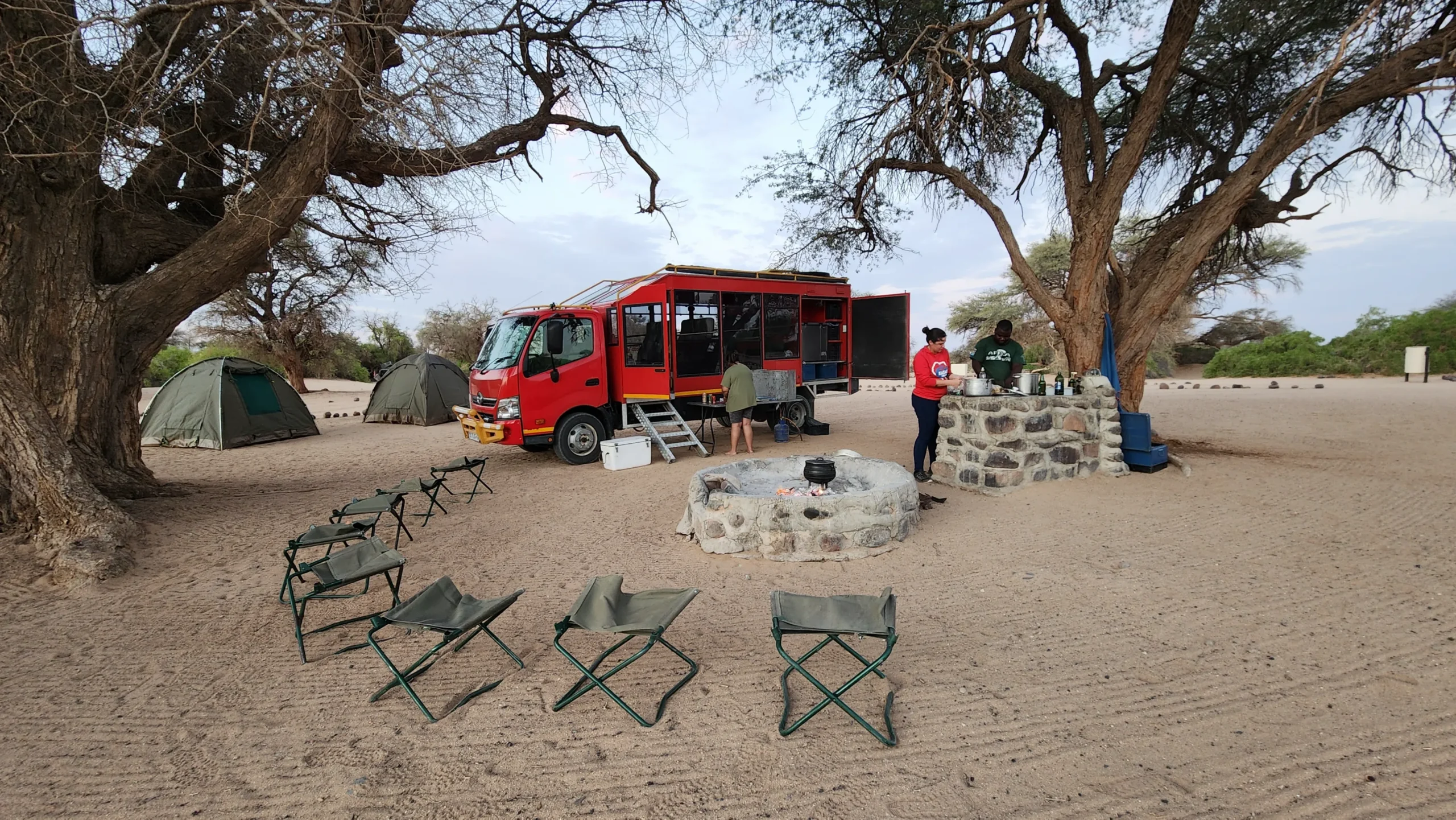
Malawi is generally considered one of the safer travel destinations in Southern Africa, particularly in established tourist routes such as Lake Malawi, Liwonde National Park and major overland travel corridors. Guided travel with Sunway Safaris provides structured logistics and support throughout the journey.
What makes Liwonde National Park special?
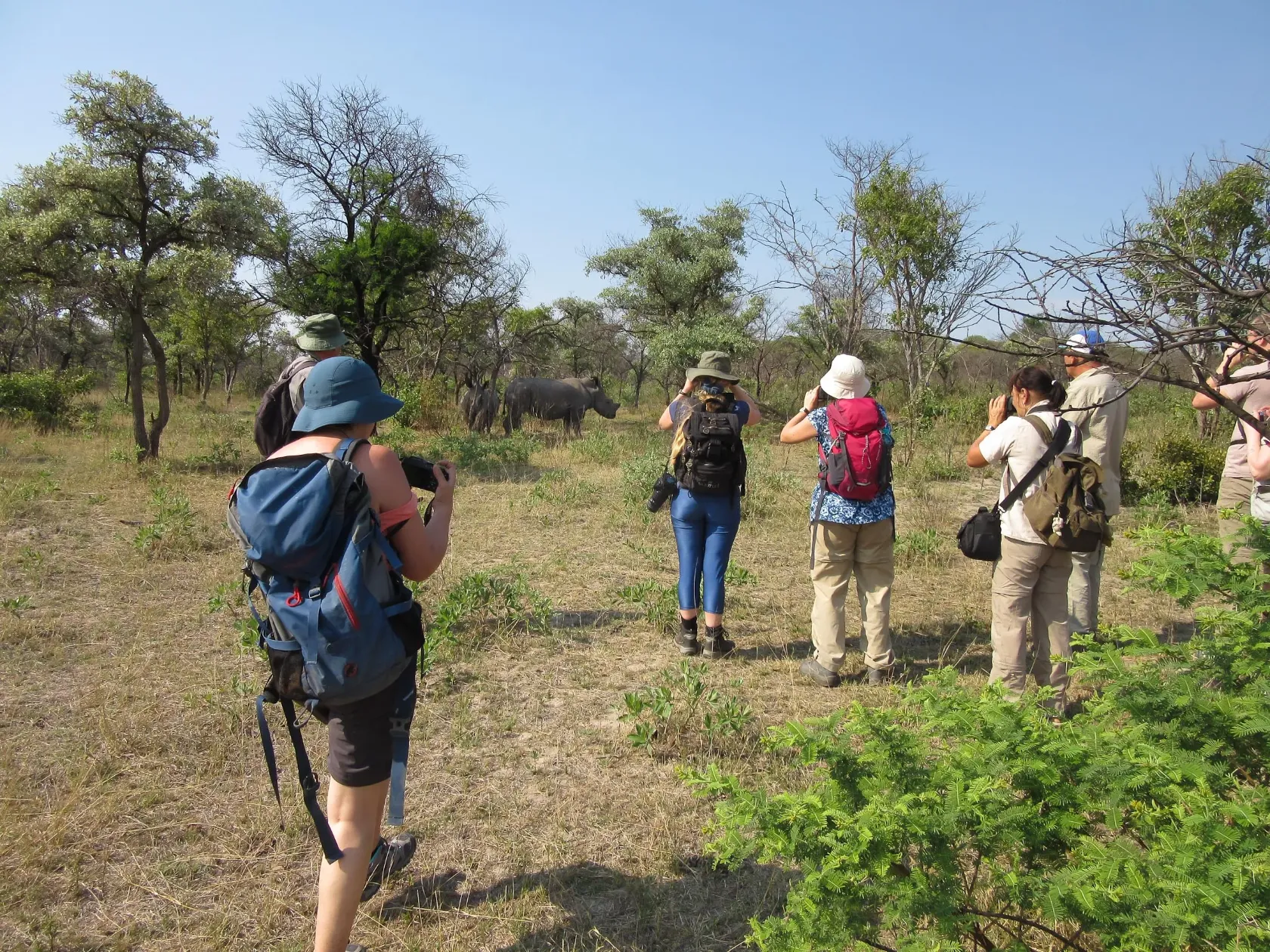
Liwonde National Park is Malawi’s premier wildlife destination and is known for its river based ecosystem along the Shire River. It offers boat safaris, game drives and walking experiences, with elephants, hippos and diverse birdlife commonly seen.
Why is Lake Malawi included in safari itineraries?
Lake Malawi is included in overland safari itineraries because it provides a natural contrast to inland wildlife regions. It offers relaxation, swimming, water based activities and scenic shoreline experiences after safari travel in neighbouring countries.
How many days do you need in Malawi?
Most Malawi itineraries range from 7 to 12 days depending on the route. Overland journeys typically combine Lake Malawi, Liwonde National Park and travel through the country’s highland regions.
What is the Mulanje Massif?
The Mulanje Massif is a dramatic mountain range in southern Malawi known for hiking, waterfalls and forested highlands. It offers a completely different landscape to Lake Malawi and is popular for trekking and outdoor adventure.
What cities are used as gateways in Malawi?
Blantyre and Lilongwe are the main urban gateways for travel in Malawi. They provide access to transport routes, cultural experiences and connections to Lake Malawi, Liwonde National Park and the country’s highland regions.