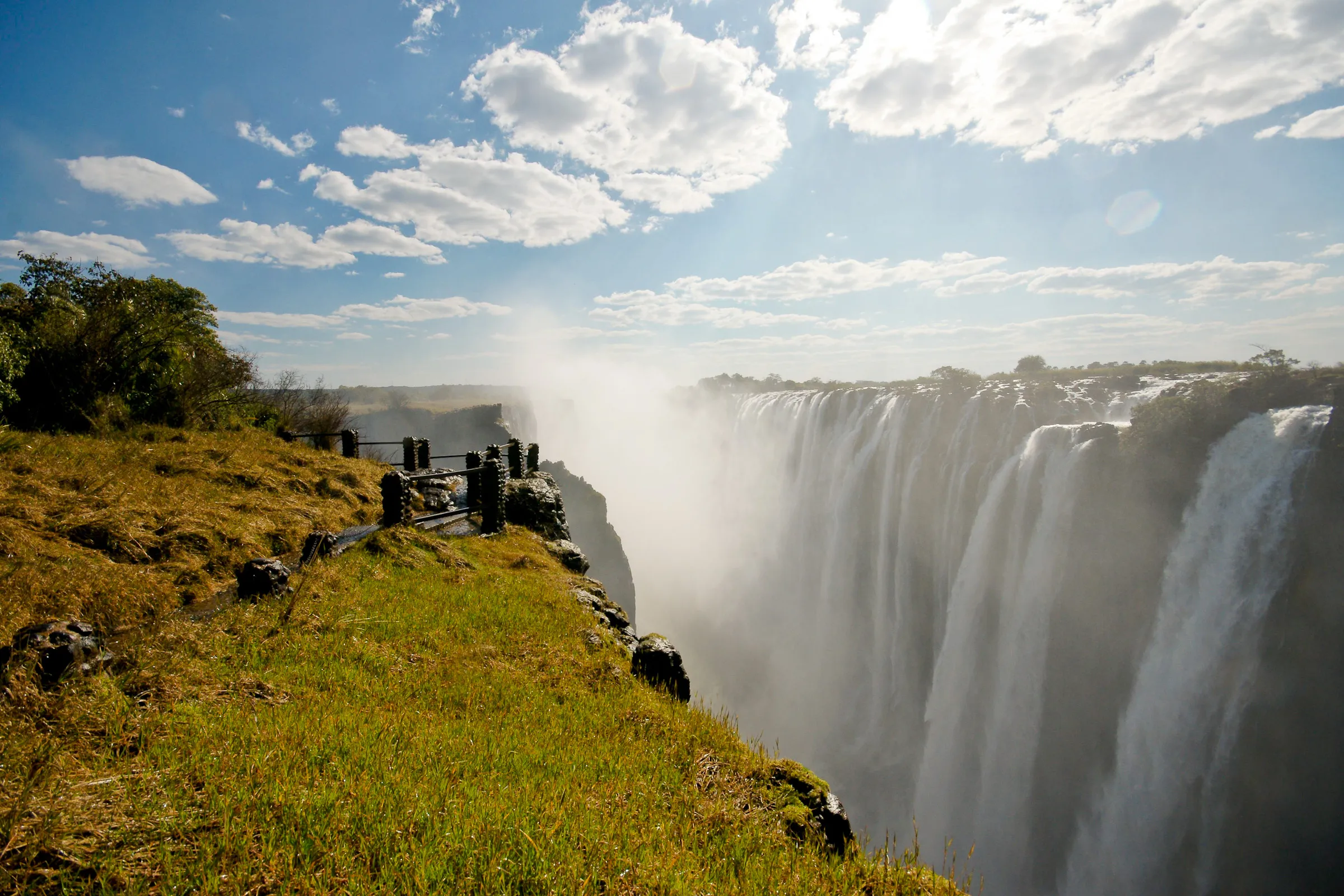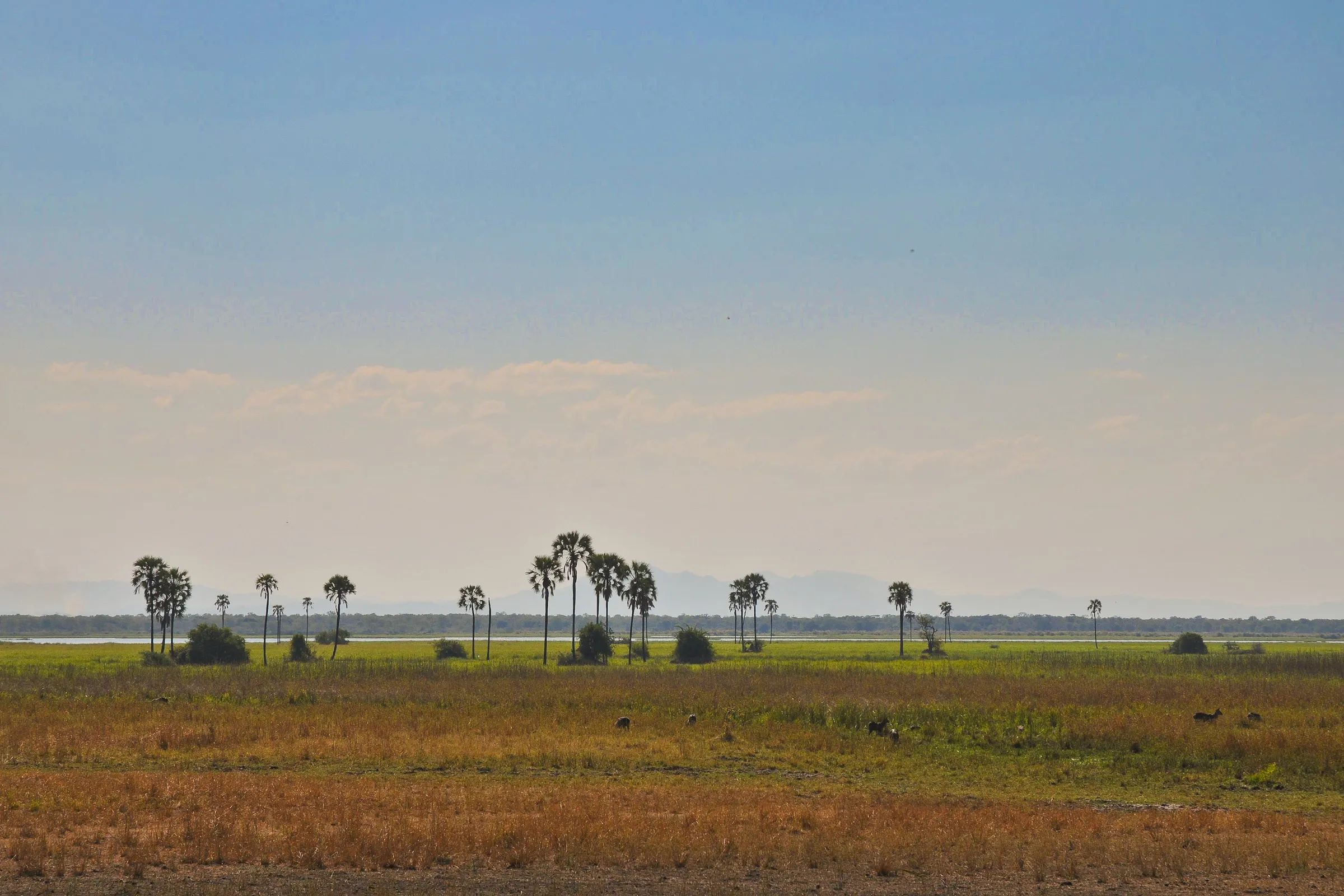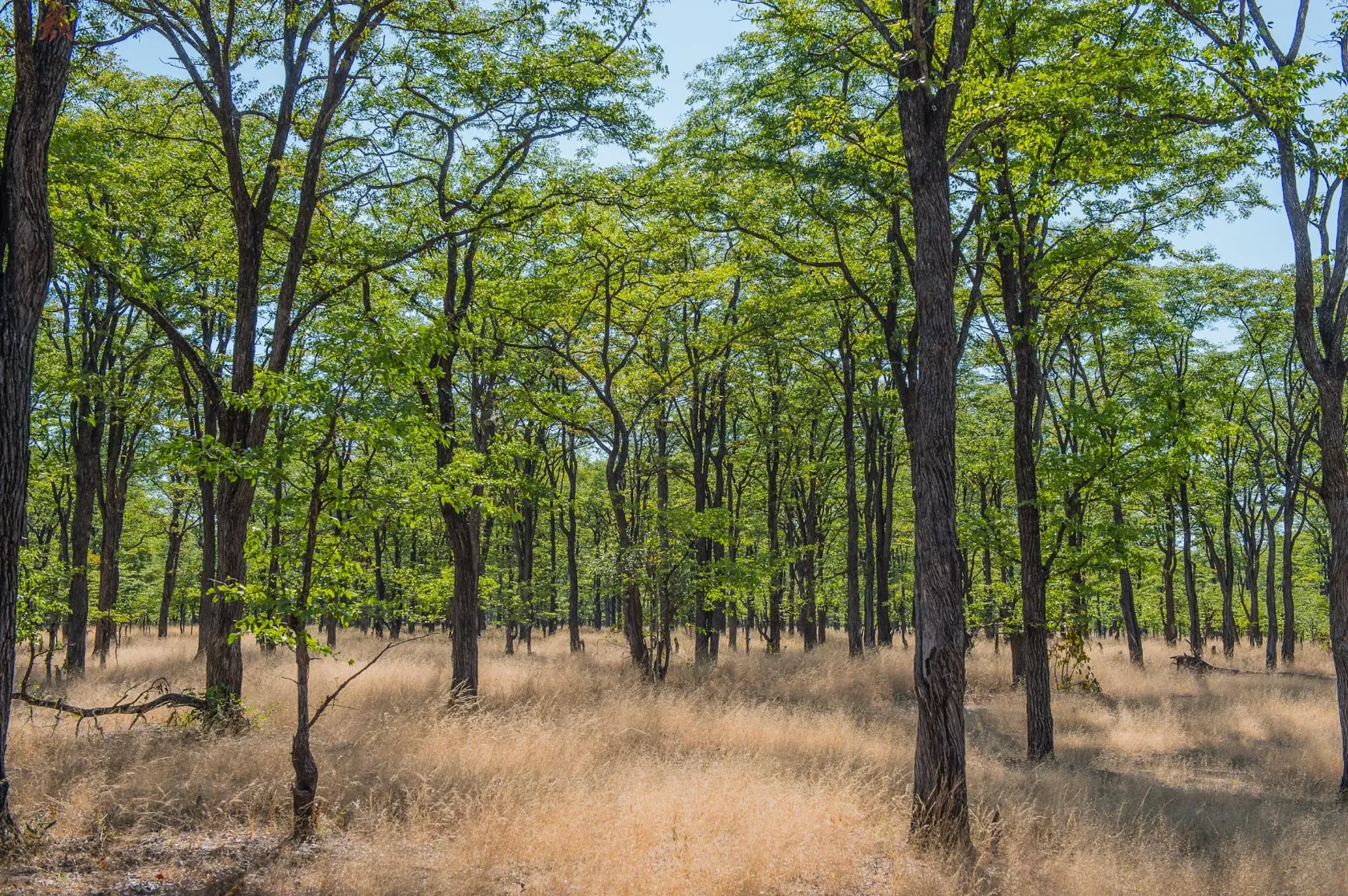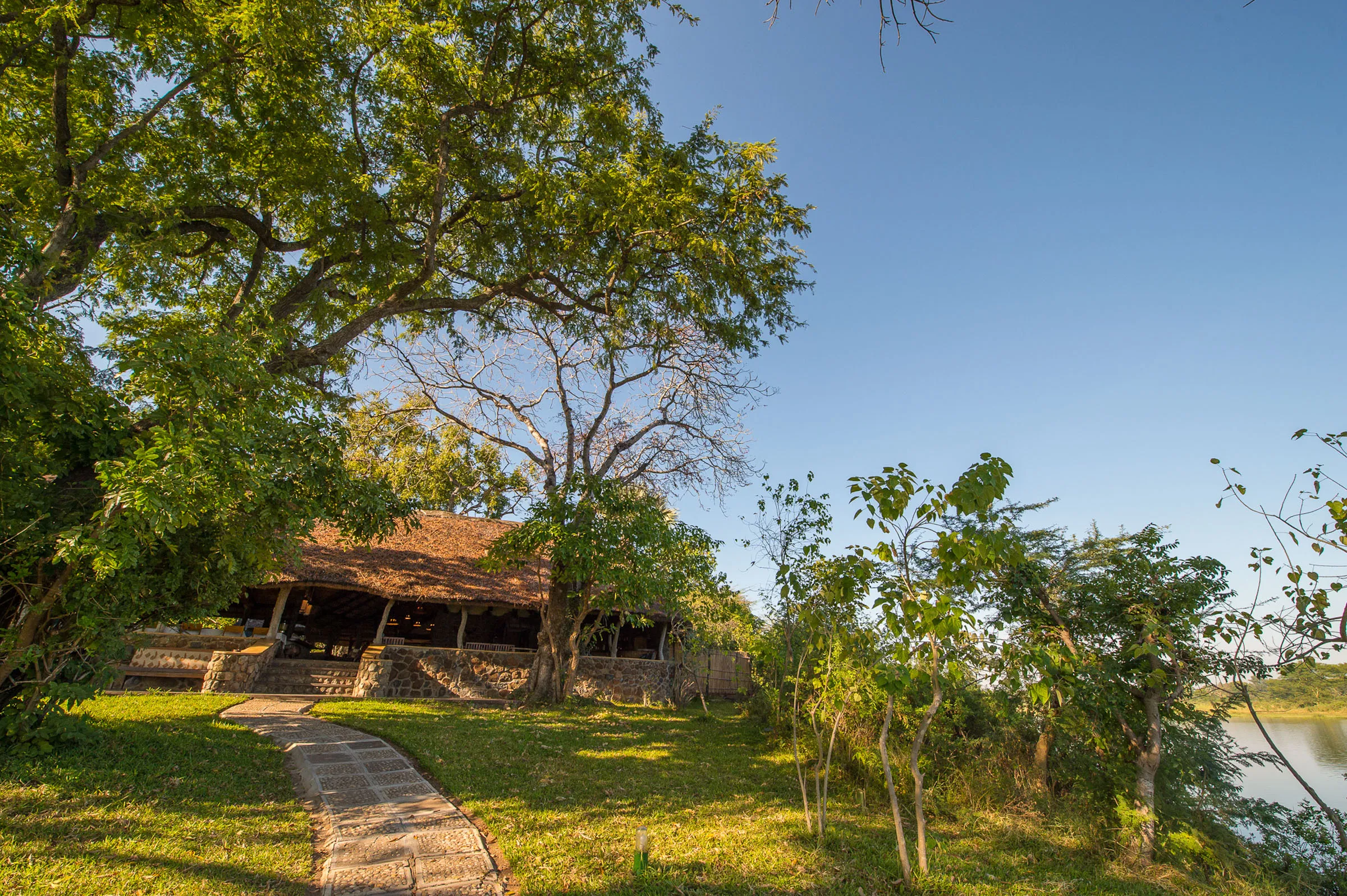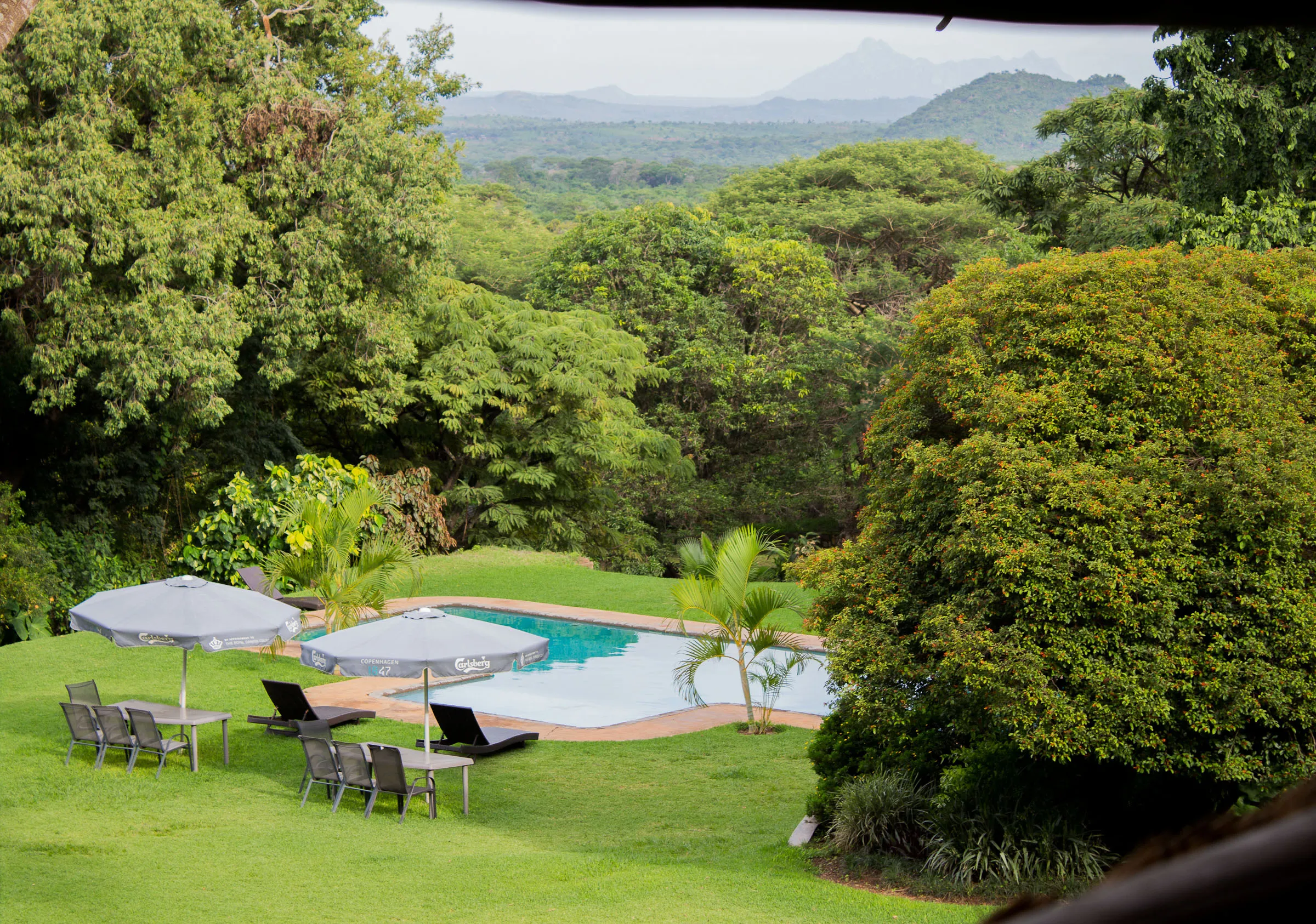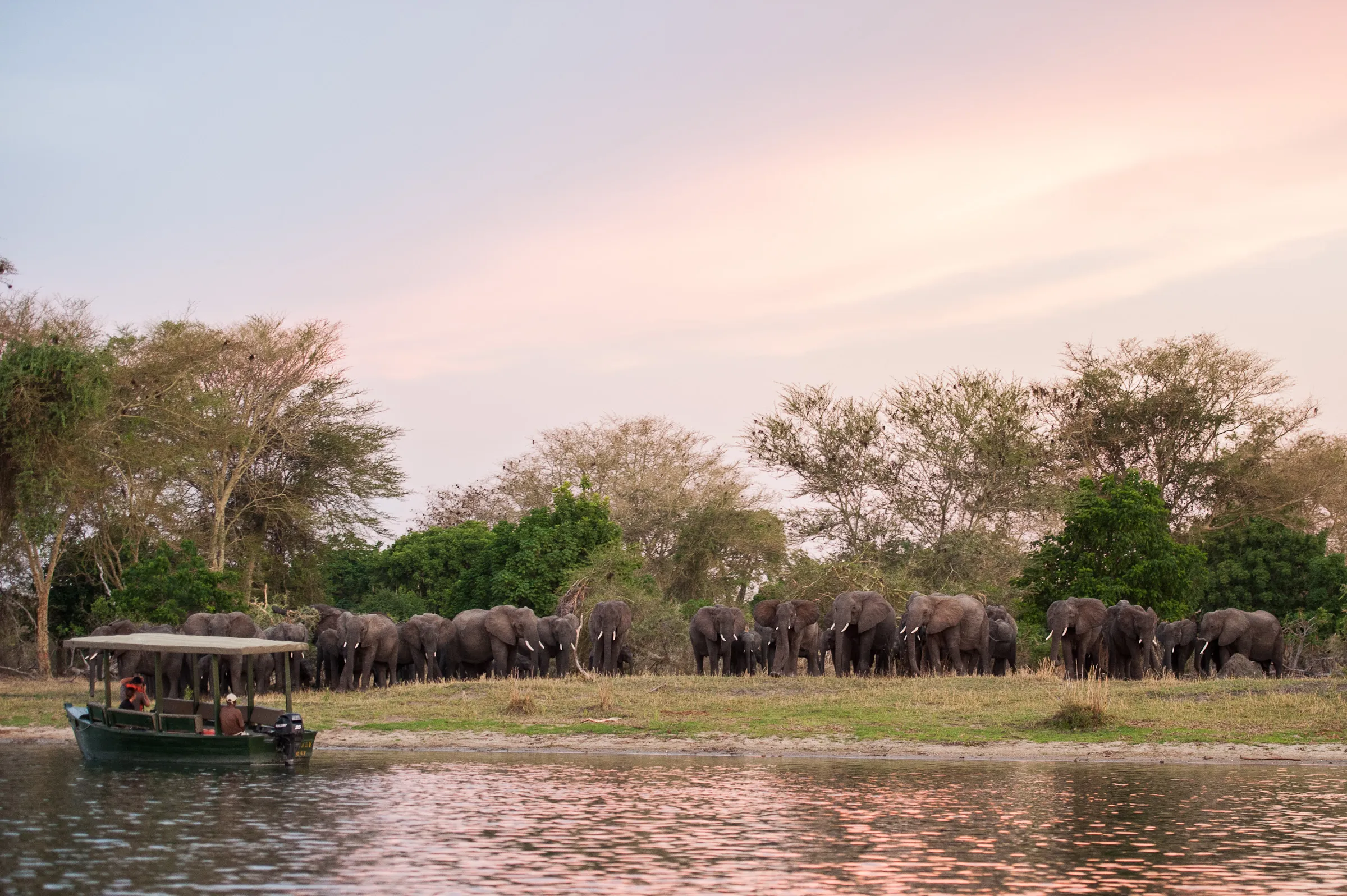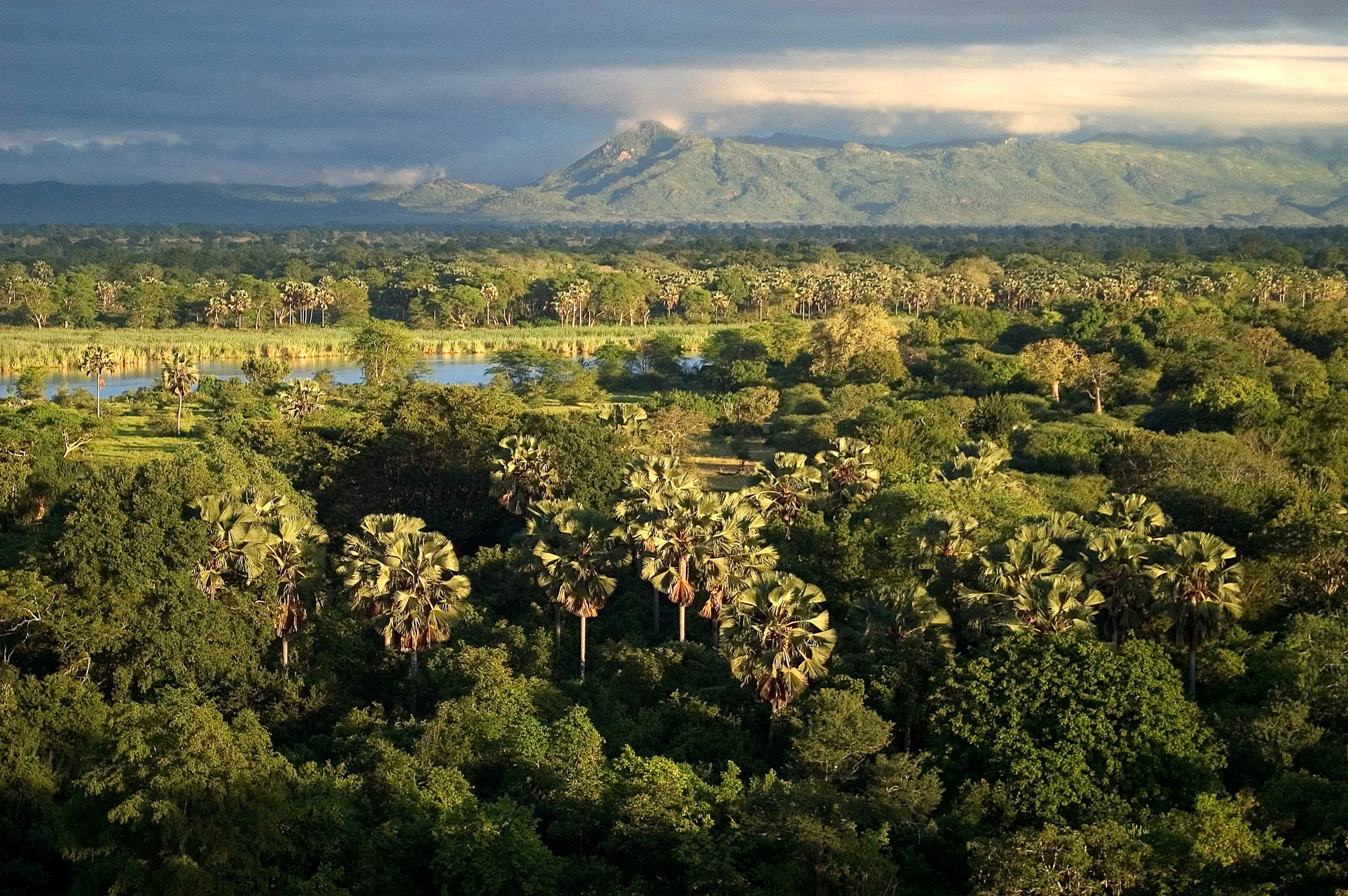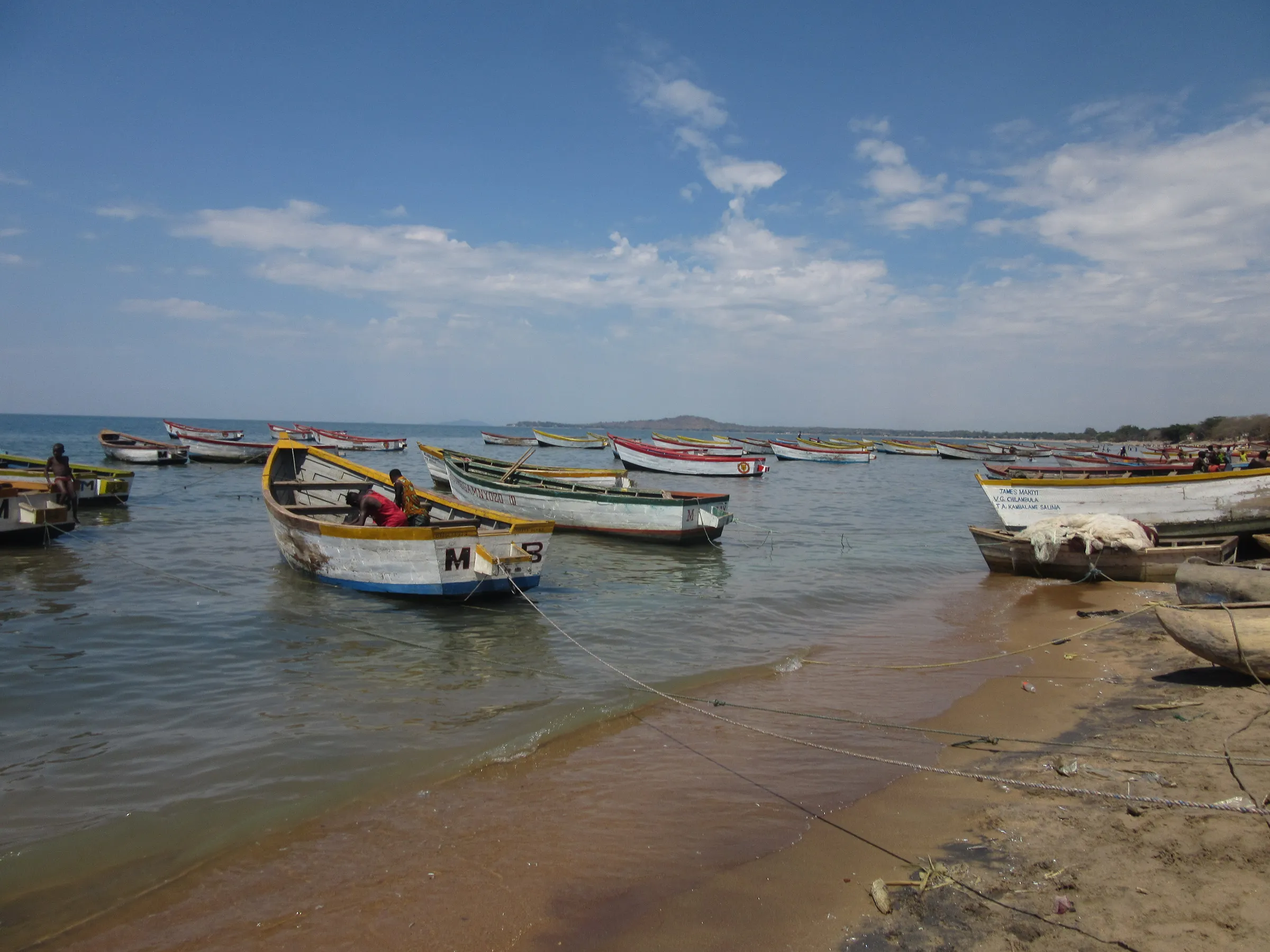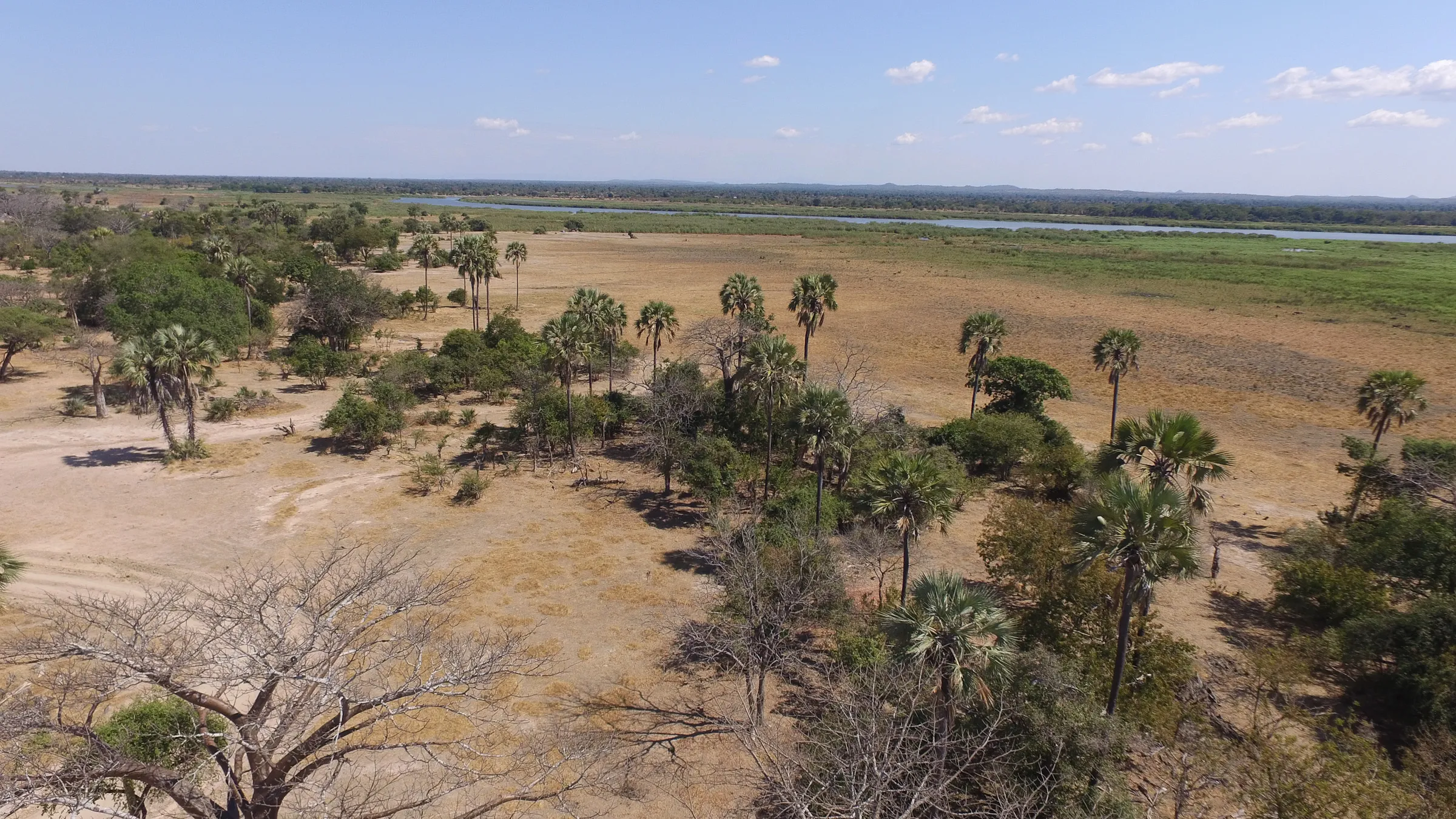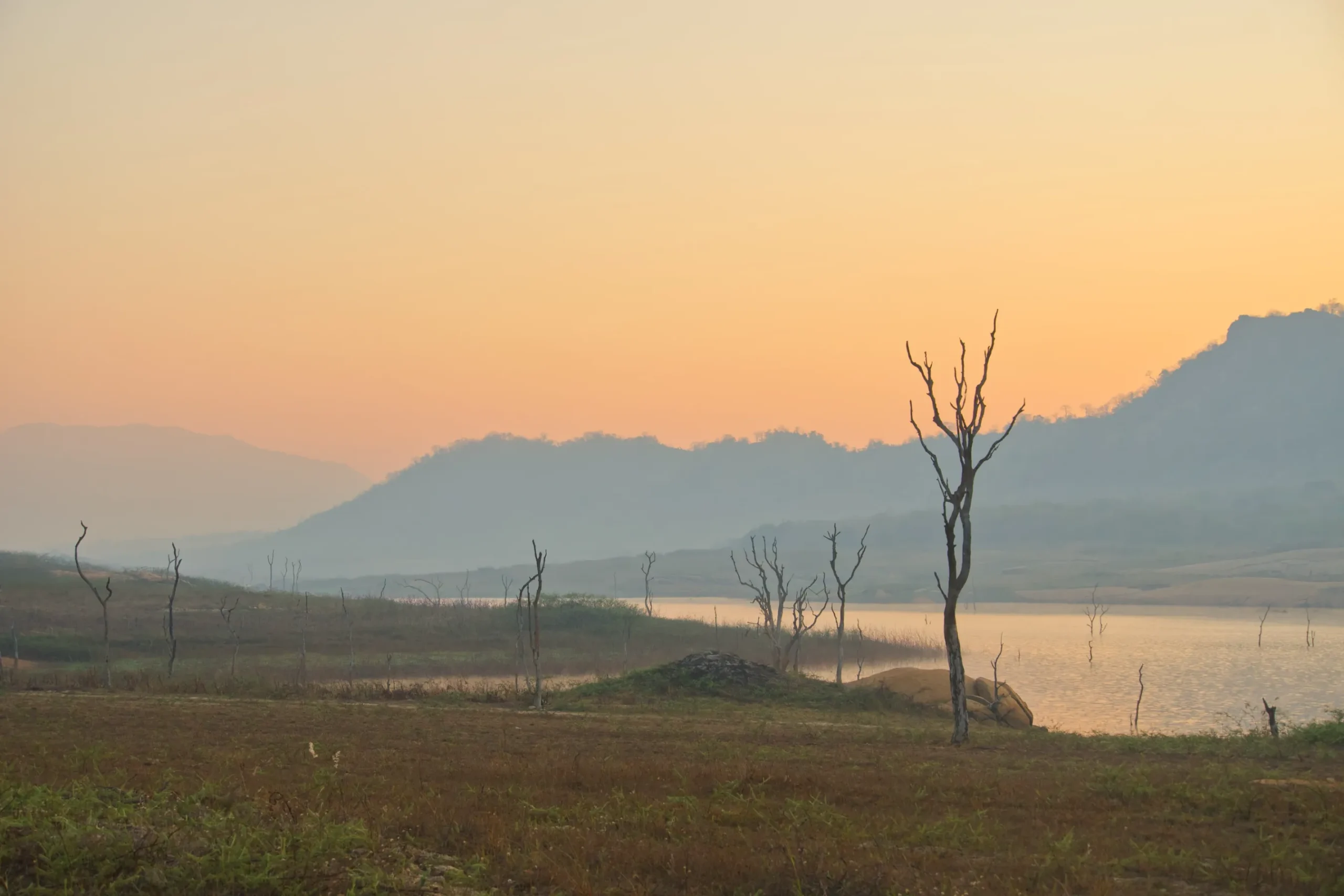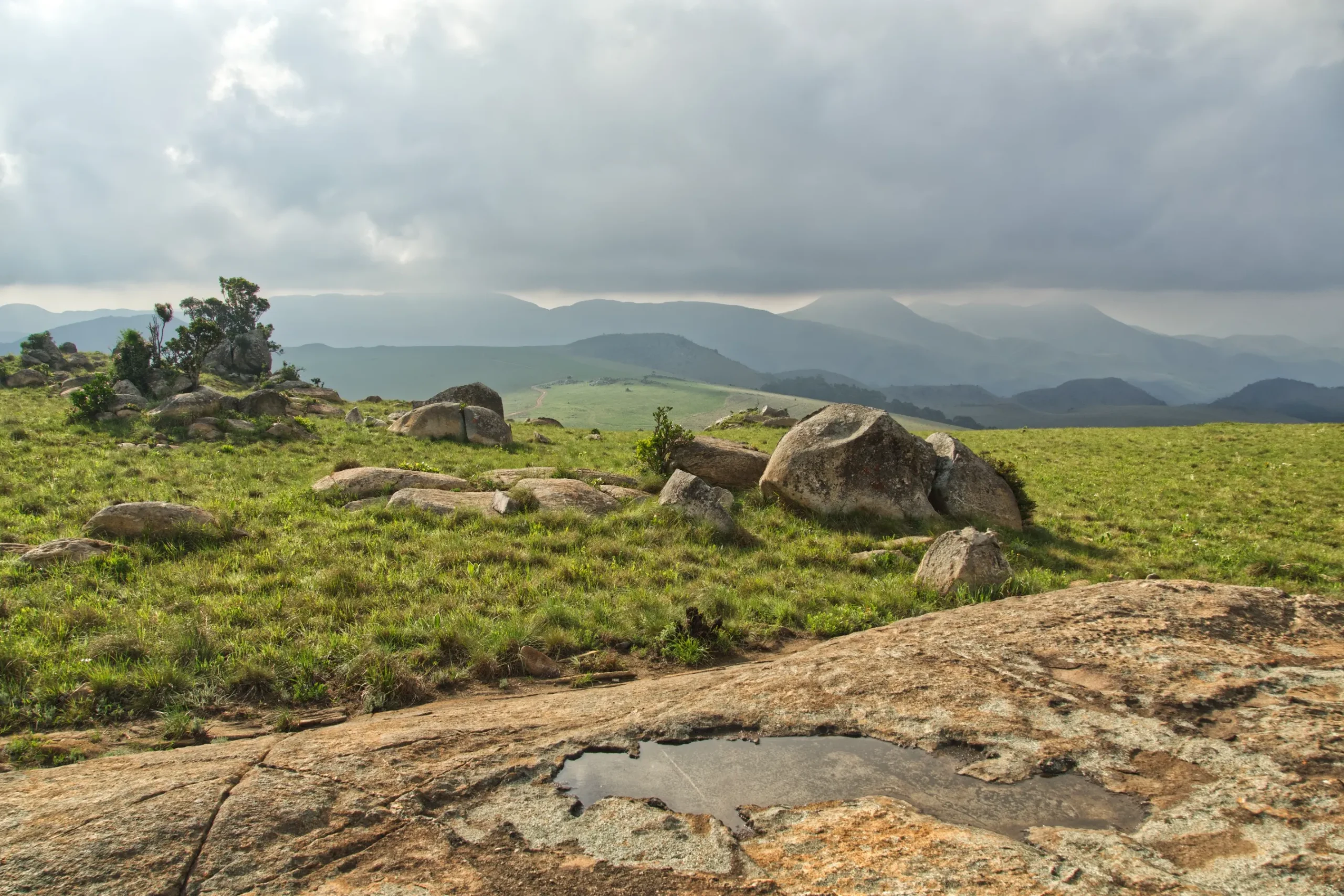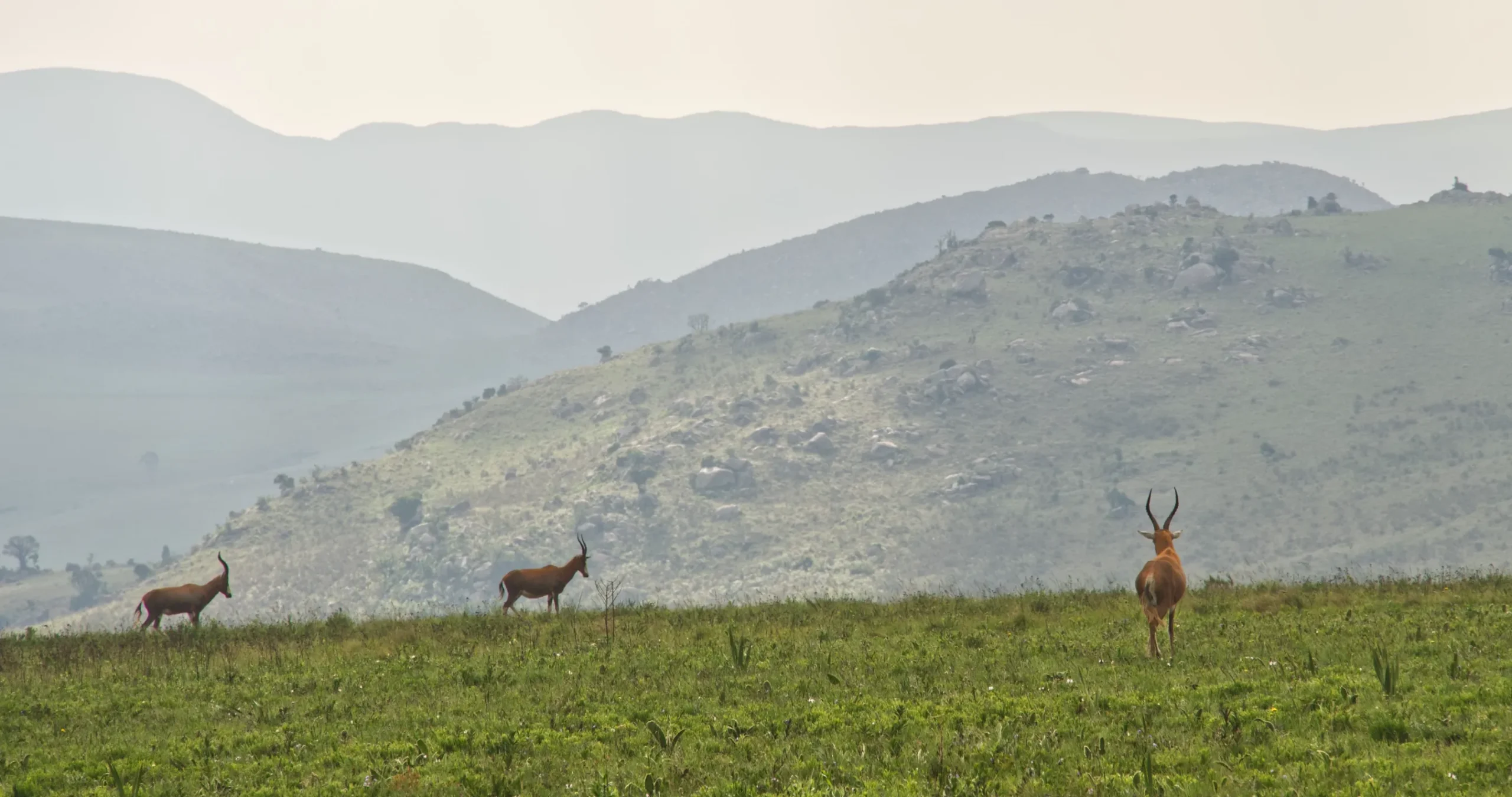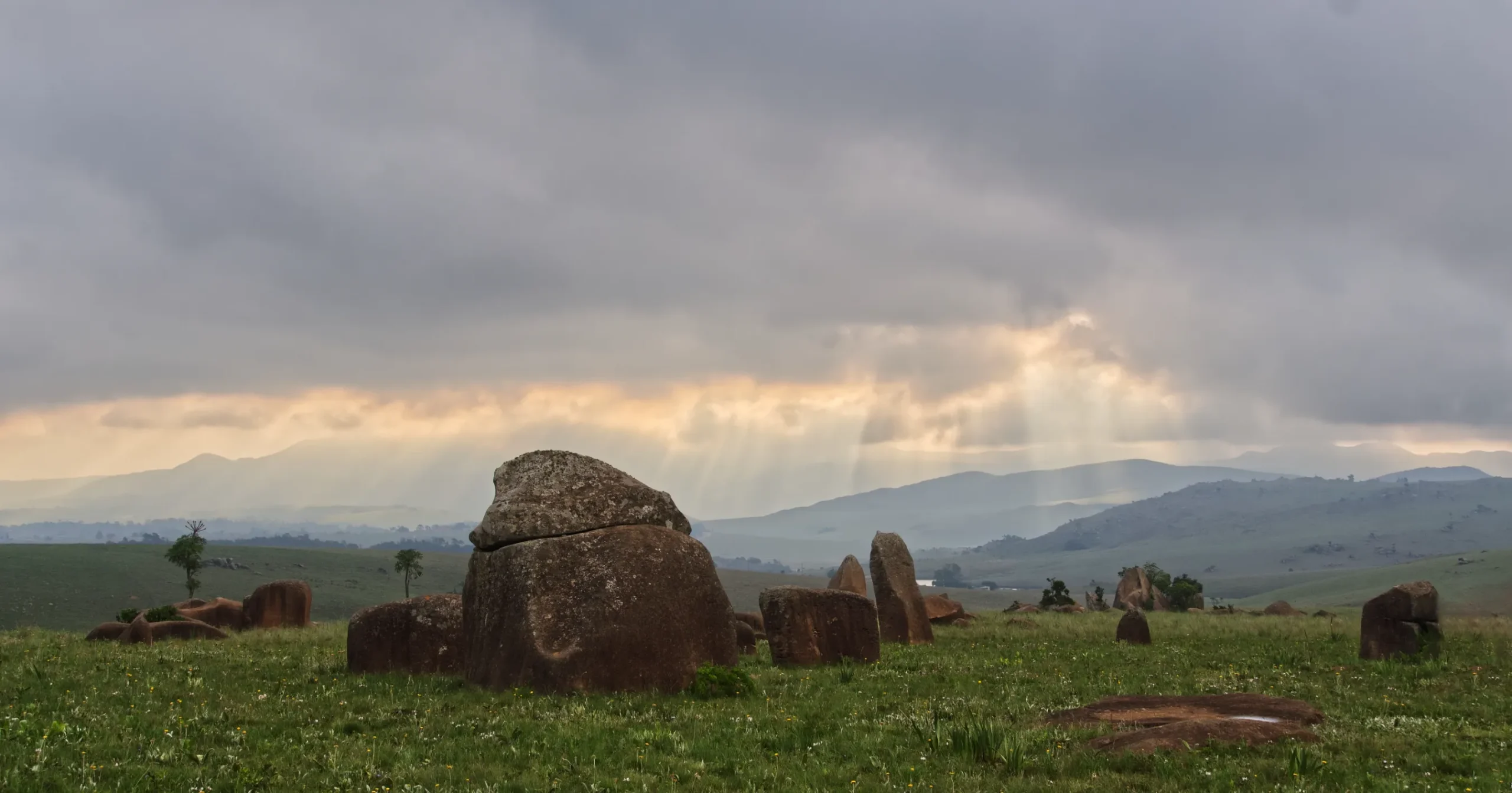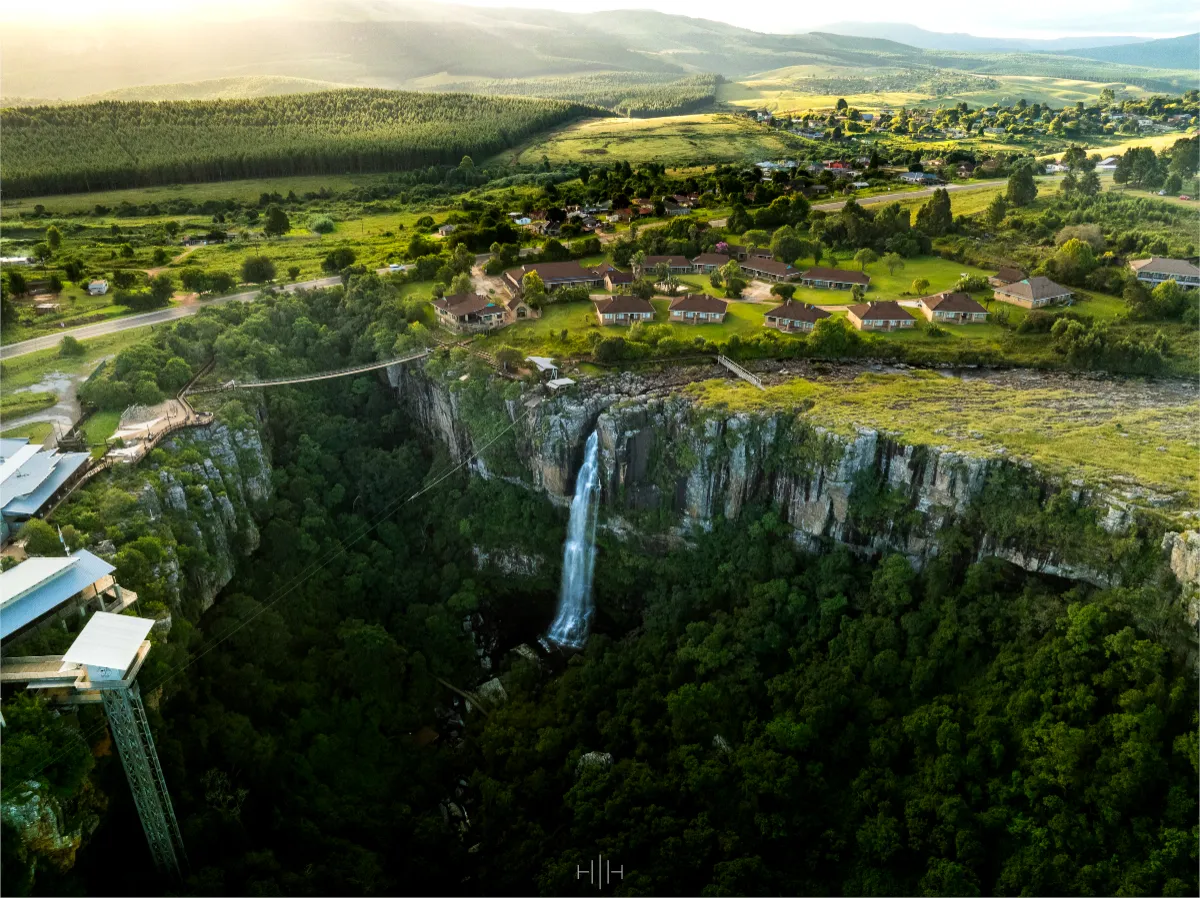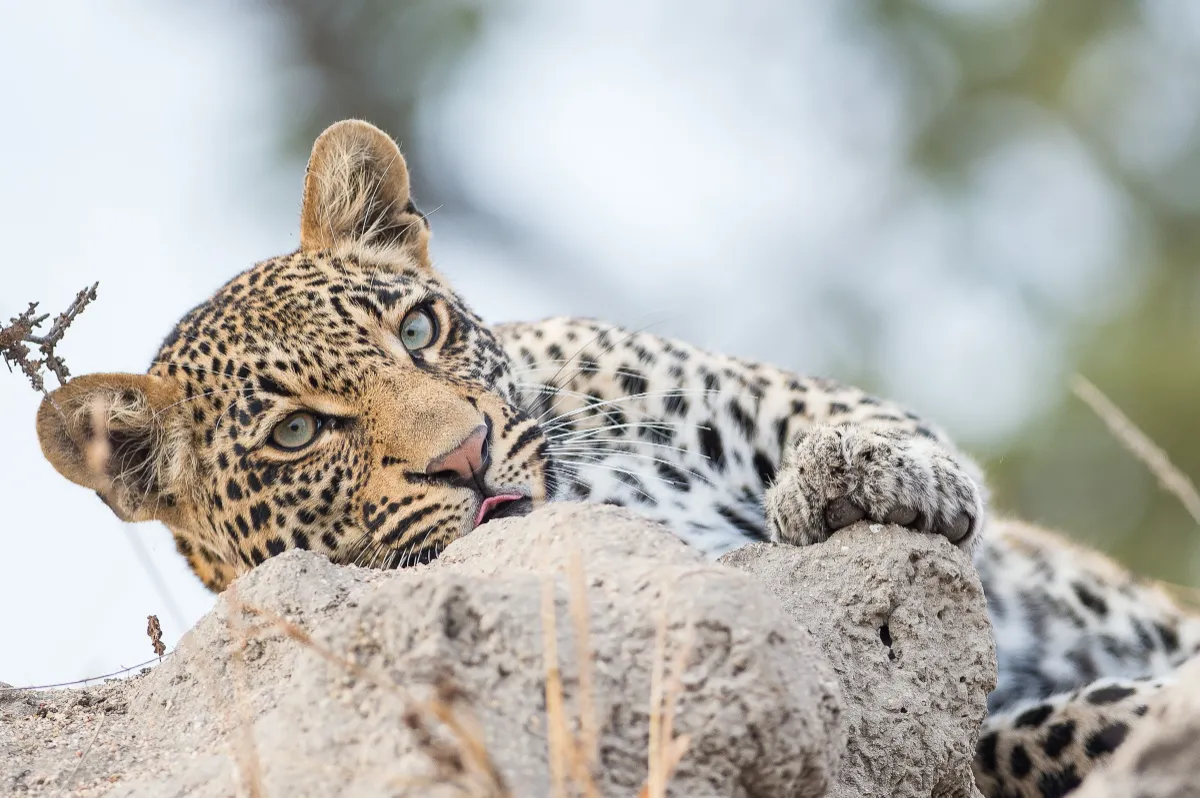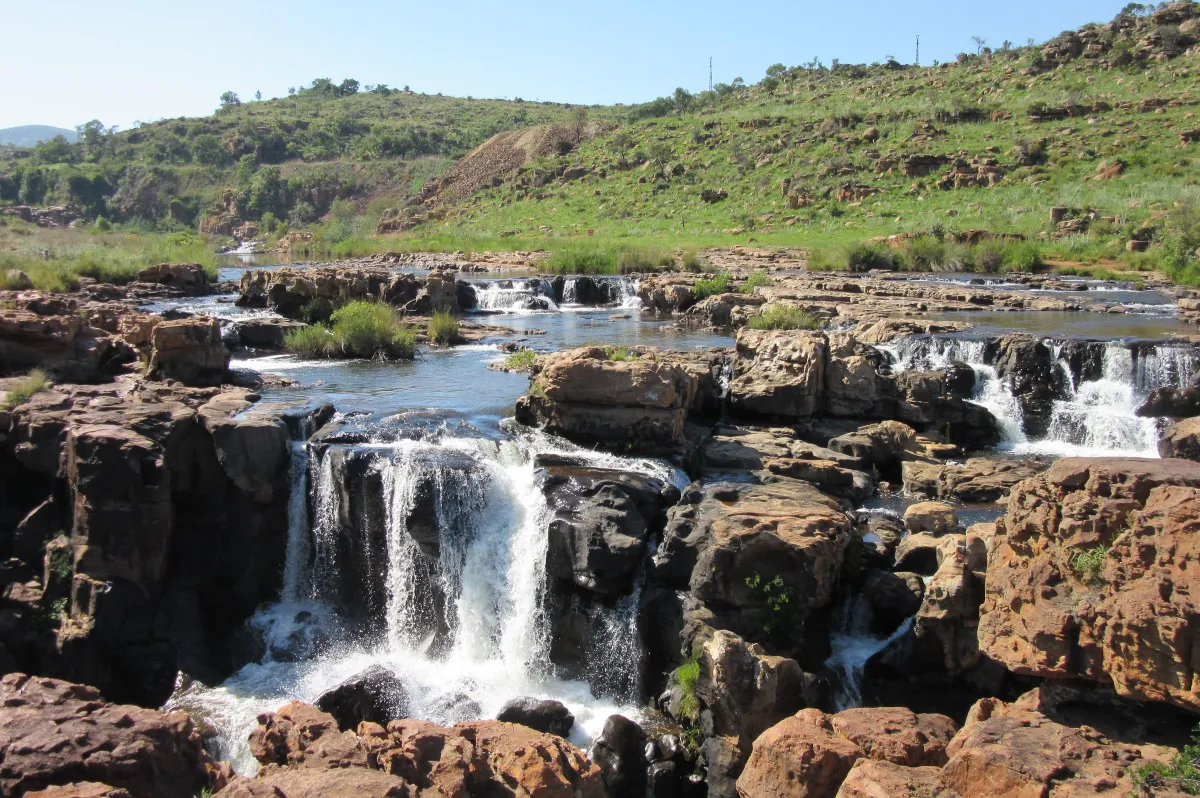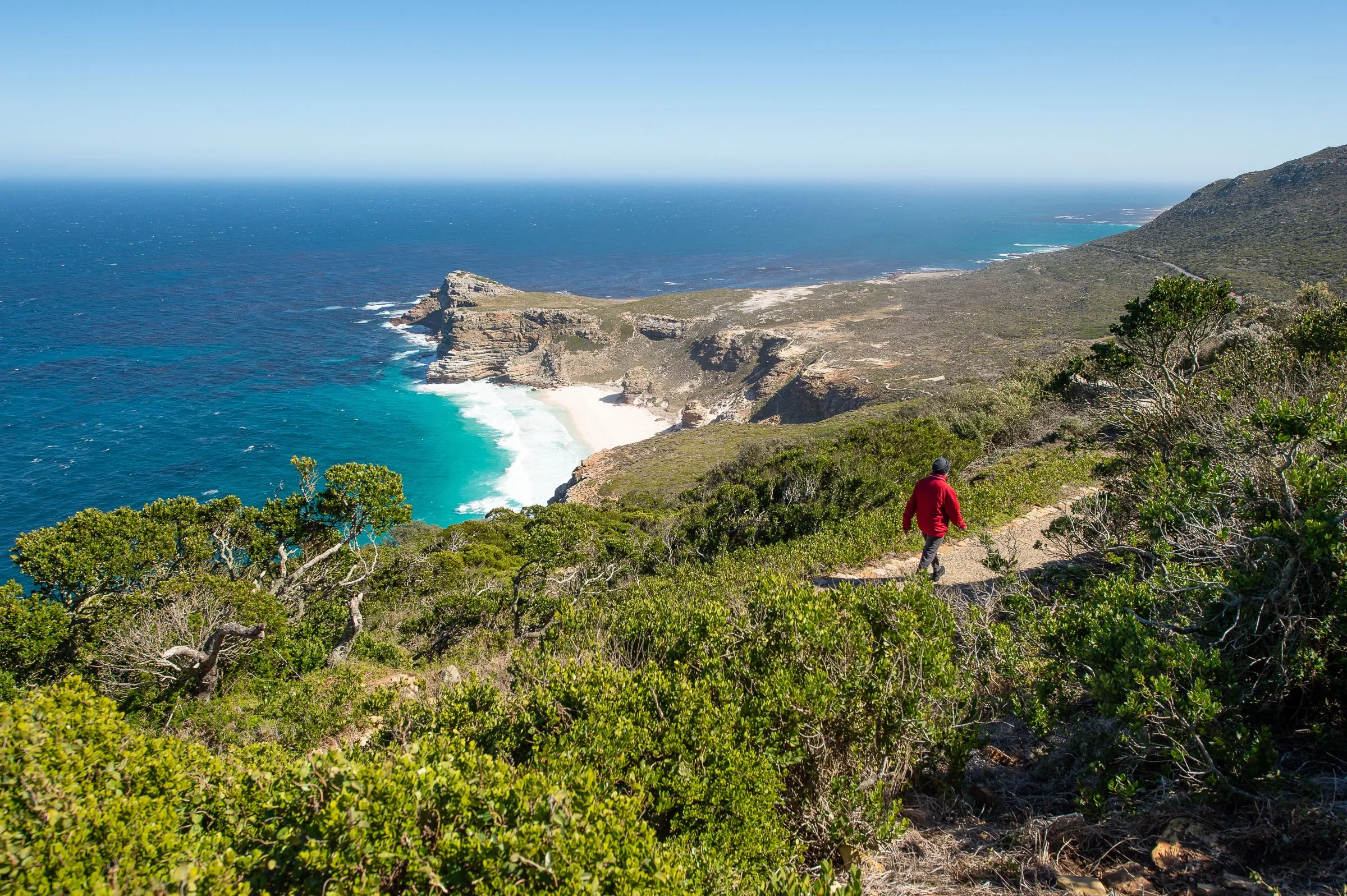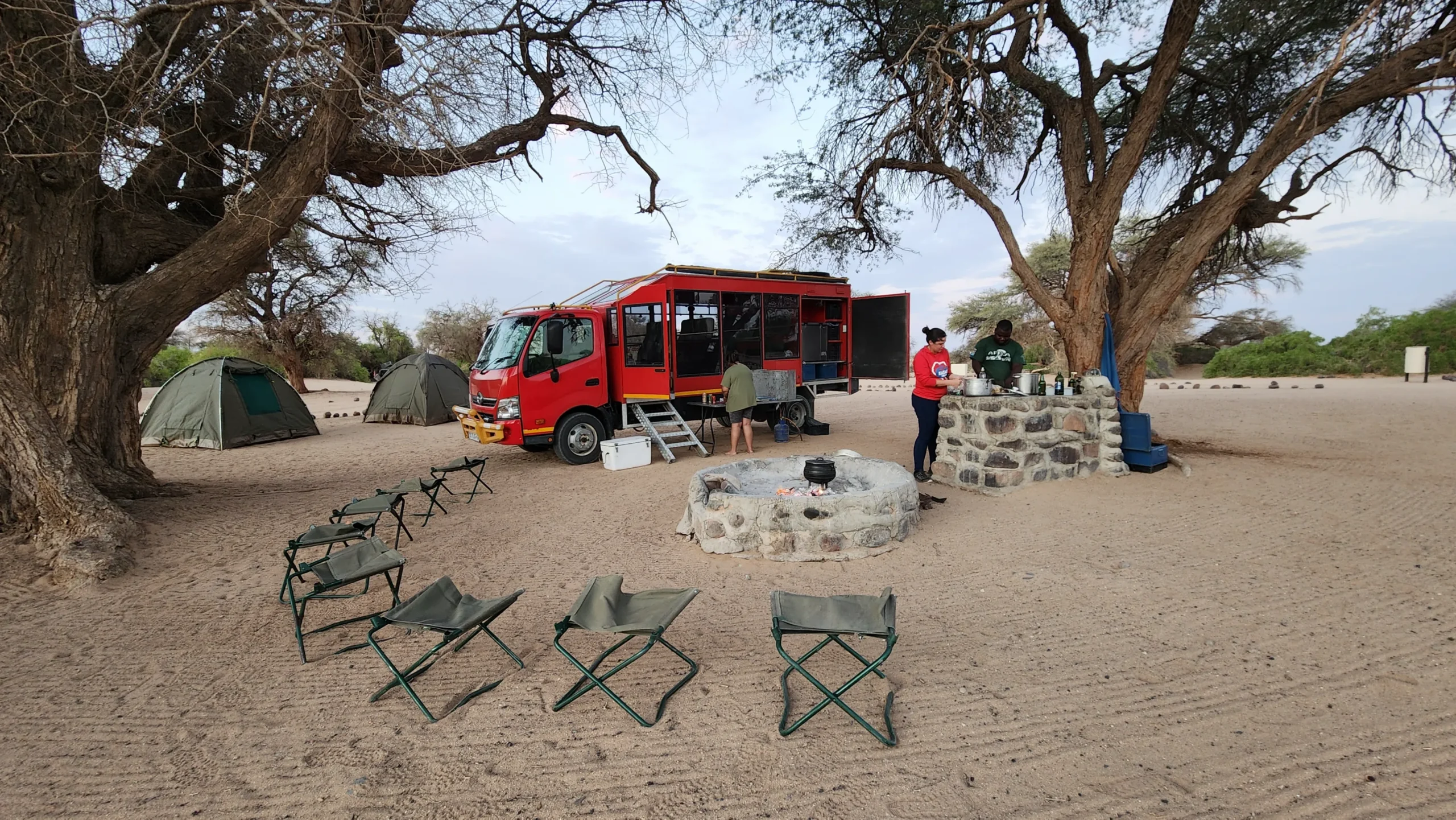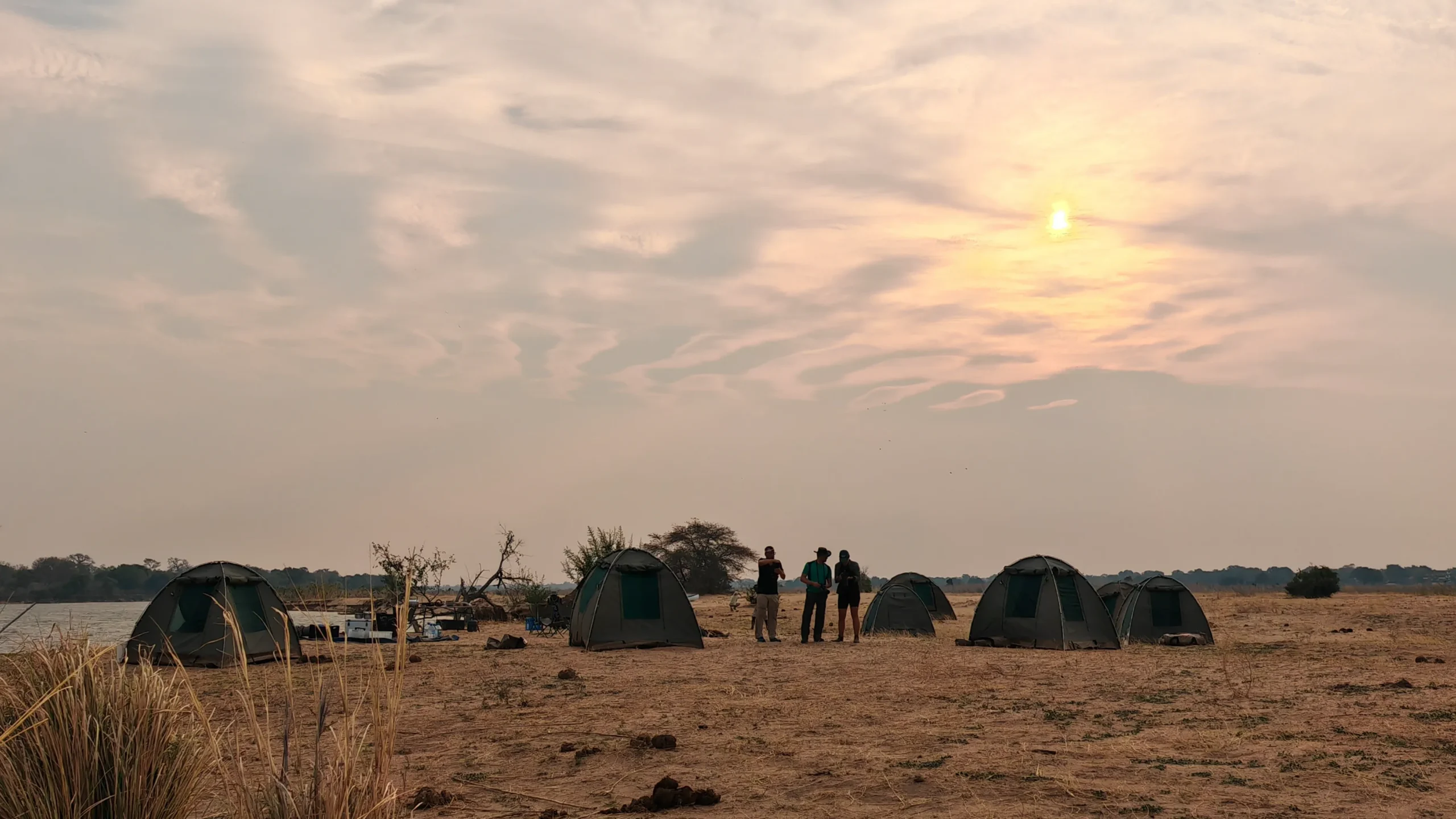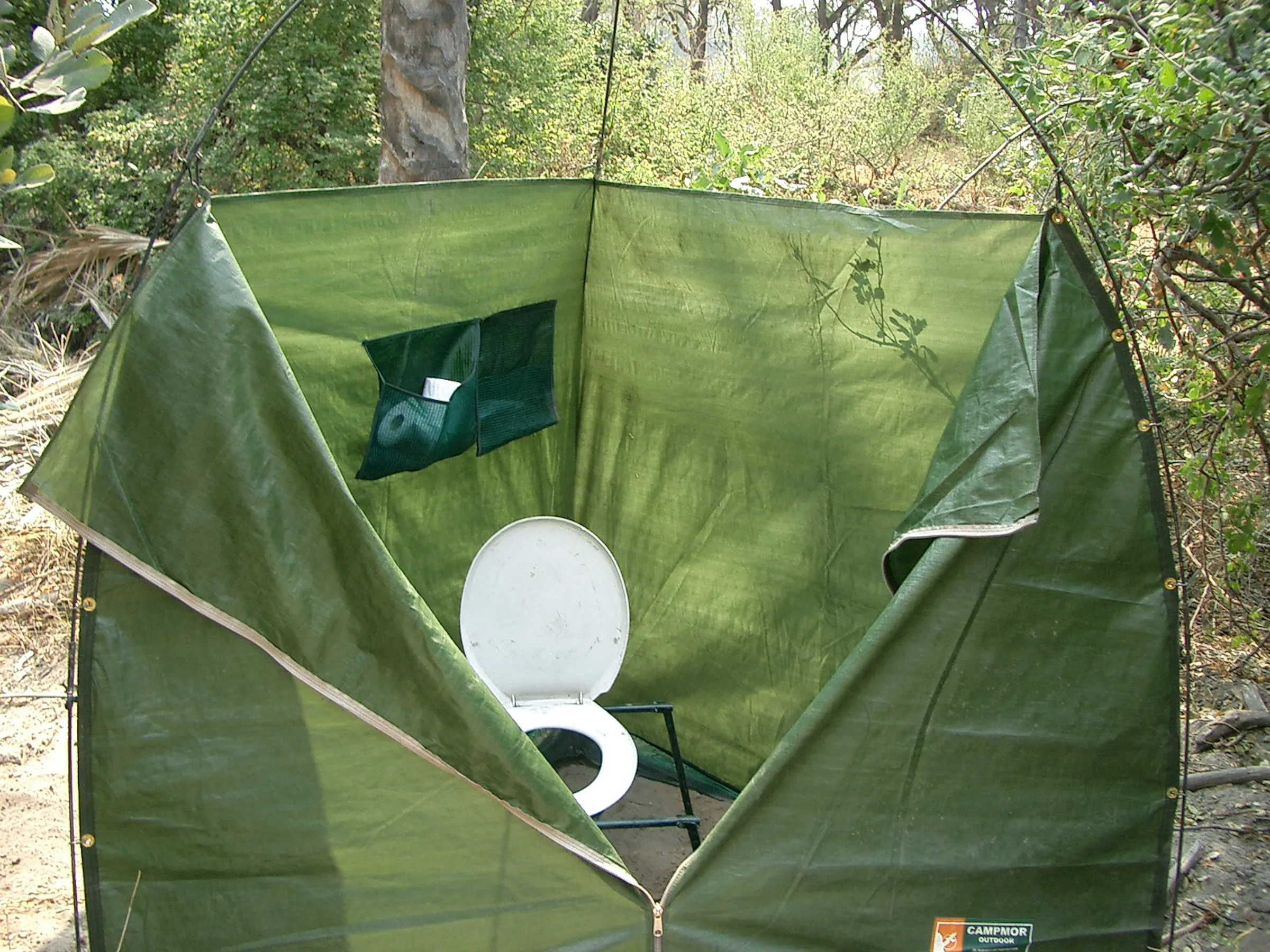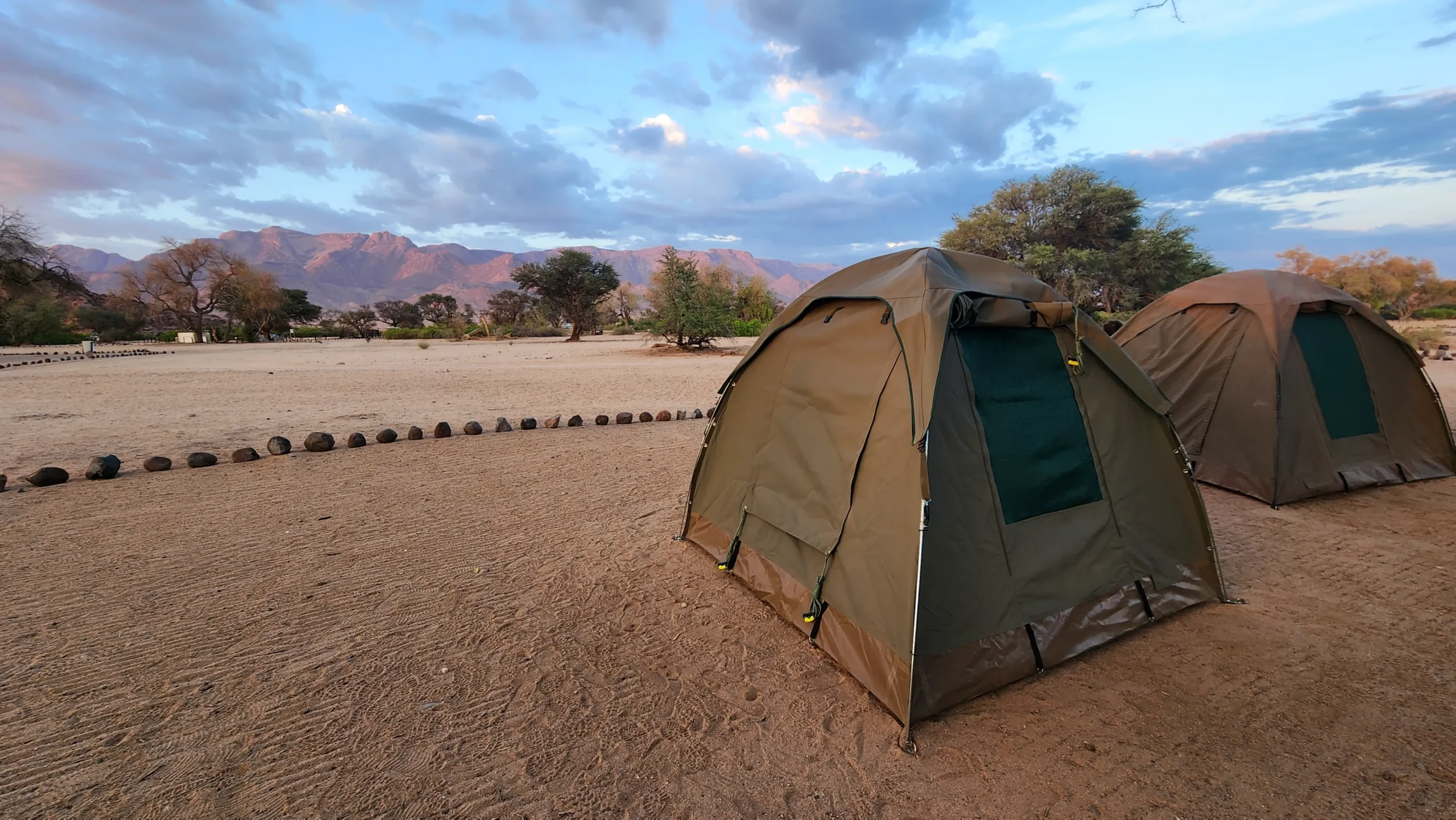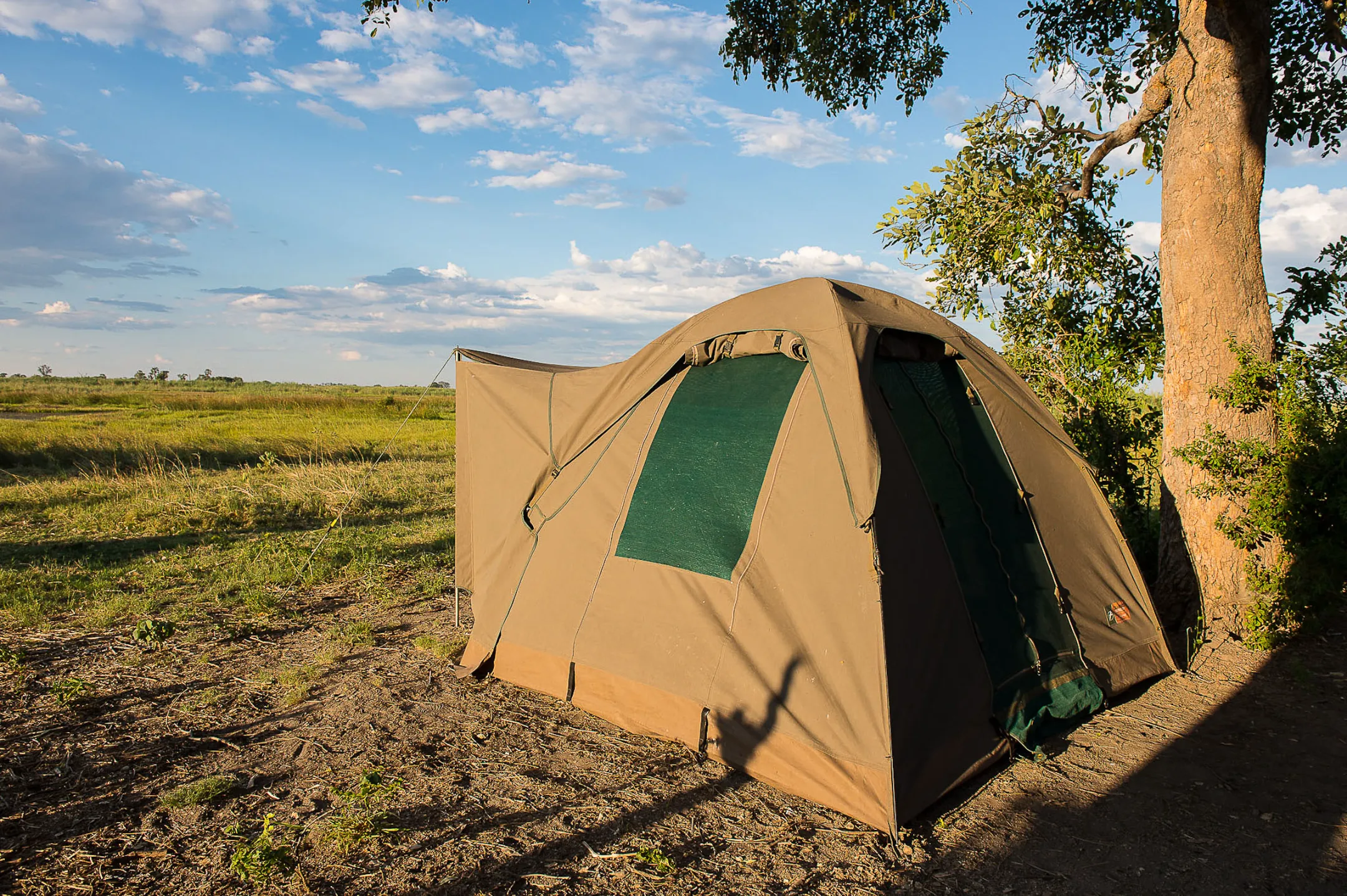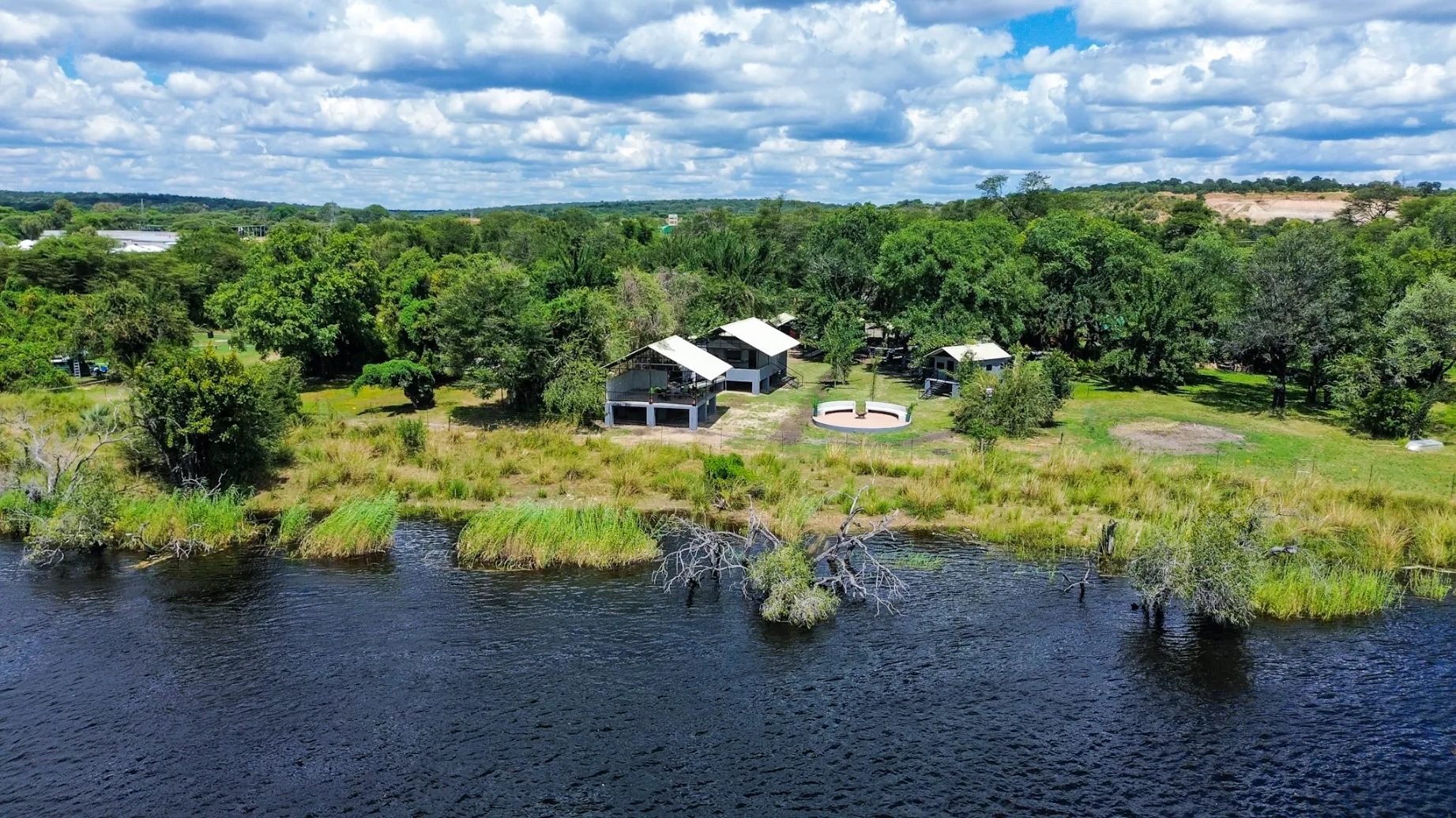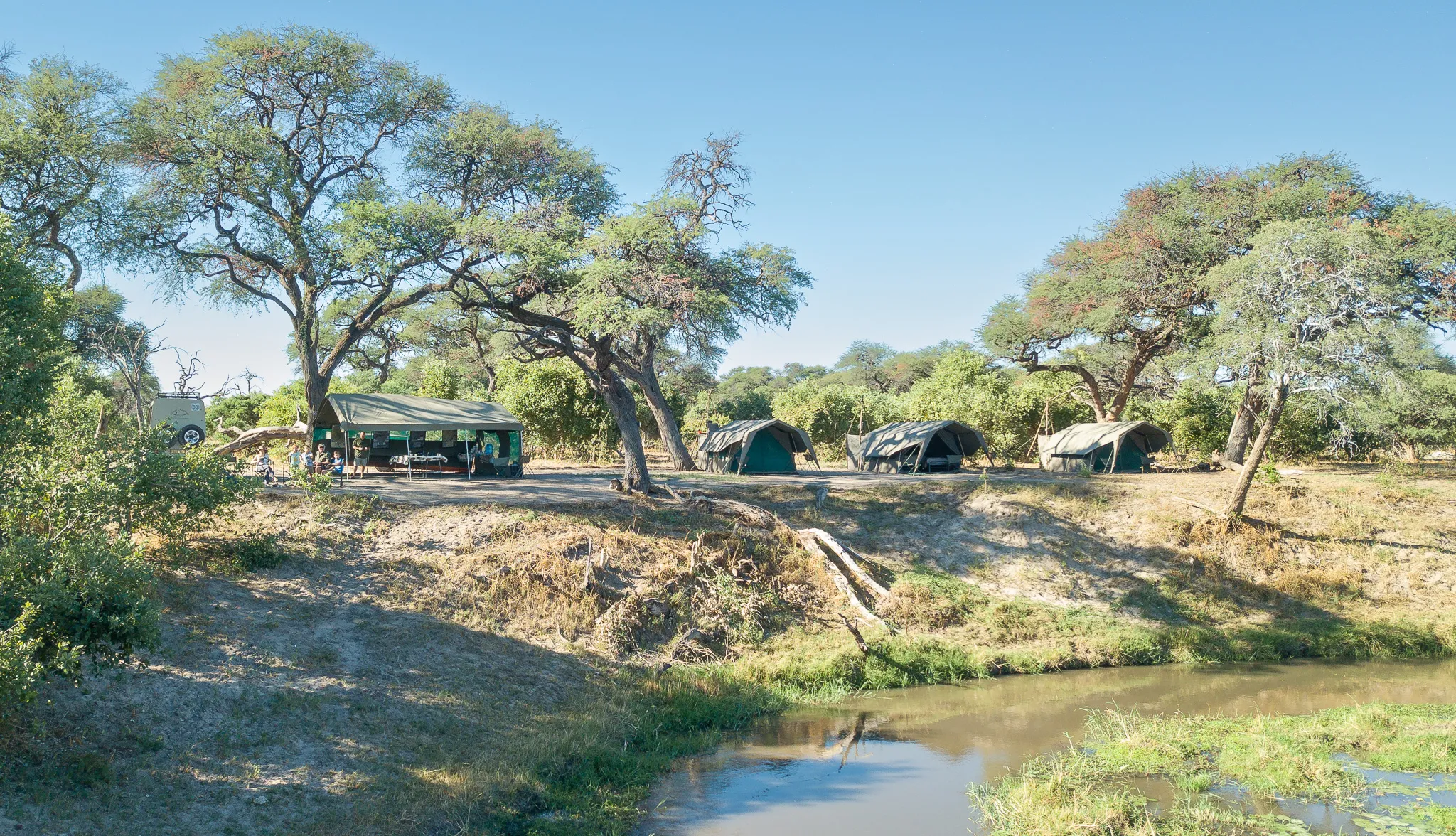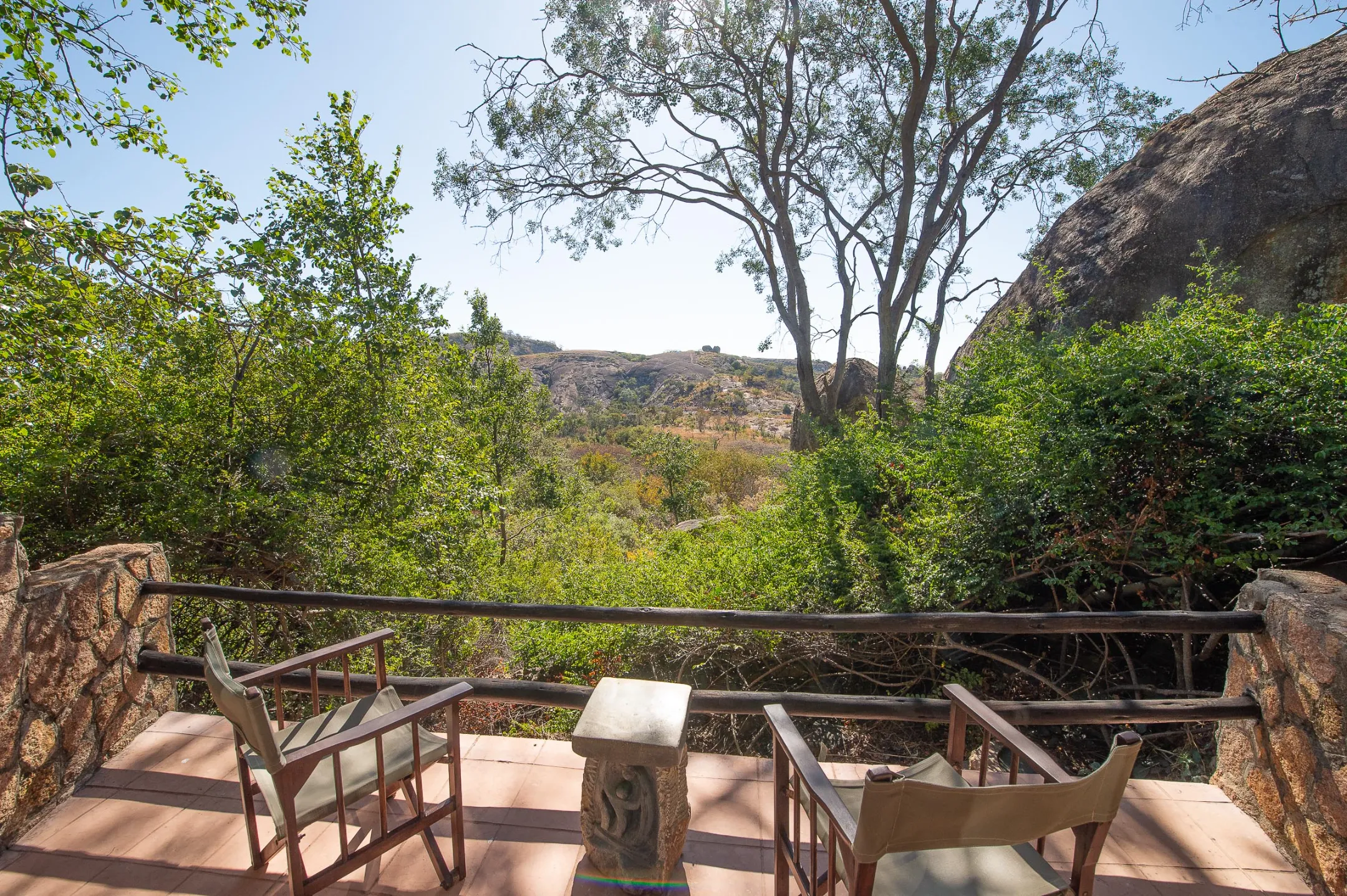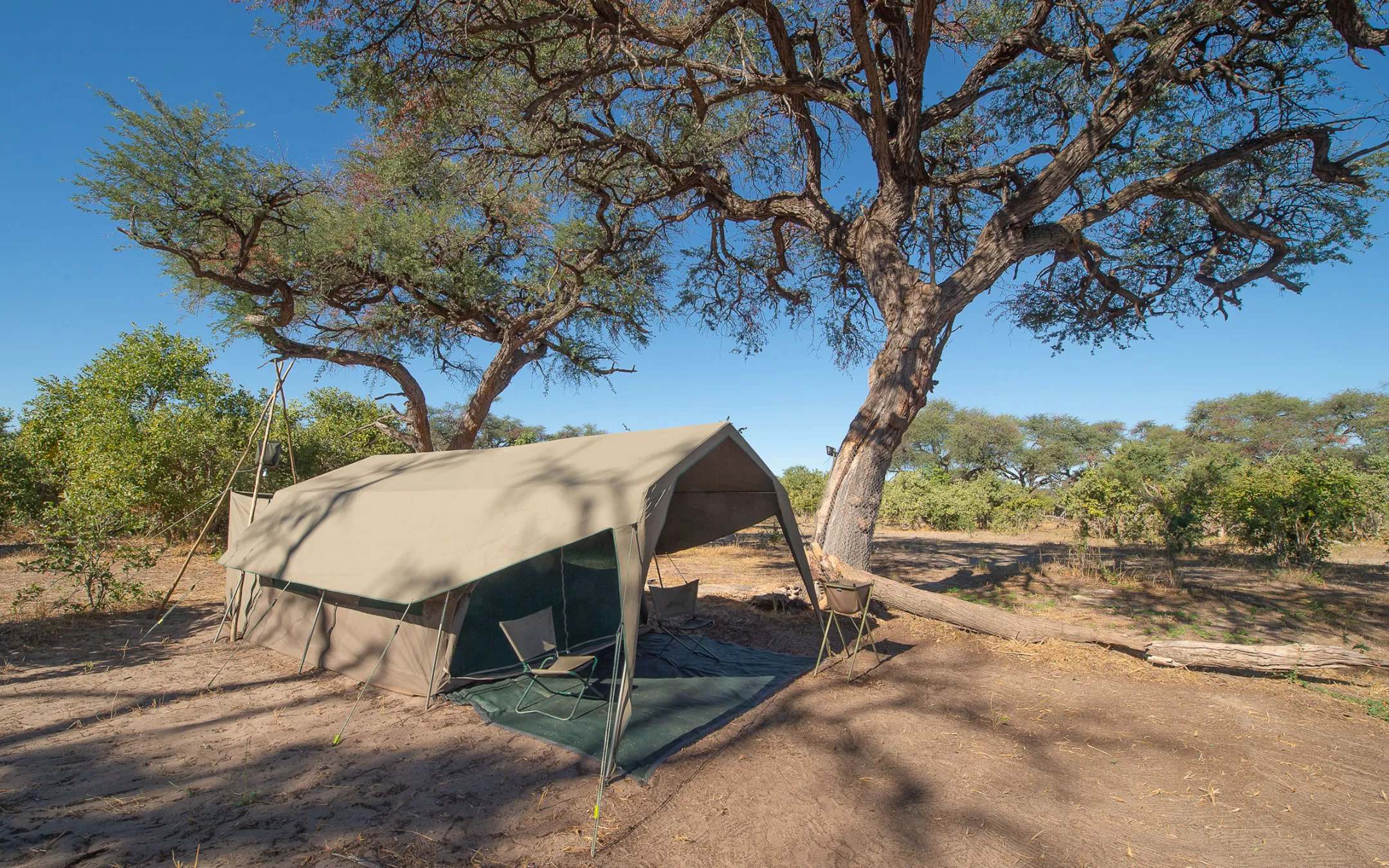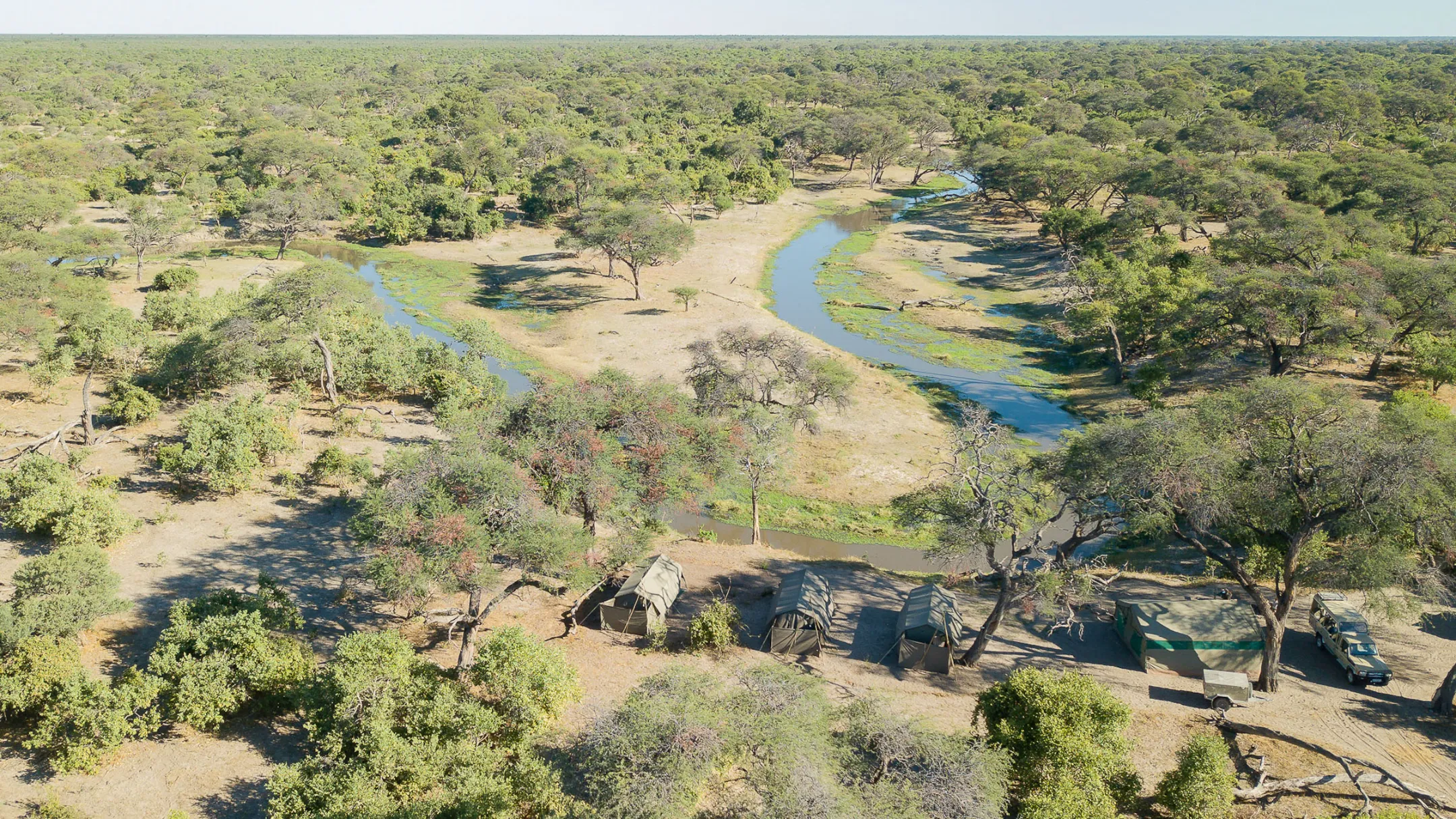


Namibia is a land of vast desert landscapes and dramatic contrasts
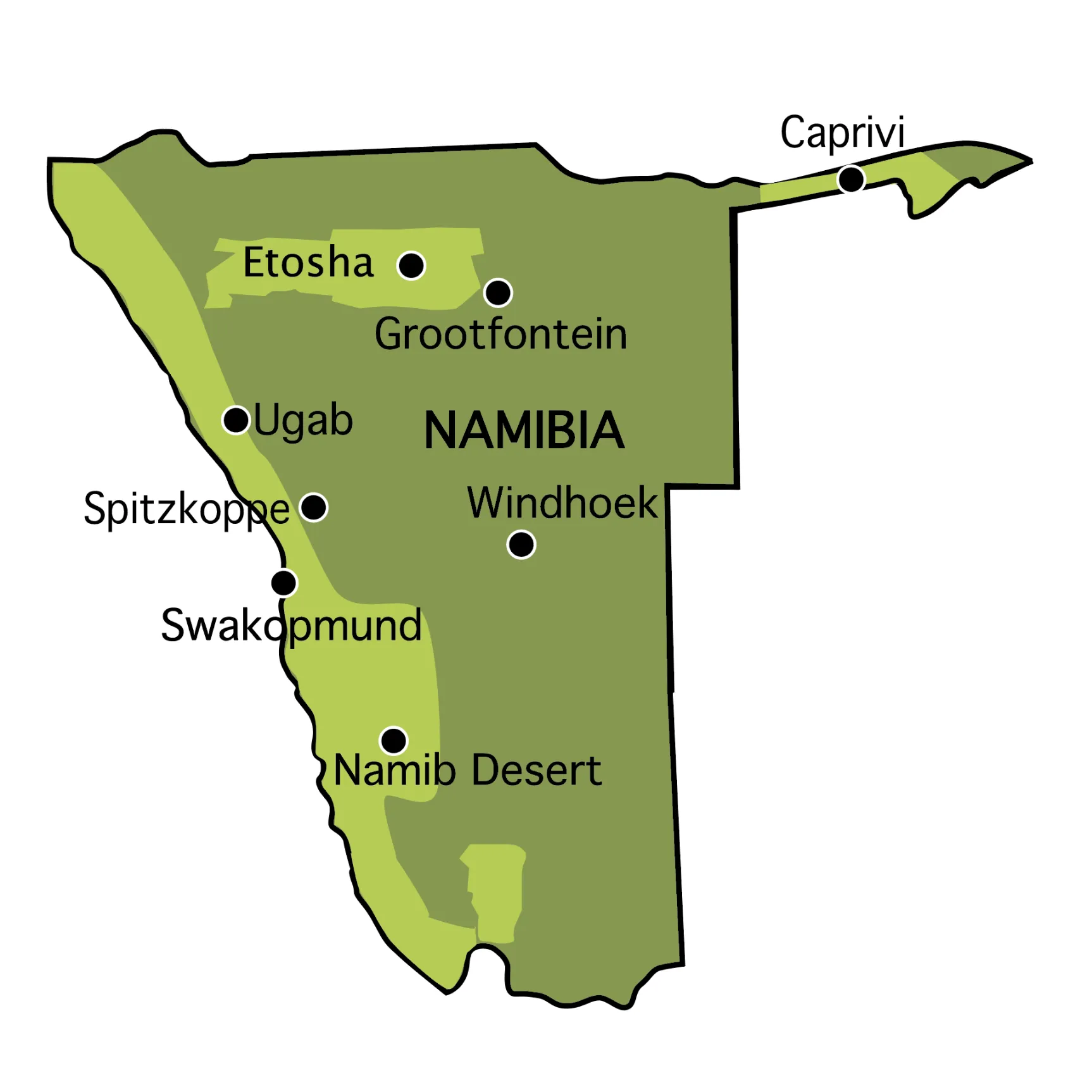
Namibia is home to iconic safari regions such as Etosha National Park, the Namib Desert, and the Fish River Canyon.
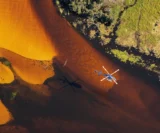
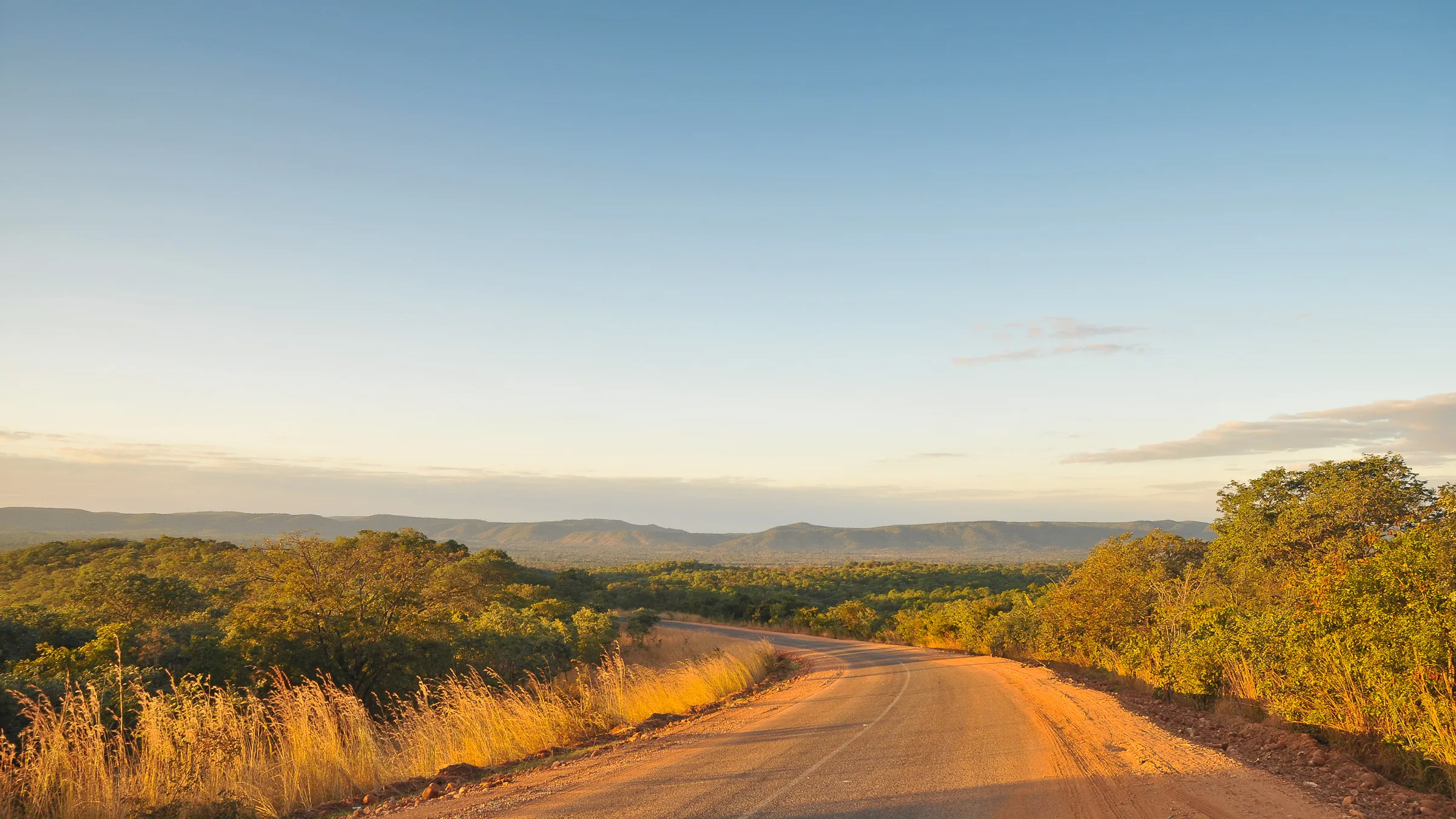
Namibia offers one of Southern Africa’s most visually distinctive safari experiences, combining wide open desert scenery with classic wildlife viewing. Etosha National Park is a major highlight, known for its salt pan, seasonal waterholes, and high concentrations of game including elephant, lion, giraffe, and plains game. In contrast, the Namib Desert and Sossusvlei present some of the oldest and most iconic desert landscapes in the world, where towering red dunes and surreal features such as Deadvlei define the region.
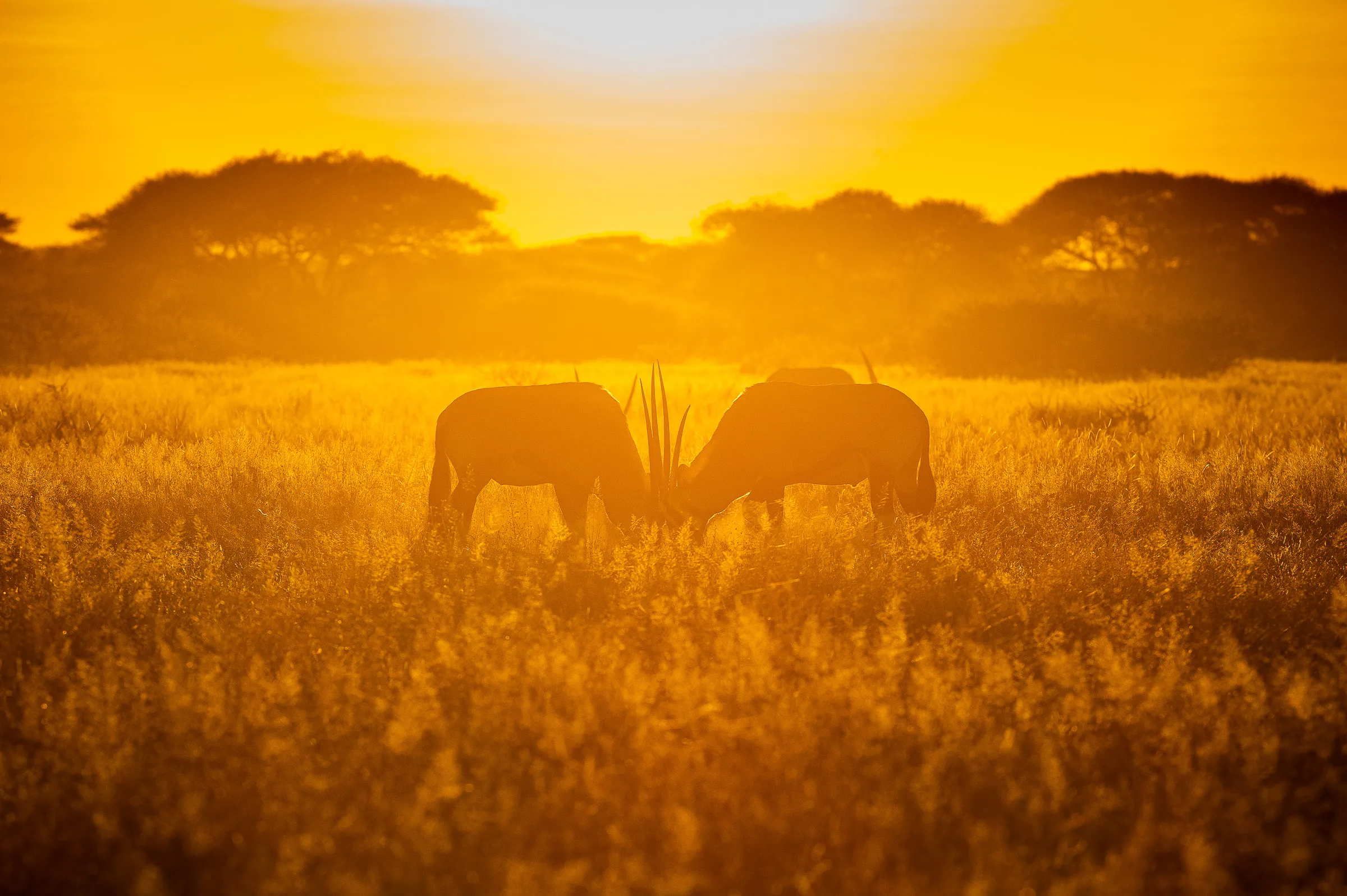
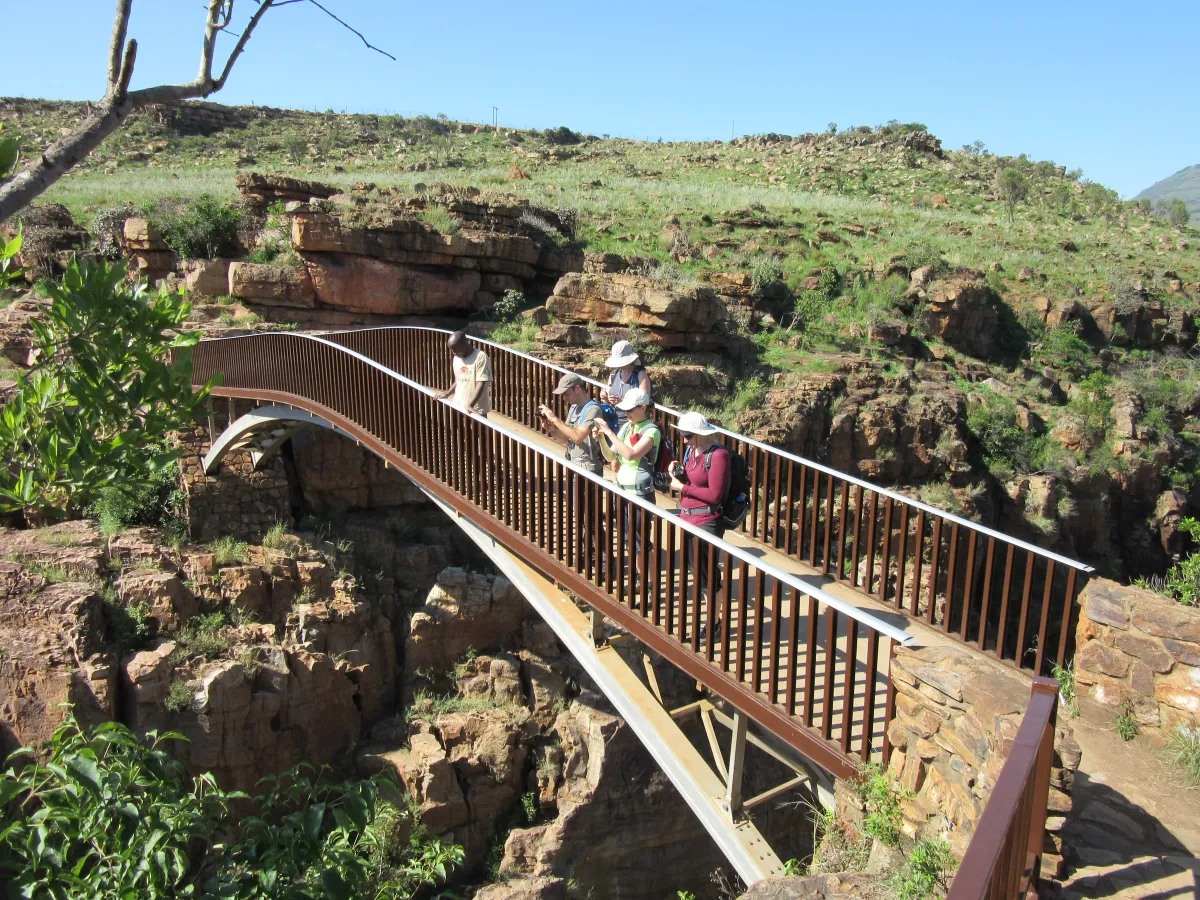
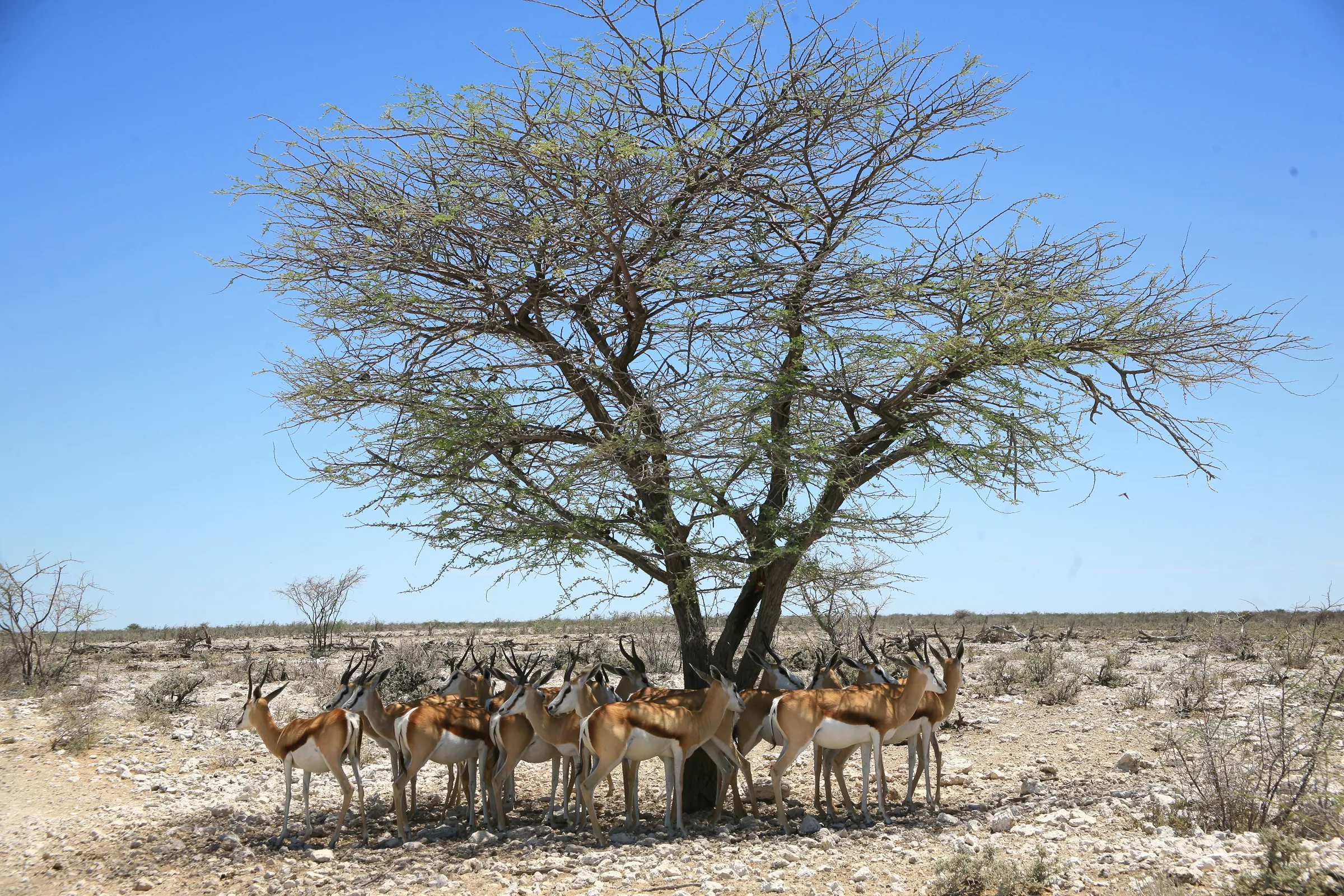
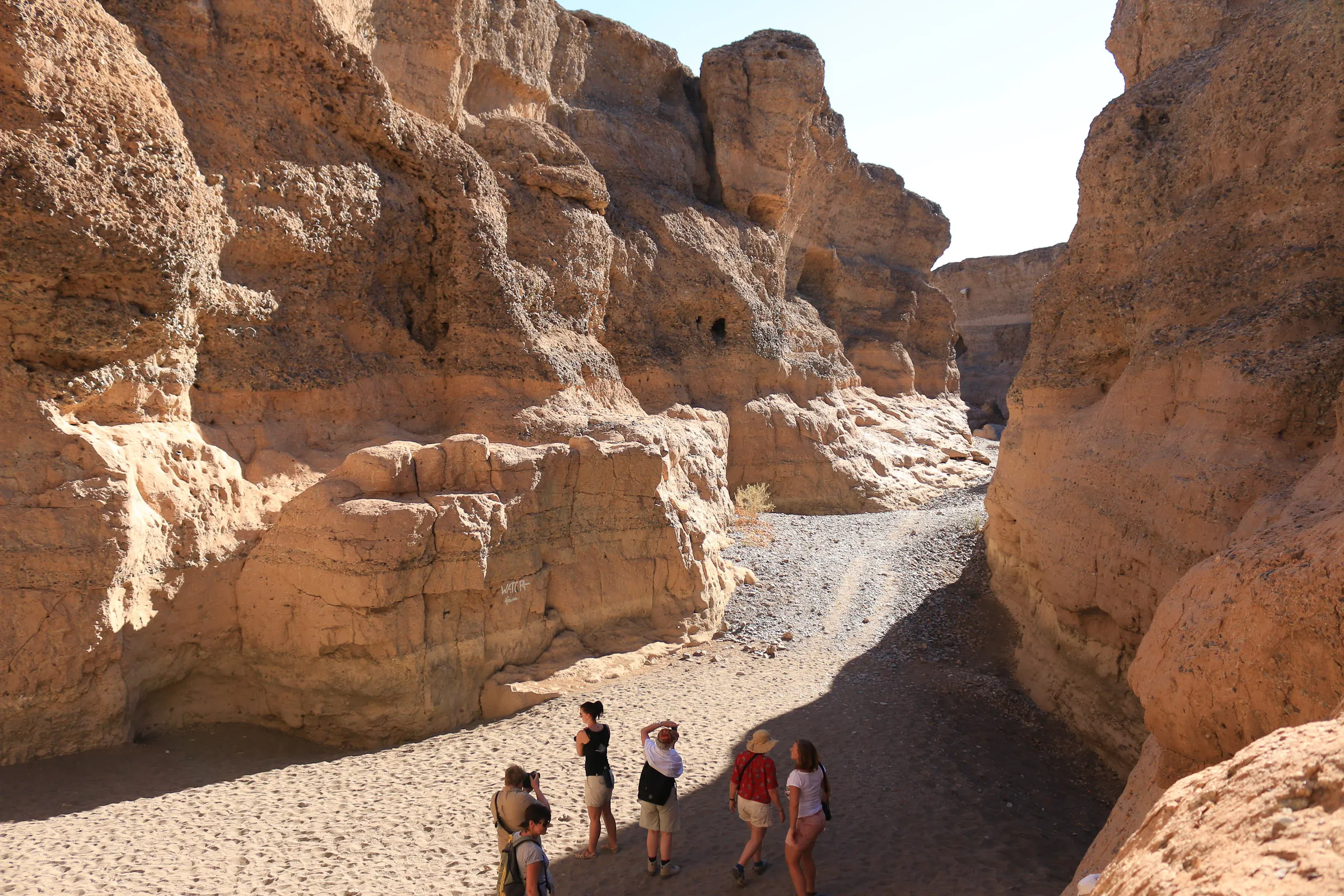
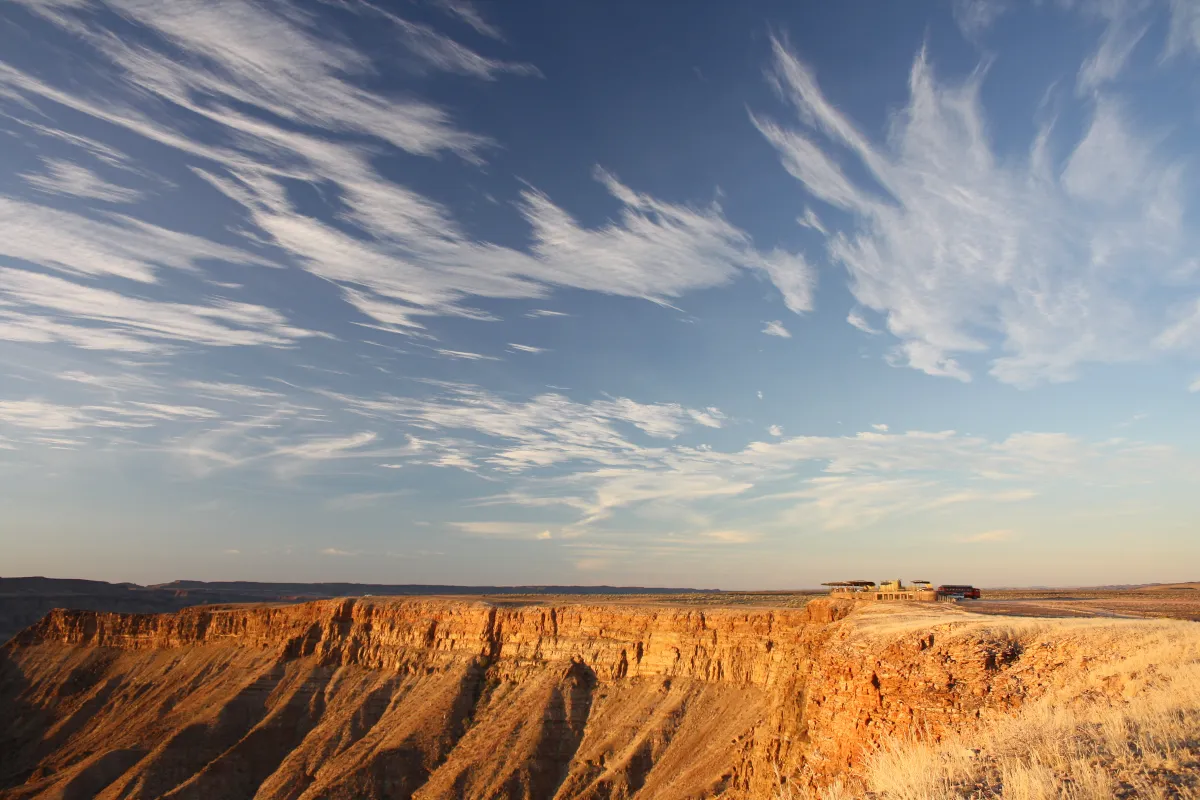
Beyond these core highlights, Namibia also includes the coastal town of Swakopmund, the rugged and remote landscapes of Damaraland, and the dramatic Fish River Canyon in the south. Desert adapted species such as oryx, springbok, and desert elephant demonstrate how wildlife survives in extreme environments. Travel through Namibia is characterised by long scenic distances and low population density, with overland routes connecting diverse ecosystems into a single continuous journey shaped by space, silence, and contrast.
Etosha National Park
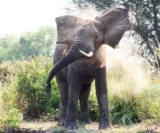
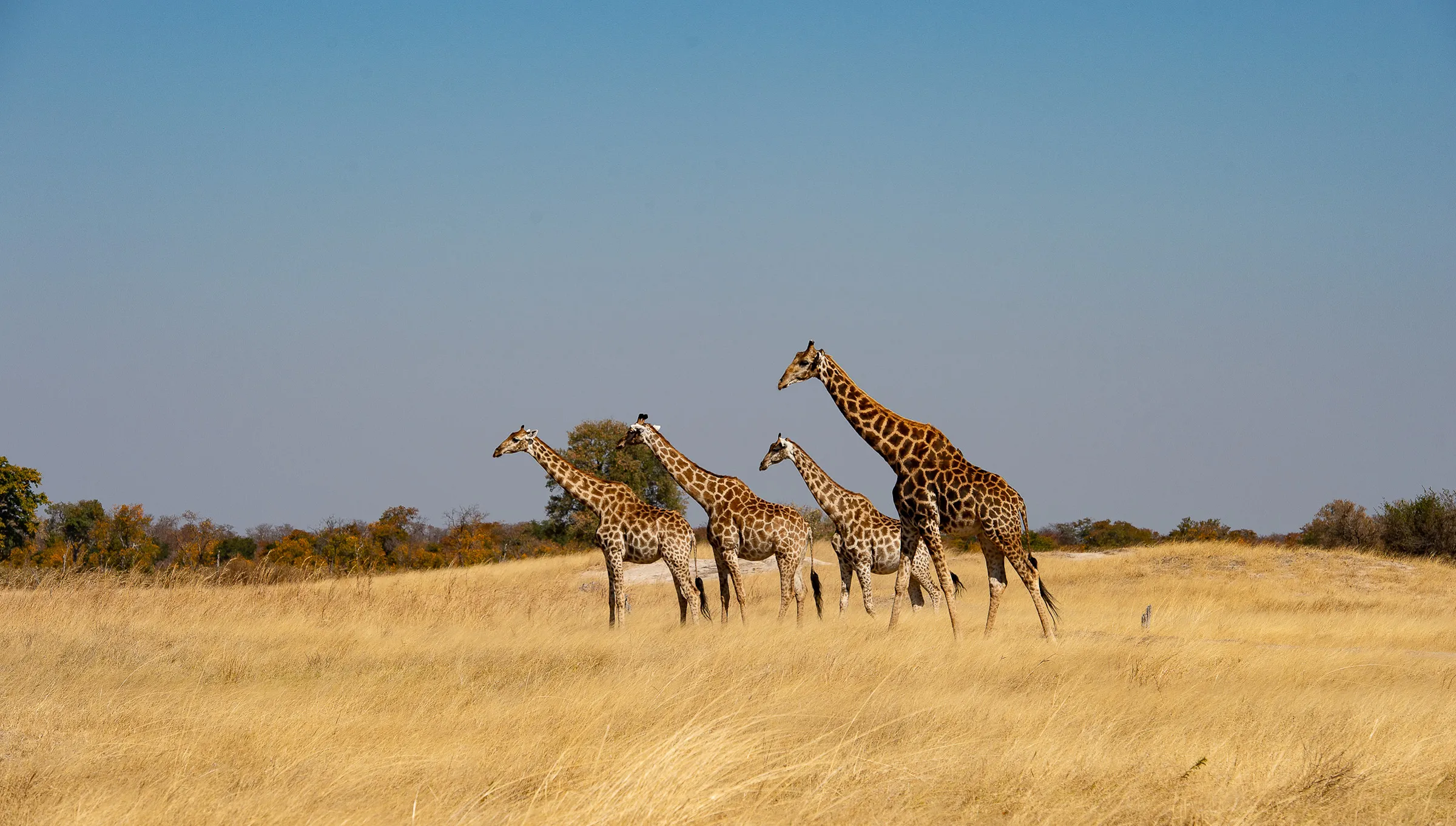
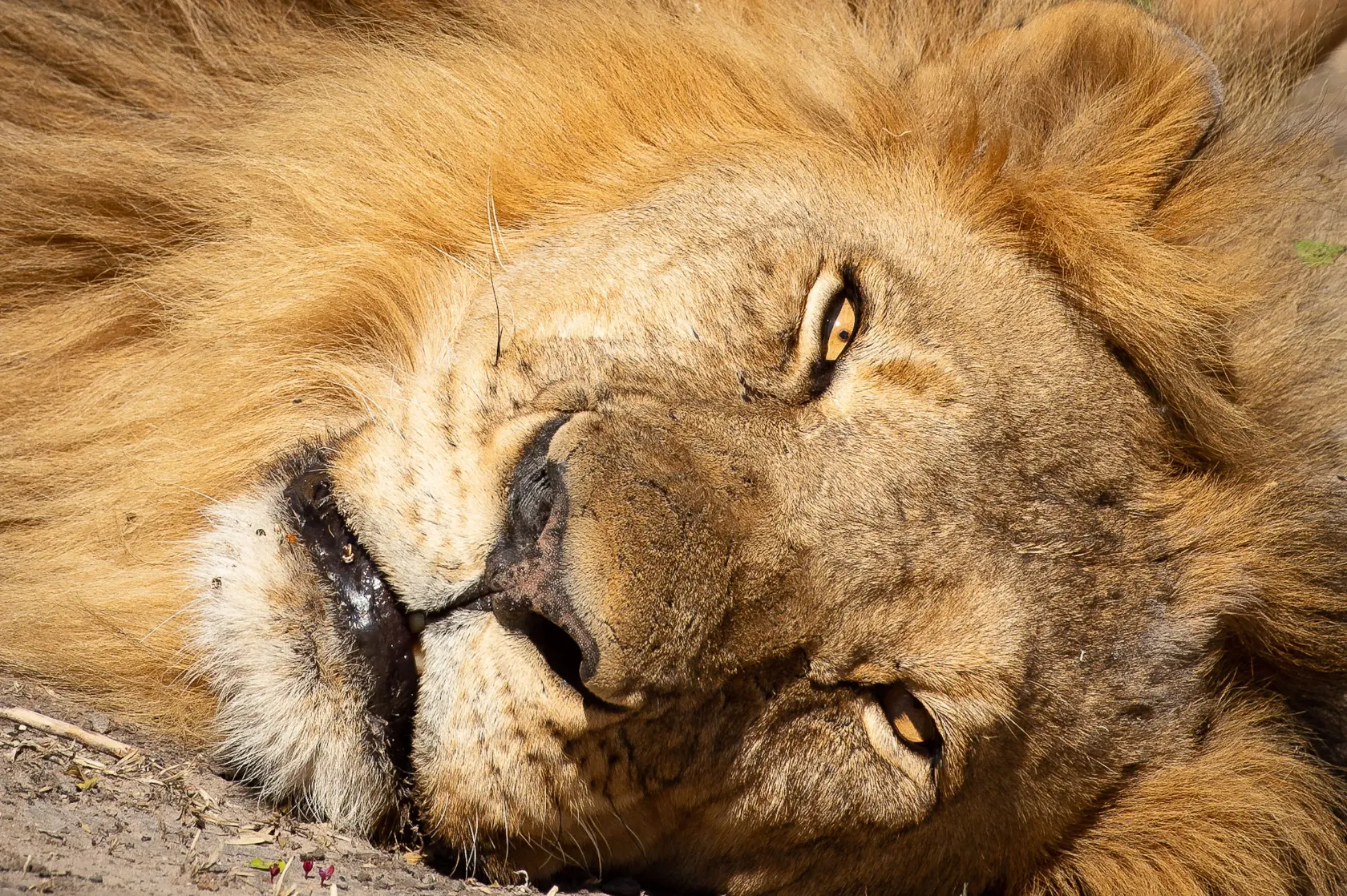
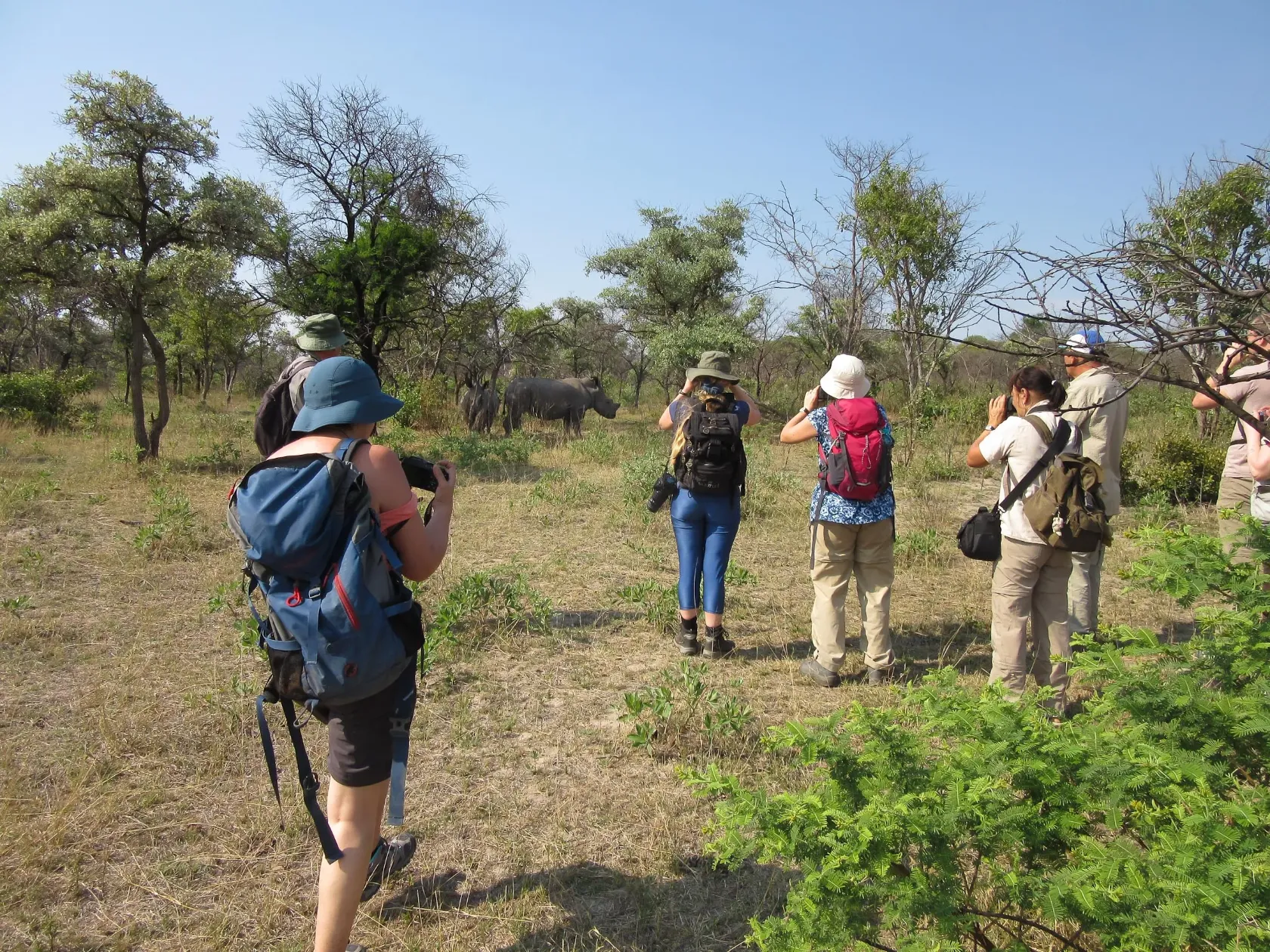
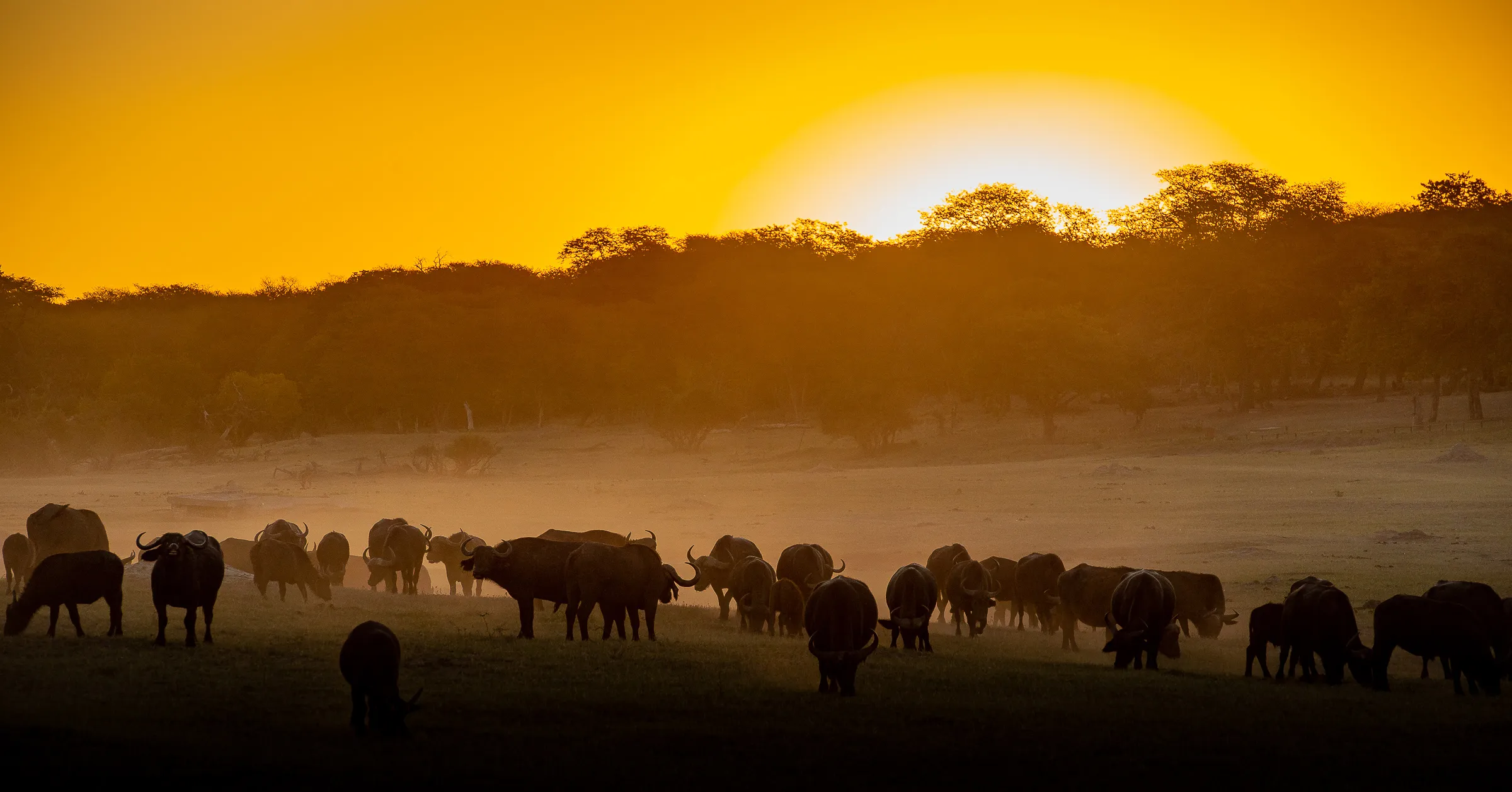
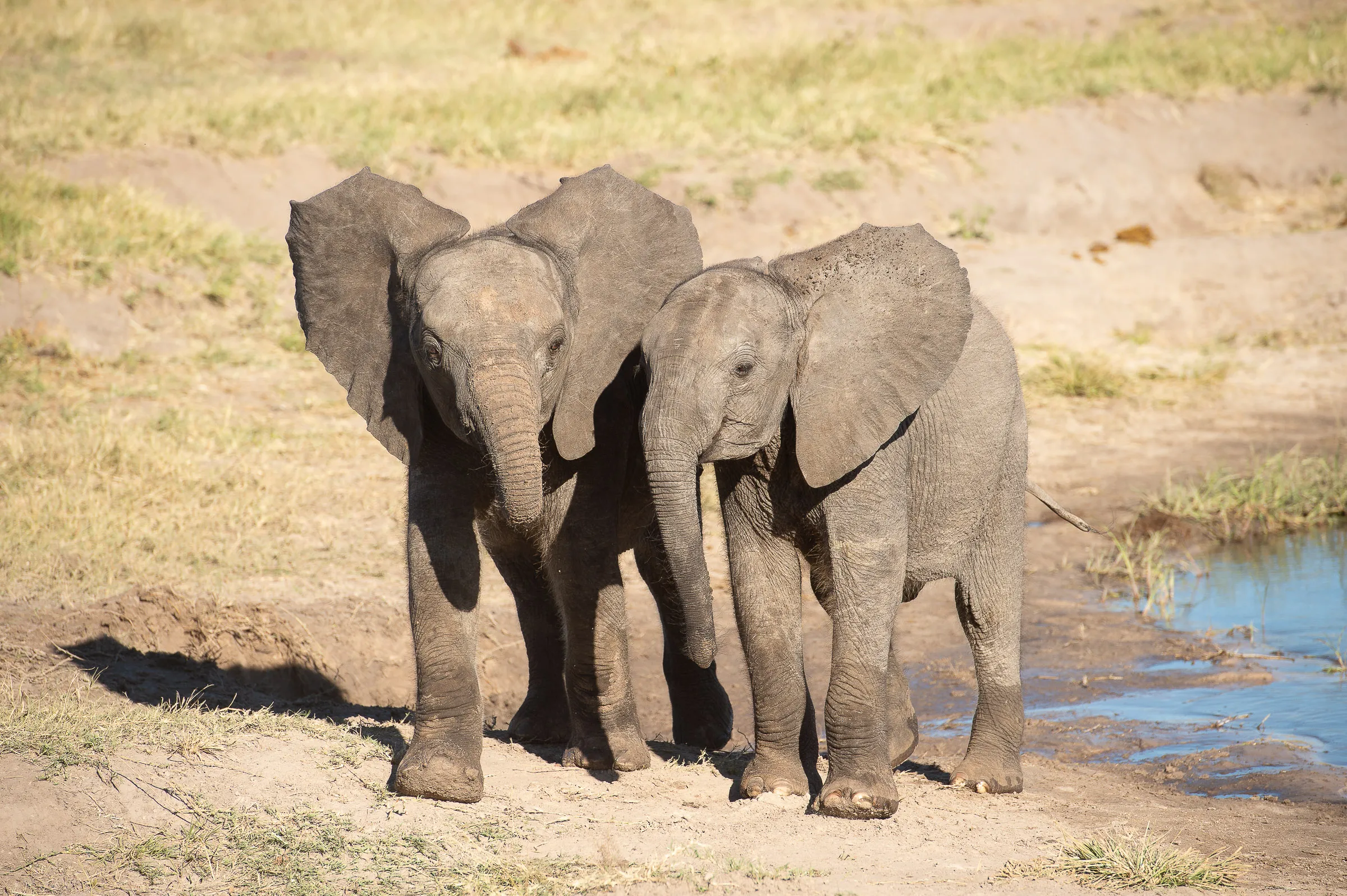
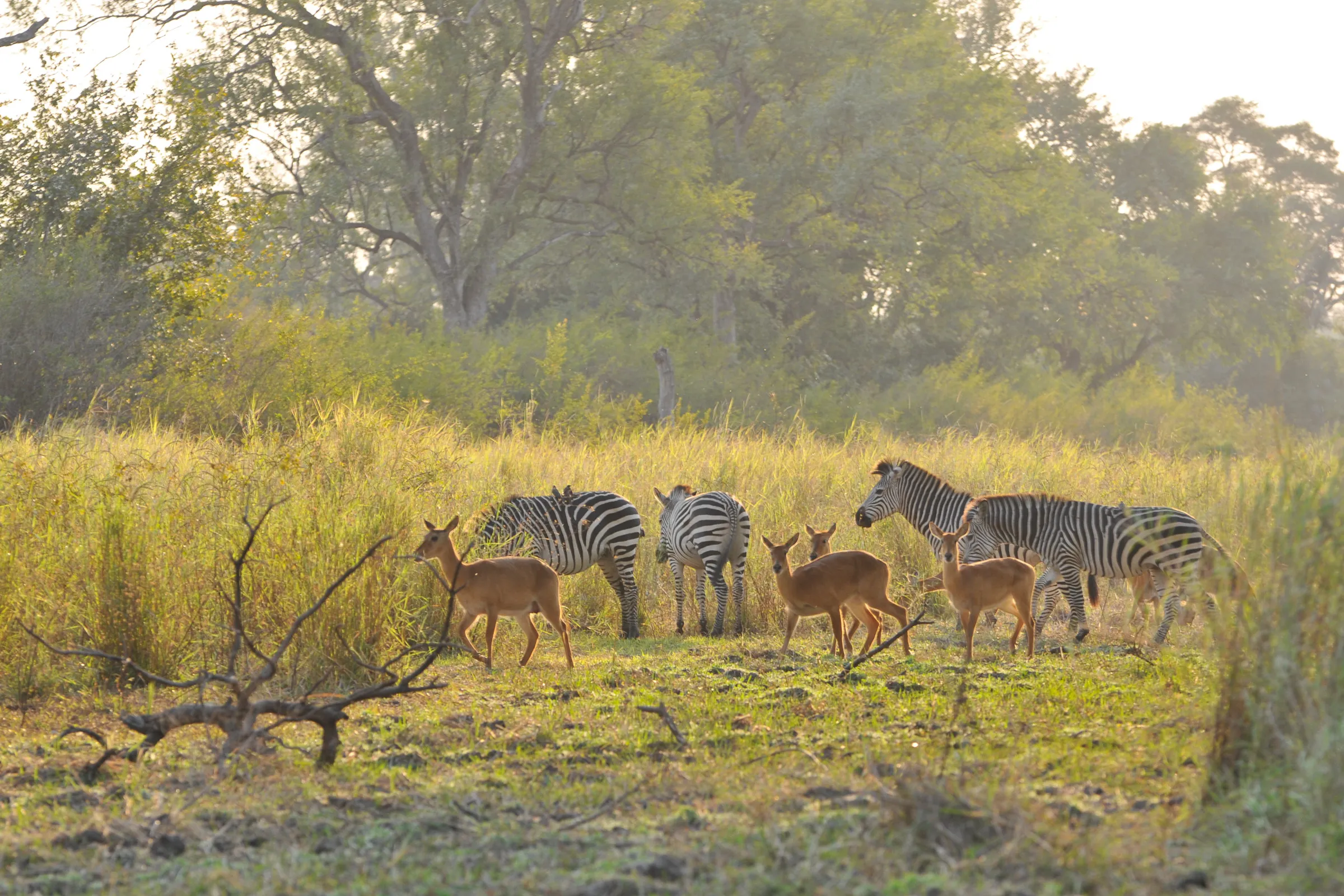
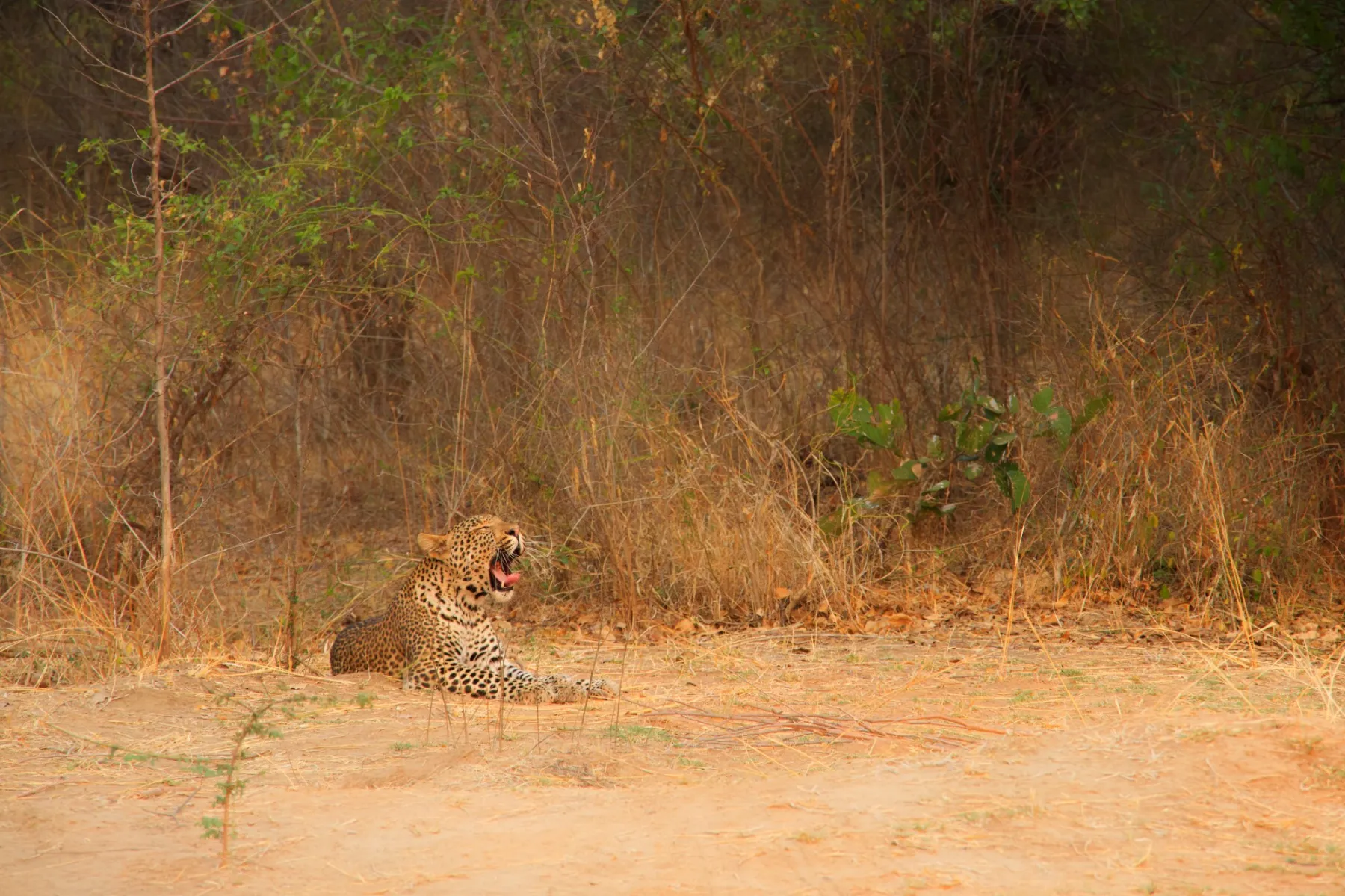
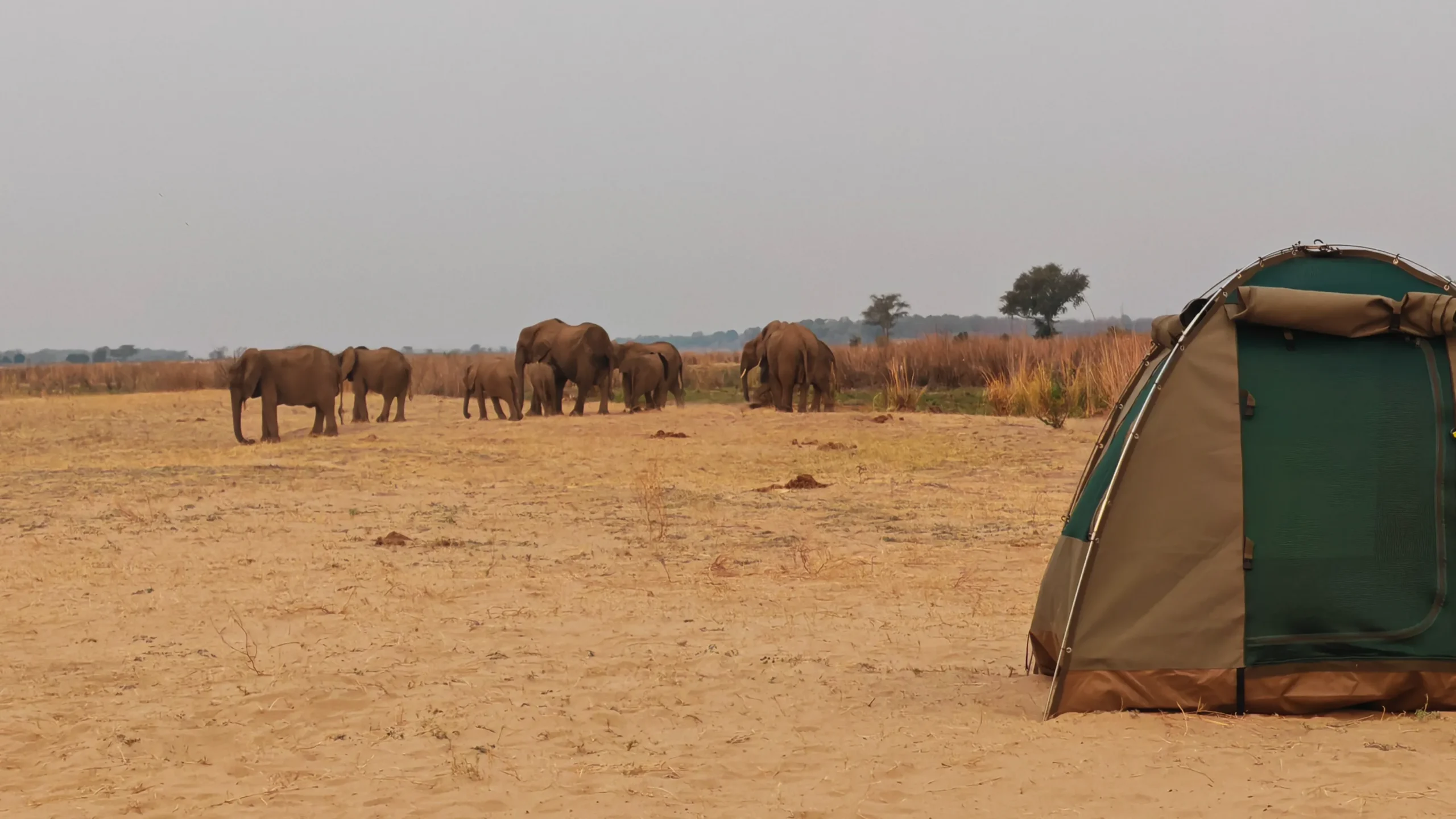
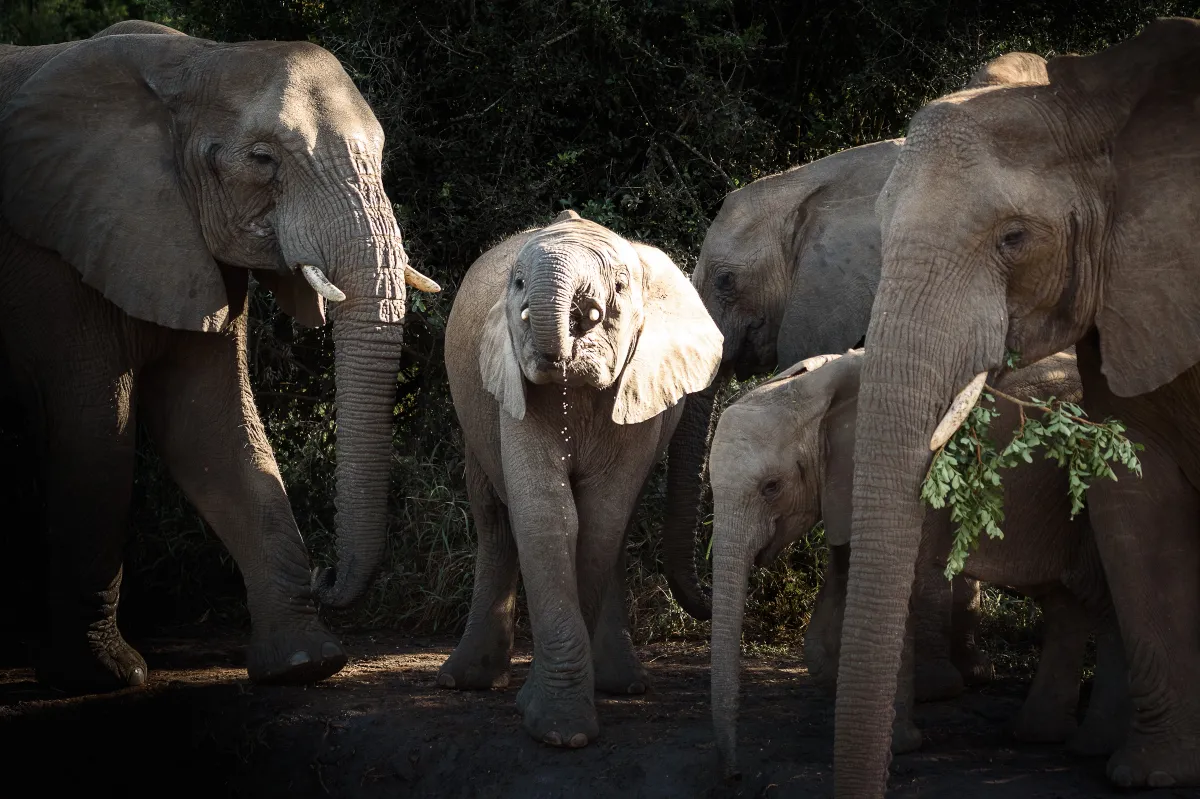
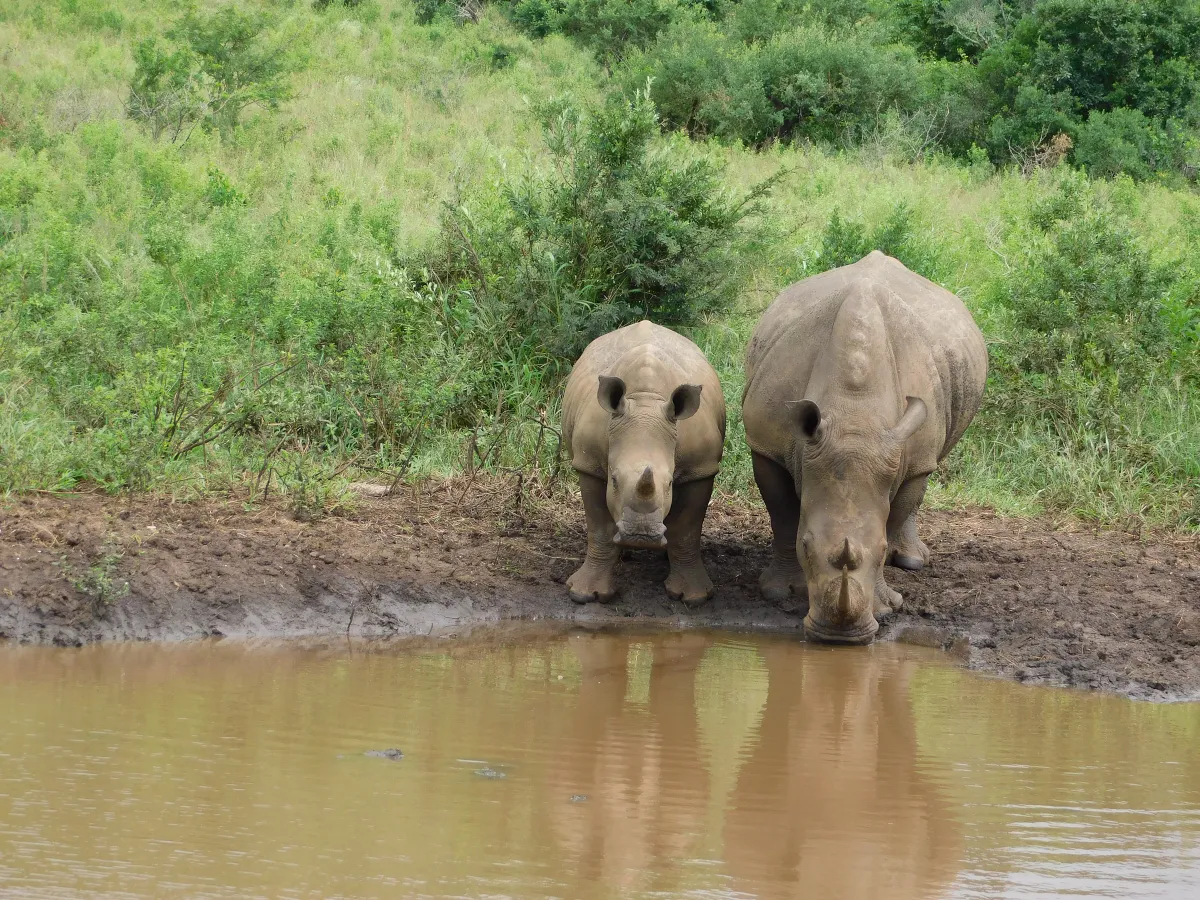
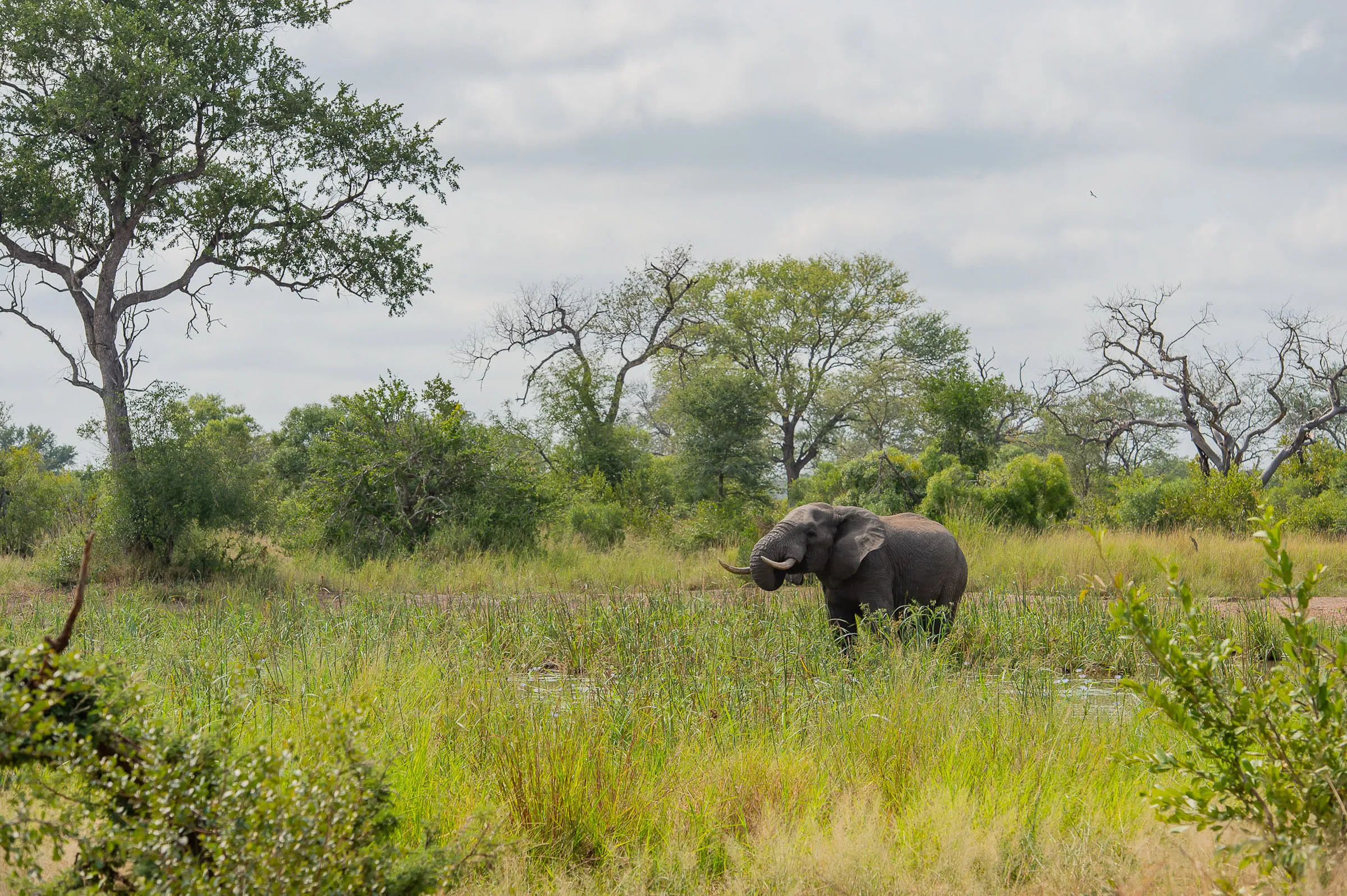
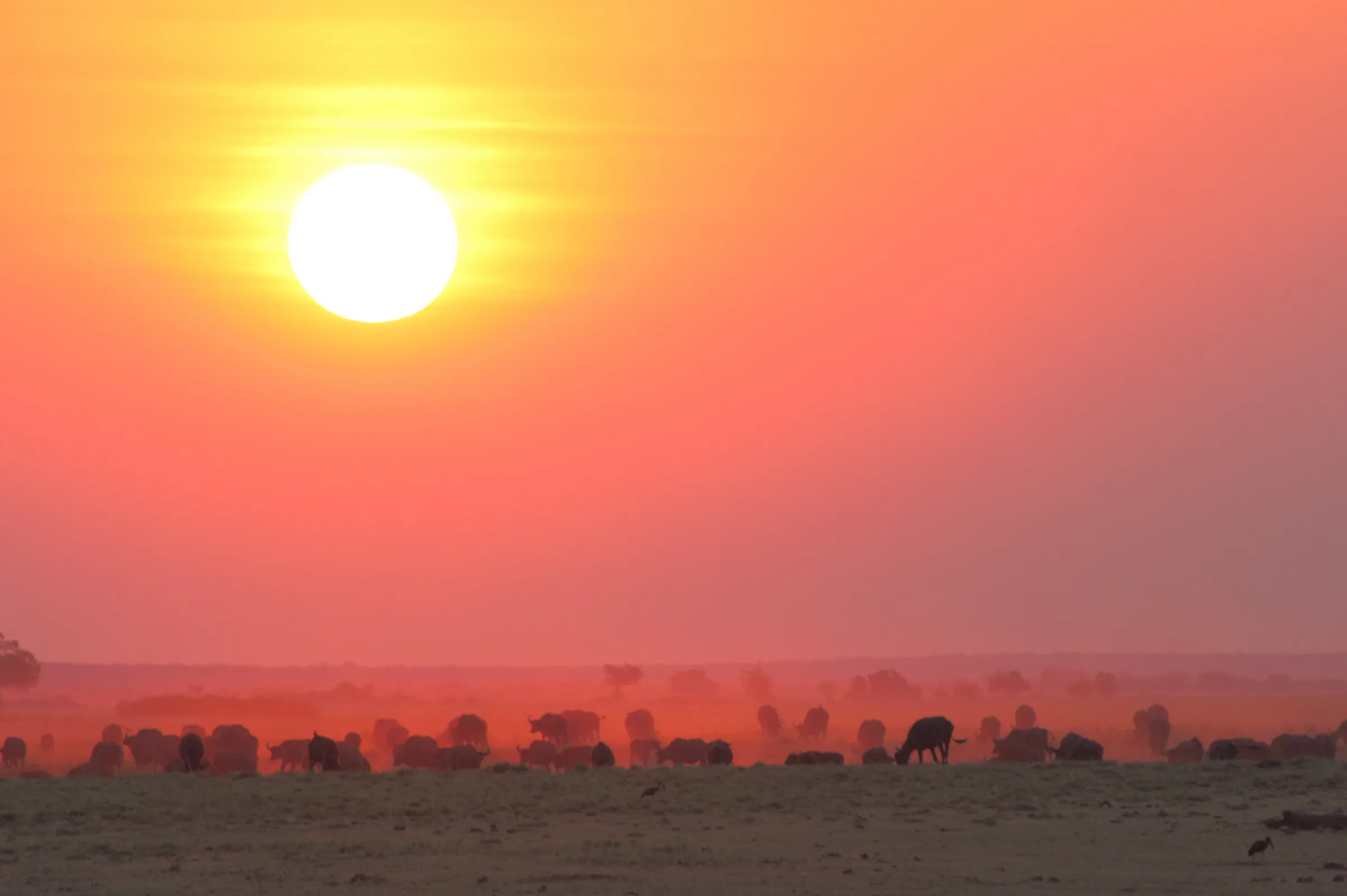
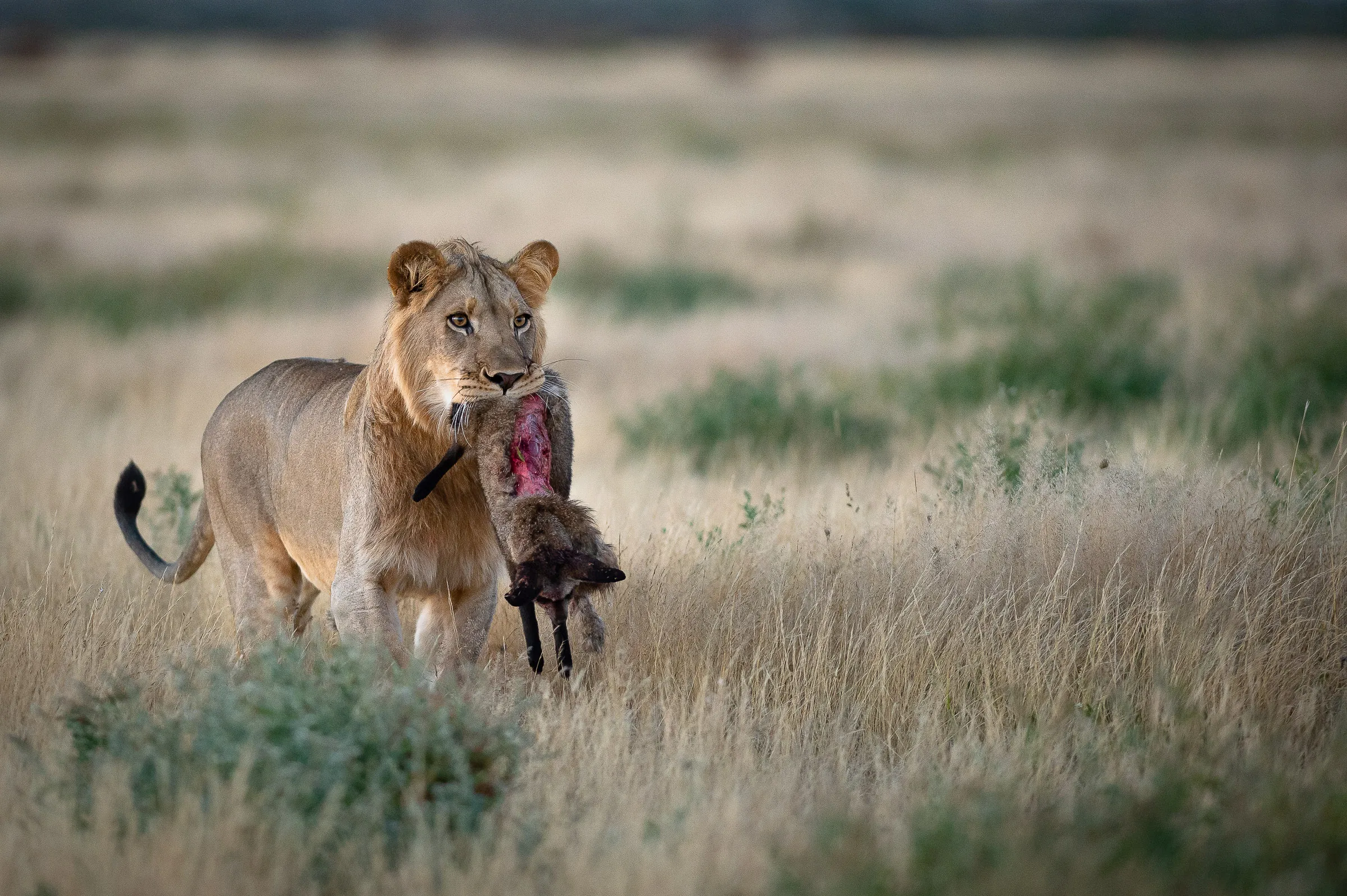
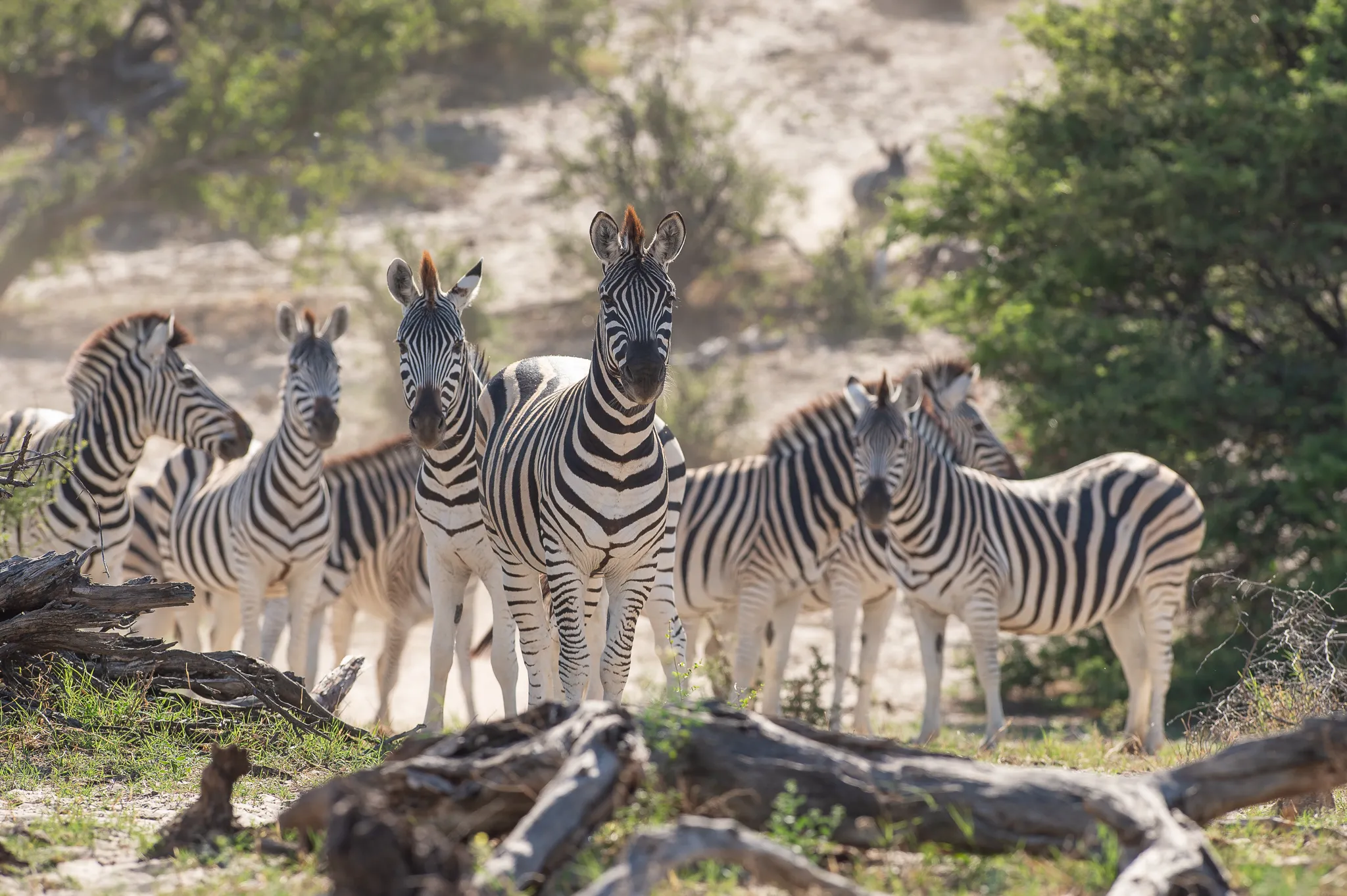
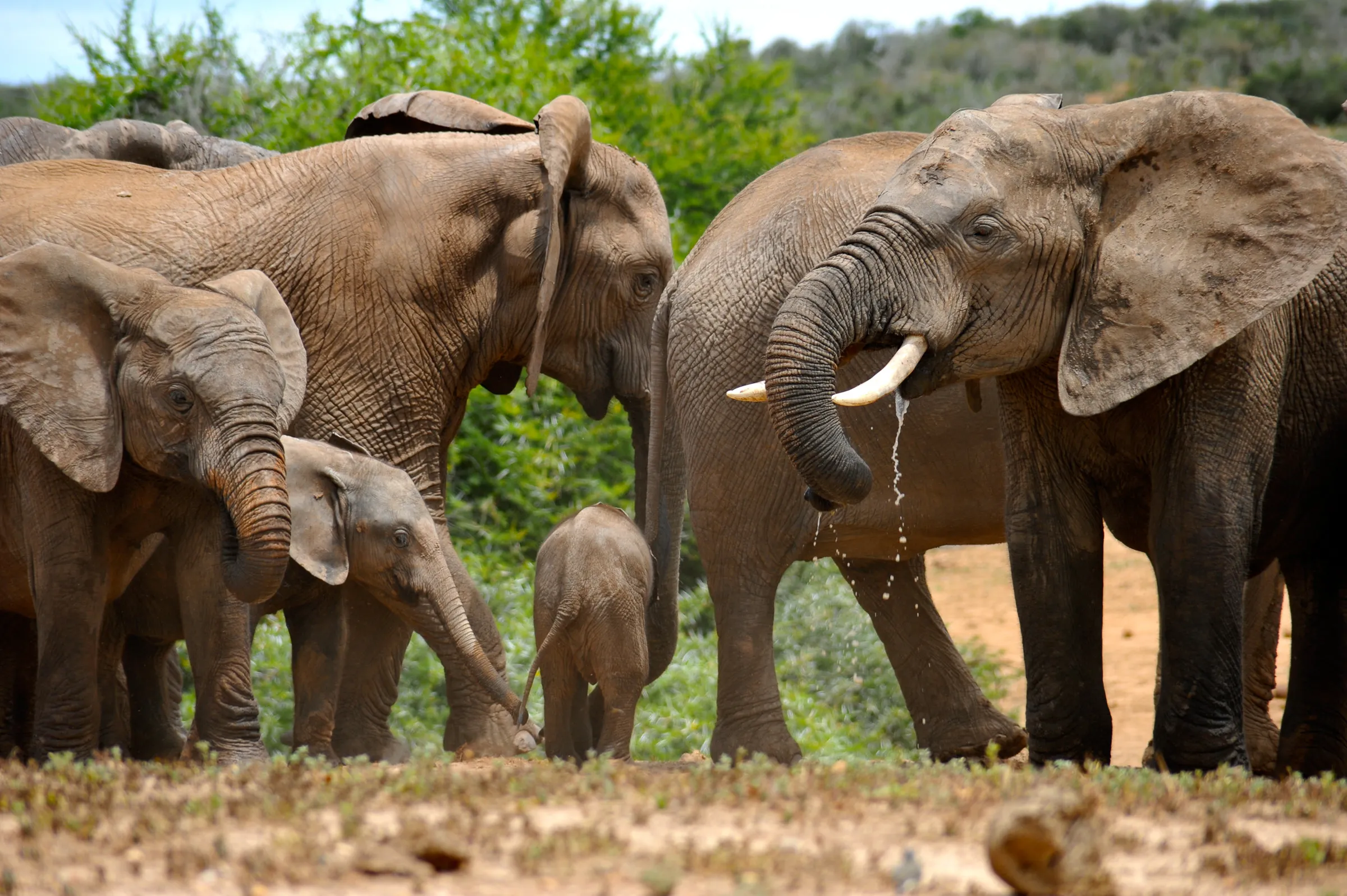
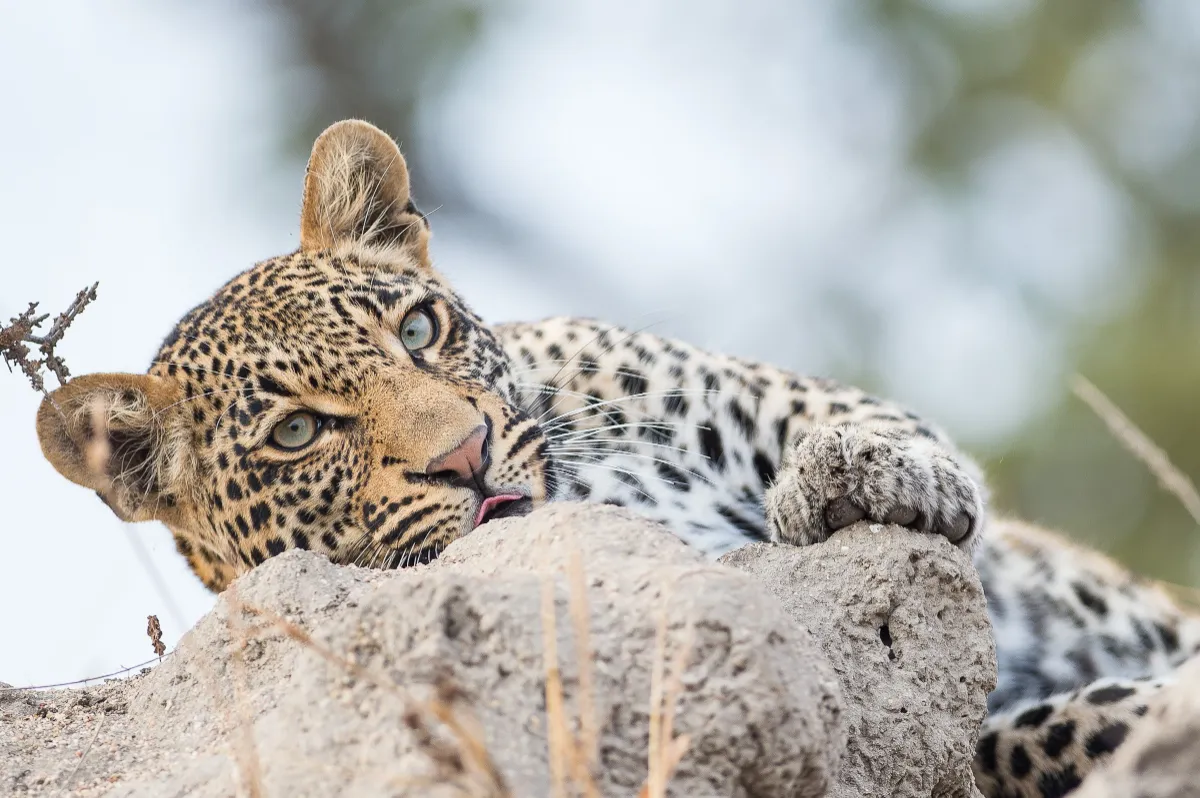
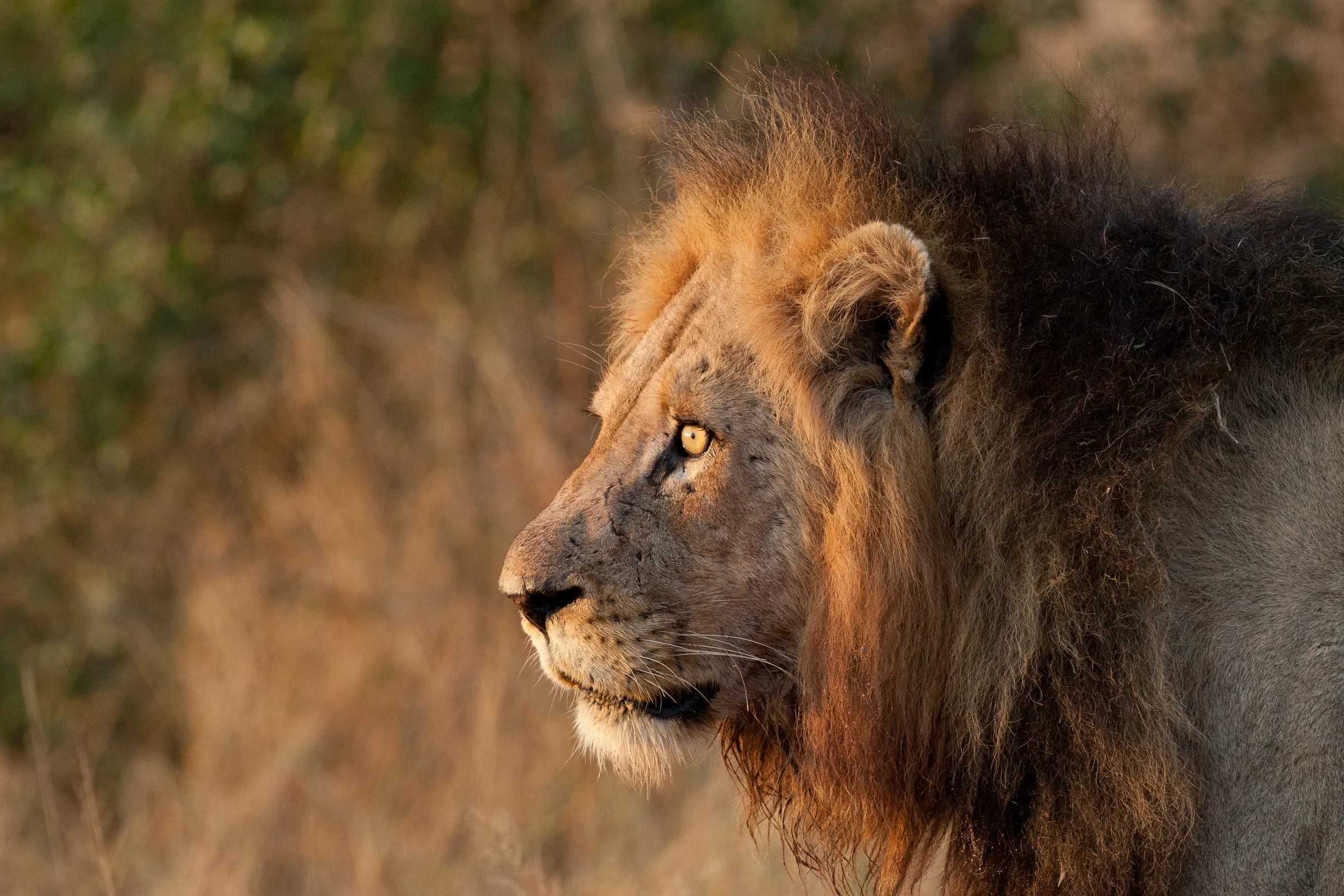
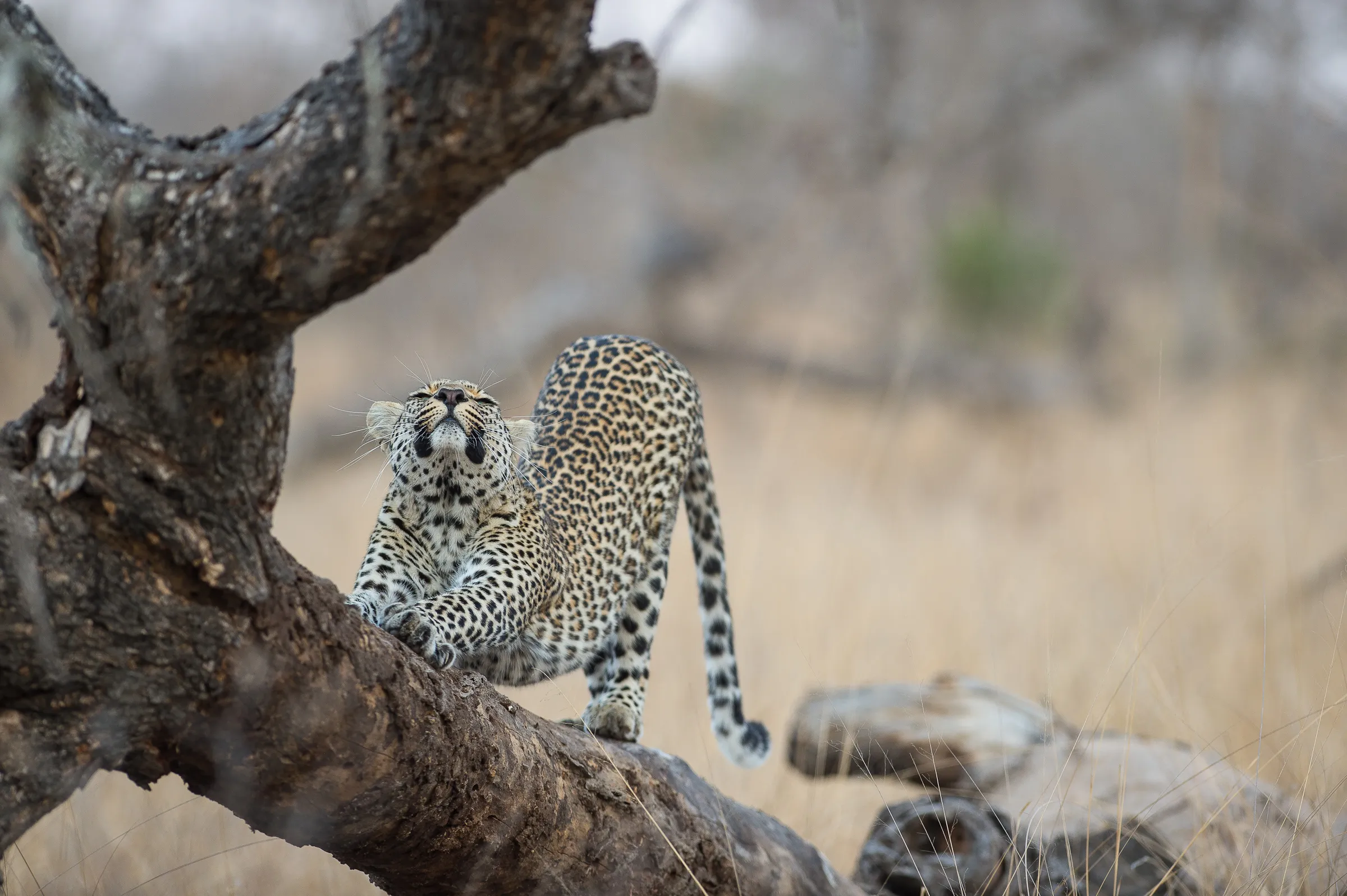
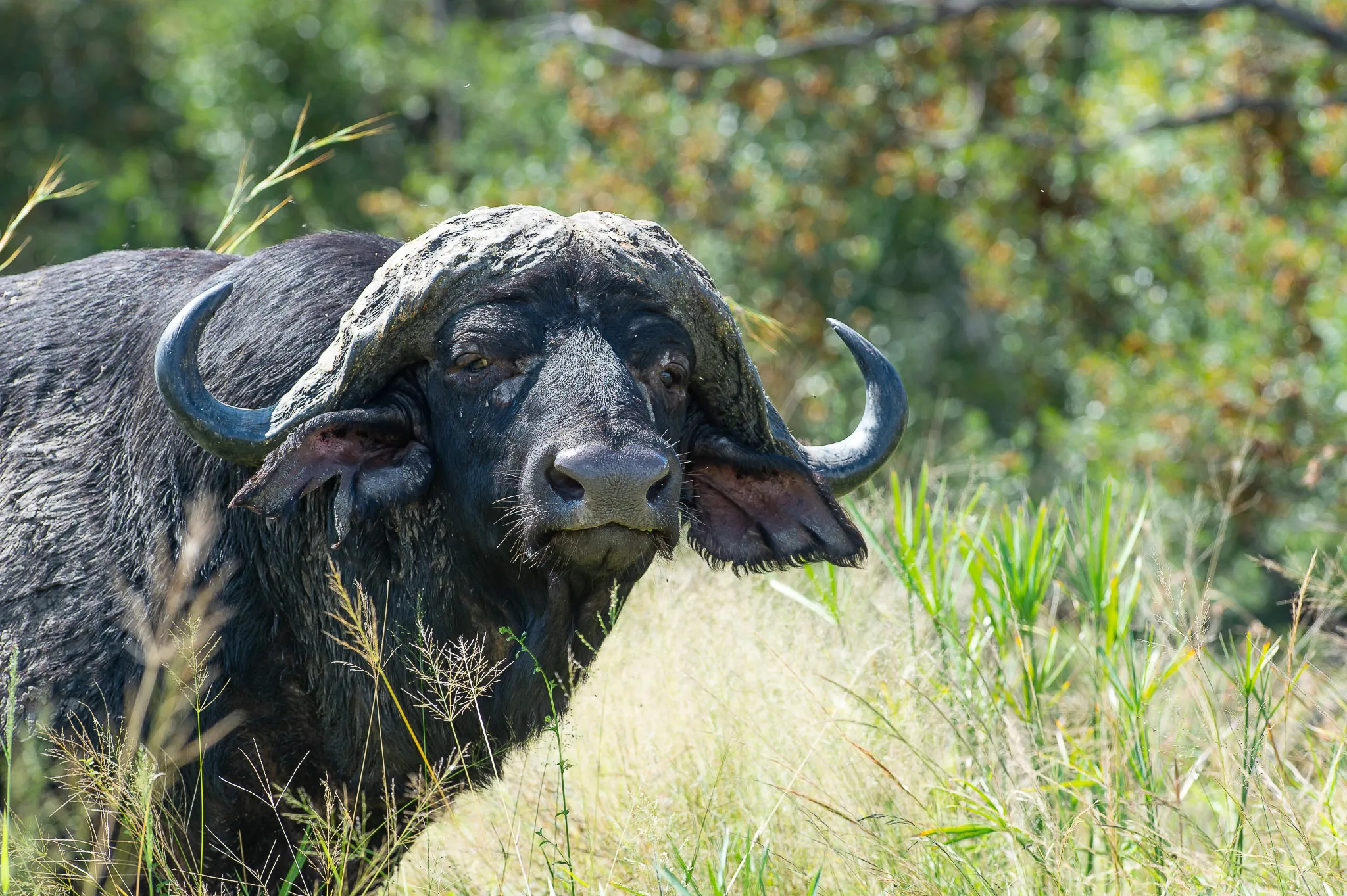
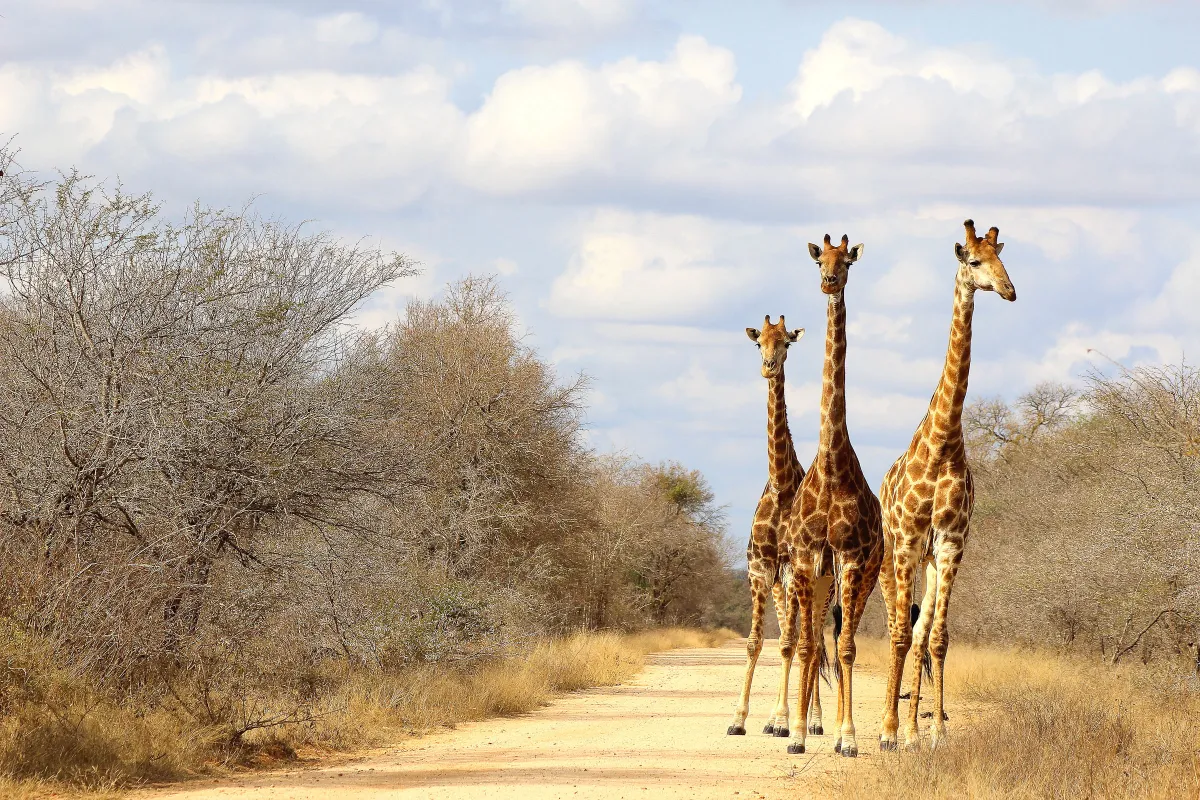
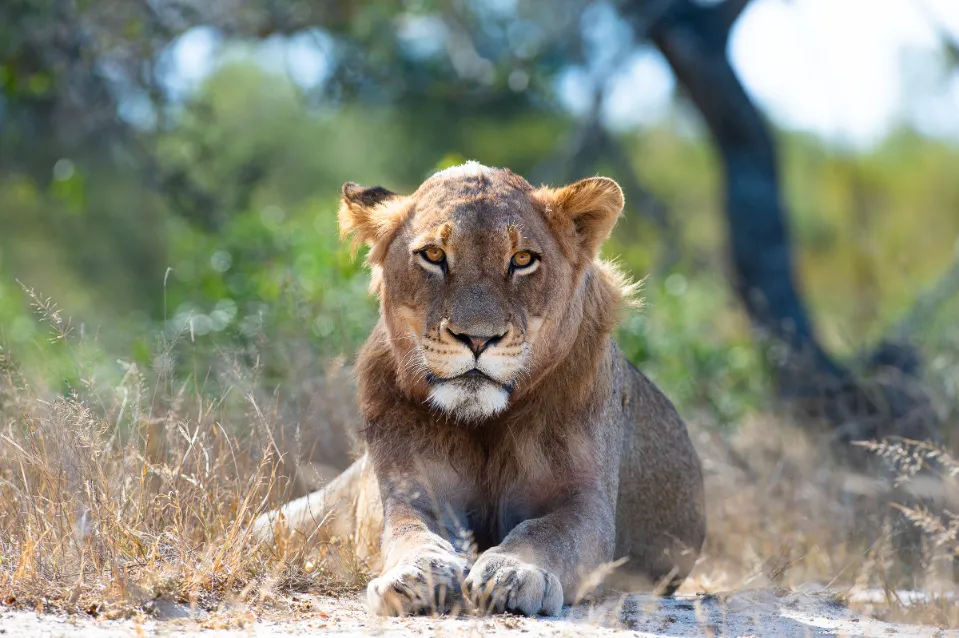
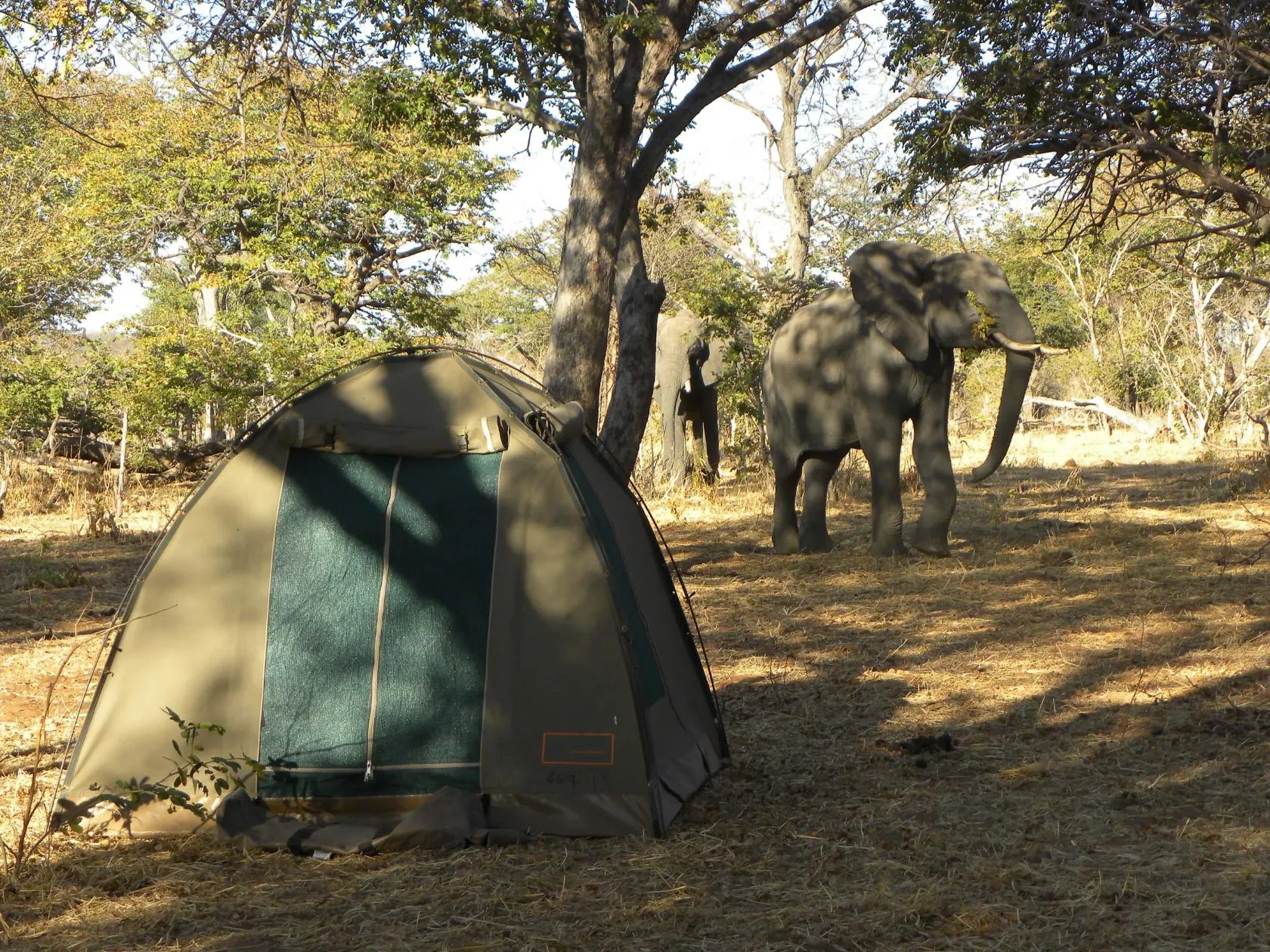
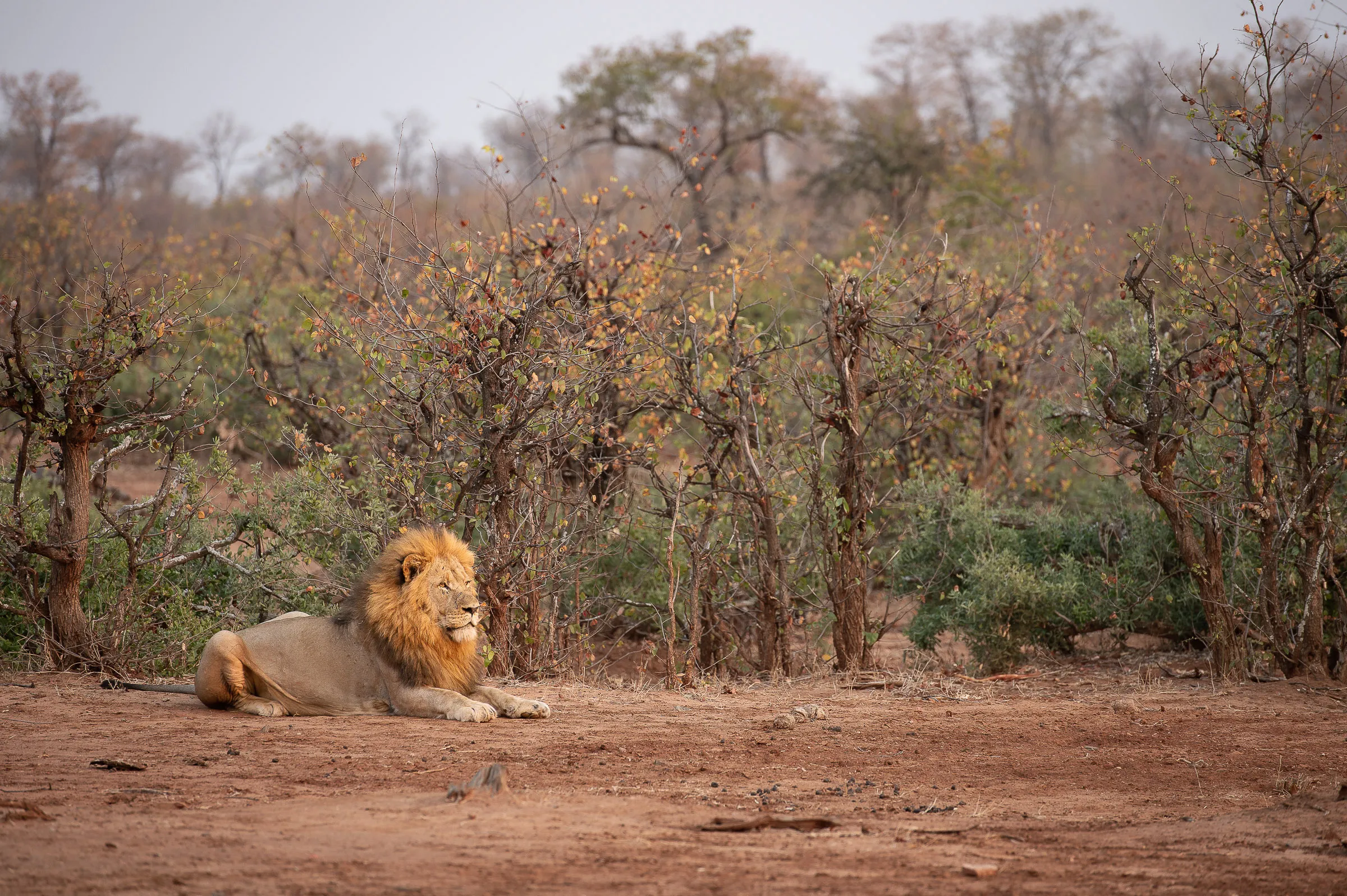
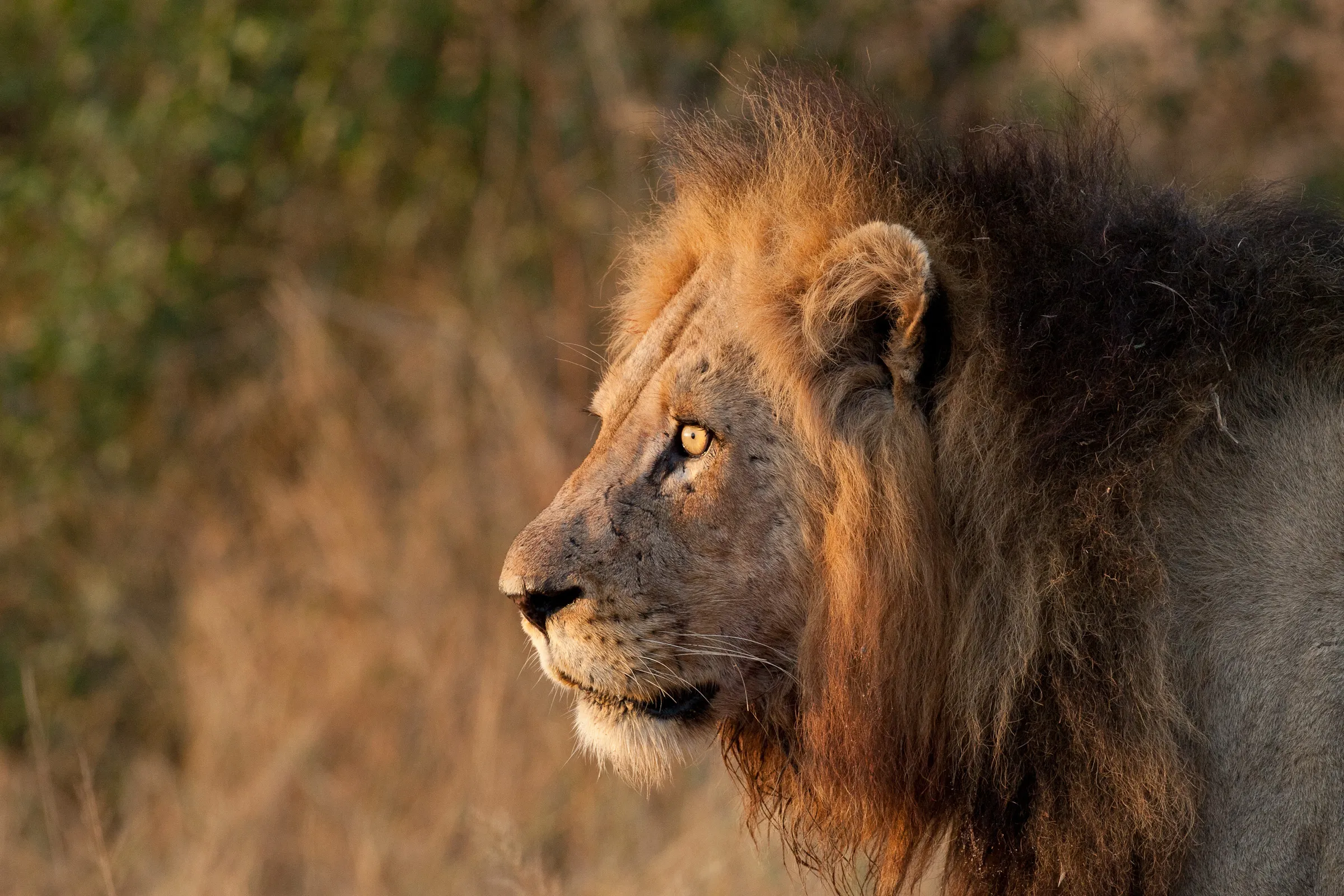
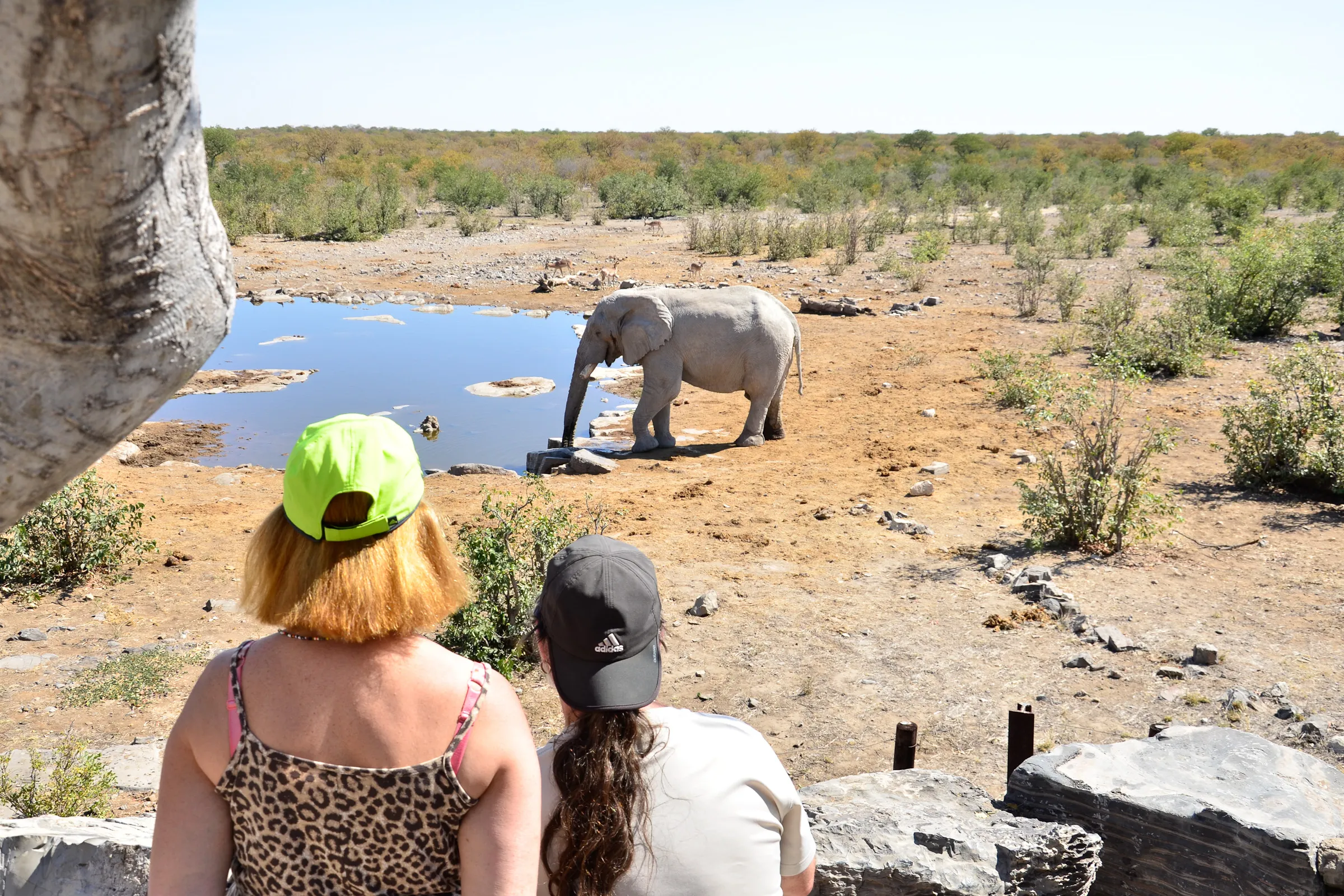
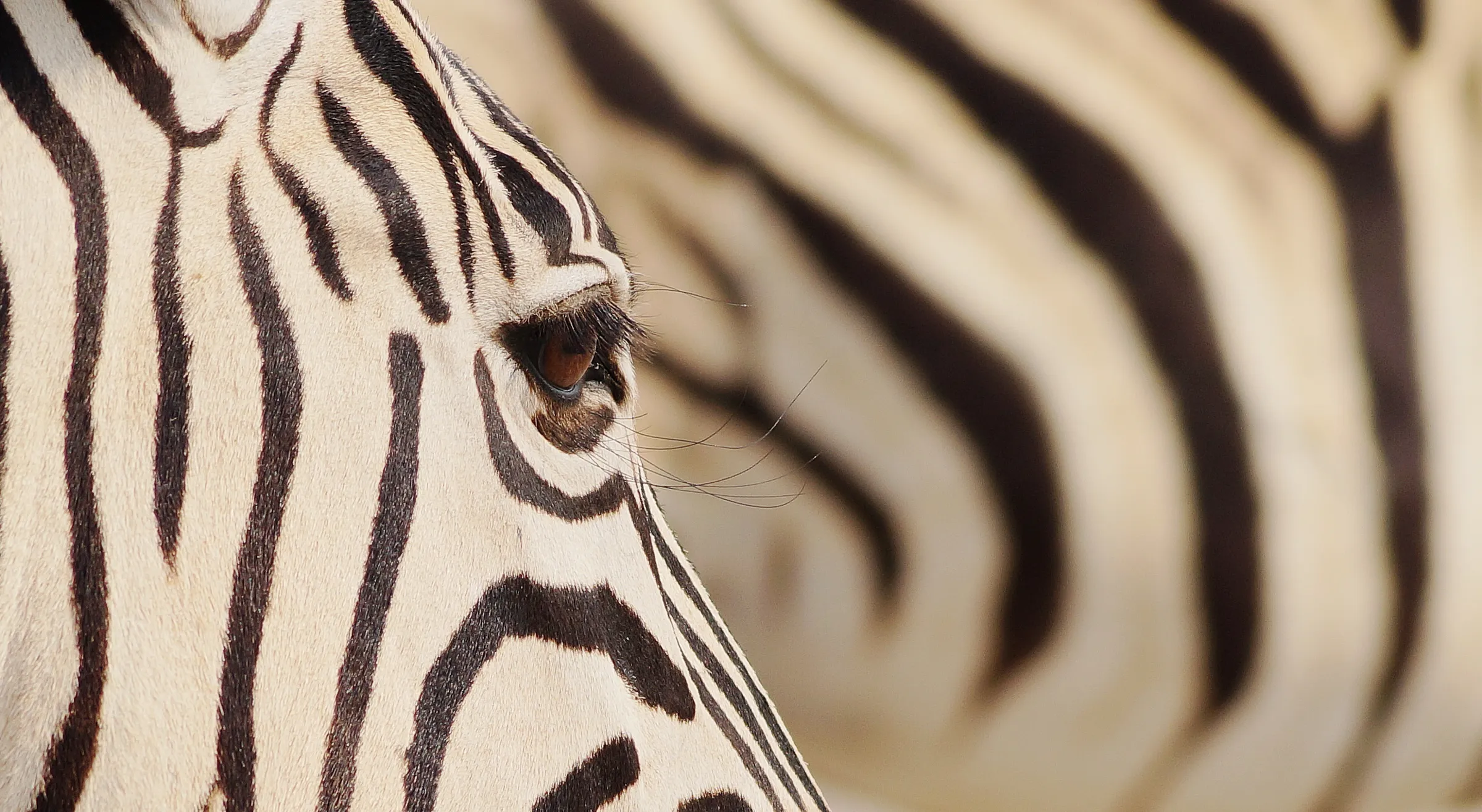
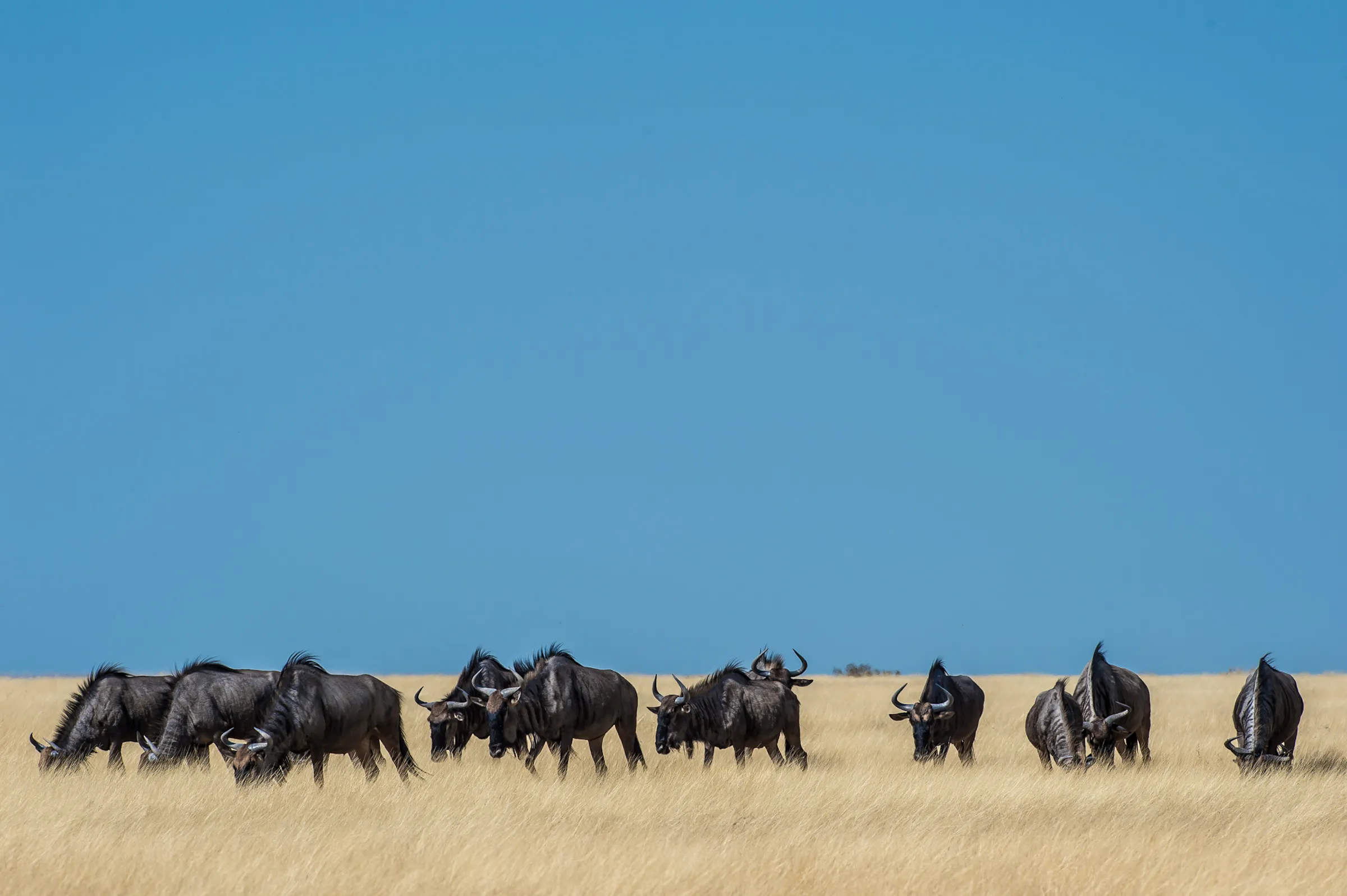
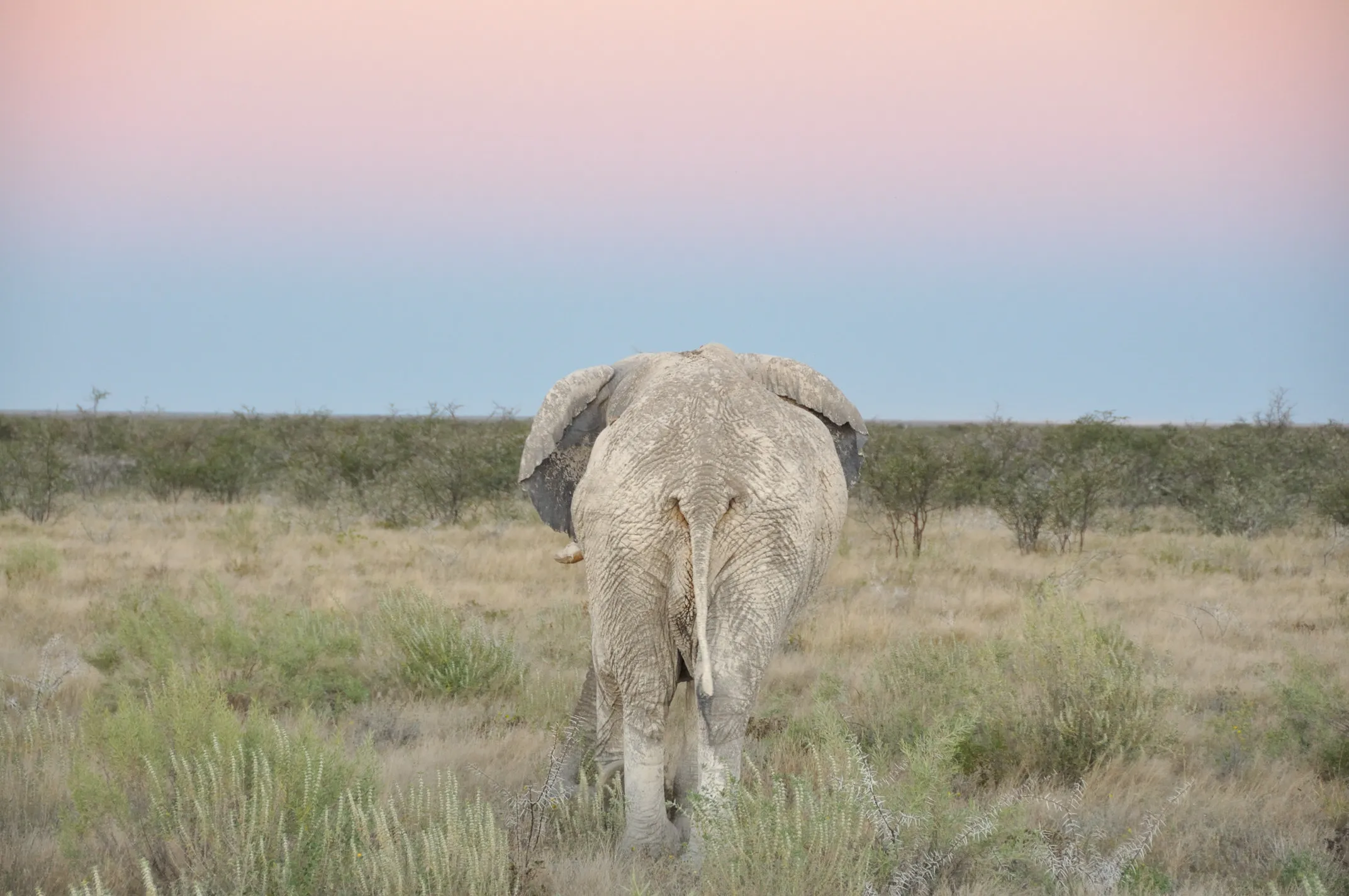
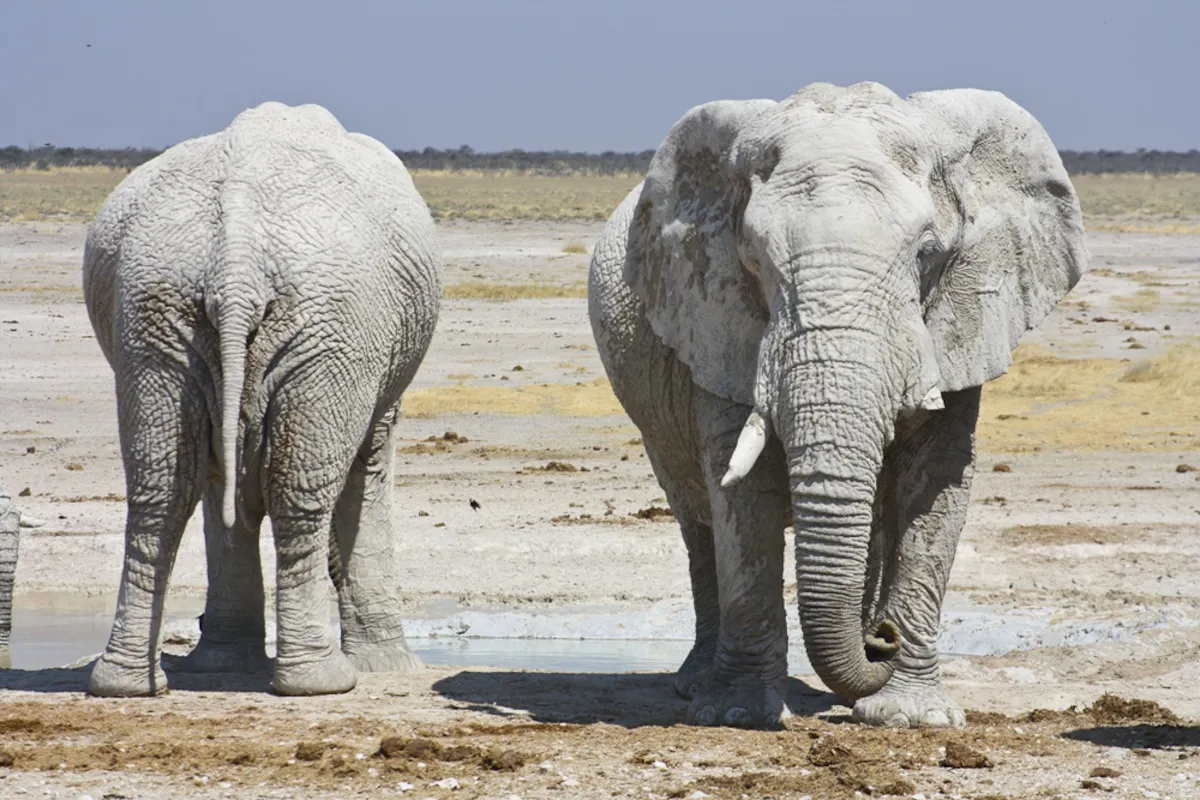
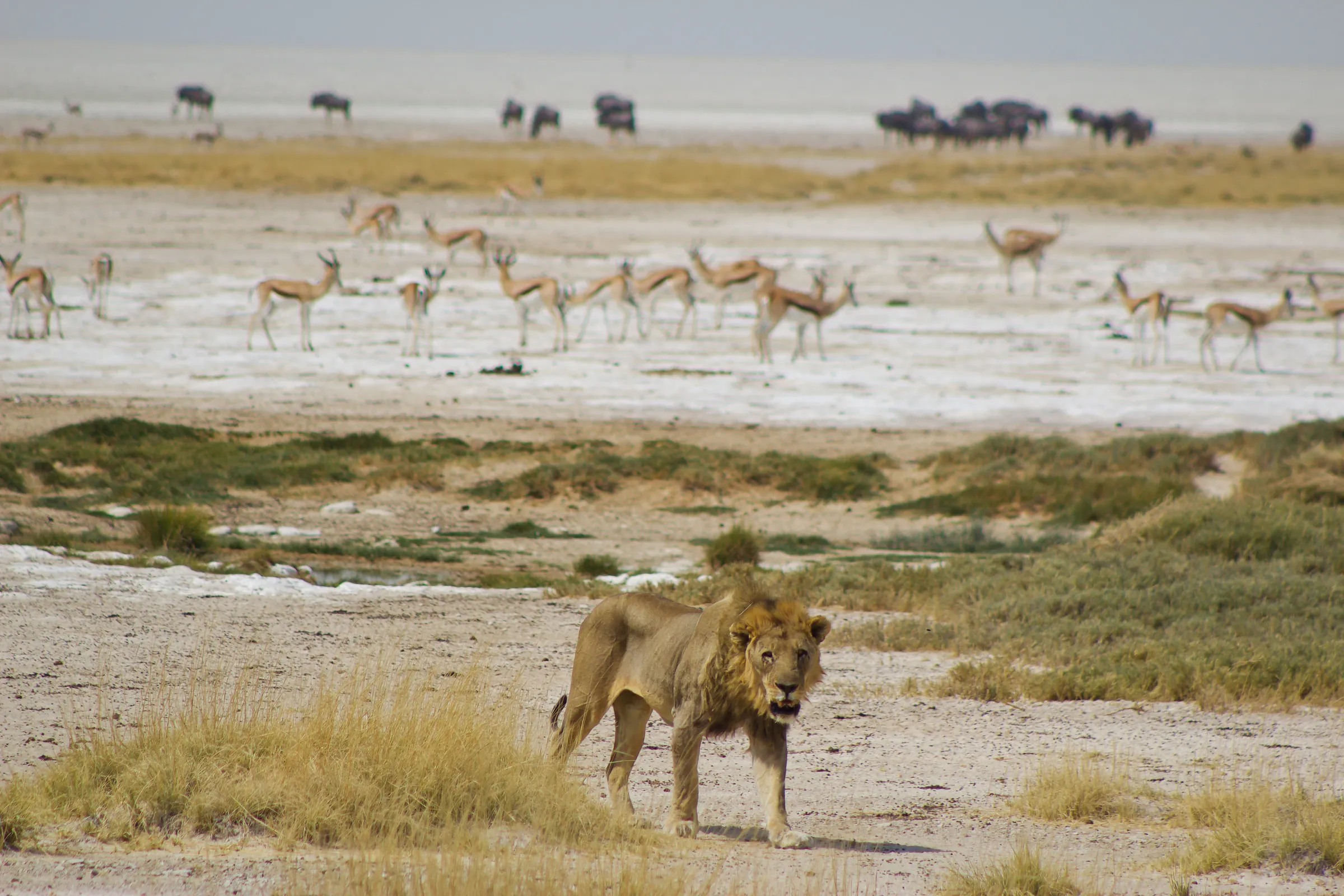
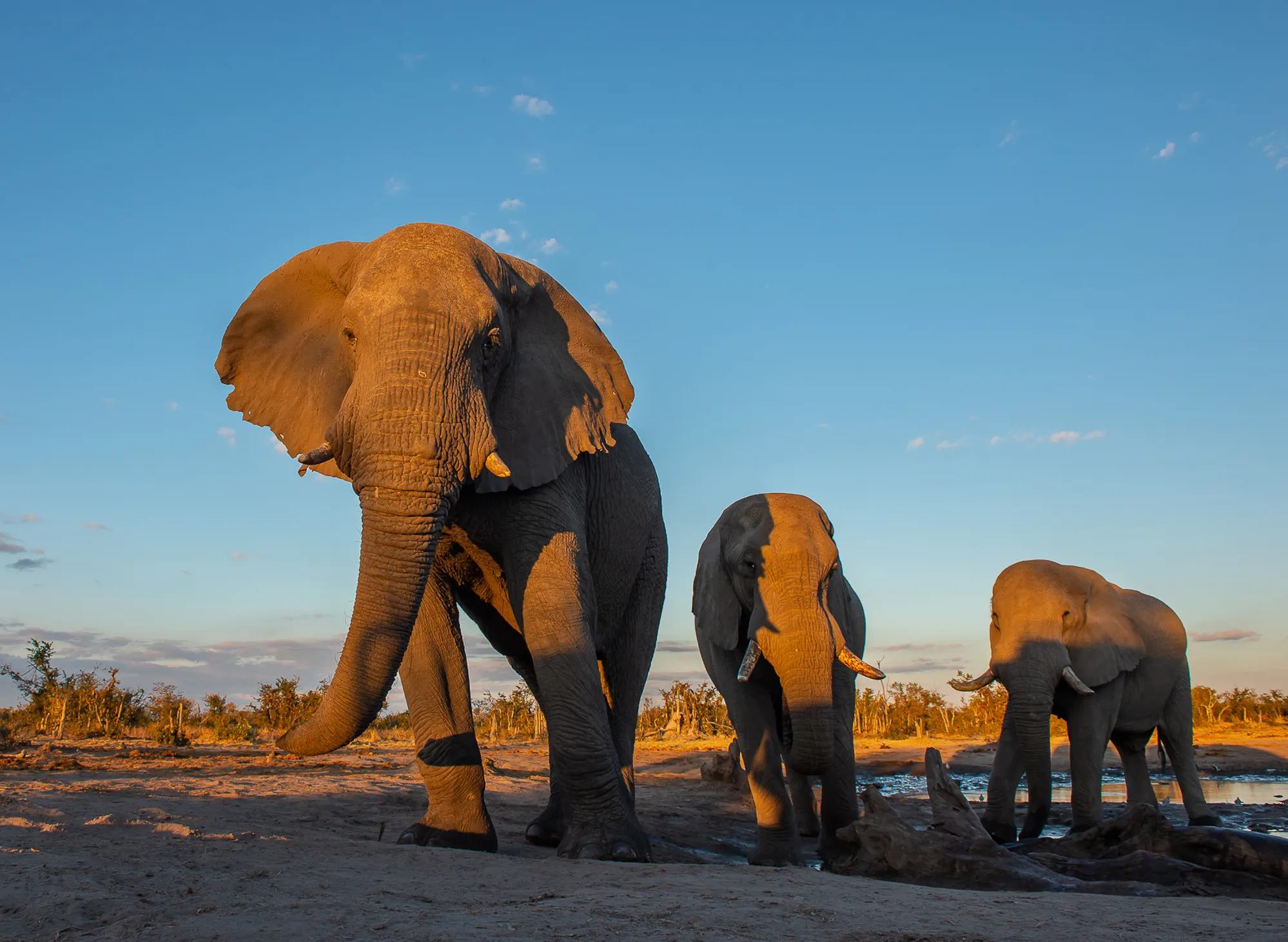
Etosha National Park is Namibia’s premier wildlife destination and one of the most important game reserves in Southern Africa. The park is centred around a vast salt pan that dominates the landscape and draws large concentrations of wildlife to permanent and seasonal waterholes. Visitors can expect excellent game viewing opportunities including elephant, lion, giraffe, zebra, springbok, and a wide variety of birdlife.
Game viewing in Etosha is often concentrated around water sources, making it one of the most accessible self contained safari environments in the region. The open landscapes and sparse vegetation allow for clear wildlife sightings, particularly during the dry season when animals gather in higher numbers.
Namib Desert, Sossusvlei and Deadvlei
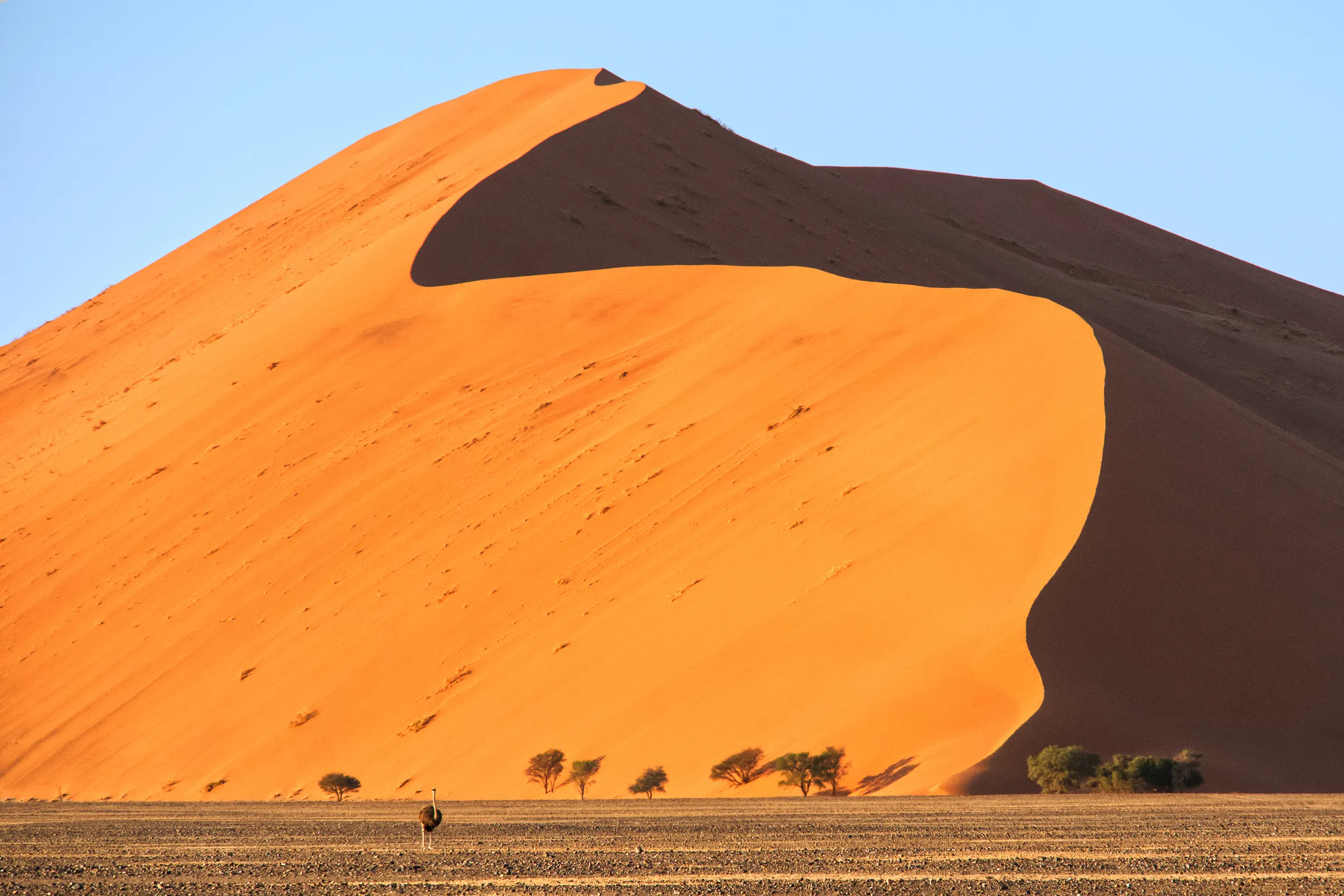
The Namib Desert is one of the oldest deserts in the world and home to some of Namibia’s most iconic landscapes. The Sossusvlei region is defined by towering red sand dunes, some of the highest in the world, which create dramatic scenery at sunrise and sunset. Deadvlei, with its striking white clay pan and ancient camelthorn trees, is one of the most photographed locations in Africa.
This region offers a unique desert experience where landscapes take centre stage. The combination of shifting light, extreme aridity, and vast dune fields creates an environment unlike any traditional safari destination, with strong emphasis on scenery, photography, and geological history.
Swakopmund and Cape Cross
Swakopmund is Namibia’s coastal adventure hub, located between the Atlantic Ocean and the Namib Desert. The town reflects a mix of German colonial architecture and modern coastal culture, and serves as a base for activities such as desert excursions, marine tours, and dune based adventure experiences.
Further north along the Skeleton Coast lies Cape Cross, home to one of the largest breeding colonies of Cape fur seals in the world. The coastline here is shaped by cold Atlantic currents and dense marine life, offering a stark contrast to Namibia’s inland desert environments.
Damaraland (Brandberg and Spitzkoppe)
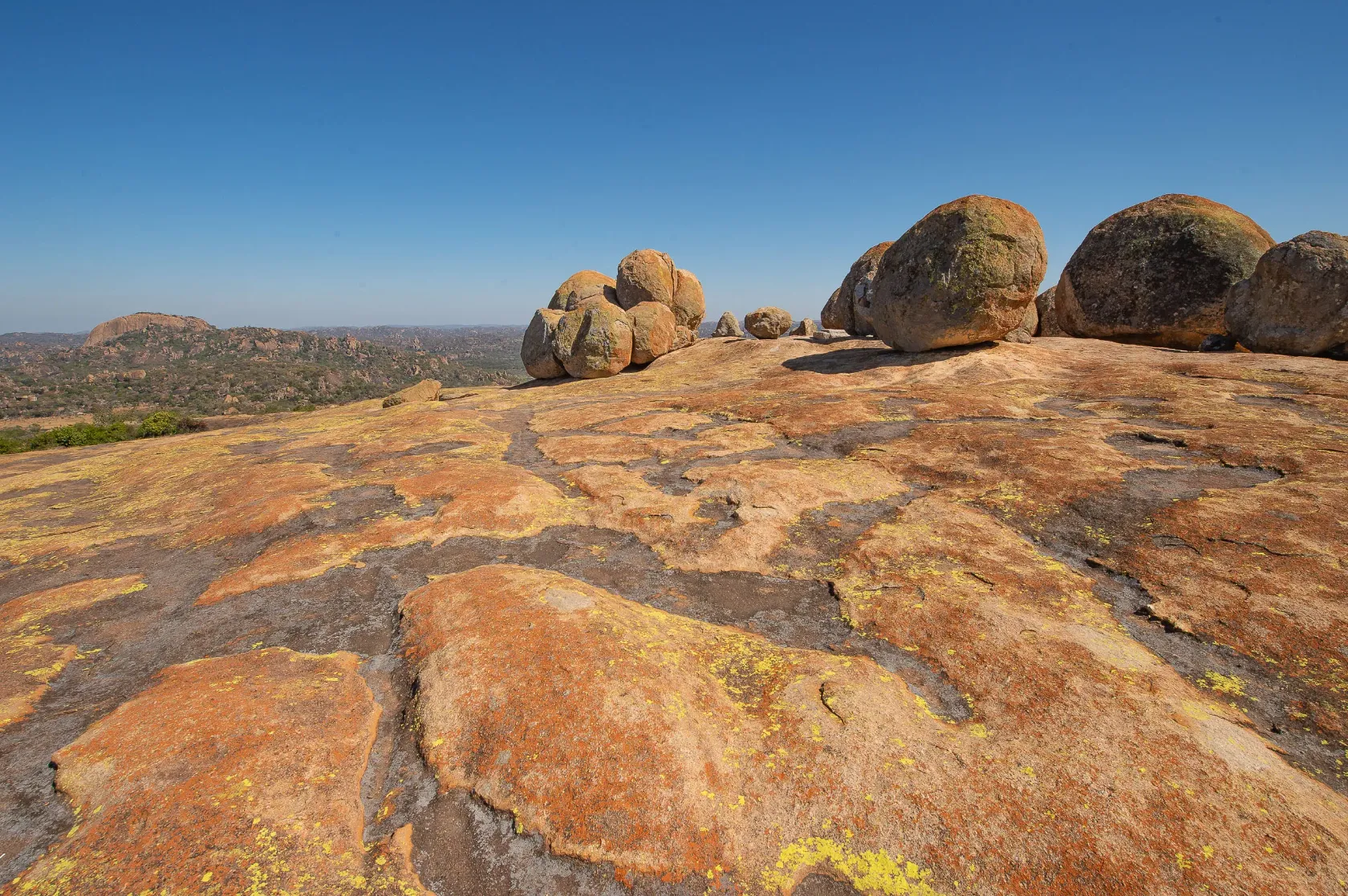
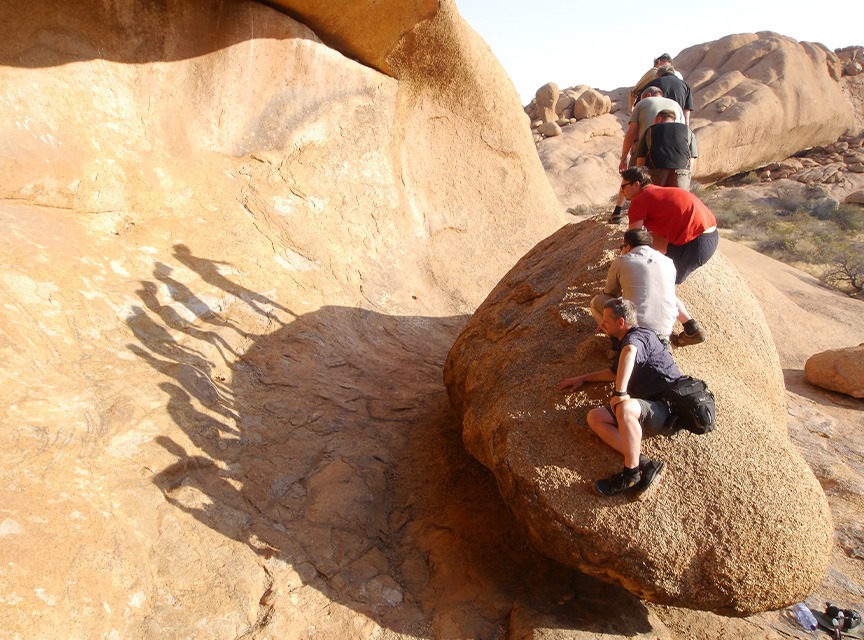
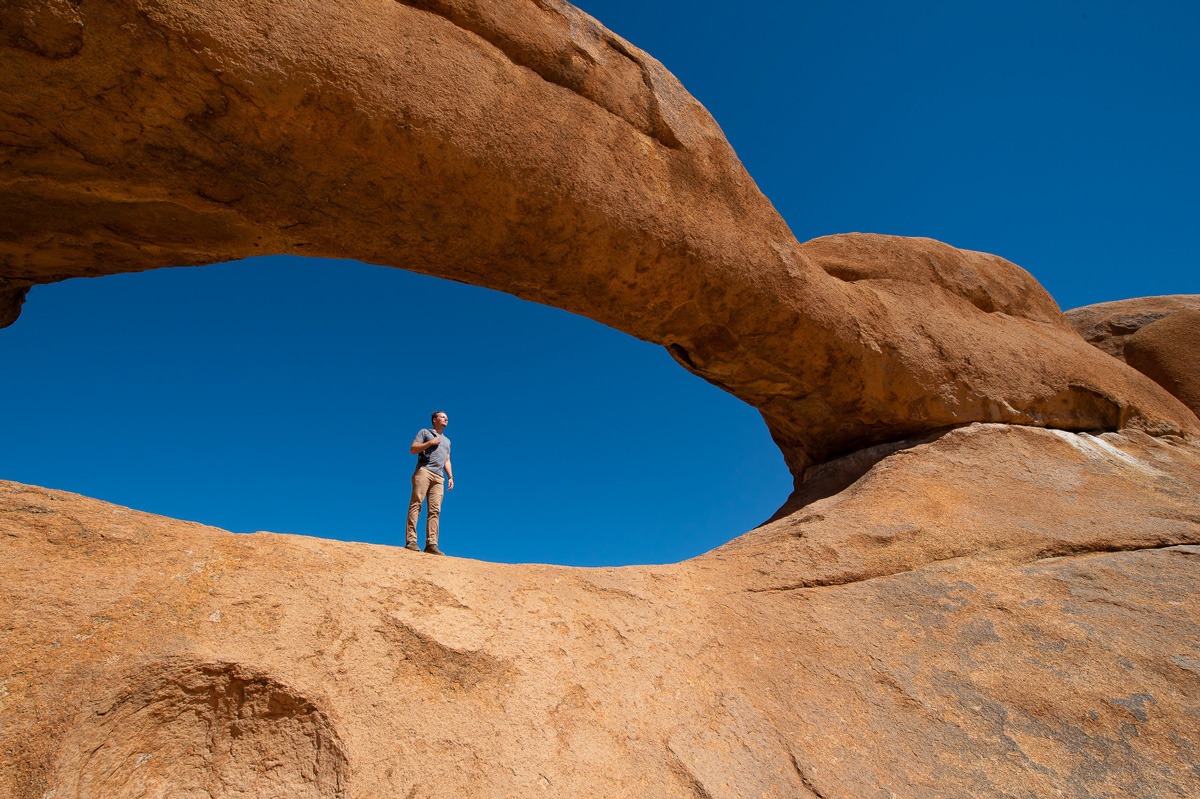
Damaraland is a vast, rugged region defined by rocky plains, ancient geological formations, and some of Namibia’s most important cultural and natural landmarks. Brandberg Mountain, Namibia’s highest peak, is known for its dramatic granite landscapes and ancient rock art, including the famous White Lady painting.
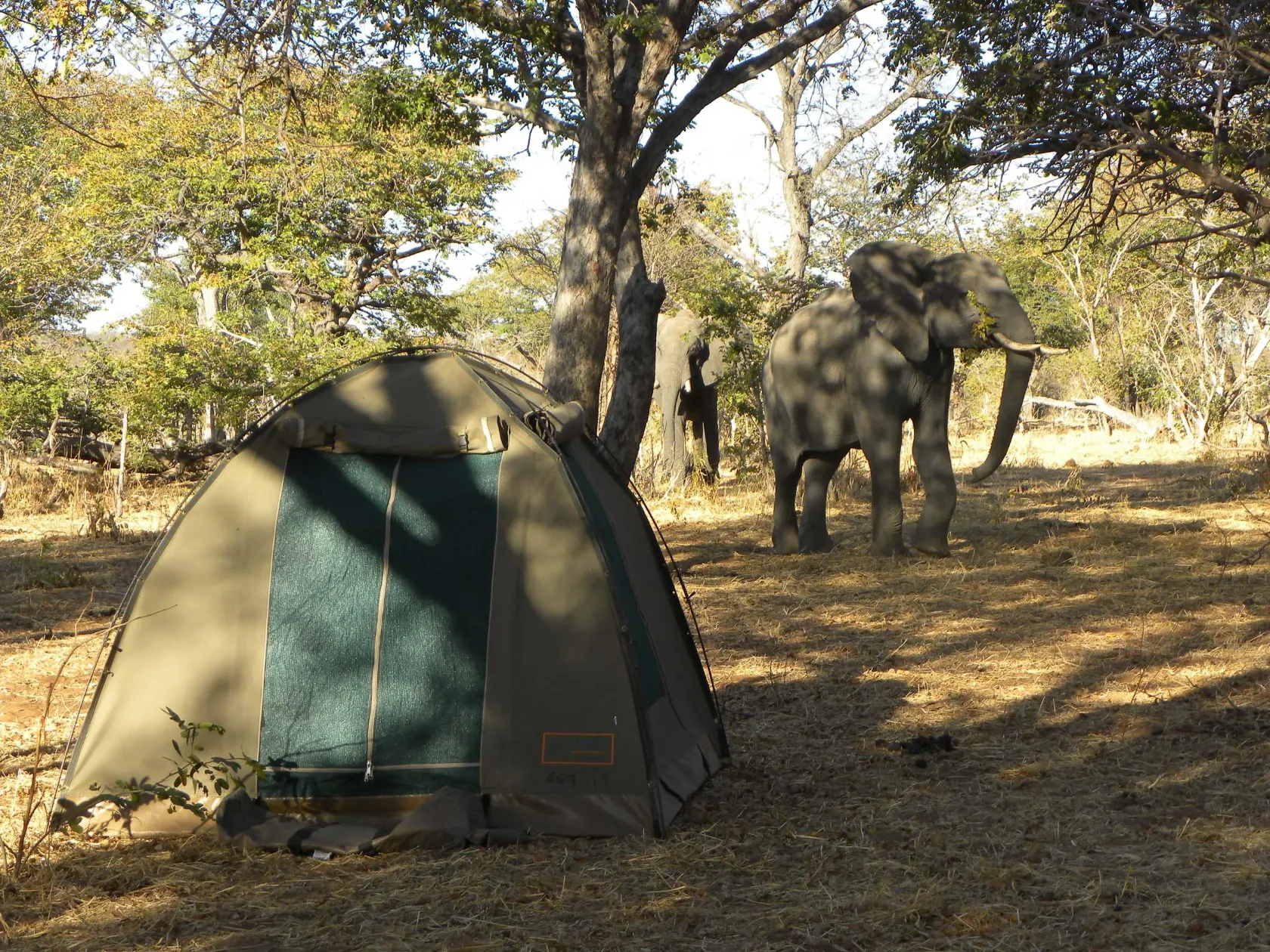
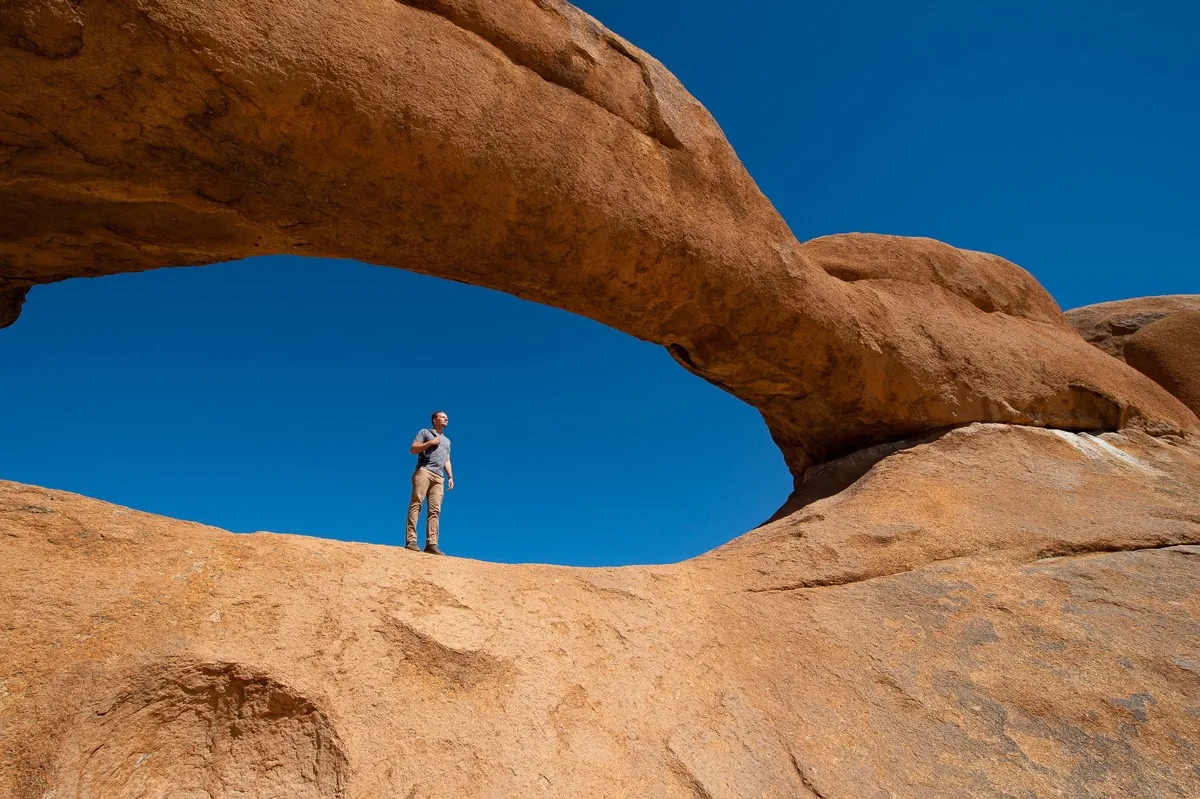
Spitzkoppe, often referred to as the “Matterhorn of Namibia,” is a striking granite inselberg rising dramatically from the surrounding plains. Both areas are known for their stark beauty, geological significance, and desert adapted wildlife, including occasional sightings of elephant and other arid environment species.
Zambezi Region (Caprivi Strip)
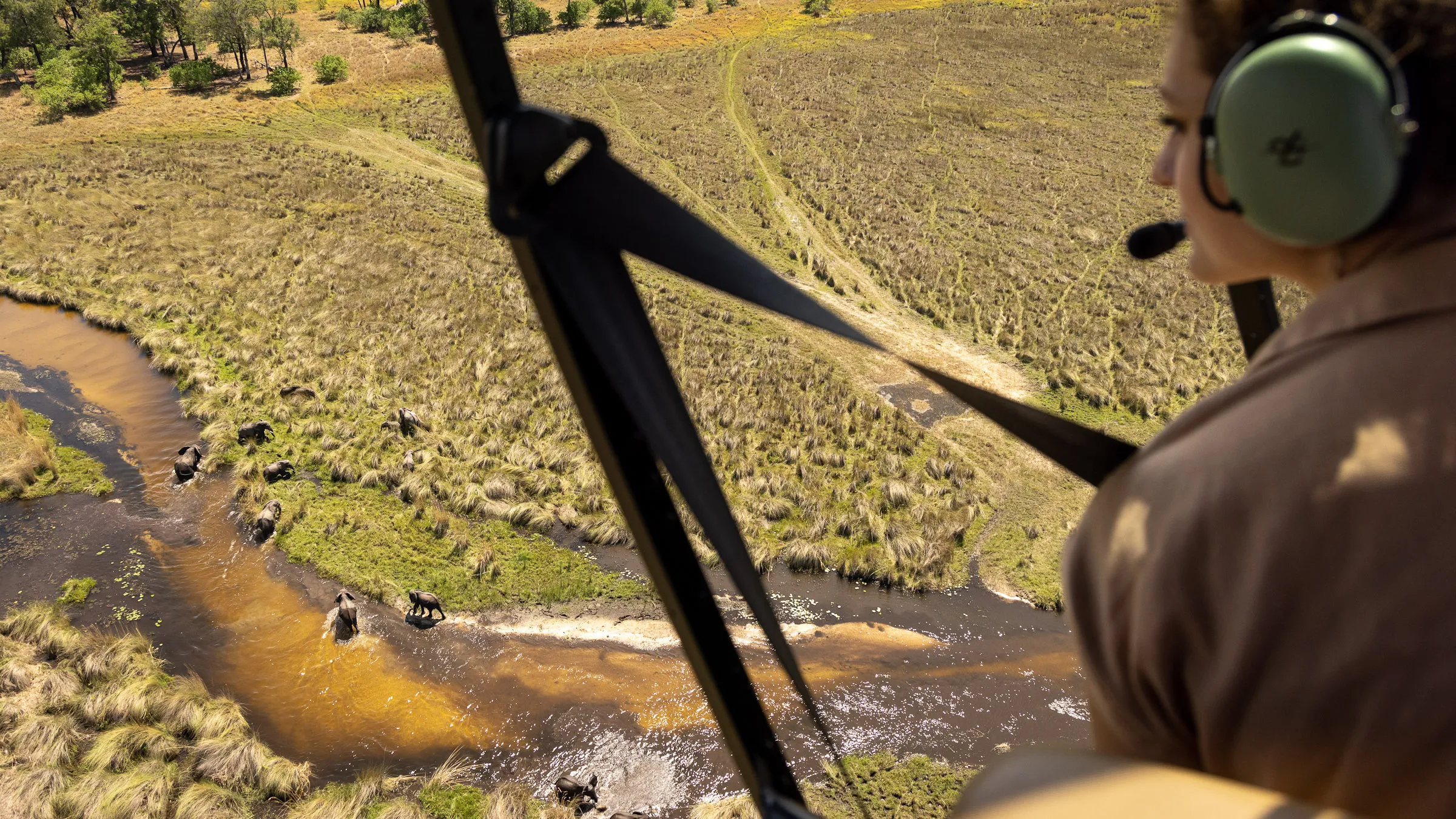
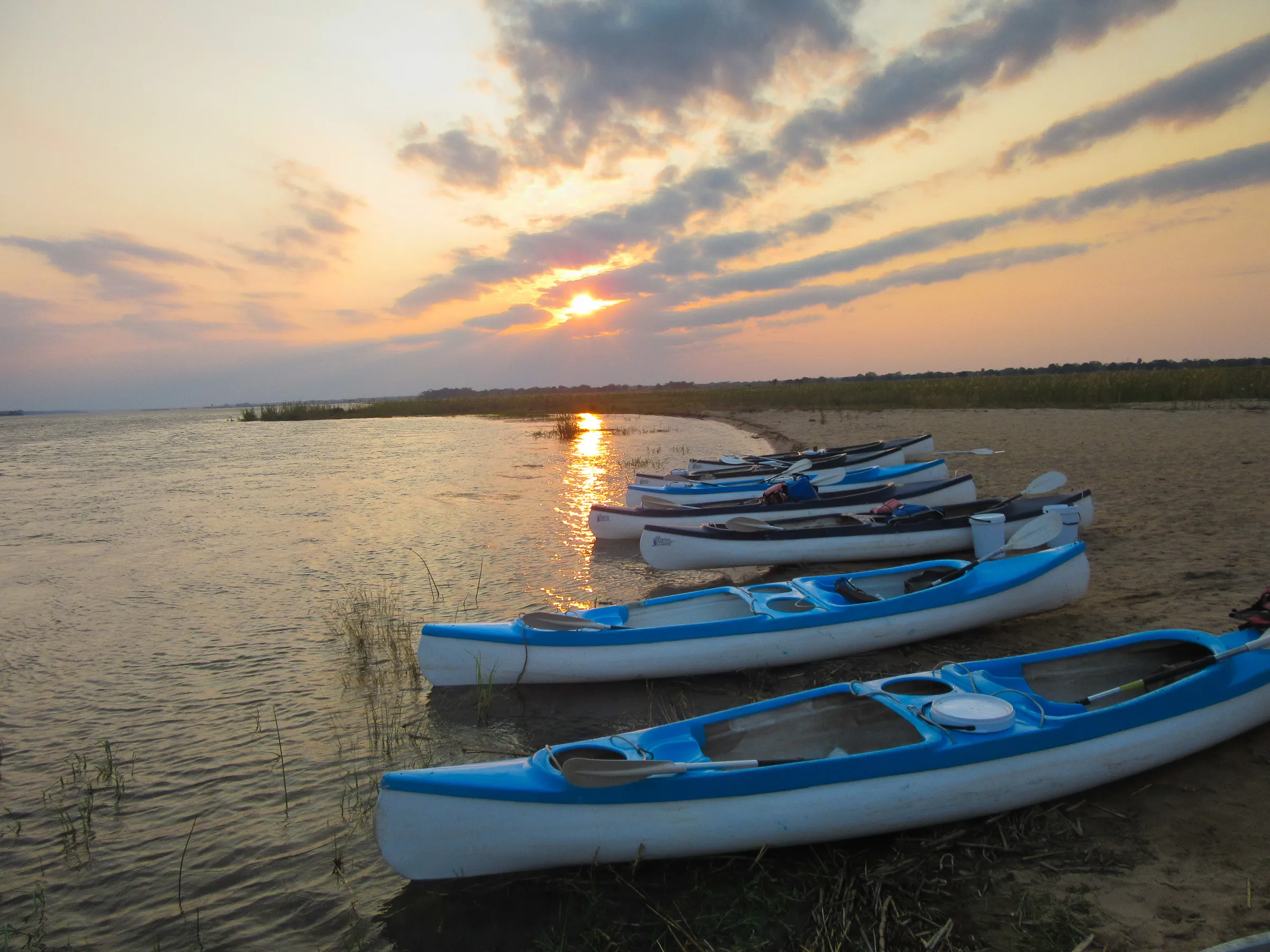
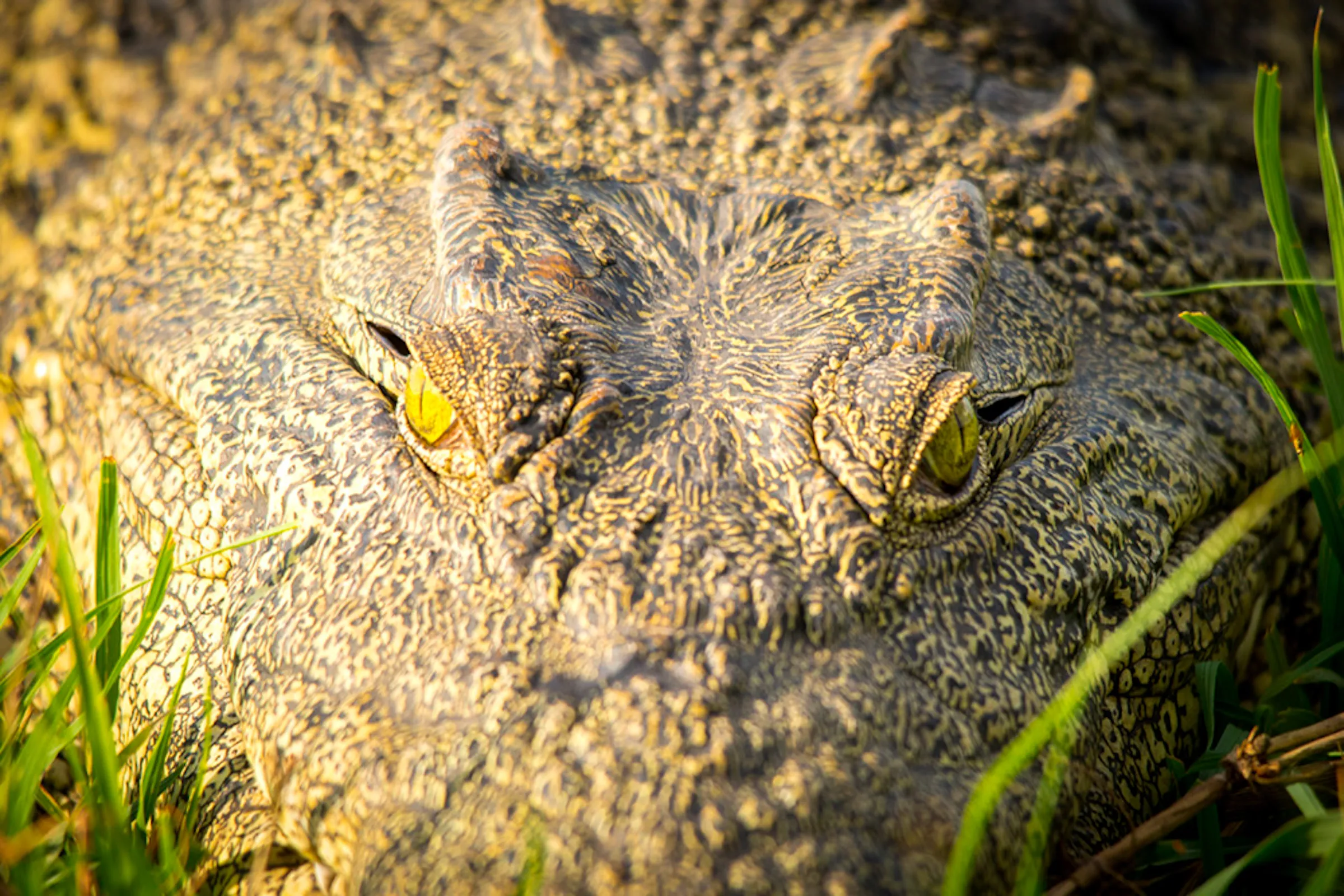
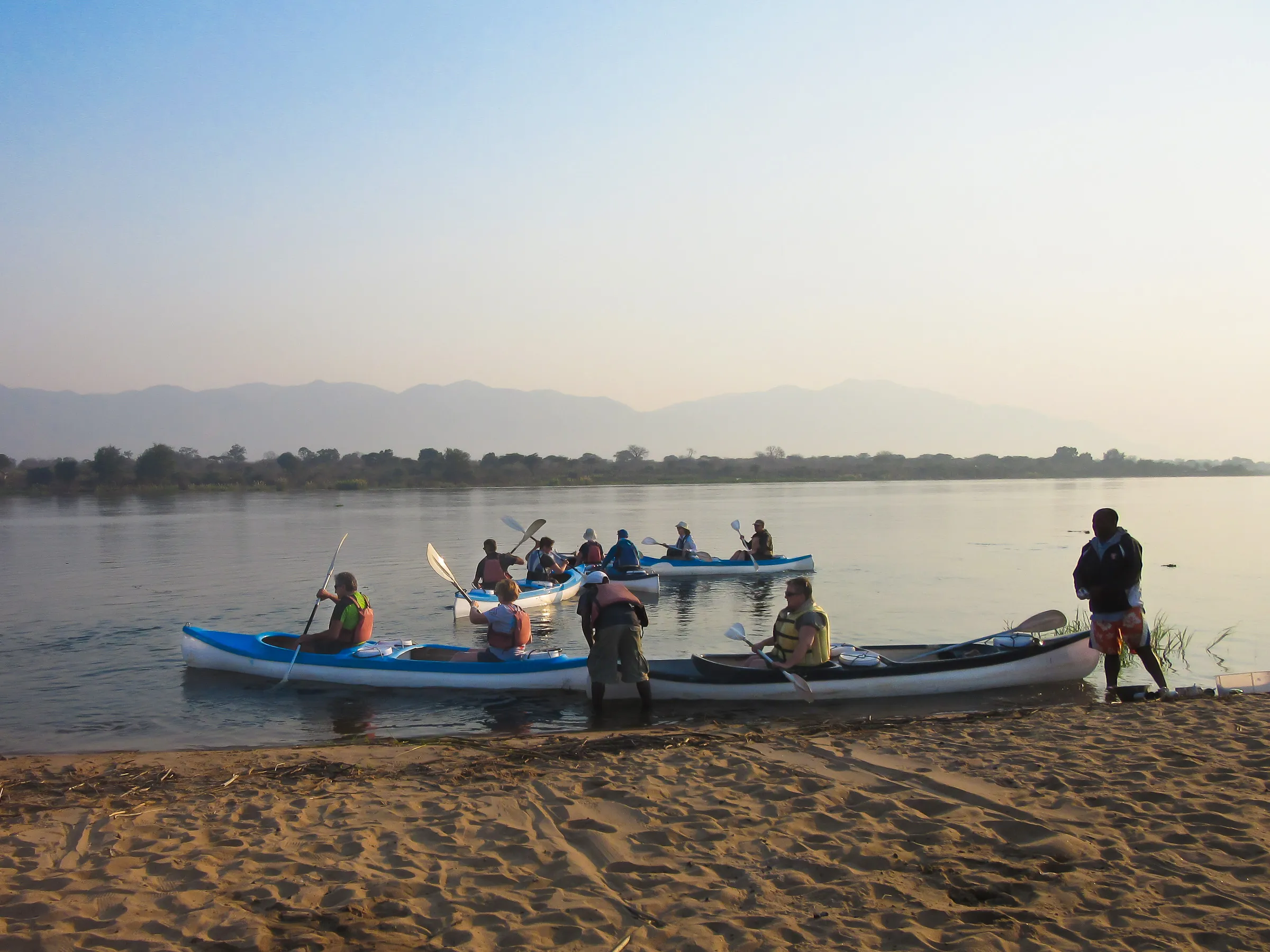
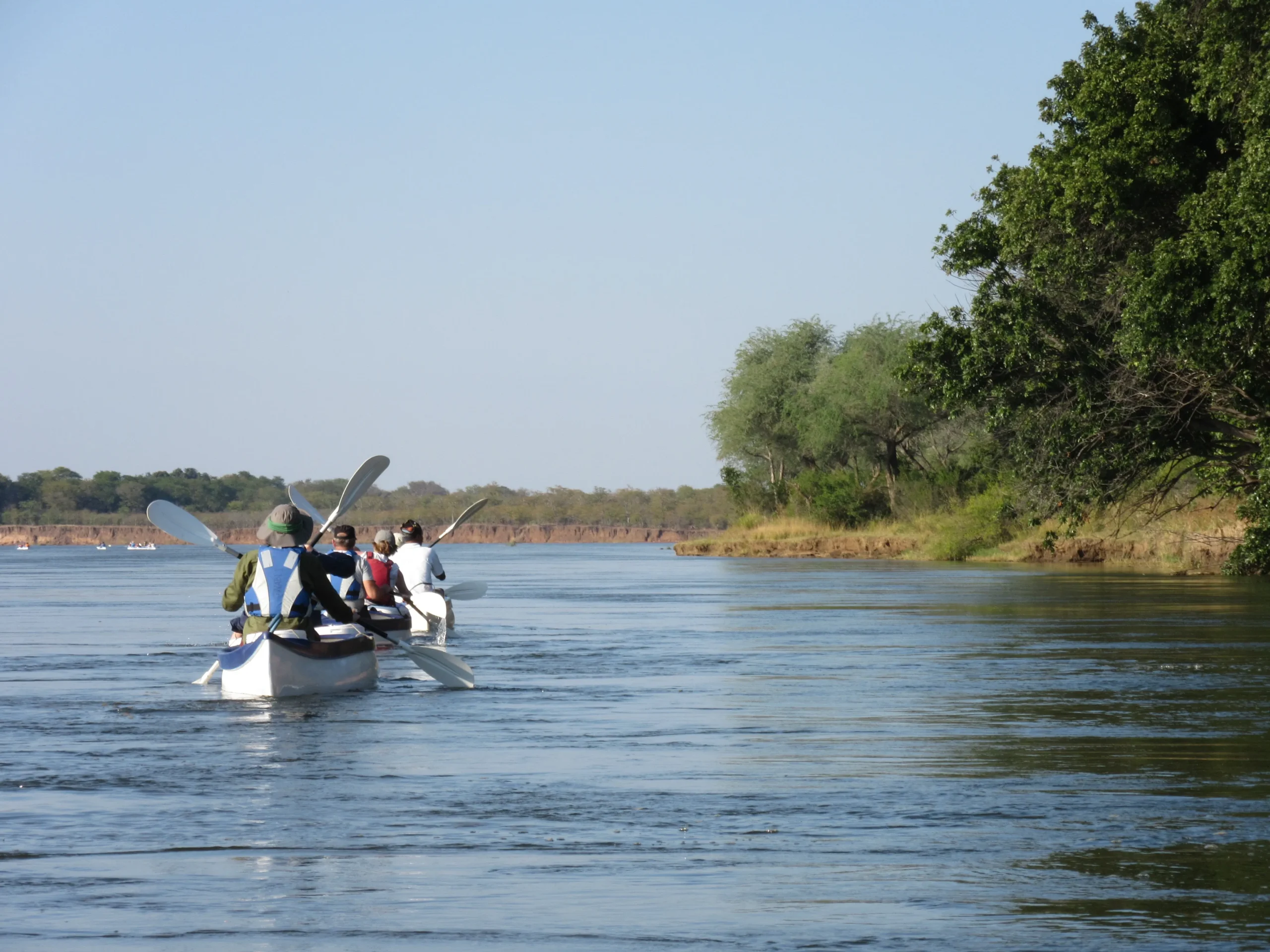
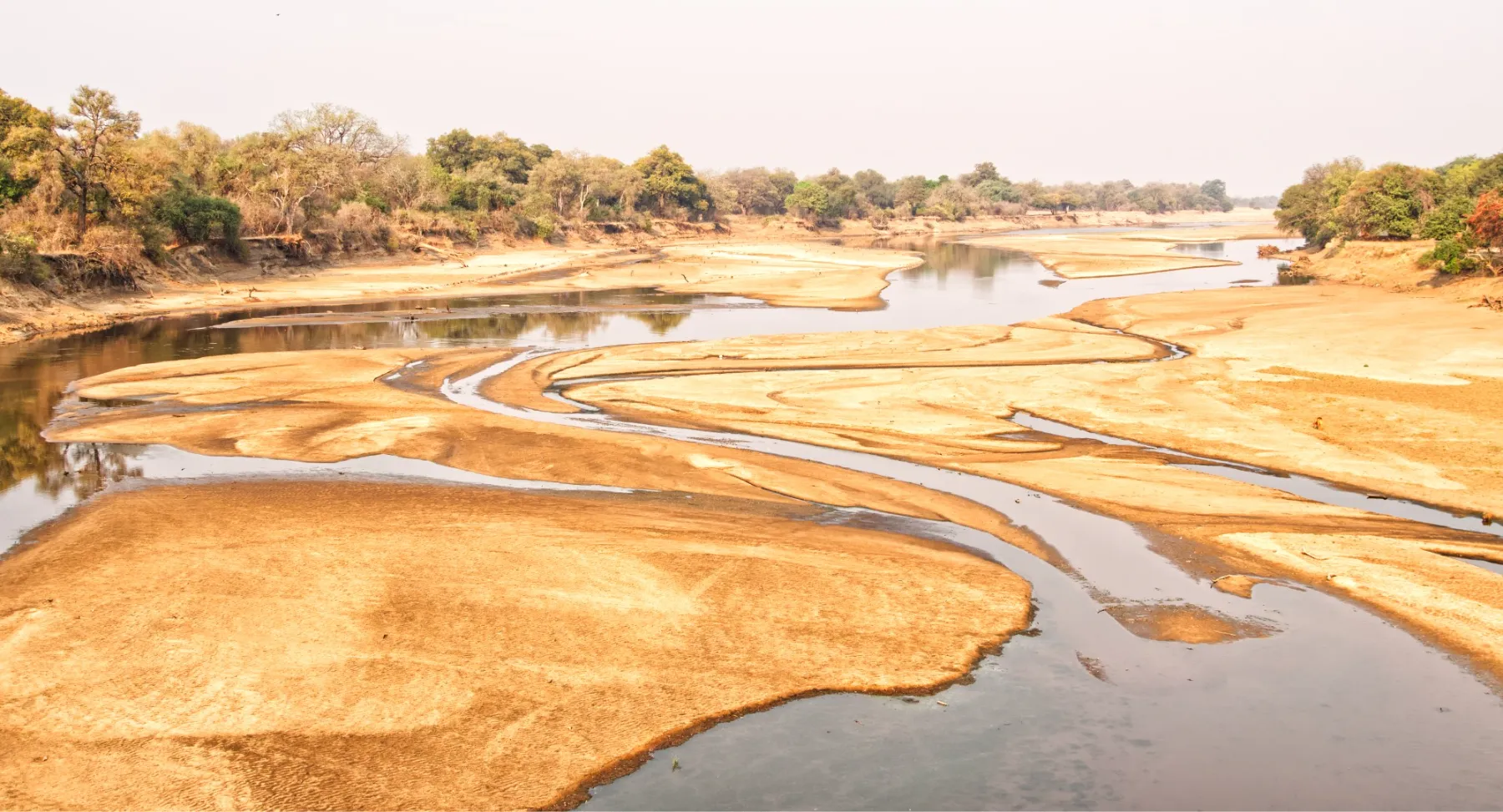
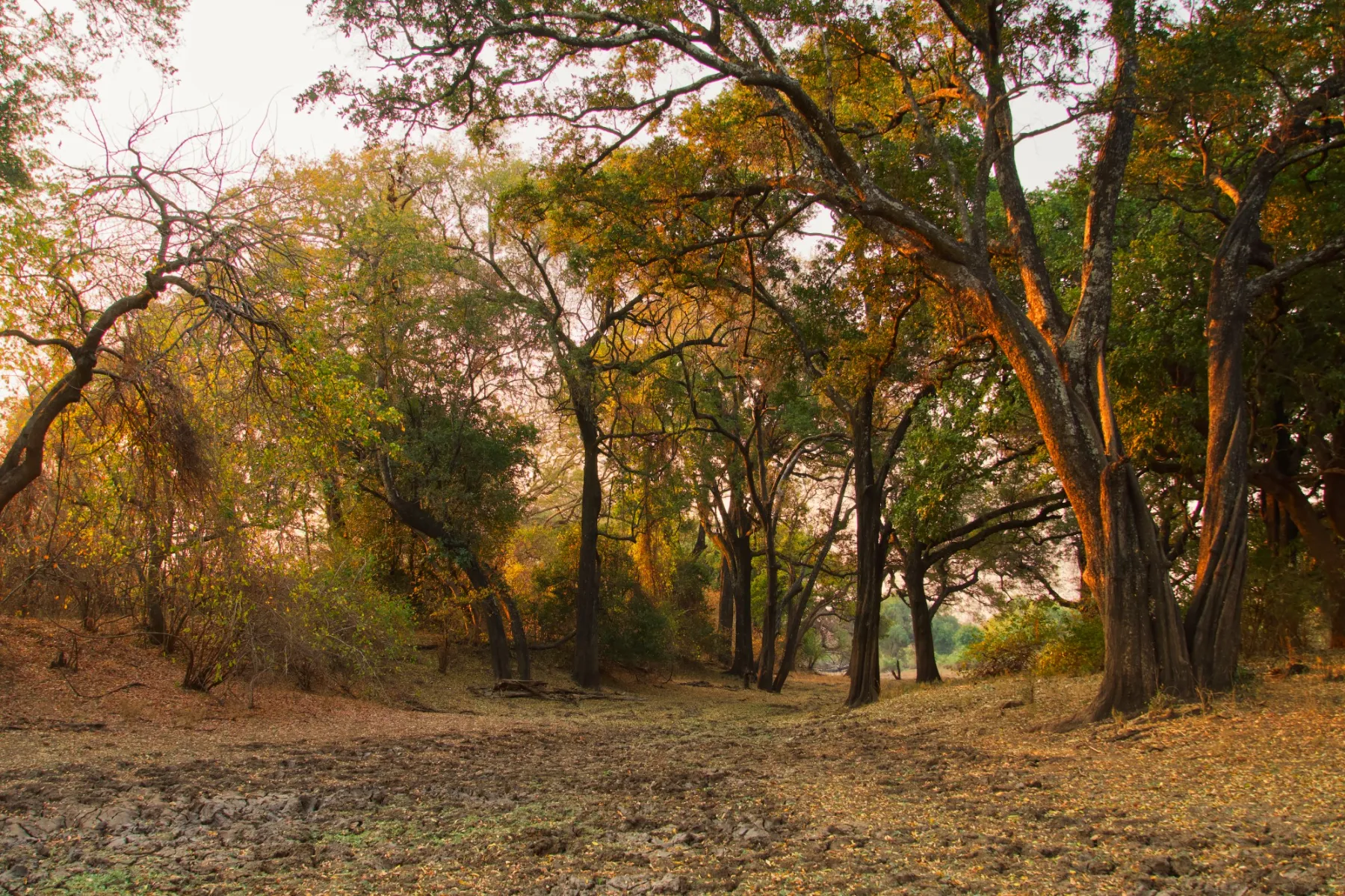
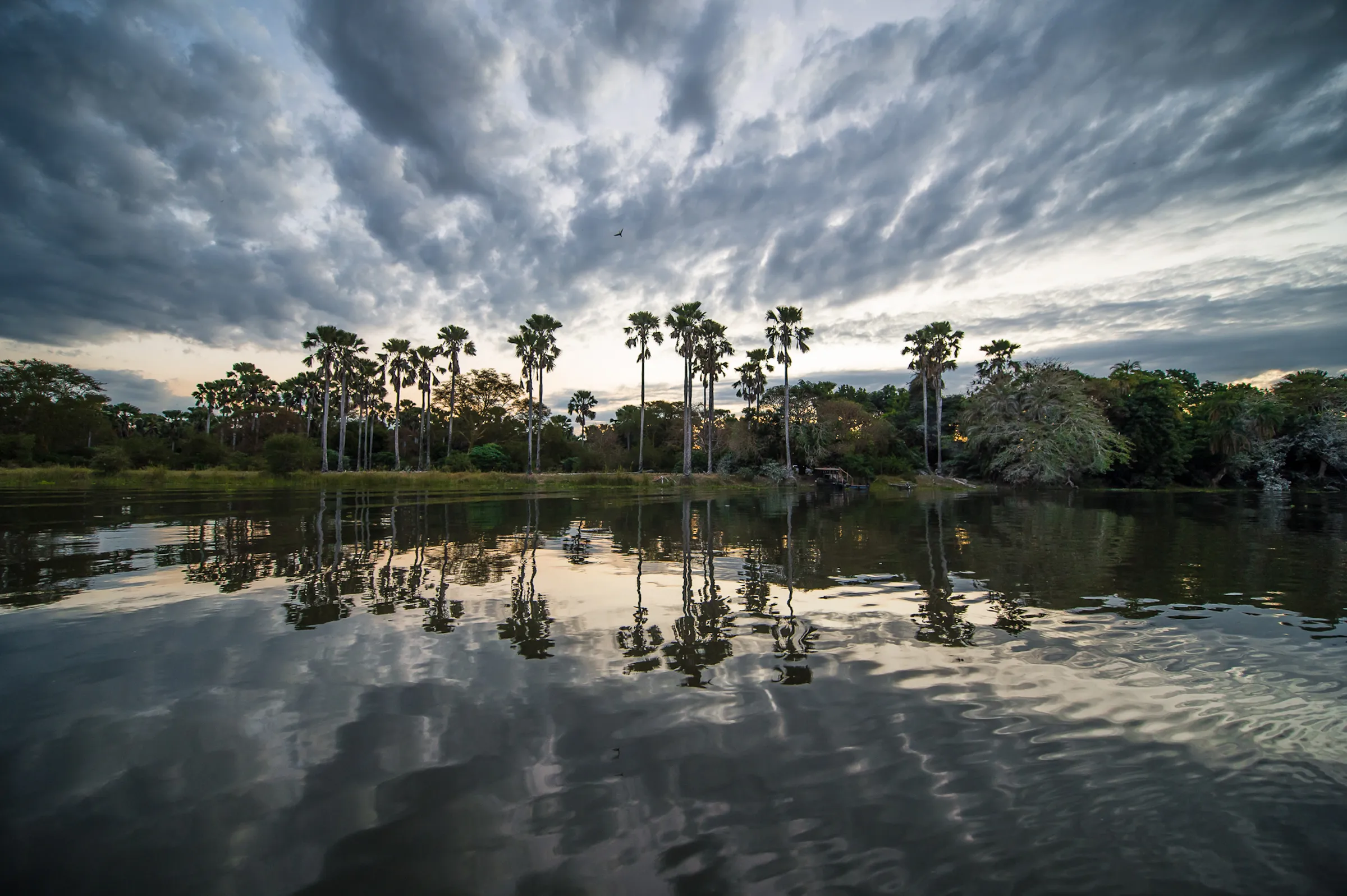
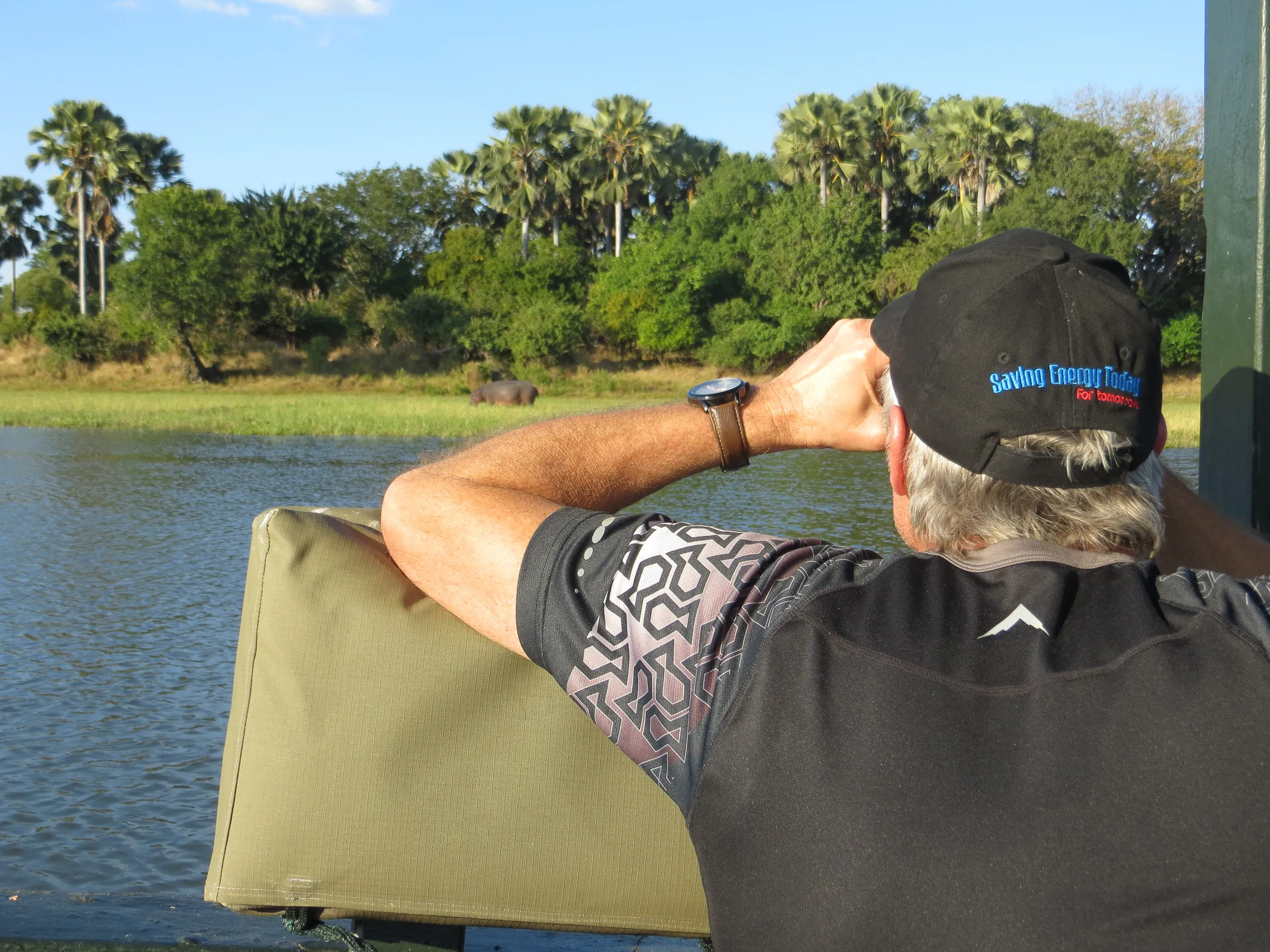
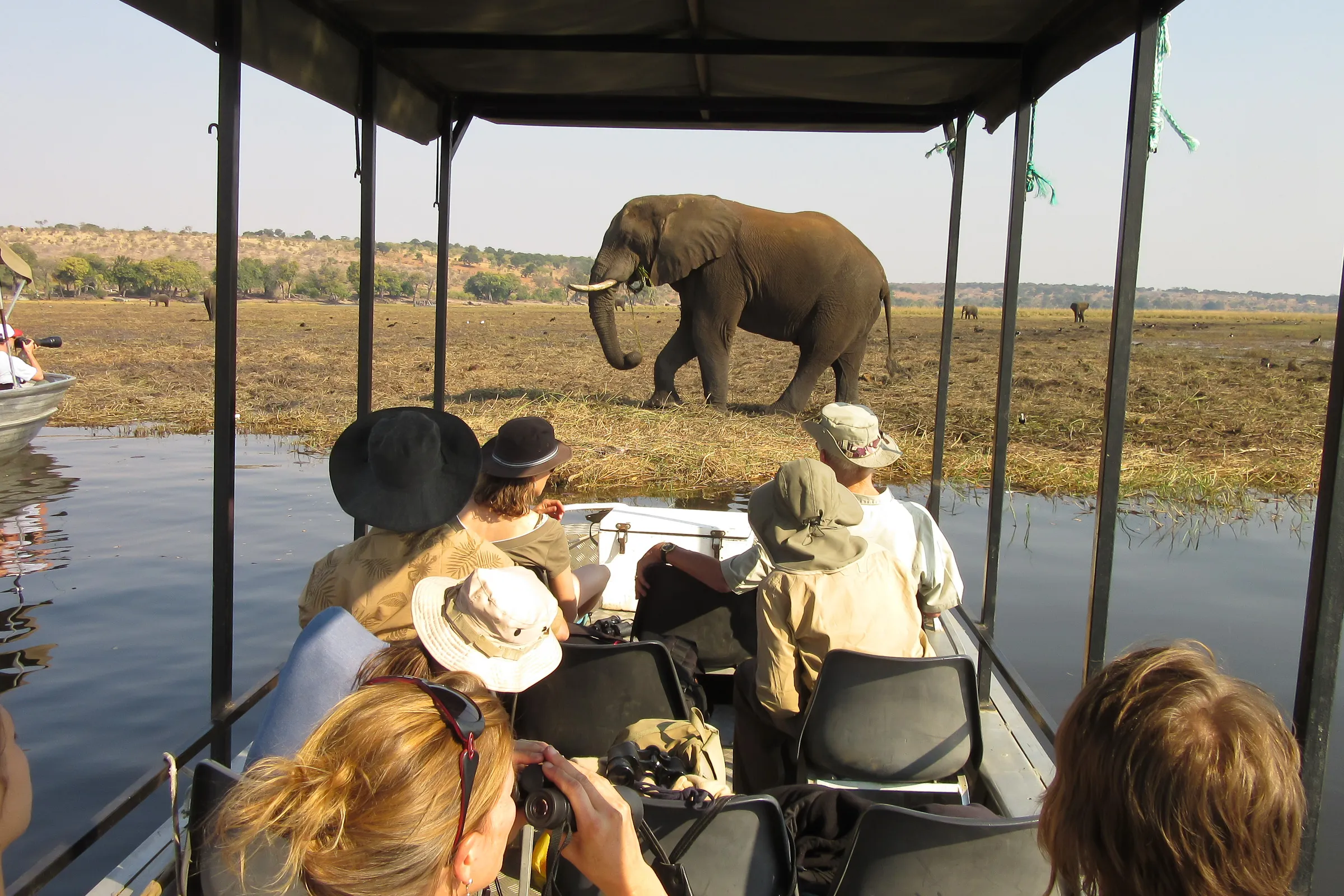
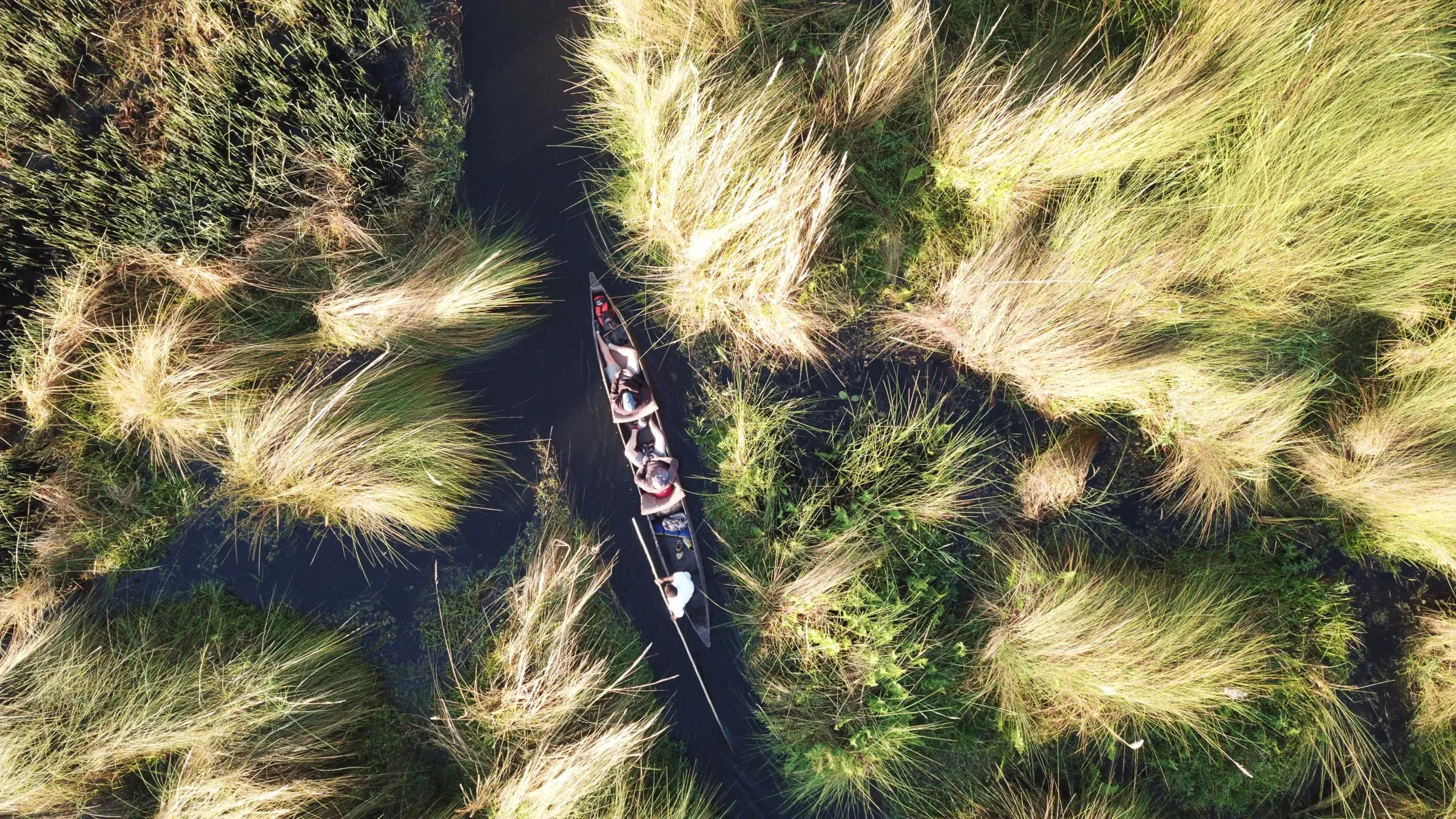
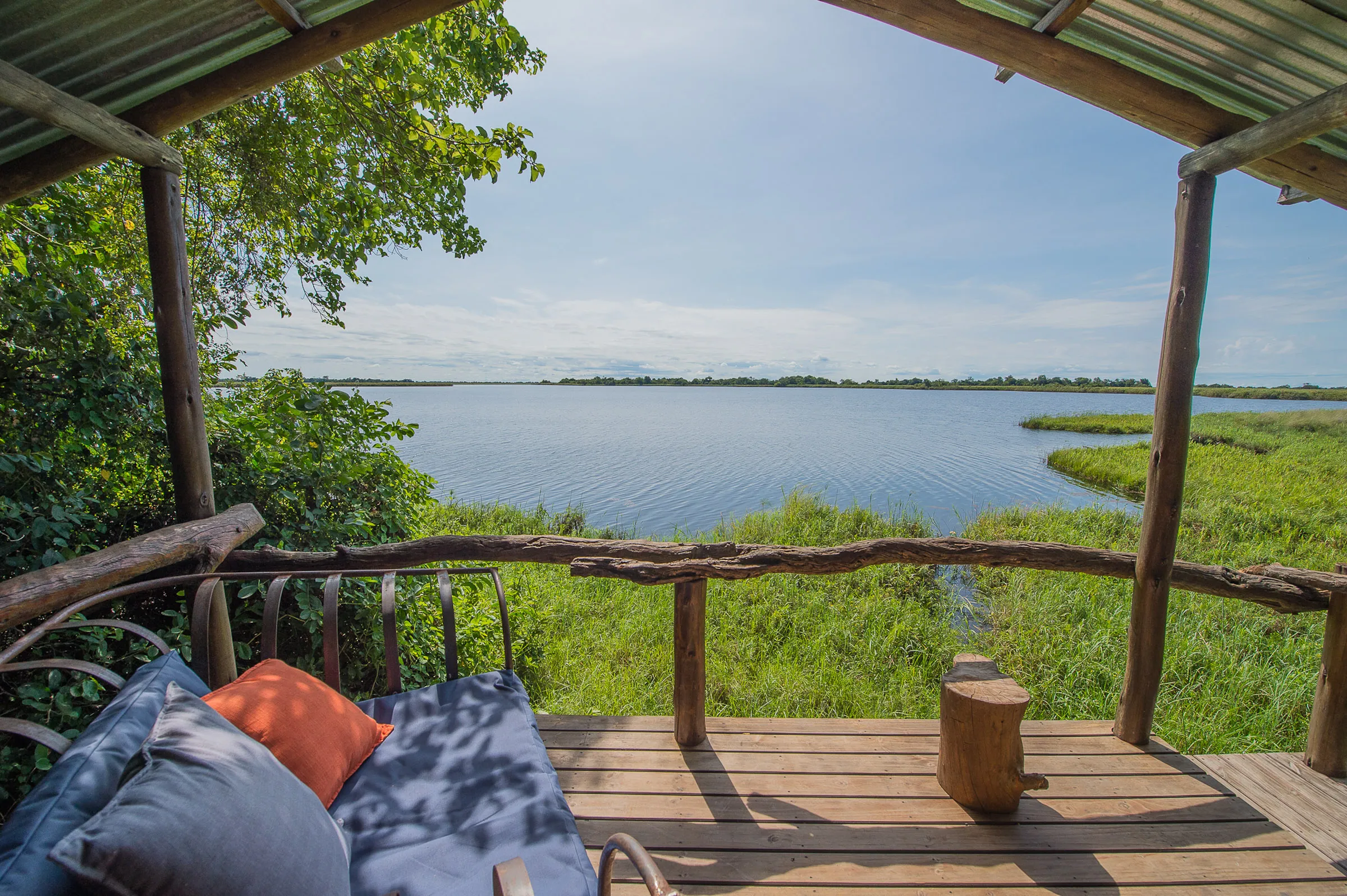
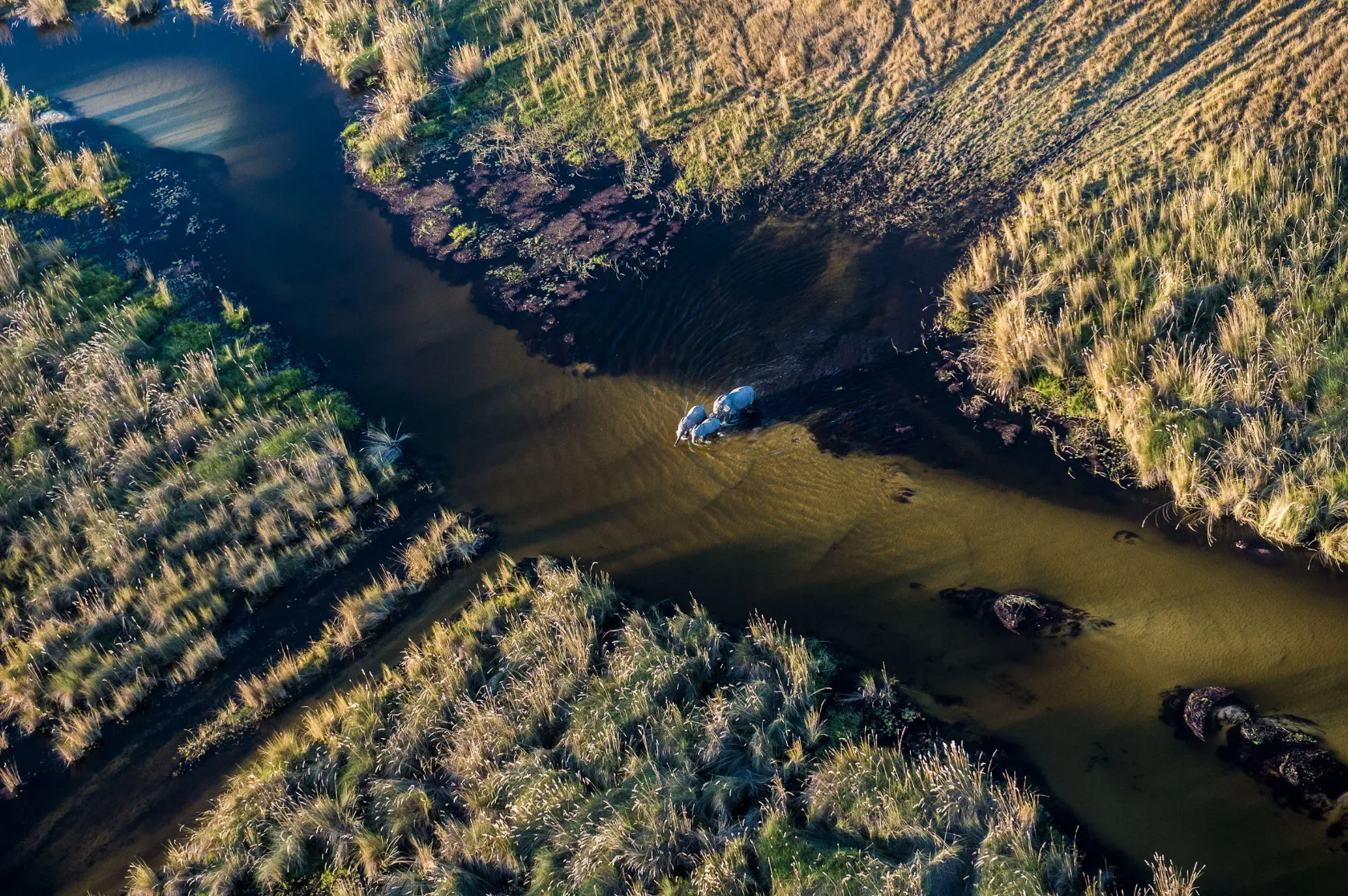
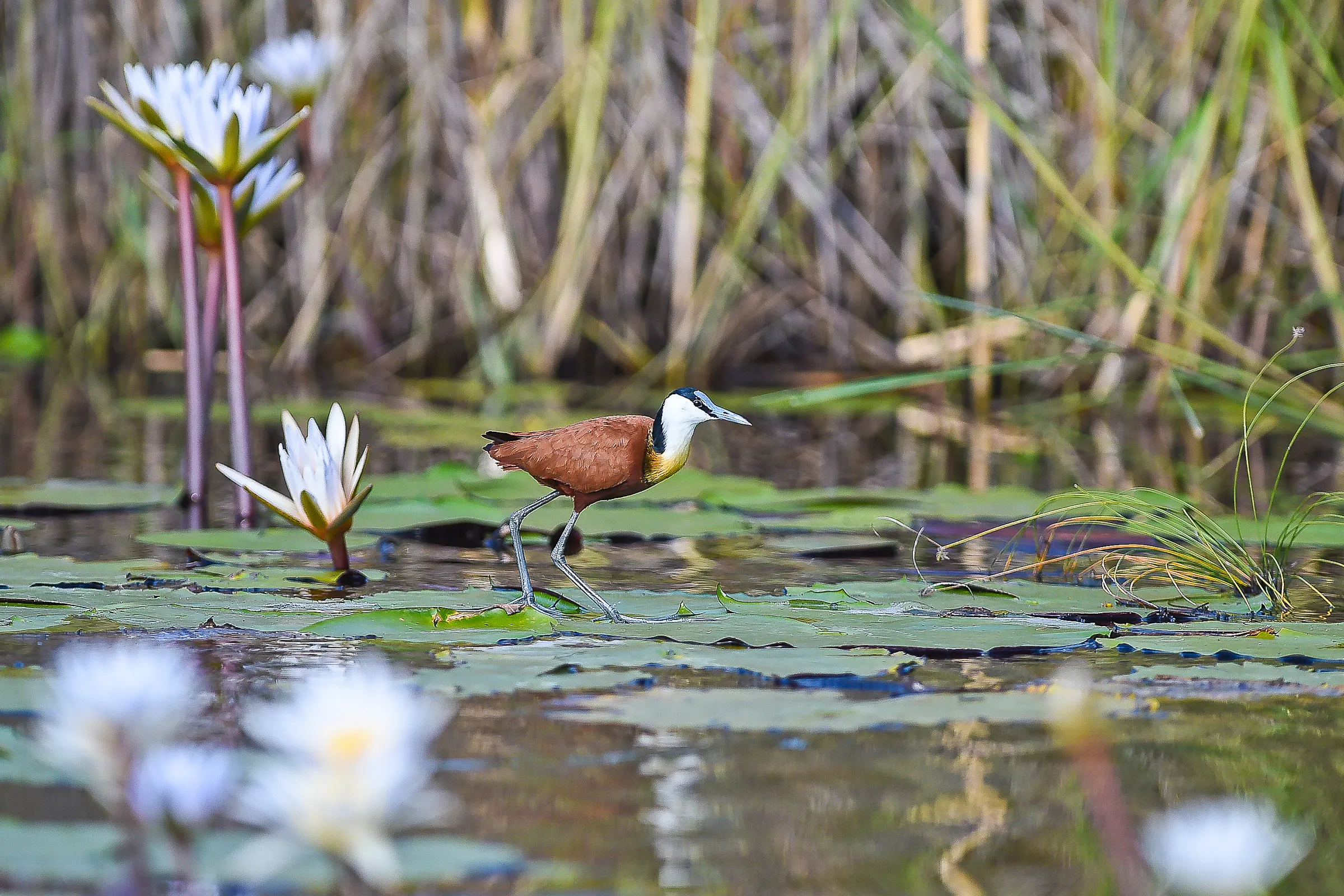
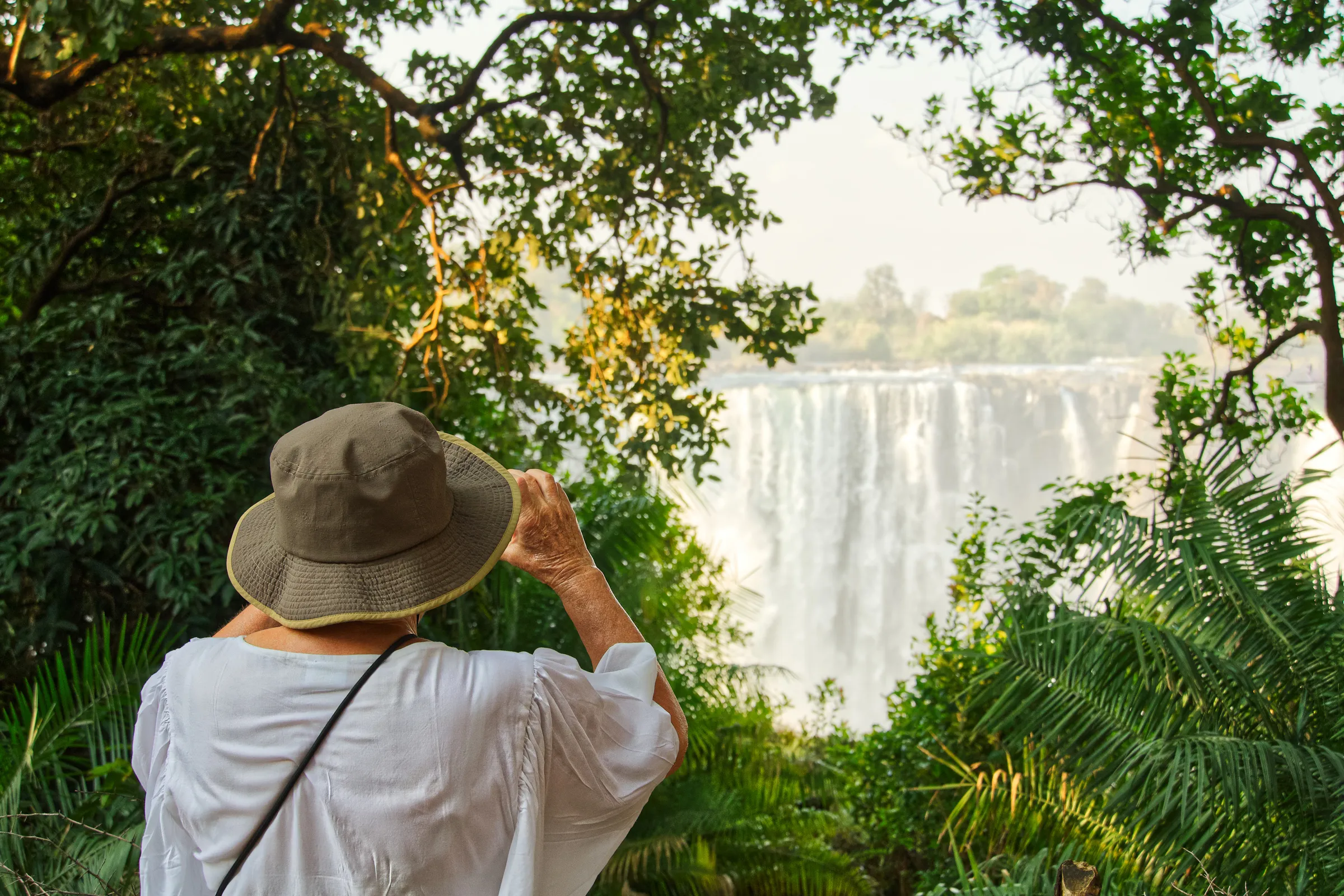
The Zambezi Region, formerly known as the Caprivi Strip, is a lush and river rich area in northeastern Namibia that contrasts strongly with the rest of the country. It is characterised by perennial rivers, floodplains, and dense vegetation, creating a more tropical safari environment.
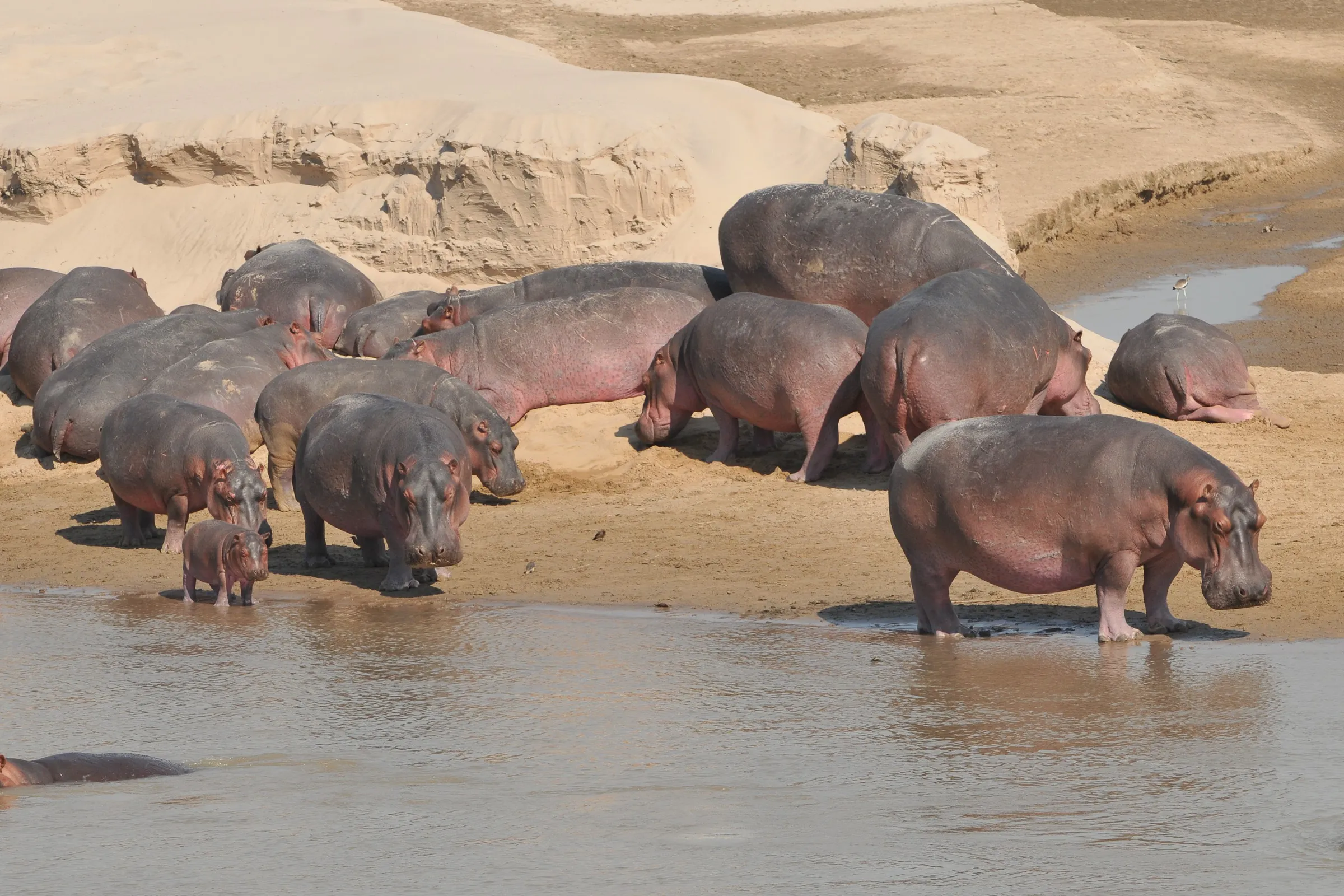
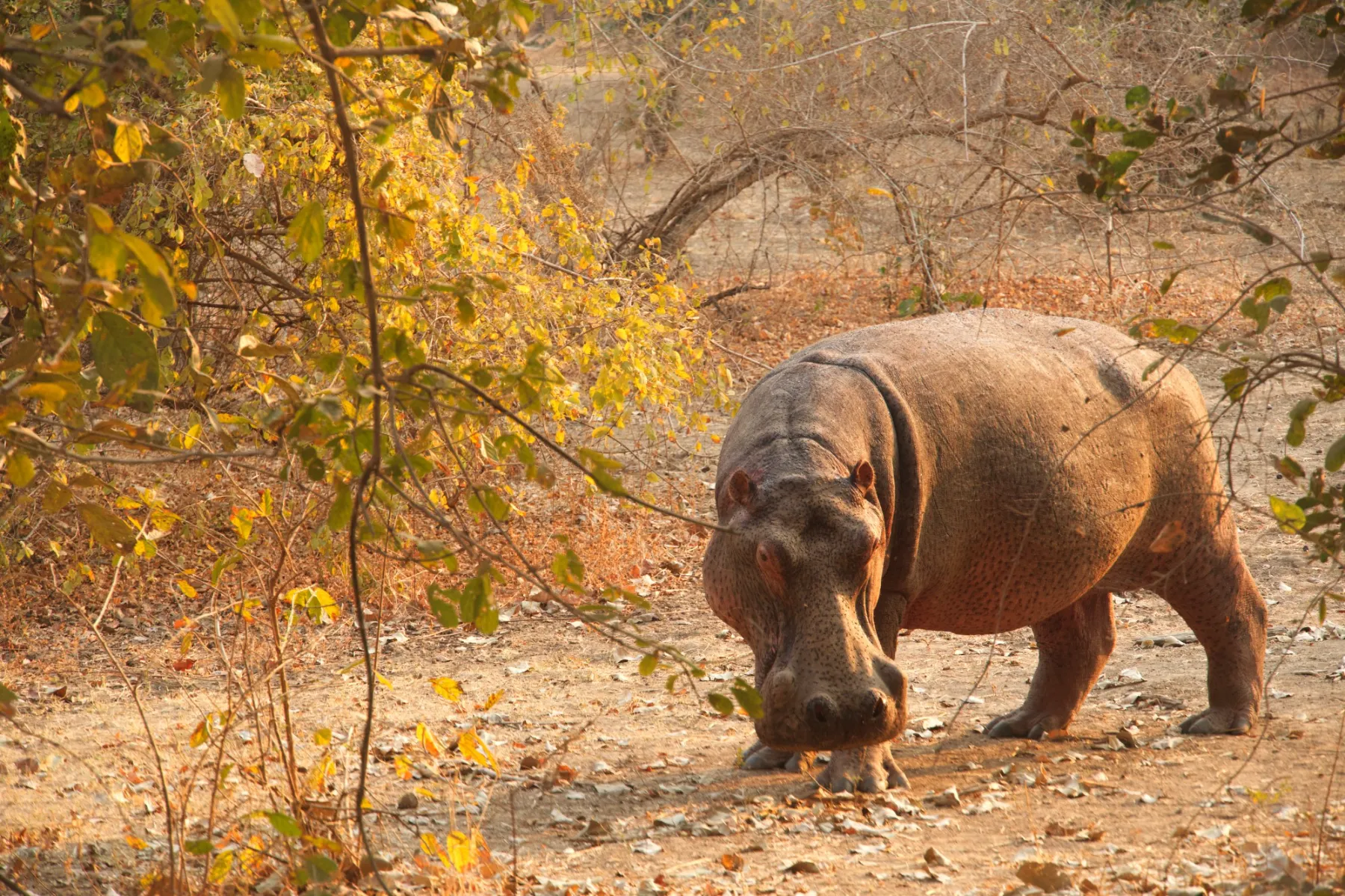
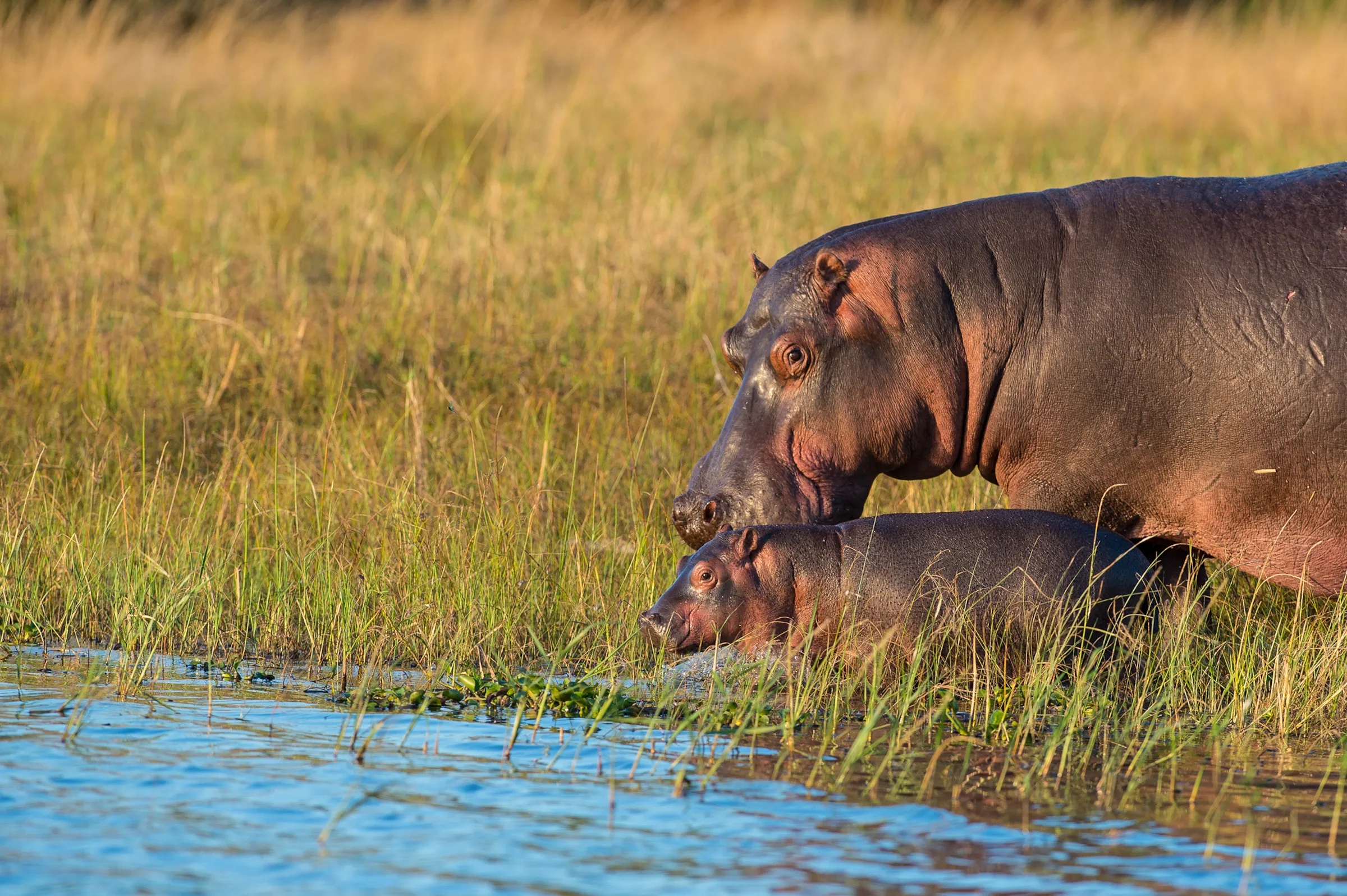
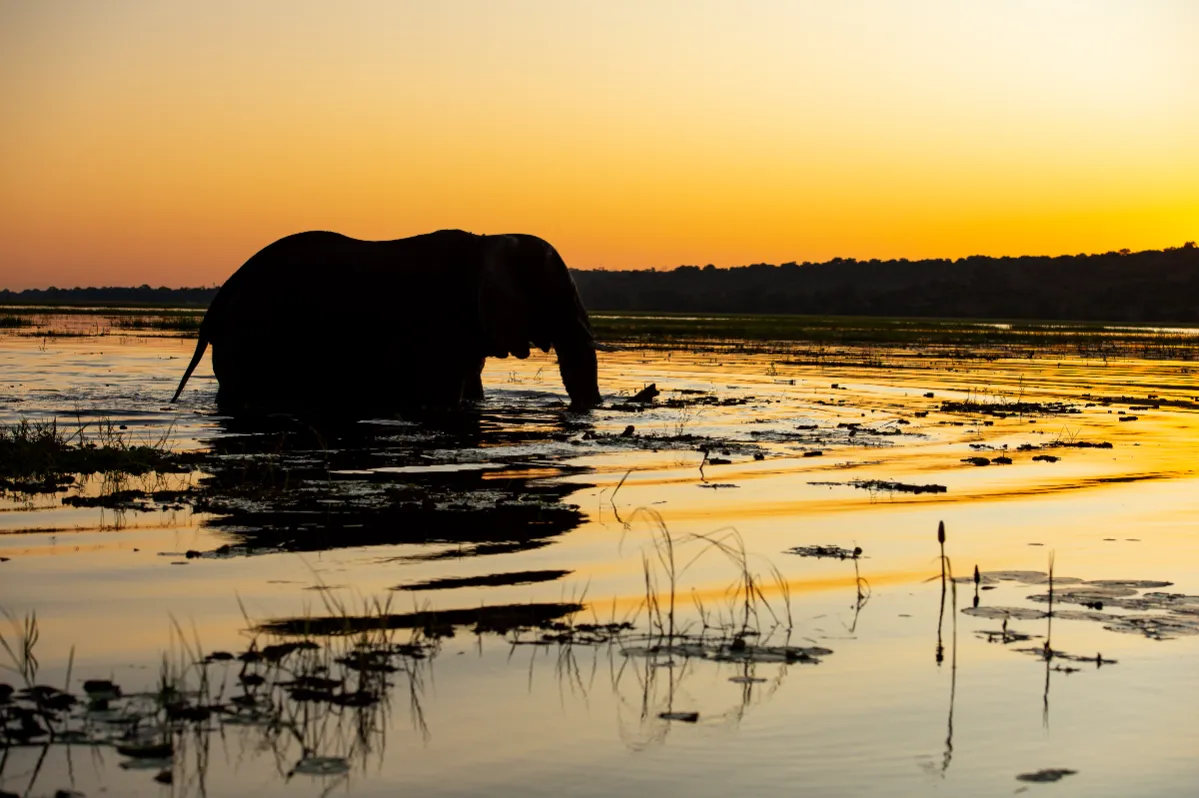
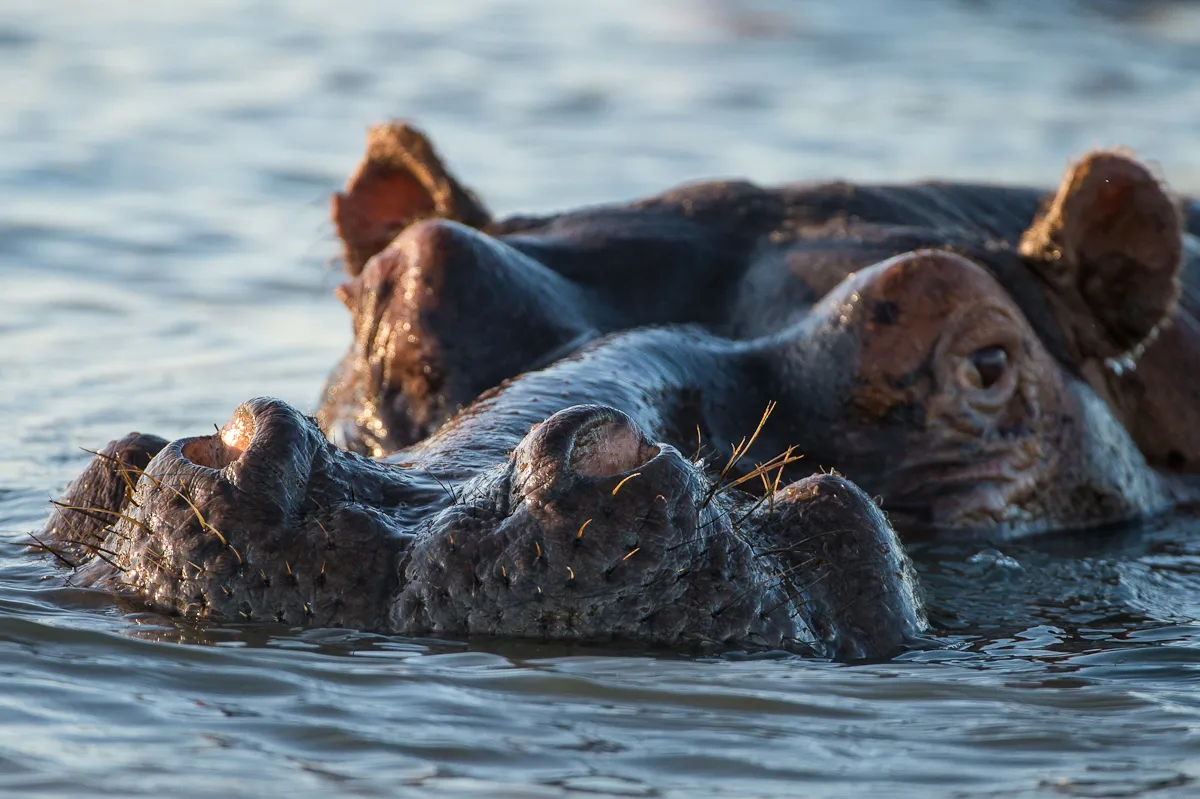
This region forms part of a broader transboundary ecosystem that includes neighbouring Botswana, Zambia, and Angola. Wildlife is closely linked to river systems, with species such as hippo, crocodile, elephant, and a wide range of birdlife commonly seen along the waterways.
Safaris in Namibia
Frequently Asked Questions
What makes Namibia a unique safari destination?
Namibia is unique because it combines classic African wildlife viewing with some of the most dramatic desert landscapes in the world. Unlike more densely vegetated safari regions, Namibia is defined by vast open spaces, low population density, and striking scenery such as the Namib Desert, Etosha National Park, and the Fish River Canyon. This creates a safari experience that balances wildlife viewing with large scale landscapes and long distance overland travel.
When is the best time to visit Namibia for a safari?
Namibia can be visited year round, but the dry winter months from May to October are generally considered the best for wildlife viewing, particularly in Etosha National Park. During this period, animals gather around waterholes, making sightings more predictable. The summer months from November to April are hotter and can bring occasional rainfall, which transforms certain landscapes but may make wildlife more dispersed.
What wildlife can I expect to see in Namibia?
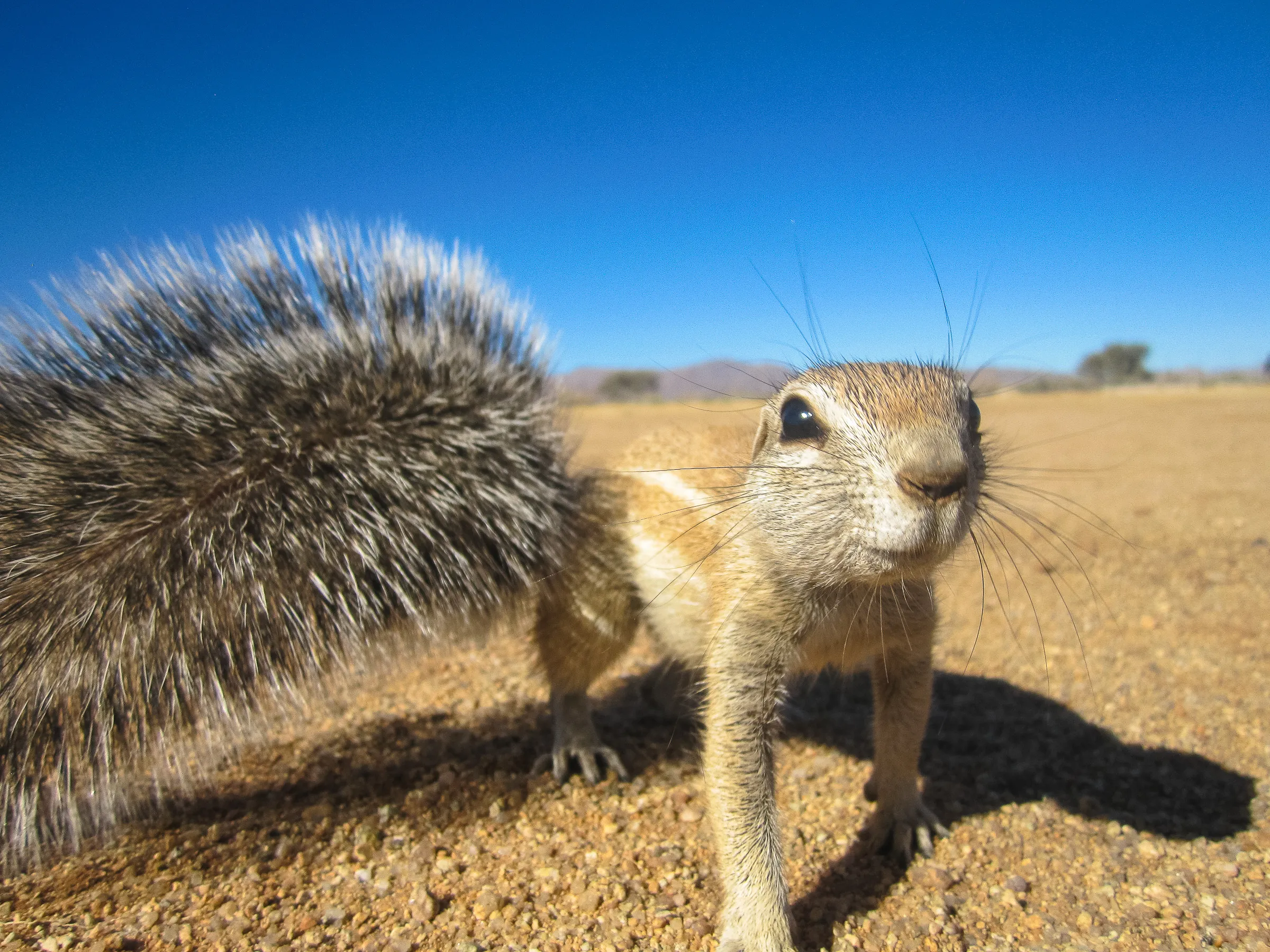
Namibia offers excellent wildlife viewing, particularly in Etosha National Park, where species such as elephant, lion, giraffe, zebra, rhino, and various antelope are commonly seen. Outside of Etosha, desert adapted species such as oryx, springbok, and desert elephant are often encountered in more remote regions. Birdlife is also diverse, especially in wetter areas like the Zambezi Region.
Is Namibia a good destination for first time safari travellers?
Namibia is a strong choice for first time safari travellers who are comfortable with longer travel distances and a more scenic focused journey. It offers a mix of wildlife, landscapes, and cultural experiences, with well established highlights such as Etosha National Park and Sossusvlei. Sunway Safaris overland tours provide structured itineraries and guided travel, making the logistics more accessible for first time visitors.
How do small group safaris in Namibia work with Sunway Safaris?
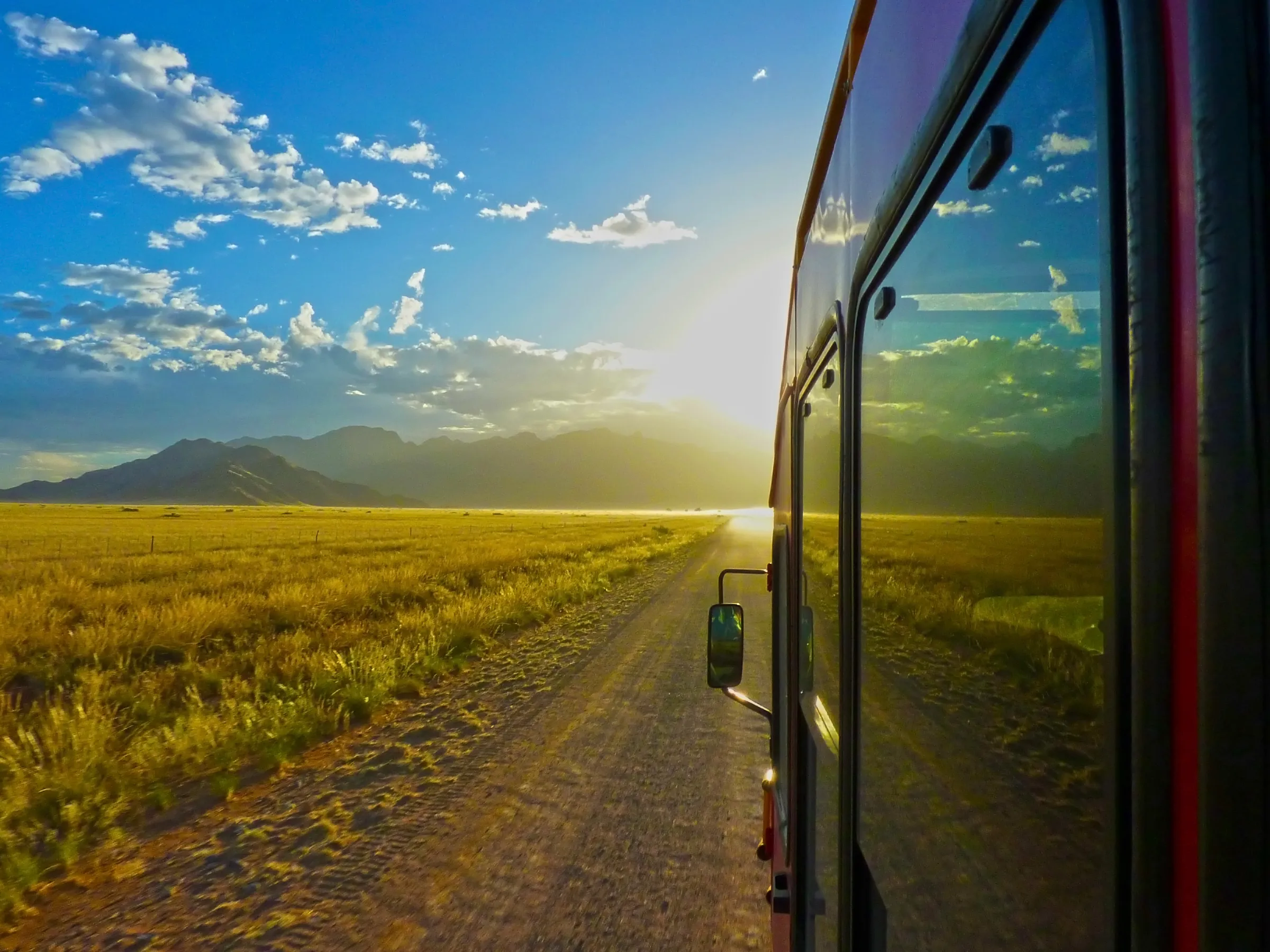
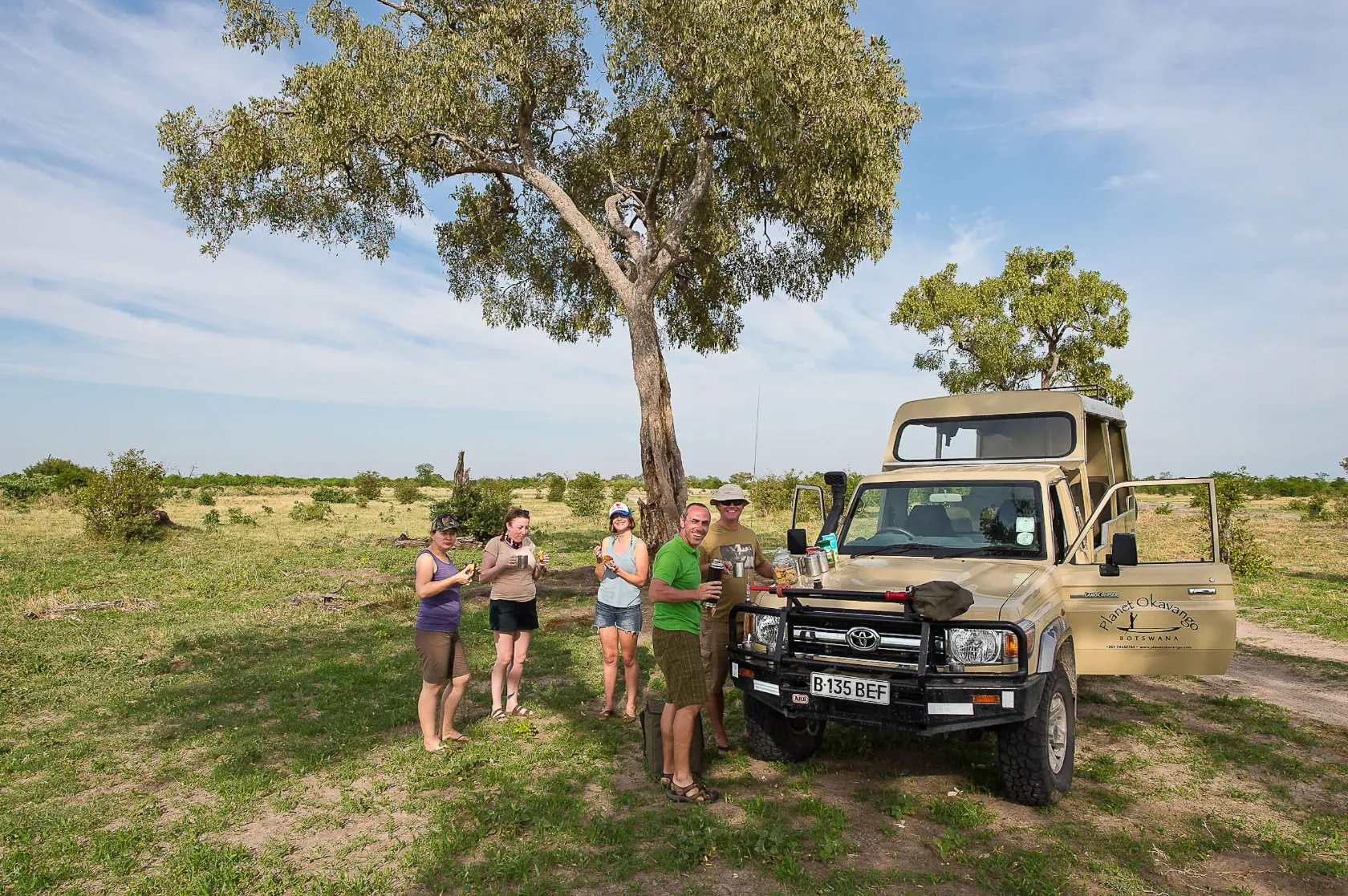
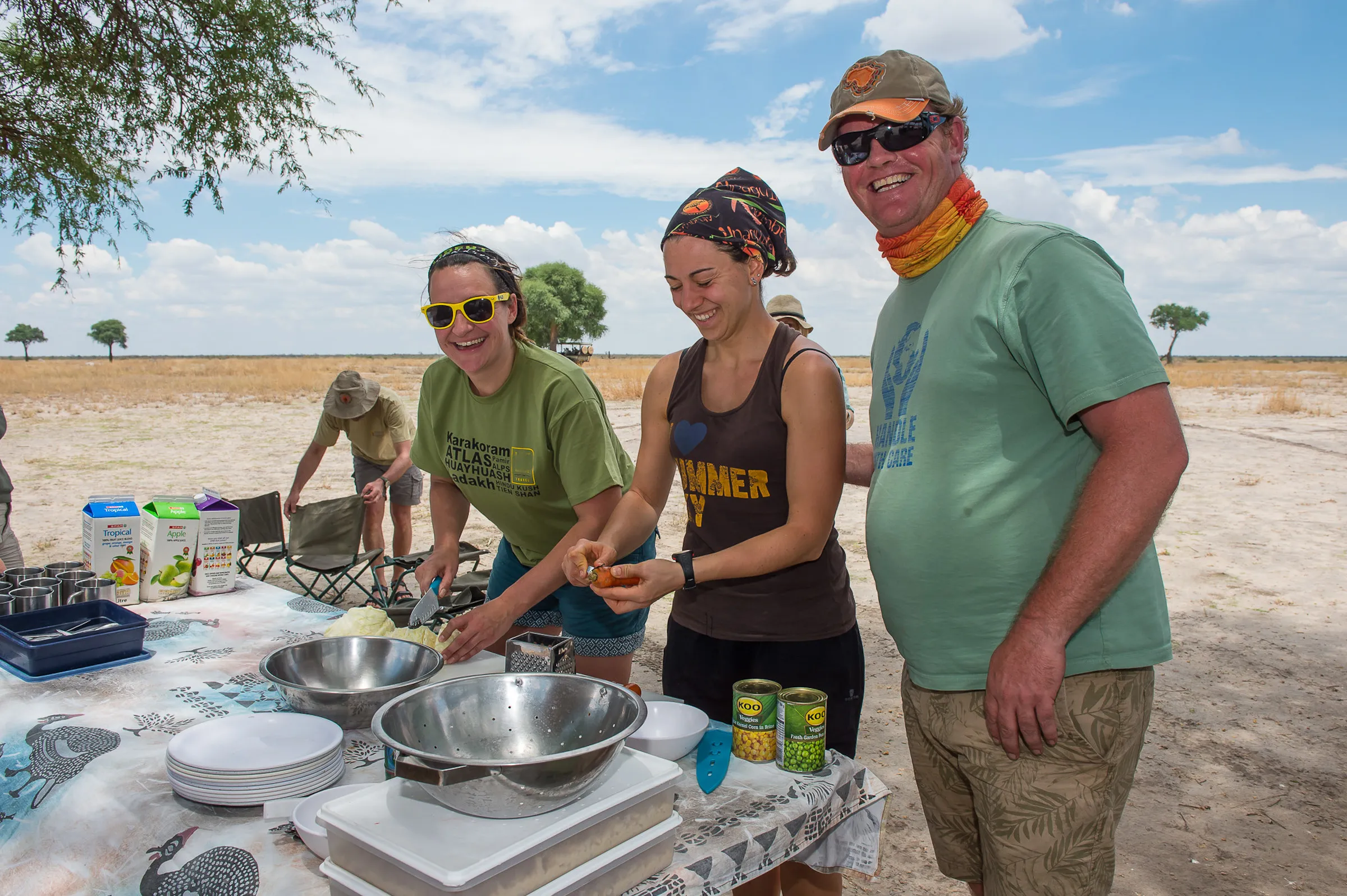
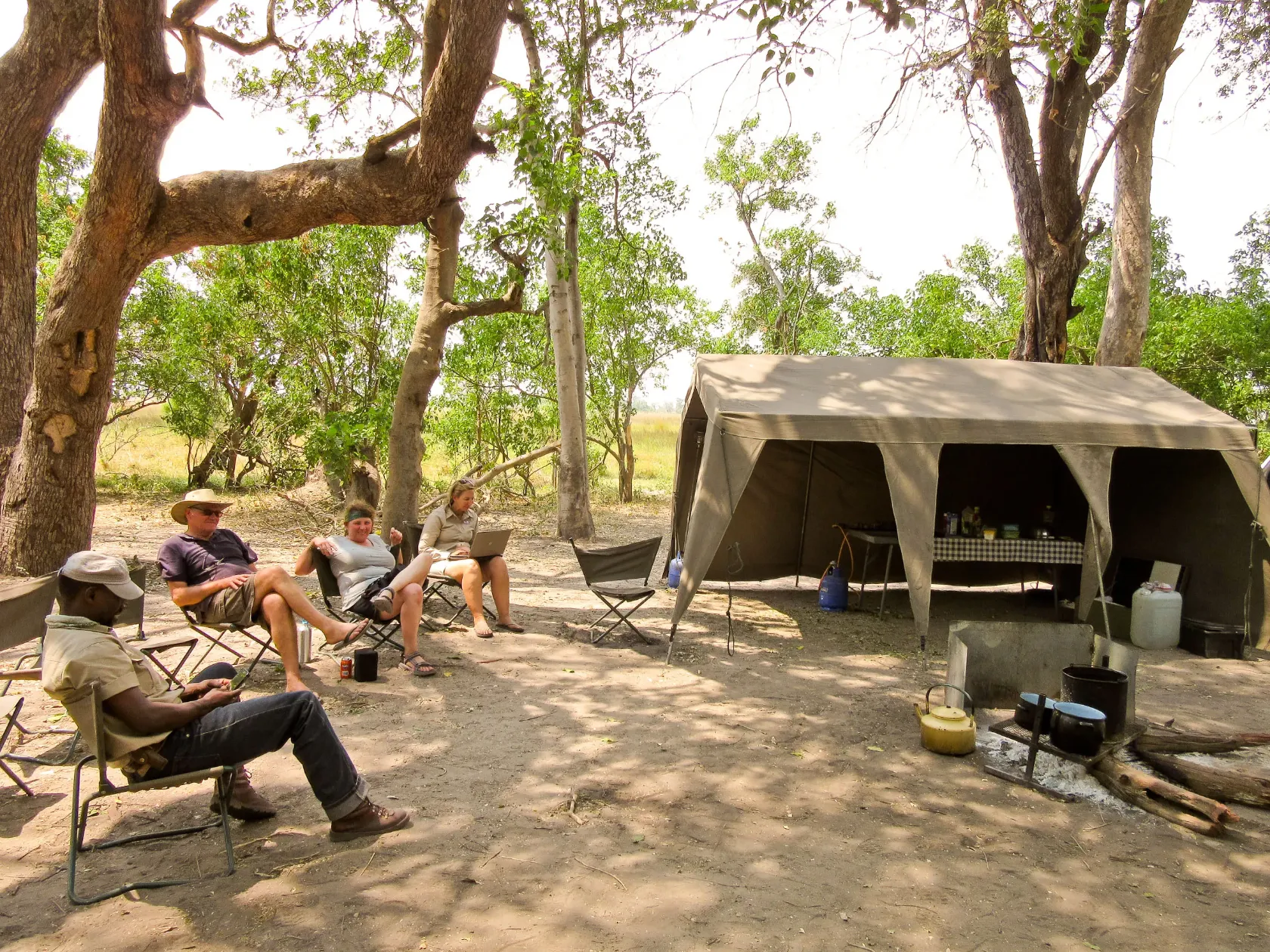
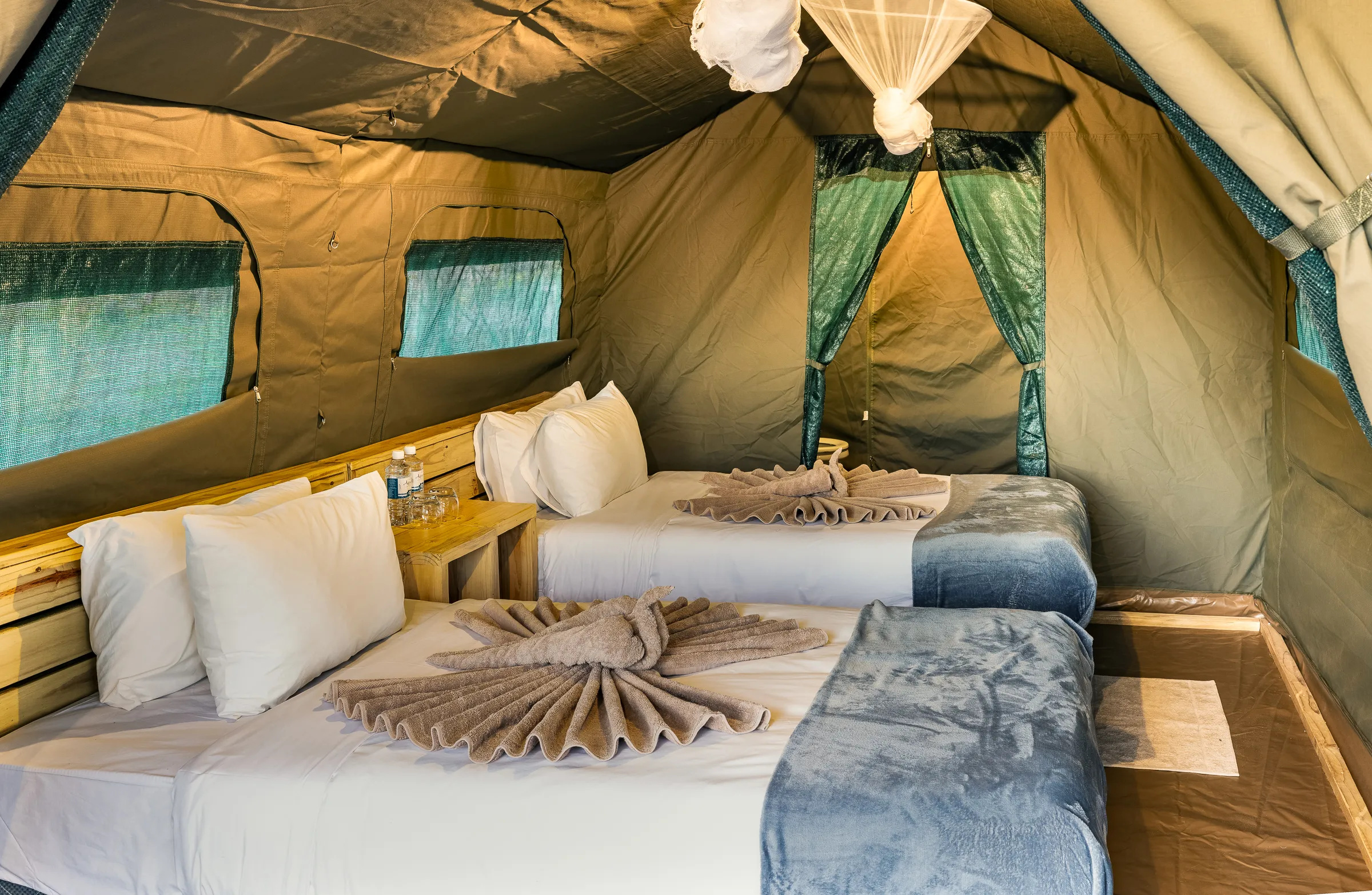
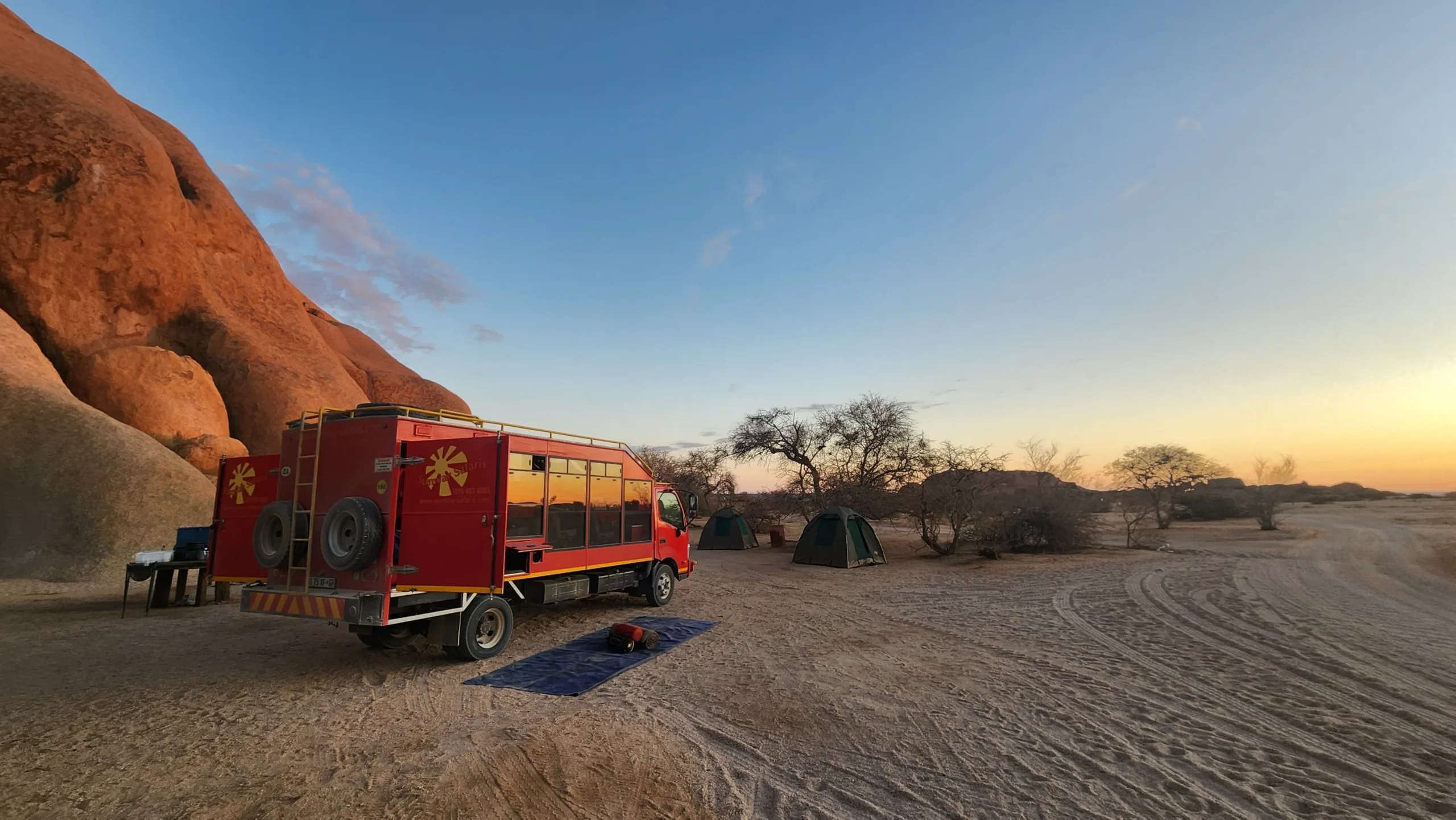
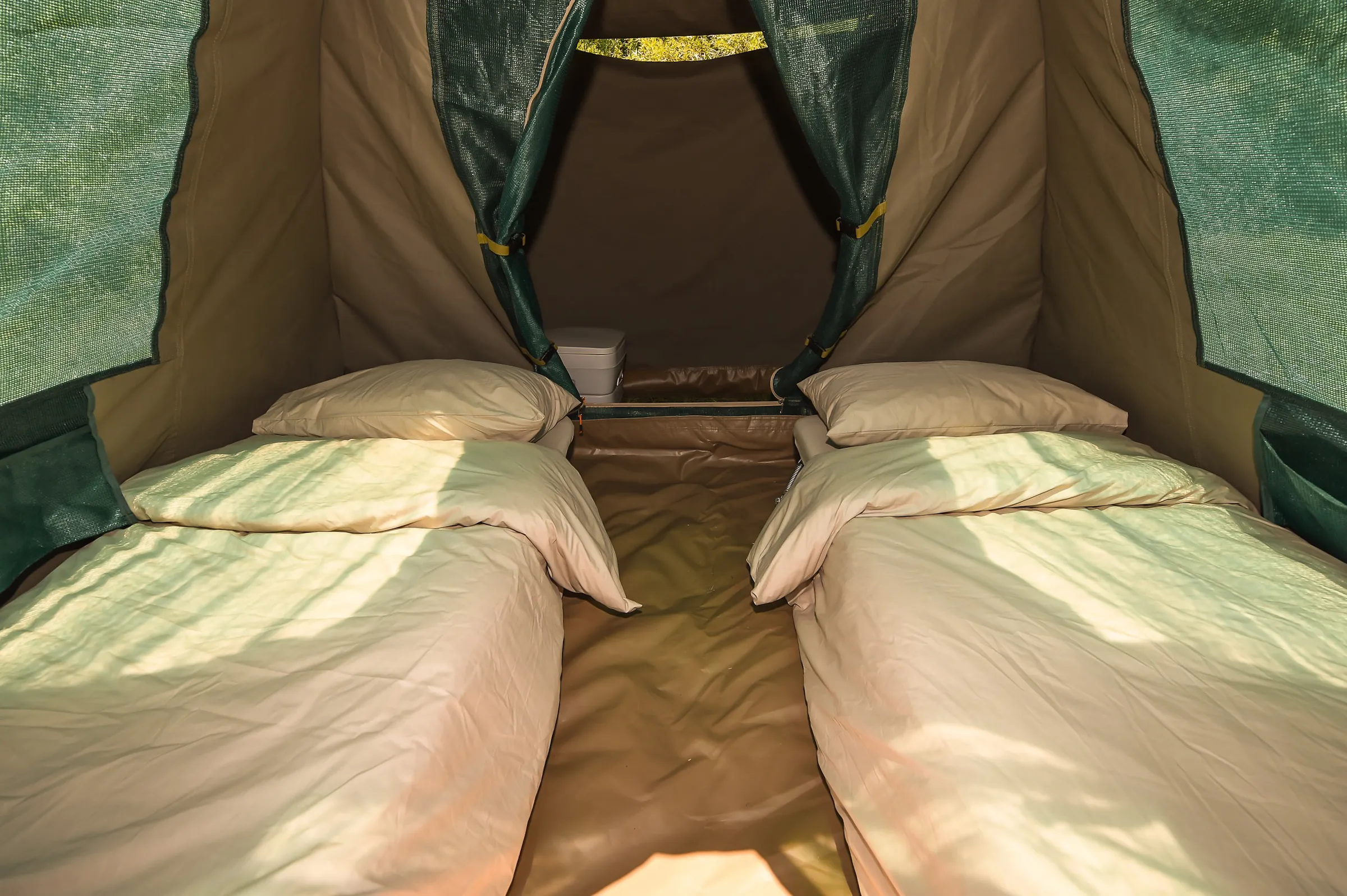
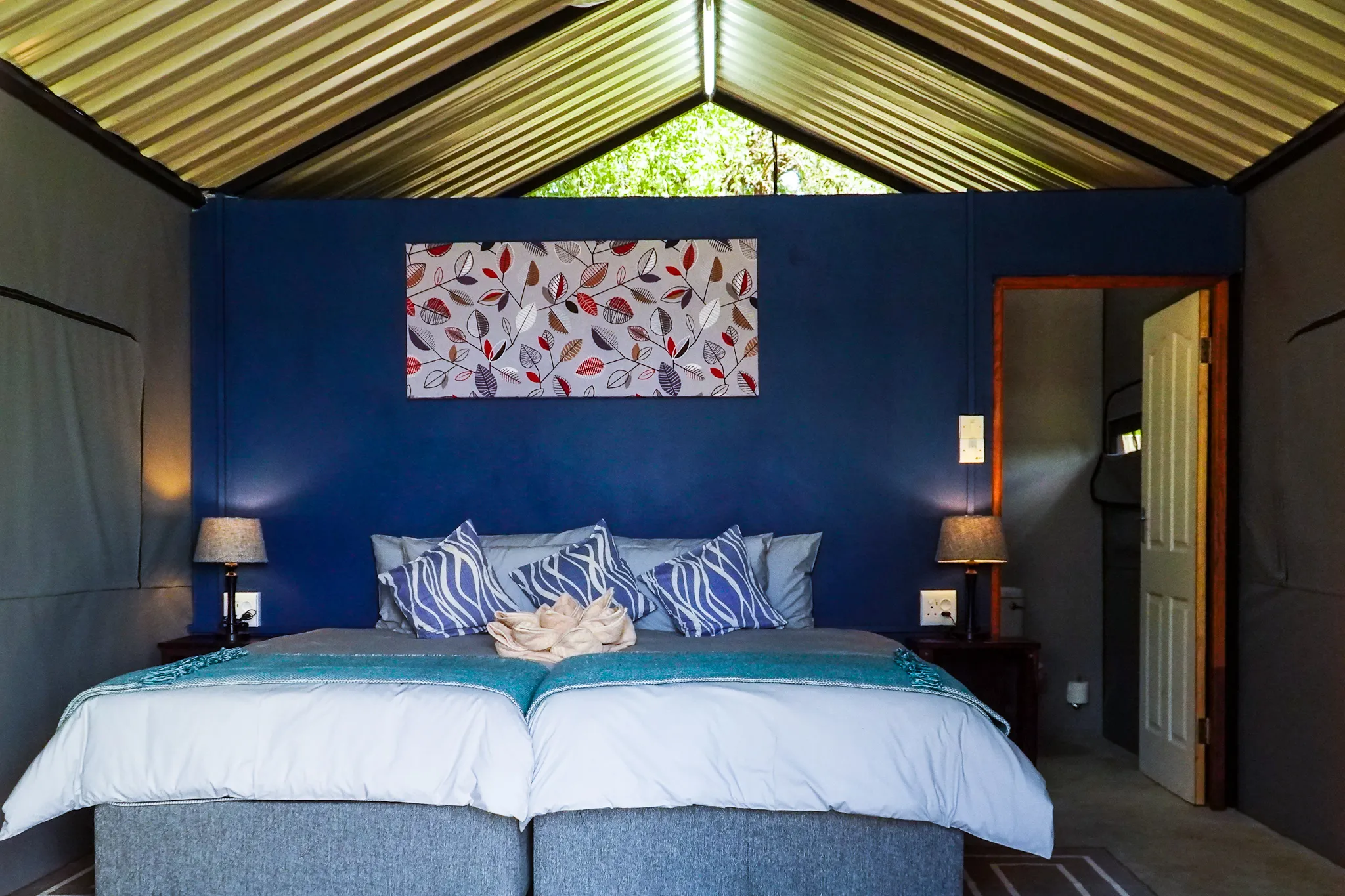
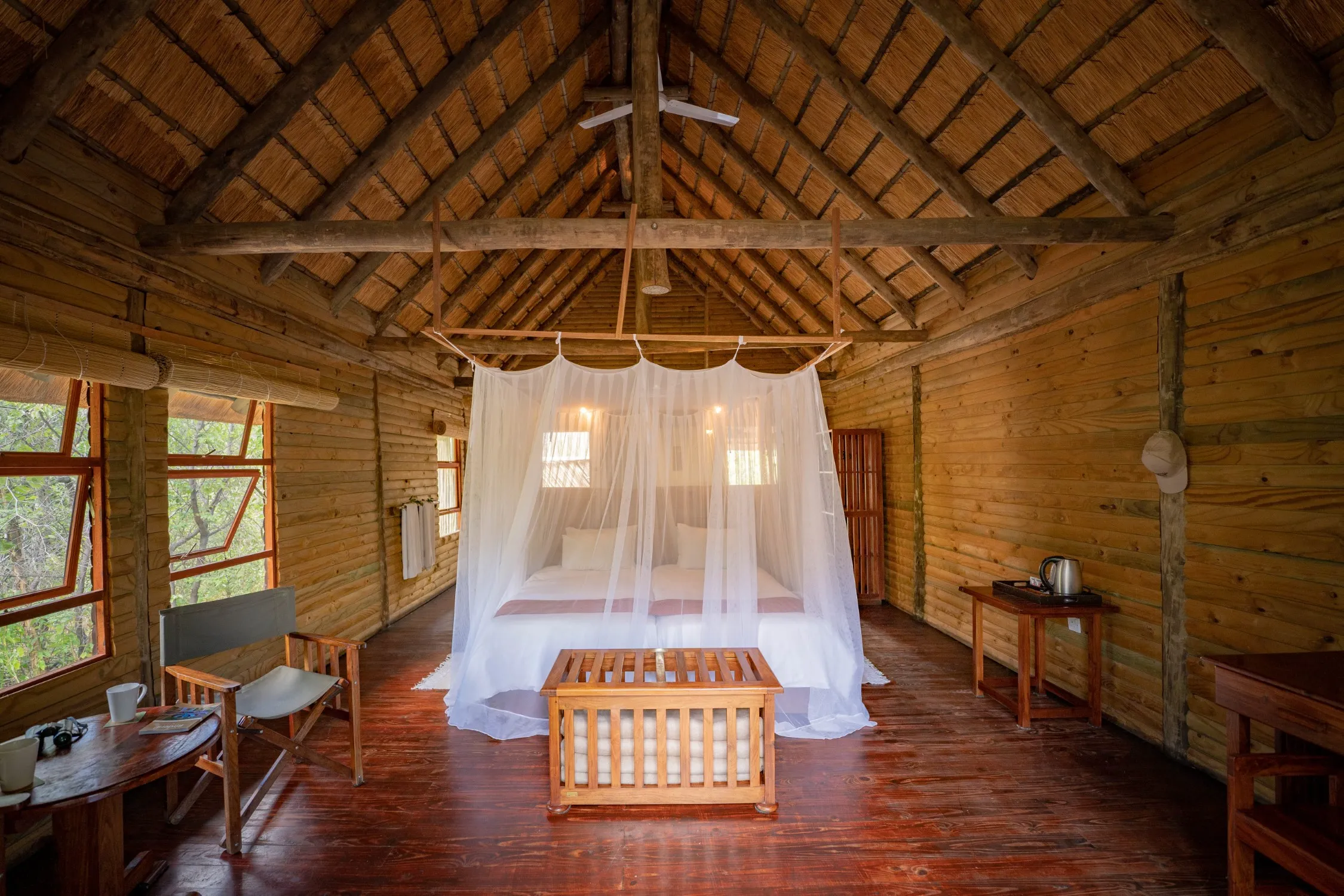
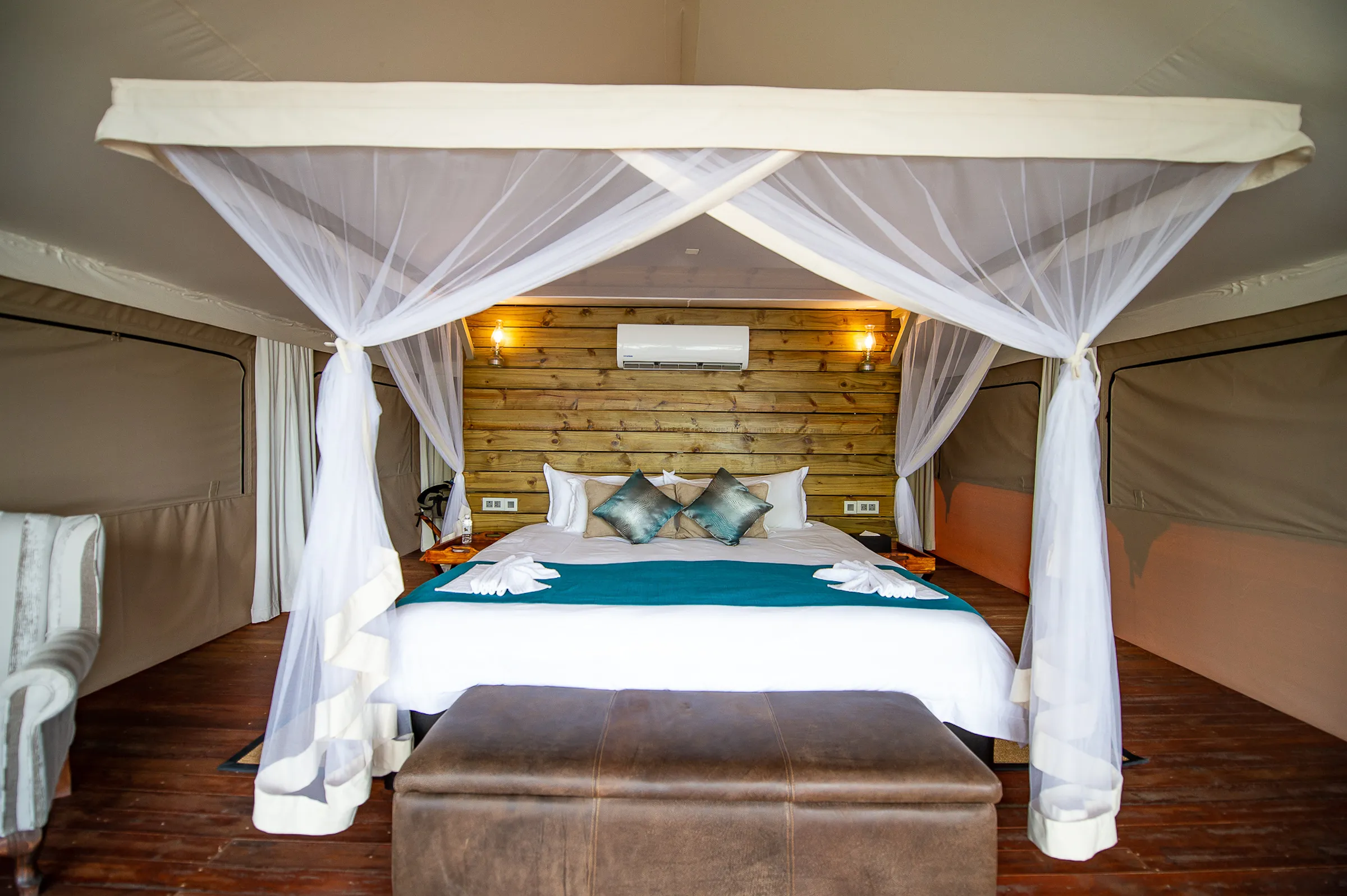
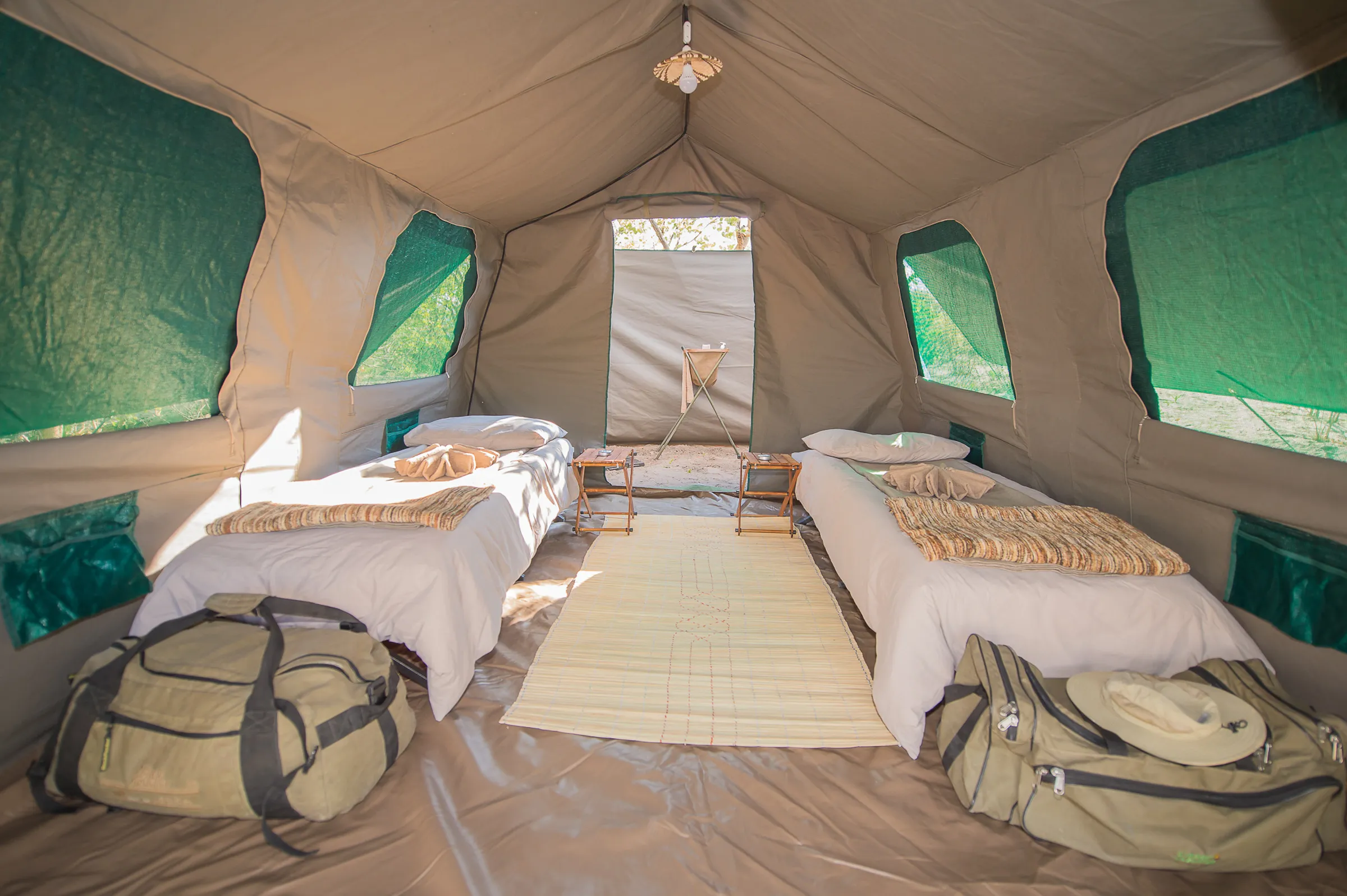
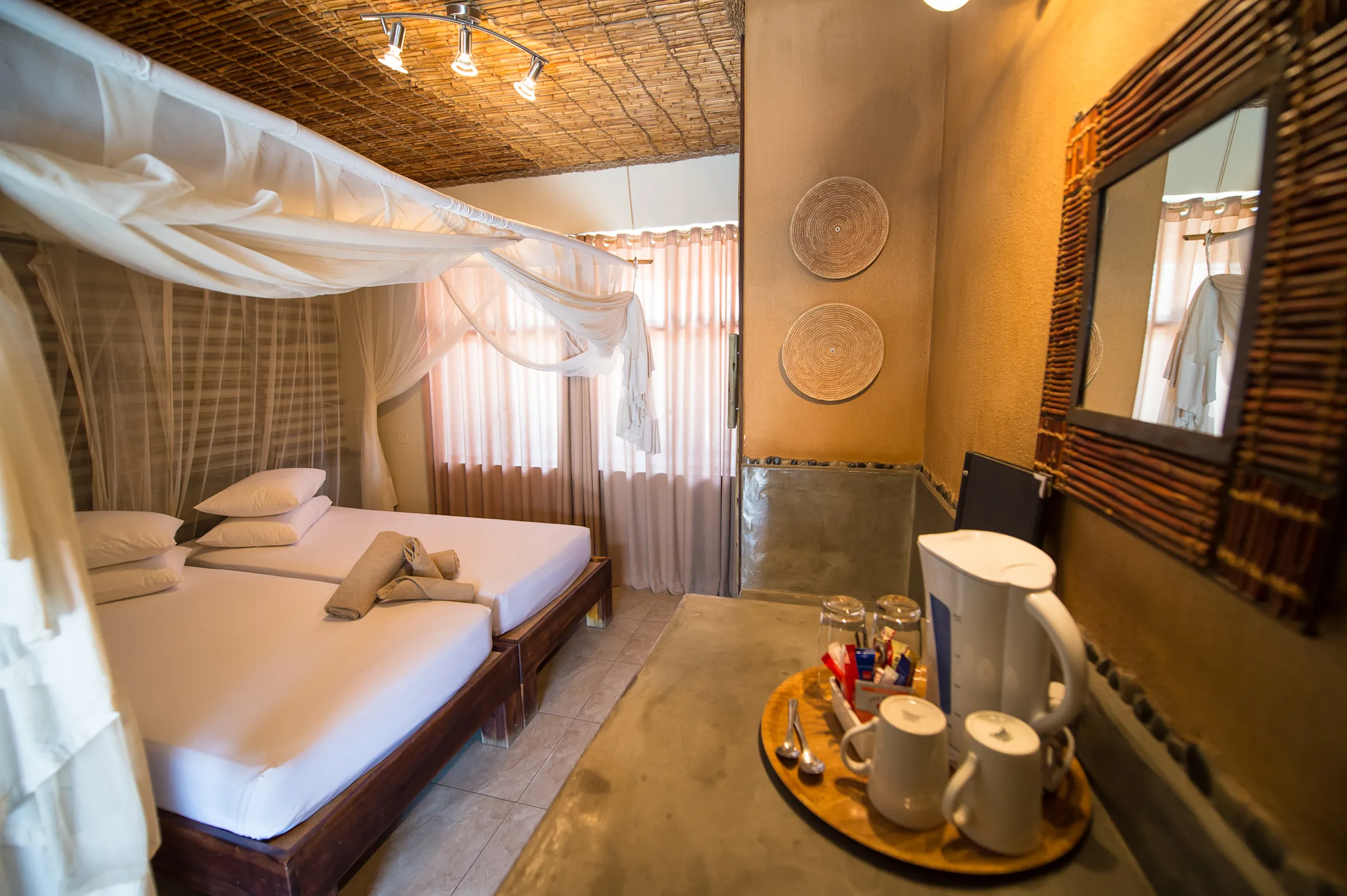
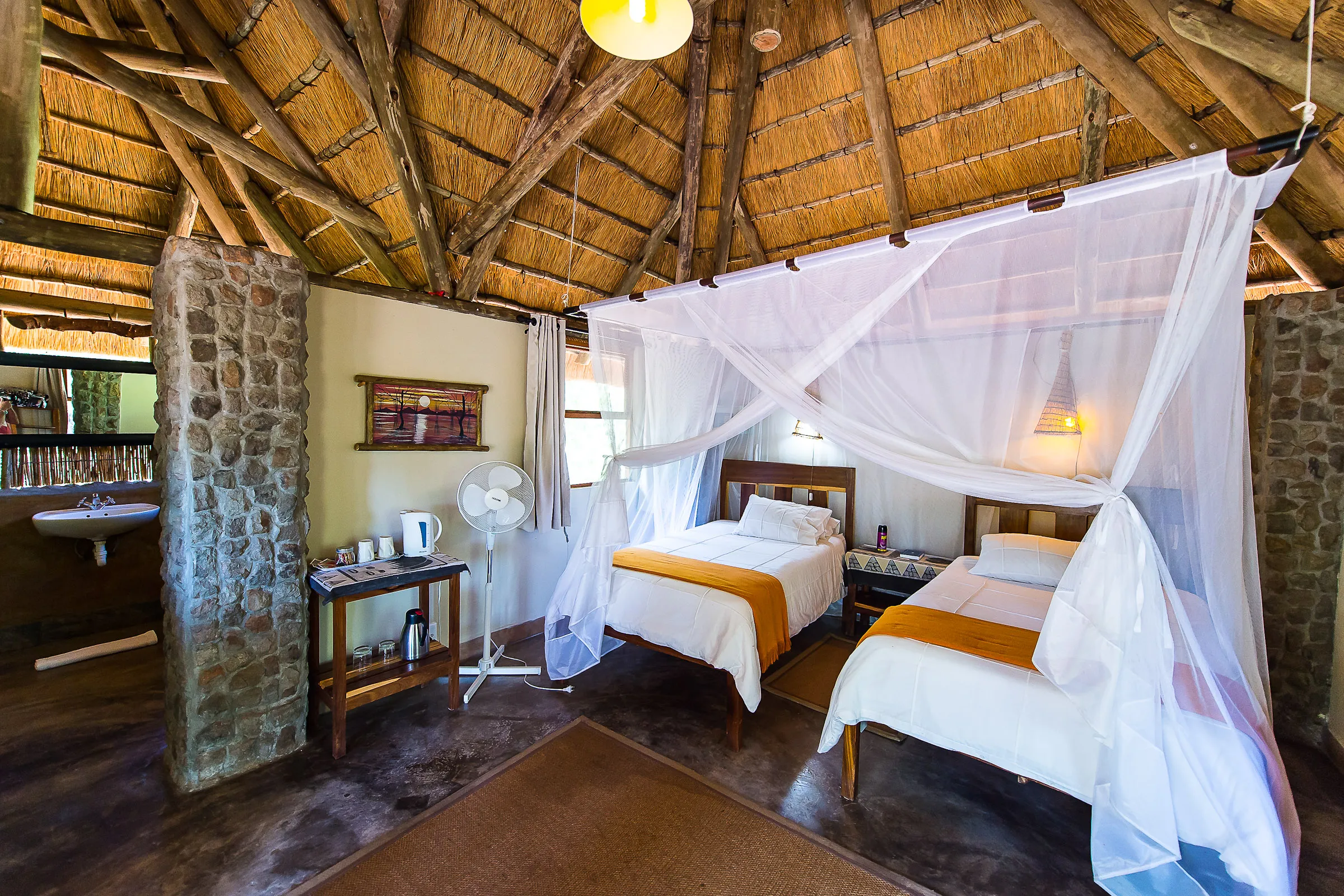
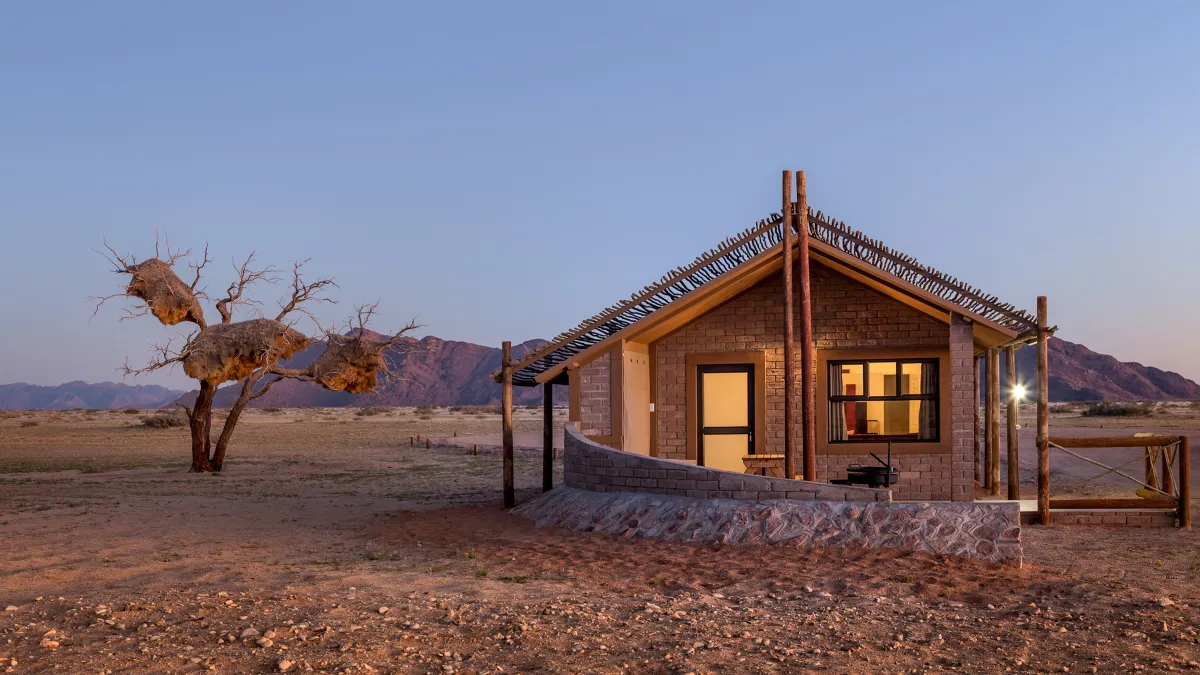
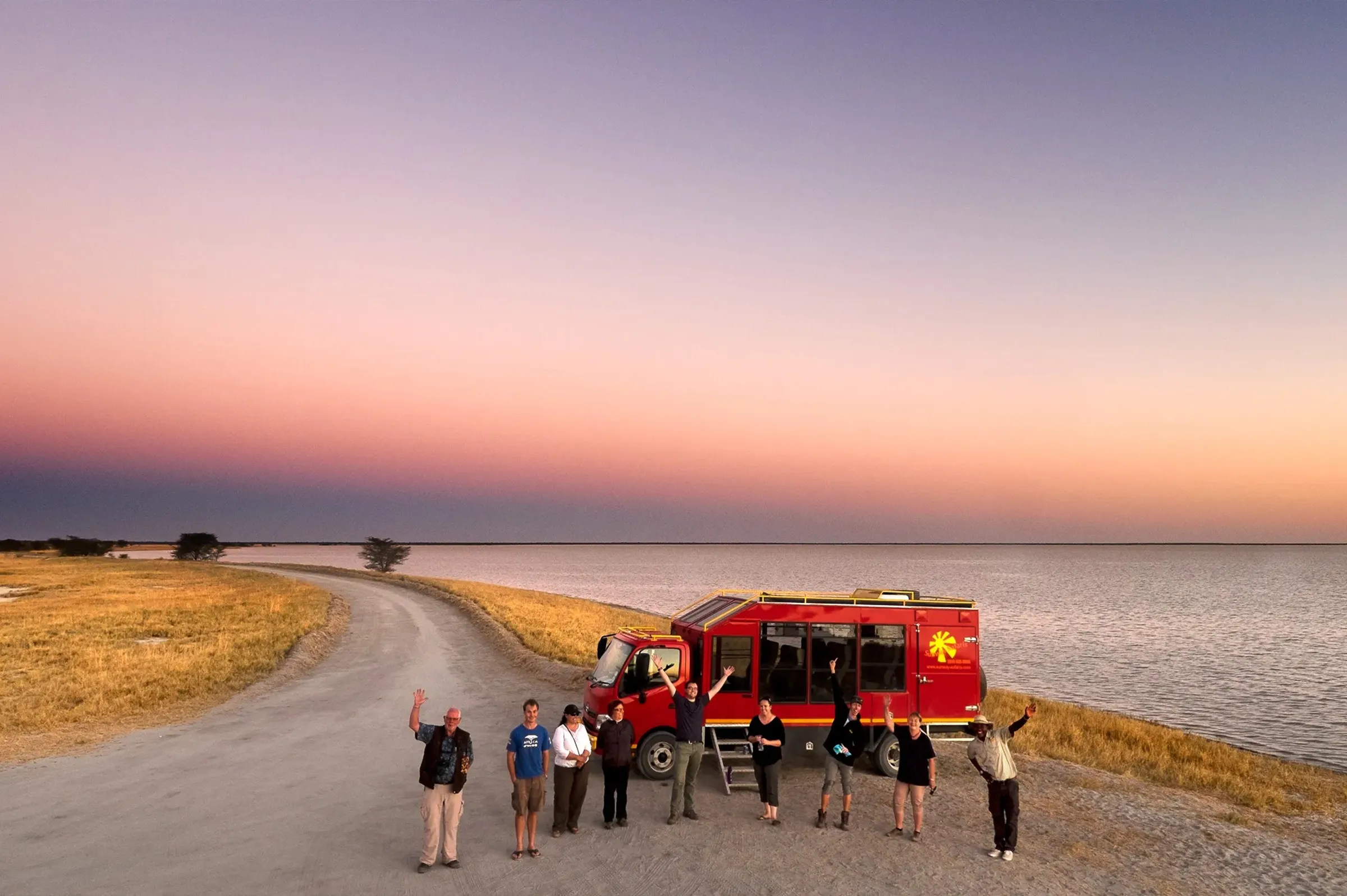
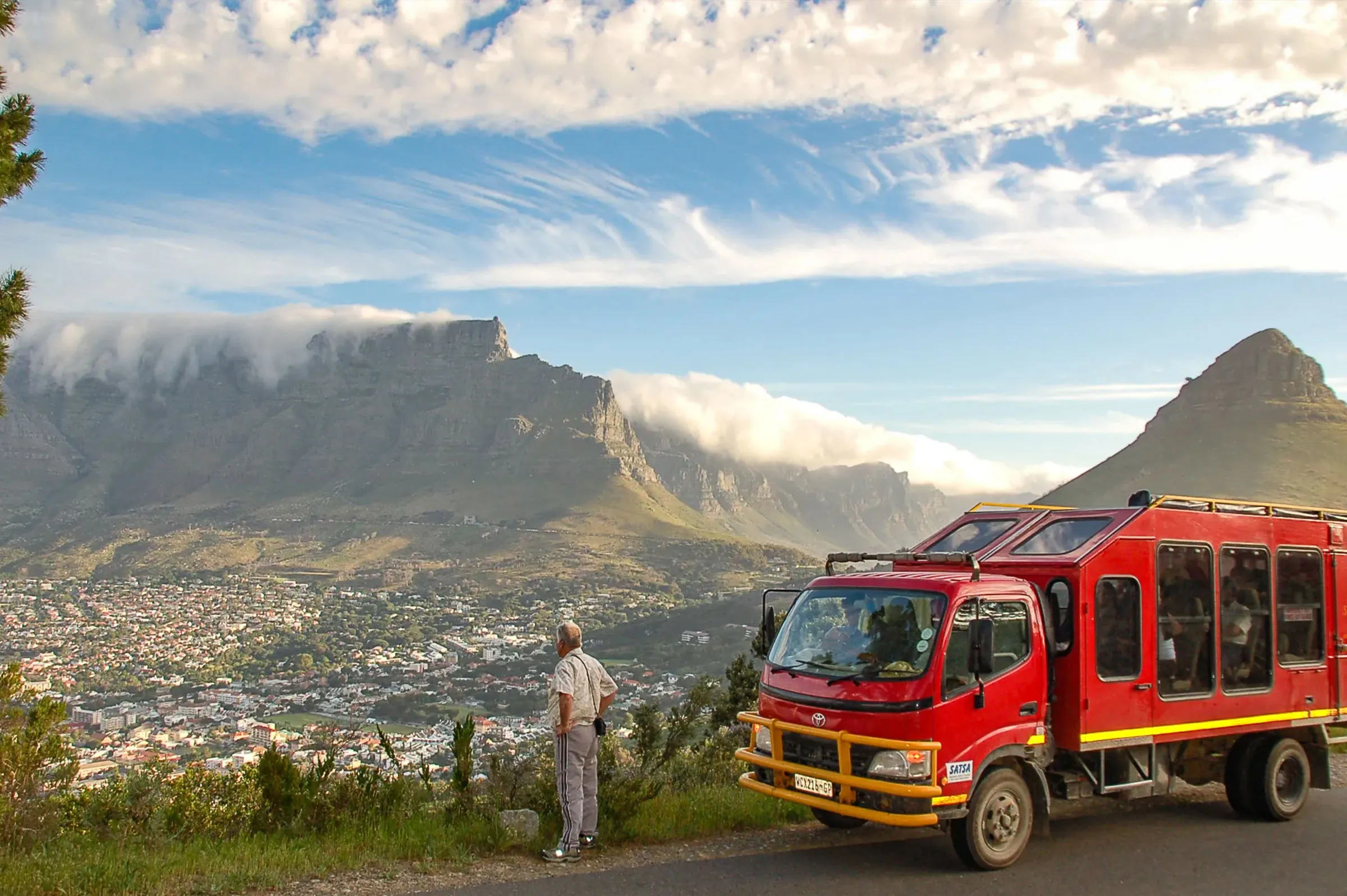
Sunway Safaris operates fully guided small group tours using specialised safari vehicles designed for long distance travel across Southern Africa. Guests travel in small groups with an experienced guide, following set itineraries that connect major destinations such as Etosha, Swakopmund, the Namib Desert, and the Fish River Canyon. Accommodation and logistics are arranged in advance, allowing travellers to focus on the experience rather than planning.
How long should I spend in Namibia on safari?
Most meaningful Namibia itineraries range from around 10 to 21 days, depending on the level of depth and whether the focus is exclusively on Namibia or part of a broader Southern Africa journey. Due to the country’s size and long travel distances between highlights, multi day Namibian safari tour routes are the most effective way to experience its key regions.
What are the main highlights of a Namibia safari?
Key highlights of a Namibia safari include Etosha National Park for wildlife viewing, Sossusvlei and the Namib Desert for iconic dune landscapes, Swakopmund for coastal experiences, and the Fish River Canyon for dramatic geological scenery. Additional highlights often include Damaraland, Brandberg, Spitzkoppe, Cape Cross, and the Zambezi Region depending on the route.
Is Namibia better for scenery or wildlife?
Namibia offers a strong combination of both, but it is particularly renowned for its landscapes. Etosha National Park provides excellent wildlife viewing, while regions such as the Namib Desert and Fish River Canyon are more focused on scenery and geological features. The overall experience is a balance between game viewing and large scale natural environments.
Do I need to be very fit for a Namibia safari?
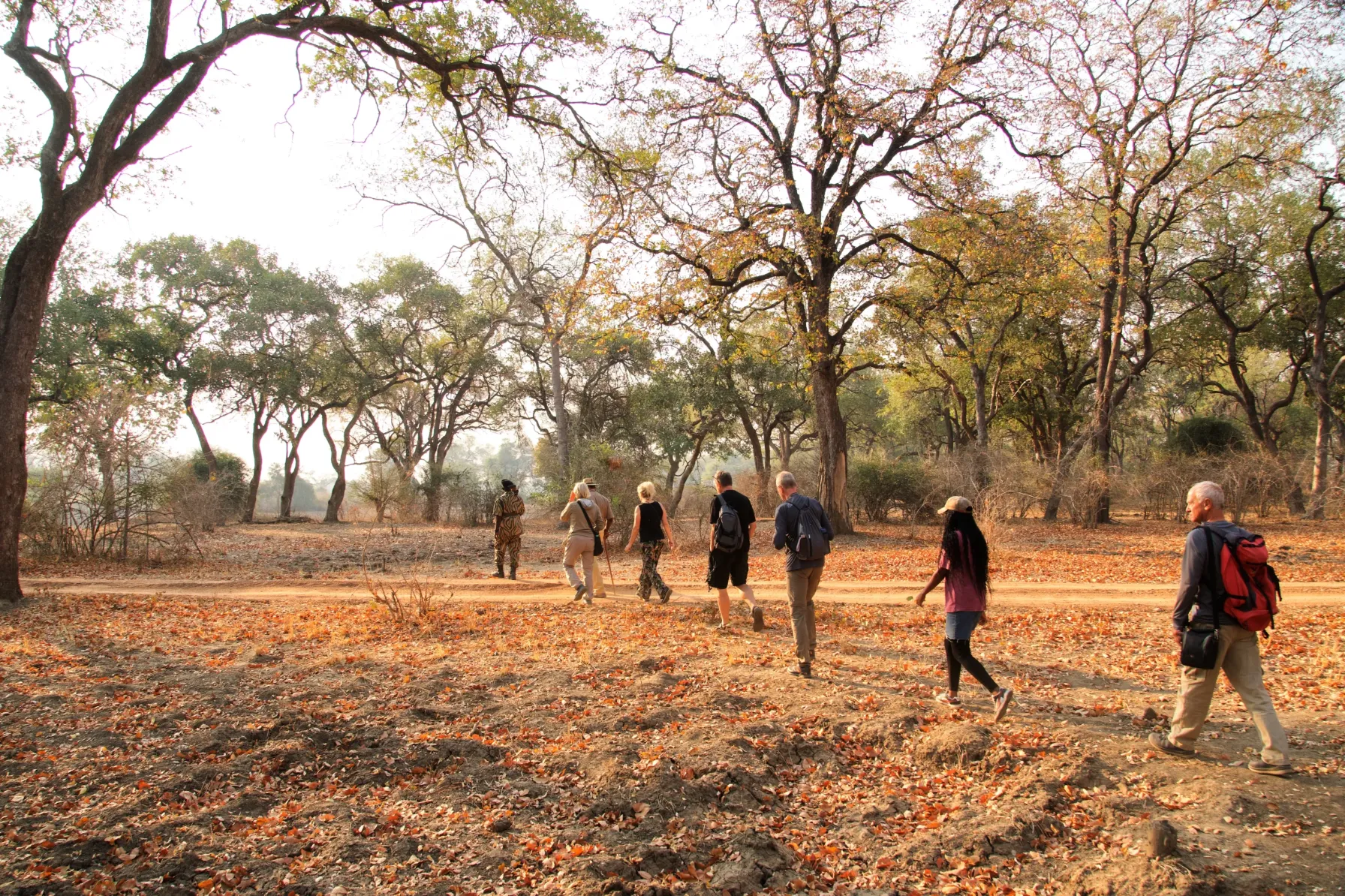
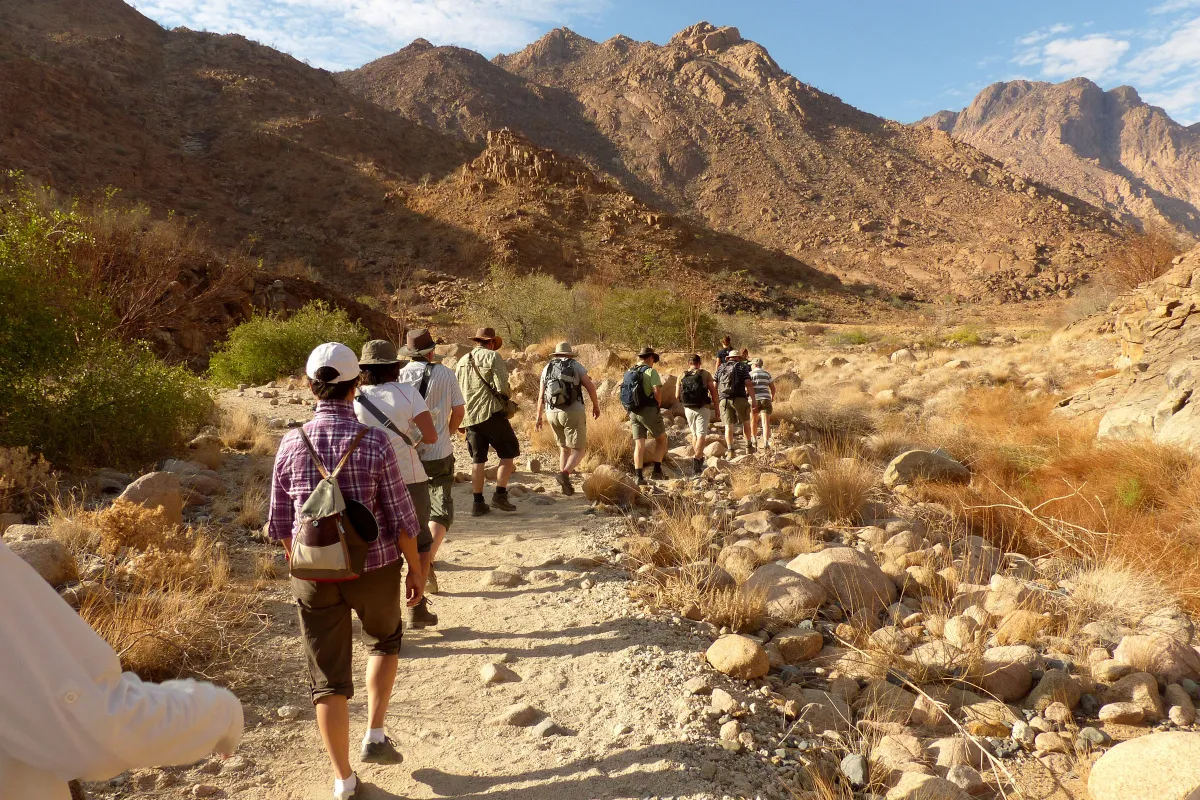
A moderate level of fitness is recommended for Namibia safaris due to long travel days, early starts, and occasional walking at sites such as dunes or viewpoints. However, most activities are not physically demanding, and itineraries are designed to be accessible for general travellers who are comfortable with extended road travel.
Is Namibia safe for tourists on safari?
Namibia is widely regarded as one of the safer safari destinations in Africa, particularly in remote and protected areas visited on guided tours. Travelling with an established operator such as Sunway Safaris adds an additional layer of safety through experienced guides, structured itineraries, and managed logistics throughout the journey.
How does Namibia compare to Botswana and South Africa for safari?
Namibia differs from Botswana and South Africa in its emphasis on landscapes and open space. Botswana is known for water based ecosystems such as the Okavango Delta, while South Africa is often more densely vegetated with high wildlife concentrations in places like Kruger National Park. Namibia stands out for its desert environments, and iconic scenery such as Sossusvlei and Etosha.