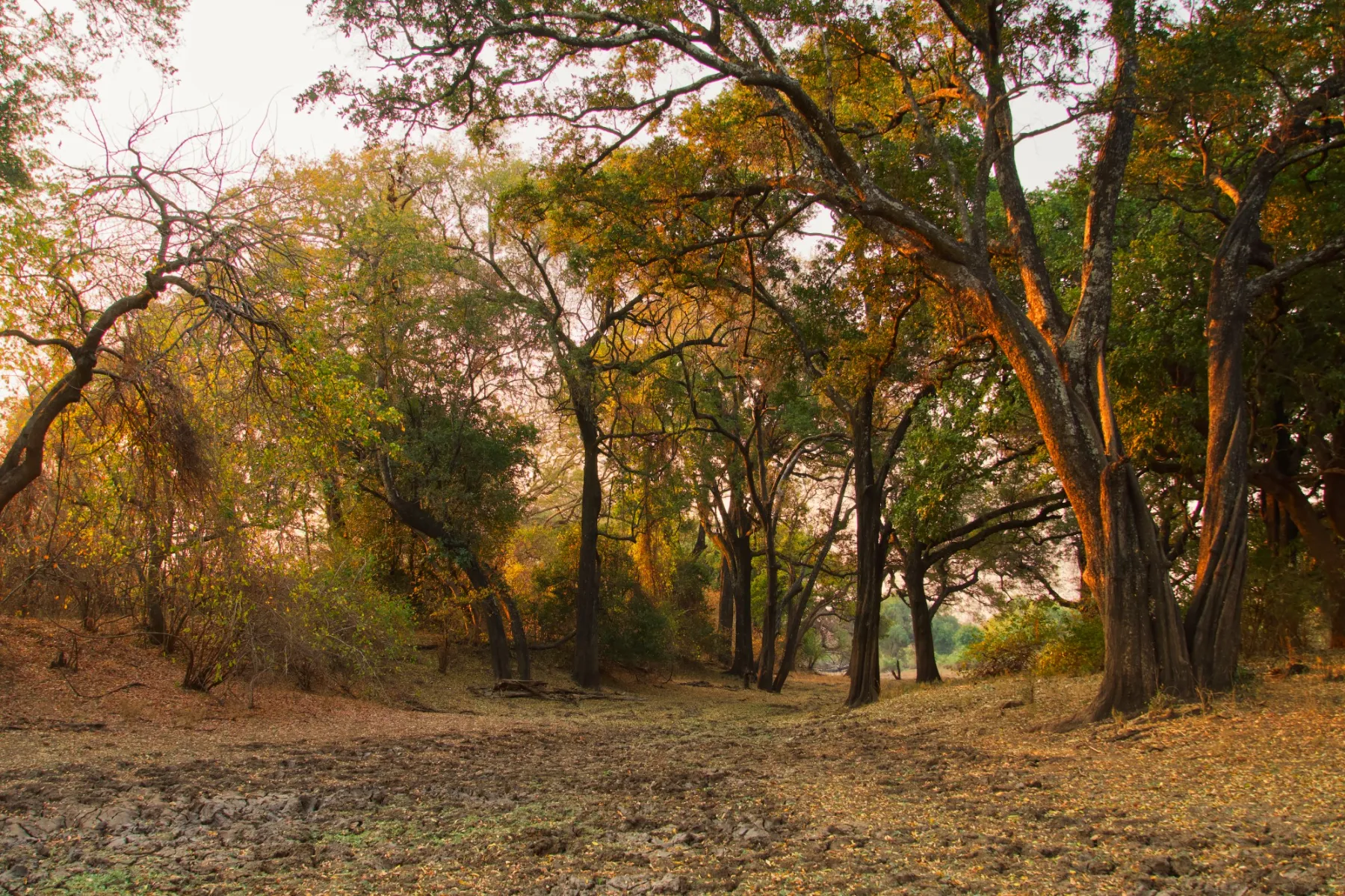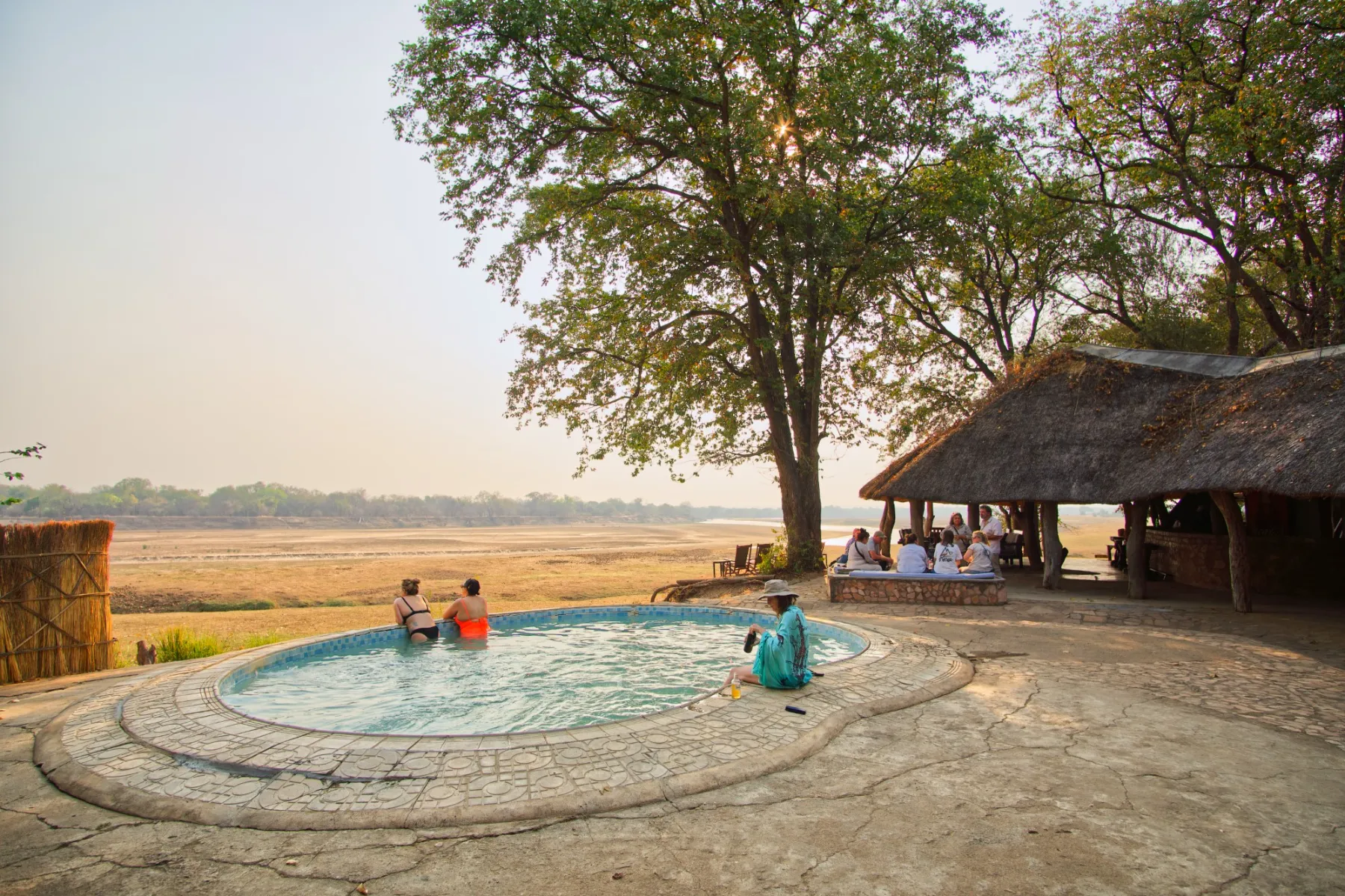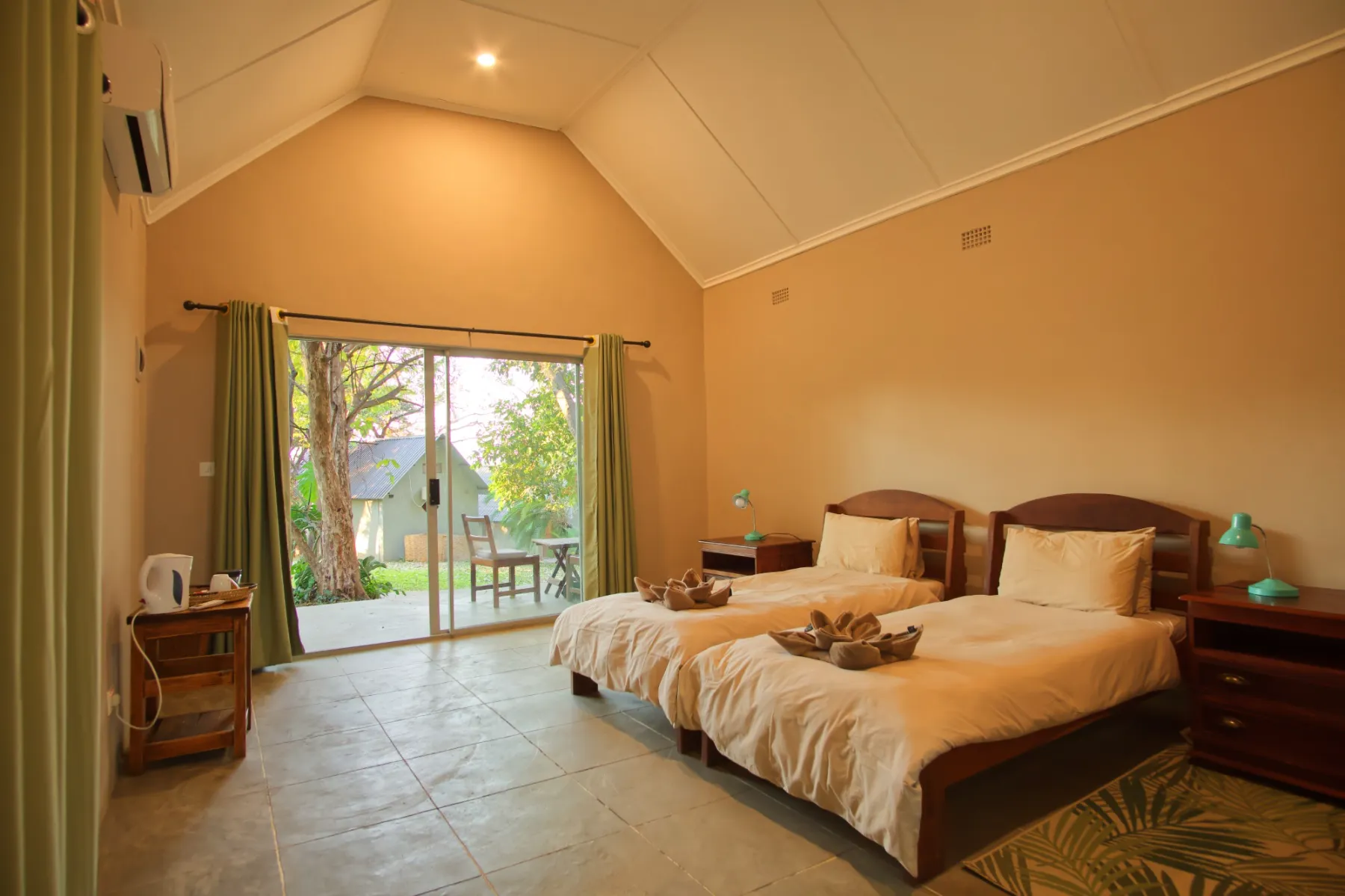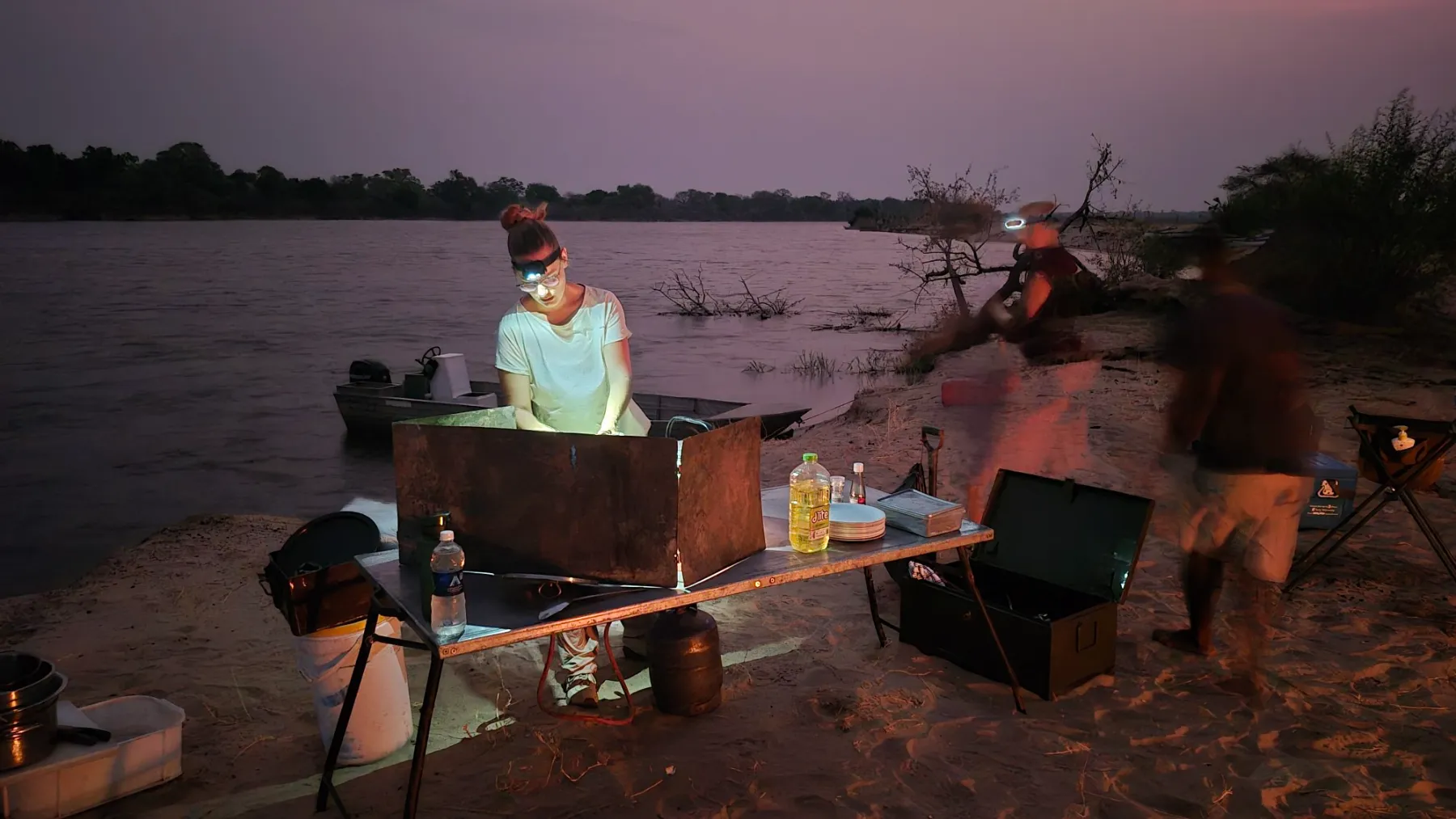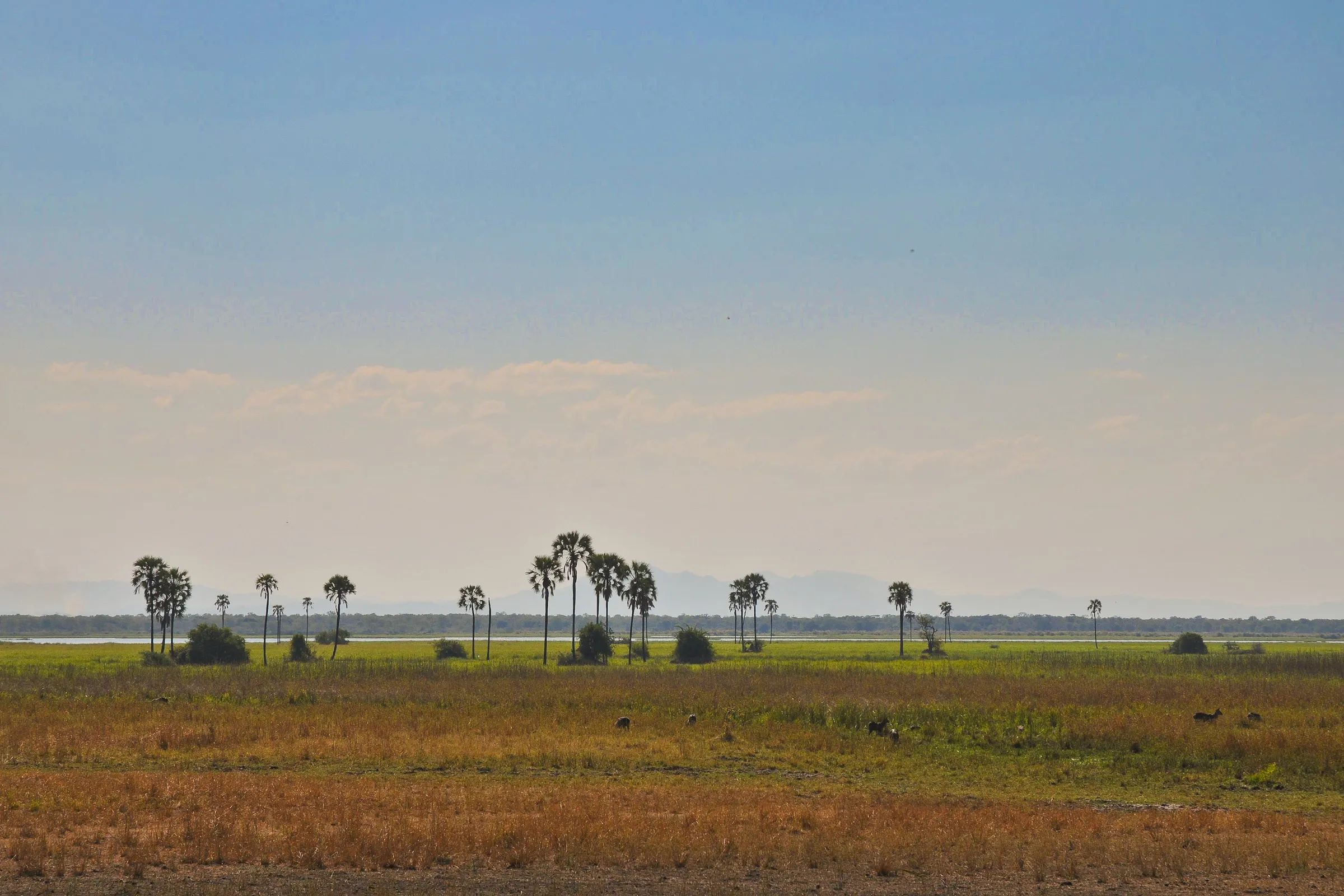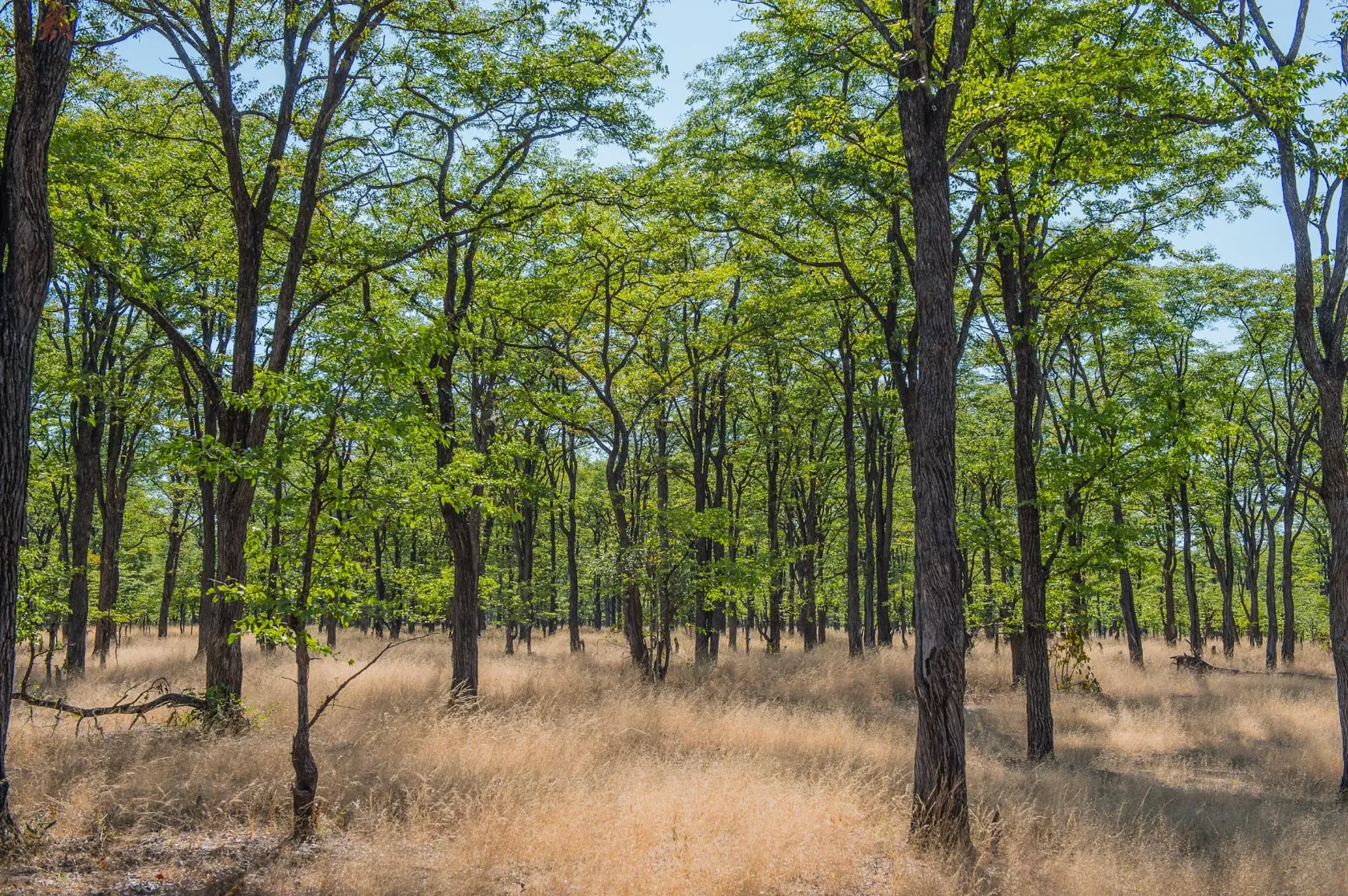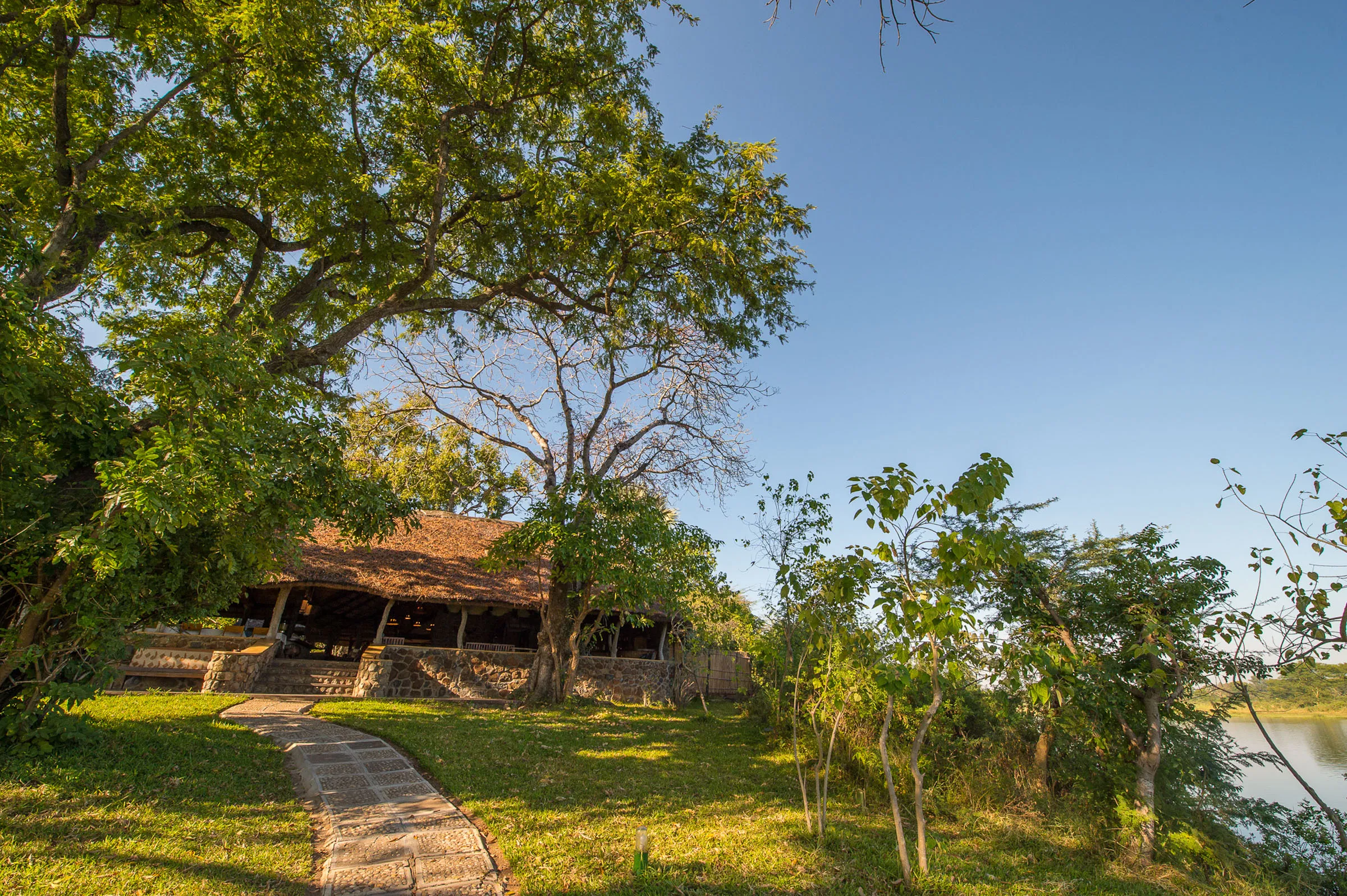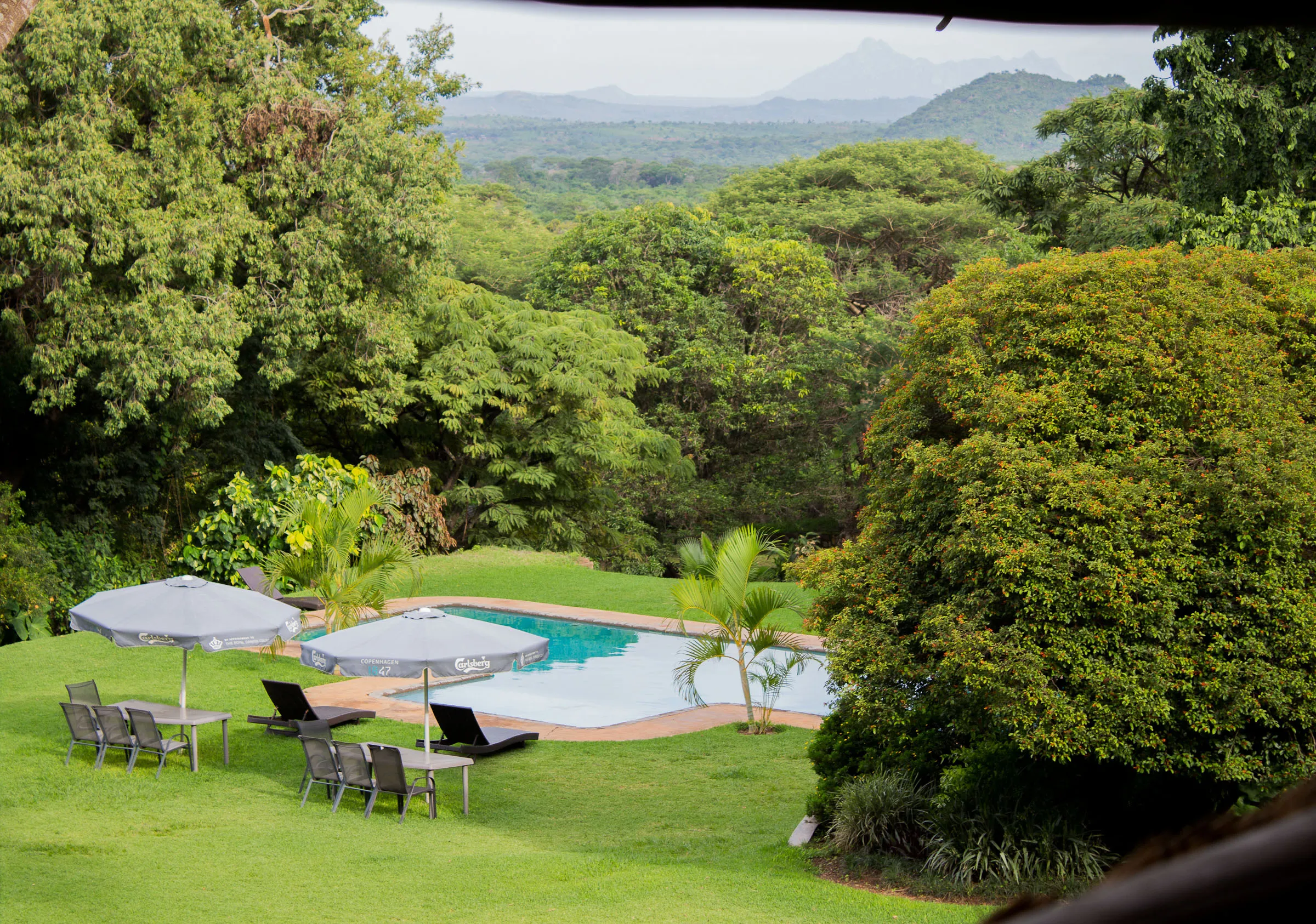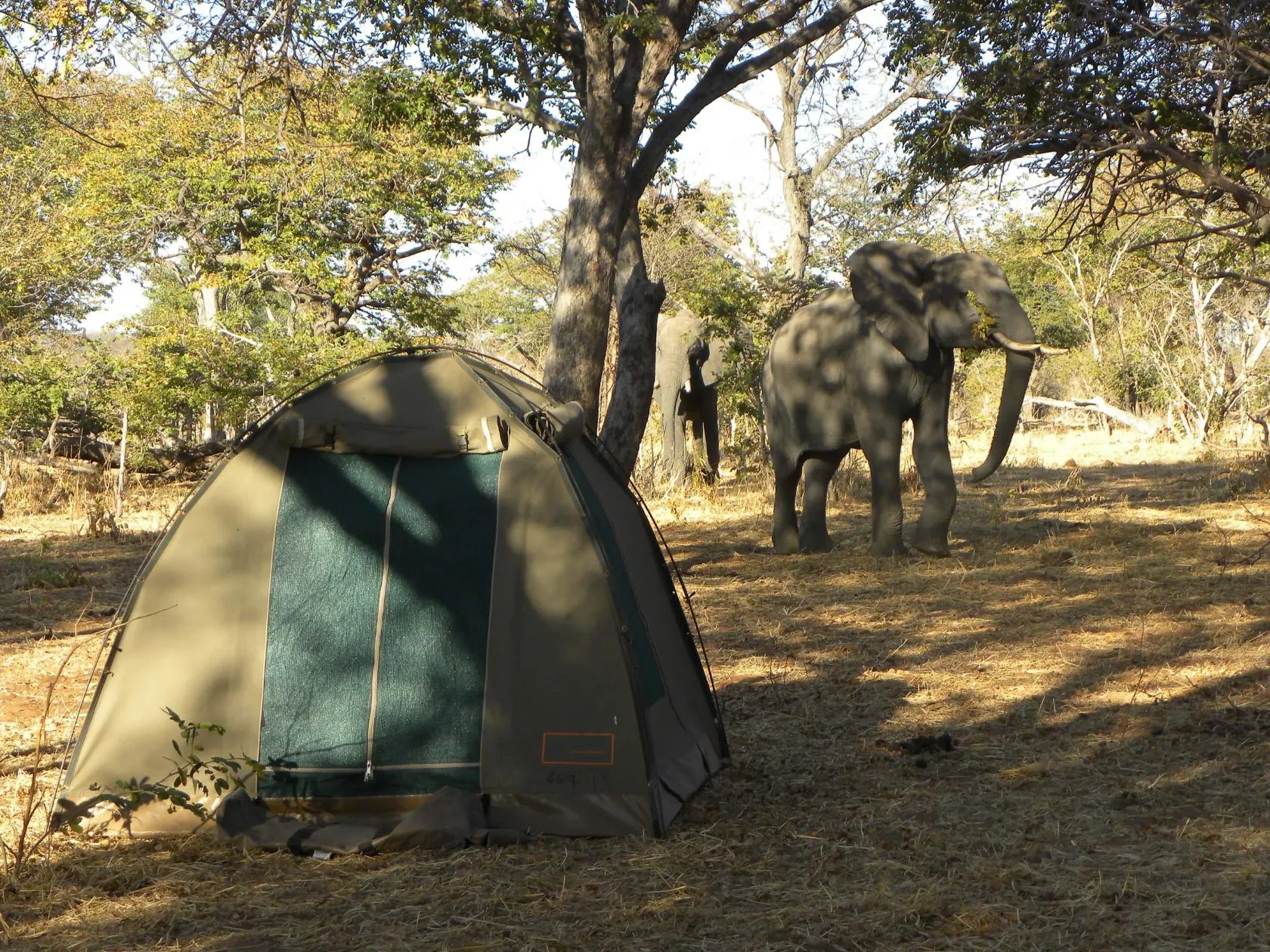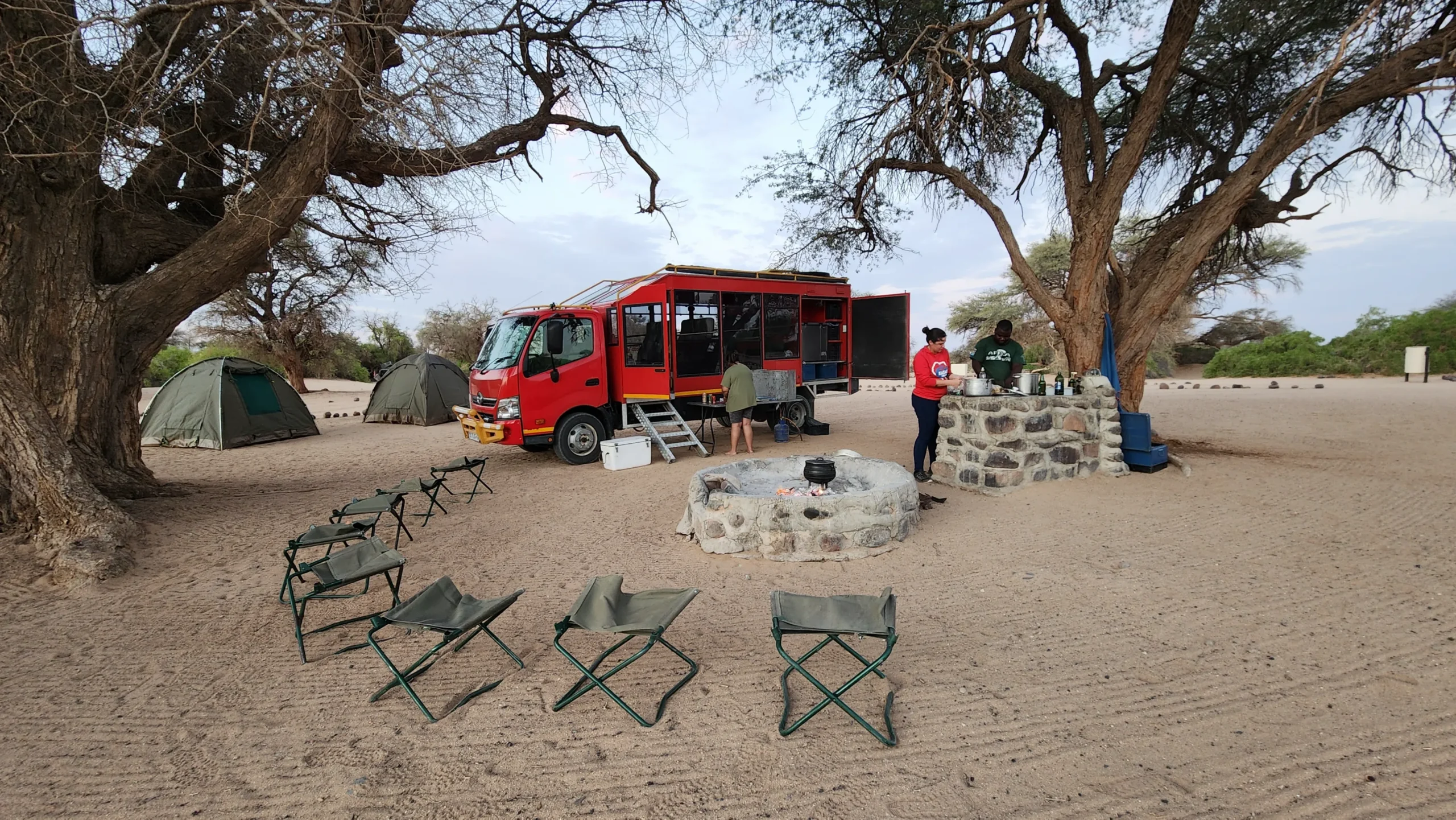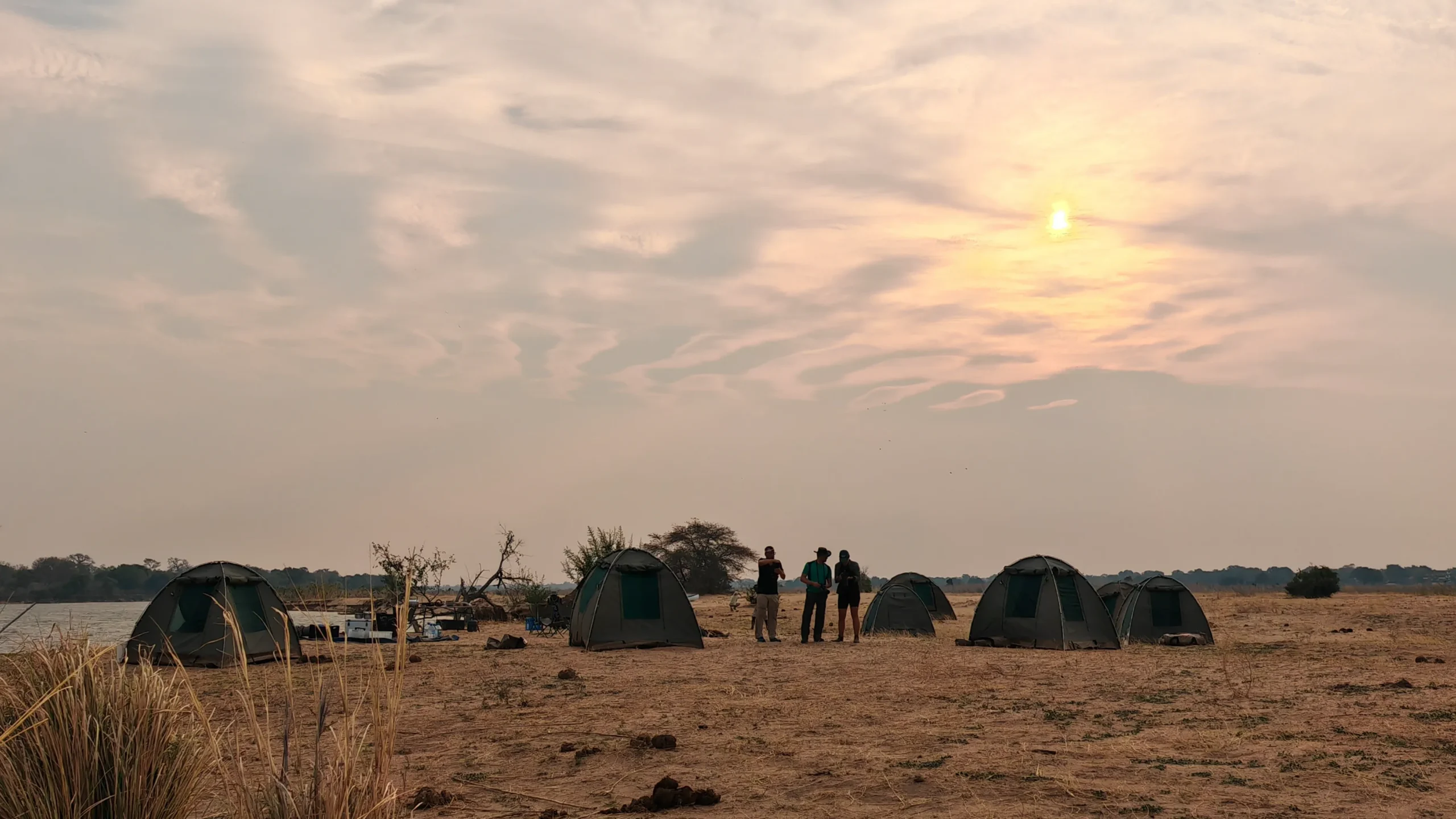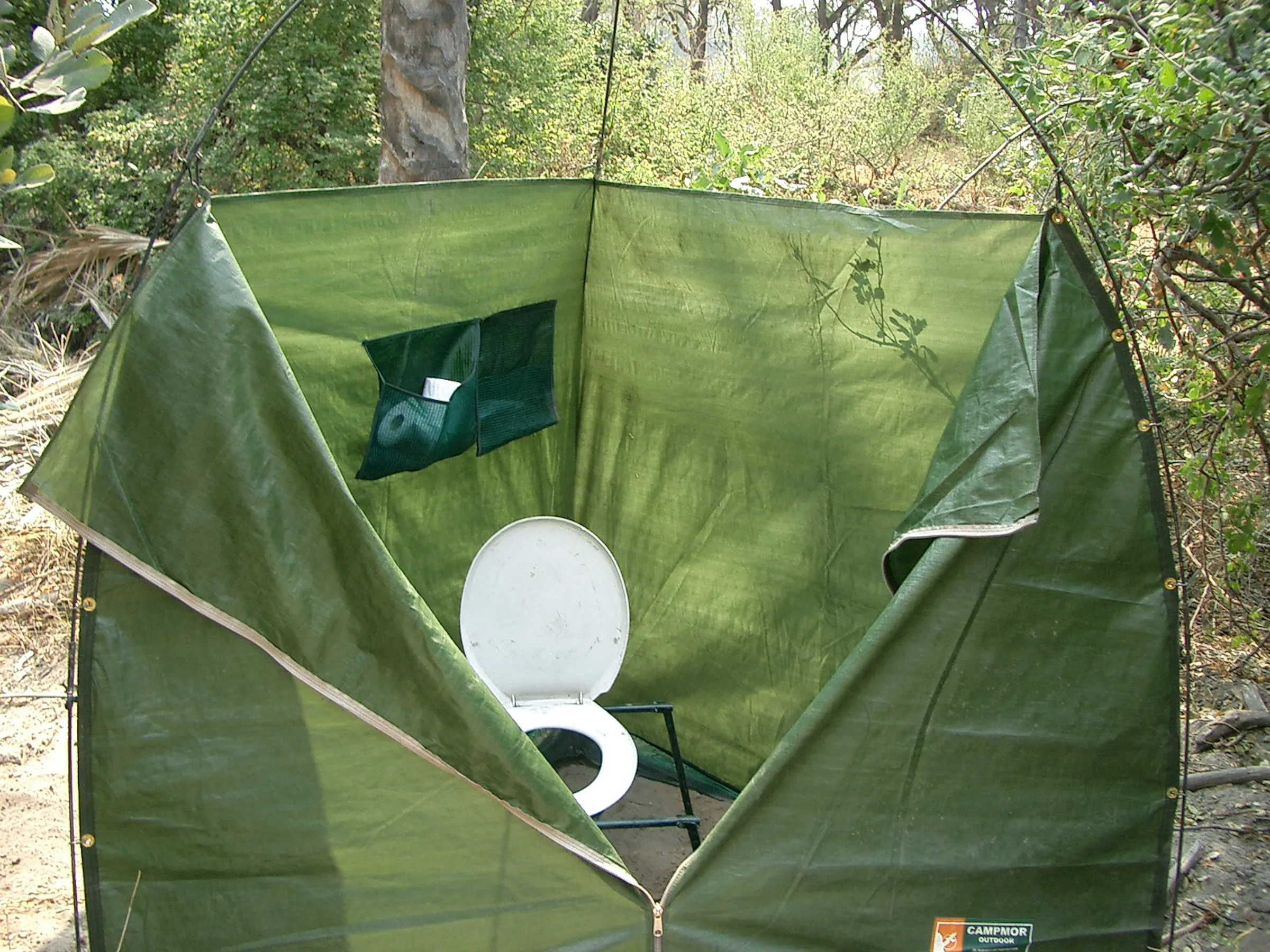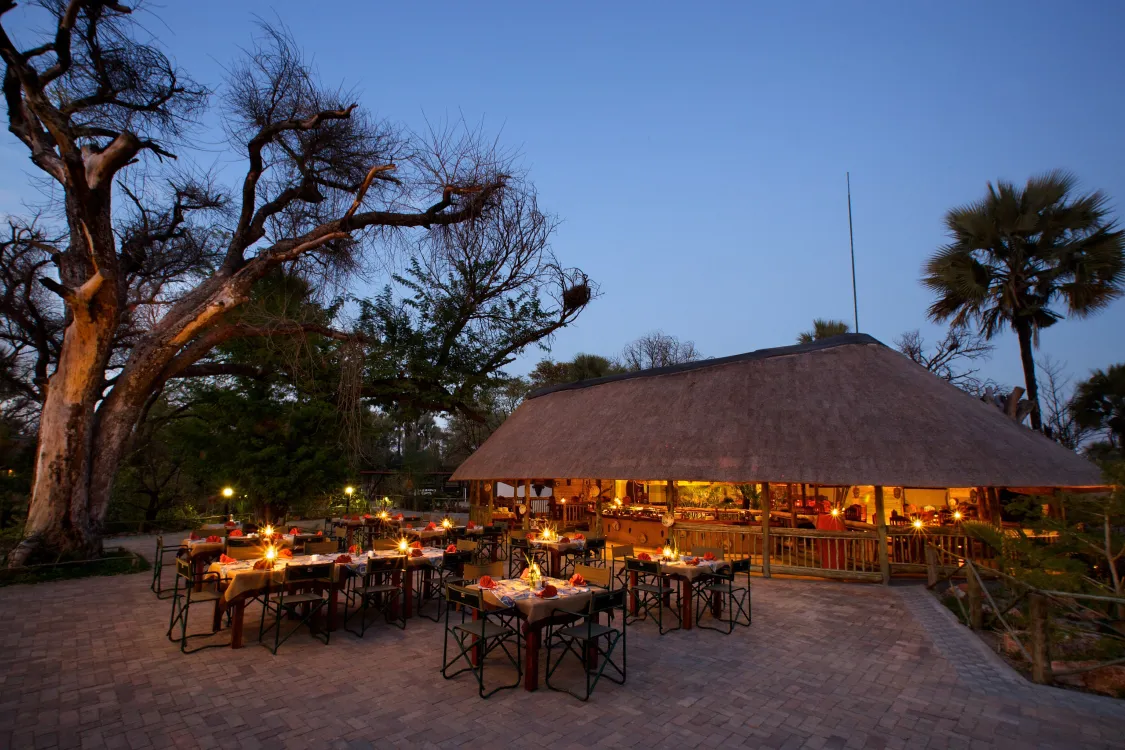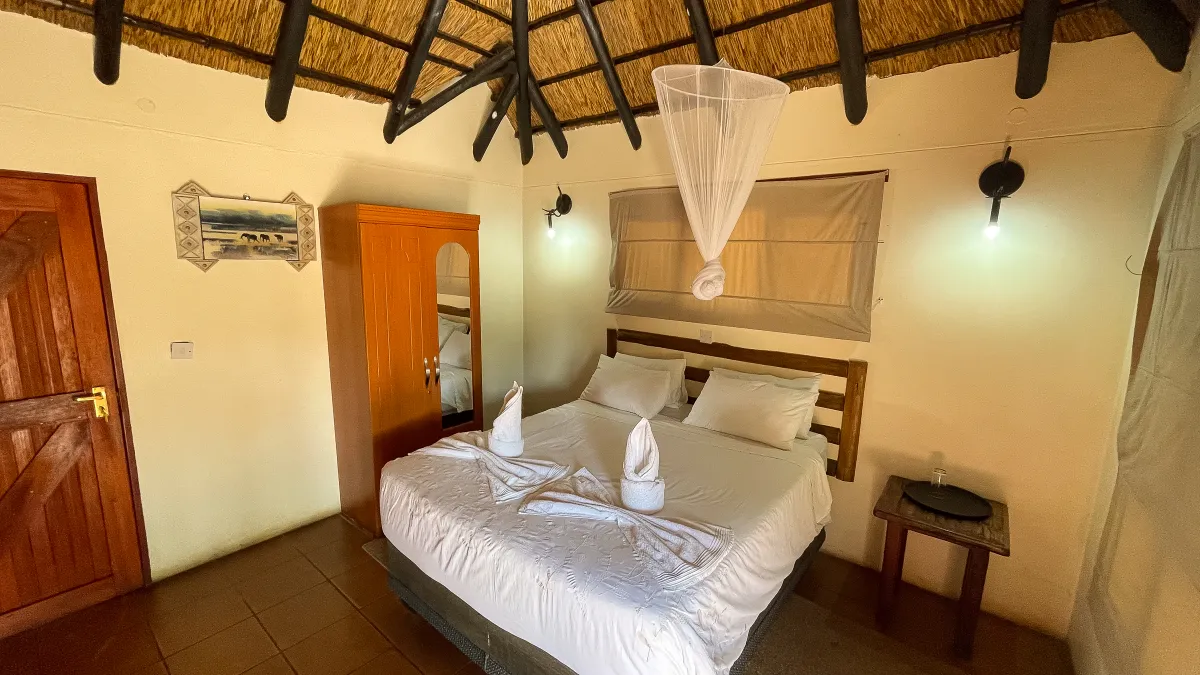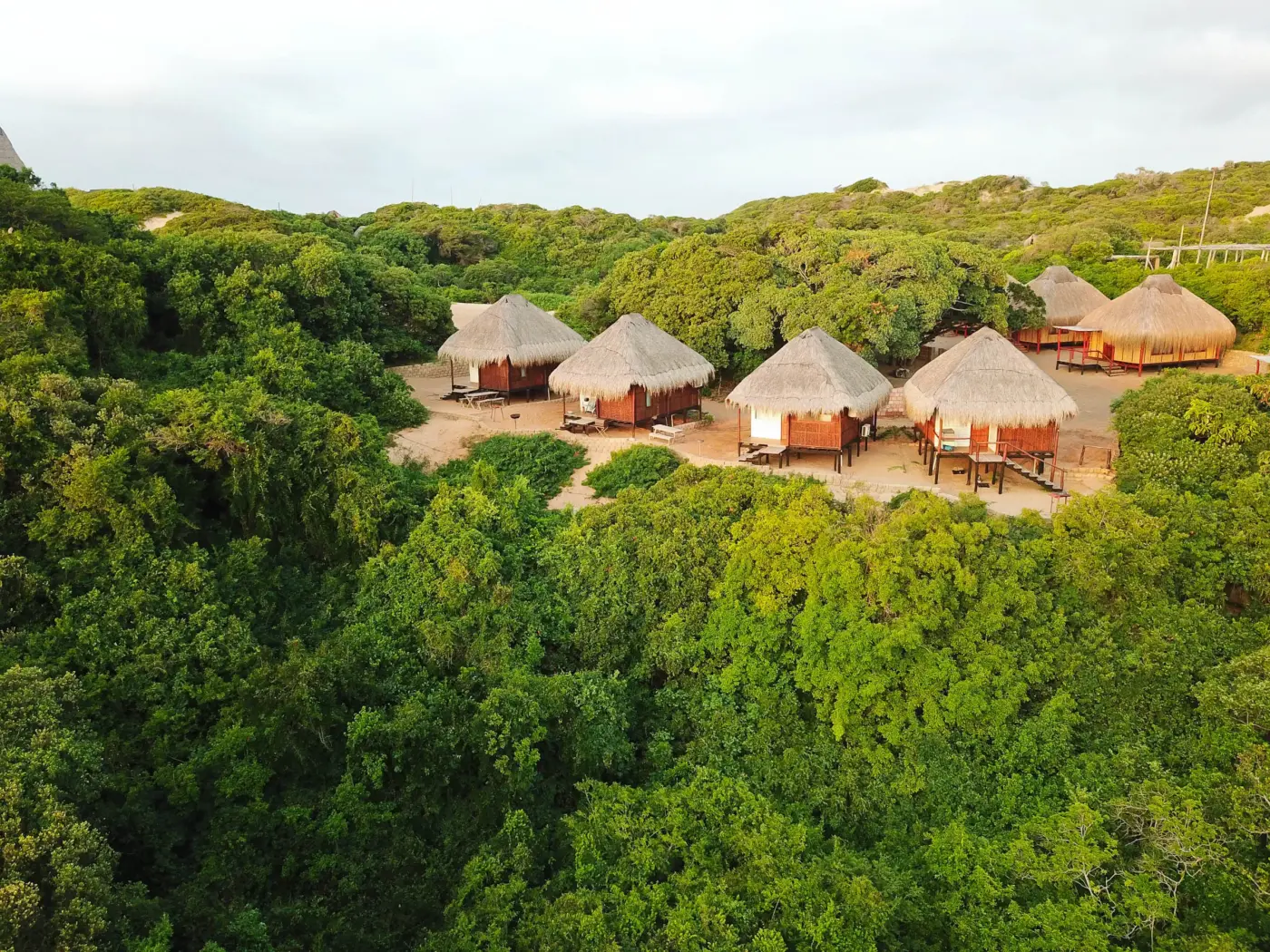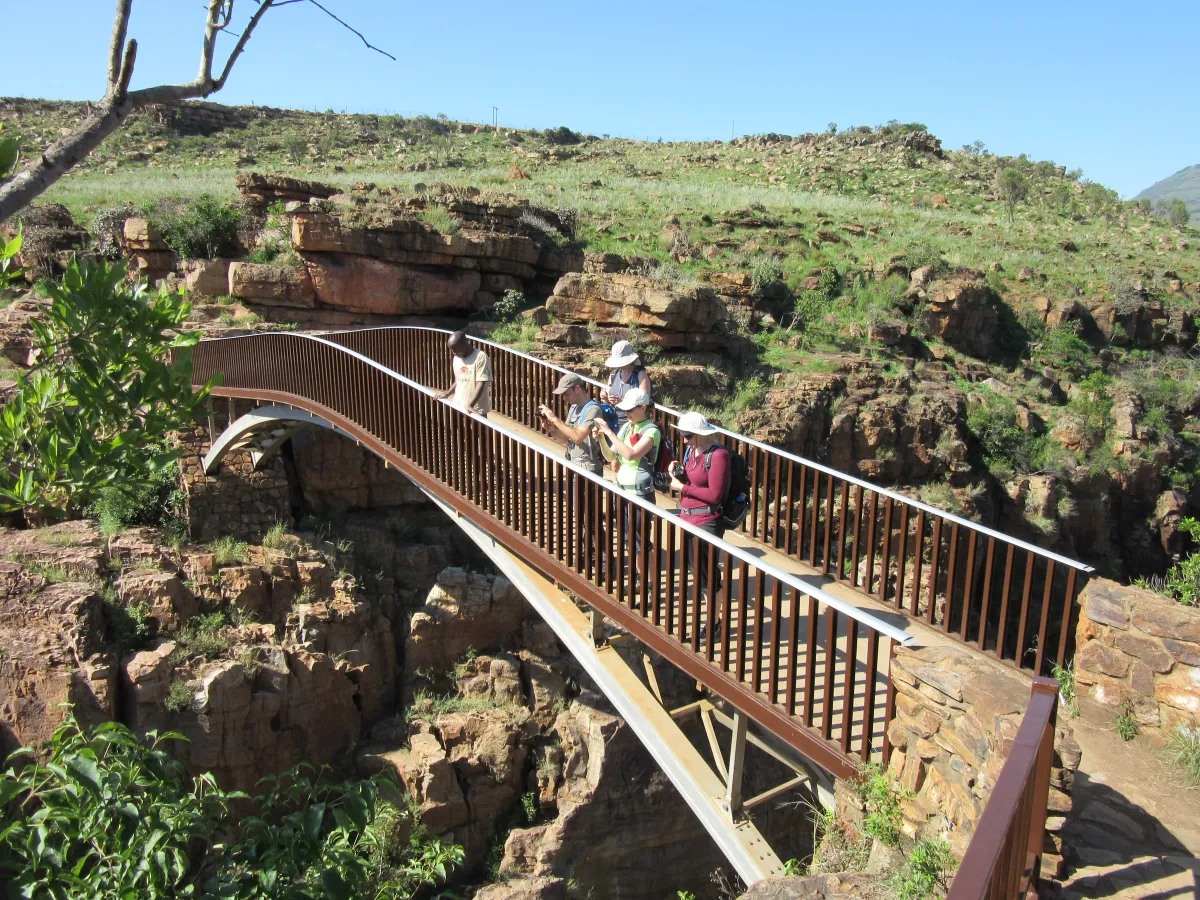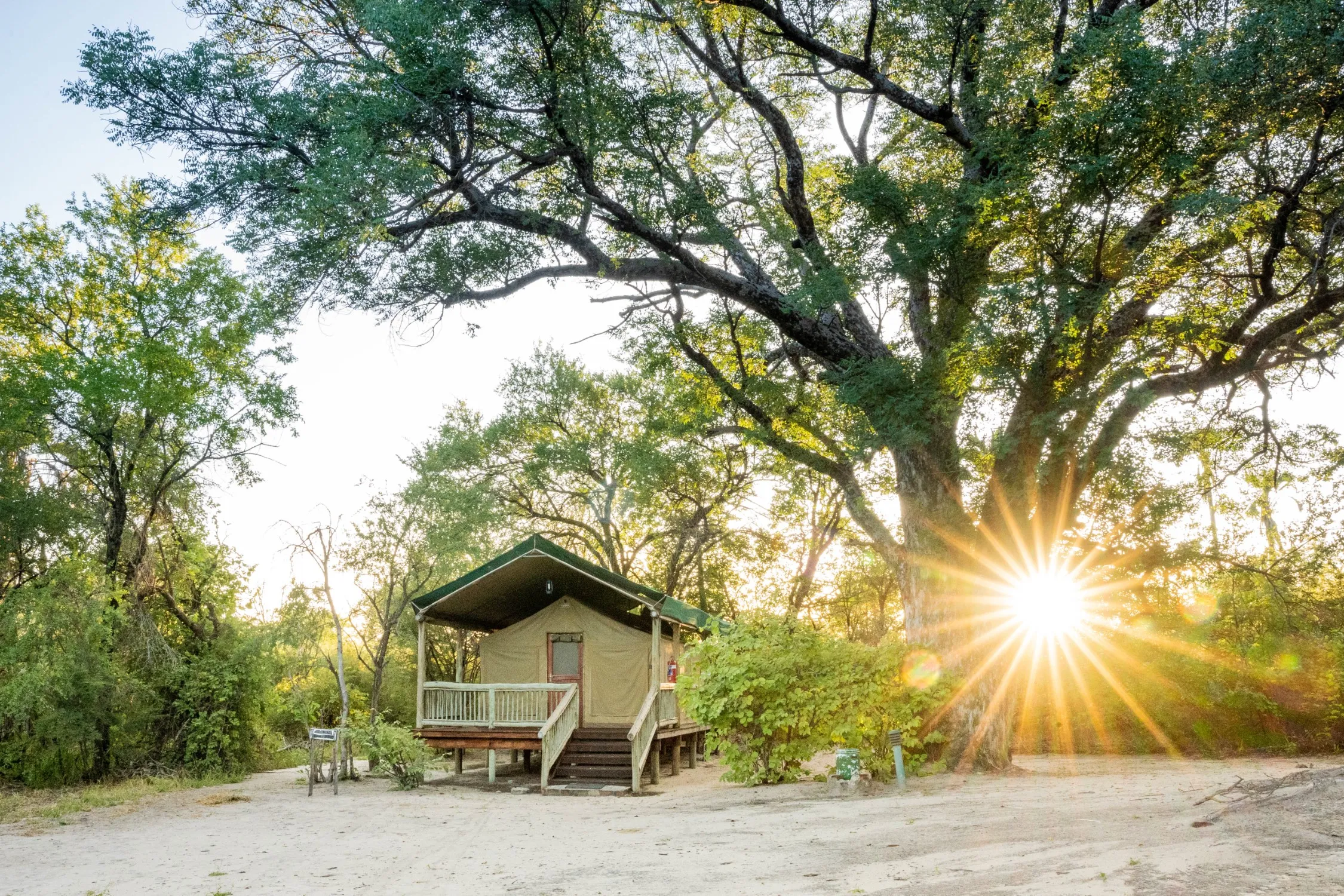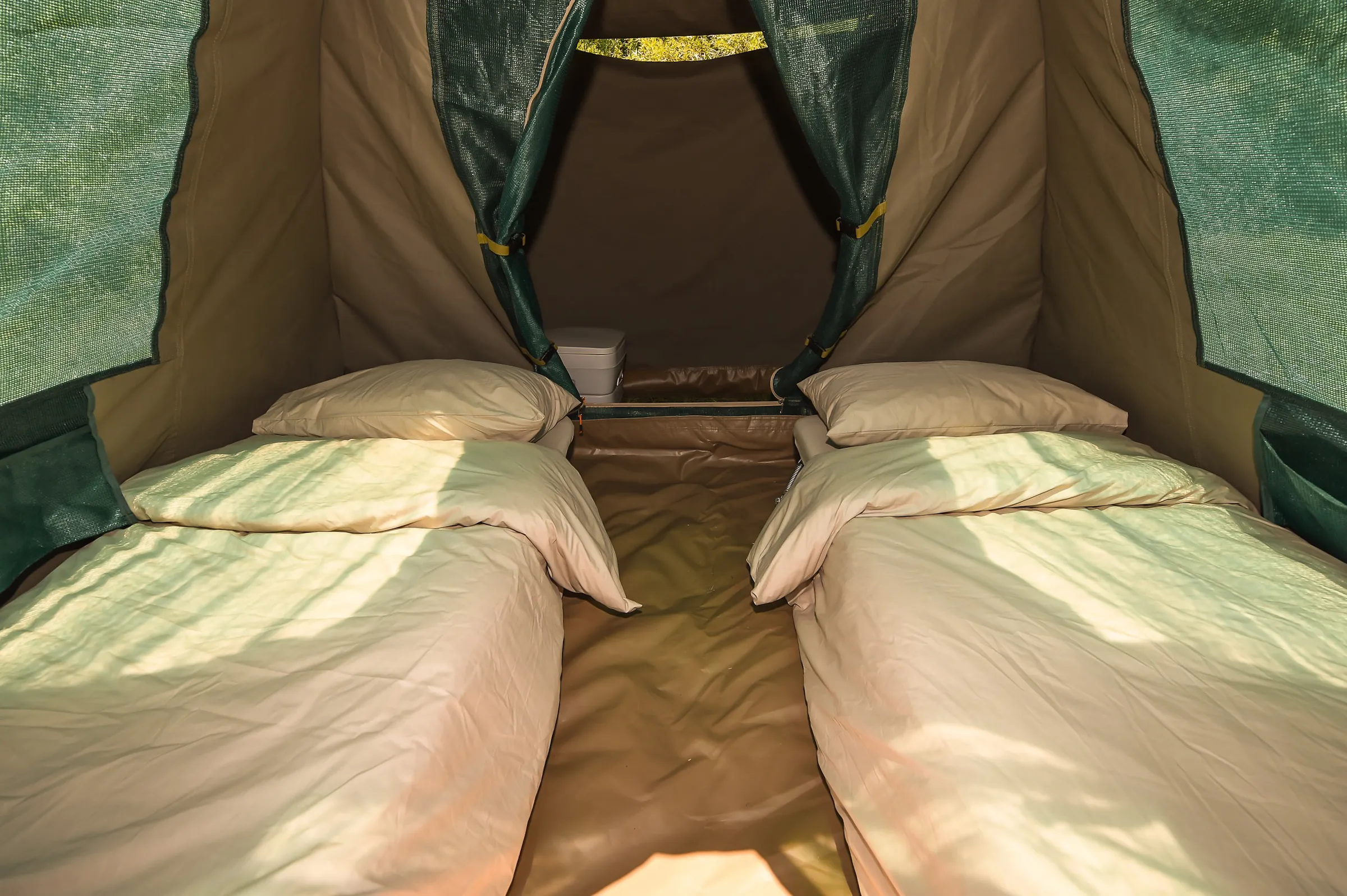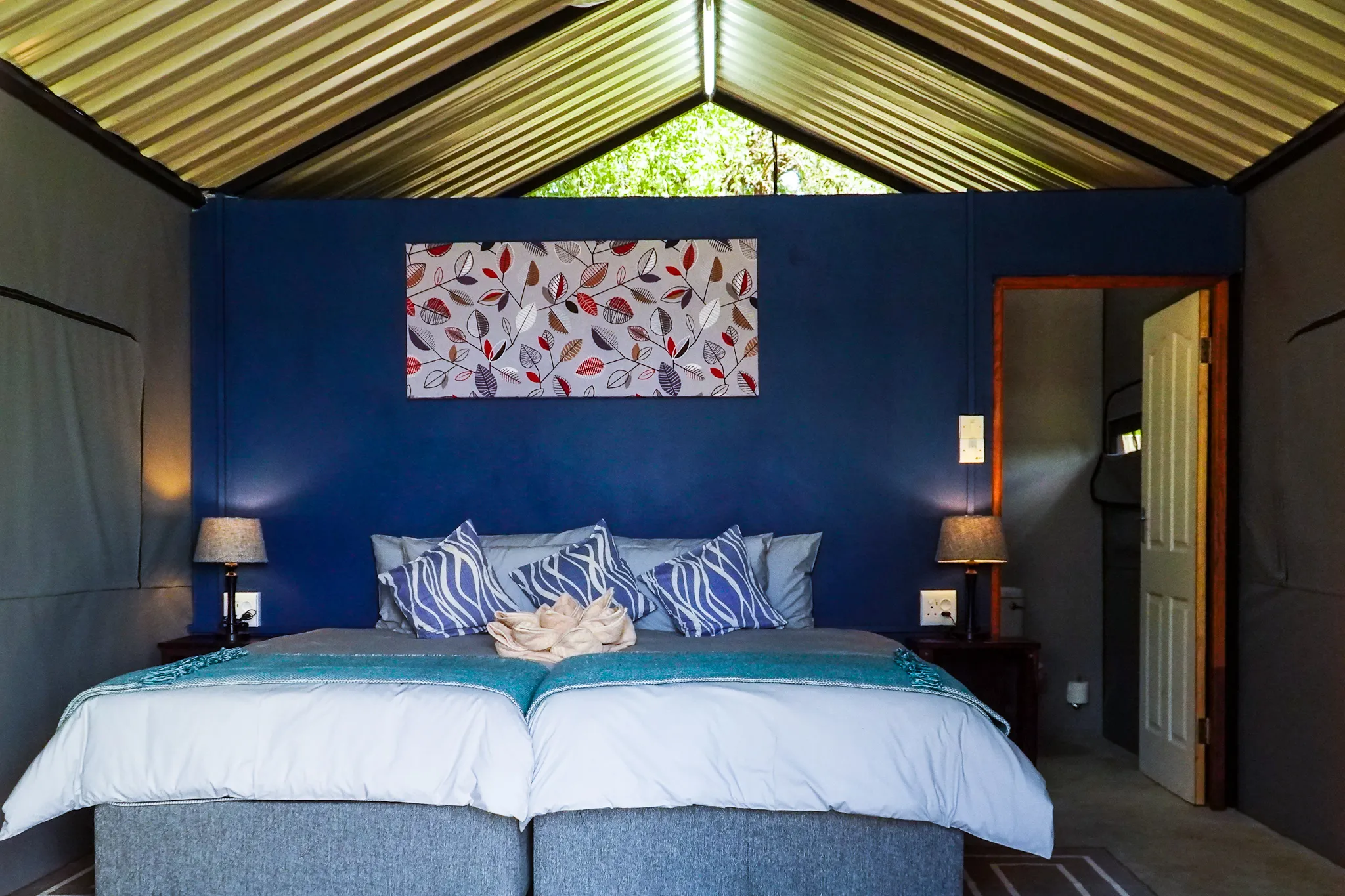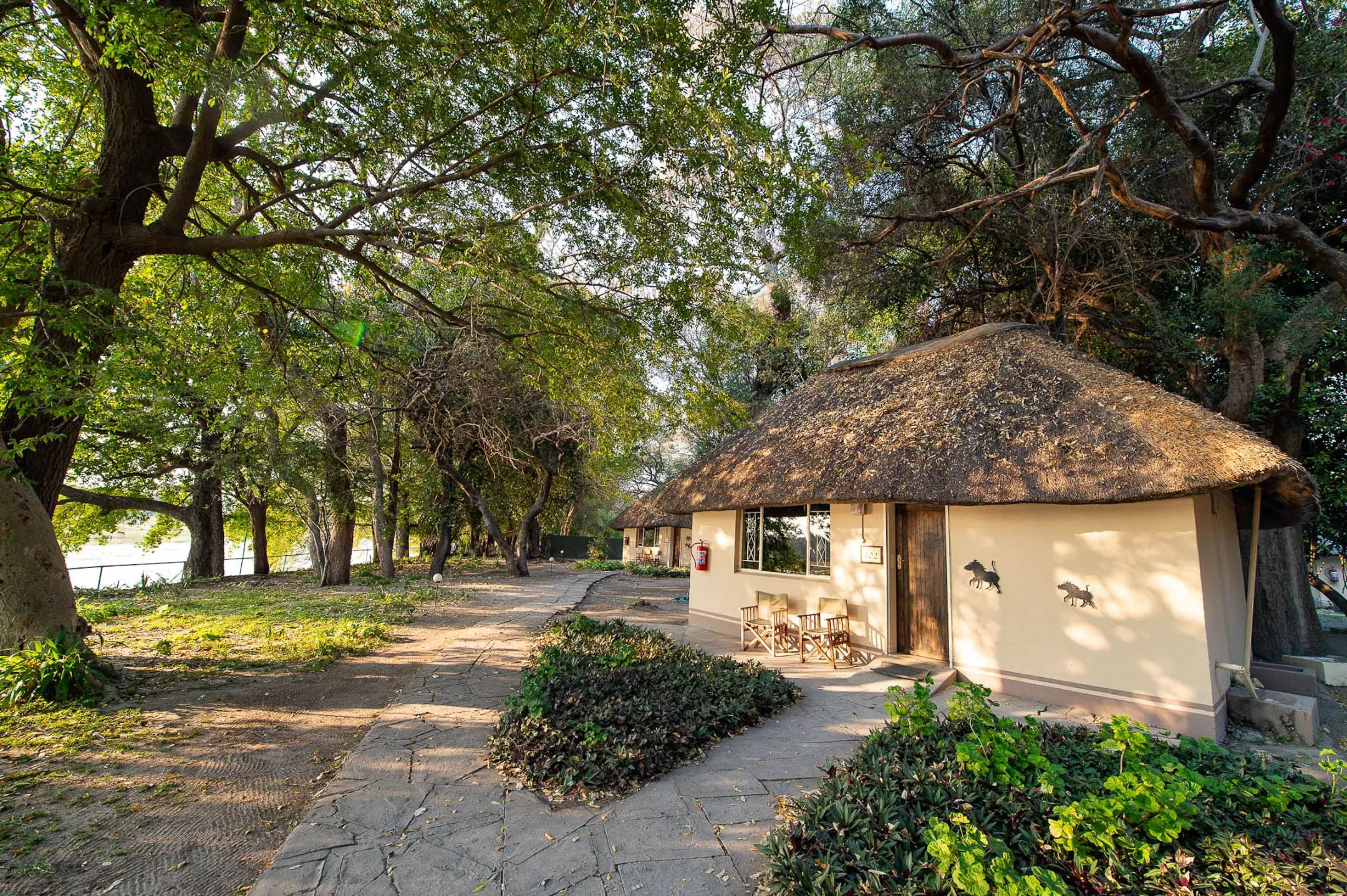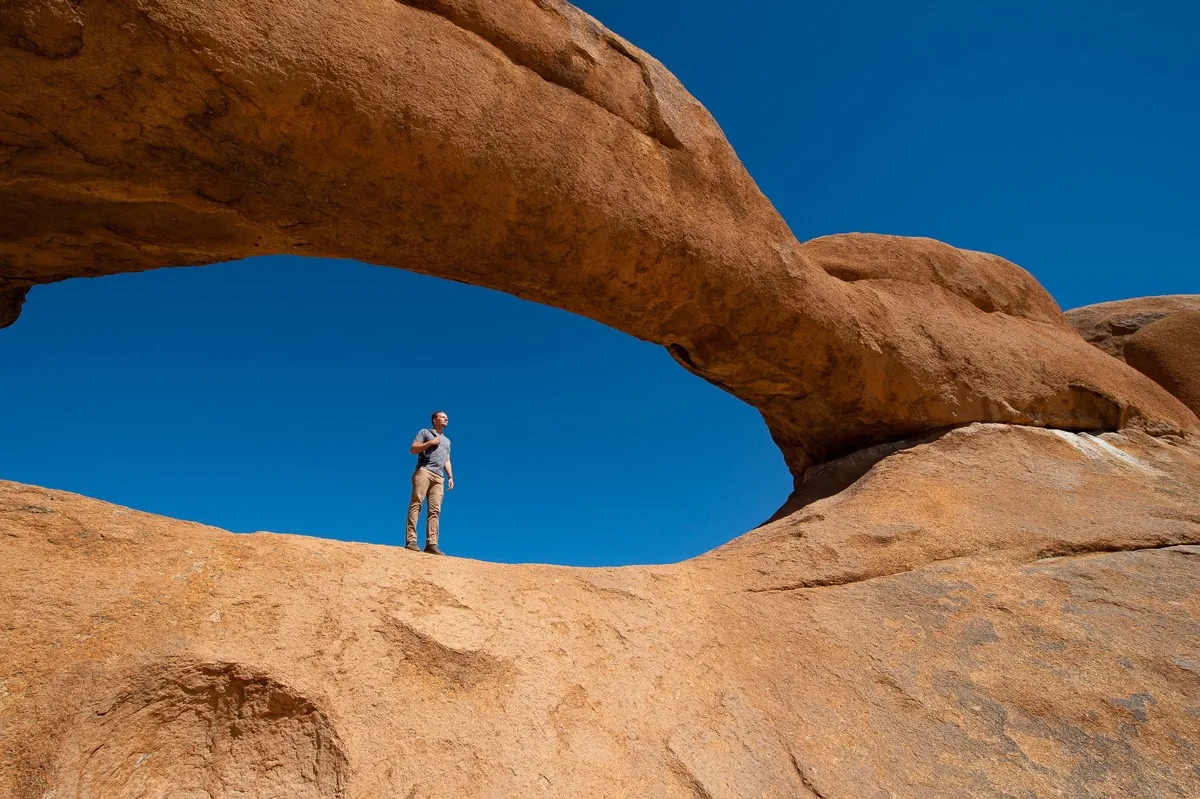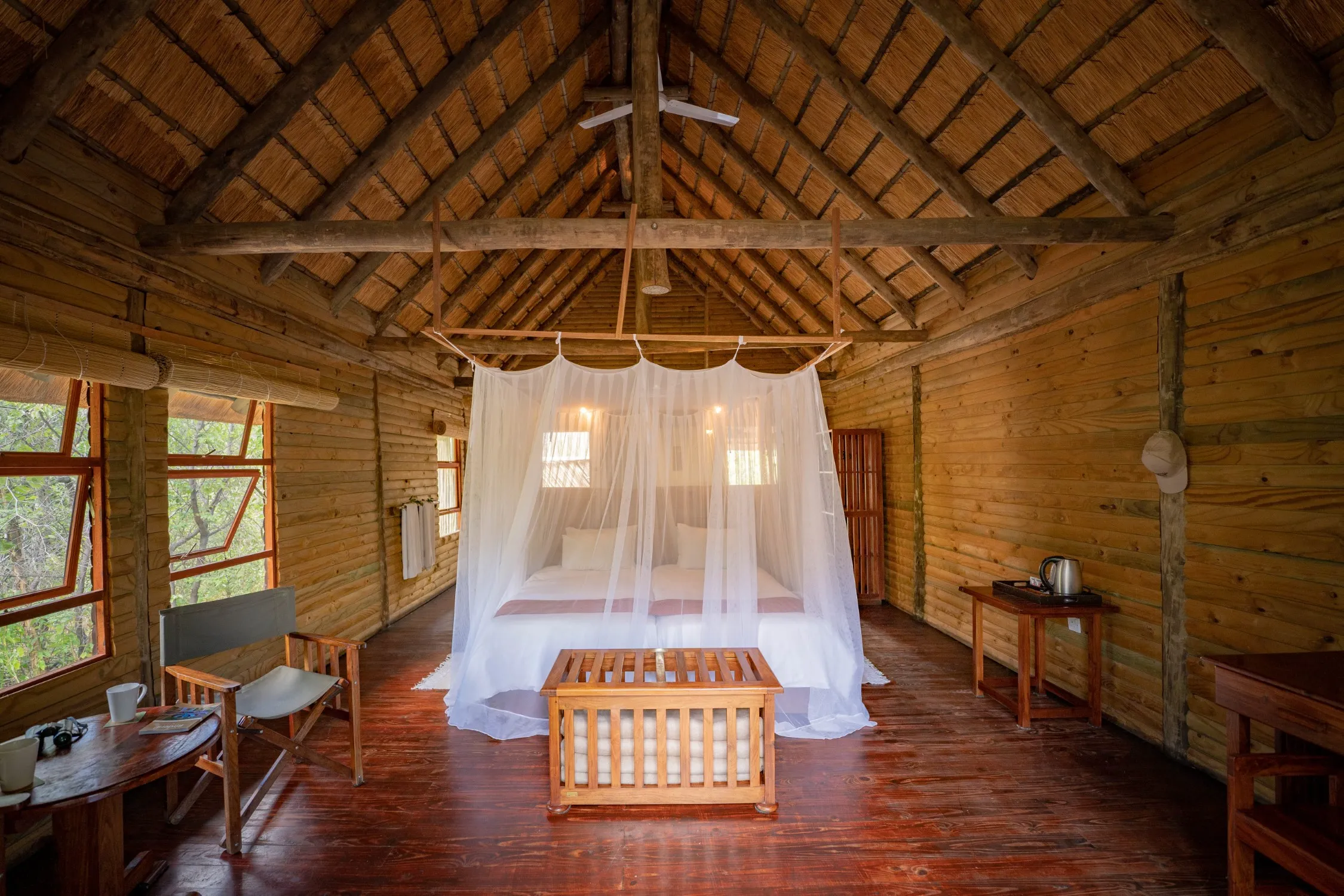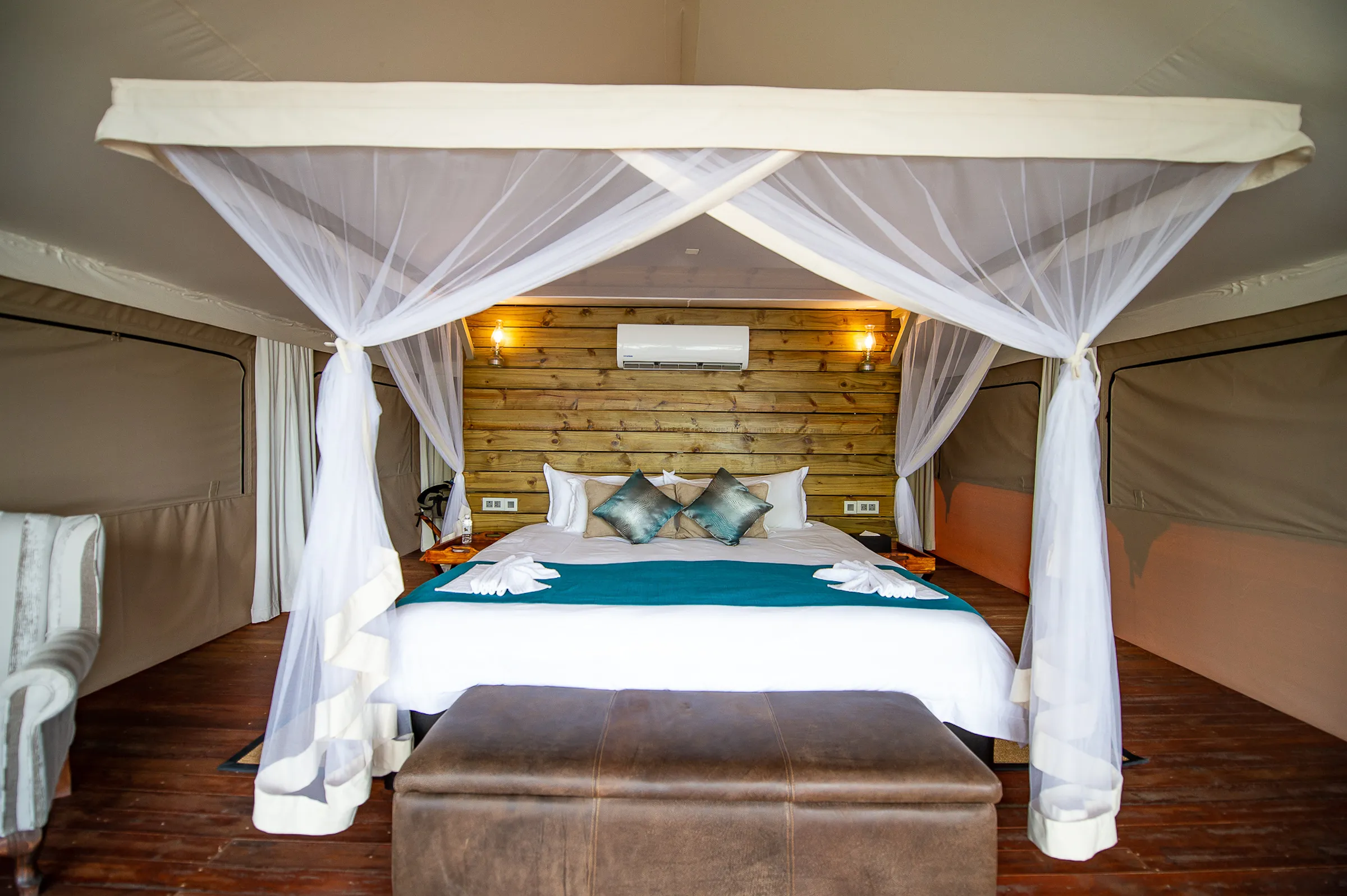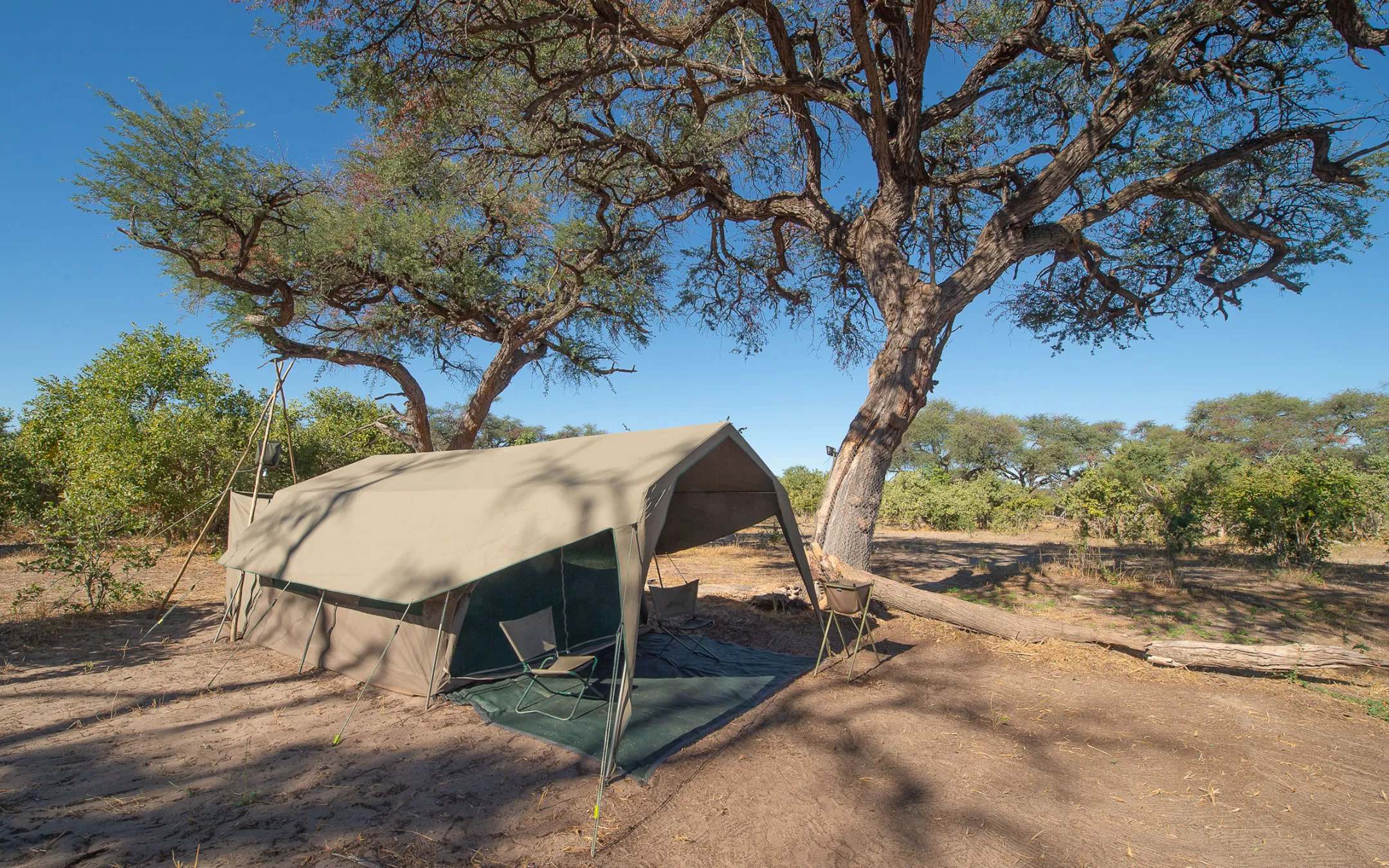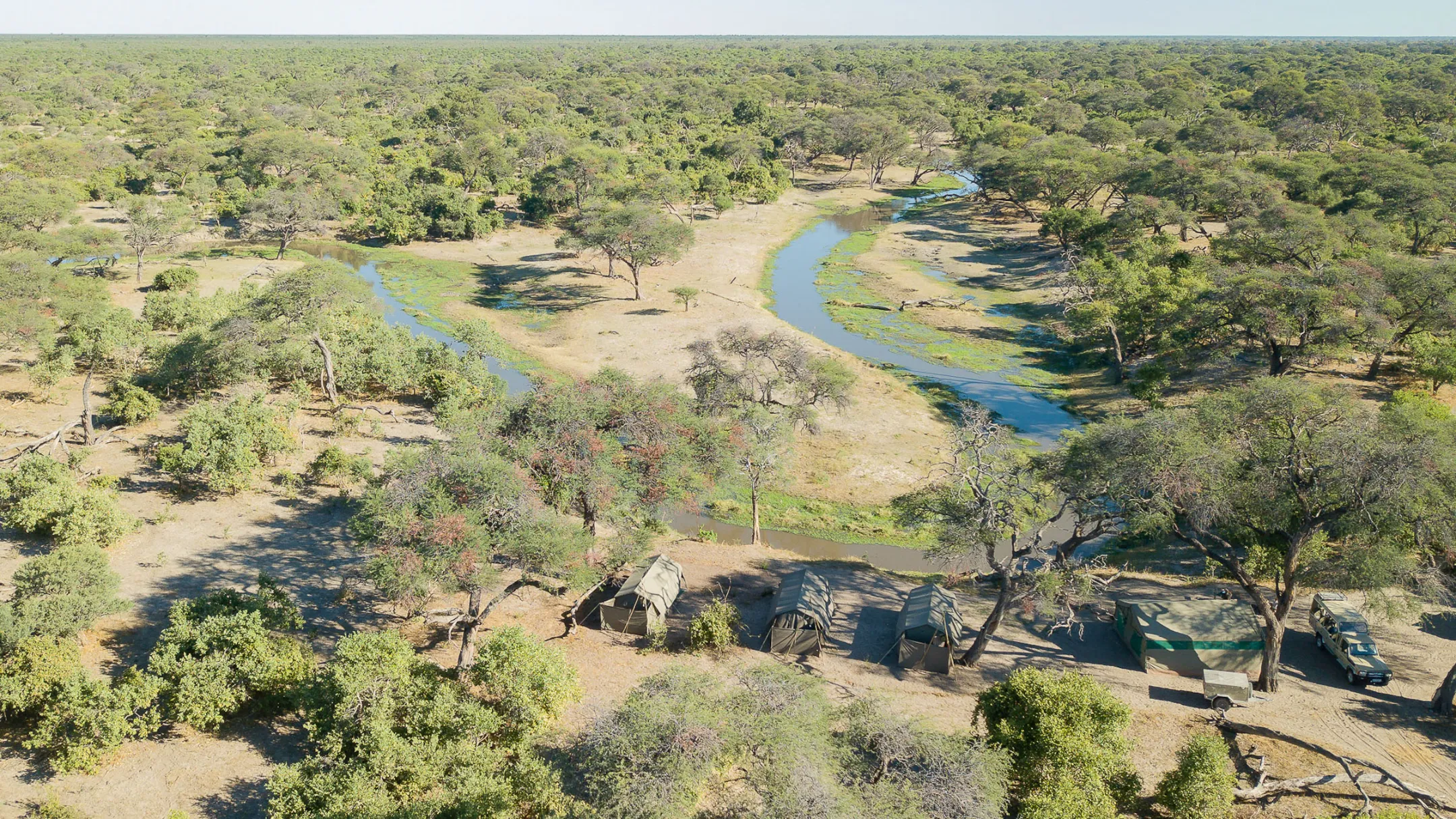


Botswana is one of Africa’s premier wildlife destinations.
Botswana is defined by vast protected wilderness areas, low visitor density, and consistent big game viewing across its national parks and reserves.
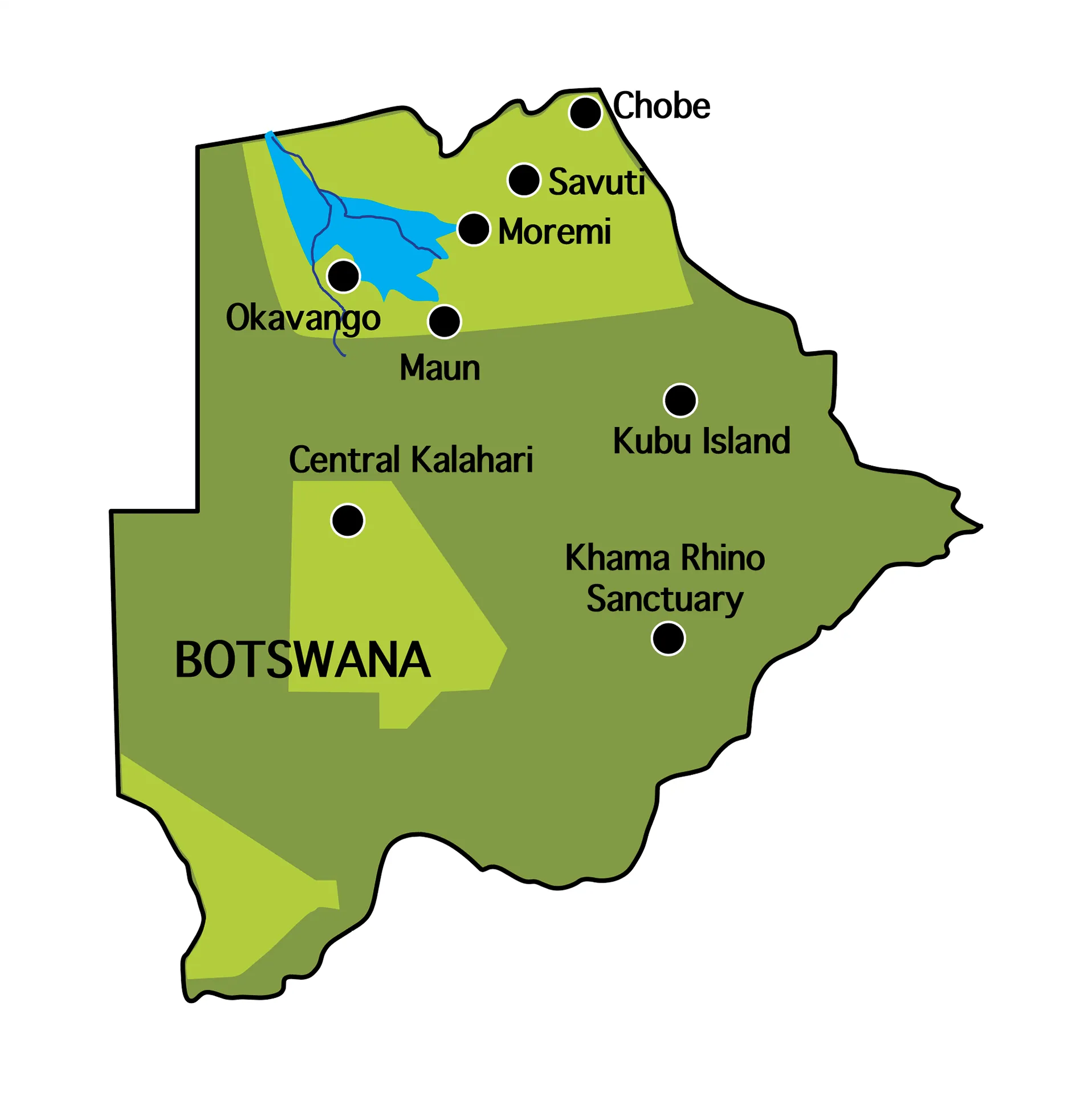
Botswana offers a remote and uncrowded safari environment defined by vast protected wilderness areas and sharply contrasting ecosystems. In the north, the water rich Okavango Delta and adjoining Chobe river systems support dense concentrations of wildlife, while the central and southern regions transition into the dry savannas and semi desert landscapes of the Kalahari Basin.
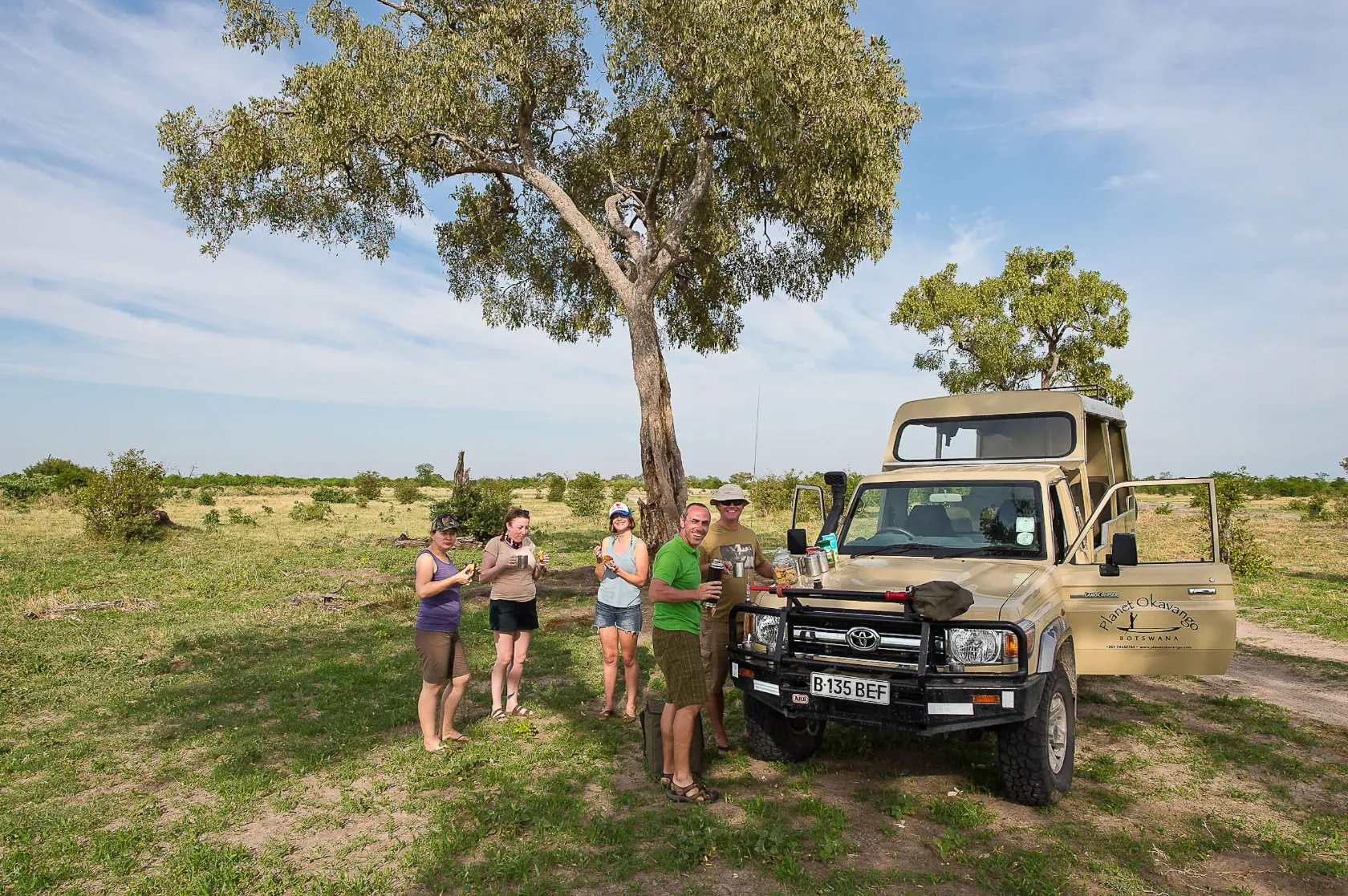
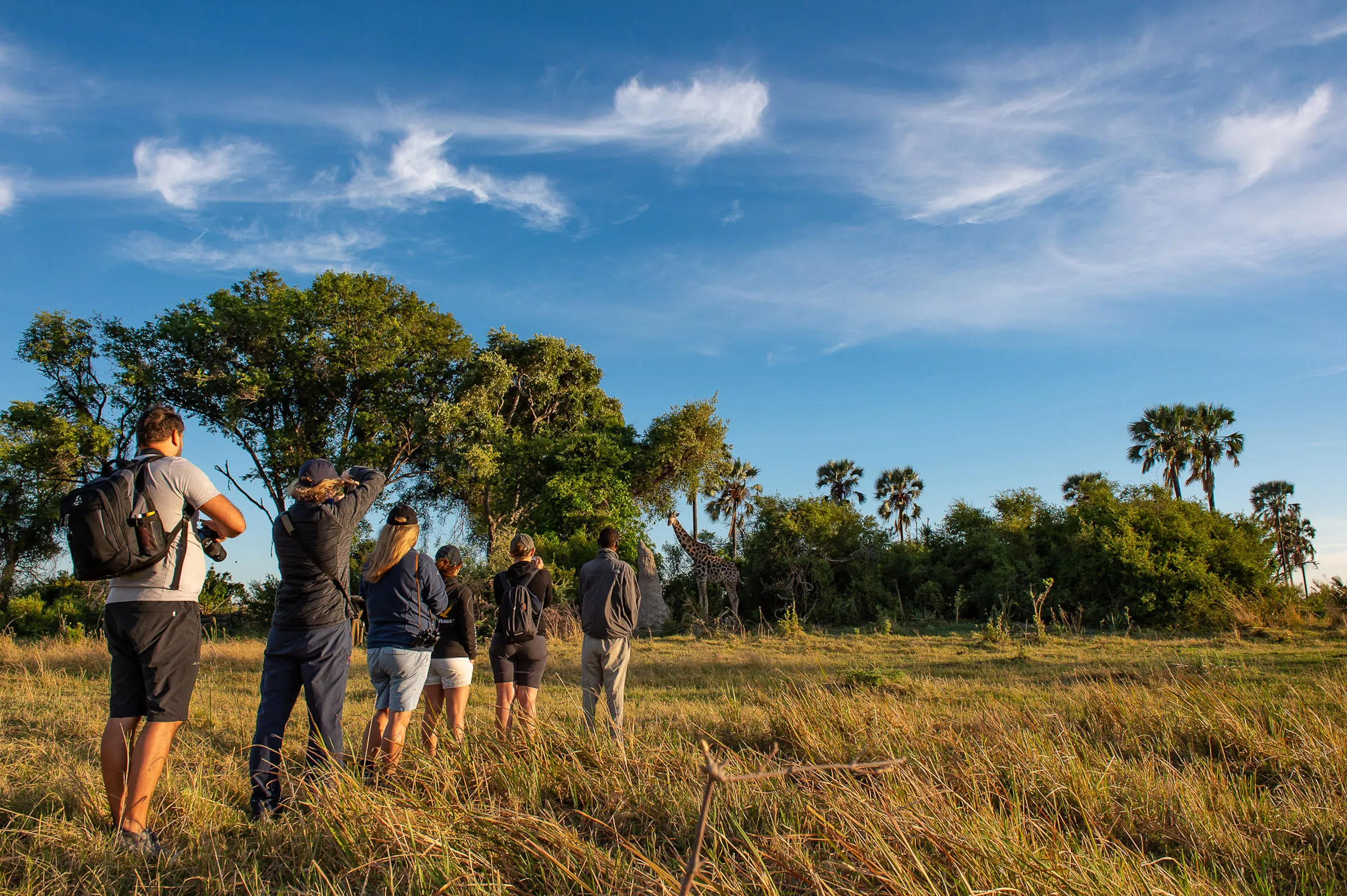
Game viewing takes place across extensive open 4×4 safari regions where wildlife moves freely through large unfenced conservation areas. This creates highly varied encounters depending on region and season, from water based wildlife concentrations along riverfronts and delta channels to wide horizon tracking in open plains and desert environments where sightings often unfold over greater distances and in complete isolation. Experience this pristine wilderness on our small-group safari itineraries.
Okavango Delta
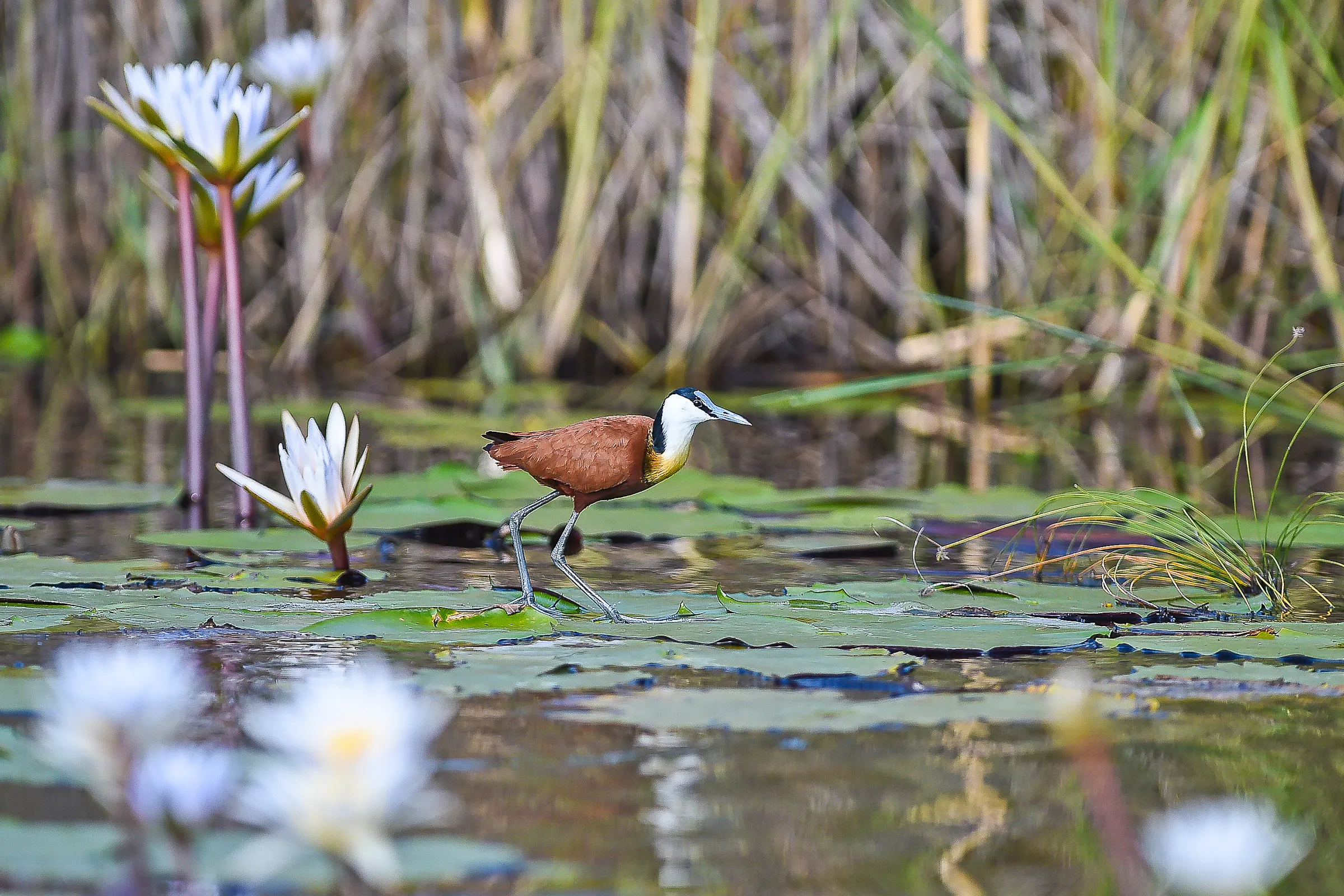
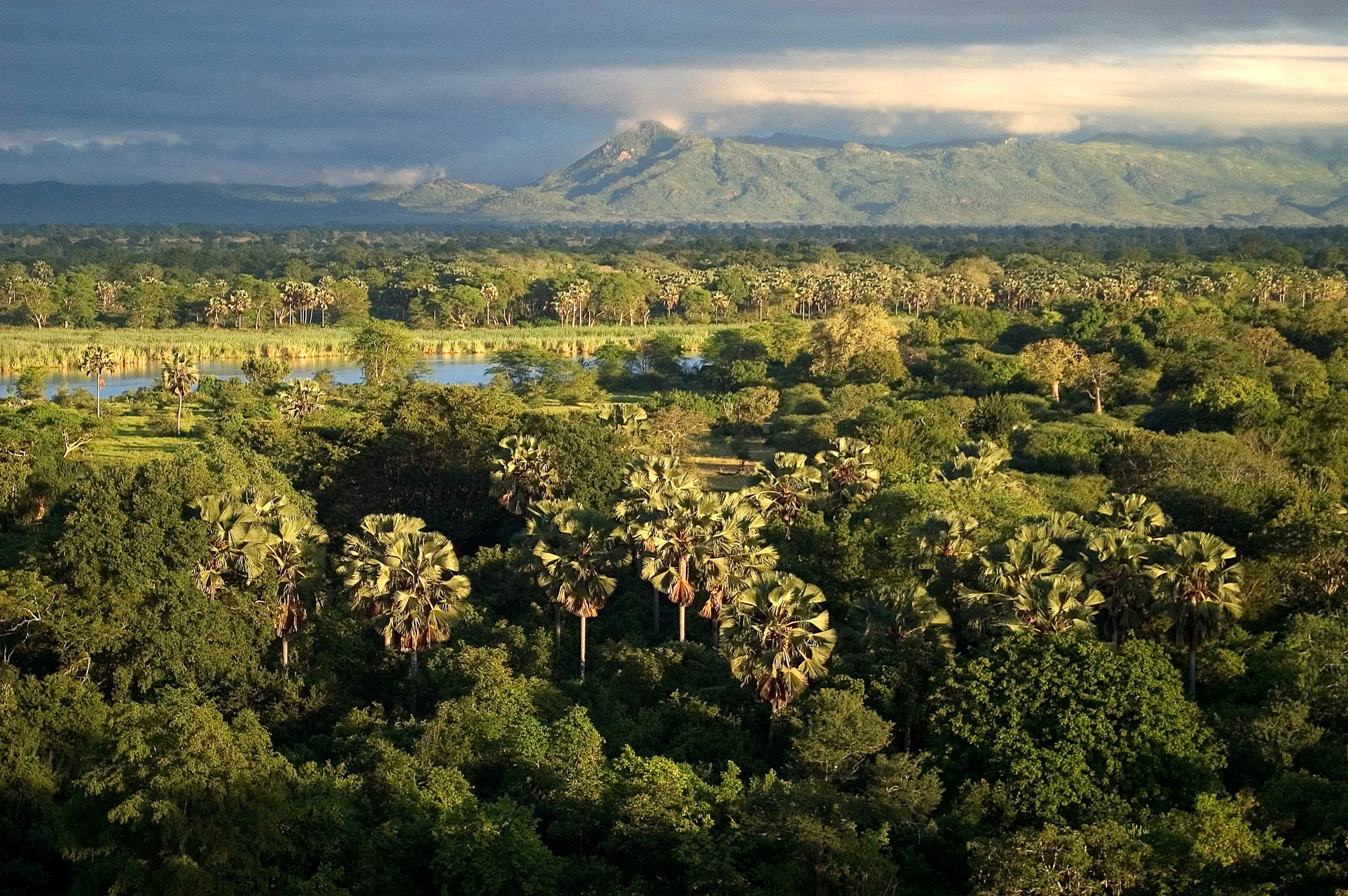
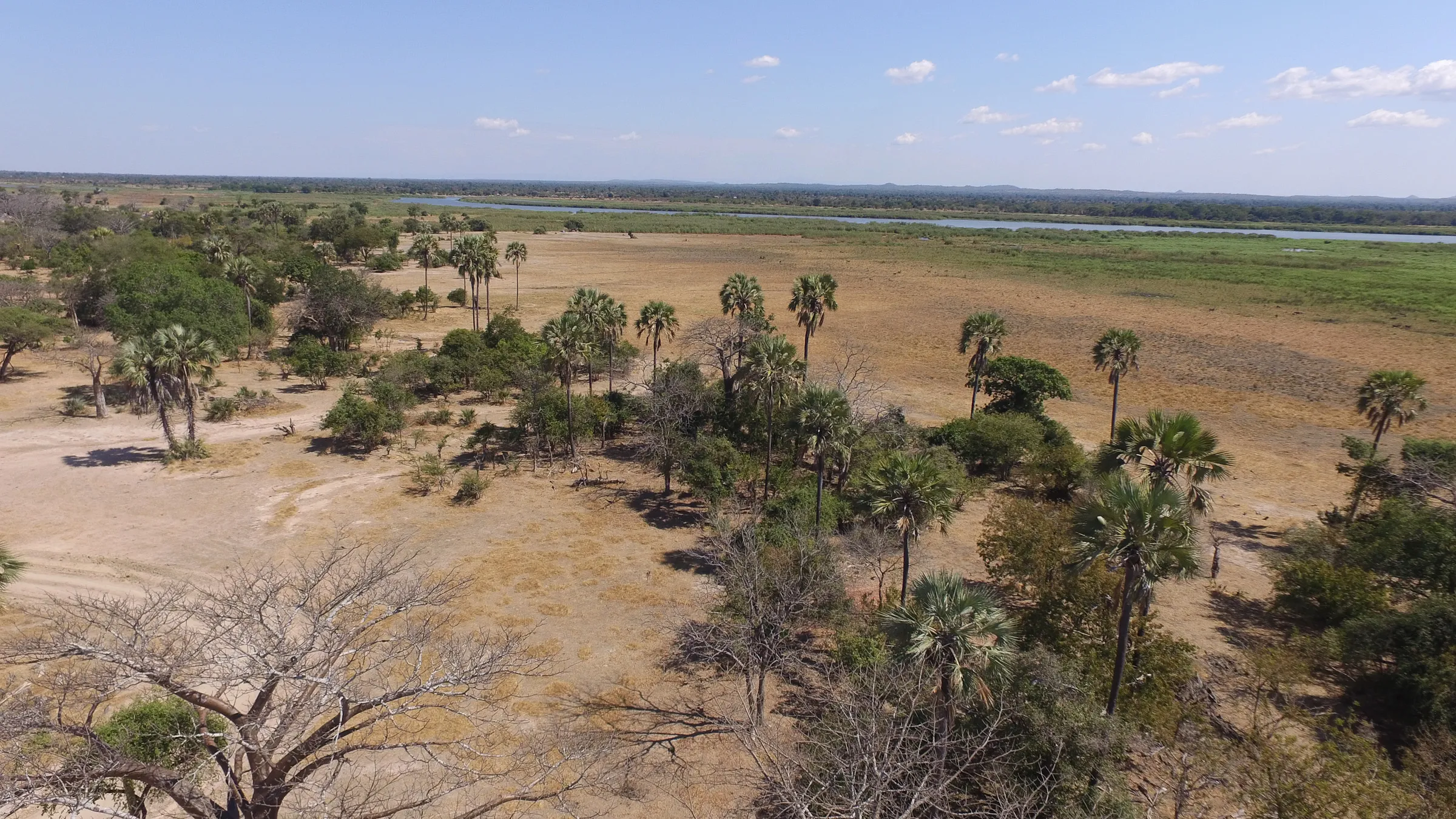
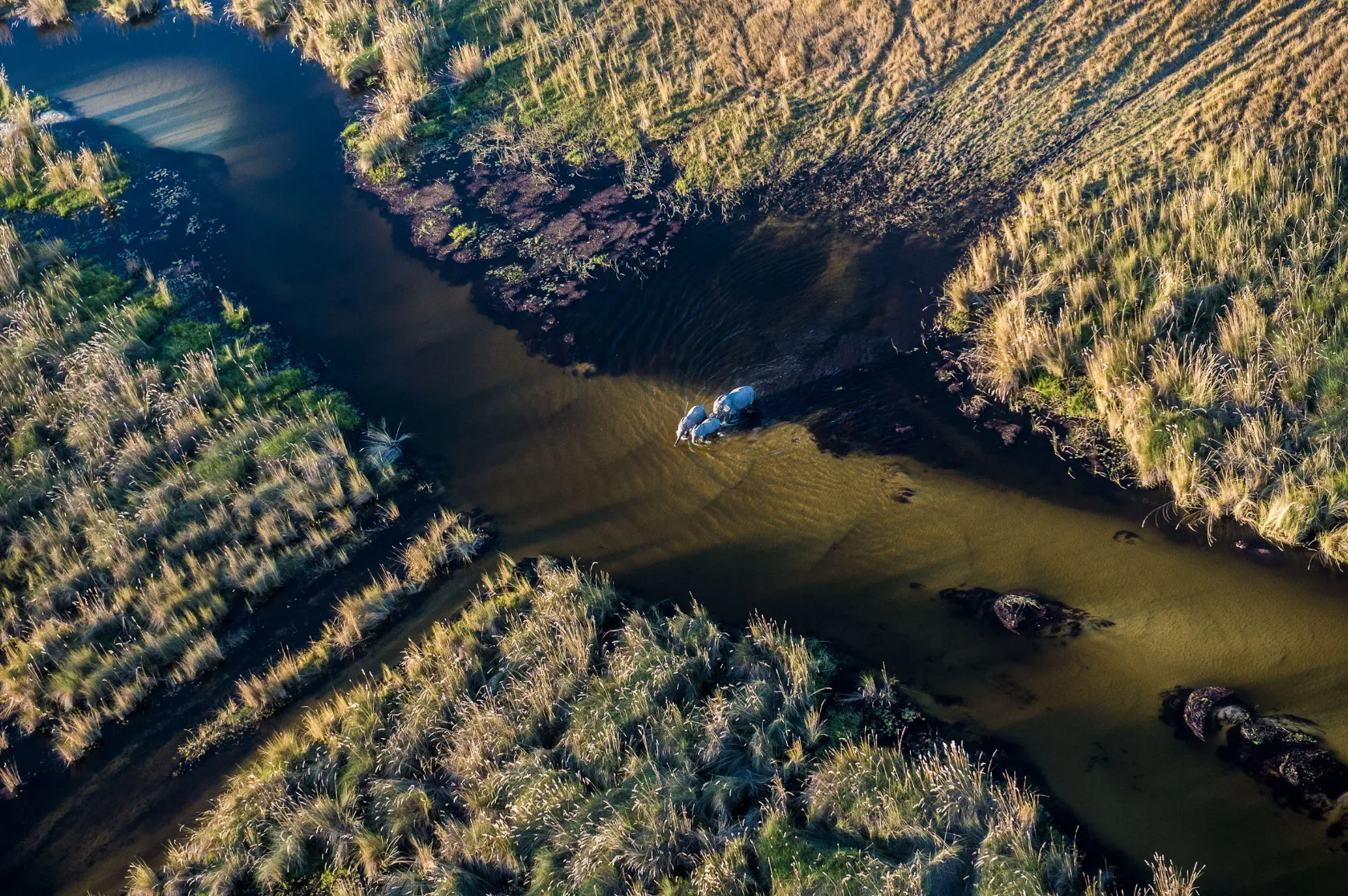
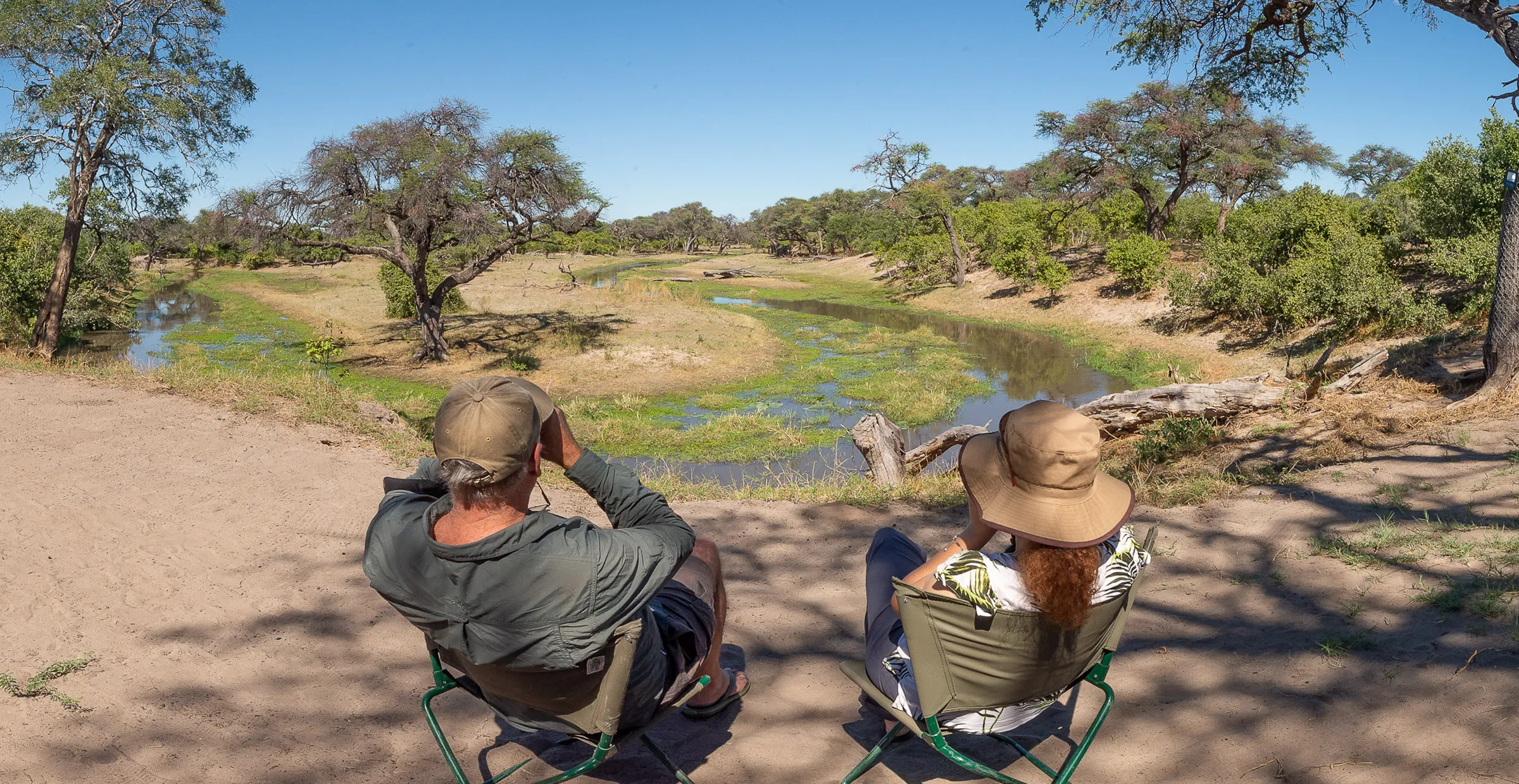
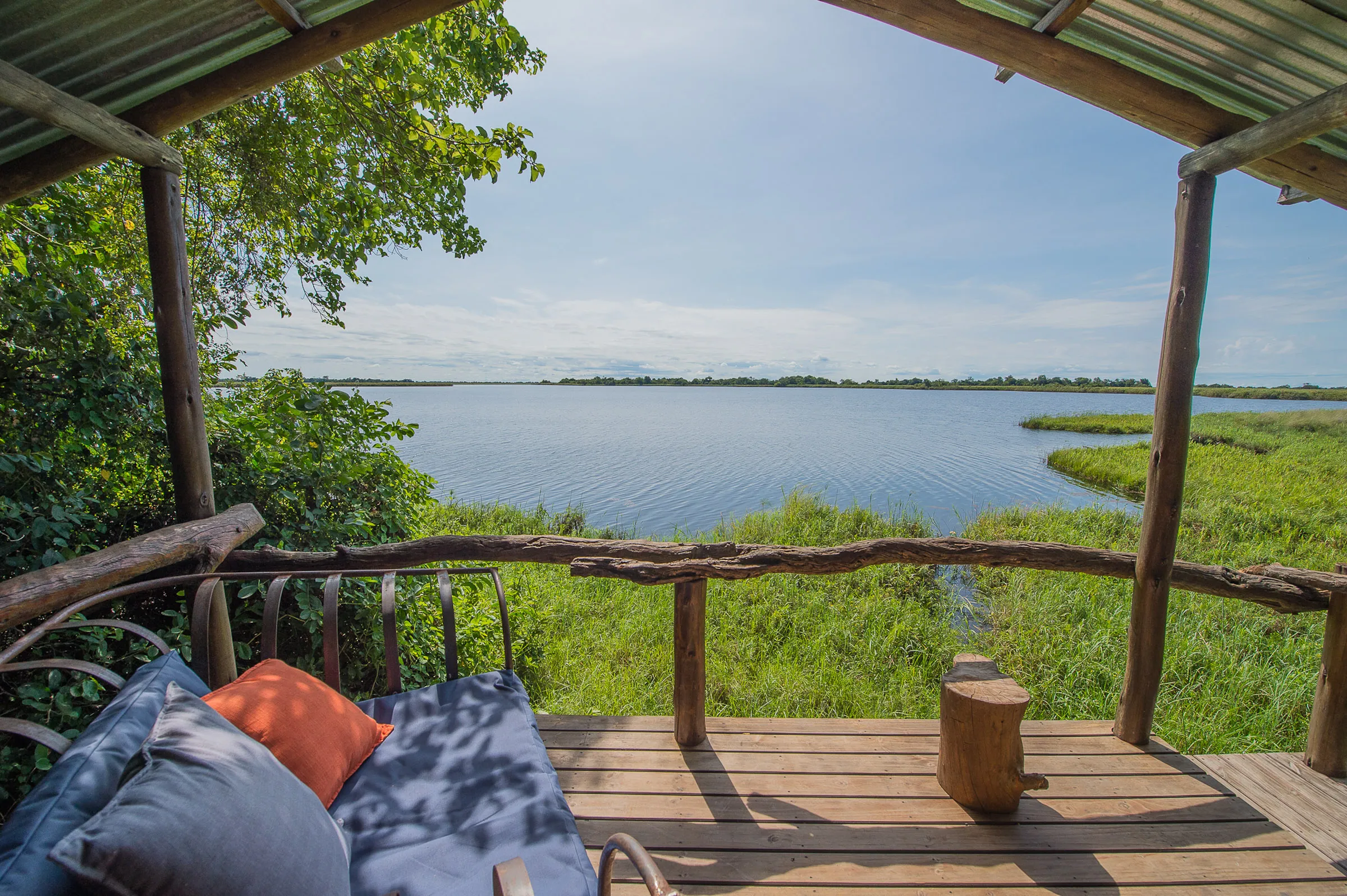
The Okavango Delta is an inland river delta in northern Botswana where seasonal floodwaters from Angola spread into channels, lagoons, and floodplains within the Kalahari Basin. The landscape is a shifting wetland system surrounded by arid savanna.
Water levels peak during the dry season, expanding flooded areas, while the wet season brings local rainfall and partial contraction of channels. This creates constantly changing access to water and grazing zones.
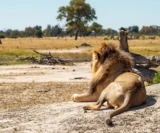
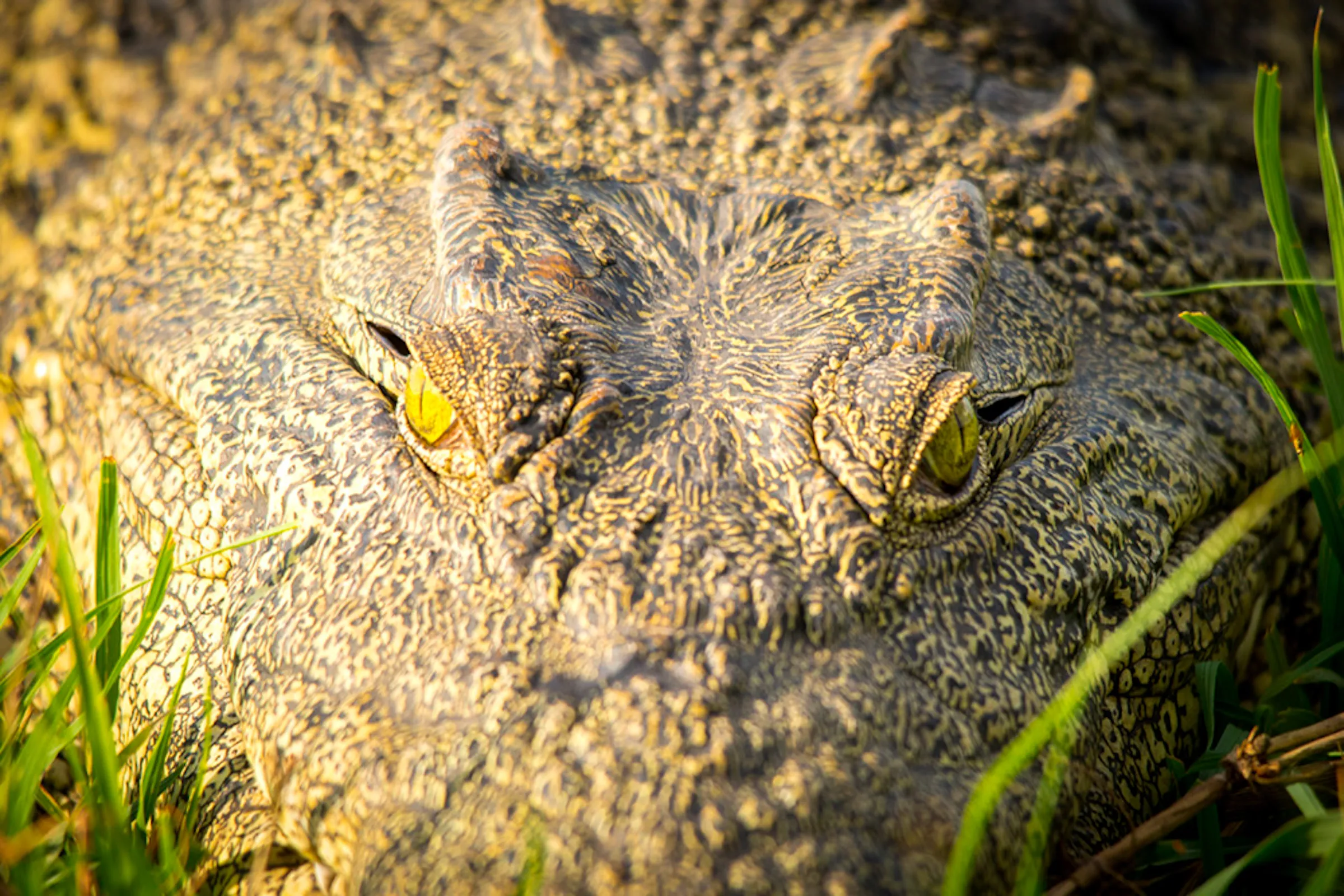
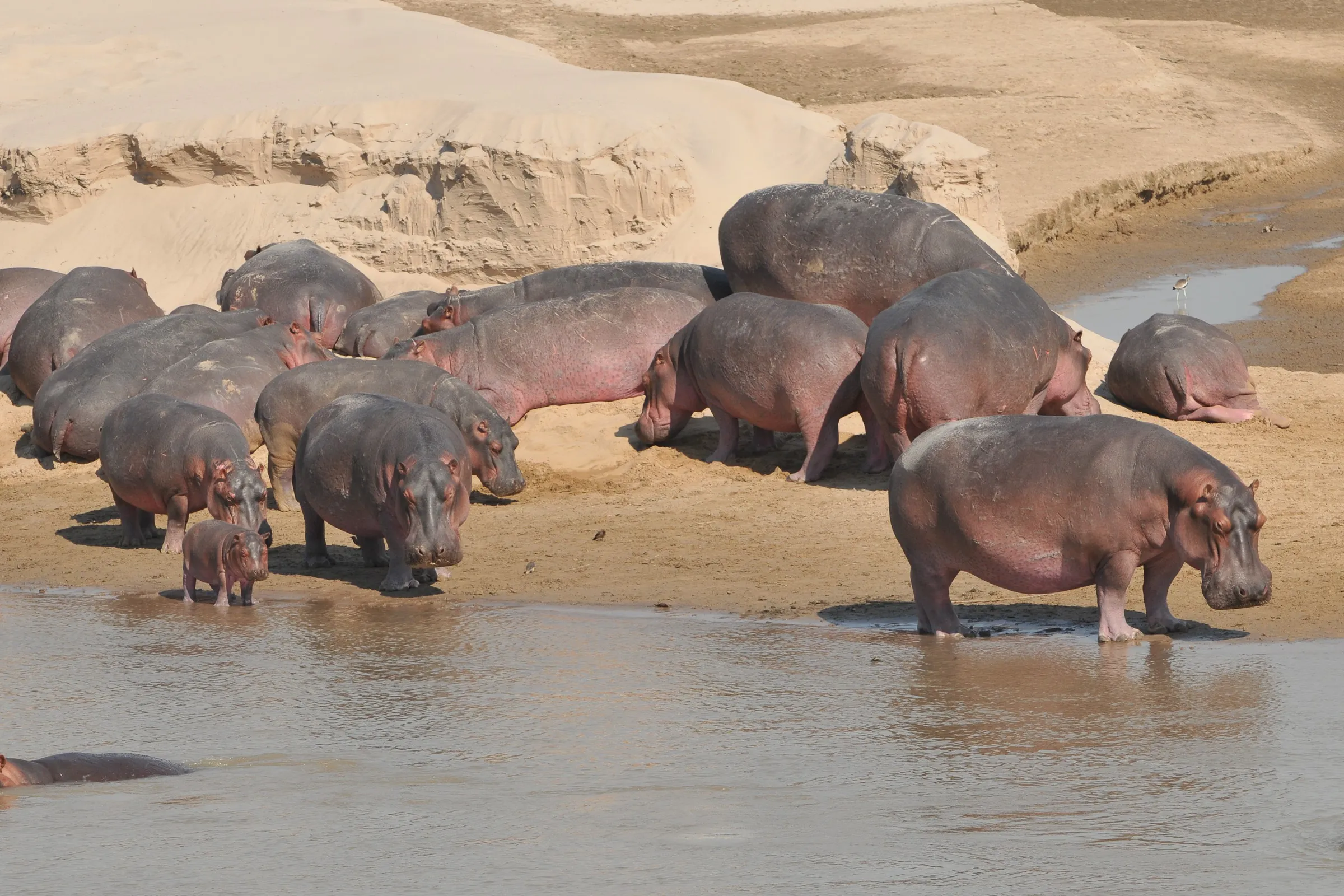
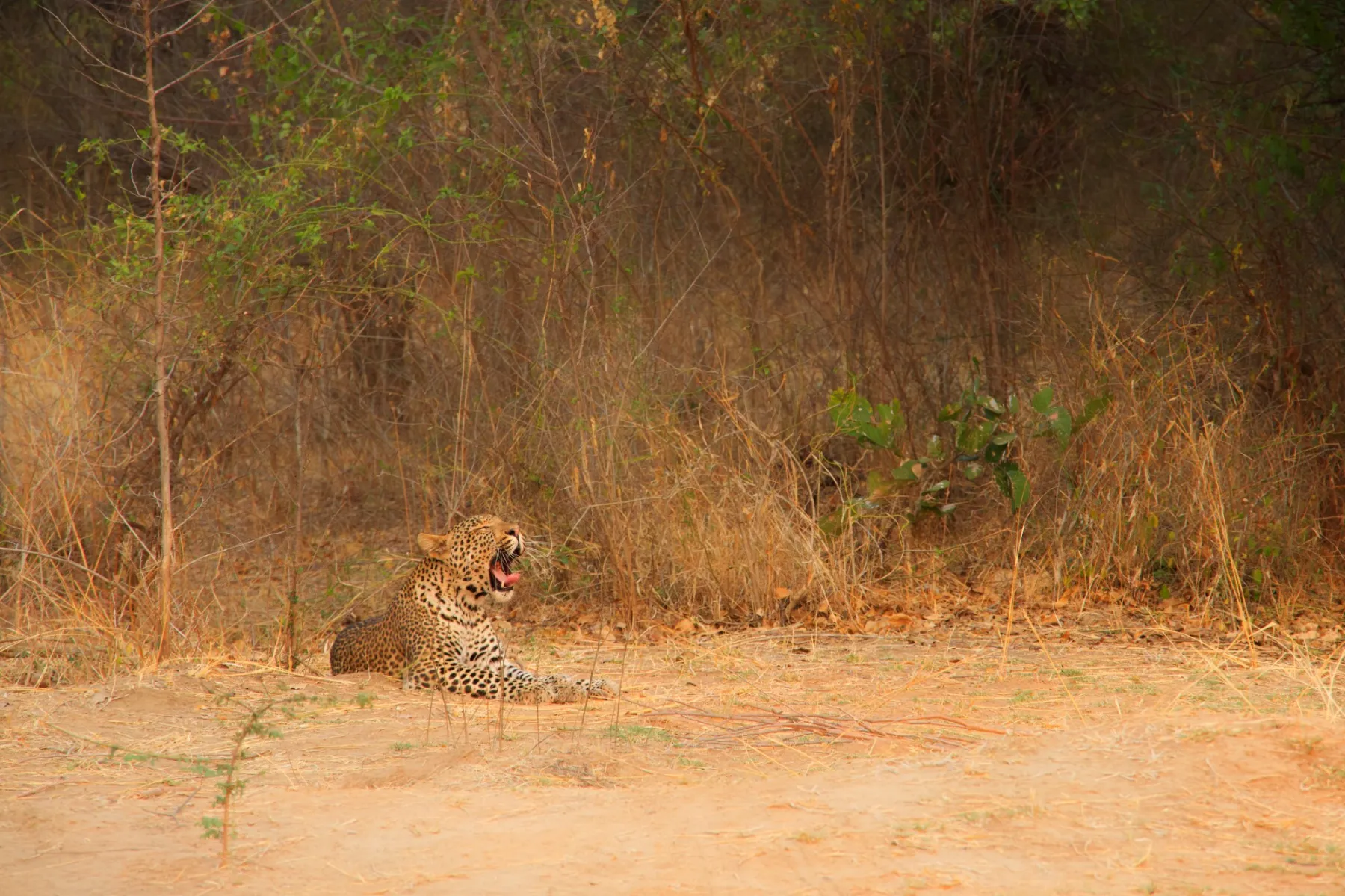
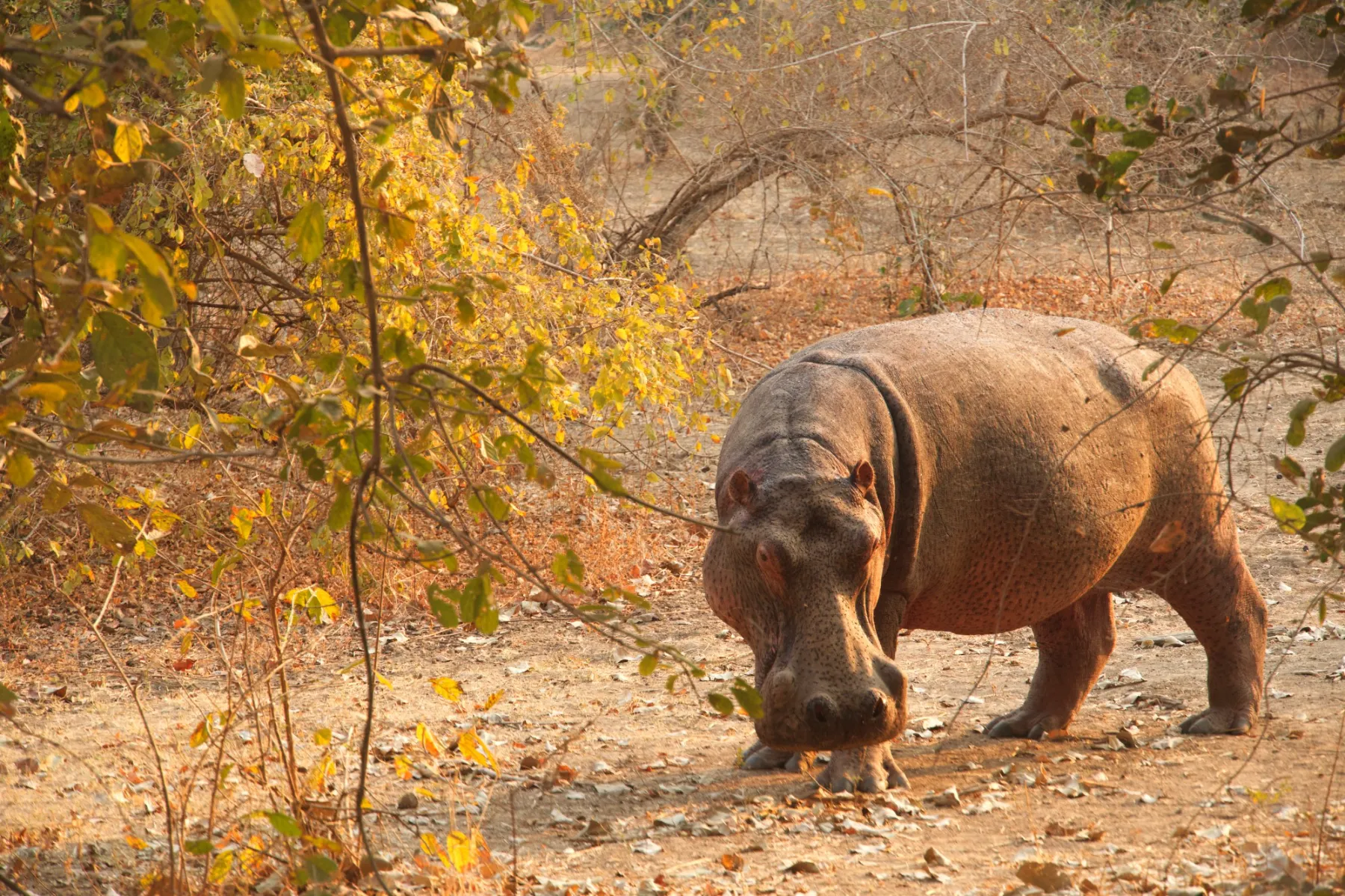
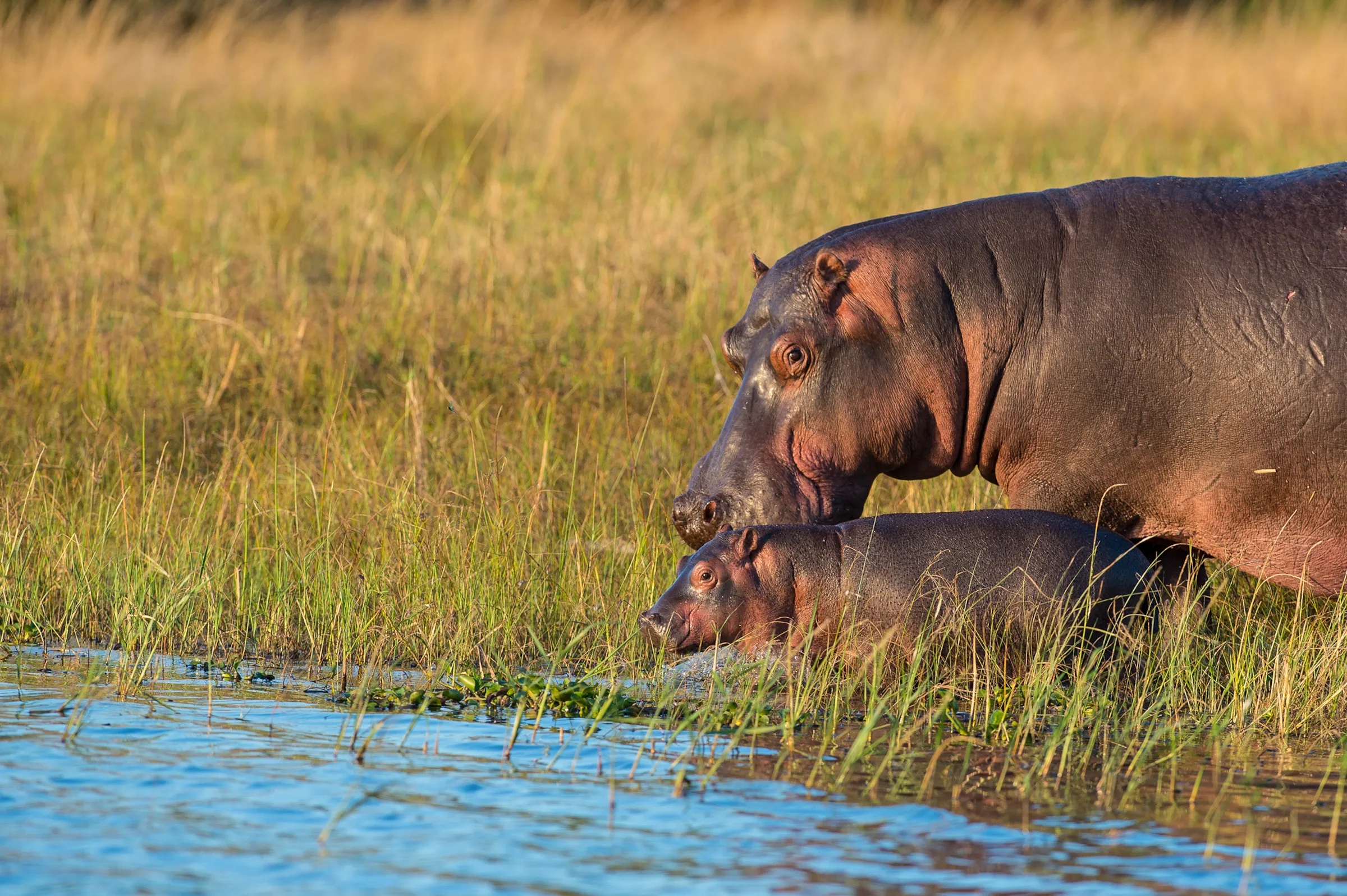
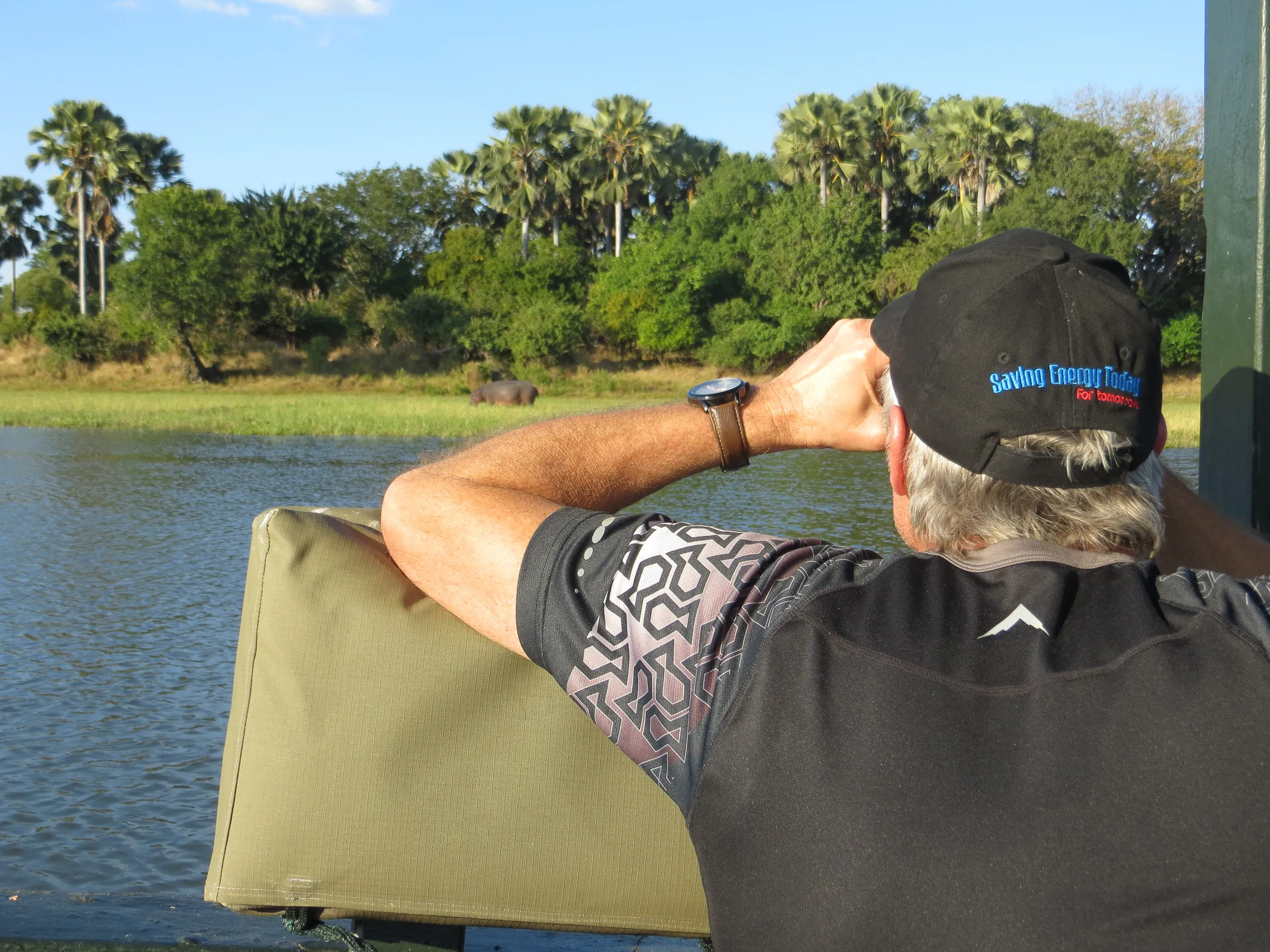
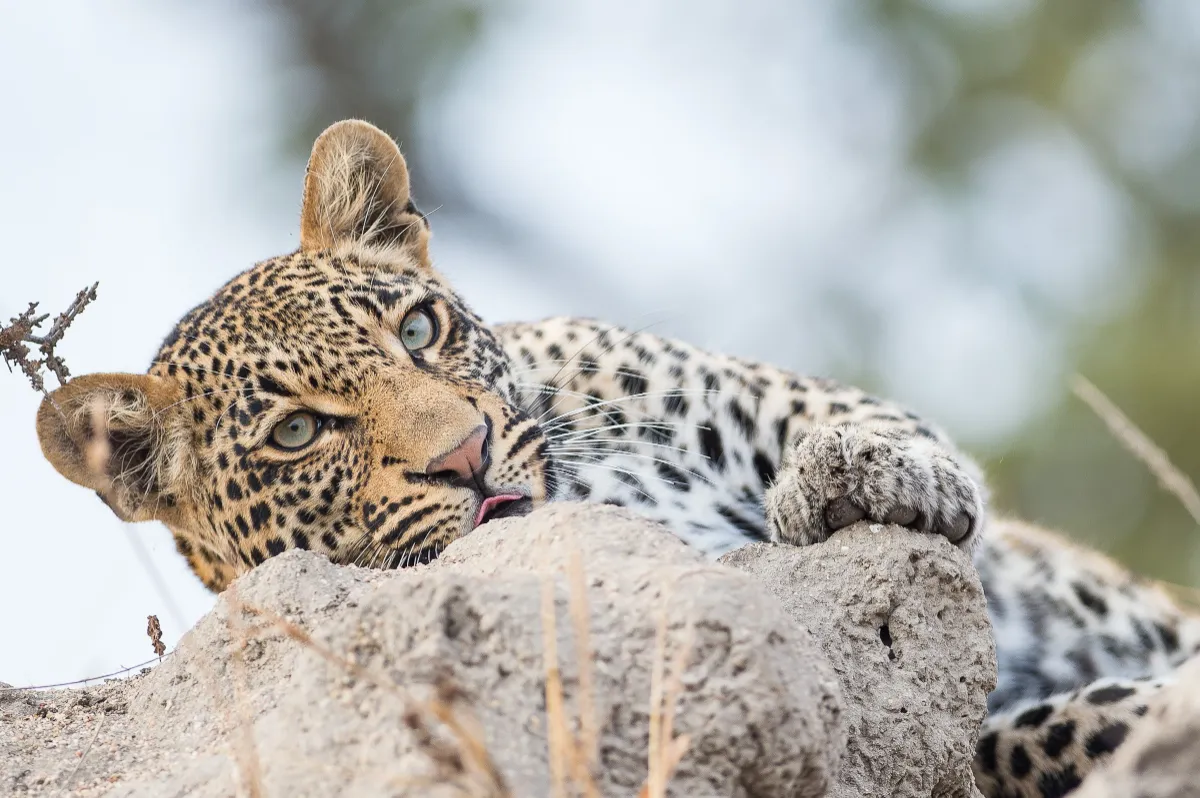
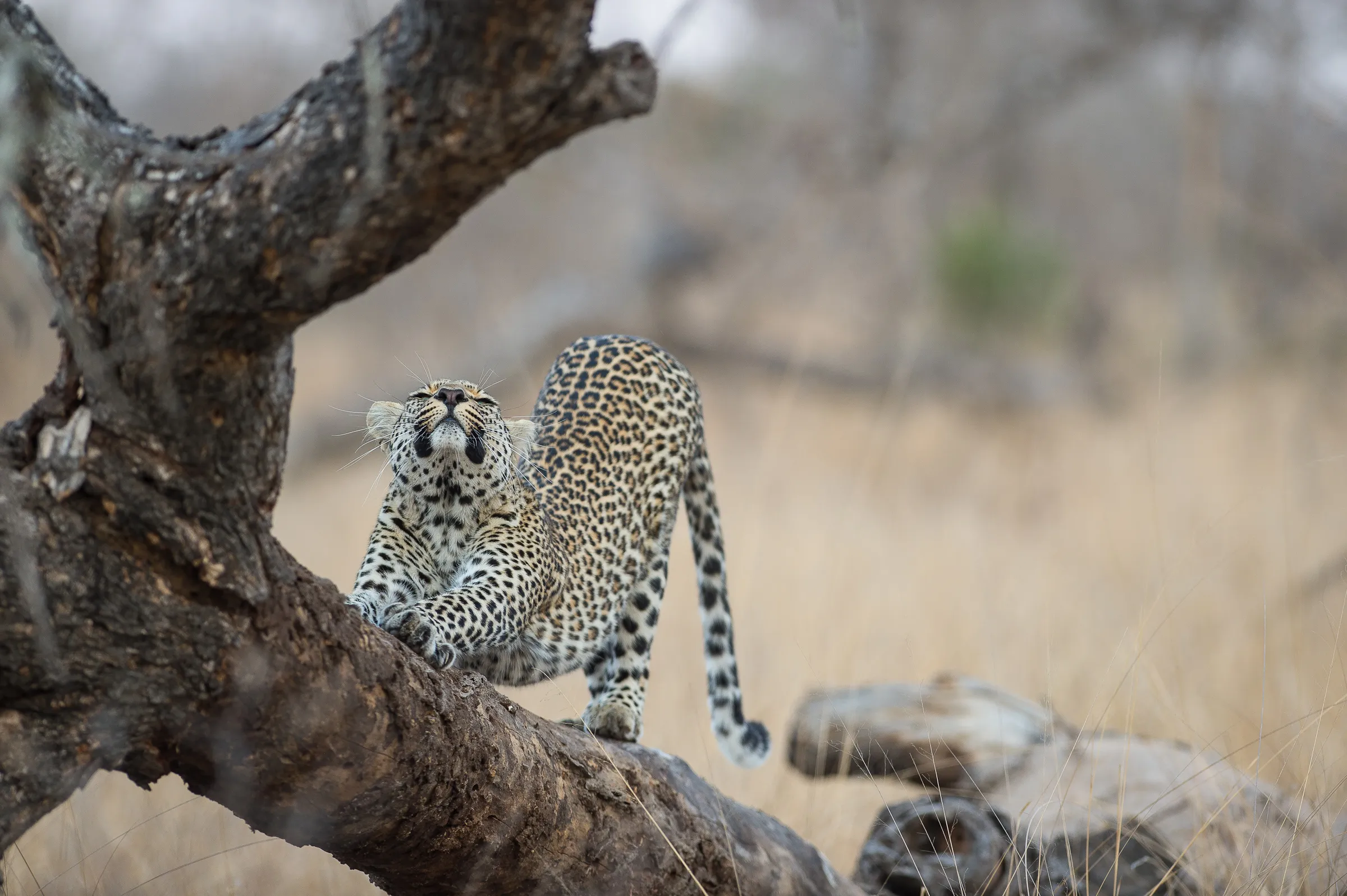
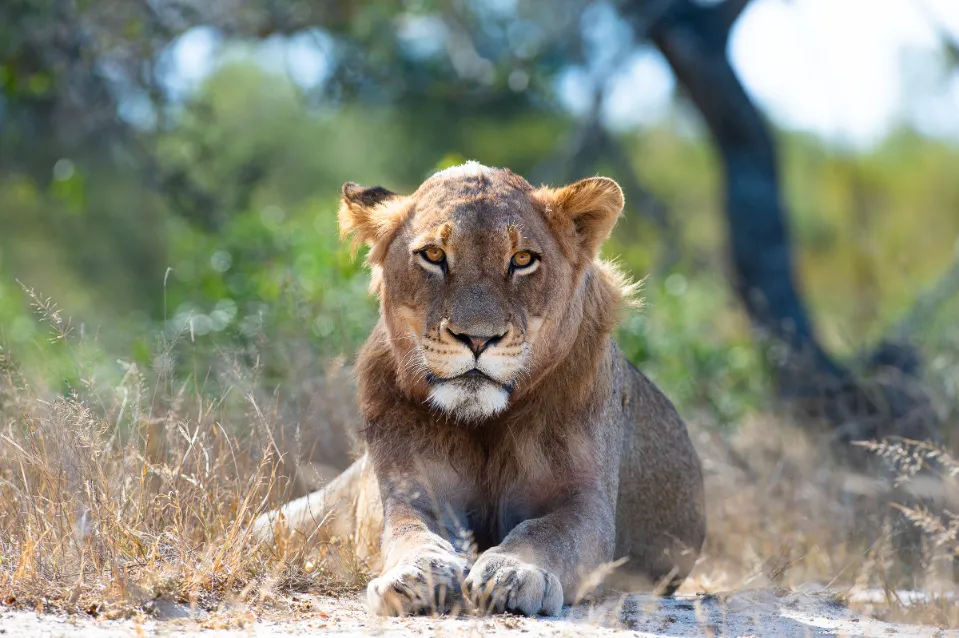
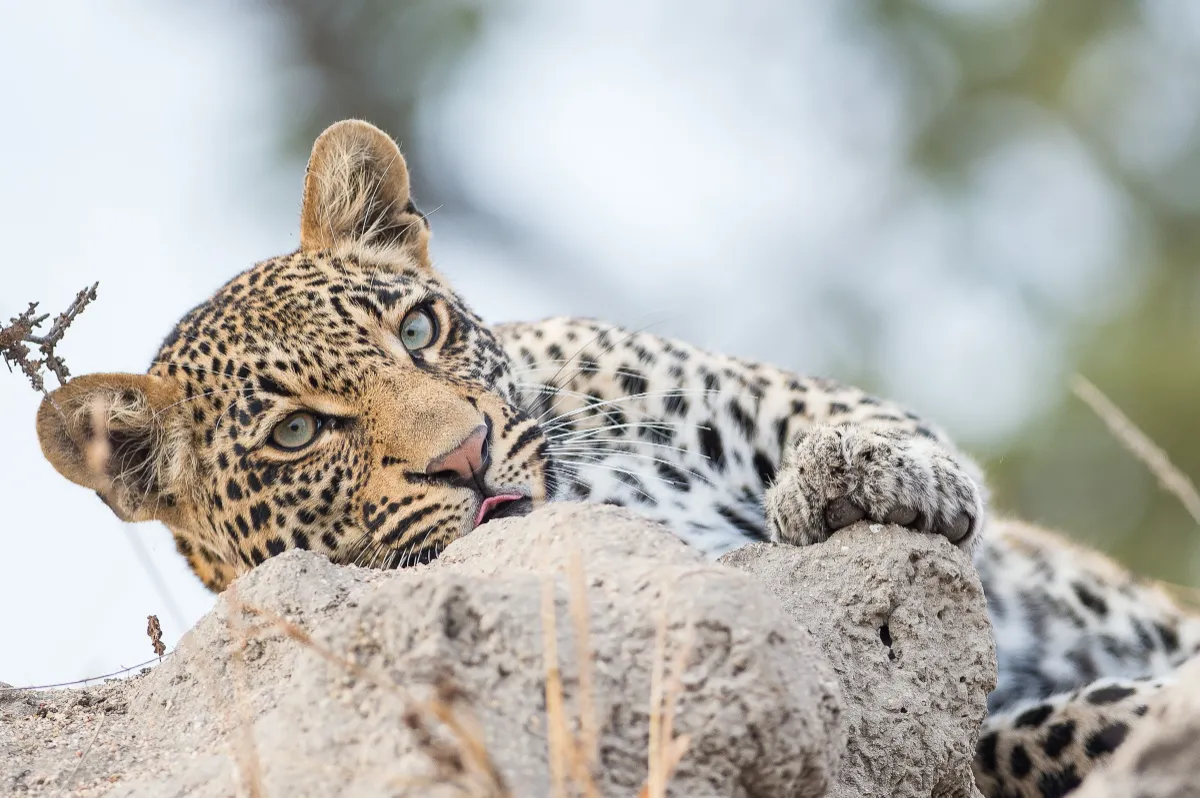
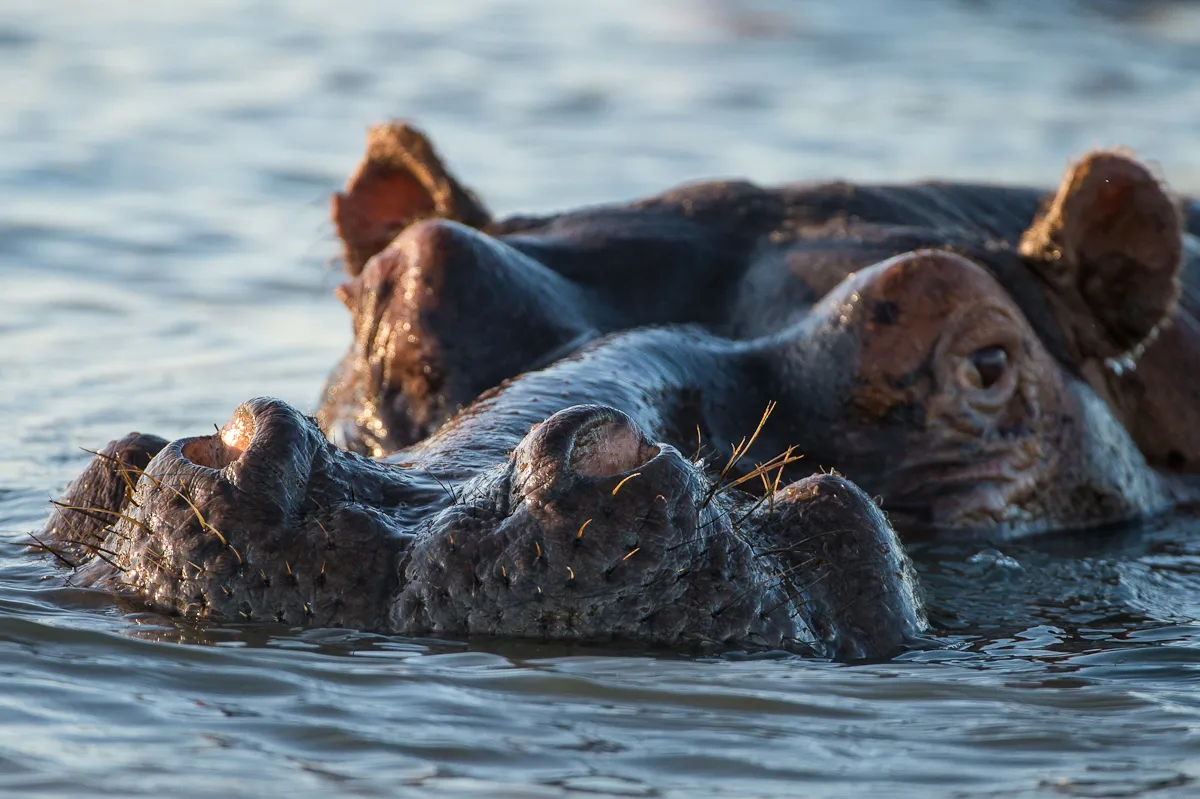
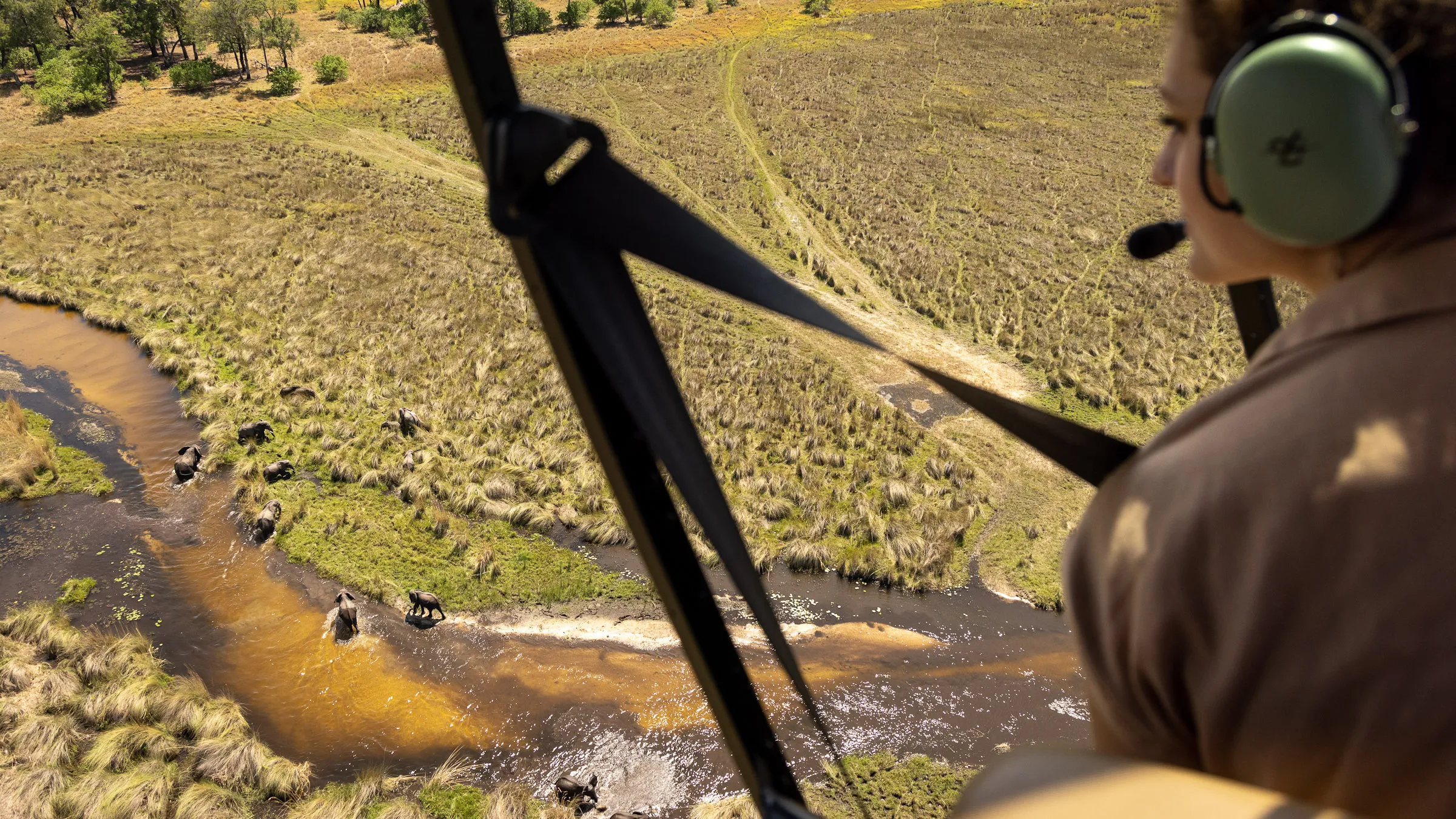
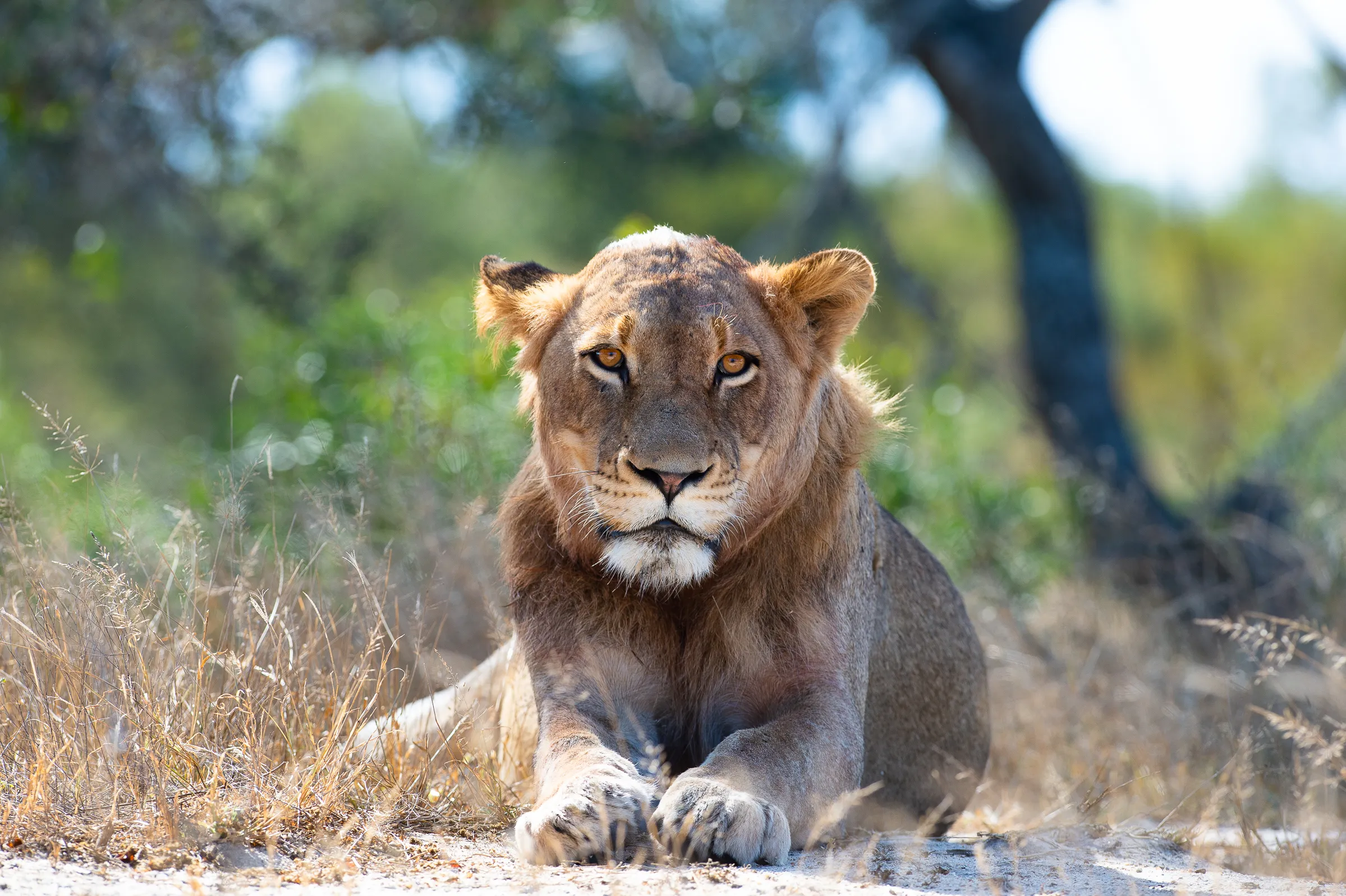
It is known for aquatic wildlife such as hippo, crocodile, red lechwe, and elephant, with strong predator presence including lion, leopard, and wild dog.
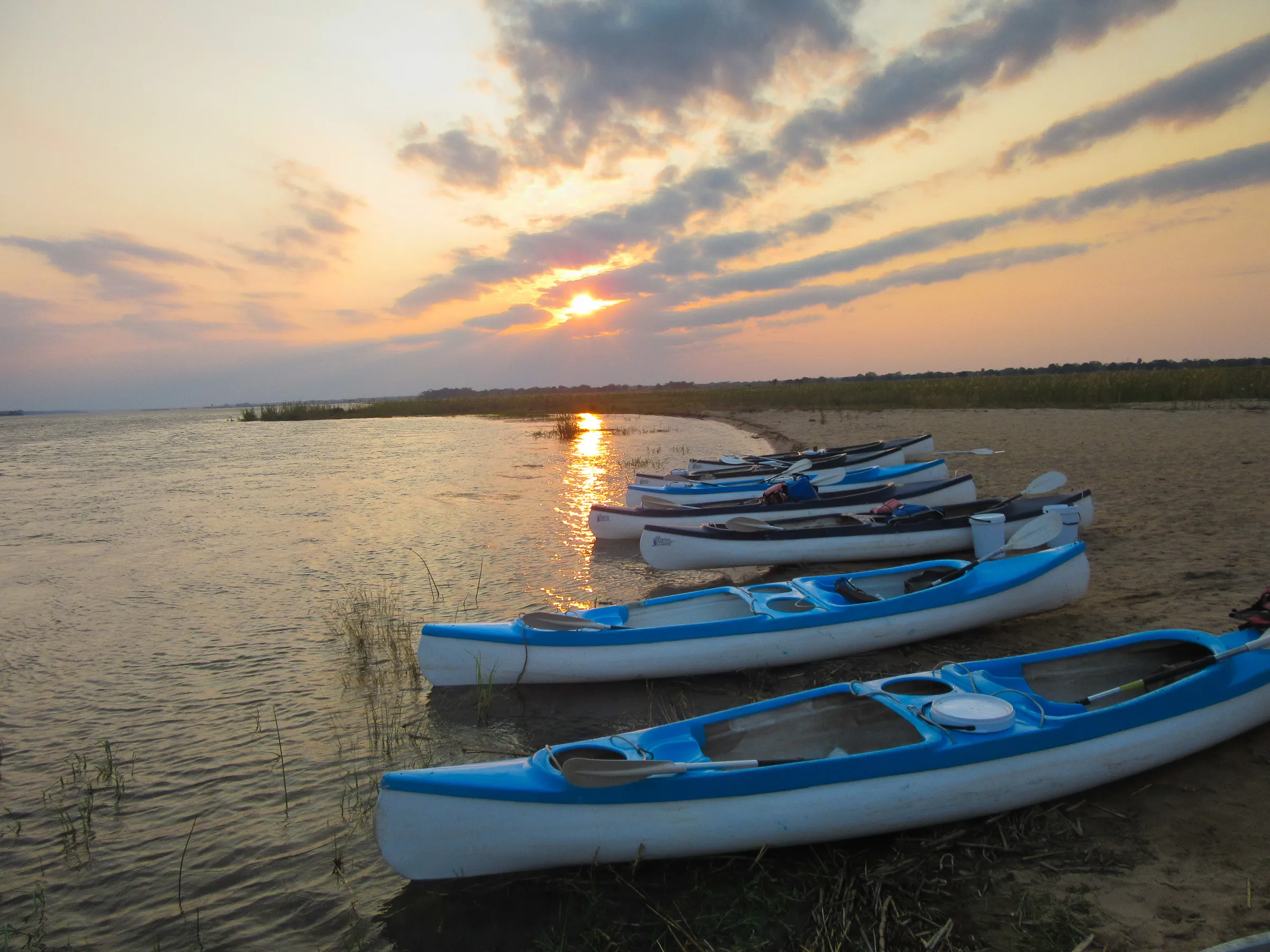
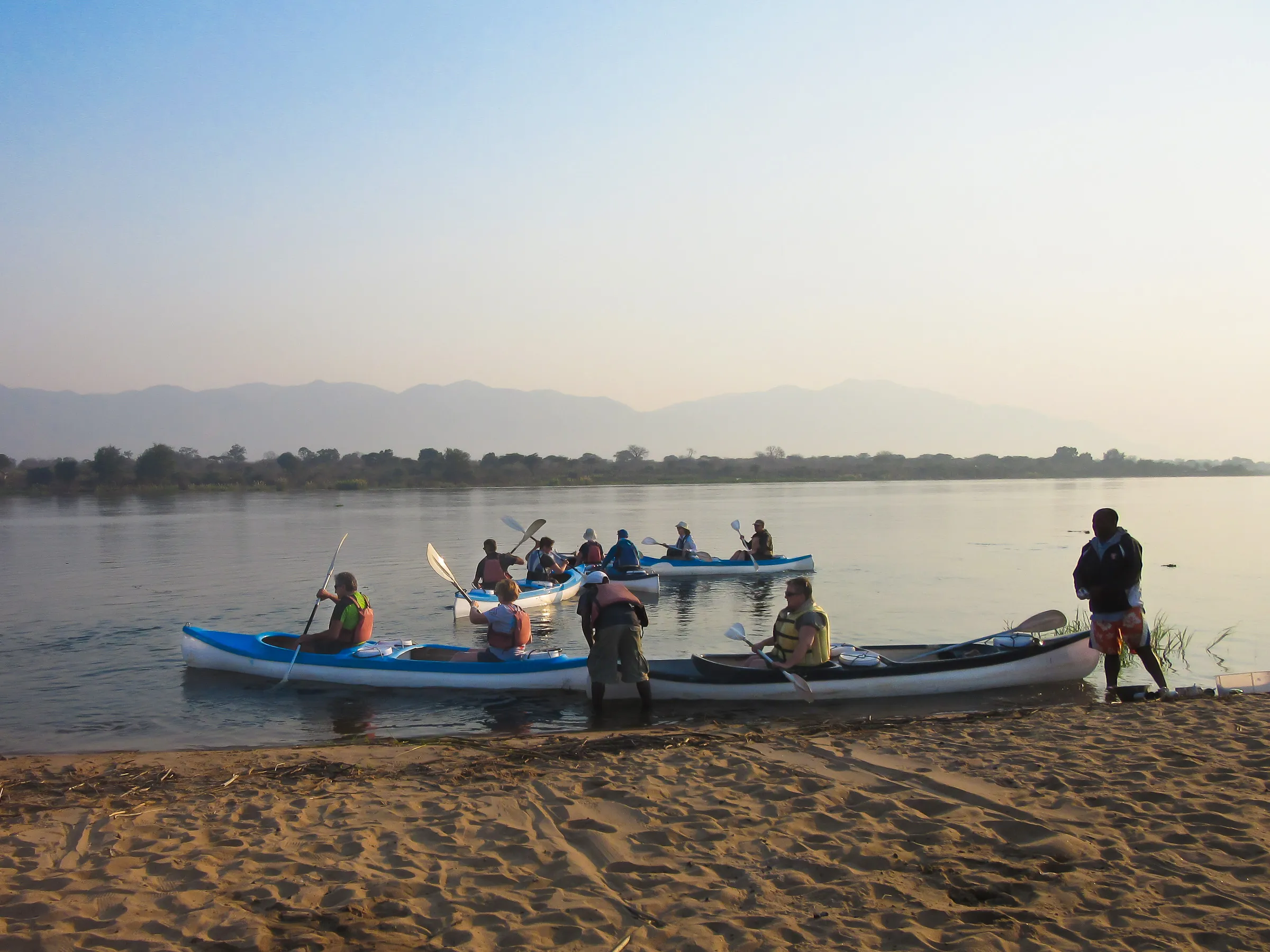
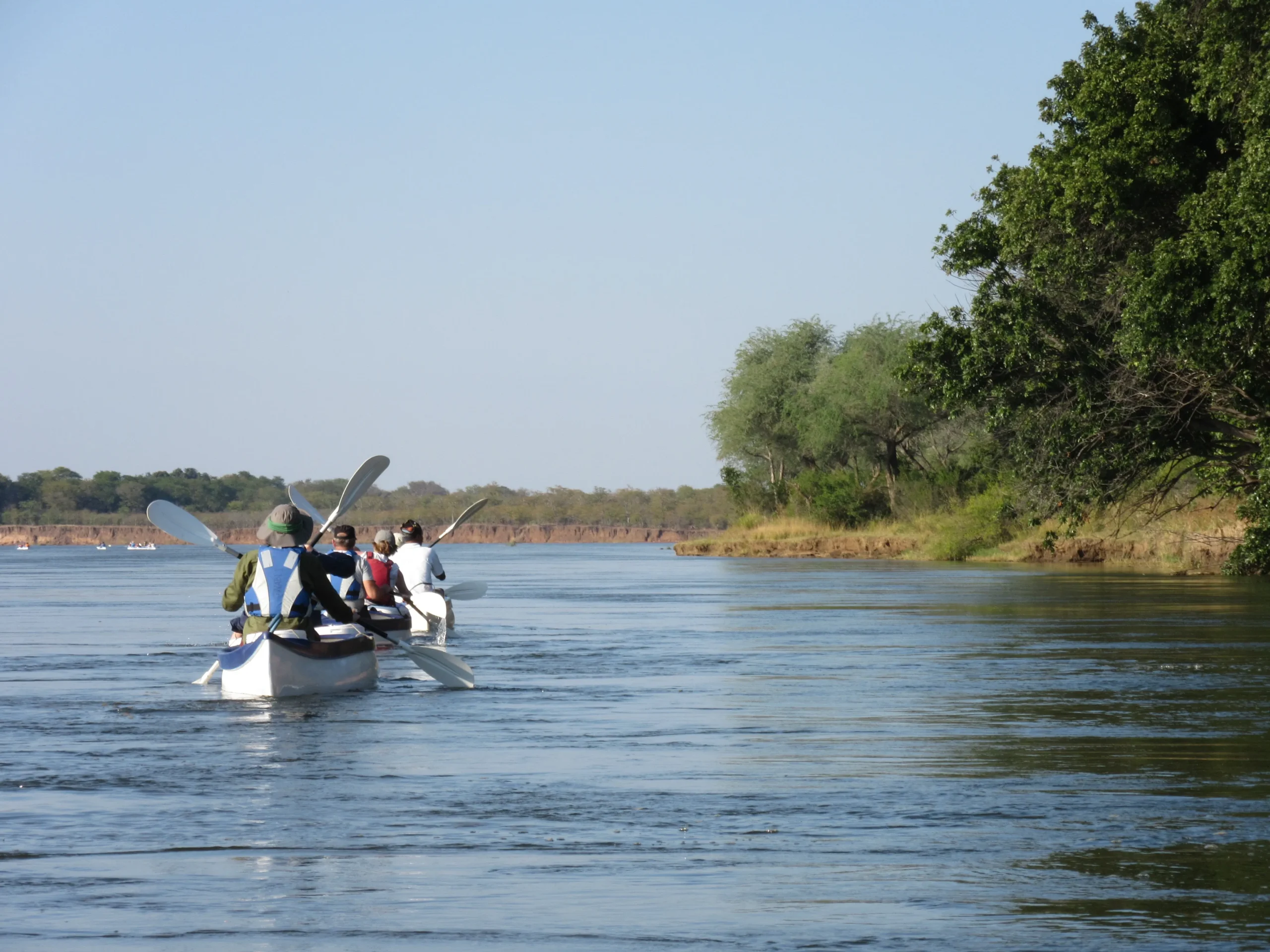
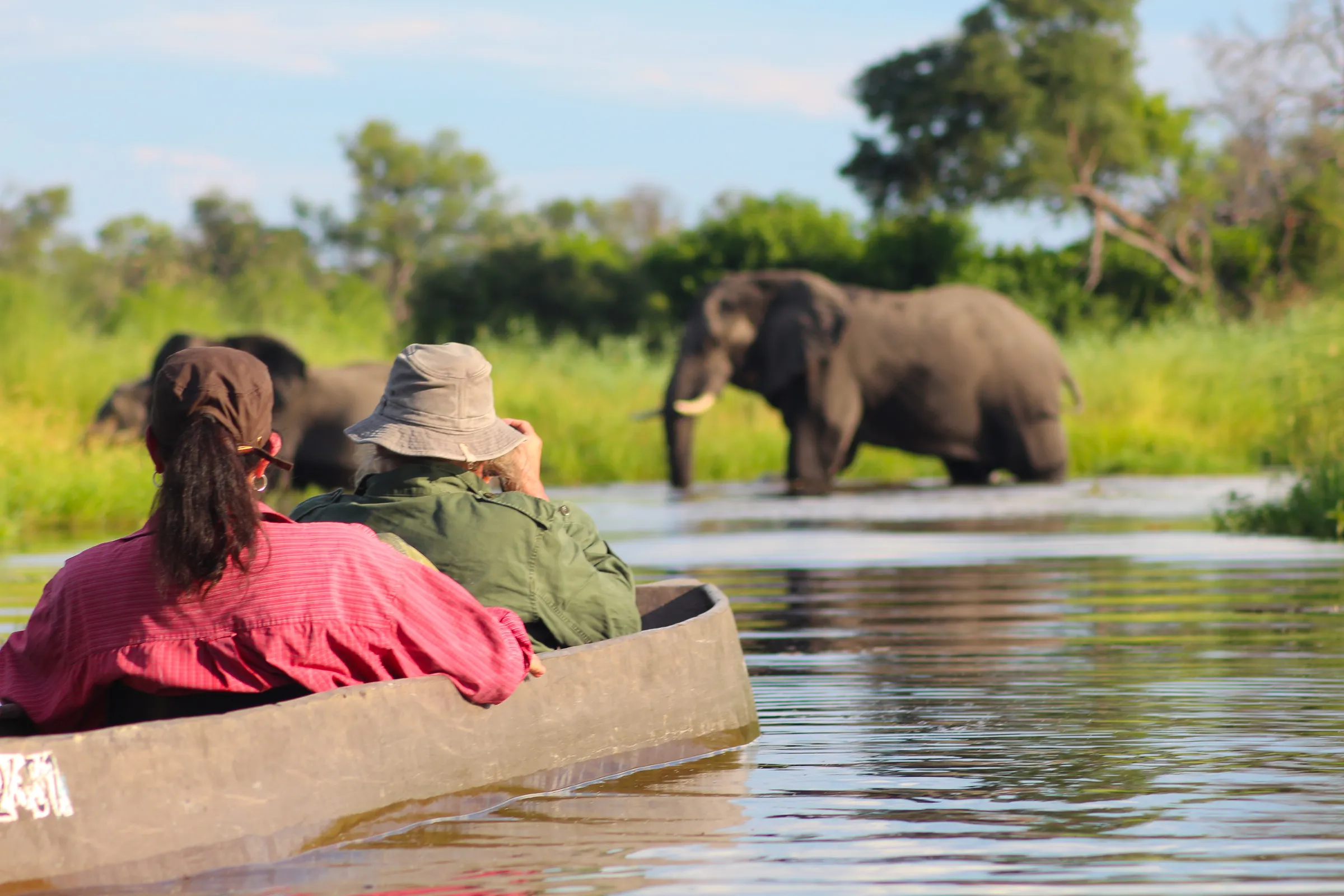
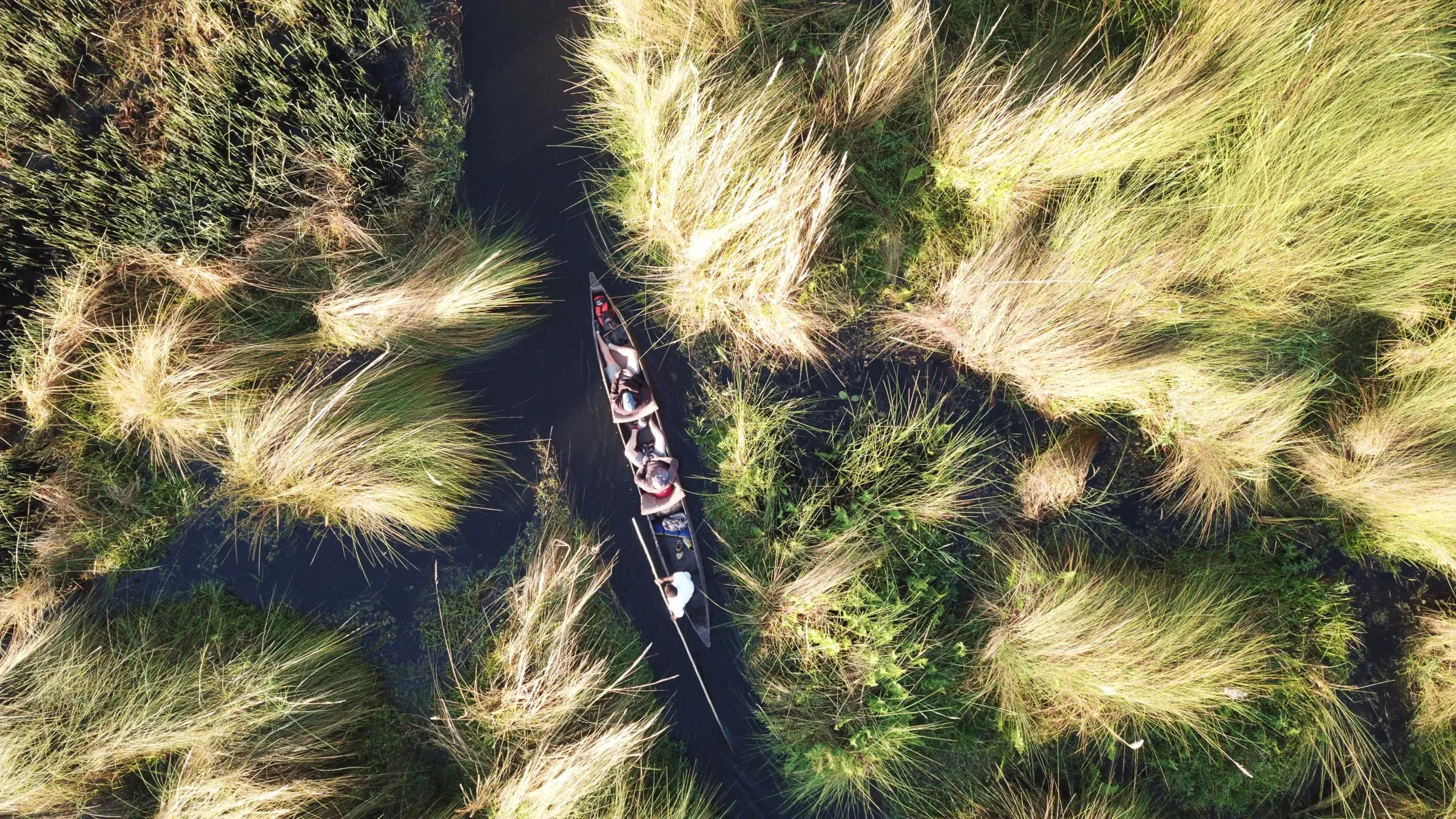
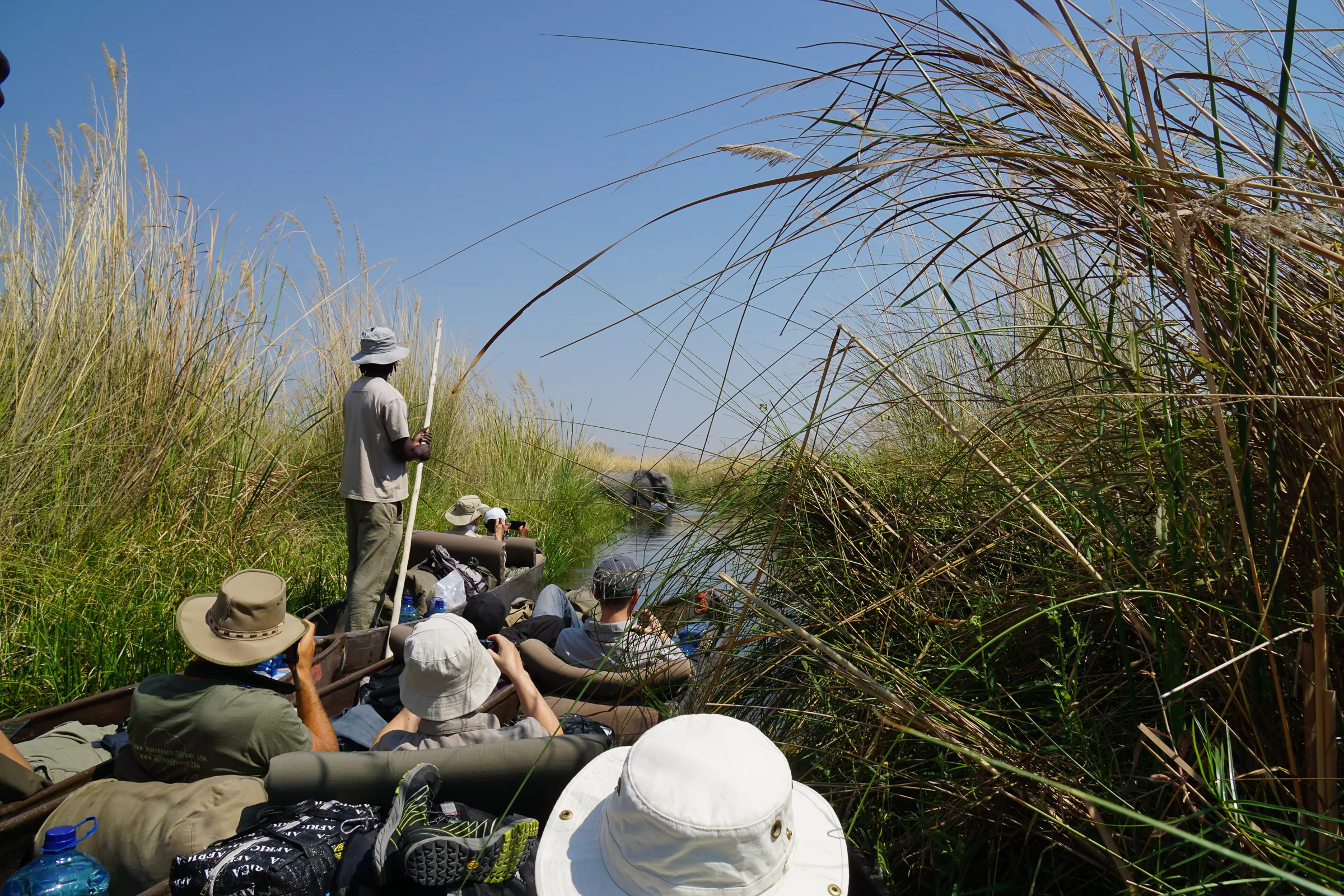
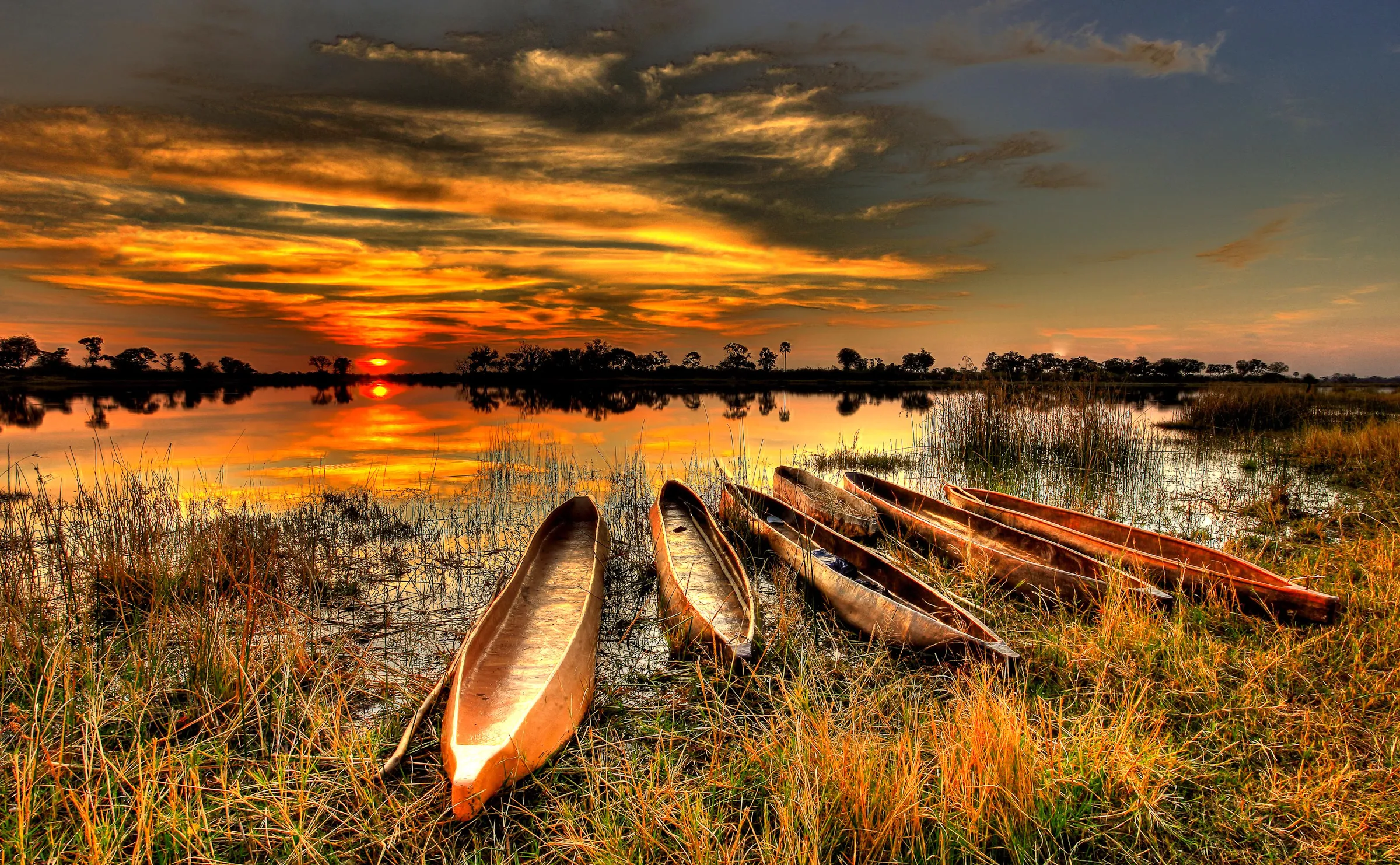
Safari viewing alternates between 4×4 drives on dry islands and mokoro travel through shallow channels, depending on water depth and terrain access.
The delta functions as a water driven safari system where wildlife distribution is closely tied to seasonal flooding dynamics.
Chobe National Park
Chobe National Park in northern Botswana combines the Chobe River floodplain with inland savanna and mopane woodland ecosystems. It forms a transition between permanent water and semi arid interior landscapes.
Dry season conditions concentrate large numbers of wildlife along the river, while wet season rainfall disperses animals into the interior.
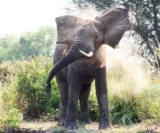
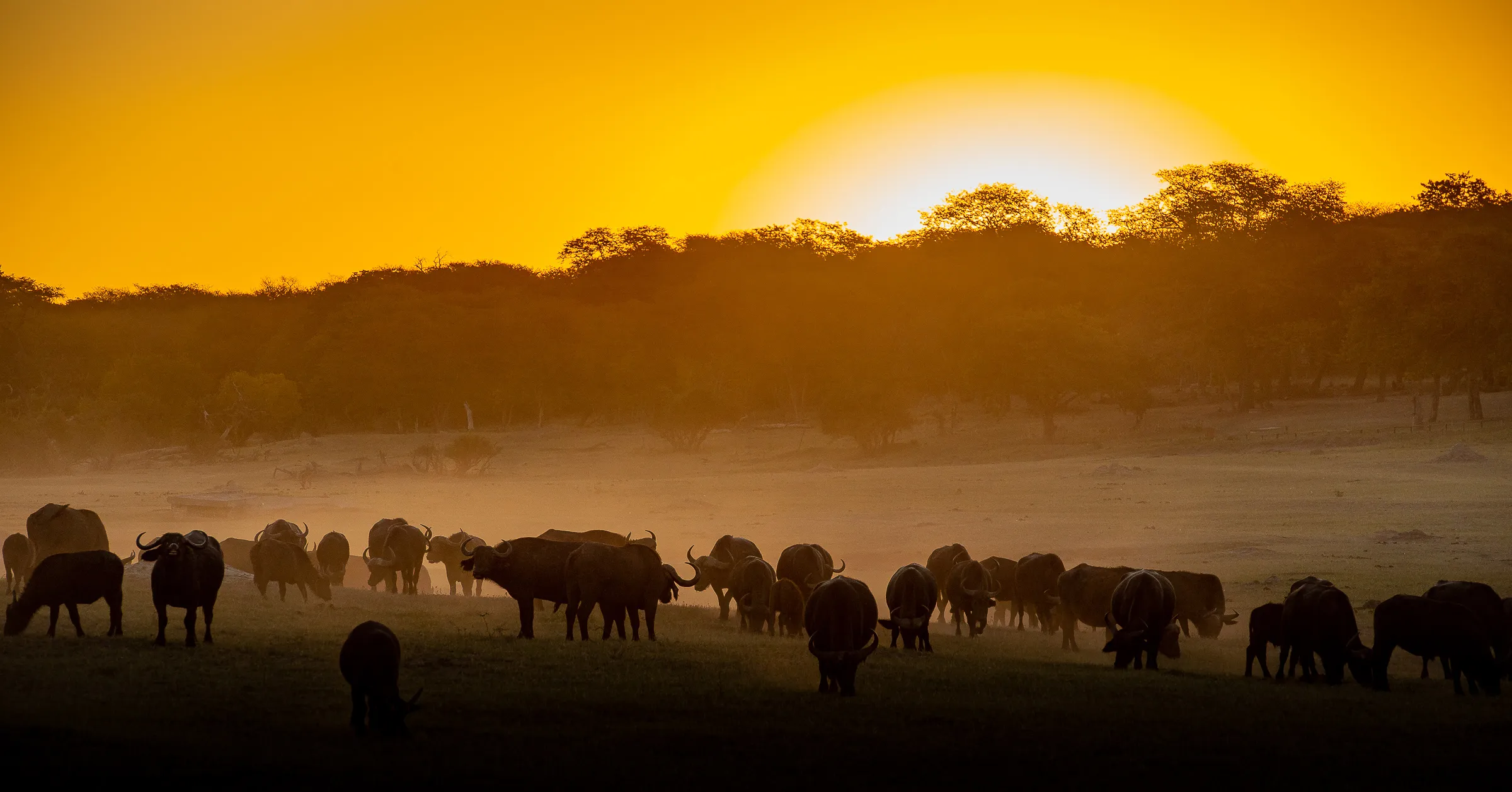
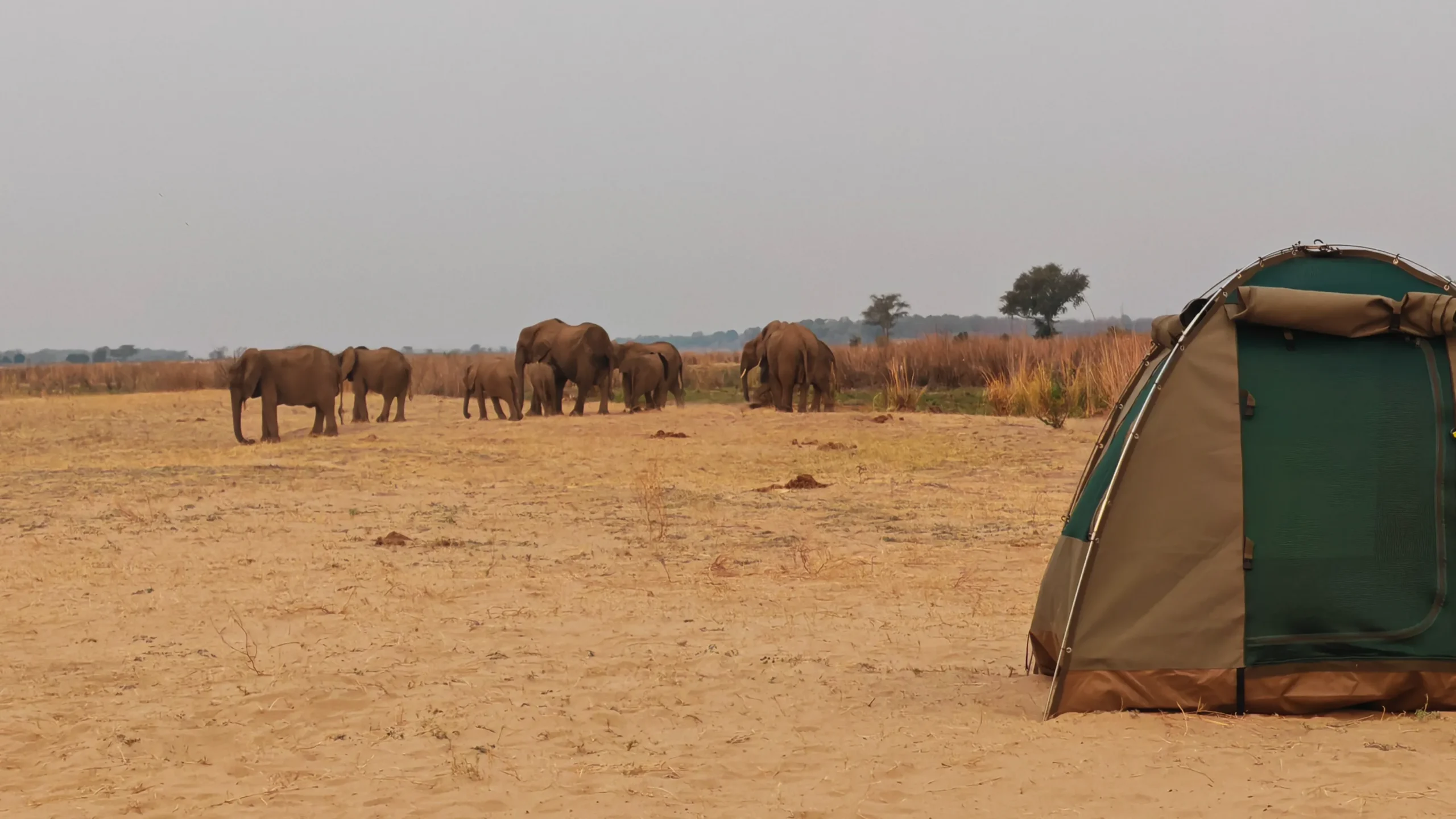
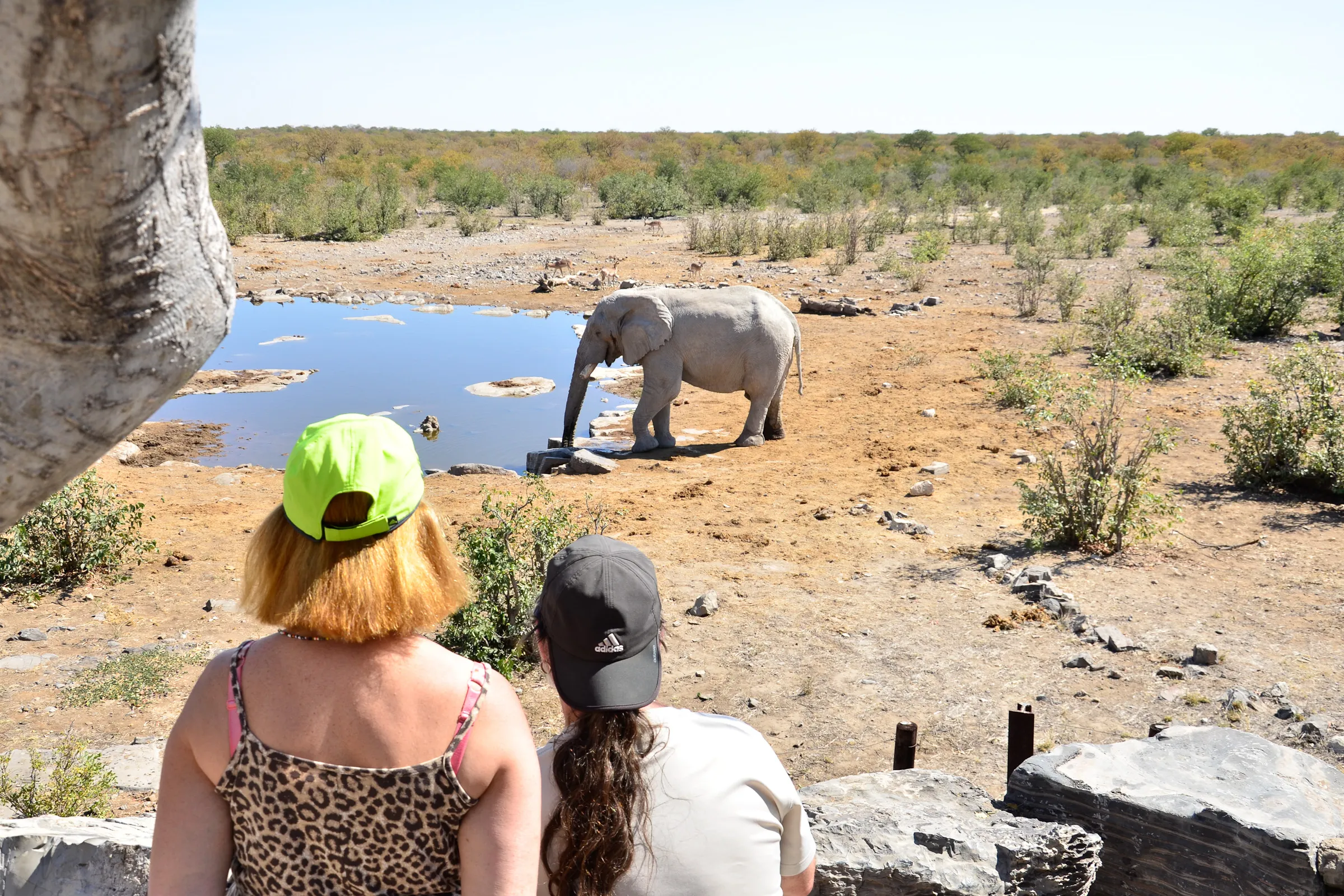
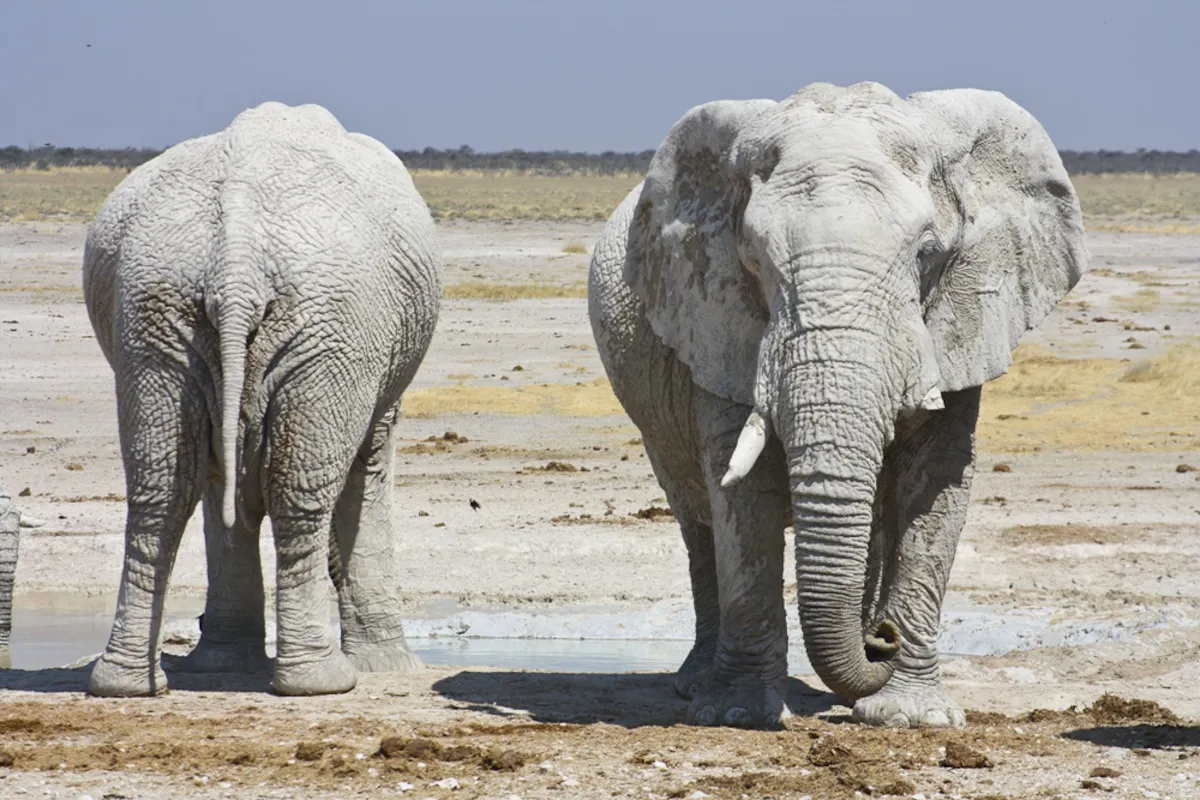
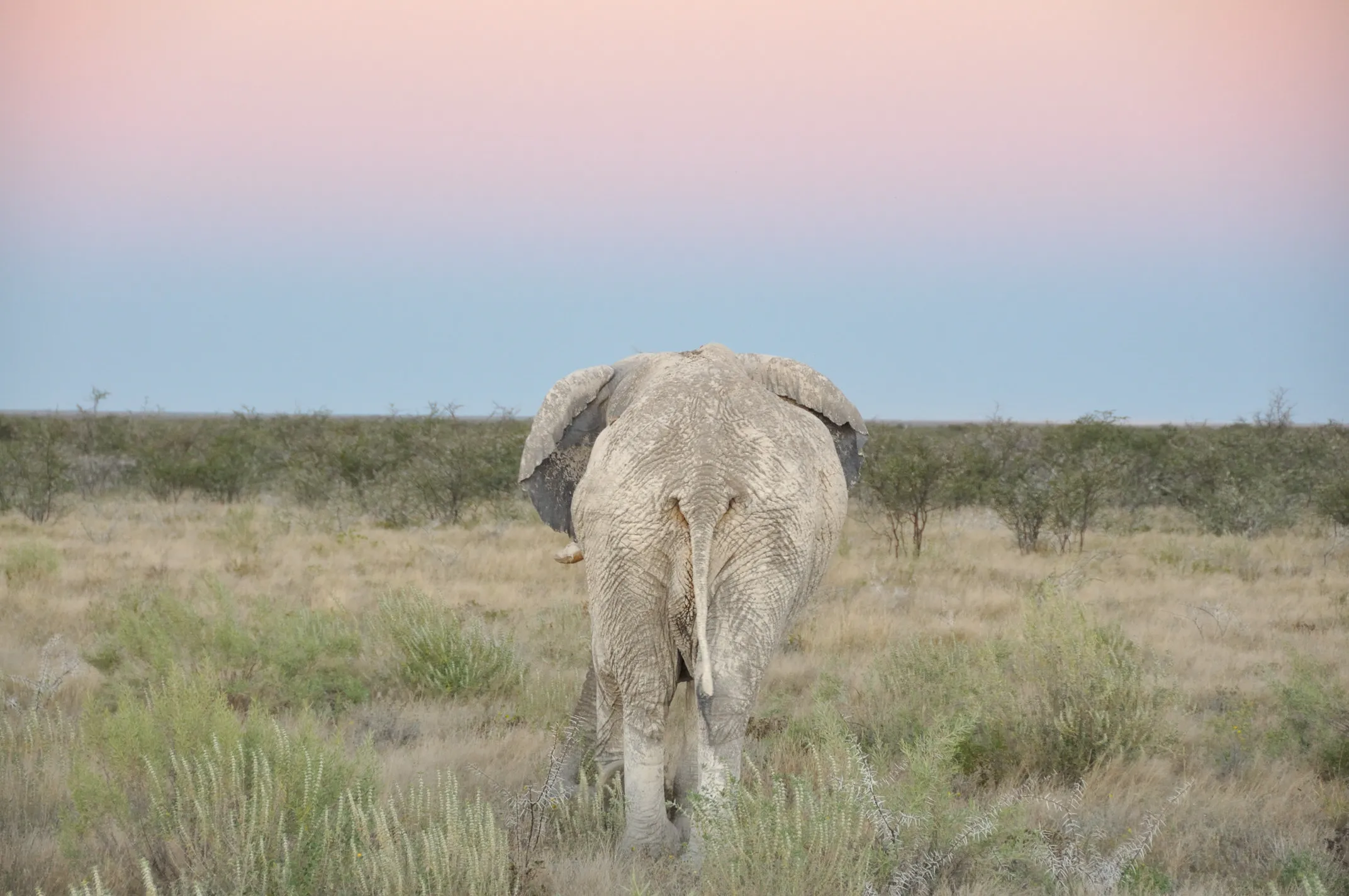
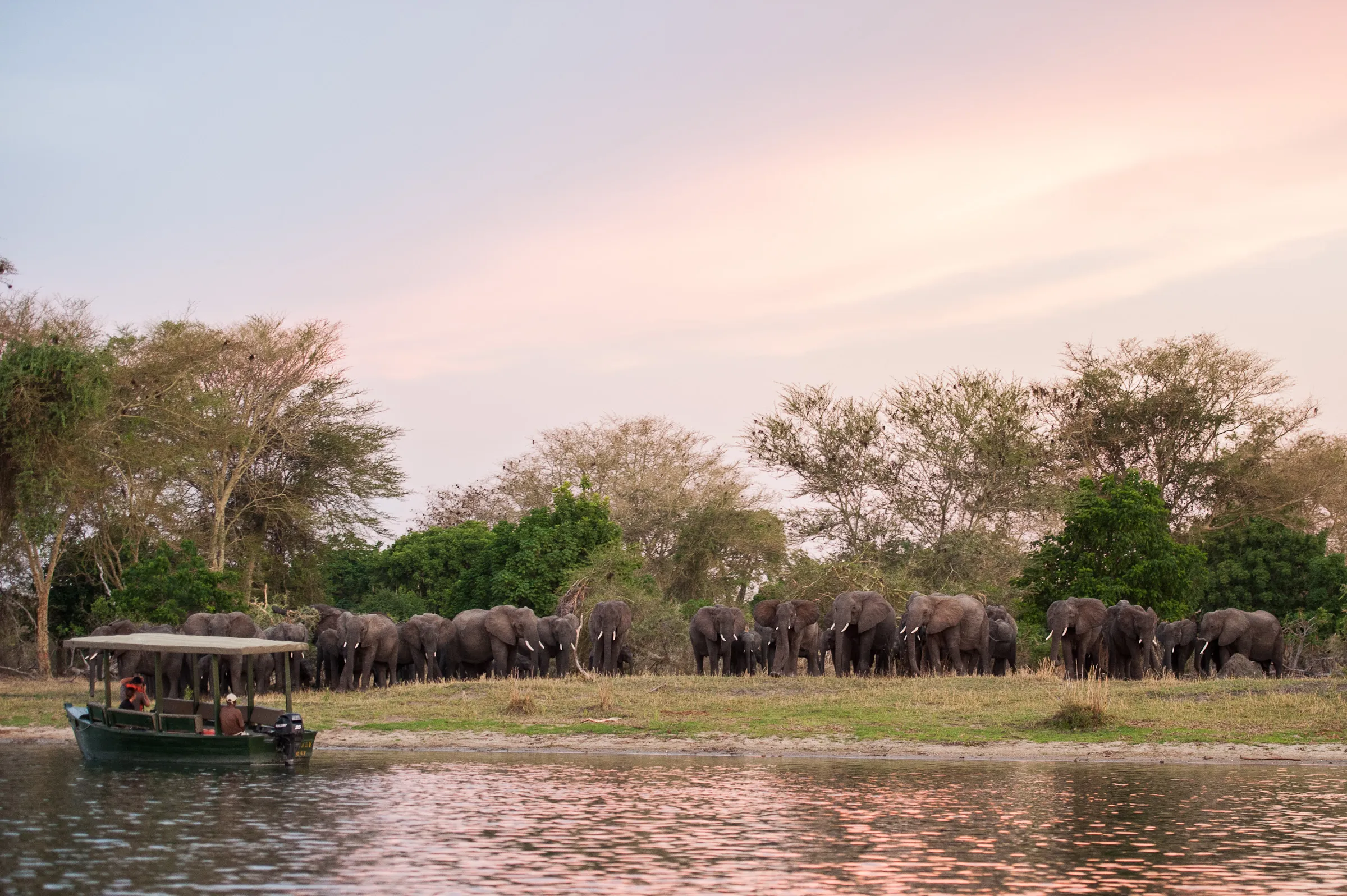
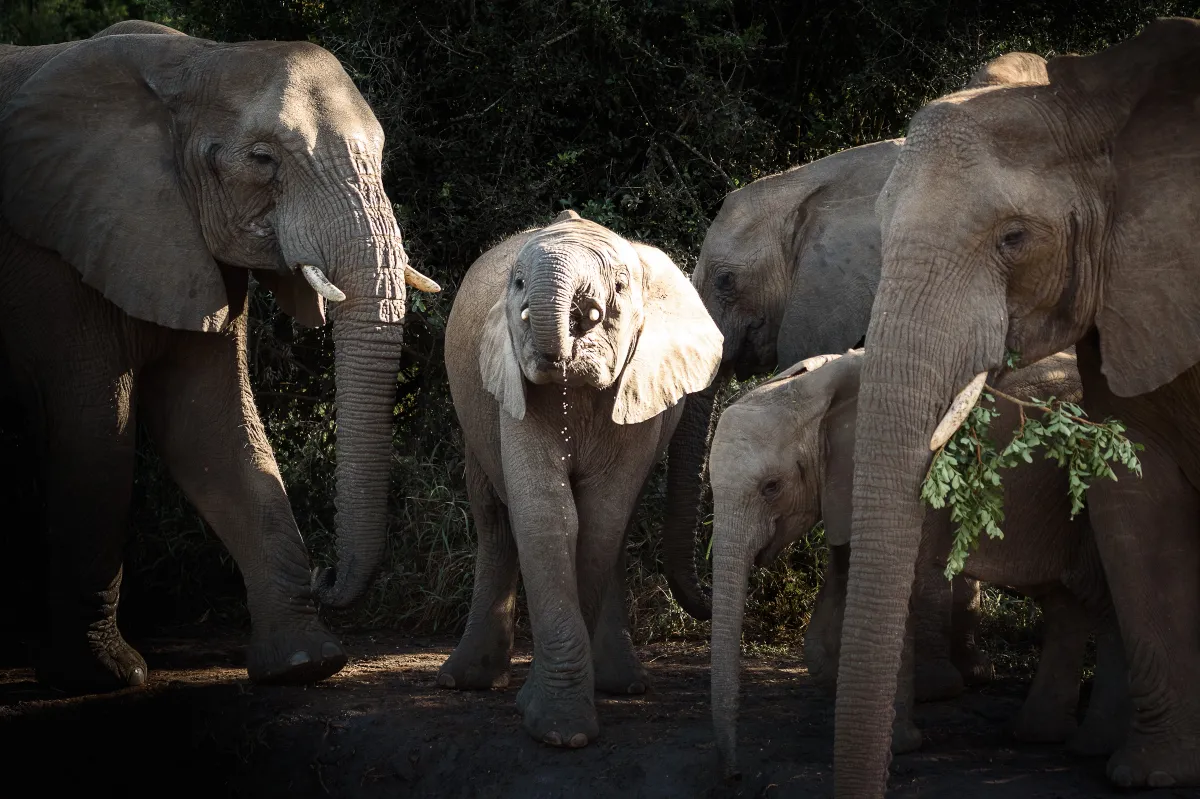
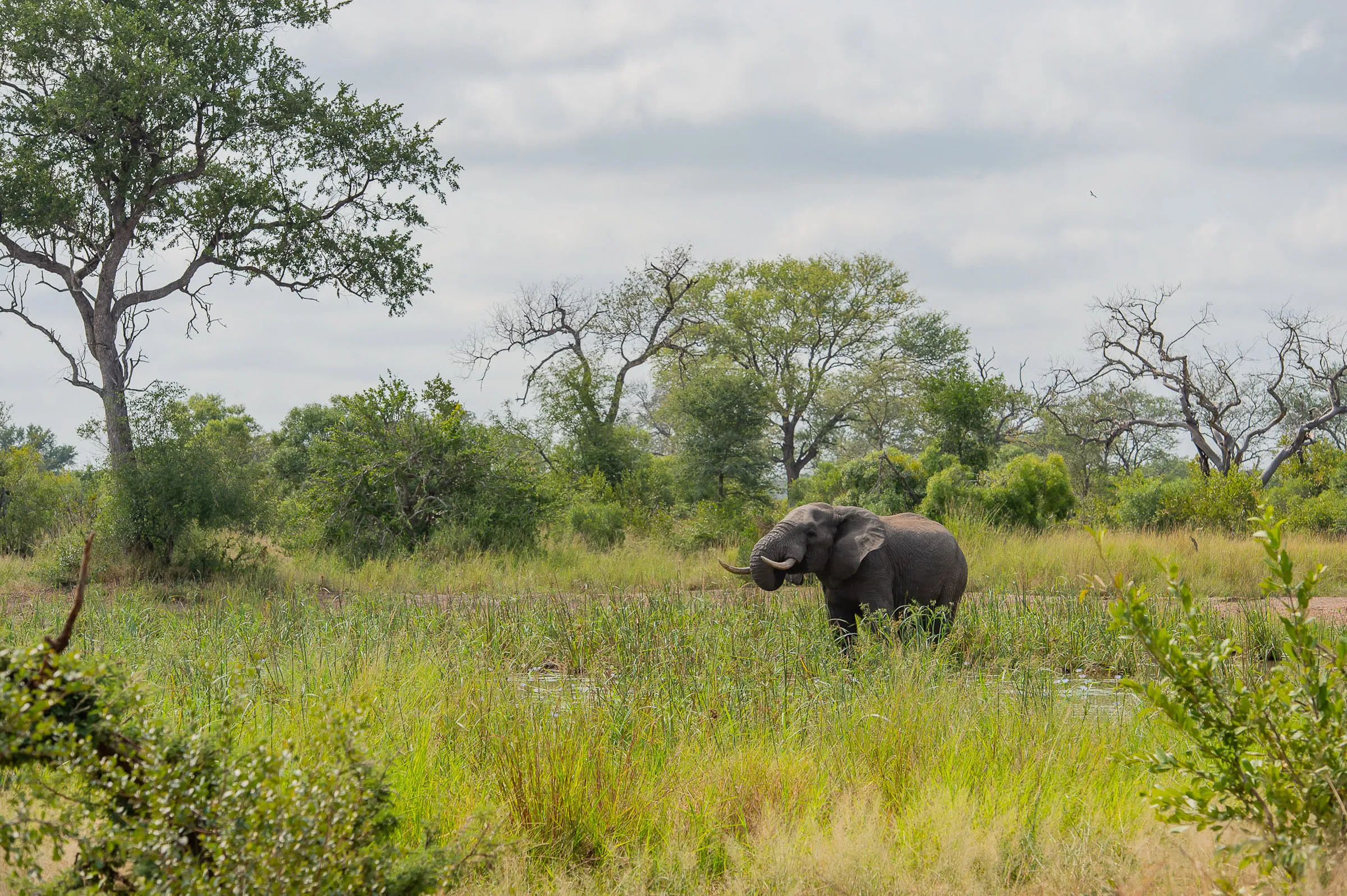
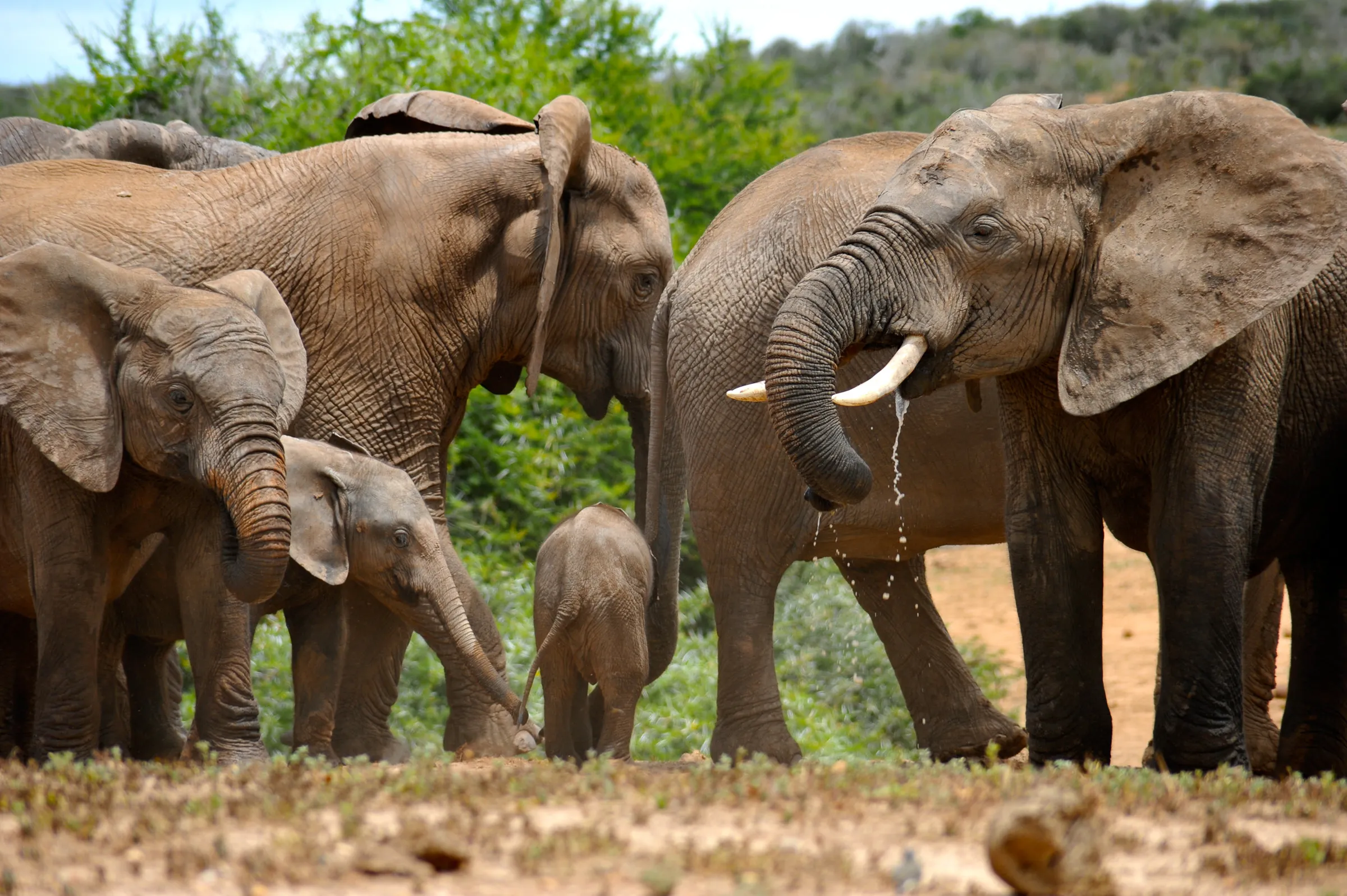
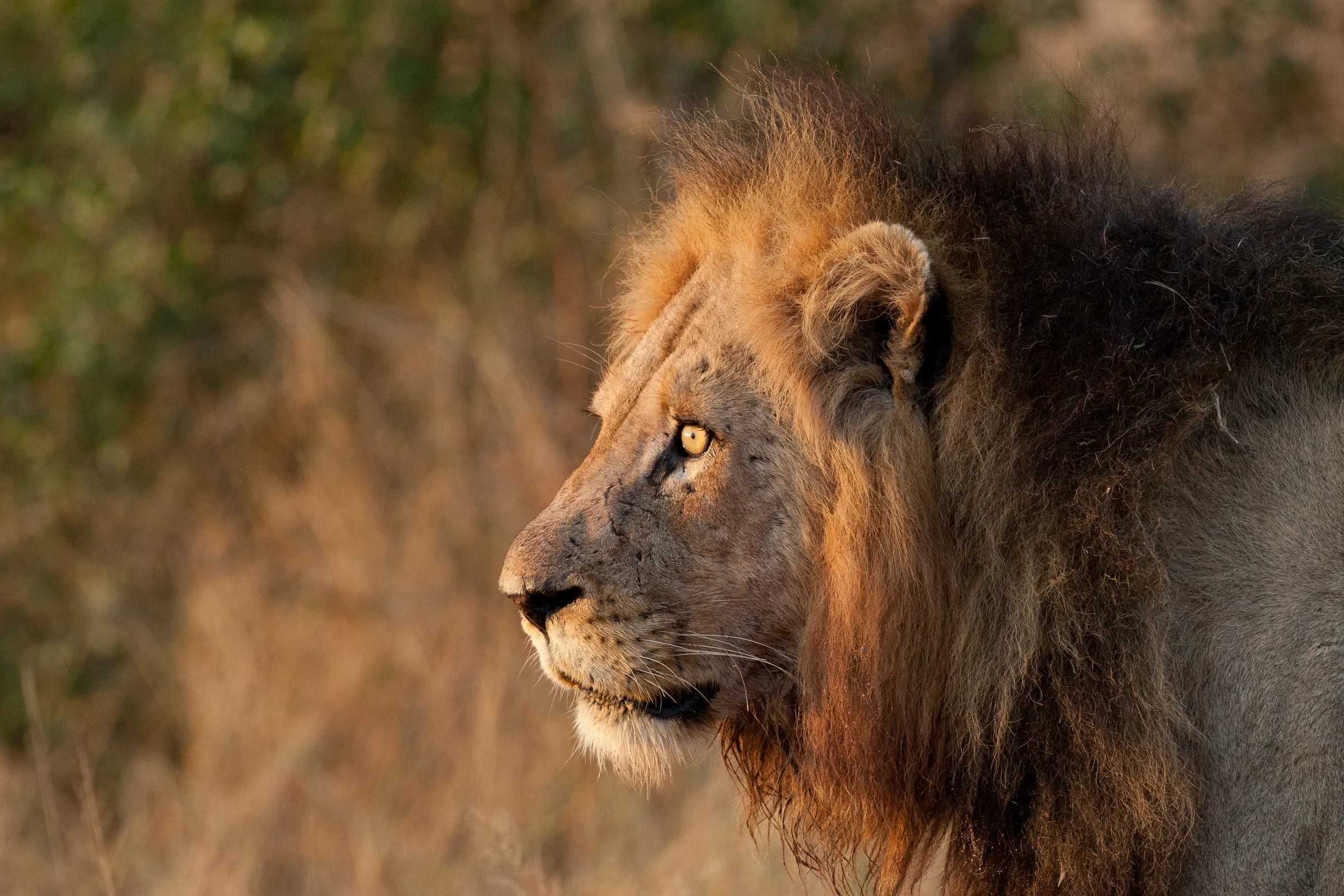
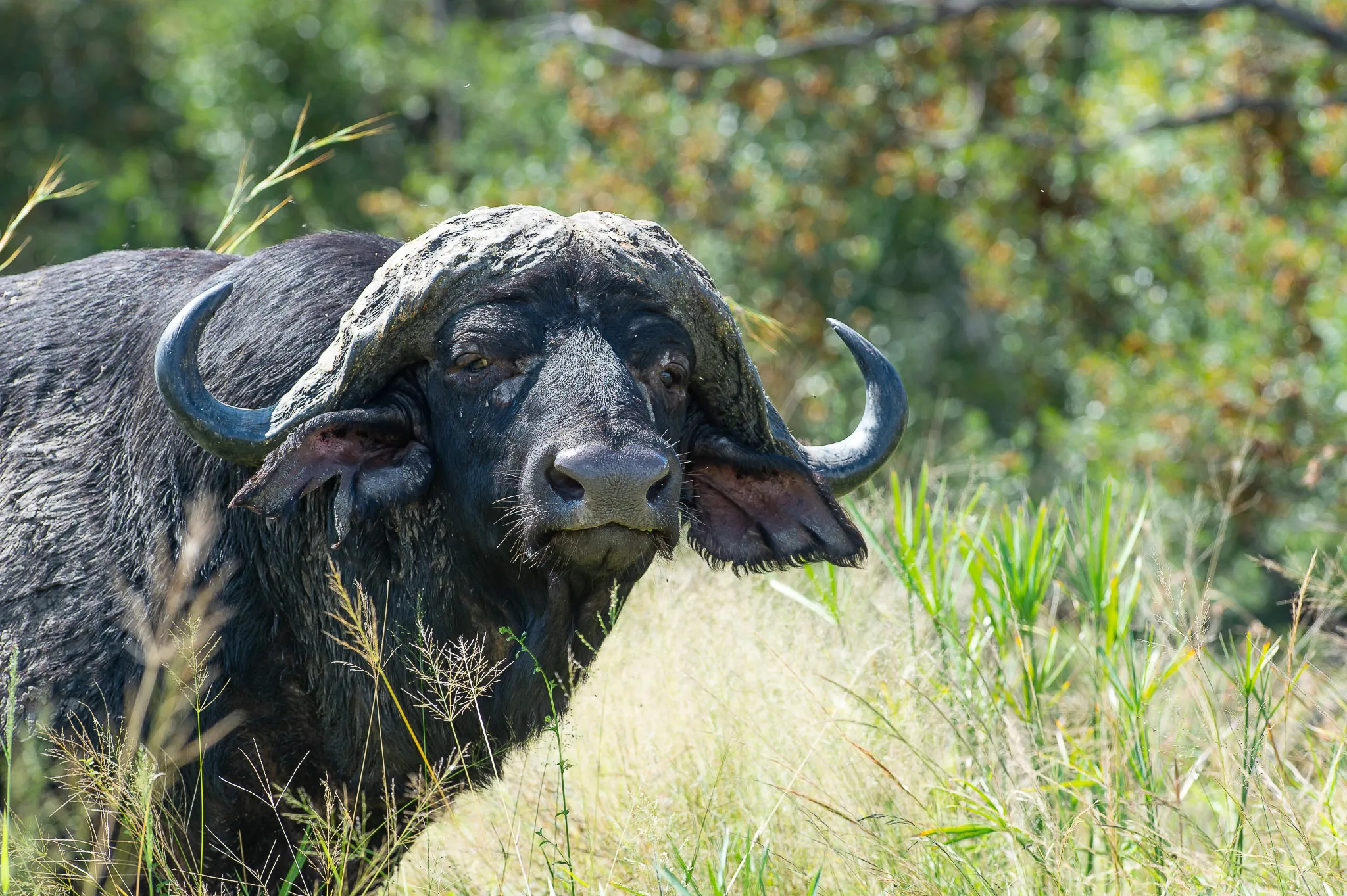
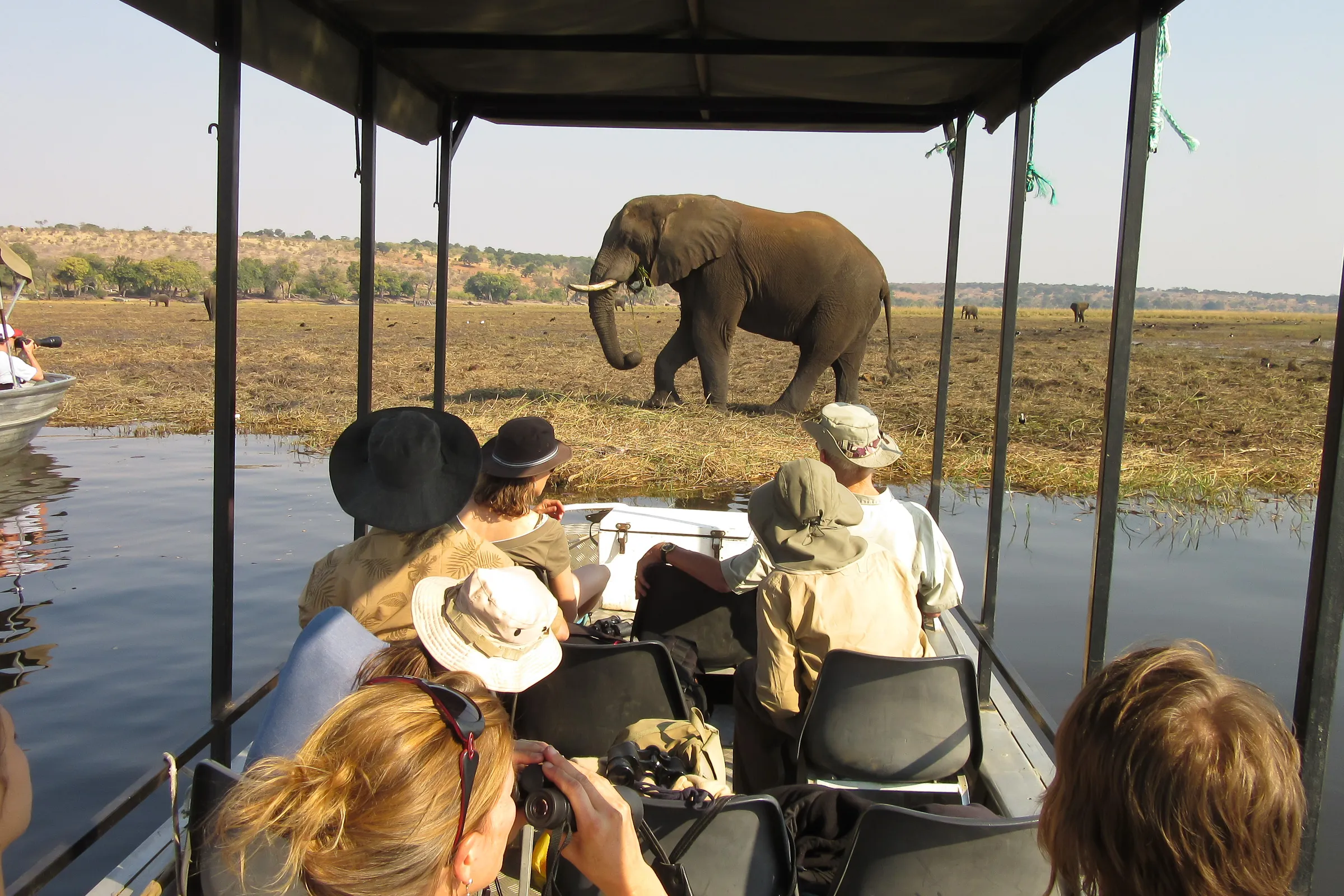
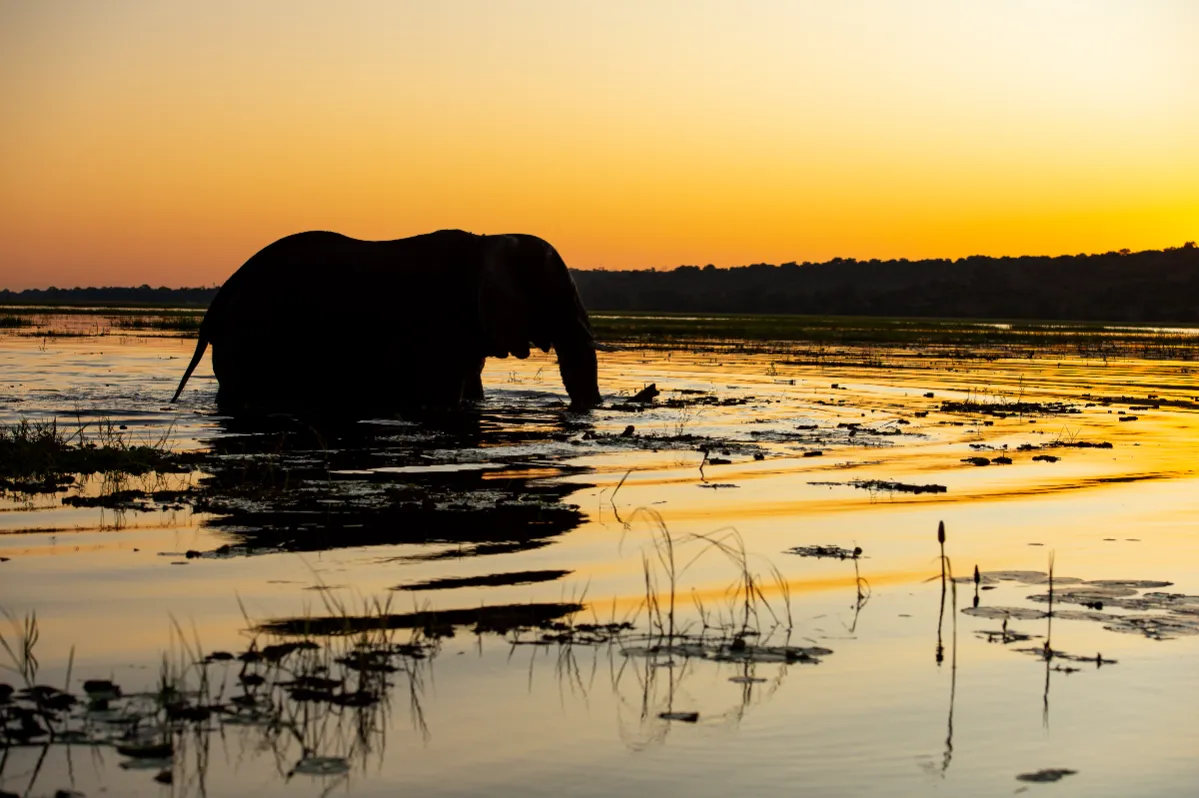
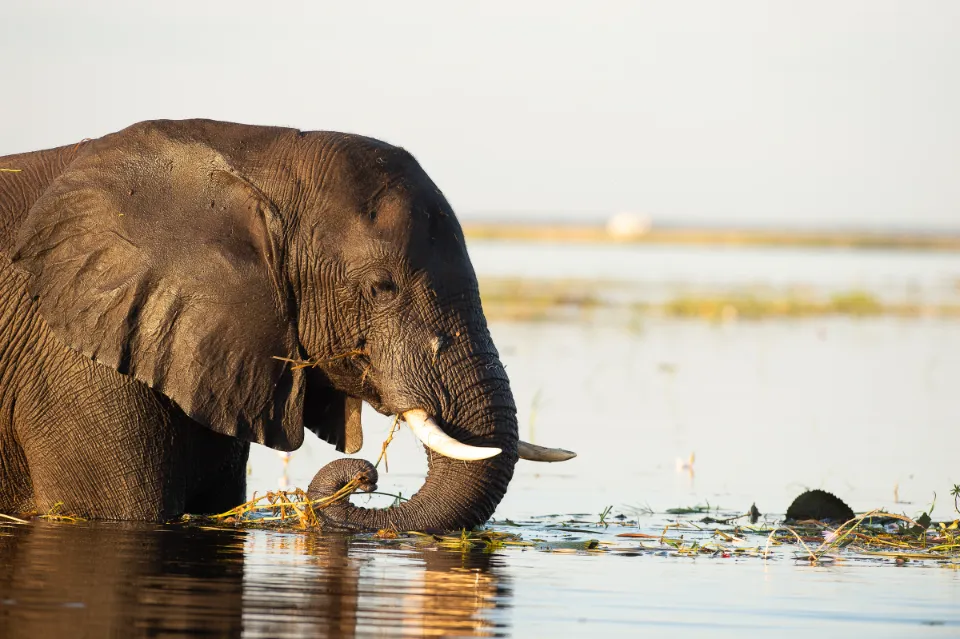
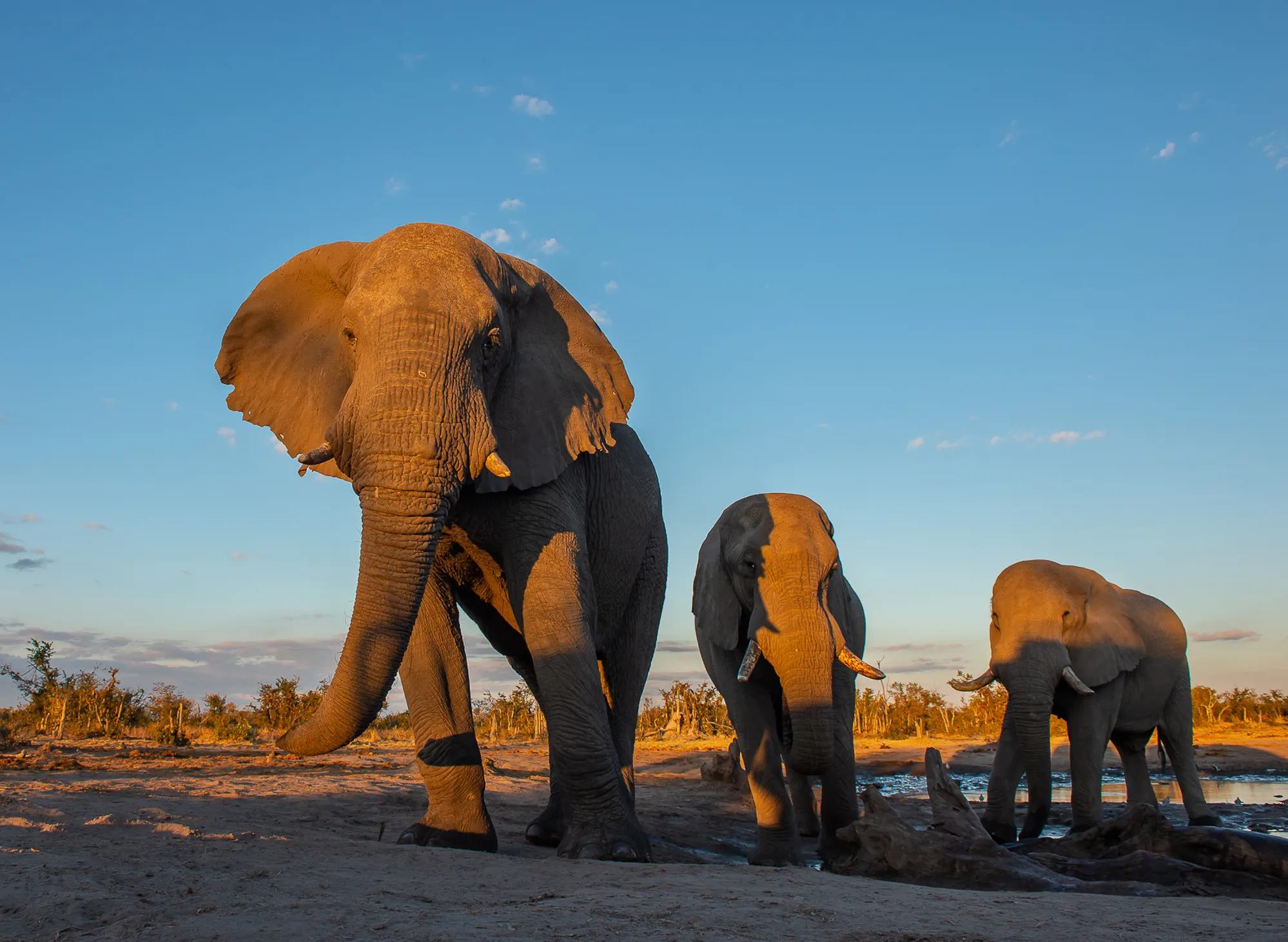
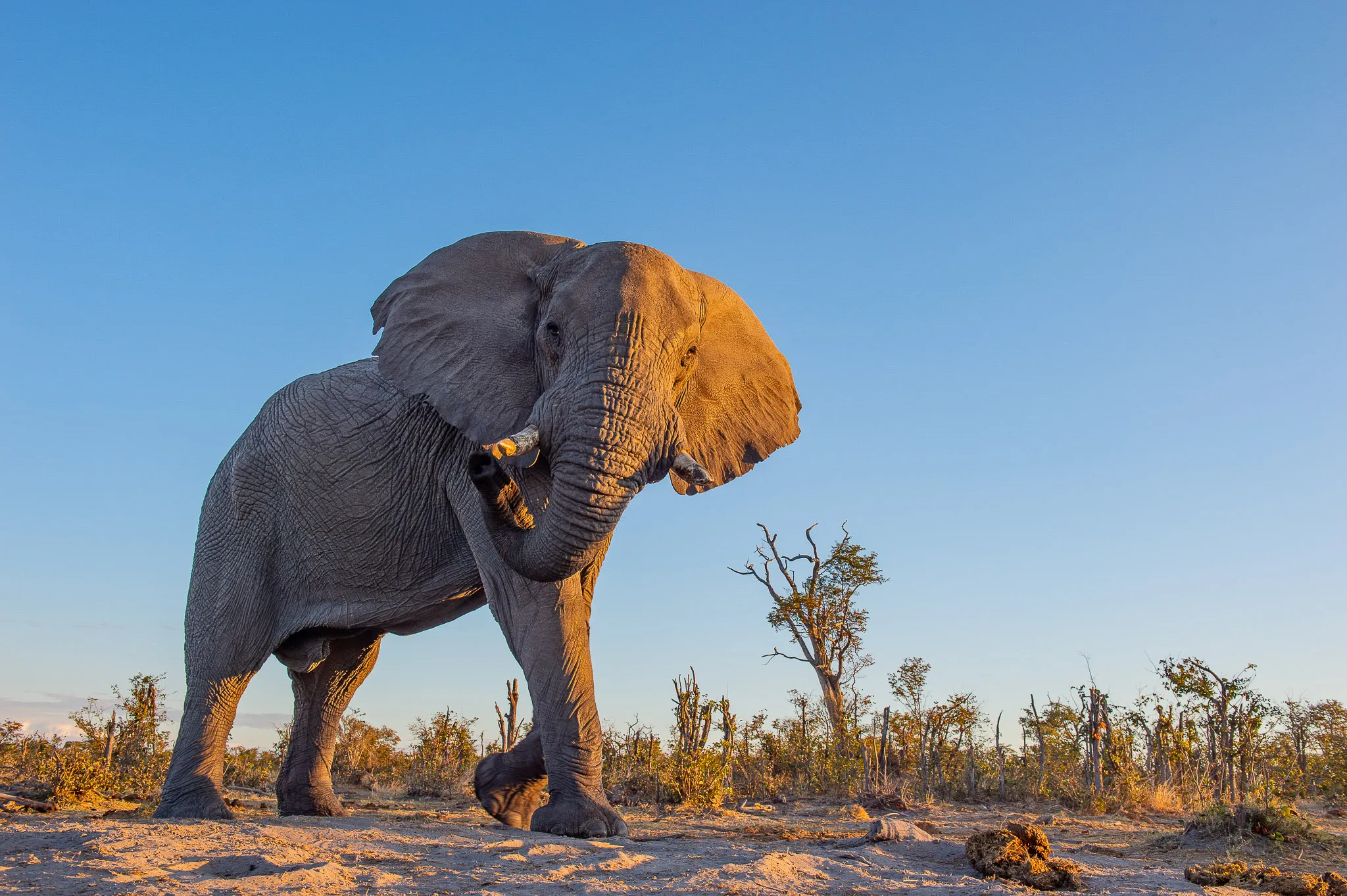
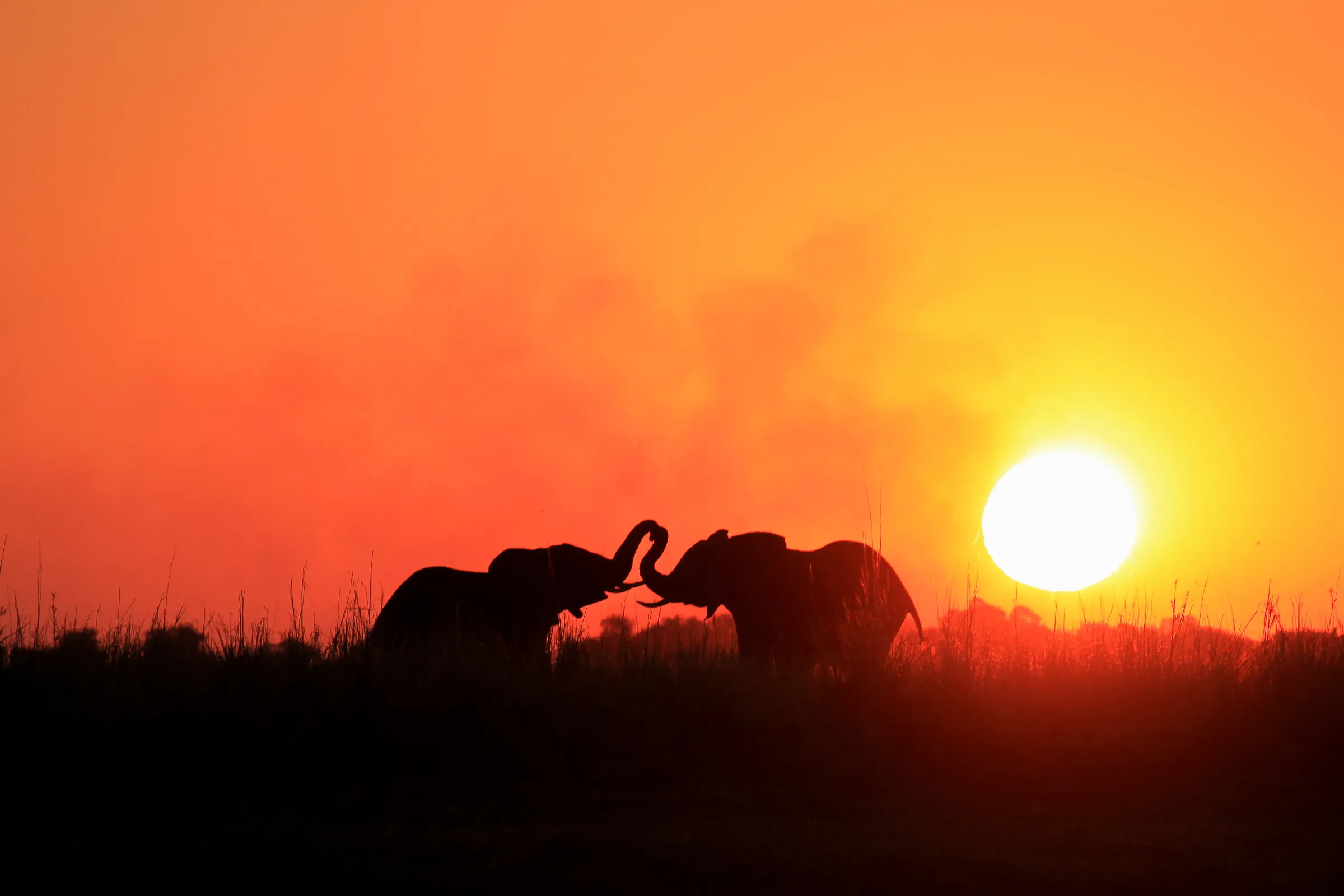
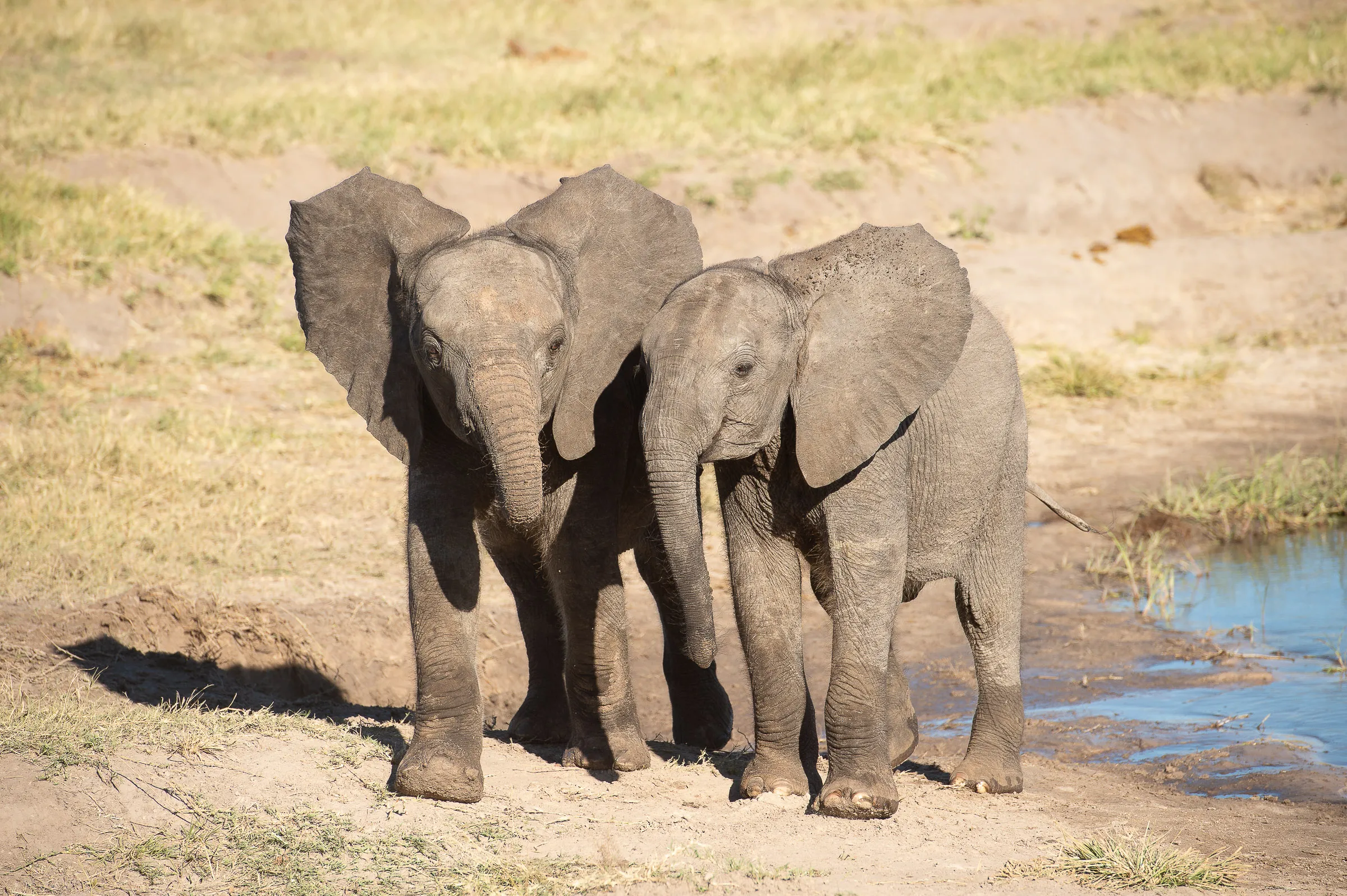
It is especially known for large elephant herds, along with buffalo, hippo, crocodile, and lion along the riverfront.
Game viewing occurs via river boat safaris and 4×4 drives, with river edges offering close range sightings and inland areas providing broader wildlife movement.
Chobe functions as a high density riverfront ecosystem linked to seasonal inland dispersal patterns.
Moremi Game Reserve
Moremi Game Reserve lies in the eastern Okavango Delta and includes floodplains, waterways, islands, and mopane woodland. It sits at the interface between permanent delta water and dry interior systems.
Seasonal flooding shapes wetland access, while rainfall influences inland movement and grazing patterns.
It is known for strong predator populations, especially lion, leopard, and wild dog, alongside buffalo, elephant, and general plains game.
Safari viewing is by 4×4 vehicles on variable tracks, with close encounters common due to constrained movement between water and woodland zones.
Moremi functions as a mixed wetland and woodland predator stronghold within the delta system.
Savuti
Savuti is located in southwestern Chobe National Park and is defined by fossil river channels, open plains, and scattered woodland. Water availability in the Savuti Channel varies over time.
Seasonal conditions influence whether wildlife concentrates near water sources or spreads across dry plains.
It is known for lion predation dynamics, hyena interactions, and large elephant and buffalo movements in arid conditions.
Game viewing is by 4×4 across open terrain with long visibility and wide ranging animal movement.
Savuti functions as a semi arid predator and plains game landscape driven by irregular water systems.
Makgadikgadi National Park & Nxai Pan National Park
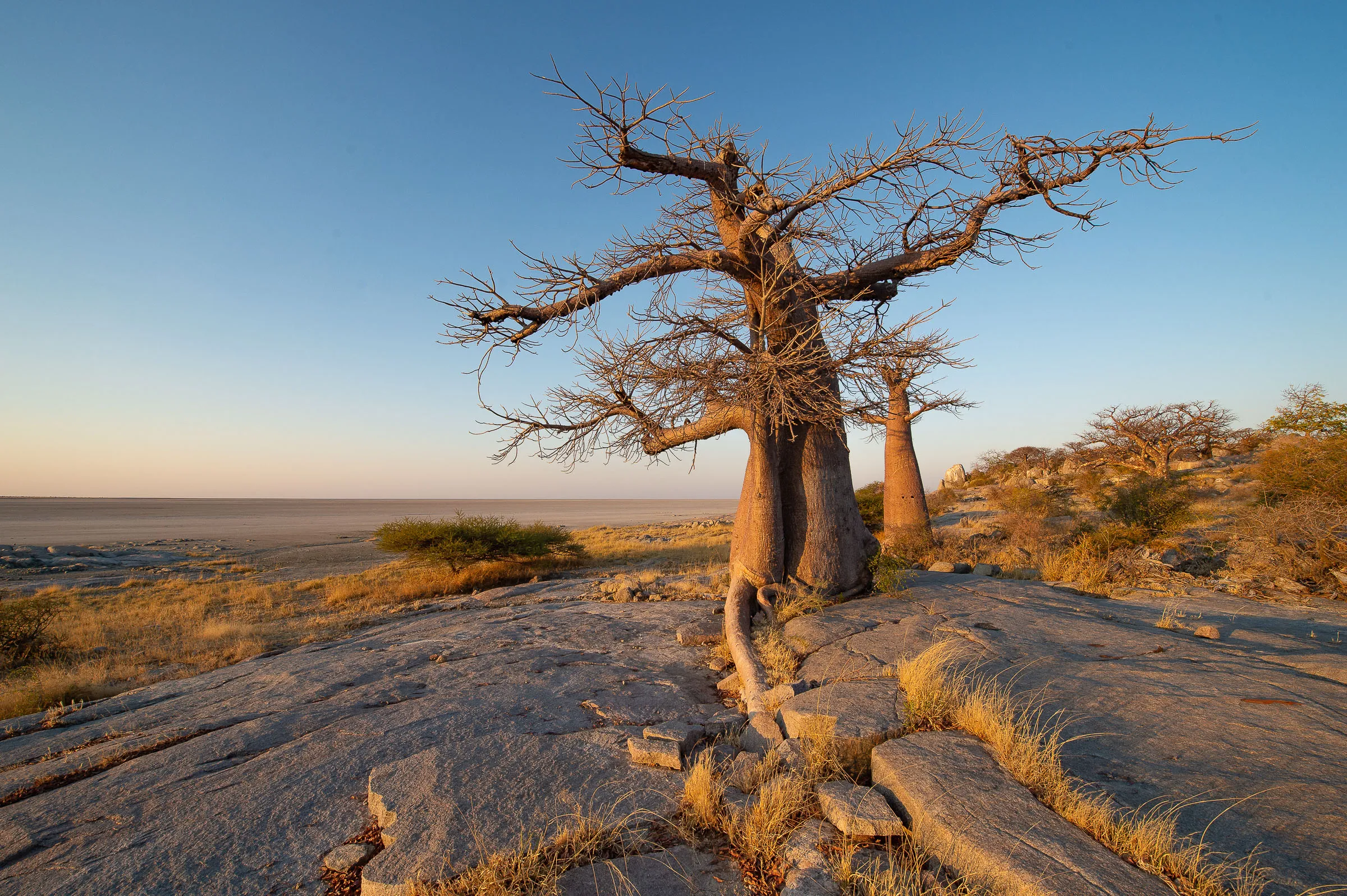
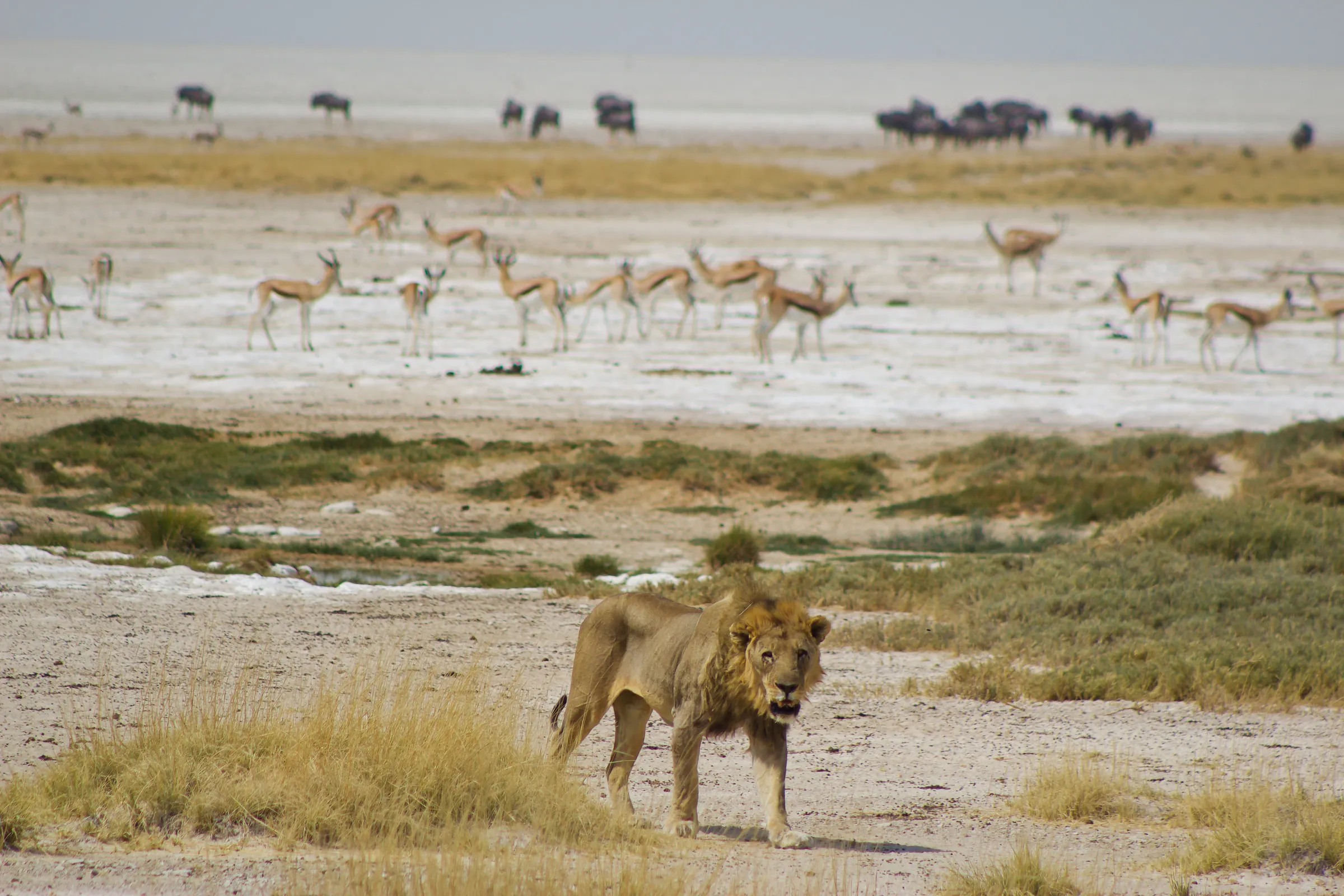
This combined system forms part of the Makgadikgadi salt basin in northeastern Botswana, consisting of salt pans, seasonal grasslands, and baobab landscapes.
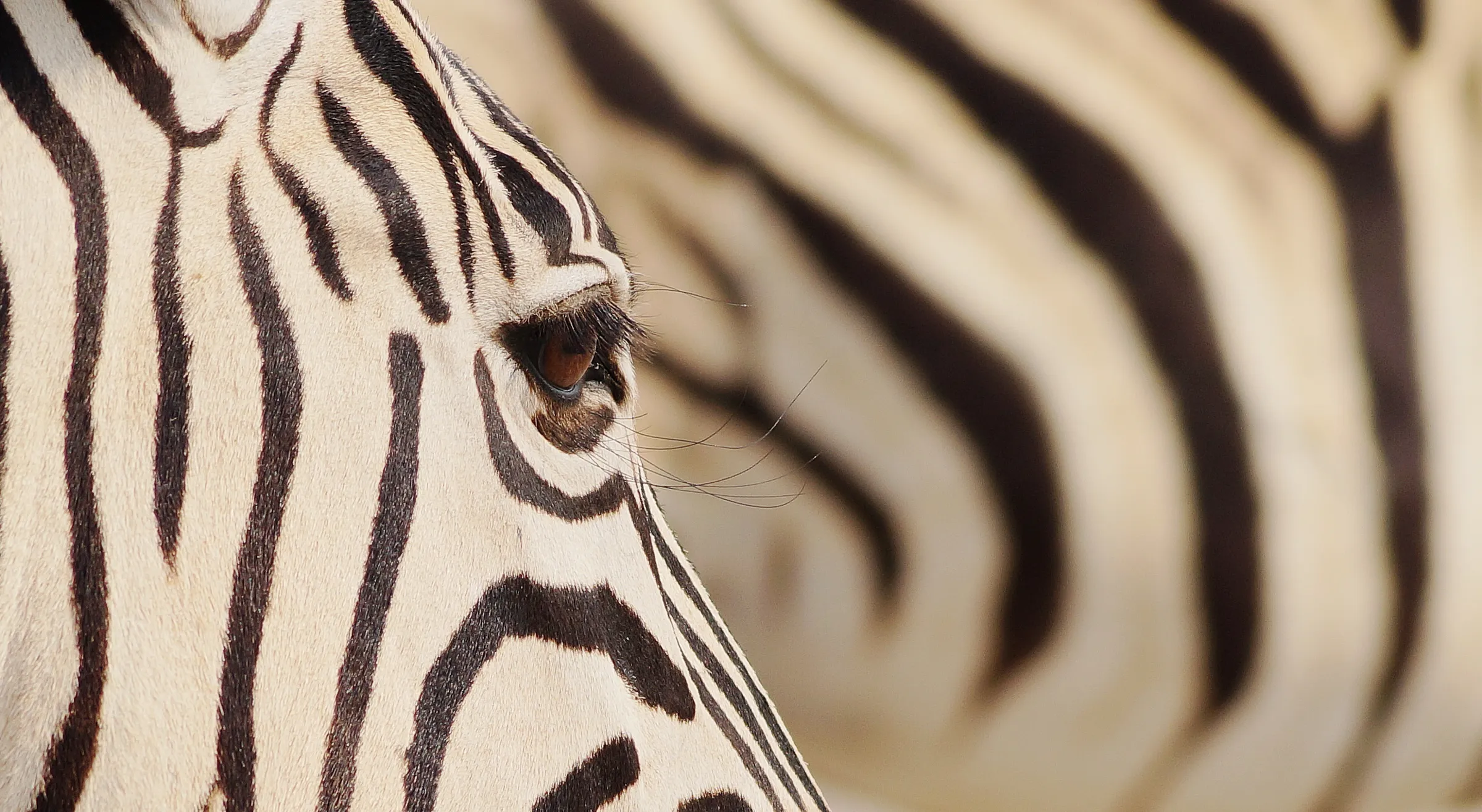
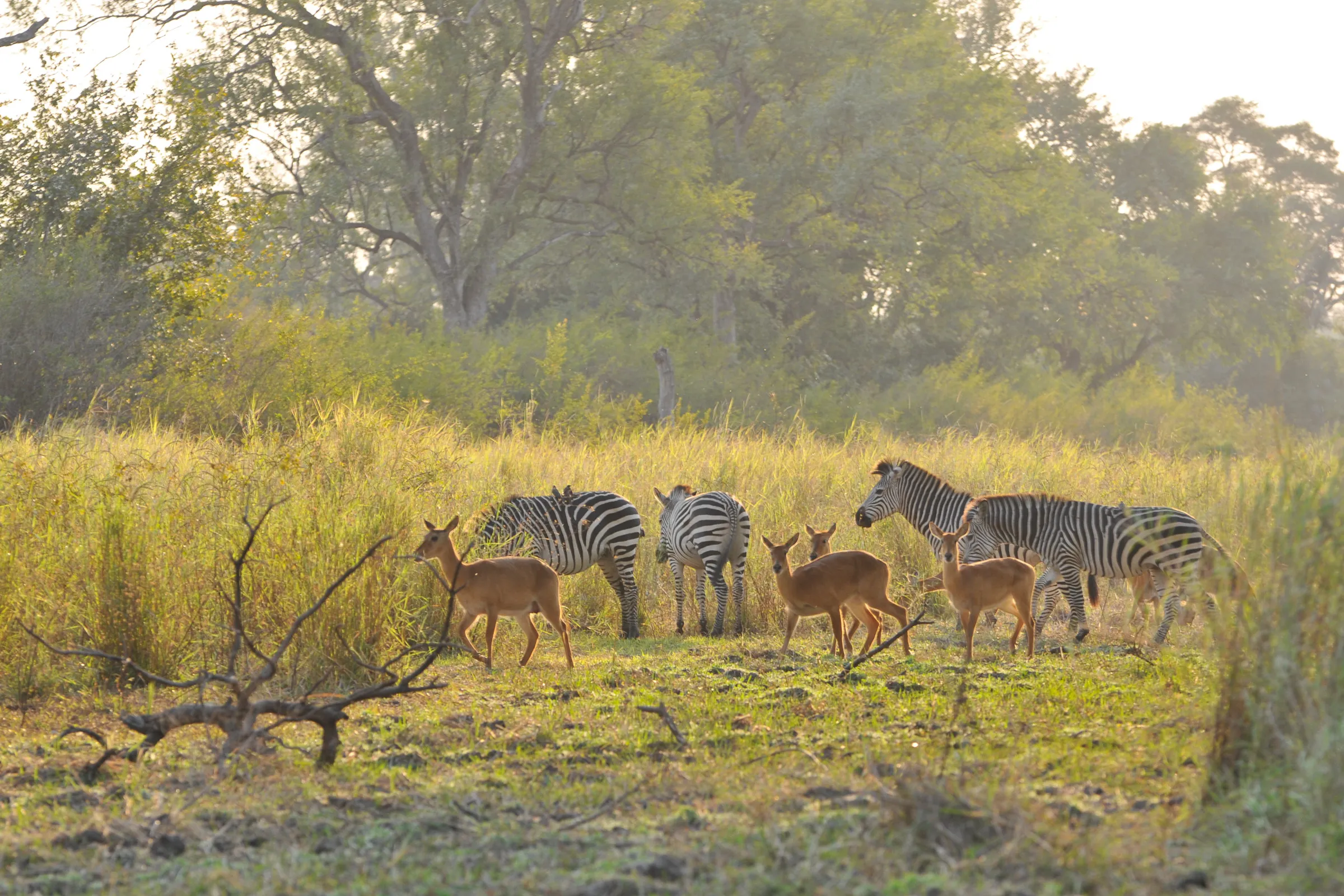
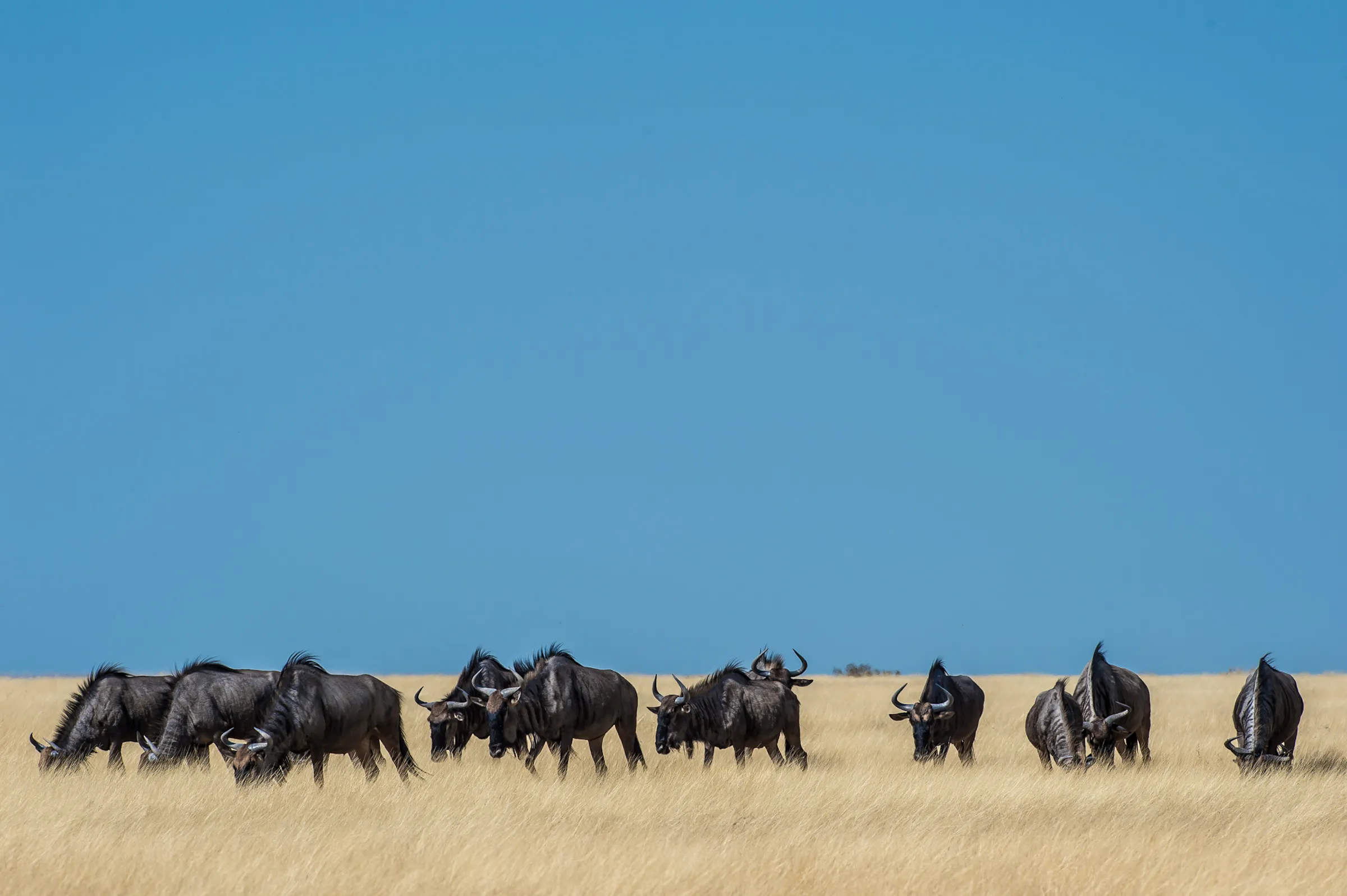
Wet season rains temporarily convert pans into grazing areas, attracting zebra and wildebeest migrations, while dry season leaves exposed salt flats.
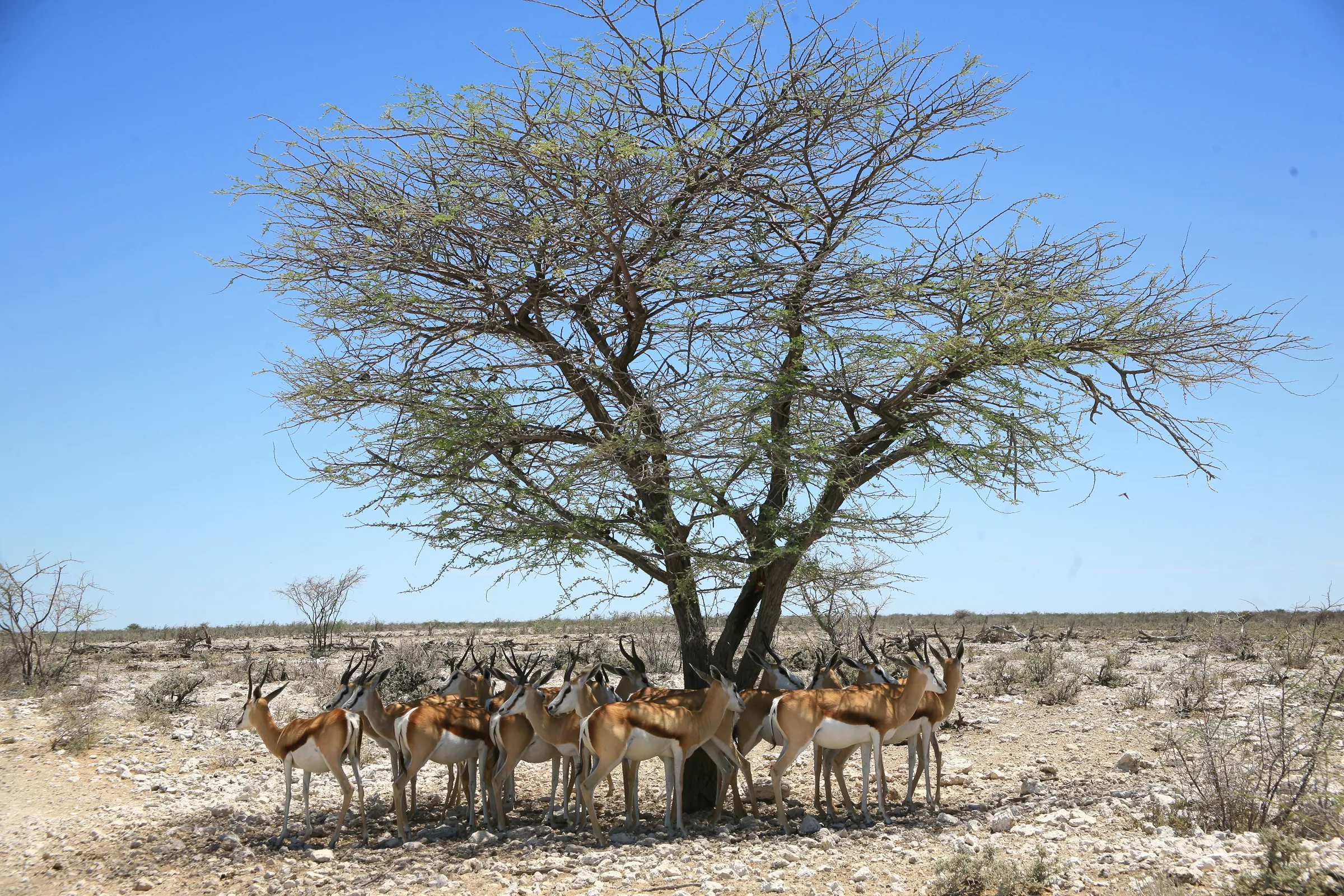
It is known for zebra migration, springbok, and predators such as lion and brown hyena adapted to open terrain.
Game viewing takes place by 4×4 across flat, open landscapes with long distance visibility and sparse vegetation.
The system functions as a seasonal migration landscape defined by extreme openness and rainfall driven wildlife movement.
Central Kalahari Game Reserve
The Central Kalahari Game Reserve covers vast semi desert terrain of dunes, fossil river valleys, and grass plains in central Botswana. It is one of the most remote wilderness areas in Africa.
Rainfall triggers temporary grazing that supports seasonal wildlife movement, while dry periods concentrate animals around scarce water points.
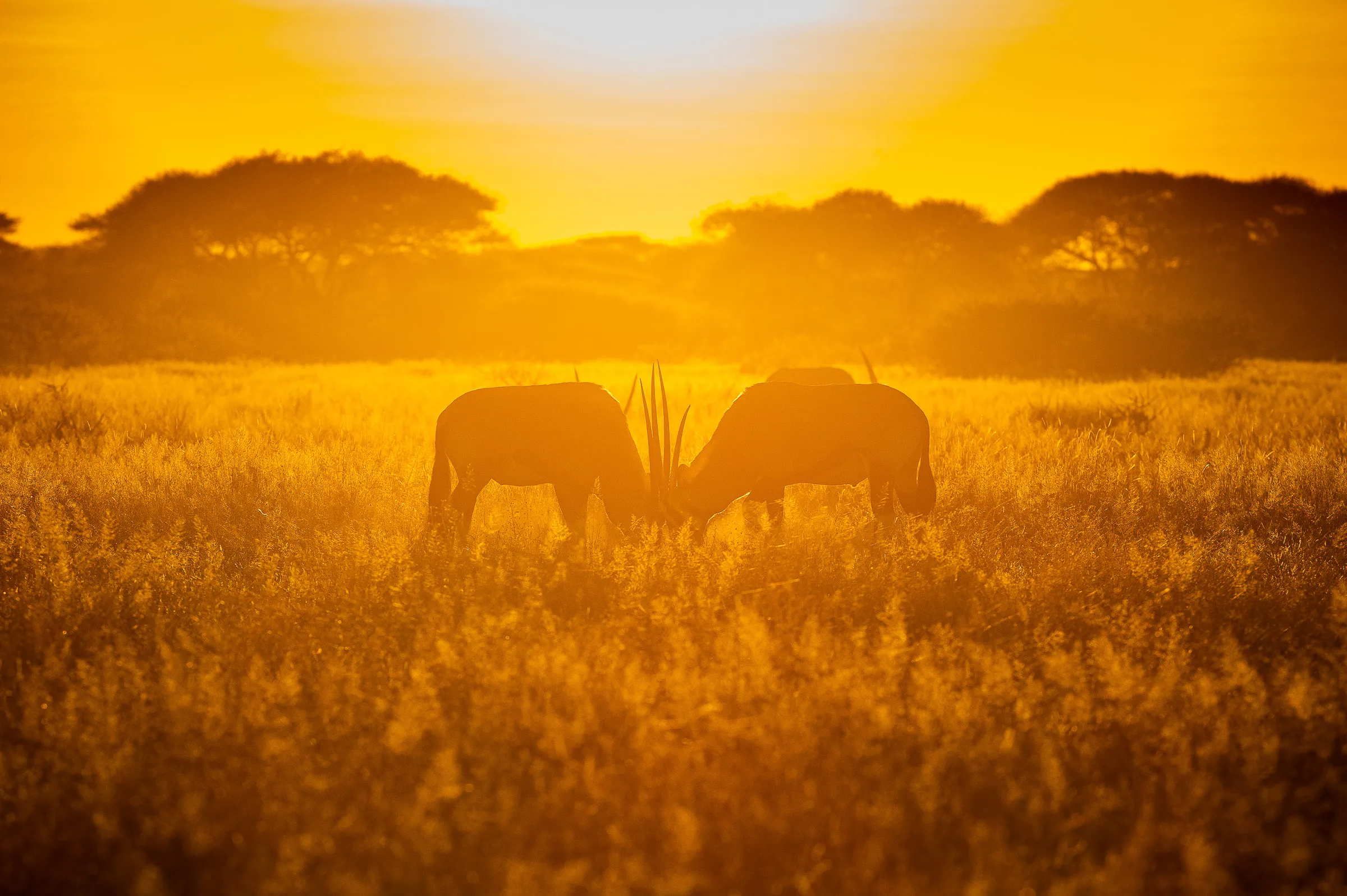
It is known for desert adapted species such as gemsbok, springbok, brown hyena, and Kalahari lion.
Safari travel is by 4×4 across sandy tracks with low wildlife density and wide ranging movement patterns.
The reserve functions as a large scale arid wilderness system shaped by extreme seasonal variability.
Safaris in Botswana
Frequently Asked Questions
What makes Botswana a unique safari destination?
Botswana is known for its low impact, high quality safari model with vast wilderness areas and low visitor density. Key regions such as the Okavango Delta, Chobe National Park and the Kalahari offer very different safari environments, from water based wildlife viewing to classic game drives and desert landscapes.
Sunway Safaris itineraries explore Botswana as part of wider Southern Africa routes, combining major highlights with neighbouring destinations for a broader safari experience.
What is the best time to go on safari in Botswana?
Botswana is a year round safari destination, but the dry season from May to October is generally considered best for wildlife viewing as animals concentrate around permanent water sources. The green season from November to April brings lush landscapes, migratory bird species and fewer visitors in many areas.
Sunway Safaris schedules Botswana travel year round with itineraries that balance wildlife viewing conditions with regional travel logistics.
Which is better for safari in Botswana: Okavango Delta or Chobe National Park?
The Okavango Delta and Chobe National Park offer very different safari experiences rather than competing ones. The Okavango Delta is a water rich wilderness known for mokoro excursions, boat based viewing and remote wildlife encounters. Chobe National Park is famous for large elephant populations and river based game viewing along the Chobe River.
Many Sunway Safaris itineraries combine both regions to provide a more complete Botswana safari experience.
Is Botswana better than other African safari destinations?
Botswana is often considered one of Africa’s premier safari destinations due to its conservation focused approach, low tourist density and diverse ecosystems. Compared to more heavily visited safari regions, Botswana offers a more exclusive and immersive wilderness experience, particularly in areas such as the Okavango Delta and private concessions.
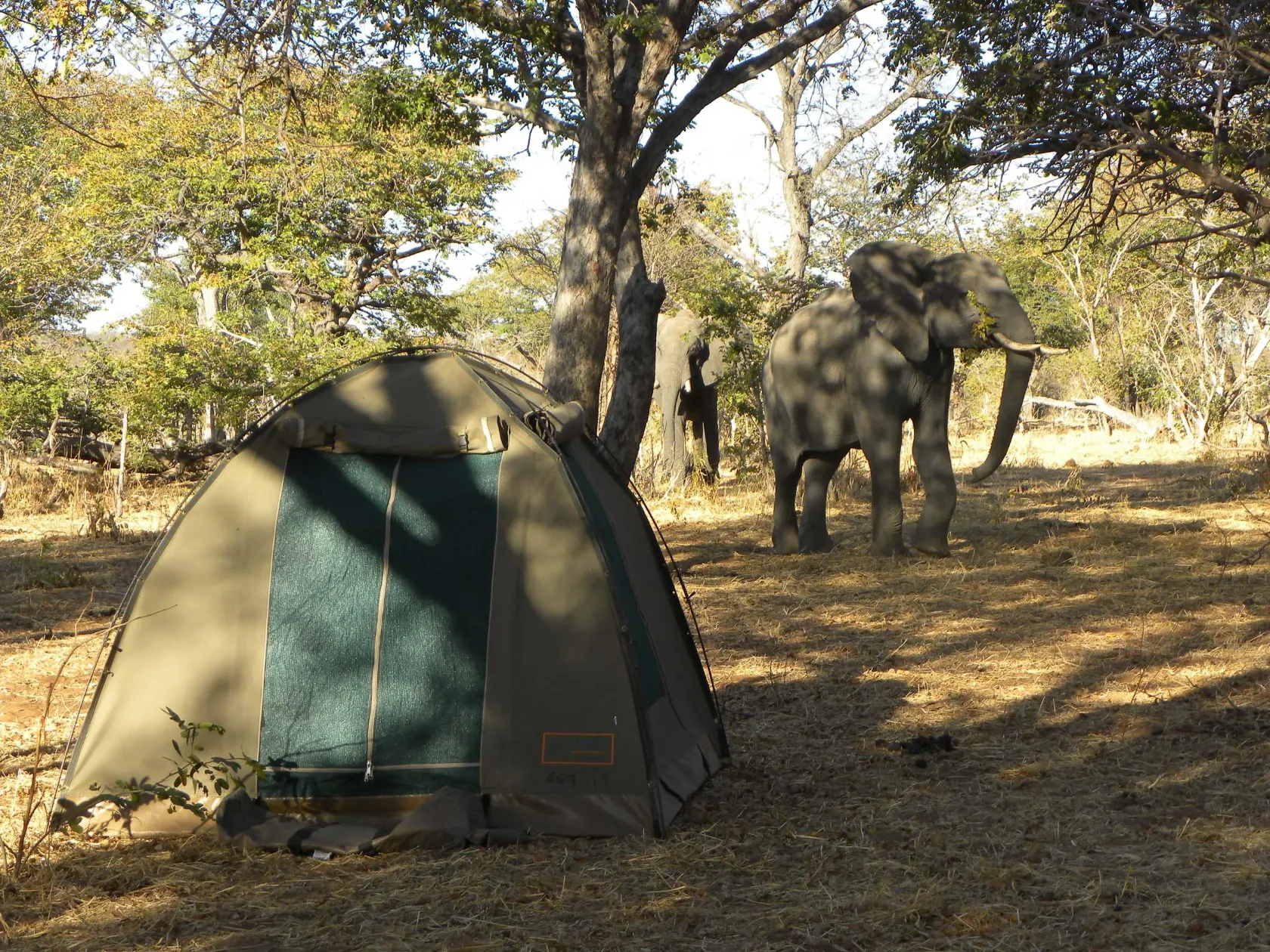
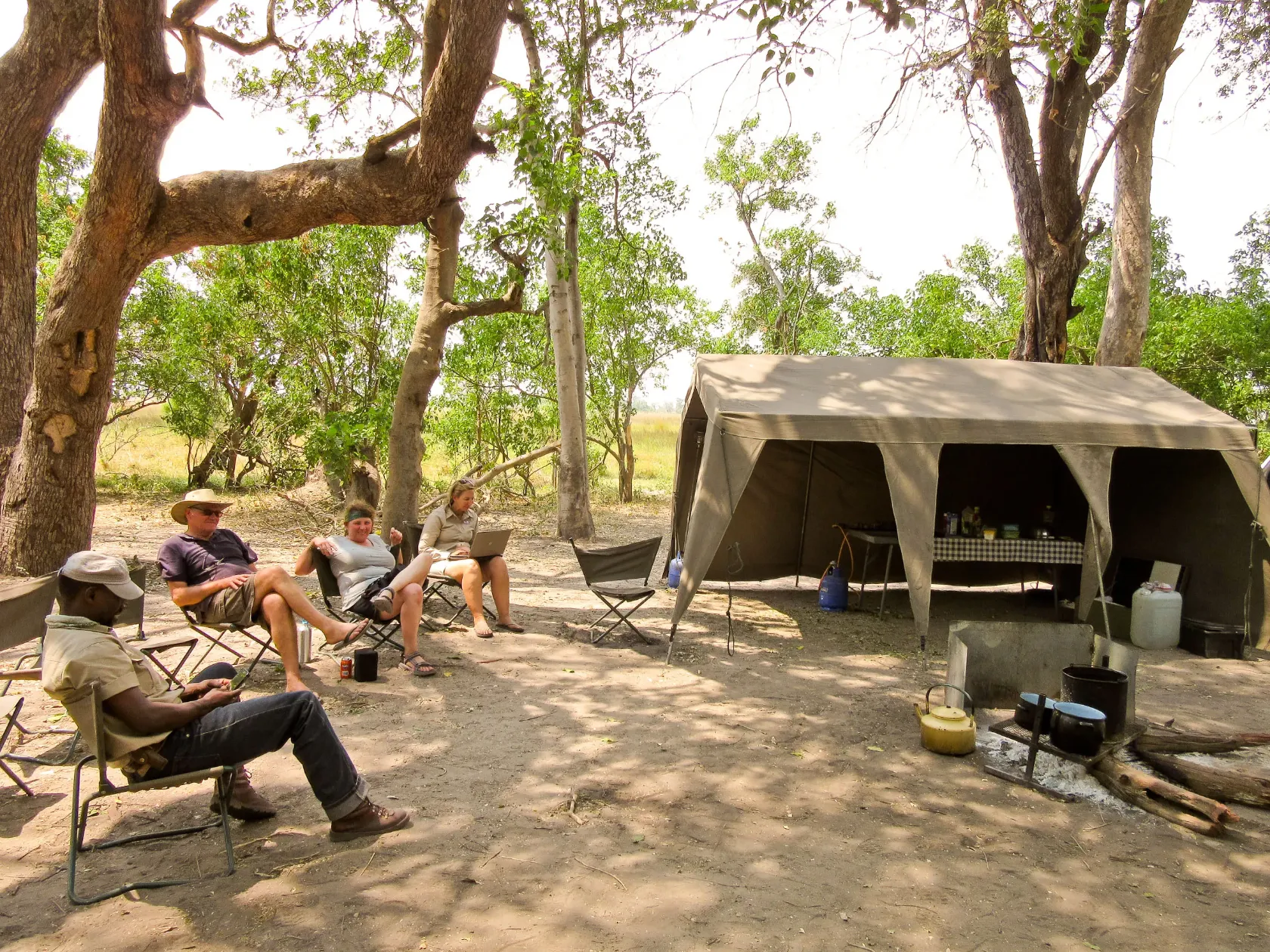
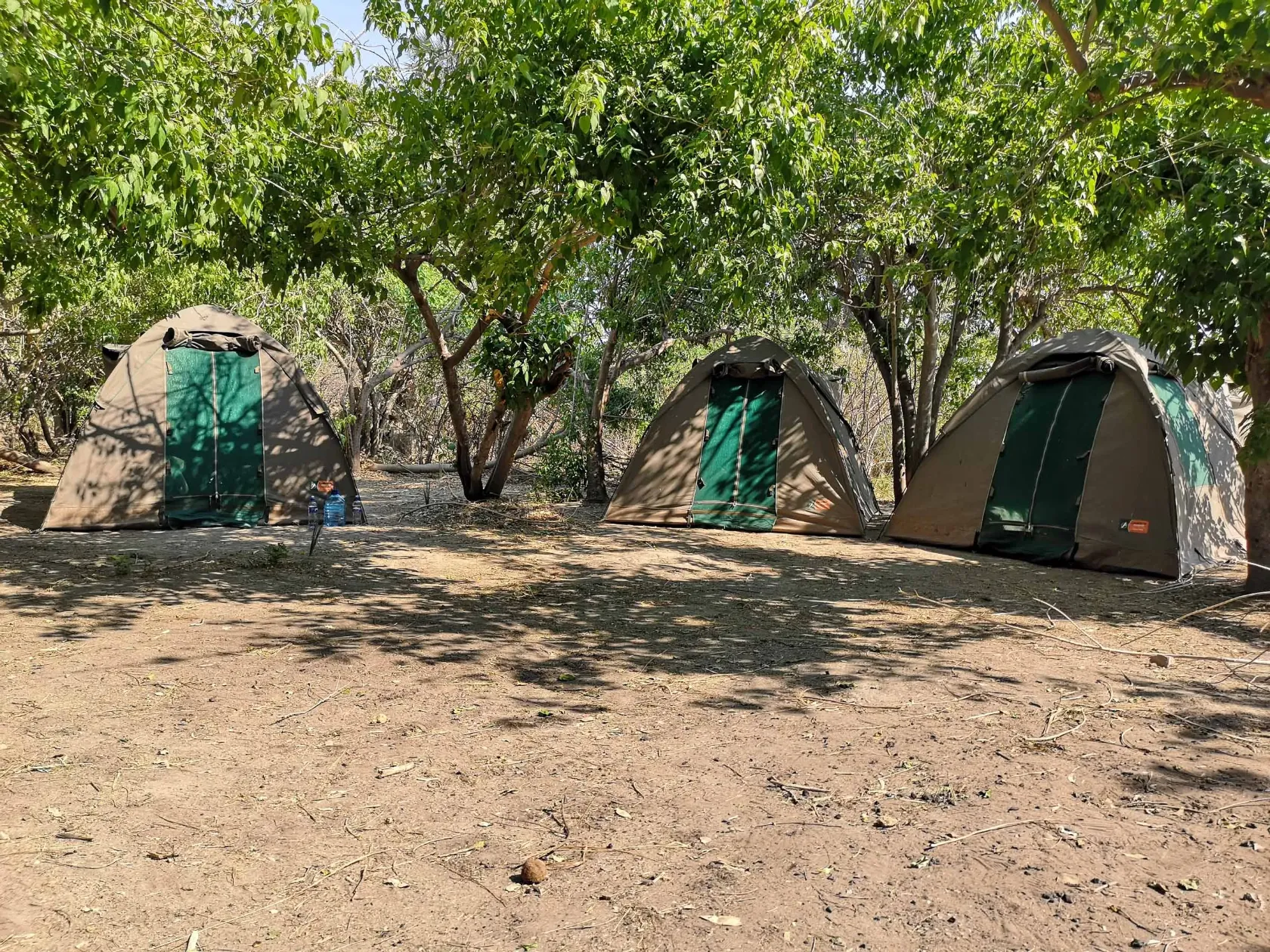
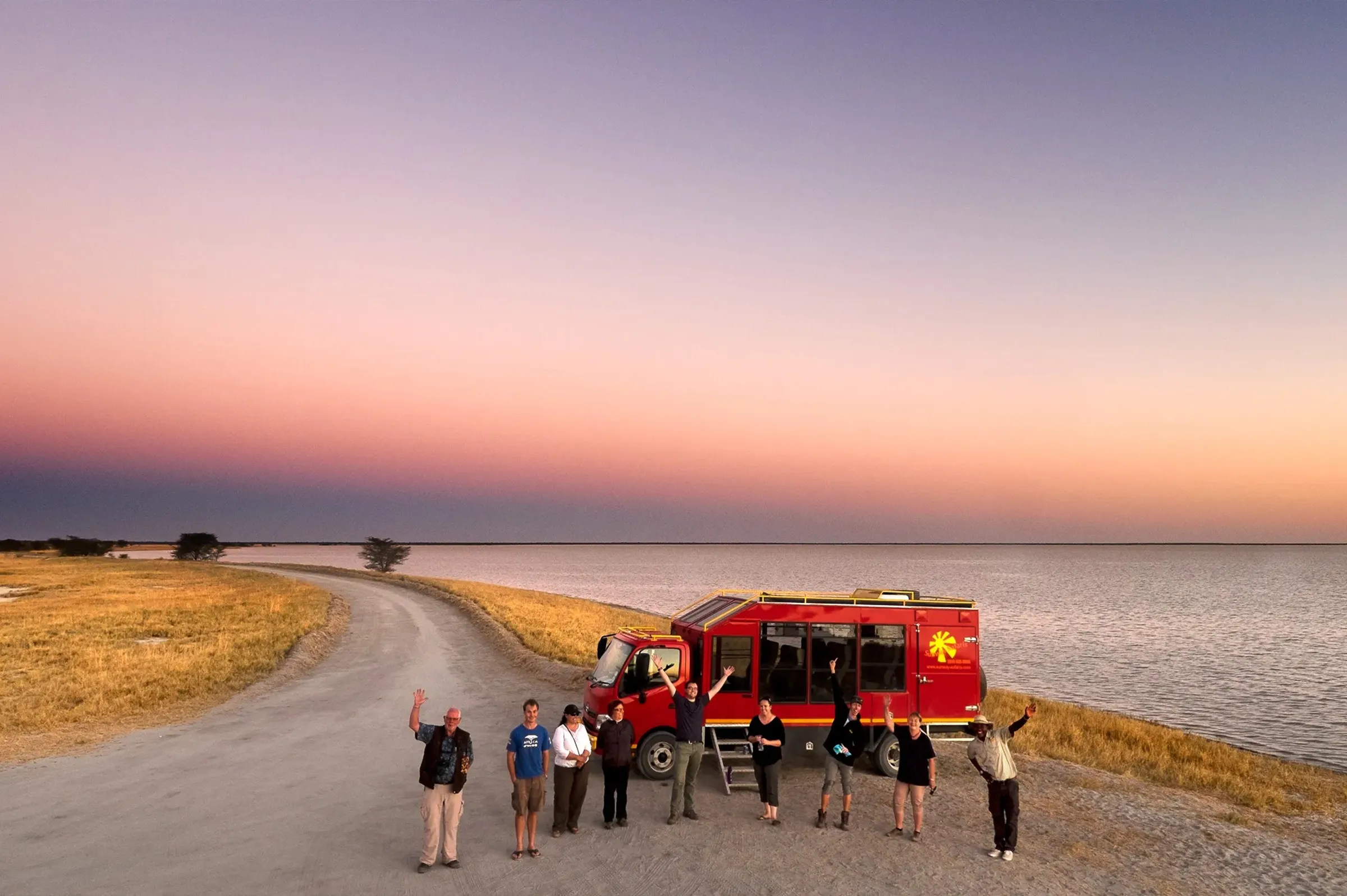
Sunway Safaris includes Botswana as part of multi country routes that allow travellers to compare different safari environments within one journey. Groups are often kept private in private lodges, campsites, game drive vehicles and boat excursions when possible.
What wildlife can I expect to see in Botswana?
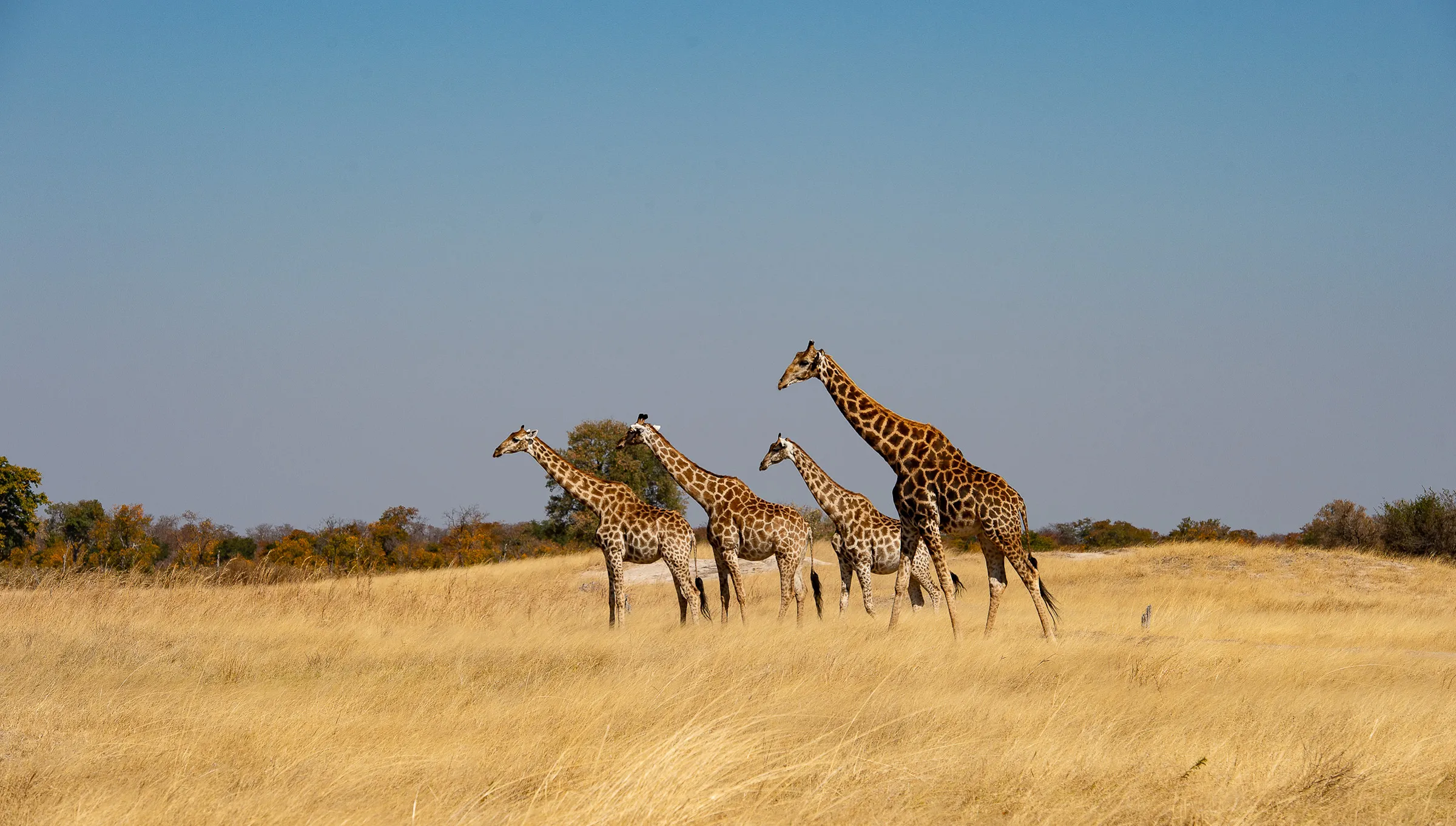
Botswana offers excellent wildlife viewing, including elephant, lion, leopard, buffalo, hippo, crocodile and a wide variety of antelope species. The Okavango Delta supports both land and water based ecosystems, while Chobe National Park is known for some of the largest elephant concentrations in Africa.
Season and region influence sightings, and Sunway Safaris itineraries are designed to maximise wildlife opportunities across different environments.
How do Botswana safari experiences differ between regions?
Botswana’s safari regions are highly diverse. The Okavango Delta focuses on water based exploration and remote wilderness camps, Chobe National Park offers riverfront game viewing with large animal concentrations, and the Kalahari provides open desert landscapes with unique adapted wildlife.
Sunway Safaris combines selected regions within broader routes to showcase this diversity in a single guided journey.
Is Botswana suitable for first time safari travellers?
Botswana is suitable for first time safari travellers, particularly those joining guided tours, but it is best appreciated as part of a well planned itinerary. Distances between regions and the remote nature of some areas mean that guided travel helps simplify logistics and improve the overall experience.
Sunway Safaris offers structured itineraries that connect Botswana with neighbouring highlights for a balanced introduction to Southern Africa.
Why choose a guided safari in Botswana?
A guided safari is particularly useful in Botswana due to the remote nature of key regions and the complexity of travelling between them. With Sunway Safaris, experienced guides manage logistics, routing and daily travel arrangements, allowing travellers to focus on the wildlife experience. This is especially valuable when combining multiple regions within Botswana or travelling across borders into neighbouring countries.
Why combine Botswana with other Southern African countries?
Botswana is often combined with neighbouring destinations such as Namibia, Zimbabwe and South Africa to create a more varied safari itinerary. This allows travellers to experience different landscapes, wildlife environments and travel styles within one journey.
Sunway Safaris designs itineraries that connect these regions through guided overland travel, offering a structured way to experience Southern Africa.
Is Botswana safe for a safari holiday?
Botswana is considered one of Africa’s most stable and established safari destinations, with well managed national parks and a strong conservation focus. Most safari travel takes place in remote wilderness areas rather than urban environments, and guided travel helps ensure smooth logistics across long distances and border crossings.
On Sunway Safaris itineraries, Botswana is experienced as part of a fully guided journey where transport, routing and daily arrangements are managed by an experienced guide.