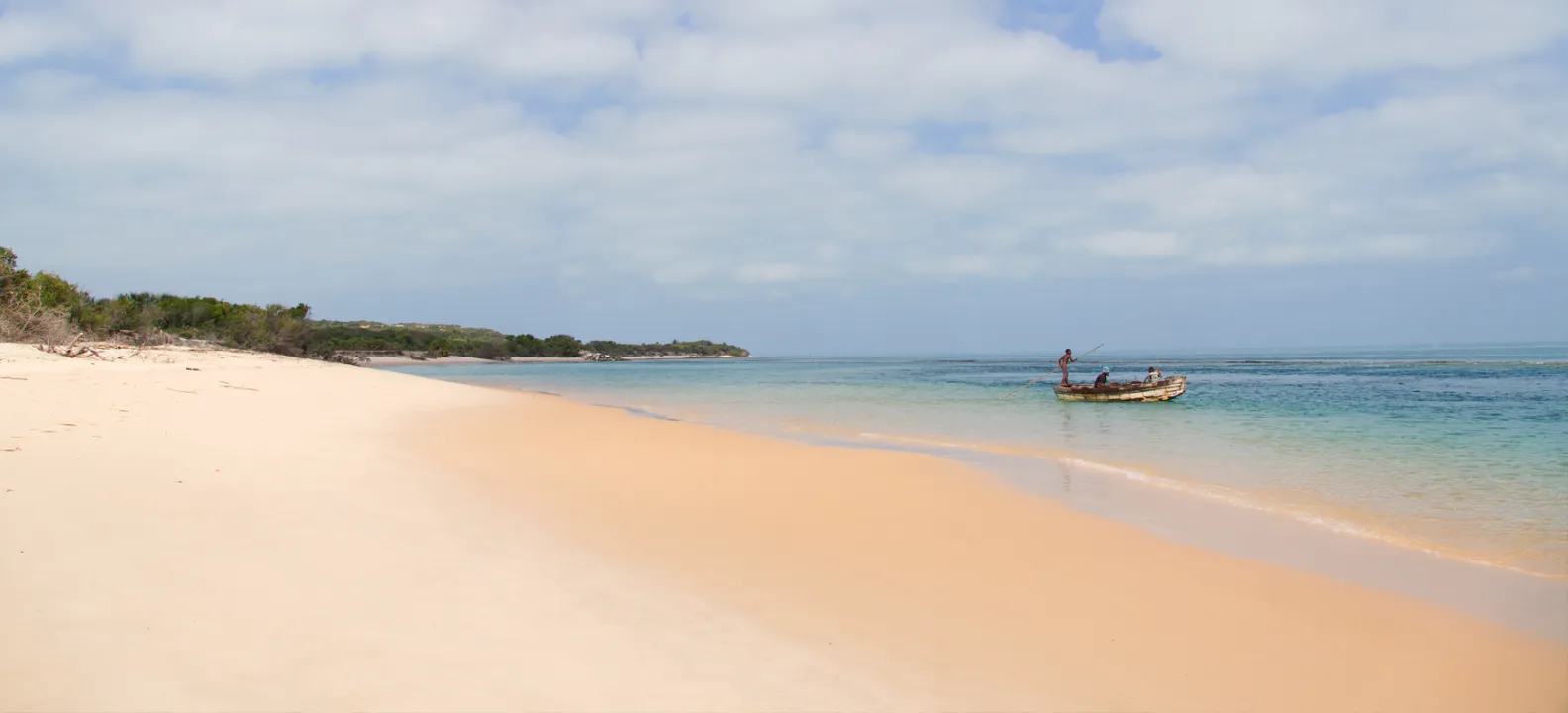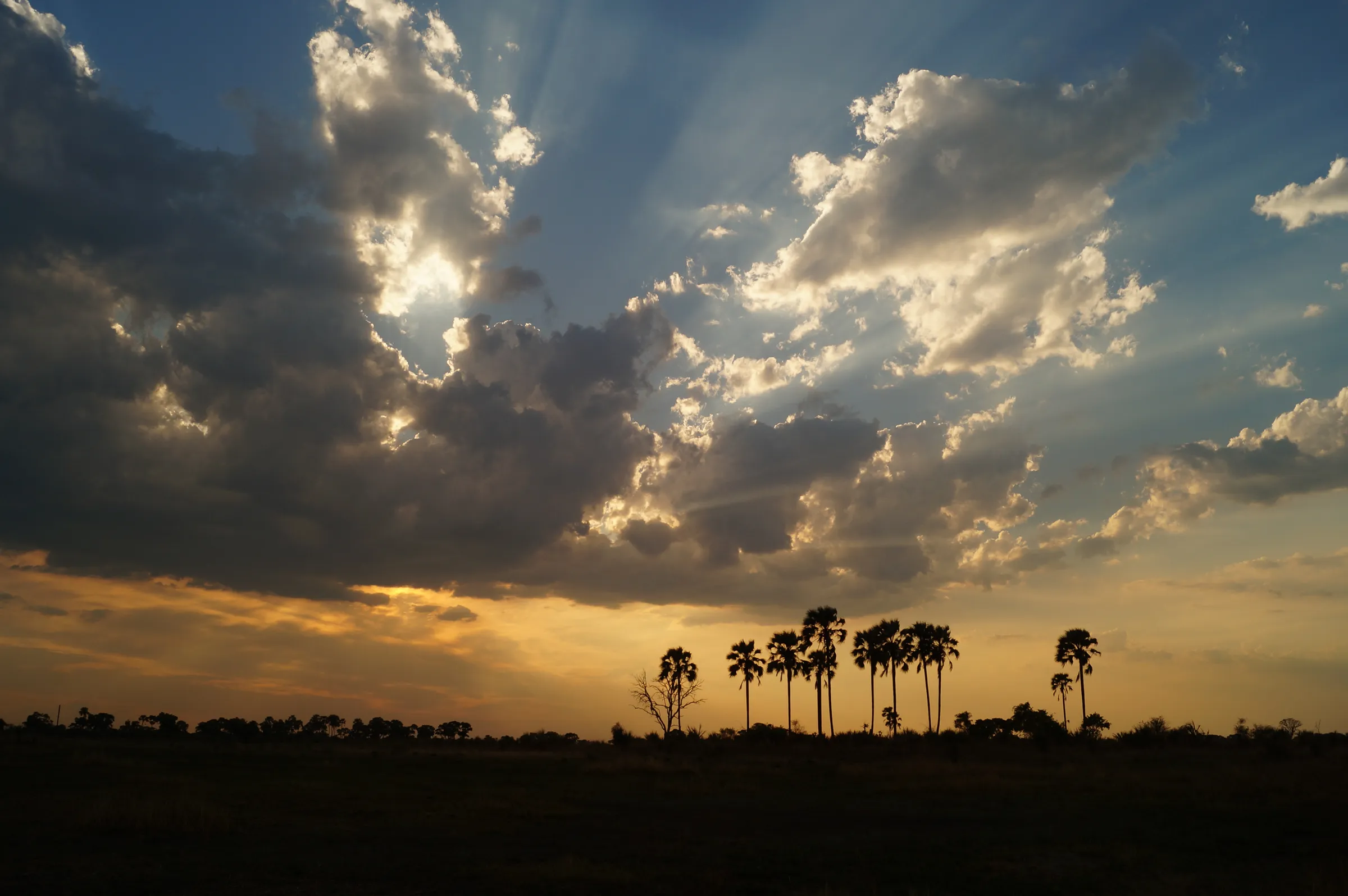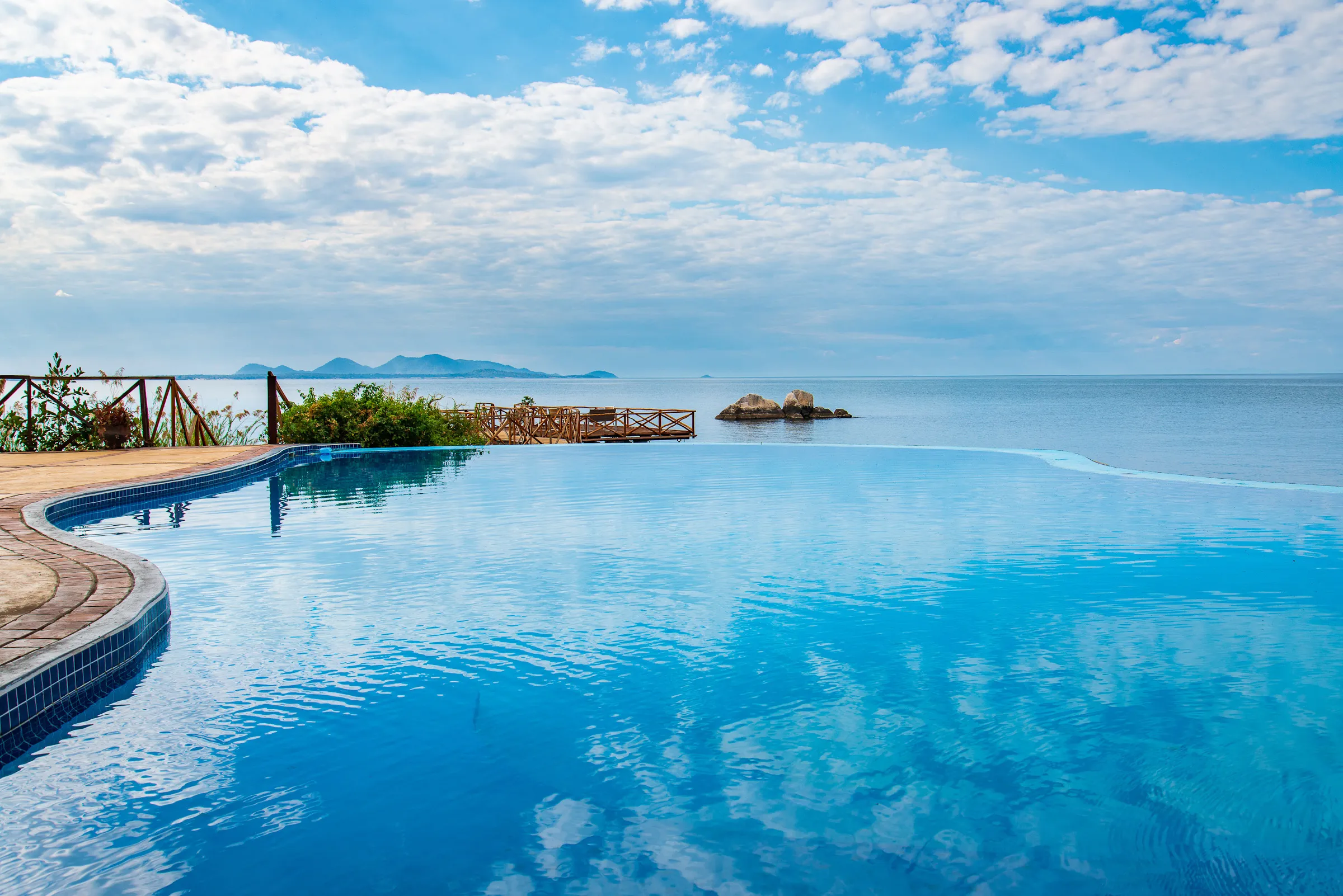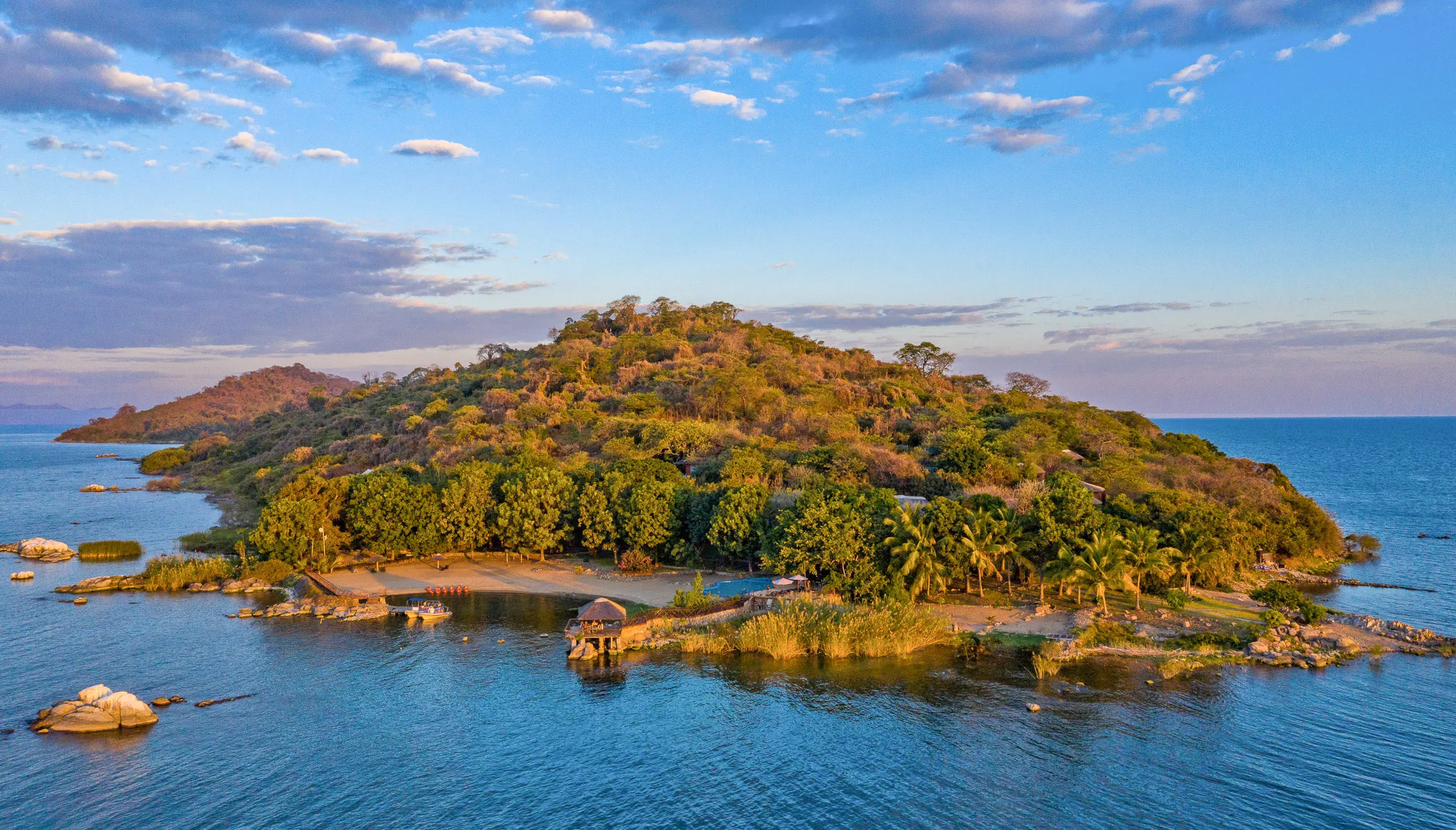


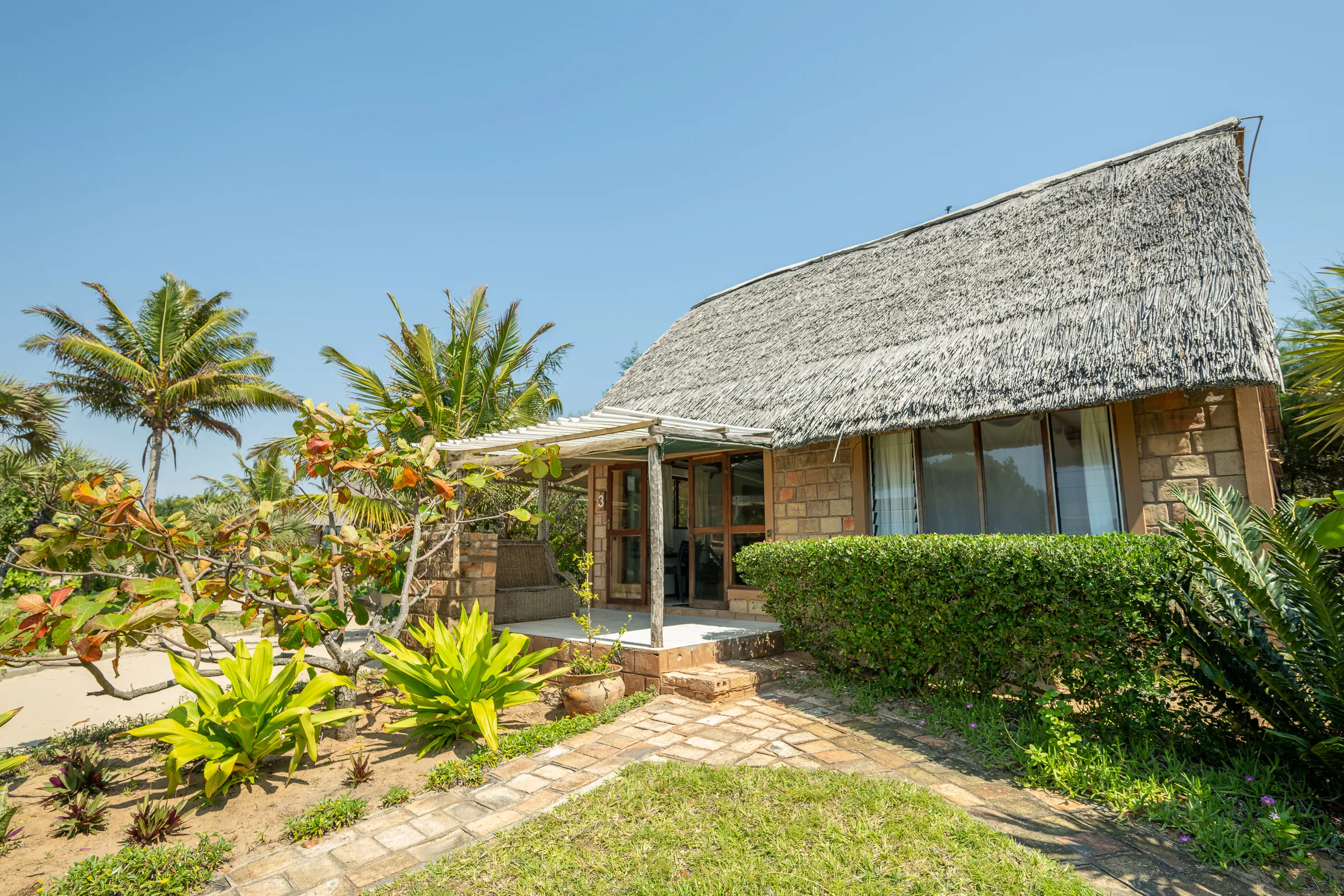
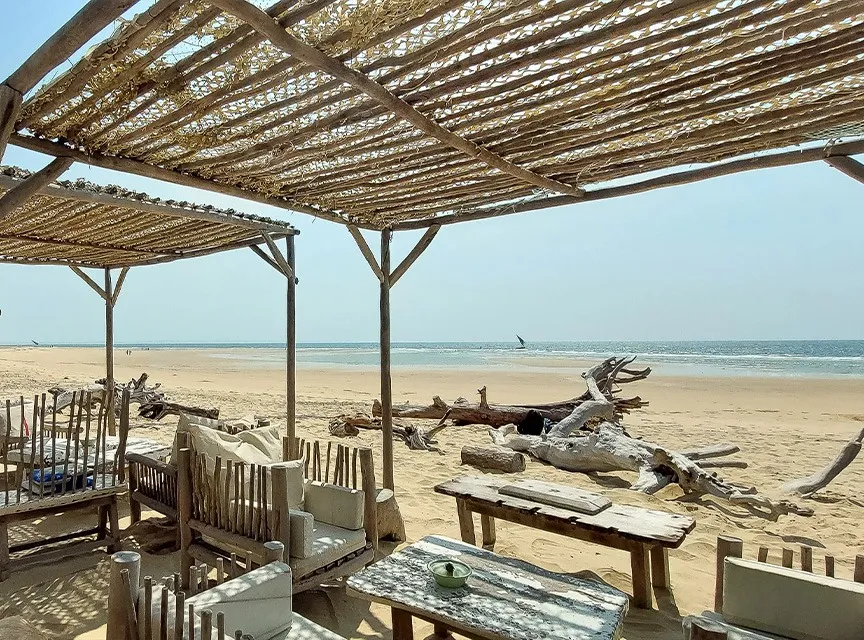
Palm trees line the warm tropical beaches of Mozambique.
Mozambique is a coastal country in Southern Africa, known for its long Indian Ocean coastline, tropical islands and relaxed beach destinations.
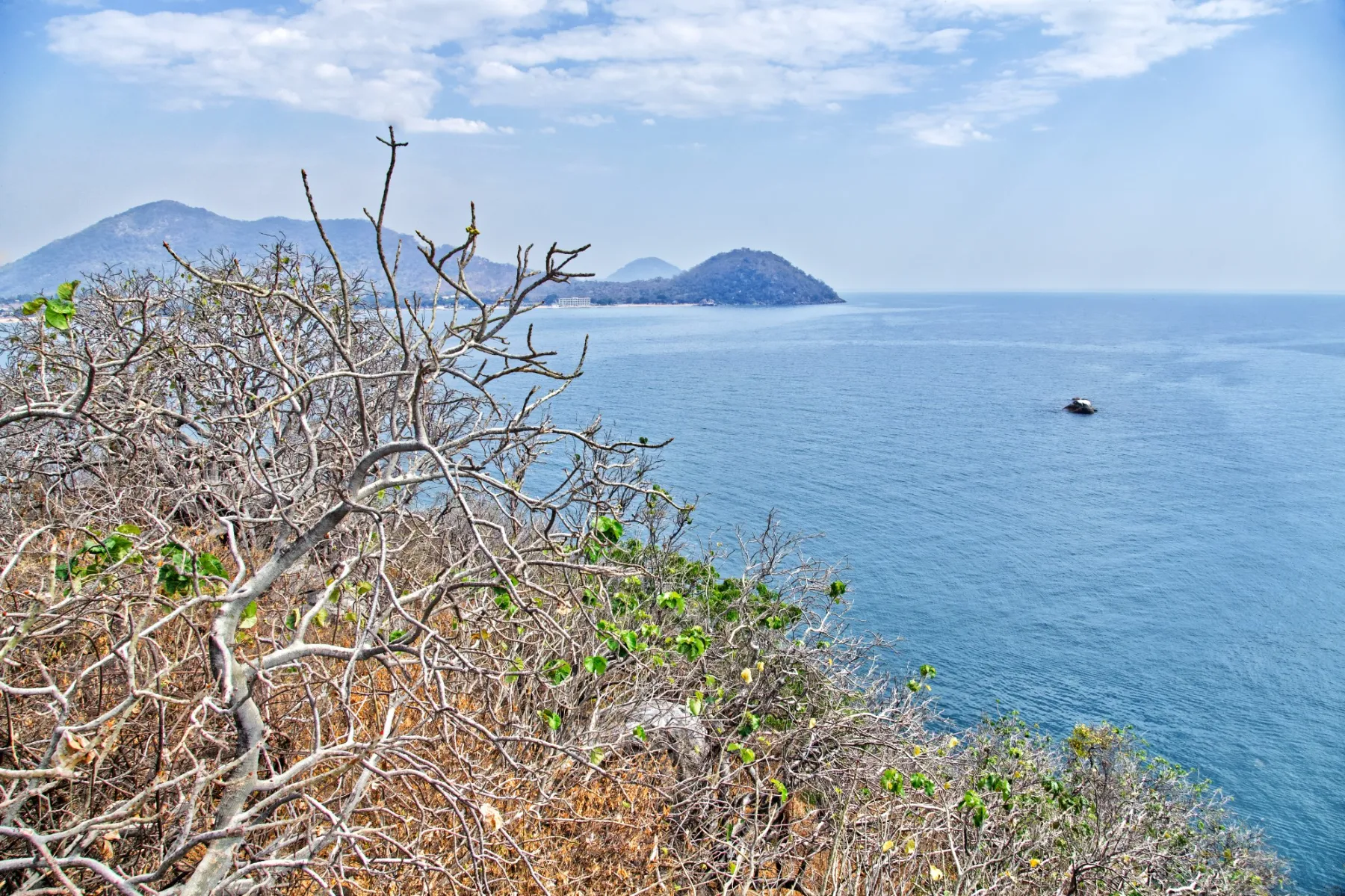
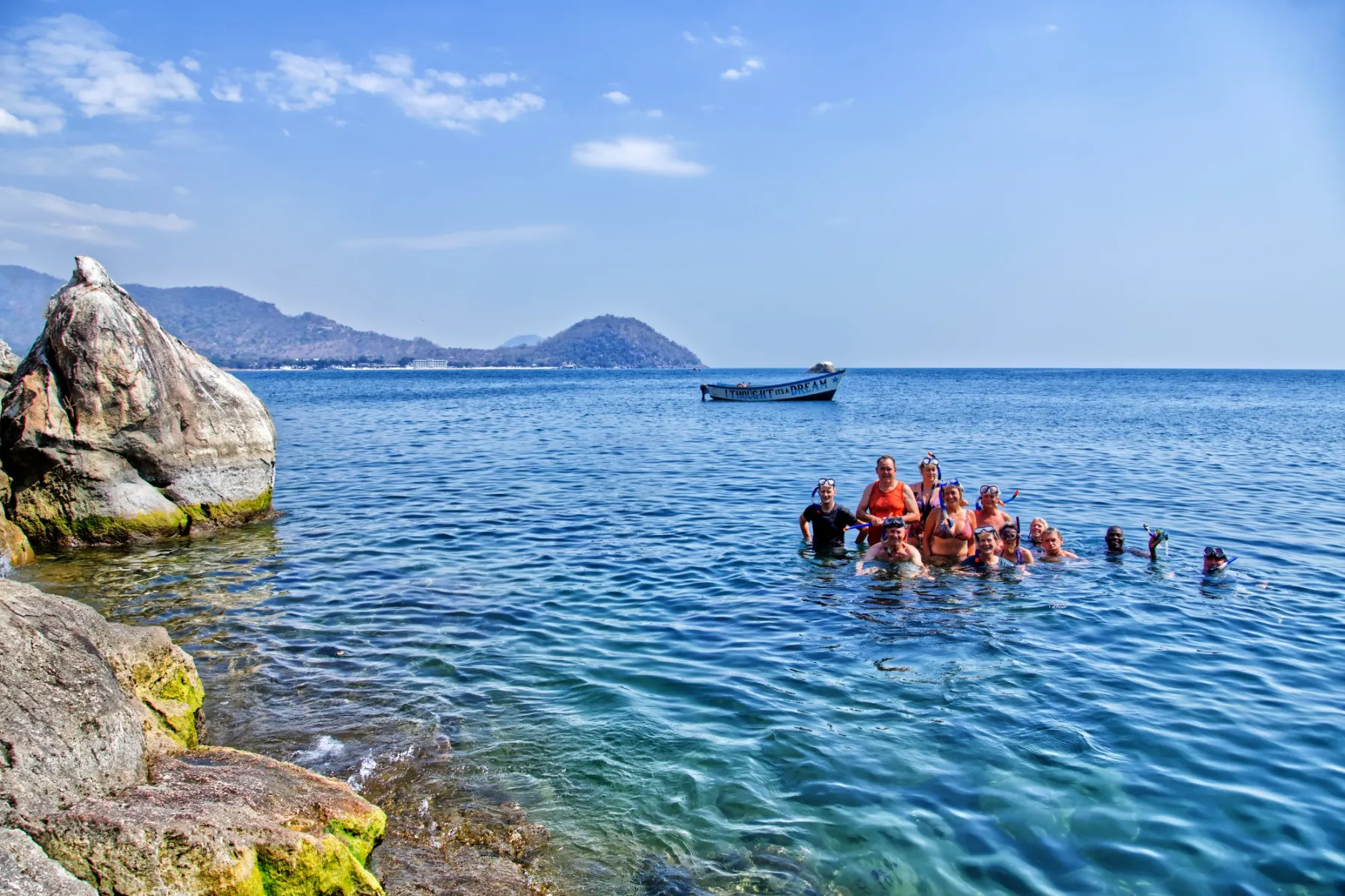
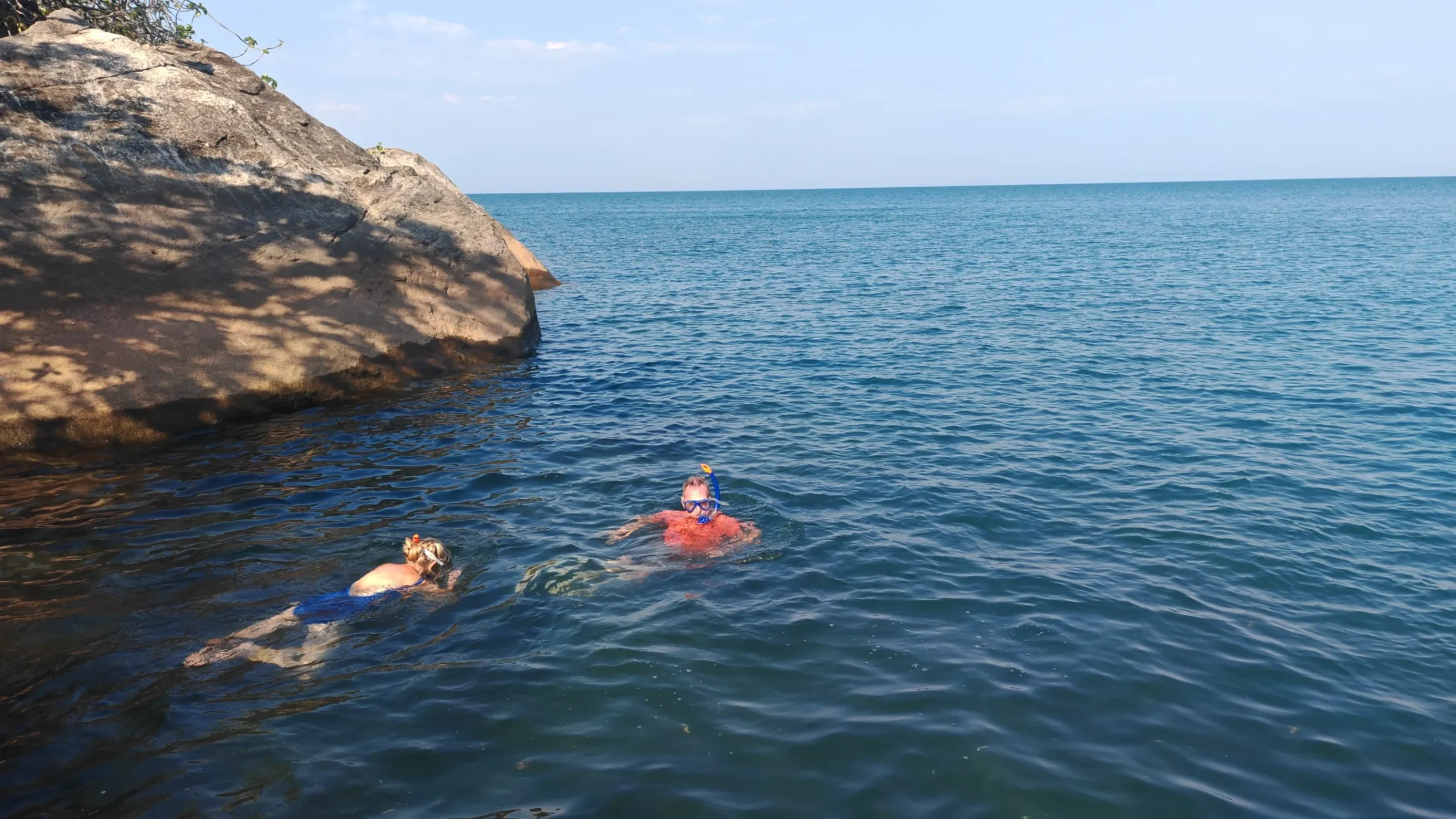
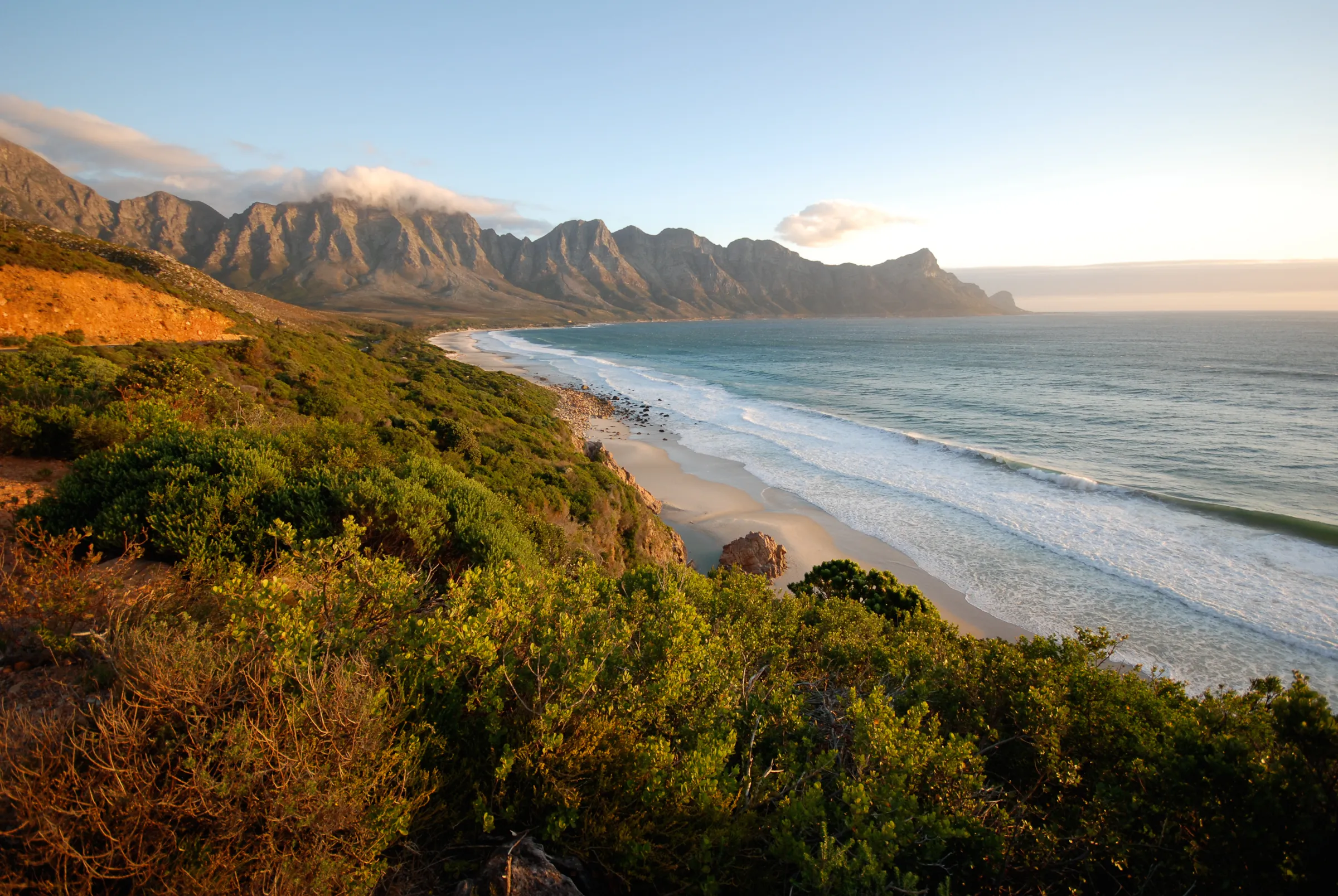
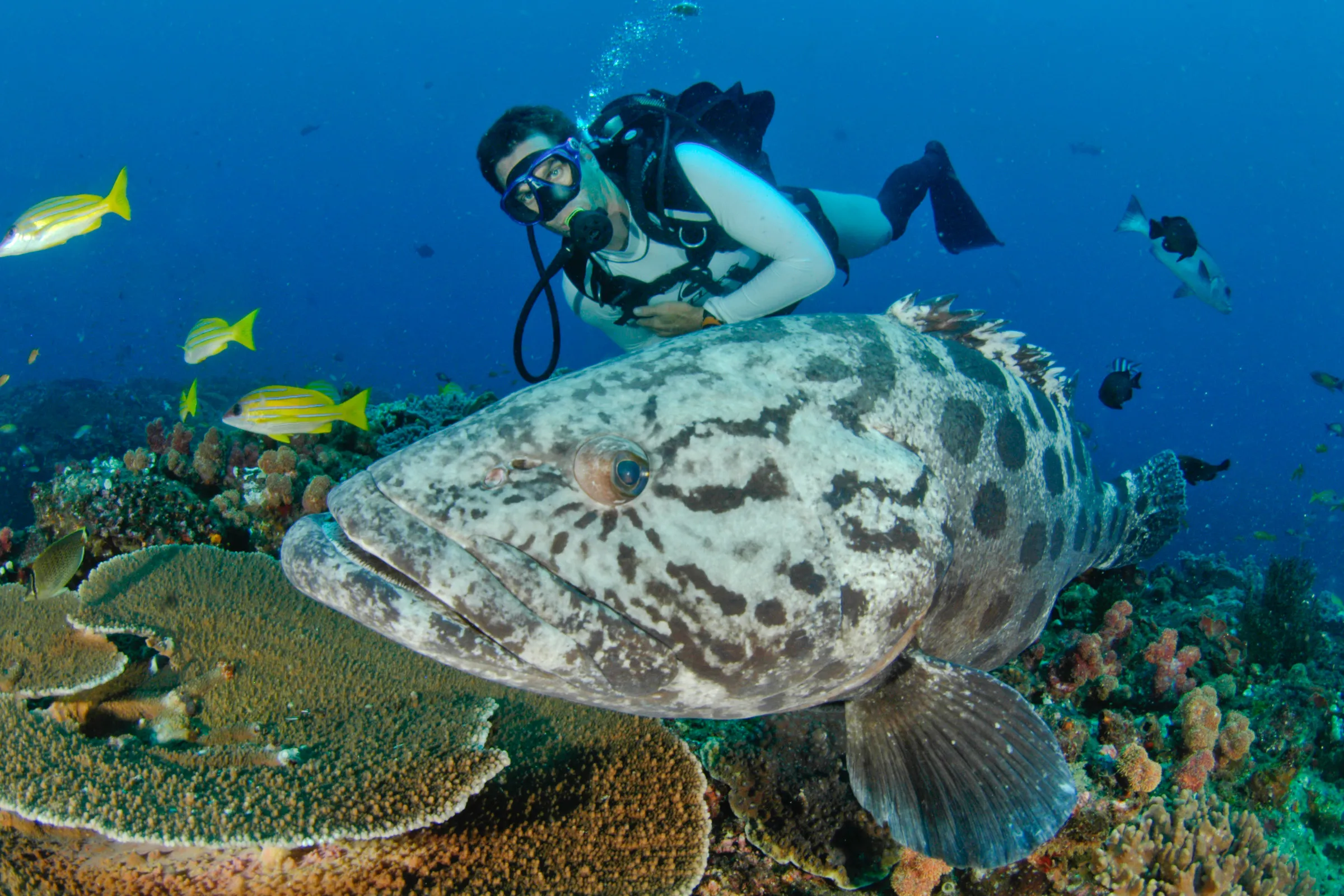
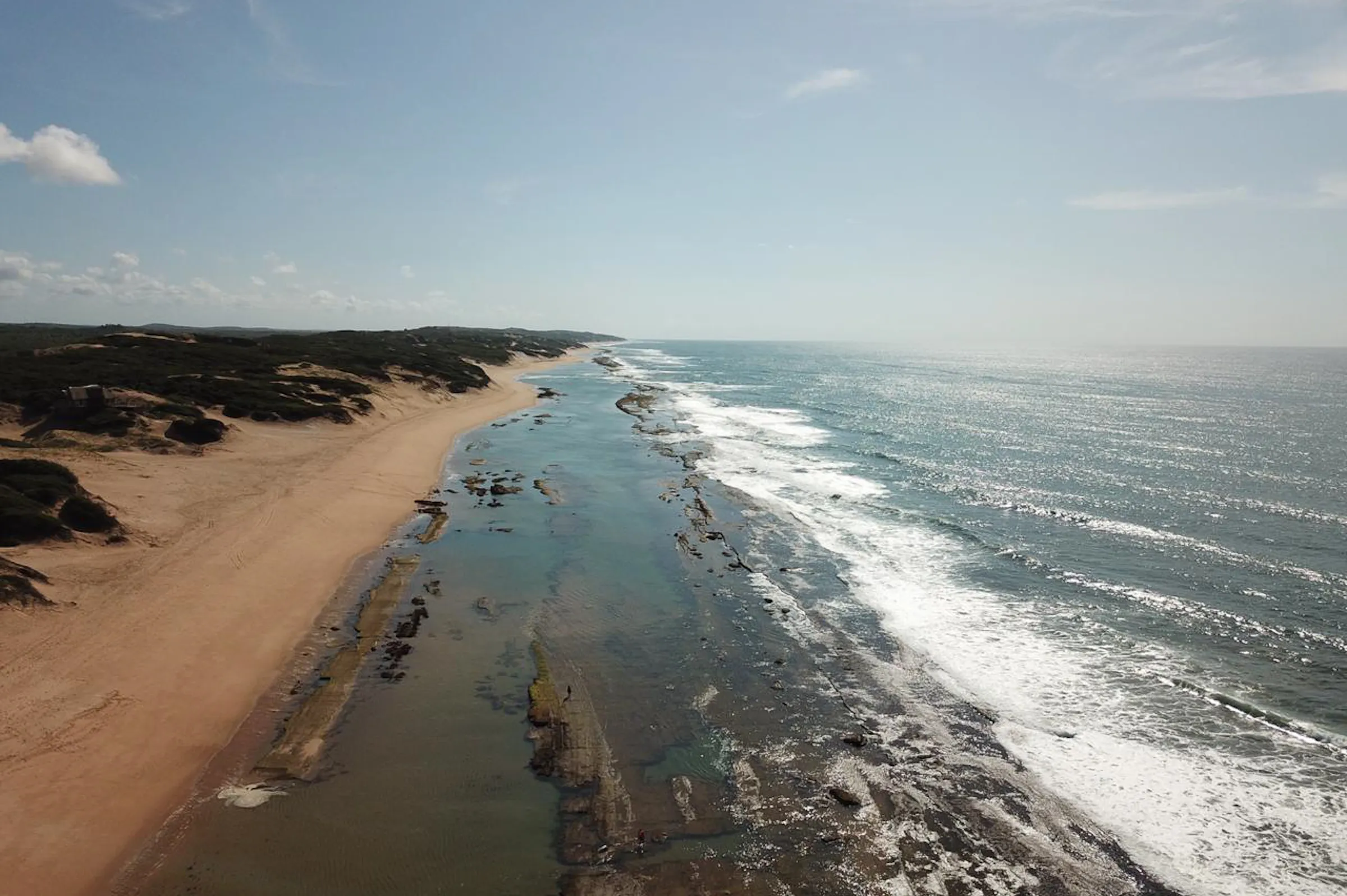
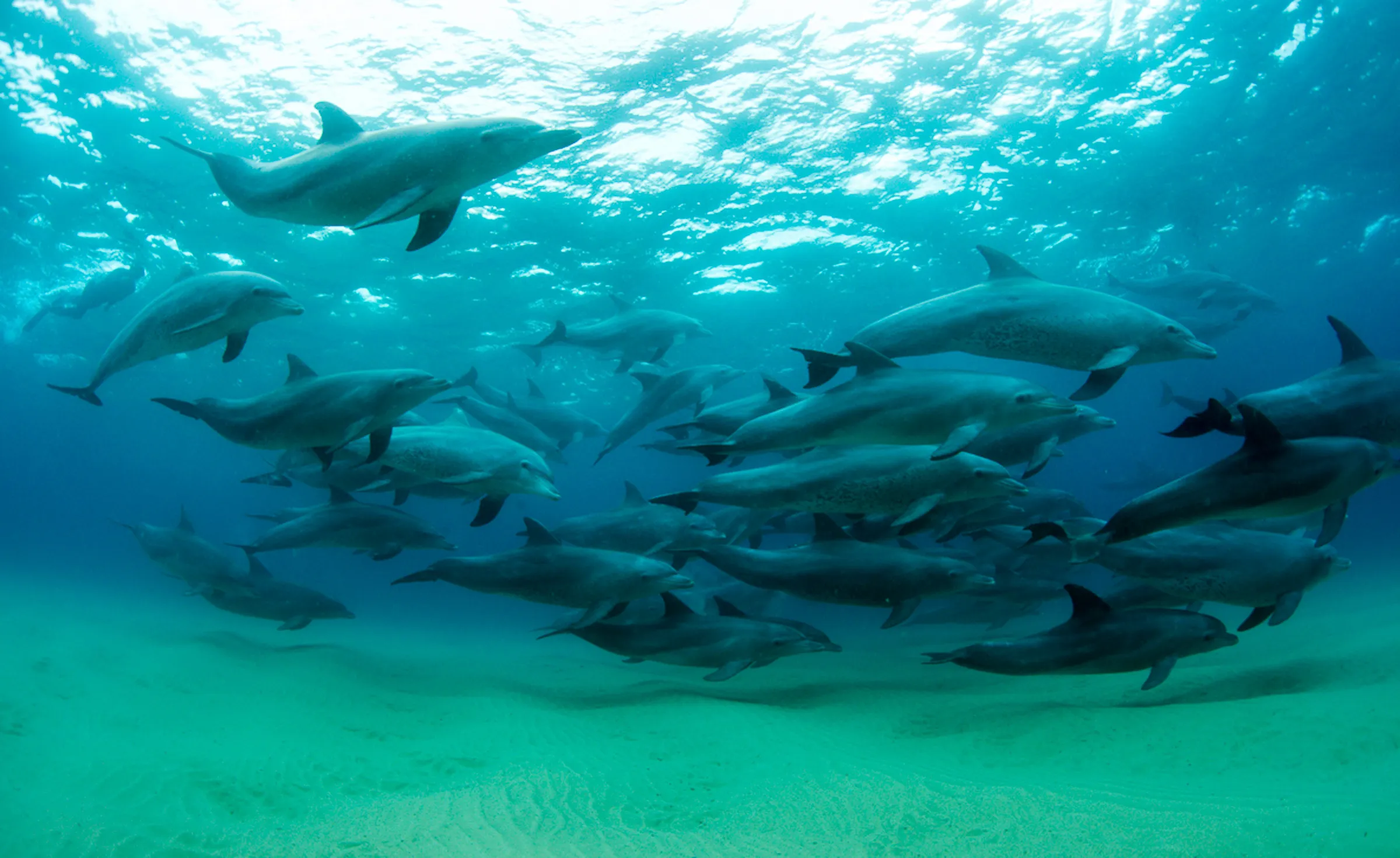
Palm fringed beaches, warm ocean waters and vibrant coral reefs define much of the Mozambique coastline, making it a popular destination for swimming, snorkelling and scuba diving. The waters are rich in marine life, including dolphins, whale sharks and colourful reef fish in many coastal areas.
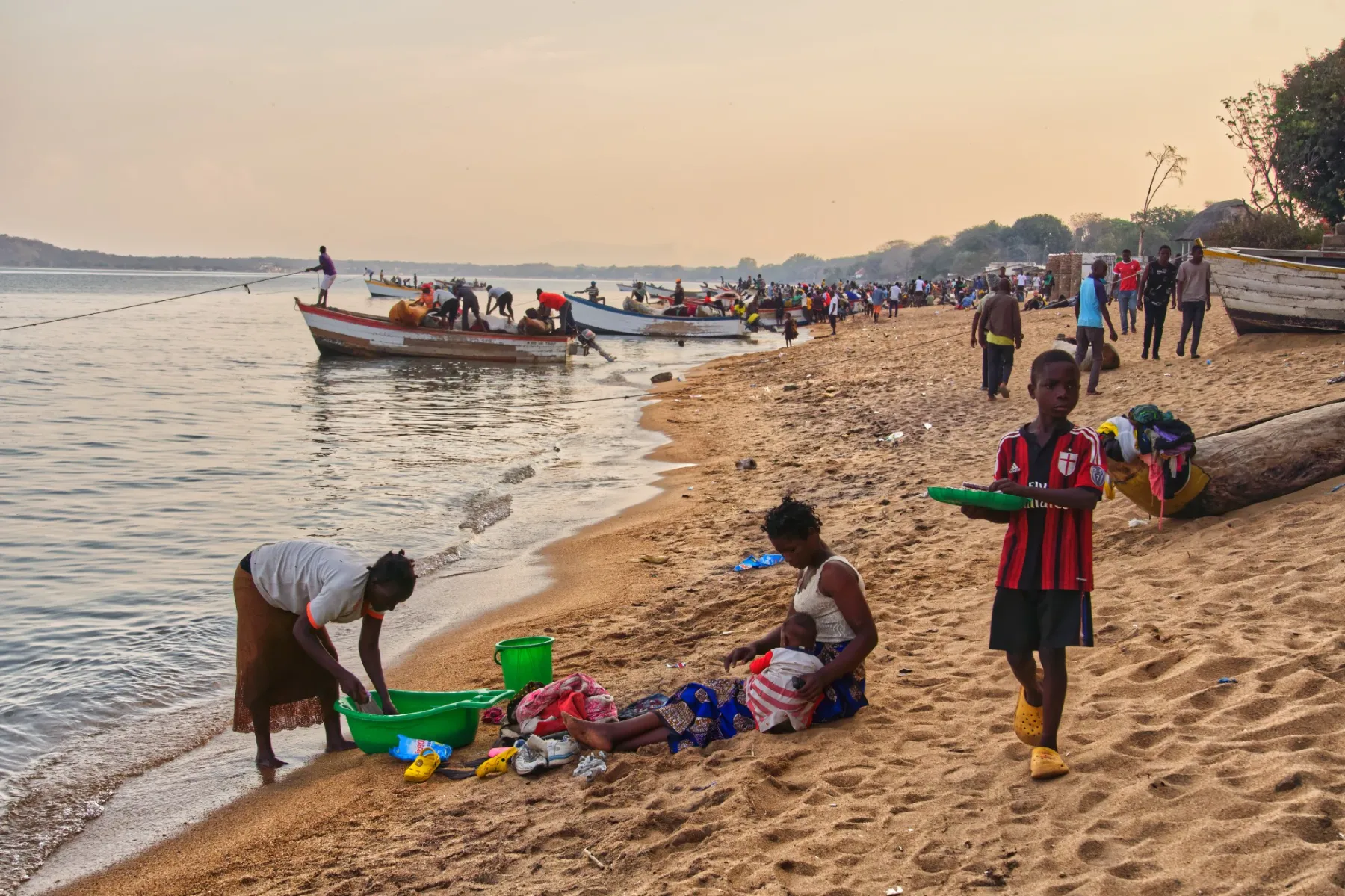
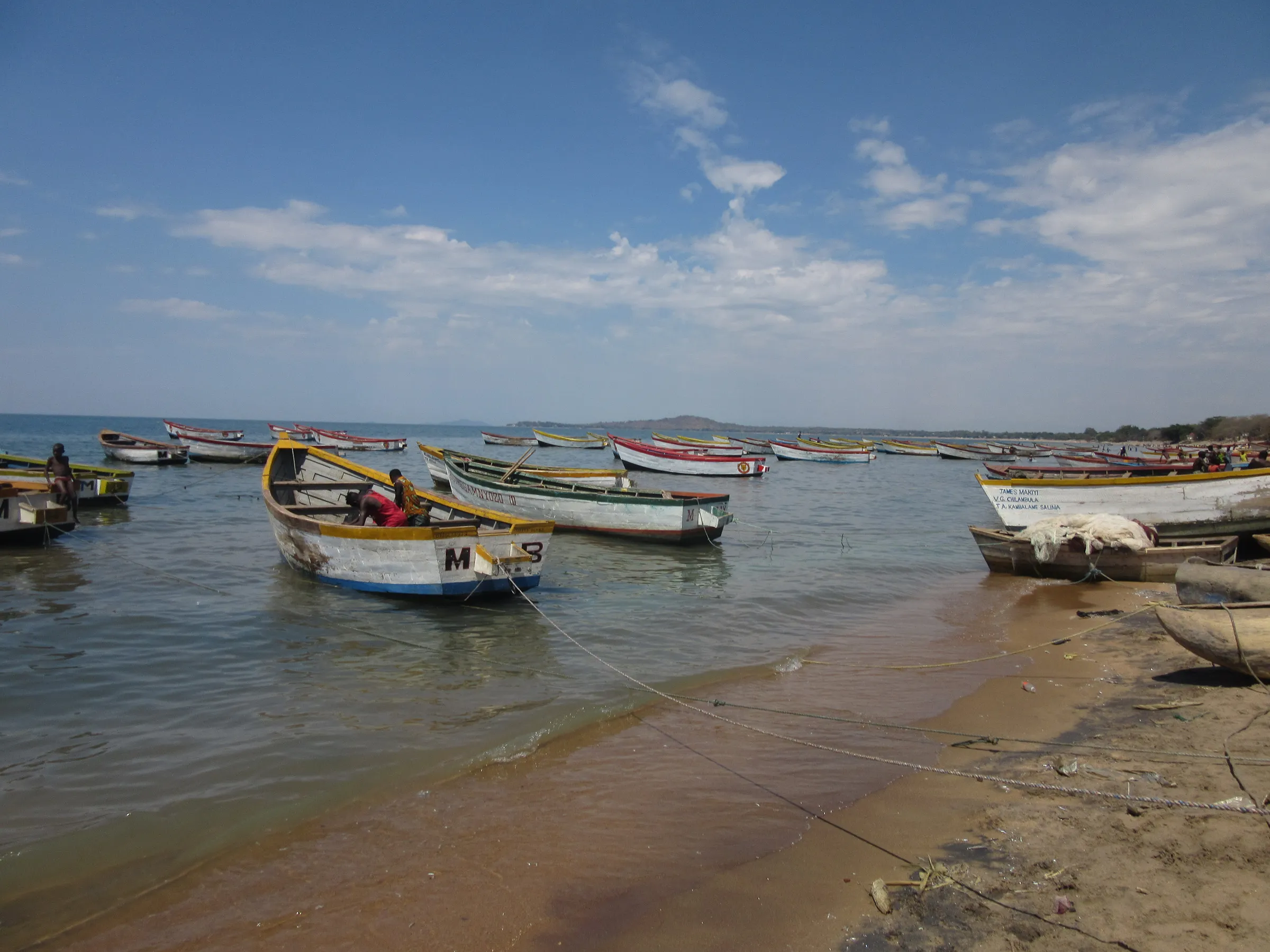
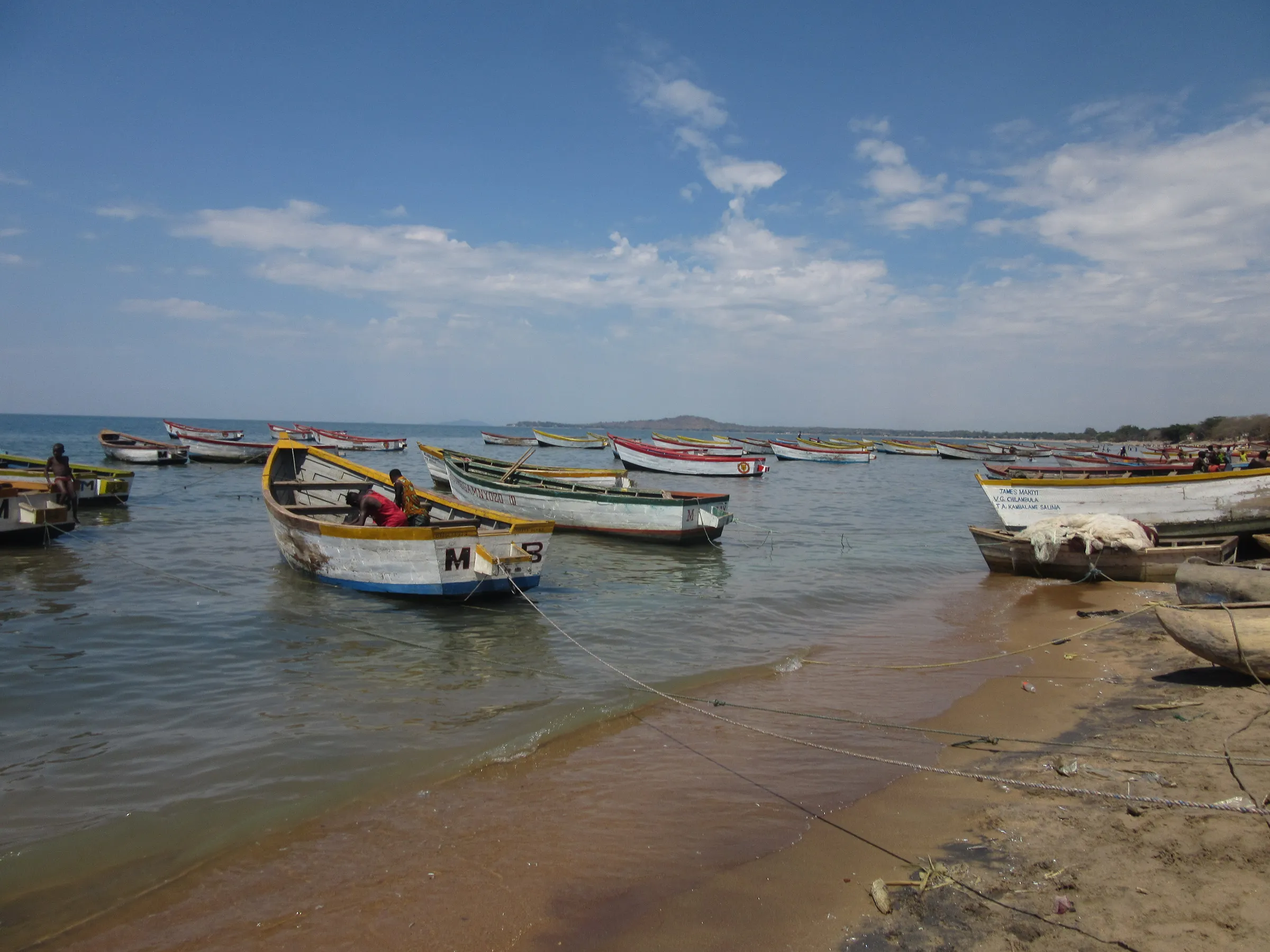
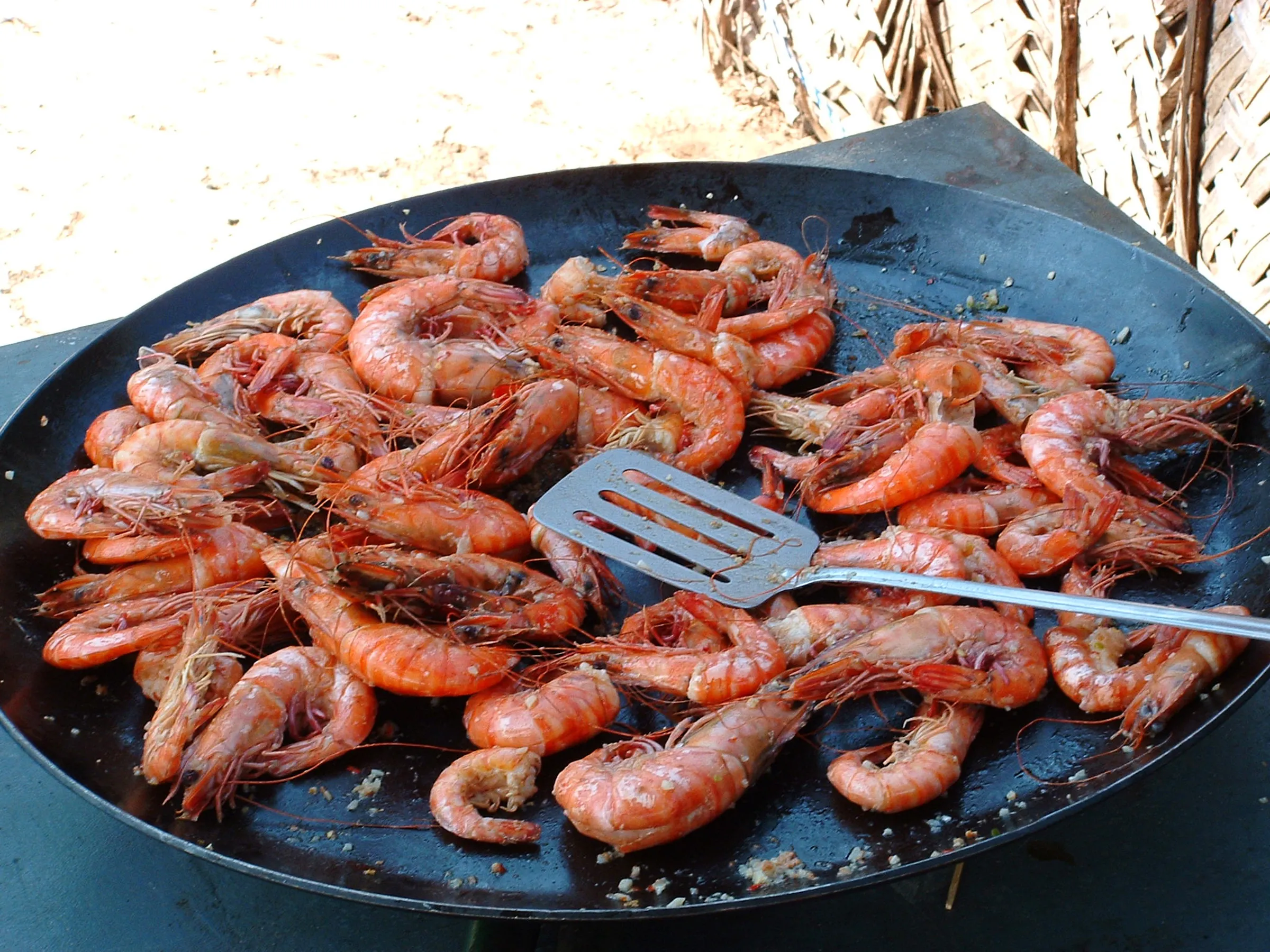
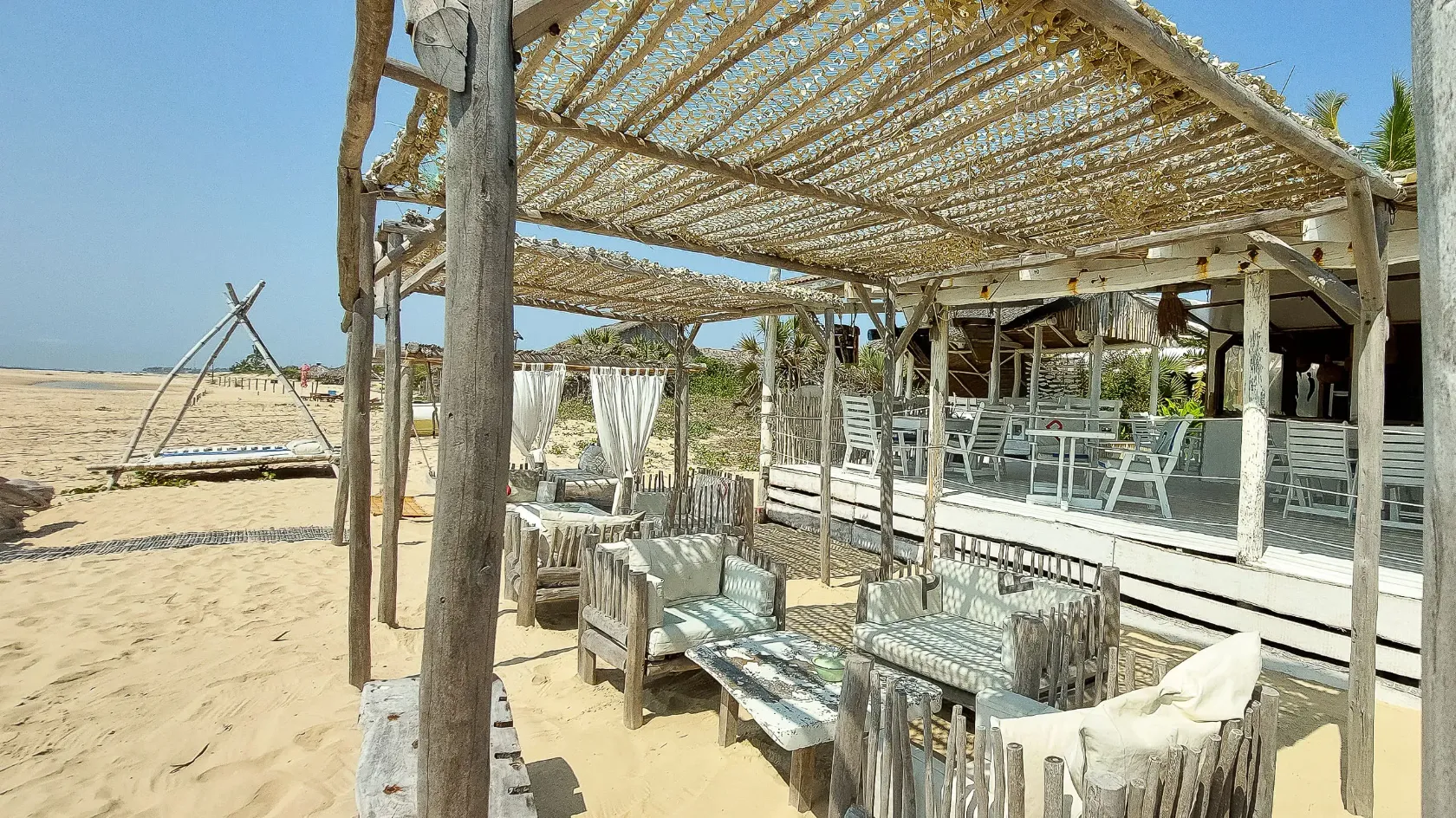
Fresh seafood is a central part of the coastal experience, with small fishing villages and seaside towns offering a laid back atmosphere along the Indian Ocean.
Beyond its beaches, Mozambique also forms part of select Southern Africa safari itineraries, particularly in combination with inland wildlife regions such as Kruger National Park. This creates a classic bush and beach travel experience.
Vilankulos
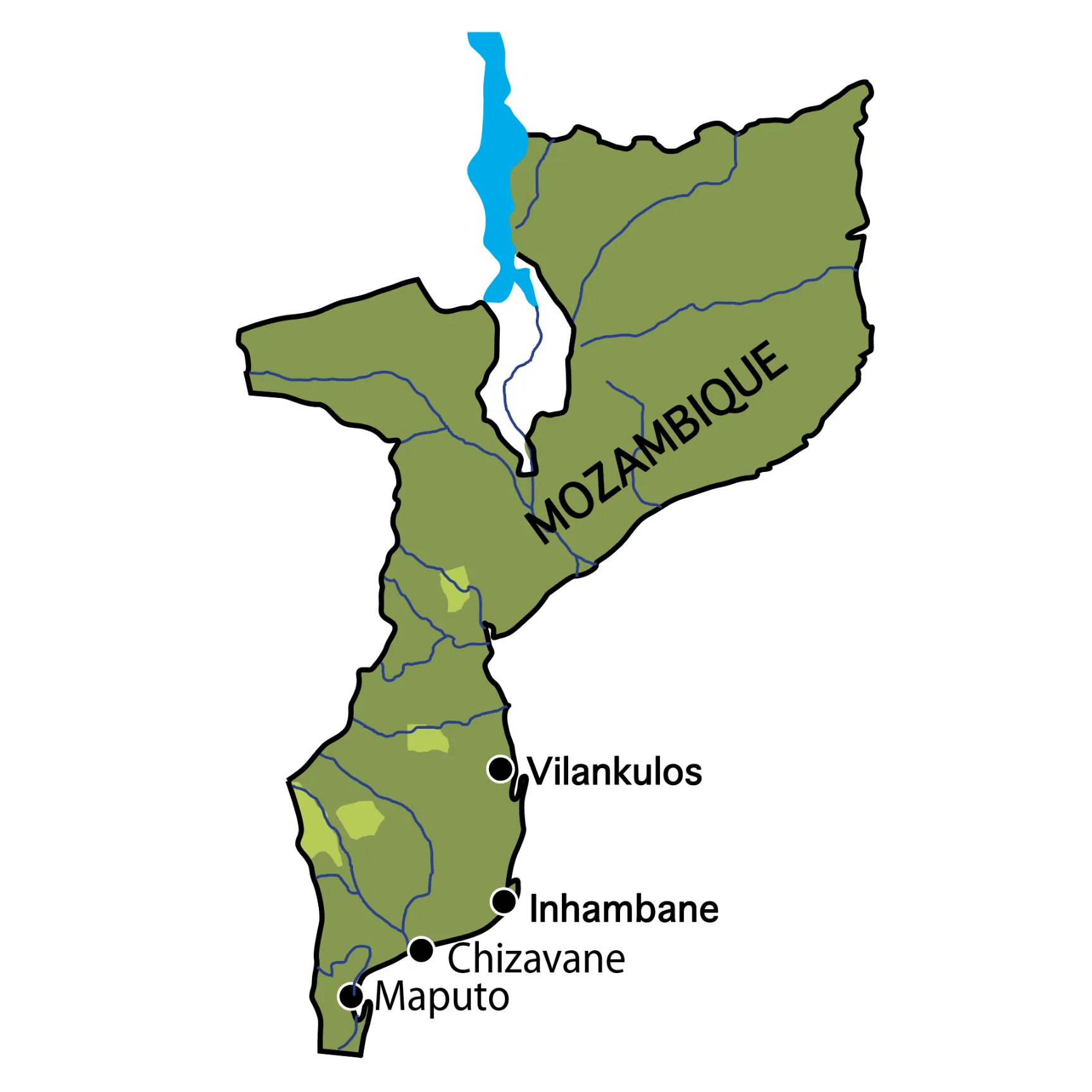
Vilankulos is a coastal fishing town in central Mozambique and the main gateway to the Bazaruto Archipelago, one of the country’s most famous island destinations.
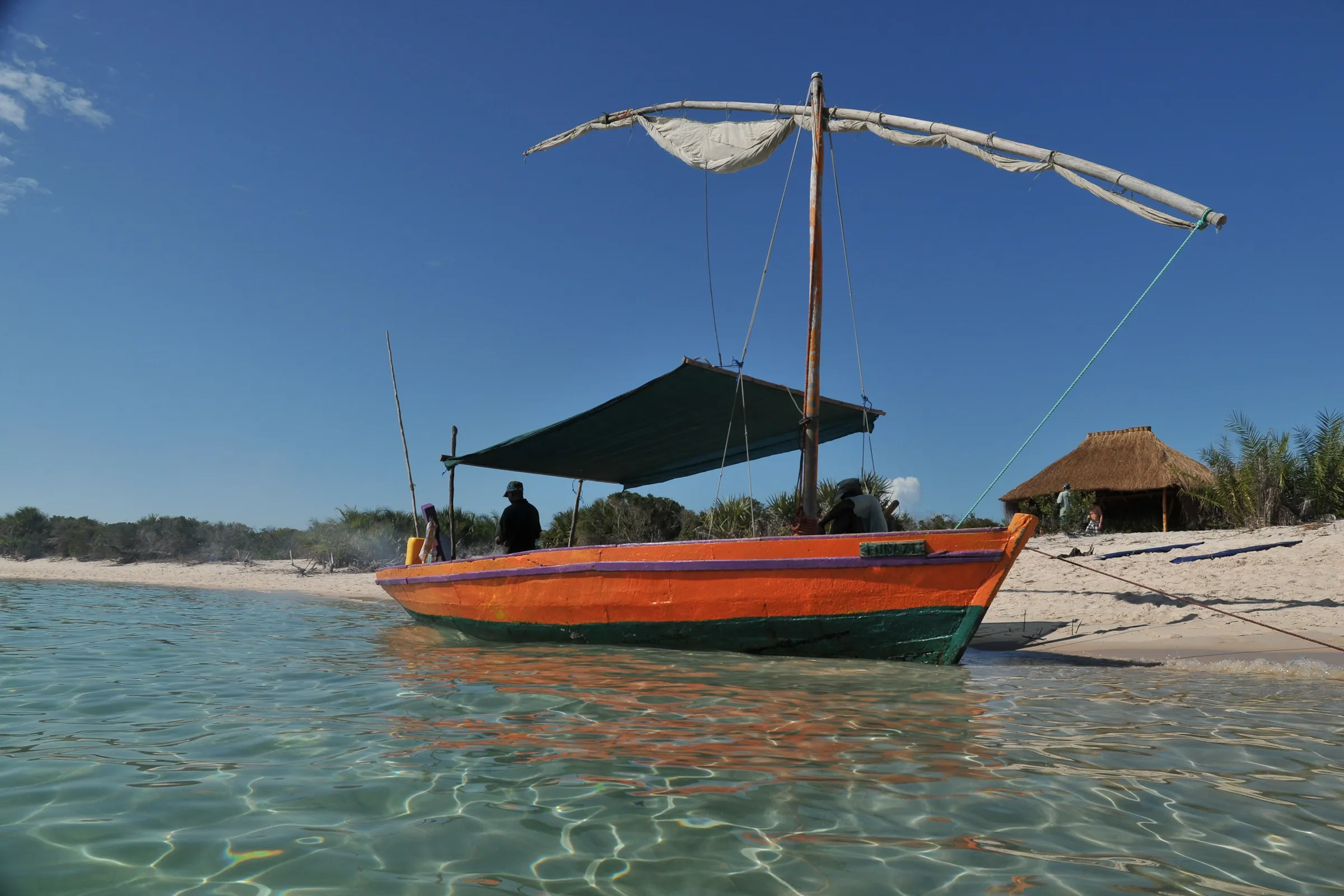
From this relaxed seaside town, travellers can access a chain of protected islands including Bazaruto Island, Benguerra Island and Magaruque Island, all known for their white sand beaches, turquoise waters and rich marine biodiversity.
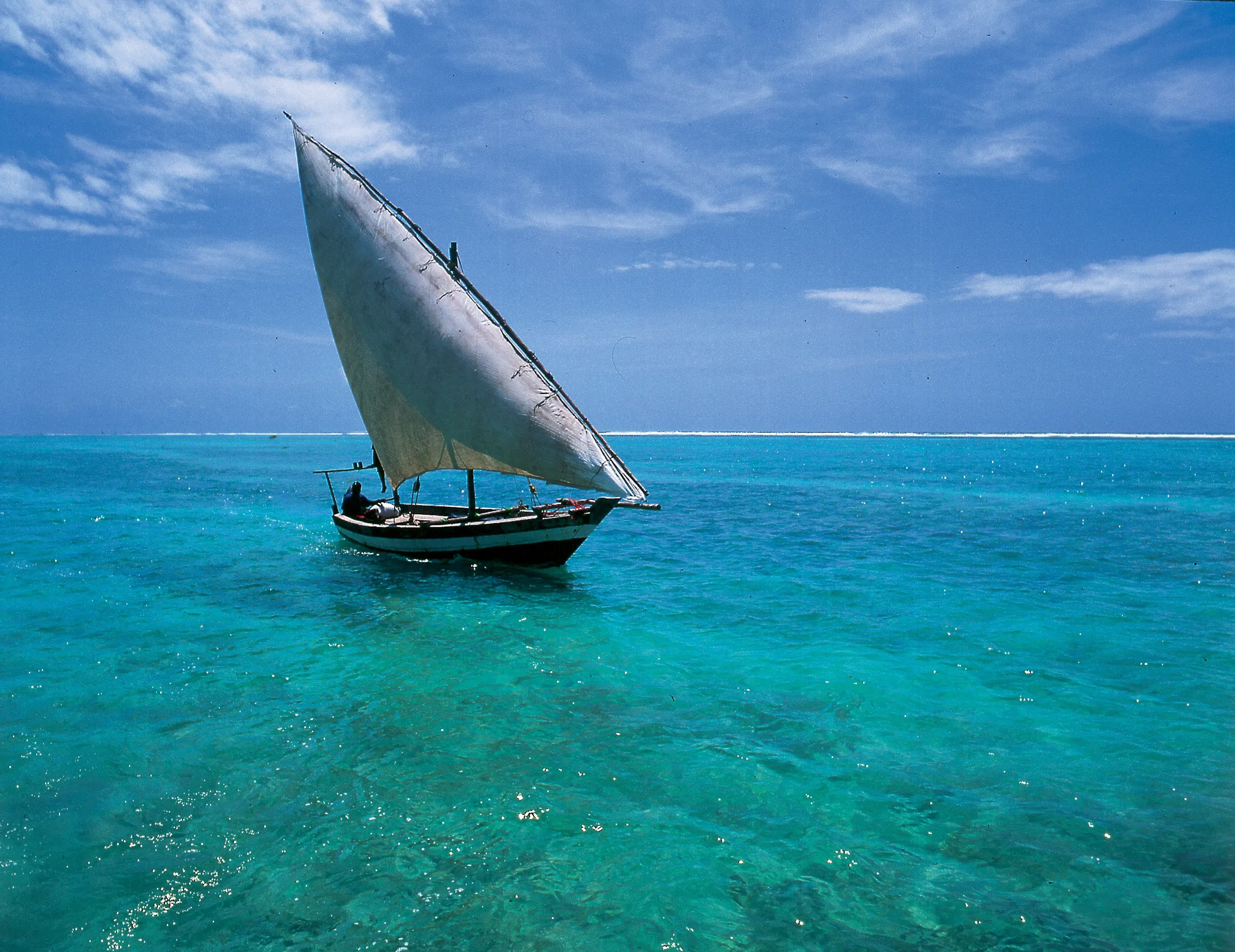
The surrounding marine environment forms part of a protected national park, offering excellent opportunities for snorkelling, scuba diving and dhow boat excursions. The waters are home to dolphins, whale sharks, manta rays and a wide variety of reef fish species.
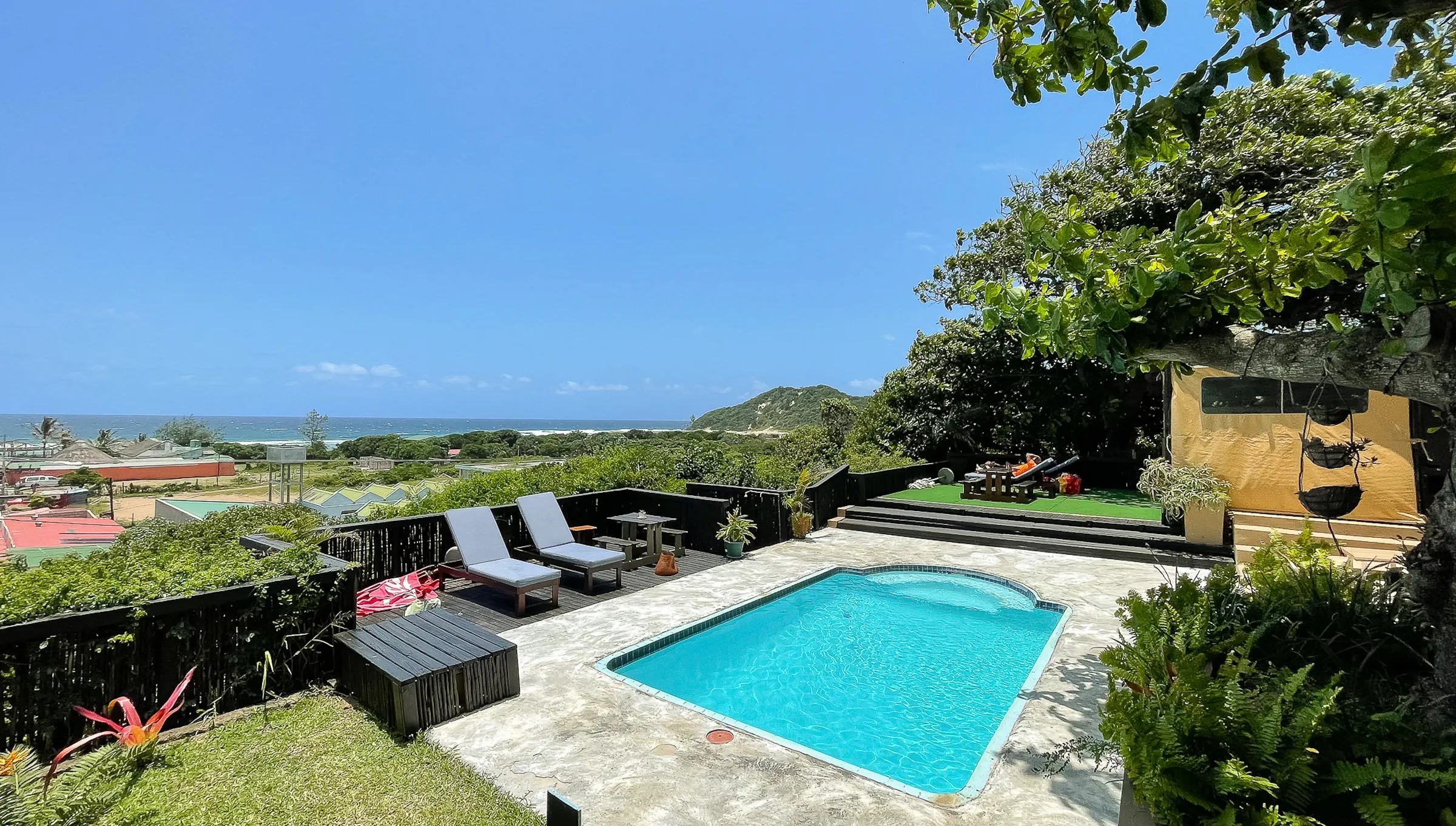
Vilankulos itself retains a laid back coastal atmosphere, with traditional fishing culture, beachfront lodges and a strong connection to the surrounding Indian Ocean islands.
It is commonly included in Mozambique bush and beach itineraries as the primary access point to island experiences following inland safari travel in Southern Africa.
Inhambane and Tofo
The region of Inhambane and nearby Tofo Beach forms one of Mozambique’s most popular coastal areas, where historic towns meet long stretches of Indian Ocean shoreline.
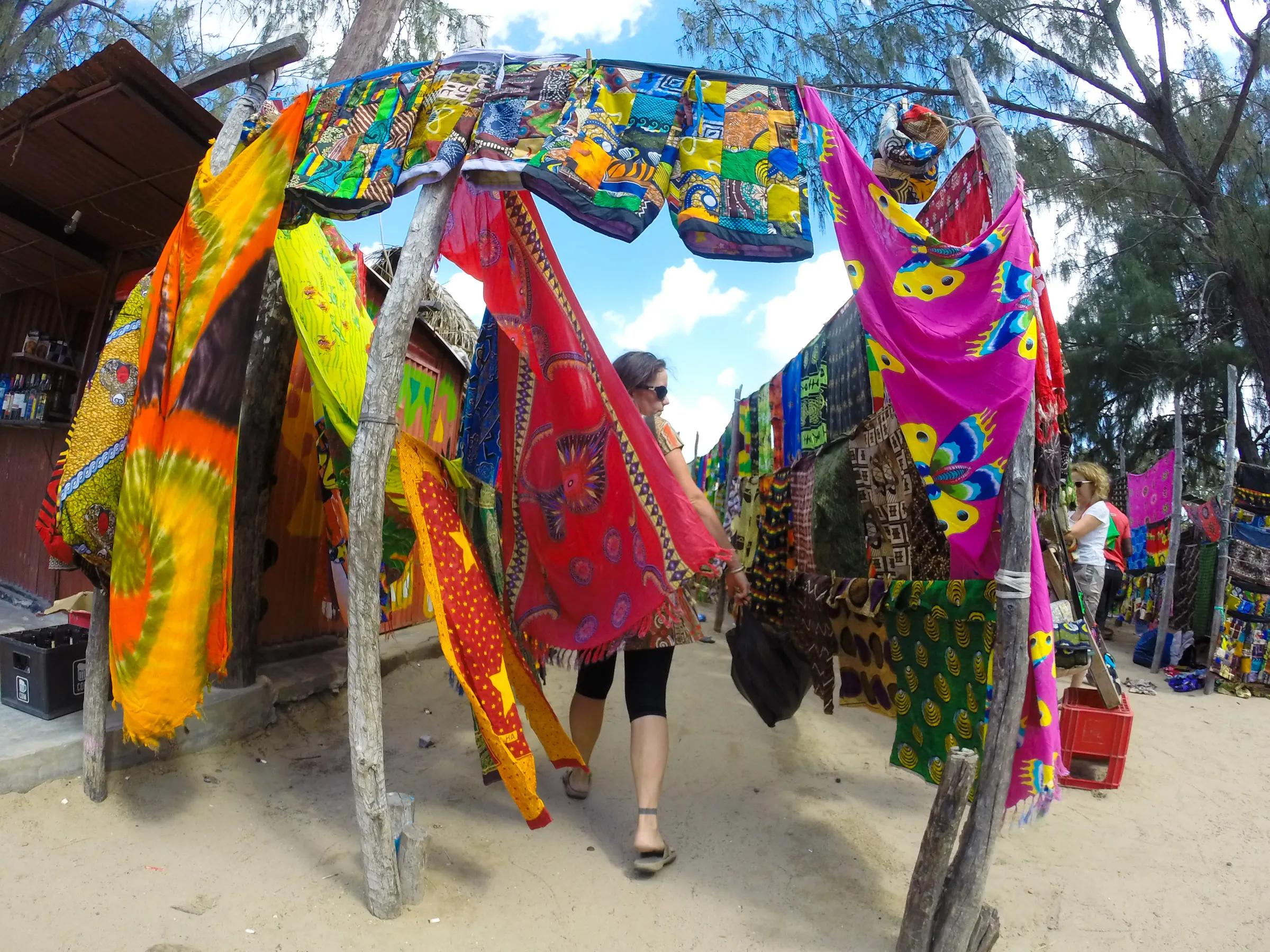
Inhambane is one of Mozambique’s oldest settlements, shaped by Arab, Portuguese and African trading history. Today it serves as a relaxed coastal town with markets, colonial architecture and a strong connection to the surrounding beach regions.
A short distance away lies Tofo Beach, a well known coastal destination famous for its wide sandy beaches, warm waters and vibrant marine life.
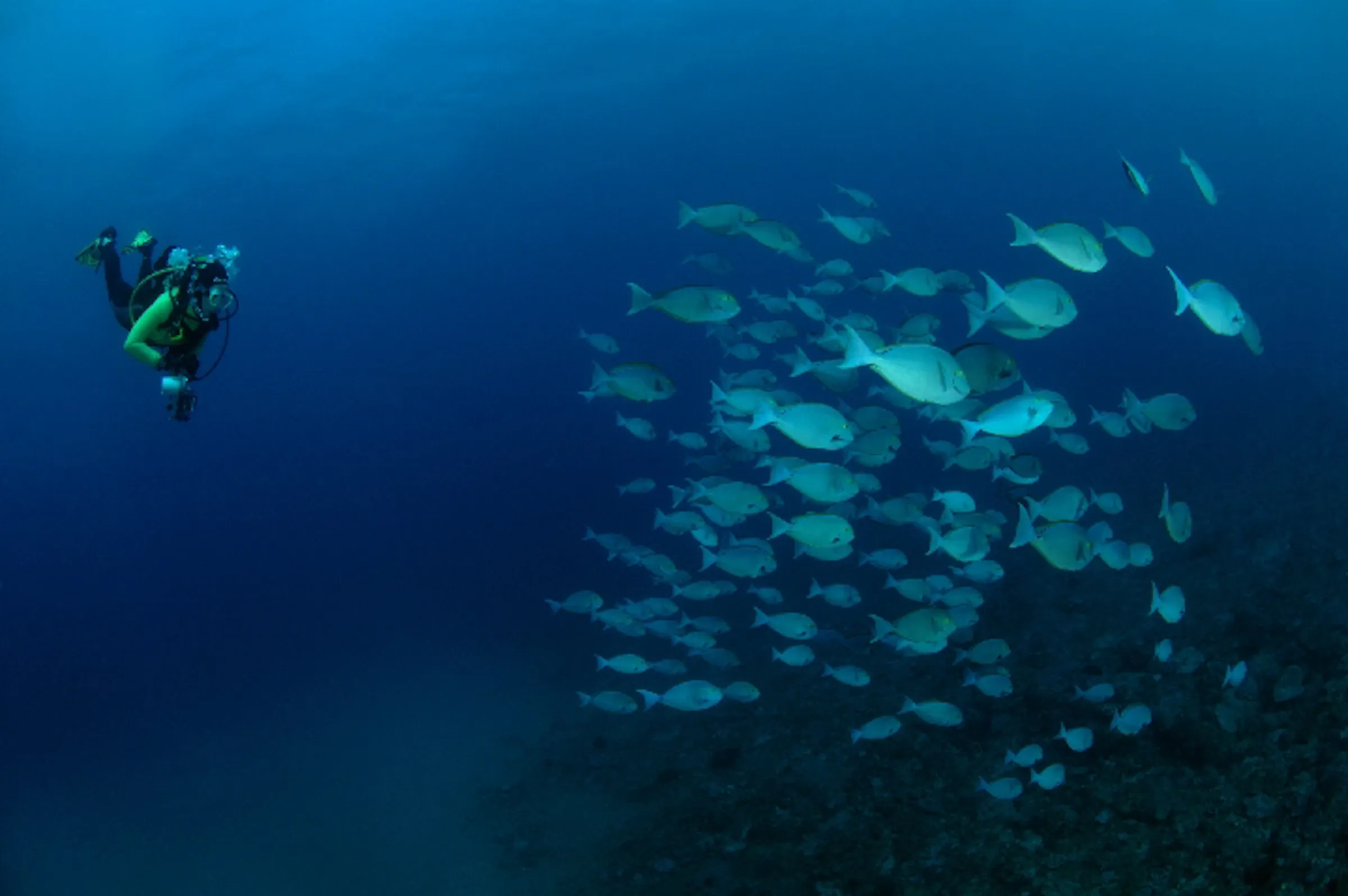
The waters off Tofo are particularly renowned for scuba diving and snorkelling, with regular sightings of whale sharks, manta rays and seasonal humpback whales. Coral reef systems support a rich diversity of marine species, making it one of Southern Africa’s top marine wildlife destinations.
Together, Inhambane and Tofo form a key coastal highlight of Mozambique, often included in bush and beach itineraries that combine inland safari regions with time on the Indian Ocean coast.
Ponta do Ouro
Ponta do Ouro is a coastal village in southern Mozambique located near the border with South Africa, making it one of the most accessible beach destinations in the country.
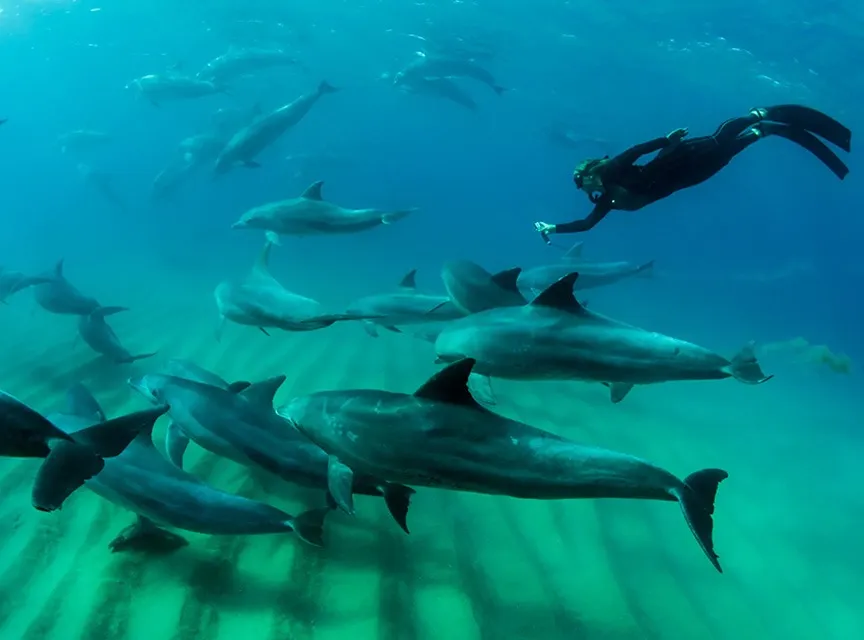
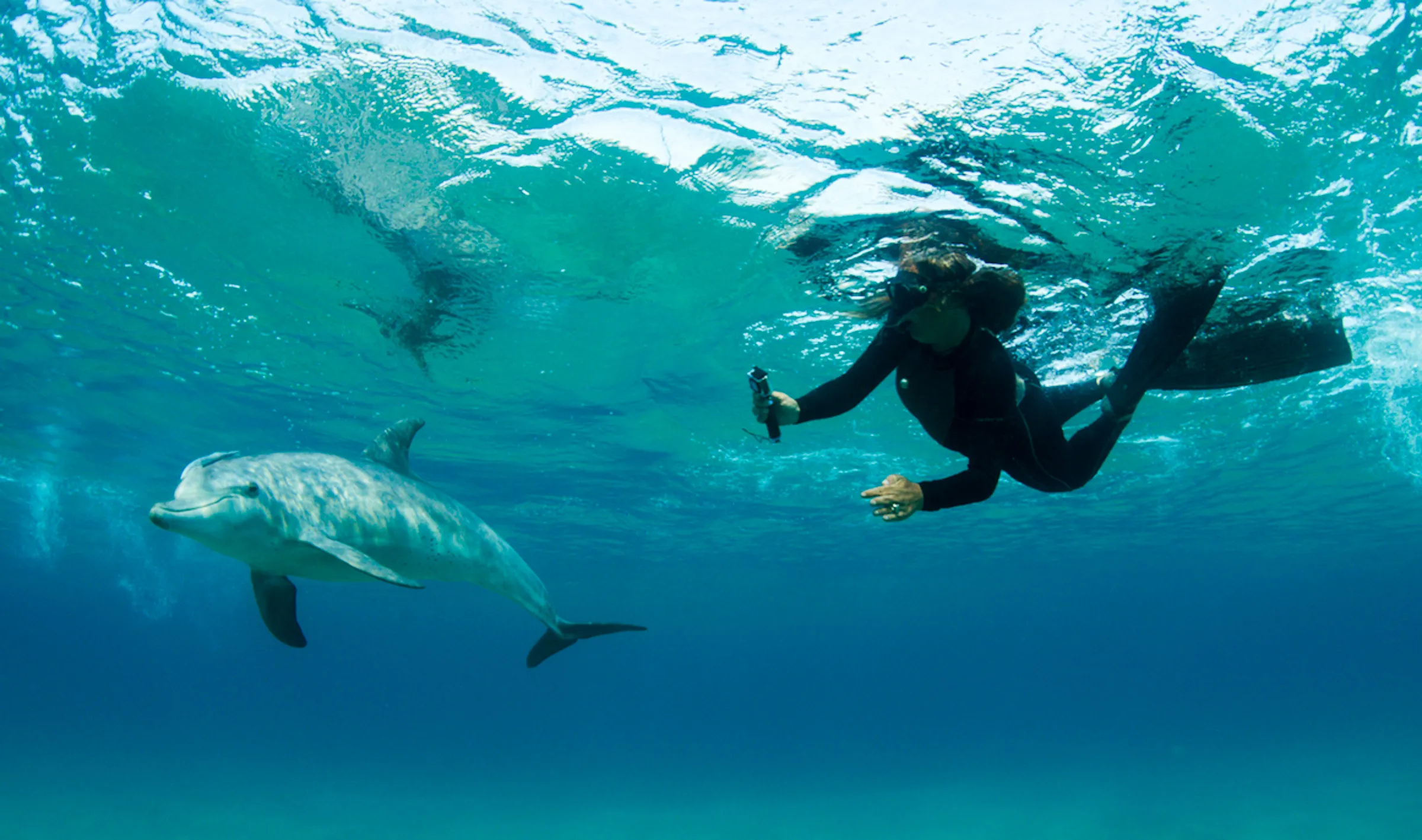
The area is known for its long sandy beaches, warm Indian Ocean waters and relaxed coastal atmosphere. It is particularly popular for marine activities, including snorkelling, scuba diving and boat-based dolphin encounters.
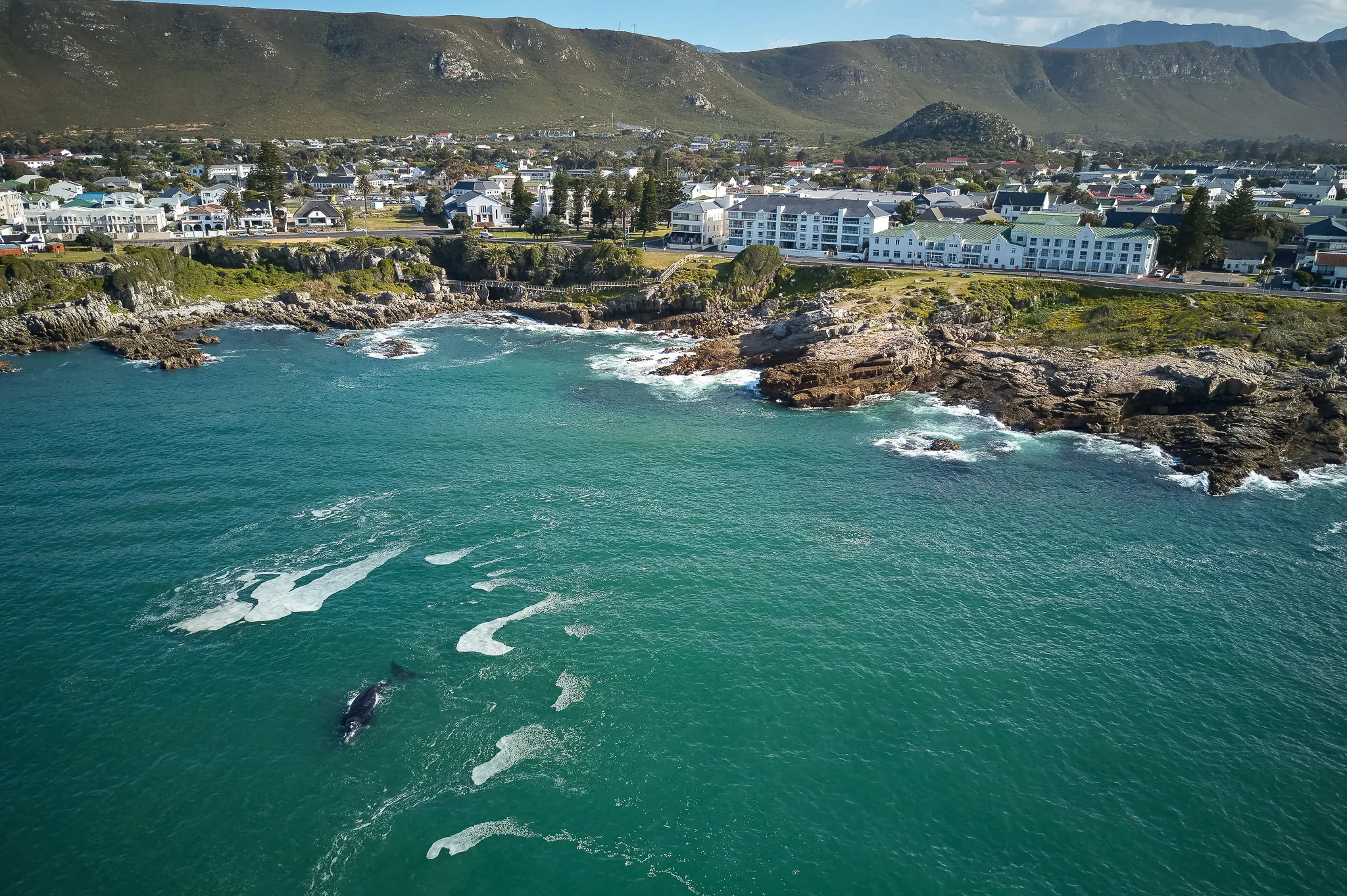
The surrounding waters are home to a variety of marine life, including dolphins, turtles and seasonal whale migrations, making it a key destination for ocean wildlife experiences in Mozambique.
Ponta do Ouro also forms part of the Maputo region’s coastal corridor and is often visited by travellers combining beach stays with overland routes from South Africa or inland safari destinations.
Its combination of accessibility, marine life and laid back beach environment makes it a popular first or last stop on Mozambique coastal itineraries.
Xai Xai and Chizavane
Xai Xai and nearby Chizavane are coastal destinations in southern Mozambique, located along the Indian Ocean north of Maputo.
This stretch of coastline is known for its long sandy beaches, coastal dunes and warm ocean waters, offering a quieter alternative to some of Mozambique’s more developed beach regions.
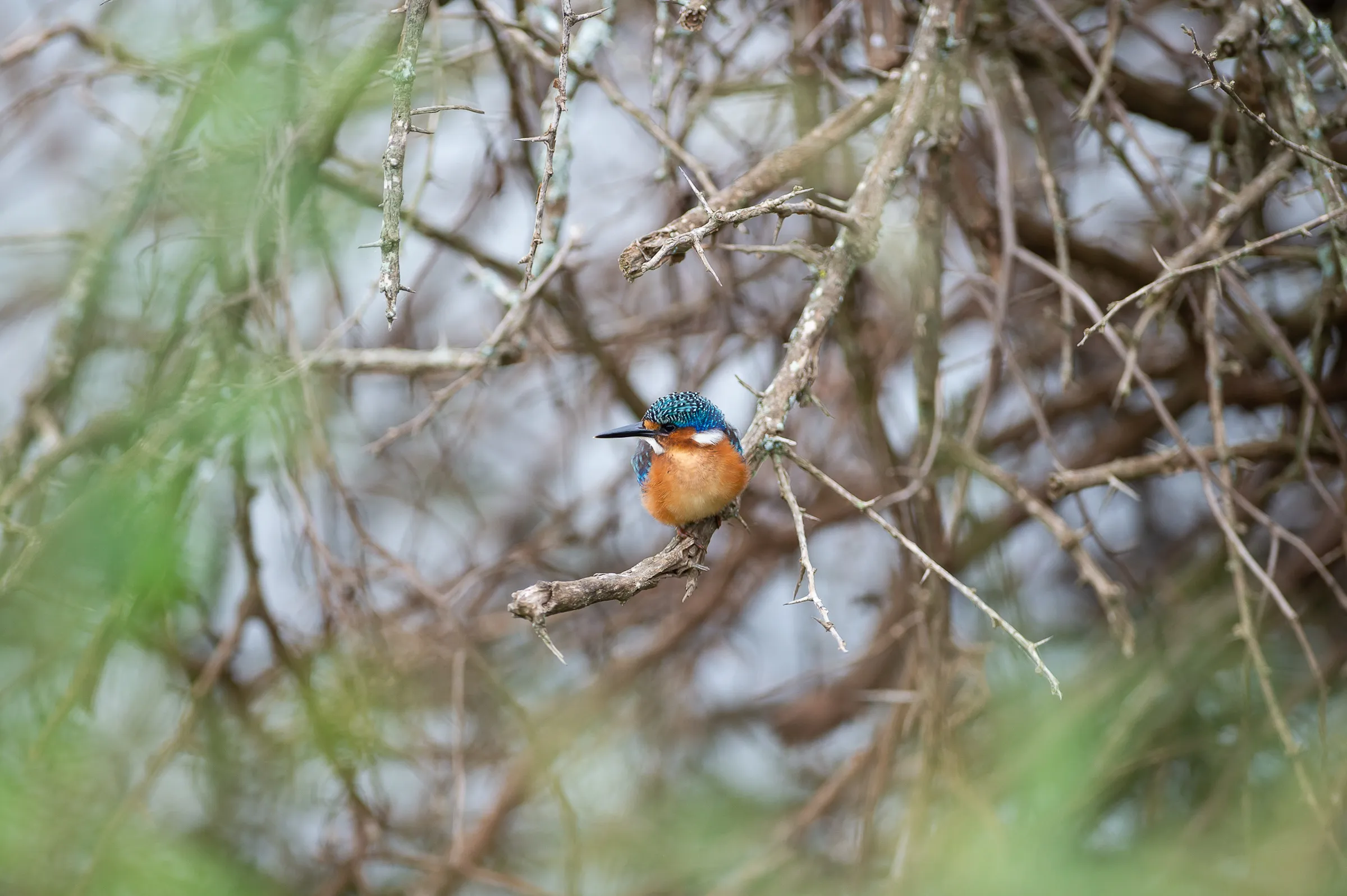
The area around Chizavane is particularly scenic, with a combination of lagoon systems, coral reefs and tidal estuaries that support both marine and birdlife. The coastline is well suited to relaxed beach stays, swimming and snorkelling in calm waters.
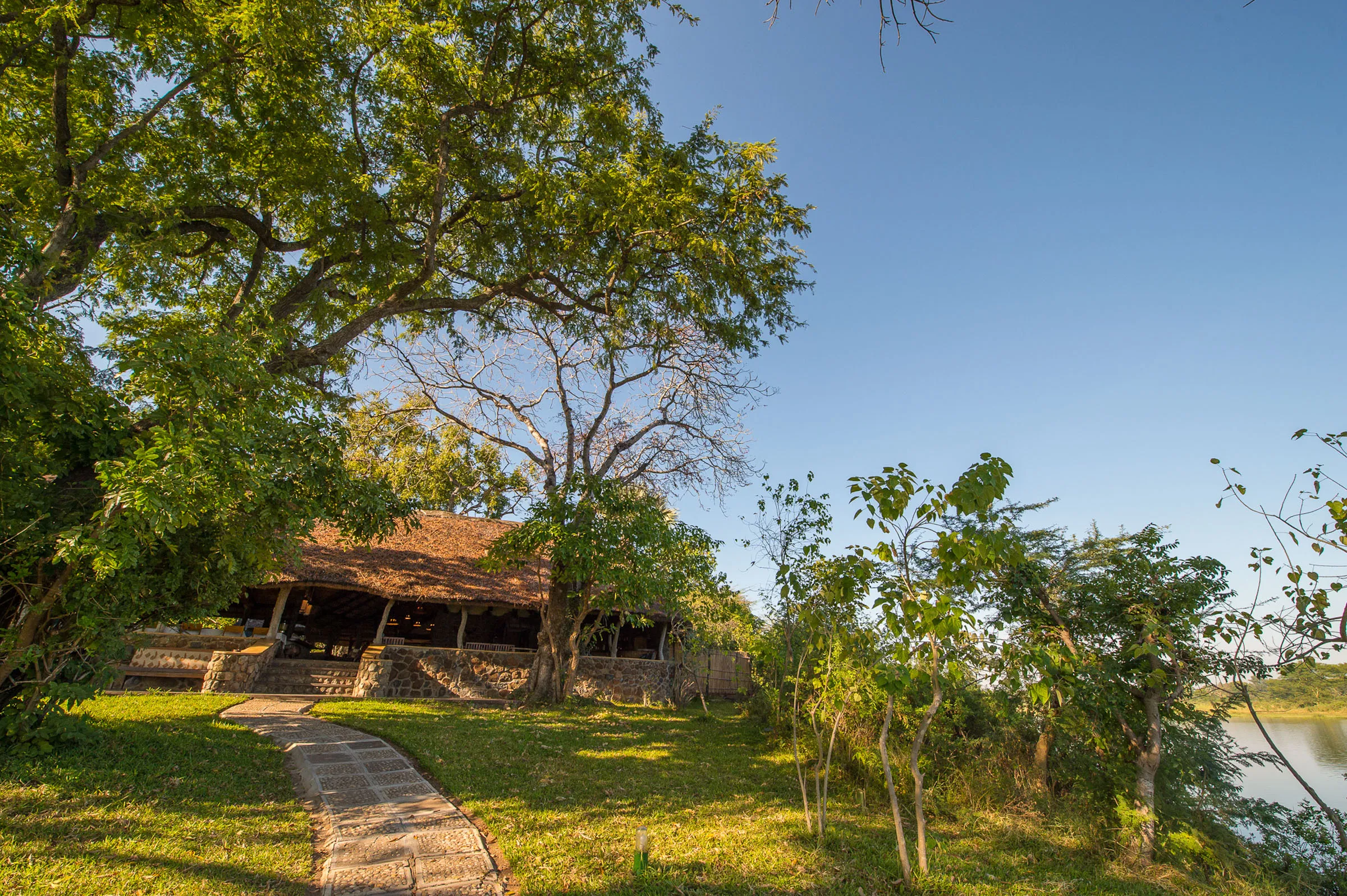
Xai Xai serves as the main regional town, while Chizavane is known for its coastal lodge experiences and peaceful beachfront setting.
Together, they form a relaxed coastal stopover within southern Mozambique itineraries, often included between Maputo and the more northern beach and marine destinations such as Inhambane and Vilankulos.
Maputo
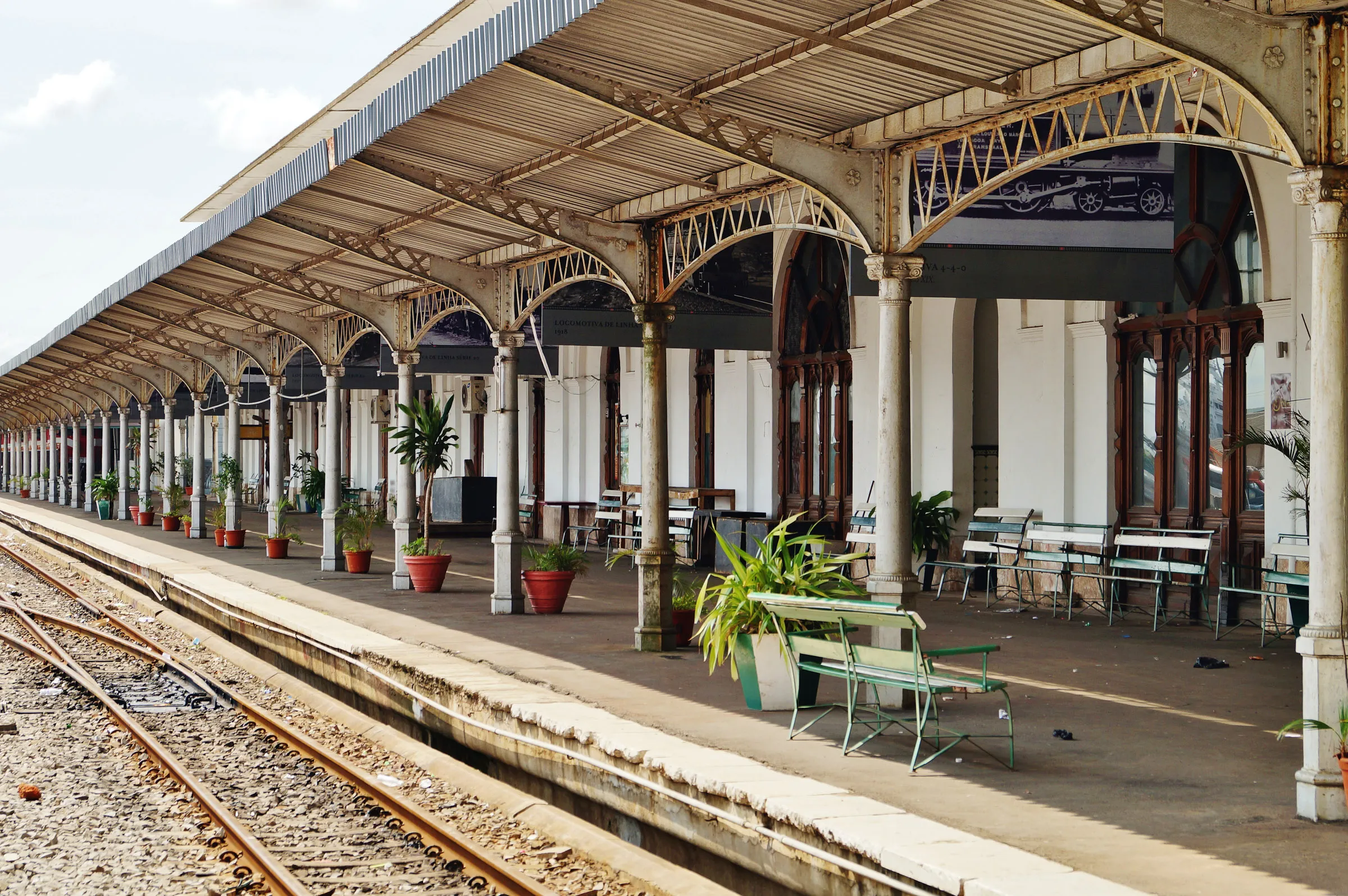
Maputo, the capital of Mozambique, is a vibrant coastal city where Portuguese colonial heritage blends with contemporary African culture.
Built around a natural harbour on the Indian Ocean, the city is known for its lively atmosphere, historic architecture, seafood restaurants and thriving café culture.
Maputo is particularly famous for its fresh seafood, including Mozambique’s renowned peri peri prawns and locally caught fish served in restaurants throughout the city.
The city also has an active nightlife scene, with live music venues, local bars and waterfront restaurants contributing to its relaxed but energetic character.
For many travellers, Maputo serves as both a gateway to Mozambique’s coastline and an introduction to the country’s distinctive cultural identity before continuing to beach or safari destinations further north.
Gorongosa National Park
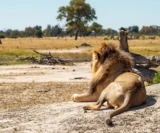
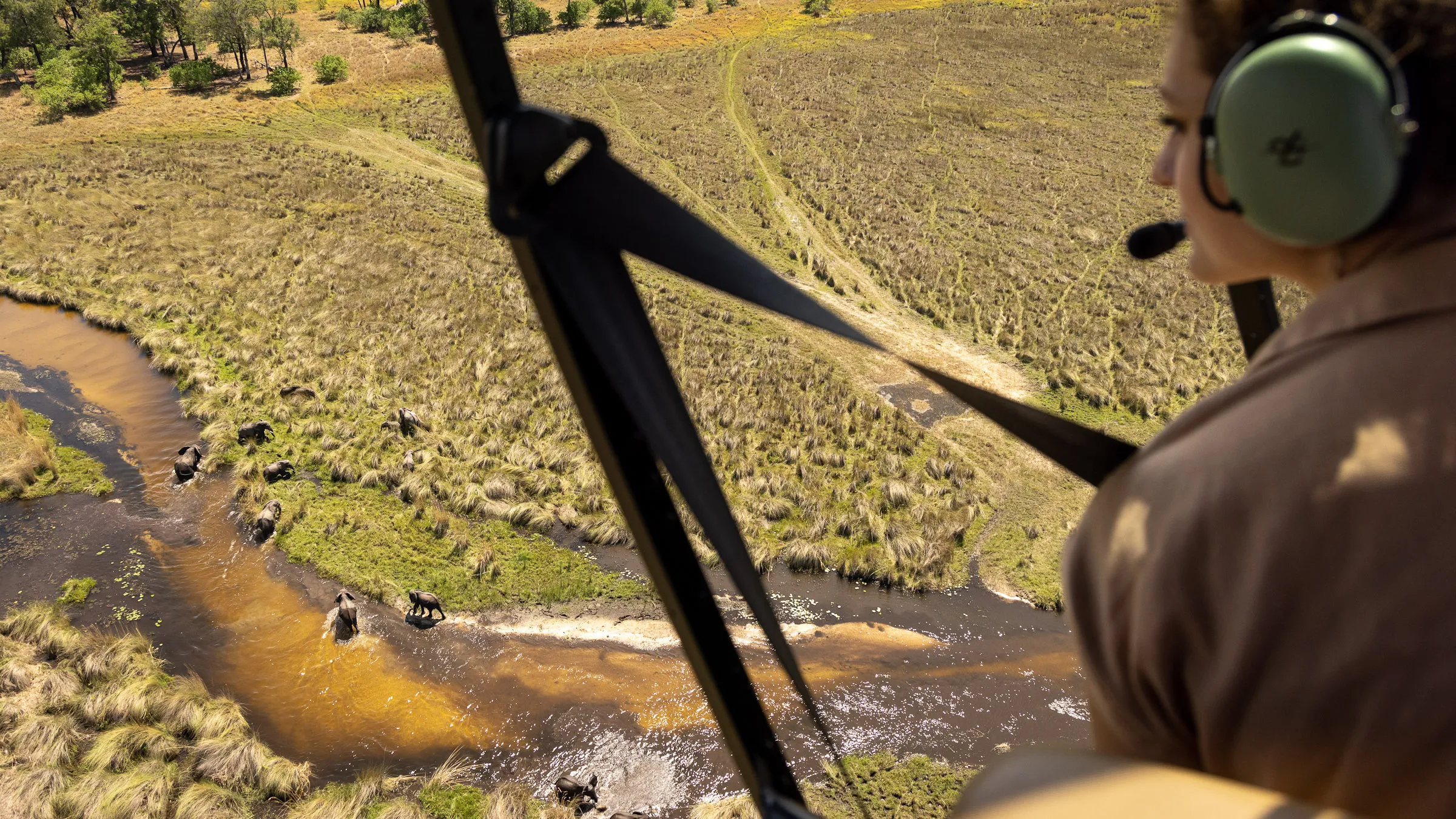
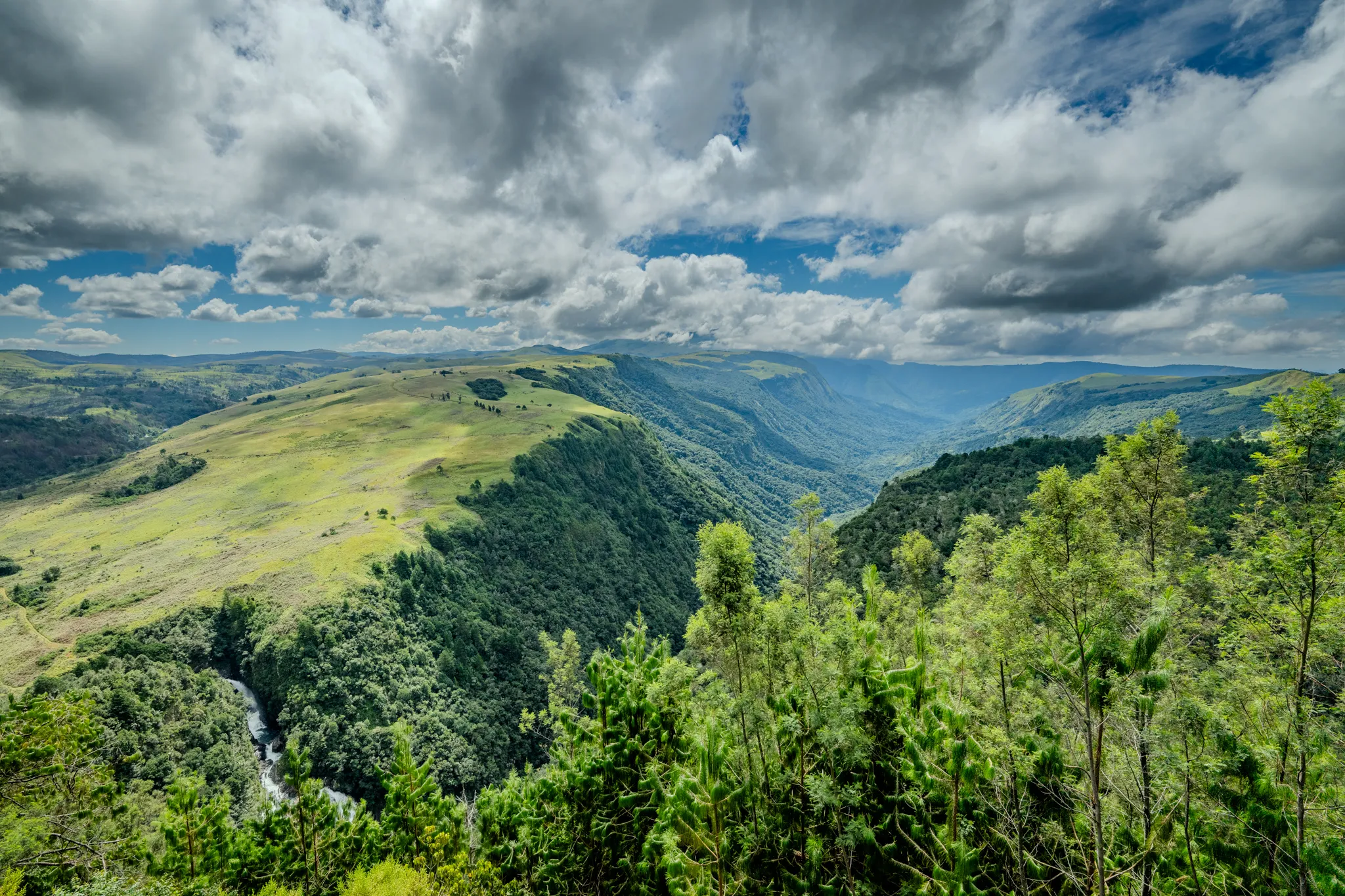
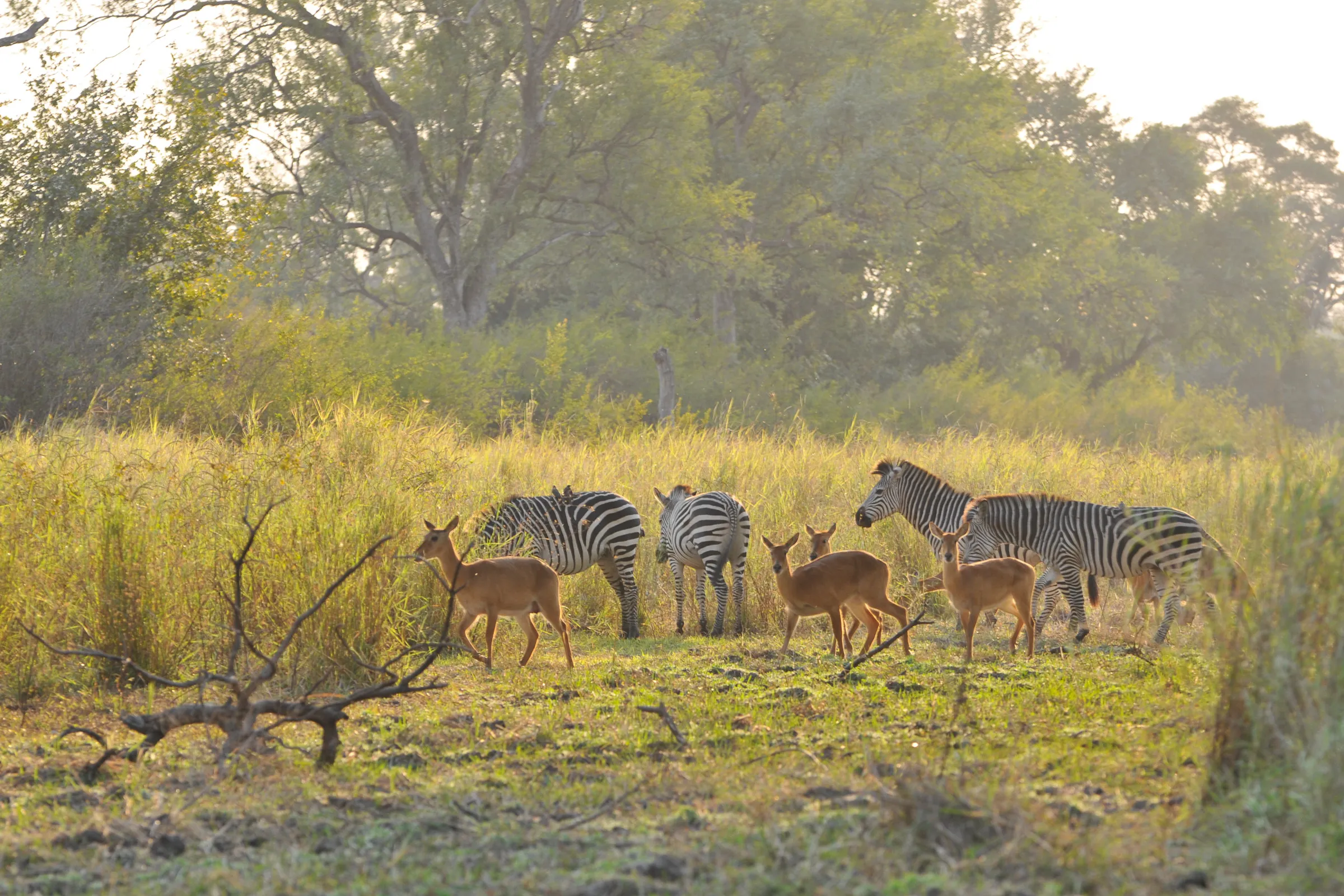
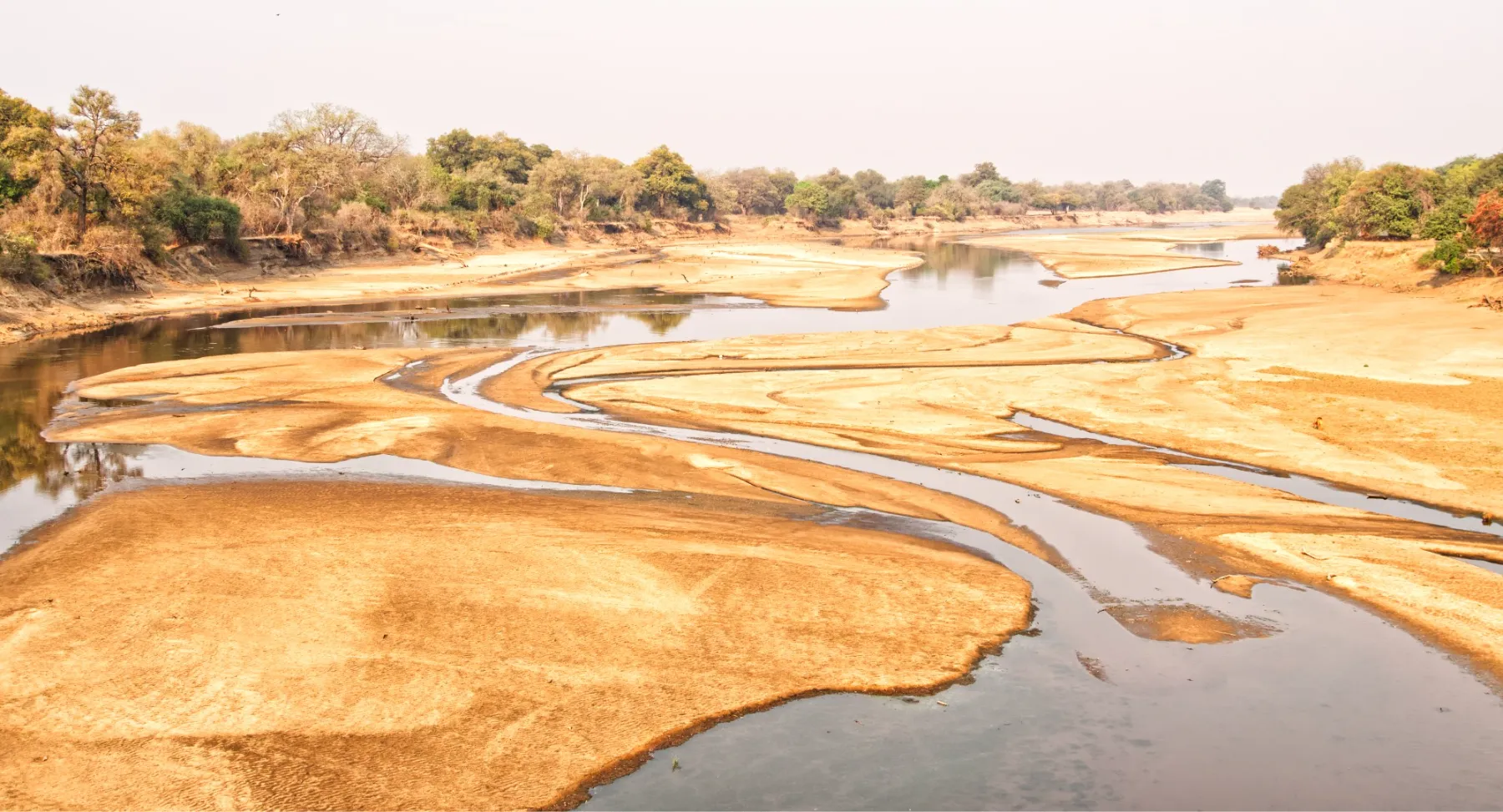
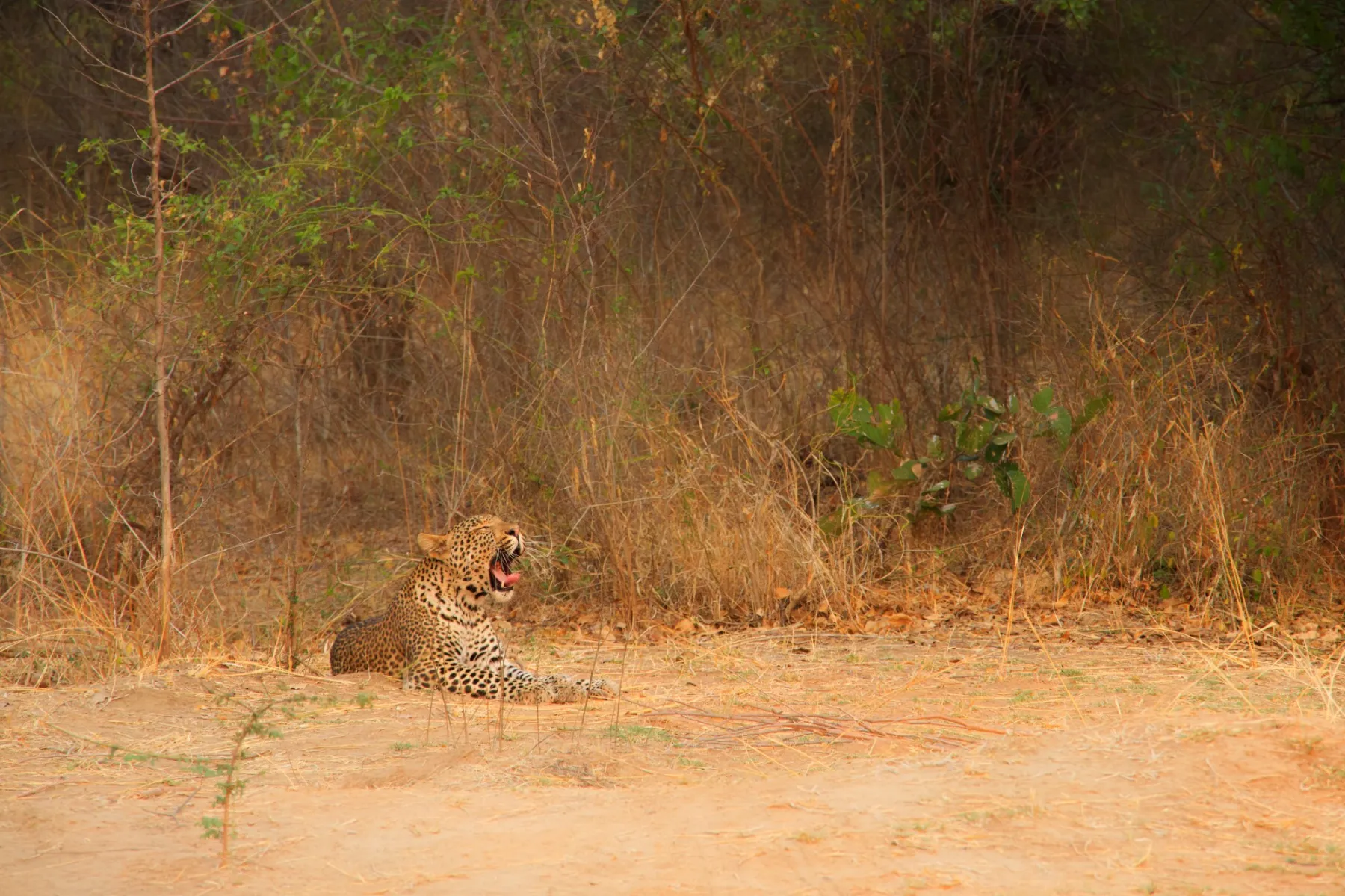
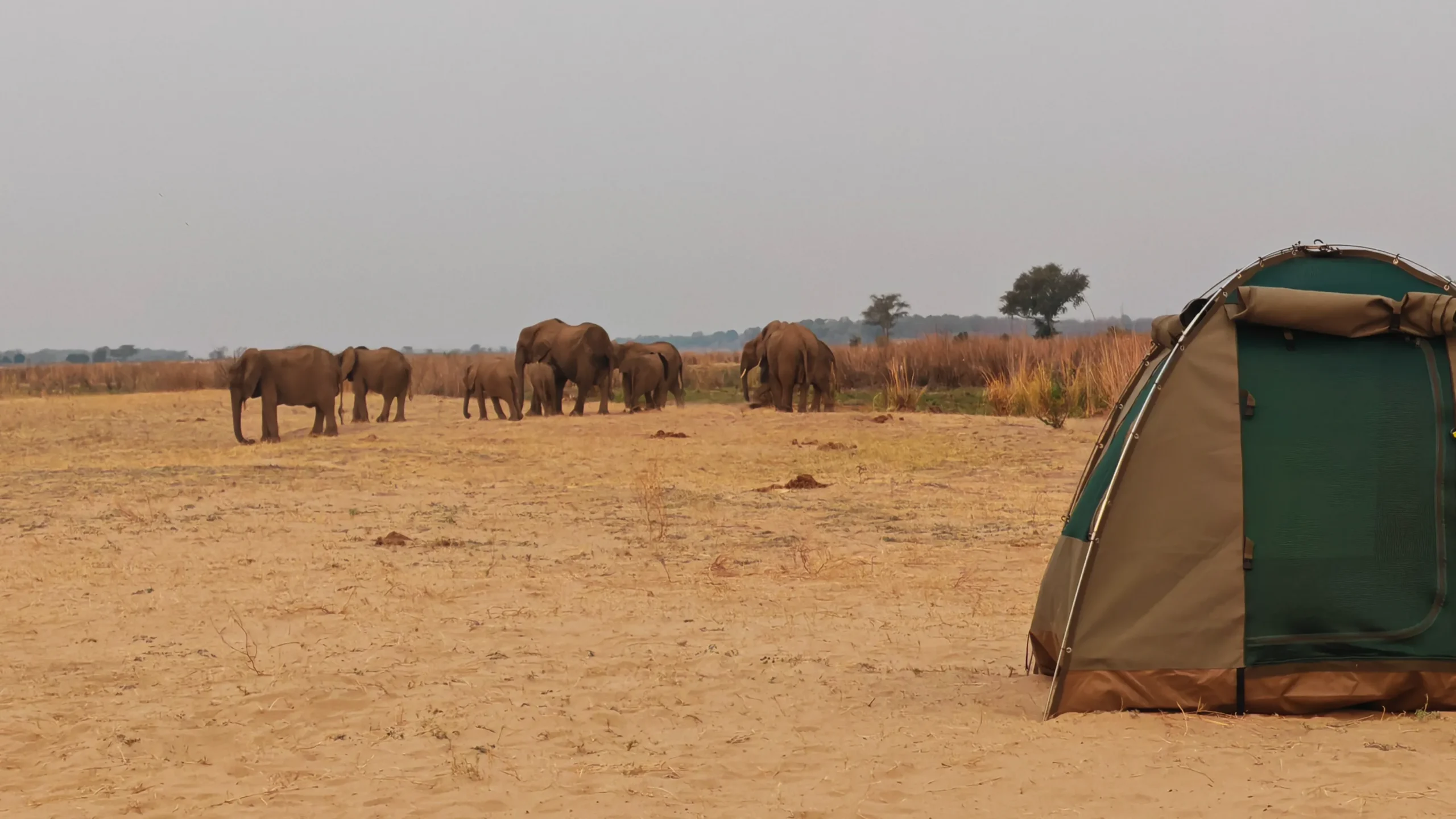
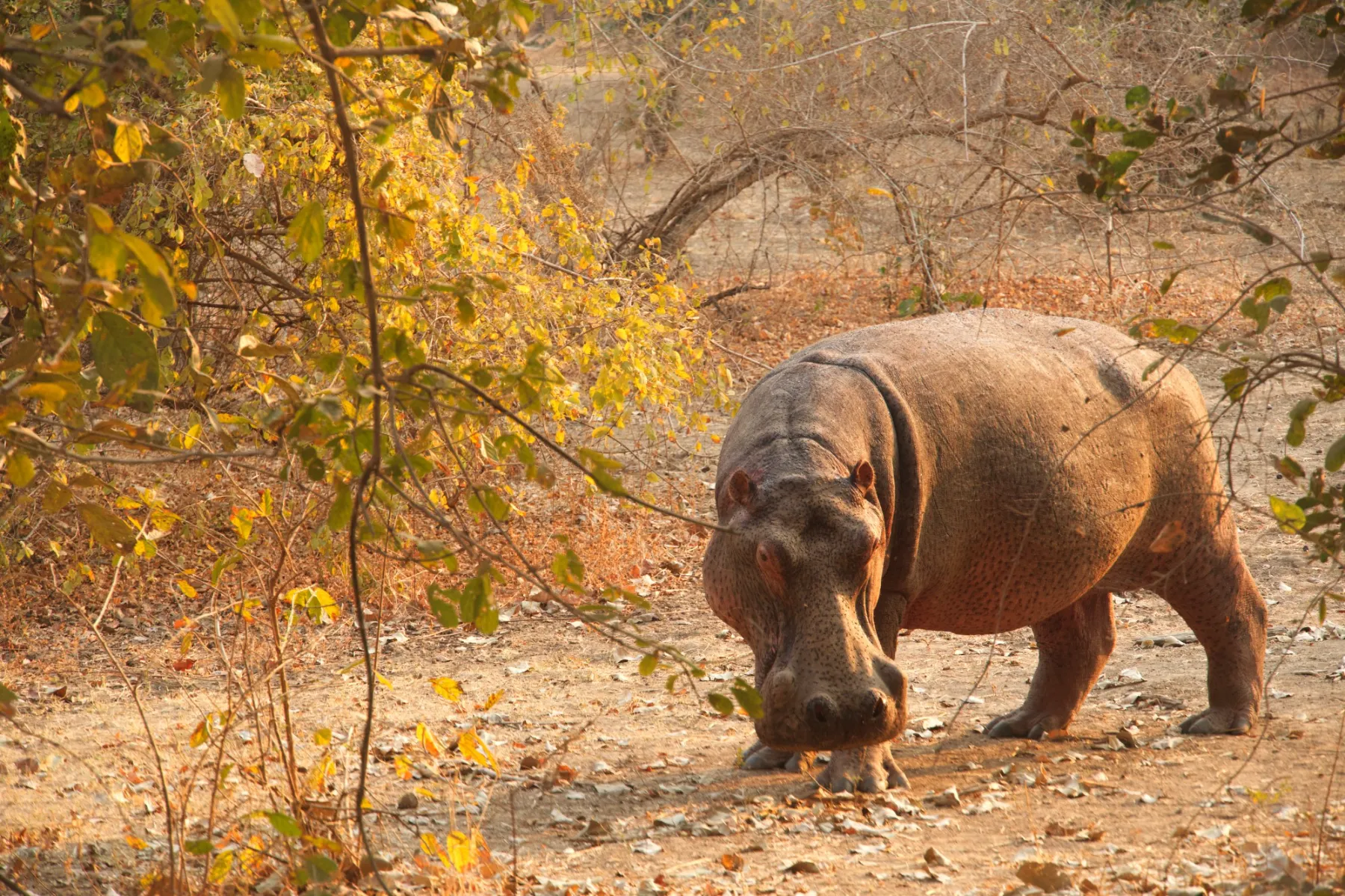
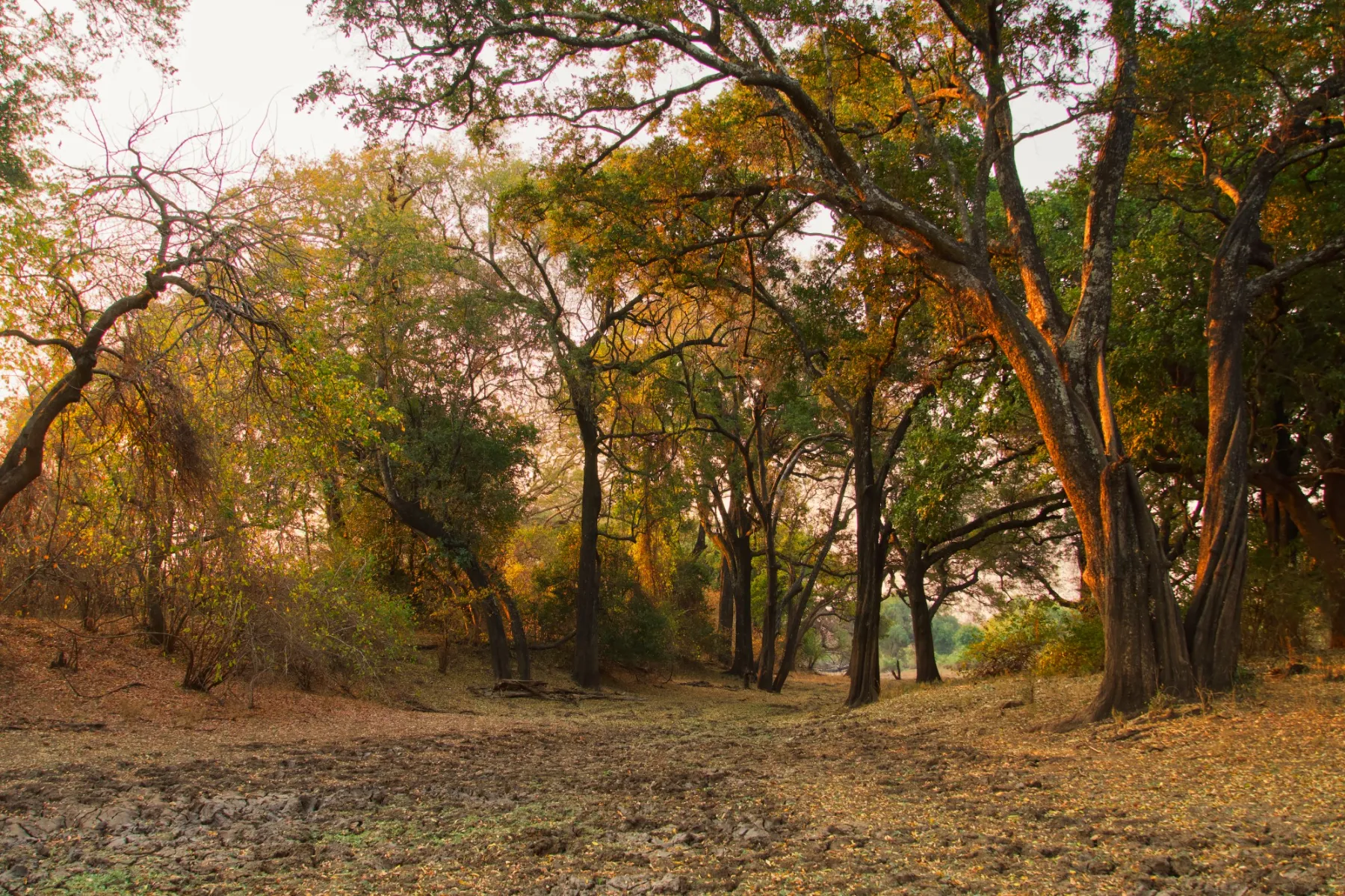
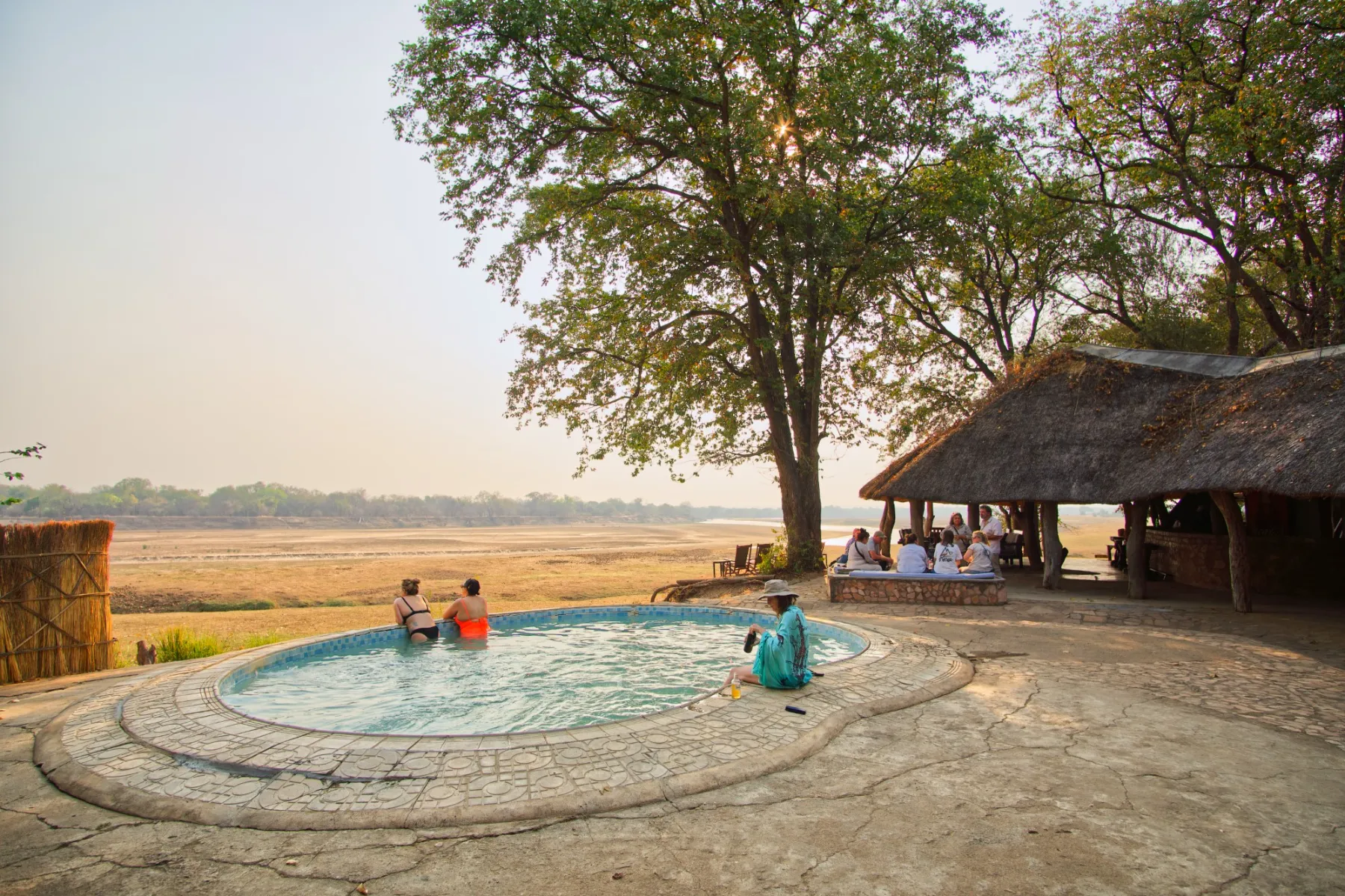
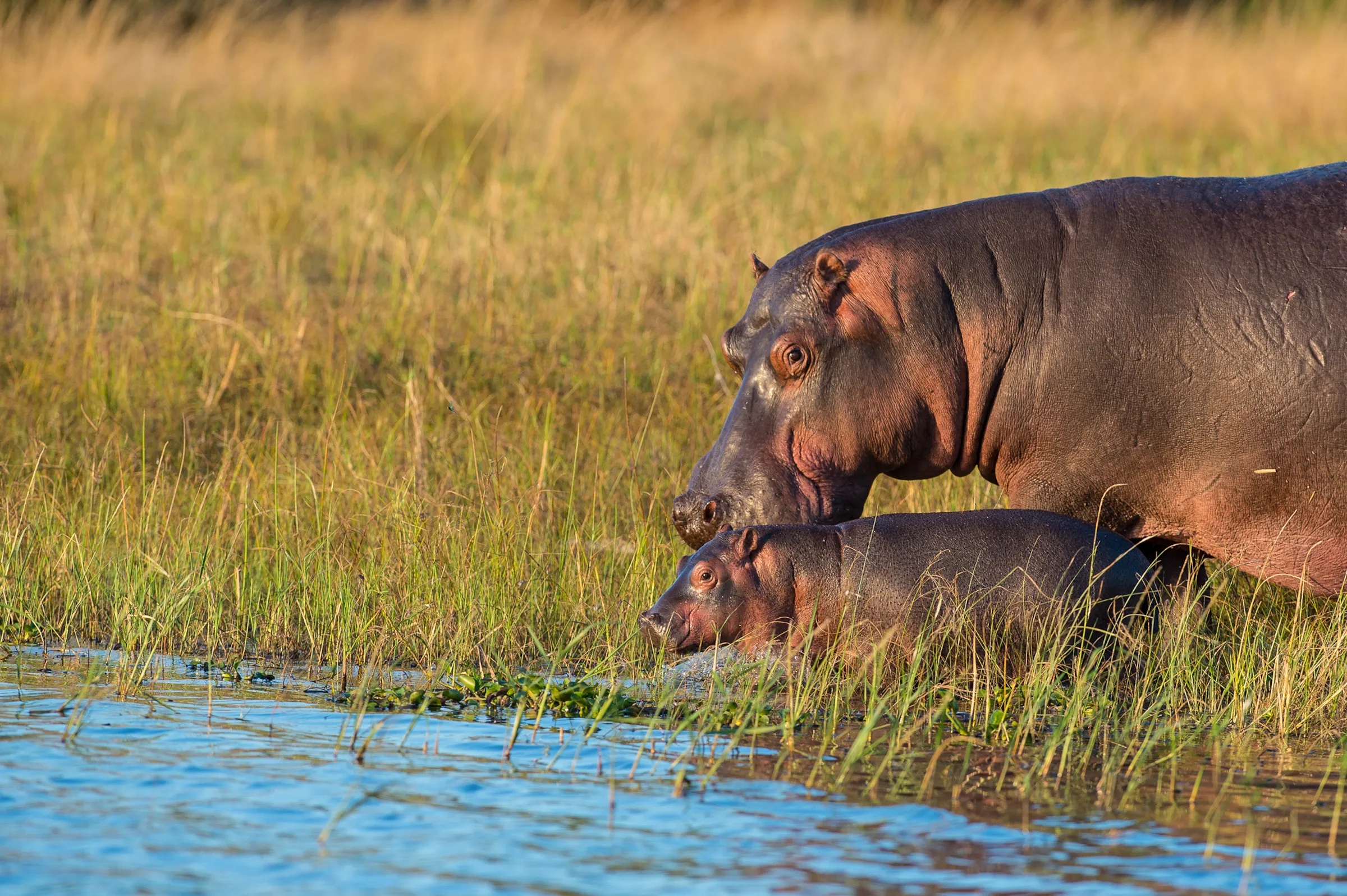
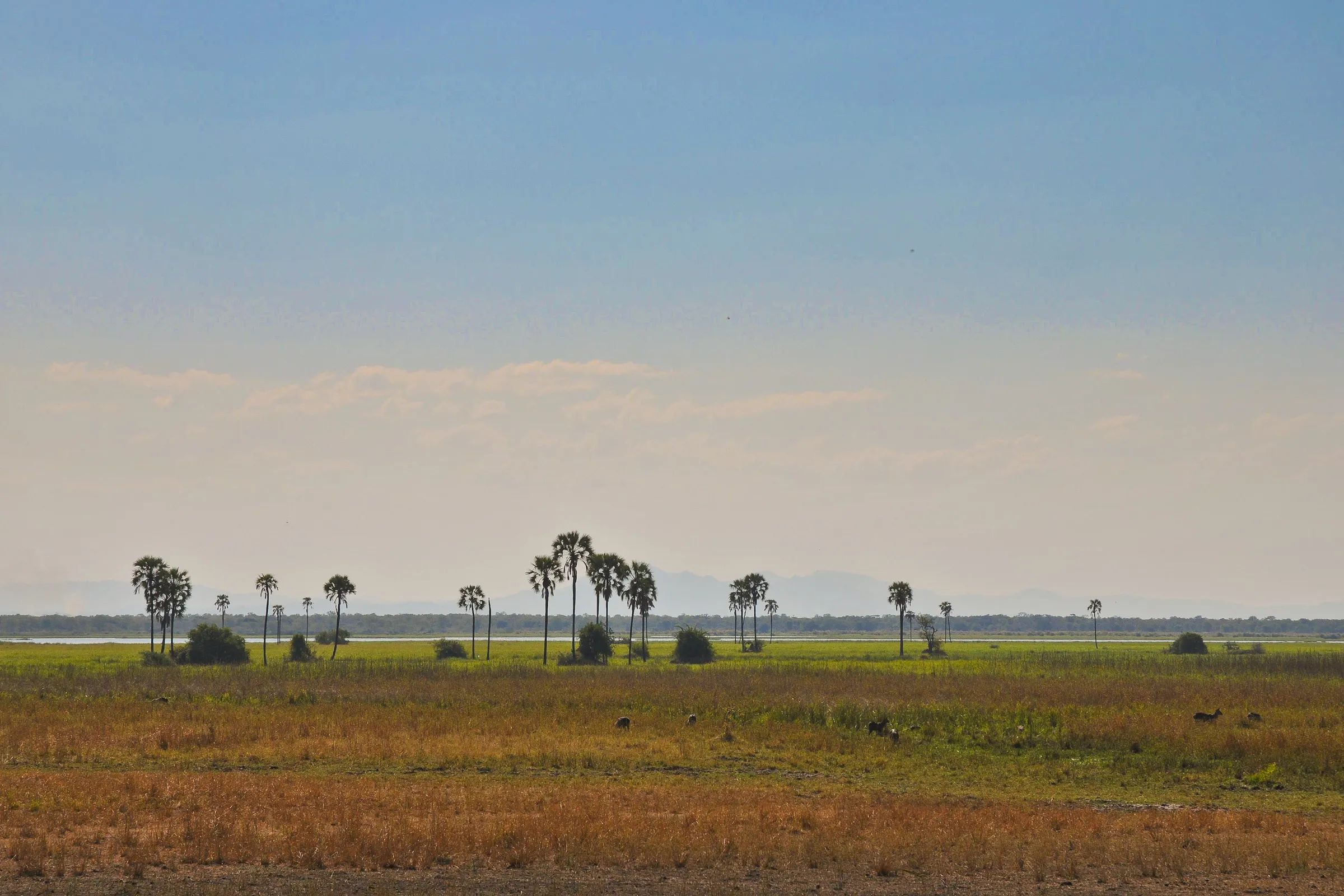
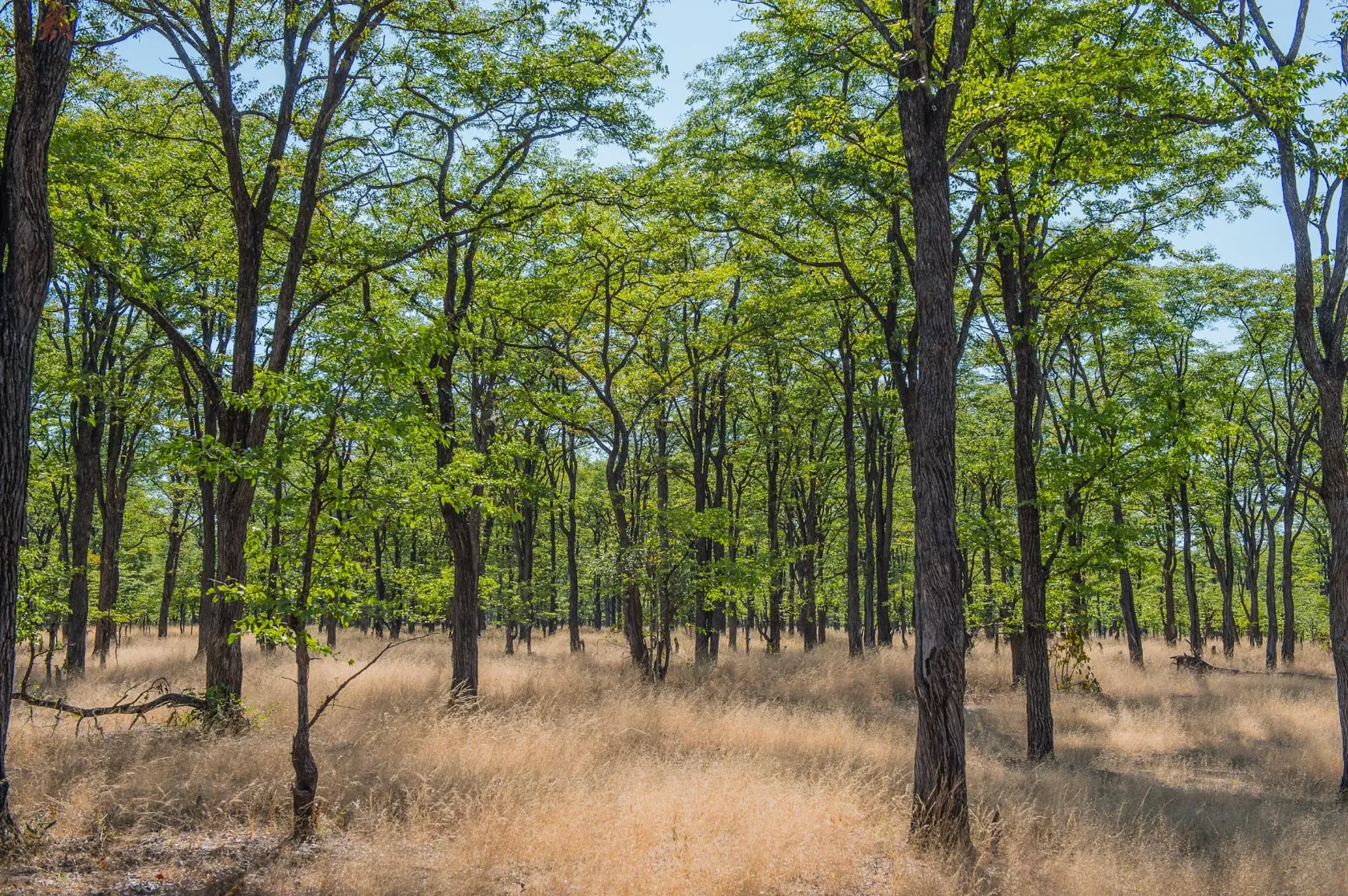
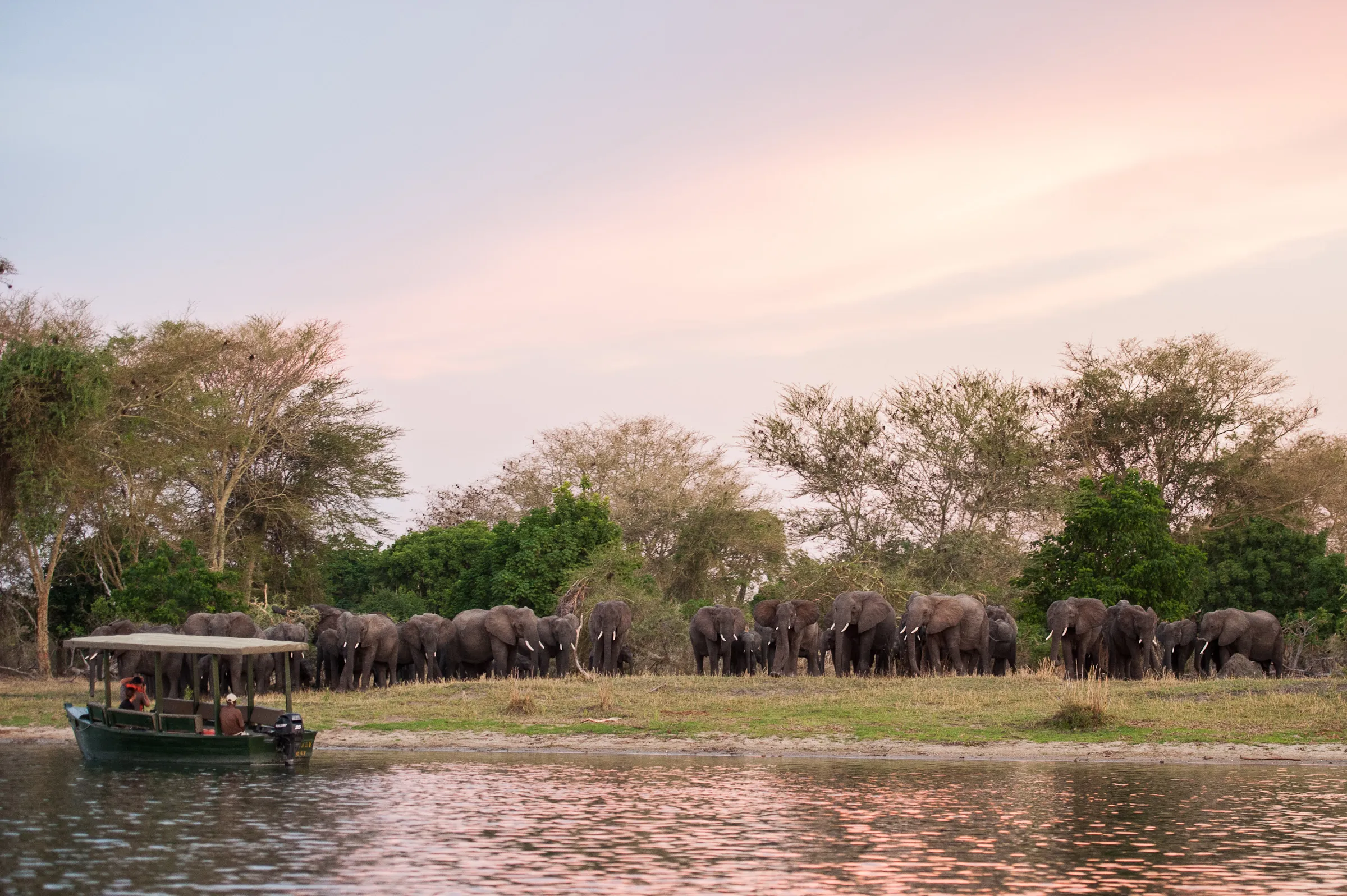
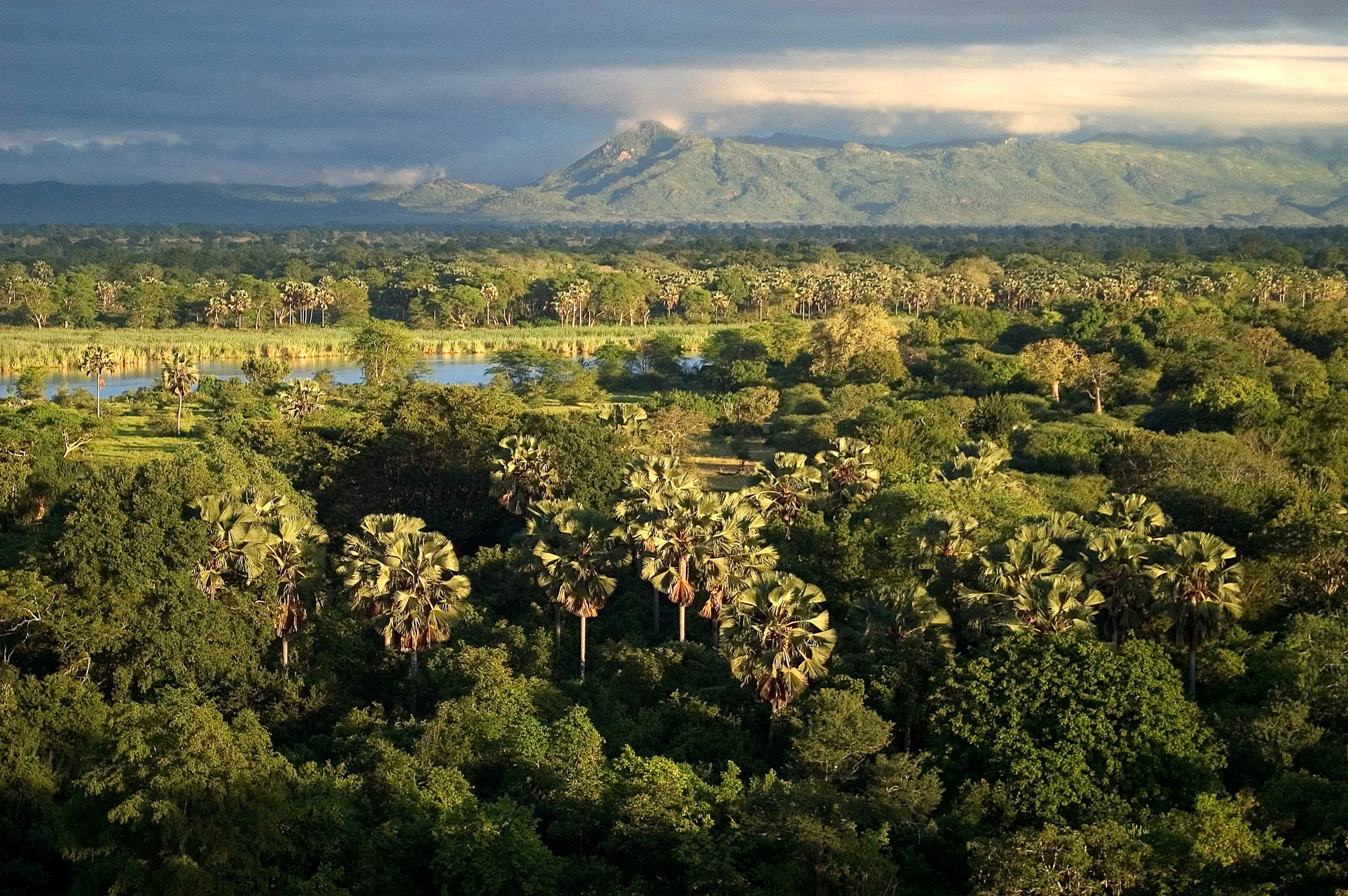
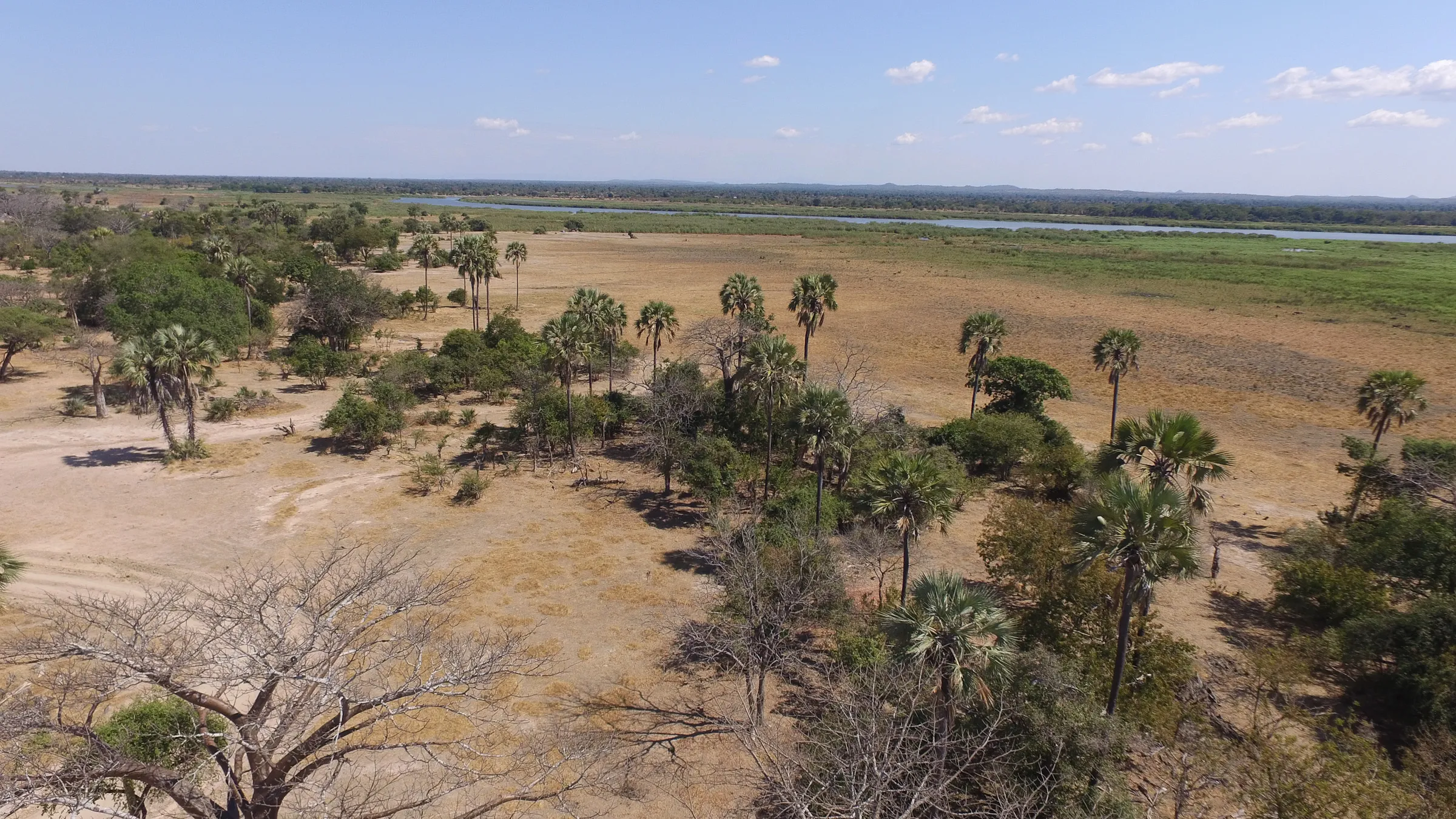
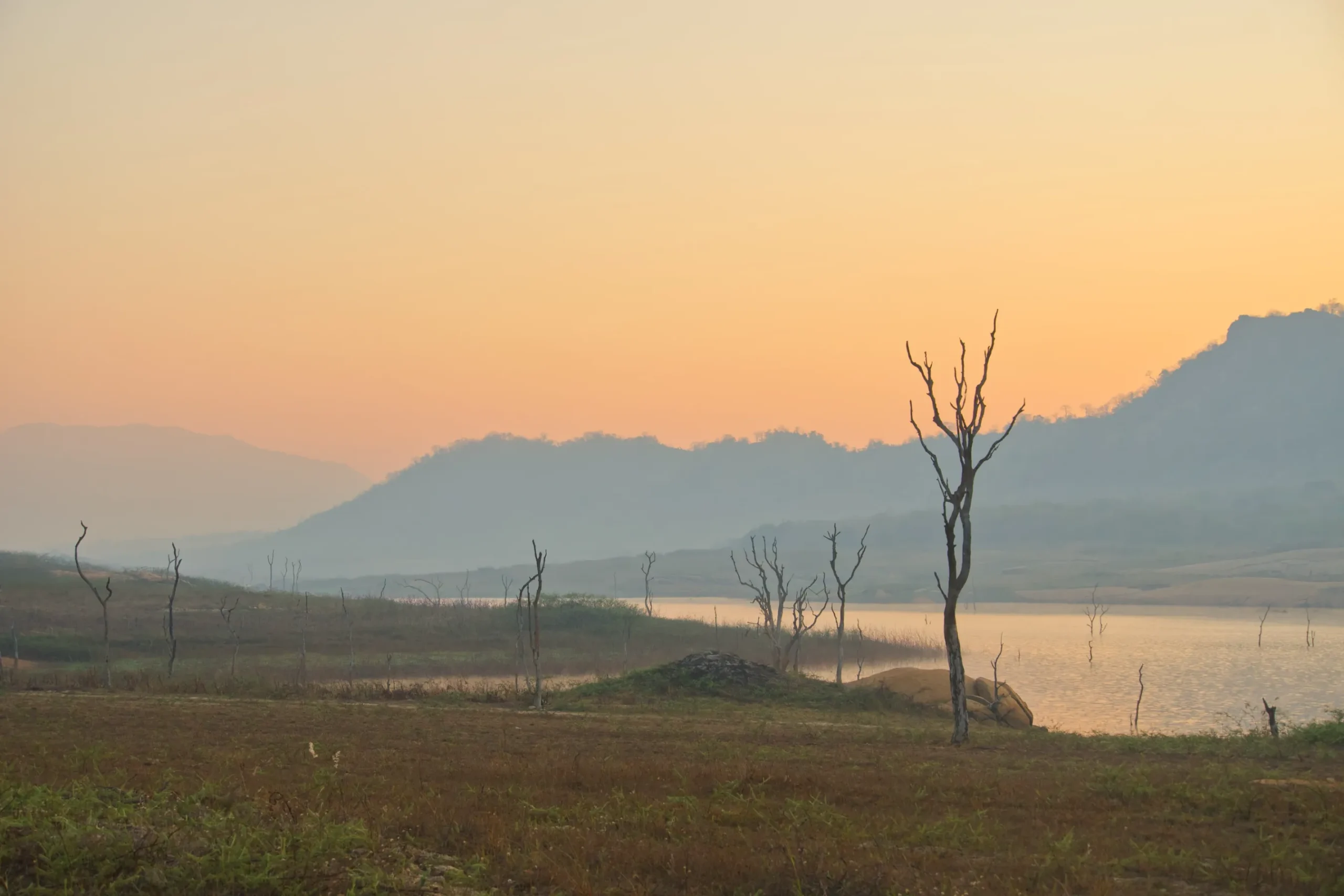
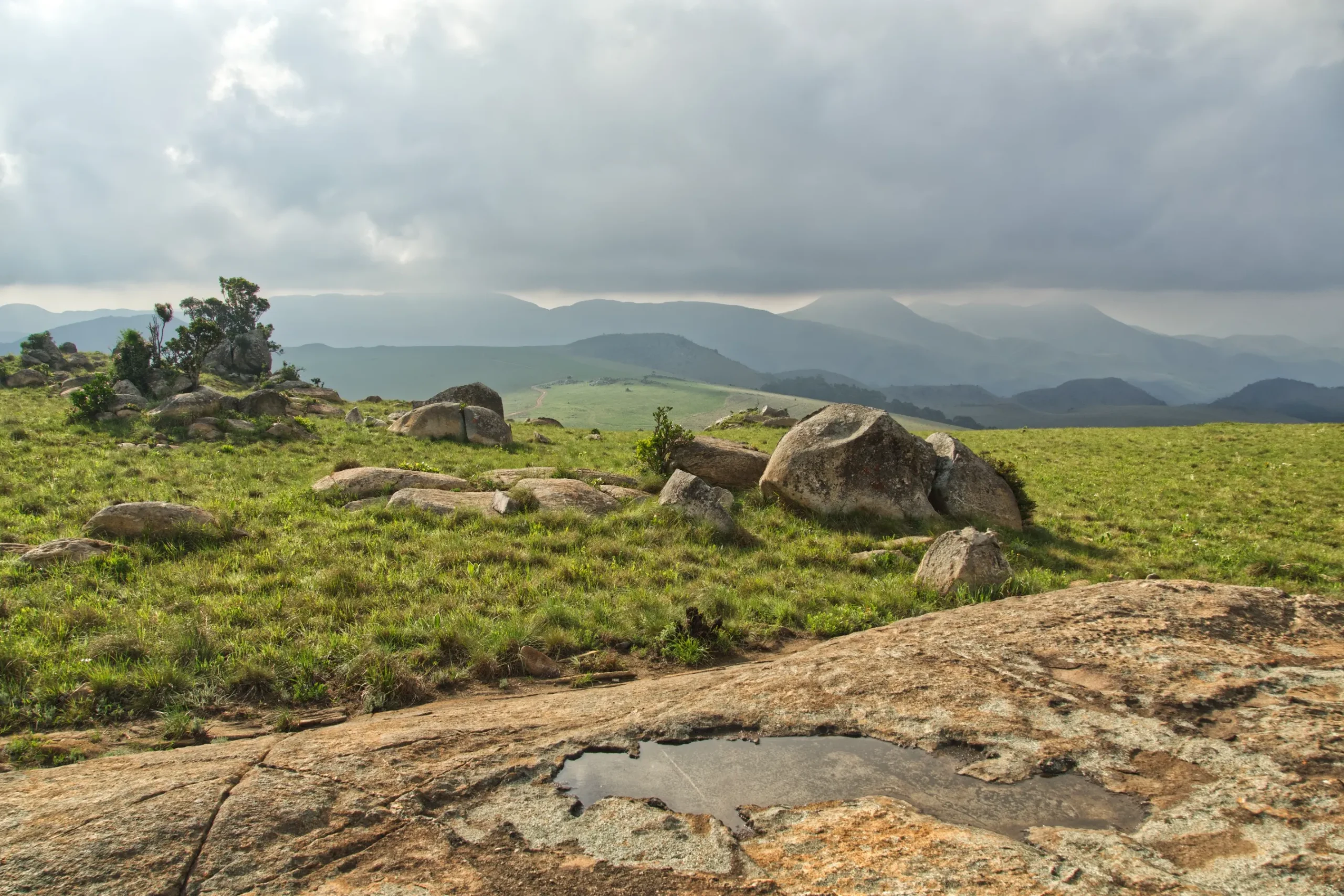
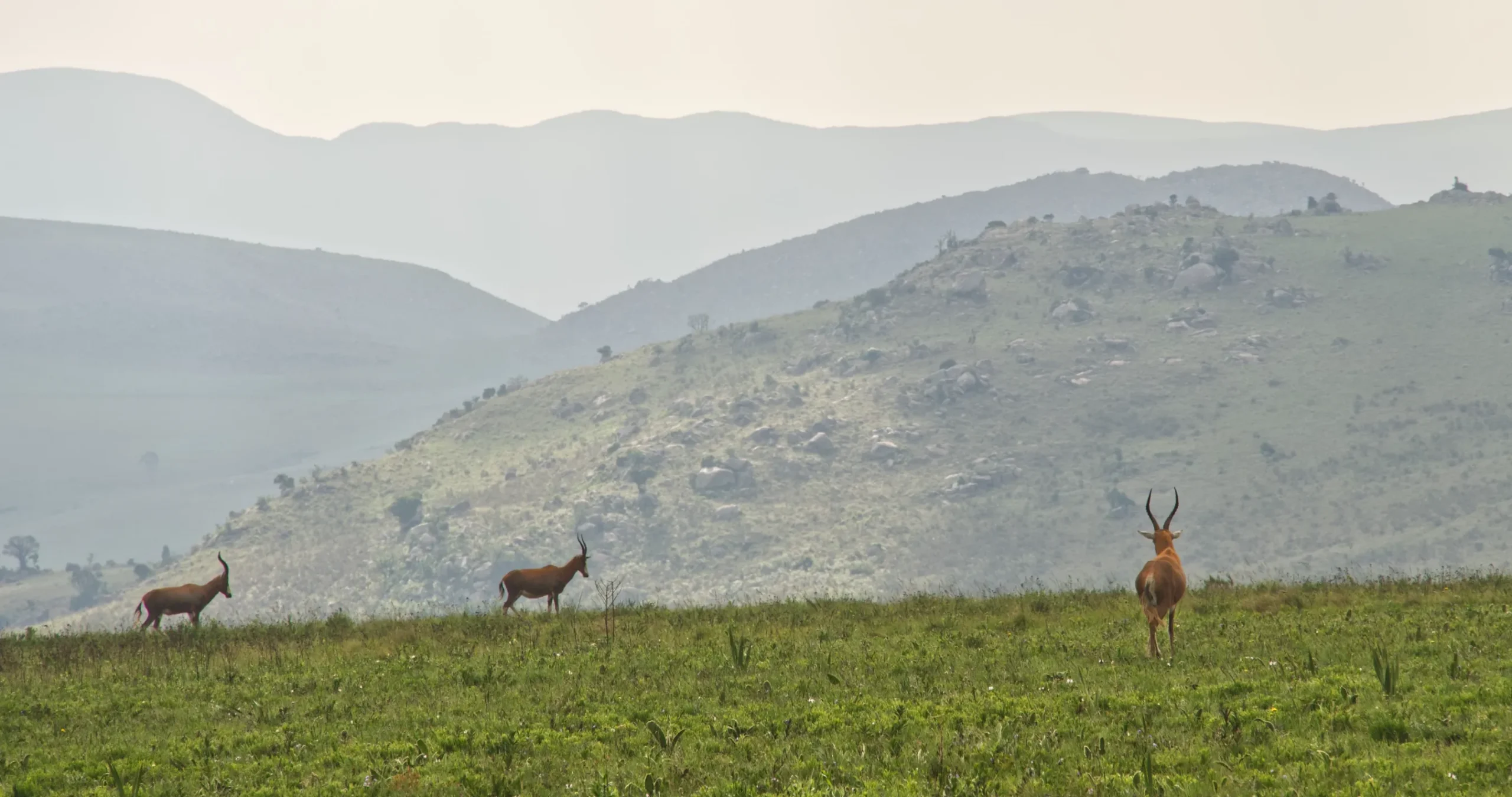
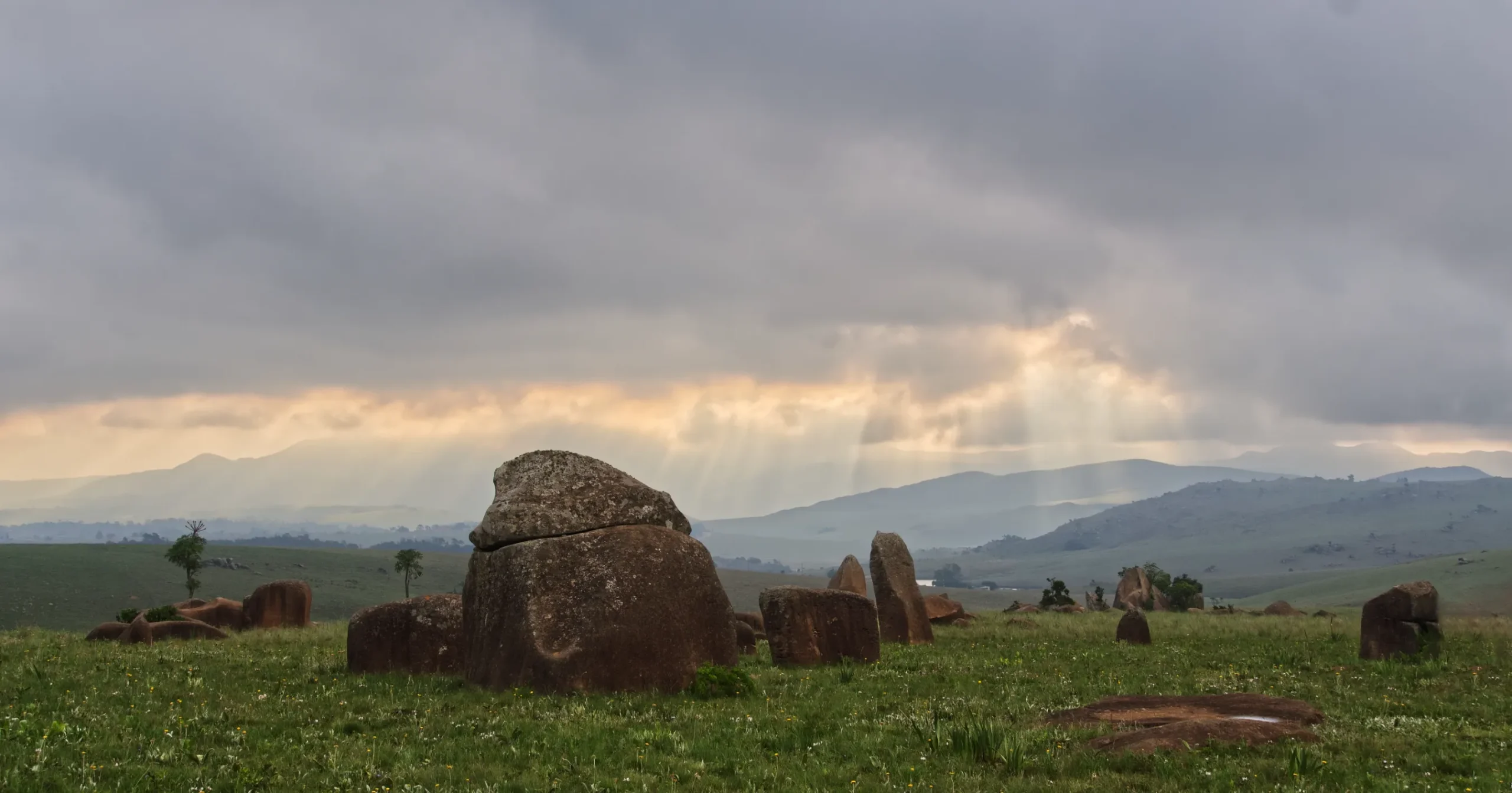
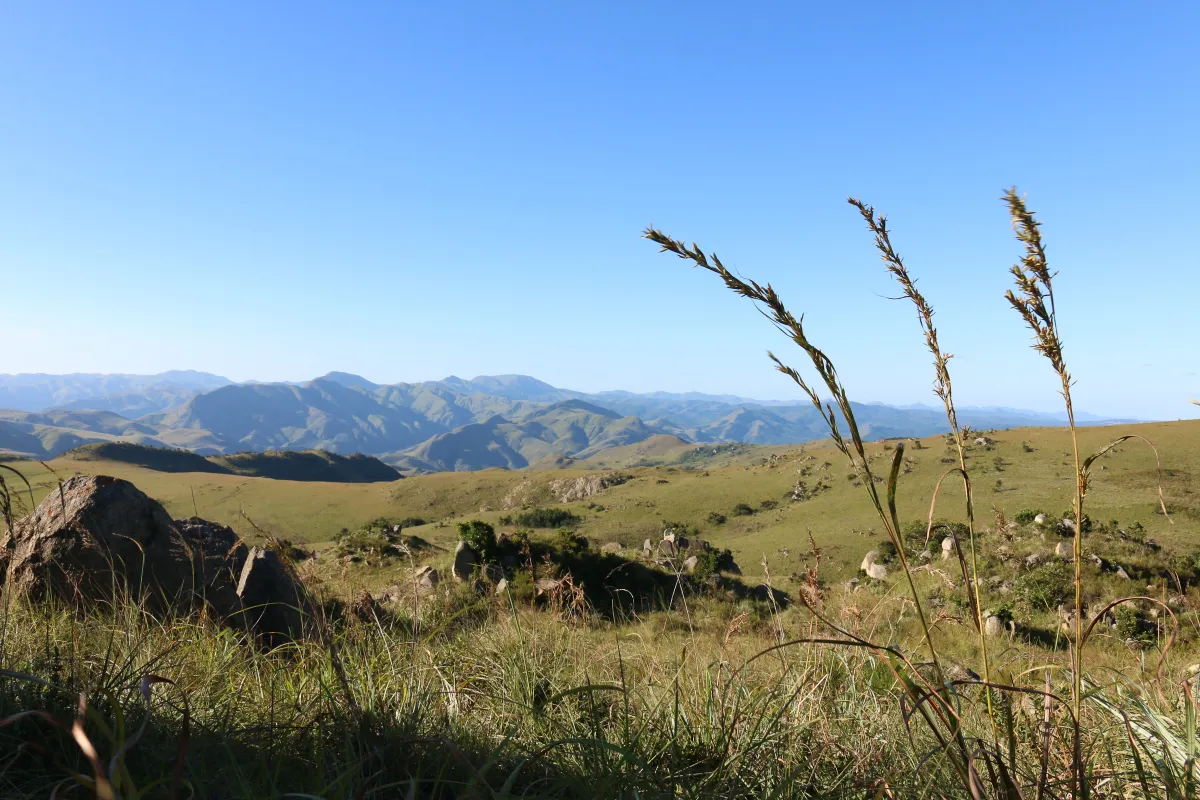
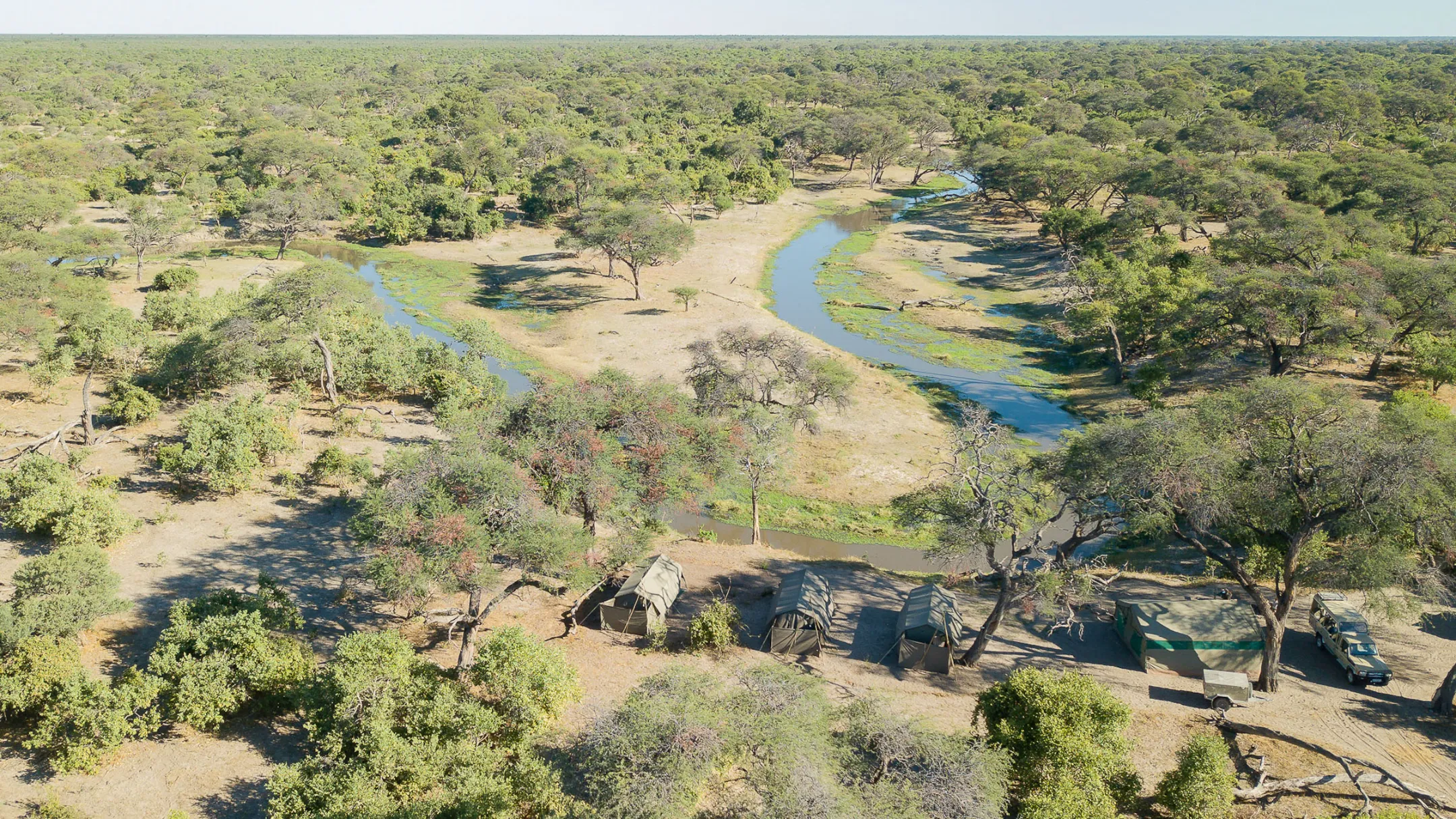
Gorongosa National Park is at the southern end of the Great African Rift Valley in the center of Mozambique. The 4,000 square km park includes the valley floor and parts of surrounding plateaus. Rivers originating on nearby 1863-m Mount Gorongosa water the plain. In July 2010, the Government of Mozambique increased the area of the Gorongosa NP which incorporated Mount Gorongosa (above 700 m). It was also announced that the official establishment of a Park buffer zone of 3,300 square km.
Safaris in Mozambique
Frequently Asked Questions
What is Mozambique best known for?
Mozambique is best known for its long Indian Ocean coastline, relaxed beach destinations and rich marine environments. It is often visited as part of a wider Southern Africa journey combining safari regions with coastal relaxation.
Is Mozambique a good beach holiday destination?
Yes, Mozambique is a strong beach destination in Southern Africa, offering warm ocean waters, uncrowded coastline and a laid back atmosphere. It is typically included in longer overland itineraries as a coastal extension after safari experiences.
What can you do in Mozambique?
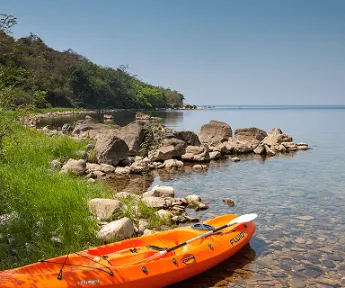
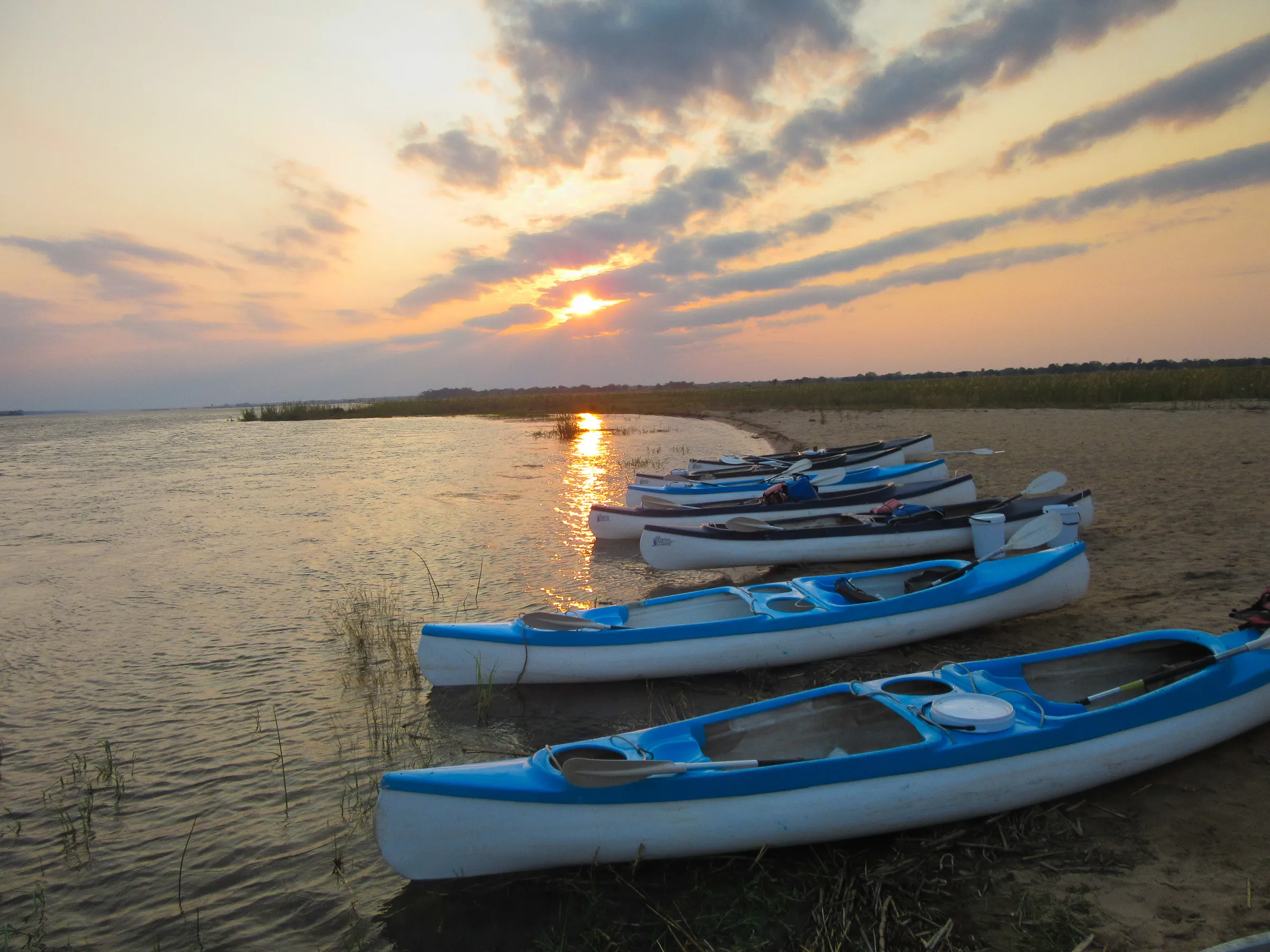
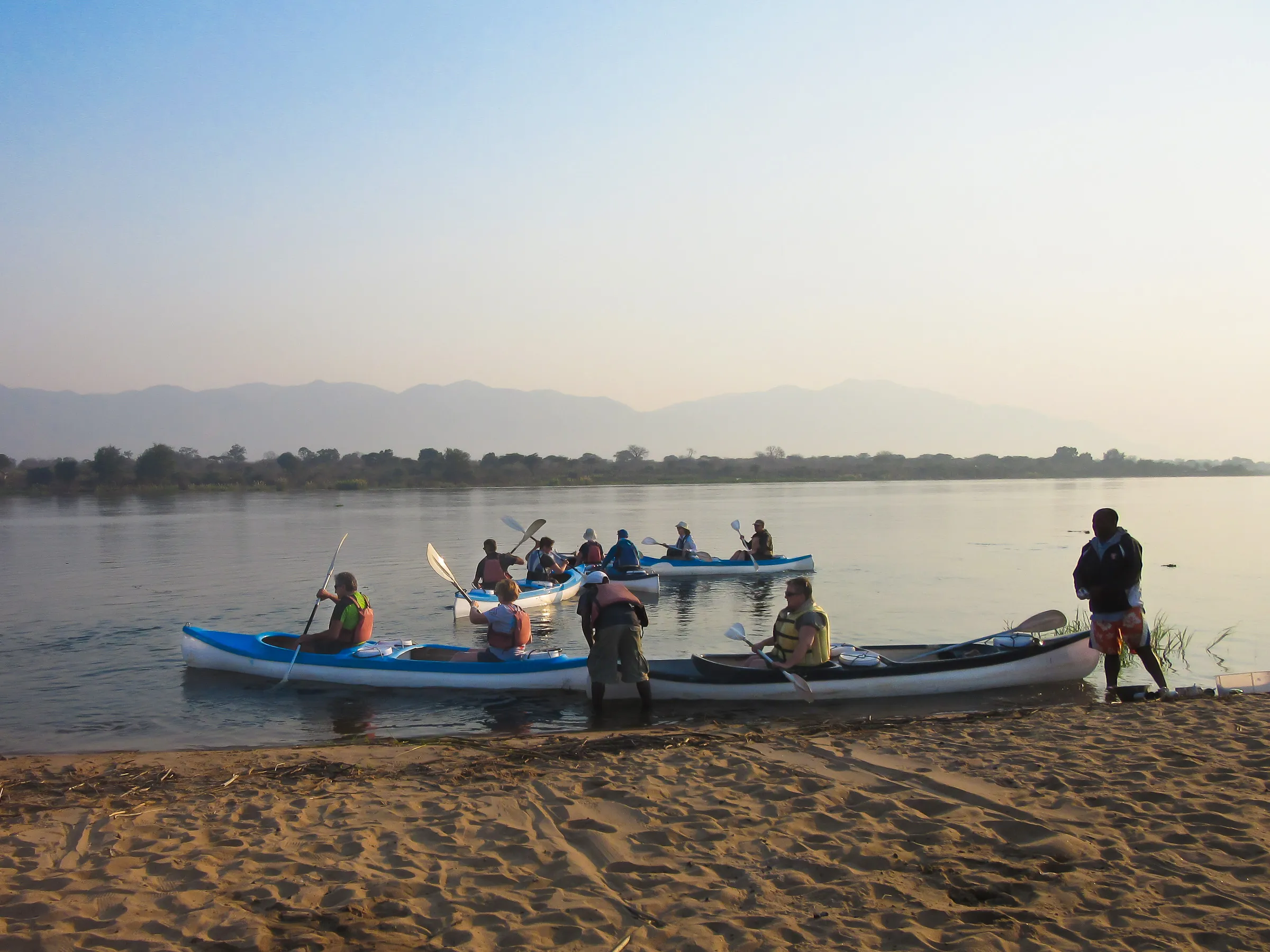
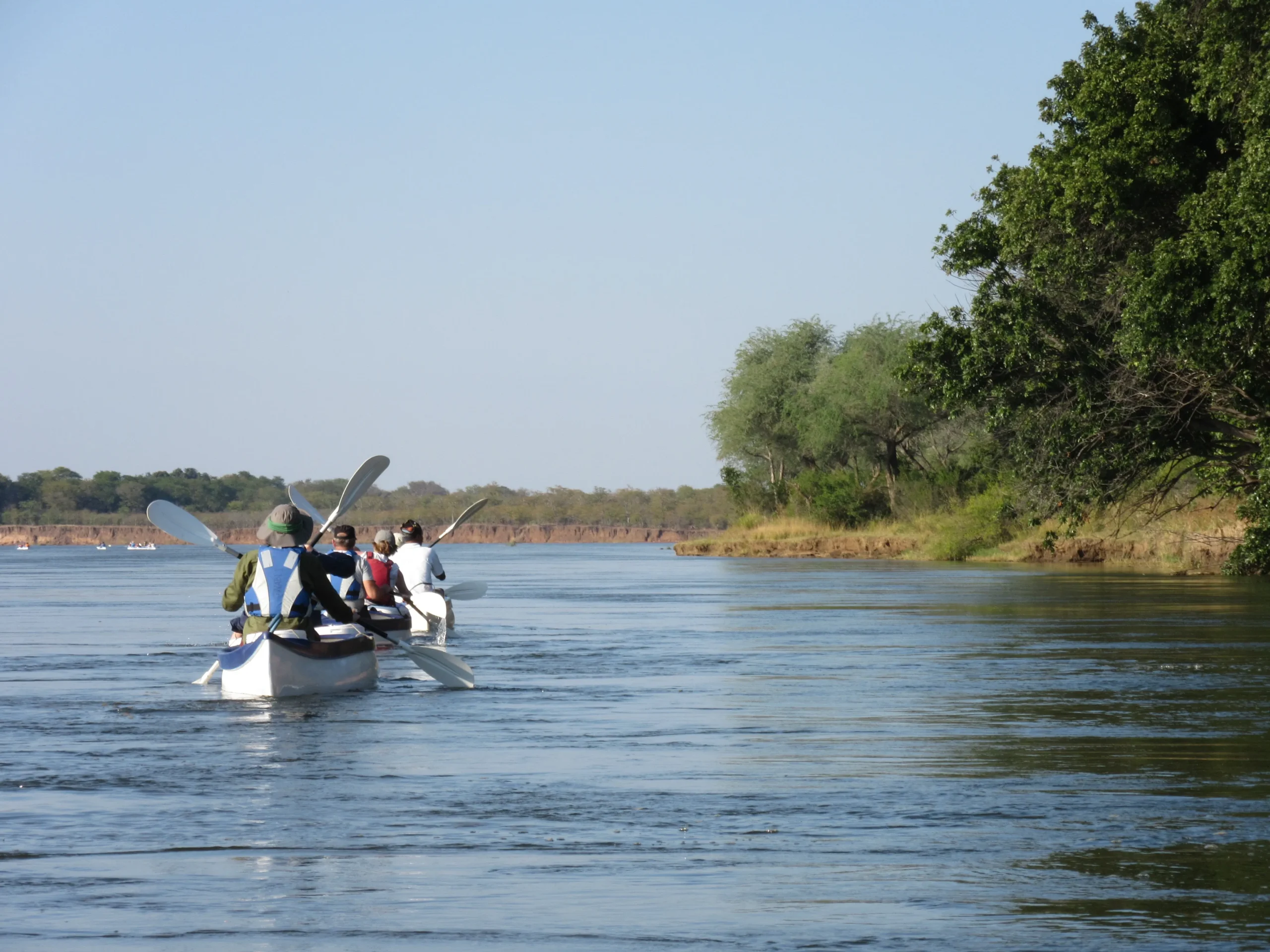
Mozambique offers a range of coastal and marine activities including snorkelling, dhow sailing, kayaking, diving and seasonal whale watching. It is a destination focused on ocean experiences and beach relaxation rather than traditional game drives.
Where is Mozambique usually included in a safari itinerary?
Mozambique is often included at the end of a Southern Africa overland journey, particularly in routes that combine safari destinations with a coastal finish. It forms part of longer travel experiences such as beach and bush or cross border trade route style itineraries.
What wildlife can you see in Mozambique?
Mozambique is known for marine wildlife rather than land based safari animals. Visitors may see dolphins, sea turtles, manta rays and whale sharks in certain coastal regions, along with seasonal humpback whale migrations.
When is the best time to visit Mozambique?
The best time to visit Mozambique is during the dry season from May to October when conditions are cooler, humidity is lower and ocean visibility is generally better for water based activities.
Sunway Safaris offers small group safaris to Mozambique from April to November.
Is Mozambique safe for travel?
Mozambique is generally safe for travellers in established coastal regions and popular travel routes used in guided overland itineraries. Travelling with an organised operator such as Sunway Safaris provides structured logistics and support throughout the journey.
What makes Mozambique different from a safari destination?
Mozambique is a coastal and marine destination, while safari destinations focus on inland wildlife viewing. It is included in travel routes as a contrast experience, offering beaches, ocean activities and relaxation after time spent in safari regions.
How long should you spend in Mozambique?
Most Mozambique coastal extensions range from a few days to around a week depending on the itinerary. It is typically the final stage of a longer Southern Africa overland journey.
What type of accommodation is used in Mozambique?
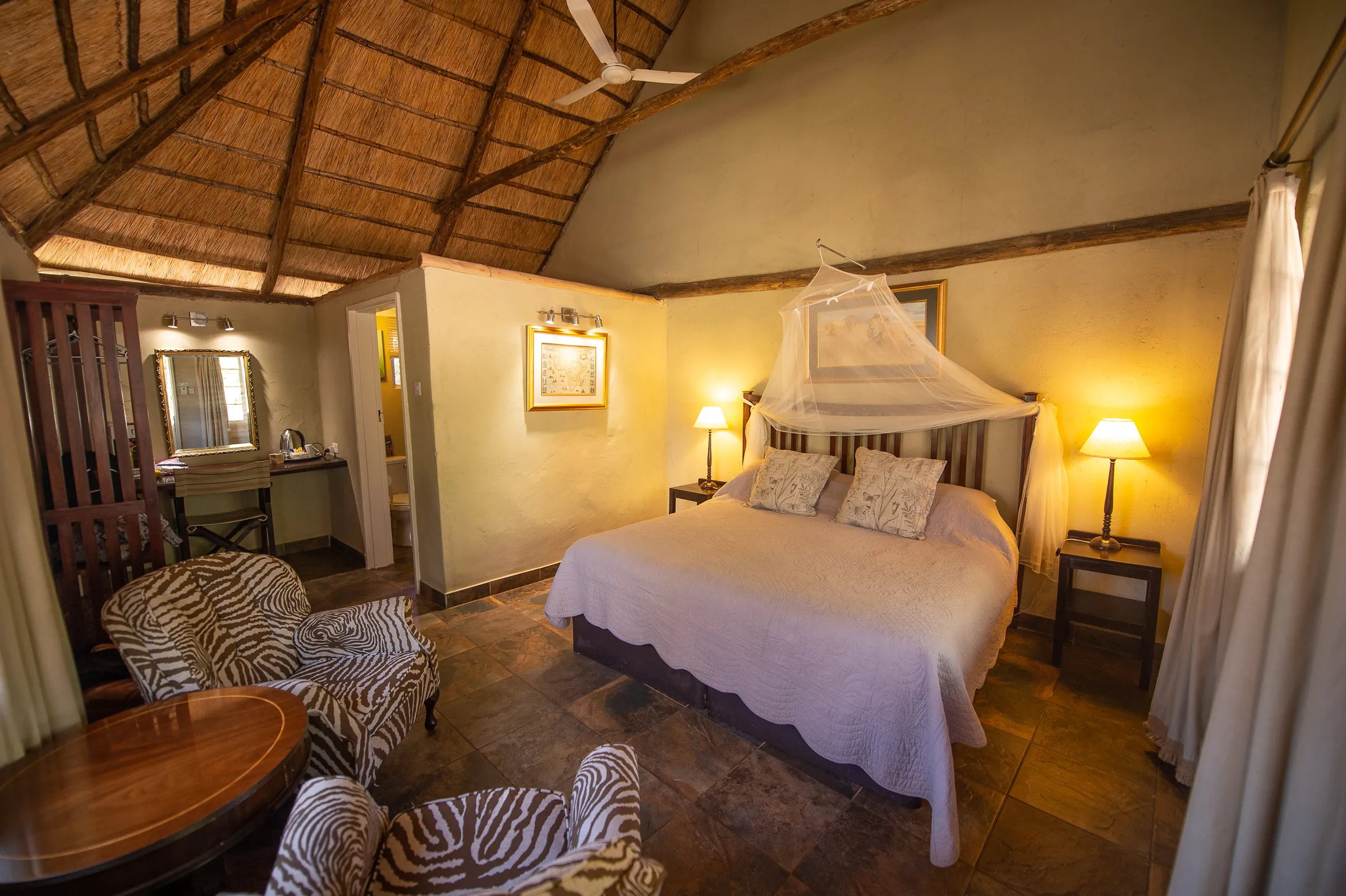
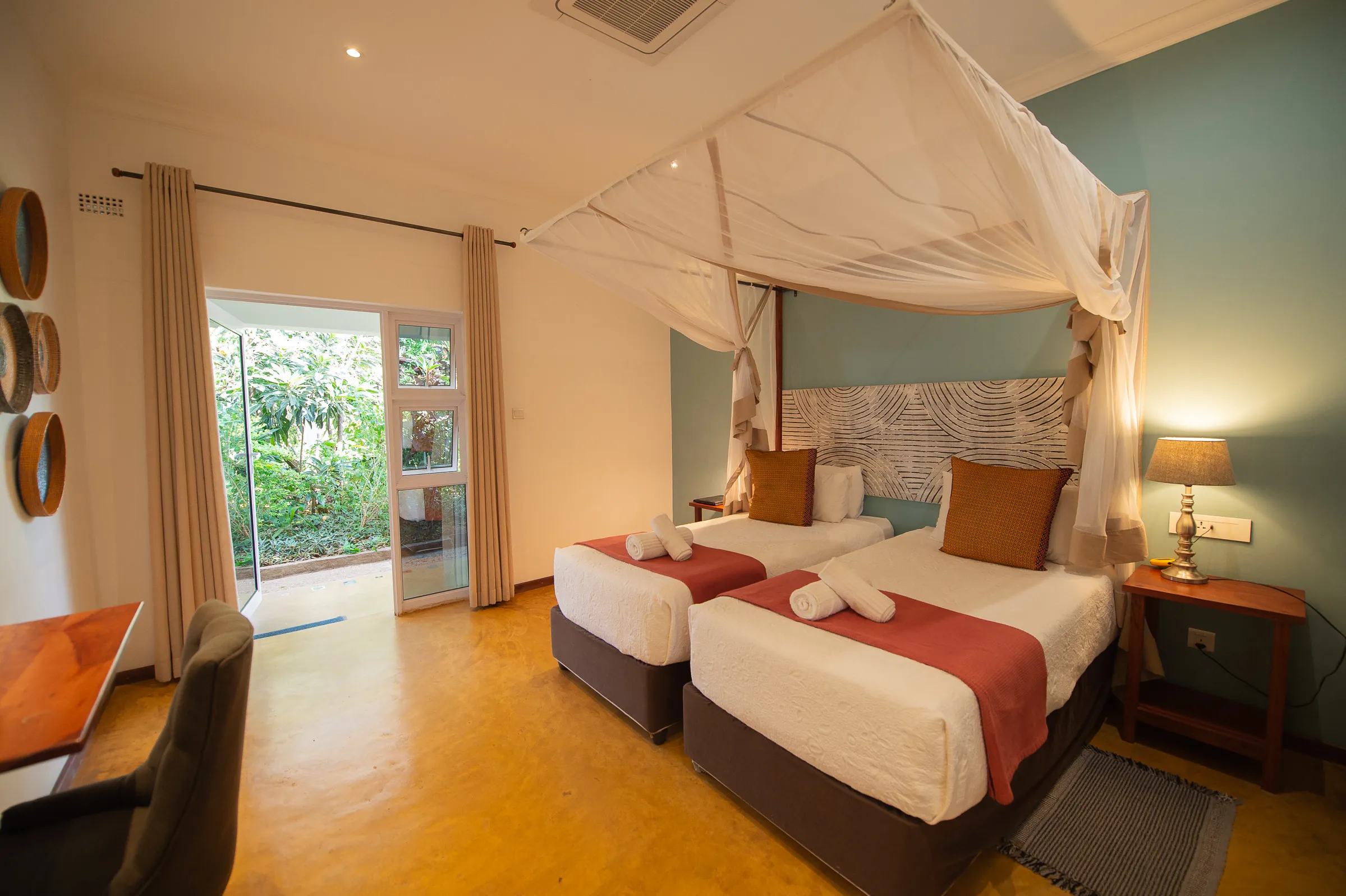
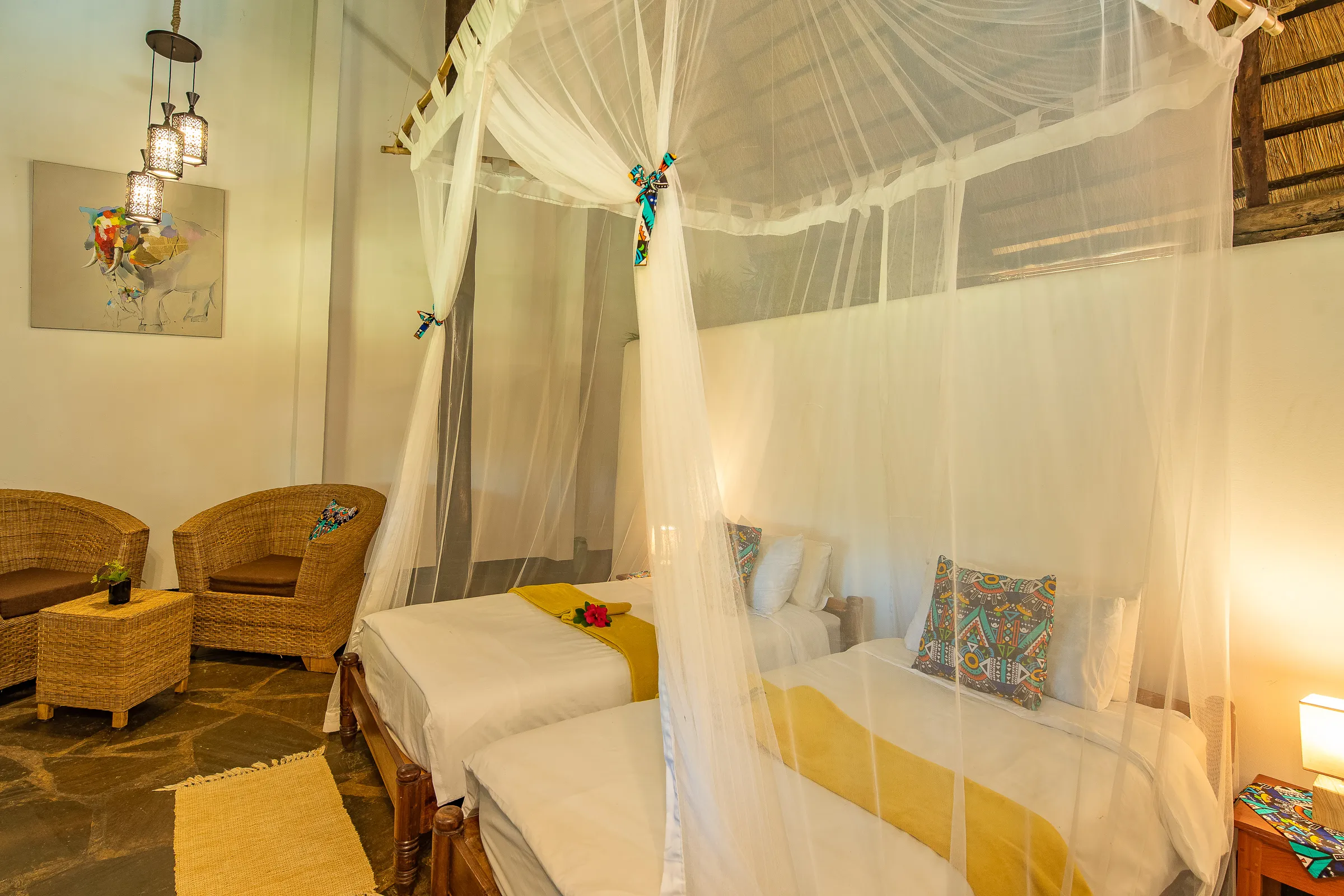
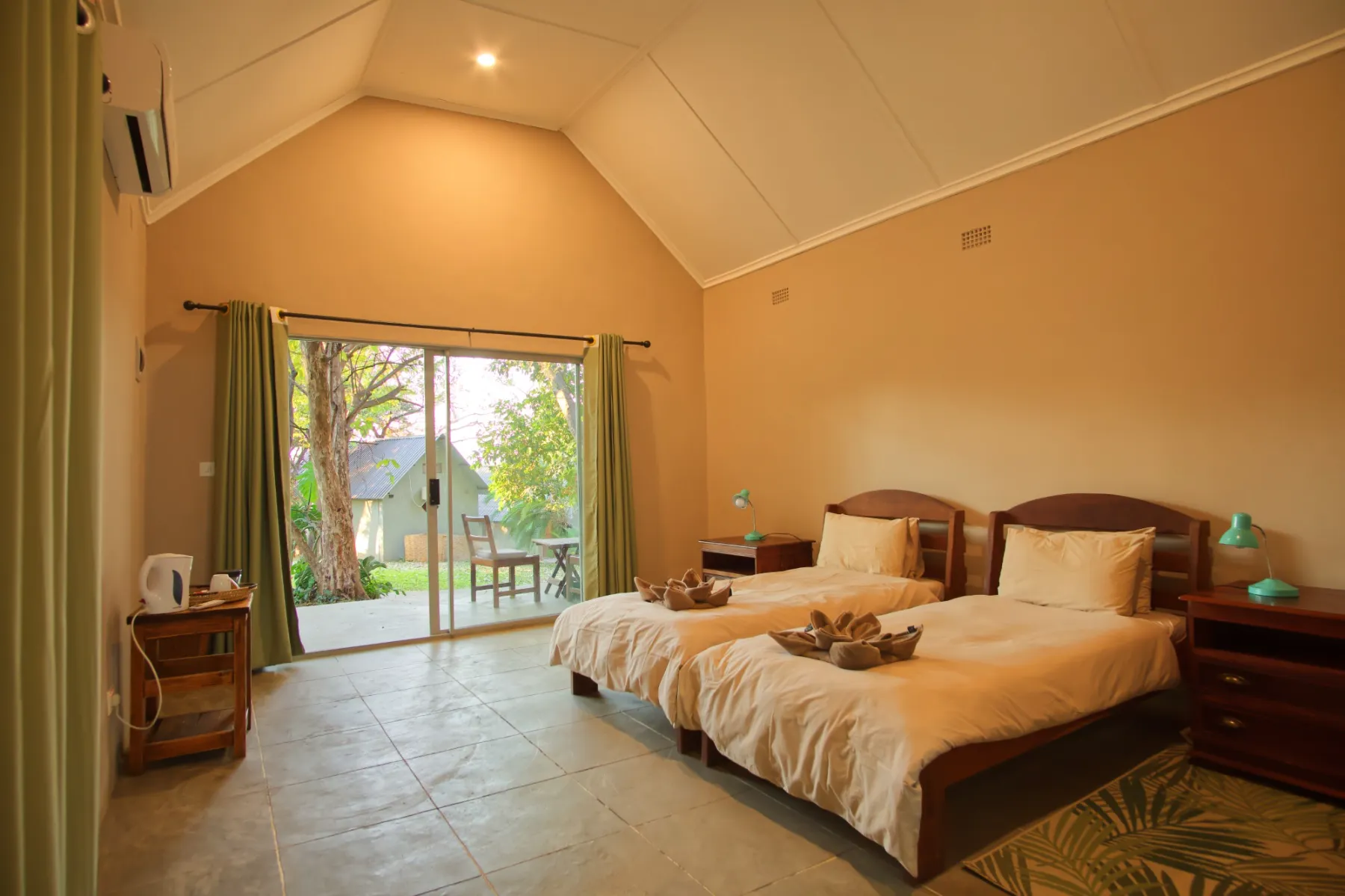
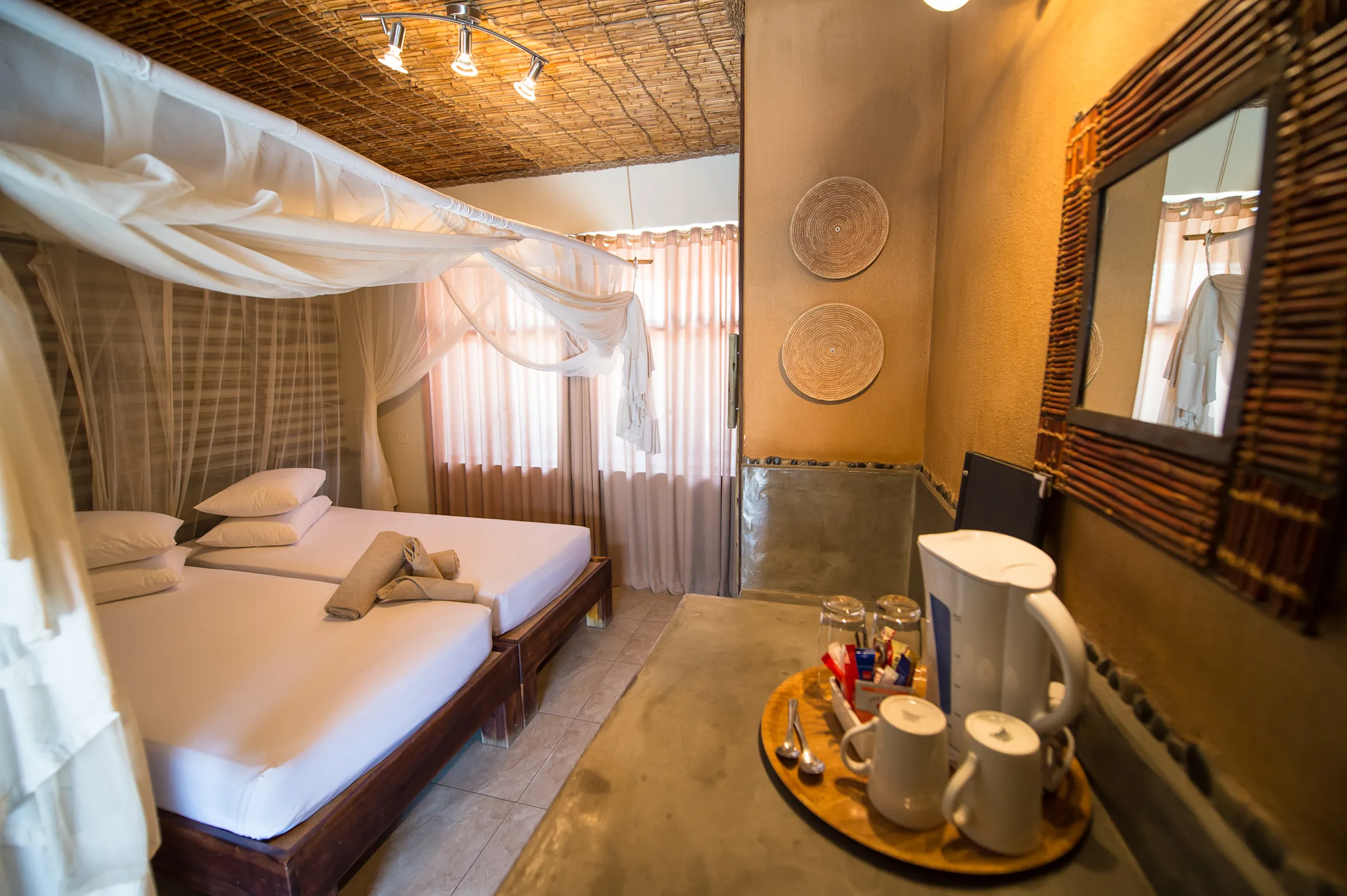
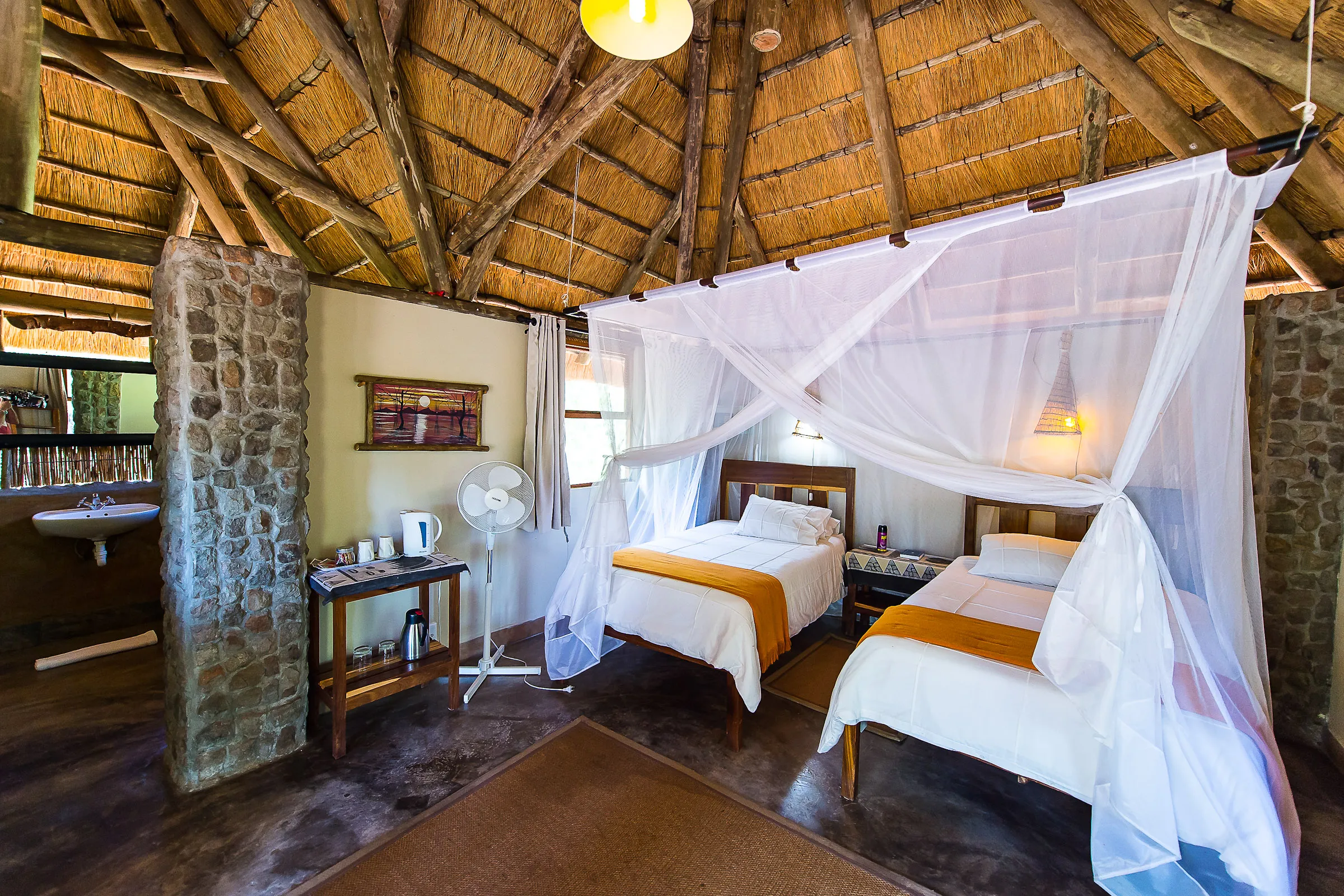
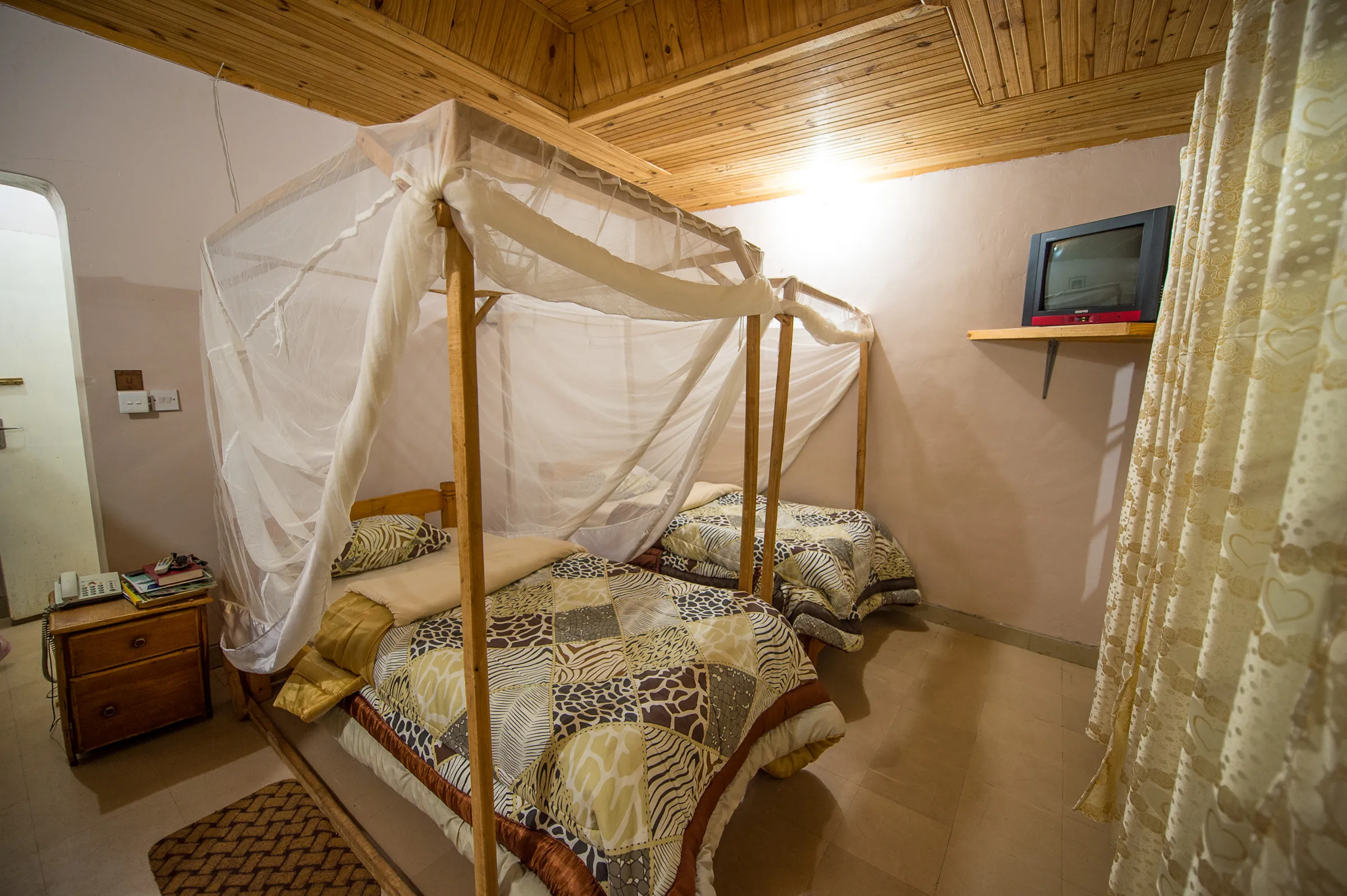
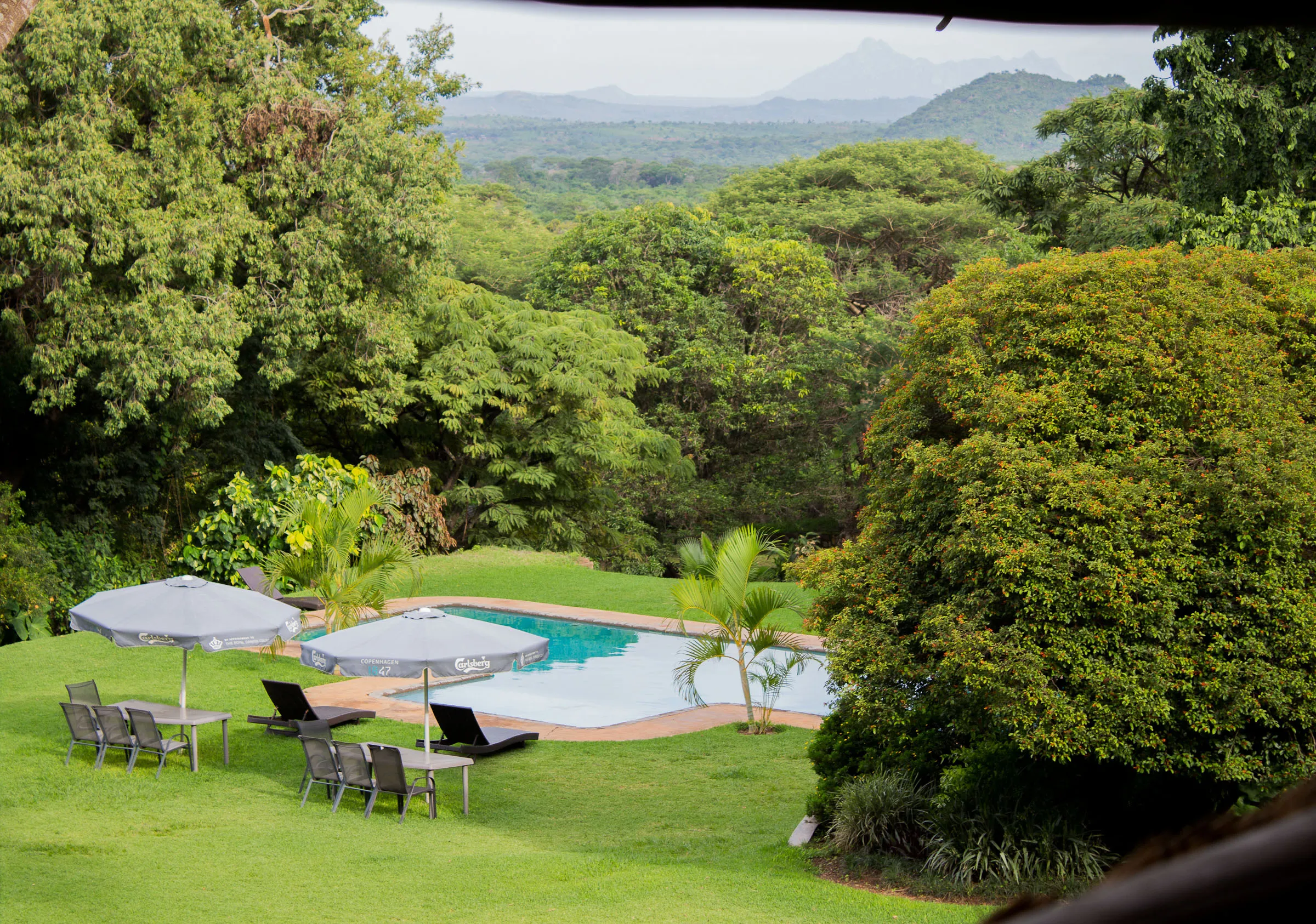
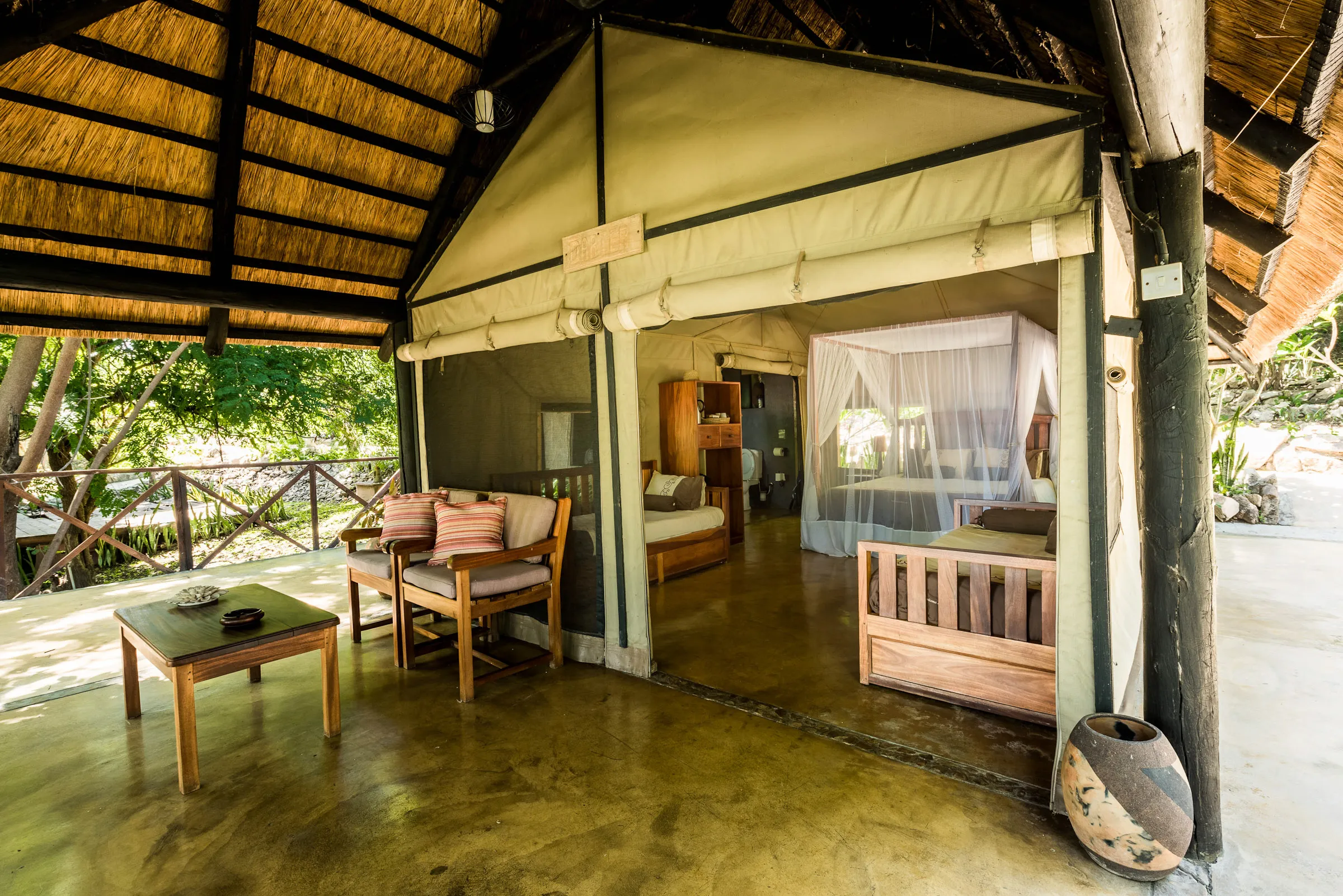
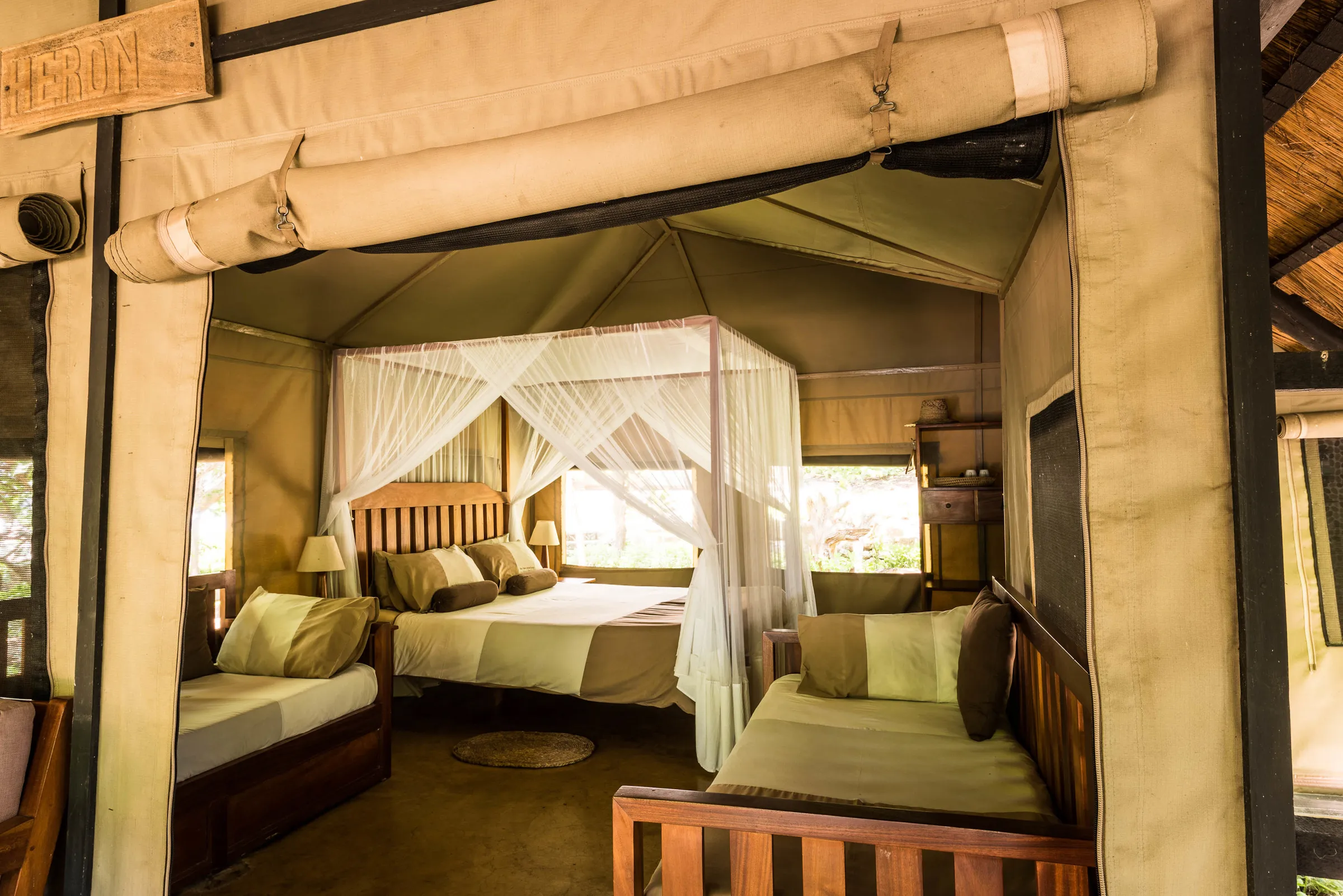
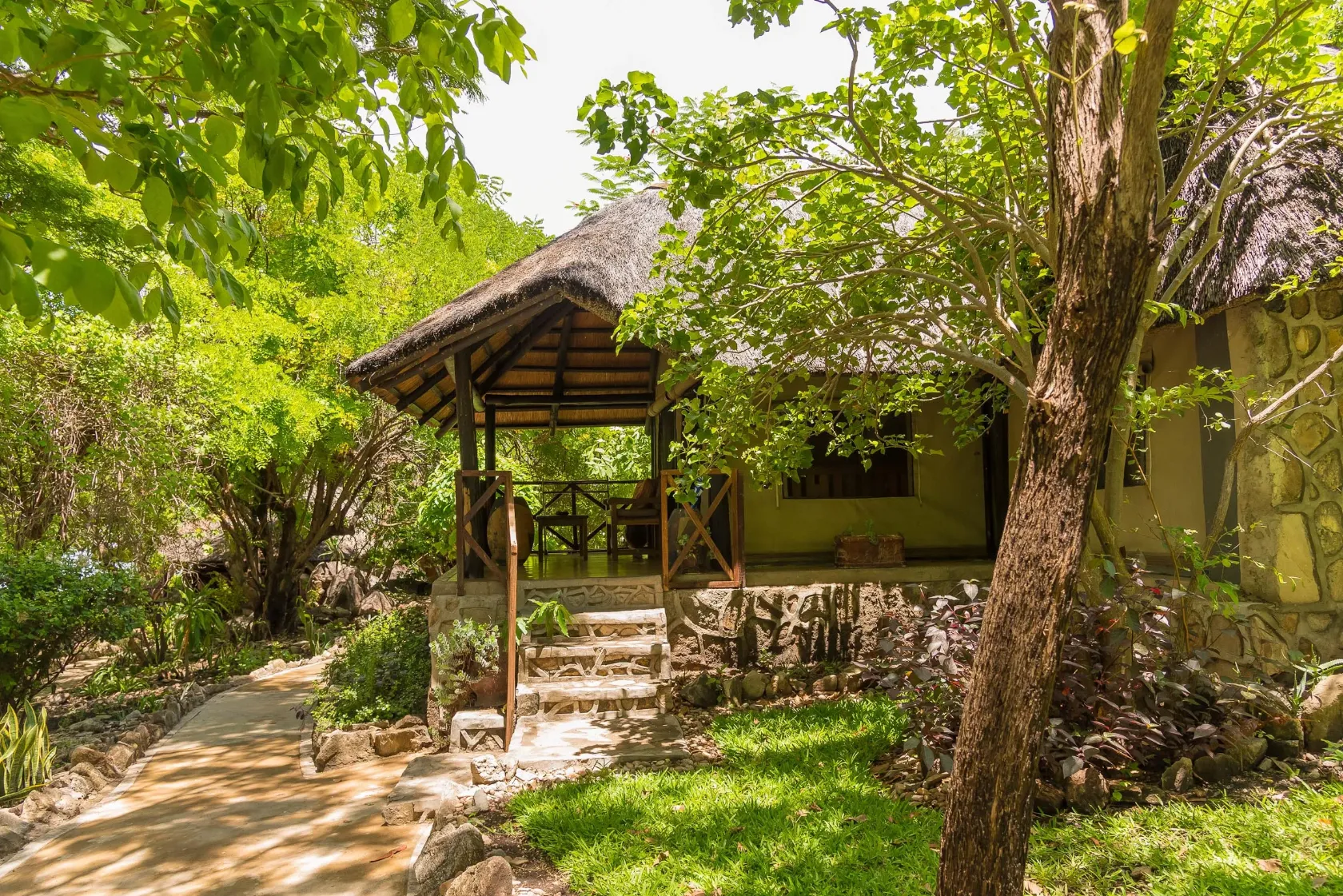
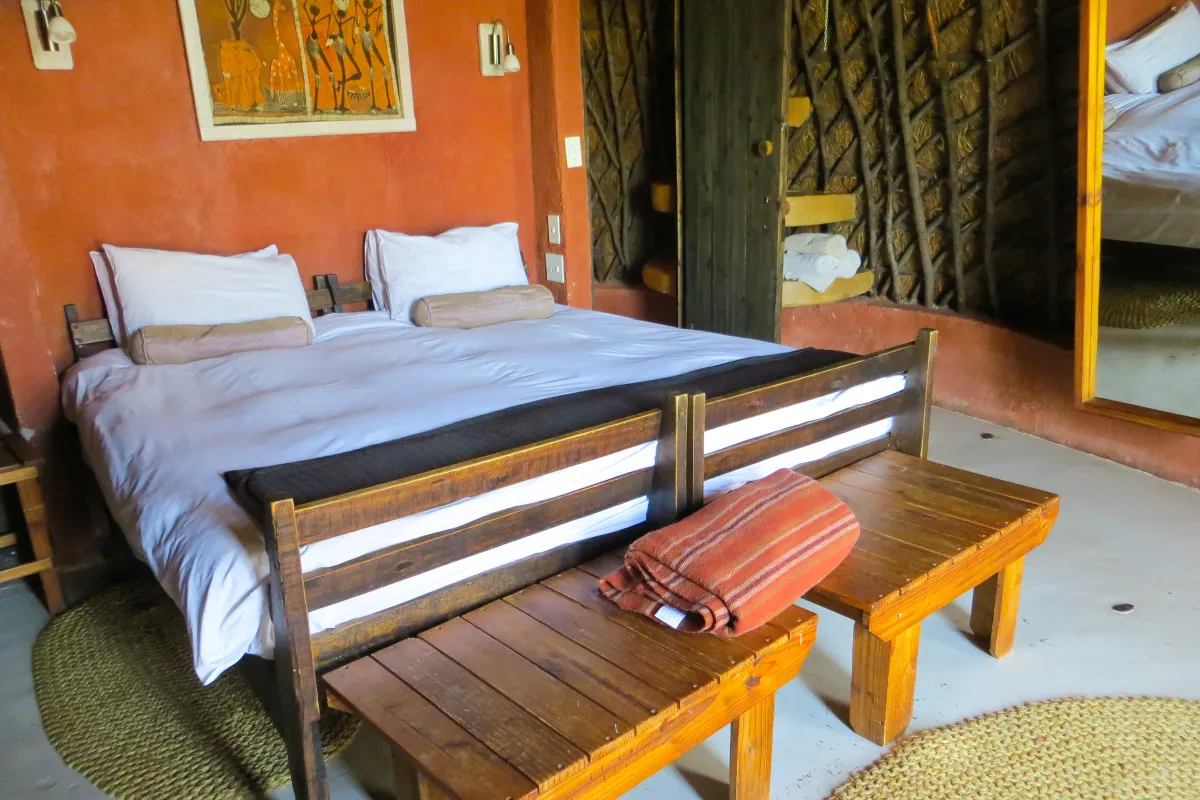
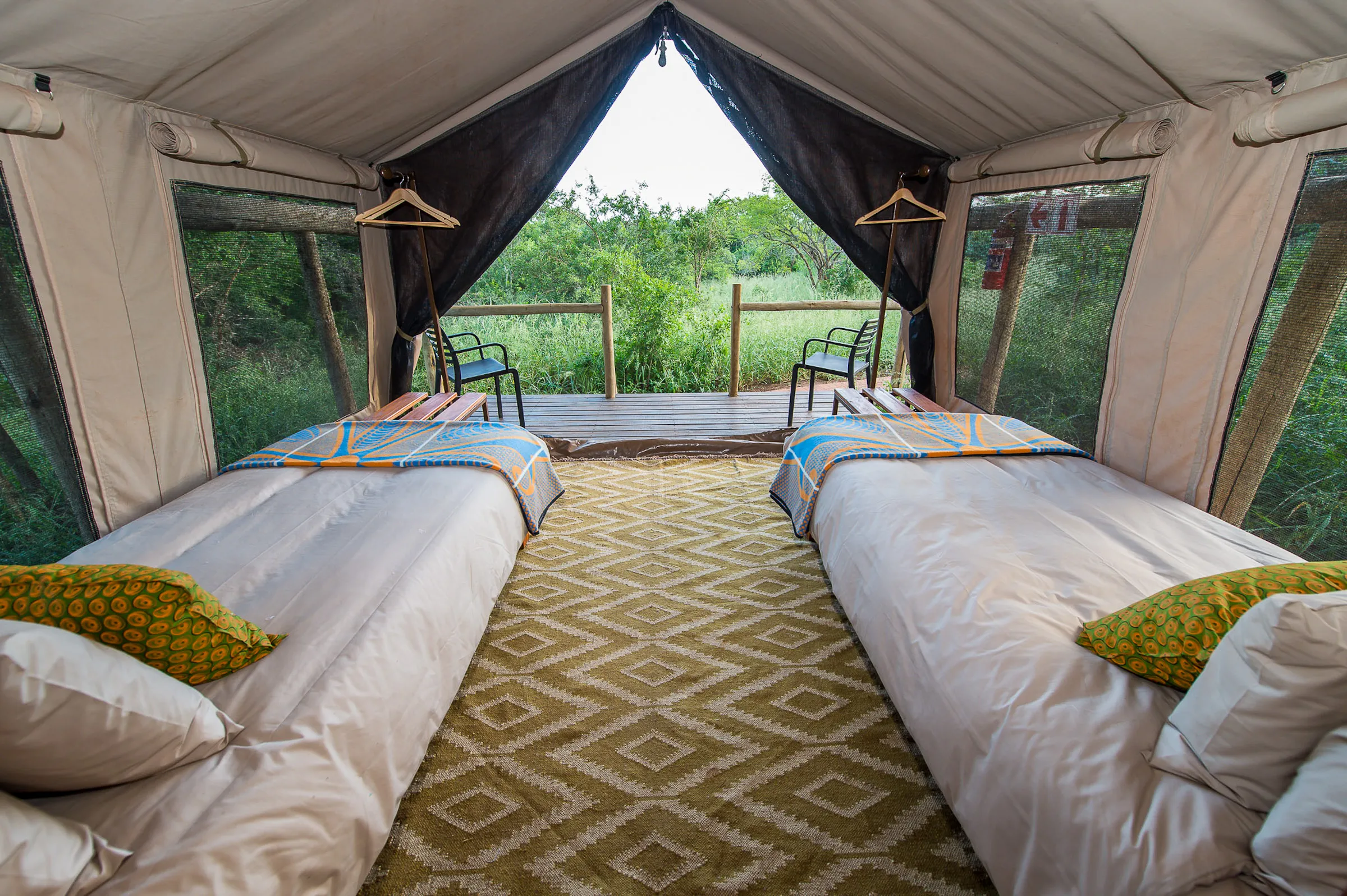
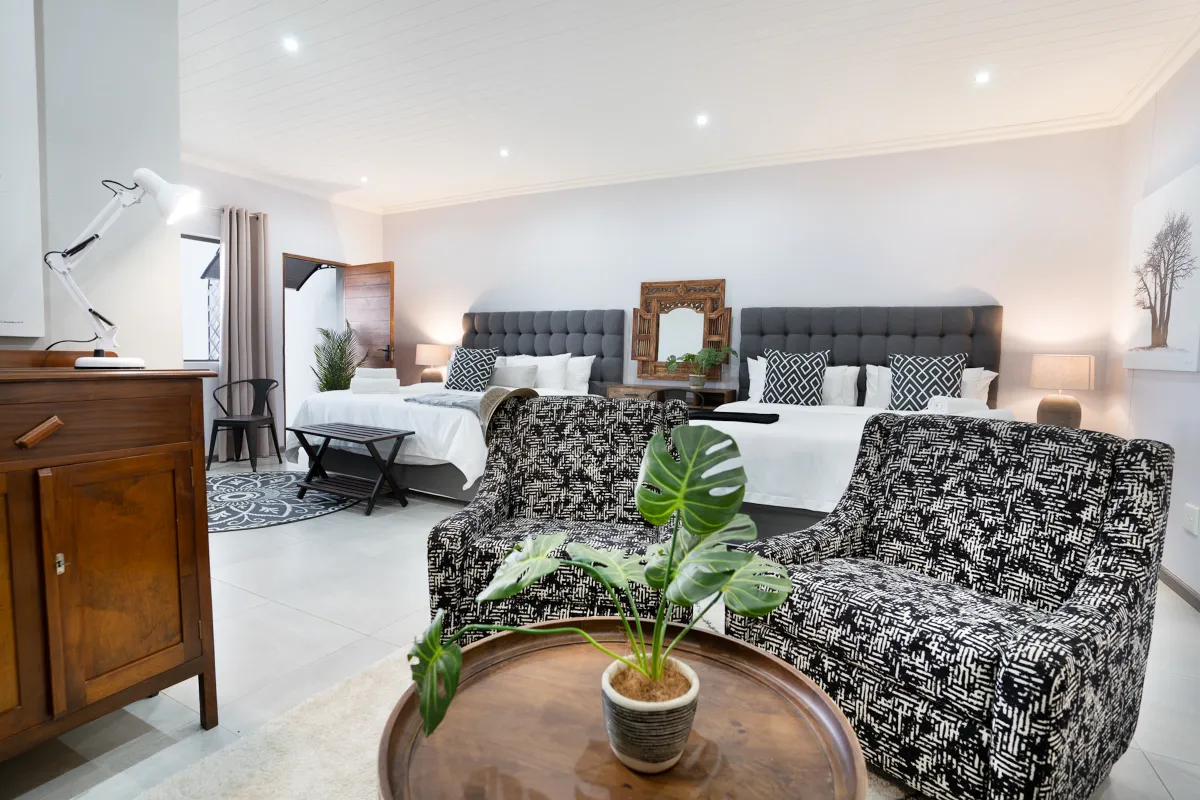
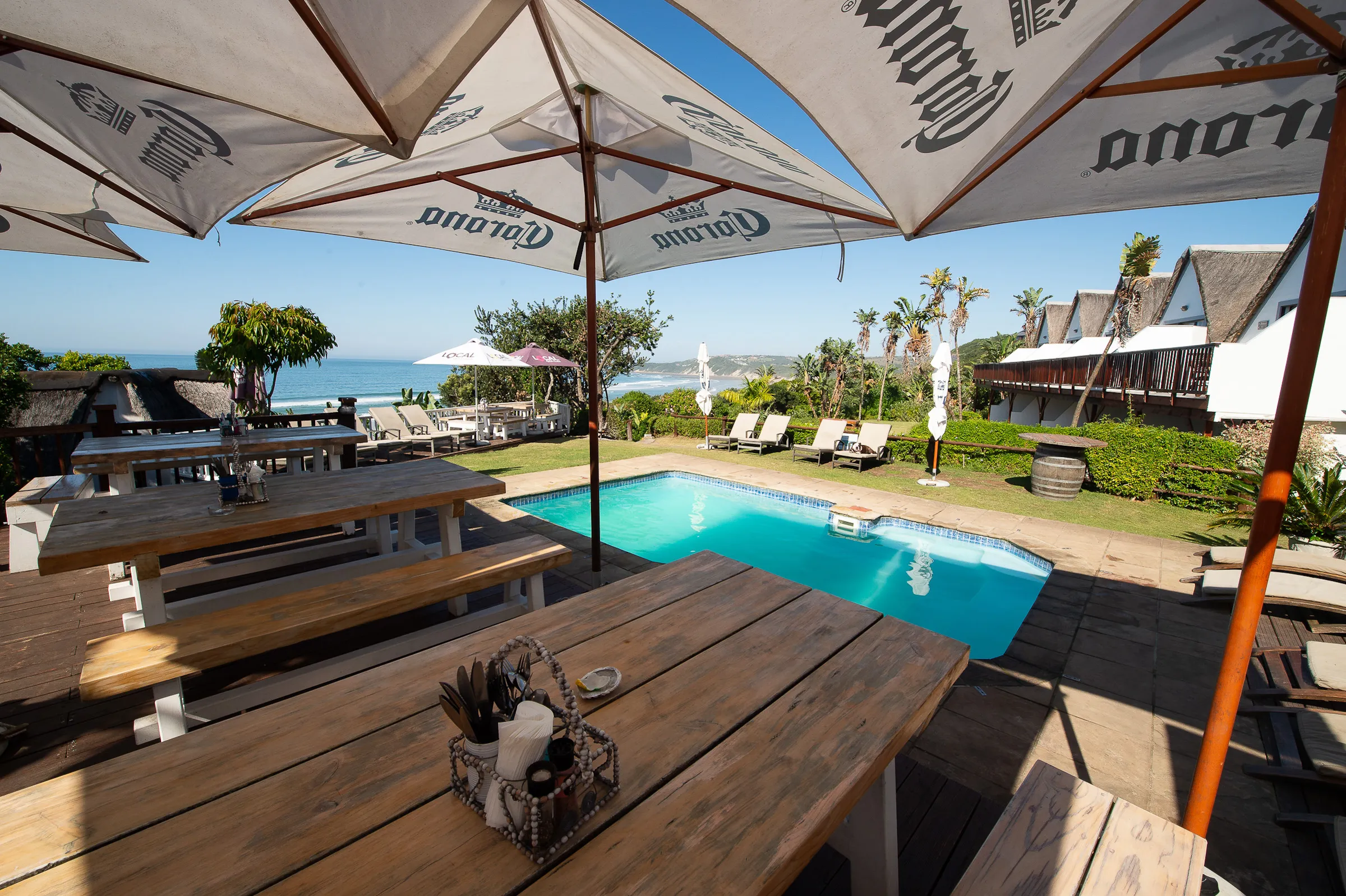
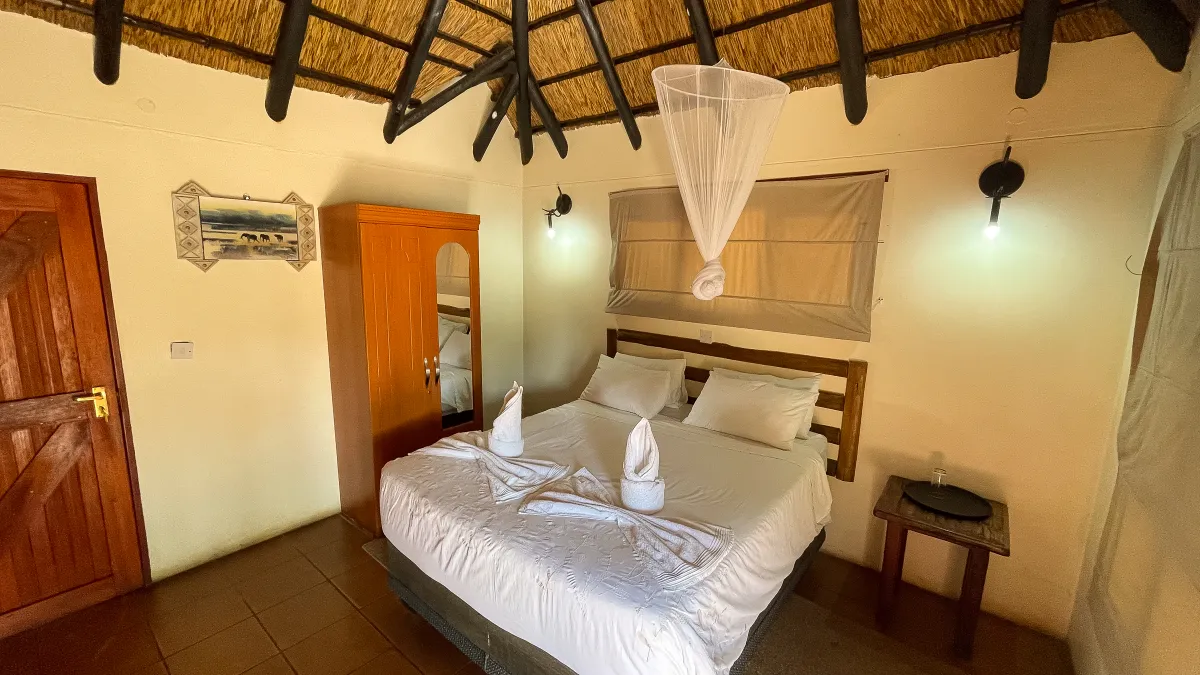
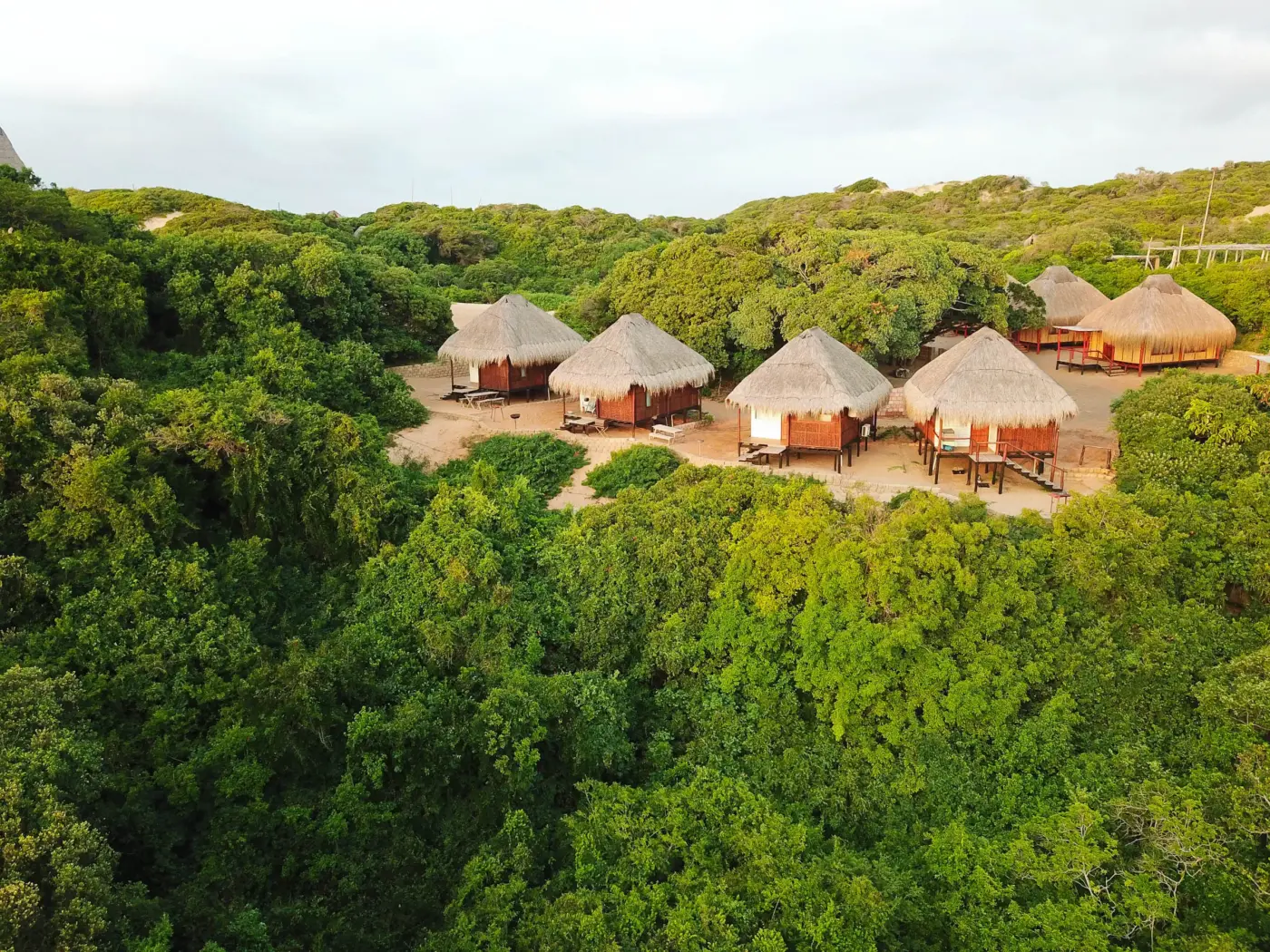
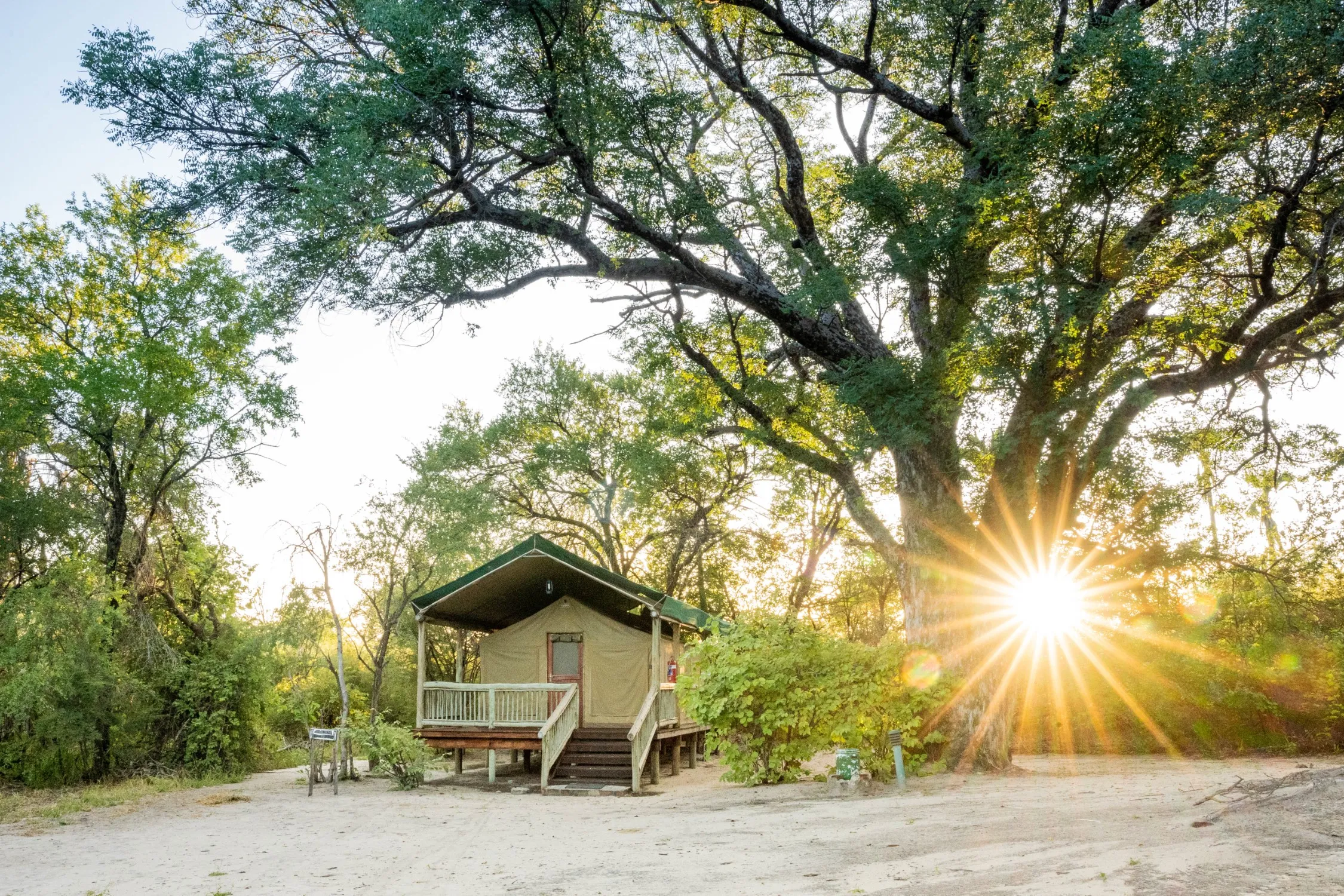
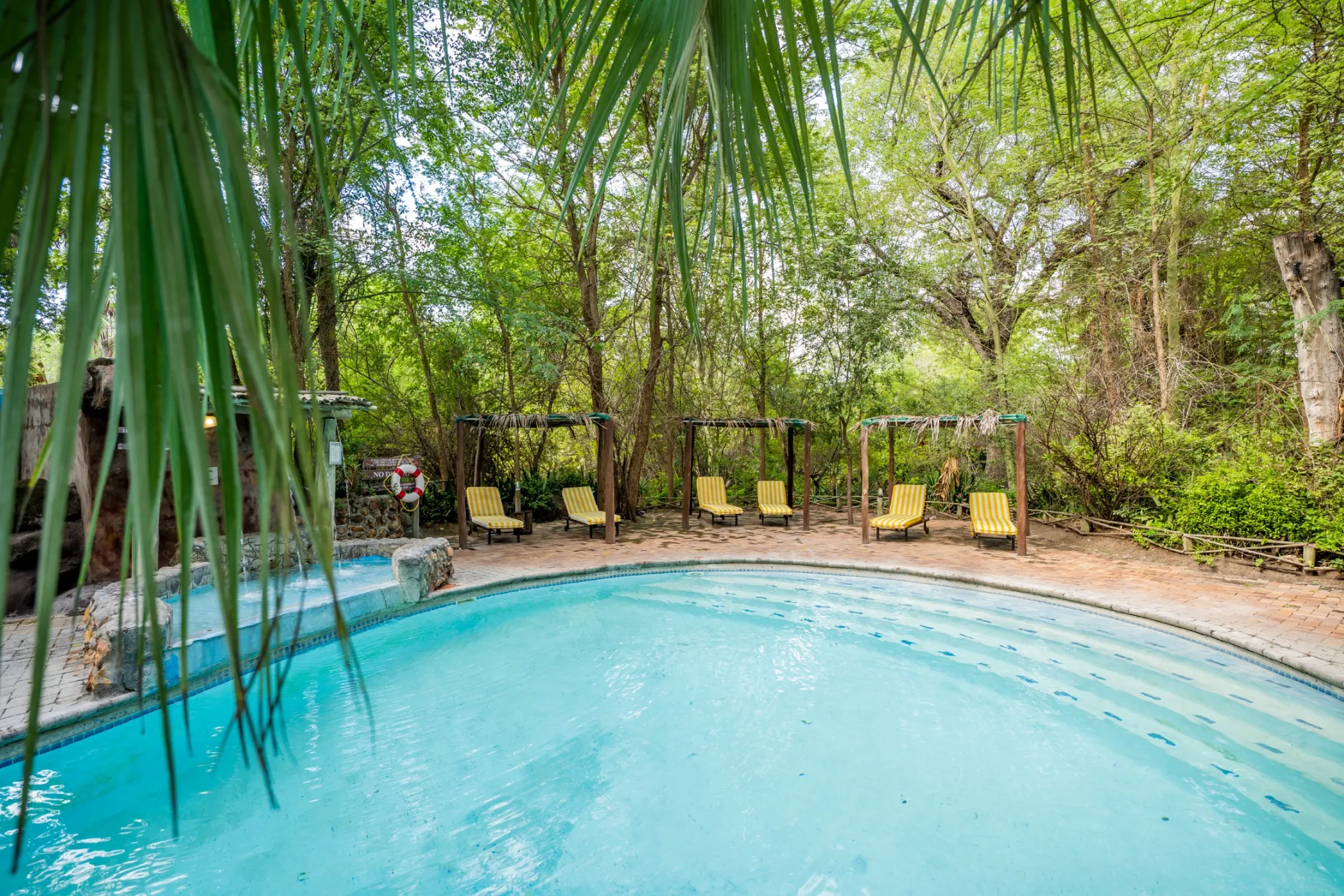
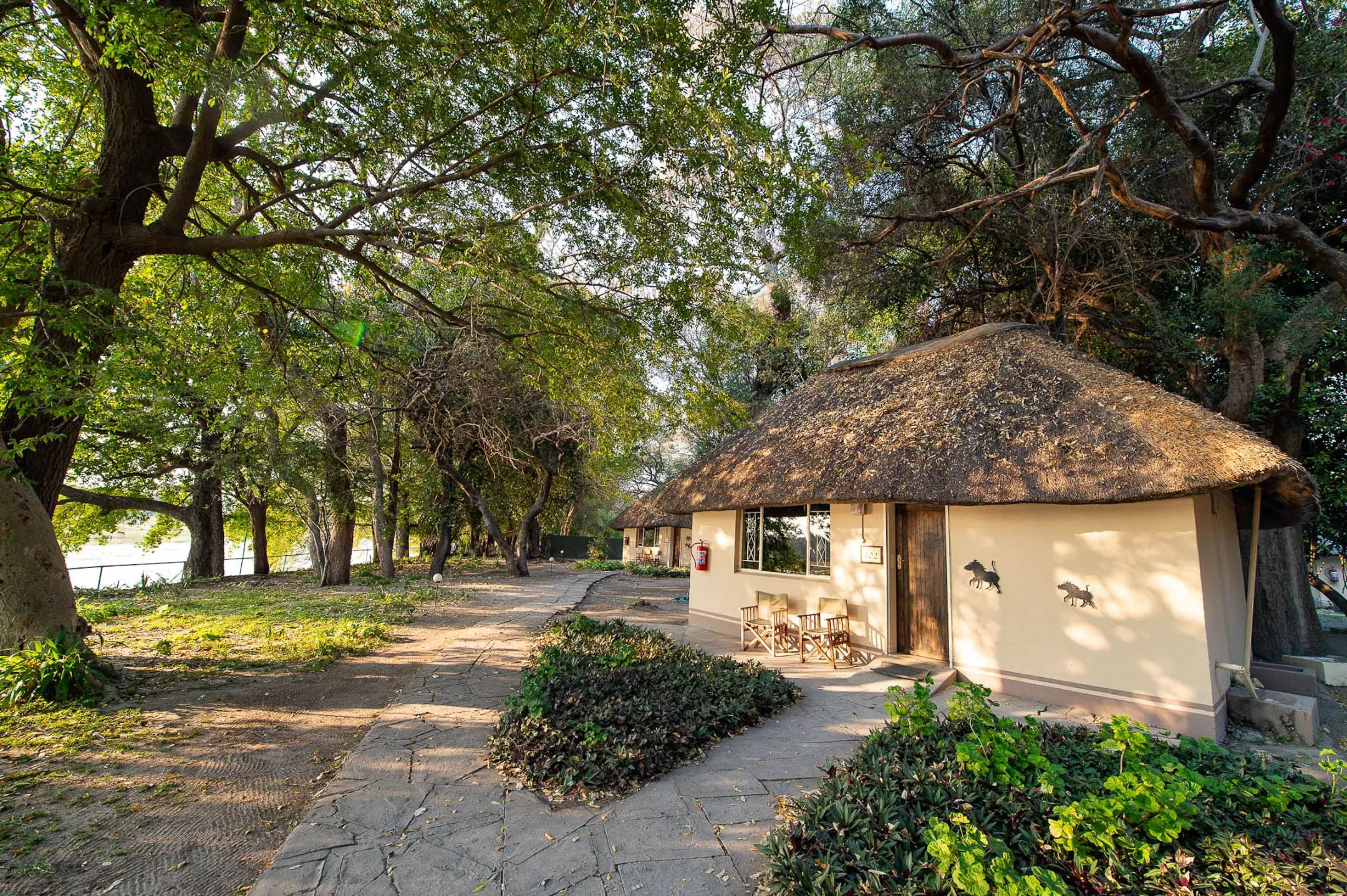
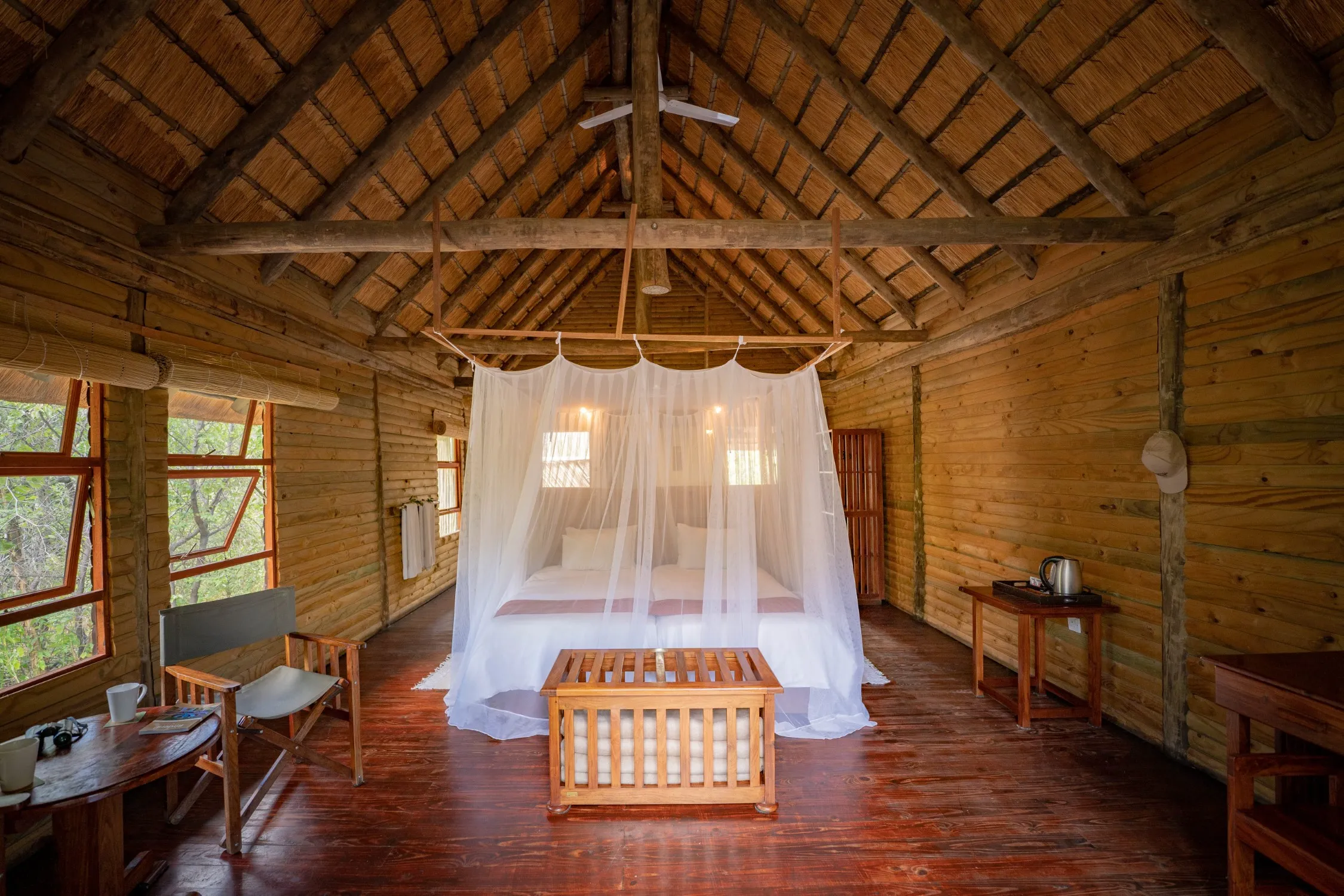
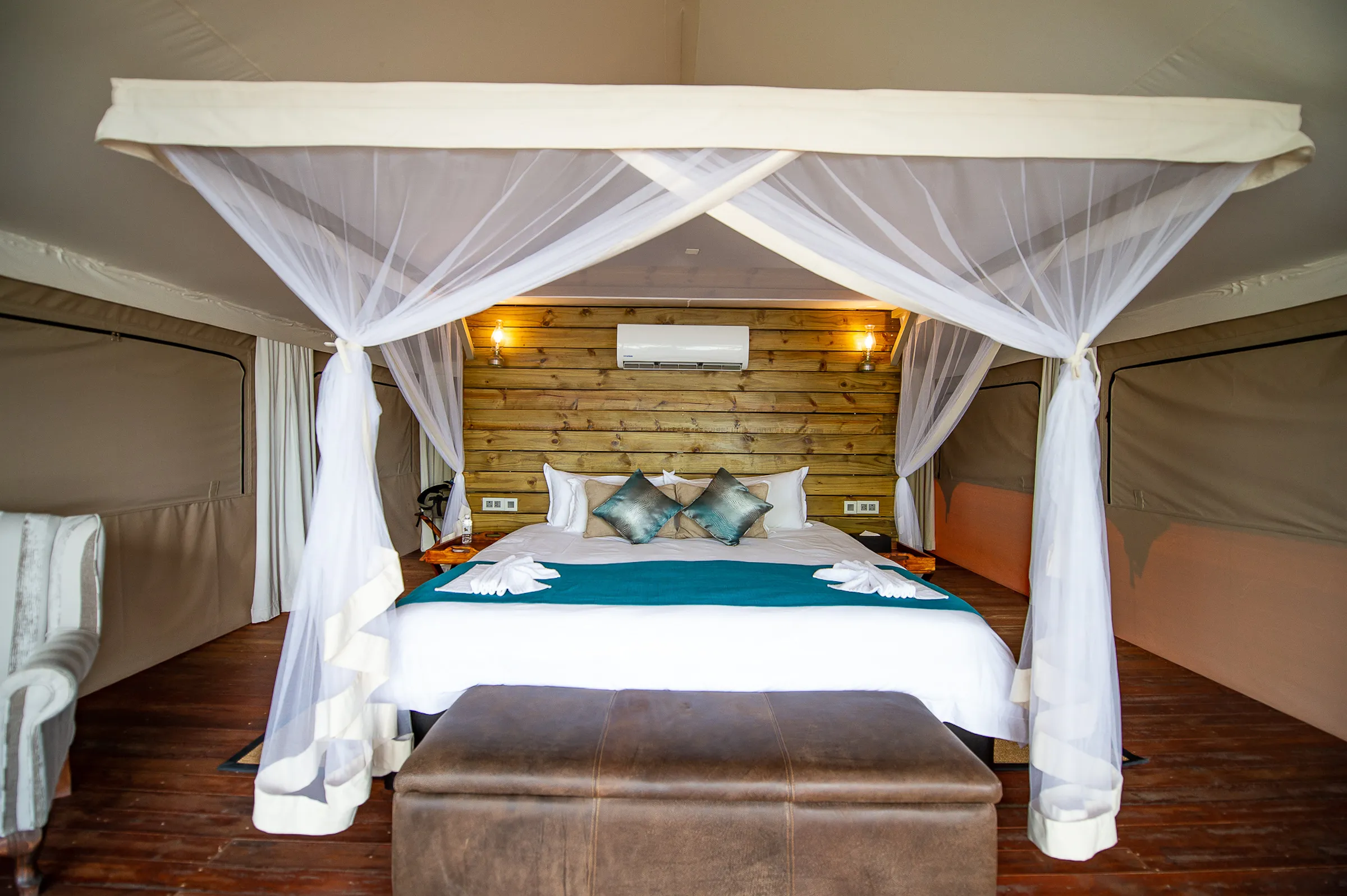
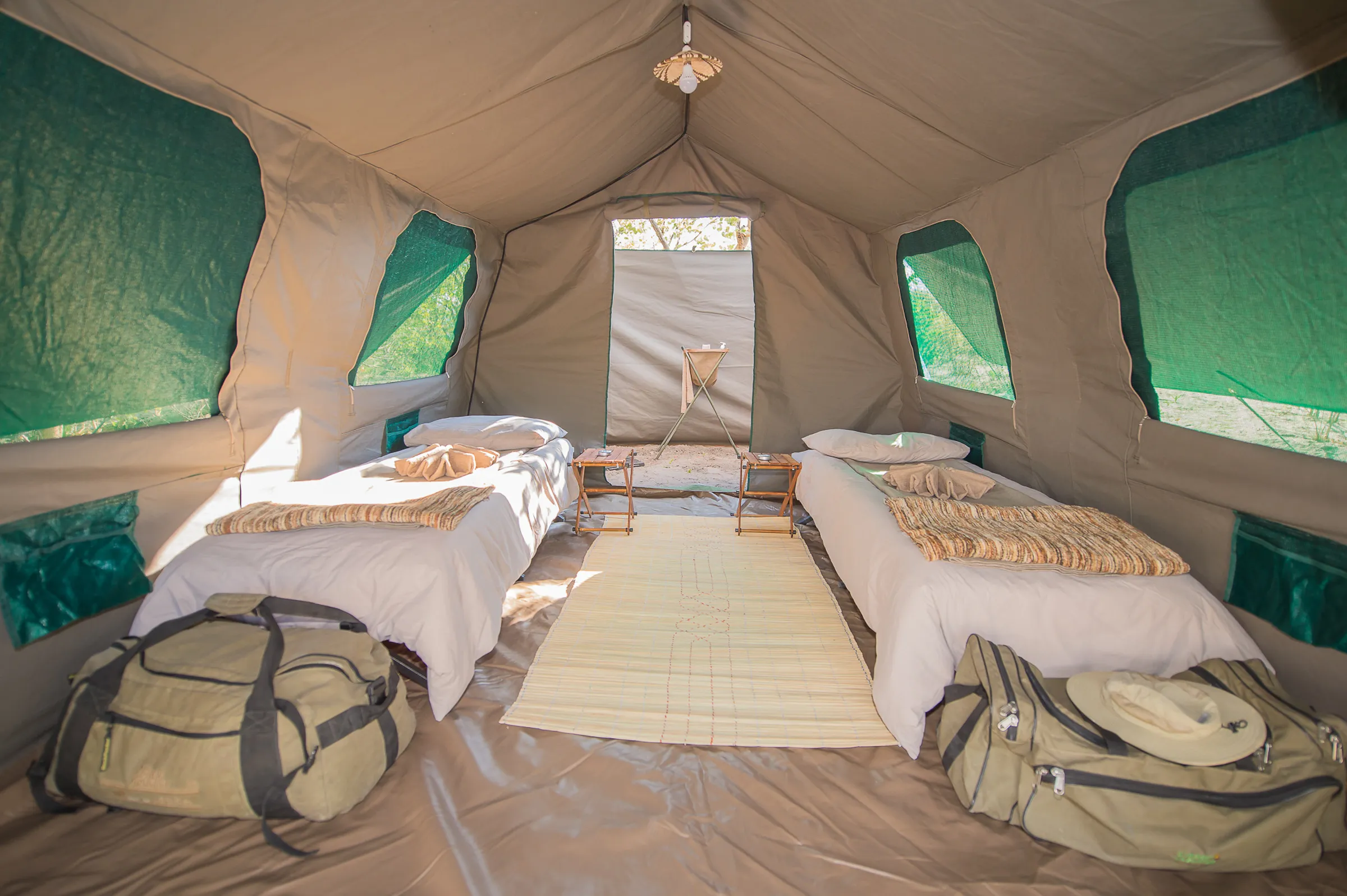
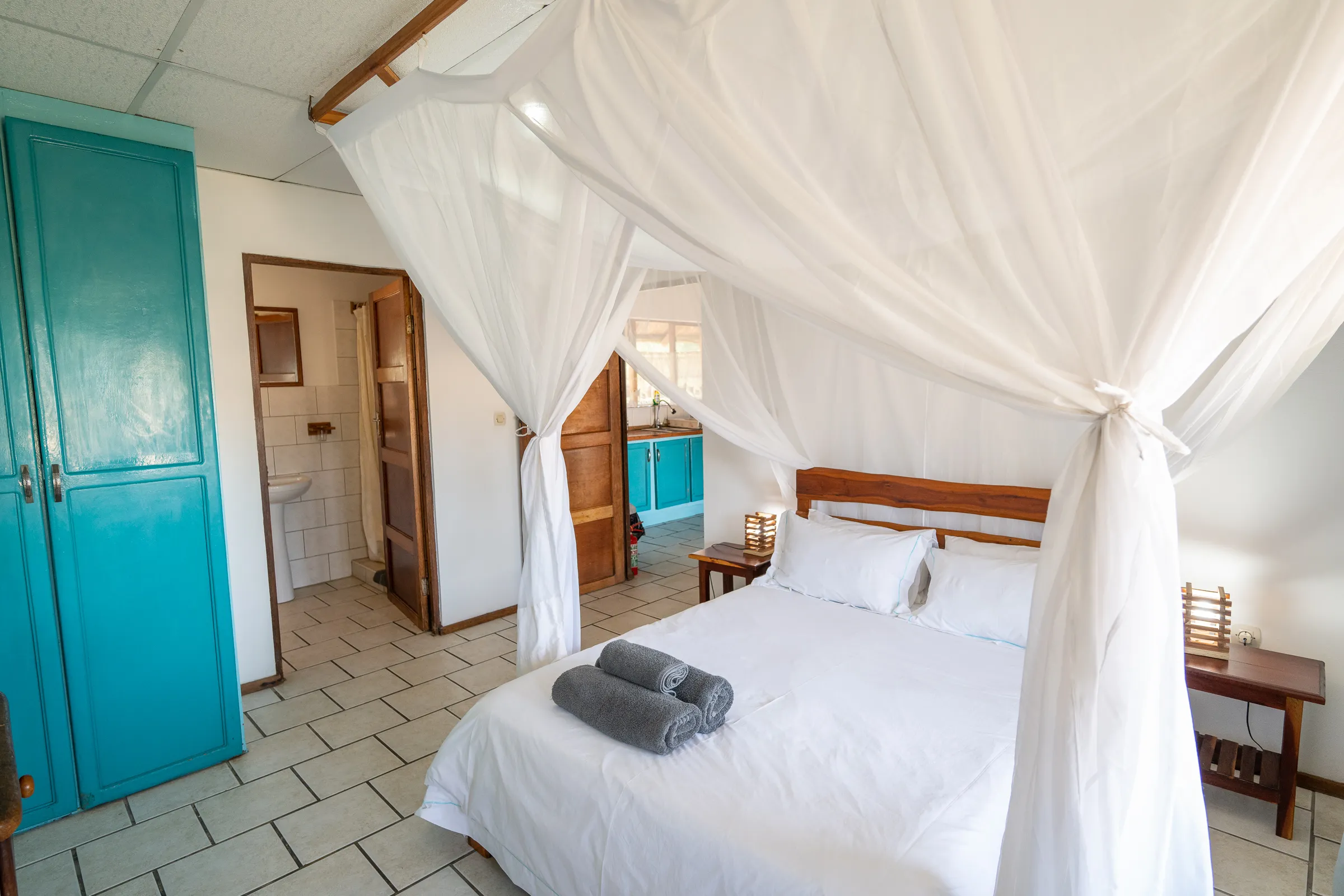
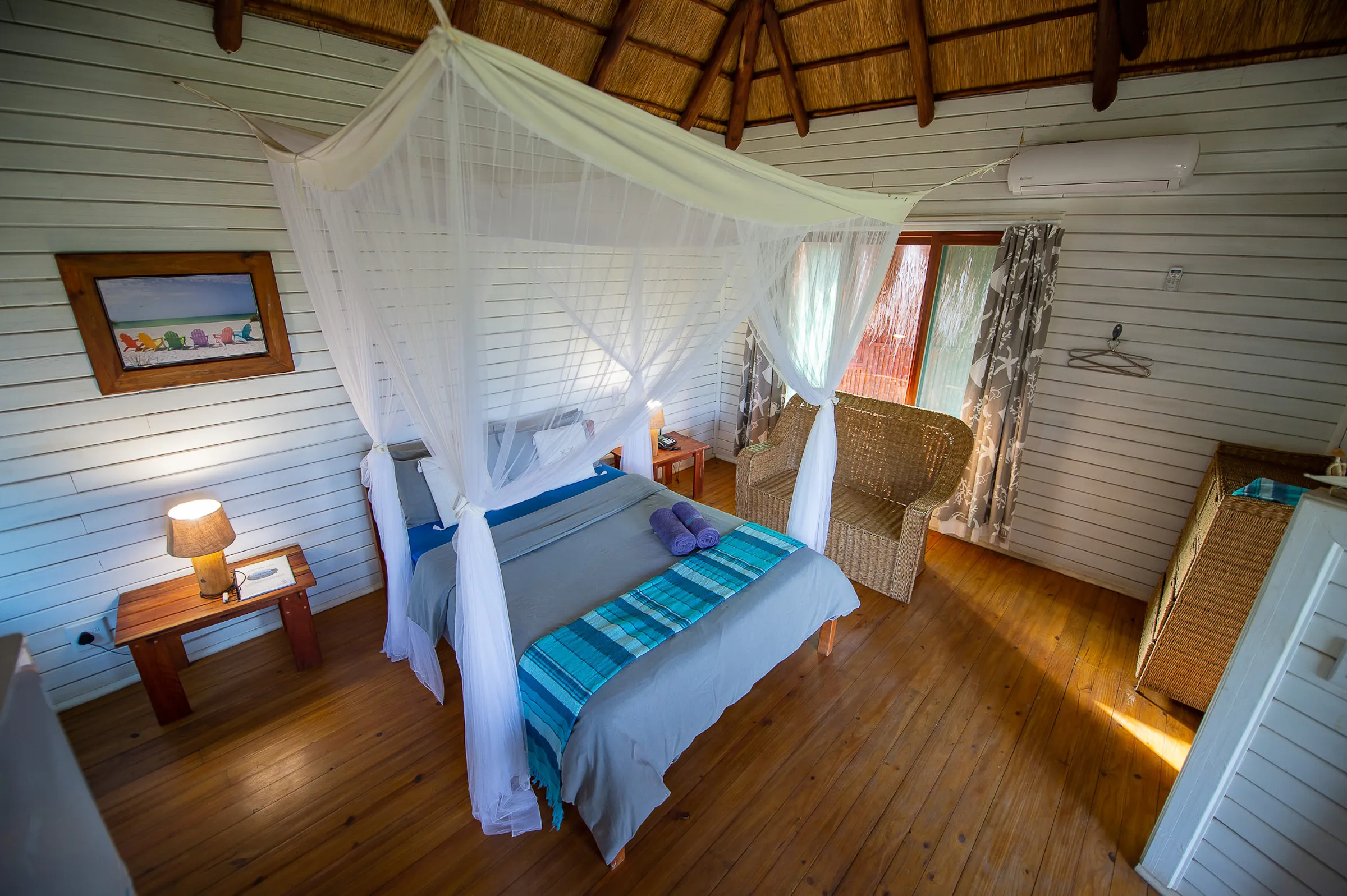
Accommodation in Mozambique varies depending on the itinerary but typically includes beach lodges, coastal guesthouses and simple seaside properties focused on location and access to the ocean rather than luxury resort density.