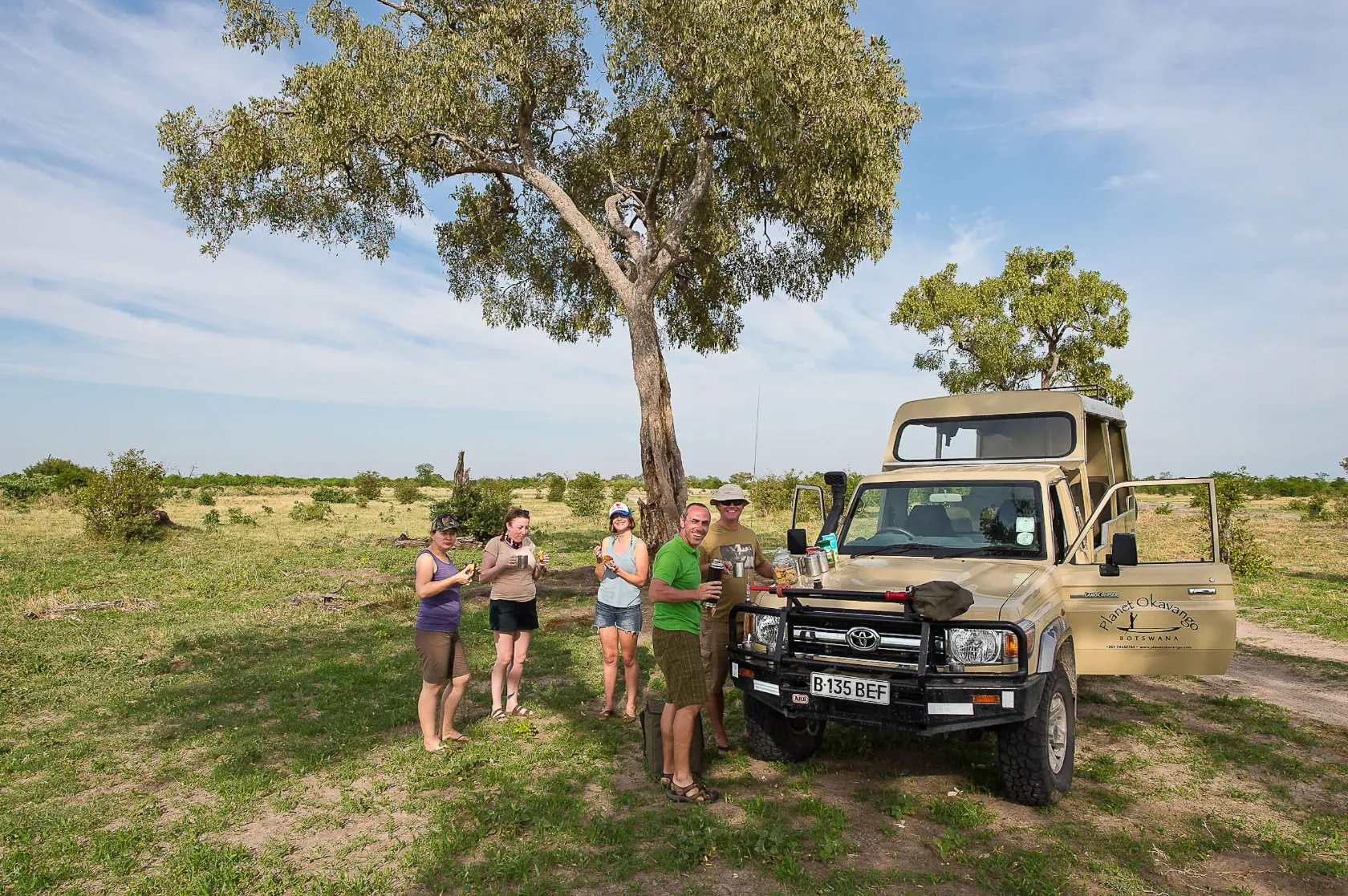


The first game drive of a tour is always something special. There is excitement in the air, and every guest has their own hopes and expectations. On our very first evening together, I asked the group which animal they most wanted to see during the trip. The answer that came up most often was: the leopard.
I smiled and explained that the leopard is probably the most difficult of the Big Five to spot. They are incredibly elusive, masters of camouflage, and often disappear before you even know they were there. Seeing a leopard is never something you can take for granted.
Before sunrise the next morning, we set off into the Kruger National Park with a local guide. We had not been driving for long when our guide got a tip from a colleague. He reported an Ingwe—the Zulu word for leopard—some distance ahead. We deliberately kept the news from our guests. Too often, by the time you reach the sighting, the leopard has already disappeared. Still, our guide picked up the pace slightly.
Then, all of a sudden, he slammed on the brakes, reversed a few metres, and calmly asked,
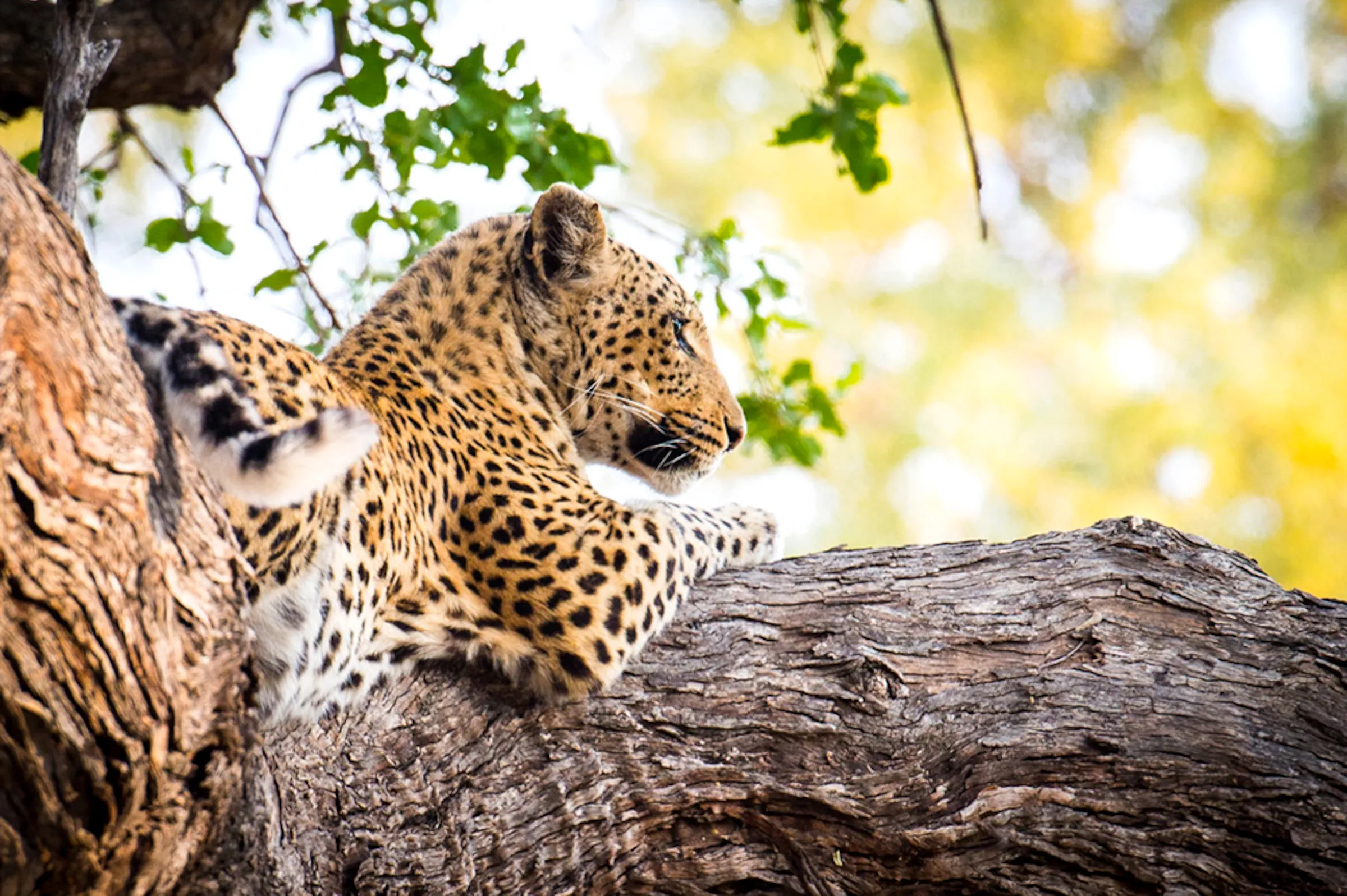
“Can you see the leopard with its kill in the tree?”
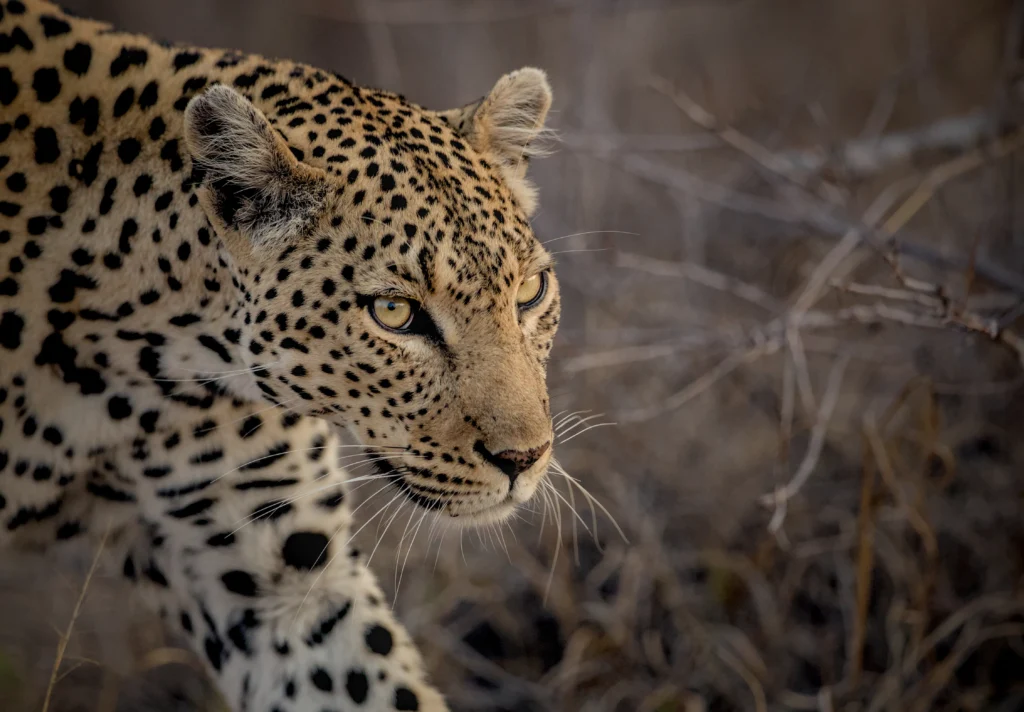
Confused faces all around. None of us could see anything. Slowly, however, our eyes adjusted. Hidden high in the branches was a leopard feeding on its freshly caught prey. And the most incredible part? It wasn’t even the leopard we had originally been driving towards.
At that moment, I could hardly contain my excitement. I had been waiting for this moment for one and a half years. During all that time, I had only seen a leopard once before—and only for a few fleeting seconds at night before it disappeared back into the darkness. Time and time again I had hoped that one day I would finally be able to watch a leopard properly. And now, here I was, sitting with my guests, watching one peacefully feeding in a tree for almost twenty minutes. That moment alone would have made the entire day unforgettable. But we continued our drive.
Of course, we enjoyed many other incredible wildlife sightings along the way, yet the second leopard—the one we had originally set out to find—was still on all of our minds.
And then, unbelievably, we found it. Hidden deep within another tree sat a second leopard. We only managed to catch a few glimpses before it gracefully climbed down and disappeared into the tall grass.
Two different leopards in a single morning. That alone already felt surreal. My guests were overjoyed—and so was I.
But the morning wasn’t over yet. Once again, our guide received a message. Another leopard had been reported nearby. Moments like these are where a guide has to make decisions. Is it worth taking the risk and driving to another sighting? Or has the leopard already moved on, meaning you might miss countless other wonderful wildlife encounters along the way? Our guide decided the risk was worth taking.
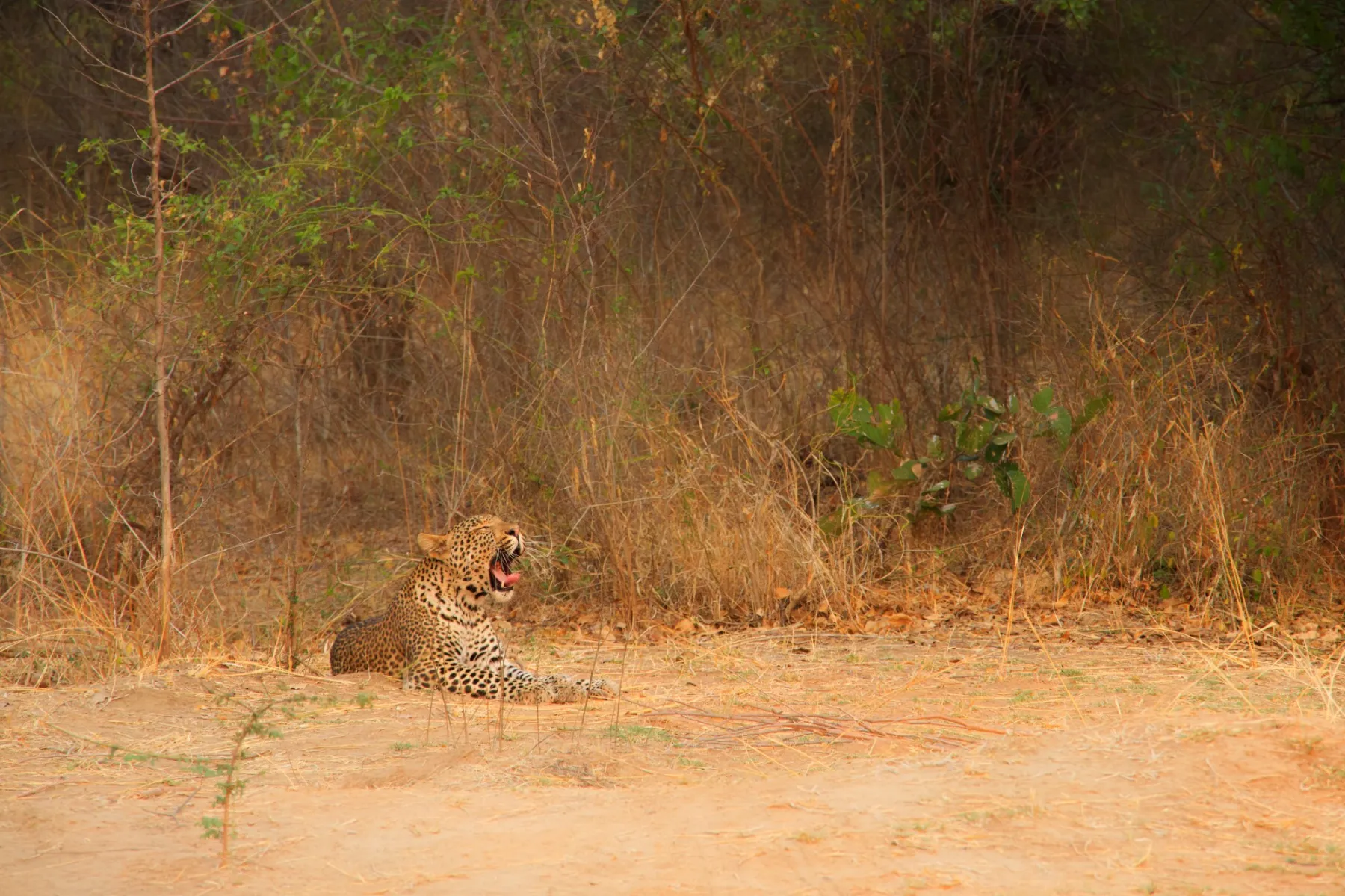
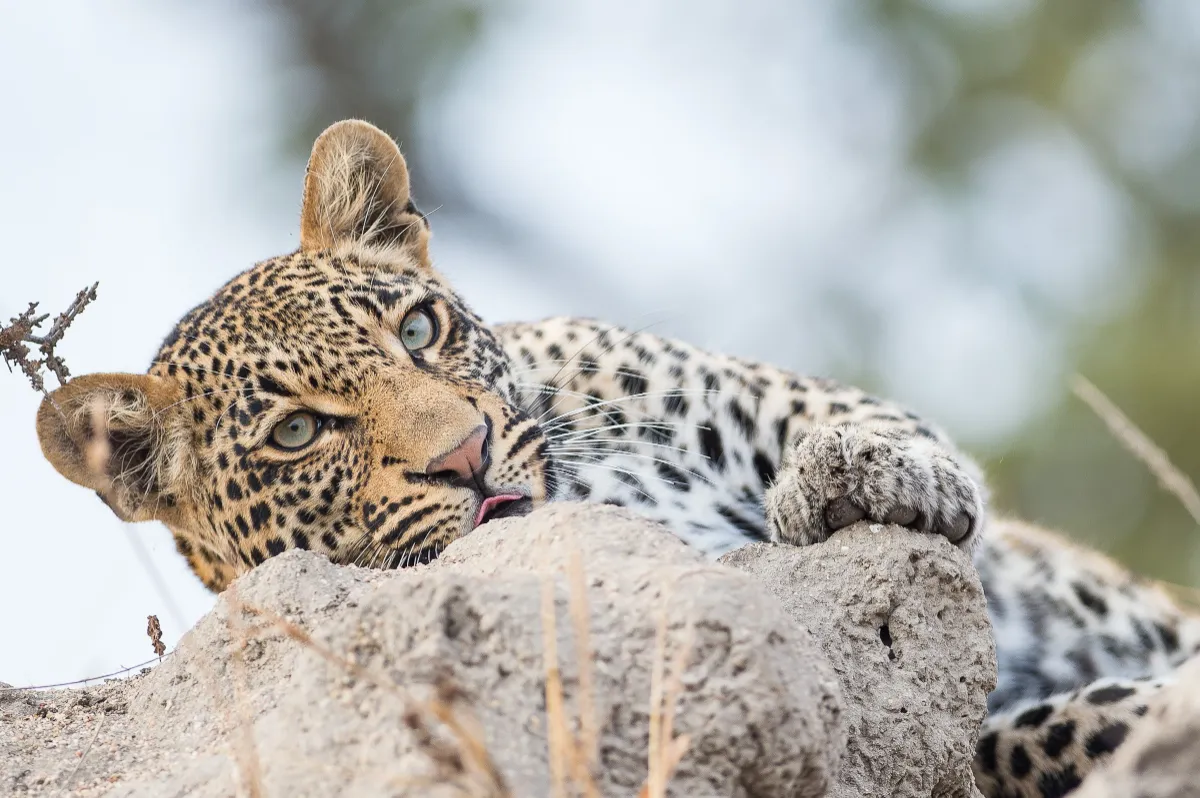
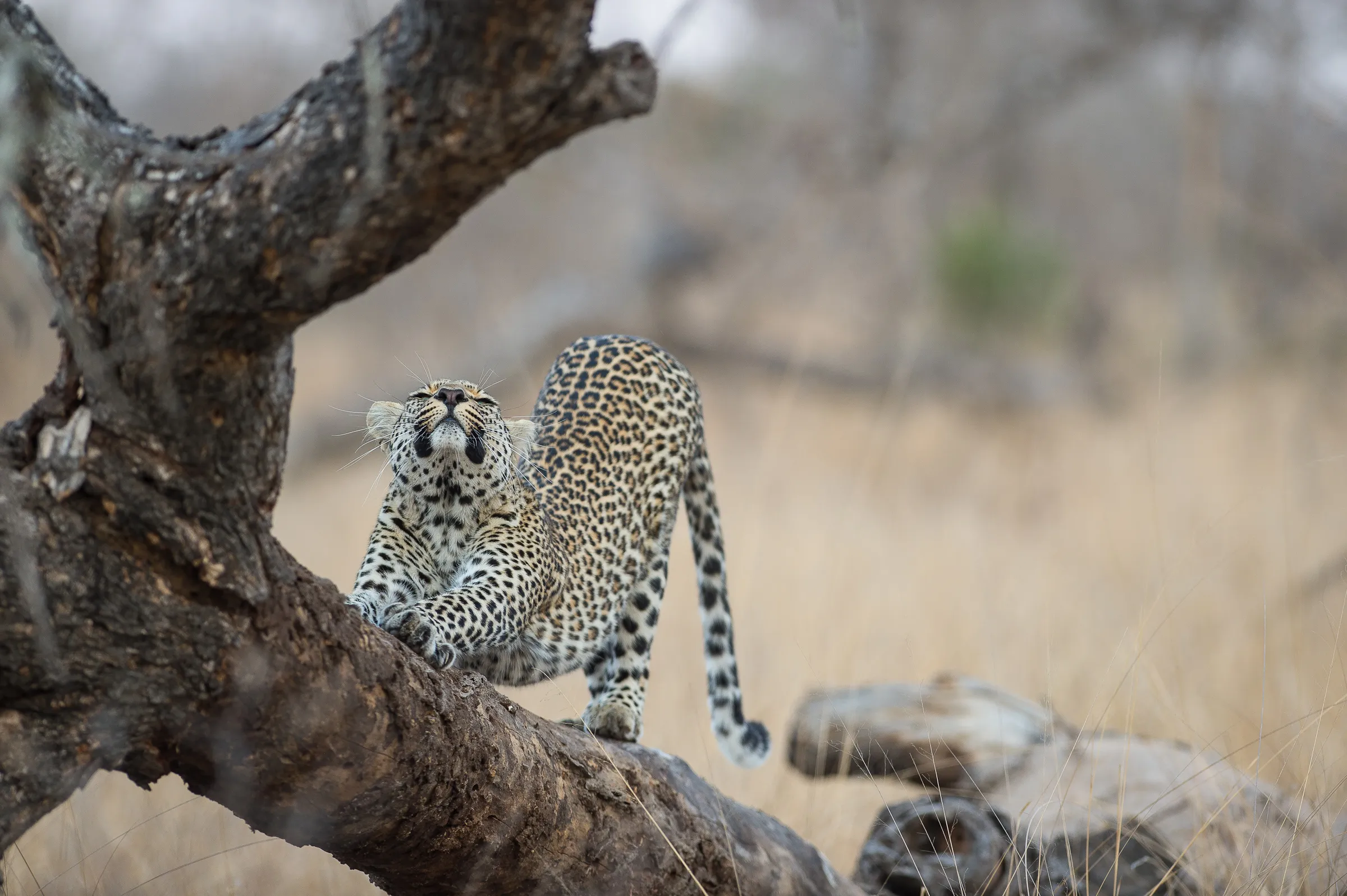
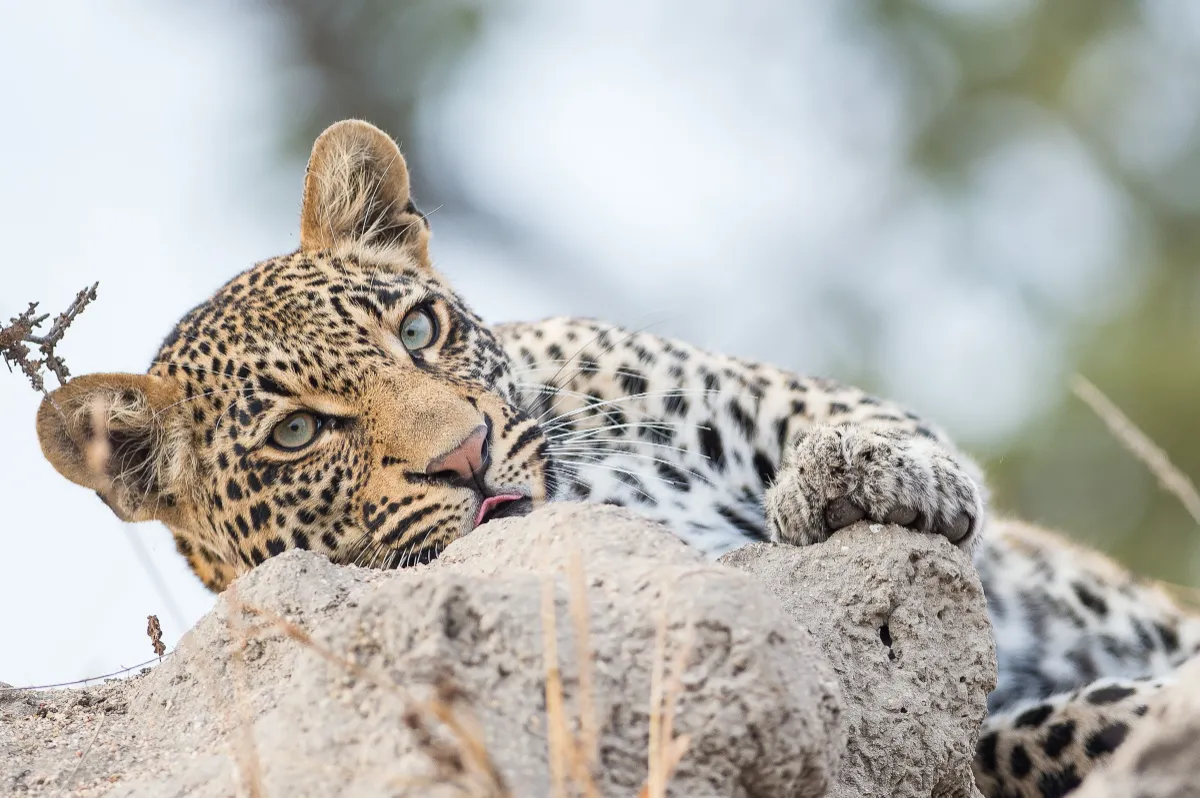
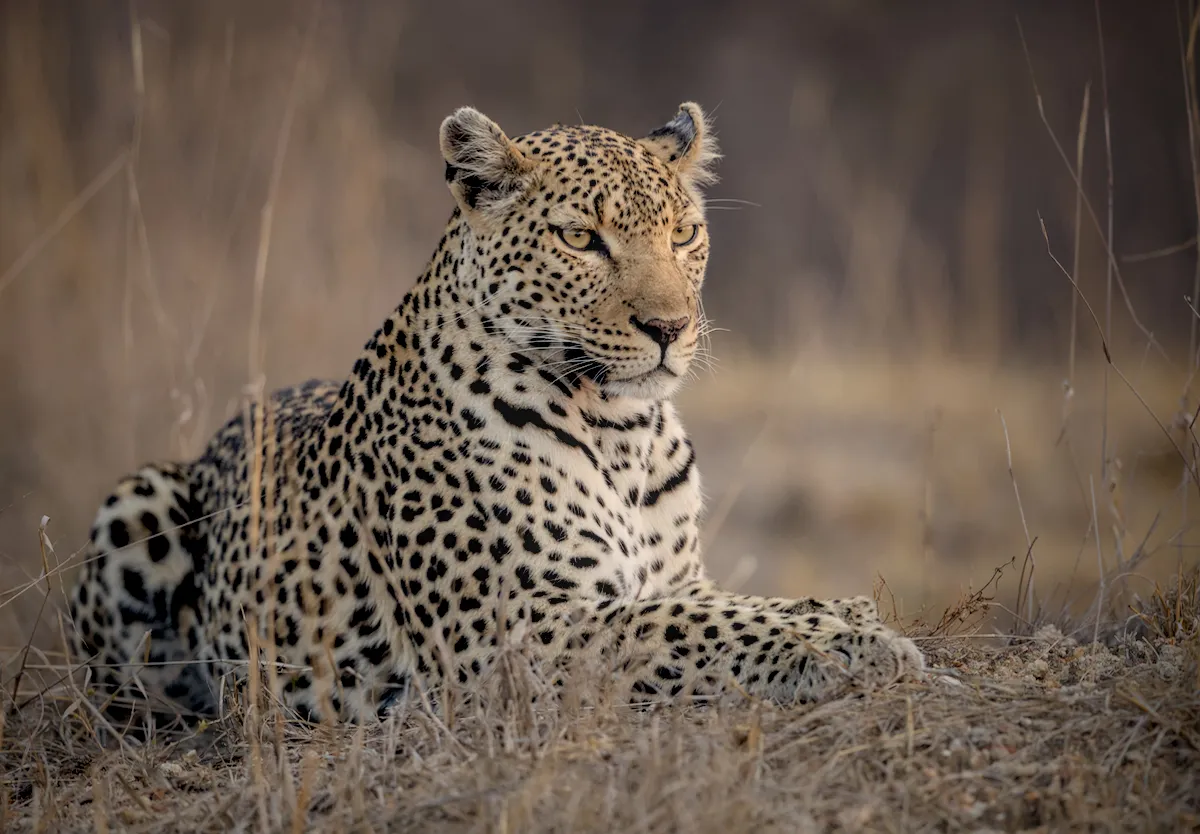
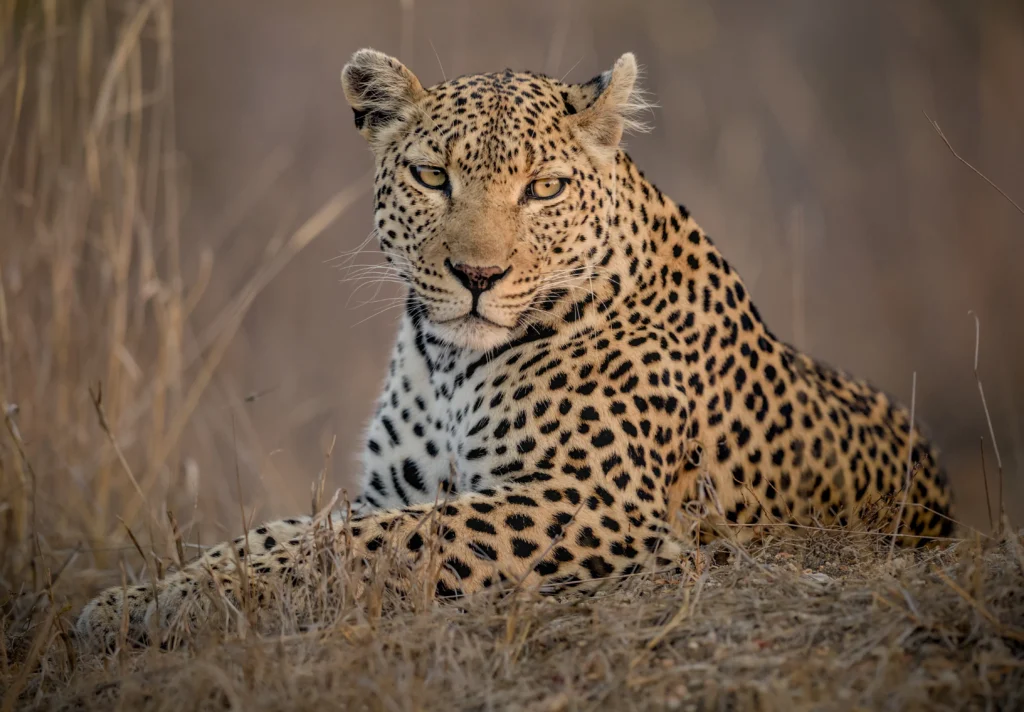
We hadn’t driven far before we noticed several safari vehicles parked along the road. Anyone who has spent time on safari knows exactly what that usually means: something special is nearby. And there it was. This time, the leopard wasn’t hidden in a tree or disappearing into the grass. It was lying right beside the road, less than fifty metres away. Calm. Majestic. Beautiful. Close enough for us to admire every detail of its stunning coat.
Three different leopards in one single morning. Even now, it still feels almost unbelievable.
That morning reminded me why I love nature so much. Sometimes you wait for what feels like forever for a single special moment. Sometimes you spend hours searching and find very little. And sometimes, nature decides to reveal its greatest treasures and rewards your patience with more than you ever dared to hope for.
That is what makes every game drive so special. You never know what is waiting around the next corner. Sometimes nothing. Sometimes everything. All you need is patience.
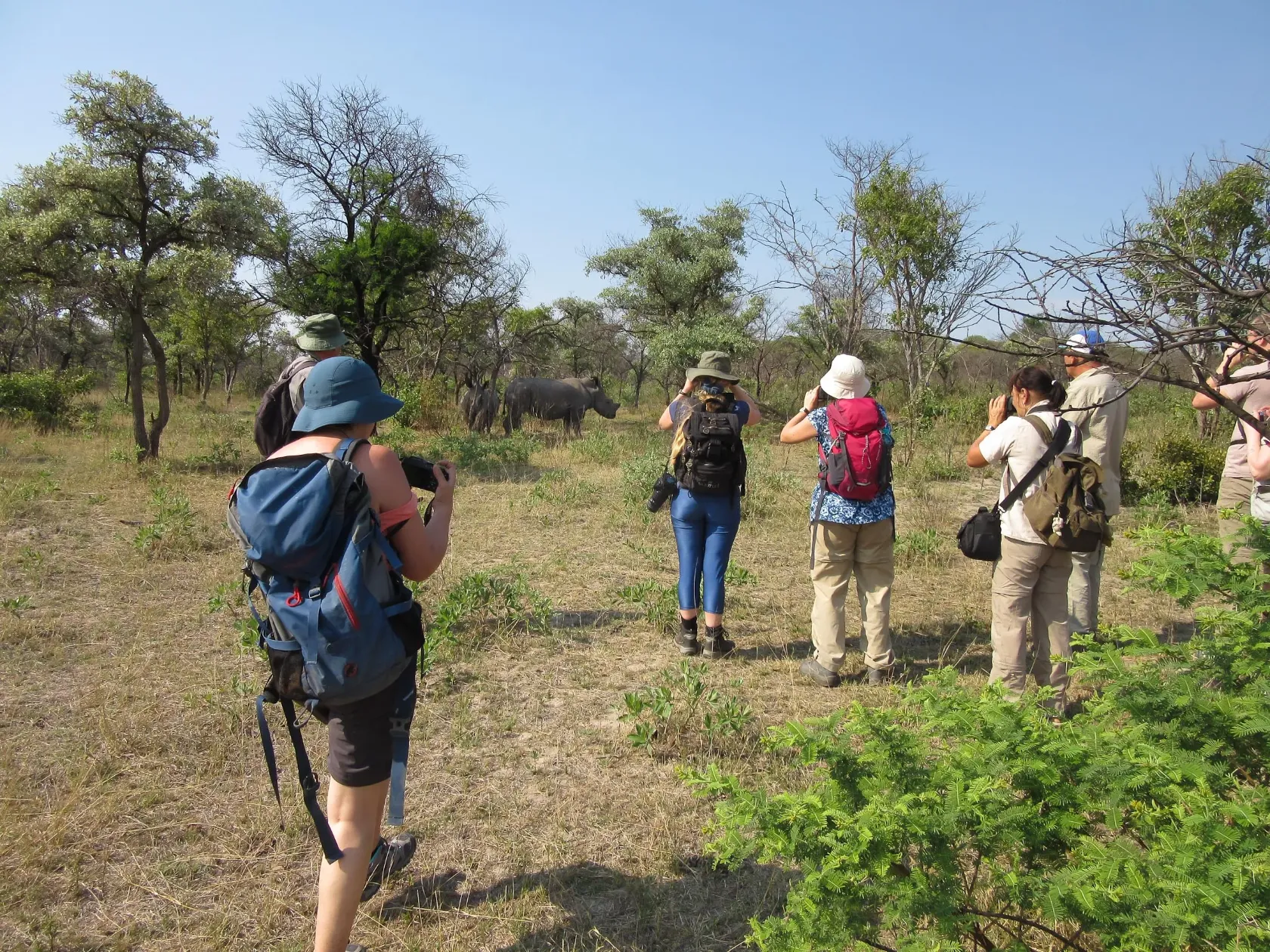
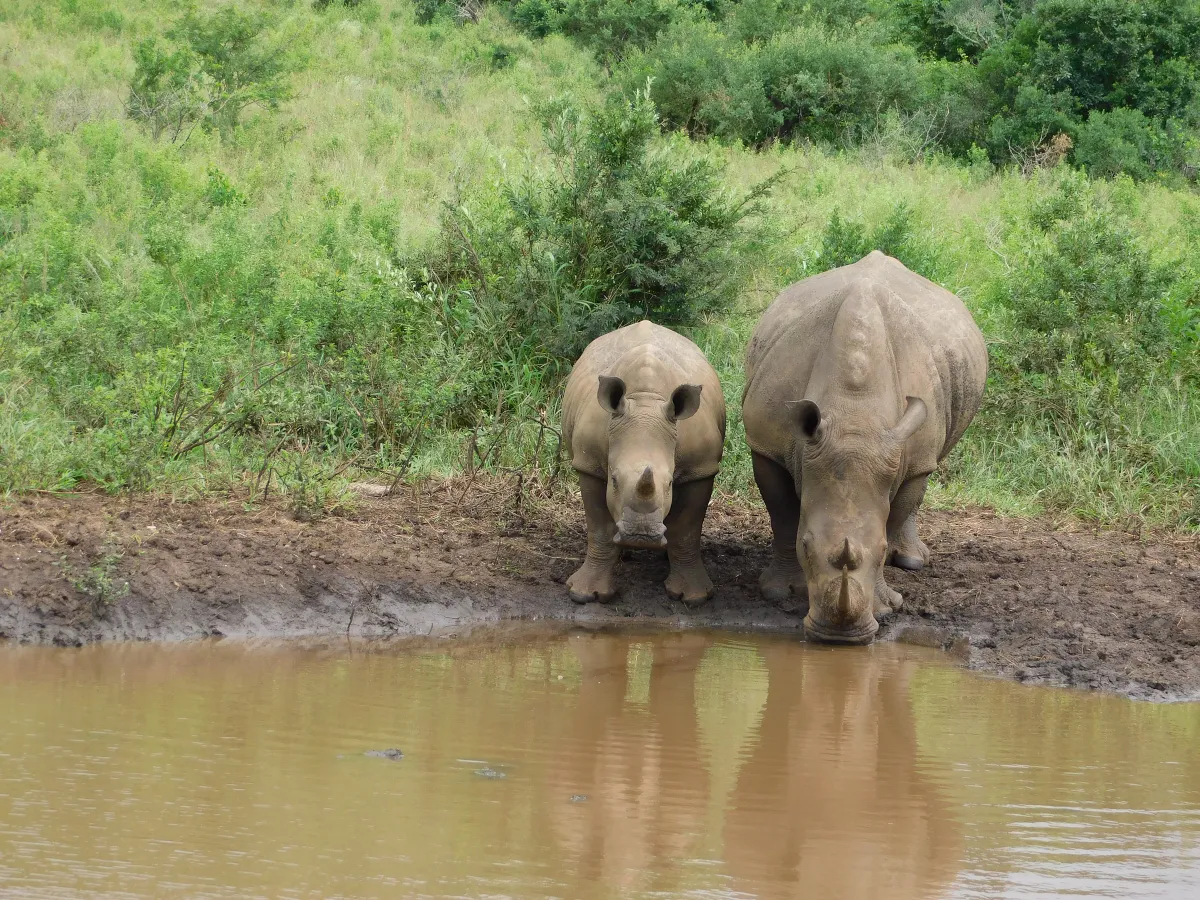
As if three different leopards in one morning weren’t enough, Mother Nature had one final surprise waiting for us. On our second game drive the following day, we spotted a rhino, completing the Big Five after only two days on safari. I had waited one and a half years for my first proper leopard sighting. My guests didn’t have to wait at all.
For every single one of them, it was their very first trip to Africa. Within just two days, they had seen three different leopards and completed the Big Five—an experience that many safari enthusiasts can only dream of, even after several visits.
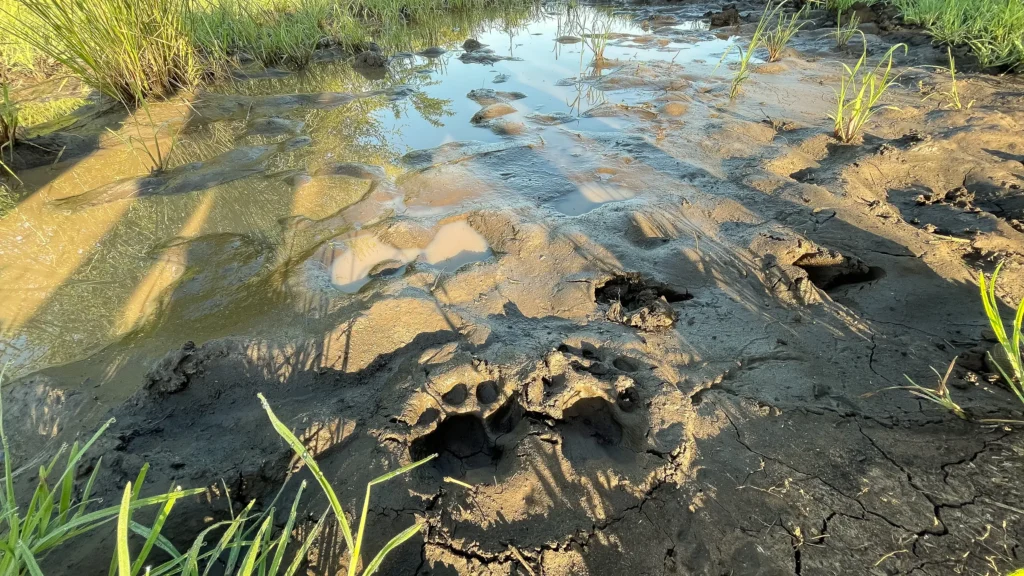
Nature doesn’t always seem fair. Sometimes you search for years. Sometimes everything falls into place almost instantly. This time Mother Nature chose to spoil this group from the very beginning. She revealed some of her greatest treasures in just two unforgettable days. I have no doubt that I will remember them for a very long time.
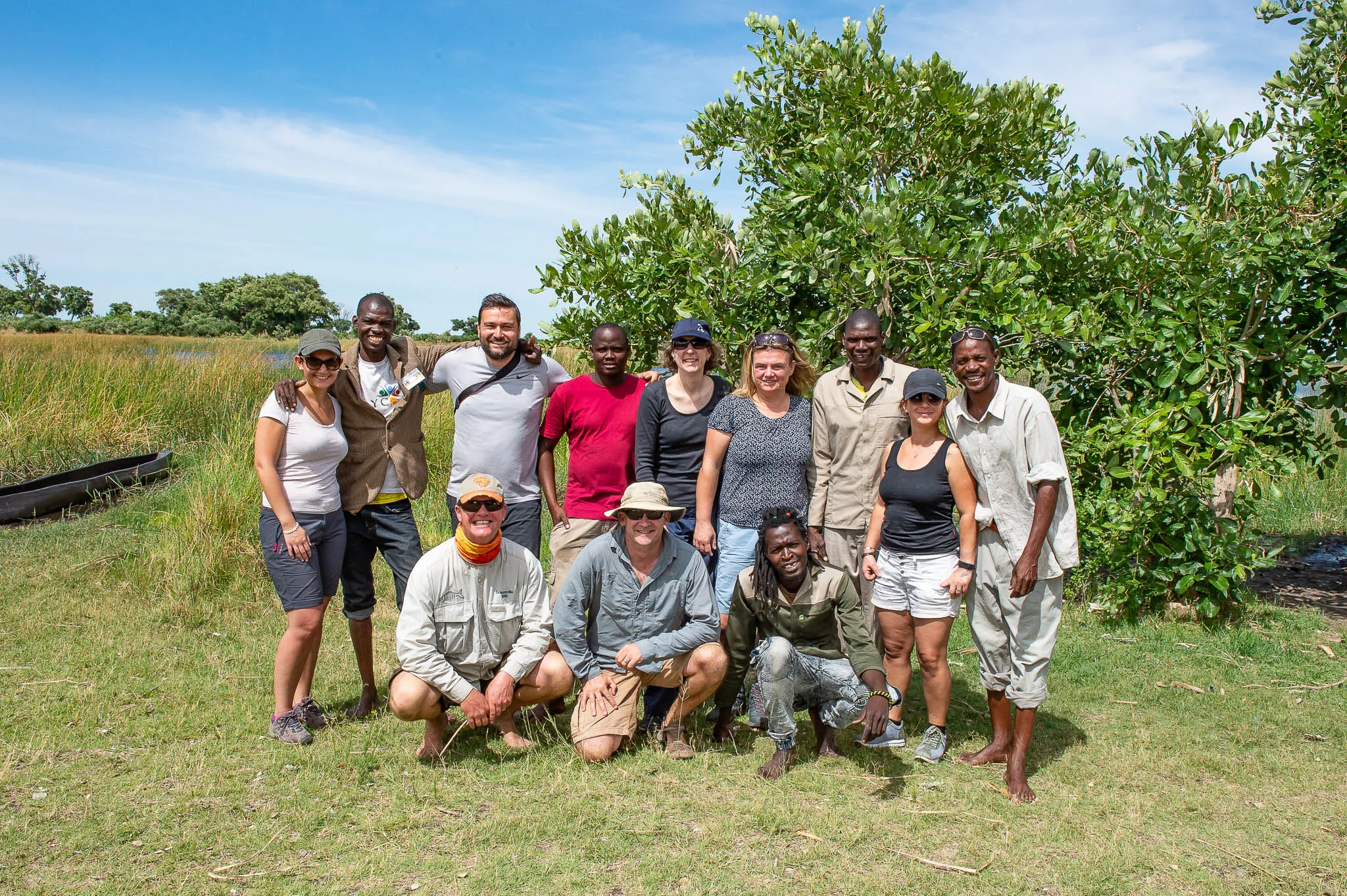
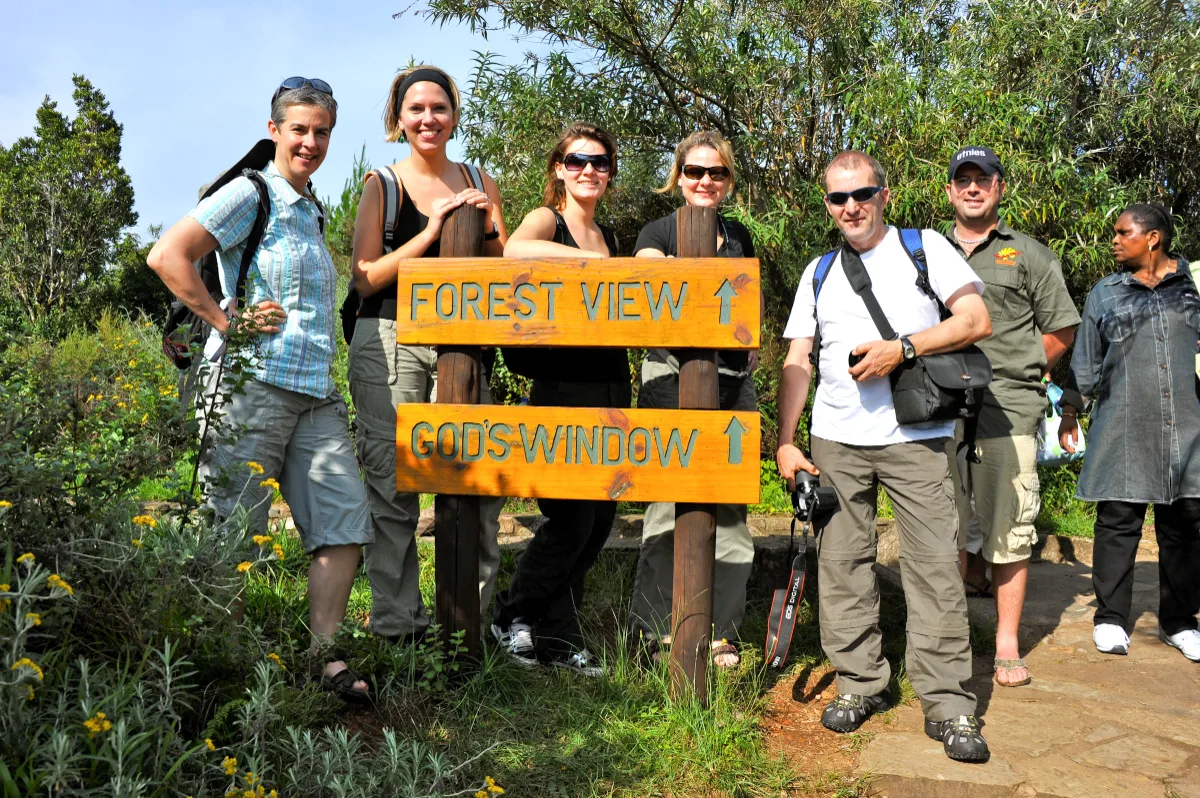
To me, they will always be my Leopard Group.
At Sunway Safaris, we don’t promise wildlife sightings—we promise the adventure of the unexpected. Sometimes nature asks for patience. Sometimes it fills your very first safari with unforgettable moments. Whether you wait for years or are lucky on your very first day is never up to us. It is nature that decides. And that’s exactly why every game drive is filled with anticipation, excitement, and the possibility of witnessing something truly extraordinary.
Written by Sunway Guide Clara von Blumenthal
Seeing Leopards in Kruger National Park
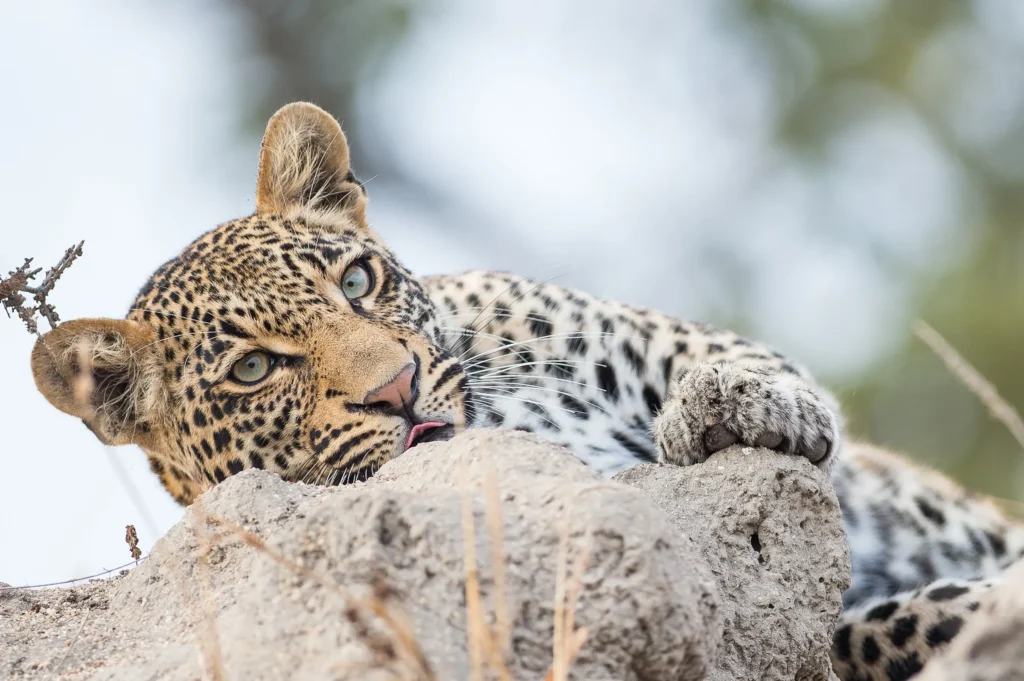
Leopards are among the most elusive animals to see on safari, which makes a leopard sighting in Kruger National Park particularly special. Unlike elephants, buffalo and many other large mammals, leopards are often solitary, well camouflaged and most active during the cooler hours of the day.
A leopard may be resting in a tree, moving through tall grass or hidden in dense vegetation only metres from a safari vehicle. Even when a leopard is known to be in an area, finding it is never guaranteed.
This is what makes a leopard sighting so exciting. You can spend hours searching without seeing one, then suddenly find a leopard in a tree or lying beside the road.
Why Leopard Sightings Are So Special on Safari
Seeing a leopard is often considered one of the highlights of an African safari. Their secretive behaviour and excellent camouflage make them considerably more difficult to spot than some of the other members of the Big Five.
Experienced guides play an important role. Guides communicate with one another about recent sightings, tracks and animal movements, while constantly assessing whether it is worth following a reported sighting or continuing the game drive.
There is still an element of luck involved. Wildlife is completely unpredictable, and no responsible safari operator can guarantee that guests will see a particular animal.
That uncertainty is part of what makes a safari so rewarding.
Can You See the Big Five in Kruger National Park?
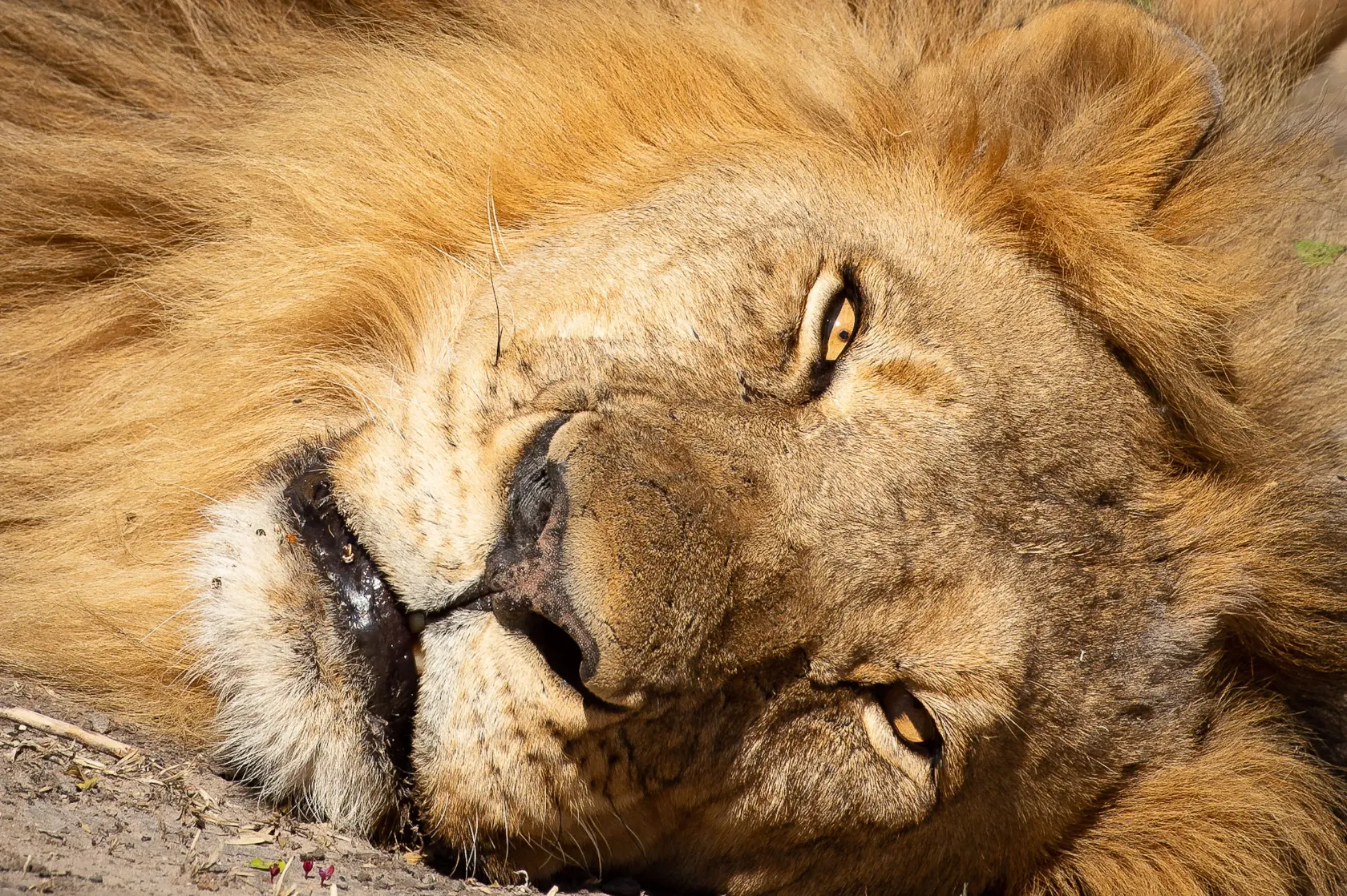
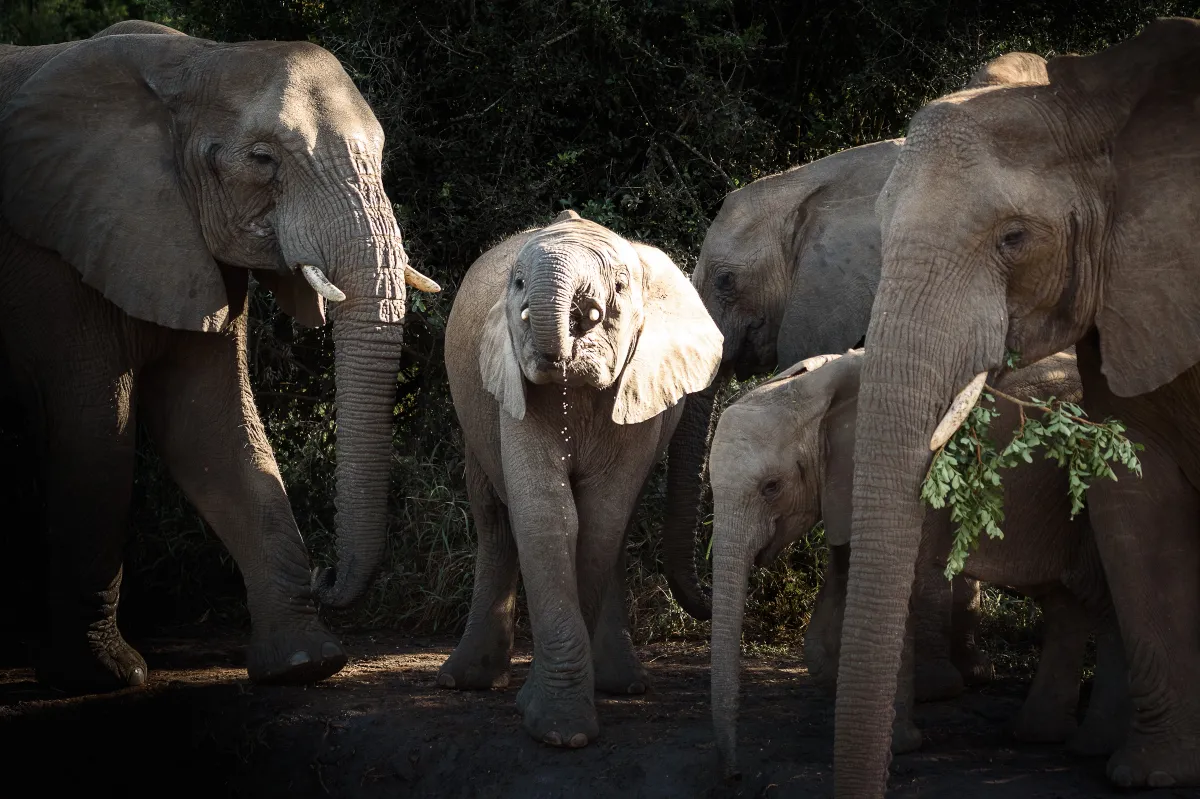
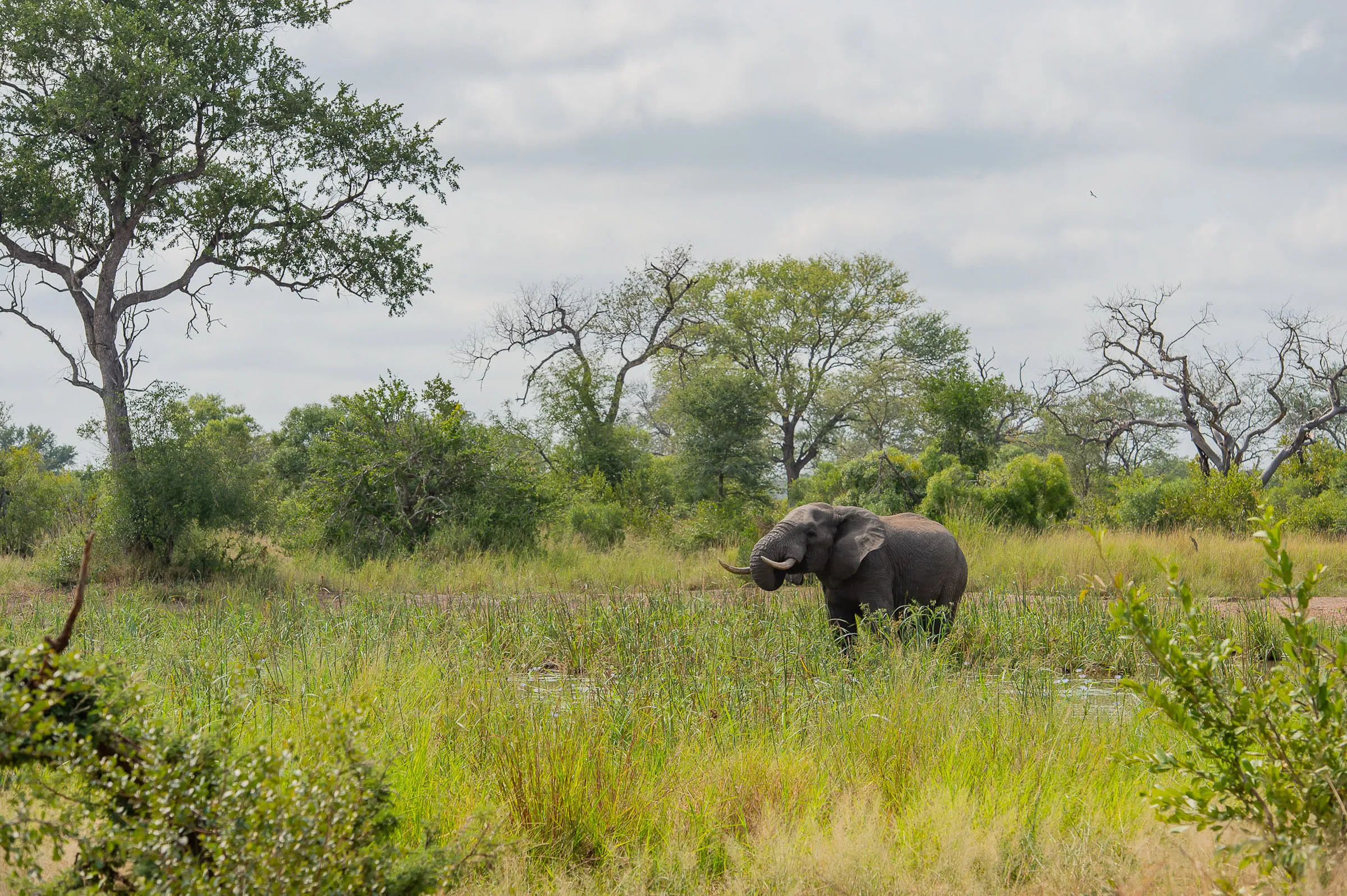
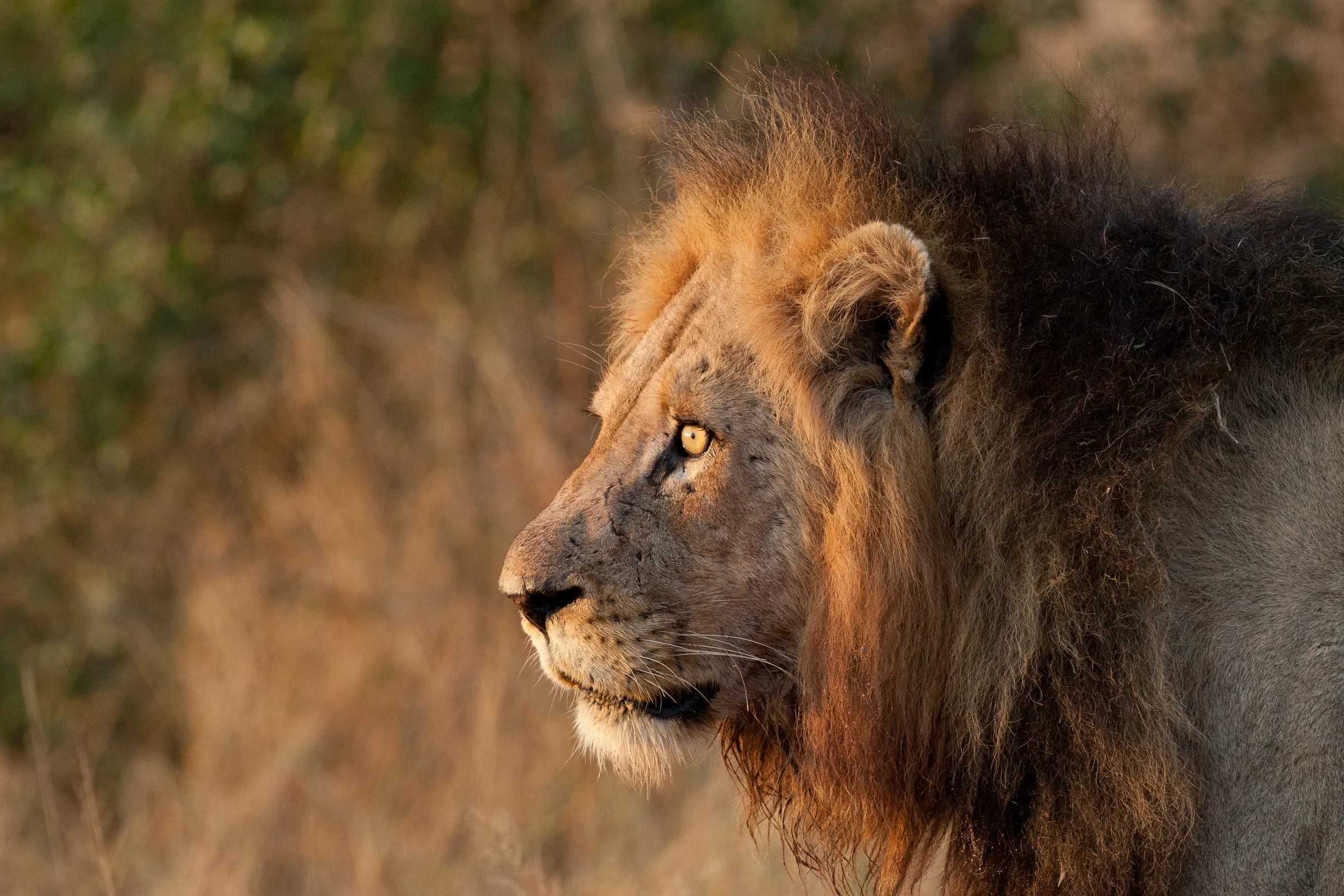
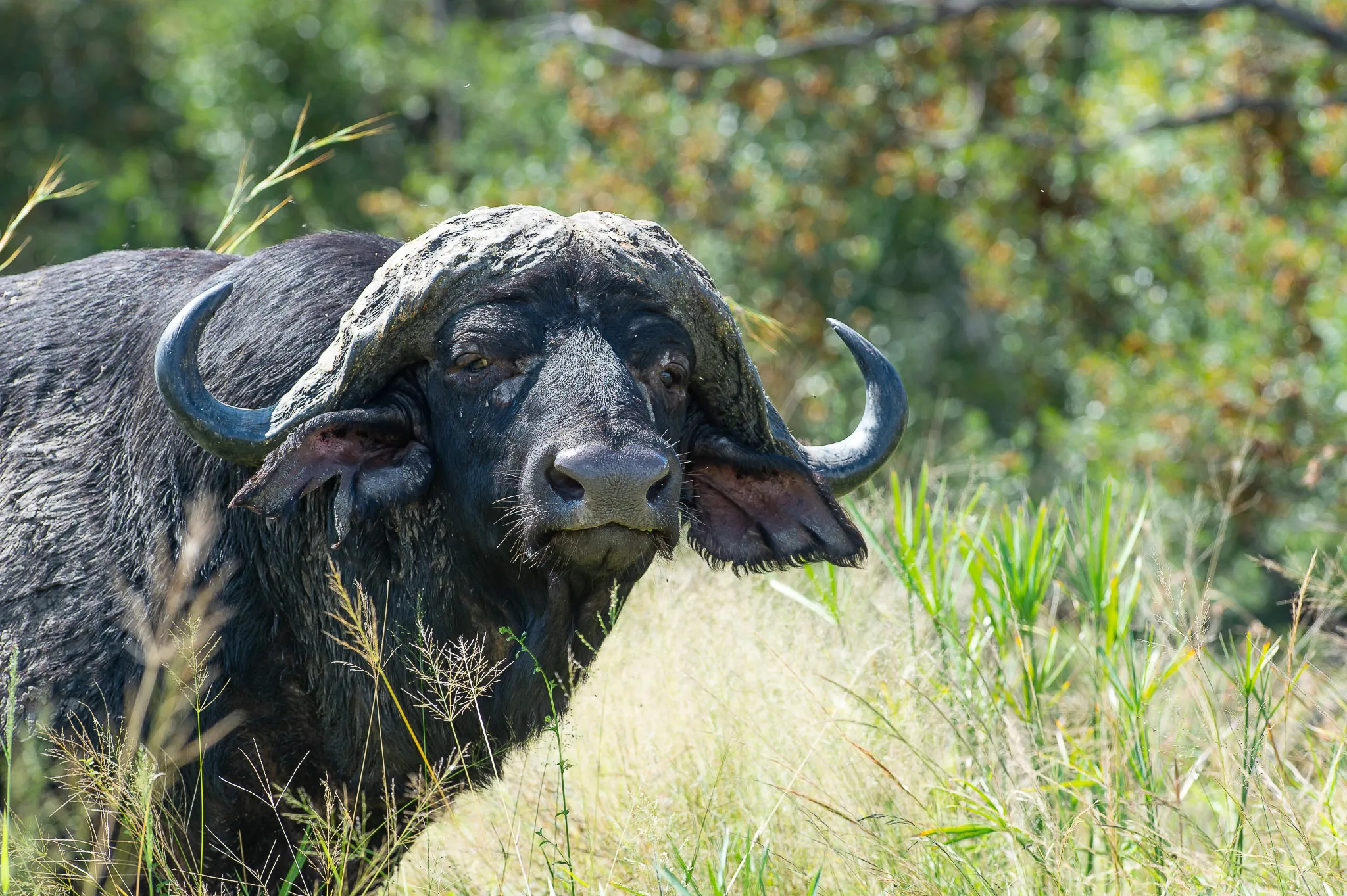
Yes. Kruger National Park is one of Africa’s best known destinations for Big Five wildlife viewing. The Big Five are lion, leopard, elephant, rhino and buffalo.
Seeing all five is never guaranteed, but Kruger offers excellent opportunities to encounter each of them during game drives.
For the group in this story, the experience was extraordinary. Within just two days, they had seen three different leopards and completed their Big Five sightings with a rhino encounter.
For first time safari travellers, experiences like this can make an enormous impression. At the same time, it is important to remember that every safari is different. One group may see several leopards in a single morning, while another may spend several days searching for one.
What Makes a Kruger Safari So Unpredictable?
No two game drives in Kruger National Park are the same. Wildlife moves constantly, weather conditions change and animals can disappear into thick vegetation within seconds.
A game drive might produce a spectacular wildlife encounter, or it might involve hours of searching with only a few sightings. Both are part of the safari experience.
The anticipation of not knowing what is around the next corner is one of the reasons people return to Africa again and again.
Frequently Asked Questions
Yes. Leopards are generally considered one of the more difficult Big Five animals to spot. They are solitary, well camouflaged and often rest in trees or dense vegetation. Sightings depend on a combination of animal behaviour, guide experience, location and luck.
Early morning and late afternoon game drives can offer good opportunities to see leopards because these are cooler periods when many animals are more active. However, there is no guaranteed time to see a leopard.
Yes. Kruger National Park supports populations of all five Big Five species: lion, leopard, elephant, rhino and buffalo. Seeing all five during one safari is possible, although sightings can never be guaranteed.
There is no fixed number. Some visitors may see one leopard or none at all, while exceptionally lucky safari groups may encounter several in a single day. Seeing three different leopards during one morning, as described in this story, is an unusually memorable experience.
Leopards are solitary animals with excellent camouflage. They often rest during the day in trees, thick vegetation or shaded areas, making them easy to overlook even when they are relatively close to a safari vehicle.
It is possible, but it is not something that can be guaranteed. The group featured in this story completed their Big Five sightings within two days, including three separate leopard sightings. This was an exceptionally fortunate wildlife experience.
A game drive is unpredictable. You may encounter a wide variety of wildlife, spend time tracking a particular animal or travel for long periods without a major sighting. Patience is an important part of the experience because wildlife does not follow a schedule.
The unpredictability is a major part of the experience. You never know whether the next game drive will produce an ordinary wildlife encounter or a once in a lifetime moment. That combination of anticipation, patience and unexpected encounters is what makes an African safari so memorable.