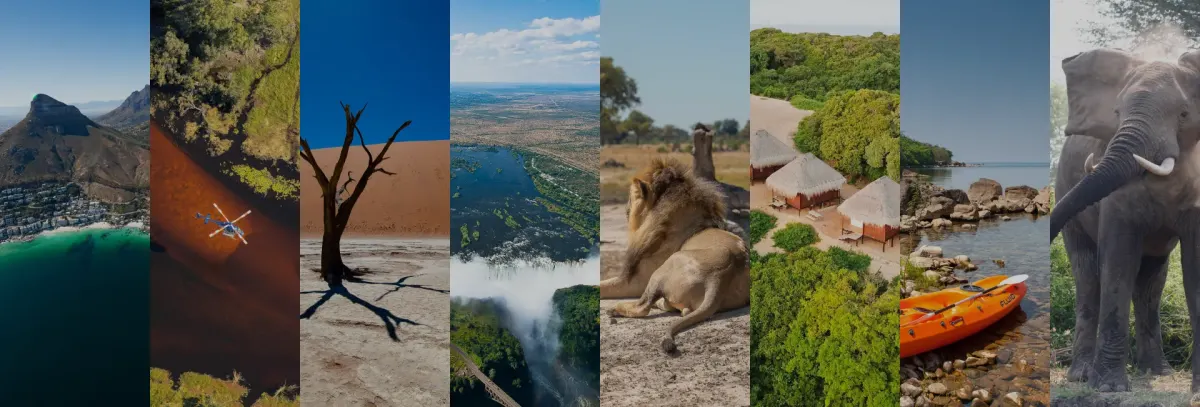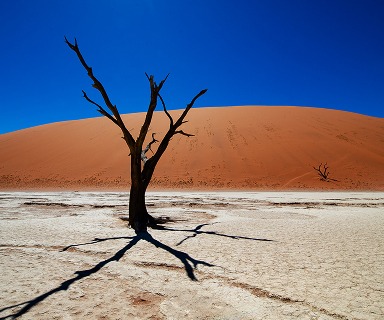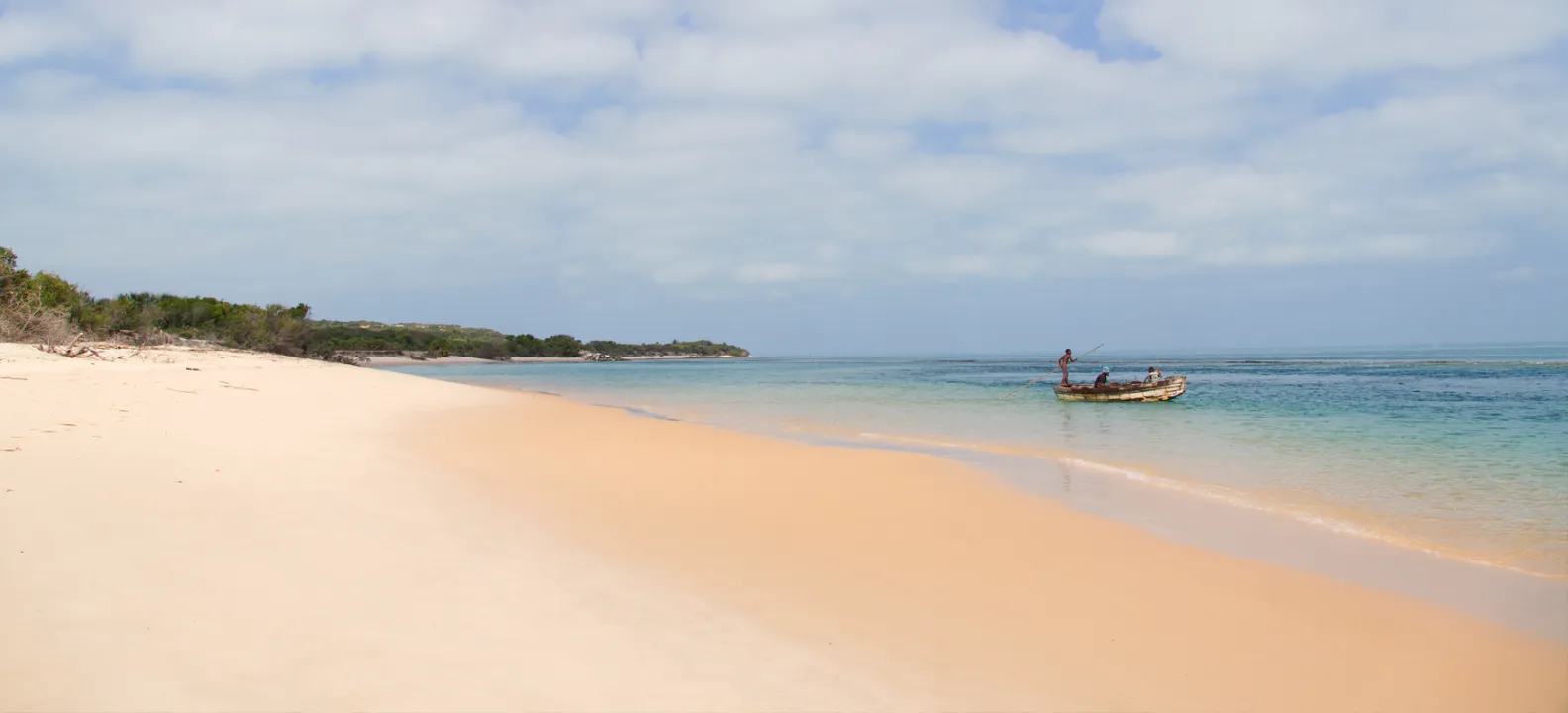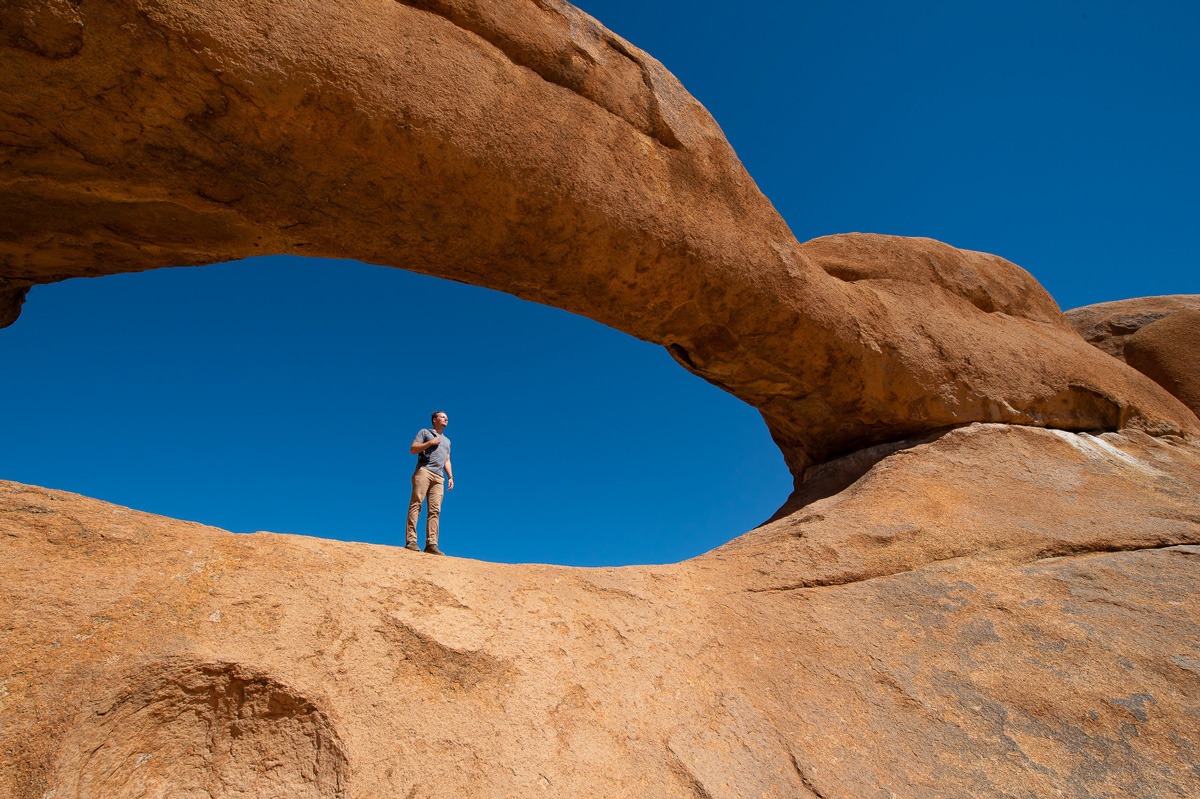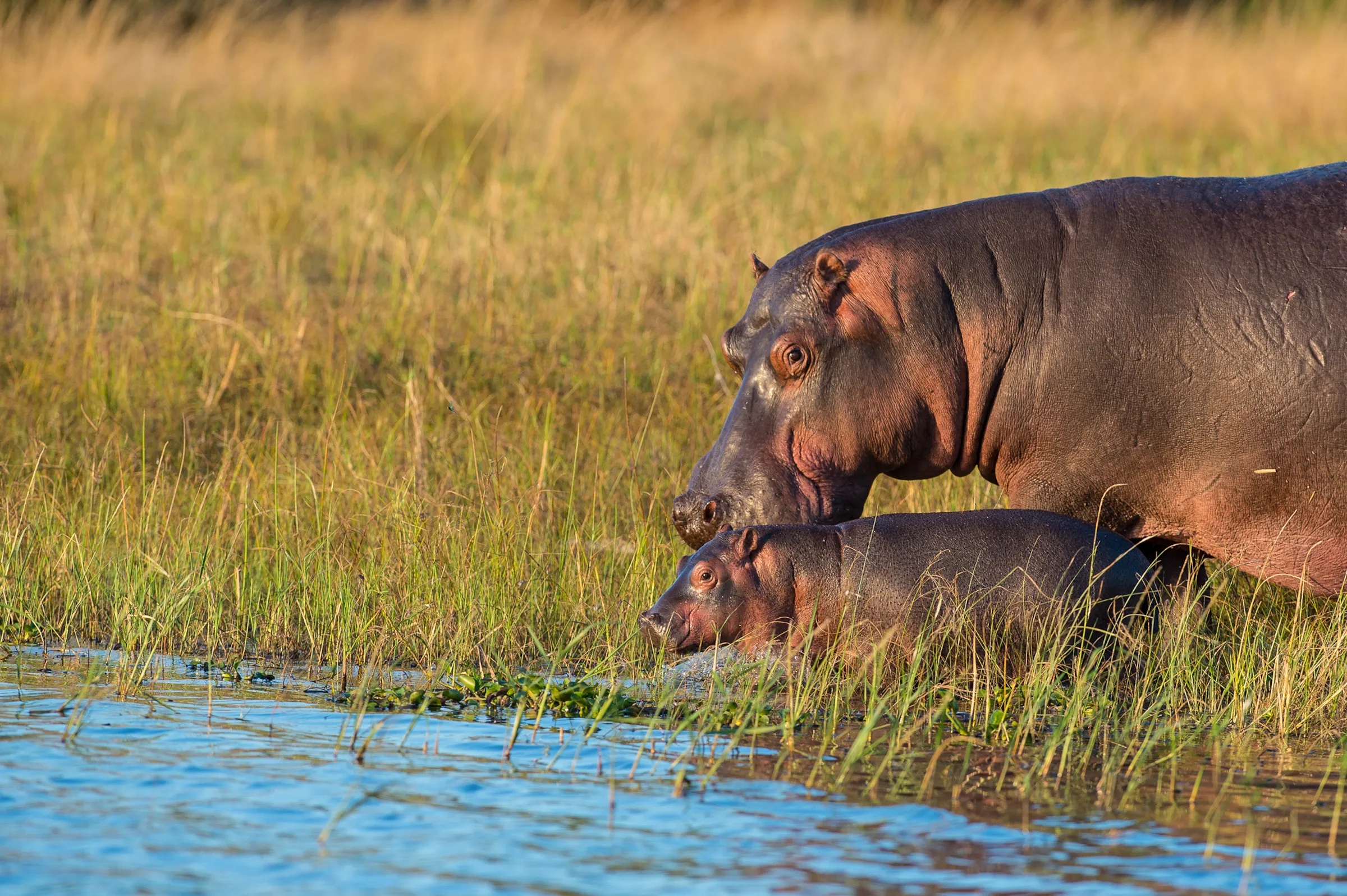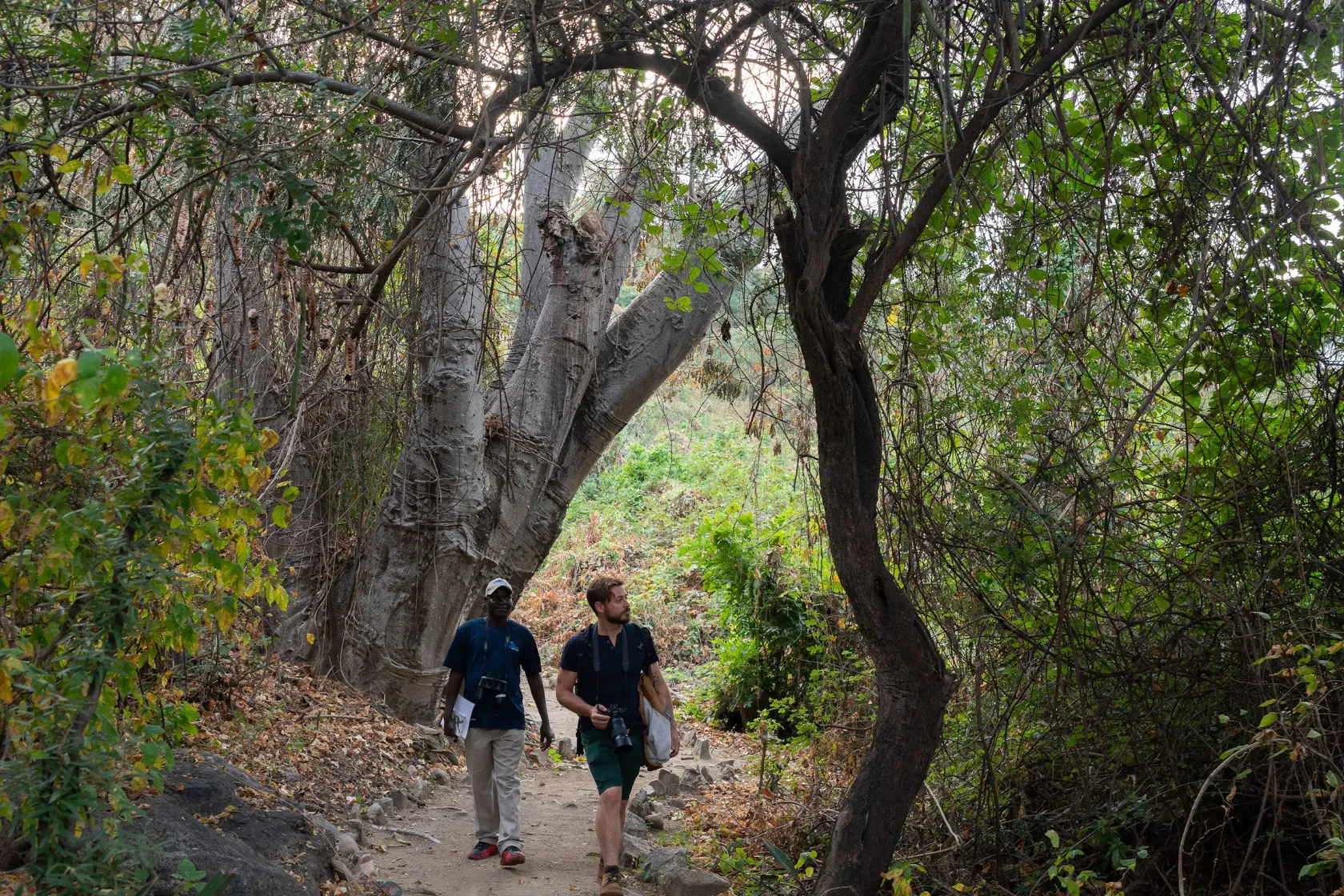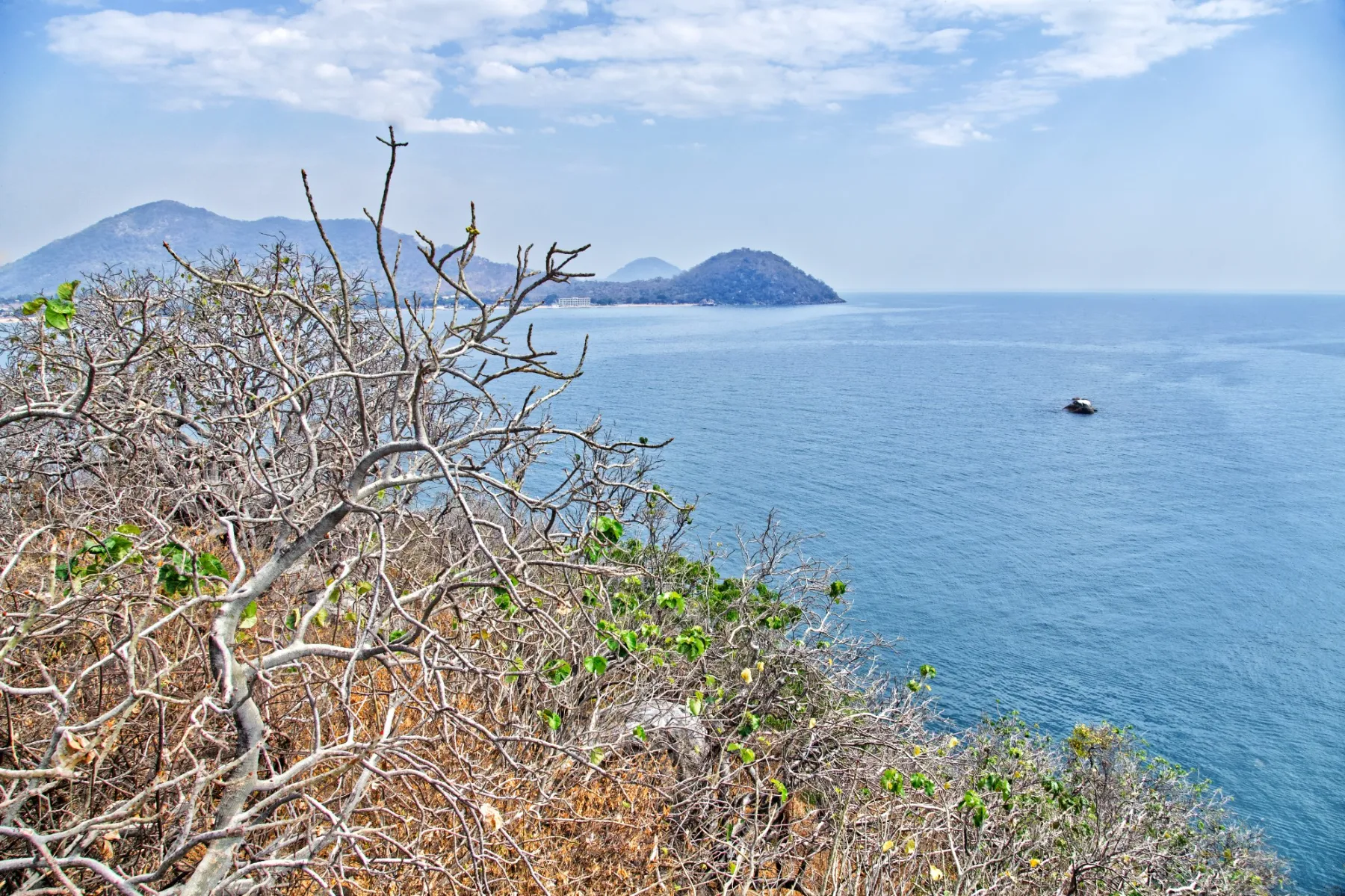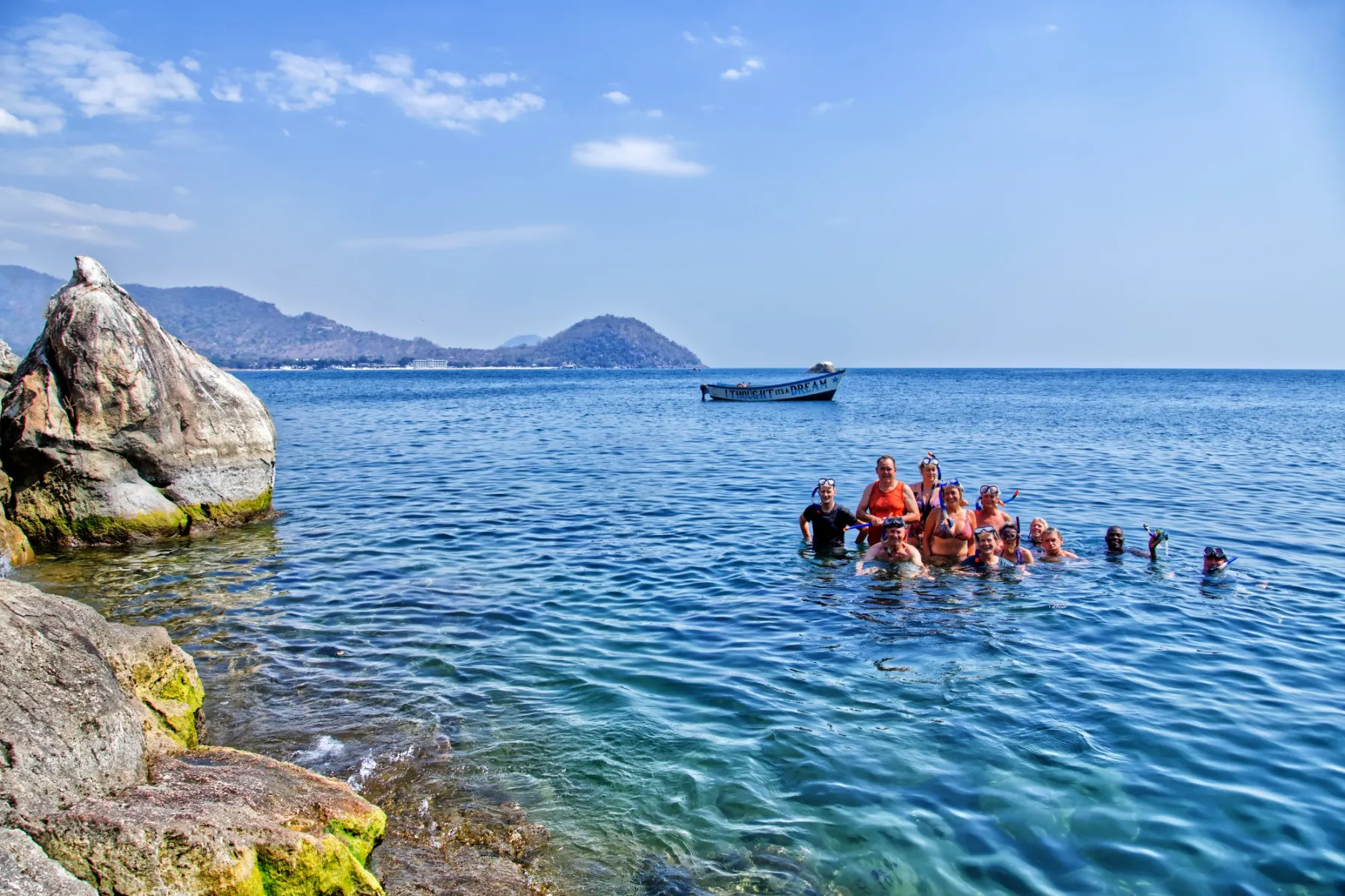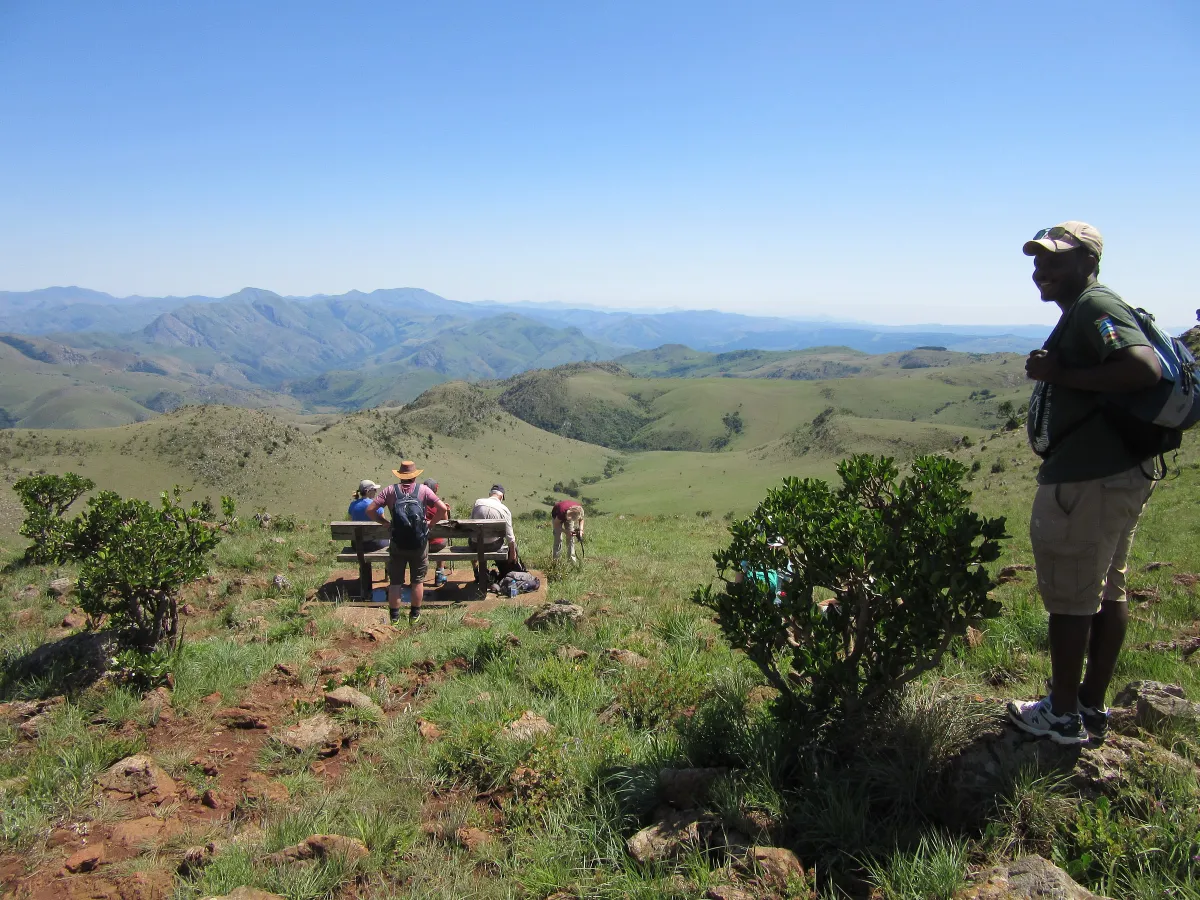


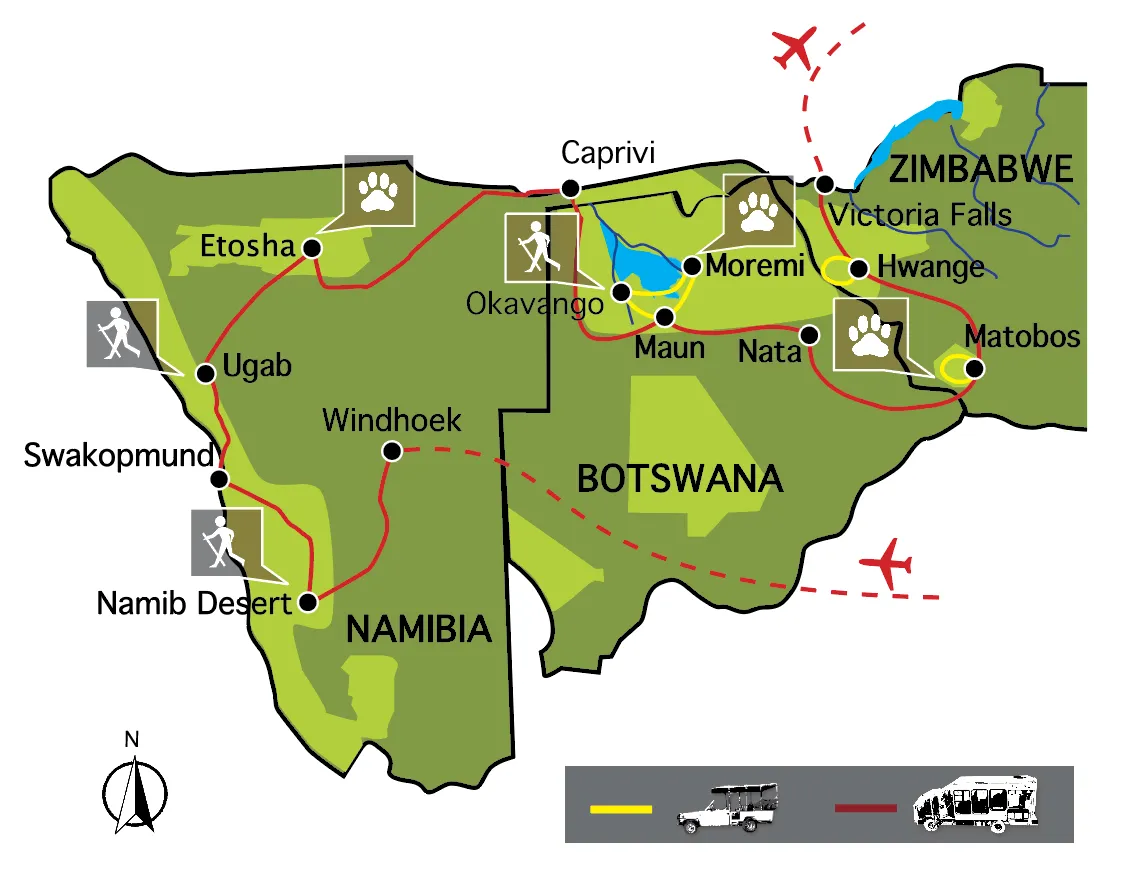
This is the ultimate 21 day, 3 country journey through Namibia, Botswana, and Zimbabwe.
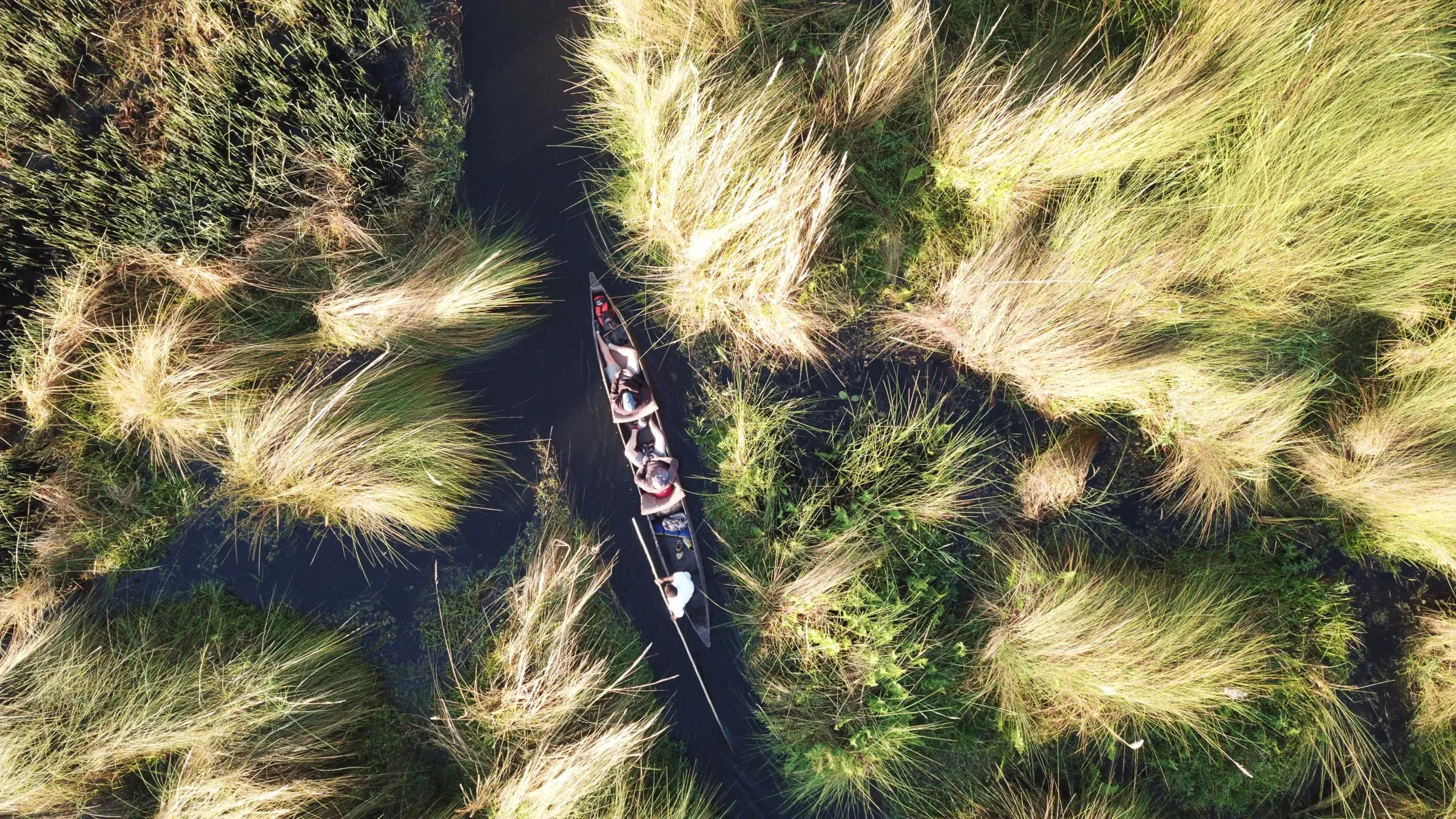
Climb the towering Sossusvlei dunes, explore Etosha National Park and coastal Swakopmund, then glide through the Okavango Delta by mokoro.
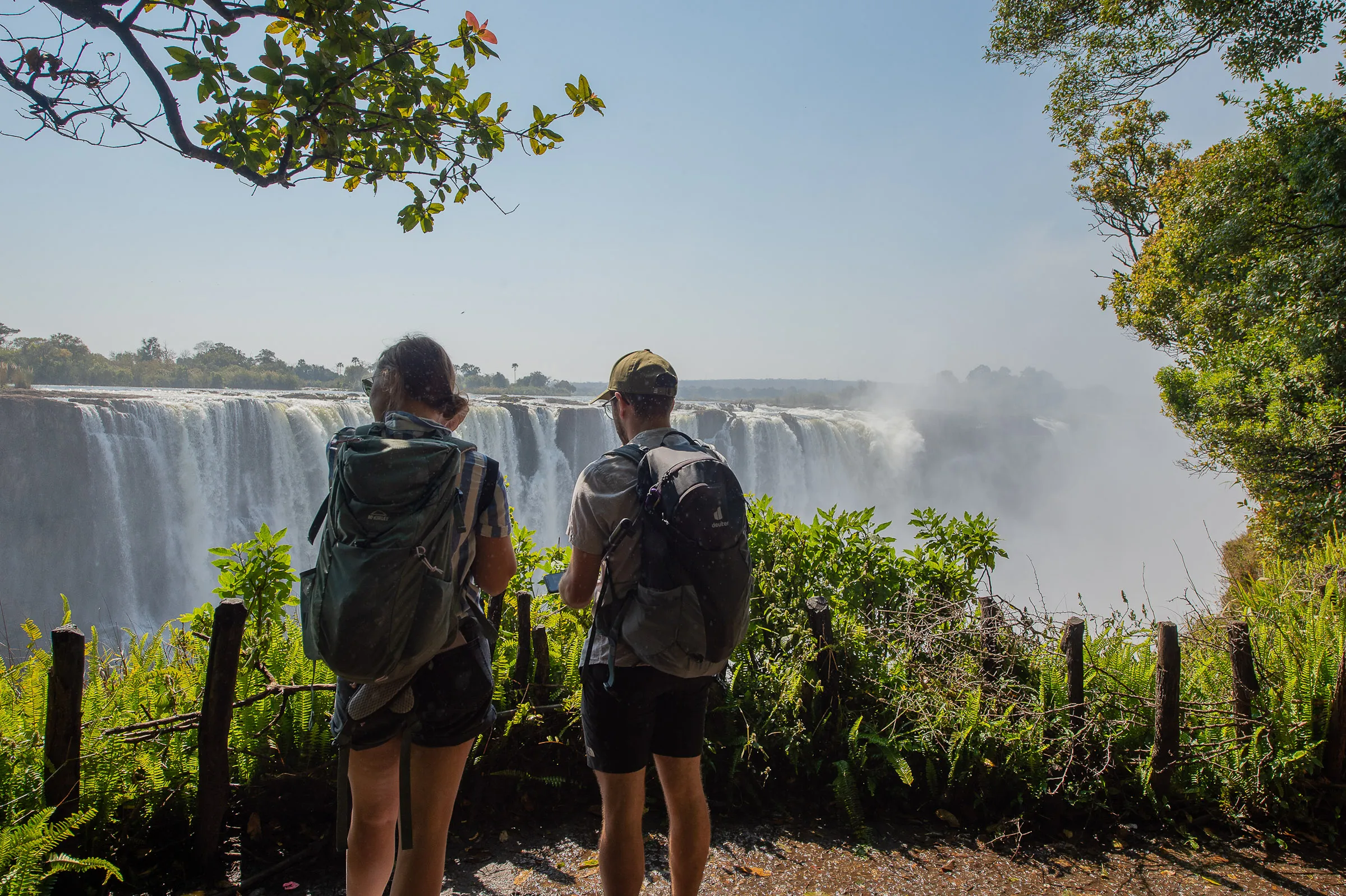
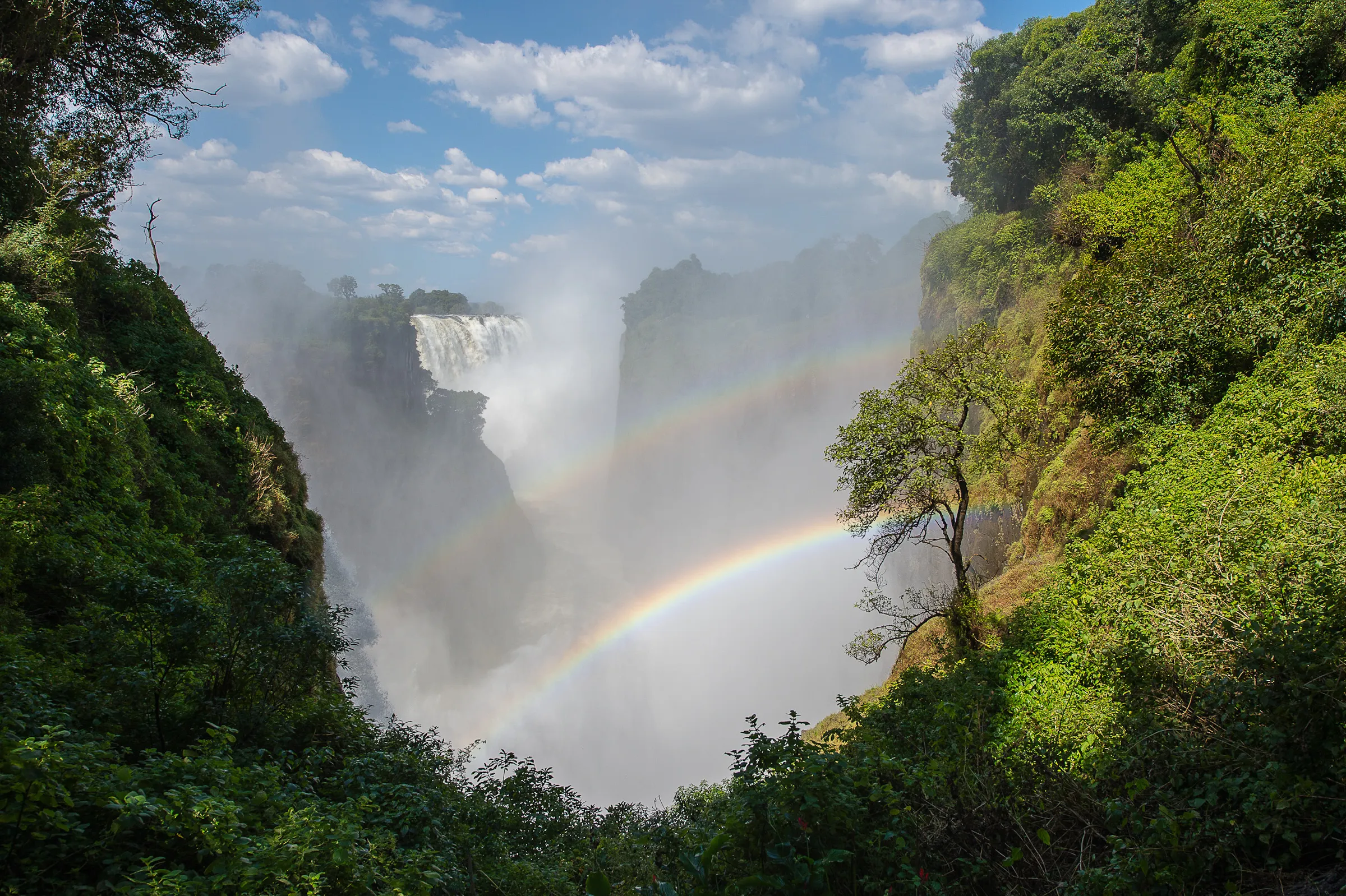
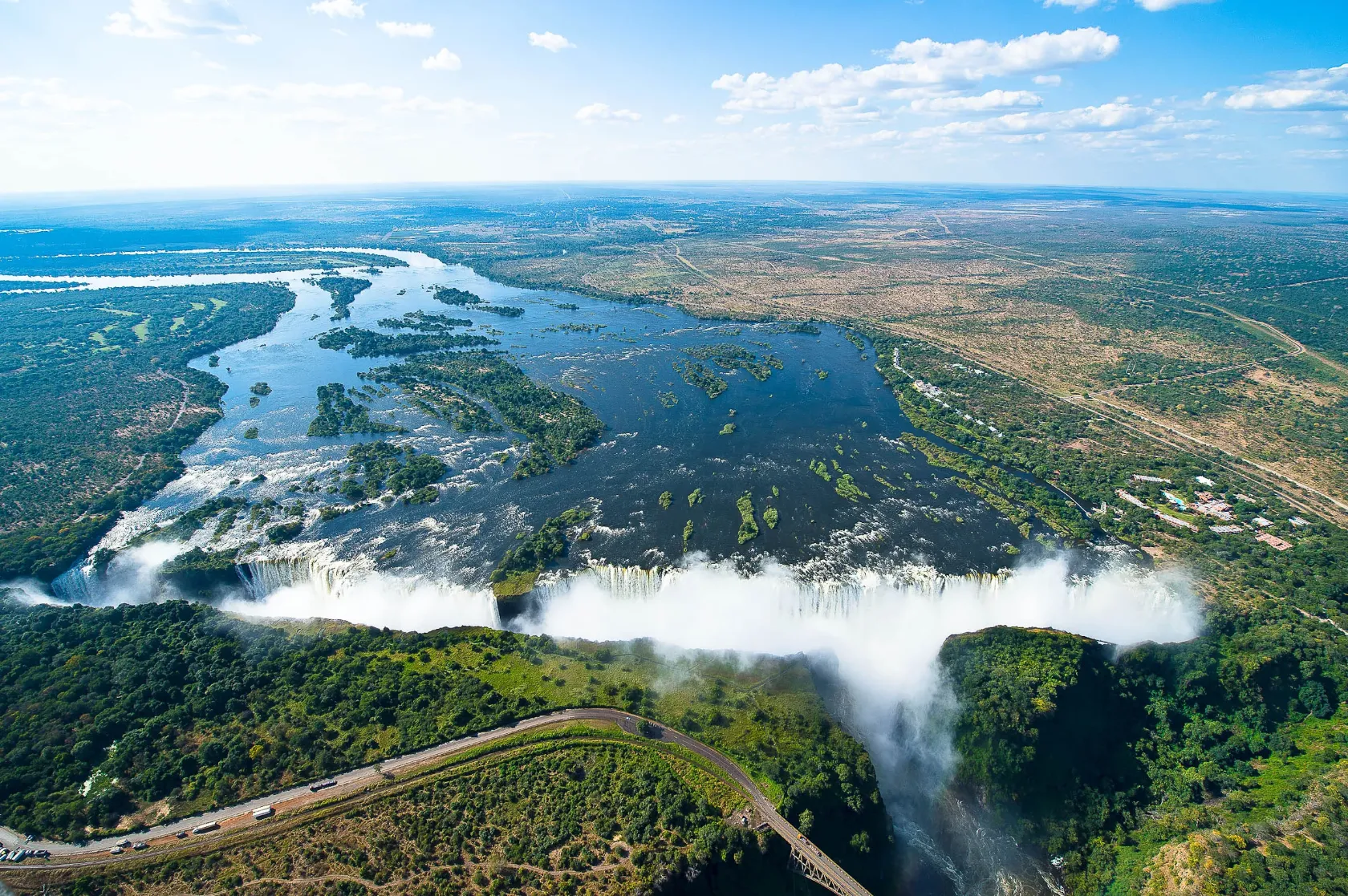
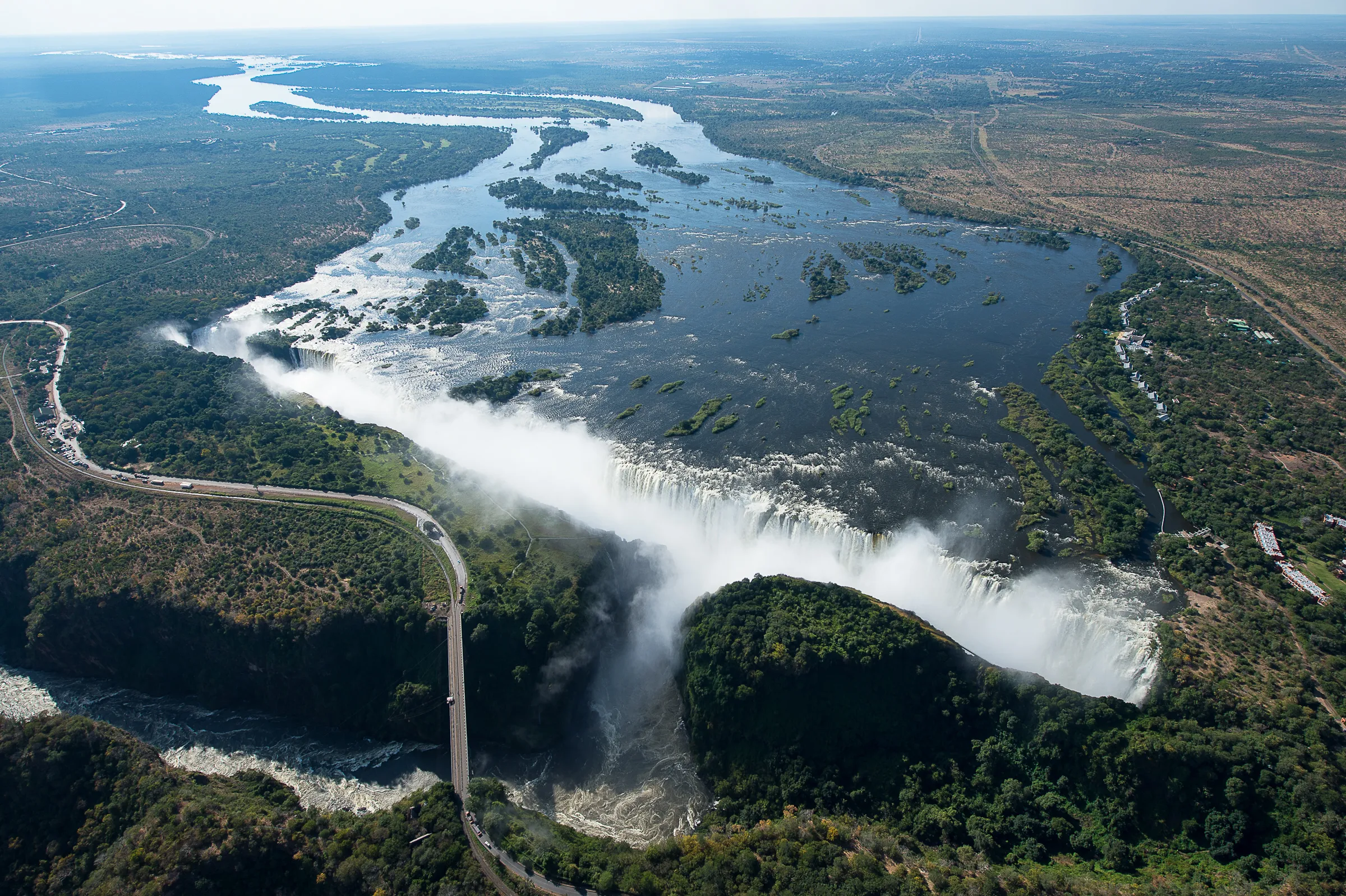
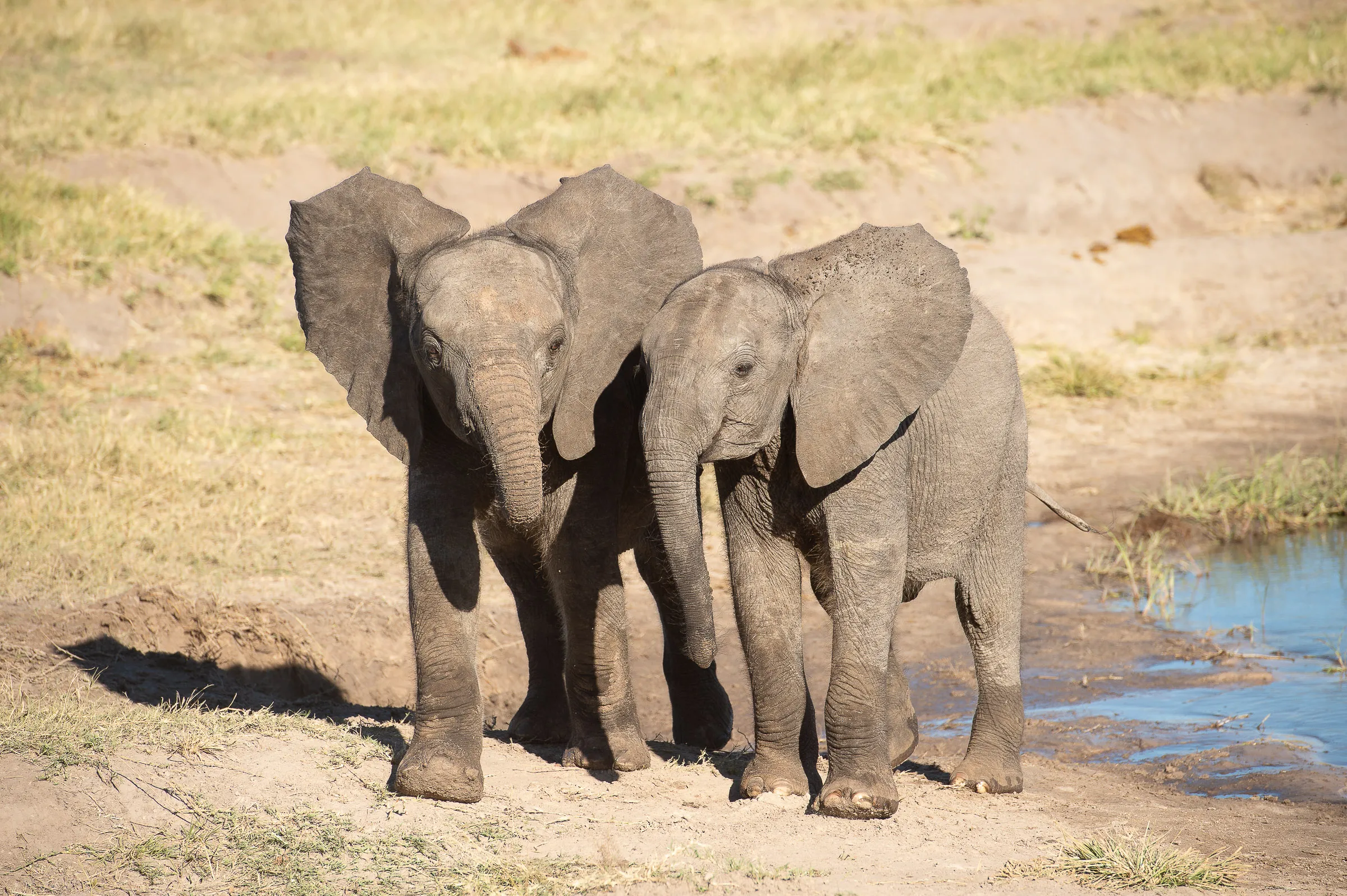
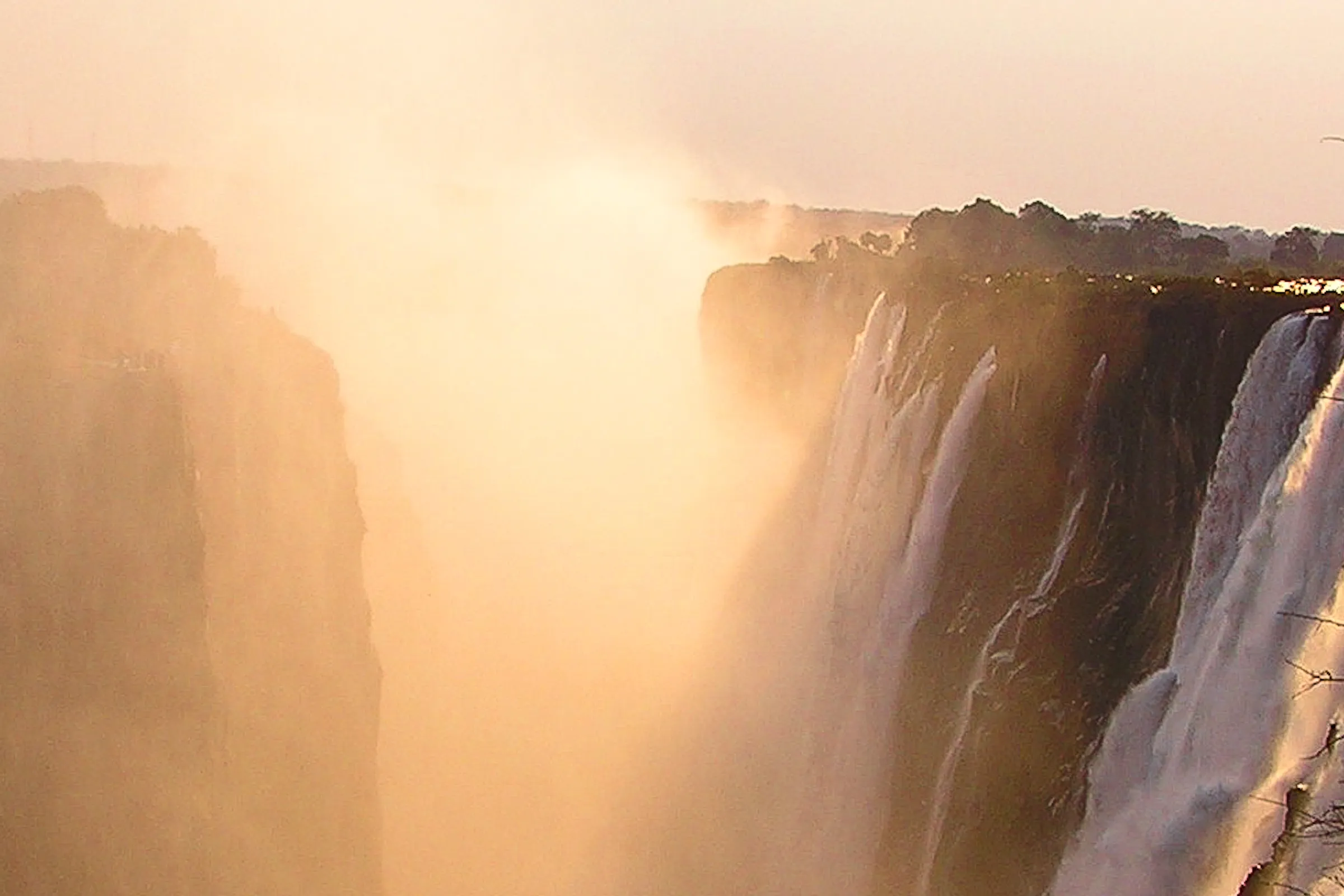
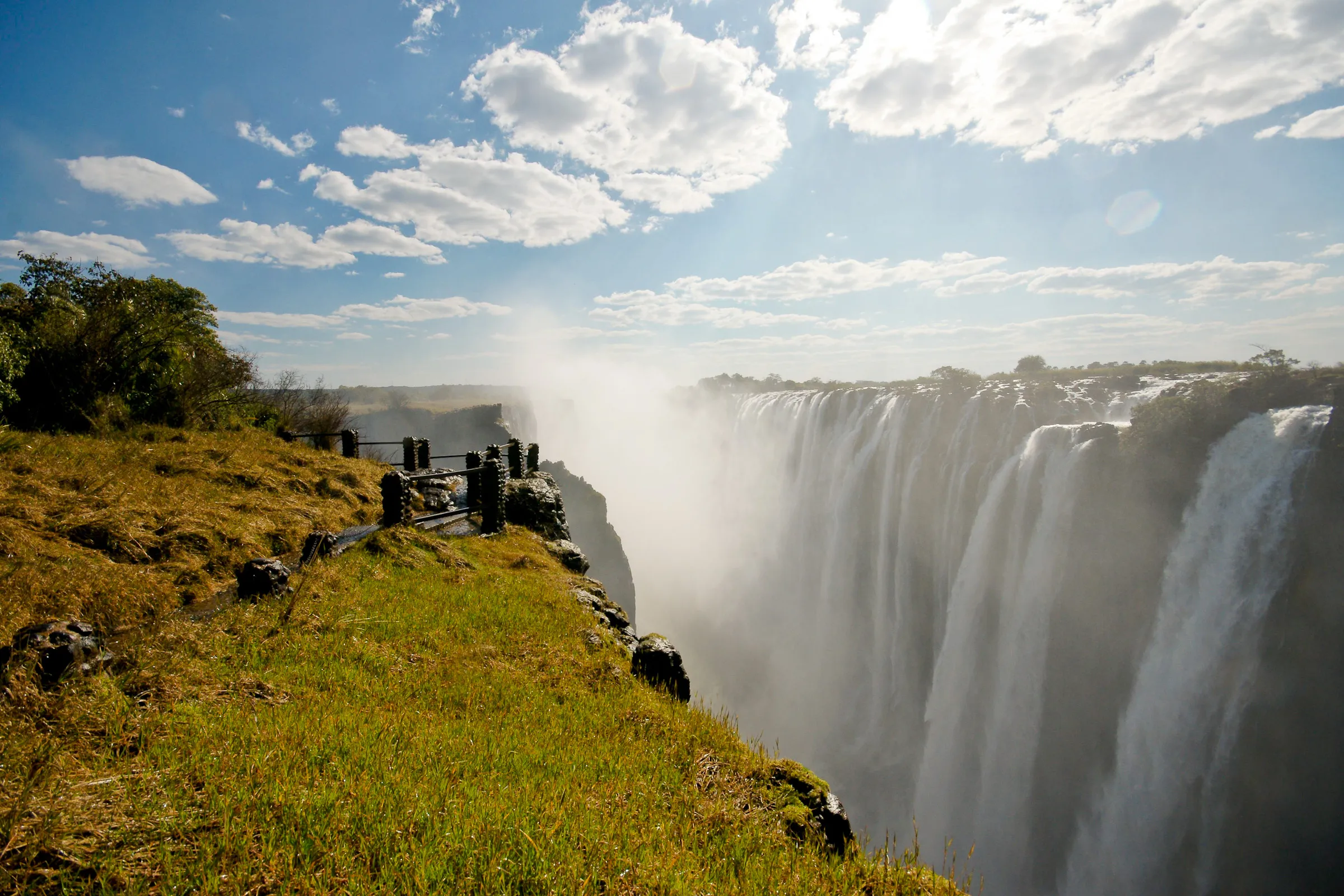
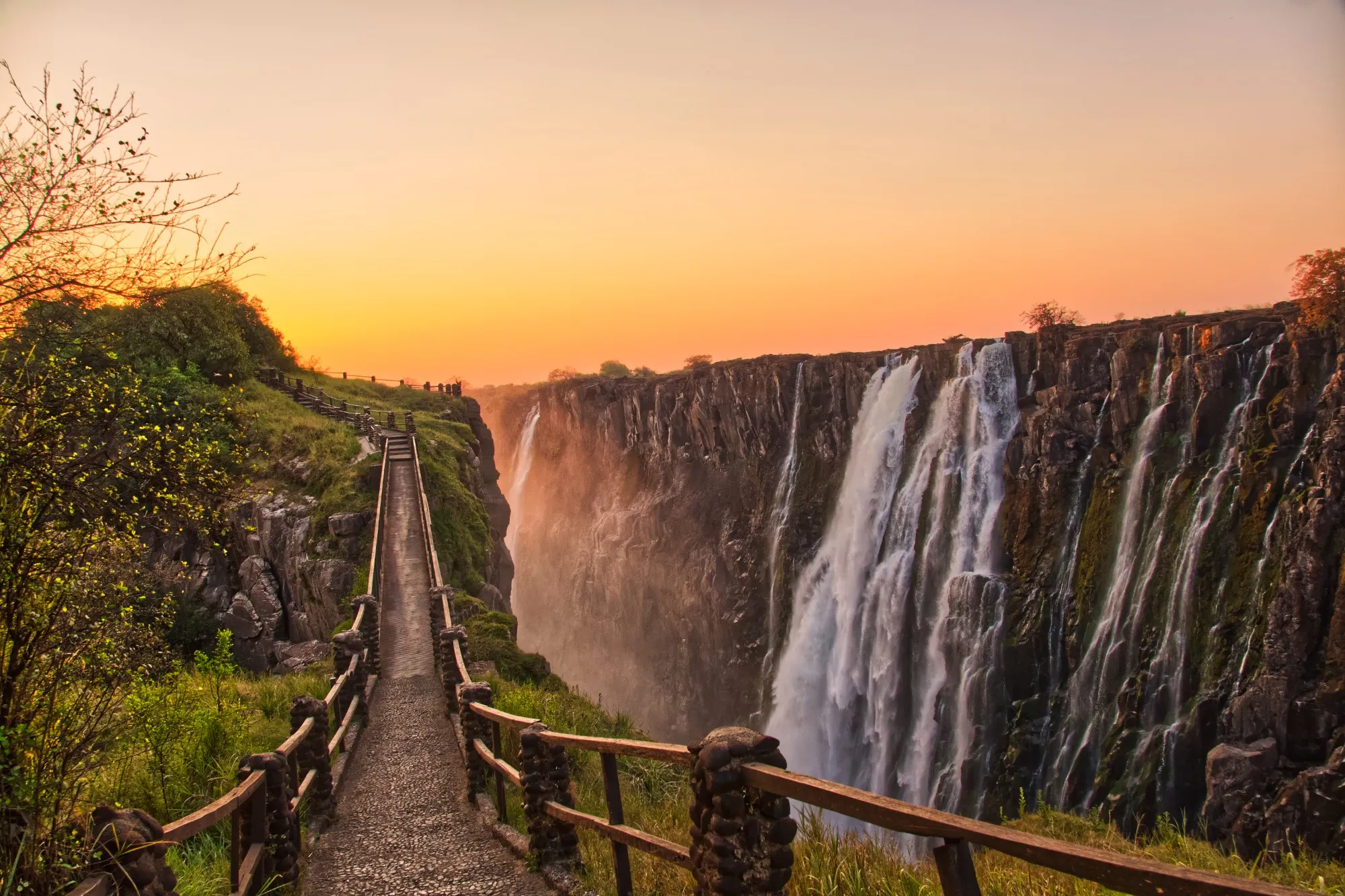
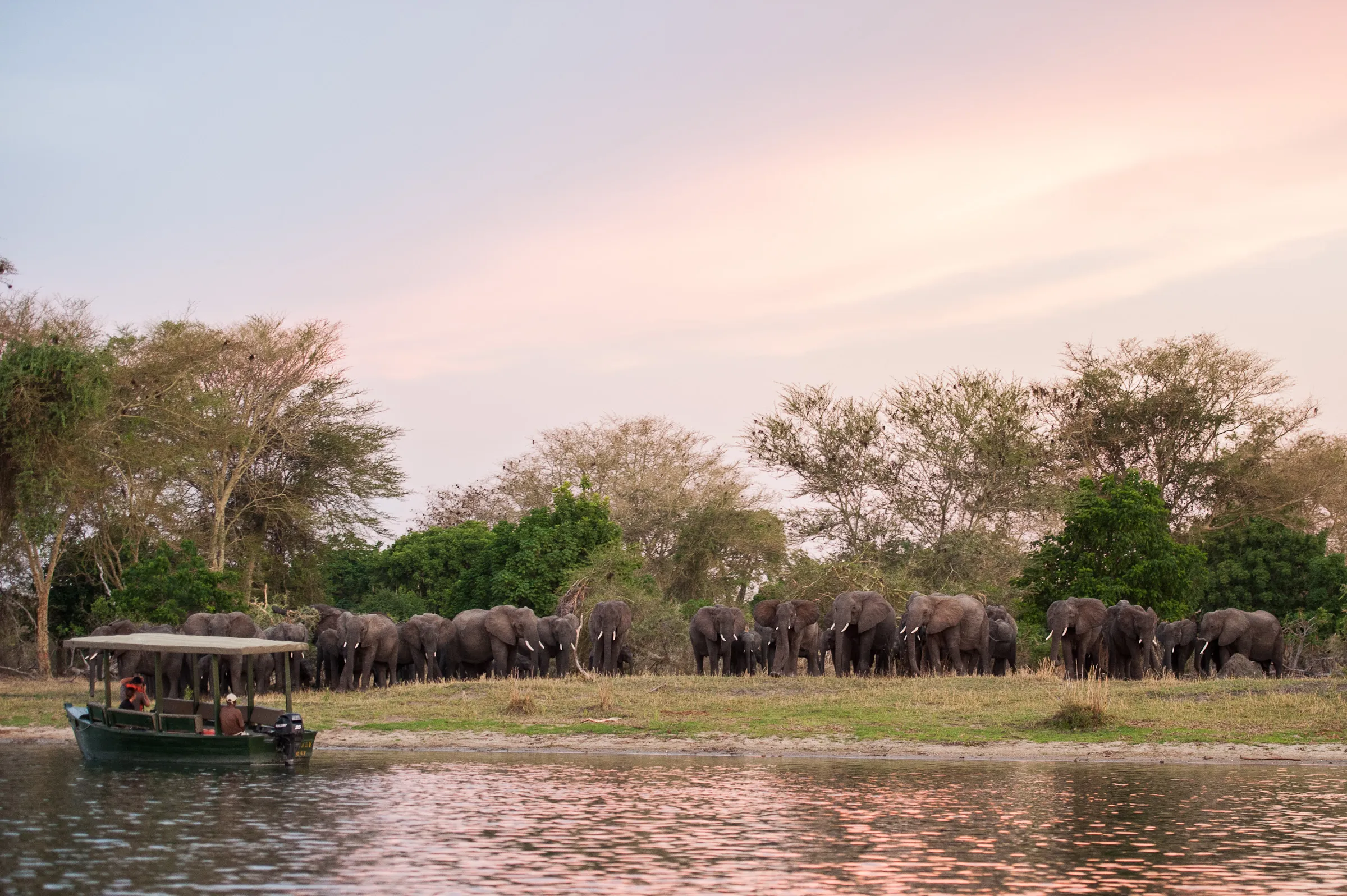
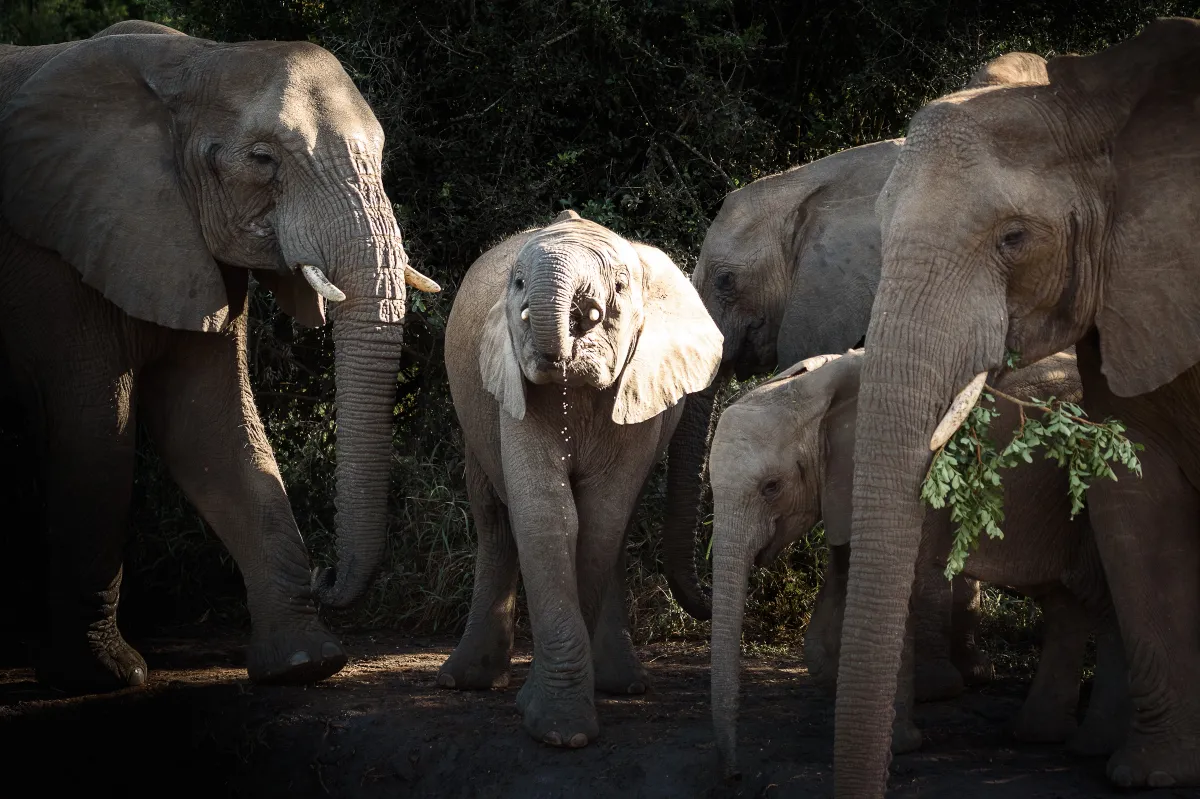
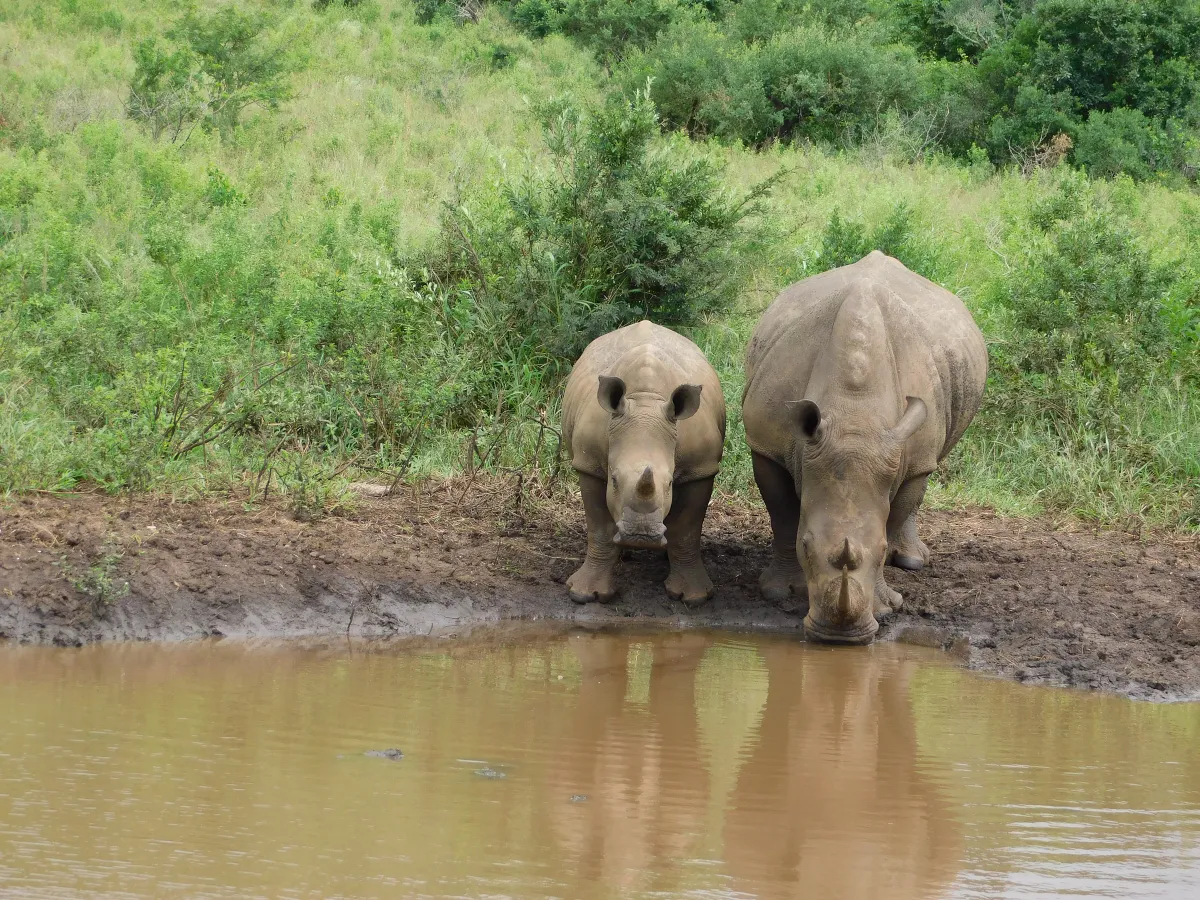
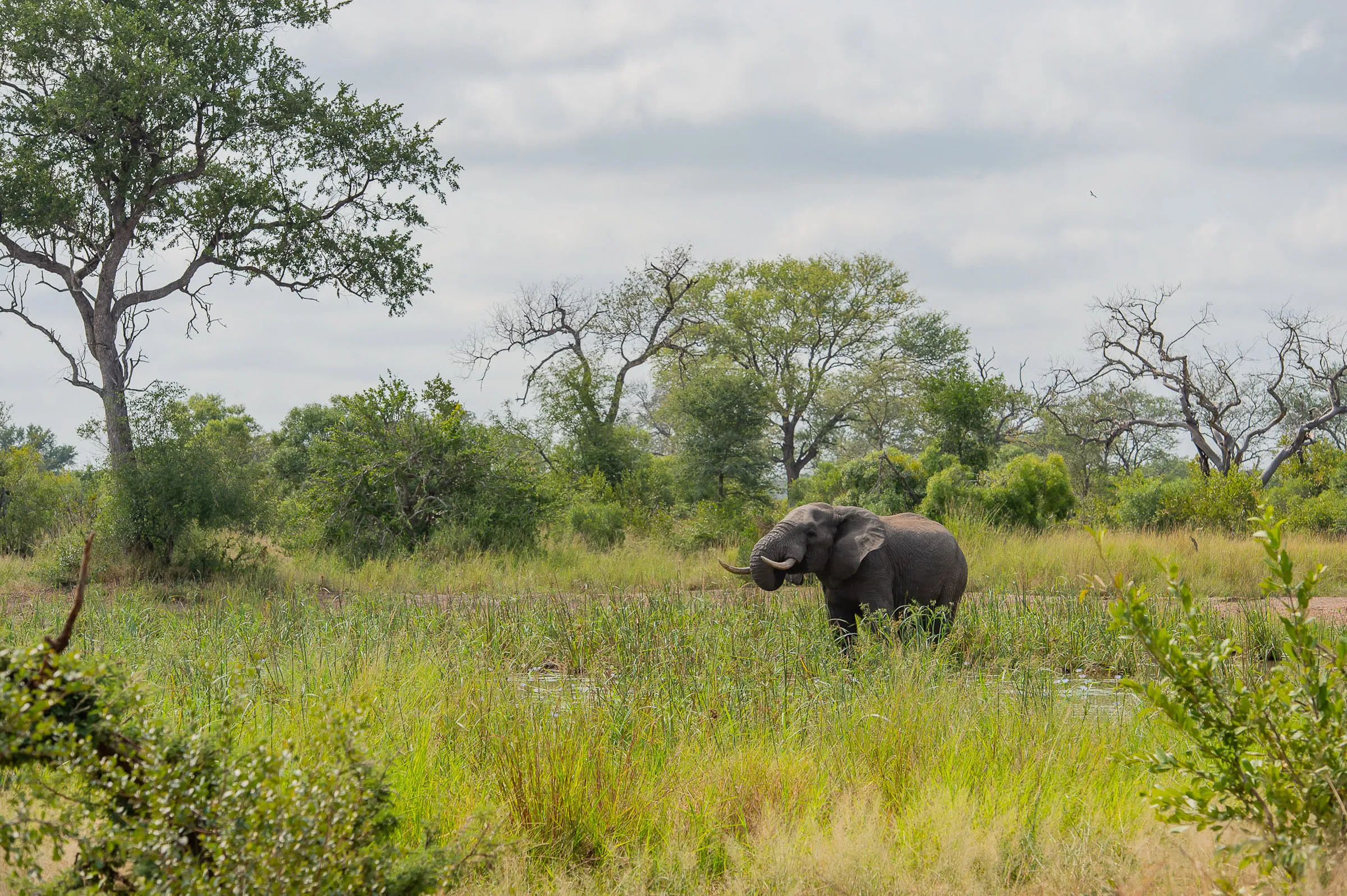
Continue to Zimbabwe to track rhino in Matobo National Park, spot elephants in Hwange National Park, and end at the spectacular Victoria Falls, one of the world’s greatest natural wonders.
- Max 12 people
- Professional Safari Guides
- Safari truck / Minibus & 4WD
- 20 Breakfasts, 18 Lunches & 13 Dinners
- Entrance Fees
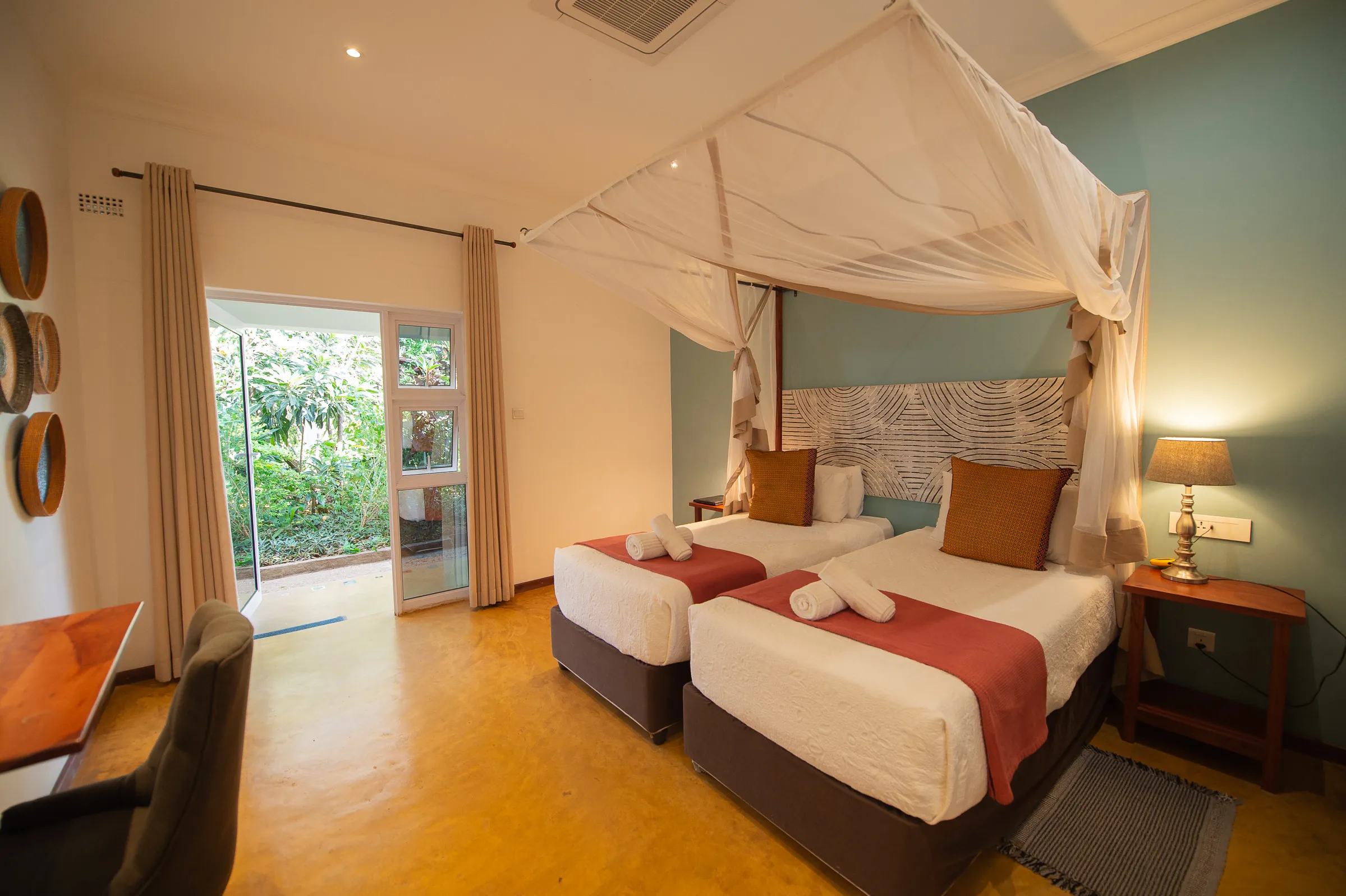
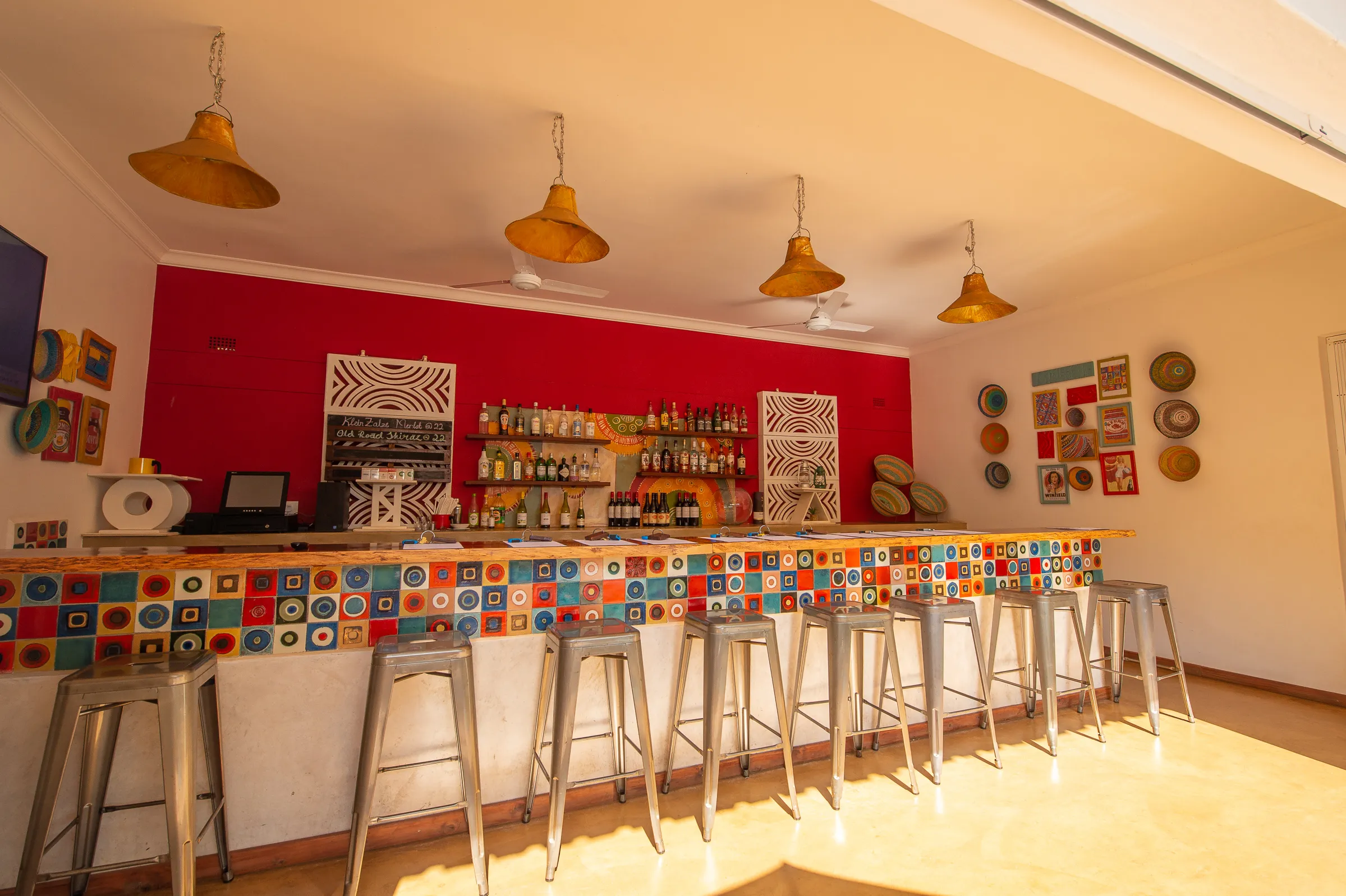
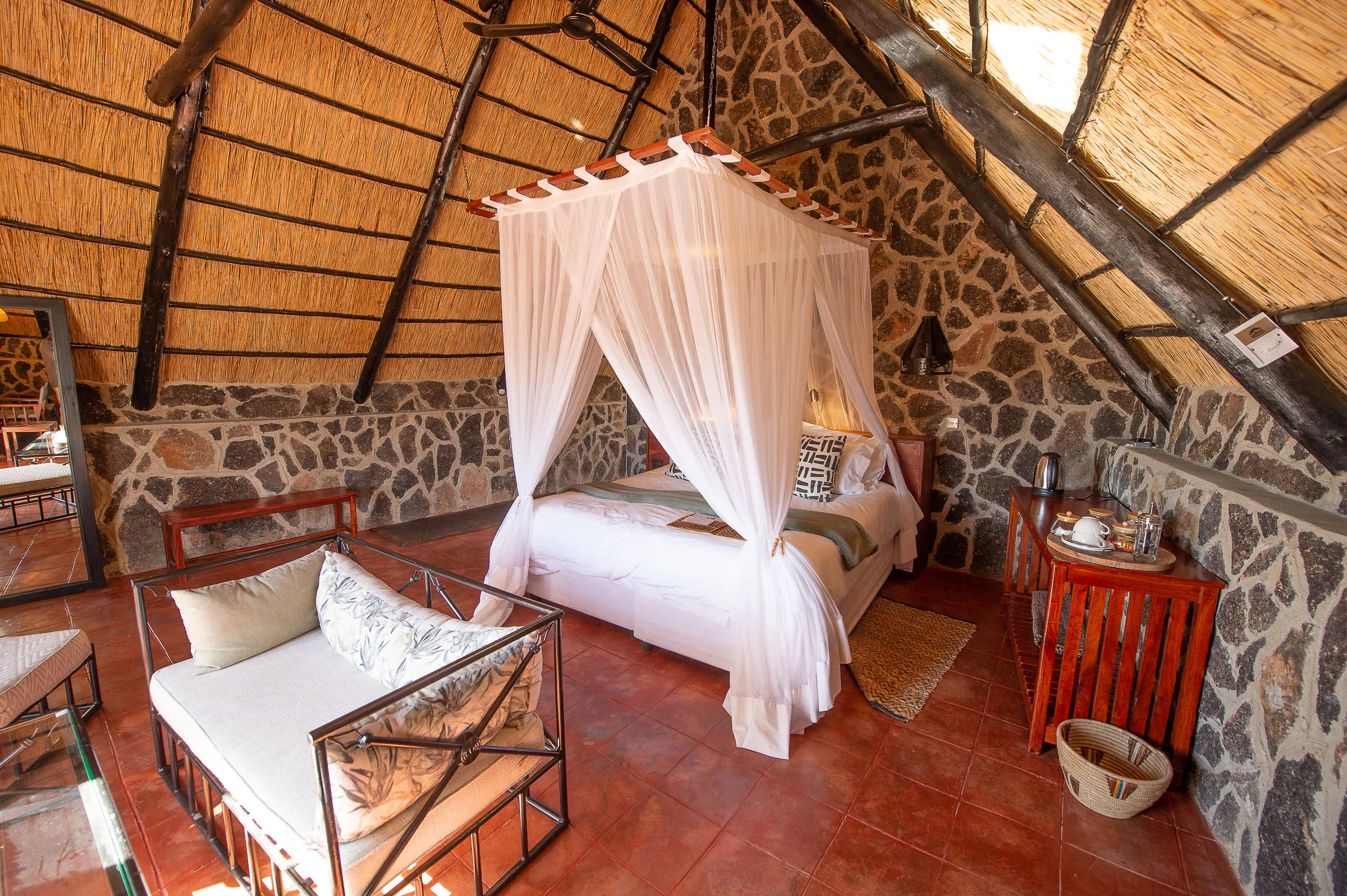
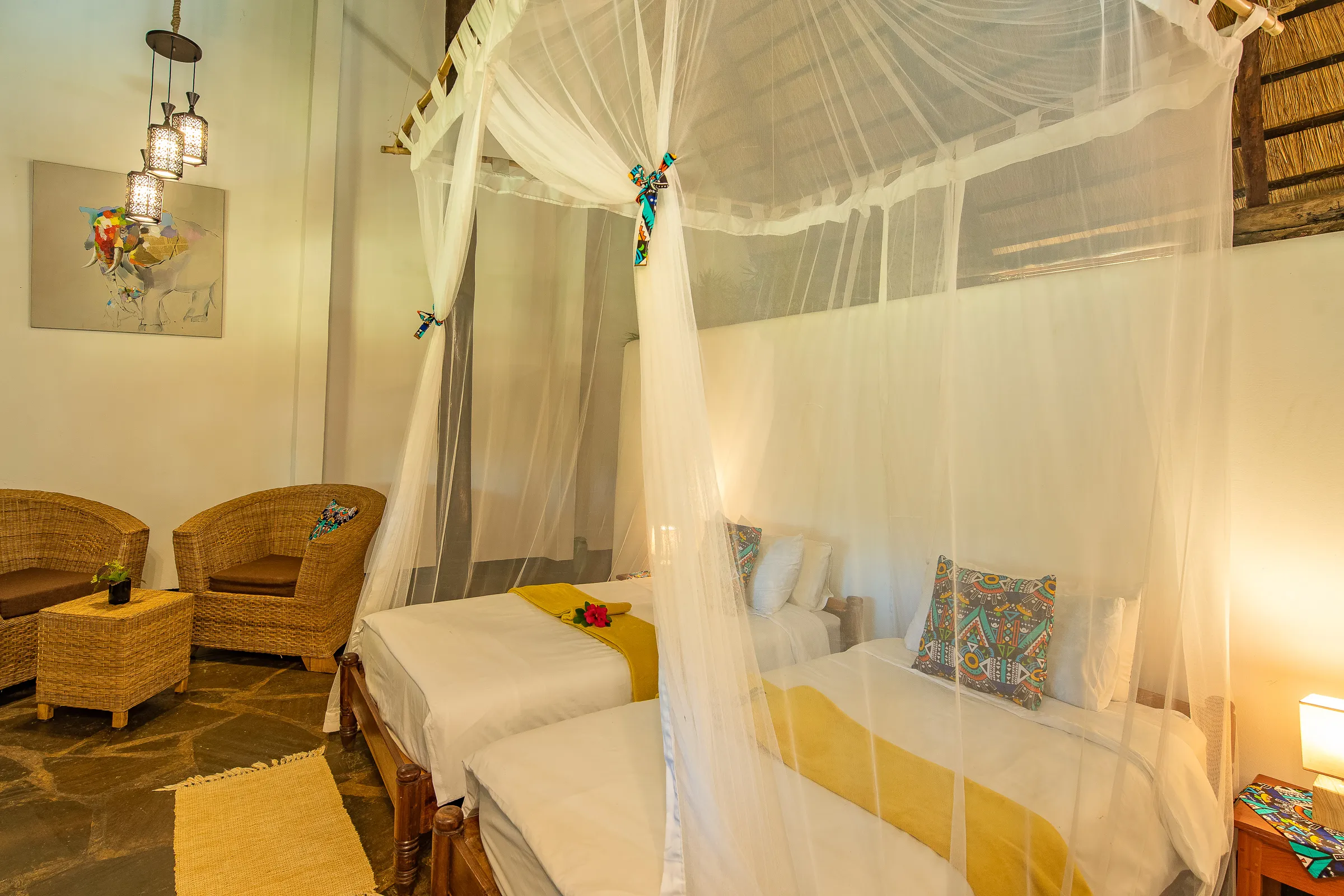
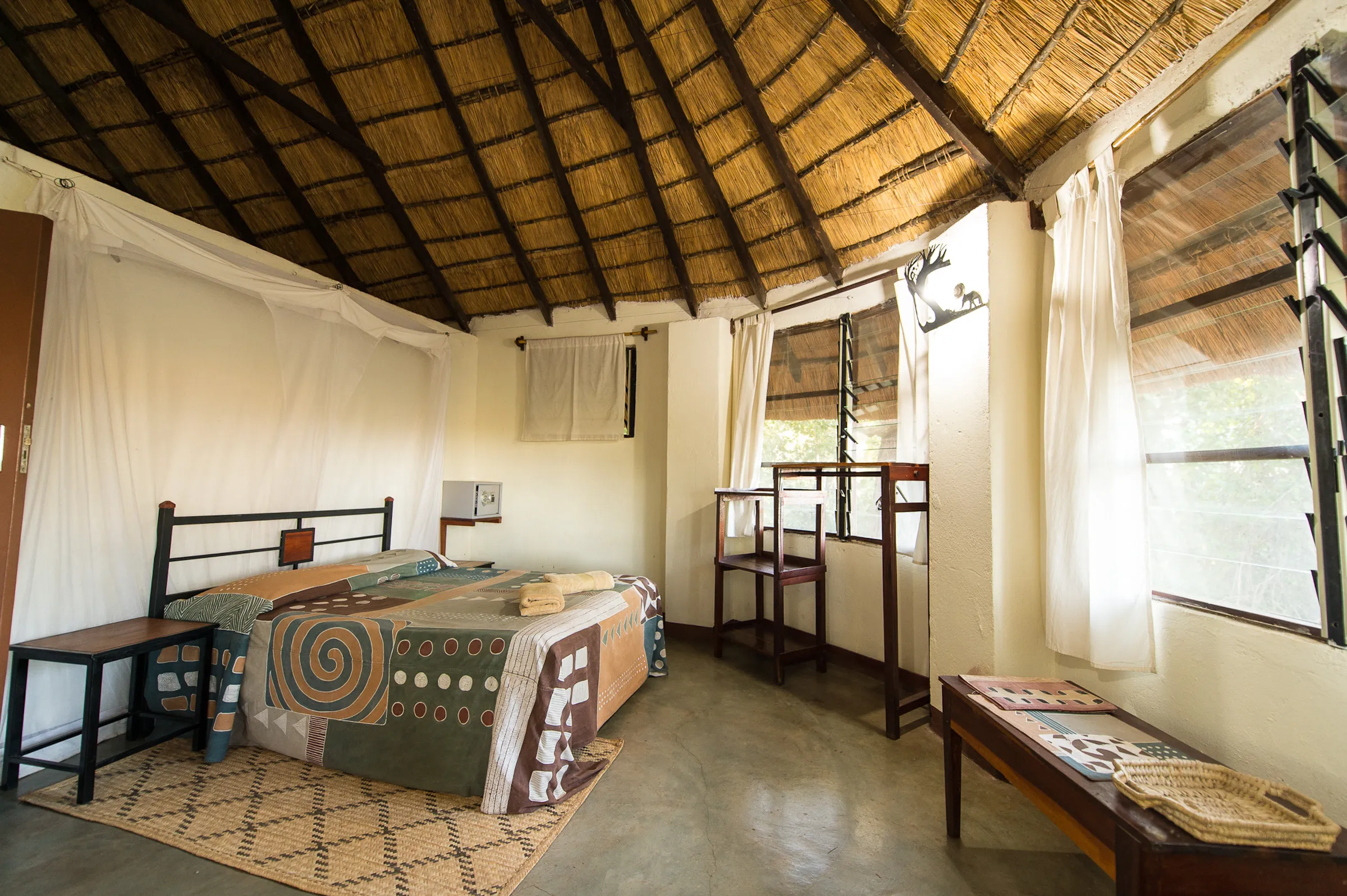
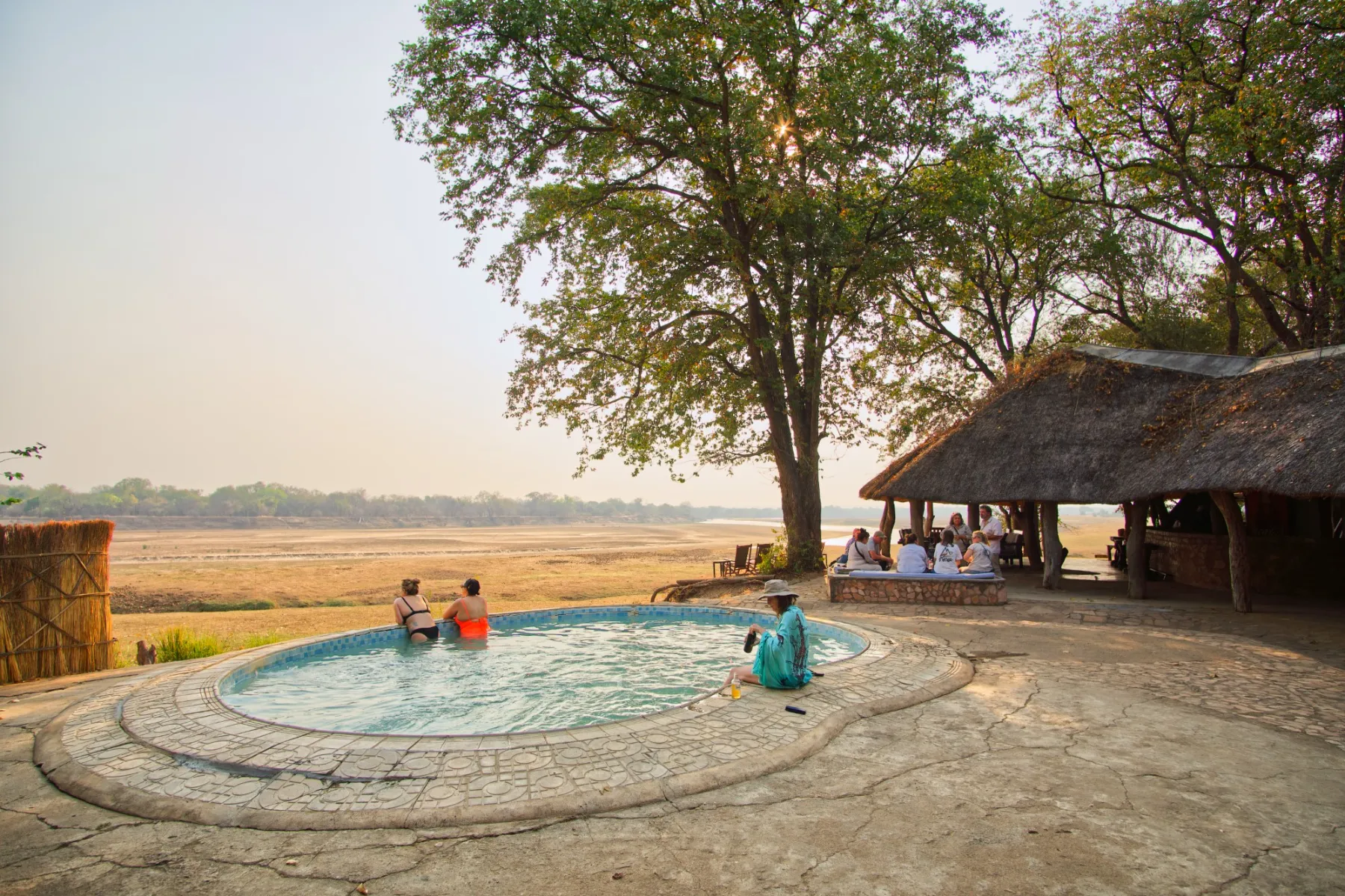
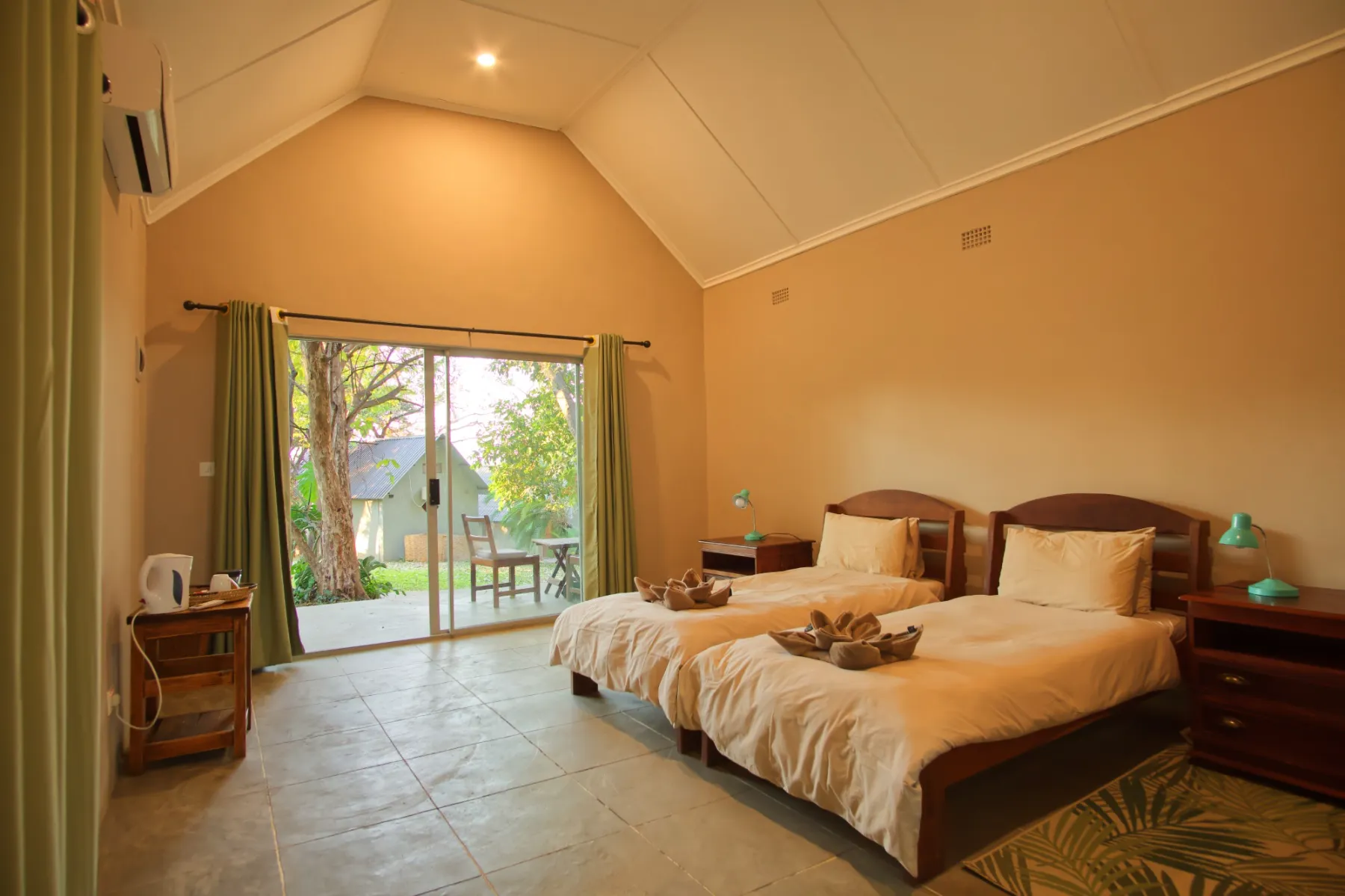
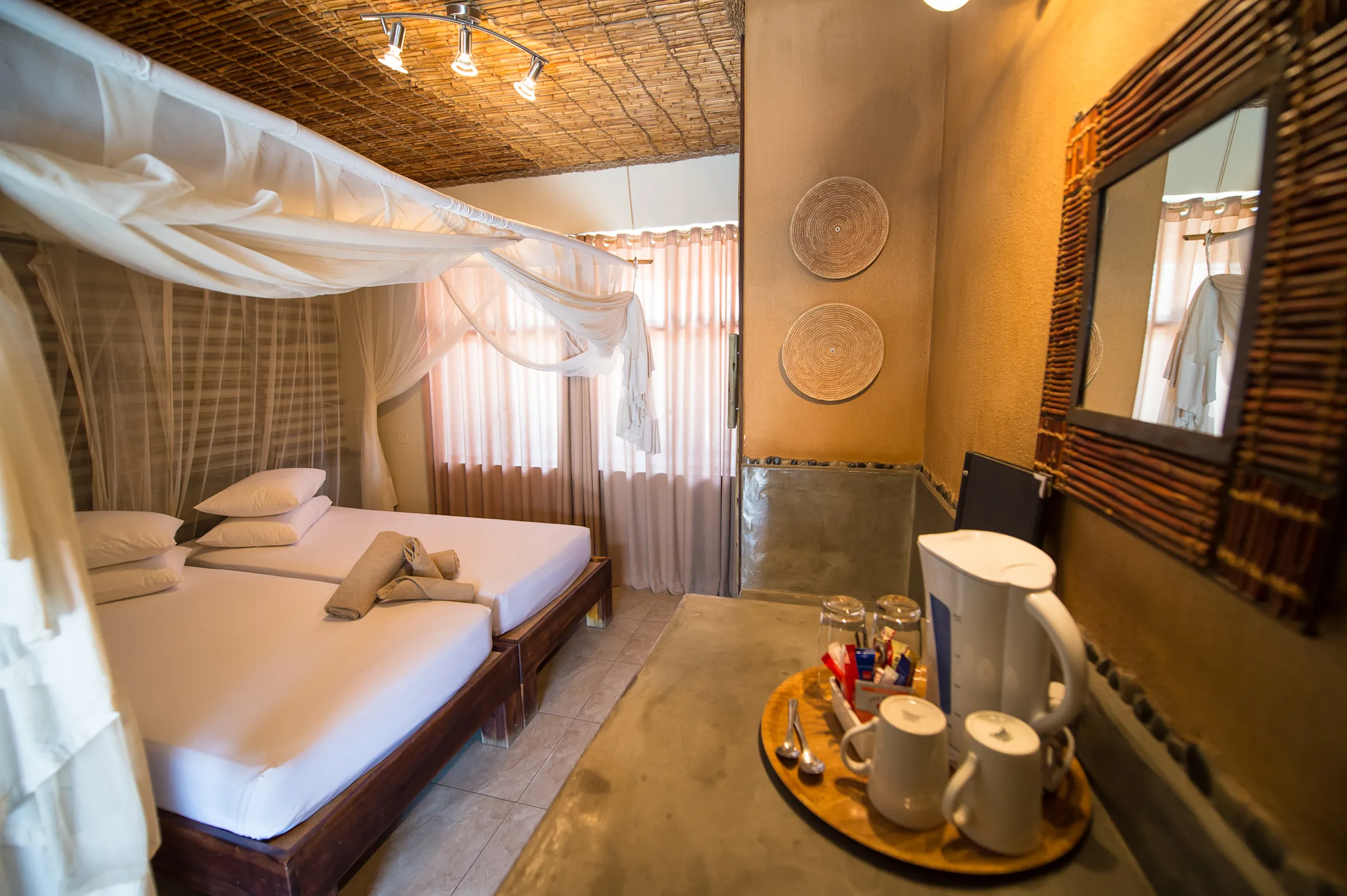
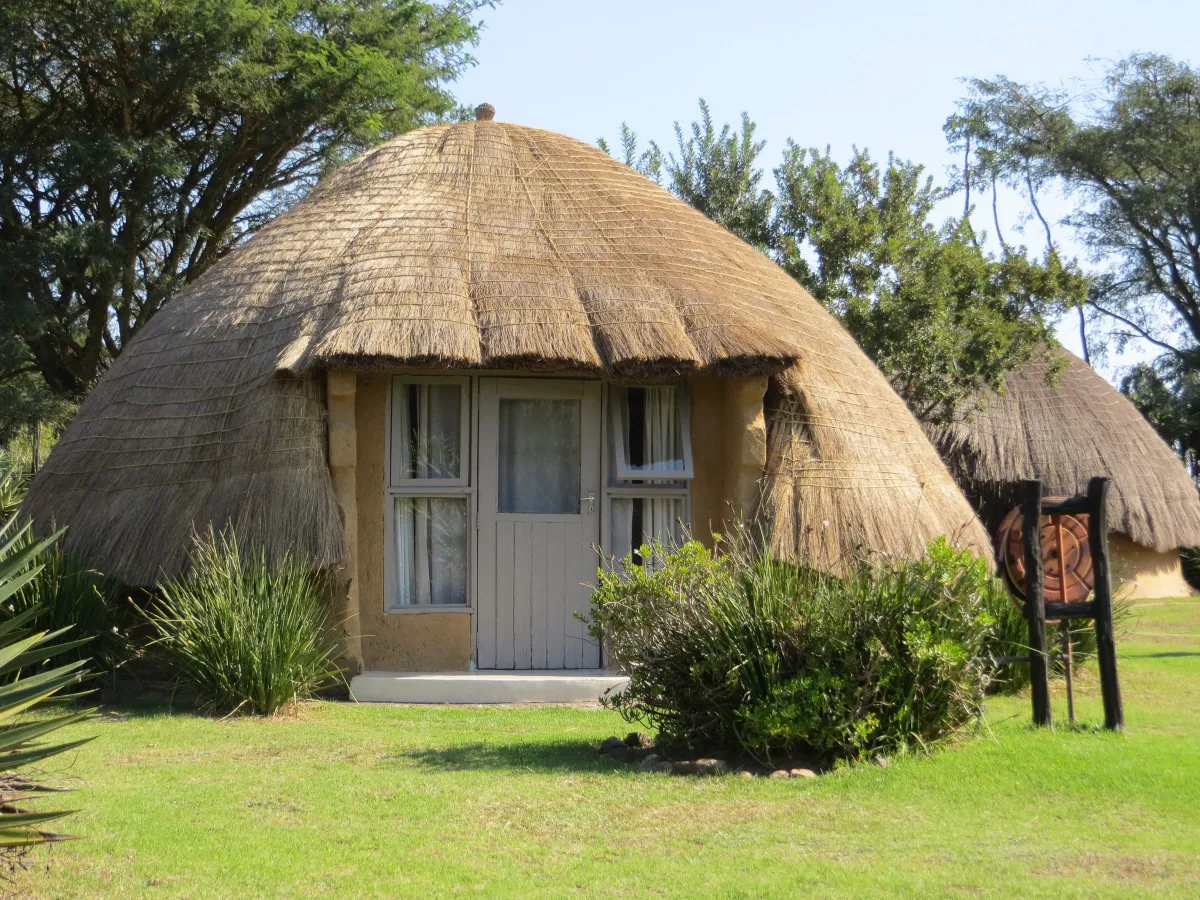
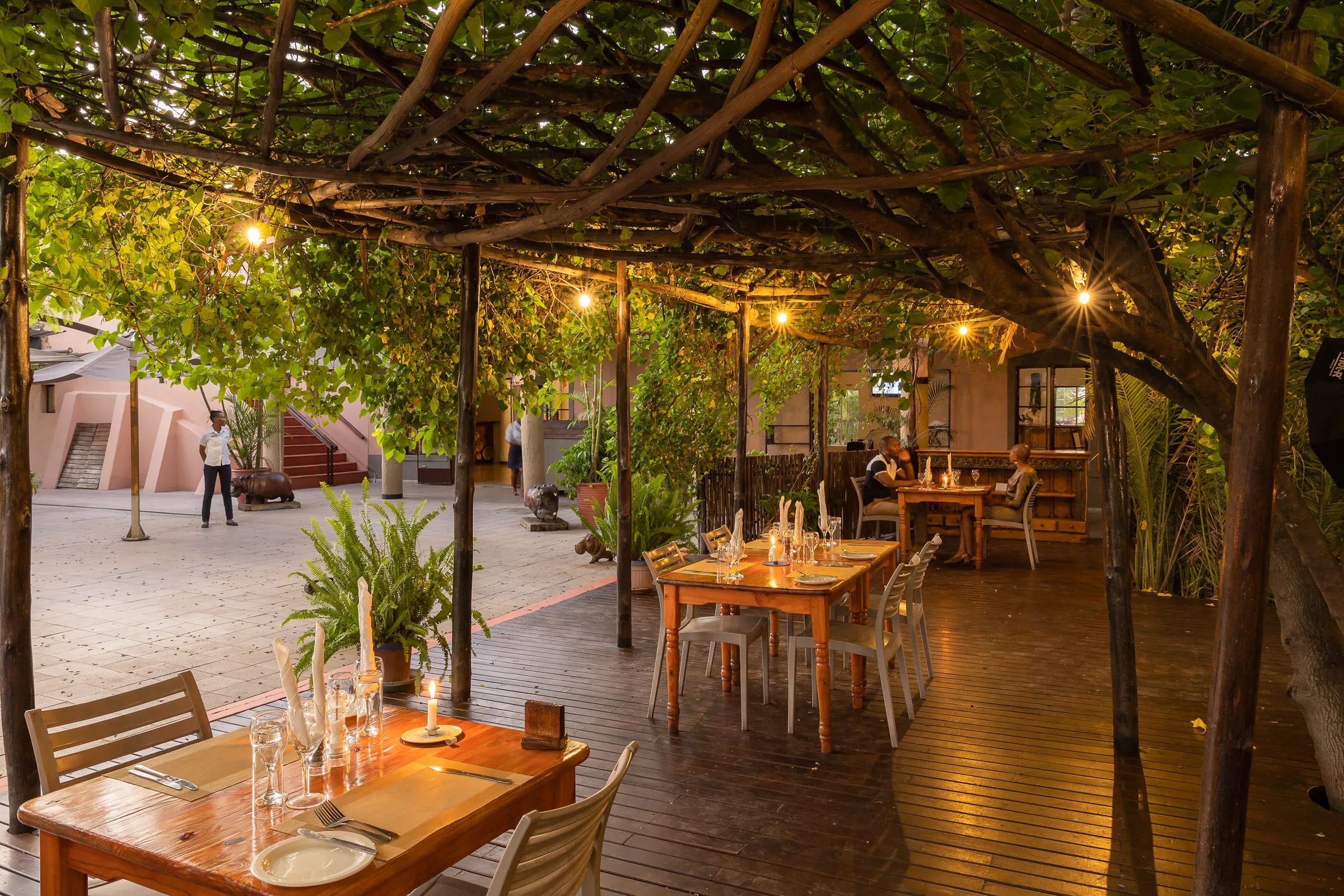
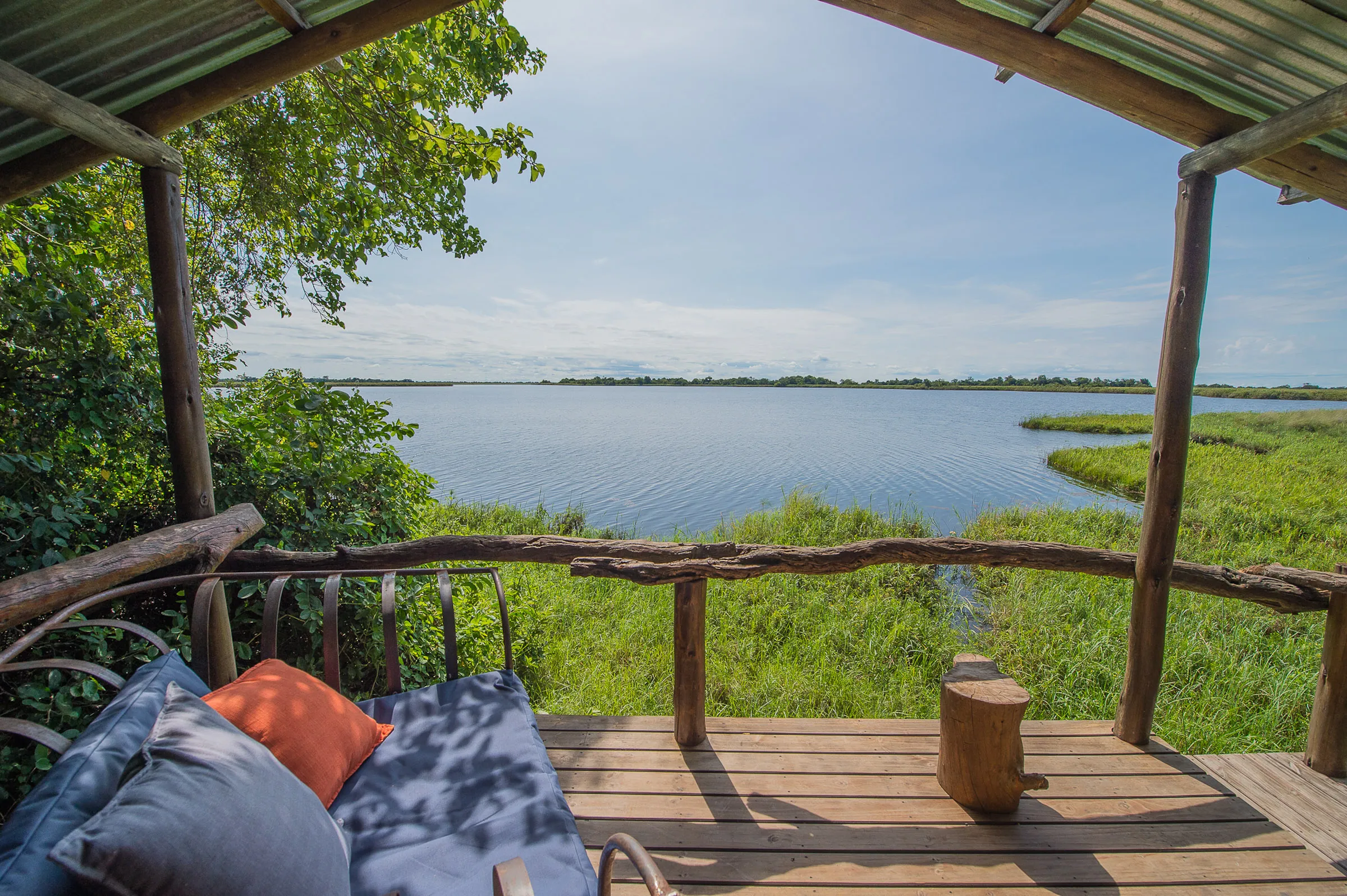
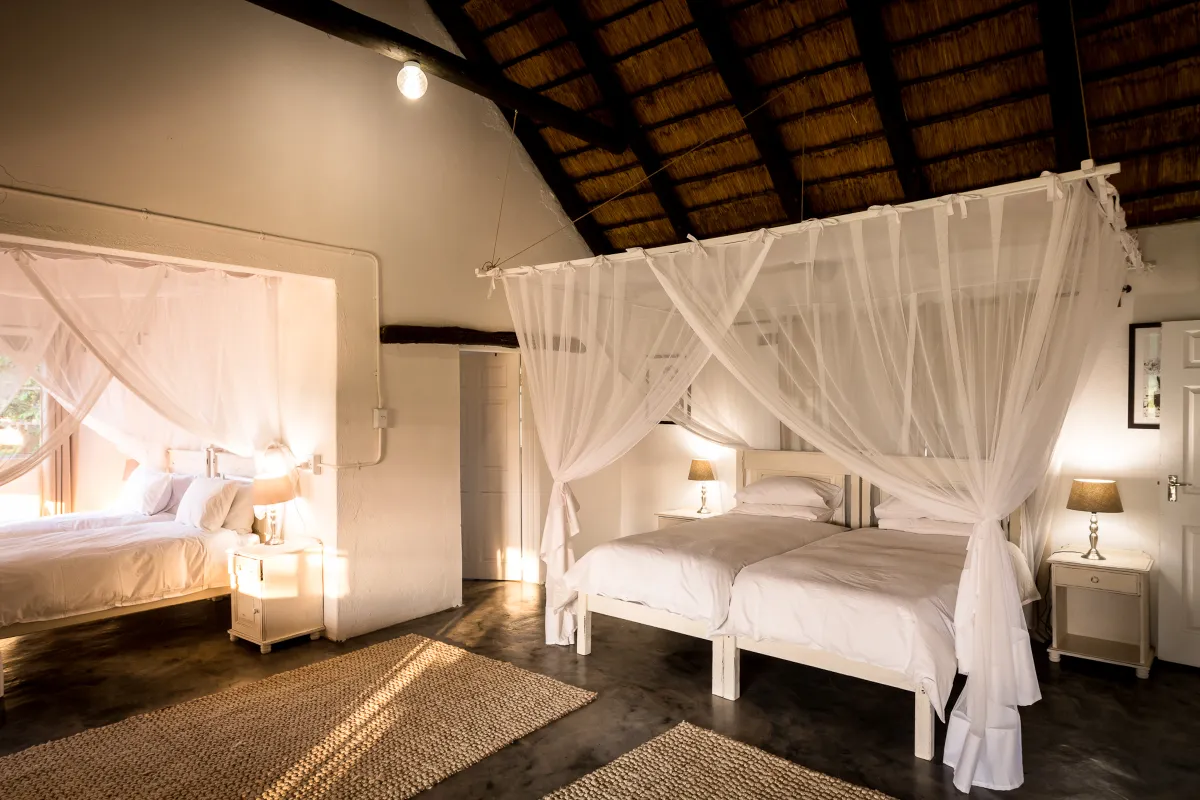
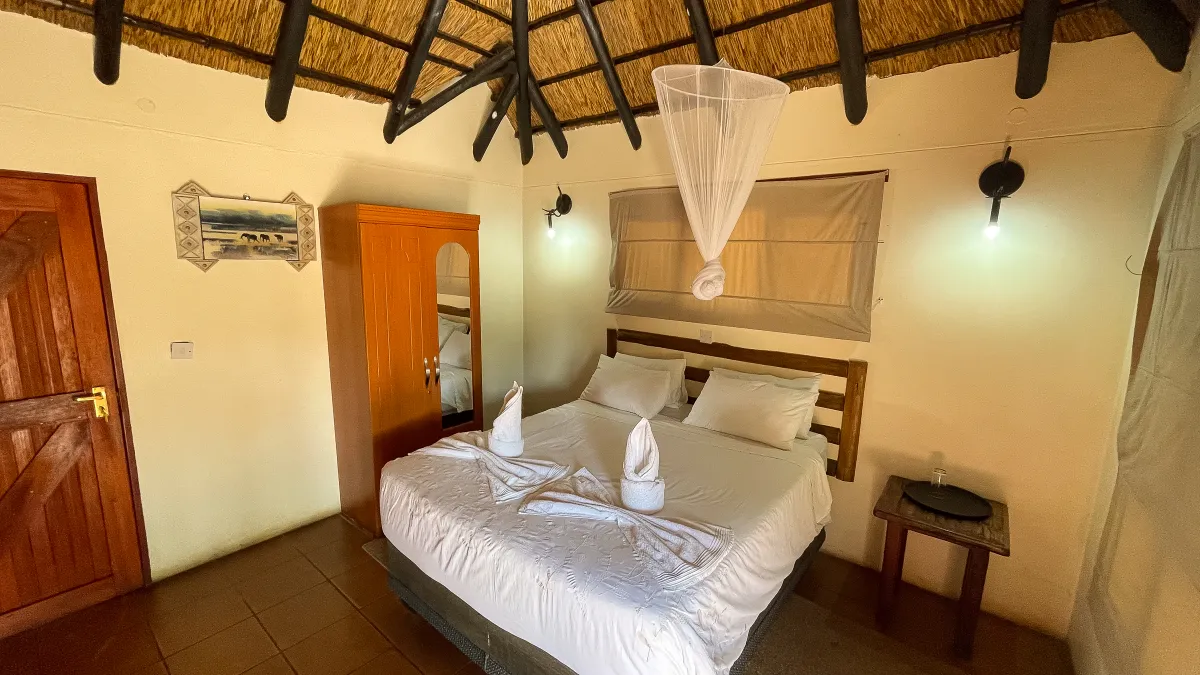
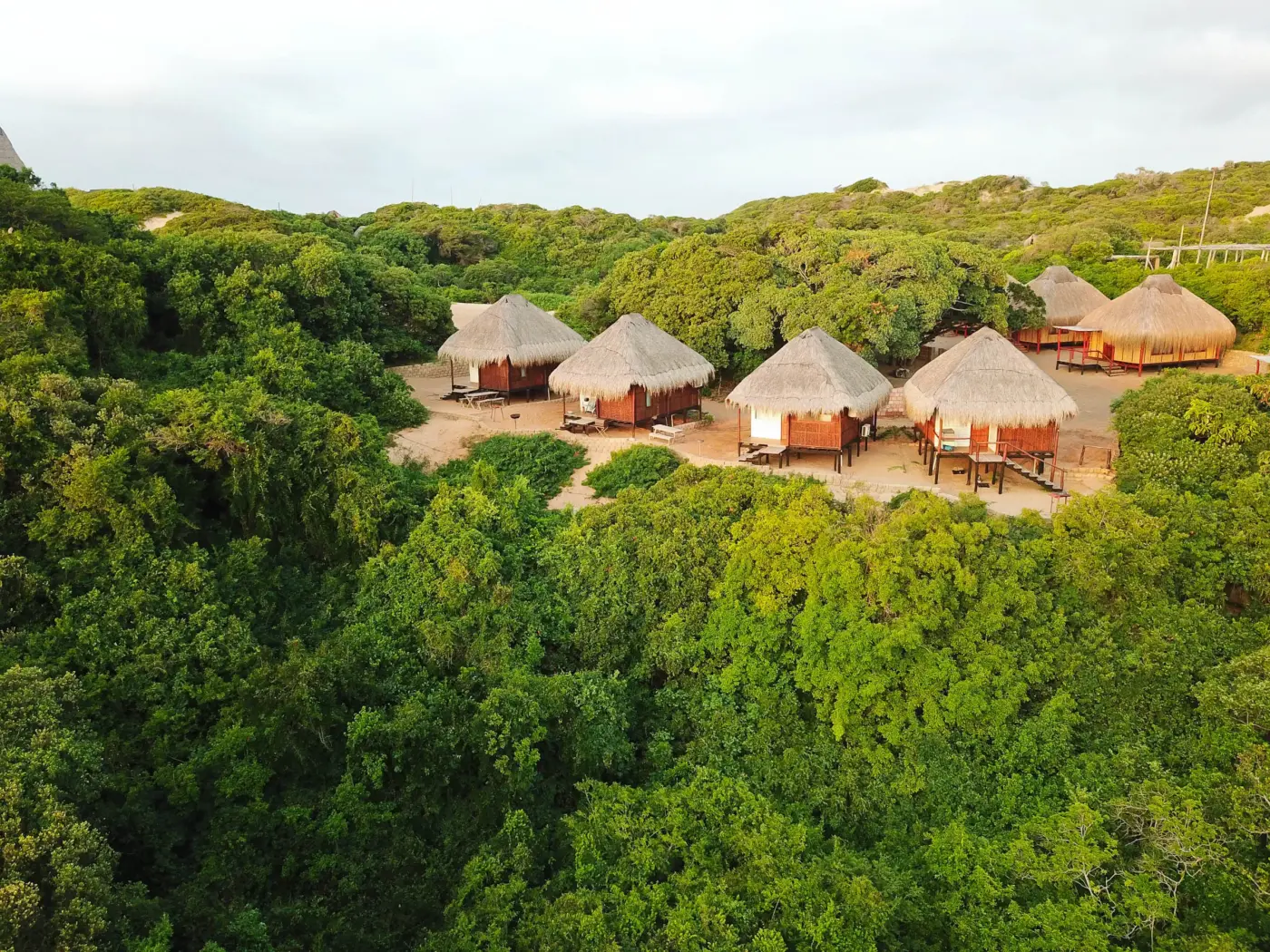
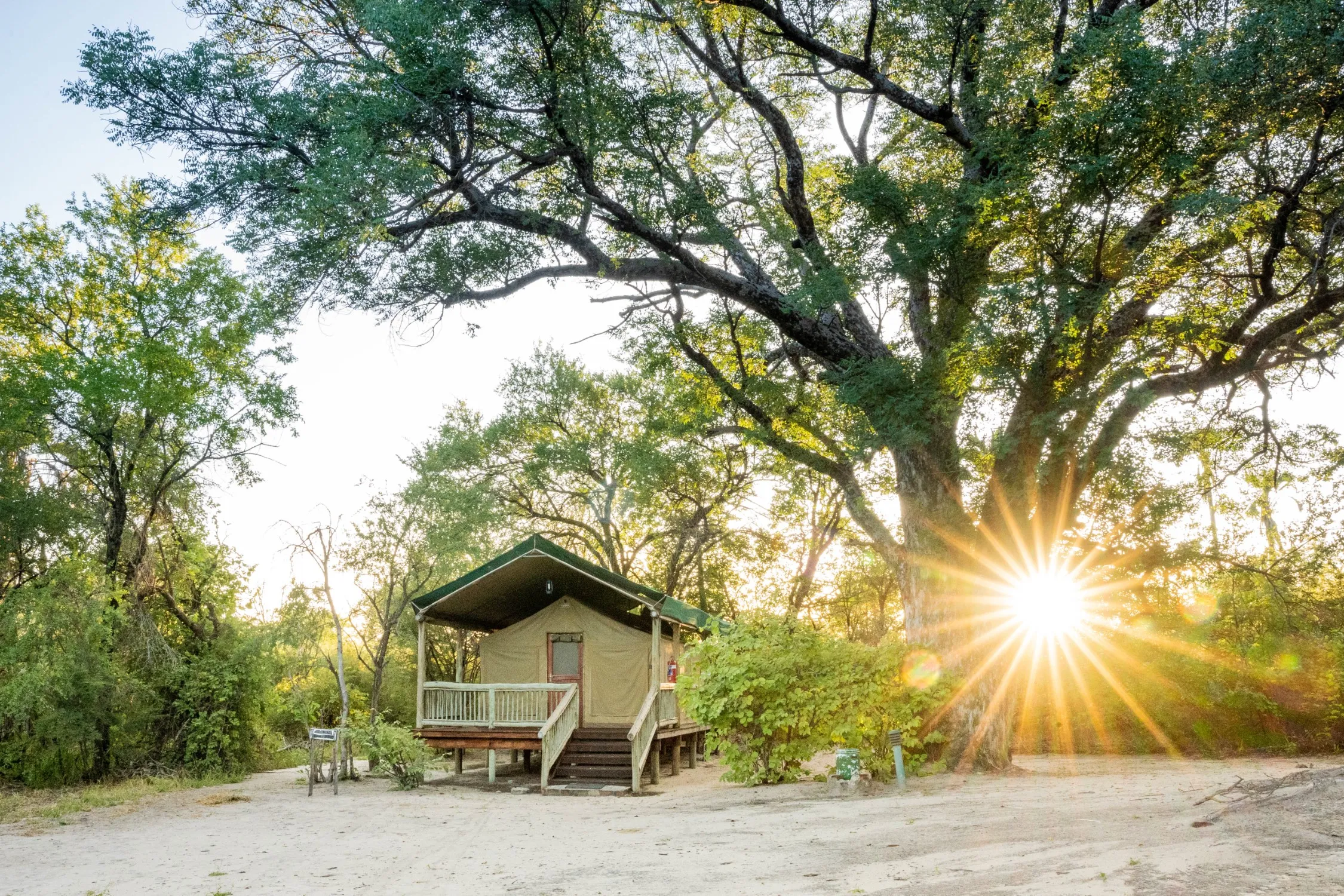
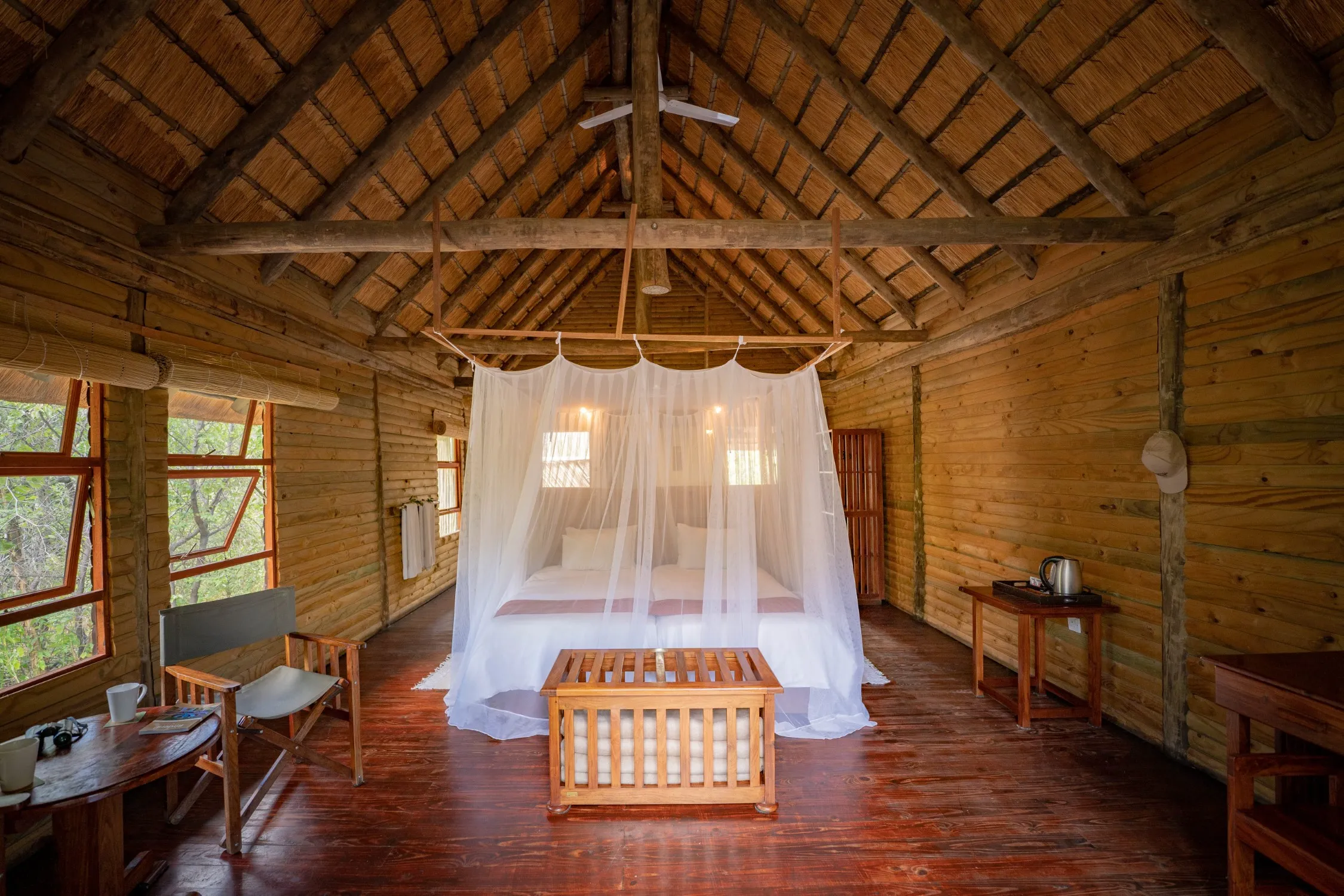
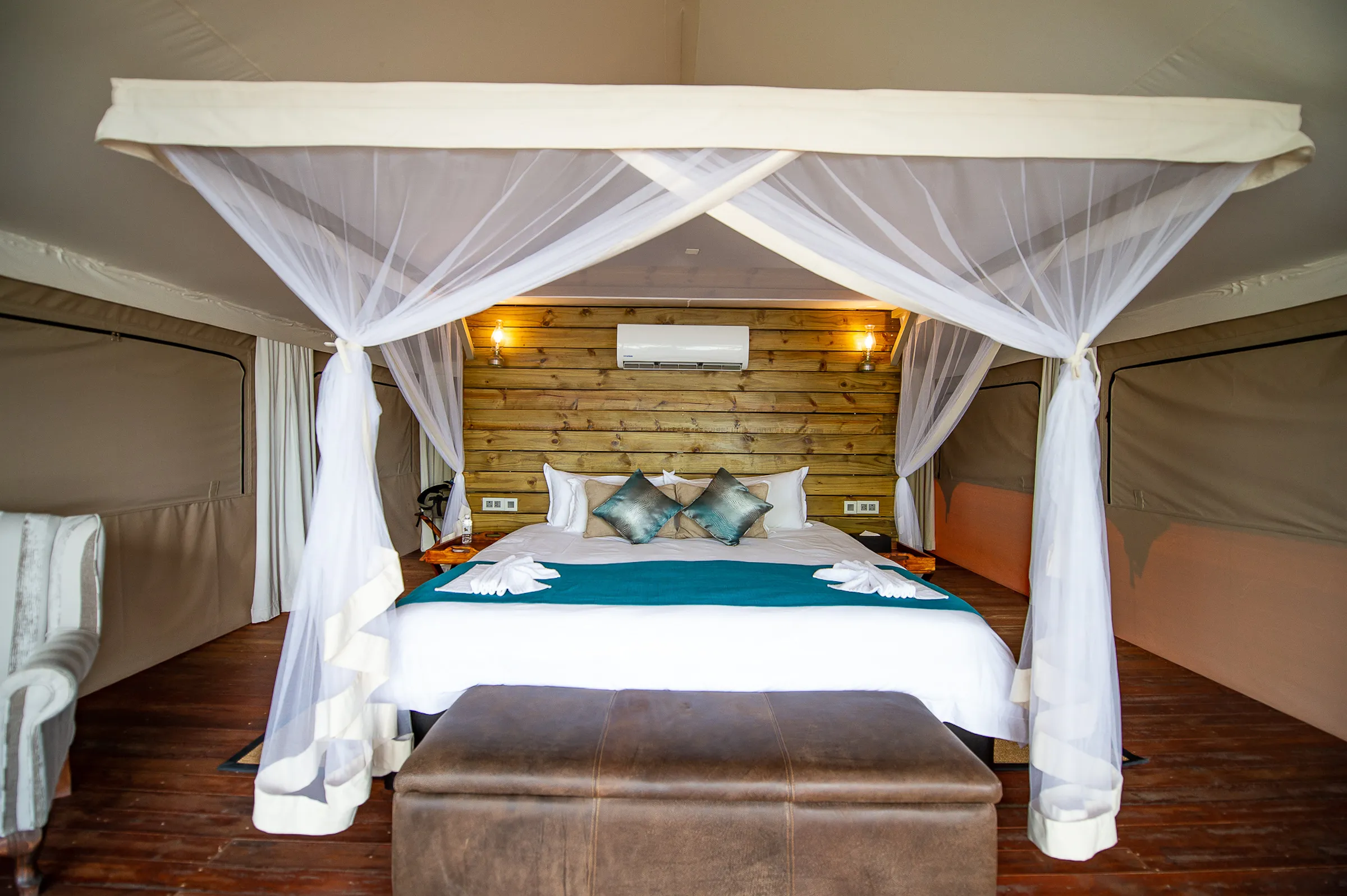
- 18 nights in small lodges, permanent tents & guesthouses, 2 nights tented camp
- Use of all equipment
Highlights
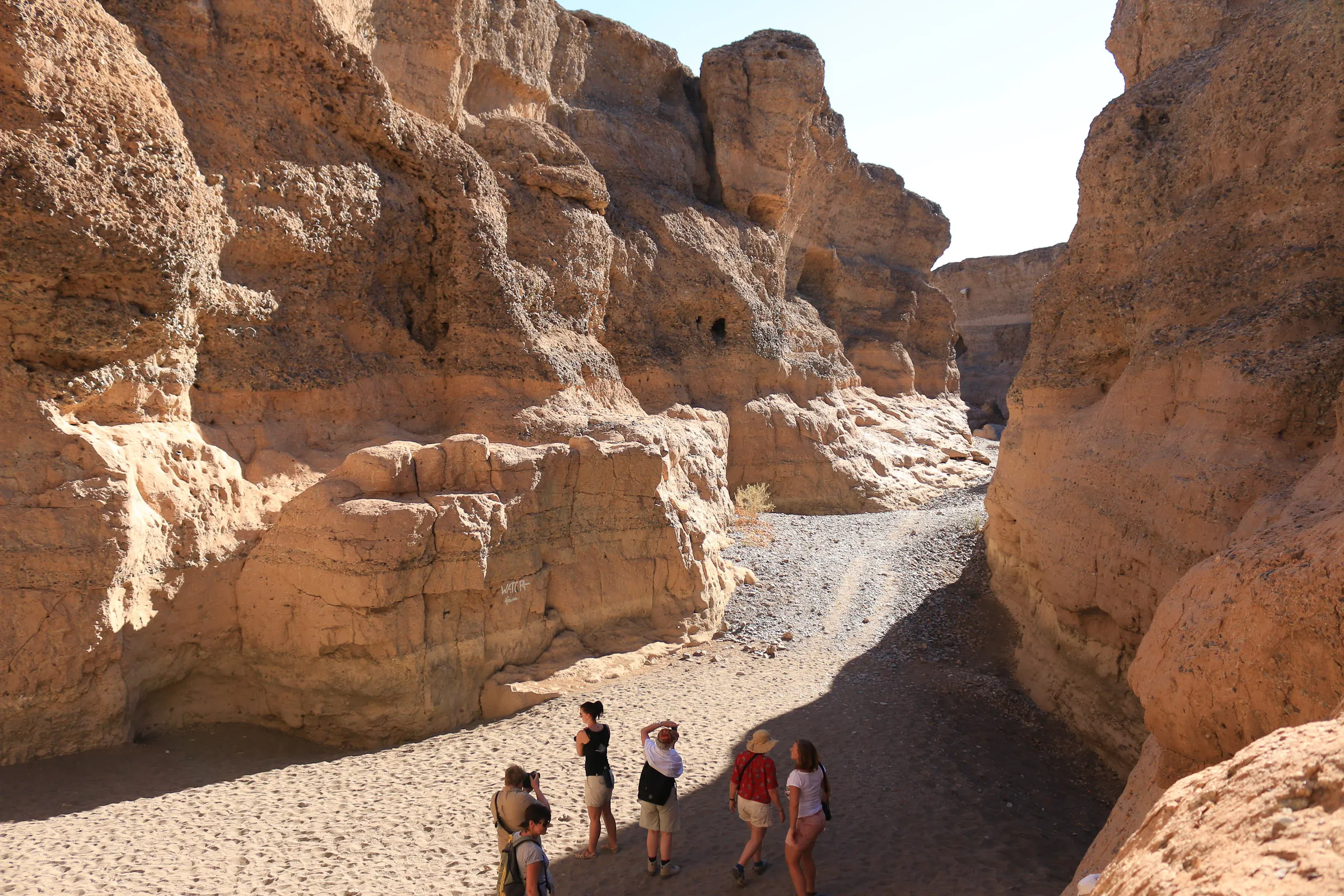
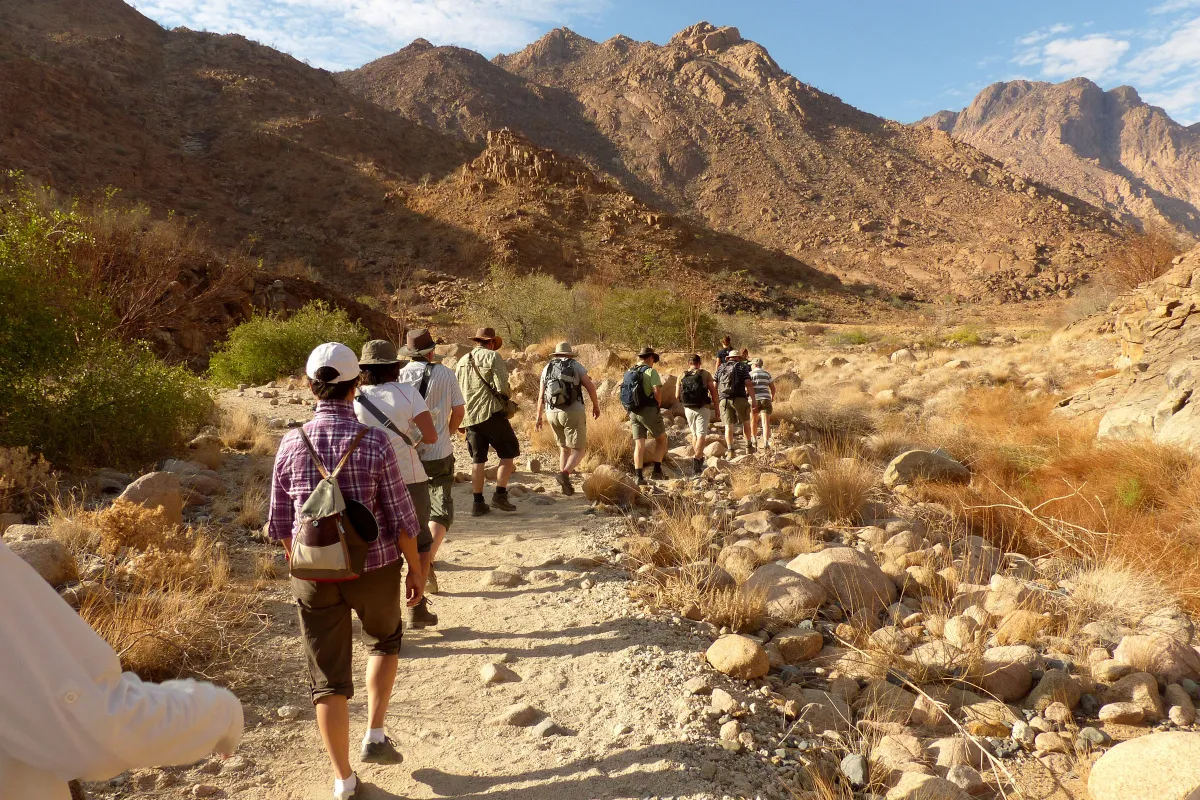
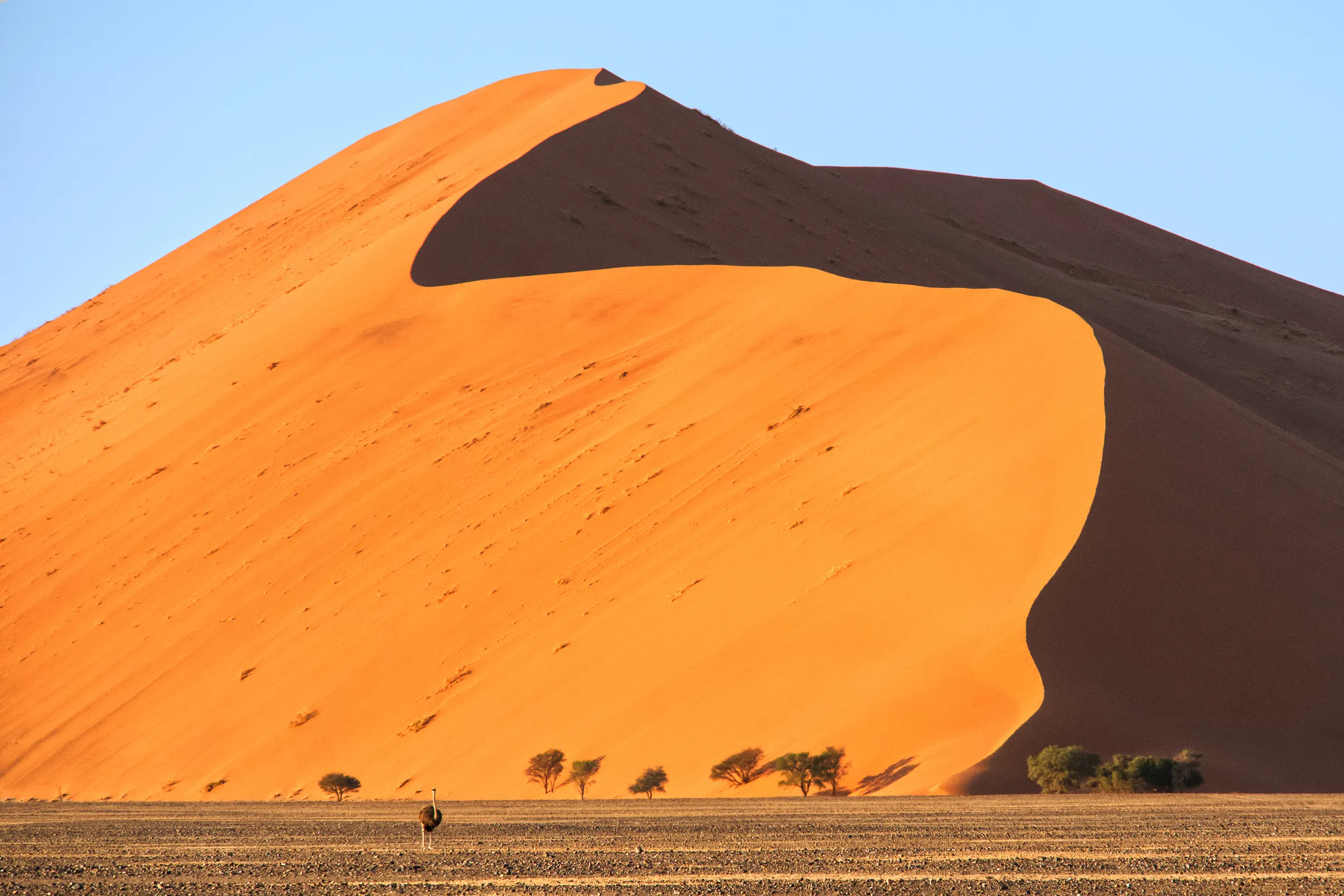
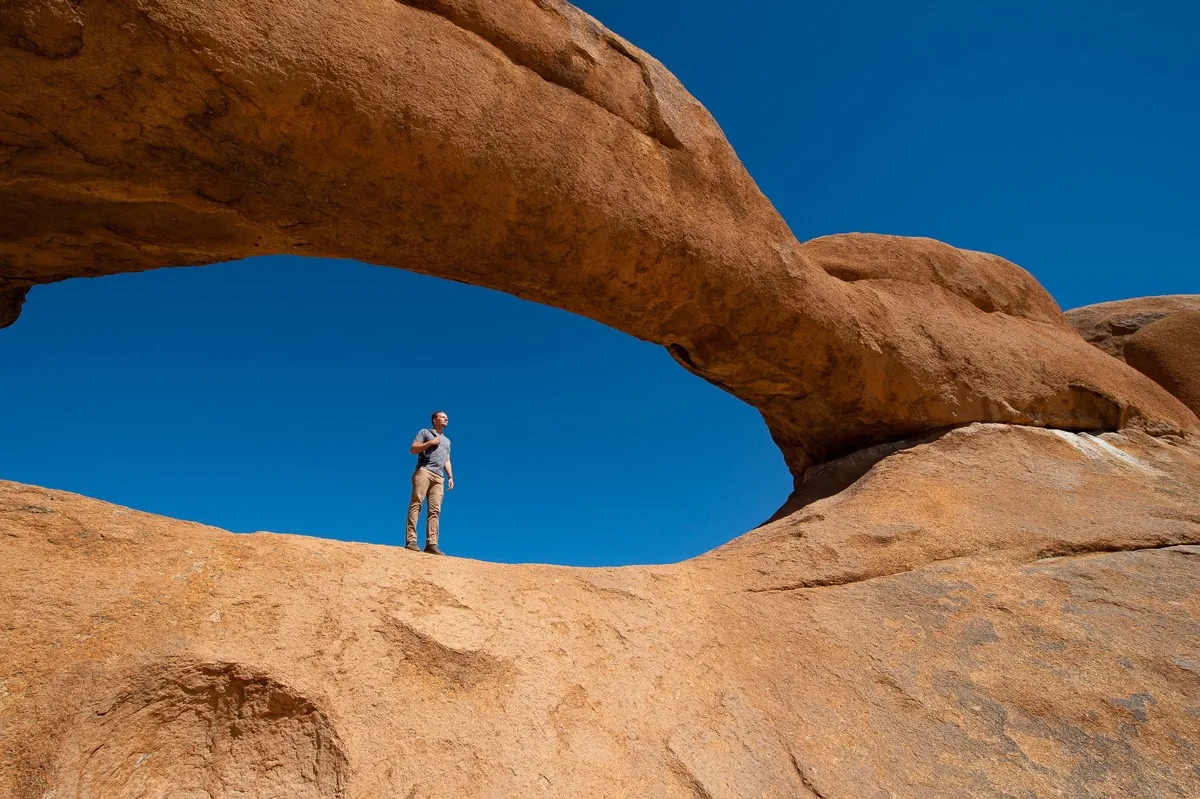
- Namib Desert – Dune walk
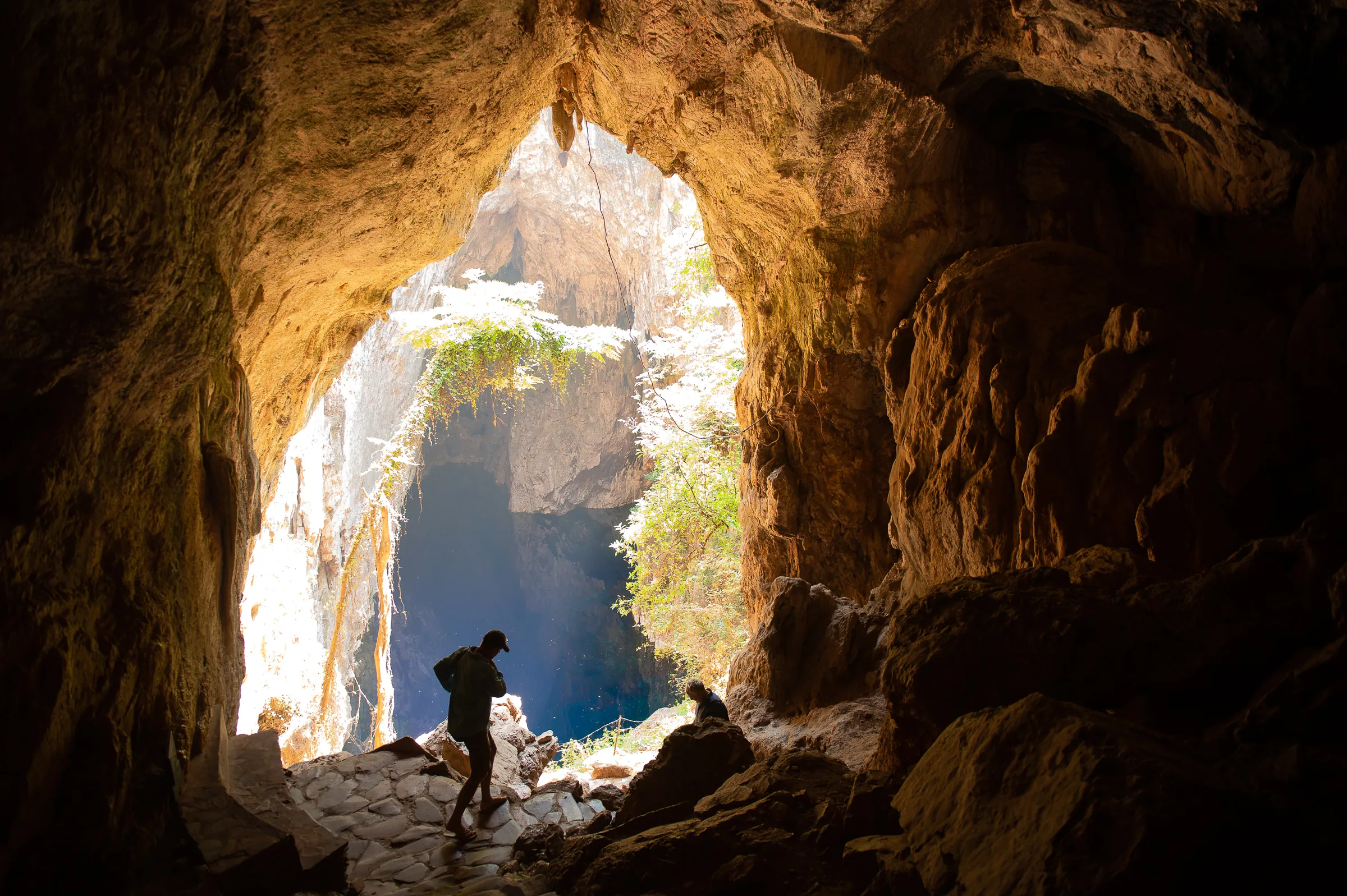
- Brandberg Massif – rock paintings
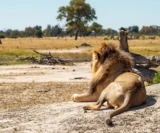
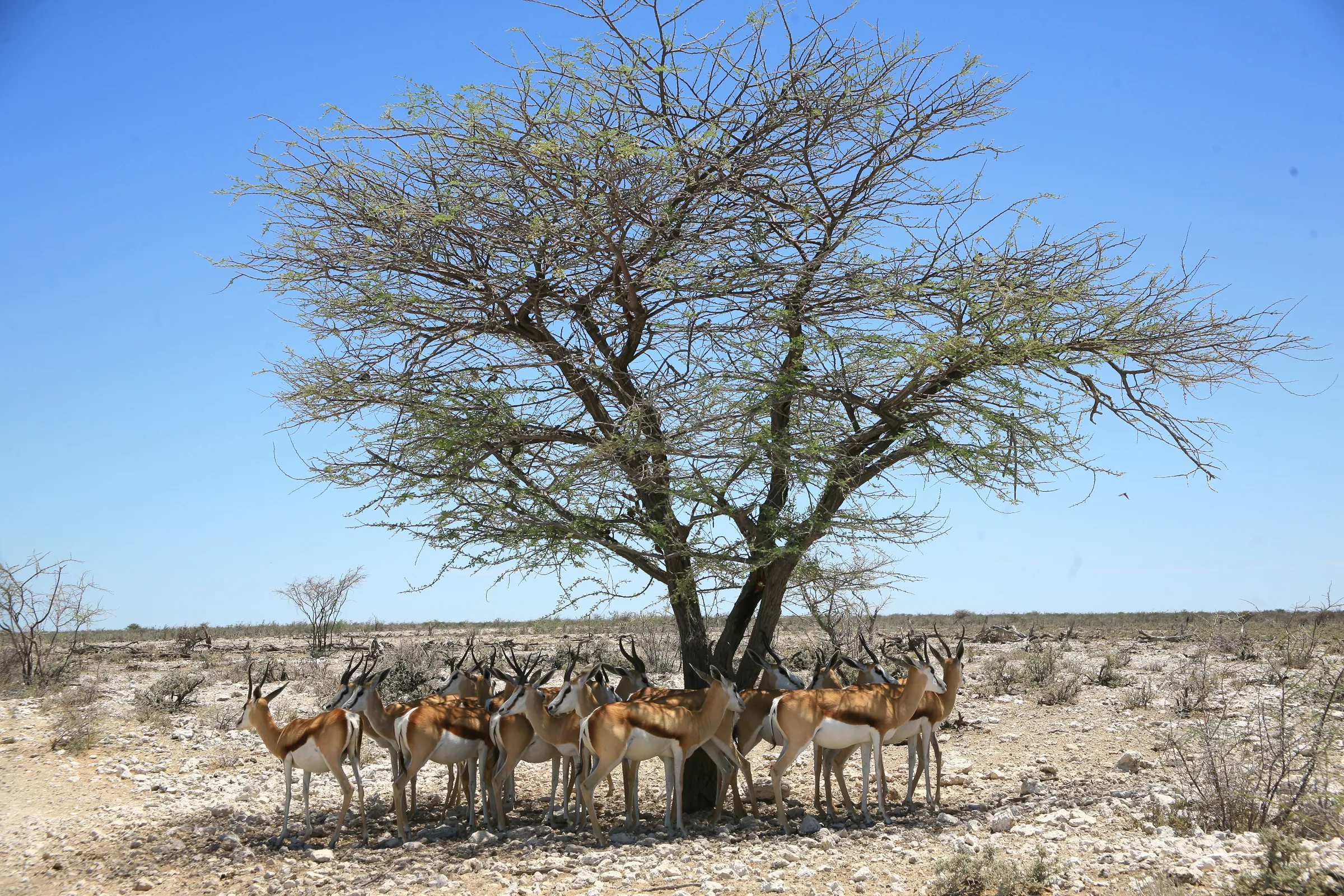
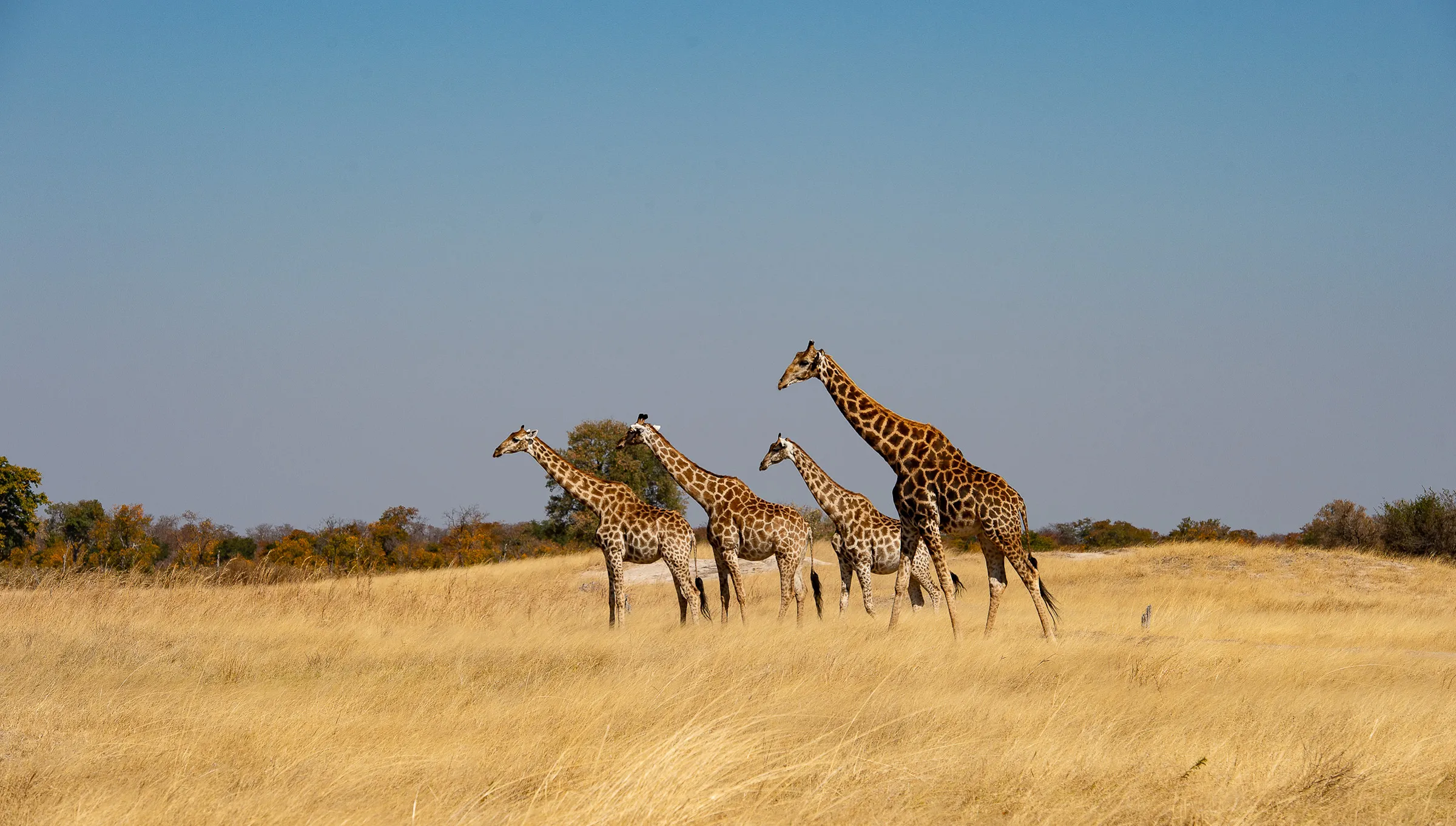
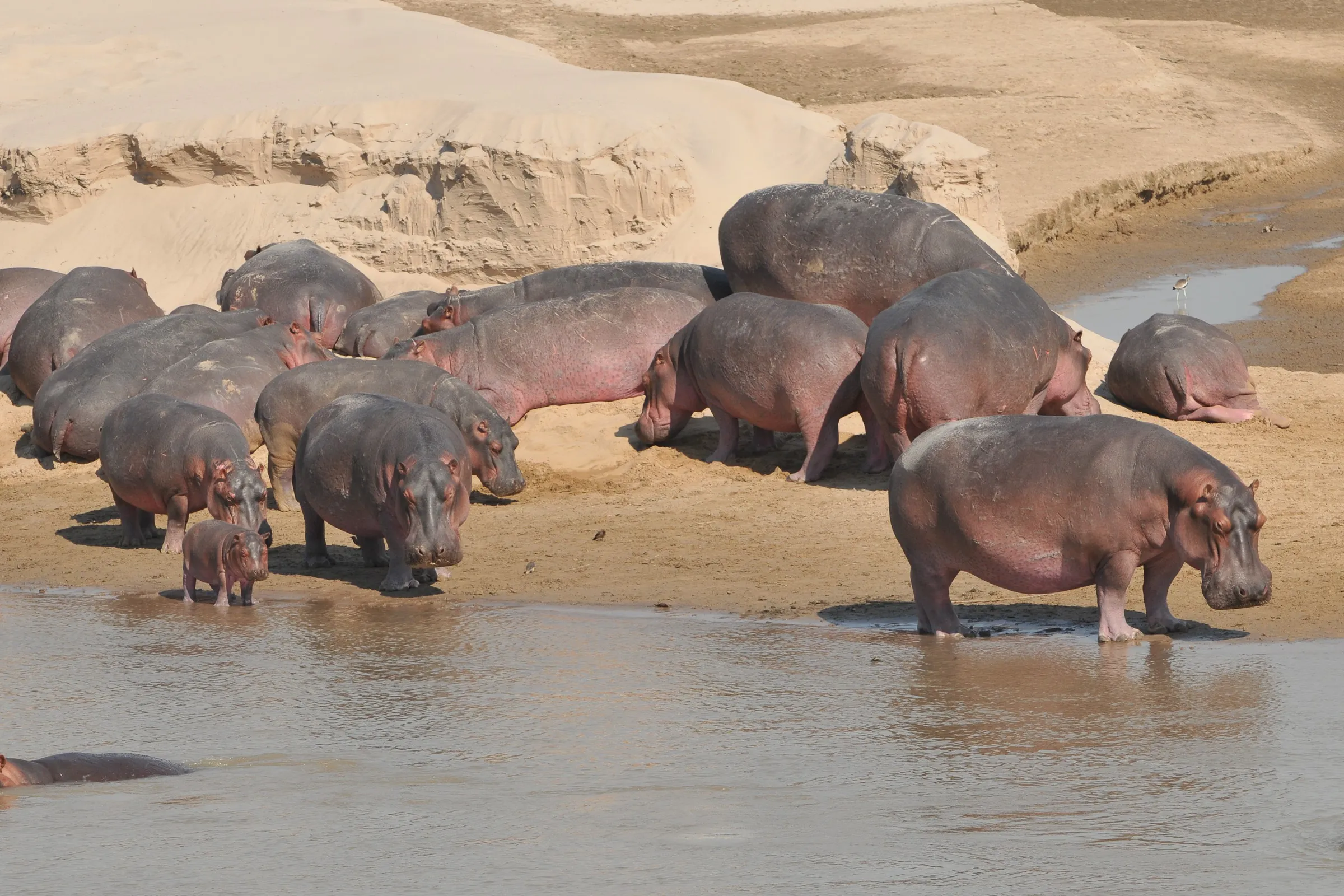
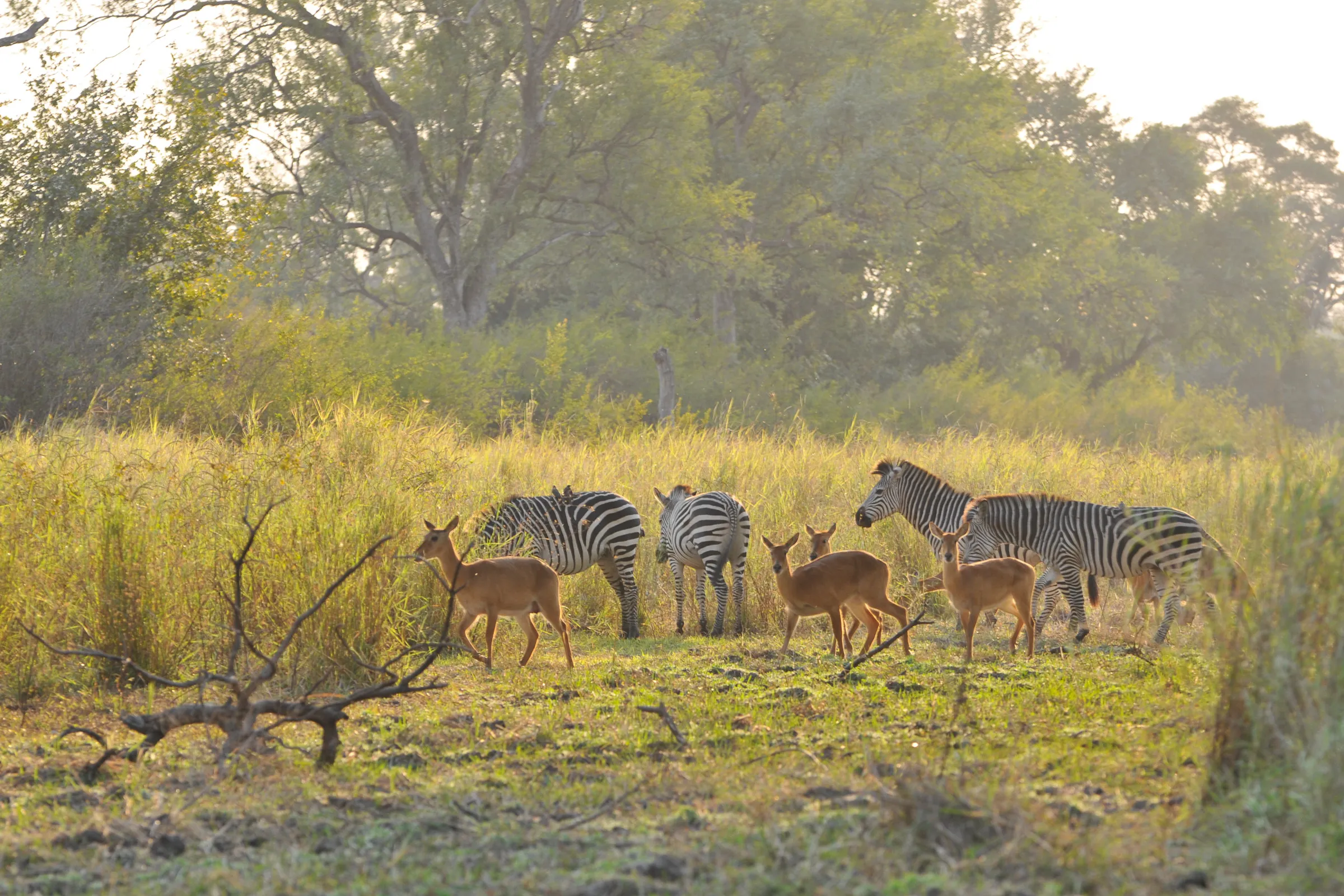
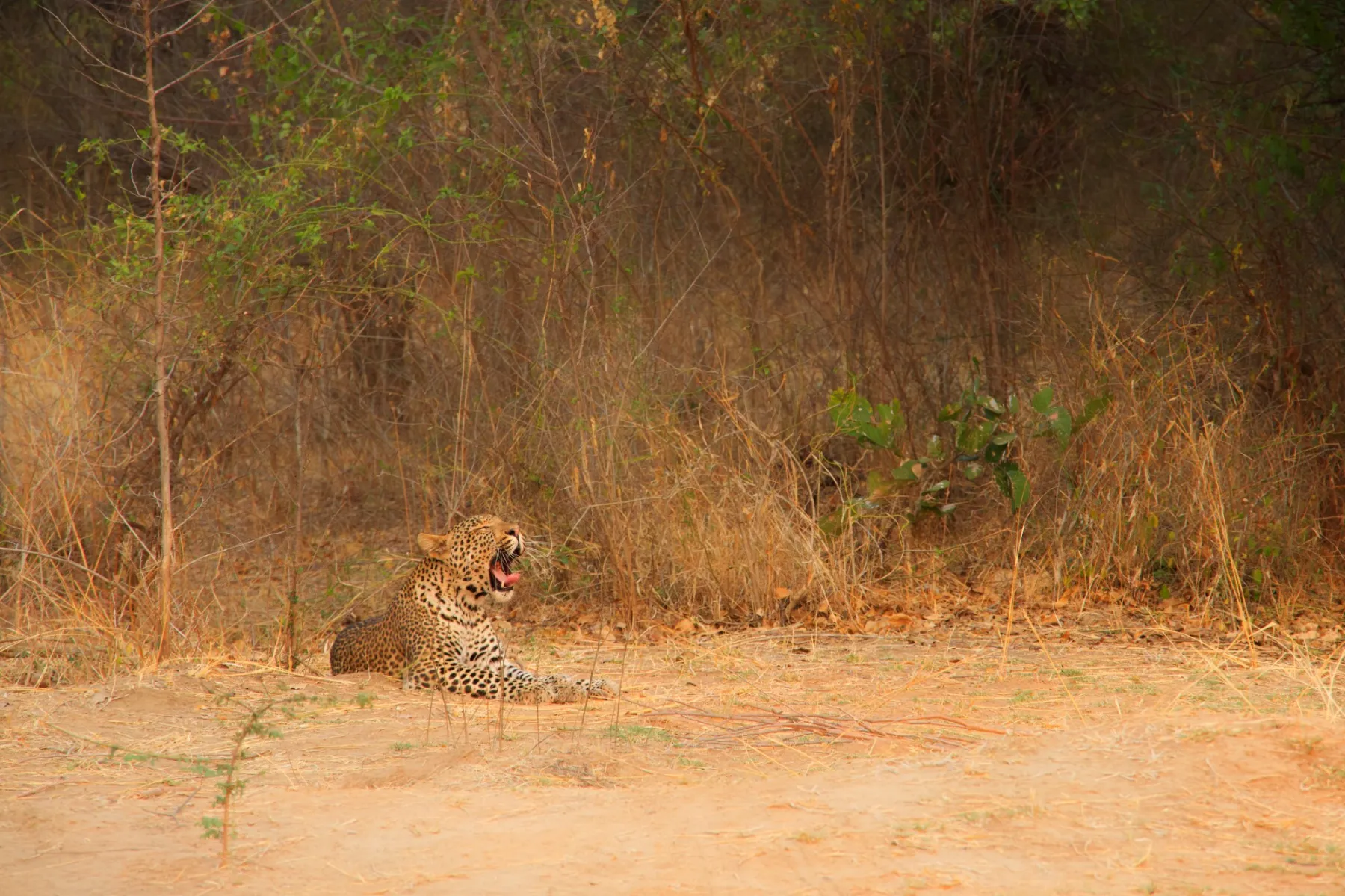
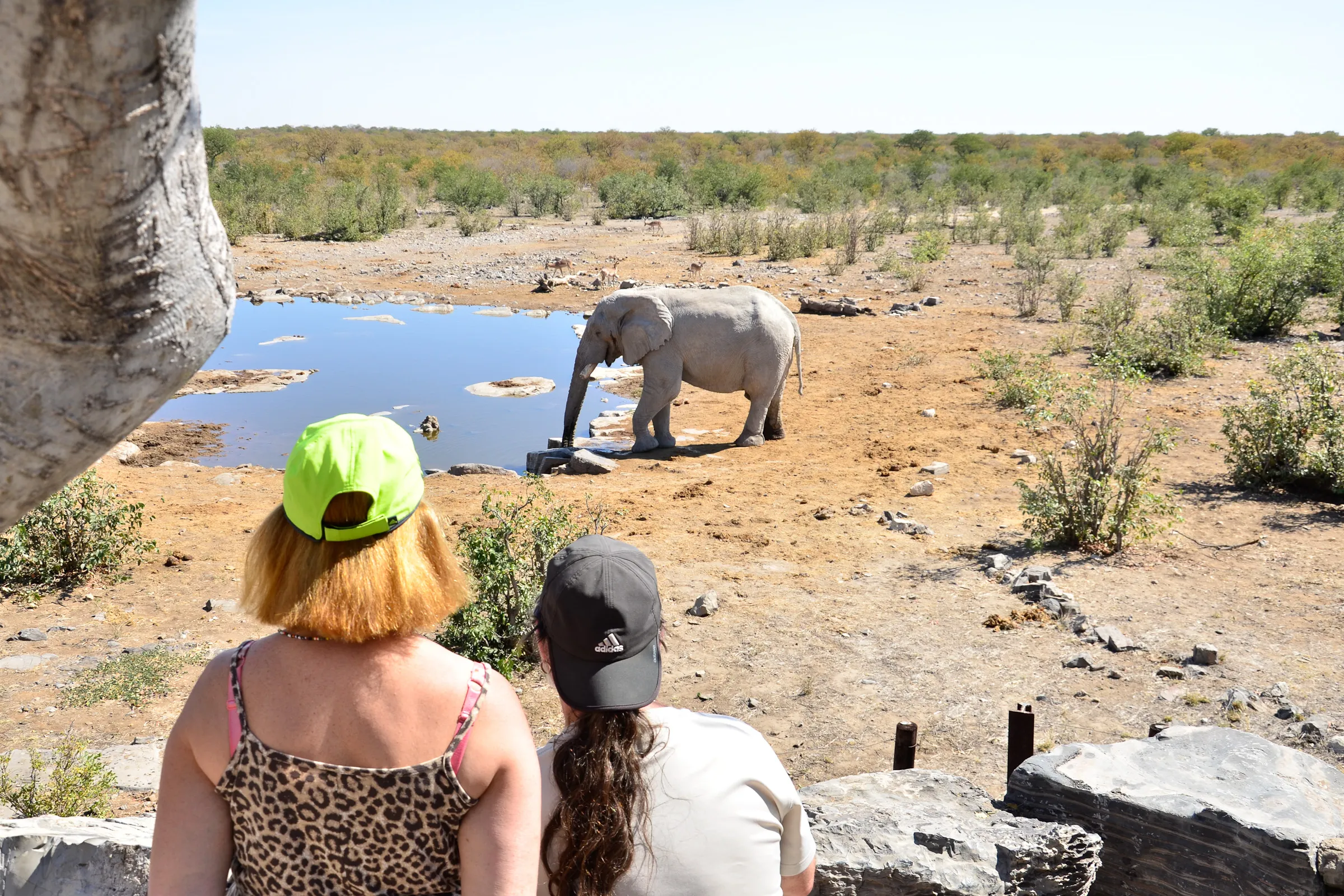
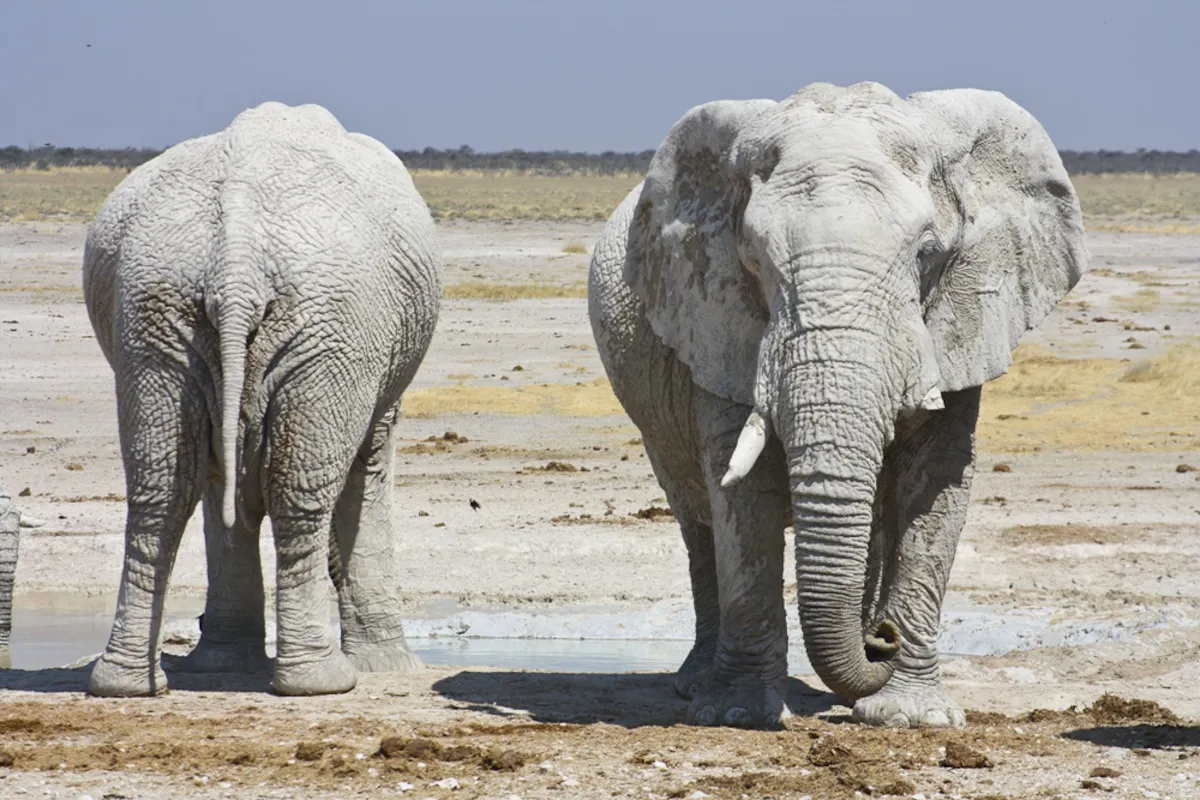
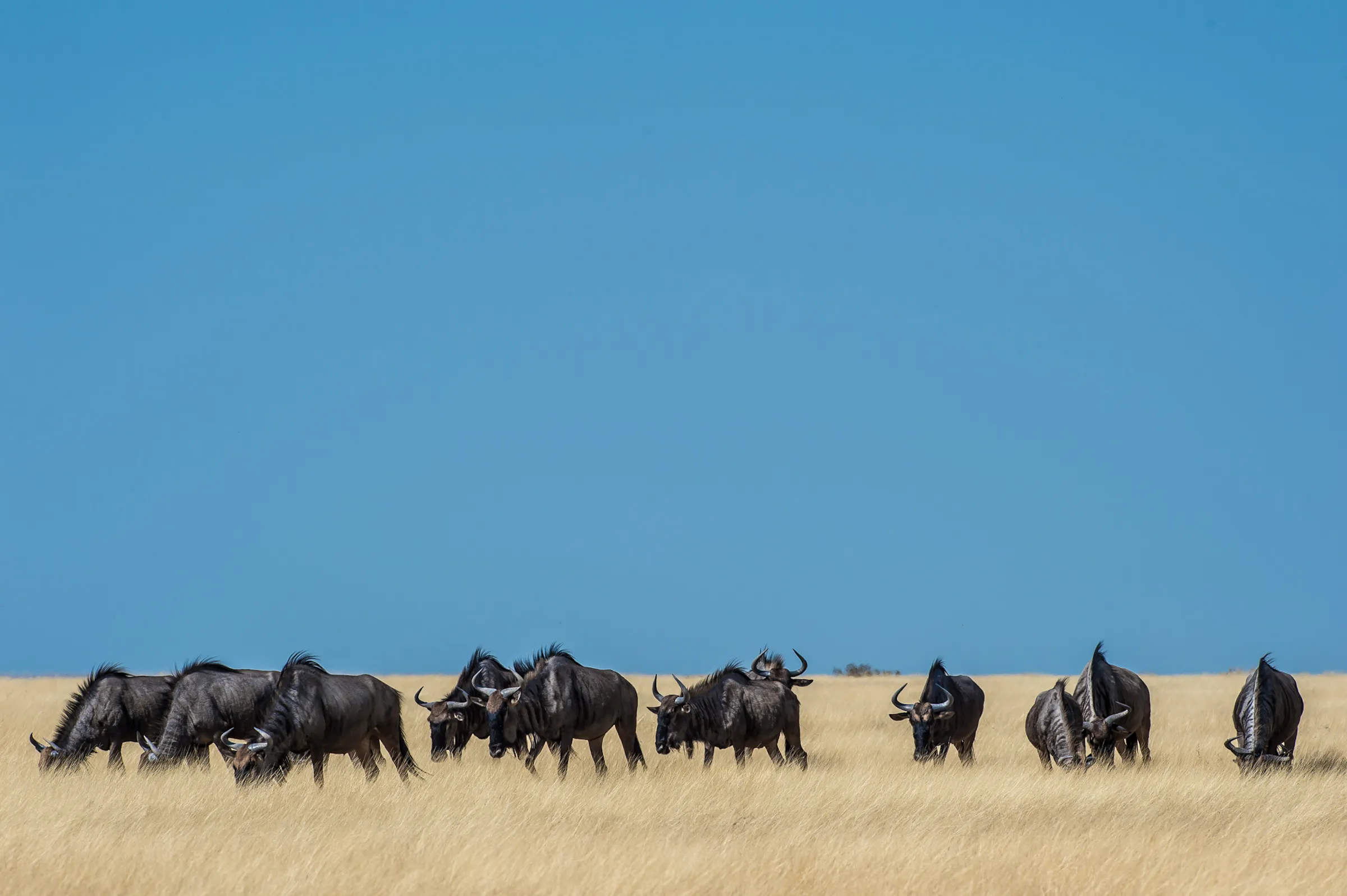
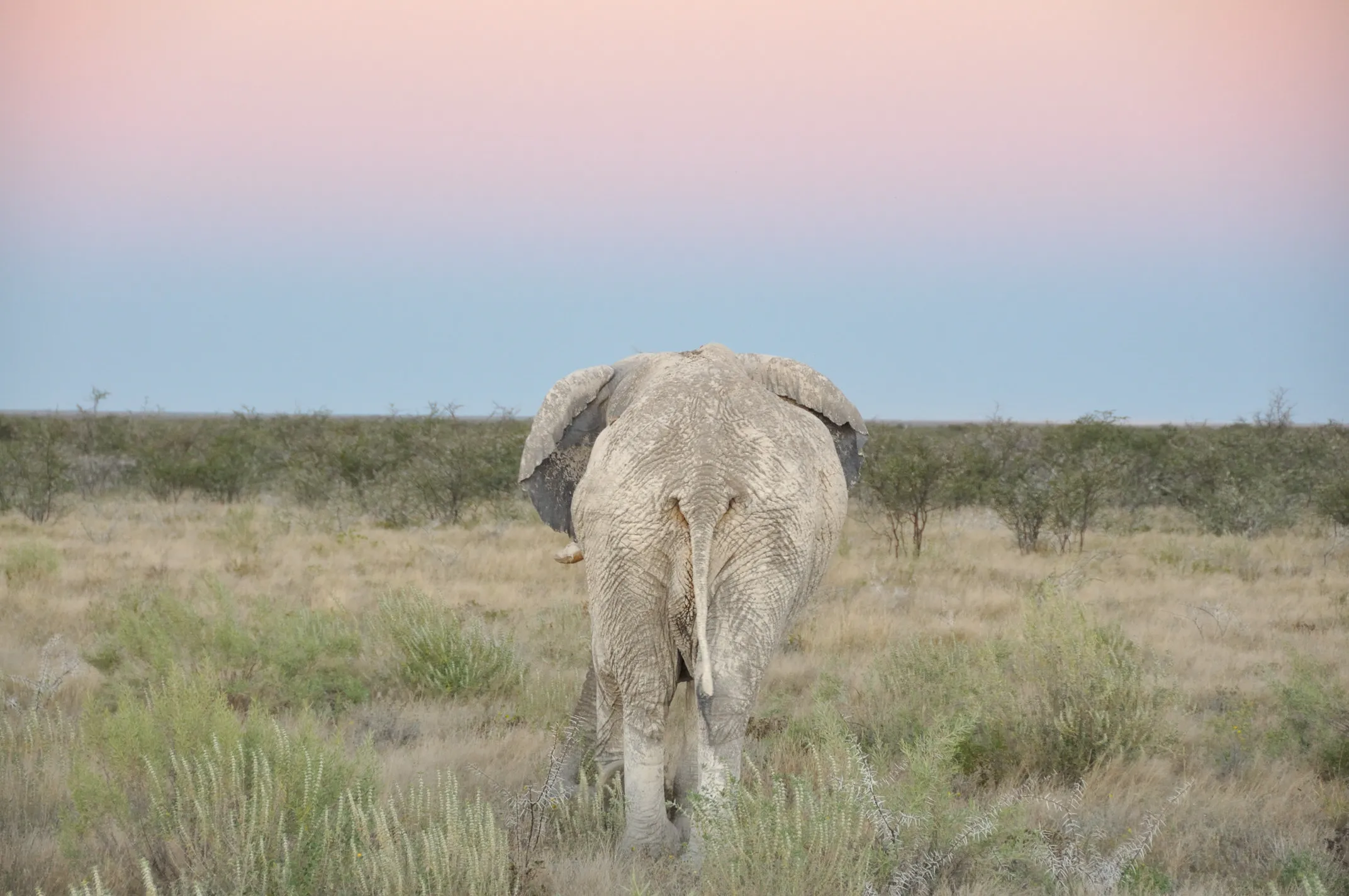
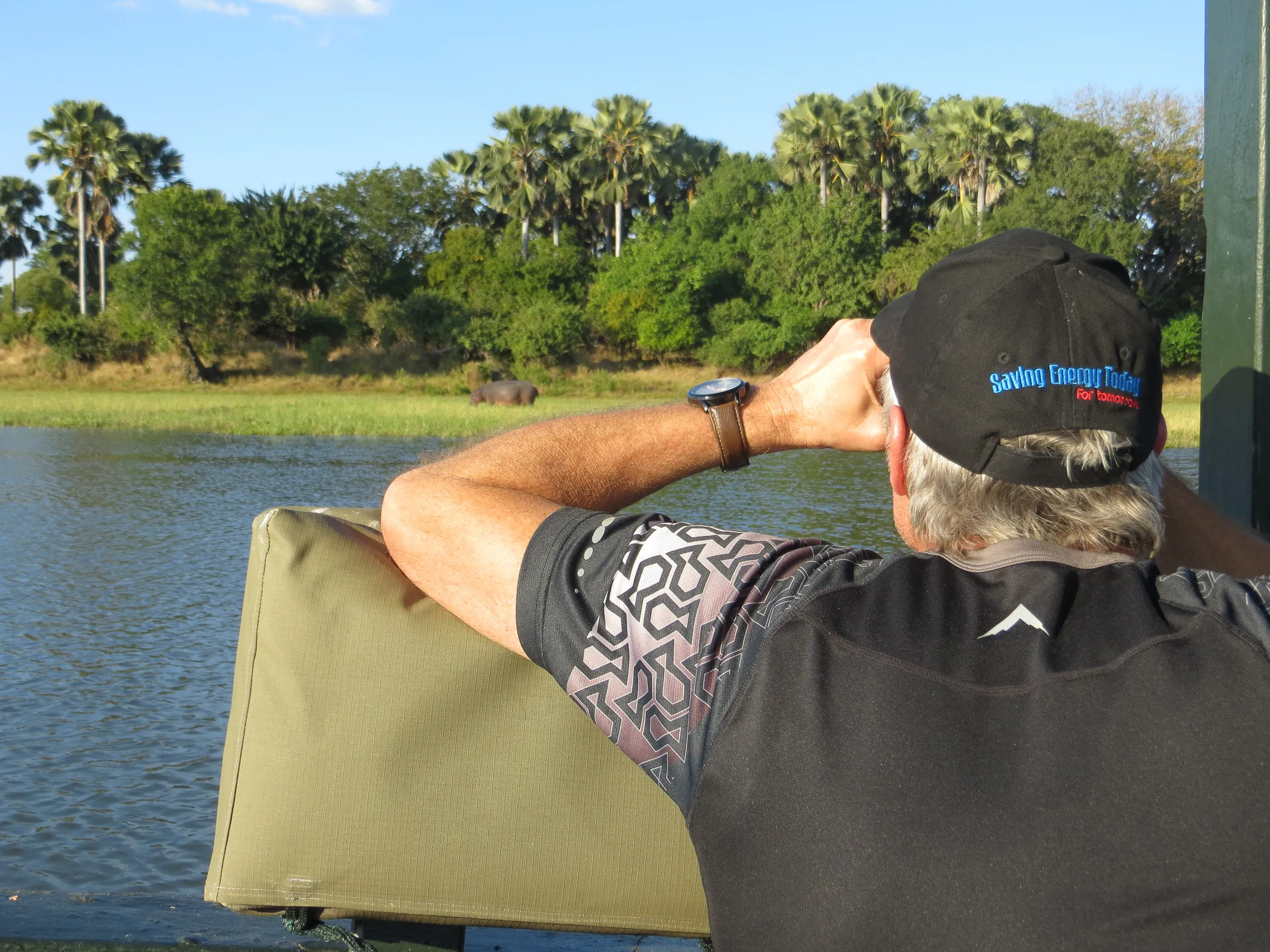
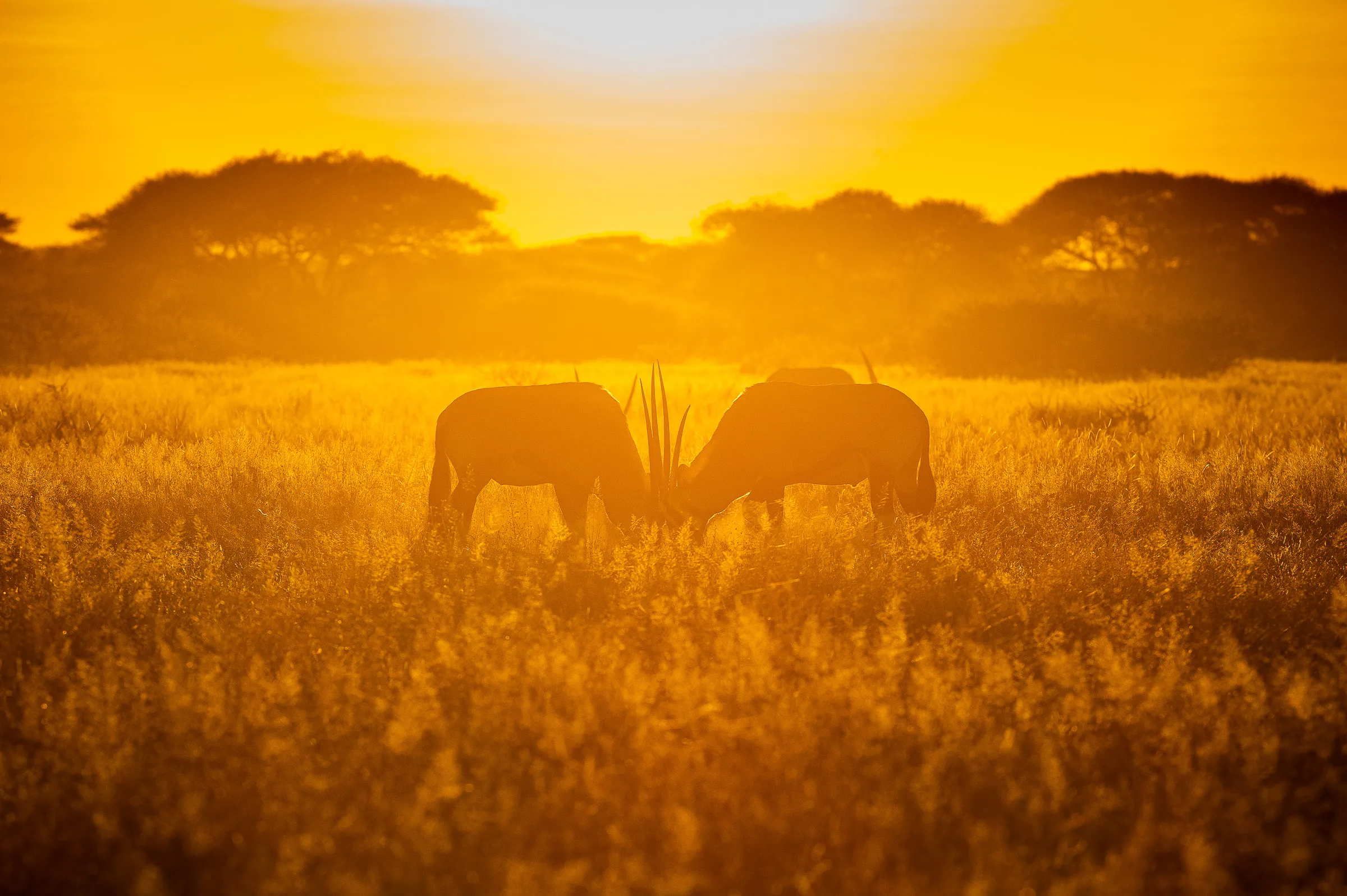
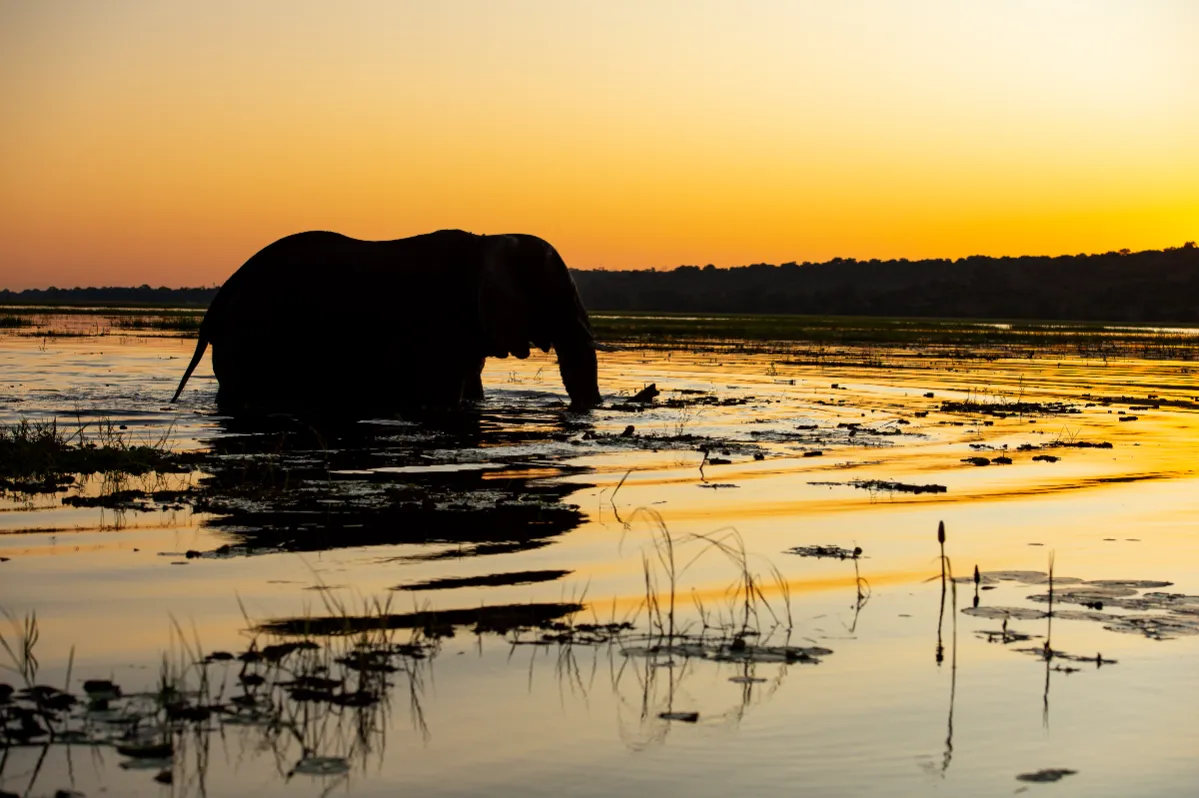
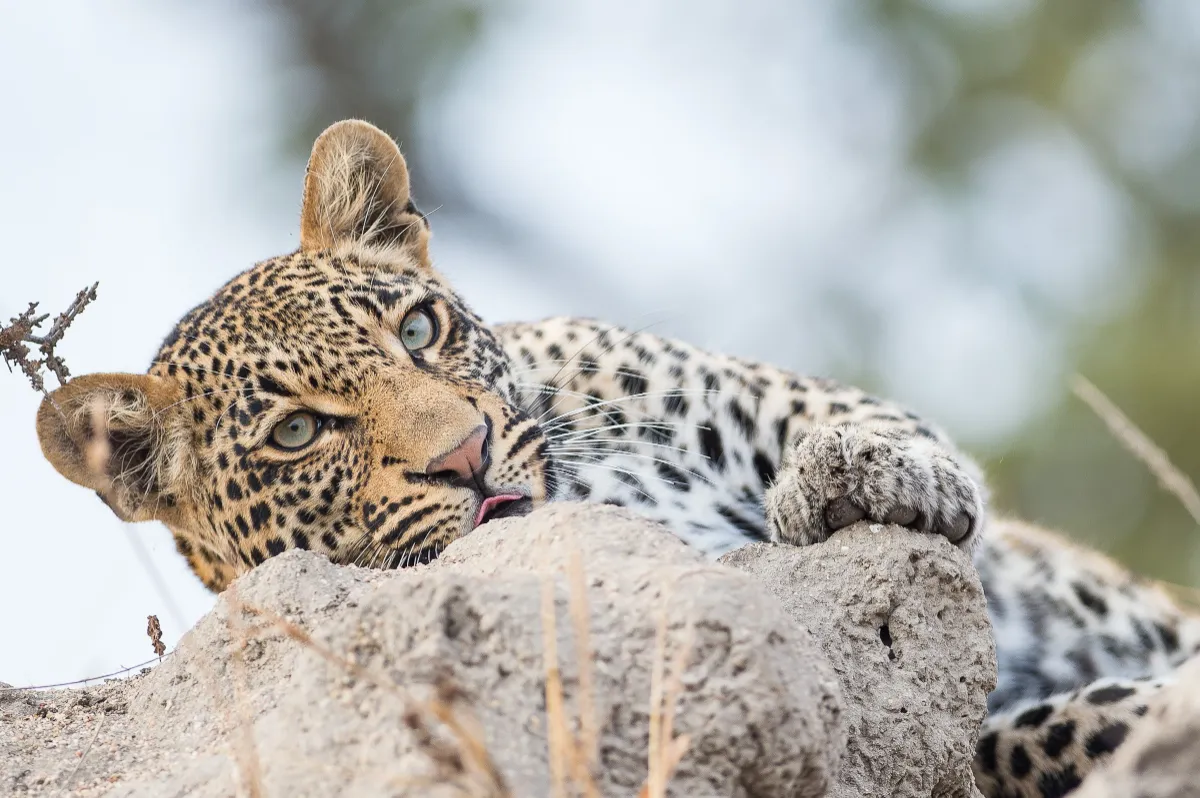
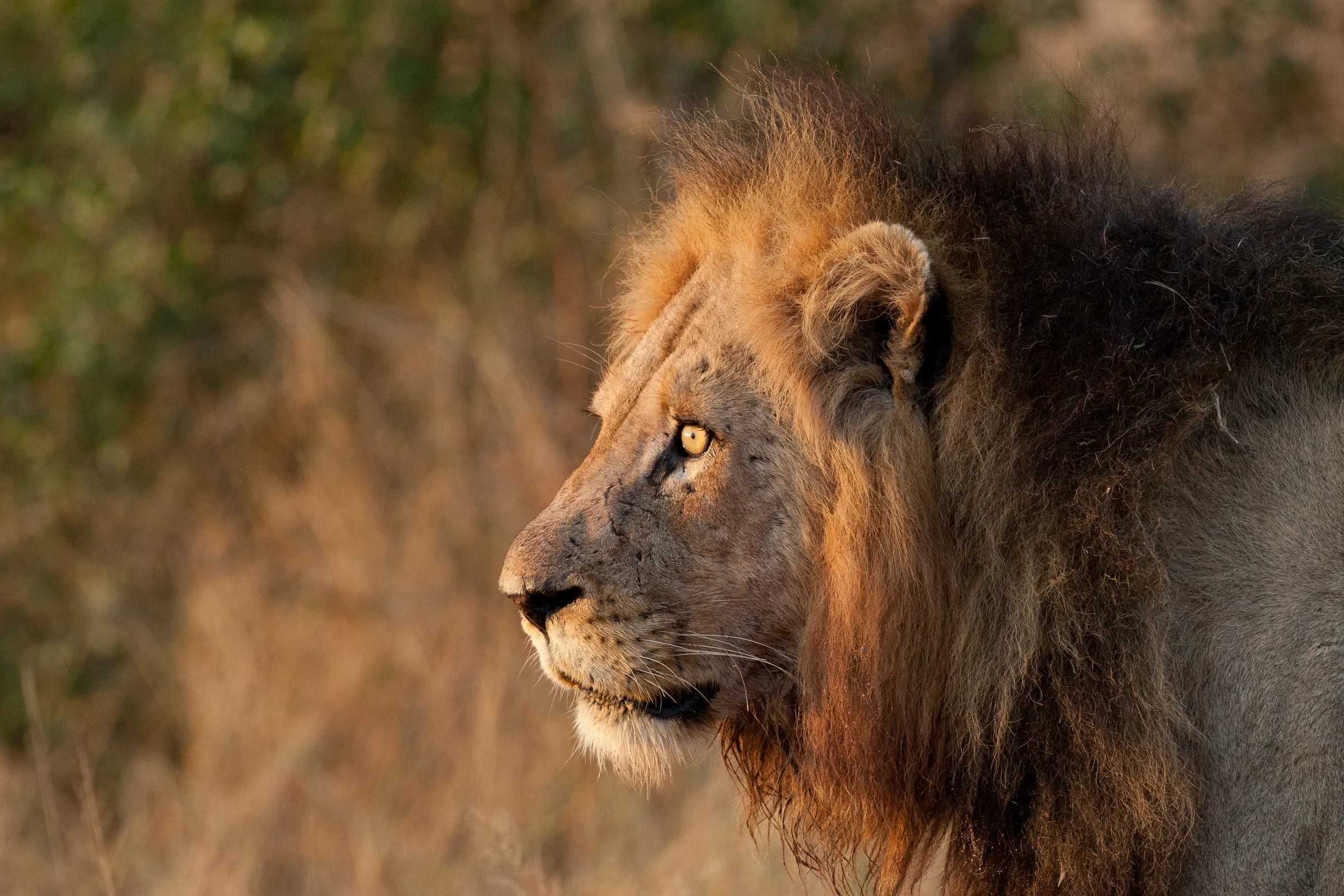
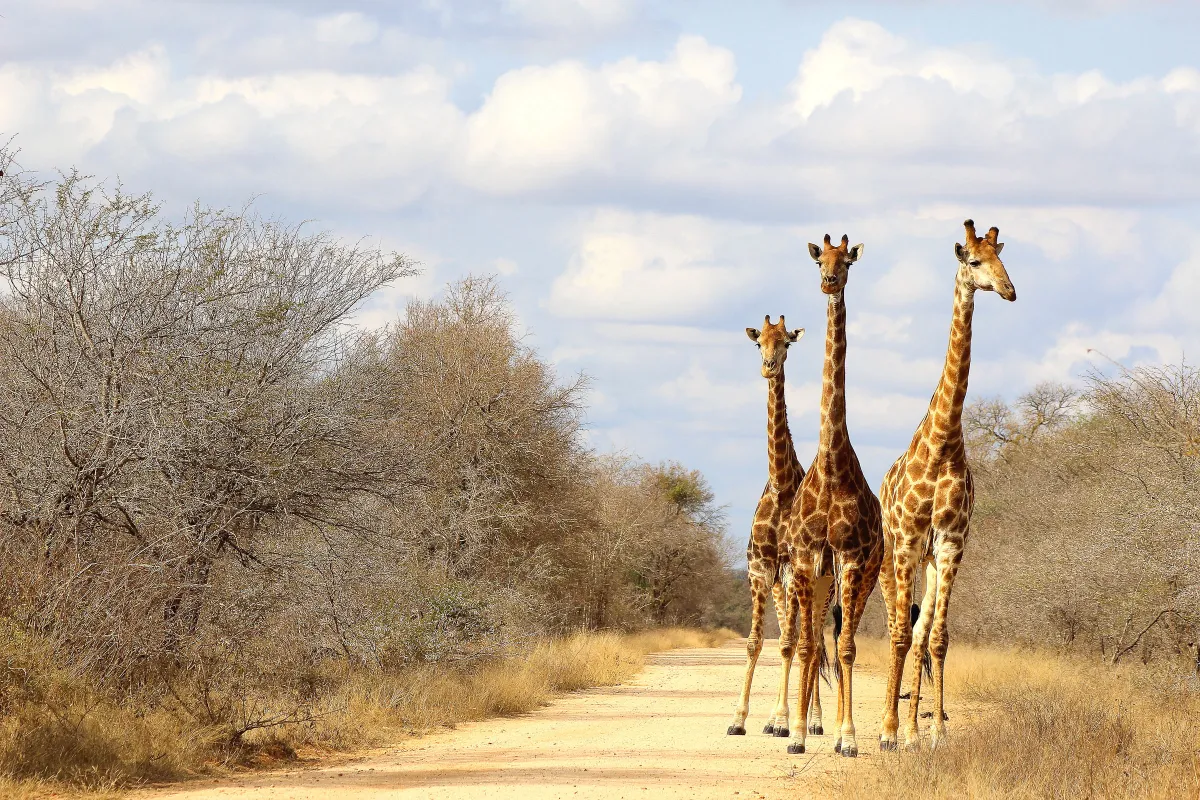
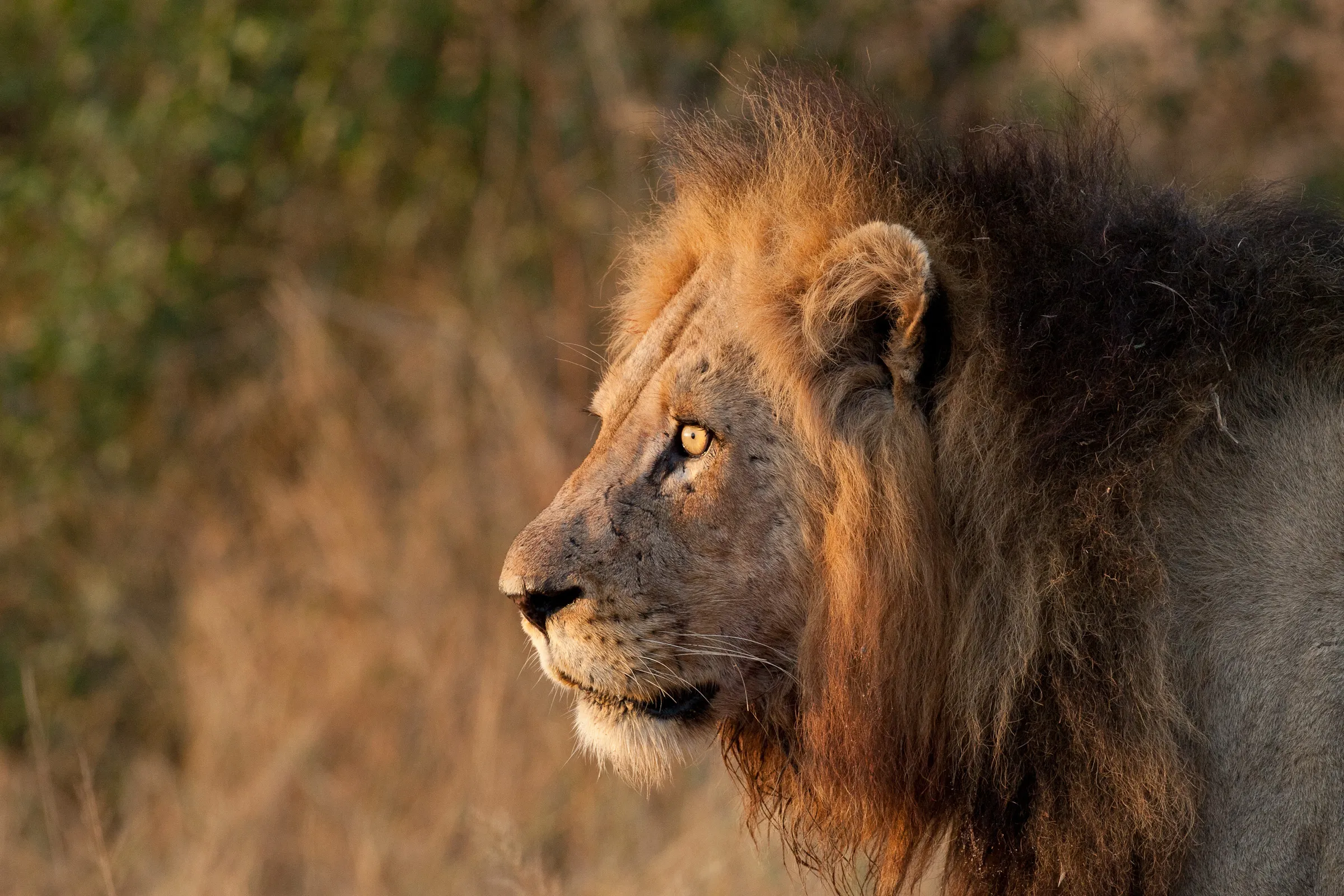
- Etosha NP – game viewing
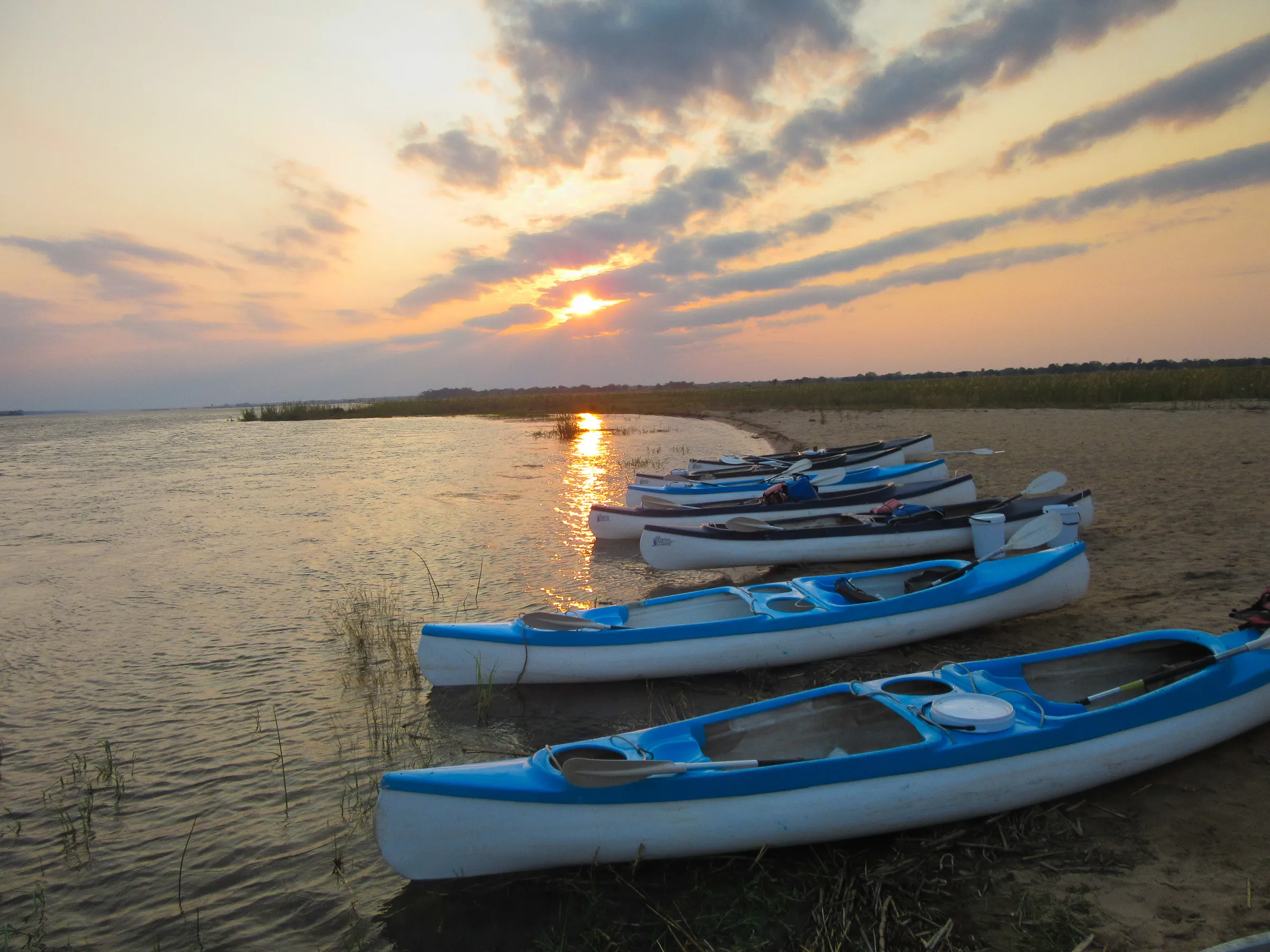
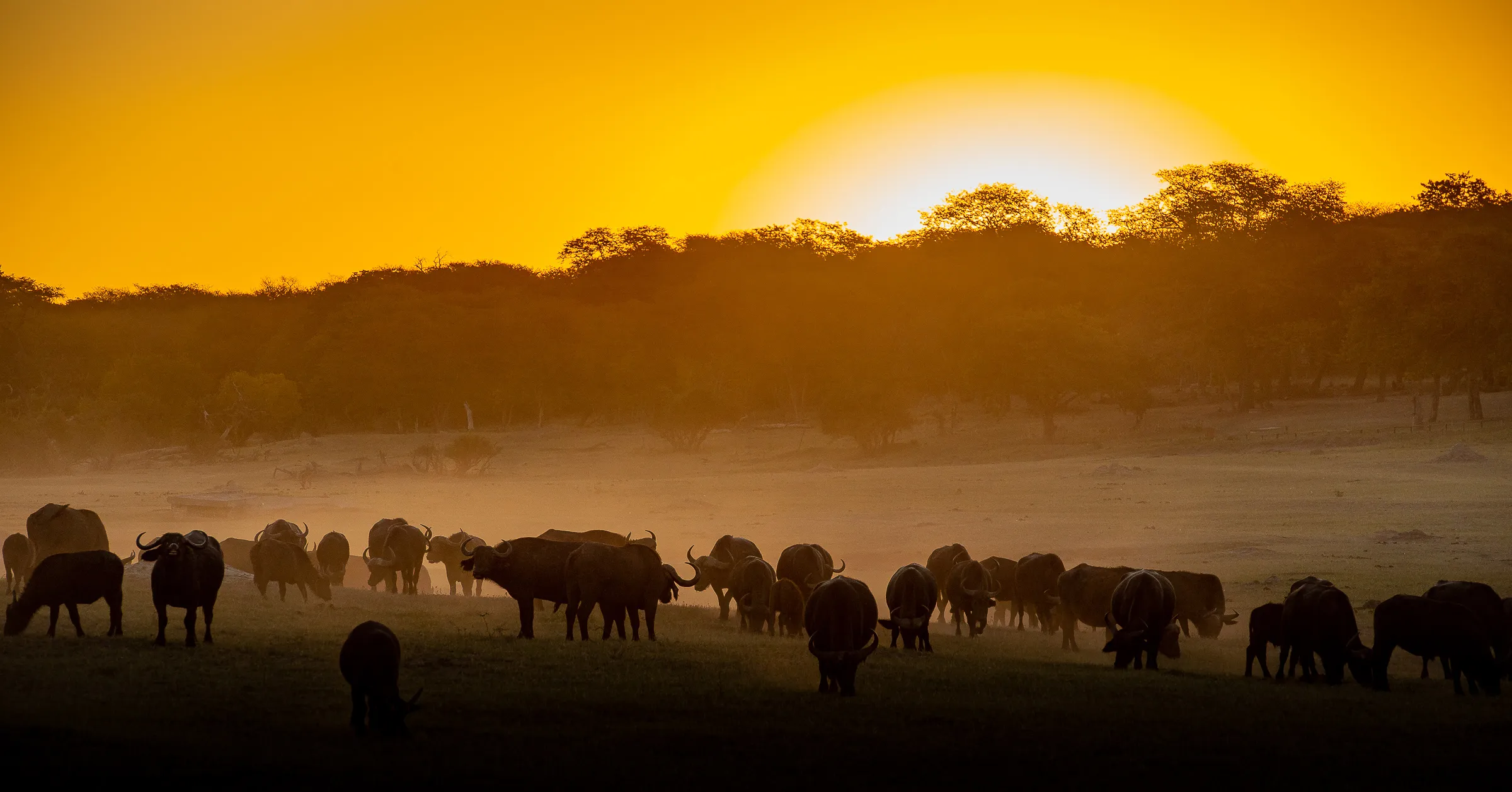
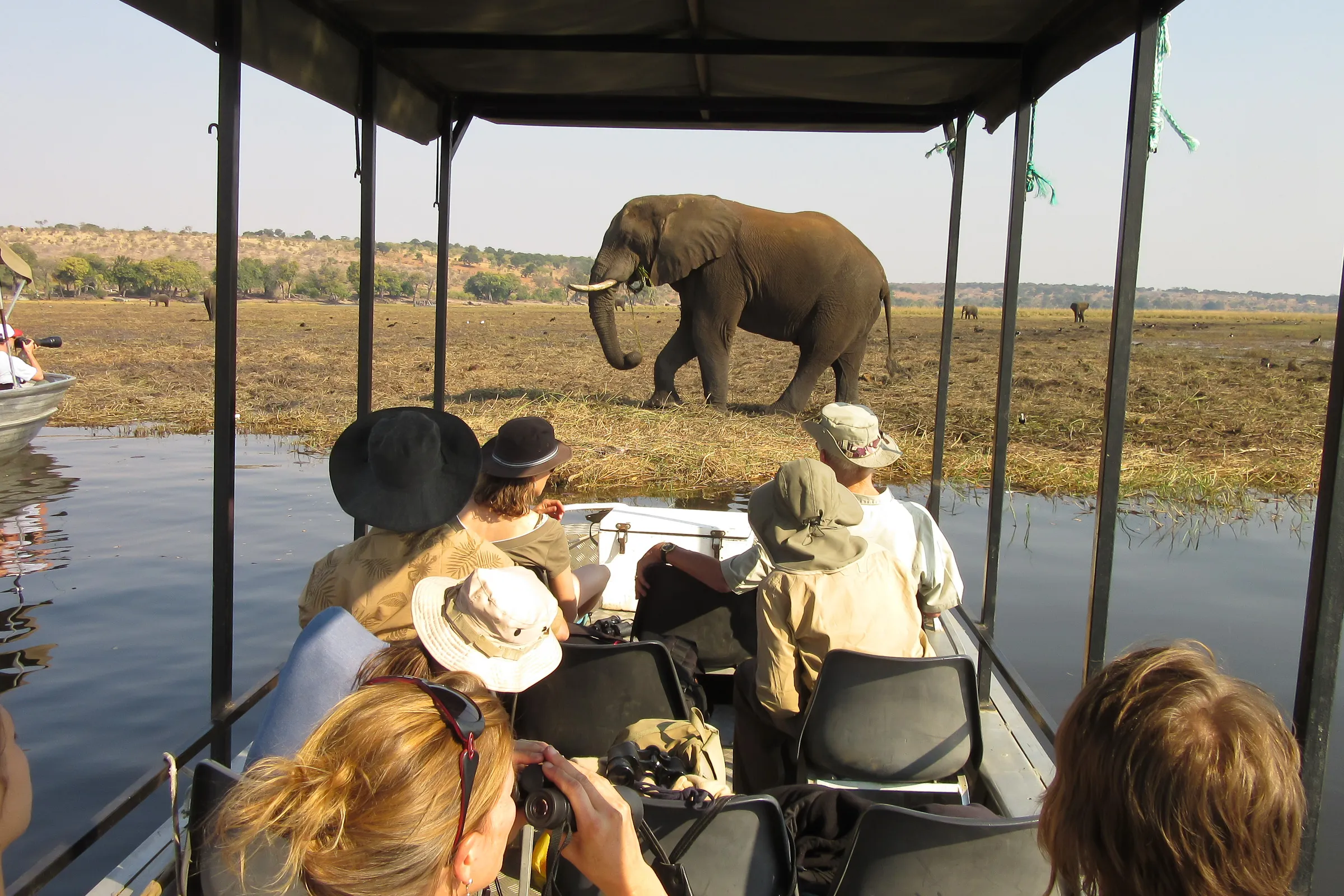
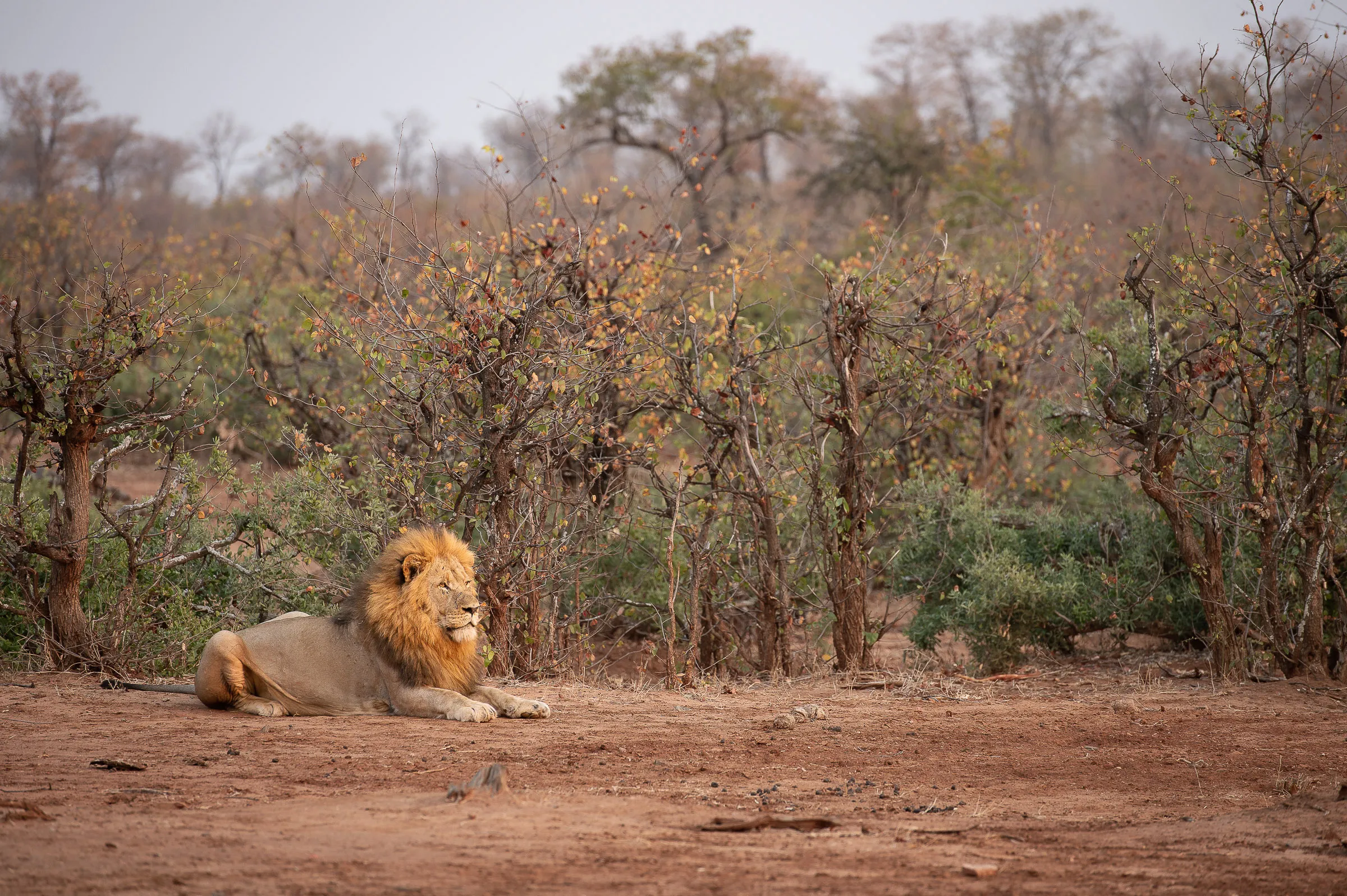
- Caprivi - game drive
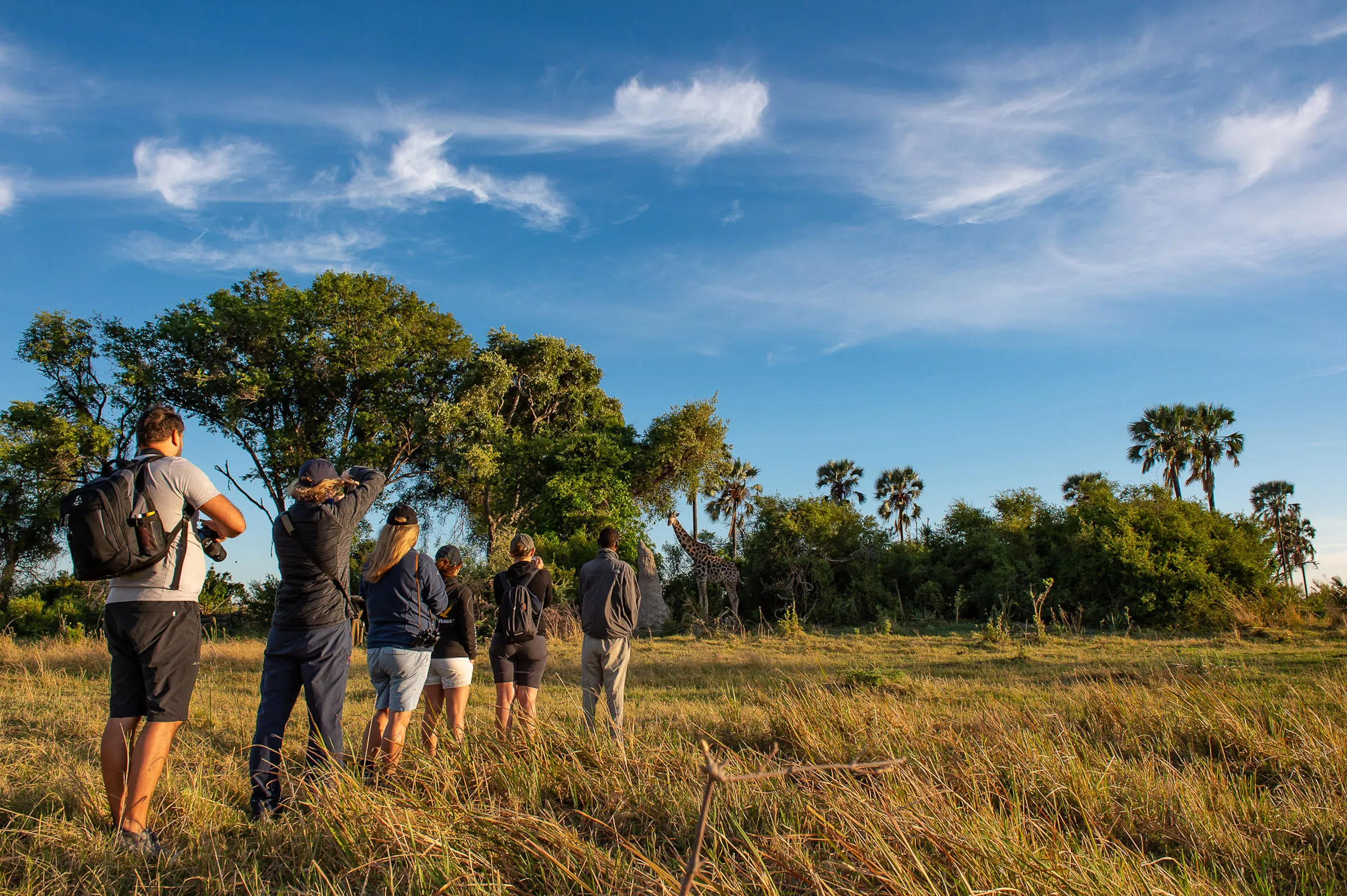
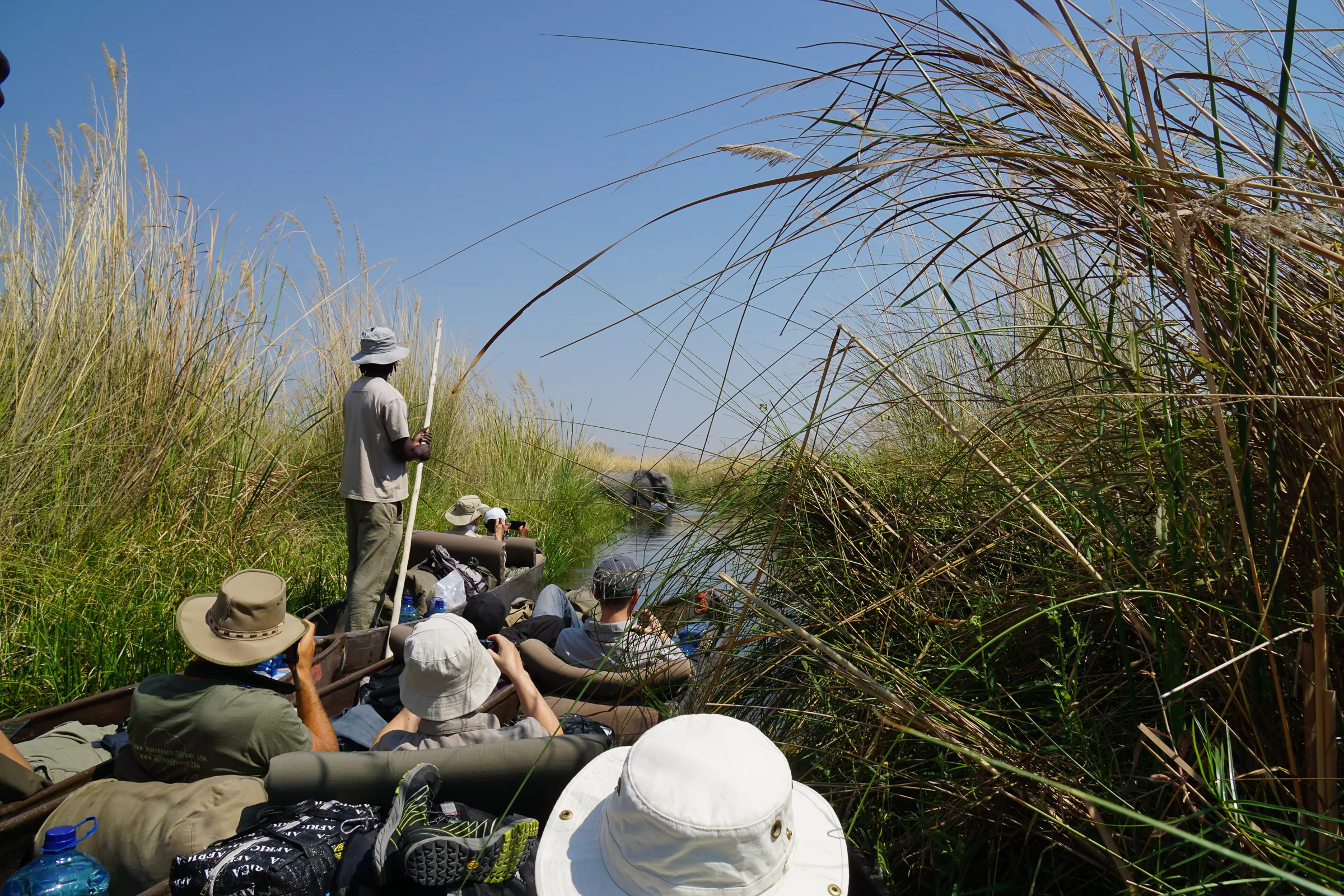
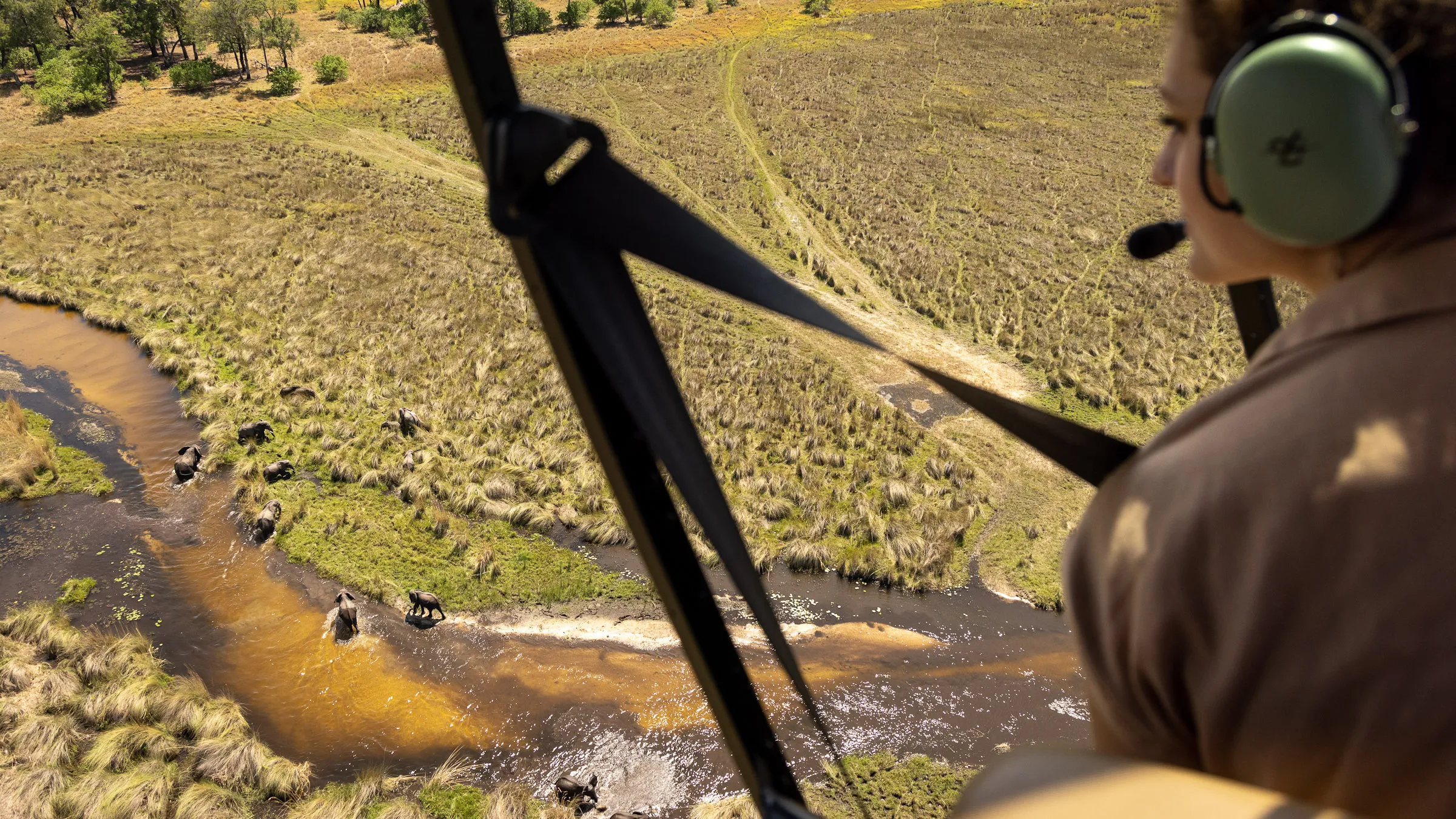
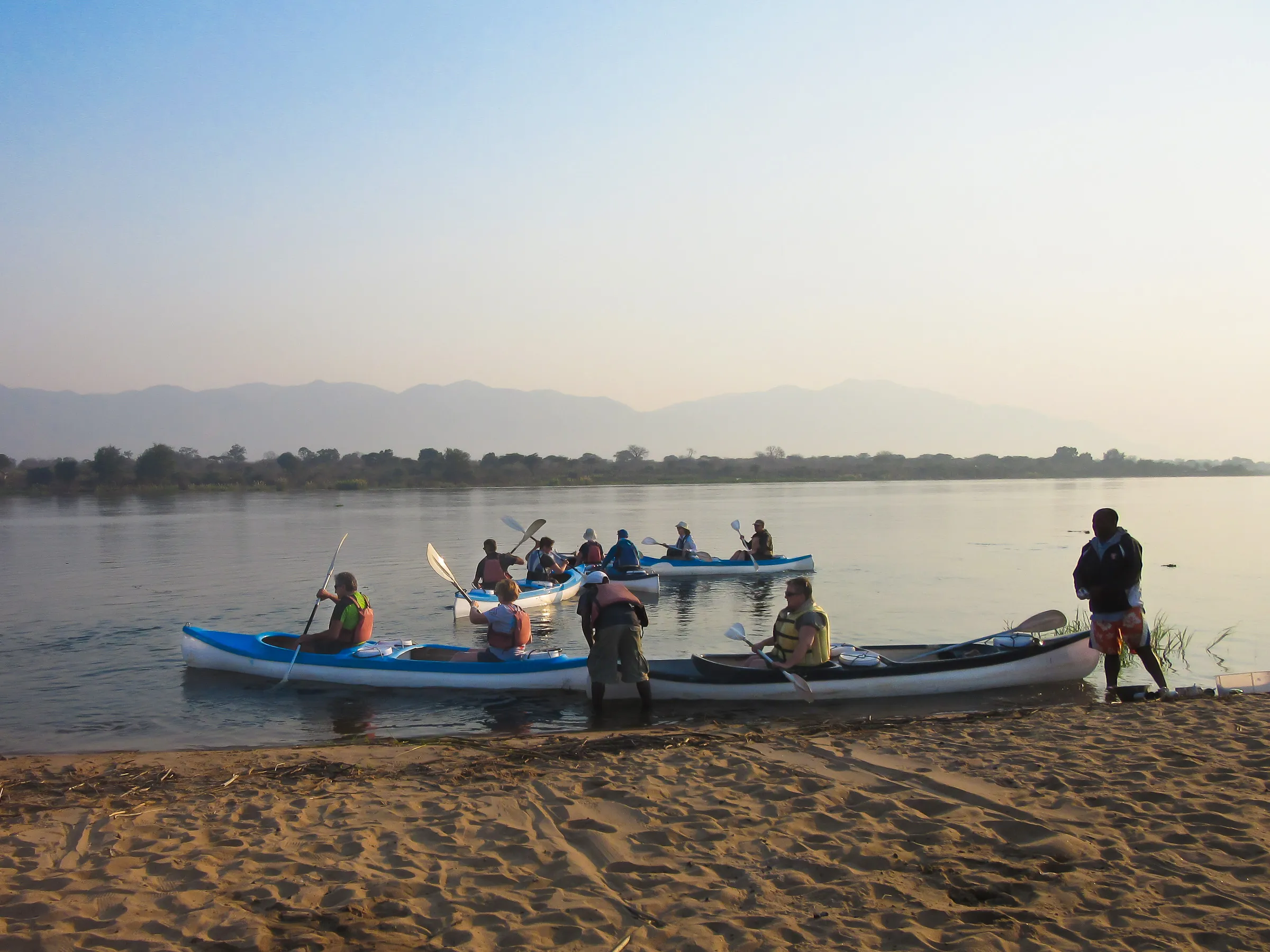
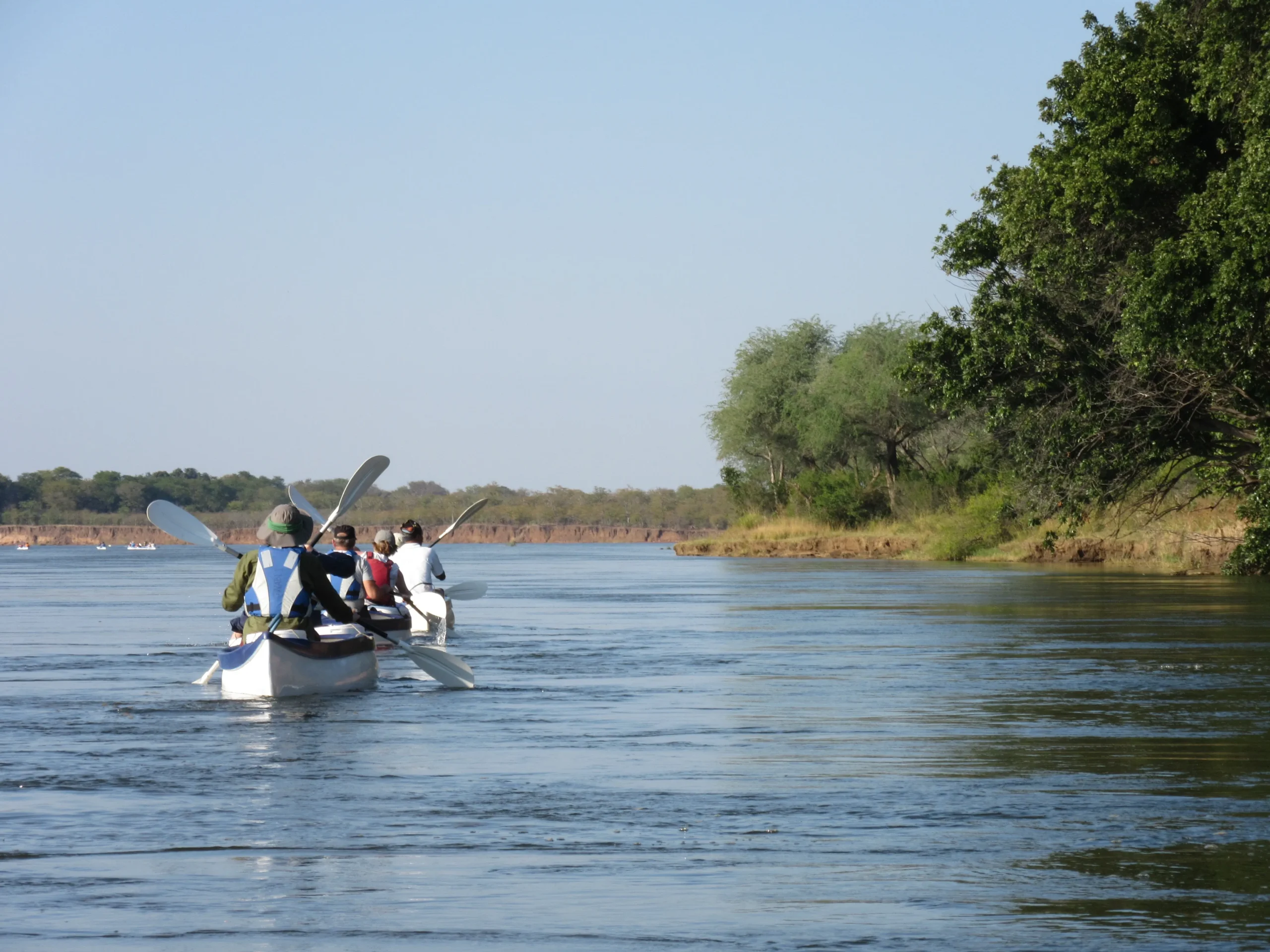
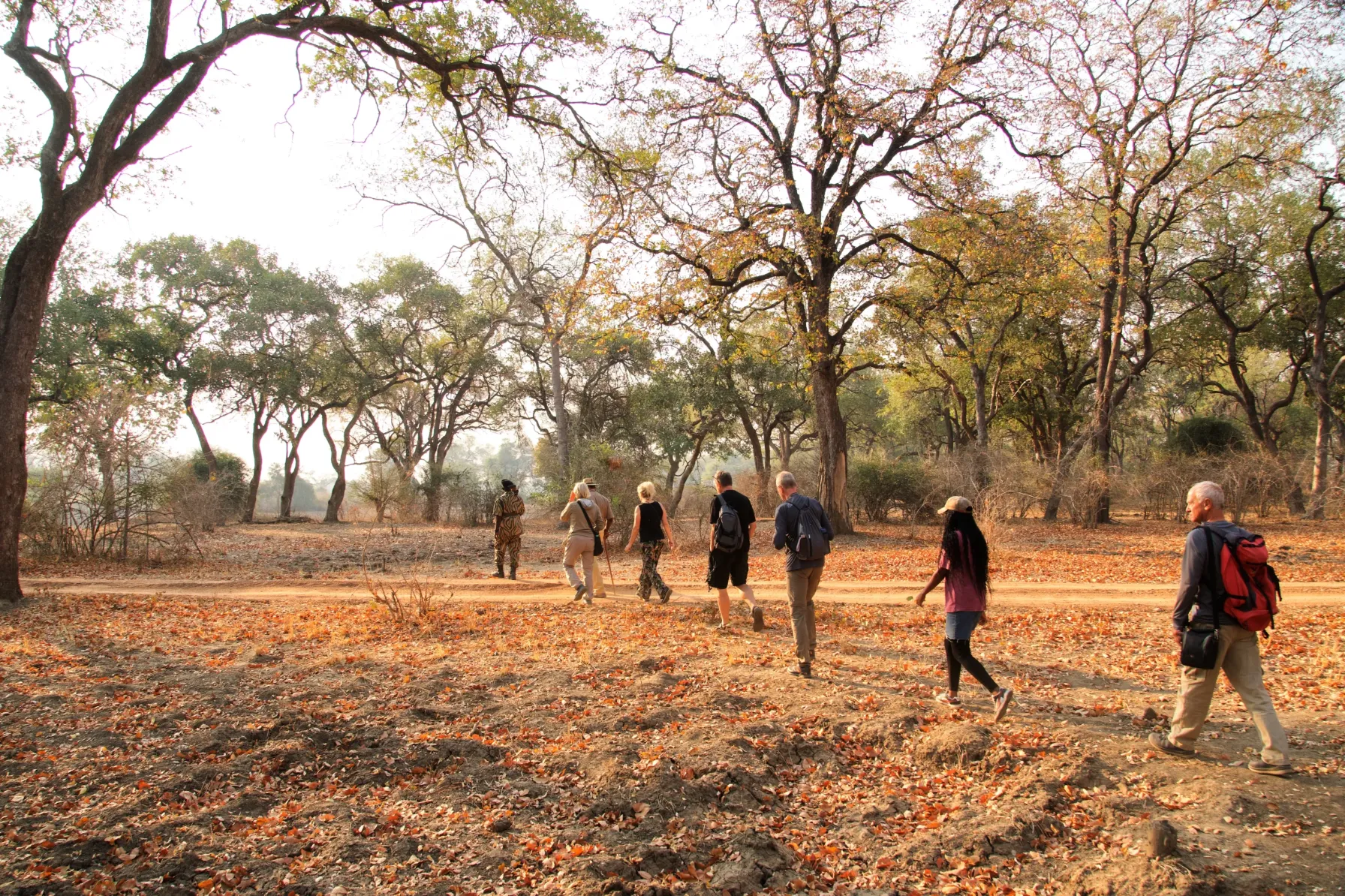
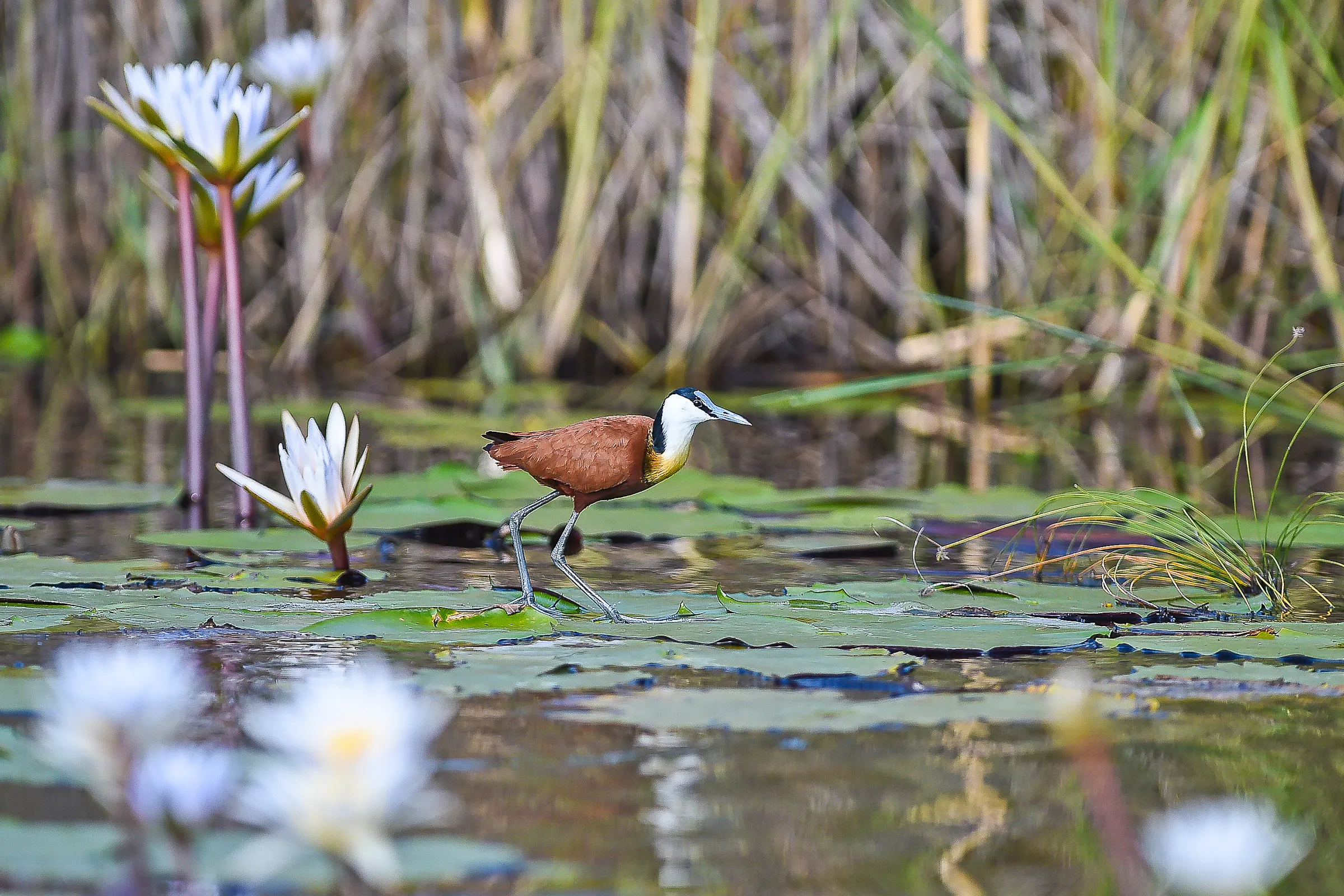
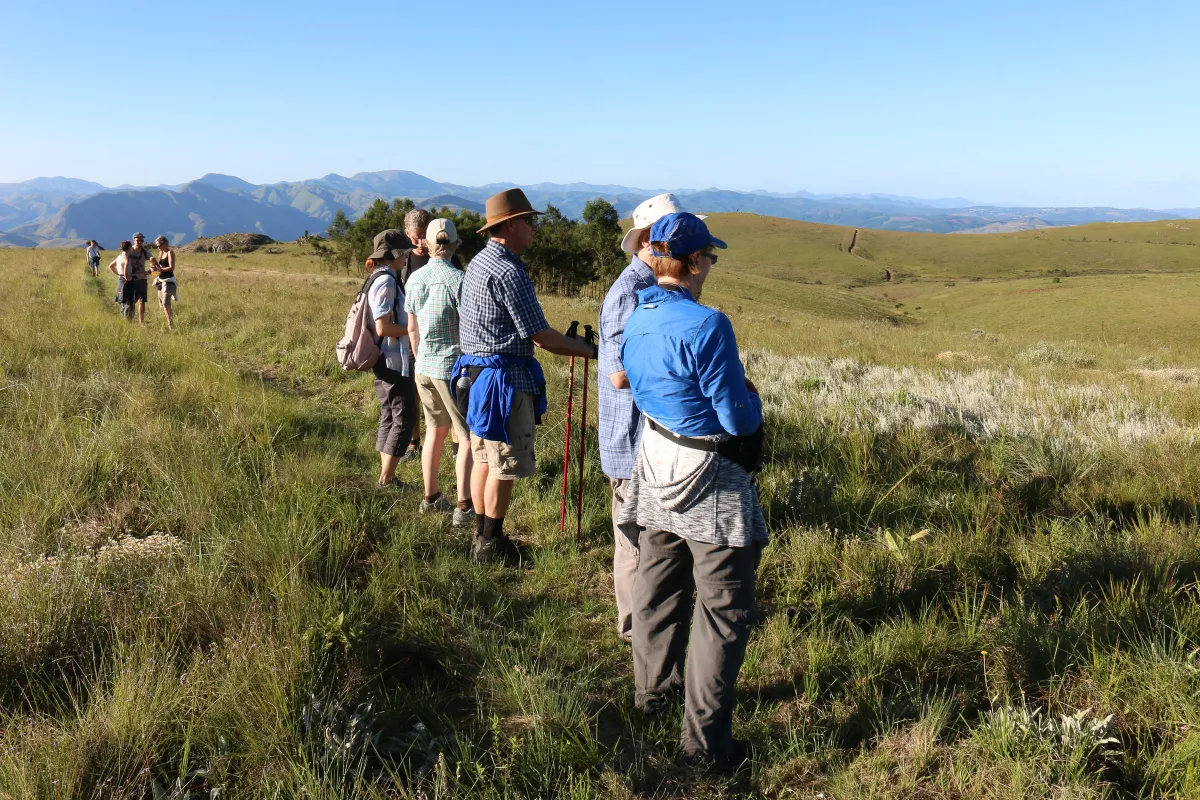
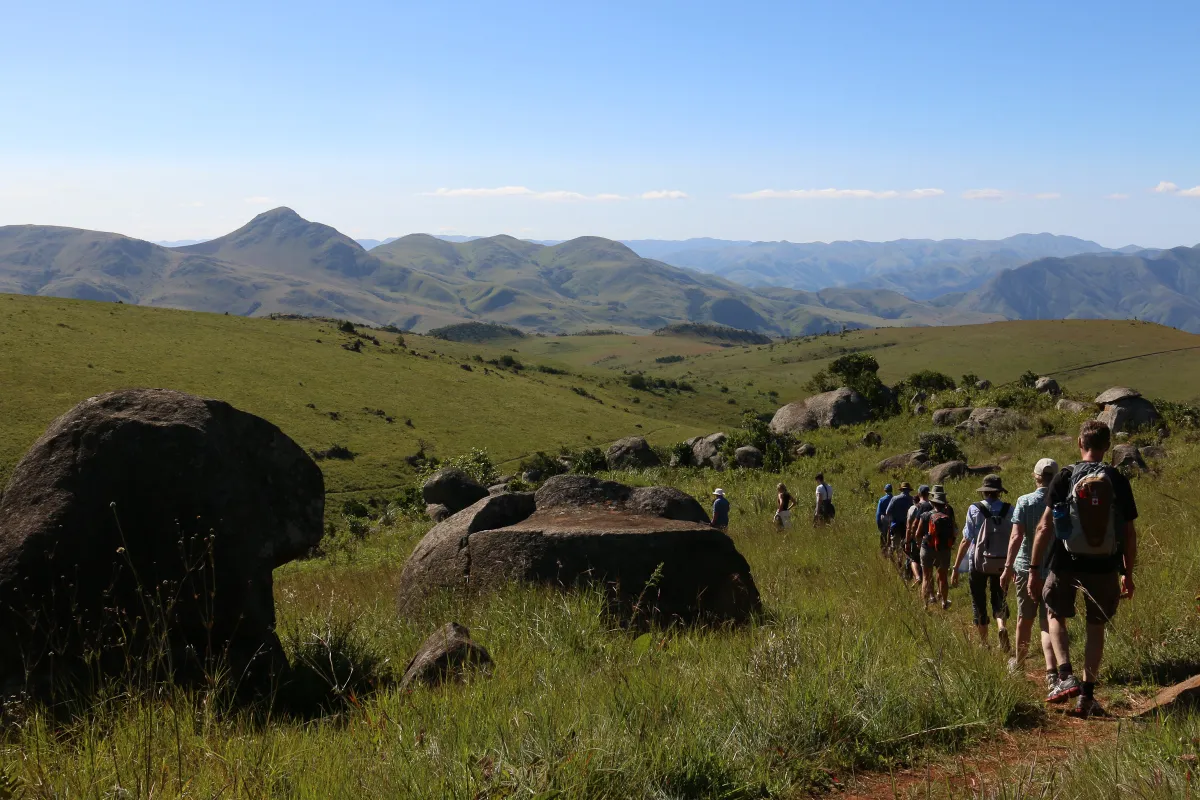
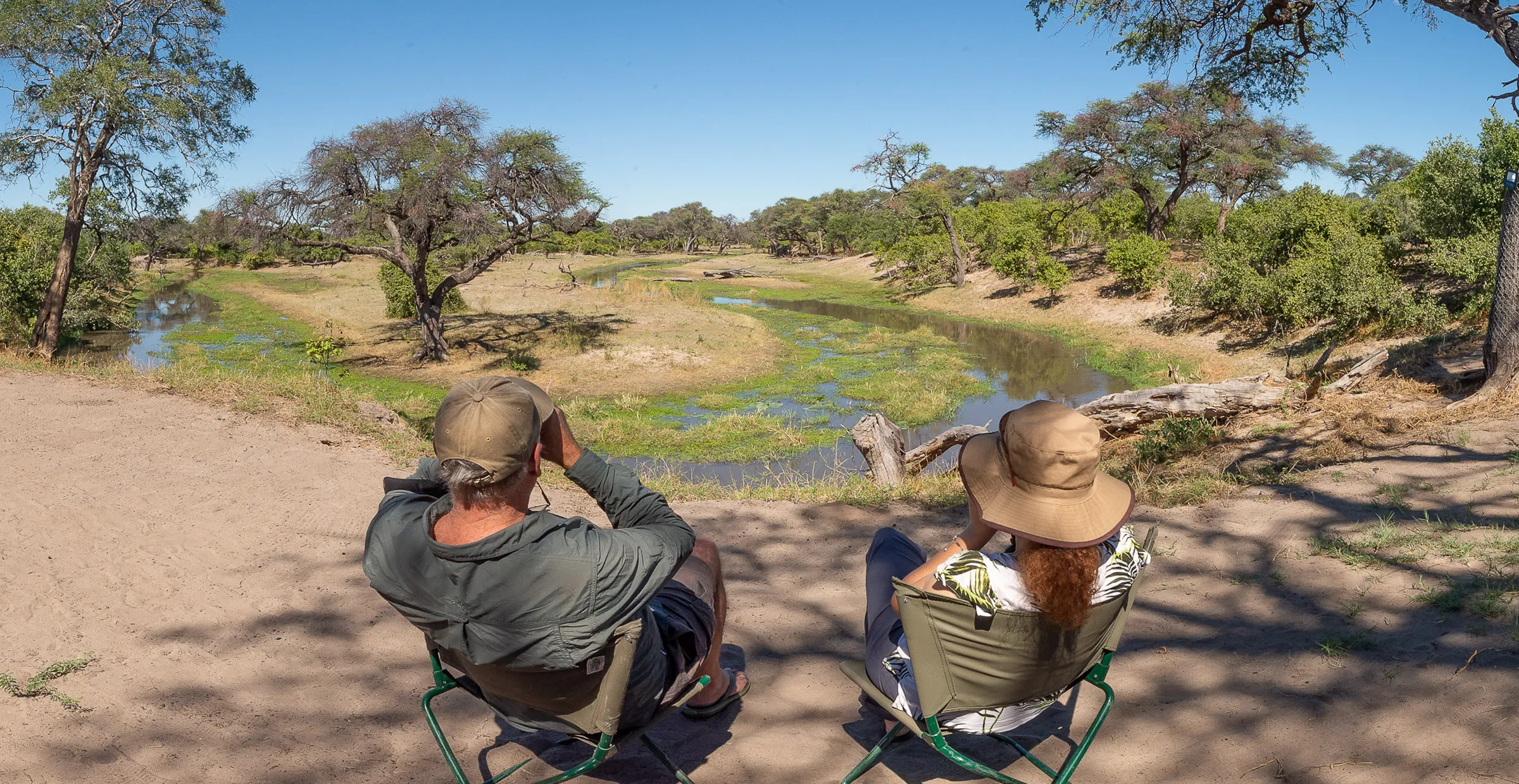
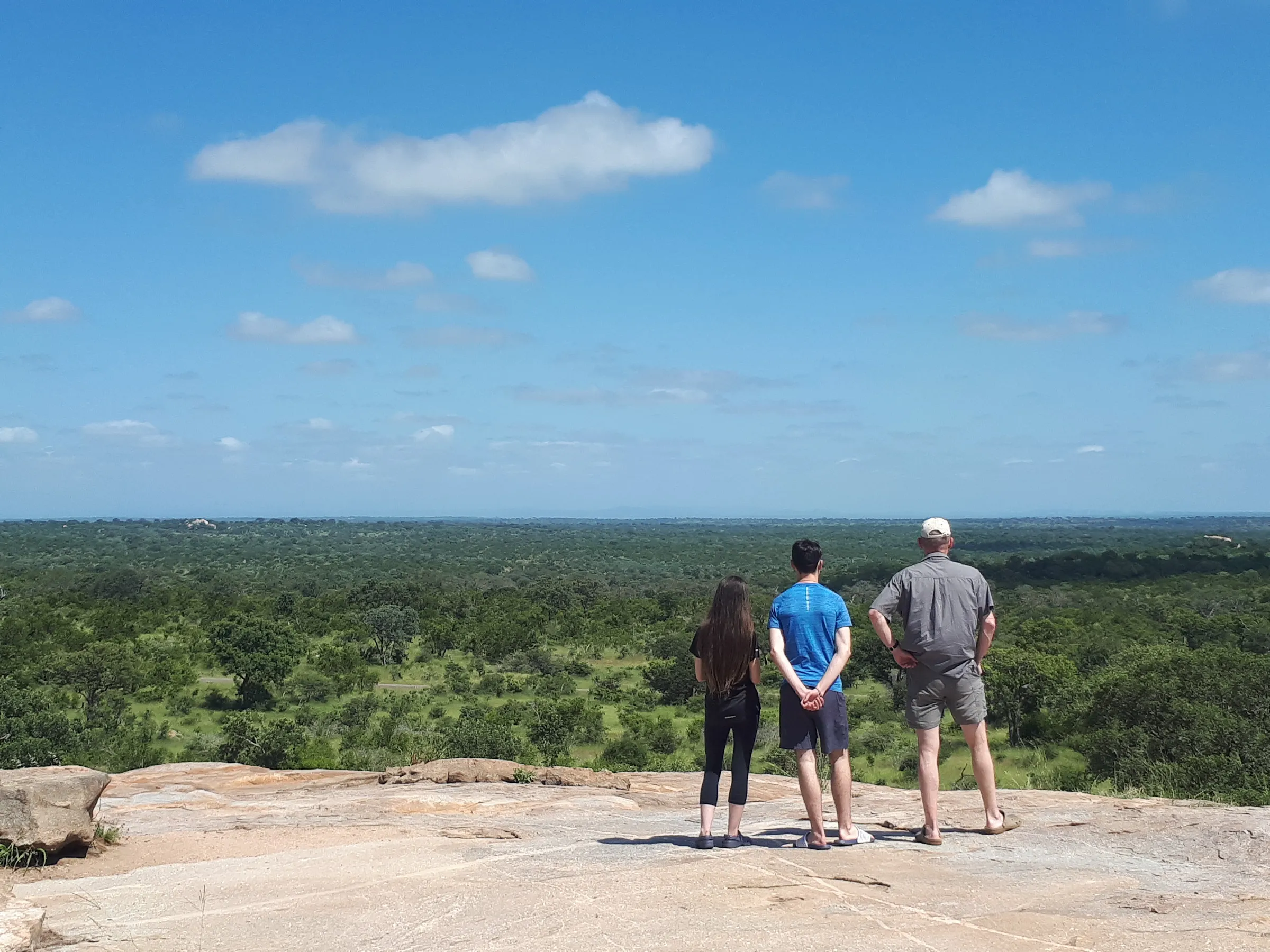
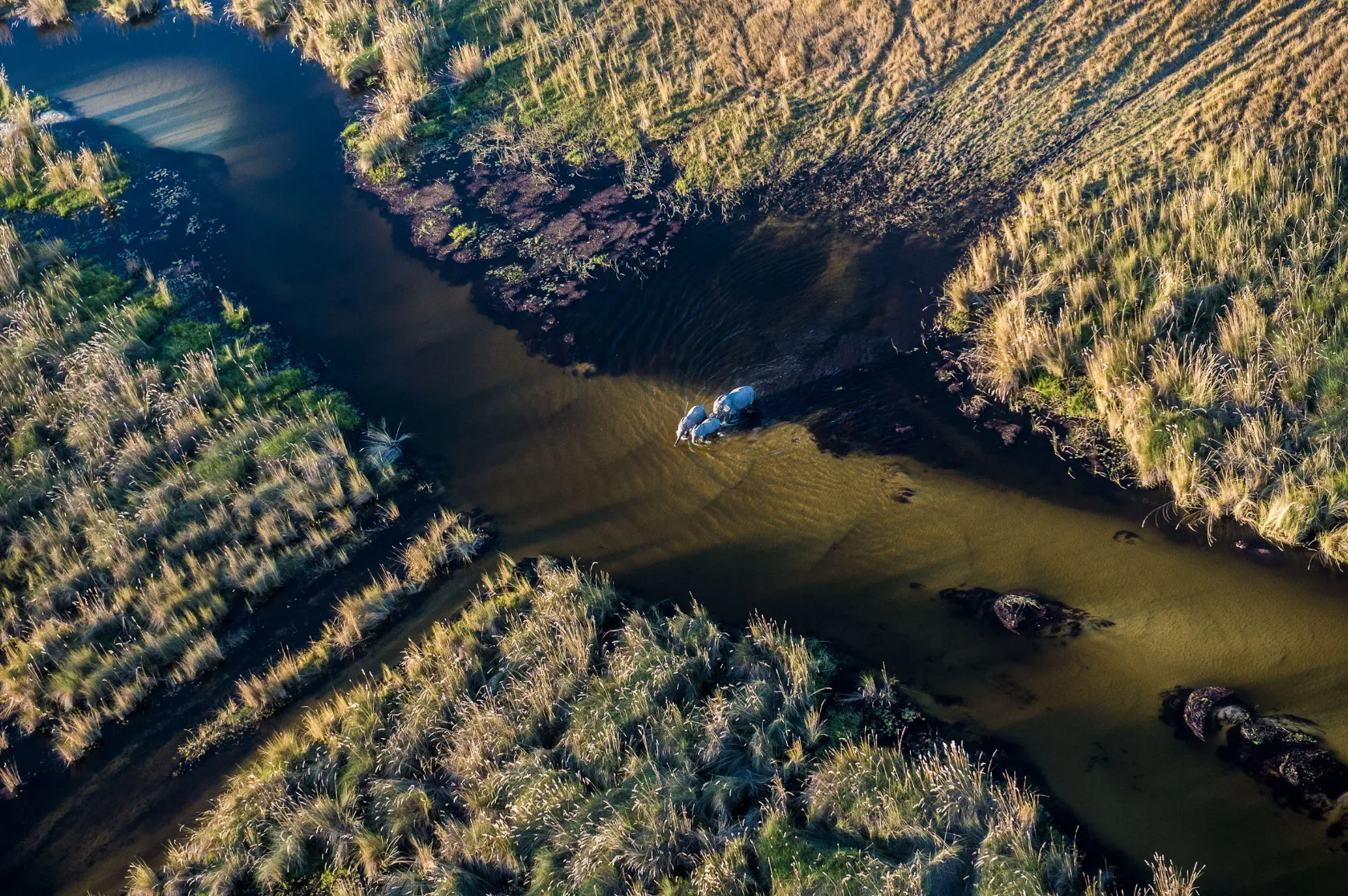
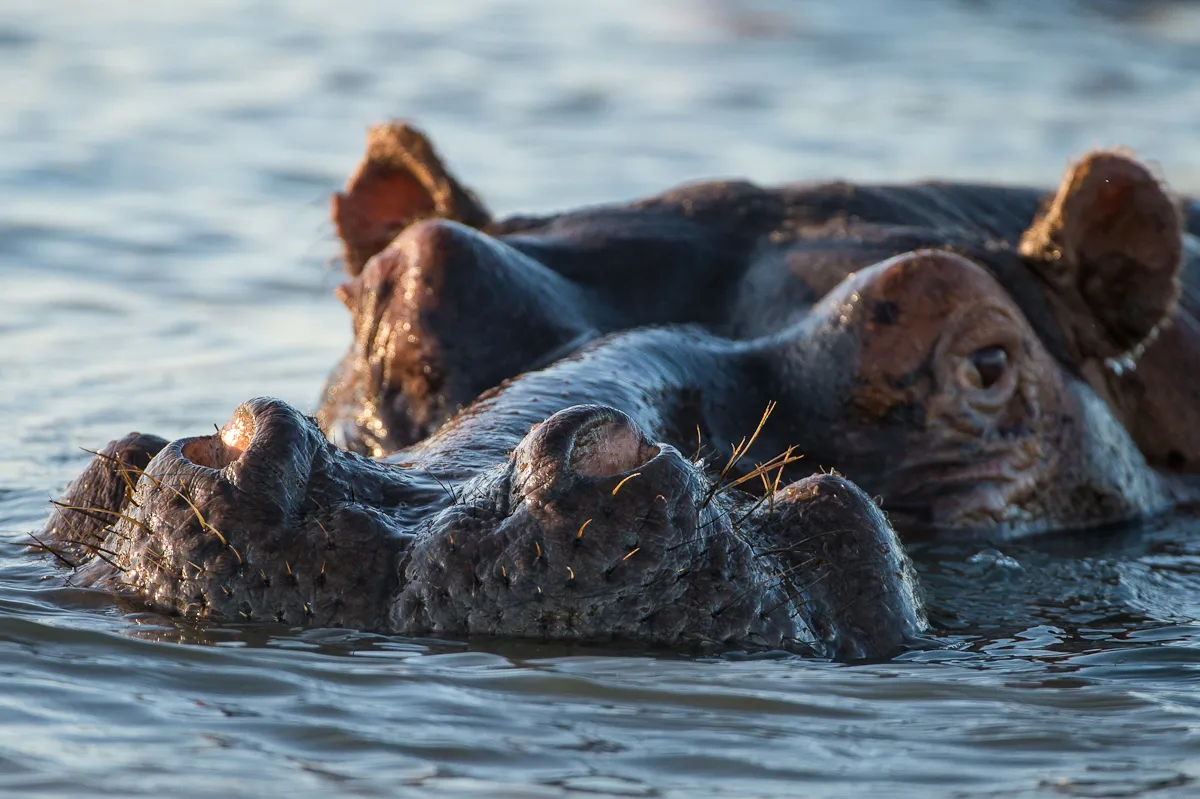
- Okavango Delta – mokoro excursion and bush walks
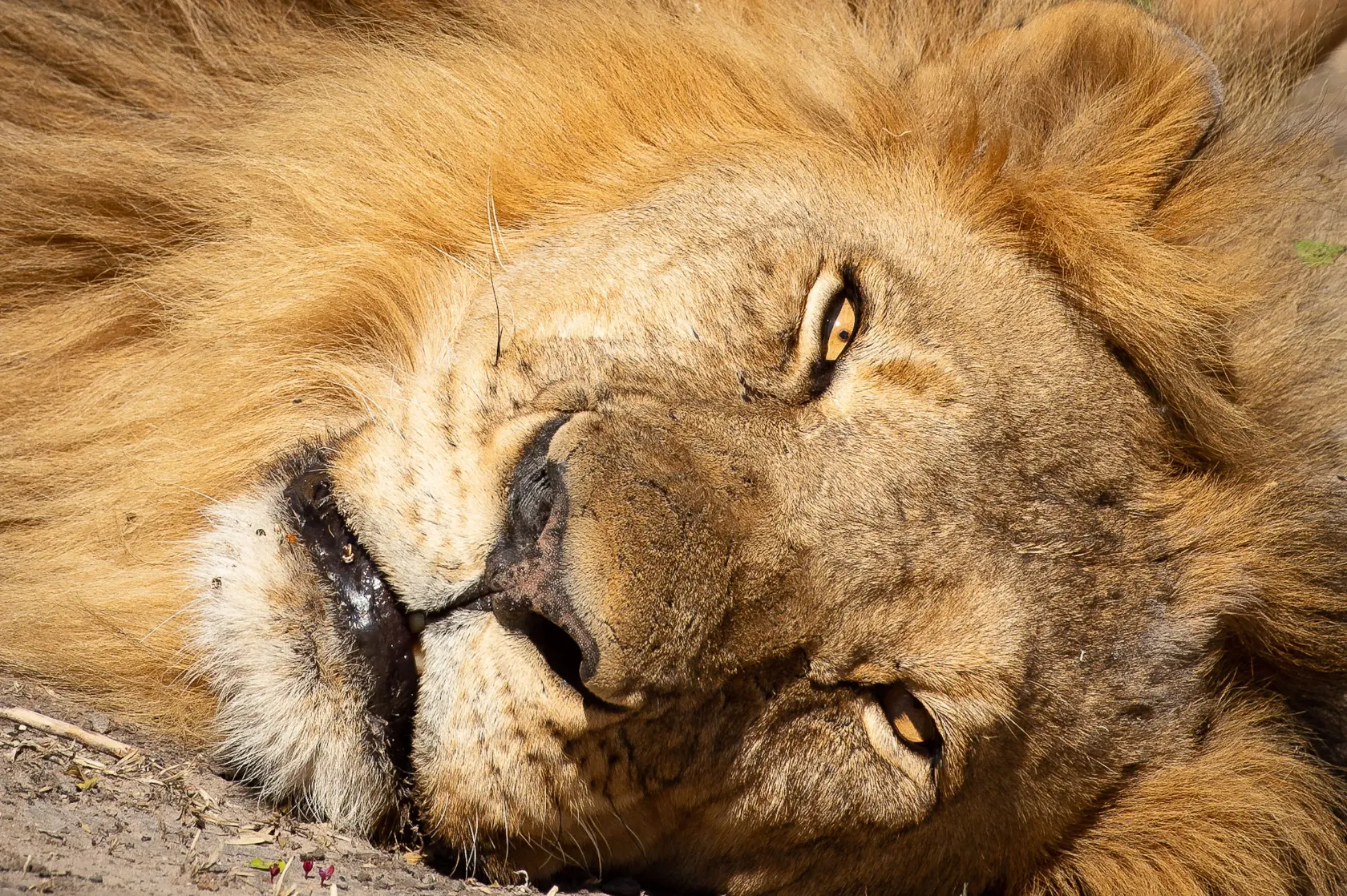
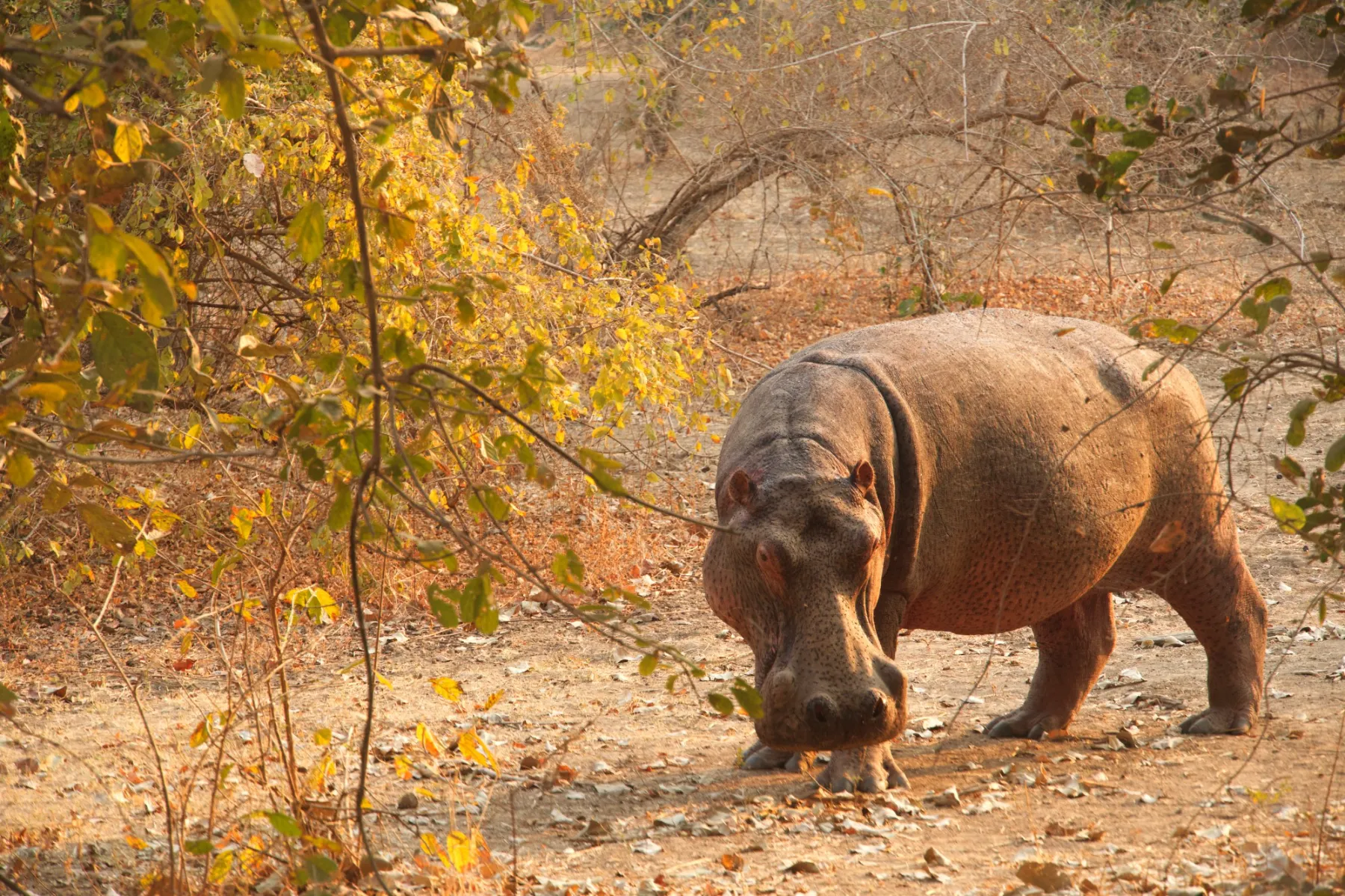
- Moremi – game drives
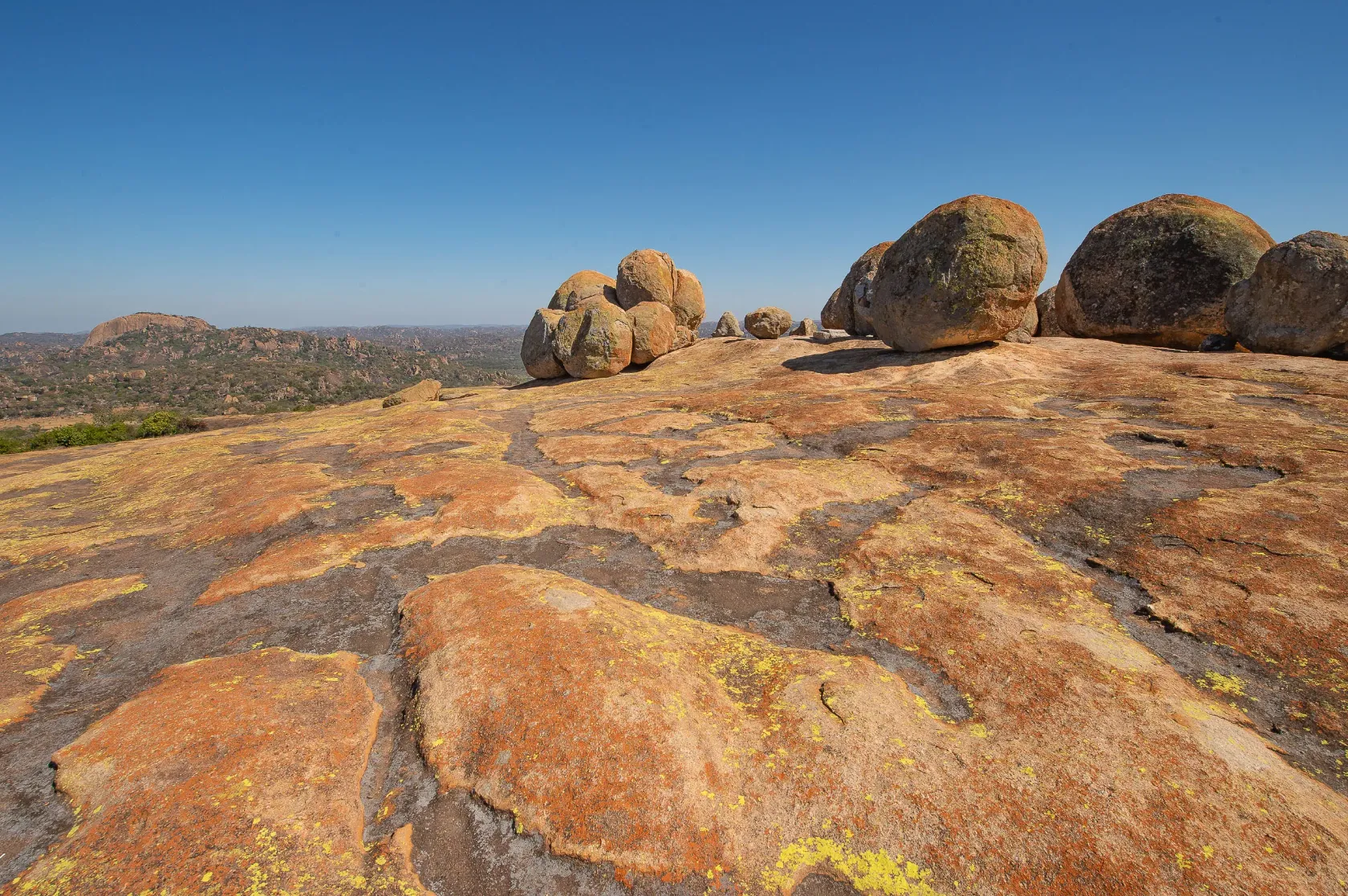
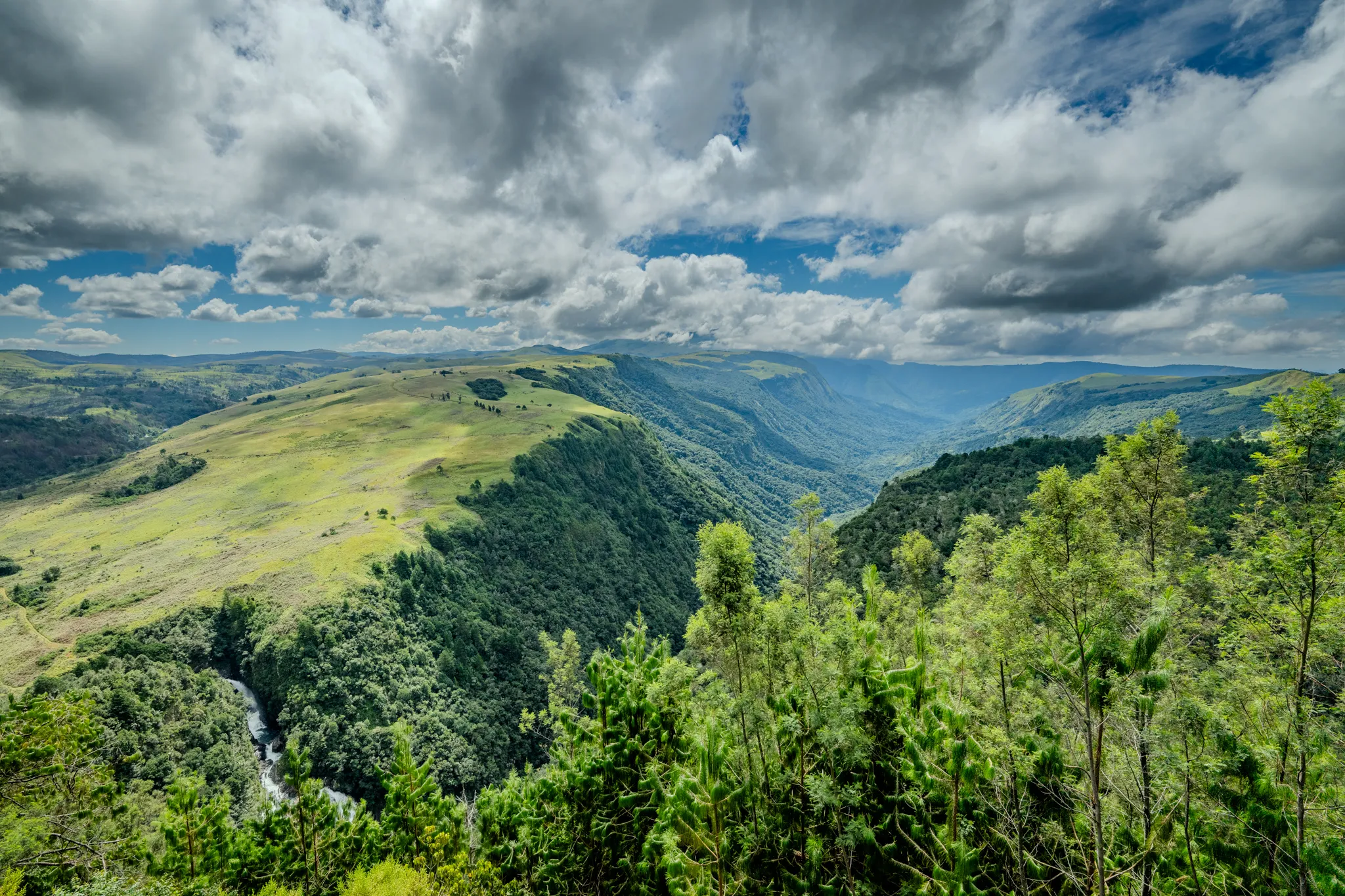
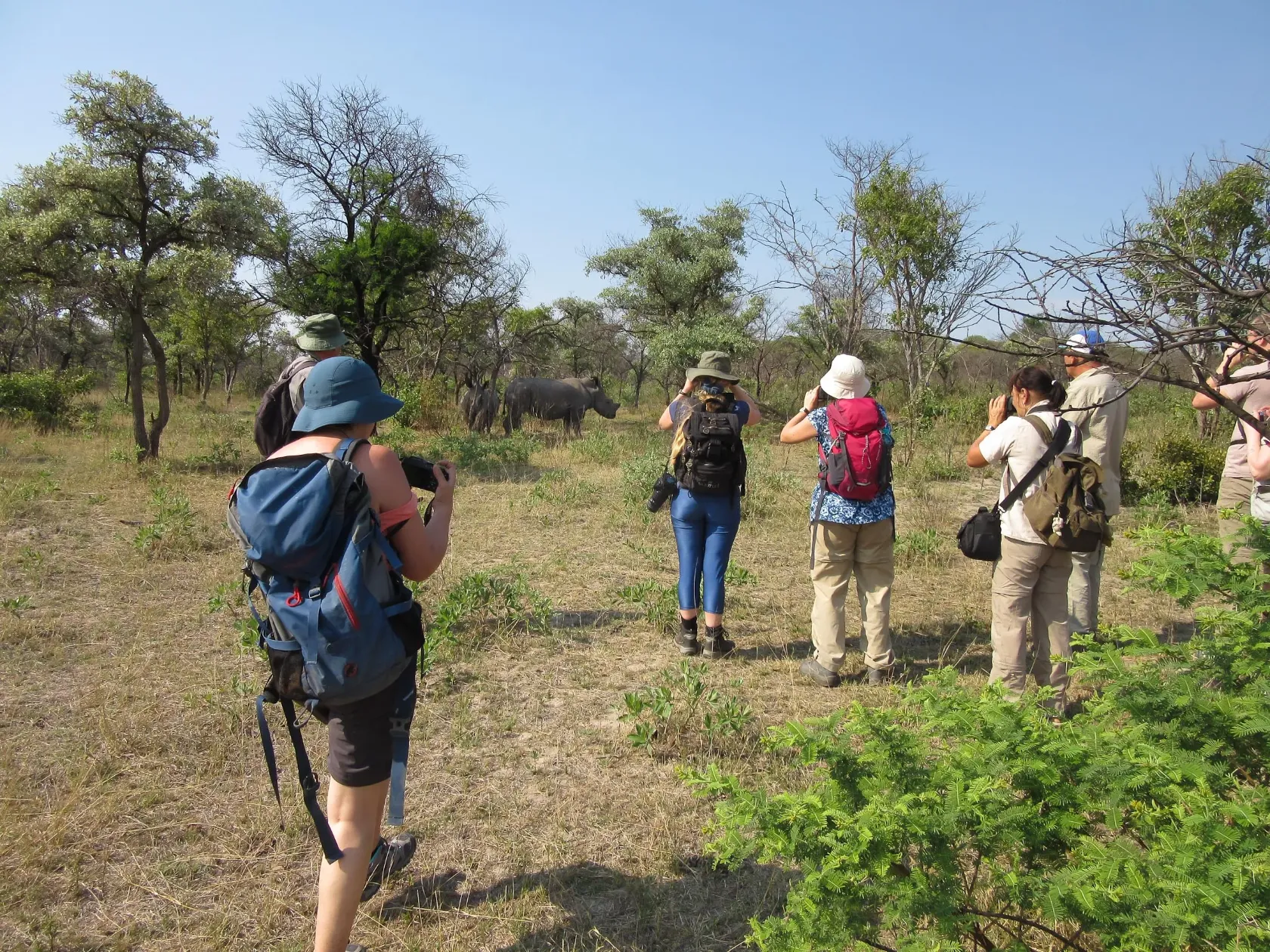
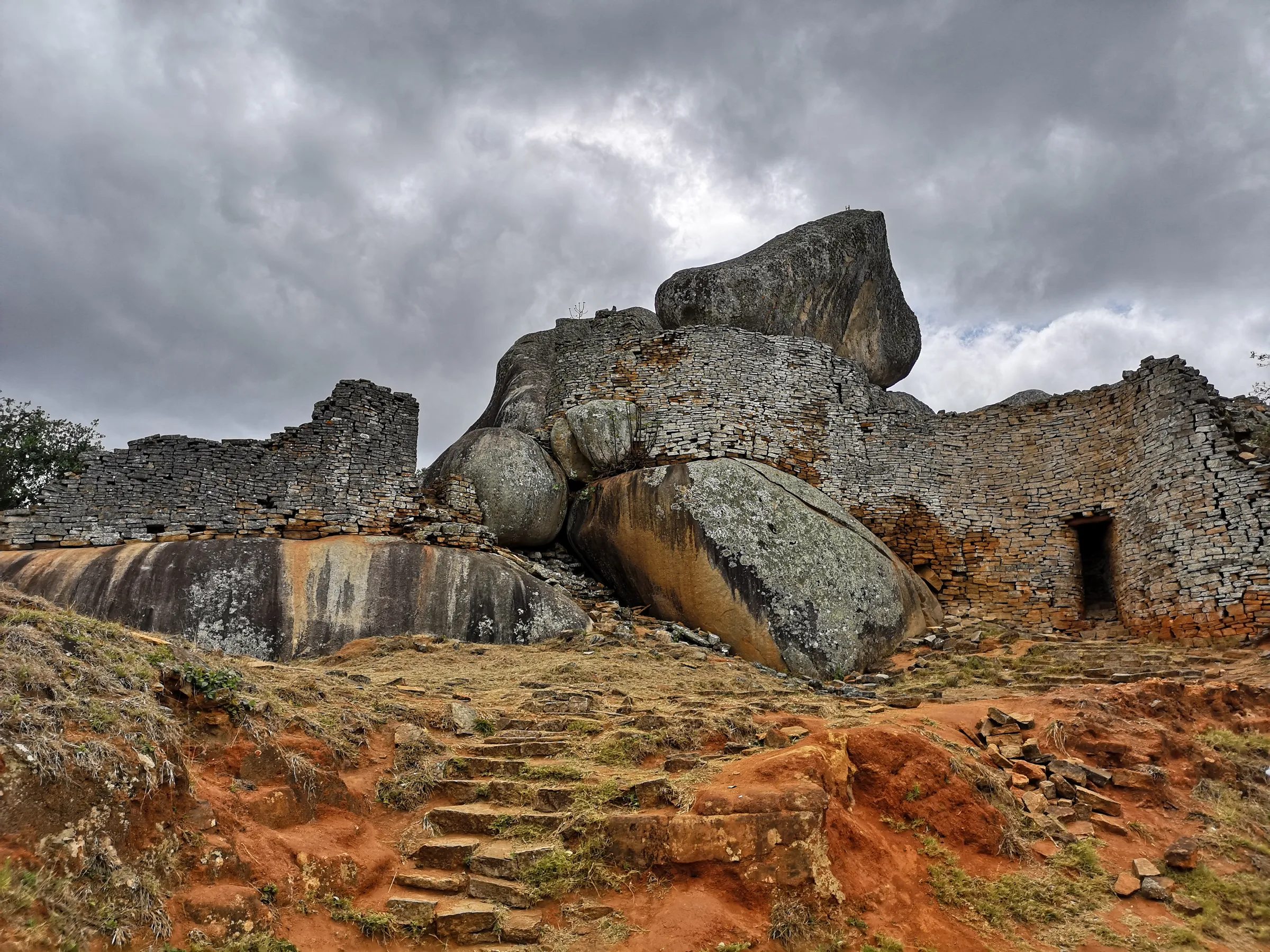
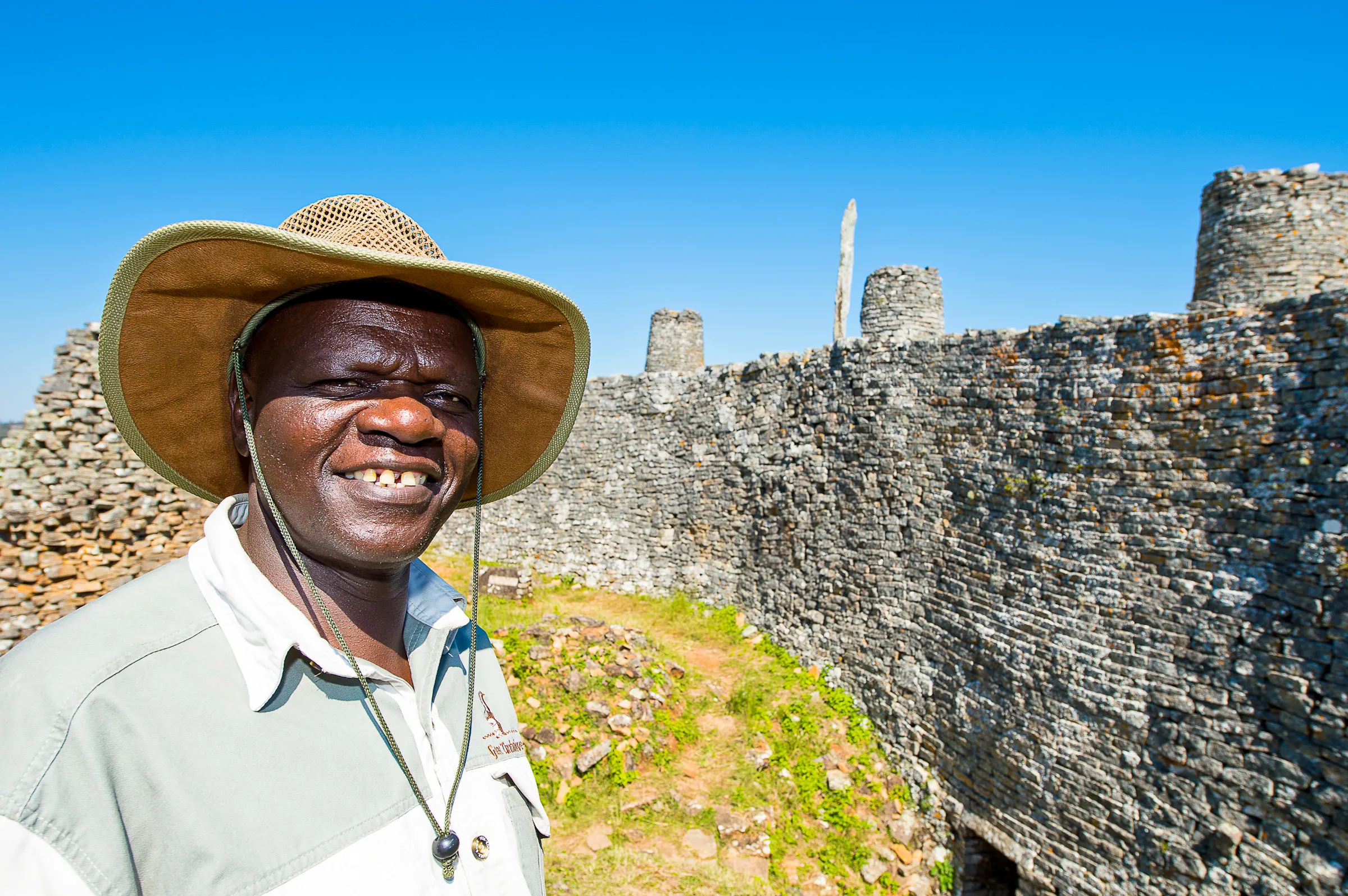
- Matopos – game drive and rock paintings
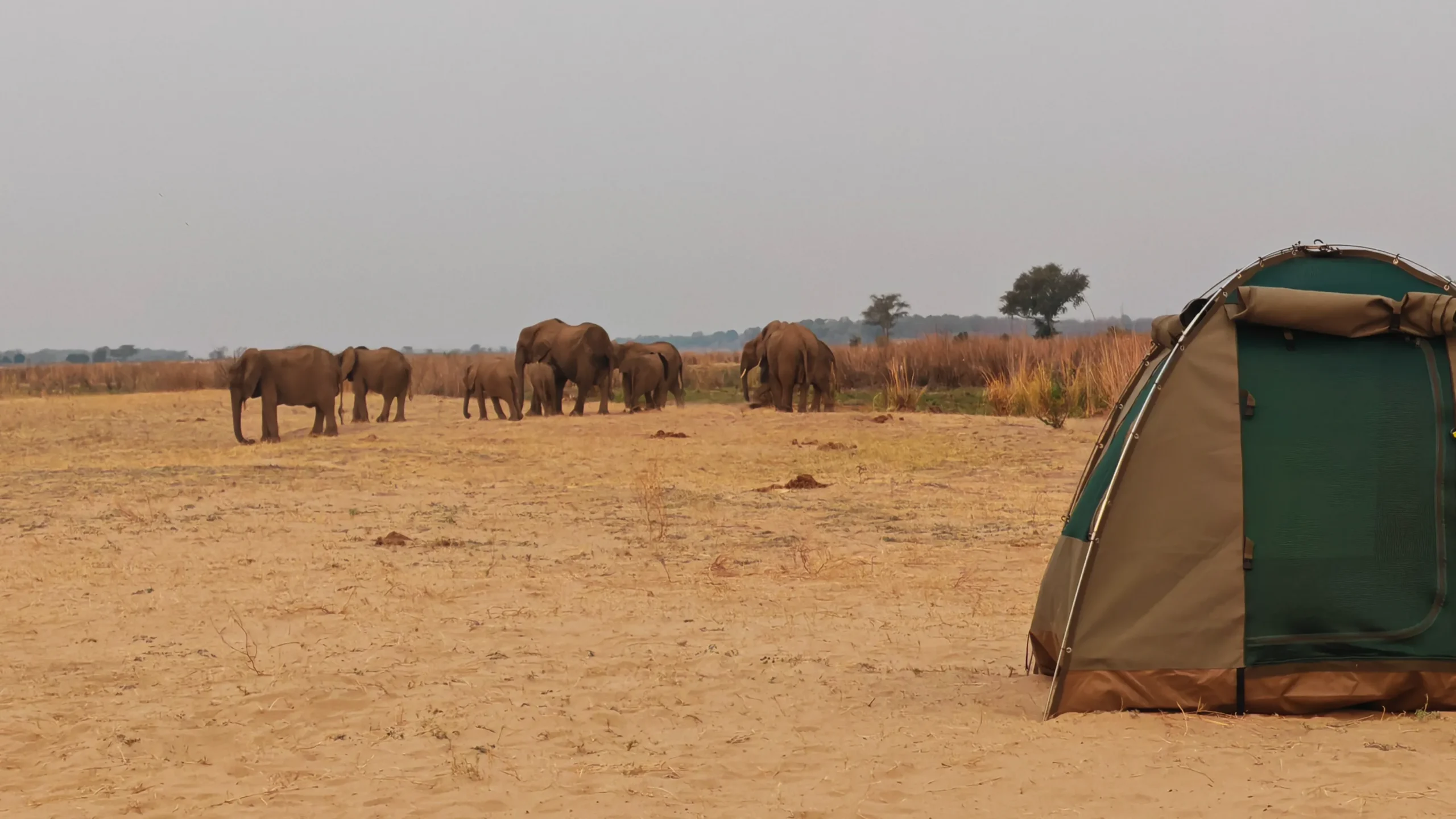
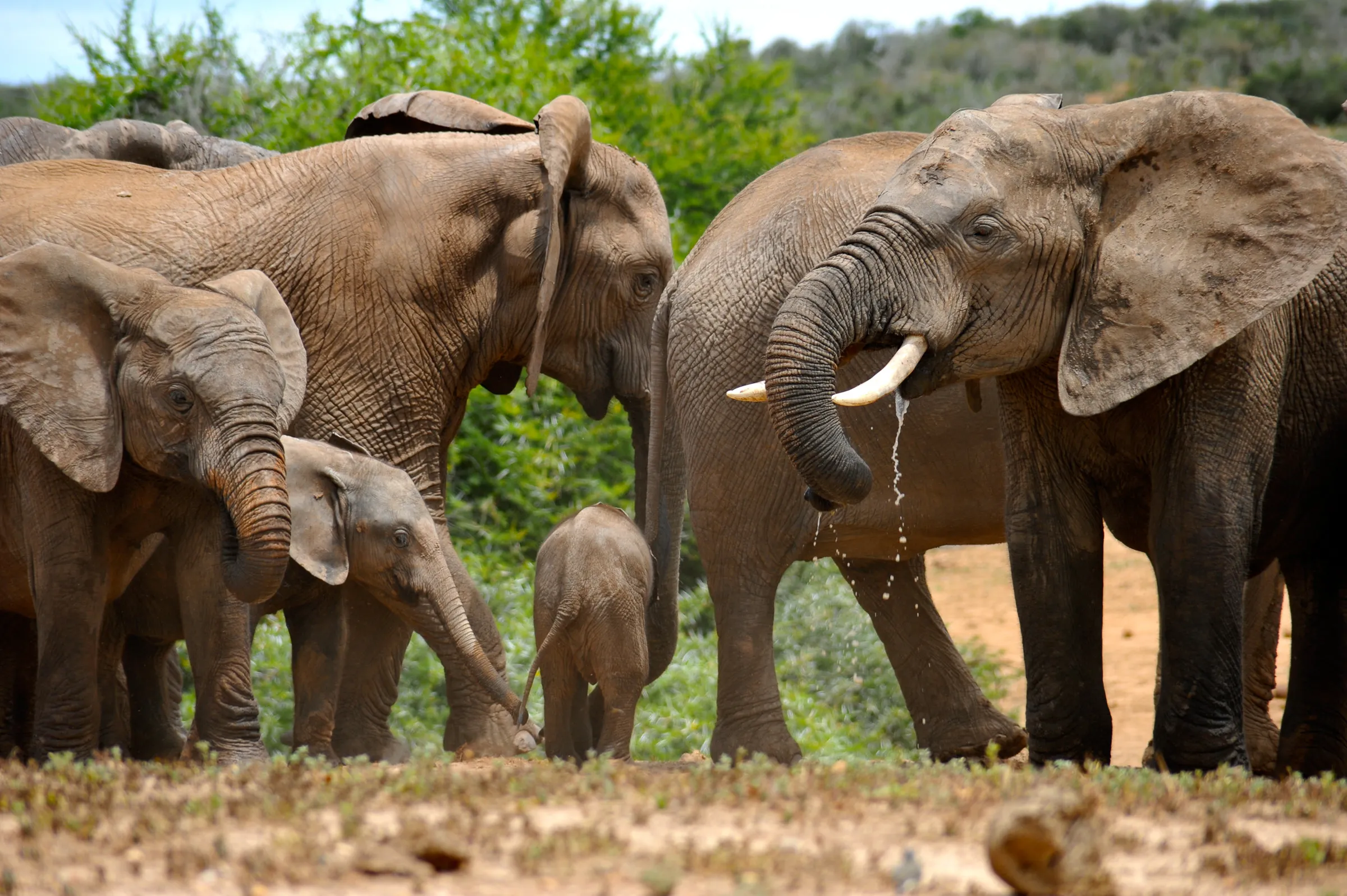
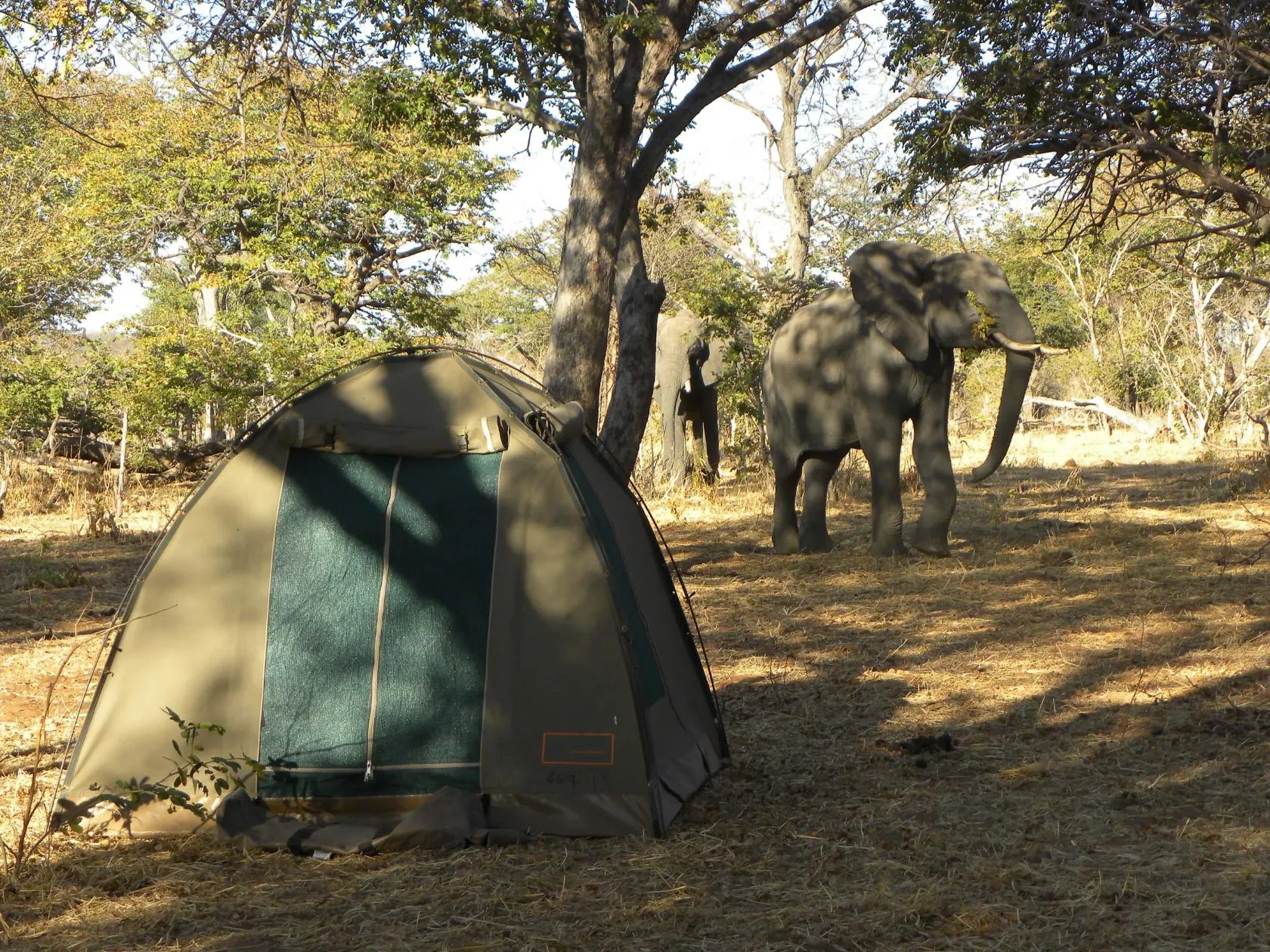
- Hwange – game drives
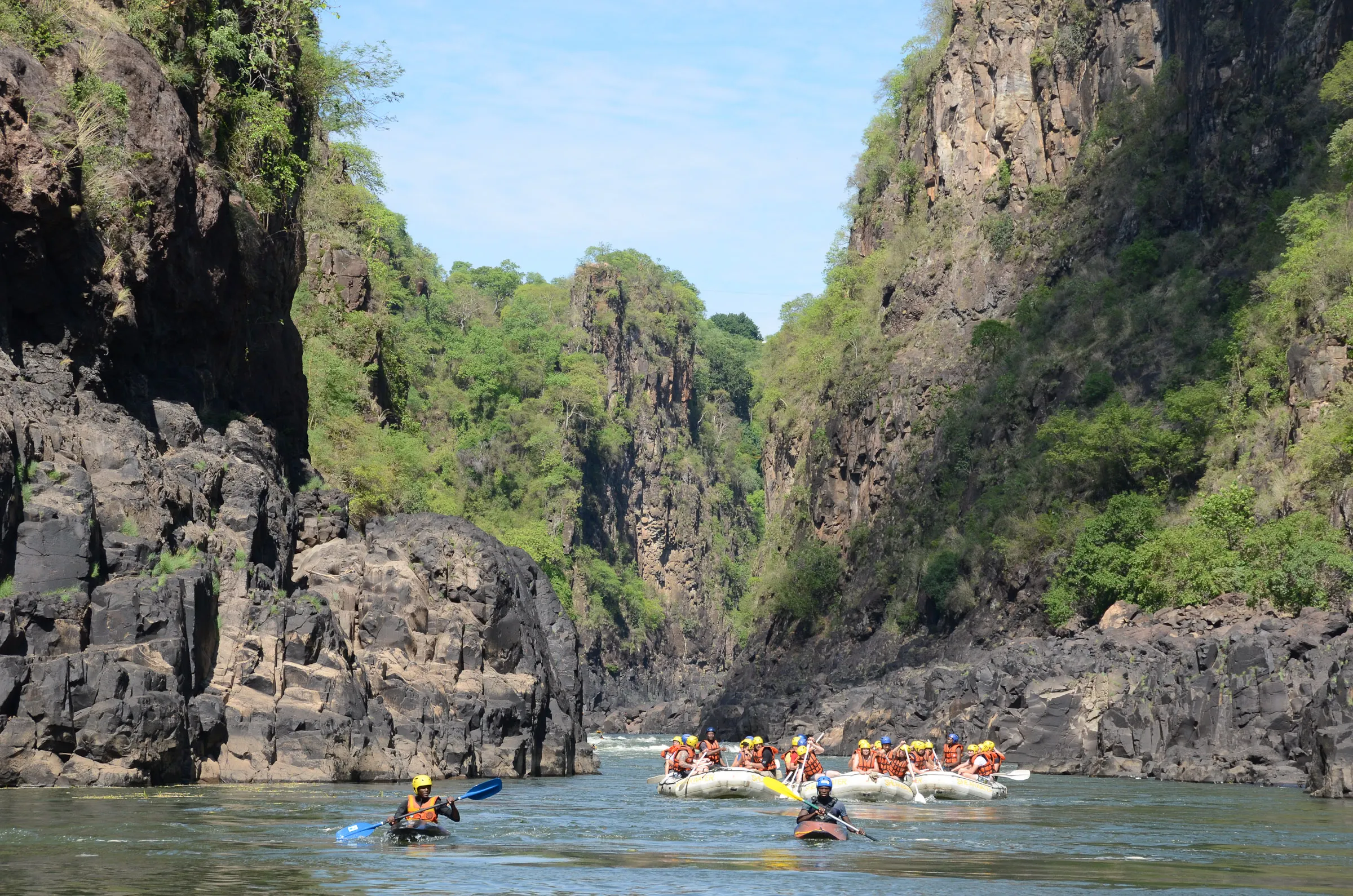
- Victoria Falls – A natural wonder of the world
Information
Overnight
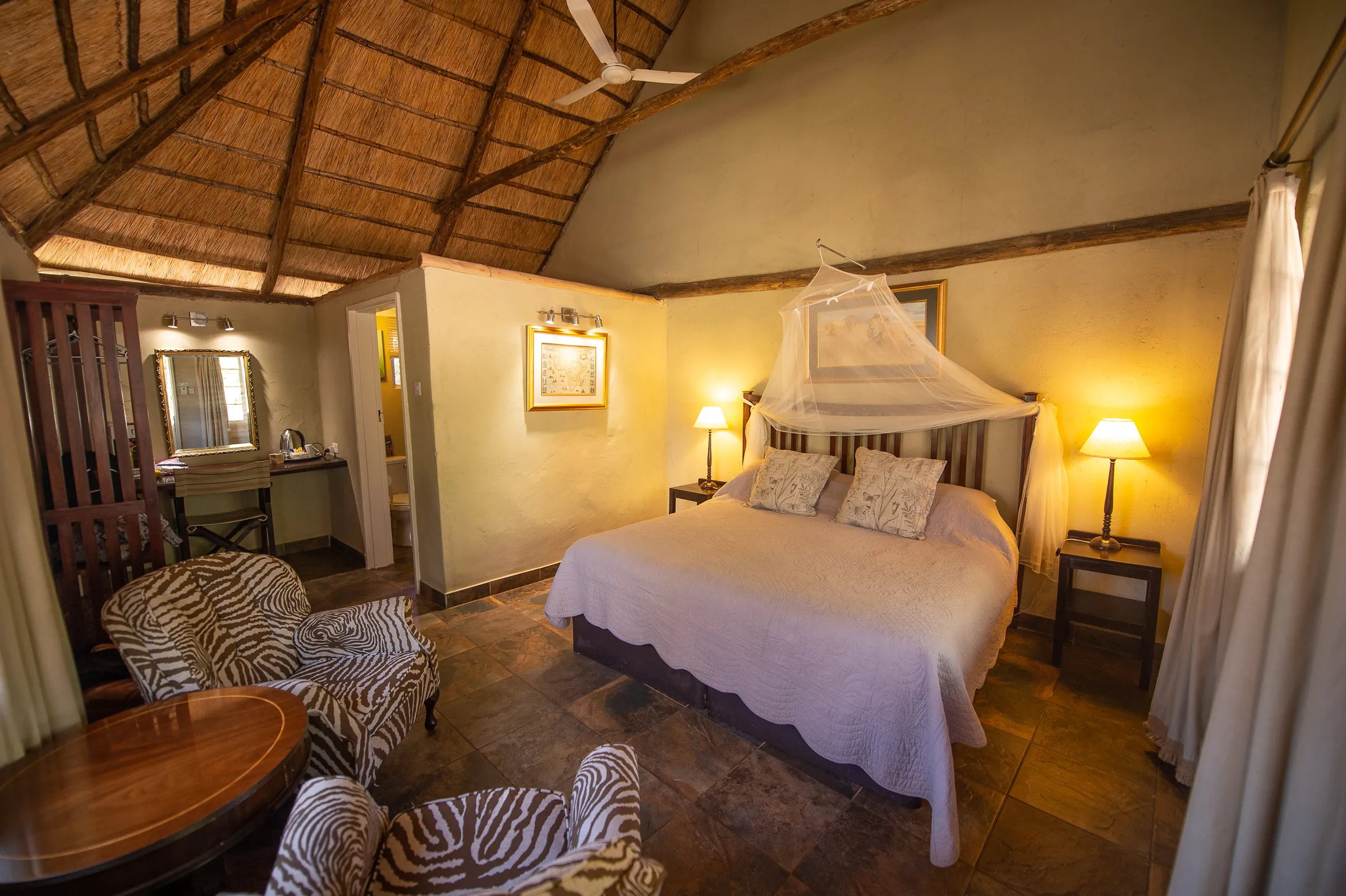
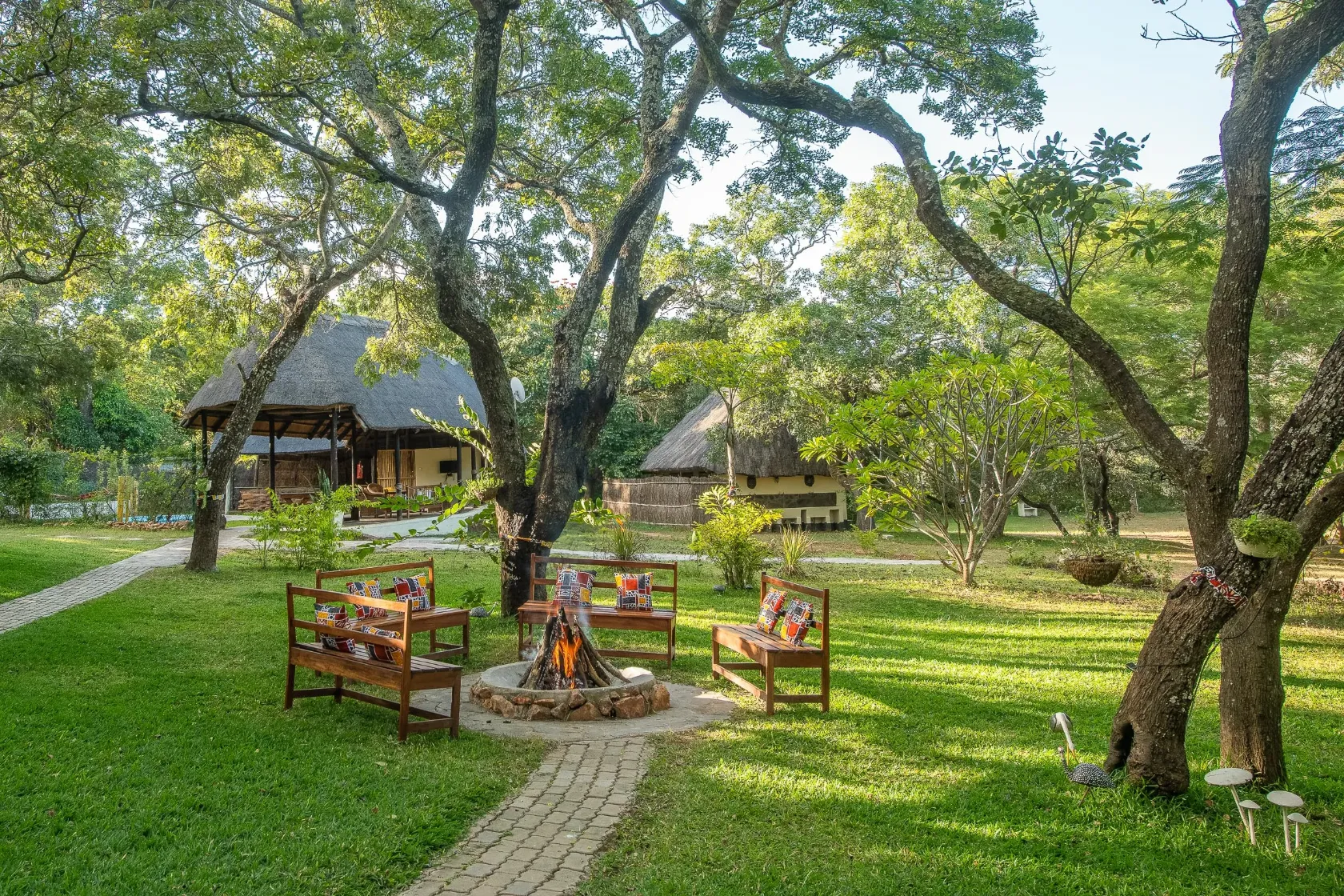
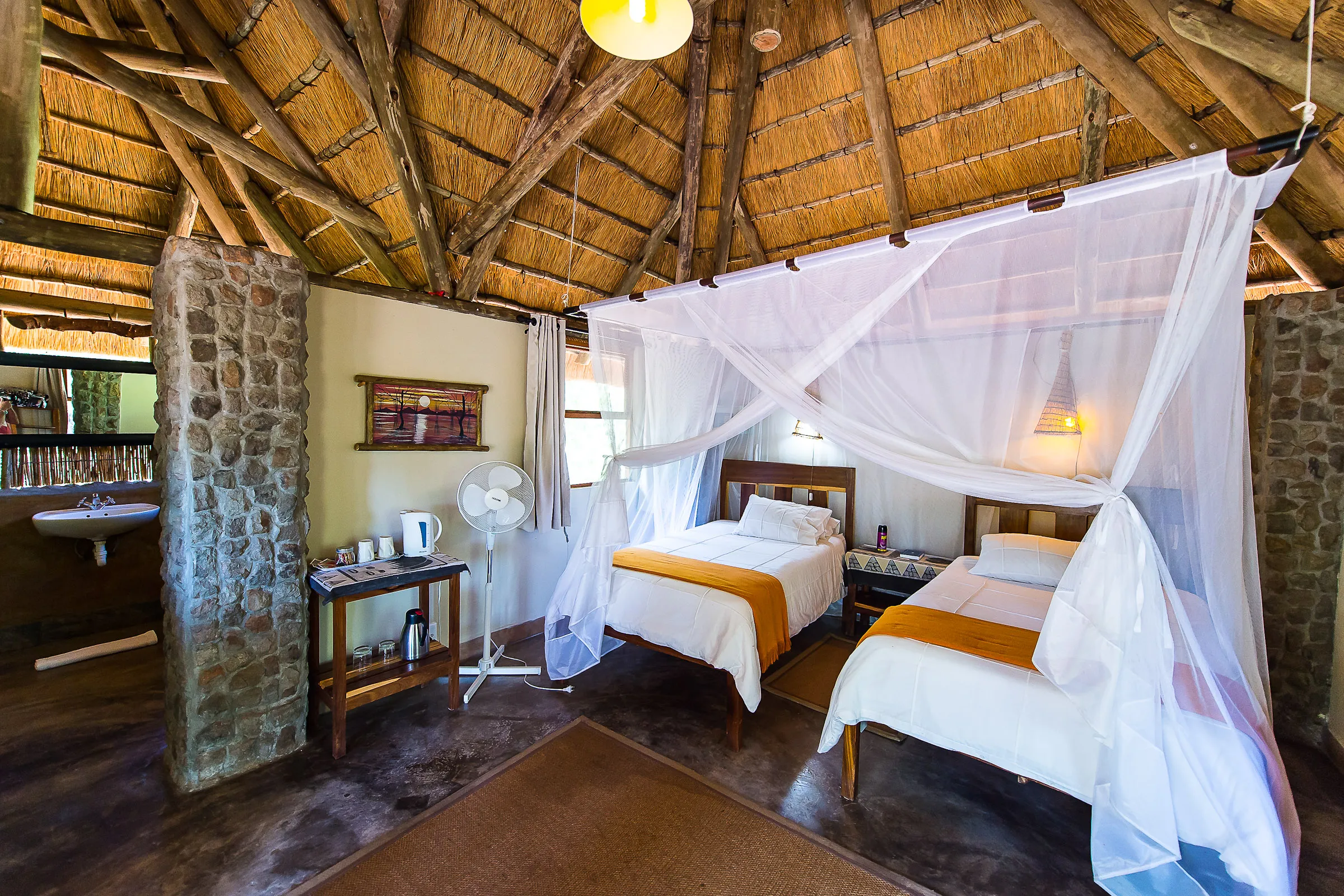
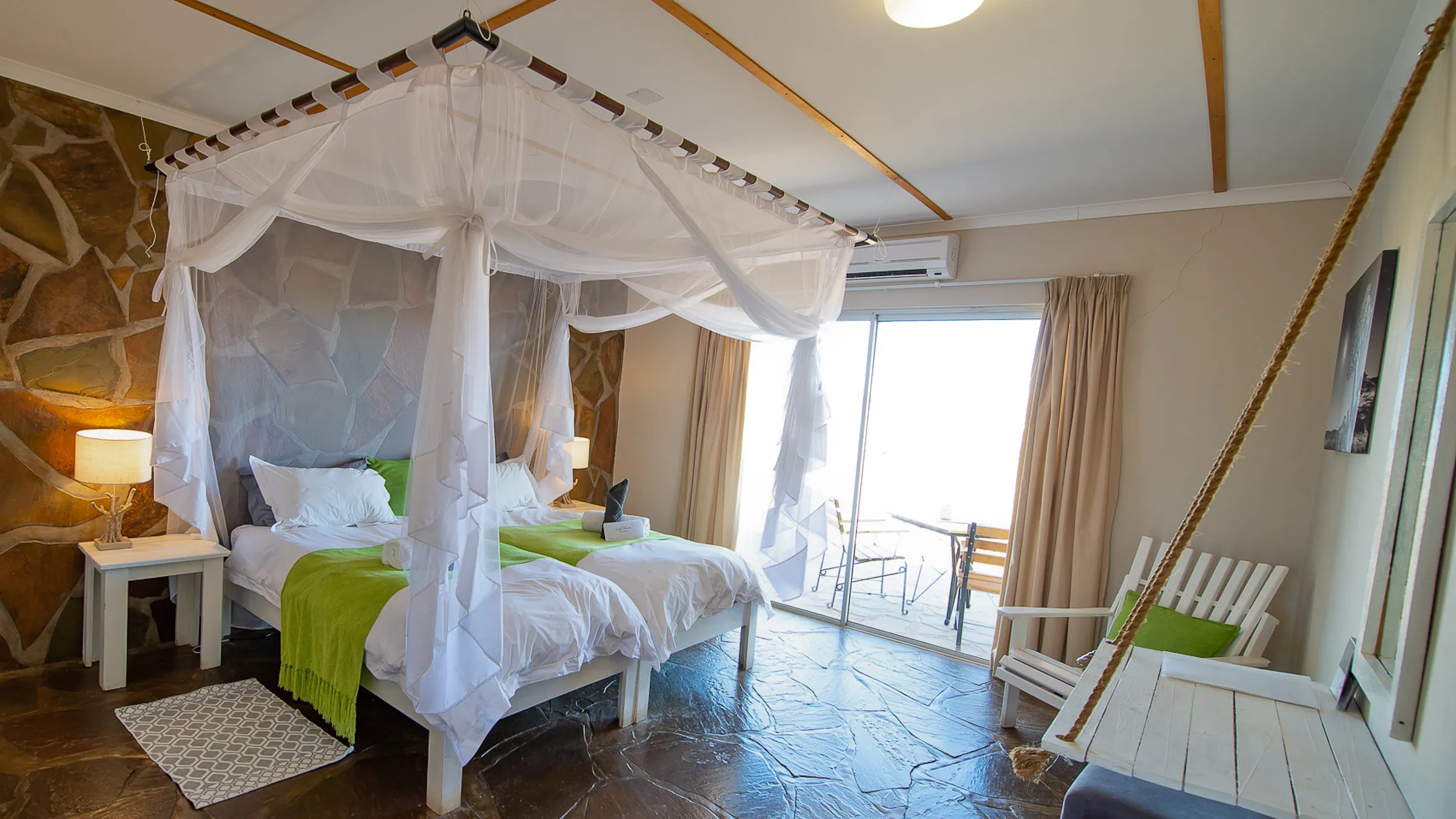
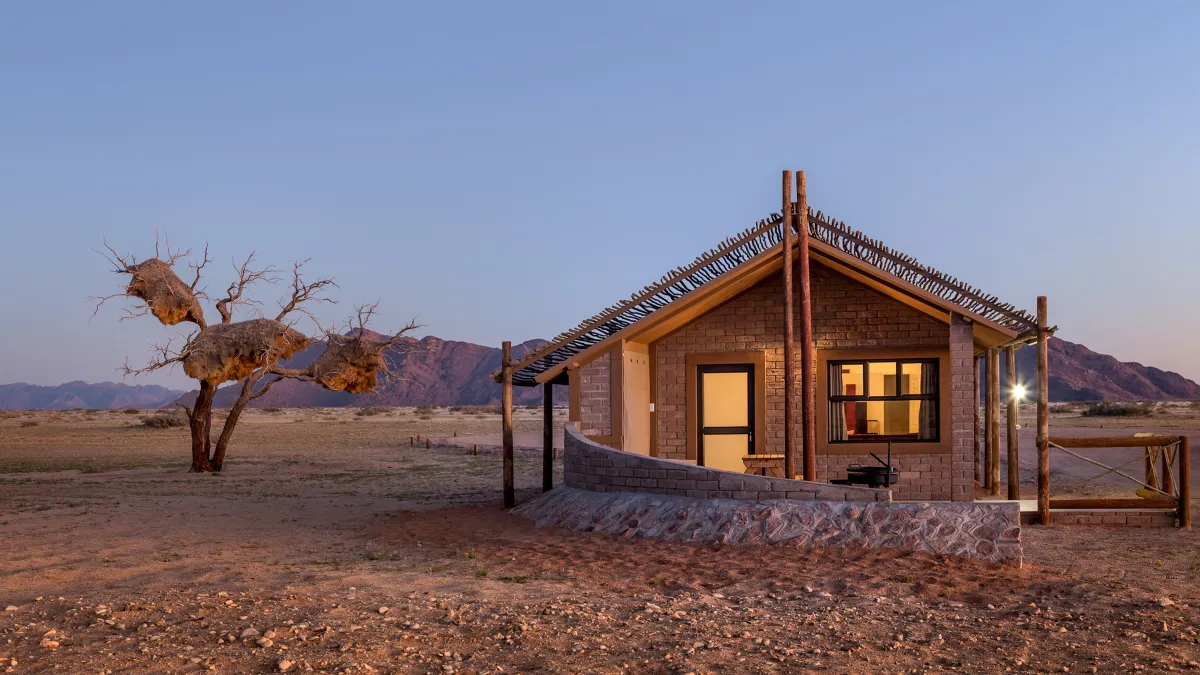
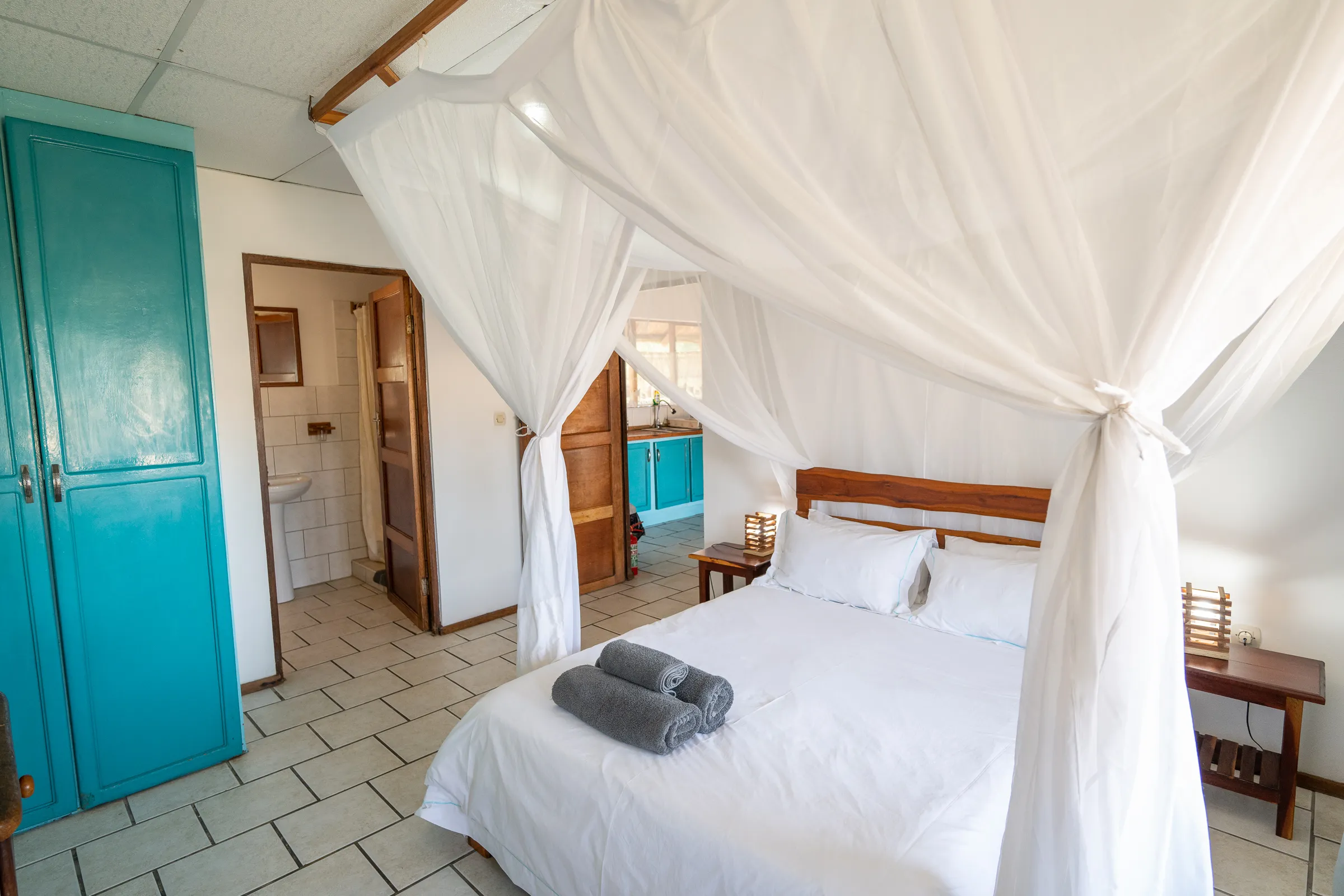
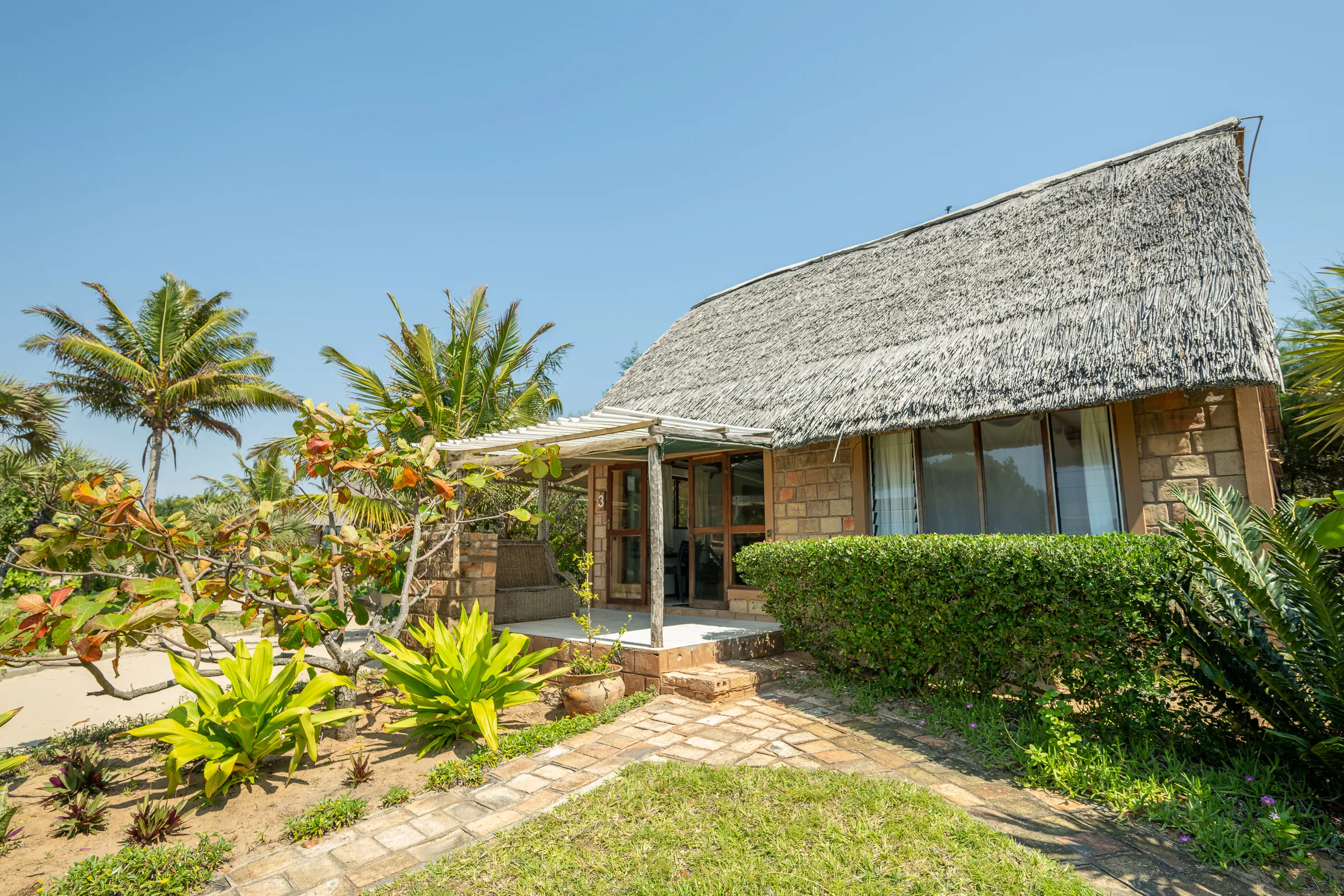
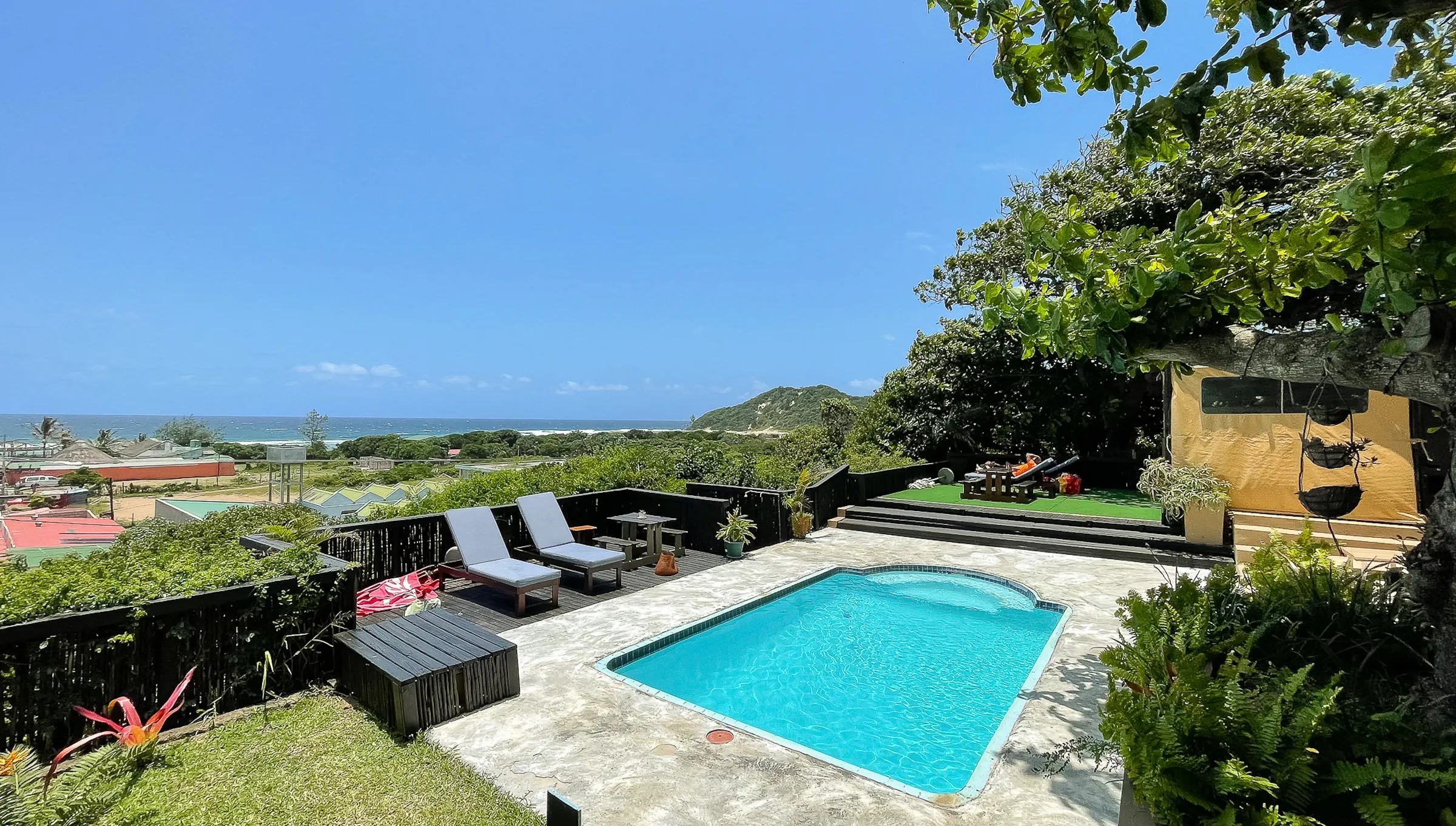
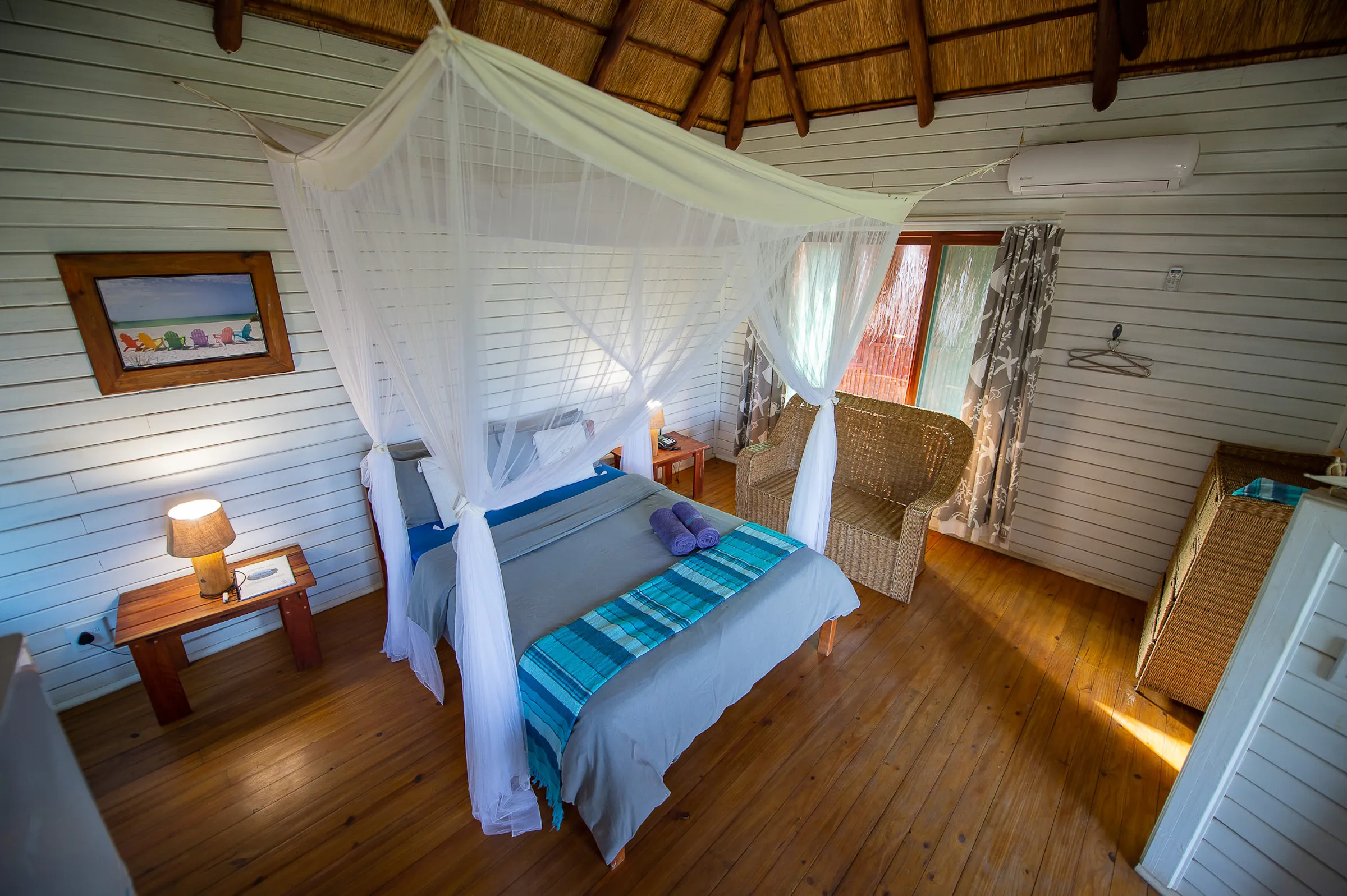
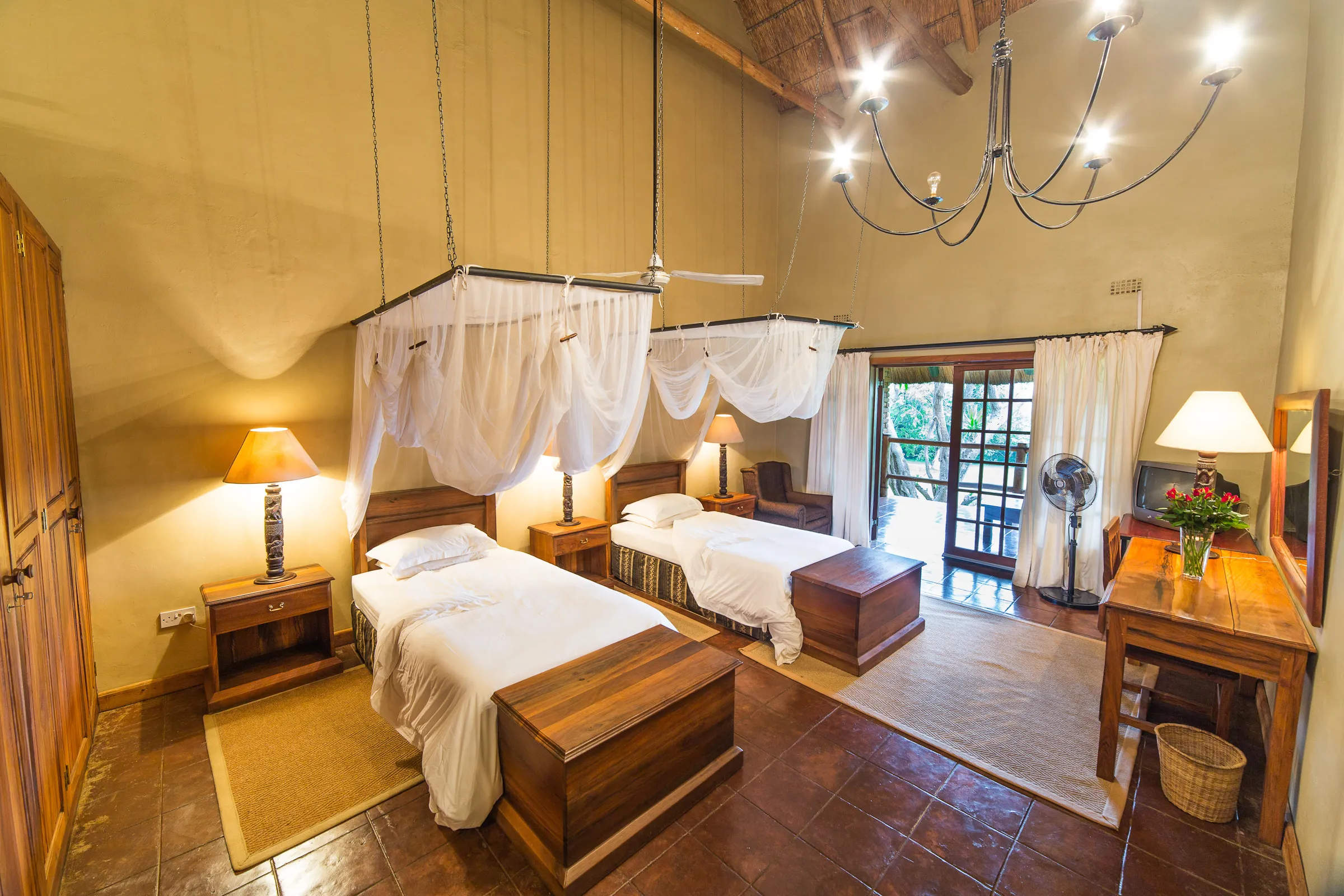
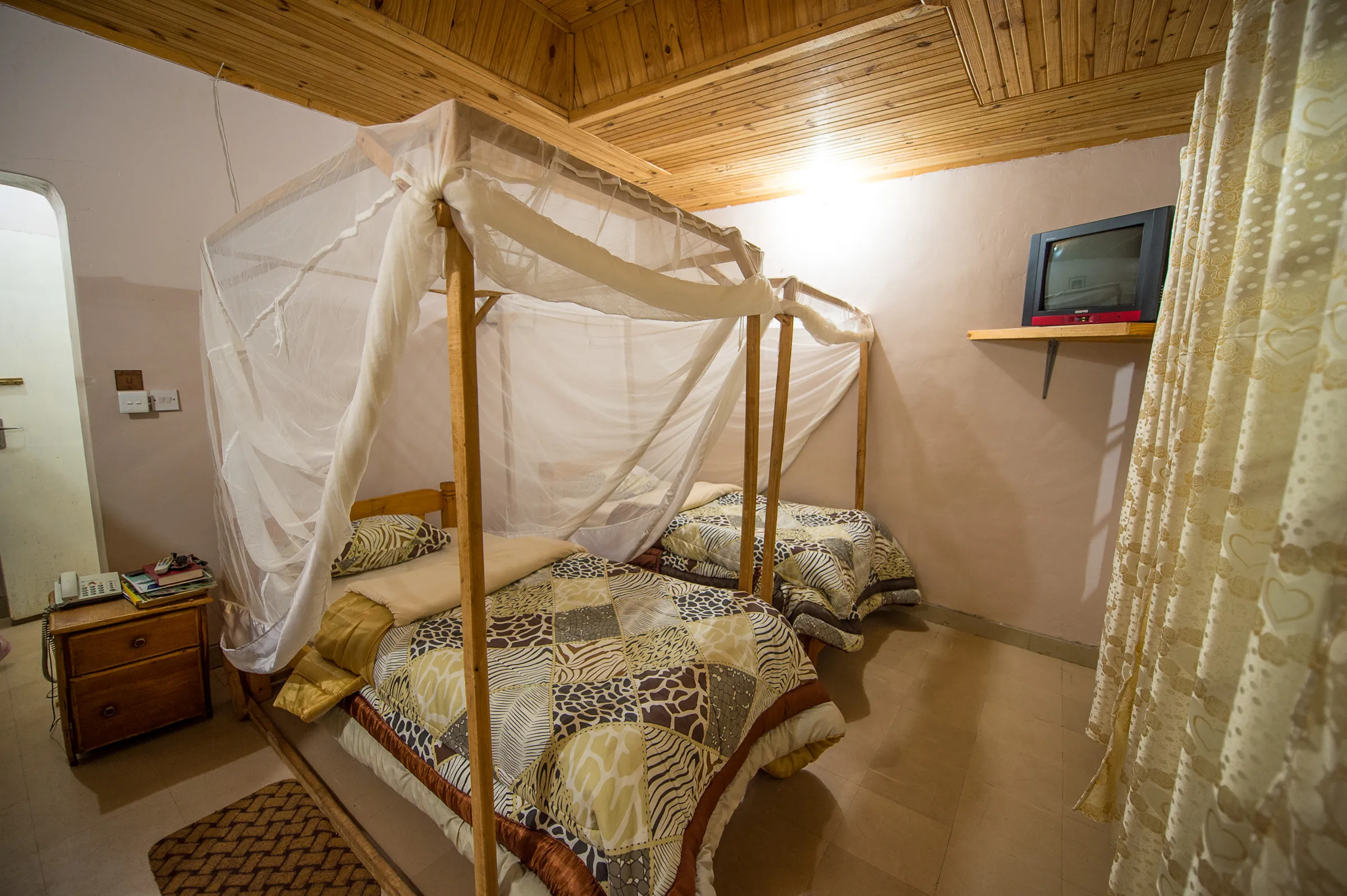
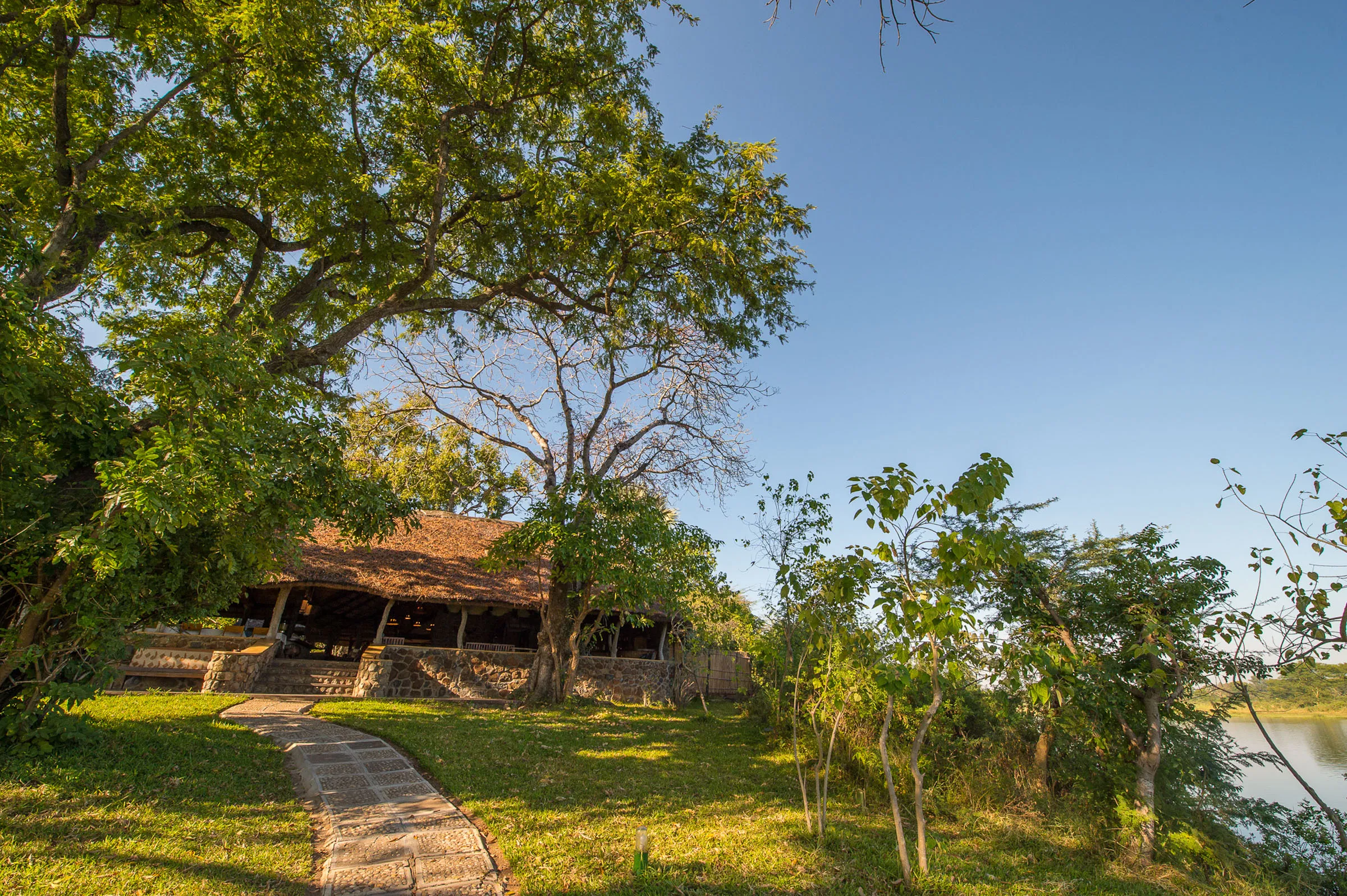
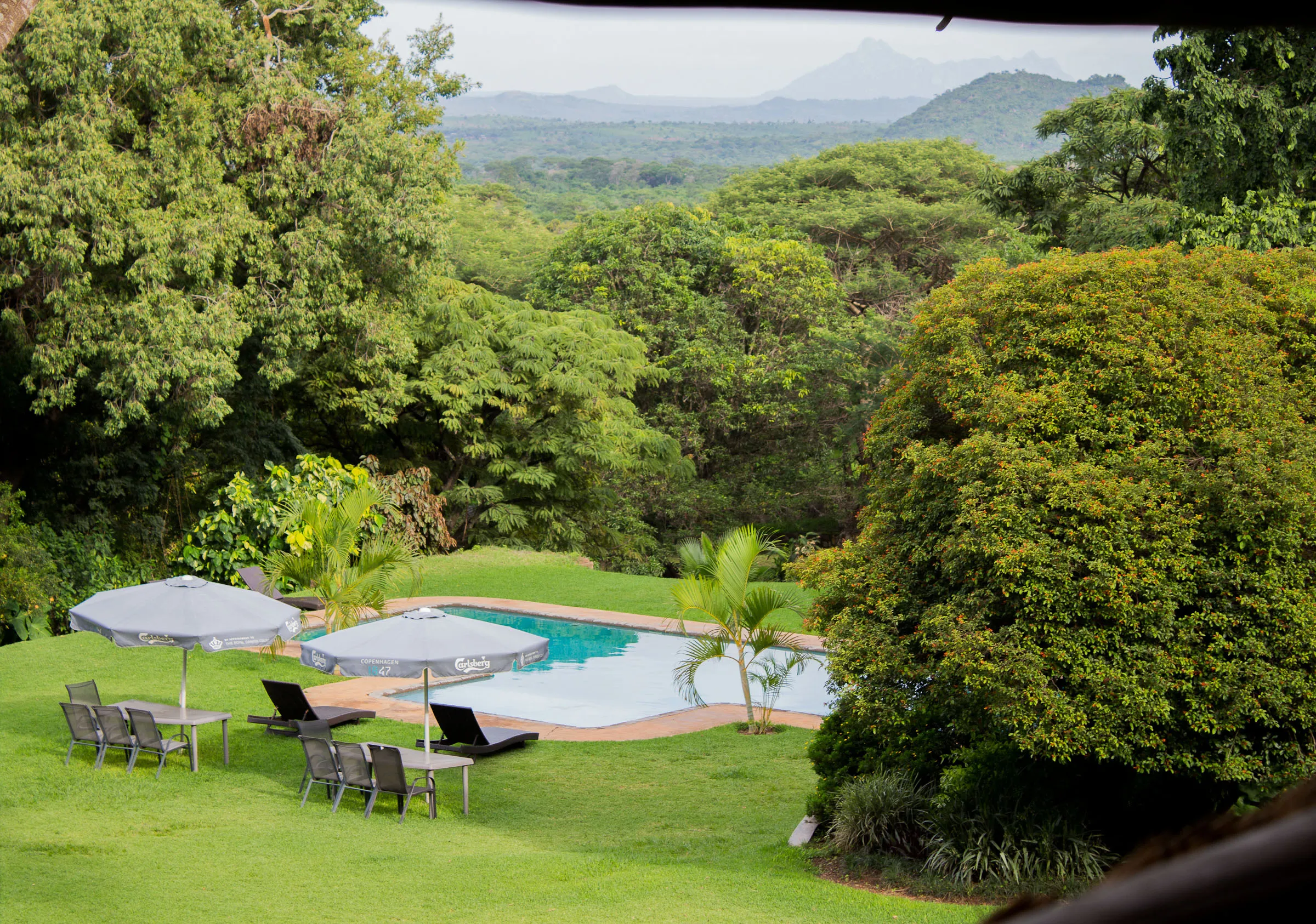
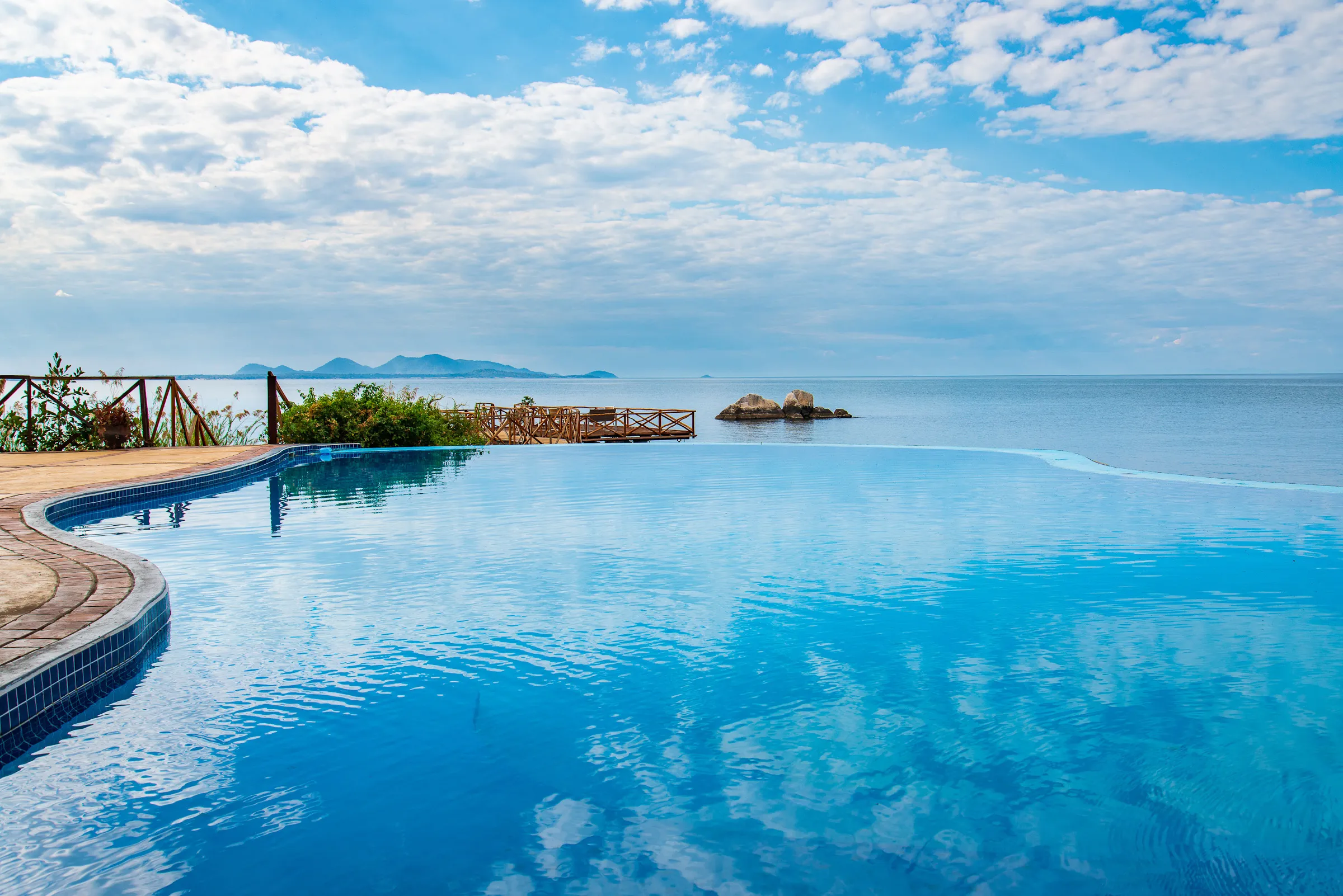
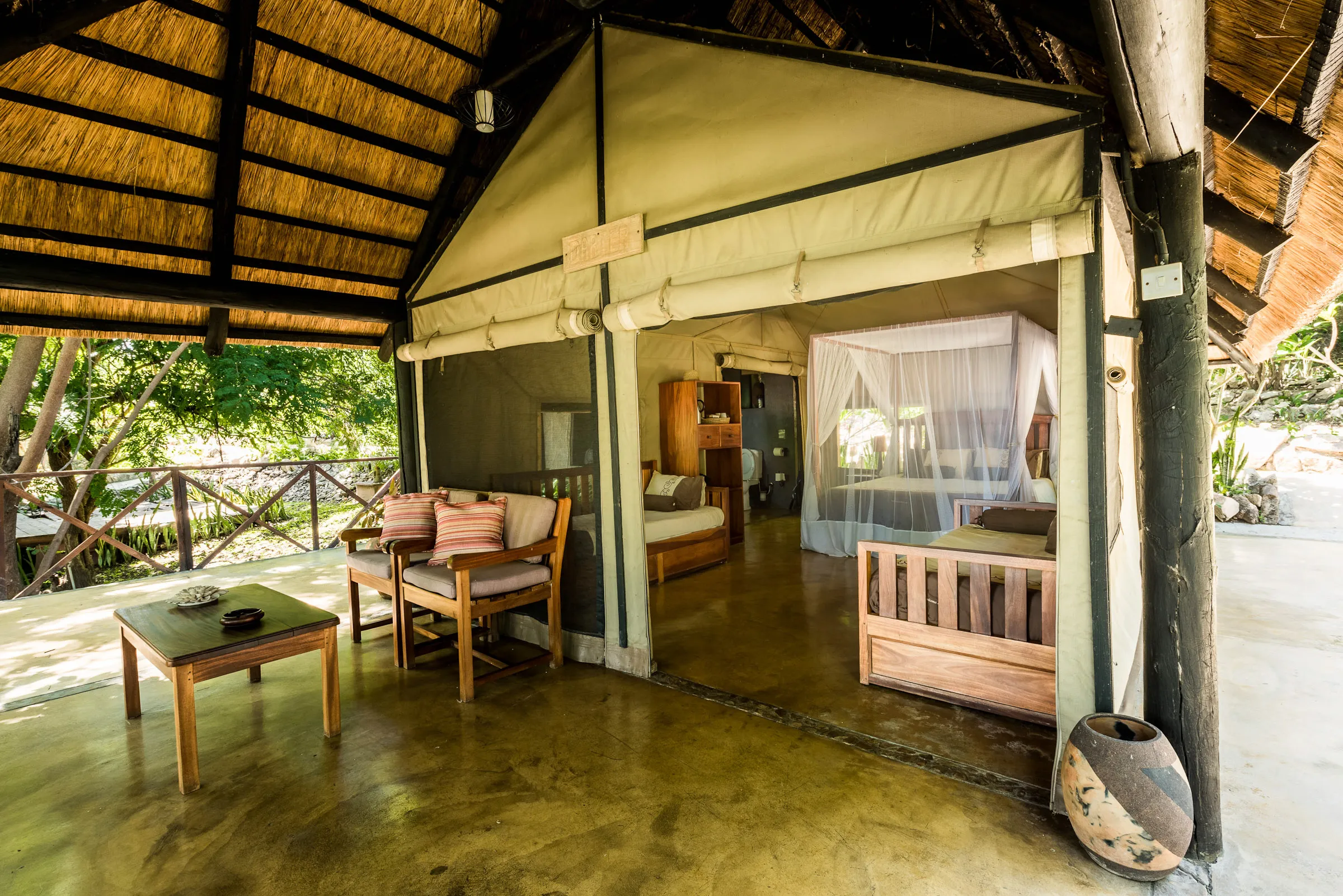
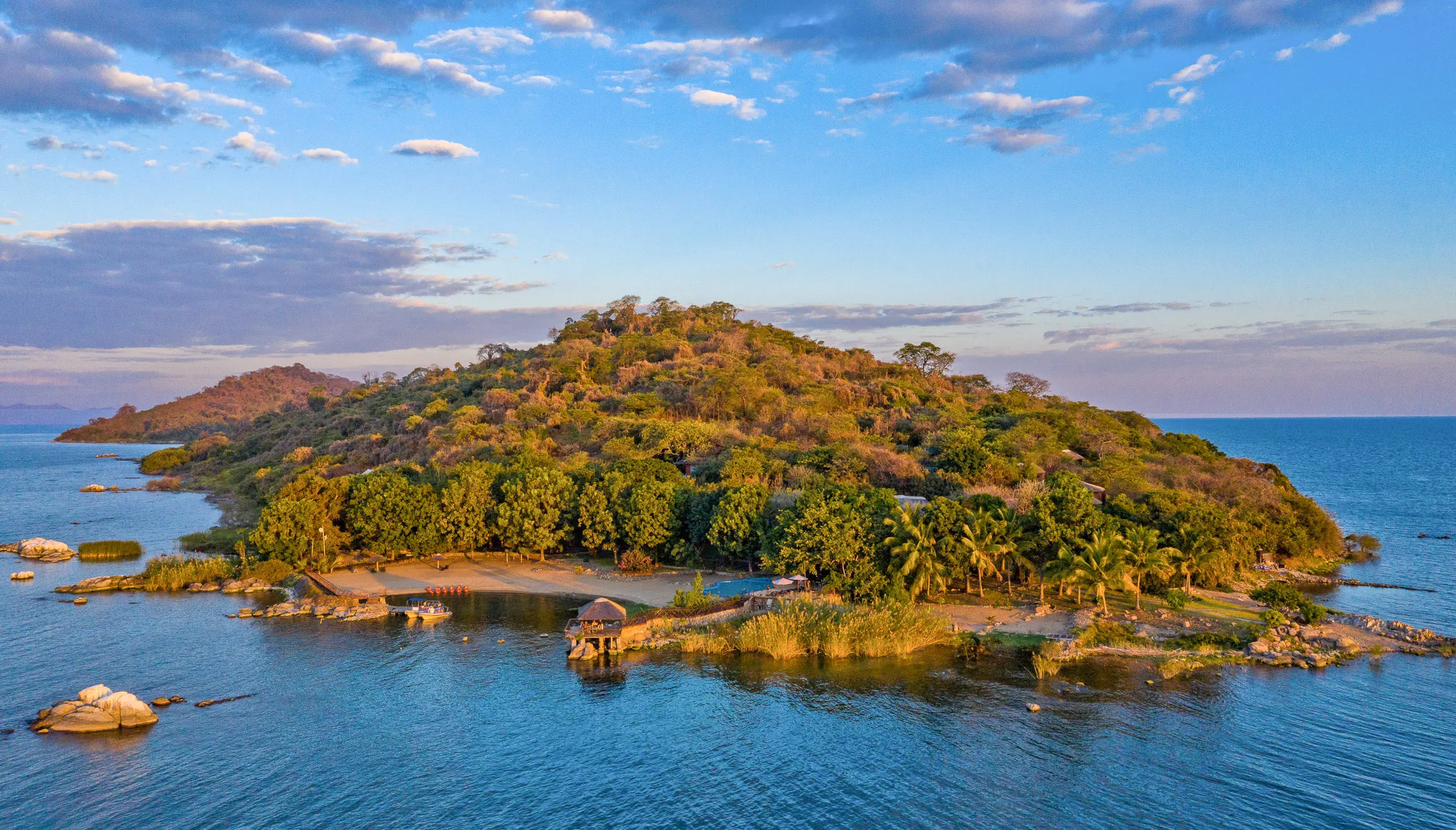
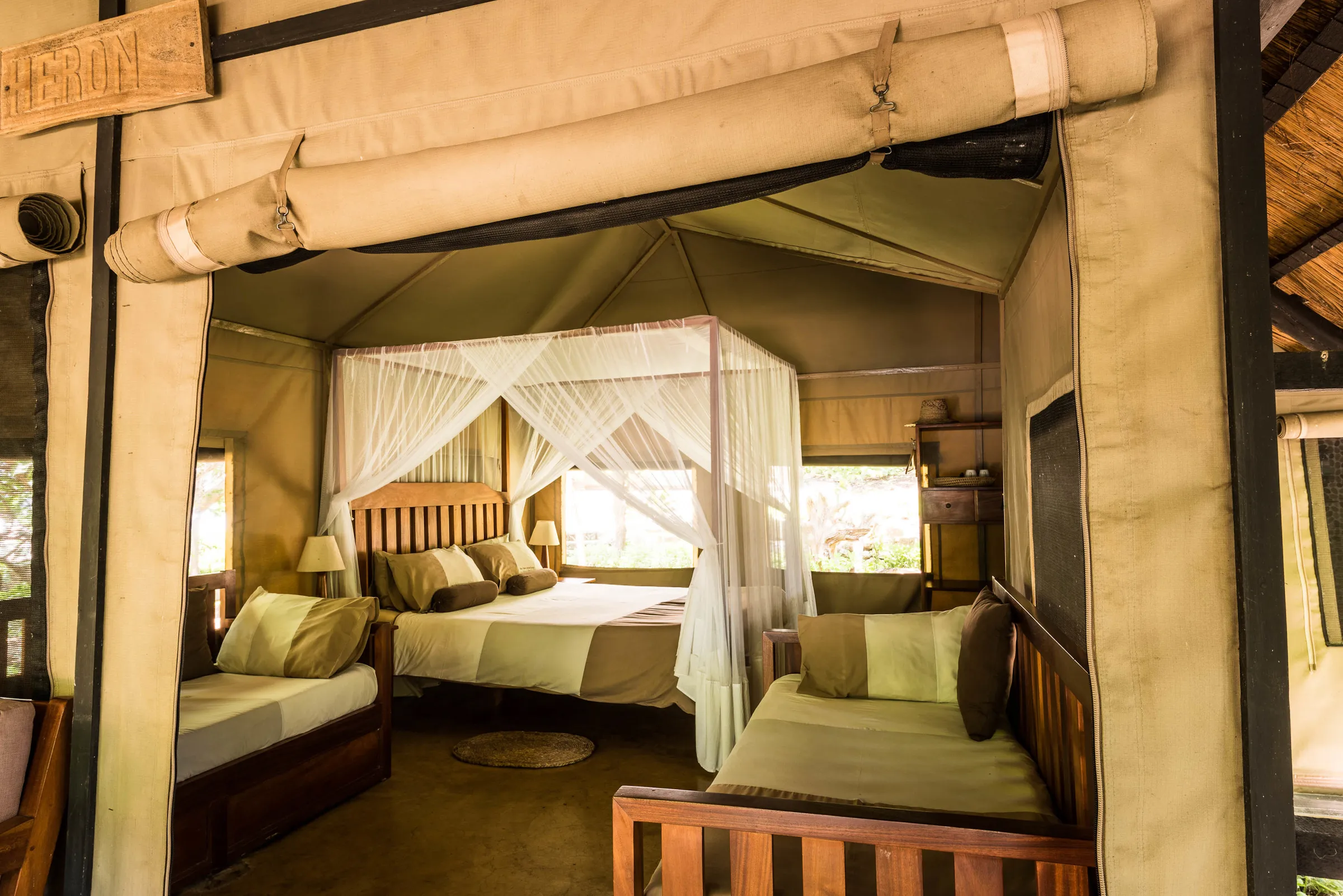
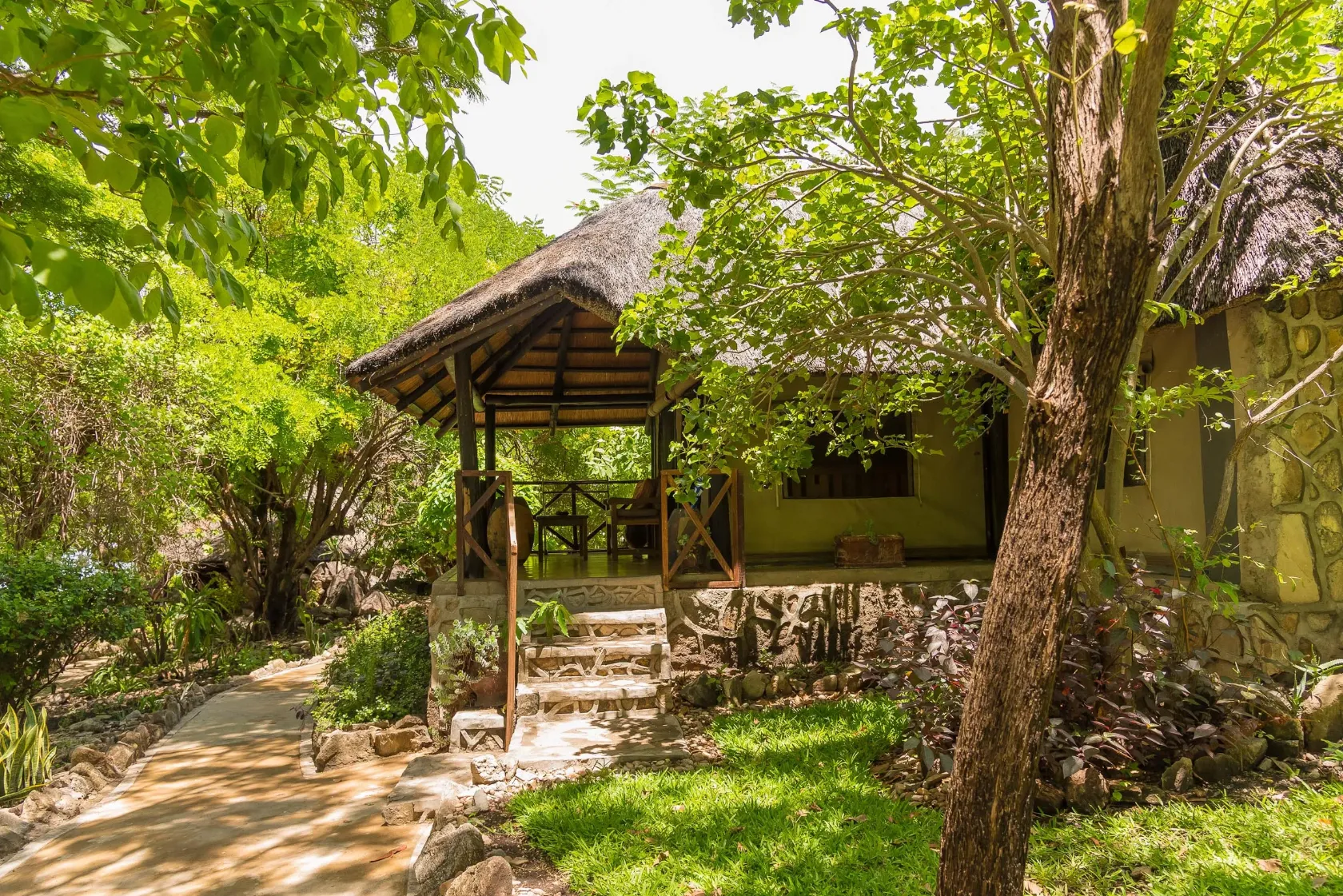
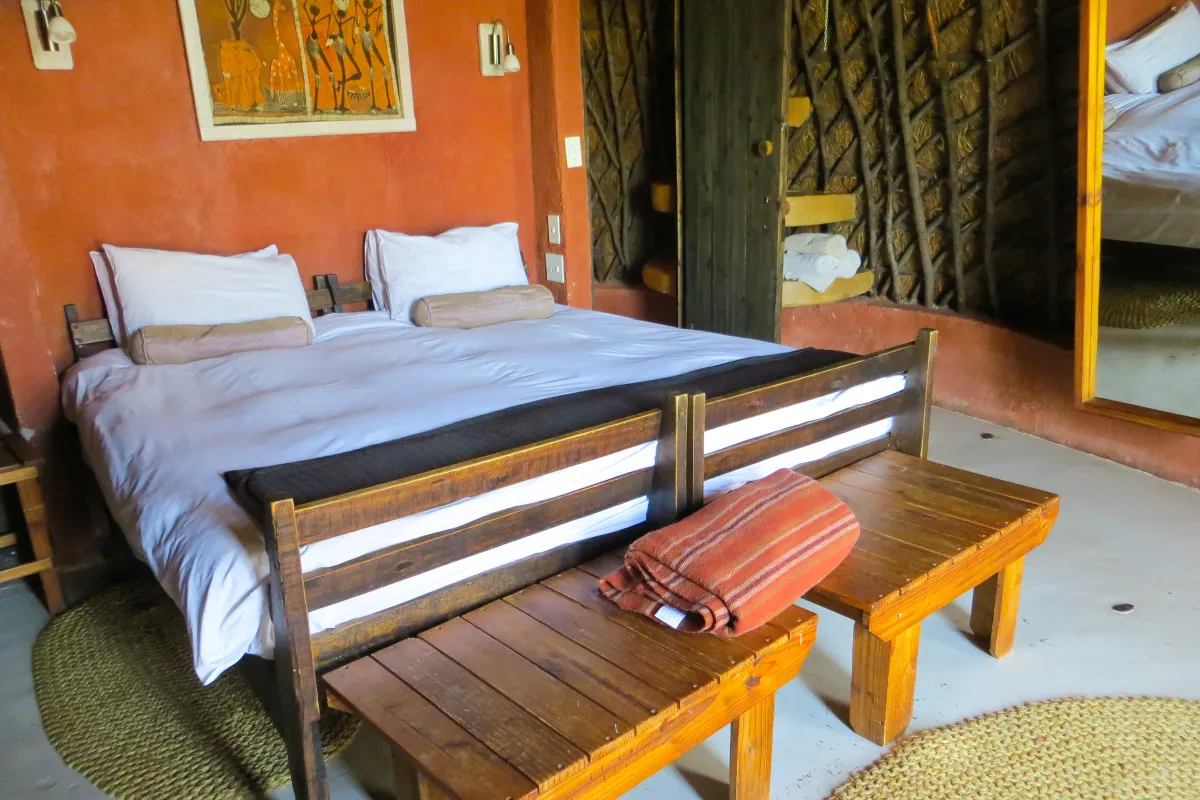
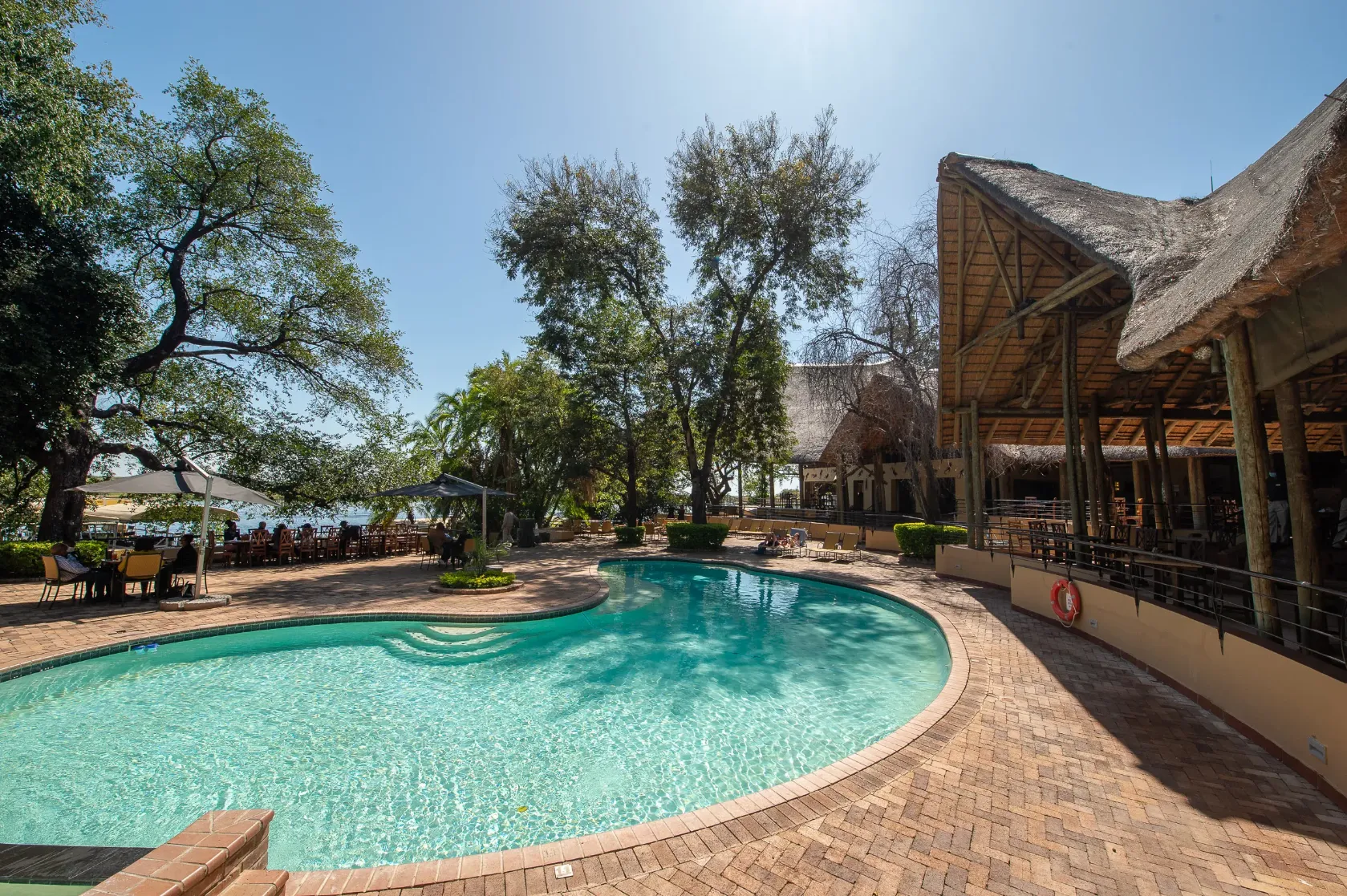
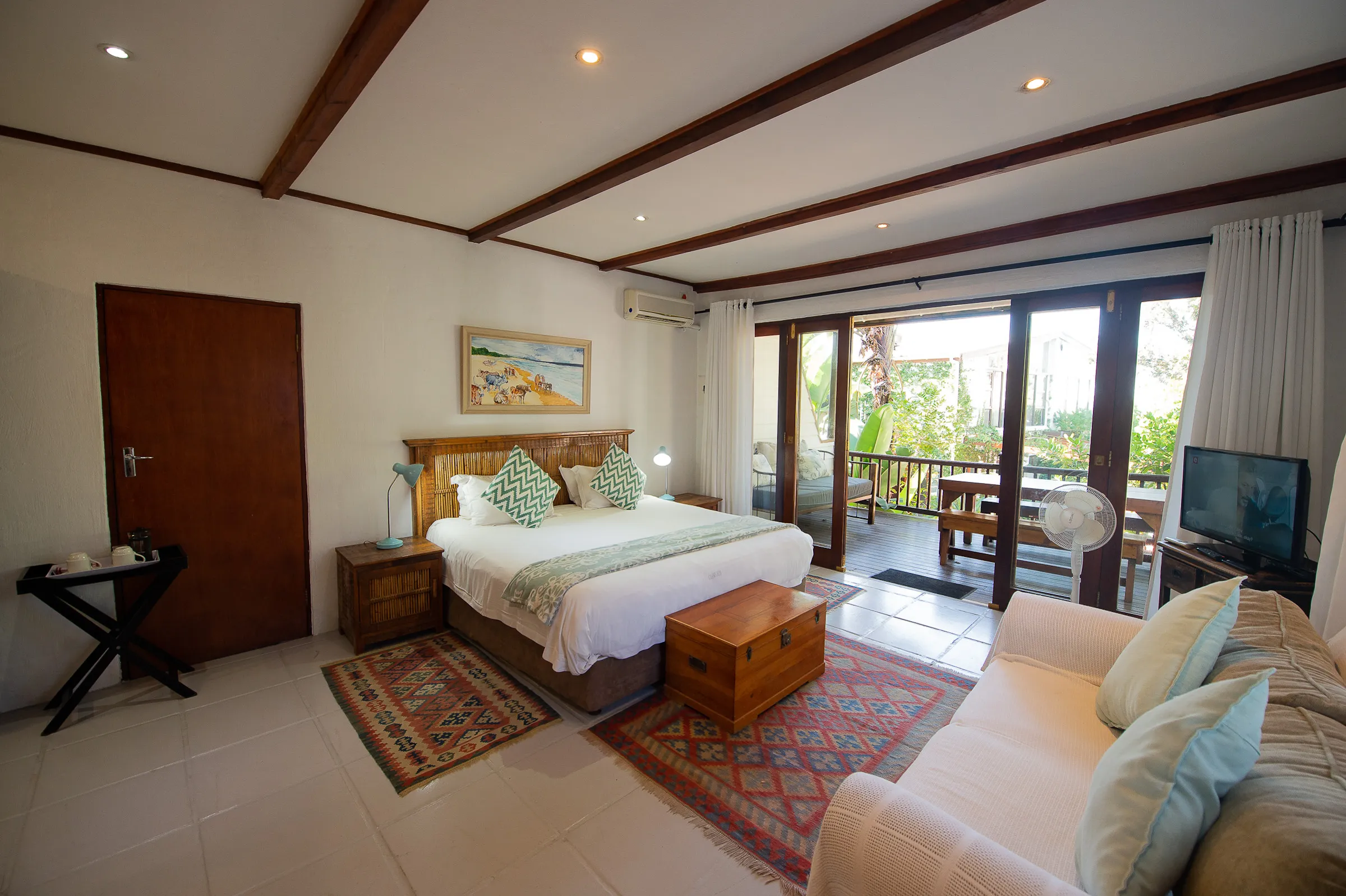
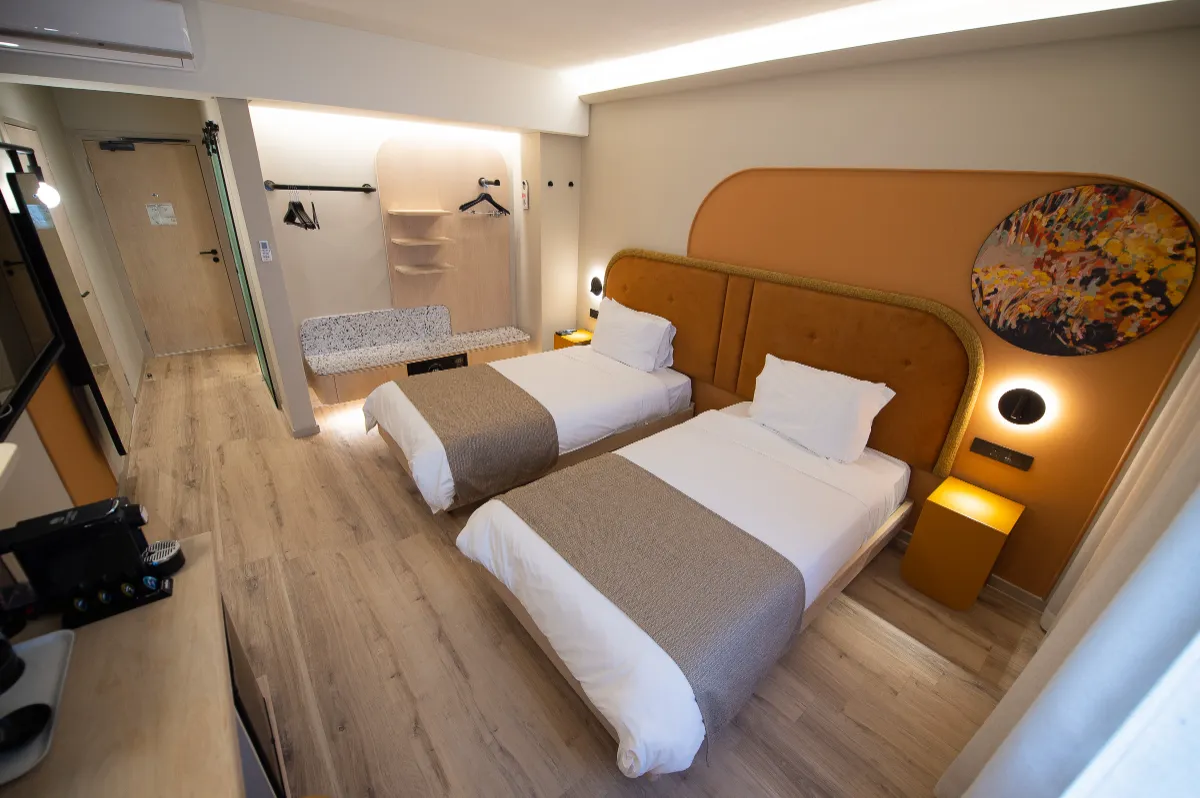
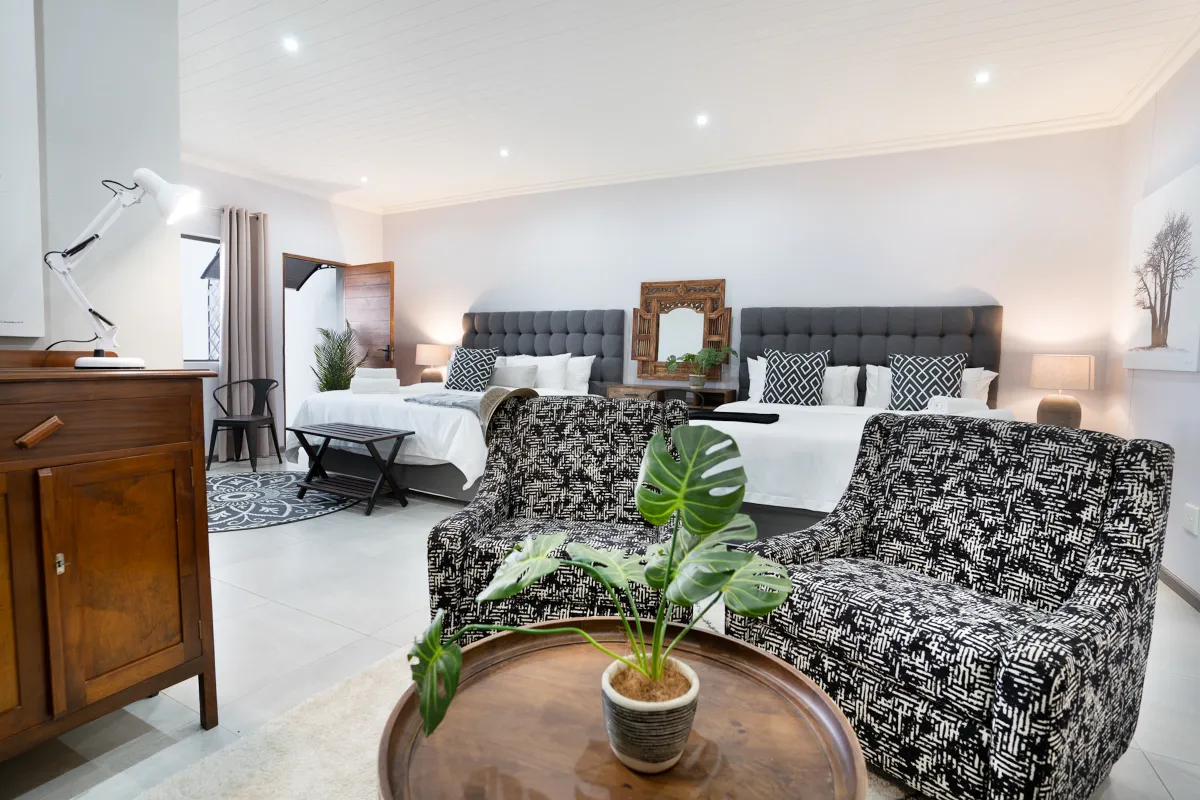
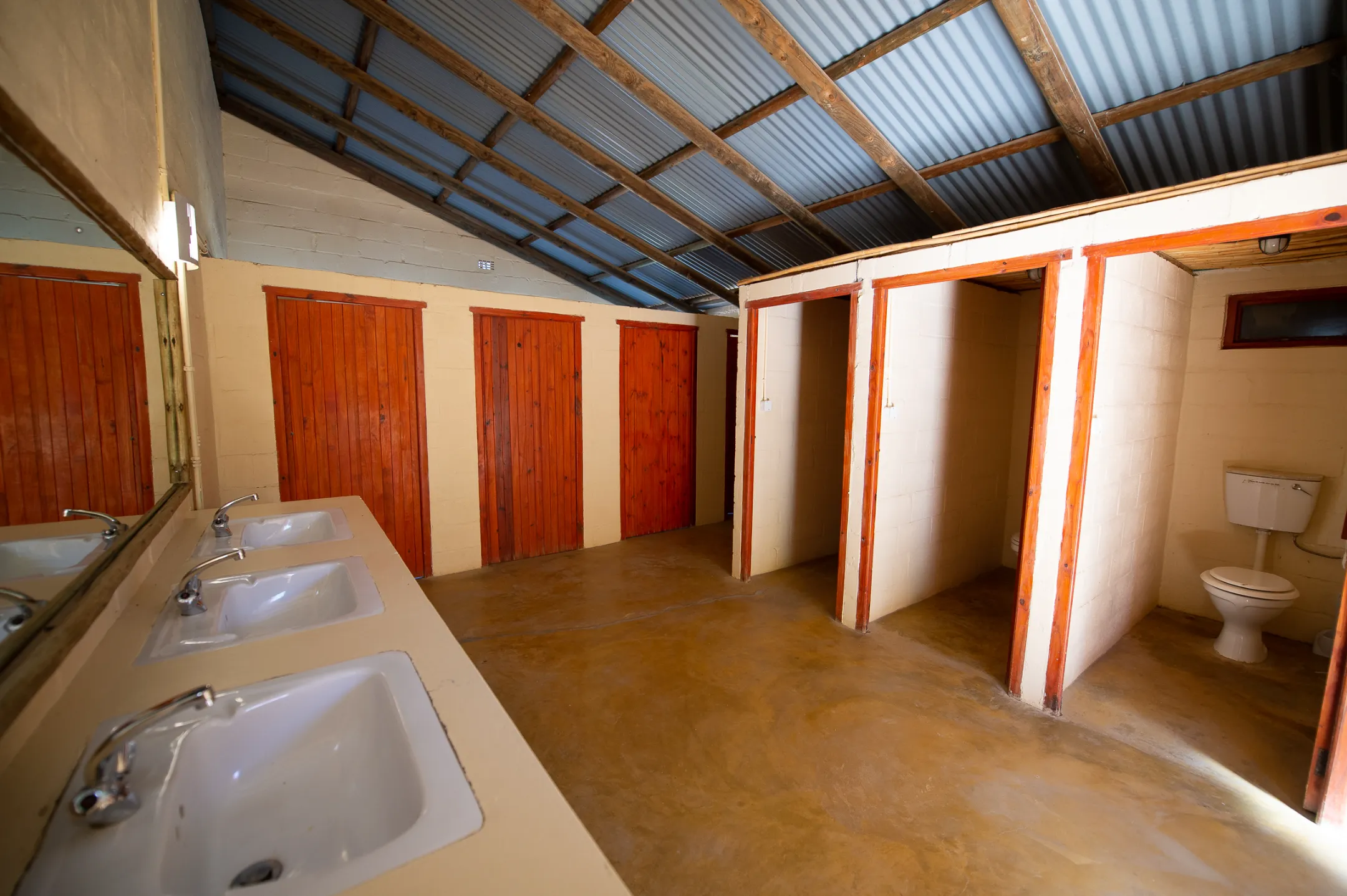
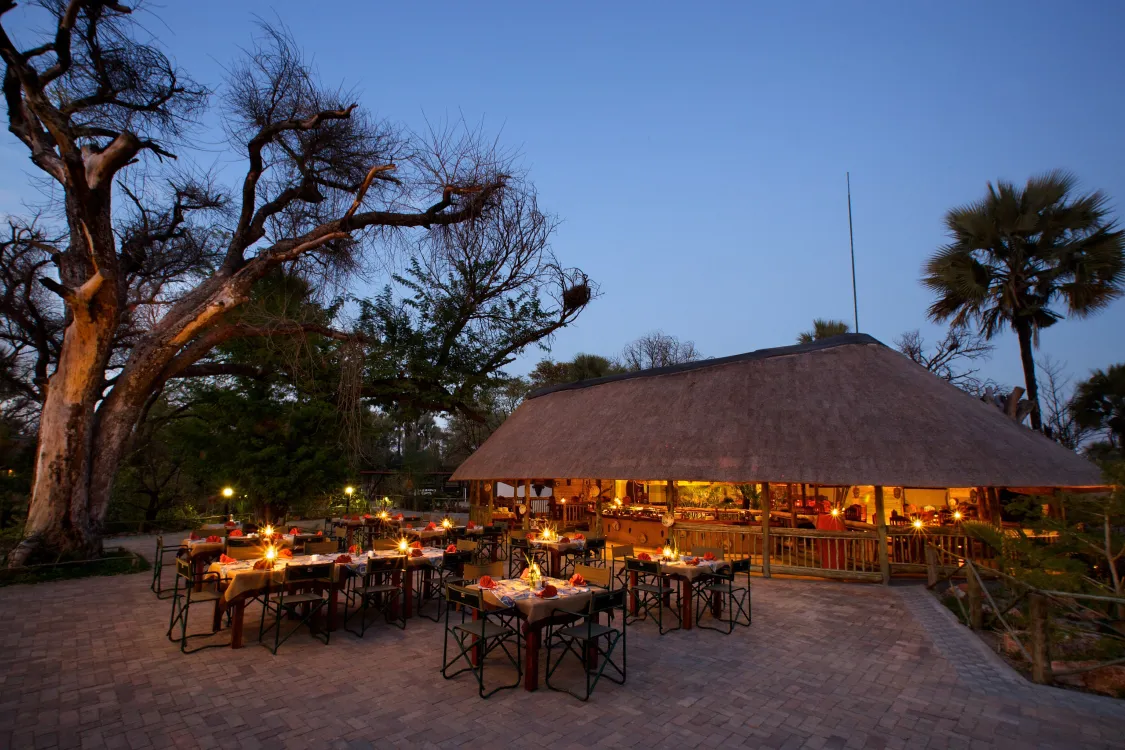
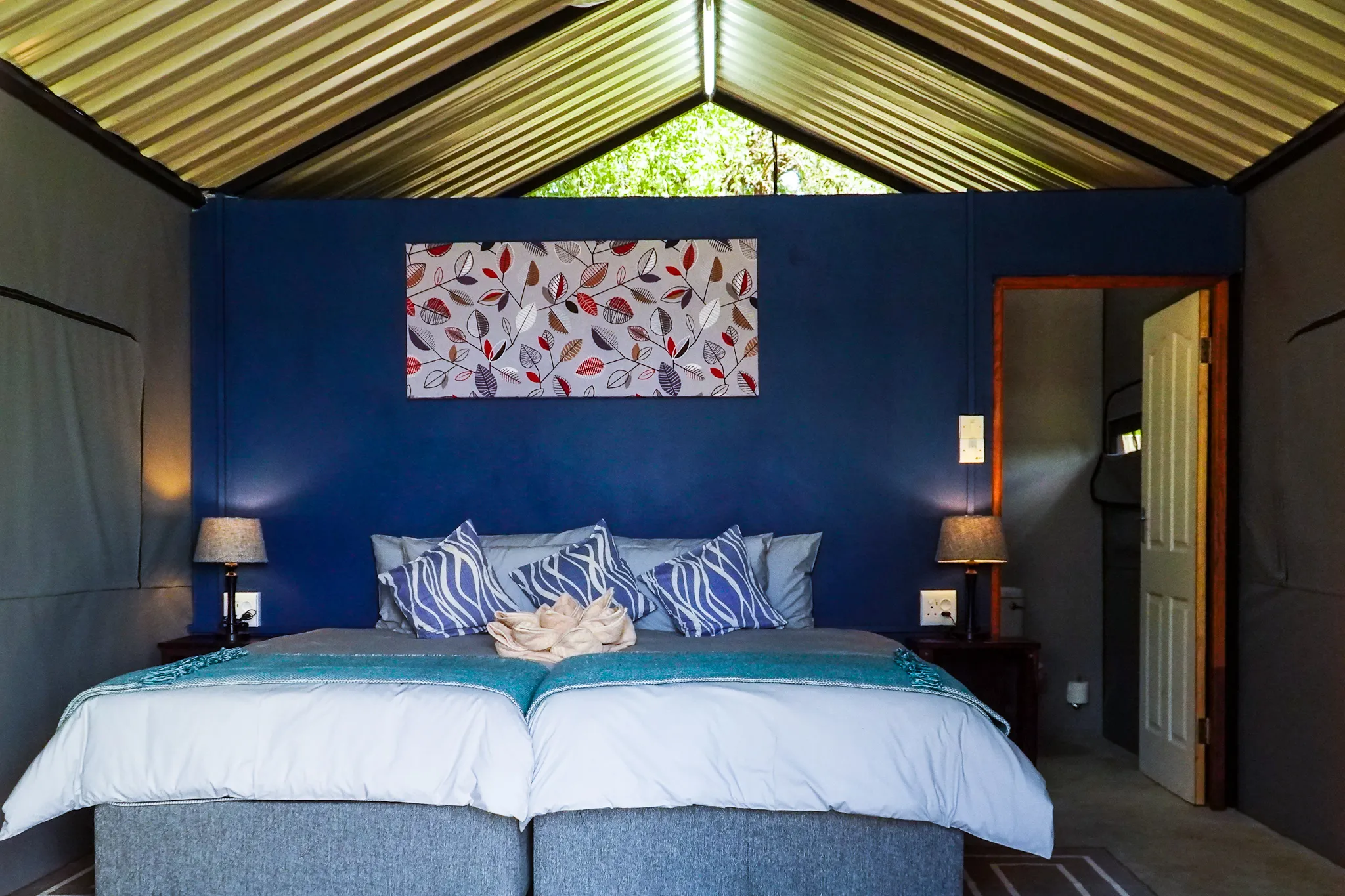
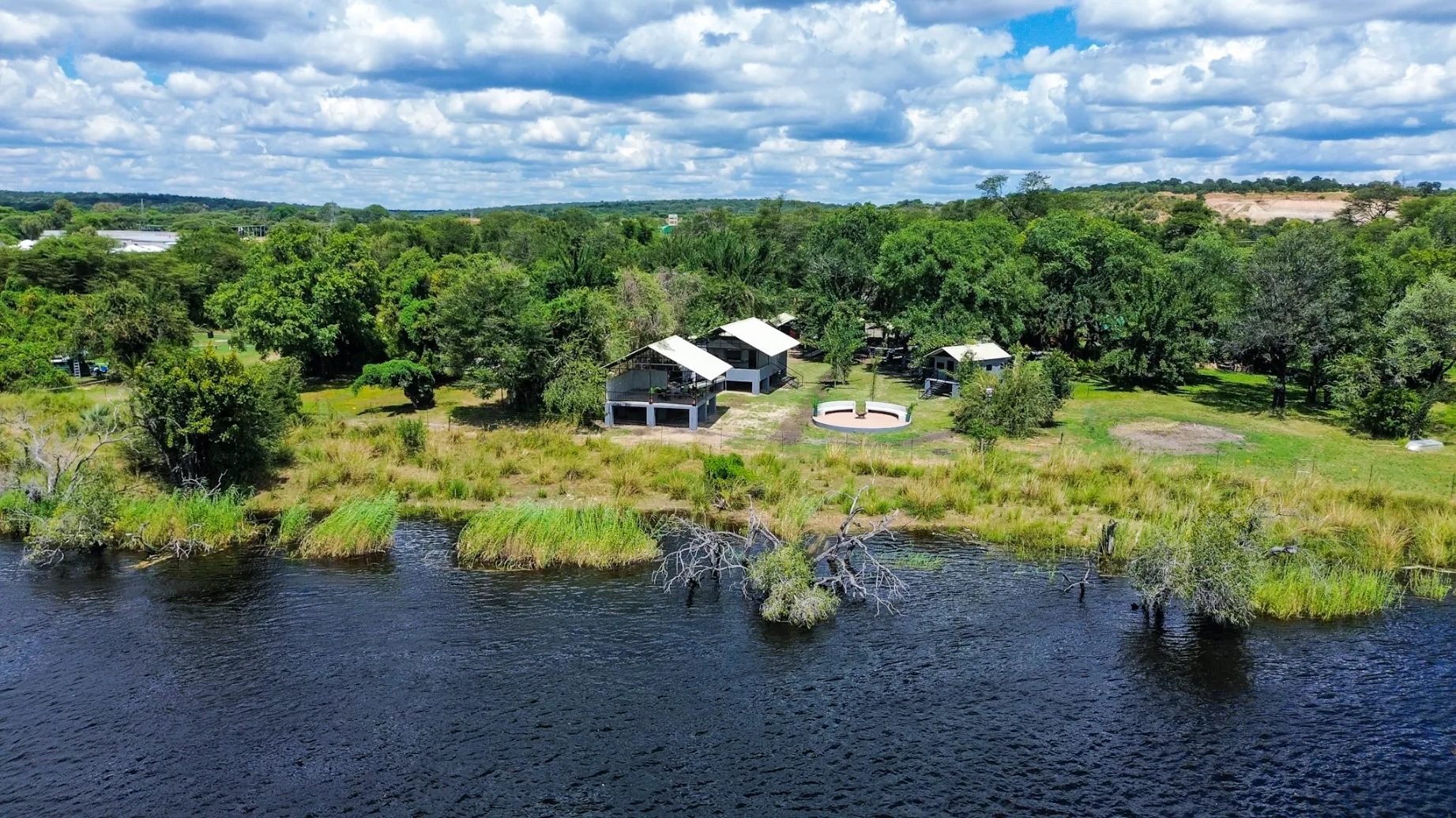
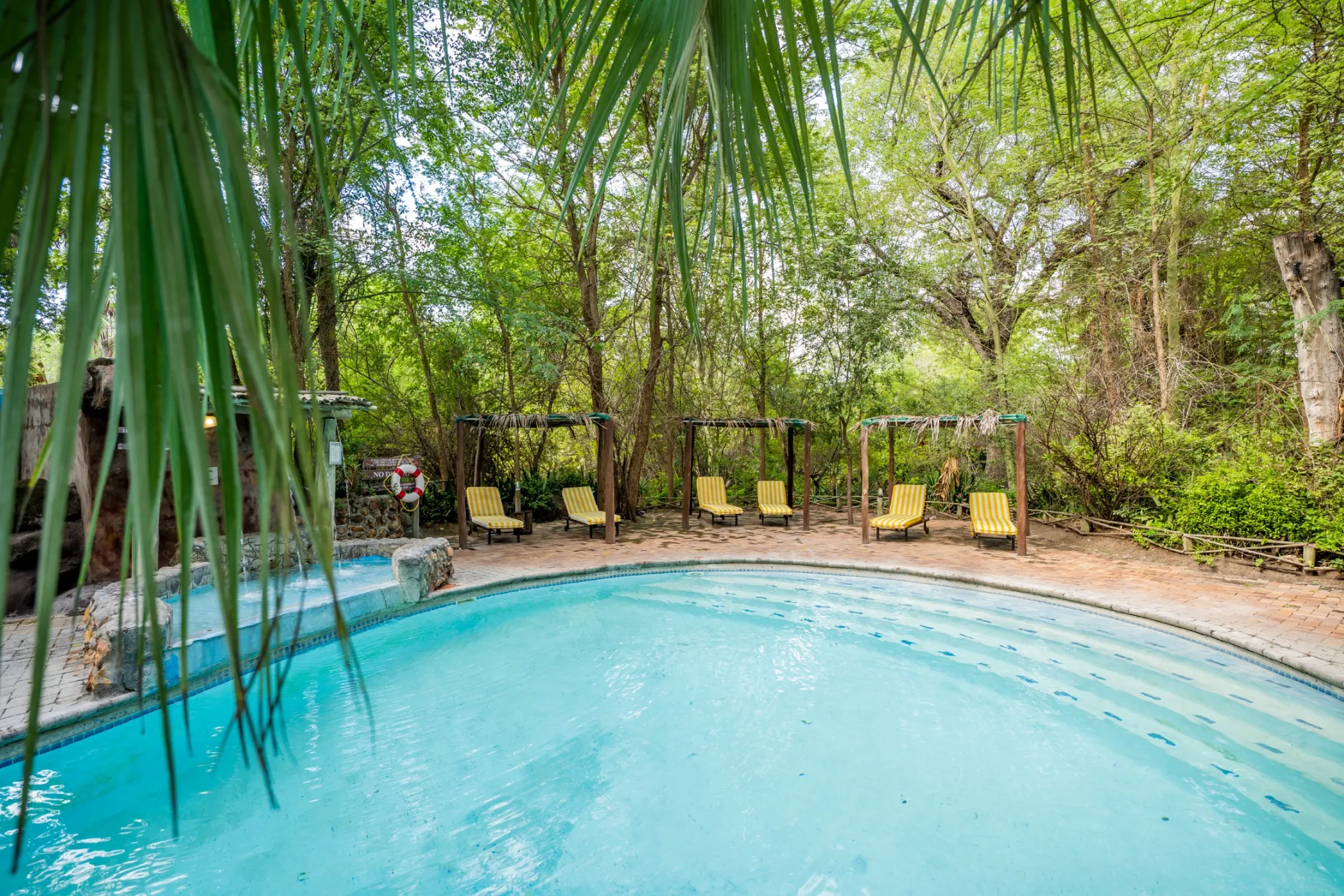
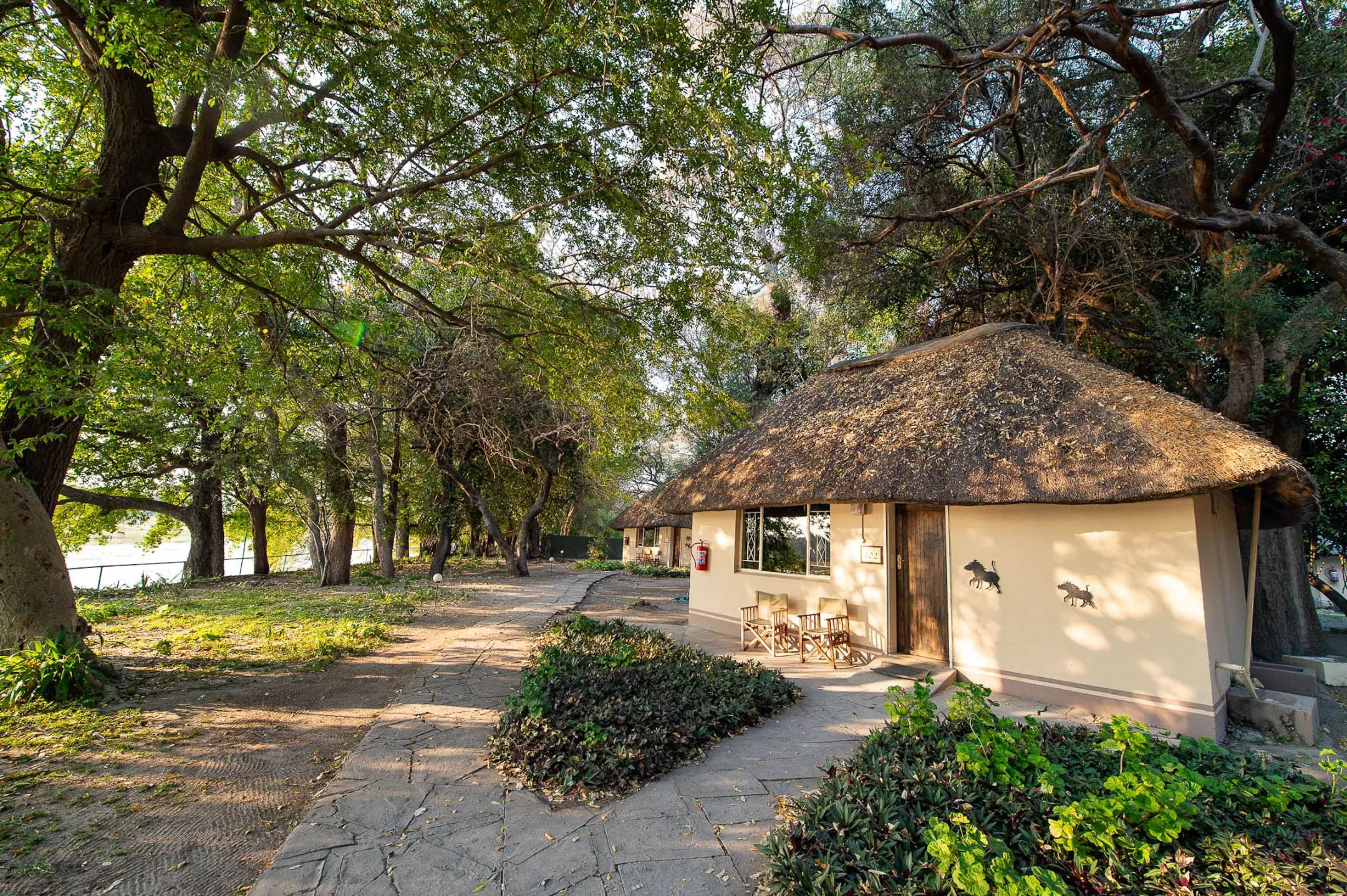
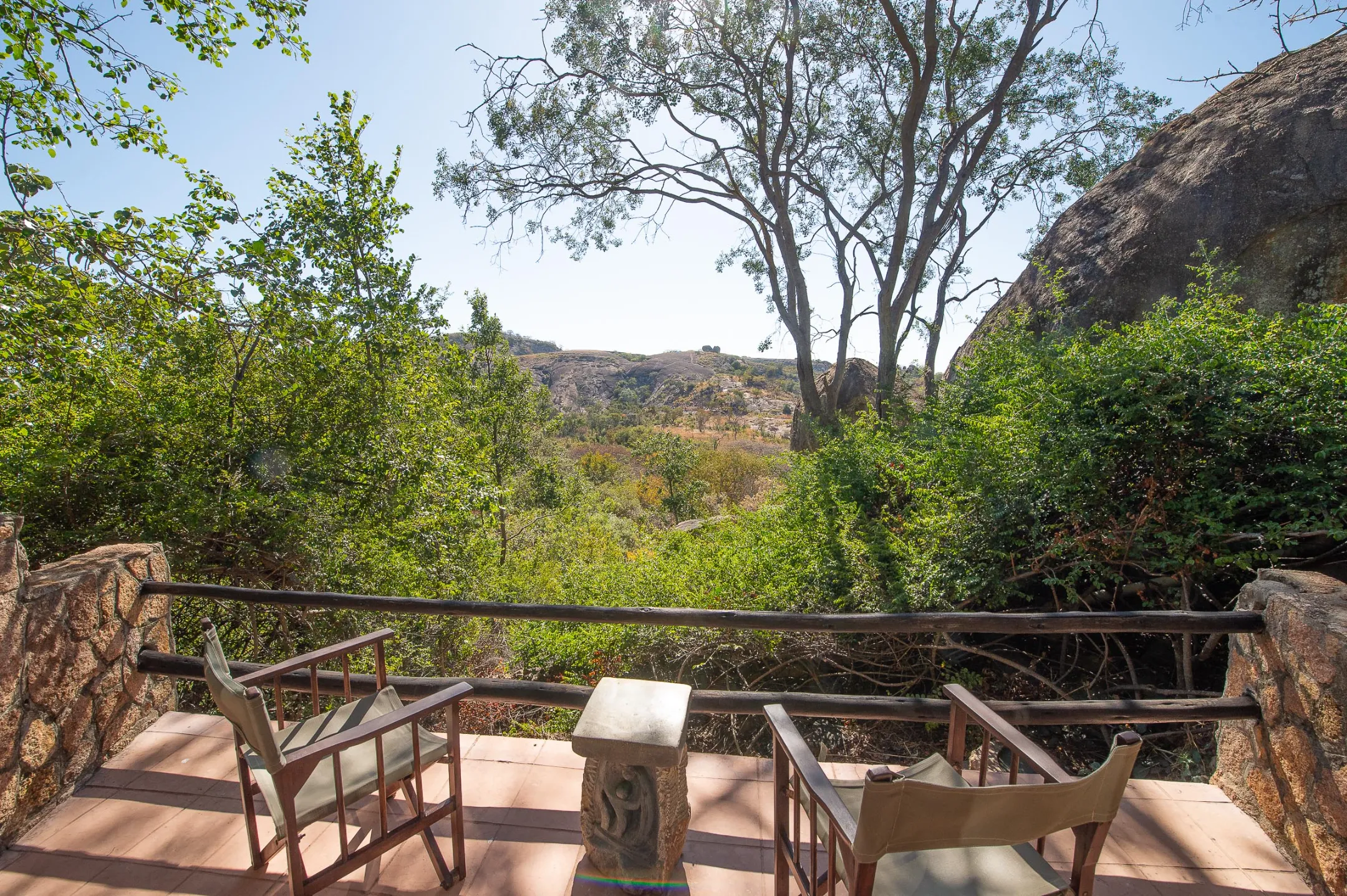
18 nights on safari at small lodges (including tented lodges), with en suite facilities.
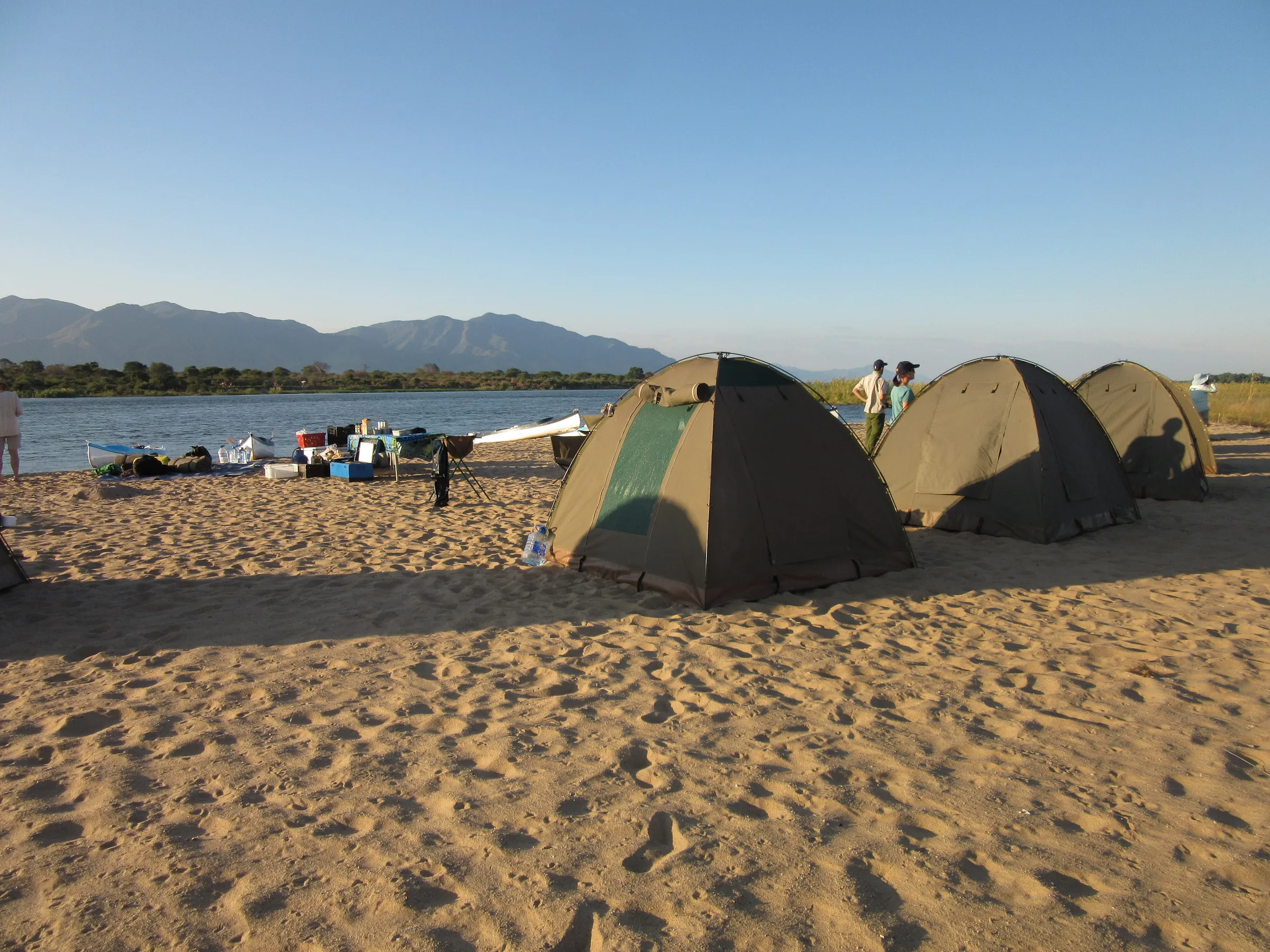
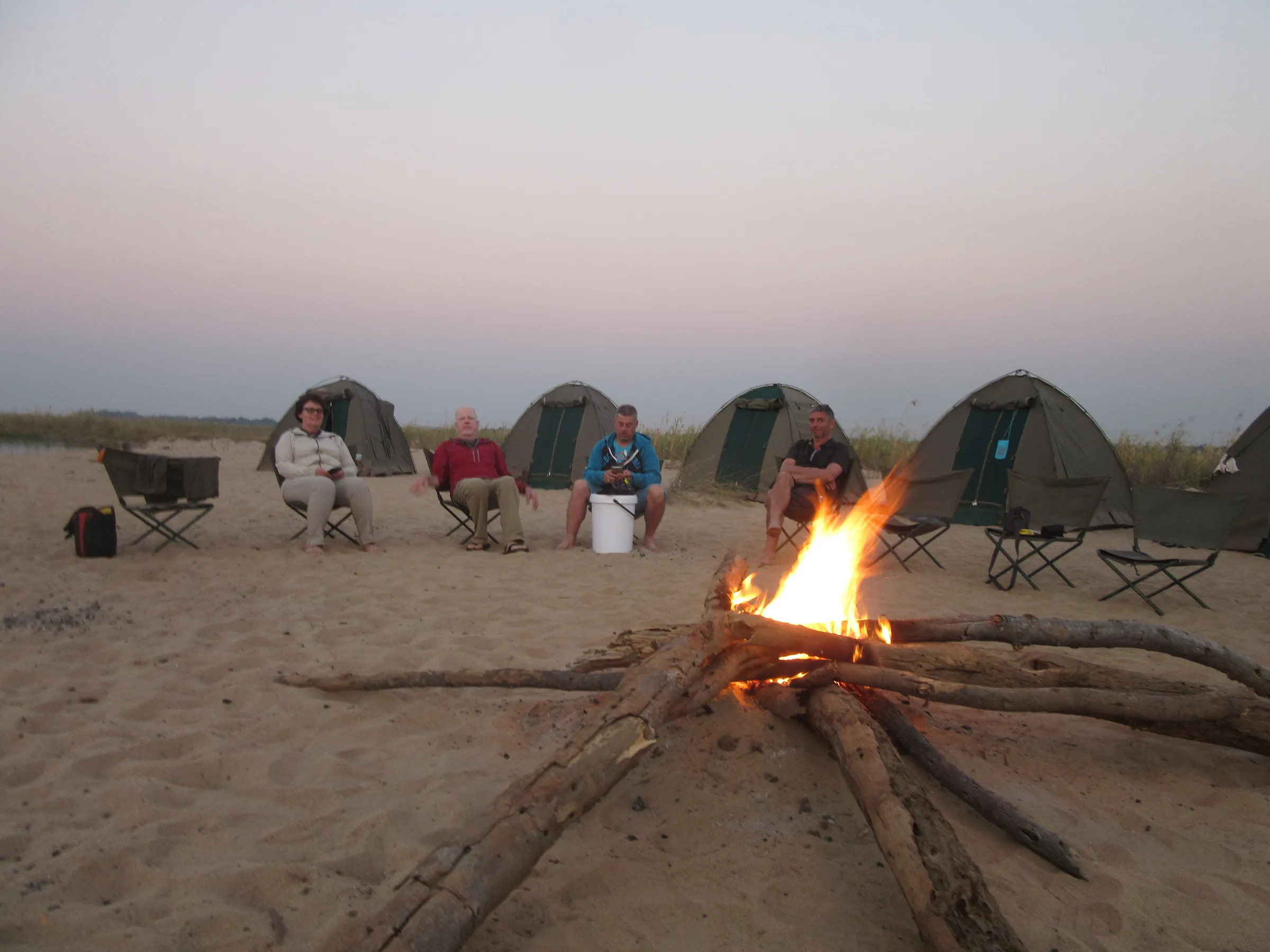
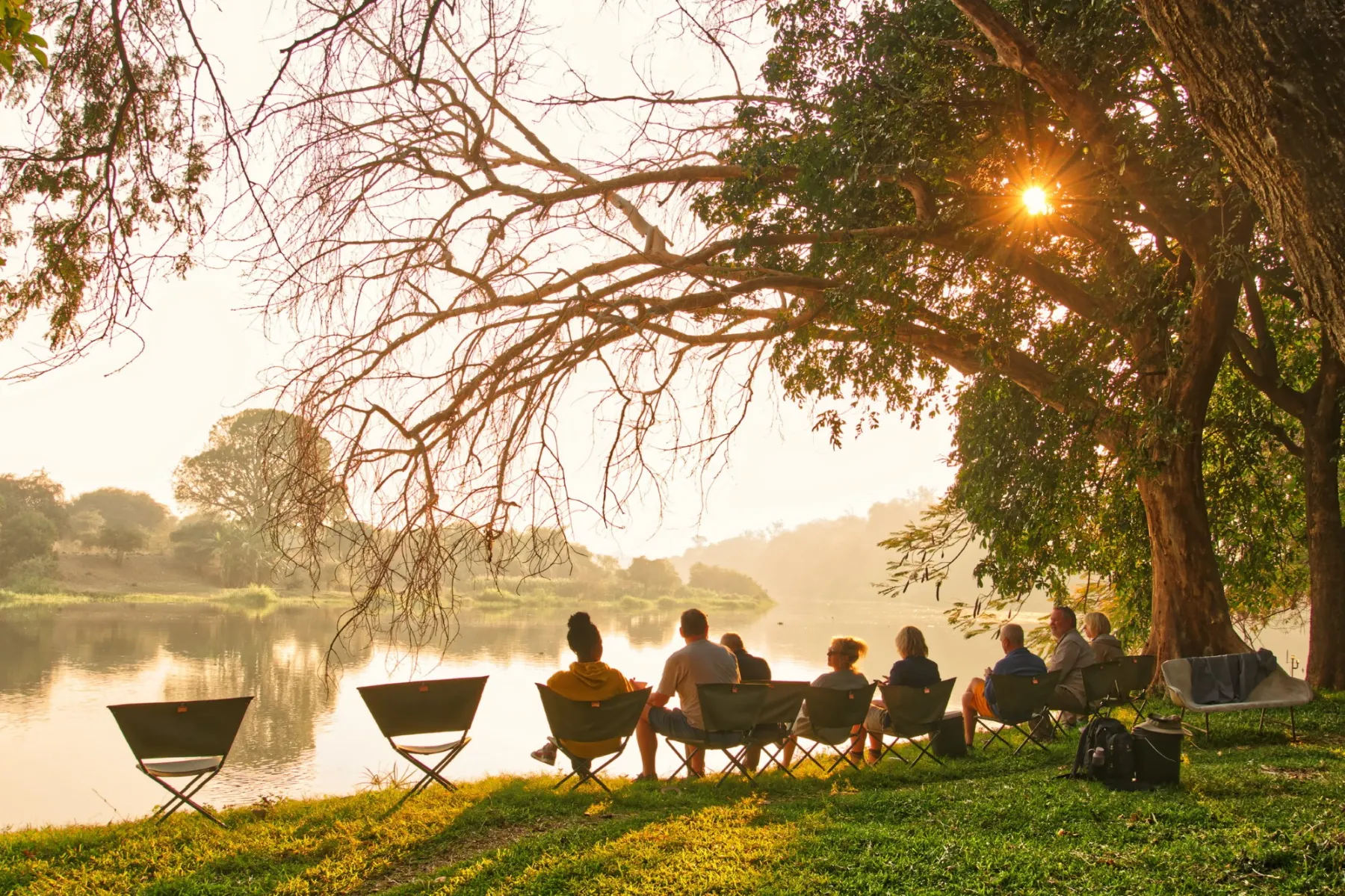
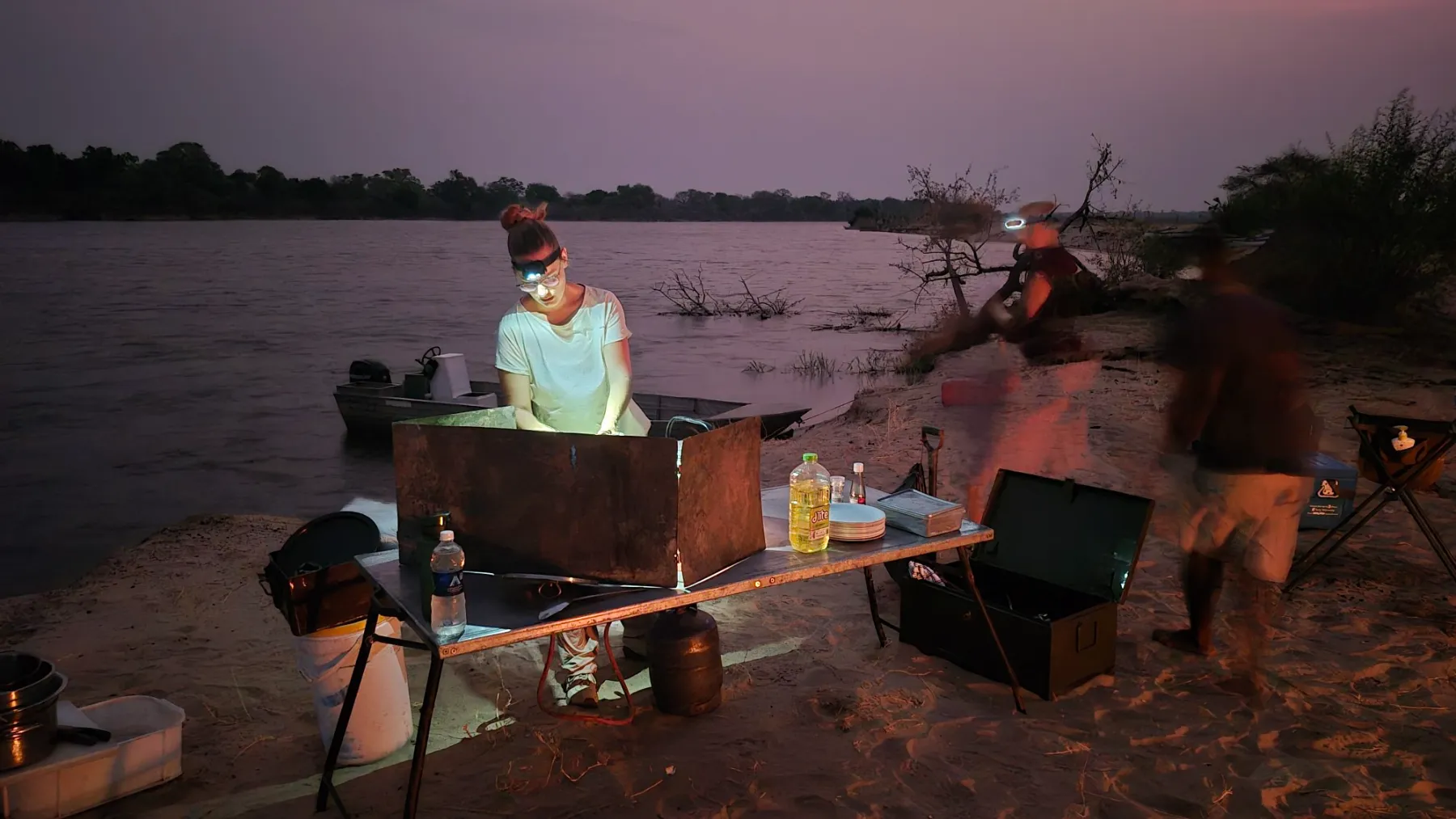
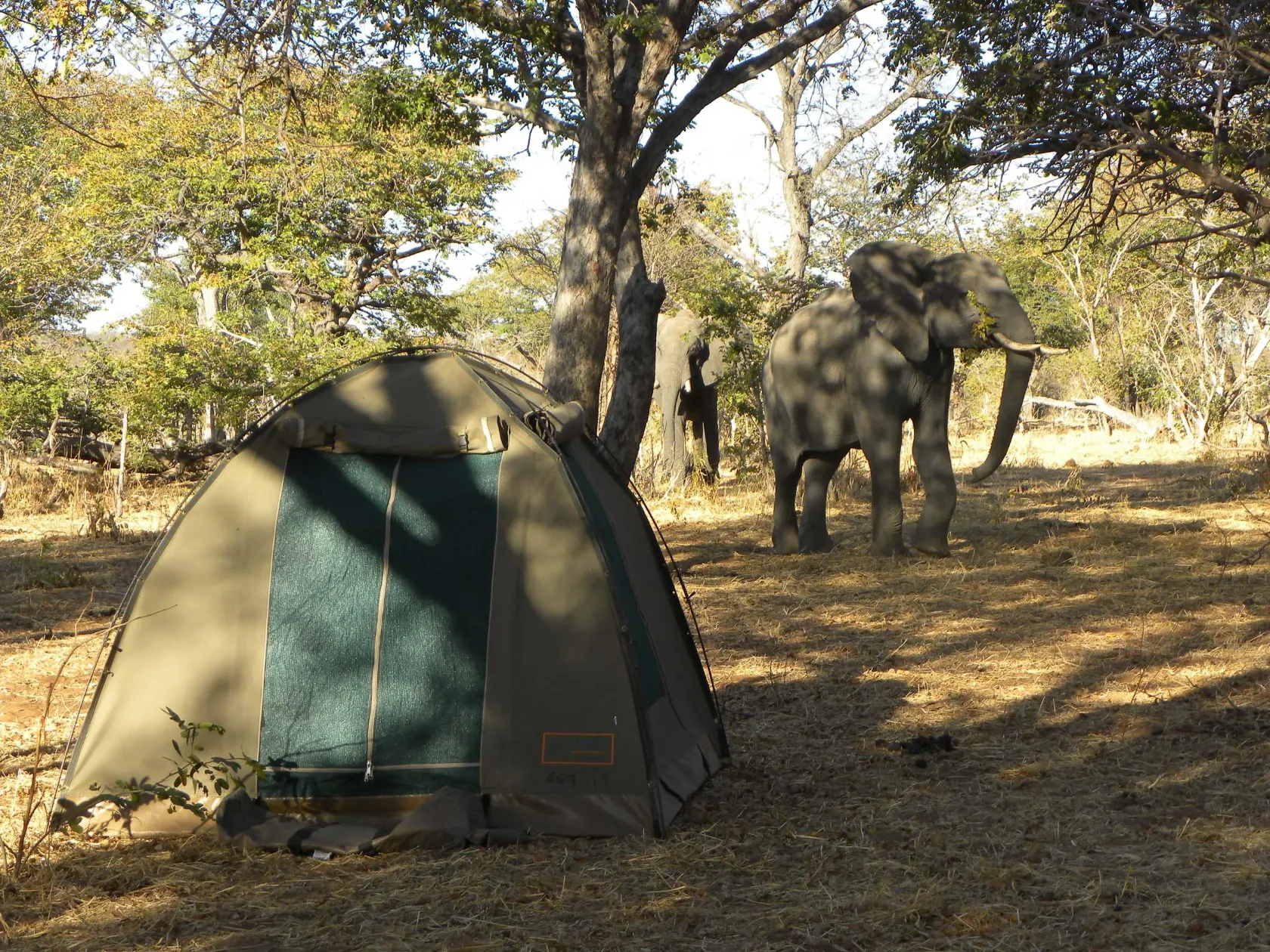
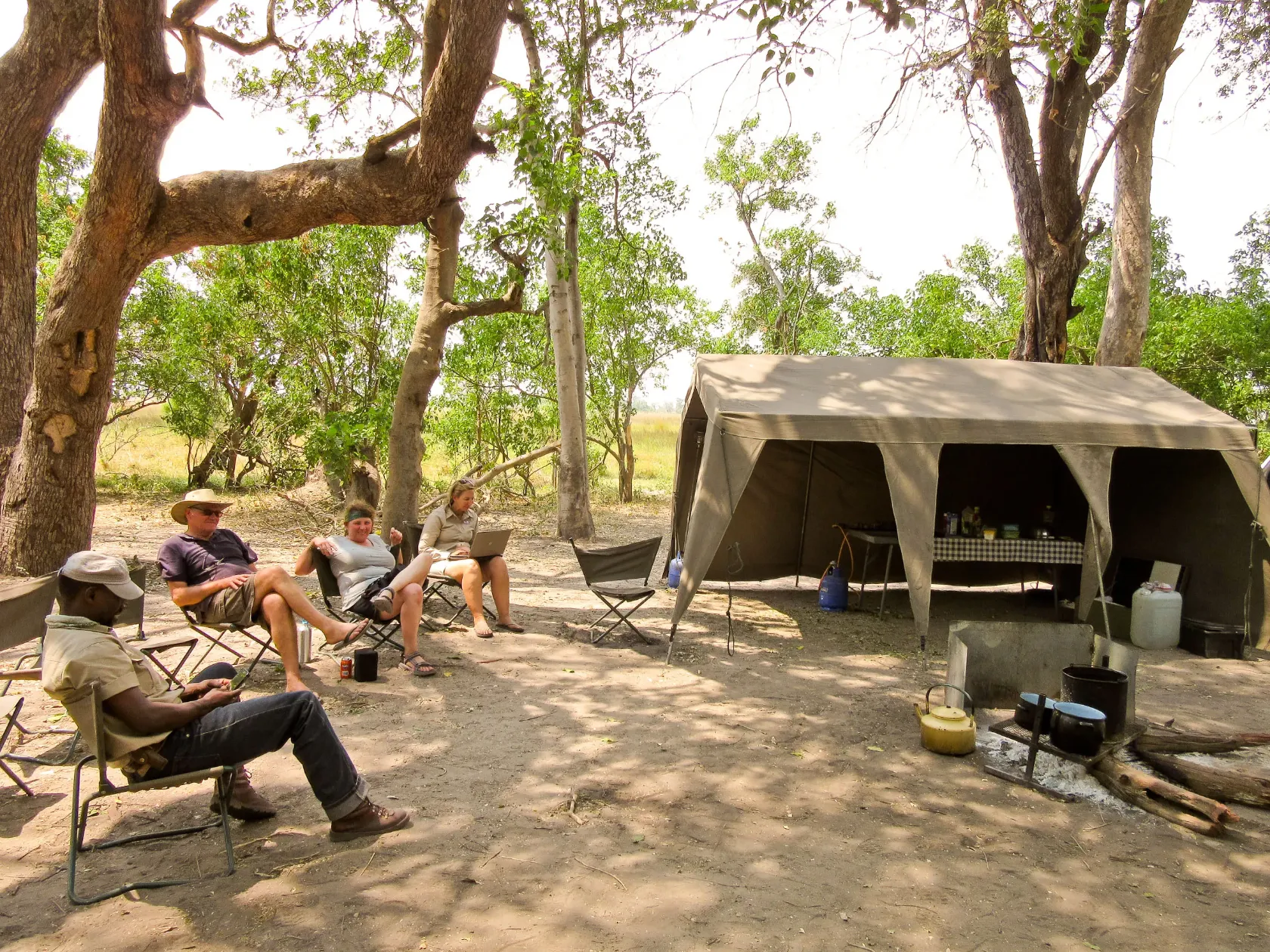
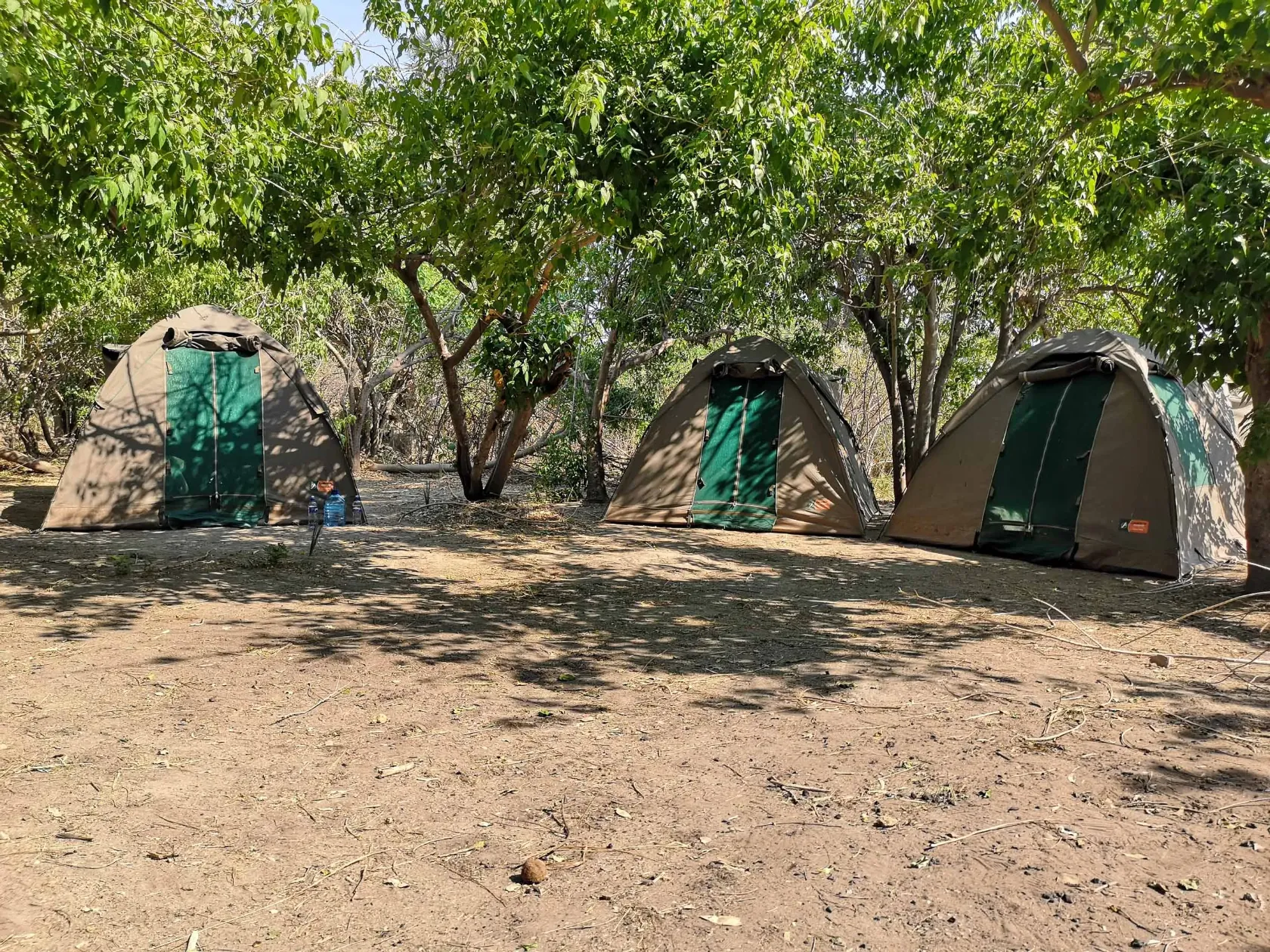
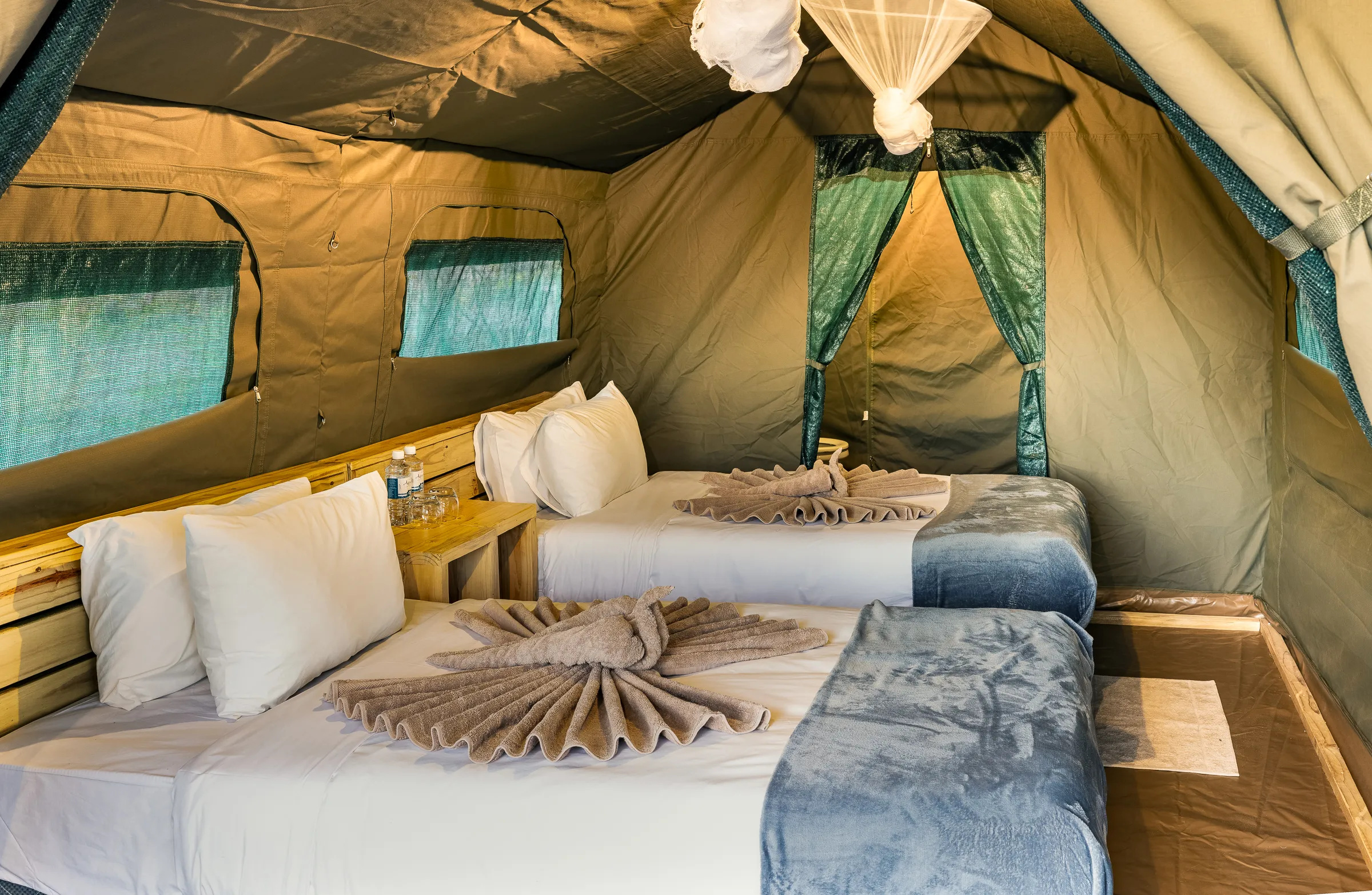
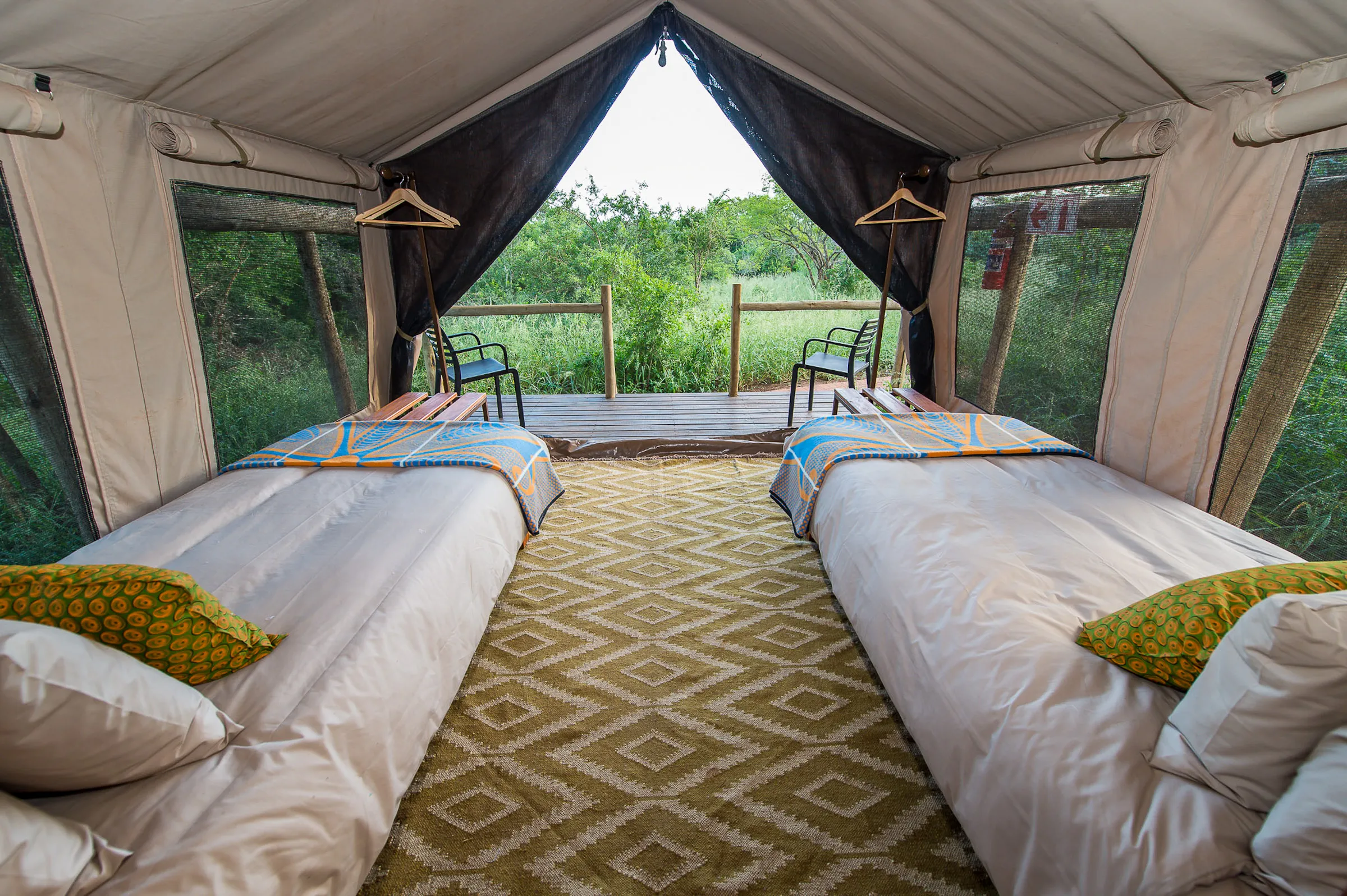
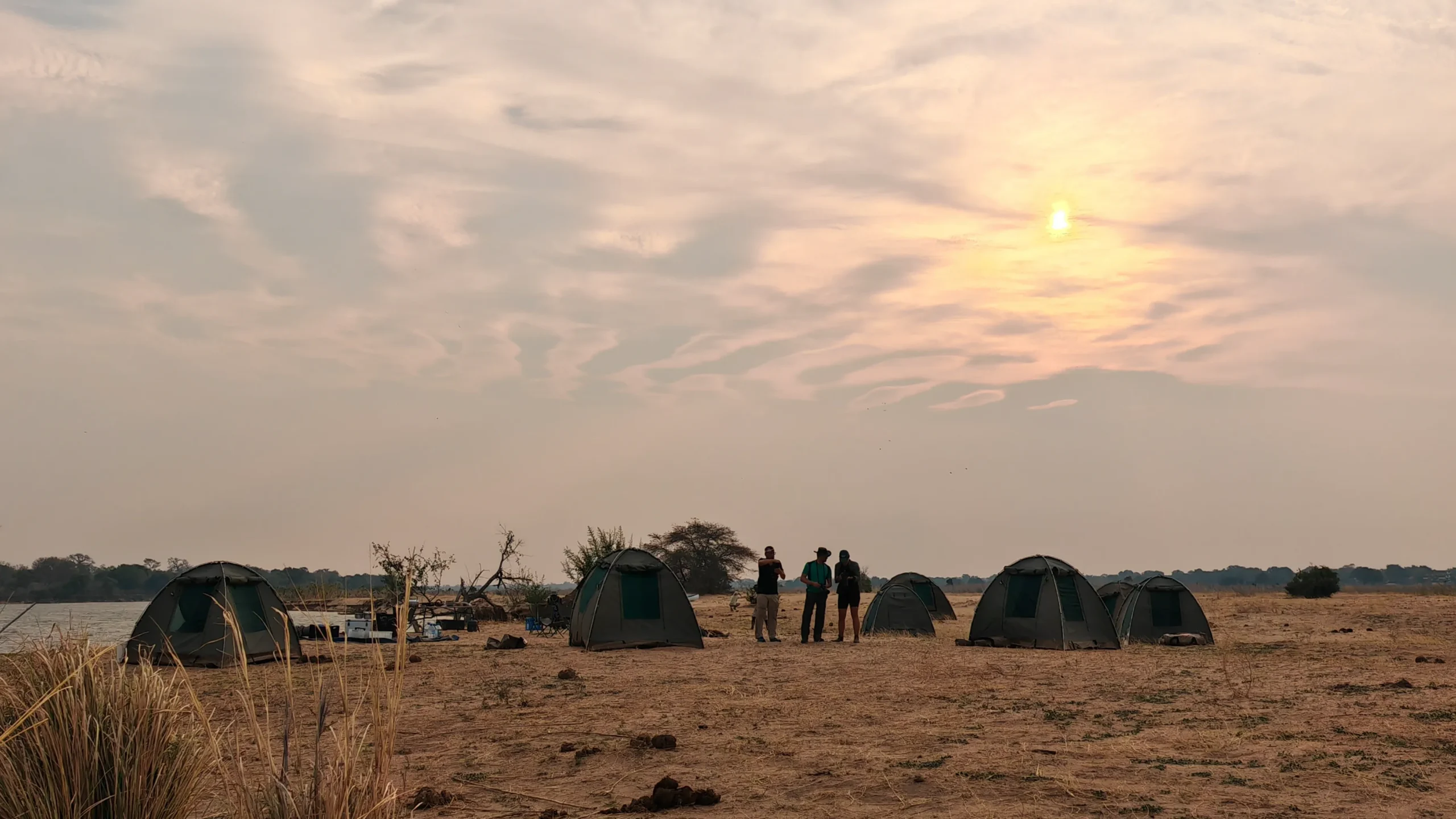
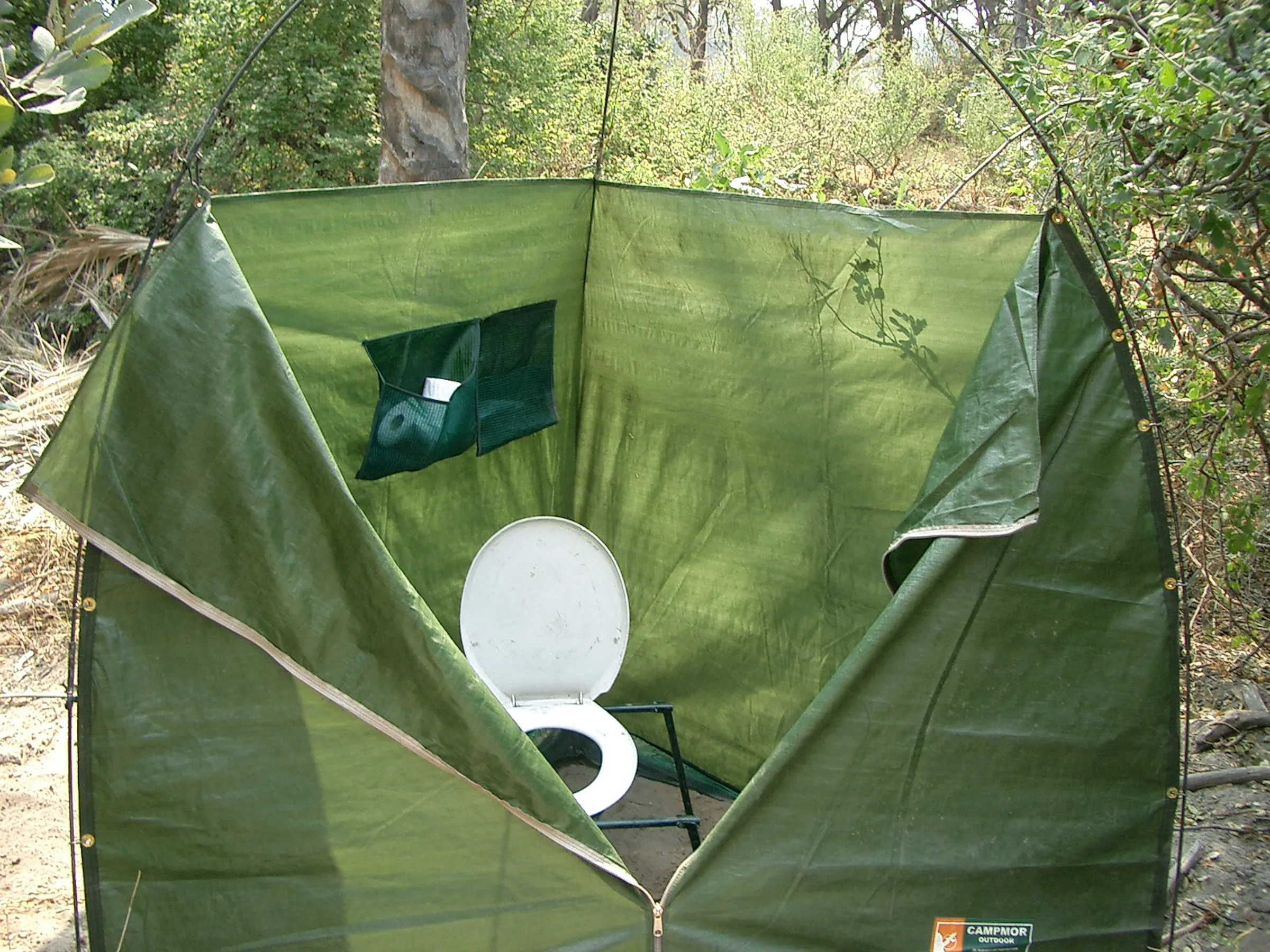
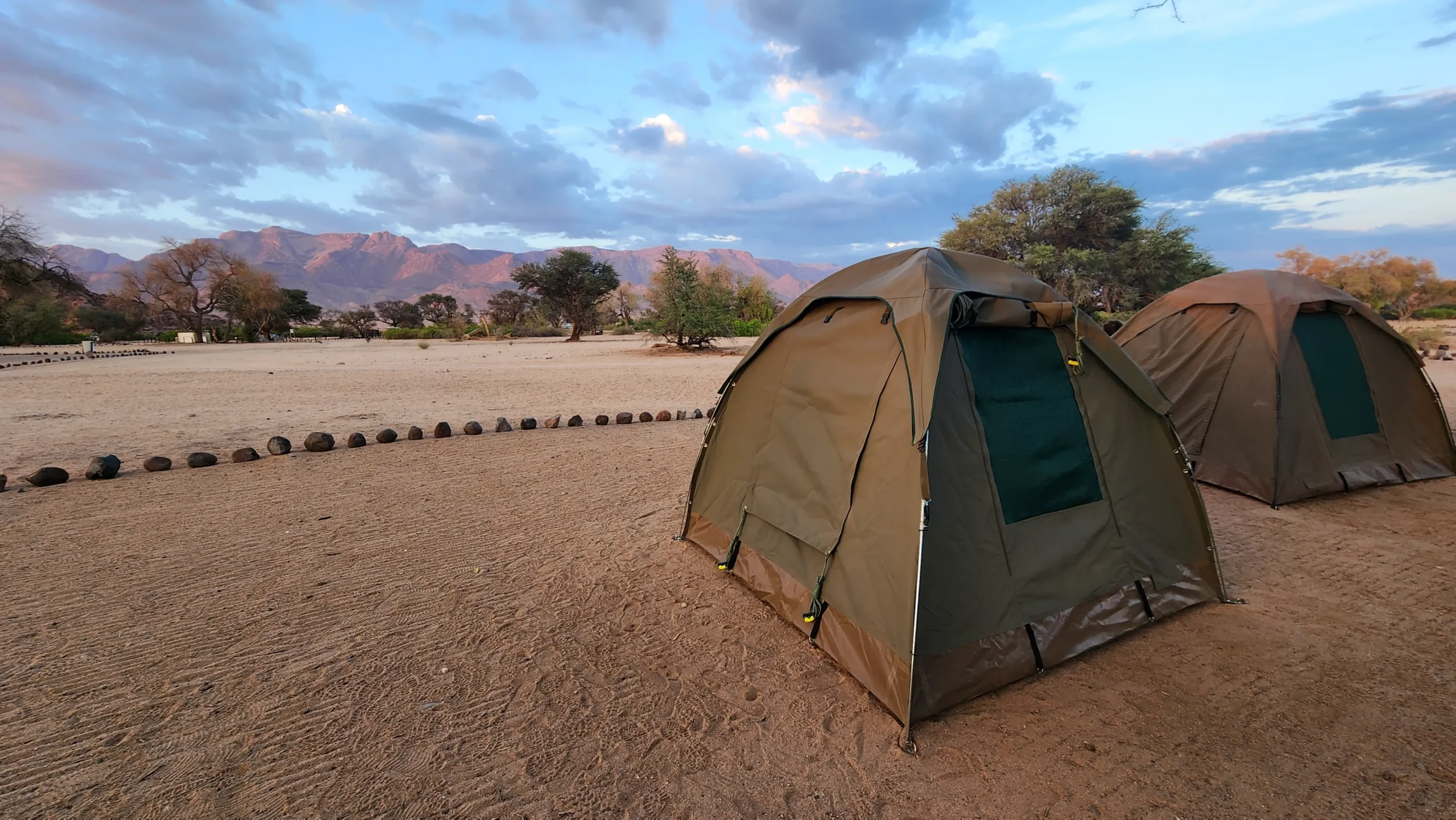
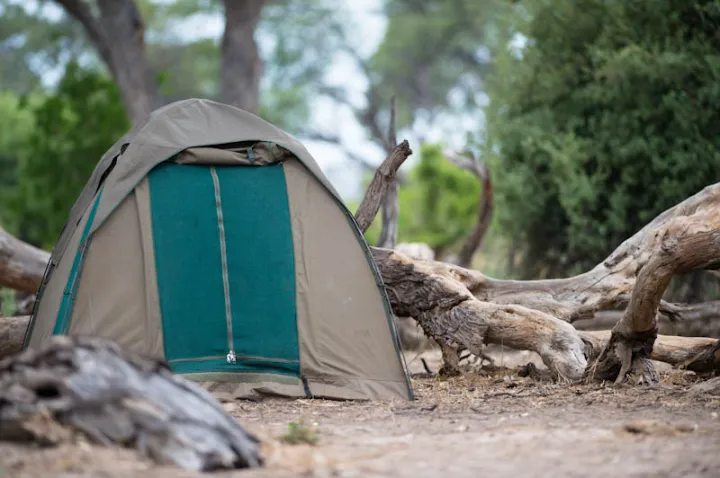
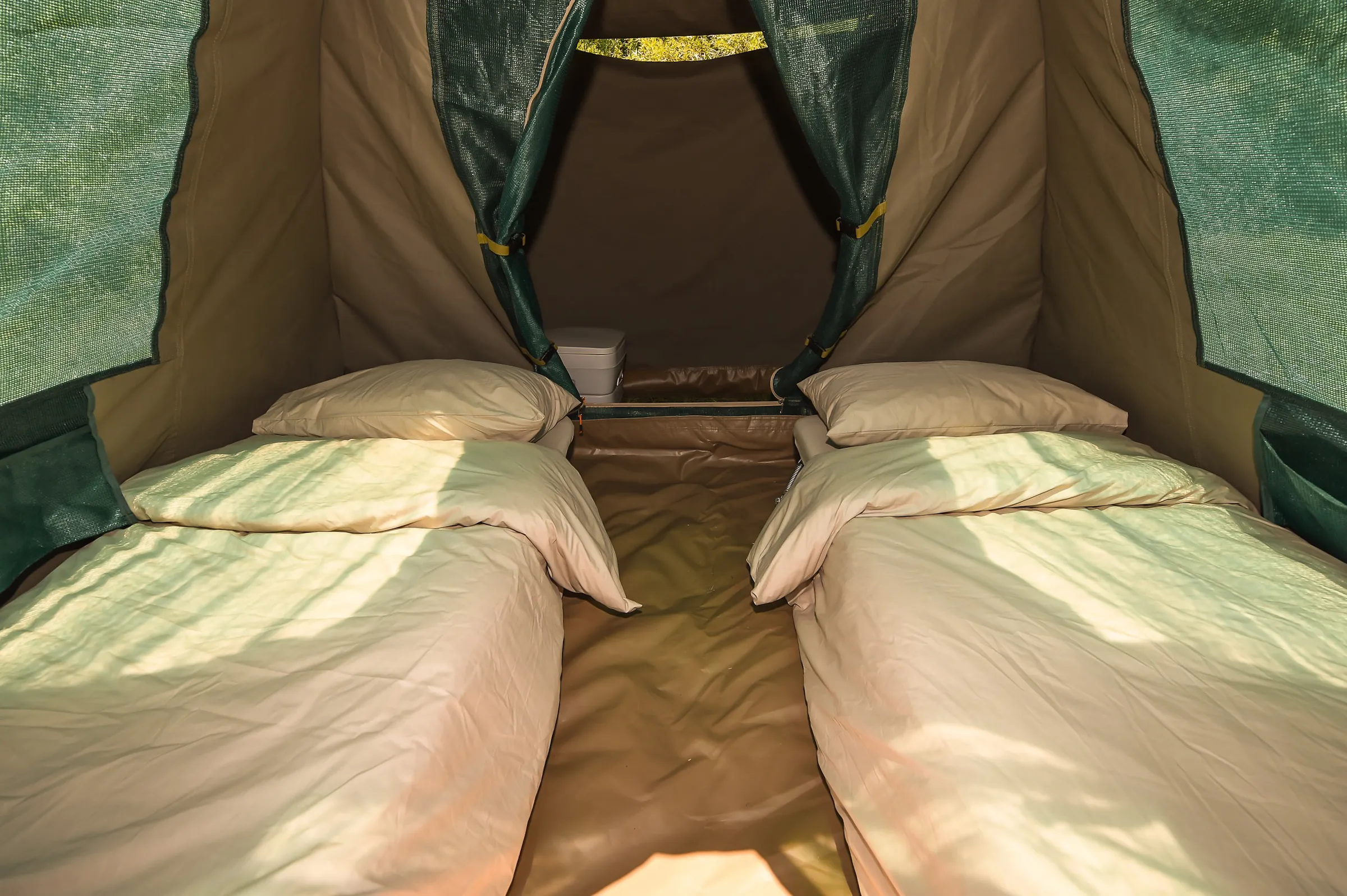
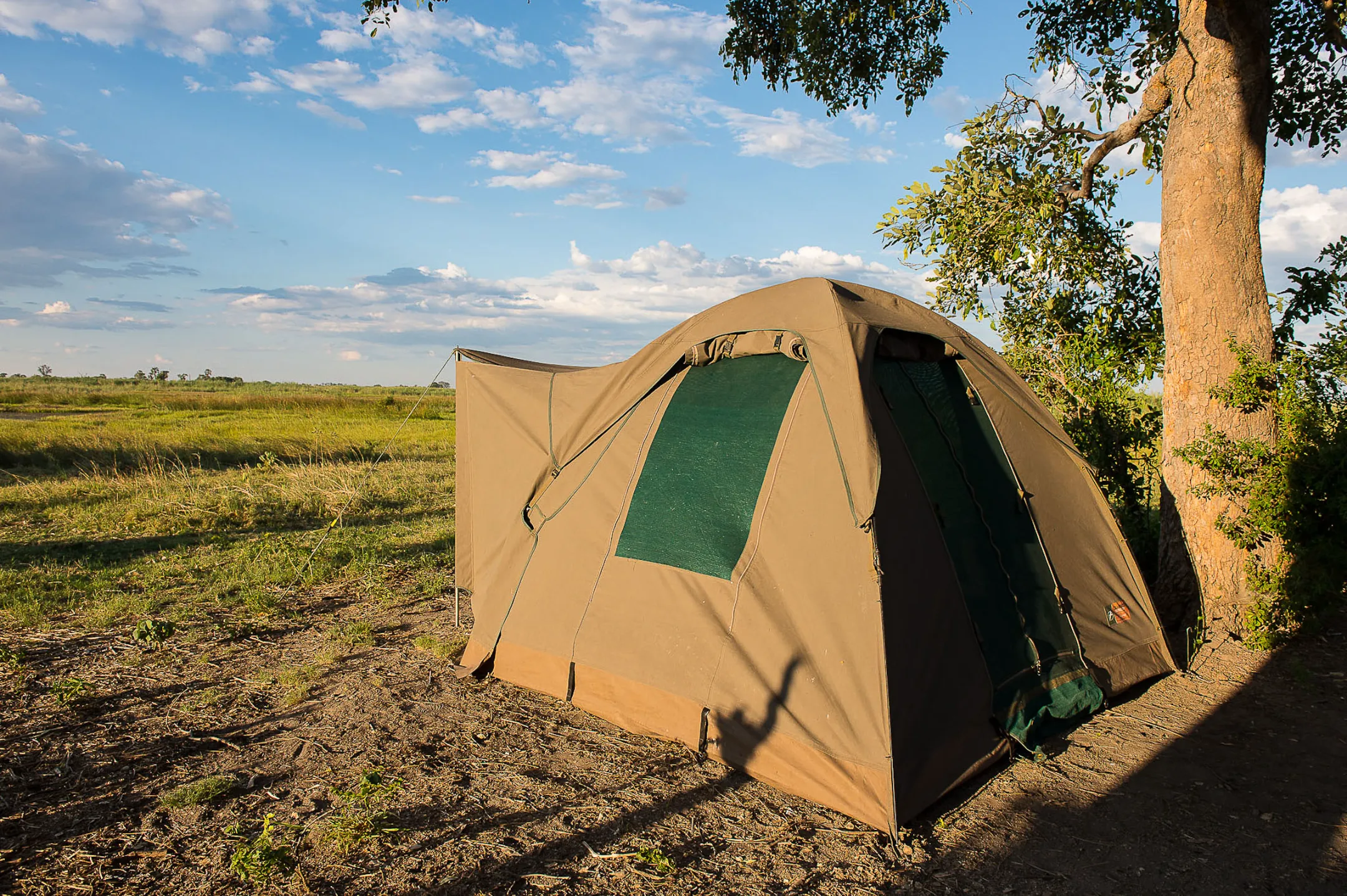
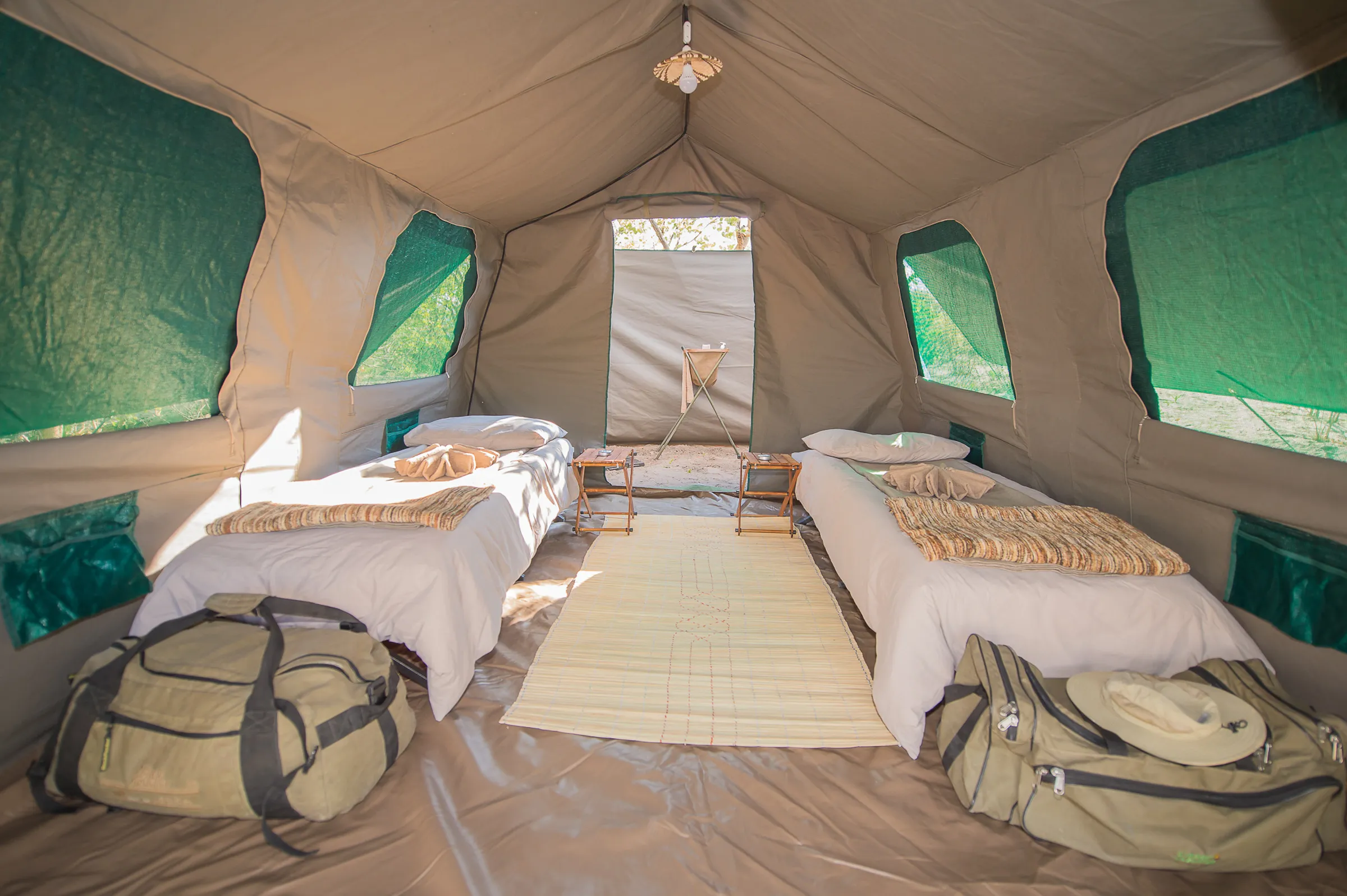
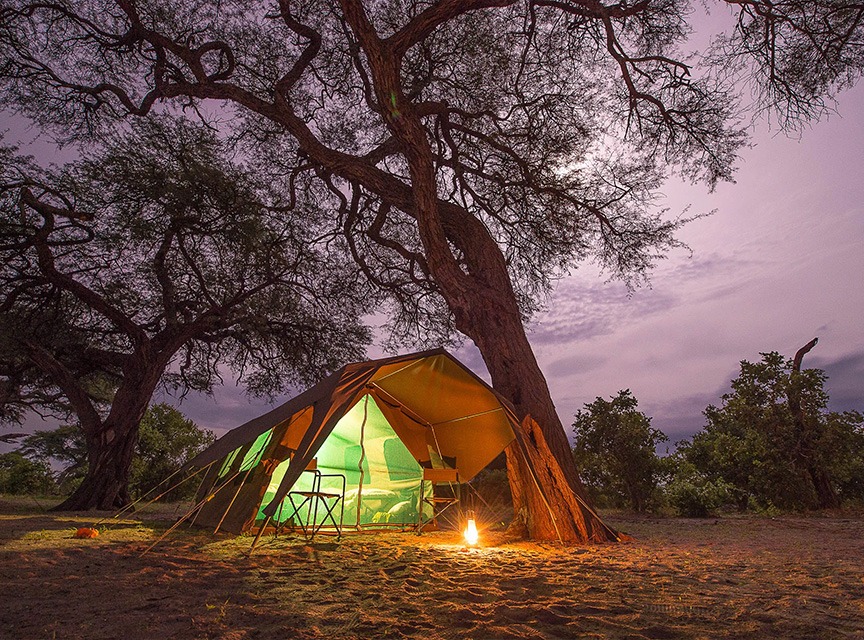
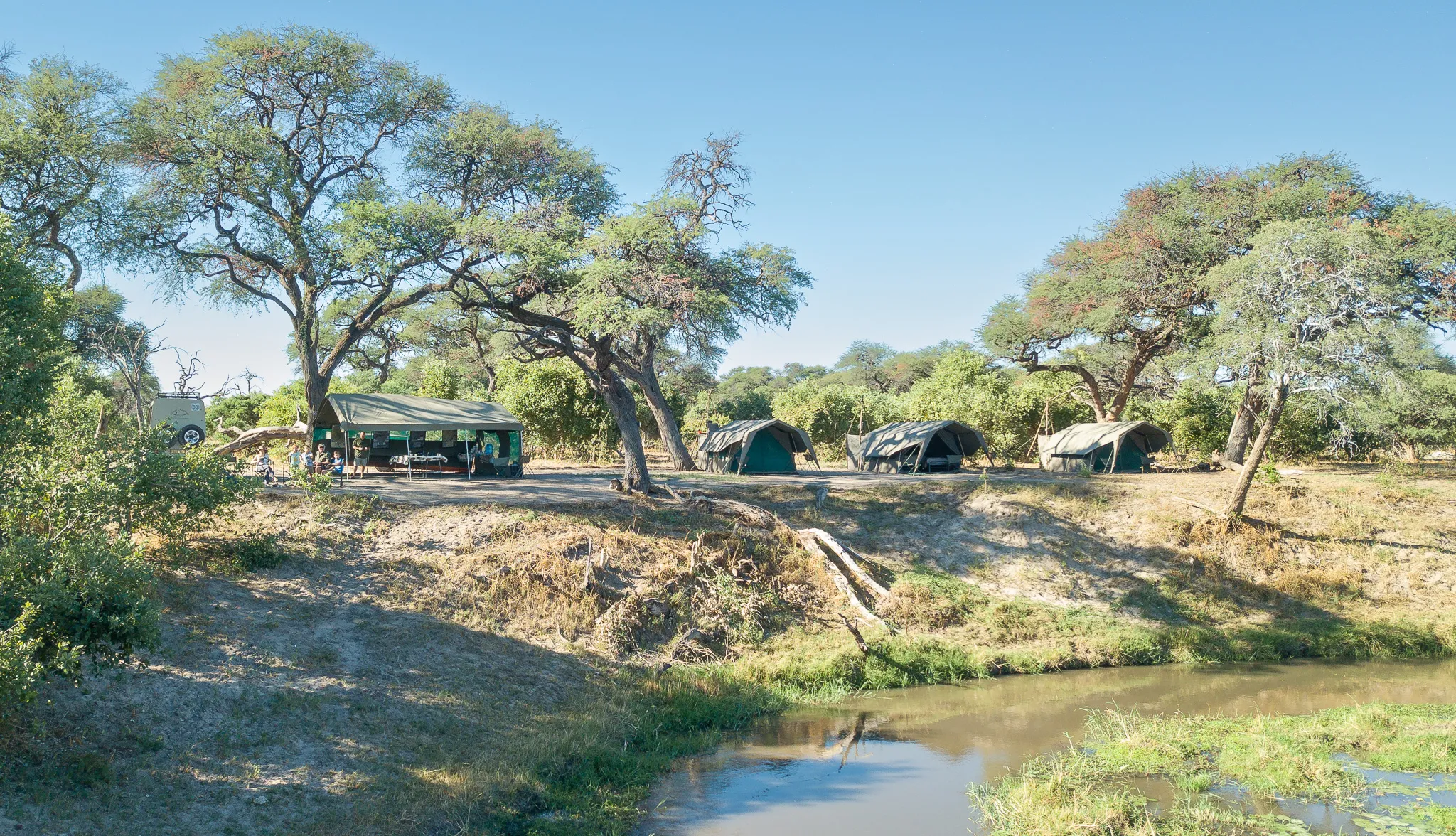
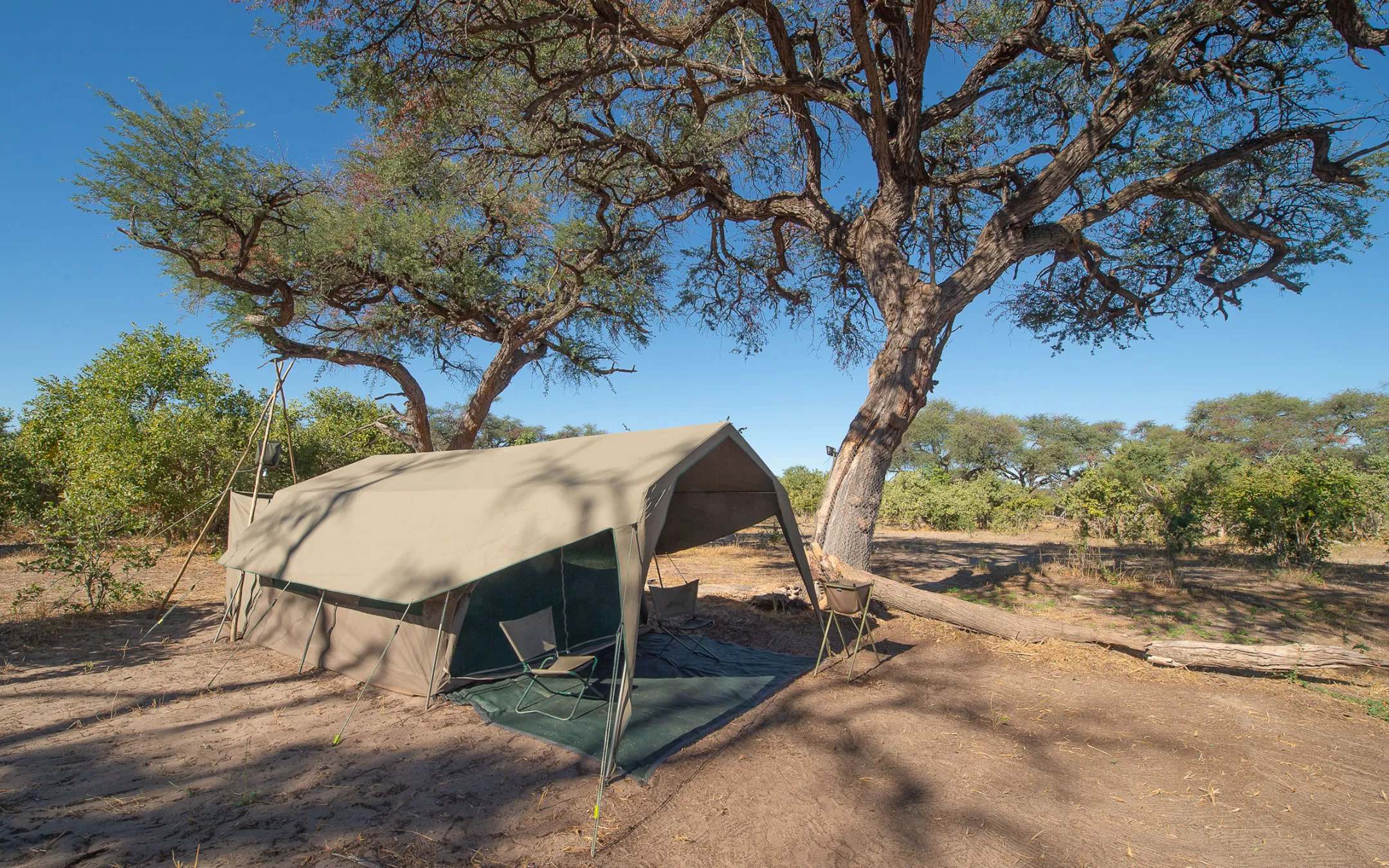
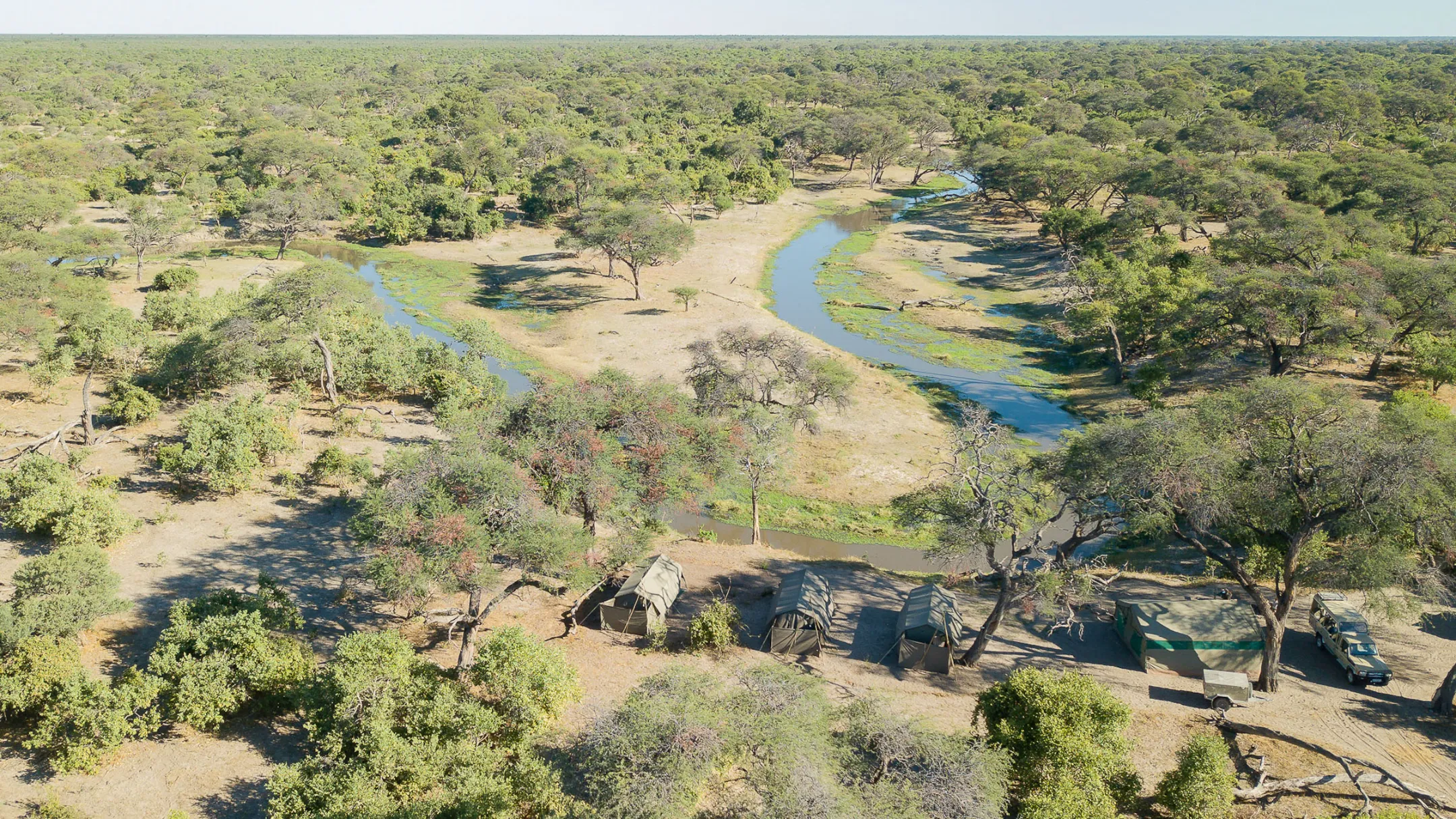
2 nights tented camp in the Okavango. Each tent has twin camp beds with linen and en suite chemical toilet. Shared bucket shower tent with hot water off the fire.
Meals
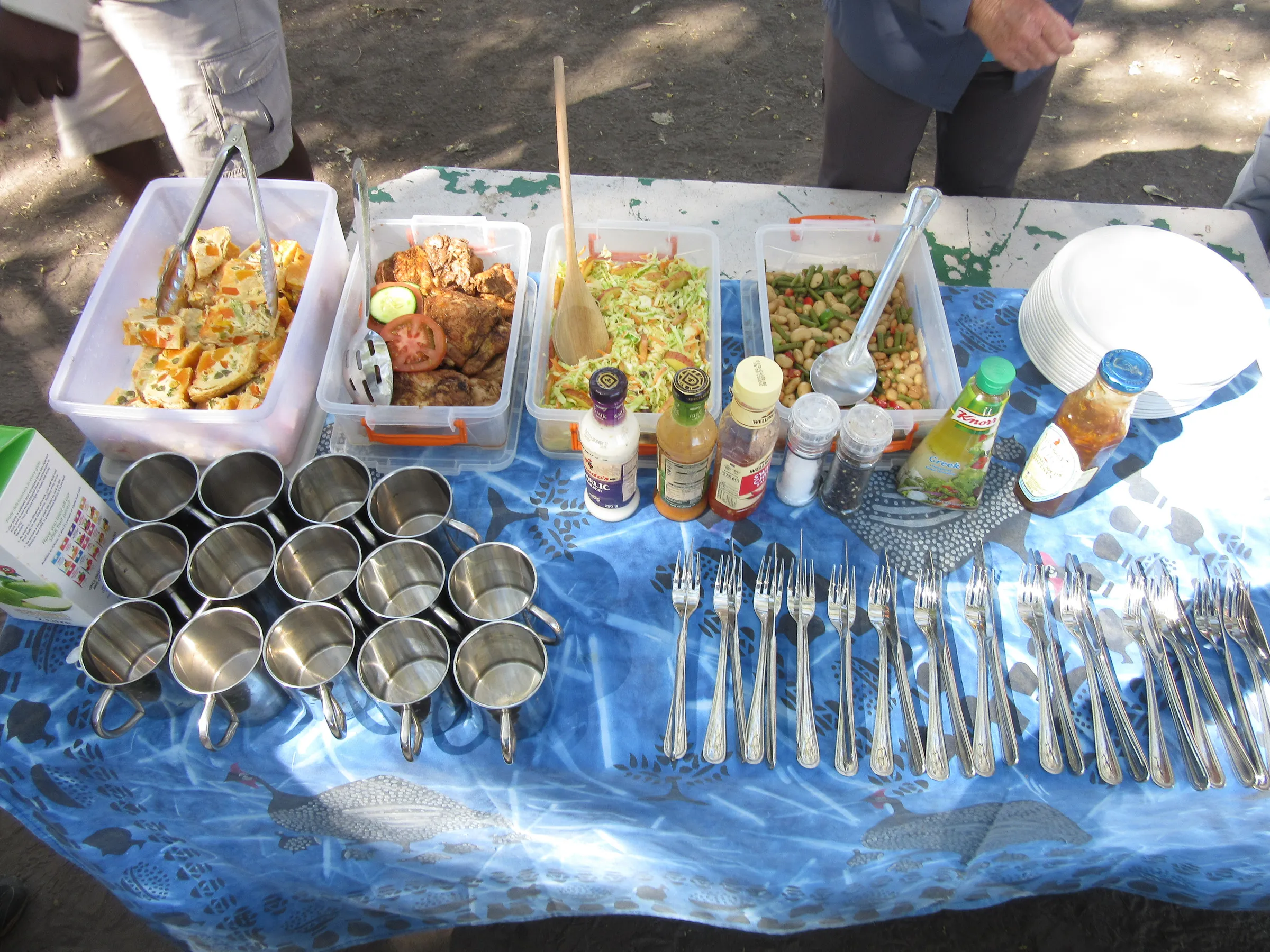
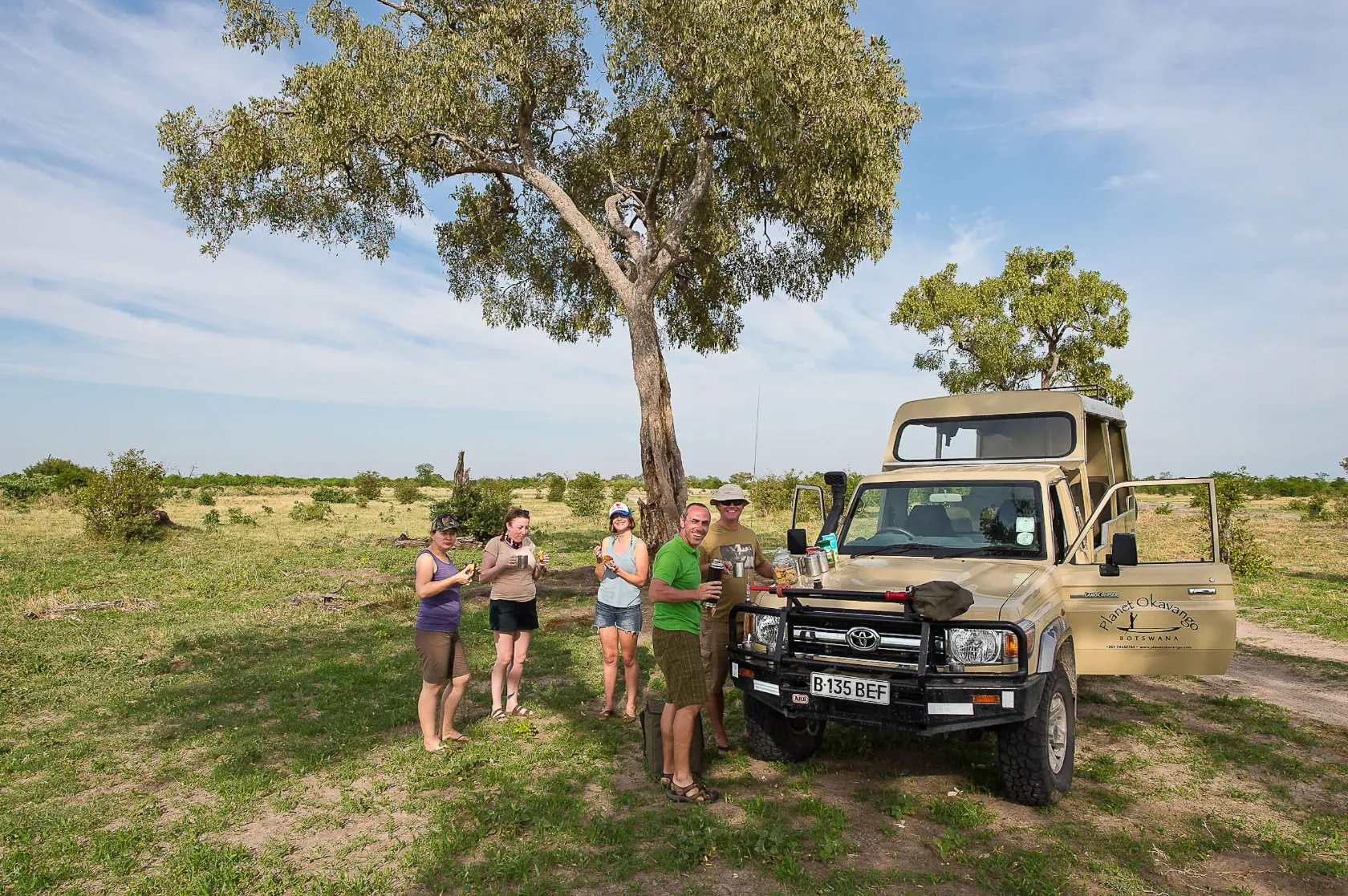
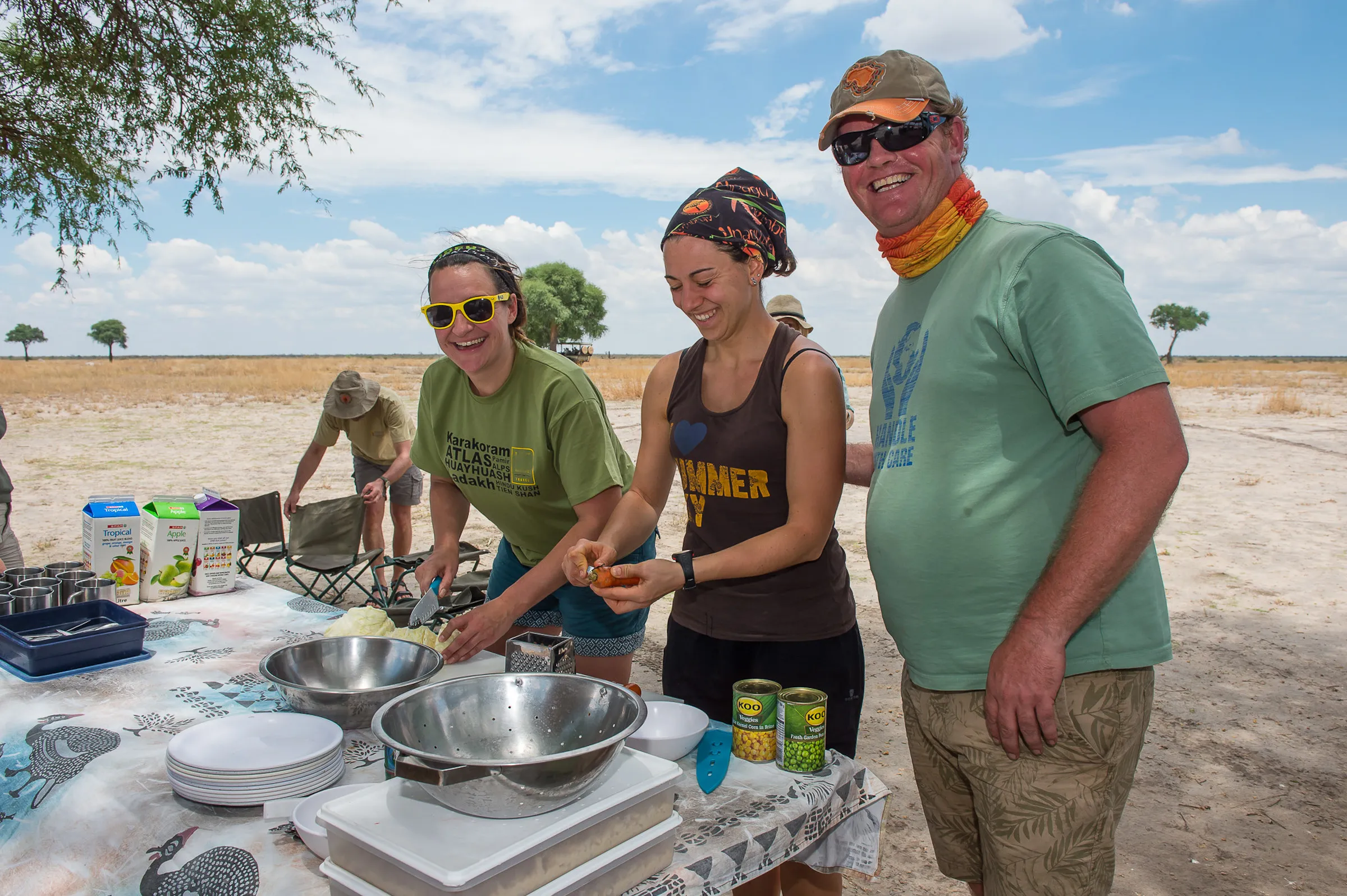
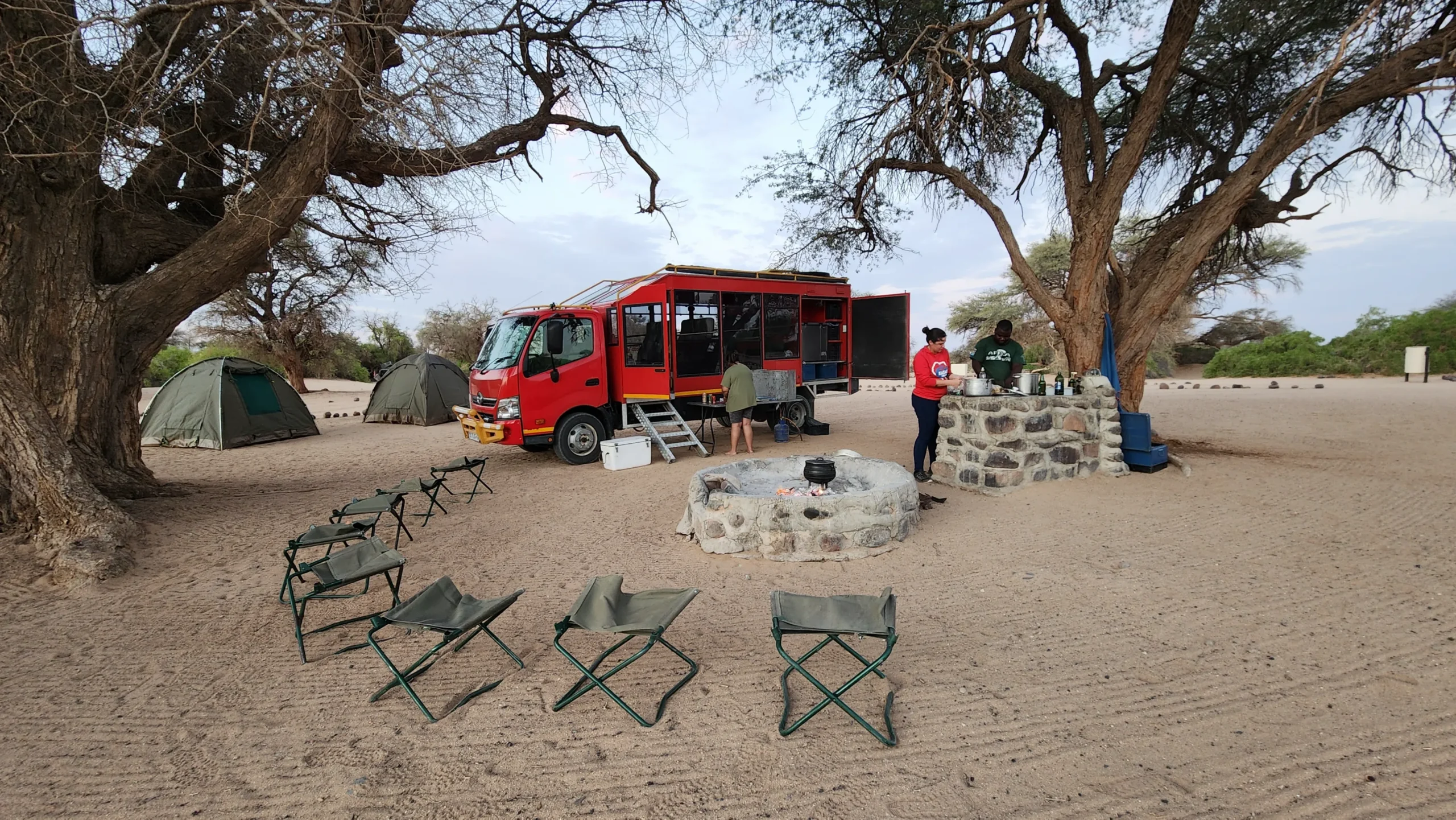
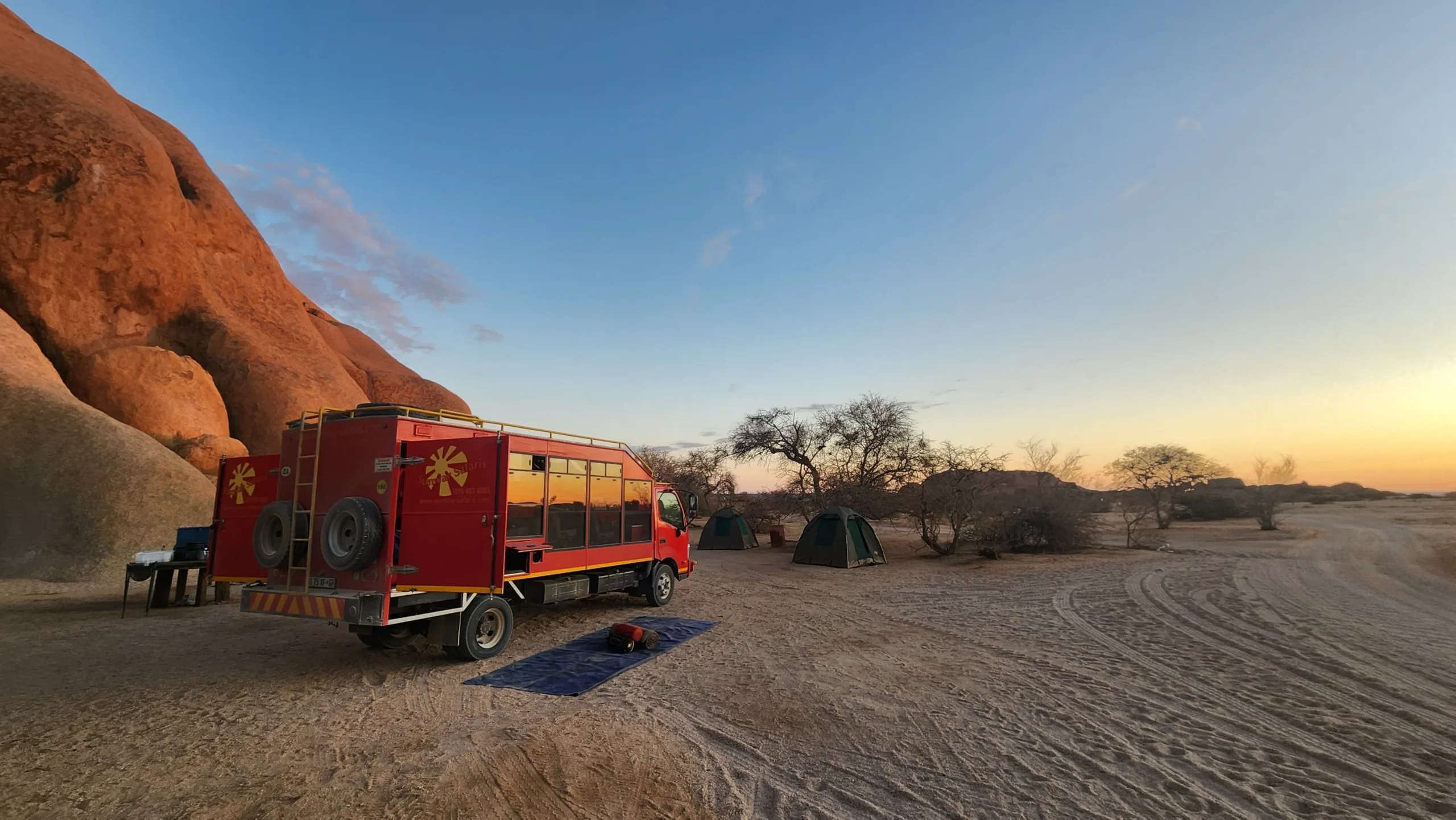
20 breakfasts, 18 lunches & 13 dinners included. Of which 10 breakfasts are provided by the lodges. The remaining included meals are provided by Sunway crew and meals will be enjoyed around the campfire at the truck.
Transport
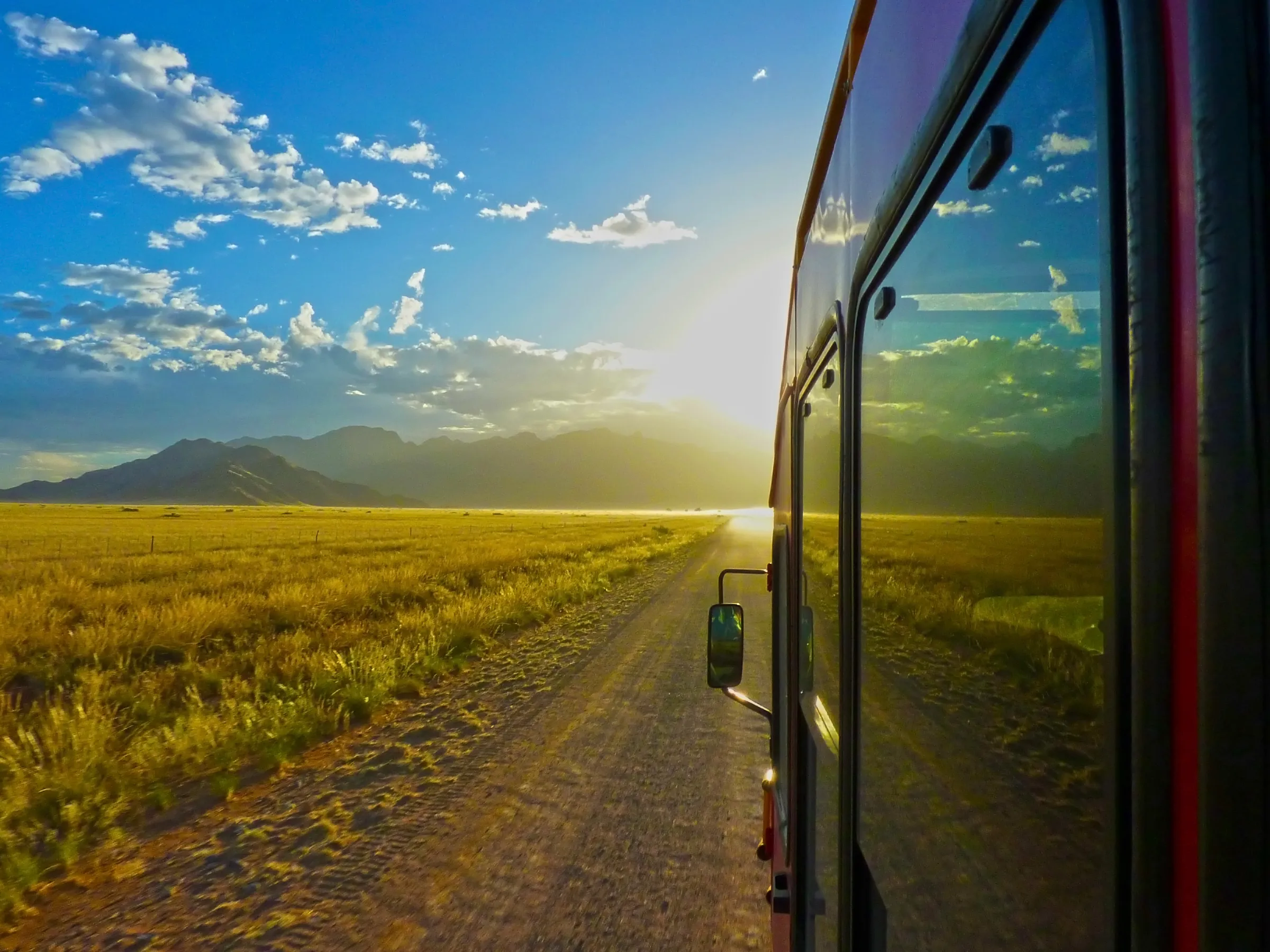
For the majority of this safari you travel in custom-built Sunway Safari trucks with 12 forward facing seats. On 5% of tours we may use Mercedes Sprinter minibuses with 12 forward facing seats and air conditioning. There are some long distances to cover and a few early morning starts. For the game drives in Moremi/Mababe, Hwange and Matobos and the transfer into the Okavango we use local open sided 4WD vehicles with local guides.
Limited participation
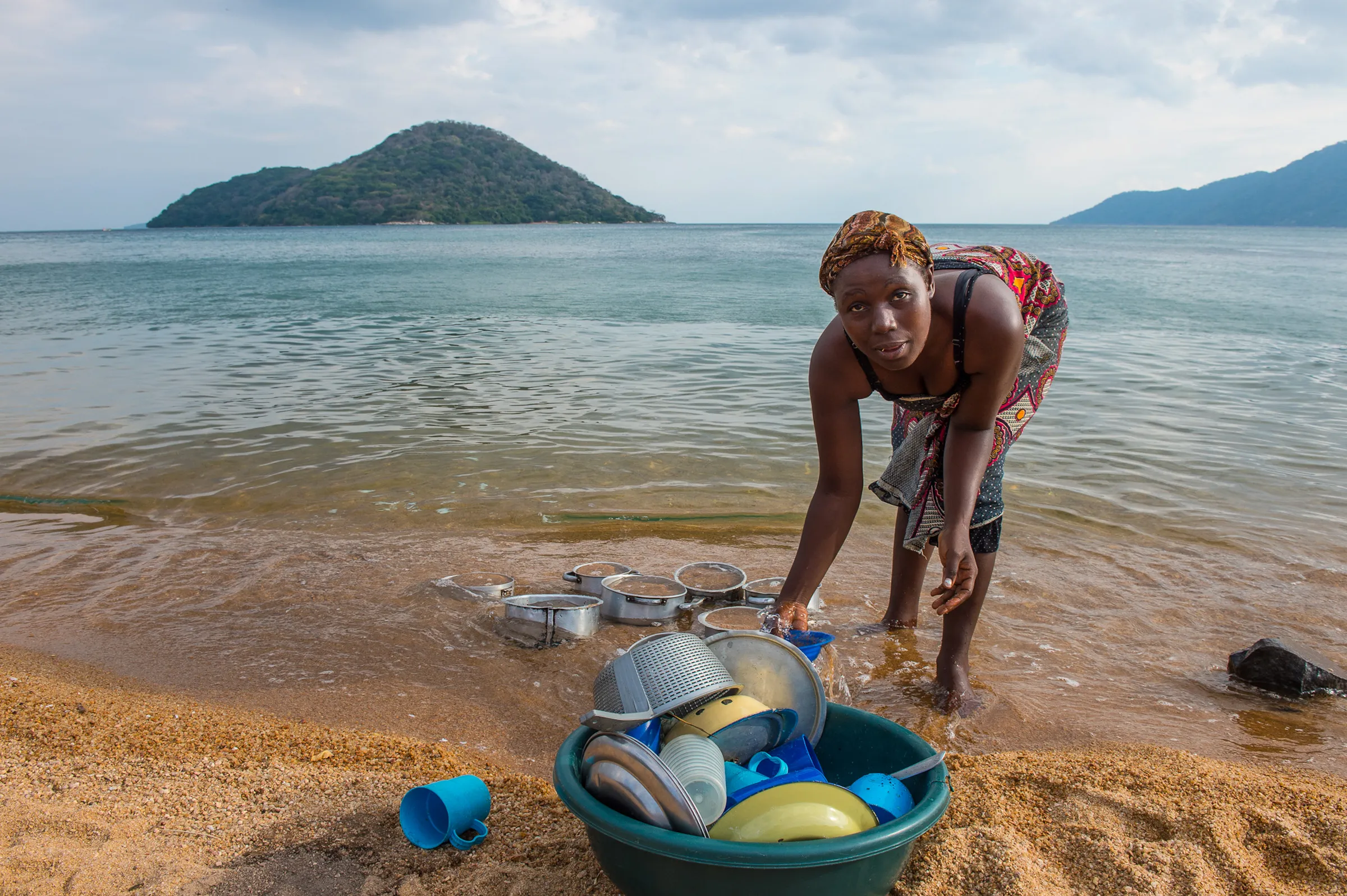
An essential part of your safari is some participation. From carrying your own bag to packing the truck in the morning – it’s all part of your adventure. Where the tour leaders provide meals we ask that clients help (on rotation) with the washing up.
Responsible Tourism
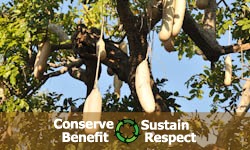
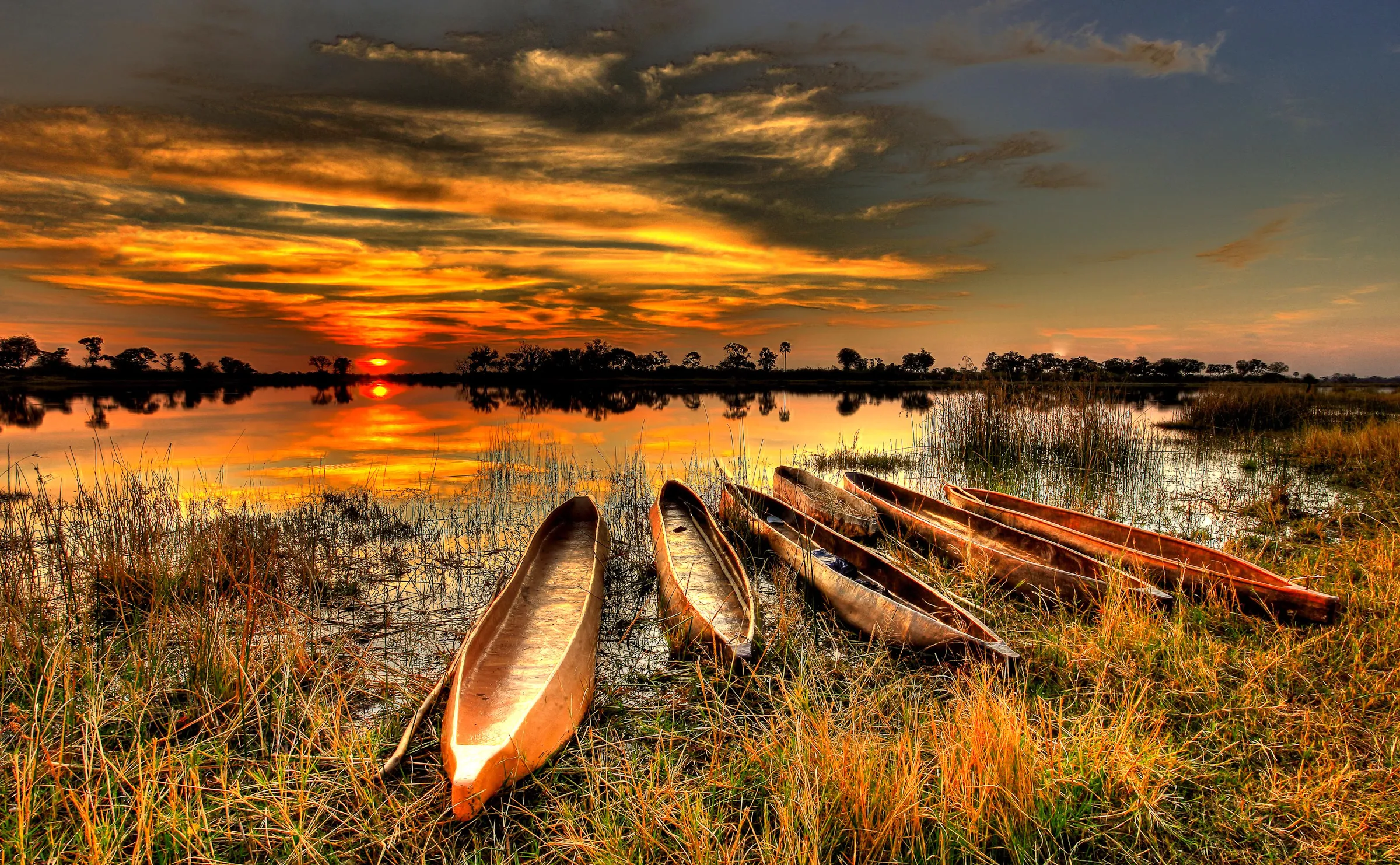
The sausage tree is the traditional tree cut down to make the mokoro (dugouts) used in the Okavango Delta. But sadly these trees are disappearing from the region. Sunway has set up a project to encourage polers in the local community polers to buy fiberglass replica mokoros. These mokoros have a longer lifespan are more stable and are made with no effect on the environment.
Sponsorship for each mokoro is needed. This is something that is close to all of our hearts and we hope that it will be successful. If you would like to contribute, please talk to your guide.
During our stay in Matopos, we support the Matobo Rhino Trust, which works closely with Zimbabwe’s National Parks on rhino conservation. The Trust also empowers local communities by training and mentoring members to become guides or work in tourism, creating lasting impact through both wildlife protection and sustainable development.

Age Policy
We accept children 12-18 with accompanying adults on scheduled tours (for private groups we can accept younger children).
If the clients are older than 65 years, then we require a medical certificate too (stating client is fit and healthy to embark on a multi-day tour covering long distances etc).
The best time to visit Namibia
The best time to visit Botswana
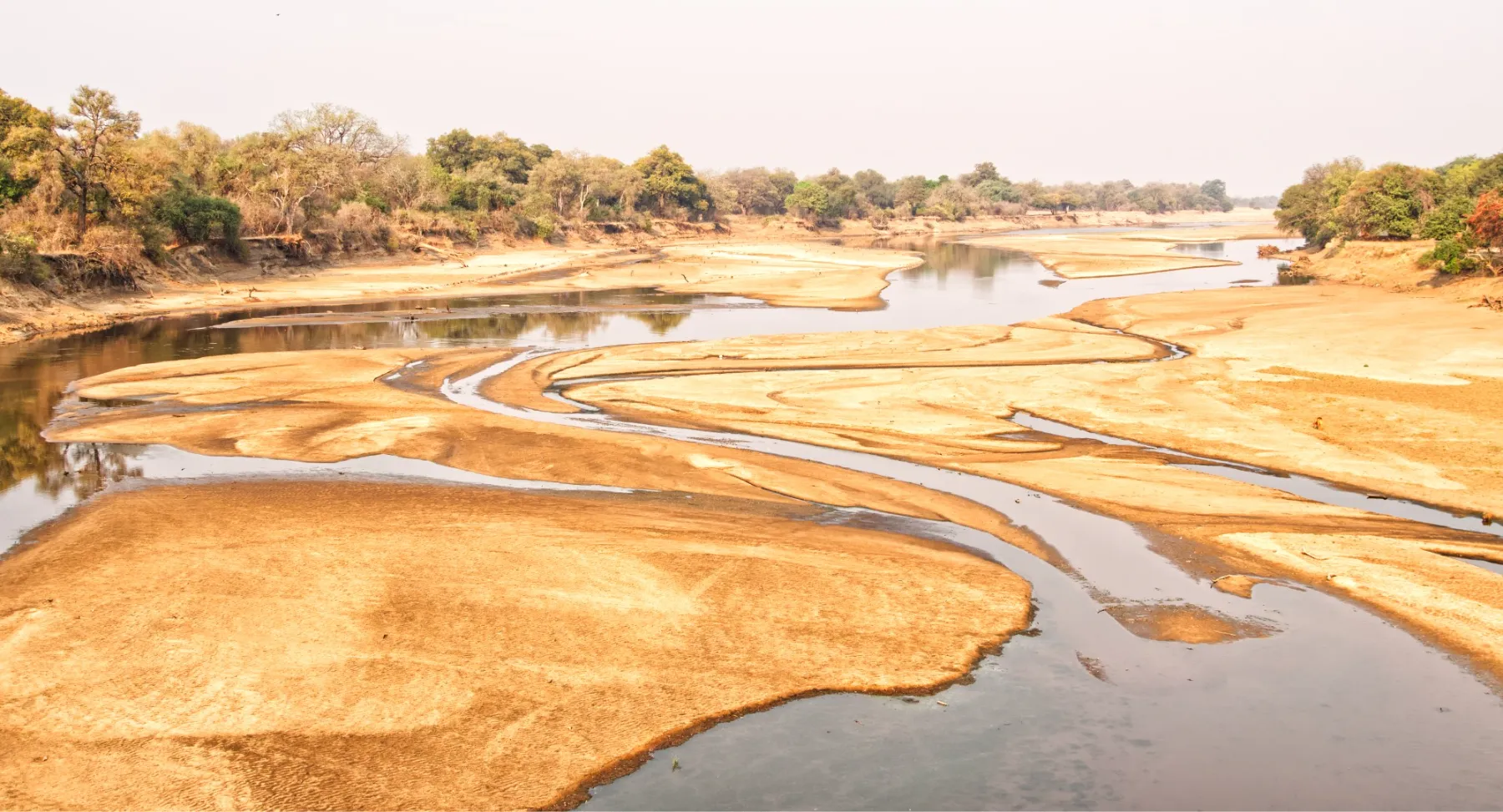
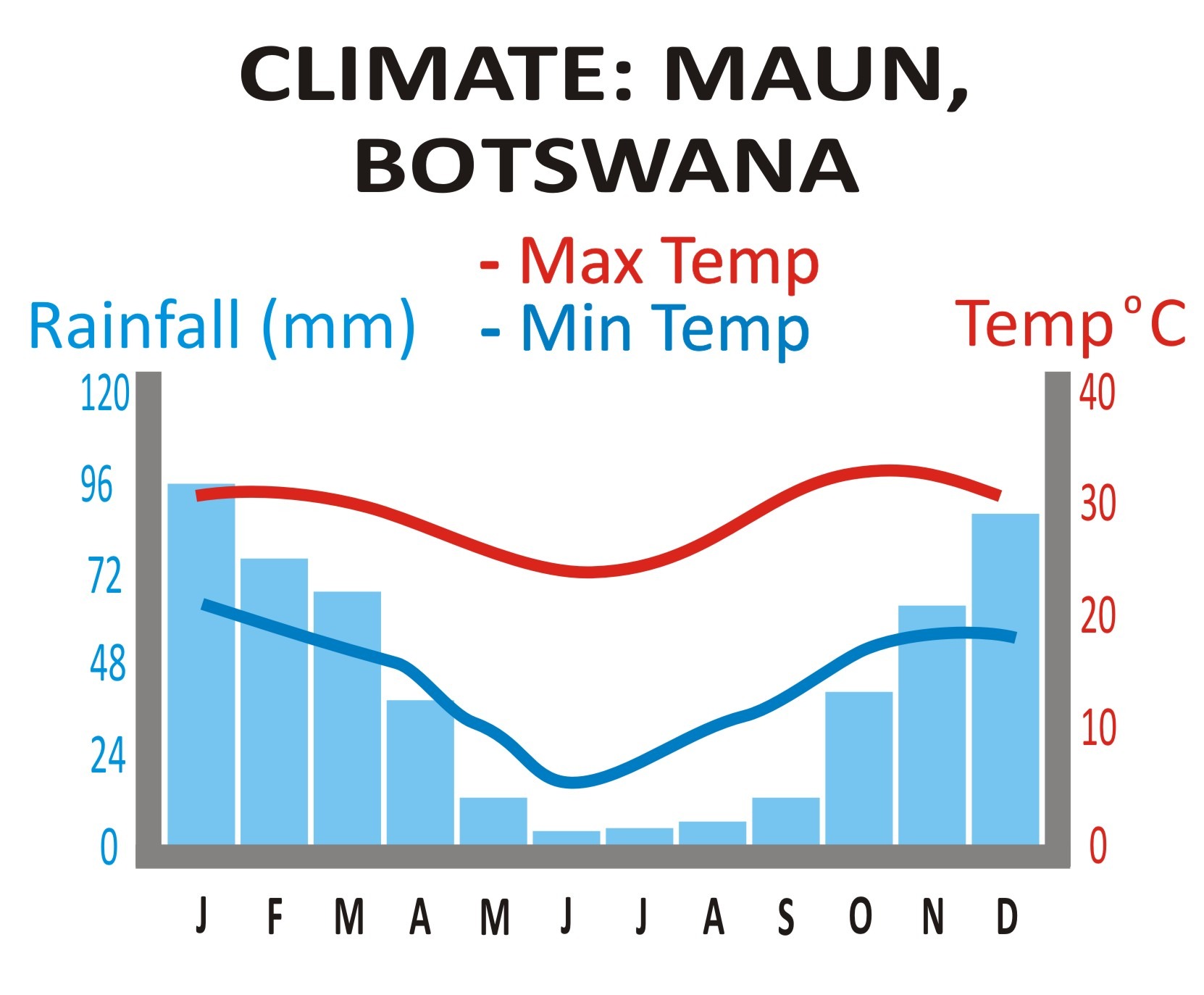
Botswana is centrally located in Southern Africa and mostly has a sub-tropical climate. Largely Kalahari desert, there are sizable differences between the day and night temperatures and virtually no rainfall. In the Delta temperatures are more moderate due to the abundance of water. Botswana is a wonderful destination all year round…
Dry season is from May to October: The game viewing is superb and wildlife is very easy to spot.
May:– Autumn temperatures are typically 10°C/50°F to 28°C/80°F.
June, July & August:– Winter morning game drives can be cold at around 6°C/42°F, but it warms to +-25°C/78°F.
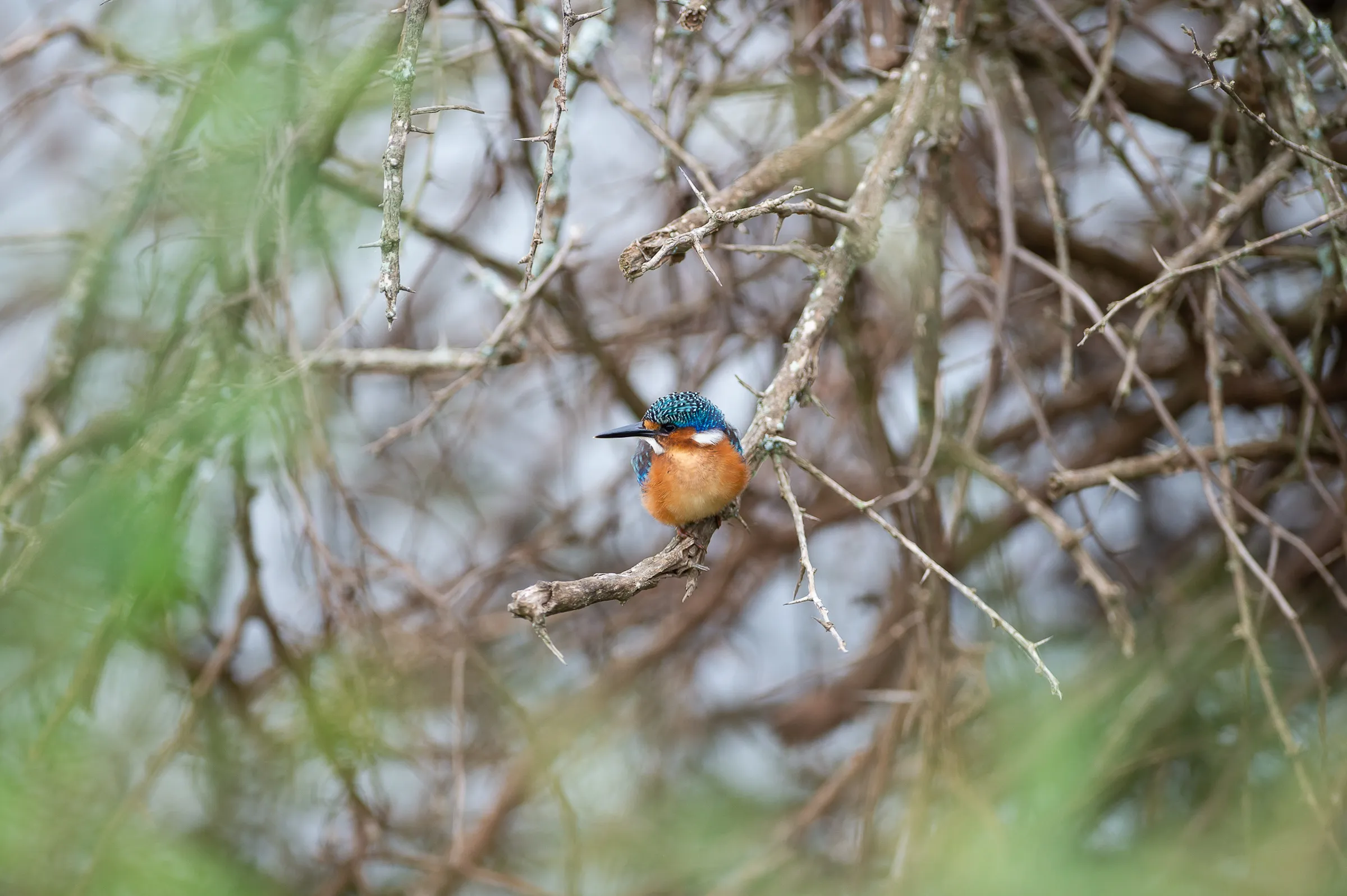
September & October:– Spring begins and temperatures warm up to +- 34°C/100°F. The migration of the Southern Carmine Bee-eaters is a sight to behold and a must-see for this time of year.
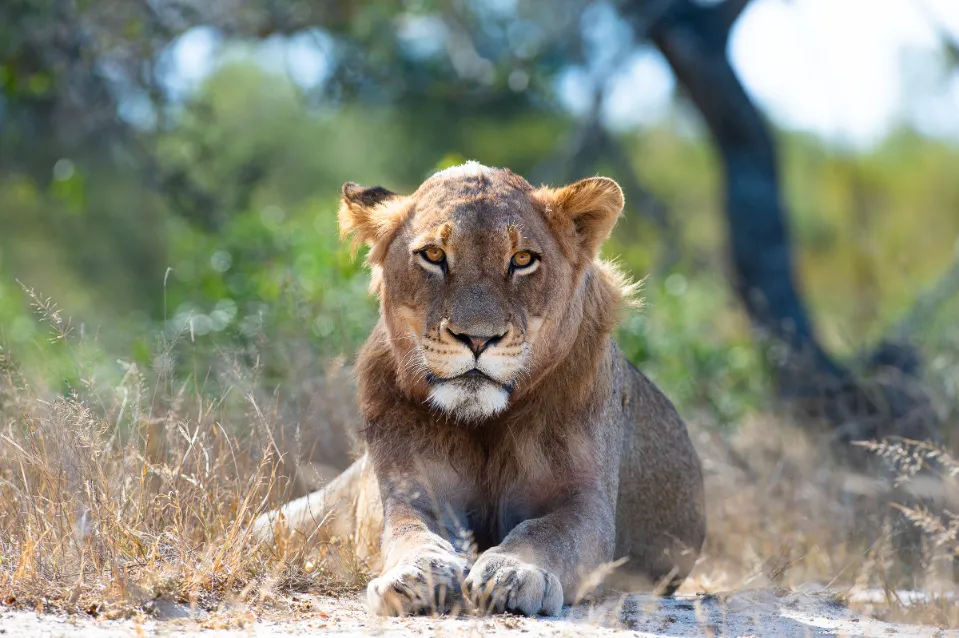
Green season is from November to April: Baby season and nothing beats seeing a lioness with her cubs, or other young animals at play.
November & December:– Typically cooler than October and between 20°C/69°F and 33°C/91°F. The more desert areas can still have very hot days.
January & February:– The Summer or “Green” months, with occasional storms in the afternoon. Temperatures are around 32°C/90°F in the day.
March and April:– The waters of the Delta start to rise and large herds of elephant and buffalo begin to make their way back to the Okavango as winter approaches. Lovely, clear weather and few clouds prevail, but the nights are cooler and the days very comfortable at around 30°C/87°F.
The best time to visit Zimbabwe
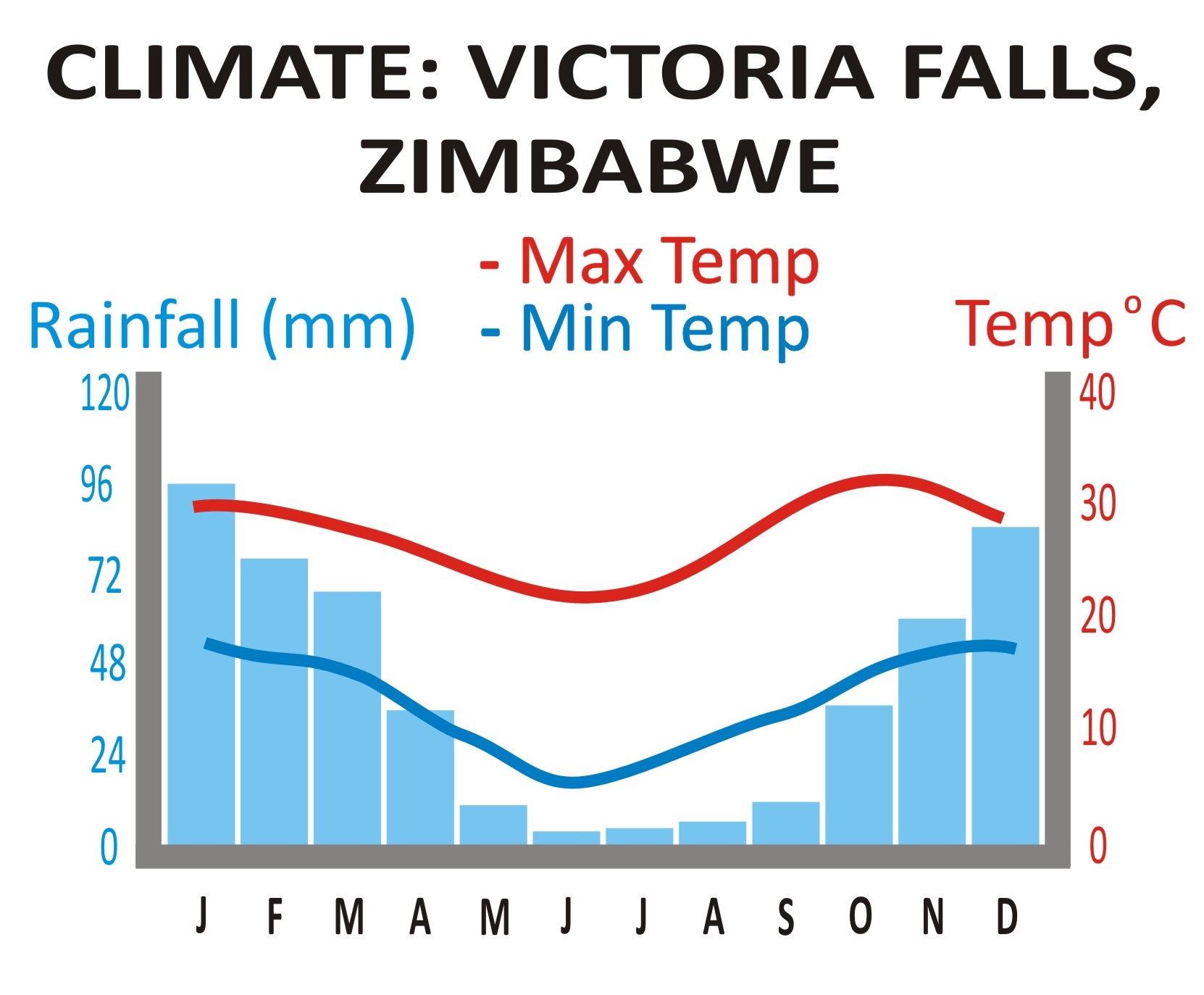
Zimbabwe enjoys a pleasant, mostly sub-tropical climate, moderated by its high elevation. Summers (November–March) are warm and wet, while winters (May–August) are dry and mild. The variety of landscapes—from savannah to highlands—means there’s always something to experience. Zimbabwe is a year-round destination, each season offering its own highlights.
Dry season is from May to October: This is peak safari season with excellent visibility for game viewing in parks like Hwange and Matobo.
May:- Clear, mild autumn days range from 10°C/50°F to 26°C/79°F.
June, July & August:– Winter mornings can be crisp (as low as 5°C/41°F), but daytime temperatures rise to around 24°C/75°F.
September & October:– Temperatures heat up to around 32°C/90°F, especially in low-lying areas. Expect fantastic game sightings as animals gather at waterholes, and Victoria Falls begins to recede, revealing dramatic rock formations.
Green season is from November to April: Lush landscapes, dramatic skies, and the birth of young animals make this an enchanting time to visit.
November & December:– Rain begins to fall, especially in the afternoons, with temperatures between 20°C/68°F and 30°C/86°F.
January & February:– The height of summer brings vibrant greenery and occasional thunderstorms. Expect daytime highs of around 31°C/88°F.
March & April:– As rains taper off, the air clears and temperatures hover around 28°C/82°F. Victoria Falls is at its fullest—an awe-inspiring spectacle.