Itinerary

Eg: 15 day small group non-participation Classic Journey

Departs:
Windhoek
Ends:
Victoria Falls

Accommodation

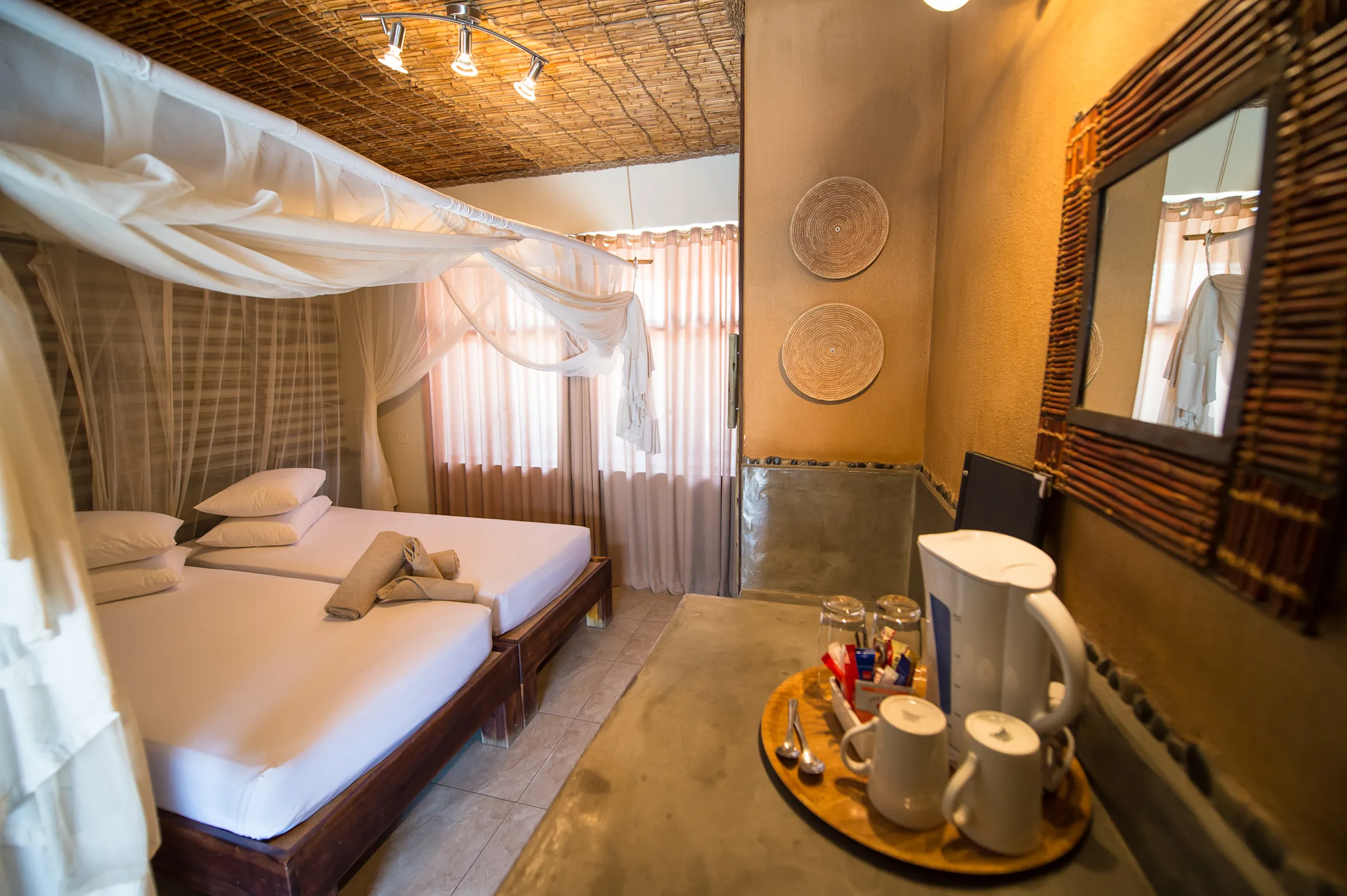
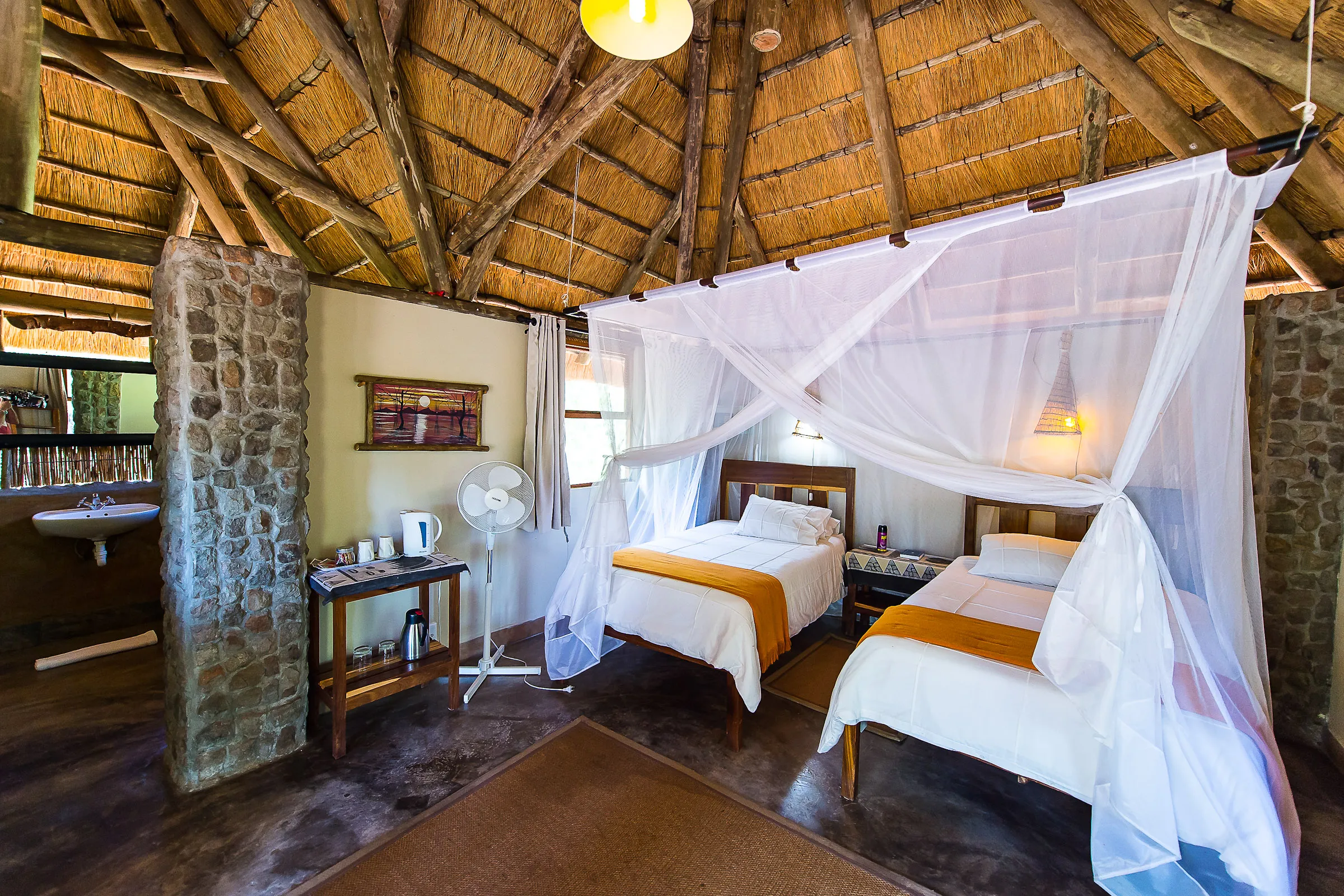
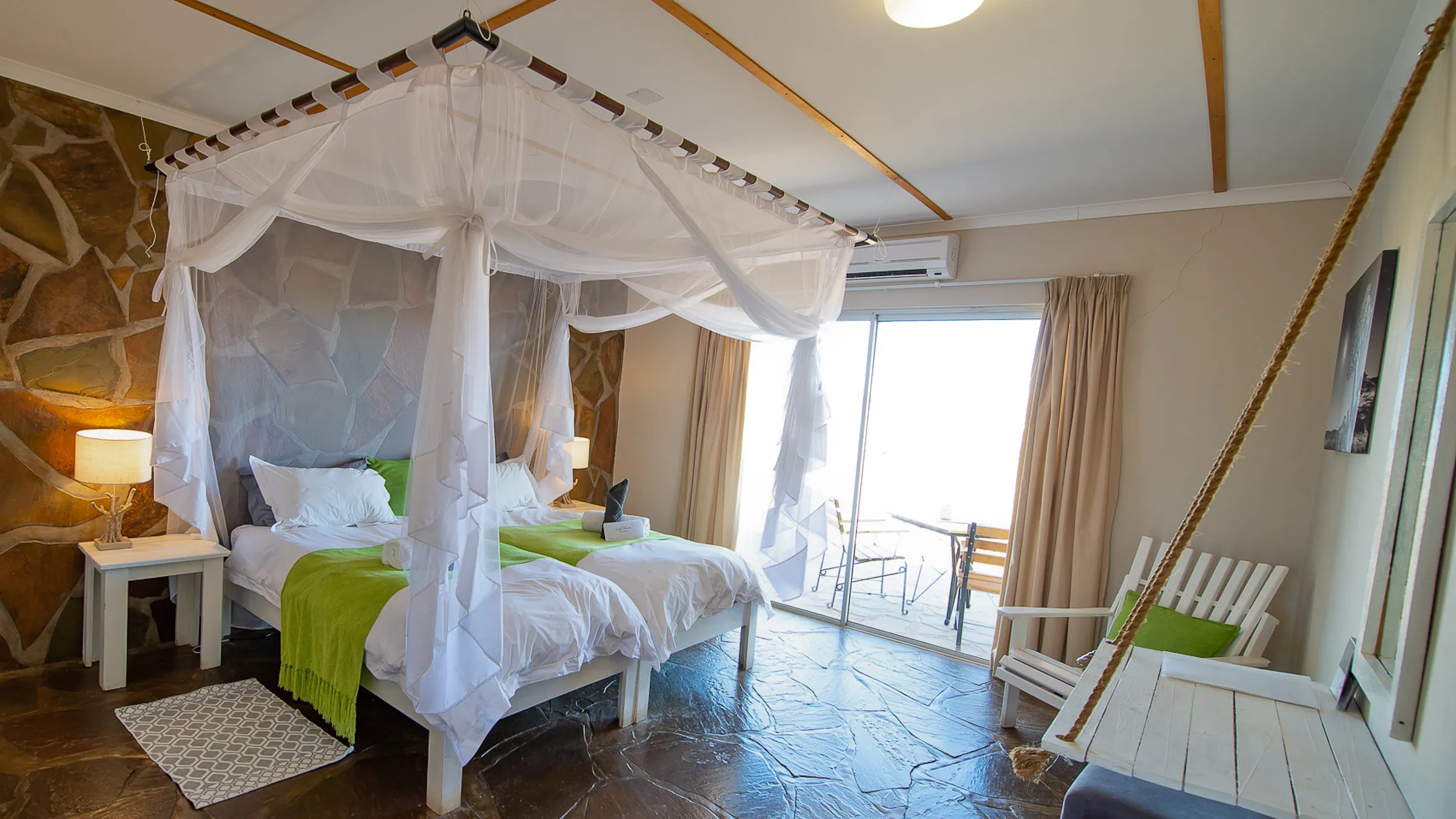
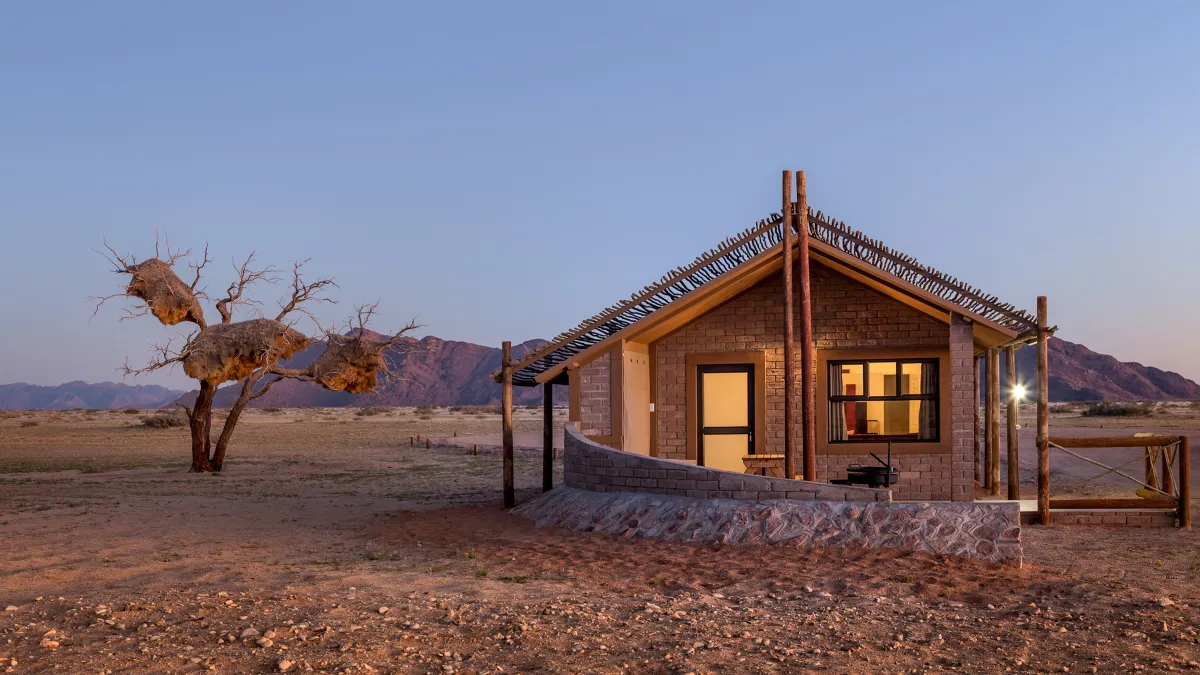
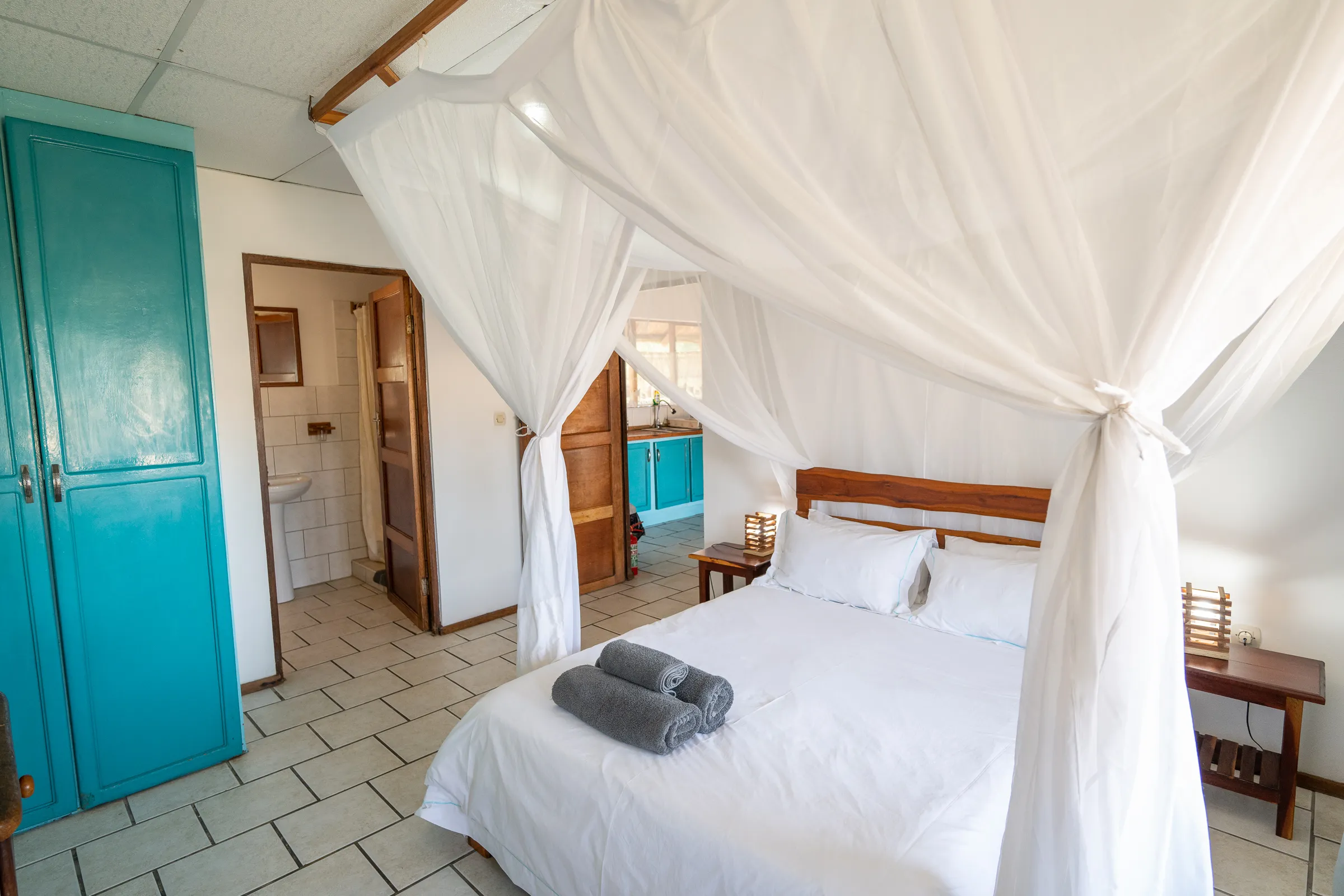
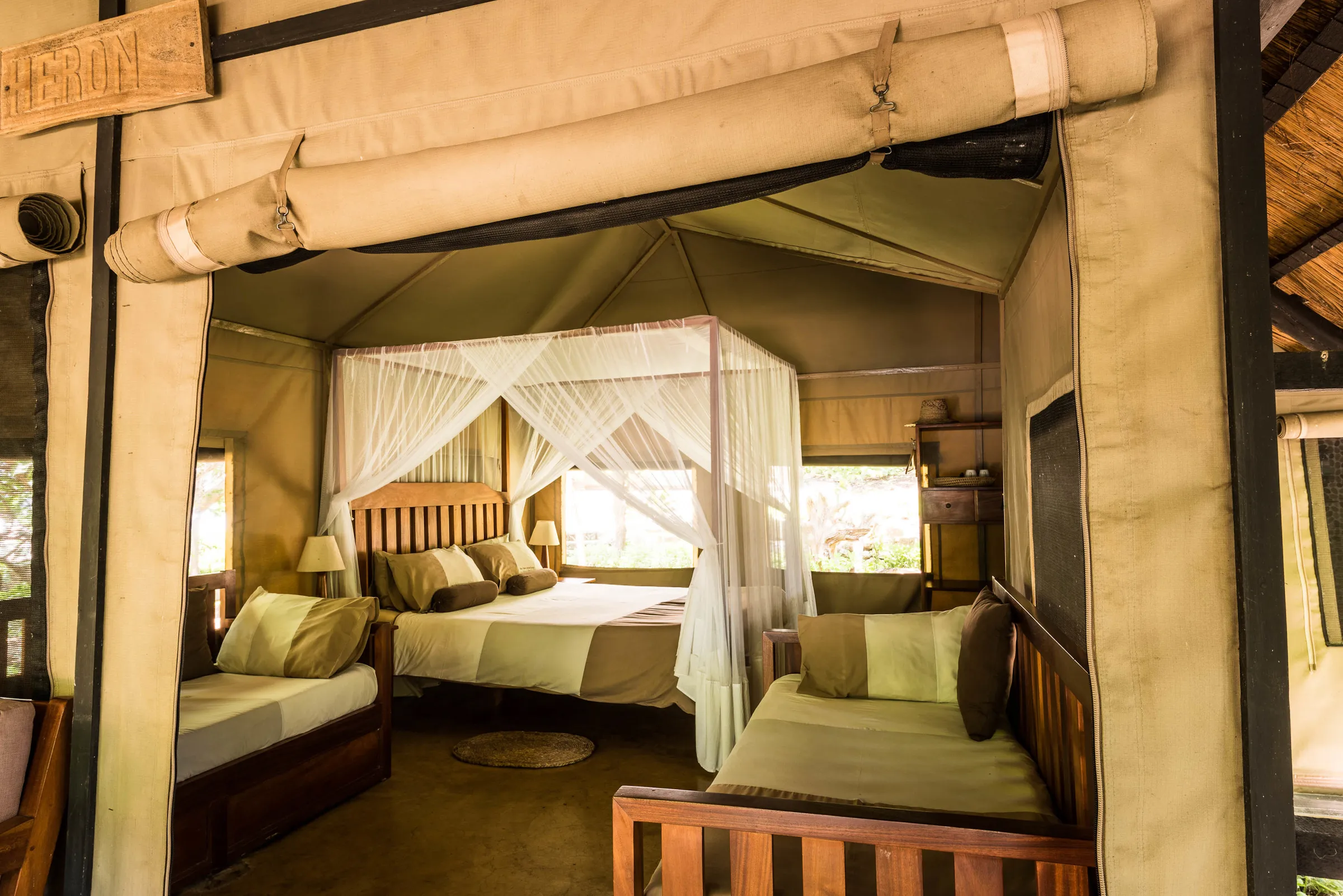
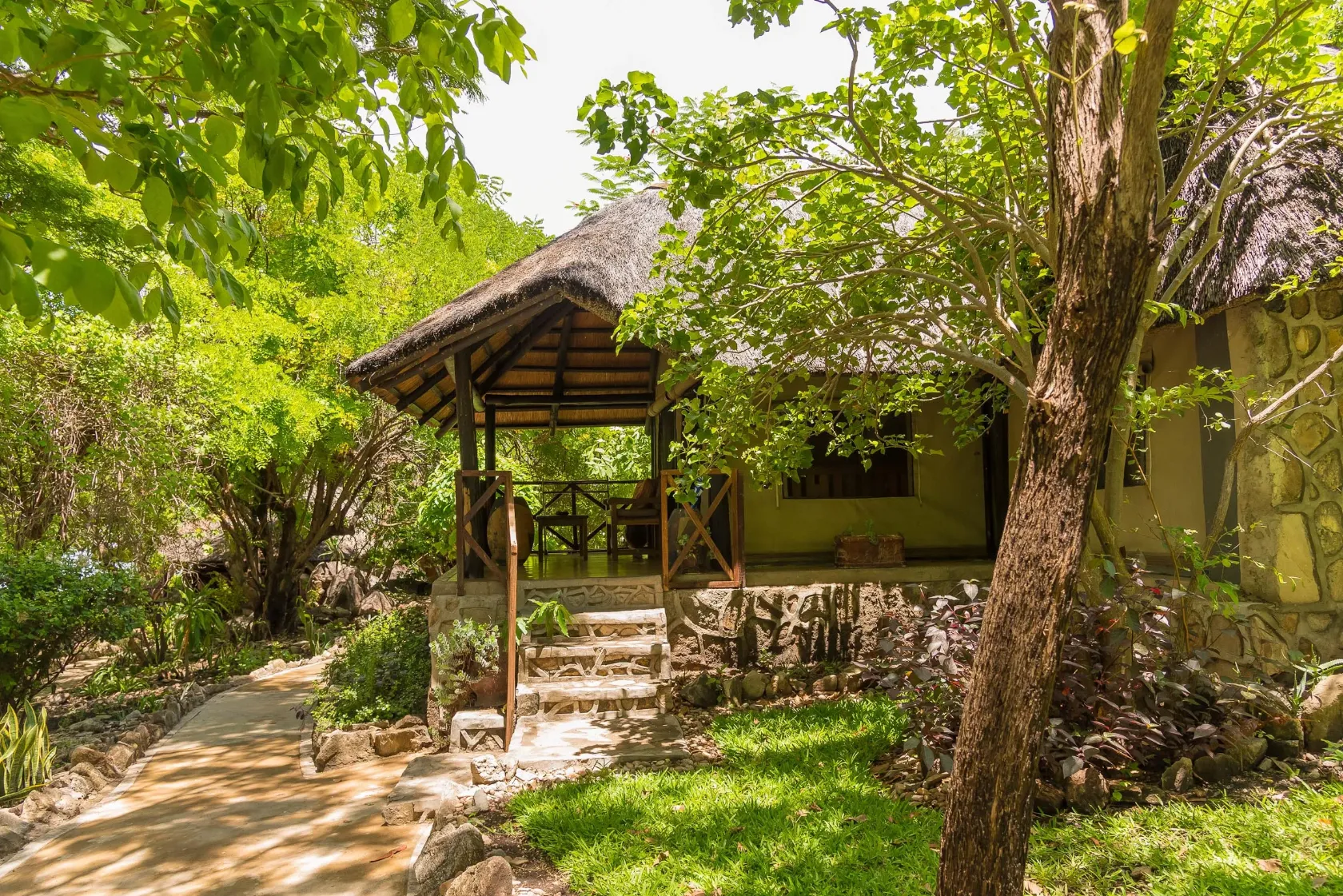
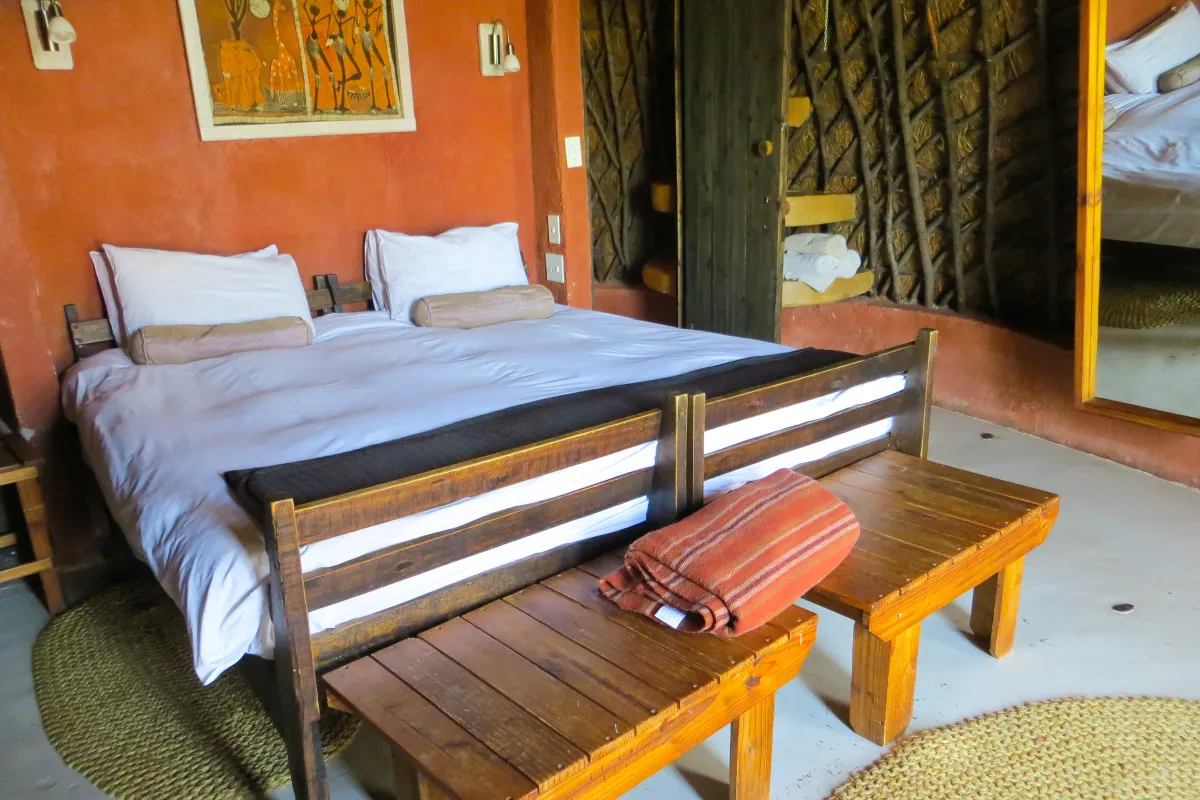
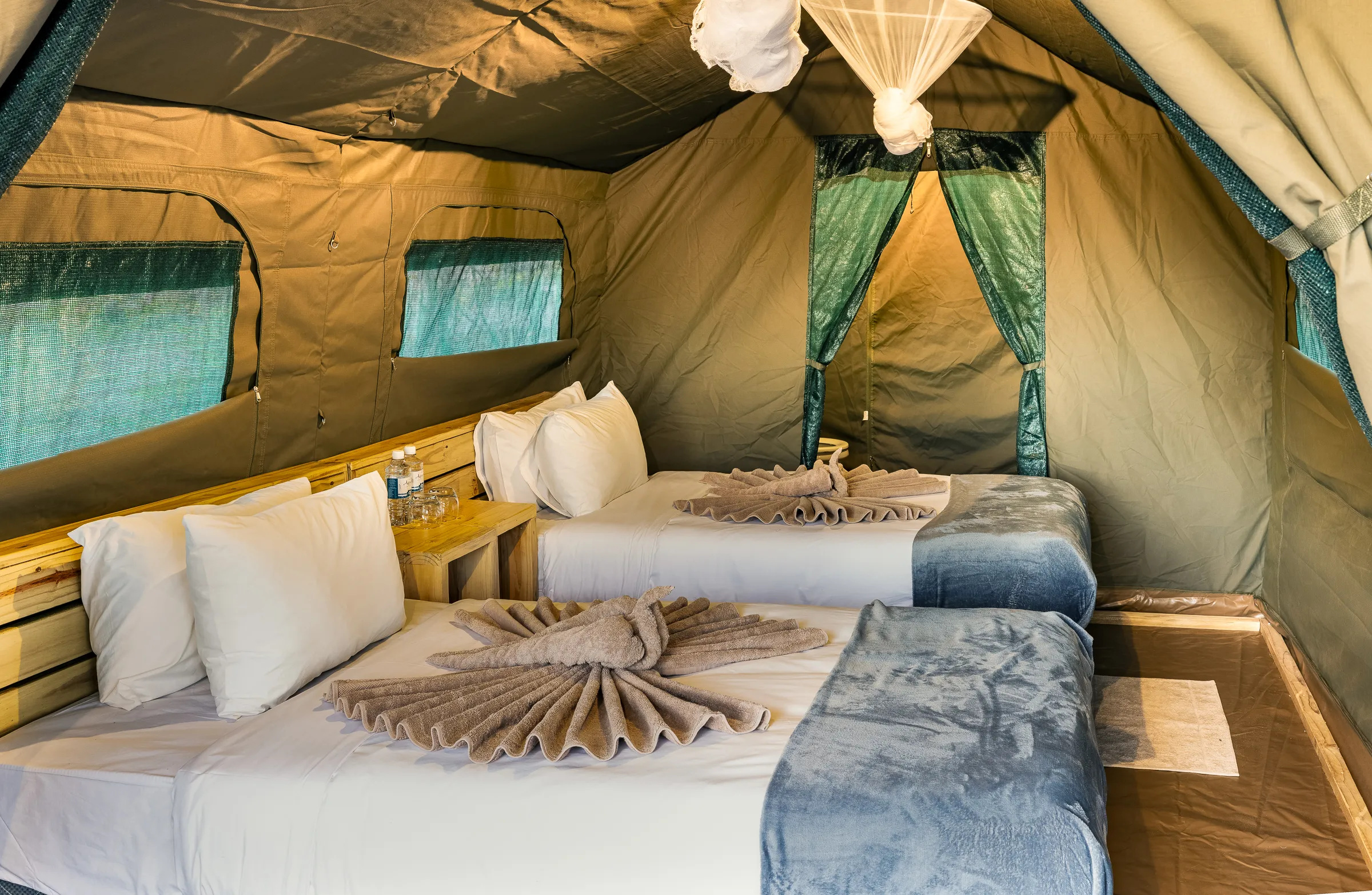
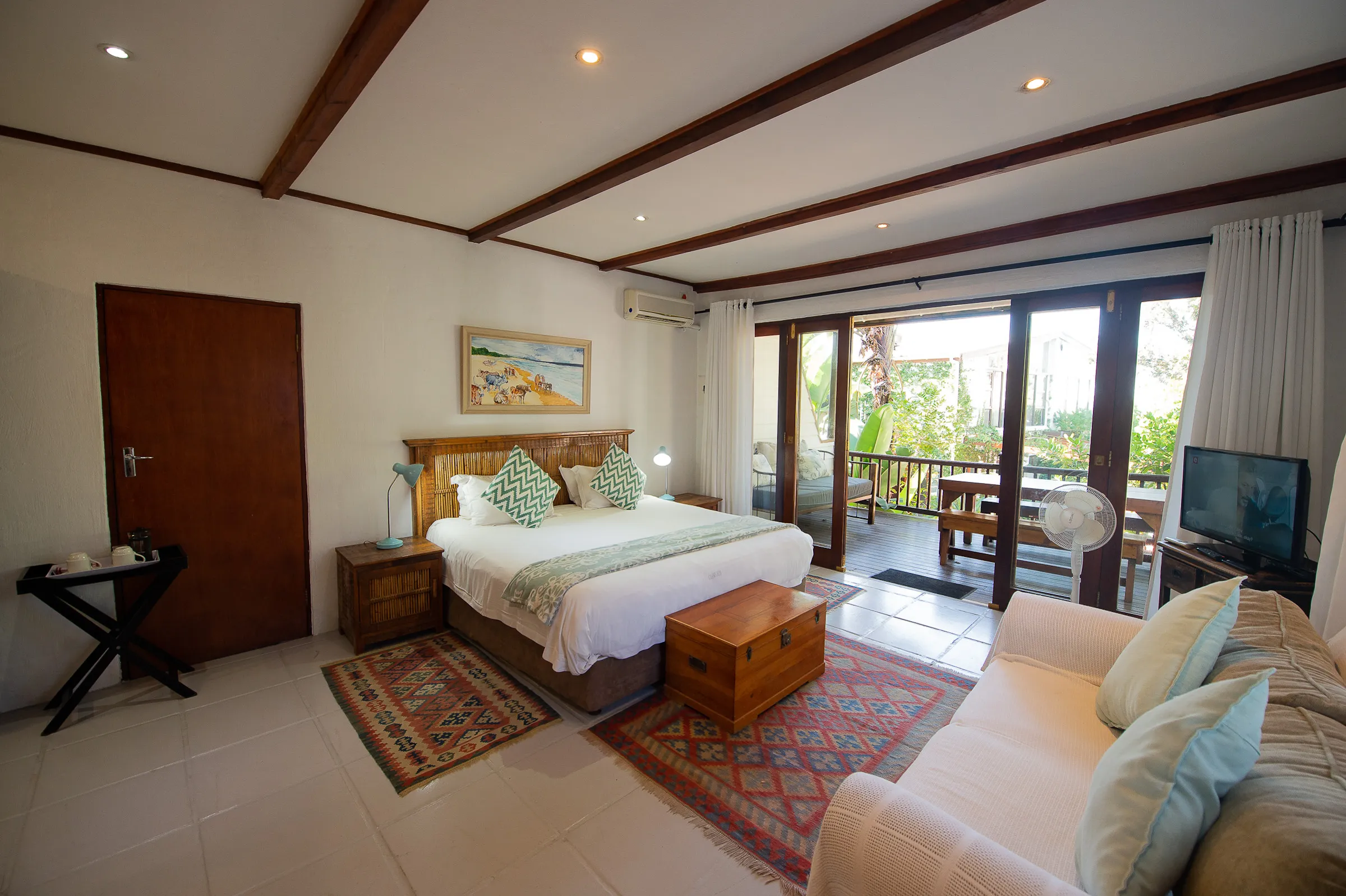
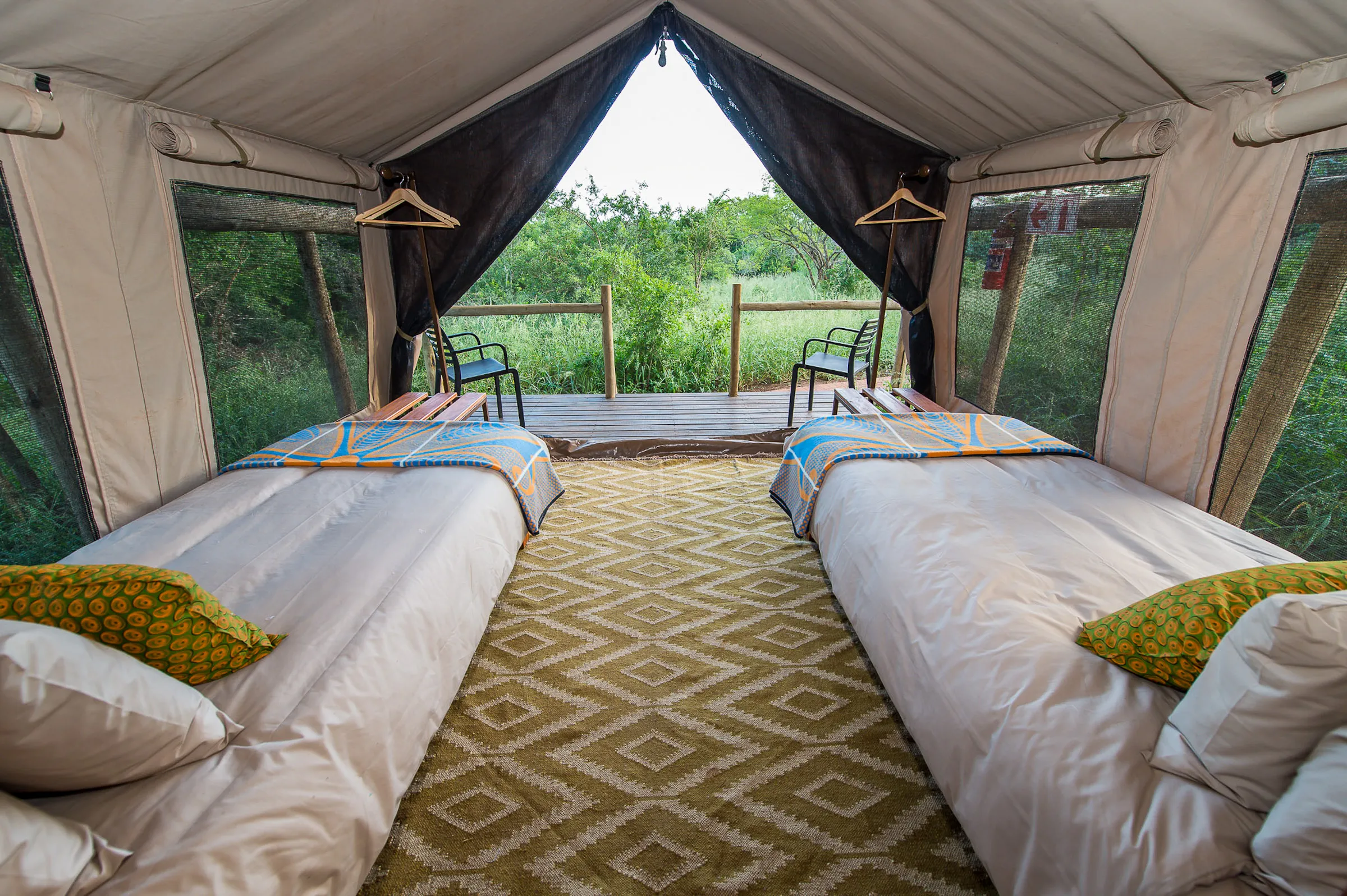
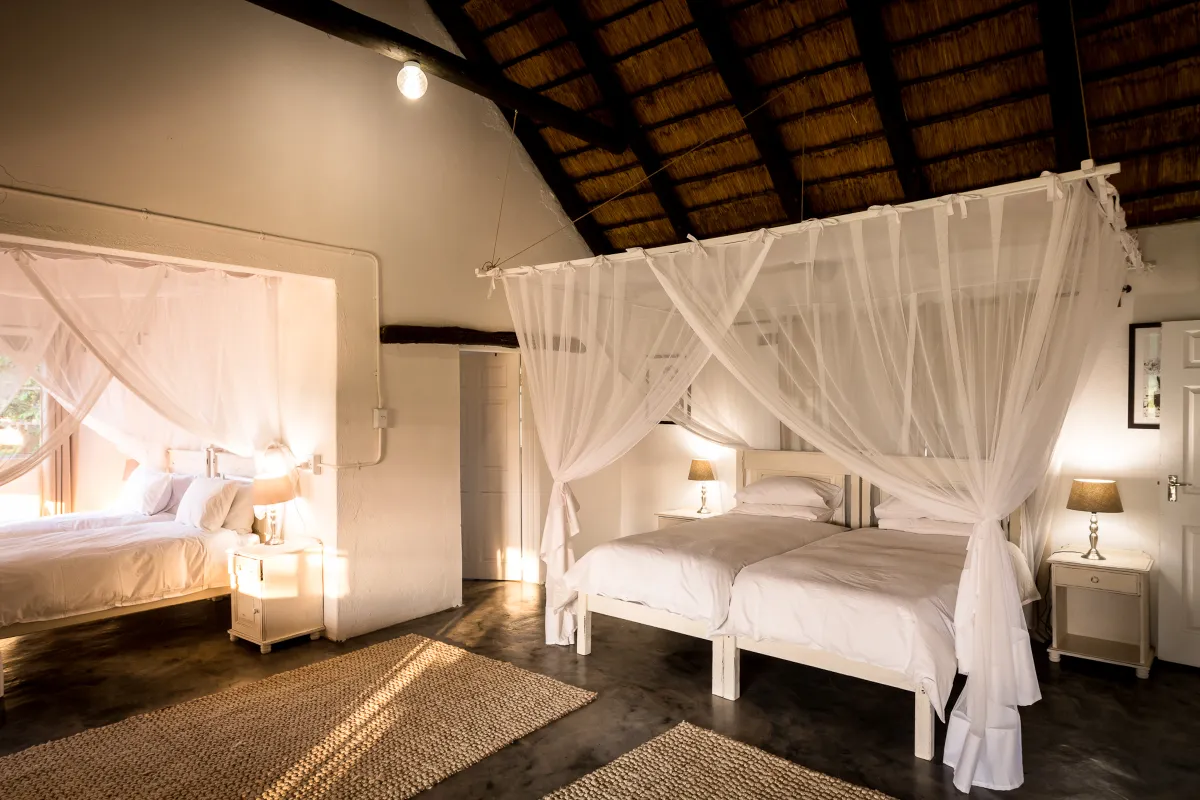
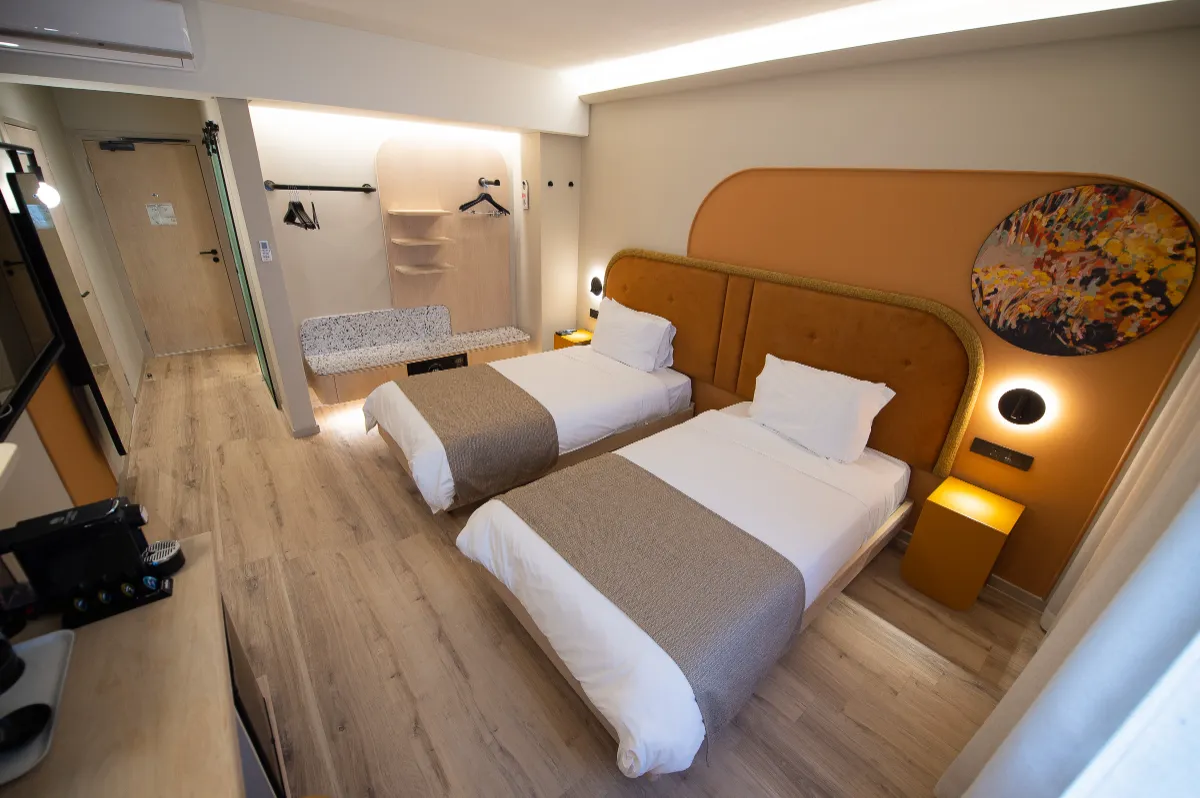
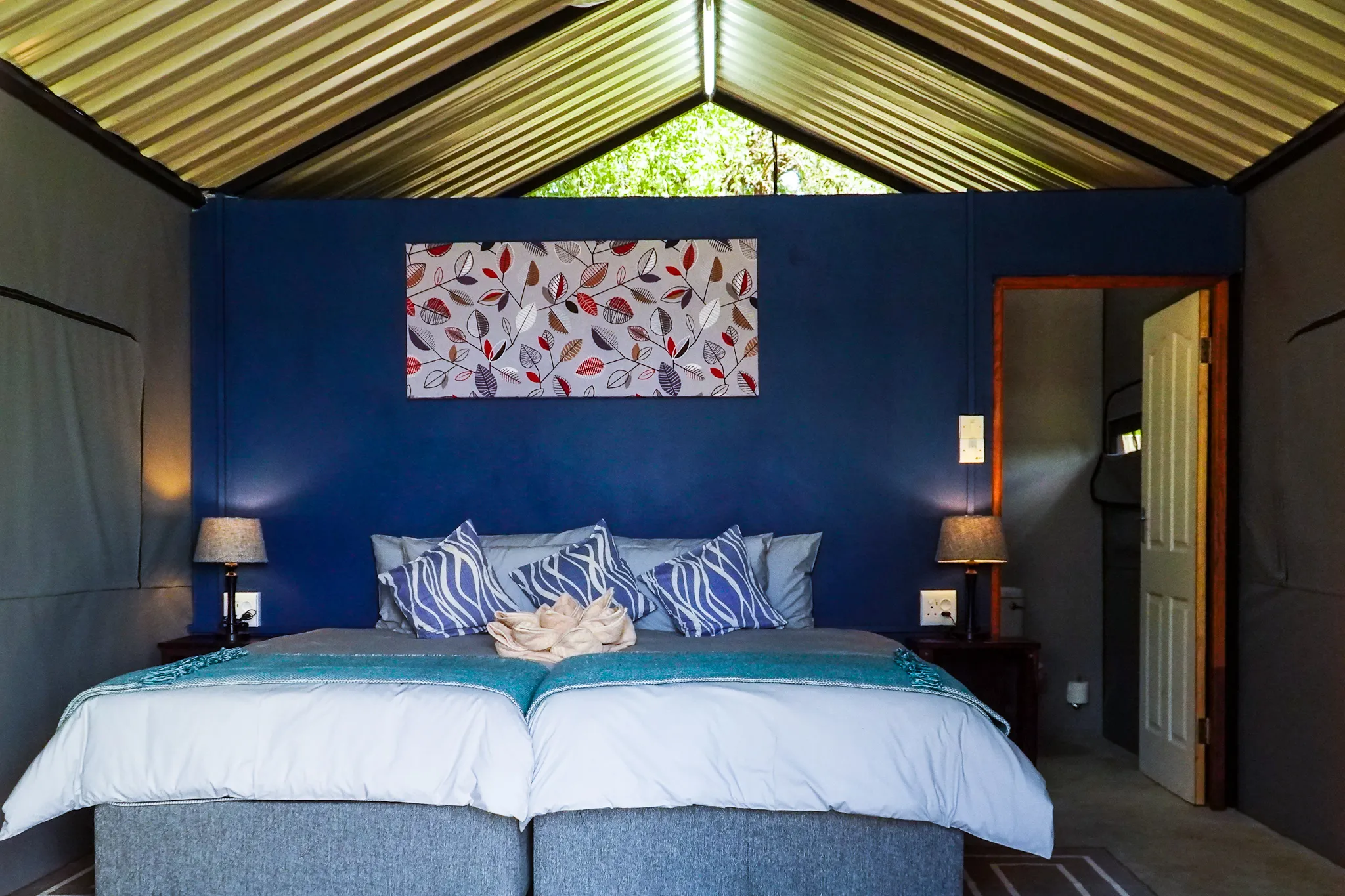
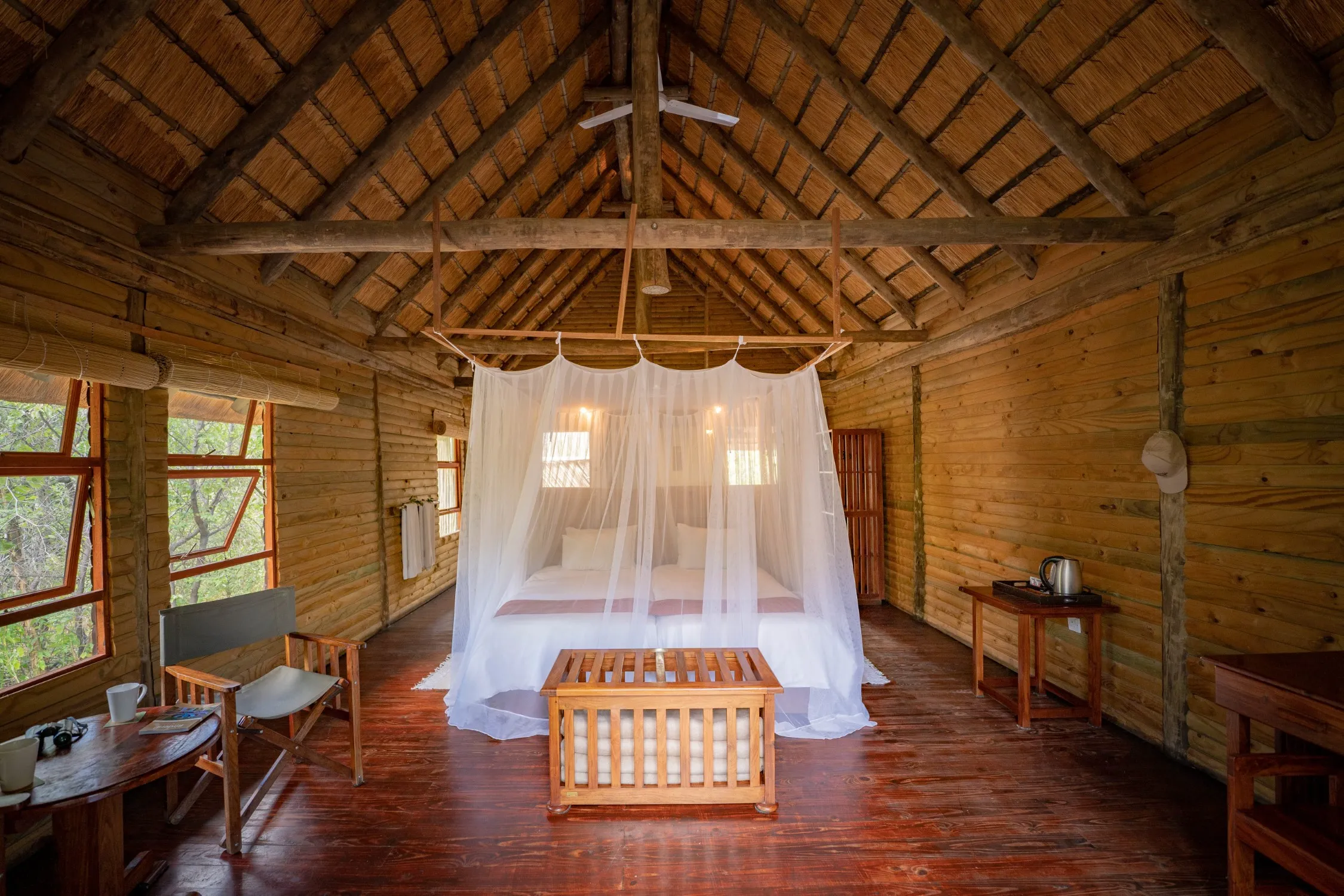
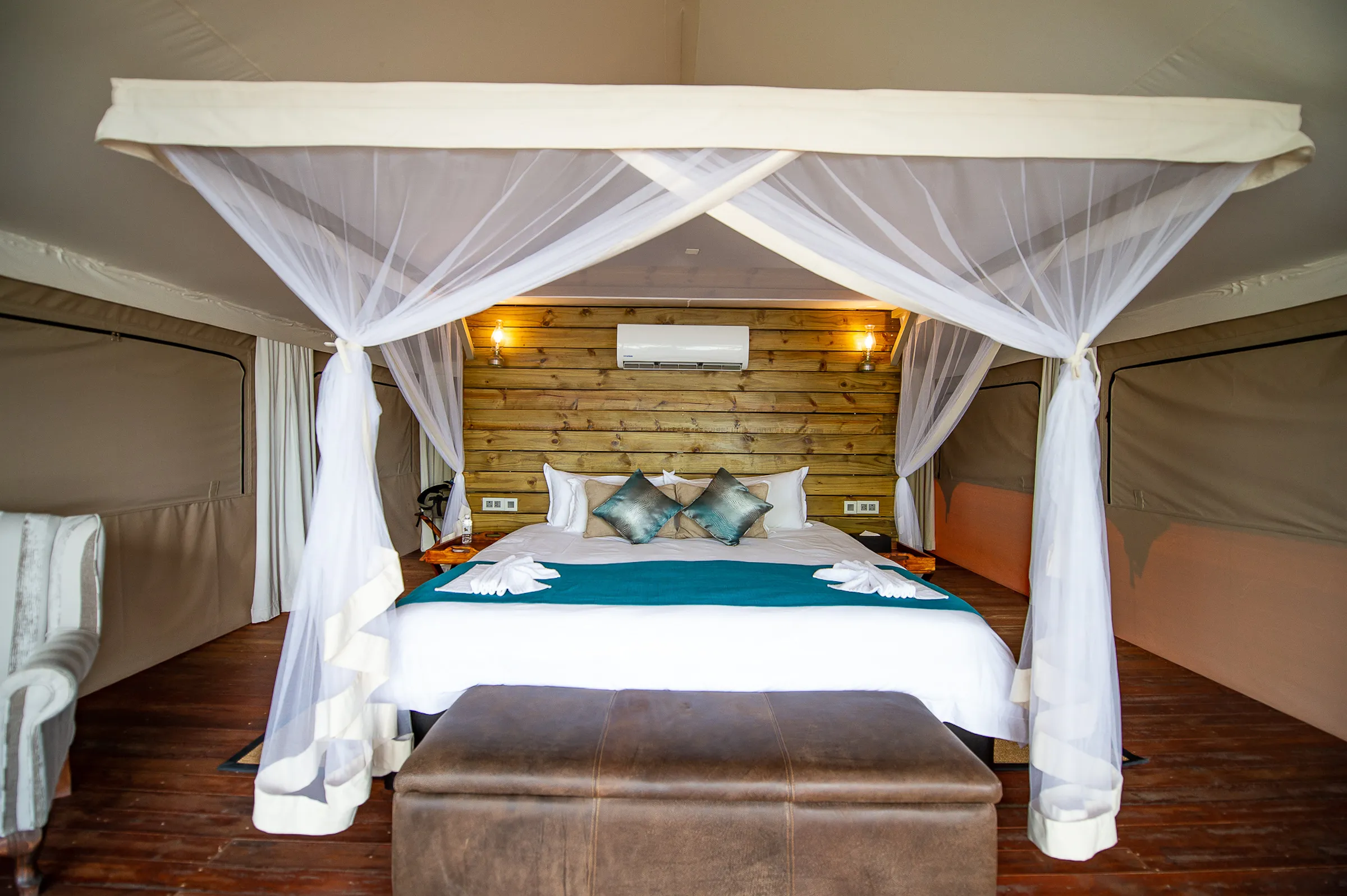
14 nights in 3+ star lodges & tented camps
15 Days Days From

€€4 850

Single supplement
€€1 030 pp
+ USD 300 local payment
Tour Code

Itinerary

Eg: 15 day small group non-participation Classic Journey

Departs:
Windhoek
Ends:
Victoria Falls
Accommodation
14 nights in 3+ star lodges & tented camps
15 Days Days From

€€4 850

Single supplement
€€1 030 pp
+ USD 300 local payment

Frequently Asked Questions

Do you have any questions regarding your planned African Safari? The list below provides answers to many common questions we get asked with almost every tour.

Sunway Safaris does not supply bottled drinking water. There is however clean drinkable water throughout Southern Africa. Tap water in most places is good to drink, and you can always ask your guide for advice if unsure. Each safari truck has a 150ltr water tank, which can be used for drinking. For those who are concerned about the water it is possible to purchase bottled water at own expense.

From an environmental point of view, we ask each client to consider how many plastic bottles they throw away. We suggest you either bring a water bottle from home, or buy a 1.5 ltr bottle of water at the start of the tour. You can then refill that water bottle from the truck or from a tap. If every Sunway client bought one plastic bottle every day, we would use over 40,000 plastic bottles a year! So please help us by re-using your water bottle.

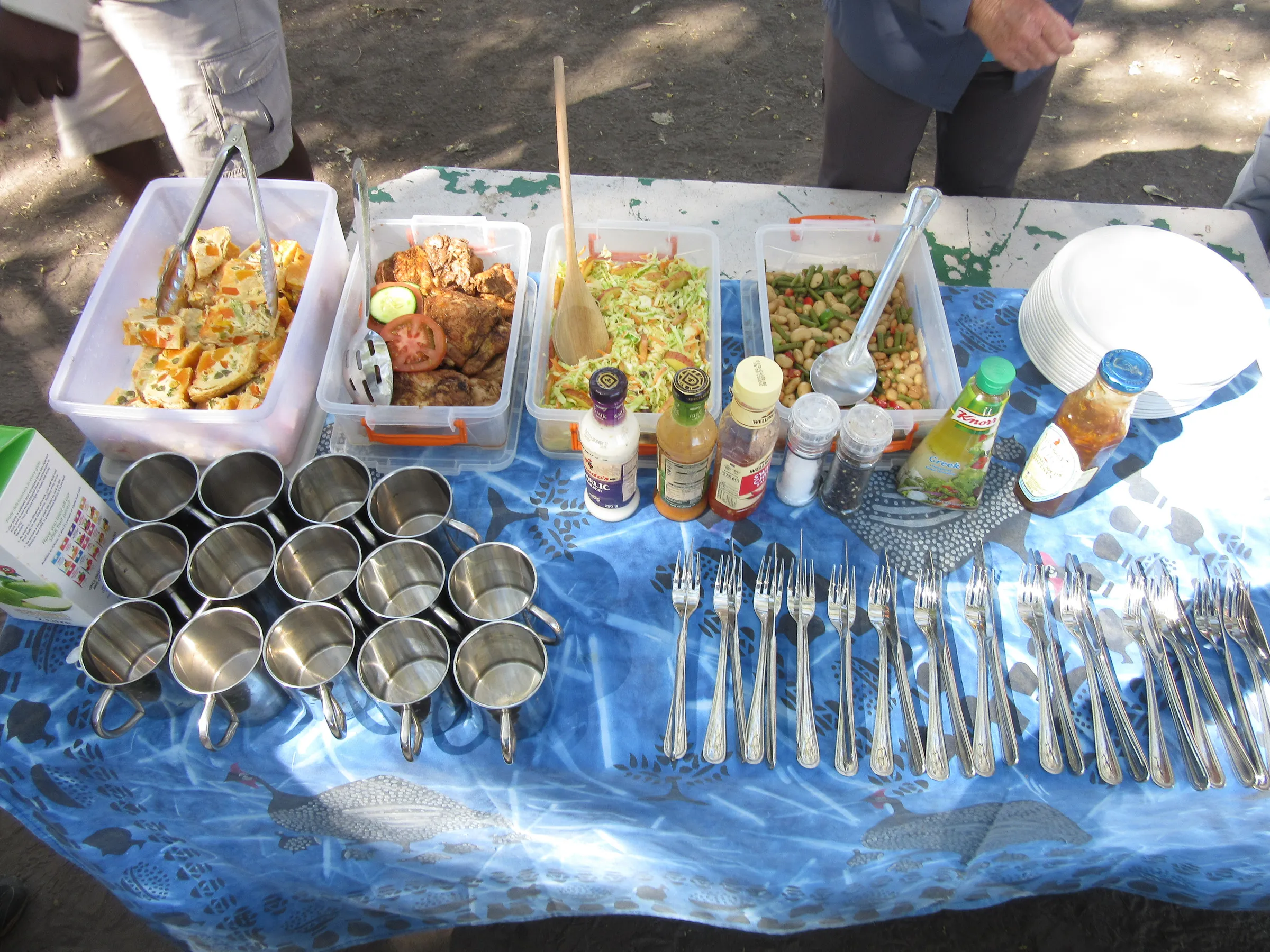
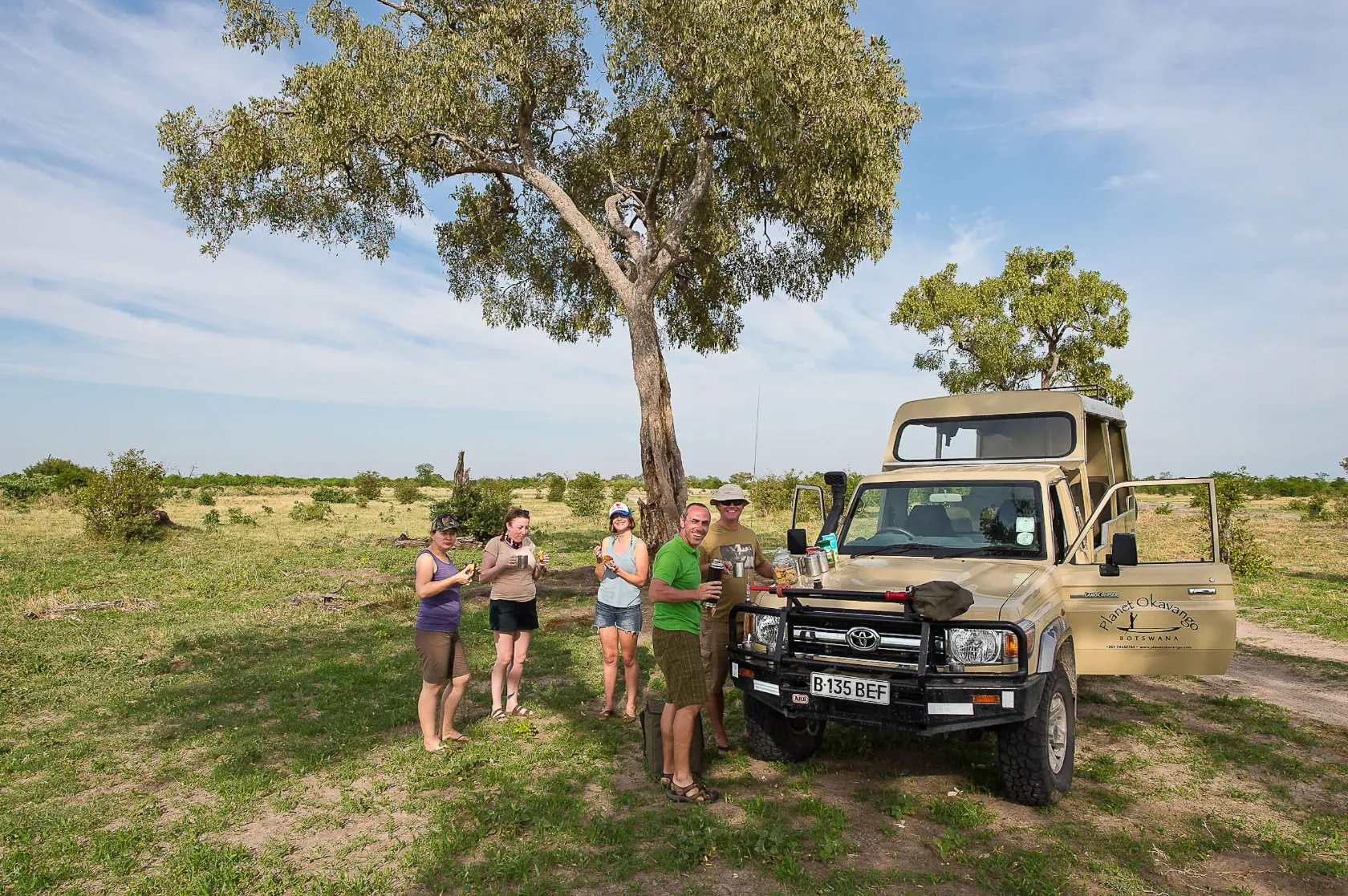
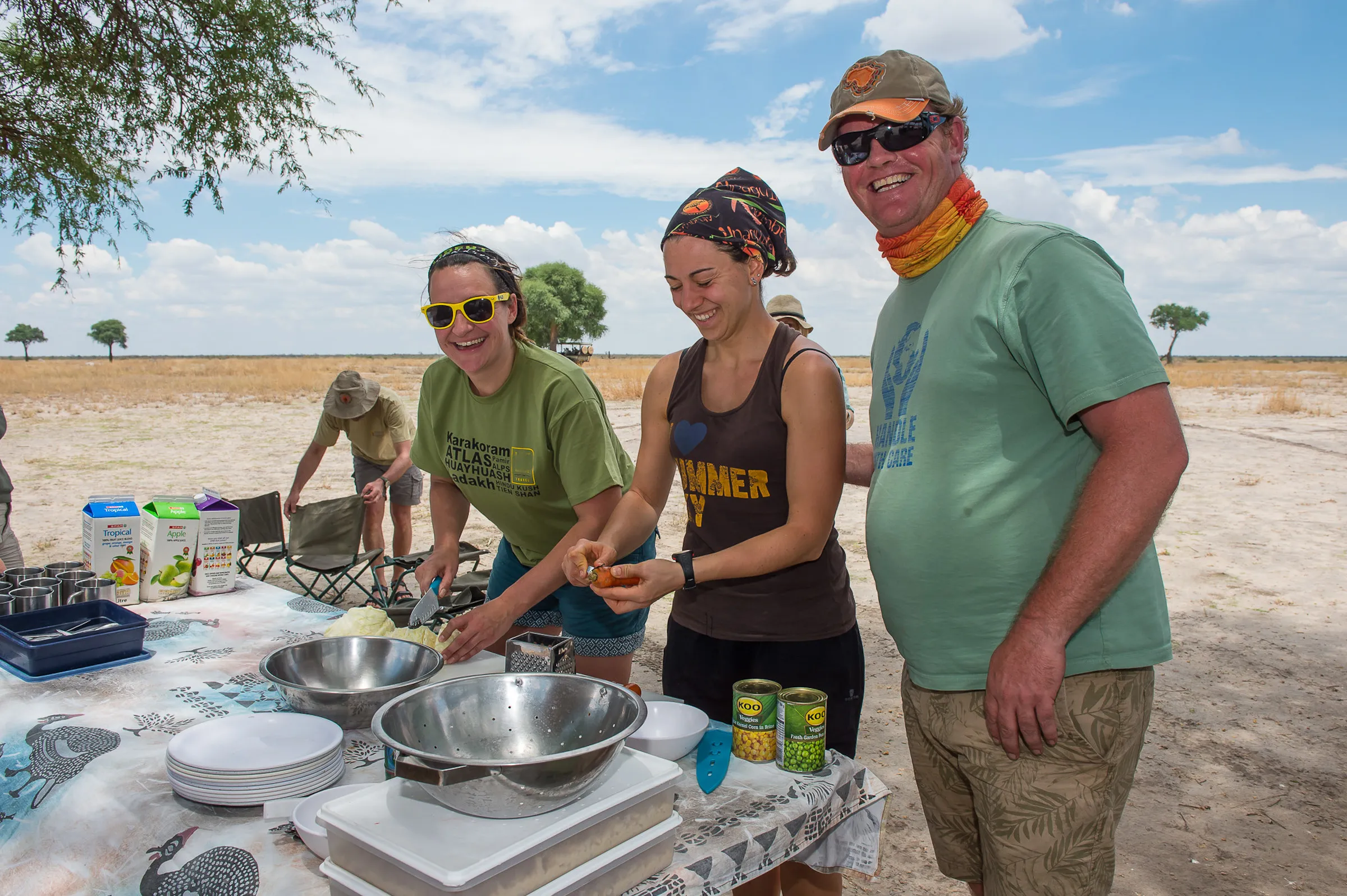
Sunway will provide three scrumptious meals per day, unless specified in the itinerary [B=breakfast, L=lunch, D=dinner], from lunch on the day of departure until breakfast on the last day of your tour. Good healthy meals make happy travelers. The tour leaders do all the shopping and meal planning for each group. They will always try to obtain fresh produce wherever possible. Each tour has 1 cool box / freezer for the meats and fresh produce only, and 1 cool box for drinks. Please be aware that, due to the diverse tastes of our clients, we are unable to accommodate individual food preferences on our group tours. The group shared meals we provide are subject to available produce, and in our sometimes remote destinations, the variety of ingredients is sometimes limited. However, we do take allergies, vegetarian and vegan dietary requirements into consideration to ensure everyone has suitable meal options. Please bring this to our attention at time of booking.

A rough idea of what meals can be expected:

Breakfast – Cereals and milk or bread/toast, jam and fruit with coffee and tea or the occasional cooked breakfast.
Lunch – Cheese, cold meats, fish, fruit, pasta salads and bread or rolls.

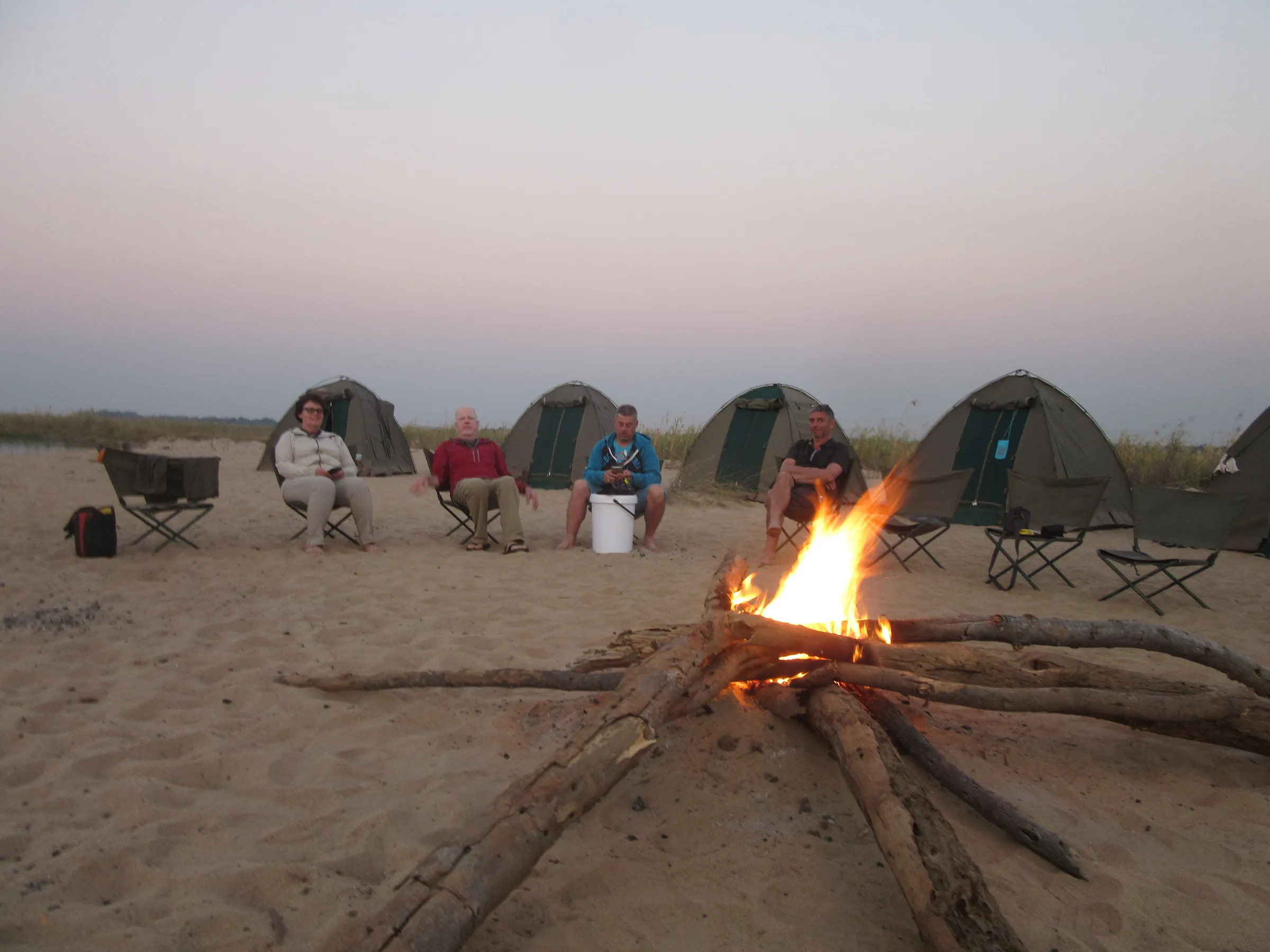
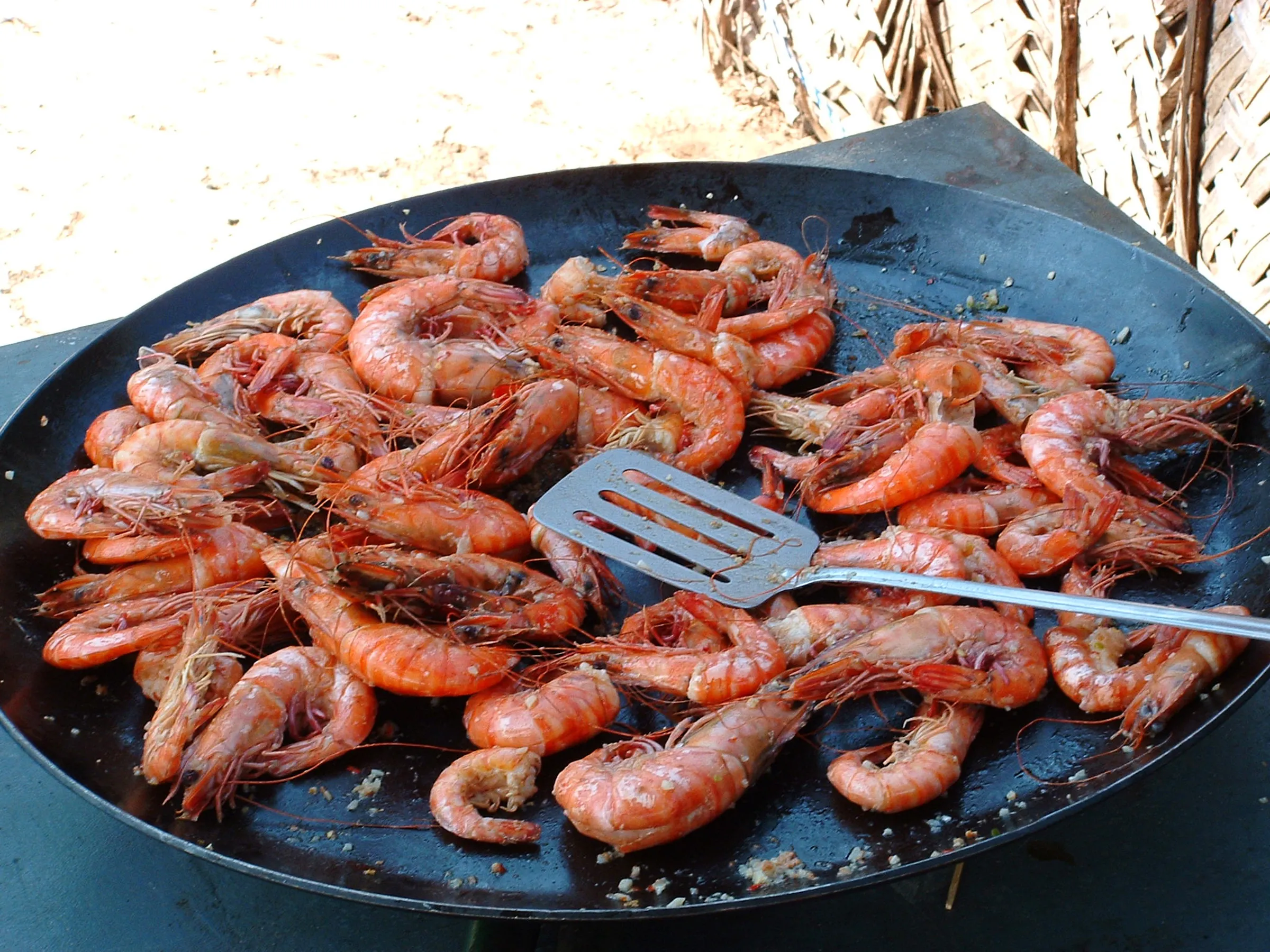
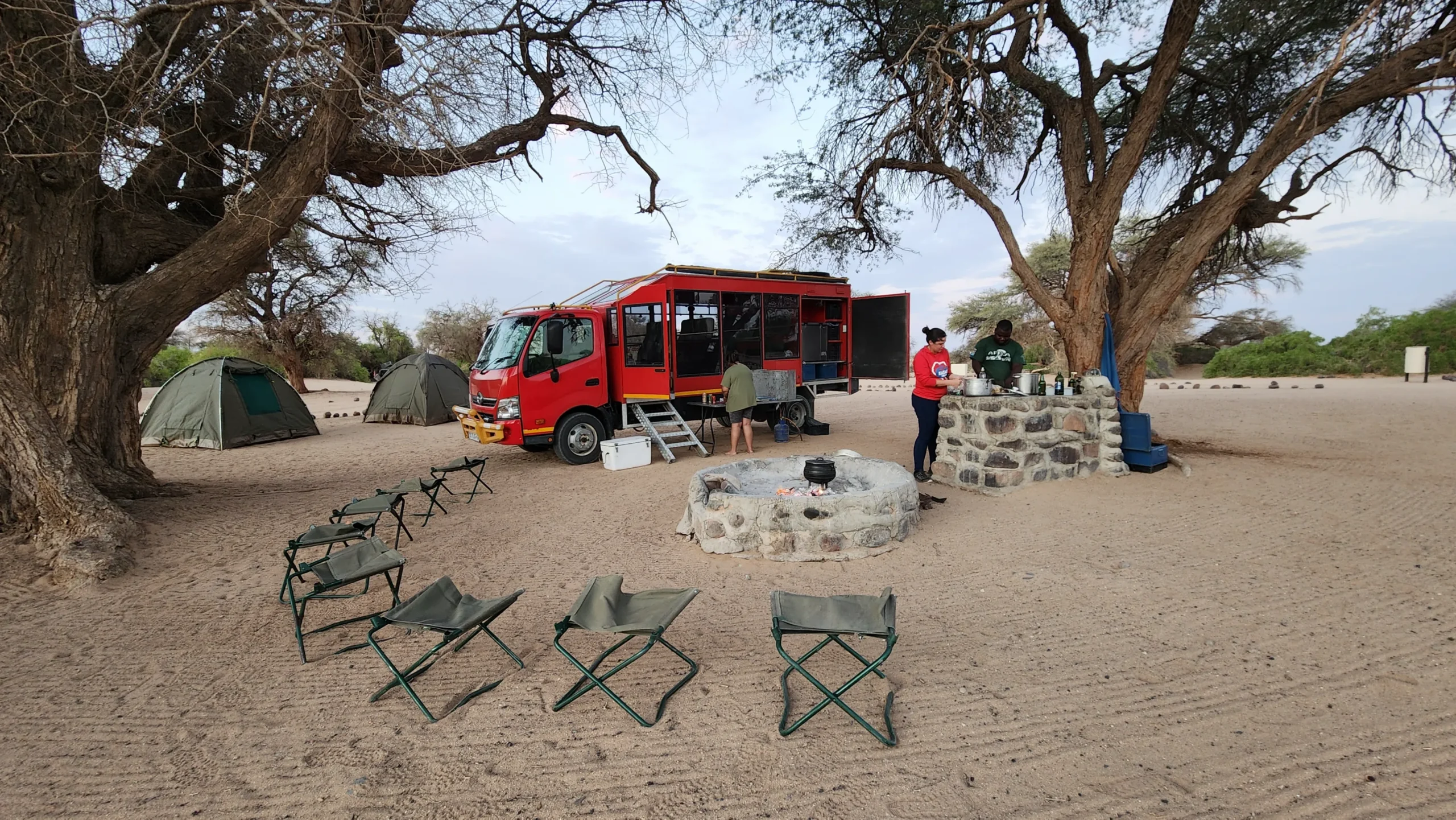
Dinner – Potjies (stews), braais (barbecue), stir fries, curries etc prepared on a wood fire or gas stove.

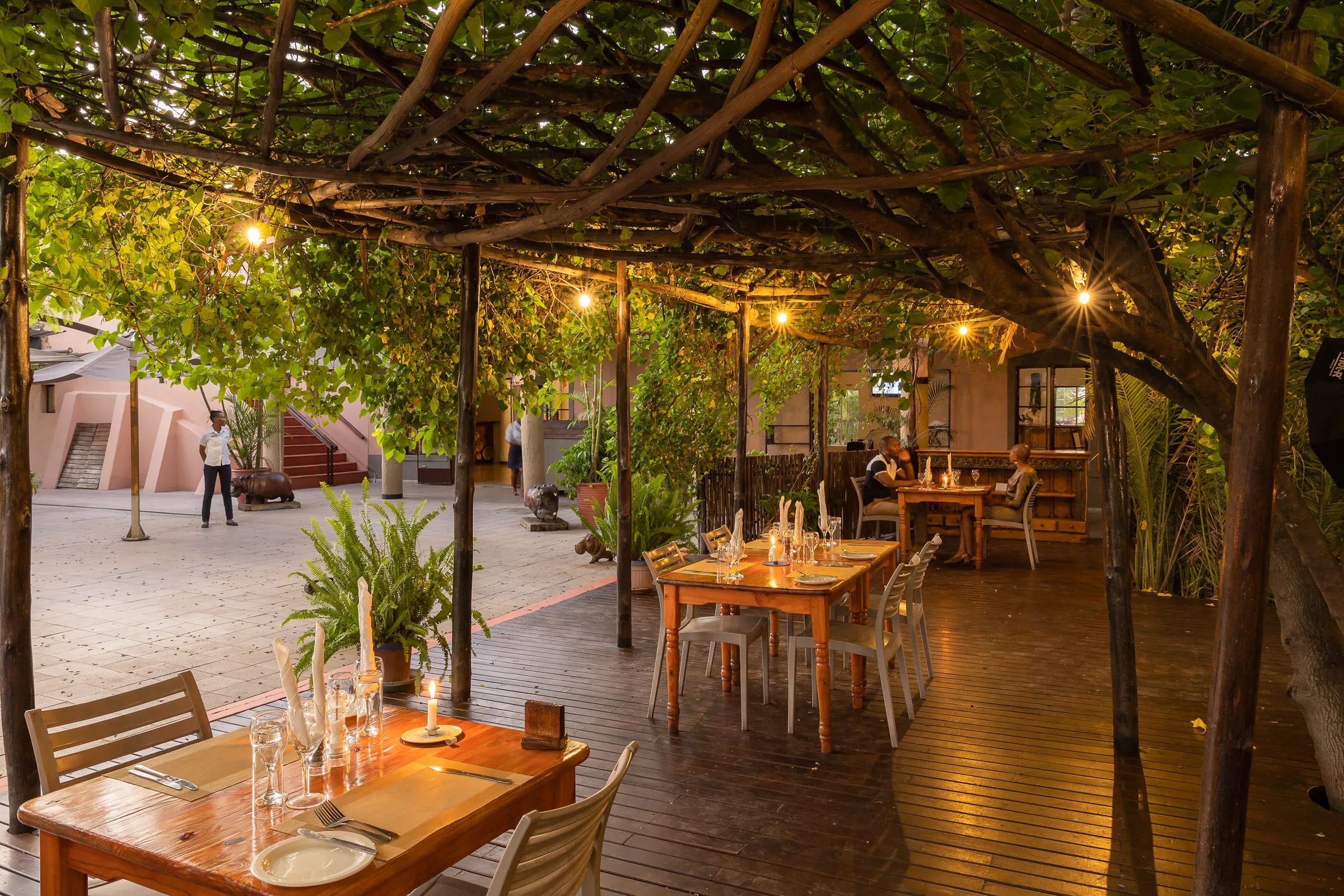
On several nights we visit local restaurants, which because of individual tastes will be an own expense meal.

Yes, Malaria prophylaxes are required on all of the safaris that we offer. Some trips, like the South Africa Scenic or Rainbow Route, are only in a Malaria area for 5 days, while others, such as the Zambia, Malawi & Mozambique Trade Route, travel through malaria areas for all 21 days. Your tour leader will advise you when you enter a malaria area, and when you exit a malaria area.

Do not be put off visiting Southern Africa because of malaria. Realistically most of Southern Africa is low risk area and if you use prophylaxis, use insect repellent and cover up at dusk with long shirt or trousers, the chances are very low that you would contract malaria. Of the thousands of clients that Sunway has carried since 1994 we know of only 1 case of a client contracting malaria, and only a handful of guides (and remember that the guides do not even use the tablets). Clients visiting Malawi and Mozambique should pay most attention to precautions as those two countries are warm and wetter, and therefore have higher incidence of malaria.

Please contact your local physician for latest information on malaria prophylaxis and what type of prophylaxis will be best suited for the area that you are visiting.

If you feel when you get home that you have flu like symptoms, headache, stiffness, nausea, fever, then it’s best to consult your doctor immediately. Remember that prophylaxis do mask the symptoms, so get checked out – and remember to tell your doctor that you’ve been to a malaria area. Malaria is easily treatable if detected early.

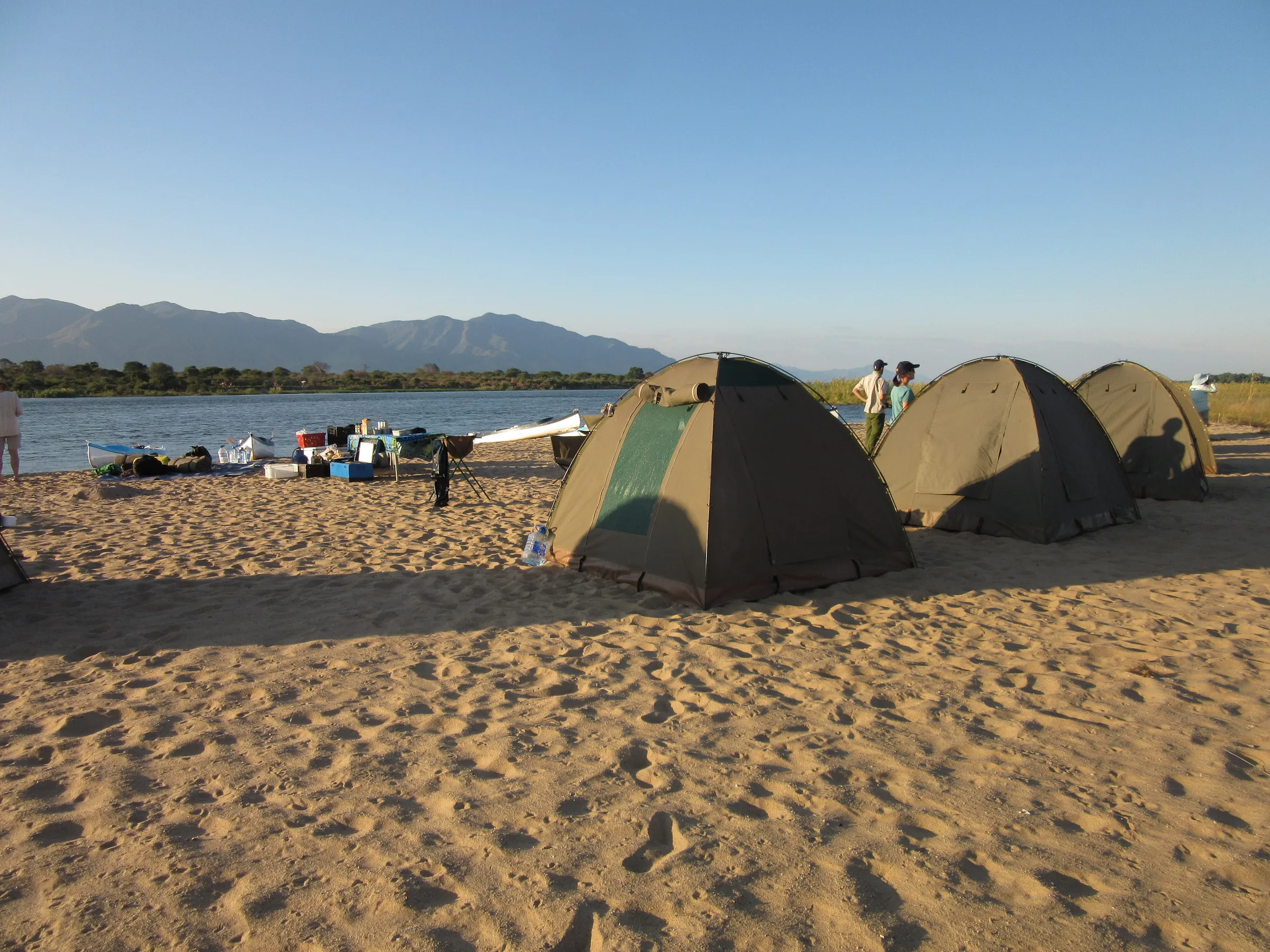
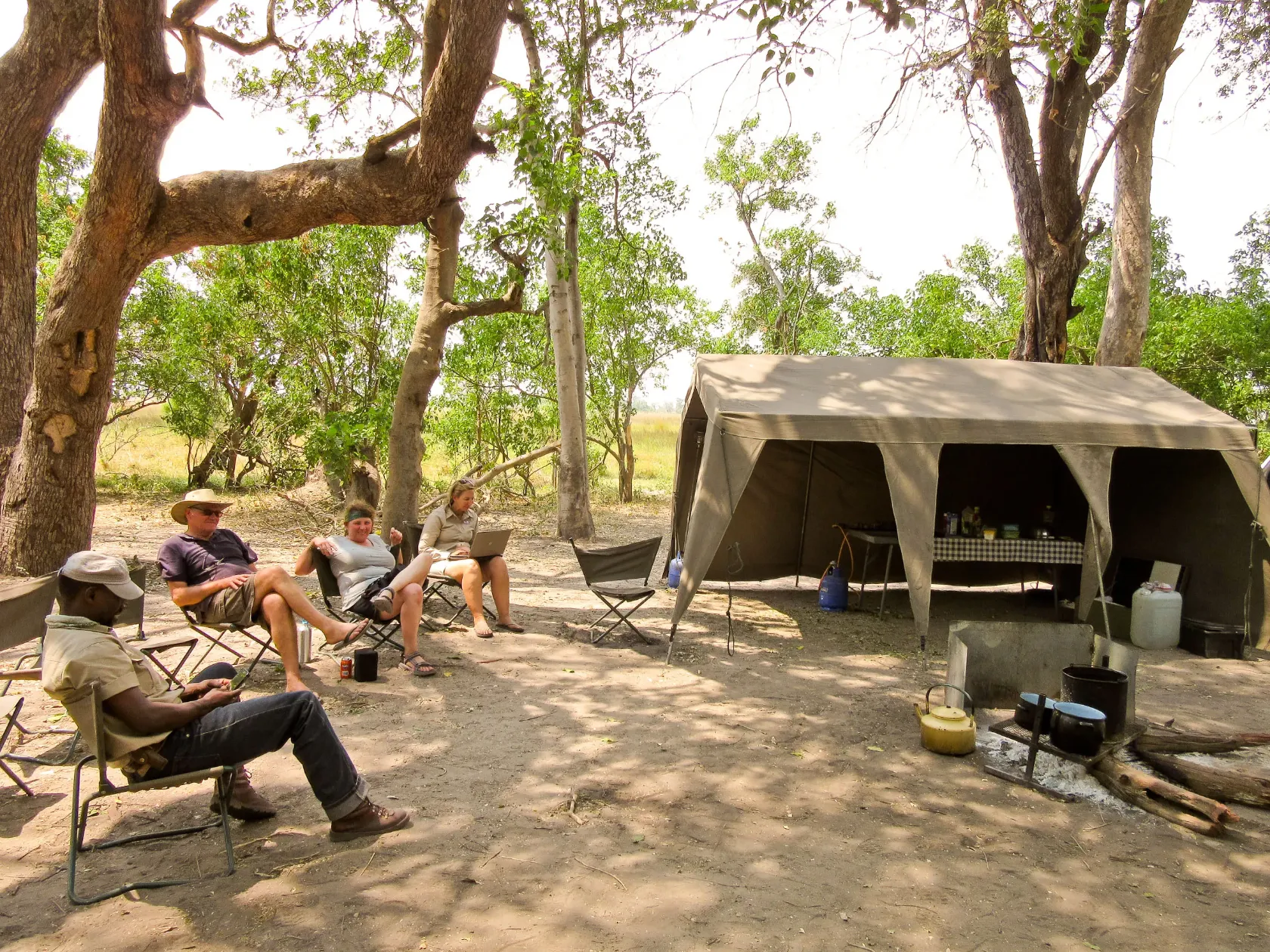
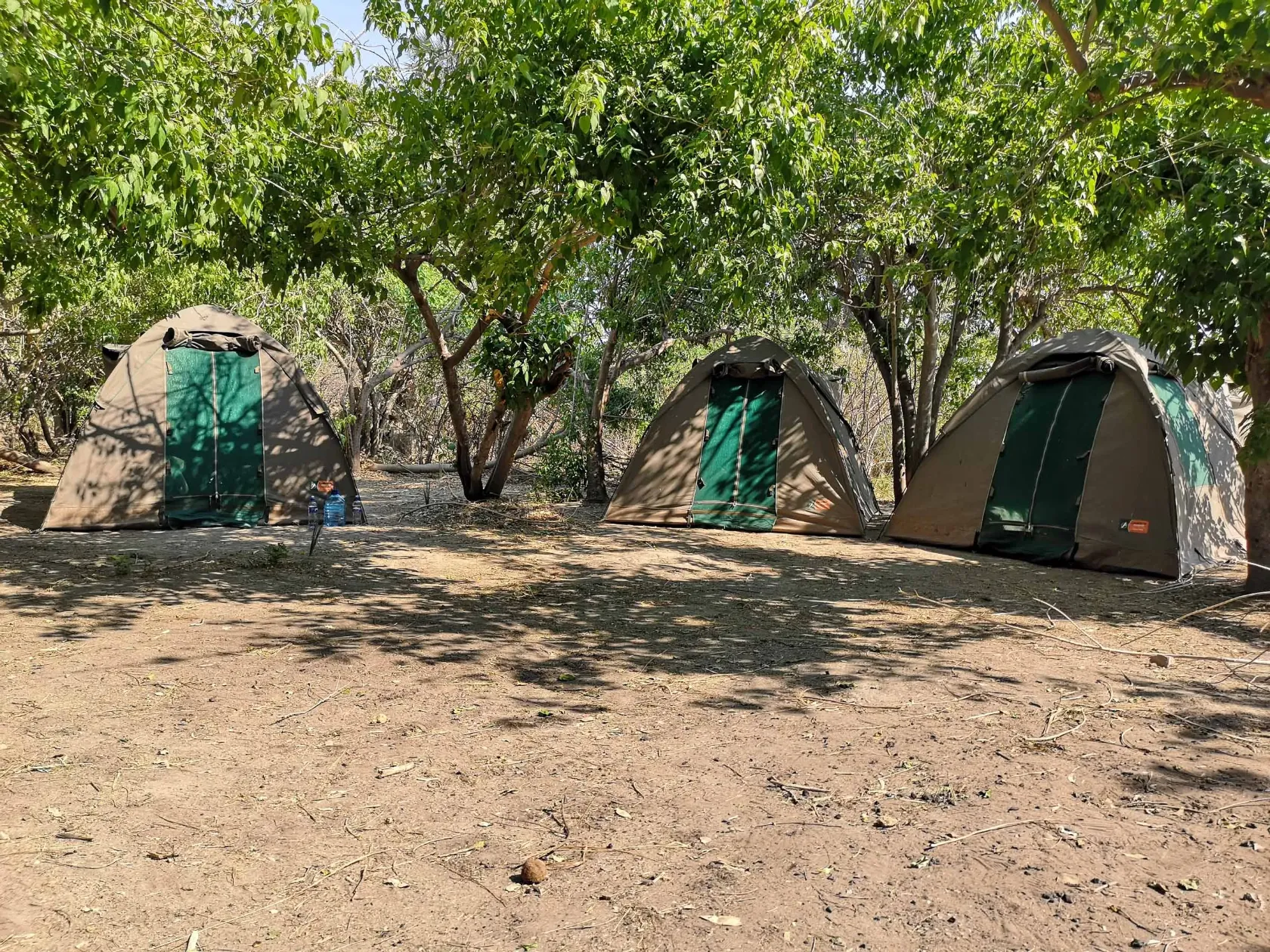
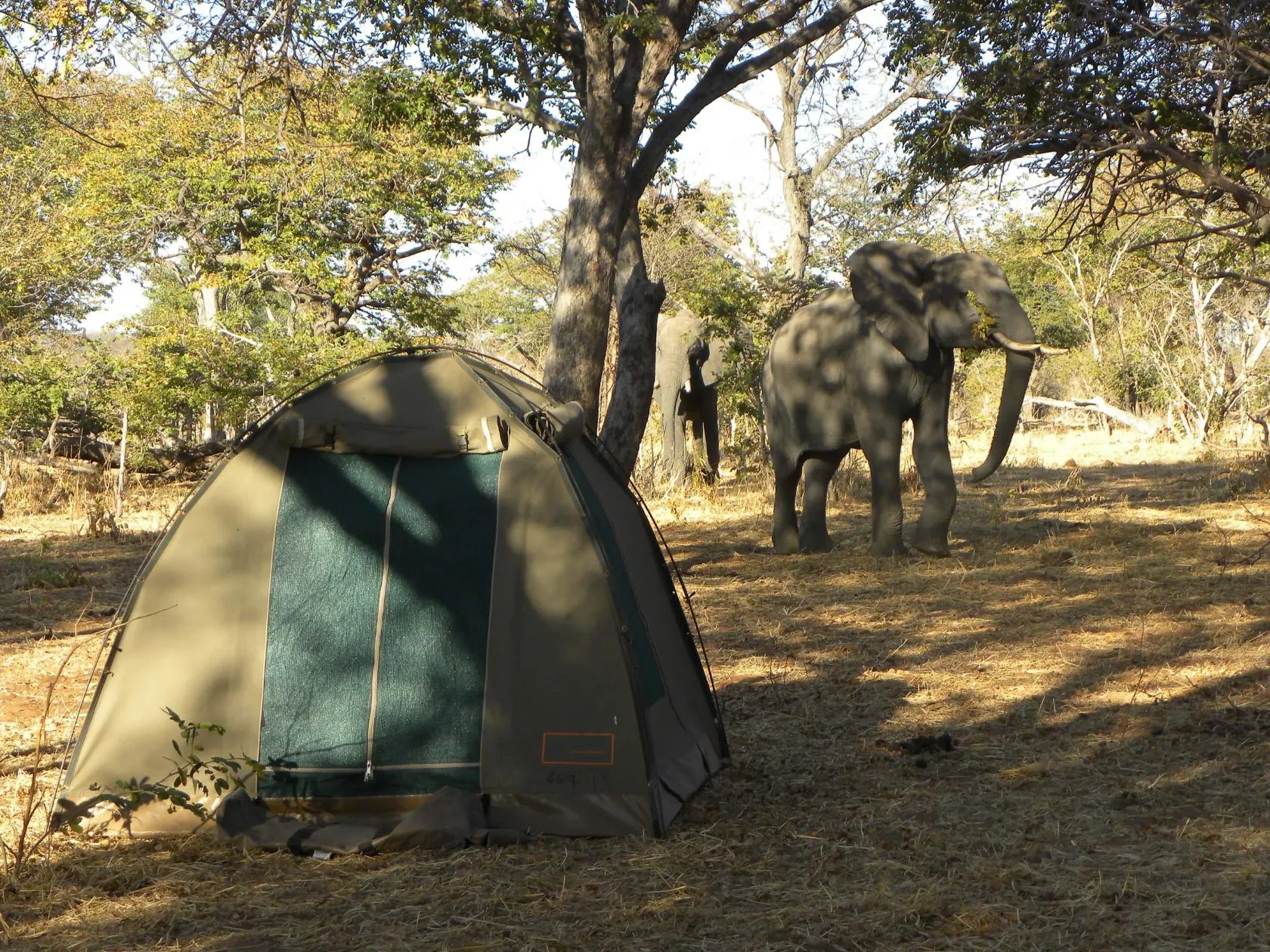
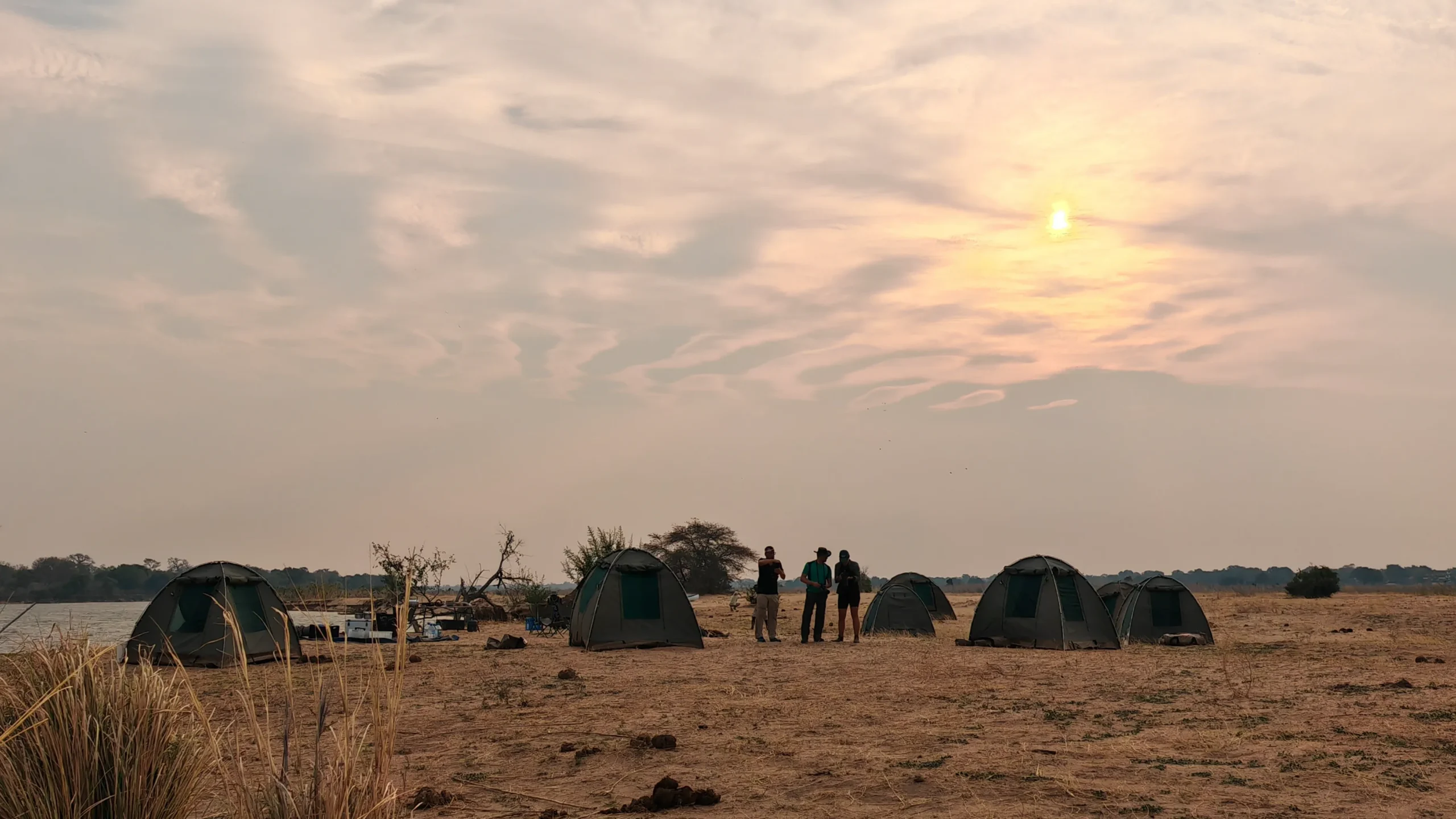
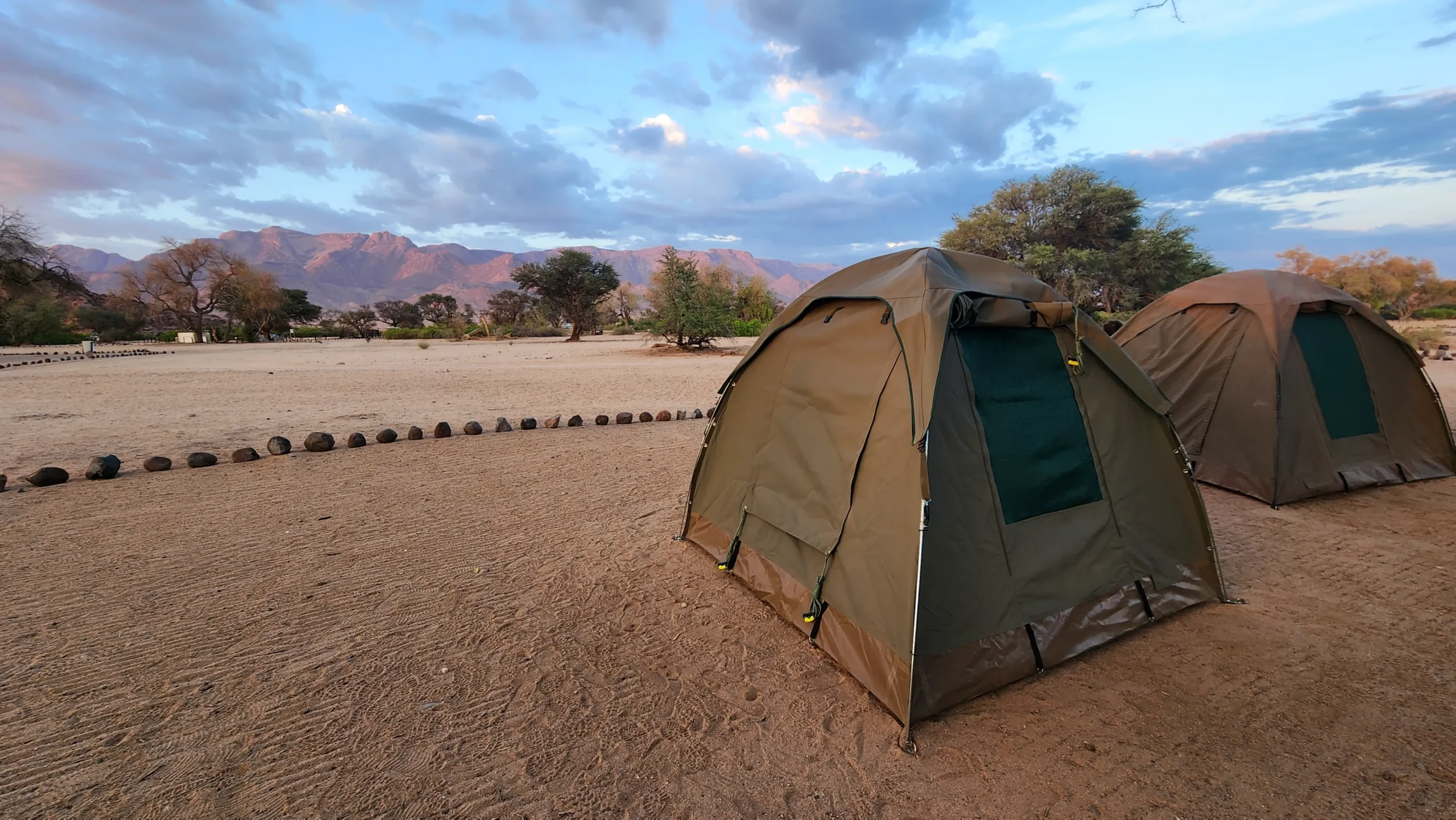
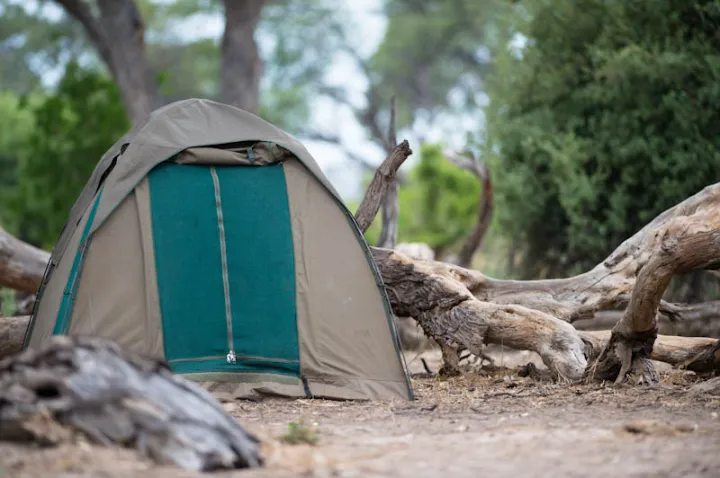
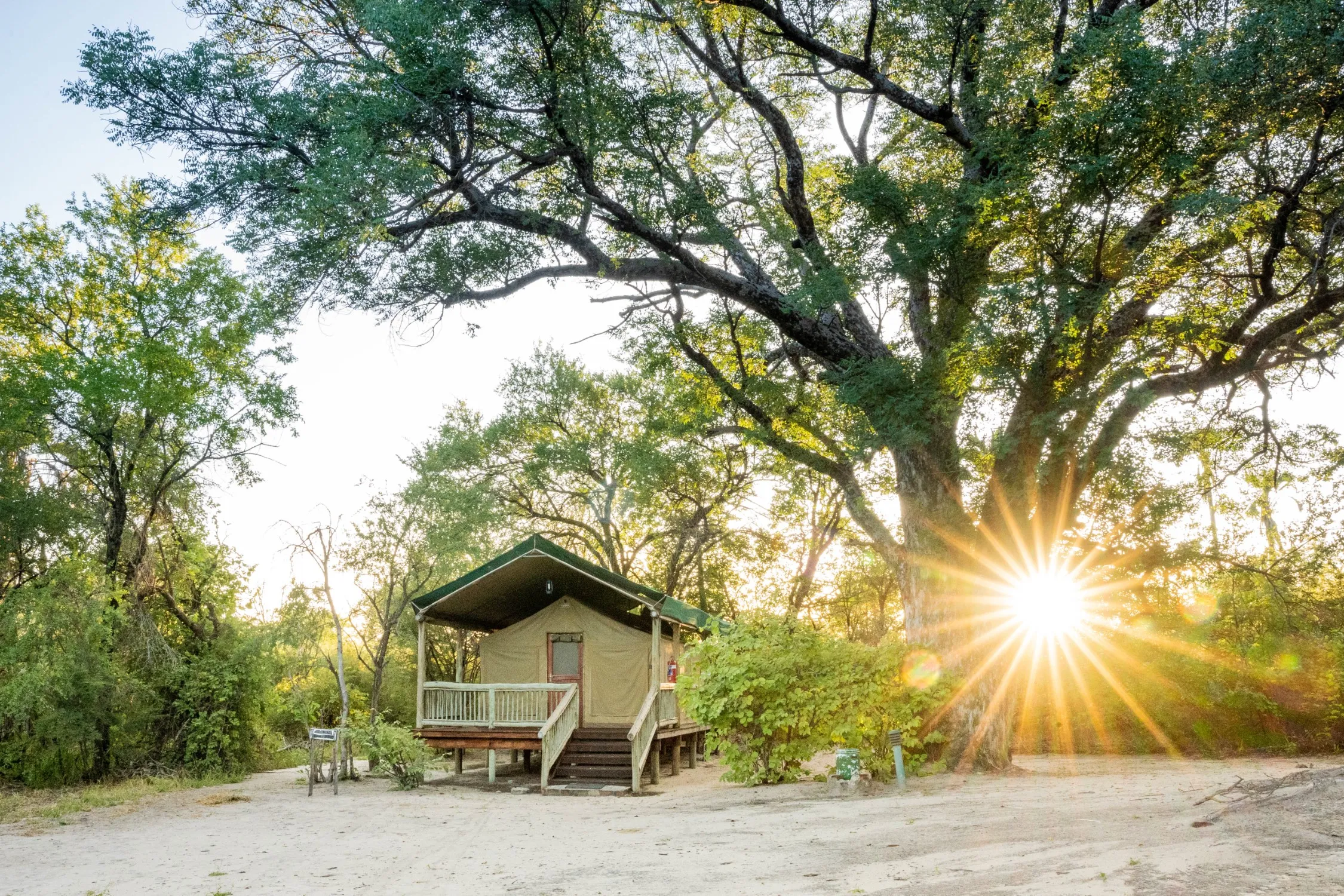
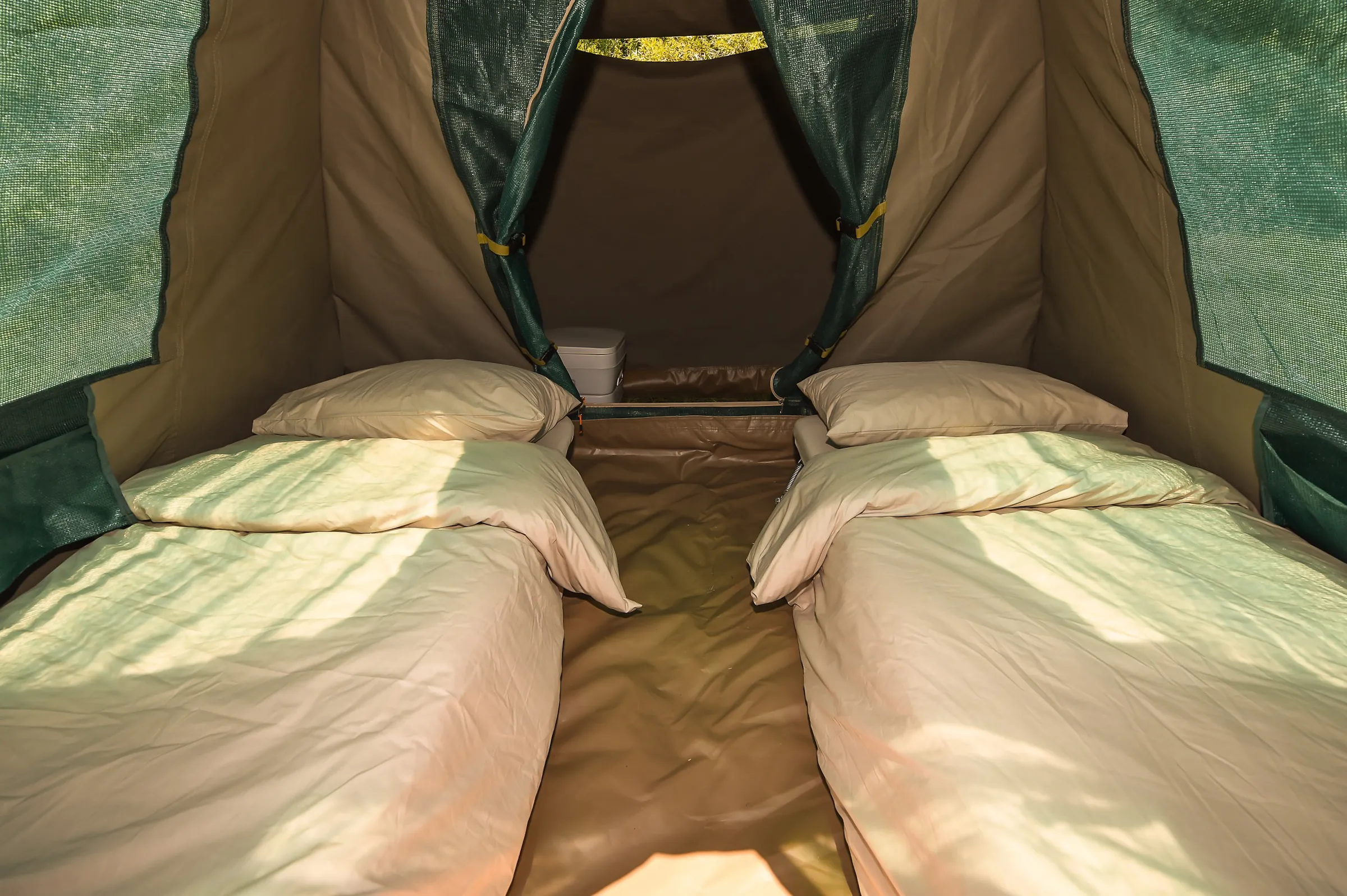
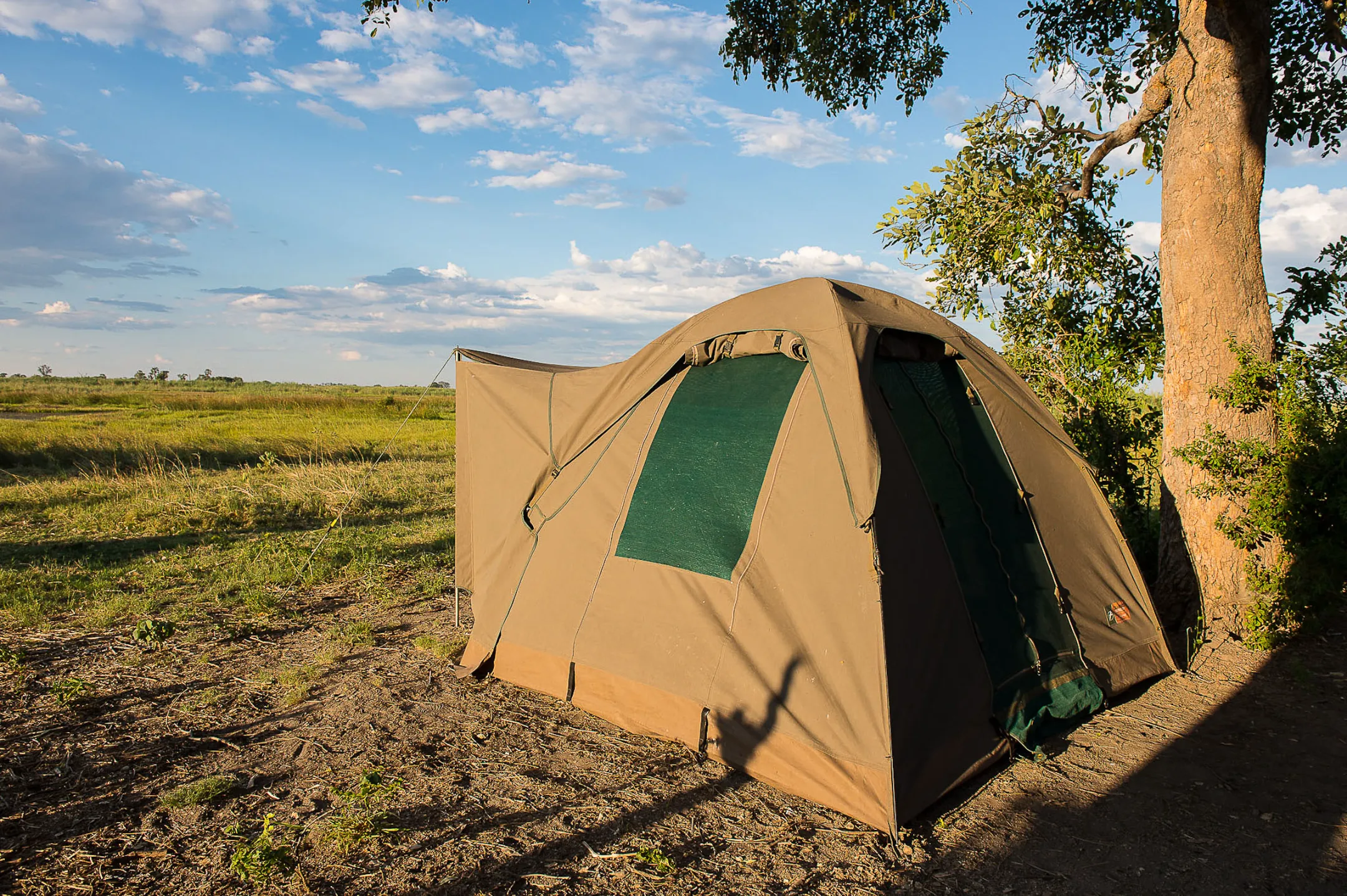
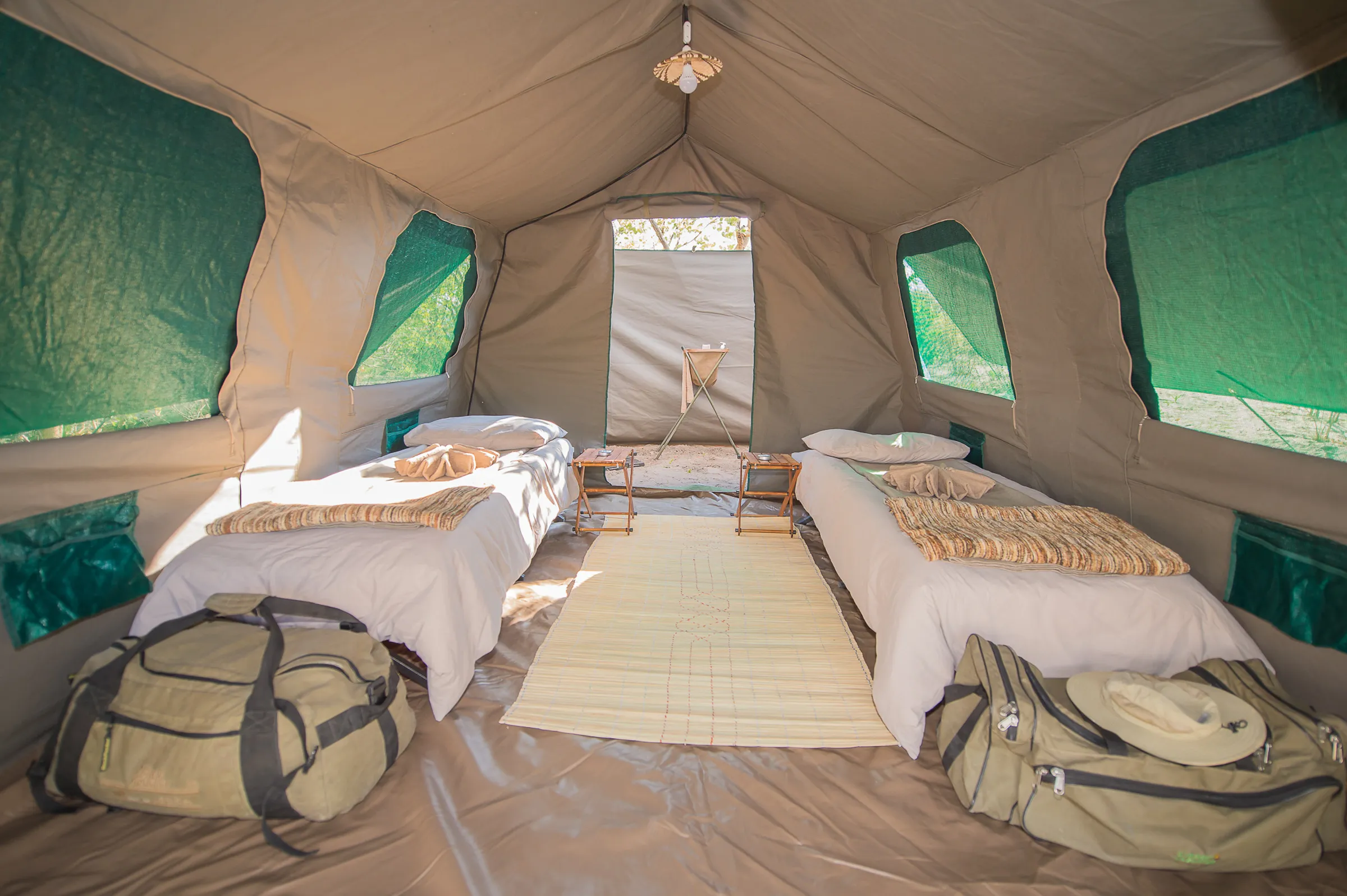
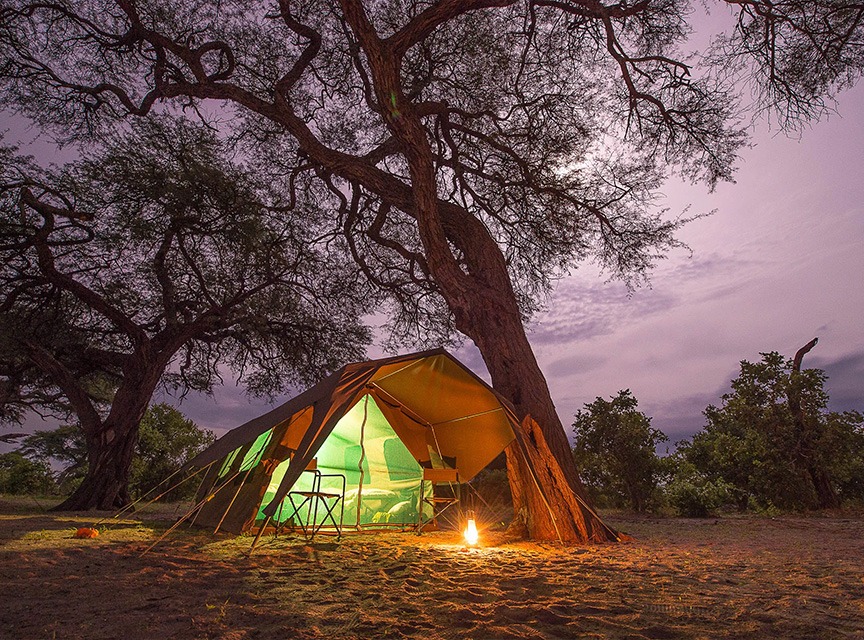
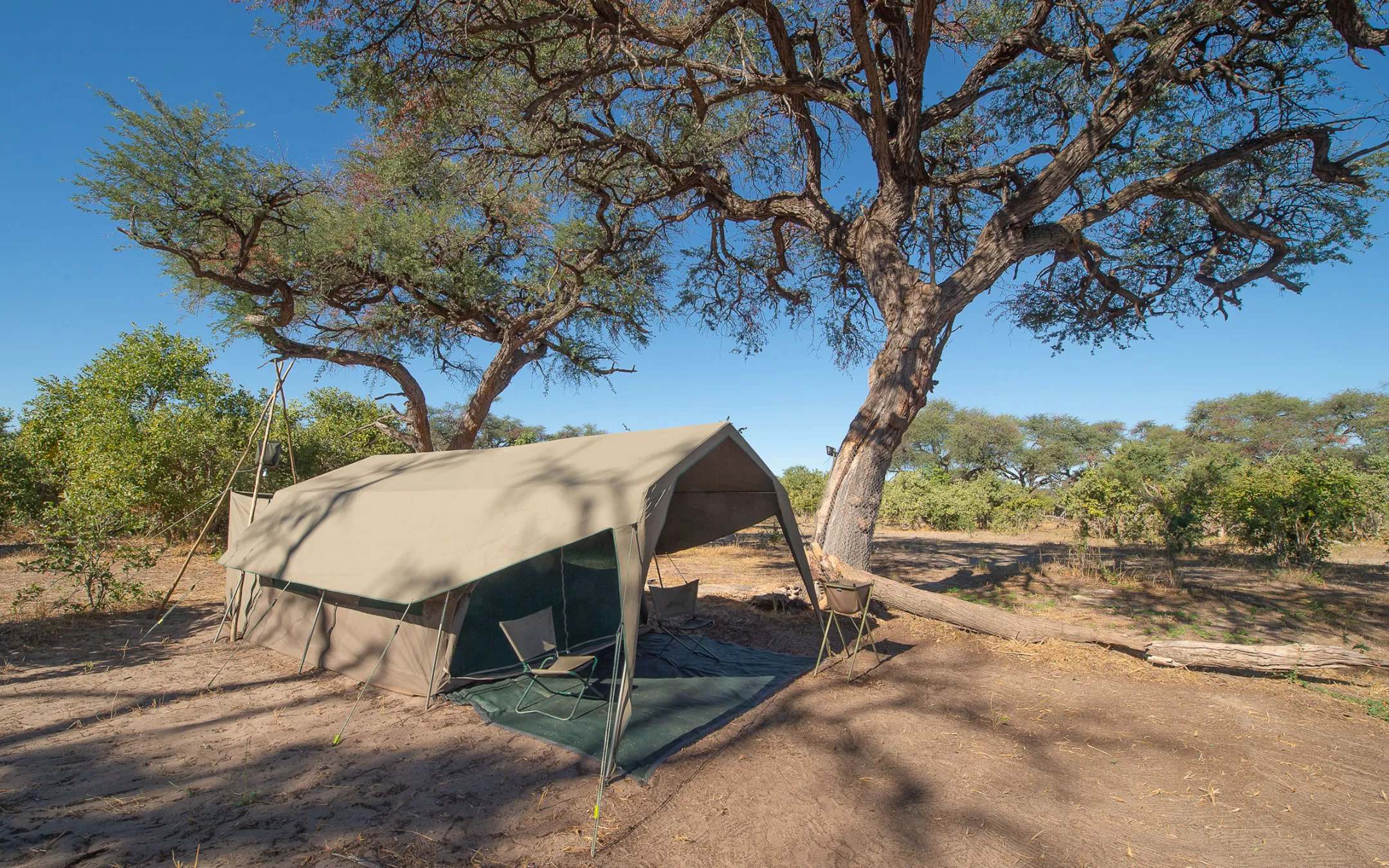
If you are joining a camping trip, the Sunway tents have mosquito netting on the windows and door. Mosquitoes spend the heat of the day in shaded areas, so please remember to keep the mosquito net on the door closed during the day too, so that mosquitoes do not enter your tent. At night, you can sleep with the tent window flaps open, and the door rolled up, but remember to keep the mosquito net zipped closed. This will keep out the little biting things (like mosquitos) and the big biting things (like lion and hyena).
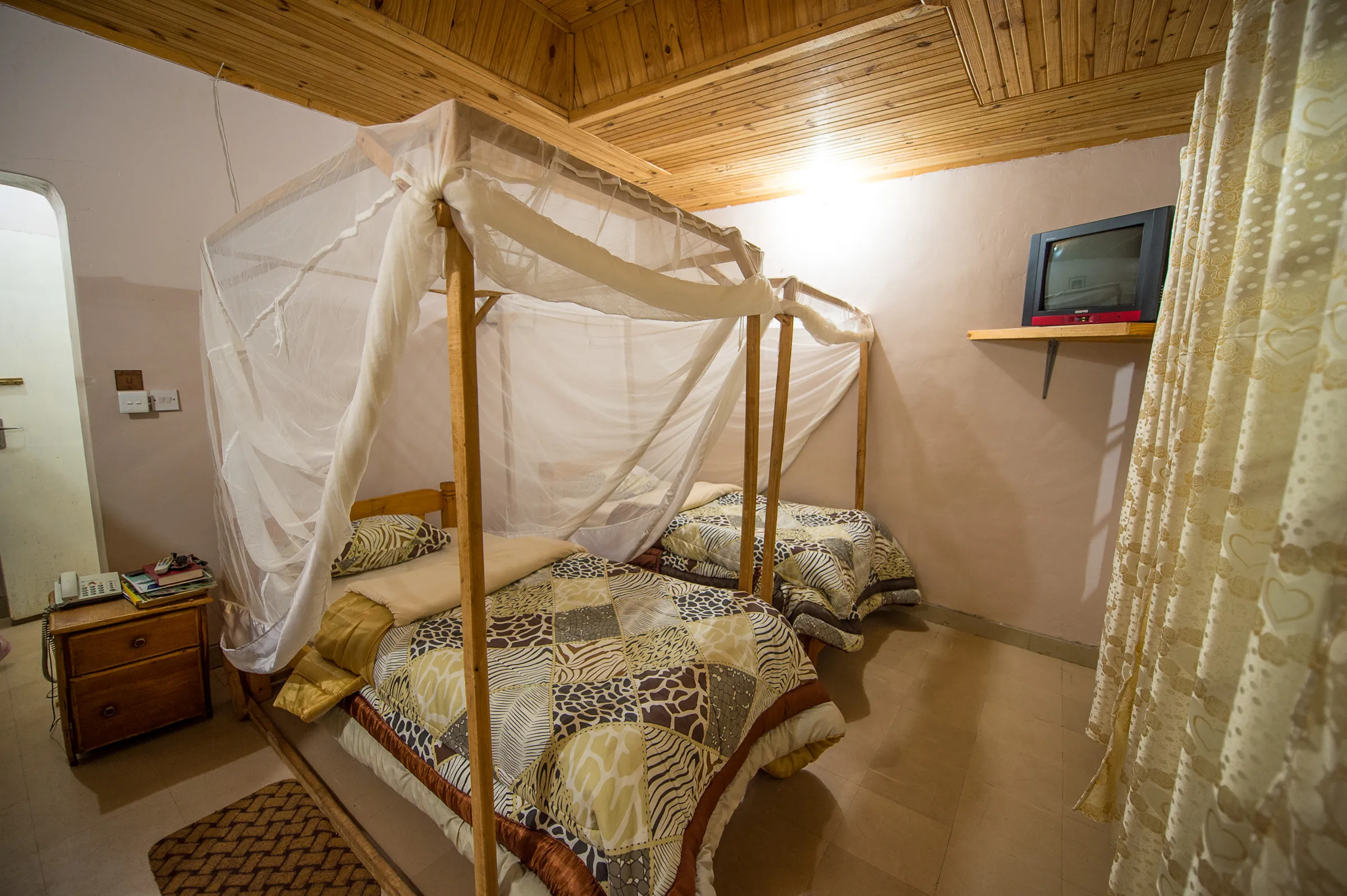
On the accommodated safaris, if we visit a malaria area, or a place with mosquitoes, then the accommodation will have nets provided. In areas where there are low numbers of mosquitoes and/or no malaria, mosquito nets will not be provided. These include places such as Knysna, Hermanus, Cape Town, Swakopmund, Windhoek etc.

Memory cards and other photographic accessories will be available several times on tour. A camera with a zoom lens from wide angle to telephoto, 35-200mm, is advisable to capture both scenic and wildlife shots. Each vehicle is fitted with a 12/24V cigarette lighter – this should not be relied on for charging camera batteries and we recommend you bring a 2nd battery. Remember you can also charge your camera on those nights we use accommodation (SA 220V)

If you are joining a camping trip, you will need to bring your own sleeping bag (and small camp pillow) and a towel. Should you not have, or do not want to buy a sleeping bag, you can rent a sleeping bag and camp pillow from the Sunway office for Euro 1 per sleeping bag per day on tour. Please book this at the time of booking.

On most of the Accommodated Adventures & Classic Journeys, all bedding is provided, and you will not be required to bring a sleeping bag or pillow. At most accommodation establishments, towels will be provided, but it is always a good idea to bring a small travel towel for the beach or swimming pool. If you are traveling on a tour that visits the Okavango Delta please make sure to bring a small towel with you as there are no towels supplied. Please make sure to double check your detailed tour itinerary for more information.

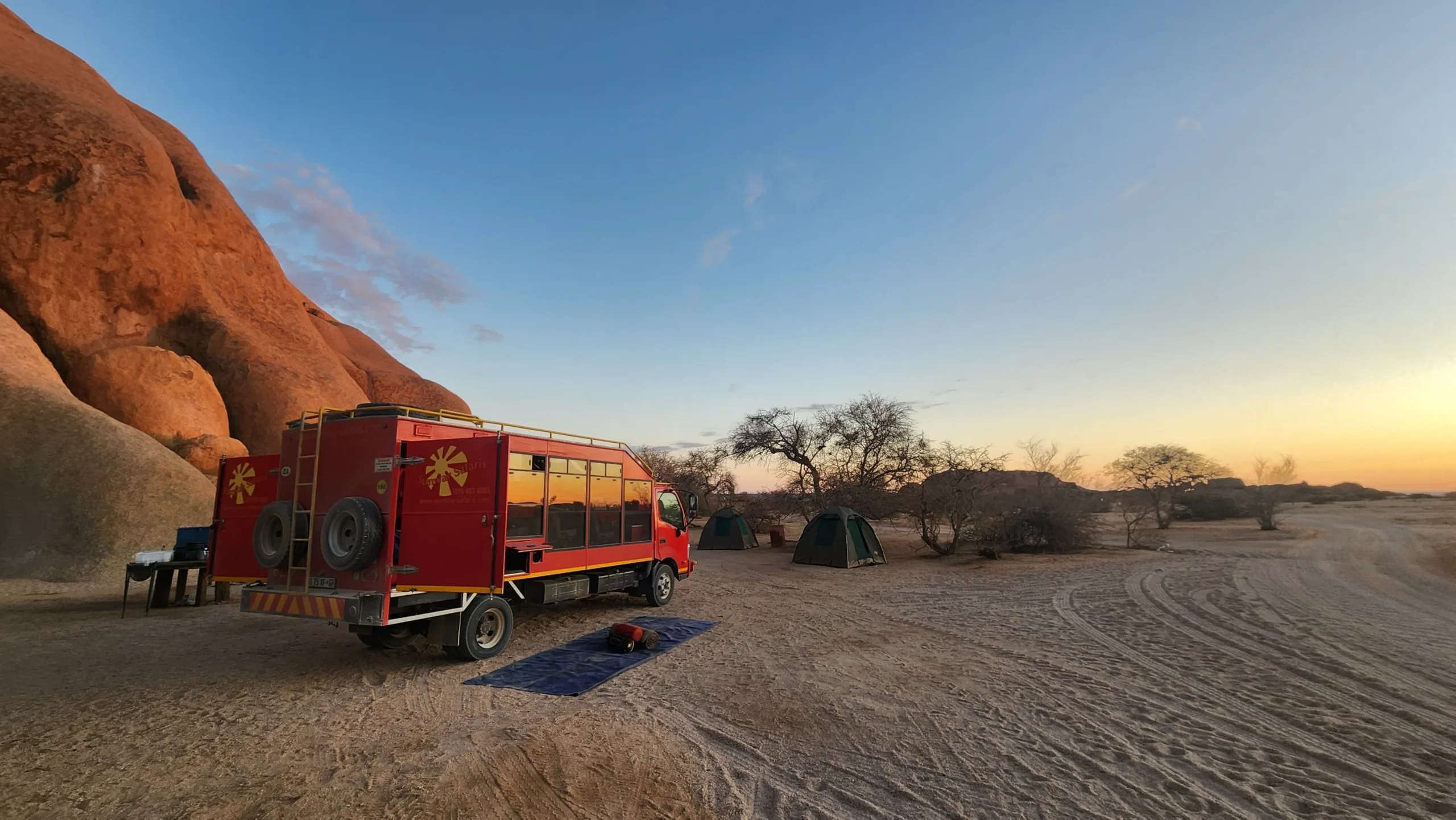
Due to space and weight limitations within each safari vehicle, luggage should be kept to a maximum of 12kgs per person (excluding camera equipment / day bag). The bag should be of a soft sided duffel bag / back pack design – no hard cases or hard sided bags will be accepted. While many people feel that they will need their full quota of 20kgs, people quickly realise that they have packed far too much.

Yes, Mastercard and Visa credit cards and debit cards are widely accepted throughout Southern Africa. American Express is not widely used in Southern Africa.

You’ll be able to use credit card to pay for most restaurant meals, and at most formal shops.  Optional activities in Cape Town, Swakopmund, Maun, Livingstone and Victoria Falls can also be paid by credit card. More specific details available in the downloadable Sunway general information dossier.

Sunway includes all activities in the safari, as detailed in the itinerary. You will therefore not be spending lots of money on additional excursions like game drives, national park fees, bush walks etc – those are included as per your itinerary. There are on some routes, opportunities to do additional own expense activities, such as helicopter flights, white water rafting or canoeing etc – please refer to the optional activities page for wages (right hand menu).

You will need some cash to purchase snacks, drinks, perhaps local curios, and some restaurant meals. For meal expenses you should count the number of lunches and dinners not included in the specific itinerary and then work on about US$15 to US$25 for a sit down restaurant dinner (including a glass of wine or a beer), about US$6 to US$12 for a light lunch or take away. (local currency will be required, but as an indication we’ve shown US$). In most restaurants you will be able to pay buy credit card – Mastercard and Visa are widely accepted, but Diners Club is not.
Bottled water is approximately US$1.50 per liter and a can of beer or coke is roughly US$2.00.
If you budget on +/-US$ 25 per day, you will have ample cash available for out of pocket expenses. Please bear in mind that this daily budget, does not include the expenses of optional activities such as white water rafting, shark cage diving or helicopter flights etc. The prices for these optional extras can be found on our downloadable detailed tour dossier.

Tipping is often a major issue for clients, especially when it comes to tipping the guides that we sometimes use for various activities (e.g. game walks, polers in the Okavango Delta etc). Clients sometimes find it difficult to get a realistic value of the local currency and what it is worth in the local economy. We suggest that a tip of 1-3€ per client per ½ day activity, or the local currency equivalent, is acceptable.

Your two Sunway tour leaders also work extremely hard to ensure that your safari runs smoothly and that all the clients on tour are happy. They are more often than not in bed last and up first, do most of the cooking and also give as much information to the clients about the areas that are visited and of course flora and fauna. We suggest that a tip of 2–5€ per client per day per tour leader is reasonable. A general procedure for tipping the guides, is for the group to collect the guides tips, and place in 2 separate envelopes for each of the tour leaders.

As in all cases with tipping, the final decision of the amount tipped is up to the individual. It is up to you to decide if you thought the service was poor, or exceptional, and the amount tipped should reflect that. The amounts quoted above are guidelines for you to get an idea of what to tip.

Southern Africa, like all 3rd world regions, has its problems, but your tour leader knows all of the areas intimately and will endeavour to show you all of the highlights while always taking your safety into account. Sunway plans the itineraries to visit interesting places, while not placing clients in harms way.

Like all practical advice about safety, be aware of your surroundings but not paranoid. As you would anywhere in the world, don’t leave valuables such as wallet and cameras unattended or in plain view. IE: don’t leave your camera on a restaurant table while you dash to the loo, or leave your wallet on the bed in your room while you’re not there. The temptation for cleaning staff may be too much.

Please also bear in mind that the people in many of the places you will visit are living in difficult and sometimes poor conditions. To them the possessions you have are signs of your relative wealth, and therefore please be sensitive to their position. Don’t create that temptation in their mind by “flaunting” your valuables.

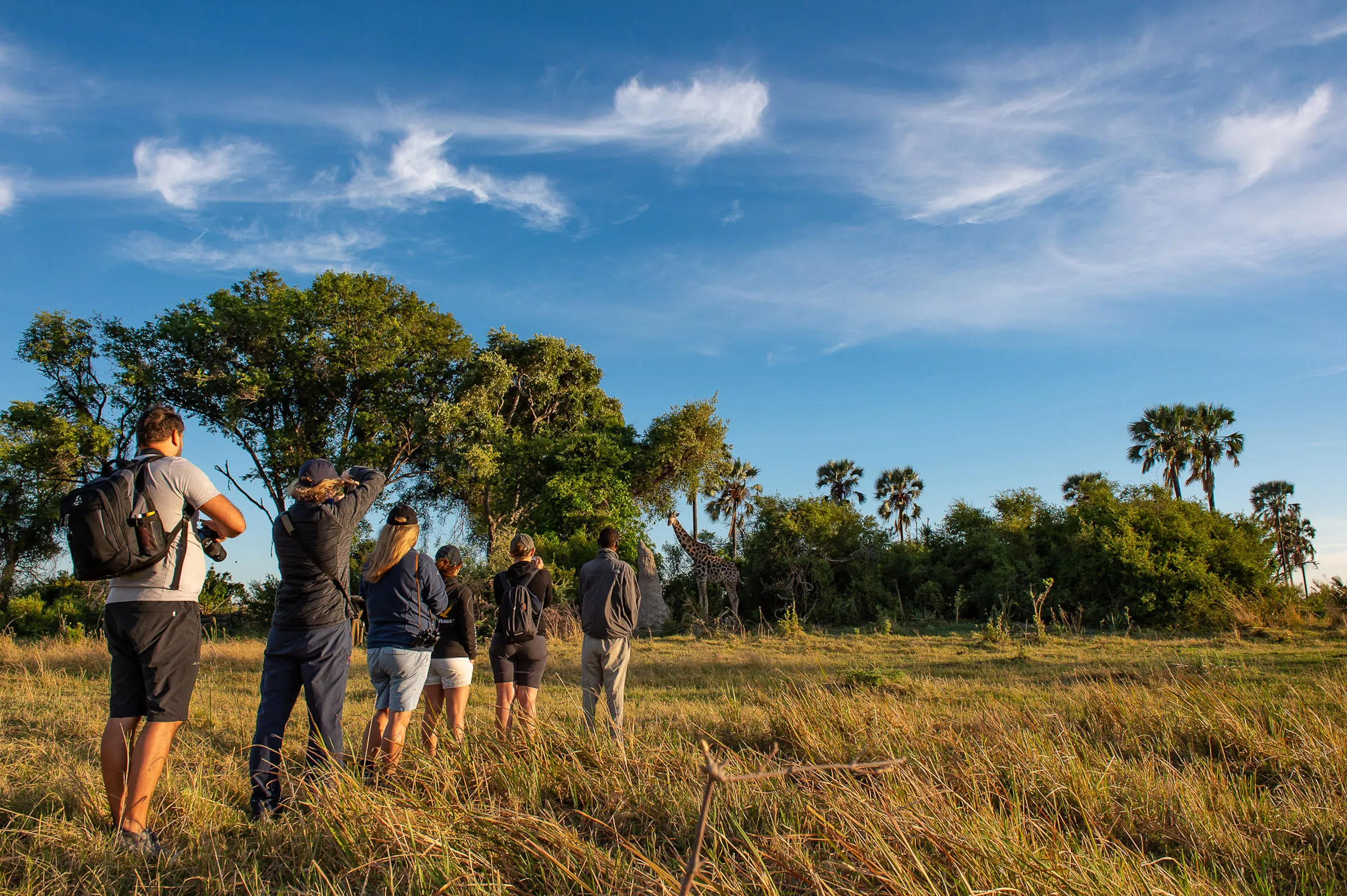
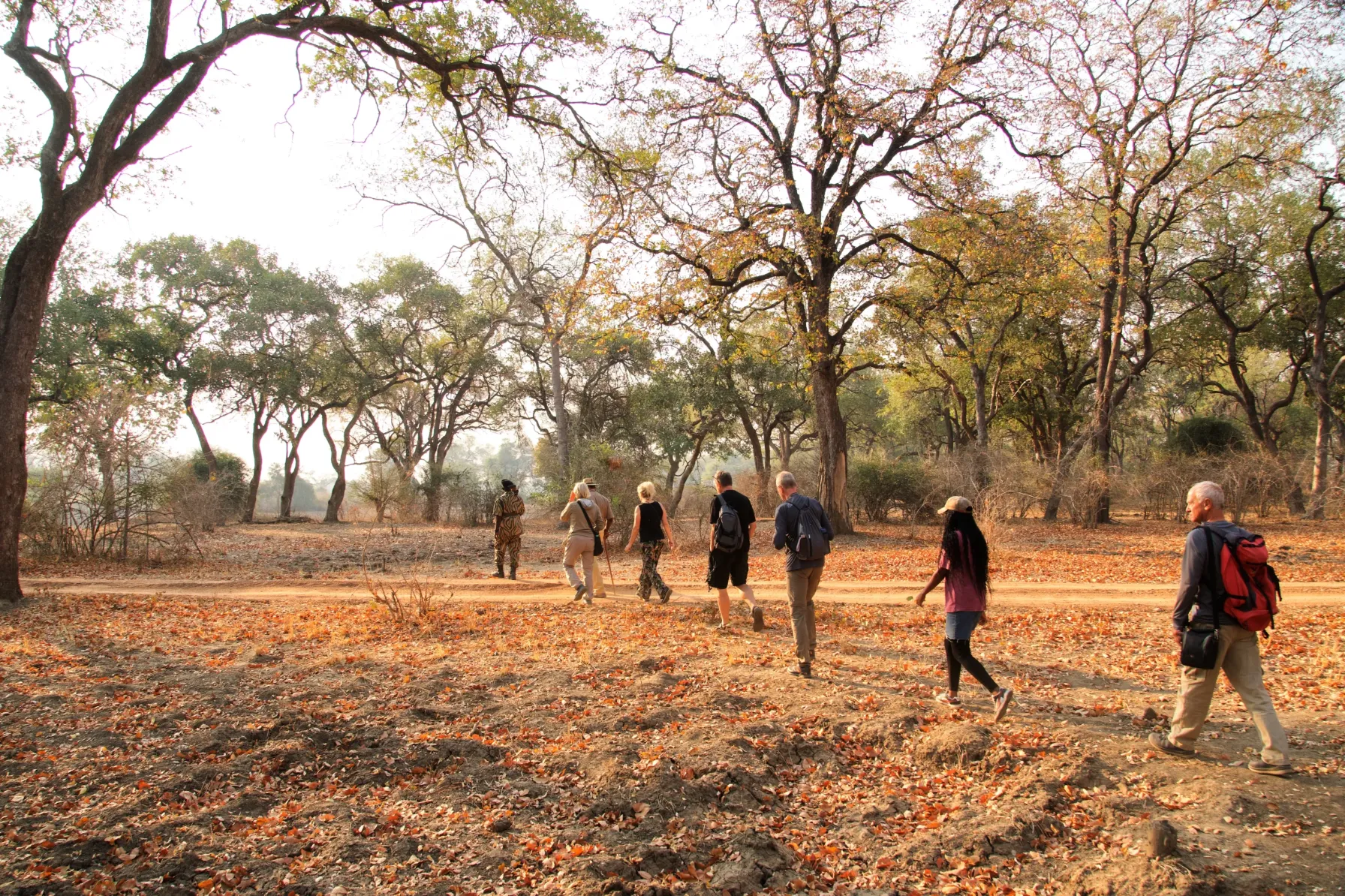
When entering a wilderness area your tour leader will give you a full safely briefing. If you follow the simple rules while in wilderness areas you will have nothing to worry about  when in close proximity to wild animals. On game drives keep quiet and don’t make any sudden movements. On game walks walk in a single file, keep quiet and listen to your guide’s instructions and you will enjoy and amazing wildlife experience. When staying in un-fenced campsites do not wander off alone, always make sure that you are aware of your surroundings.

Follow your guide’s instructions and you’ll have a great time.

Yes, all clients travelling on a Sunway safari are required to have their own comprehensive travel insurance. The travel insurances needs to cover lost luggage, missed flights and most importantly comprehensive medical cover in the un-likely event of you being injured while on safari.

Please note that while most credit card companies offer travel insurance if you have bought your airline ticket on your credit card, we have found that cover is not sufficient for adventure travel in Africa. We strongly recommend you buy additional specific travel insurance. You need to buy this insurance in your home country, before you travel and your local Sunway travel agent can assist you with this.

The minimum age for our guests is 12 years old, although we do occasionally make exceptions depending on the specific itinerary, the group make-up and sometimes during our low season. Please note that a child of 12-17 years will only be accepted for travel with an accompanying adult.

On some of our safaris we camp wild in remote areas and these campsites are not fenced, so it is possible for wild animals do enter the campsite. It is important that parents make sure that the children listen and follow the guide’s safety instructions. Parents are also required to supervise their children at all times so as not to affect the enjoyment of the tour for any other clients.

We, as Sunway, do not believe that age should be a determining factor on the enjoyment of life! Therefore we do not have an upper age limit.

But clients who are older than 65yrs are required to submit a medical self declarations letter or doctor’s report stating that they are fit and healthy and that they will be able to undertake a safari that includes a moderate level of physical activity, some long driving days and some moderate full day walks. This is not an onerus document, but rather an indication that the client is aware of the style of tour that they will be joining, and capable of participating in all activities on tour. We’ve found that we have many fit and healthy clients who are over 65 years of age, join Sunway trips, and put the younger clients to shame on the mountain walks!

There is a 5% discount available to repeat clients, so if you have travelled with Sunway before and are considering another Sunway safari, remember to tell your original booking agent when you book again.

How-to-book-your-Sunway-safari

By booking with your local agent you’ll be advised by a knowledgeable consultant who knows the Sunway tours. You’ll be covered by the travel laws of your country, assisted in your home language, in your own time zone and your agent can assist with travel insurance and visas. You are welcome to contact Sunway and we’ll recommend an agent.

Sunway shows live availability online. Your agent can hold a provisional booking for up to 7 days with no-obligation.

To confirm your safari reservation your agent will require a 20% deposit and a completed booking form. And voilá, you’re off on an adventure!

Related safaris

In this 21-day trip, we’ve brought together the highlights of Namibia, Botswana and Zimbabwe in one incredible journey. Begin in Windhoek and travel deep into Namibia’s heart—climbing the red dunes of Sossusvlei, exploring the Skeleton Coast in Swakopmund, and game driving through Etosha National Park. Follow the lush waterways of the Okavango Delta in a mokoro, then cross into Zimbabwe to track rhino in Matobo and spot elephant in Hwange. Stand in awe at Victoria Falls before ending your adventure. From towering dunes to thundering waterfalls, this is Southern Africa at its wildest
Day 1 Windhoek

[B = Breakfast, L = Lunch, D = Dinner]
Arrive in Windhoek, Namibia’s charming capital nestled between rolling hills and dry savanna. After settling in at the guesthouse, and a briefing with your Sunway Safaris guides, we explore the city’s German colonial architecture and visit a local market. In the evening, we enjoy an own-expense dinner as at a local restaurant sampling Namibian cuisine and soaking up the friendly atmosphere.

Day 2 - 3 Namib Desert

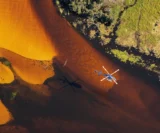
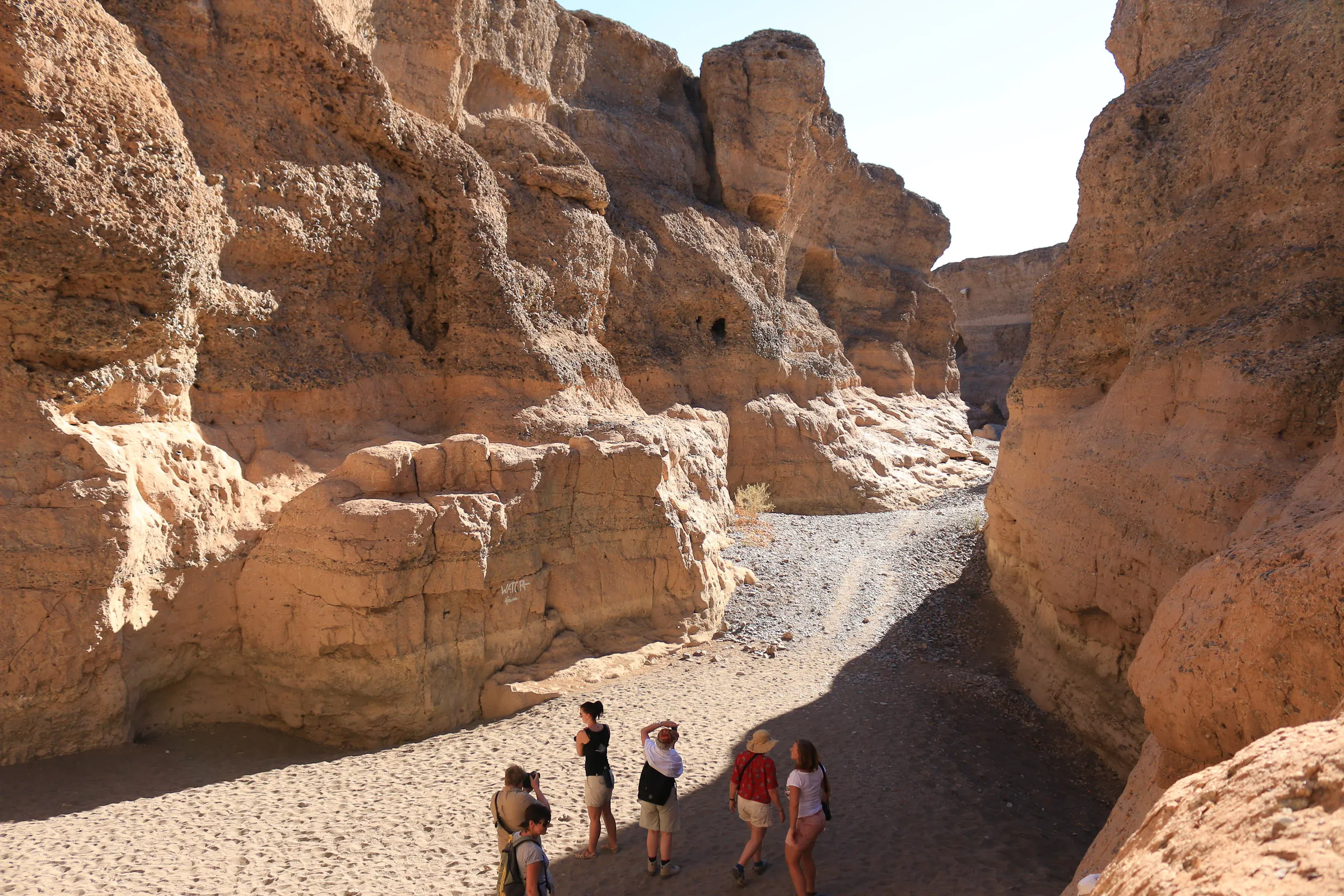
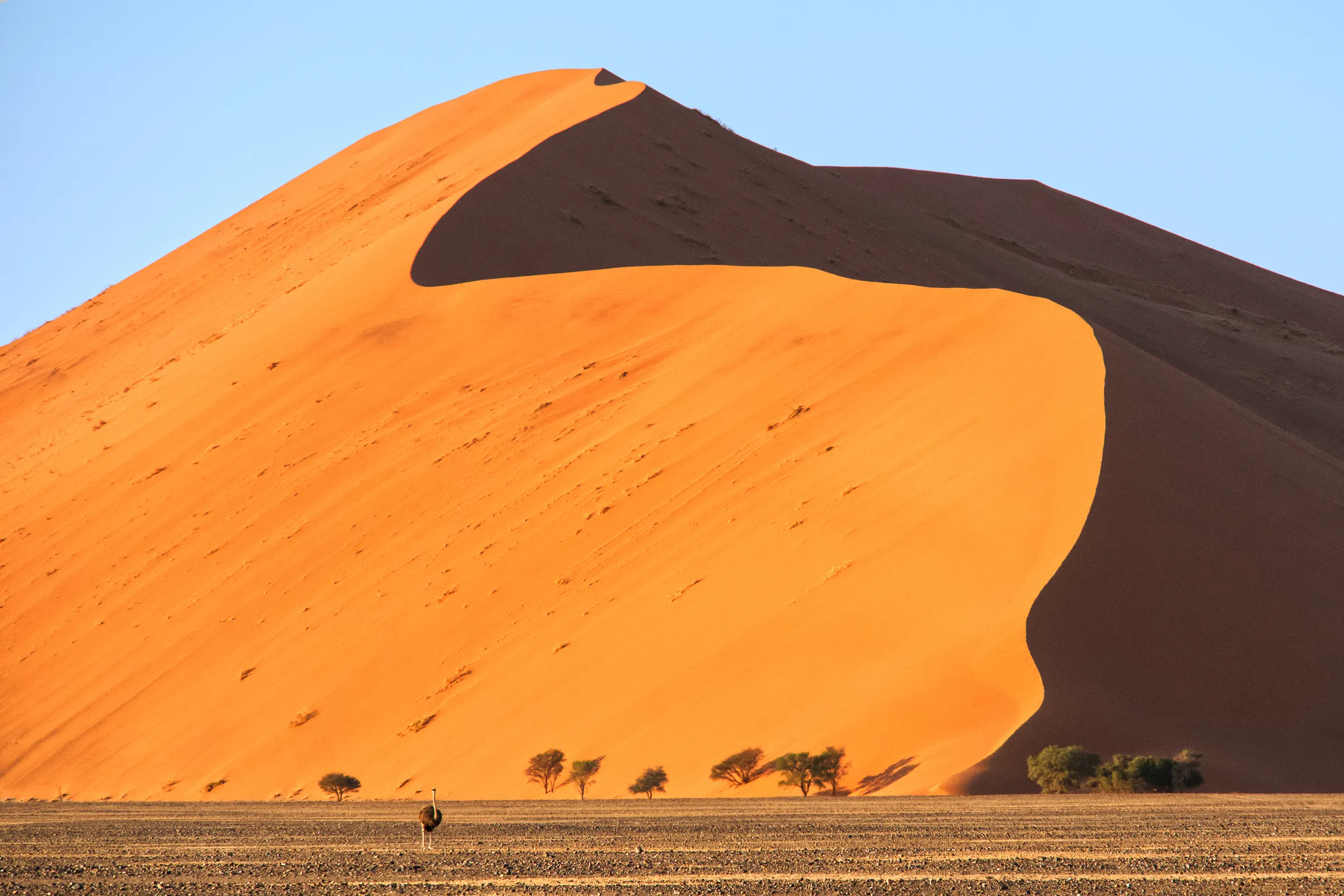
We journey south from Windhoek, passing through scenic mountain landscapes before descending onto the desert plains. En route, we stop at the remote outpost of Solitaire – famous for its apple tart (own expense) before continuing to our lodge in the Namib Desert. The afternoon is free to relax and take in the vast, arid surroundings. The next morning, we explore the Namib Naukluft National Park. Towering red dunes surround the white clay pans of Sossusvlei and Deadvlei, where twisted Camel Thorn trees create surreal silhouettes. These ancient landscapes, shaped by rare floods of the Tsauchab River, offer some of the most iconic desert scenery in Africa.

Day 4 Swakopmund

Swakopmund lies on the Atlantic coast, where cool sea breezes offer respite from the desert heat. En- route we’ll stop at Walvis Bay’s lagoon to observe flocks of flamingos, thousands of these elegant pink birds wading in the shallow waters. The town of Swakopmund sits at the mouth of the mostly dry Swakop River, which marks the northern boundary of the ever-shifting Namib Desert dunes. We have time in the afternoon for a walk along the beachfront before having a restaurant dinner (own expense).

Day 5 Brandberg Massif

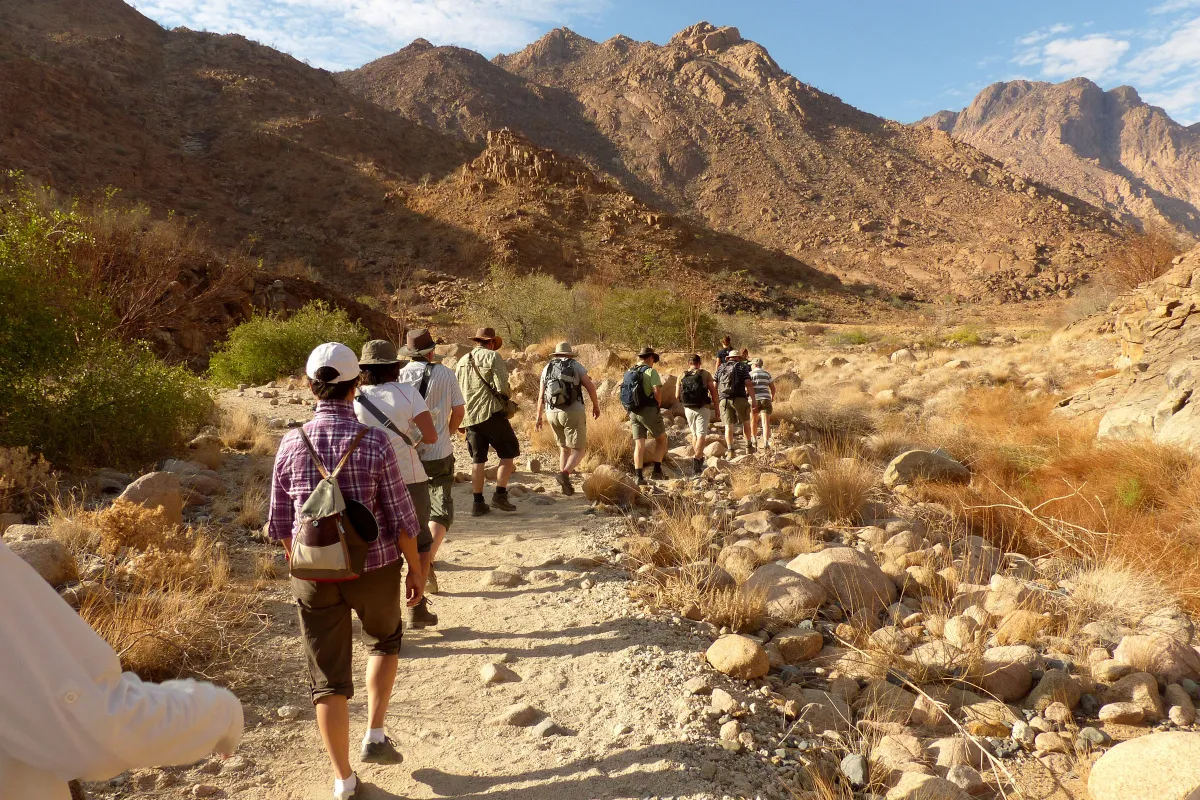
Namibia is a country of striking extremes, and Damaraland embodies this with its stark plains, dry riverbeds, and ancient valleys carved between rocky outcrops. Towering above it all are the Brandberg Massif Mountains, their peaks a dramatic backdrop to this rugged wilderness. We embark on a walk with a local guide exploring the ancient Brandberg Massif to view the Brandberg White Lady rock painting. In the evening, we settle in for a sundowner at our lodge in the Ugab River valley and watch as the sun sinks behind the mountains.

Day 6 - 7 Etosha National Park

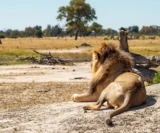
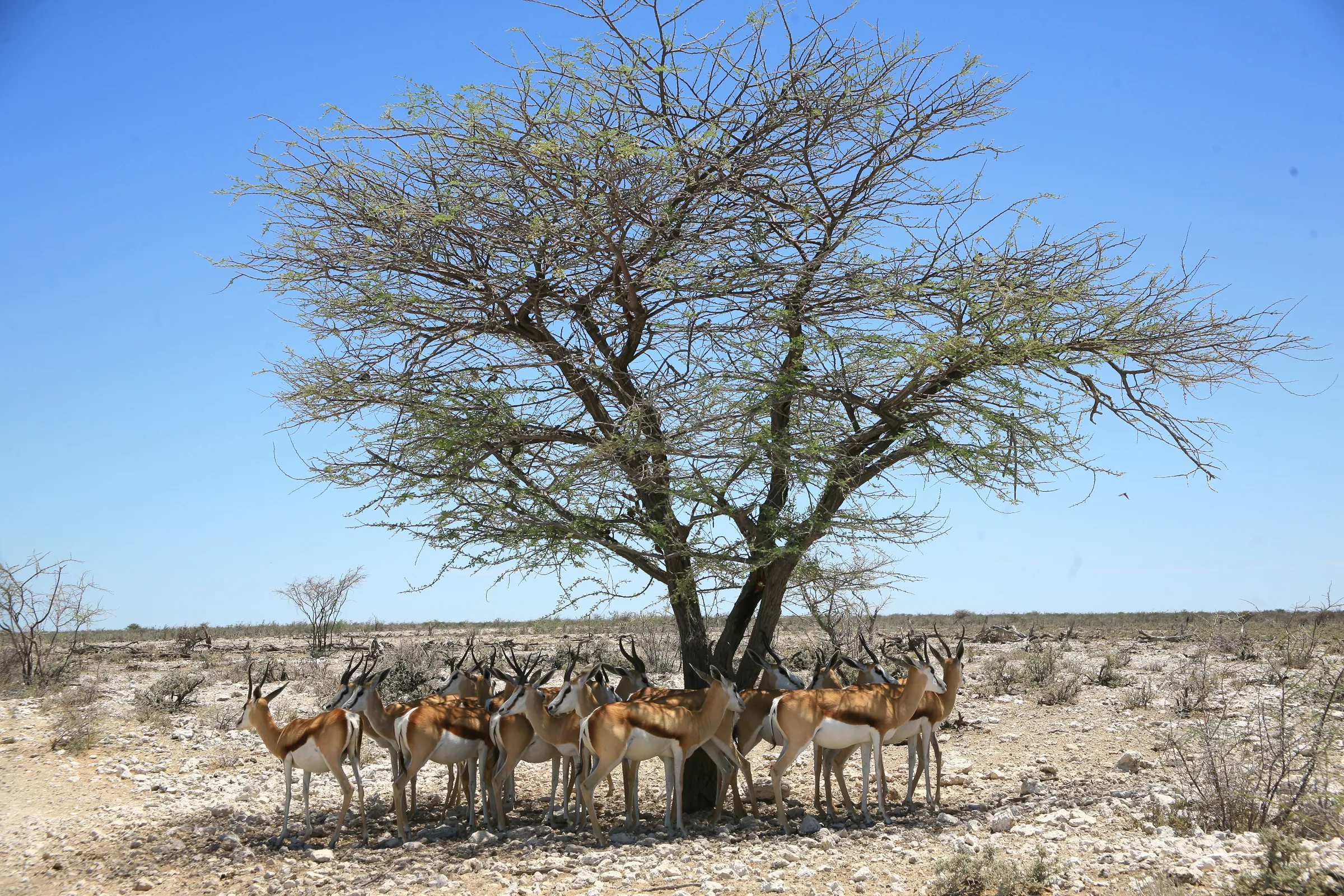
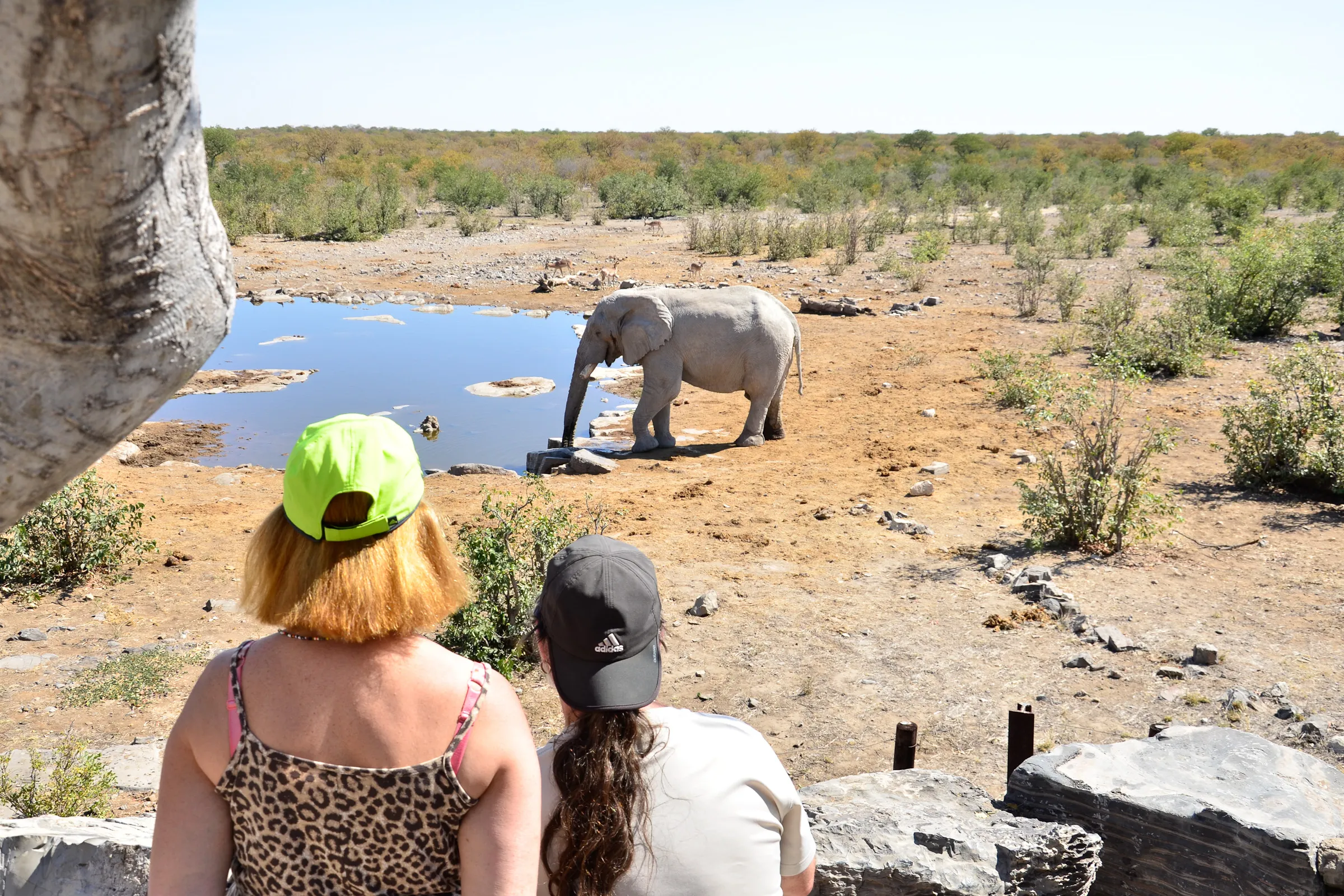
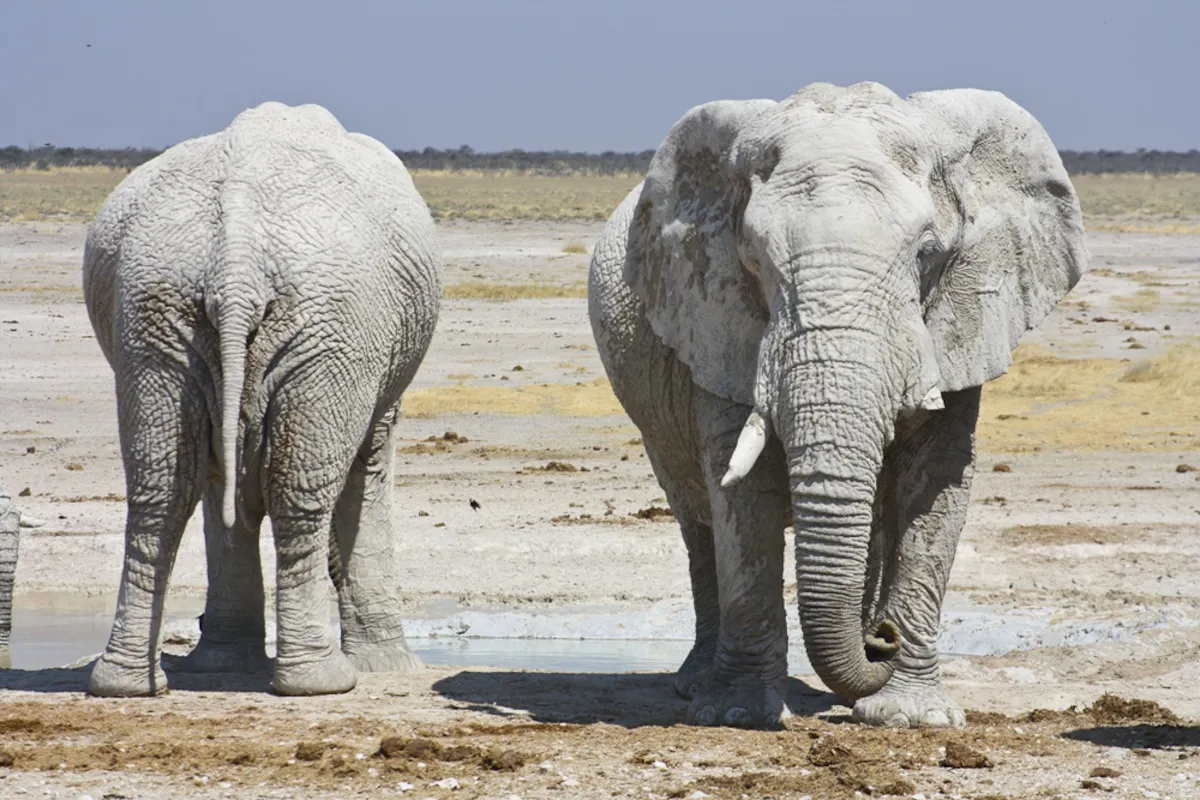
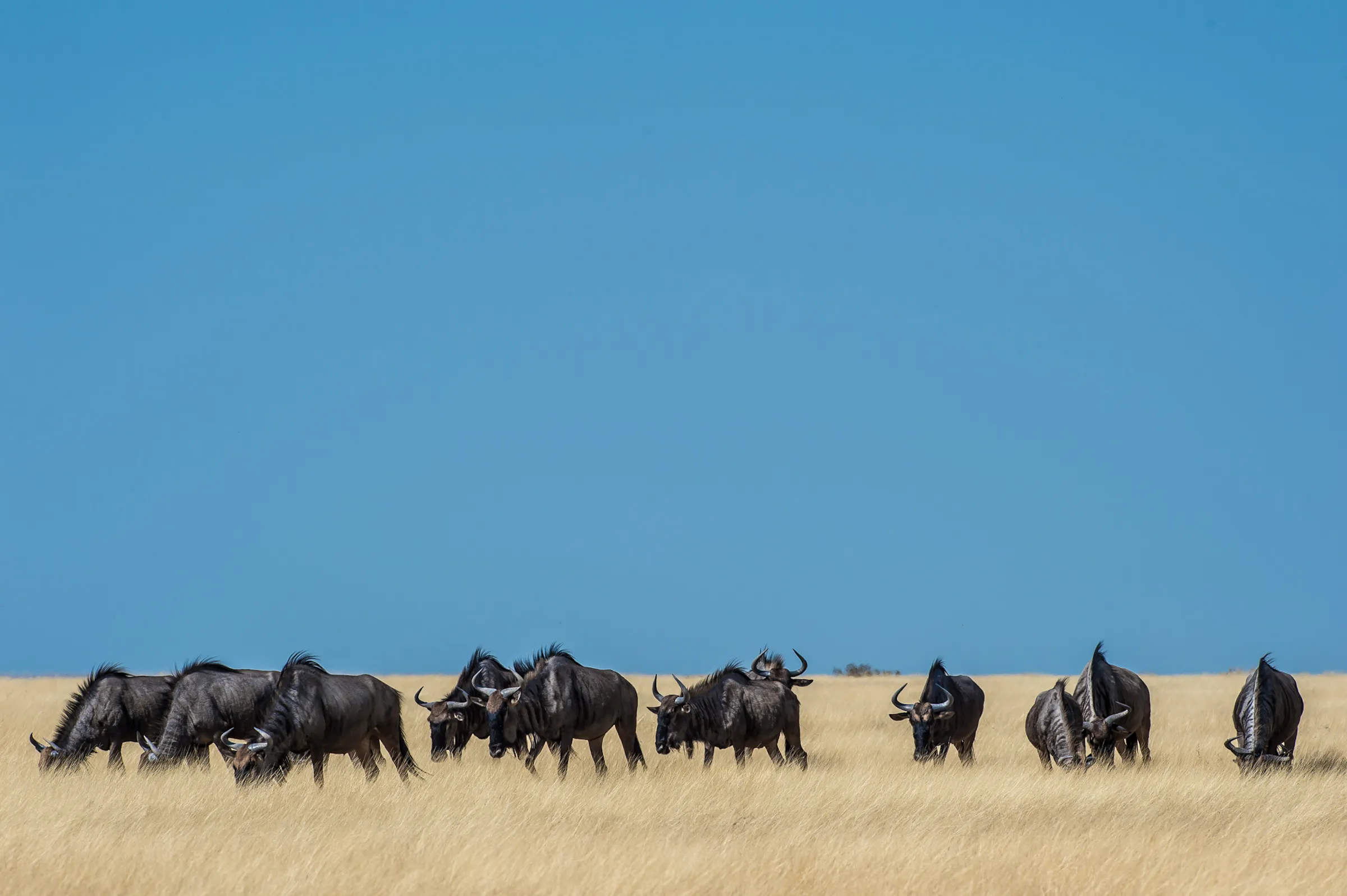
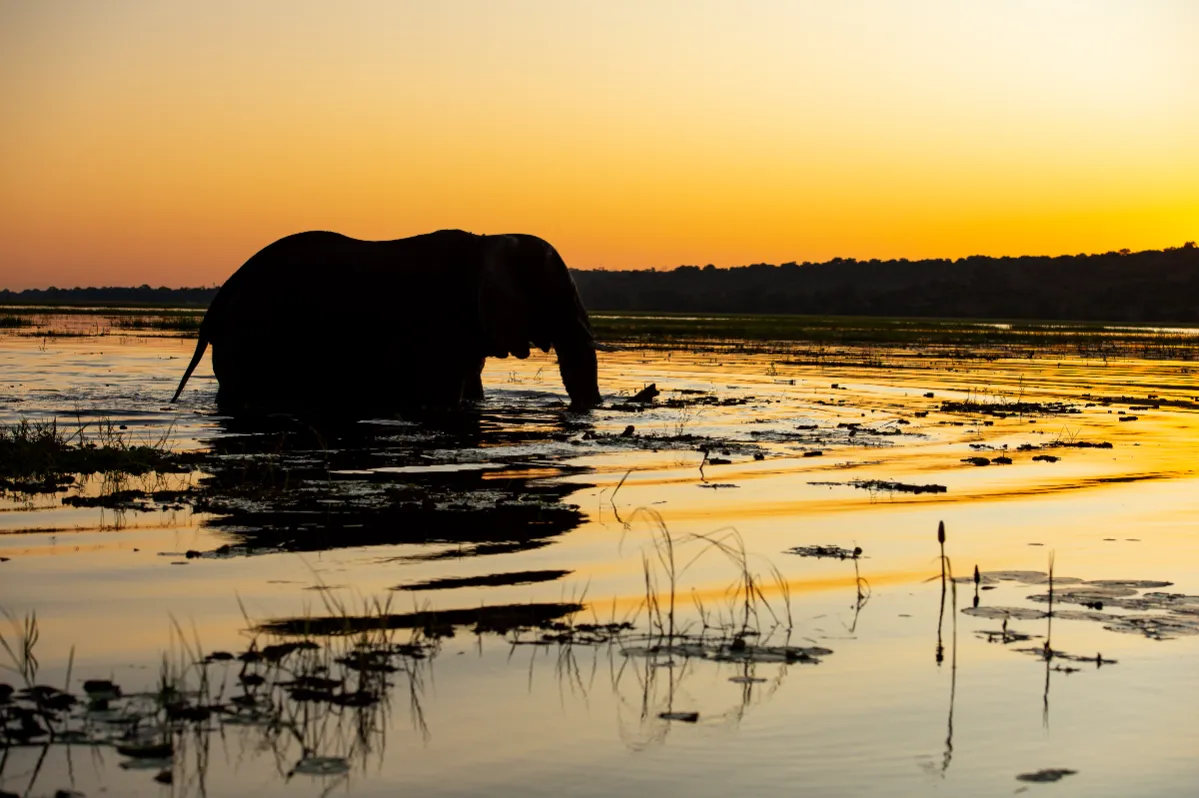
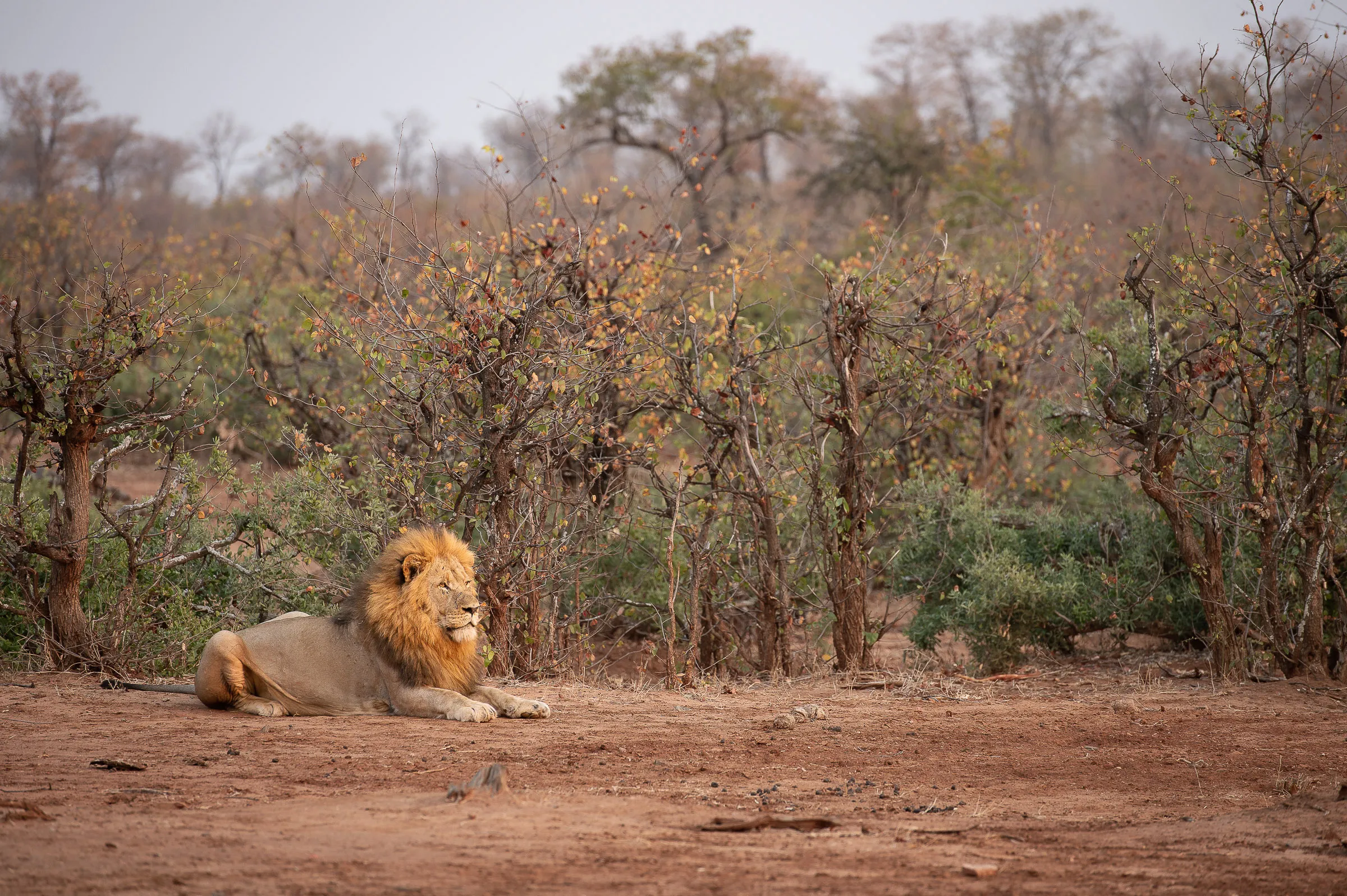
Etosha National Park, one of Africa’s premier wildlife sanctuaries, has been safeguarding Namibia’s iconic species since it was established as a reserve in 1907. The park’s best wildlife sightings are typically found around its productive waterholes scattered along the edge of the expansive salt pan. These life-sustaining waters draw in elephants and herds of antelope, which in turn attract predators like lions and cheetahs. On day 6, we’ll enjoy a late-afternoon game drive before leaving the national park to relax at a comfortable nearby lodge. The following day will be dedicated to exploring Etosha further, on game drives, and we will spend time waiting at the waterholes to observe the diverse wildlife come and go.

Day 8 Rundu

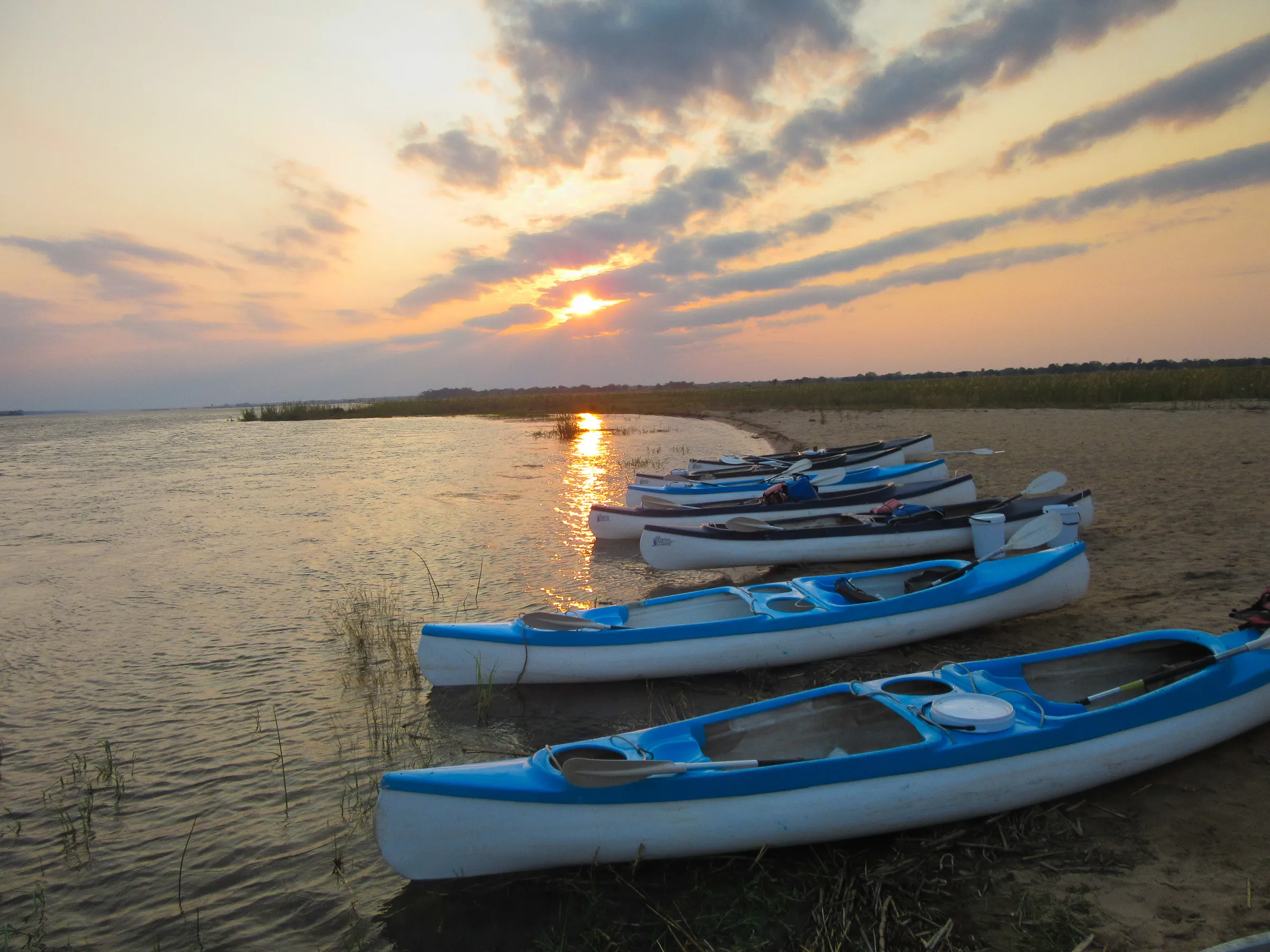
The landscape shifts as we head toward Rundu – acacia woodlands replacing the arid savanna and villages dotting the roadside. This journey reveals a softer, greener Namibia, where life clings to riverbanks and traditions thrive, offering a striking contrast to the stark beauty of Etosha’s salt pans. We stop for the night at our riverside lodge in Rundu and enjoy a spectacular sunset.

Day 9 Caprivi

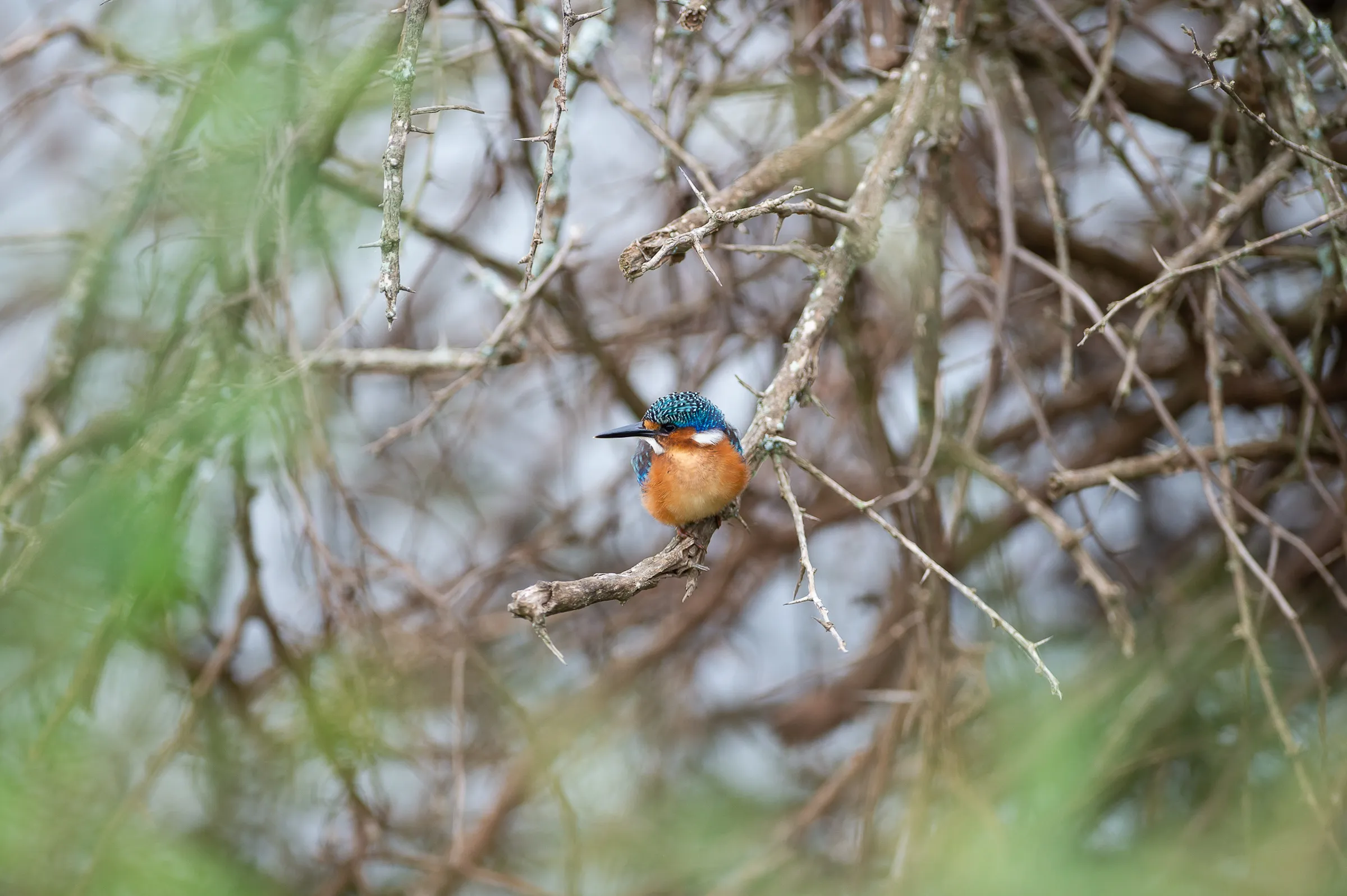
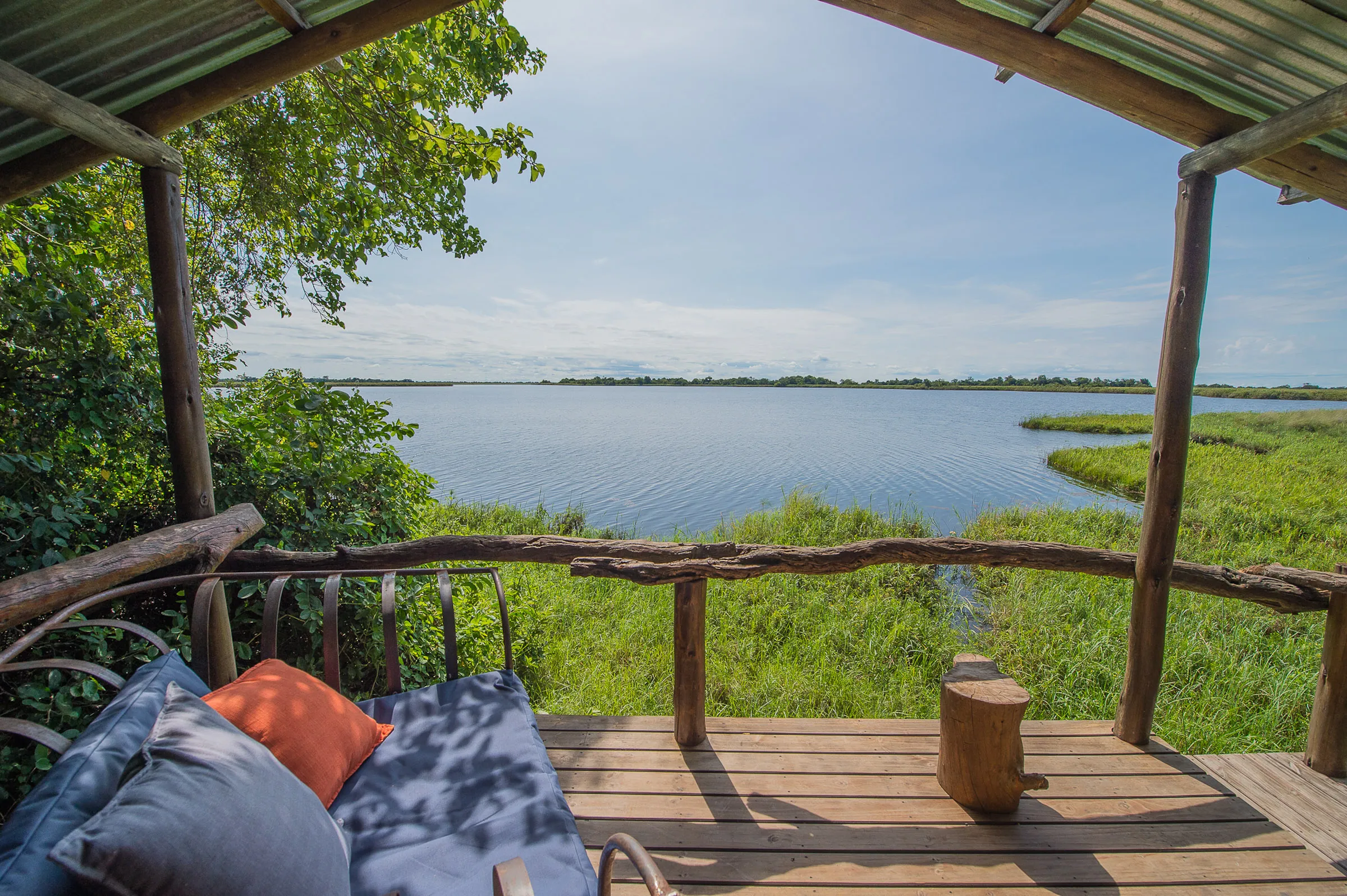
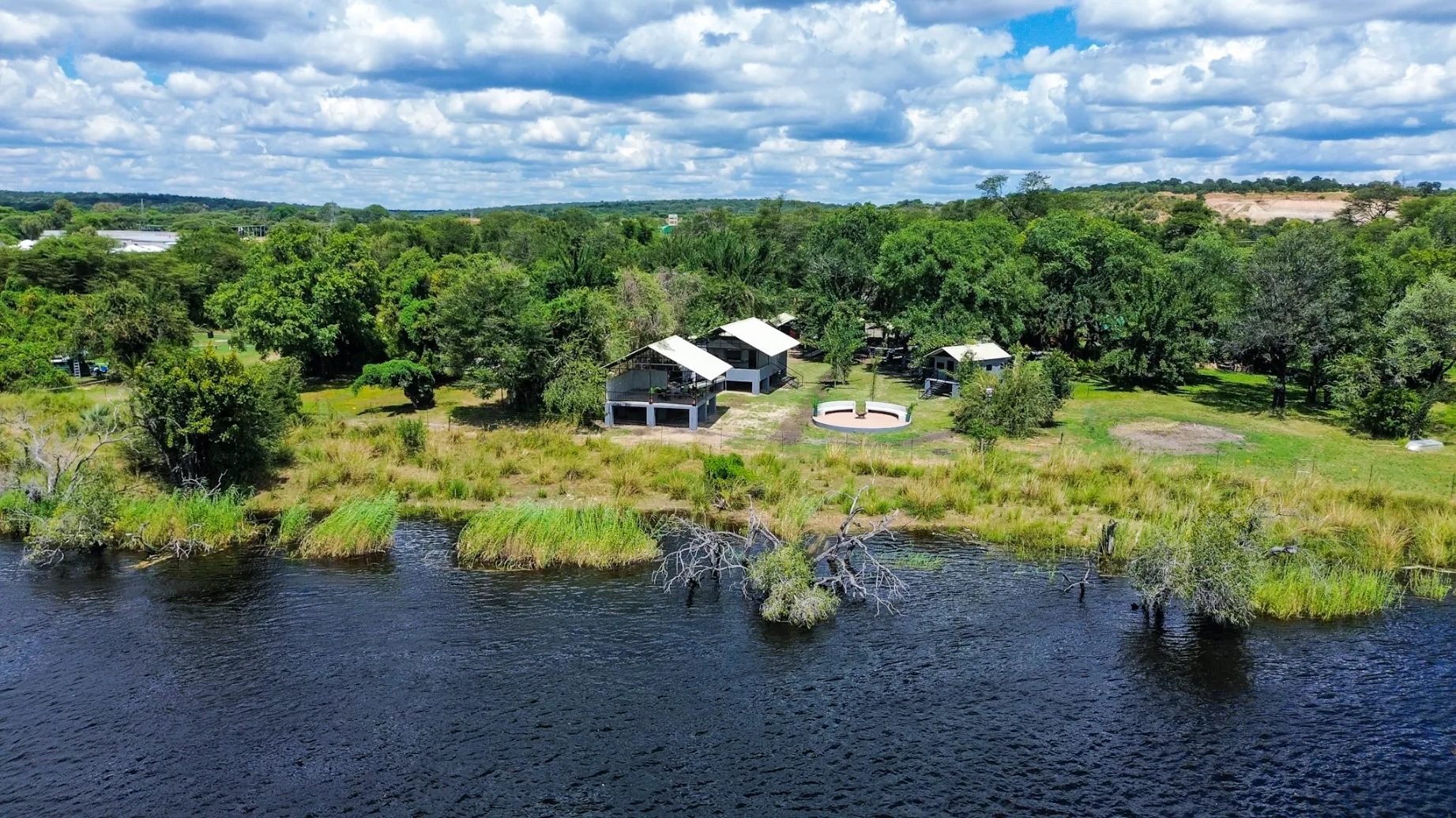
We follow the Okavango River eastward into the lush Caprivi Strip. We will game drive in Mahangu National Park seeking elephants, roan antelope and predators thriving along the Kavango River’s life-giving waterways. At our camp, set on the river’s edge, there’s time to relax and enjoy the rich birdlife; kingfishers, hornbills, and weavers are commonly seen in the trees around camp.

Day 10 Maun

We cross into Botswana and travel south through the flat, rural landscape of the western Delta. Small villages and cattle posts are dotted along the way as we journey to Maun, the gateway to the Okavango. The changing scenery hints at the wetlands to come, and we arrive with time to prepare for the Delta experience ahead.

Day 11 - 12 Okavango Delta

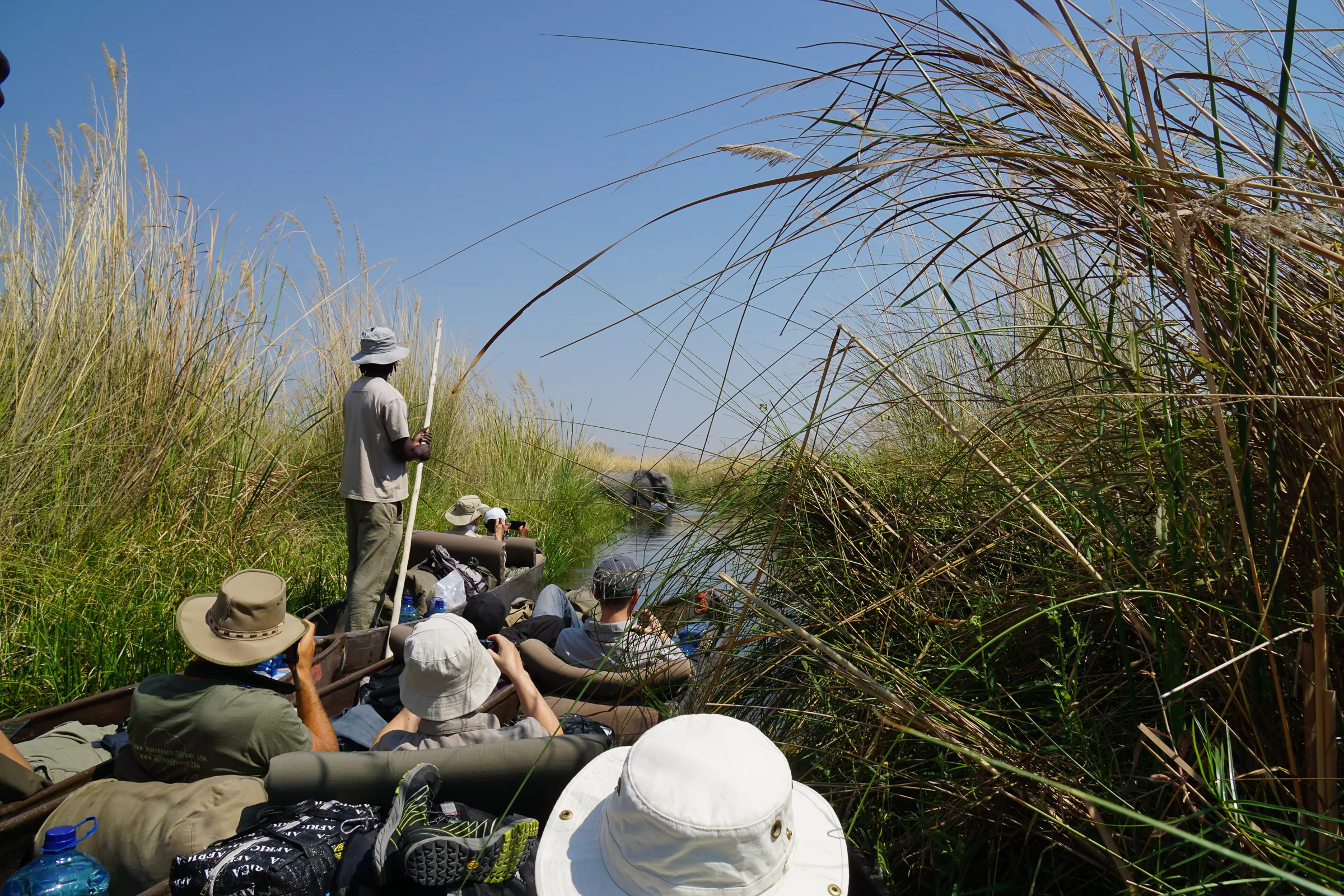
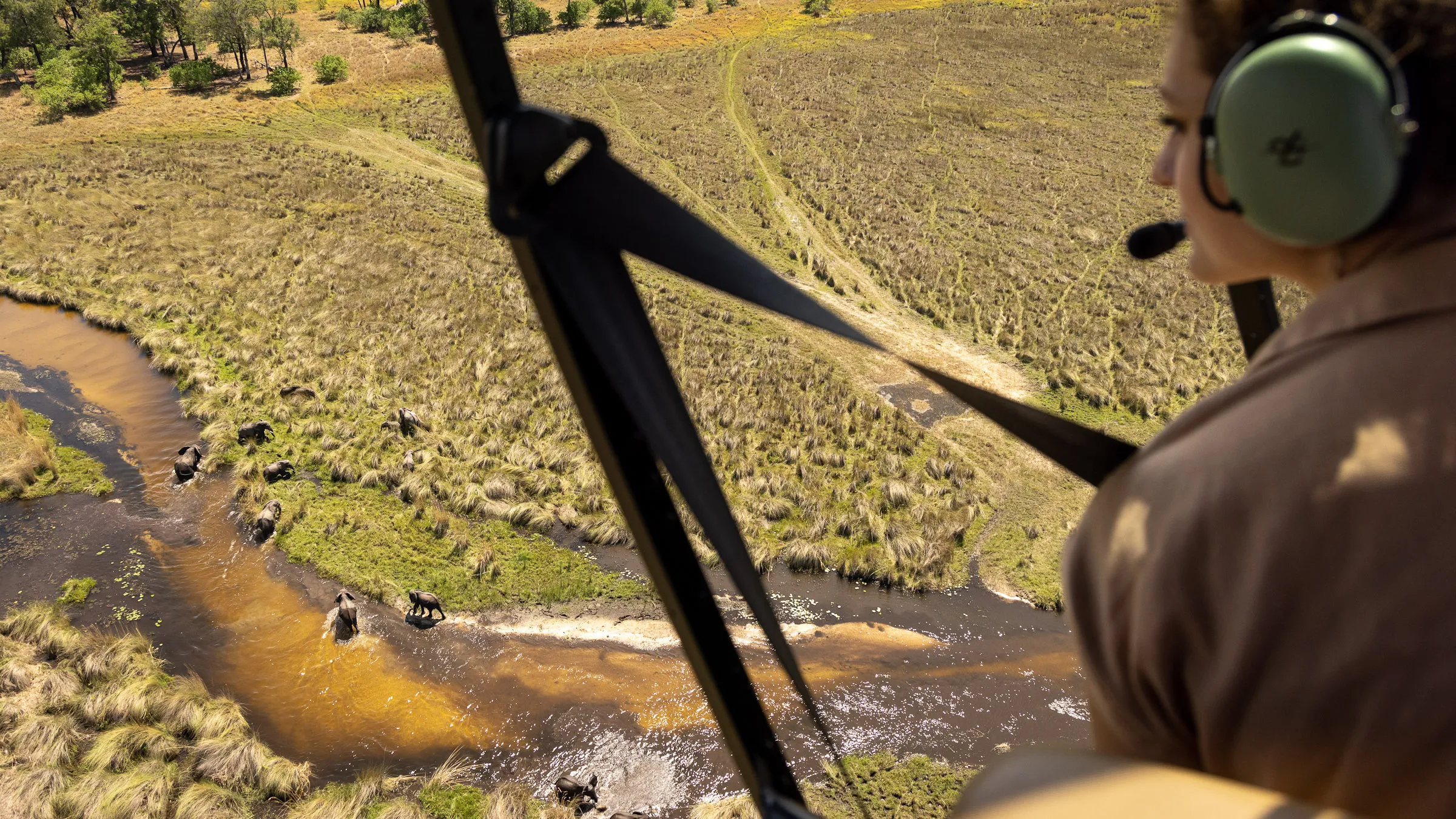
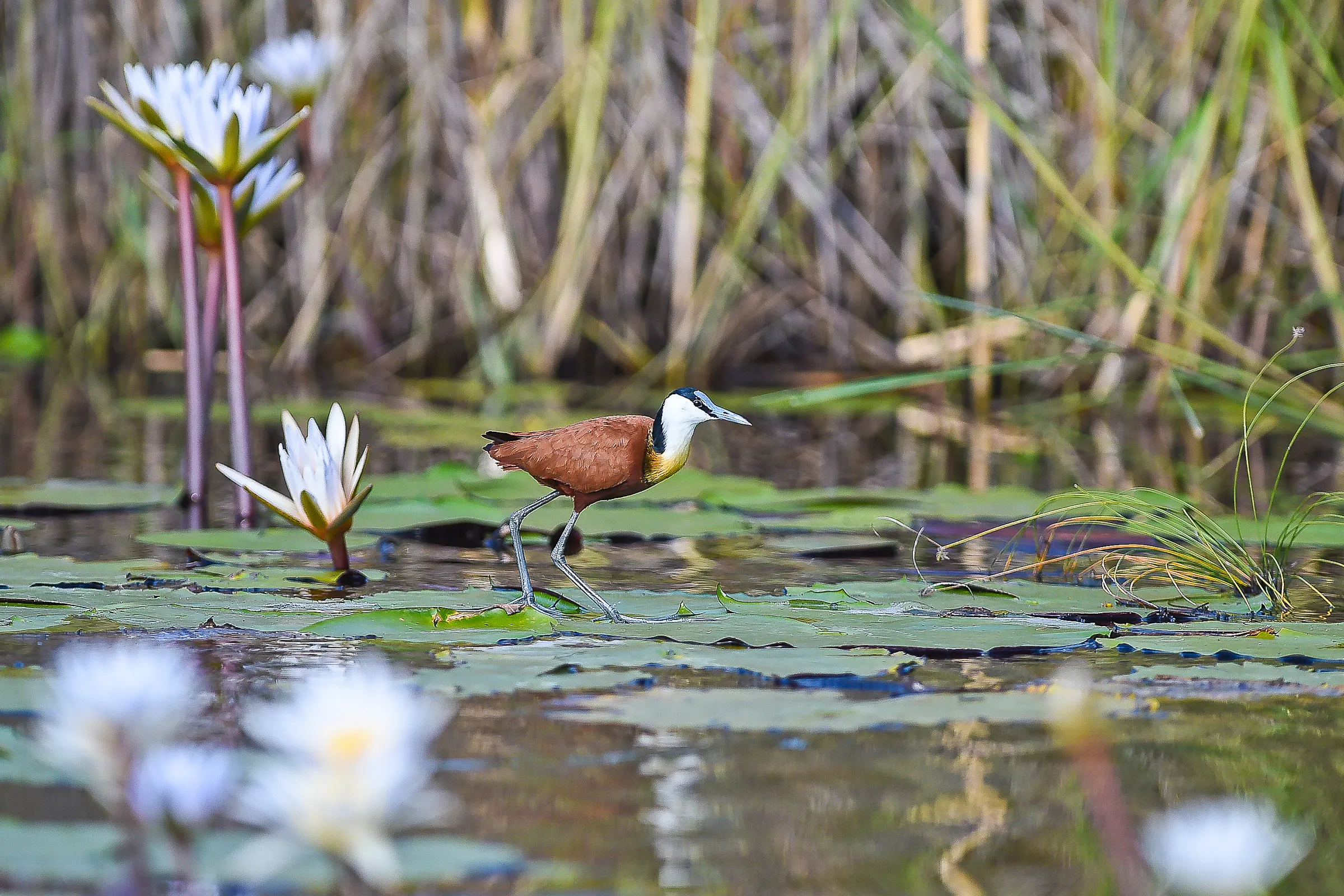
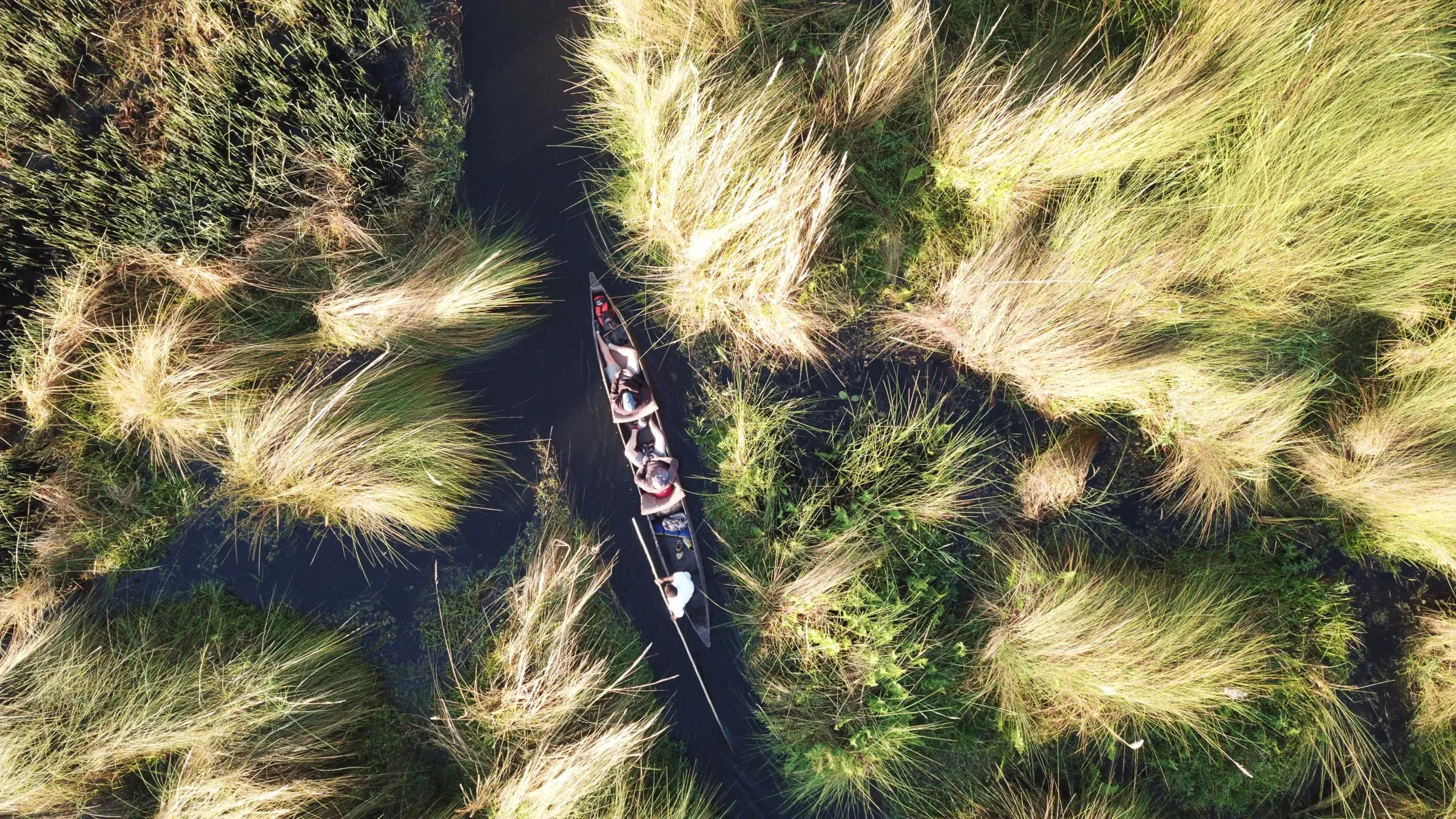
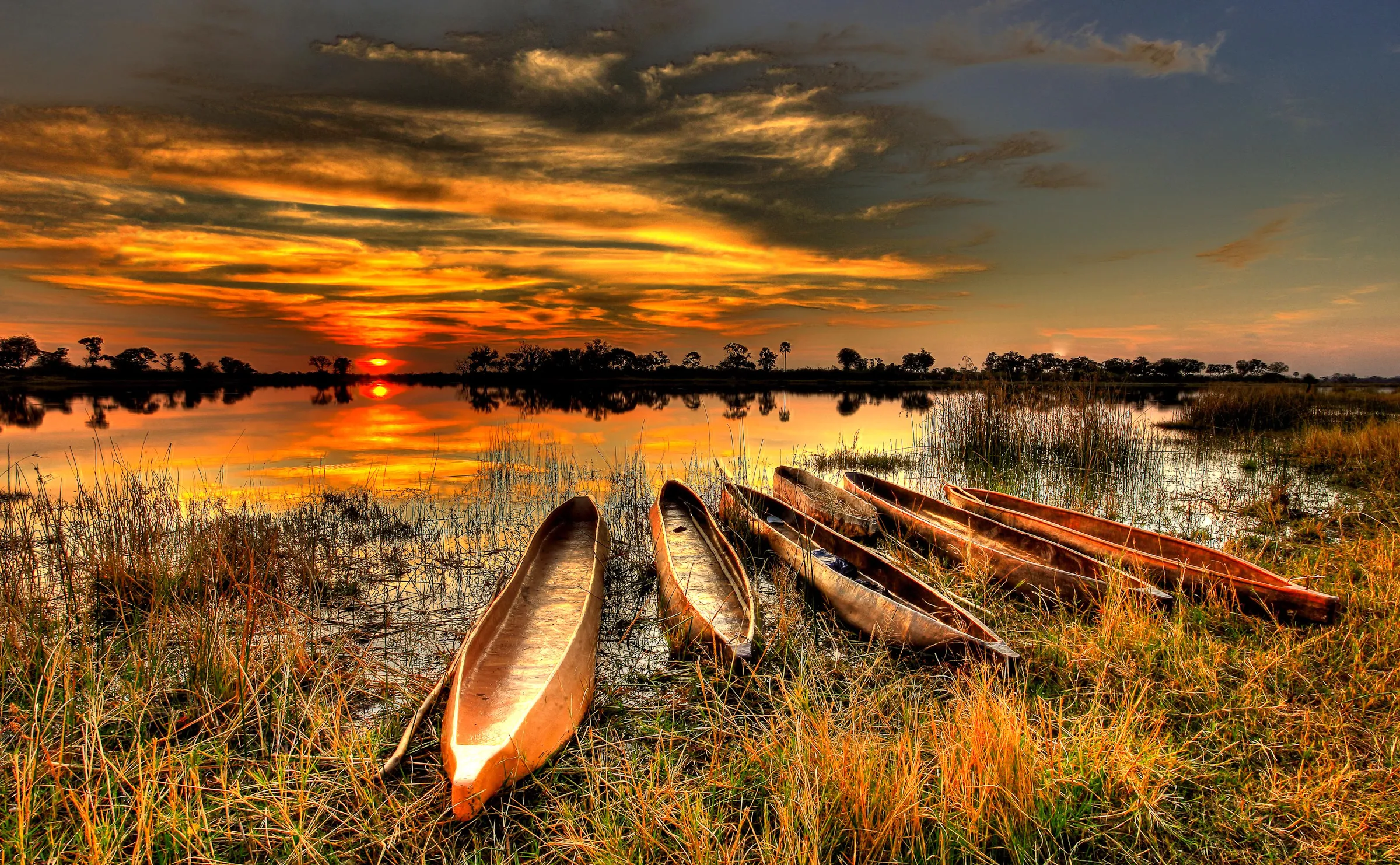
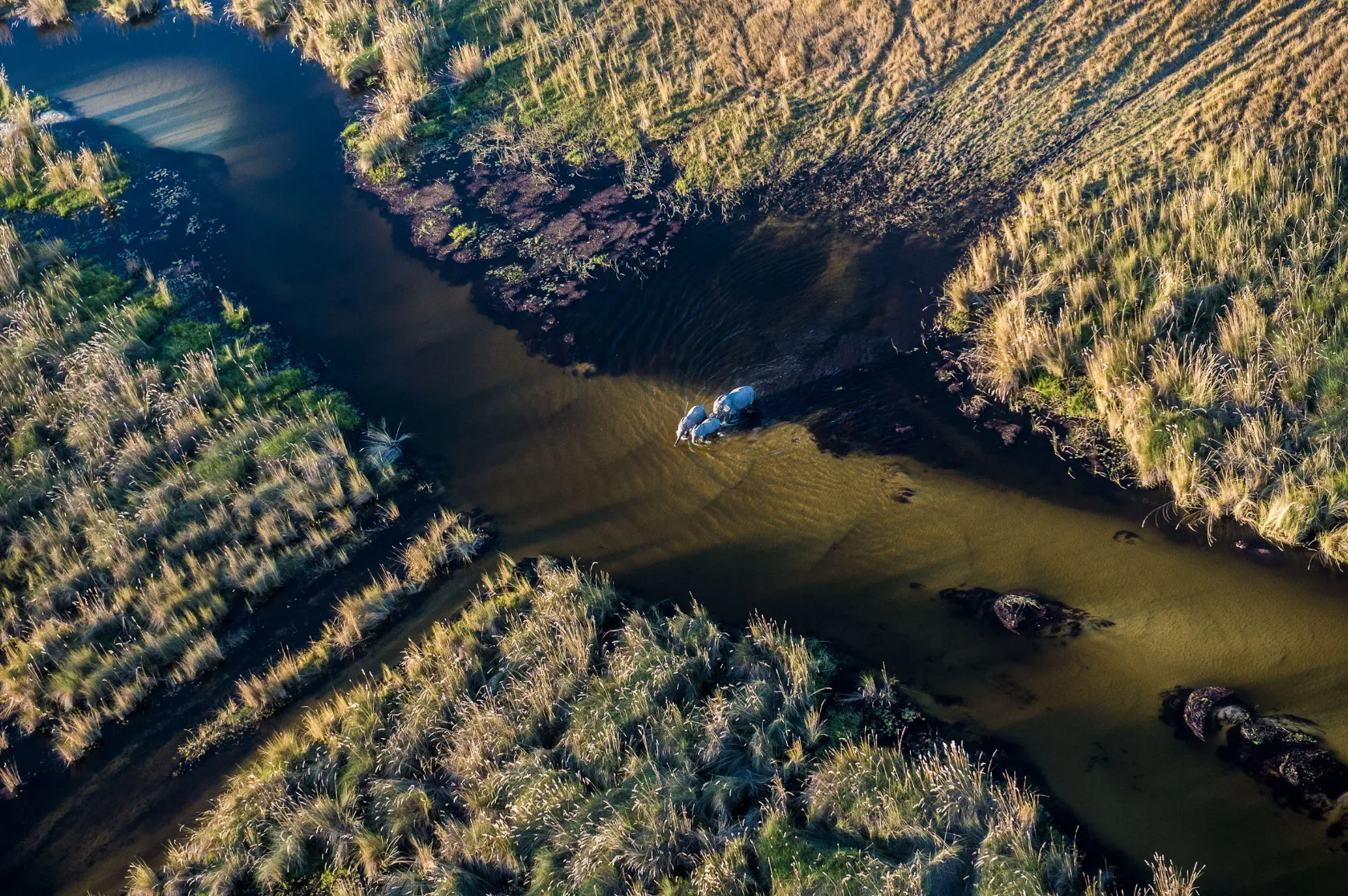
Setting off early in the morning we venture into the remarkable Okavango Delta, one of Africa’s most unique and breath taking ecosystems. As we drive toward this vast wetland, there’s opportunity to take an optional scenic helicopter flight (own expense). This aerial perspective offers an unforgettable view of the Delta’s intricate network of channels, floodplains, and islands. Upon reaching the mokoro launch station, we board traditional dugout mekoro, guided by skilled local polers who navigate us to our remote wilderness camp. The Okavango Delta, the largest inland delta in the world, is rich in wildlife, home to red lechwe, buffalo, elephants, and a dazzling array of bird species. As we glide silently through narrow, reed-fringed channels, we immerse ourselves in the peaceful rhythm of the Delta, venturing deeper into its pristine wilderness.

Day 13 - 14 Mababe Private Reserve & Moremi

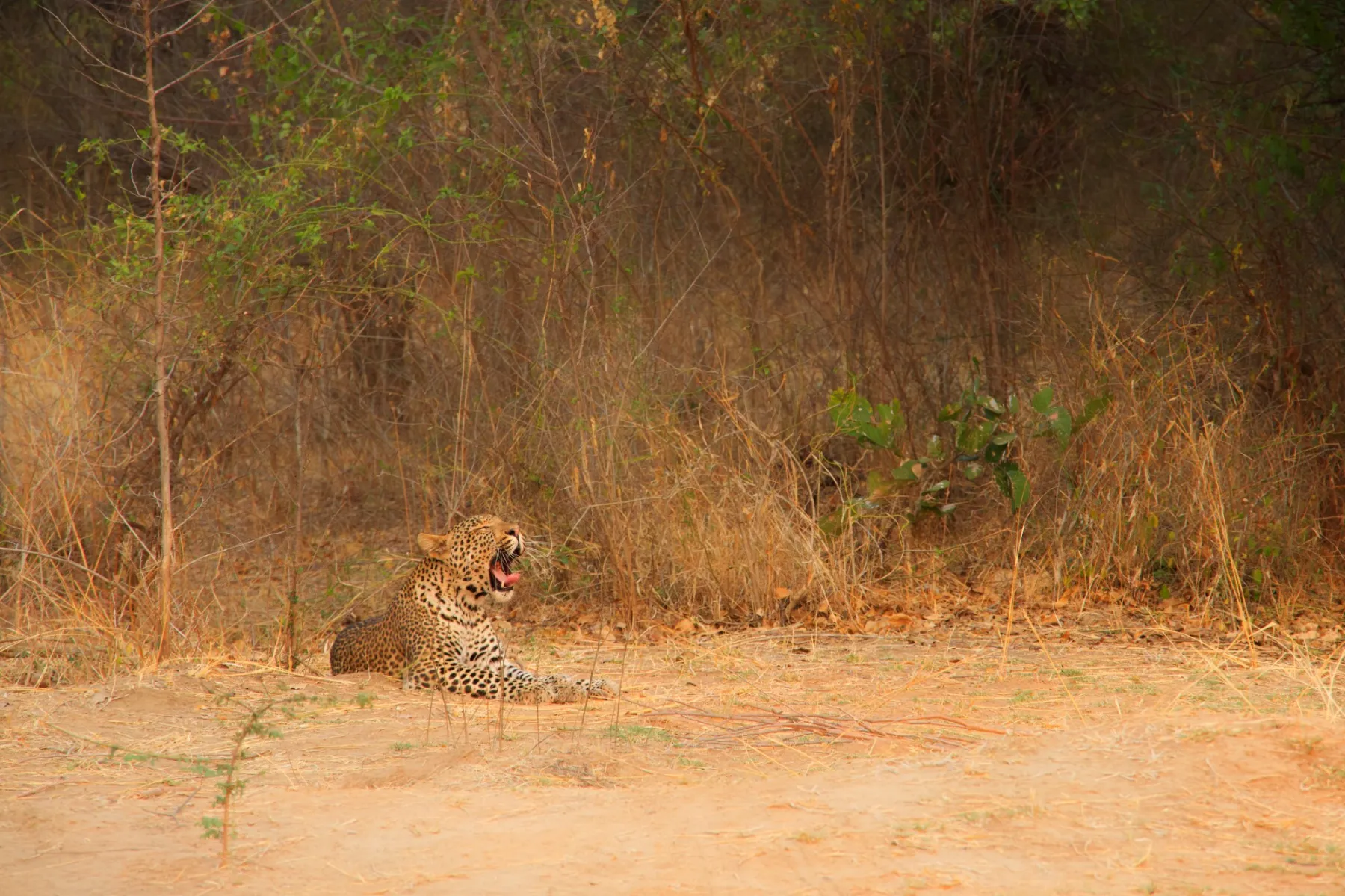
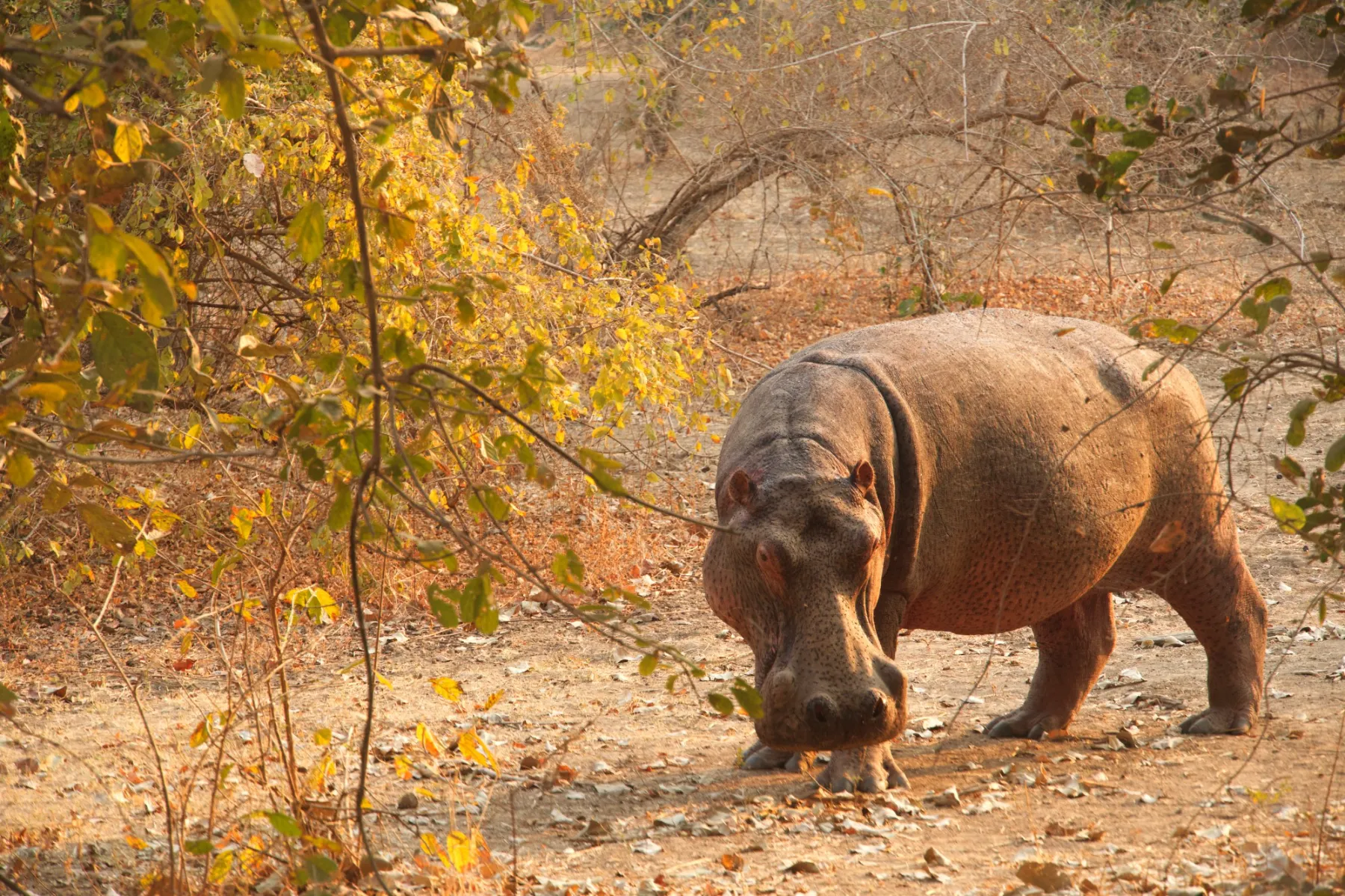
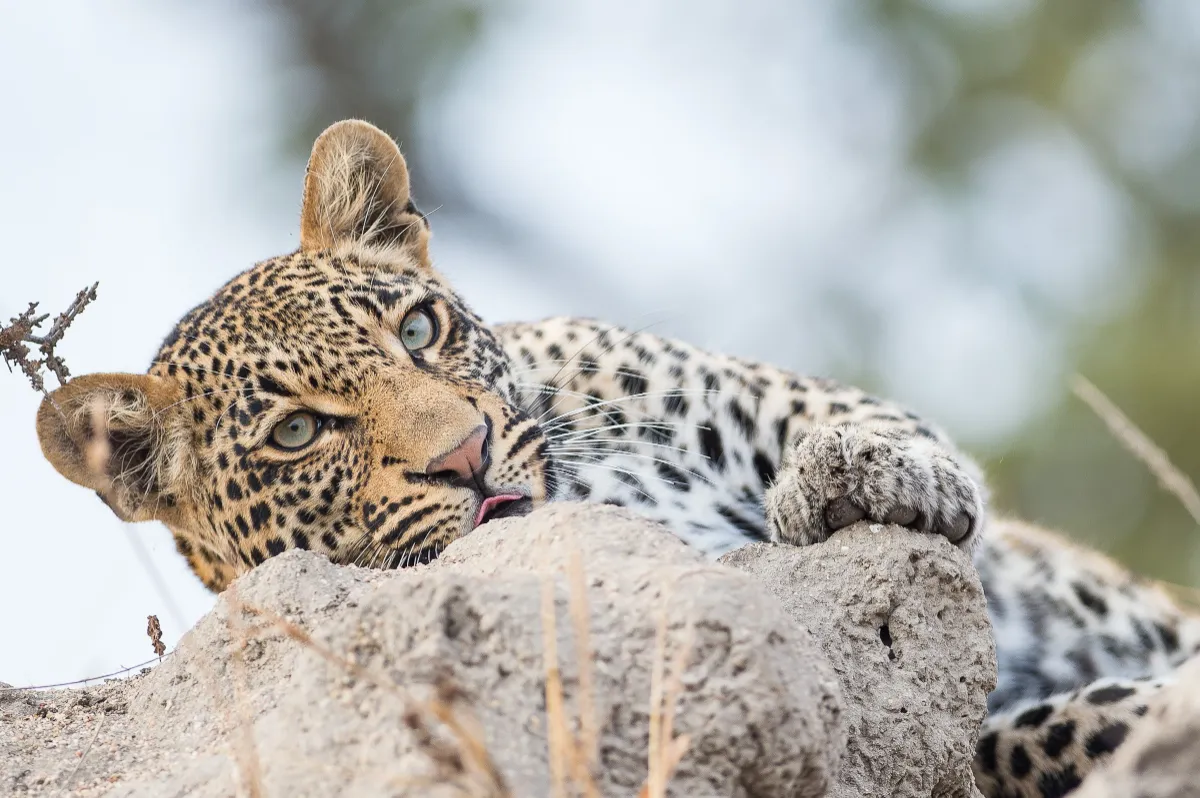
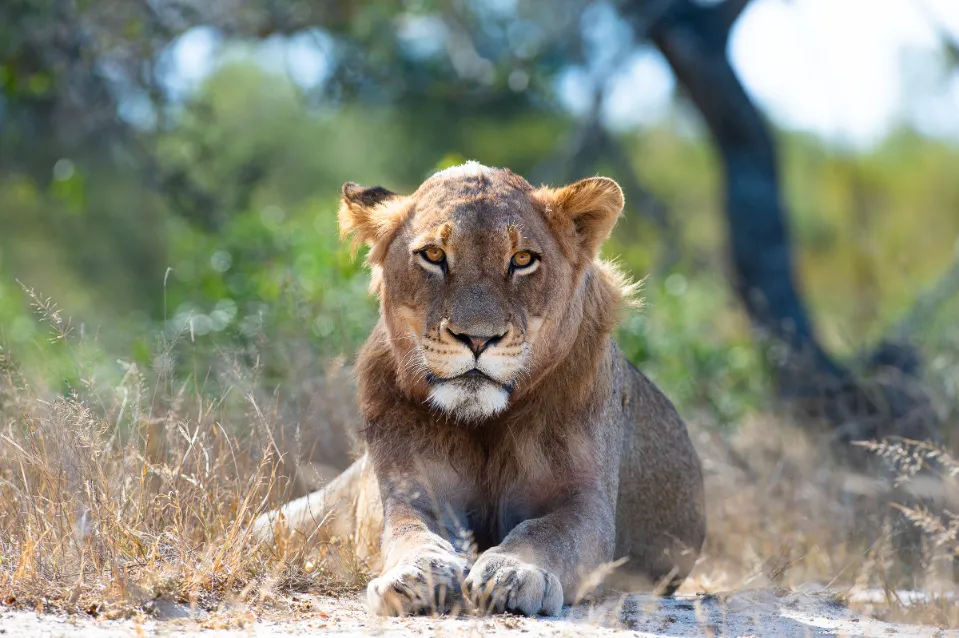
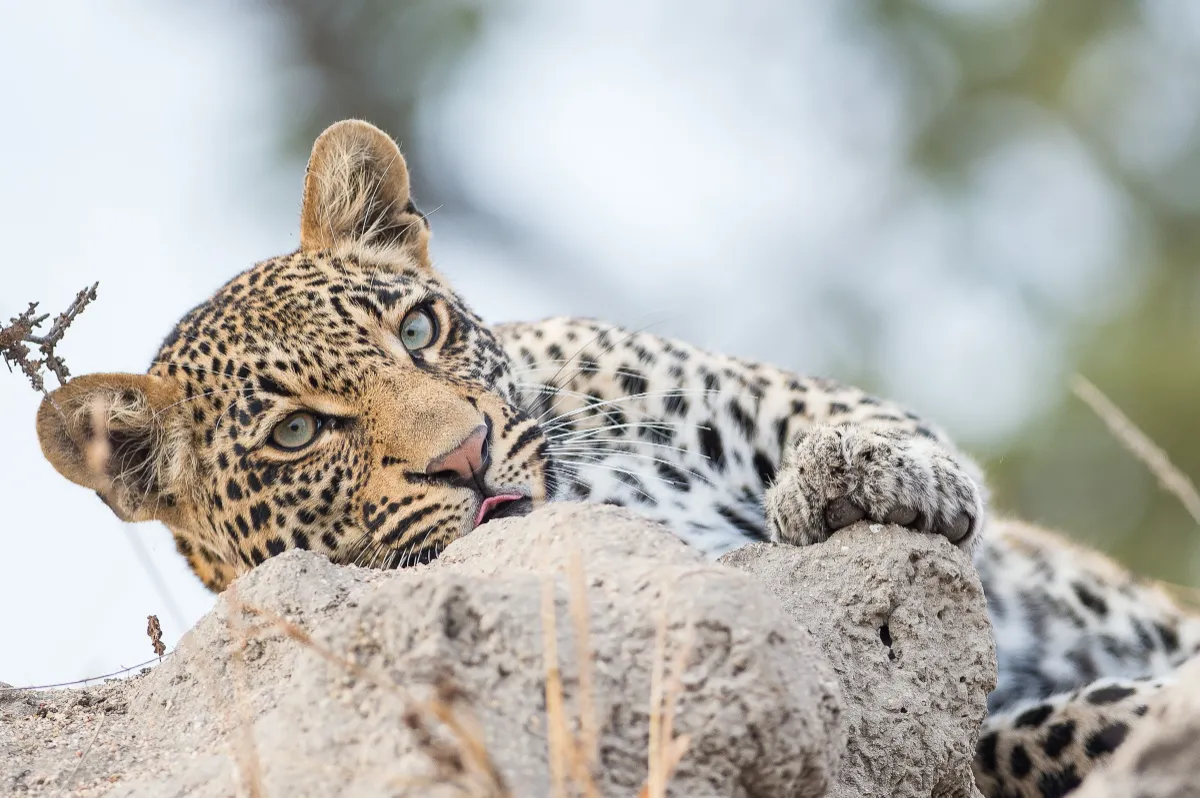
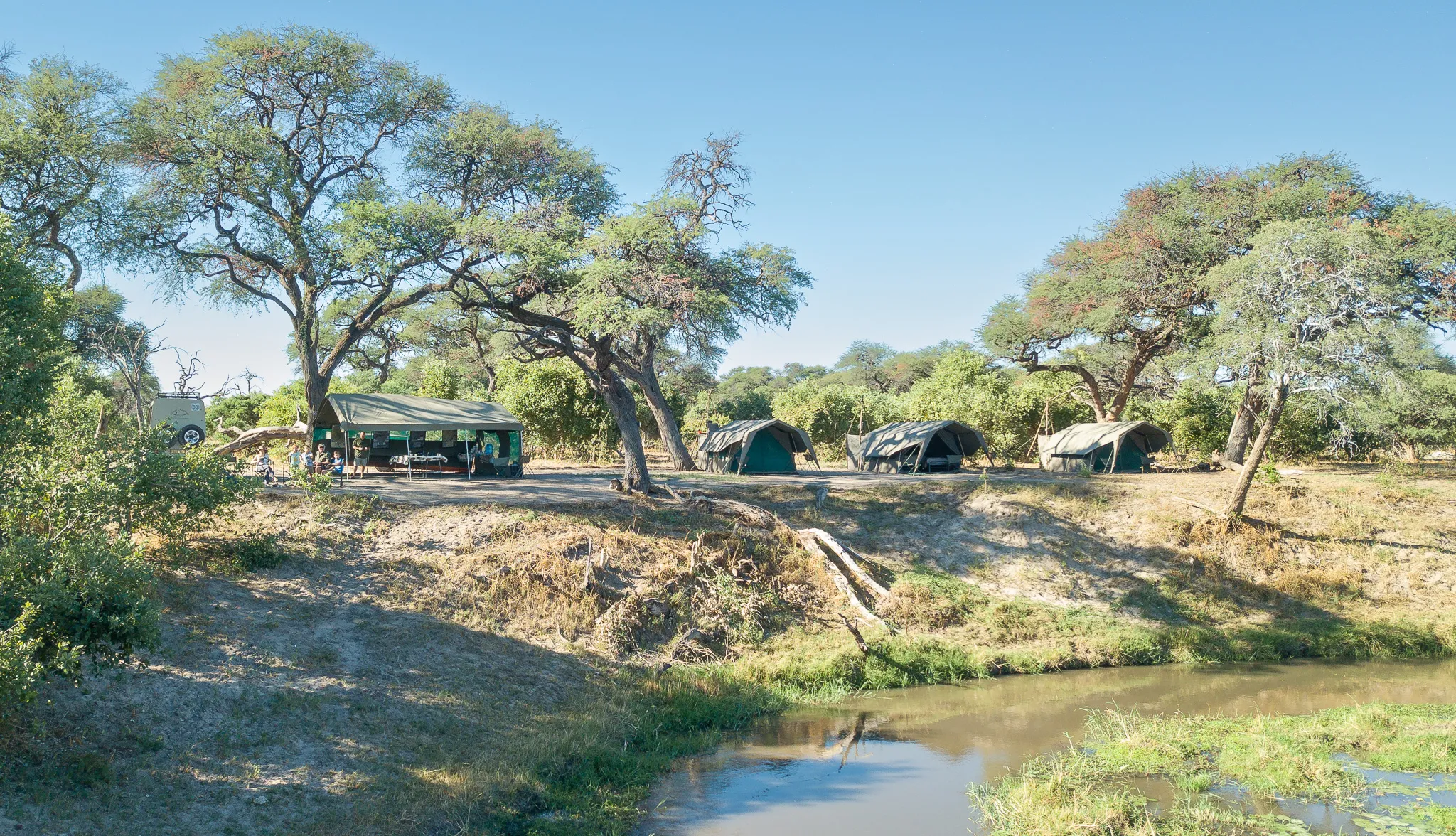
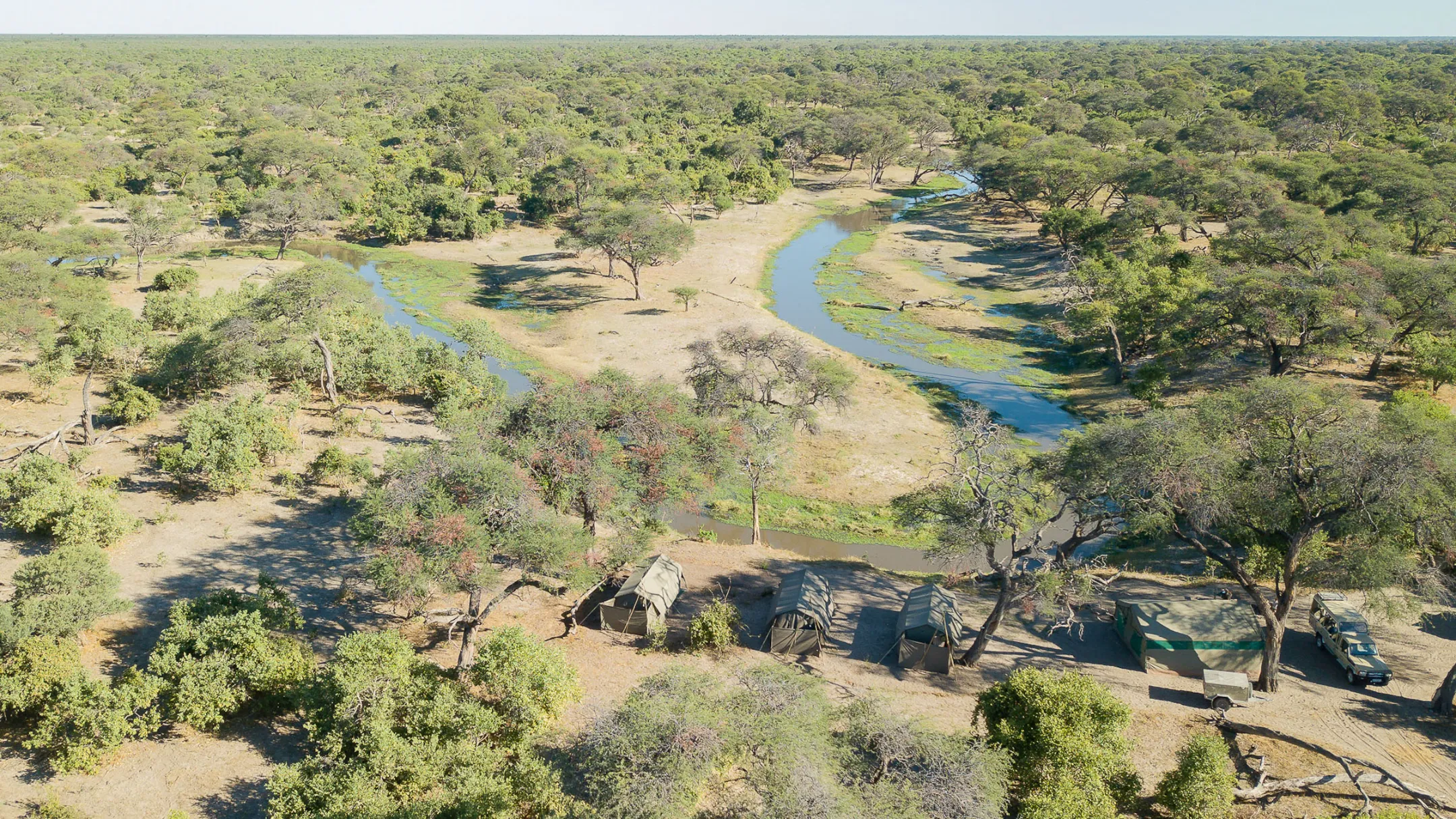
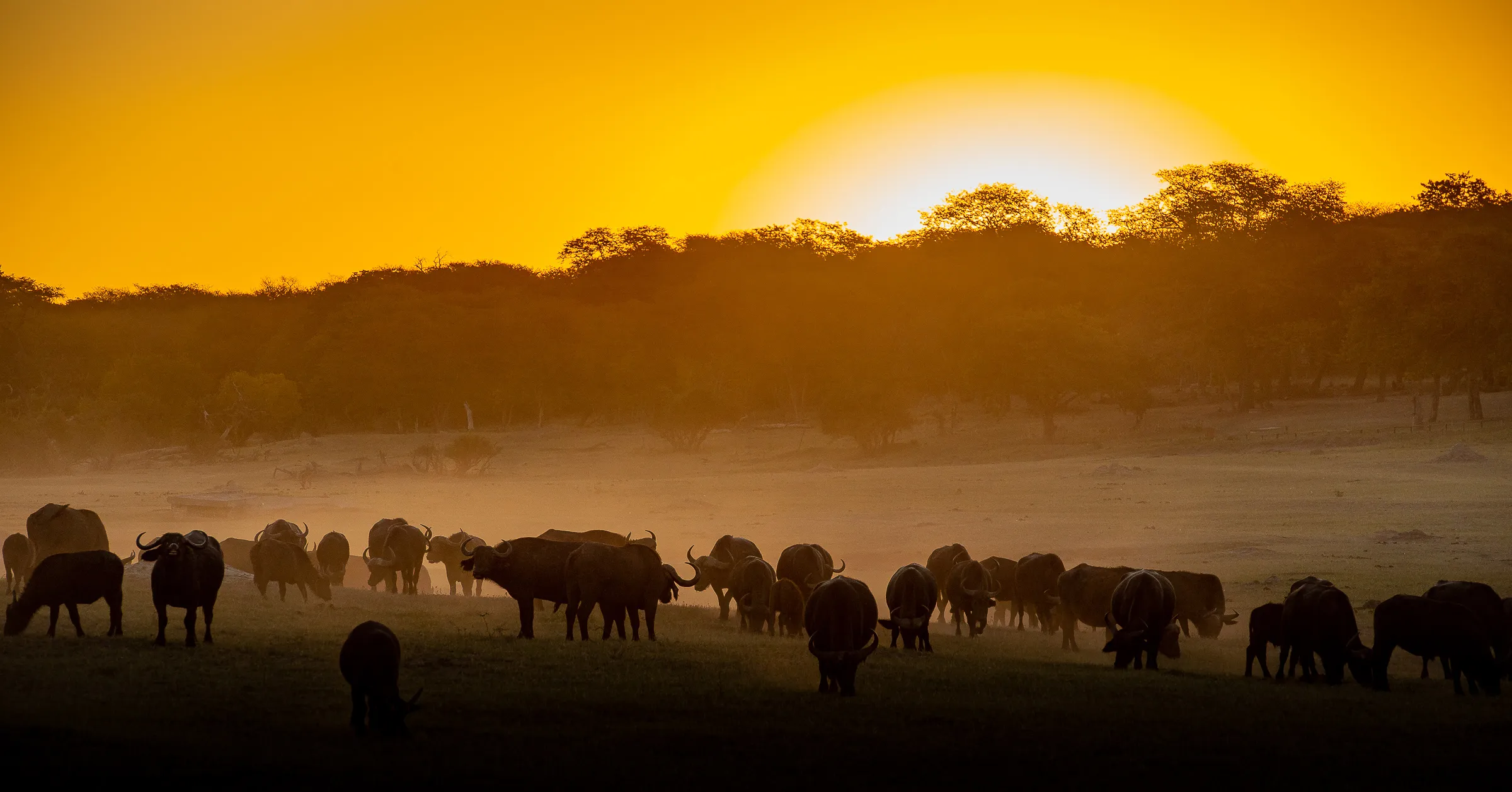
We depart early from our Okavango Delta camp, retracing our route by mokoro to the poling station, where our open game-viewing vehicle awaits. From here, we begin our journey north to Moremi Game Reserve. We explore Moremi, one of Africa’s premier wildlife areas. The reserve’s rich mosaic of landscapes supports thriving populations of elephant, hippo, buffalo, painted dog, leopard and lion. Our game drives take us through both the Moremi and surrounding private concessions, giving us the best chance to encounter a wide variety of wildlife, including the region’s impressive predator population. We depart Moremi in the late afternoon exploring the adjacent wildlife concession. By evening, we arrive at our tented camp, set on the banks of the Khwai River. On day 14 we game drive on the Mababe Private Reserve, a lesser-travelled area known for its abundant wildlife and raw beauty, before making our way towards Maun for an evening restaurant meal at the lodge (own expense).

Day 15 Makgadikgadi Pans

Formed as the last remnants of an ancient mega-lake, these vast salt flats transform dramatically with seasonal rains. During dry months, the pans appear as endless white expanses, while summer rains create shallow waters that attract flamingos, pelicans, and migratory herds. In the afternoon, we visit Nata Bird Sanctuary and look out across the expanse of this unique ecosystem.

Day 16 - 17 Matobo National Park

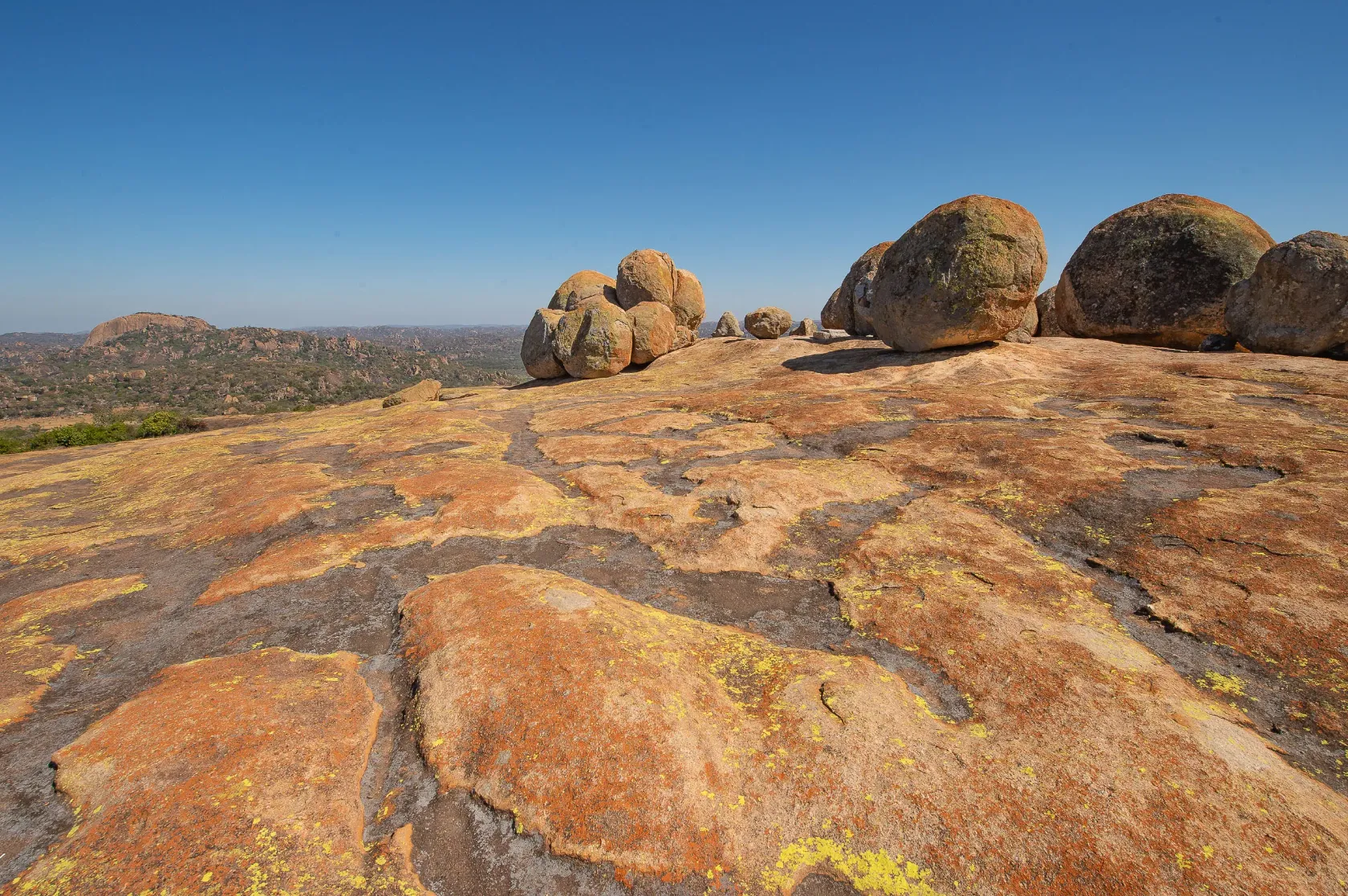
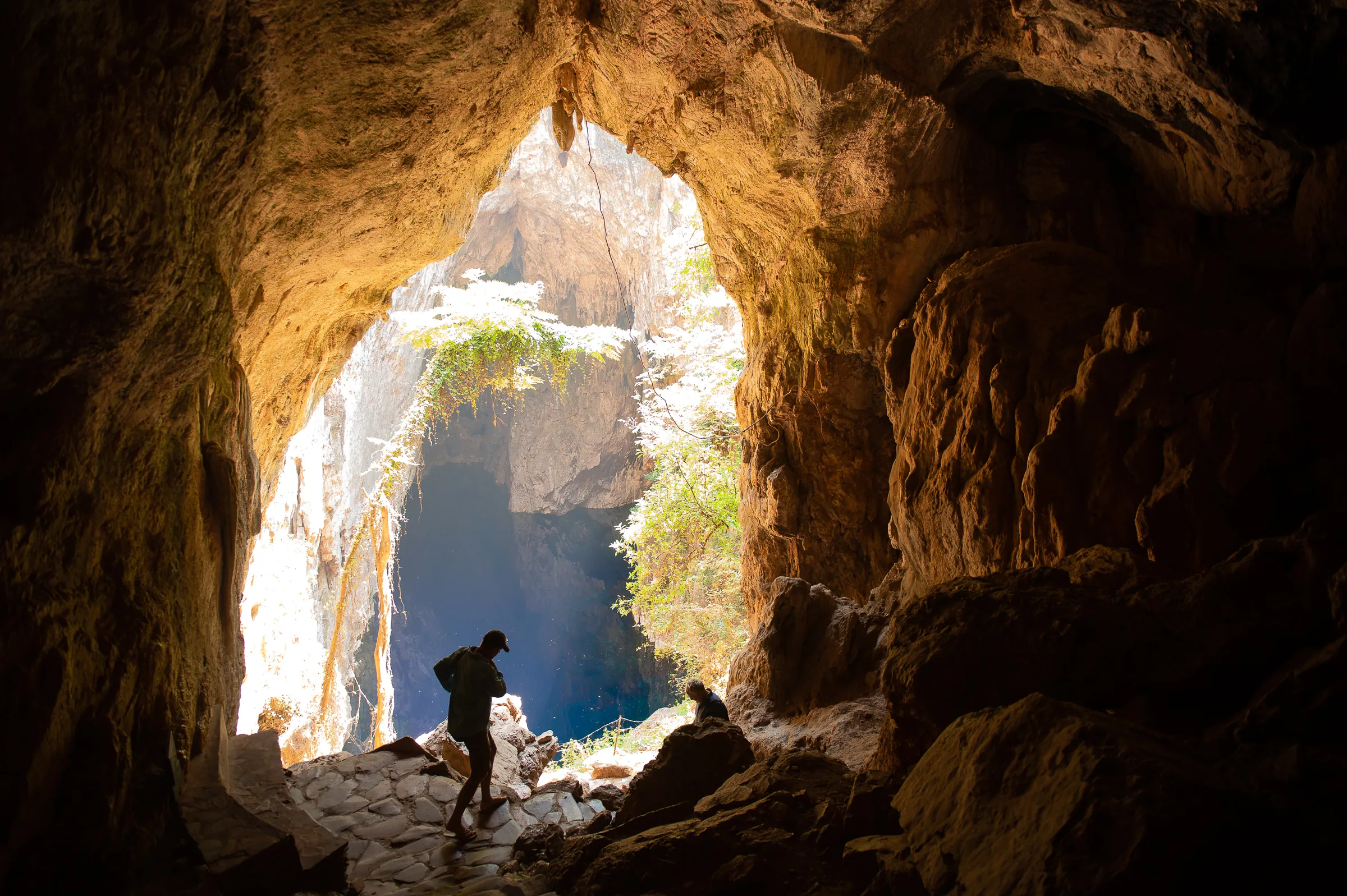
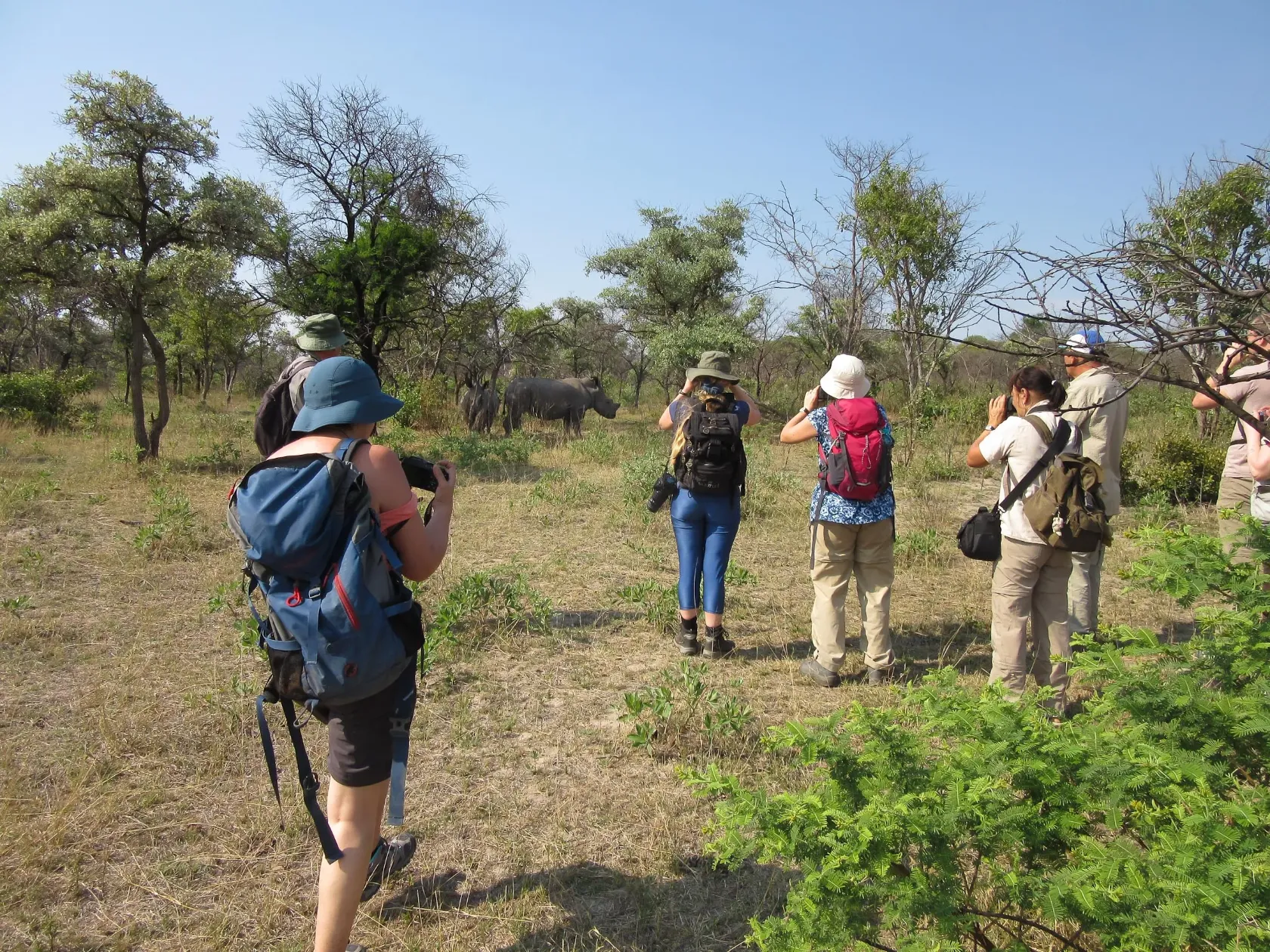
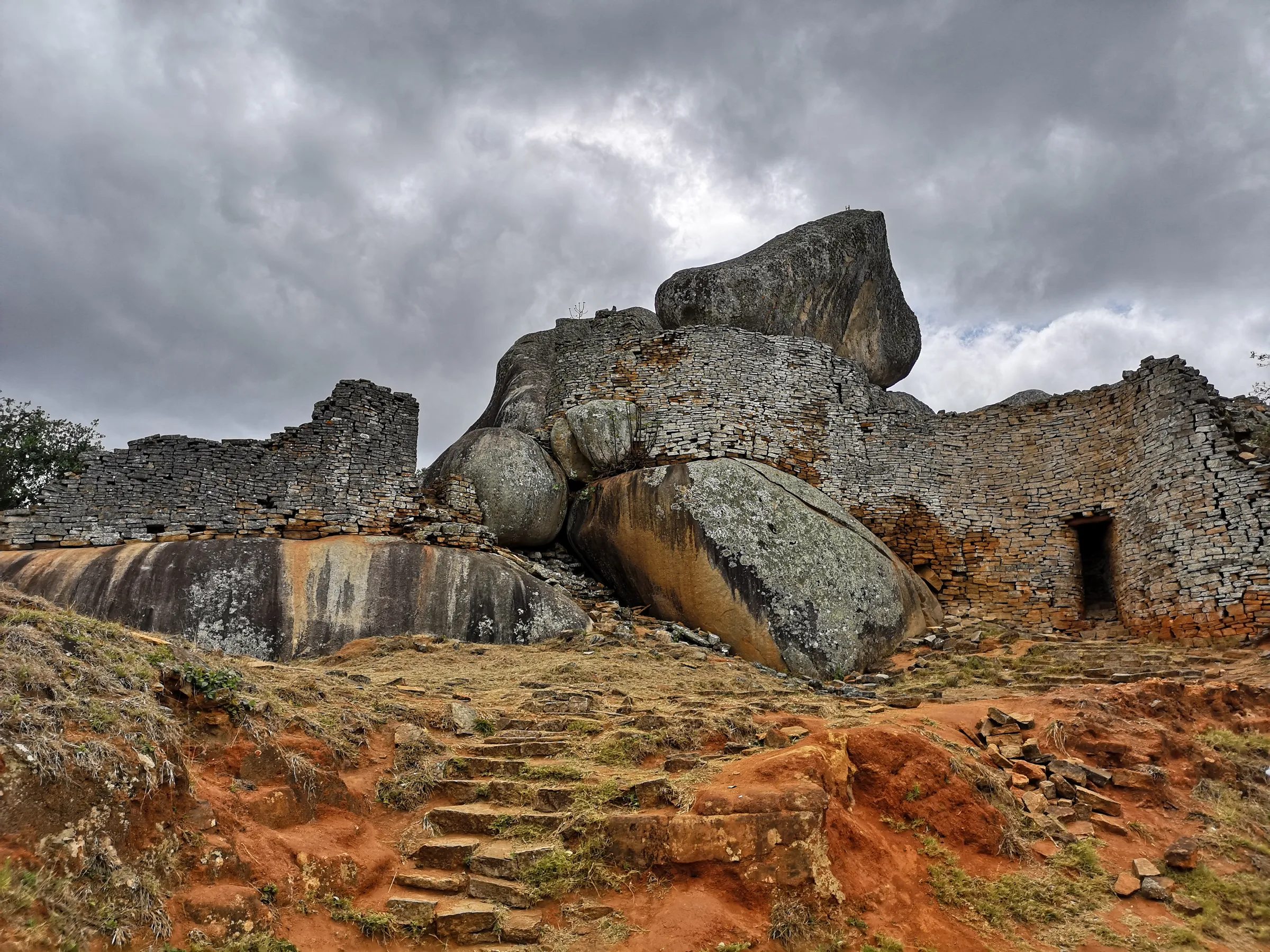
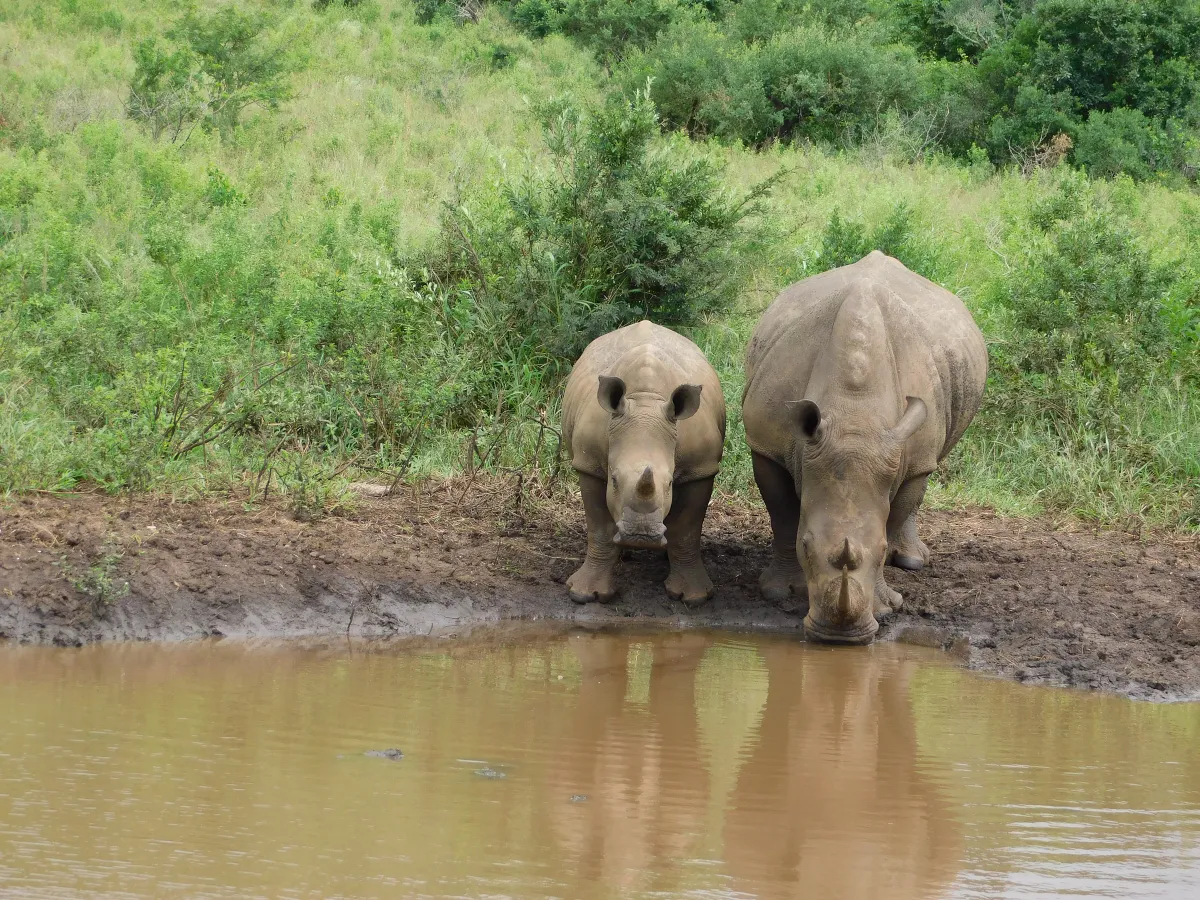
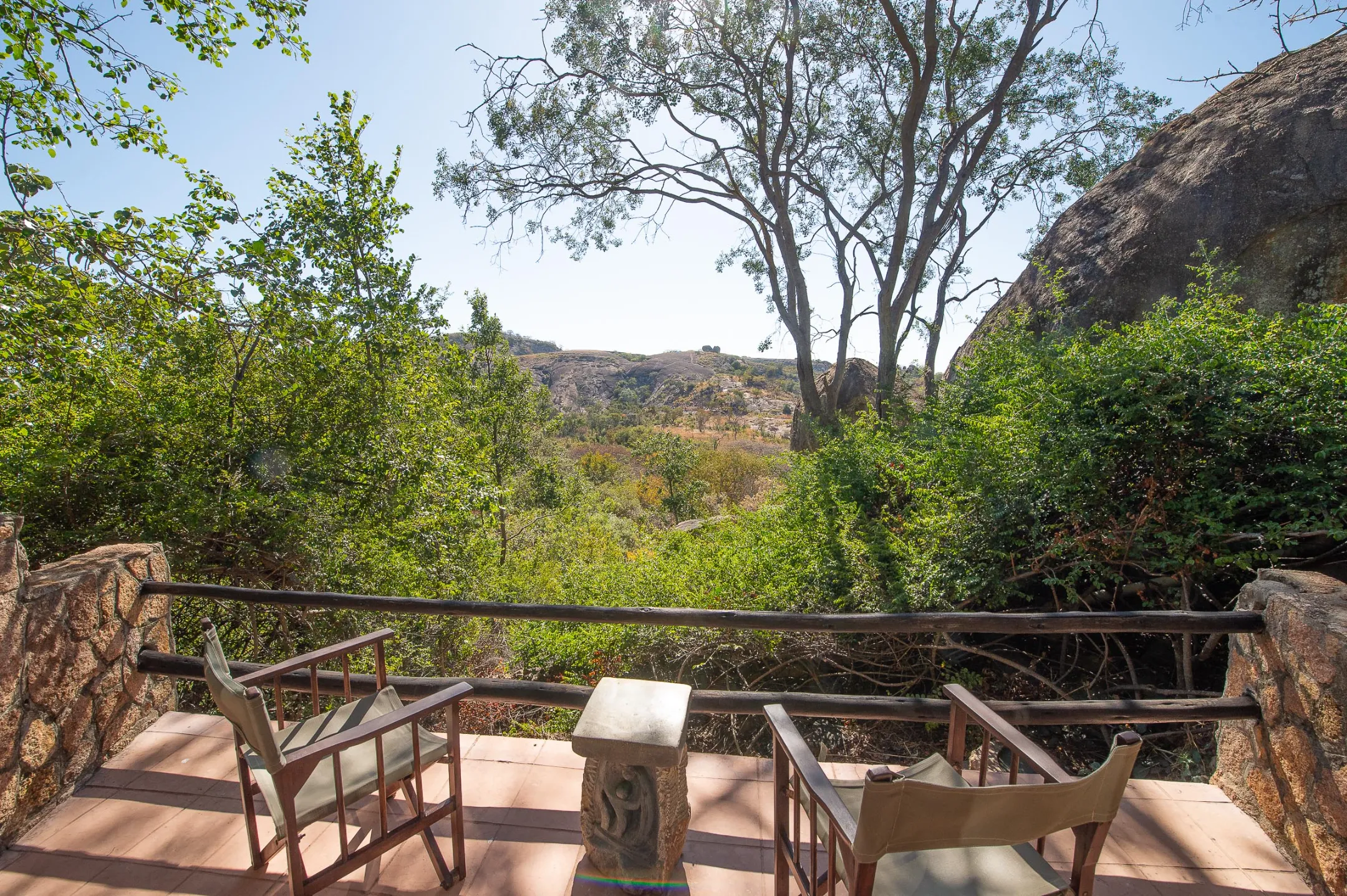
Leaving our Botswanan adventure behind, we move into Zimbabwe and our lodge on the outskirts of the Matobo National Park, where we enjoy a sundowner and the magnificent views. We spend the following day exploring the Matobos on a game drive and guided bush walk in search of rhino. We visit World’s View and Cecil John Rhodes’ grave, set among towering granite hills or “dwalas” and balancing boulders. We visit a cave sheltering historically significant San rock art, offering a glimpse into the rich cultural and spiritual heritage.

Day 18 - 19 Hwange National Park

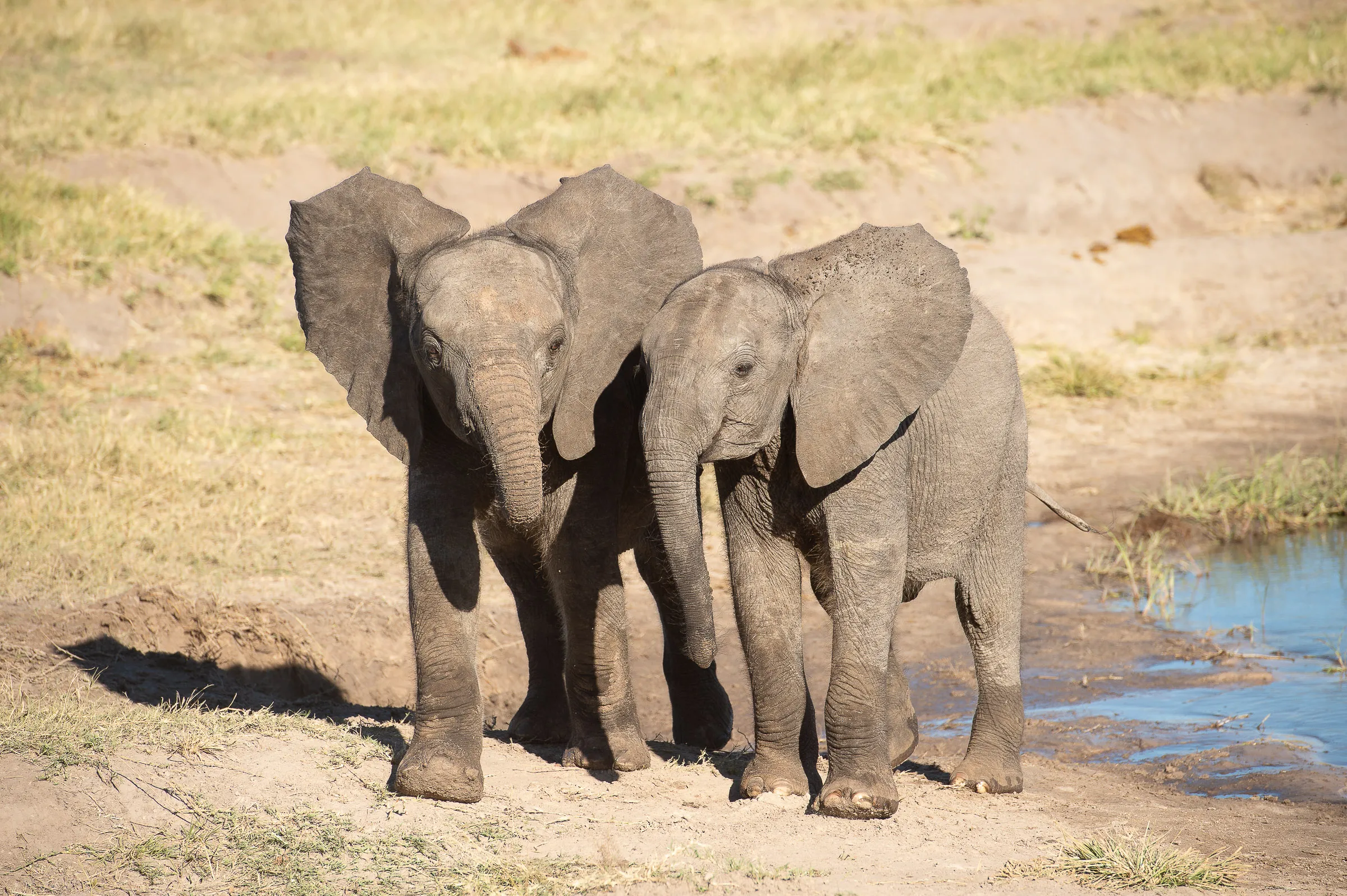
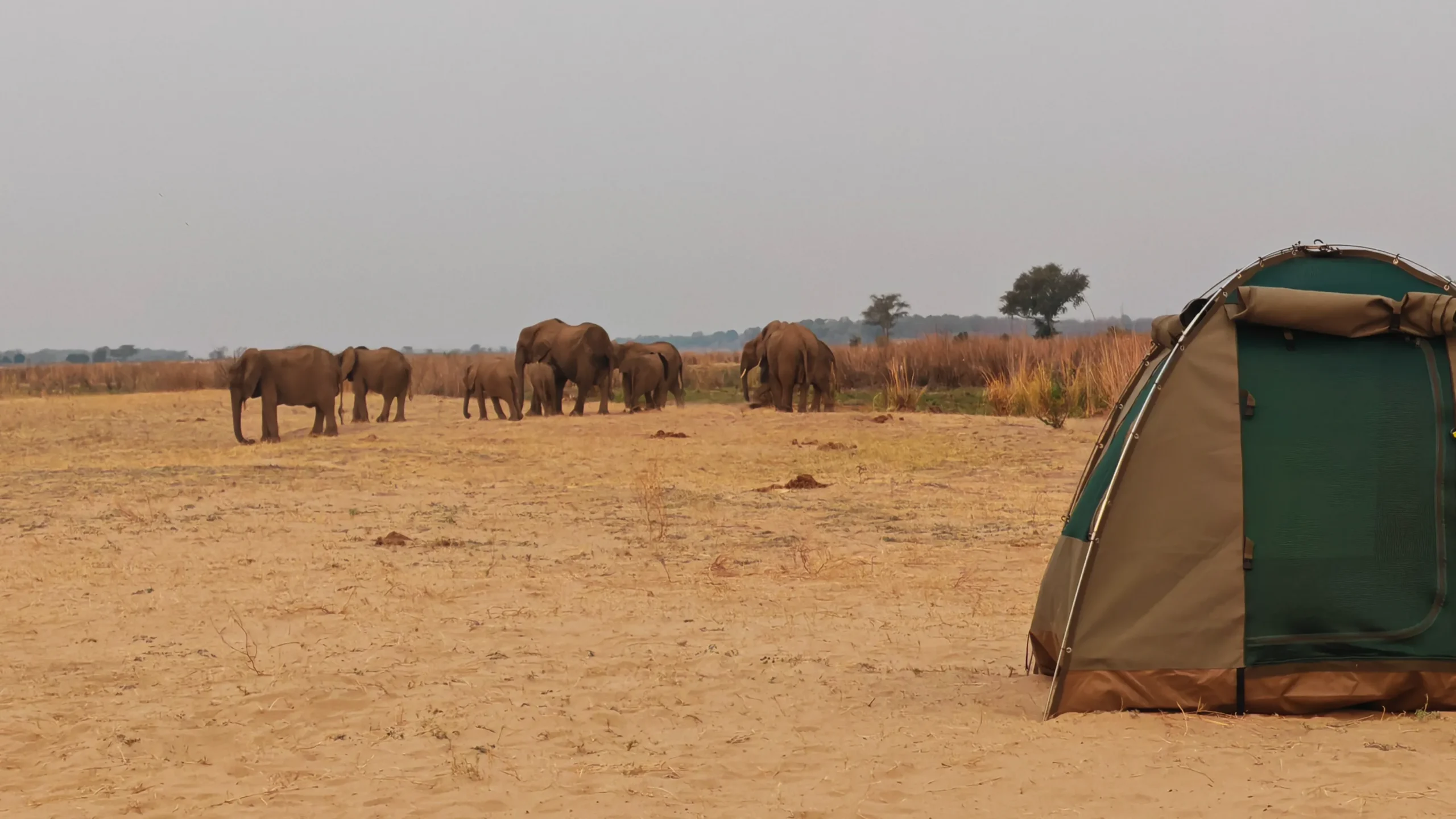
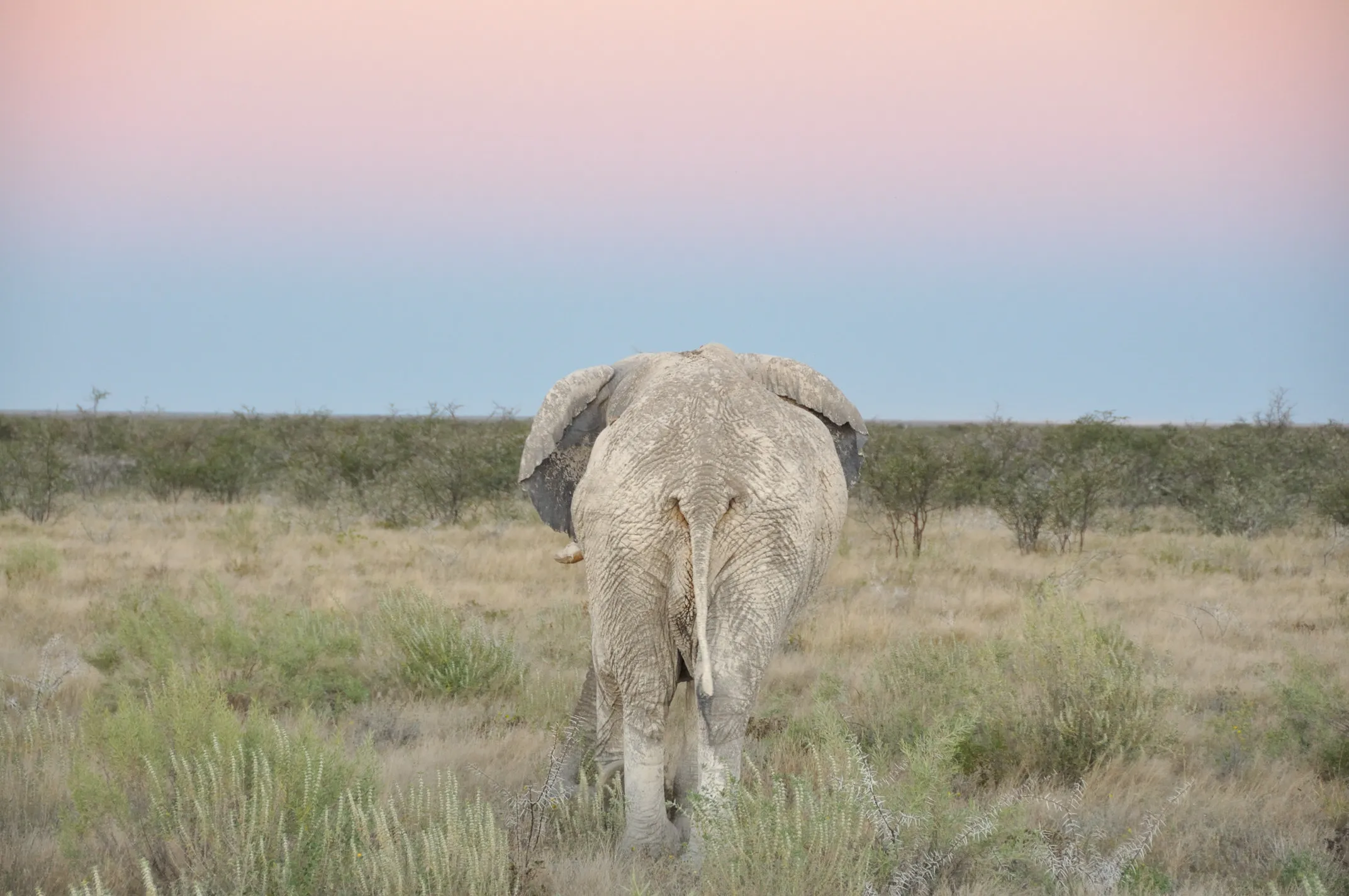
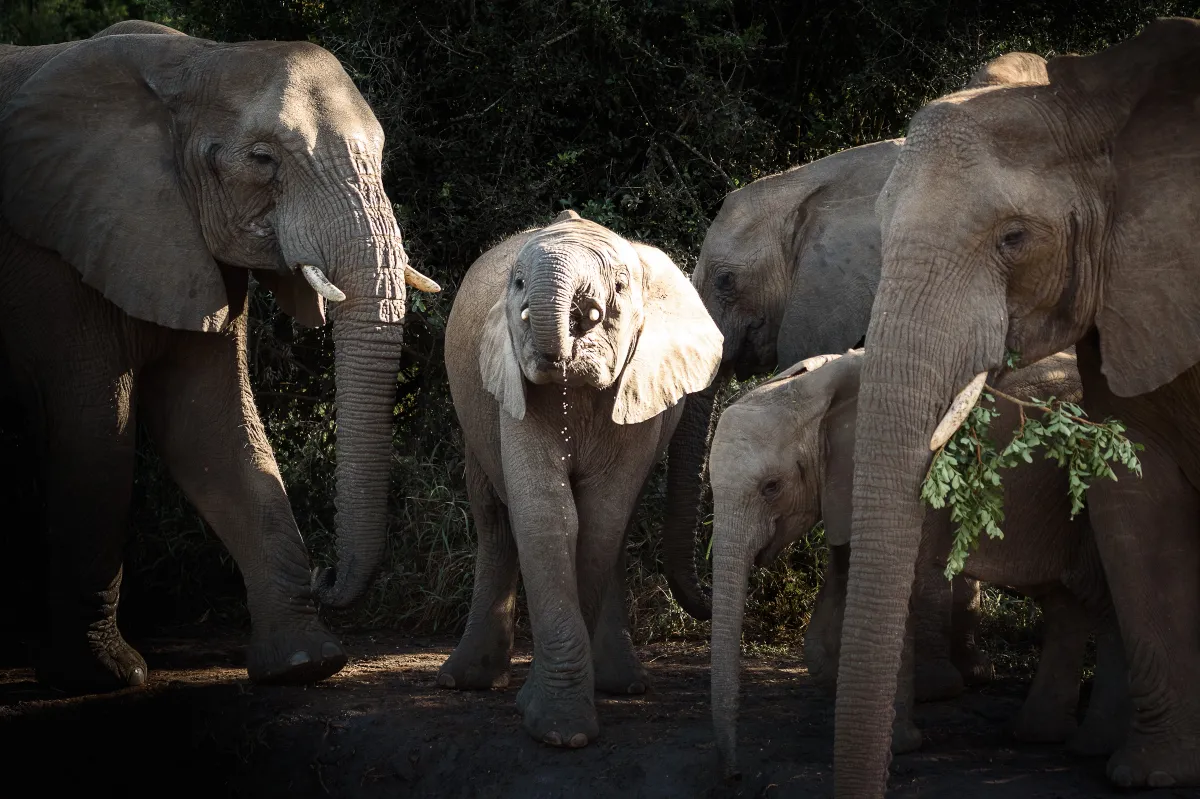
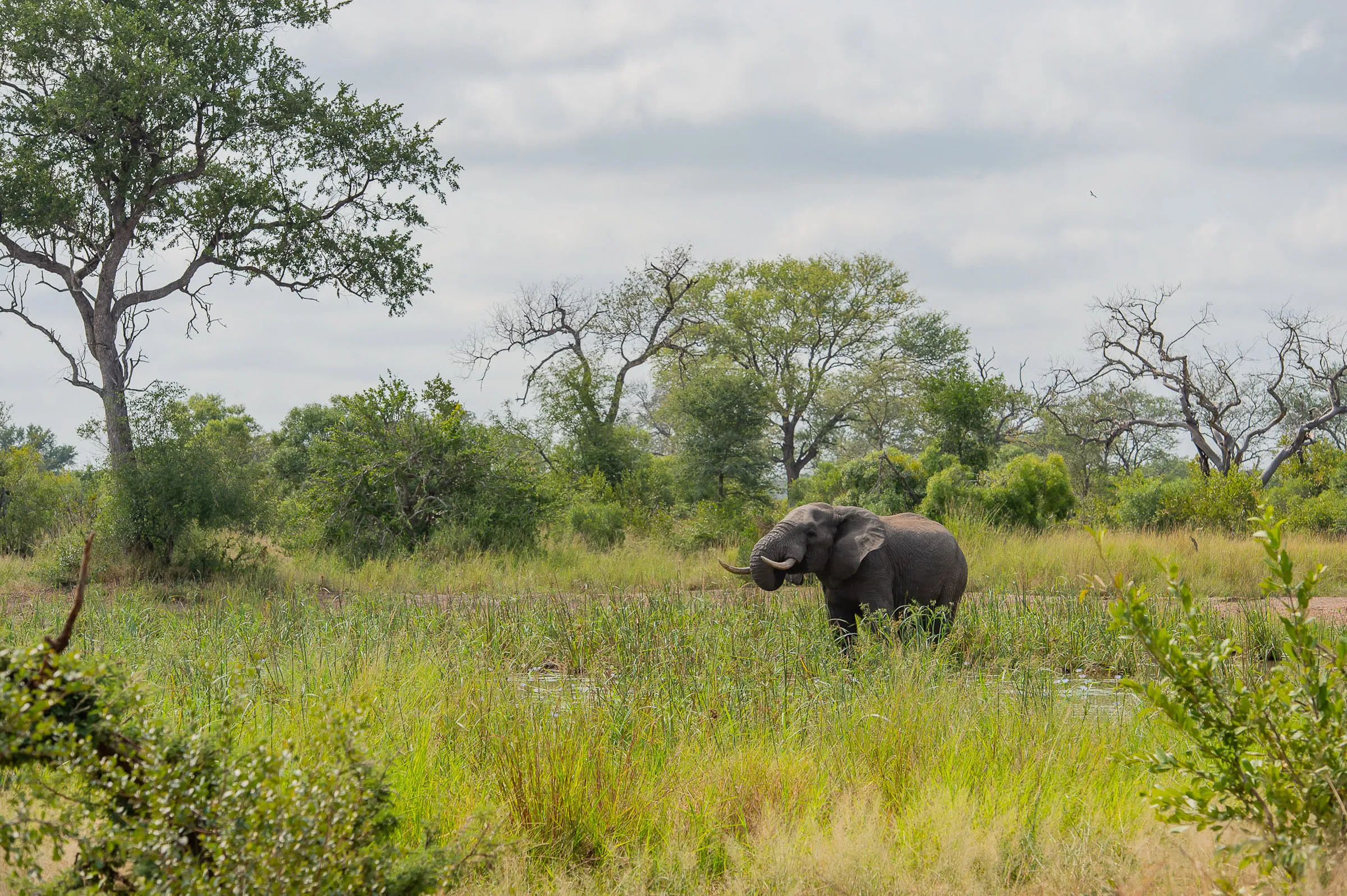
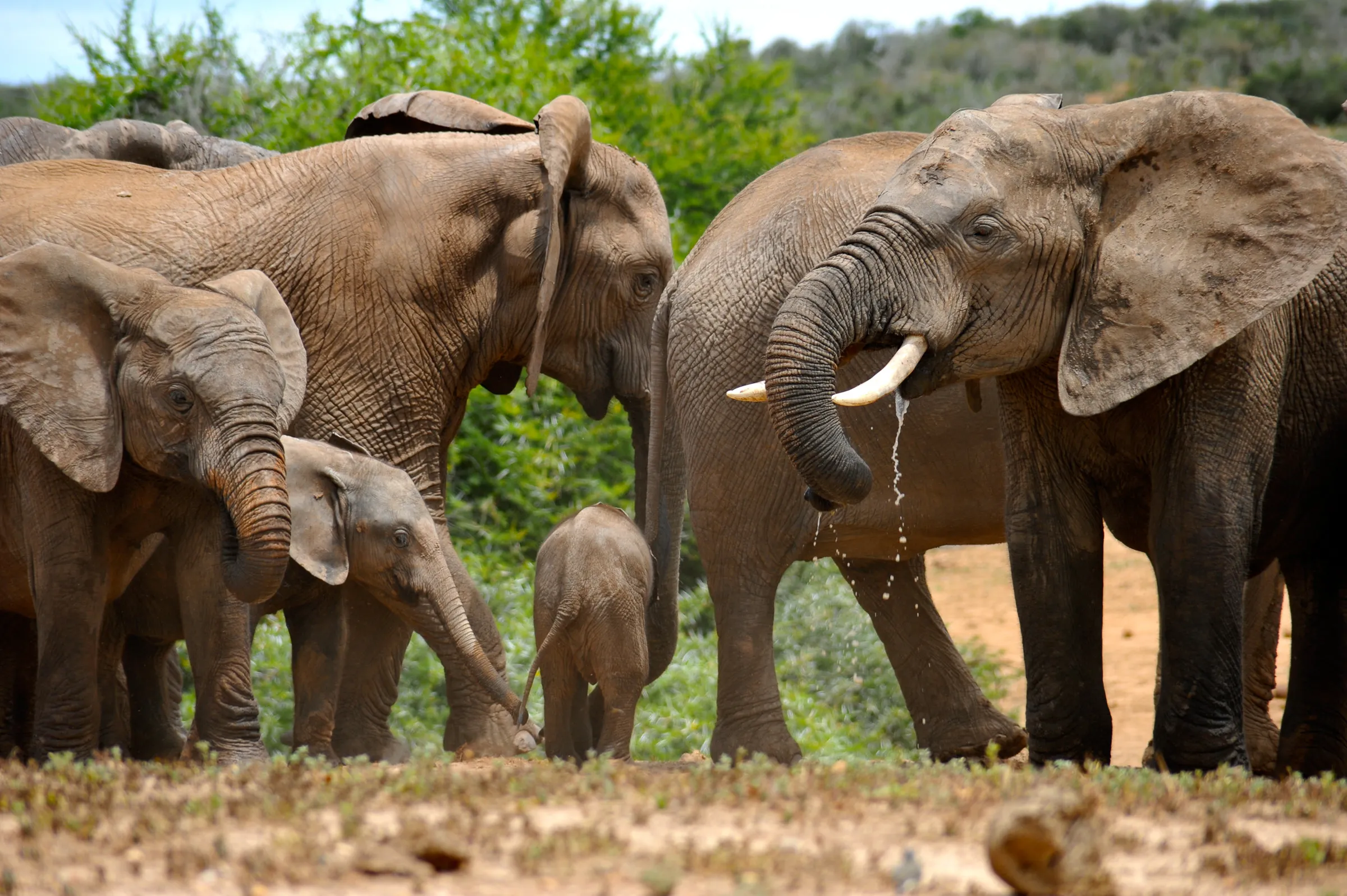
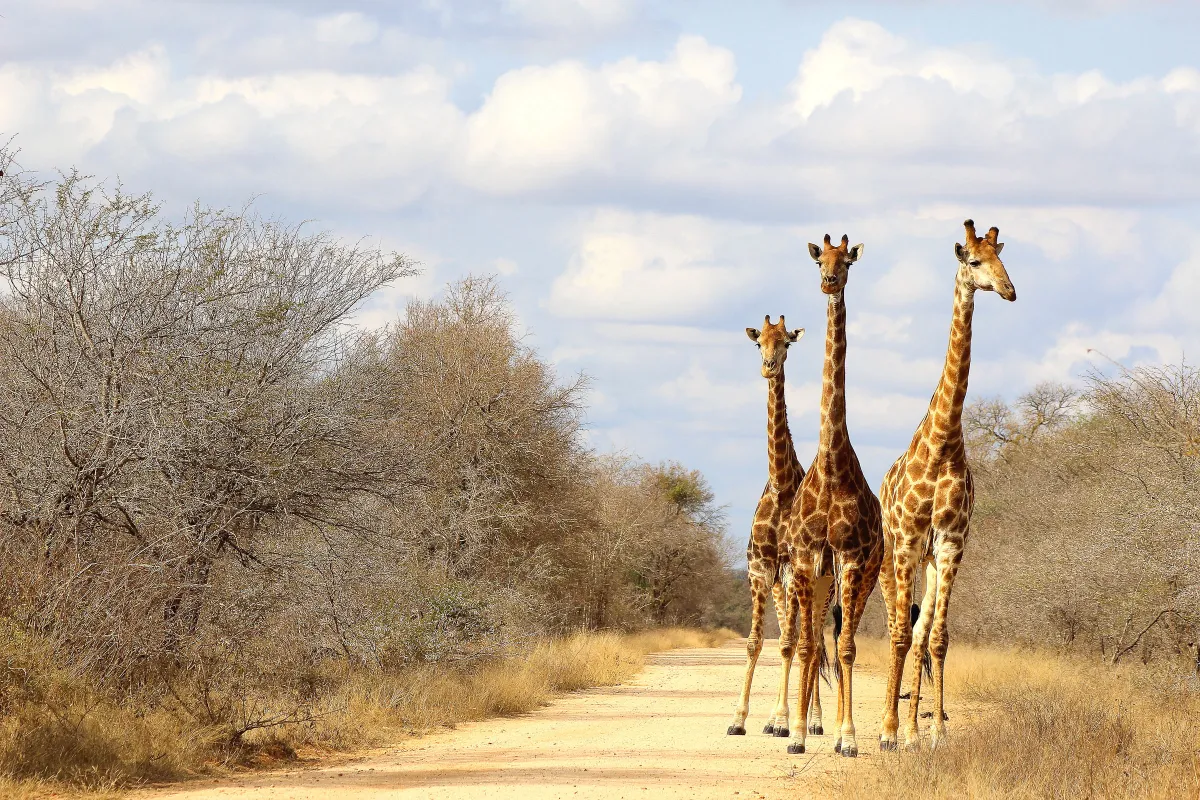
Named after a local Nhanzwa chief, Hwange National Park is the largest Park in Zimbabwe occupying roughly 14 650 square kilometers. Hwange is famed for its large elephant population. Our chalets are in the game management area that borders the park, and we explore the park with our local guide, on a full day game drive in an open 4WD game viewing vehicle.

Day 20 - 21 Victoria Falls - Tour Ends

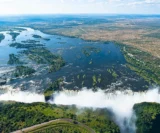
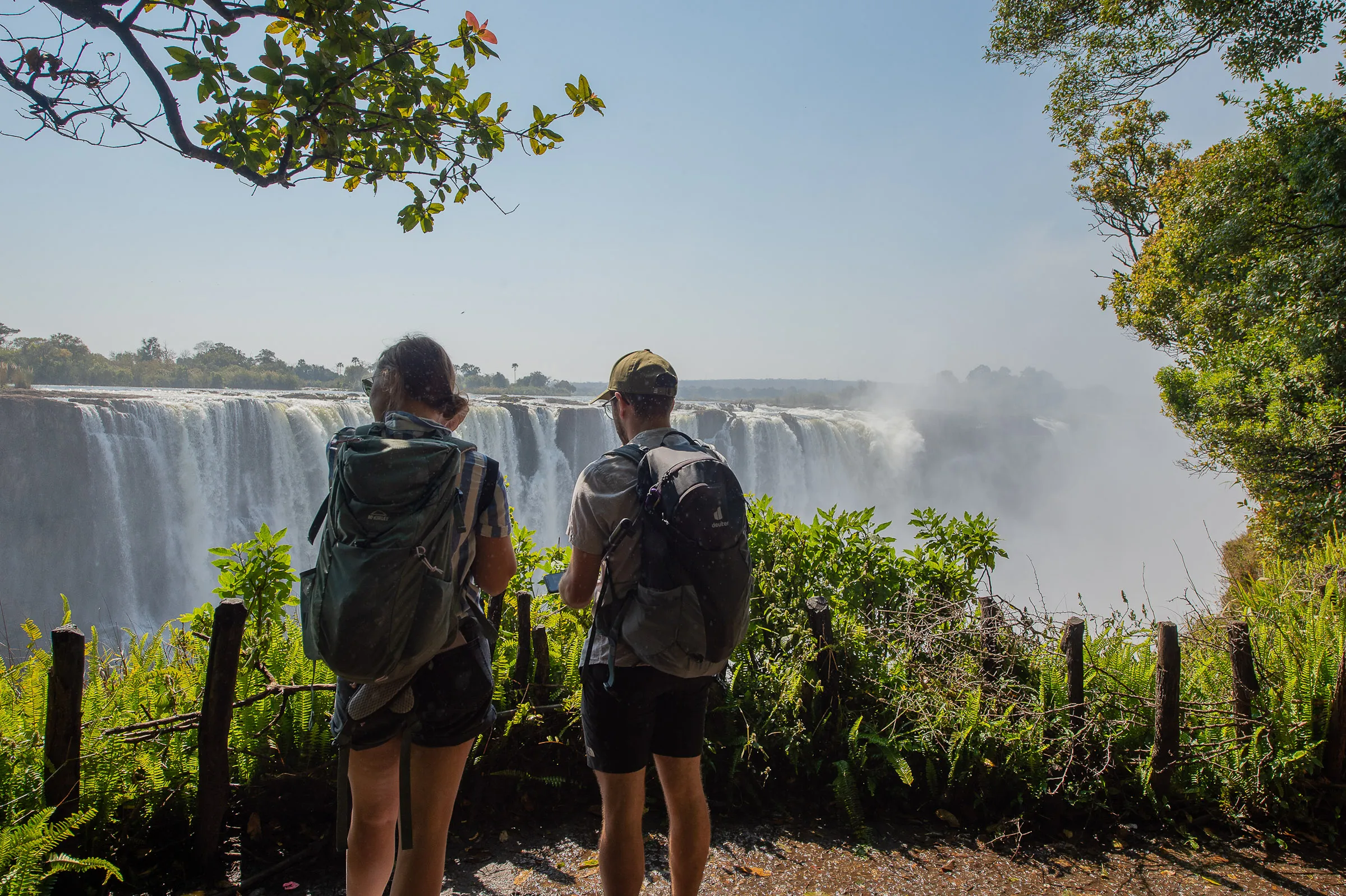
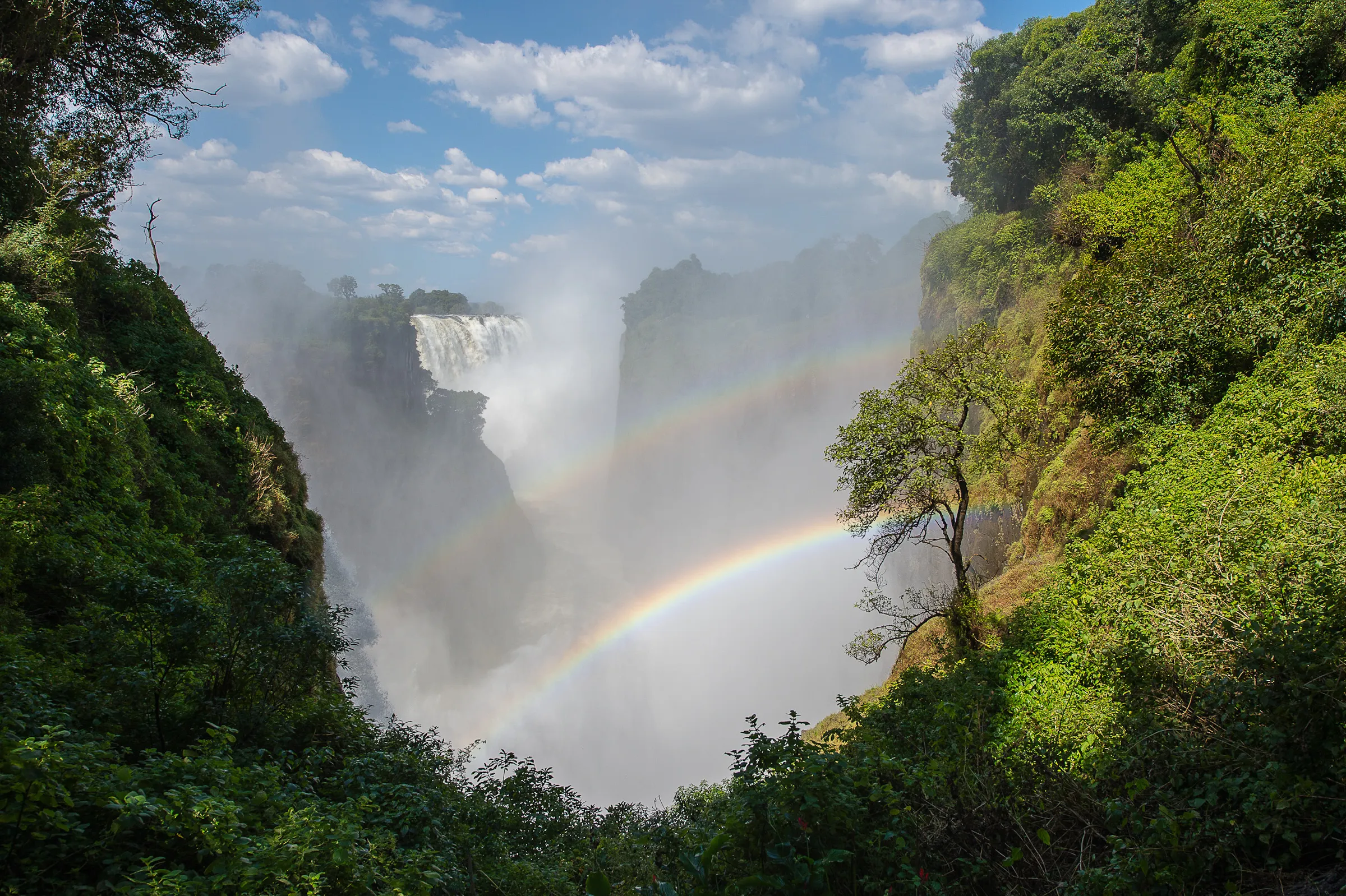
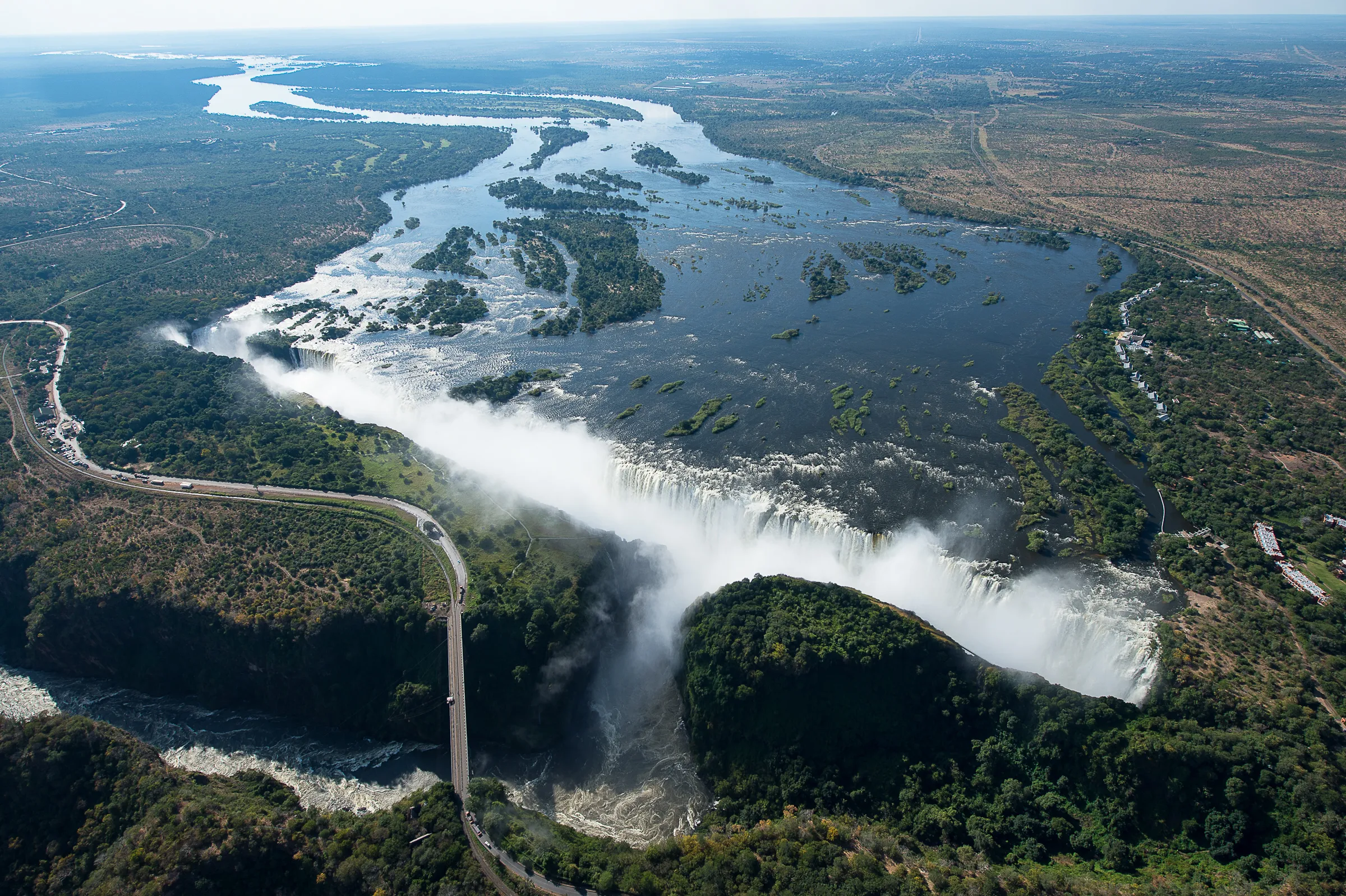
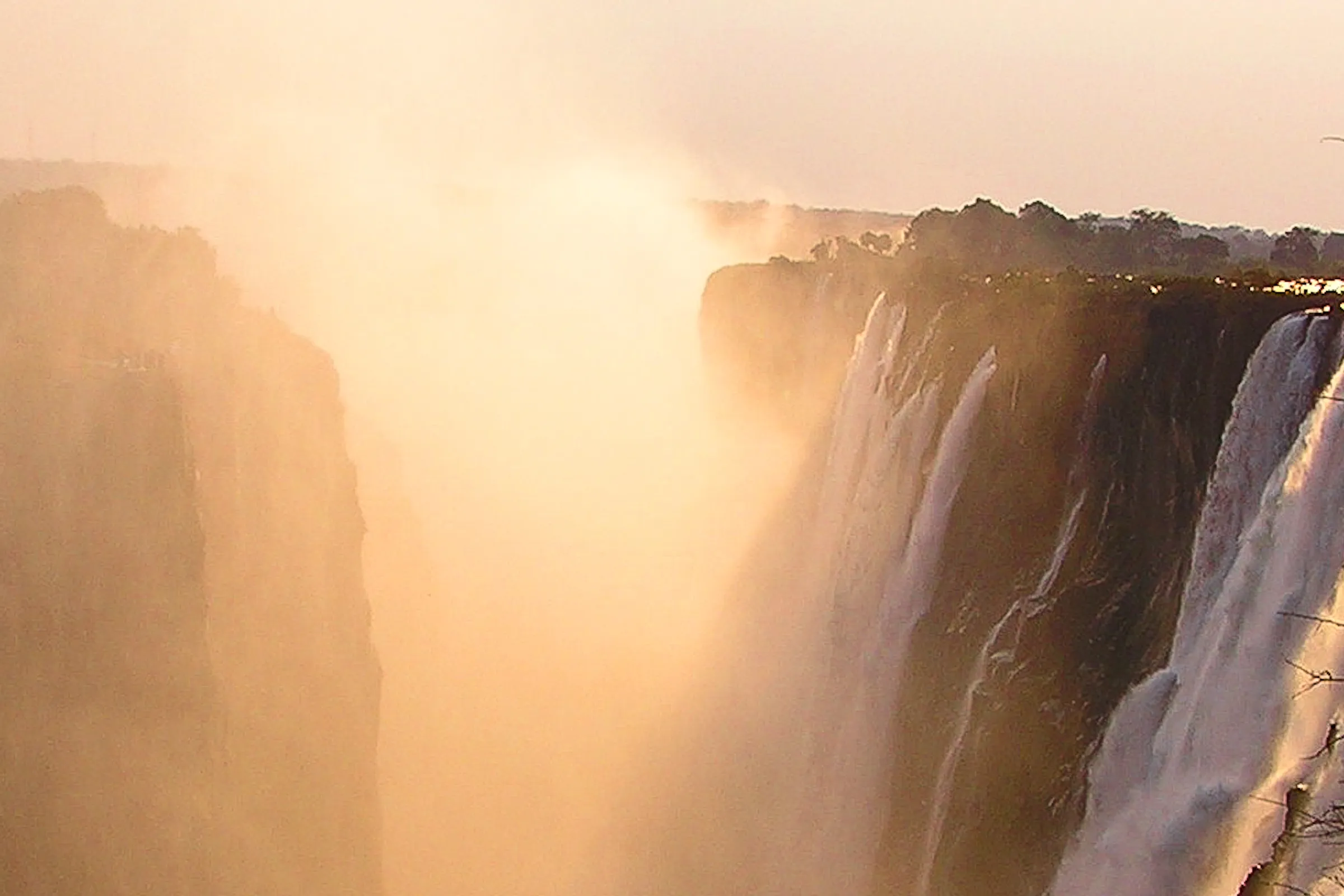
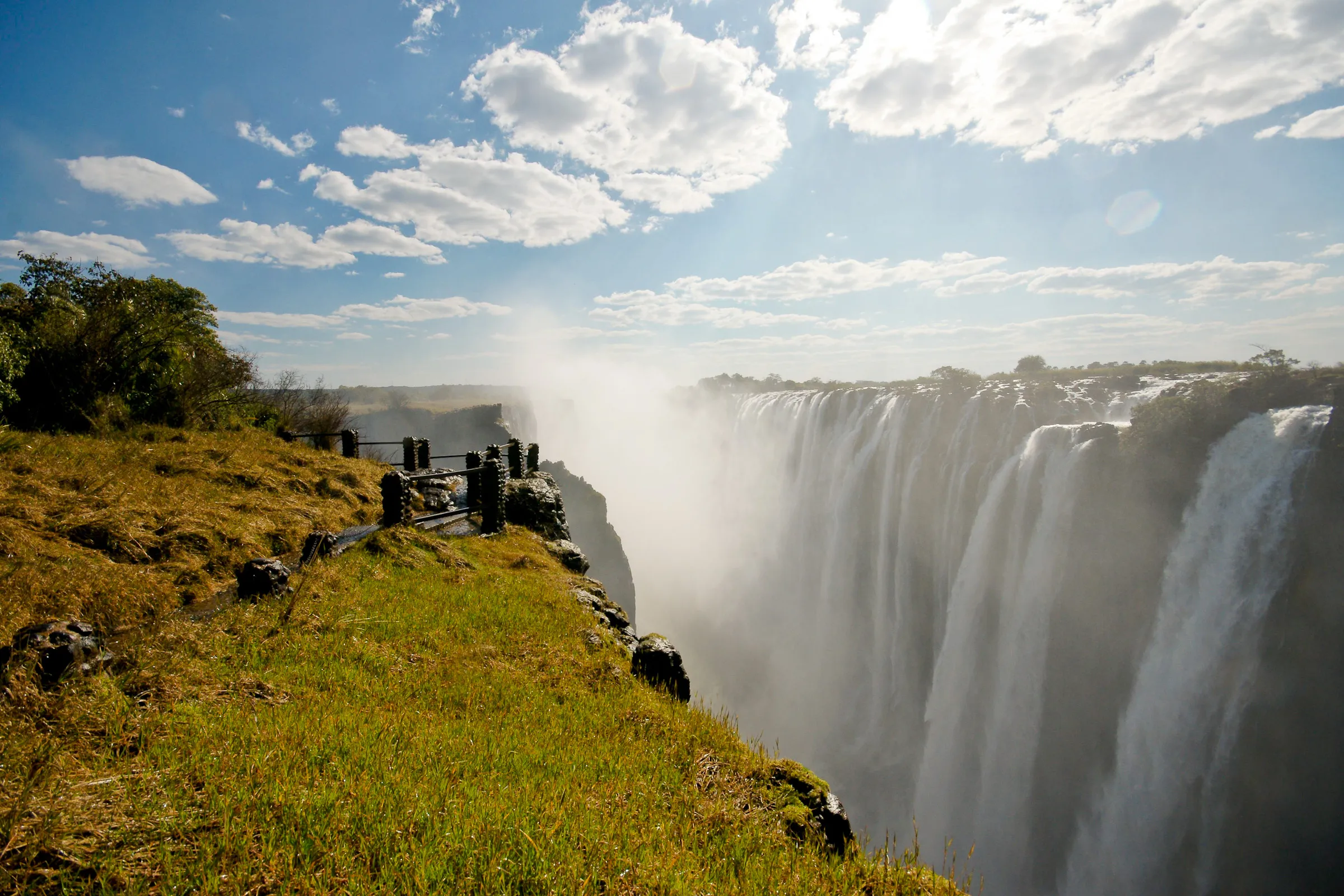
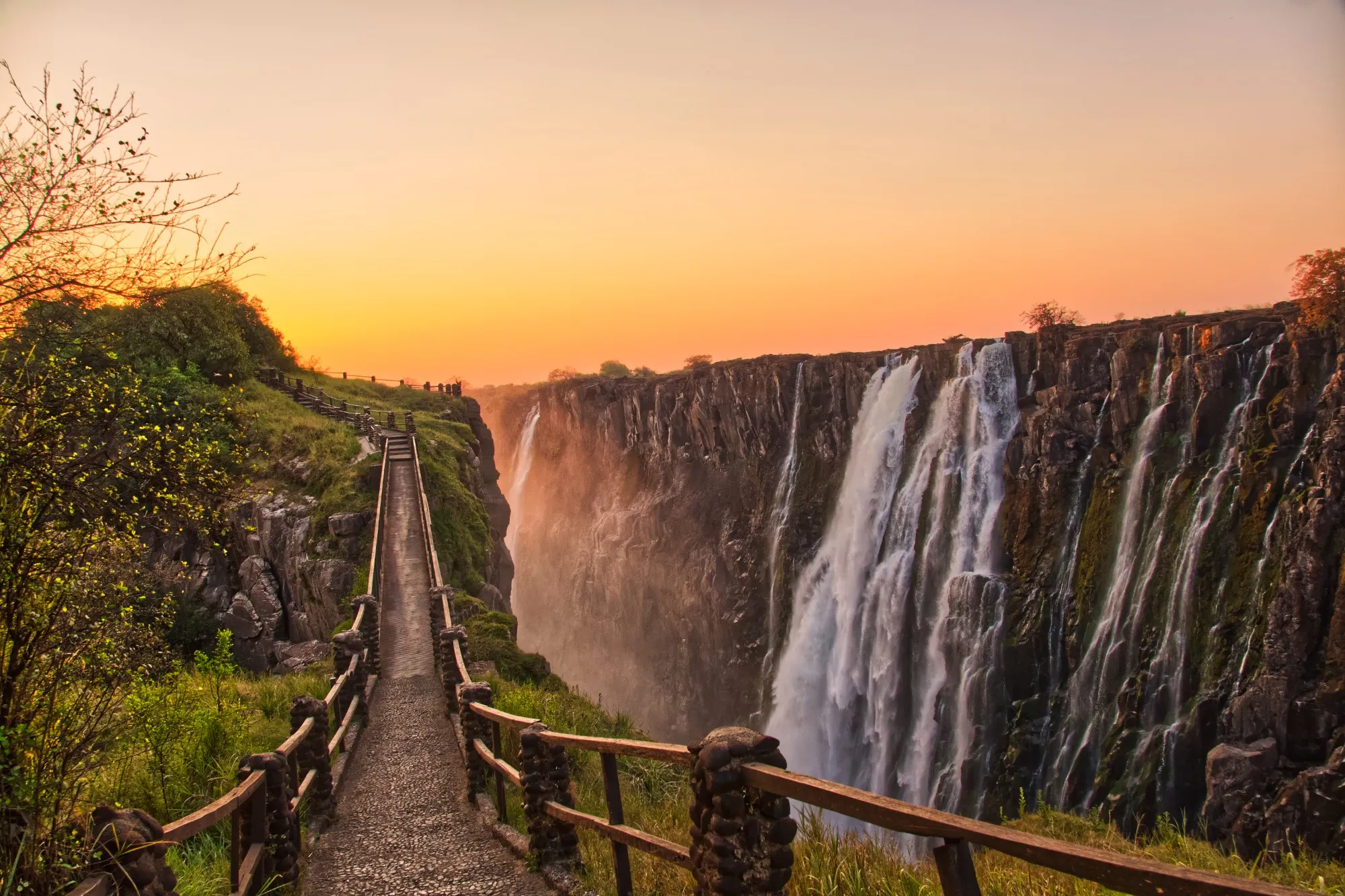
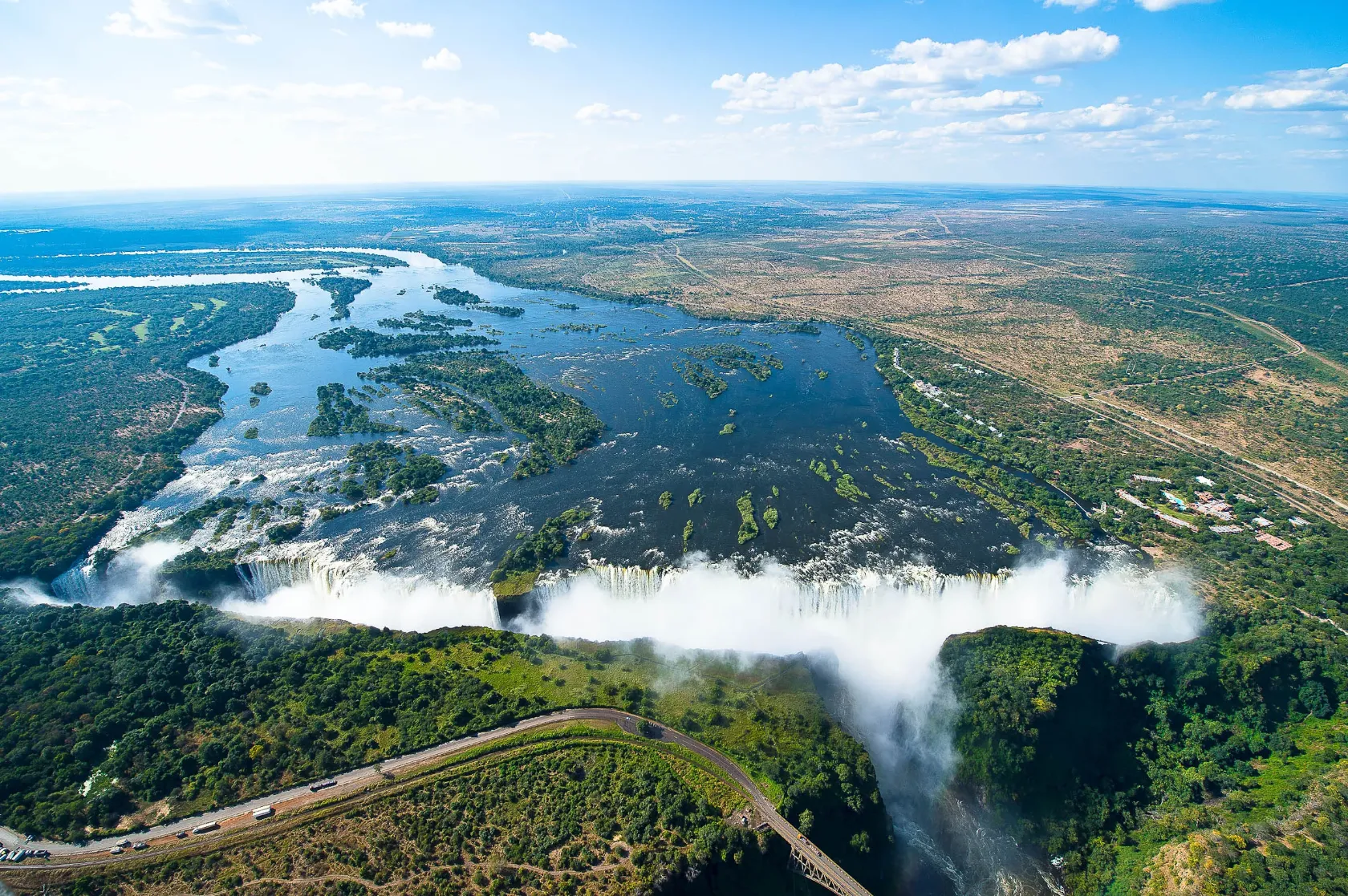
We end our journey with an unforgettable guided walk through the misty rainforest to witness Victoria Falls in all its raw power – one of the Seven Natural Wonders of the World. The final day provides opportunities for an evening cruise on the mighty Zambezi River, bungee jumping or a “flight of angels” (own expense). We celebrate our adventure with a final dinner together at one of Victoria Falls’ local restaurants (own expense.) The tour ends on day 21 at the guesthouse at 8:00am after breakfast.