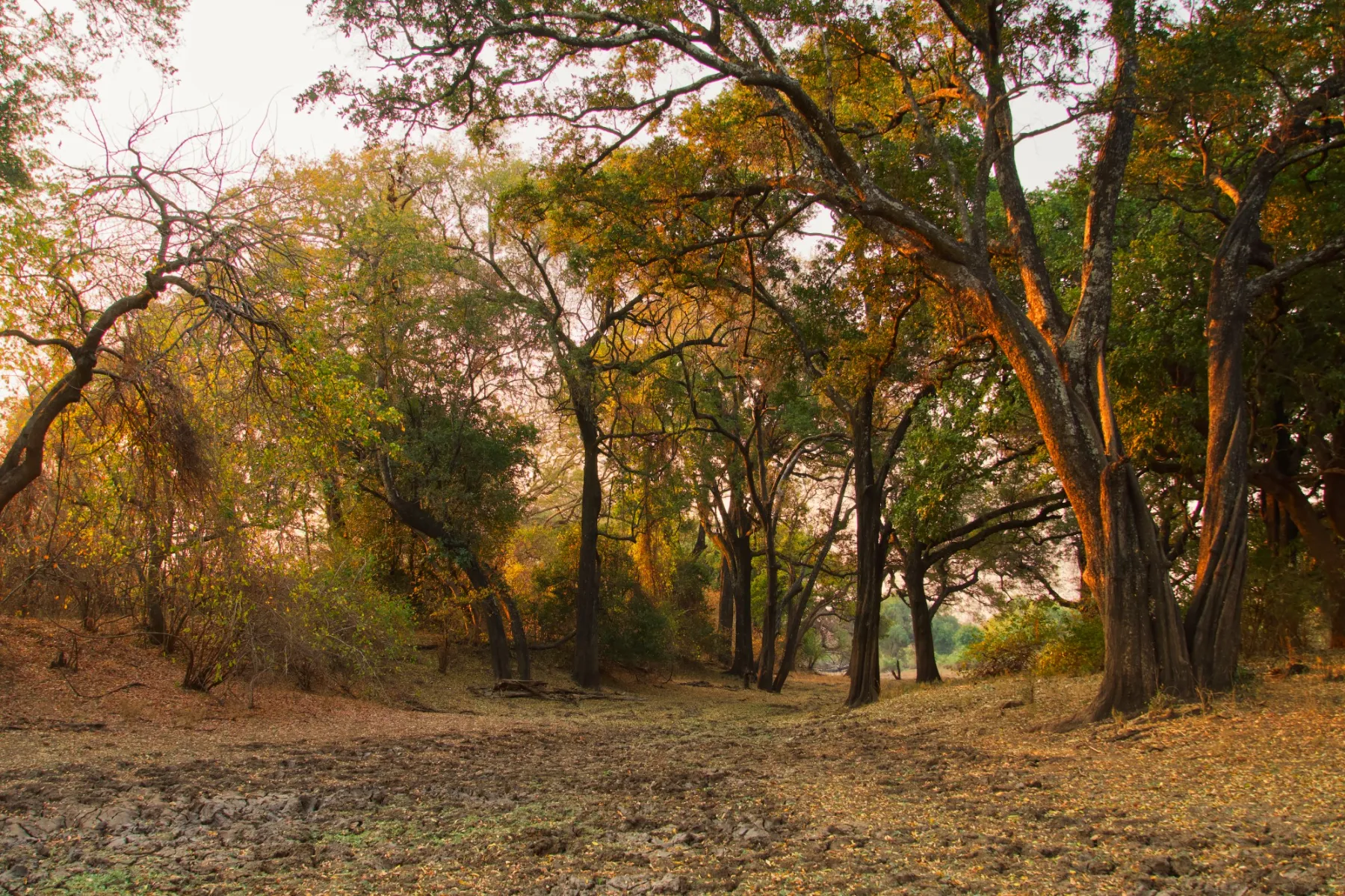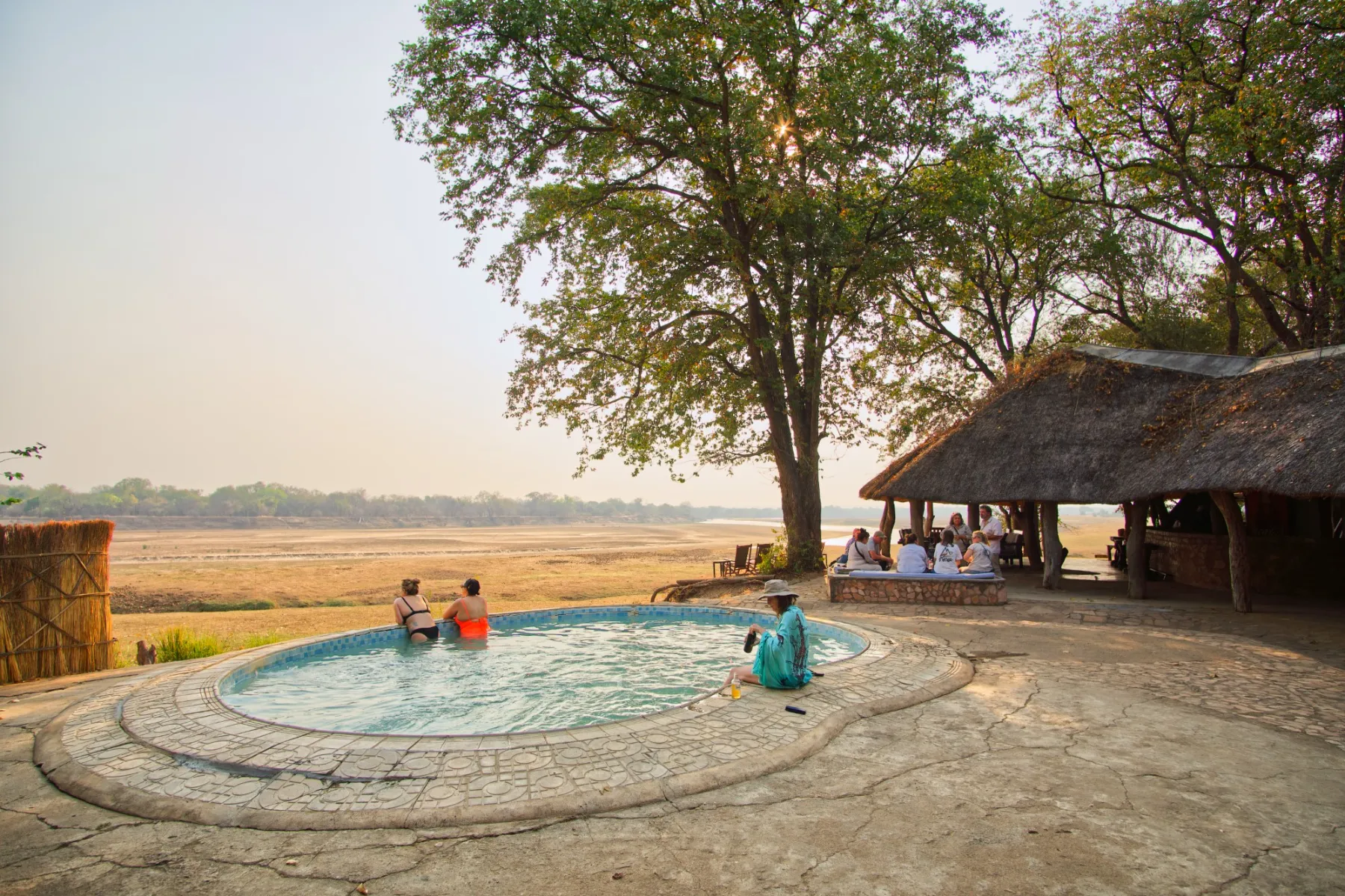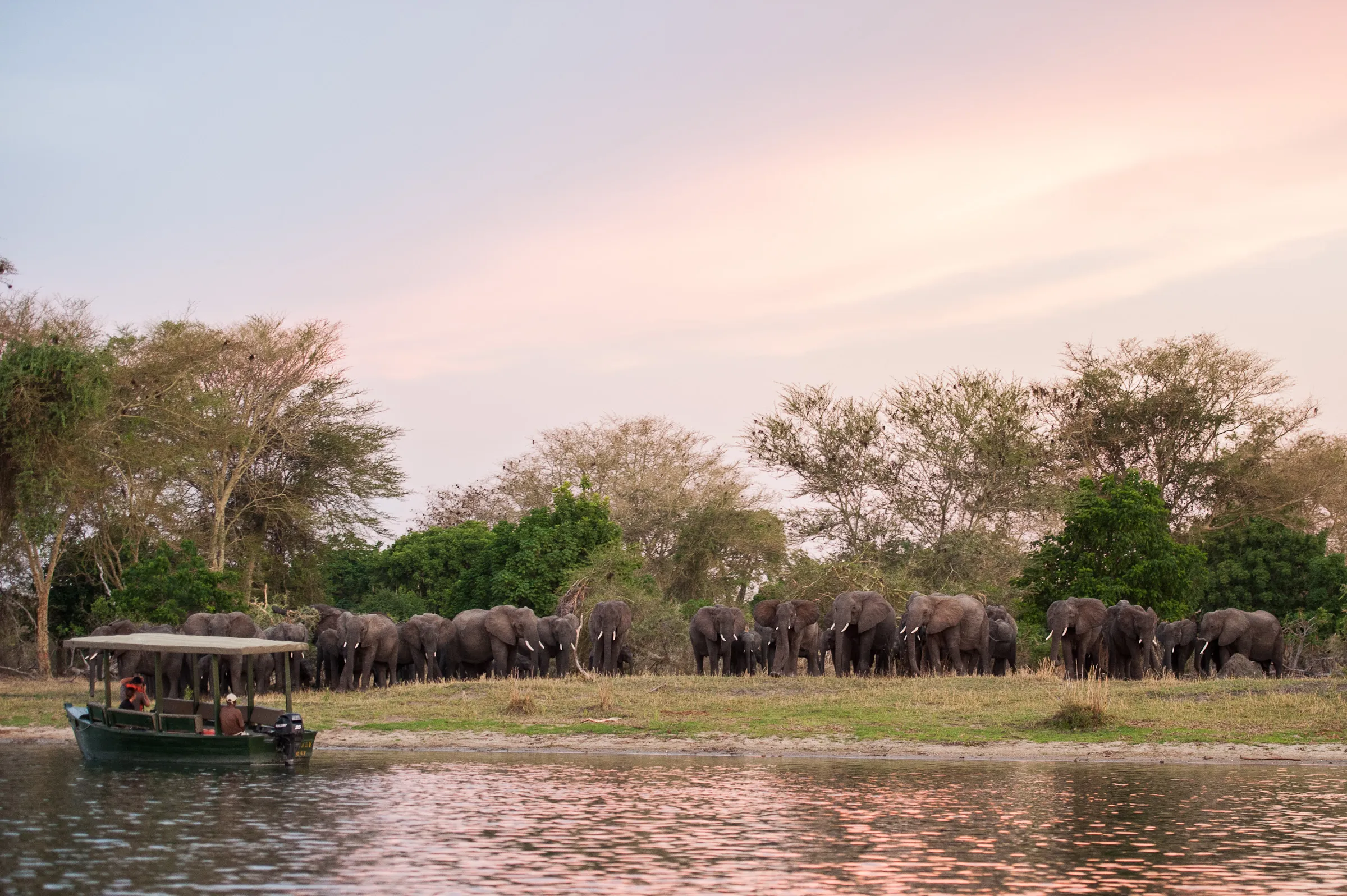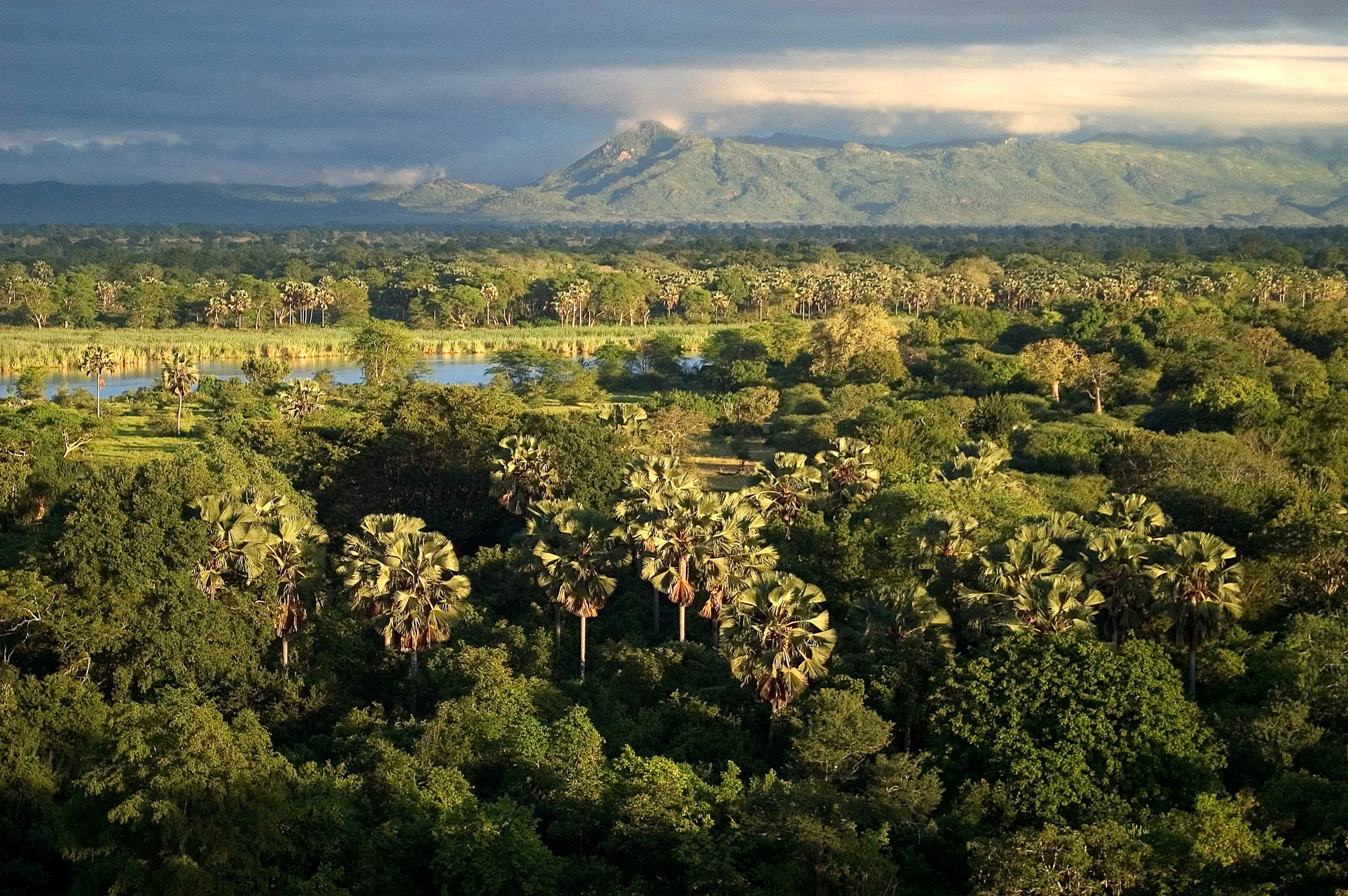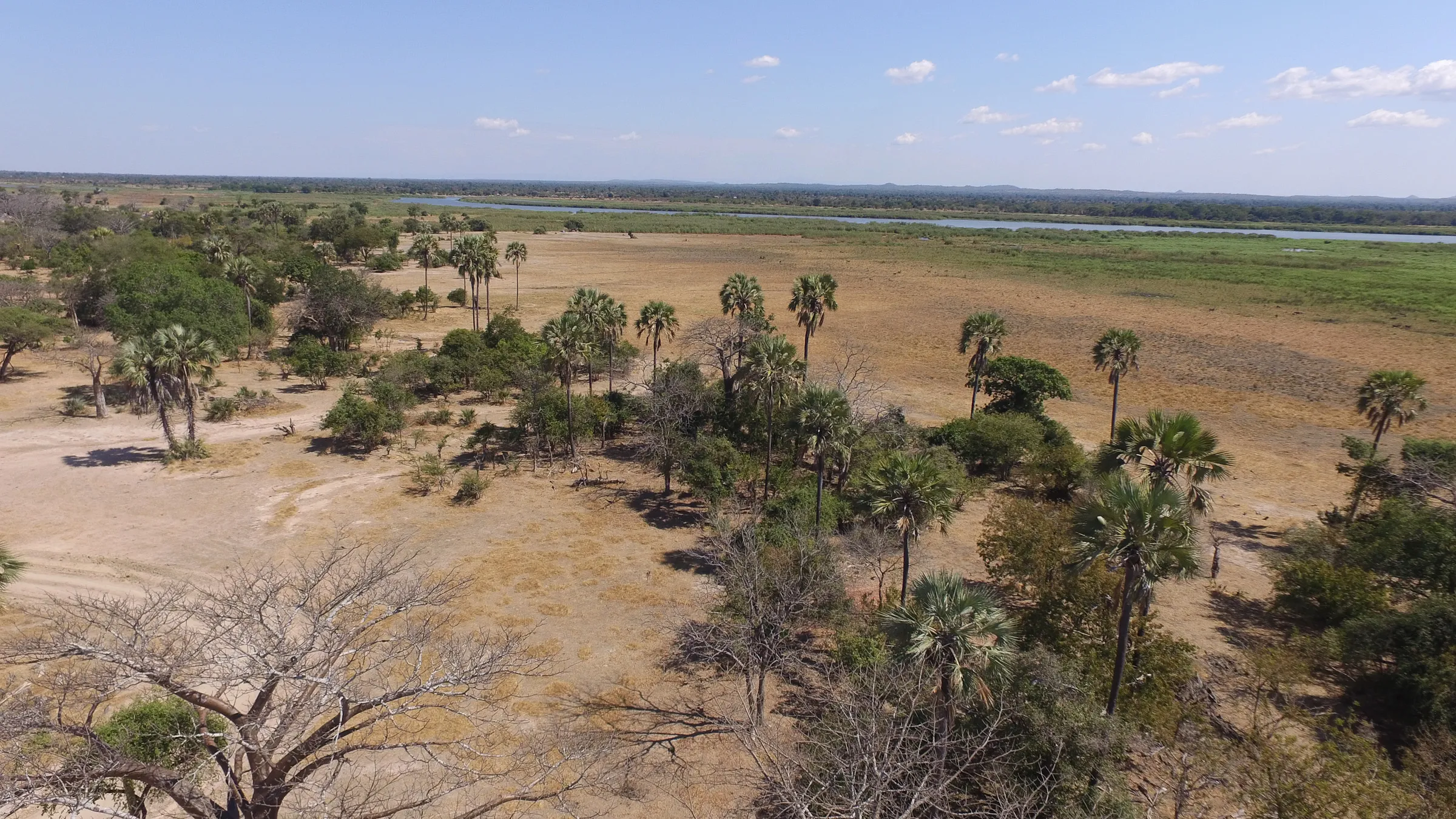


An exhilarating camping adventure through unexplored regions of Zambia and Zimbabwe!
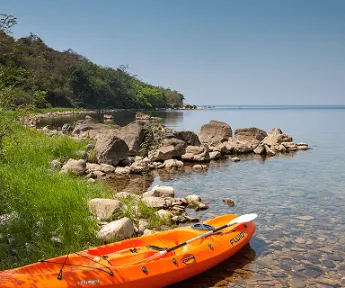
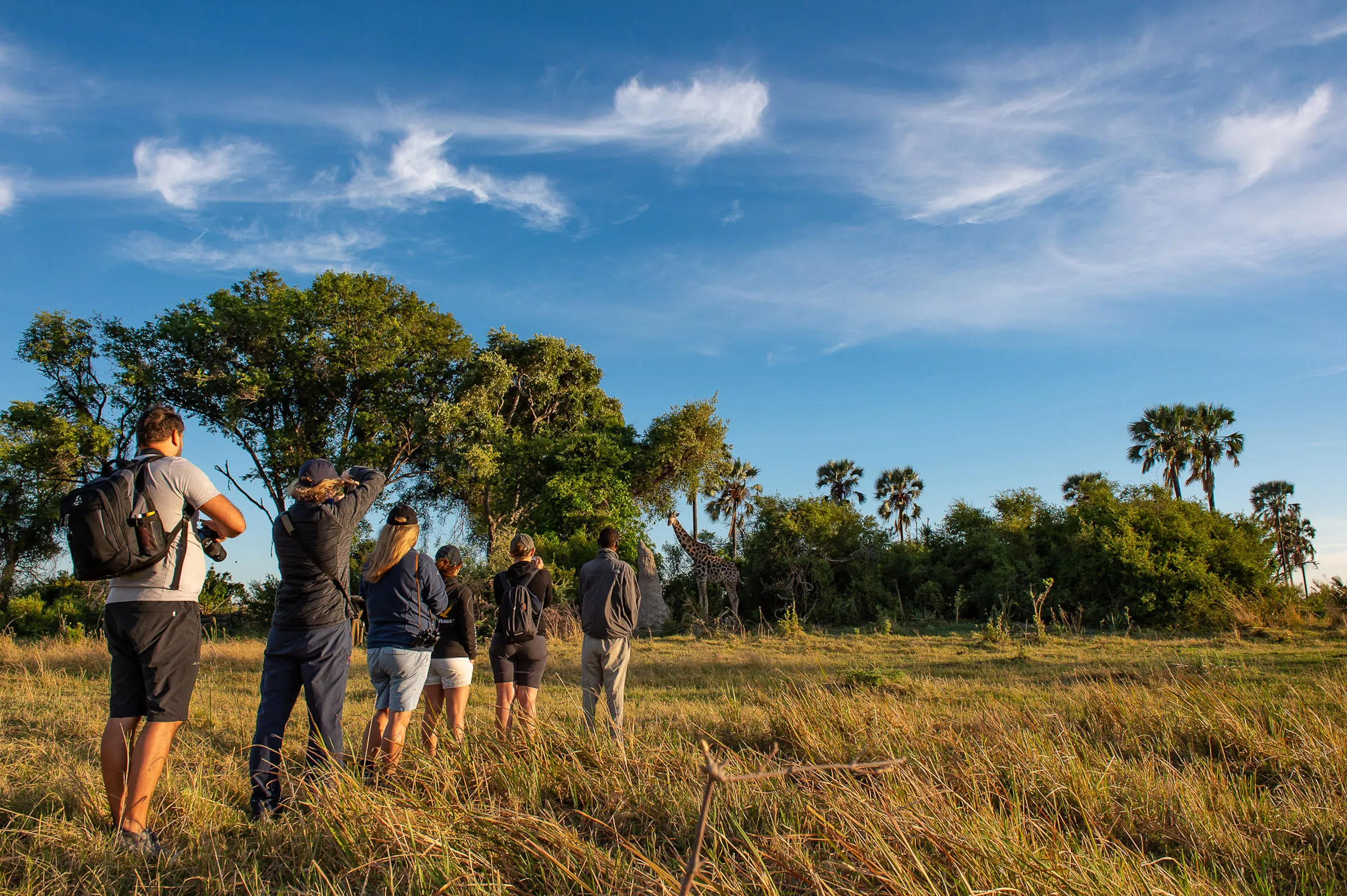
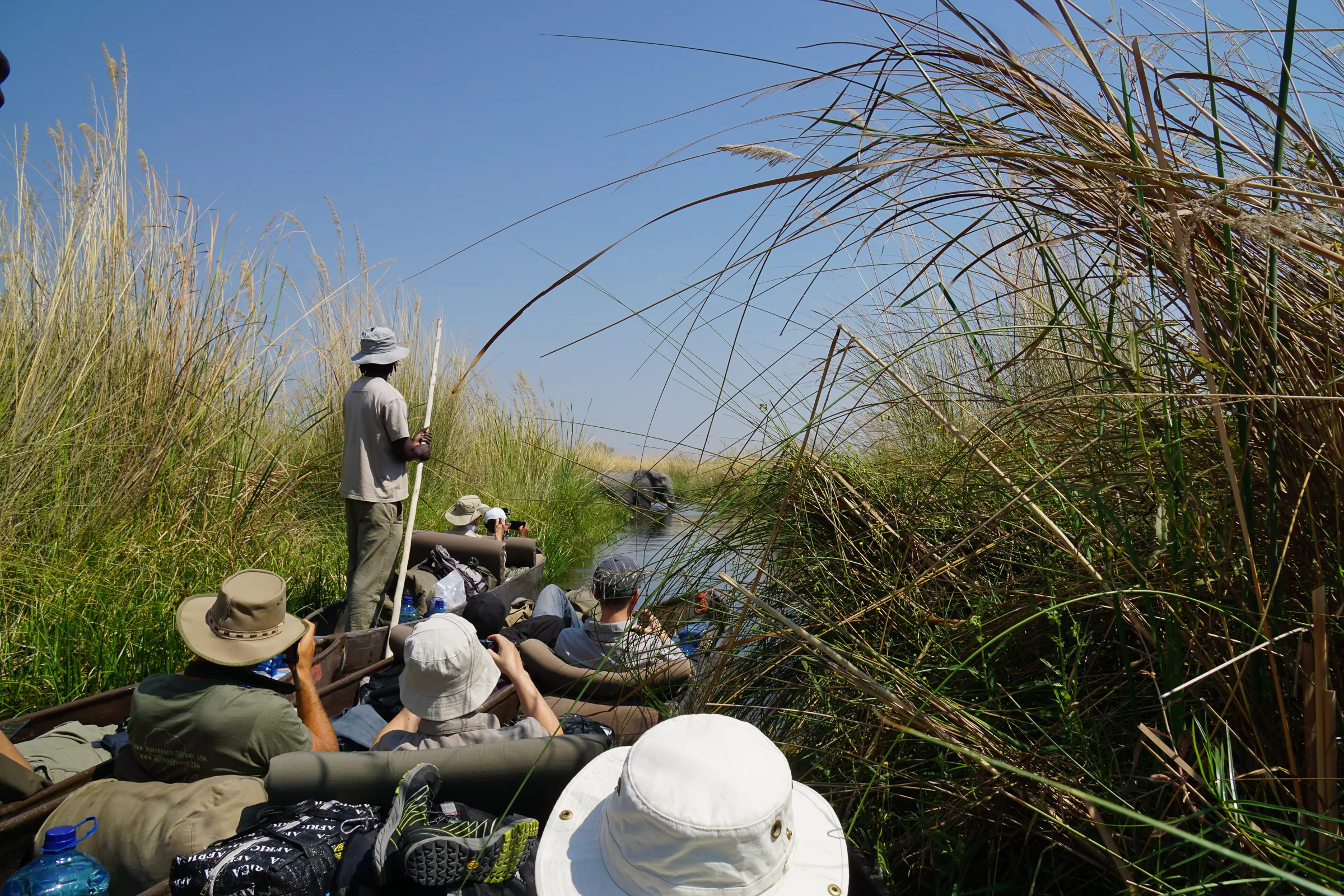
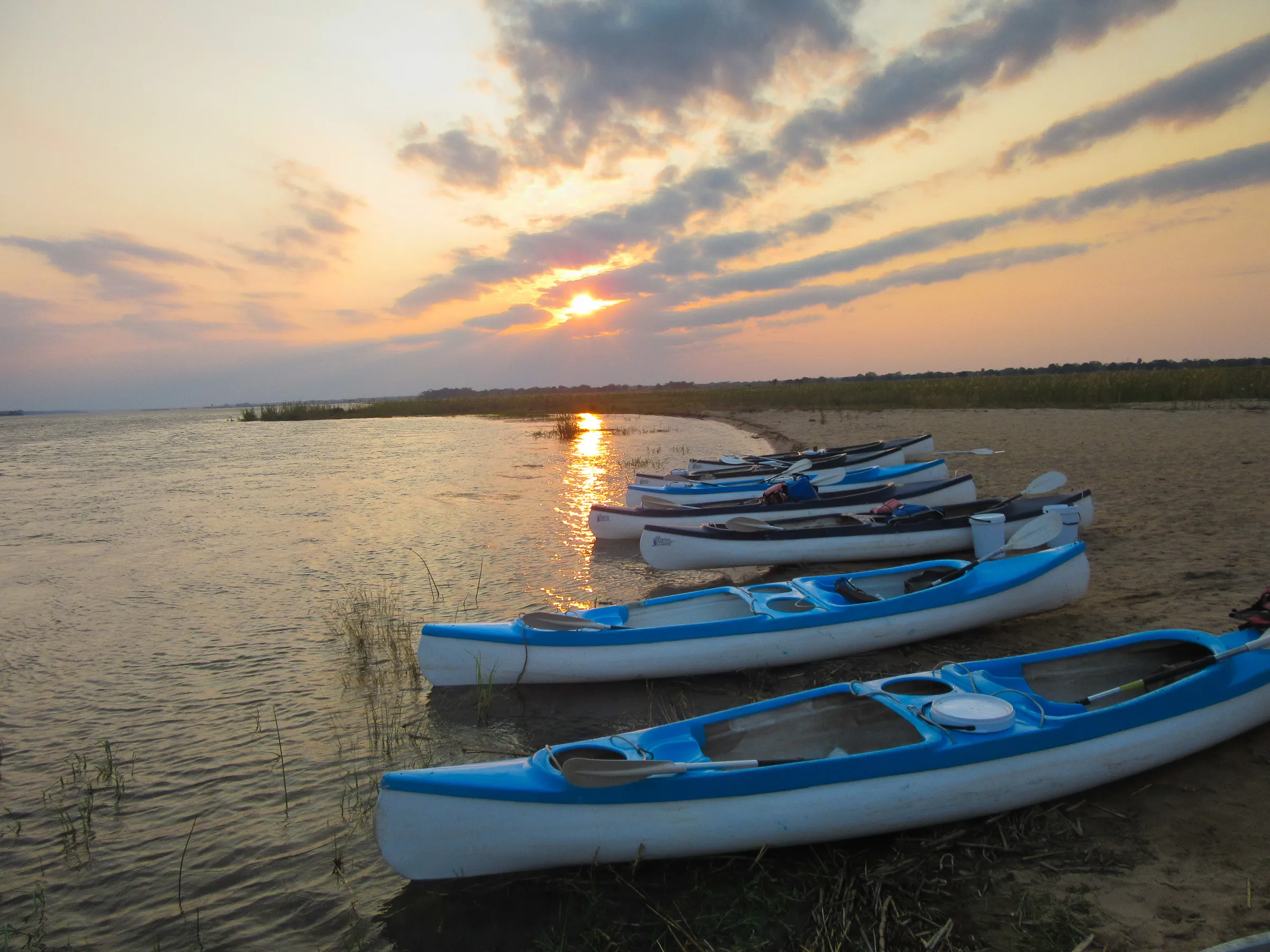
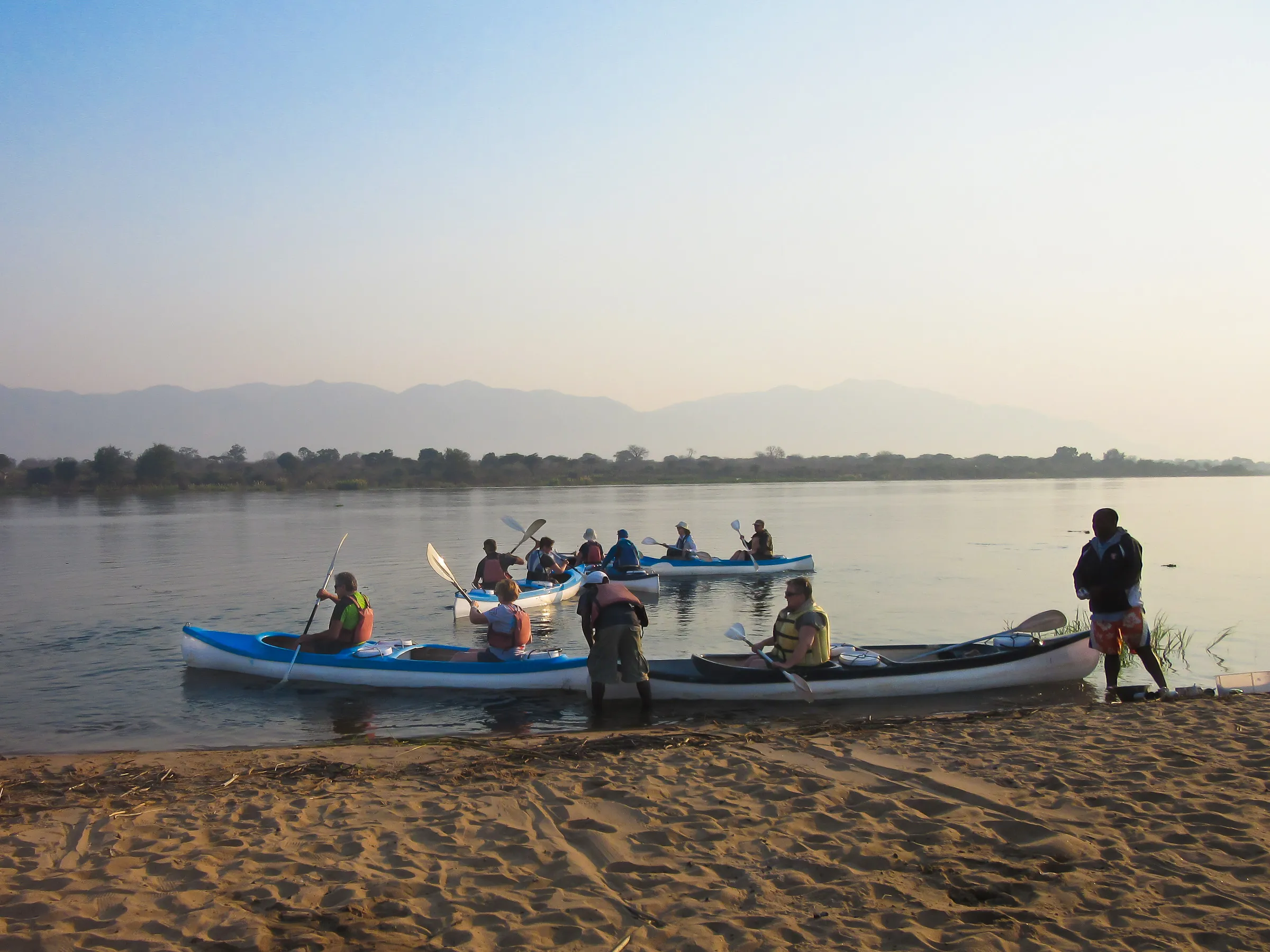
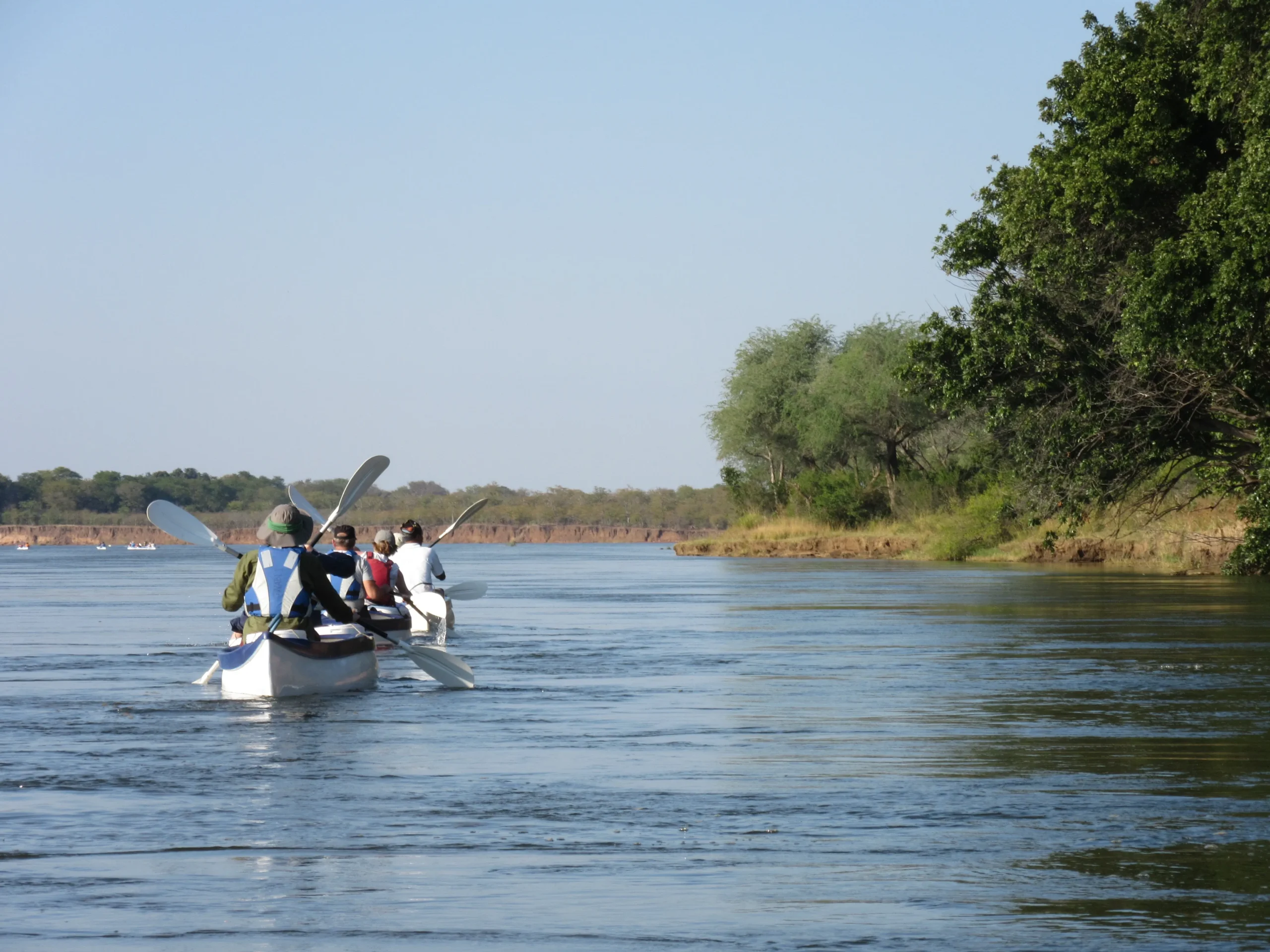
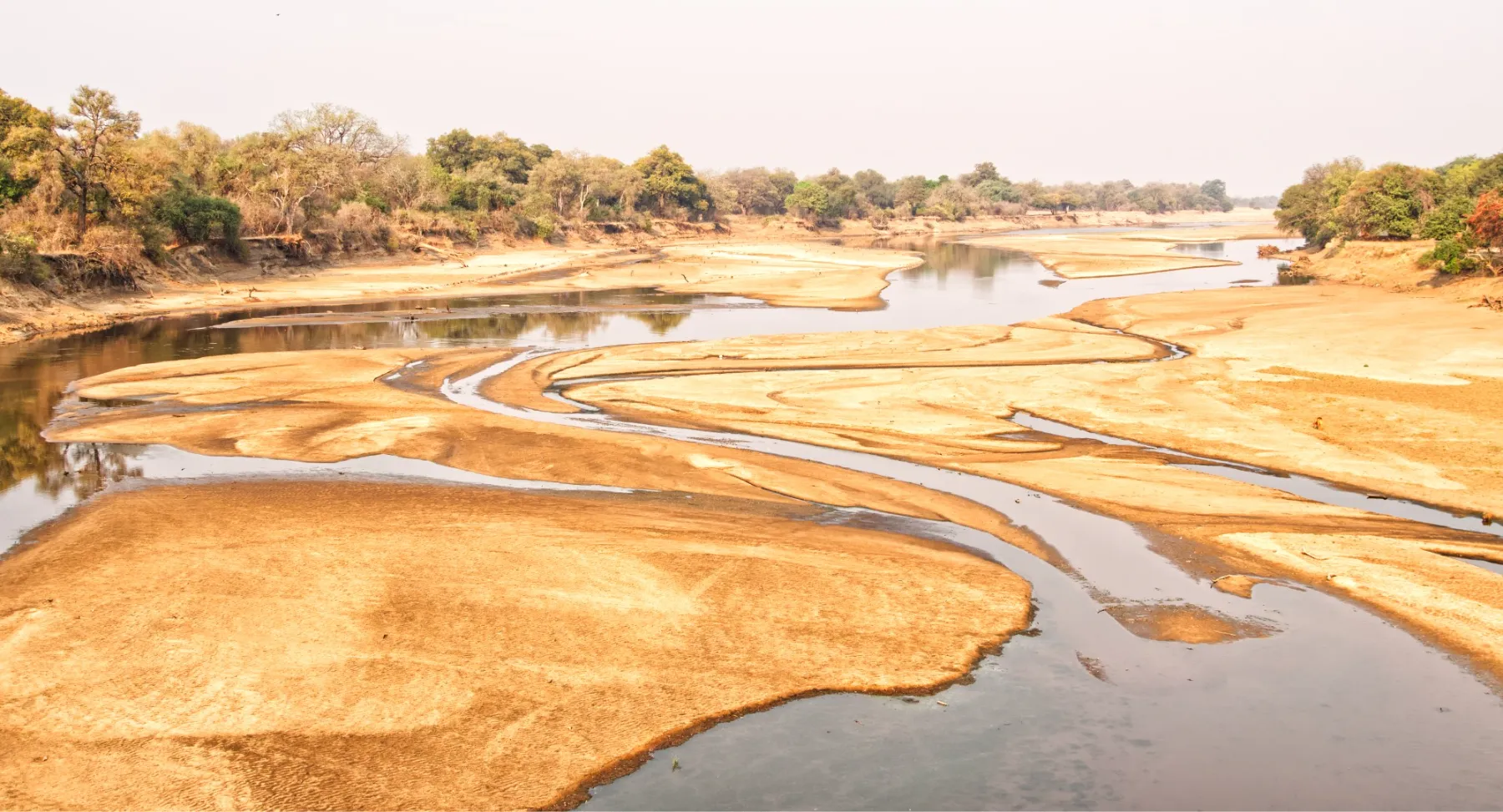
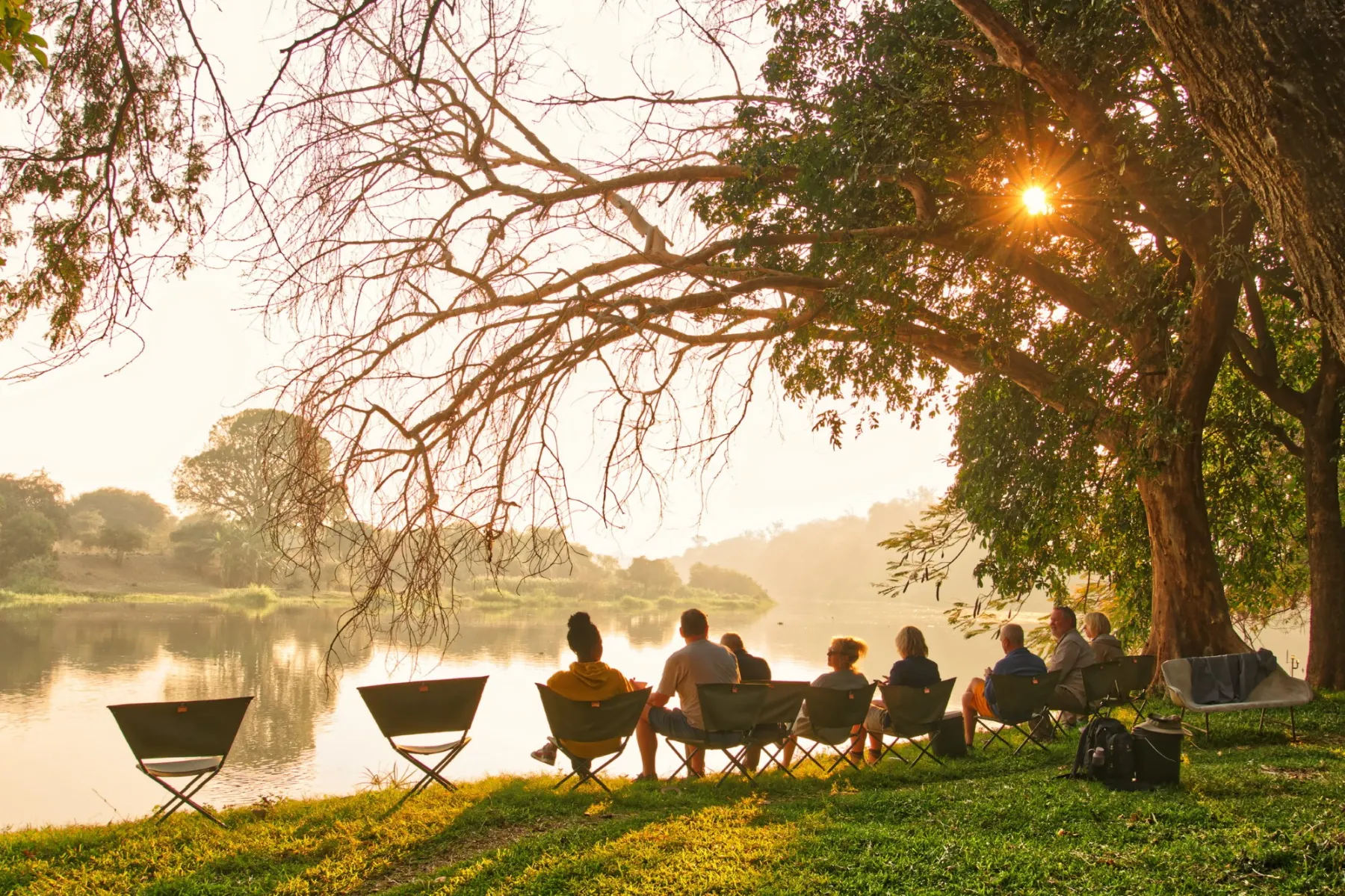
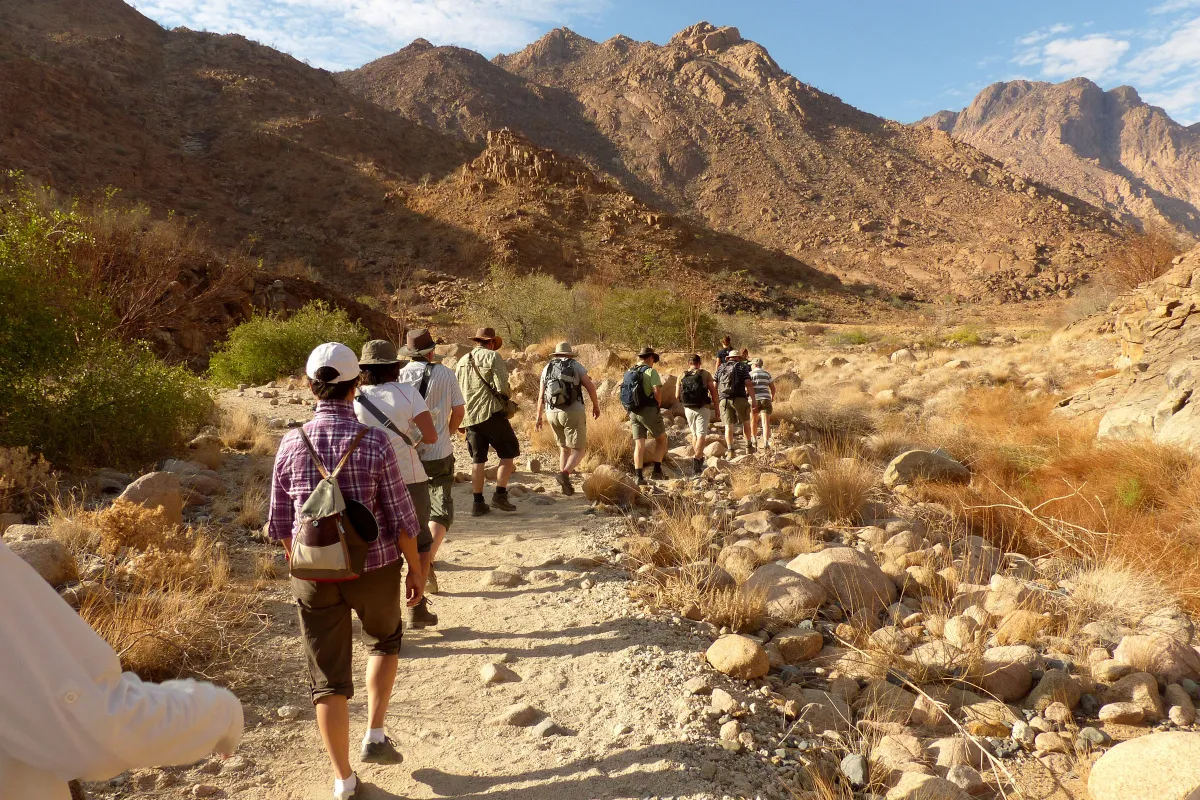
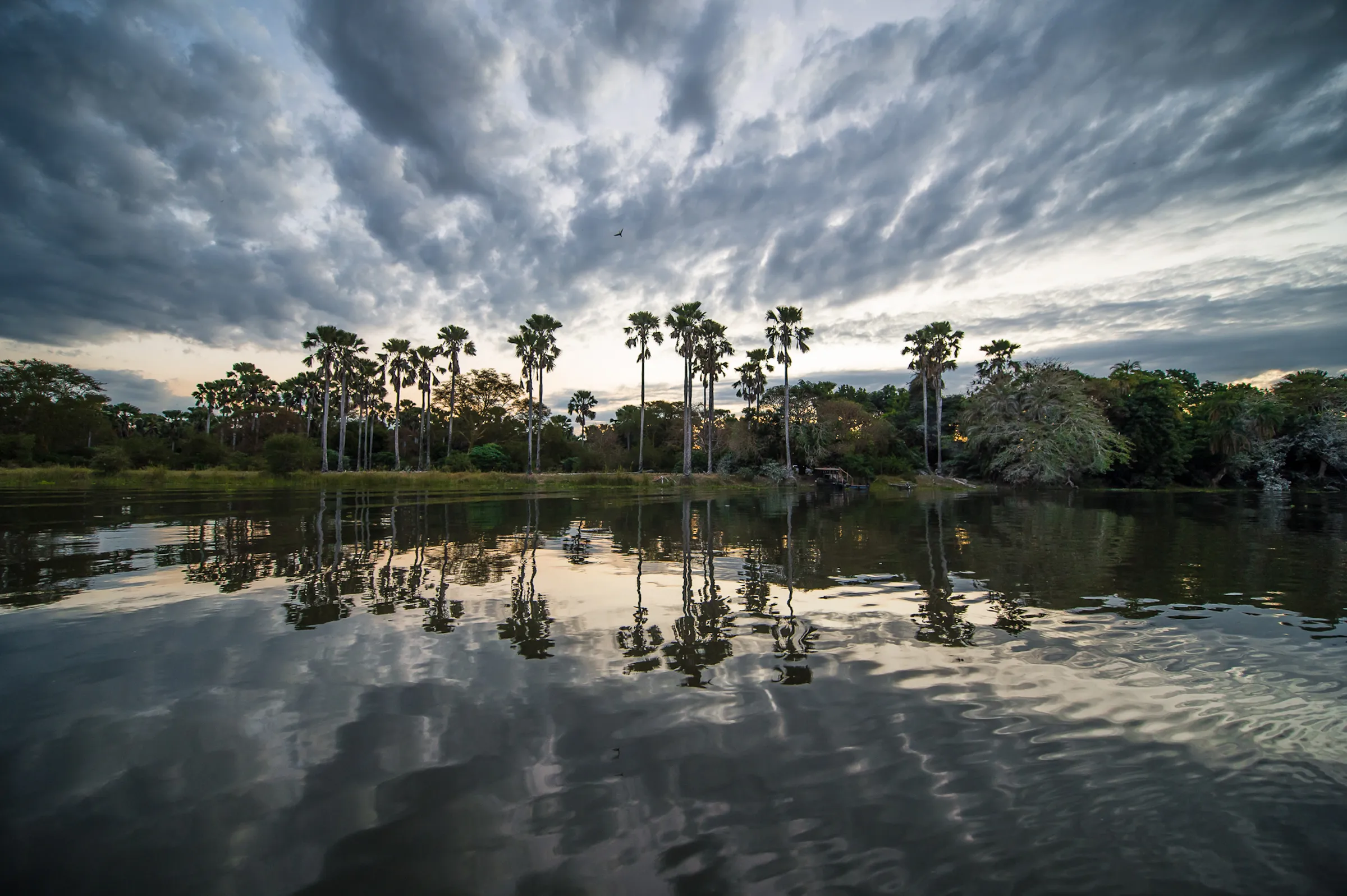
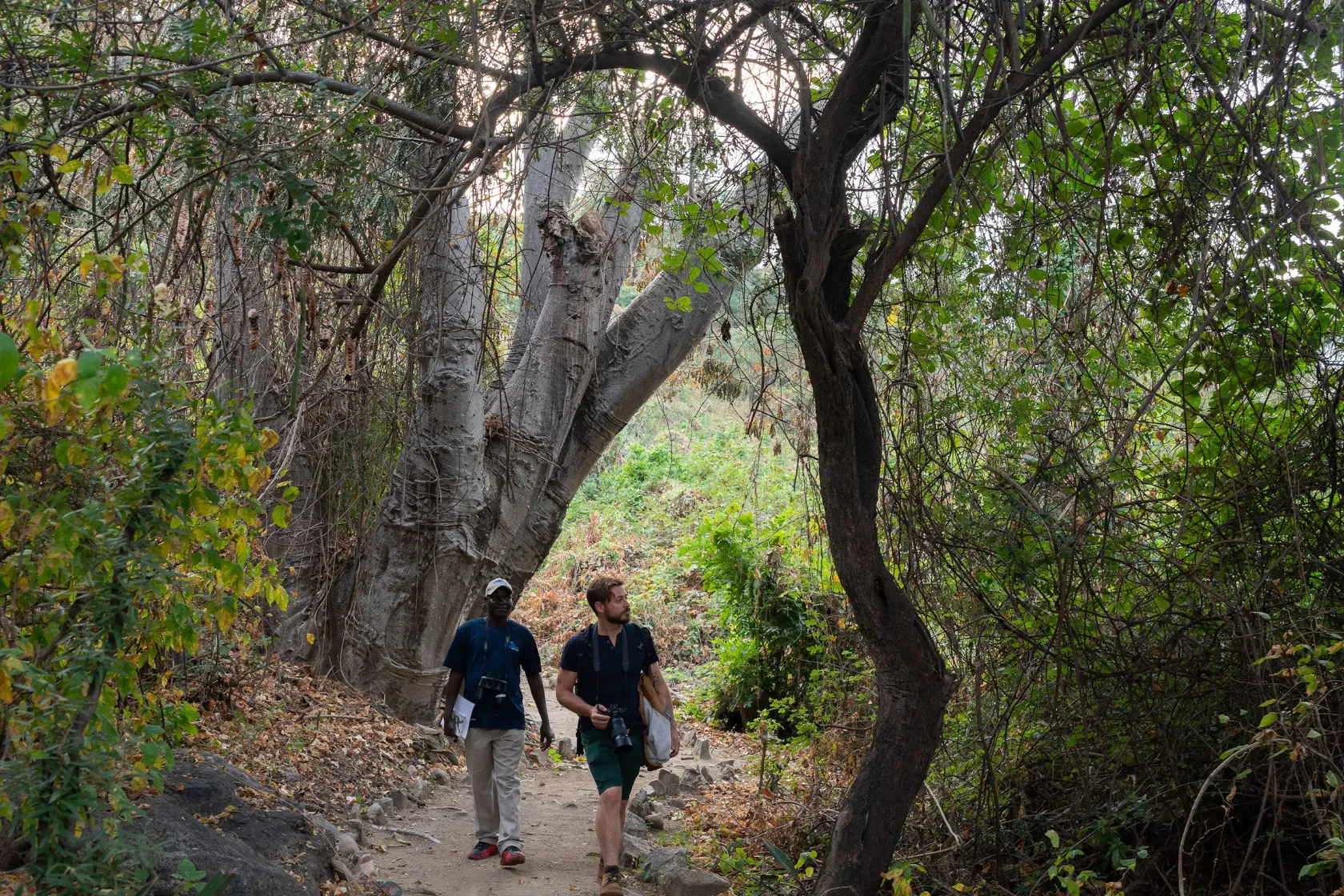
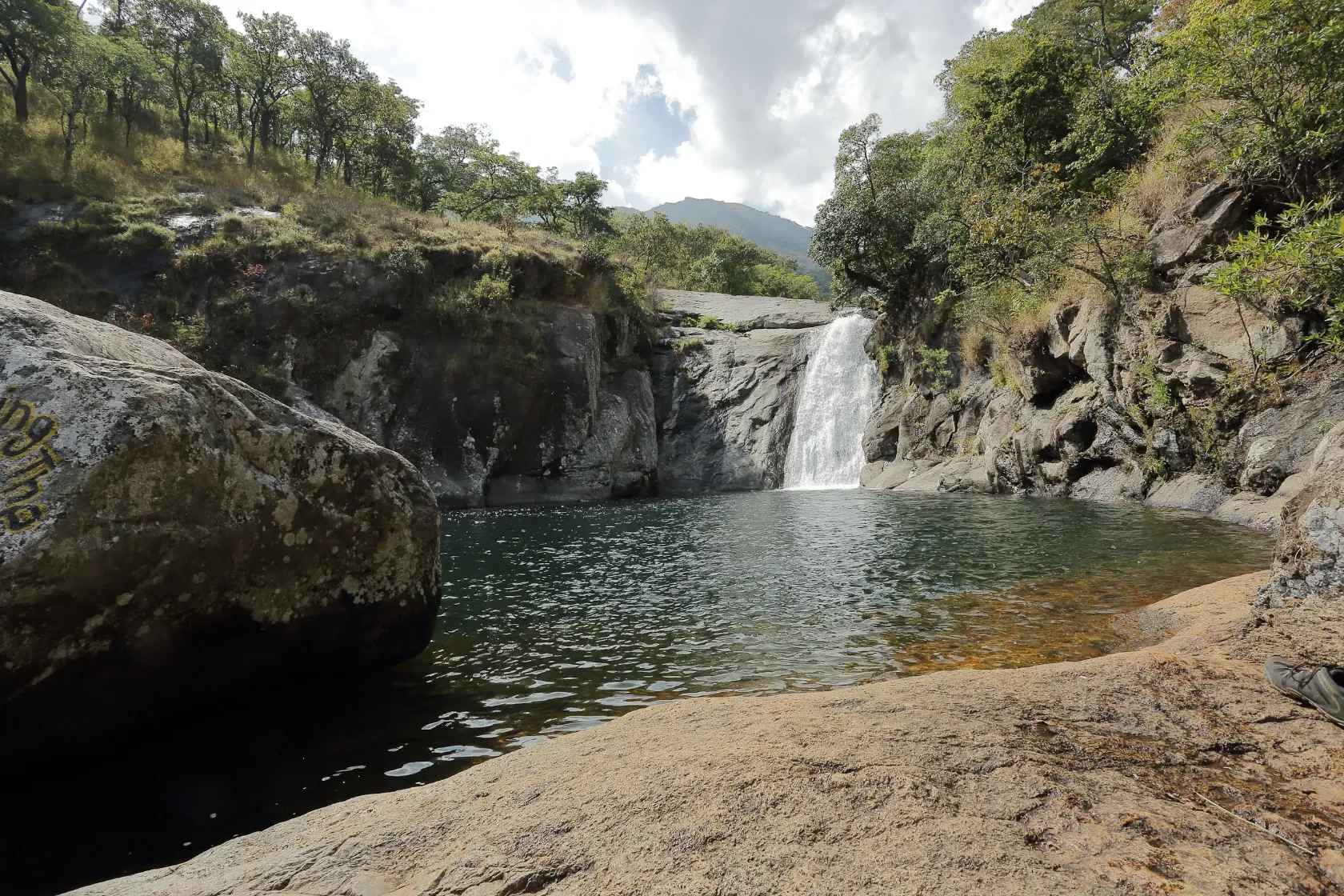
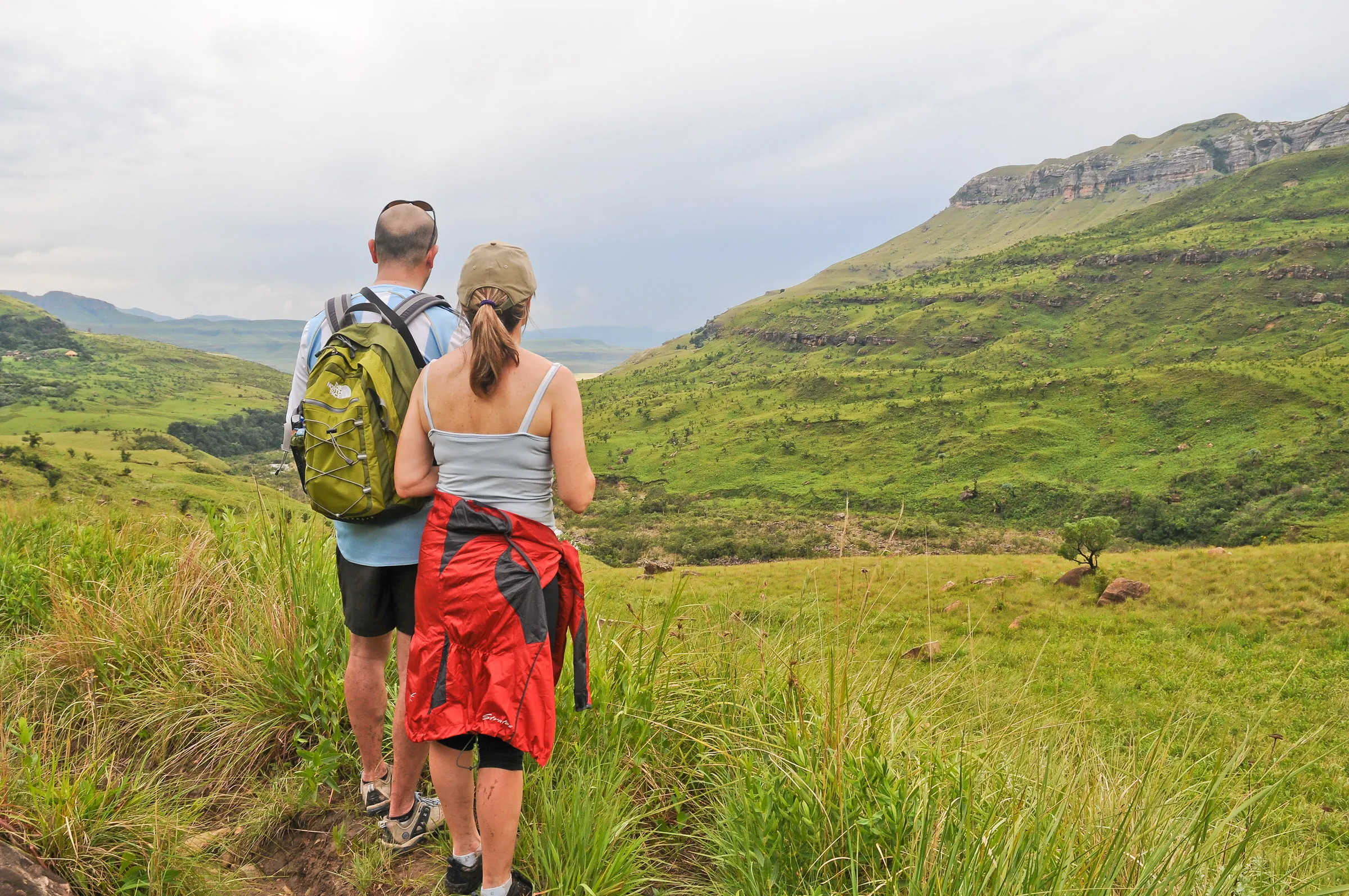
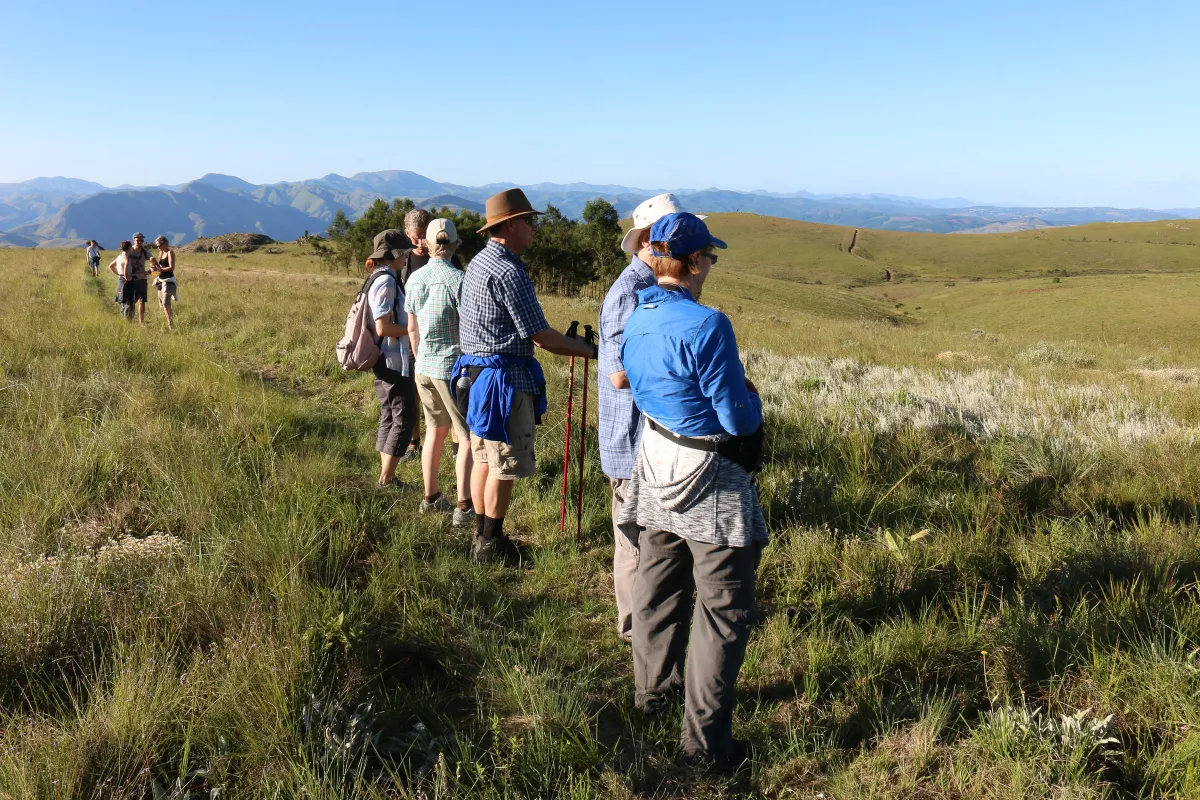
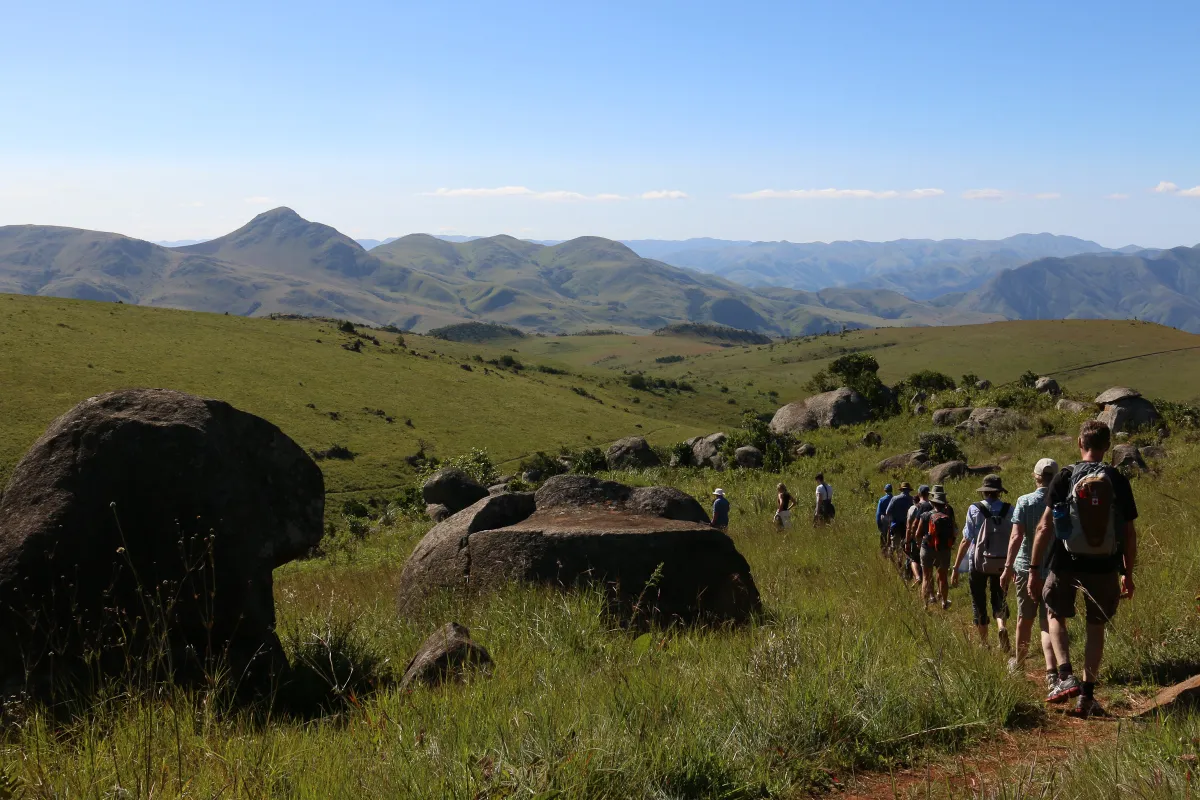
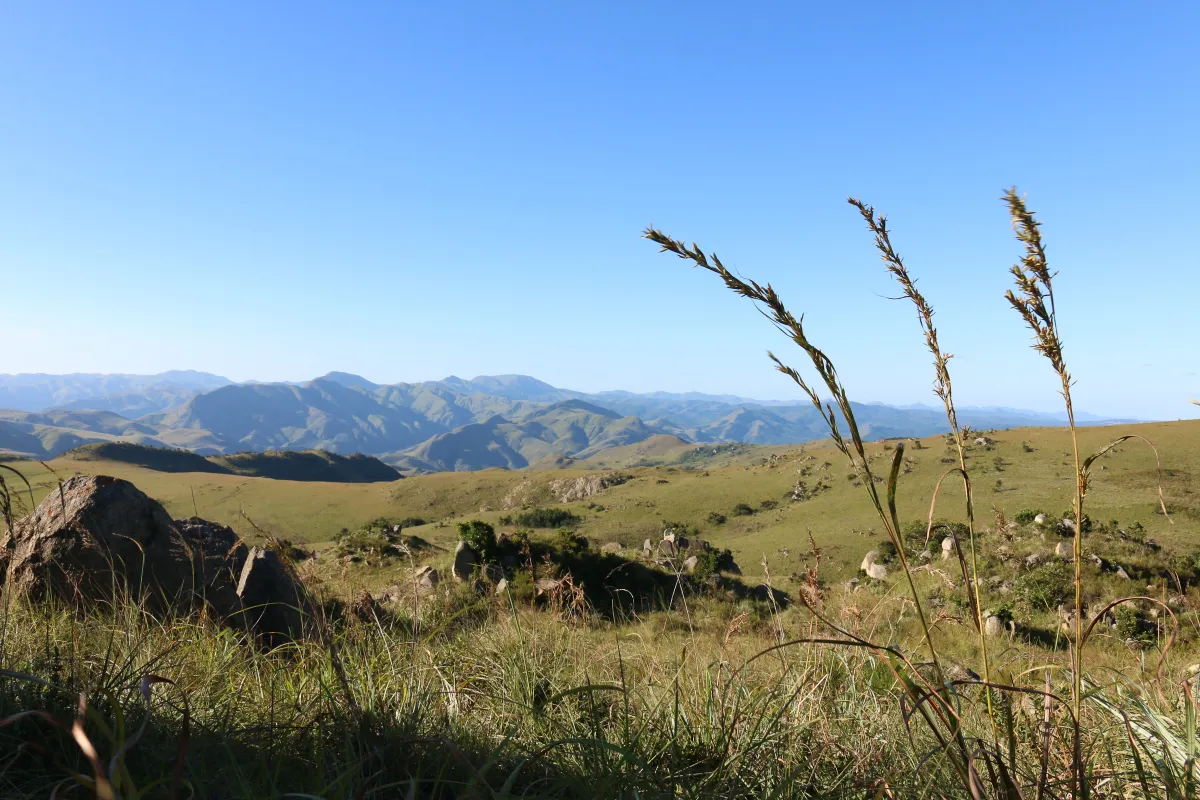
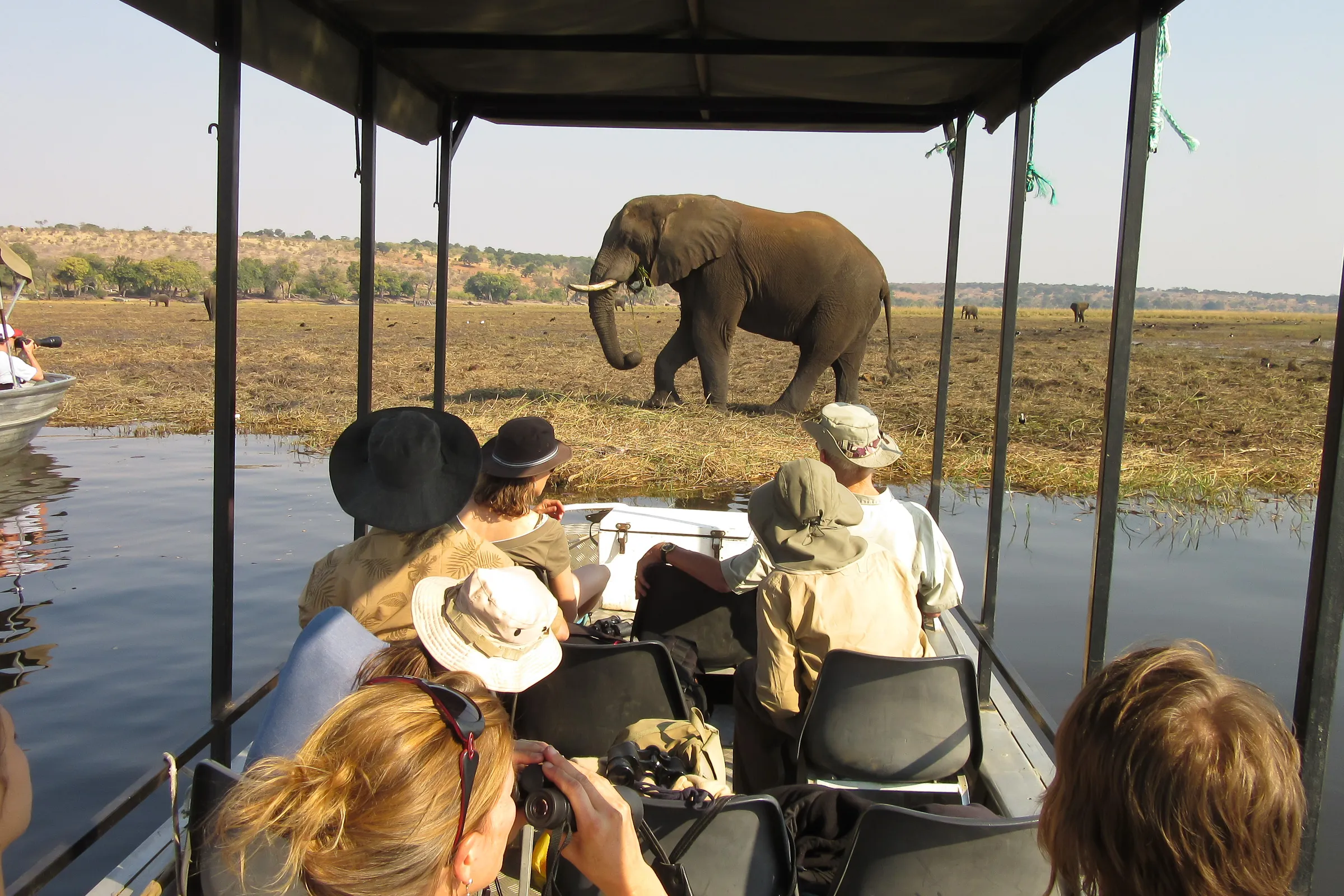
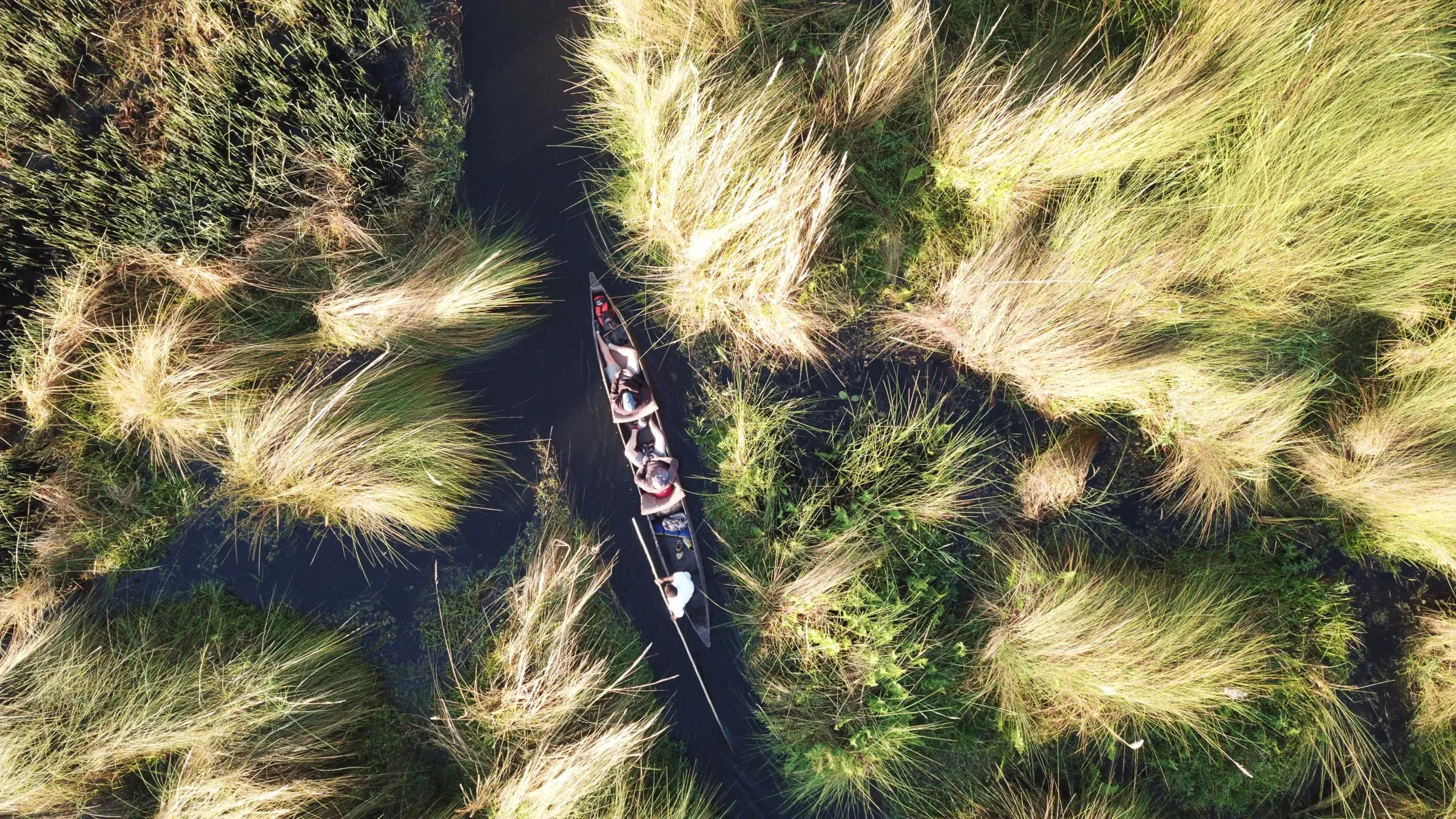
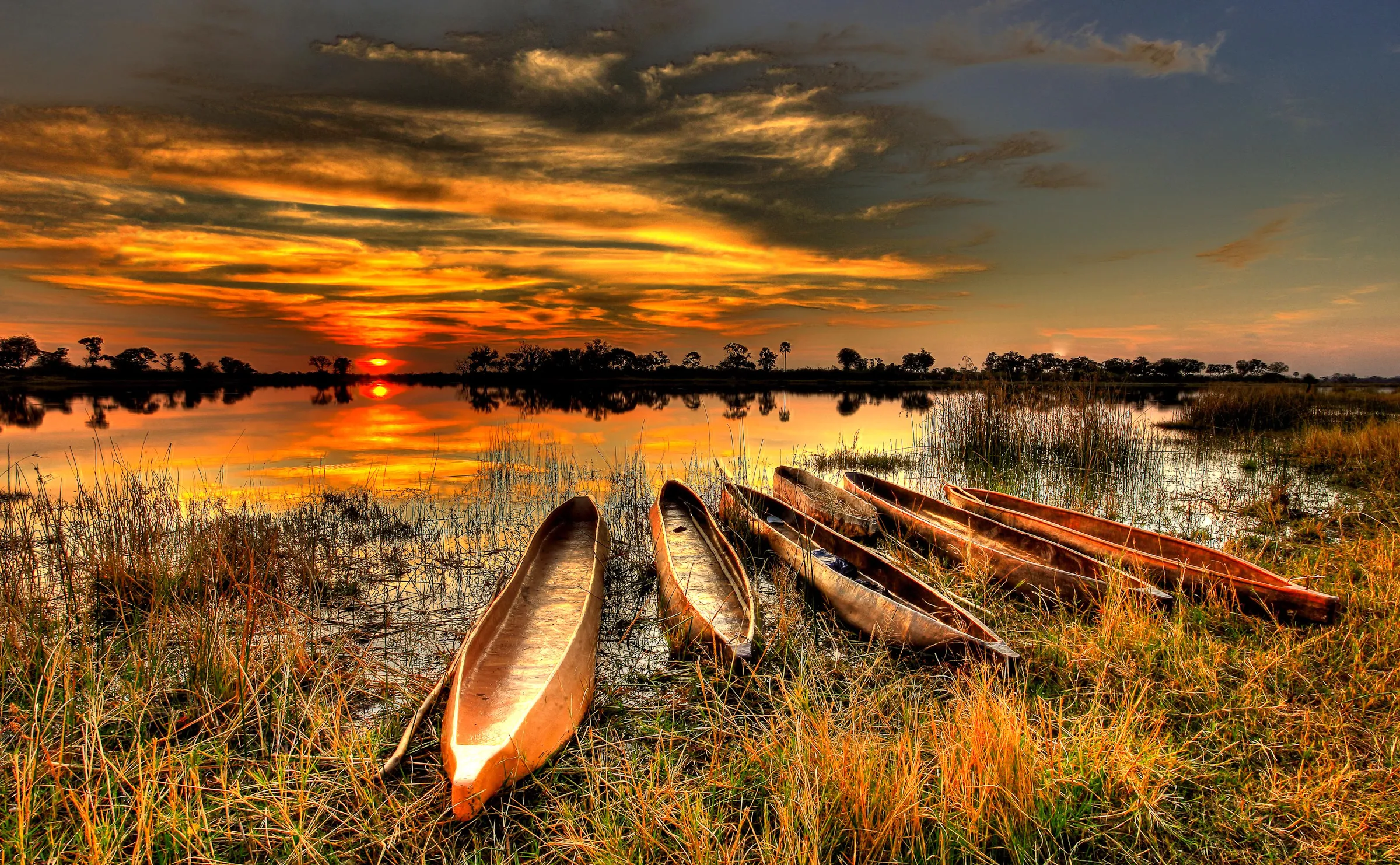
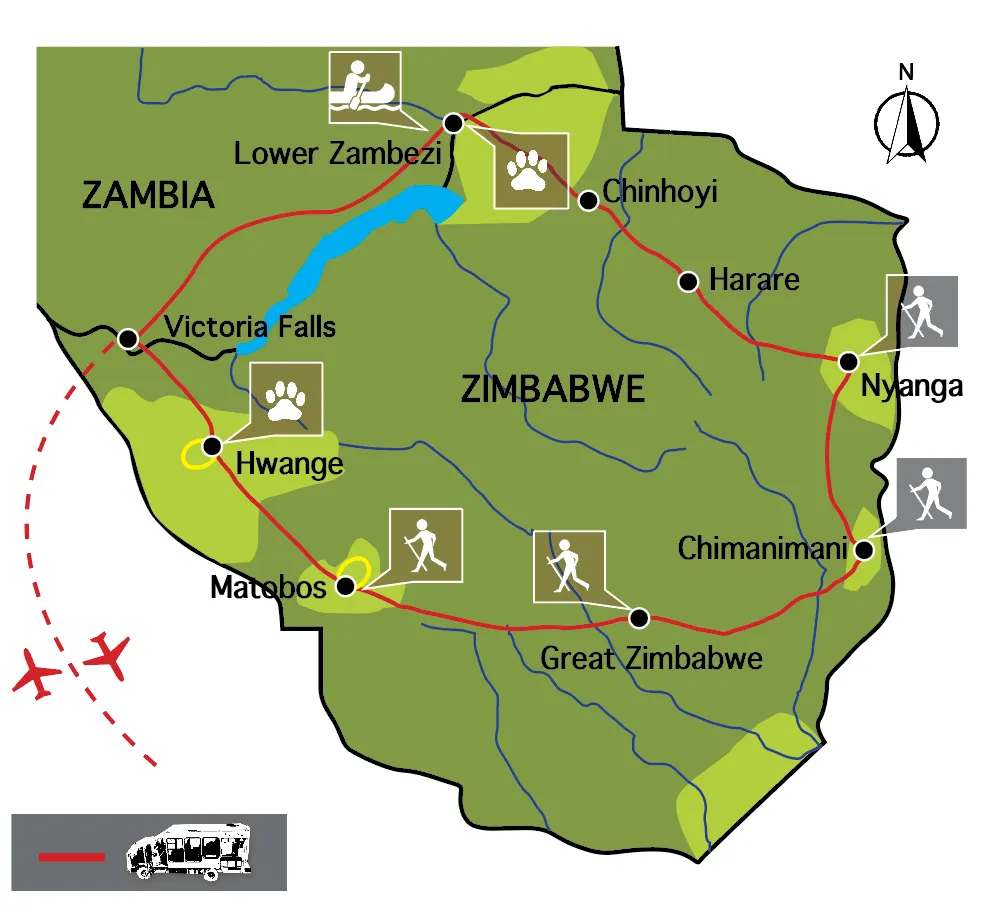
Canoe along the tranquil Lower Zambezi, then take guided walks in the scenic Nyanga and Chimanimani Mountains.
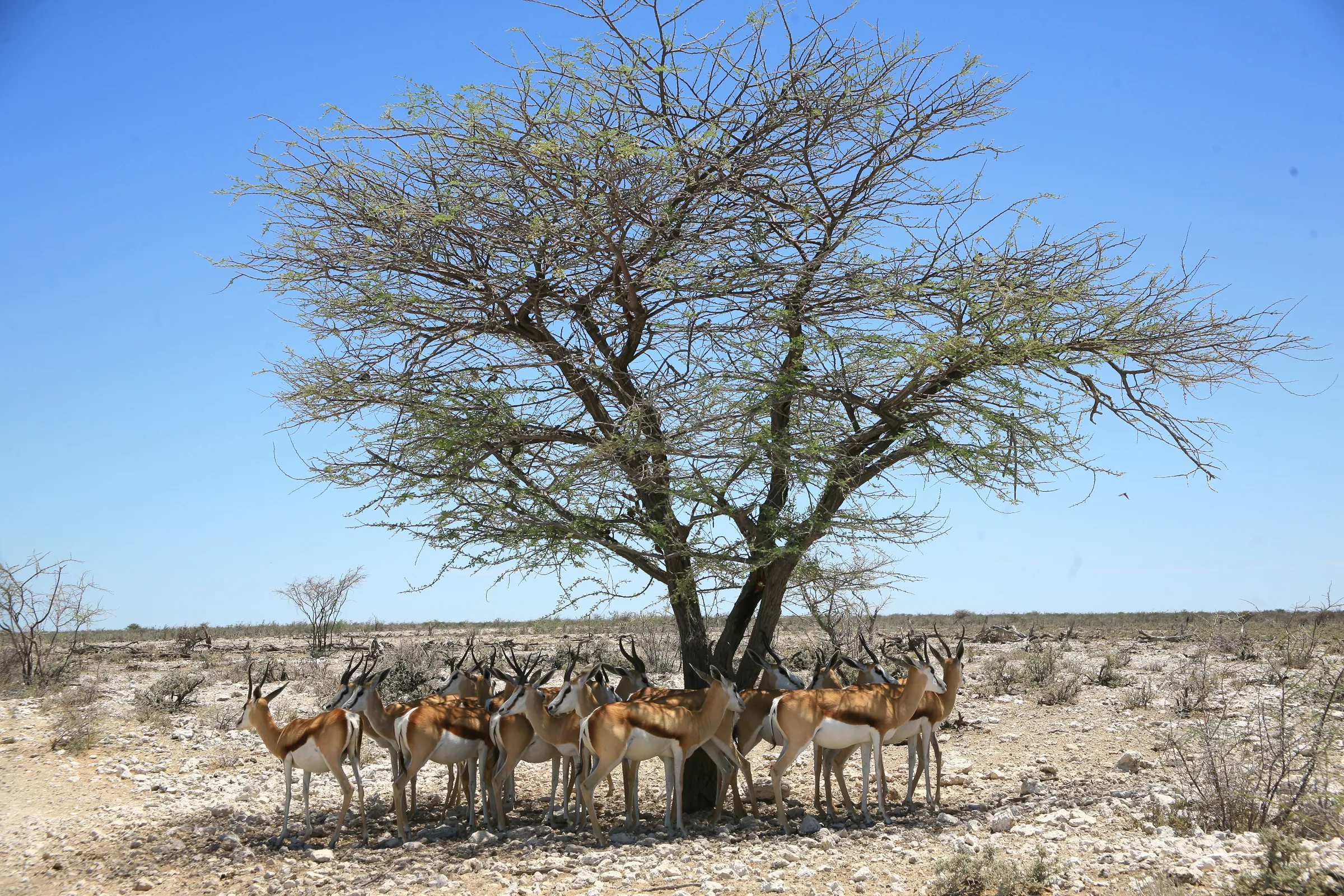
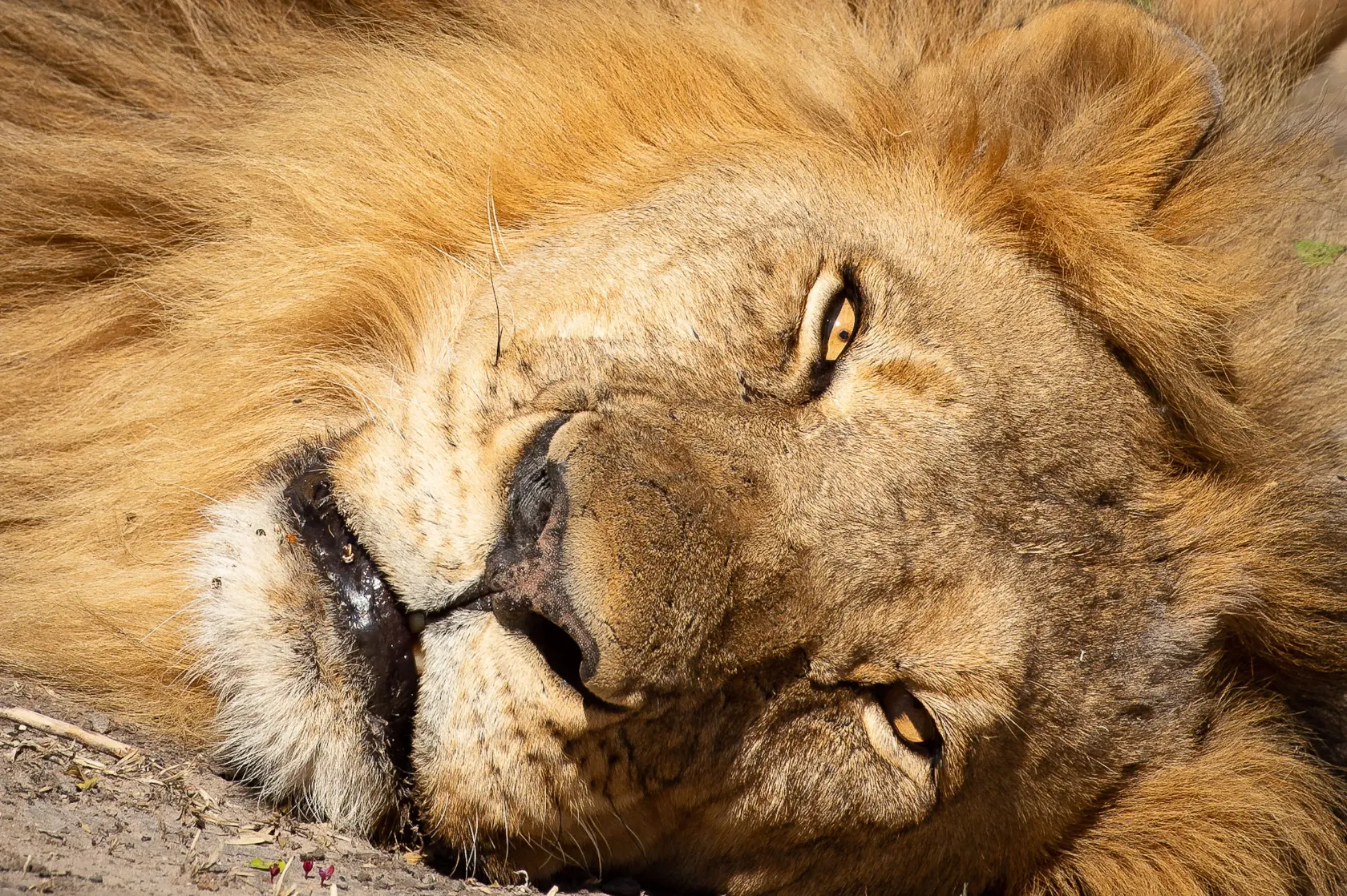
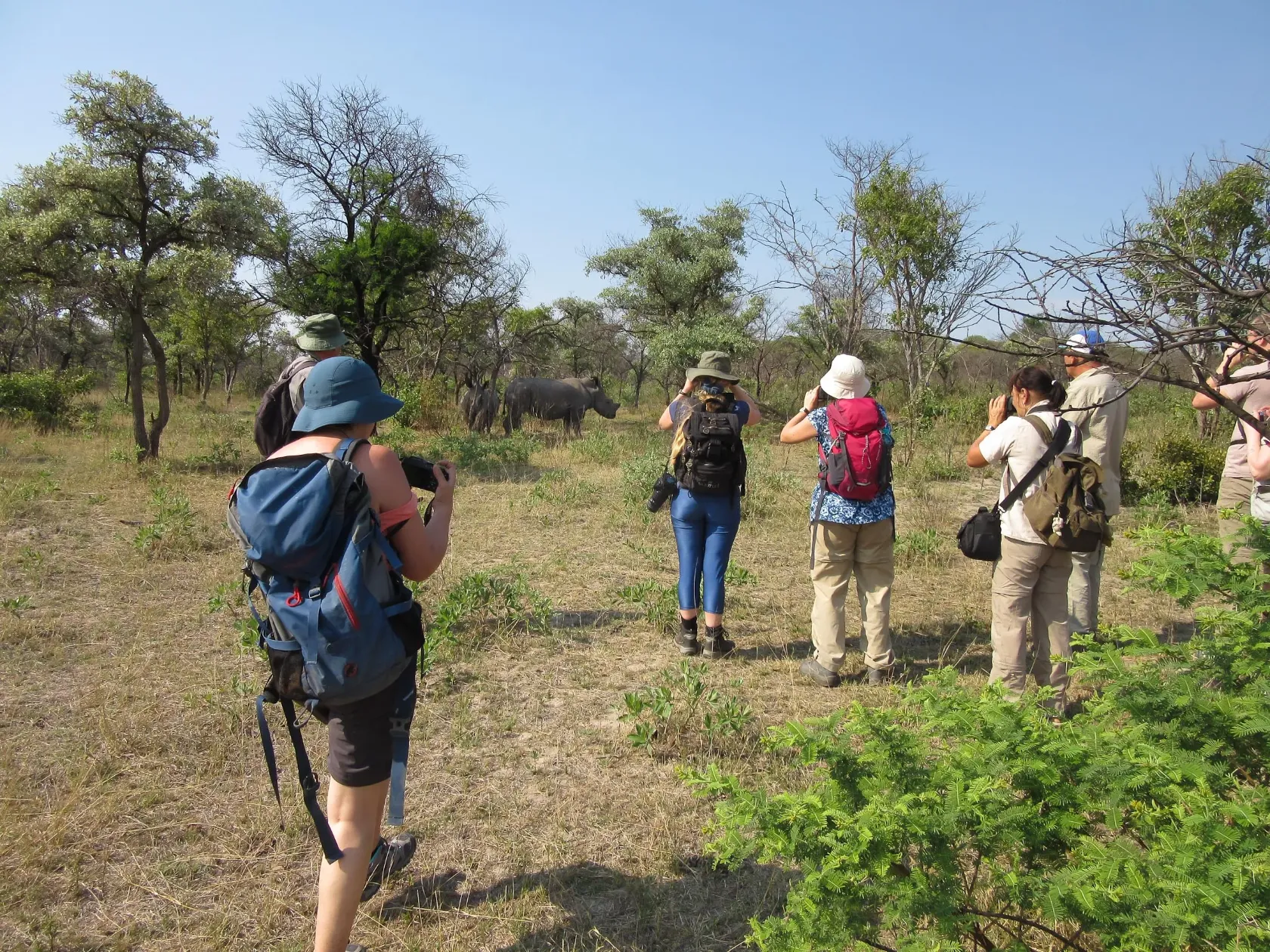
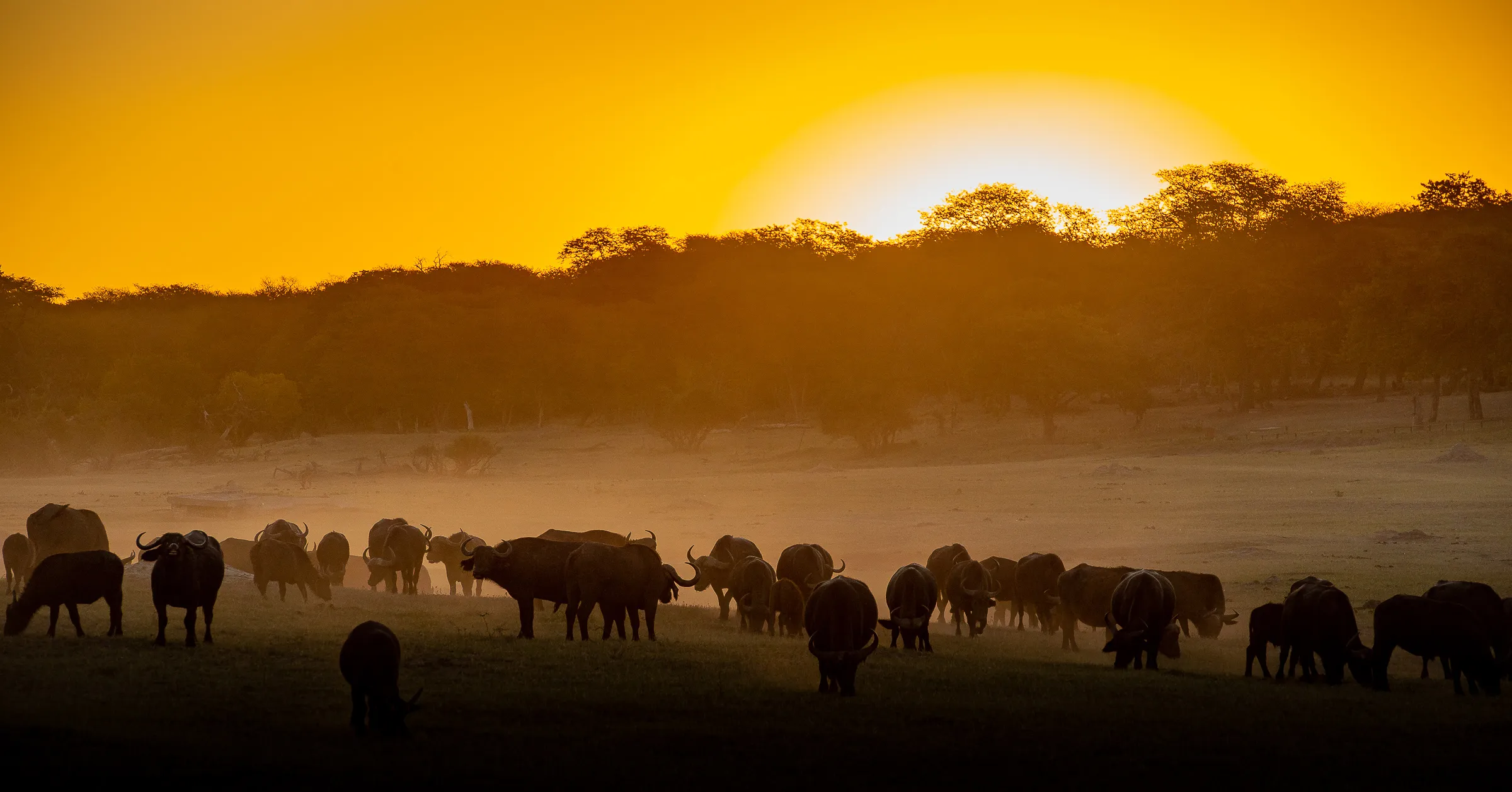
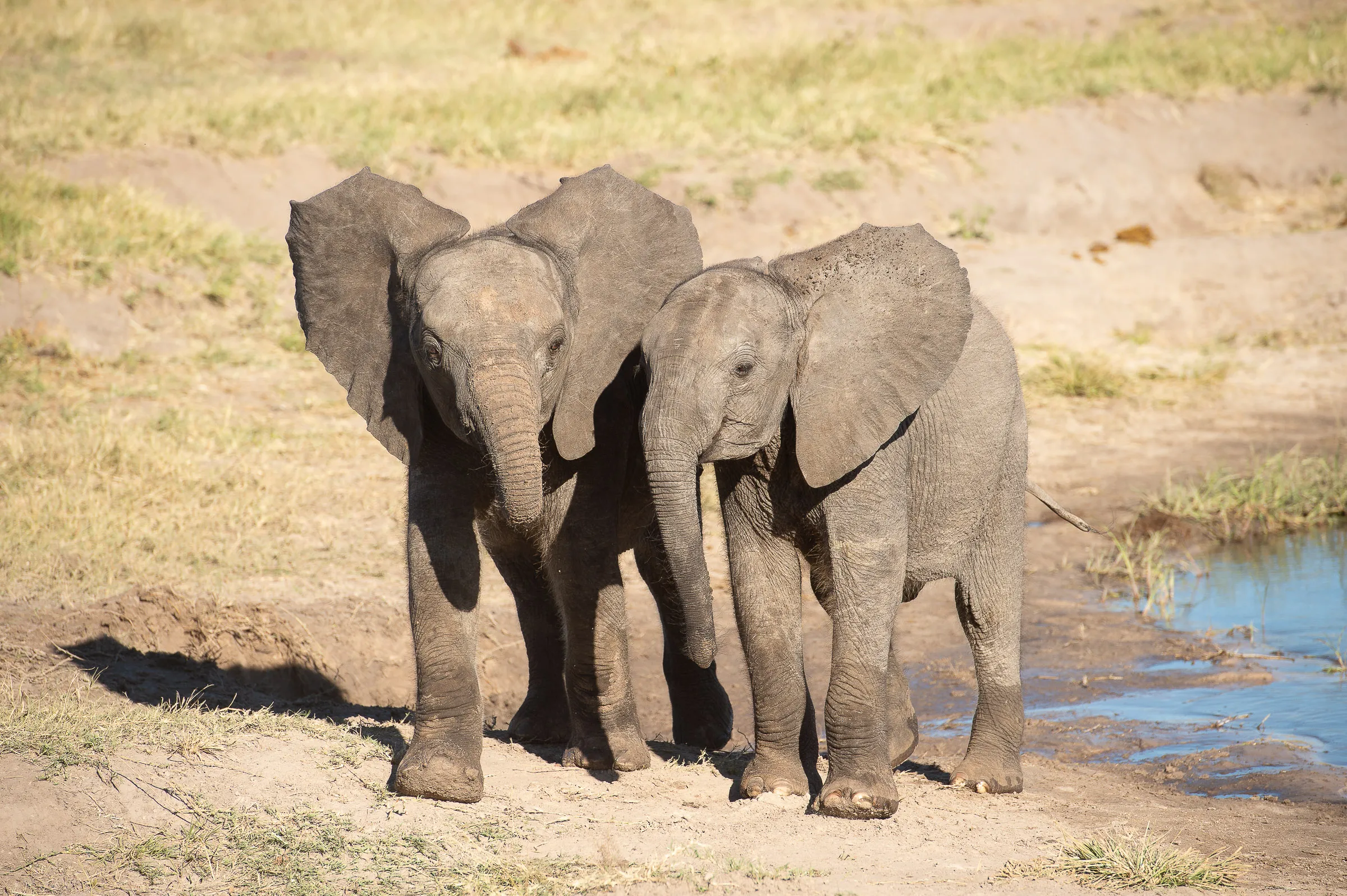
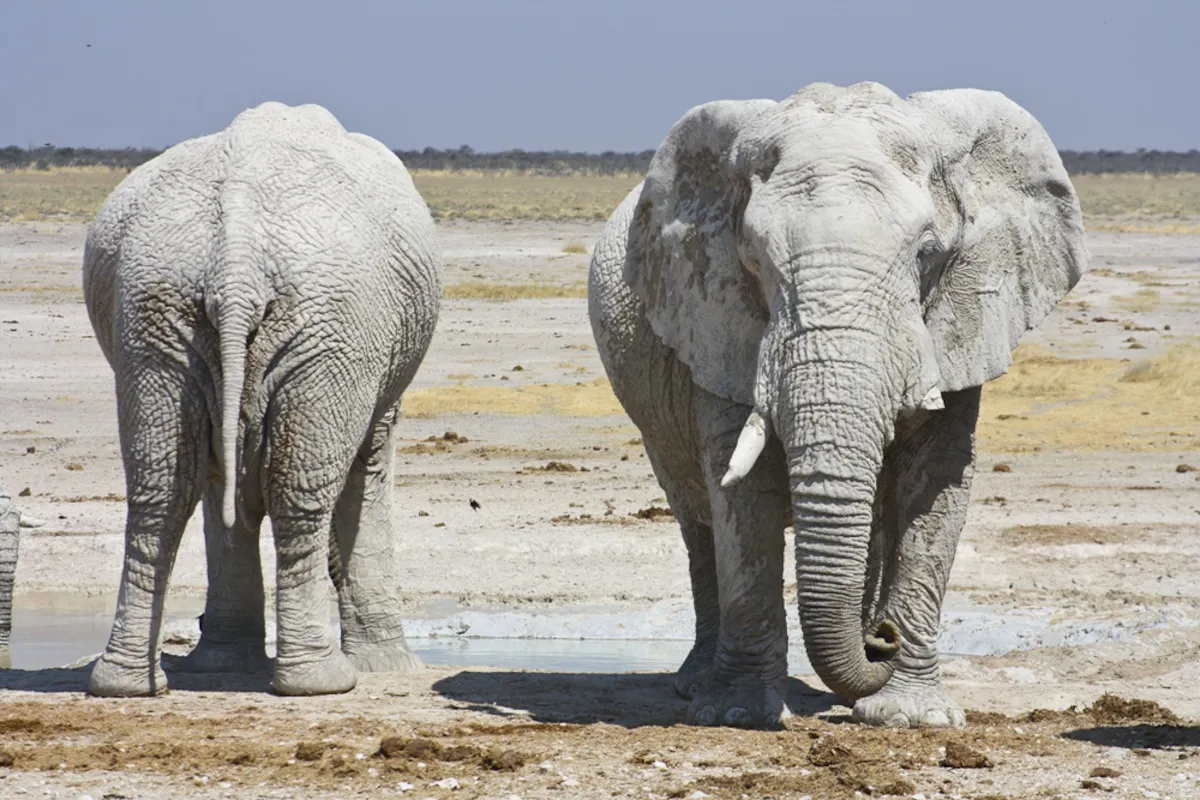
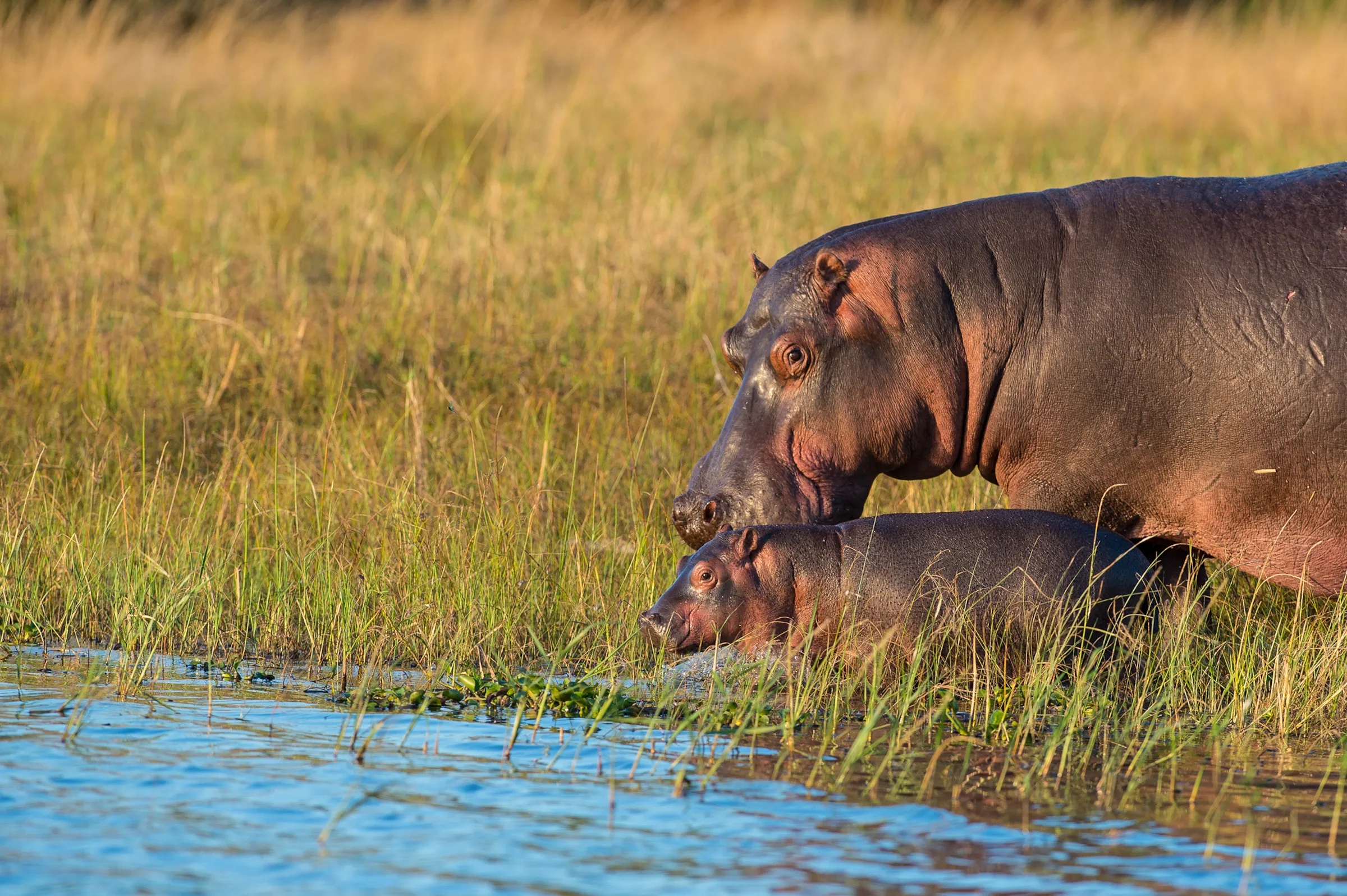
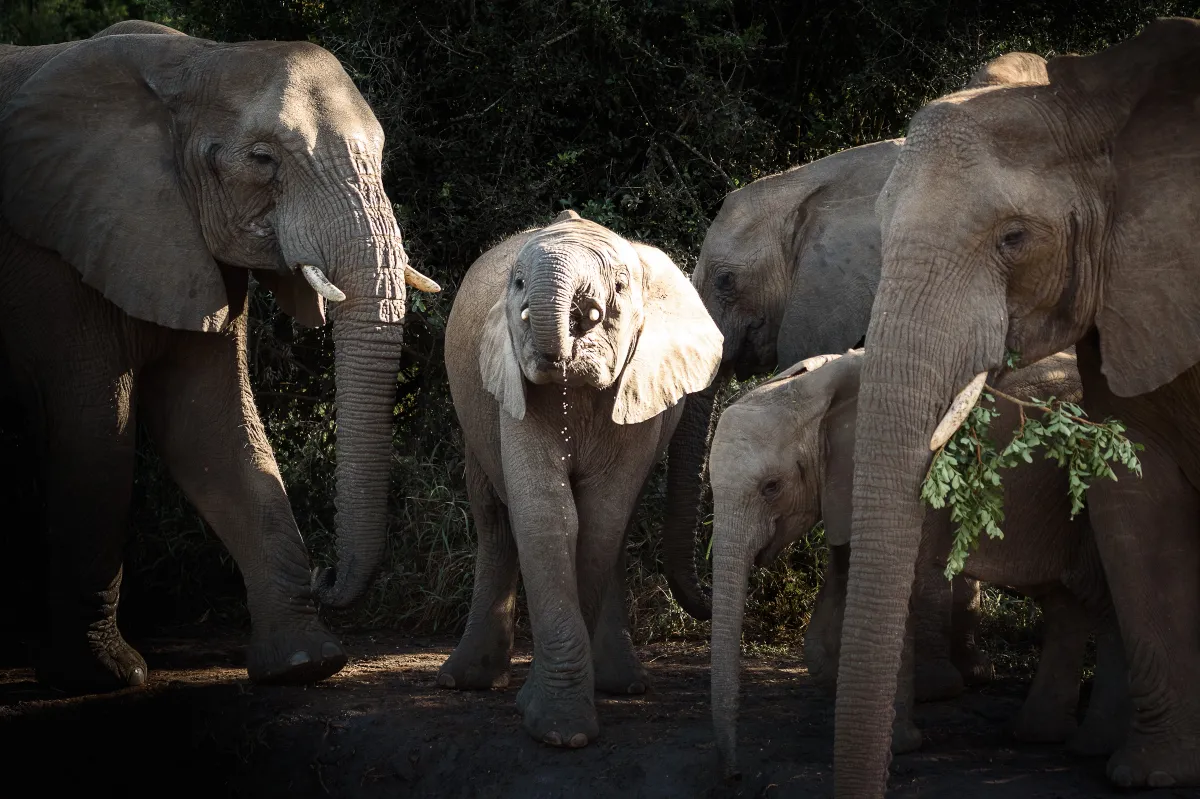
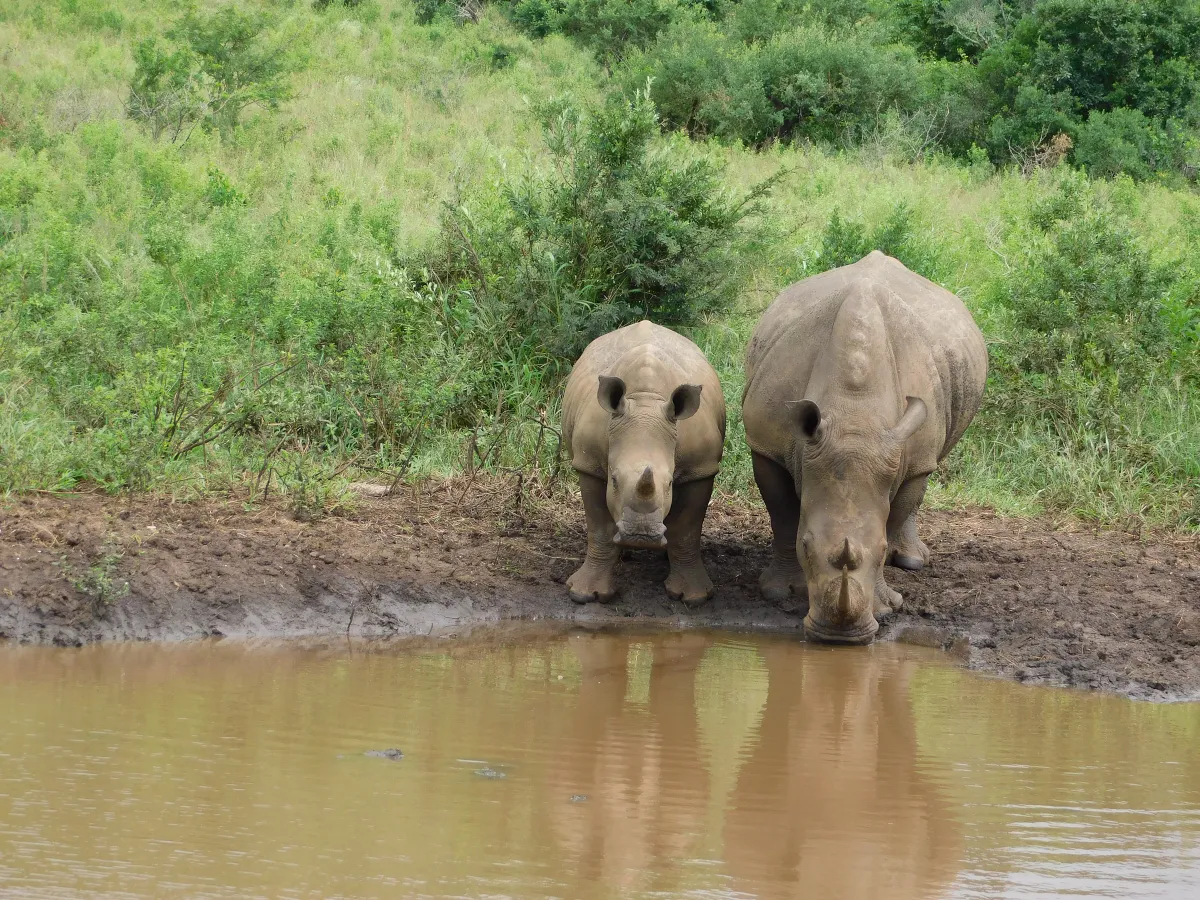
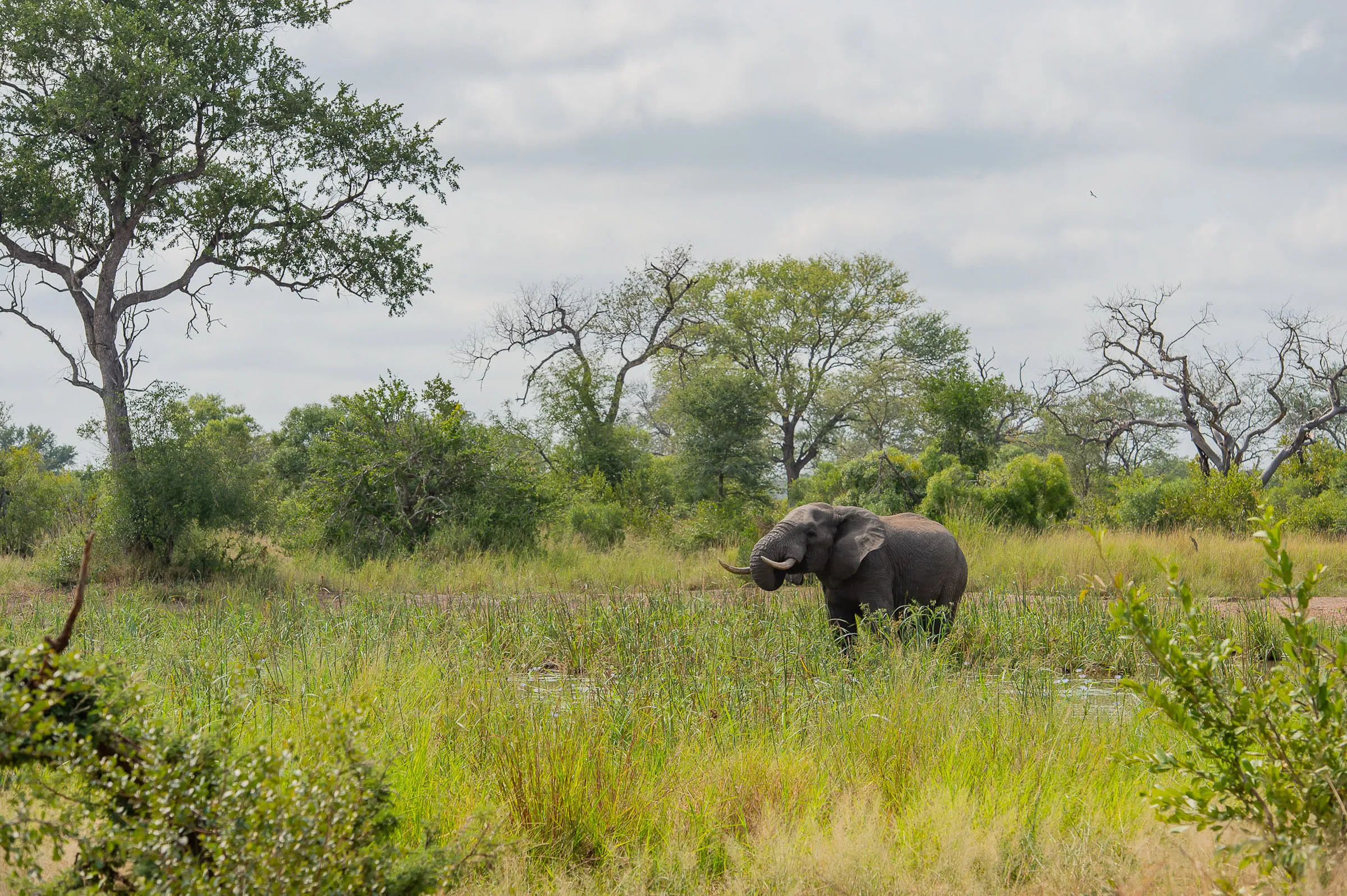
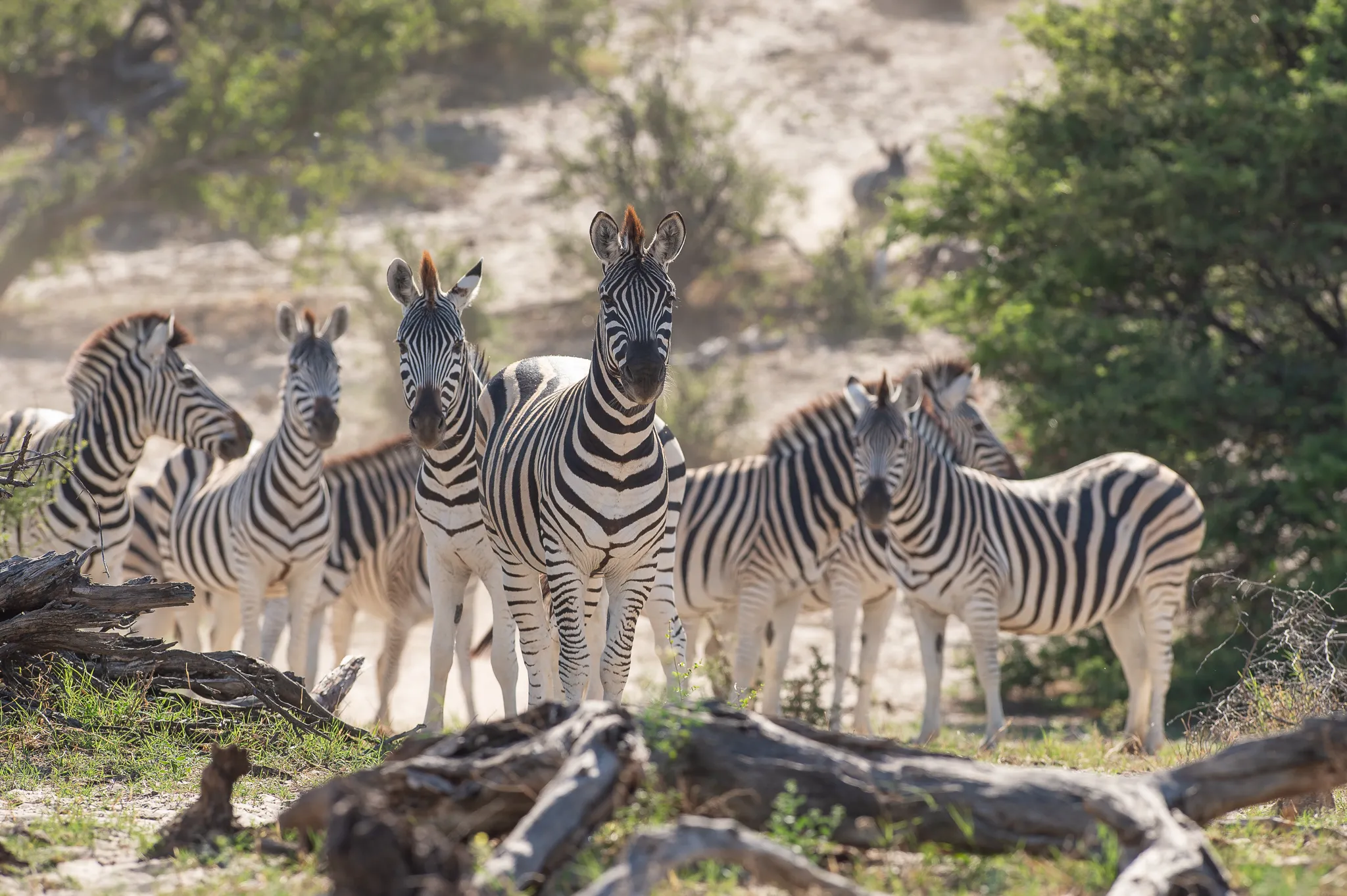
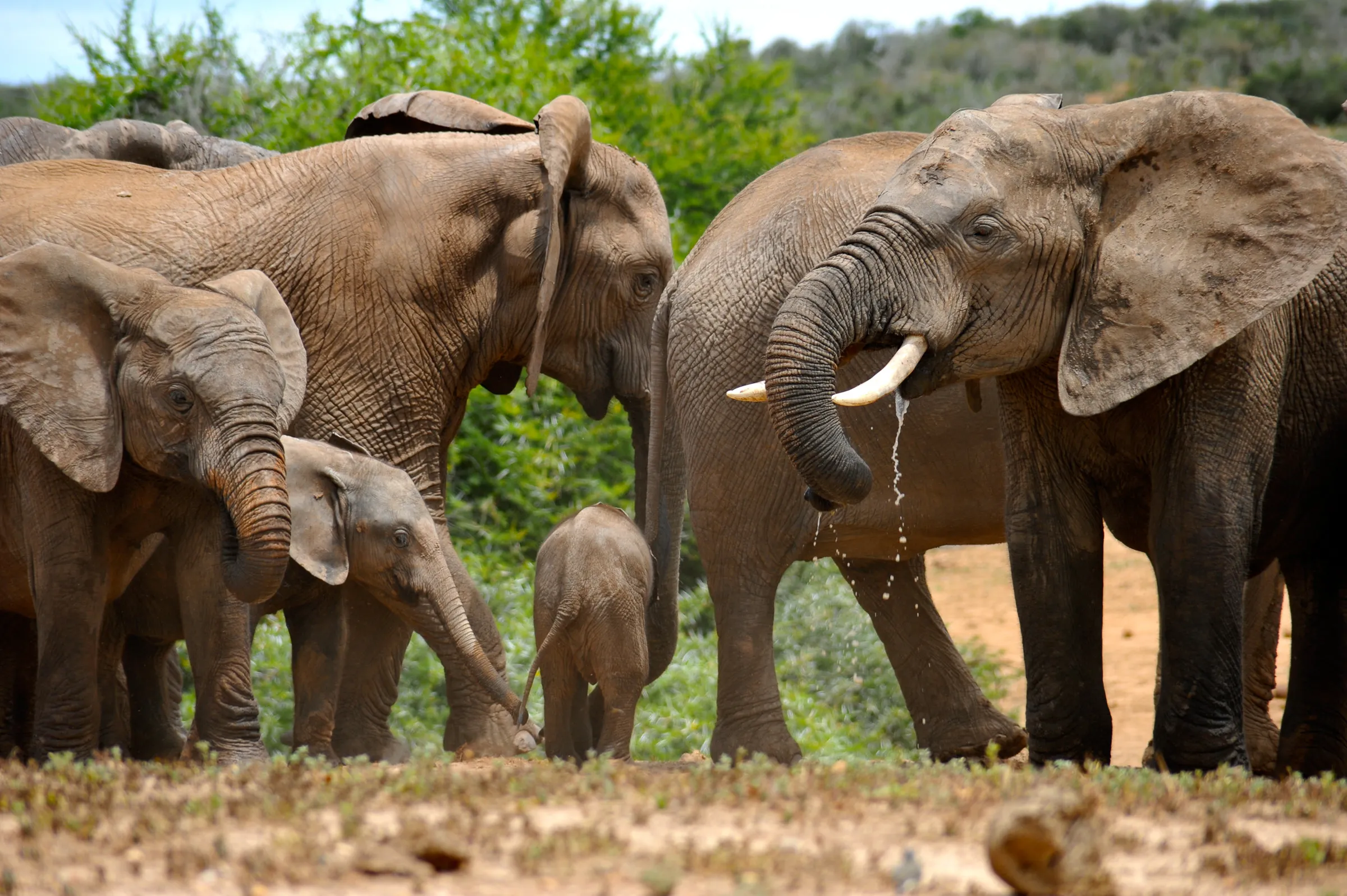
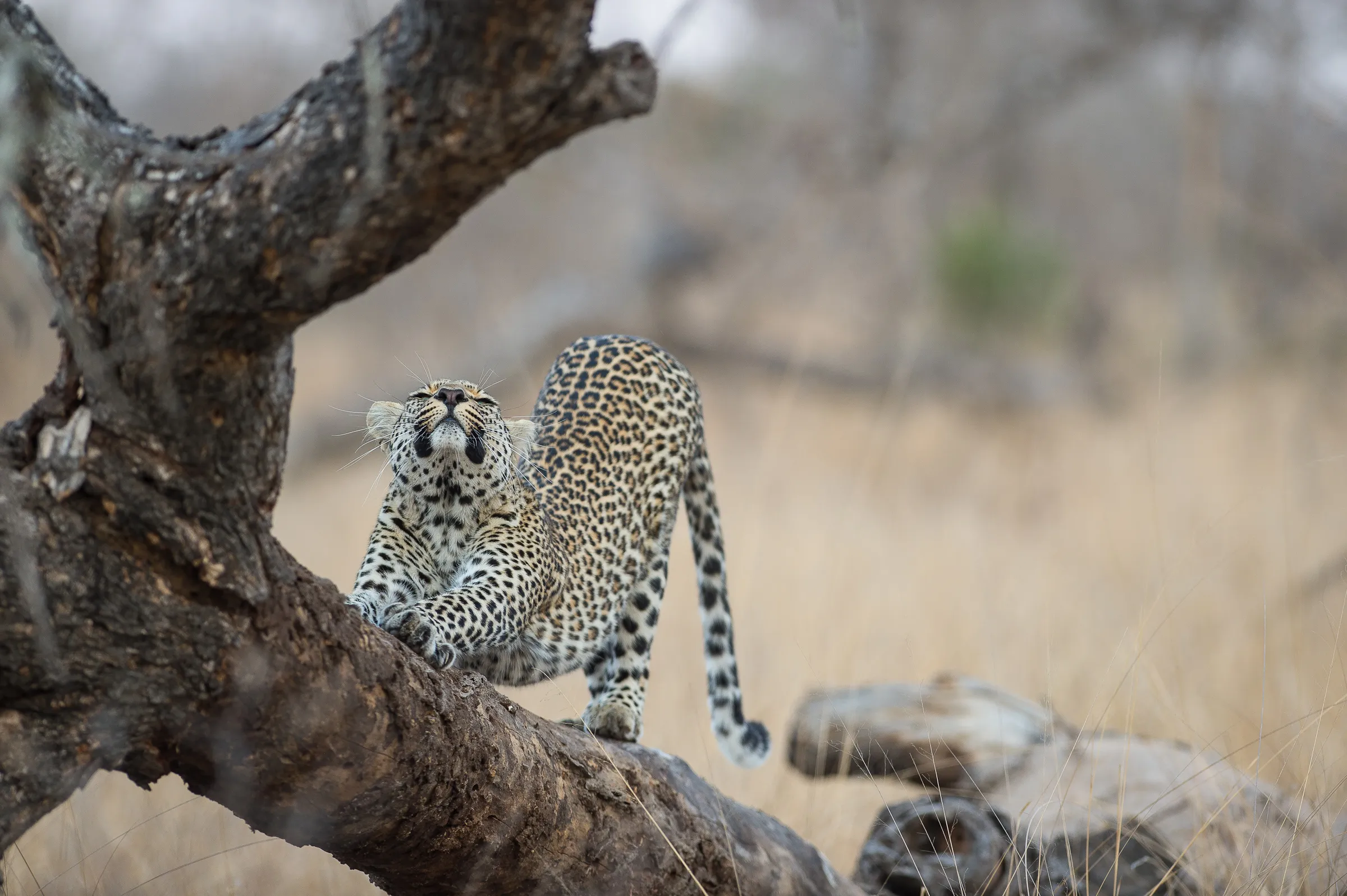
Discover the historic Zimbabwe Ruins, track rhino in Matobo, and end with thrilling game drives in Hwange National Park.
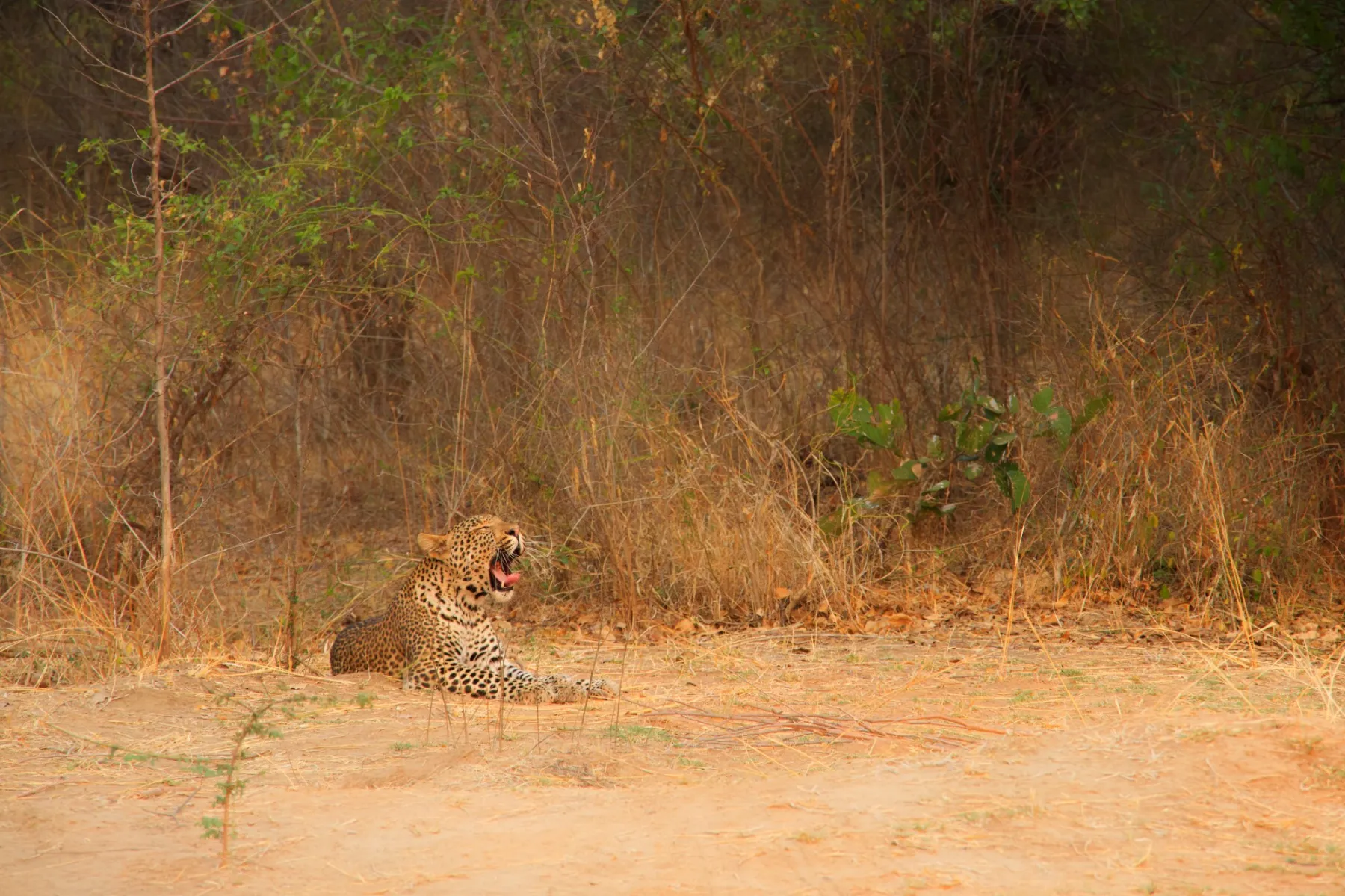
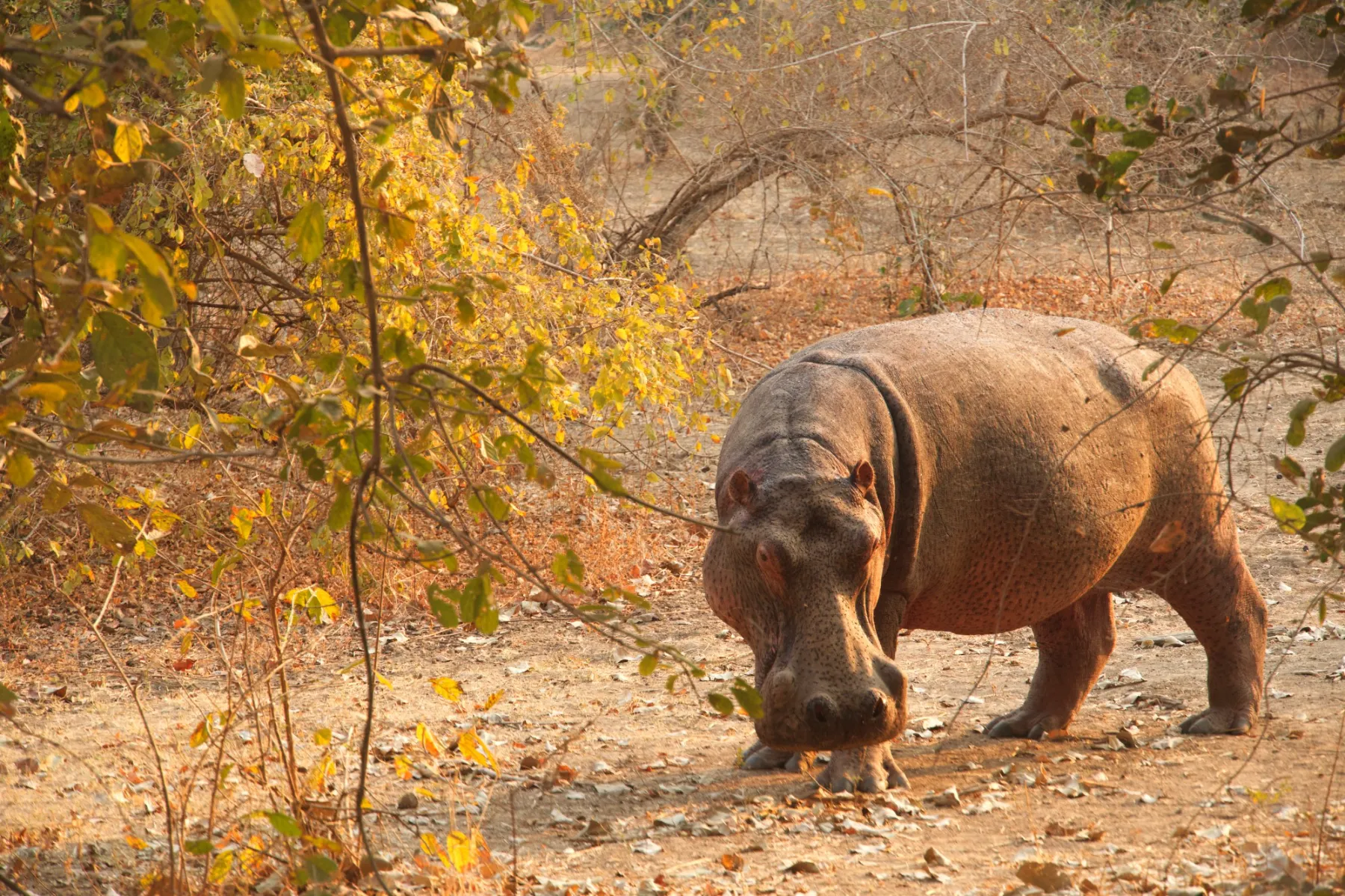
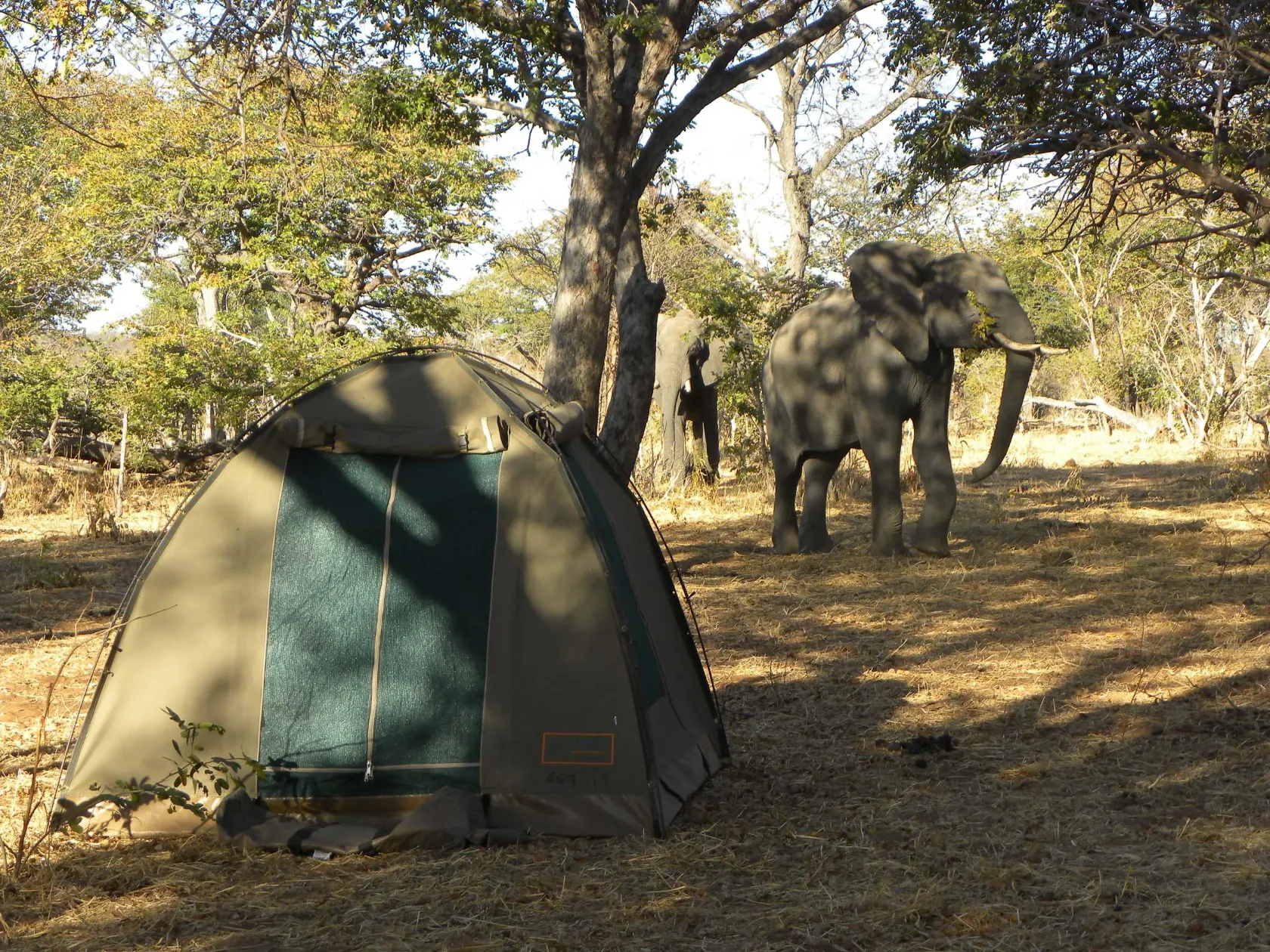
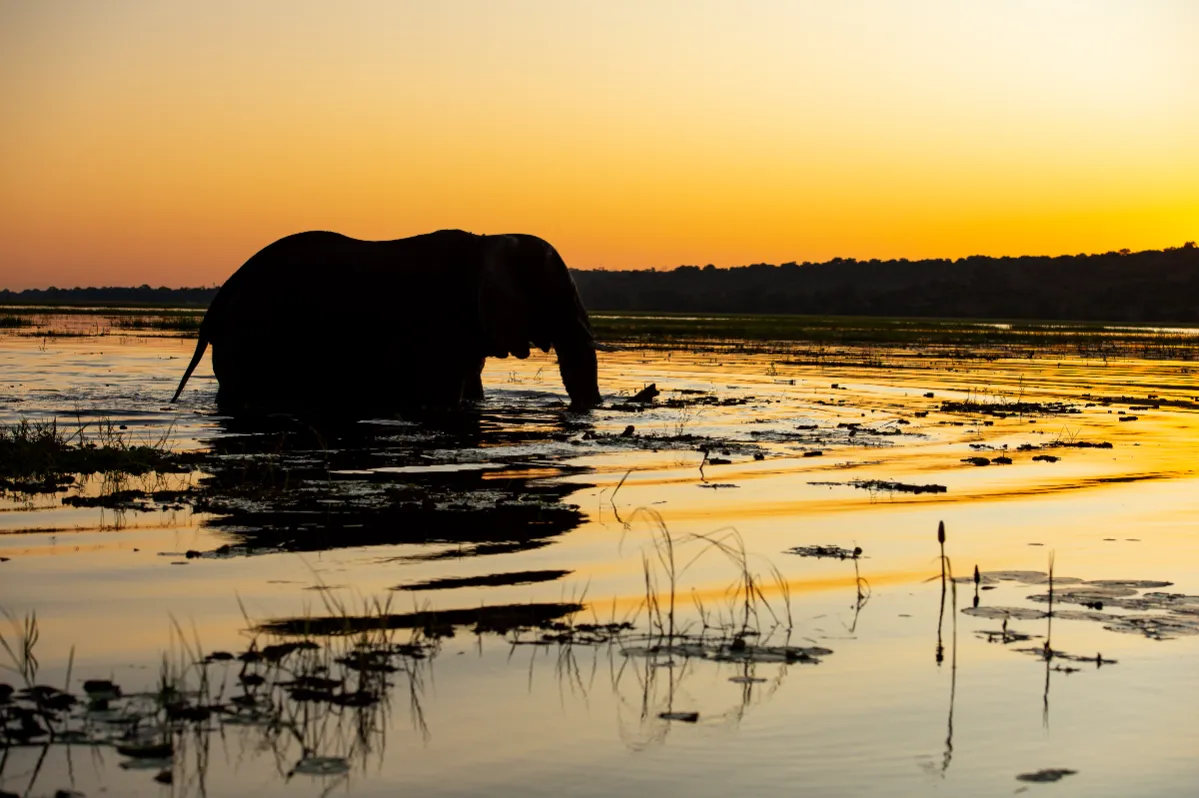
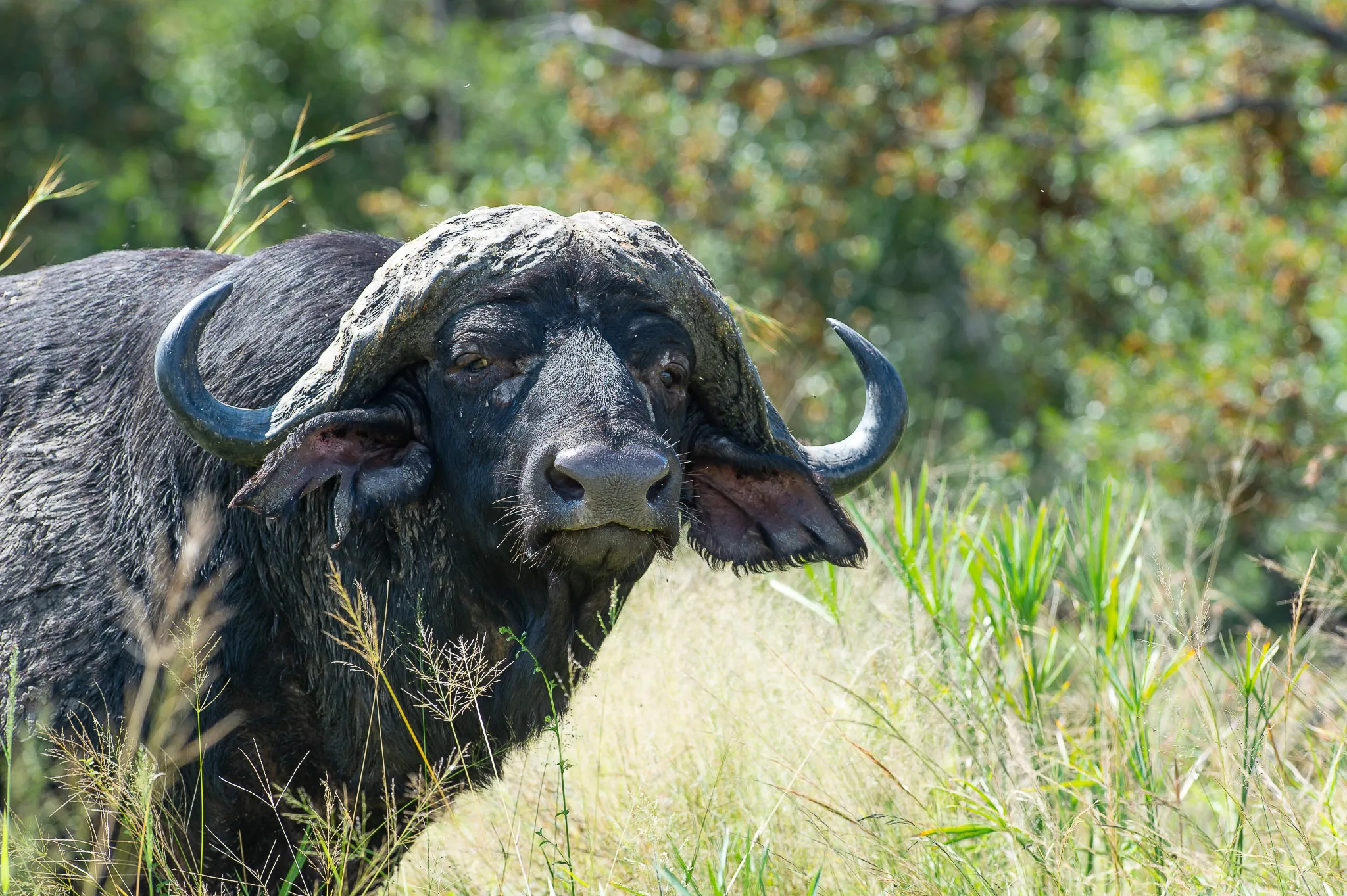
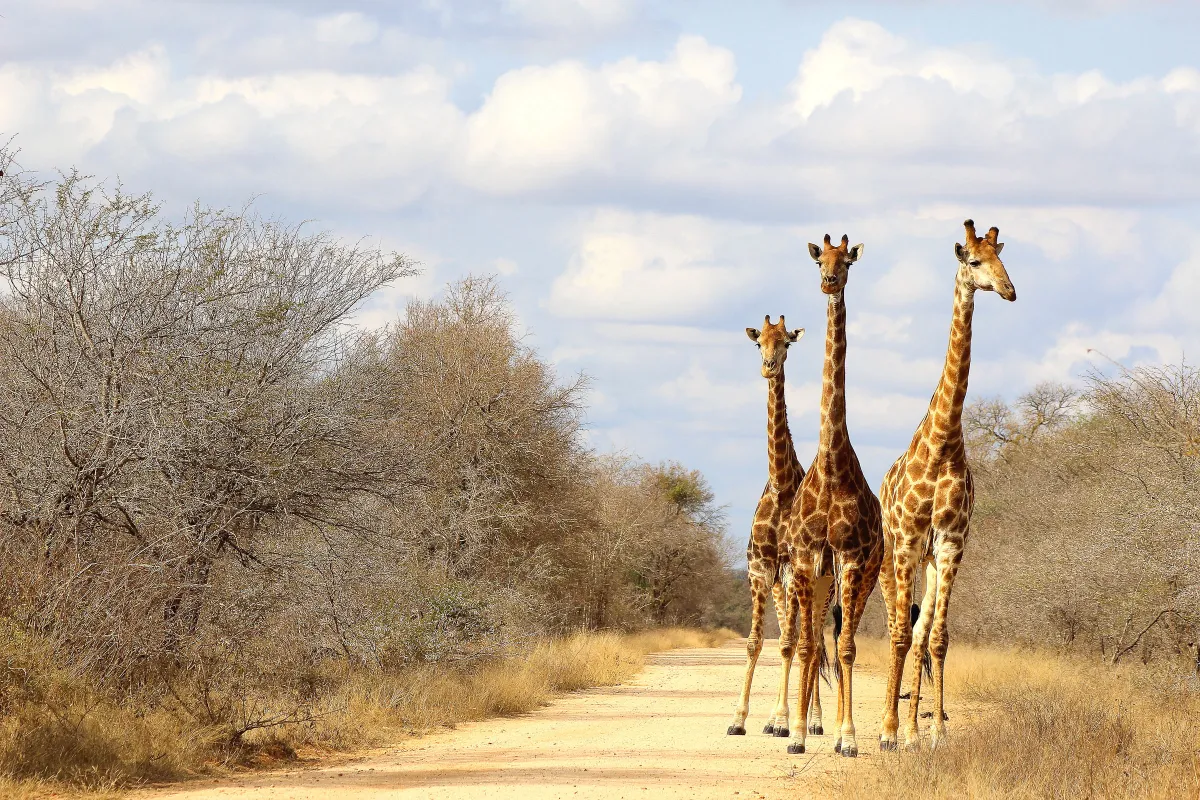
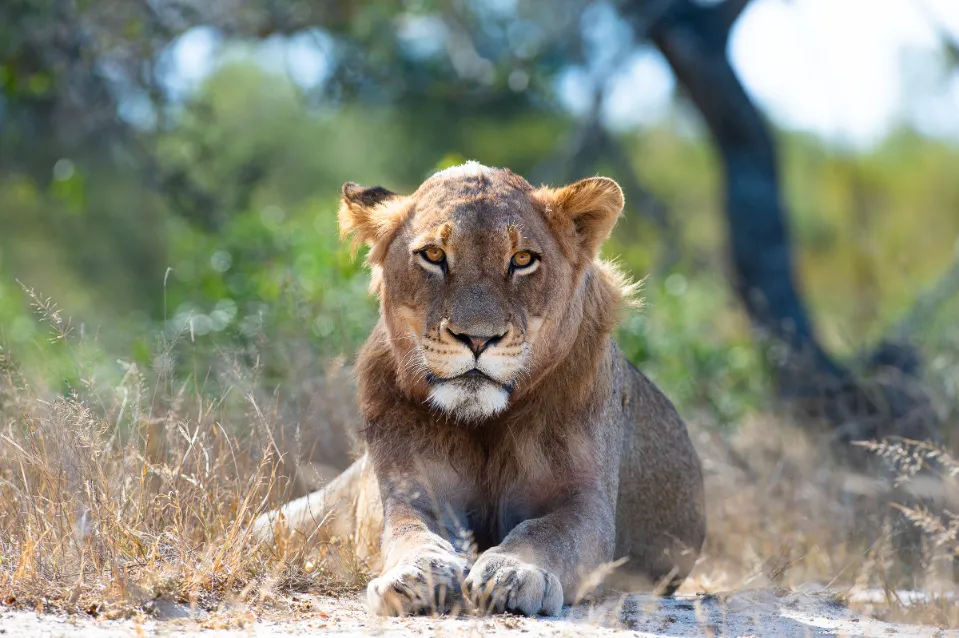
This safari combines spectacular landscapes, rich history, and unforgettable wildlife encounters.
- Max 12 people
- Professional Safari Guides
- Safari truck
- 14 Breakfasts, 12 Lunches & 11 Dinners
- Entrance Fees
- 11 nights camping, 1 night wild camping, 2 nights in lodge
- Use of camping equipment (except sleeping bags)
Highlights
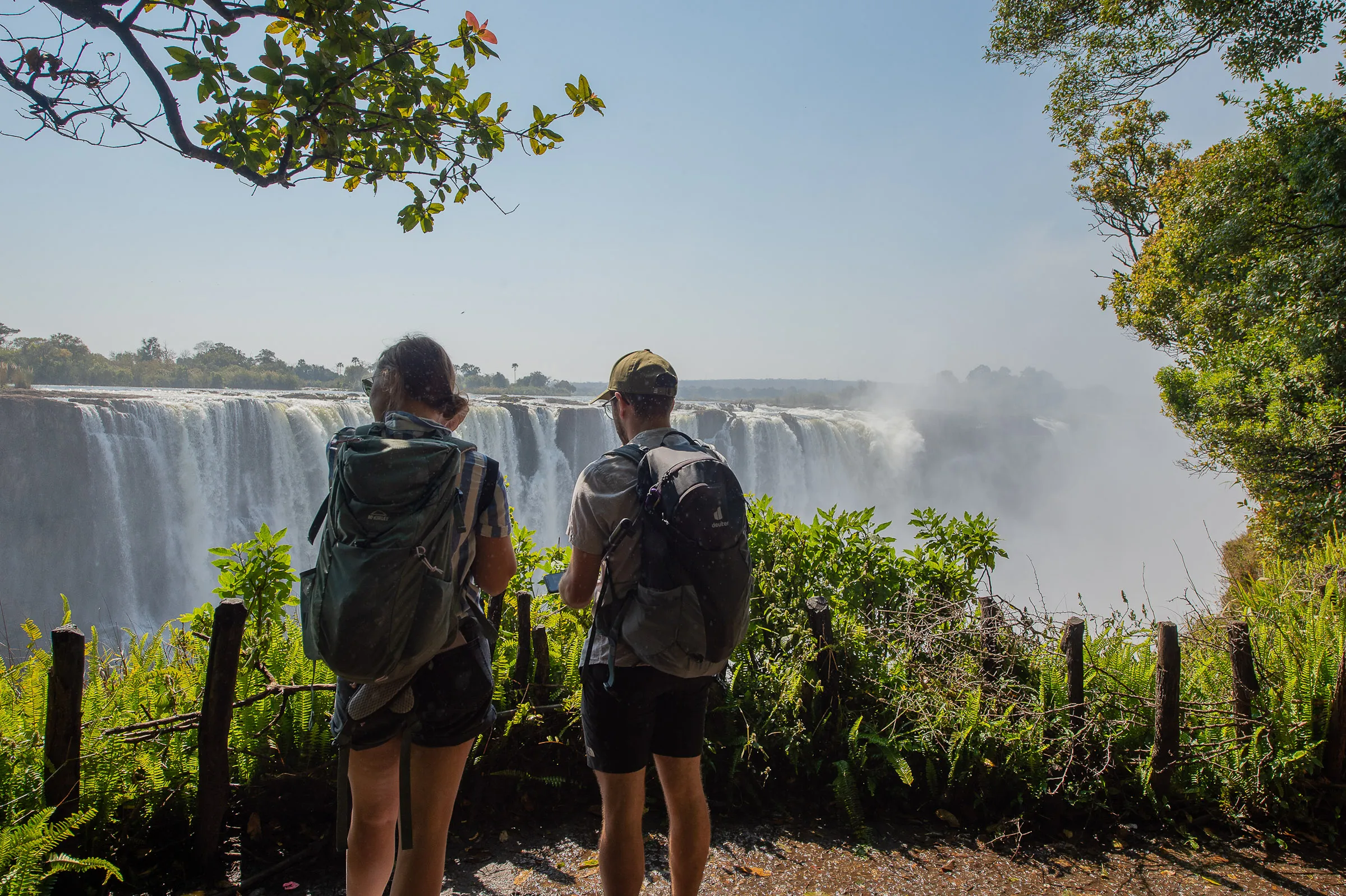
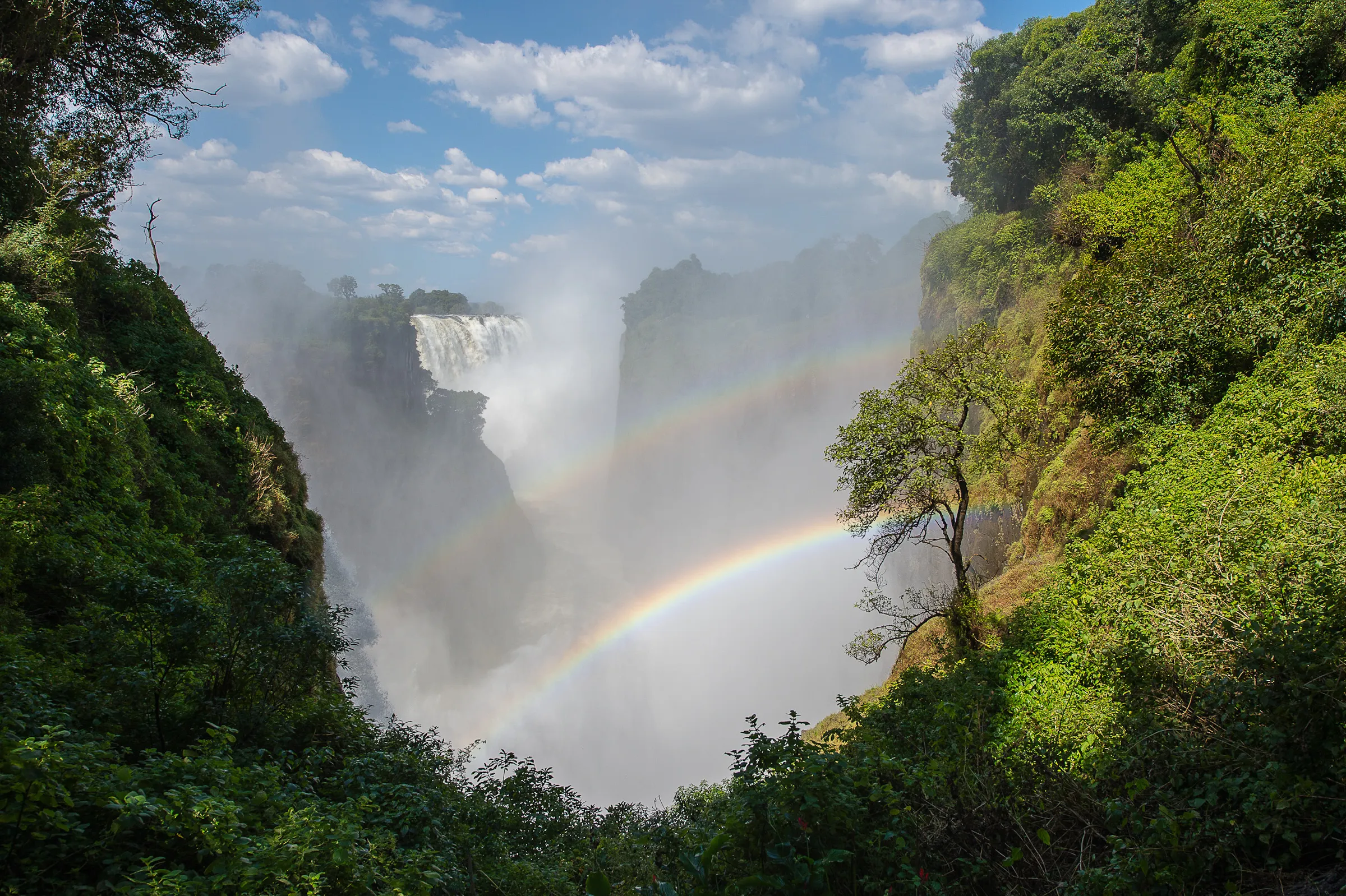
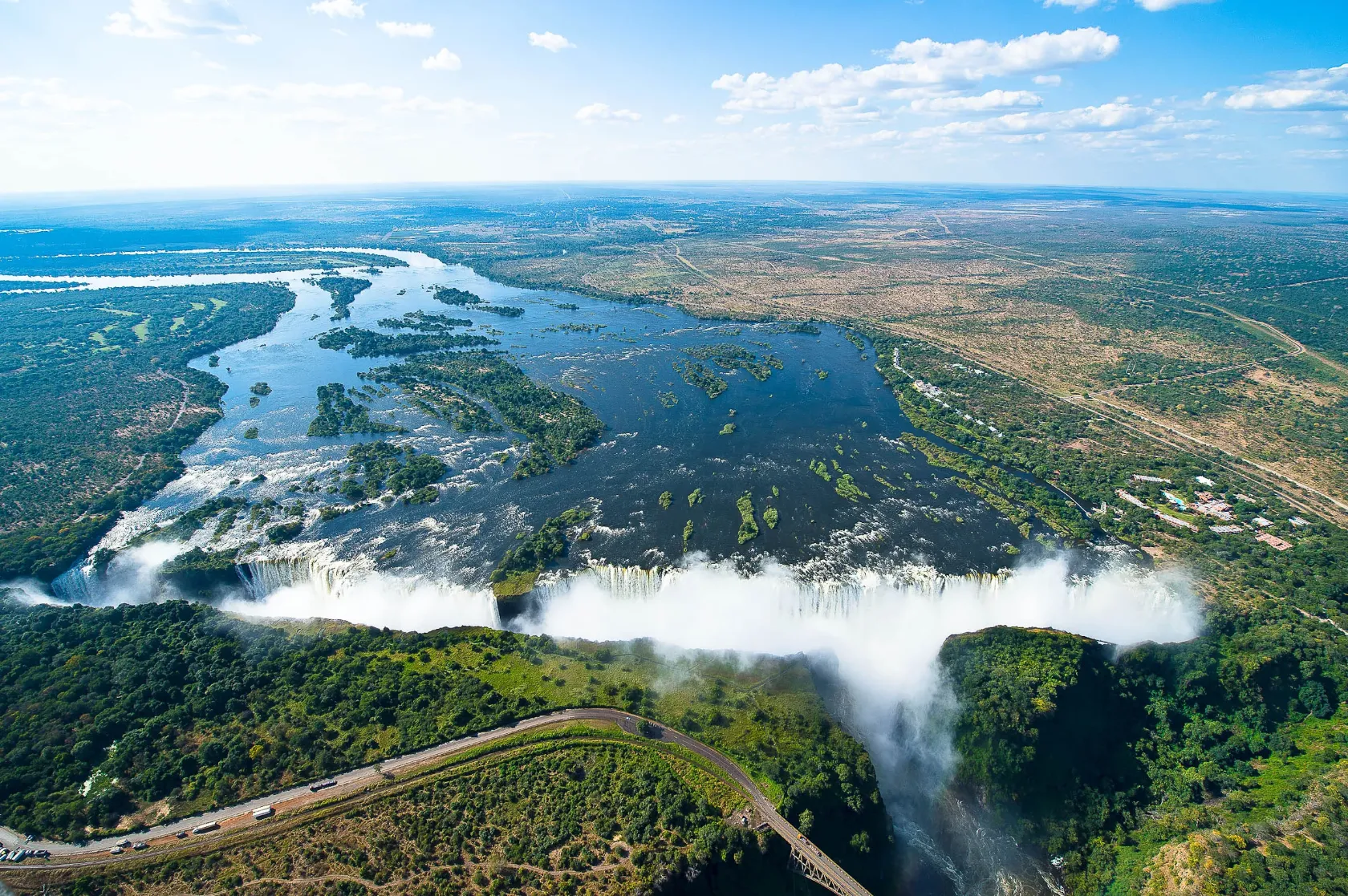
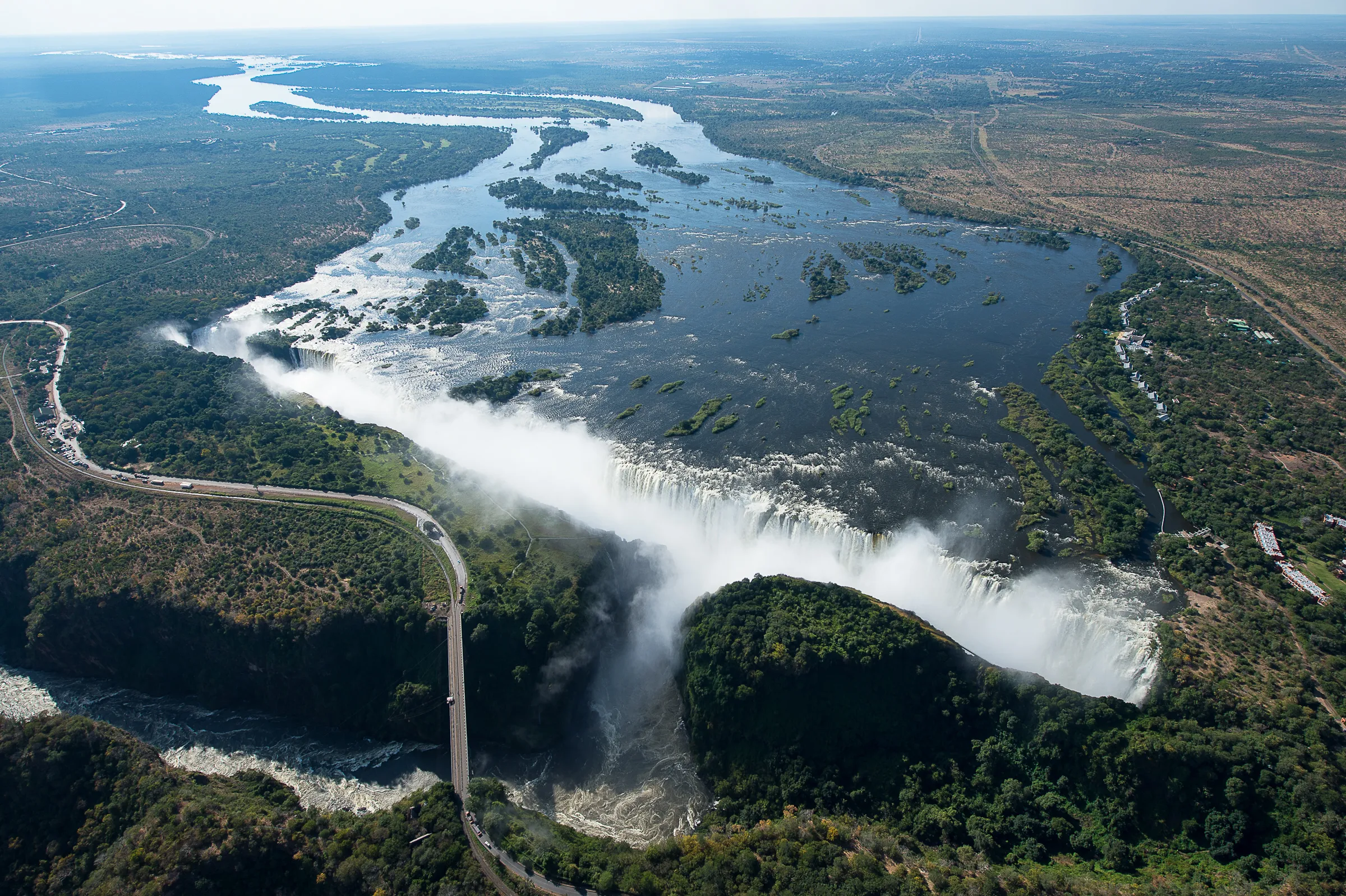
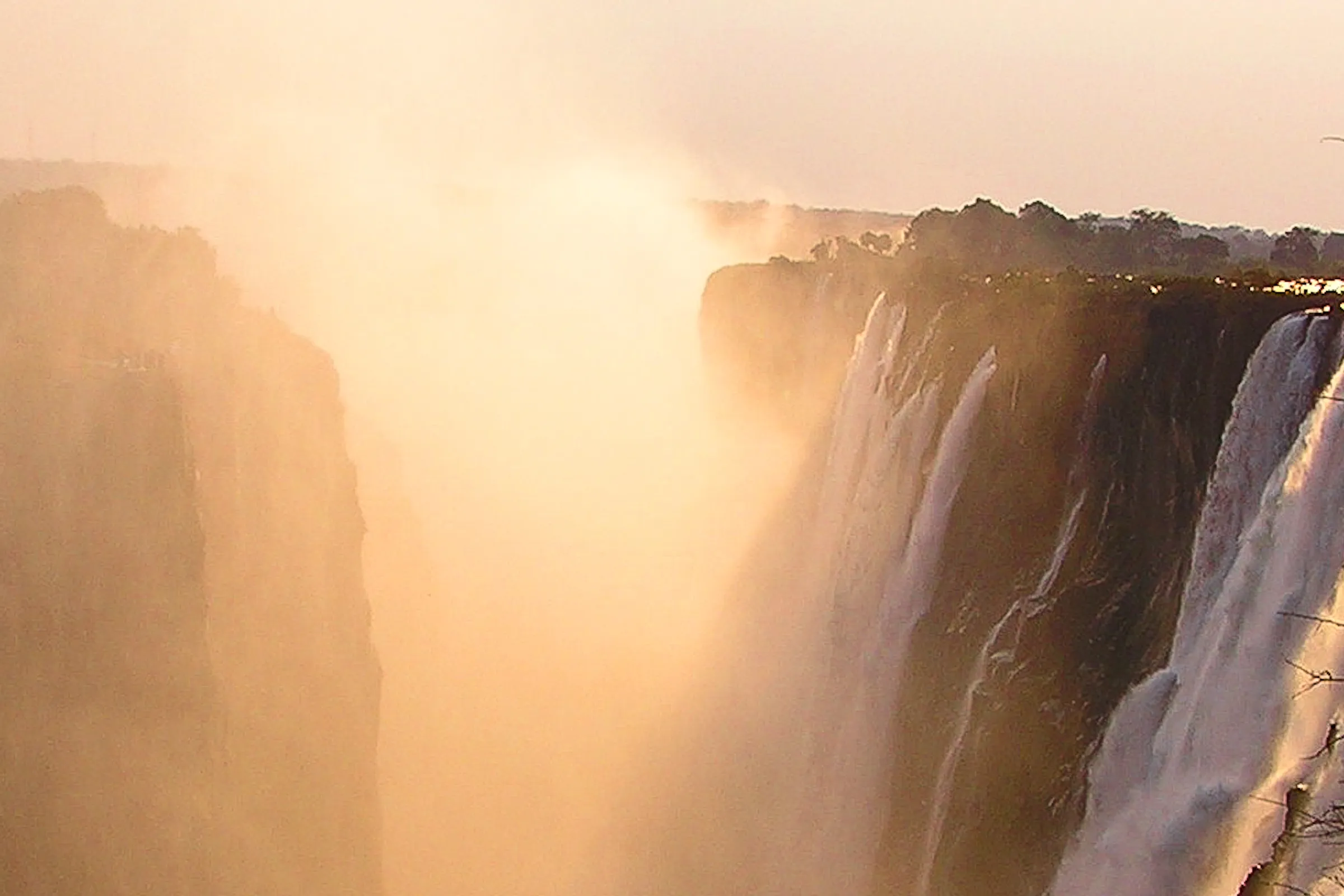
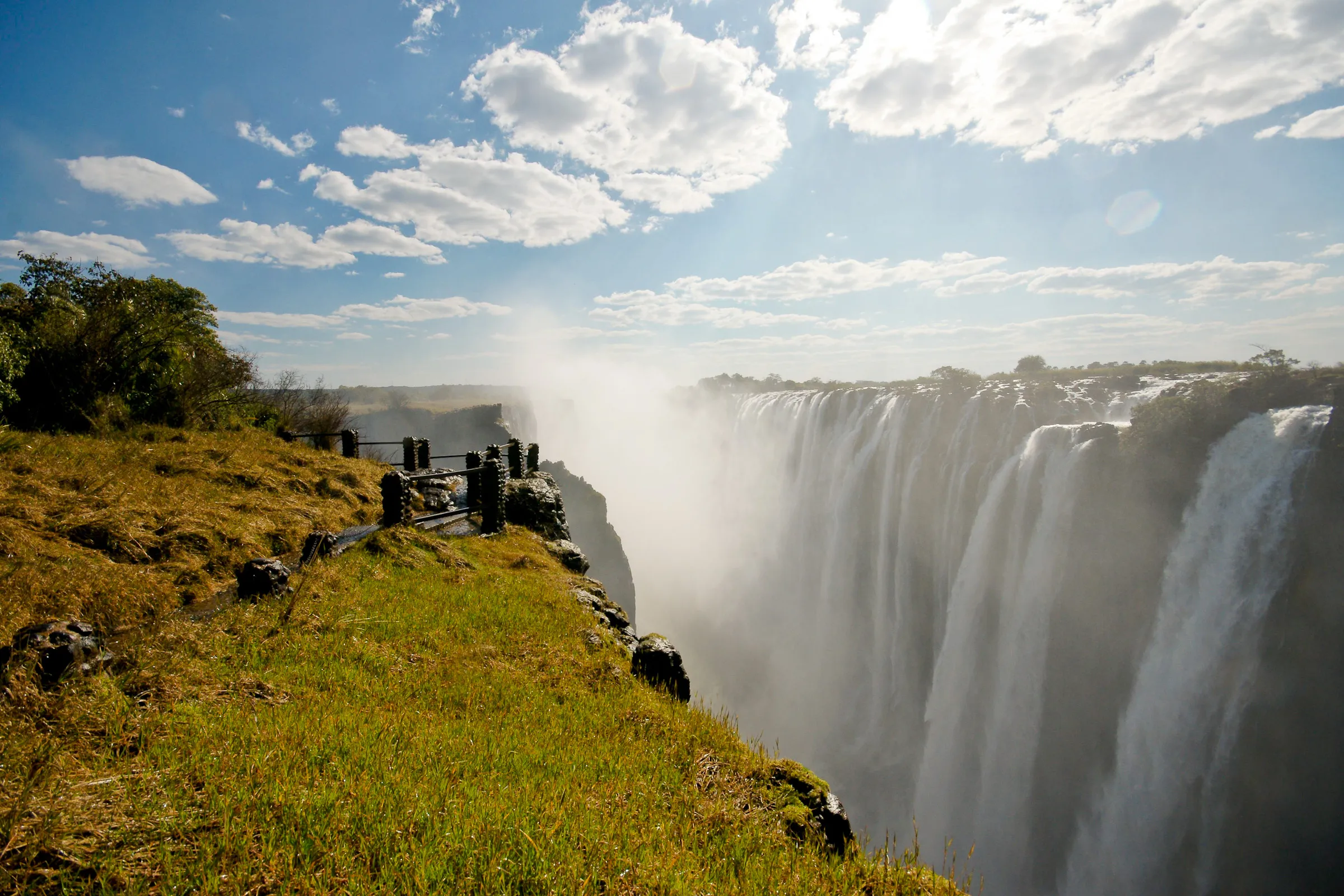
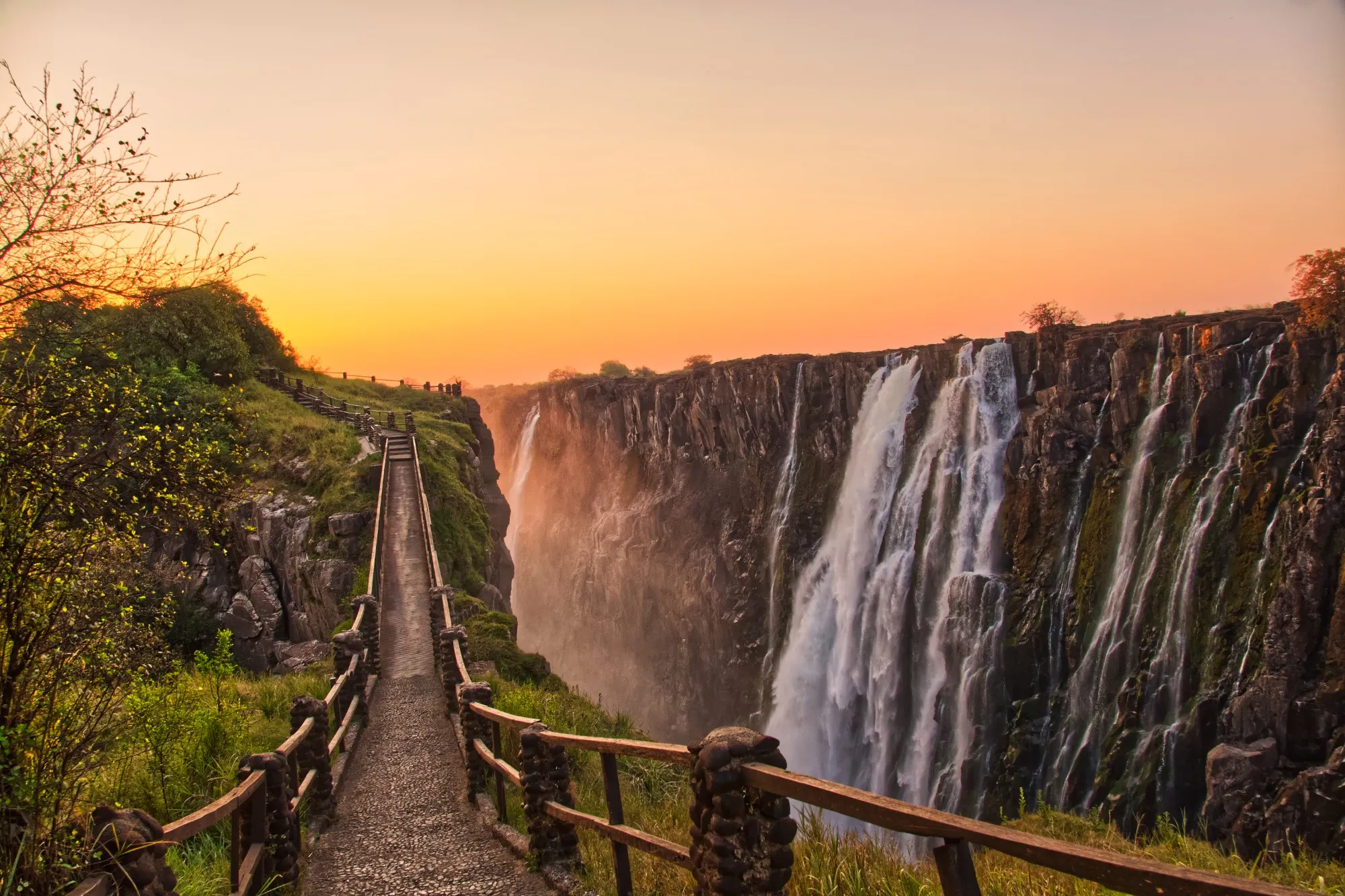
- Victoria Falls
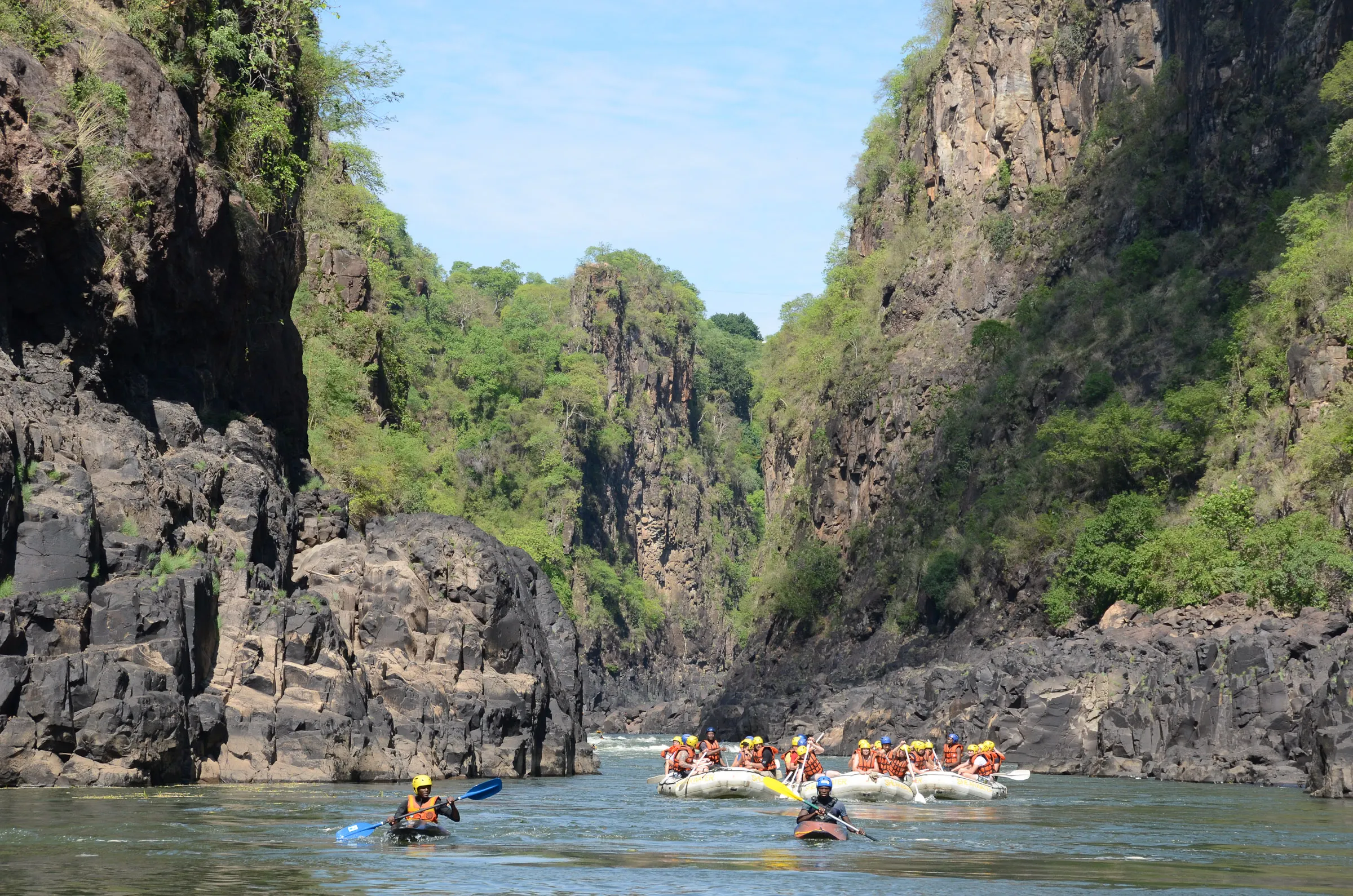
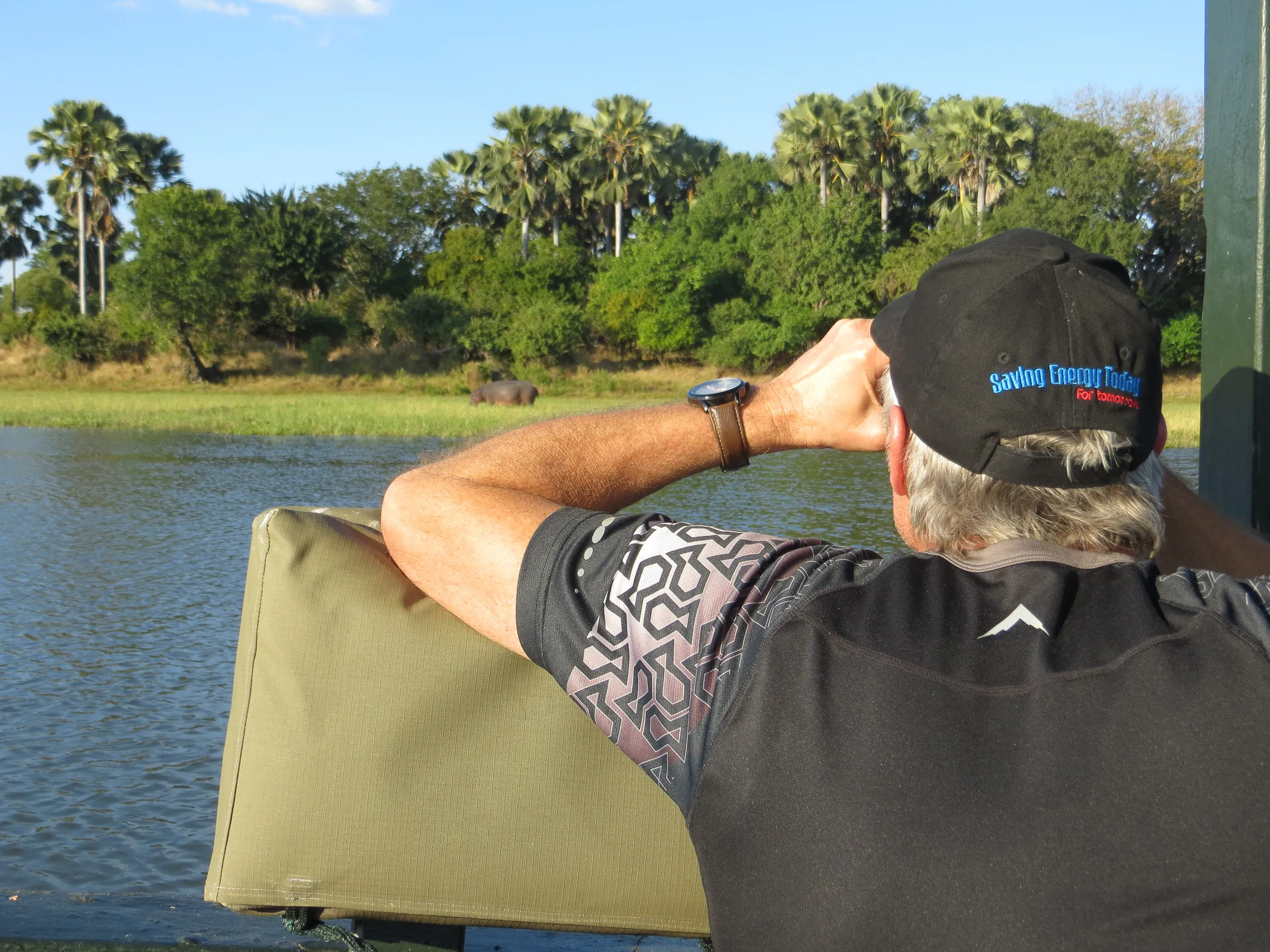
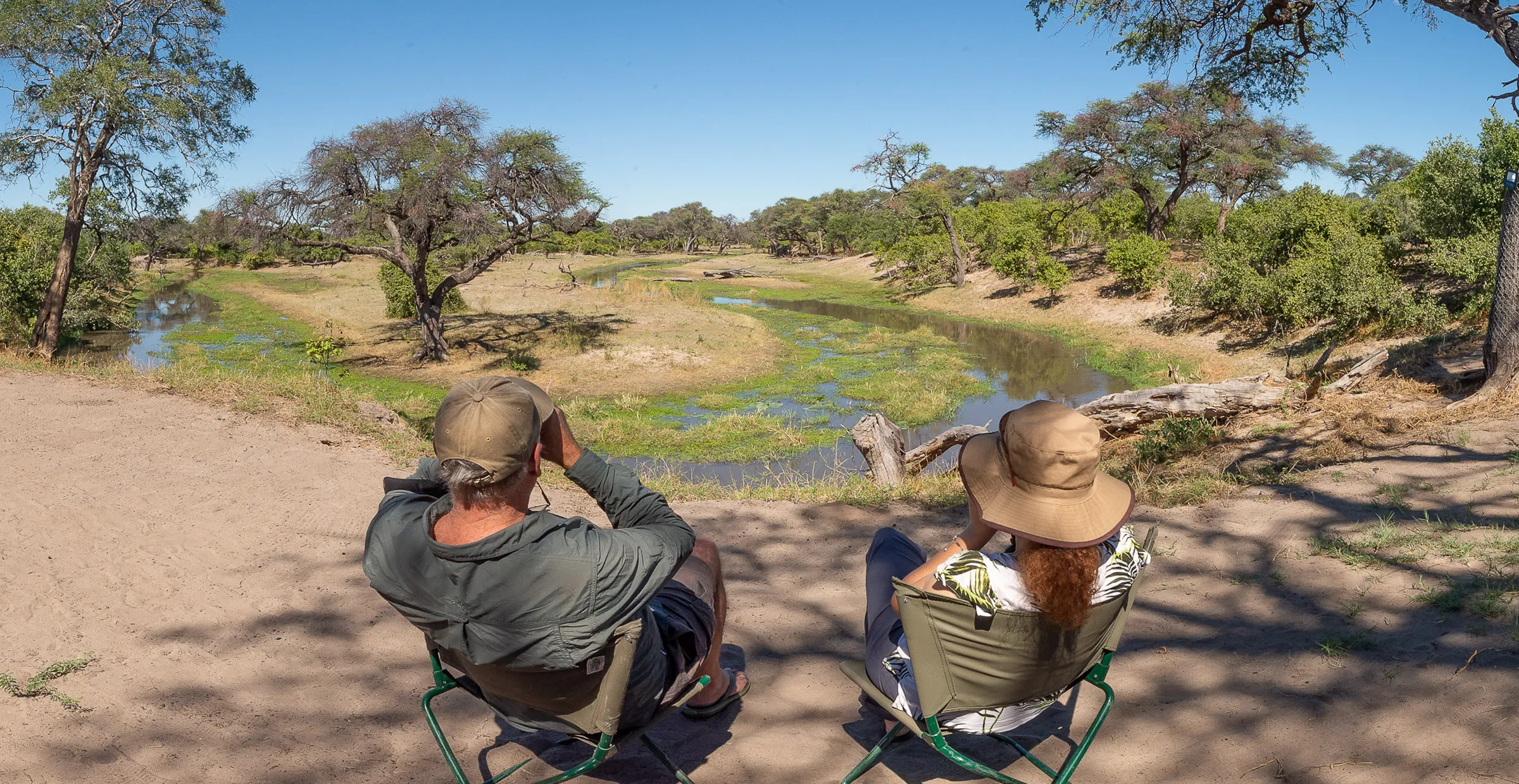
- Lower Zambezi – canoeing
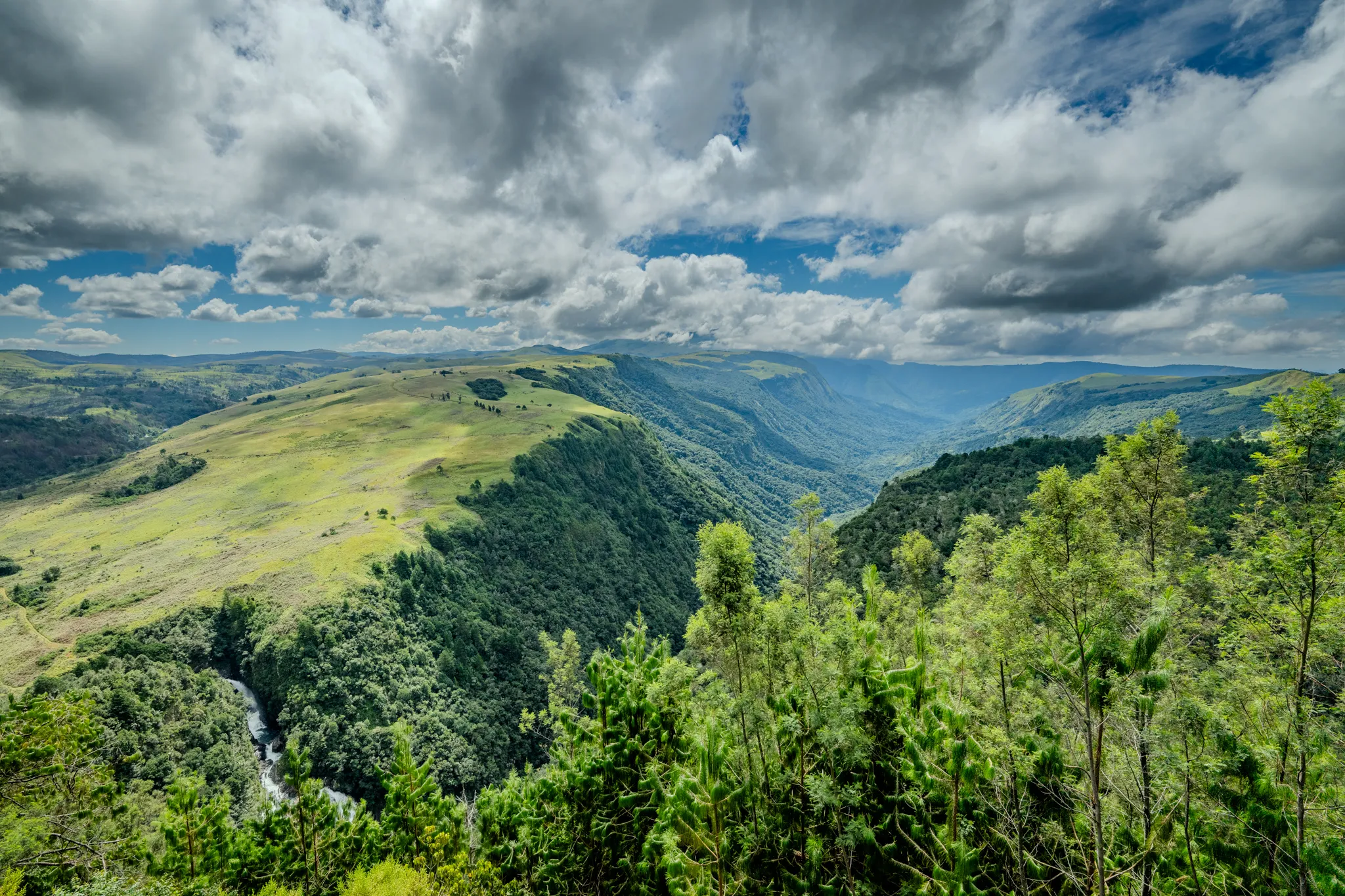
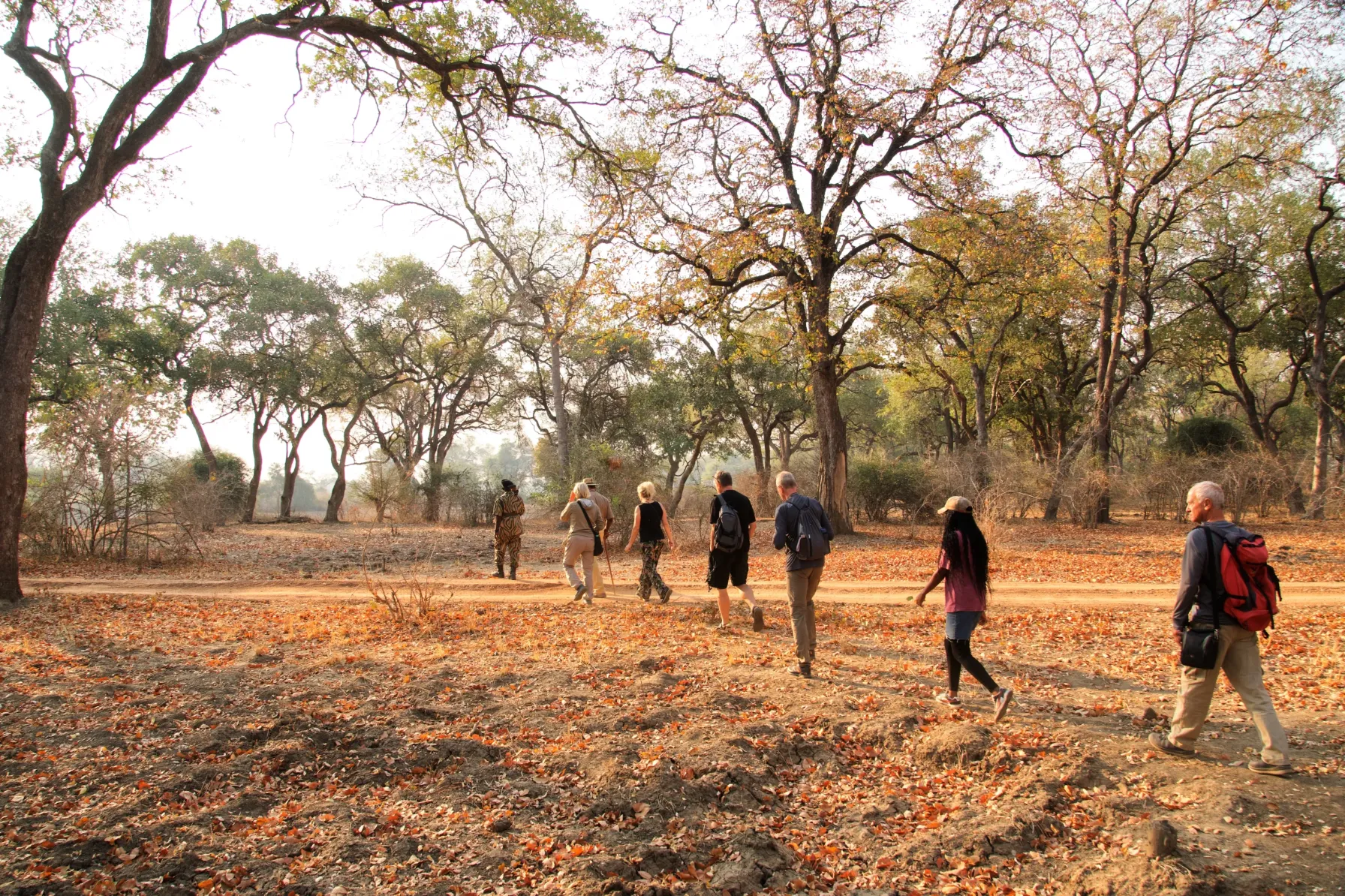
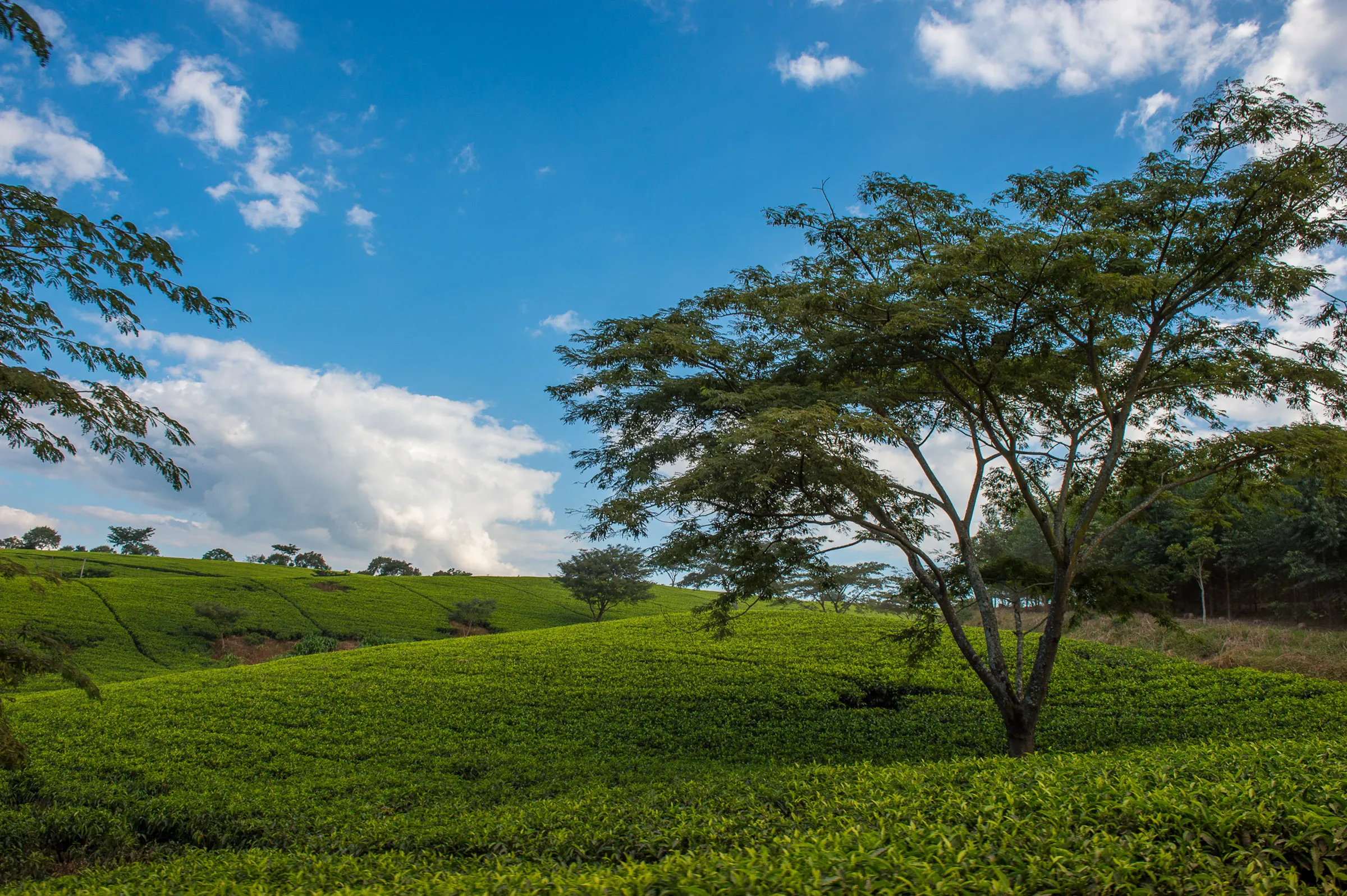
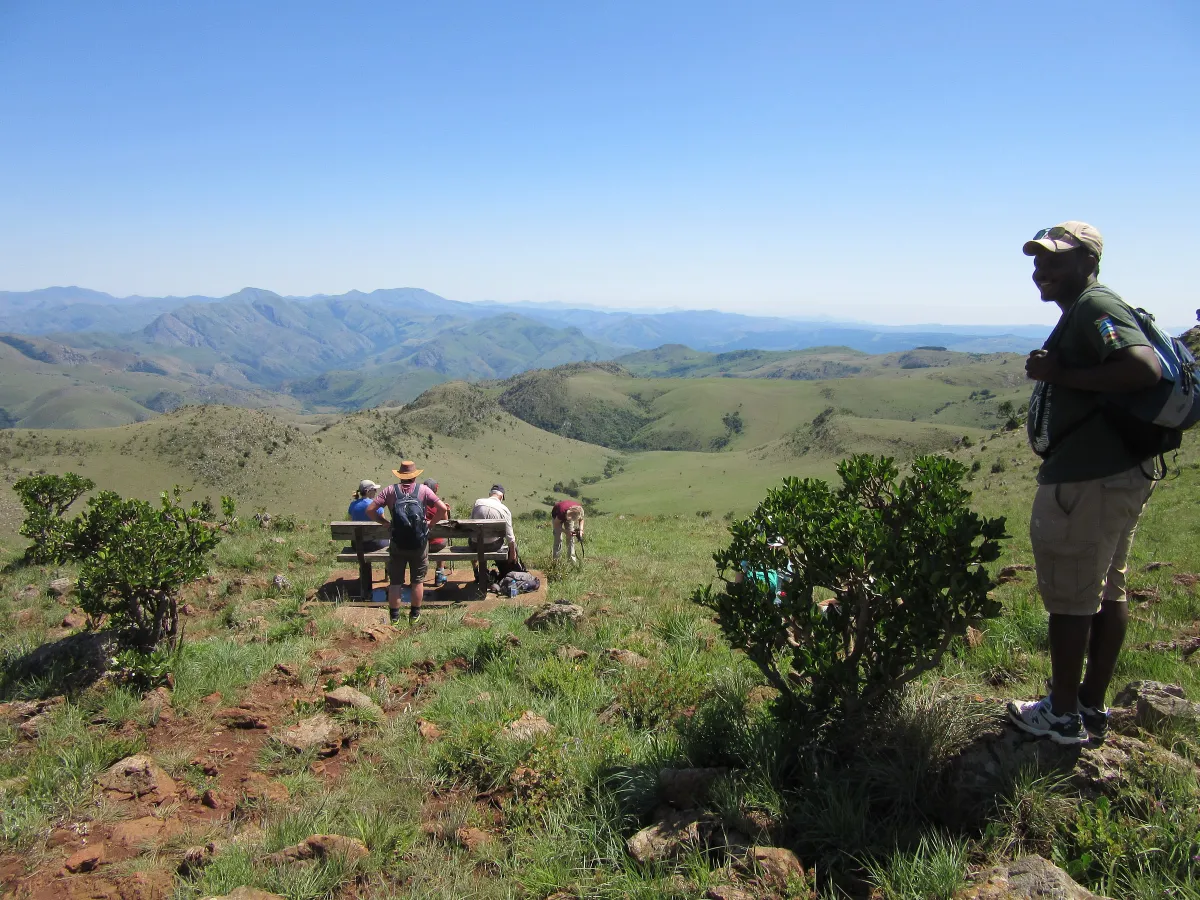
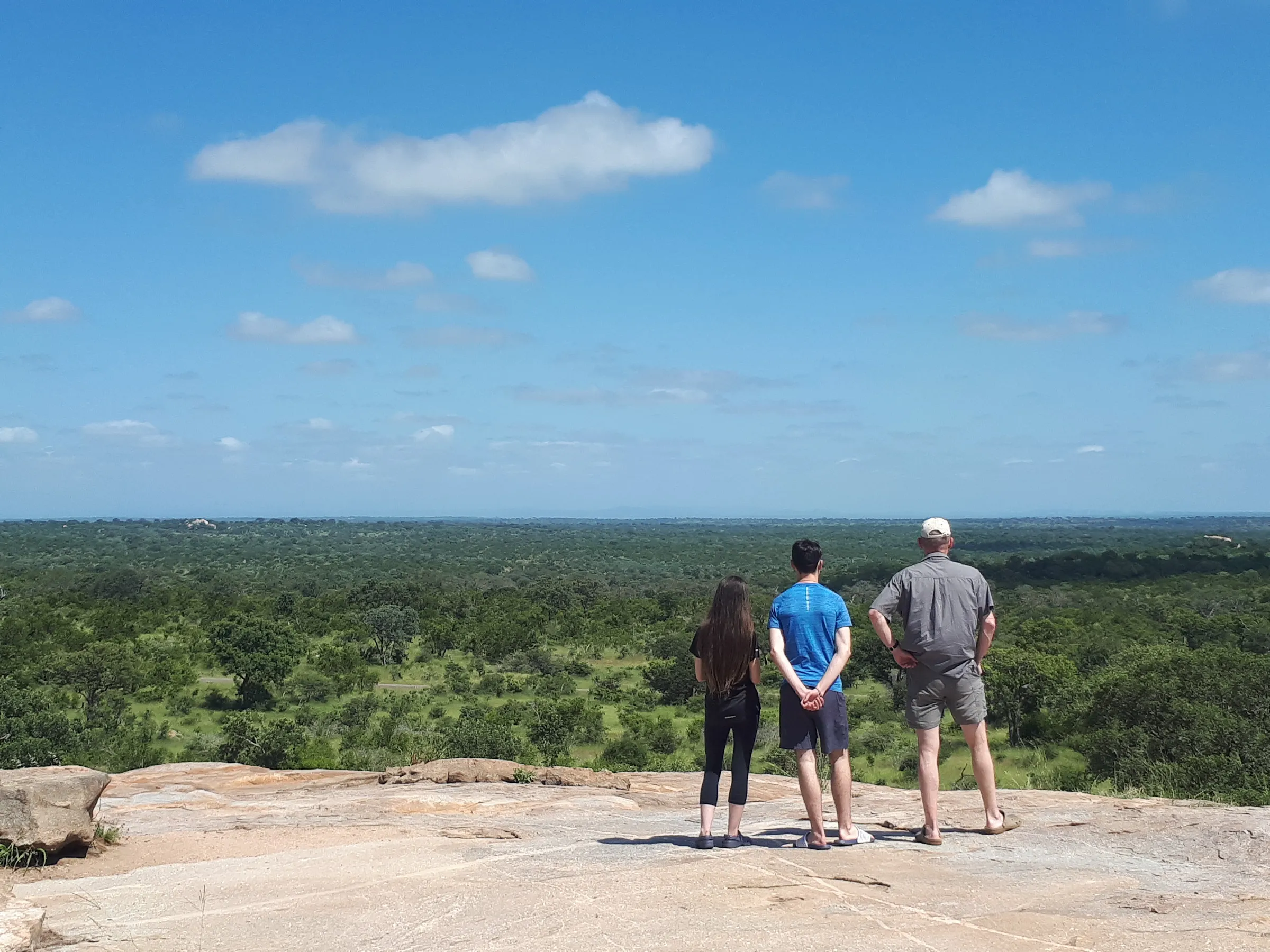
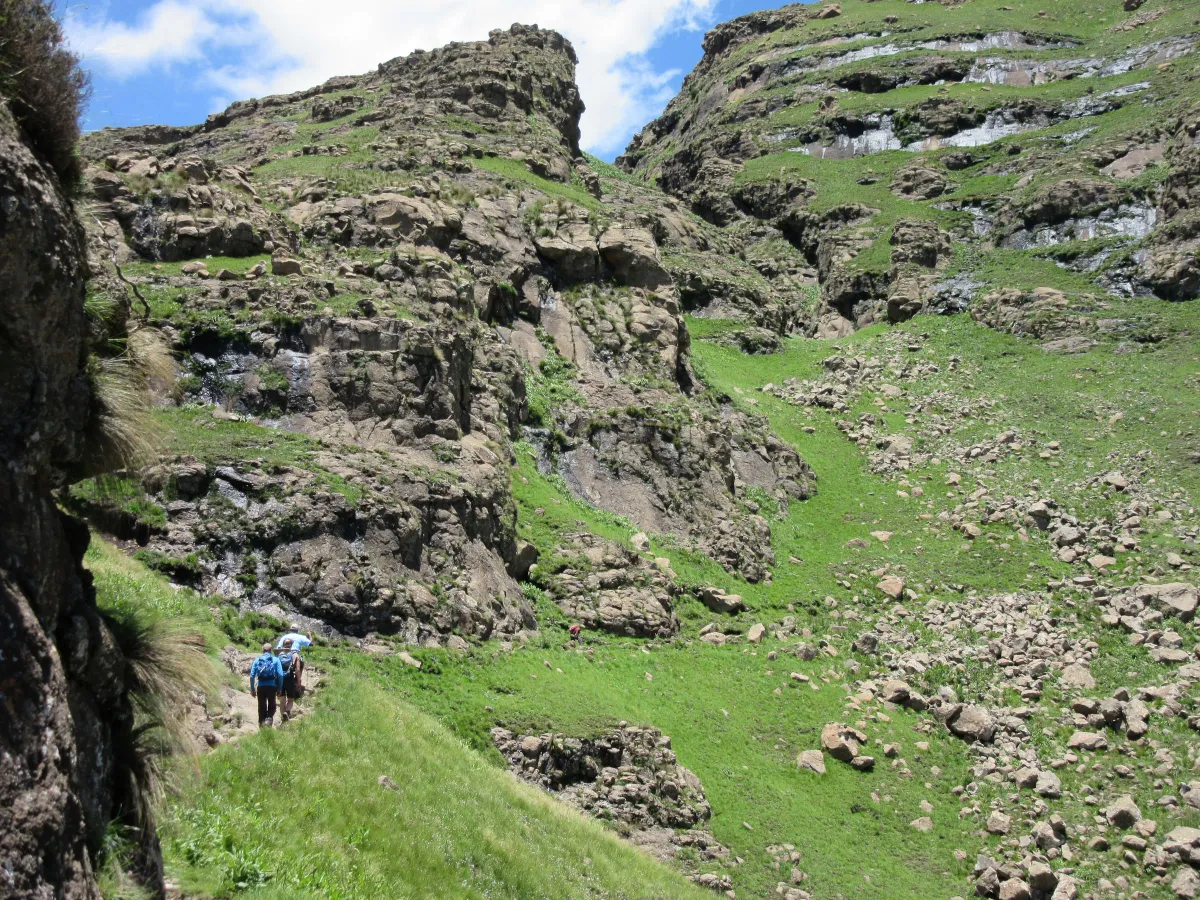
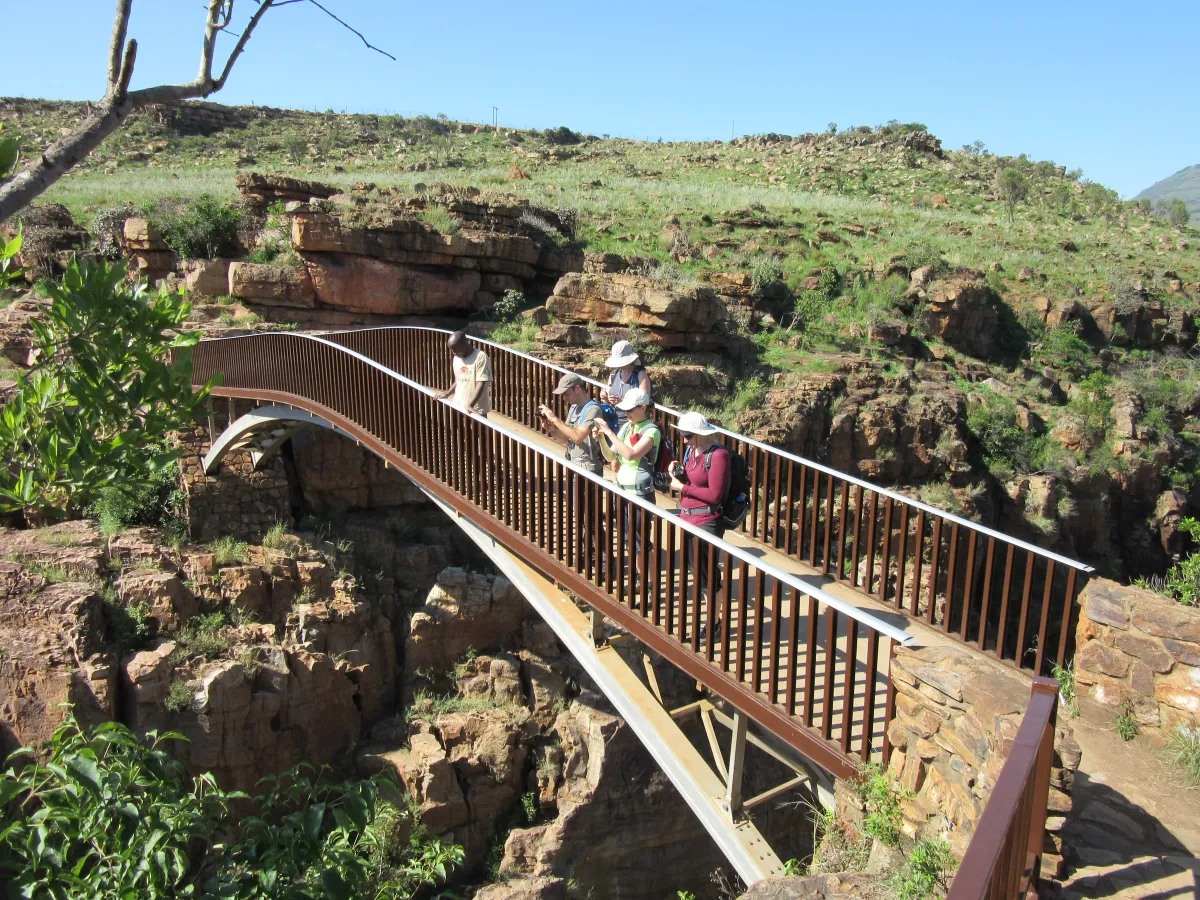
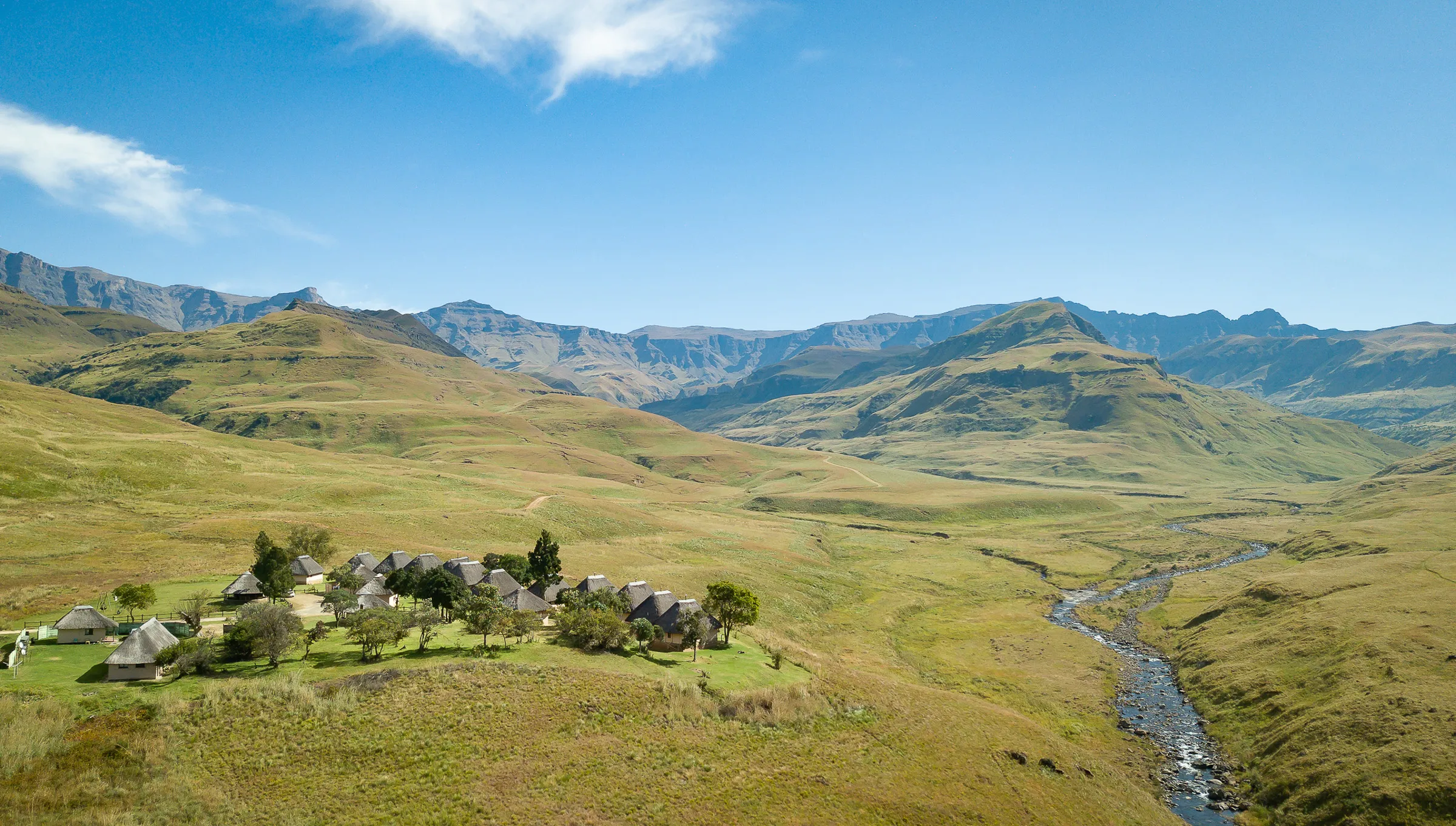
- Nyanga - guided walk
- Chimanimani – guided walk
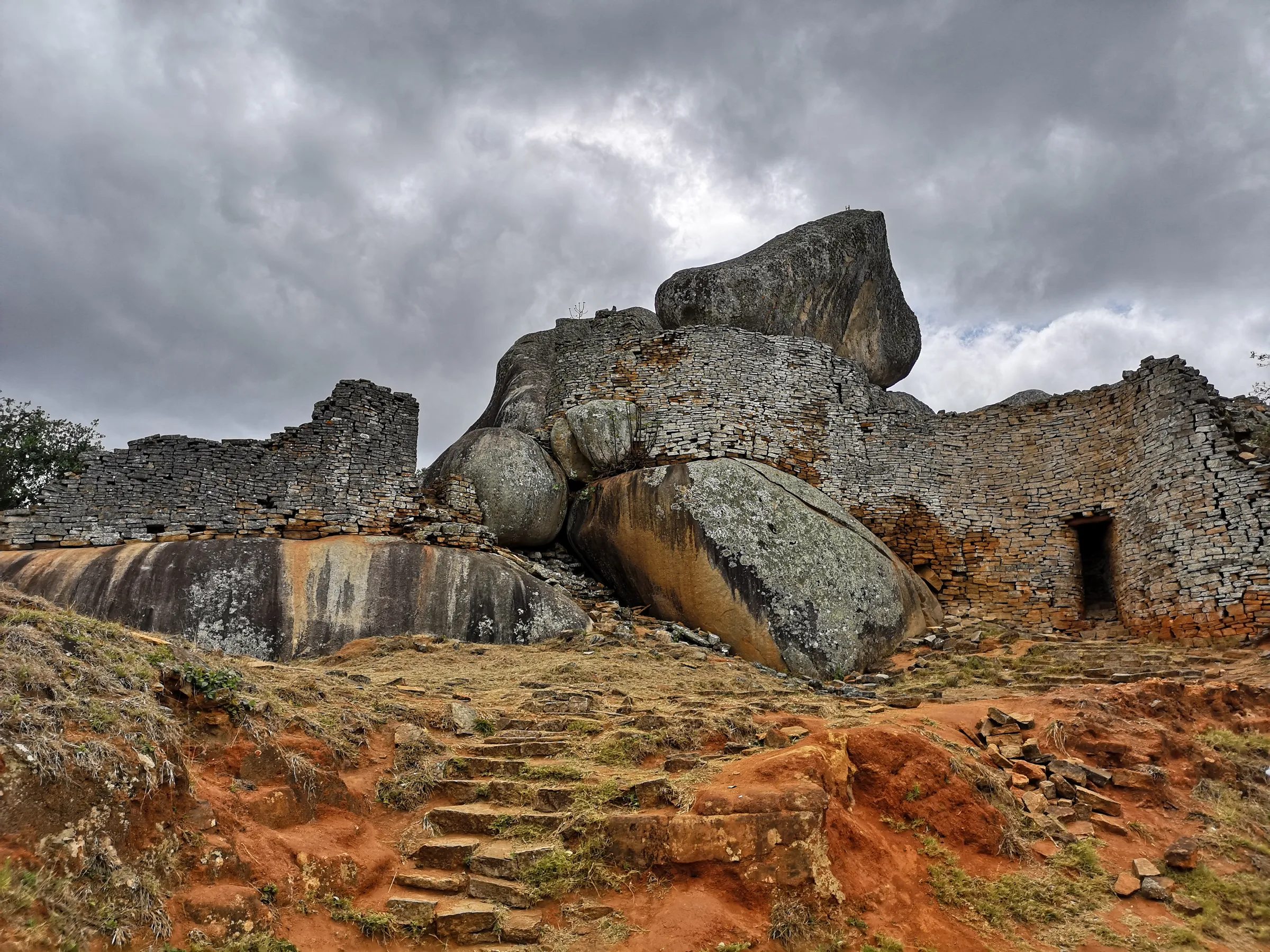
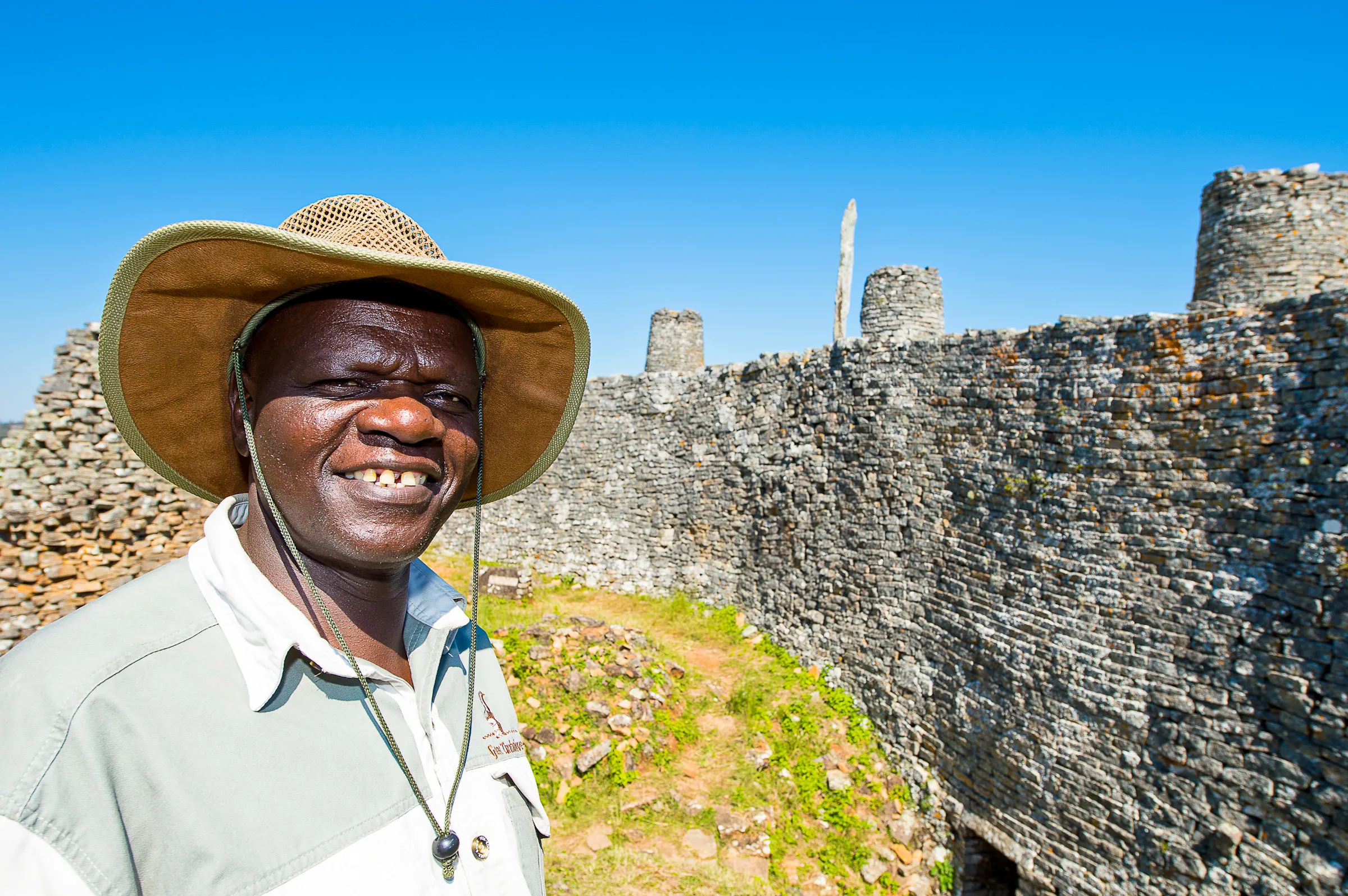
- Zimbabwe Ruins – guided walk
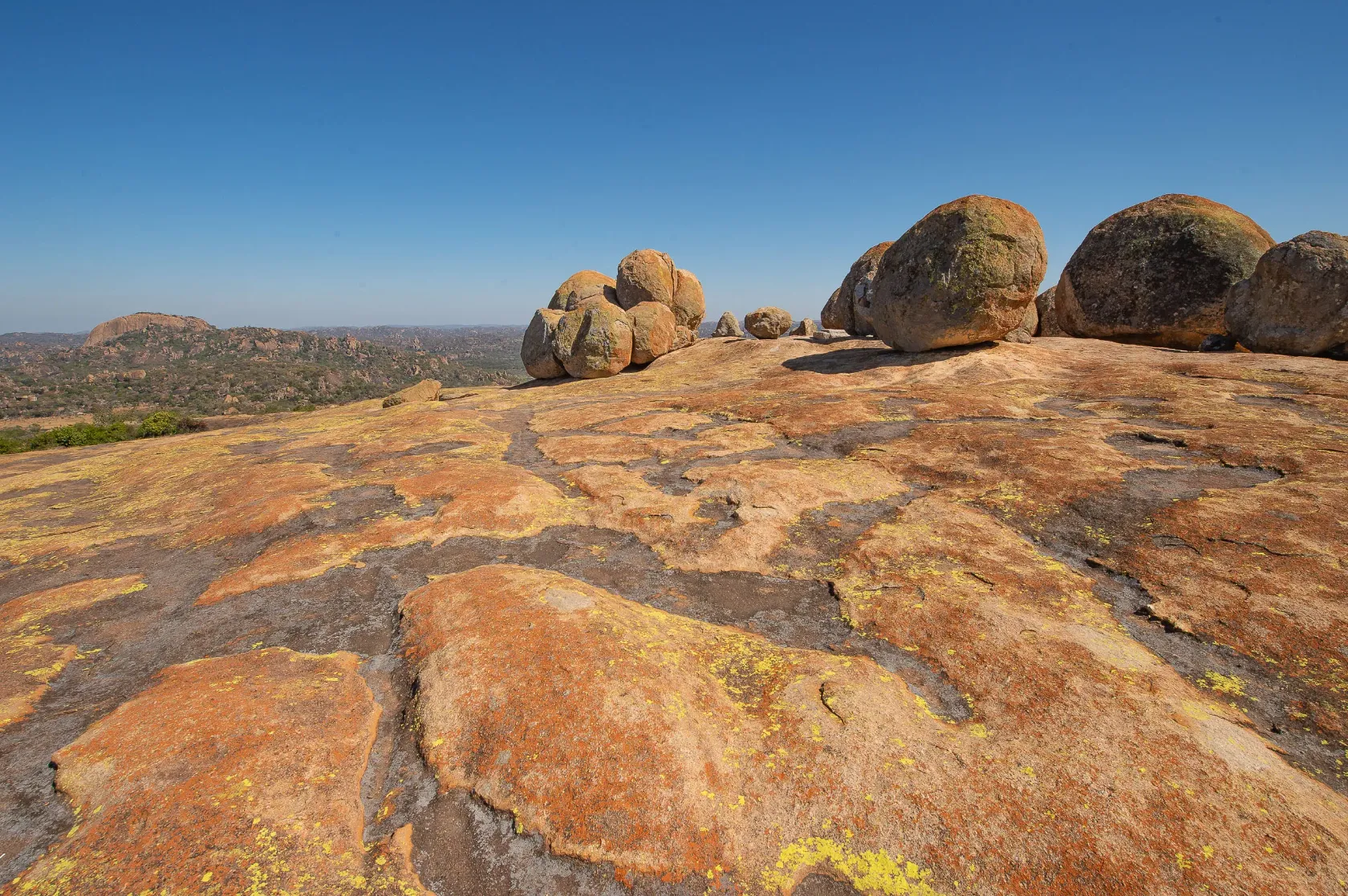
- Matobos – game drive and guided walk
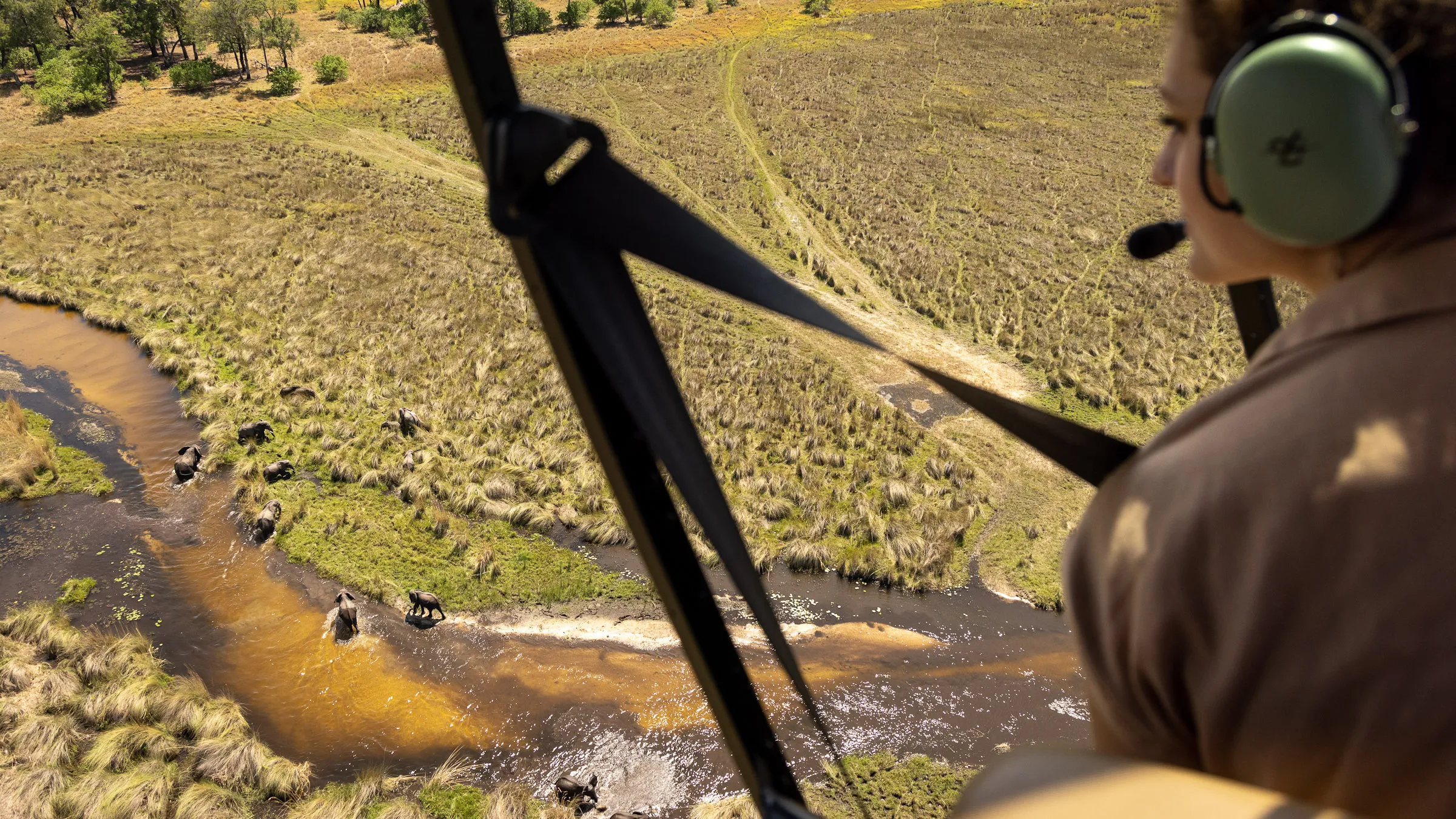
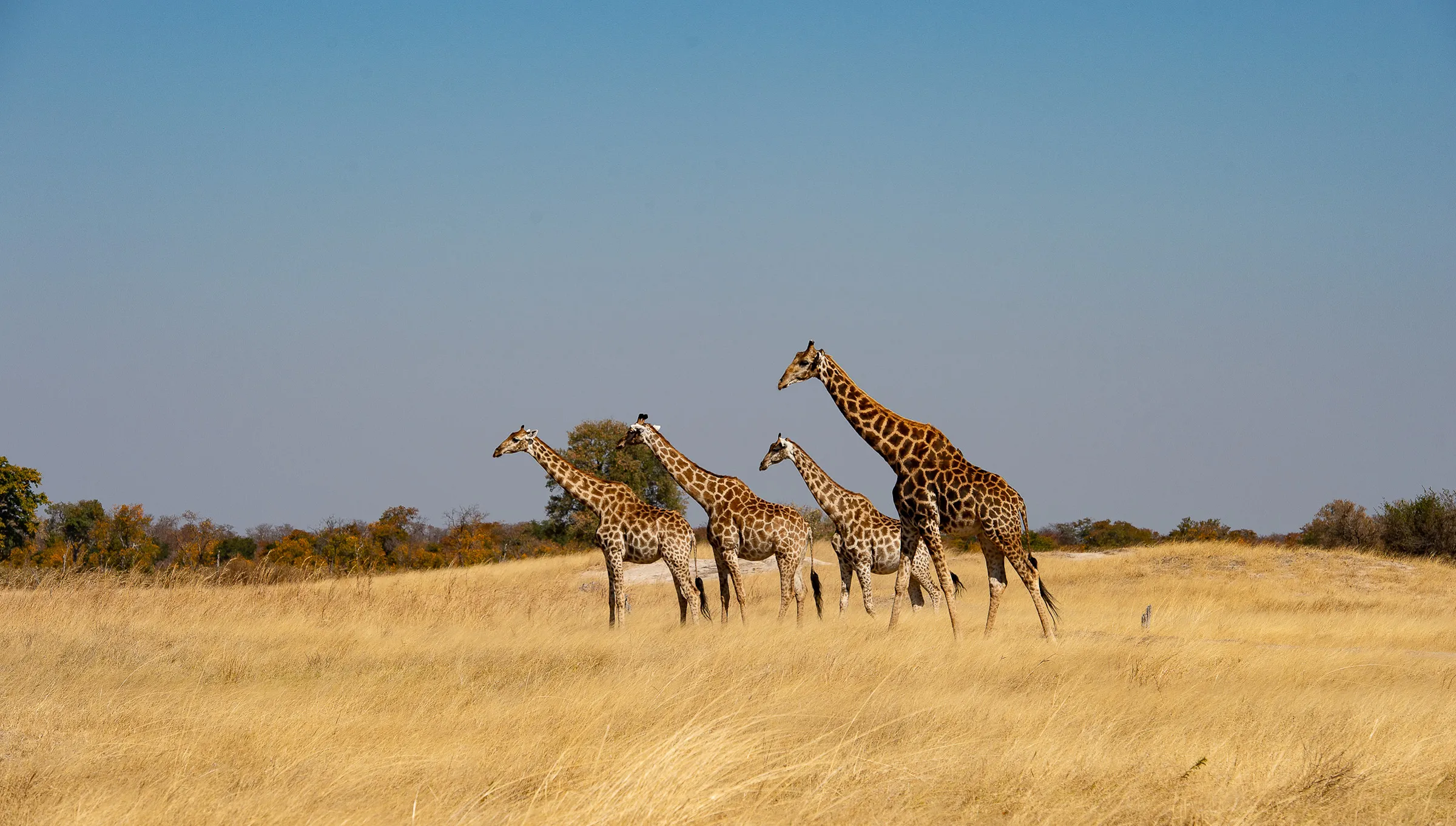
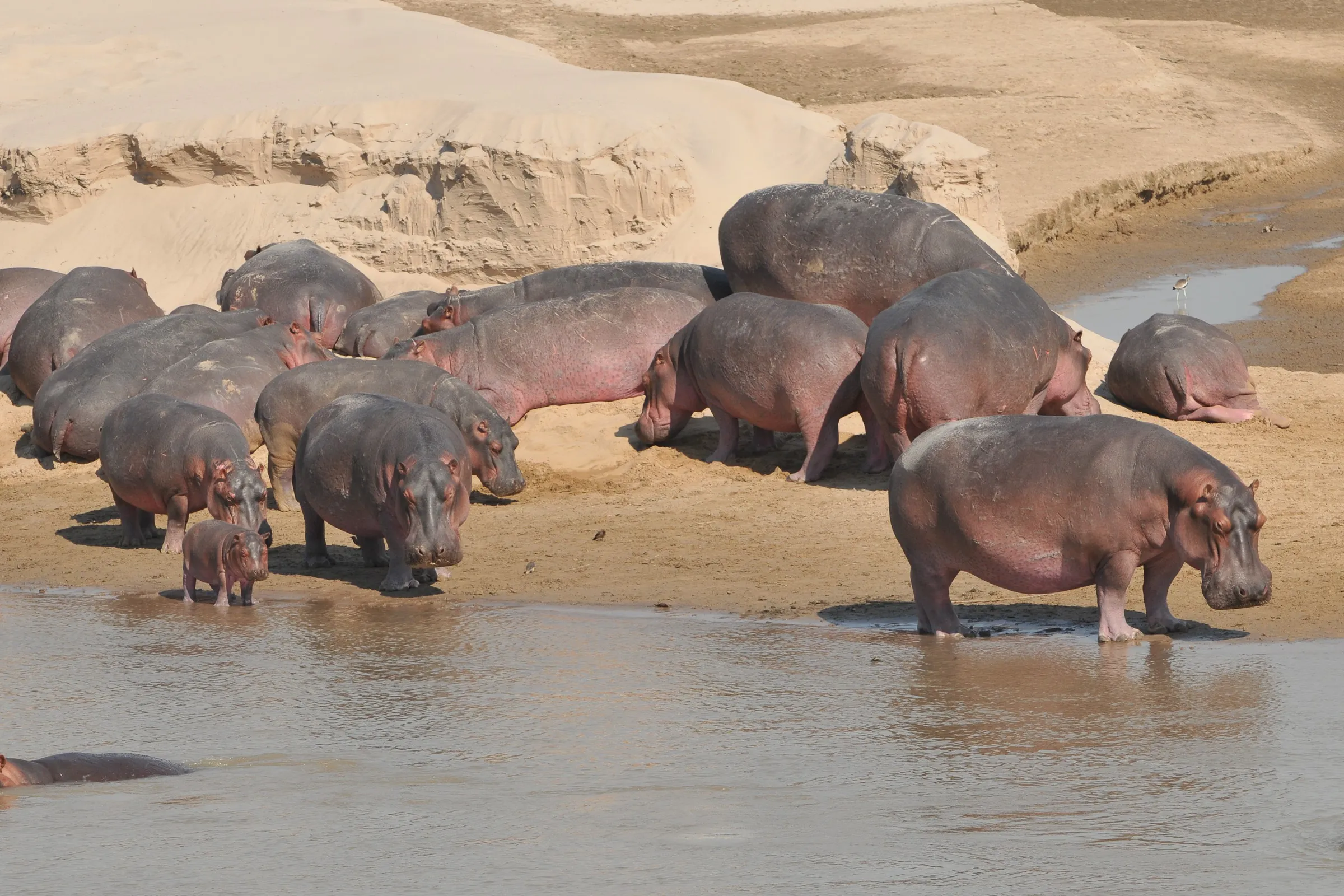
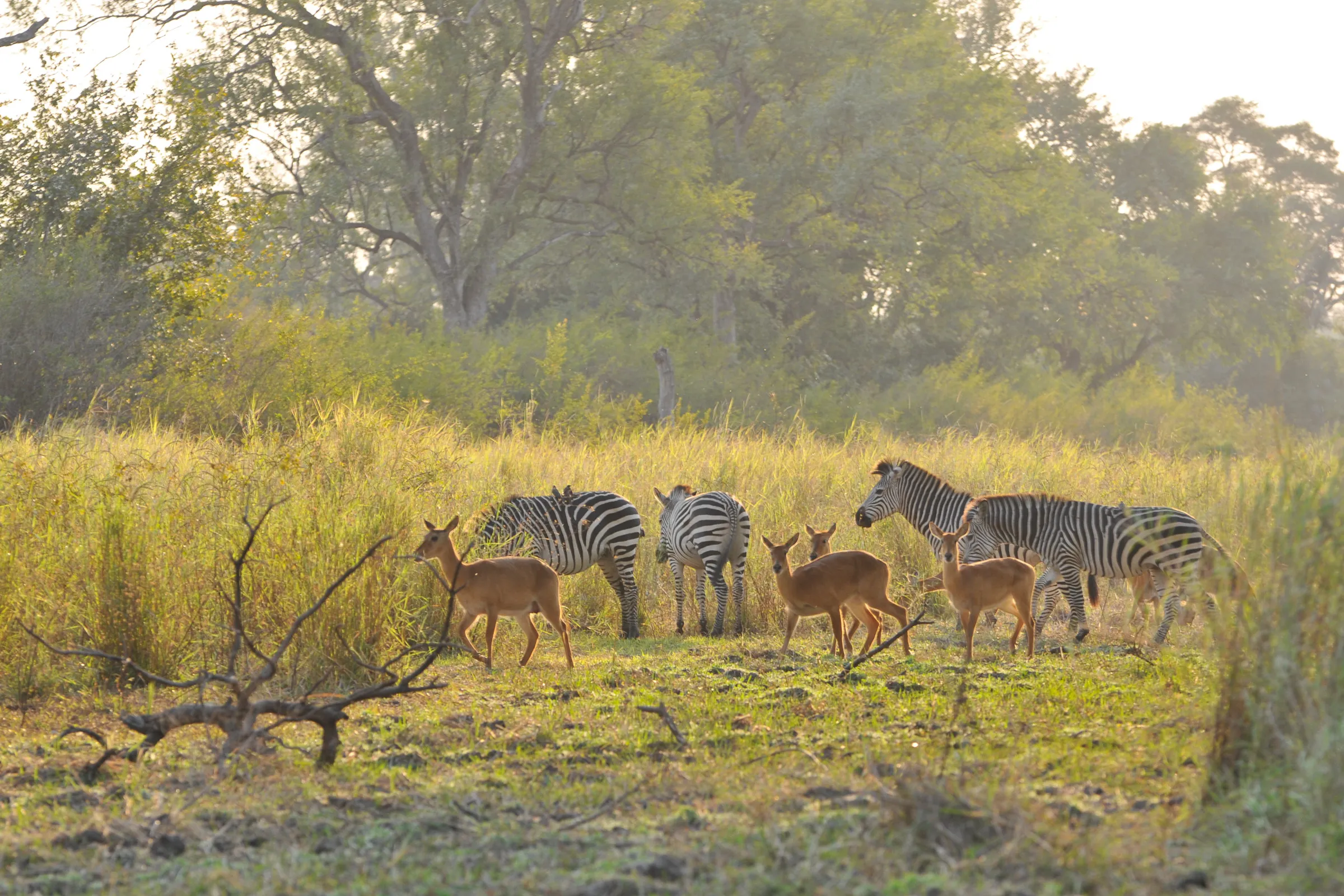
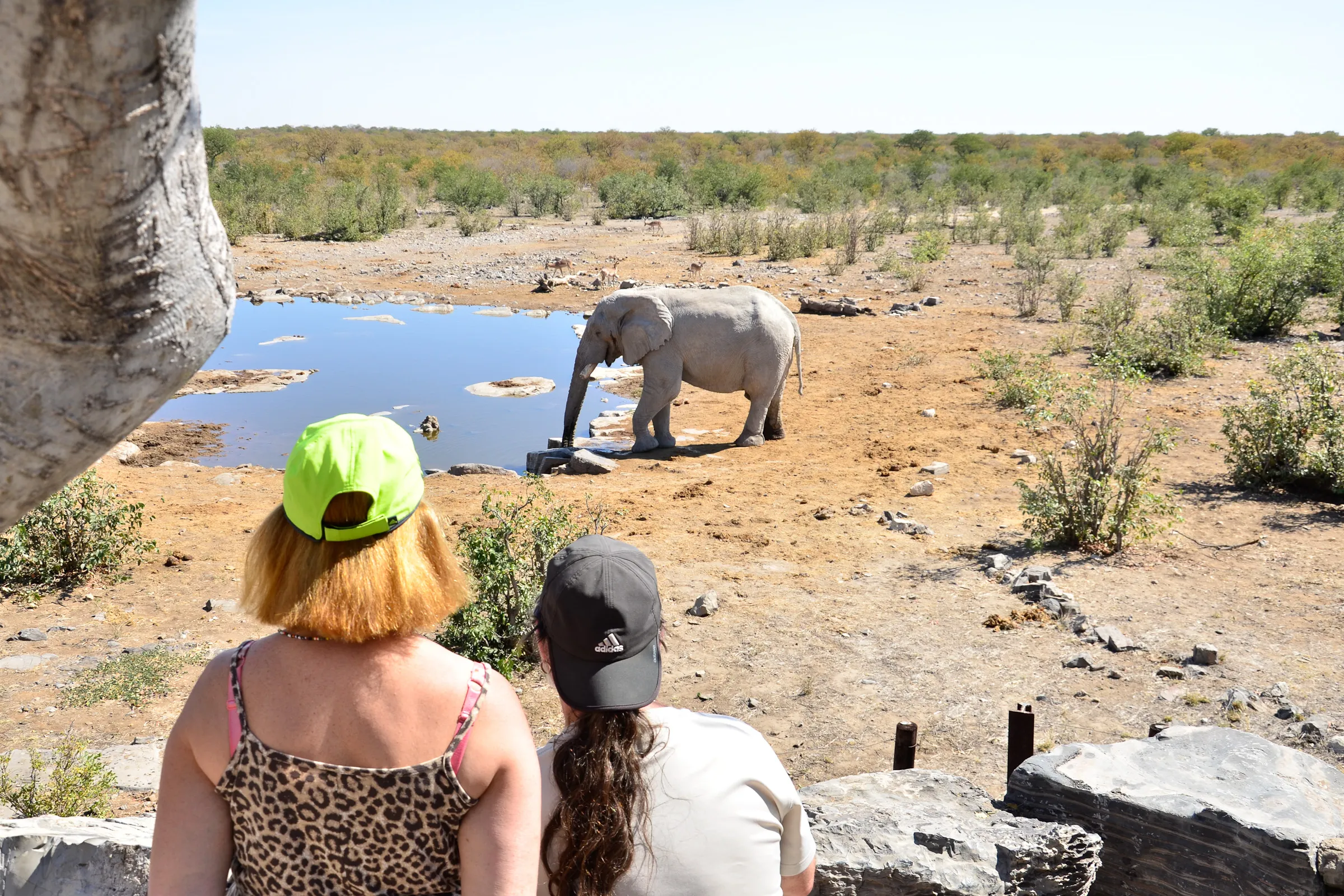
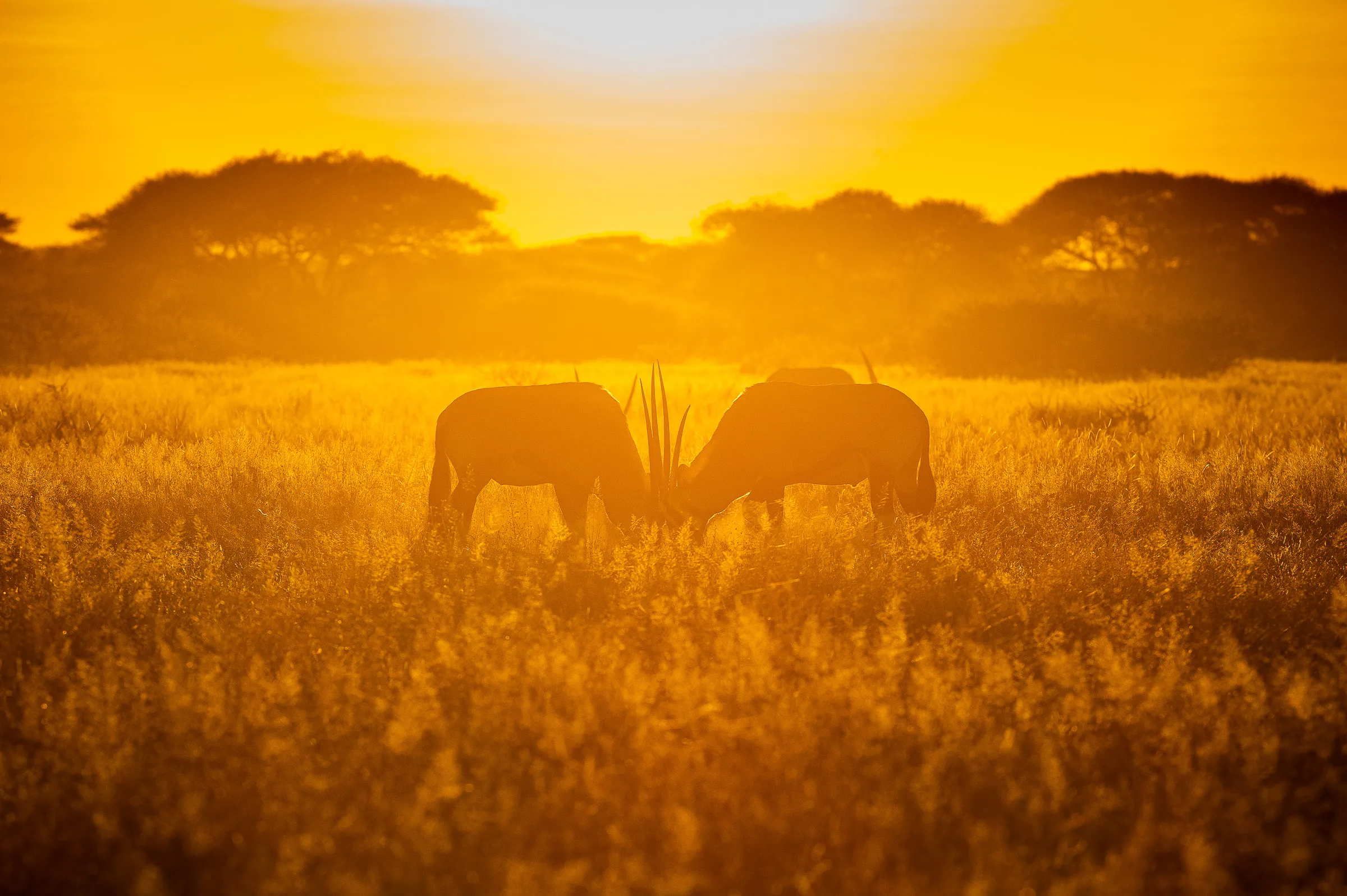
- Hwange National Park - game drive
Information
Overnight
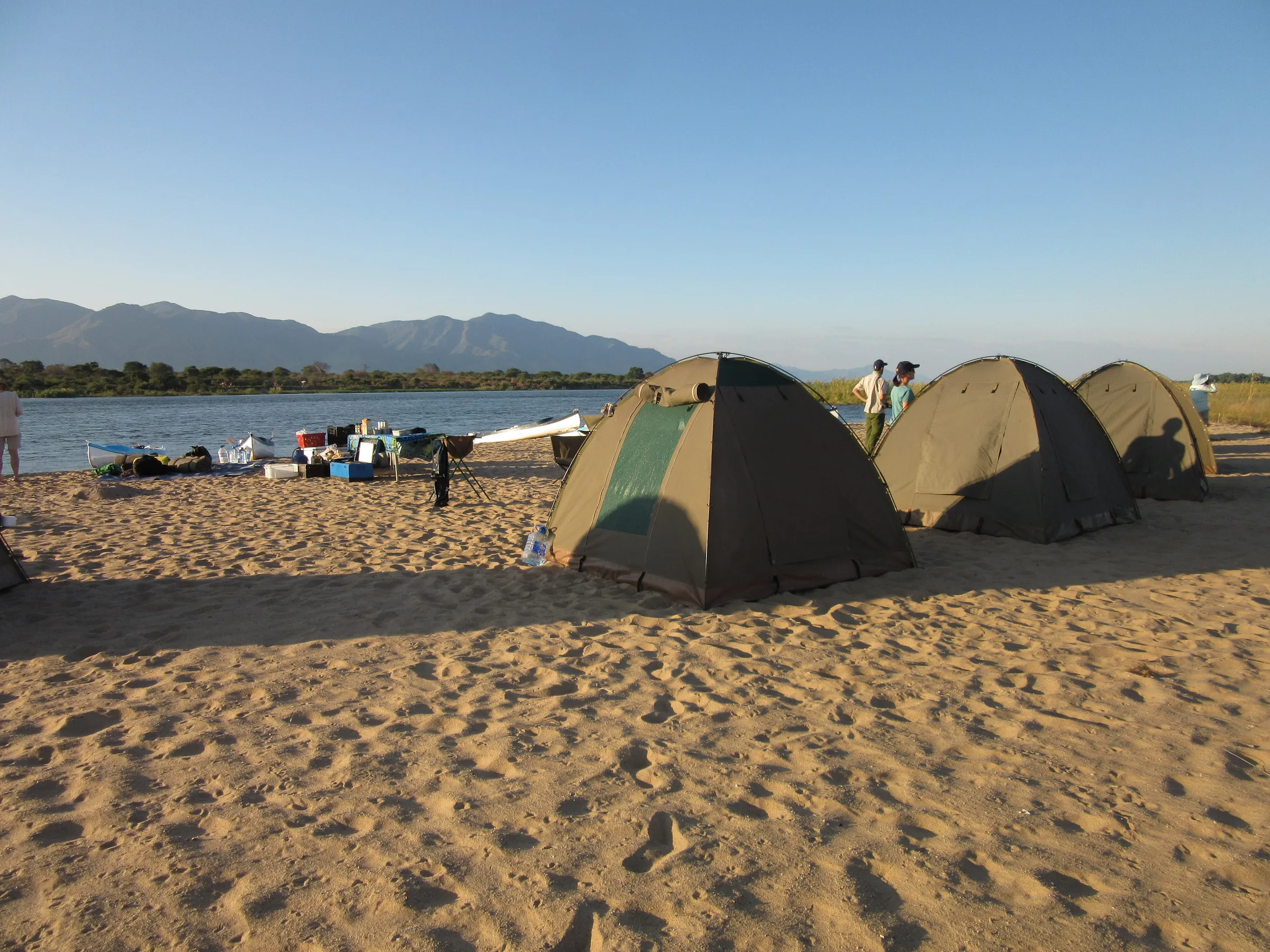
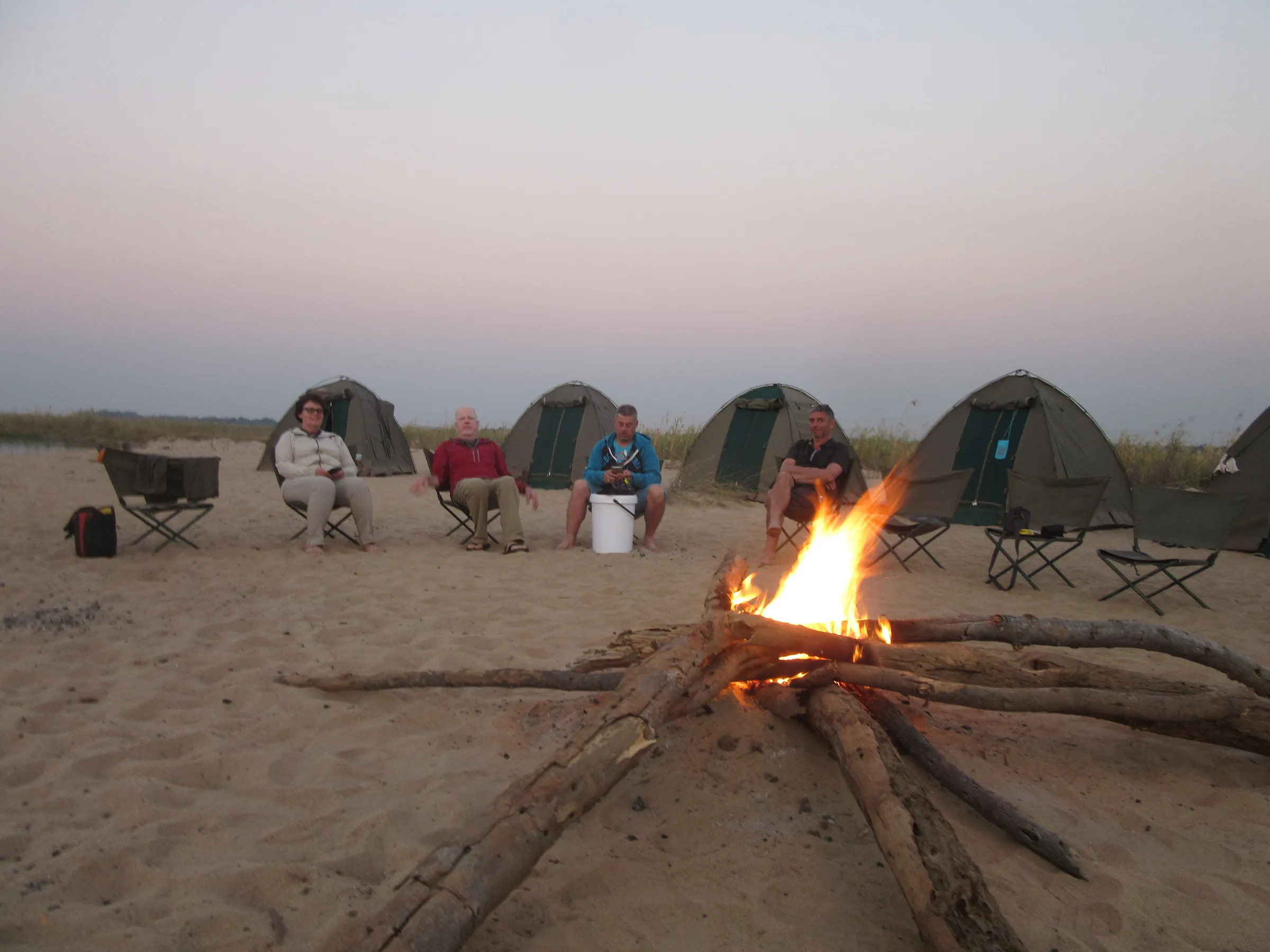
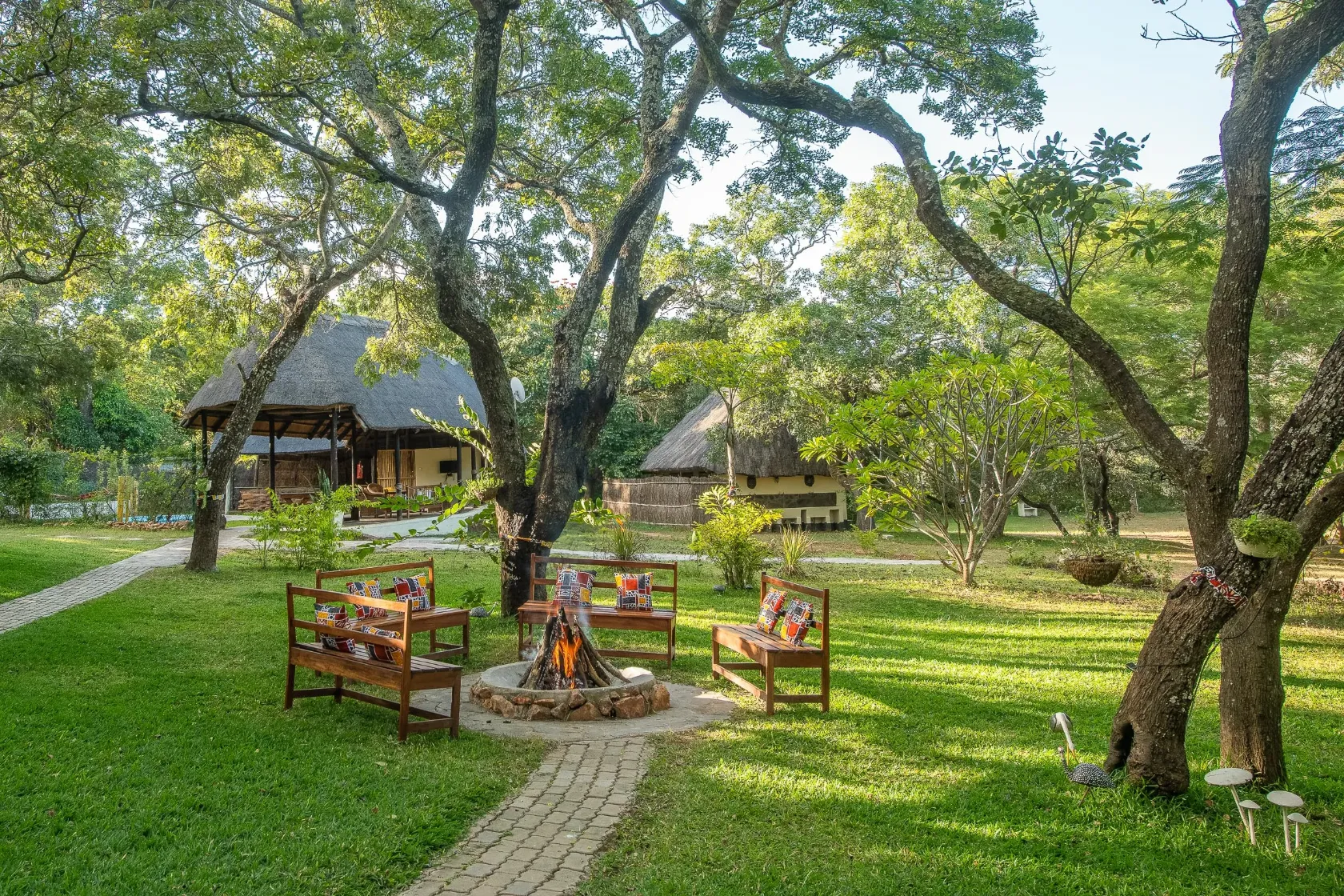
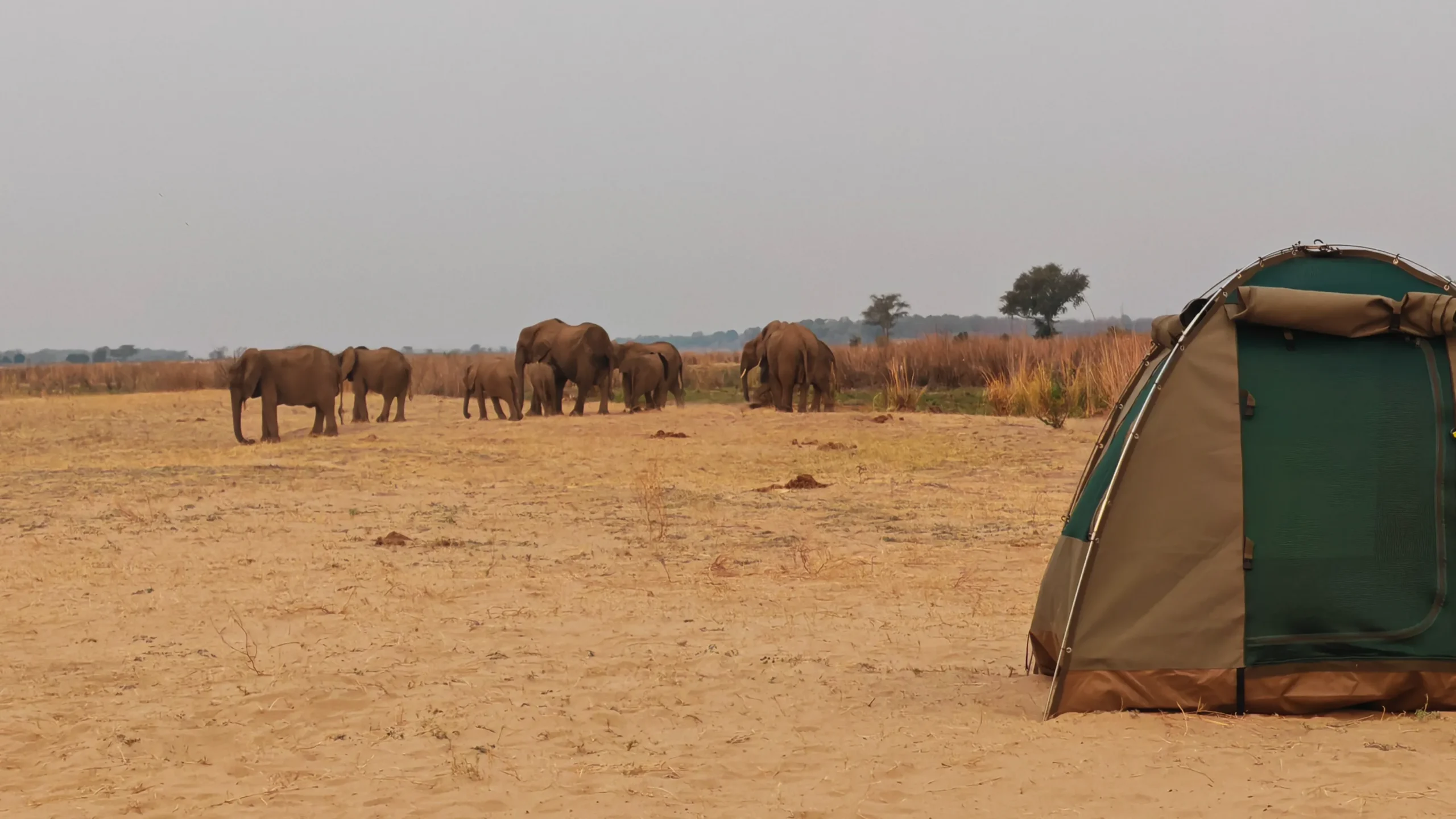
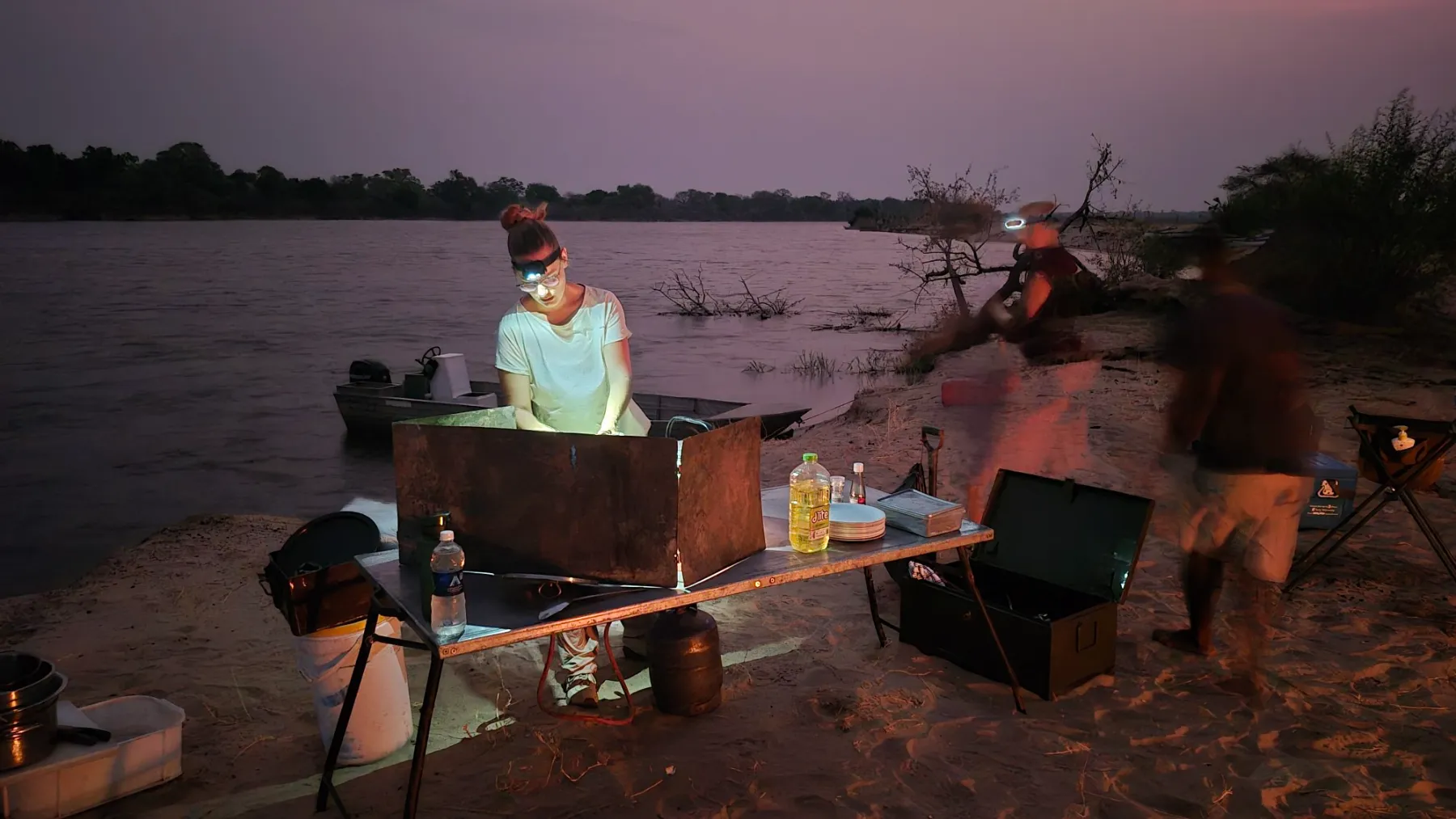
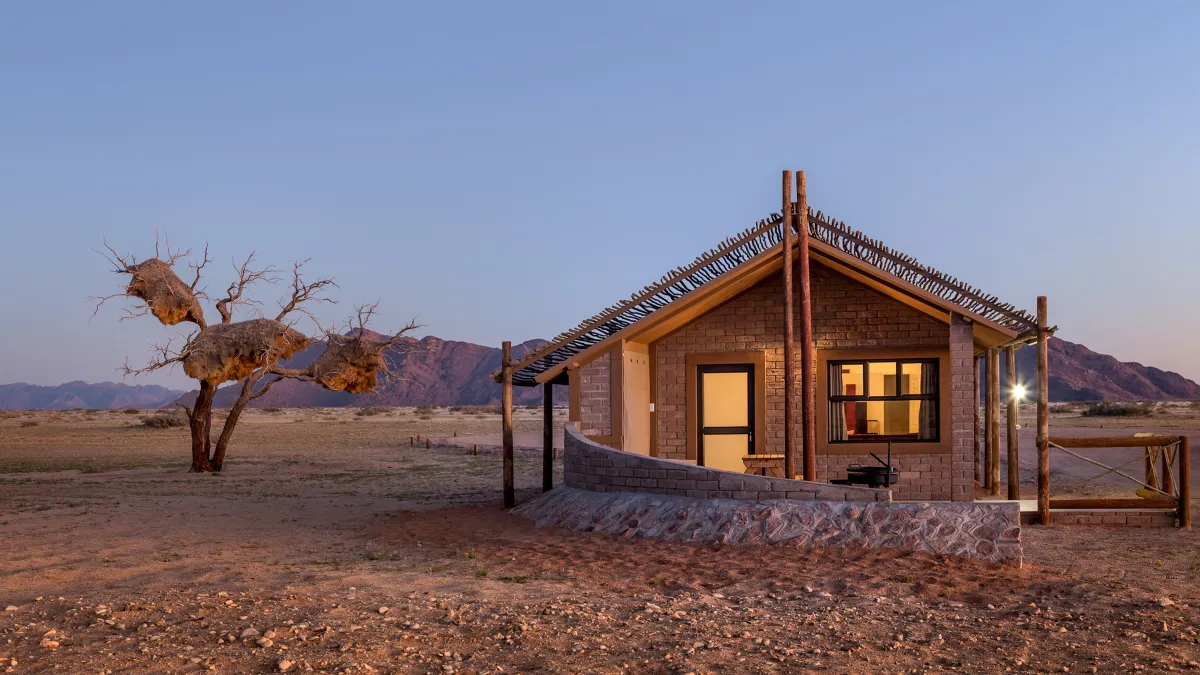
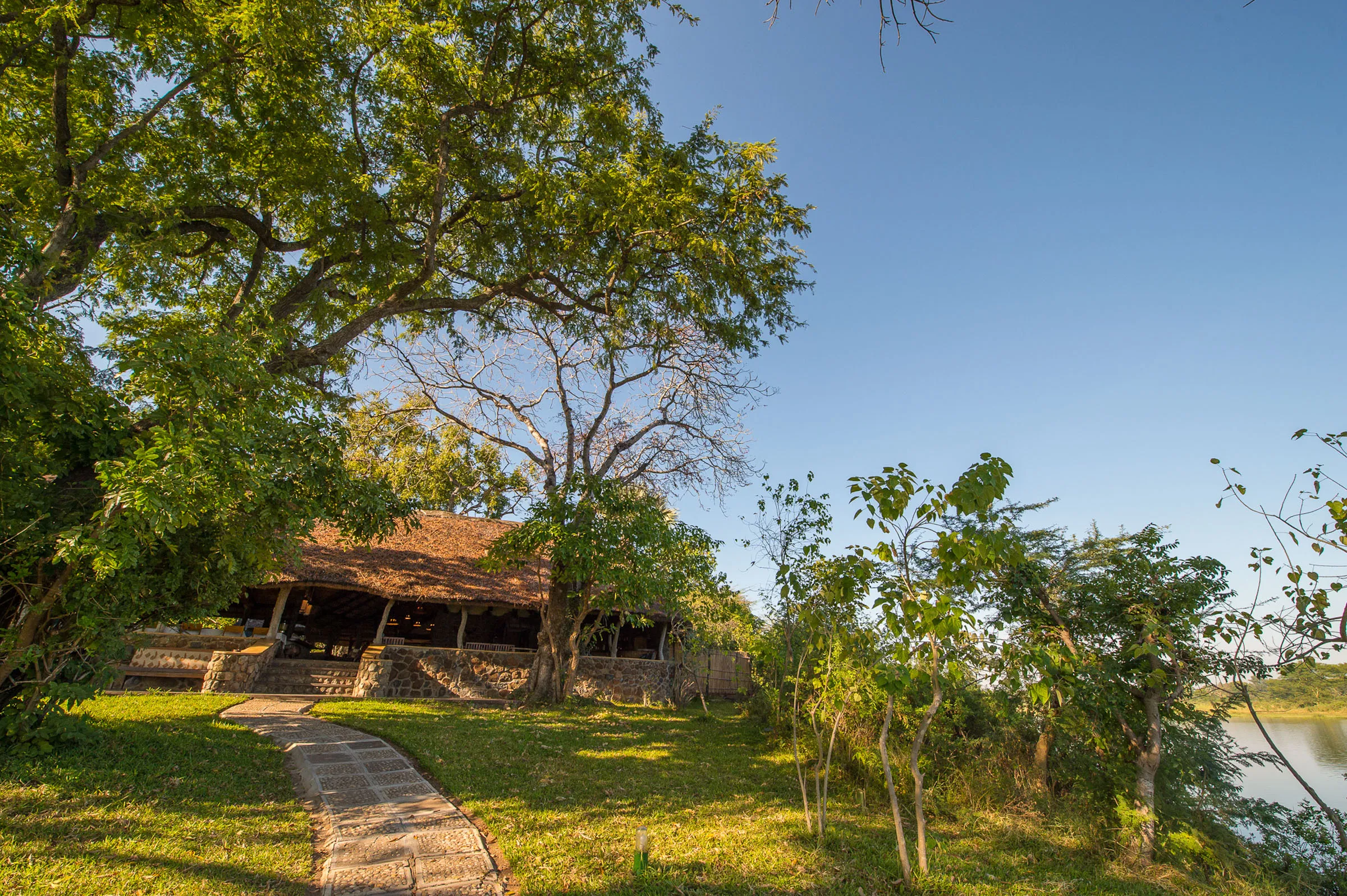
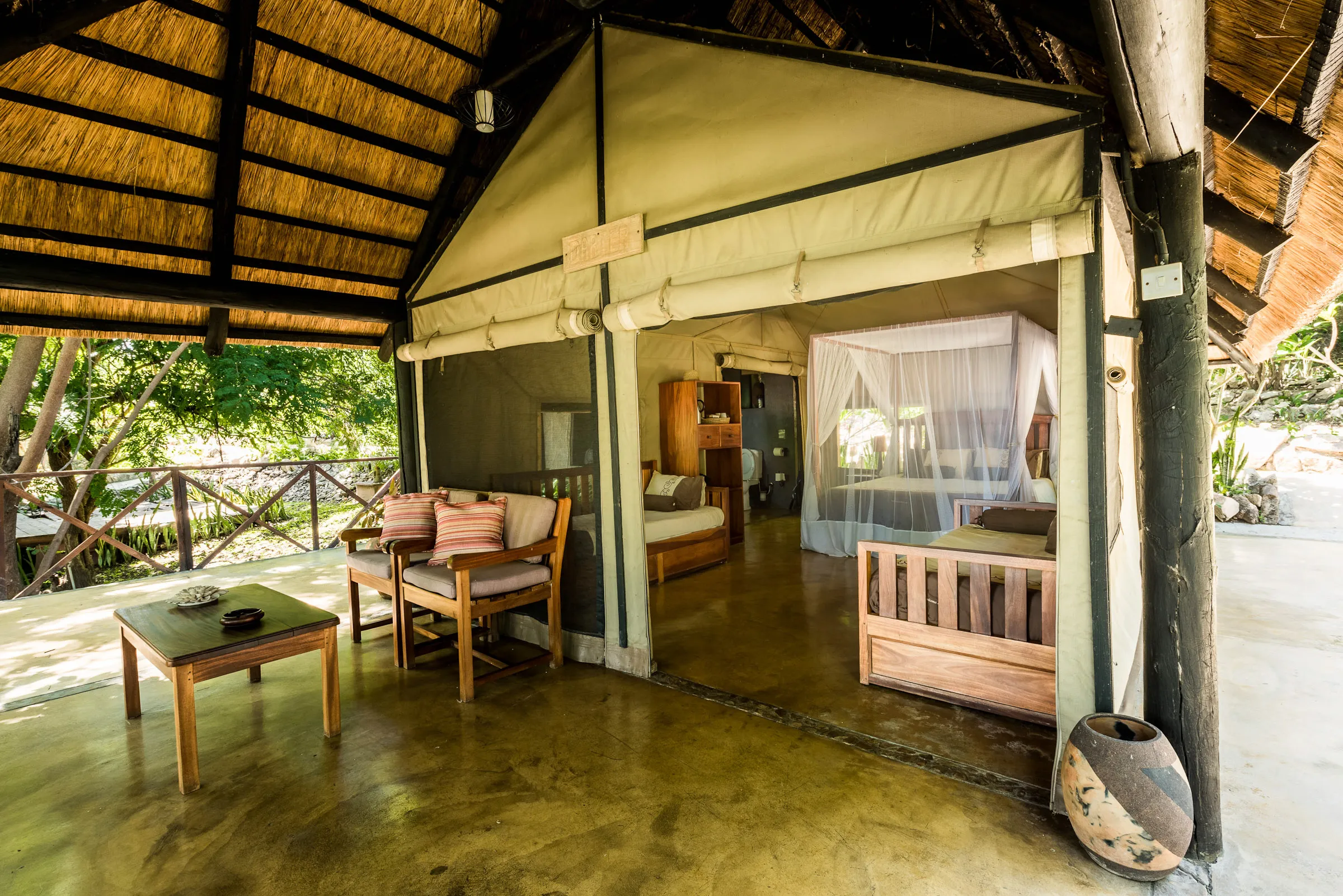
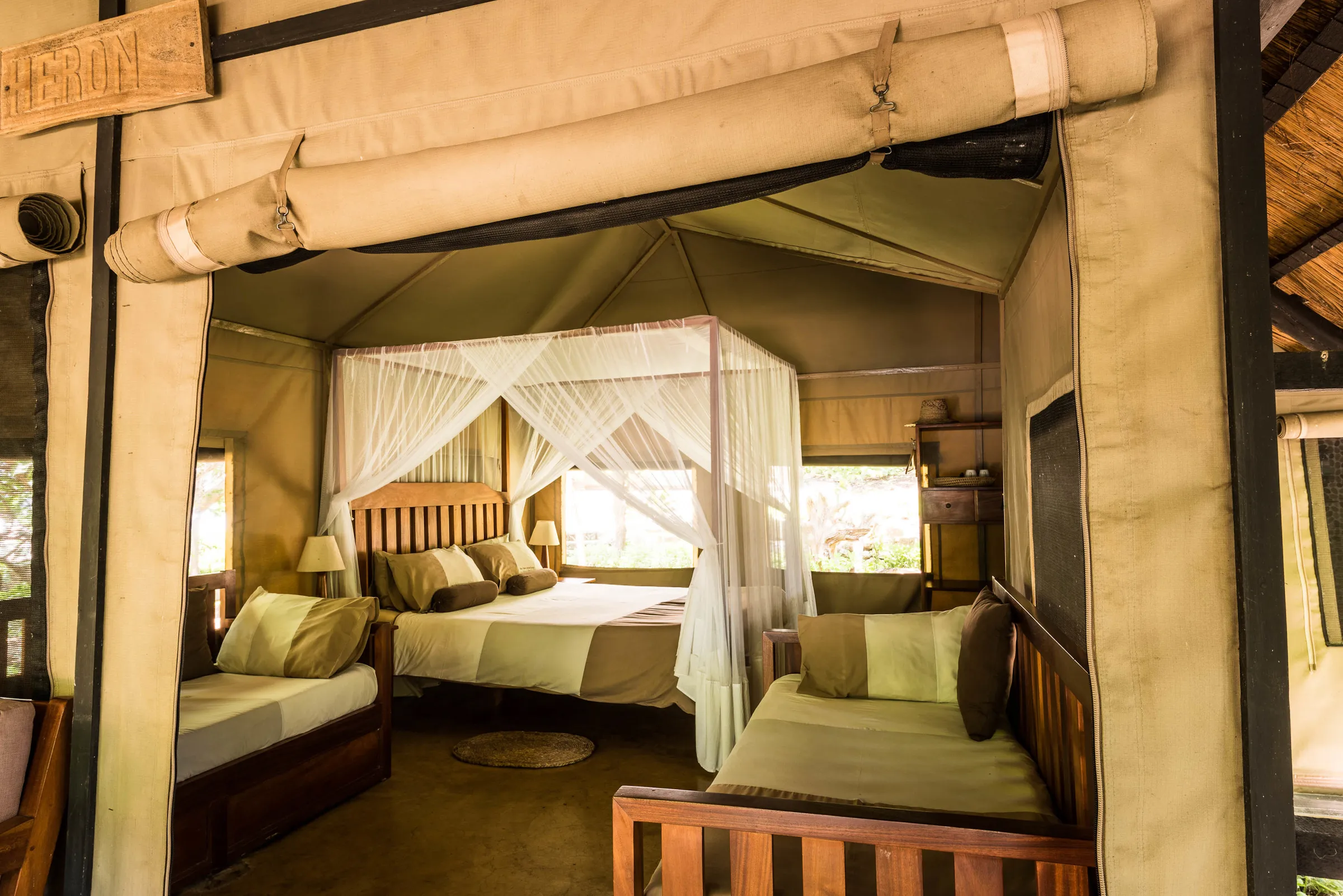
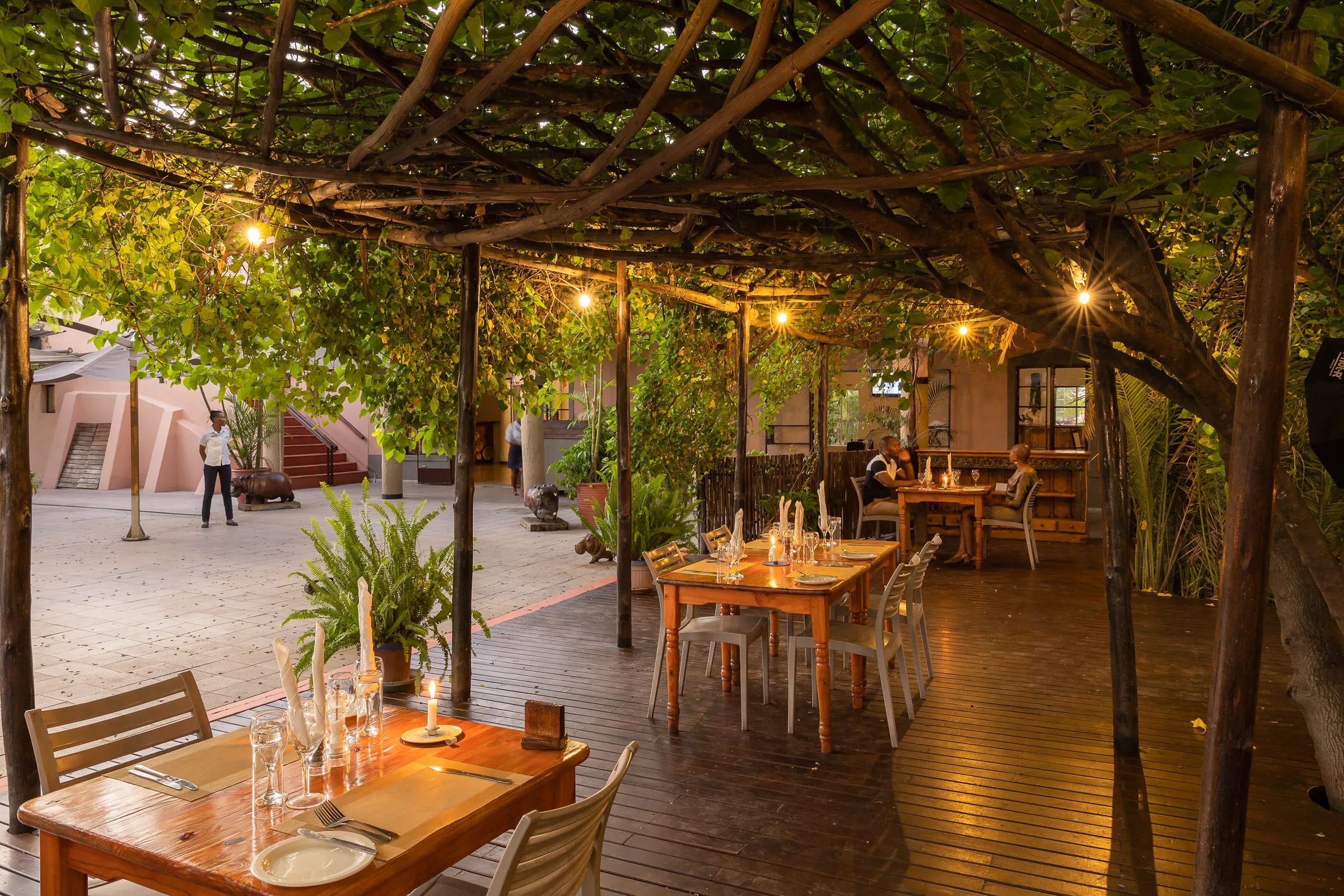
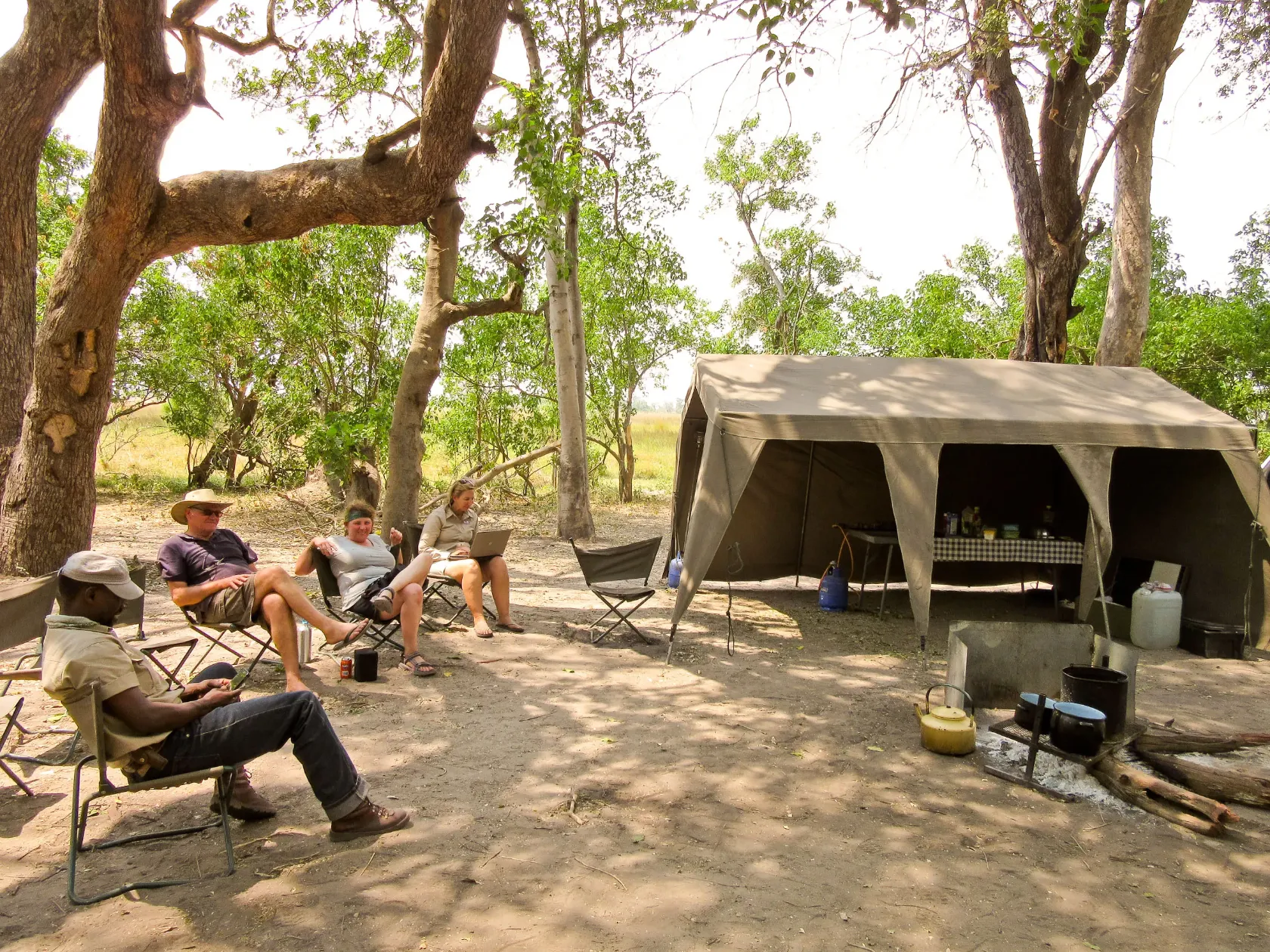
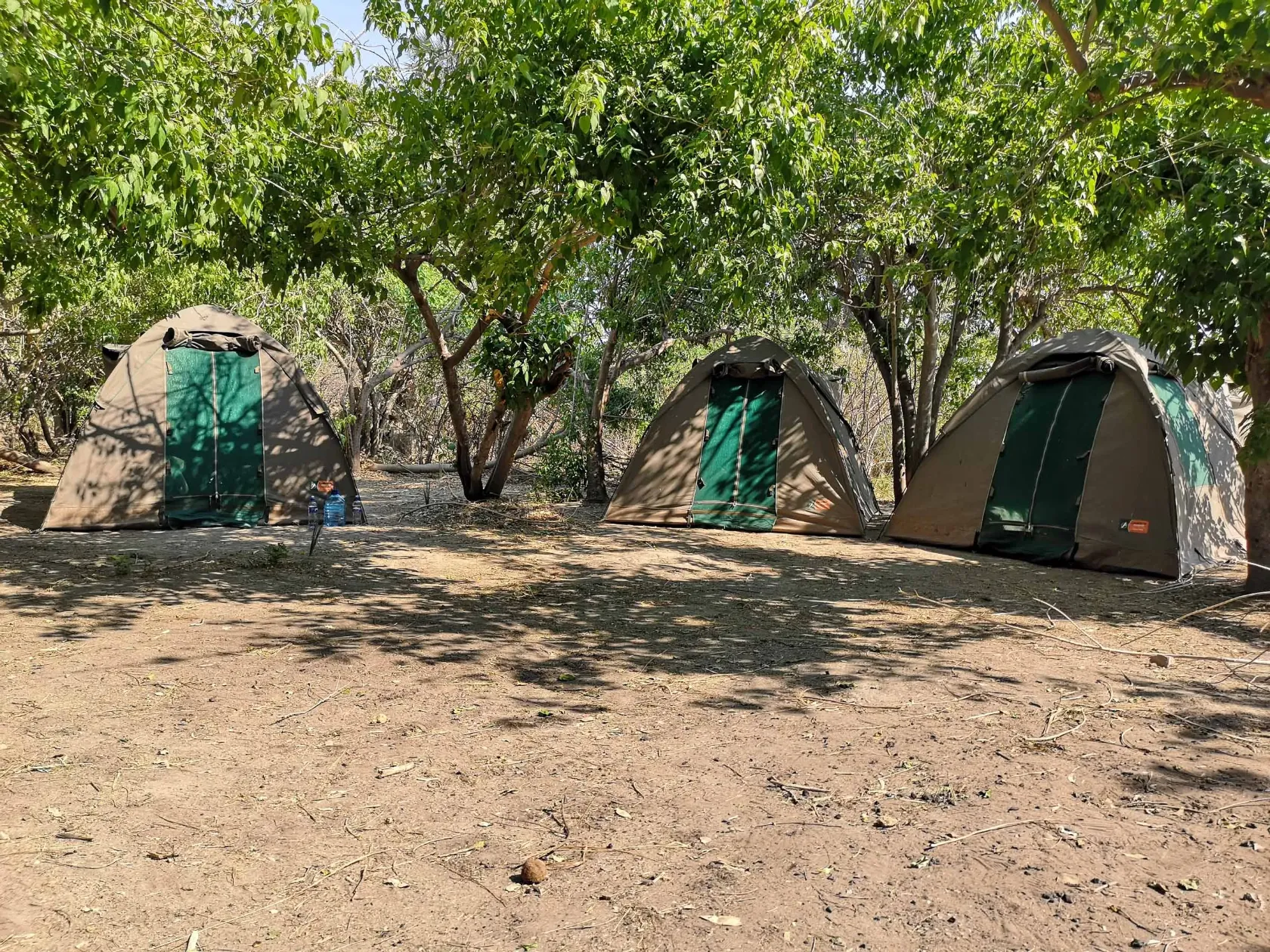
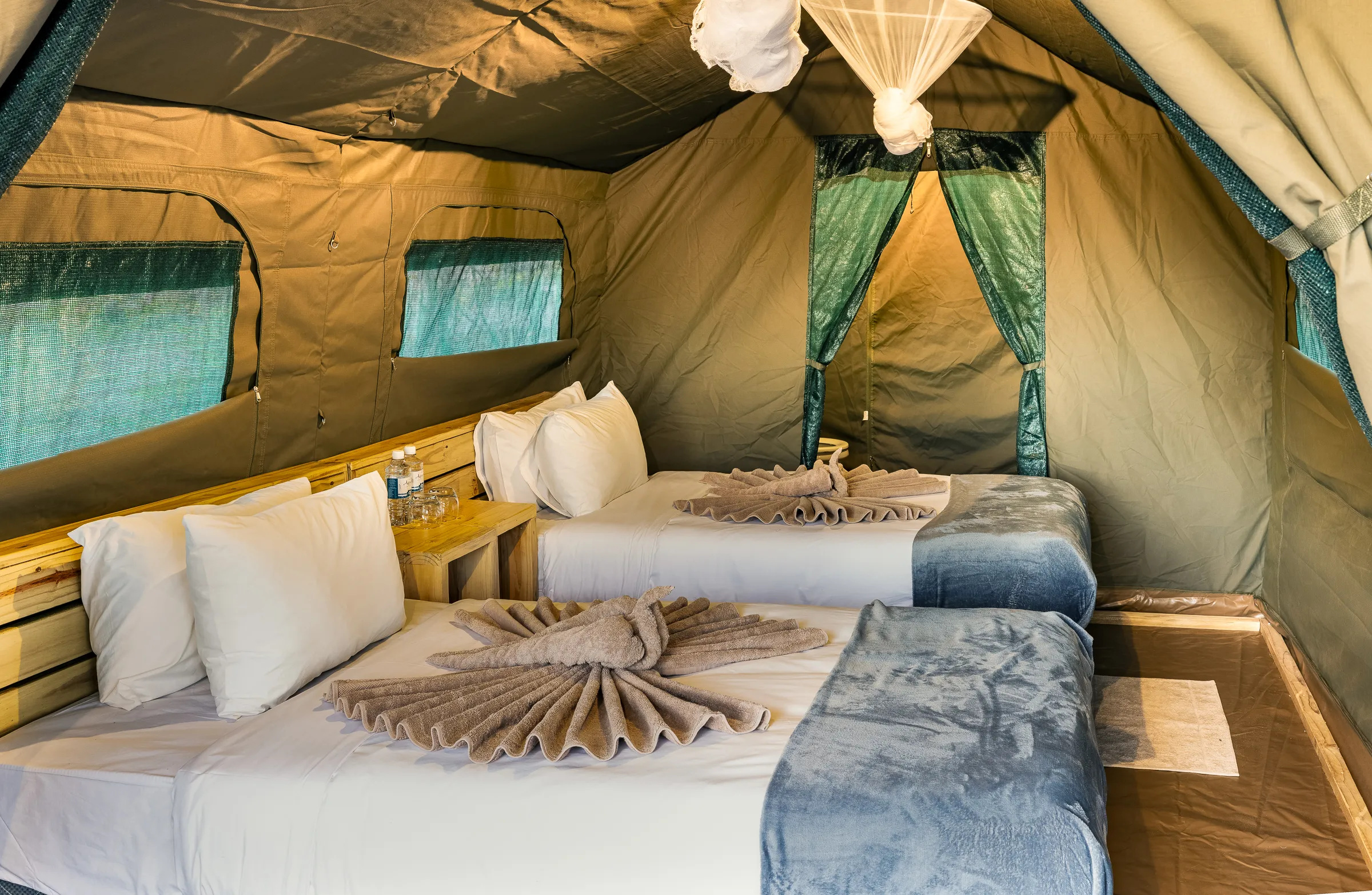
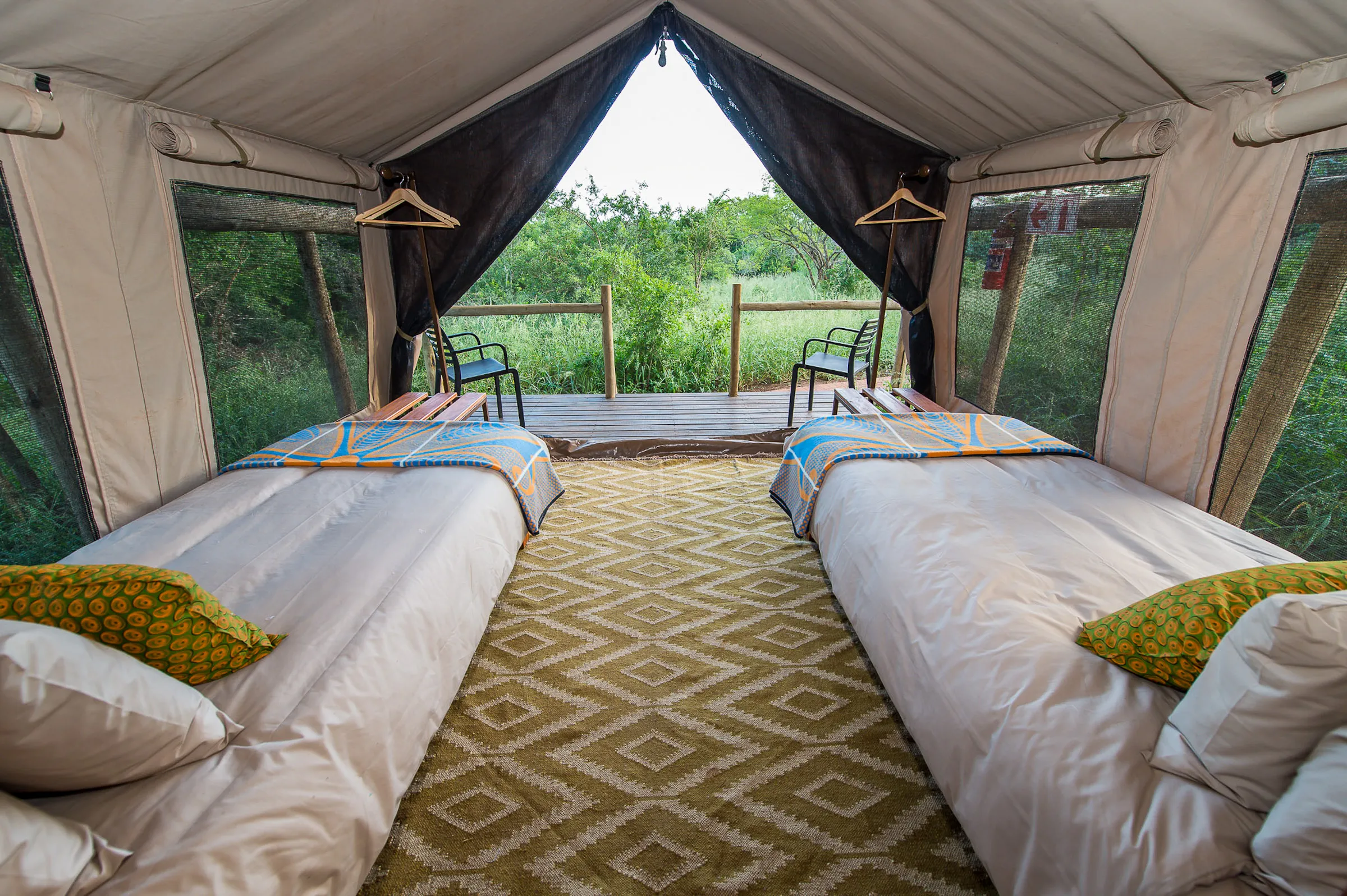
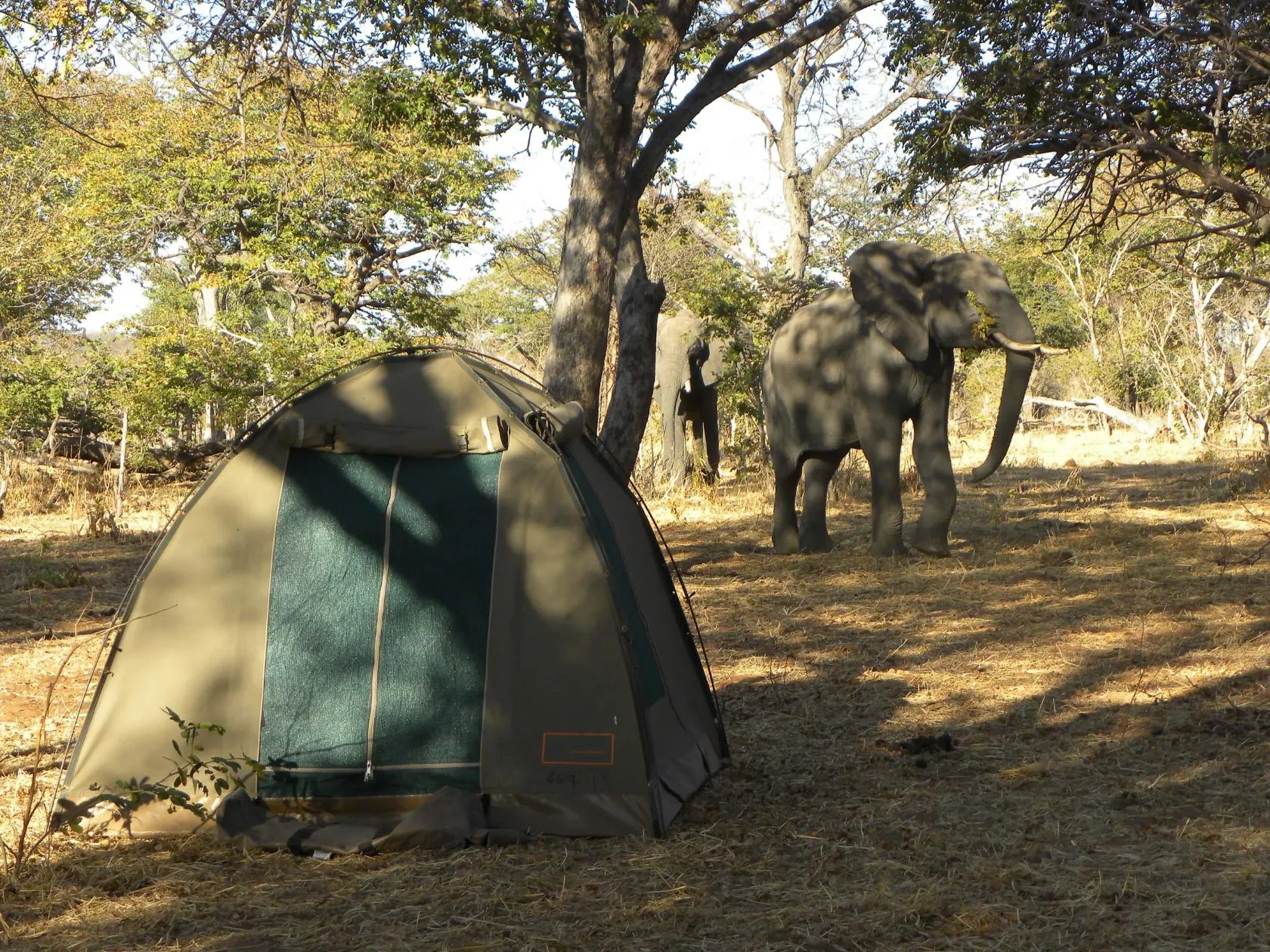
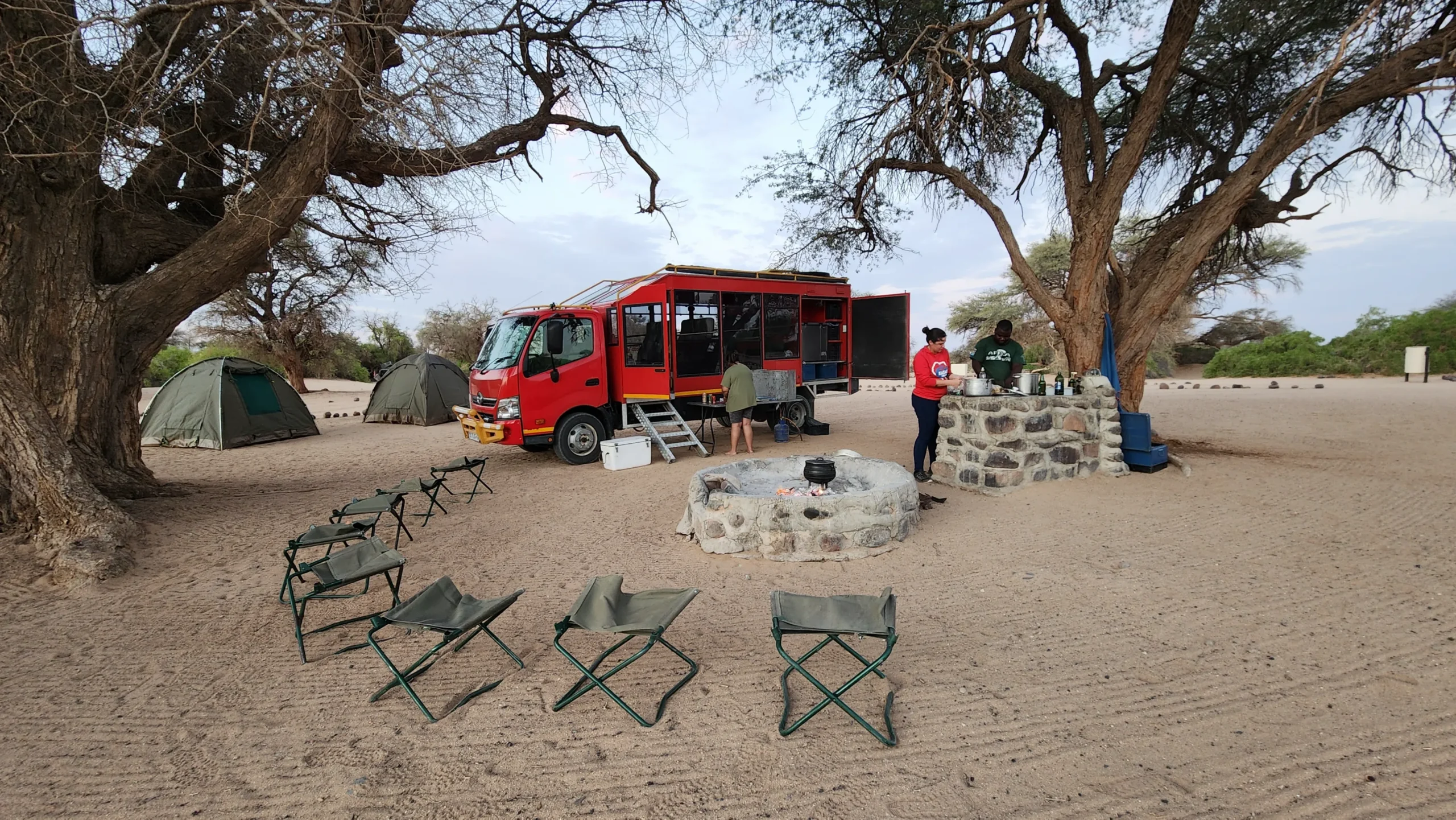
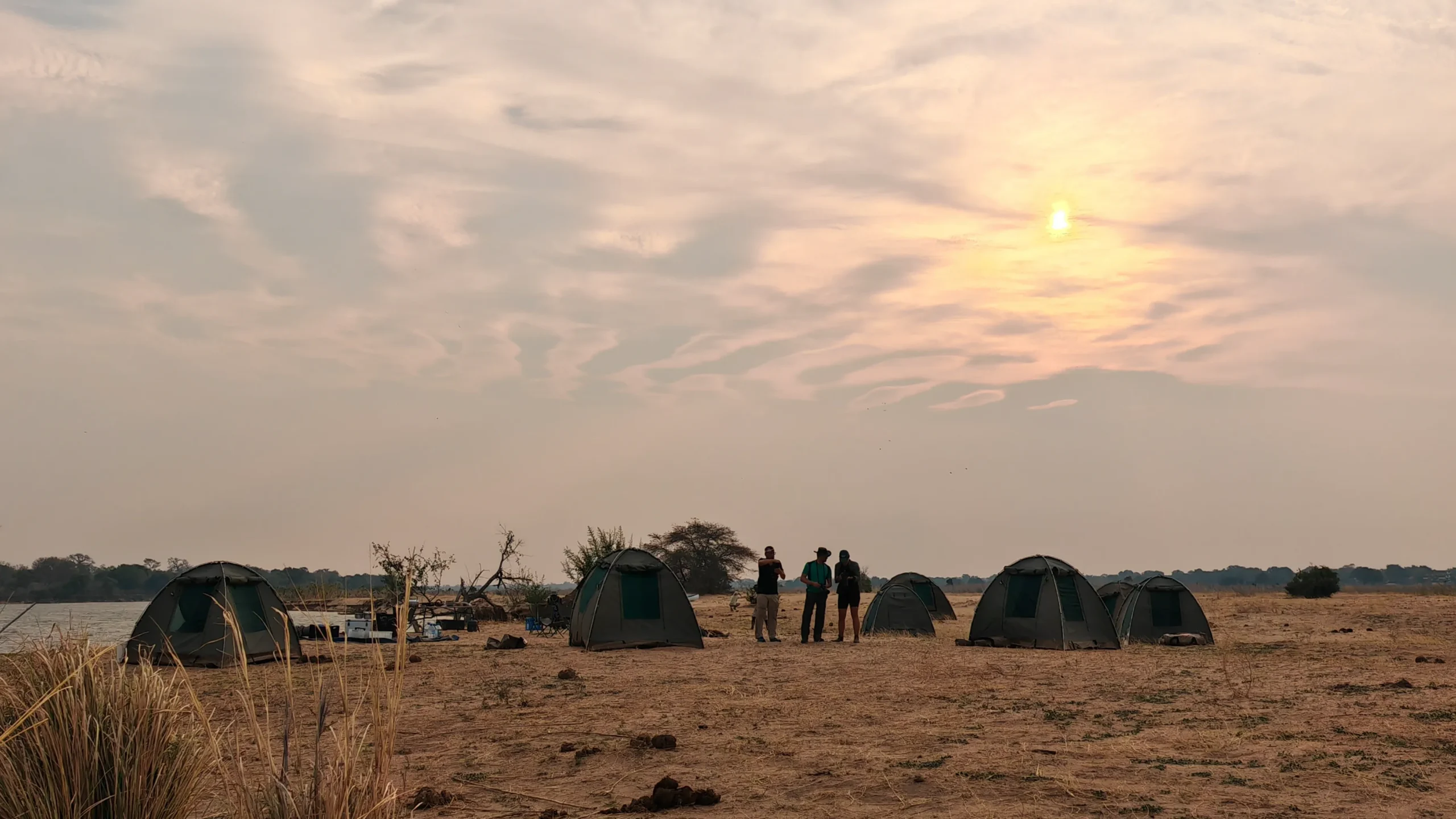
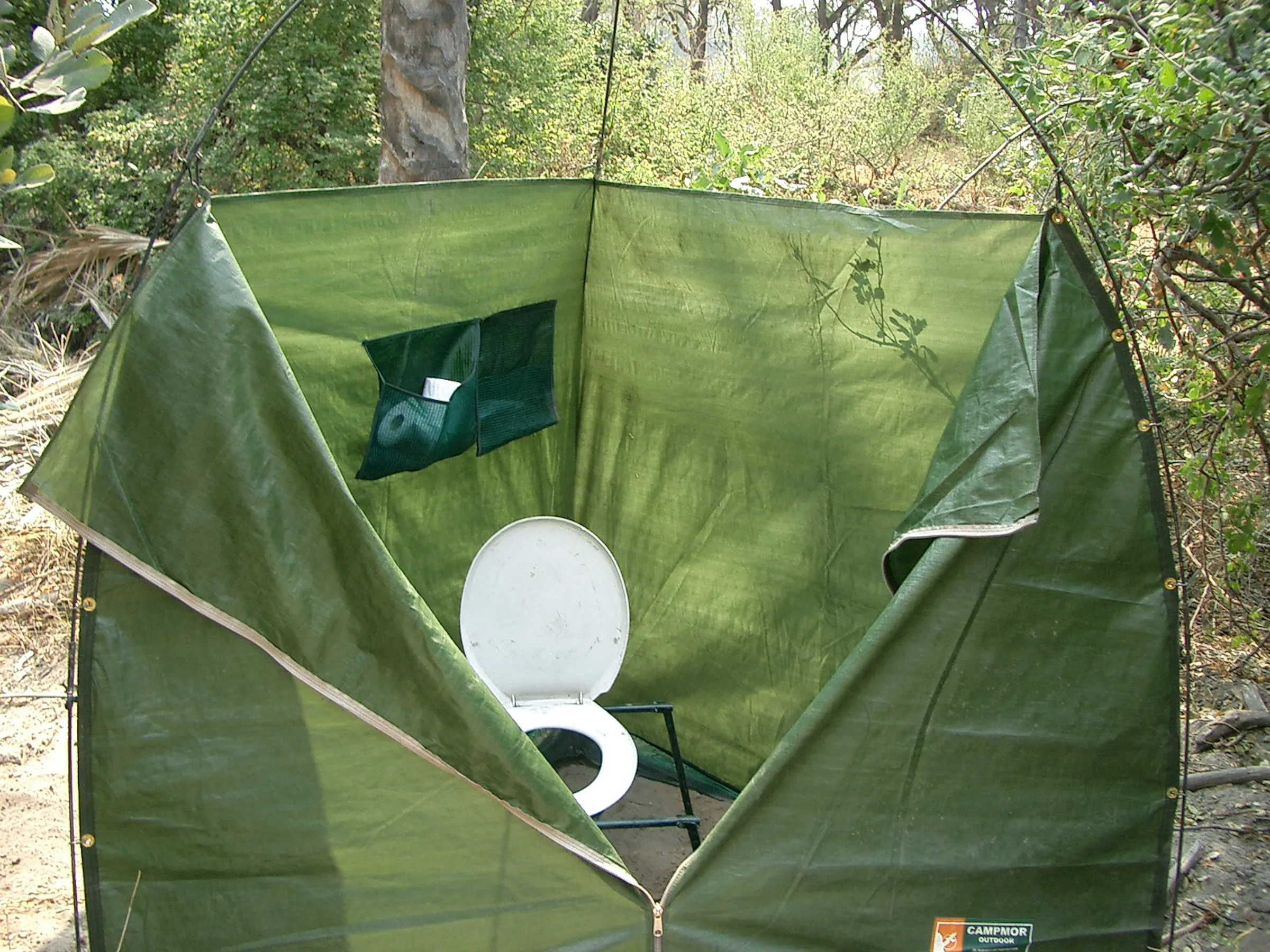
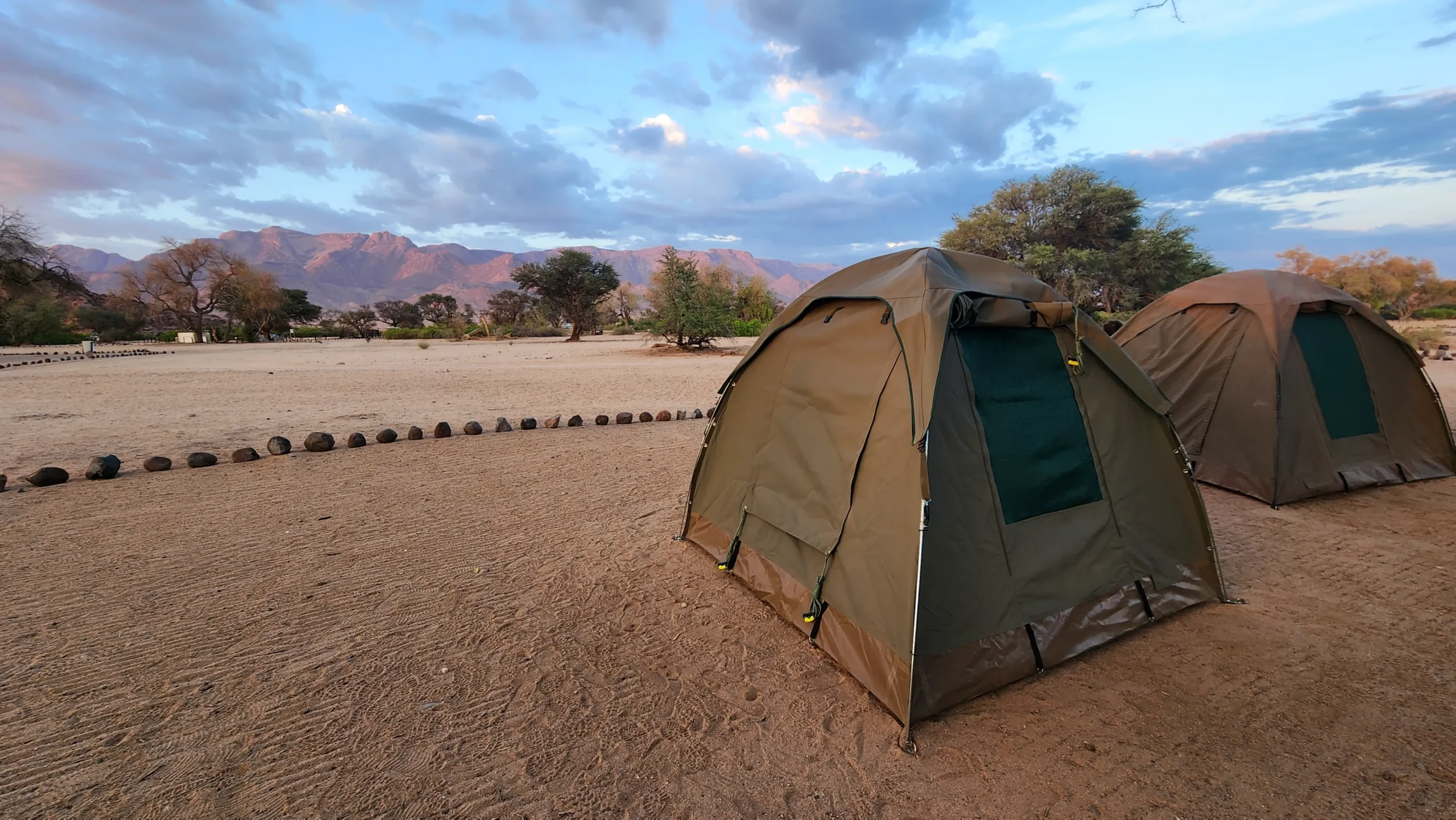
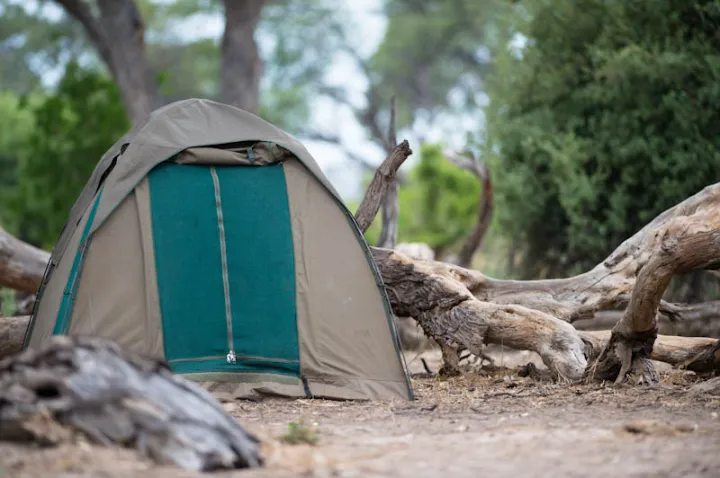
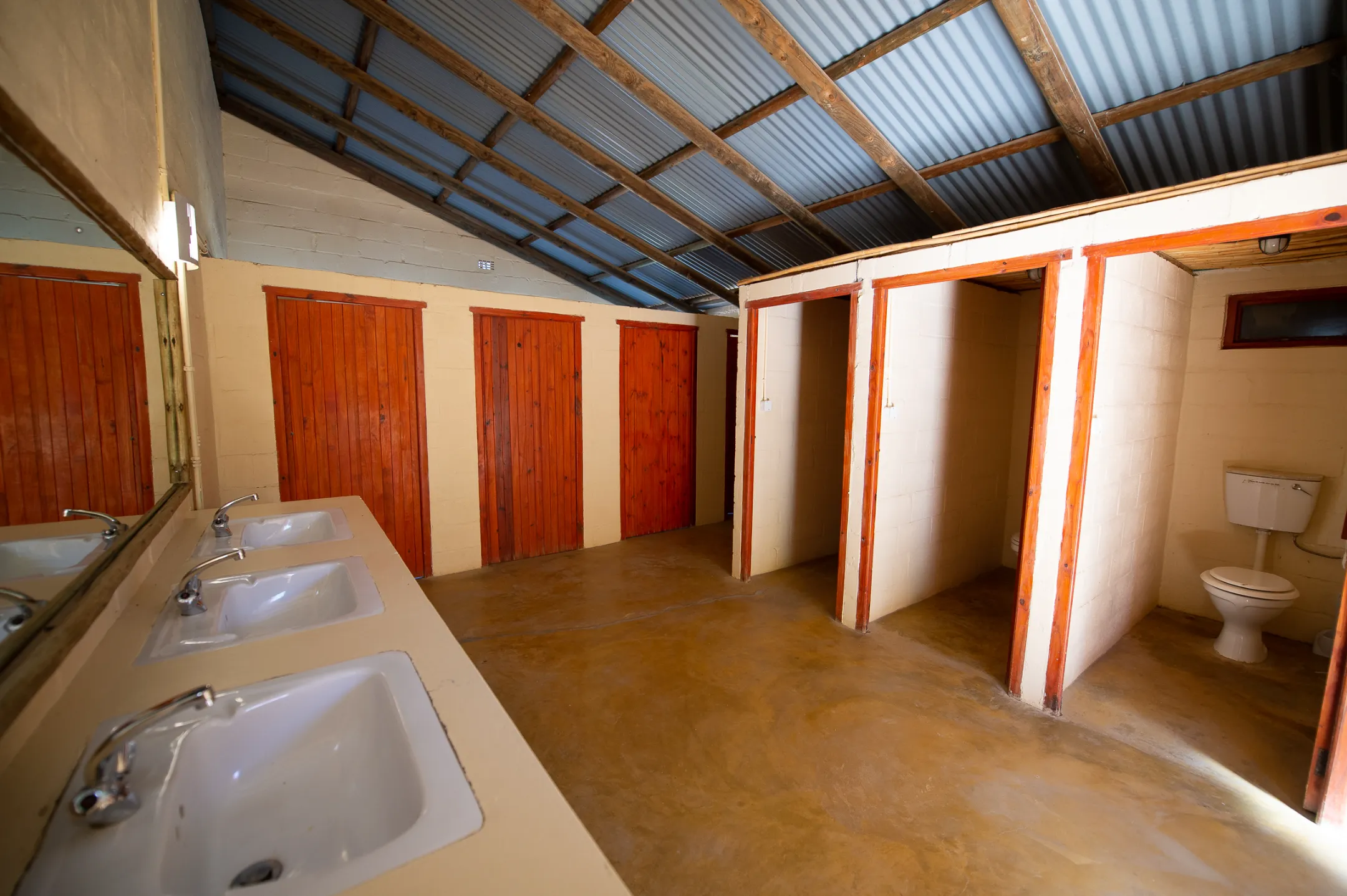
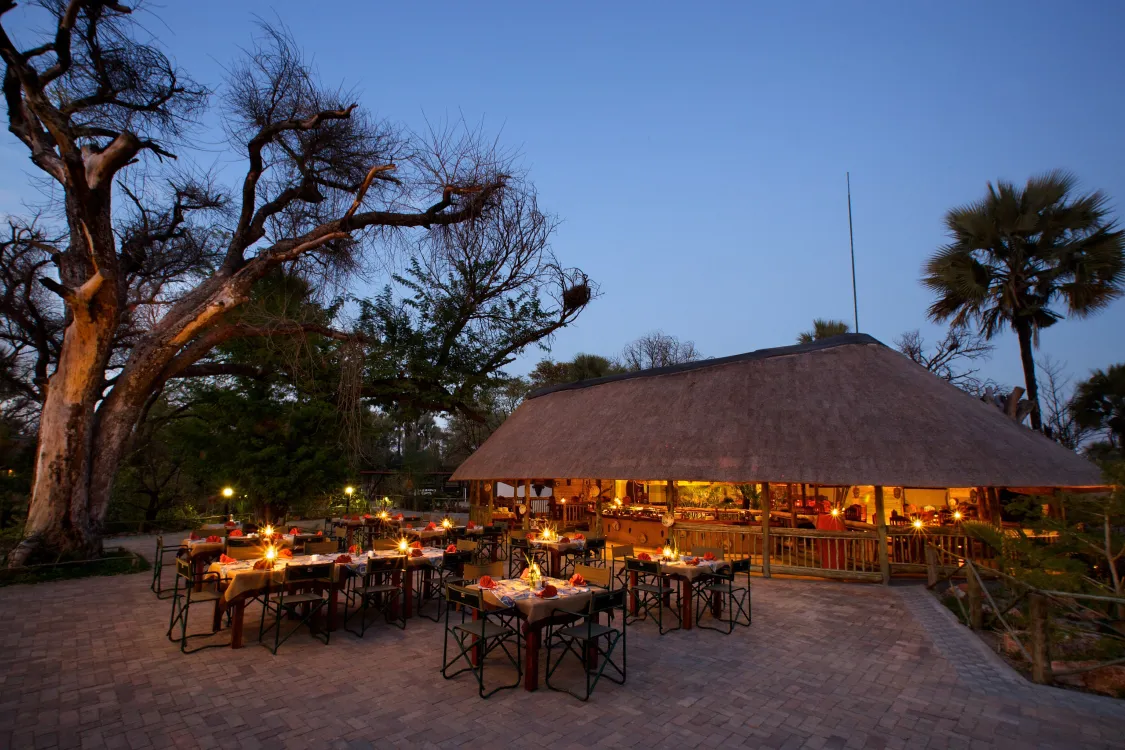
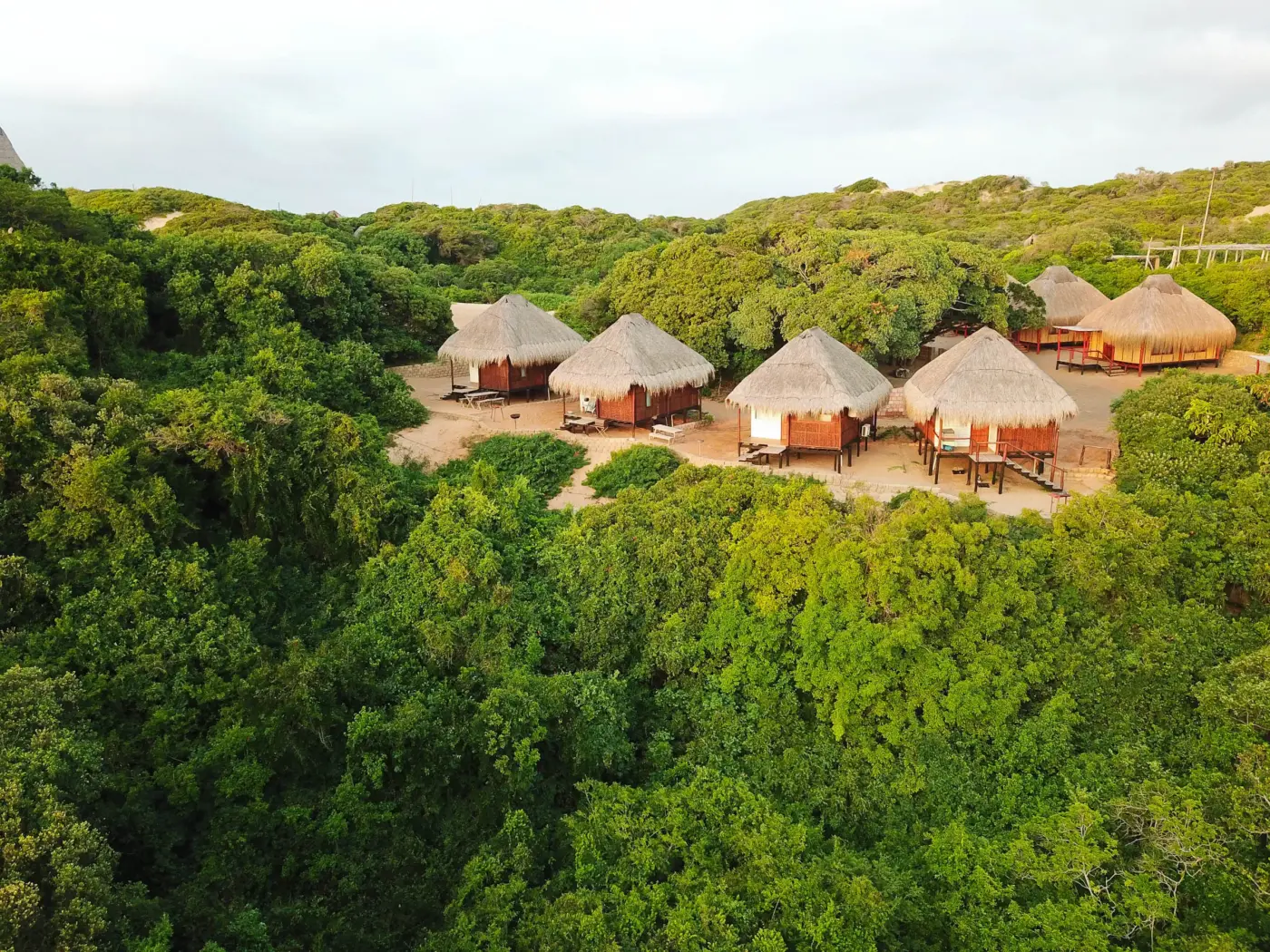
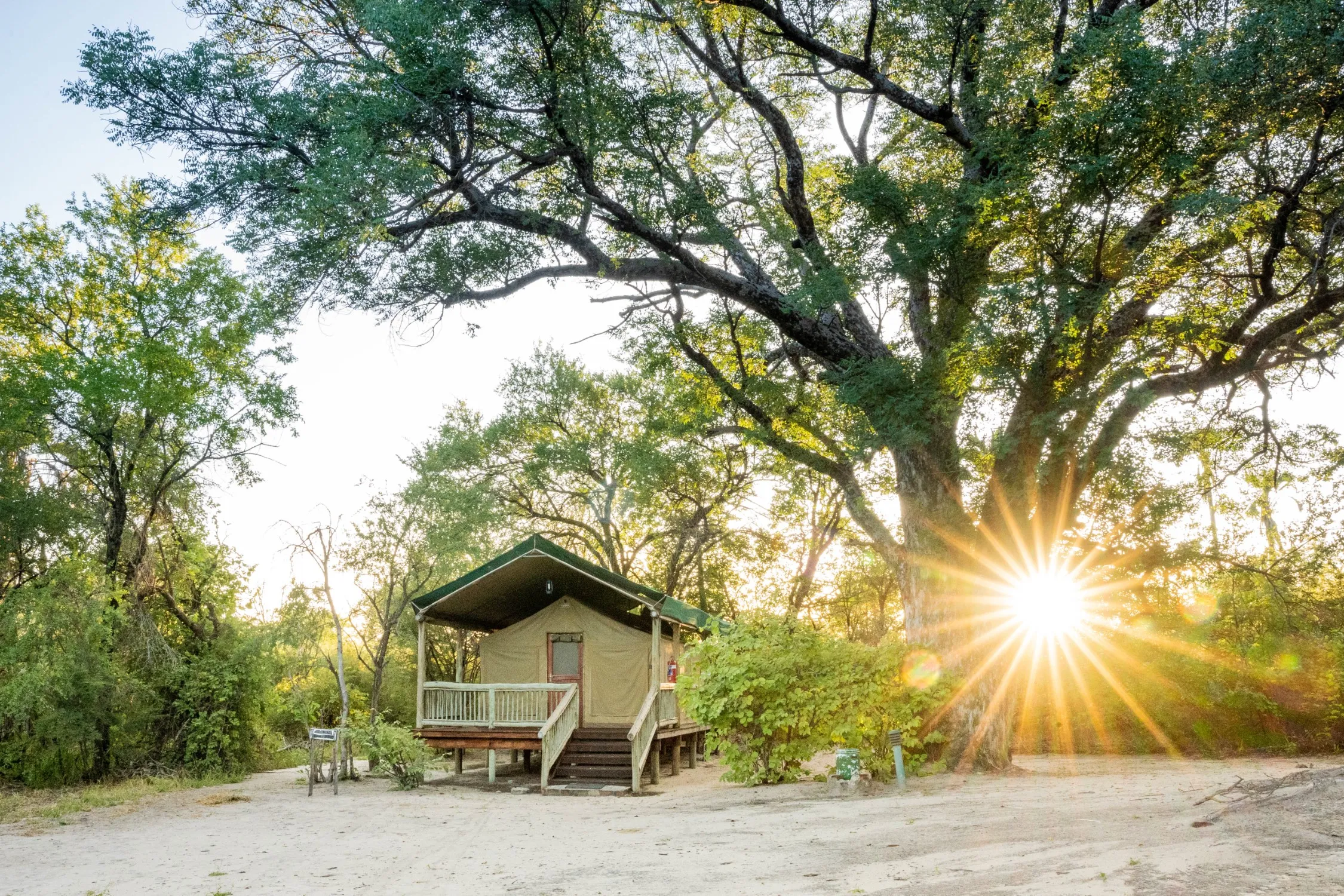
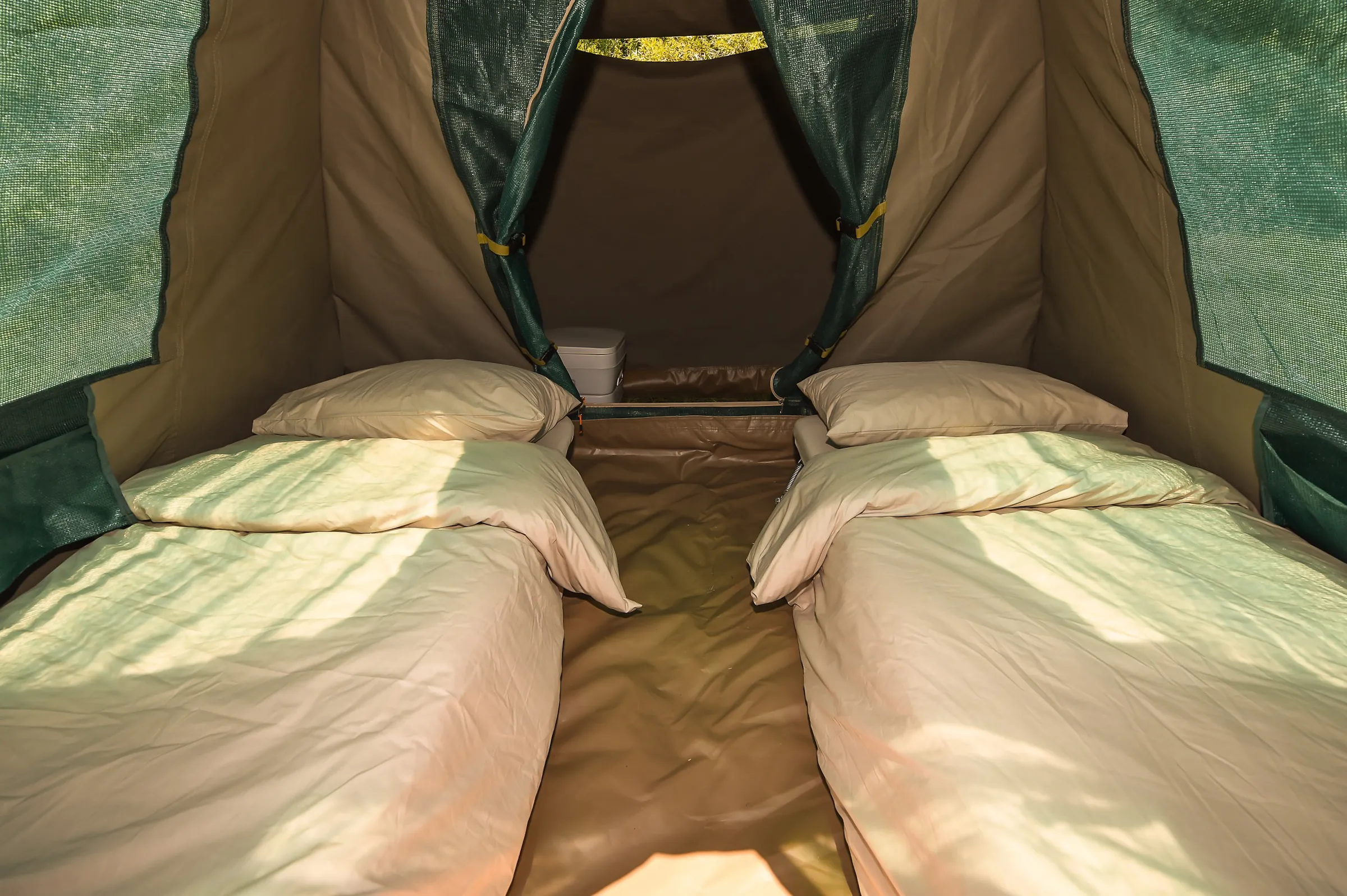
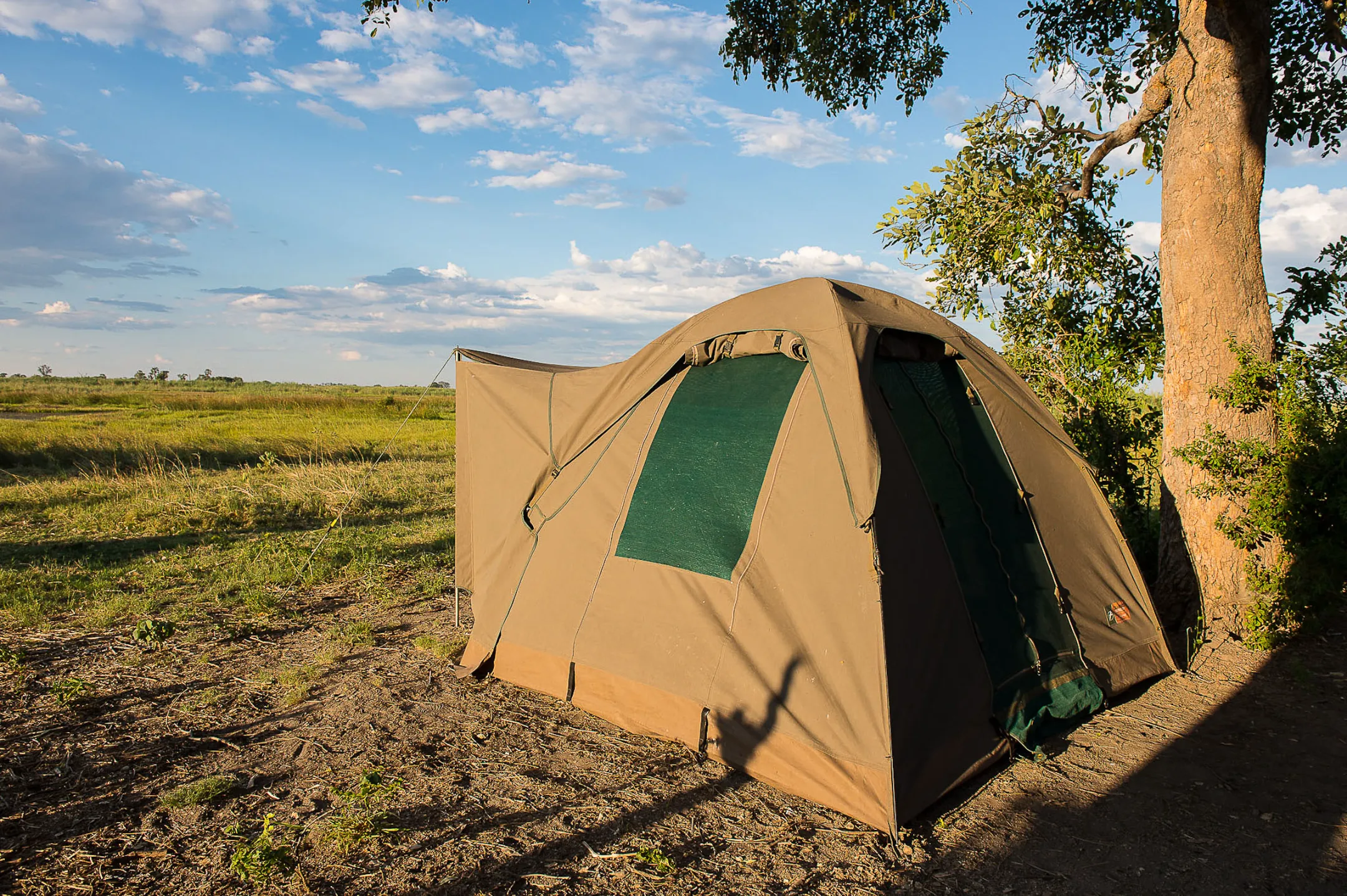
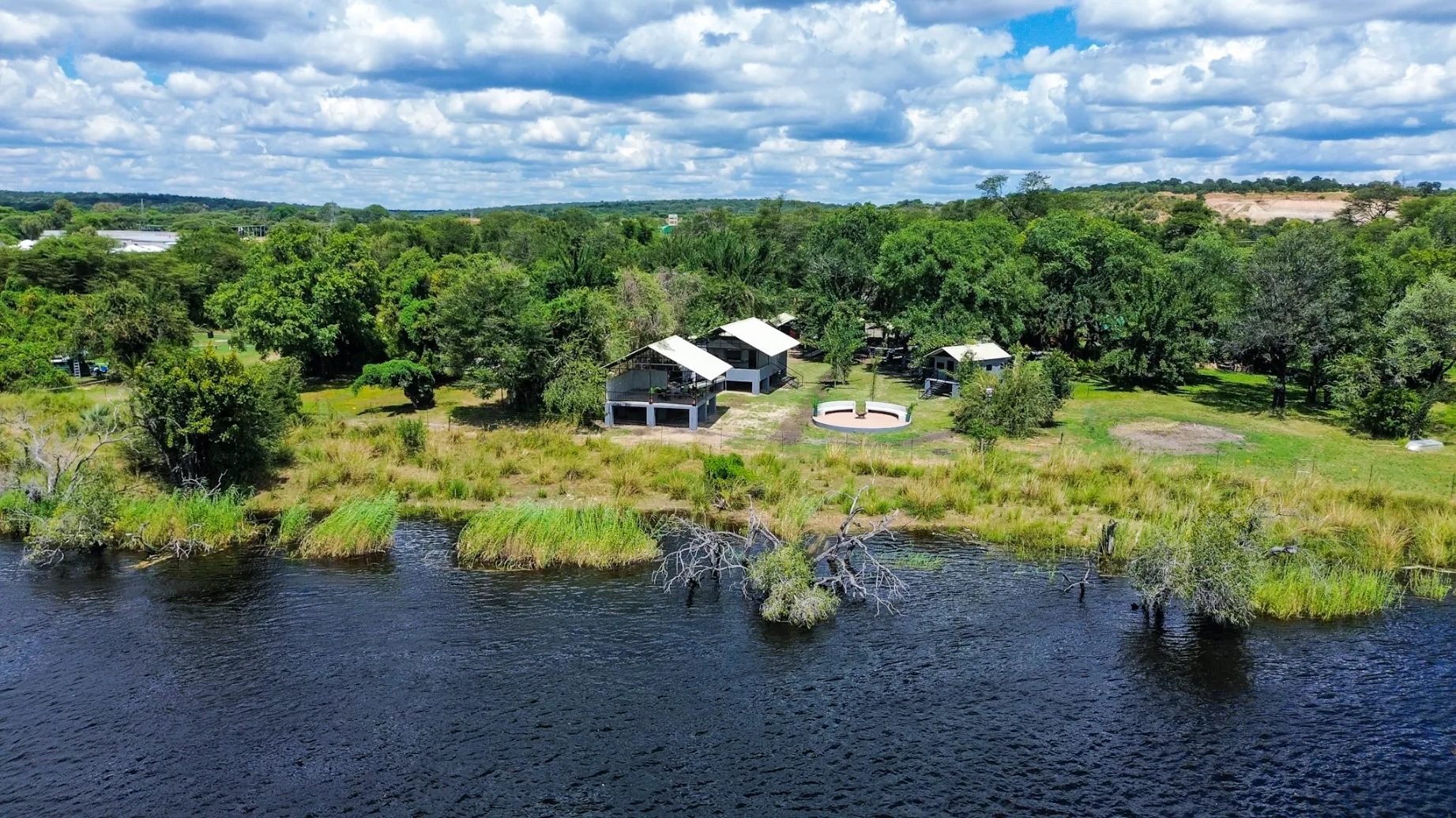
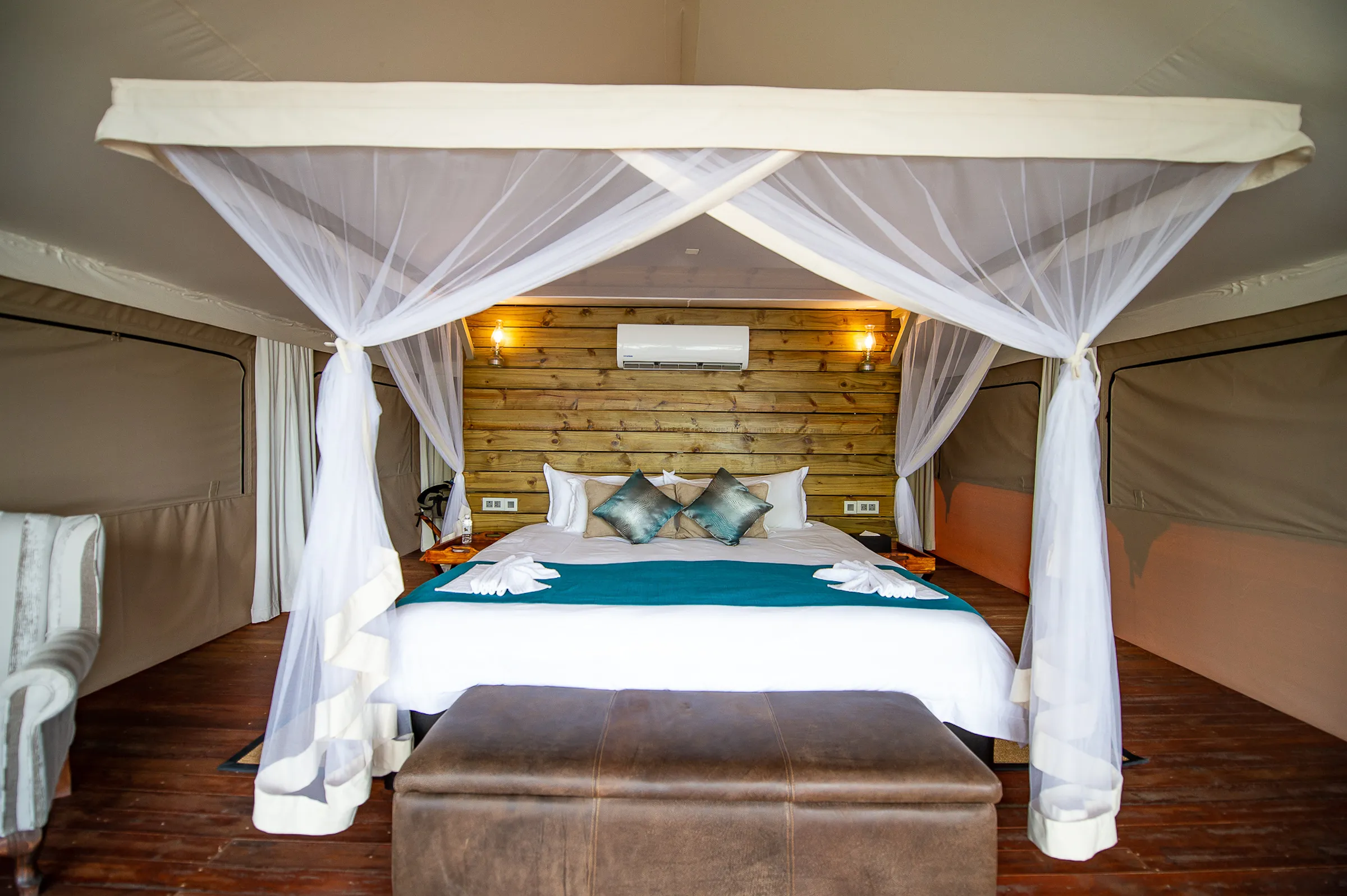
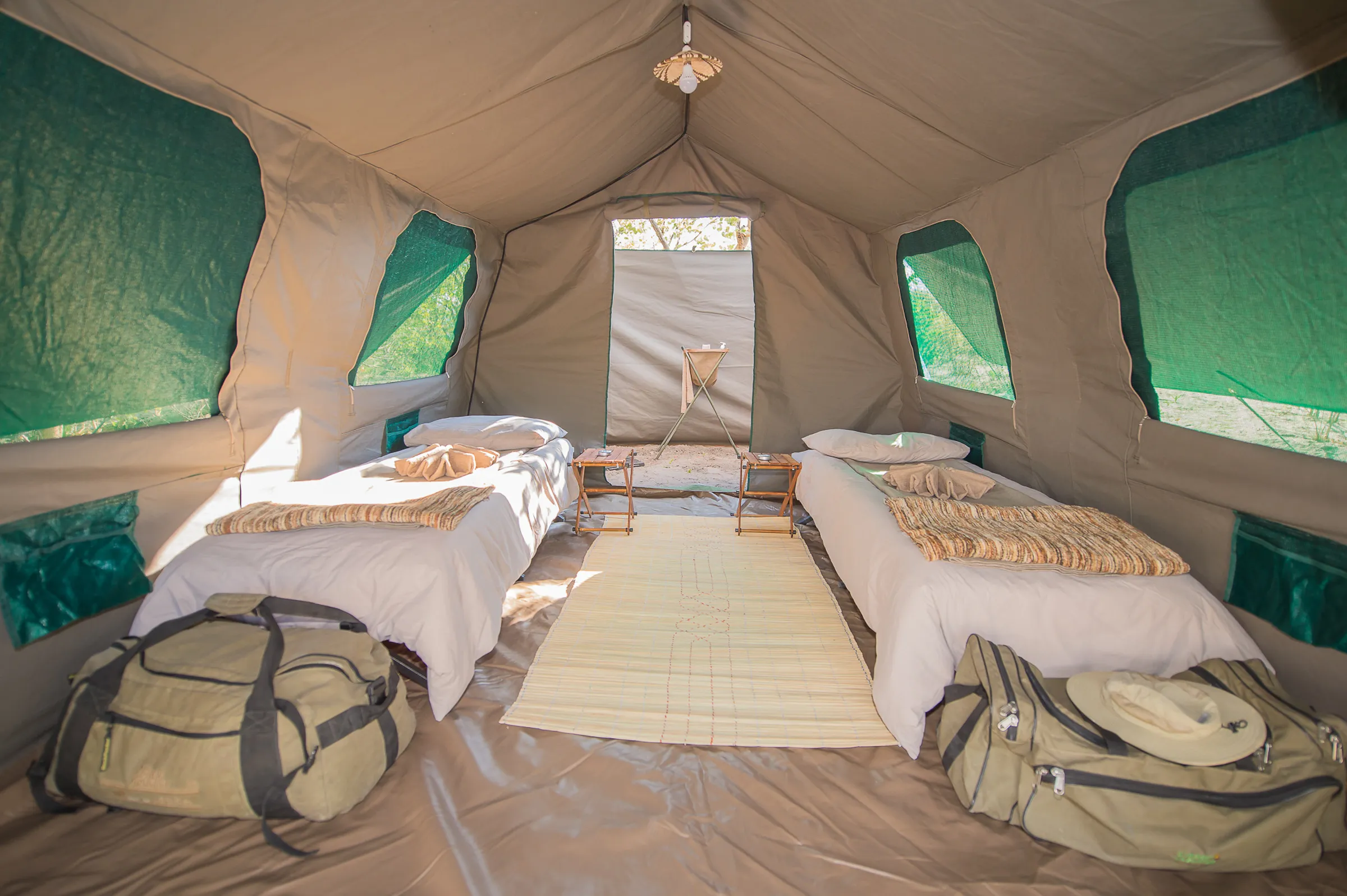
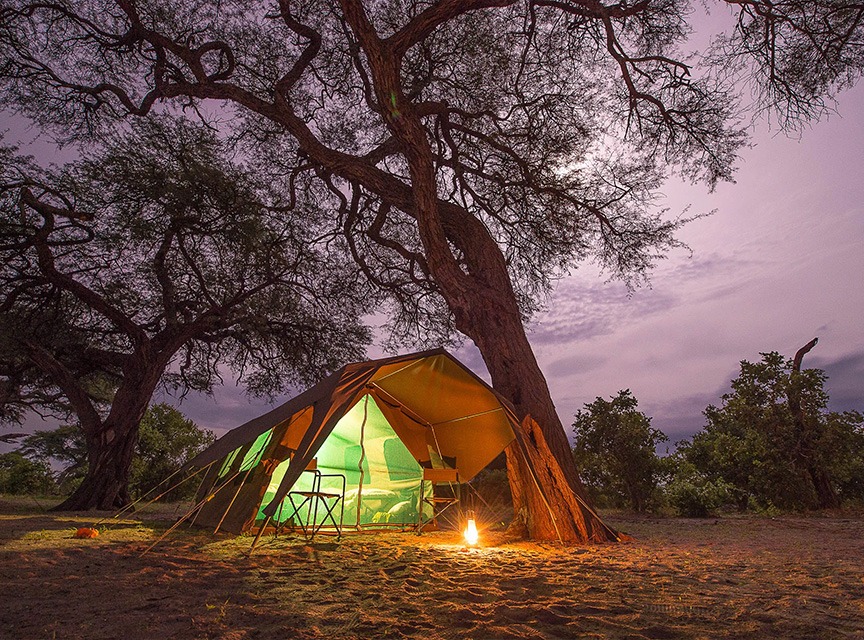
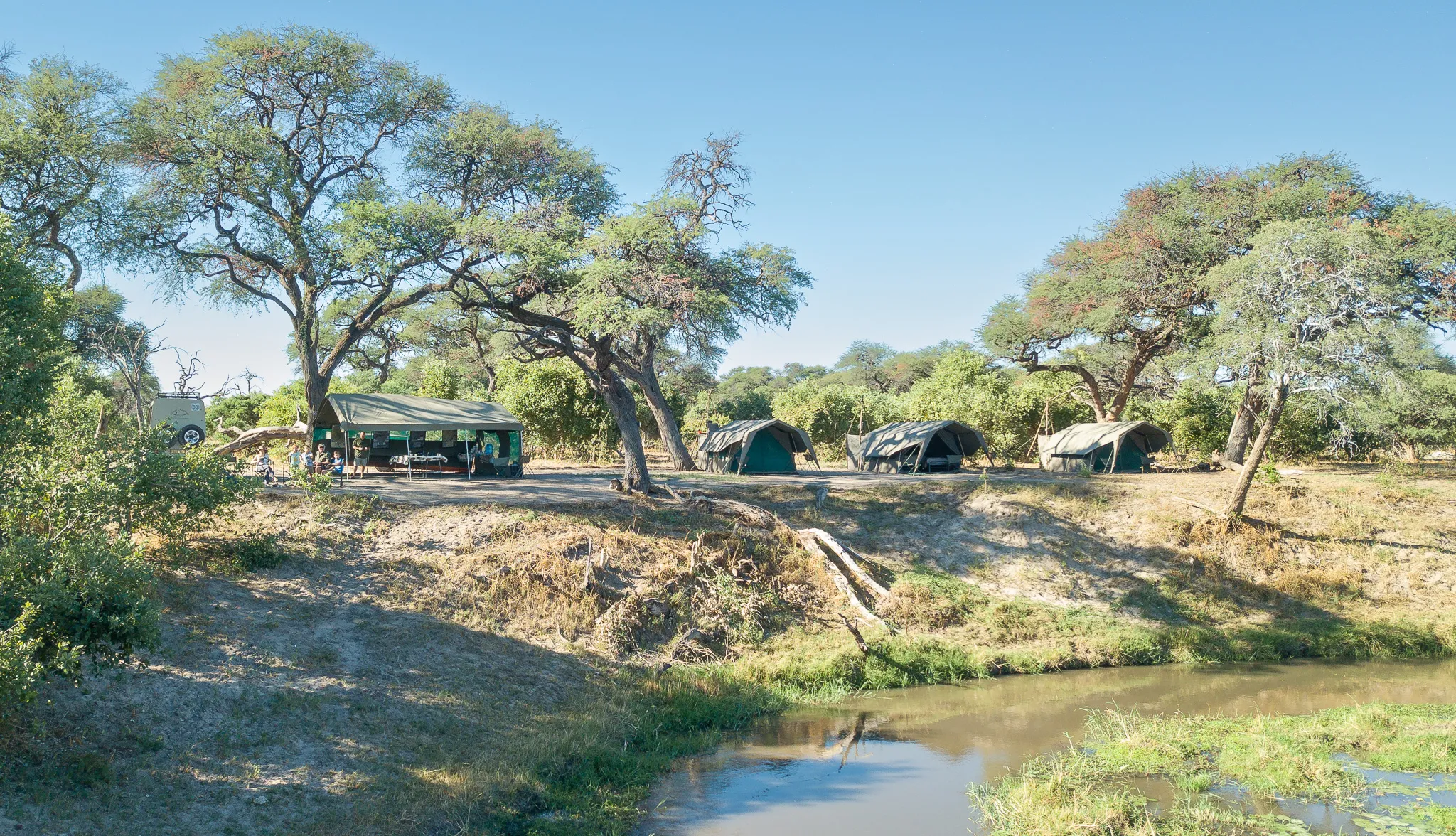
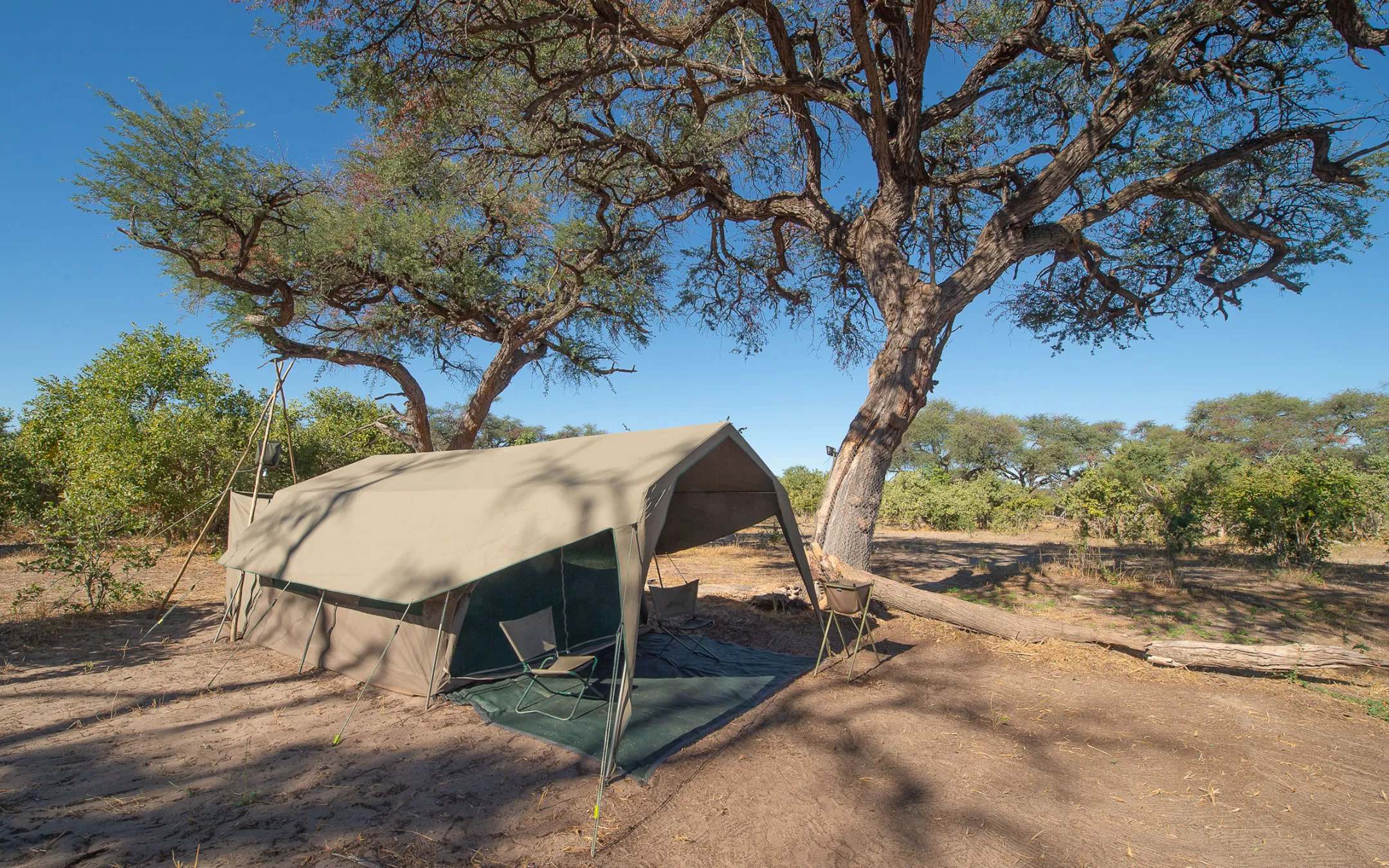
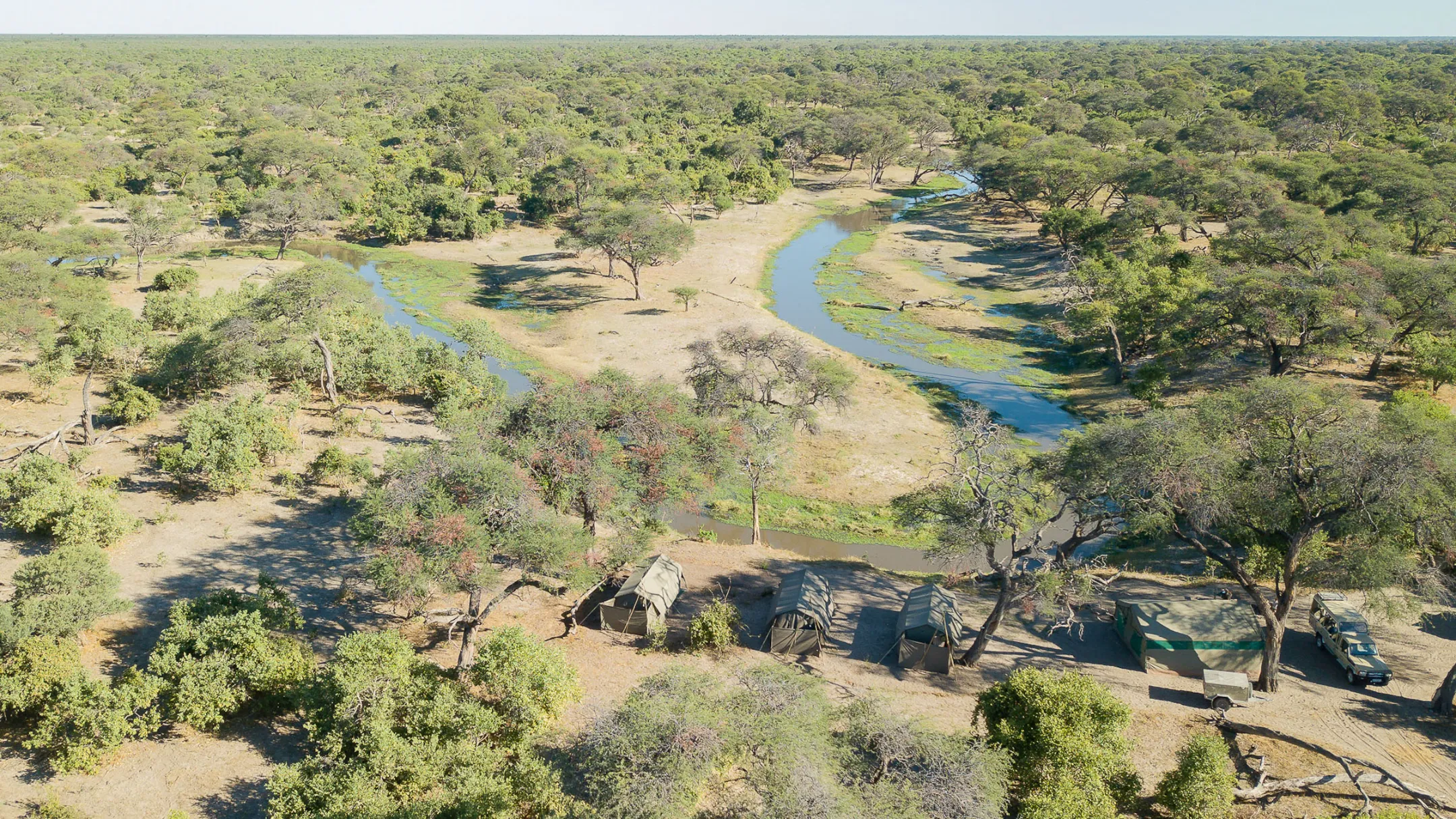
11 nights on safari designated campsites, in national parks and towns. Campsites have hot showers. Please note there is 1 night of wild camping when canoeing on the lower Zambezi without fences in the wilderness. Sunway will provide a bucket shower with warm water off the fire. Sunway provides mats and chairs with backrests. Tents are large and easy to erect.
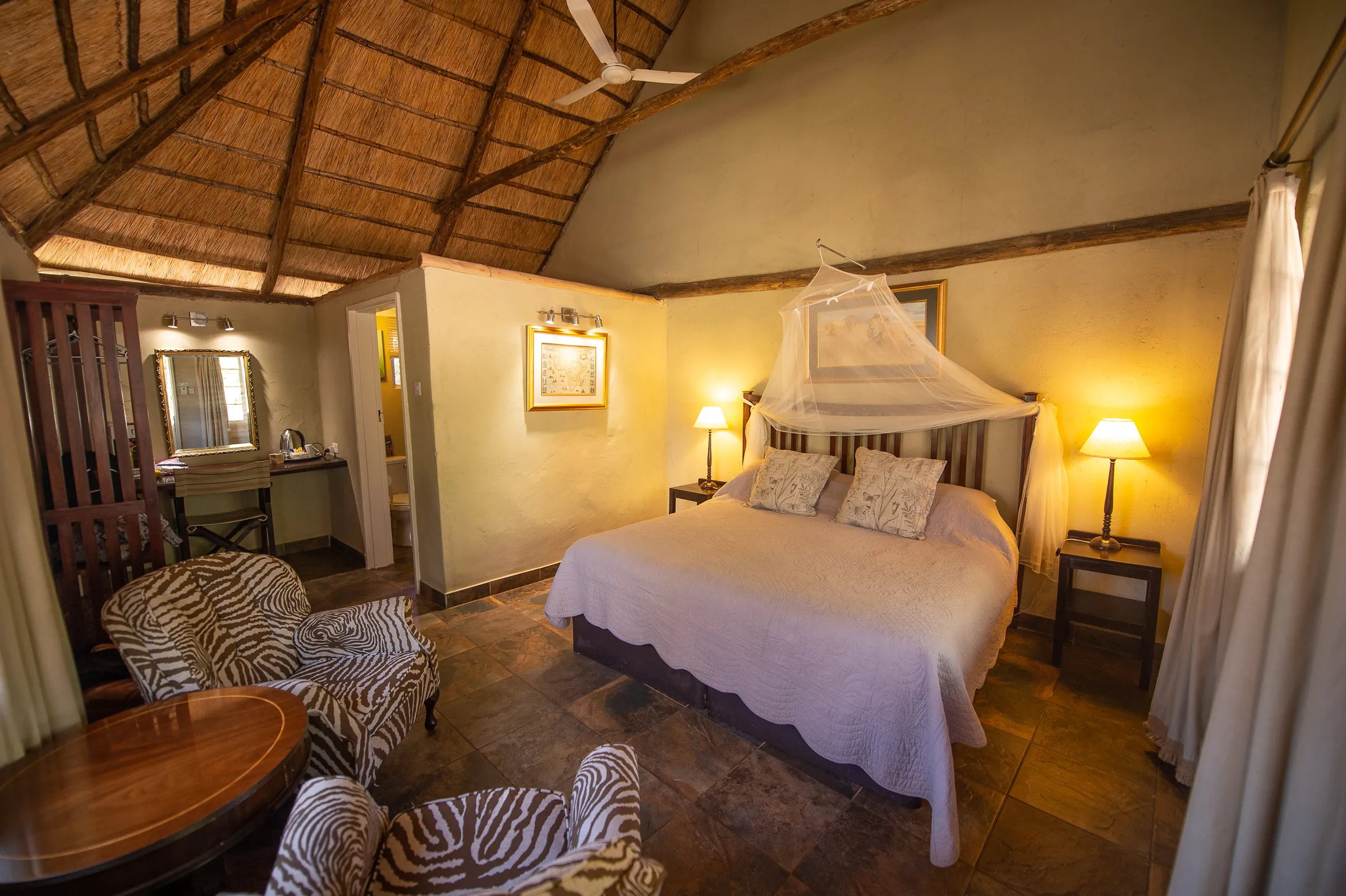
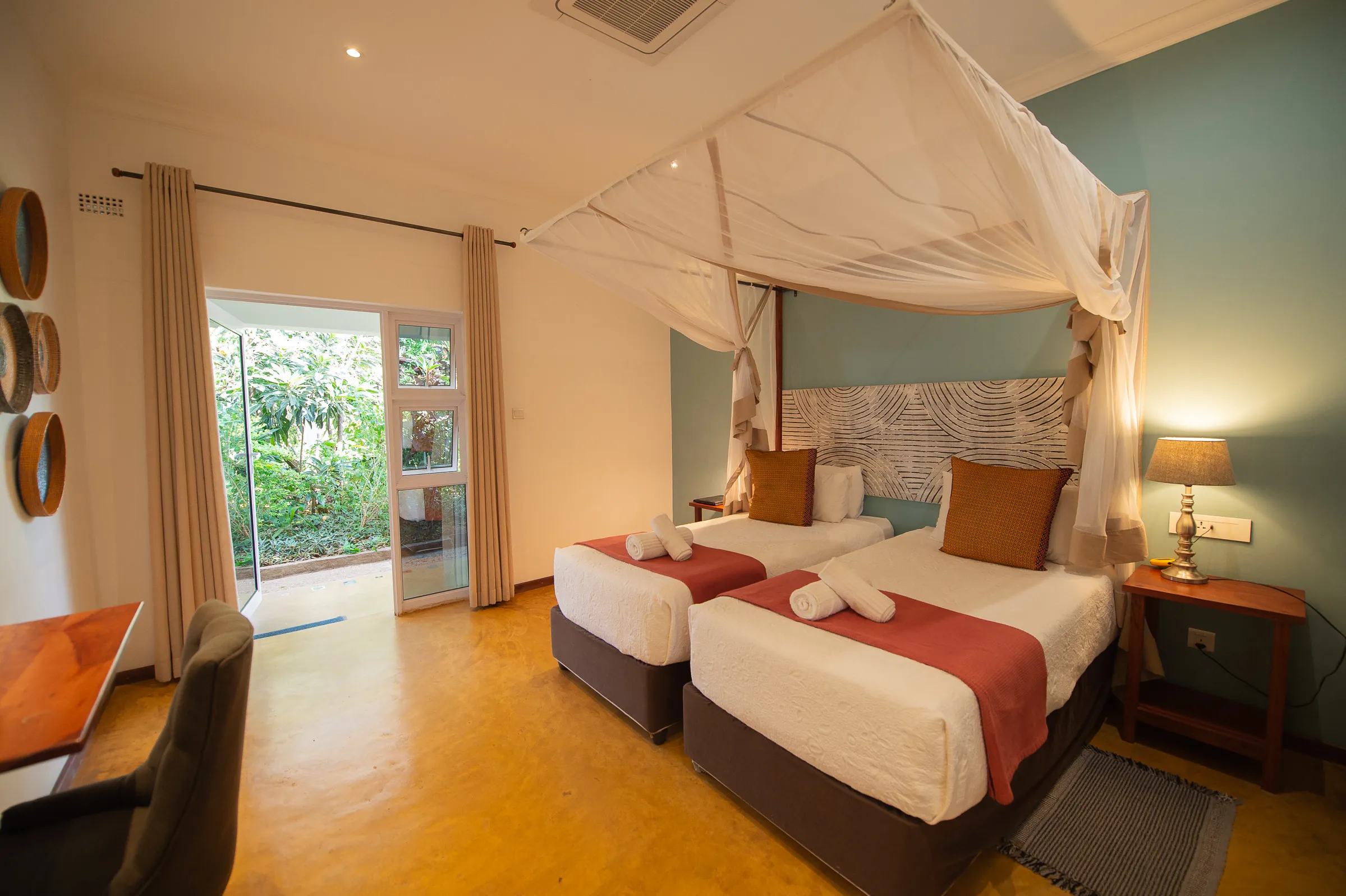
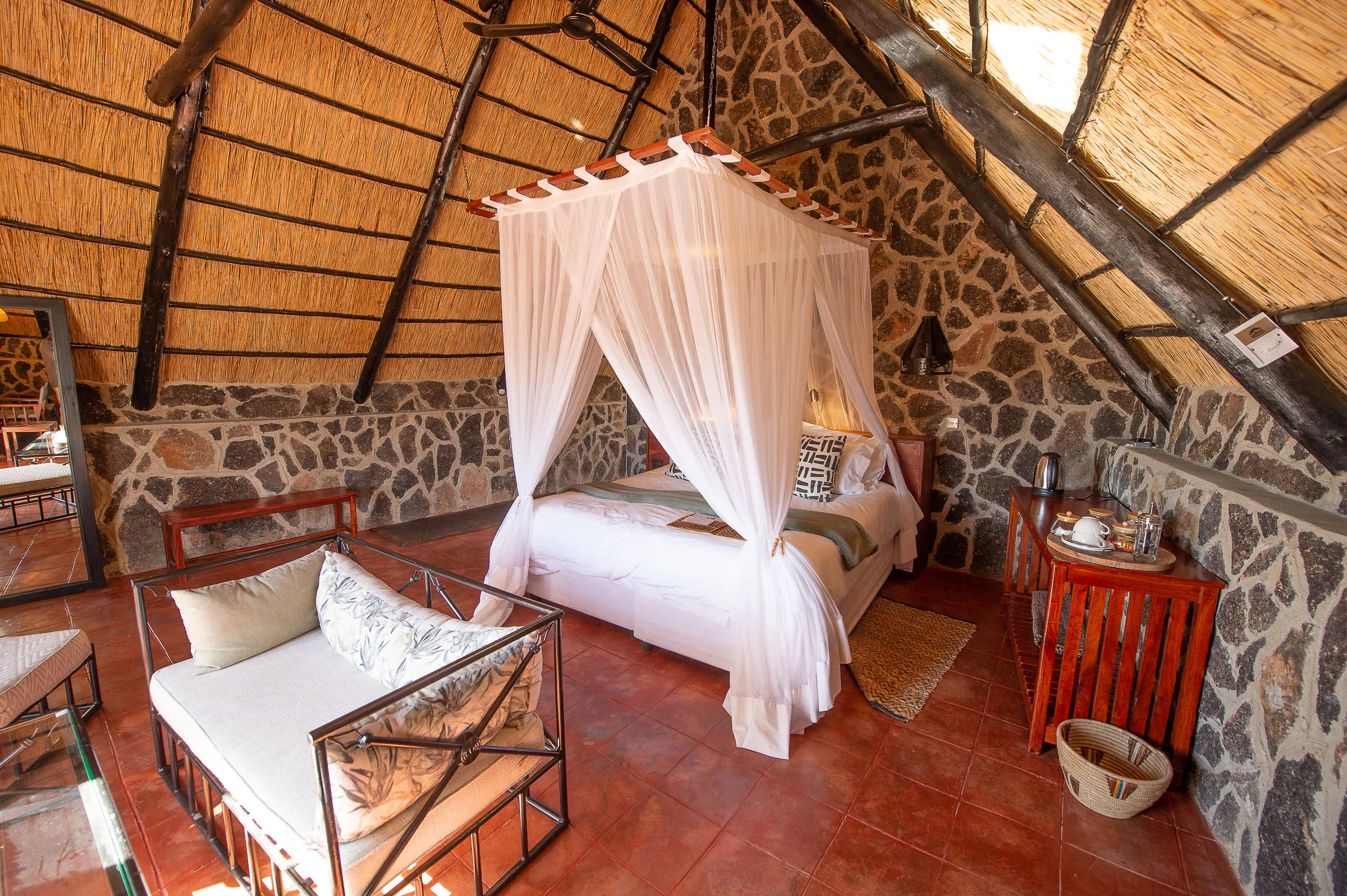
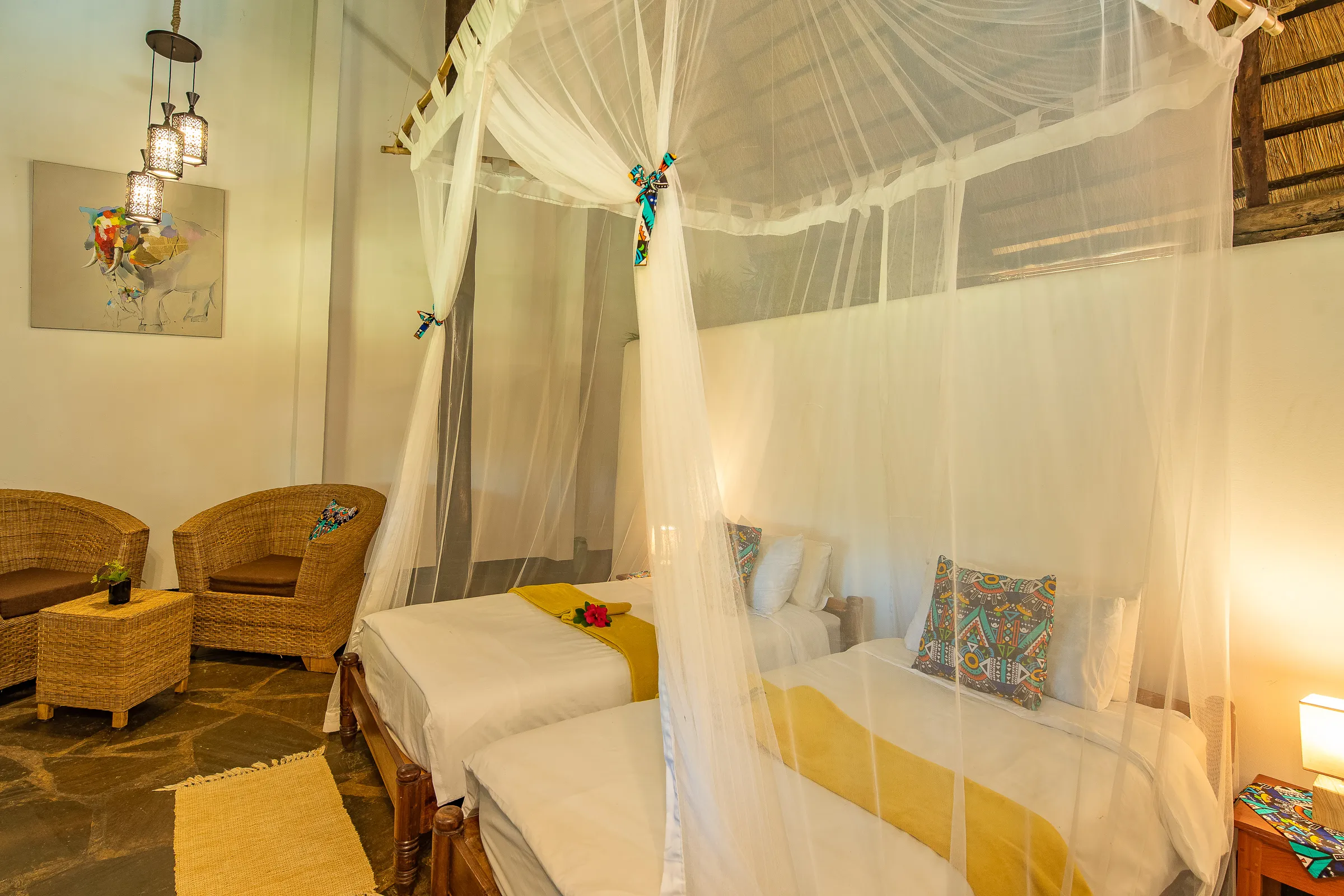
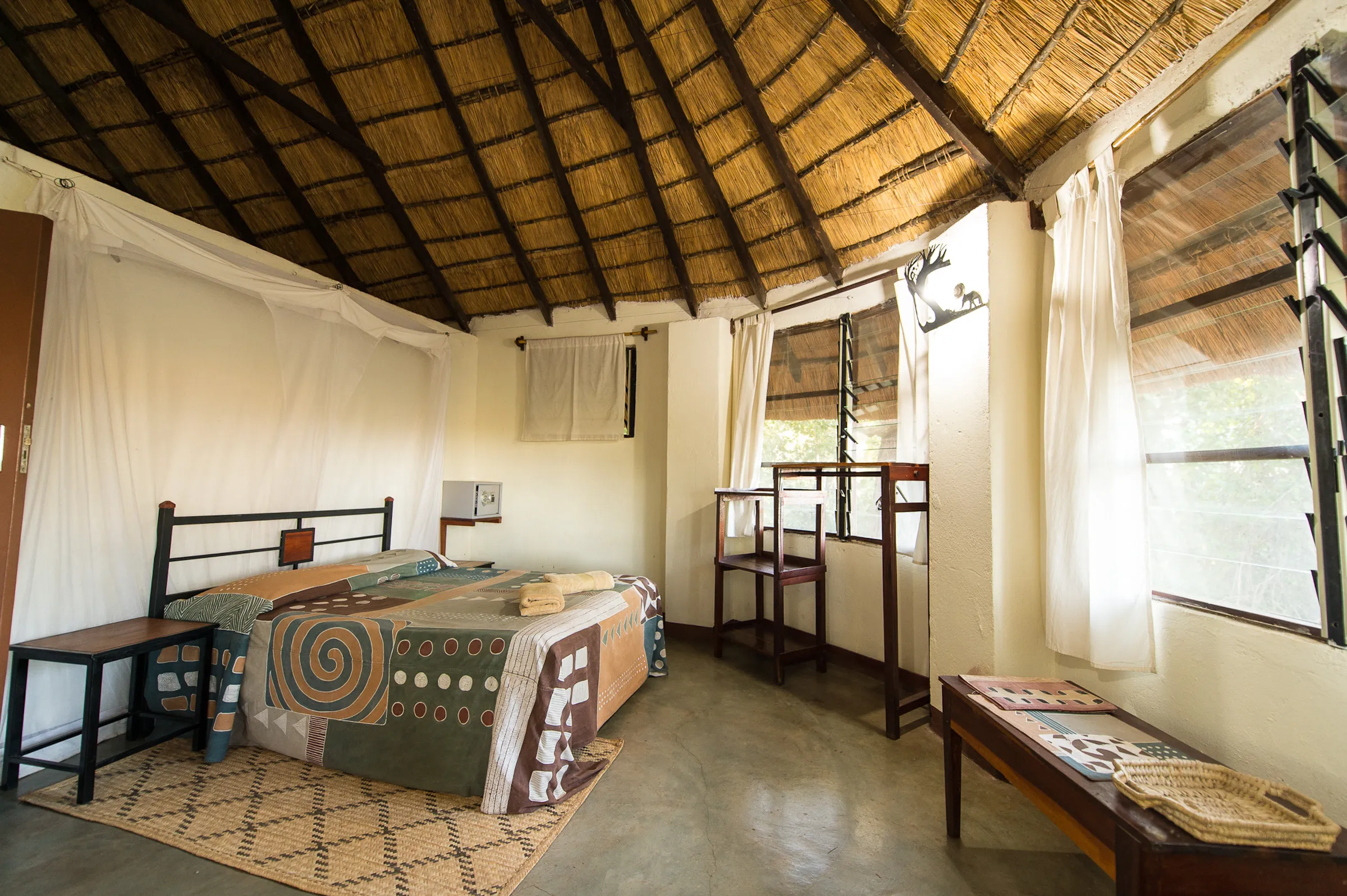
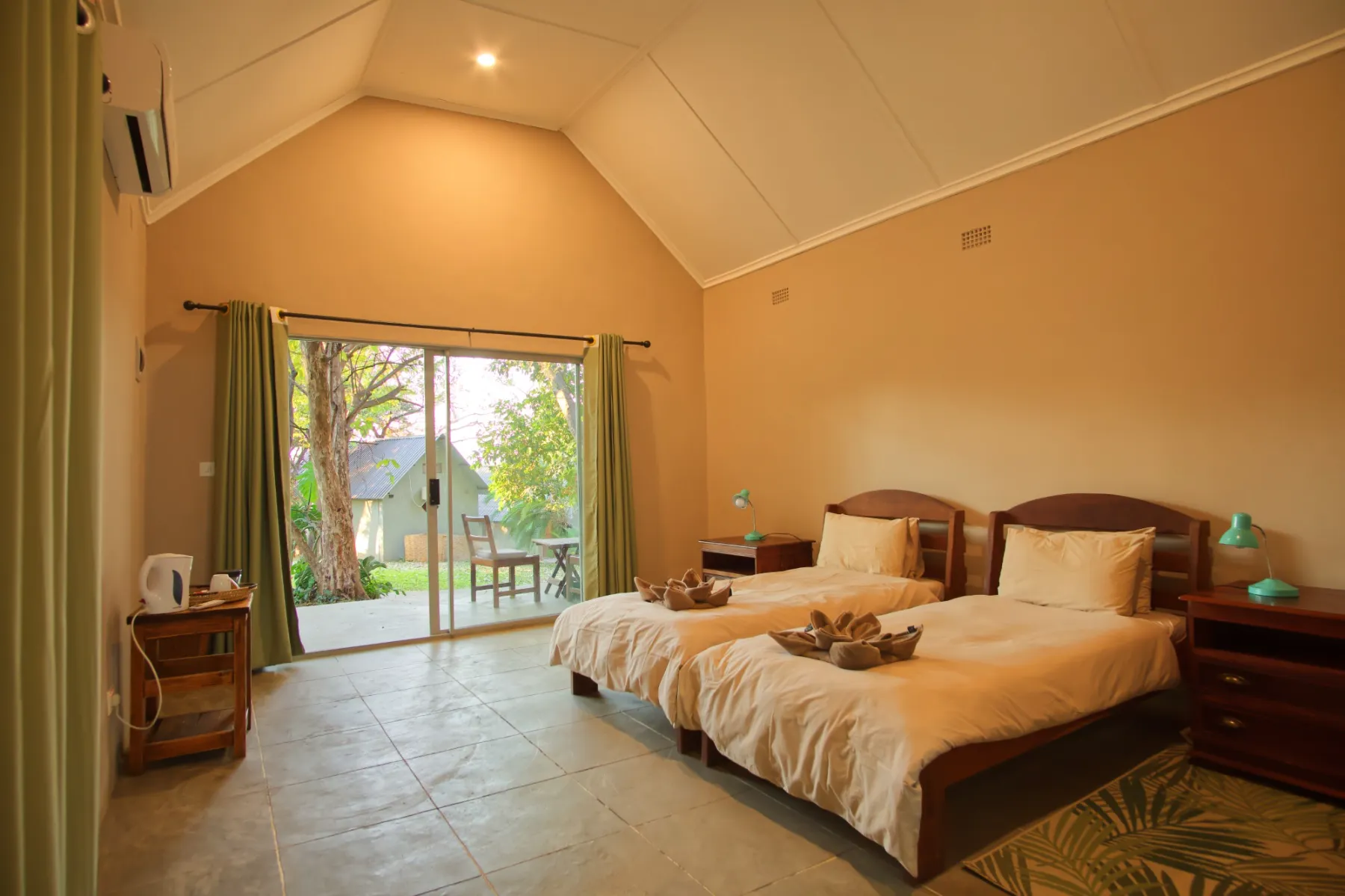
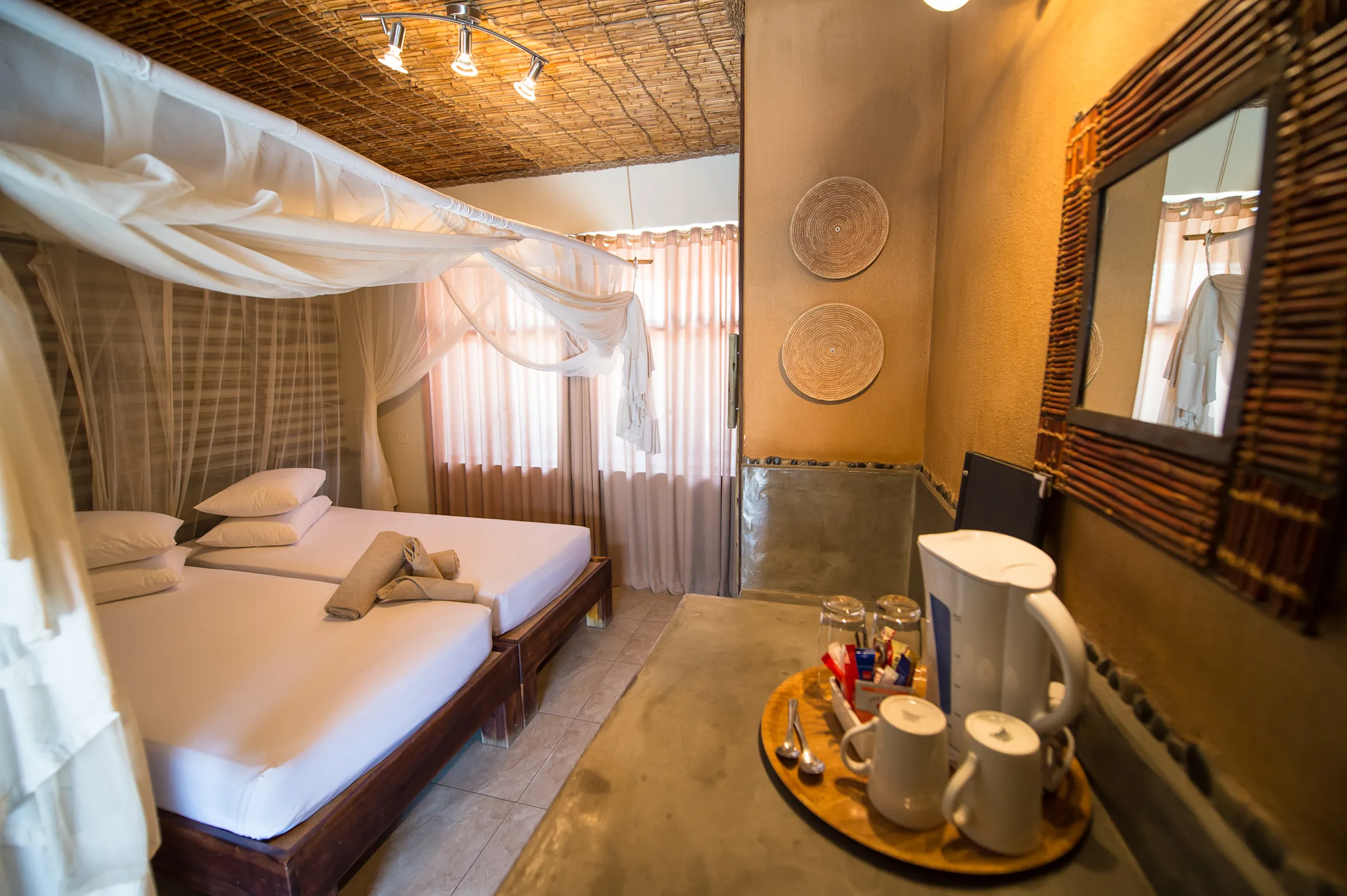
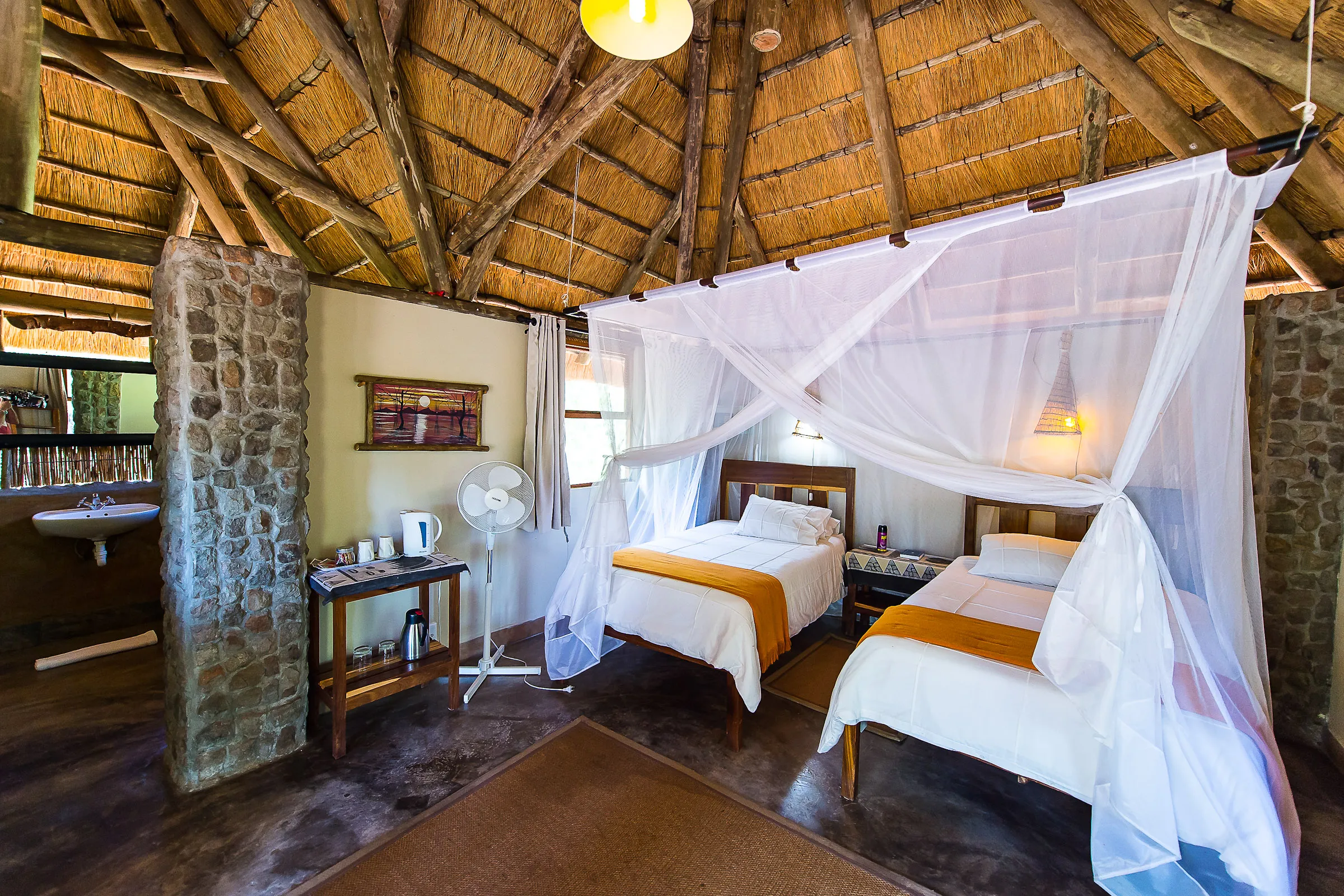
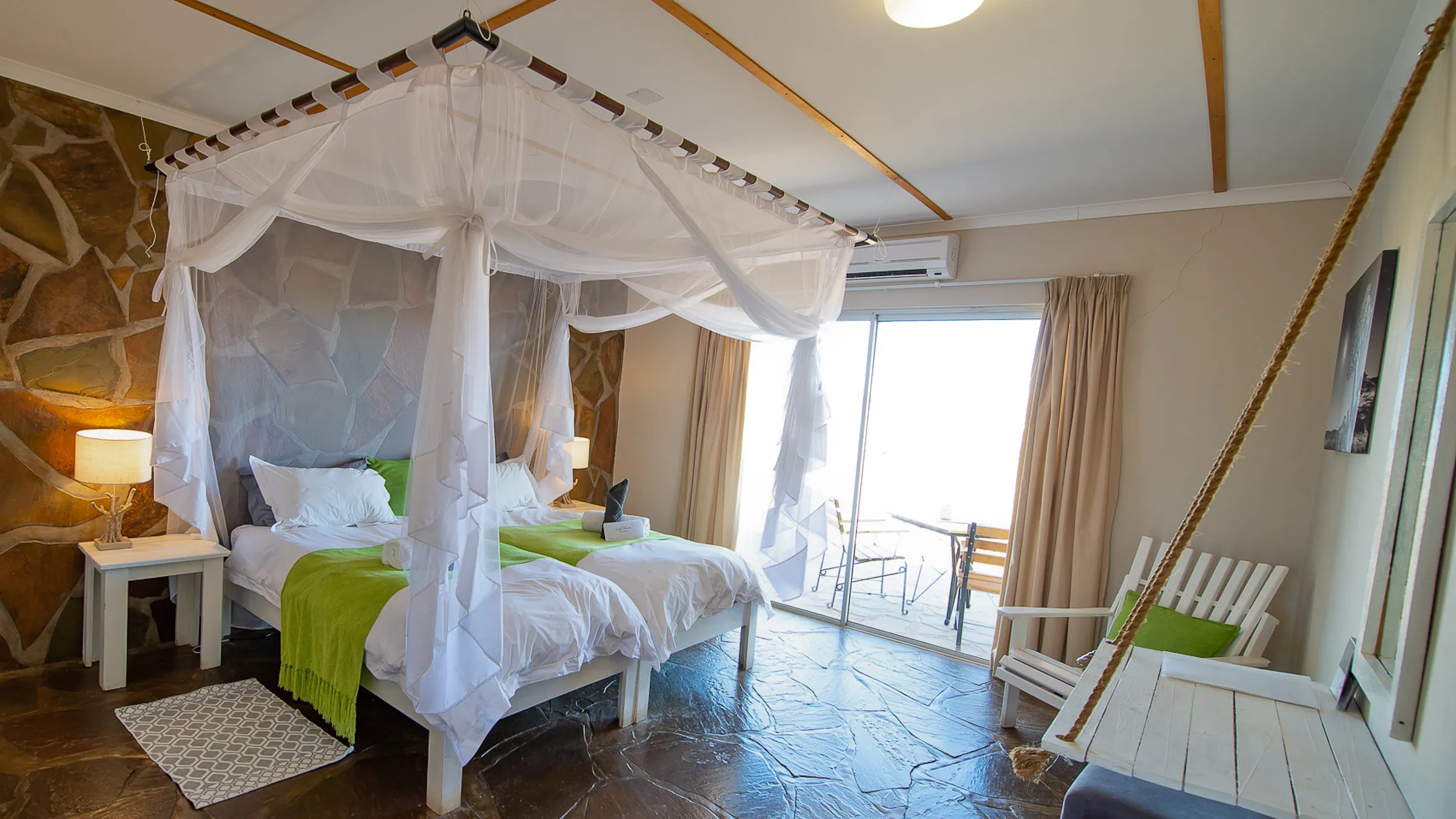
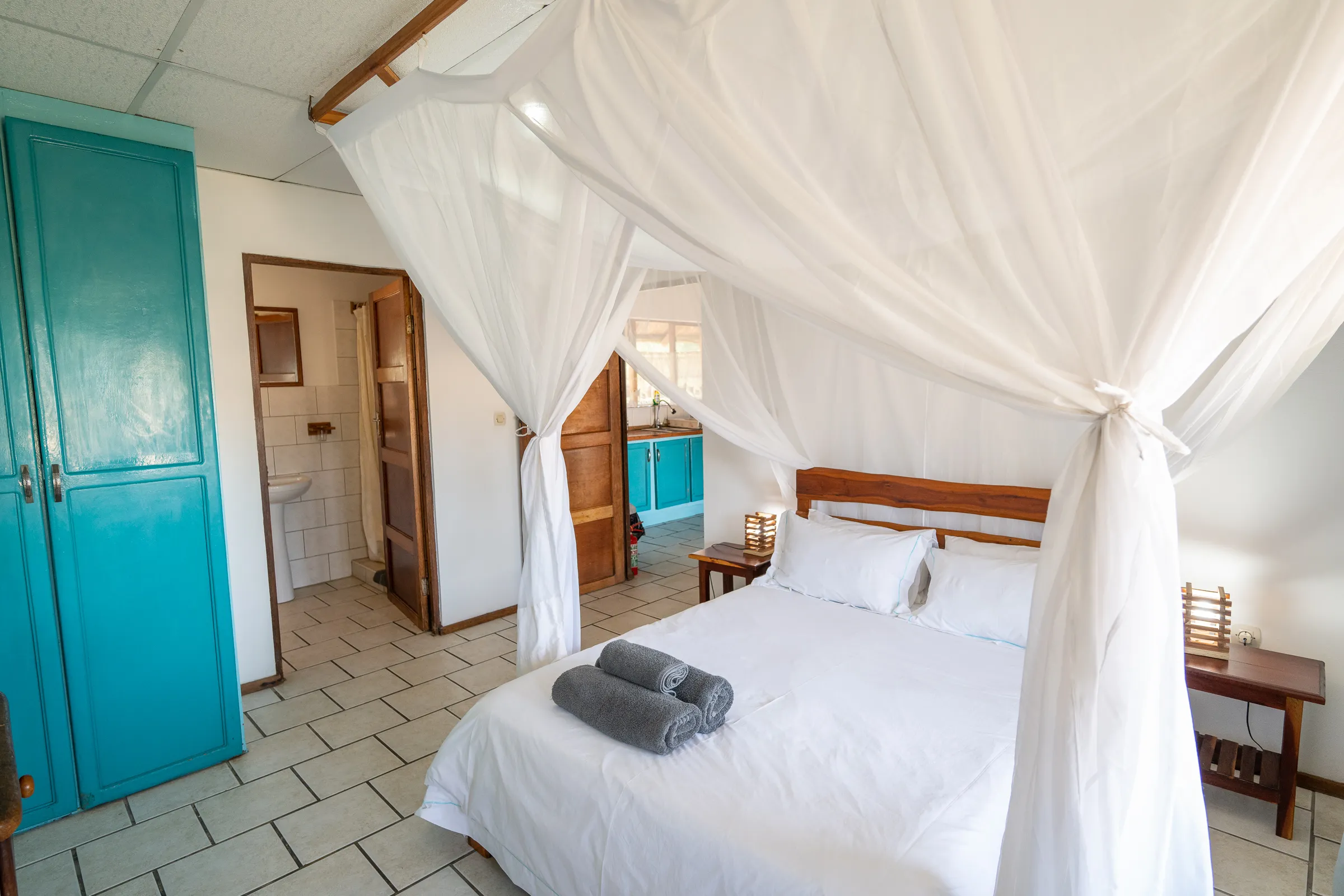
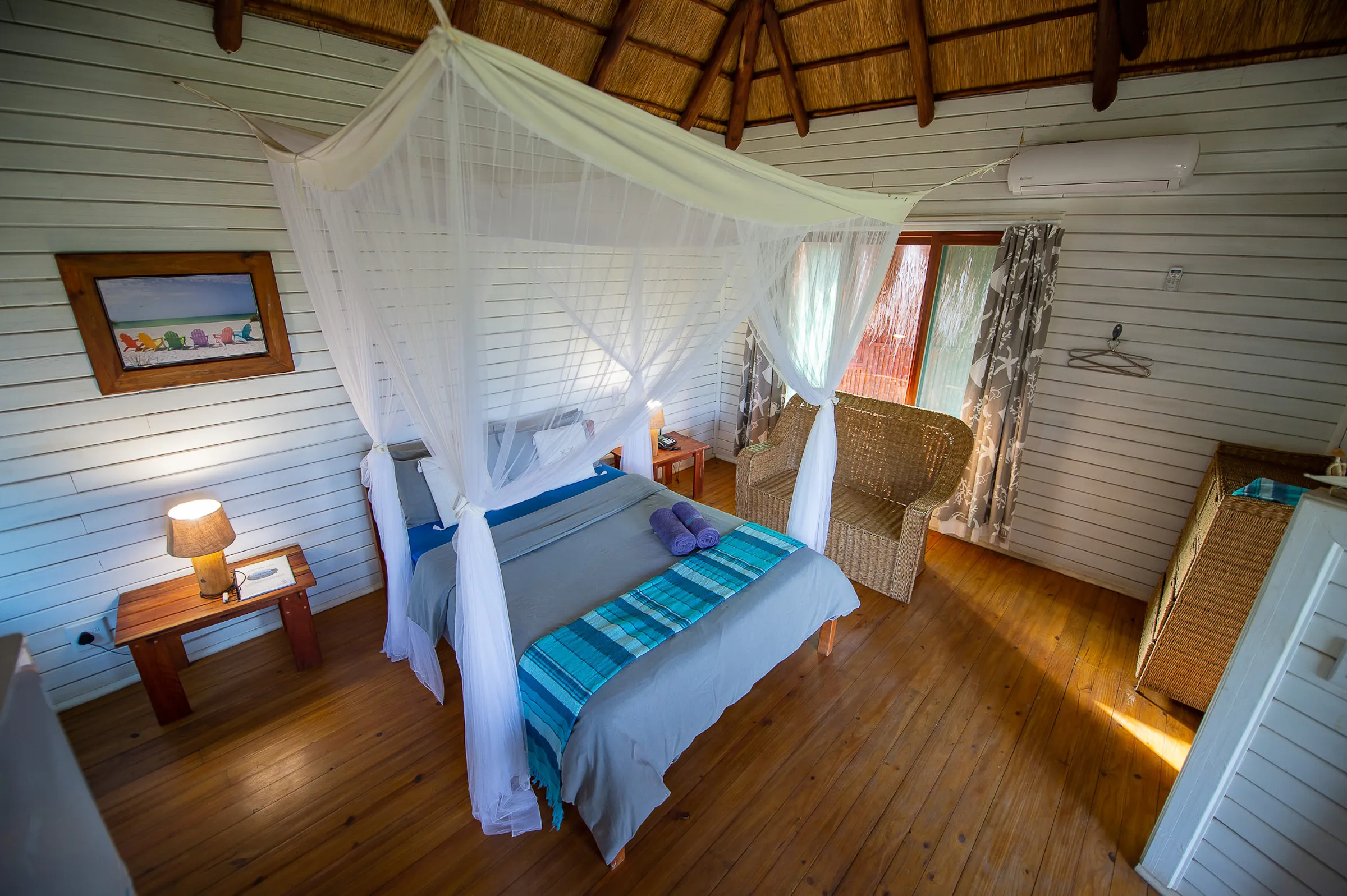
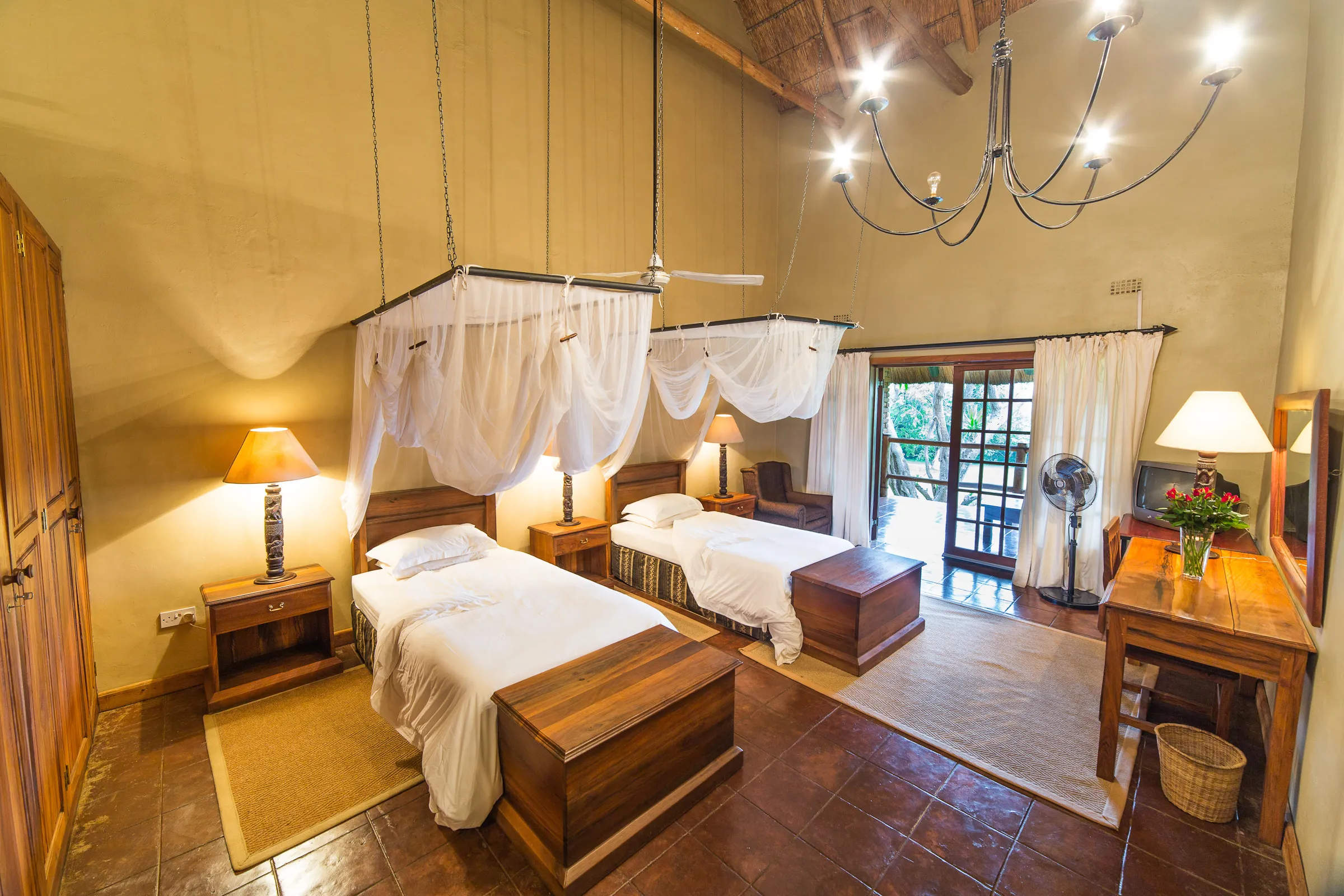
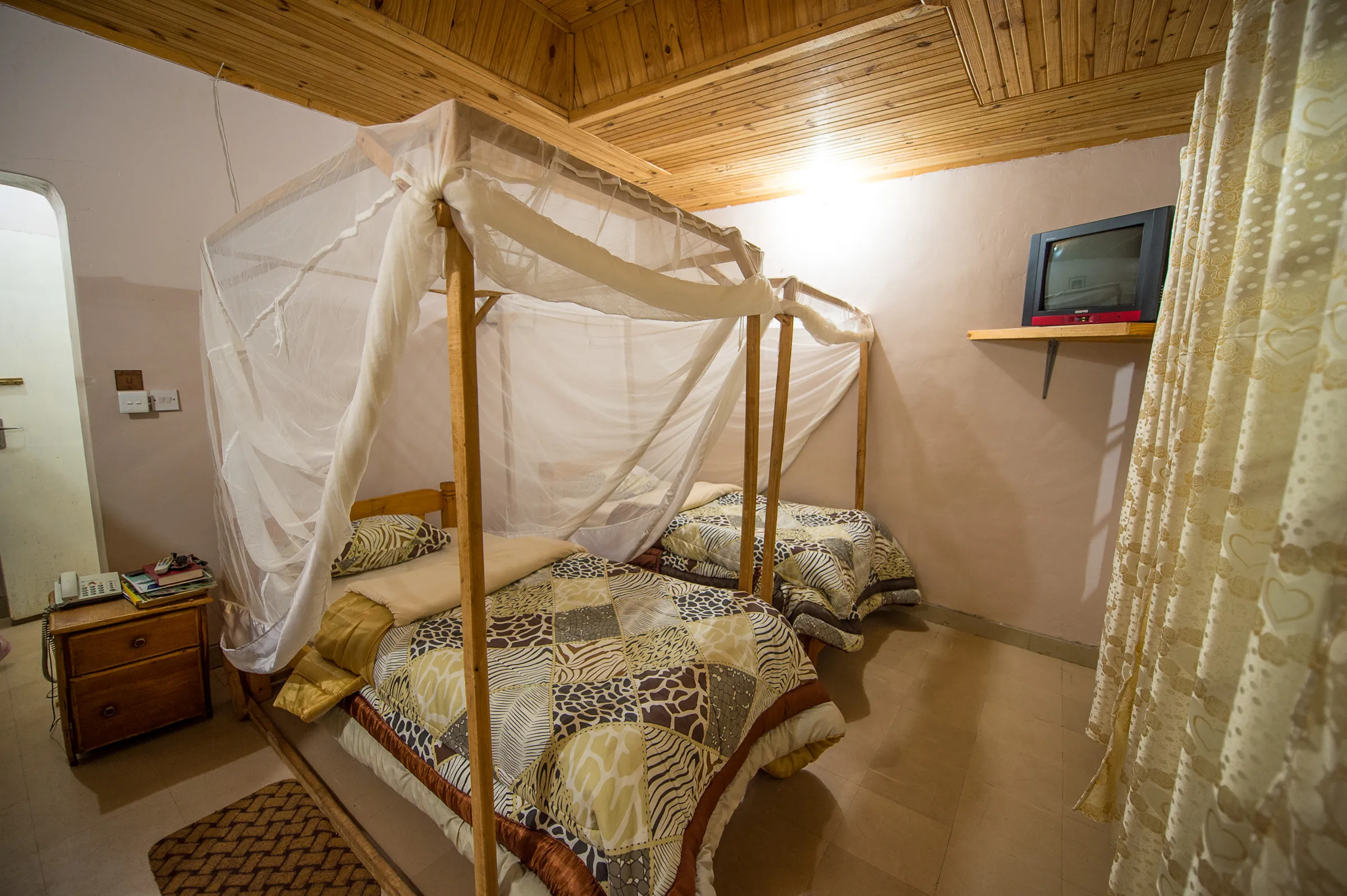
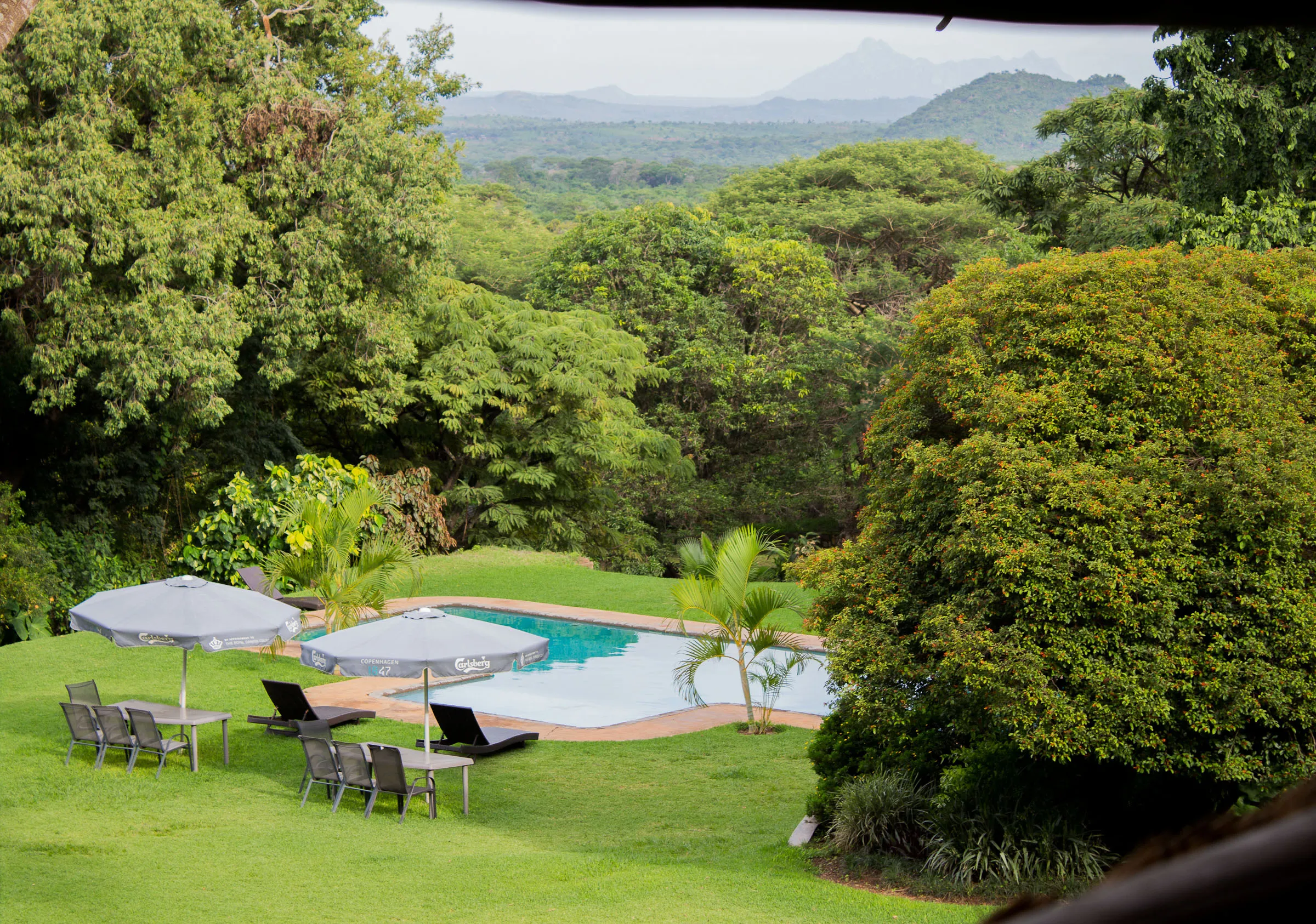
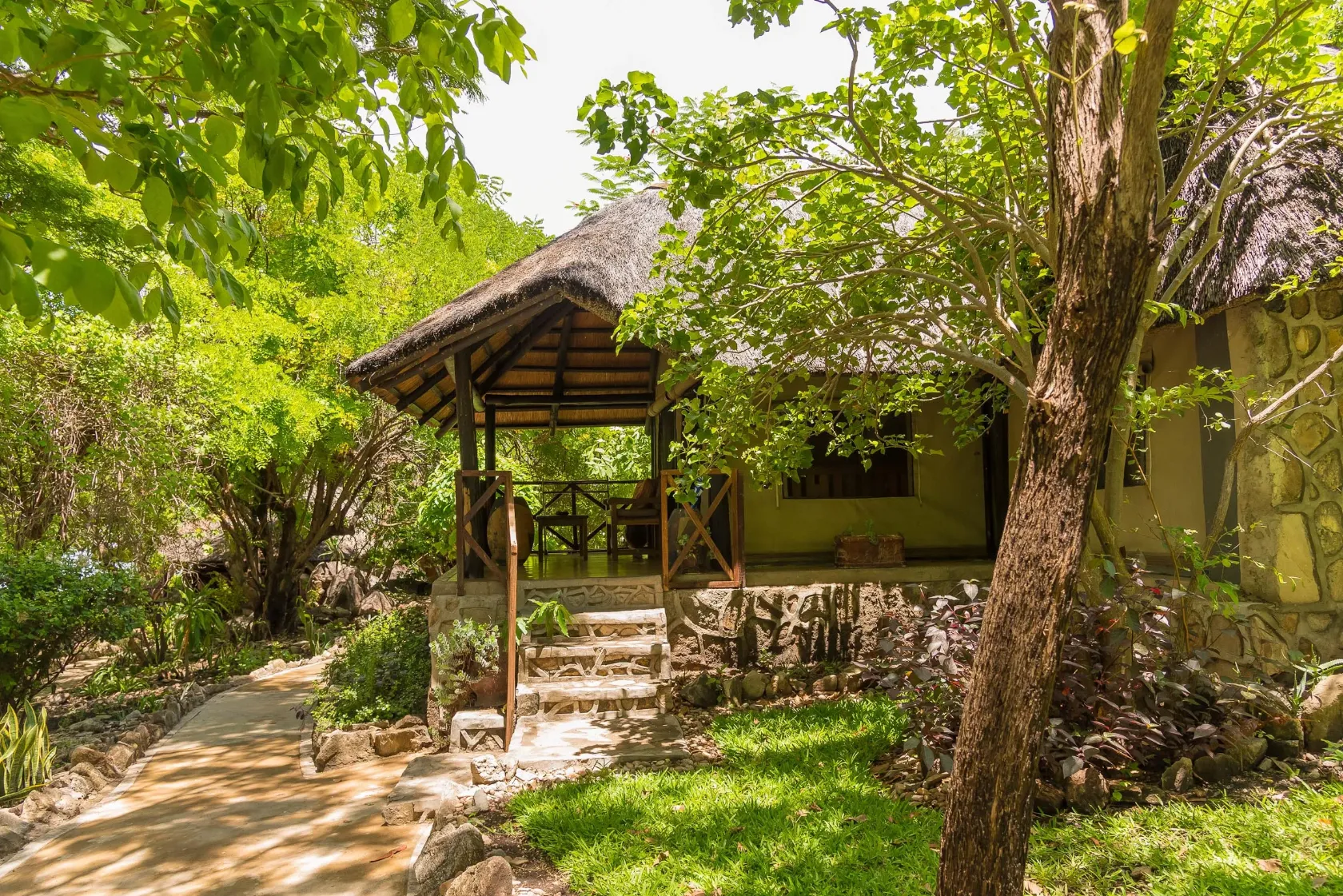
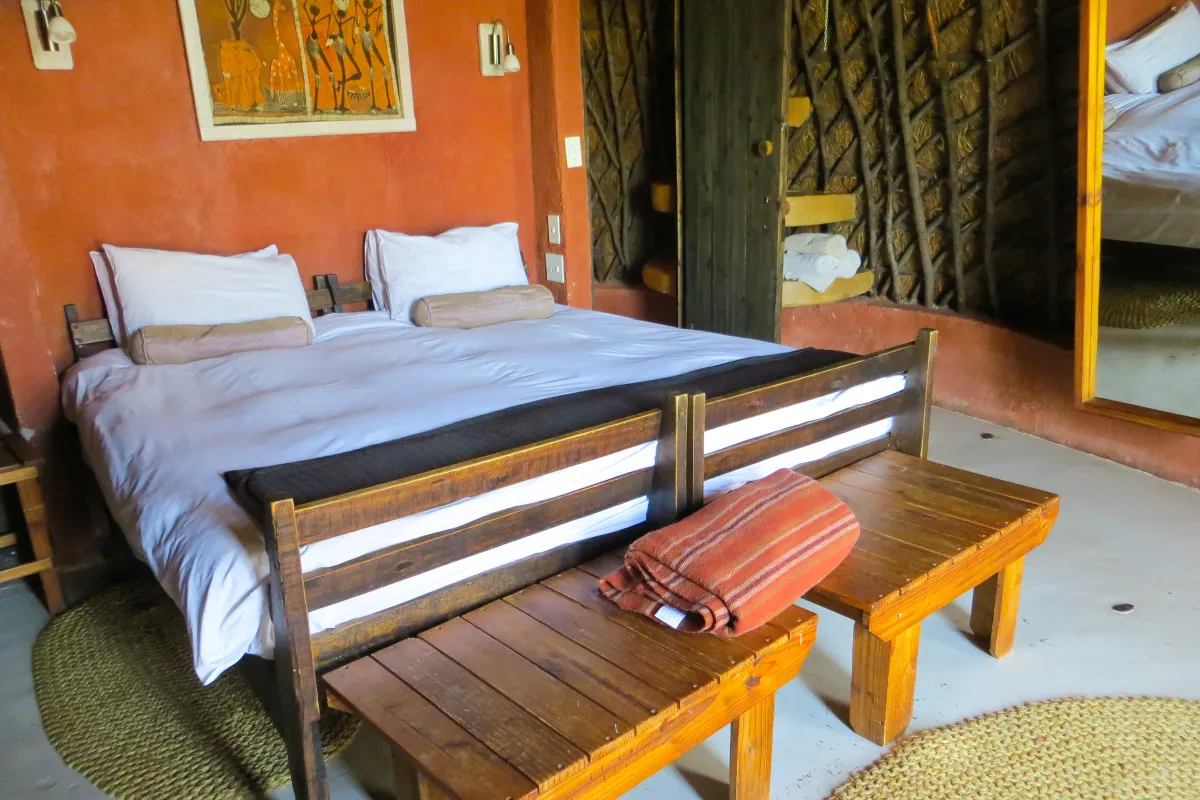
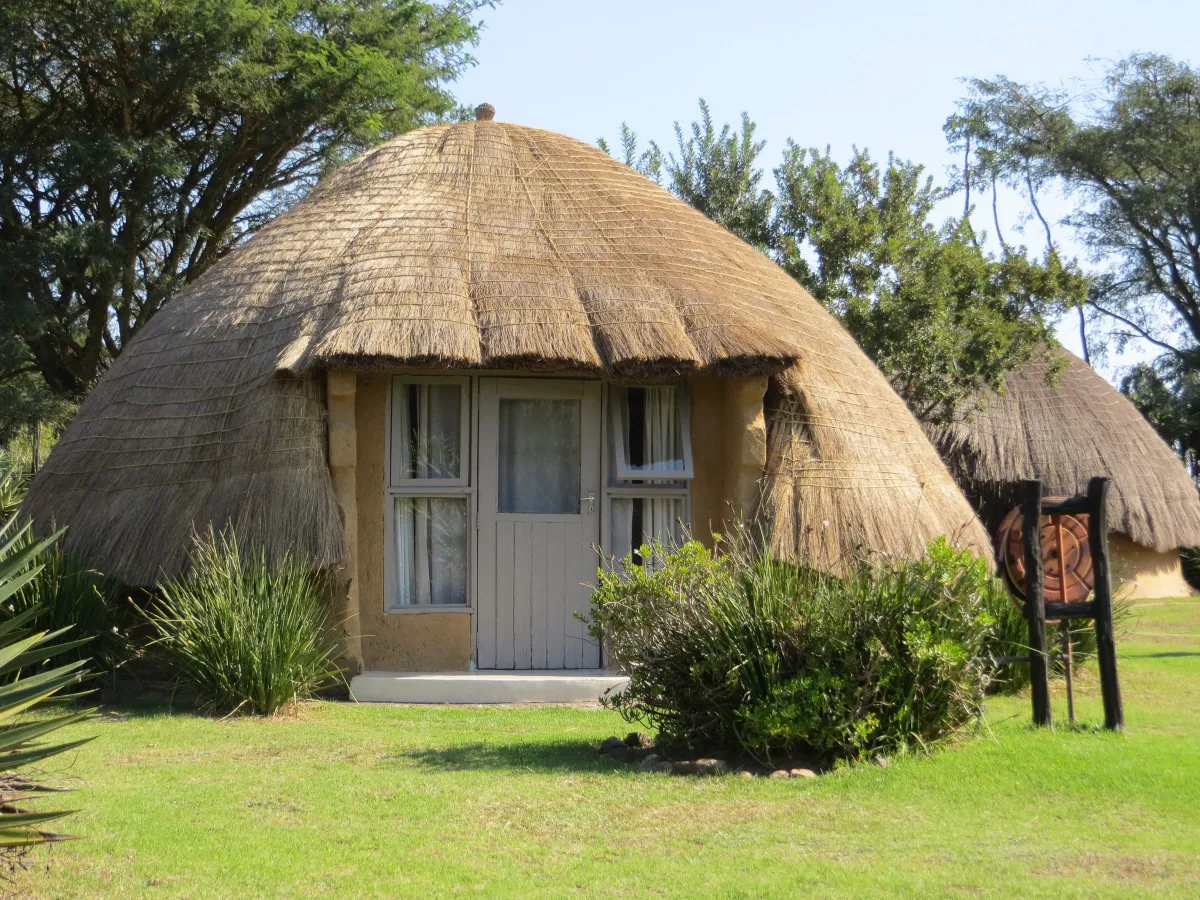
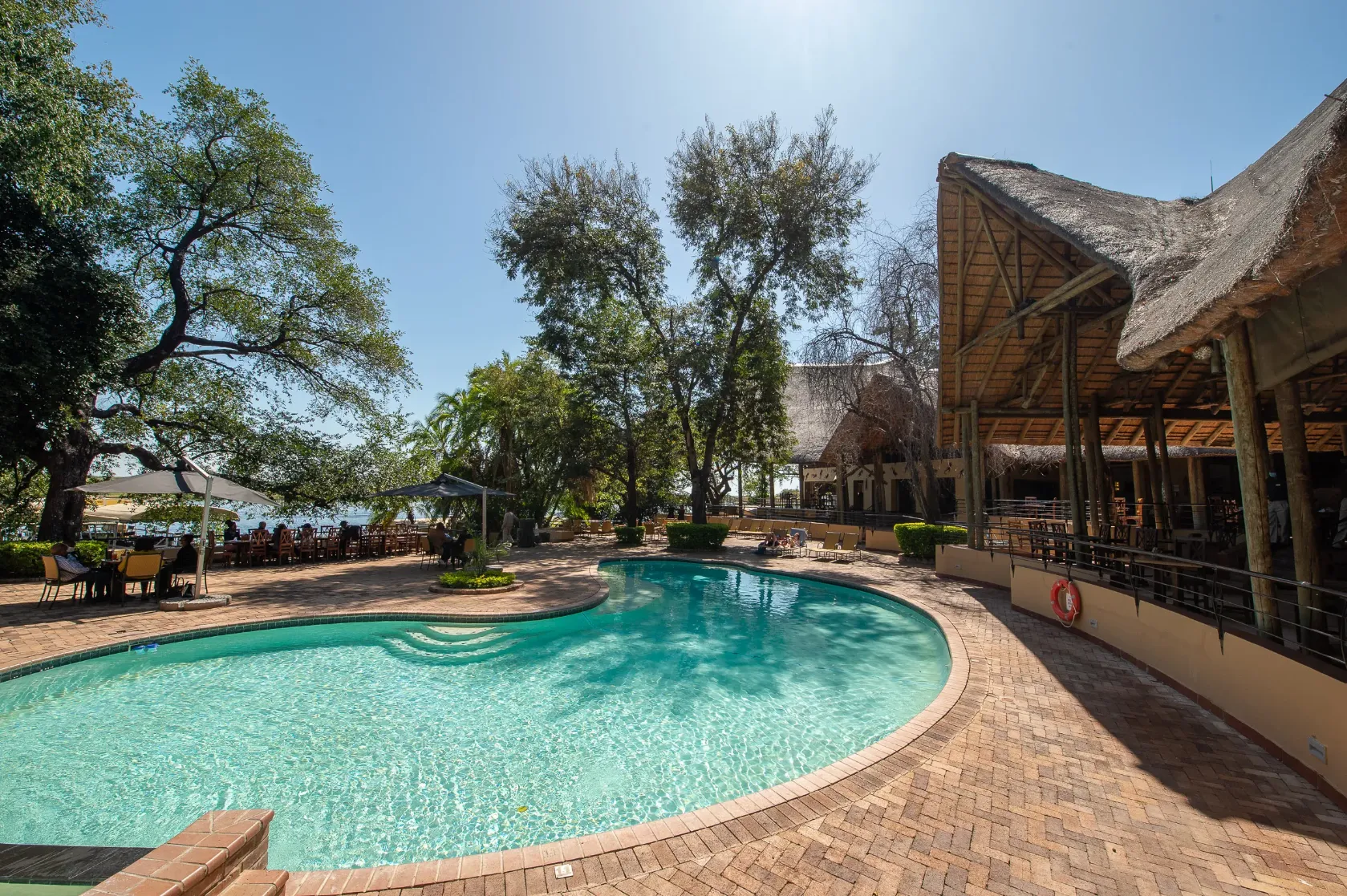
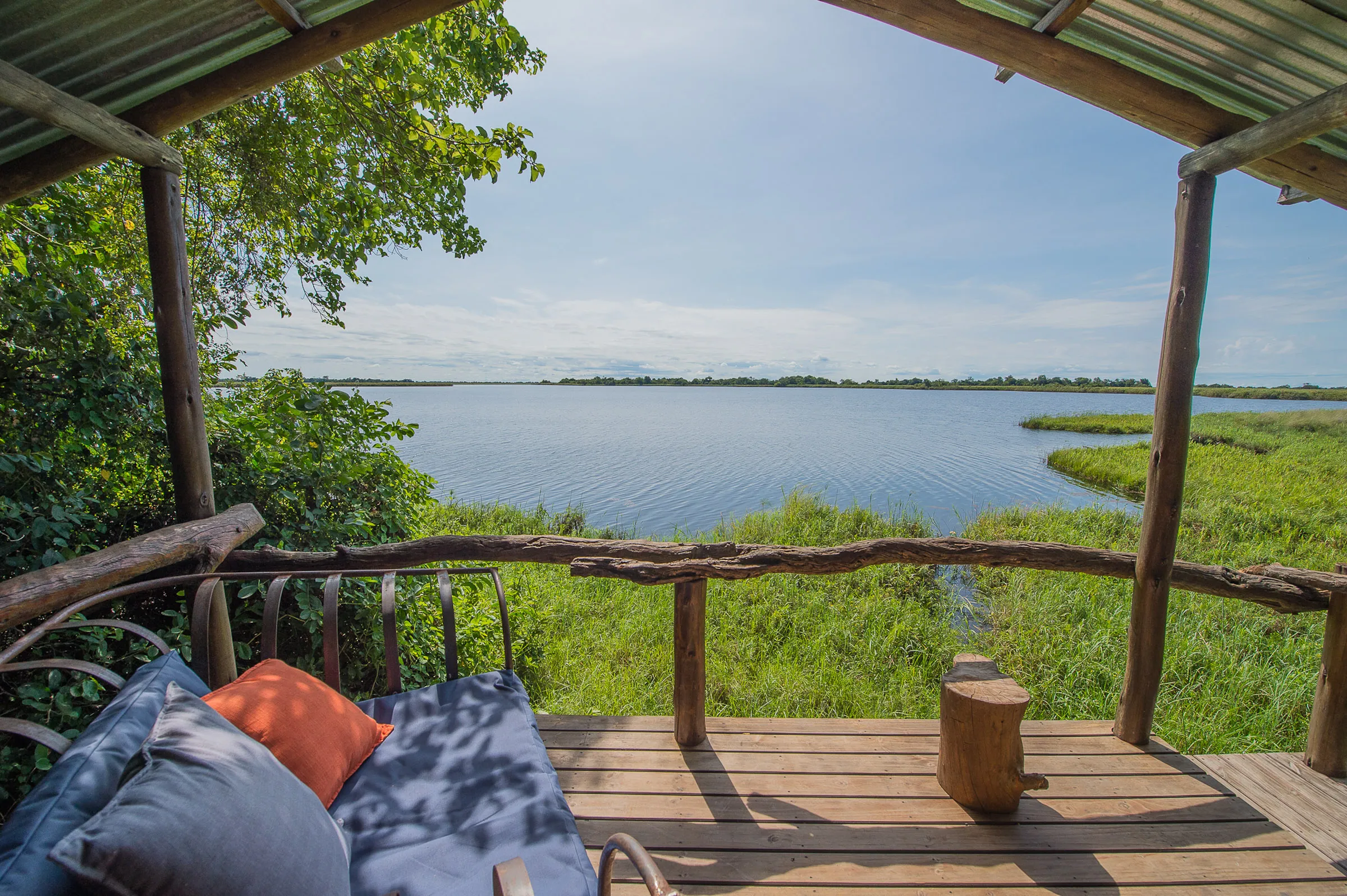
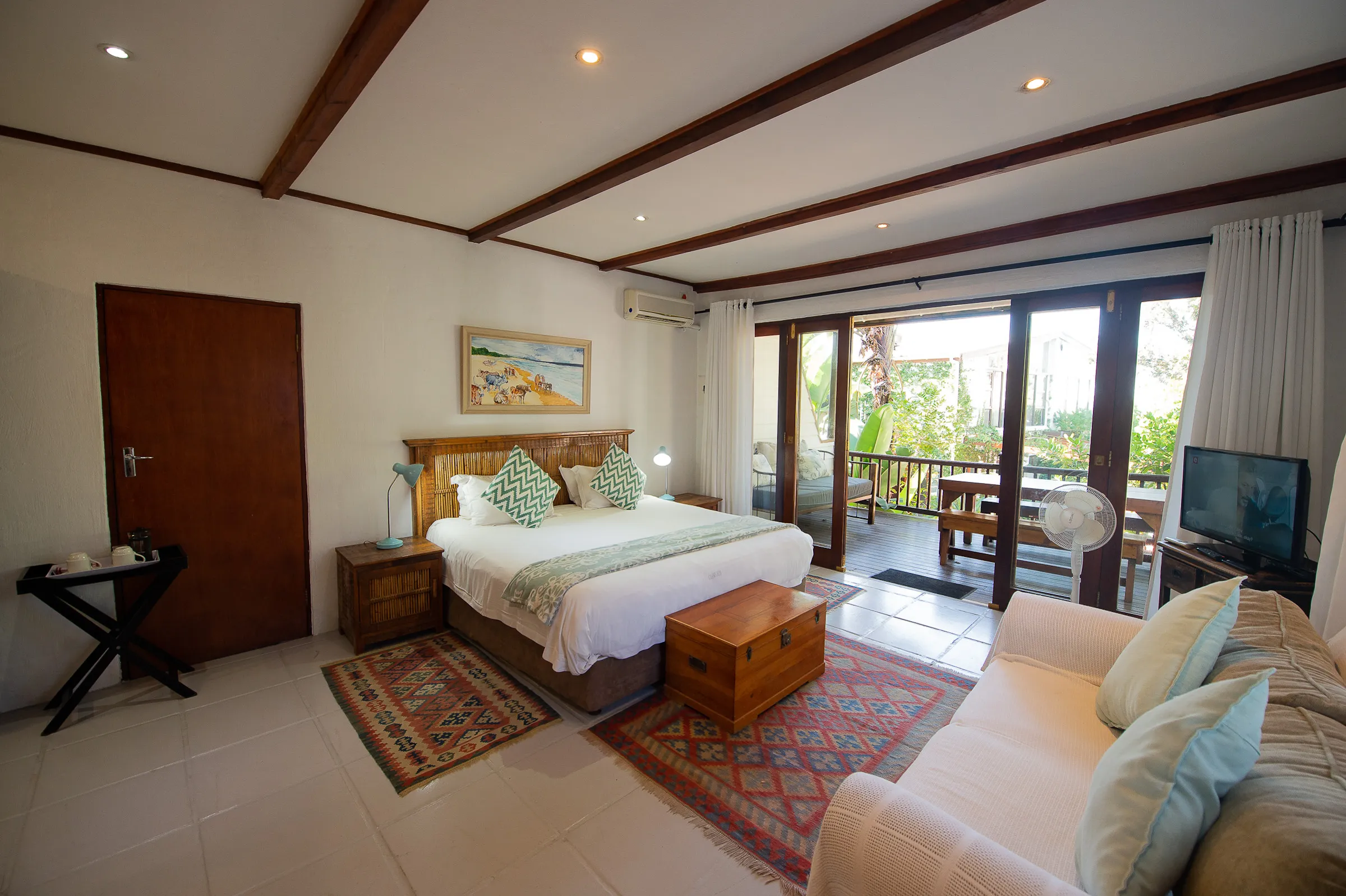
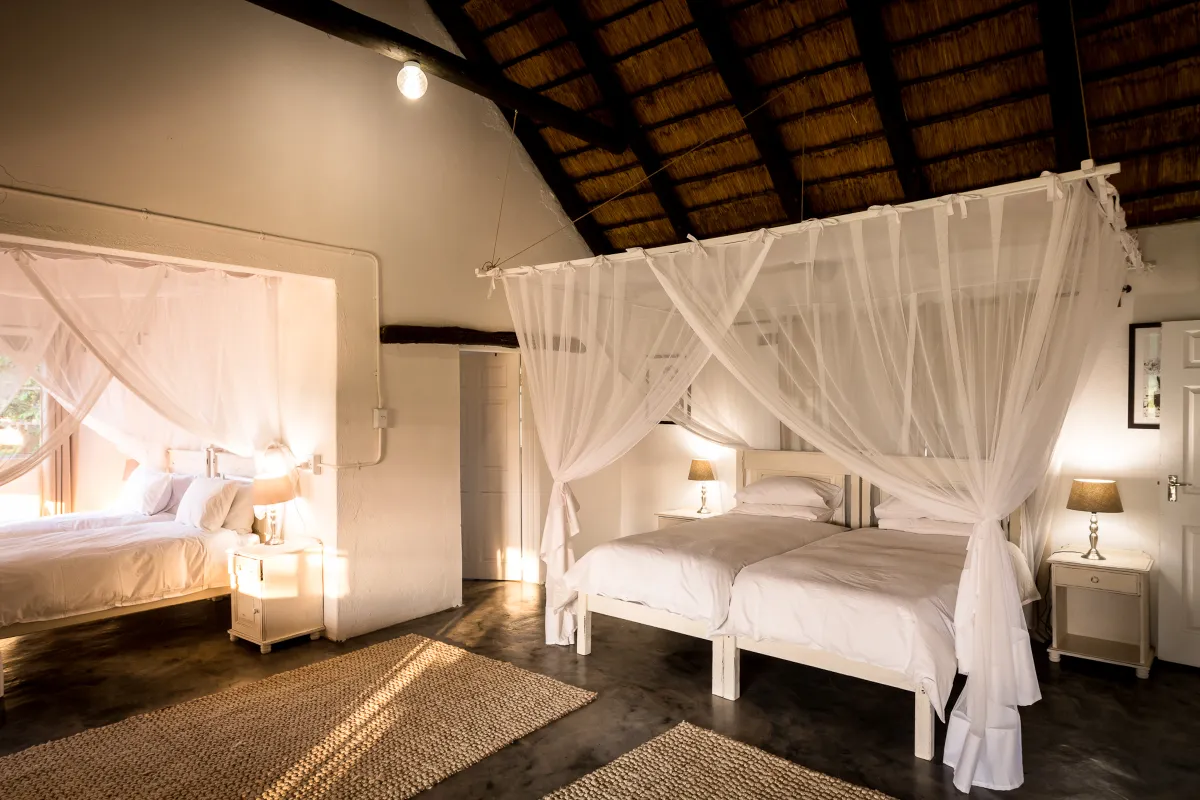
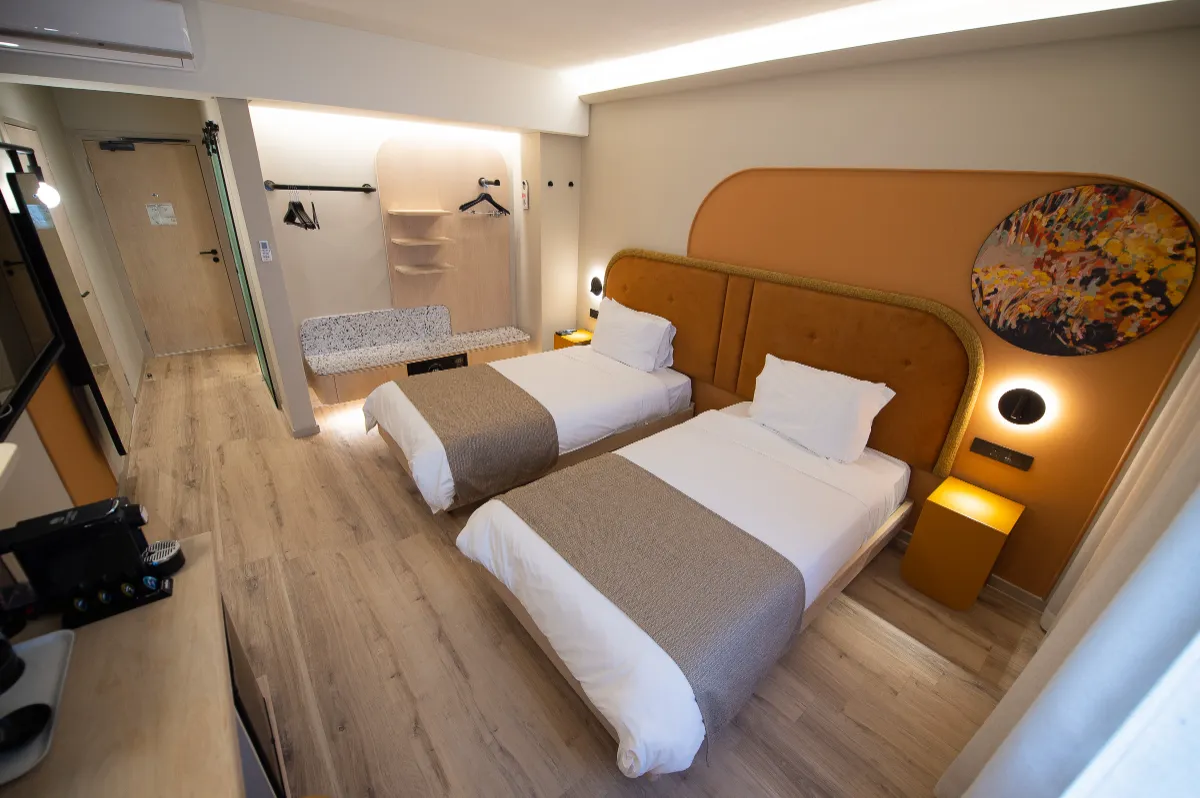
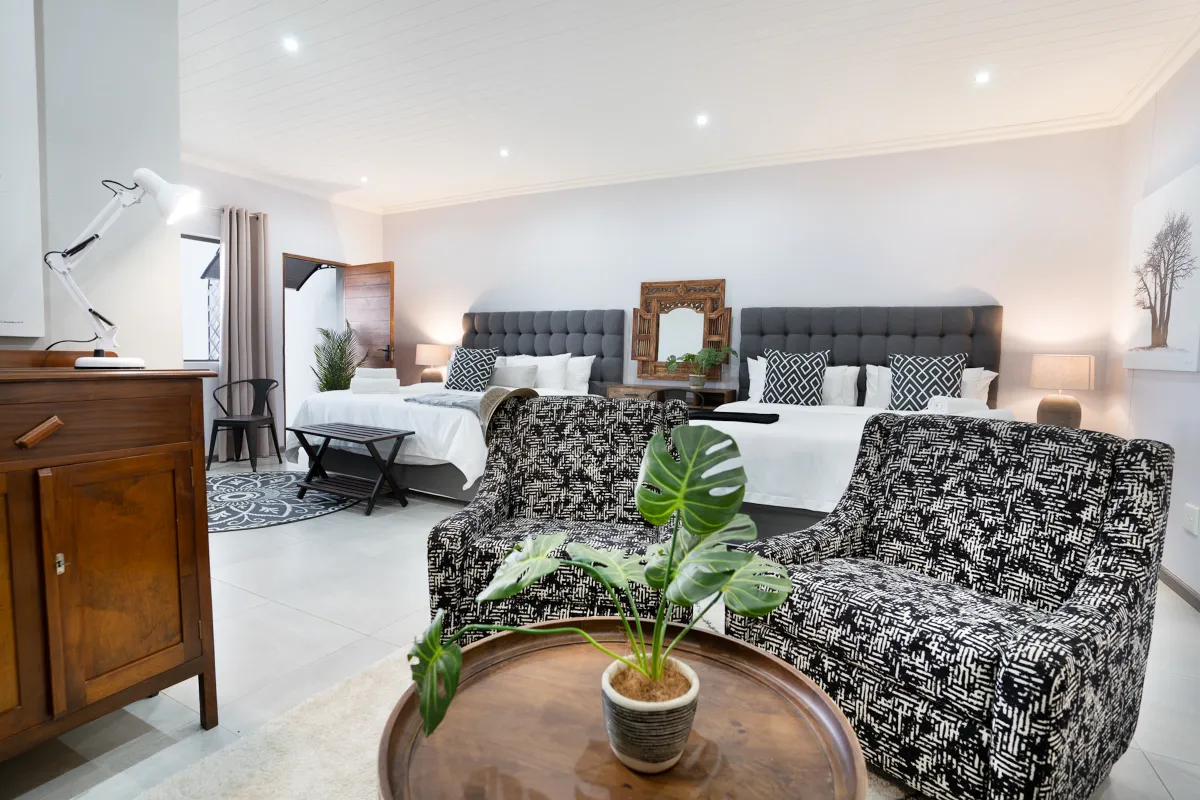
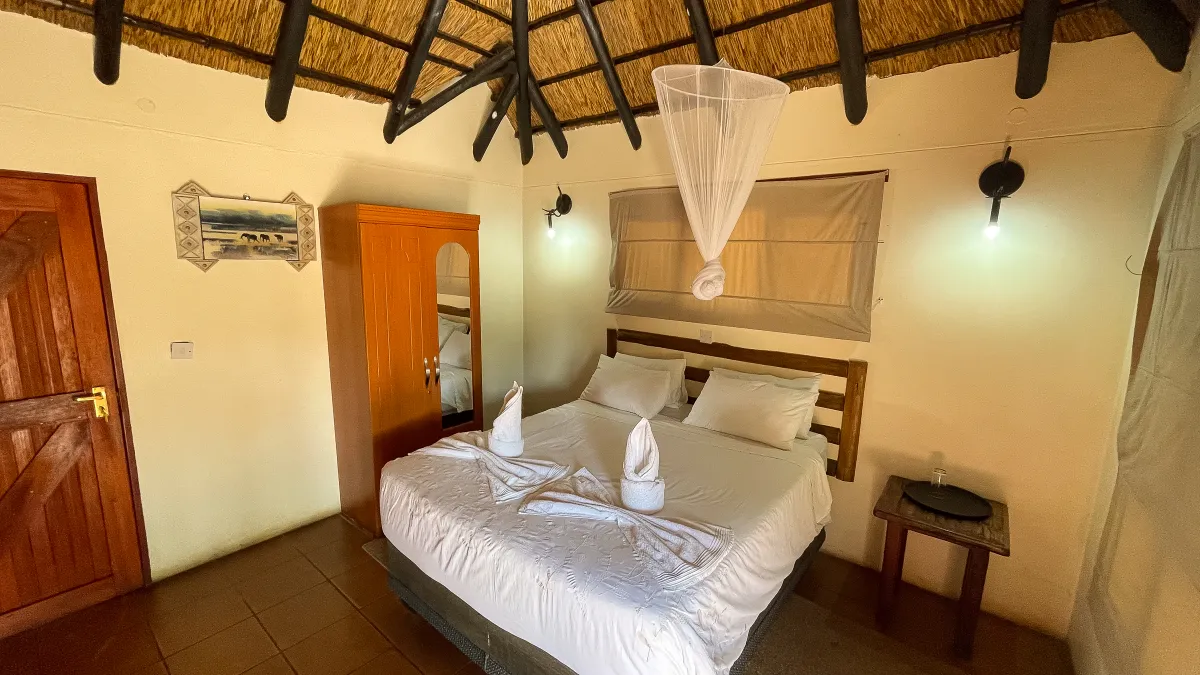
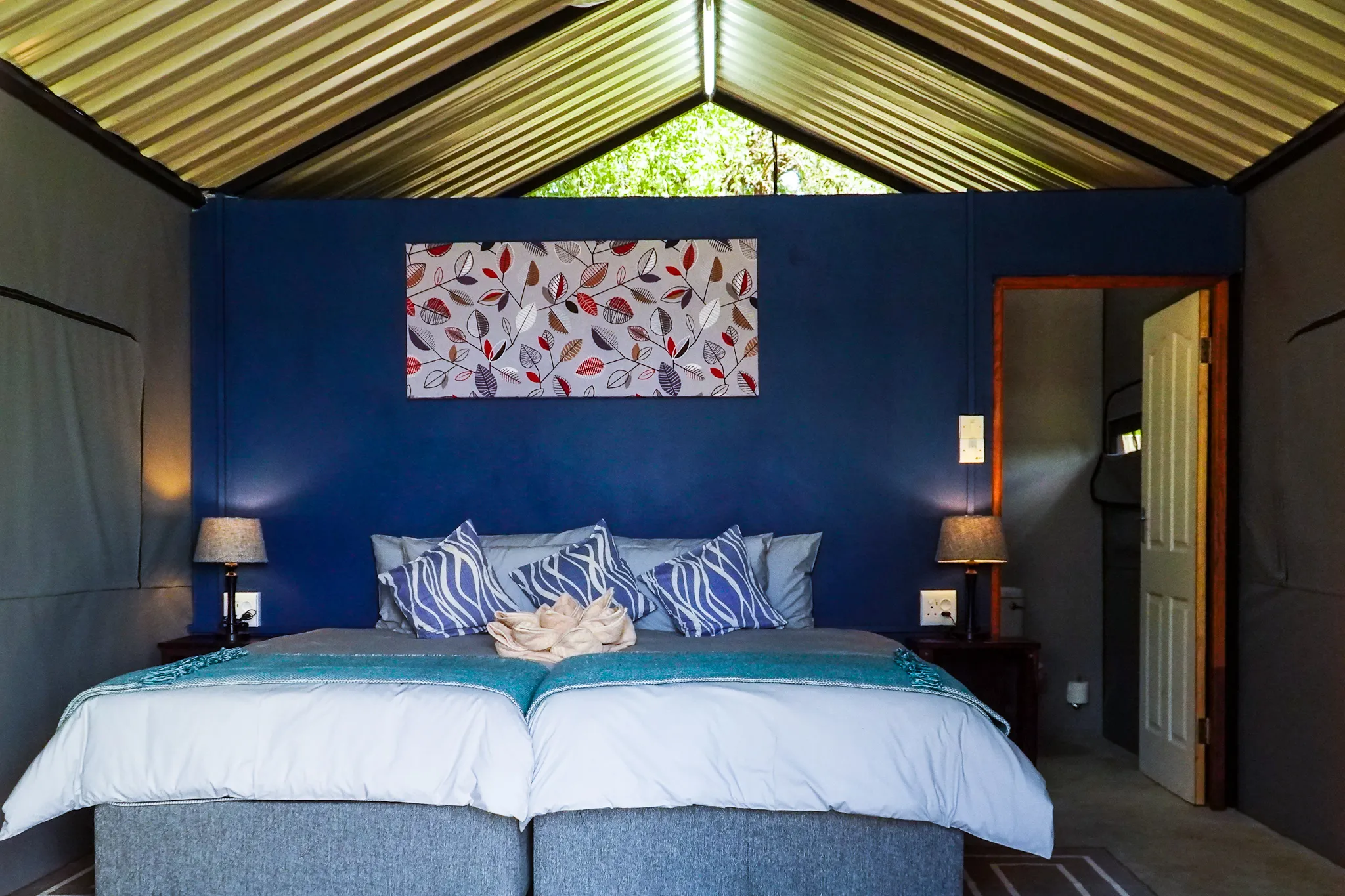
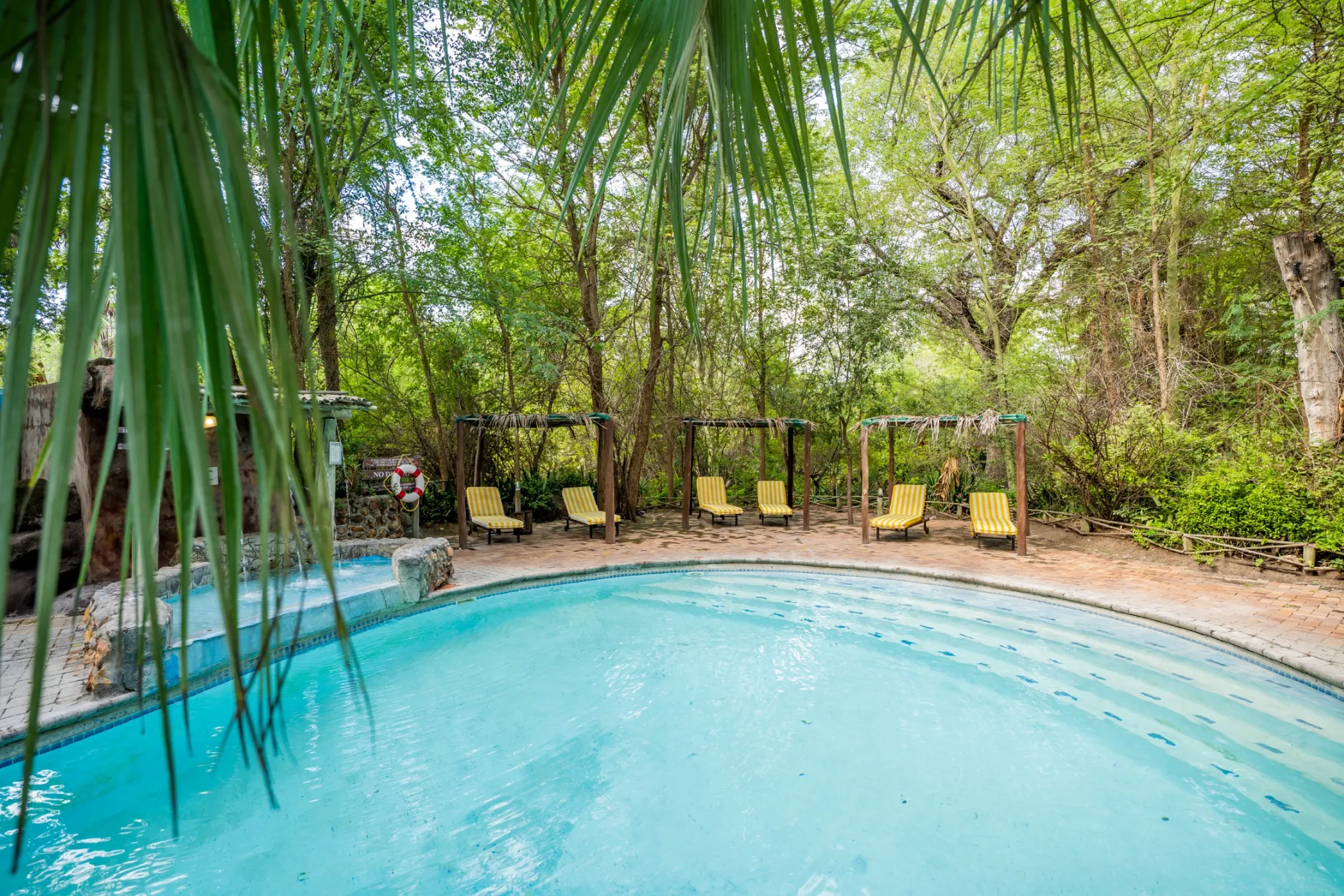
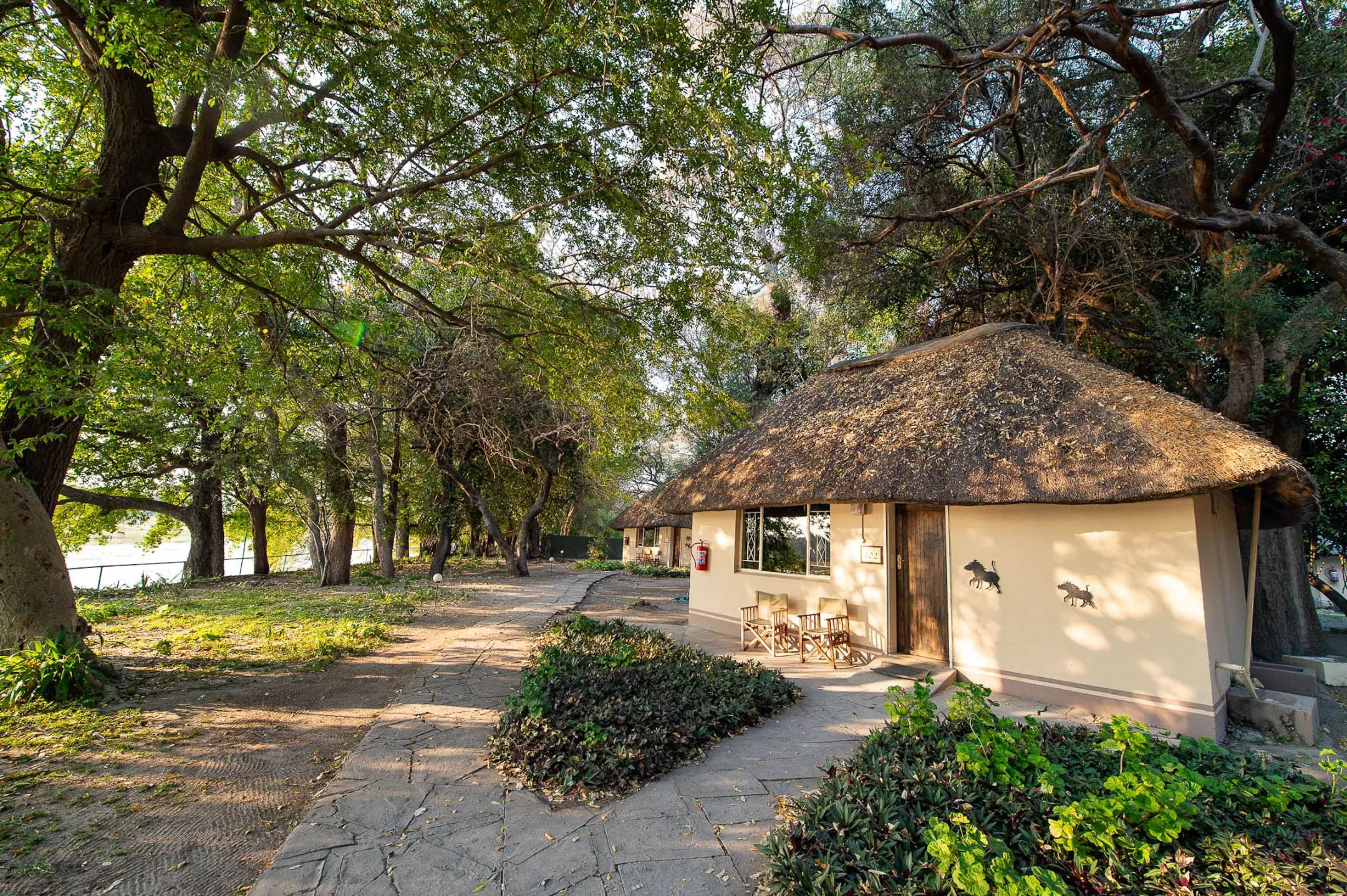
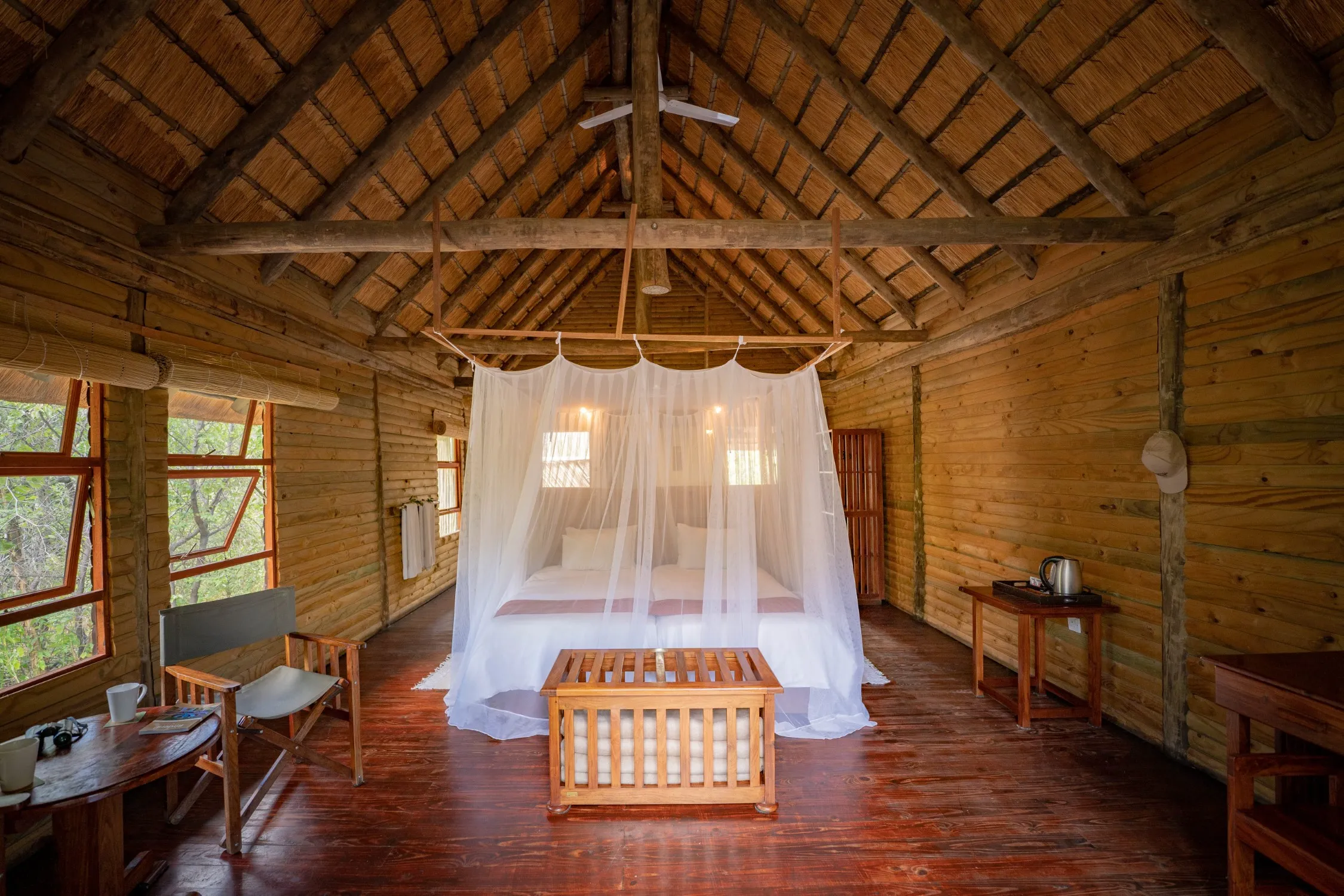
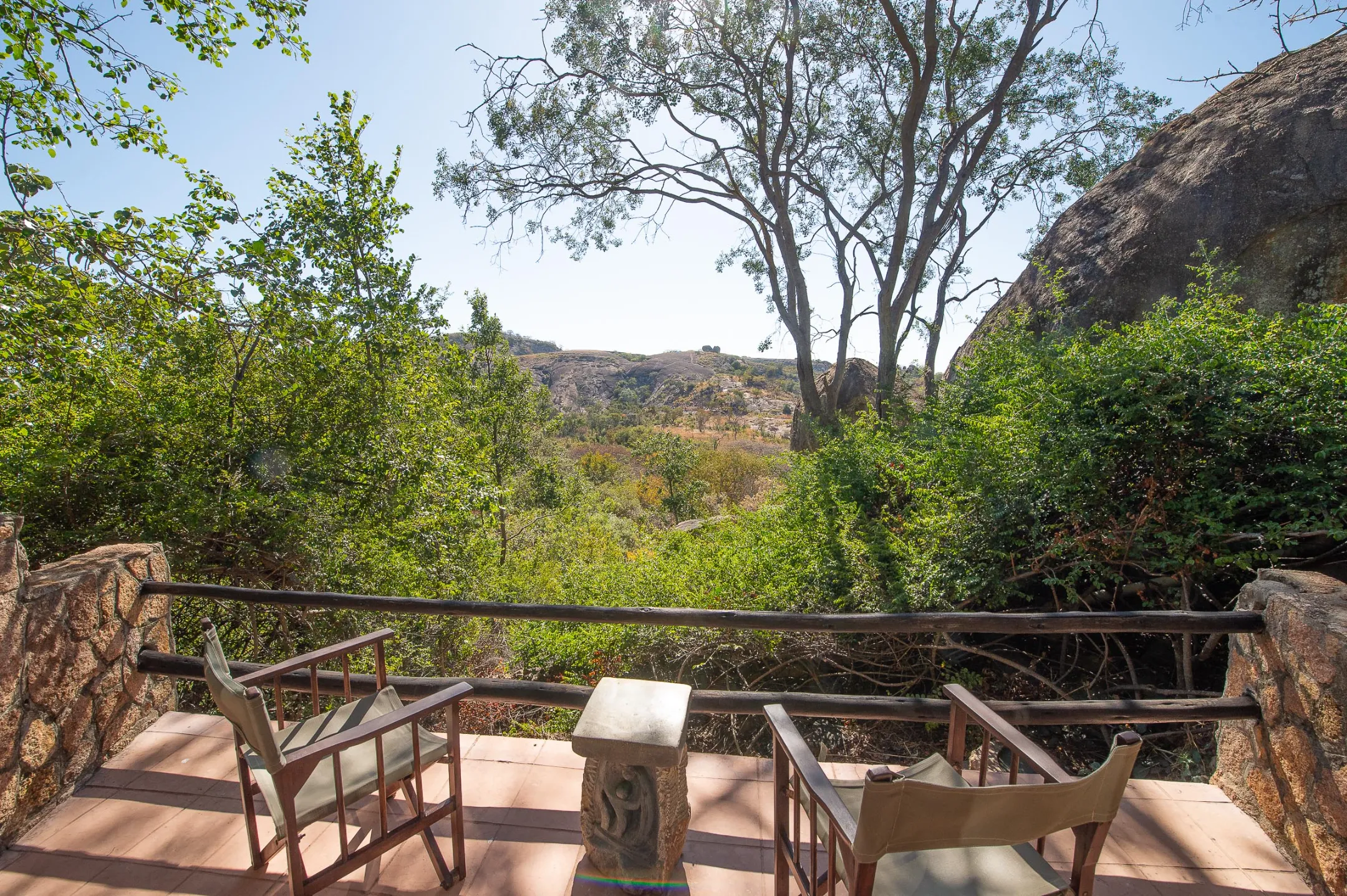
2 nights at a lodge in Nyanga with en-suite rooms.
Meals
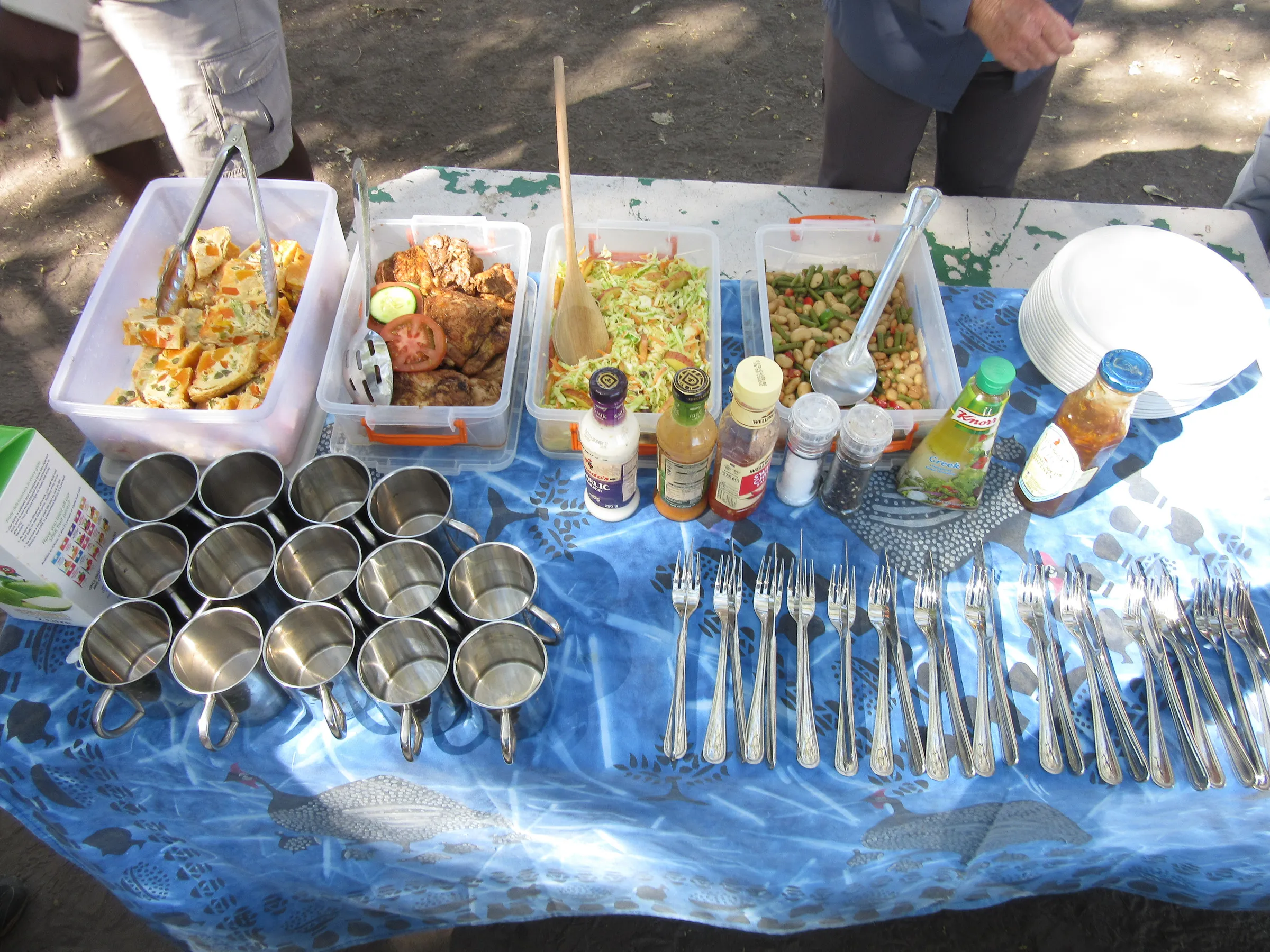
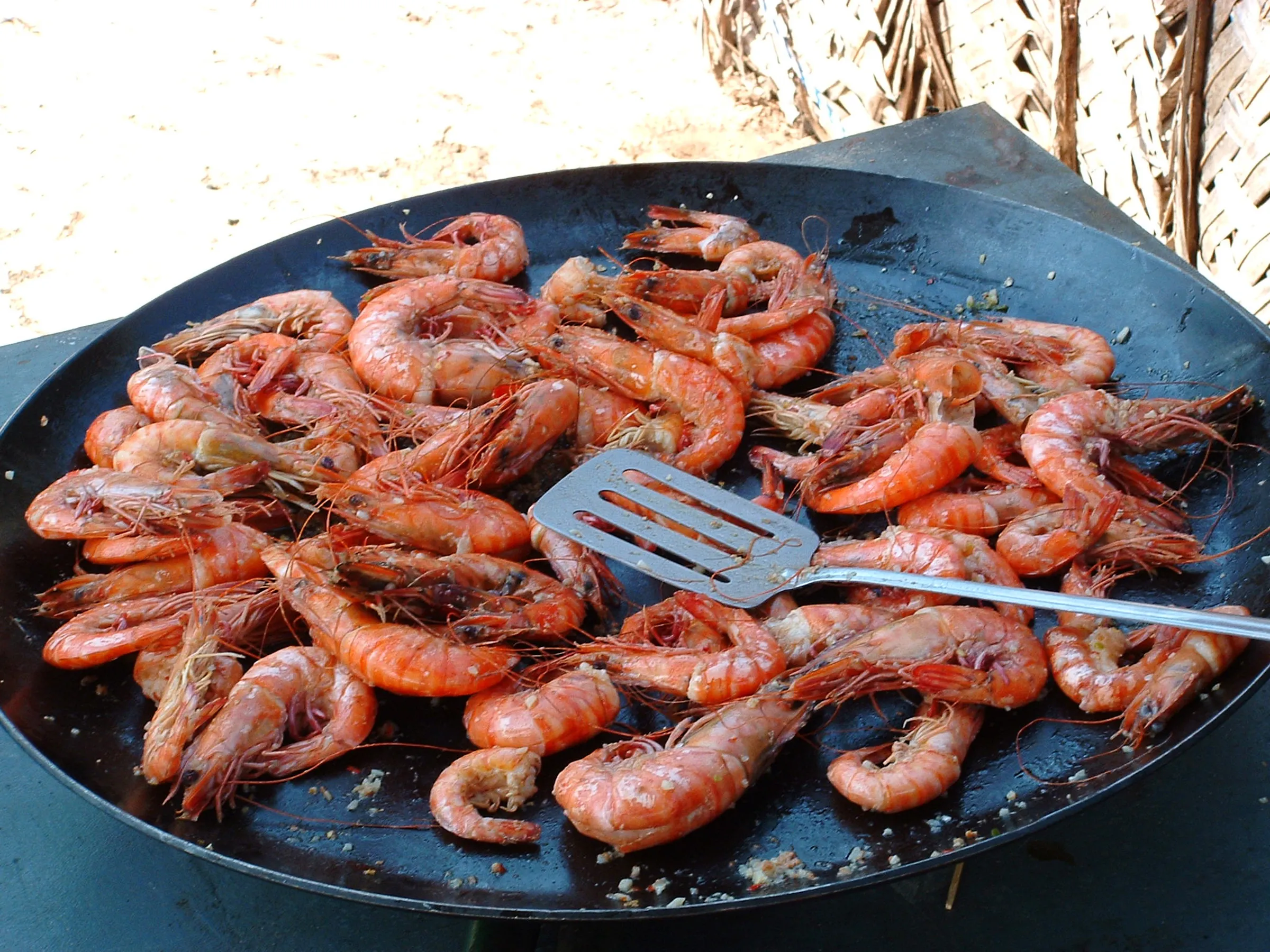
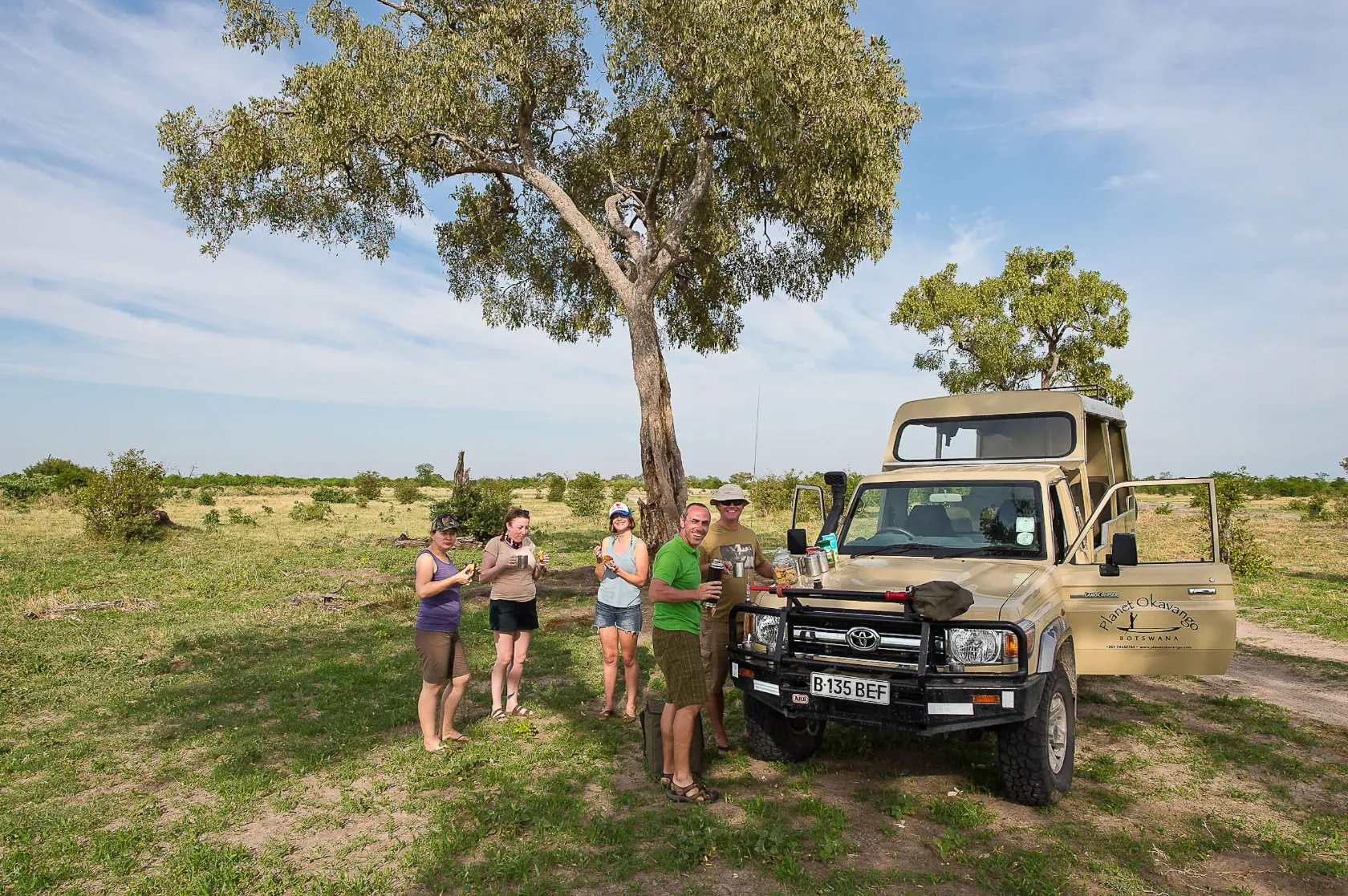
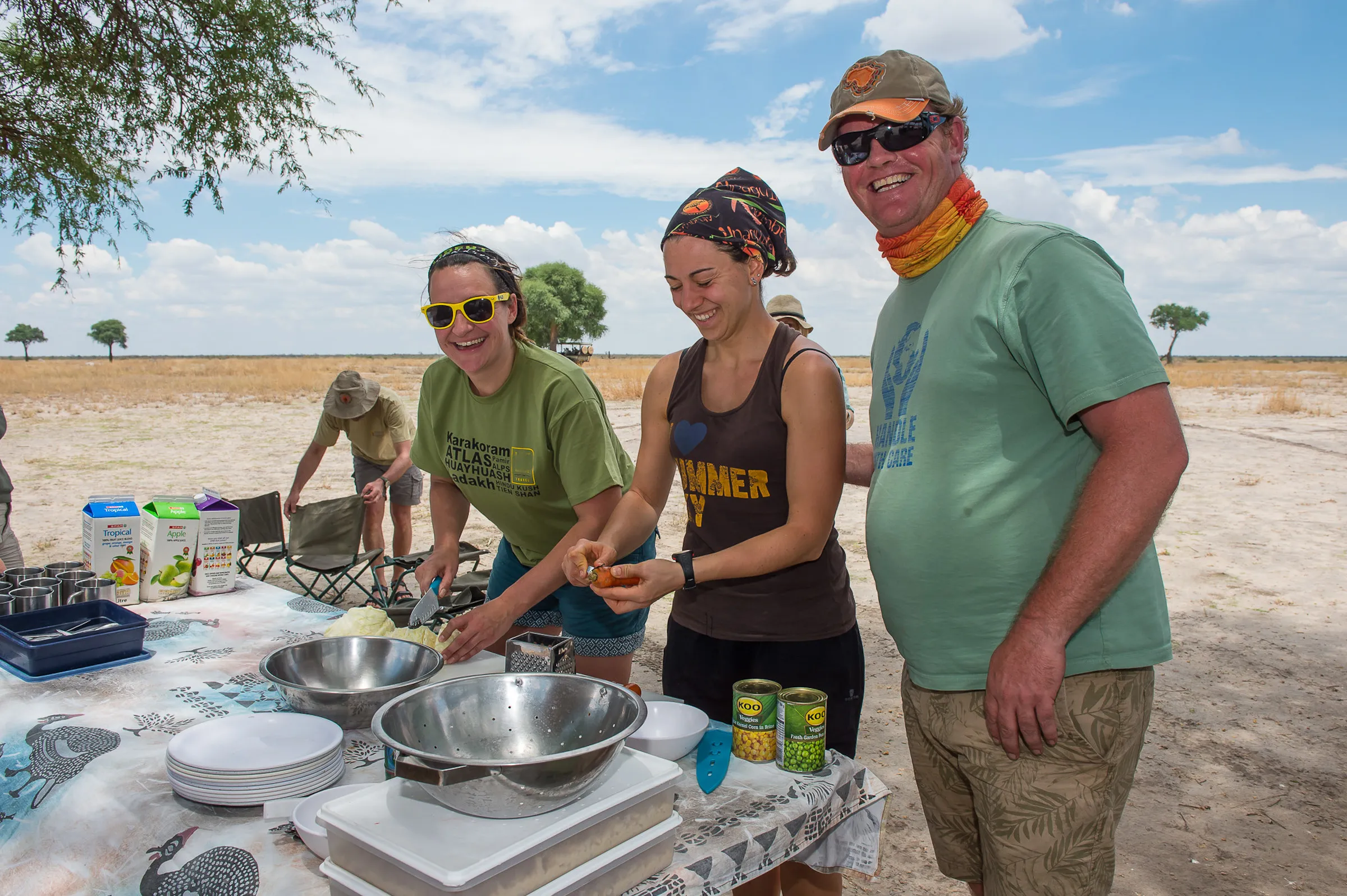
14 breakfasts, 12 lunches and 11 dinners will be provided by the Sunway crew, prepared at the vehicle and eaten around the camp fire or in a boma.
Transport
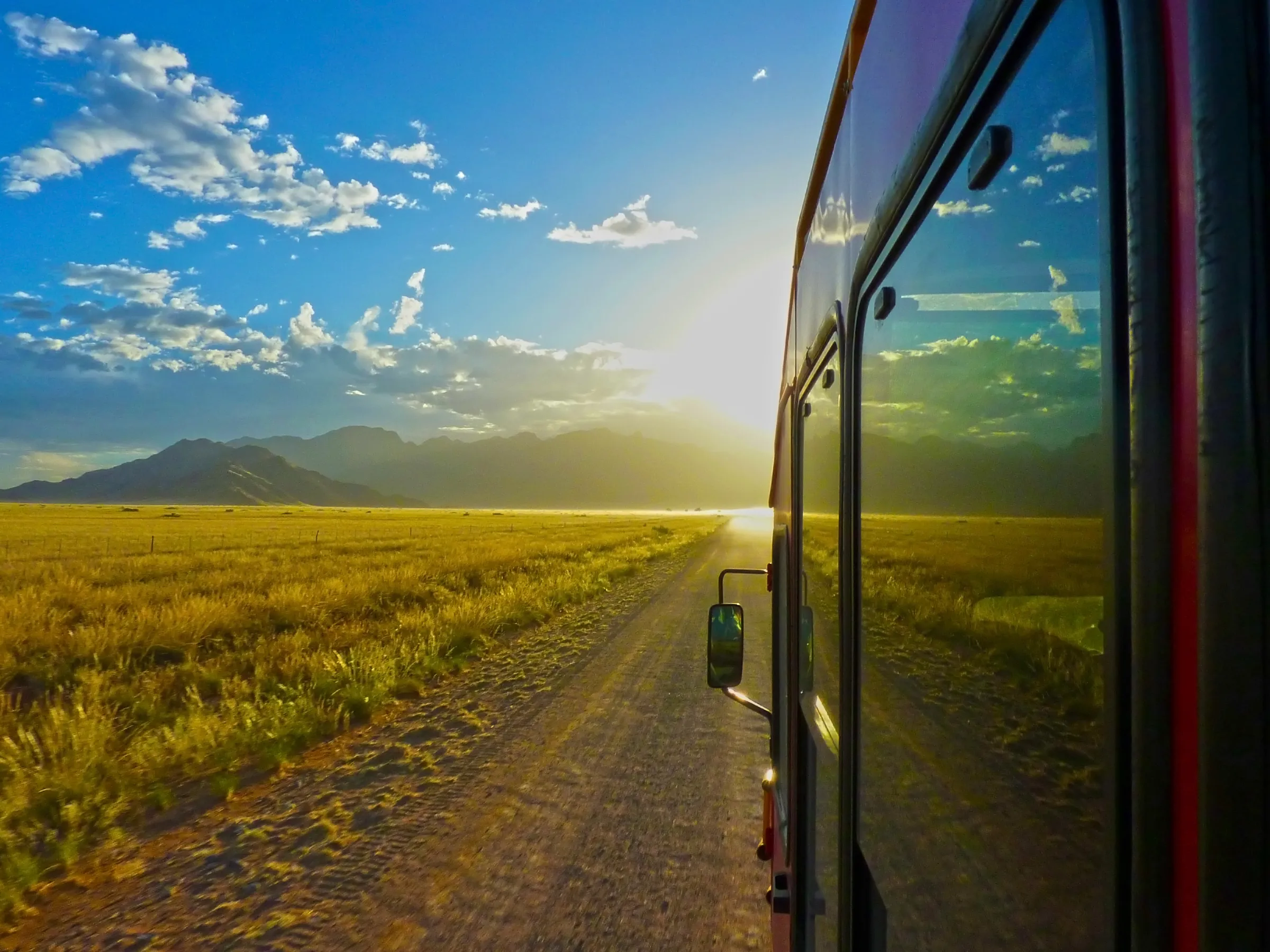
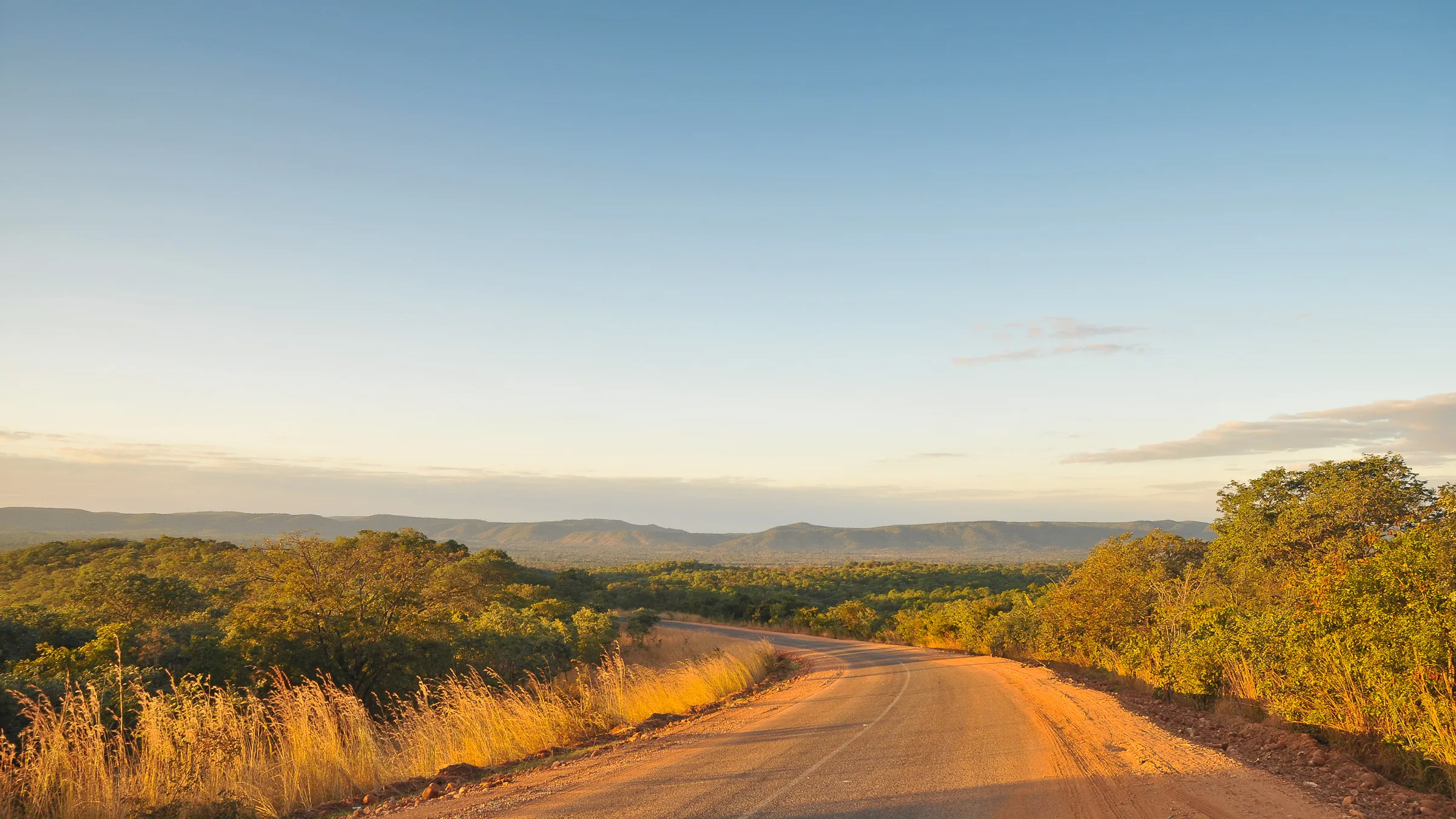
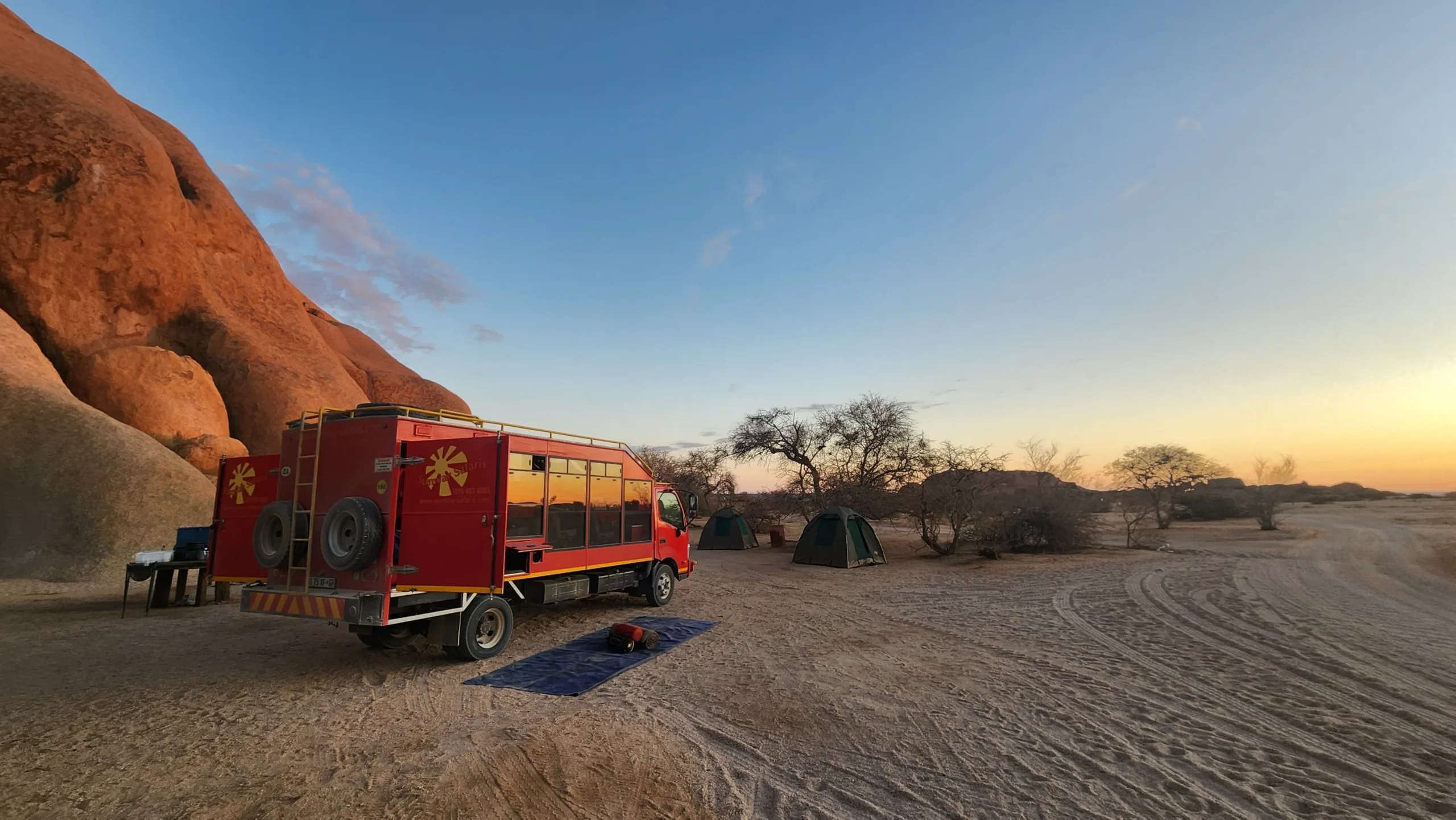
Due to sometimes poor roads we only use Sunway Safari trucks for this tour. Potholes, damaged gravel roads and livestock on the roads can make travel slow, you’ll pass through villages and witness the local lifestyle all the way. For the game drives in Hwange National Park we use open 4WD trucks with 12 seats.
Limited participation
An essential part of your safari is participation. From putting up your tent to packing the truck in the morning – it’s all part of your adventure. Your tour leaders will do all the meal preparation but we do ask the clients to help (on rotation) with the washing up. There are some long travel days which means early morning starts so we all need to get involved to make the day run efficiently.
Responsible Tourism
The Hwange Painted Dog Conservation project is an important initiative in helping to conserve the Painted Dog or African Wild Dog. Conservation programs including awareness and educational campaigns for local villagers to lessen human – wild dog conflict, wild dog tracking and anti-poaching patrols through the surrounding concessions. We visit the centre to actively support this initiative.

Age Policy
We accept children 12-18 with accompanying adults on scheduled tours (for private groups we can accept younger children).
If the clients are older than 65 years, then we require a medical certificate too (stating client is fit and healthy to embark on a multi-day tour covering long distances etc).
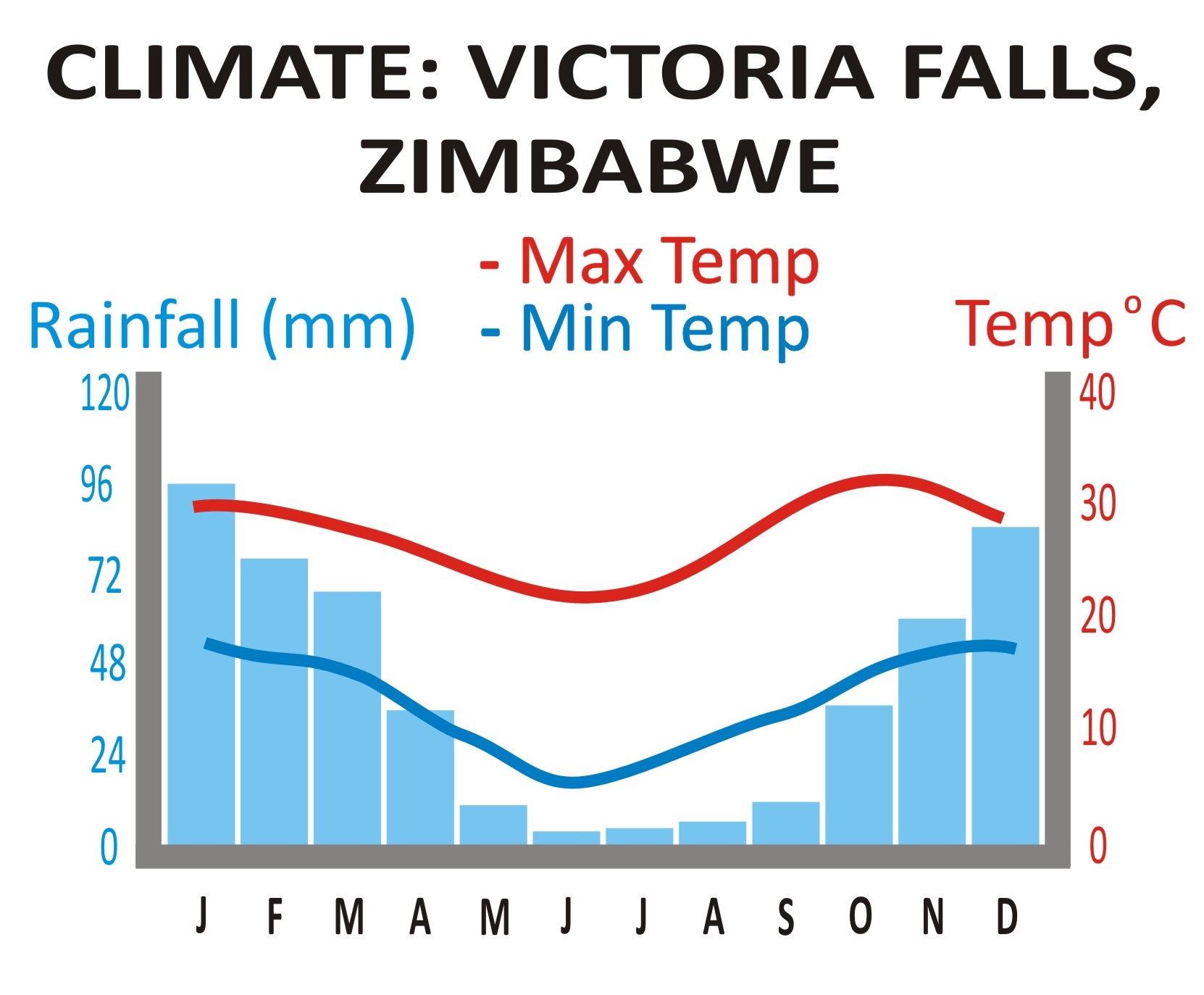
The best time to visit Zambia
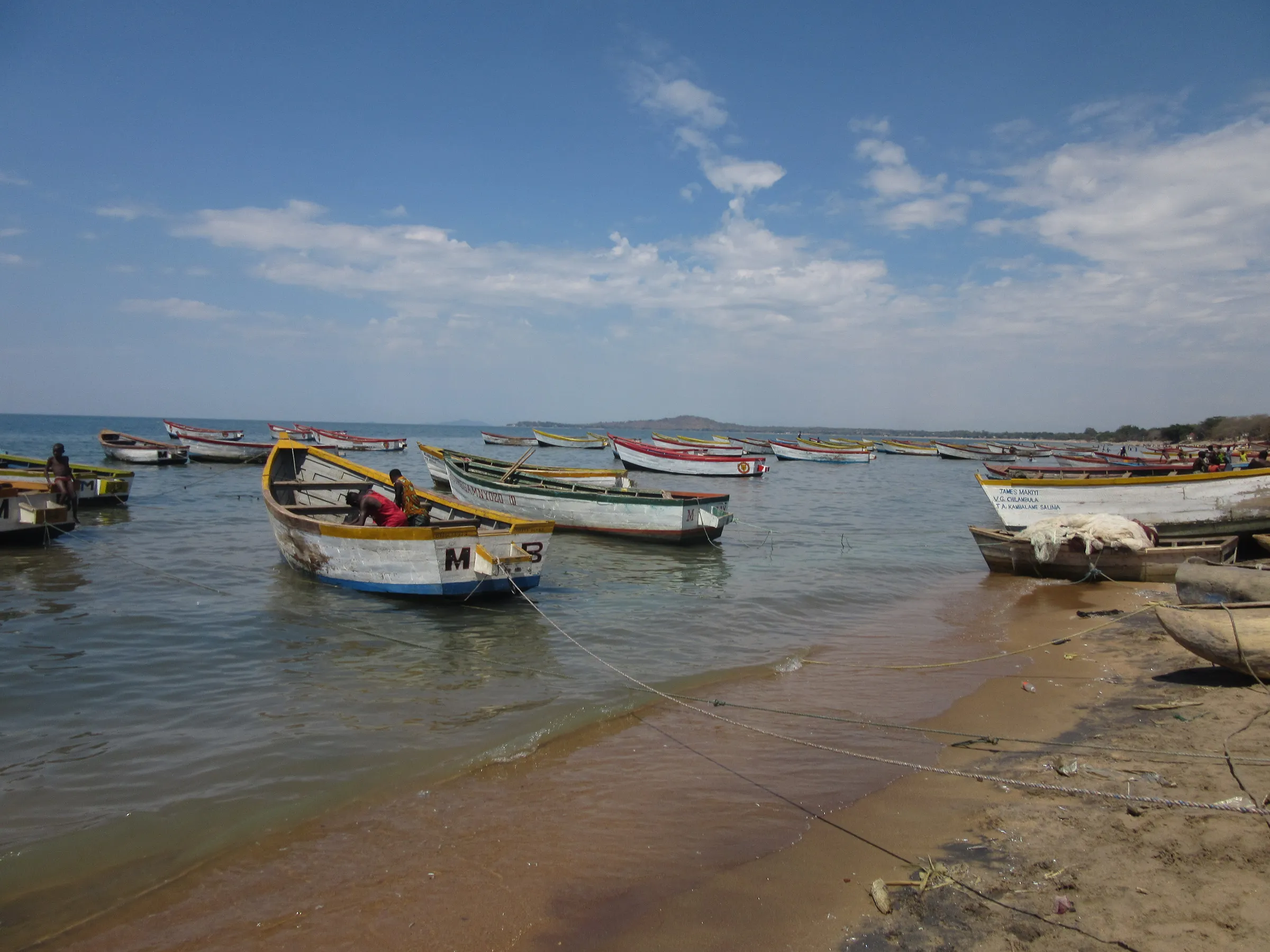
The best time to travel to Zambia is traditionally during the autumn – winter – spring months (April – November). This is typically the dry season when days are clear and warm but can get cold during the evening. If you’re interested in wildlife viewing, then this is the best period to visit. Wildlife congregates at the dwindling water points, the wildlife is generally more active, and the vegetation is sparse allowing for easy game viewing. As you travel towards Malawi the winter temperatures are actually quite warm during the day and evenings. Shorts & T-shirts are the order of the day (& night) throughout the year in Malawi. As winter is the period of low rainfall, time spent on the shores of Lake Malawi will not be interrupted by any rainfall.
The peak summer months (December – March) are characterised by hot, sunny days and spectacular afternoon thunder showers. During the summer months the countryside is lush, with plentiful wild flowers and new floral growth. For birders, this is prime birding season, all of the migrant species return to take advantage of the abundance of insect and plant life. The summer months provide the avid photographer with amazing colours and spectacular scenery. During the times of increased rainfall, malaria becomes more of a risk, so preventative measures are essential. Please bear in mind that all of our tents have built in mosquito nets, and all accommodation establishments used along the route do provide mosquito nets if required.