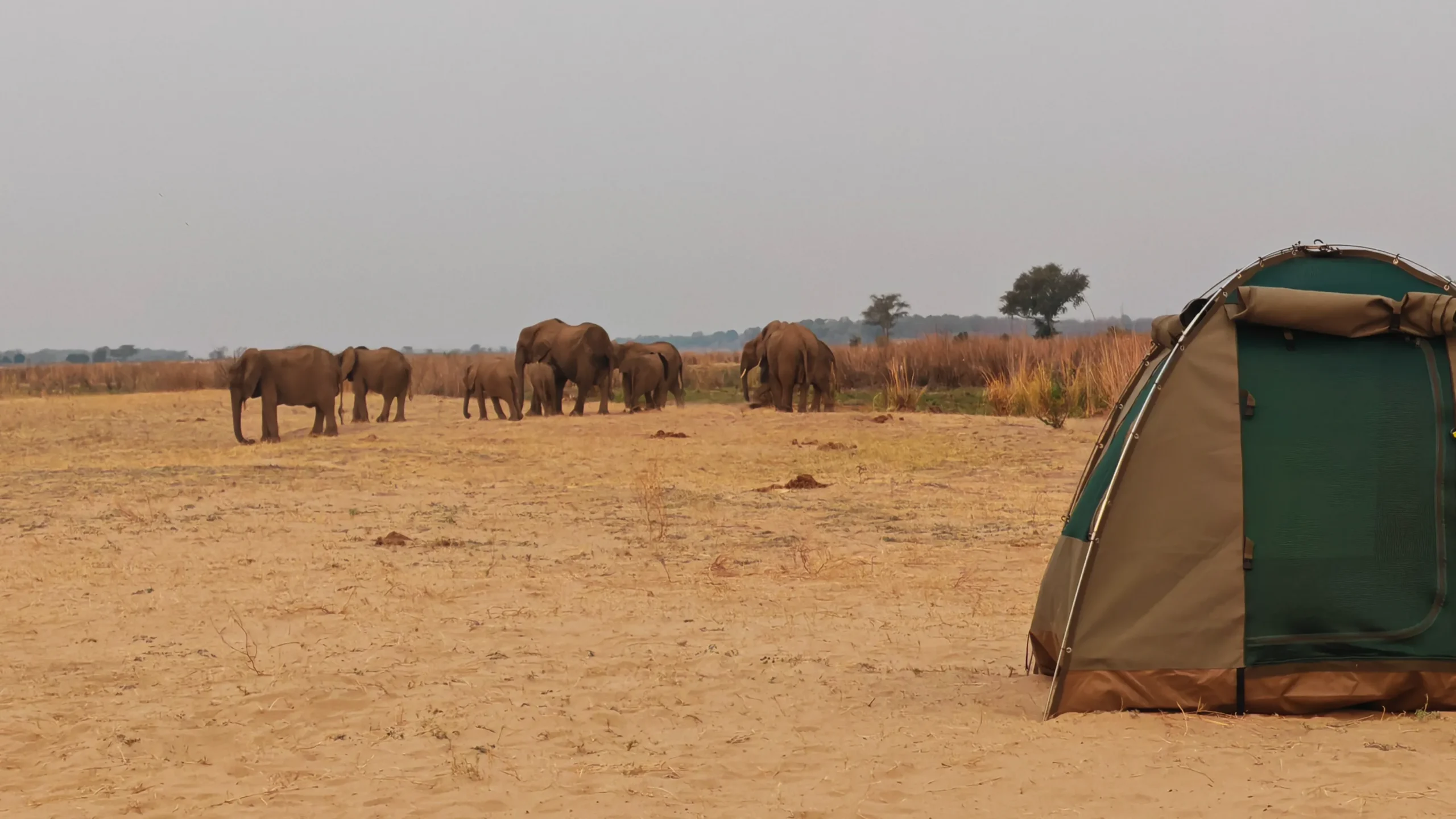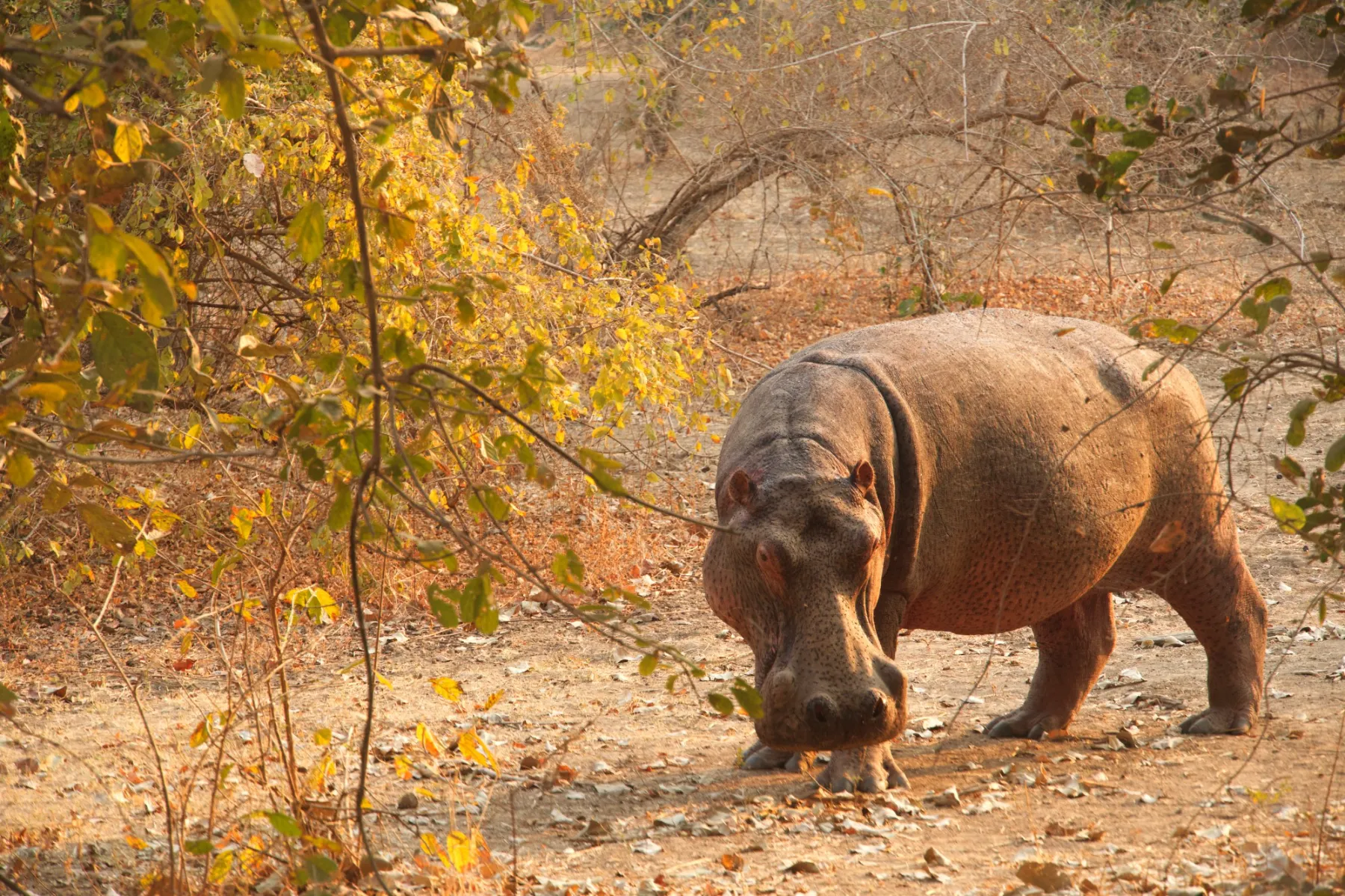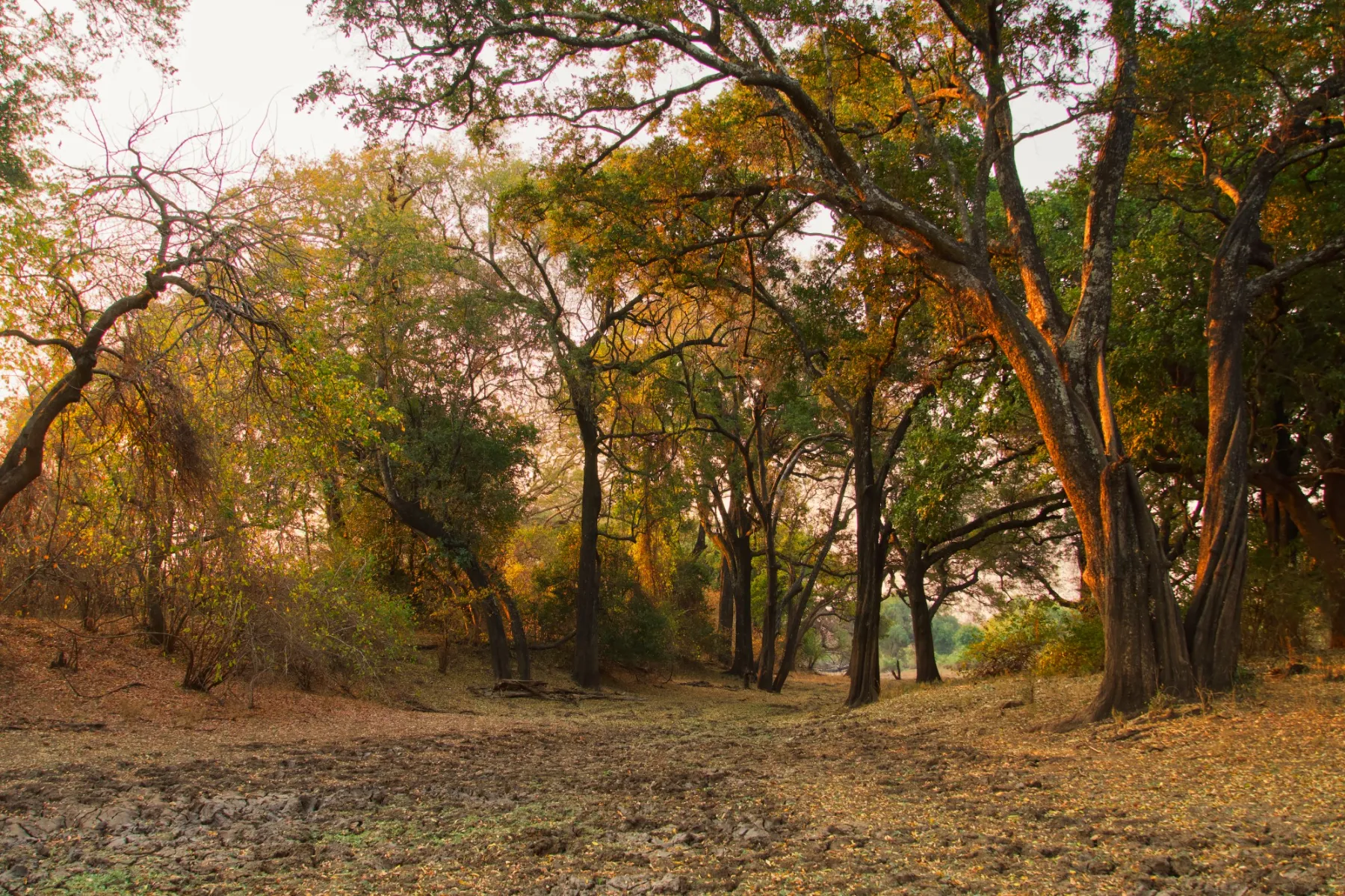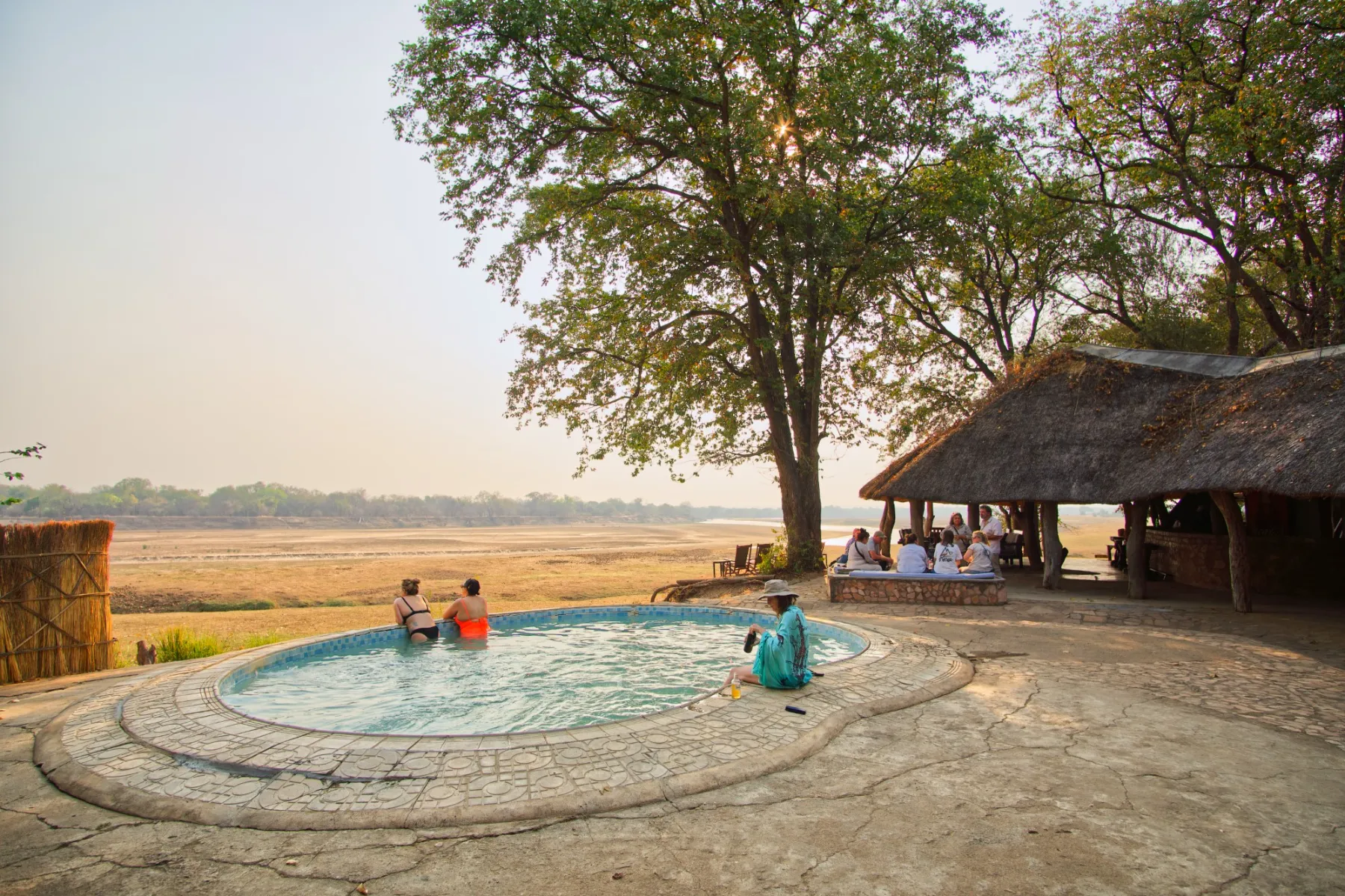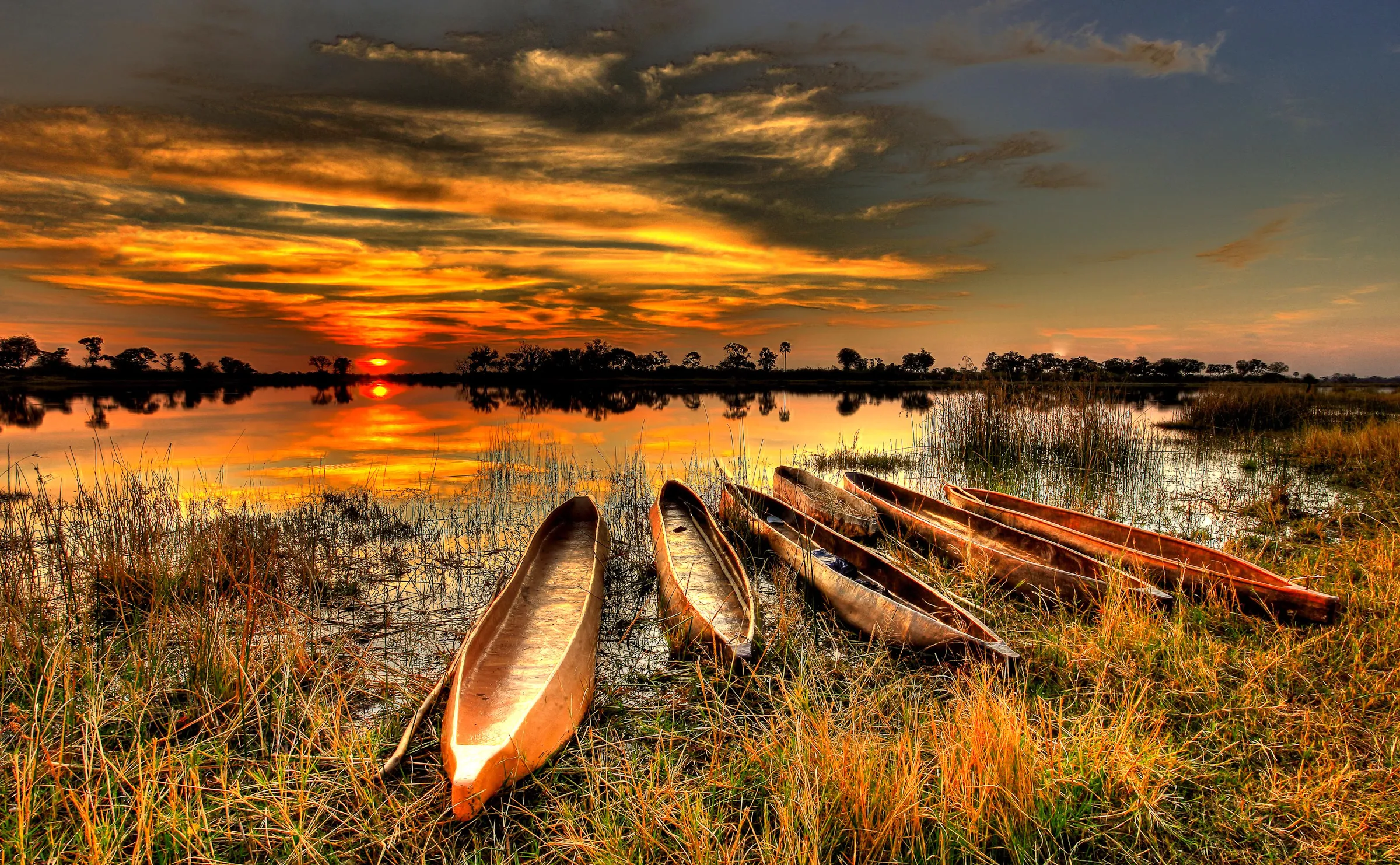


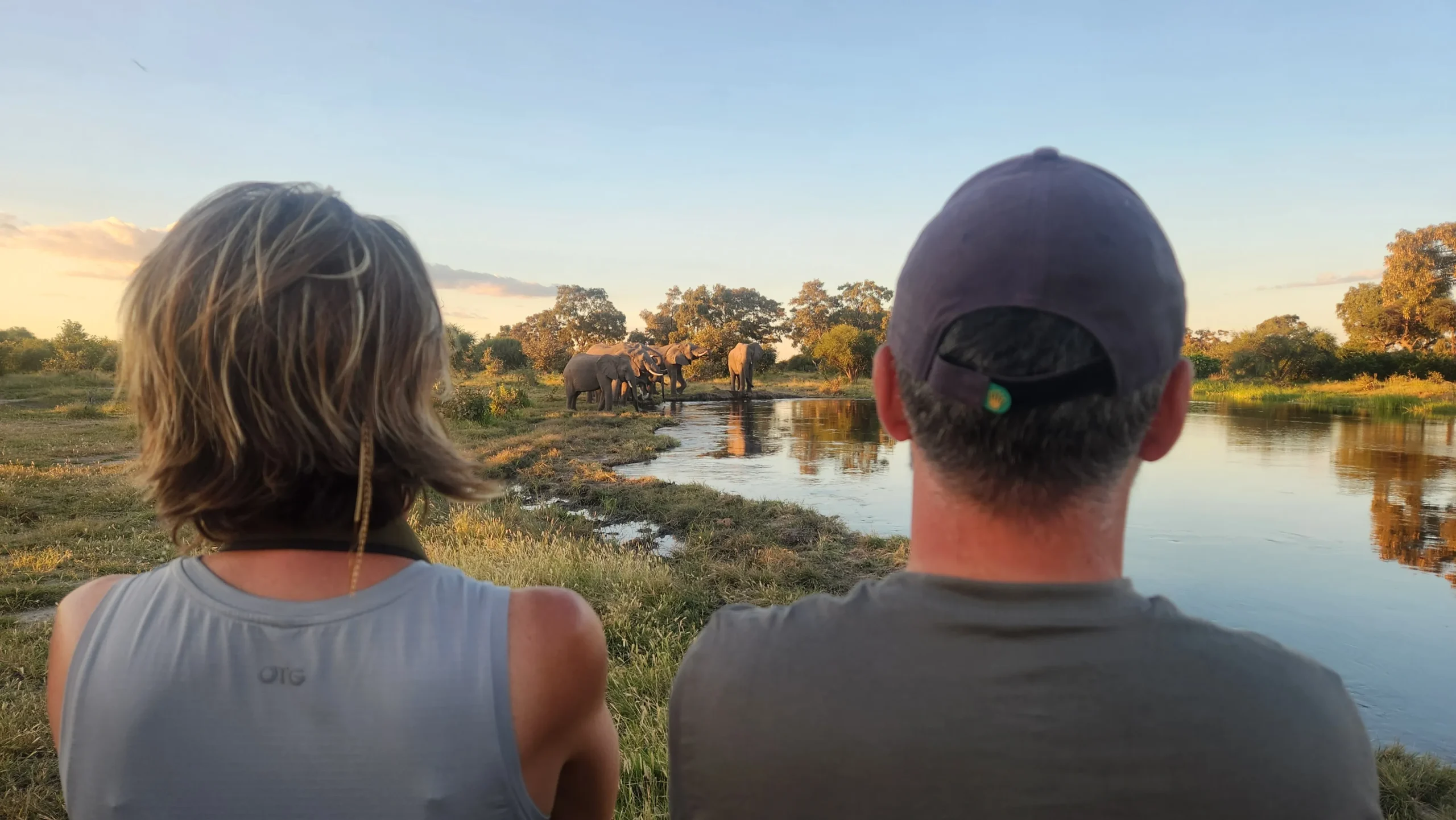
A mokoro safari in Botswana’s Okavango Delta is one of Africa’s most authentic wildlife experiences. Gliding silently through crystal-clear waterways before exploring remote islands on foot offers visitors a unique perspective on one of the world’s most remarkable ecosystems. For one group of Sunway Safaris guests, that experience became even more memorable when they encountered a massive bull elephant during a guided walk near Guma Lagoon.
An Okavango Delta Elephant Encounter
One encounter with a bull elephant in the Okavango Delta not only sent shivers down our guests’ spines but also left an unforgettable imprint on their minds. It was a powerful reminder of who truly rules the African wilderness and a perfect example of a genuine Botswana safari experience.
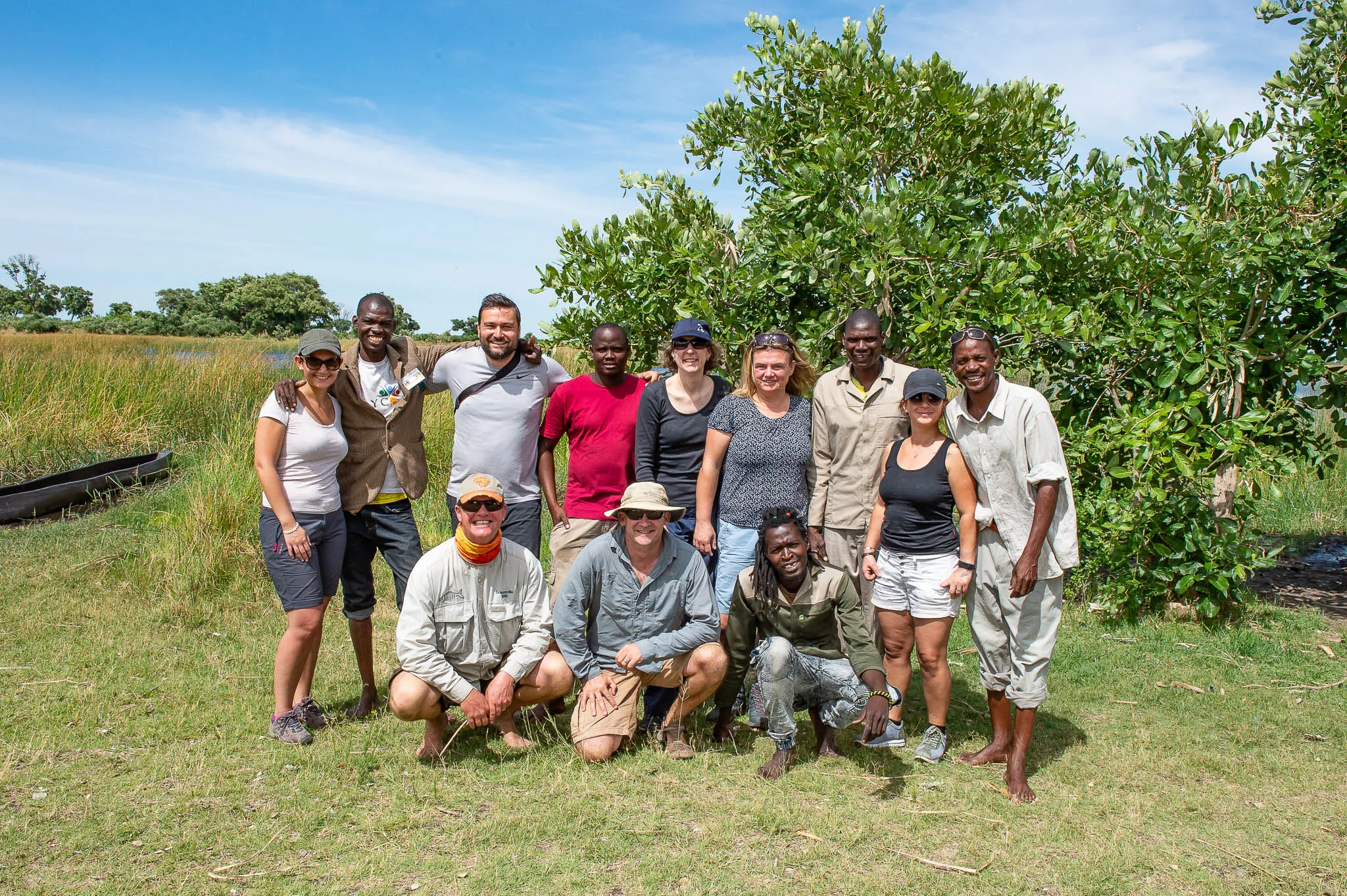
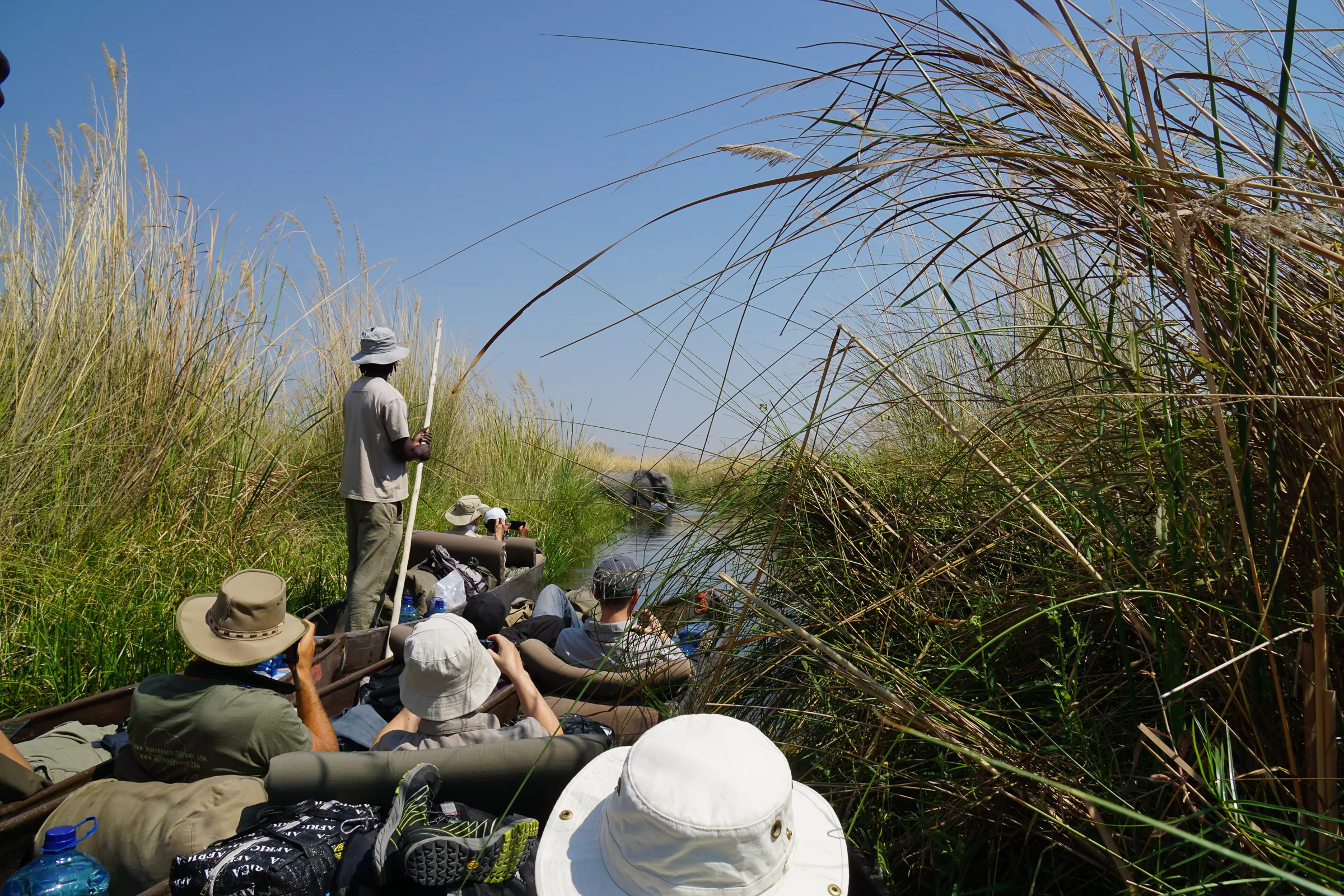
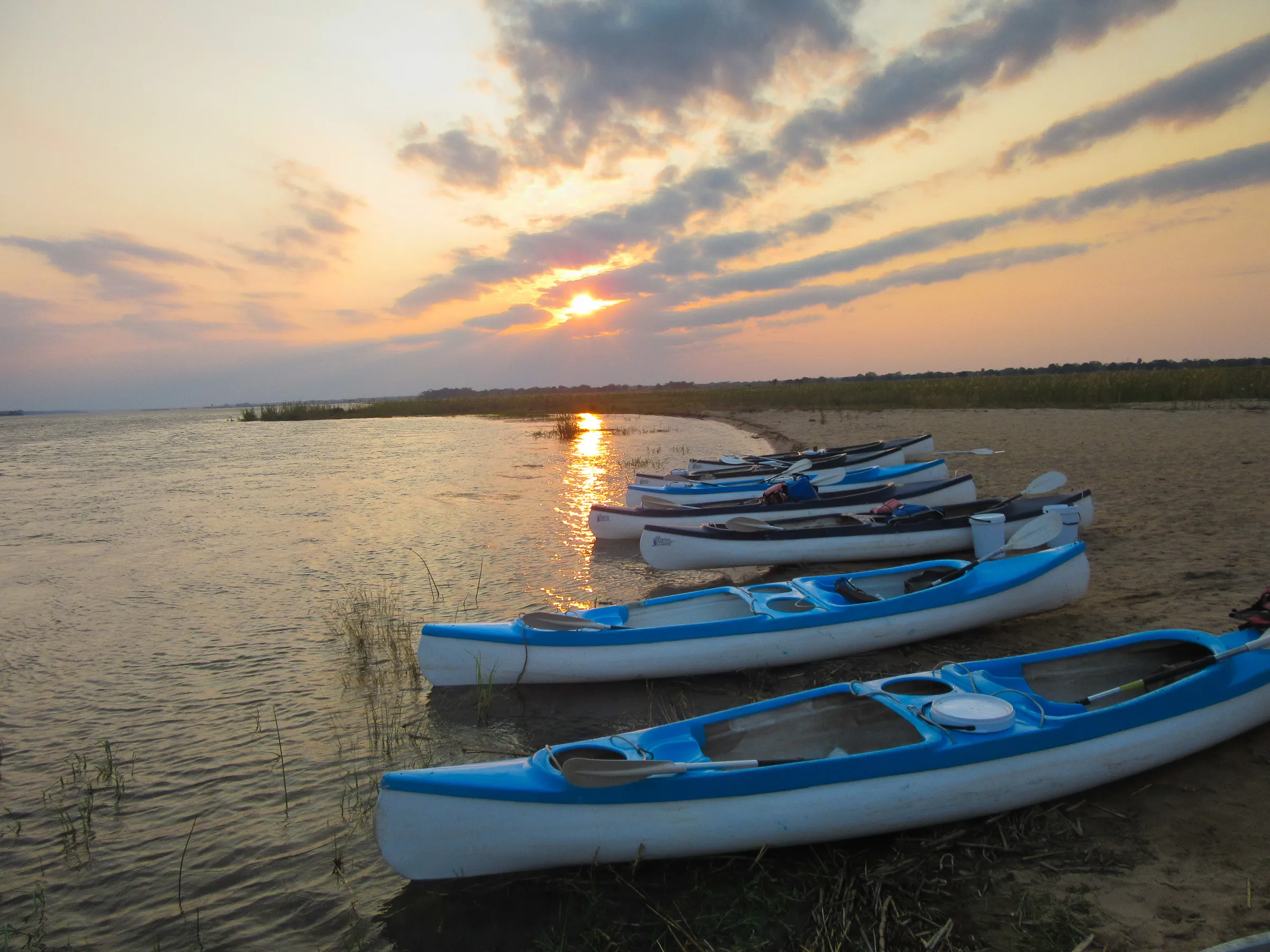
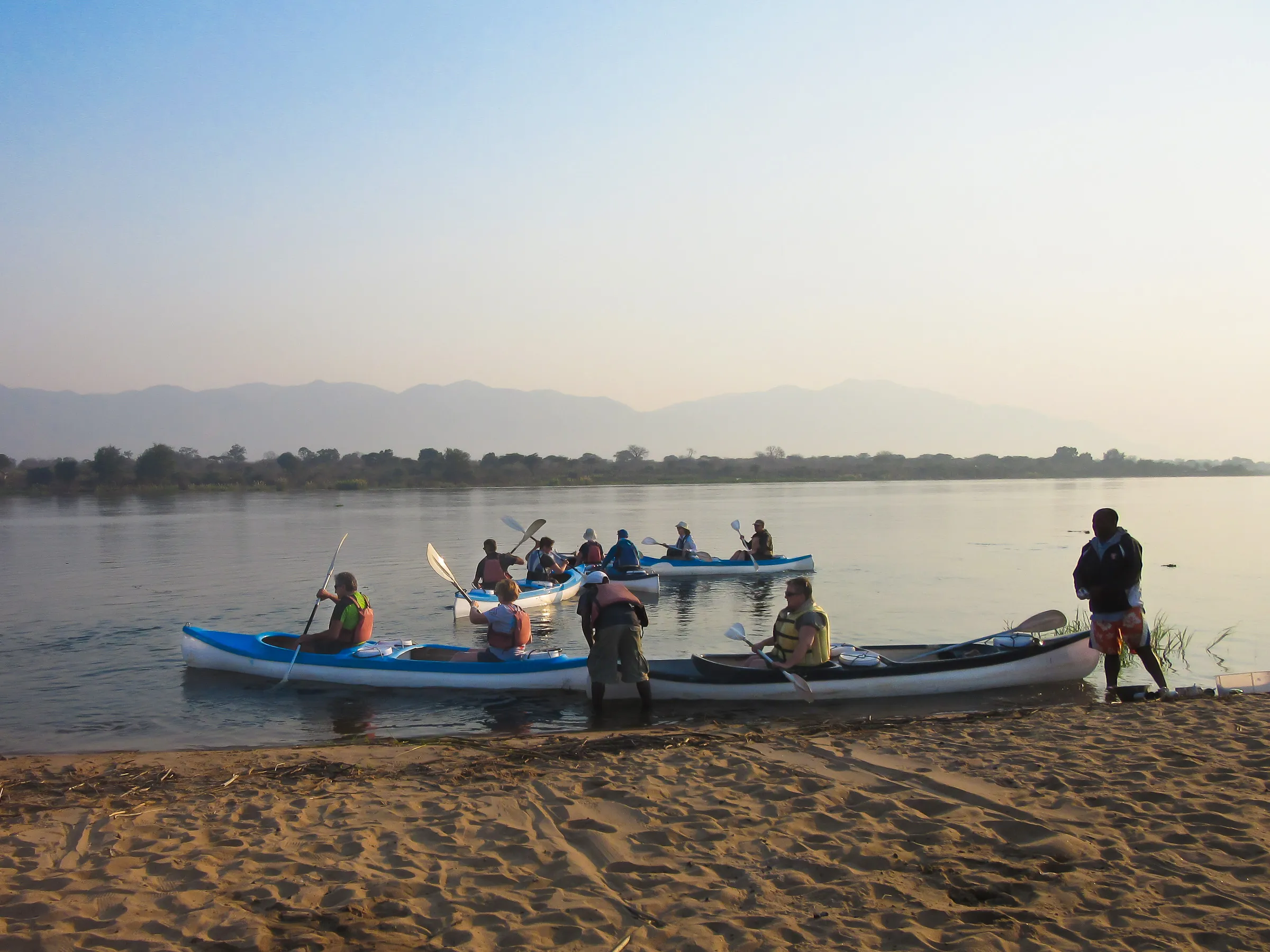
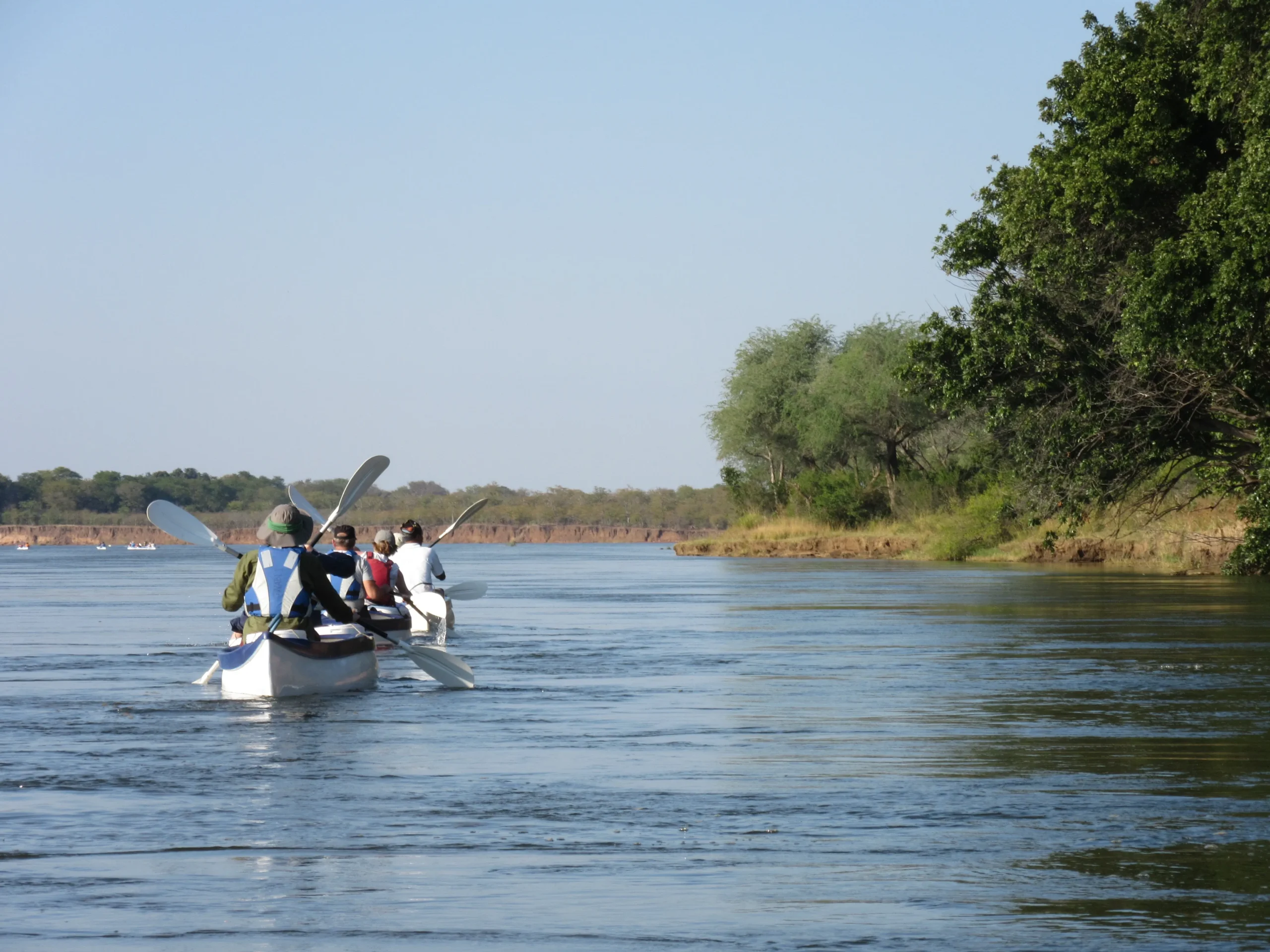
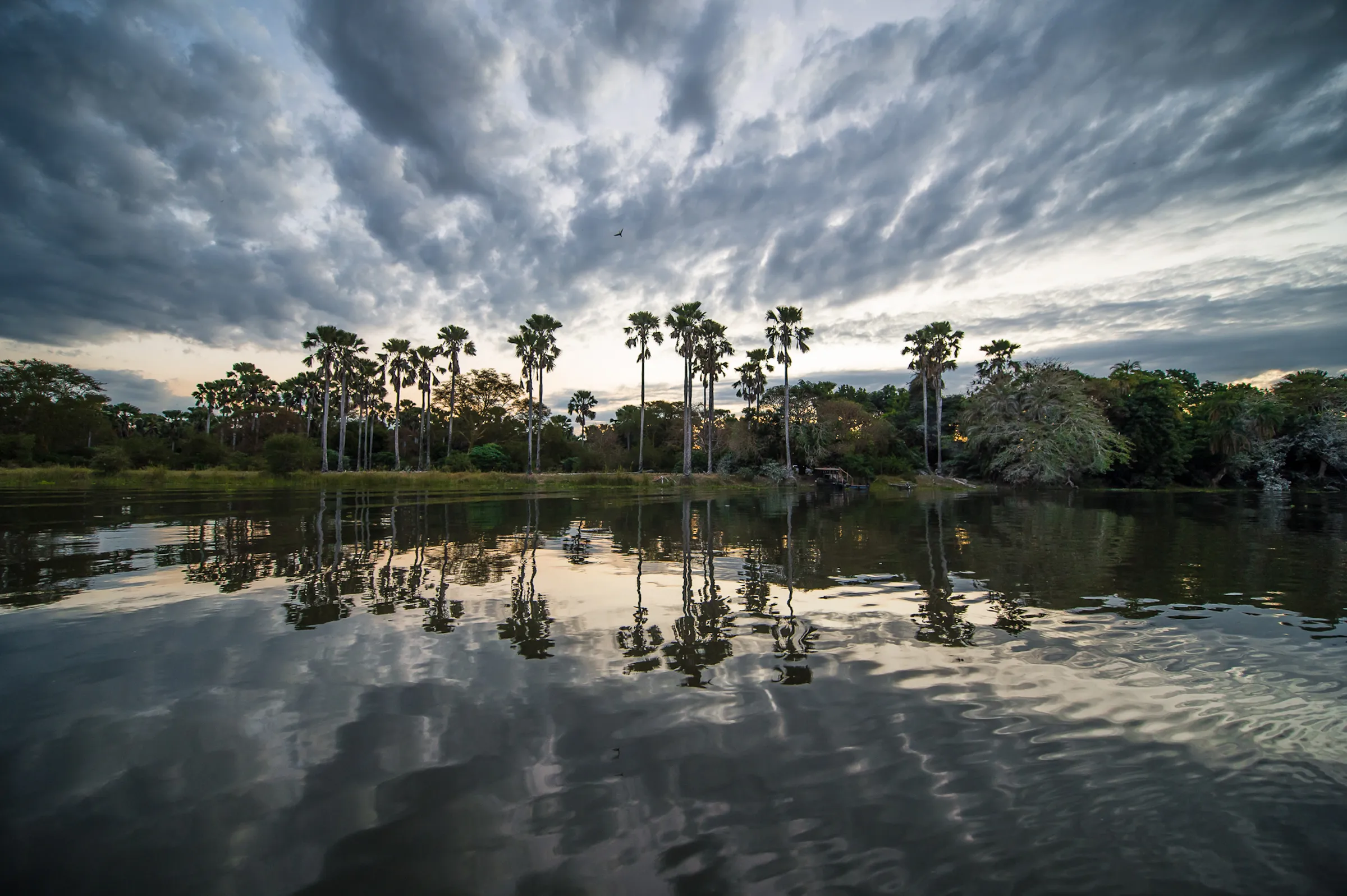
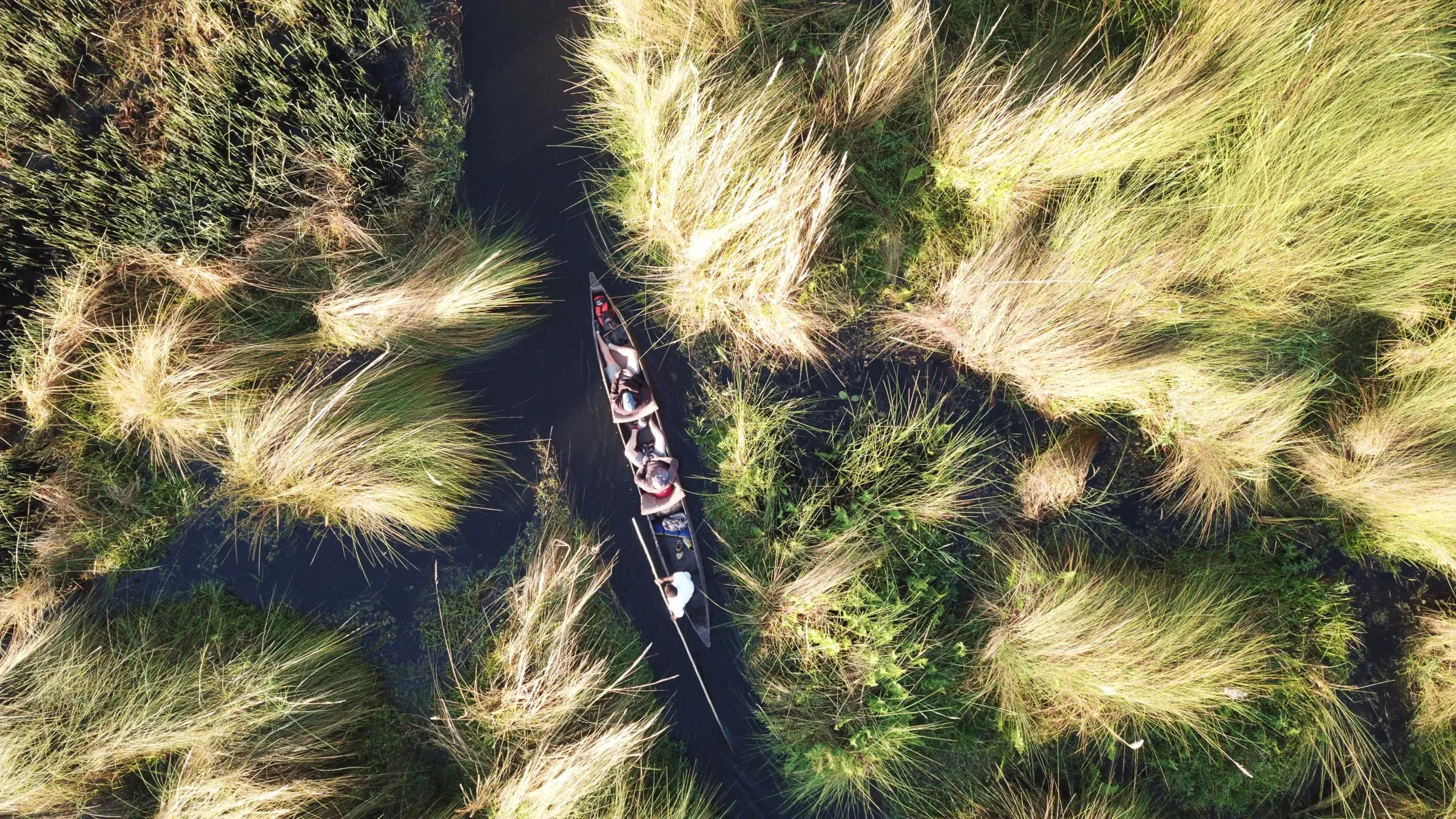
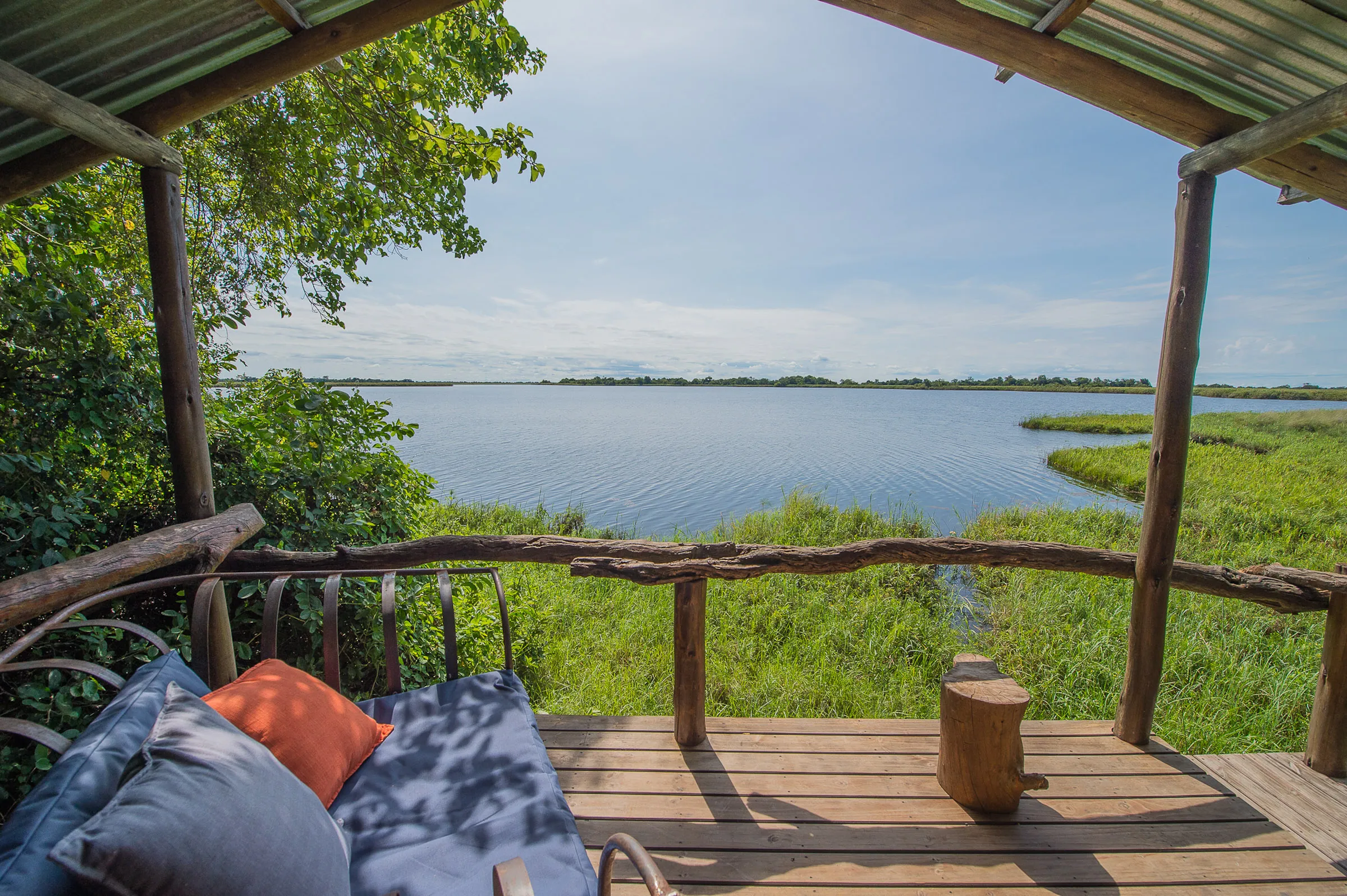
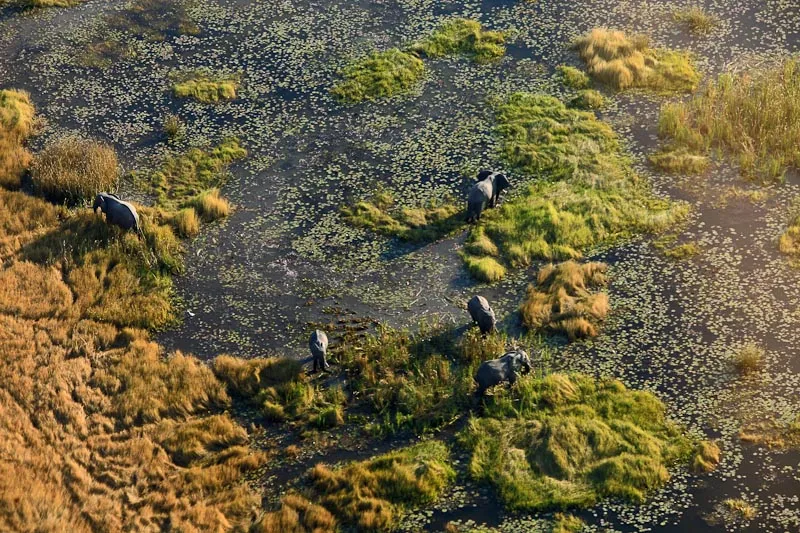
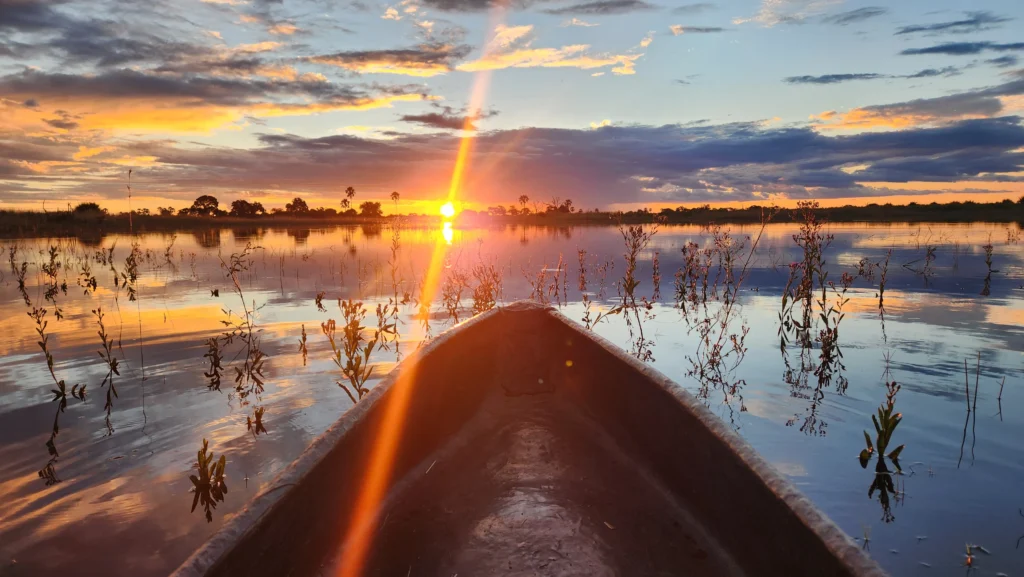
Our adventure began with a motorboat journey from the Panhandle region near Guma Lagoon to a mokoro poling station. There, we met a team of jovial local polers who guided us deeper into the Okavango Delta aboard traditional mokoros. Gliding silently through the crystal-clear waters, we experienced the tranquillity that makes this UNESCO World Heritage Site one of Africa’s most remarkable wilderness destinations.
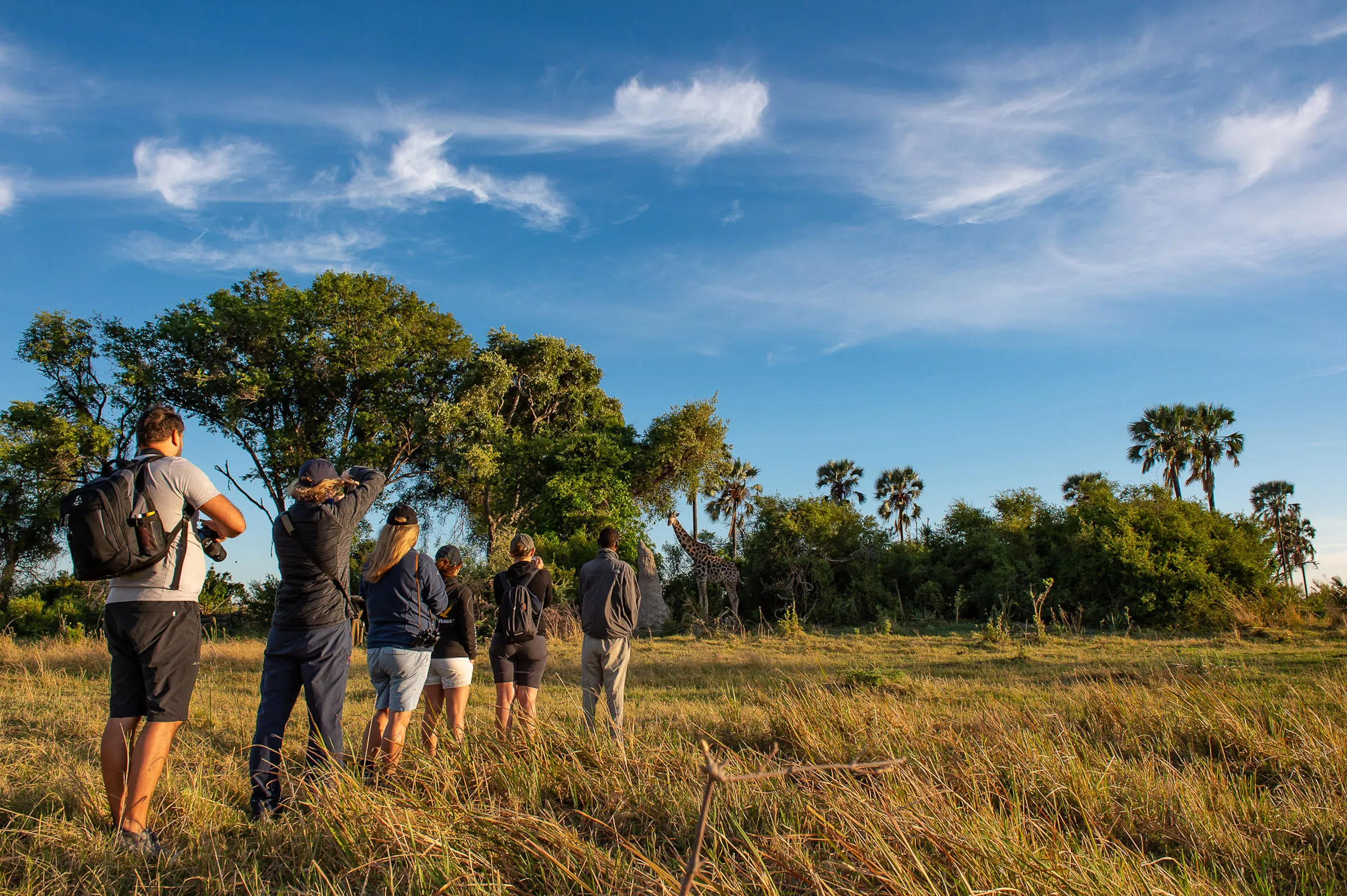
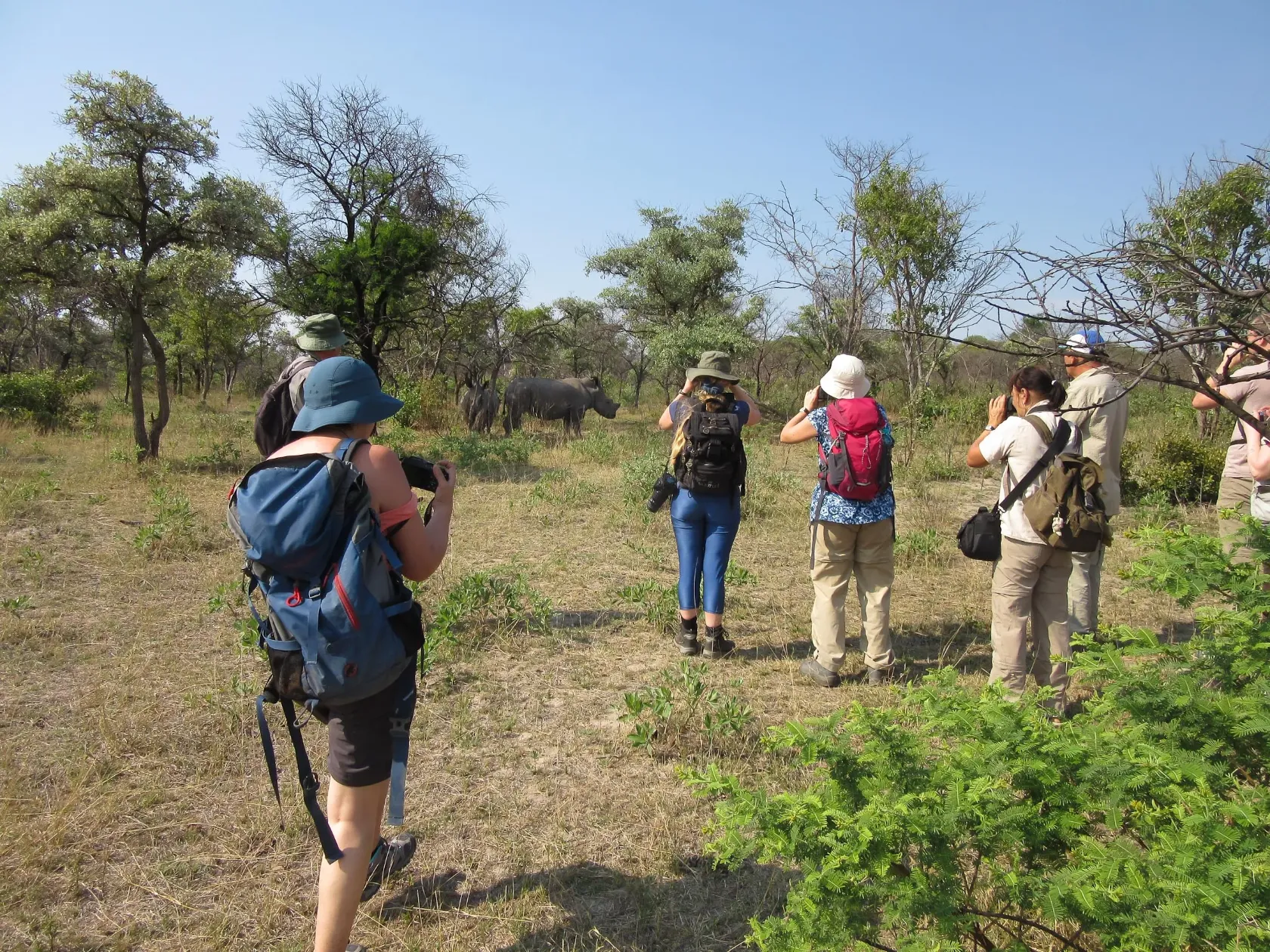
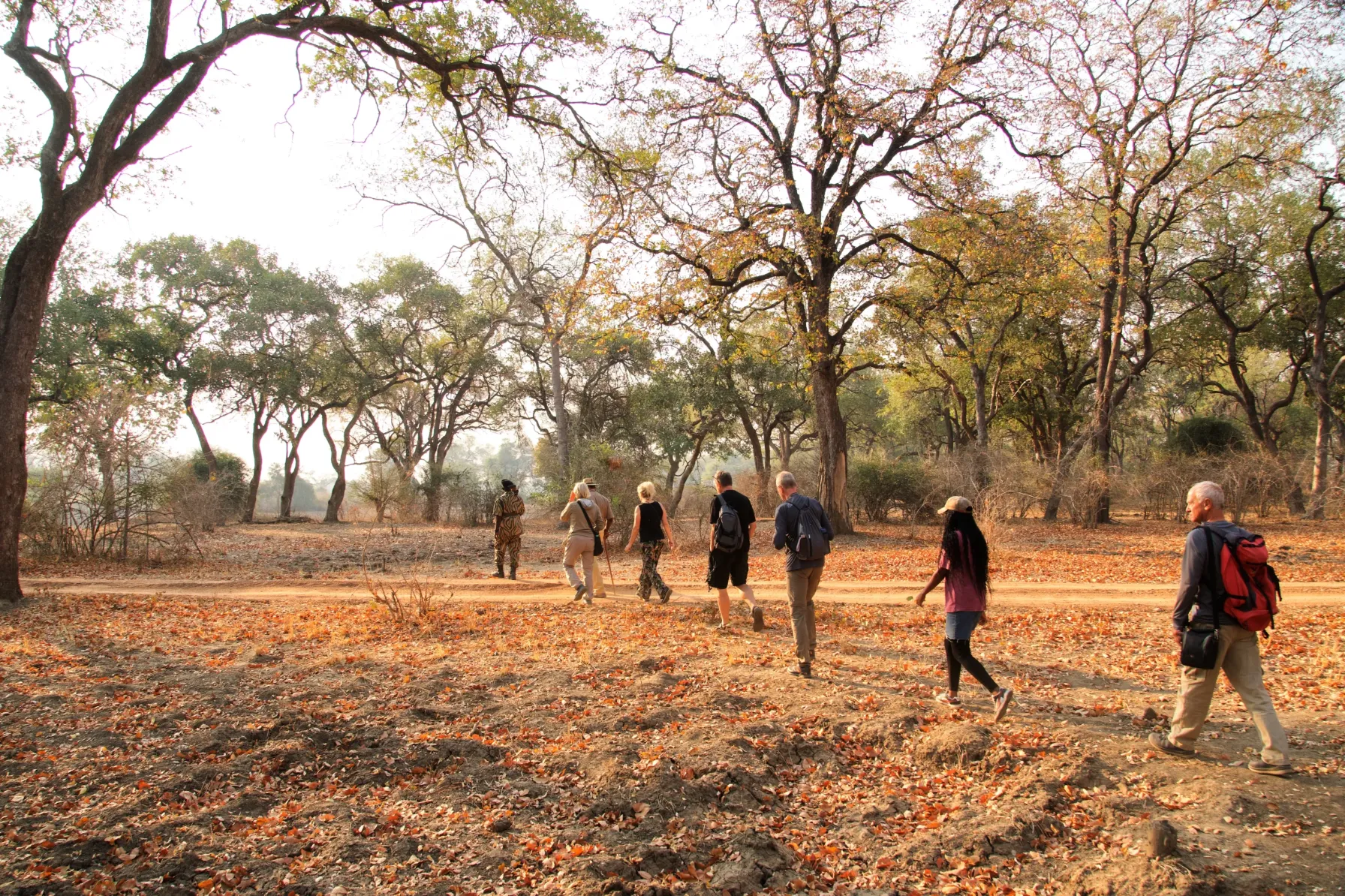
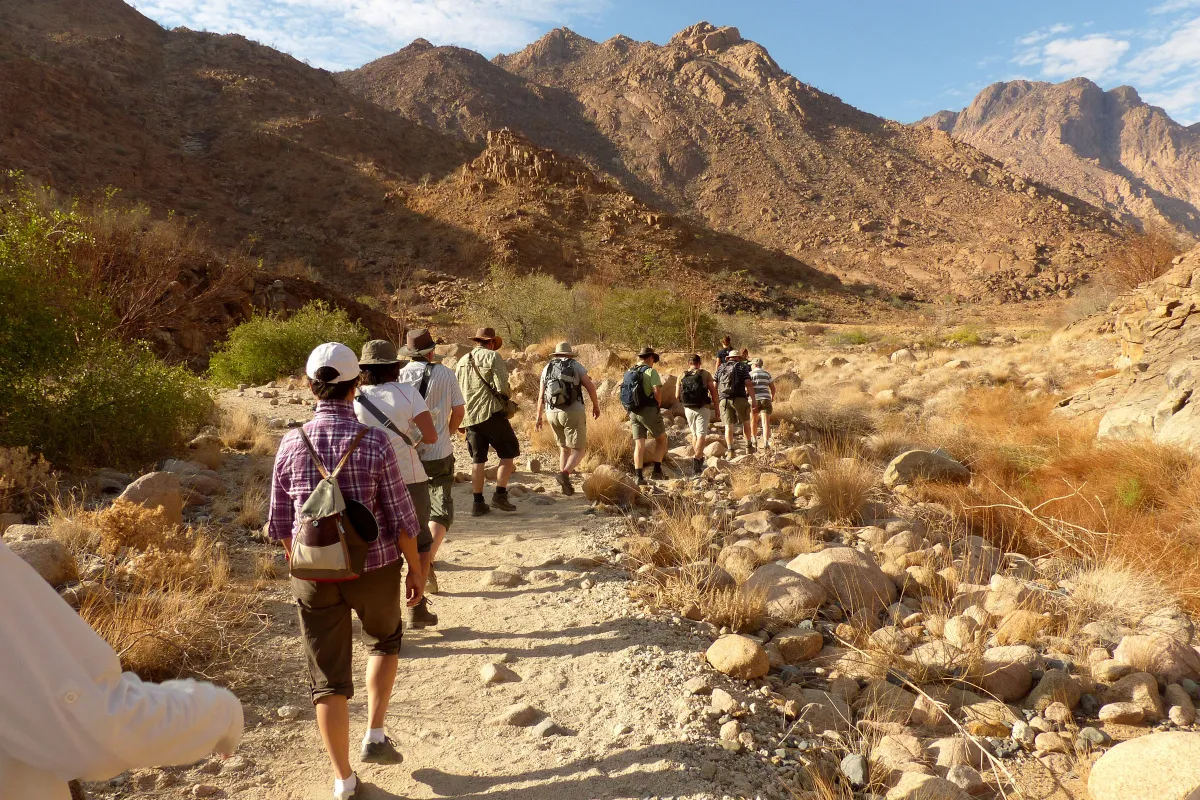
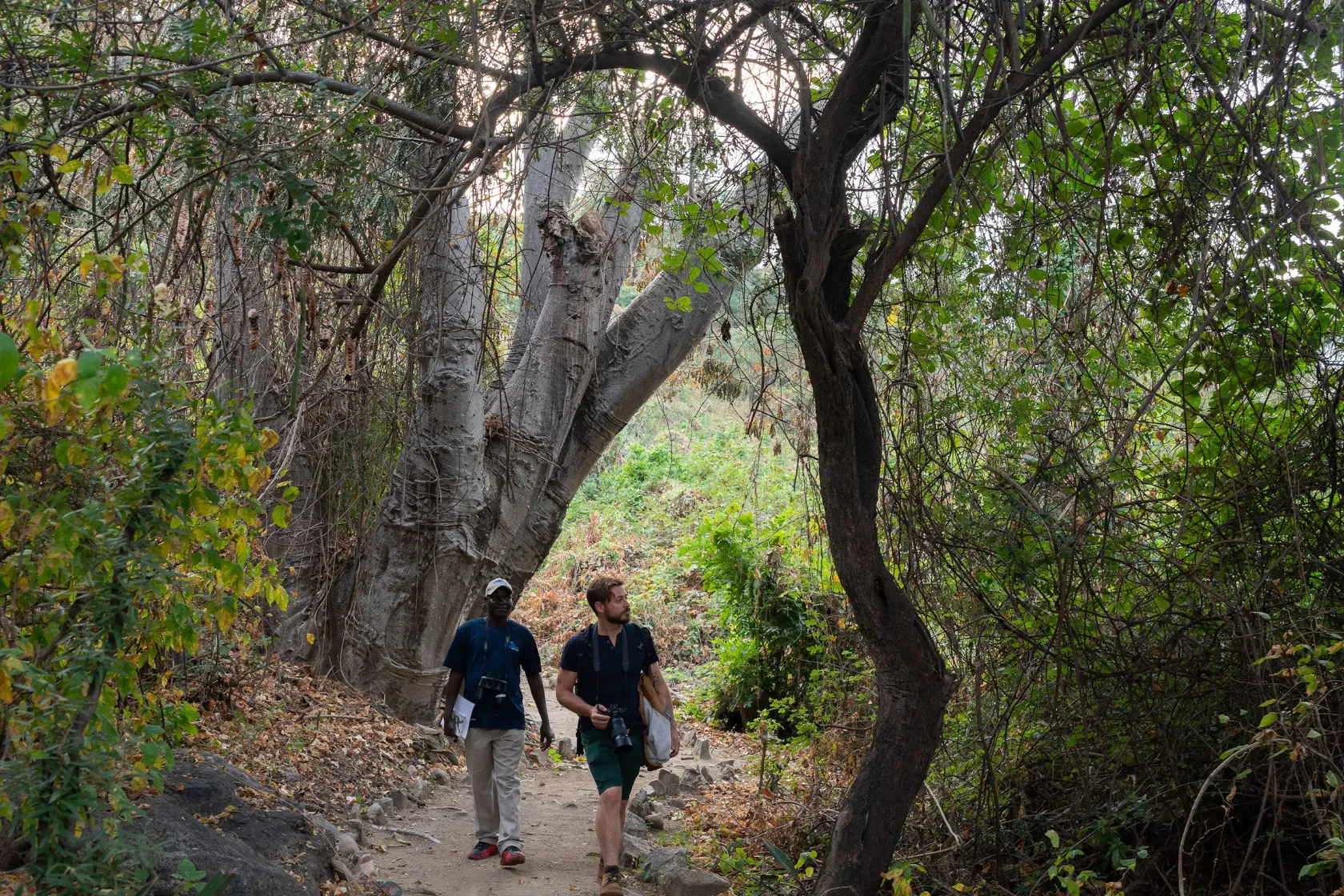
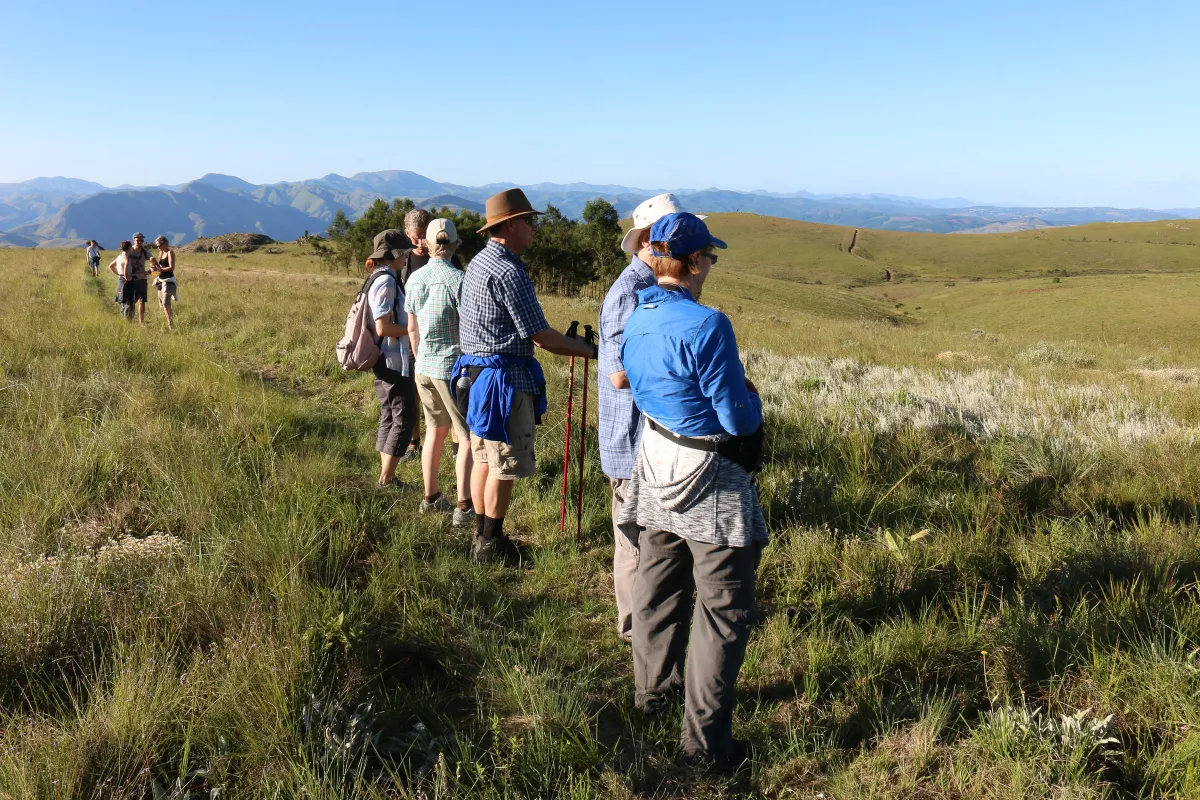
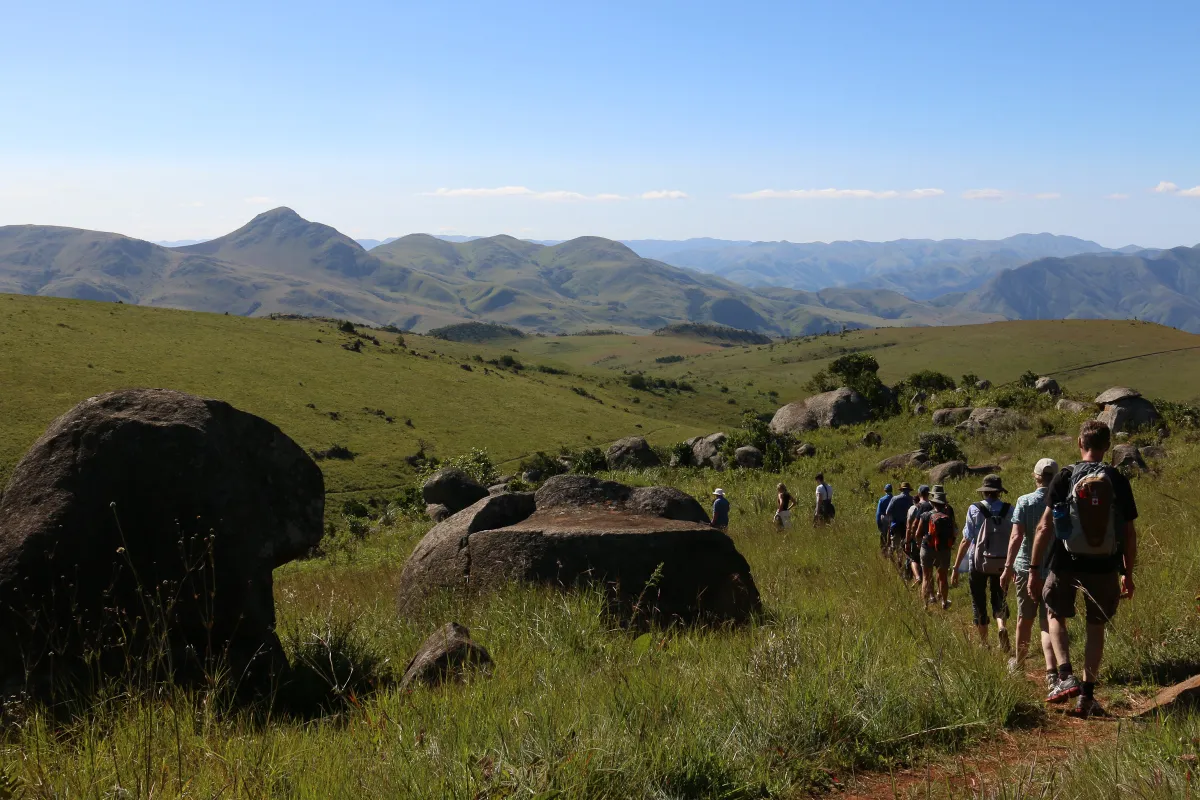
After approximately 45 minutes, we arrived at a small island where we received a safety briefing before setting off on a guided bush walk.
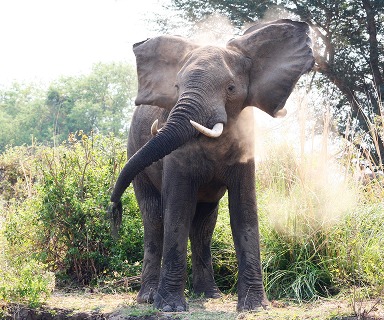
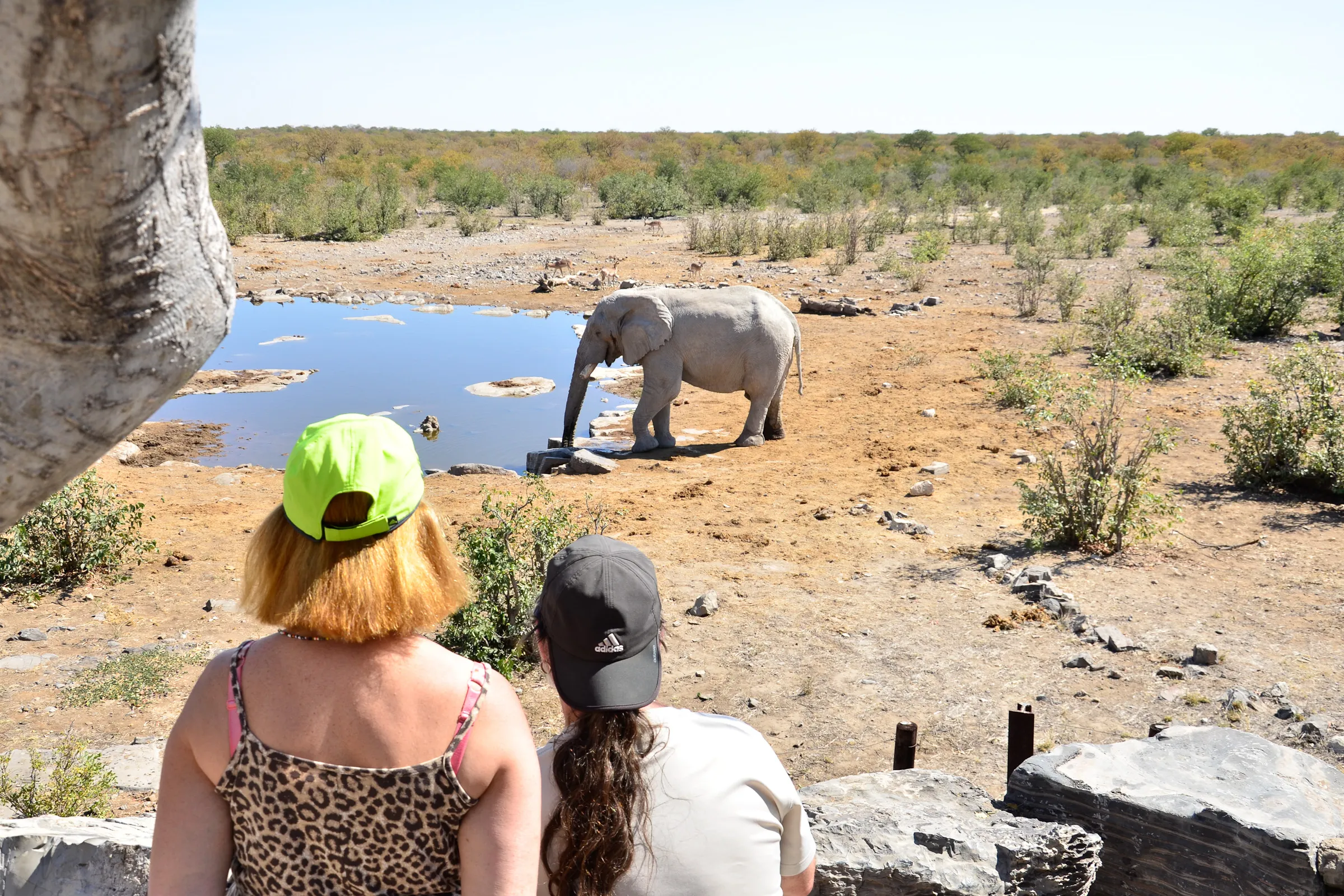
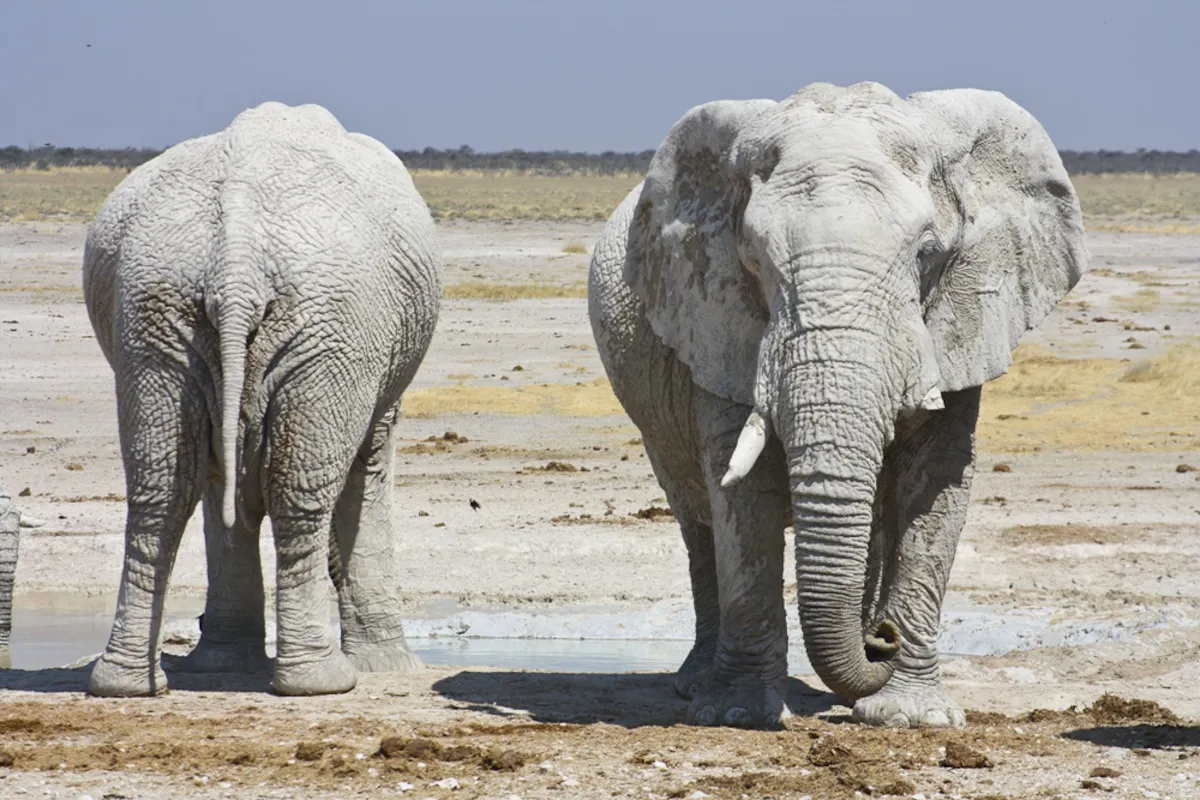
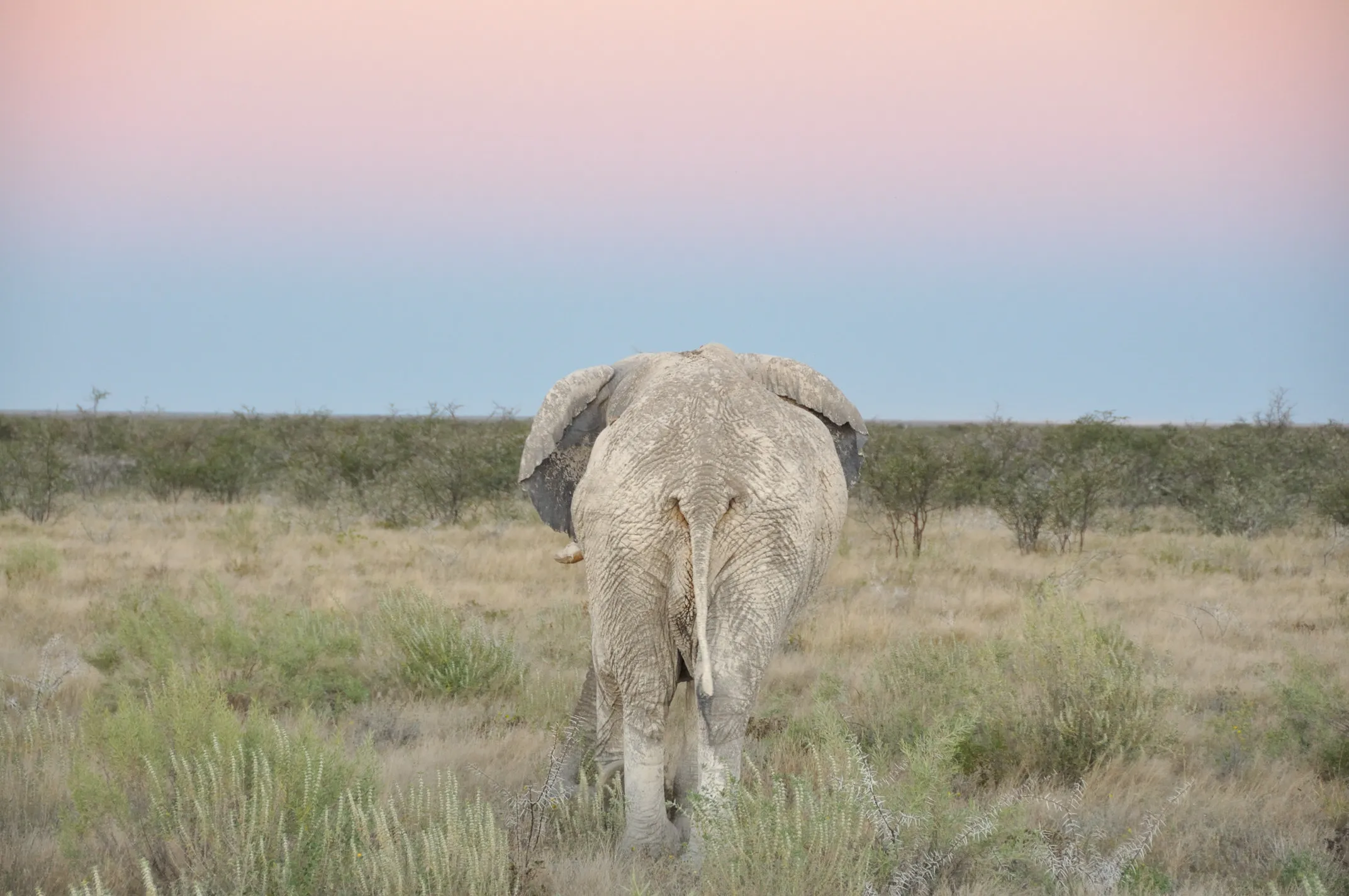
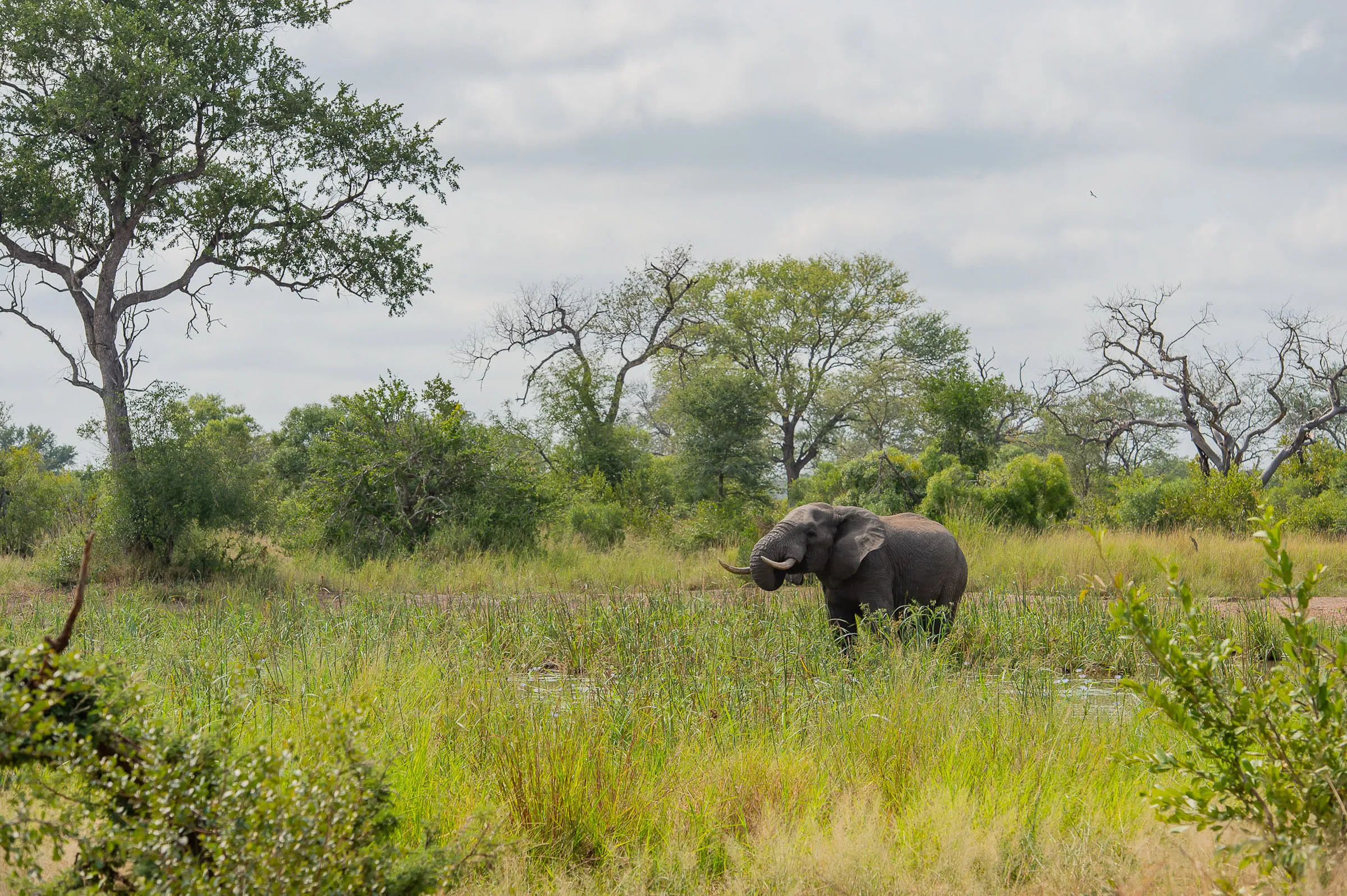
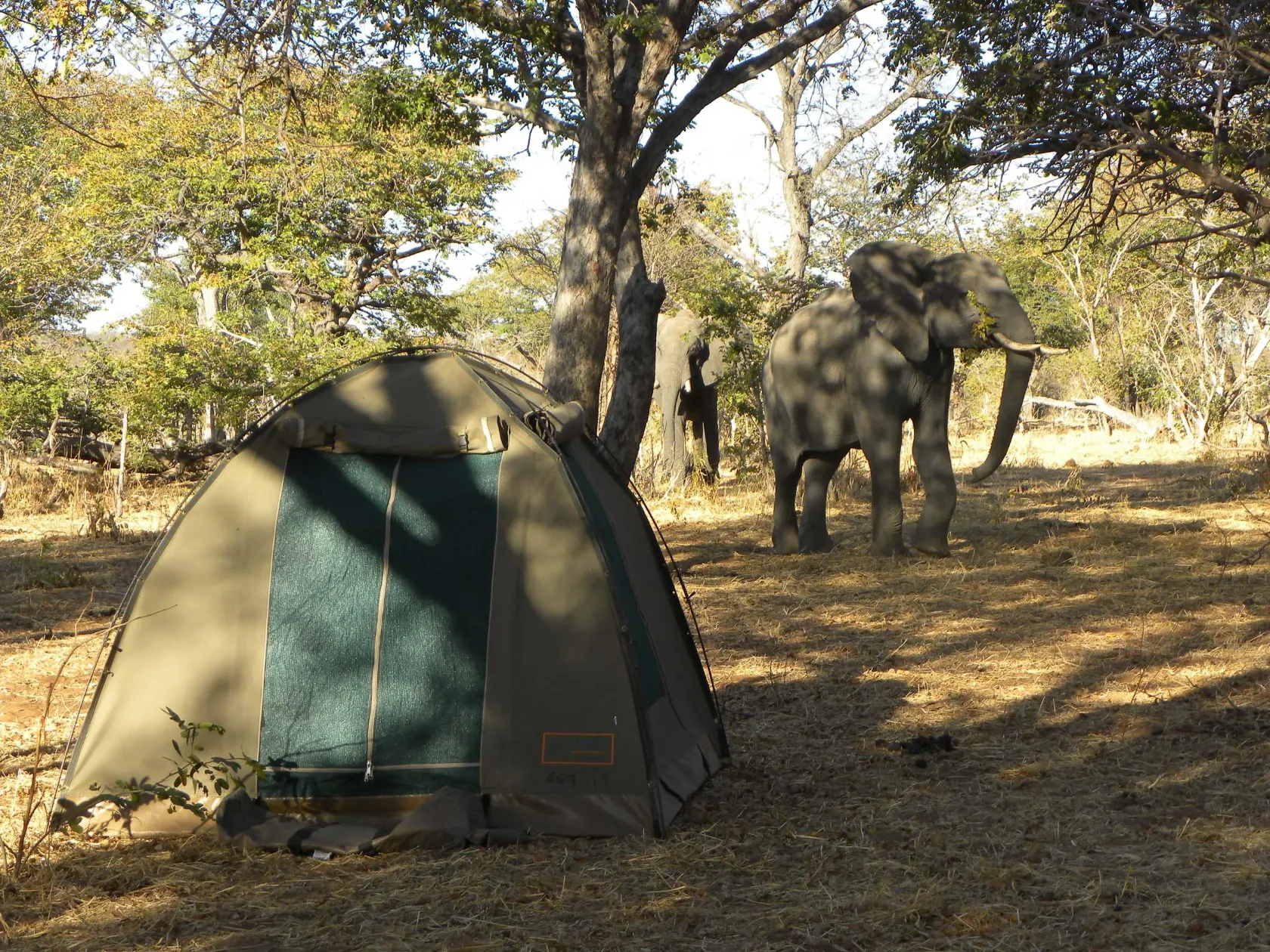
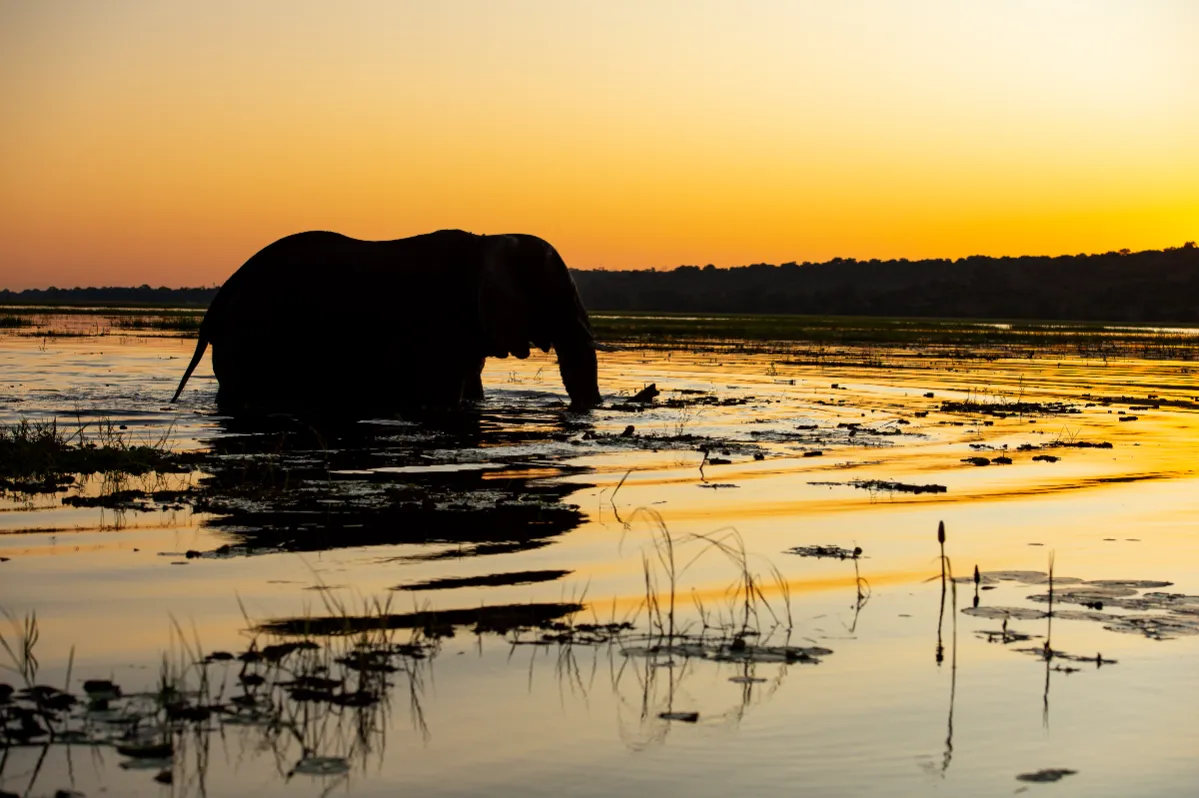
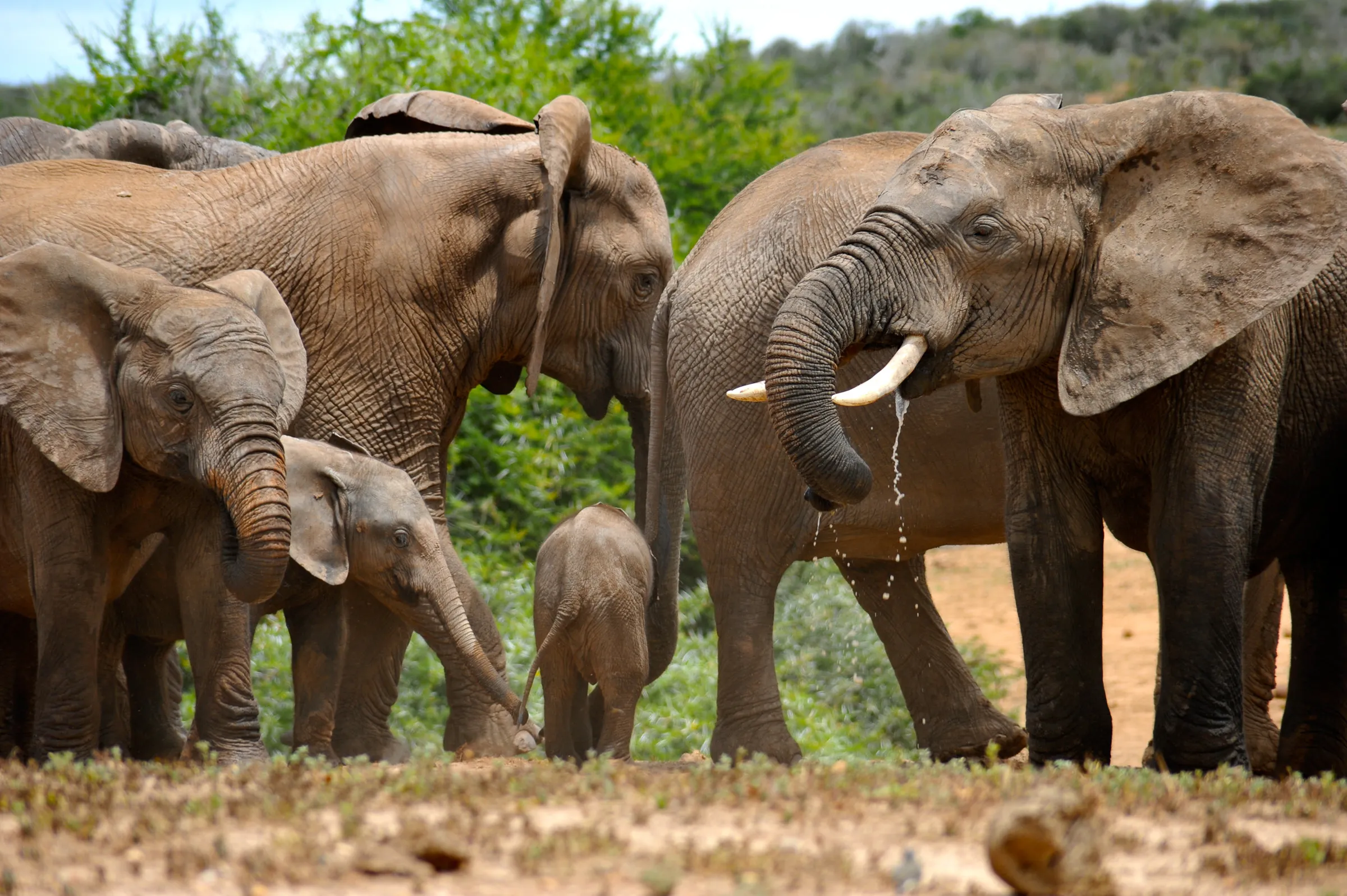
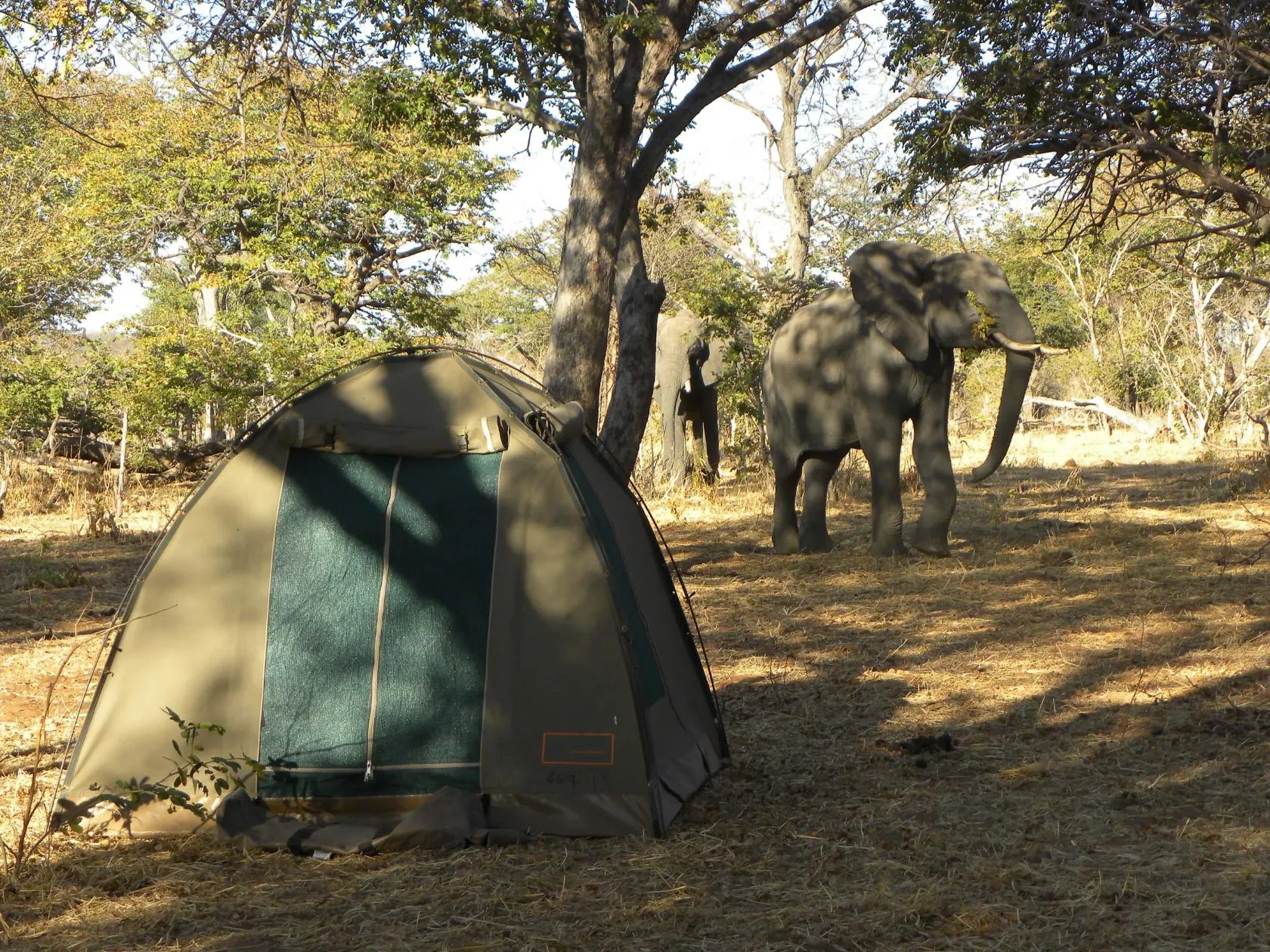
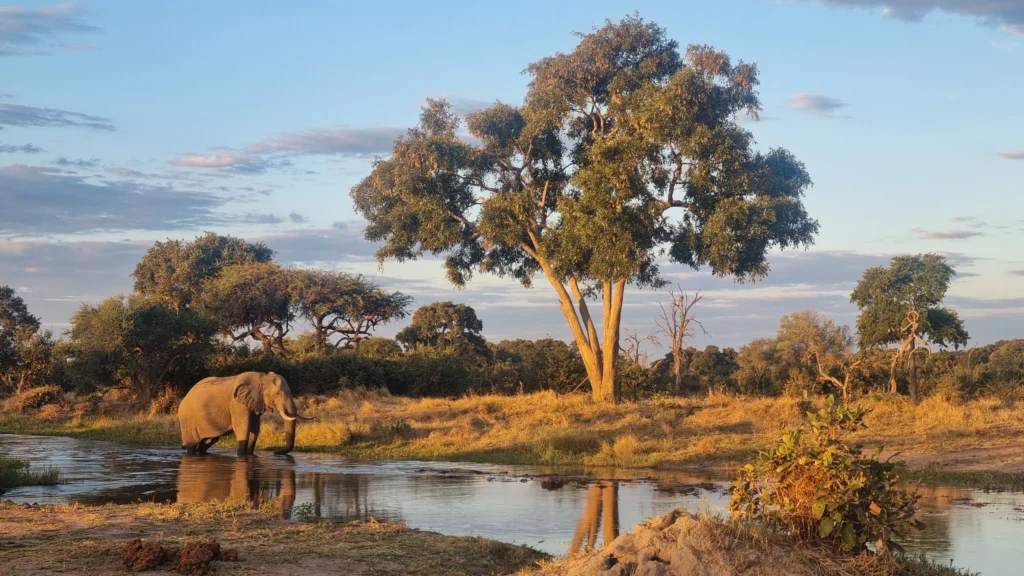
About 30 minutes into the walk, we spotted a magnificent sight roughly 100 metres ahead. Standing before us was a giant lone bull elephant, his impressive tusks making his presence impossible to ignore.
We stood quietly, watching as the elephant grazed peacefully. Moments later, he sensed our presence and slowly turned to face us.
For several minutes, we maintained a respectful distance as the bull assessed the situation. Then, he began walking in our direction. Following our guides’ instructions, we calmly backed away, using the surrounding vegetation for cover while moving carefully out of his line of sight.
Despite increasing the distance between us, the elephant continued approaching. Some guests understandably became nervous, but our guides remained calm and professional, reassuring everyone while safely leading us back to our mokoros.
Once aboard, we quietly paddled away, many guests still glancing over their shoulders to catch one last glimpse of the impressive bull elephant.
Back at the motorboat, the tension finally gave way to excitement. Guests shared stories of their fear, relief, and exhilaration. Most importantly, they were grateful for the expertise of their guides, who ensured everyone remained safe while experiencing one of Africa’s most thrilling wildlife encounters.
What Is a Mokoro Safari?
A mokoro safari is one of the most iconic experiences in the Okavango Delta. Traditionally carved from the trunks of large trees, mokoros were originally used by local communities as a primary means of transport through the Delta’s intricate waterways. Today, many operators use environmentally friendly fibreglass mokoros that preserve the traditional experience while helping protect Botswana’s natural resources.
Unlike a conventional boat safari, a mokoro is propelled by a local poler using a long pole to gently push through the shallow channels. The result is an incredibly peaceful journey where the sounds of engines are replaced by birdsong, rustling reeds, and the occasional splash of wildlife moving through the water.
A mokoro safari allows visitors to access parts of the Okavango Delta that larger boats cannot reach, making it one of the best ways to experience the region’s untouched beauty and abundant wildlife.
Why the Okavango Delta Is One of Africa’s Best Places to See Elephants?
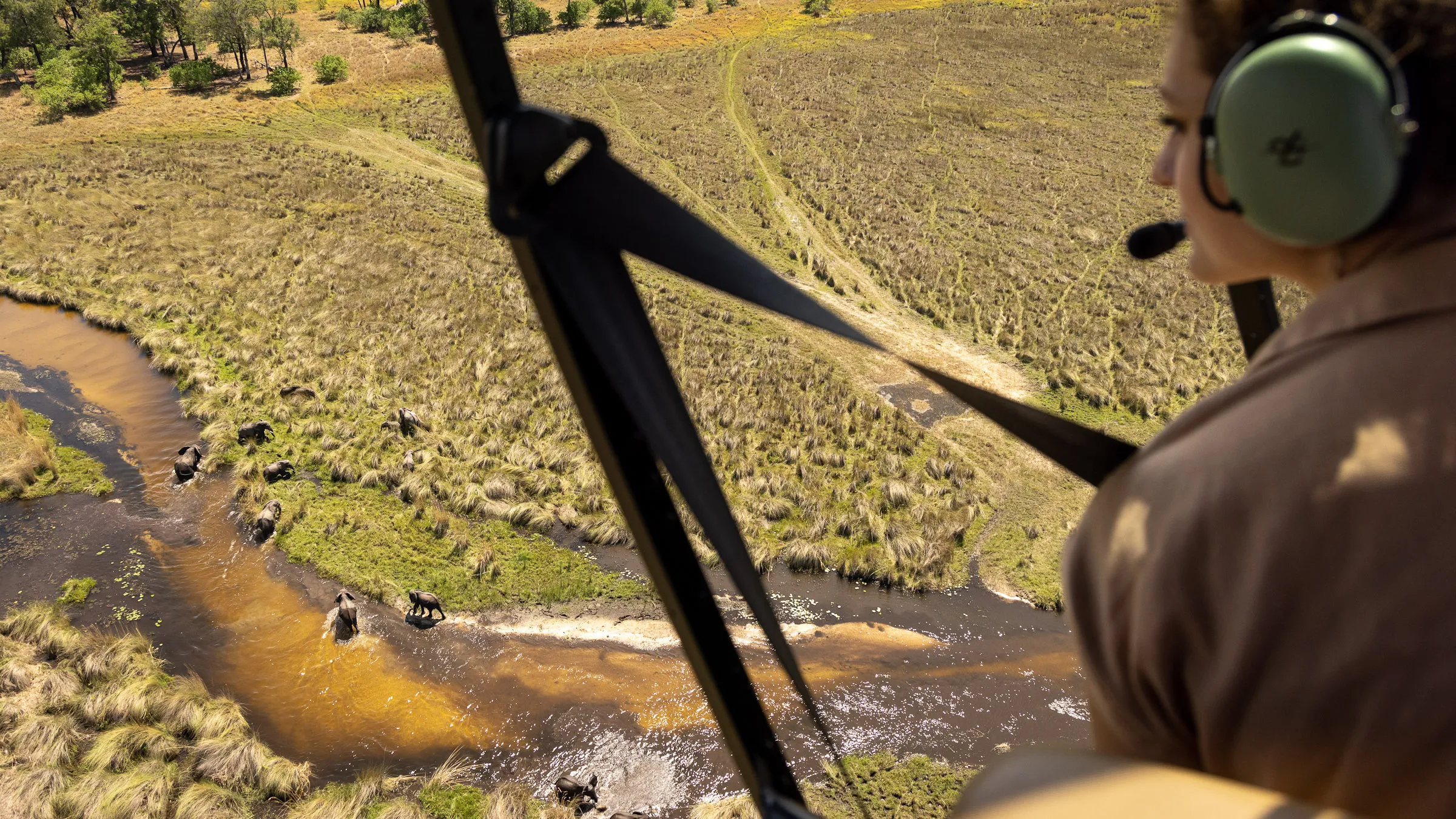
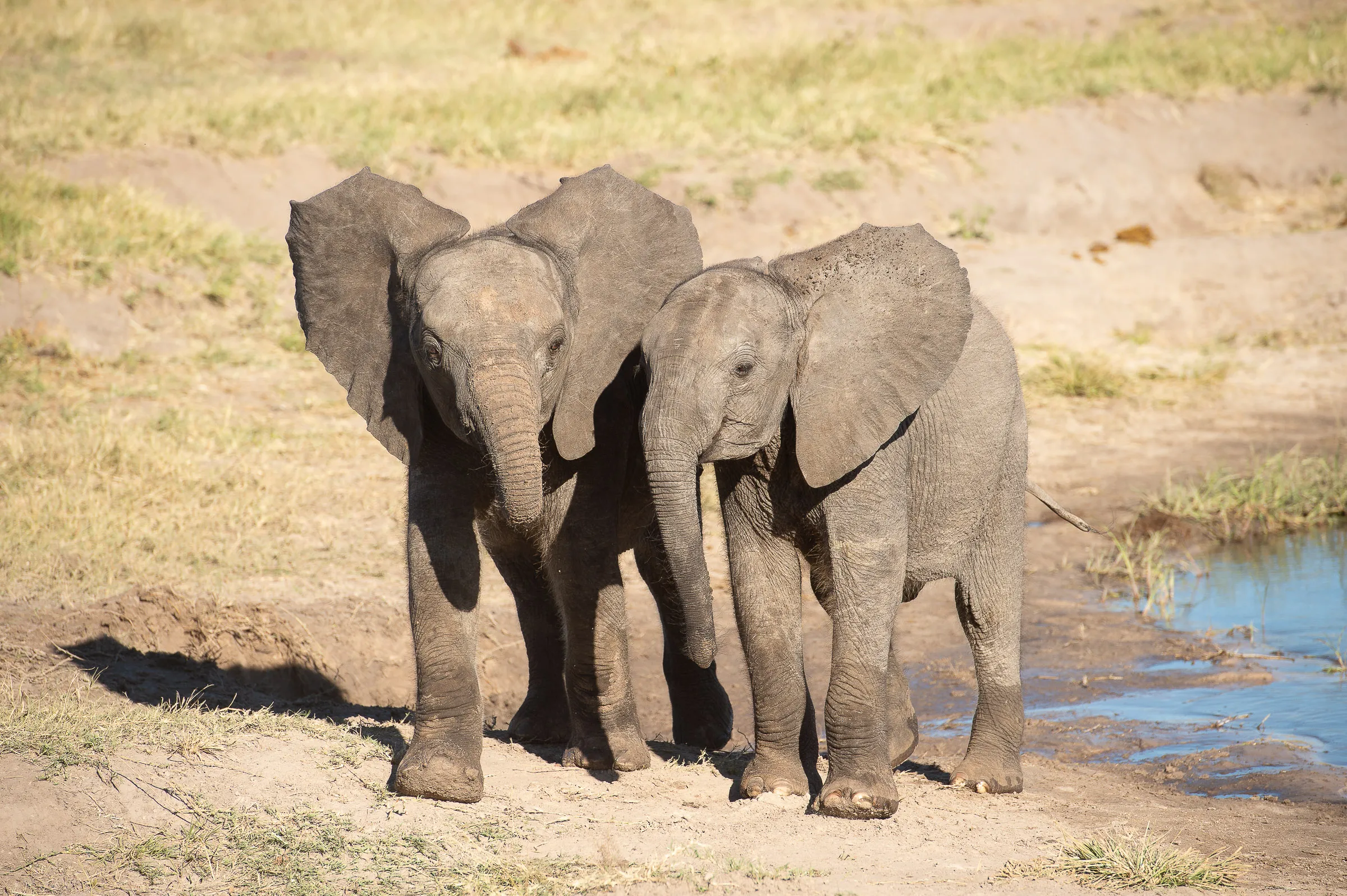
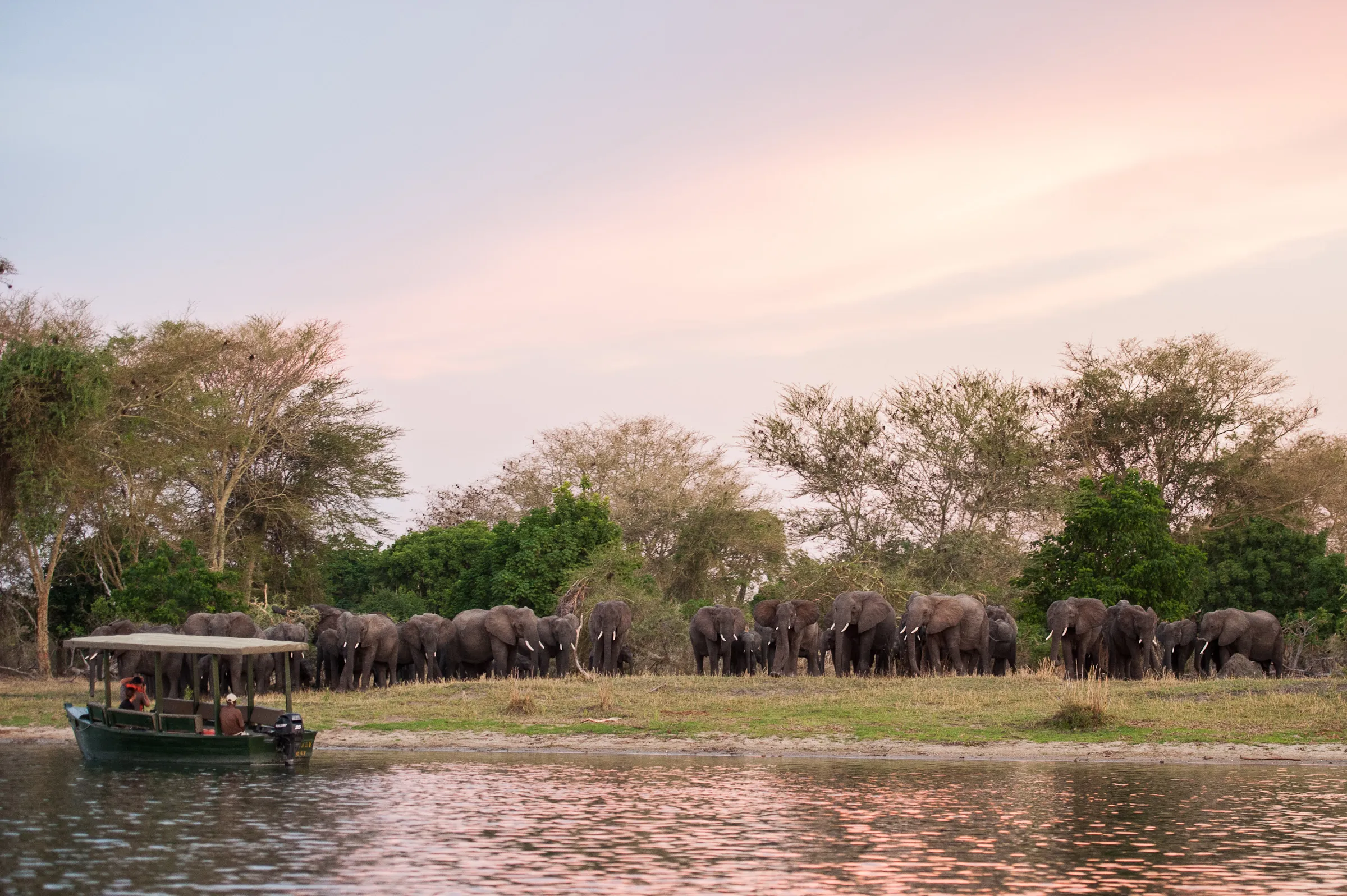
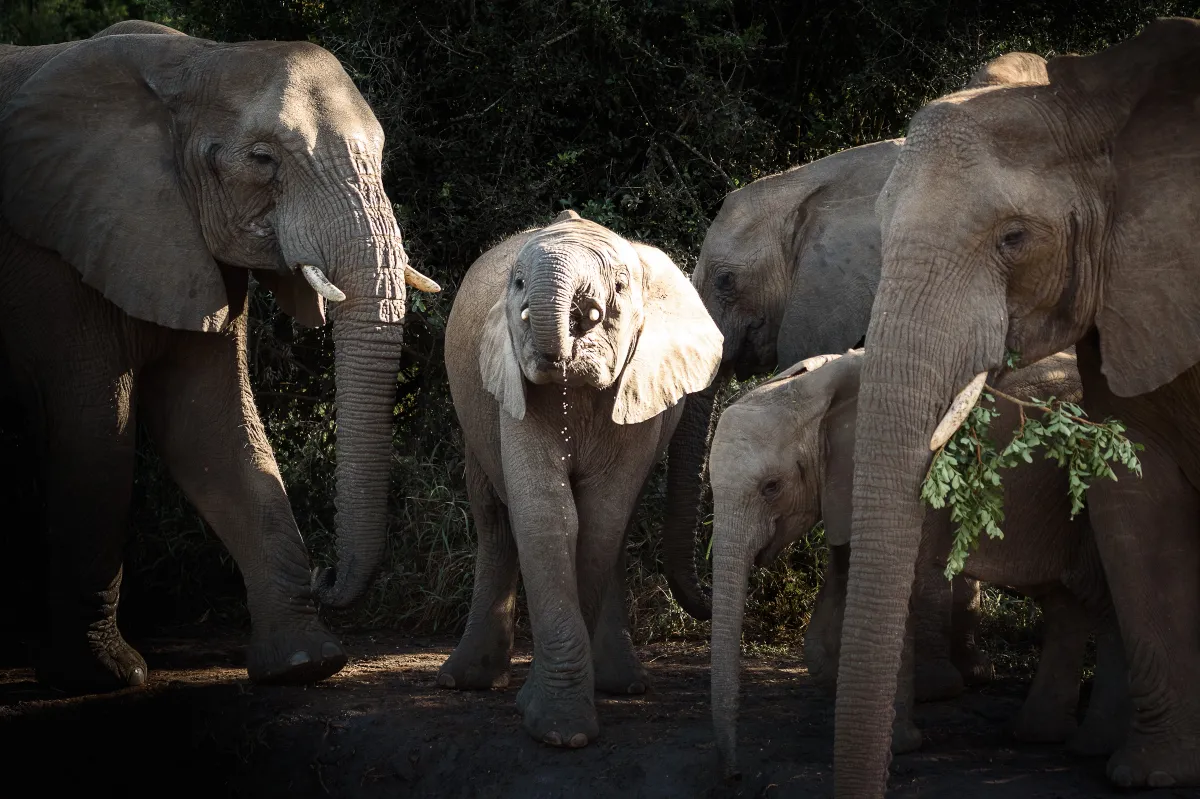
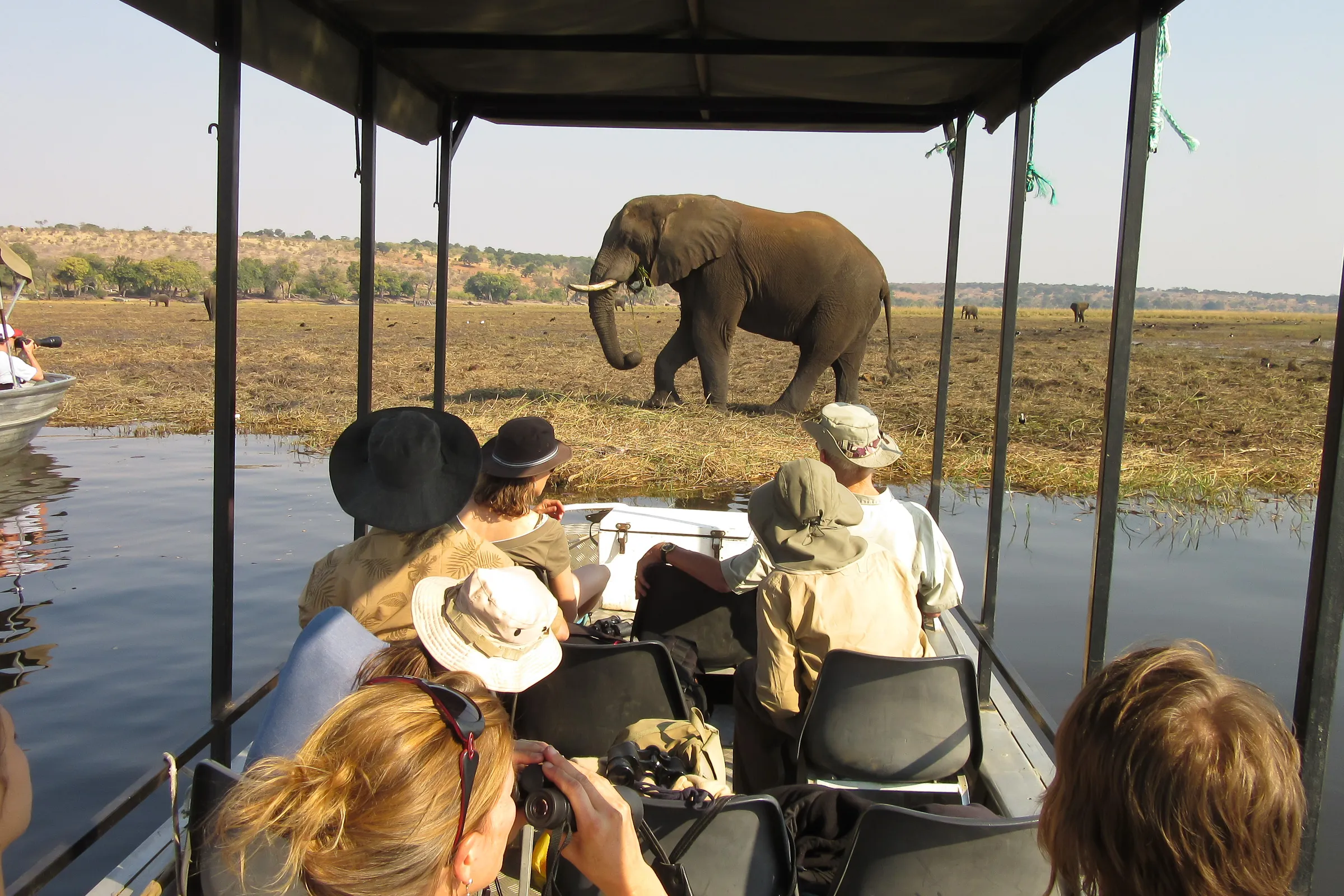
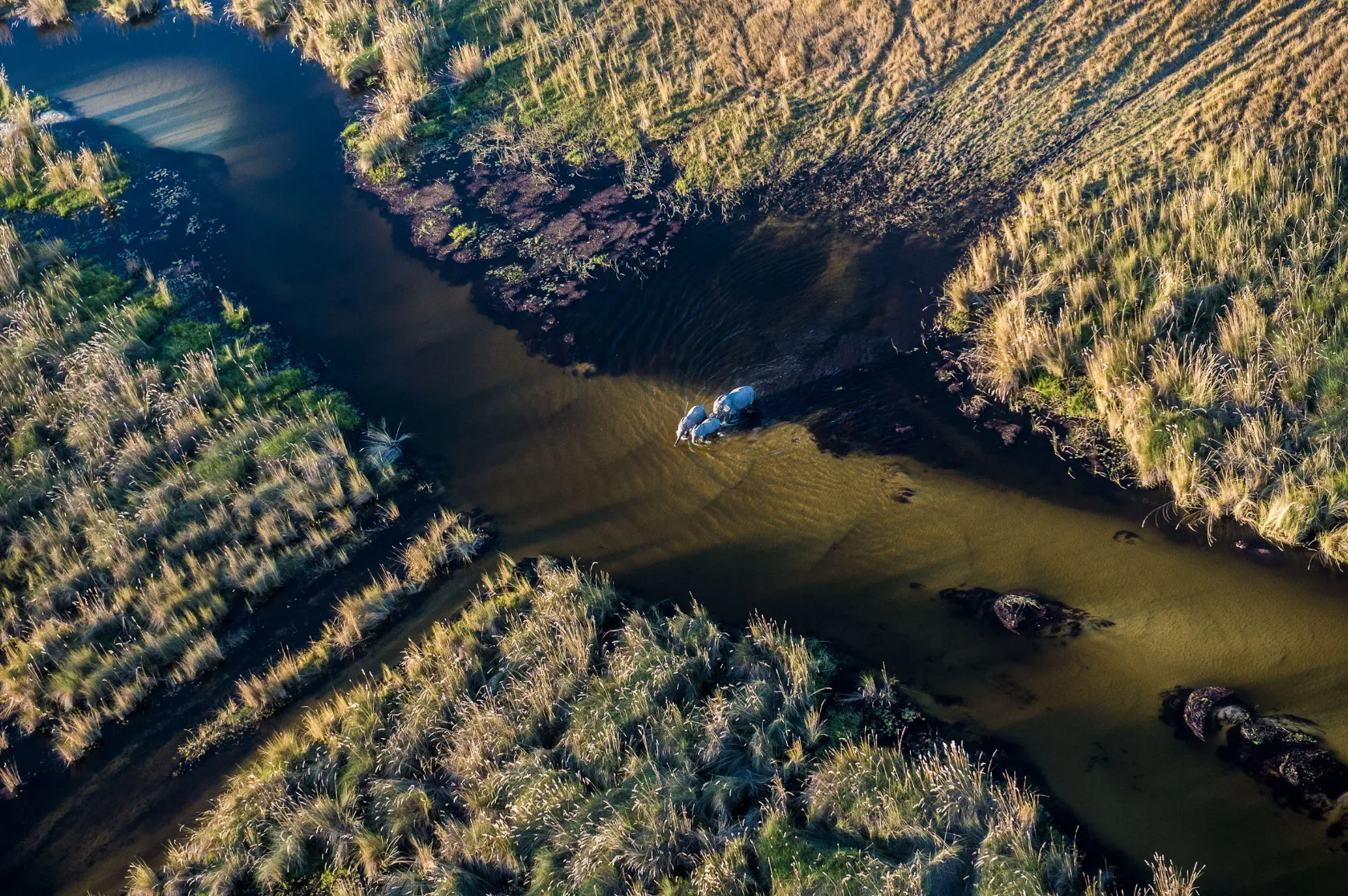
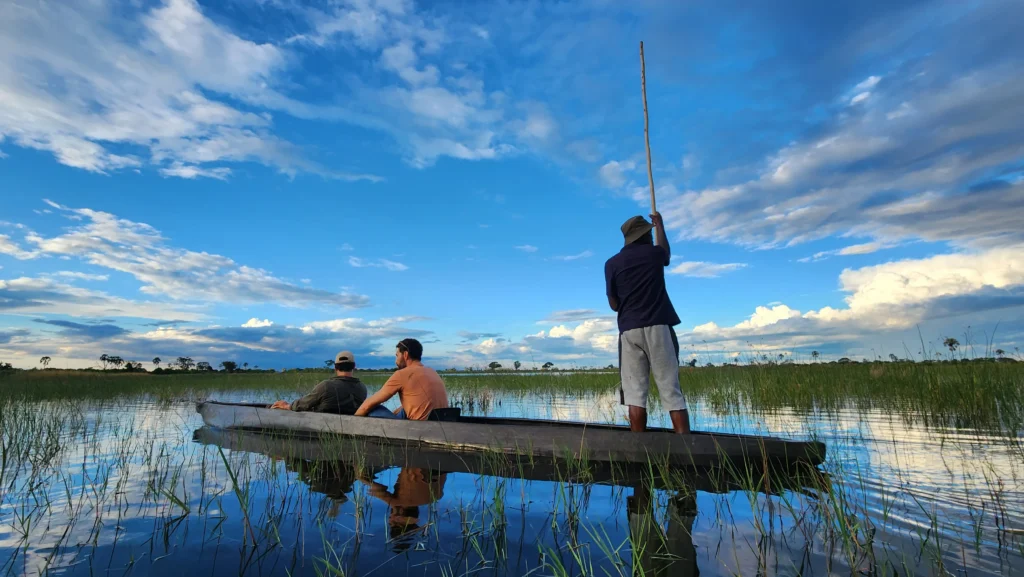
The Okavango Delta is widely regarded as one of the best places in Africa to observe elephants in their natural habitat. Botswana is home to the largest elephant population on the continent, with many of these animals moving through the Delta’s rich mosaic of waterways, islands, and floodplains.
The abundance of fresh water and vegetation makes the region particularly attractive to elephants throughout the year. Visitors may encounter family herds crossing channels, young elephants playing in shallow water, or solitary bull elephants moving quietly through the bush.
The diversity of habitats found within the Okavango Delta means that elephant encounters can occur from a mokoro, a motorboat, on a guided walk, or during a traditional game drive. This variety creates some of the most rewarding wildlife viewing opportunities in Africa.
Why Do Bull Elephants Sometimes Approach People?
One of the most common questions asked after encounters like this is why a bull elephant would choose to approach a group of people.
Bull elephants are highly intelligent and naturally curious animals. In many cases, an approaching elephant is simply investigating unfamiliar sounds, scents, or movement within its environment. This behaviour does not automatically indicate aggression.
However, elephants are also powerful wild animals with distinct personalities and behaviours that can change depending on age, breeding condition, previous experiences, and environmental factors.
This is why experienced guides carefully monitor body language, ear position, head posture, movement patterns, and other behavioural cues to assess the situation. Understanding these subtle signals is critical to ensuring both guest safety and the wellbeing of the animals.
Is It Safe to Walk in the Okavango Delta?
Guided walking safaris are one of the most exciting ways to experience the Okavango Delta and, when conducted professionally, are a safe and rewarding activity.
Safety begins long before guests leave camp or step onto an island. Briefings cover appropriate behaviour, wildlife awareness, and what to do should animals be encountered during the walk. Guides continuously assess the environment, monitor animal movements, and adjust plans as conditions change.
At Sunway Safaris, our guides are highly trained, experienced professionals who have spent years leading safaris throughout Southern Africa. Their expertise in wildlife behaviour, bush safety, and guest management allows travellers to explore wilderness areas with confidence.
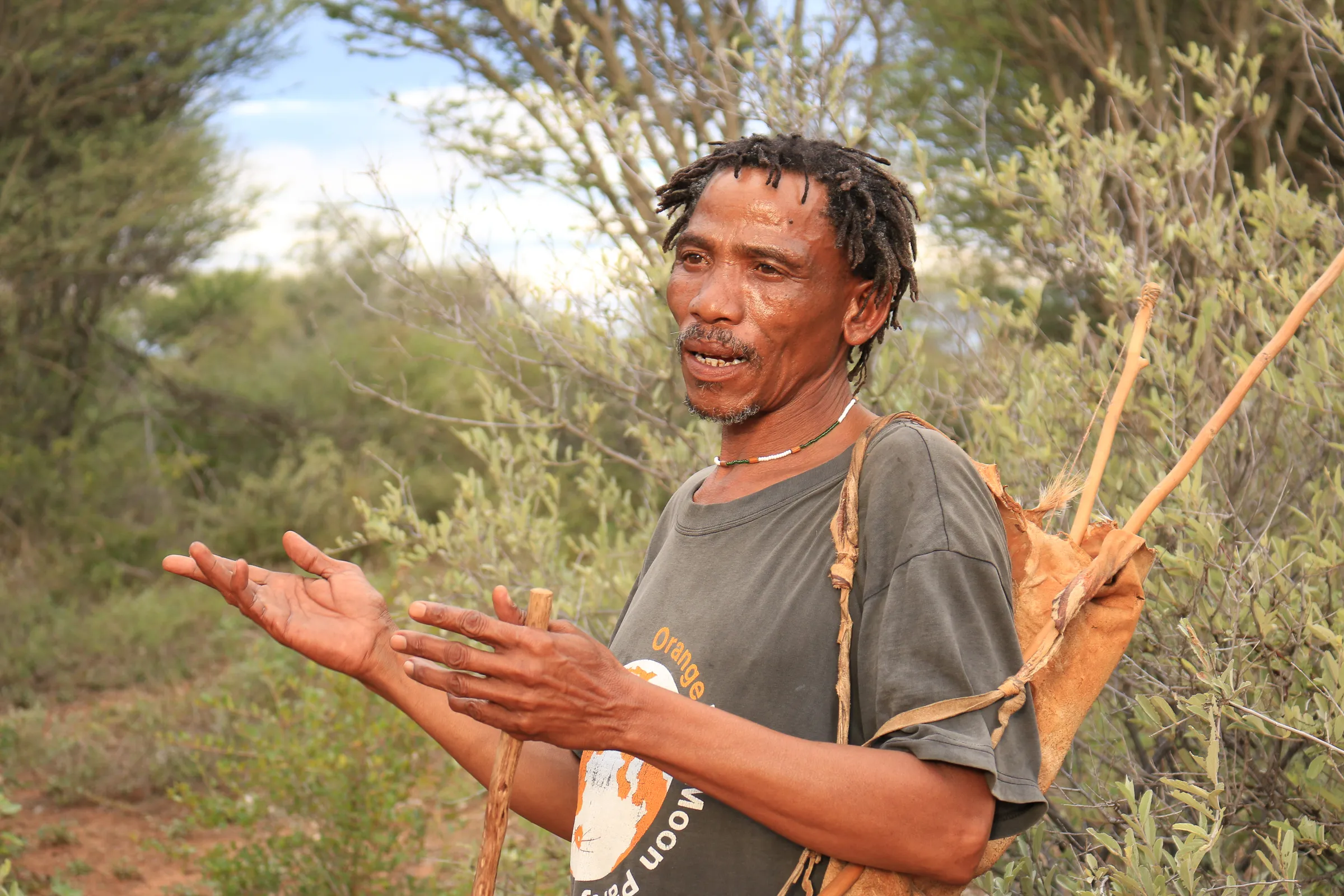
On specialised excursions such as mokoro trips and guided walks in the Okavango Delta, Sunway Safaris works alongside experienced local guides and polers who possess invaluable knowledge of the area’s waterways, wildlife movements, and ecosystems. This combination of professional safari leadership and local expertise helps ensure guests enjoy authentic wilderness experiences while maintaining the highest safety standards.
The encounter with the bull elephant highlighted exactly why professional guiding matters. Through calm decision-making, clear communication, and sound bush knowledge, the guides ensured that guests remained safe while still enjoying a truly memorable wildlife experience.
Best Time to Experience a Mokoro Safari in Botswana
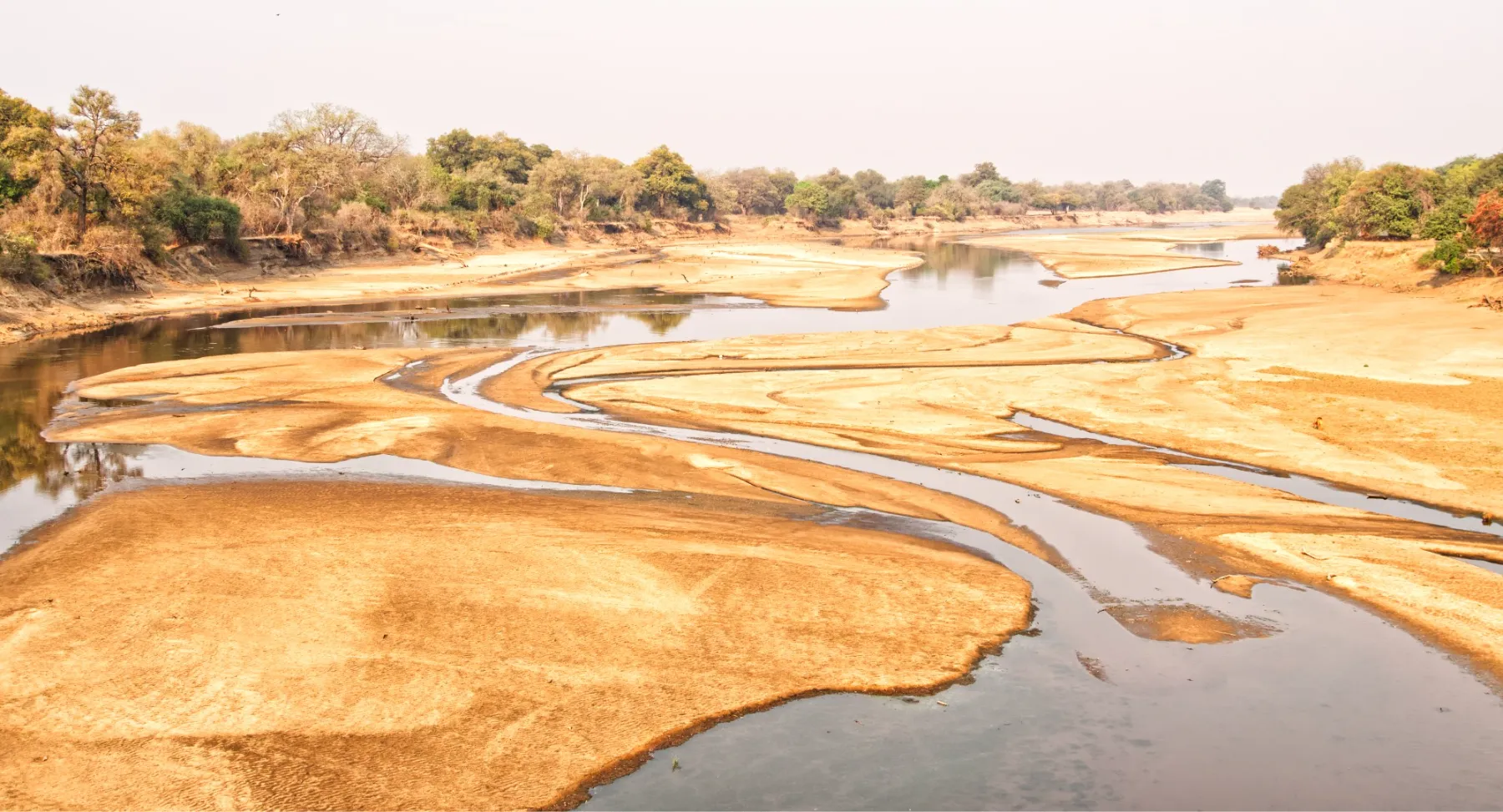
One of the unique aspects of the Okavango Delta is that its annual floodwaters arrive during Botswana’s dry season.
May to August
As floodwaters spread through the Delta, waterways become ideal for mokoro excursions. Cooler temperatures and beautiful scenery make this one of the most popular times to visit.
August to October
Often considered peak safari season, wildlife concentrations increase around water sources. Elephant sightings are particularly common, and visitors enjoy excellent game viewing opportunities.
November to April
The green season transforms the landscape into a lush paradise. While wildlife can be more dispersed, birdwatching is exceptional, migratory species arrive, and photography opportunities abound.
Each season offers a different perspective on the Okavango Delta, making it a rewarding destination throughout the year.
Experience the Okavango Delta with Sunway Safaris
Exploring the Okavango Delta is about far more than simply seeing wildlife. It is about immersing yourself in one of Africa’s last great wilderness areas and experiencing the landscape from multiple perspectives.
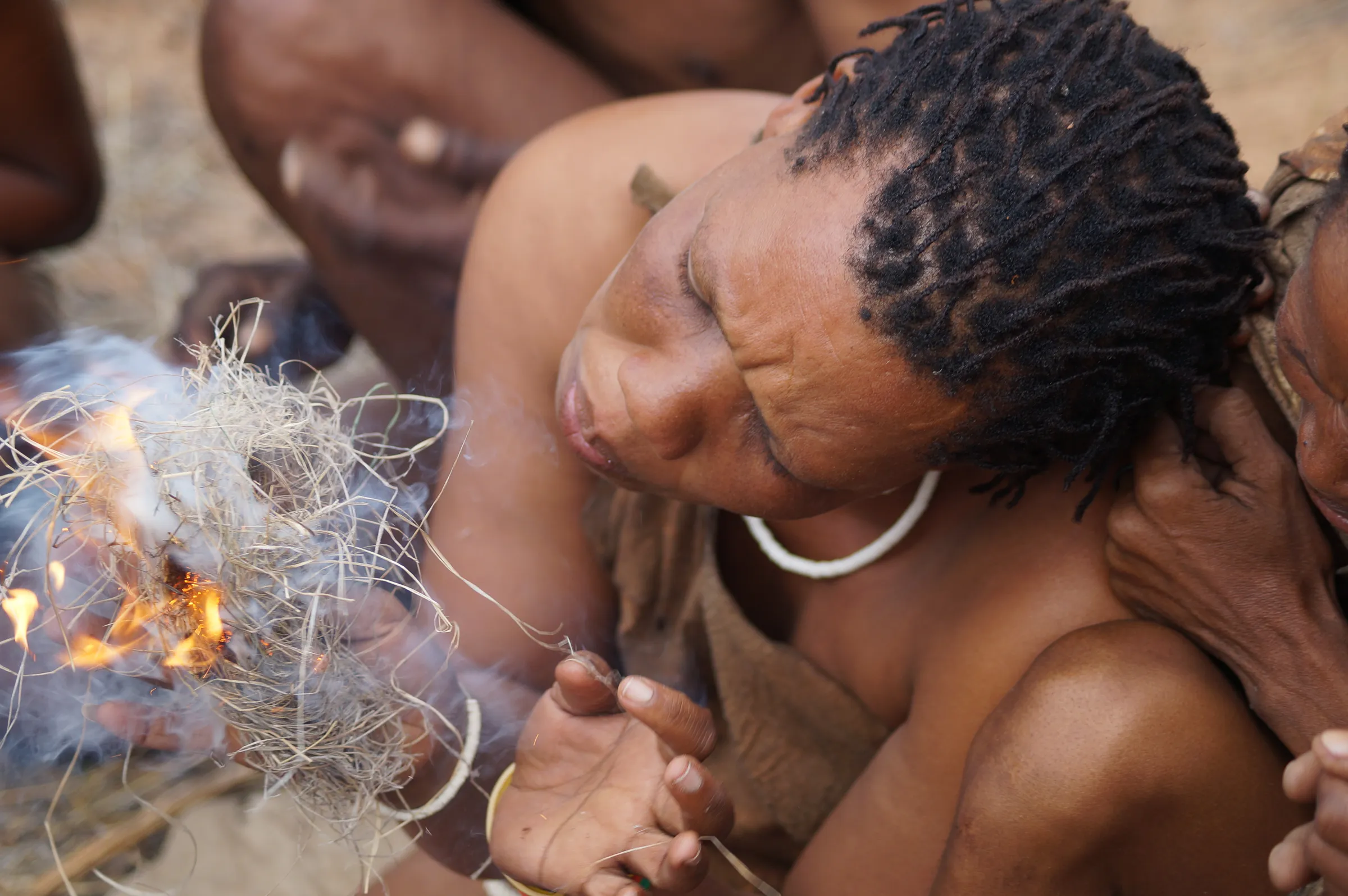
Sunway Safaris incorporates authentic experiences such as mokoro excursions, guided walks, and wildlife viewing opportunities into selected Botswana safari itineraries. Working alongside trusted local guides and community partners, we aim to provide meaningful experiences that connect travellers with both the natural environment and the people who call this remarkable region home.
Whether drifting silently through papyrus-lined channels, tracking wildlife on foot, or witnessing an unexpected elephant encounter, the Okavango Delta offers moments that remain with travellers long after they return home.
The guests in this story began their day expecting a peaceful mokoro excursion. They returned with a wildlife encounter they will remember for the rest of their lives. That is the magic of Botswana—every day brings the possibility of something extraordinary.
If you’re dreaming of an Okavango Delta safari, now is the perfect time to start planning. Explore our Botswana safari tours, discover our small-group adventures, or contact the Sunway Safaris team for expert advice on choosing the right itinerary for your African safari.
Frequently Asked Questions About Mokoro Safaris and Elephant Encounters
A mokoro safari is a traditional African water excursion where guests travel through shallow wilderness channels in a narrow dugout canoe propelled by a local guide called a poler. Using a long wooden pole rather than a noisy engine, this traditional method allows for a silent, eco-friendly journey that gets you close to the Delta’s unique flora and fauna without disturbing the wildlife.
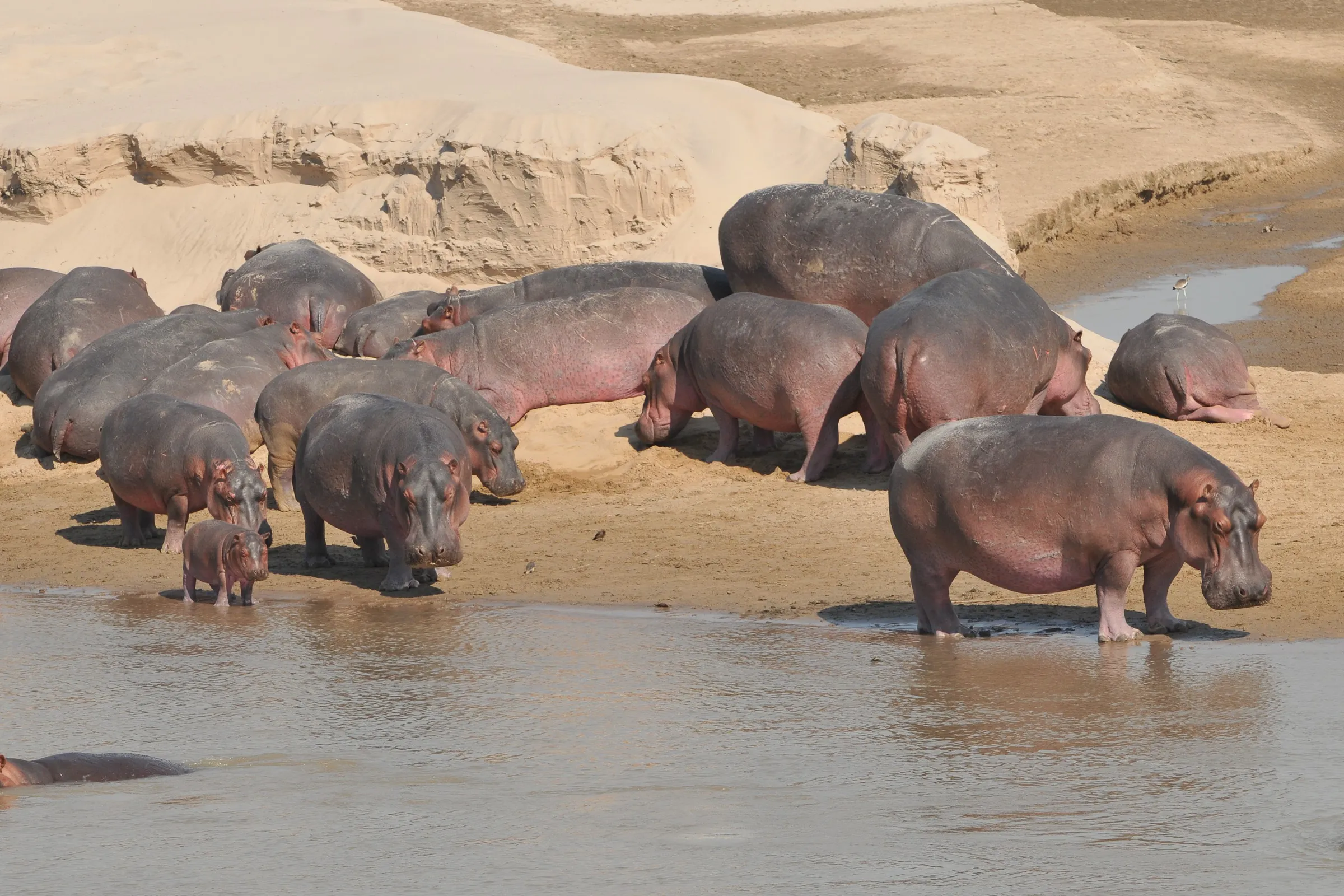
Yes, mokoro safaris are incredibly safe because they are conducted by licensed professional guides and highly experienced local polers who possess an intimate knowledge of the Delta’s waterways. These experts know exactly how to read the river, navigate around hippos and crocodiles, and maintain a safe, respectful distance from all wildlife.
Yes, the Okavango Delta is one of Africa’s premier elephant-viewing destinations, supporting a year-round population of thousands of elephants. Sightings are highly frequent across the region and can be experienced from entirely unique perspectives, including from the water on a mokoro or on foot during a guided bush walk.
Yes, guided walking safaris in the Okavango Delta are highly safe when conducted under the supervision of qualified, licensed professional guides. Safari guides undergo years of rigorous training to accurately interpret wildlife behavior, maintain safe distances, and execute established wilderness safety protocols.
Guma Lagoon is located along the northwestern edge of Botswana, serving as a primary gateway to the permanent waterways of the Okavango Panhandle. Positioned in a rich, biodiverse wetland region, the lagoon acts as an ideal launching pad for deep-Delta boat cruises, birdwatching trips, and mokoro safaris.
On a responsible safari, guides generally maintain a safe buffer zone of at least 50 to 100 meters from wild elephants, though the exact distance depends entirely on the animal’s behavior and the immediate environment. If an elephant chooses to approach a stationary vehicle or walking group, experienced guides will calmly assess the situation and safely move guests back out of its path.
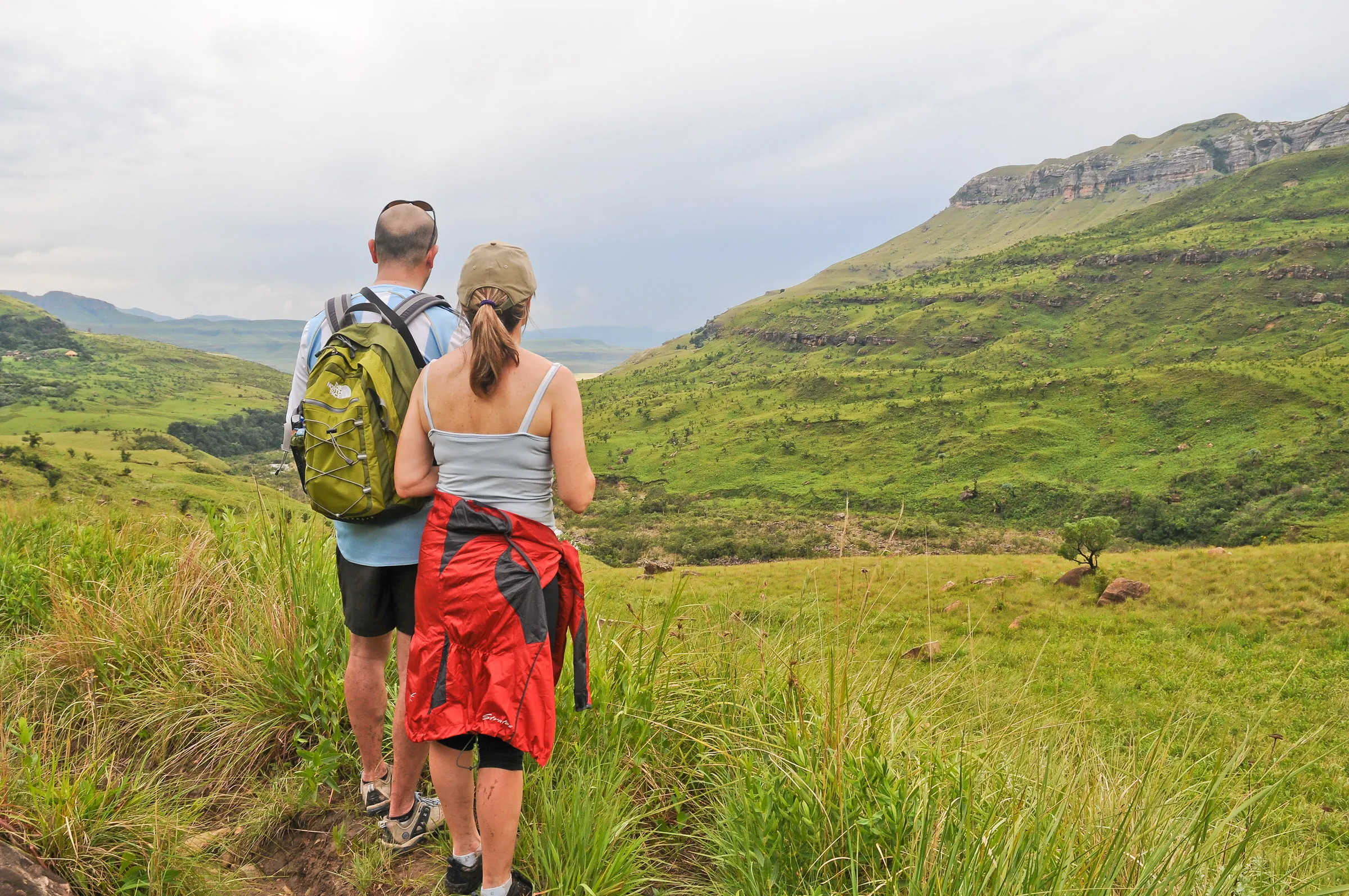
On an Okavango Delta walking safari, you should wear neutral-colored clothing (like khaki, green, or brown) paired with sturdy, comfortable walking shoes or hiking boots. For optimal sun and heat protection, you should also bring a wide-brimmed hat, high-SPF sunscreen, polarized sunglasses, and a reusable water bottle. Avoid bright colors, white, or camouflage patterns.
A standard mokoro excursion typically lasts between 2 to 4 hours for a half-day trip, while full-day excursions can last up to 6 or 8 hours. Full-day trips almost always include a midday stop on a remote Delta island for a picnic lunch and a guided bush walk before paddling back.
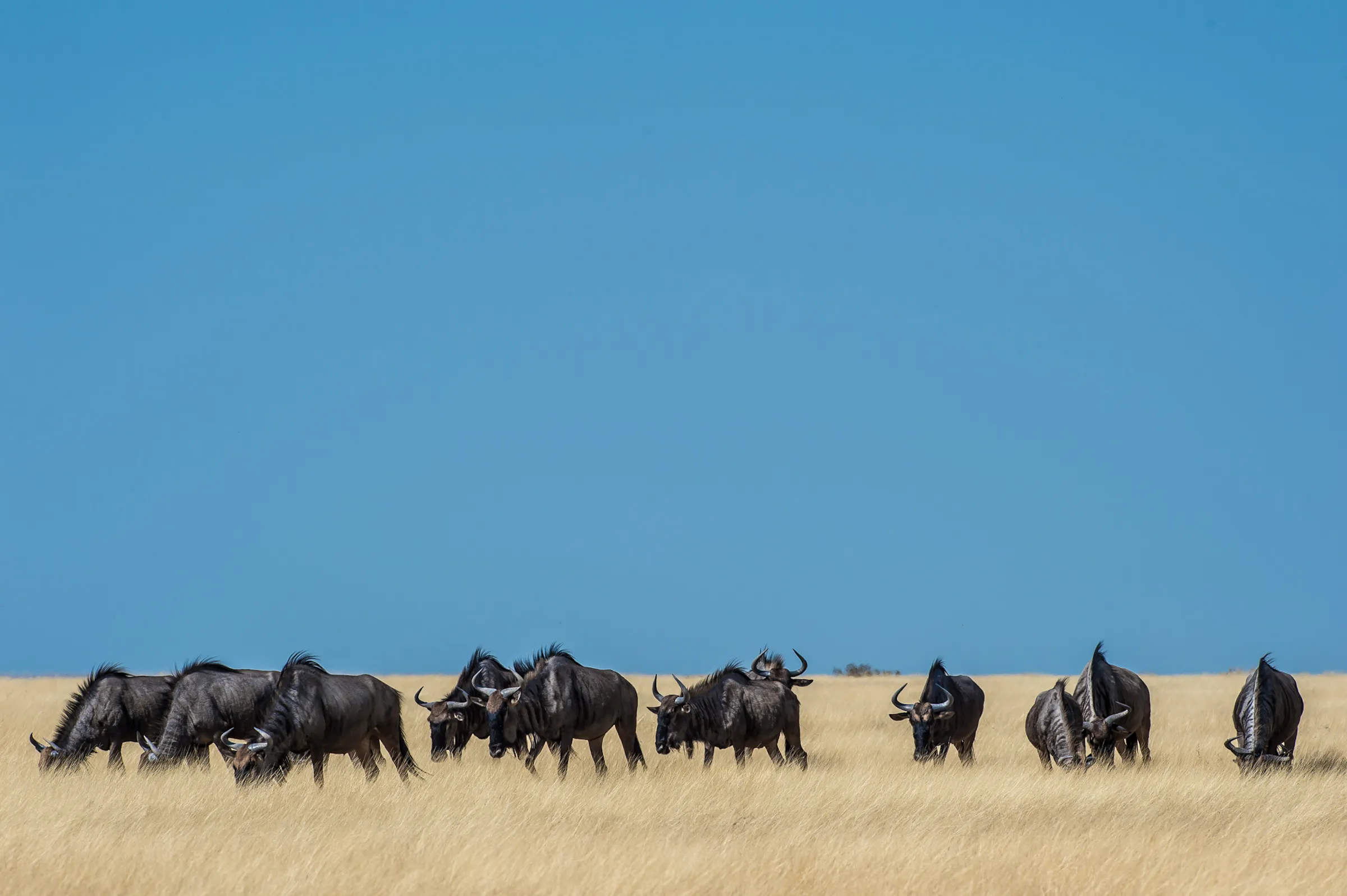
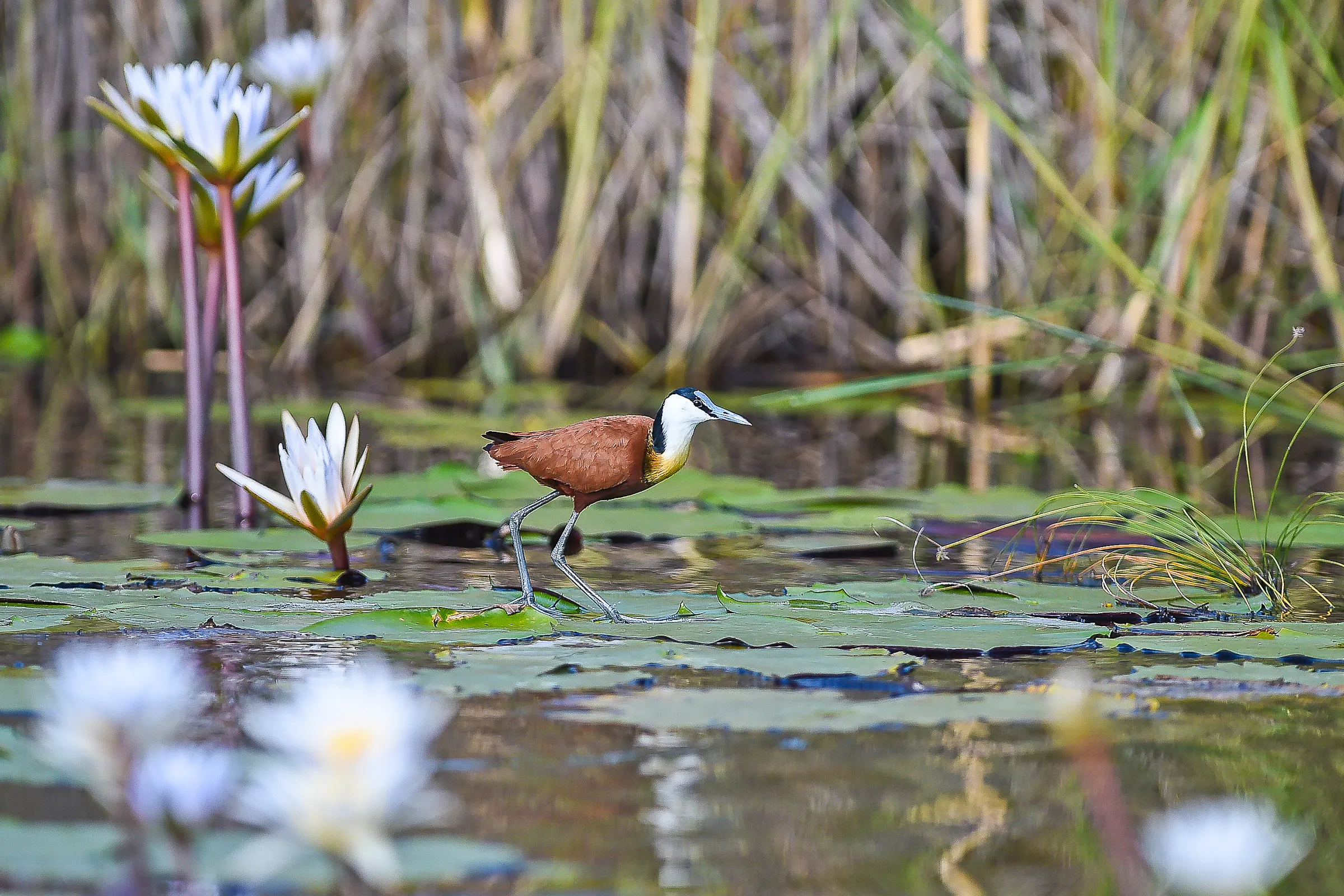
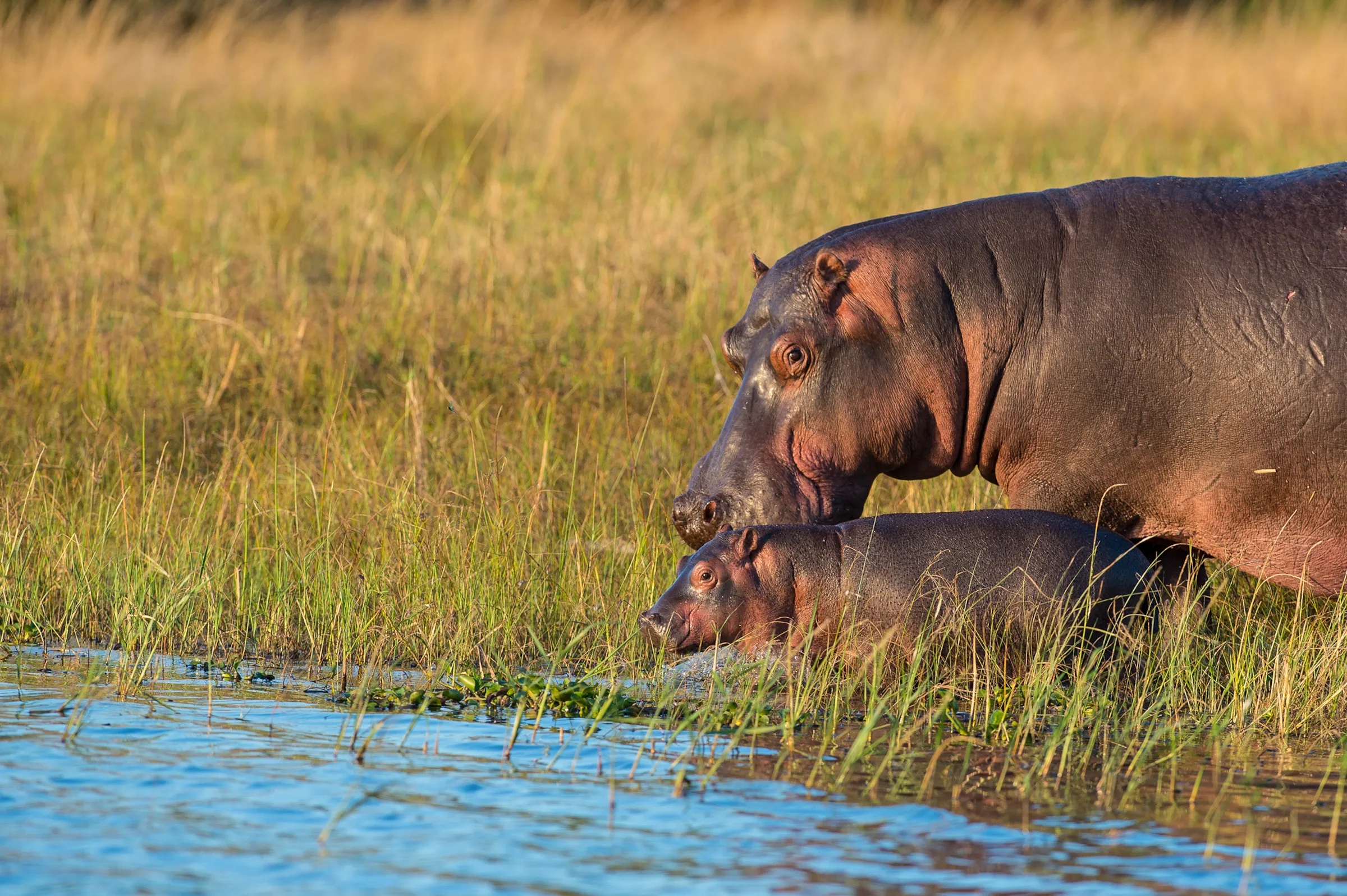
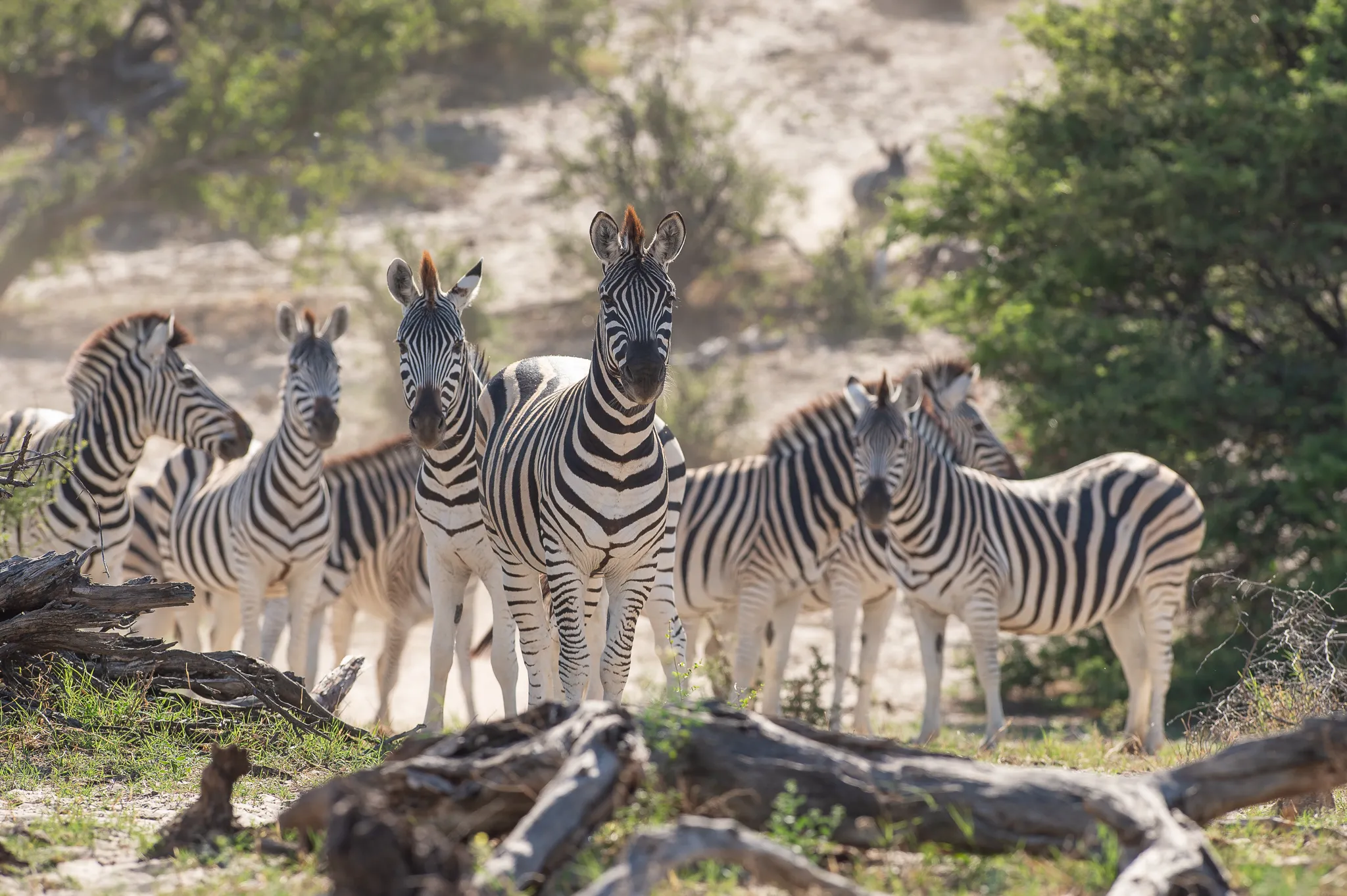
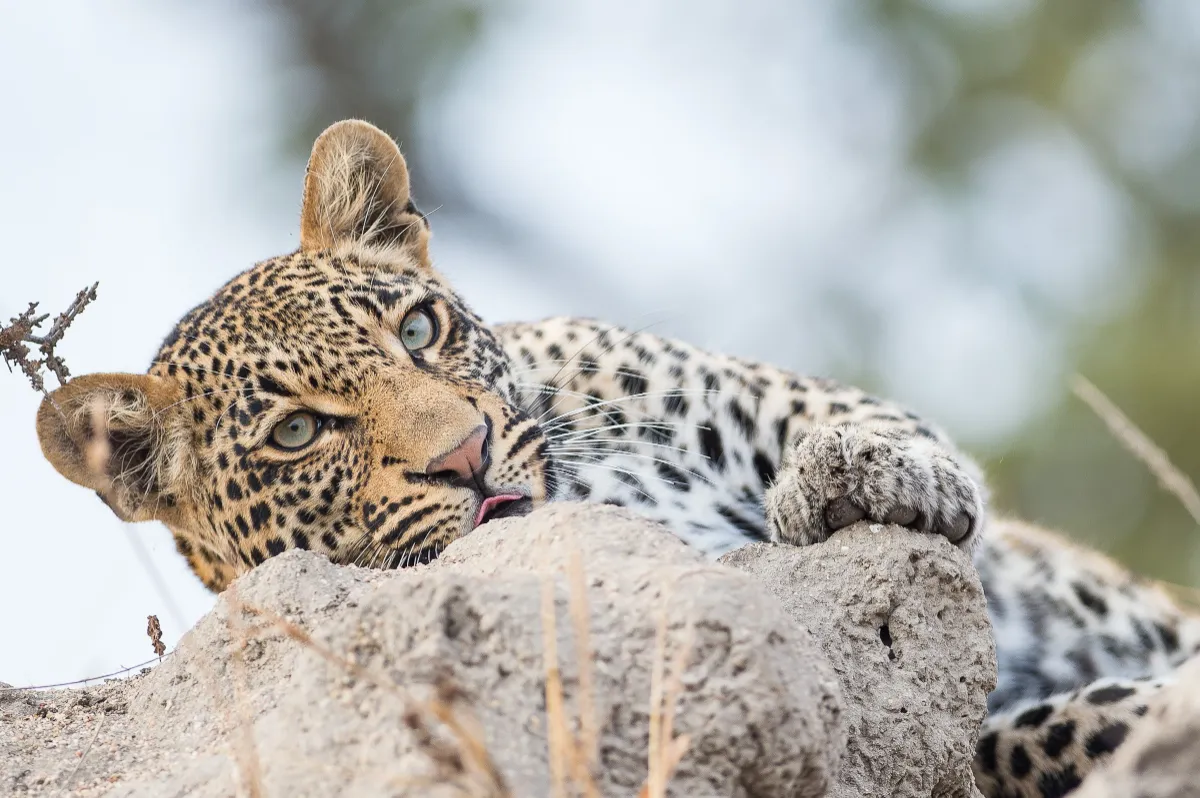
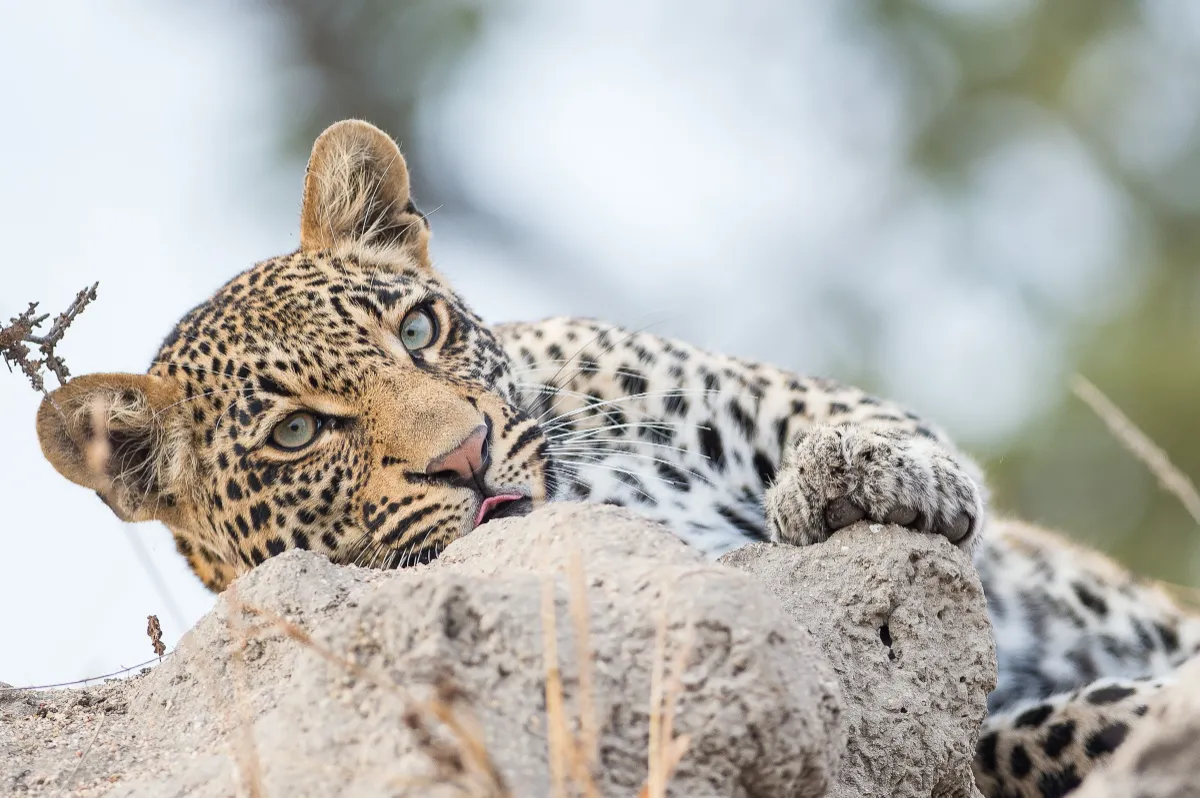
The Okavango Delta is home to an incredible diversity of African wildlife, including elephants, hippos, crocodiles, Cape buffalo, lions, leopards, African wild dogs, zebras, and rare aquatic antelopes like the red lechwe. The region is also globally renowned for its birdlife, hosting over 400 distinct avian species.
The best time to visit the Okavango Delta is during the dry season from May to October, when floodwaters arrive from Angola to fill the channels and wildlife concentrates heavily around the water sources. This period offers optimal conditions for both big game viewing and traditional mokoro safaris, though the Delta remains a spectacular year-round destination.