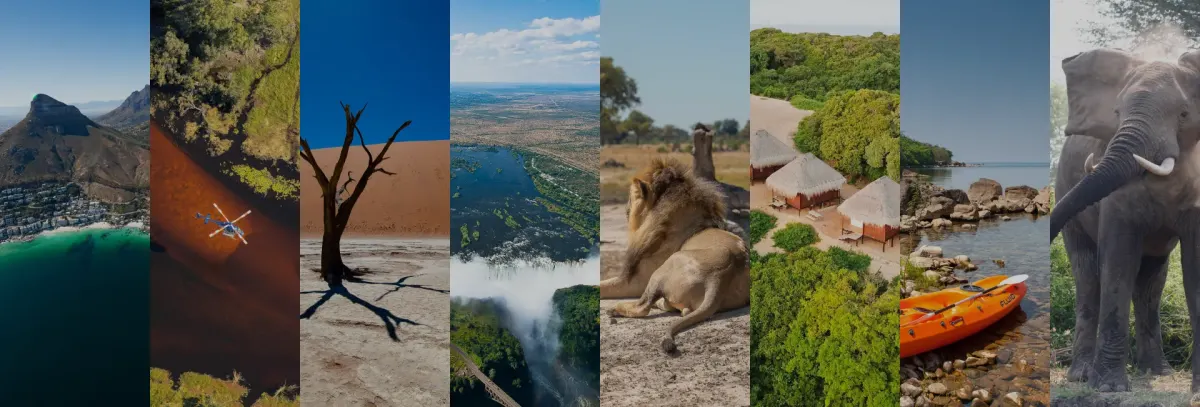


Pack your trunk for a classic safari through Namibia and Botswana.
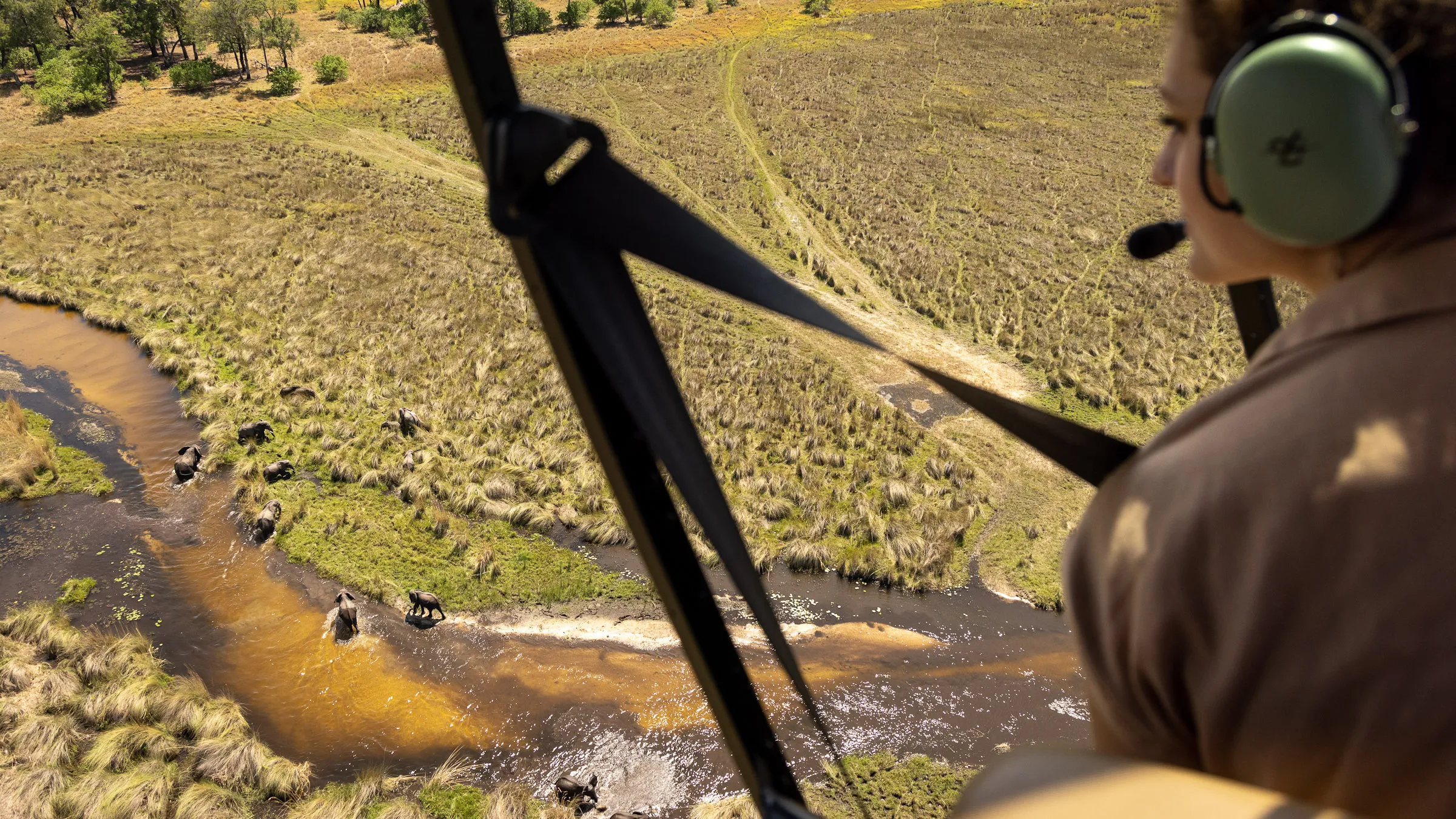
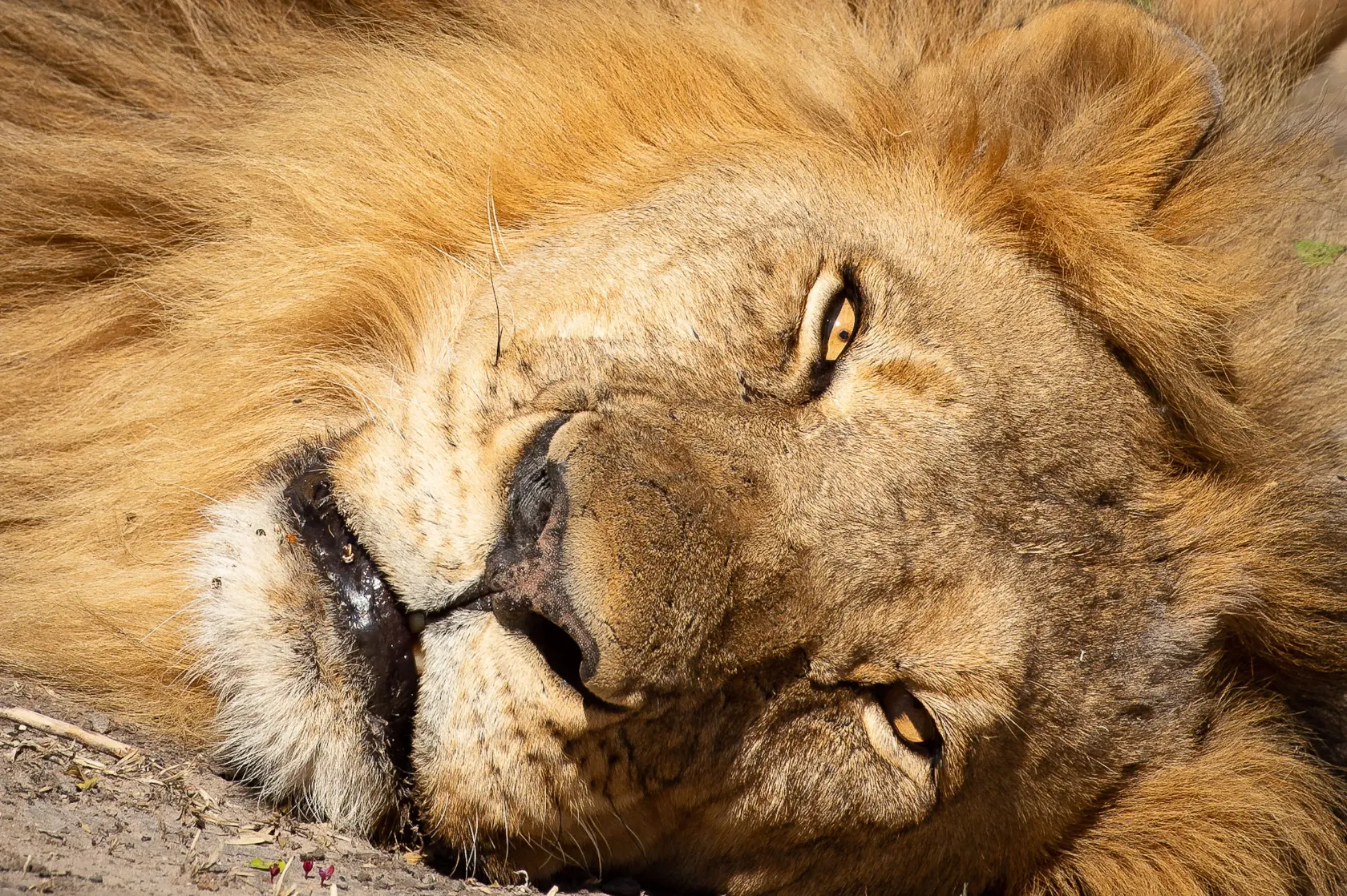
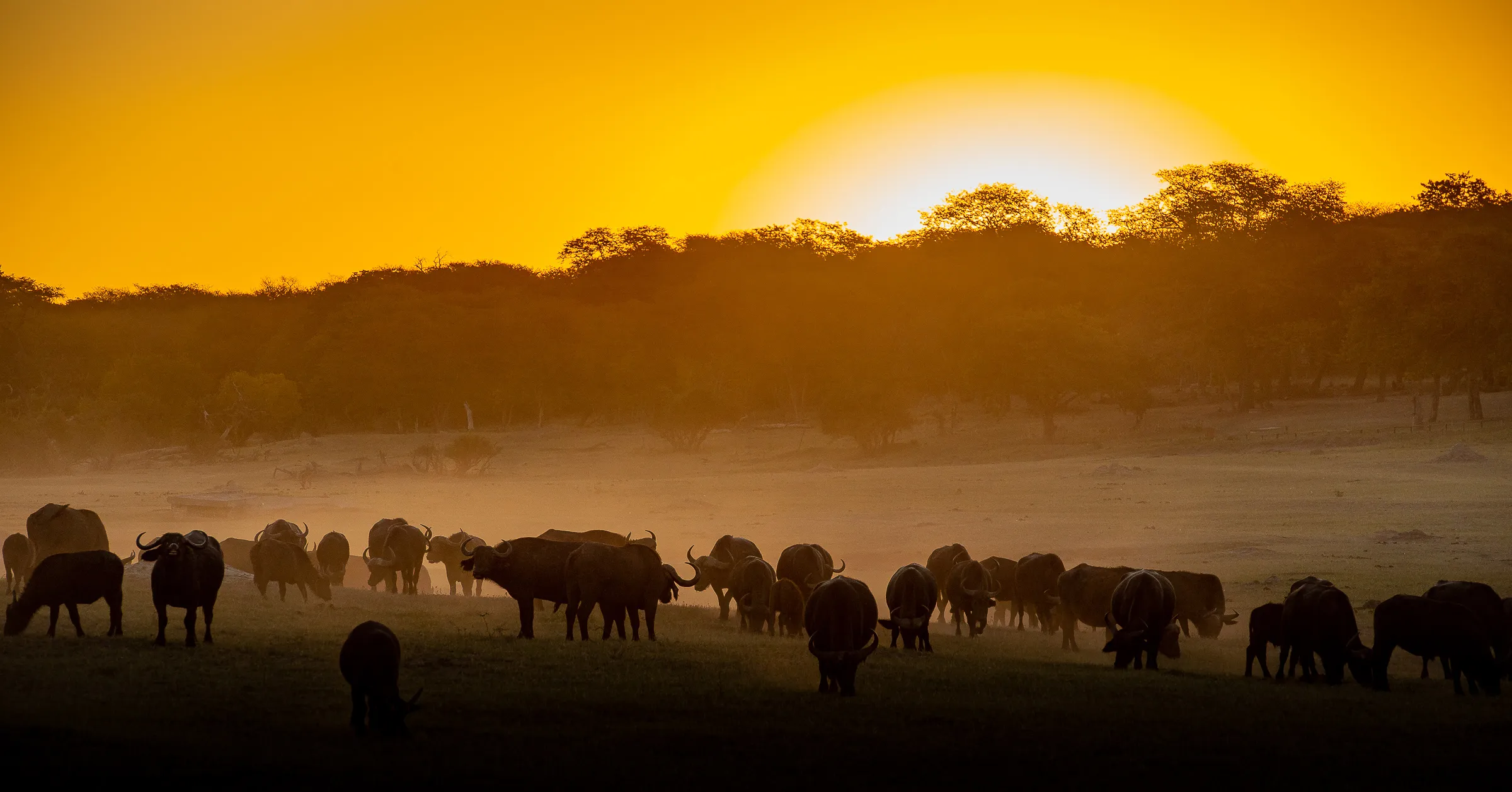
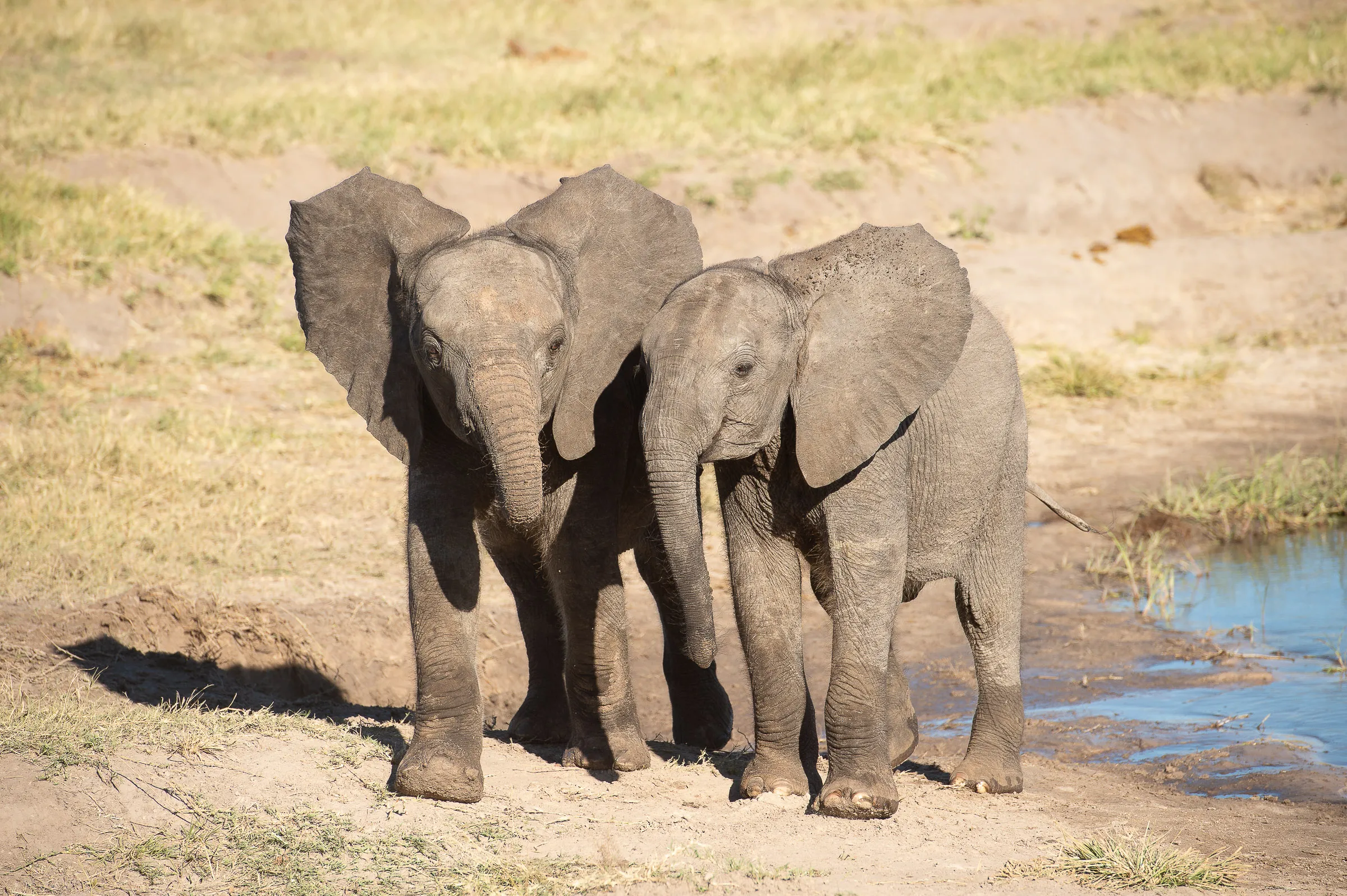
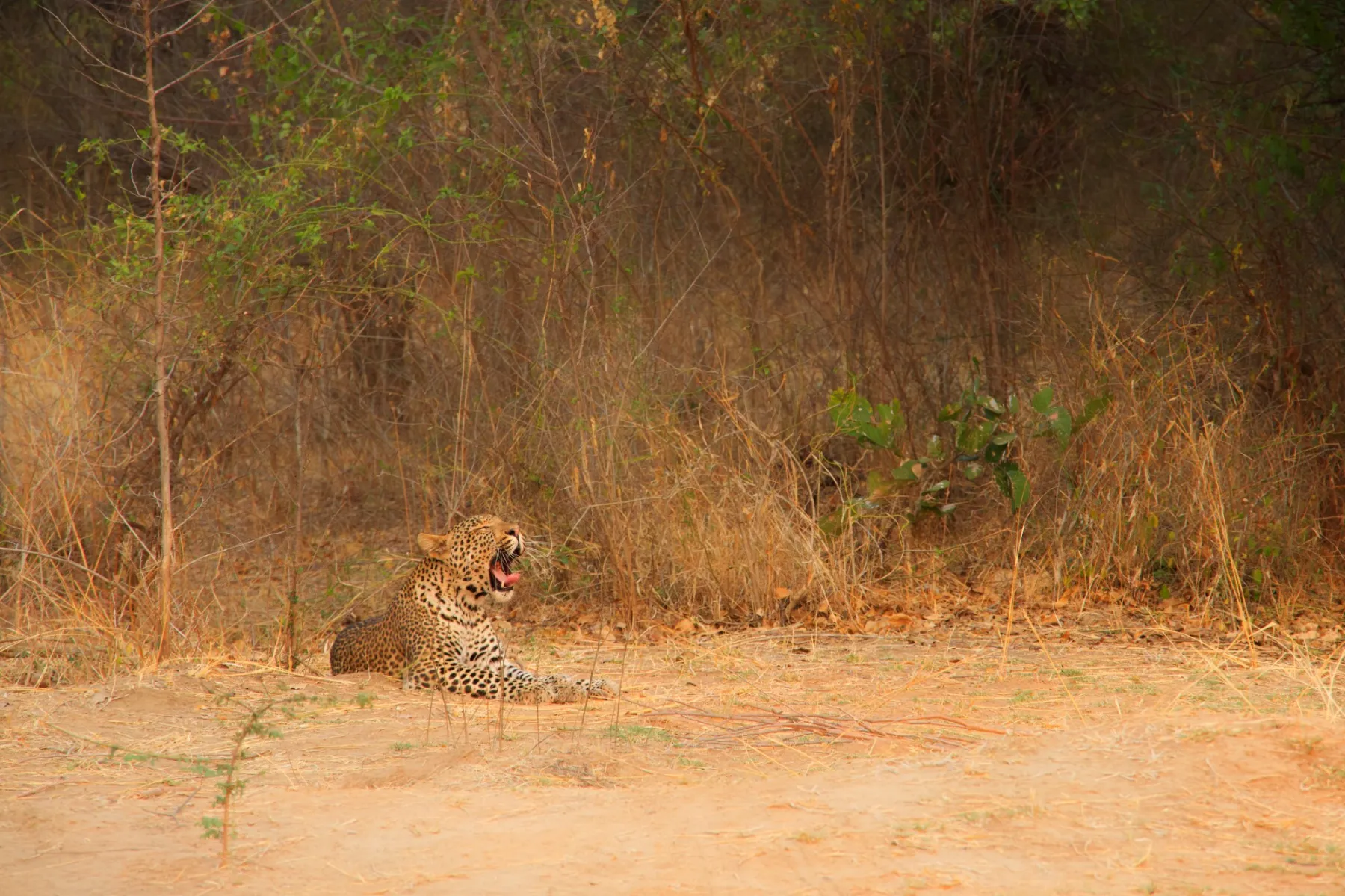
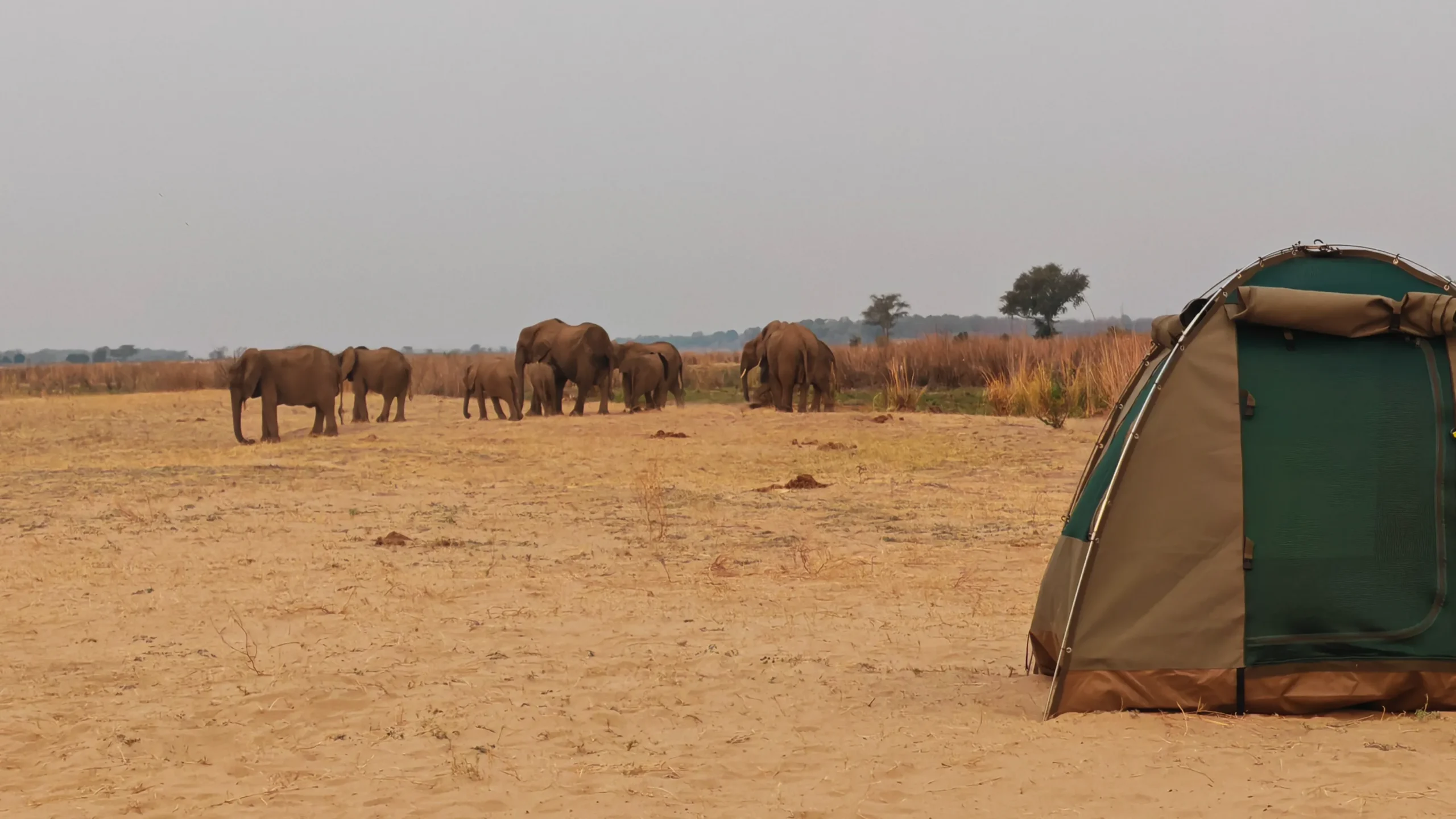
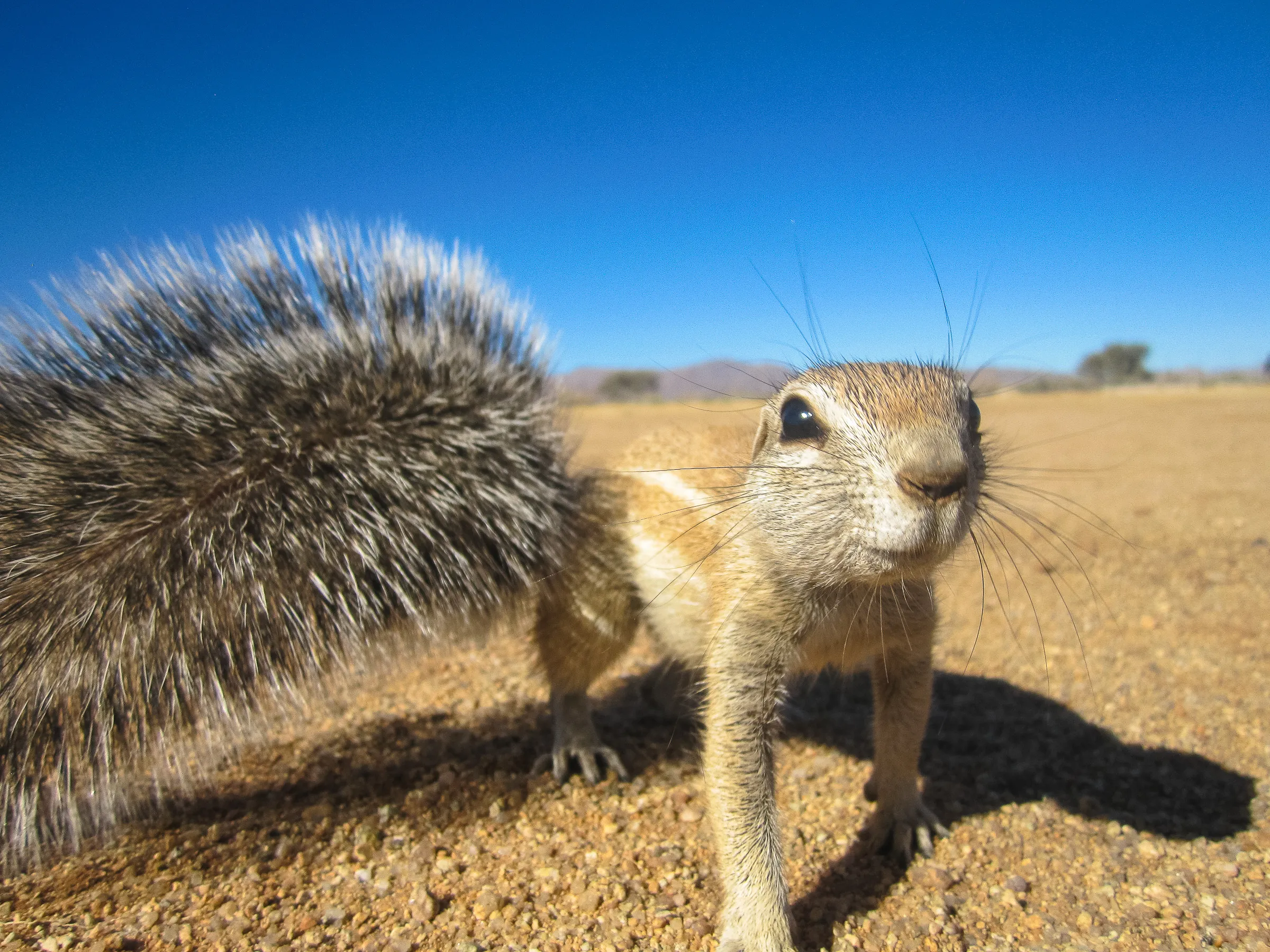
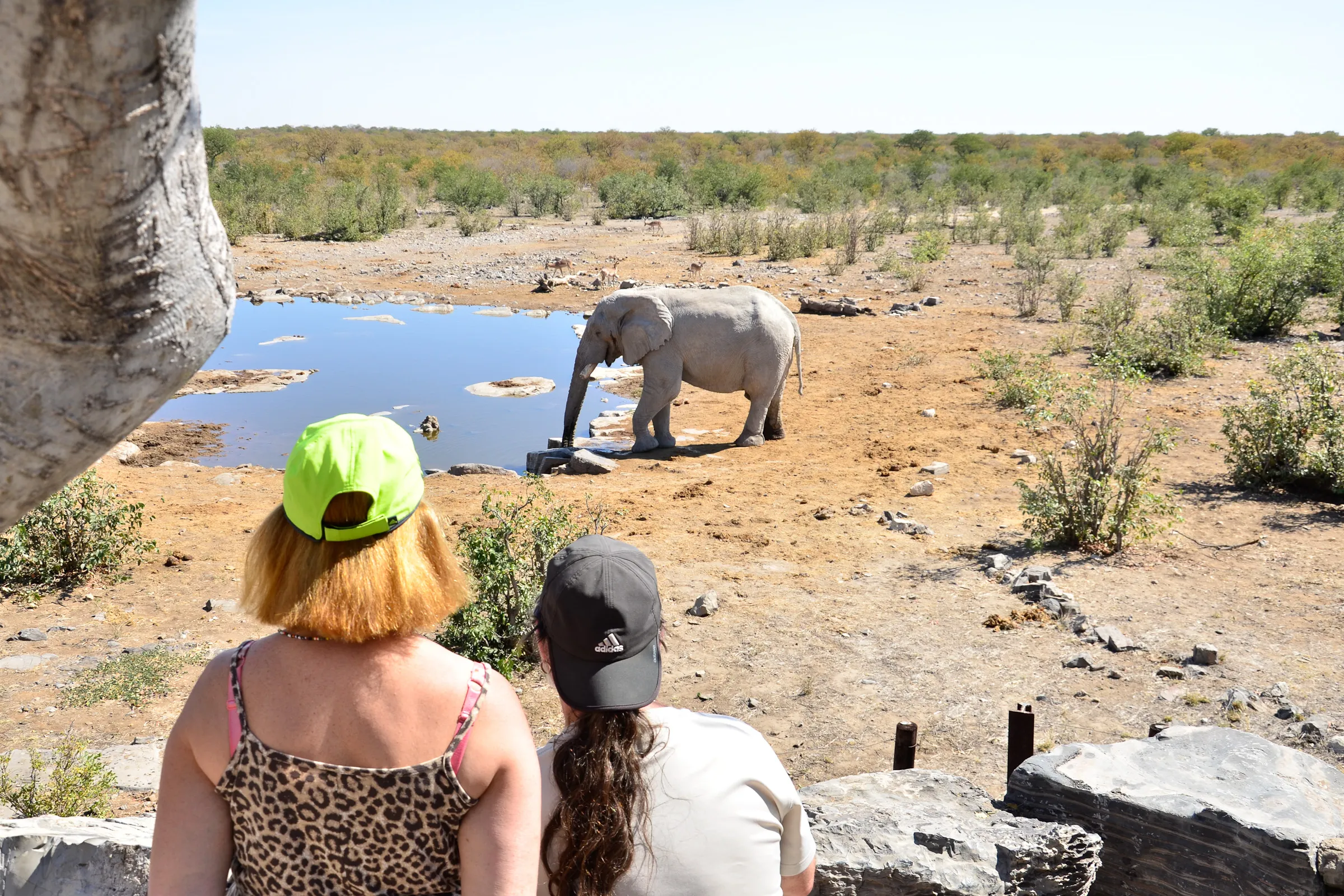
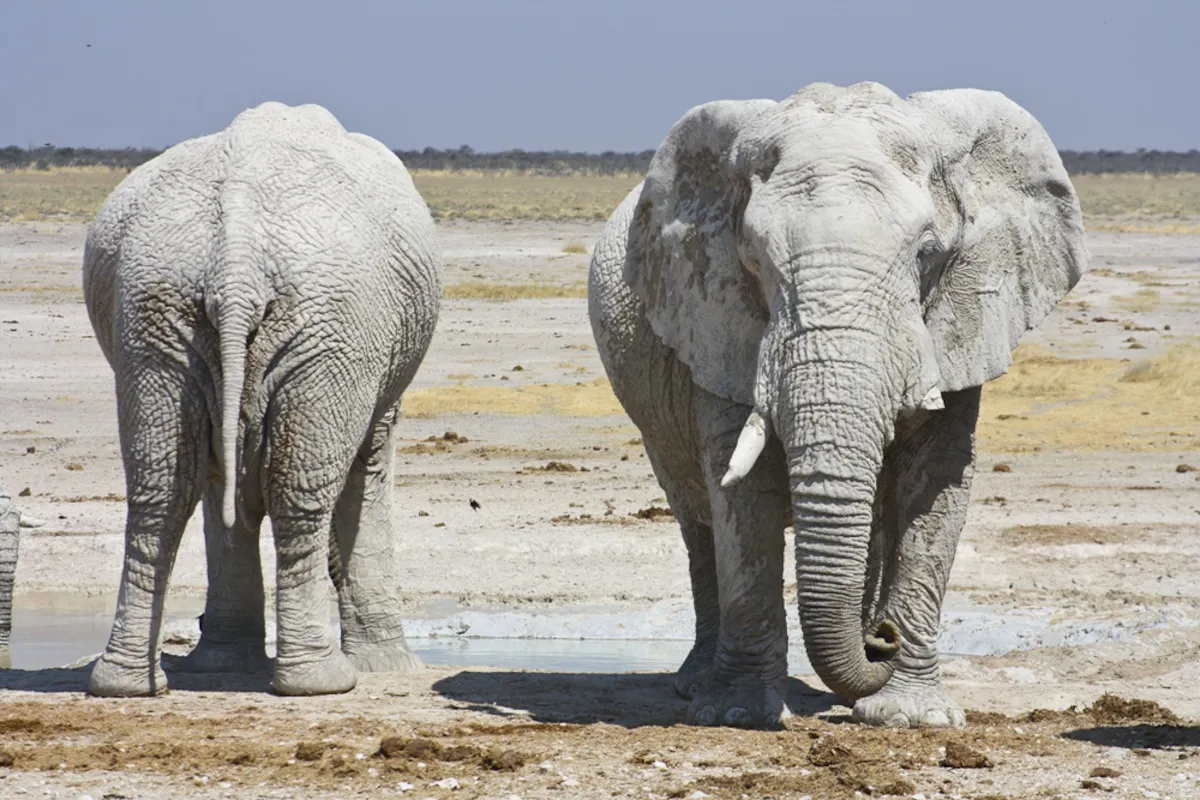
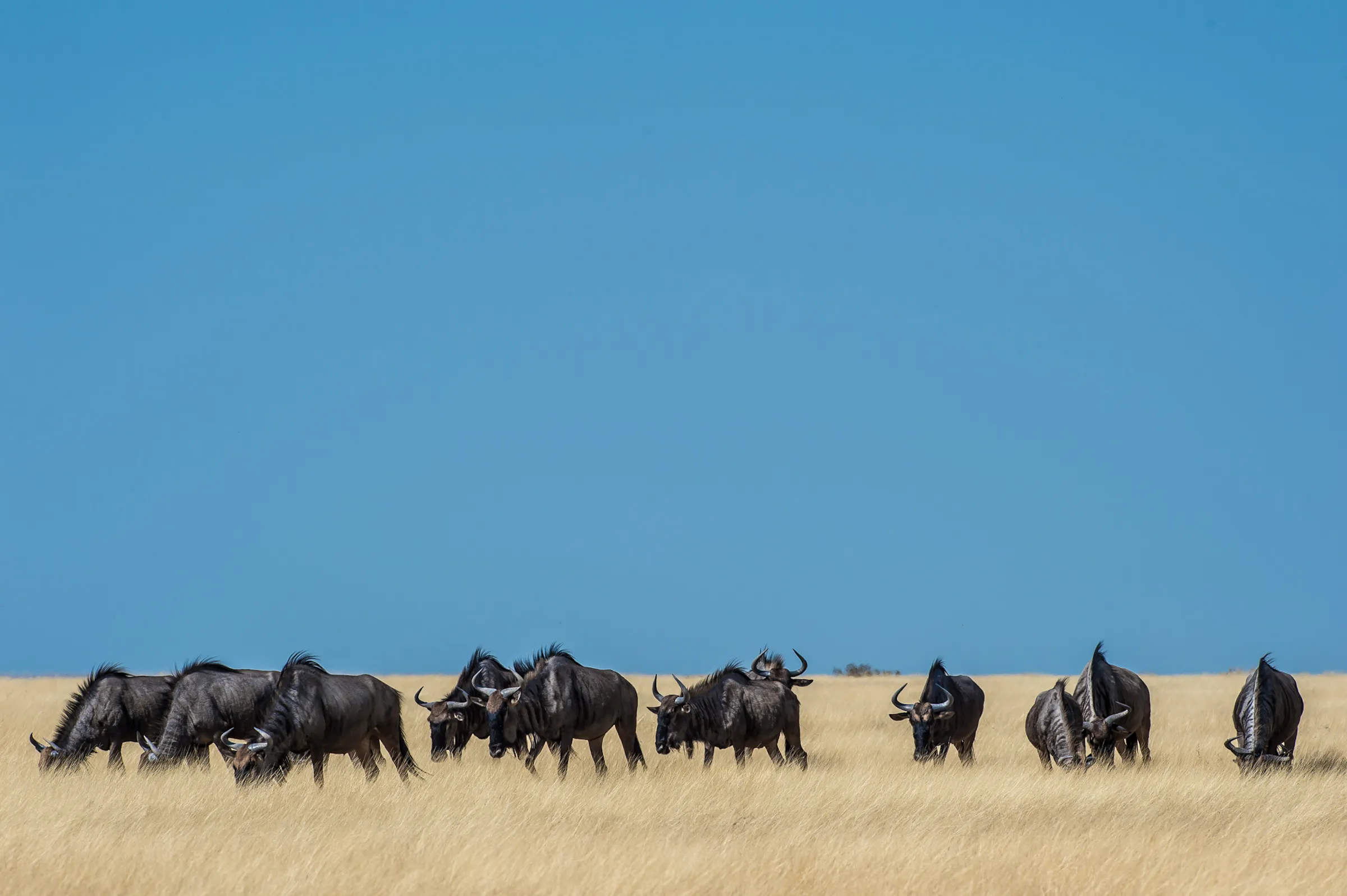
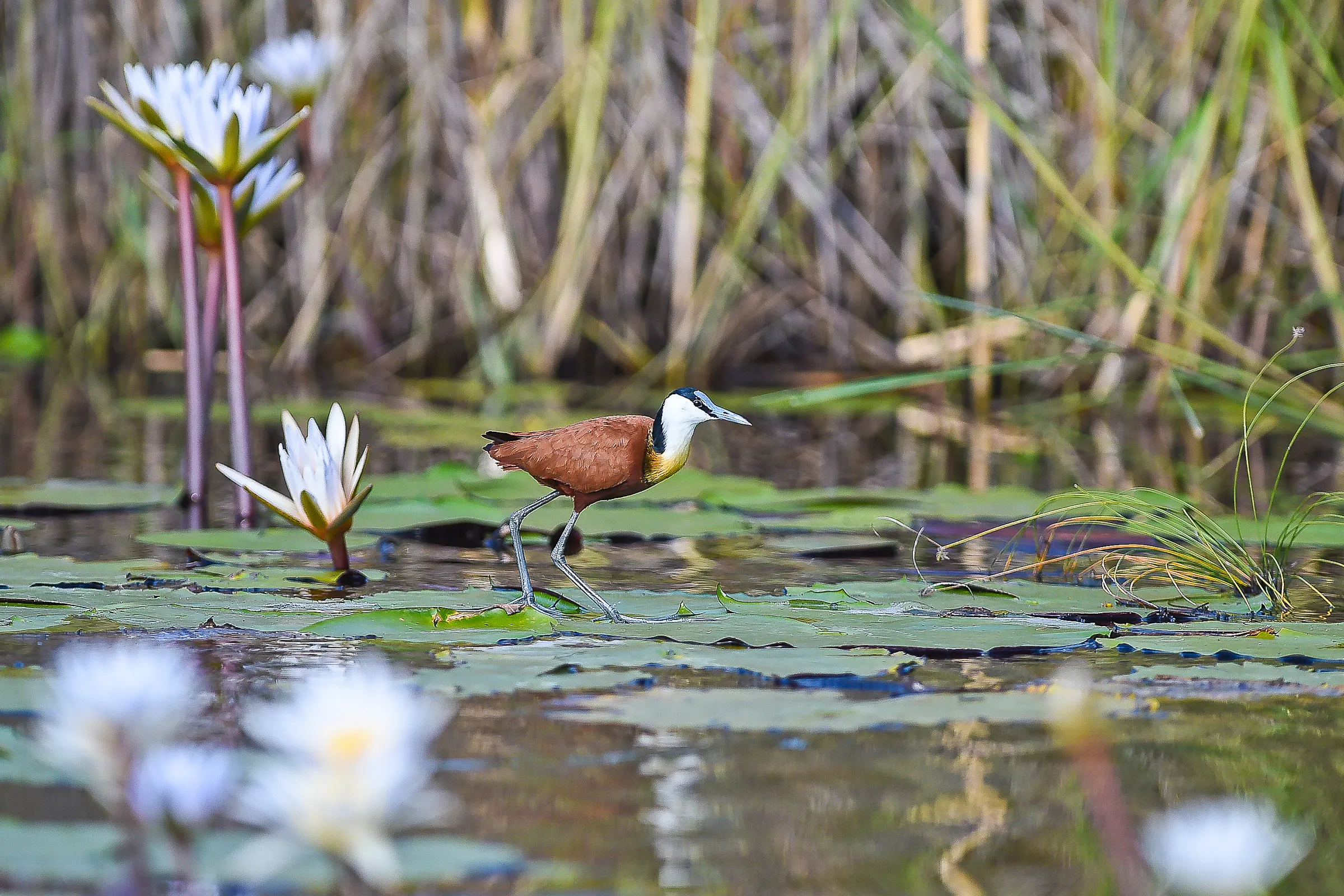
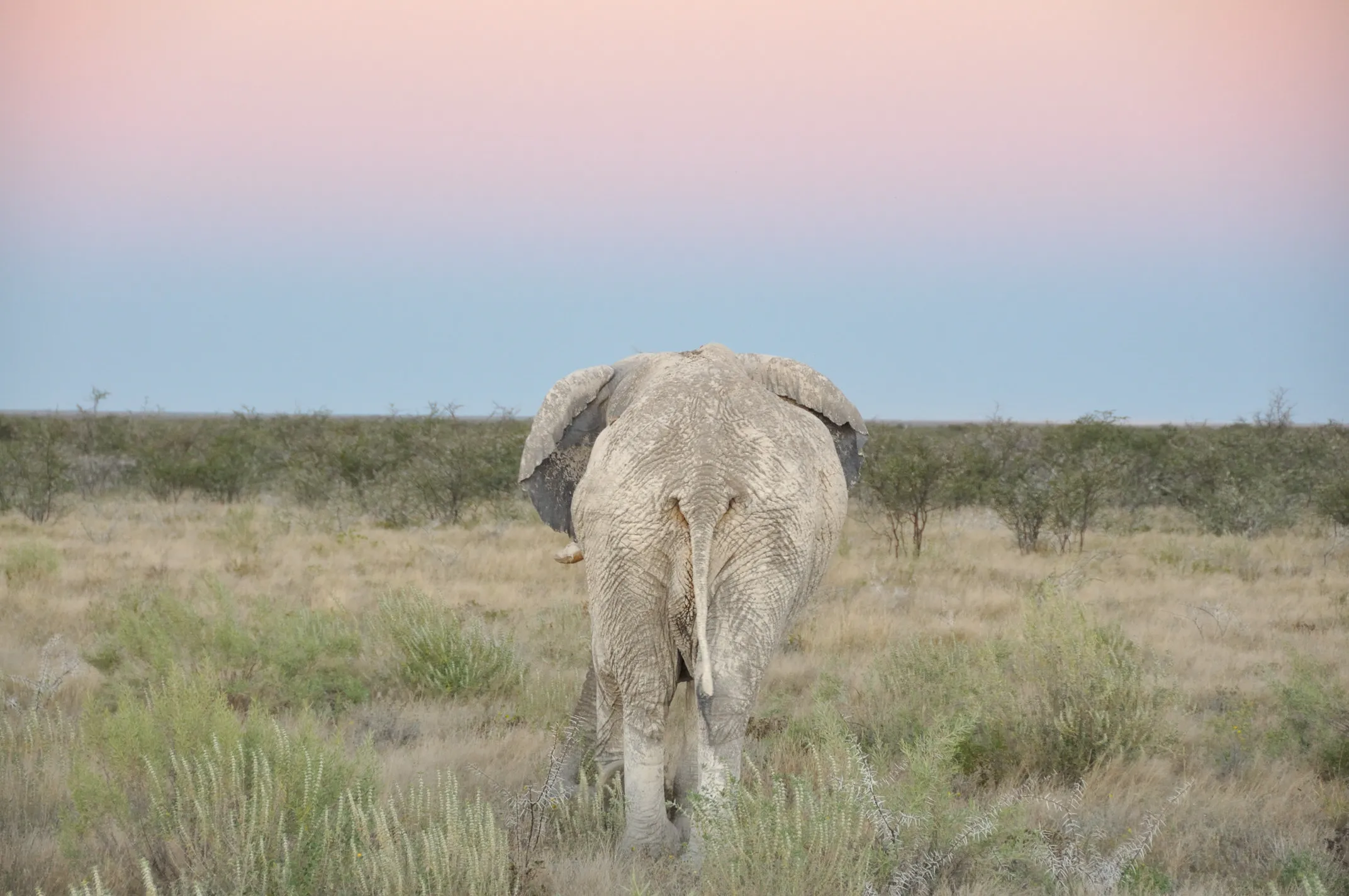
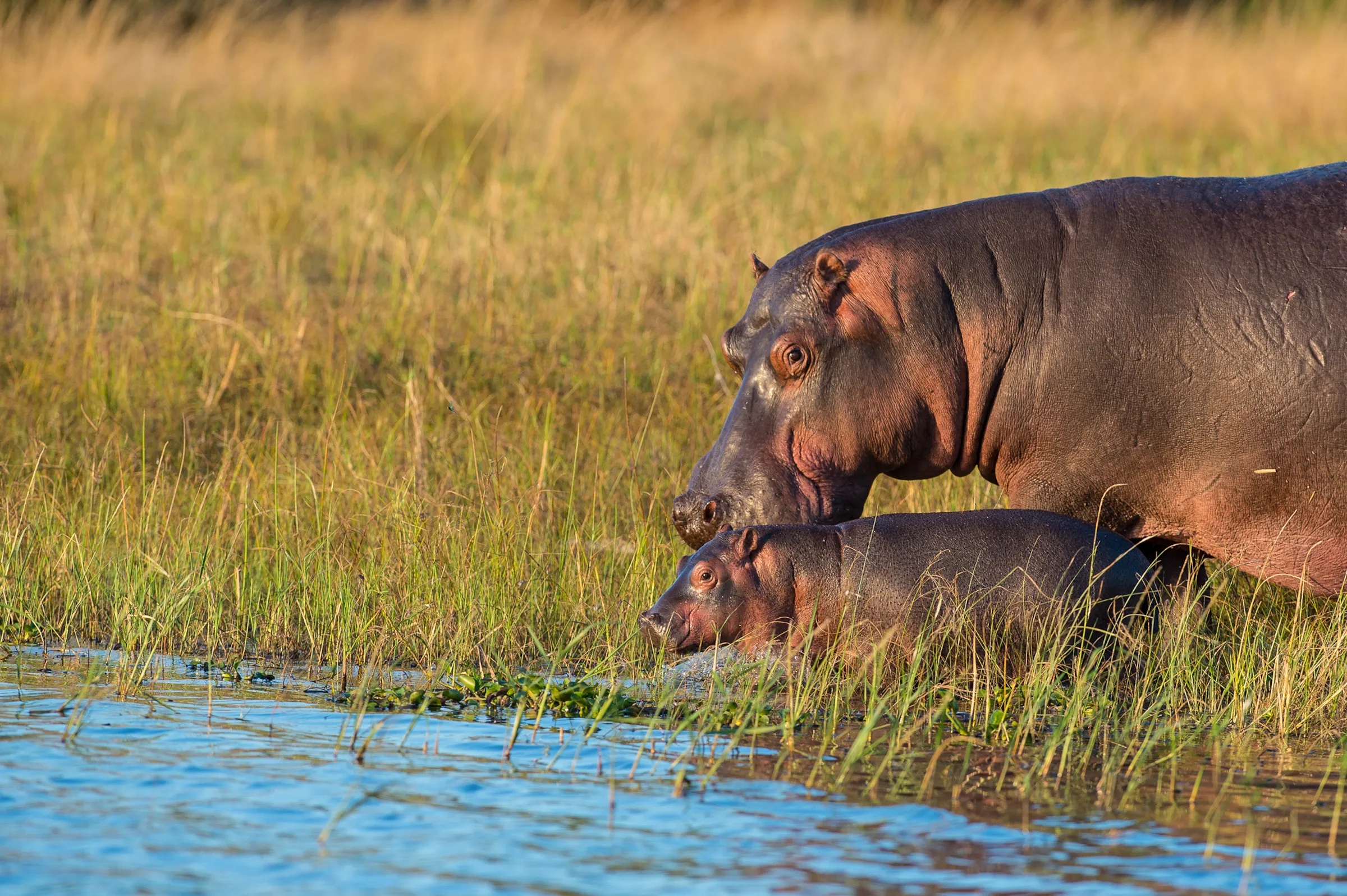
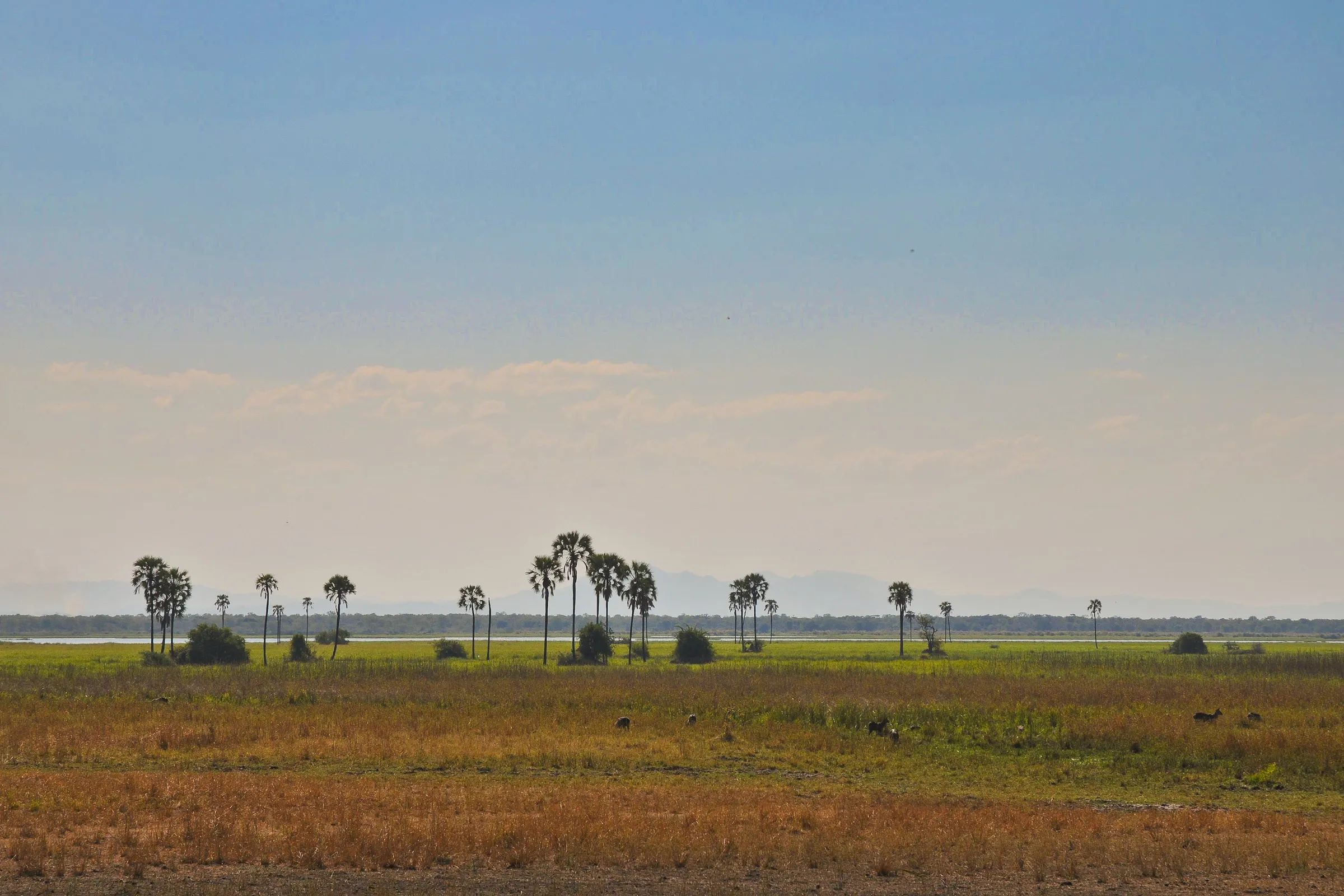
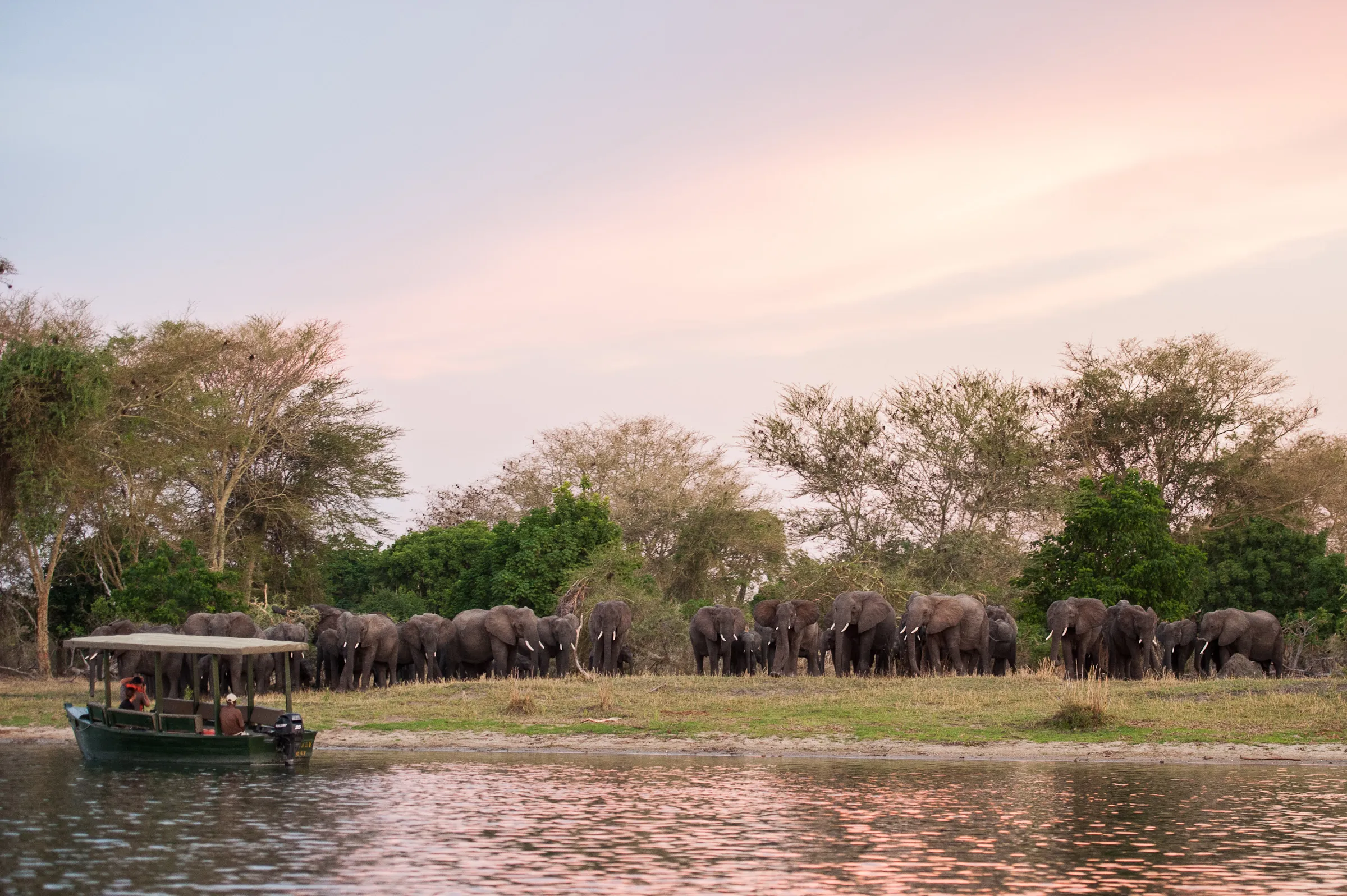
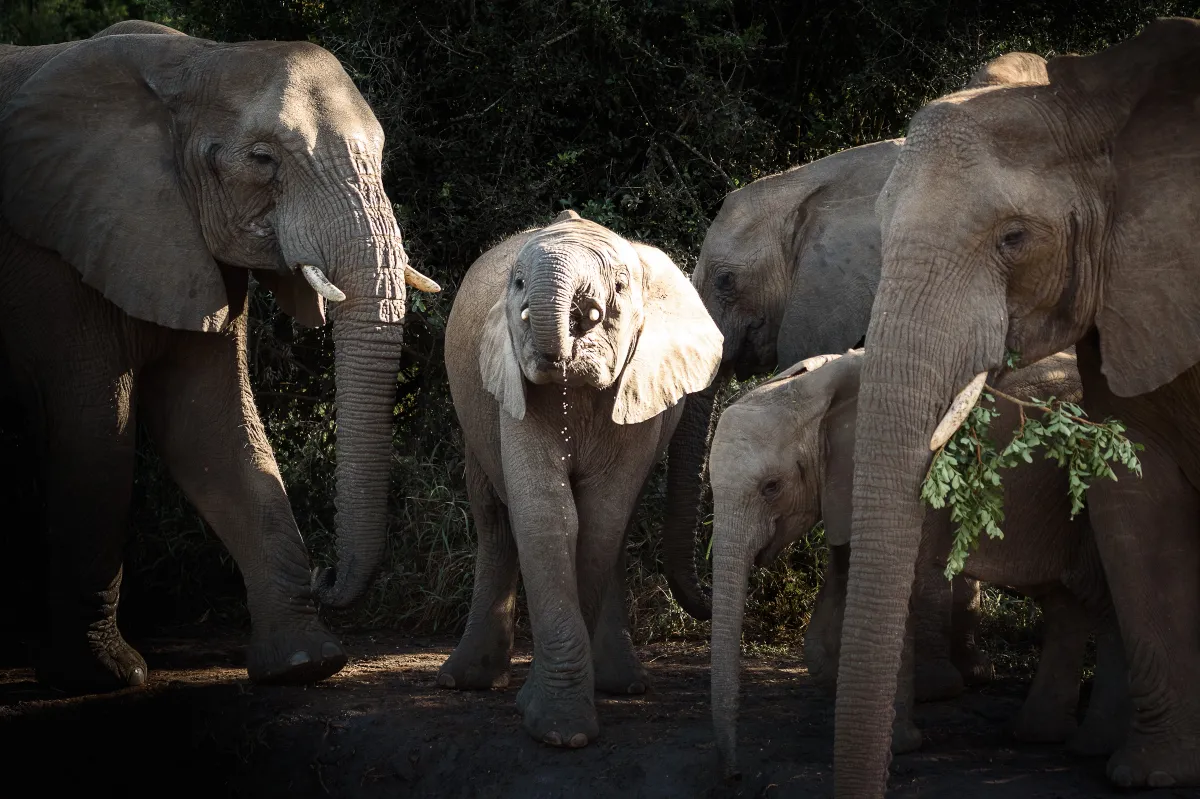
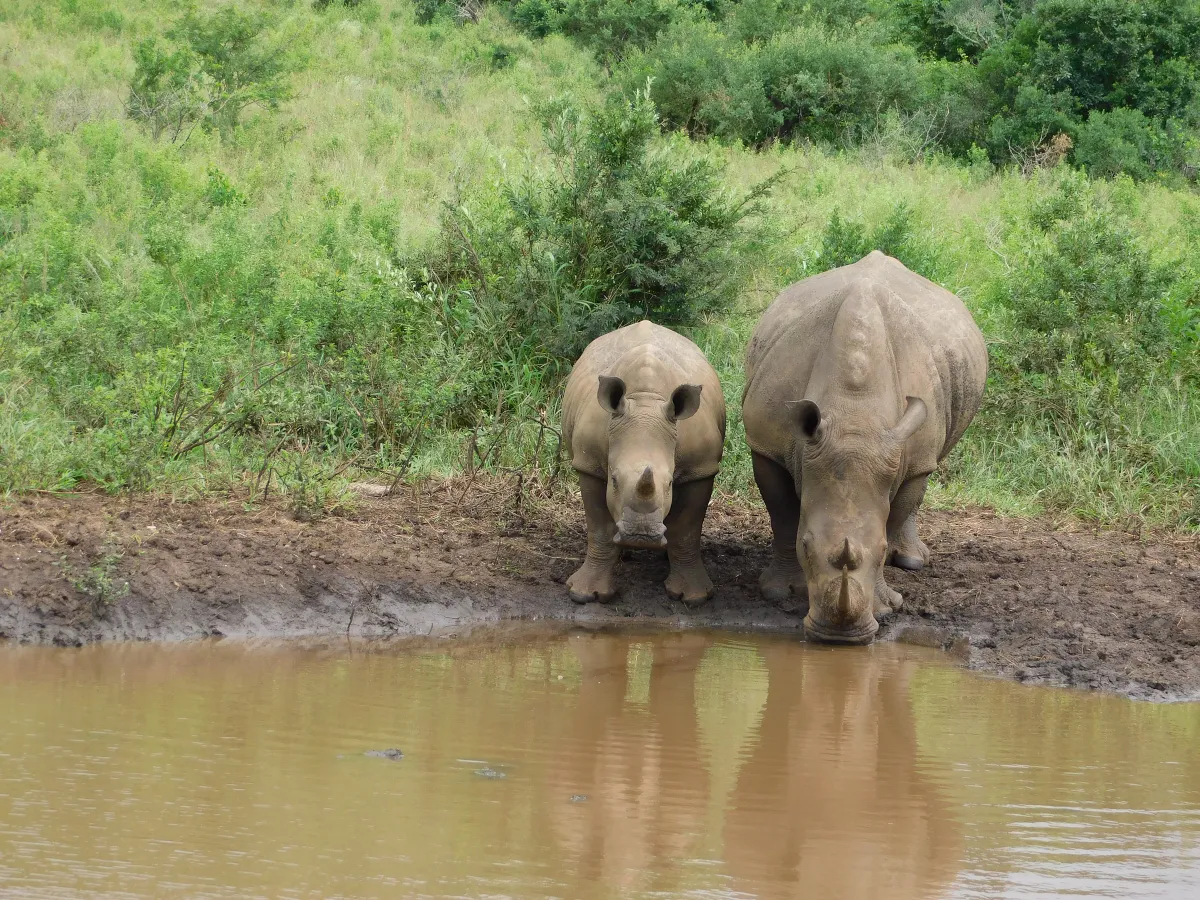
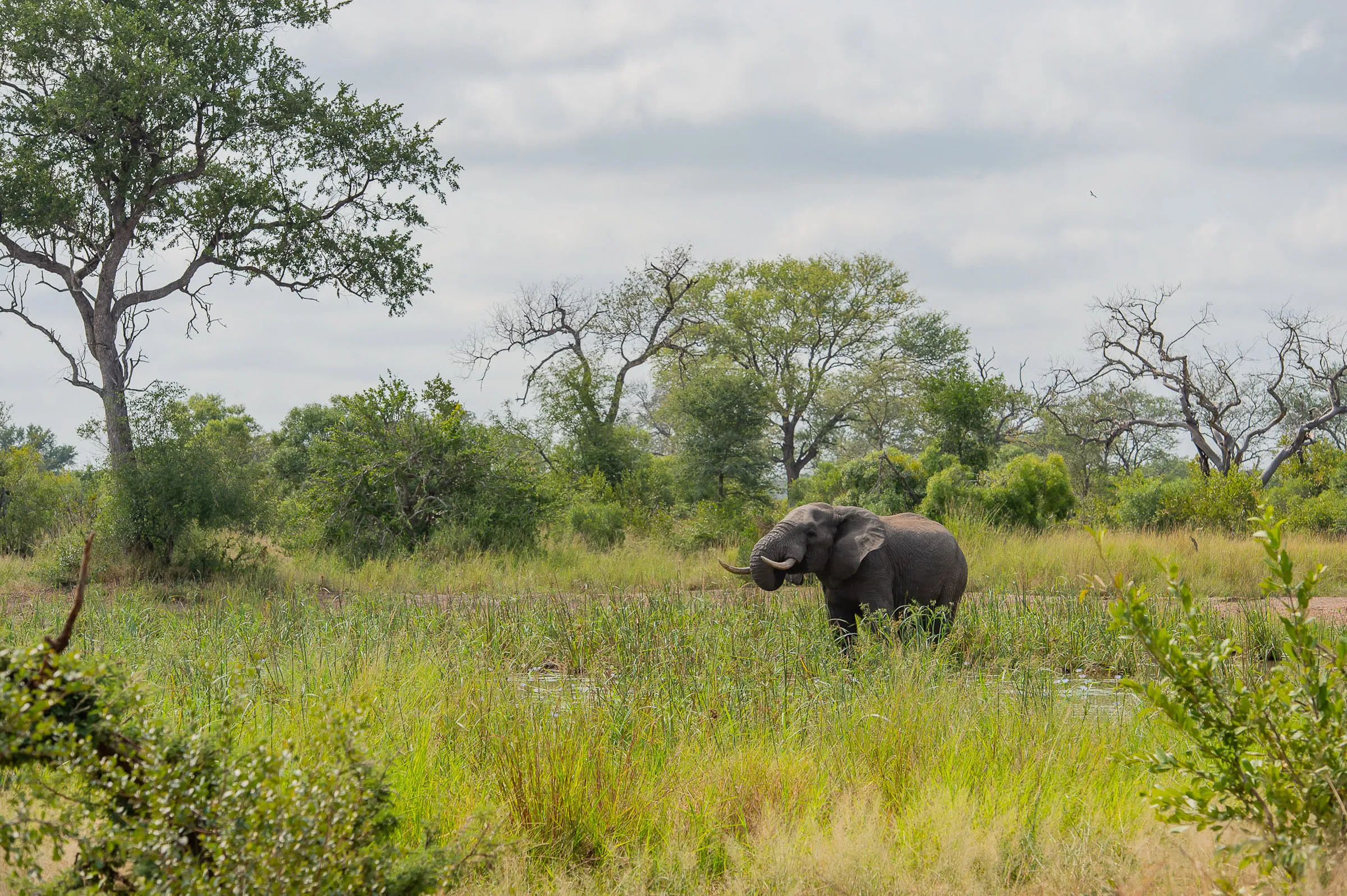
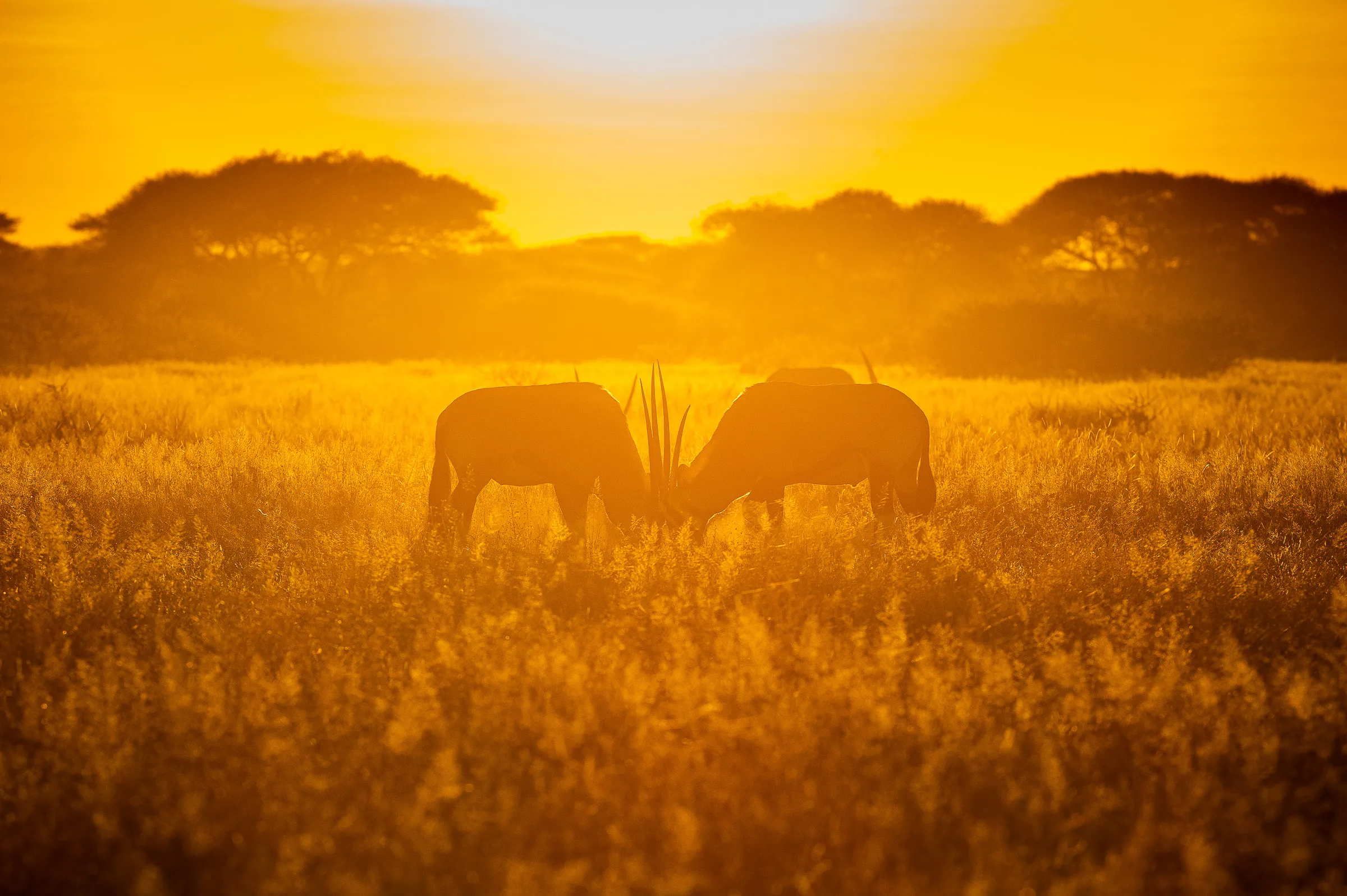
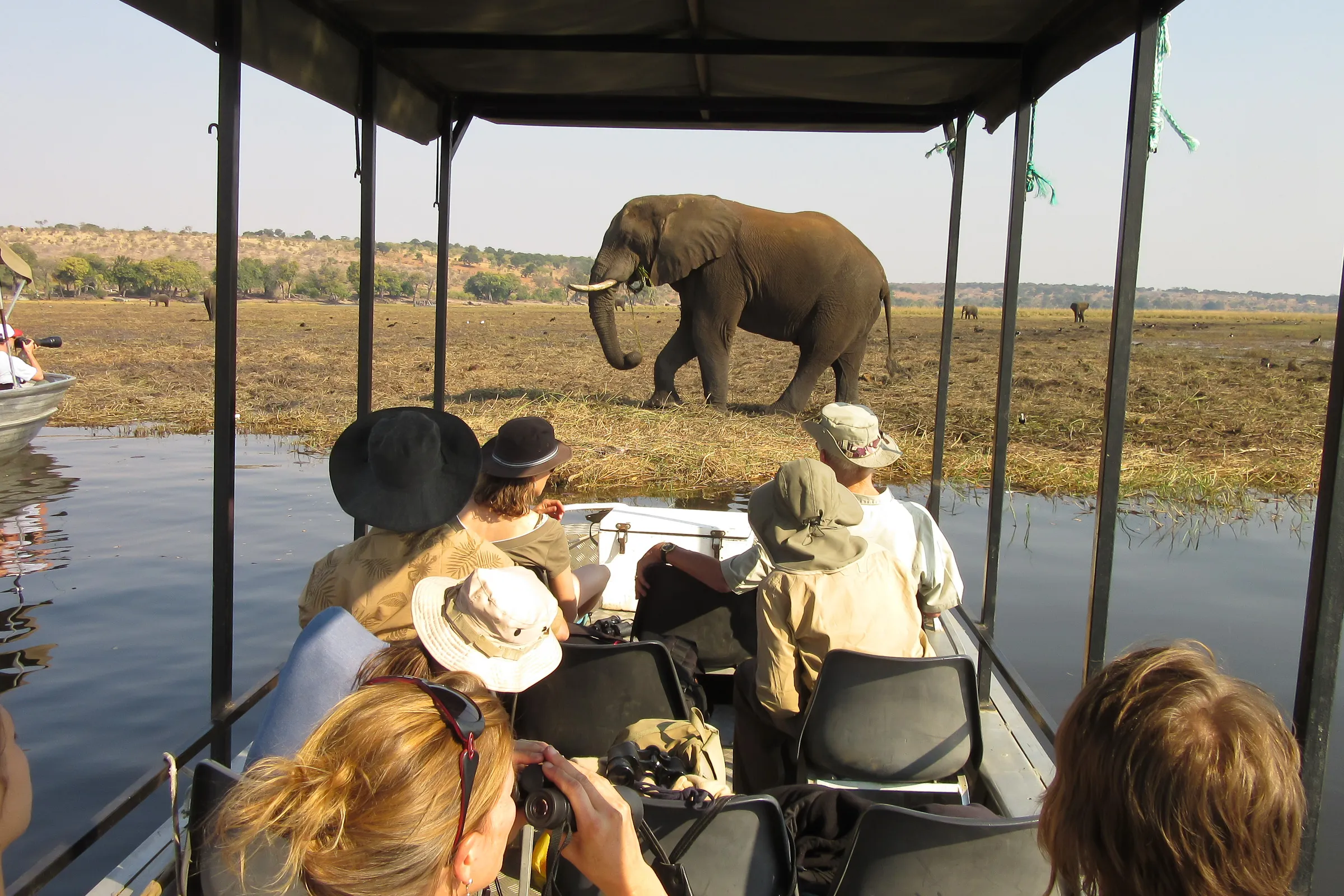
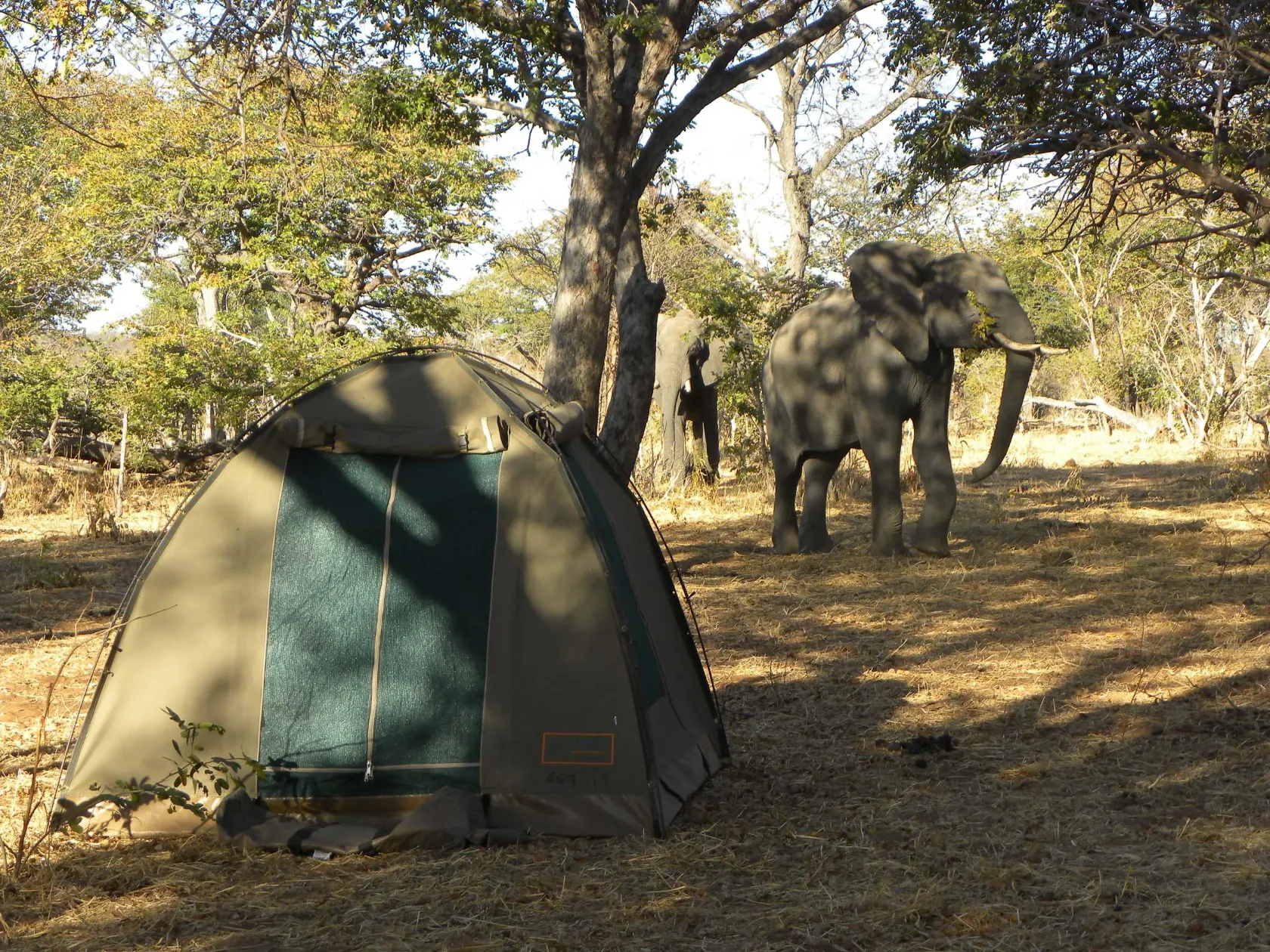
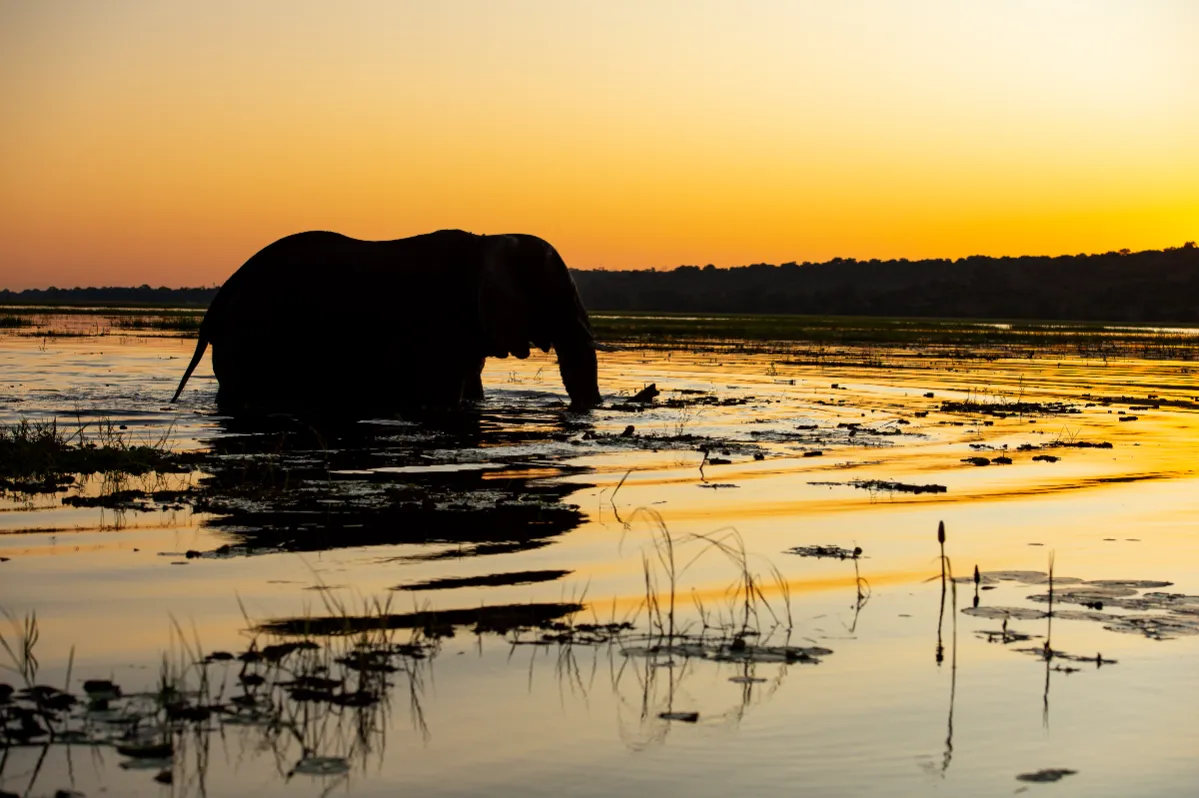
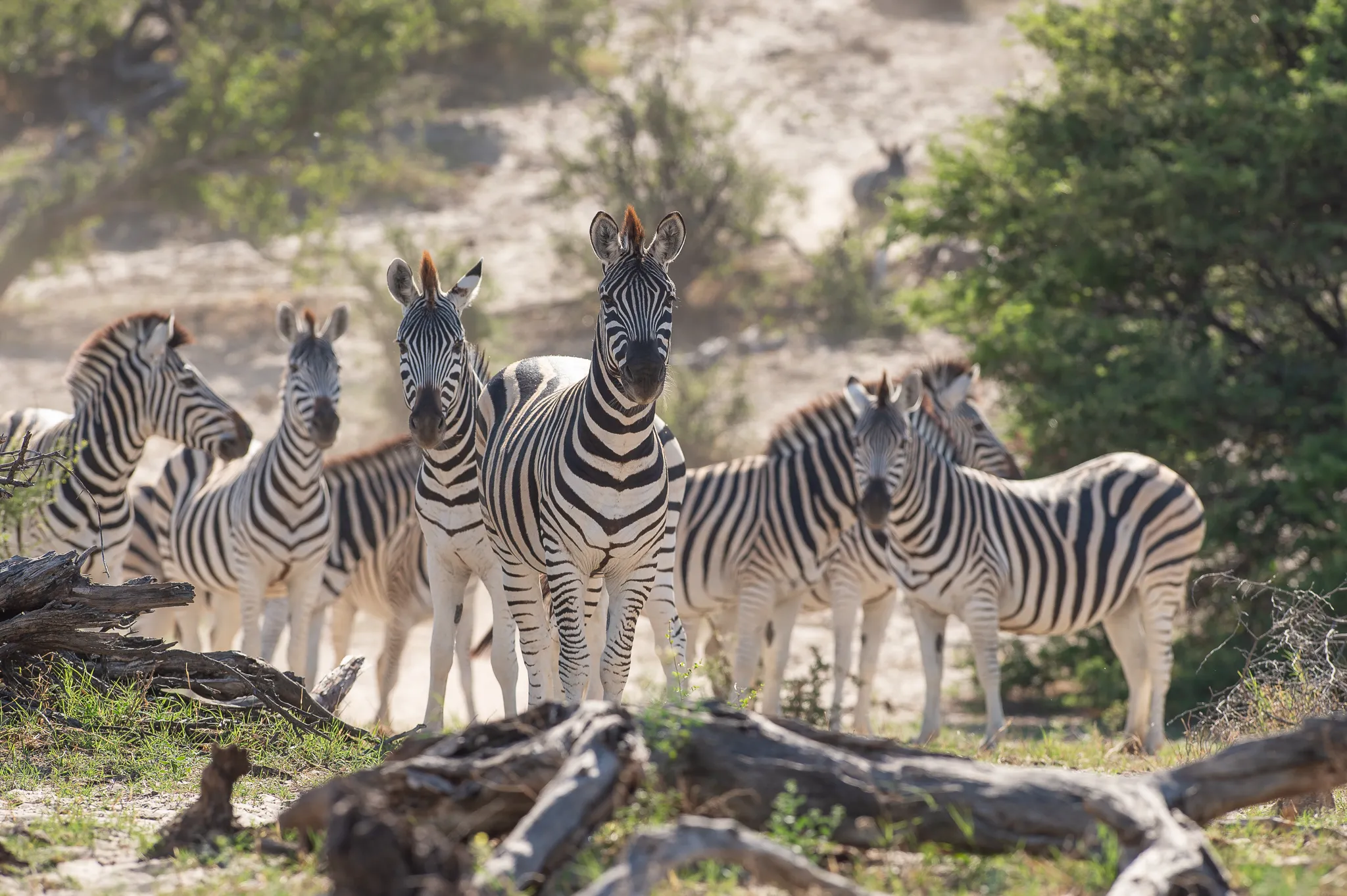
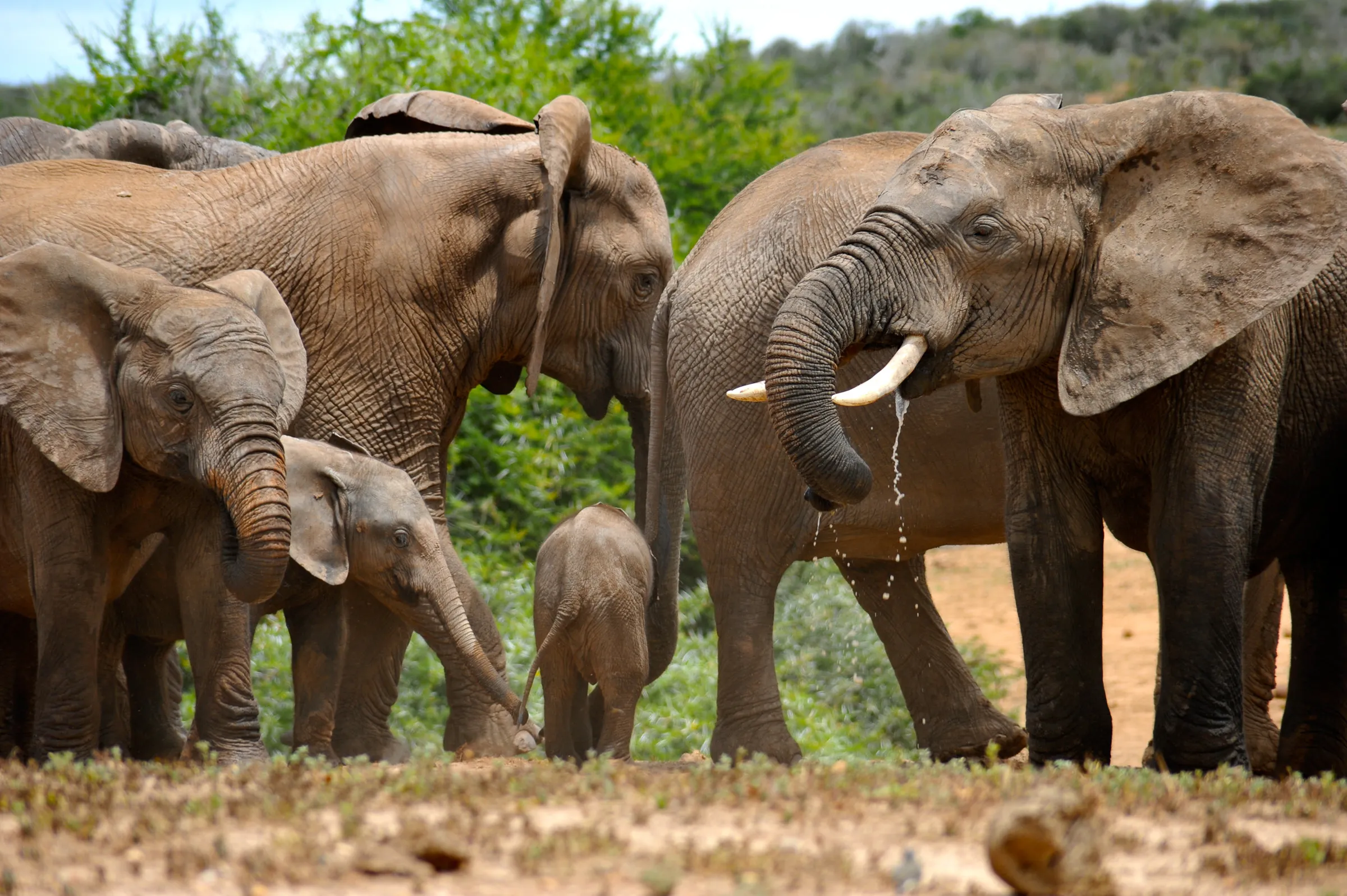
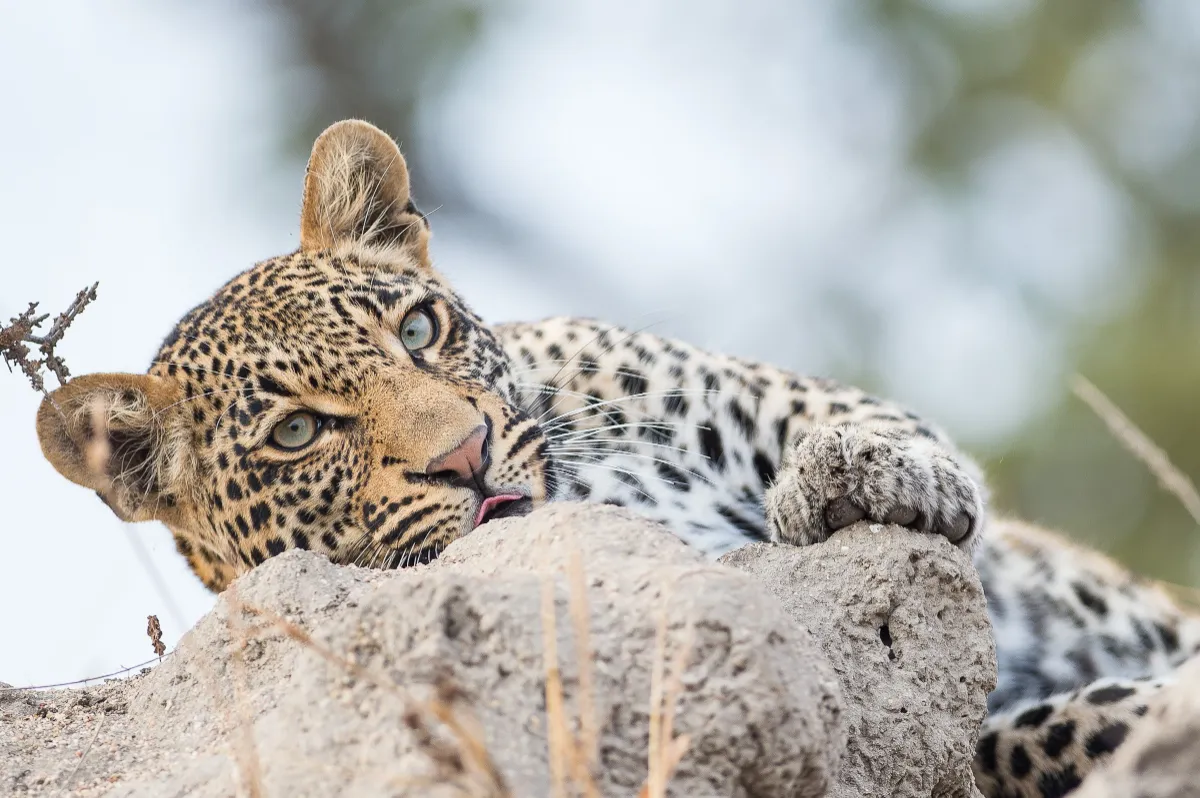
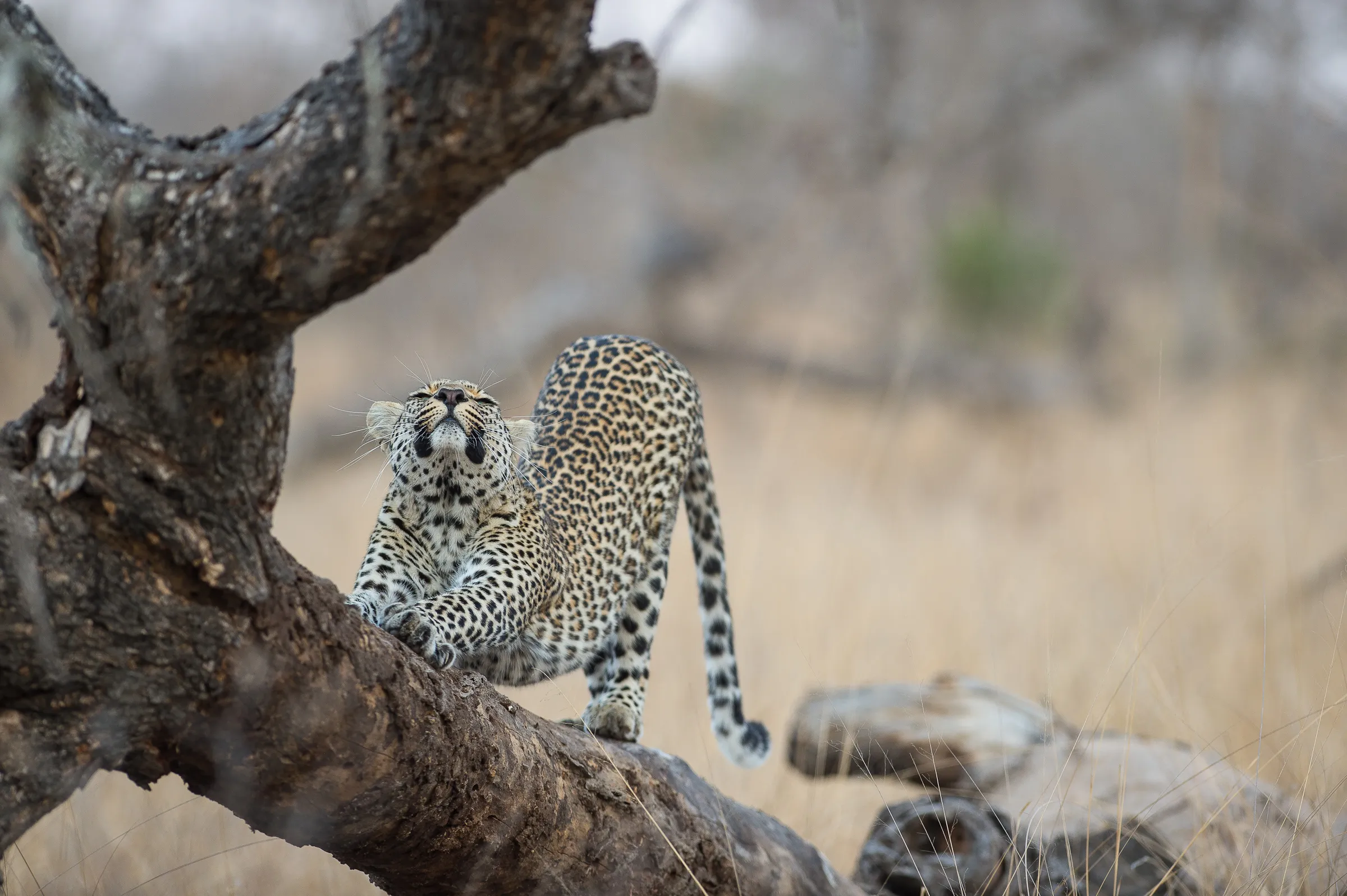
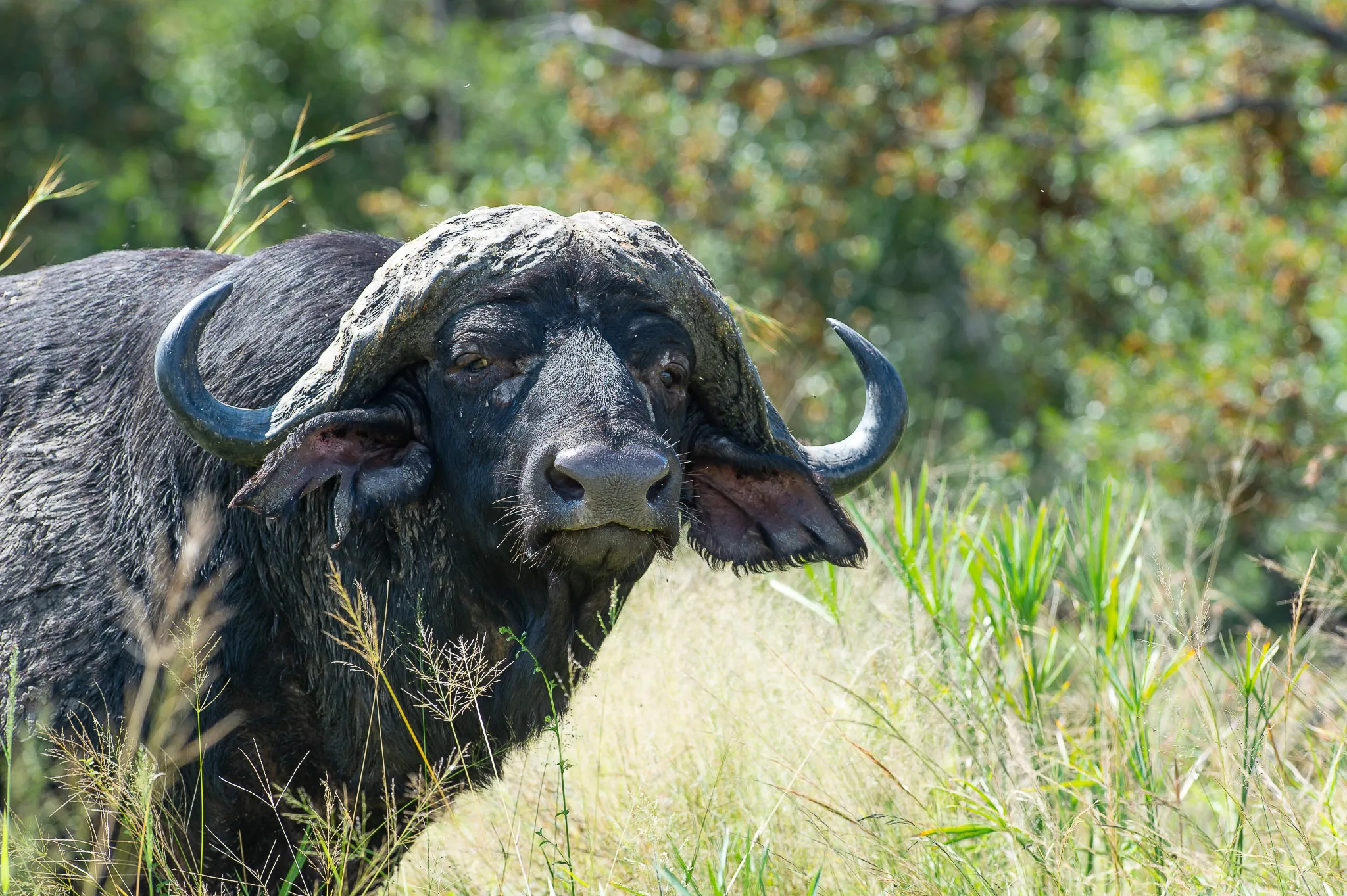
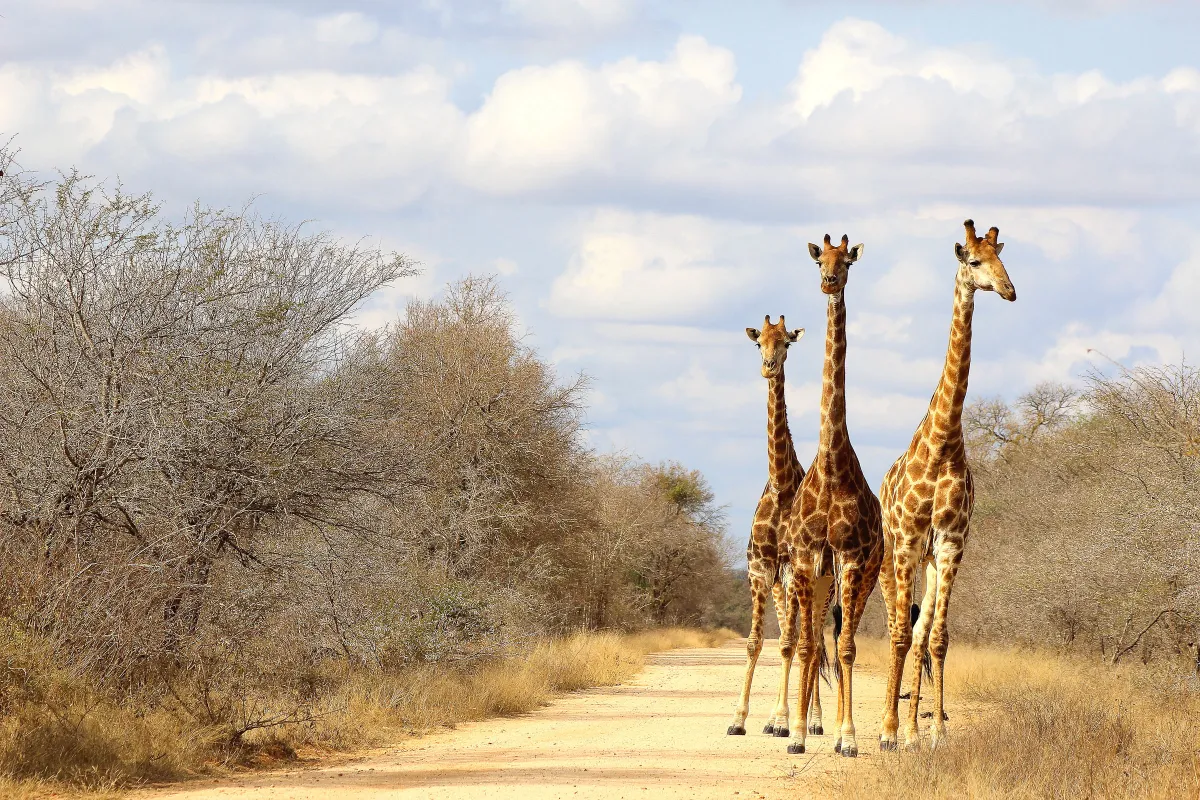
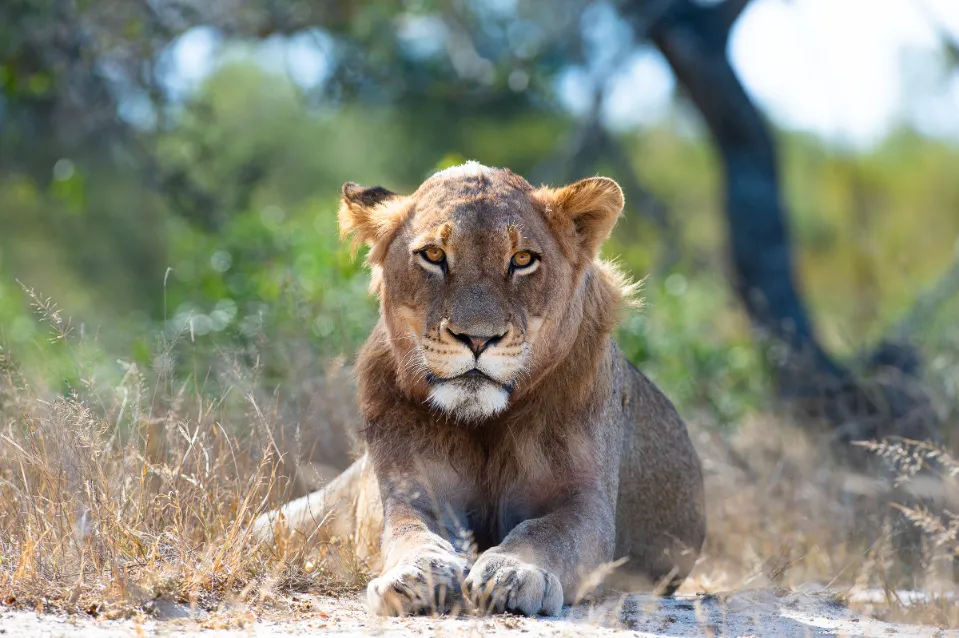
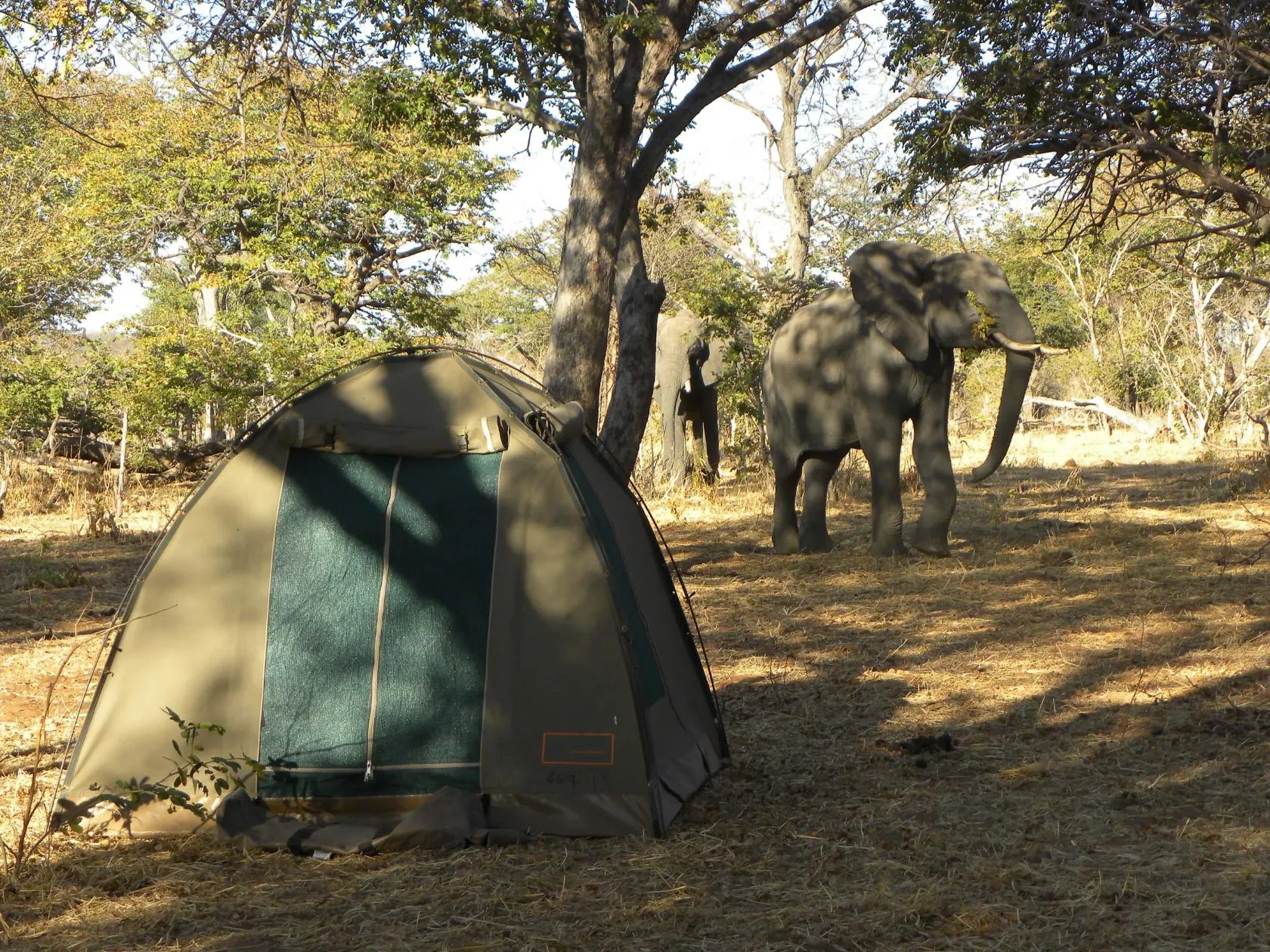
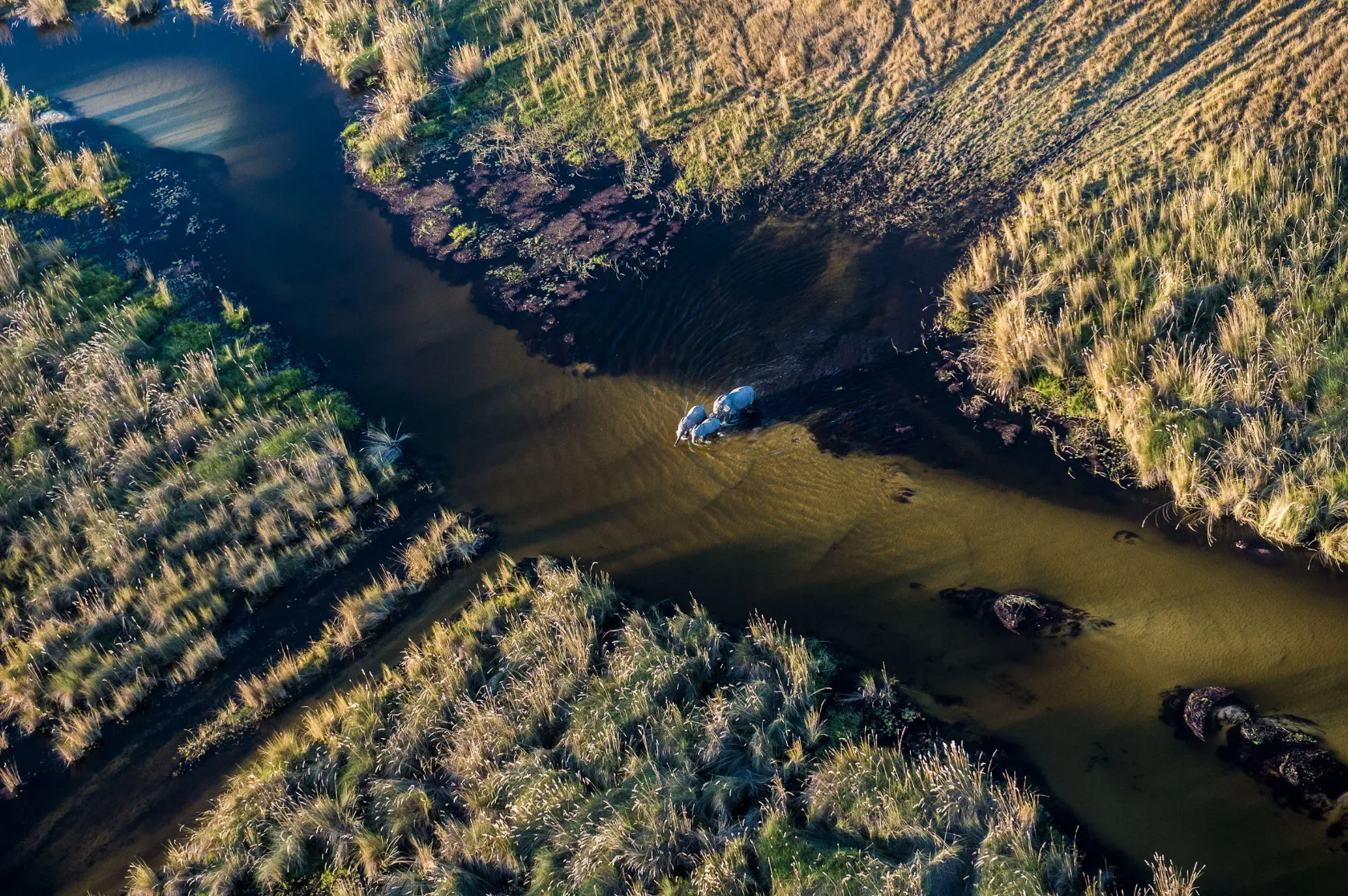
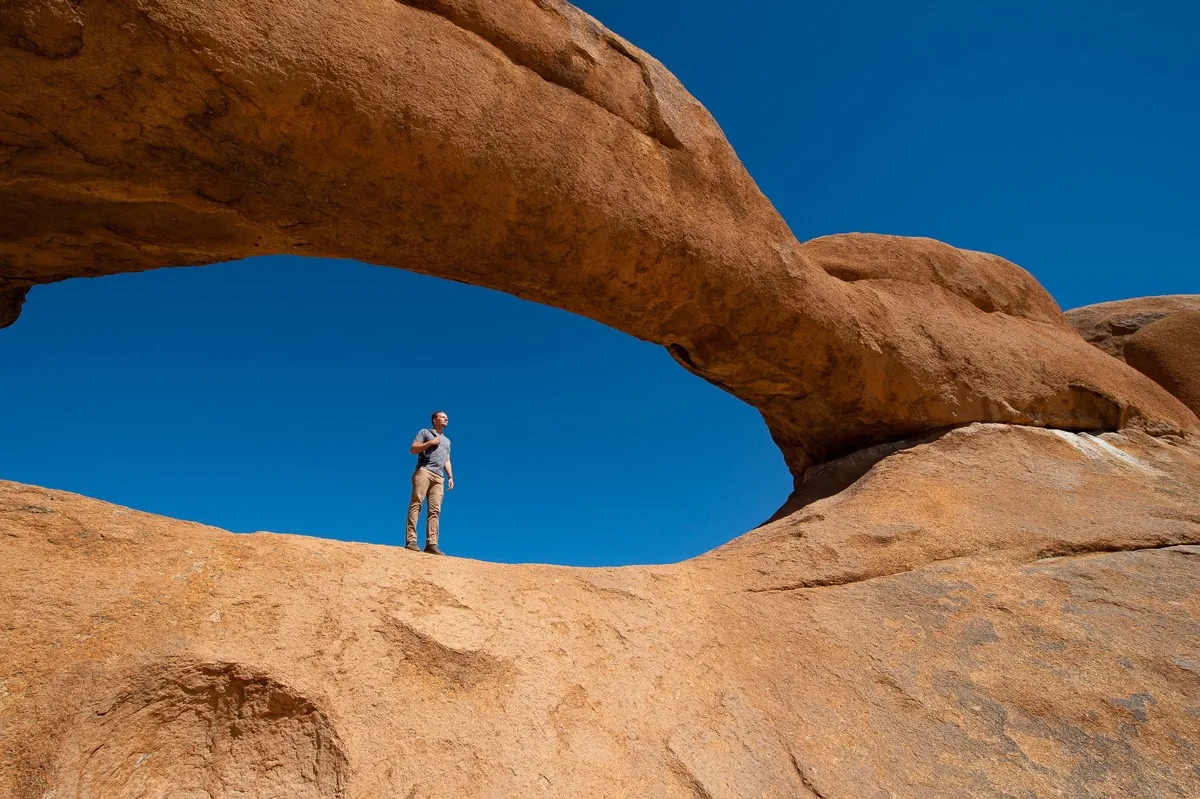
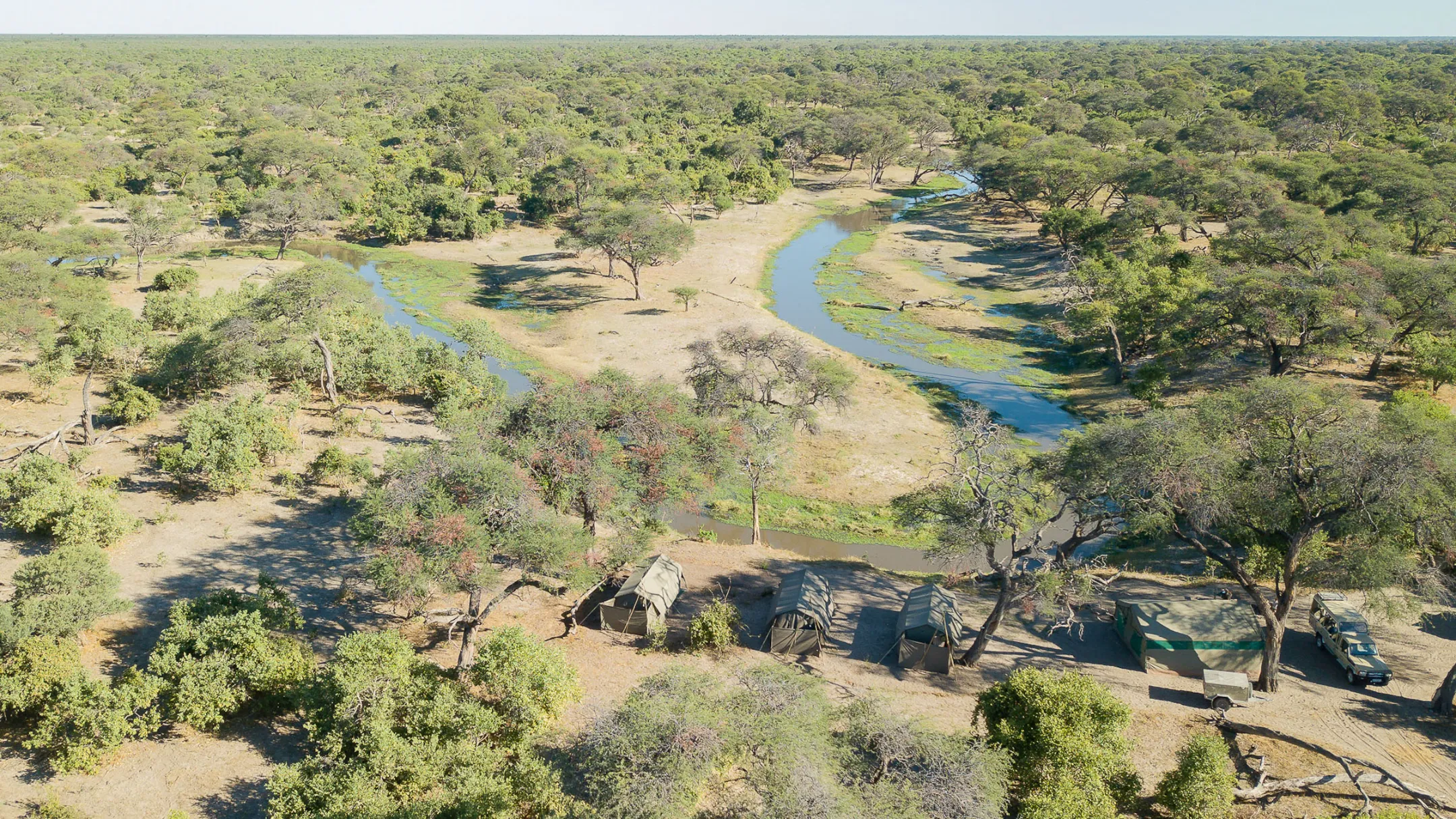
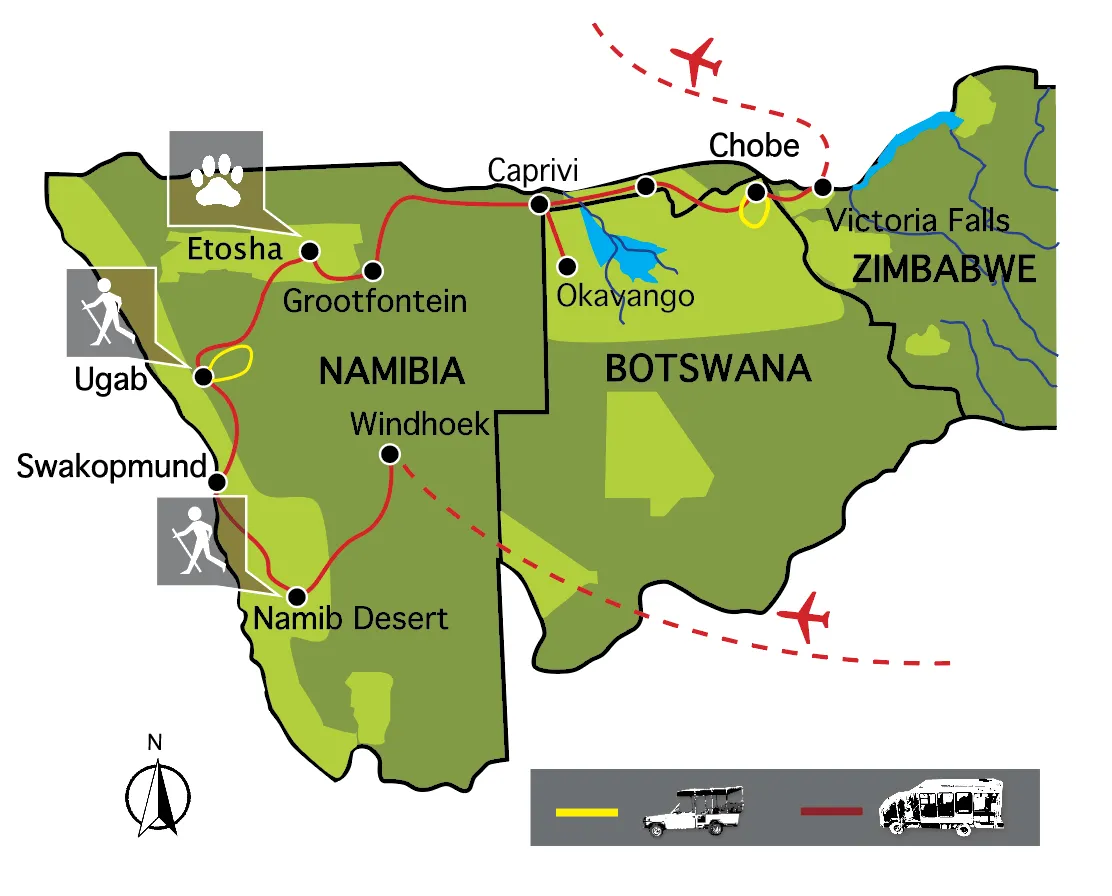
Explore Sossusvlei, spot rare desert elephants in Damaraland, then head to Etosha National Park, the Okavango Delta, and Chobe National Park, where large herds of elephants roam freely.
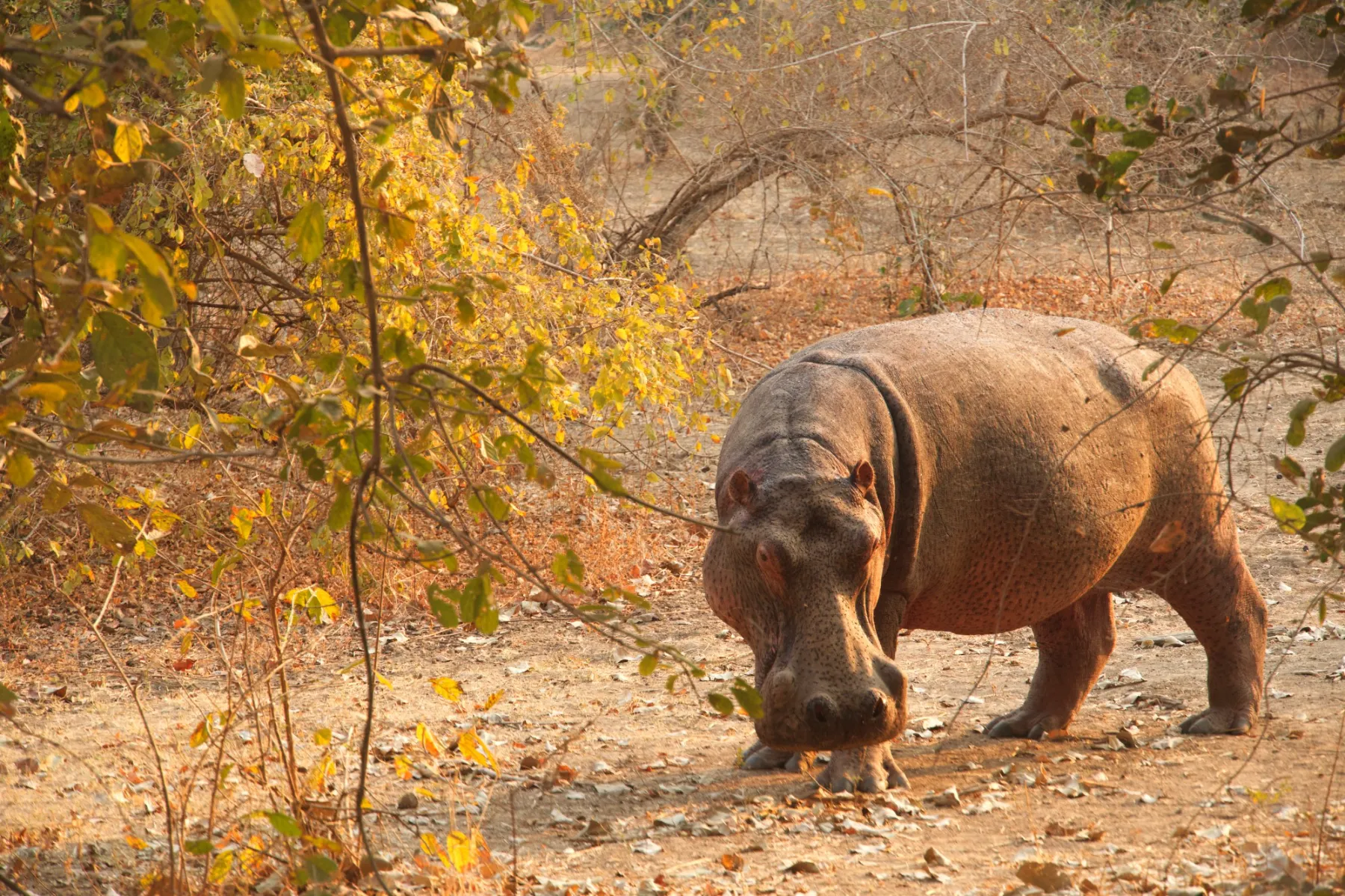
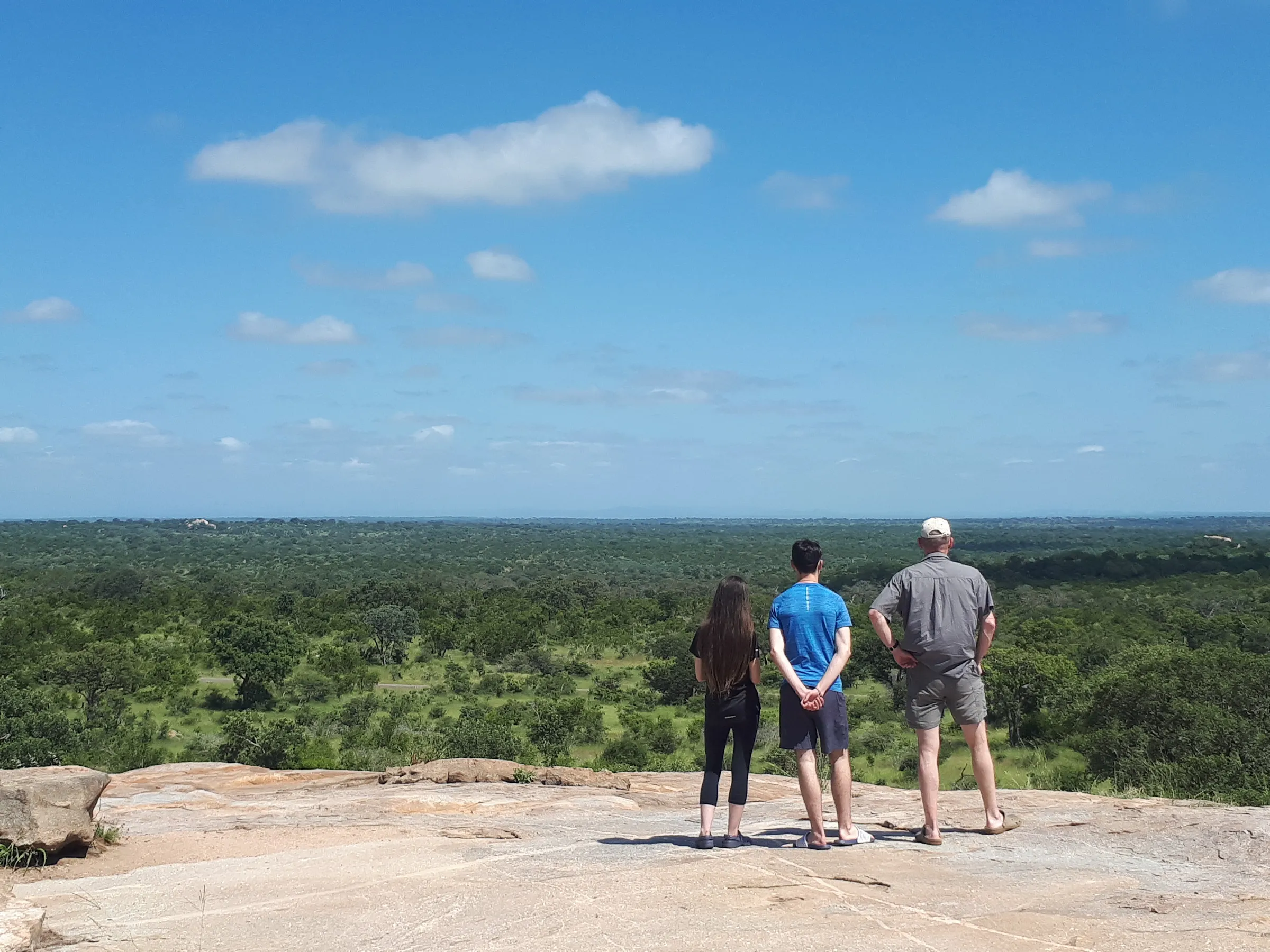
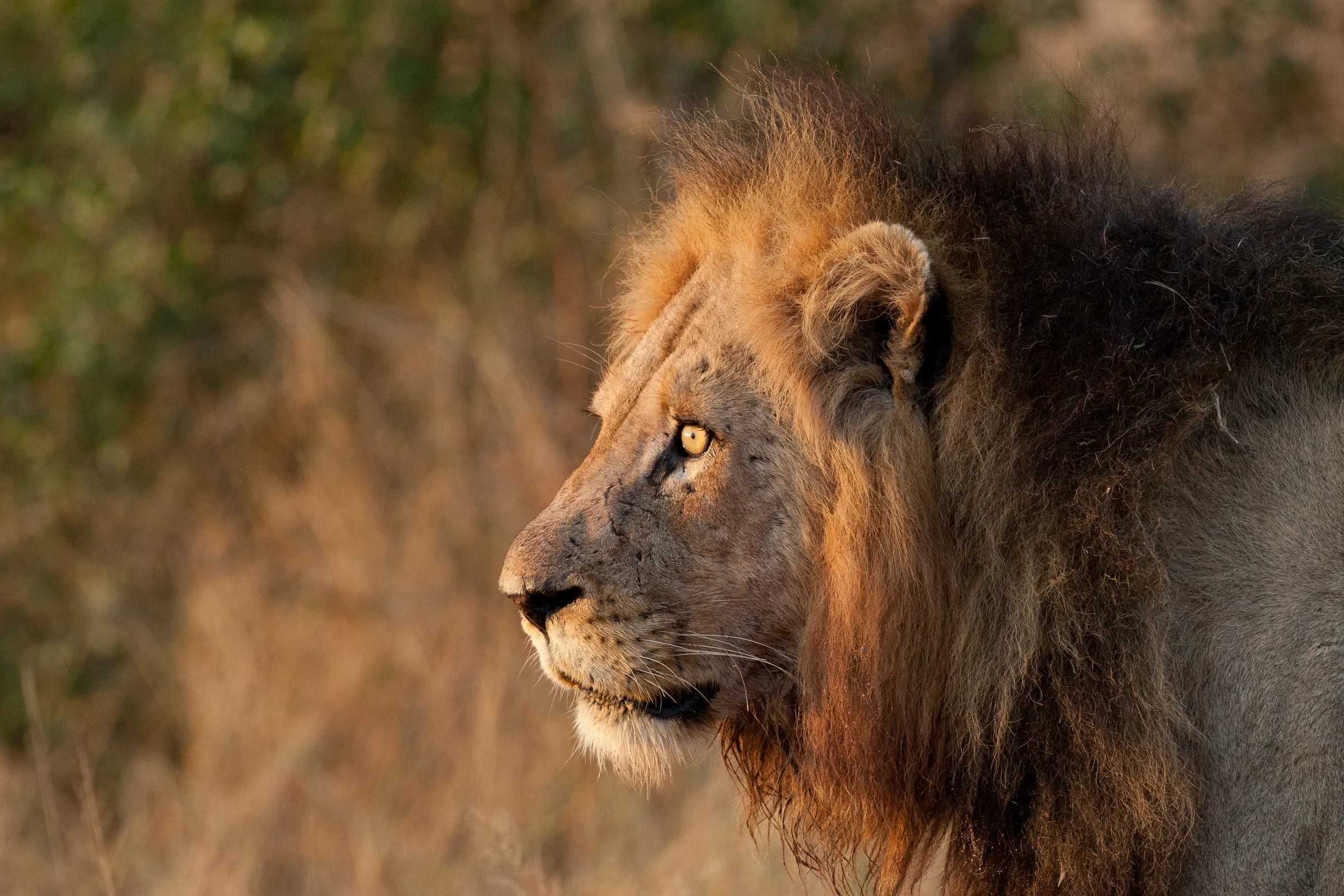
Along the way, enjoy diverse wildlife, breathtaking landscapes, and unforgettable safari experiences.
- Max 12 people
- Professional Safari Guides
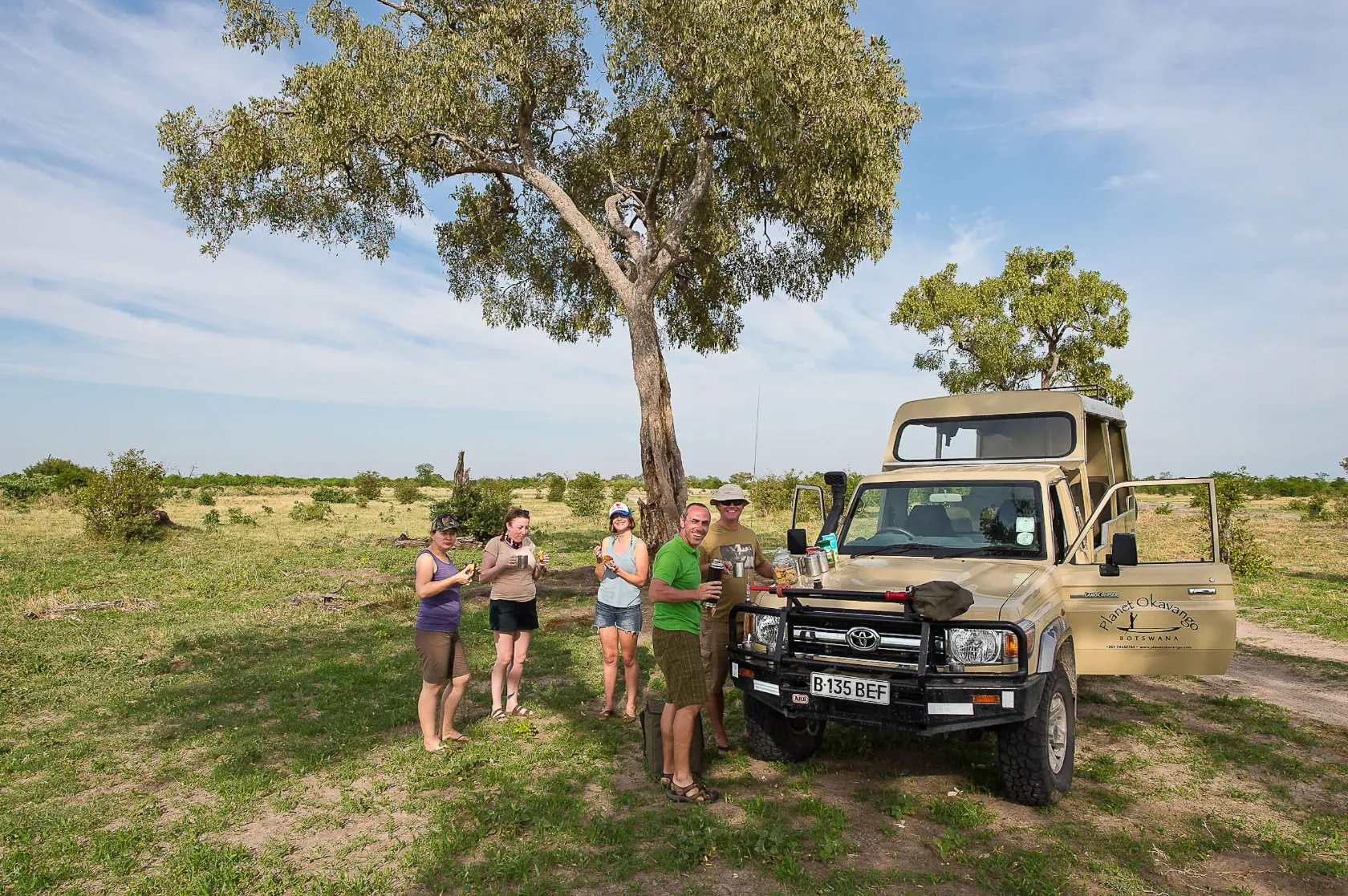
- Safari truck & 4WD/Minibus
- 14 Breakfasts, 5 lunches and 9 dinners
- Entrance Fees
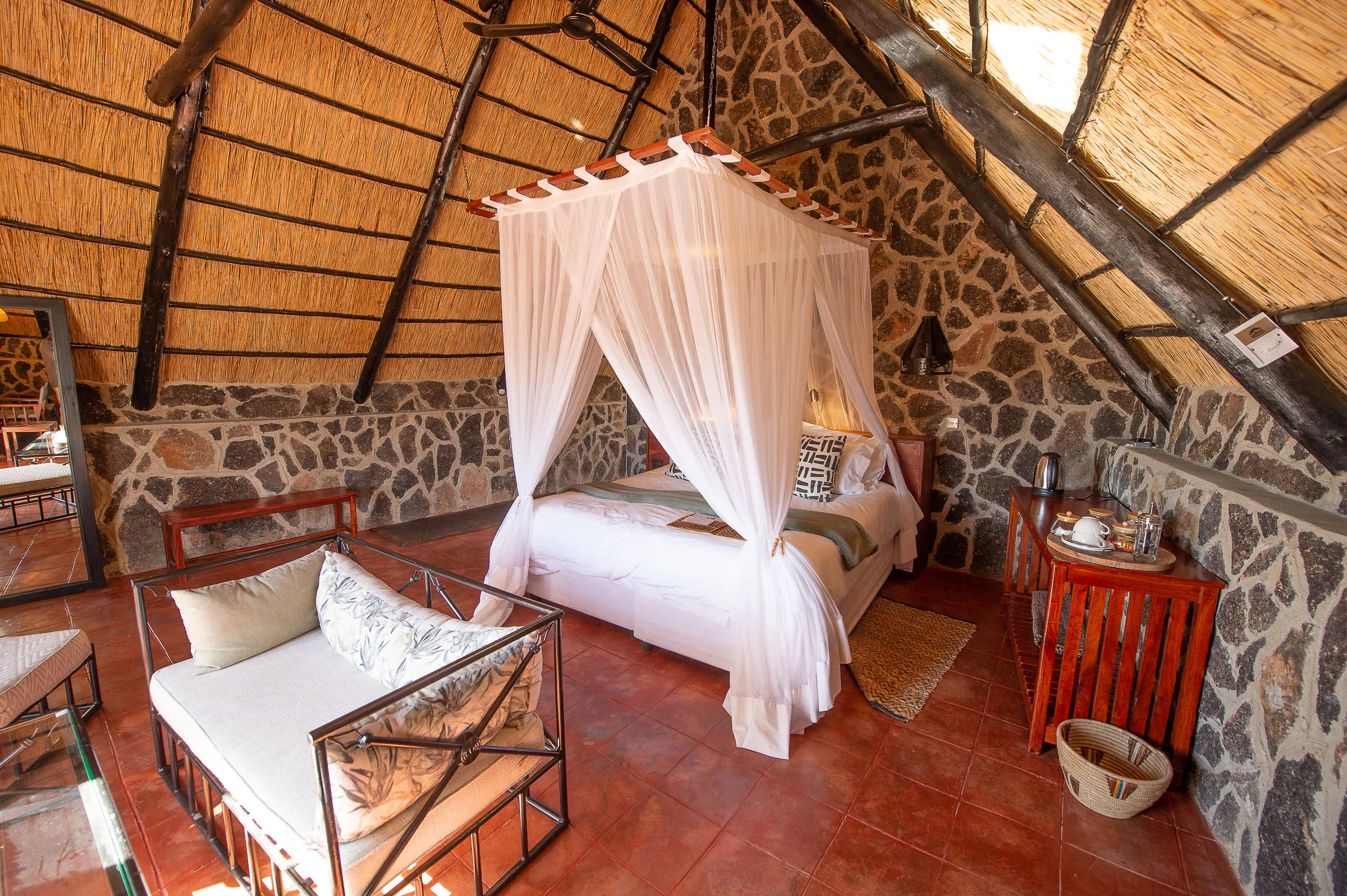
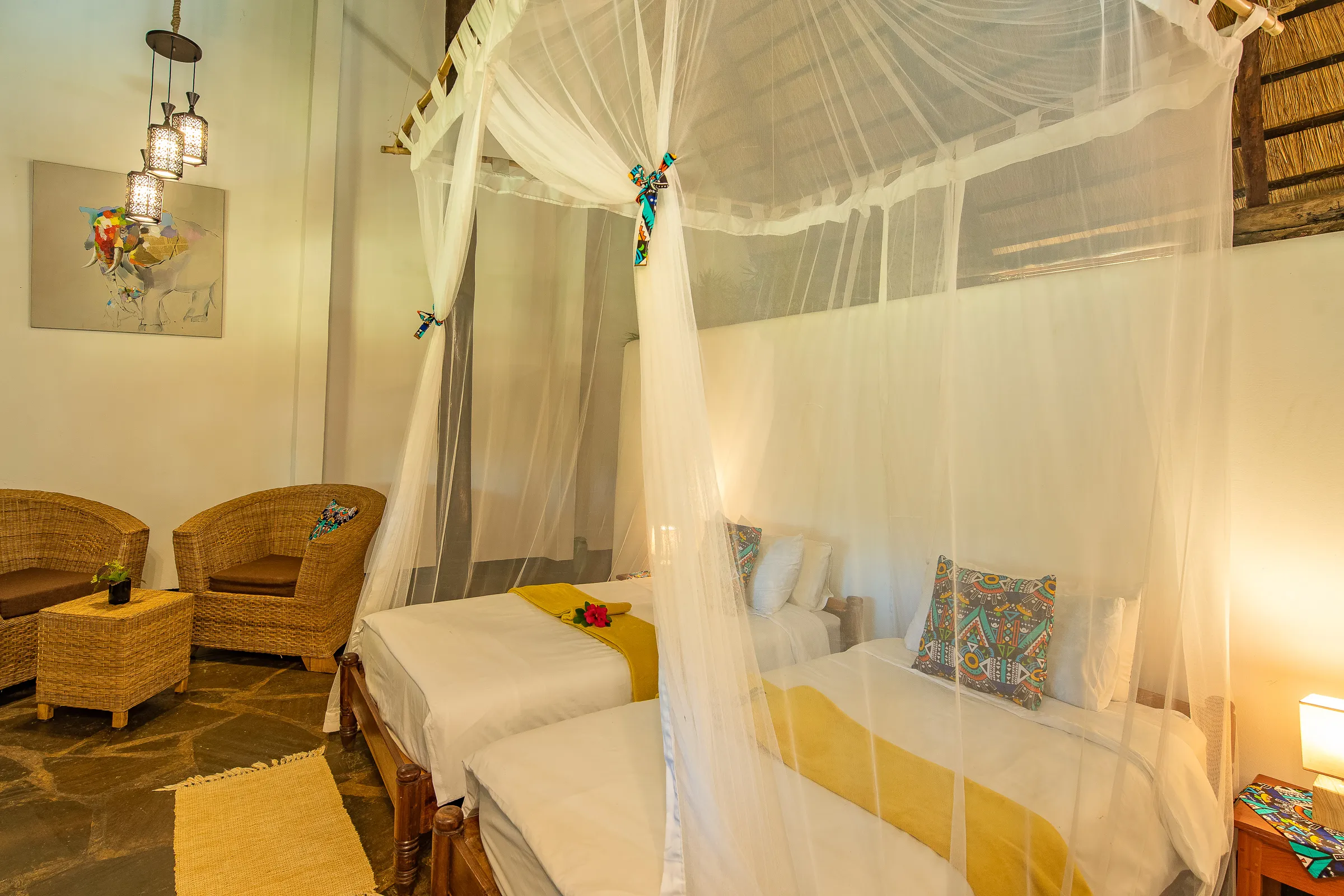
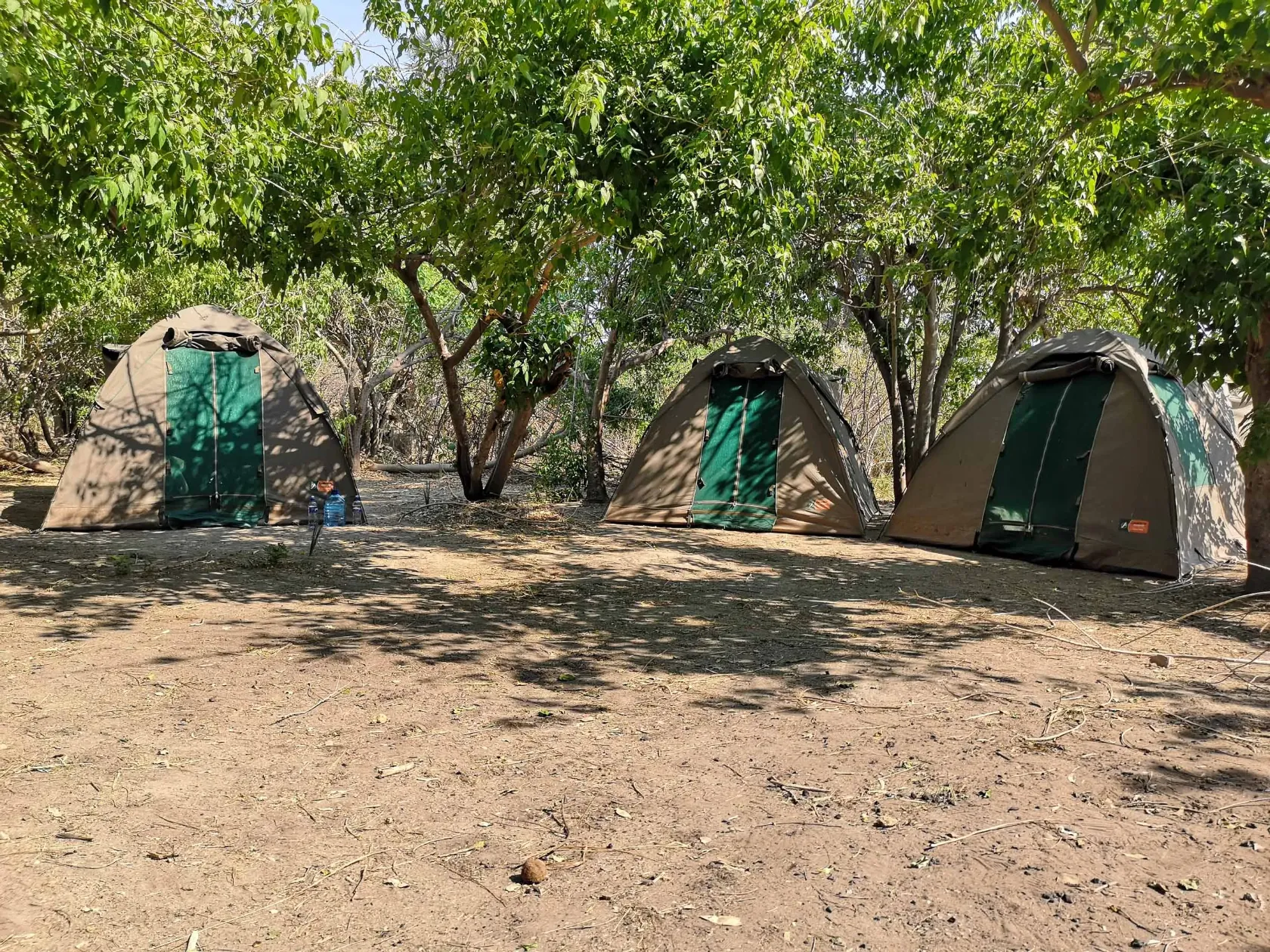
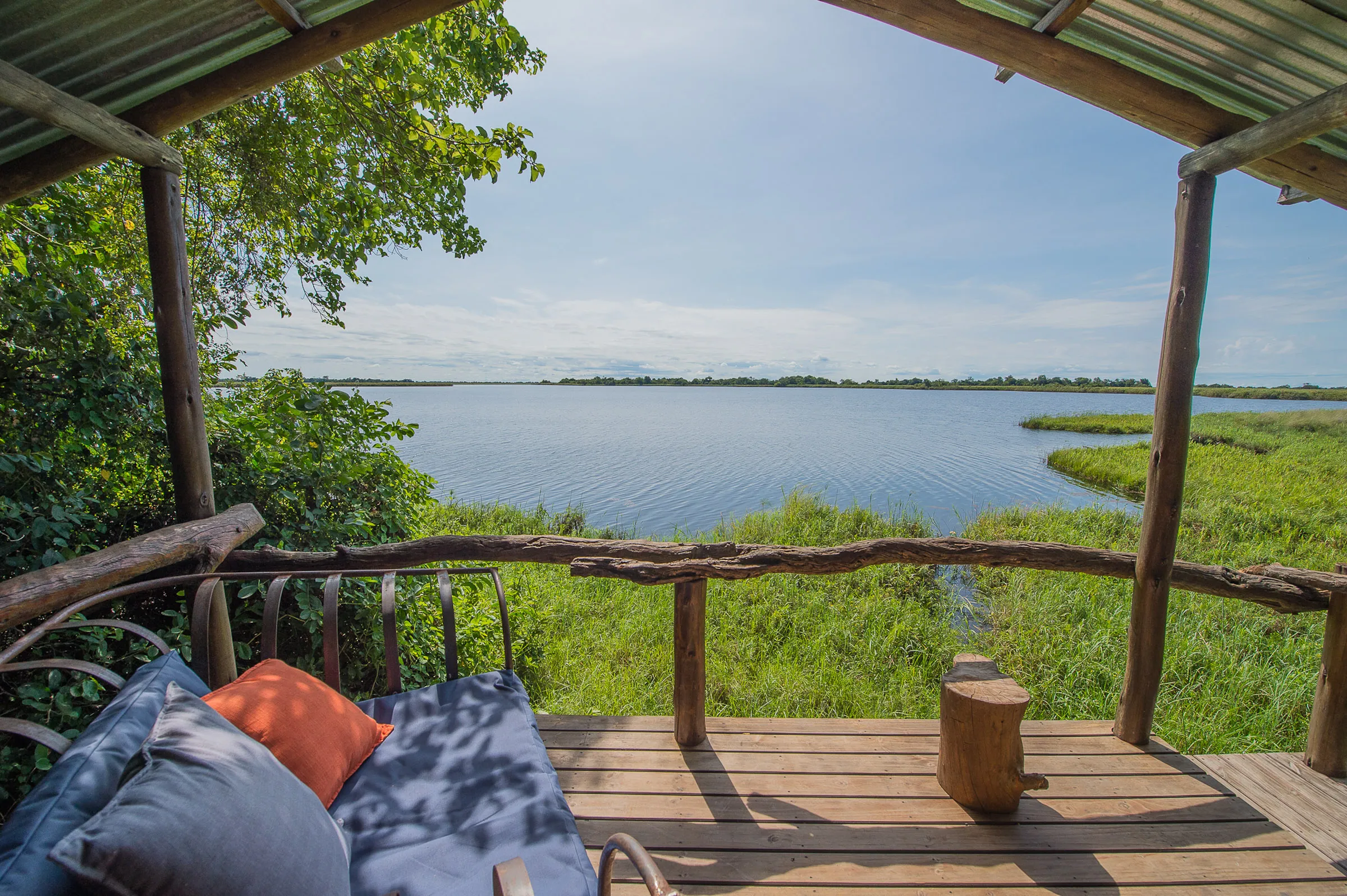
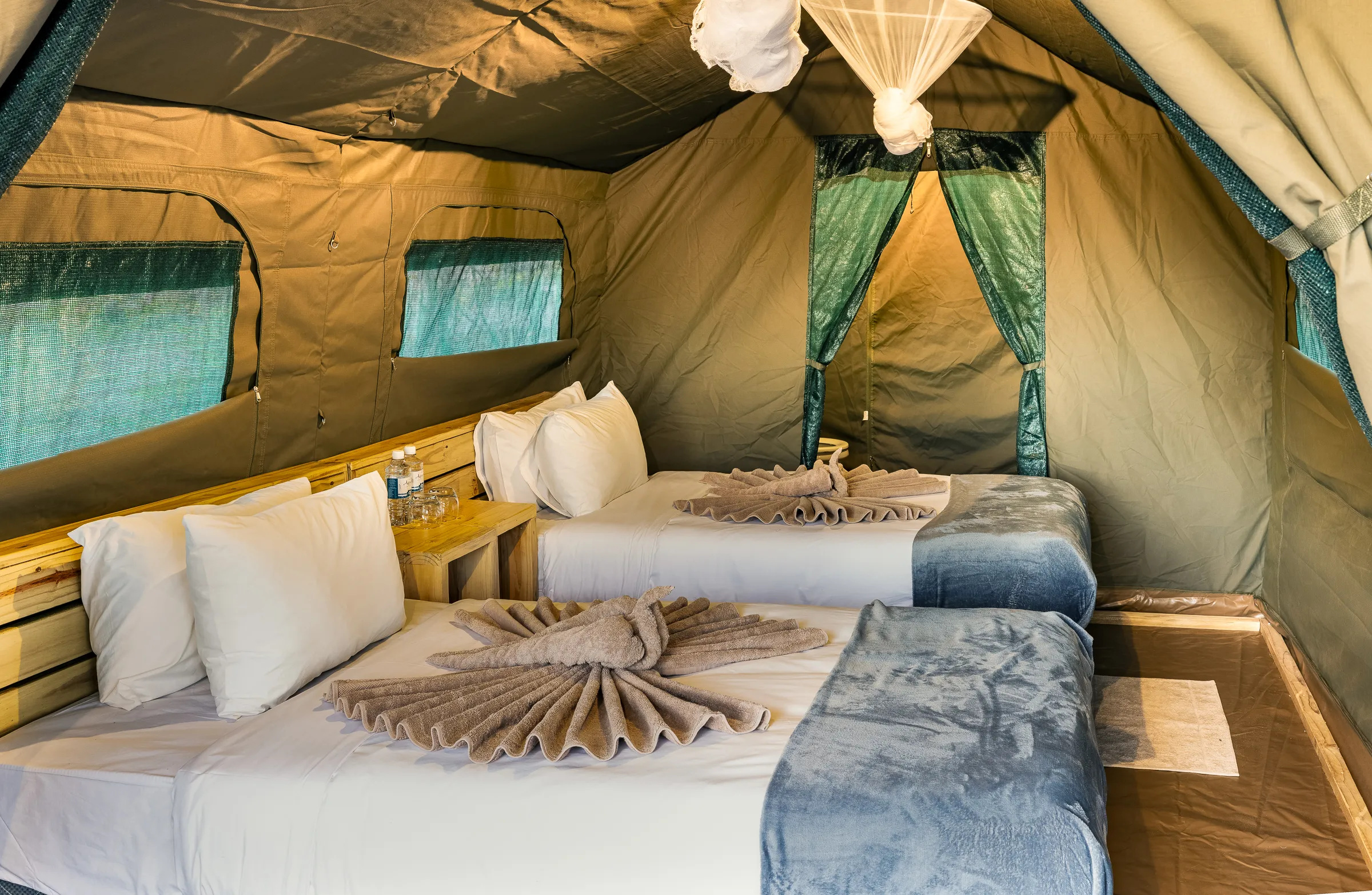
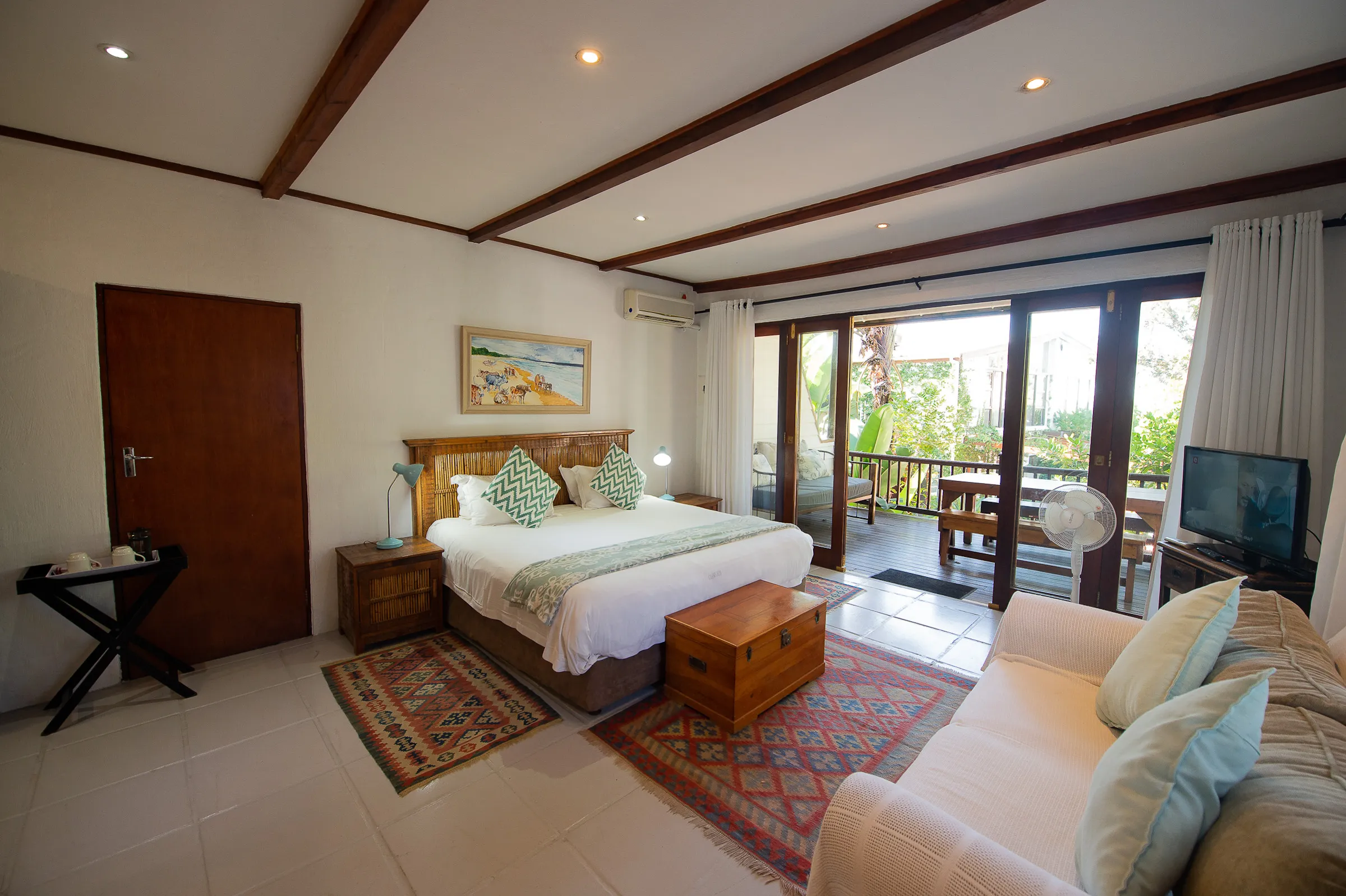
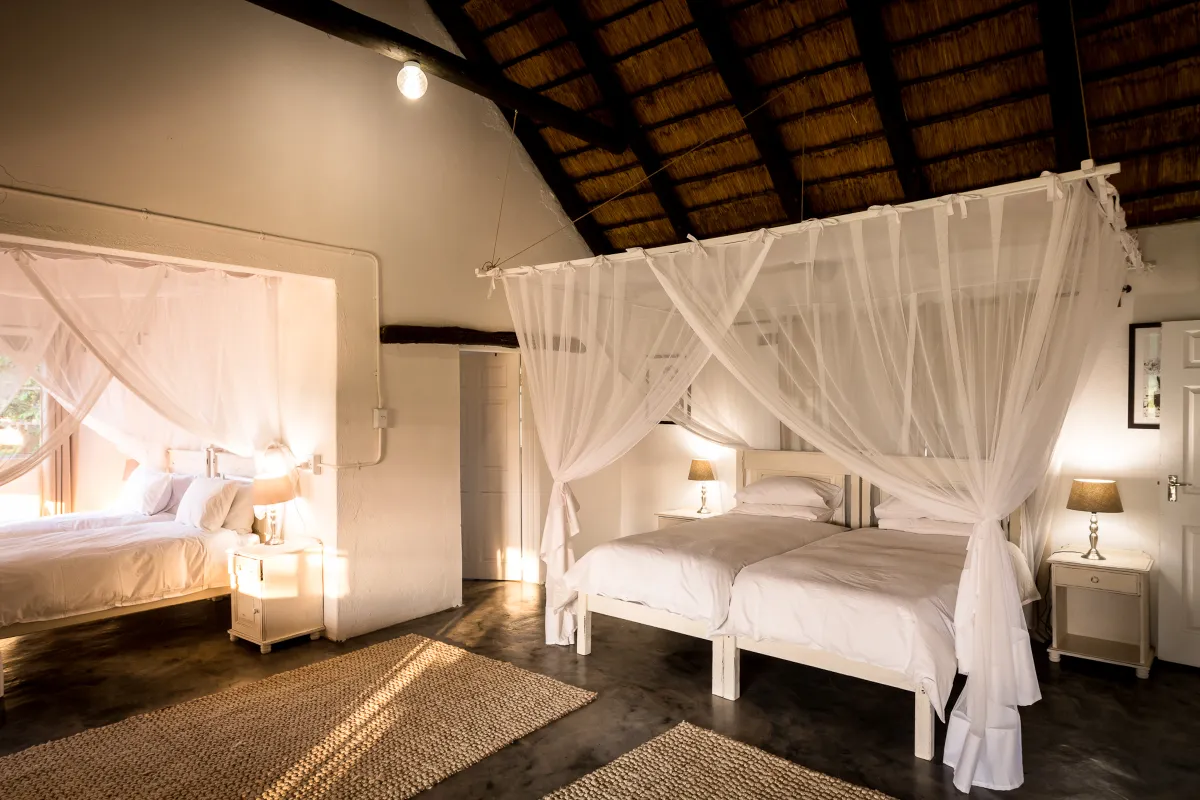
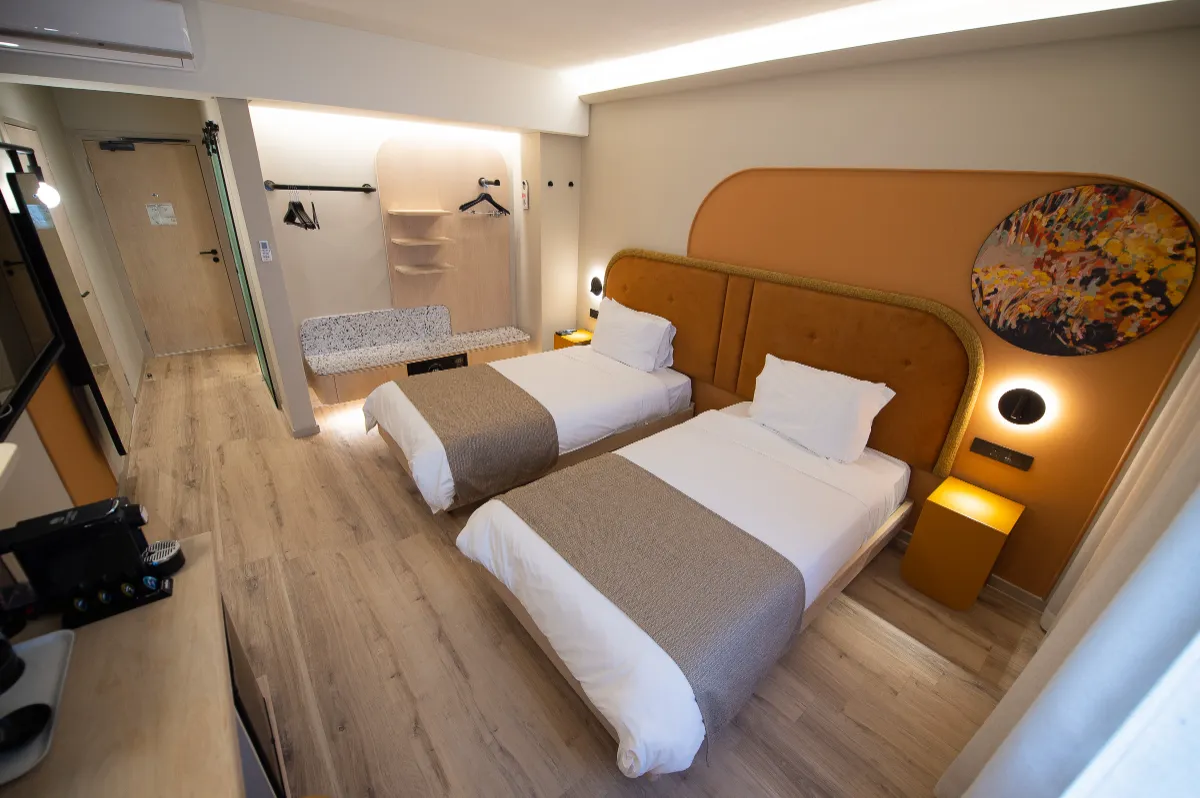
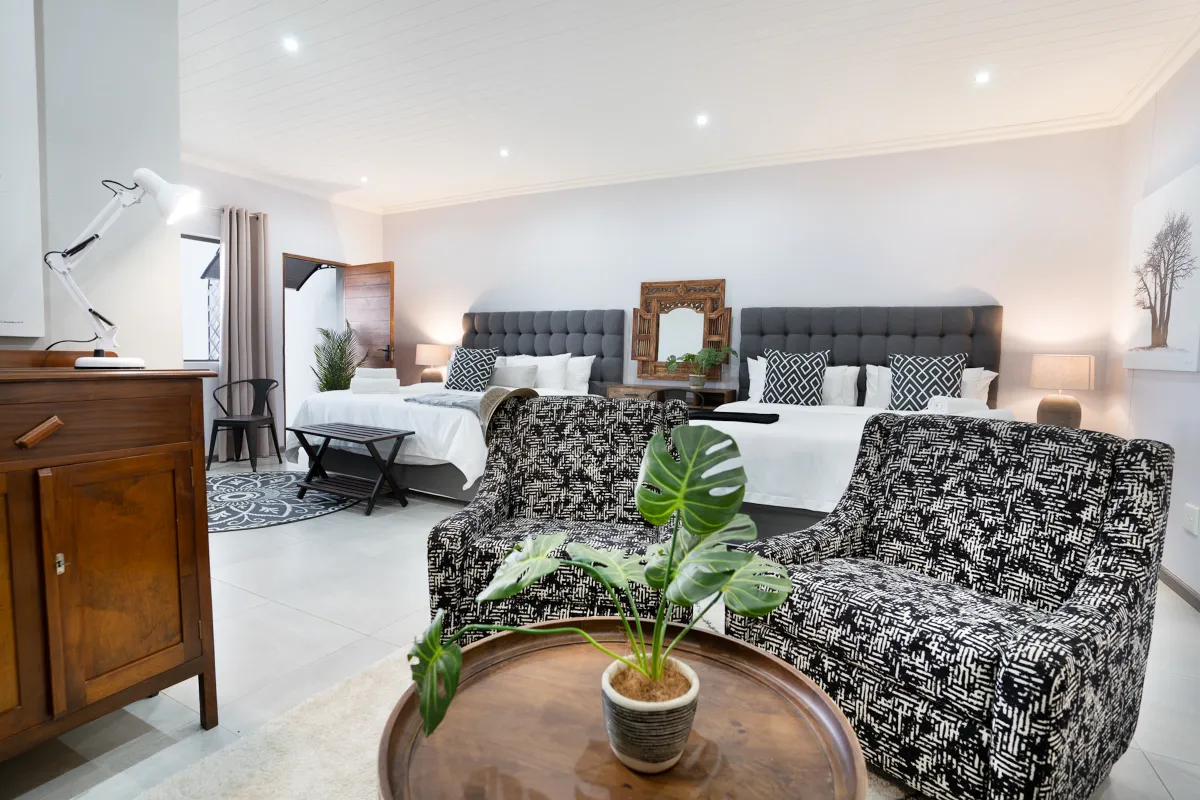
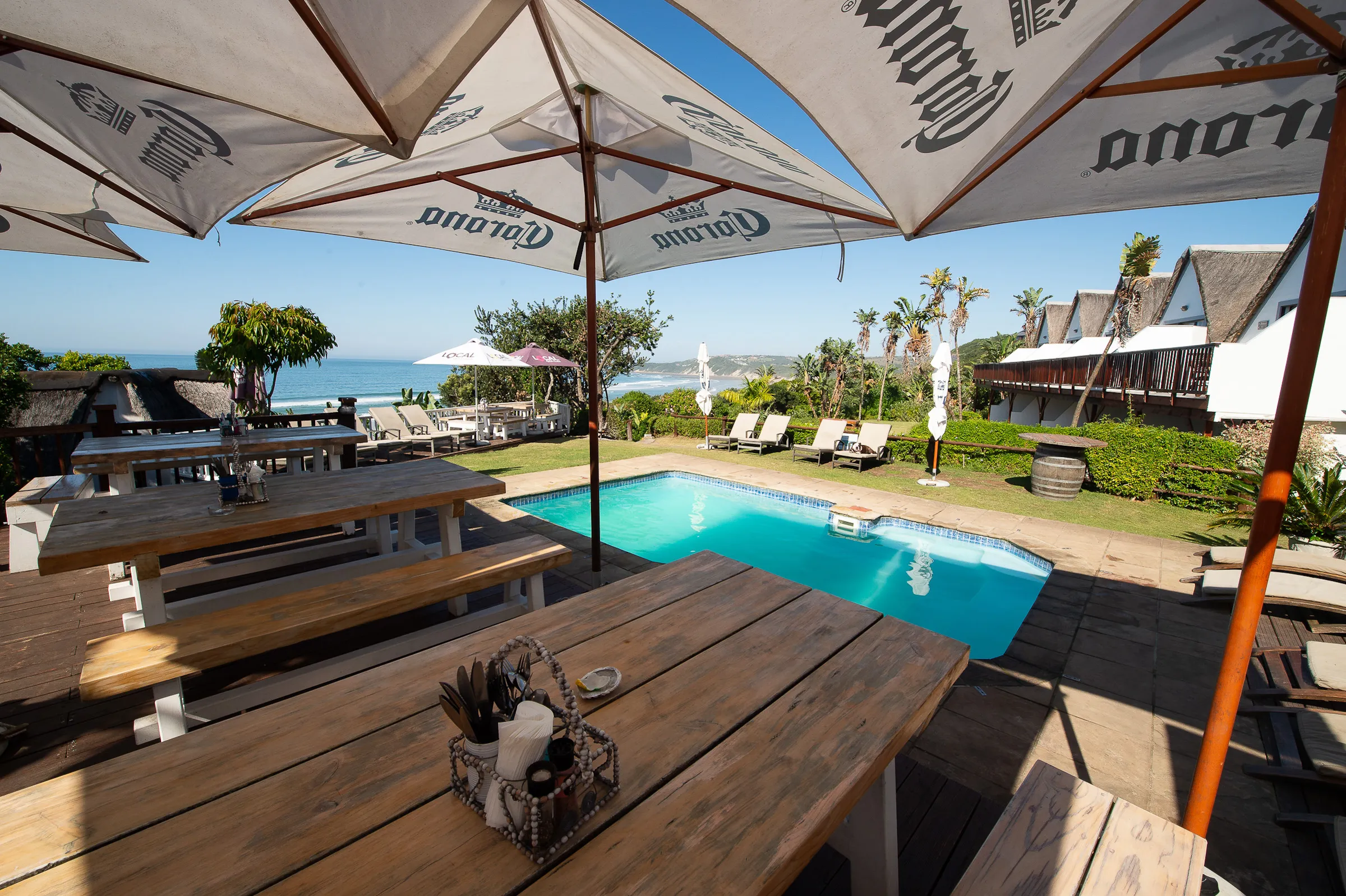
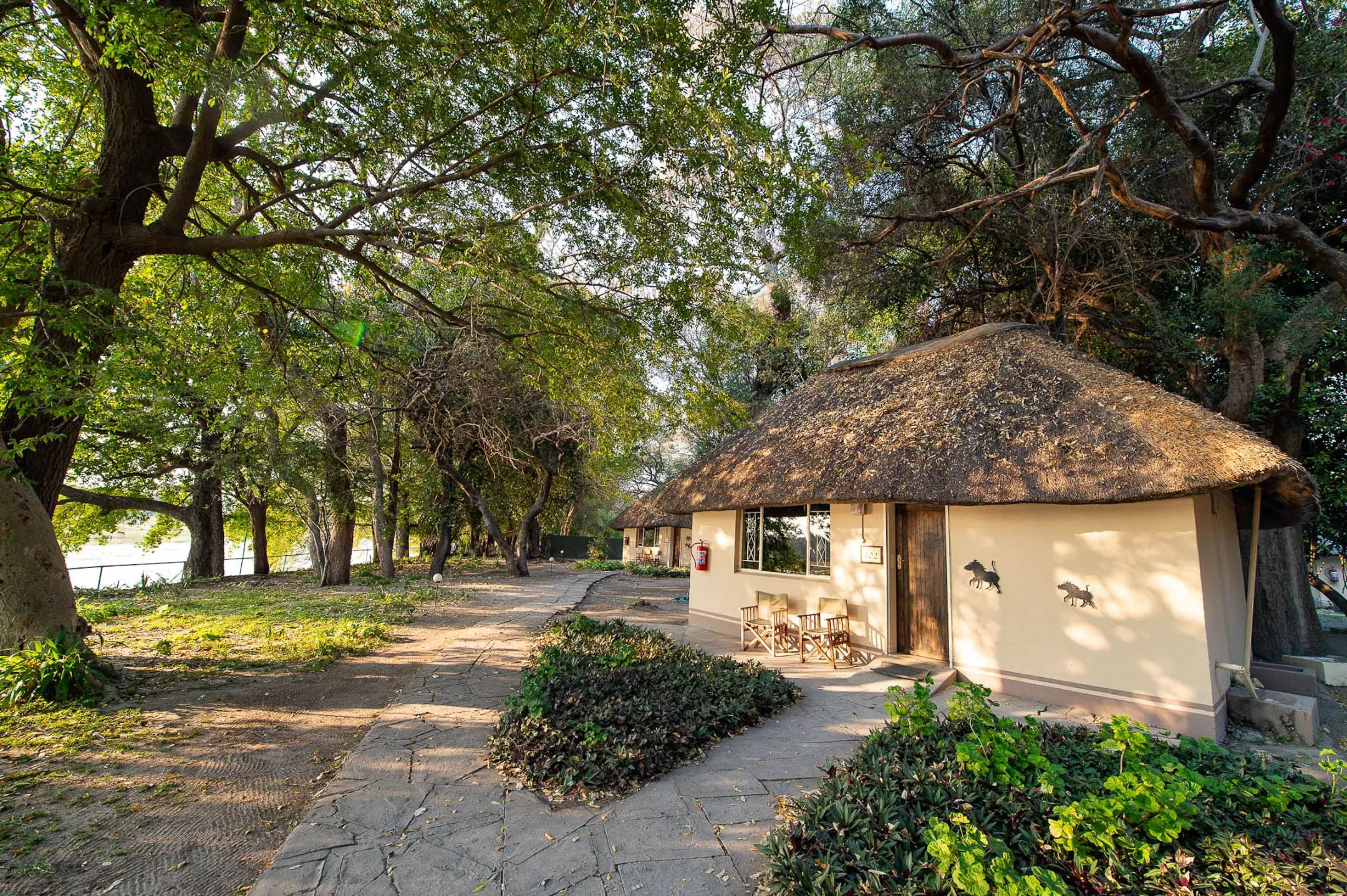
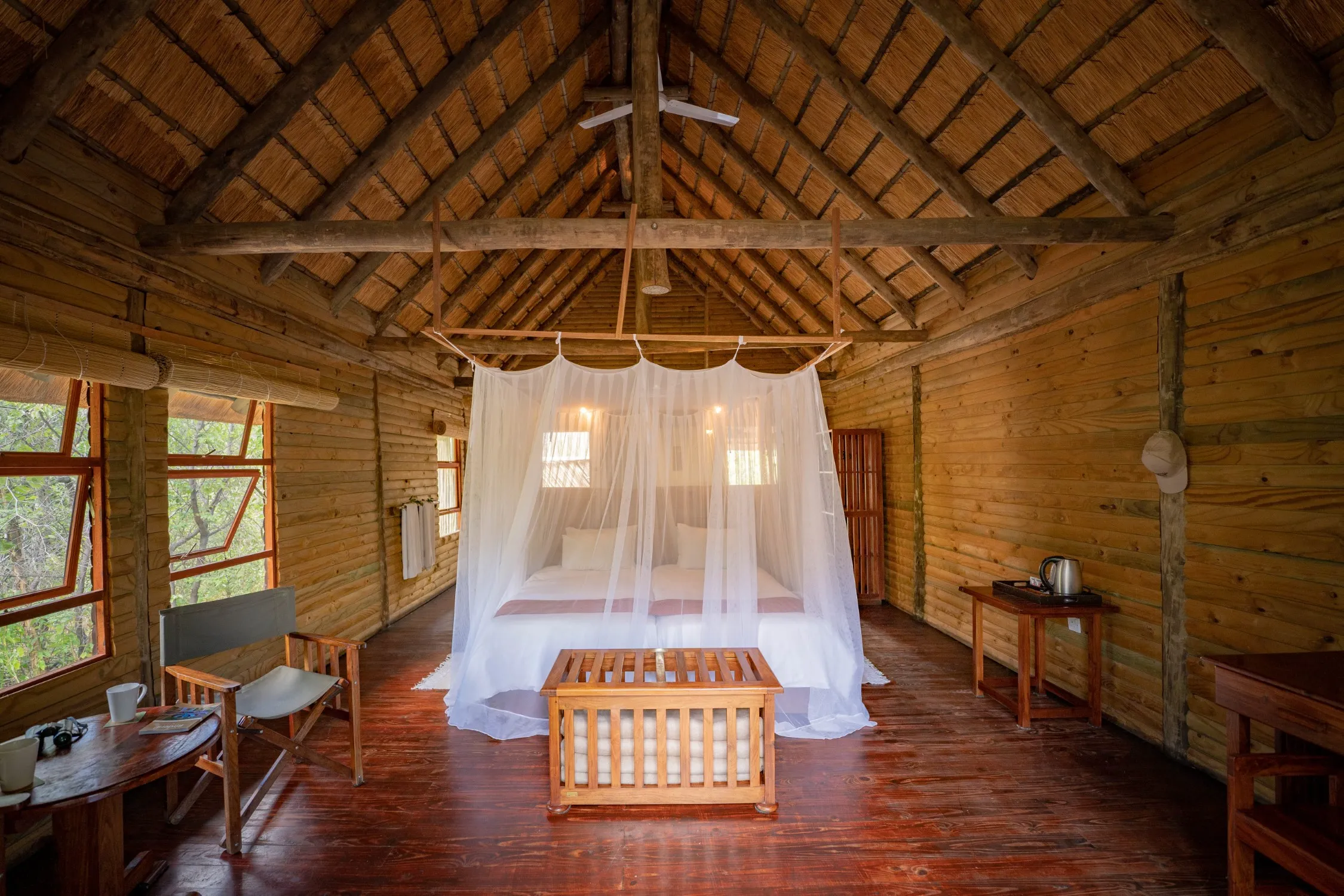
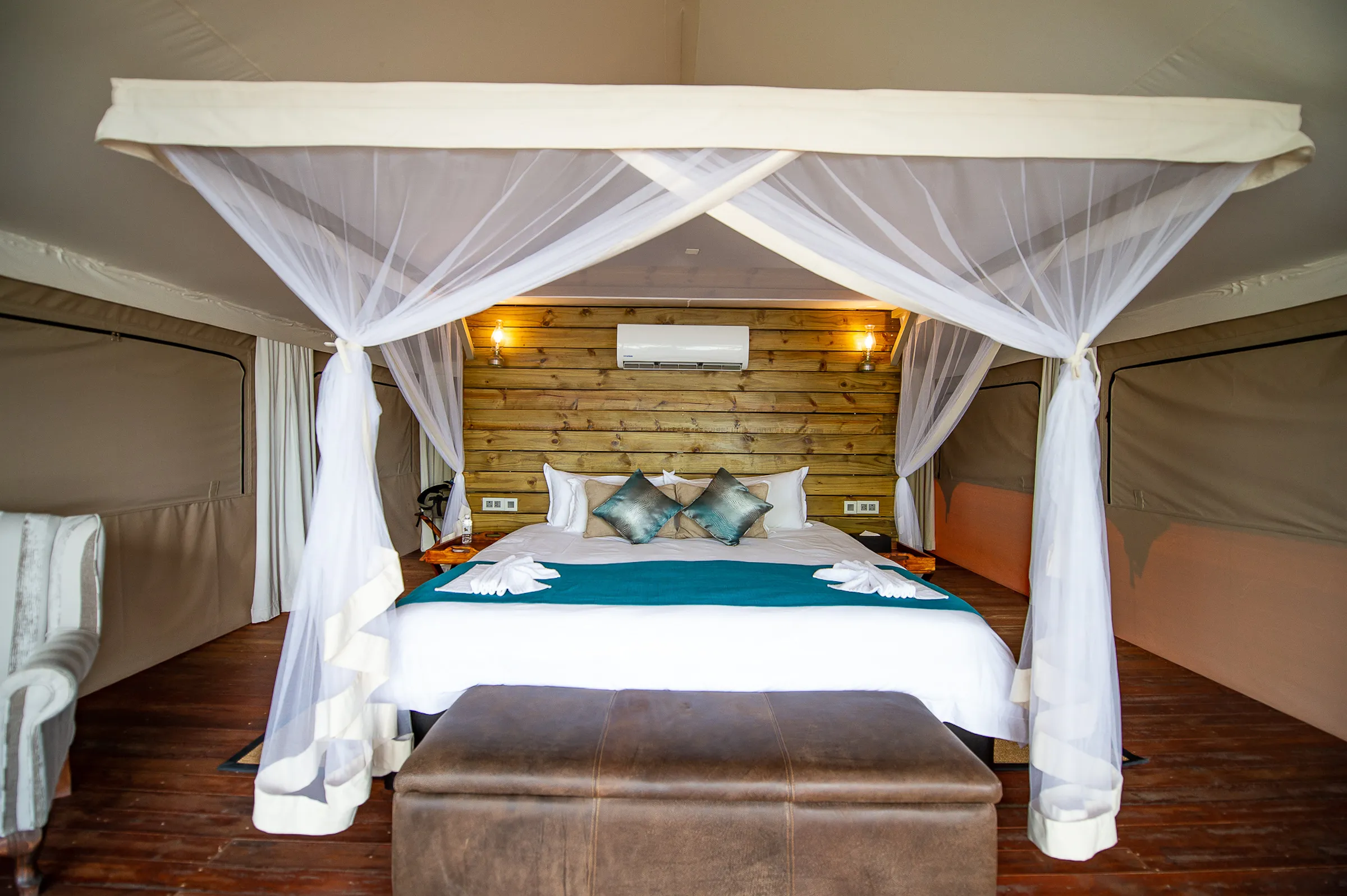
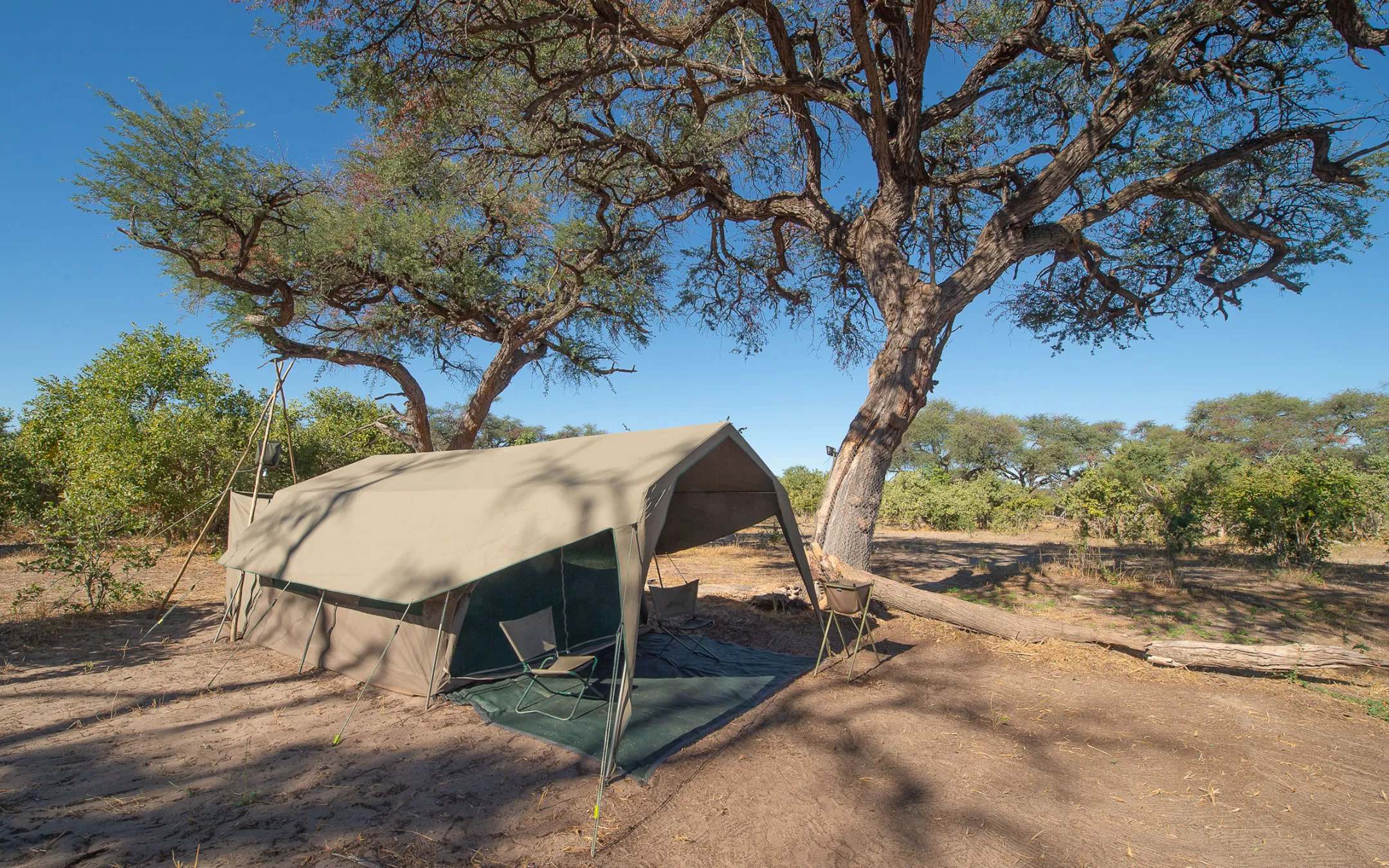
- 14 nights in 3+ star lodges & chalets
Highlights
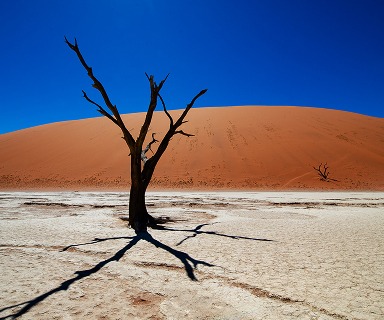
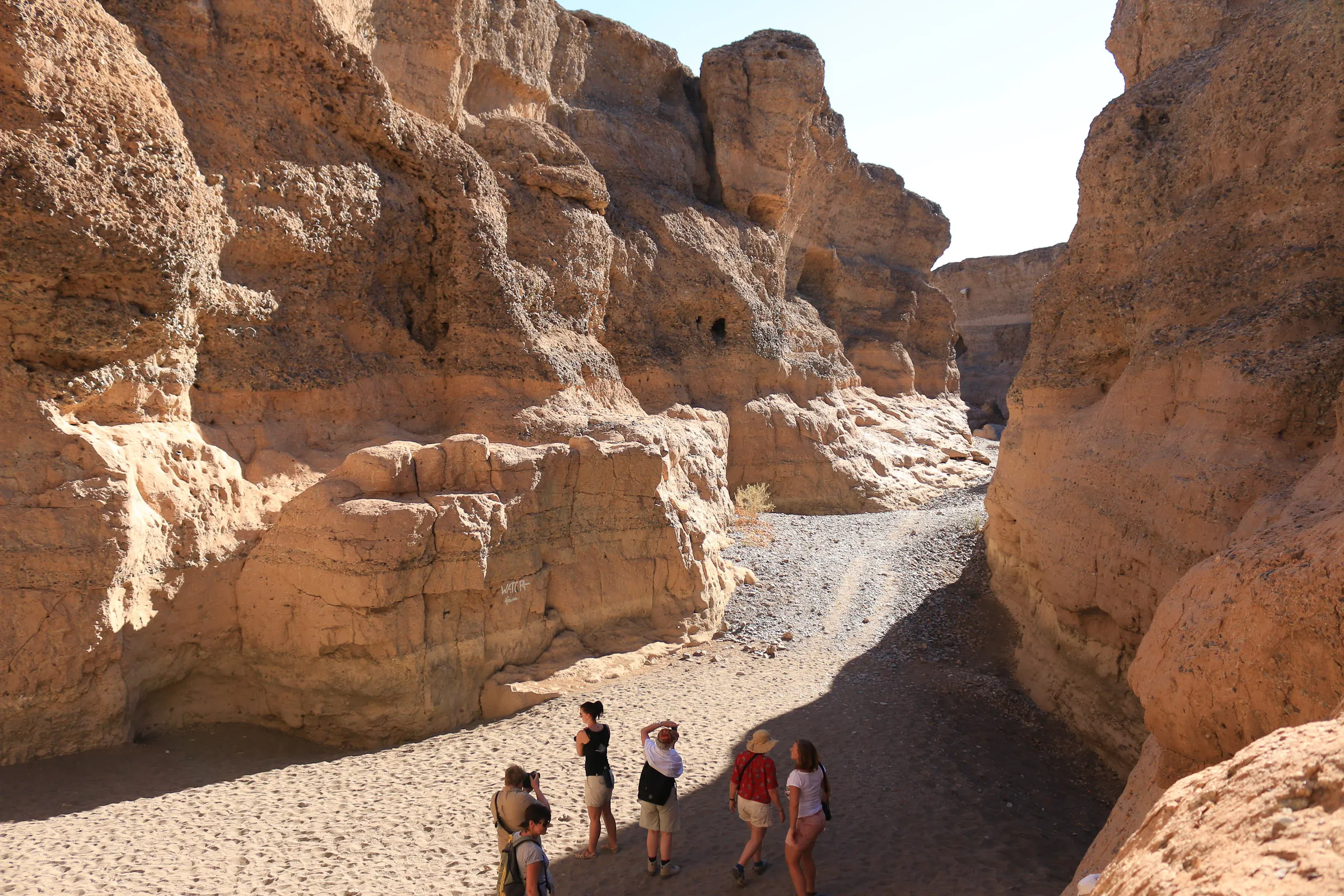
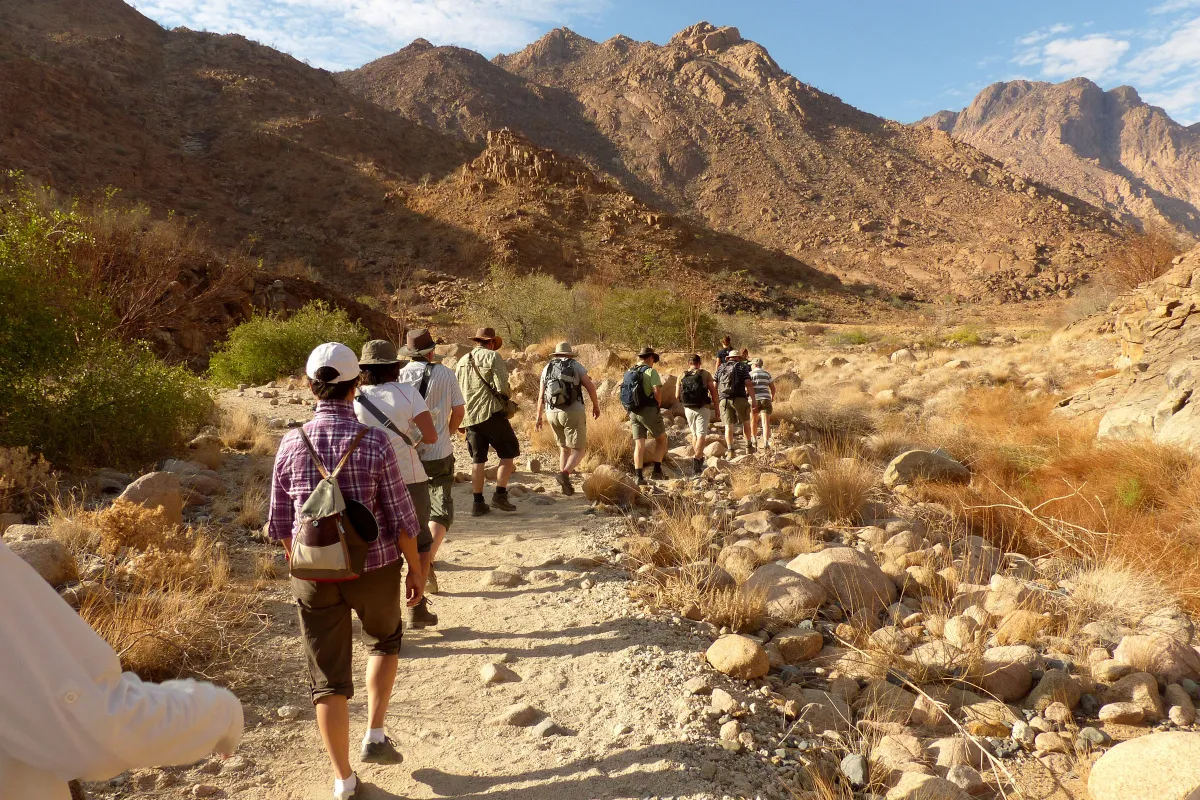
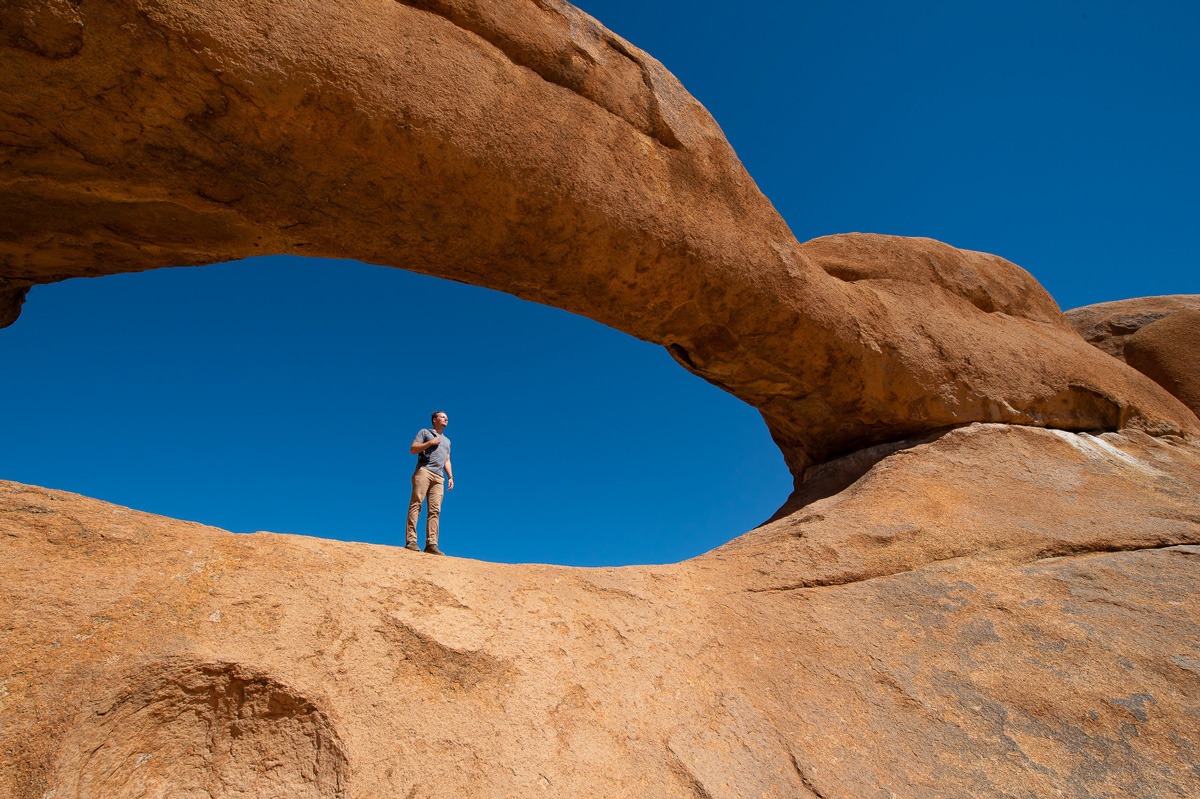
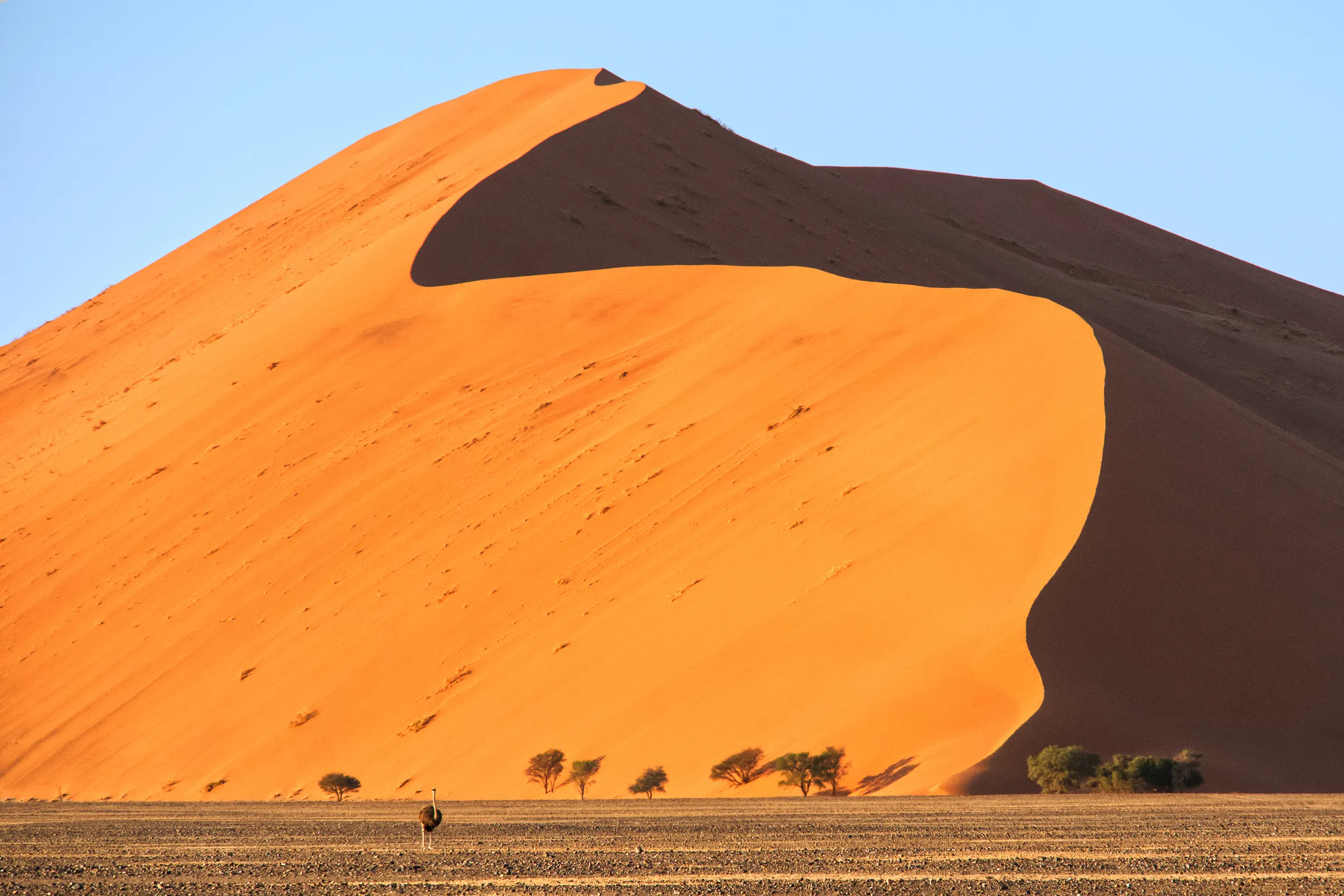
- Namib Desert – walk Sossusvlei dunes
- Swakopmund – dune boarding & quad biking
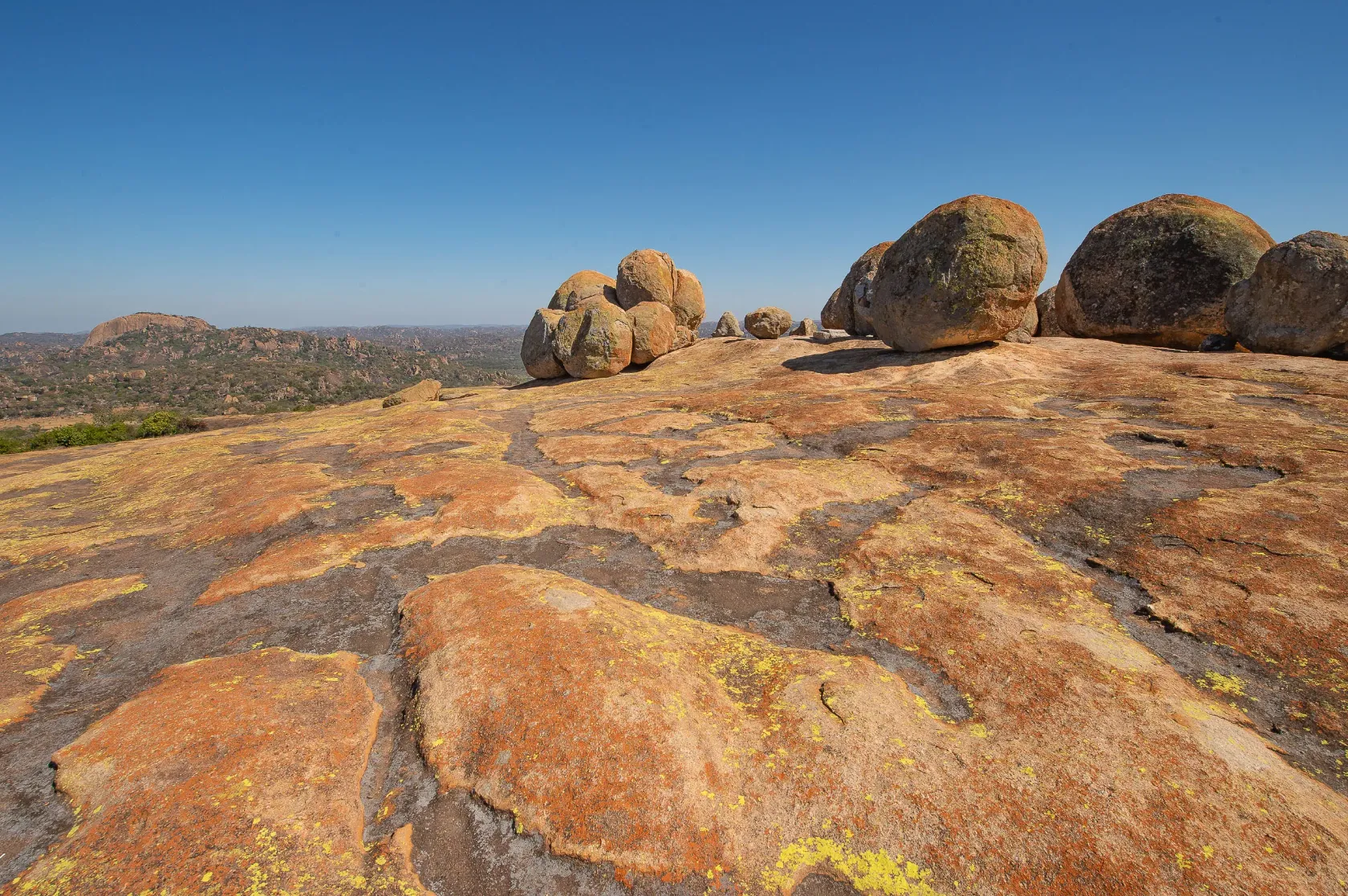
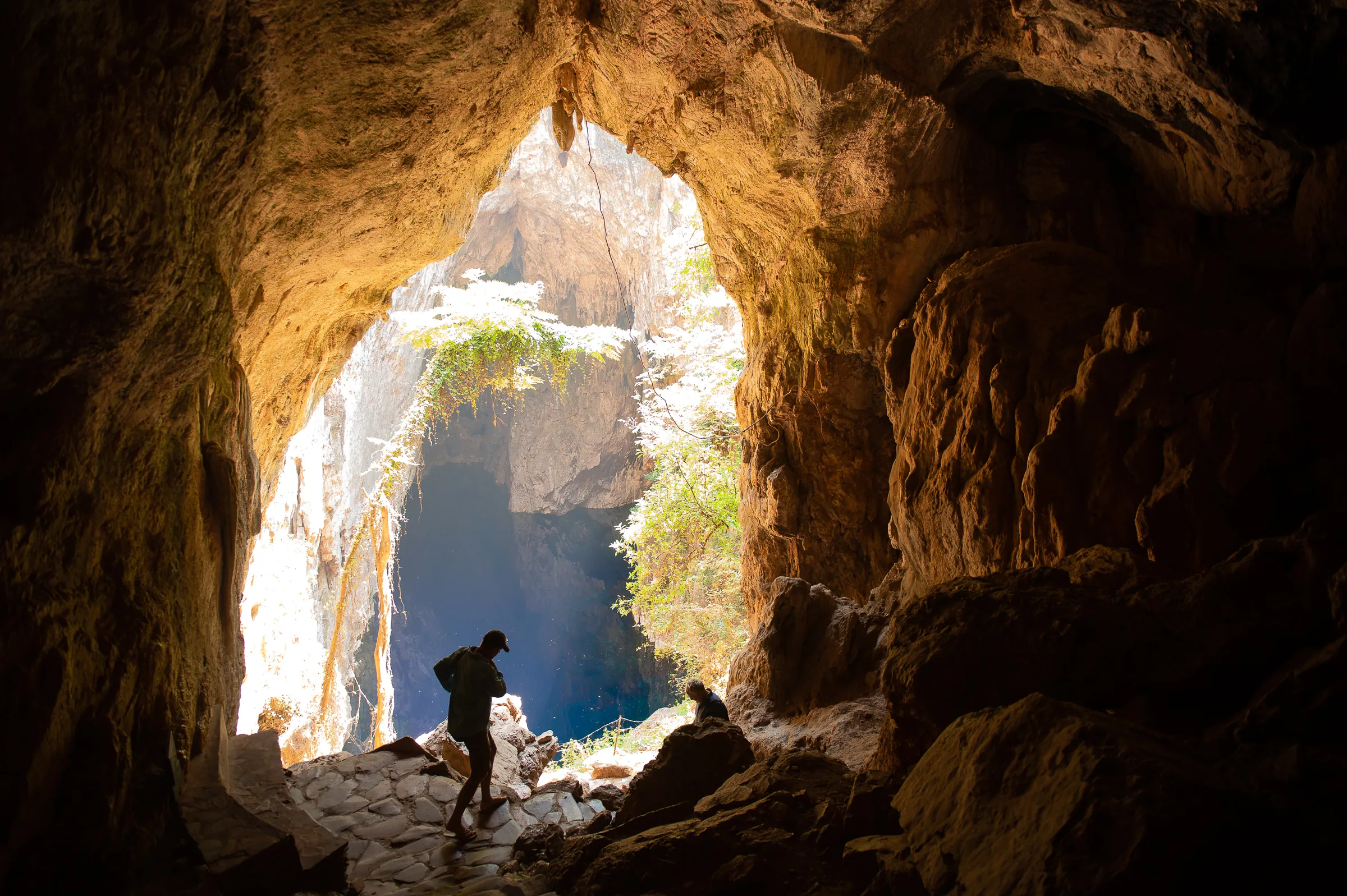
- Damaraland – rock paintings
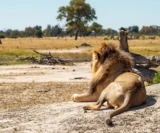
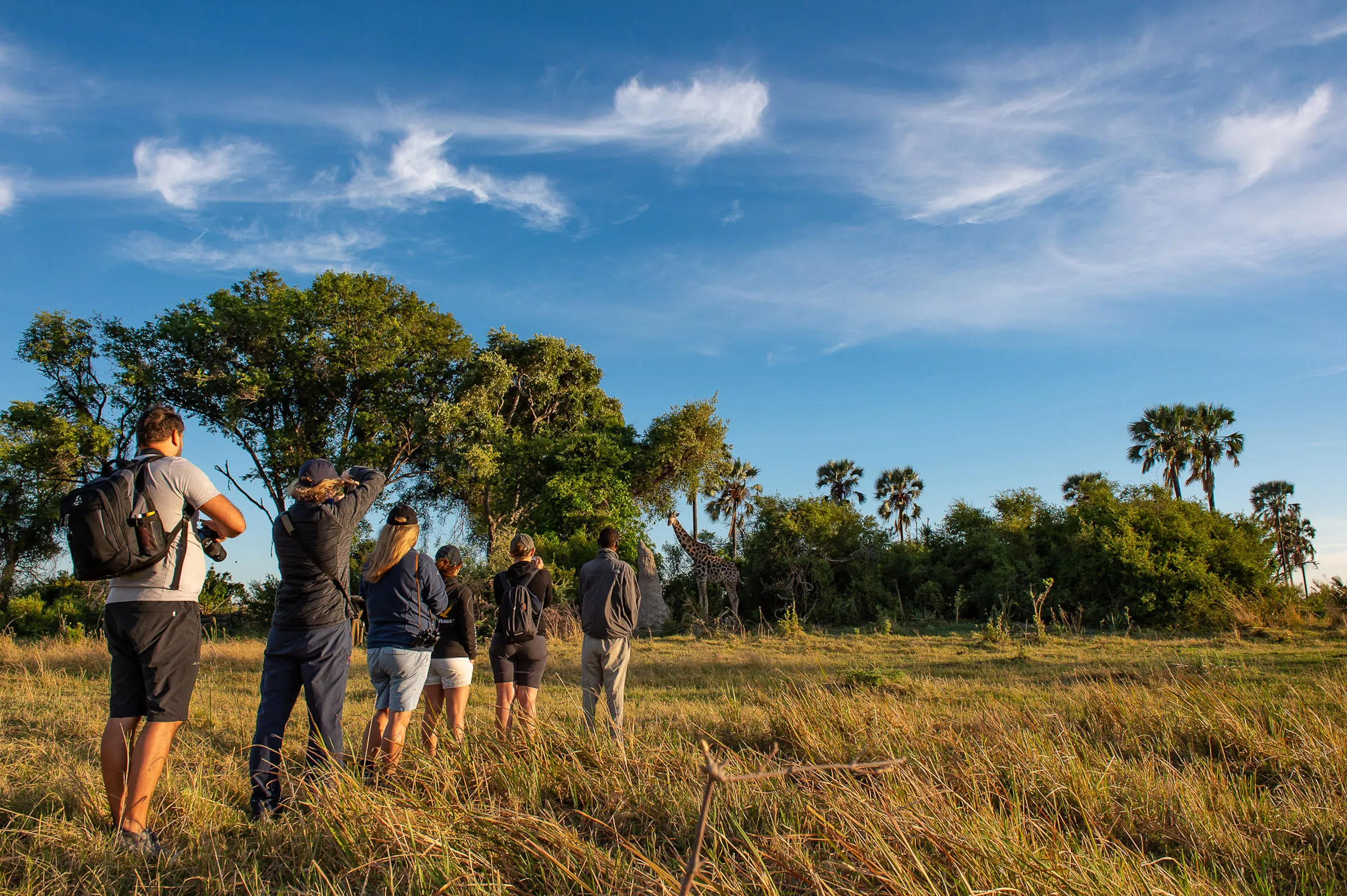
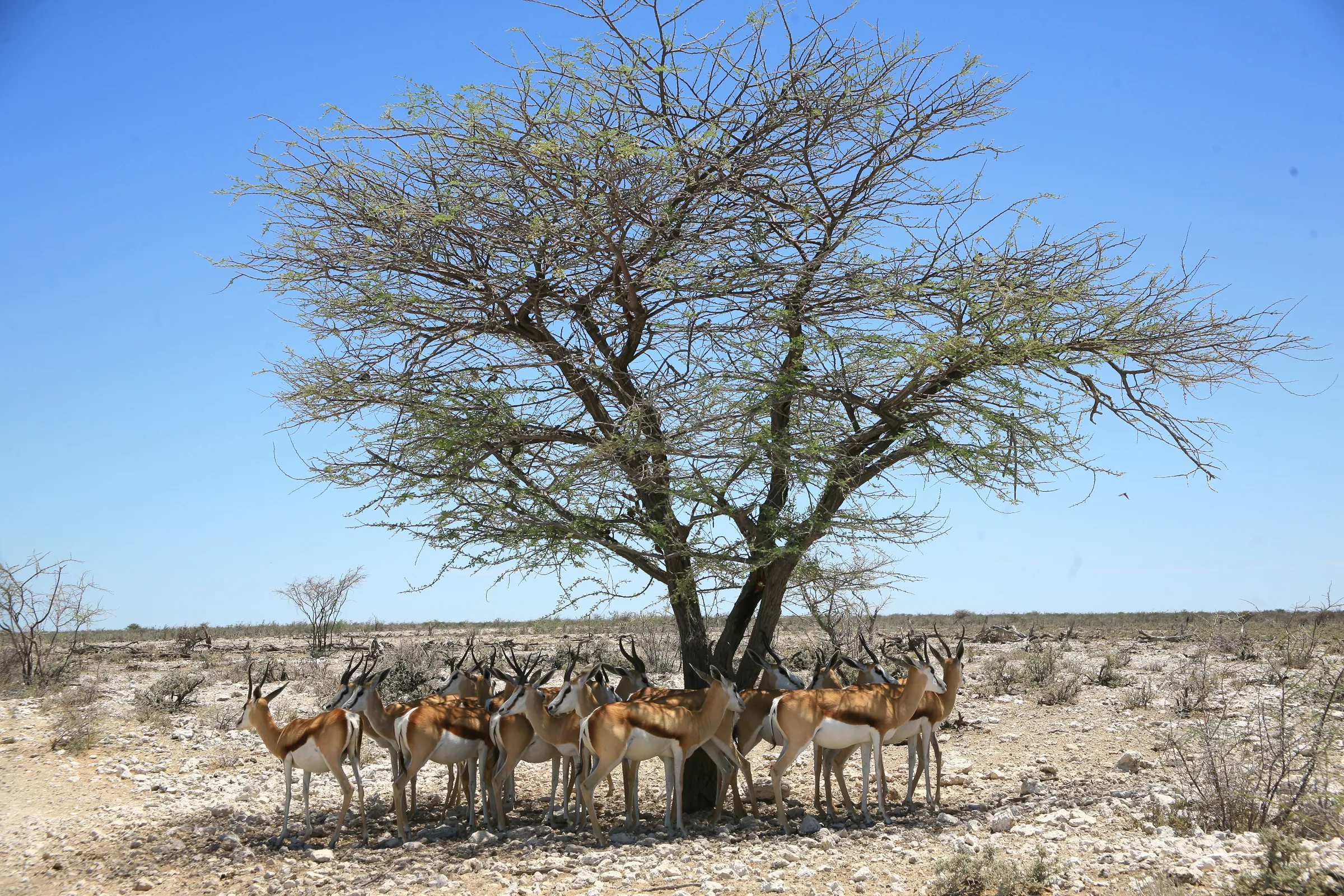
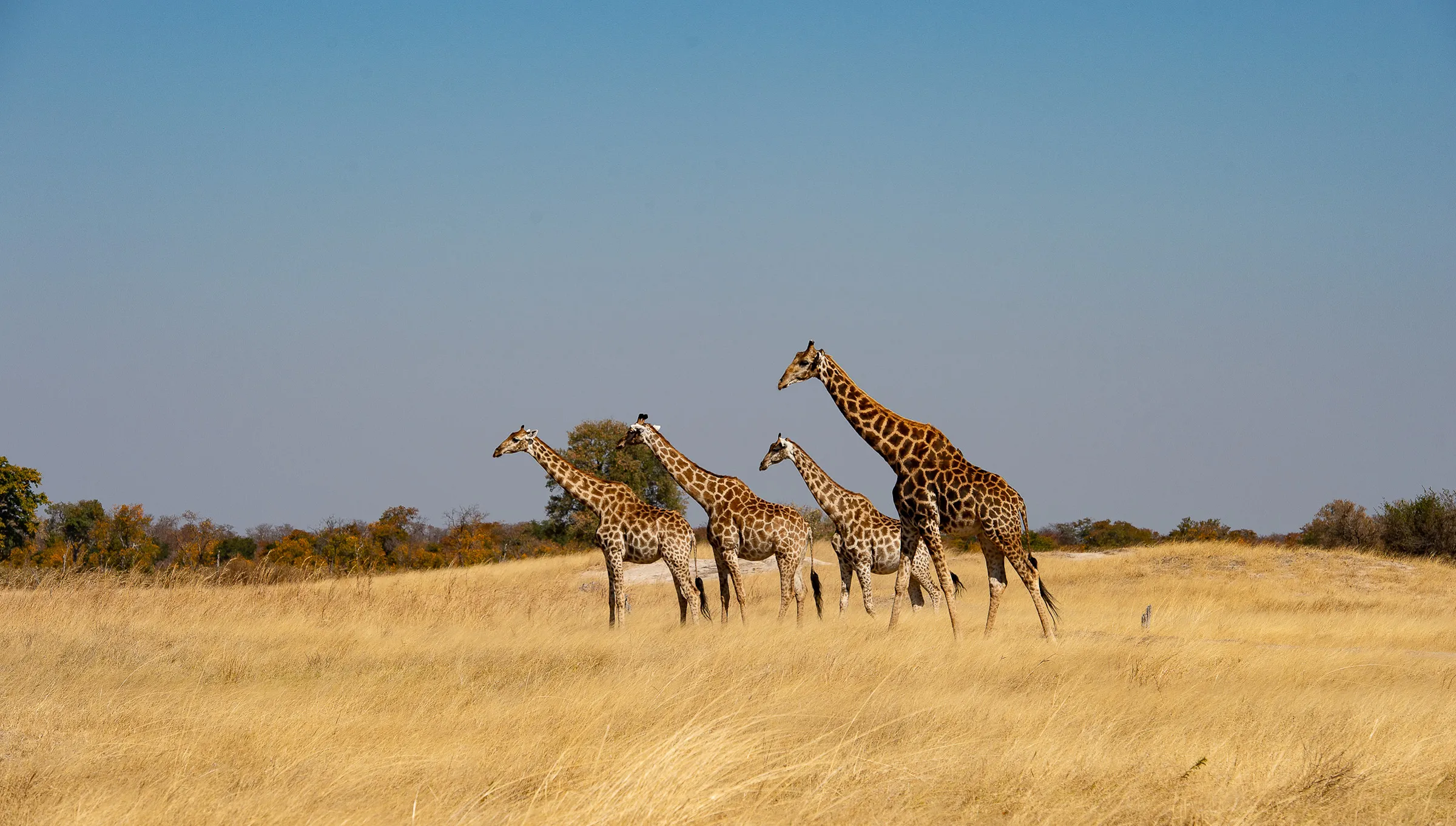
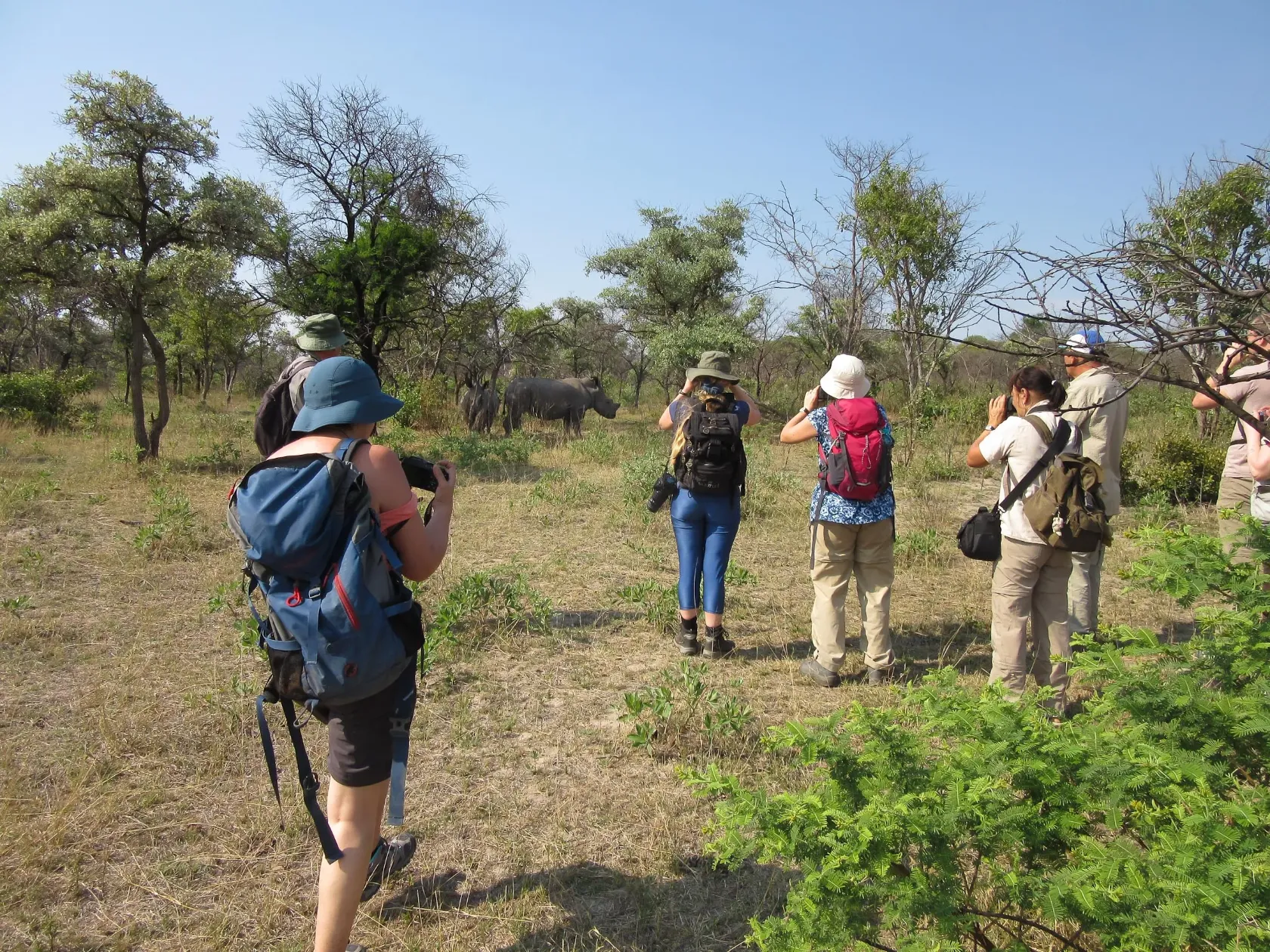
- Etosha NP – game viewing
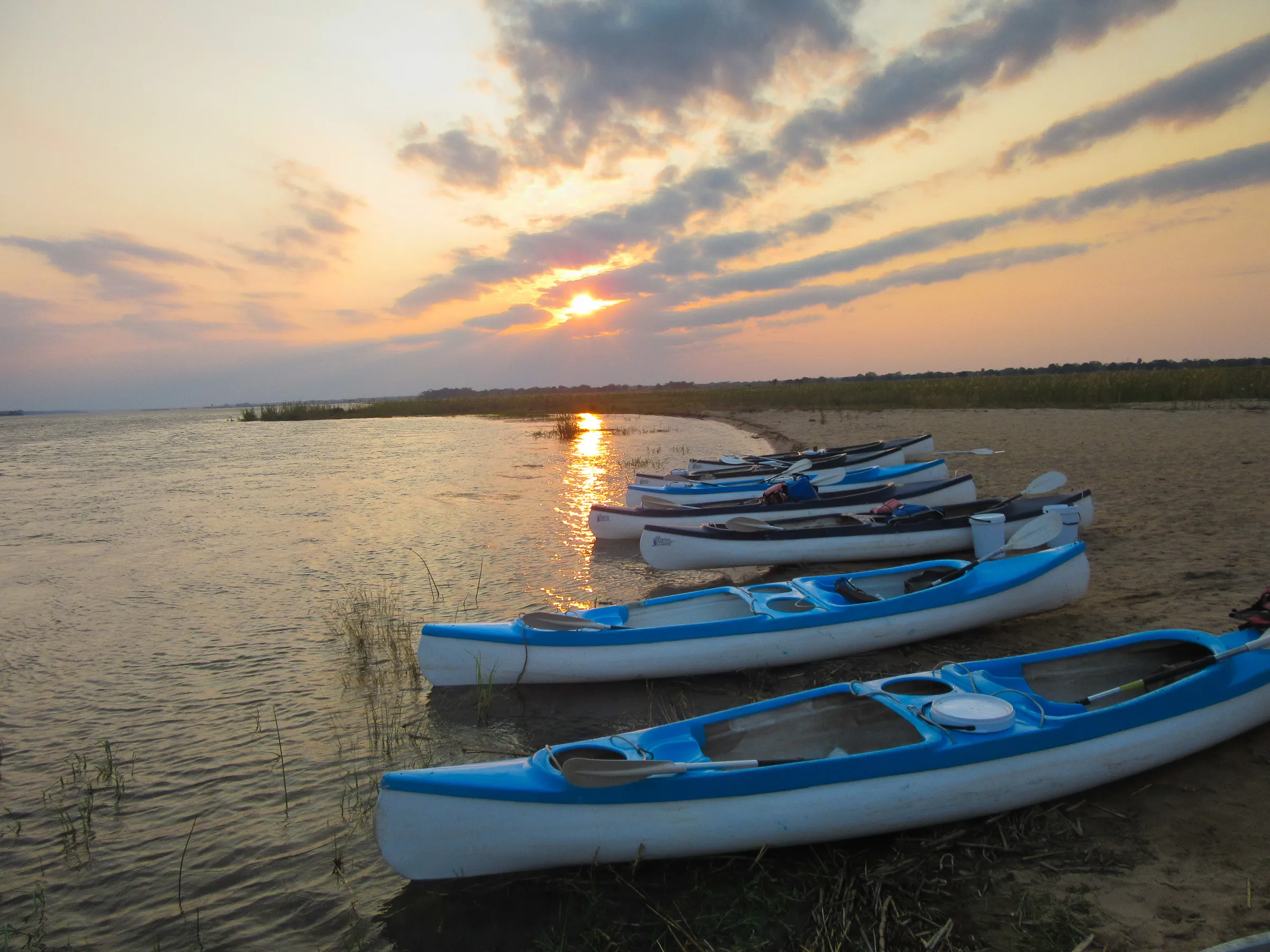
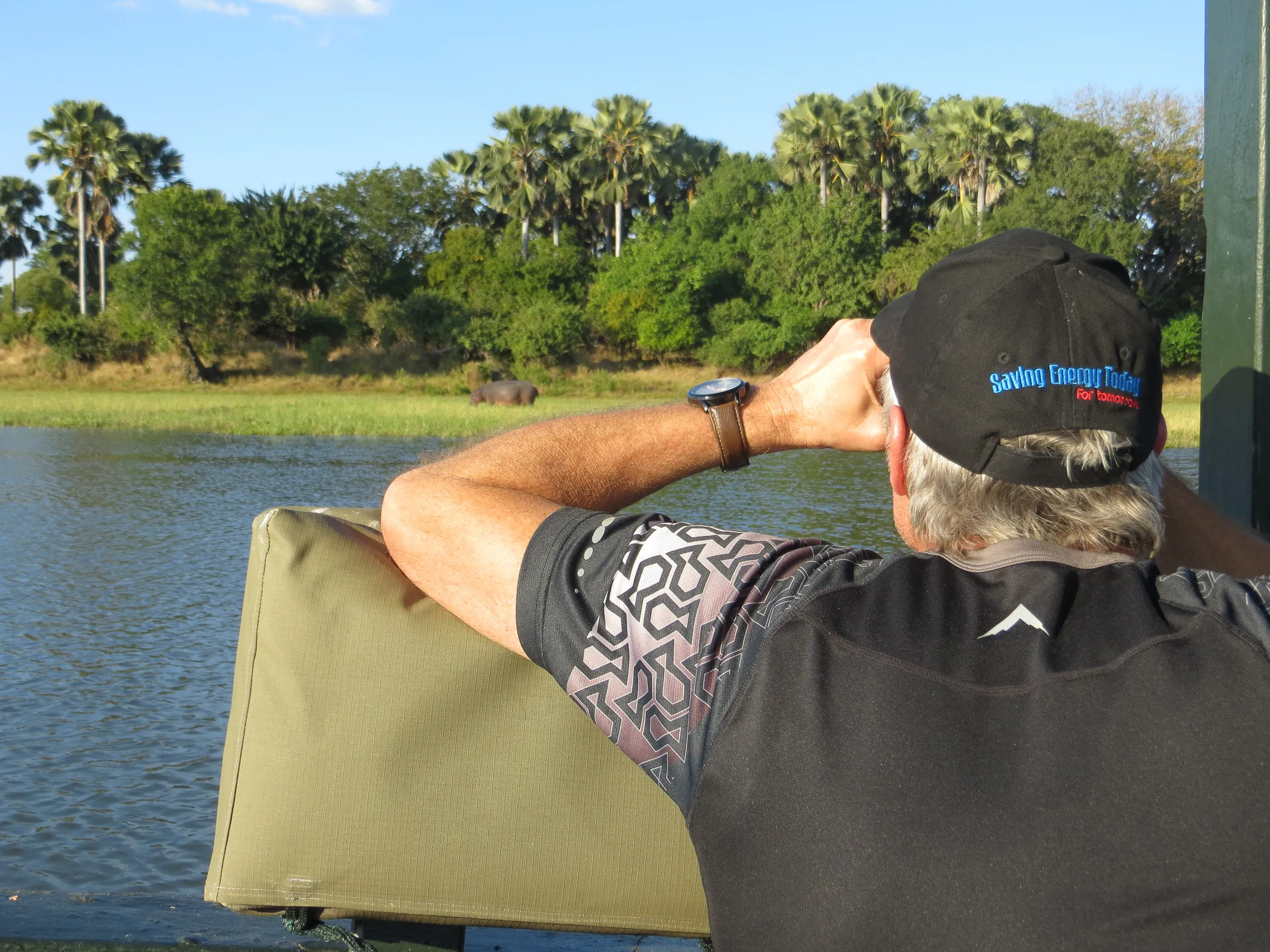
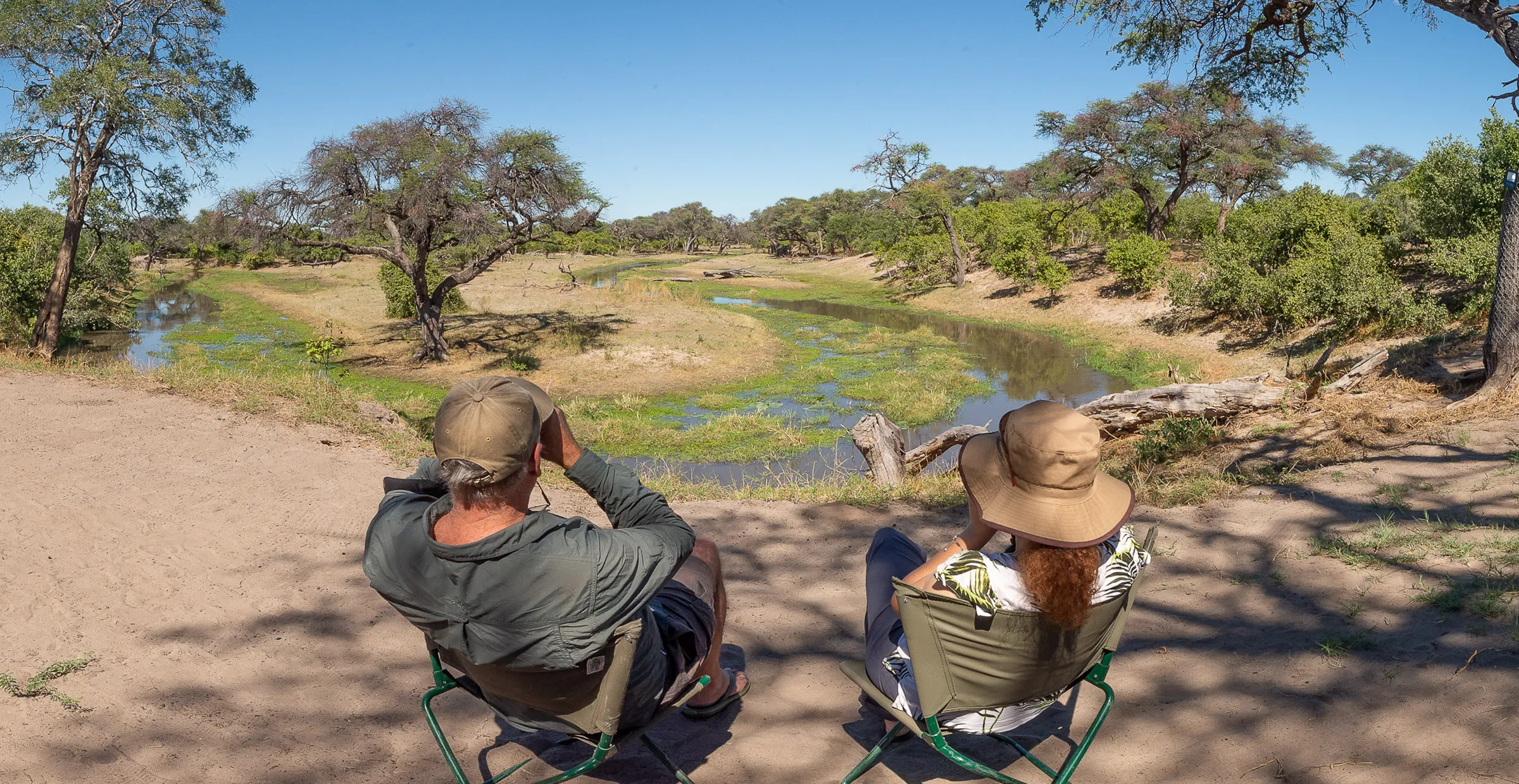
- Caprivi – Game drives & boat cruise
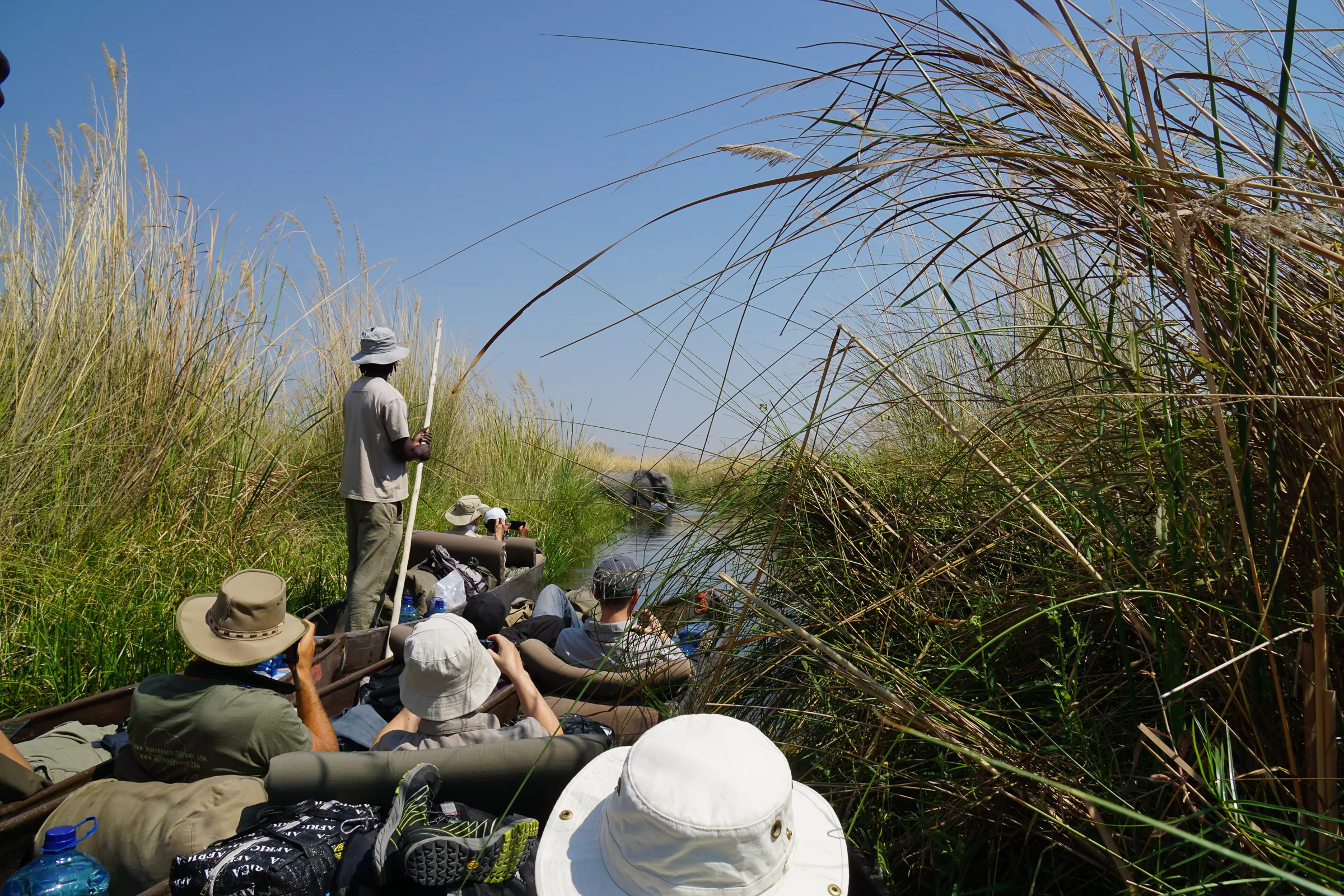
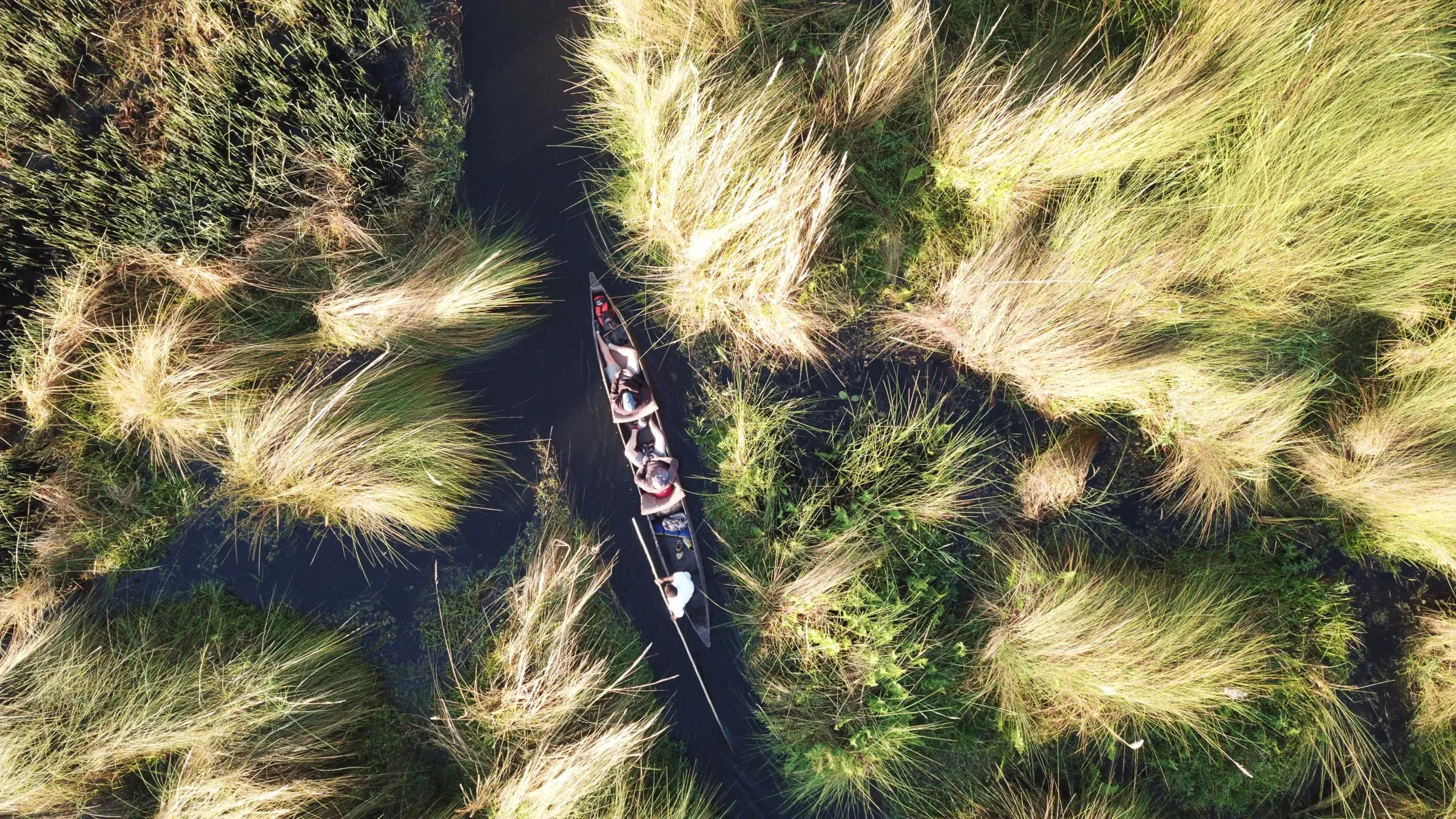
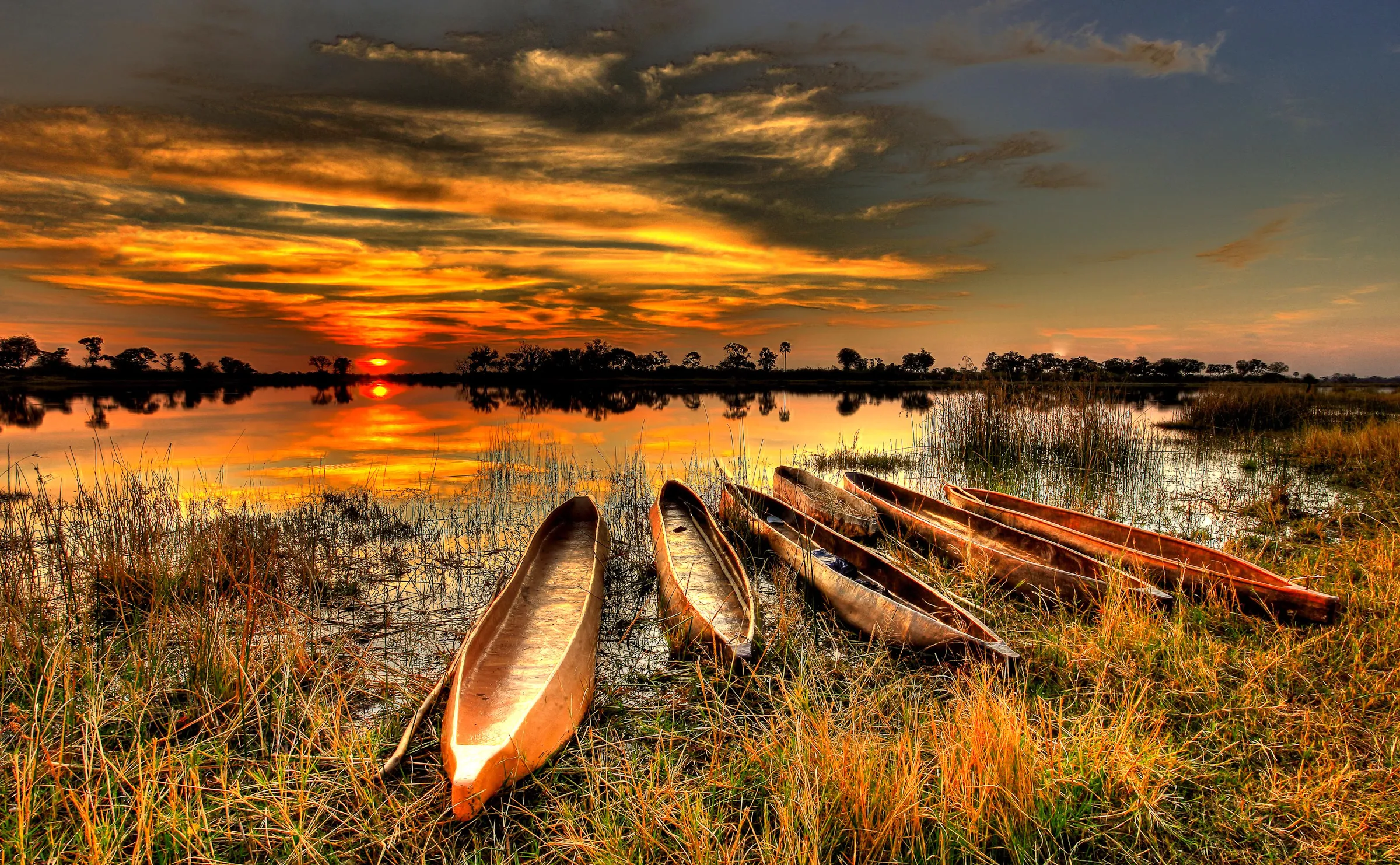
- Okavango Delta - boat cruise & mokoro excursion
- Chobe National Park
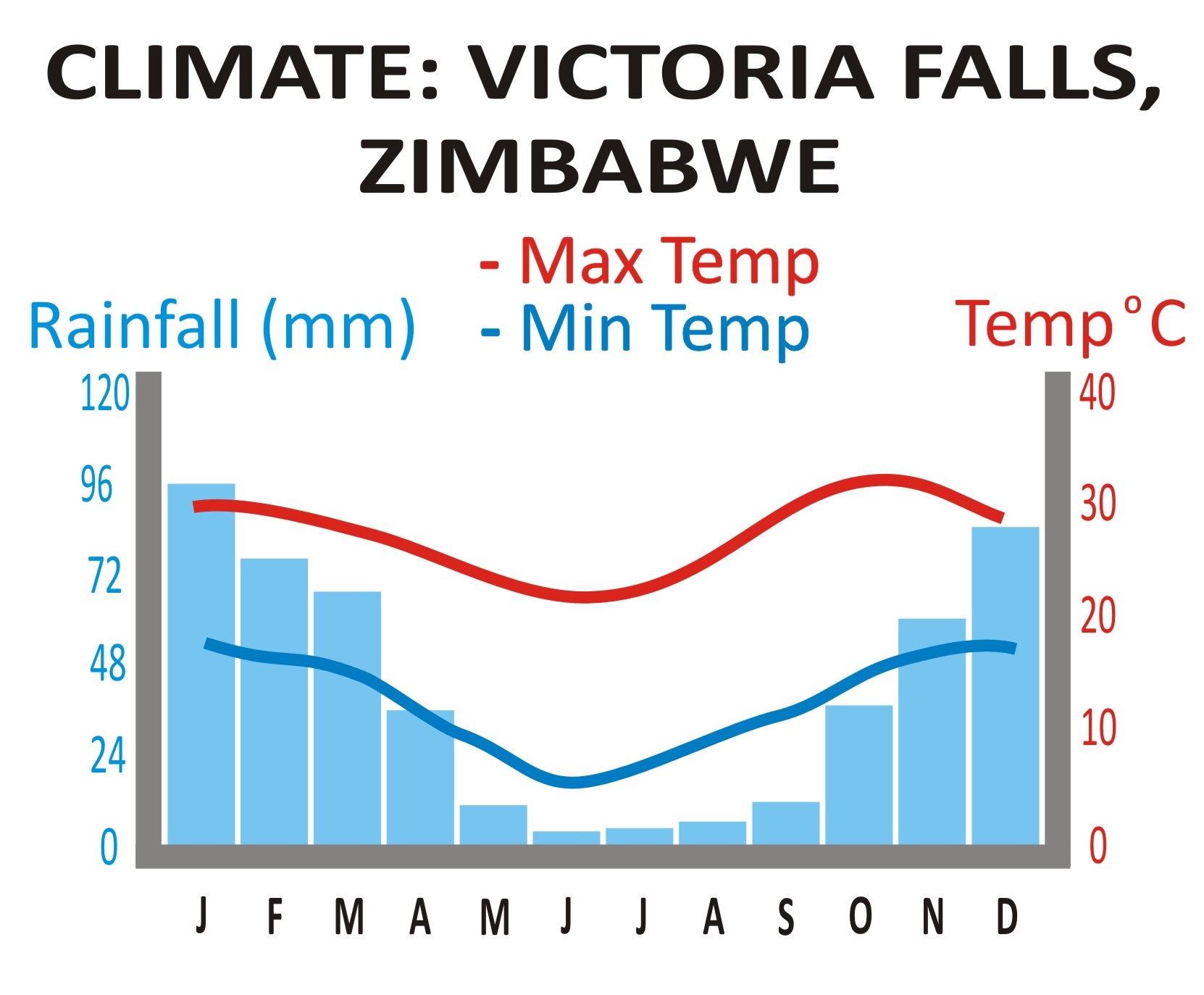
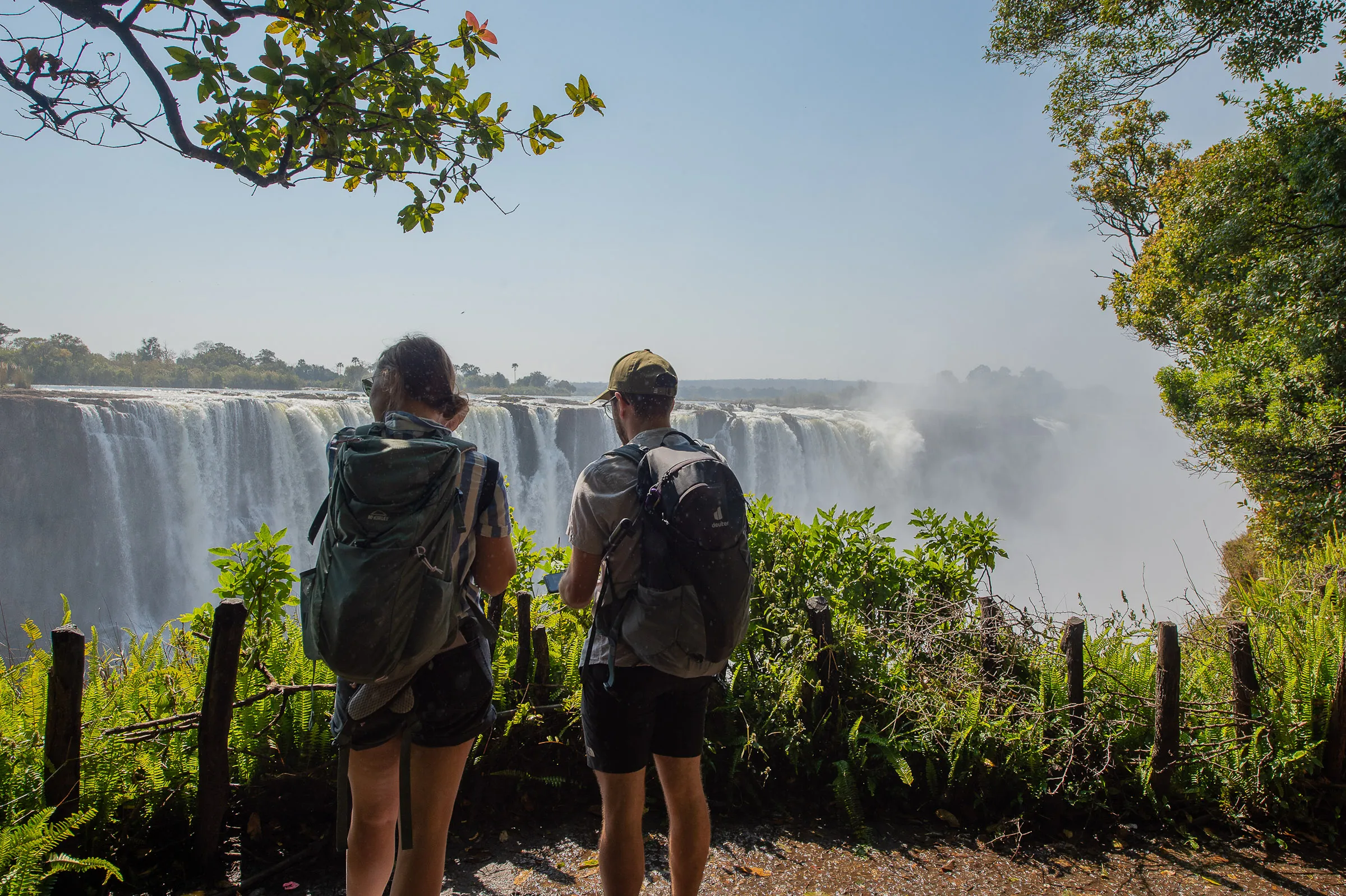
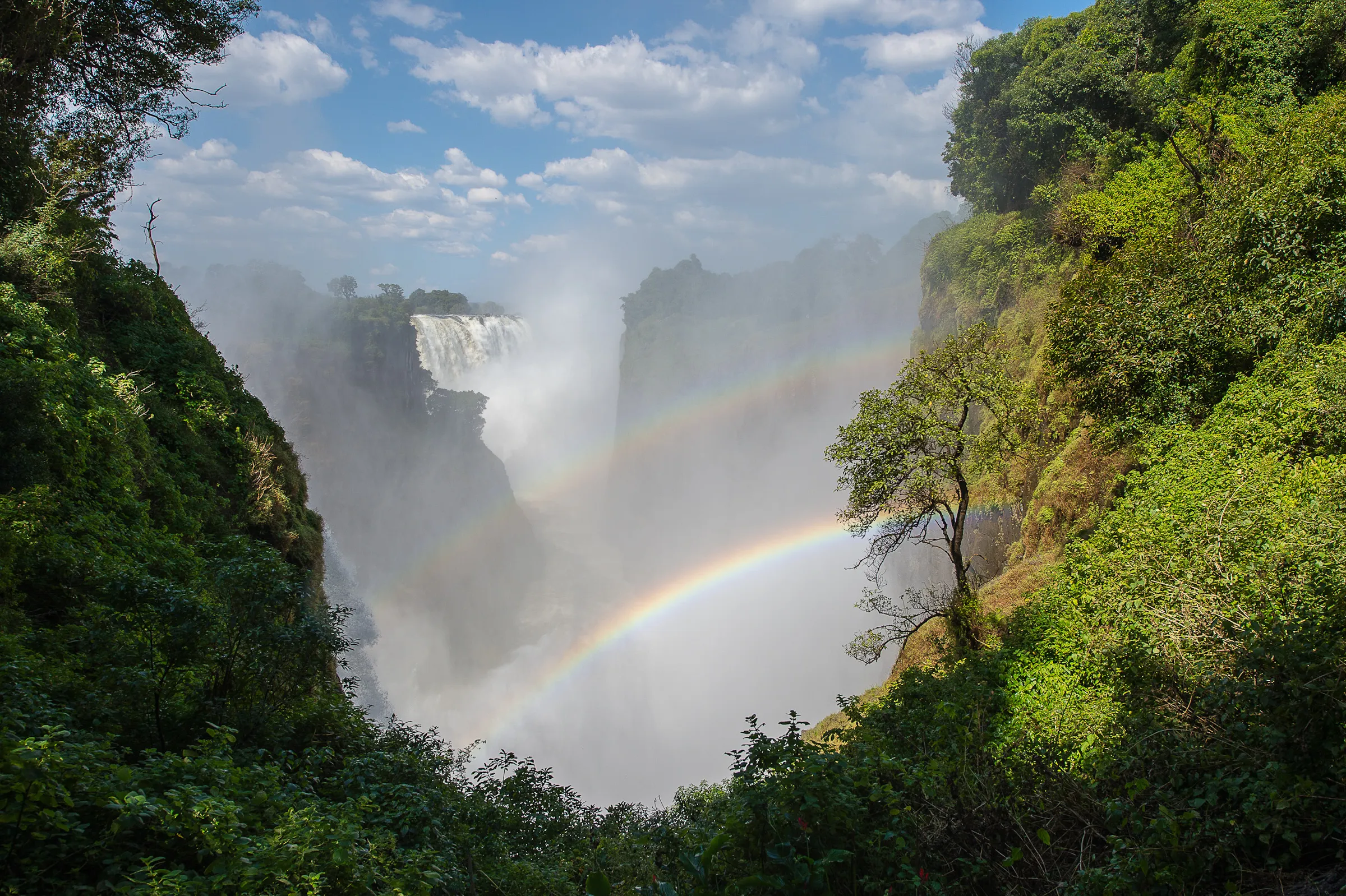
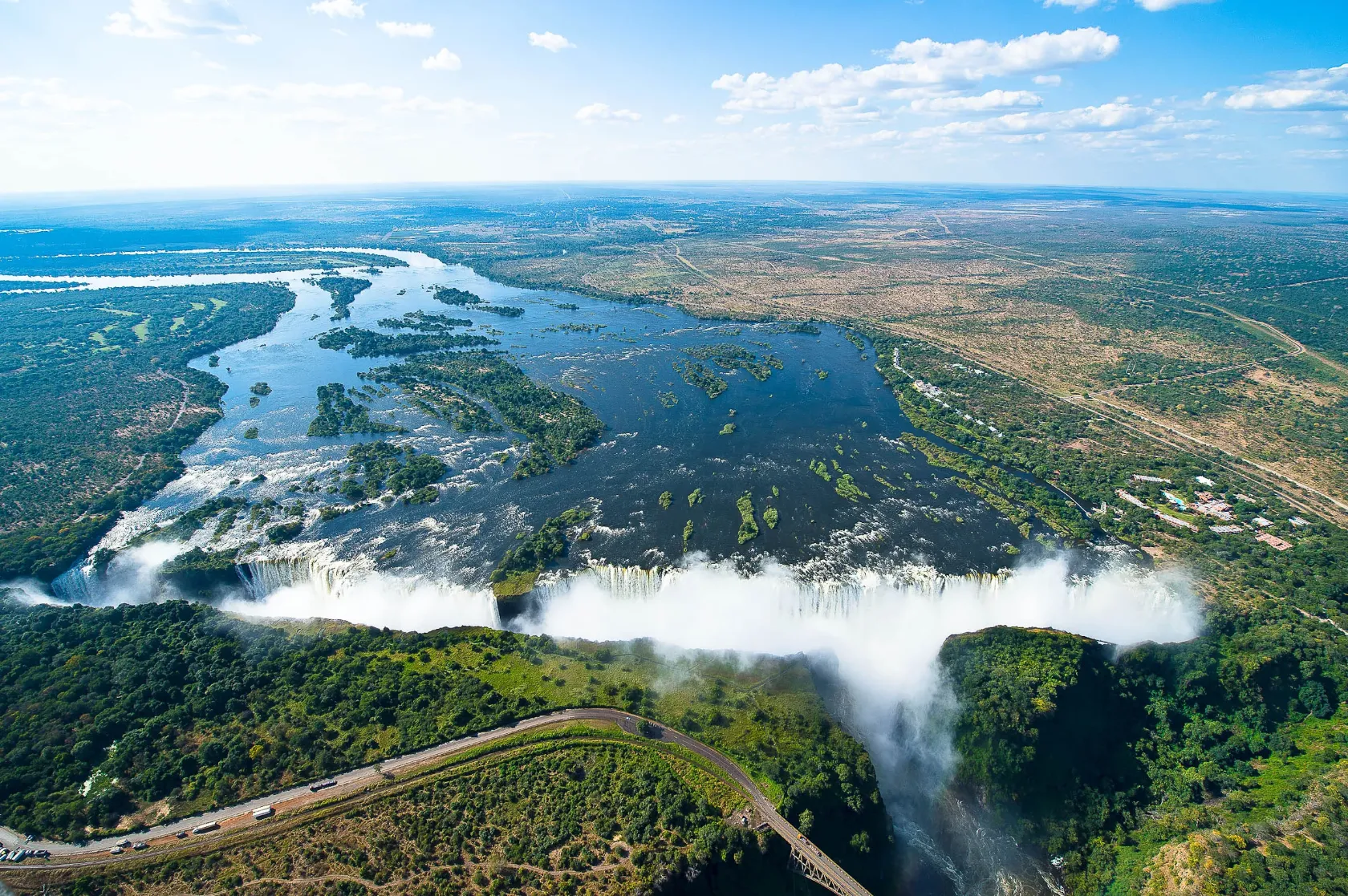
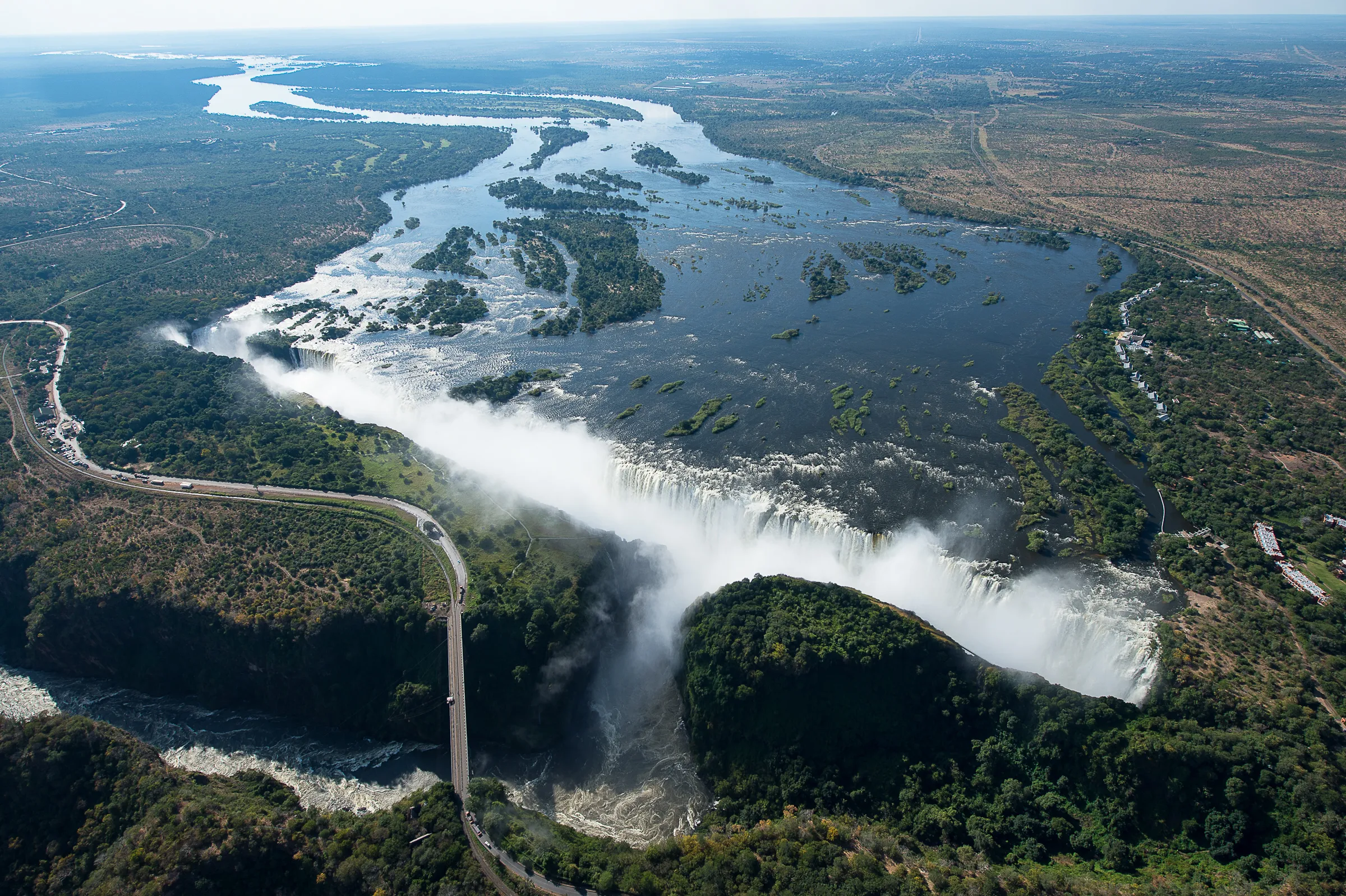
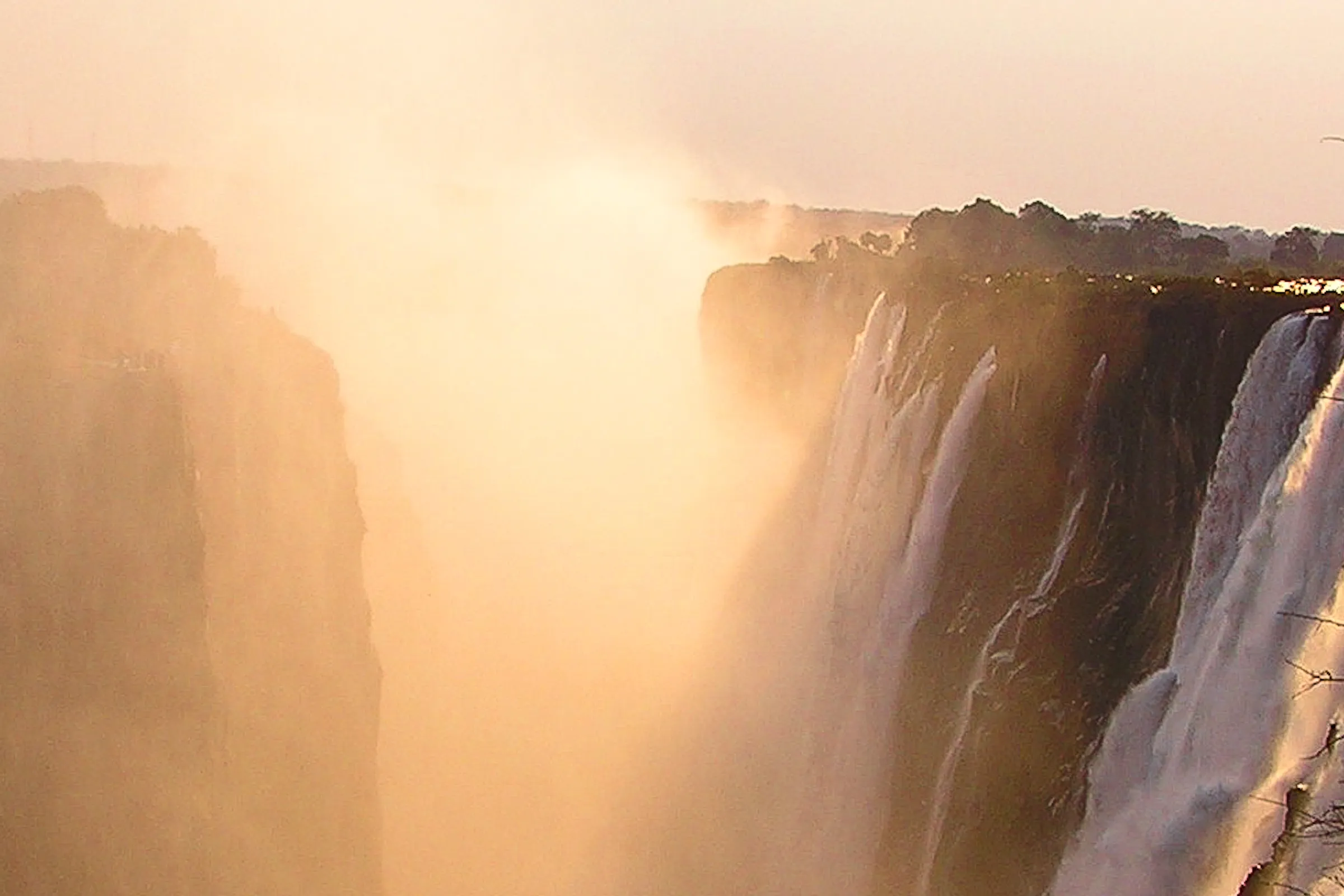
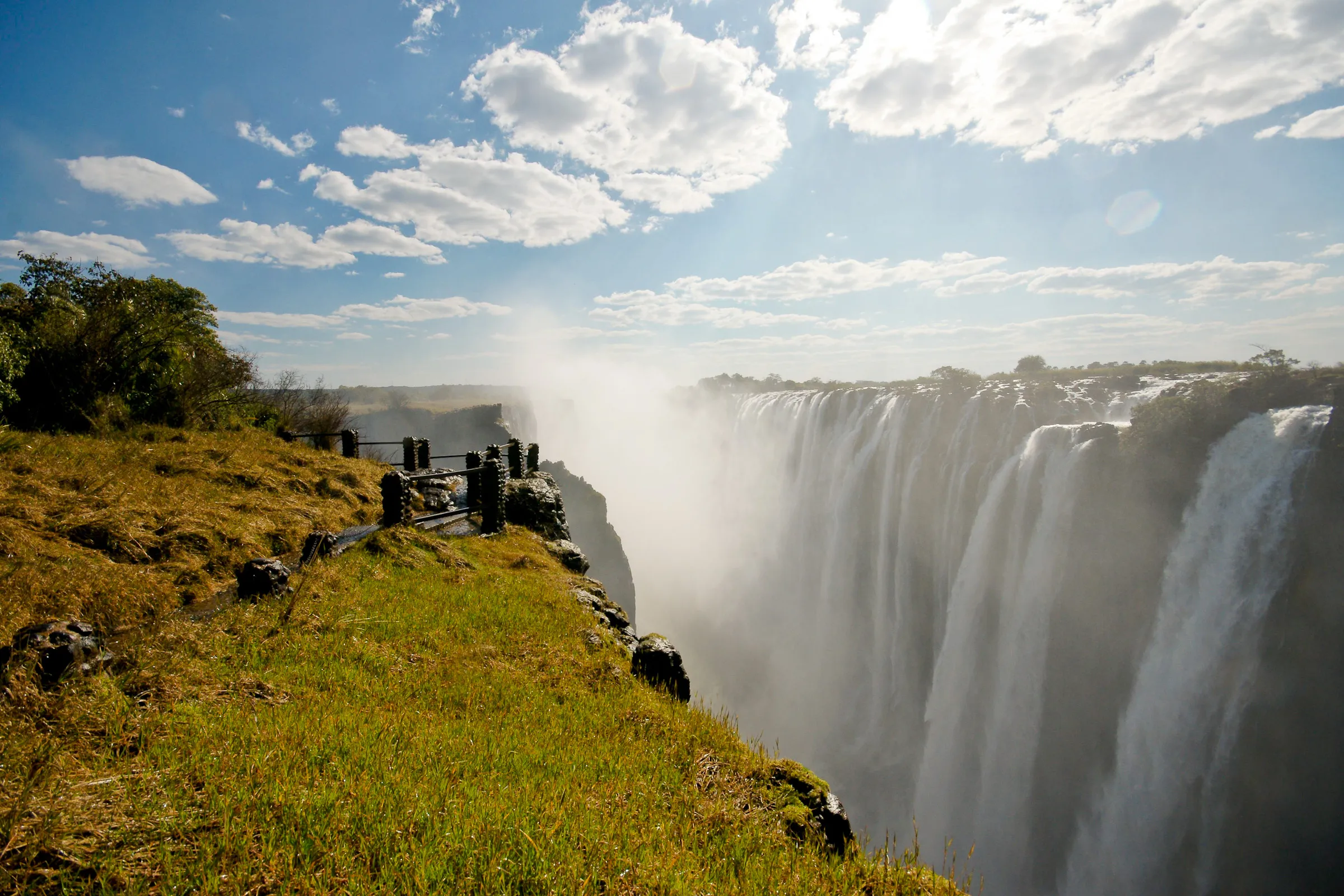
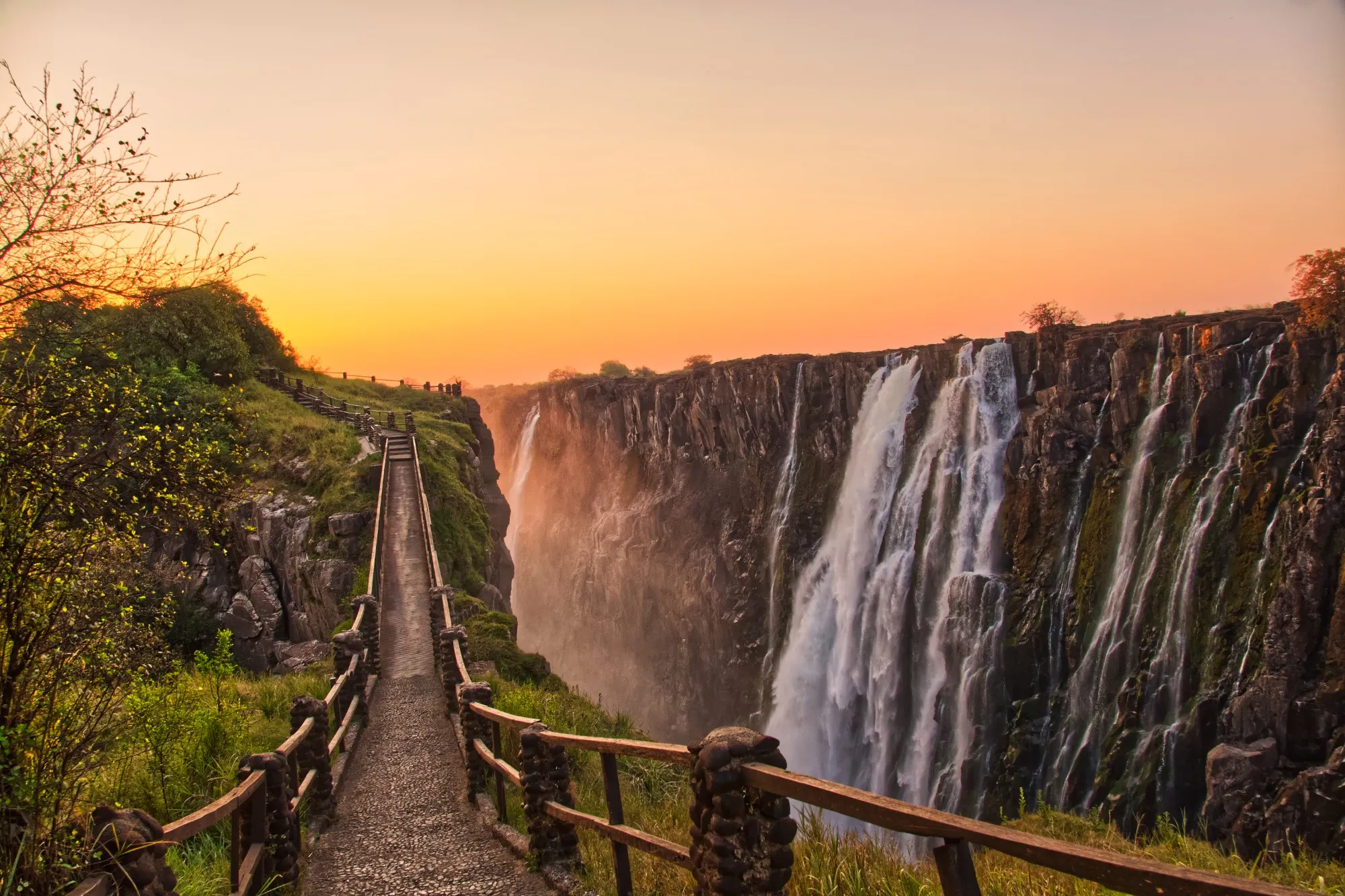
- Victoria Falls – A natural wonder of the world & adventure activities
Information
Overnight
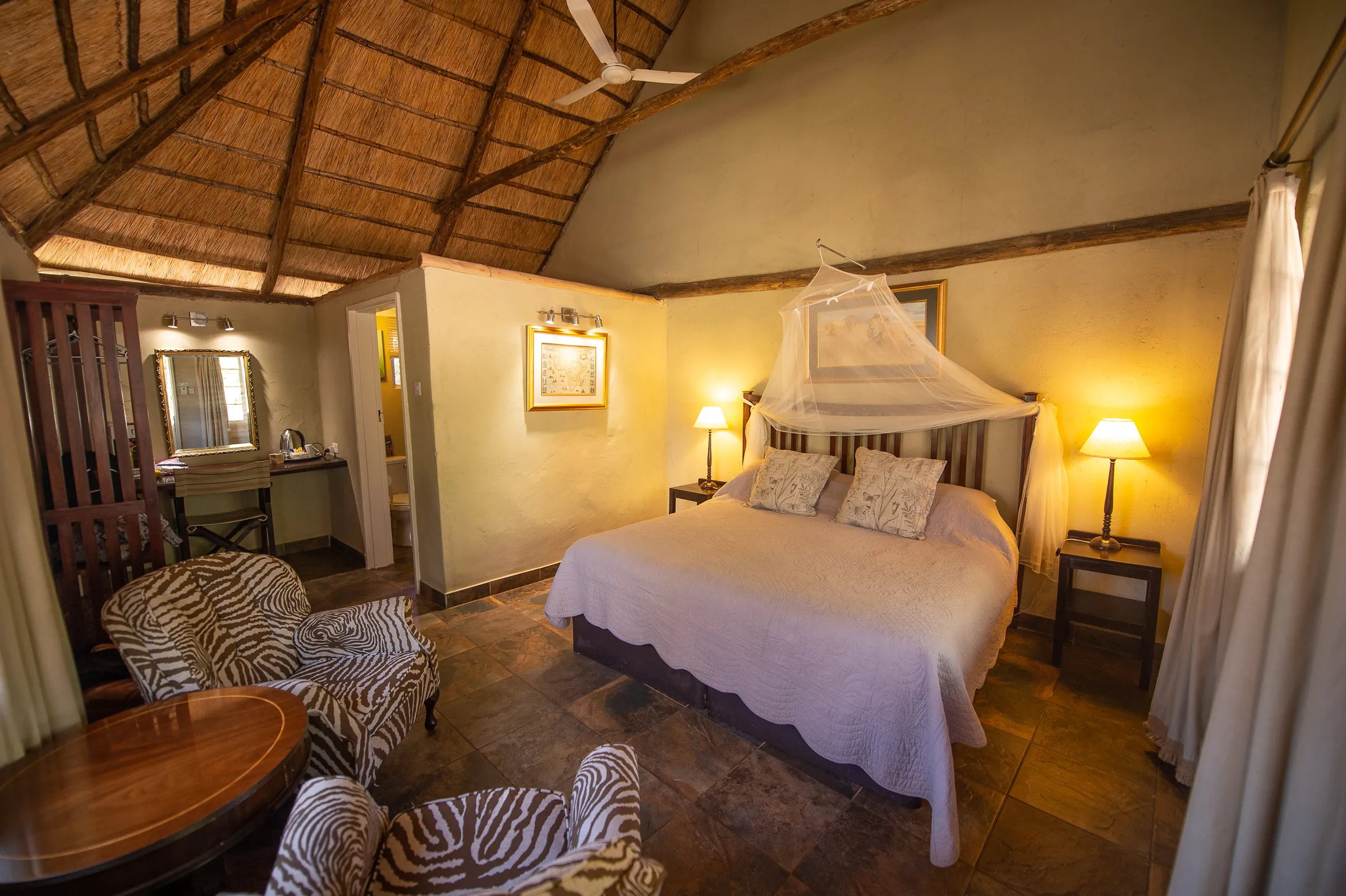
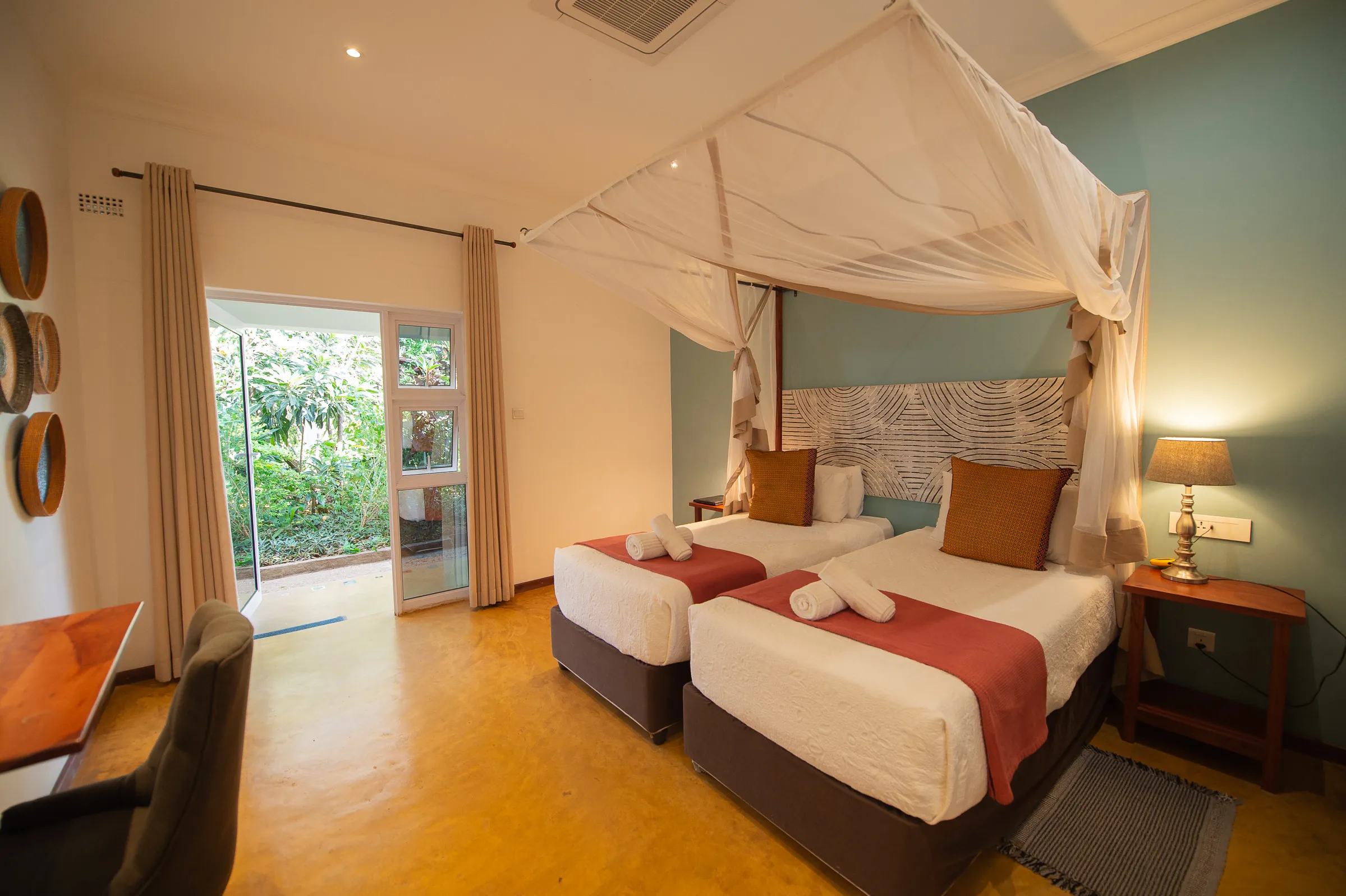
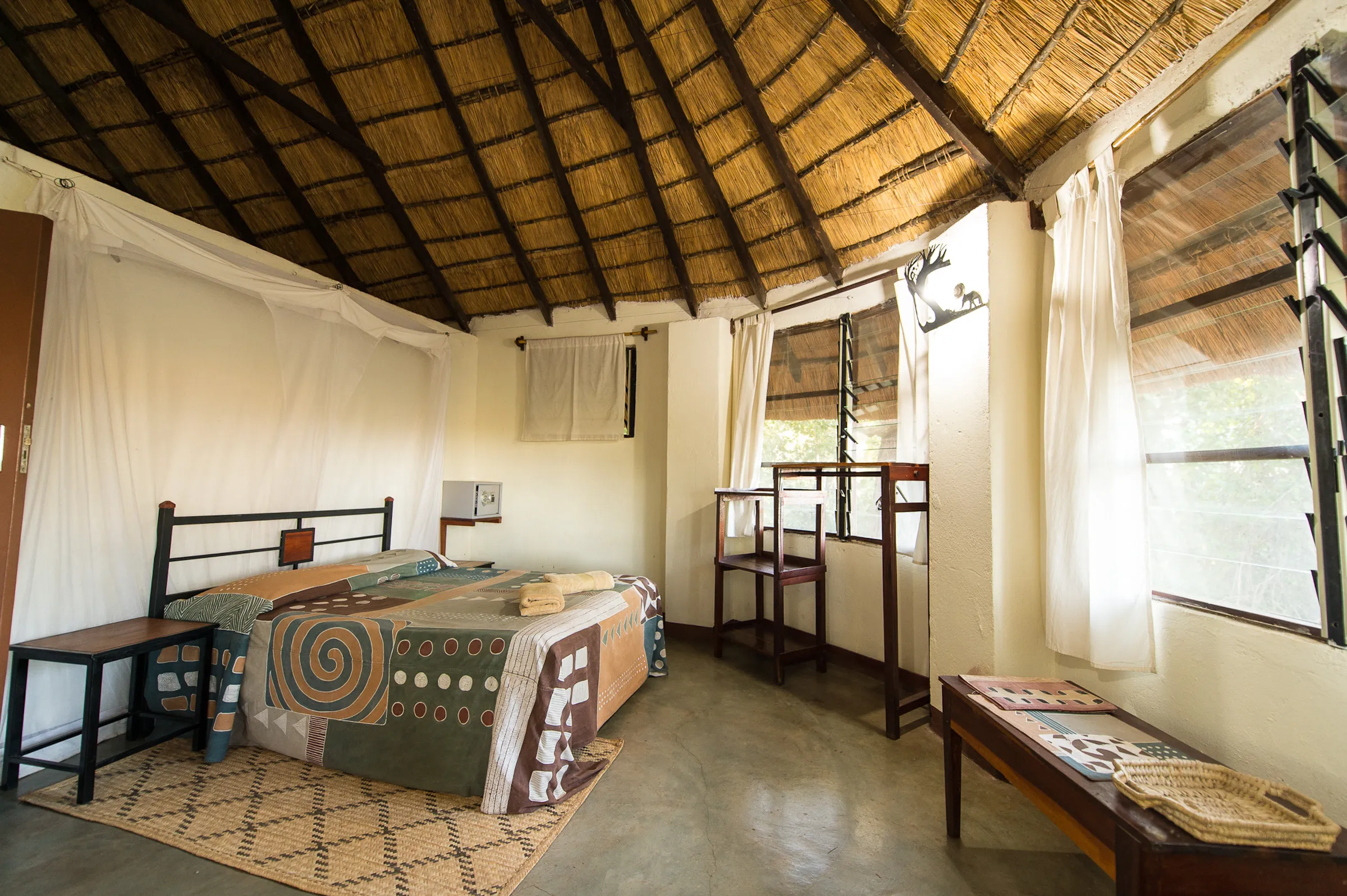
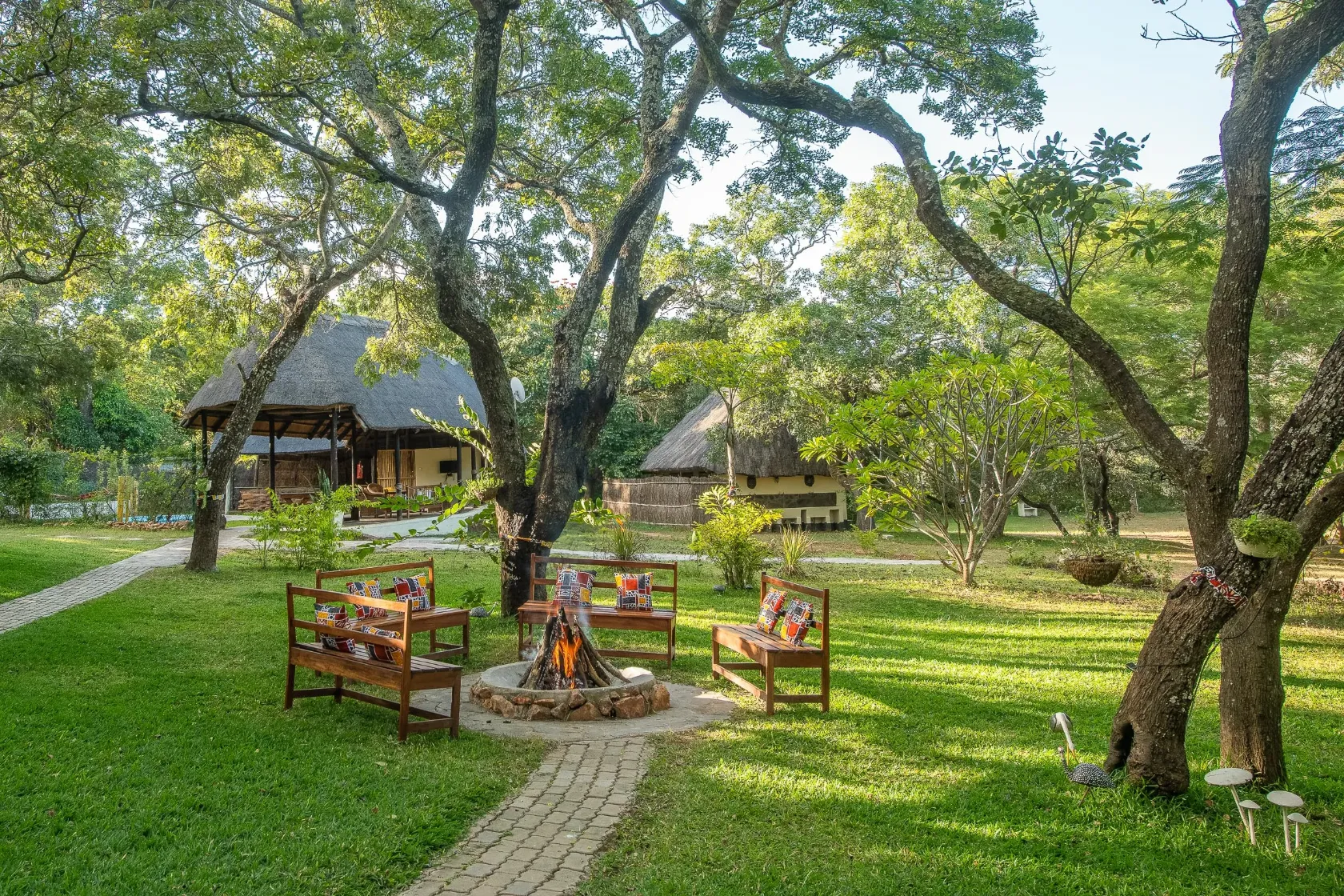
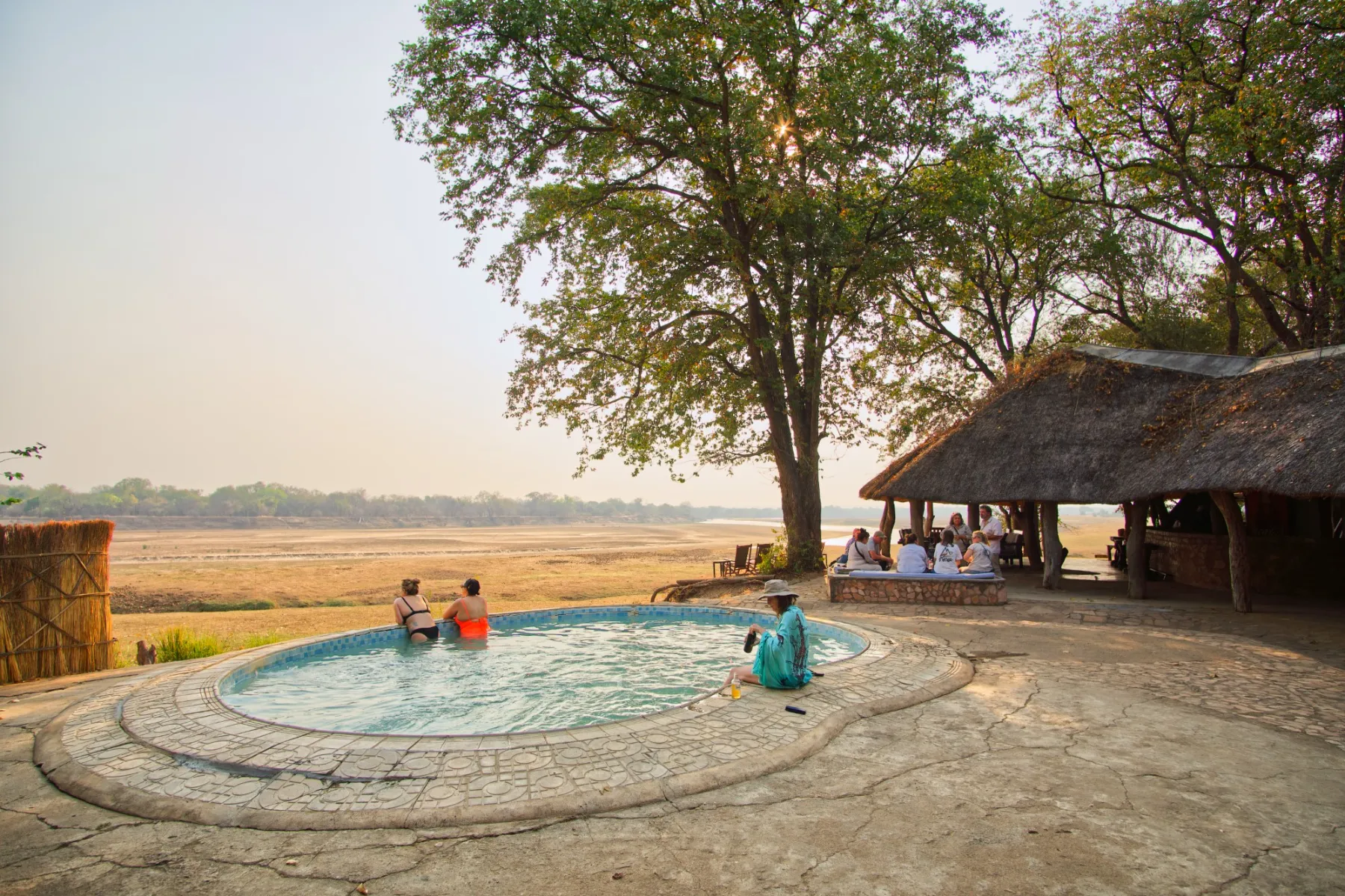
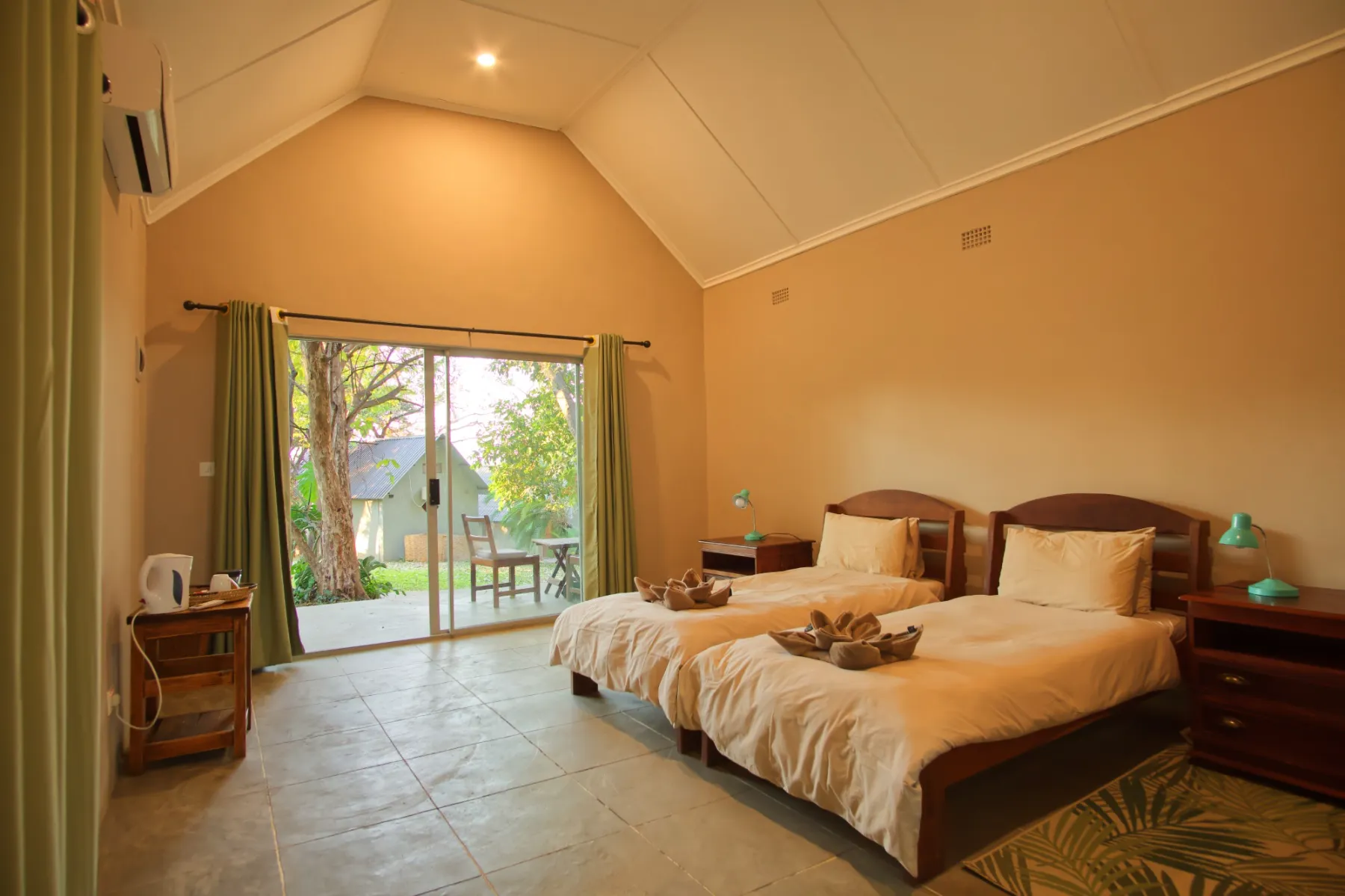
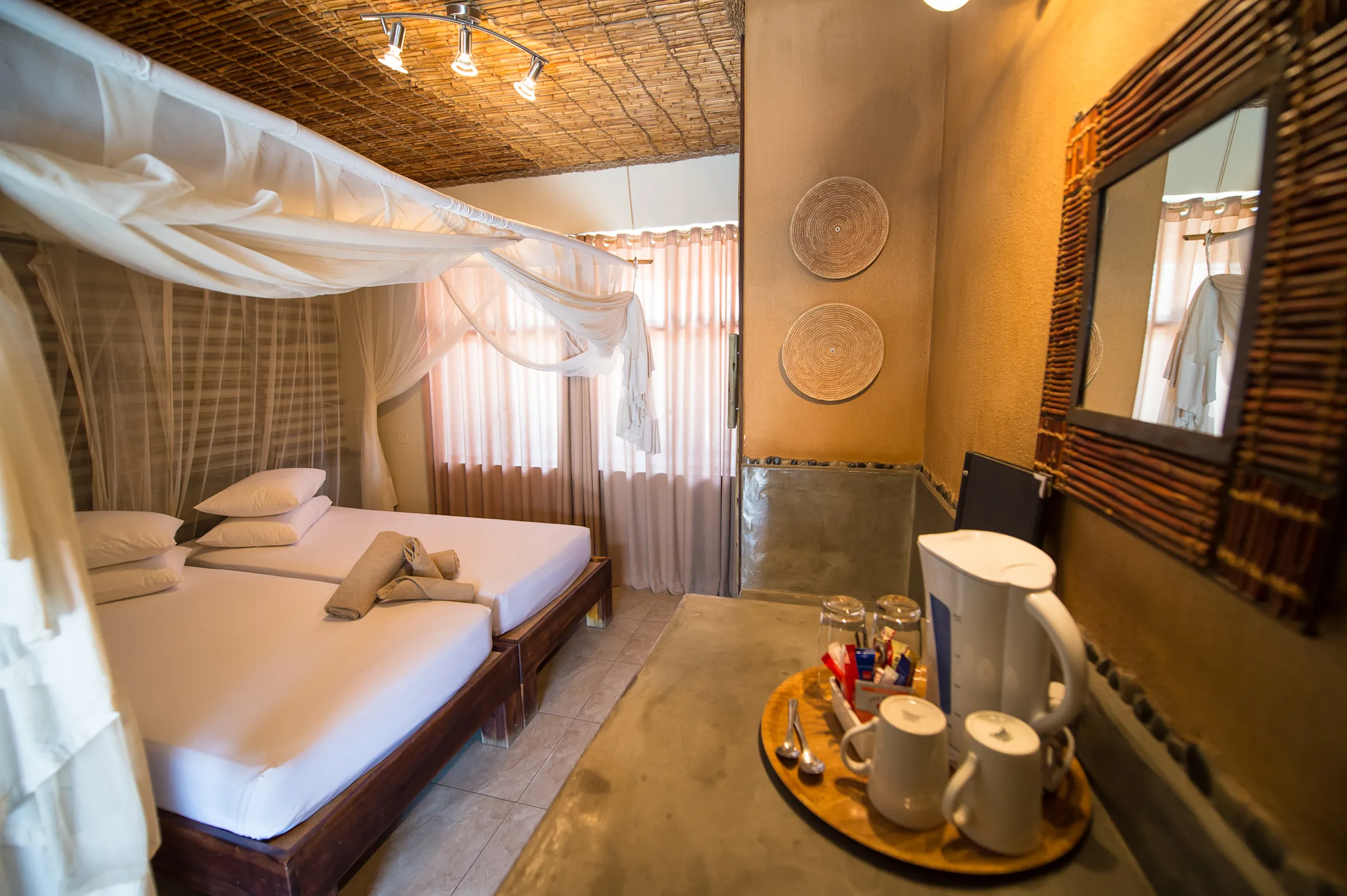
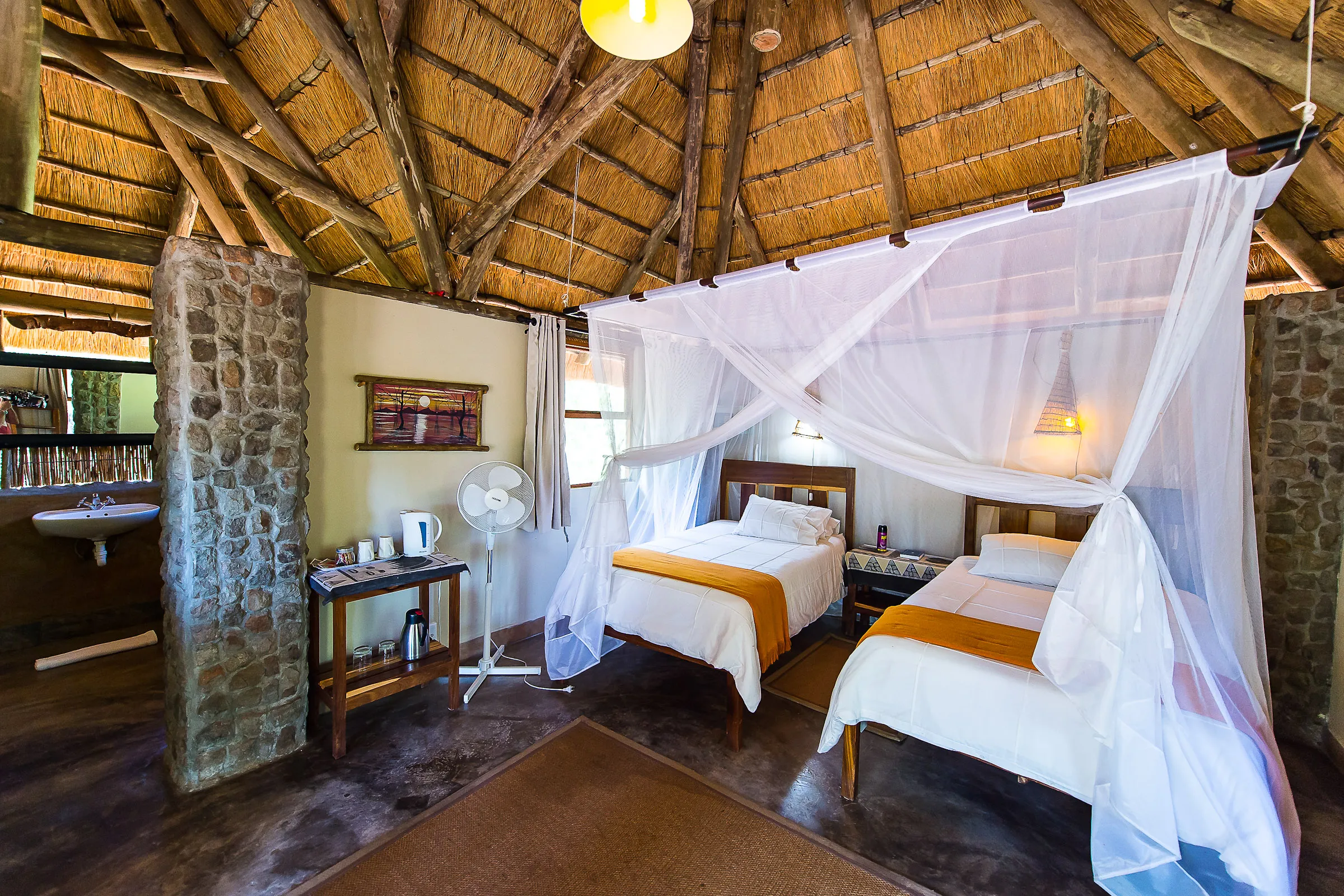
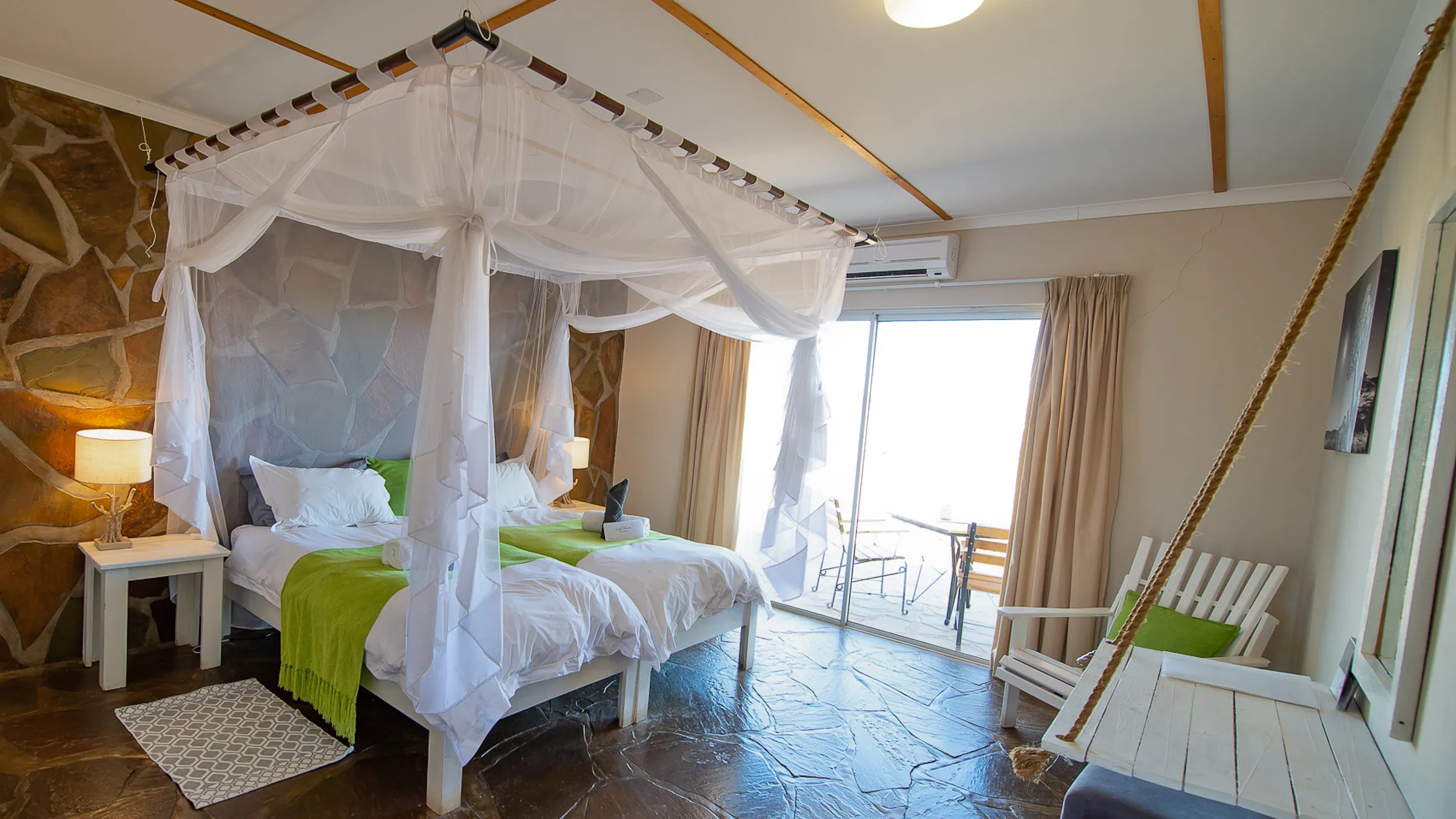
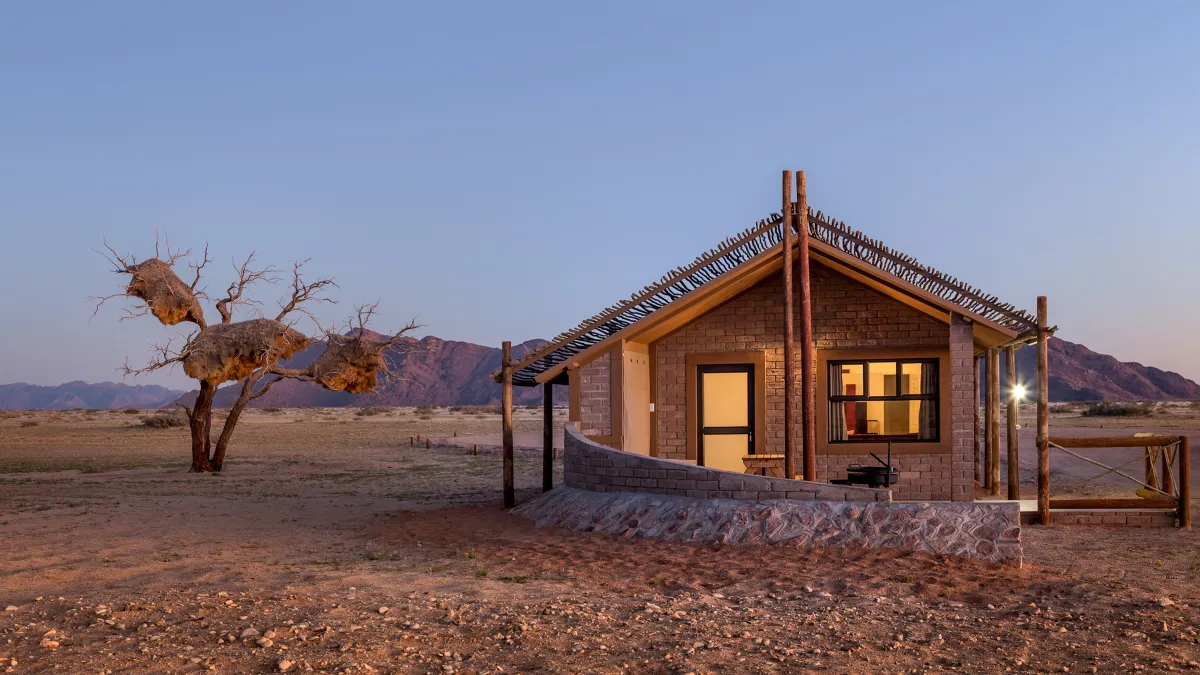
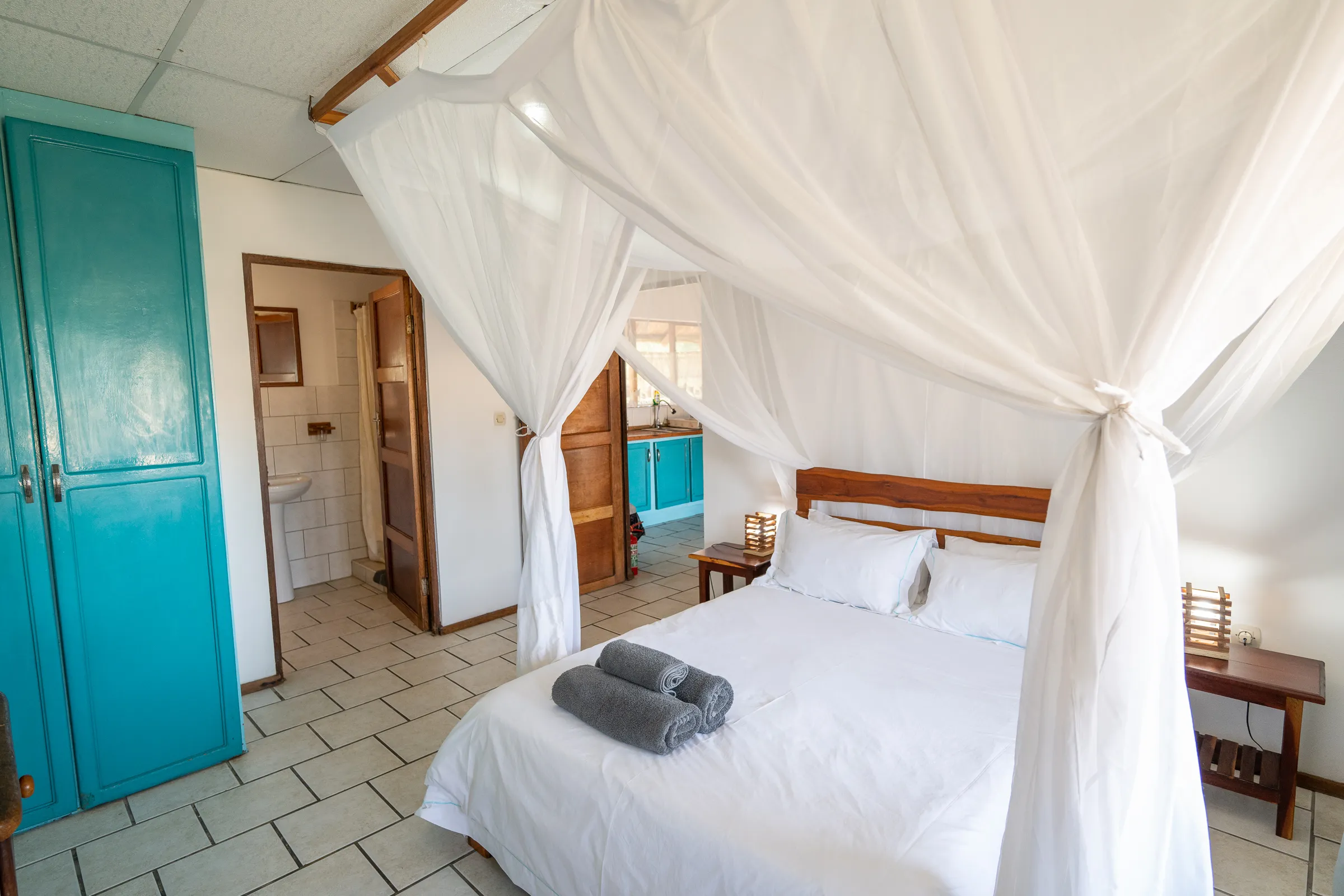
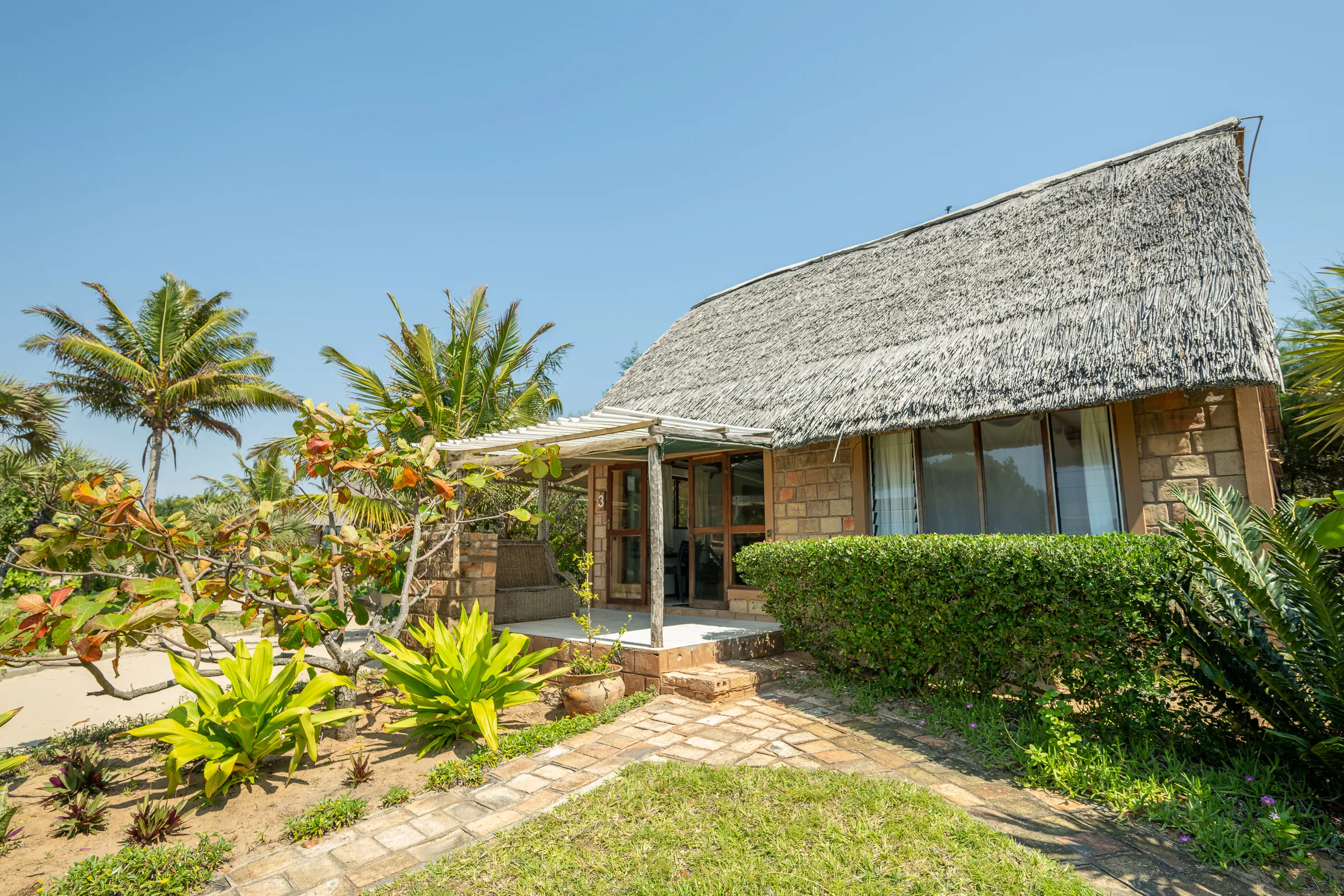
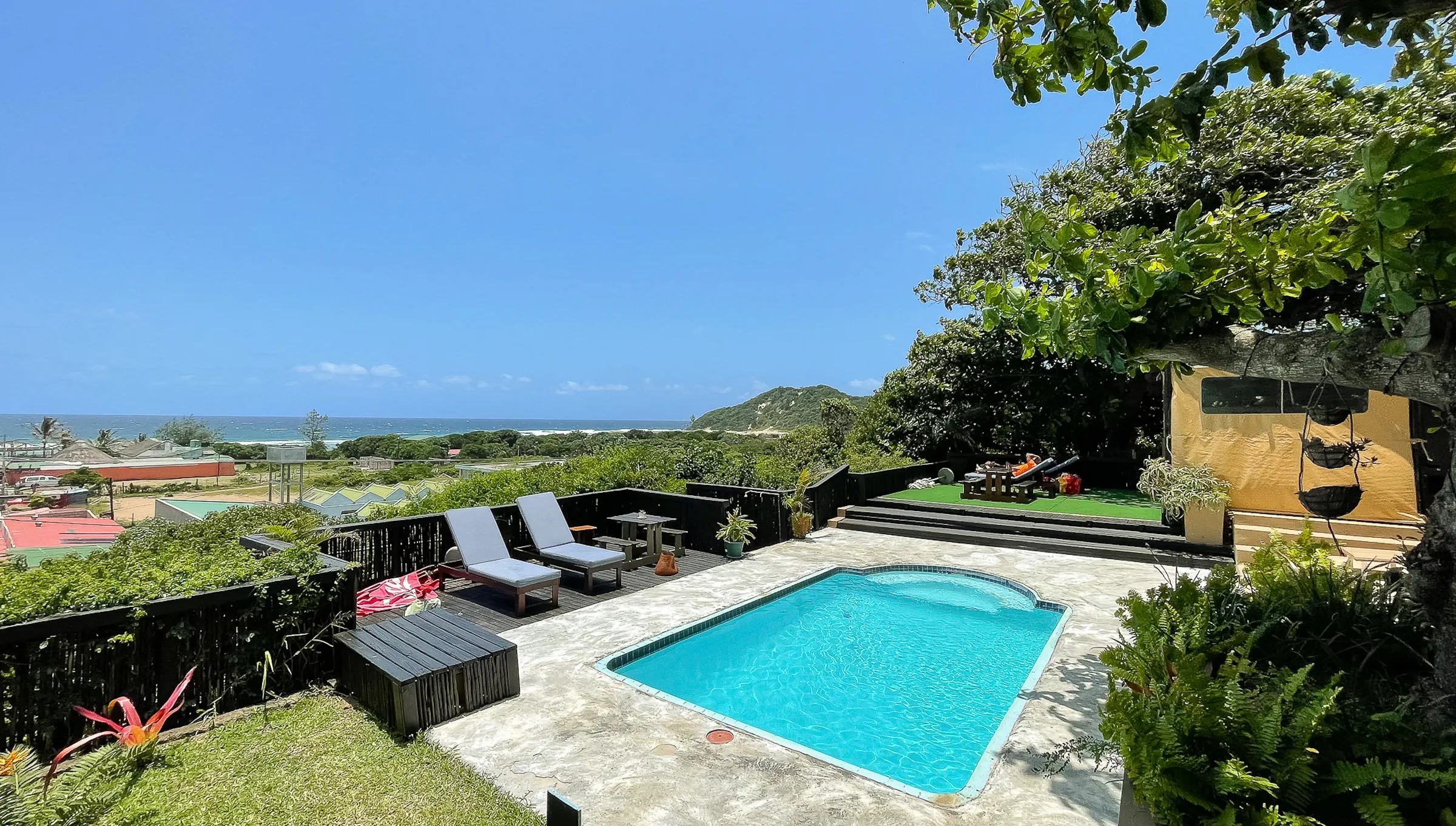
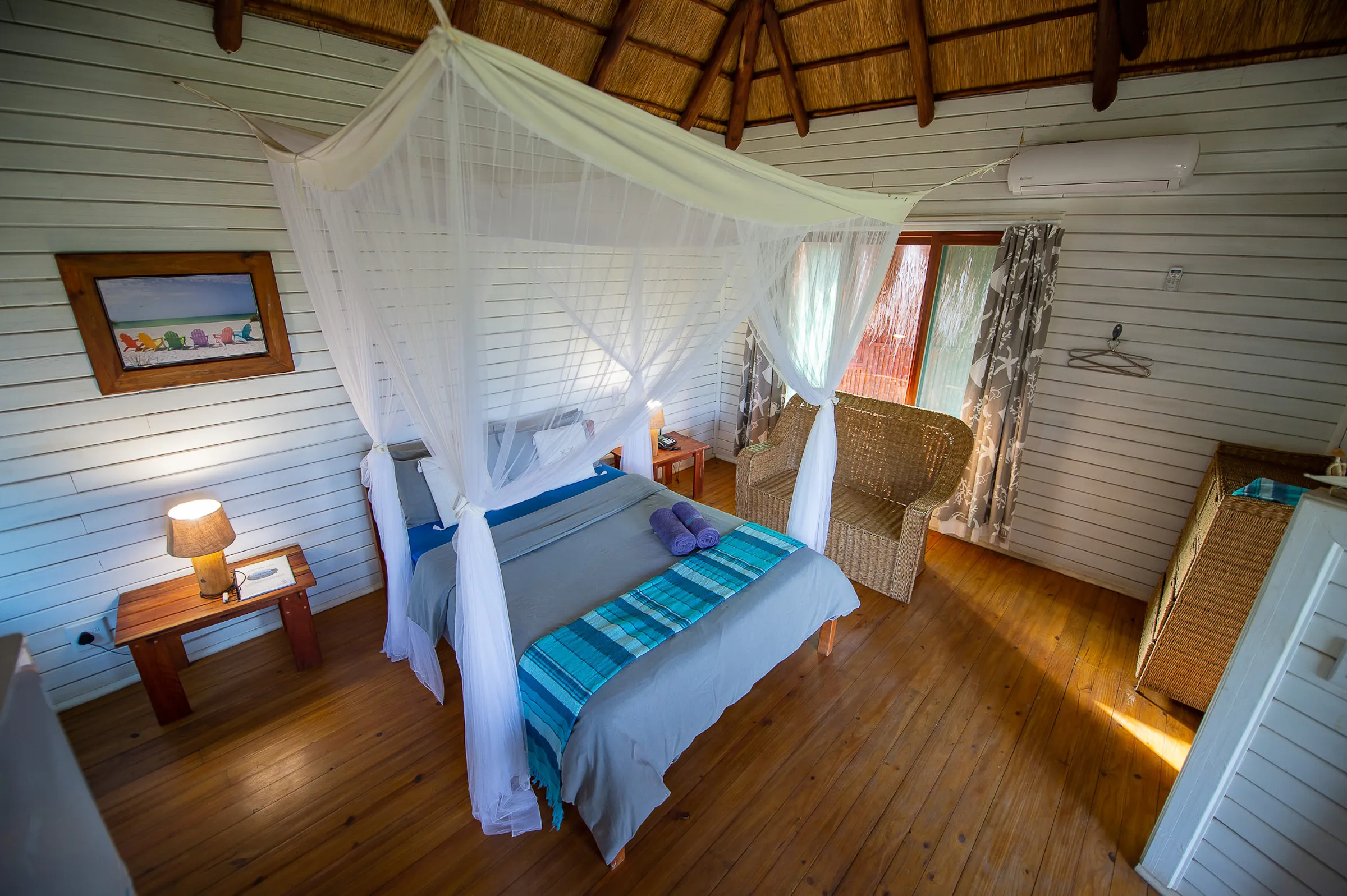
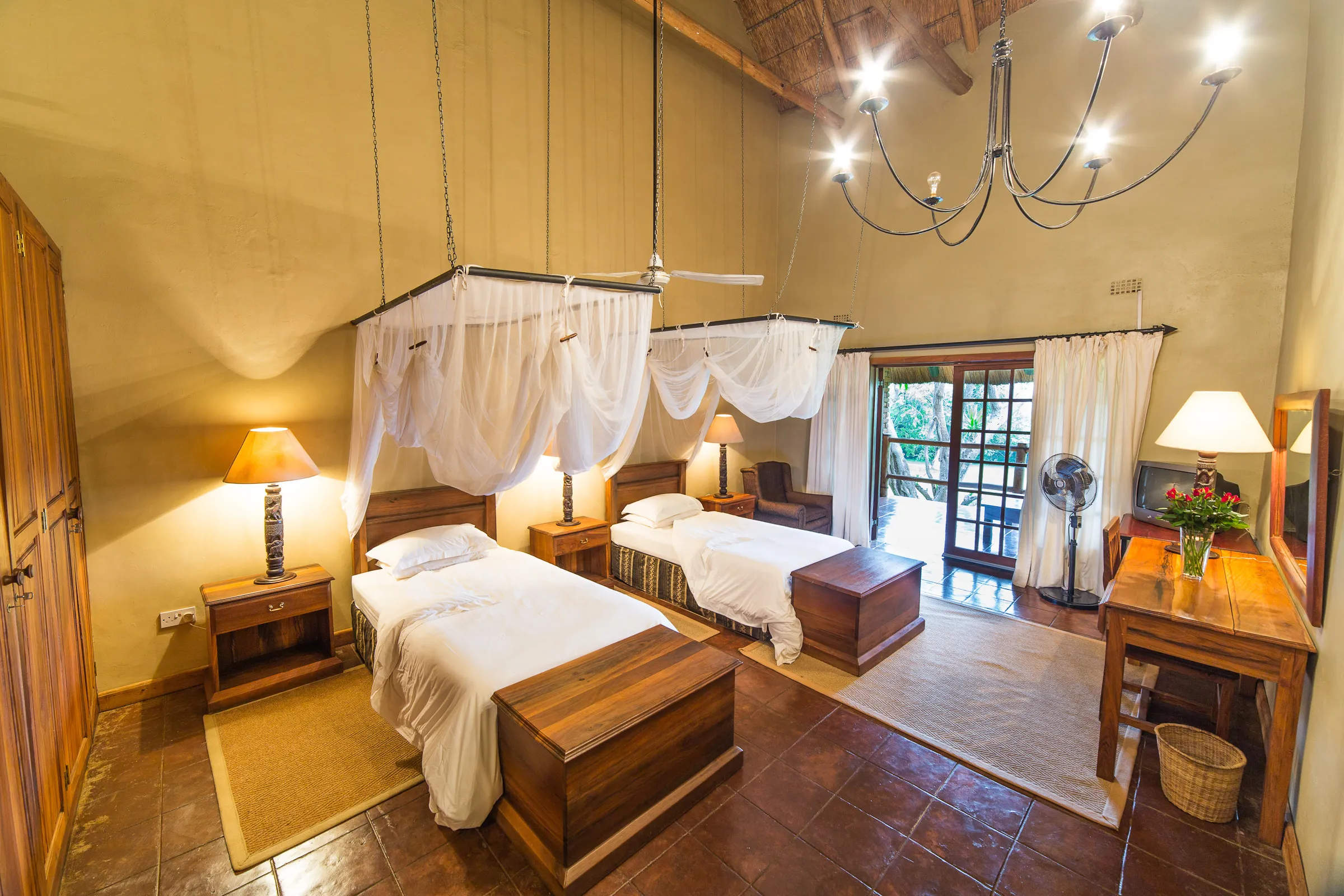
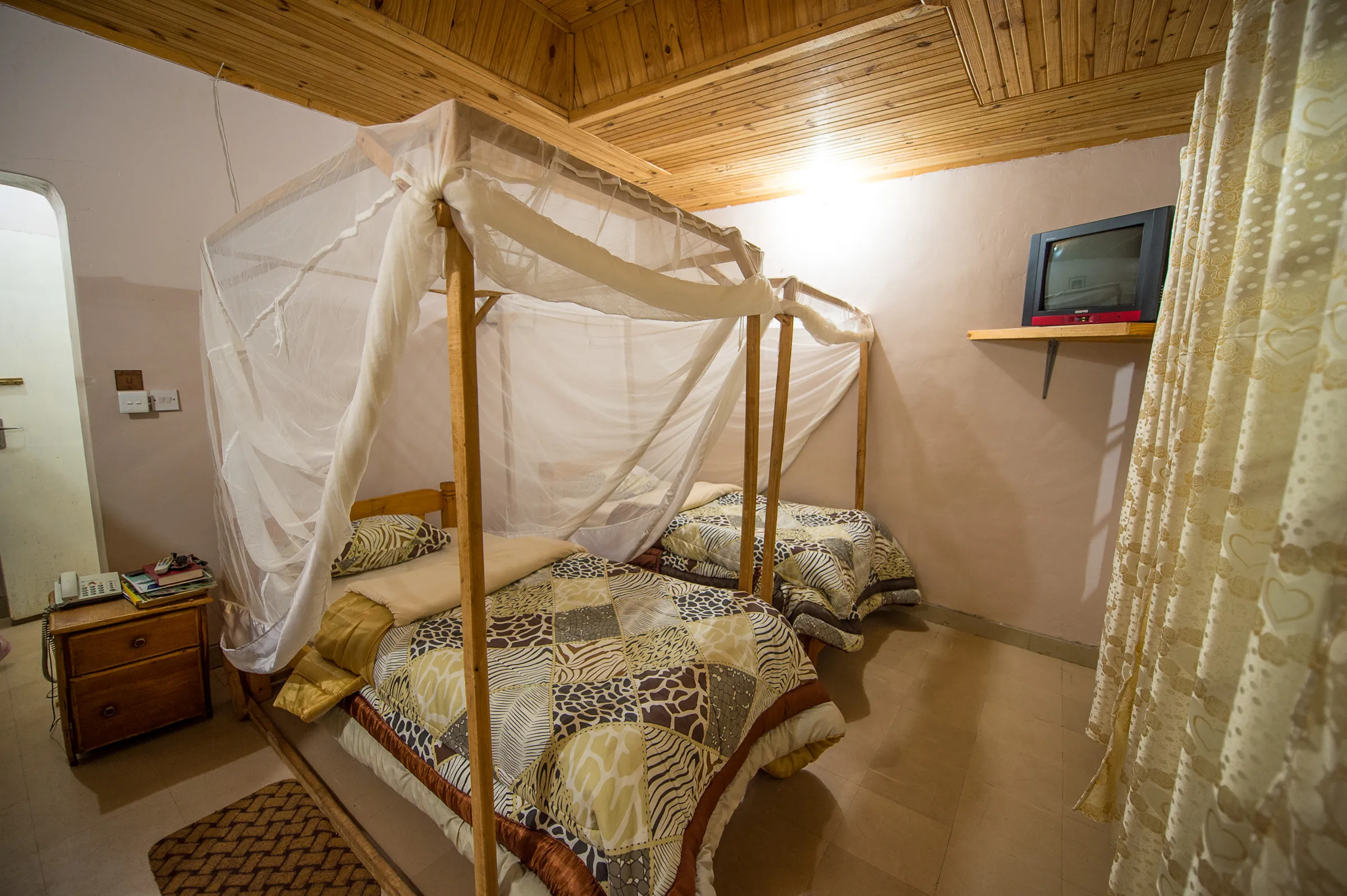
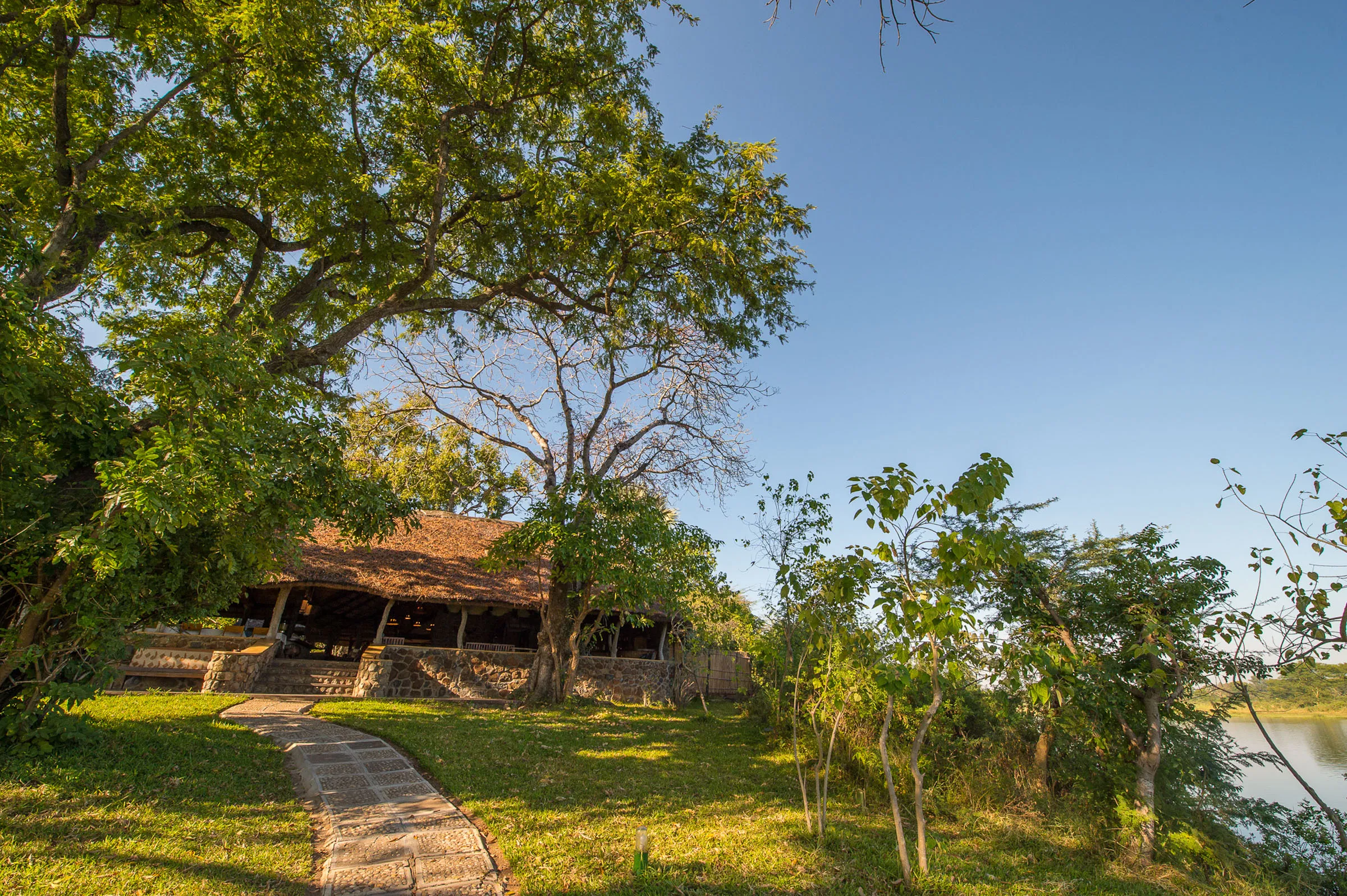
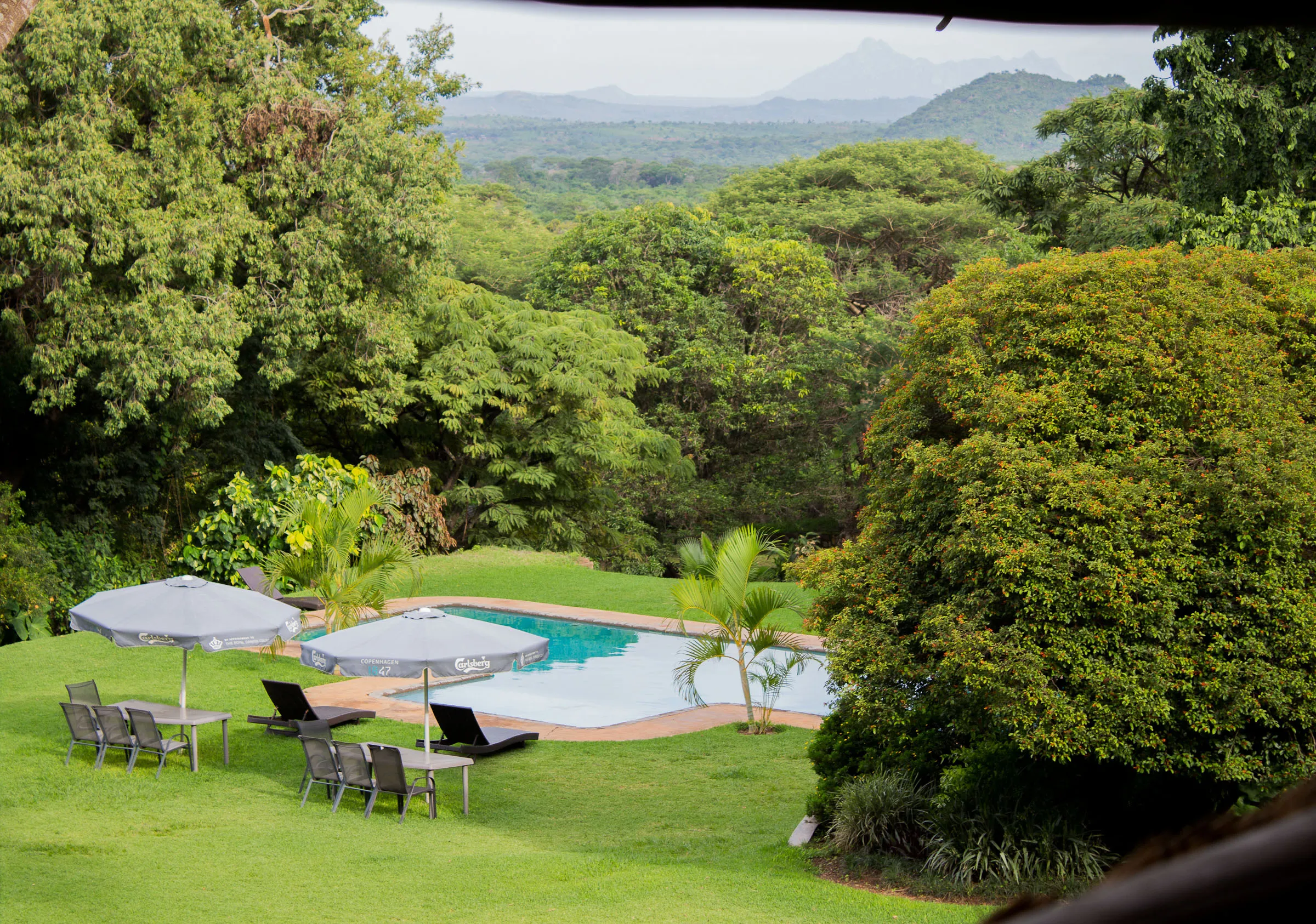
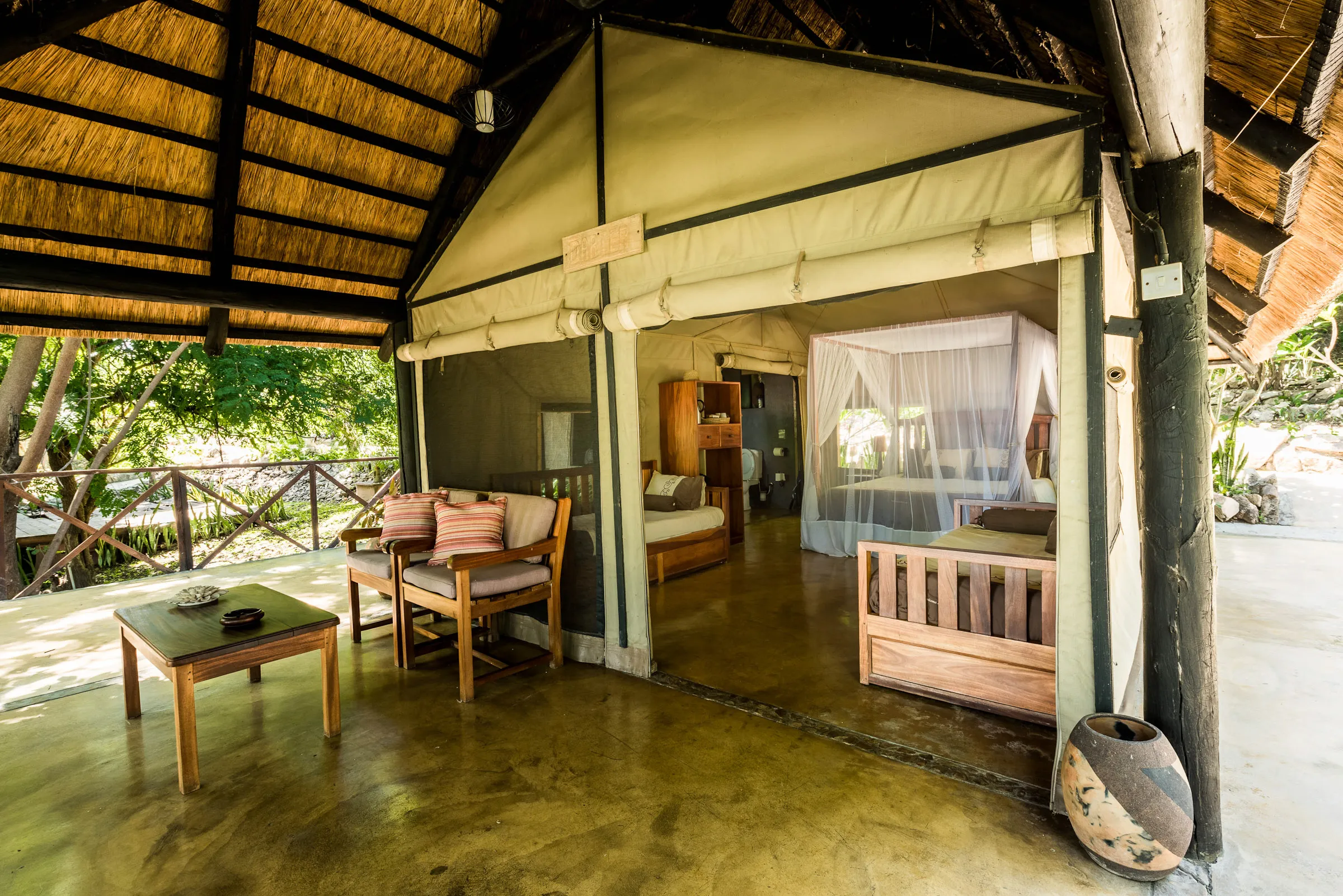
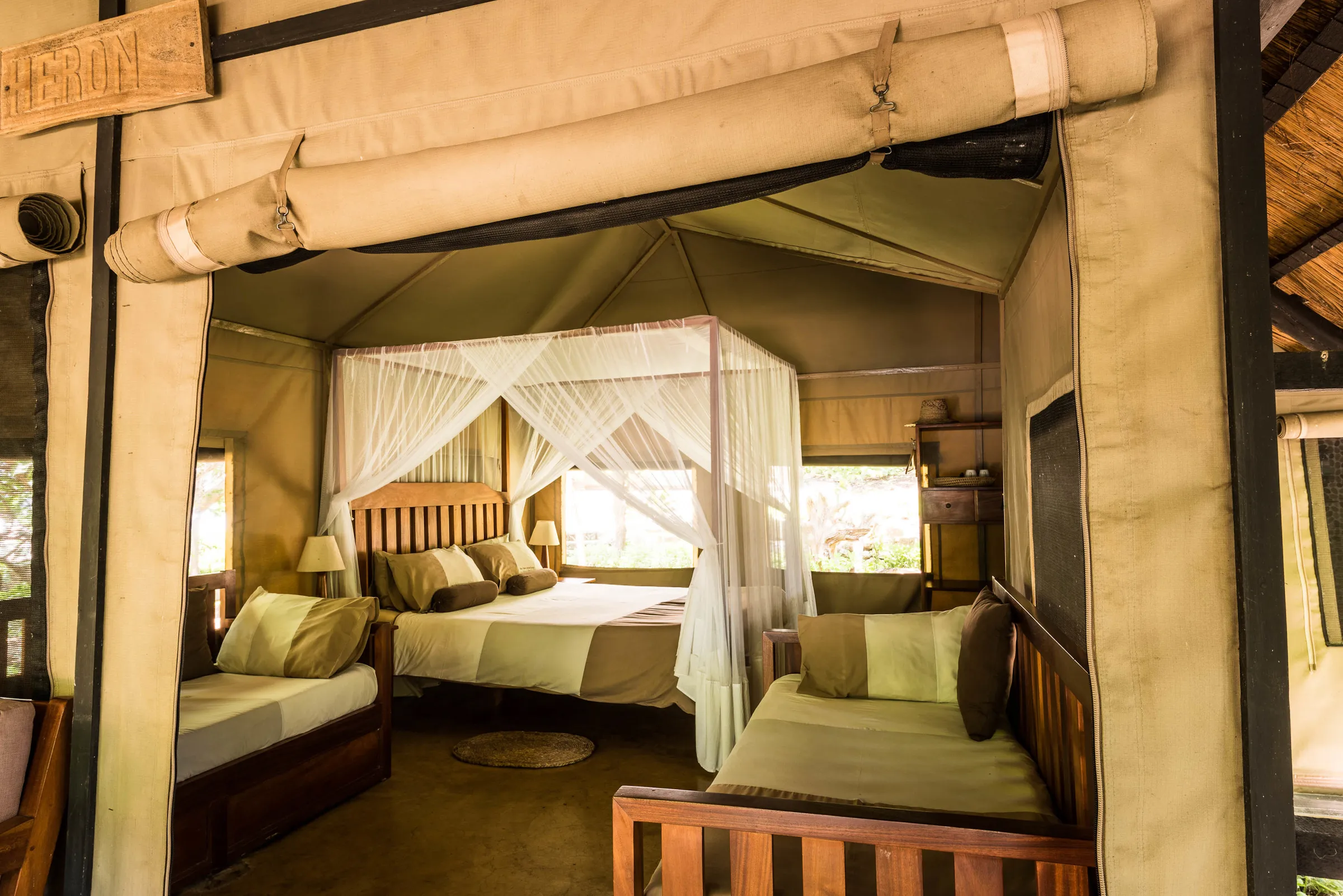
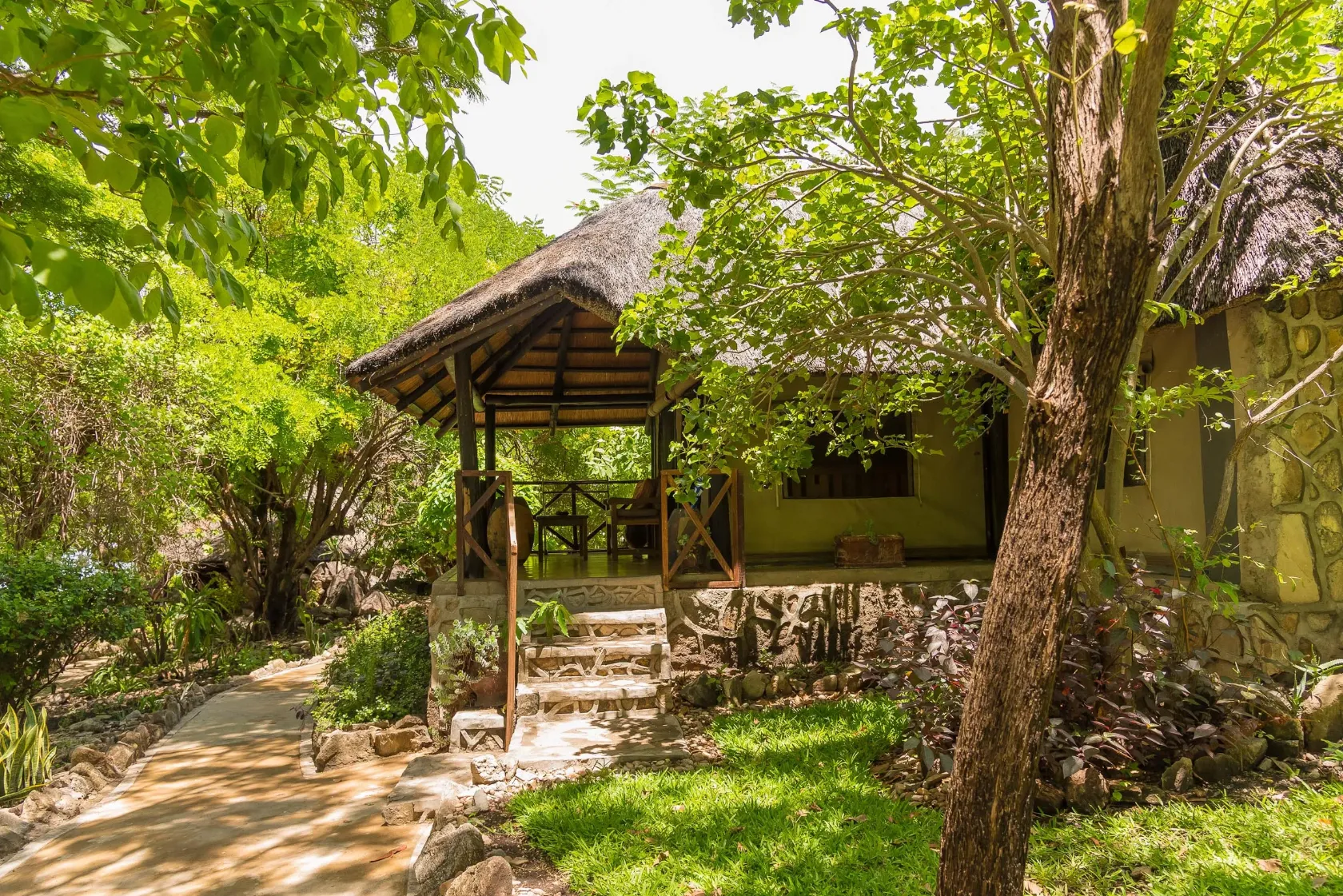
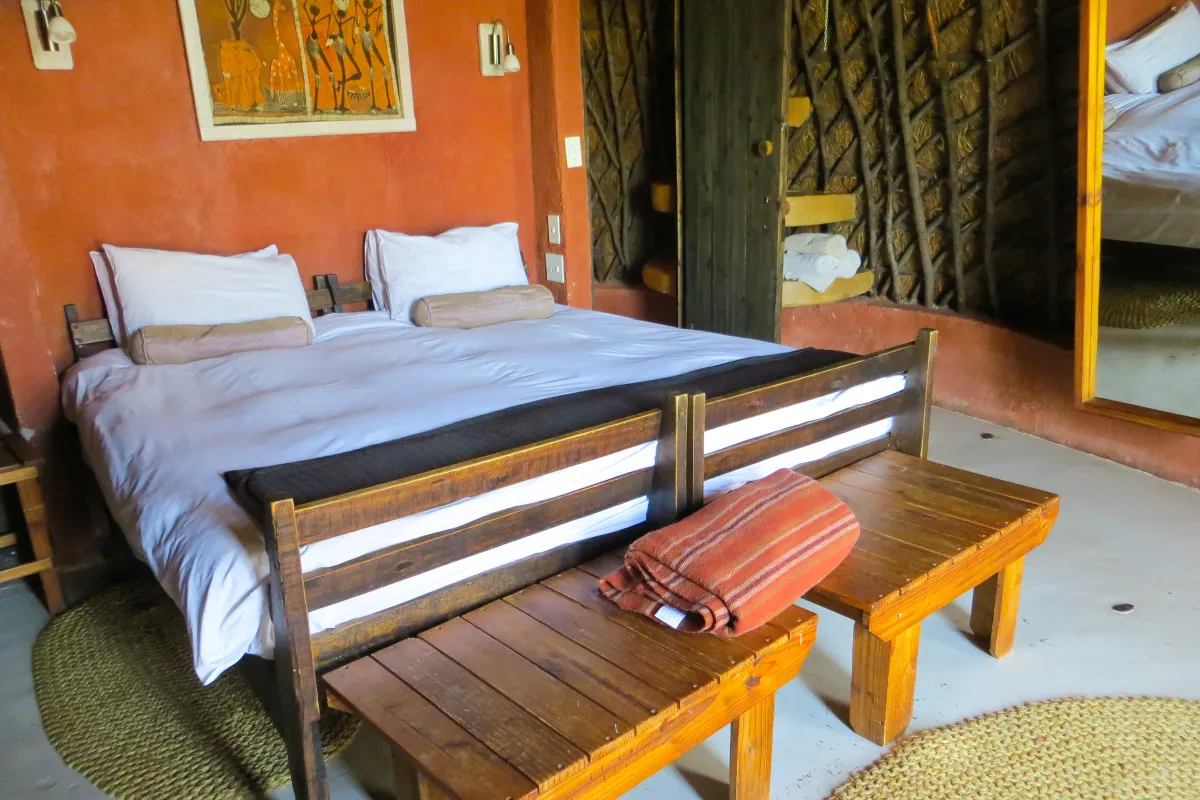
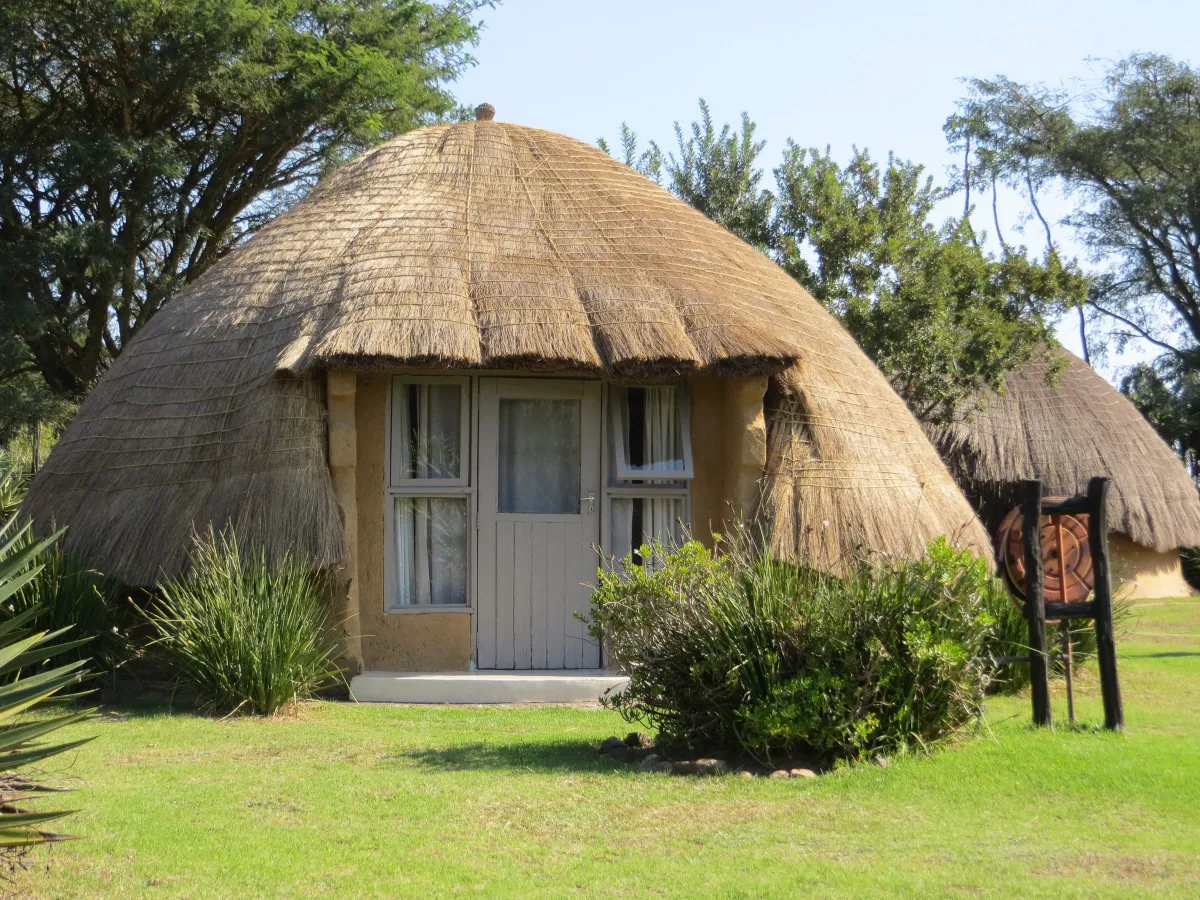
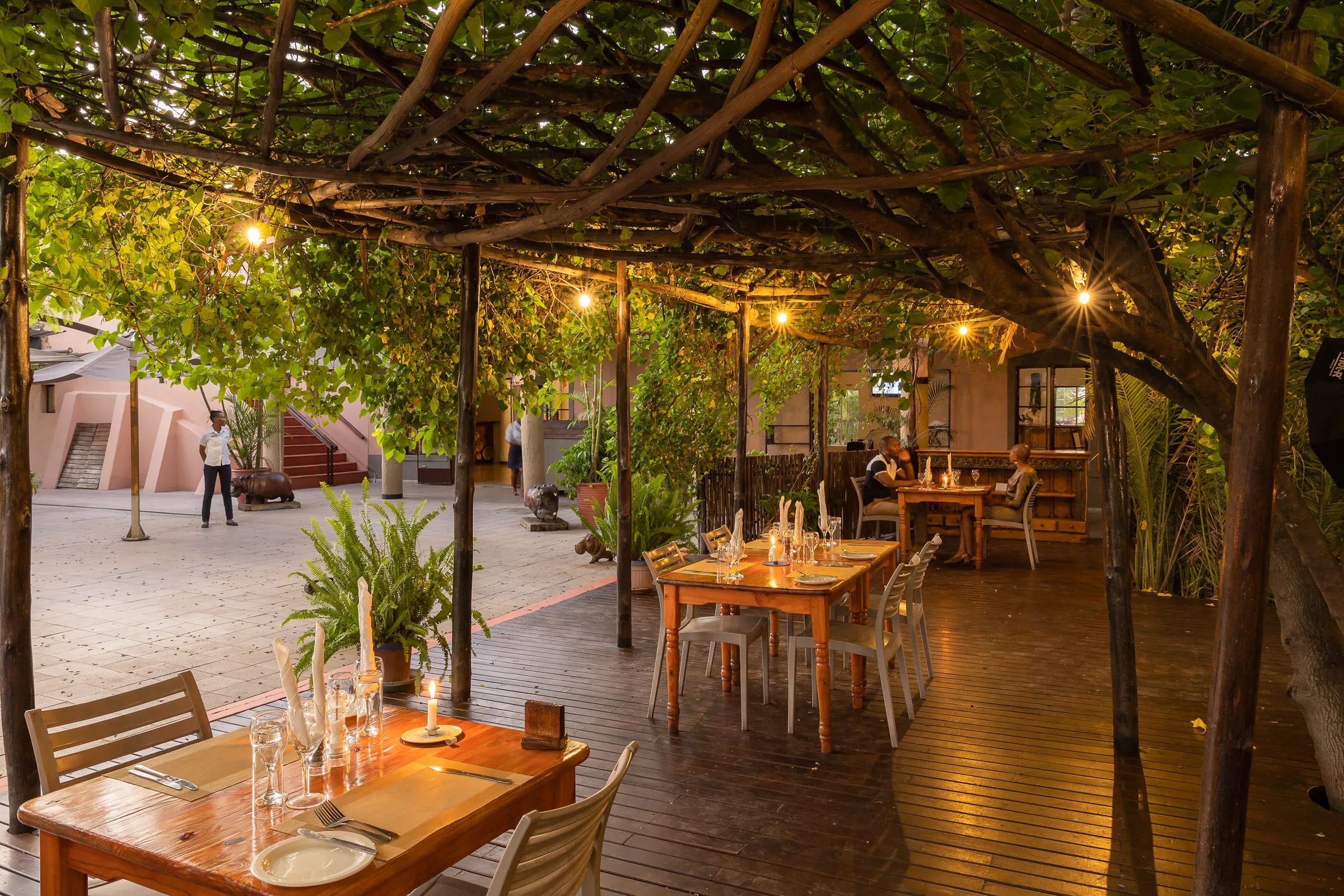
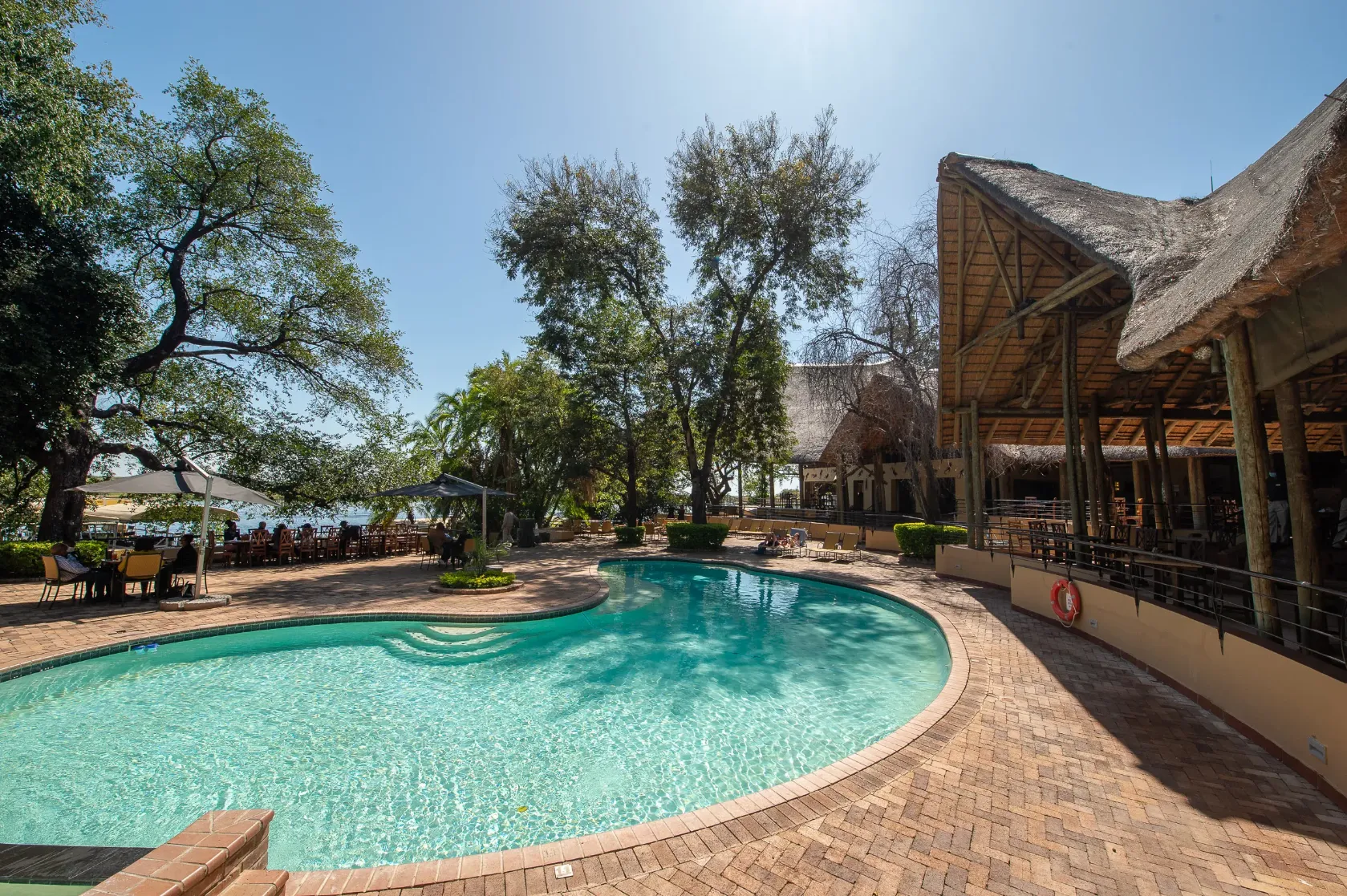
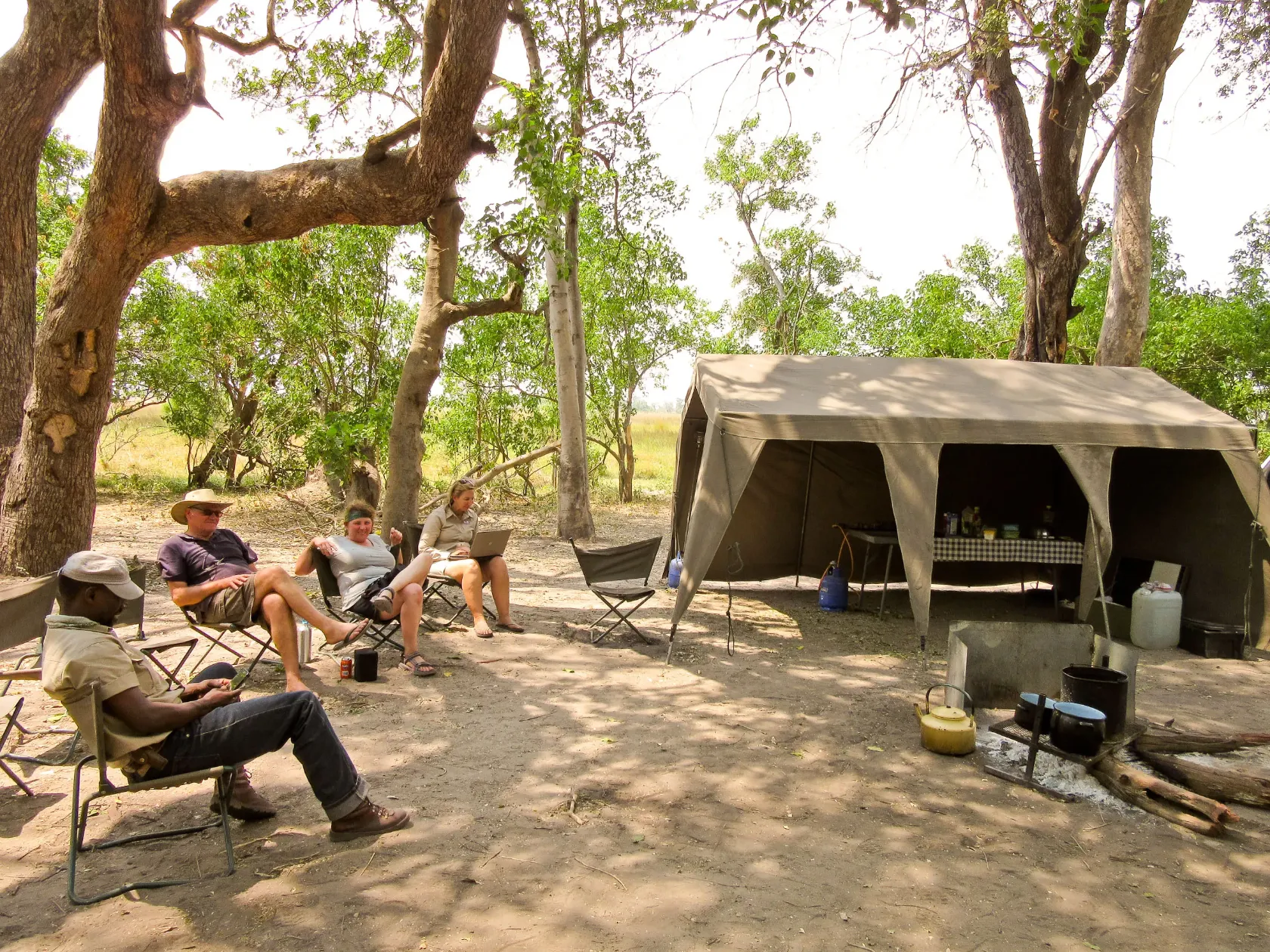
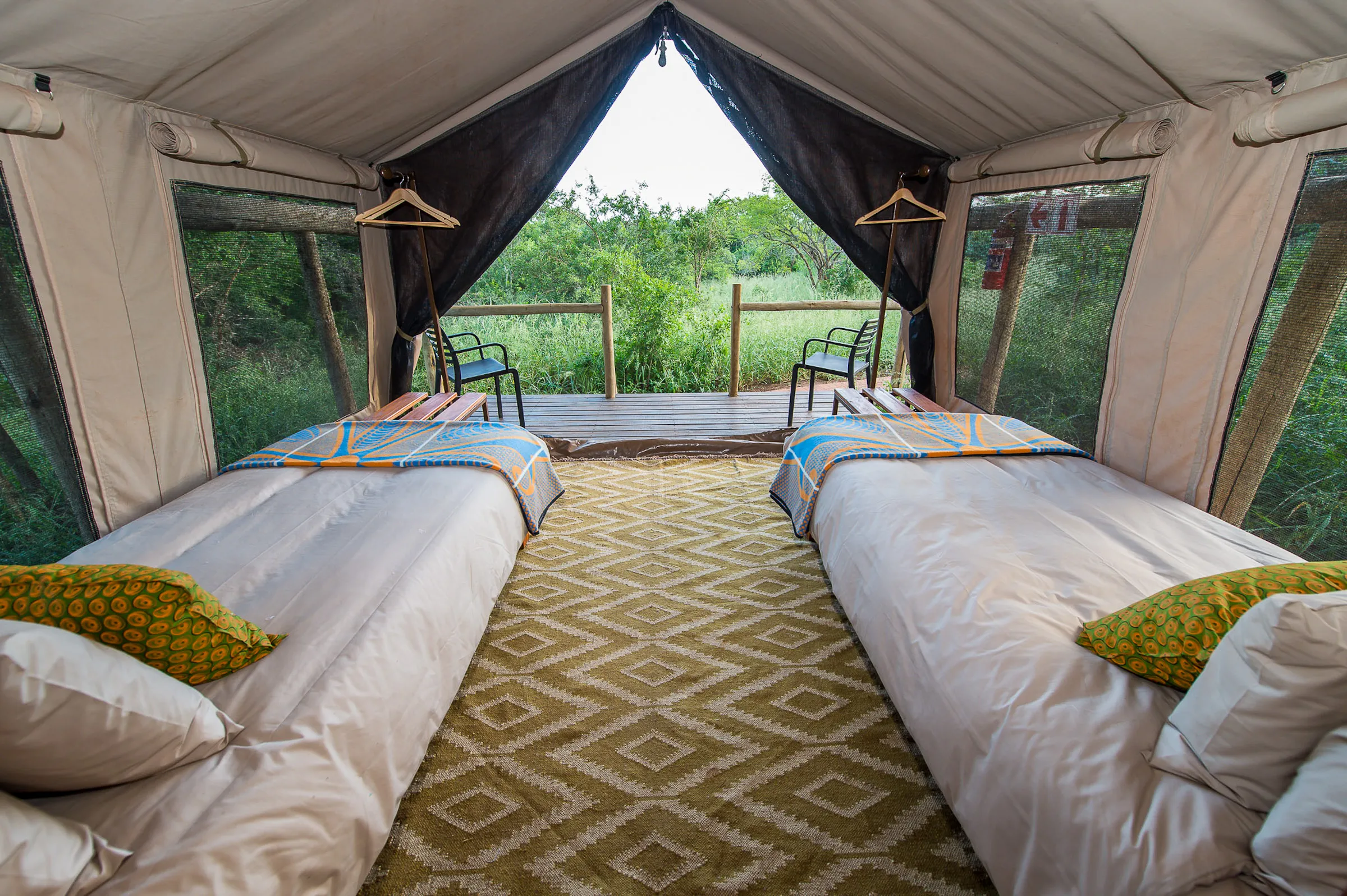
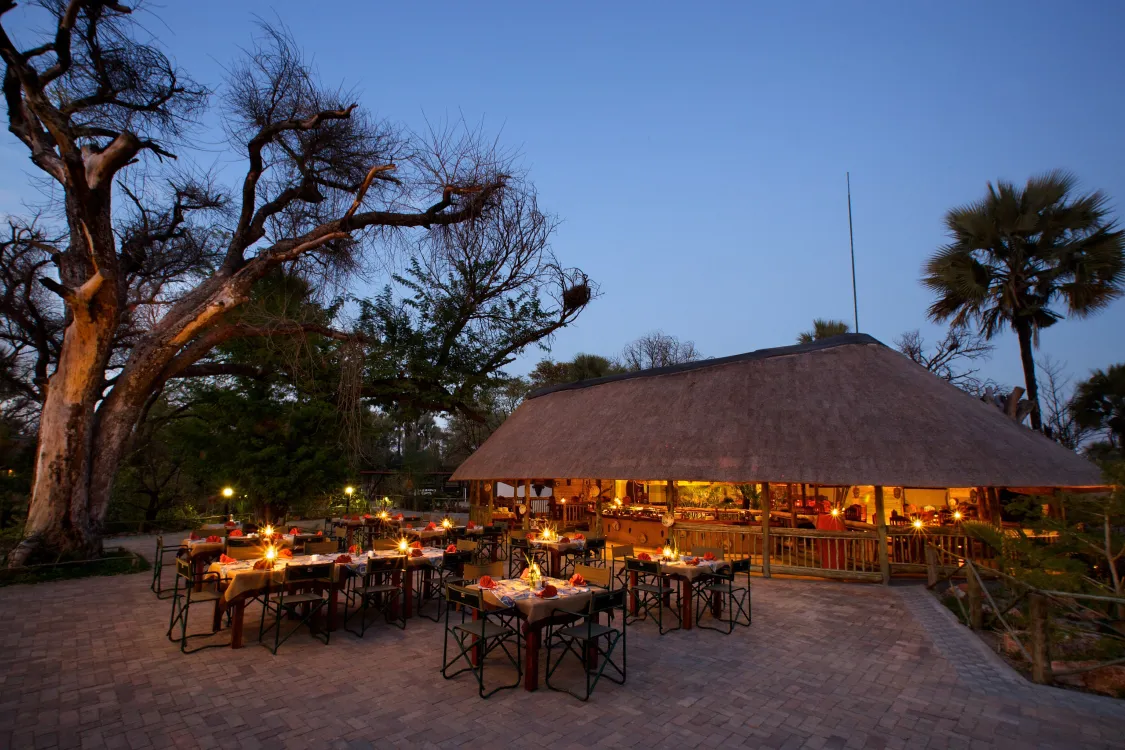
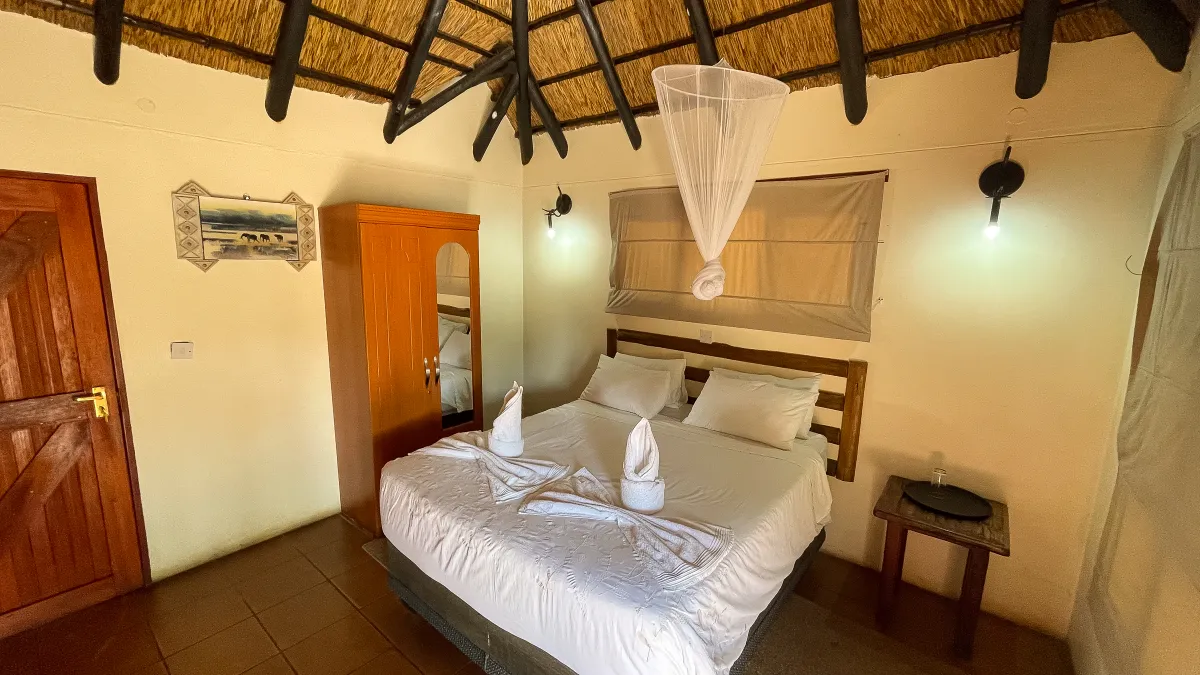
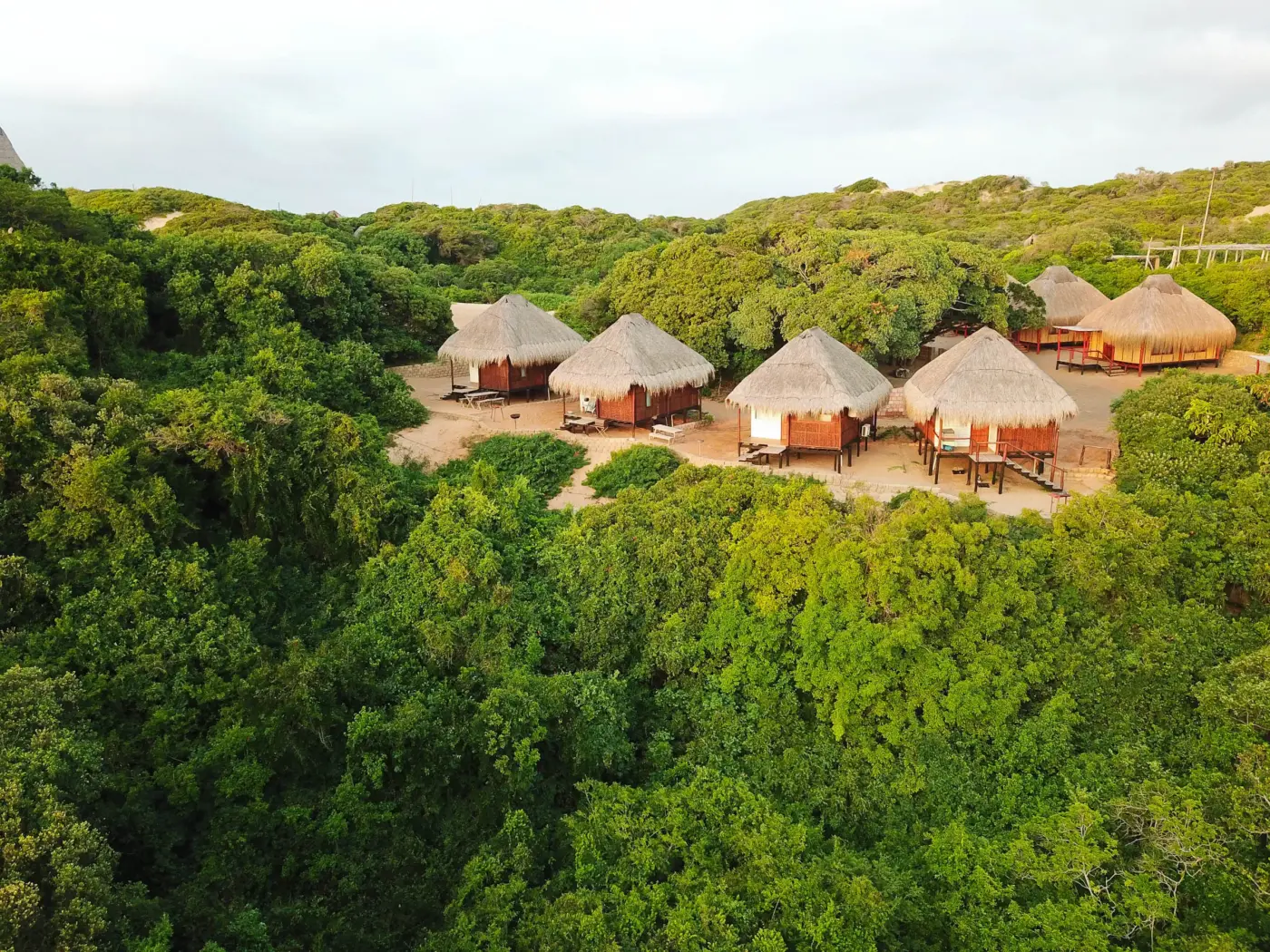
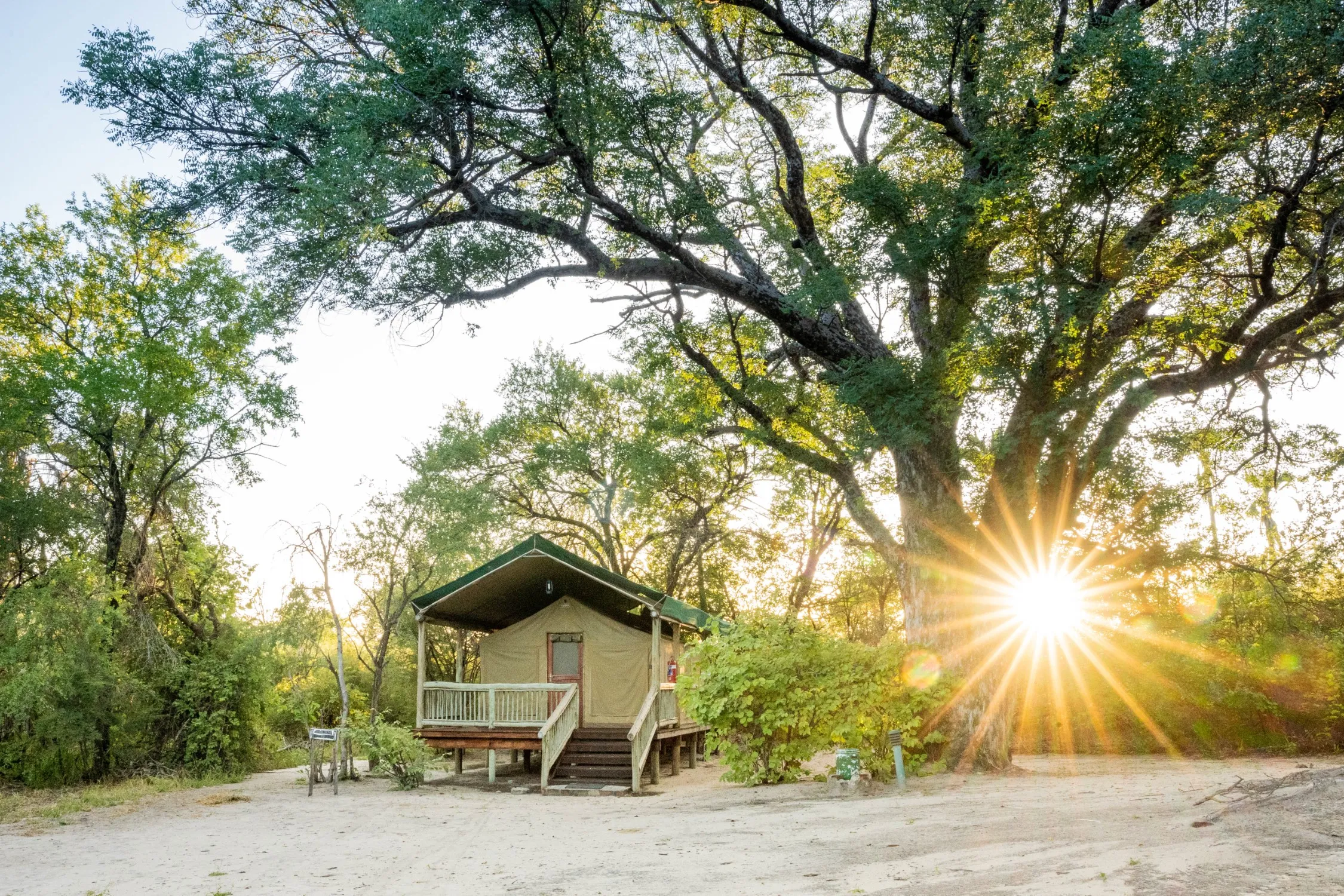
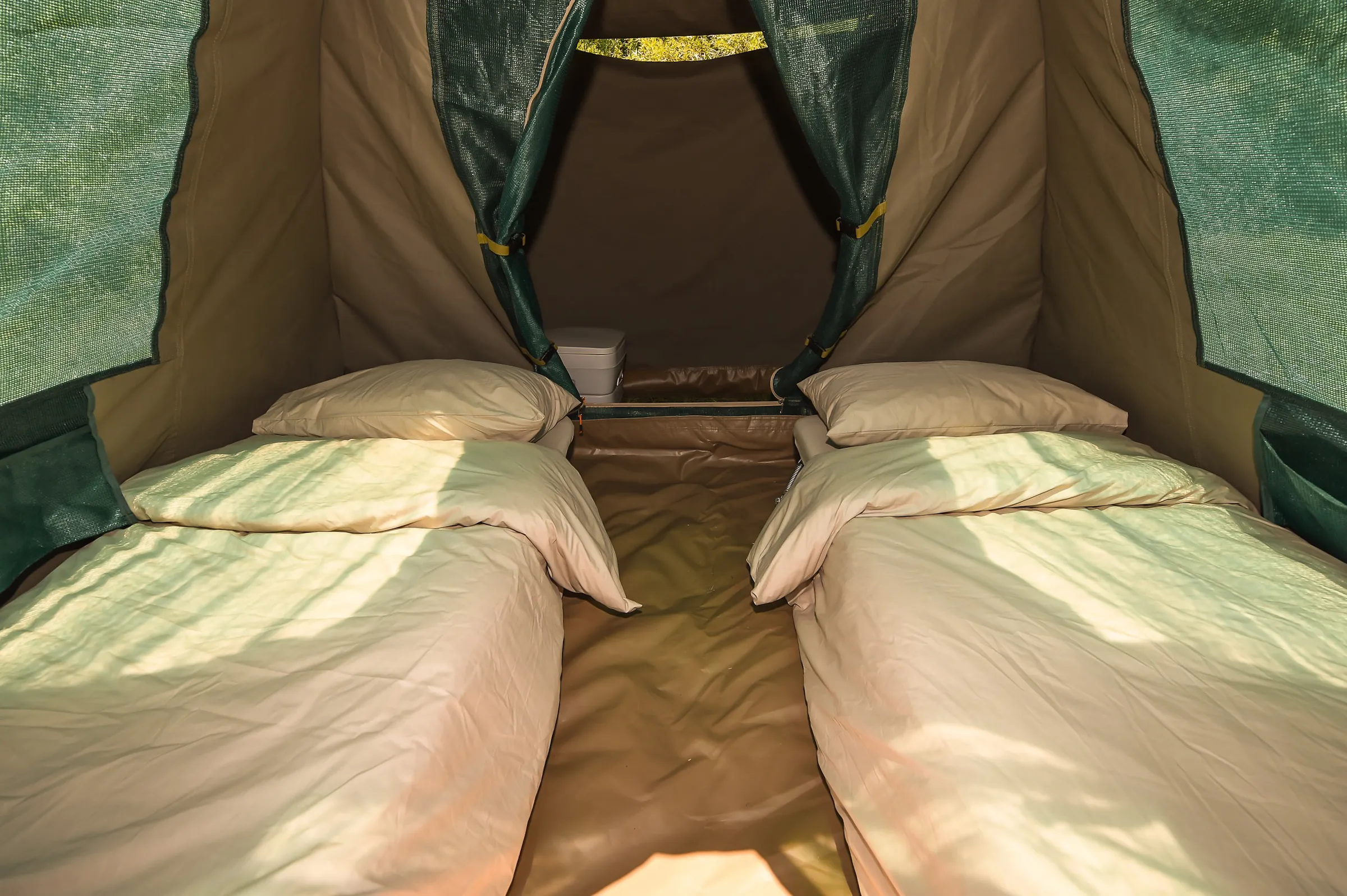
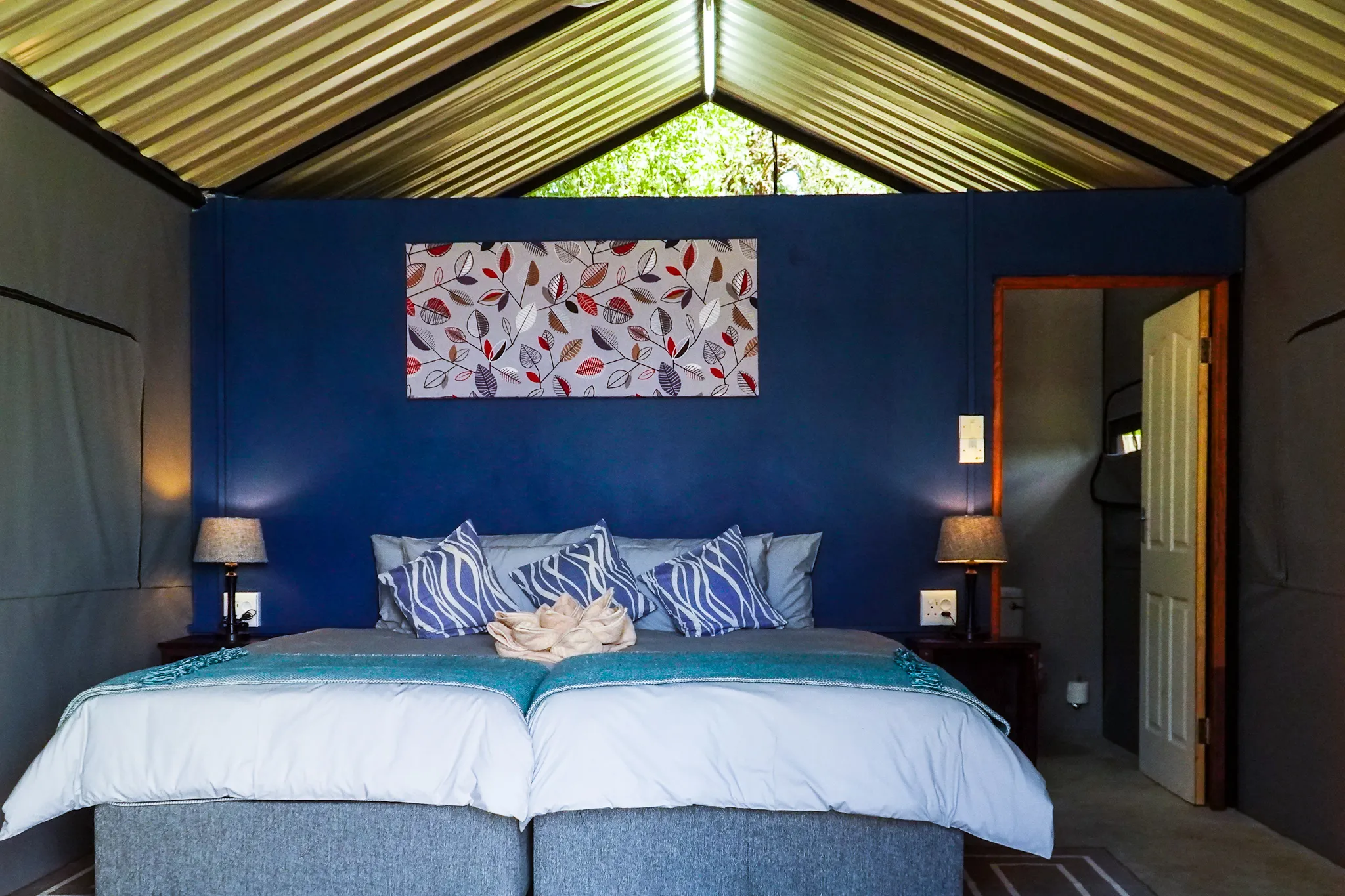
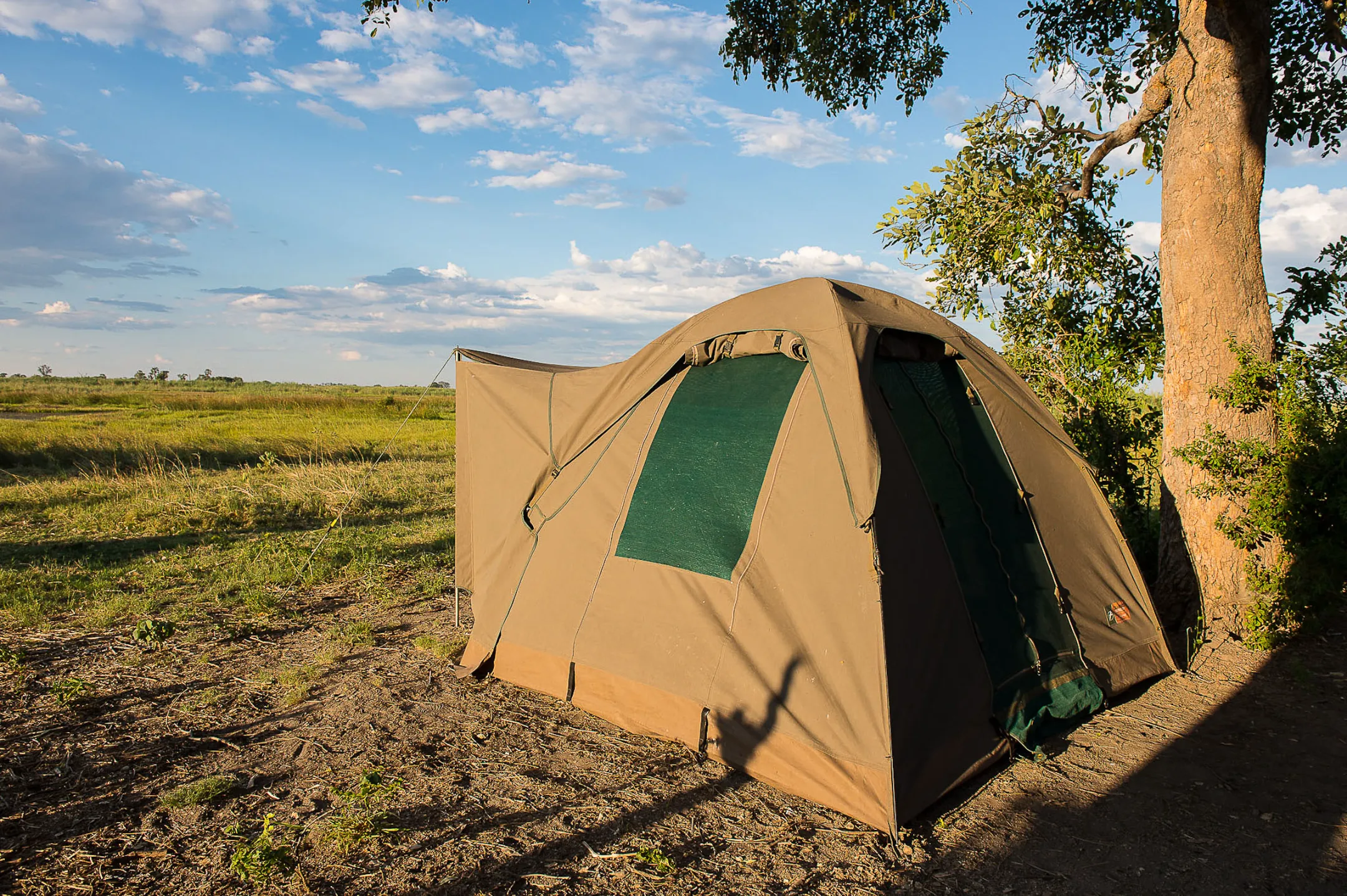
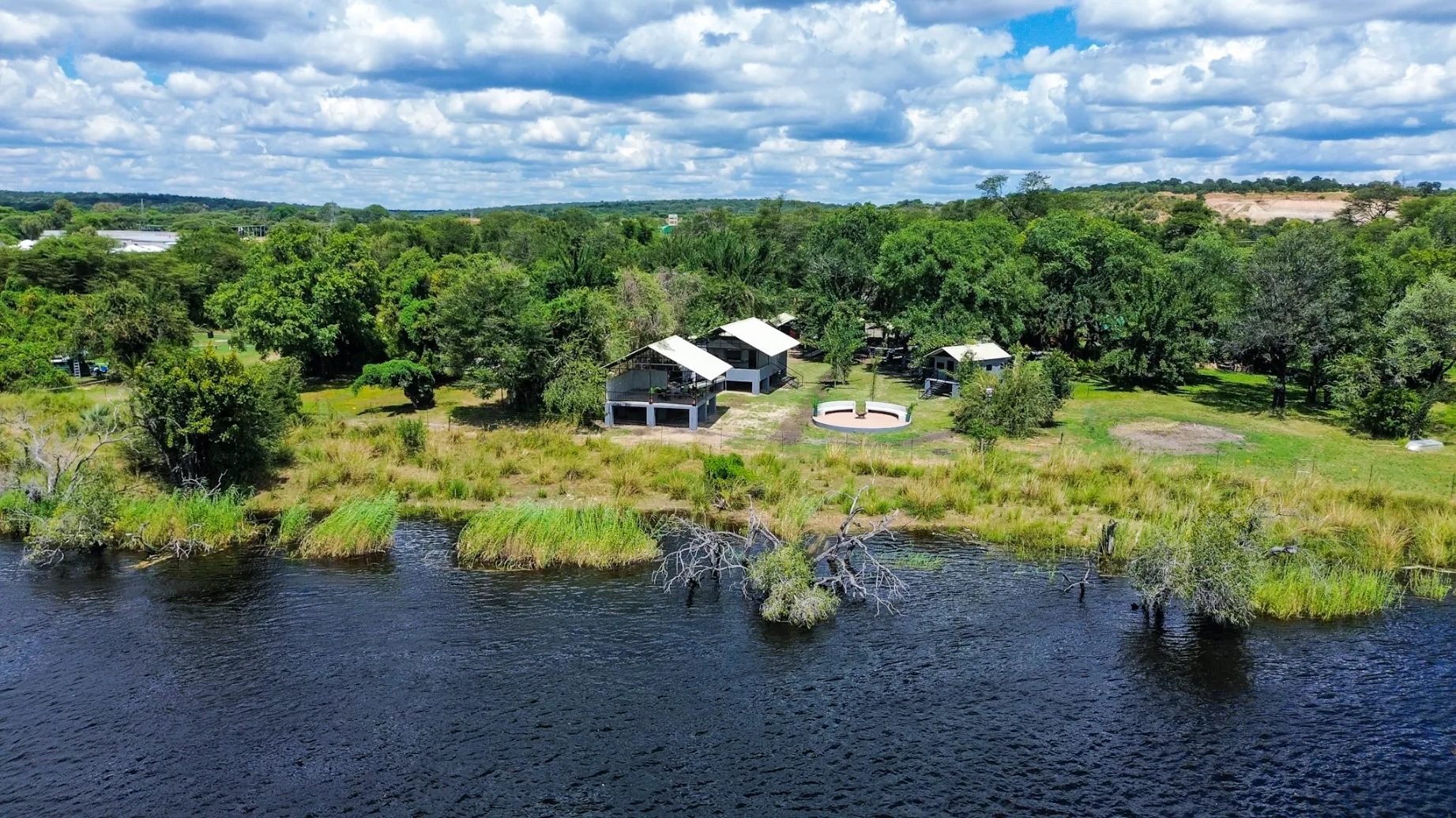
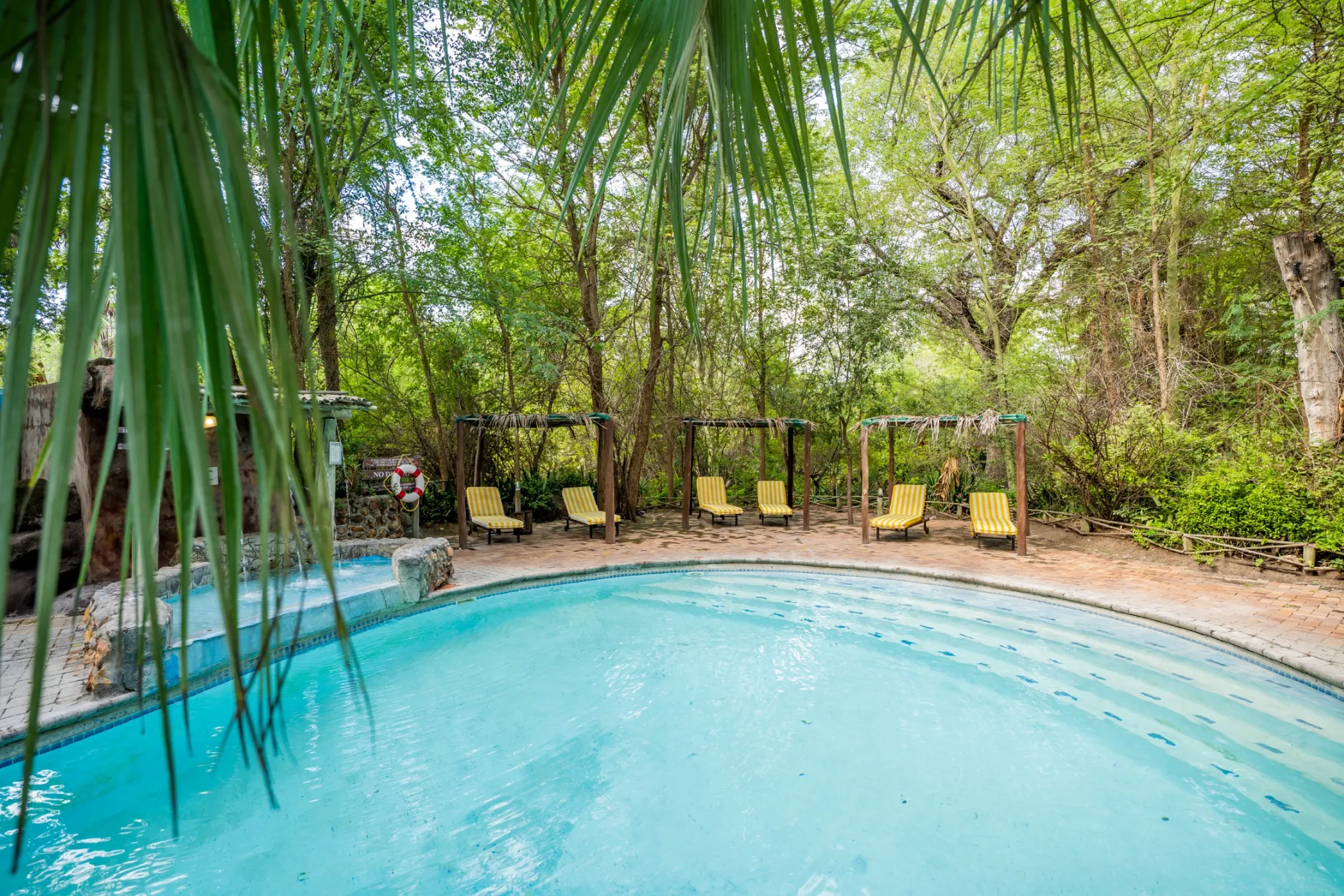
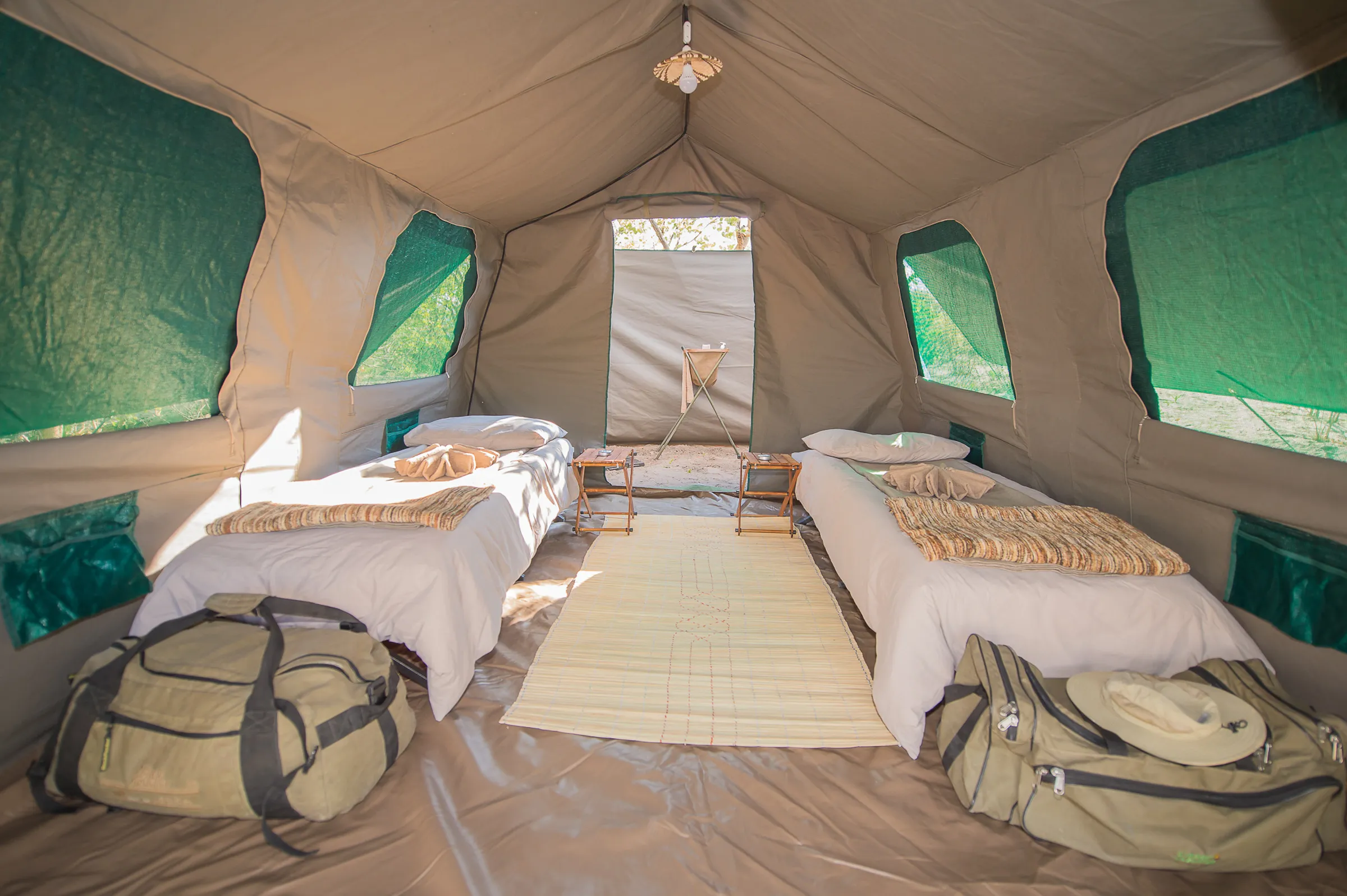
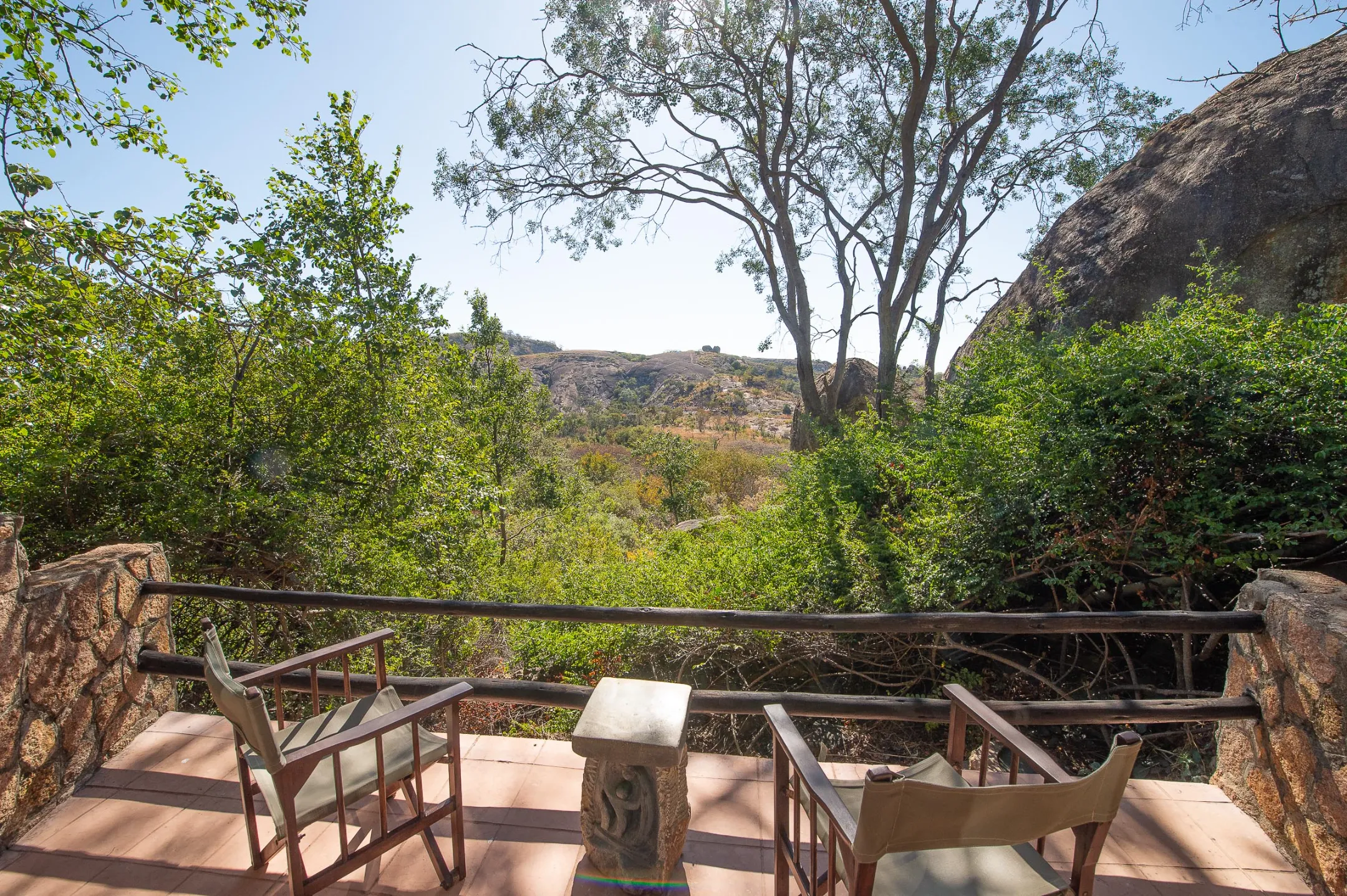
The accommodation throughout this classic journey is of 3+ star style and are chosen not only for their service and comfort level but also for their wonderful locations and local wildlife viewing opportunities. All rooms have private en suite facilities. For Etosha we stay inside the national park and for the Namib we stay on a private lodge bordering the national park.
Meals
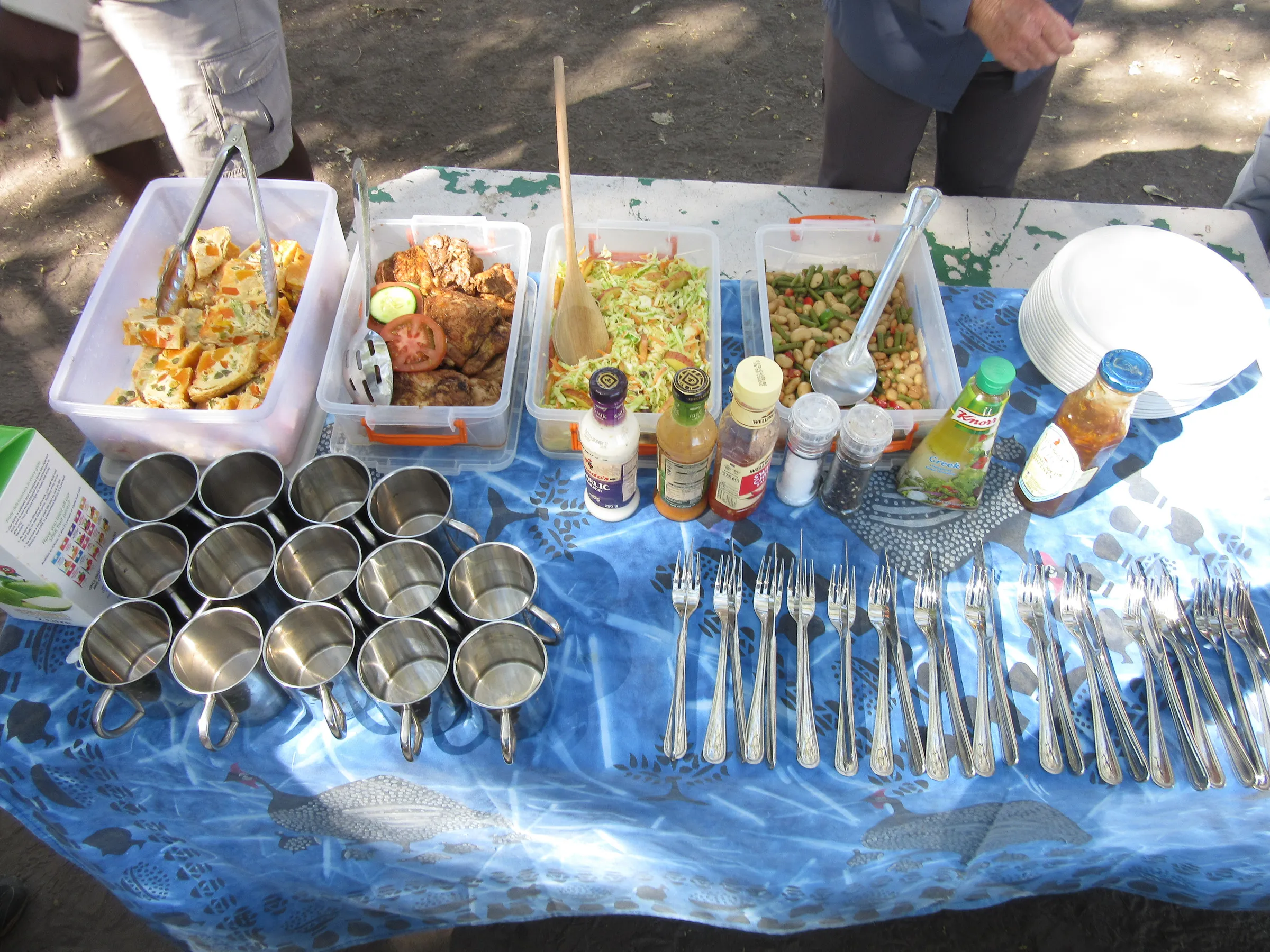
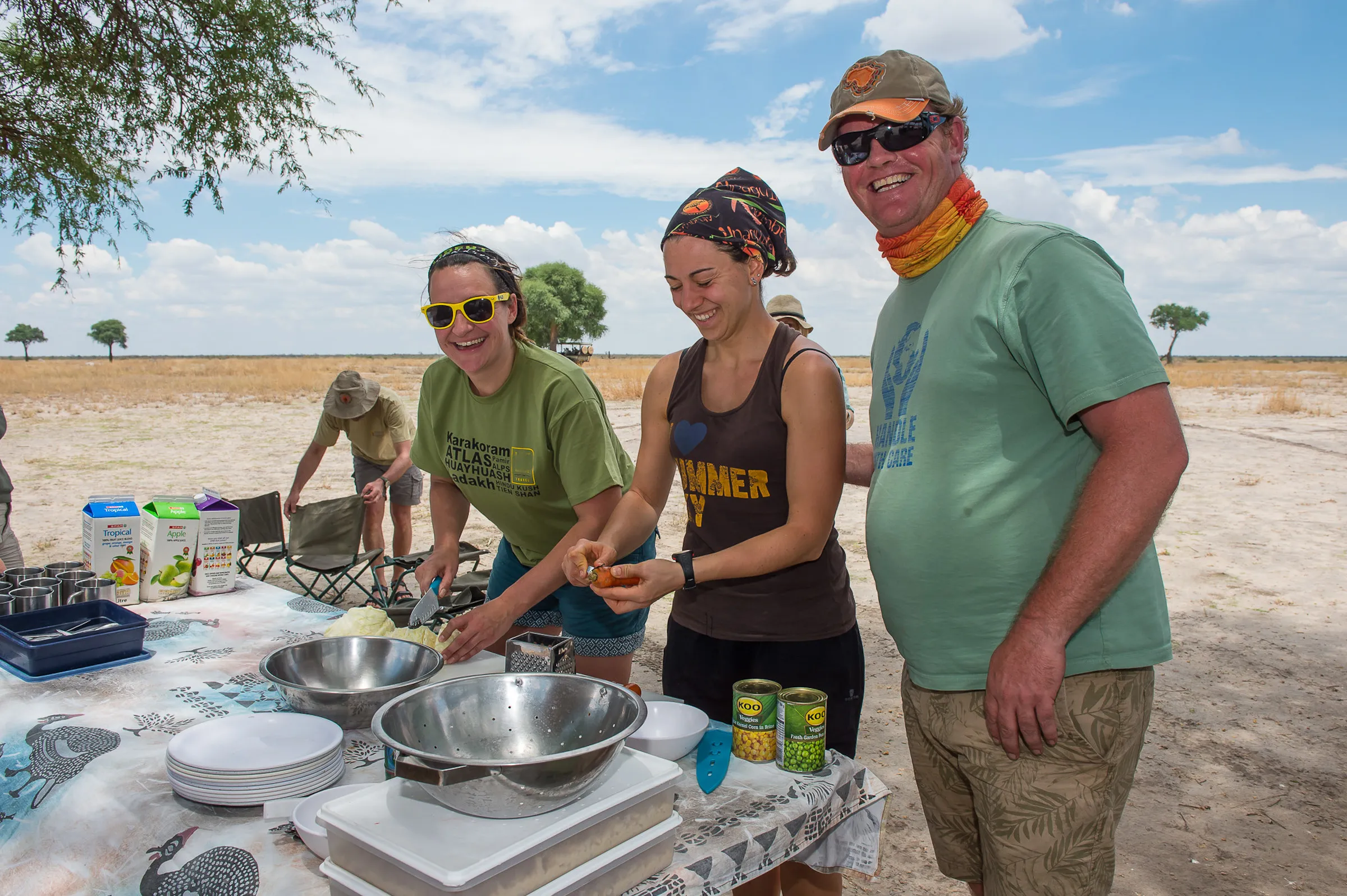
14 breakfasts, 5 lunches and 9 dinners are included. All of which are provided by the lodges at which we are staying. Due to travel arrangements or game viewing activities, the included lunches will be picnic lunches. Where meals are not included there will be an opportunity to buy a meal en route or at a restaurant in the evening.
Transport
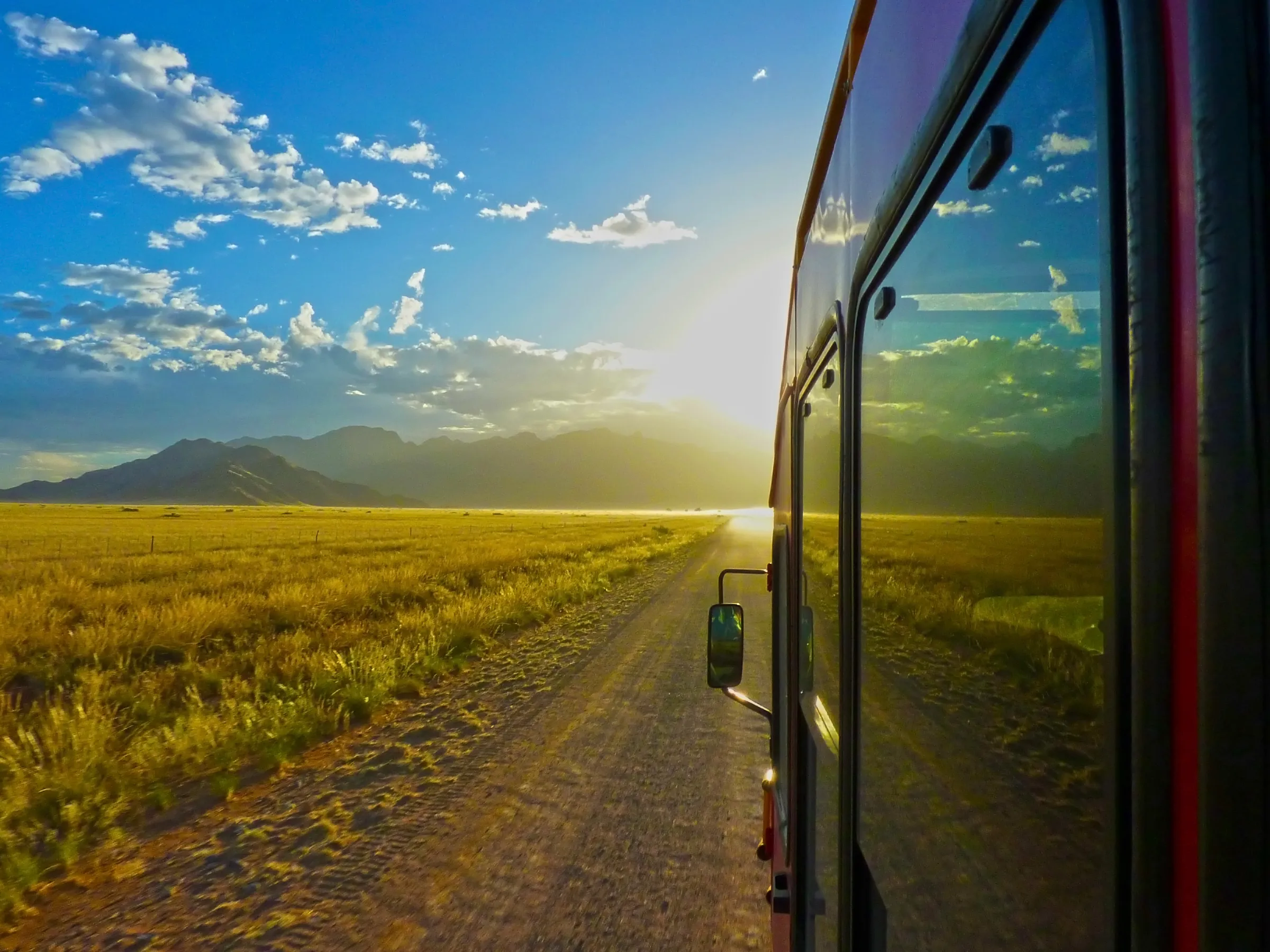
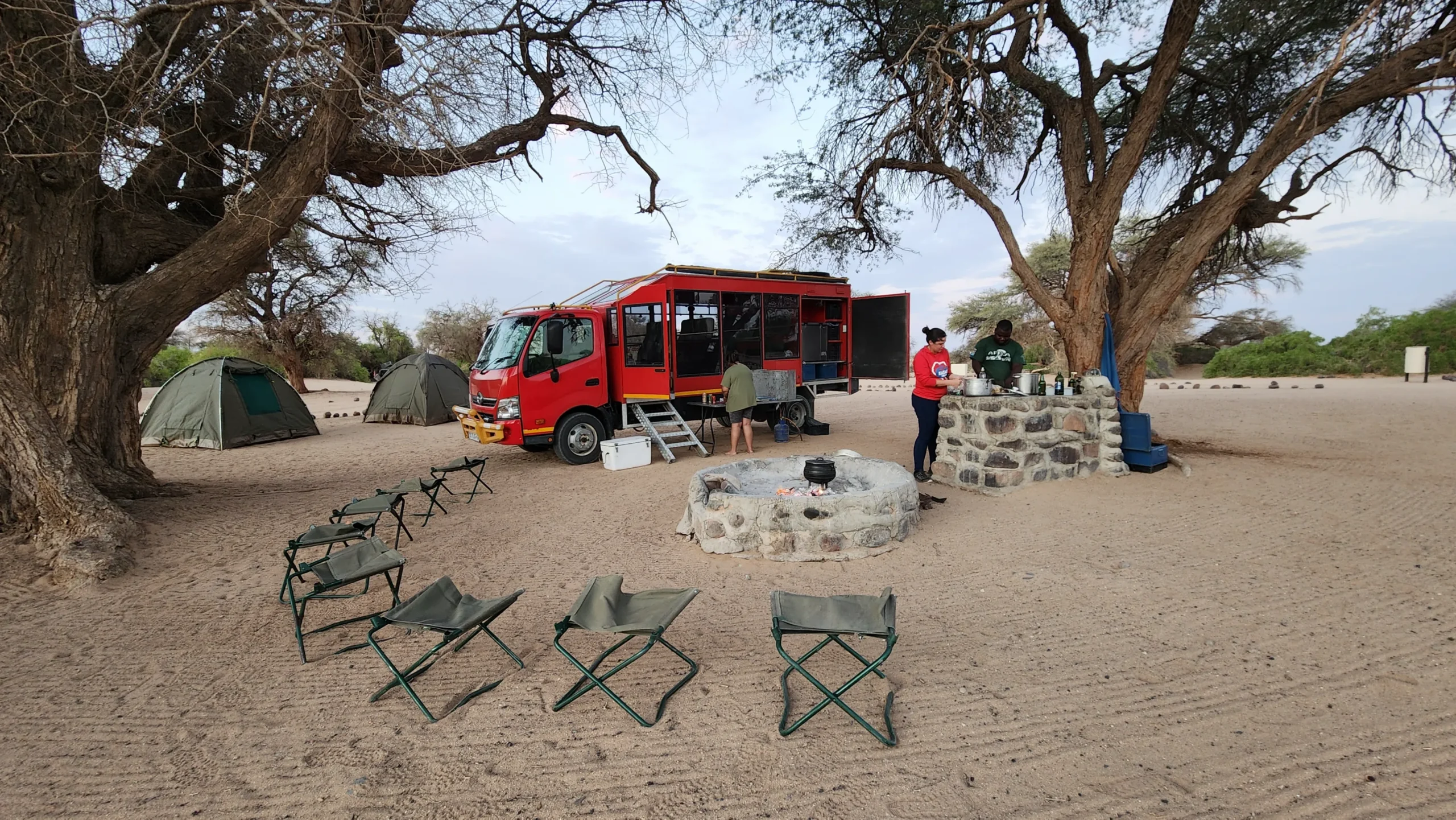
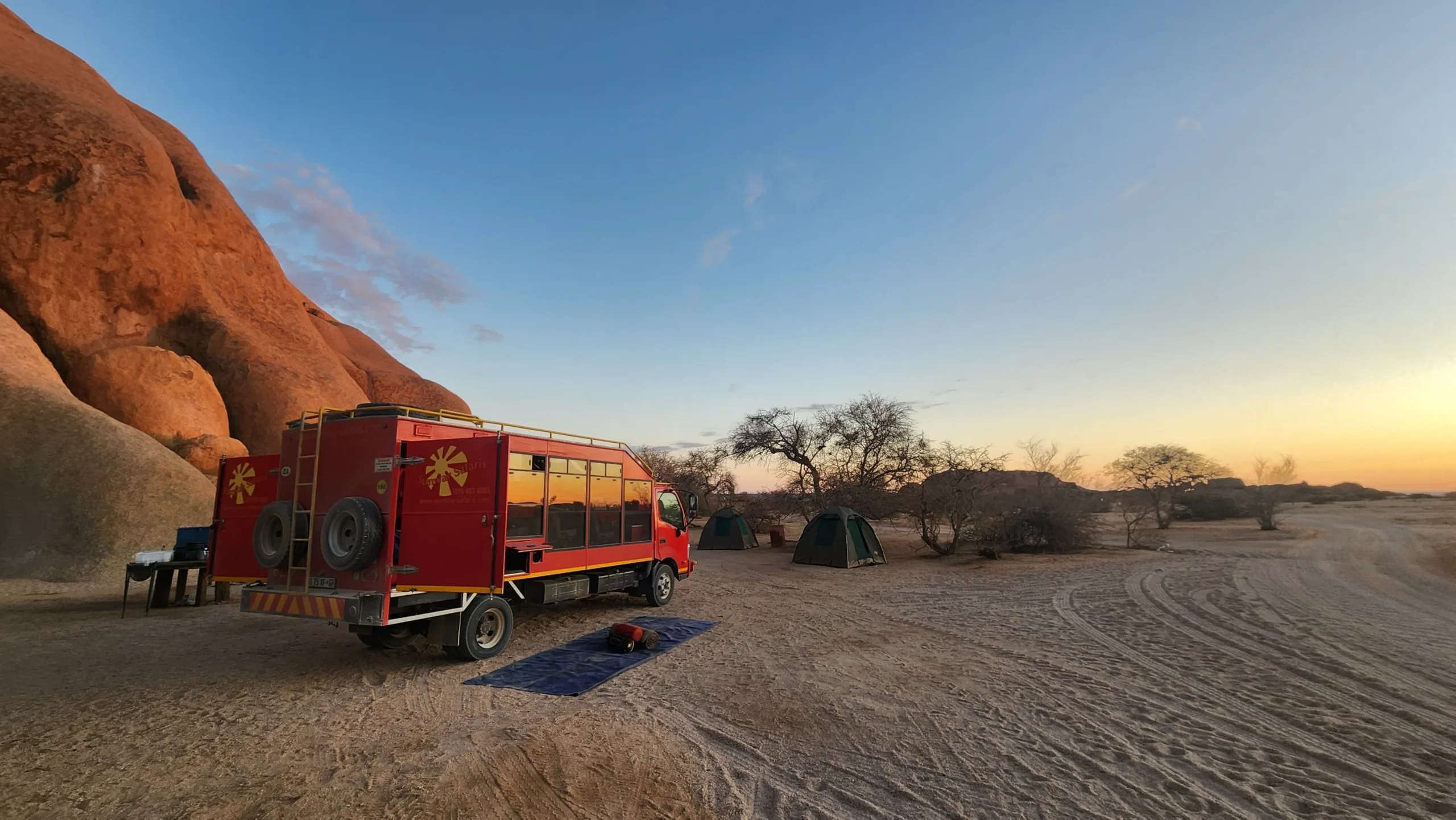
For the majority of this safari you travel in a Sunway Safari truck with 12 seats; or (on 5% of tours) Mercedes Sprinter minibuses with 12 forward facing seats and air conditioning. The game drives in Etosha will be in the tour vehicle, with large sliding windows. For the game drive in Ugab we use open sided 4WD vehicles with local guides.
Non participation
This is an adventure tour, and as such please expect to get involved. Where there are porters, they’ll help you, otherwise you’ll need to carry your own bag. Included meals are all lodge provided. If you have a particular interest, please let your safari leader know, and he/she will endeavour to make your journey more rewarding. Your holiday time is exclusively yours to enjoy your safari and get the most from your travel experience.
Responsible Tourism

In the Ugab wilderness region we stay at the White Lady Lodge. A partnership was signed in 2003 and the local community benefit through the employment and a percentage of the income of the lodge. There are also other spin-offs such as the sale of fire wood to the lodge.

Age Policy
We accept children 12-18 with accompanying adults on scheduled tours (for private groups we can accept younger children).
If the clients are older than 65 years, then we require a medical certificate too (stating client is fit and healthy to embark on a multi-day tour covering long distances etc).
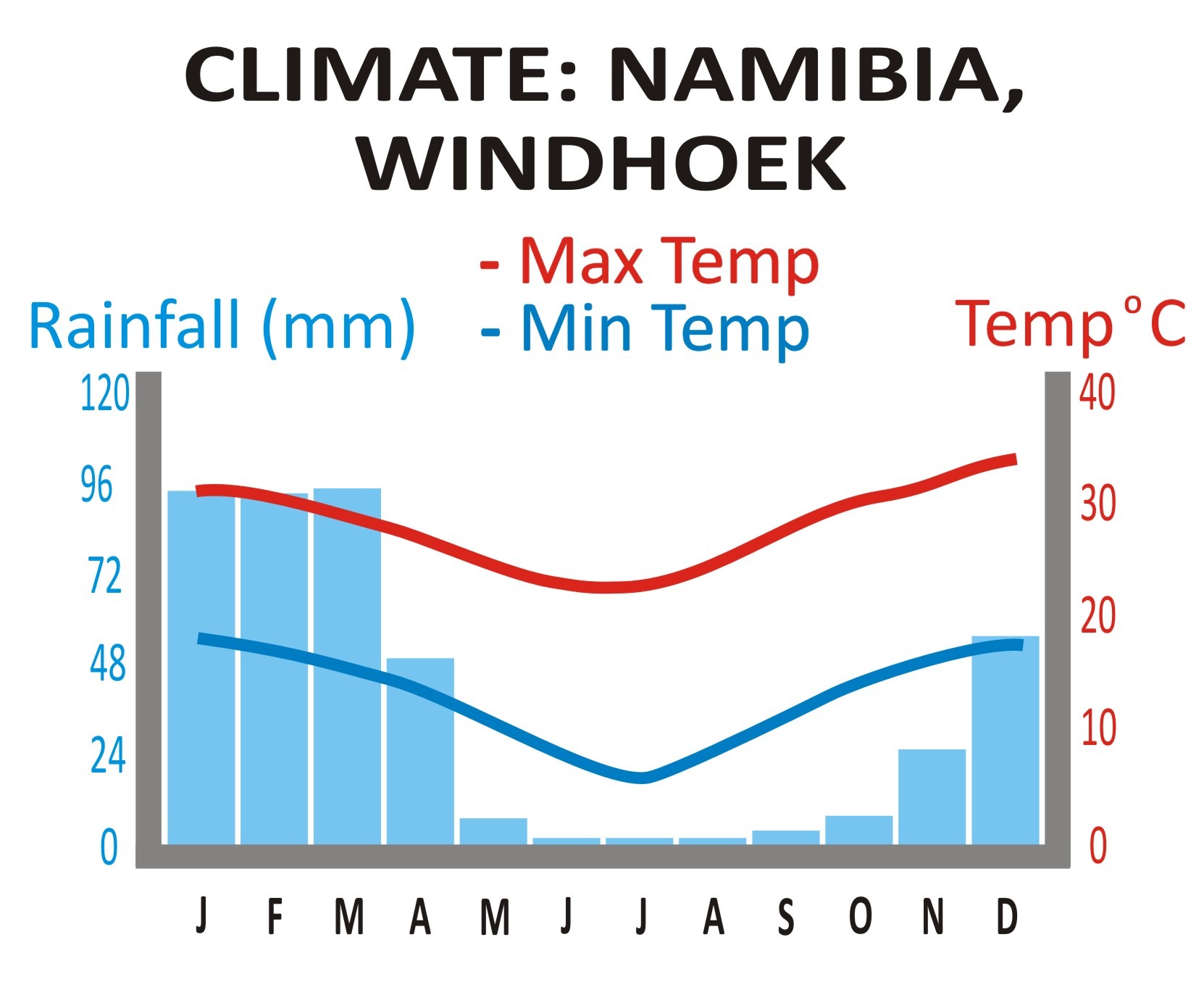
The best time to visit Namibia
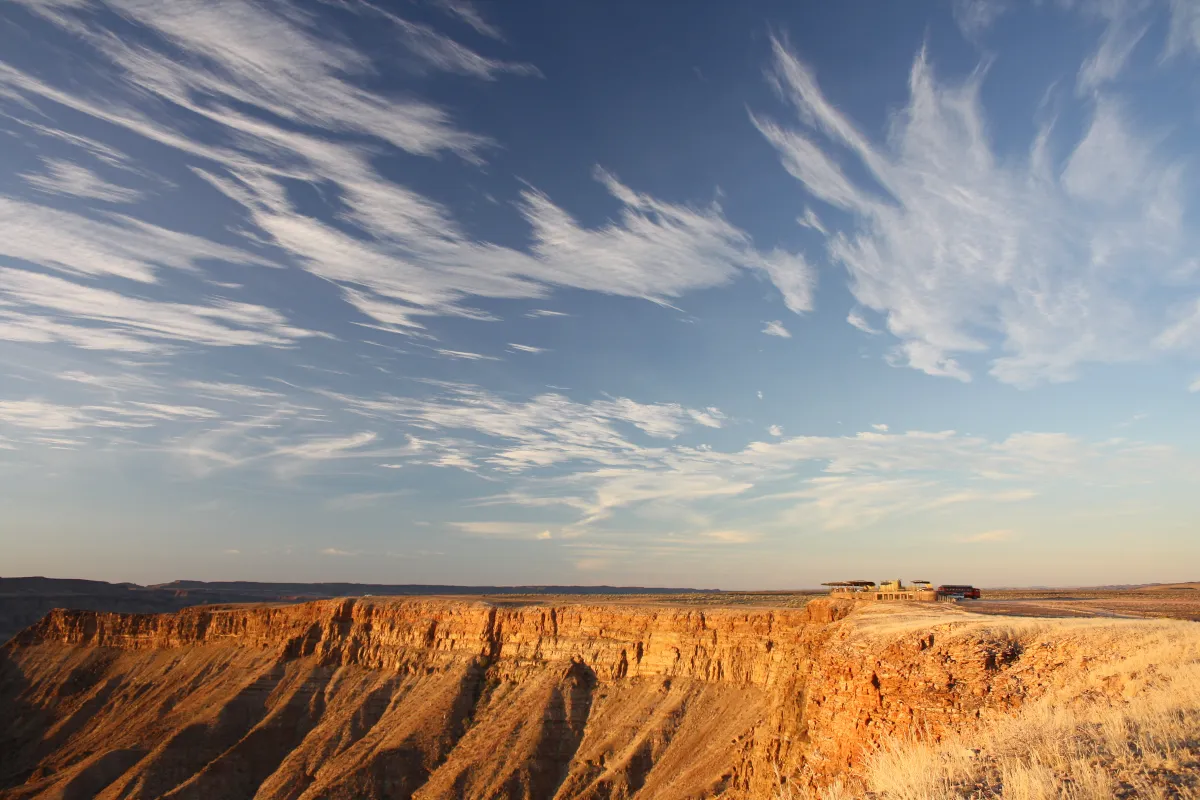
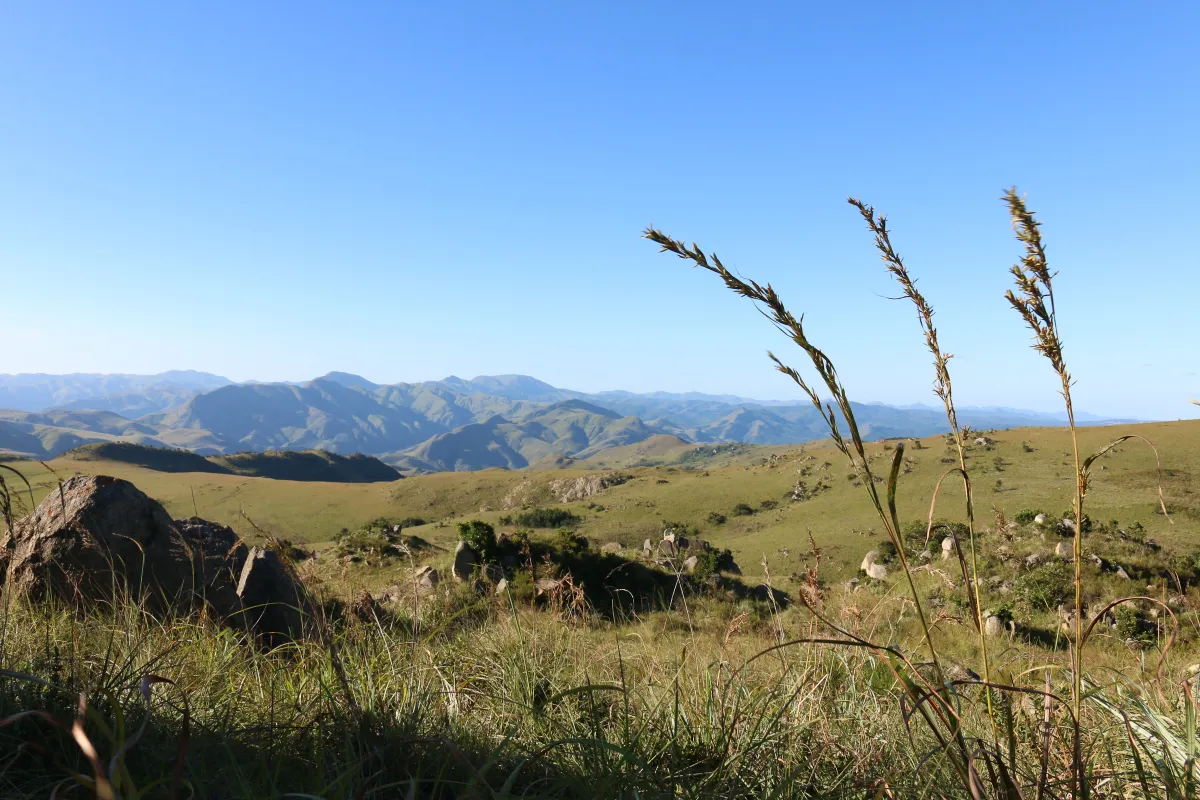
The Namib desert landscapes form a magnificent backdrop for a spectacular safari. Lying on the Tropic of Capricorn, and flanked by the cold Atlantic Ocean, Namibia has a desert climate for the most part and there can be large differences in day and night temperatures, low rainfall and overall low humidity.
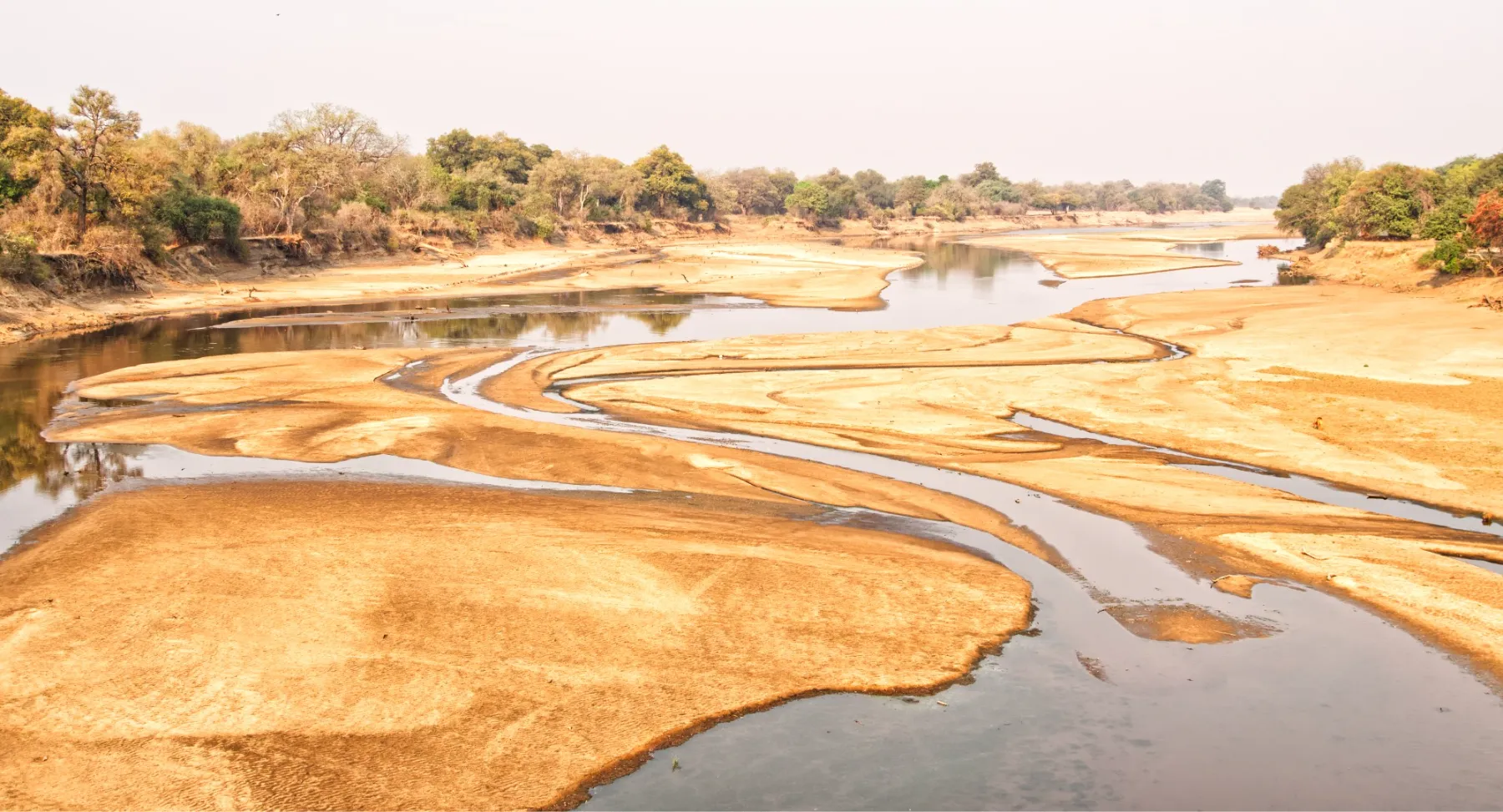
Dry season is from May to October: Wildlife gathers around remaining water resources, against starkly beautiful landscapes. There is little to no rainfall during the entire winter and humidity is low.
May:- is Autumn and the infrequent rains have stopped, but the vegetation is still lovely and can be green. The nights aren’t cold yet and day temperatures on average are around 24-28°C/75-82°F.
June:– The nights are colder and can drop below 10°C/50°F. In desert areas, it can be freezing. Days are still pleasant around 20-24°C/68-75°F with clear blue skies.
July & August:– Winter morning game drives can be cold at an average minimum of 7°C/45°F, so dress in layers with a windproof jacket and beanie. The average daily temperature reaches 21-25°C/70-77°F but can fall to below freezing at night in the deserts and higher altitude areas.
September & October:– Spring is lovely. It isn’t too hot, but the mornings are less chilly. The skies are clear and during October the green vegetation is fading as the heat builds up. October can be extremely hot.
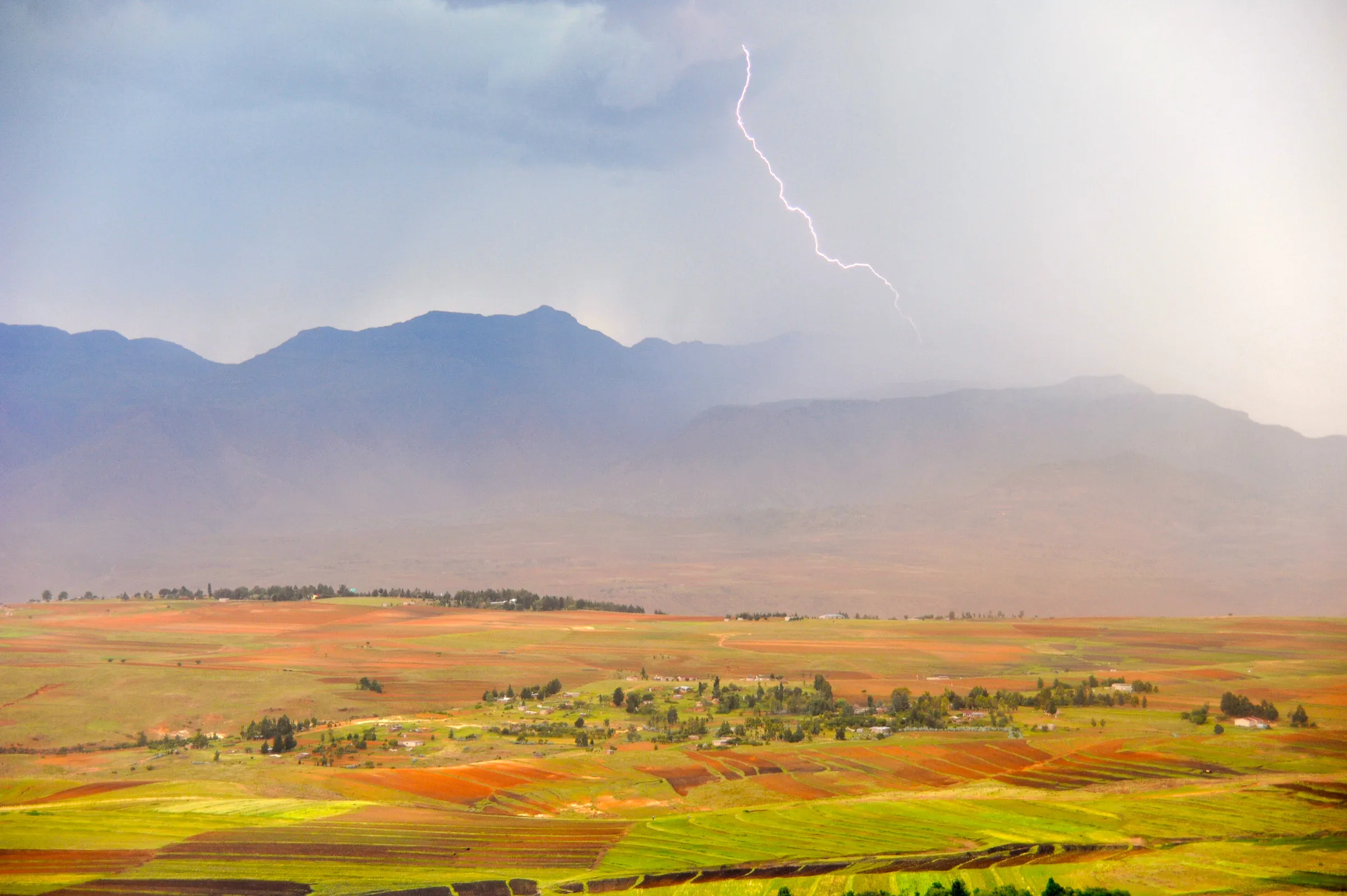
Green season is from November to April: Photography is amazing at this time, with wonderful light, dramatic lightning, and thunders storm cloud formations. Wildlife revels in the bounty of summer and life is good.
November:– By now it is hot, but with the humidity still low, it is pleasant. On average, the days are above 30°C/86°F, but it can be a lot higher in the desert.
December:– The first rains arrive and the temperature drops. The landscape changes after the first rains and everything comes to life. For the lucky you might experience the rare phenomenon of rain in the Namib Desert.
January & February:– Tends to be hot and humid with temperatures around 30-35°C/86-95°F and over 40°C/104°F in the desert. There may be downpours in the afternoon but not every day. Mornings are usually clear.
March & April:– Rainfall stops around April. It cools down and the nights start to get cold. Average day temperatures are around 25-30°C/77-86°F.